



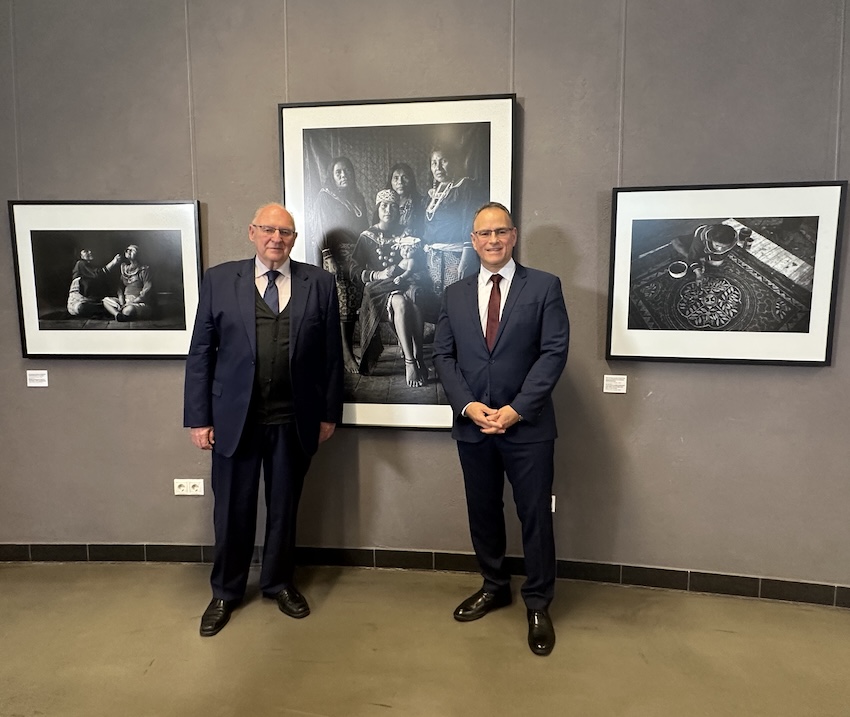
A visual journey into identity and indigenous heritage, revealing Amazonian culture through the lens of an insider
Edited by Anna Popper
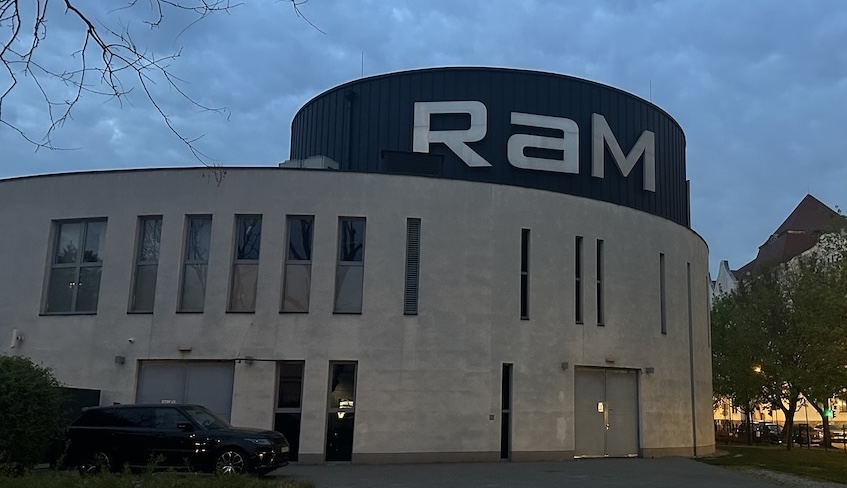
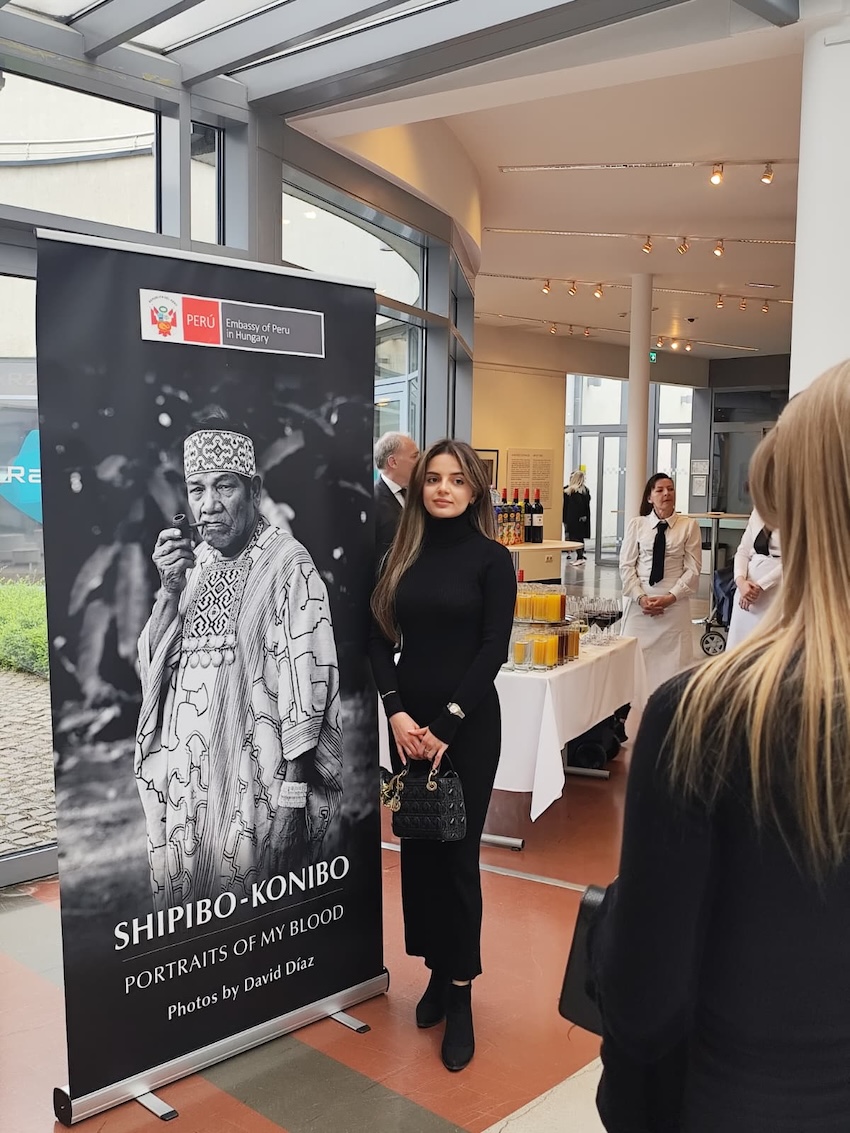
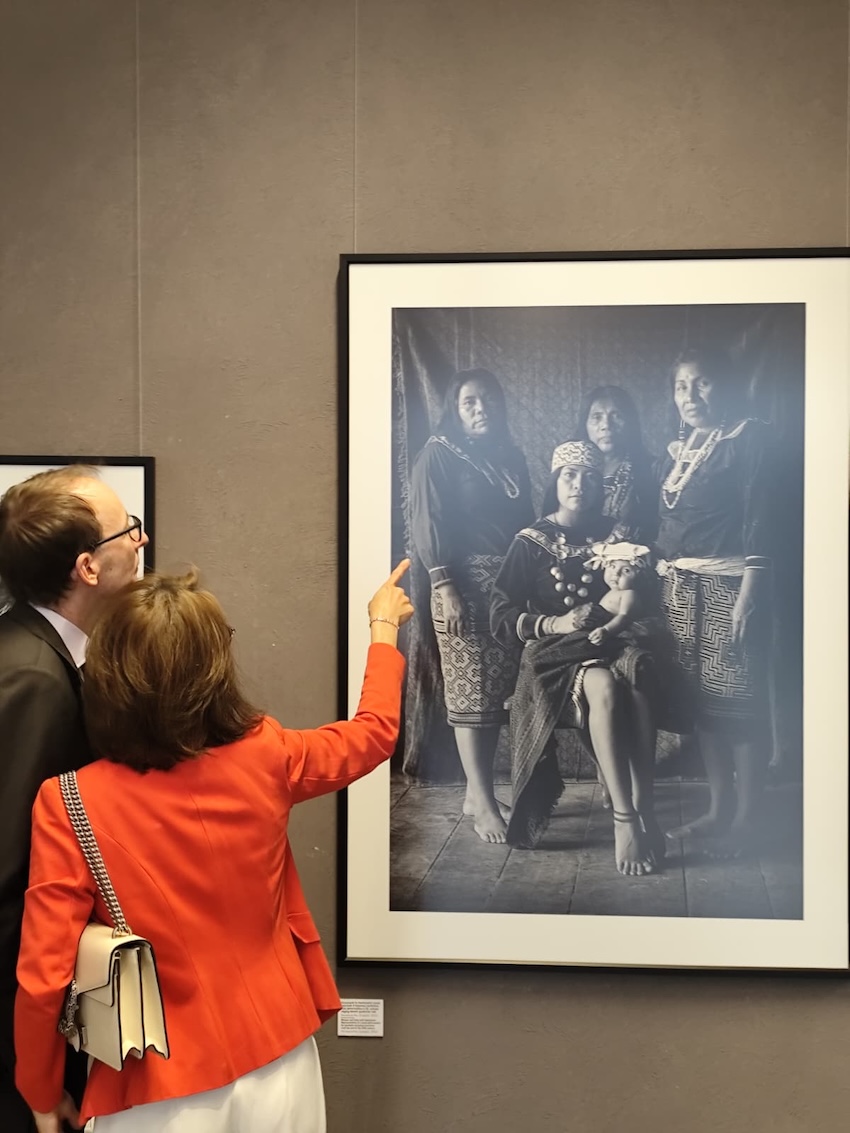
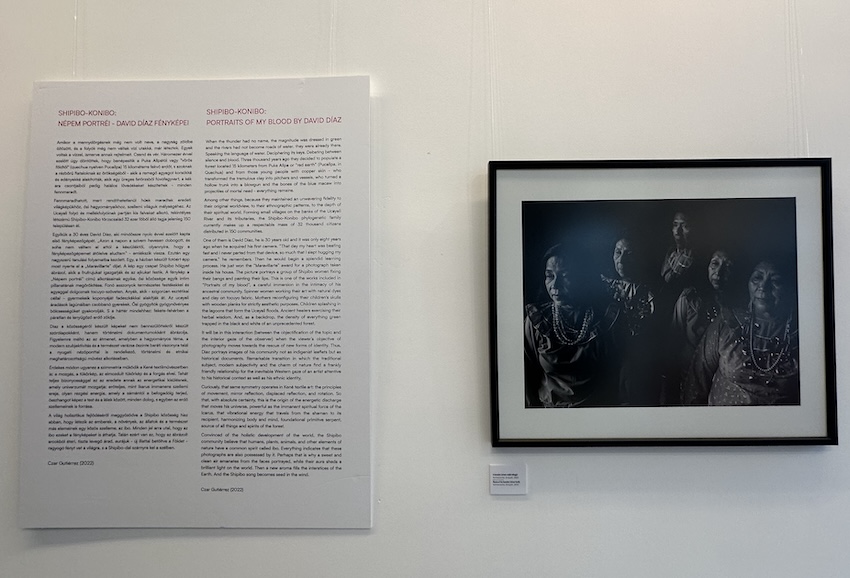
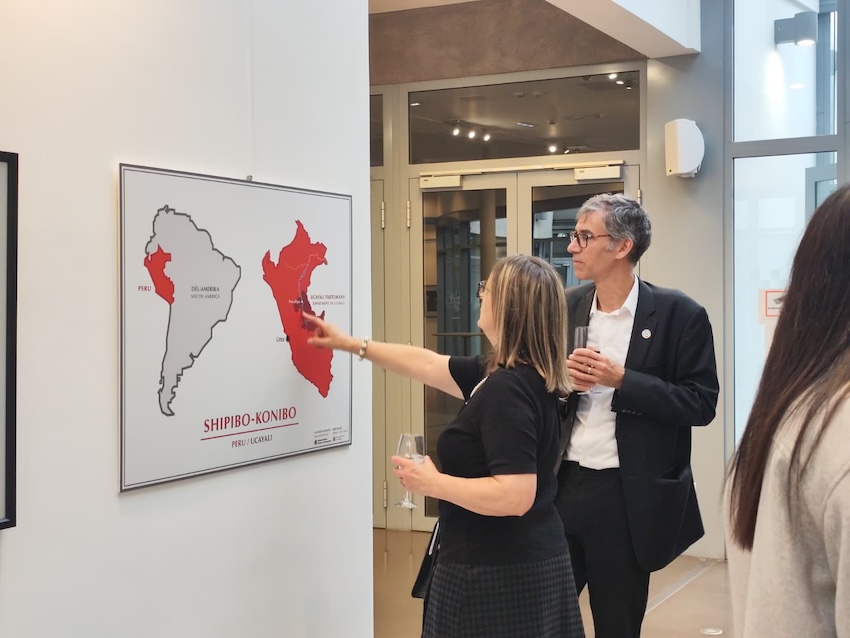
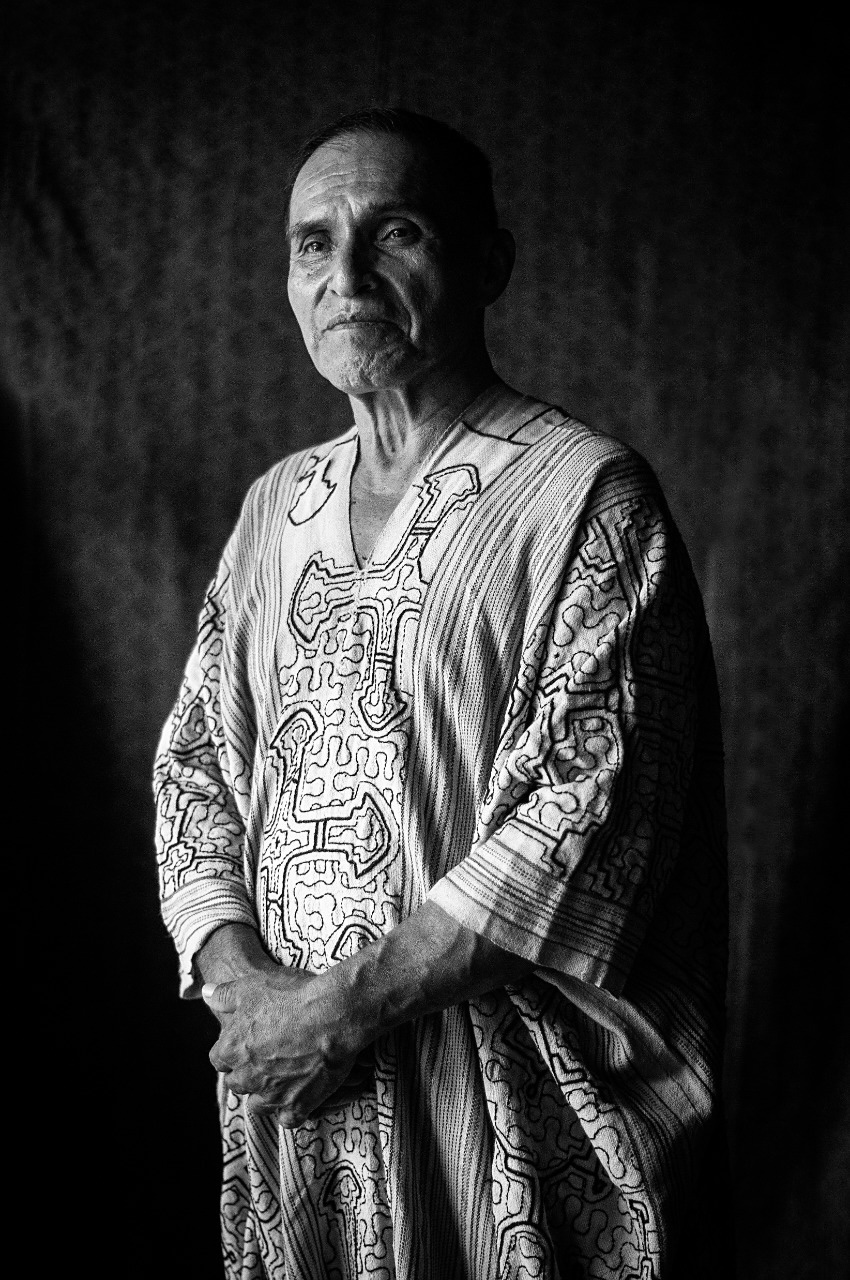
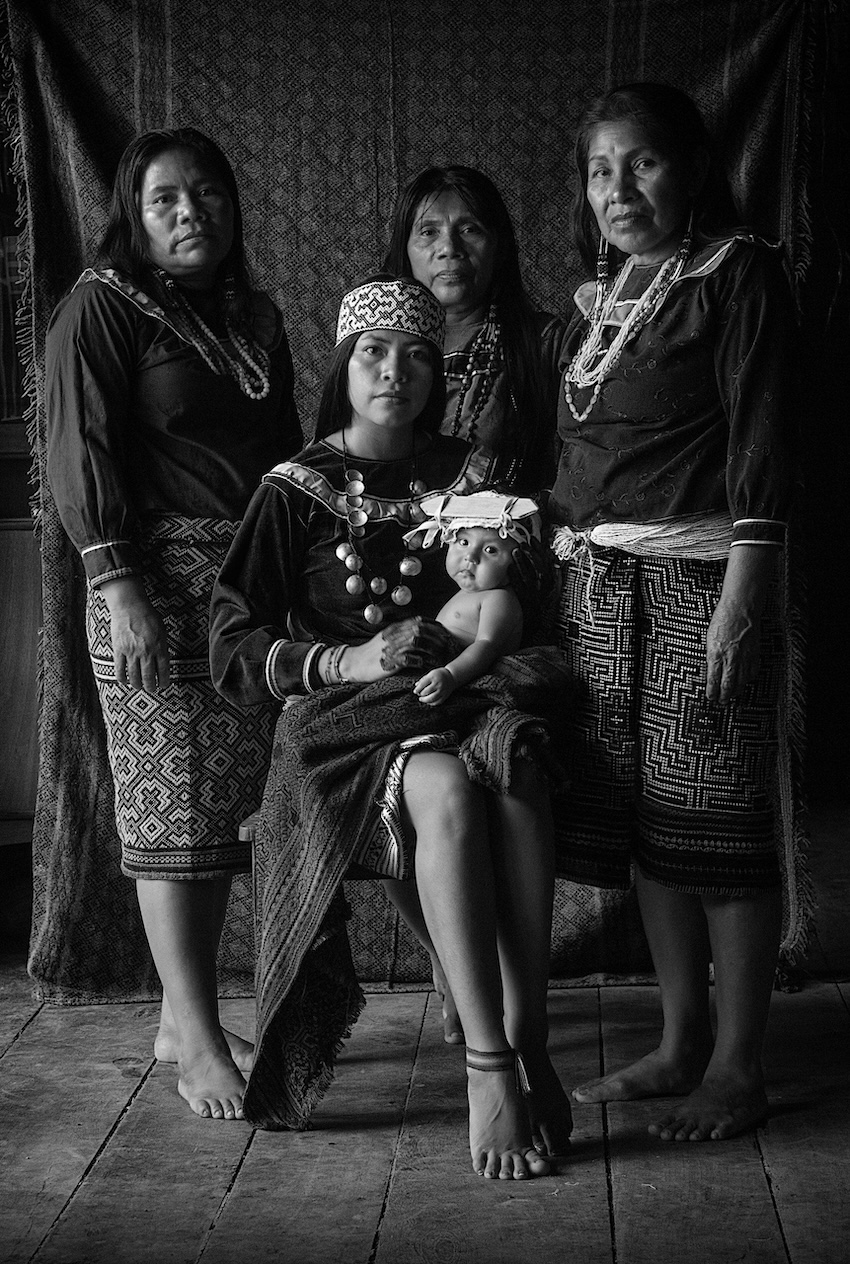
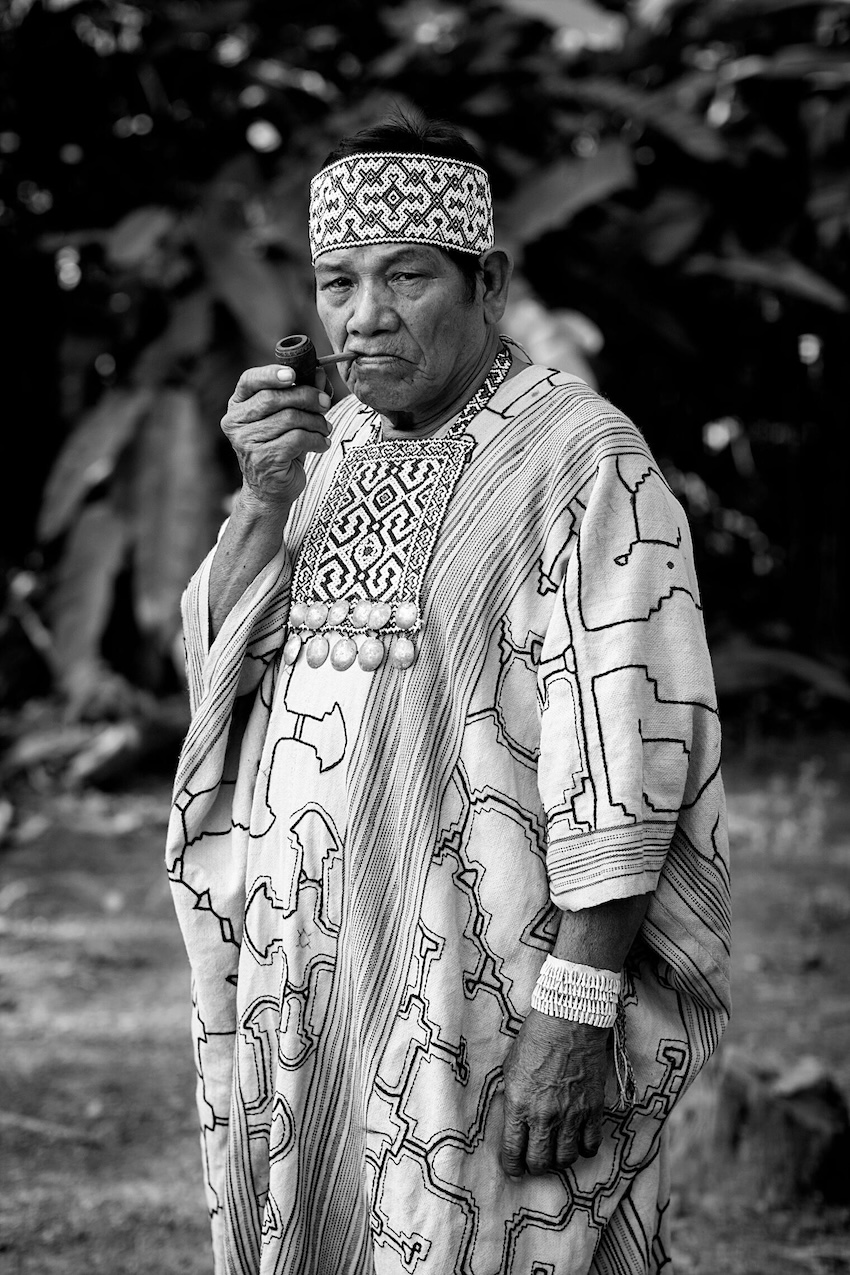
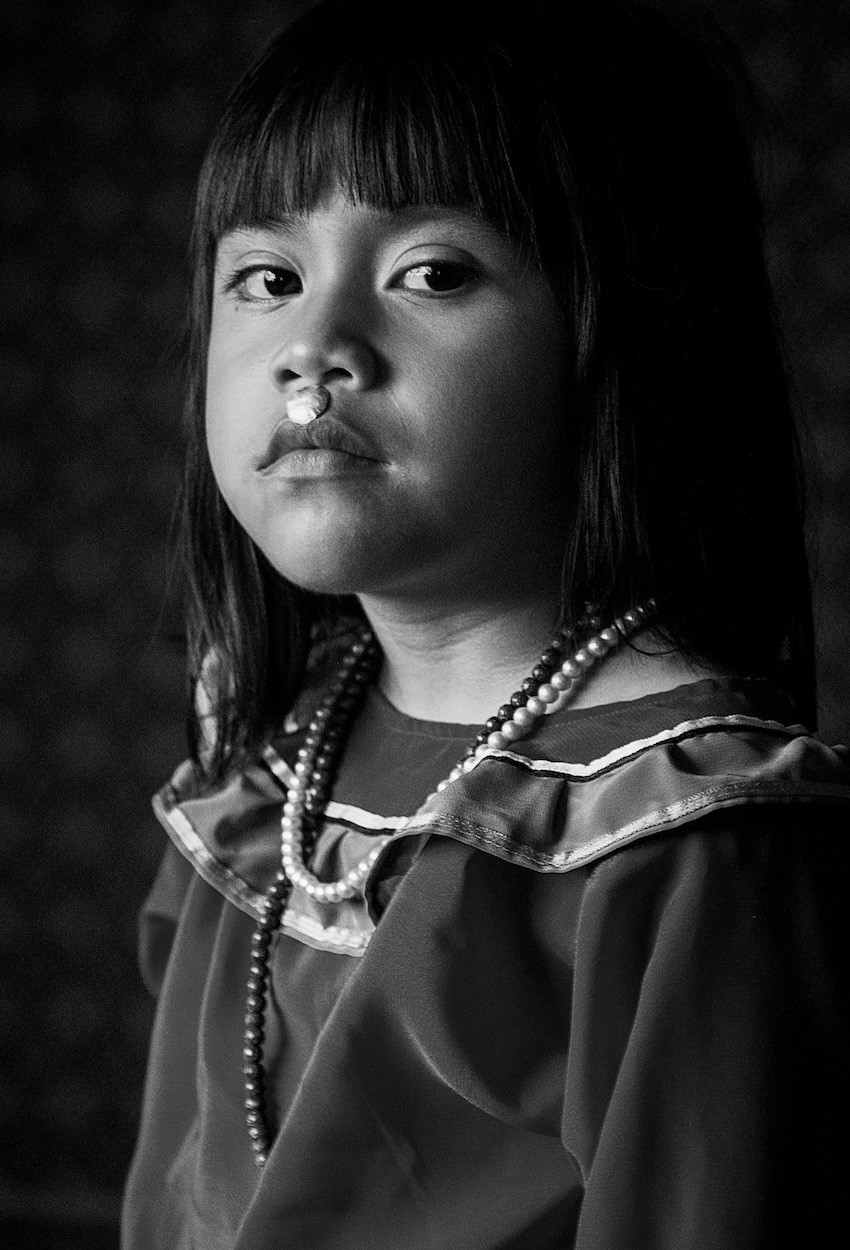
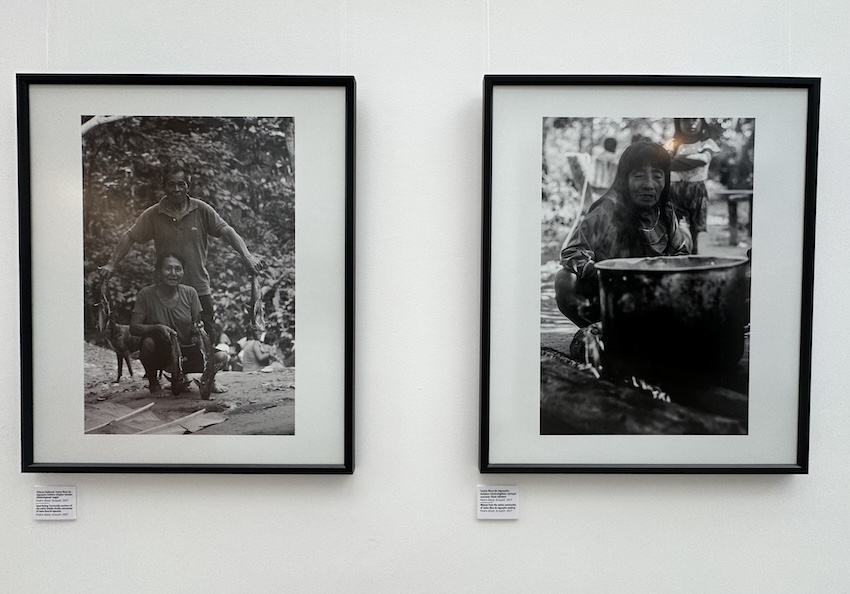
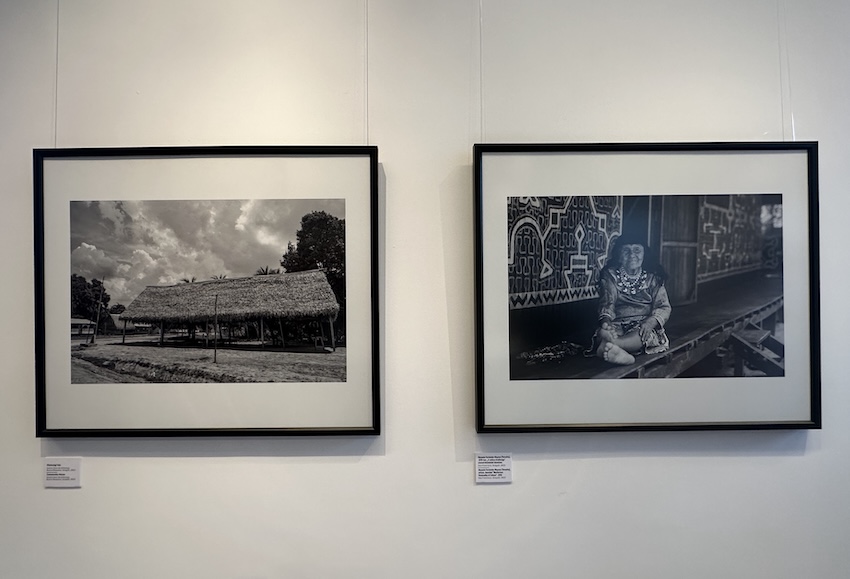
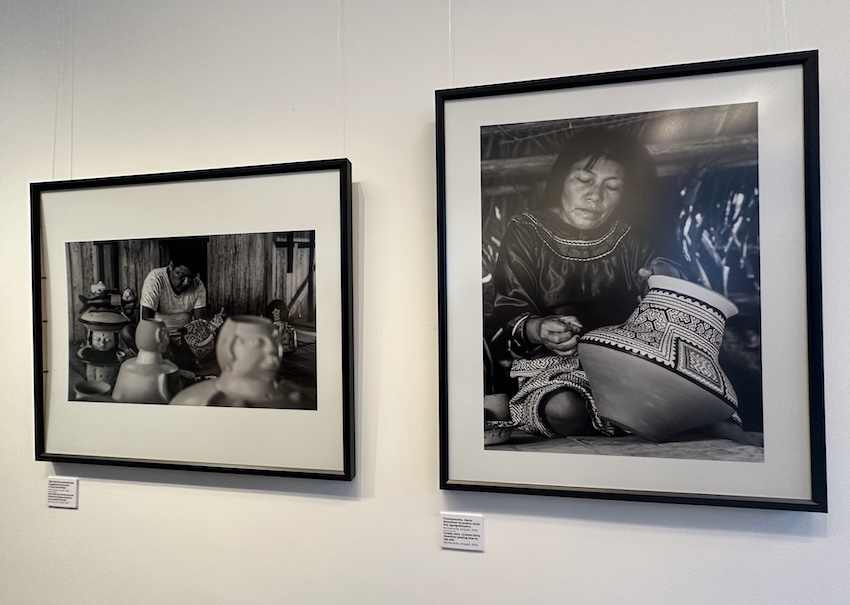
The Embassy of Peru in Hungary, in cooperation with the Municipality of Budapest’s 13th District, has organised a photo exhibition “Shipibo-Konibo. Portraits of My Blood”, showcasing the work of acclaimed Peruvian photographer David Díaz. Through a compelling series of black-and-white photographs, the exhibition offers a unique and intimate insight into Shipibo-Konibo culture, capturing identity and heritage with striking authenticity. The exhibition is hosted at the Radnóti Miklós Cultural Centre (RaM), which is celebrating its 15th anniversary this year.
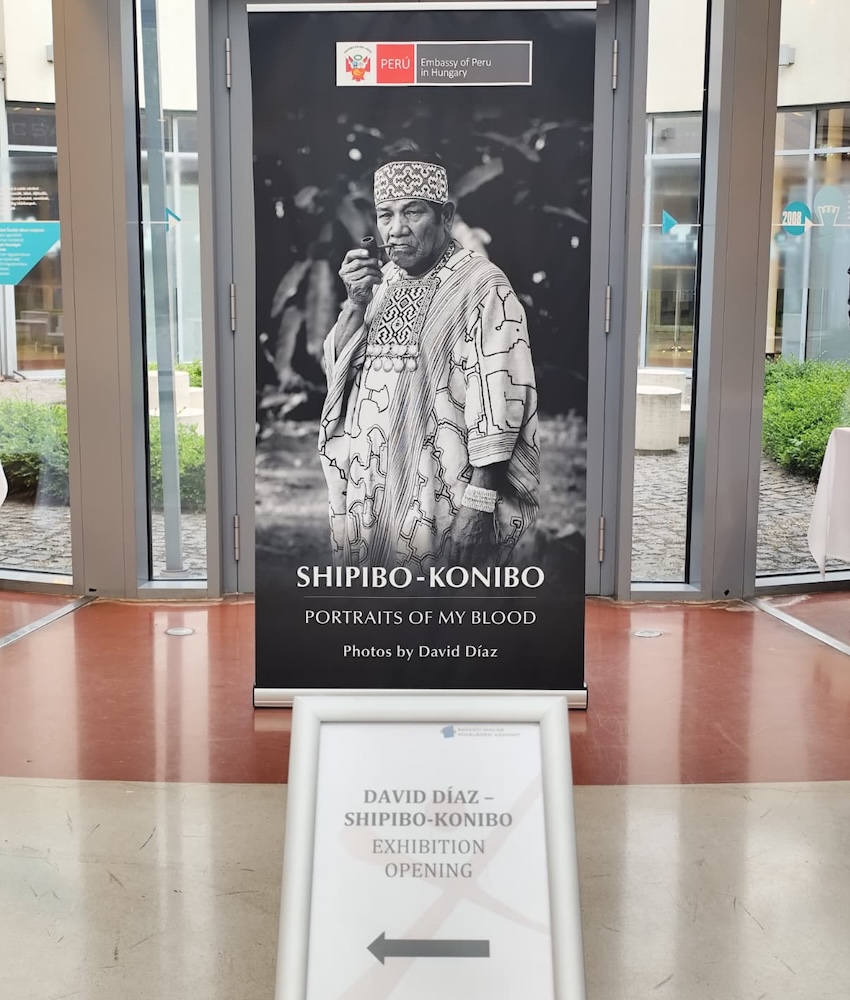
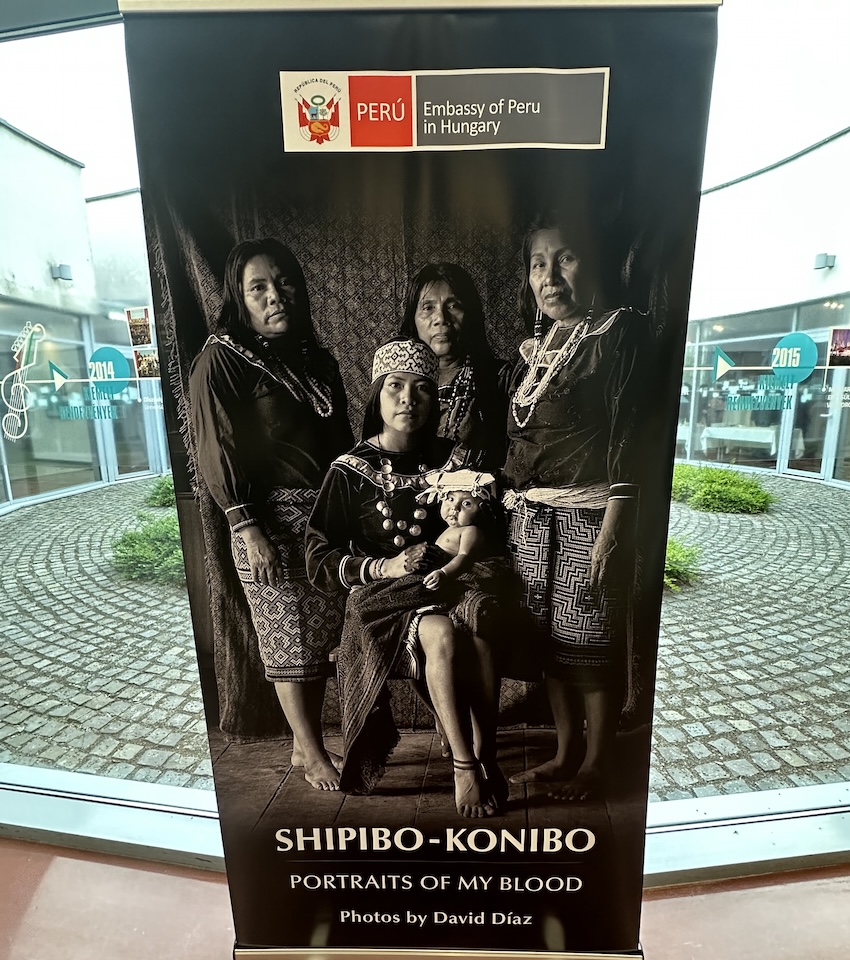
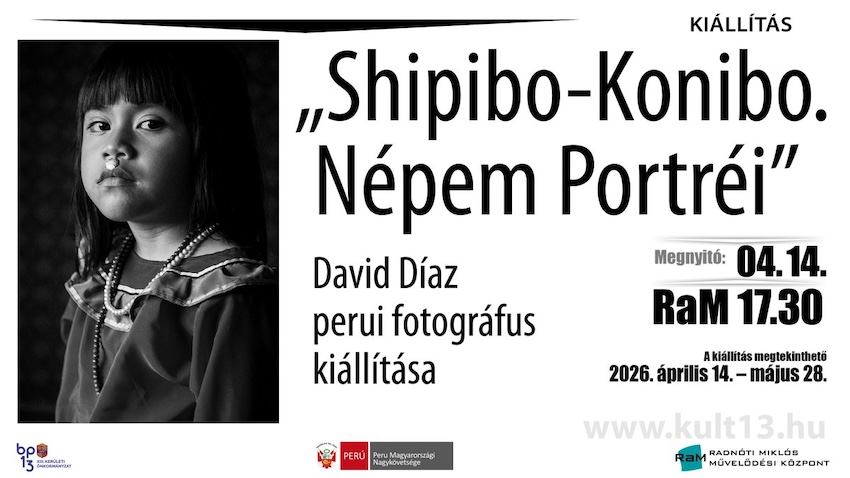
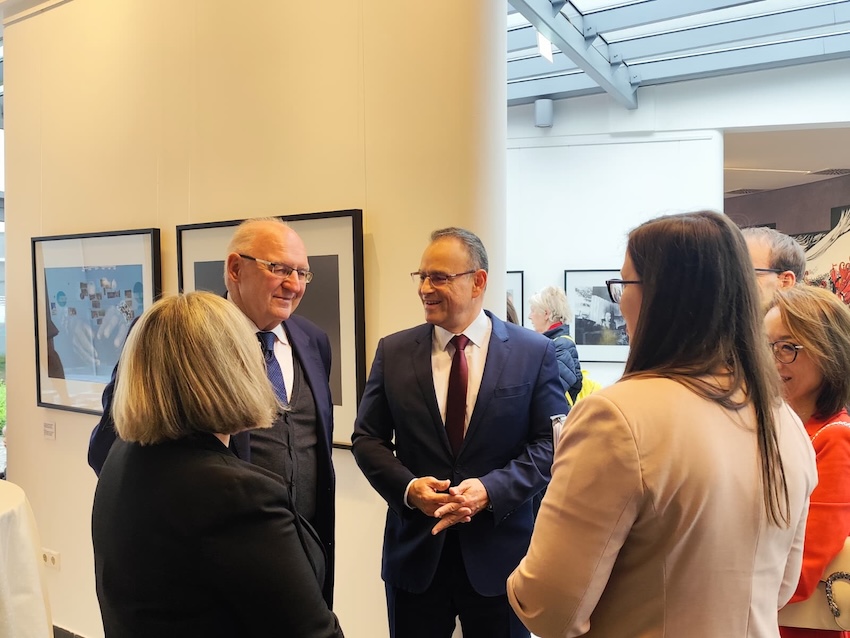
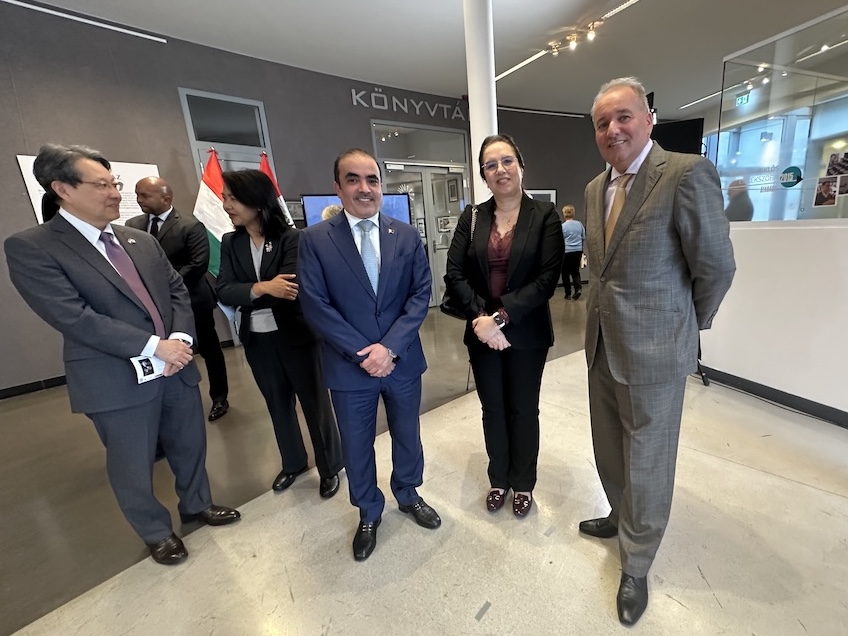
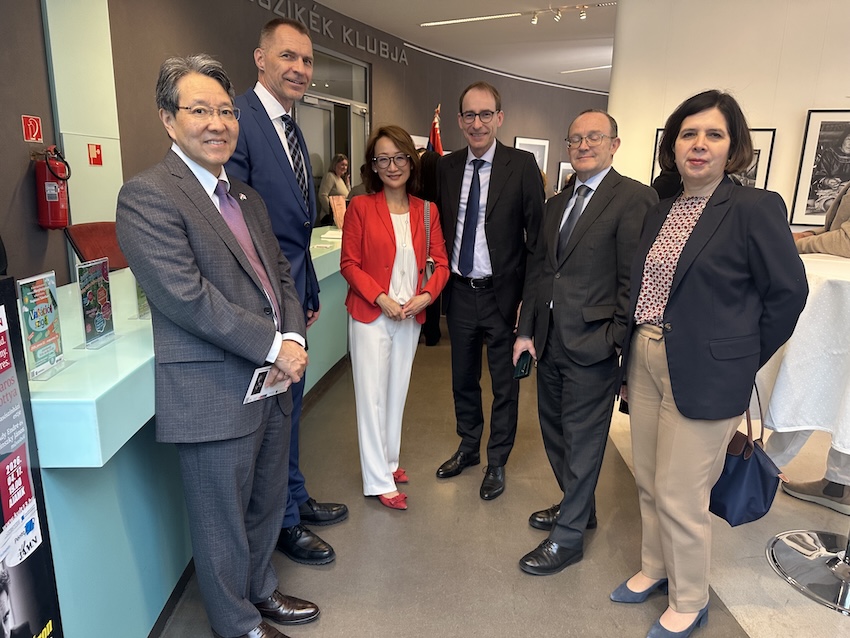
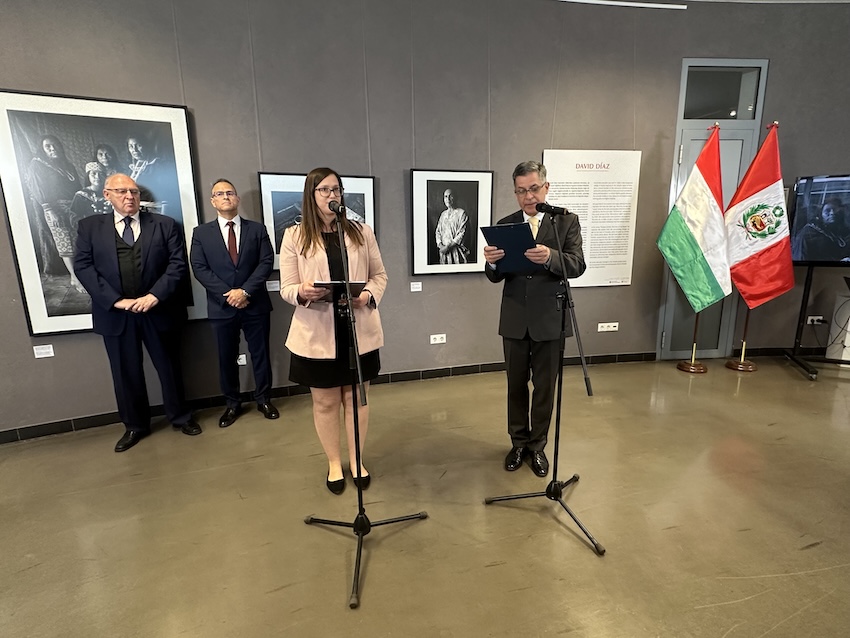
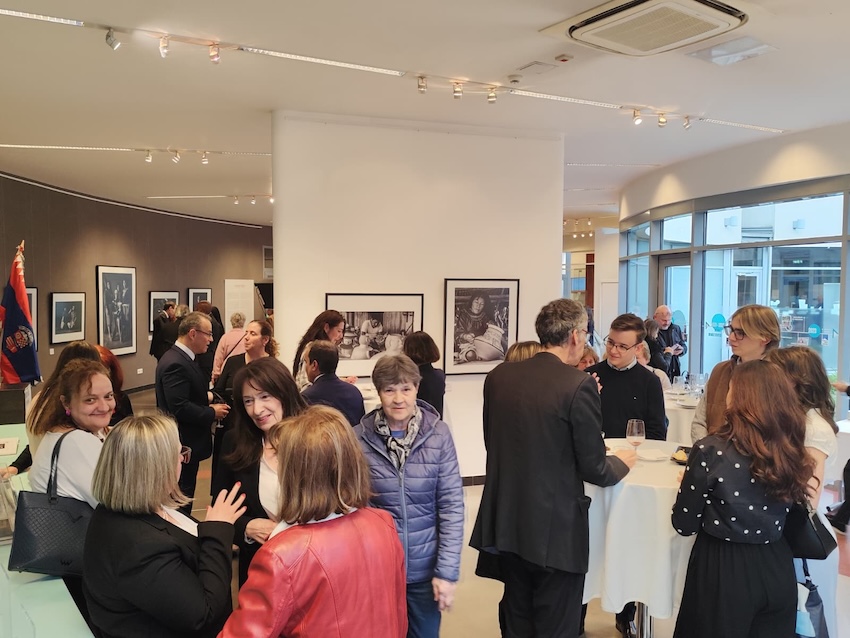
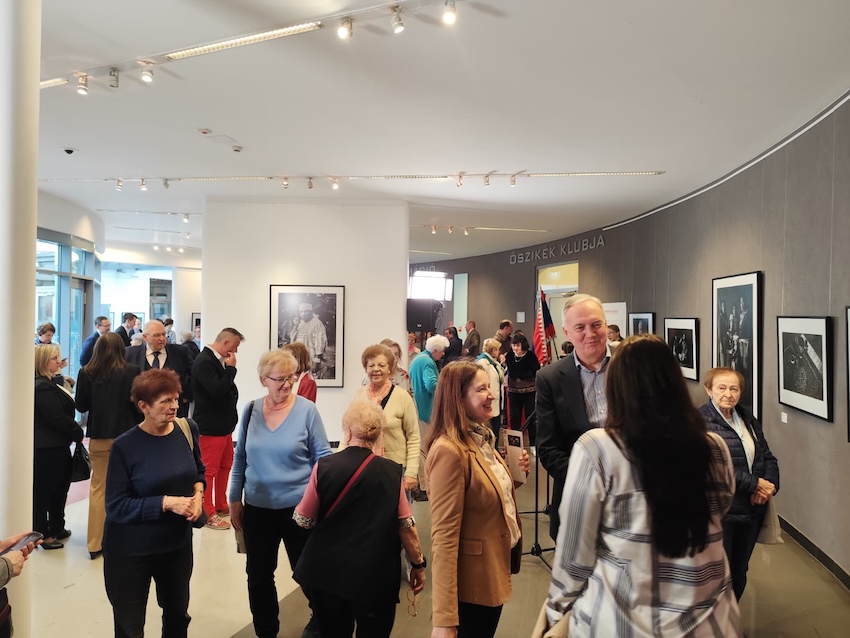
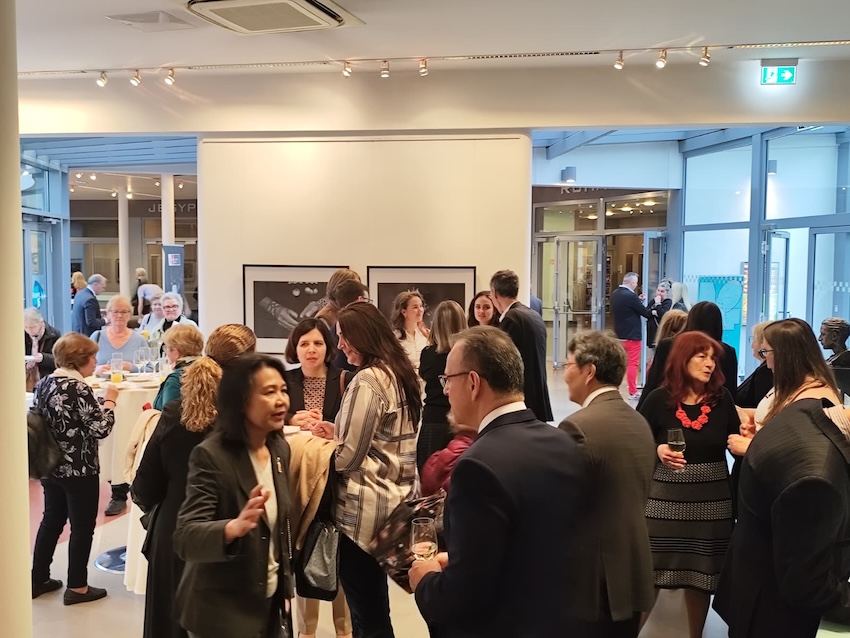
The opening ceremony, held on 14 April 2026, attracted distinguished guests from the diplomatic corps, government representatives, figures from Hungary’s artistic community, as well as Peruvian nationals living in Hungary. The event was honoured by the presence of Dr. József Tóth, Mayor of Budapest’s 13th District, and Mr. Ádám Bubics, Director of the Kult13 Division.
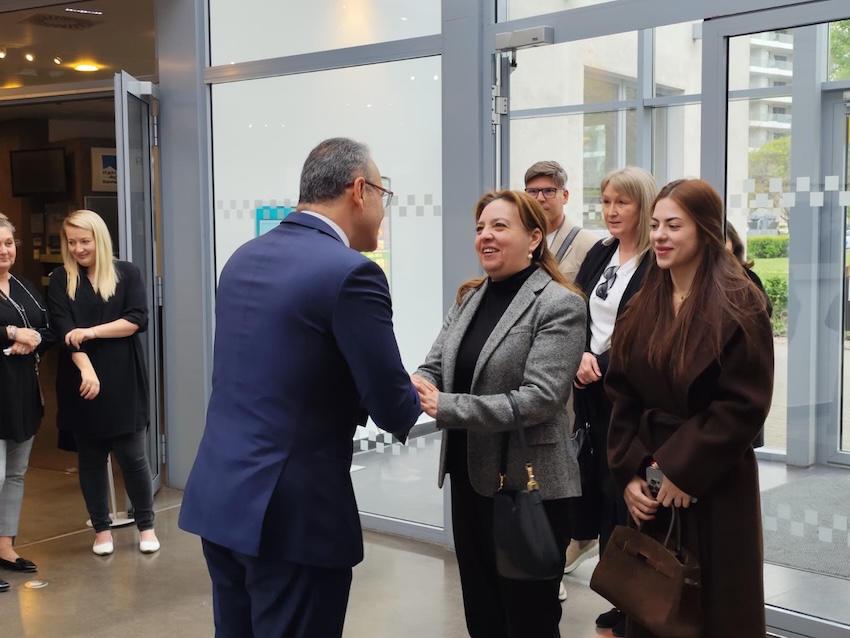
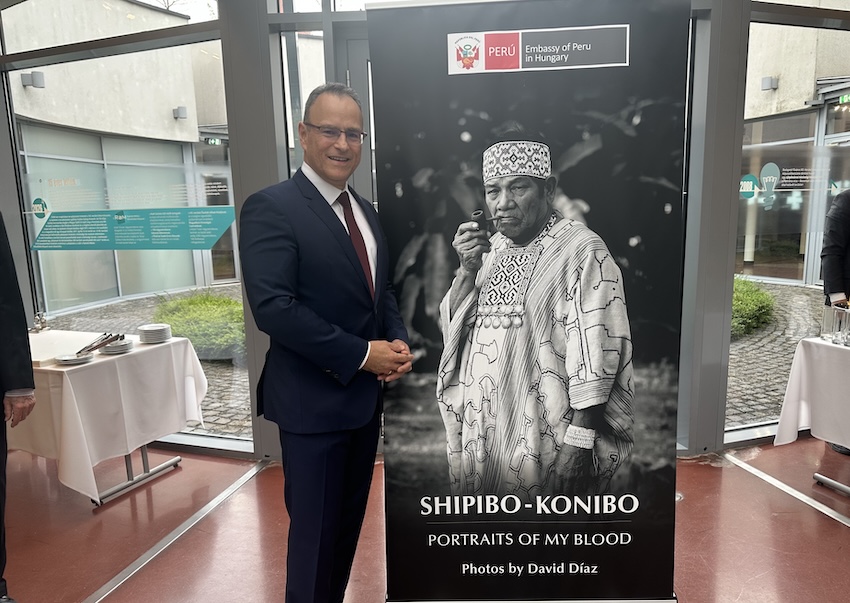
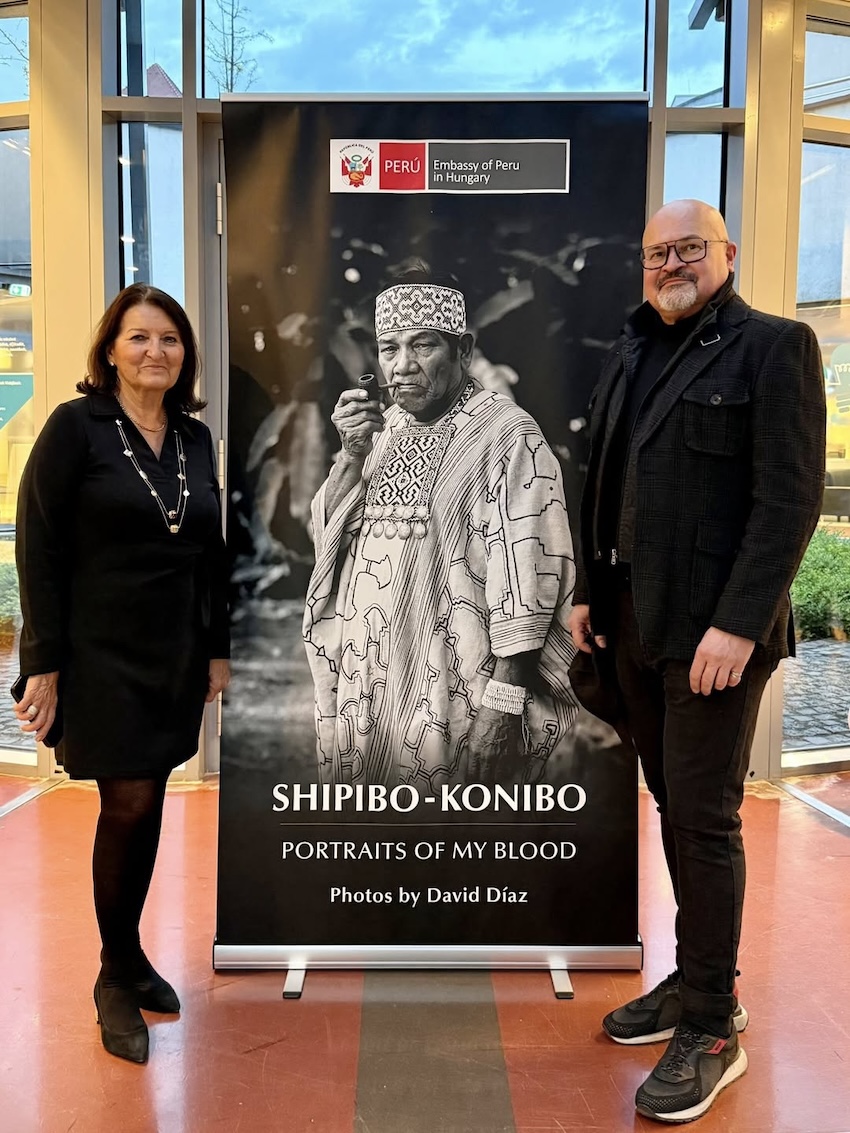
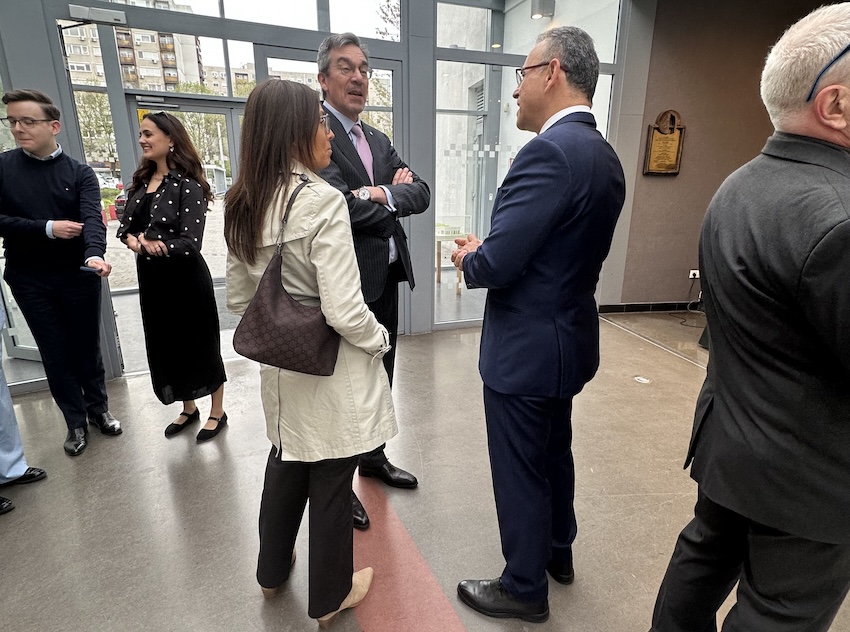
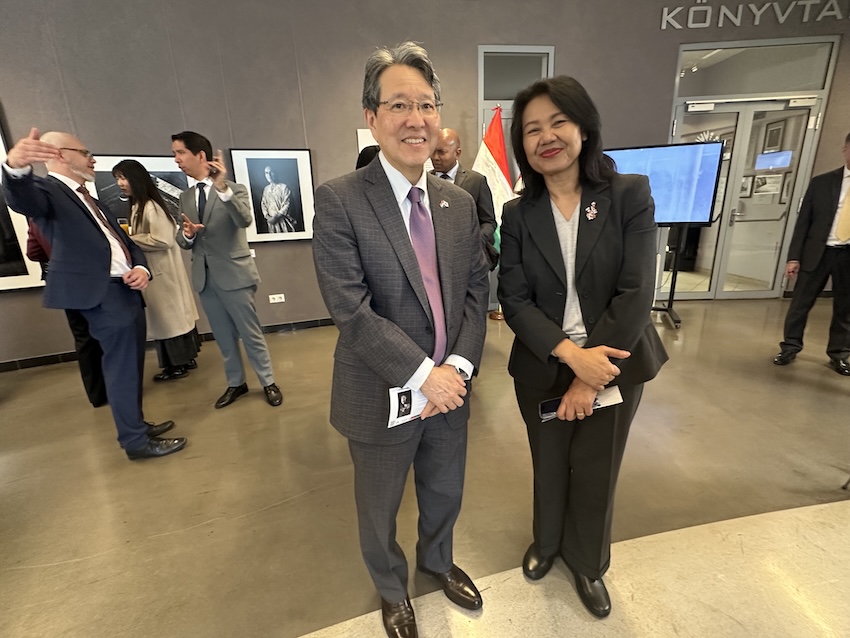
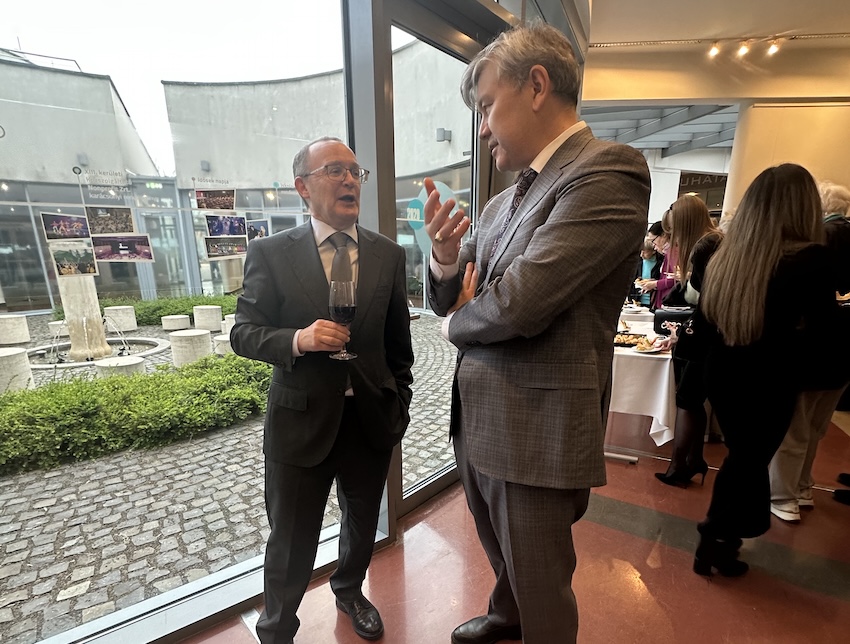
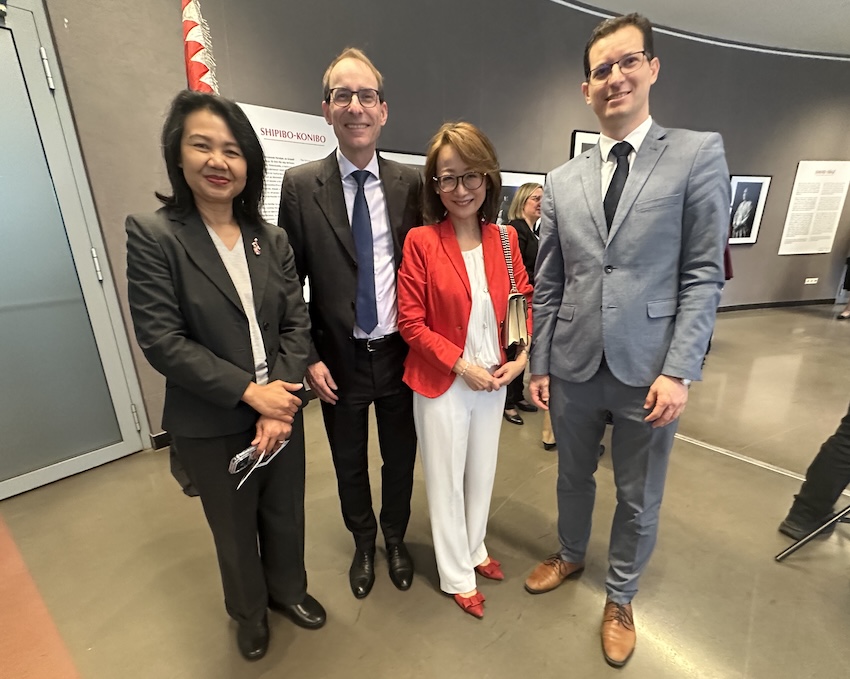
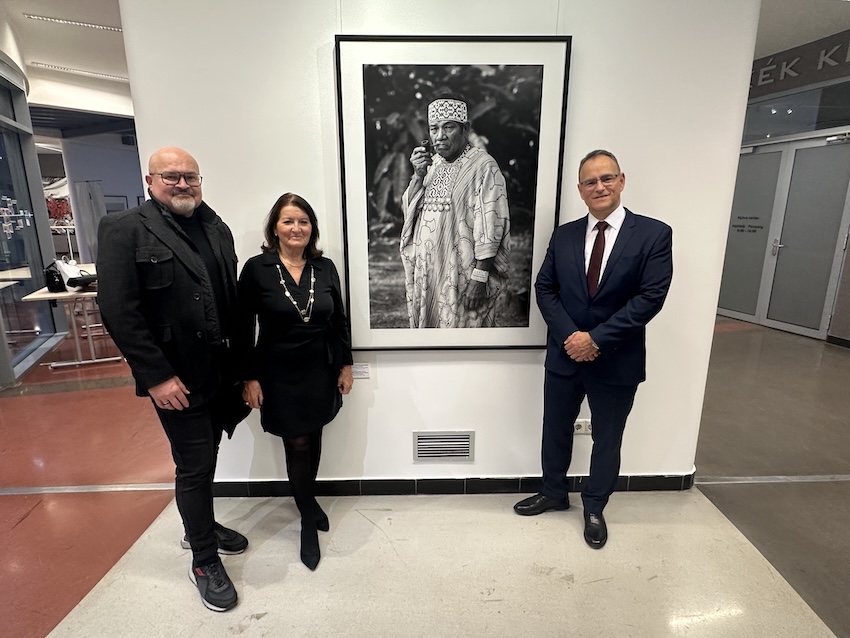
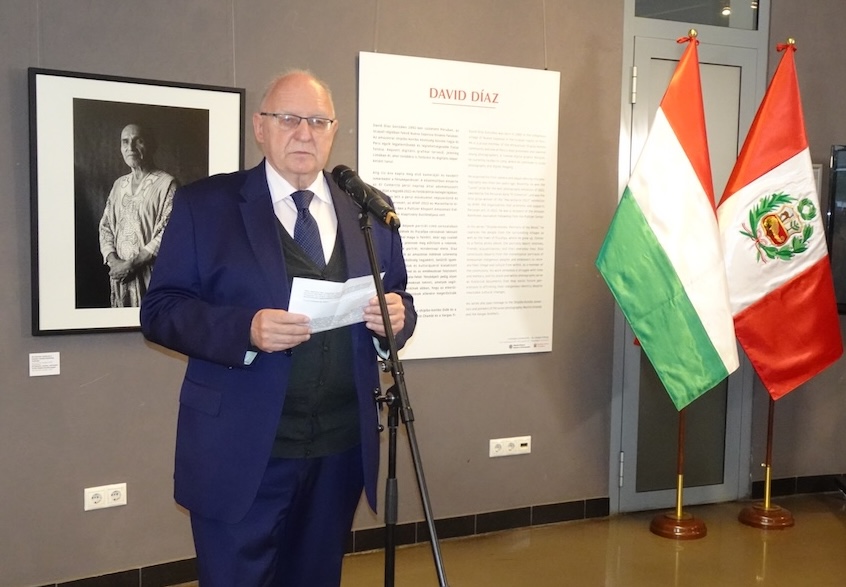
In his inaugural speech, His Excellency Edgard Pérez Alván, Ambassador of Peru to Hungary, welcomed the guests and shared his thoughts:
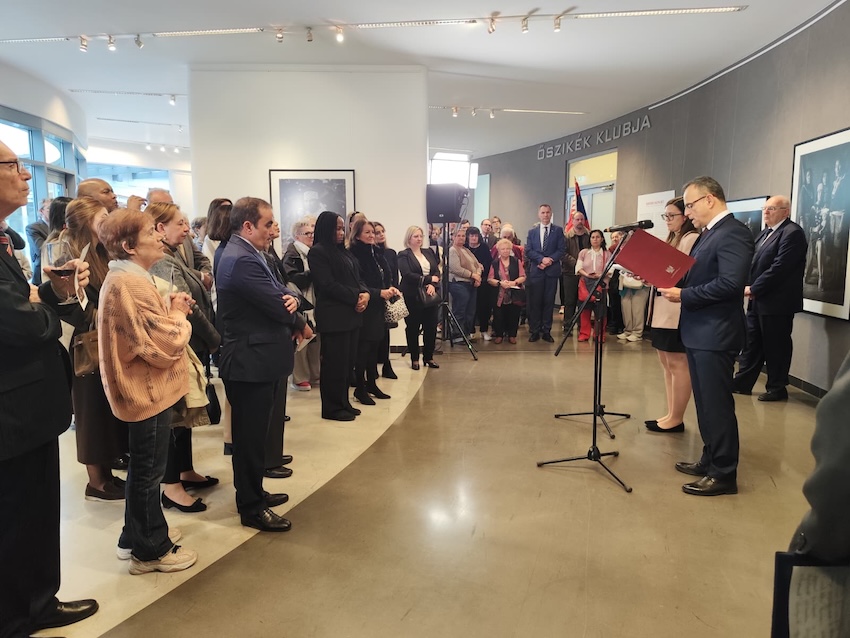
“Your Excellencies, Dear Guests, Ladies and Gentlemen,
Thank you for joining us at the opening of the exhibition “Shipibo-Konibo: Portraits of My Blood”. Your presence today is a meaningful reflection of your interest in discovering and celebrating the rich cultural heritage of Peru through its artistic expressions.
I would like to convey my sincere appreciation to the Municipality of Budapest’s 13th District and the Radnóti Miklós Cultural Centre for hosting this exhibition. The Embassy of Peru is particularly pleased to be part of the District’s anniversary celebrations, and we are honoured that this exhibition has been included among the cultural events marking this important occasion.
Ladies and Gentlemen,
Today, I invite you to embark on a journey into the world of the Shipibo-Konibo people, an indigenous community of approximately 30,000 inhabitants in the Peruvian Amazon. Through the lens of David Díaz, a talented Peruvian photographer and a proud member of this community, the exhibition offers a unique window into the lives, stories, and spirit of his people – an intimate glimpse into a culture rich in tradition, resilience, and enduring legacy.
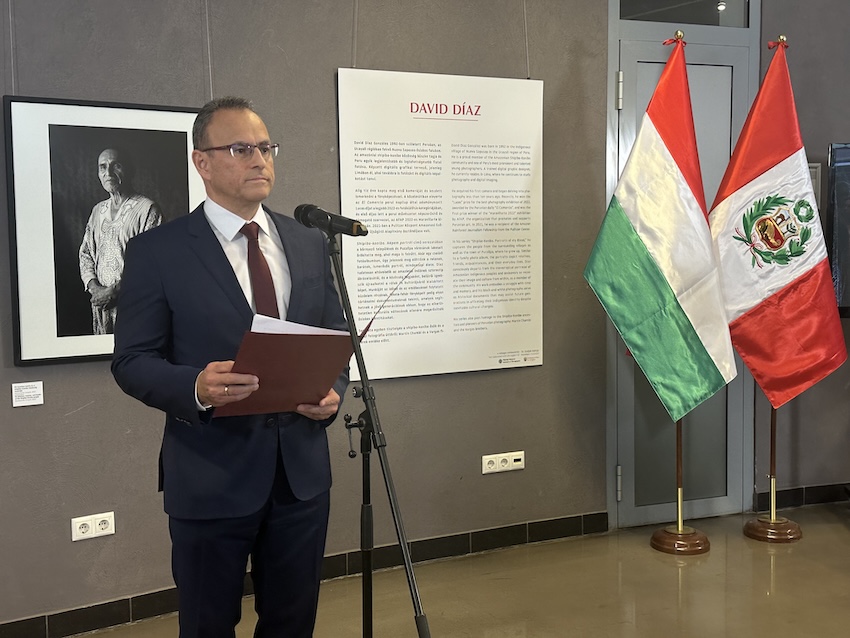
“Shipibo-Konibo: Portraits of My Blood” is not merely a collection of photographs; it is a powerful representation of a collective identity navigating the challenges and transformations of the 21st century. Each image tells a story, weaving together themes of identity, resilience, and beauty.
David Díaz’s work goes beyond documentation – it is an act of dedication and a profound effort to preserve and celebrate the essence of his people. Through these portraits, we are invited to witness their dignity, appreciate their creativity, and recognise their lasting legacy, as well as their ongoing contributions to Peru’s cultural mosaic.
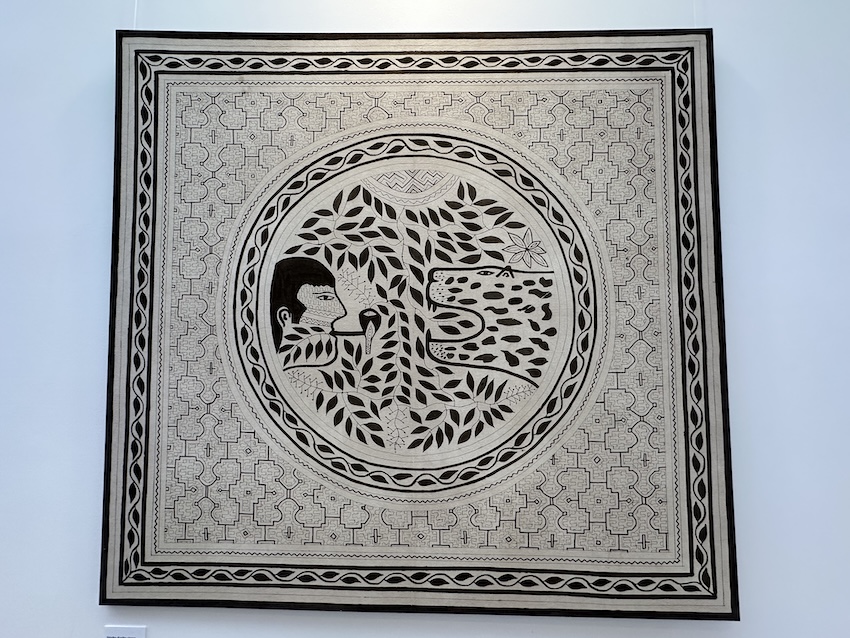
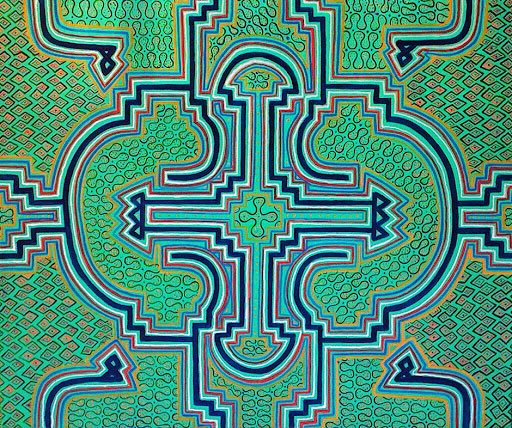
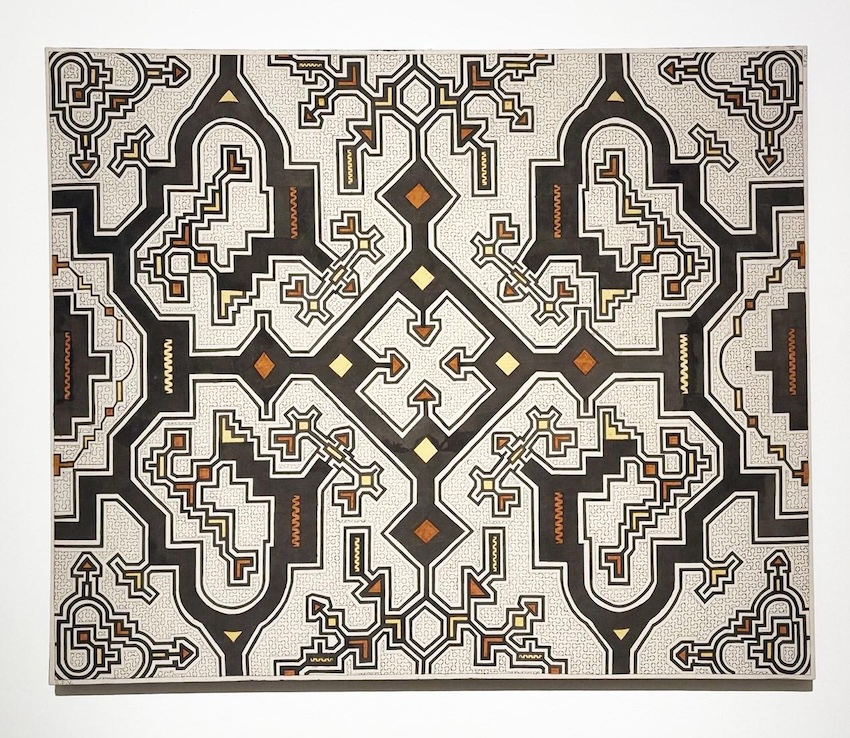
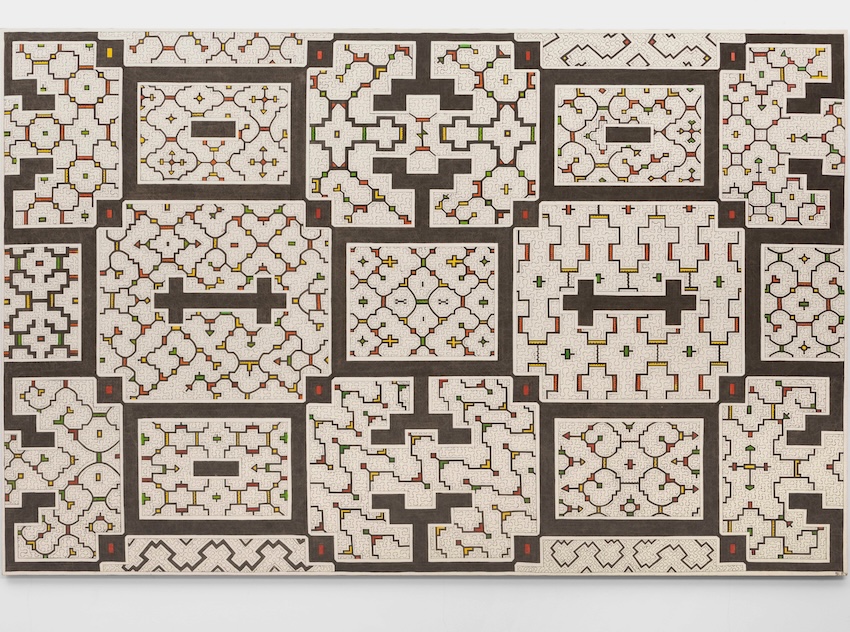
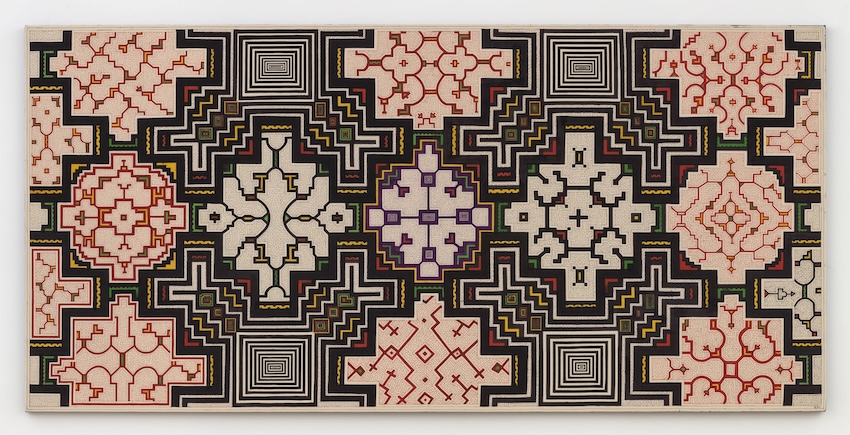
Central to the Shipibo-Konibo community is the vital role of women, who lead in both artistic expression and community life. Their intricate designs, known as Kené, are composed of geometric patterns that reflect their worldview and spirituality. Often inspired by visions rooted in ancestral traditions, these designs testify to a deep and harmonious connection between art, nature, and the spiritual world of the Amazon.
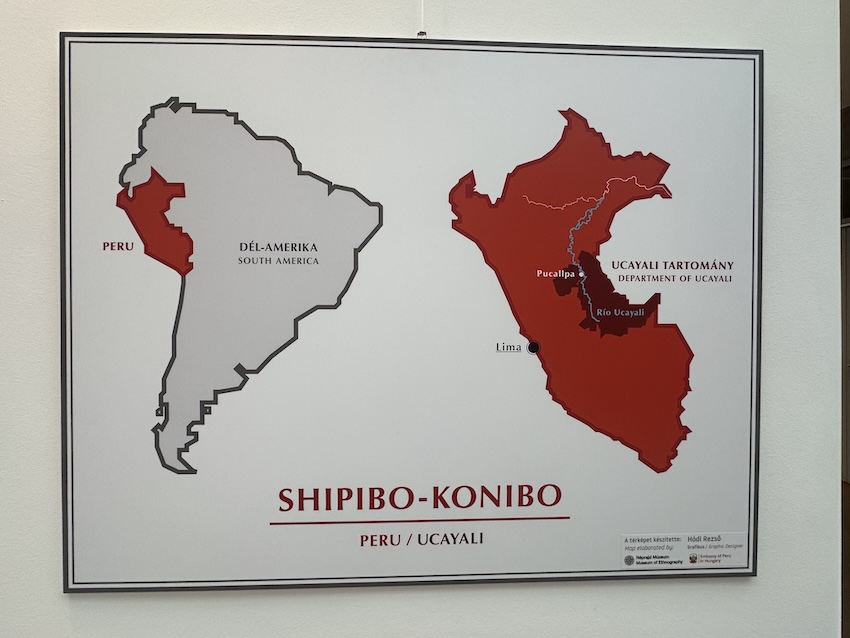
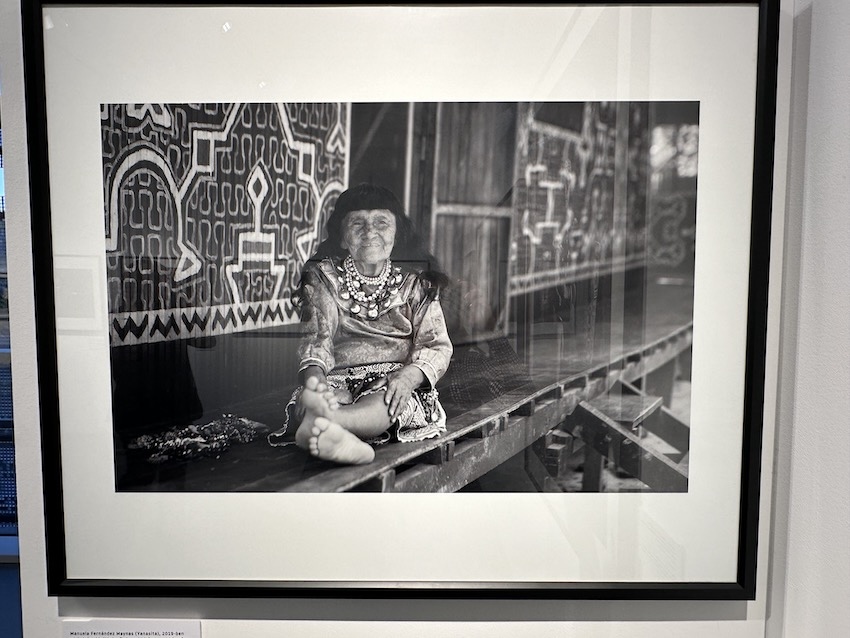
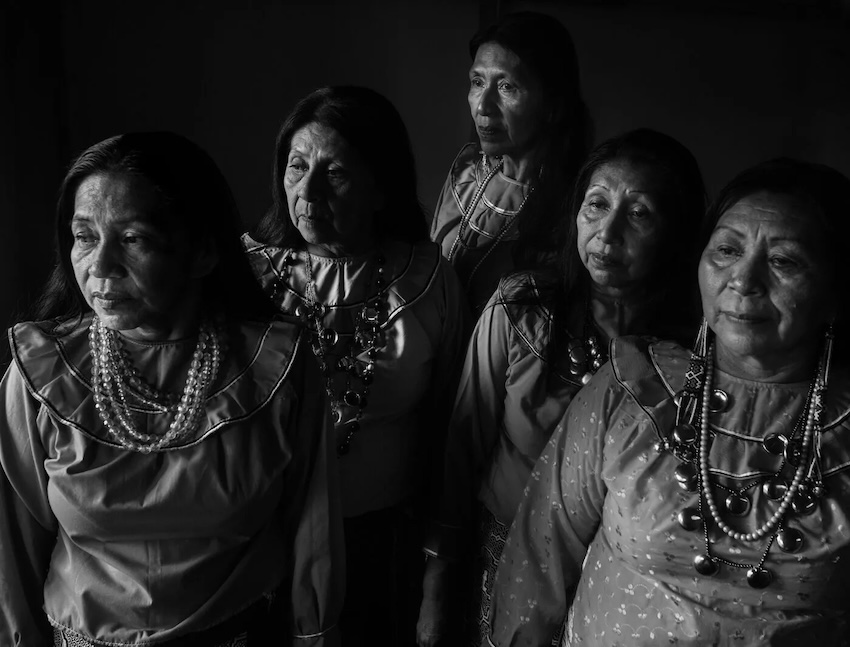
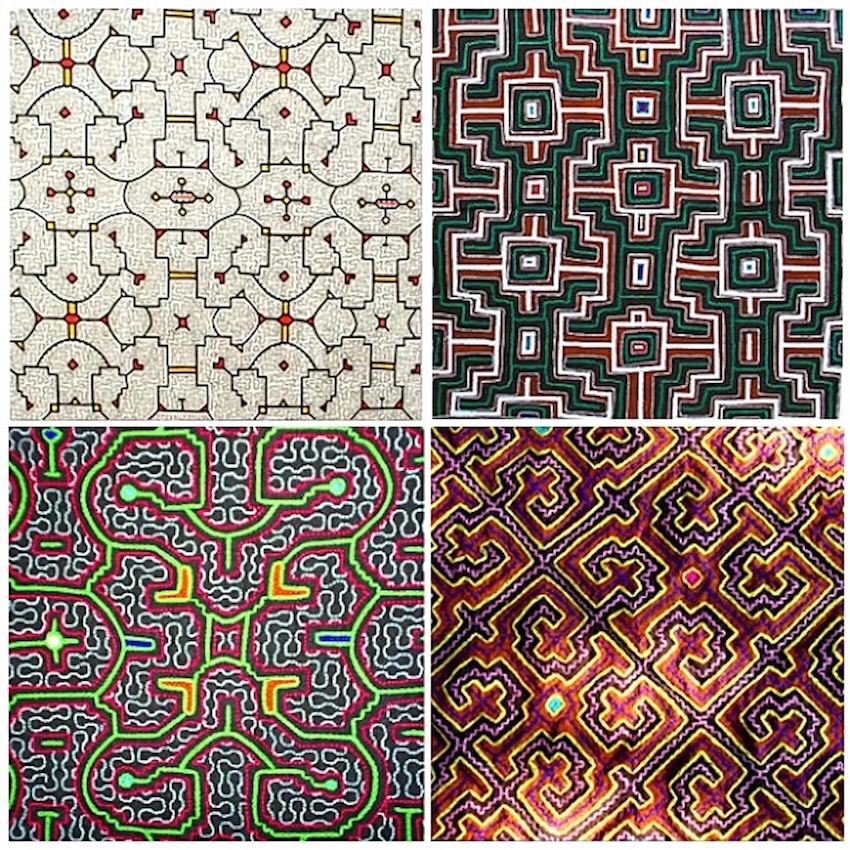
The global recognition of Kené designs speaks to their artistic significance. The renowned fashion house Dior recently featured these patterns in a limited edition of its iconic Lady Dior handbag, as part of the Dior Lady Art 2024 project – highlighting how Shipibo-Konibo aesthetics continue to inspire creativity worldwide.
The Peruvian Amazon, home to the Shipibo-Konibo people, is one of the most culturally and biologically diverse regions on Earth. Its preservation is essential – not only for its ecosystems, but also for safeguarding the traditions, languages, and knowledge of its many indigenous communities.
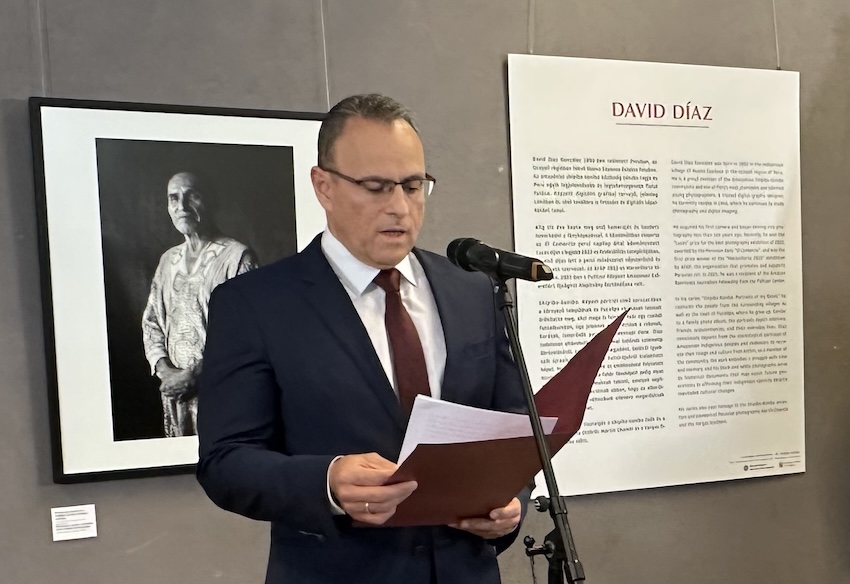
Before inviting you to explore the exhibition, I would like to reiterate my sincere gratitude to the Municipality of District 13 – especially Mayor Dr. József Tóth – and the team of the Cultural Centre for their cooperation and support. I also thank each of you for being here today. Your presence contributes to highlighting Peru’s cultural heritage and strengthening the bonds of friendship and mutual understanding between our communities.
Please enjoy the exhibition “Shipibo-Konibo: Portraits of My Blood”, which I now have the honour to officially declare open. Thank you very much.”
Following this, Dr. József Tóth, Mayor of Budapest’s 13th District, delivered his address:
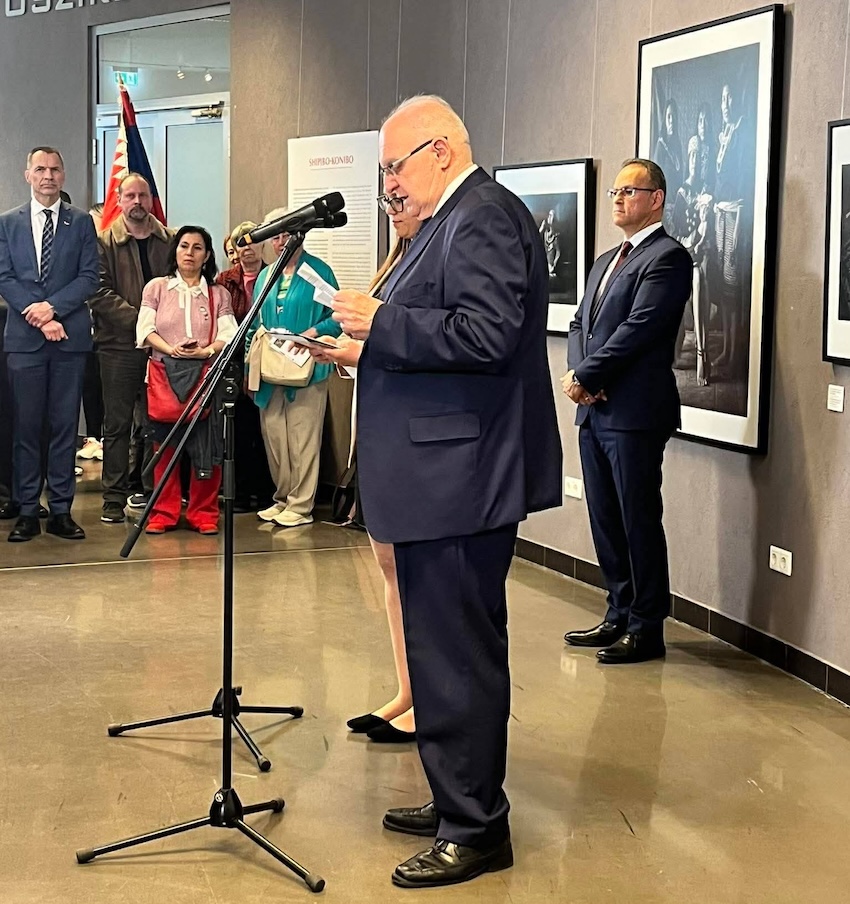
“Your Excellency, Mr. Ambassador, Excellencies, Ladies and Gentlemen,
Welcome to Peru in Hungary. Today’s exhibition brings us closer to a piece of Peru. The exhibition presents the vibrant world of the Amazon through the works of Peruvian photographer David Díaz, who himself belongs to an indigenous community. Visitors have the opportunity to experience his captivating black-and-white photographs, which offer a deeply personal and authentic perspective.
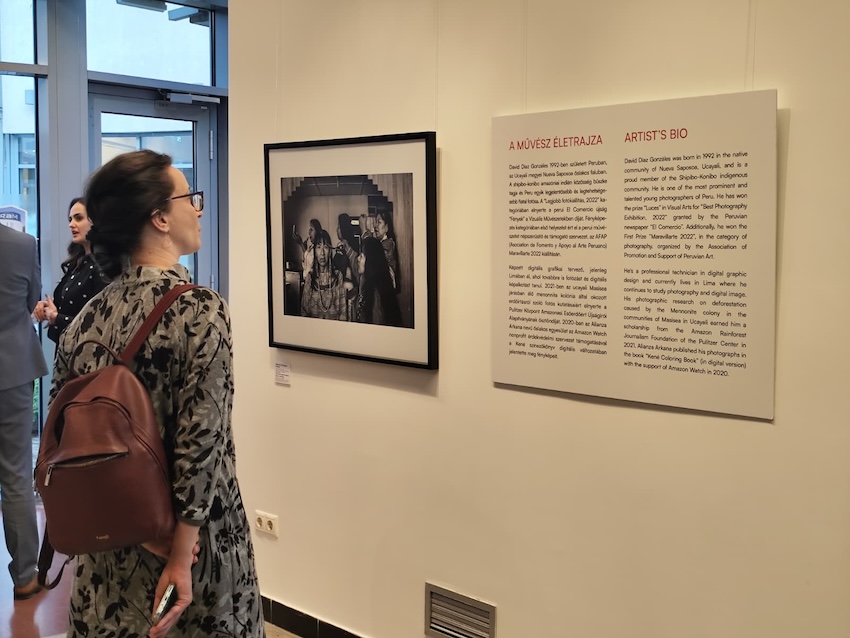
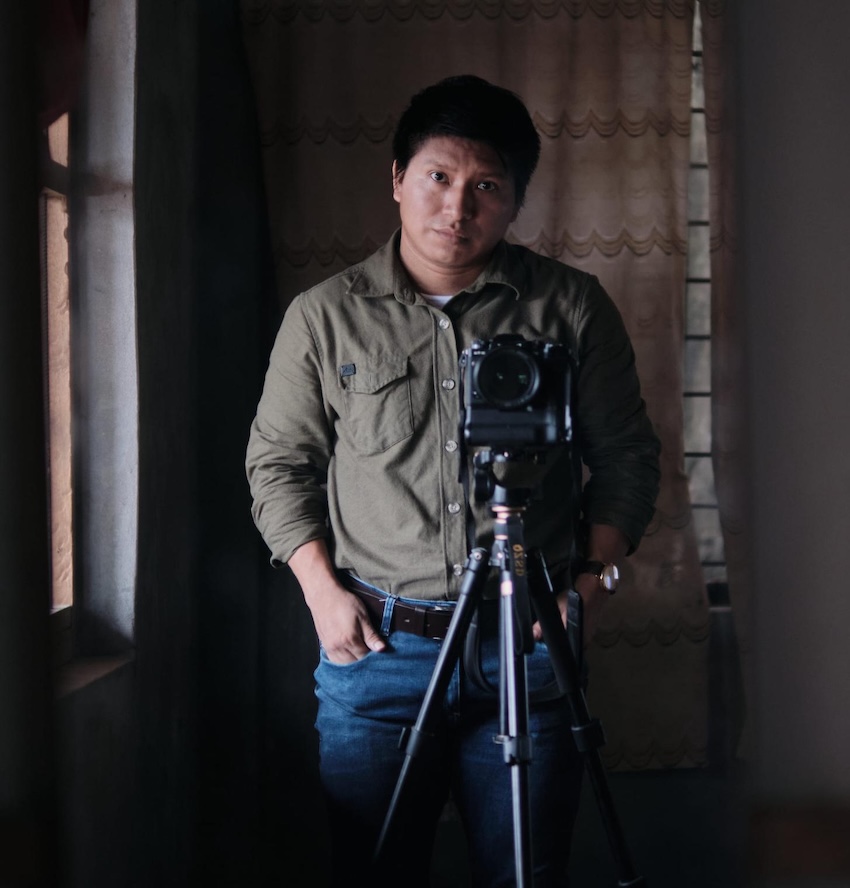
Owing to his heritage, the artist portrays his people and their culture from within. His work is both an intimate visual narrative and a tribute to his ancestors, as well as to the pioneers of Peruvian photography. The 34-year-old photographer was born in an indigenous village and remains a proud member of an Amazonian indigenous community. Several of his exhibitions have already received awards. He has documented the inhabitants of his hometown, where he grew up. Díaz consciously distances himself from stereotypical representations of Amazonian indigenous people, and instead reshapes the narrative from within his own community.
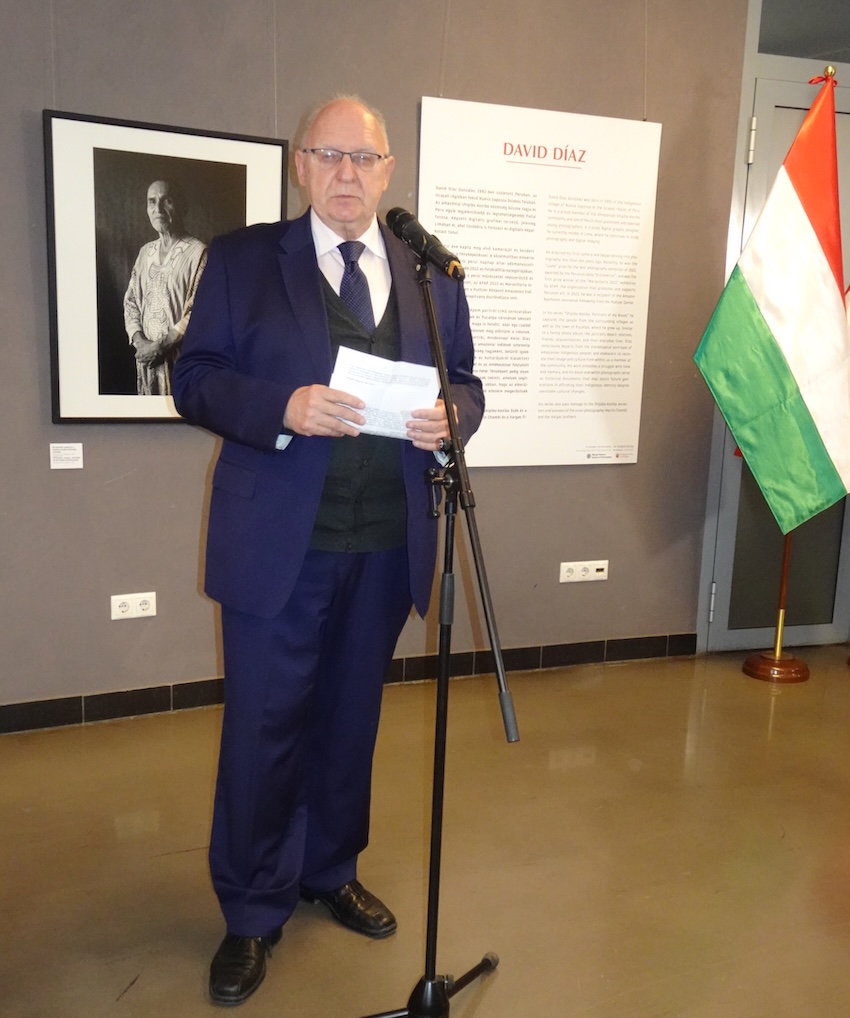
I am particularly pleased that we can present this exhibition here in District XIII, one of the most dynamic and welcoming parts of our capital. When evaluating a municipality, analysts often refer to indicators such as population retention and real estate development. In these respects, our district is among the leaders.
Beyond these indicators, we strive to provide broad employment opportunities and a reliable career framework, while offering diverse and high-quality housing options. We actively support meaningful leisure activities through our cultural and sports institutions. Our infrastructure is both extensive and of high quality. Furthermore, we are at the forefront of environmental awareness and digital innovation.
Our cooperation with the Embassy of Peru fits naturally into this framework. We were pleased to welcome the embassies of Colombia and Peru to District XIII in 2018, when they established their headquarters along Újpesti rakpart. Prior to this, neither Peru nor Colombia had maintained an embassy in Hungary for many years. Their presence in our district has undoubtedly contributed to strengthening relations between our countries. We have developed an excellent working relationship with the successive ambassadors. The idea of organising this exhibition first arose almost a year ago during discussions with His Excellency the Ambassador. After a site visit, the Radnóti Miklós Cultural Centre gallery was selected as the ideal exhibition venue.
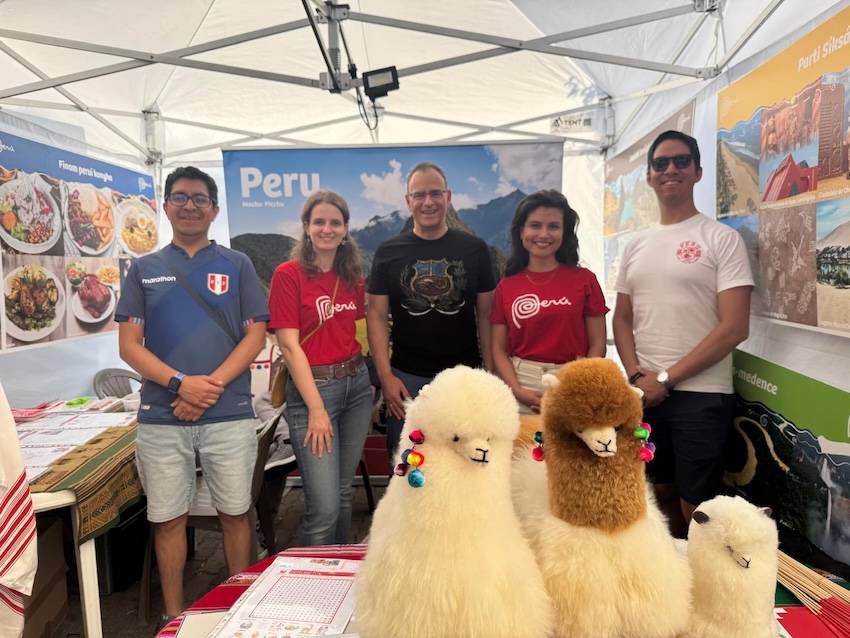
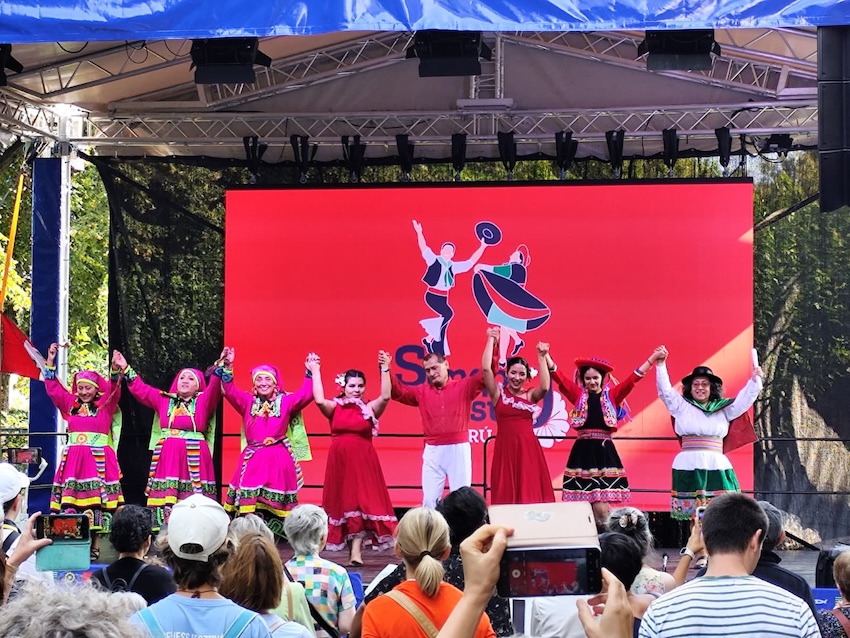
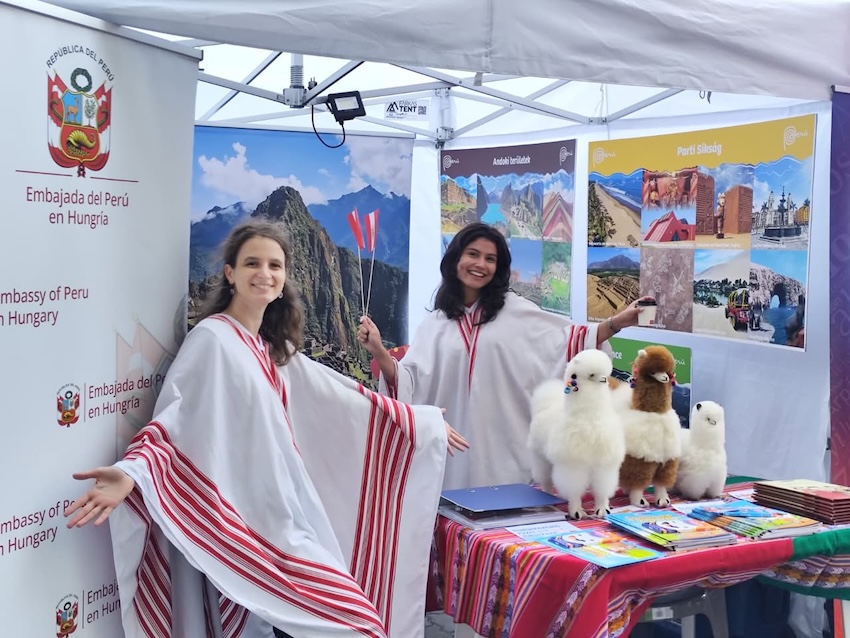
Furthermore, the Embassy has enriched the program of the Pozsonyi Piknik, the district’s cultural flagship event with over 100,000 visitors, year after year with dance performances, thereby contributing to the vibrant atmosphere and high quality of the event.
It is a great pleasure to host this exhibition here in the gallery of the Radnóti Miklós Cultural Centre (RaM), which is celebrating its 15th anniversary this year. The exhibition also marks the opening of the anniversary event series.
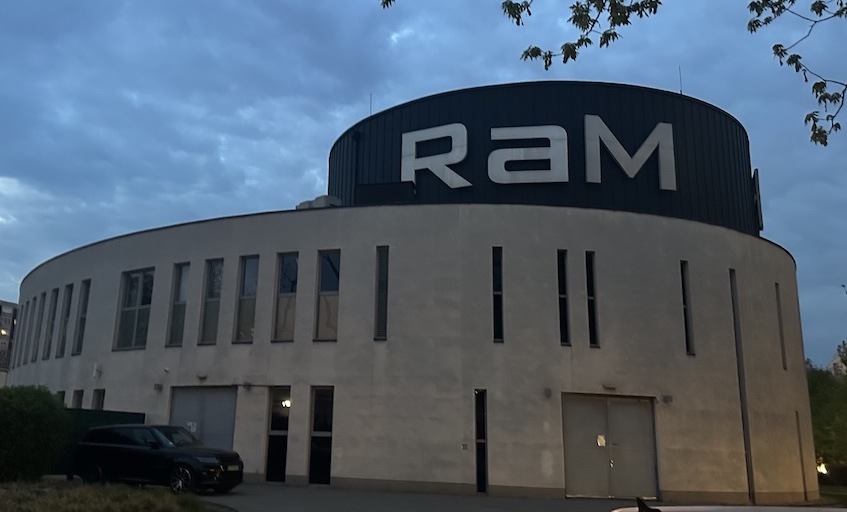
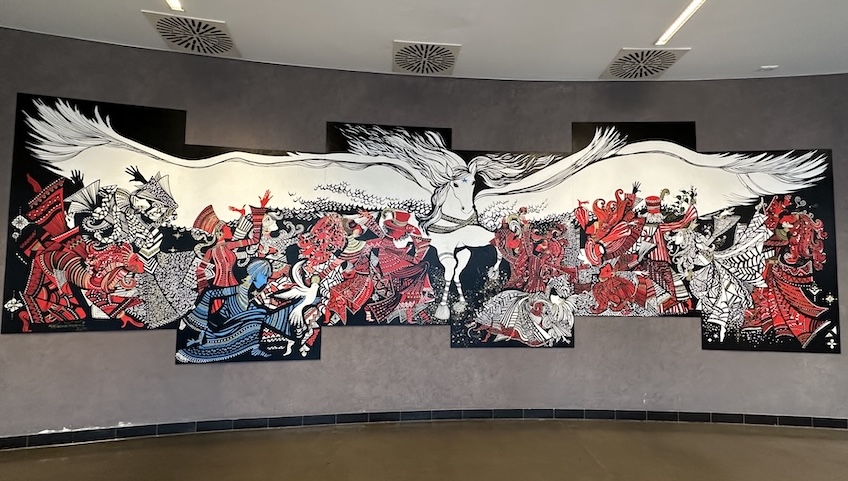
In District XIII, we operate Budapest’s largest network of cultural and sports institutions, spanning six cultural venues at 18 locations, and an area of 112,000 square metres. Each year, we organise more than 5,000 cultural events, attracting over 600,000 visitors. I would also like to highlight that nearly 200 fine and applied artists live and work in studios within the district. Over the past 15 years, the gallery spaces of the Radnóti Miklós Cultural Centre (RaM) have hosted 80 exhibitions of various genres – in fine arts, applied arts, photography, and folk art – both individual and group formats.
Today’s exhibition has found a worthy setting here, further enhancing the prestige of the institution. Last year alone, RaM hosted 1,106 events with over 300,000 visitors. These figures clearly demonstrate that culture, the support of the arts, and the preservation of traditions and values are of fundamental importance for District XIII. At the same time, while addressing the challenges of the present, we remain forward-looking – guided by the needs of our residents, with consistently high-quality and a steadily expanding range of services.
On behalf of the Municipality of District XIII, I would like to express our sincere appreciation for the exhibition, which, in the spirit of Hungarian–Peruvian cultural relations, also stands as a symbol of dialogue. Thank you for your kind attention.”
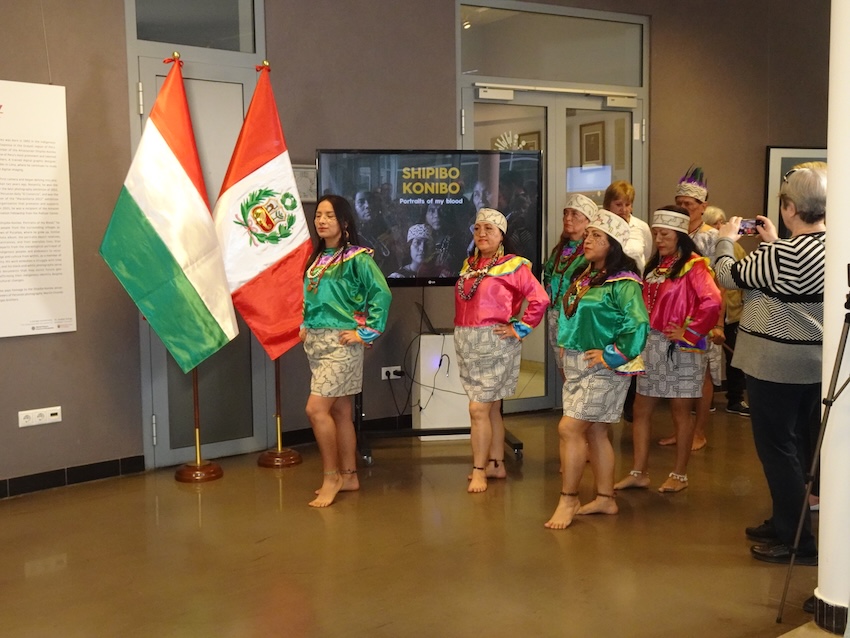
After the official program, guests enjoyed vibrant Peruvian folk dances and music performed by members of the Peruvian community living in Hungary, dressed in colourful traditional costumes and ceremonial headdresses, adorned with Kené patterns – it was a truly impressive experience to witness live.
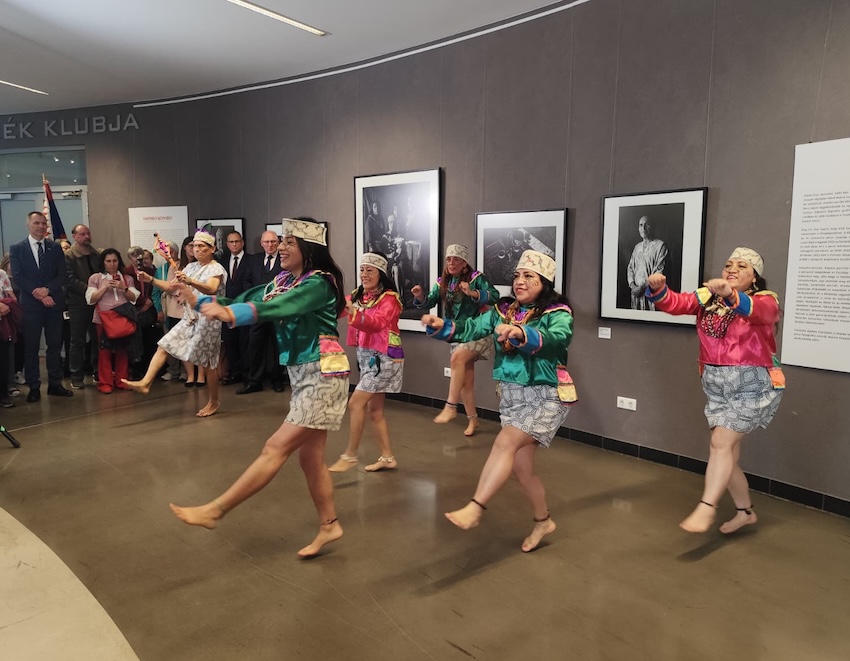
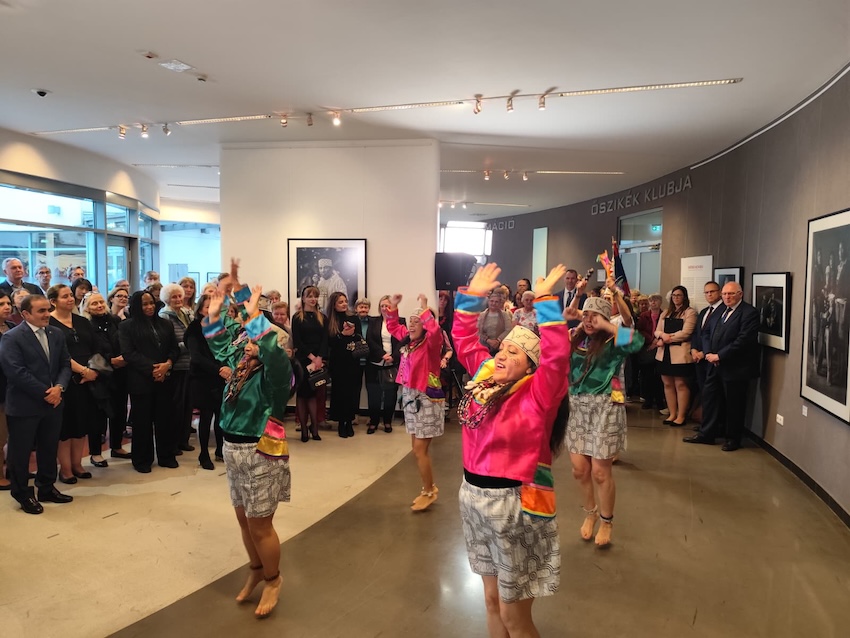
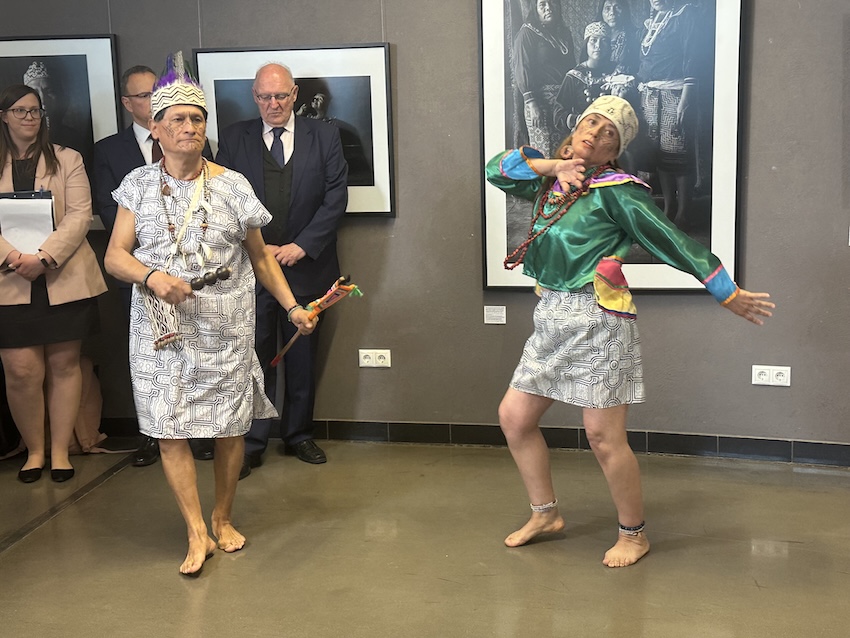
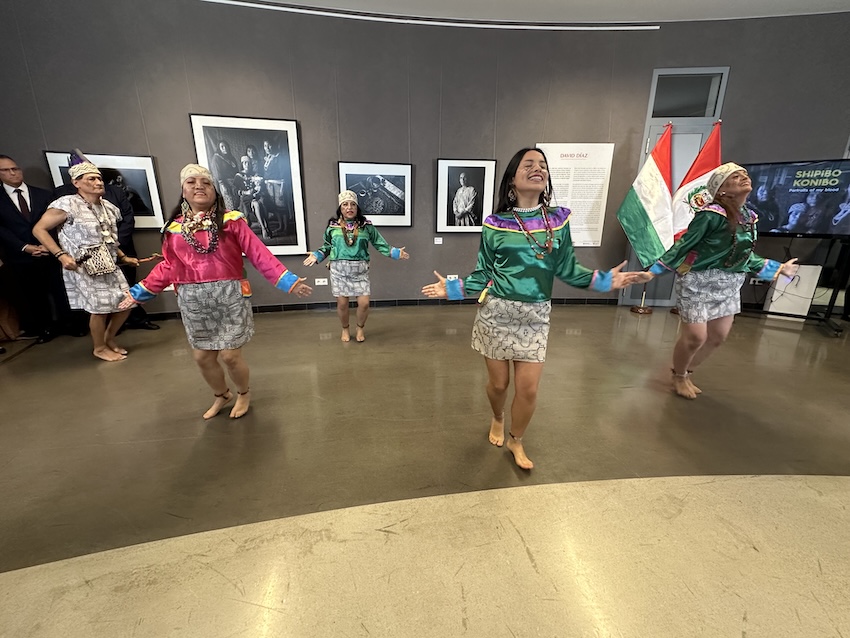
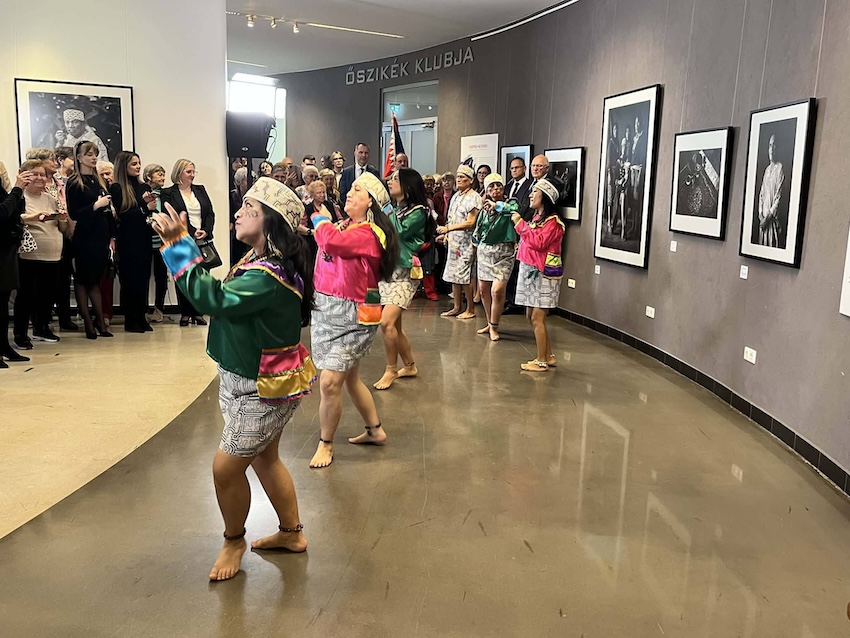
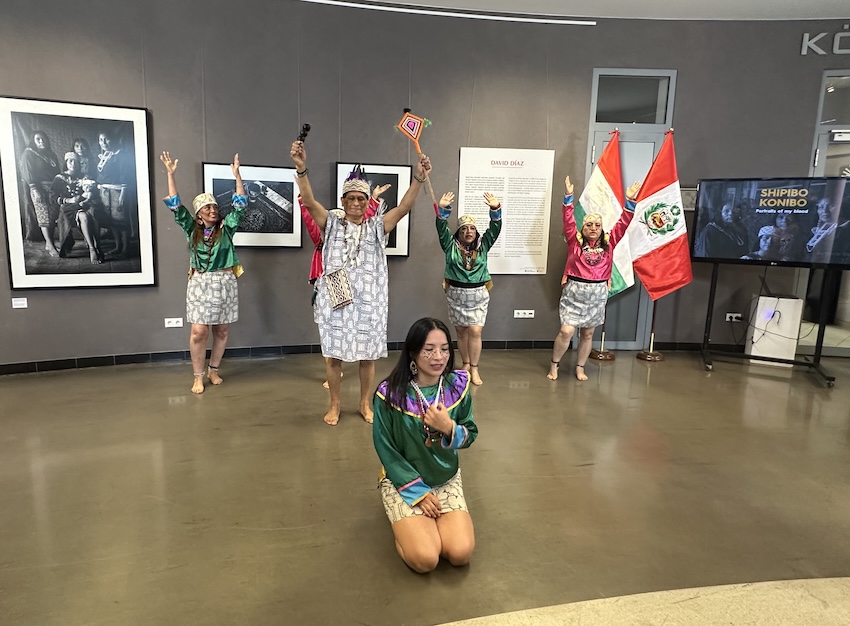
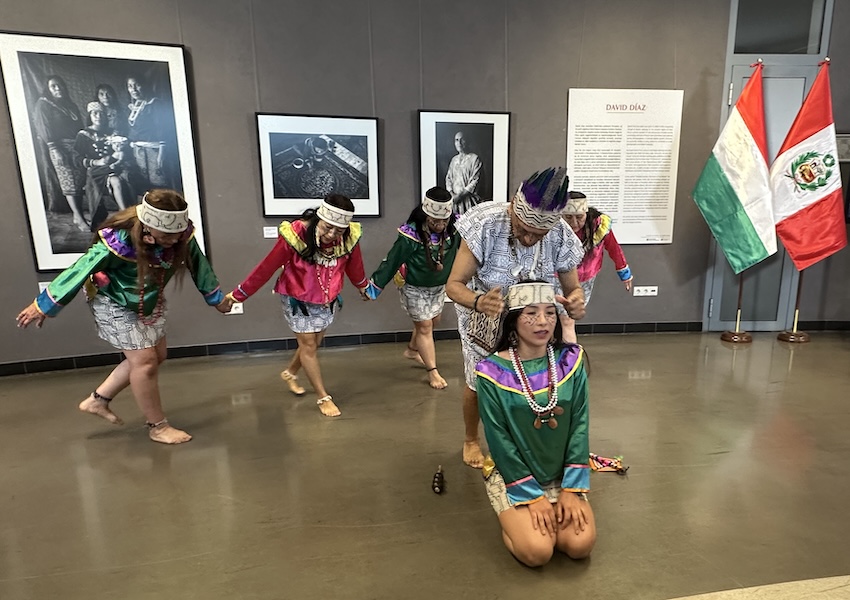
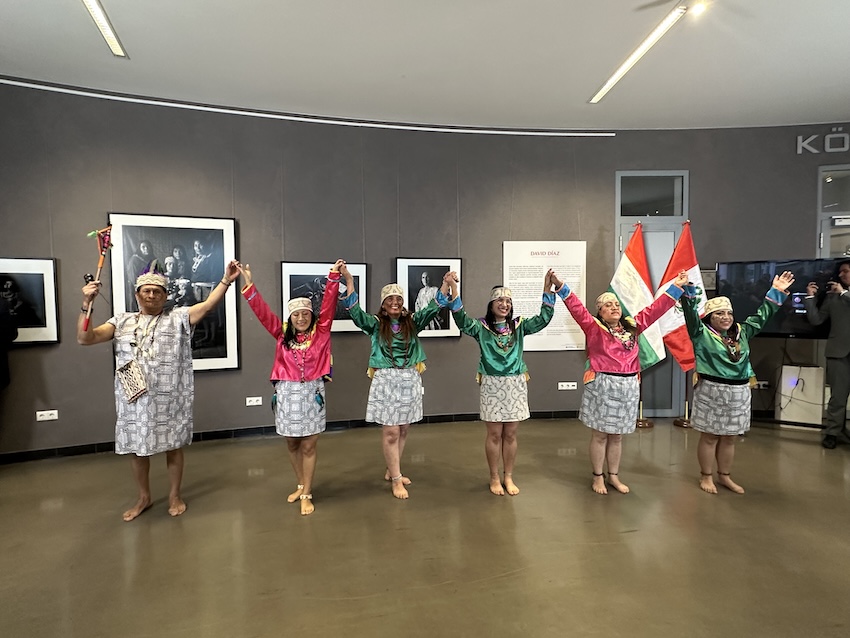
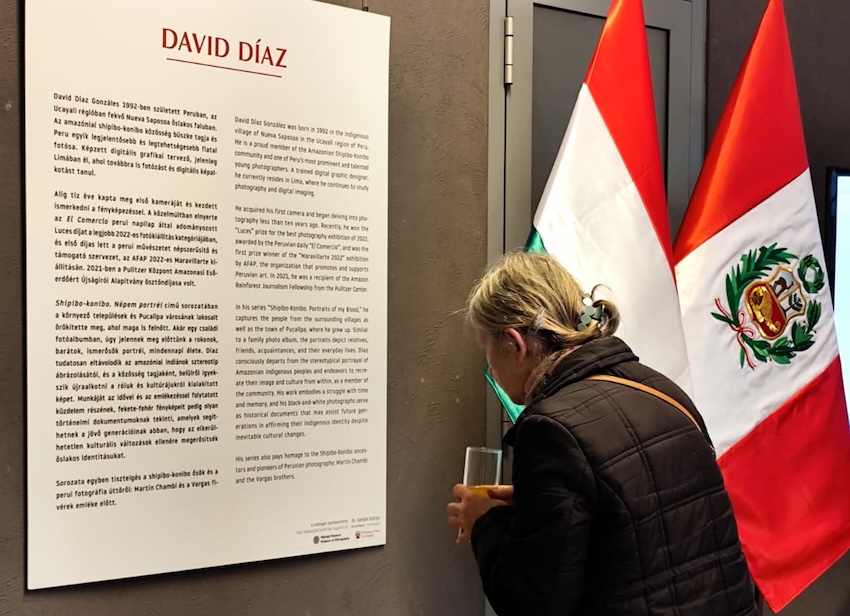
The evening’s speaker then invited the guests to explore the exhibition’s remarkable photographs, thus gaining a deeper insight into the artistic vision of David Díaz and the rich cultural heritage of the Shipibo-Konibo community.
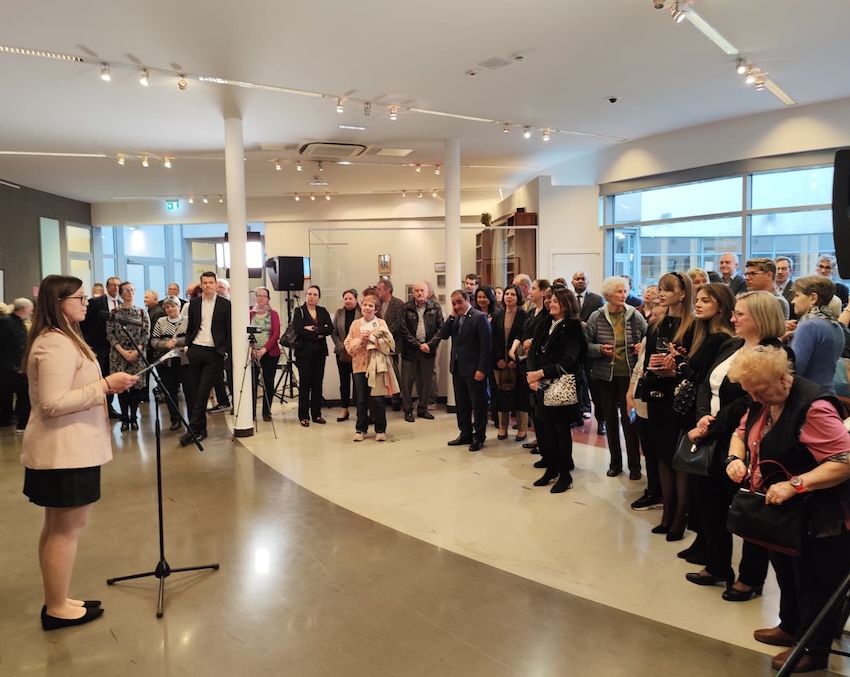
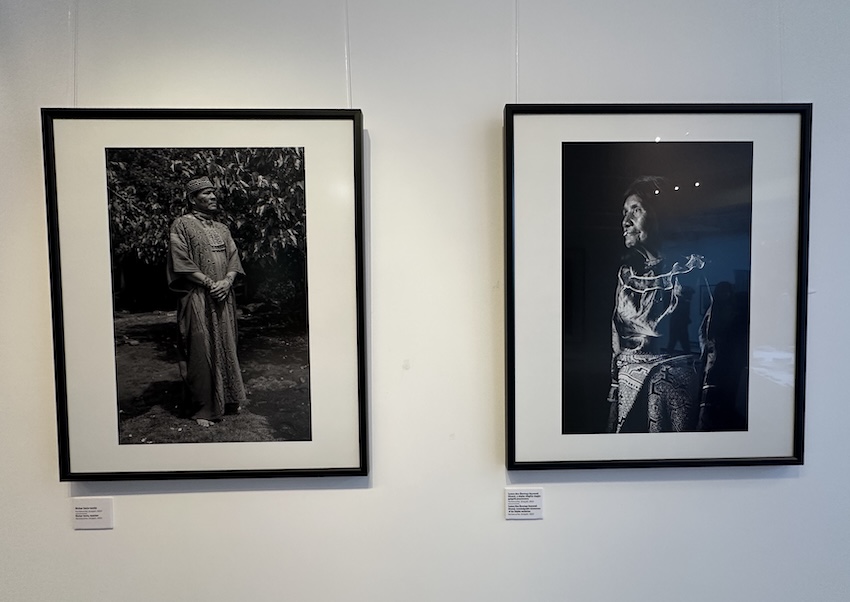
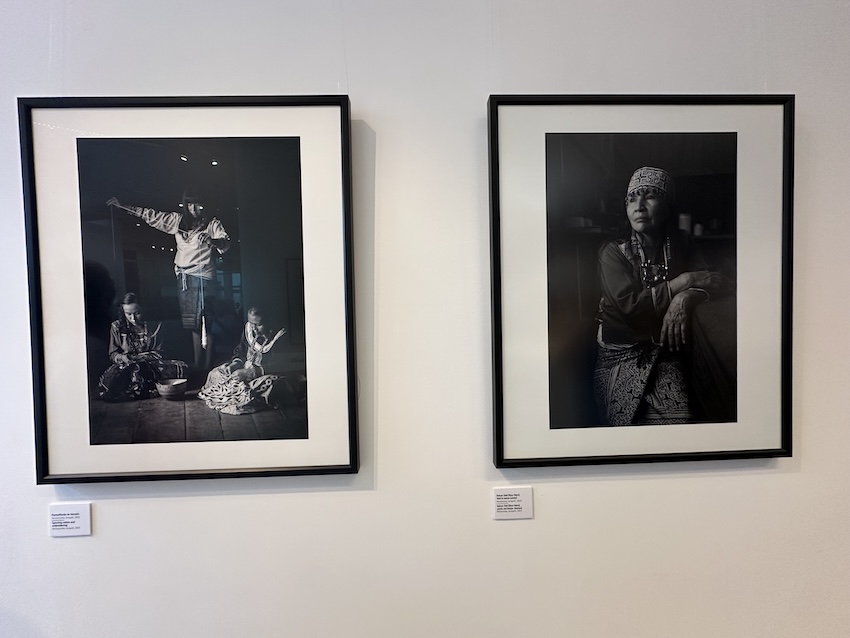
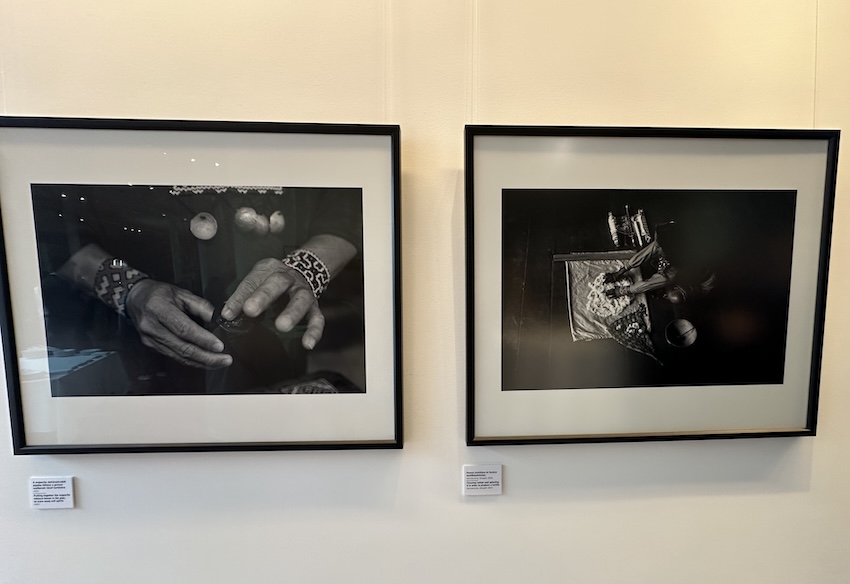
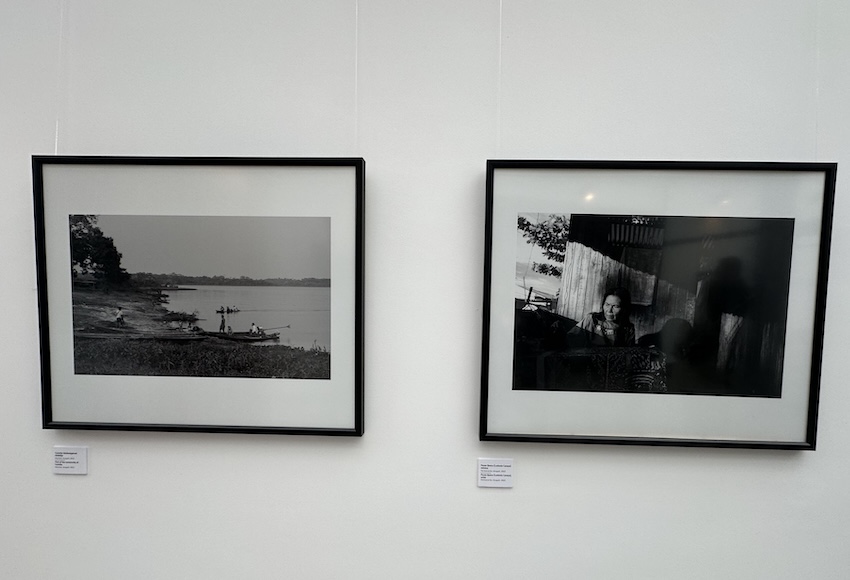
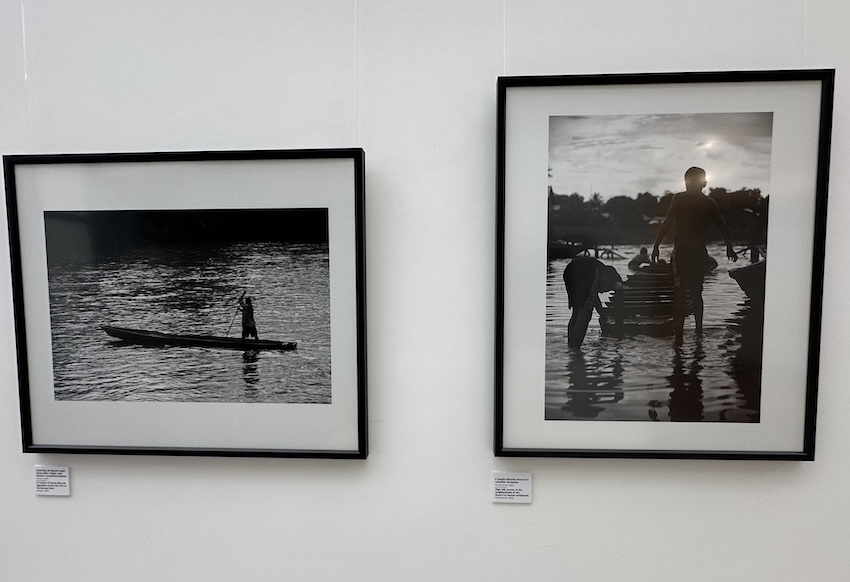
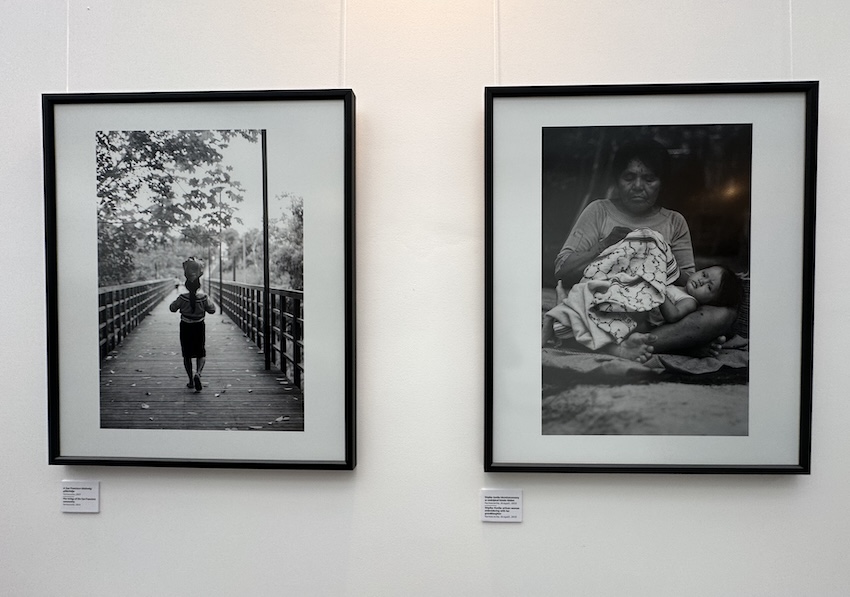
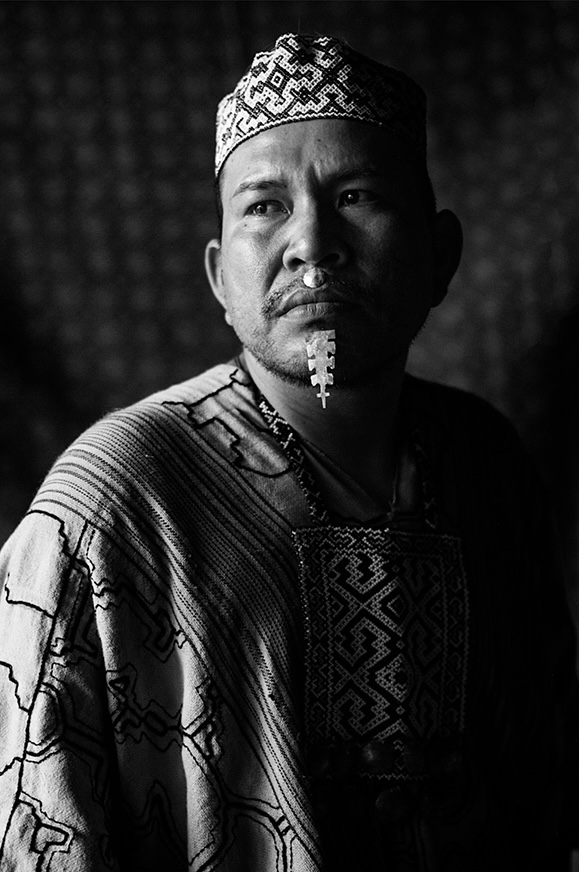
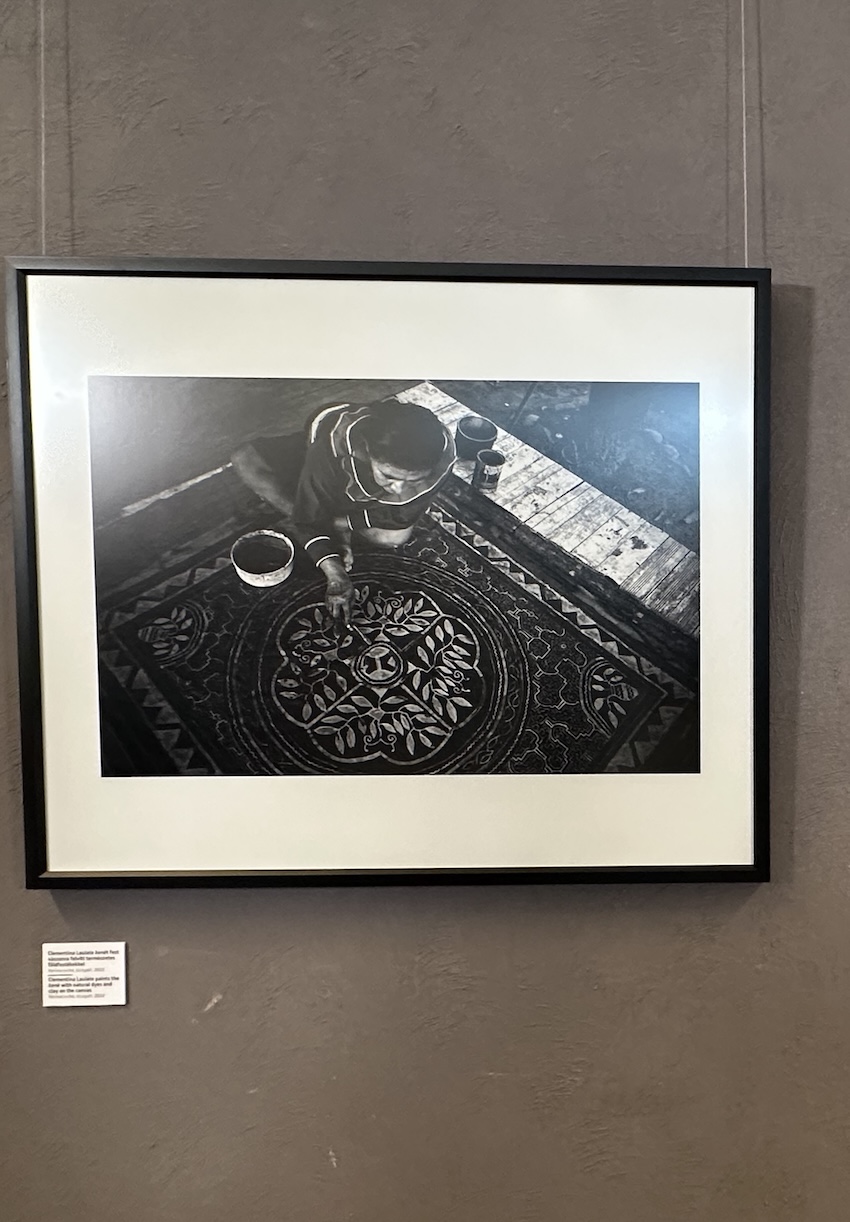
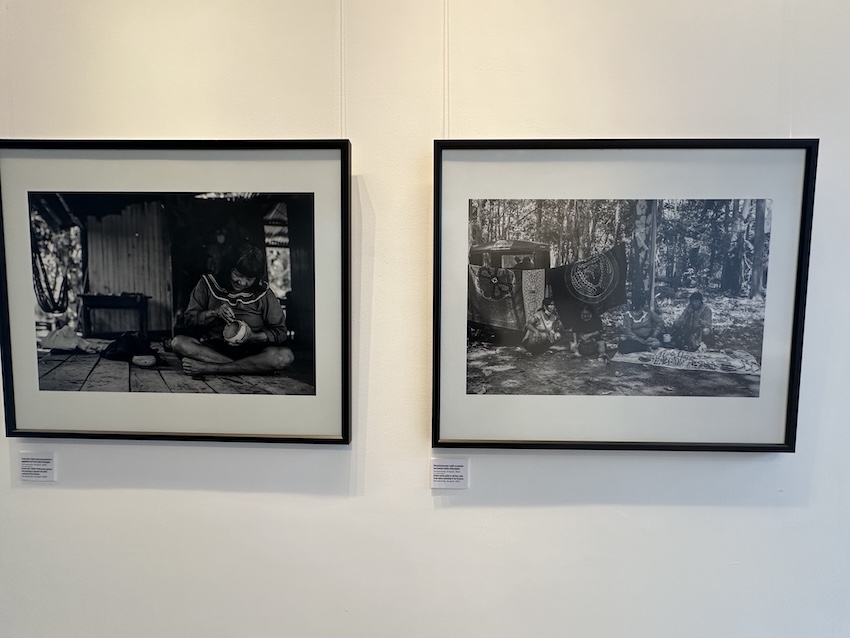
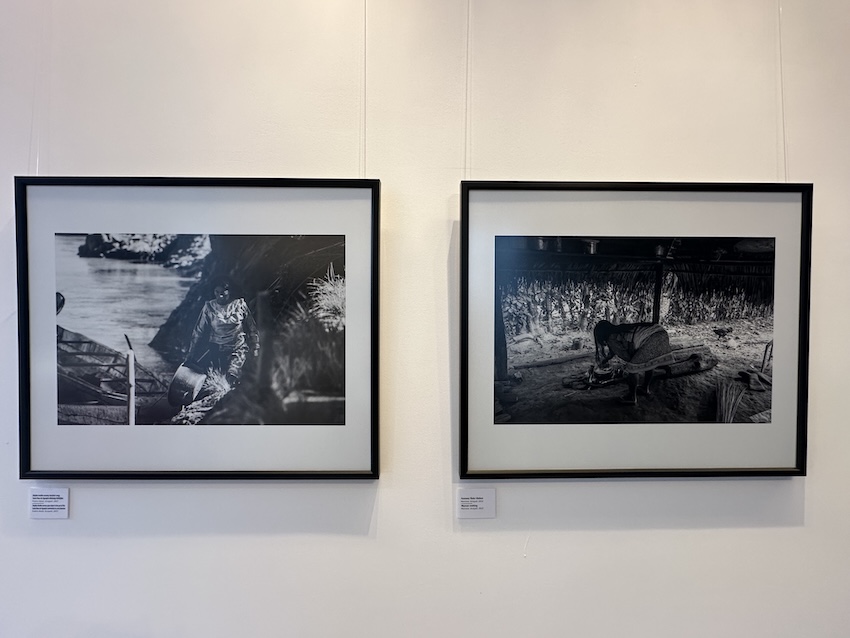
The evening concluded with a reception, where invitees had the opportunity to sample traditional Peruvian specialities and wines in a convivial atmosphere.
About the Photographer
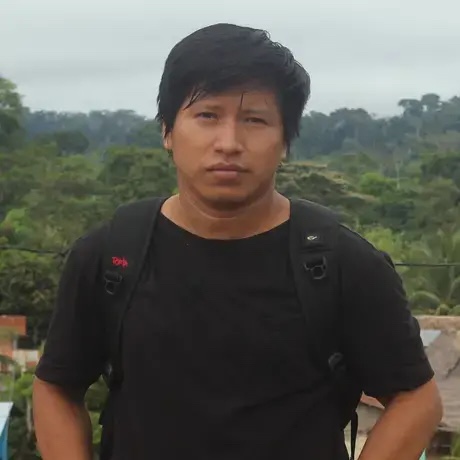
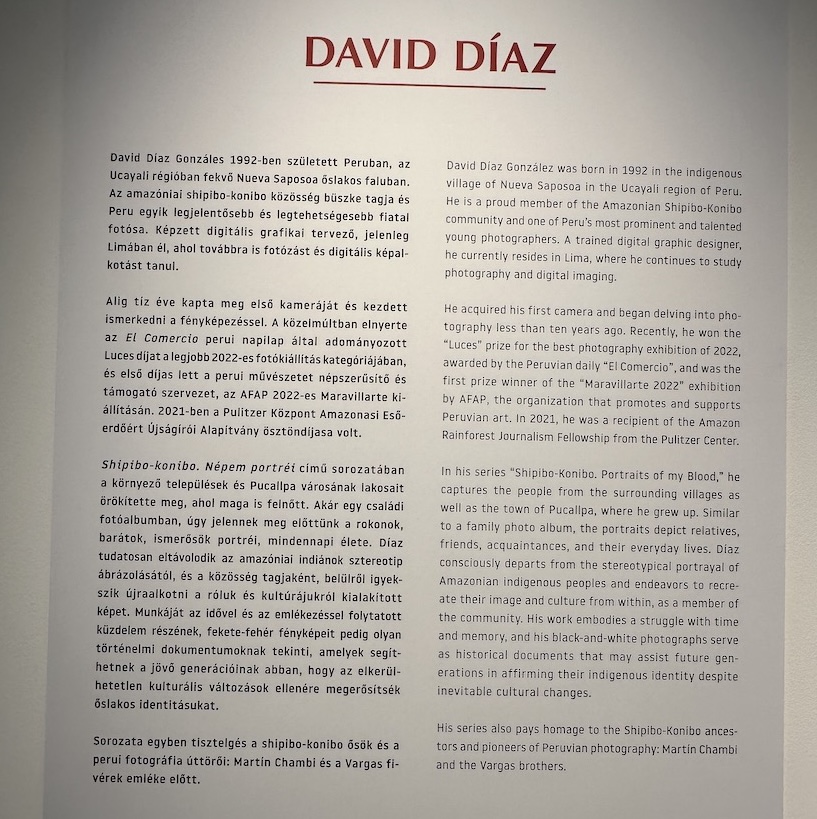
Born in 1992 in Nueva Saposoa, Ucayali, David Díaz Gonzáles is a Shipibo-Konibo photographer and one of the most notable young voices in contemporary Peruvian photography. He received the “Luces” Prize for Best Photography Exhibition (2022) from El Comercio, as well as First Prize at “Maravillarte 2022”. The Lima-based artist combines photography with research on environmental and cultural issues, supported by institutions such as the Pulitzer Centre. His series Shipibo-Konibo. Portraits of my Blood portrays his community in Pucallpa and surrounding areas, offering an authentic, insider perspective that challenges stereotypes.
Kené and its Dialogue with Contemporary Art: Sara Flores and Dior
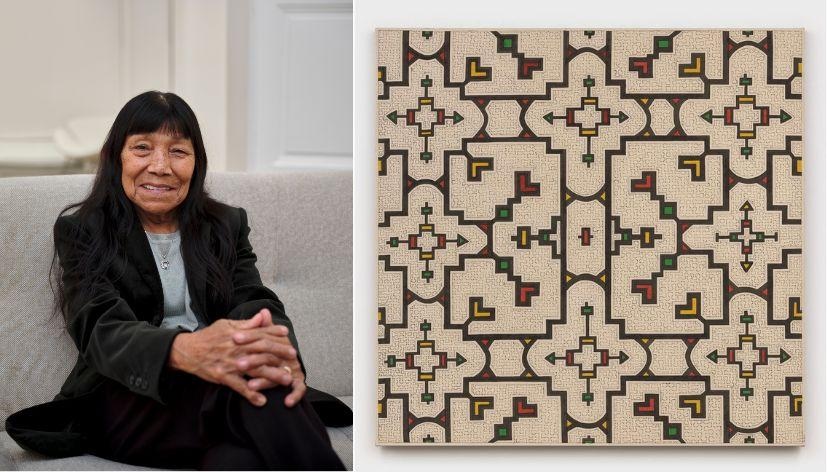
The encounter between ancestral knowledge and contemporary design found a compelling expression in the collaboration between Sara Flores, a visionary Shipibo-Konibo artist from the Peruvian Amazon, and the Dior Lady Art Project.
Since 2016, Dior has annually invited a select group of global artists, granting them carte blanche to transform the iconic Lady Dior bag into a unique work of art.
The 9th edition of Dior Lady Art project in 2024 featured Sara Flores among the eleven international participants, who brought the sacred visual language of Kené to a global audience, reimagining the bag as an expression of her cultural heritage.
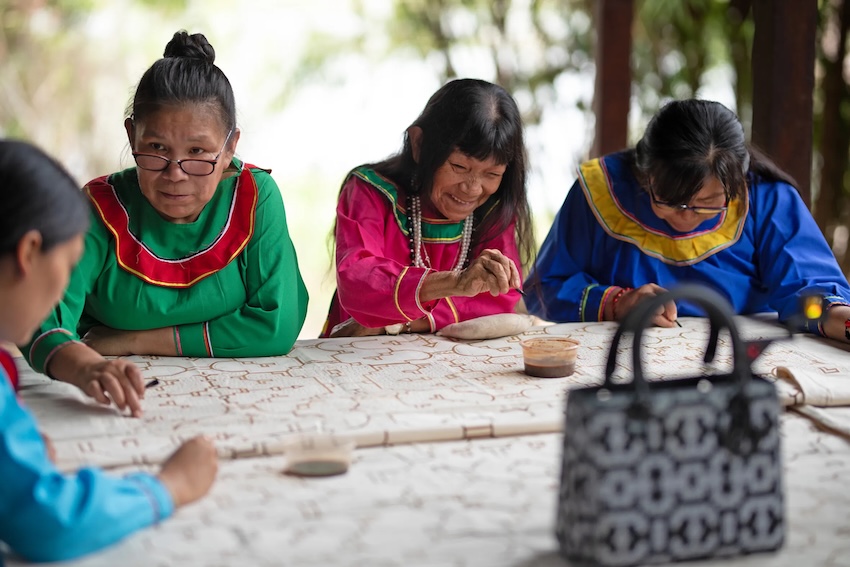
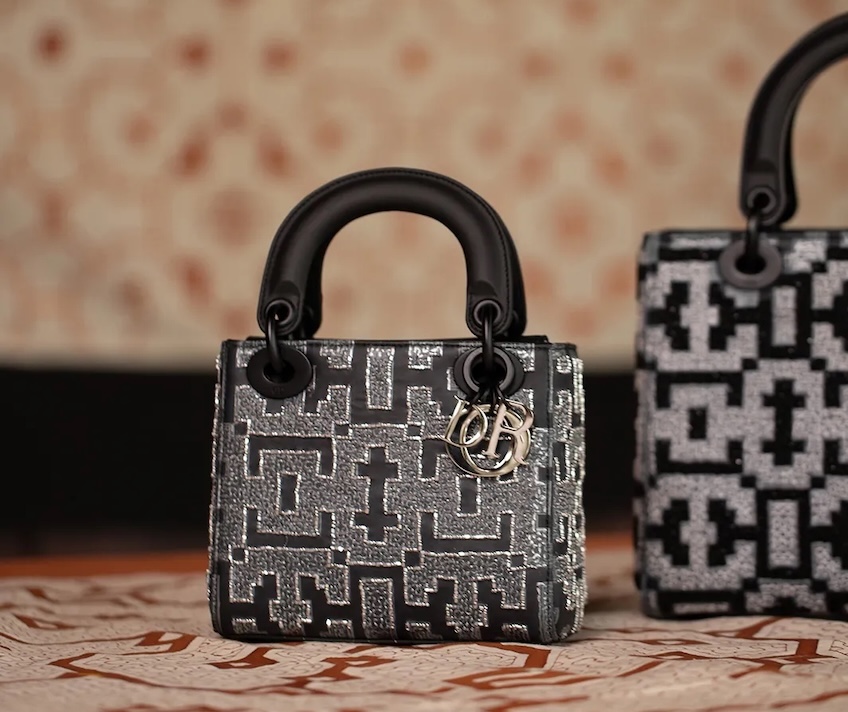
Instead of the classic Dior motifs, Flores introduced Kené – an intricate system of lines and geometric patterns originating from the Shipibo-Konibo people of the Peruvian Amazon. In doing so, she shifted the focus from ornament to meaning, embedding within the design a complex worldview rooted in care, spirituality, and harmony with nature.
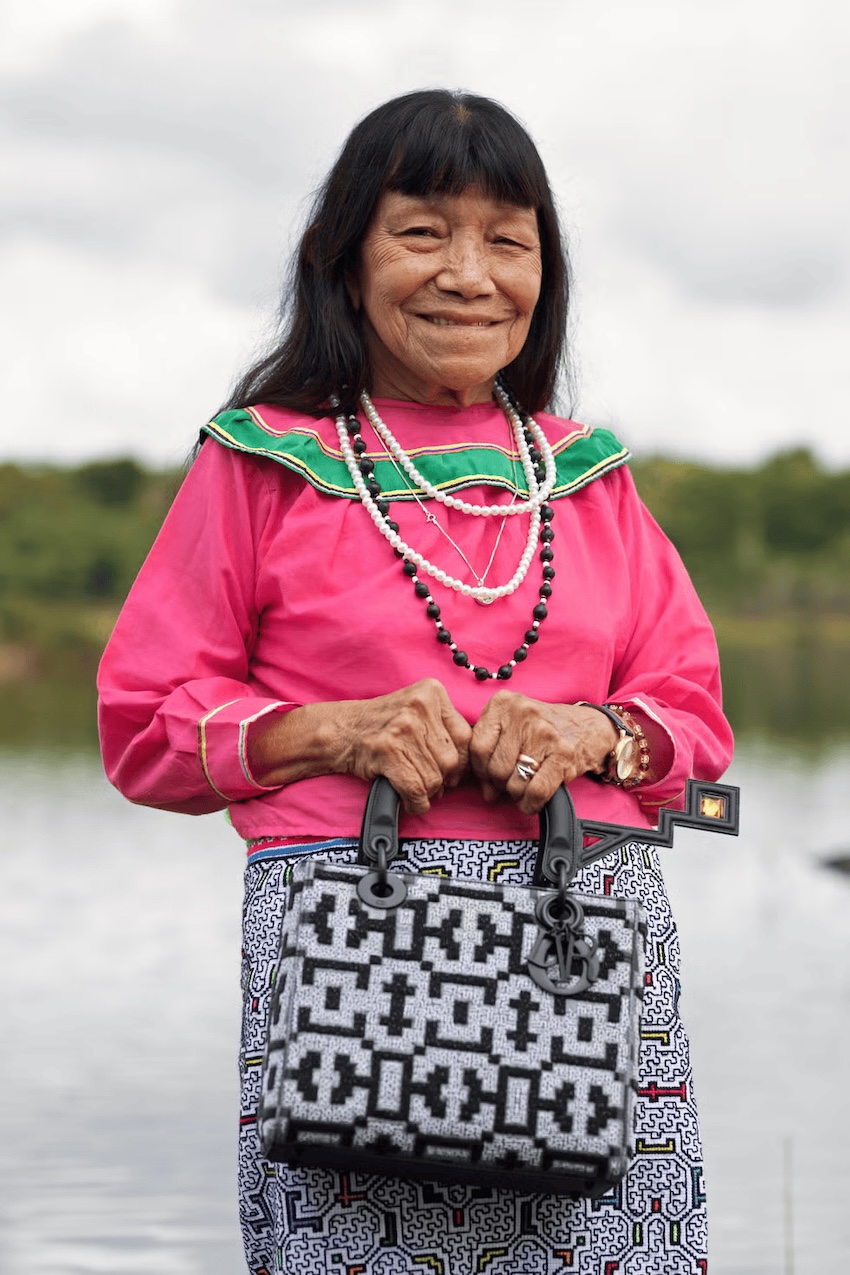
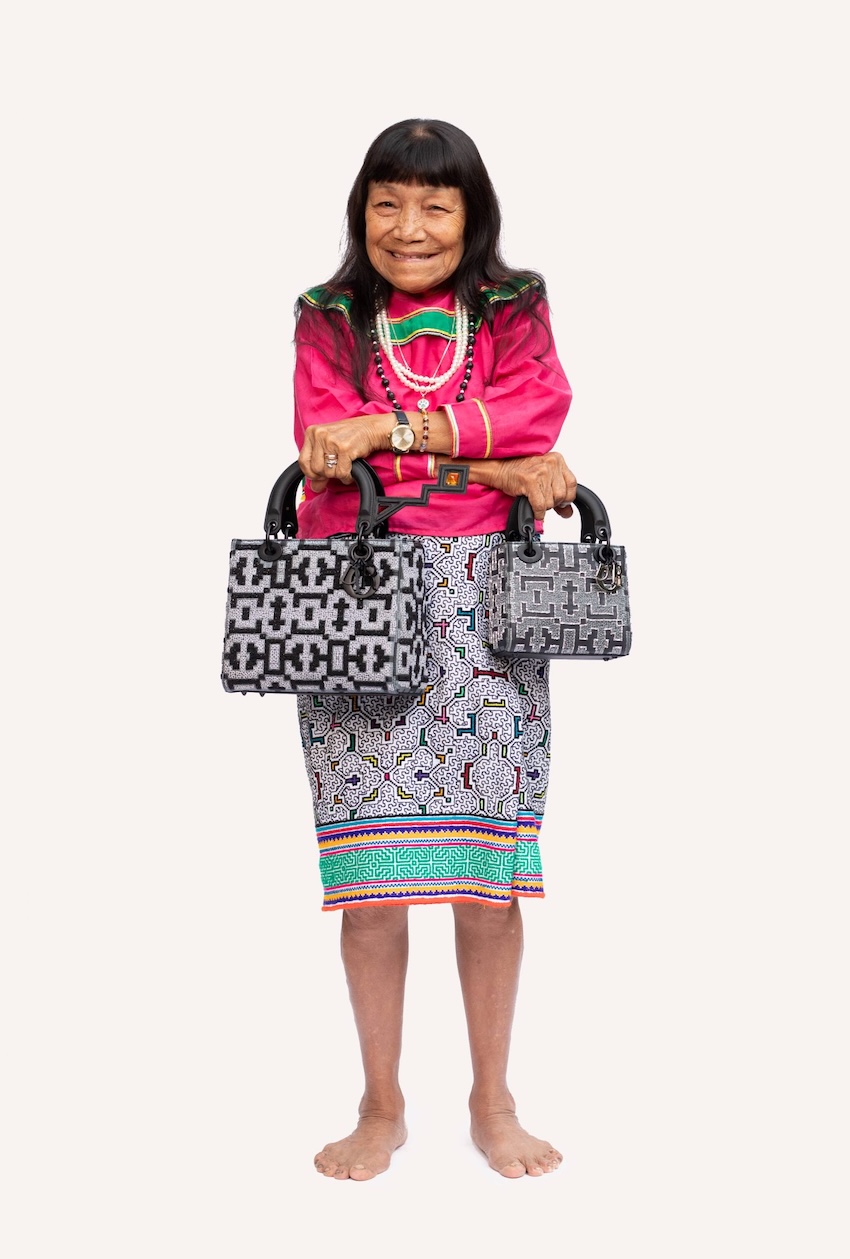
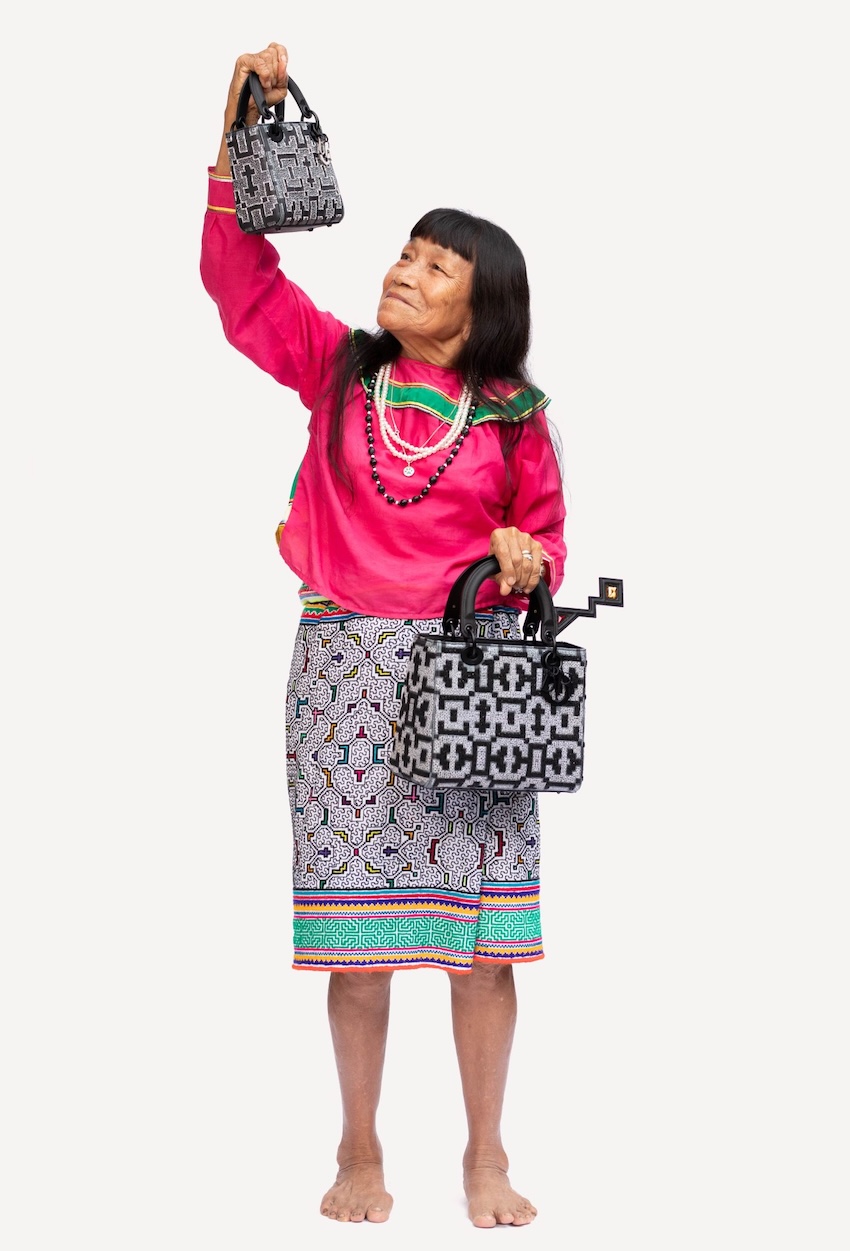
Kené is far more than an aesthetic tradition. Derived from a verb meaning “to love” or “to care”, its name reflects a philosophy that emphasises respect for life and the natural world. The labyrinth-like geometries, often inspired by visionary experiences connected to the Amazon rainforest, express the deep interconnectedness of all living beings.
Recognised as part of Peru’s cultural heritage, Kené is traditionally transmitted from mother to daughter, preserving knowledge and identity across generations. Practiced primarily by Shipibo-Konibo women from the Ucayali region, Kené designs appear on a wide range of surfaces – from textiles and ceramics to wood and even the human body – functioning as visual narratives. They map not only the environment – forests, rivers, and wildlife – but also spiritual dimensions such as energy pathways and cosmological structures like the Milky Way.
Sara Flores’ work bridges preservation and innovation. Using sustainable materials and vegetal dyes, she remains faithful to ancestral techniques while presenting them within a contemporary artistic language. She not only safeguards tradition but also amplifies its relevance to environmental awareness and cultural identity.
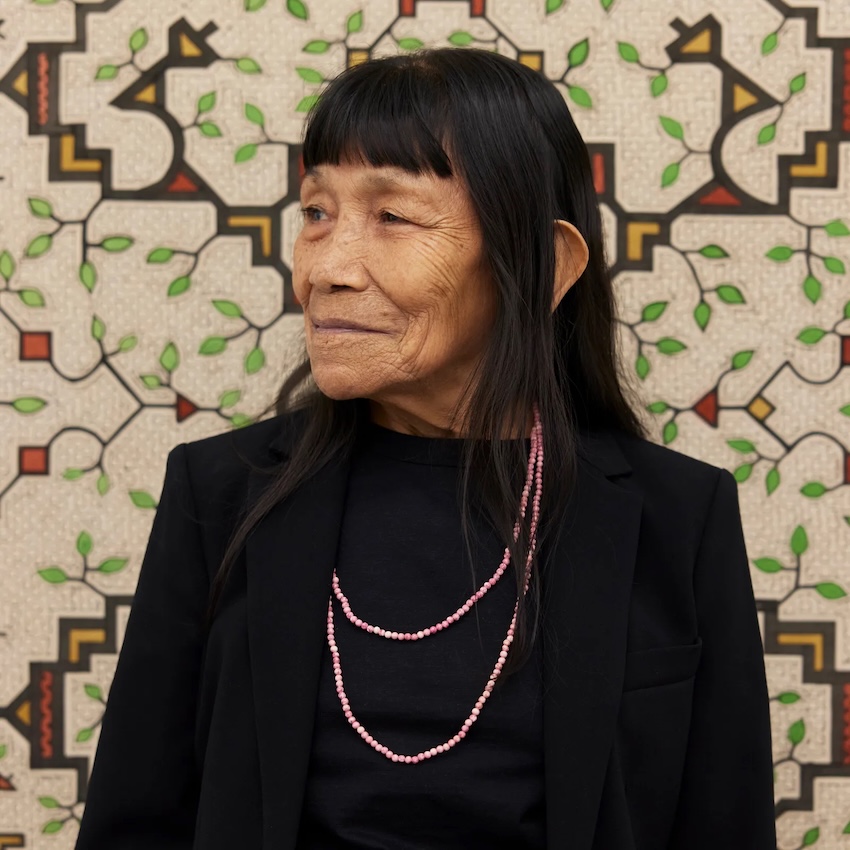
This growing international recognition is reflected in her selection to represent Peru at the 61st International Art Exhibition of the Venice Biennale in 2026 with her project Sara Flores: De otros mundos, organised by the Patronato Cultural del Perú and ICPNA Cultural.
Her work has also been presented in major museum contexts, including the Solomon R. Guggenheim Museum and the Metropolitan Museum of Art.
Through collaborations like Dior Lady Art, Kené enters new spaces without losing its essence. Instead, it invites a broader audience to engage with a worldview in which art is inseparable from life, care, and the natural environment.
The “Shipibo-Konibo. Portraits of My Blood” exhibition at RaM remains on display until 24 May 2026.
Source: Embassy of Peru in Budapest
Photos from the Embassy of Peru in Budapest