



Edited by Anna Popper
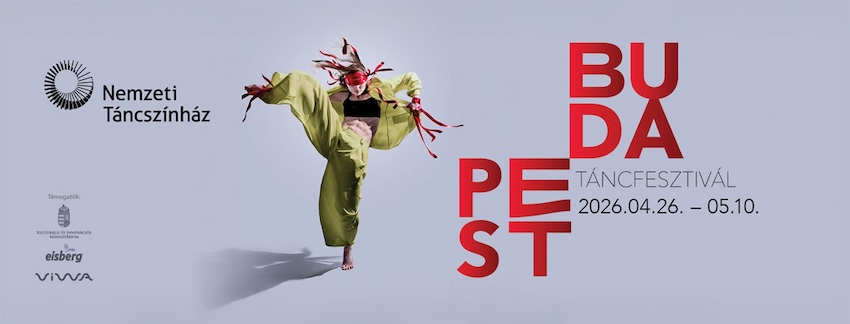
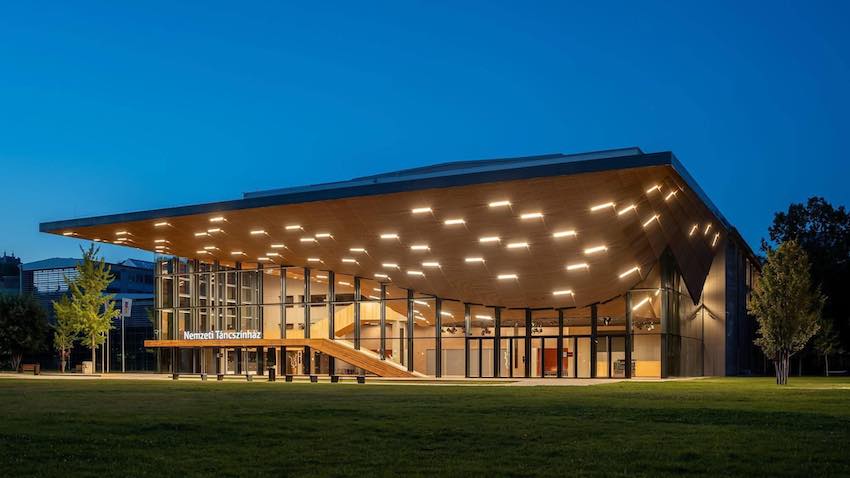
From 26 April to 10 May 2026, Budapest will once again become one of the most exciting meeting points of contemporary dance: the 26th Budapest Dance Festival is arriving, showcasing world-class companies, distinctive artistic visions, and Hungarian premieres on the stages of the National Dance Theatre. This year’s program unites international star performances, new domestic productions, and accompanying events, offering a shared community experience – demonstrating just how diverse and inspiring the world of contemporary dance can be. Year after year, the Budapest Dance Festival presents creators and companies who shape both international and Hungarian directions in contemporary dance.

International Companies on the Festival Stage
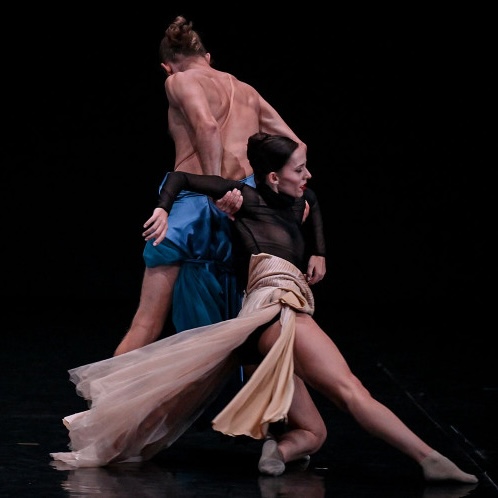
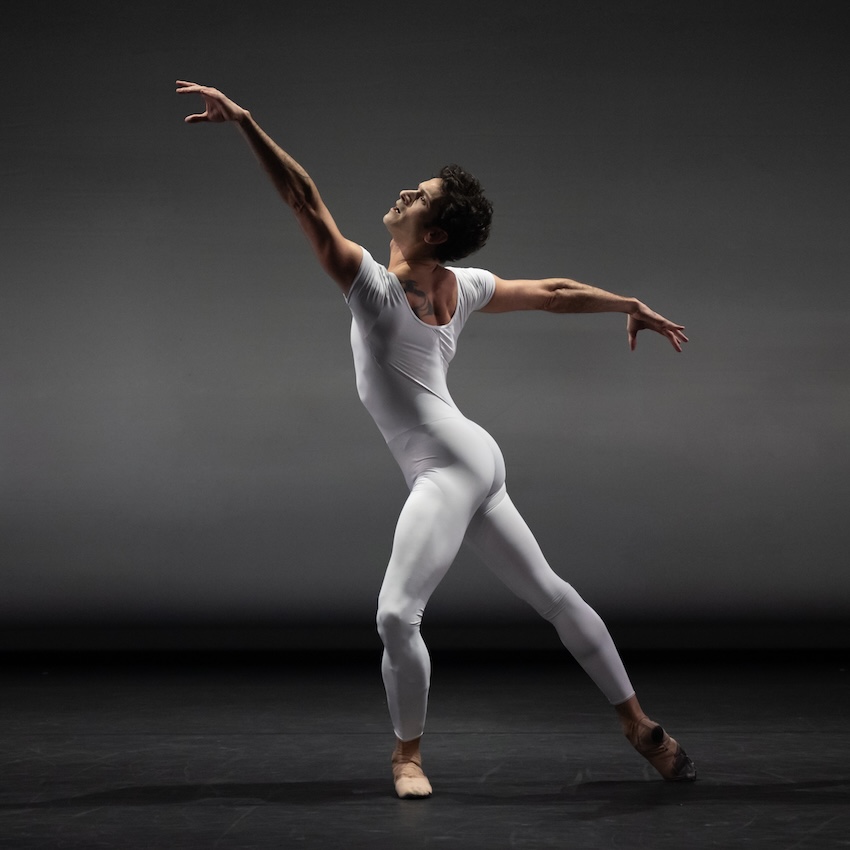
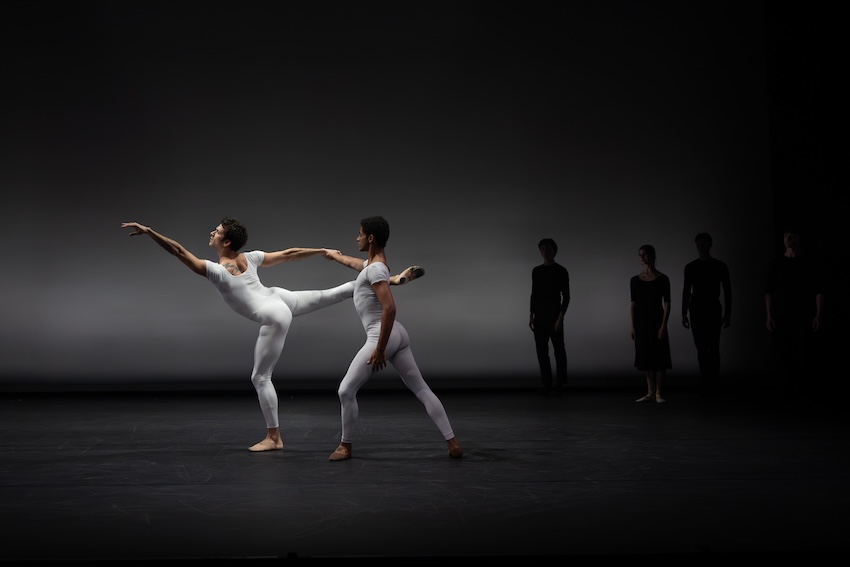
Each year, the Budapest Dance Festival brings leading figures of the international dance scene to the Hungarian capital – and 2026 is no exception. On the opening evening, 26 April, the Serbian National Theatre presents the double bill Good Vibrations.
In the first part, Jacopo Godani’s choreography Game of Shadows combines the refined technique of classical ballet with a distinctive contemporary movement language.
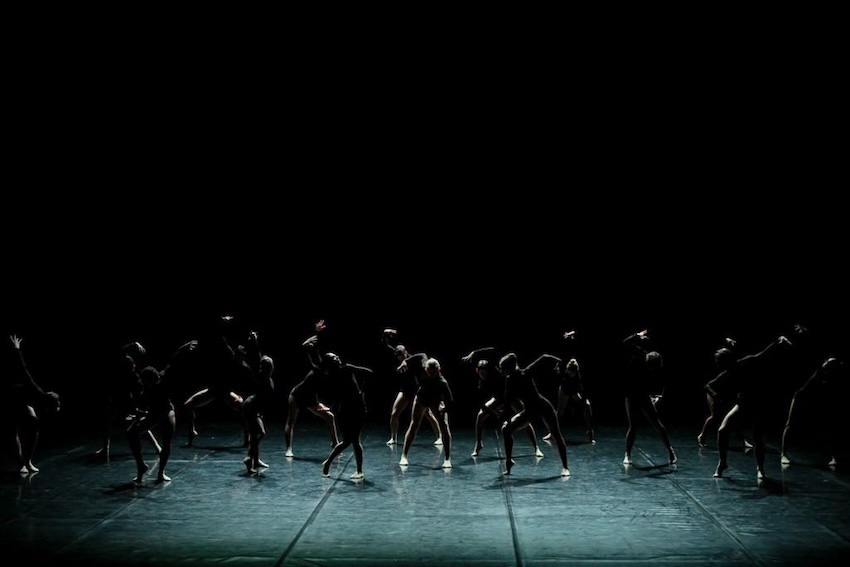
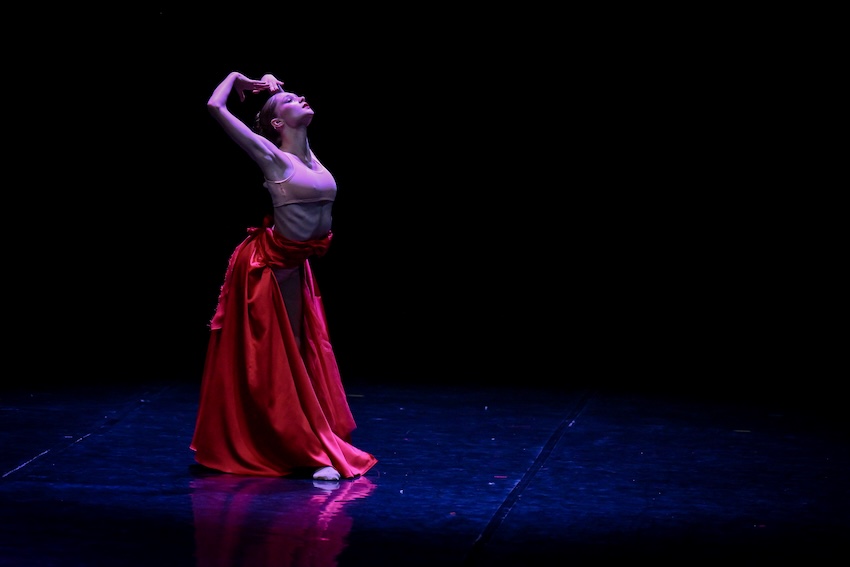
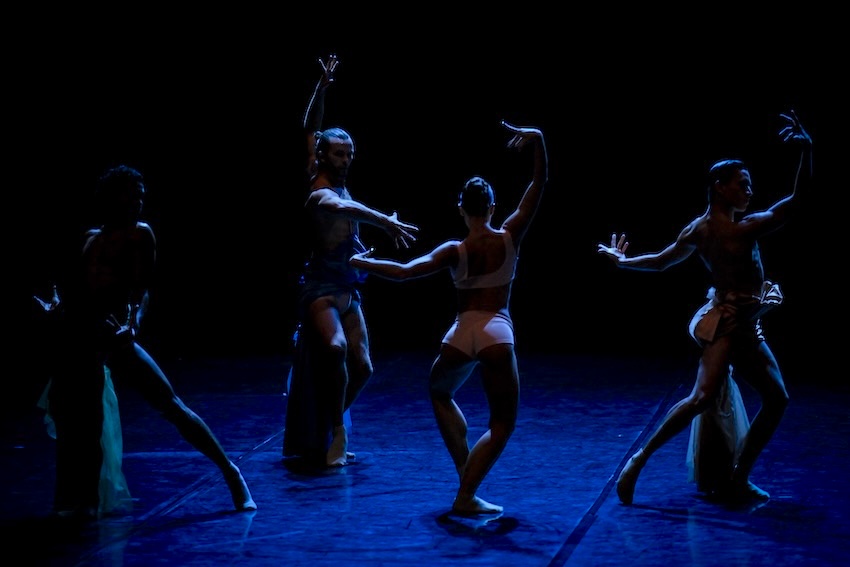
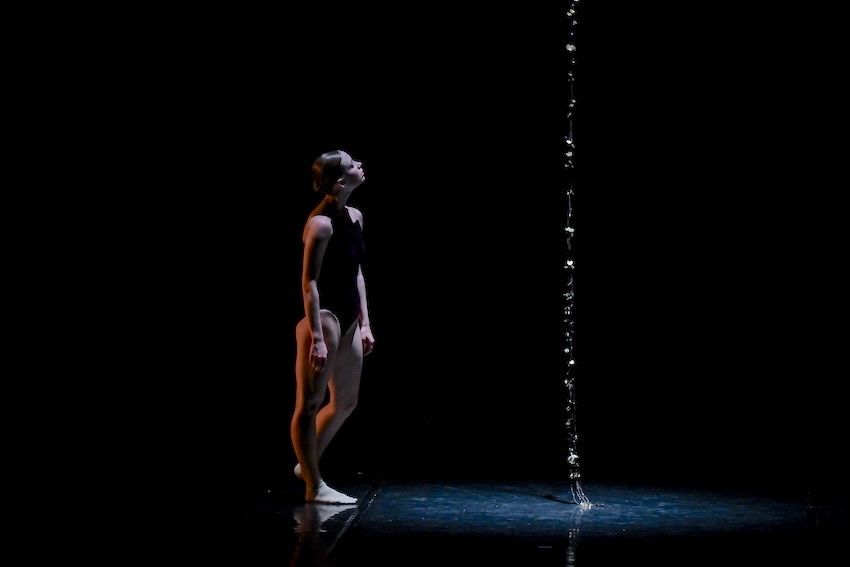
In the second part, Maša Kolar’s Bolero offers a contemporary interpretation of Ravel’s iconic musical composition.
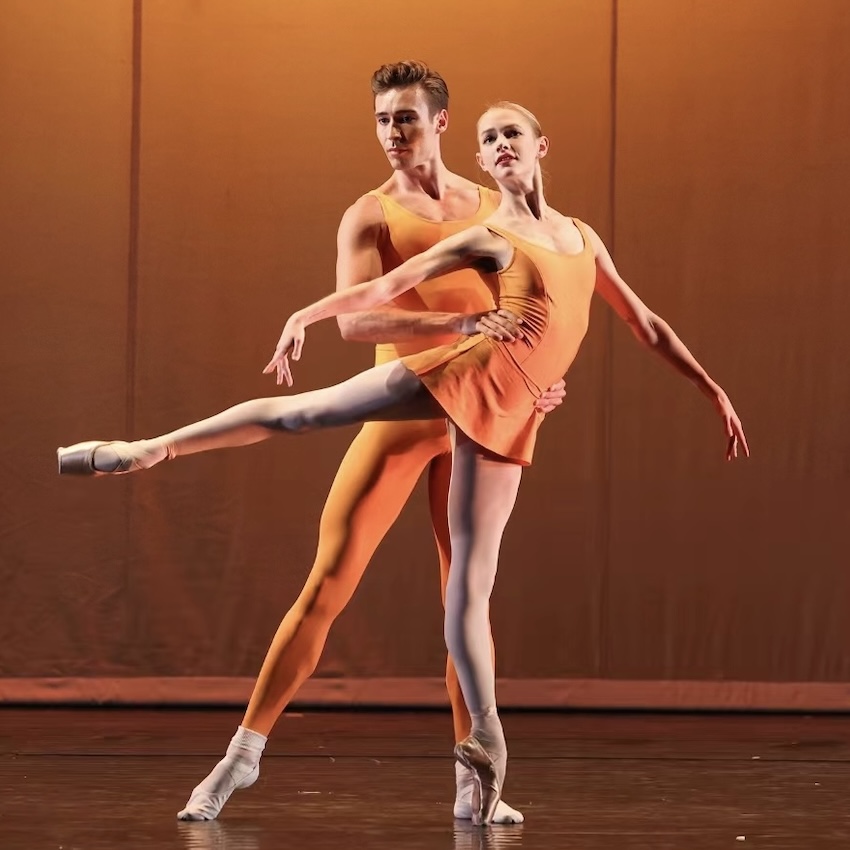
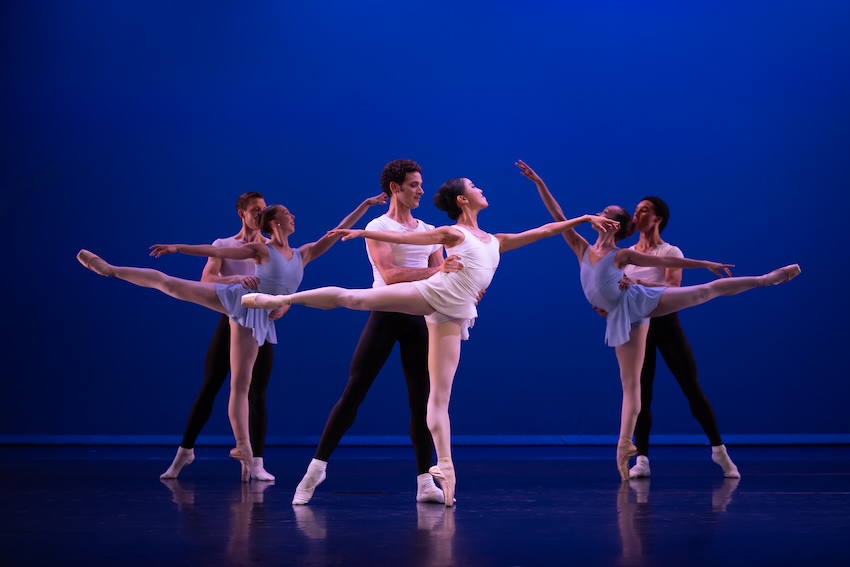
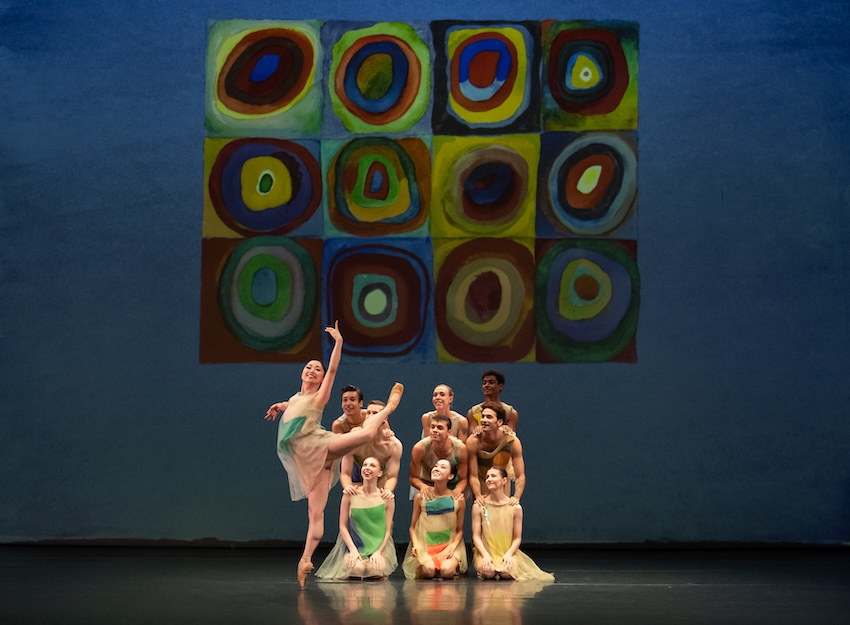
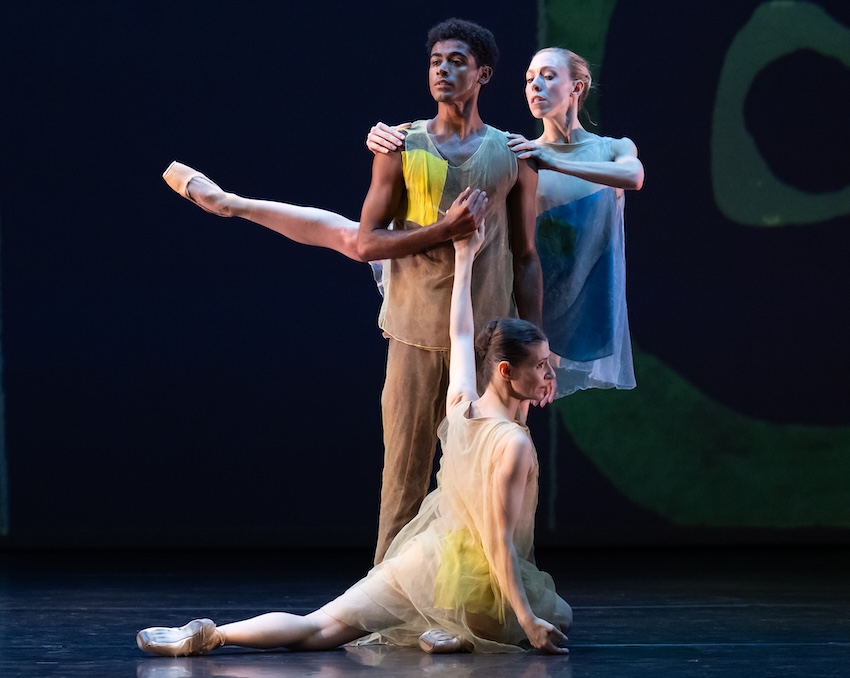
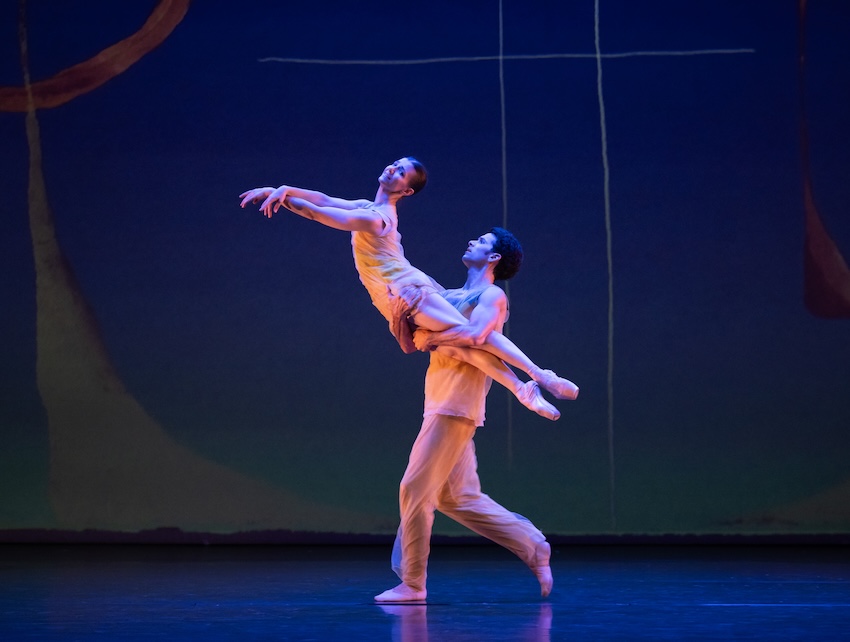
On 1 and 2 May, Hungarian audiences can experience the renewed London City Ballet with its evening program Momentum, which includes George Balanchine’s Haieff Divertimento, Kenneth MacMillan’s Concerto pas de deux, Jerome Robbins’ Quiet City, and Alexei Ratmansky’s Pictures at an Exhibition. The performance will be made even more exceptional by the appearance of the world-renowned prima ballerina Alina Cojocaru.
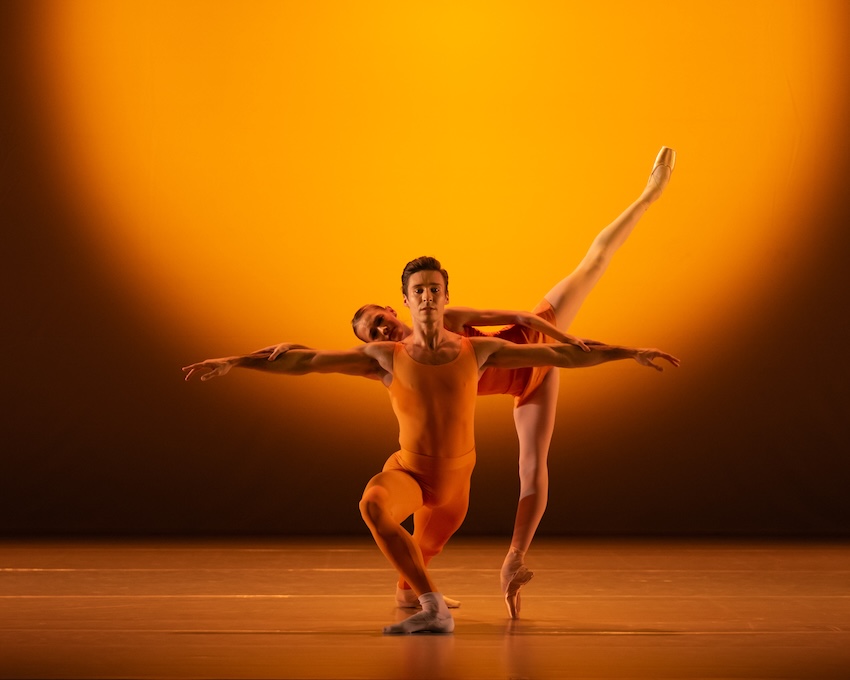
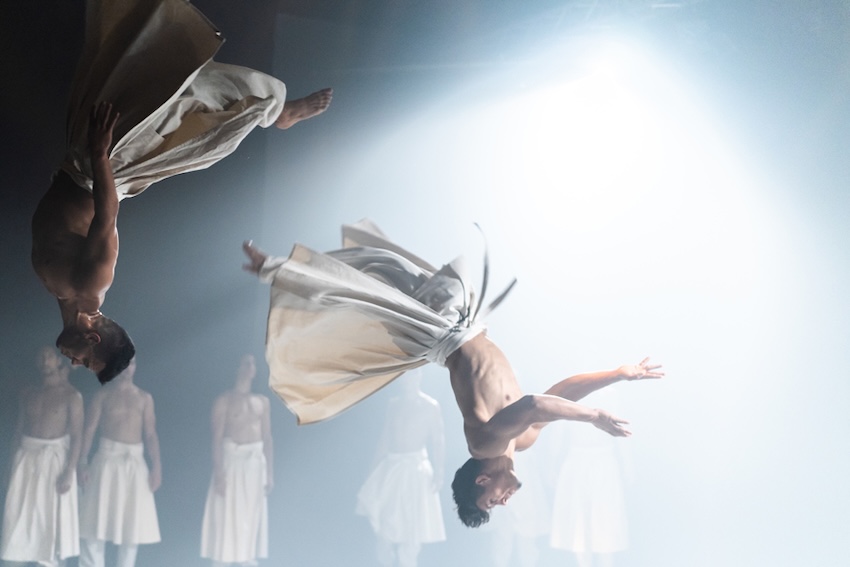
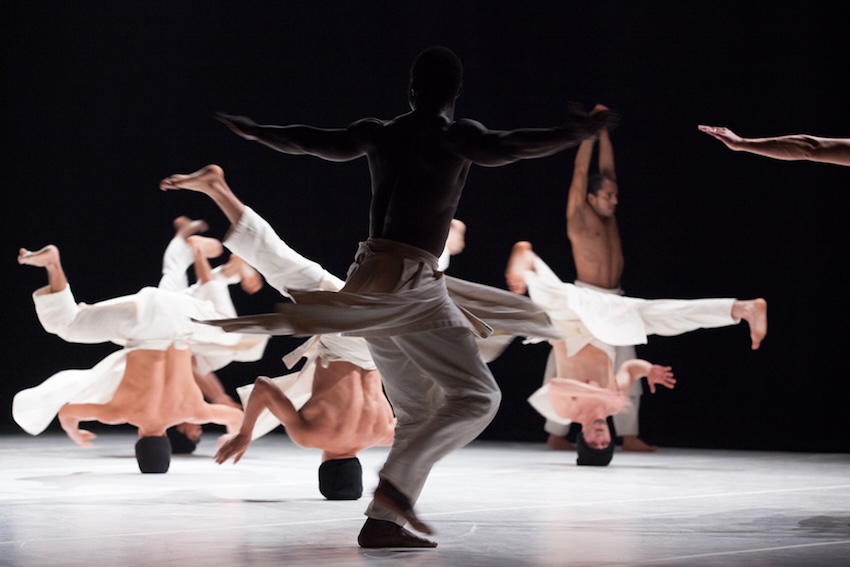
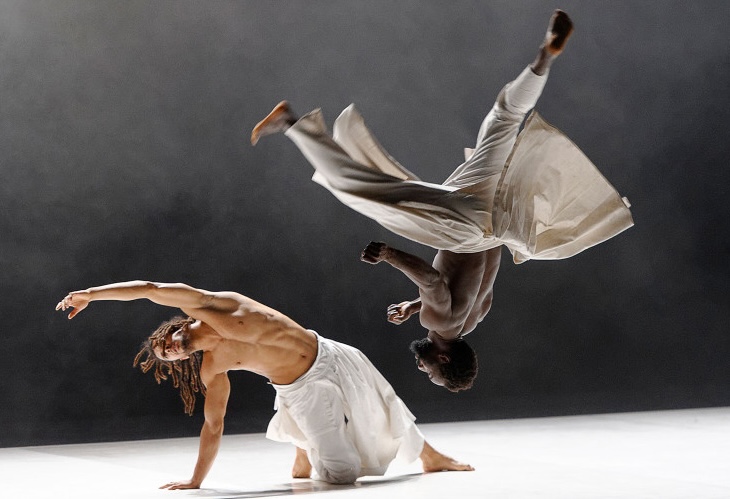
As the highlight of the international program – and also the festival’s closing performance – Compagnie Hervé Koubi takes the stage on 10 May 2026. The company of the French-born choreographer of Algerian descent, Hervé Koubi, will present What the Day Owes to the Night. The evening is defined by the extraordinary physicality and collective energy of fourteen male dancers. Drawing inspiration from Orientalist painting and Islamic architecture, Koubi creates poetic and visually powerful stage images exploring light, connection, and the strength of human relationships.
Hungarian Premieres and Distinctive Artistic Visions
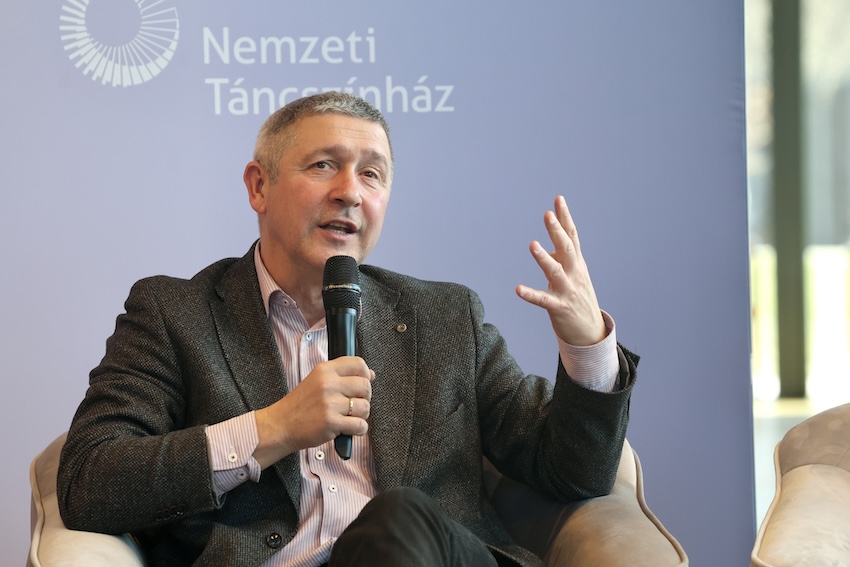
A special arc of this year’s program is on Hungarian productions. As Péter Ertl, Director of the National Dance Theatre, explains: “Through the Hungarian performances this year, we aim to create a psychedelic fairy-tale world.”
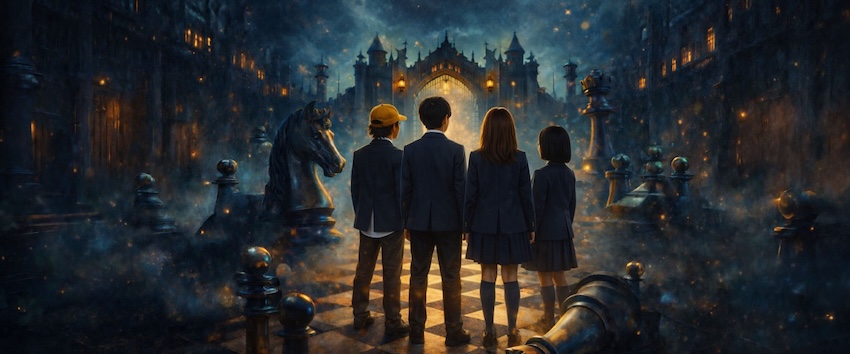
The new production Alma – The Dark Realm by Inversedance – Fodor Zoltán Company is inspired from the works of Judit Berg and leads the audience into a darker-toned fairy-tale universe.
A unique aspect of the story is the involvement of the legendary Hungarian chess grandmaster Judit Polgár, whose contribution brings themes of strategy and intellectual play to the narrative.
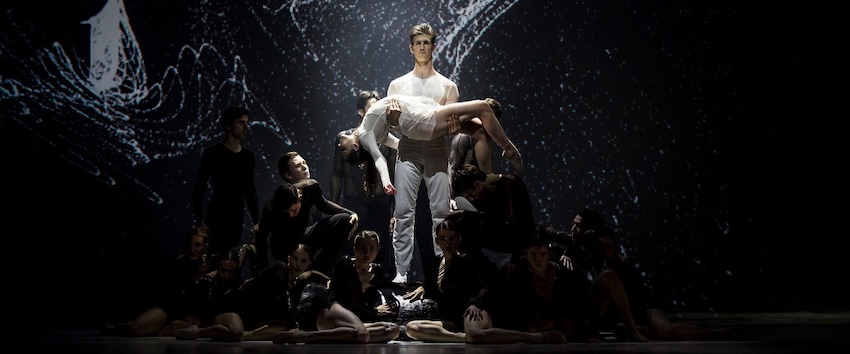
The Győr Ballet presents Death and the Maiden, created under the artistic direction of Krisztina Szöllősi. This initiation-style dance theatre piece explores the themes of life and mortality, set to the evocative music of Franz Schubert.
A distinctive feature of the production is the participation of cult influencer Dr. Farkas Levente András, who – as he describes himself “stuck between two worlds” – guides the audience through the journey with words and movement.
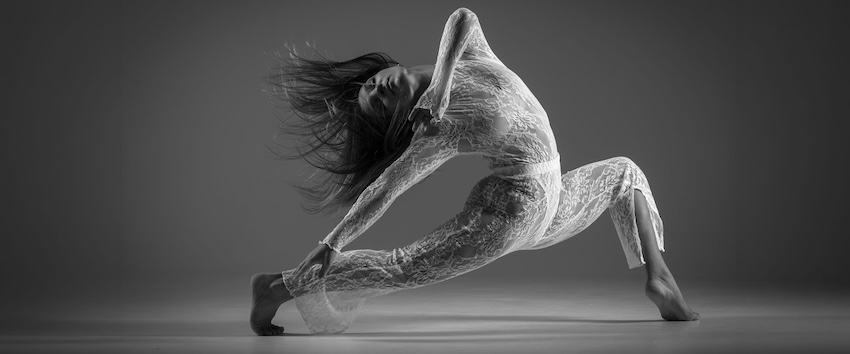
The FrenÁk Company creates a unique stage world with F_EvER, inspired by Antoine de Saint-Exupéry’s classic The Little Prince. The performance takes the audience on a dreamlike, nocturnal journey centred on faith in goodness and humanity.
Built from lyrical imagery and powerful movement, it offers both a sensual and thought-provoking experience.
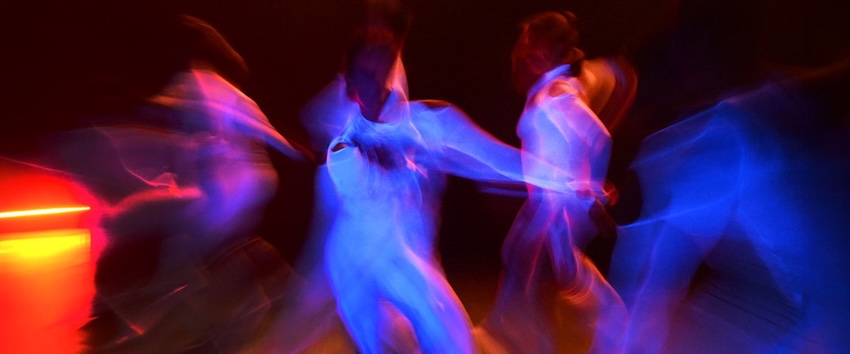
Hungarian productions are rounded out by a two-part evening from Gradient Contemporary Ballet Debrecen. The company is led by Edit Domoszlai, who returned to Hungary after a distinguished international dance career.
In addition to her work, the creative duo behind Recuerdo número 7 – Enrique López Flores and Javier Ara Sauco – will also present their choreography. Both artists were selected participants of the Biennale College Danza, and their works have already been shown at the prestigious Venice Biennale Dance Festival.
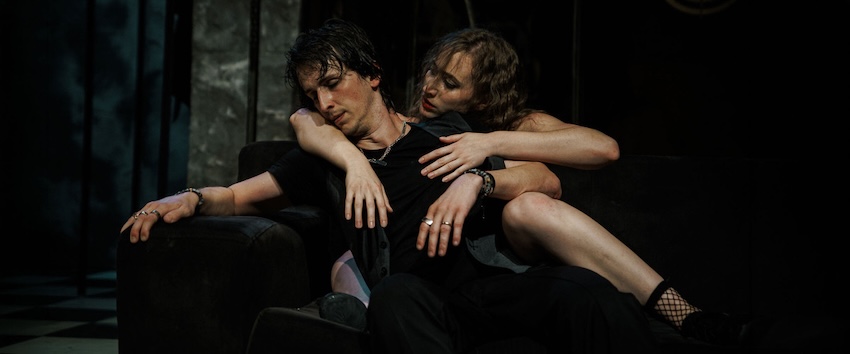
The festival is further enriched by a Hungarian company from beyond the borders: the Nagyvárad (Oradea) Dance Company from Romania. Their performance Happiness Hunters is an intense, body-oriented physical theatre piece, inspired by Milán Füst’s drama and the film Requiem for a Dream, created collaboratively by the company’s prose and dance ensembles.
Young creators are also given space: in the studio programs, two double-bill evenings introduce the new generation of contemporary choreographers. Continuing a tradition previously supported by the Imre Zoltán Program, these performances provide an important platform for emerging artists. The evenings will feature, among others, Salem by Erika Vasas and Ádám Fejes, and Pandora by Dalma Wéninger, Clark David Bonus Ortega, and Yun Ju Huang.
Community Programs and Special Events
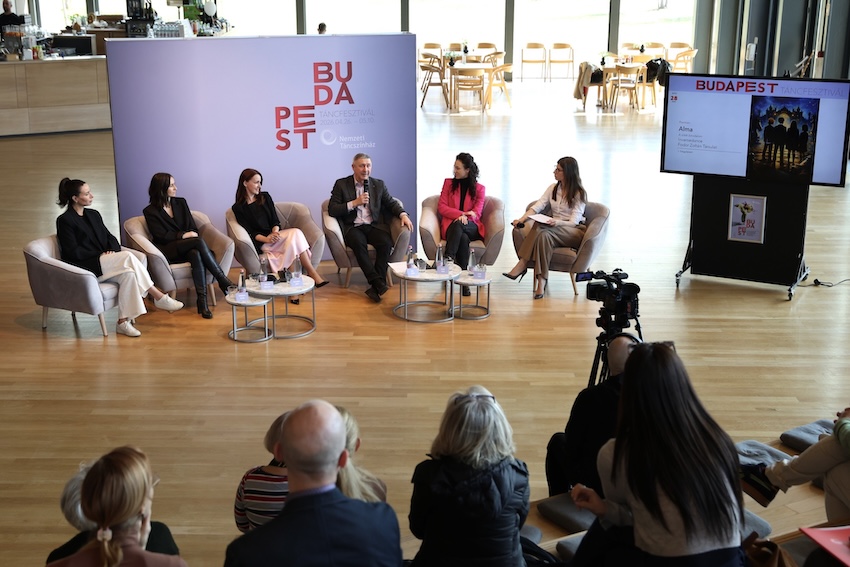
The Budapest Dance Festival is more than just performances – it is a celebration of connection. “From the very beginning, we have regarded the renewed National Dance Theatre – especially the Foyer – as a true community space.”
In this spirit, the festival productions are complemented by audience meetings, discussions, and opportunities for direct exchange between artists and spectators.
Beyond the stage, a rich array of additional programs invite the audience to experience dance in new and engaging ways. The captivating swing event of the Pepita Dance and Recreation Association transports visitors to the vibrant world of jazz from the 1920s and 30s. From Lindy Hop and Balboa to Charleston, Solo Jazz, and Blues, Budapest’s finest dancers recreate the spirit of an era where music and movement pulse with infectious energy.



The TEST/NEVELÉS professional project day returns for its third edition, offering a playful yet insightful exploration of the intersections of puppetry, dance, and improvisation.
This year’s focus on body awareness brings together theatre pedagogues, dance artists, and a psychologist in a collaborative and experiential setting.
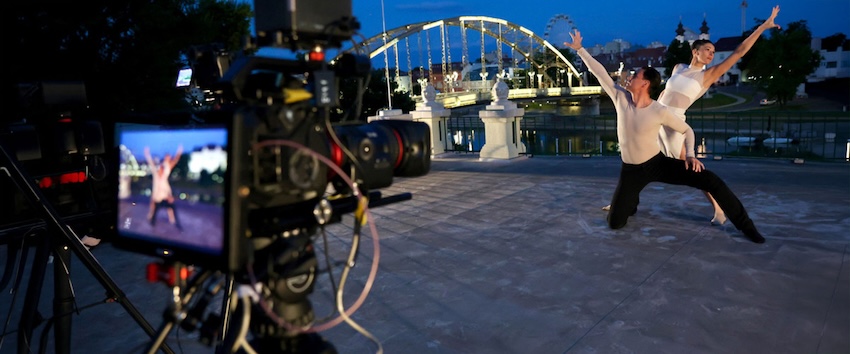
Among the festival’s highlights is the interactive dance education performance 30 Shades of Dance, led by Péter Ertl. Accompanied by improvised piano music from Péter Sárik, dancers Jusztina Bakonyi and Milán Földes guide the audience through defining moments in dance history, bringing them vividly to life.
After a two-year hiatus, Dancing Film Frames reappears in the program, delving into the compelling relationship between dance and film history. Through evocative examples, it reveals how movement and moving image continuously shape and inspire one another.

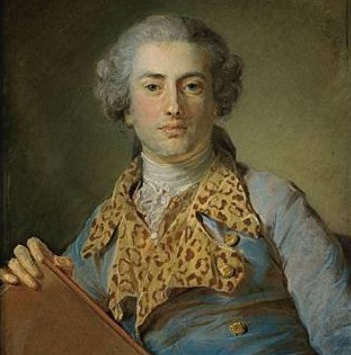
The festival also takes place annually on International Dance Day, established in 1982 by UNESCO’s International Dance Council. Celebrated on 29 April – the birthday of Jean-Georges Noverre (1727-1810), a pioneering choreographer, reformer of classical ballet and one of its most influential figures, who revolutionized the art through his “ballet d’action” emphasizing expressive storytelling over rigid court forms – the occasion is marked in Budapest with a prestigious gala evening. Organised by the Hungarian Dance Artists’ Association in collaboration with the National Dance Theatre, the event honours excellence in the field, presenting professional awards alongside recognitions from the Imre Zoltán Foundation and the Junior Zoltán Nagy Foundation.
The 26th Budapest Dance Festival thus offers a truly comprehensive panorama of contemporary dance. Internationally acclaimed companies, outstanding Hungarian productions, and interactive community programs come together to create an experience in which movement, imagination, joy, professionalism, and dynamism resonate far beyond the stage.
As Jean-Georges Noverre so profoundly expressed the enduring significance of dance in the life of humankind: “As we dance with our bodies, tumbling in space and tangling together, we become a force of movement – one that weaves hearts, touches souls, and offers a form of healing so desperately needed.”

Source: National Dance Theatre
Photos from the National Dance Theatre