


Edited by Anna Popper
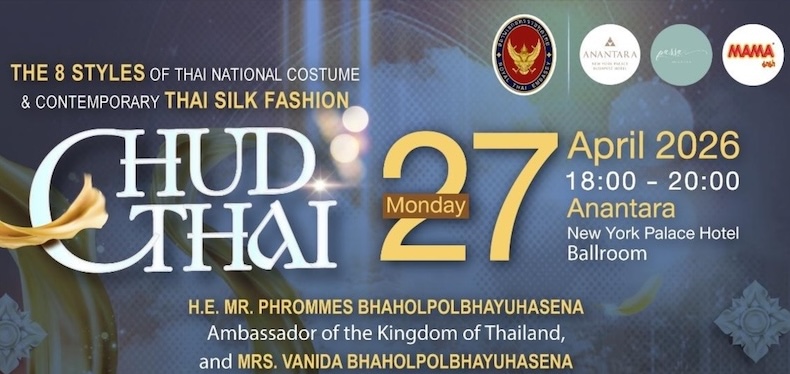
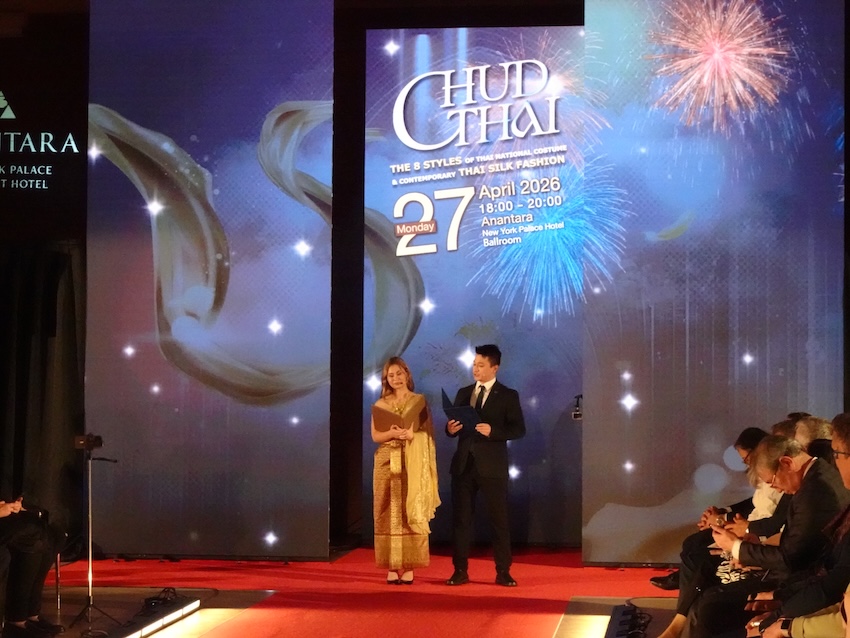
The iconic Anantara New York Palace Budapest hosted a vibrant celebration of Thai fashion, craftsmanship, and cultural heritage on 27 April 2026. As part of its cultural diplomacy activities, the Royal Thai Embassy in Budapest organized the Chud Thai Fashion Show, which showcased the beauty of Thailand’s national costume tradition combined with cultural performances and artistic presentations.
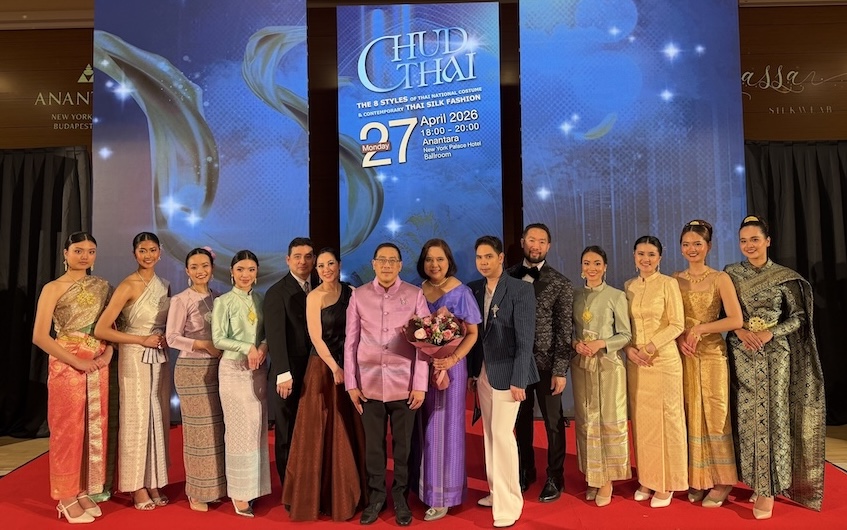
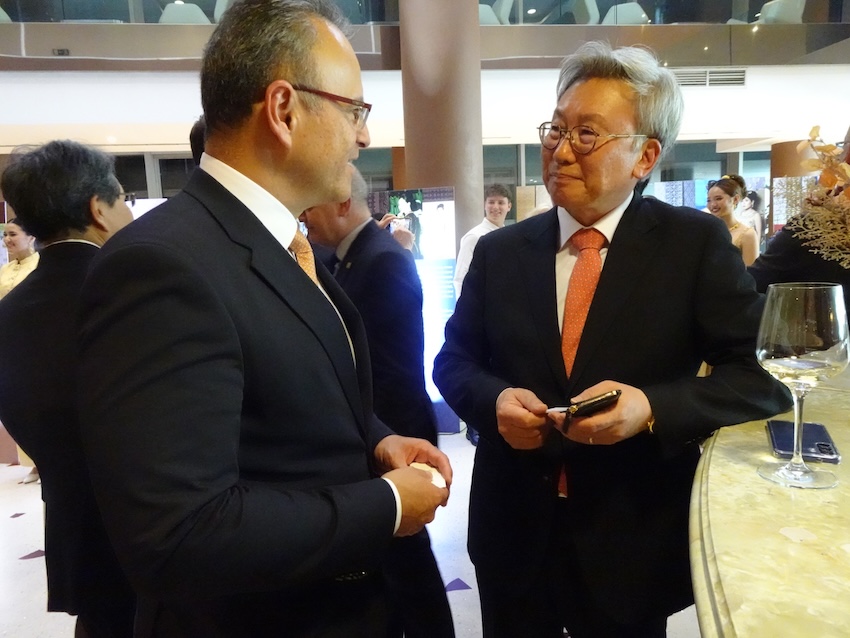
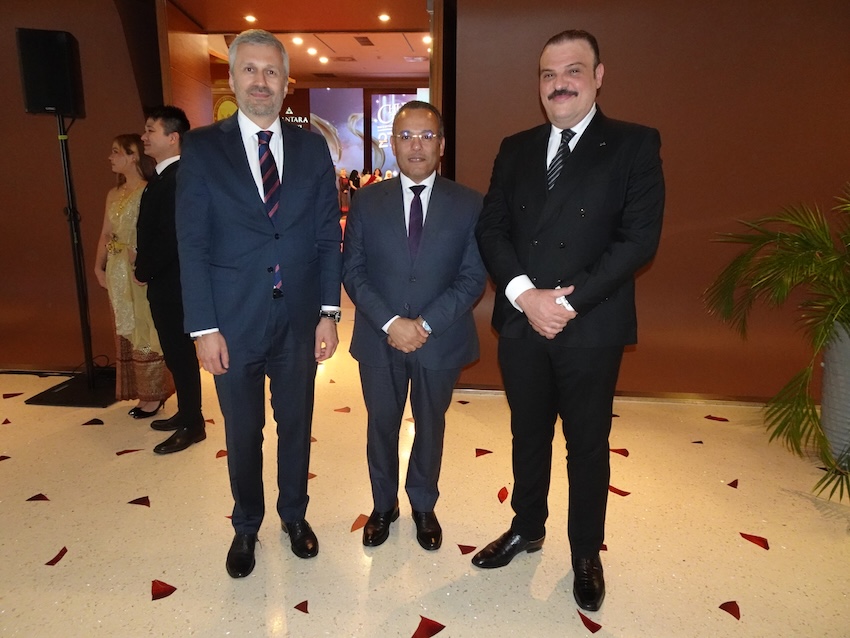
More than 160 guests attended the event, including ambassadors, members of the diplomatic corps, representatives of the Hungarian fashion industry, the private sector, and the Thai community.
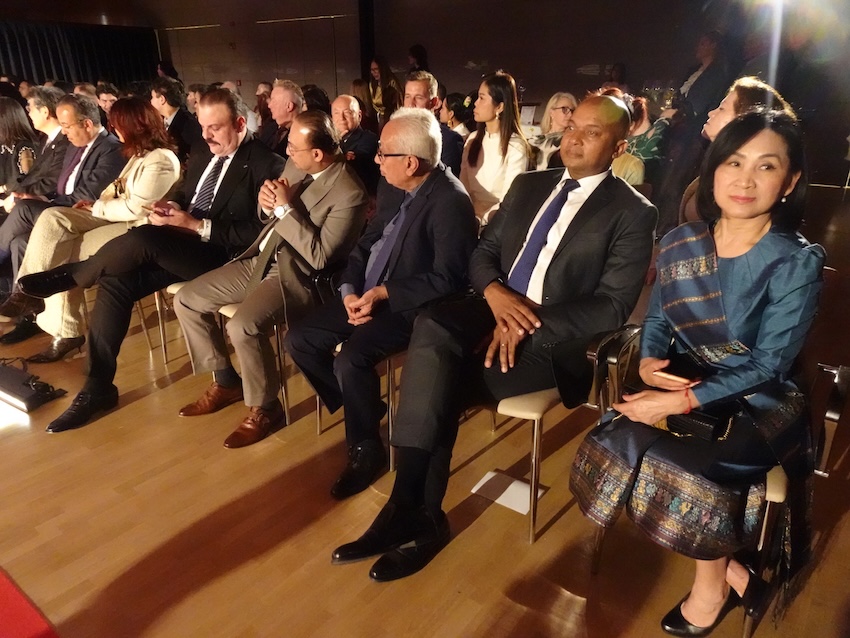
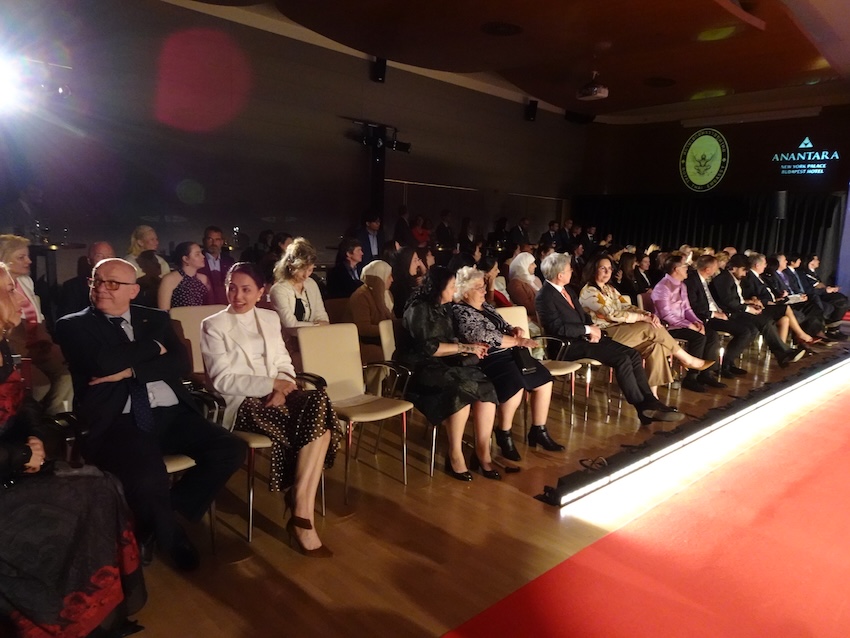
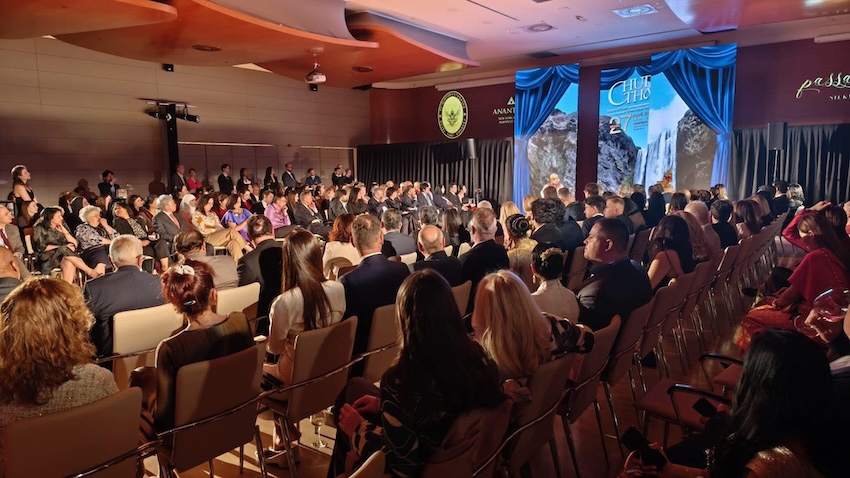
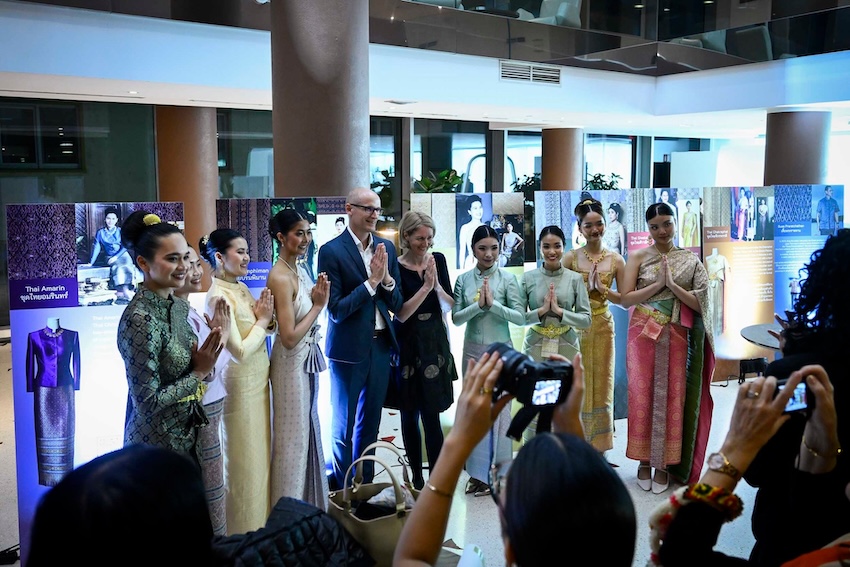
The evening started with the welcome word by the General Manager of Anantara Hotel, Tamás Fazekas.
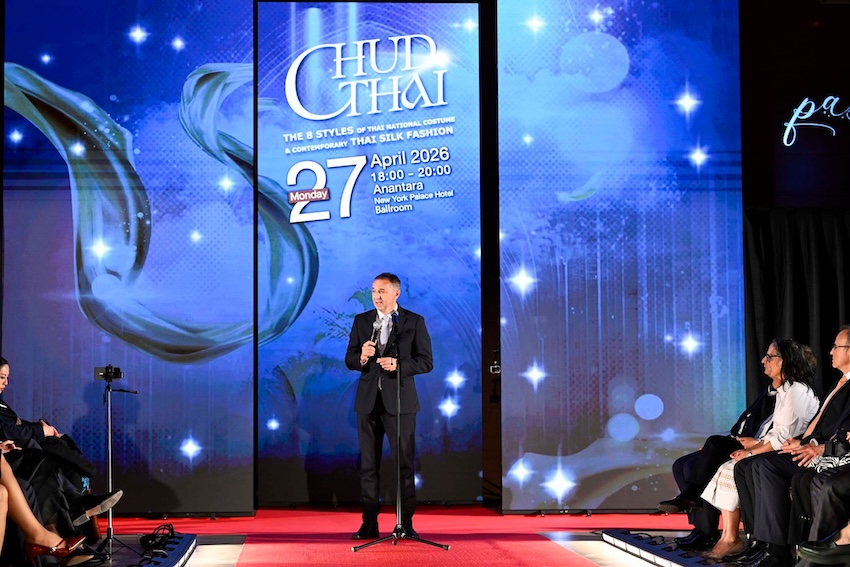
The large-scale event was inaugurated by H.E. Phrommes Bhaholpolbhayuhasena, Ambassador of the Kingdom of Thailand to Hungary, who warmly greeted the guests and highlighted the importance of cultural diplomacy in strengthening friendship and mutual understanding between nations.
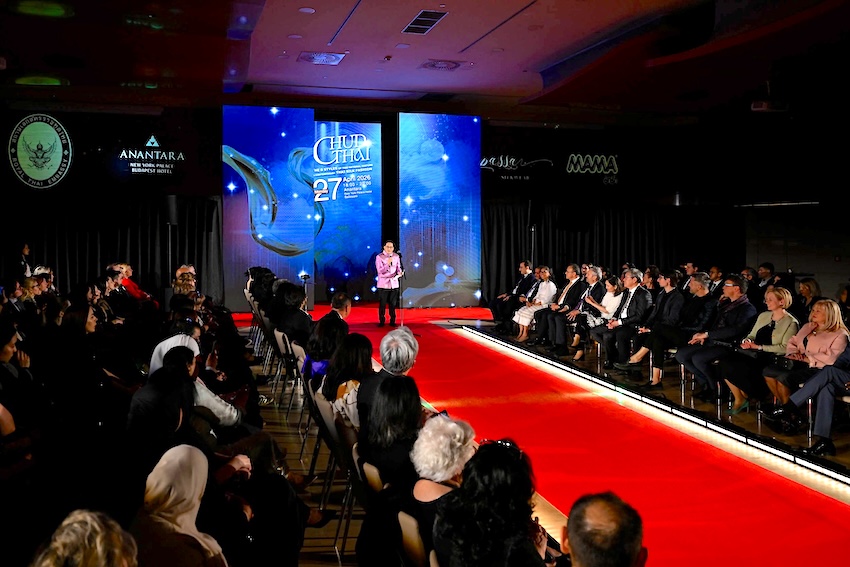
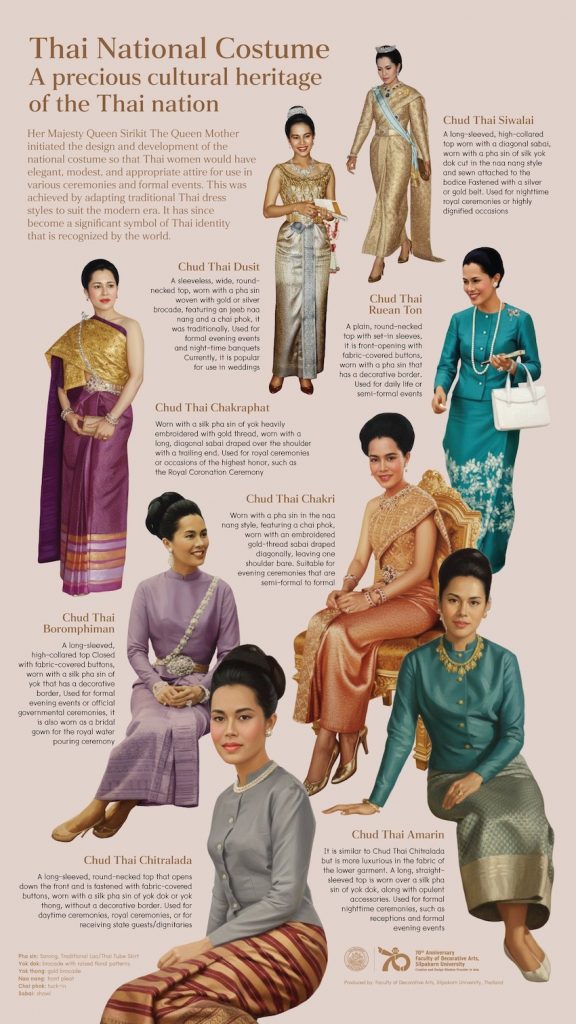
The event formed part of Thailand’s international campaign to promote Chud Thai, the Thai national costume, in support of Thailand’s nomination of “Chud Thai: The Knowledge, Craftsmanship and Practices of the Thai National Costume” for inscription on UNESCO’s Representative List of the Intangible Cultural Heritage of Humanity in 2026.
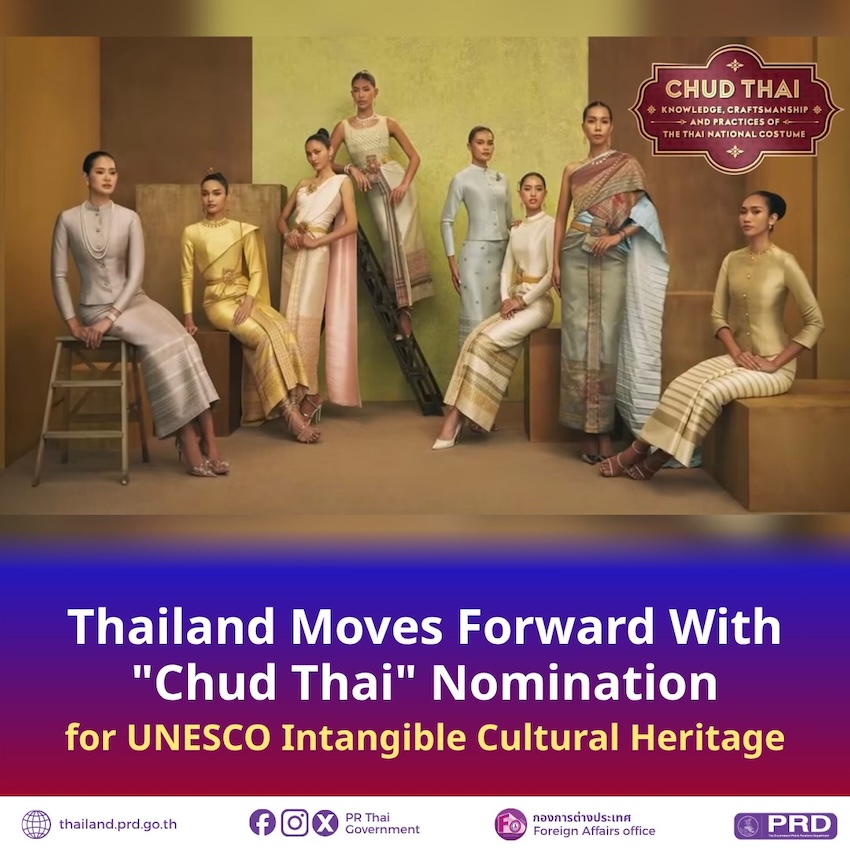
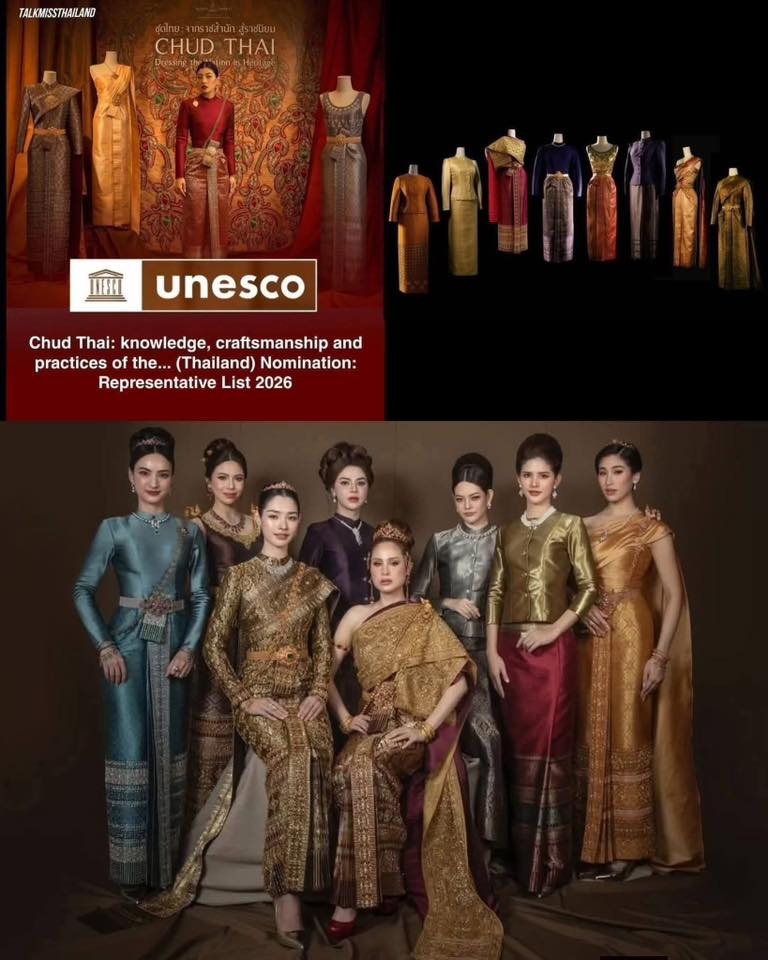
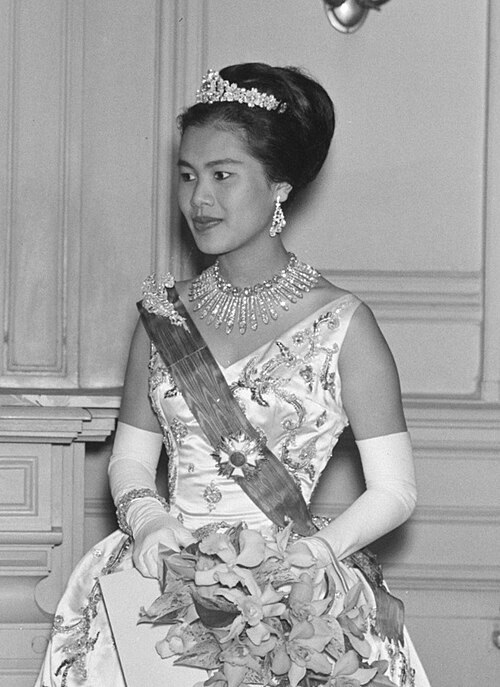
The history of Chud Thai is closely linked to the vision of Queen Sirikit, The Queen Mother, who initiated the development and formalization of the modern Thai national costume. Her aim was to create attire reflecting the grace, dignity, and cultural sophistication of Thai women while remaining suitable for official ceremonies and international representation.
By adapting traditional Thai dress styles to contemporary needs, Her Majesty Queen Sirikit helped establish Chud Thai as one of the most recognizable symbols of Thai cultural identity worldwide. Today, these garments embody not only elegance and refinement, but also centuries of craftsmanship in silk production, weaving, embroidery, and textile artistry, bringing Thai national identity to the international stage.
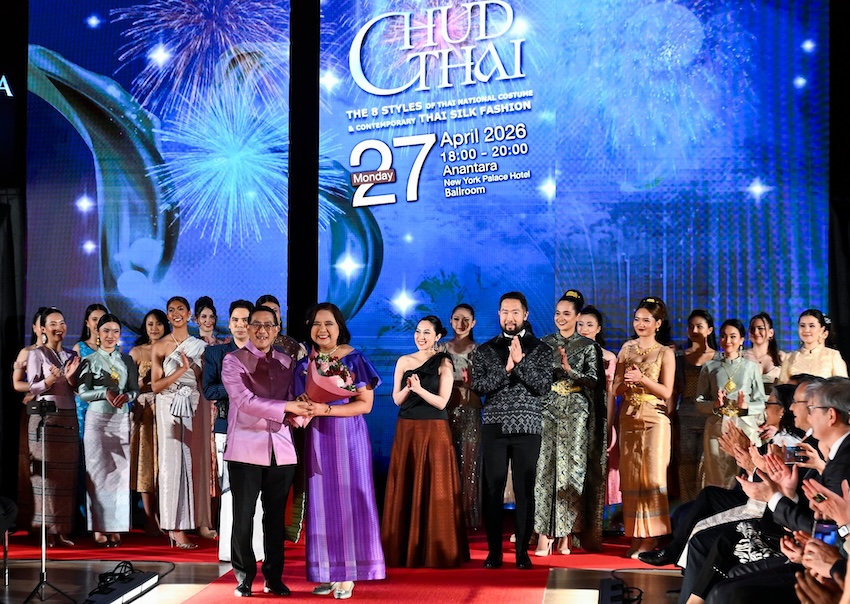
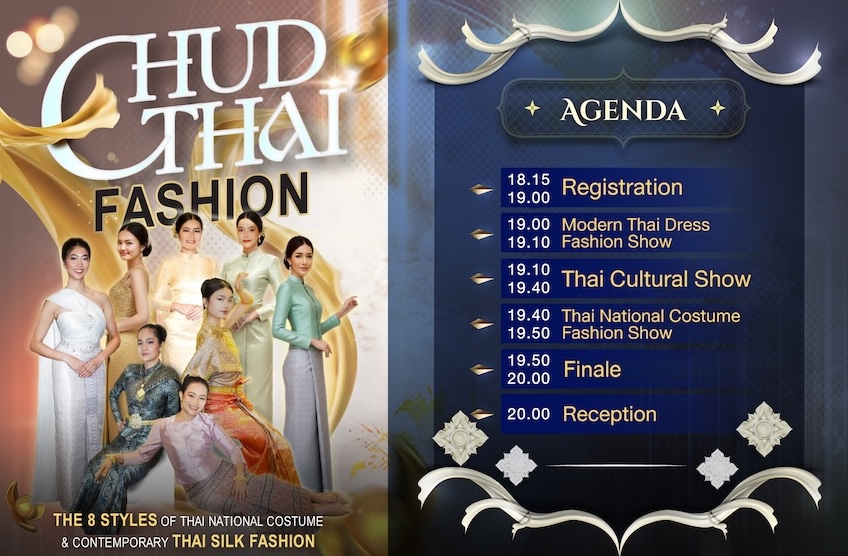
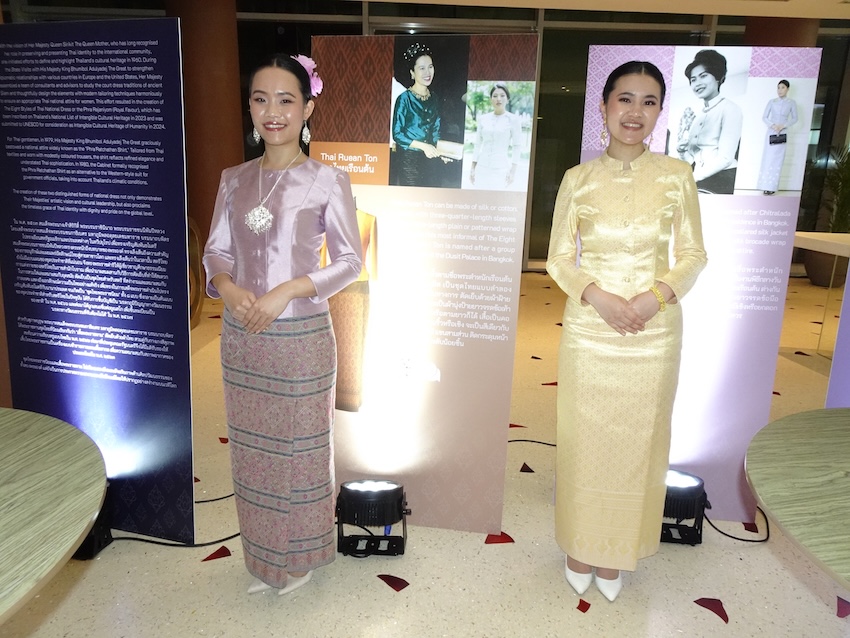
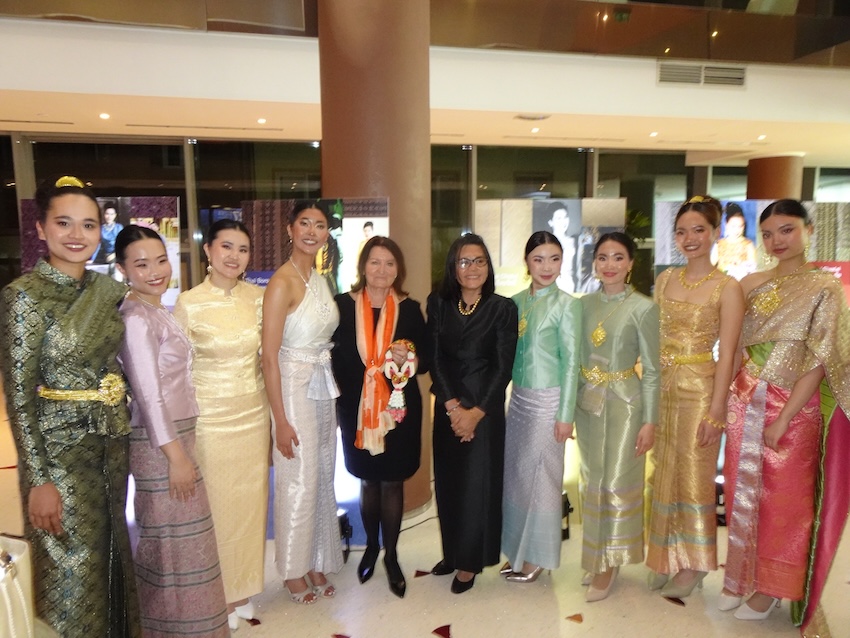
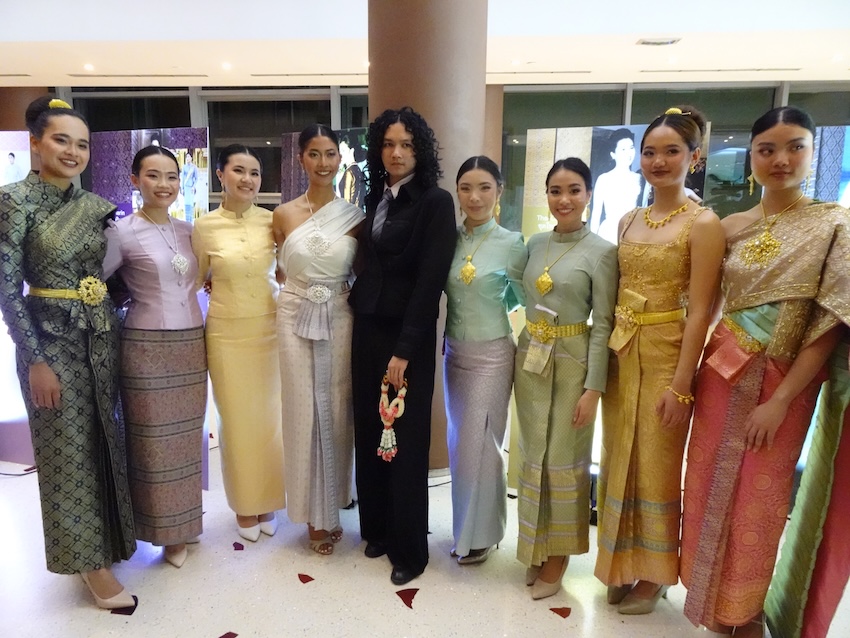
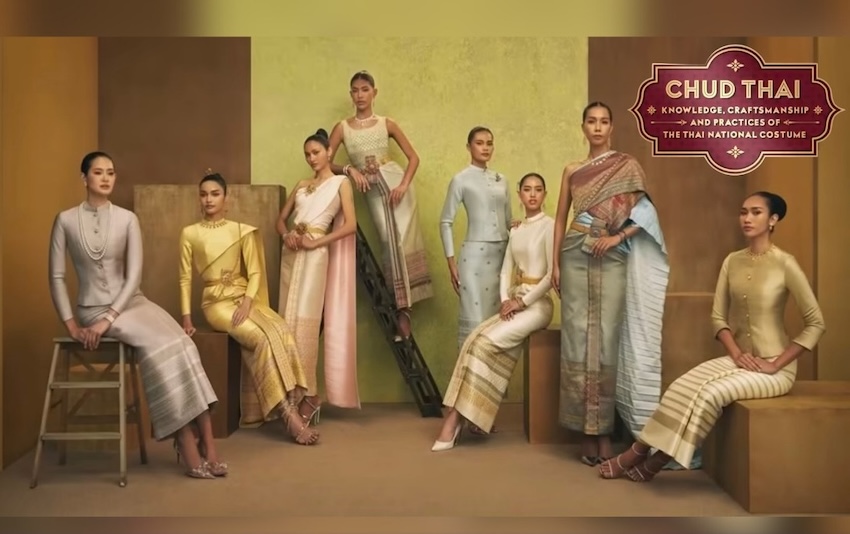
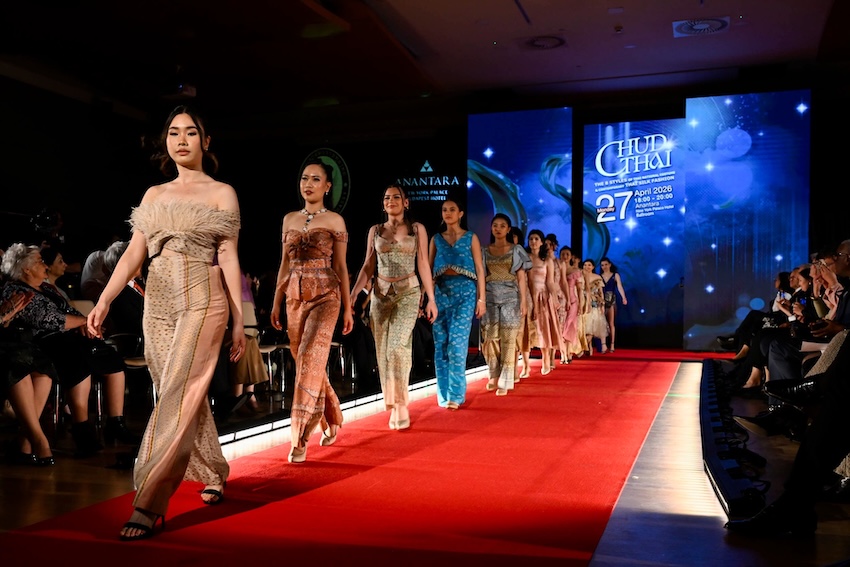
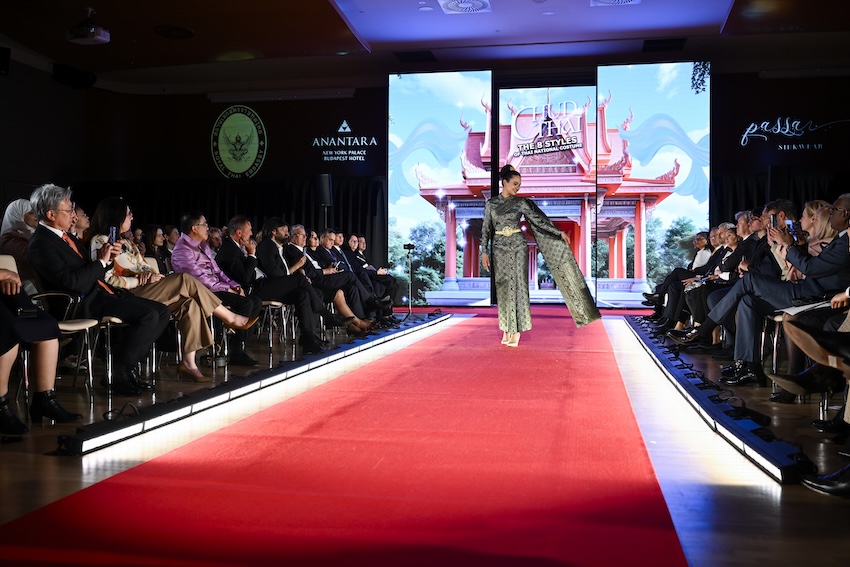
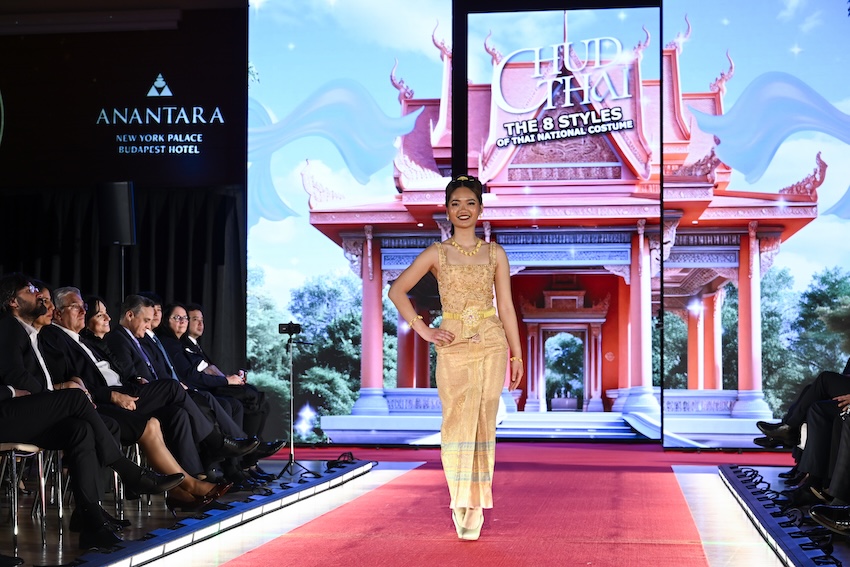
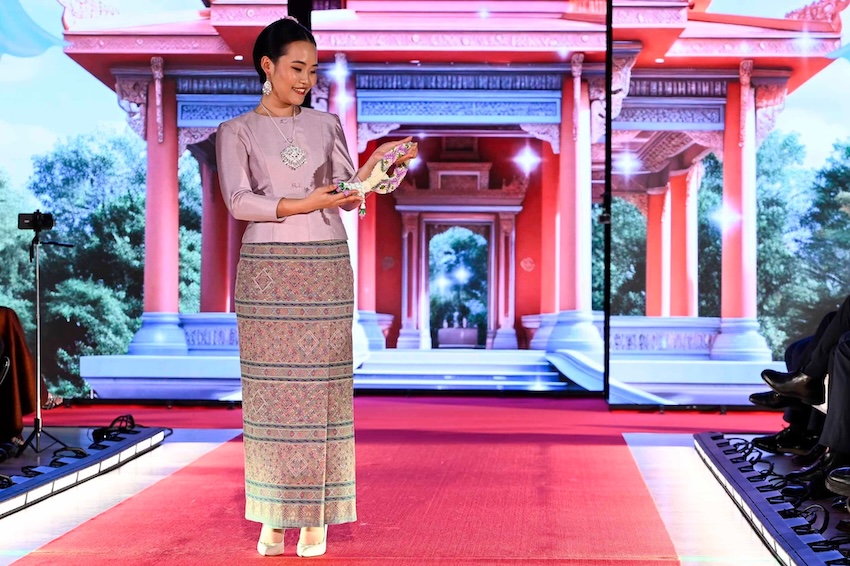
The fashion show in Budapest presented the eight original styles of Chud Thai Phra Ratcha Niyom (Royal Thai National Costumes), conceived for different occasions during the royal era.

The runway, set in the middle of the grand hall of the Anantara New York Palace, alternated between classical royal-inspired silhouettes and contemporary interpretations by PASSA silkwear, revealing the remarkable versatility of Thai silk. Rich colours, intricate patterns, delicate embroidery, and graceful tailoring reflected Thailand’s centuries-old weaving tradition while appealing to modern international audiences. Combining royal elegance with modern fashion, the presentation showcased the richness of Thai silk, traditional craftsmanship, and timeless design. The presentation also introduced Thai fashion and textiles to well-known Hungarian brands, including Katti Zoób and Zema Jewels.
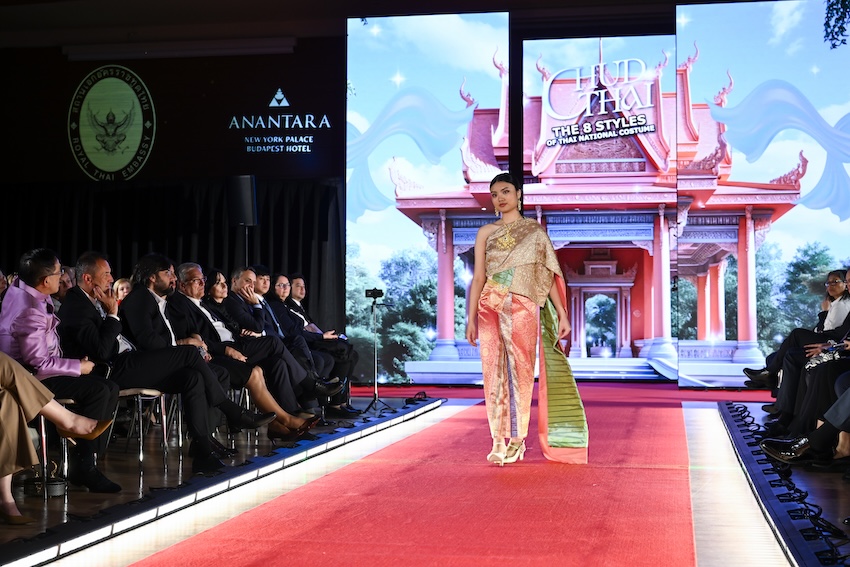
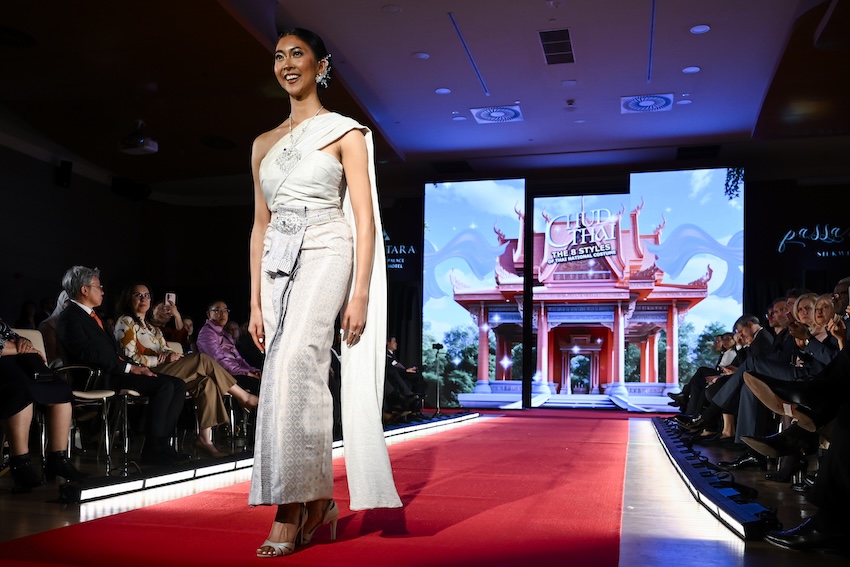
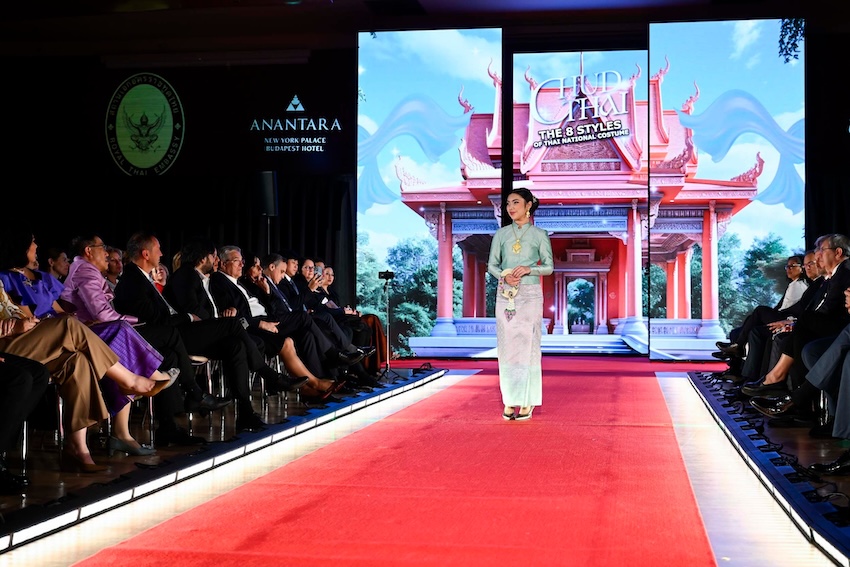
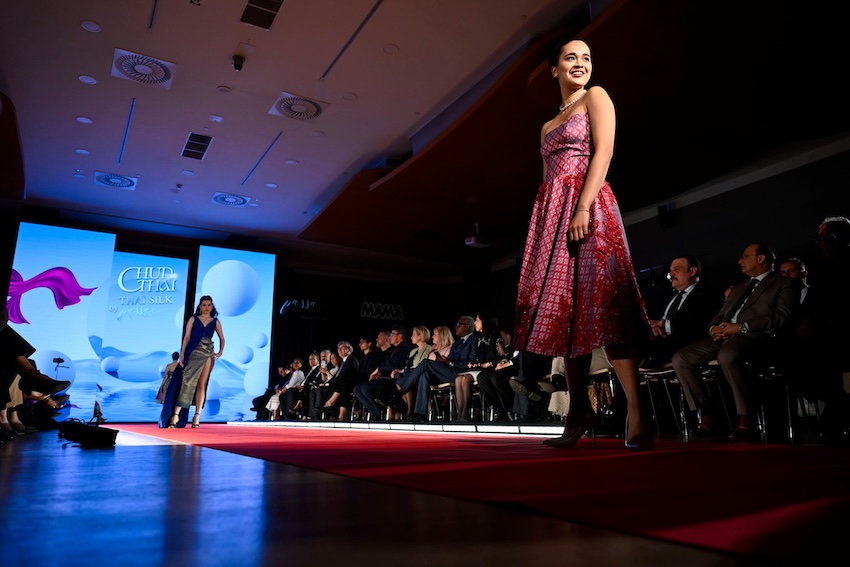
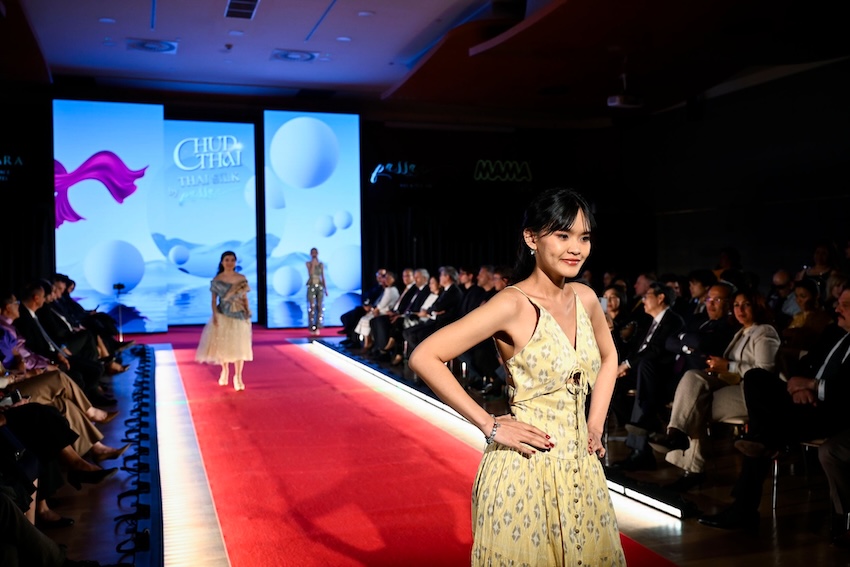
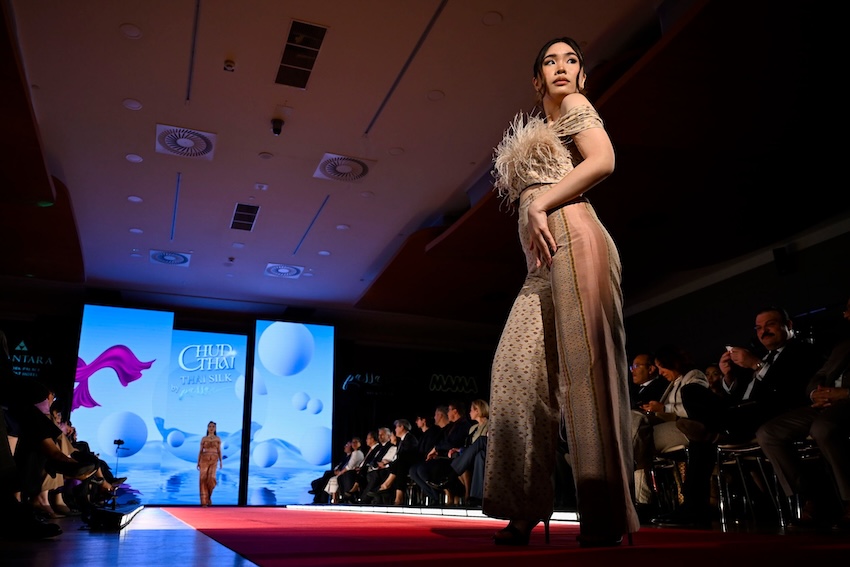
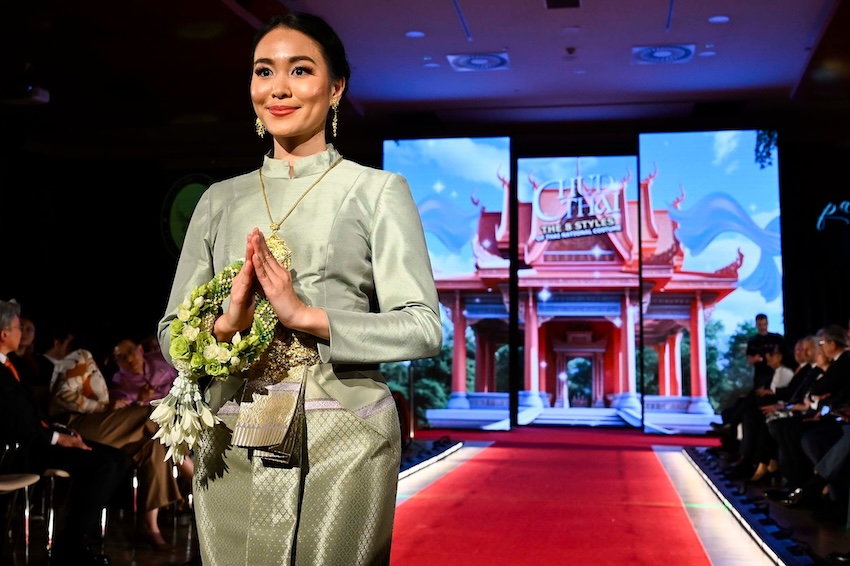
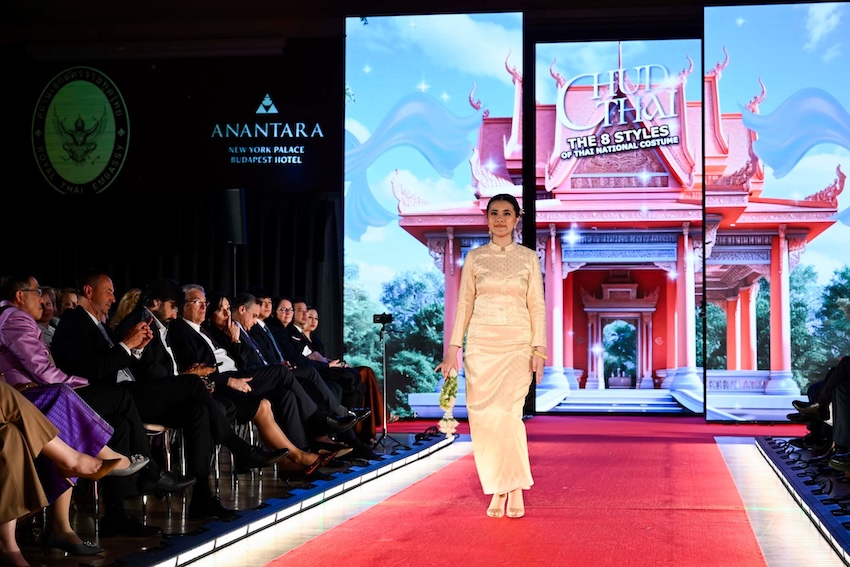
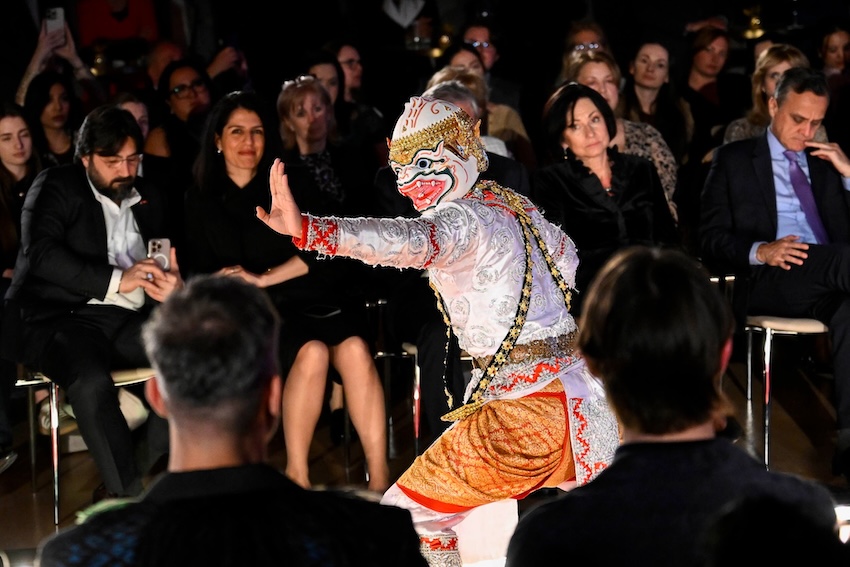
The programme included traditional Thai dance performances linked to the celebration of Songkran, the Thai New Year festival, presented with vibrant costumes and graceful choreography. Particularly impressive was the performance of Khon, Thailand’s classical masked dance drama, renowned for its elaborate costumes, symbolic gestures, and deep roots in royal court culture.
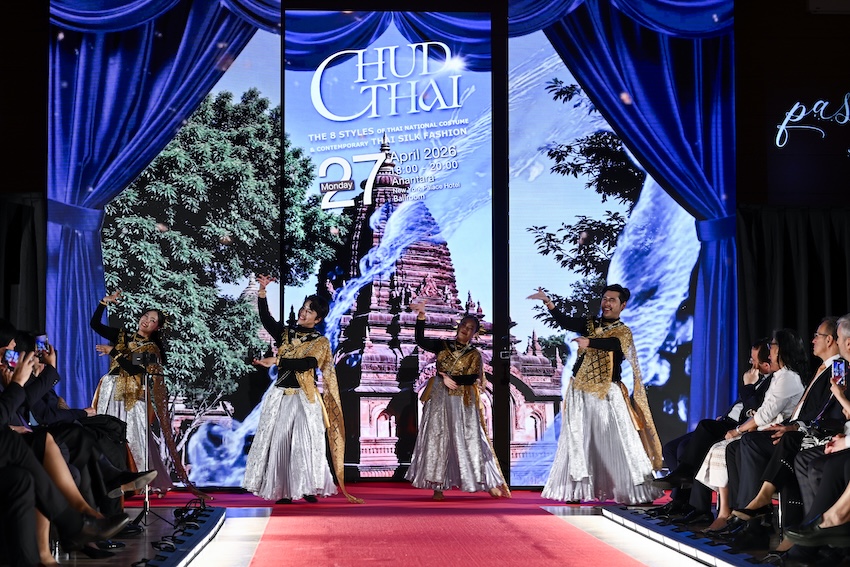
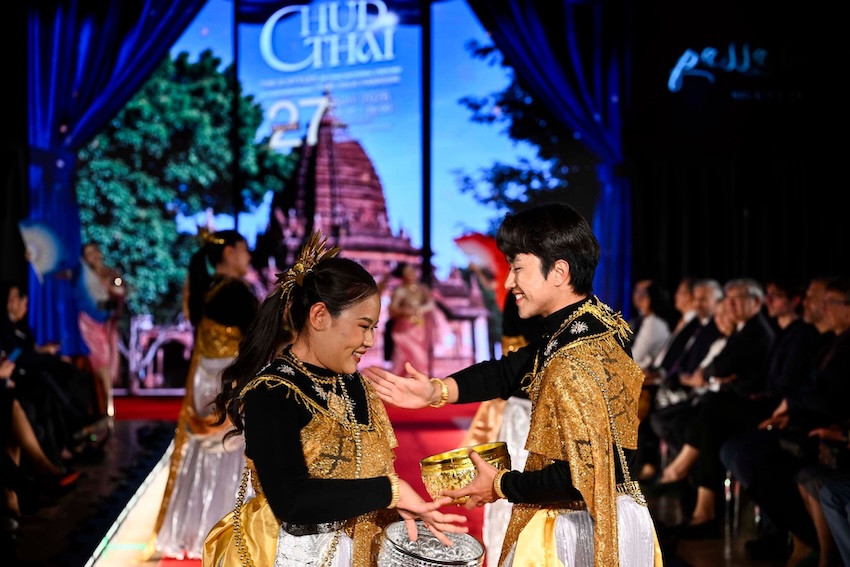
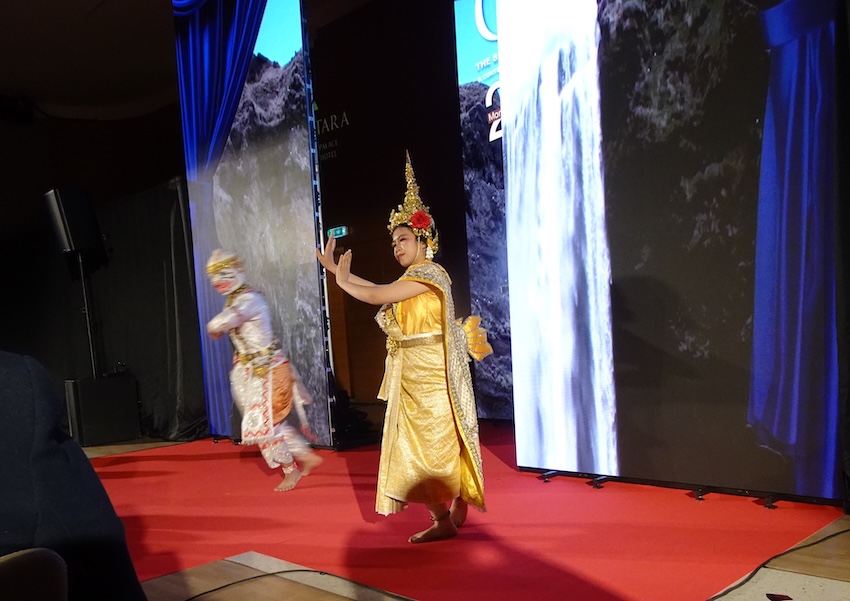
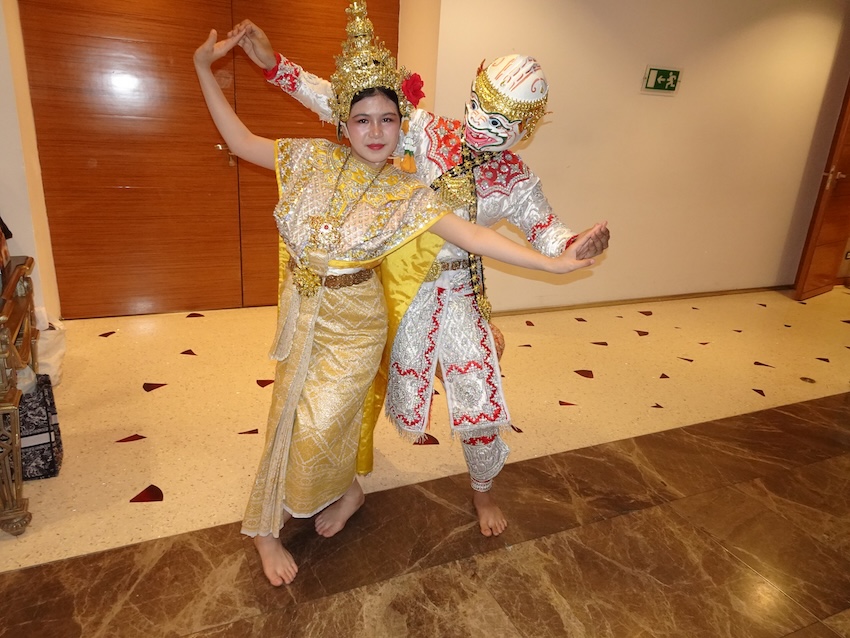
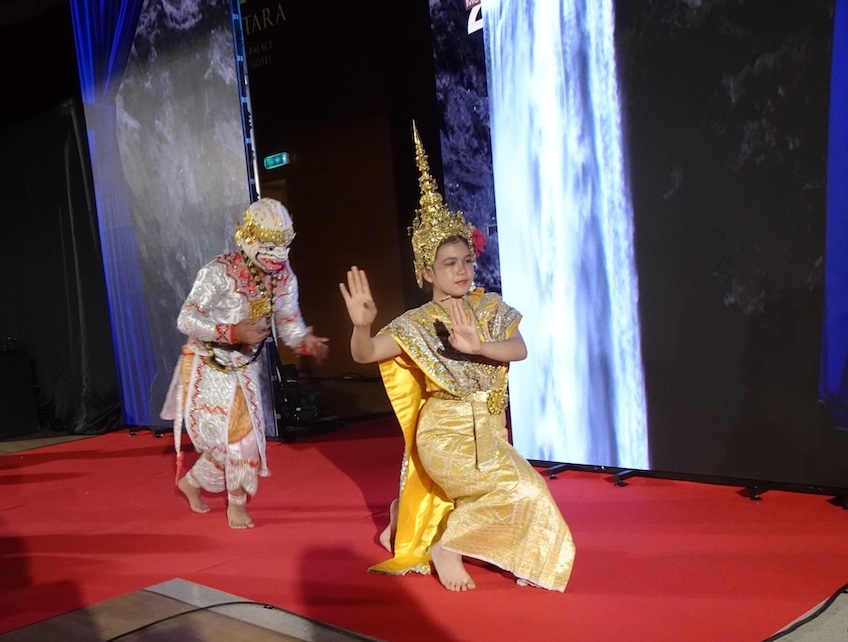
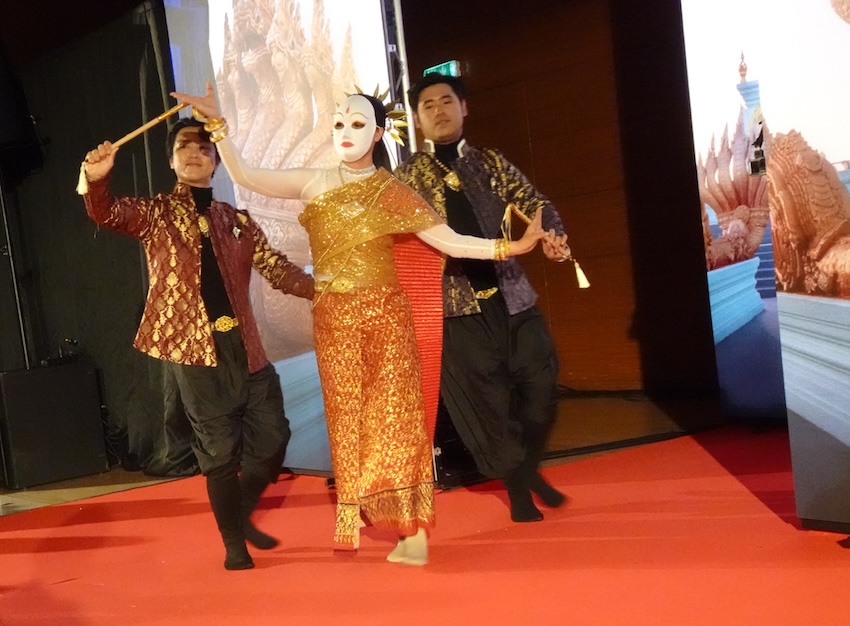
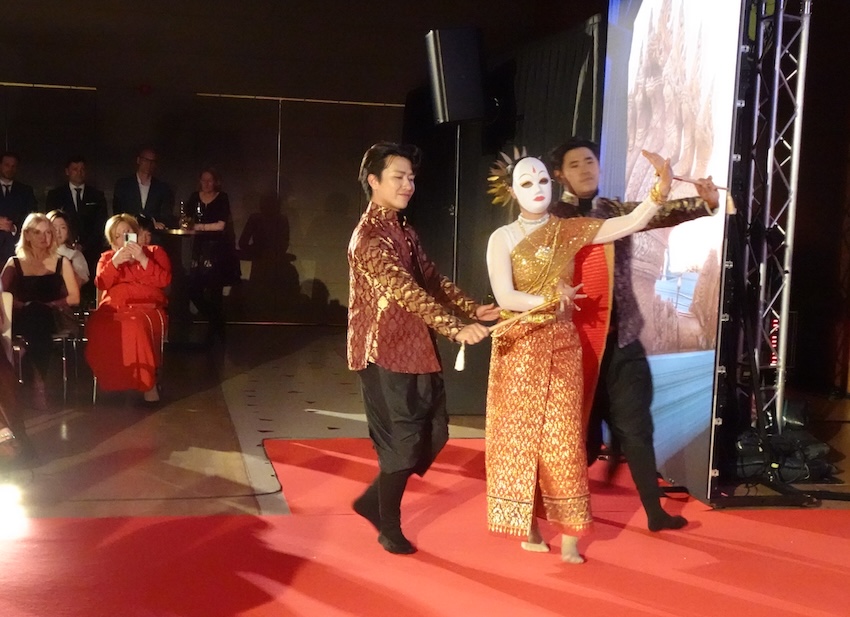
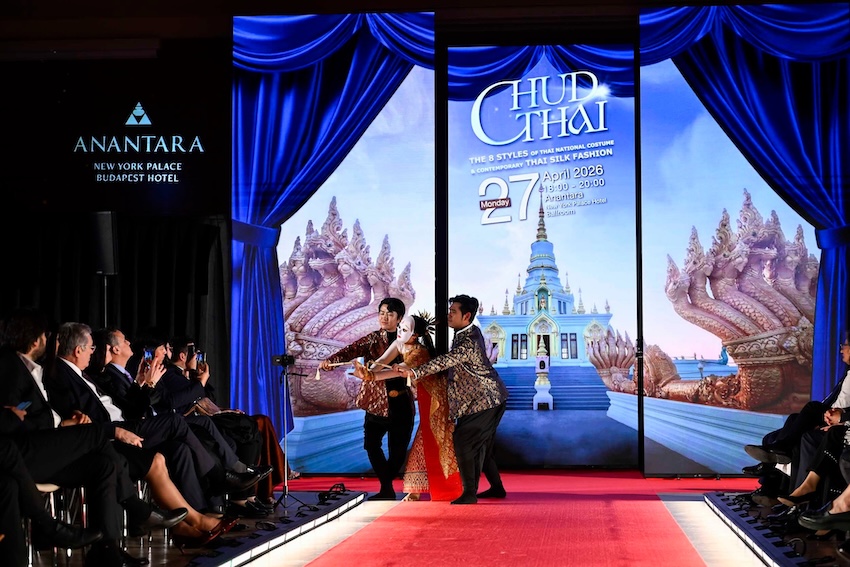
Traditional handicraft workshops further enriched the experience, allowing visitors to engage directly with Thai artistic techniques and decorative traditions. Presented by the Burapha Group cultural troupe as part of their annual European tour, the performances and workshops lent an authentic touch to the evening, making the event a living showcase of Thai intangible heritage.
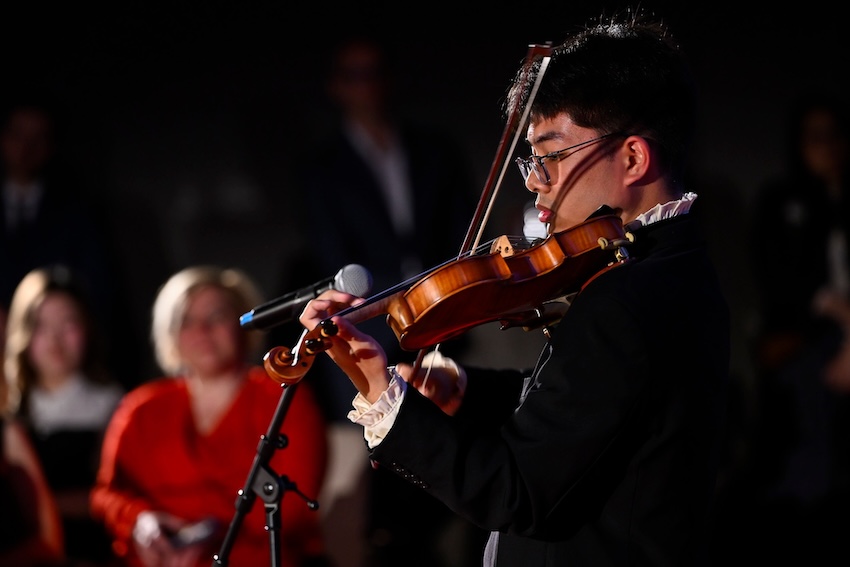
Music also played an important role in the program. A violin performance by Pongpairoj Lertsutwichai created a musical atmosphere that beautifully complemented the visual aesthetics of the event.
The evening unfolded in a warm and elegant atmosphere, where Thai hospitality, refined aesthetics, music, and cultural traditions offered guests an immersive experience. Visitors showed great curiosity and enthusiasm throughout the program, discovering Thai textiles, craftsmanship, performances, and traditions with genuine interest. The combination of fashion, music, and artistic presentations transformed the event into a vibrant celebration of Thailand’s living heritage in the heart of Budapest. Guests also had the opportunity to discover Thai textiles in a special exhibition curated by the Thai Trade Center Budapest. Traditional fabrics and handcrafted details highlighted the extraordinary skill of Thai artisans and the continuing importance of textile culture within Thailand’s creative economy.
An AI photo booth, developed by Thailand’s Ministry of Foreign Affairs in collaboration with Any I Media, allowed visitors to visualize themselves wearing Chud Thai.
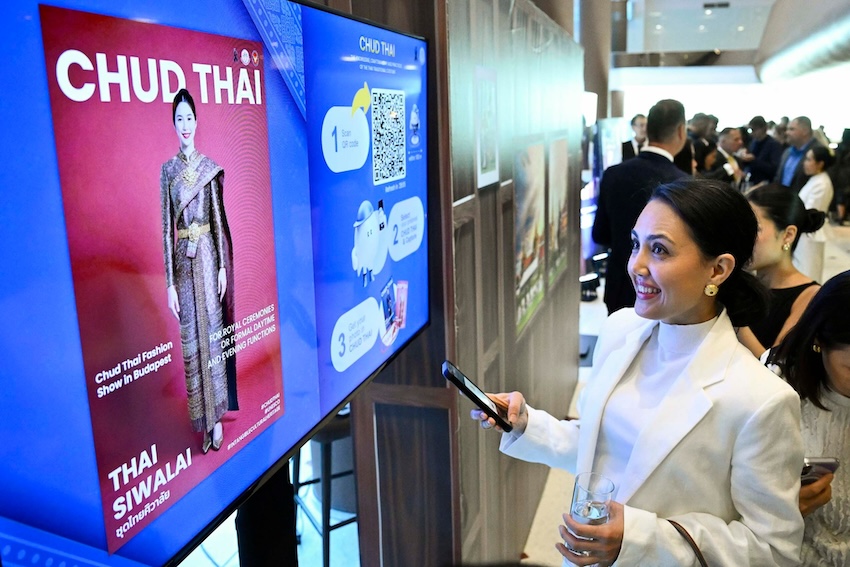
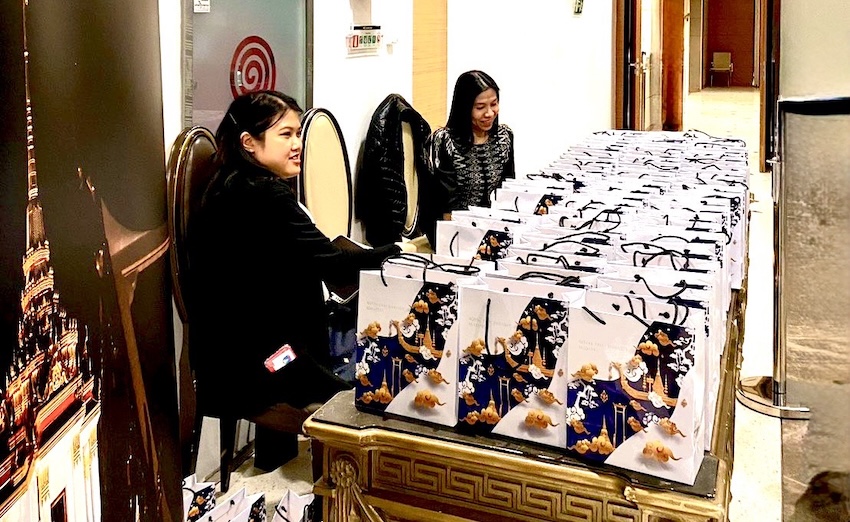
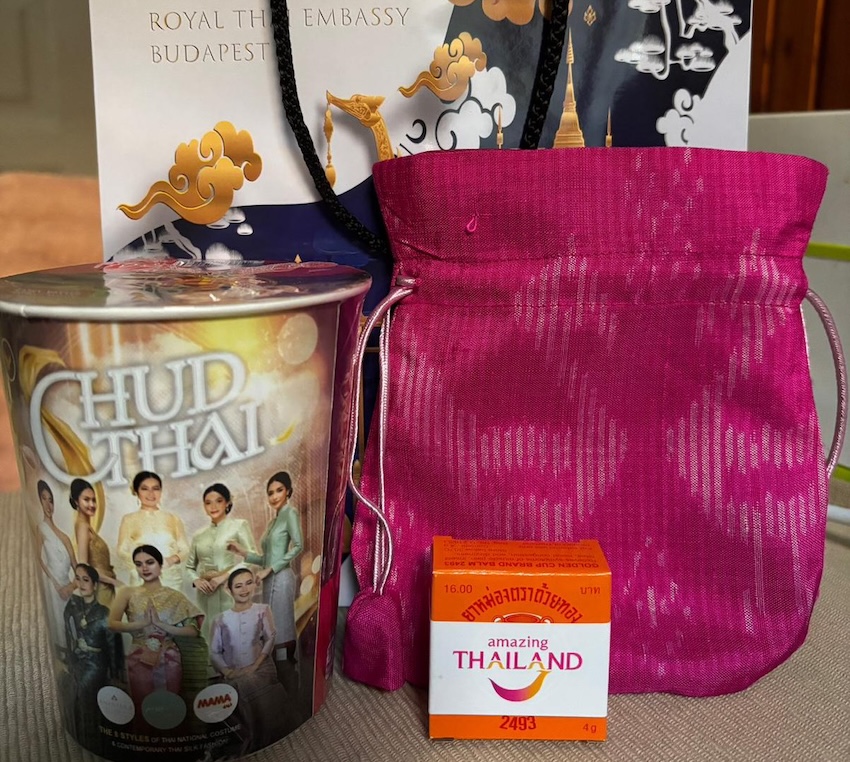
The evening reflected Thailand’s renowned hospitality. Guests received thoughtfully prepared souvenirs, including custom-designed Mama noodles from Thai President Foods and handmade silk coin purses from the Tourism Authority of Thailand Prague Office.
The event concluded with a reception featuring fine Thai specialties, appreciated worldwide.
The event was organized in collaboration with the Thai Trade Center Budapest, Tourism Authority of Thailand Prague Office, PASSA silkwear, Thai President Foods, Burapha Group, KT Entertainment, and the Thai Student Association in Hungary.
The Chud Thai Fashion Show in Budapest demonstrated how cultural diplomacy can transcend protocol and become a deeply human experience. Through fashion, music, dance, craftsmanship, and hospitality, Thailand offered guests not simply a presentation, but an immersion into a living cultural tradition.
At a time when nations increasingly seek meaningful cultural dialogue, the event illustrated the enduring power of heritage to create admiration and connection across borders. Chud Thai emerged not only as ceremonial dress, but also as a symbol of identity, continuity, and artistic excellence – a precious cultural legacy proudly carried into the contemporary world.
The eight official styles of Chud Thai Phra Ratcha Niyom (Royal Thai National Costumes) were created in the 1960s by Her Majesty Queen Sirikit to represent Thai culture, ranging from everyday elegance to highly elaborate ceremonial attire. Even today, they remain enduring symbols of Thai identity and are worn for ceremonies, weddings, and formal receptions.
Here are the eight styles of Chud Thai costumes.
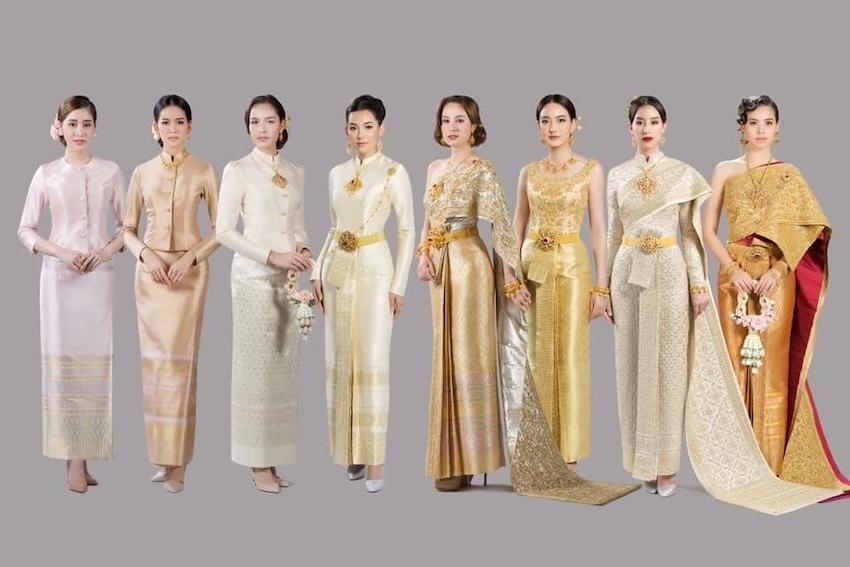
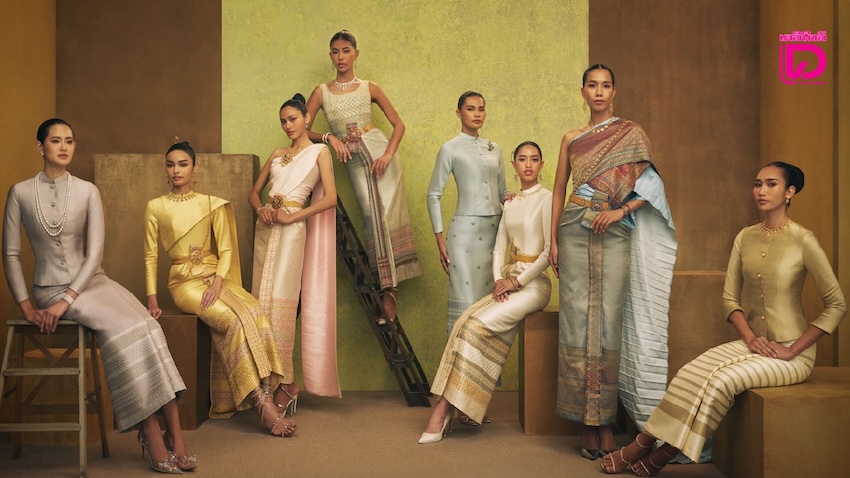
Source: Royal Thai Embassy in Budapest
Photos from the Royal Thai Embassy in Budapest, Ms.Patcharamai Chamnian, and Diplomatic Press Agency