

Statement by Antonio Tajani, Minister of Foreign Affairs and International Cooperation of Italy
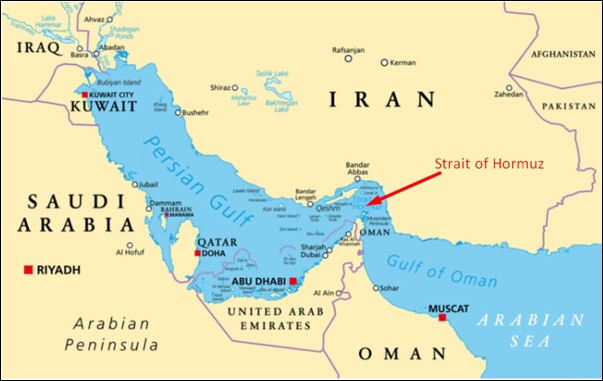
Since the outbreak of the conflict between Iran and the United States, Italy has been working alongside its European partners, the G7, and multilateral organizations to promote an end to hostilities, ensure the reopening of the Strait of Hormuz, and restore stability in the Middle East. In this context, our country has expressed its willingness to participate in an international defensive coalition to restore freedom of navigation in the Strait once the conflict has ended.
As I noted just a few hours ago in my address to the Italian Parliament’s Committee, for our Government, the blockade of Hormuz is not merely a regional crisis, but a global shock destined to impact energy security, industrial competitiveness, and international economic balances. This poses a particularly significant risk for all countries in the region, but also for an export-oriented nation like Italy, whose exports account for approximately 40% of its GDP.
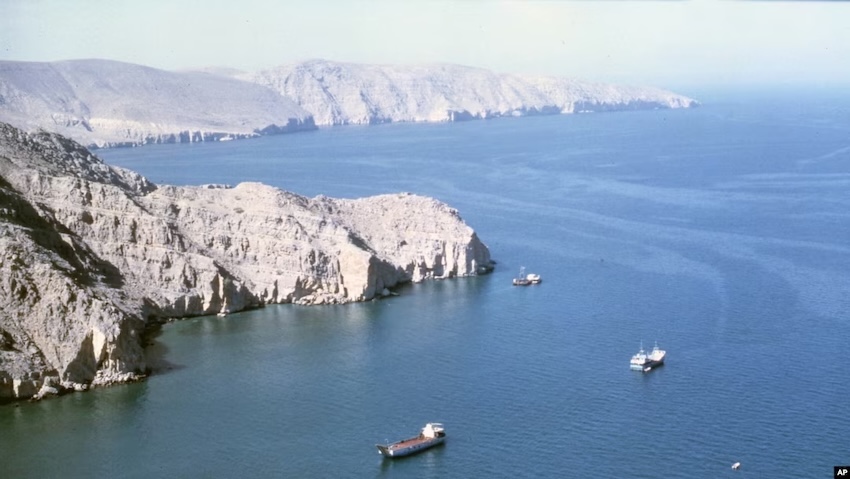
As we know, the Strait of Hormuz is in fact a strategic hub for global trade: around 20% of the world’s oil, a quarter of liquefied natural gas exports, and a significant portion of the raw materials needed by international supply chains pass through that waterway.
The insecurity of trade routes and rising energy costs are already impacting European households and businesses. Despite the slowdown in global trade and the effects of tariffs, Italian exports still grew by 3.3% in 2025, confirming just how essential the stability of maritime routes is for the national economy. However, what concerns us is not only the impact on domestic industry. The consequences for the most fragile countries in Africa and the wider Mediterranean region are also cause for alarm. In fact, approximately 30% of global fertilizer exports – essential for the food security in many vulnerable economies – pass through the Strait of Hormuz.
The case of Sudan, where one of the world’s most severe humanitarian crises continues to unfold, is emblematic. Rising energy and fertilizer prices risk reducing agricultural production, fuelling inflation, and exacerbating instability, famine, and migration flows toward Europe.
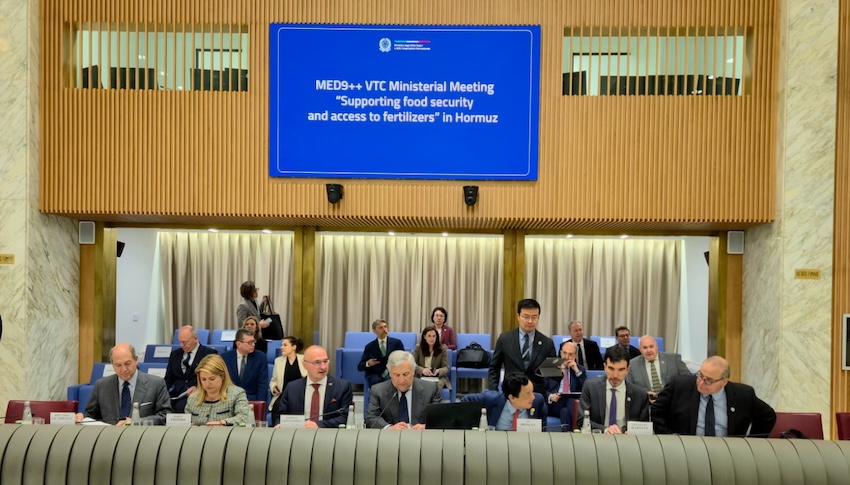
For this reason, in early May we convened a meeting together with my Croatian counterpart – the current chair of MED9 – inviting thirty countries from the Mediterranean, the Middle East, and the Balkans, as well as the FAO, to launch the “Rome Coalition for Food Security and Access to Fertilizers”, a permanent forum to identify immediate and concrete solutions.
Our assessment is that the crisis in the Strait of Hormuz reflects a broader conflict rooted in decades of tension between the United States, Israel, and Iran. In this scenario, we continue to maintain that diplomacy is the only viable path forward, and we reiterate that Tehran must not acquire nuclear weapons or missile systems that could further destabilize the region.
We cannot erase the memory of the repression of youth protests in Iran, which were brutally suppressed by the regime. A repression that continues to this day through arrests and executions of opponents. In recent weeks, Tehran has indiscriminately struck residential areas, hotels, hospitals, and energy infrastructure in several Gulf countries. Attacks that continue even today and which we have firmly condemned, expressing solidarity with the United Arab Emirates, Qatar, Kuwait, Oman, and Saudi Arabia.
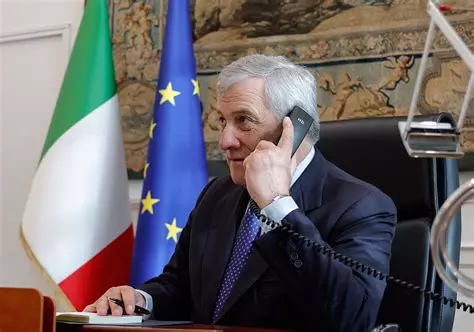
On the diplomatic front, I have maintained constant contact with my friend, U.S. Secretary of State Marco Rubio, whom I recently met in Rome. We agreed on the need to preserve the transatlantic bond and to work together for international peace and stability.
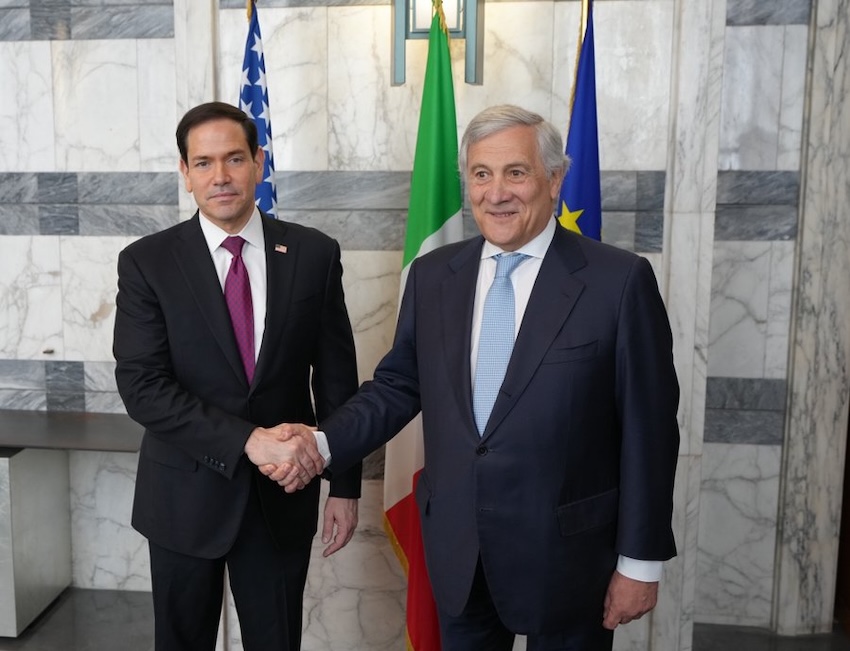
I also reaffirmed our support for the ongoing negotiations in Pakistan, which we consider essential to keeping the door open to a diplomatic solution.
I also continued the dialogue with Iranian Foreign Minister Abbas Araghchi, emphasizing the need for Tehran to negotiate “in good faith” and resume cooperation with the International Atomic Energy Agency, while simultaneously rebuilding positive relations with the Gulf States.
In recent weeks, I also travelled to China to meet with Foreign Minister Wang Yi, whom I urged to ensure a more active role for Beijing in mediating with Tehran. At the same time, Rome maintains a direct line of communication with regional partners in the Gulf, considered indispensable interlocutors for any lasting diplomatic solution and for the future restoration of freedom of navigation in the Strait.

At the operational level, Italy is ready to make available the experience gained during European naval missions in the Red Sea, the Indian Ocean, and the Mediterranean.
In particular, we believe it is necessary to strengthen the European ASPIDES mission, which currently involves only Italy and Greece in patrolling the Red Sea to ensure the safety of maritime transport.
In the multilateral mission to be launched in the Strait of Hormuz, Italy could contribute to mine-clearing operations and the security of commercial shipping.
We believe, however, that lasting peace in the Middle East cannot be achieved without stability in Lebanon. The Italian government supports the dialogue between Israel and Beirut mediated by the United States and has offered to host direct talks between the parties.
During my mission to Lebanon last April, I reiterated to President Joseph Aoun Italy’s support for a pathway that transforms the current truce into a genuine peace process. Italy is also working with Lebanon and the United States on initiatives to strengthen the capabilities of the Lebanese security forces, particularly in combating money laundering and illicit trafficking.
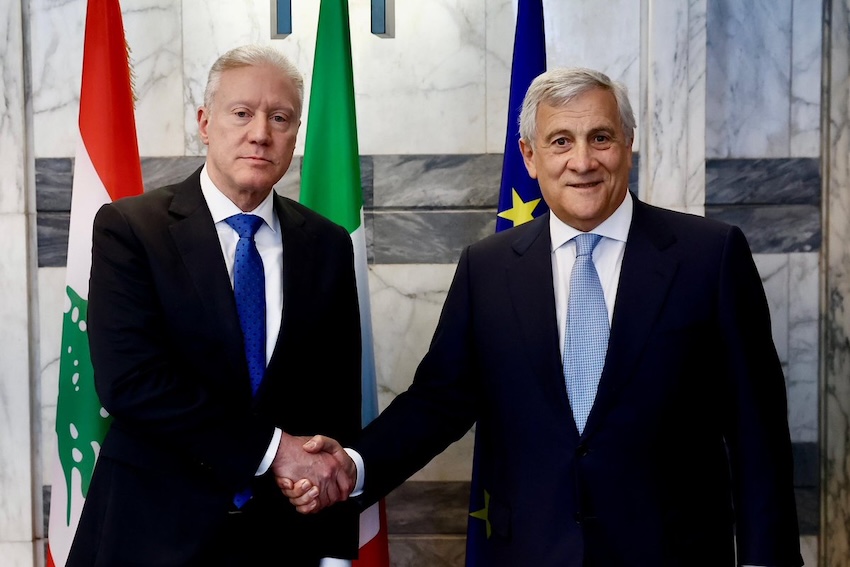
Washington and Brussels also view Rome as an increasingly central actor in strengthening Beirut’s statehood, an issue I also addressed during my recent meeting at the Farnesina with the Lebanese Foreign Minister.
We also remain vigilant regarding the safety of our military personnel serving in the UNIFIL mission, the bilateral MIBIL mission, and the Italian-led Military Technical Committee for Lebanon.
At the same time, we will not cease to call for the protection of Christian communities in the country, following the violence perpetrated by extremist Israeli settlers against villages in southern Lebanon, including those with Christian majorities.
The issue of violence by extremist Israeli settlers was also addressed in Brussels, where we European ministers have just given the green light to new, tough sanctions against them. In the same session, we approved further sanctions against Hamas terrorists, whose disarmament remains an absolute priority.
Italy continues to closely monitor the situation in Gaza and the Palestinian Territories, maintaining an active role in humanitarian aid and future reconstruction with the goal of achieving two states capable of coexisting in peace and security.
This perspective also includes the arrival of 72 Palestinian students in Italy in the coming days. They have won scholarships to Italian universities: an investment we consider part of the training of future Palestinian leaders.
The author is Deputy Prime Minister and Minister of Foreign Affairs and International Cooperation of the Republic of Italy.
Source: Embassy of Italy in Budapest