
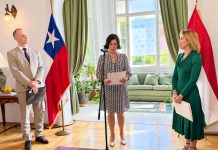
“It is such a great joy to welcome Hungary back into the core of our European Union and our Trans-Atlantic family, where it belongs.”
Edited by Anna Popper
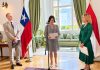
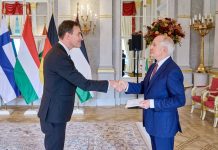
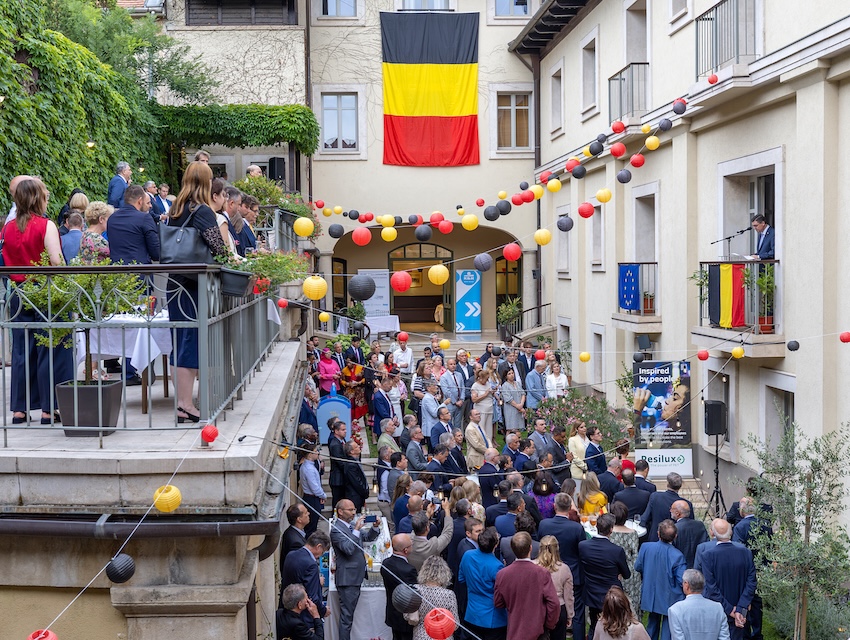
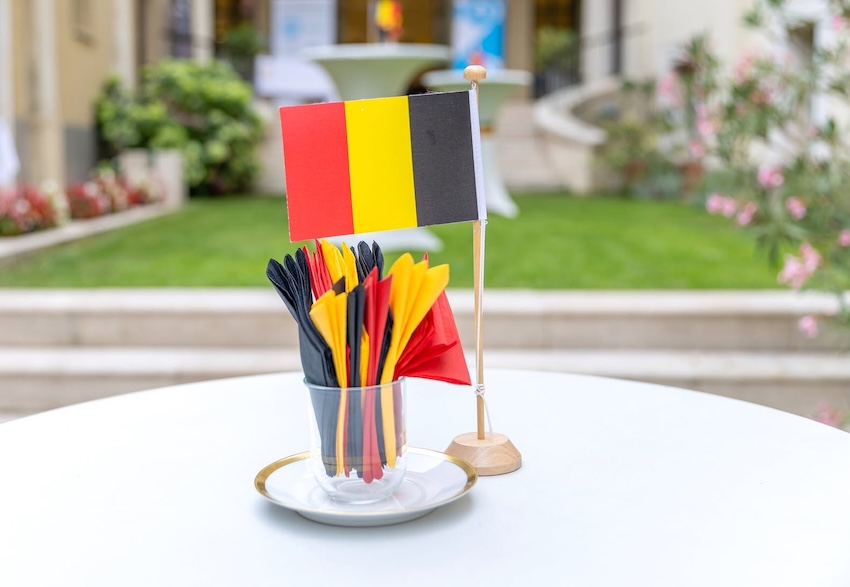
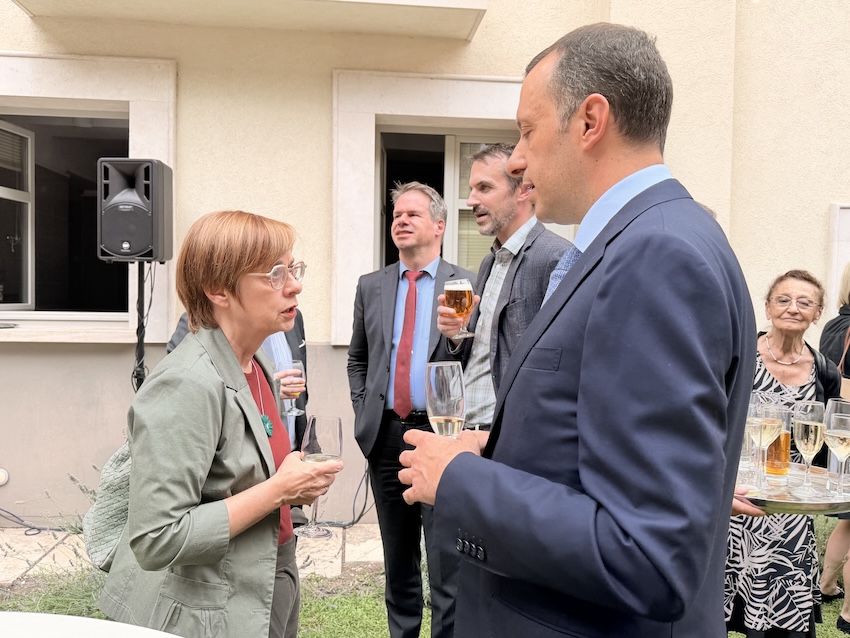
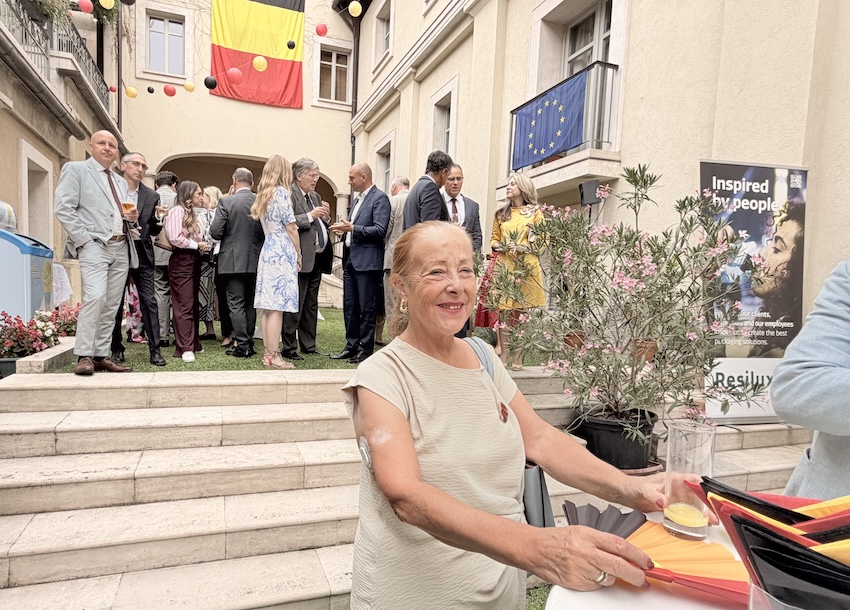
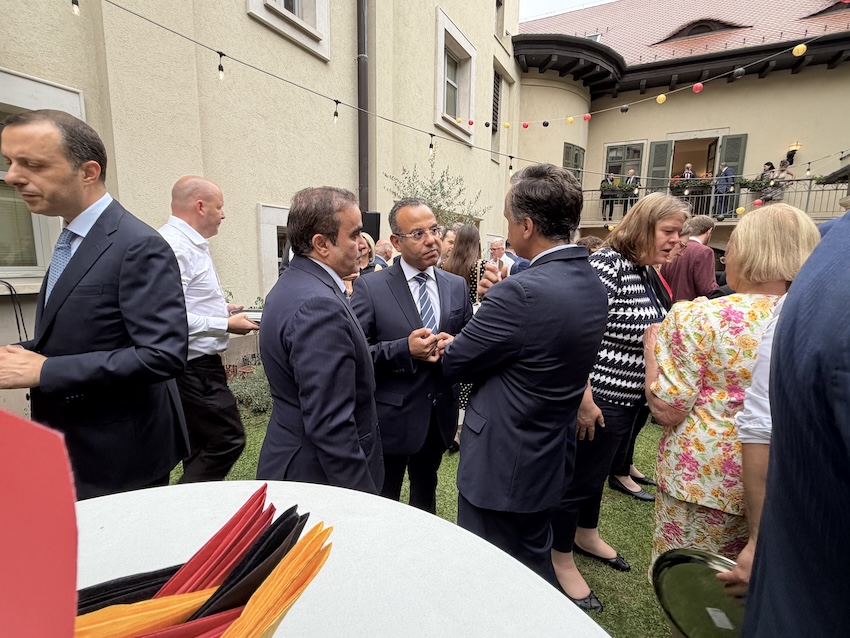
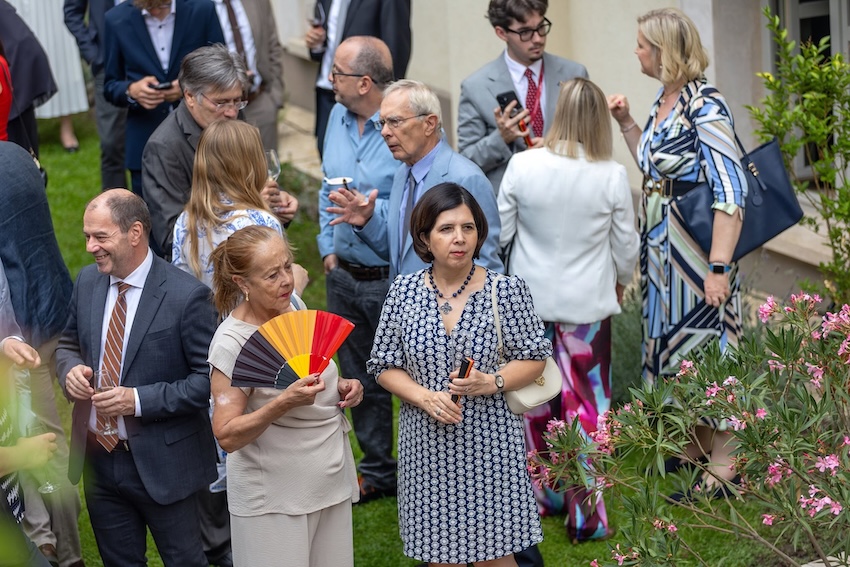
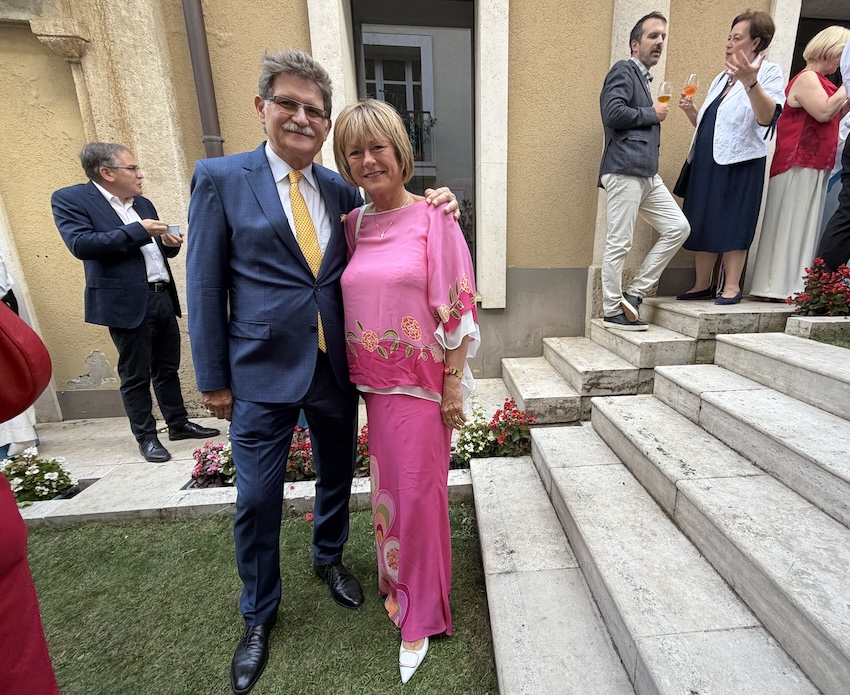
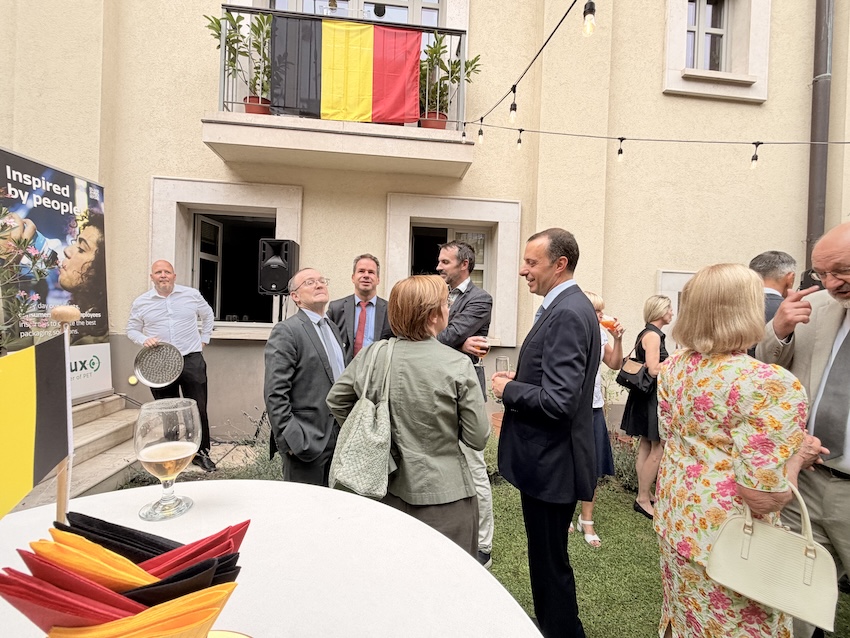
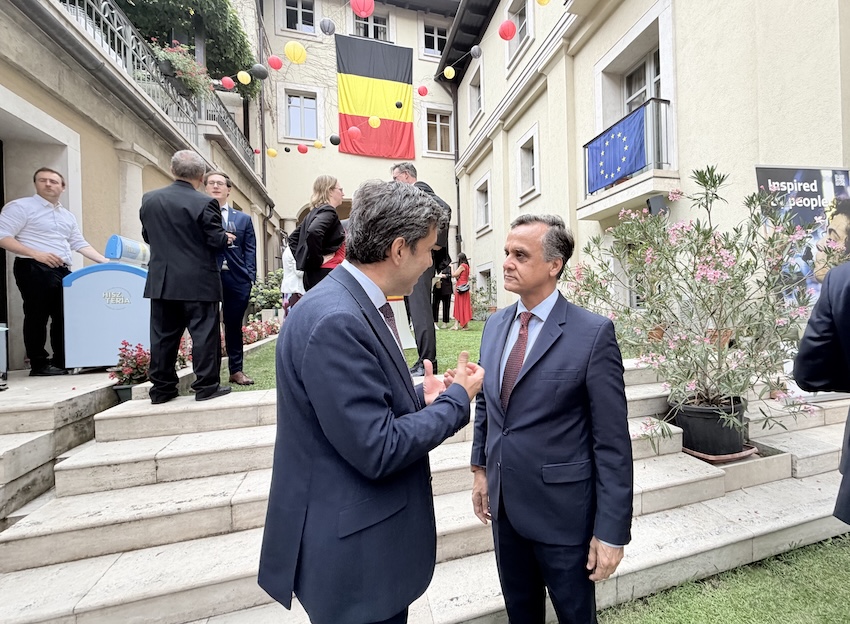
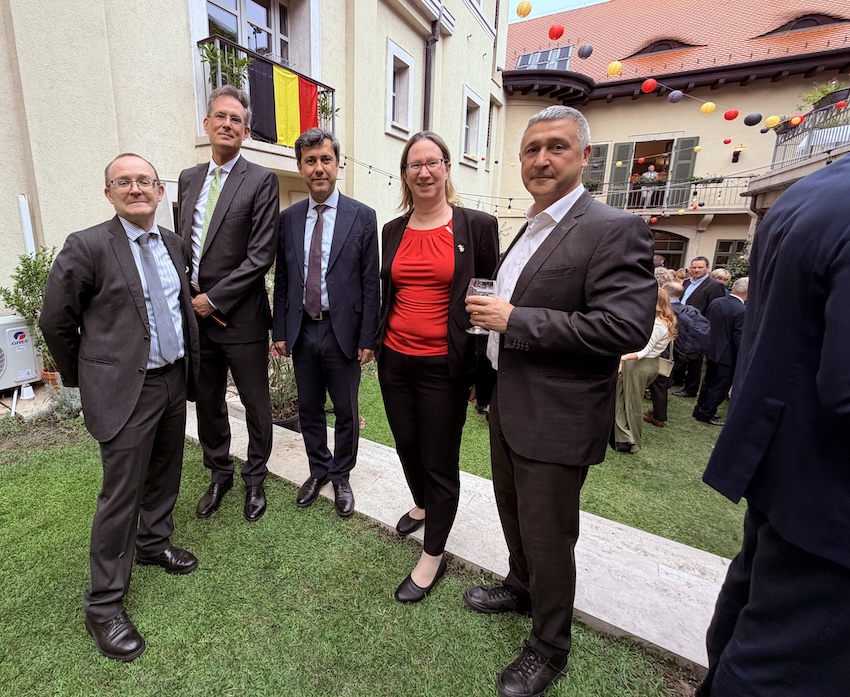
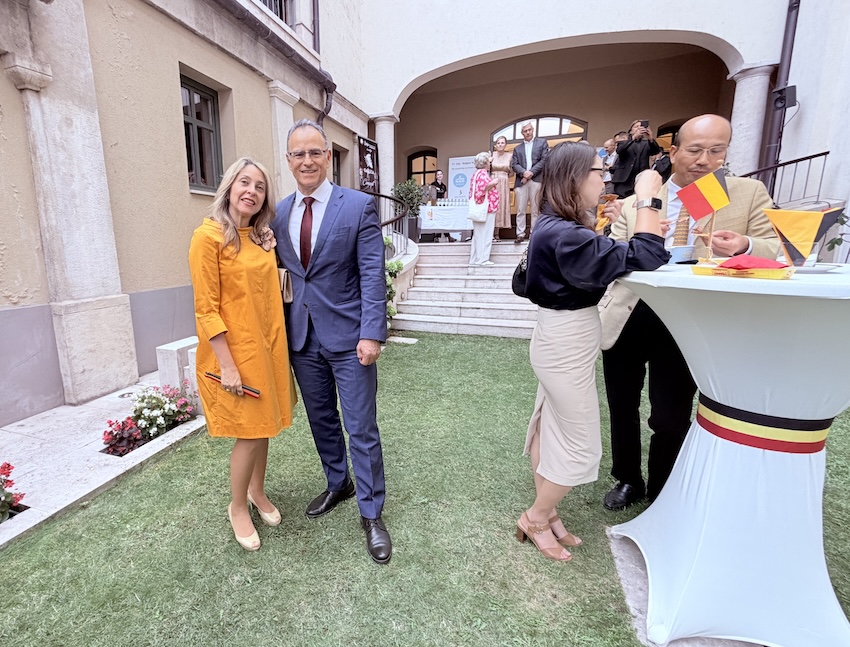
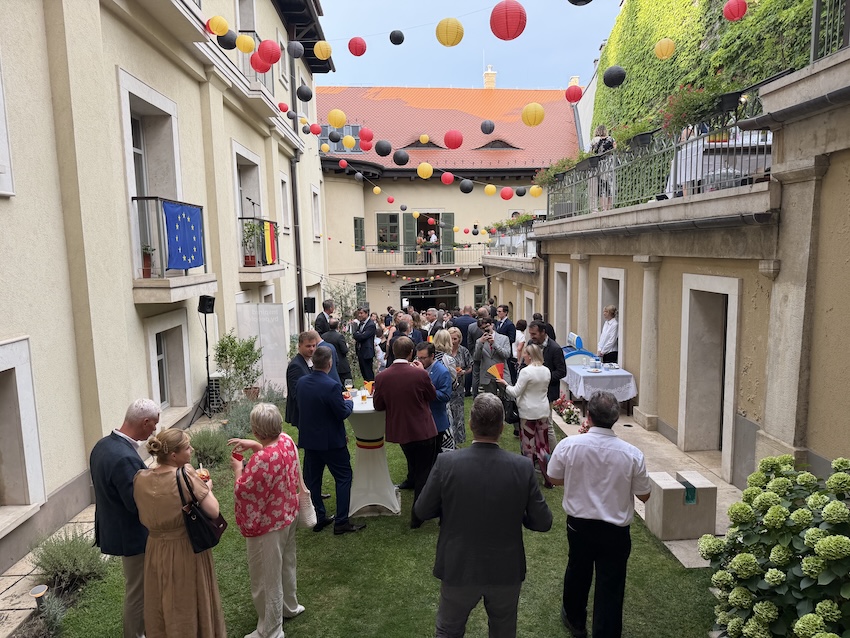
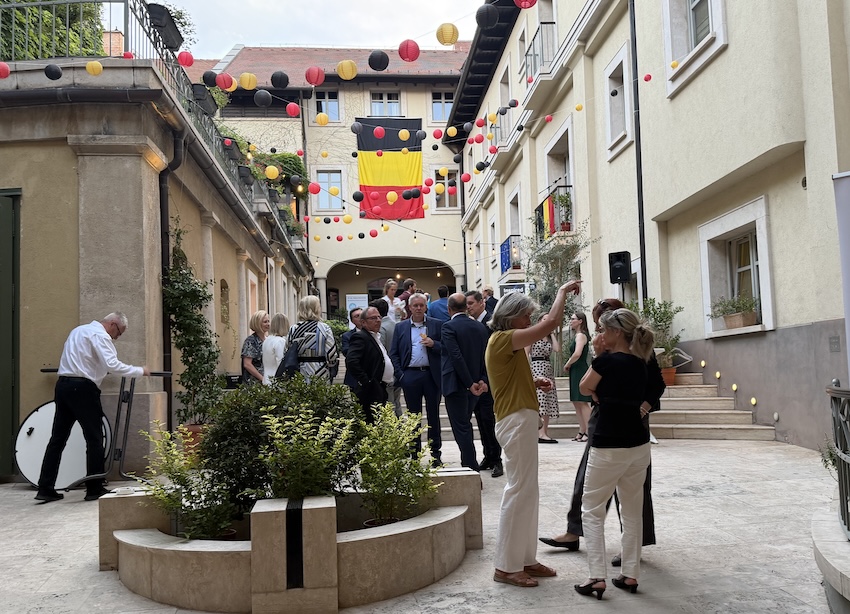
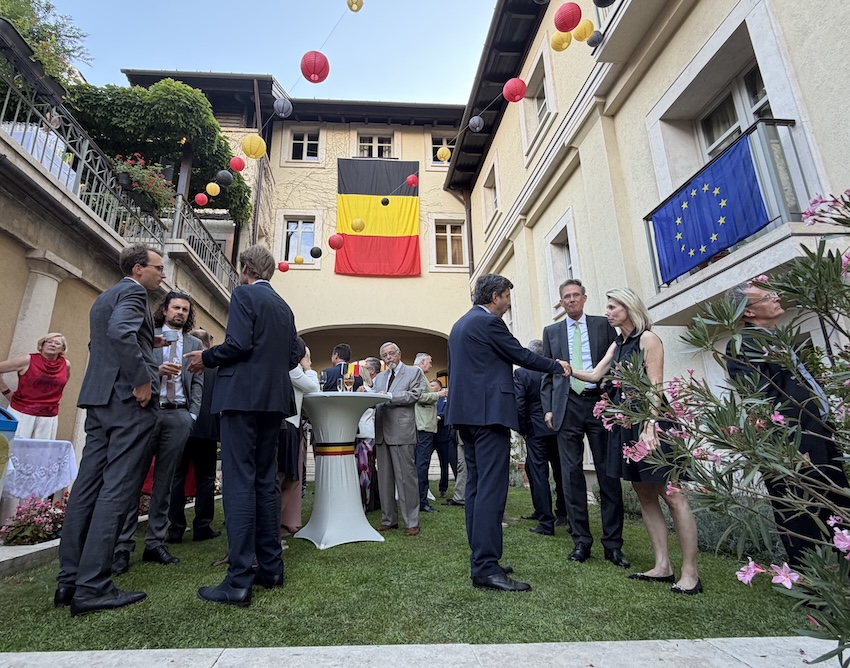
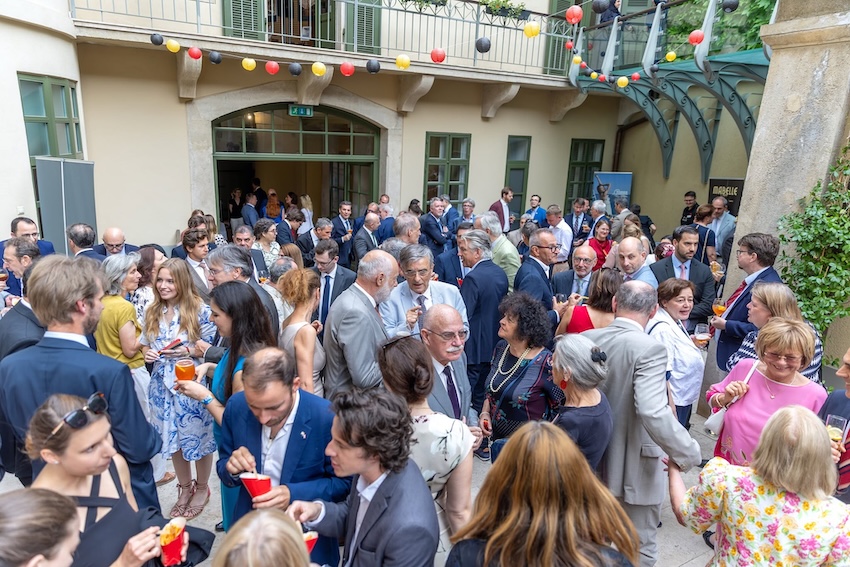
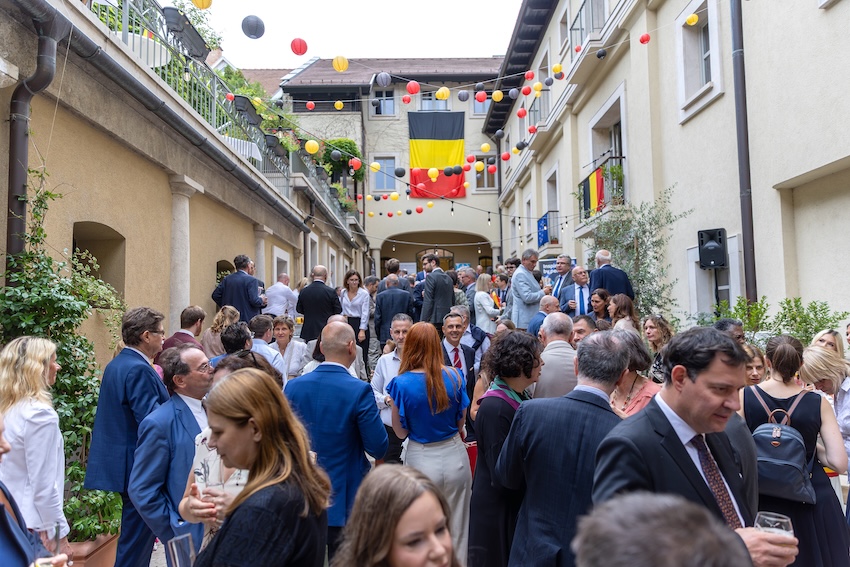
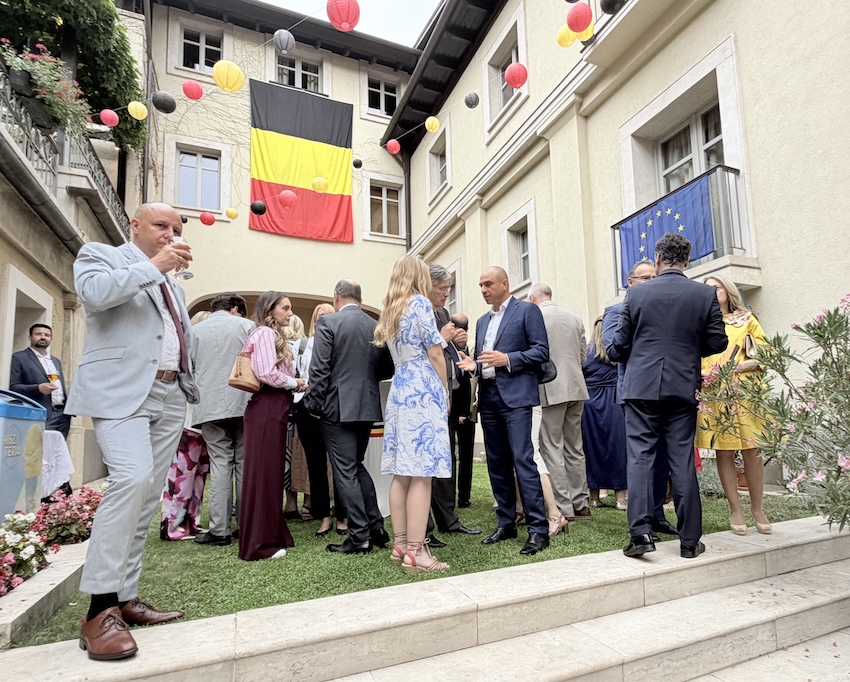
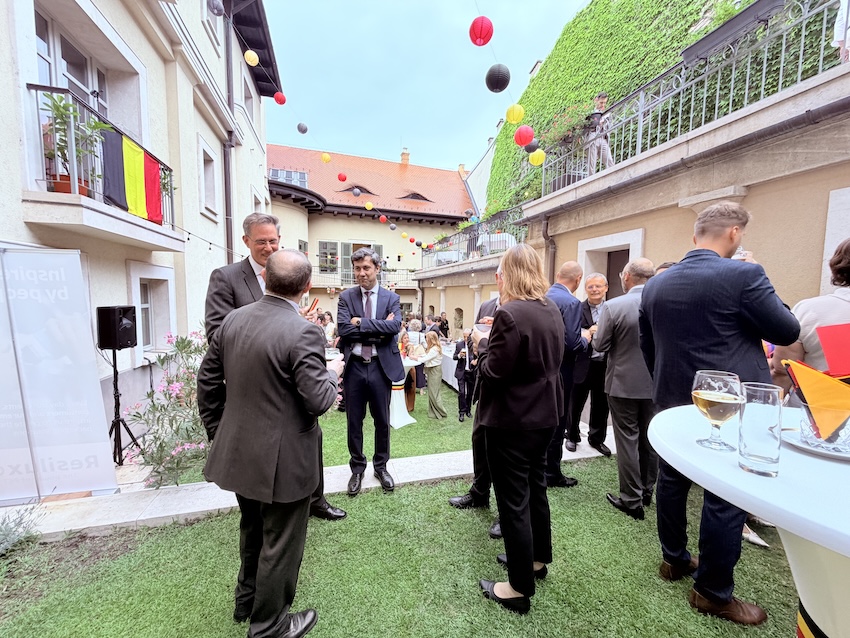
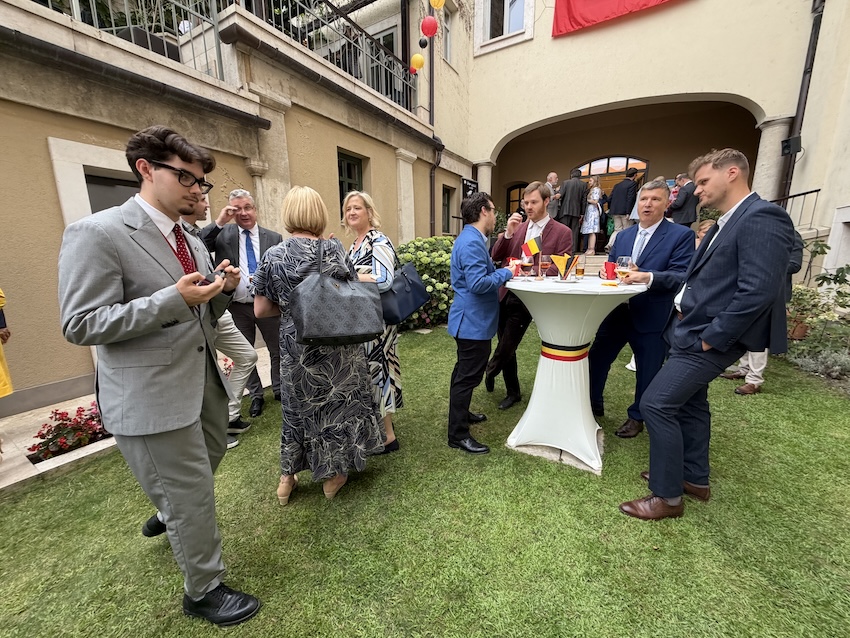
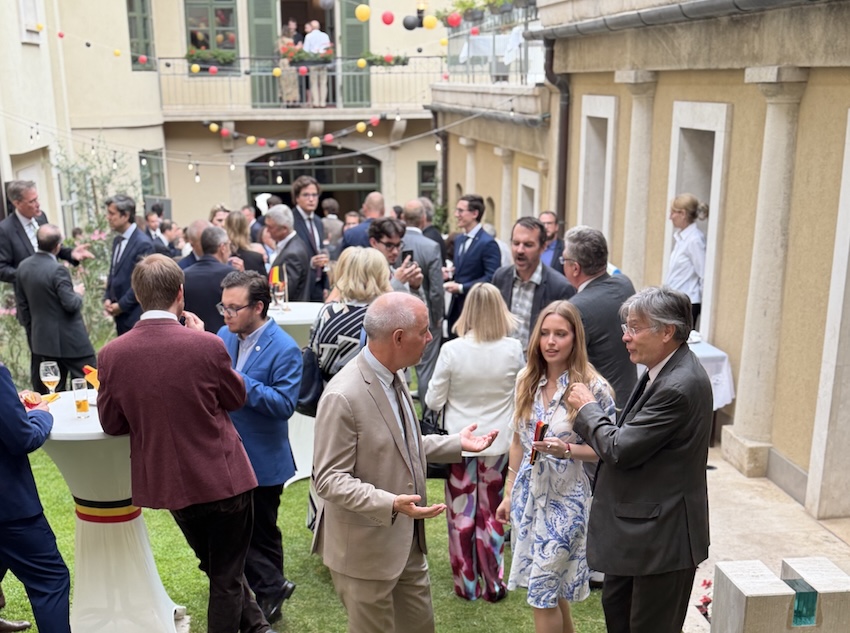
To mark the National Day, H.E. Mr. Jeroen Vergeylen, Ambassador of the Kingdom of Belgium to Hungary, hosted a distinguished reception in the beautifully decorated garden of his residence in Budapest, where the national colours of black, yellow, and red created a festive atmosphere.
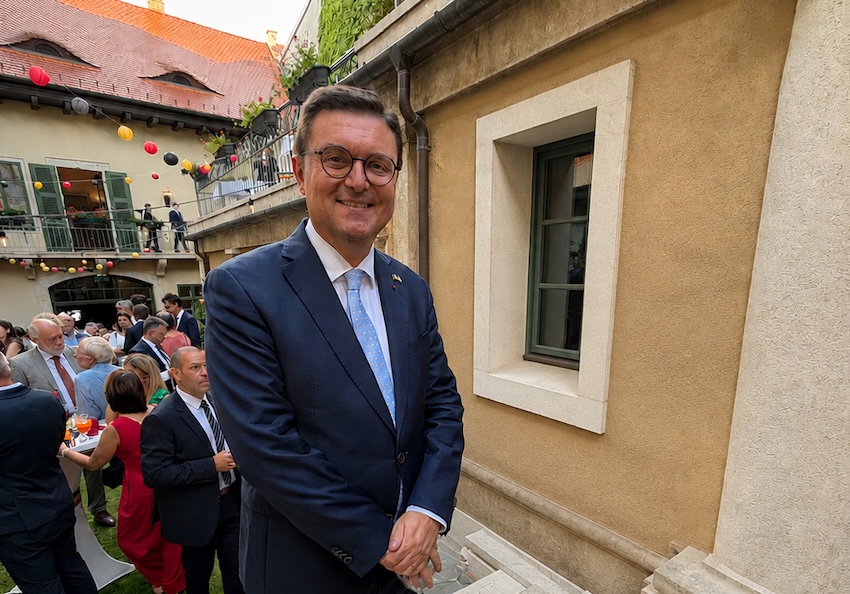
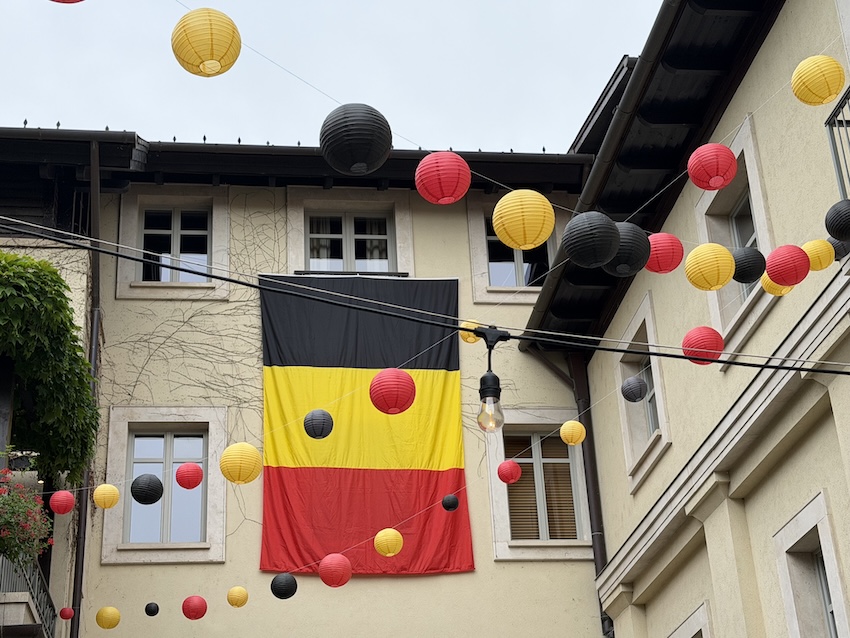
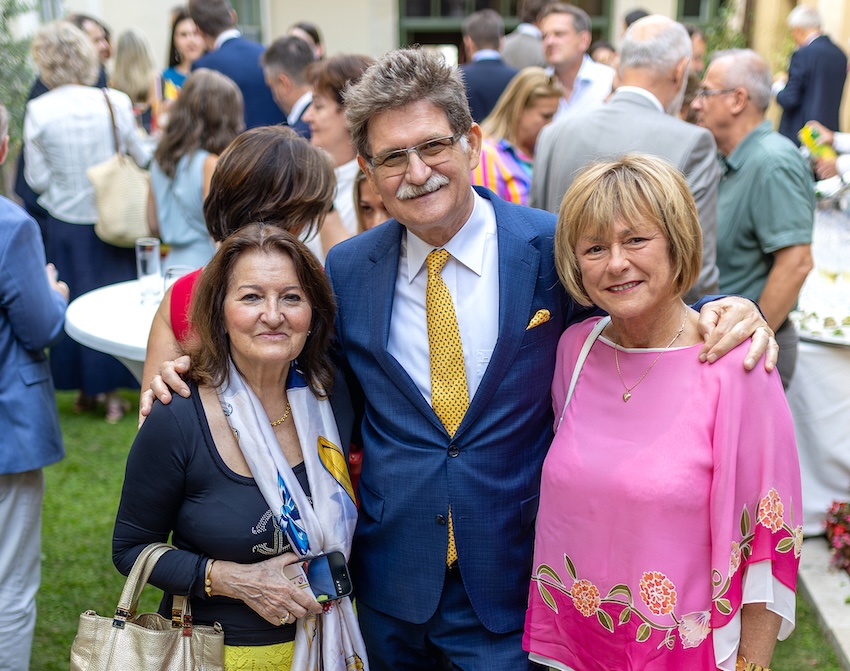
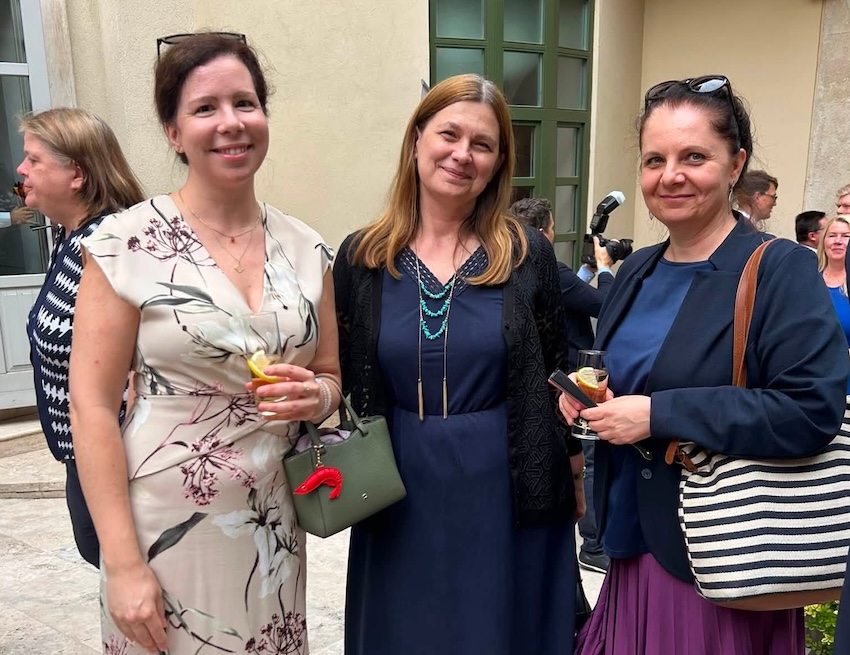
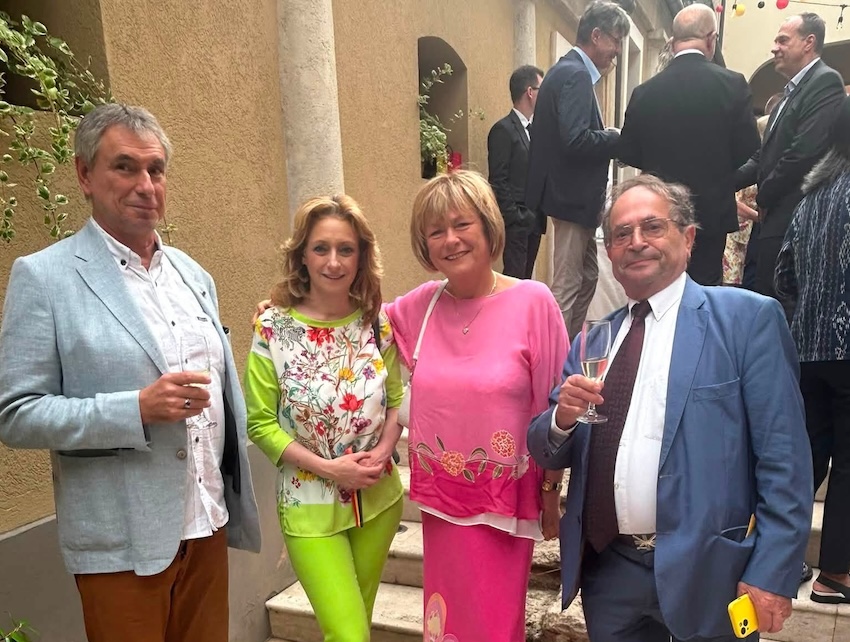
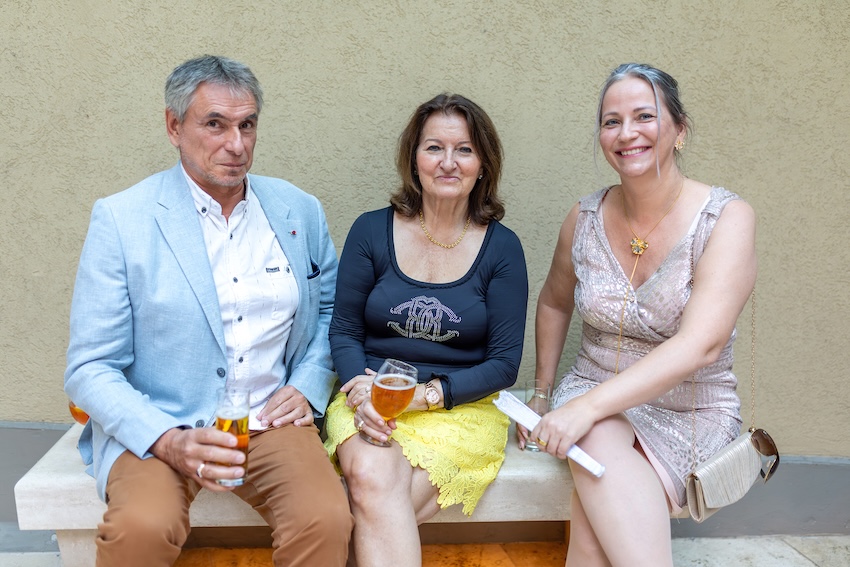
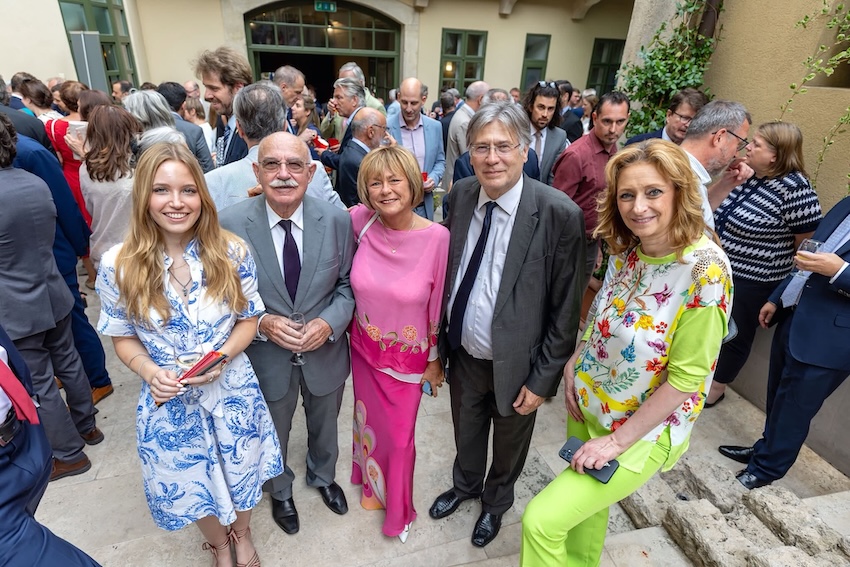
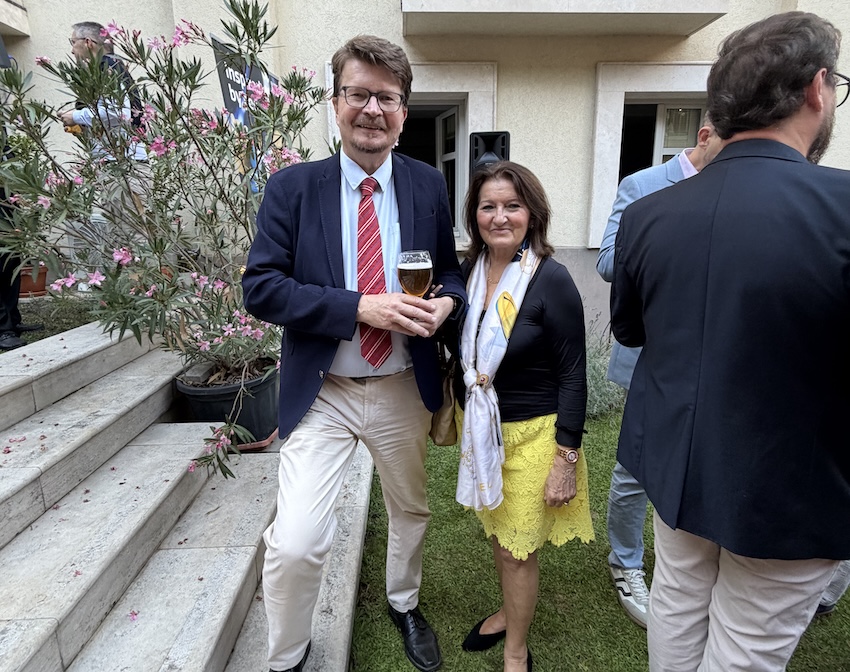
Diplomats, government officials, members of the business community, and invited guests gathered to celebrate one of Belgium’s most important national holidays.
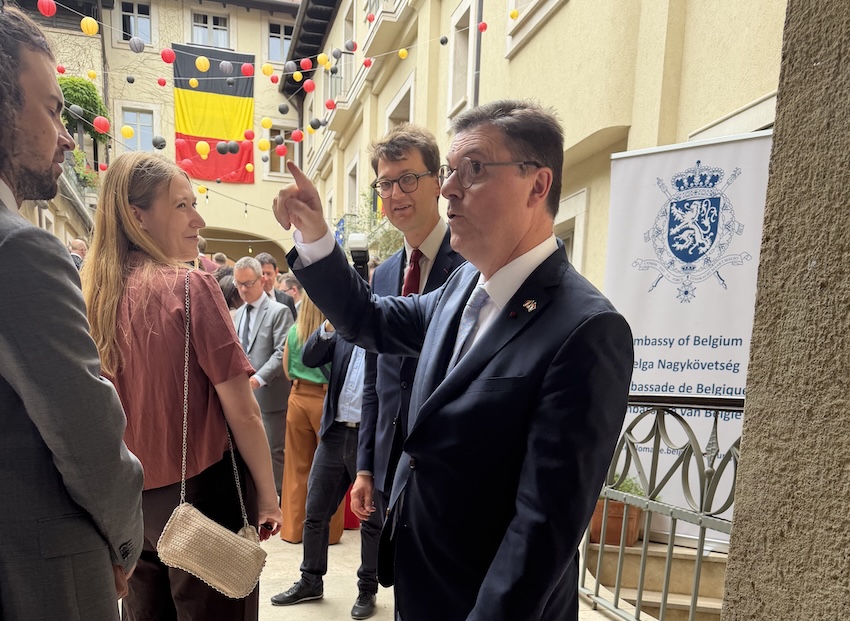
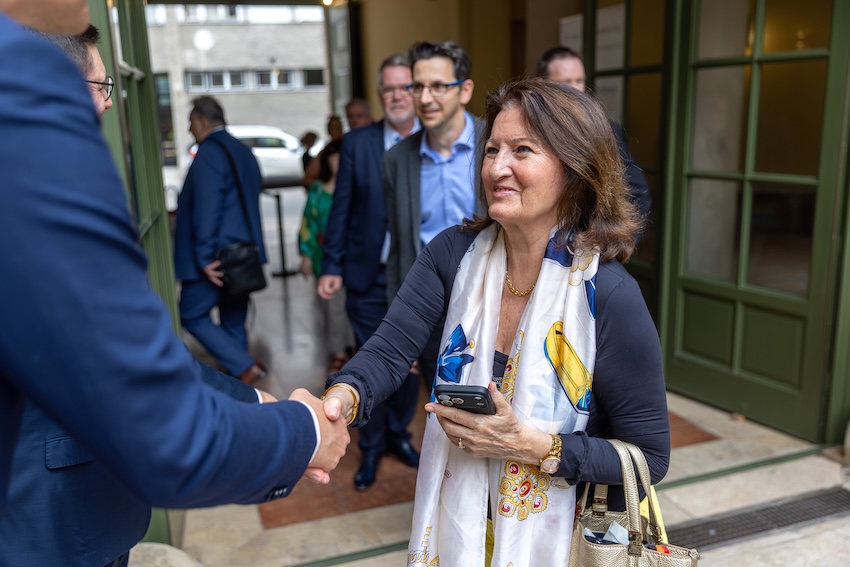
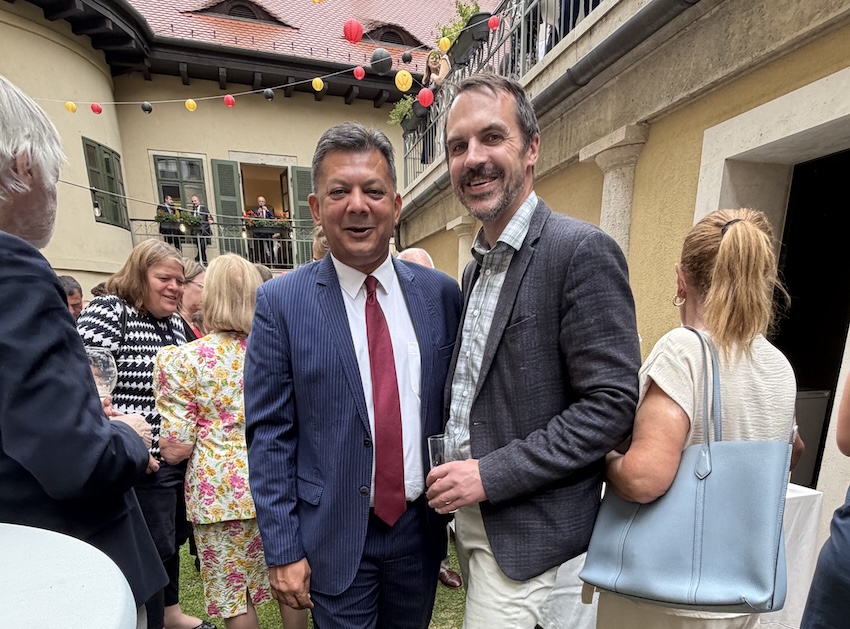
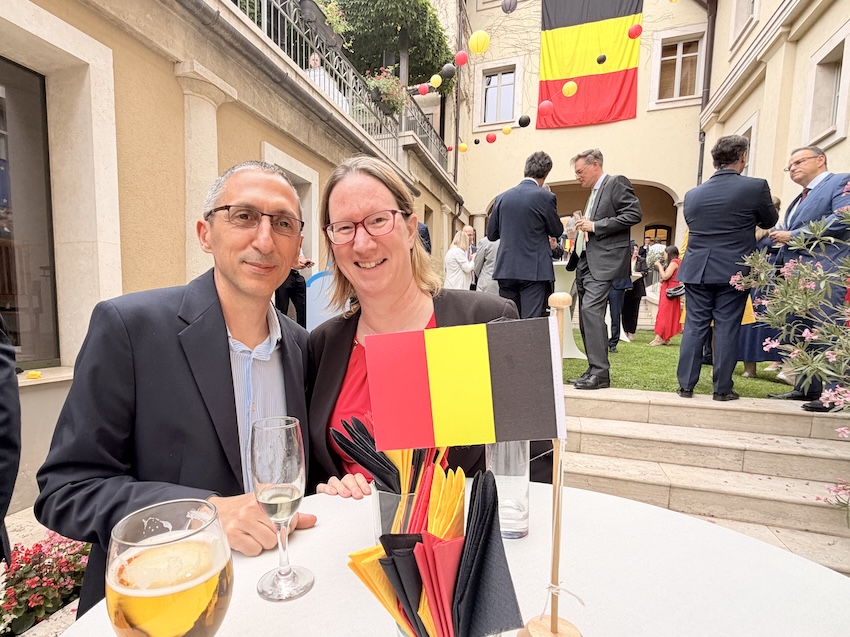
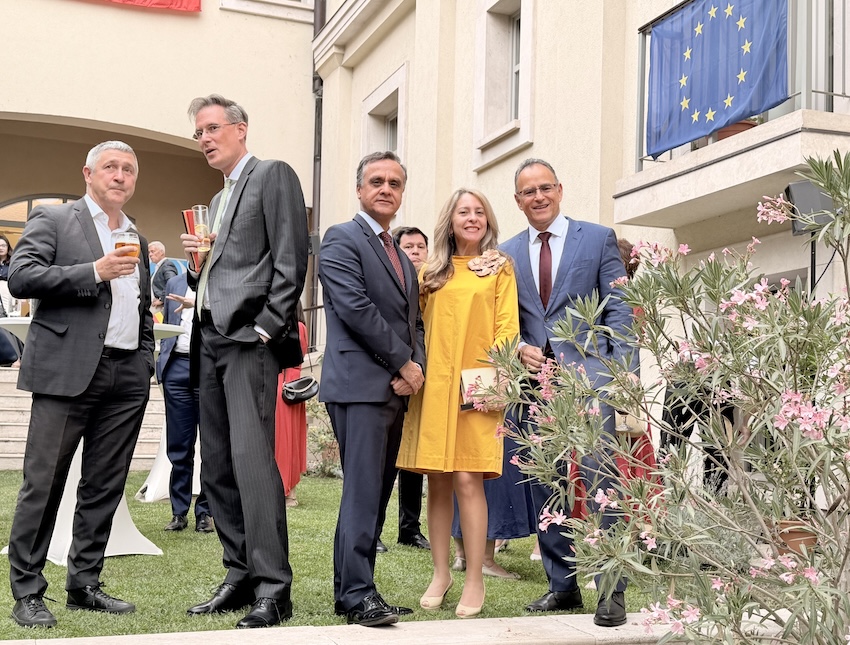
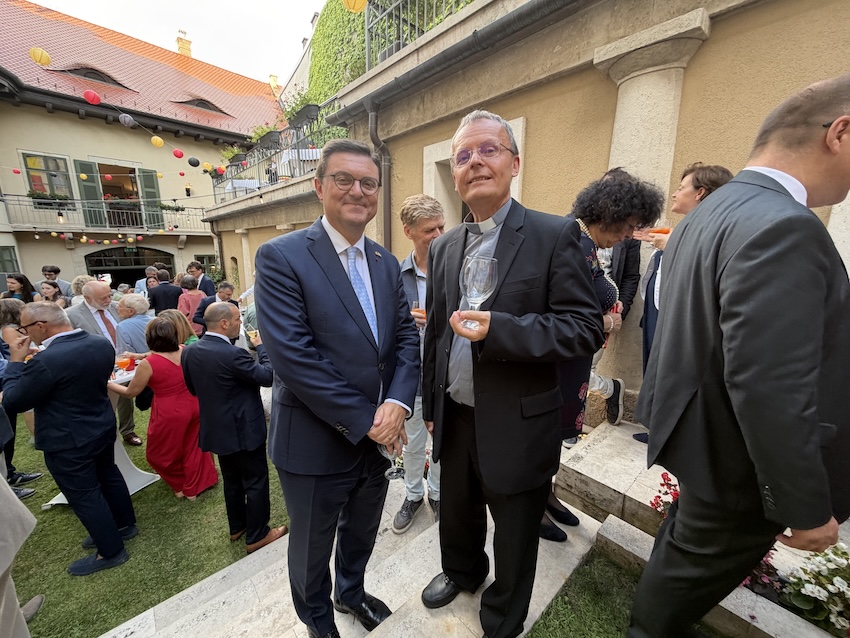
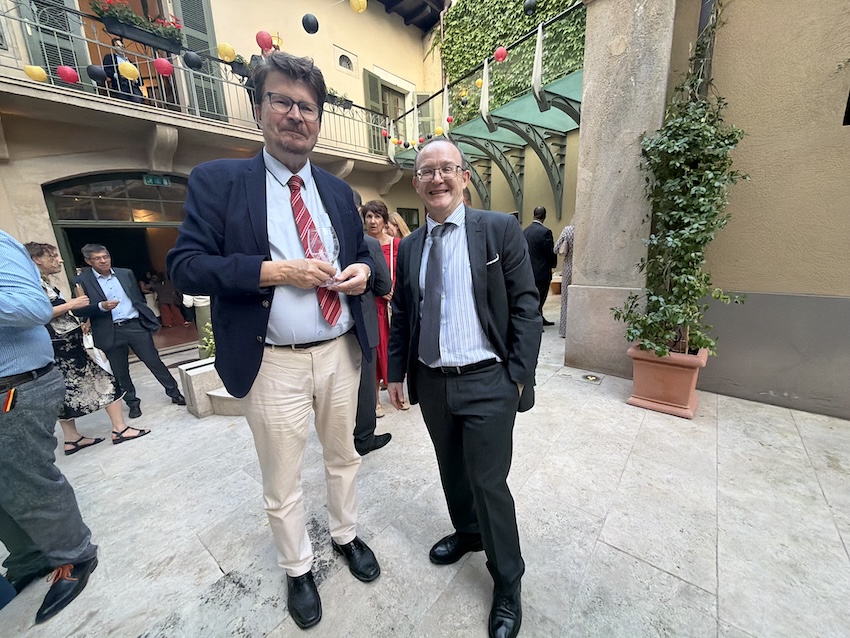
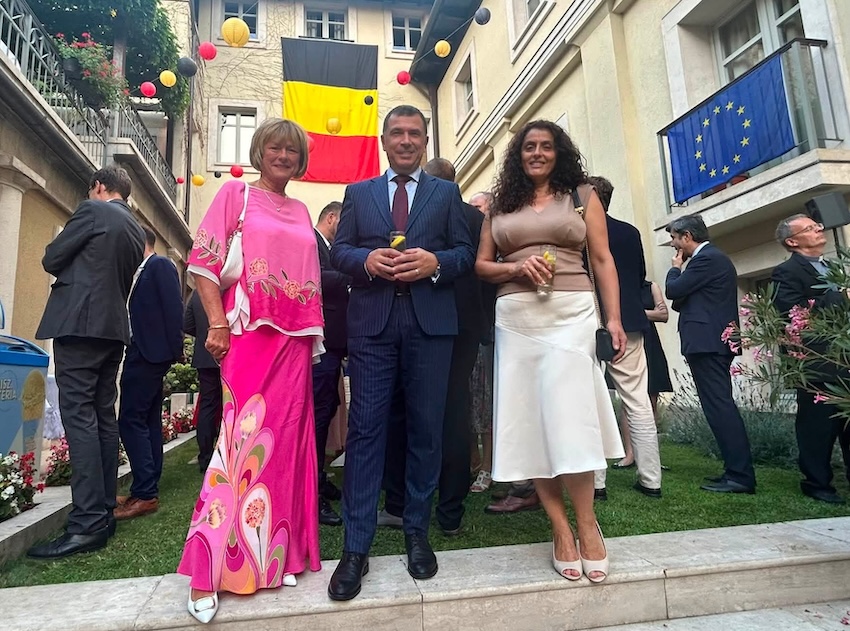
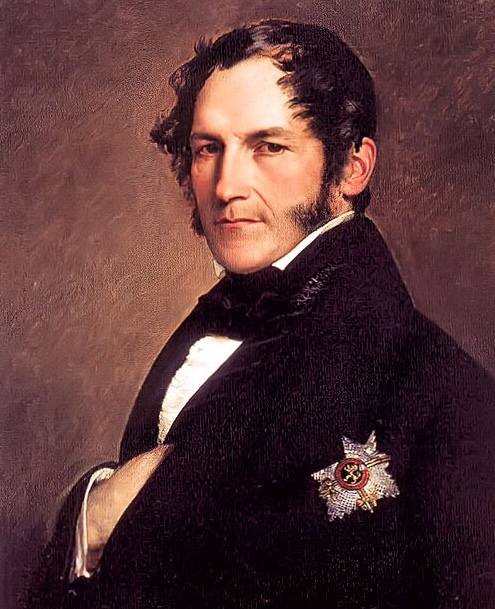
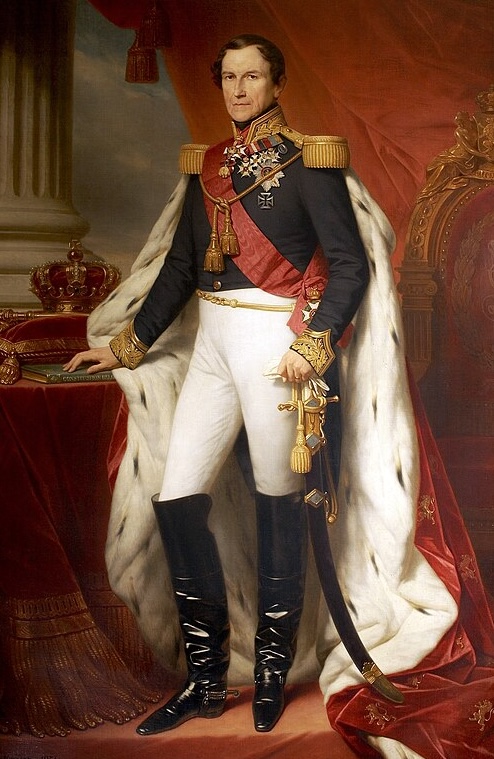
Belgium commemorates its National Day on 21 July. On this day in 1831, King Leopold I took the constitutional oath as the country’s first monarch, reigning from 1831 until his death in 1865.
Following the Belgian Revolution and the declaration of independence in 1830, this historic moment established Belgium as a constitutional monarchy and laid the foundation of the modern Belgian state.
Over the past 195 years, the Kingdom of Belgium has played a pivotal role in shaping European and transatlantic cooperation.
As the seat of key European Union institutions and NATO headquarters, Belgium has become a central hub for international diplomacy, dialogue, and collective security.
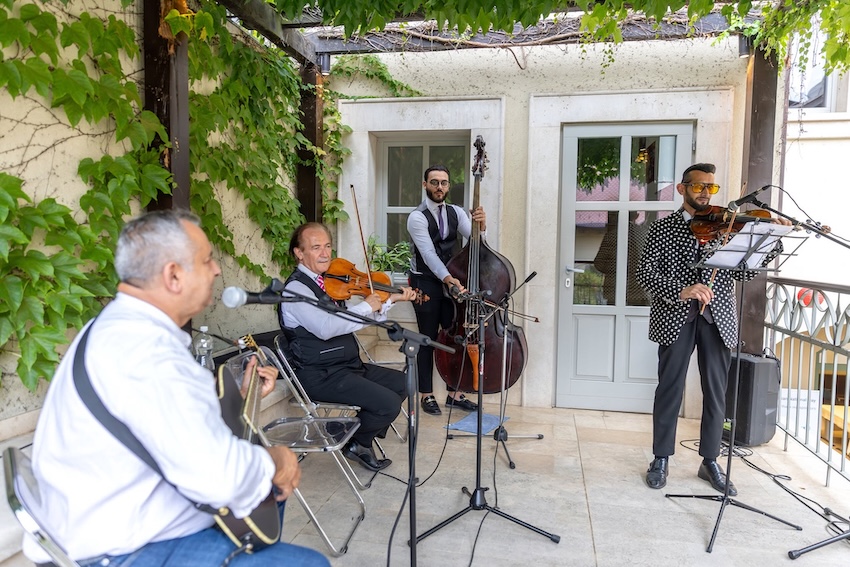
The celebration began with the national anthems of Belgium and Hungary, as well as the European anthem, performed by the Romano Glaszo Ensemble.
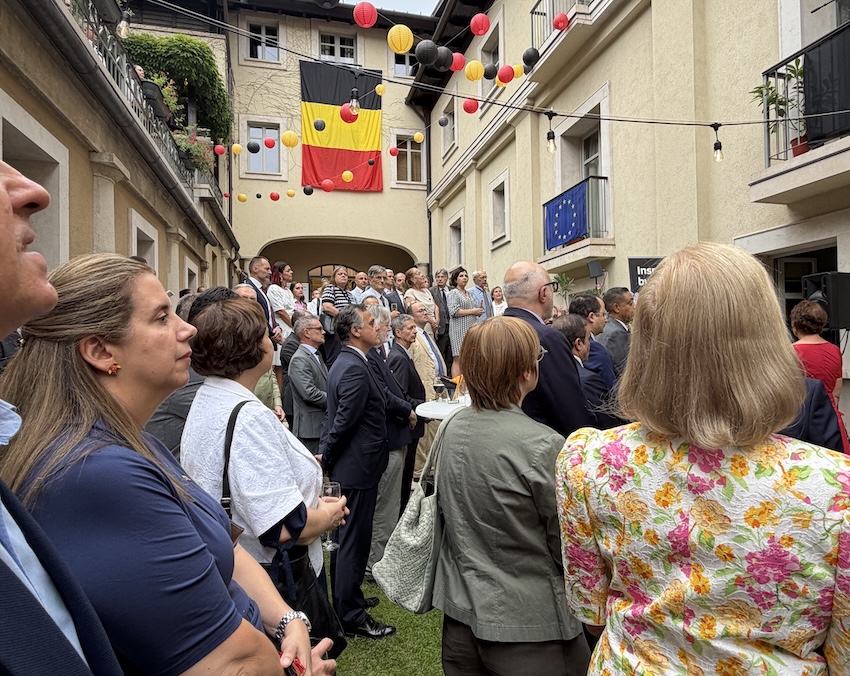
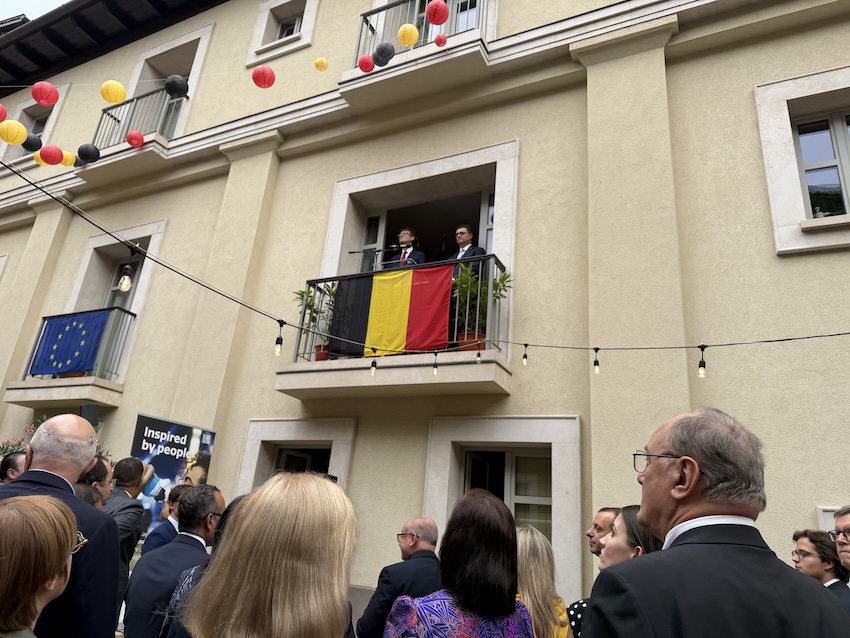
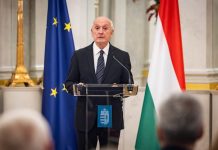
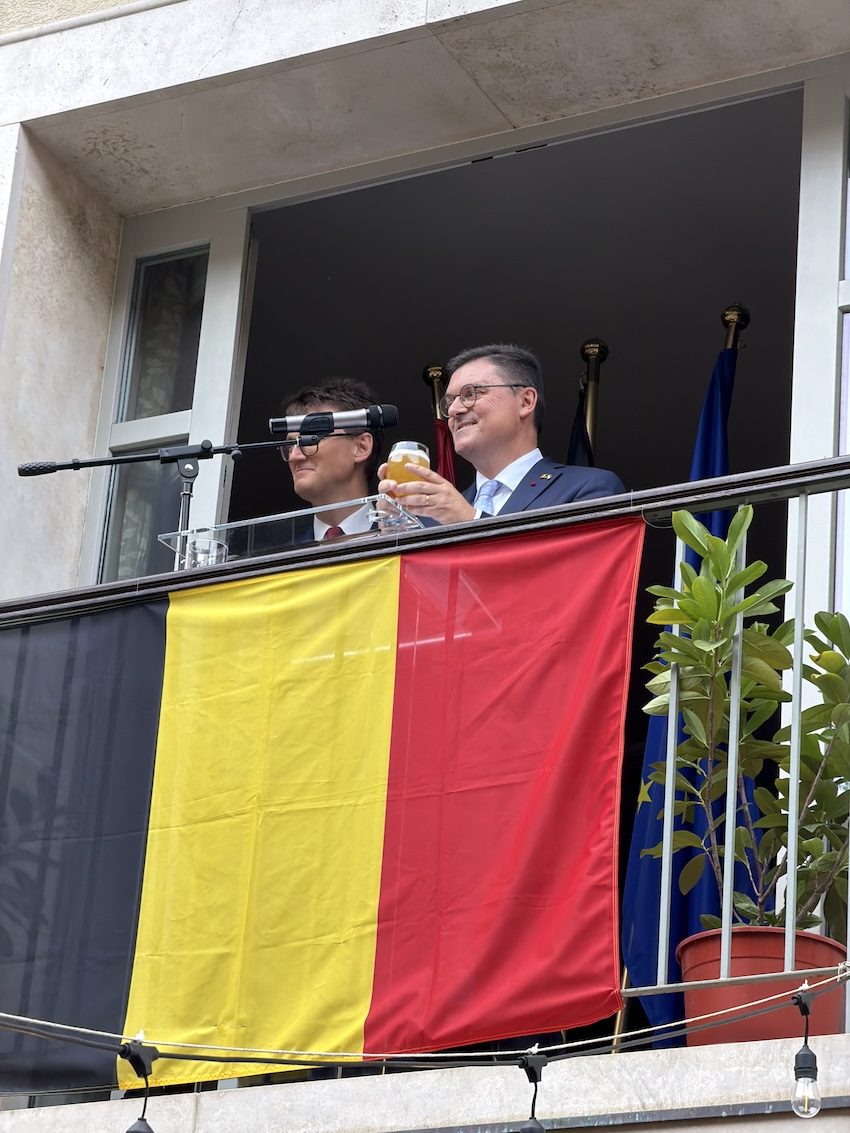
Ambassador Jeroen Vergeylen then welcomed the distinguished guests and delivered a heartfelt address:
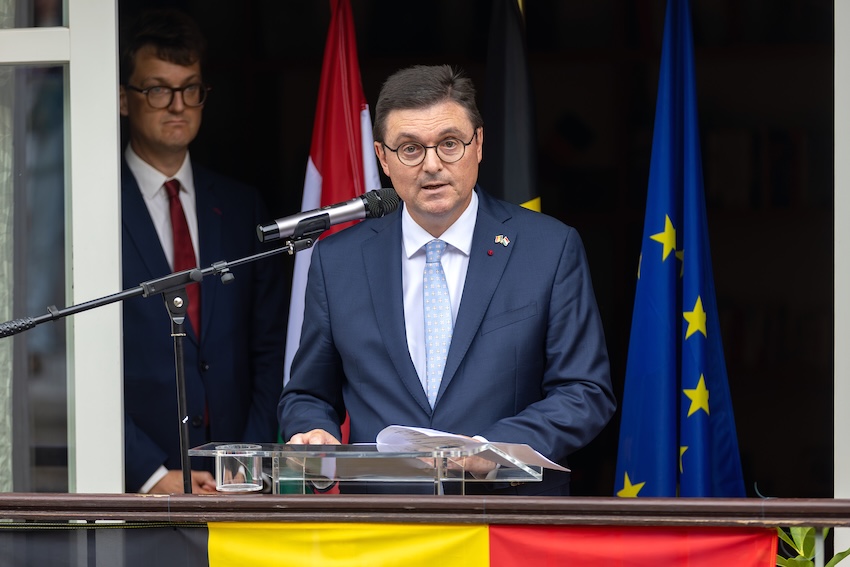
“Dear friends, Chers amis, Beste vrienden, Liebe Freunde, Kedves Barátaim, welcome to the Belgian Embassy and Residence. We are proud of this place. It has been the home of the Belgian Embassy in Budapest ever since our diplomatic relations were established over 100 years ago. We are delighted that so many of you have joined us again this year. We truly value your partnership and your friendship. Thank you all for being here!
Let me begin by thanking the Romano Glaszo Ensemble for their beautiful renditions of the national anthems. I am delighted that they are back to celebrate with us once again.
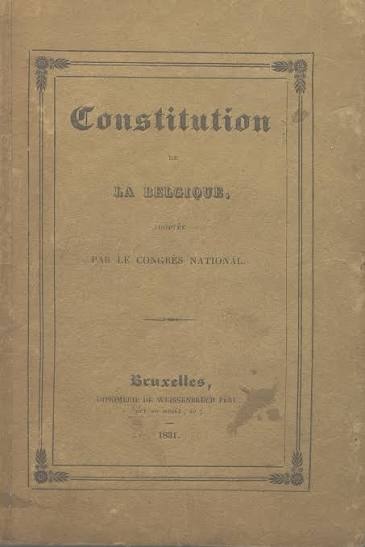
Dear Friends, today, on 21 July, Belgium celebrates its National Day. On this day, we commemorate the oath sworn by the first King of the Belgians, King Leopold I, in 1831 to uphold our brand-new Constitution following Belgium’s independence in 1830. In doing so, he pledged to respect fundamental rights and freedoms, democratic principles, and the rule of law. At the time, the constitution was considered one of the most liberal and modern in Europe.
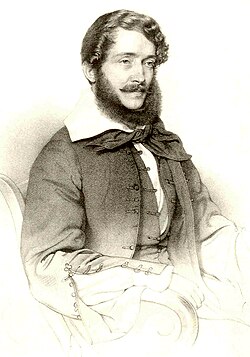
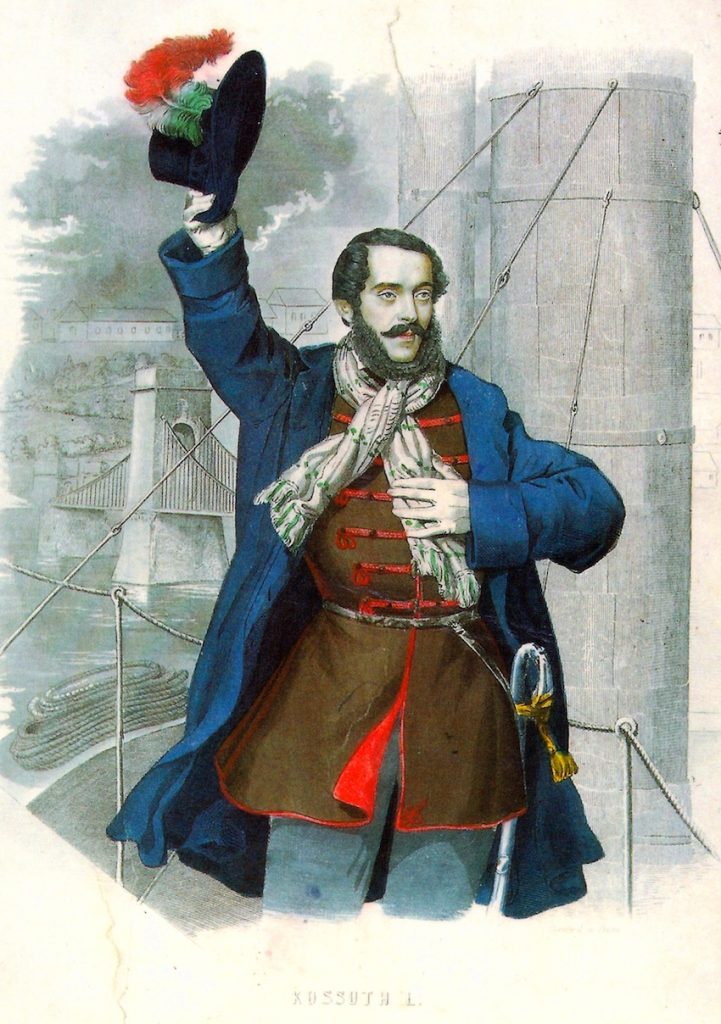
The Hungarian freedom fighter Lajos Kossuth was inspired by it and, in 1848, when drafting his own constitution for a free Hungary, incorporated numerous articles from our Constitution. When he was forced to leave Hungary, Kossuth first sought refuge in Brussels before continuing his journey. This exemplifies what Belgium – and Brussels in particular – has always strived for throughout its history: a safe haven for ideas, a welcoming international meeting place, offering an open, tolerant, multicultural, and multilingual environment where freedom is protected by the rule of law.
Many Hungarians followed Kossuth. After the First World War (1923-1927), the Children’s Trains brought over 21,000 Hungarian children to Belgium, where they were welcomed by Belgian foster families to recover from the hardships of the post-war years. A similar humanitarian effort was repeated after the Second World War (1946-1948).
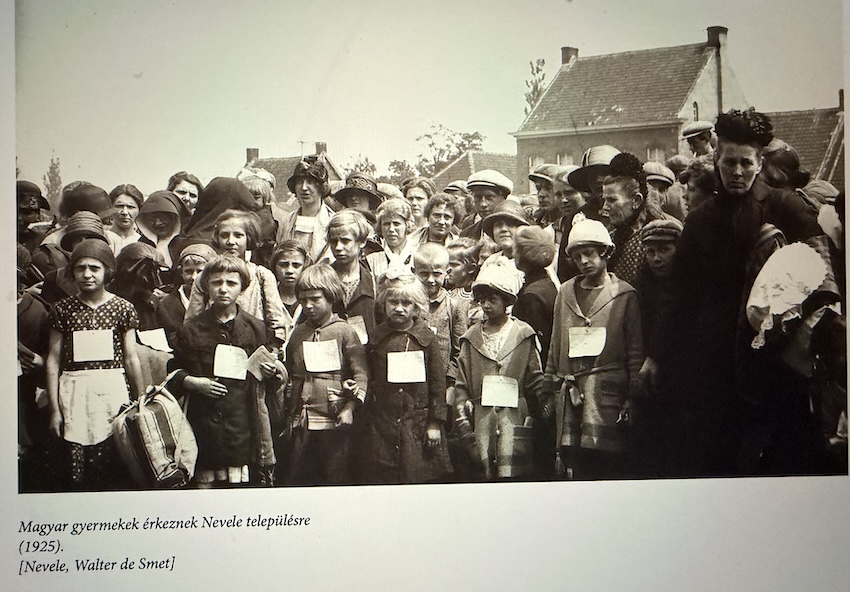
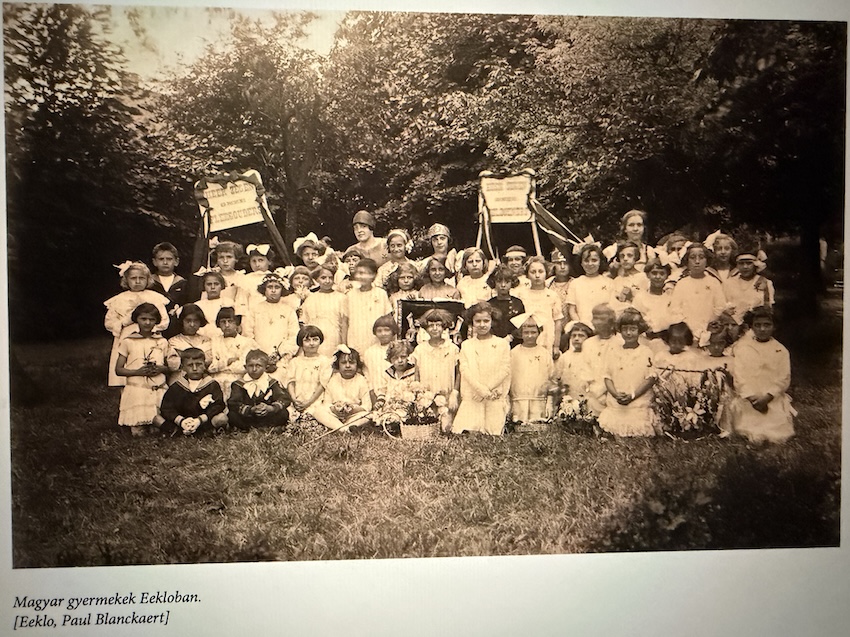
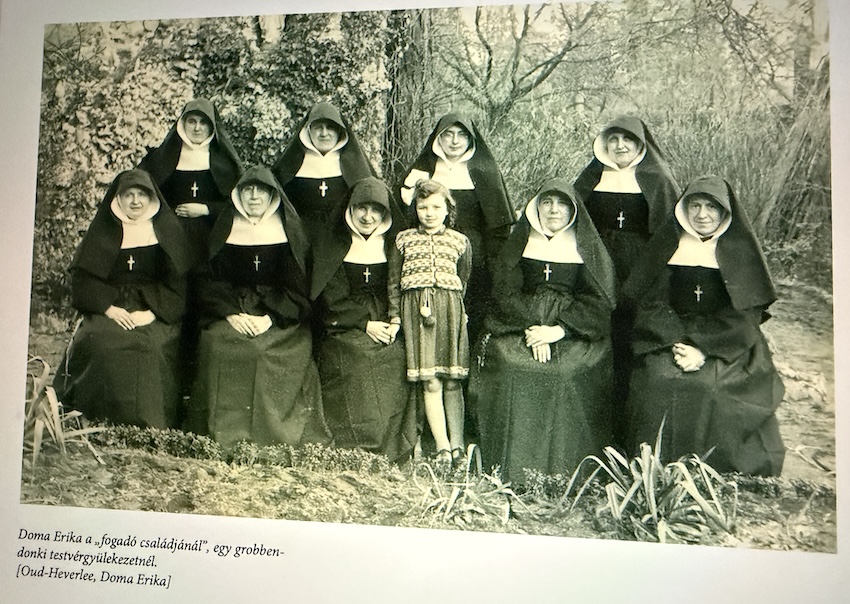
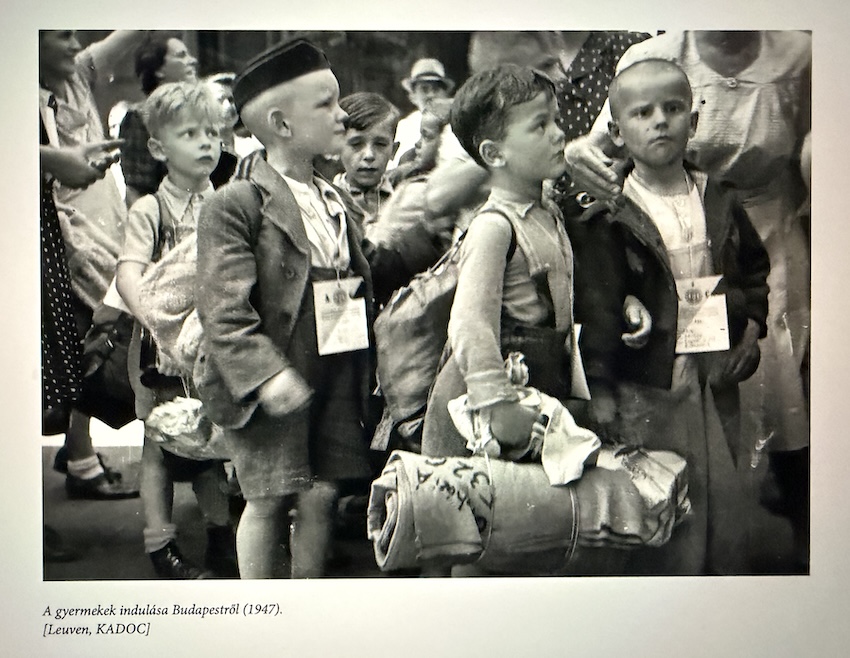
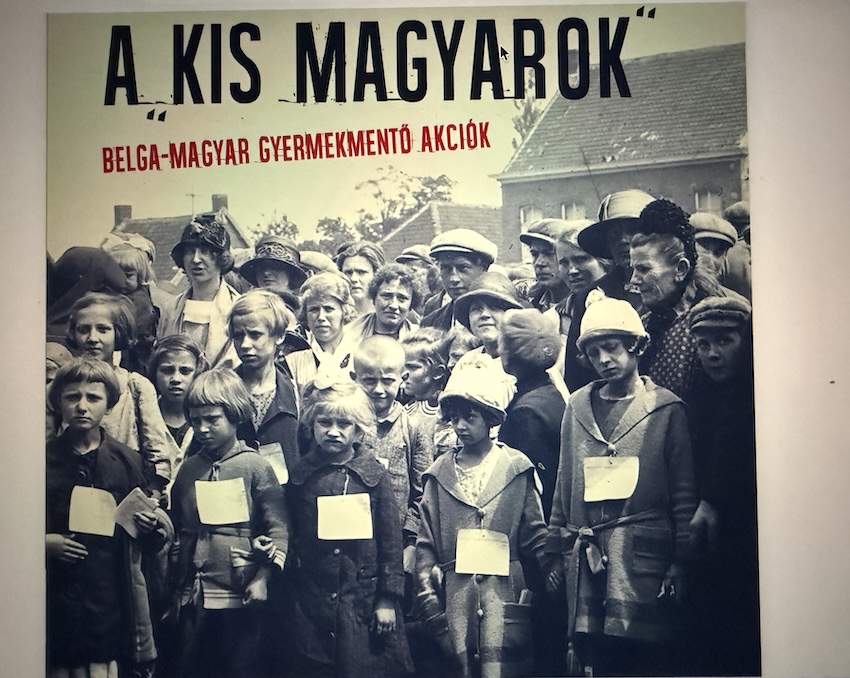
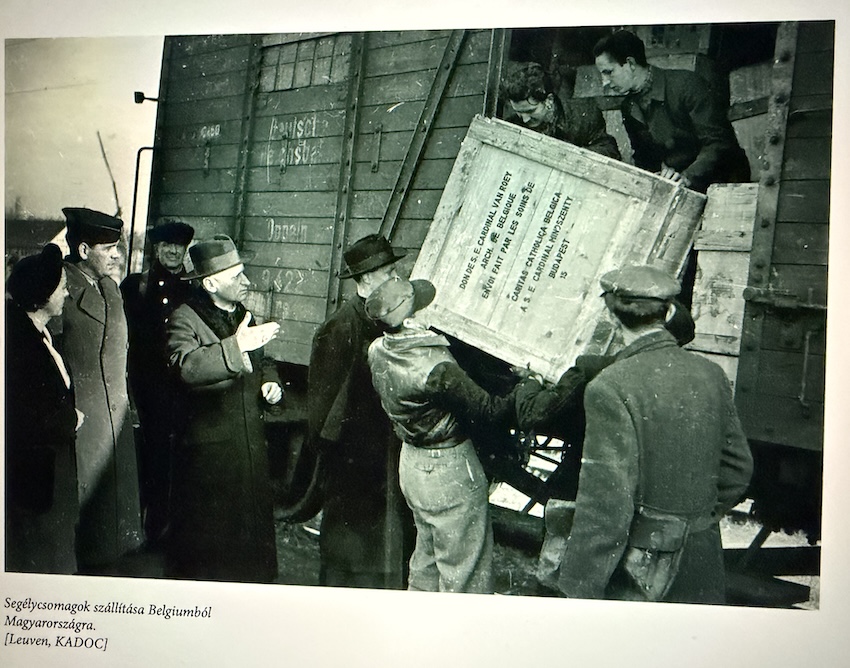
In 1956, Belgium took in more than 7,000 Hungarian refugees, many of them students. Today, thousands of their descendants are fully integrated members of our society. Many other Hungarians now live in Belgium, working for the European Union, NATO and other international institutions, in businesses, the media and civil society organisations, studying at our universities, or contributing to our rich cultural and artistic life. We are grateful for their contribution to the diversity, openness and prosperity of our country.
Belgium remains one of Hungary’s leading trade and investment partners. Over 200 Belgian companies operating in Hungary provide employment for thousands of Hungarians.

I would like to pay tribute to our Flemish and Walloon trade and investment offices, the Flemish Representation in Hungary, and the Belgian Business Club in Hungary – BELGABIZ for their active and indispensable support and enthusiasm every single day.
I also wish to thank the Hungarian authorities, and in particular the Ministry of Foreign Affairs, for helping us in our daily efforts to further strengthen the deep friendship and excellent cooperation between our two countries.
Dear Friends,
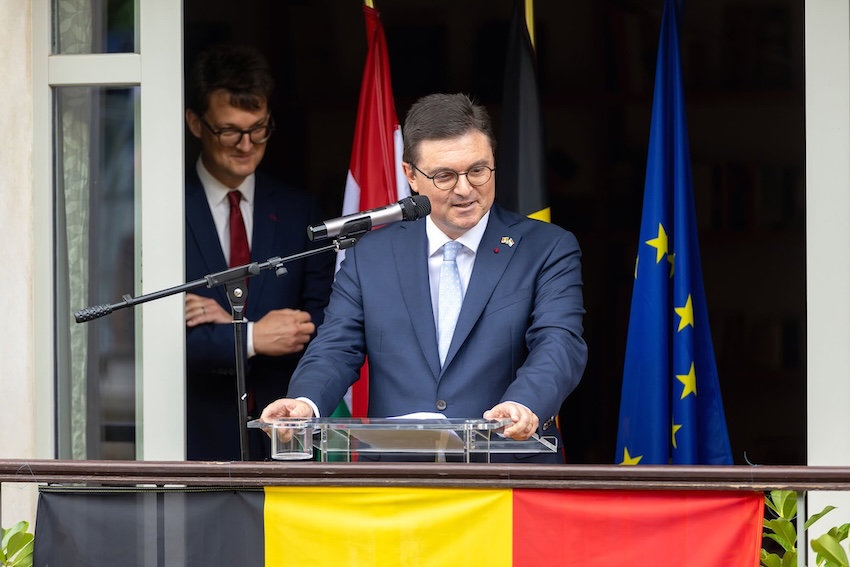
it is such a great joy to welcome Hungary back into the core of our European Union and our Trans-Atlantic family, where it belongs. I have hardly heard the infamous word ‘Brüsszel’ for over two months now, and, frankly, I do not miss it.
The Hungarian people’s overwhelming choice in favour of the European Union and its values truly strengthens our common determination to protect freedom, democracy and the rule of law, and, above all, to work and stand together.
That is not always easy in a world facing the challenges we know today. Let me therefore express our deep and continued solidarity with our friends in Ukraine and with all those suffering from conflict in the Middle East and Africa. But we know that, by standing together, we can help overcome these challenges and remain faithful to our shared values.
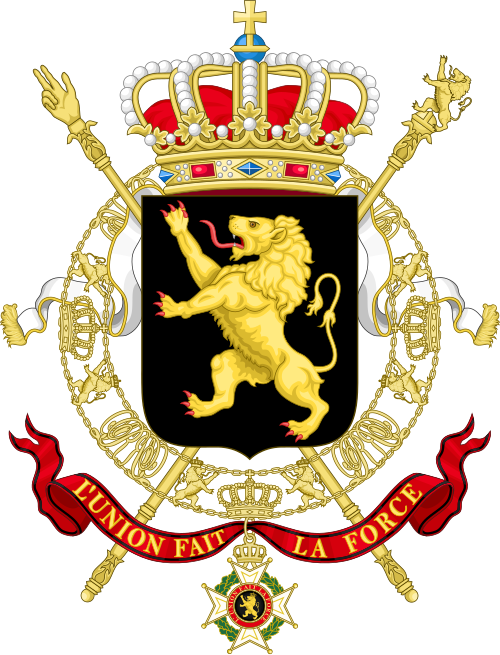
As our Belgian national motto reminds us: ‘L’union fait la force.’ ‘Eendracht maakt macht.’ ‘Unity makes strength.’
Thank you, Hungary, for reminding us of this important message. Köszönjük Magyarország!
Let me also pay special tribute to Hungarian civil society, the free media, and all those who defend the rights of minorities and stand against every form of discrimination, including discrimination against national and sexual minorities. Your work is showing us the way.
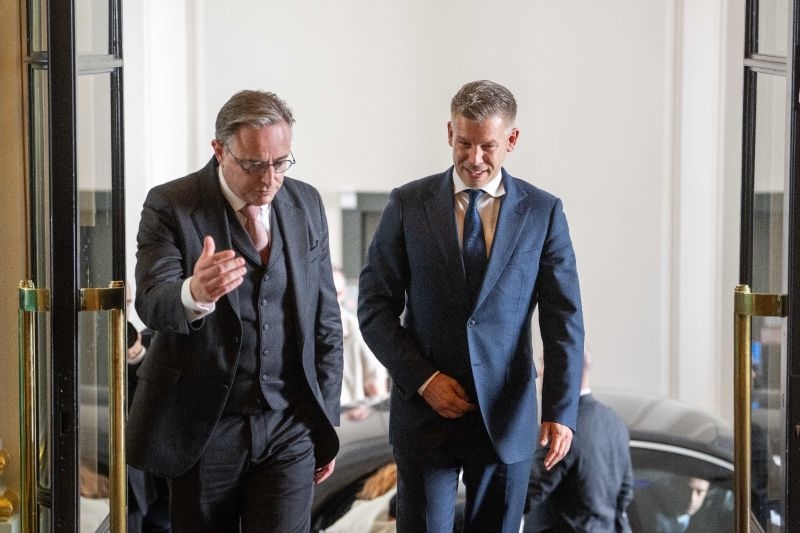
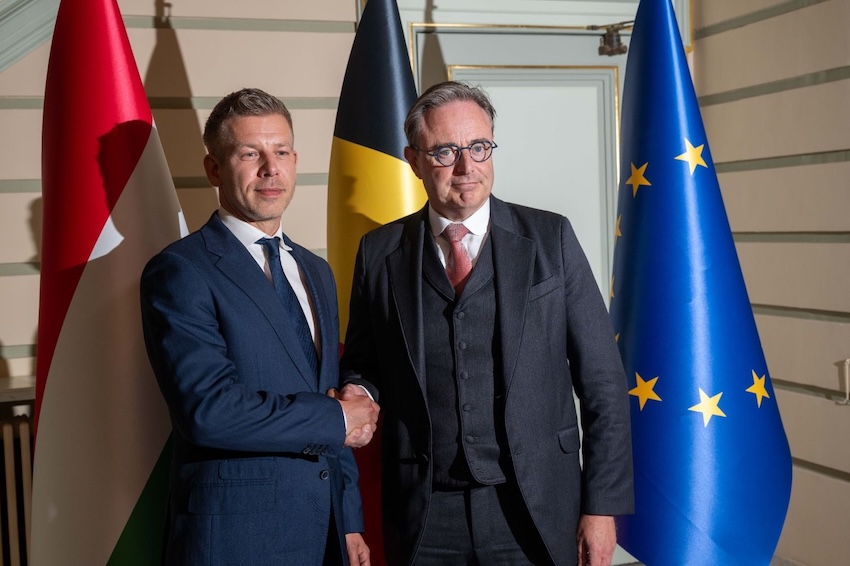
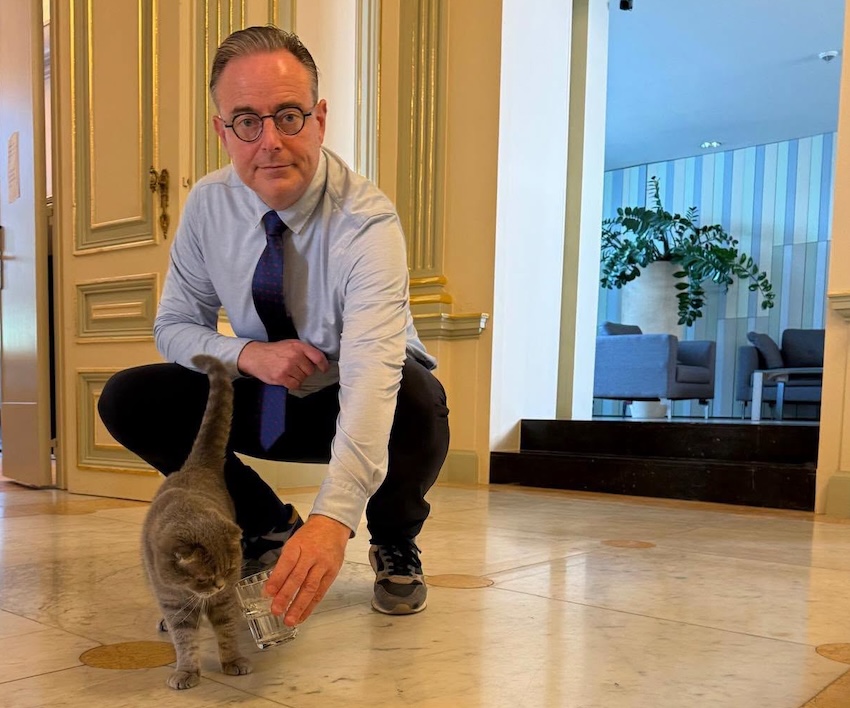
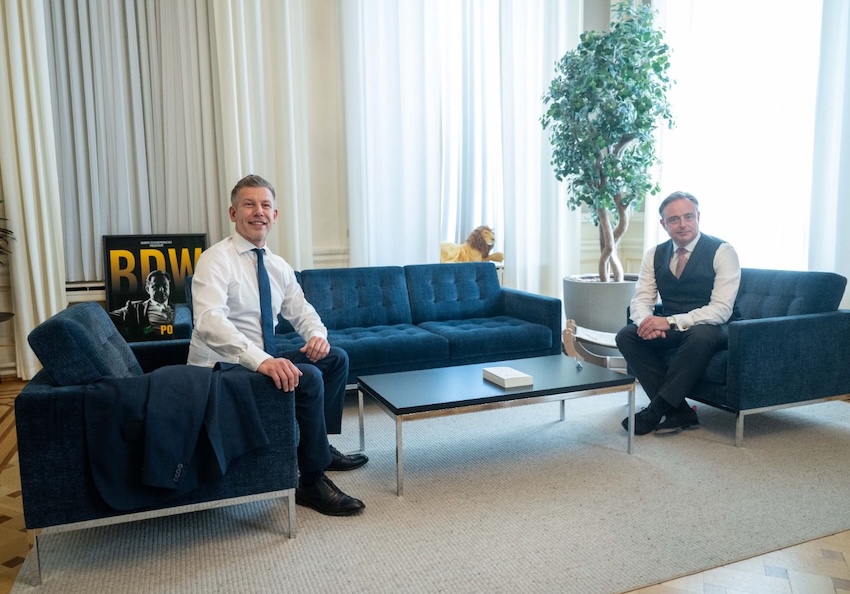
In this spirit, Belgian Prime Minister Bart De Wever – together with his cat Maximus – welcomed Prime Minister Péter Magyar last May during his first visit to Brussels as Hungary’s new leader. They agreed to work closely together, both in the European Council and bilaterally, to strengthen our Union of security, freedom, prosperity and loyal cooperation.

Dear friends, I know we are all in desperate need of a hydration break, but before we enjoy the evening, let me first thank all those who have made this celebration possible.
First and foremost, our generous sponsors…
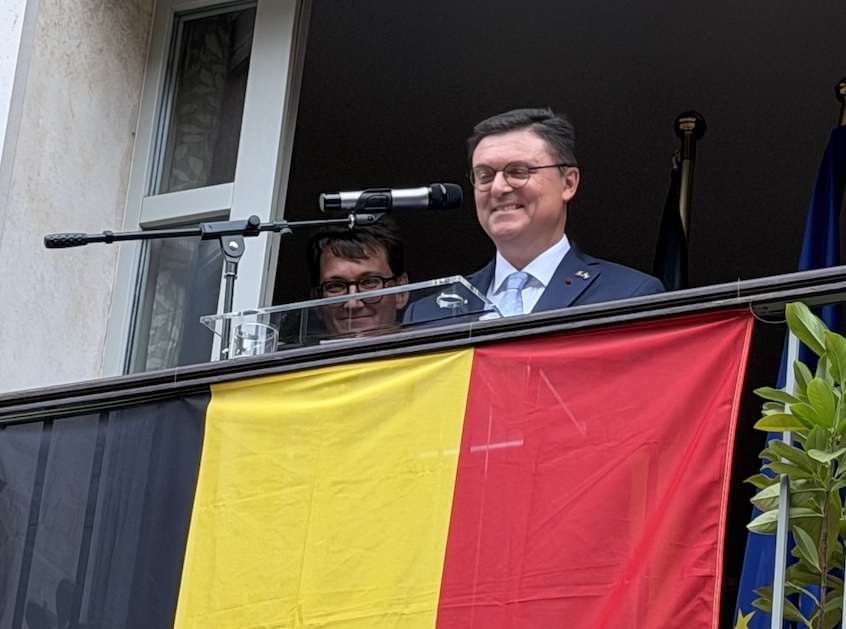
And last but certainly not least, our incredible Belgian Embassy team: Anita, Nelli, Bogi, Noémi, Józsi, Zolli, Ibolya, Gauthier, Caroline and Ewoud. Thank you for your dedication throughout the year.
I wish you all a very Happy Belgian National Day! Thank you very much for your attention. Köszönöm szépen.”
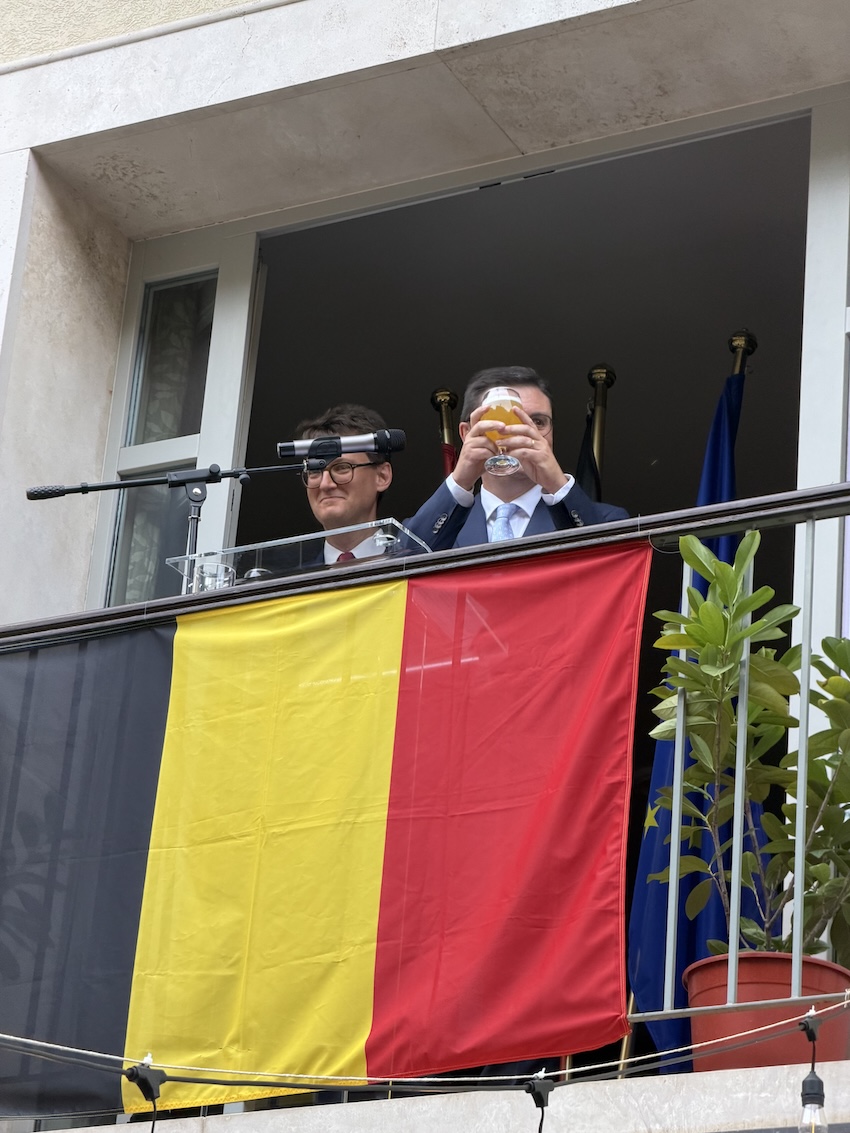
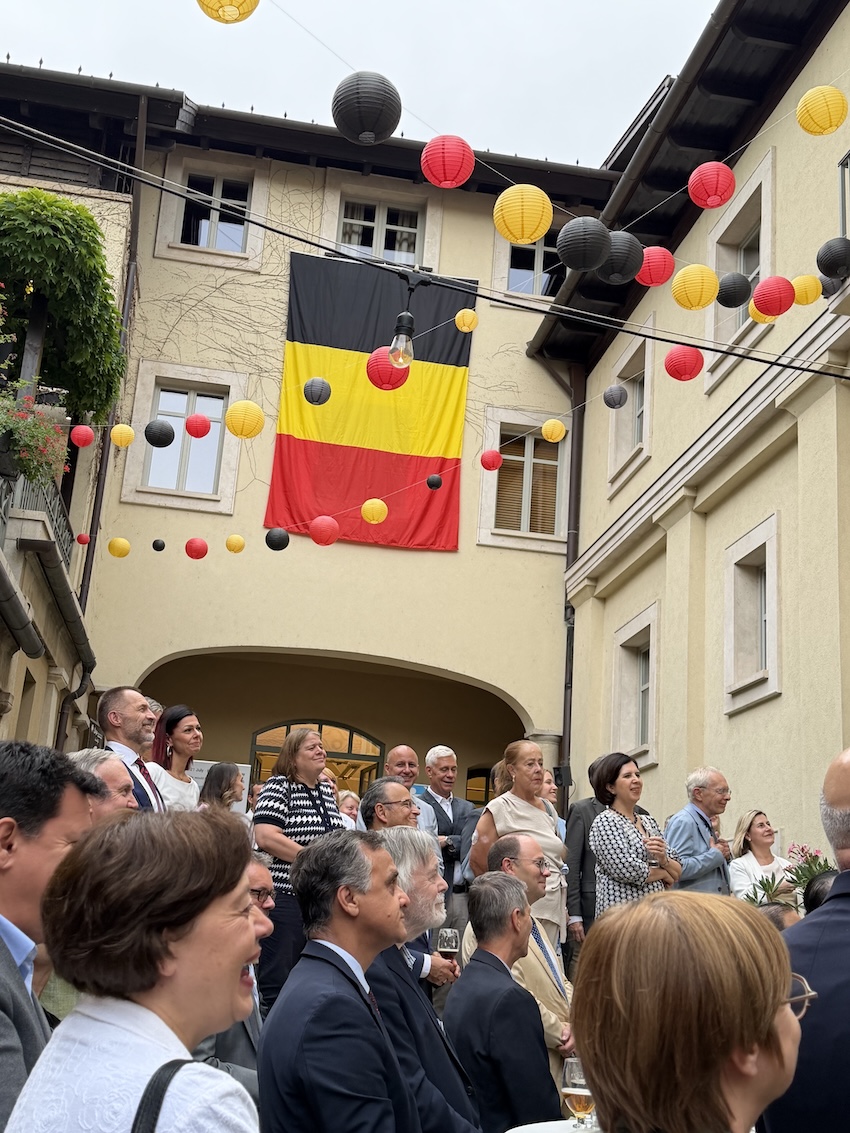
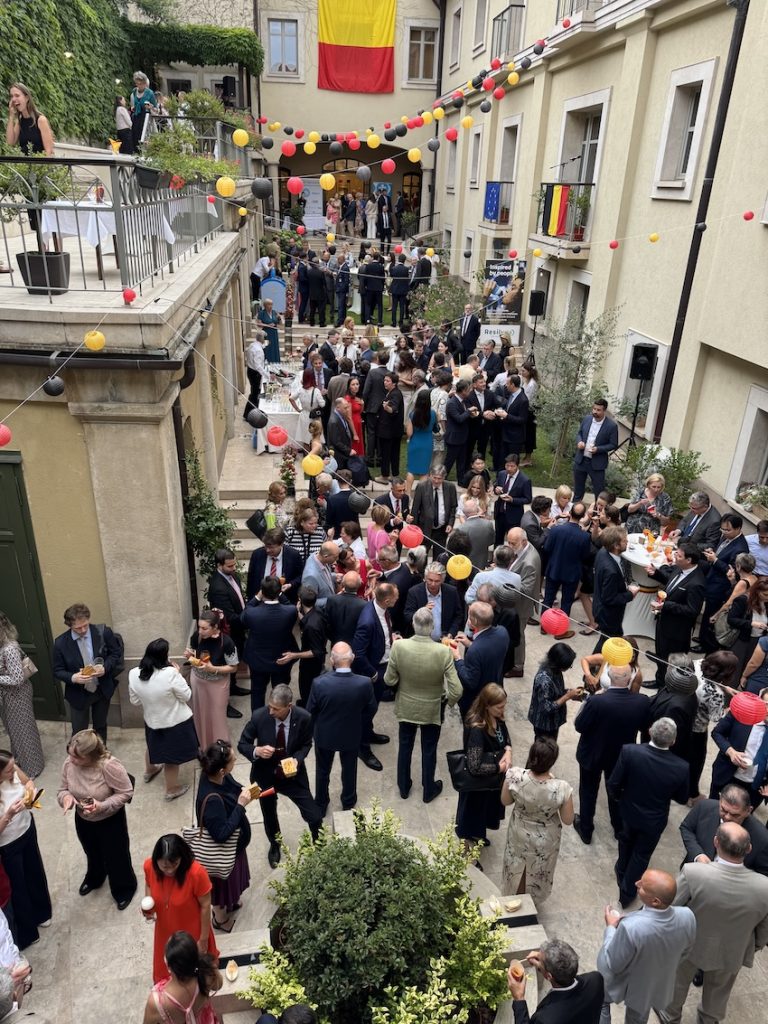
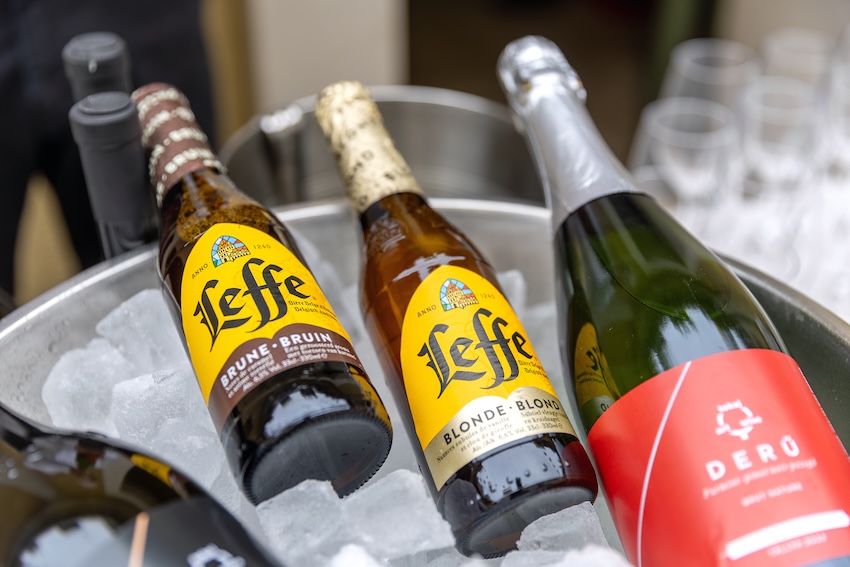
Following the official programme, guests were invited to a generous reception that showcased the very best of Belgian hospitality and gastronomy, featuring a tempting selection of authentic Belgian specialities that reflected the country’s rich culinary heritage. Gourmet savoury delicacies, French fries and an irresistible assortment of traditional Belgian chocolates and desserts delighted the guests throughout the evening.
Naturally, Belgian beer occupied a place of honour, considered as cultural experience. Belgium is internationally celebrated as one of the world’s great brewing nations, with centuries of brewing tradition recognised by UNESCO as part of the Intangible Cultural Heritage of Humanity. Guests enjoyed a selected range of premium Belgian beers, representing the craftsmanship, the remarkable diversity, which is unequalled anywhere else in the world and its quality for which Belgian brewing is renowned.
The relaxed atmosphere in the Residence’s garden and the warm hospitality under pleasant summer weather provided the perfect setting for invitees to celebrate the Belgian National Day.



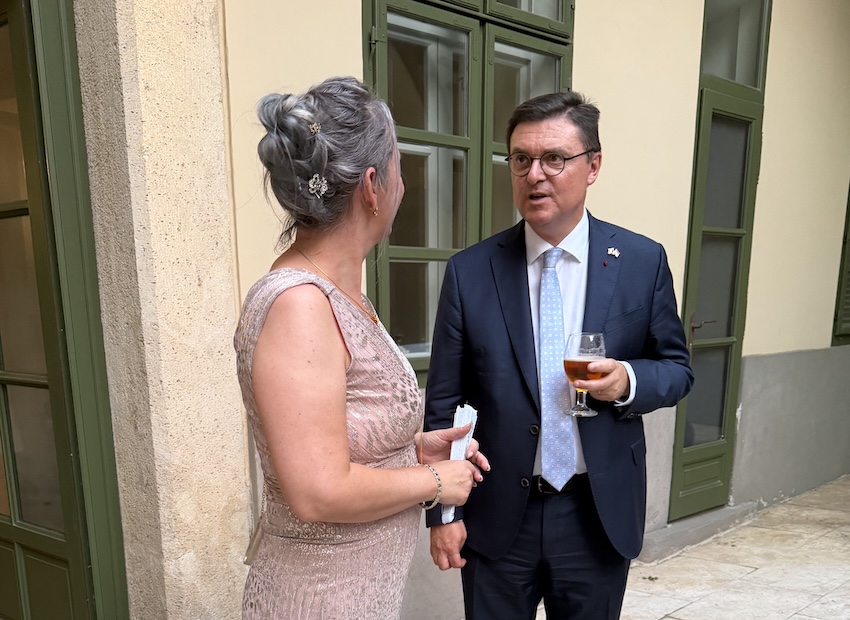
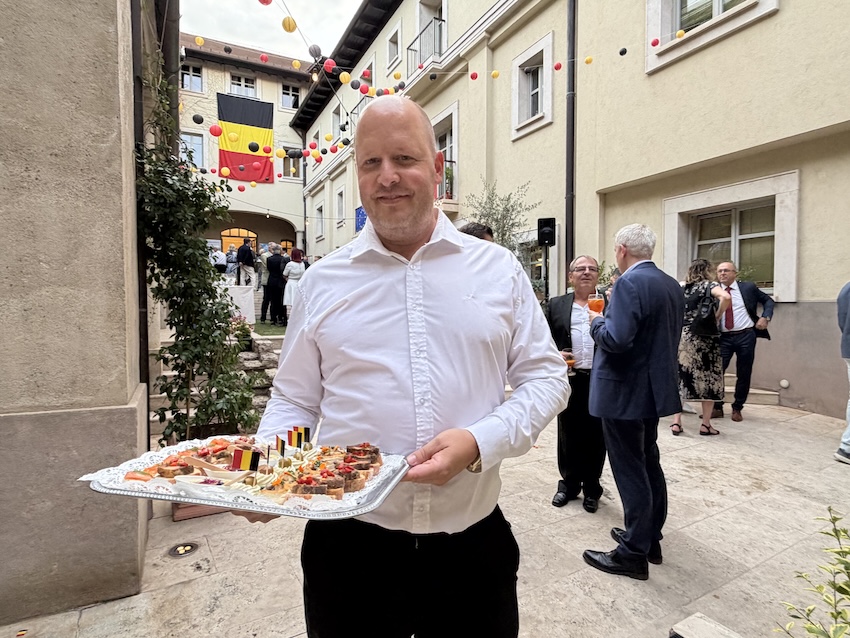
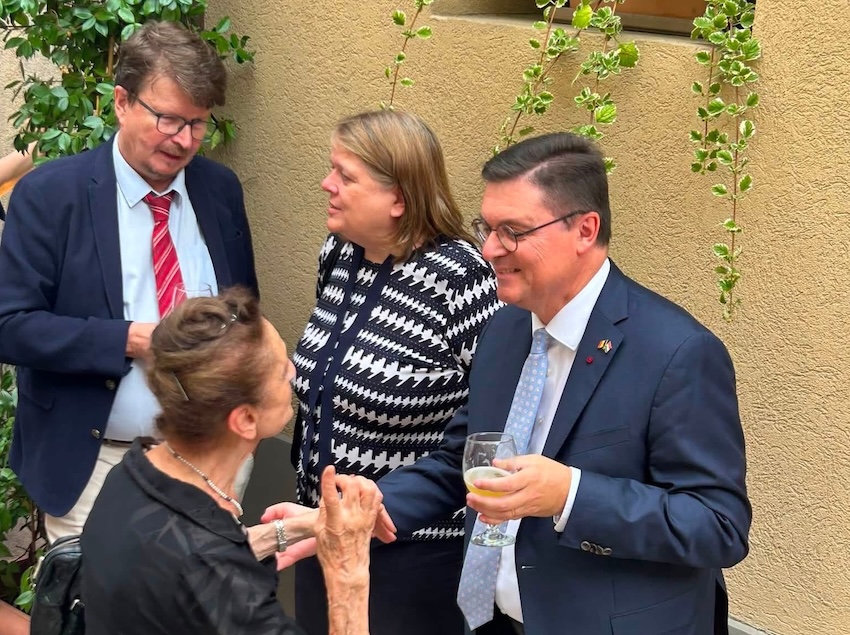
Source: Embassy of Belgium in Budapest
Photos from the Embassy of Belgium in Budapest, Diplomatic Press Agency, Wikipedia
Karolina Weber – A Forgotten Chapter in the Shared History of Belgium and Hungary
In his National Day address, Ambassador Jeroen Vergeylen recalled how Lajos Kossuth, one of Hungary’s greatest statesmen and the leader of the 1848–49 War of Independence, found refuge in Brussels after the defeat of the Revolution.
Inspired by Belgium’s liberal Constitution of 1831, Kossuth drew upon several of its principles when formulating his constitutional vision for a free Hungary.
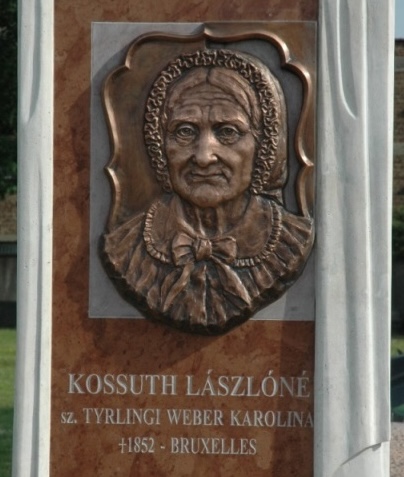
Less widely known, however, is another moving chapter that further strengthens the historical ties between the two nations. Kossuth’s mother, Karolina Tyrlingi Weber (1770–1852), spent the final months of her life in Belgium and she still rests in Belgian soil.
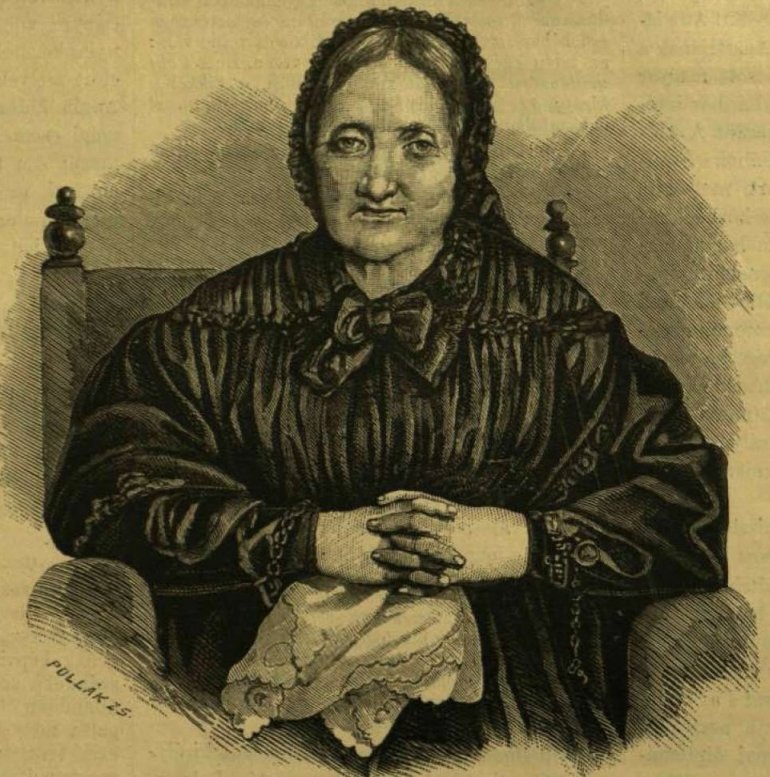
After the suppression of the Hungarian War of Independence, the Kossuth family was released from prison in 1851 through the intervention of the US Ambassador in Vienna. Their freedom came with one condition – they had to leave the Habsburg Empire. Determined to reunite with her son, who was then living in exile, the elderly widow embarked on the long journey to America. Travelling across Europe by horse-drawn carriage, the large Kossuth family reached Belgium. (At that time, her son Lajos Kossuth was in exile in London.) Although their travel documents allowed only transit, Karolina Weber, an educated woman who spoke fluent French, appealed directly to the Belgian Minister of Justice. Despite considerable diplomatic pressure from Austria, Belgium granted the family refuge.
Belgian sympathy for the Hungarian cause was profound. Hundreds of Hungarian refugees settled in Belgium, public support for Kossuth was widespread, and General Julius Haynau, known in Hungary as the “Butcher of Arad”, encountered public outrage during his visit to Brussels in 1852.
Exhausted by the journey, Karolina Weber fell seriously ill and died in Brussels on 28 December 1852, at the age of 82, without seeing her son again. Fearing that her funeral might become a patriotic demonstration, the authorities arranged a discreet nighttime burial in the Saint-Josse-ten-Noode Cemetery. When the cemetery was later relocated, her remains were transferred to a communal ossuary, and her final resting place gradually faded from memory.
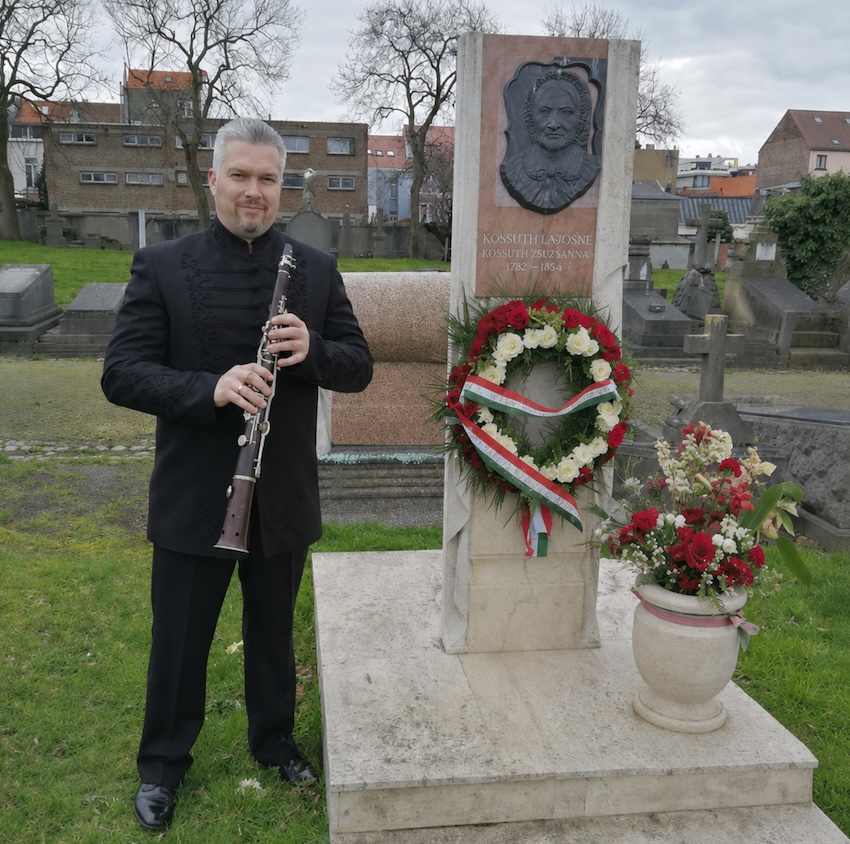
Her story was rediscovered thanks to the efforts of András Balogh, then Deputy Head of Mission at the Embassy of Hungary in Brussels, who, together with historian Professor Nicolas Kun de Kozma, initiated extensive historical research. Convinced that Hungary had a moral responsibility to honour the memory of Kossuth’s mother, they established a memorial committee. With the support of historians, public institutions, municipalities, Members of the European Parliament, Hungarian communities, and private contributors, a monument designed by architect Alpár Veres and sculpted by Viktória Csirpák was unveiled in the Saint-Josse-ten-Noode Cemetery, in June 2015.
In tribute to the Hungarian Revolution of 1848–1849, commemorated annually on 15 March, flowers are laid at the Memorial to Karolina Tyrlingi Weber, Lajos Kossuth’s Mother in Brussels.