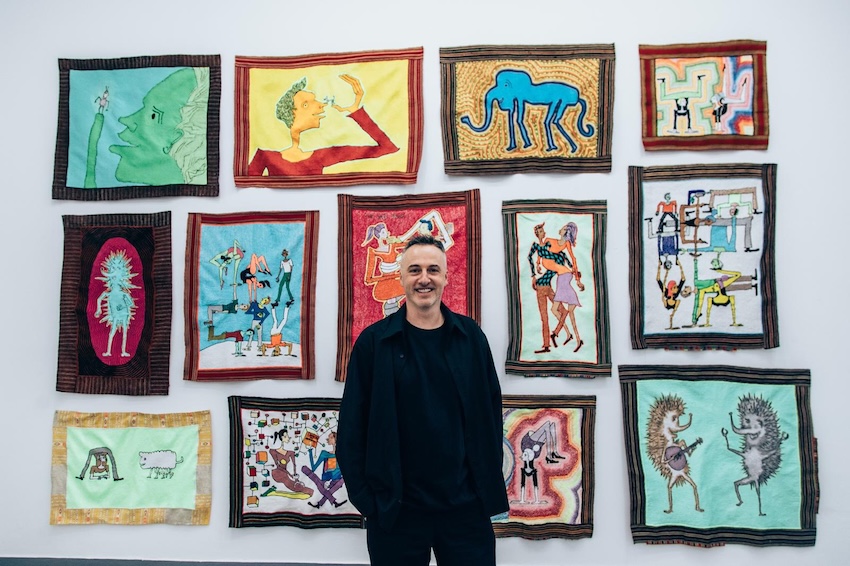
A vibrant intersection of tradition, absurdity, and contemporary expression – Kosovar artist Jakup Ferri’s first individual exhibit in Hungary unfolds through immersive textiles, playful narratives, and a powerful cultural dialogue.
Edited by Anna Popper
As part of its cultural activities, the Embassy of the Republic of Kosovo in Hungary, in cooperation with the Ani Molnár Gallery in Budapest, organised the solo exhibition RUB-A-DUB-DUB by contemporary Kosovar artist Jakup Ferri, who was present at the event and enjoyed engaging with the local audience.
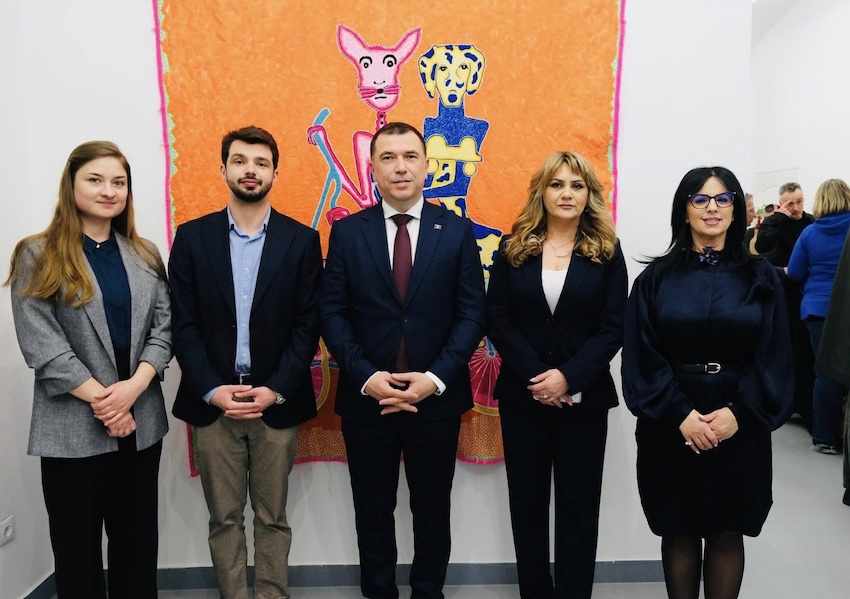
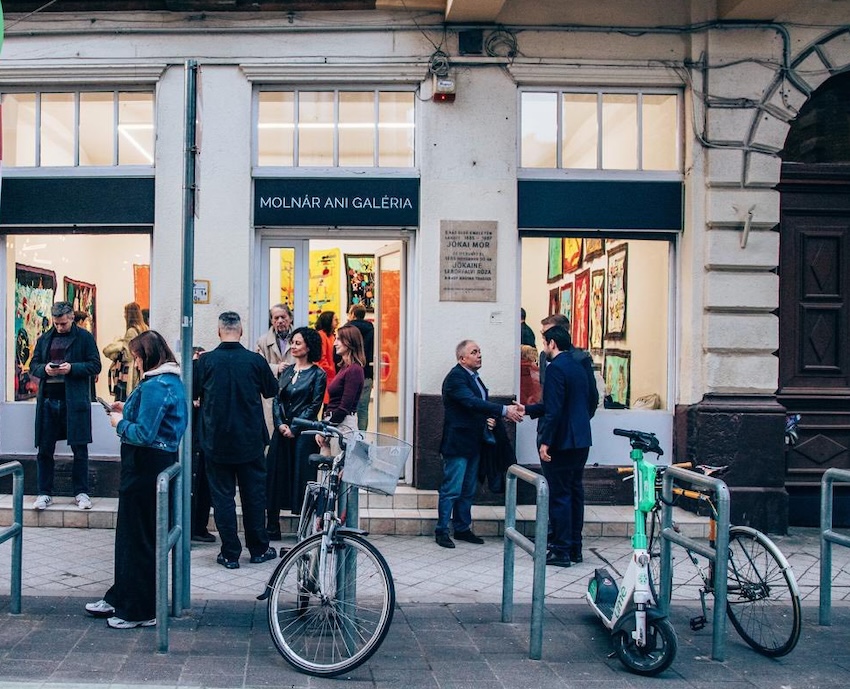
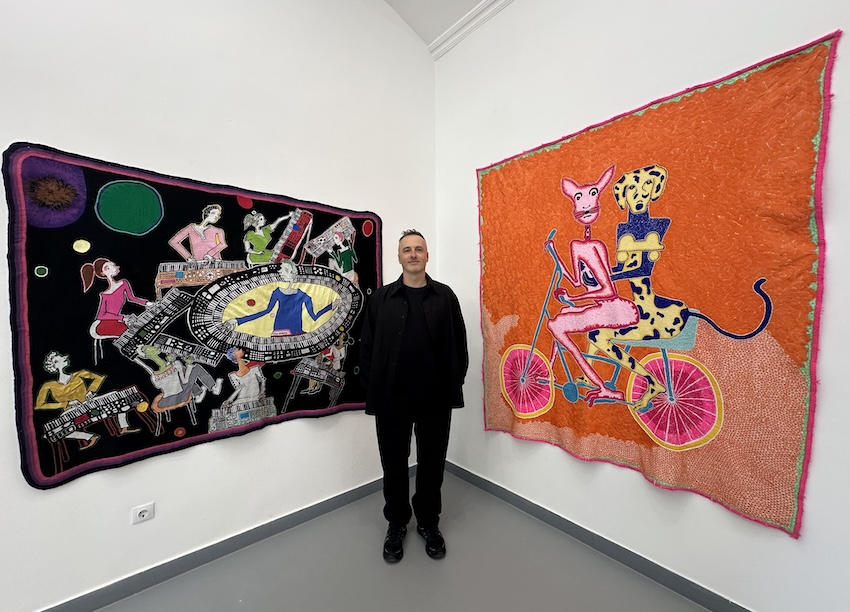
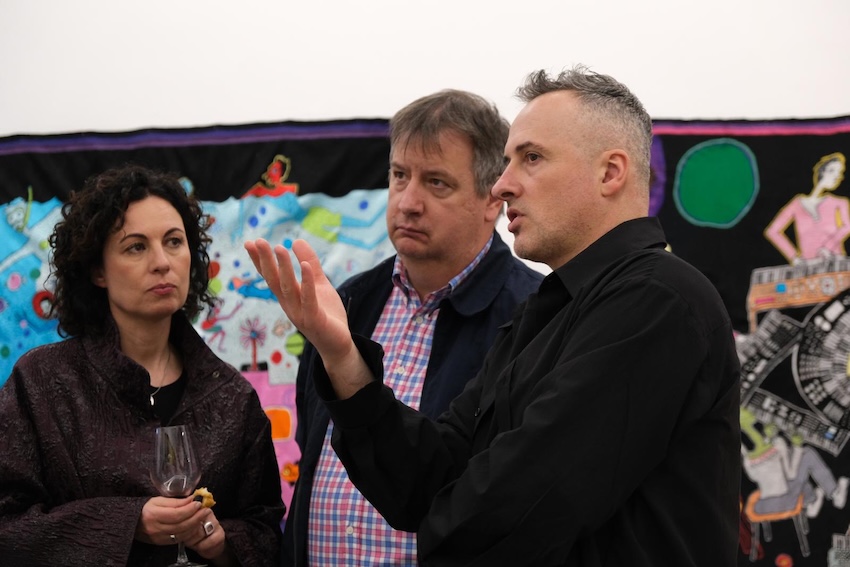
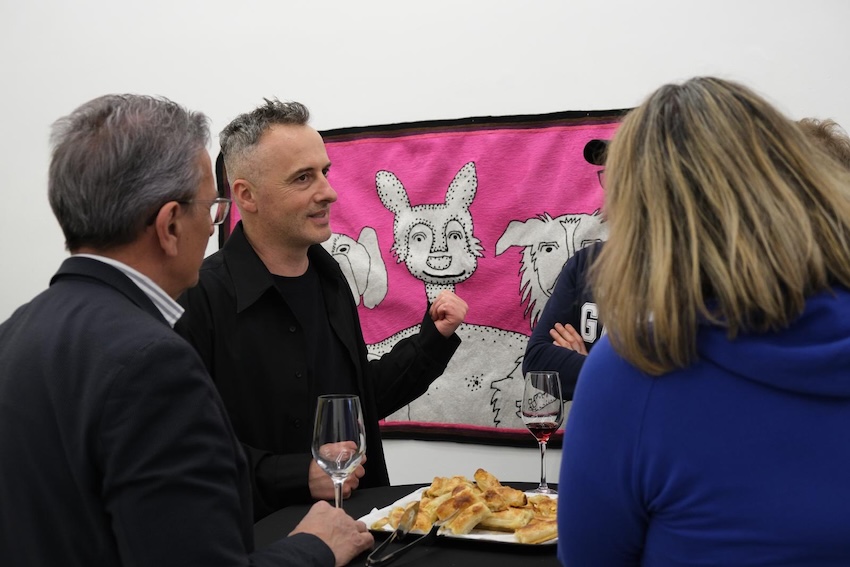
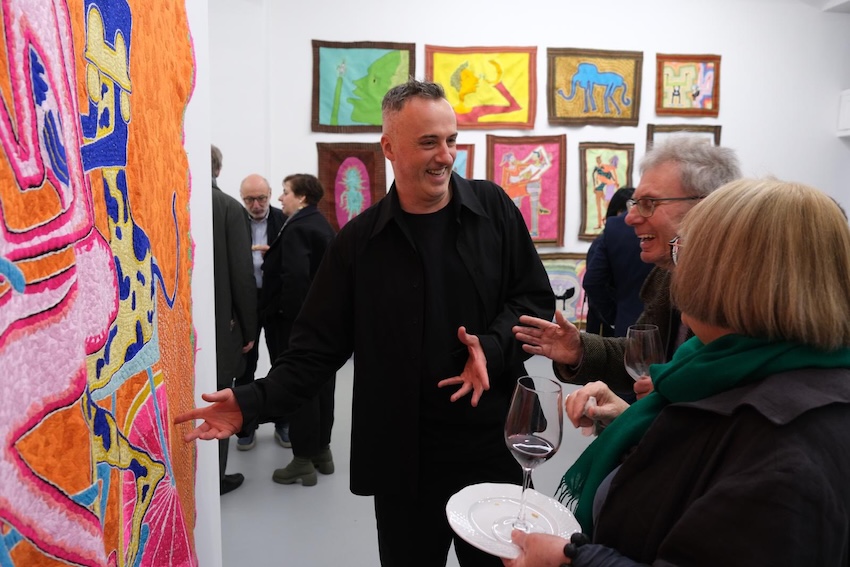
The works on display reflect the artist’s distinctive vision and creative passion, offering Hungarian audiences an insightful glimpse into Kosovo’s vibrant cultural landscape and artistic heritage.
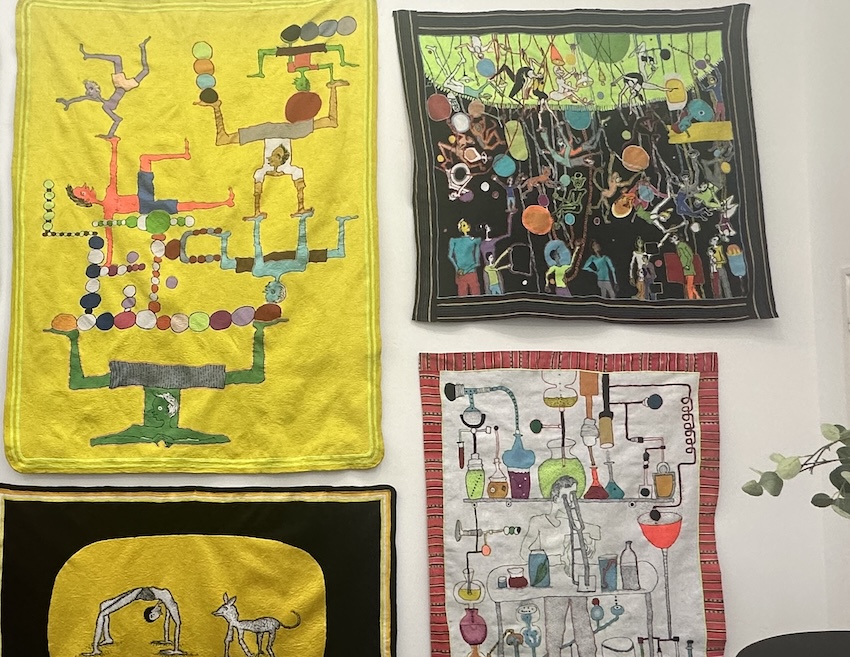
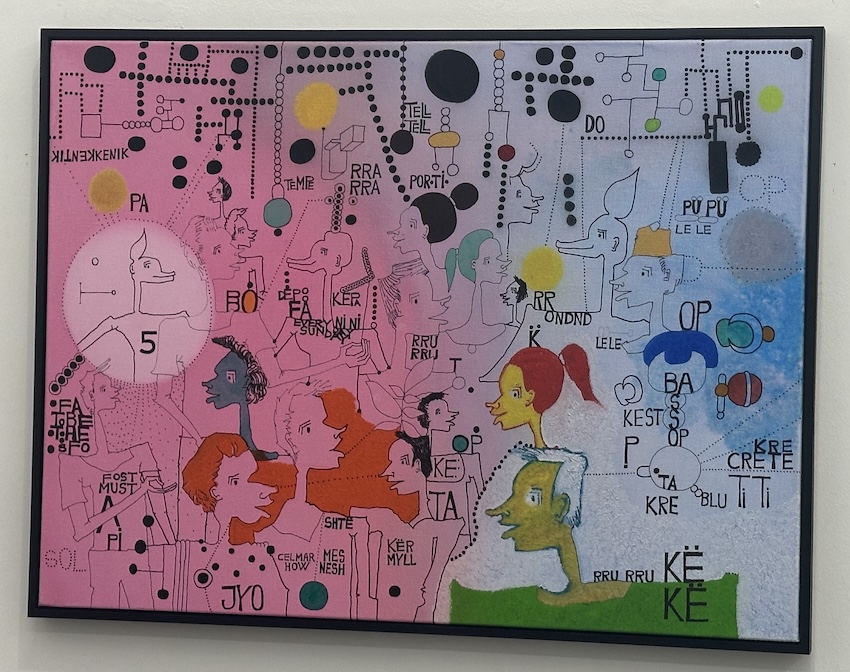
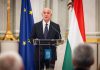
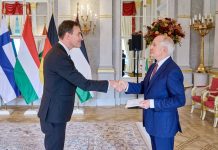
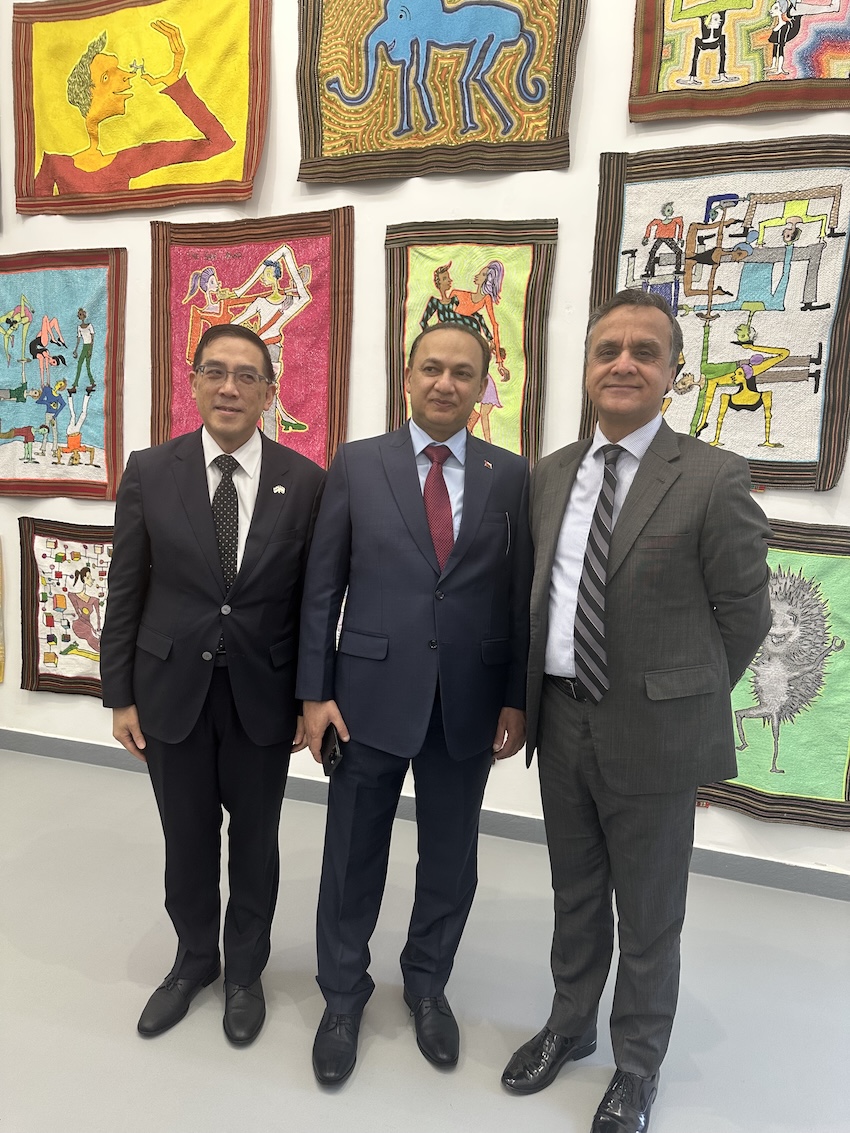
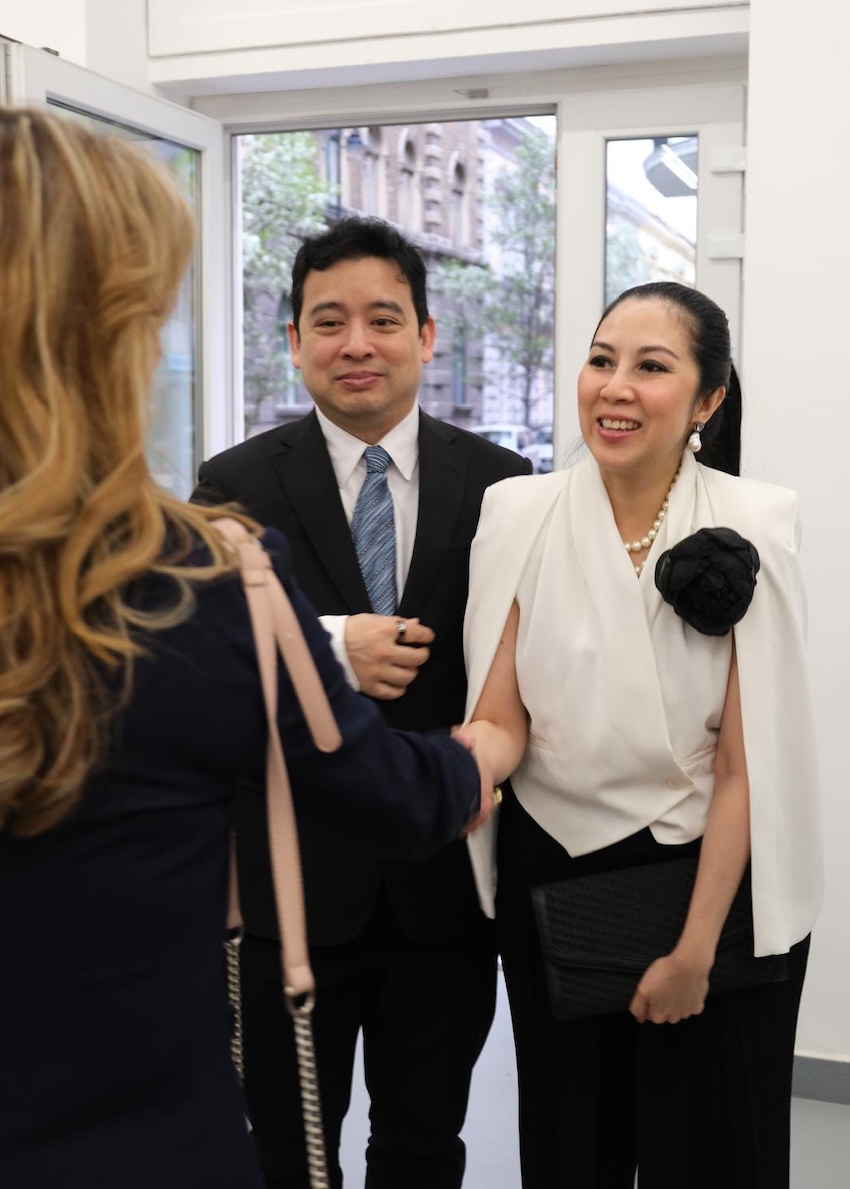
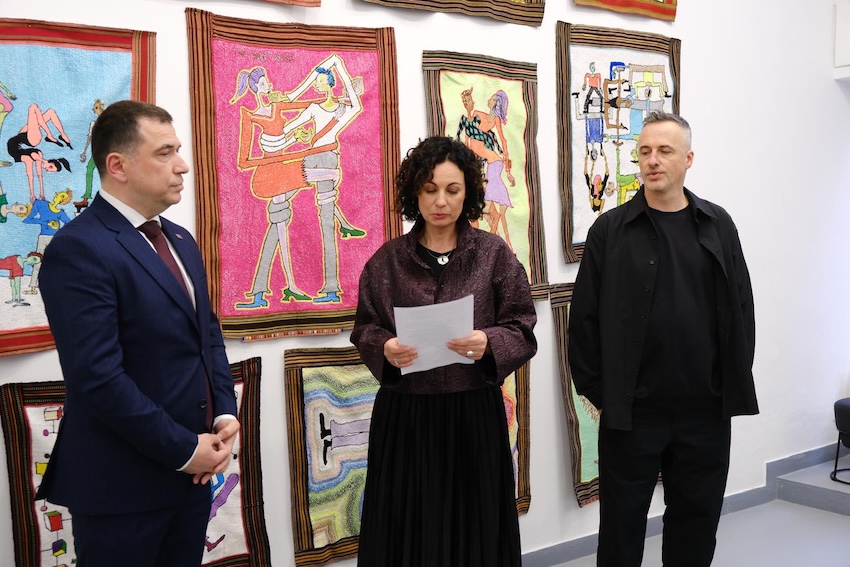
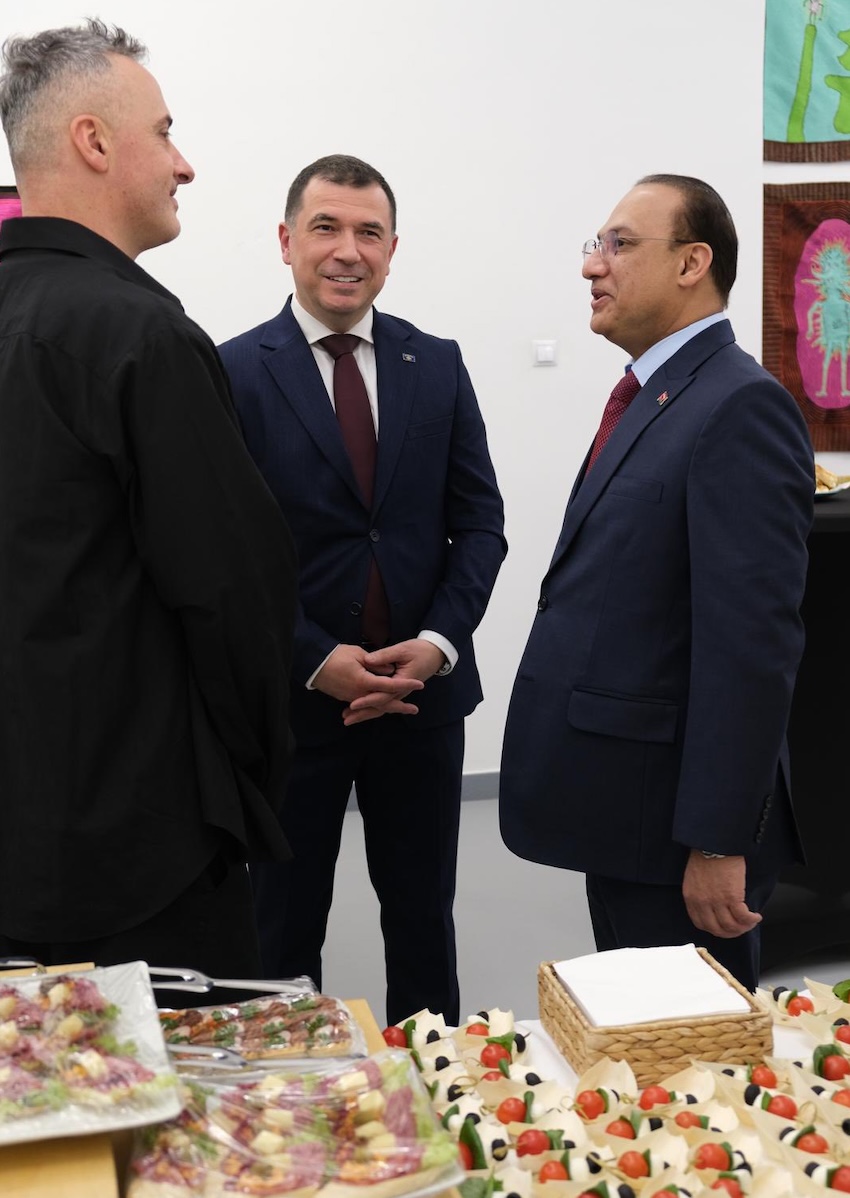
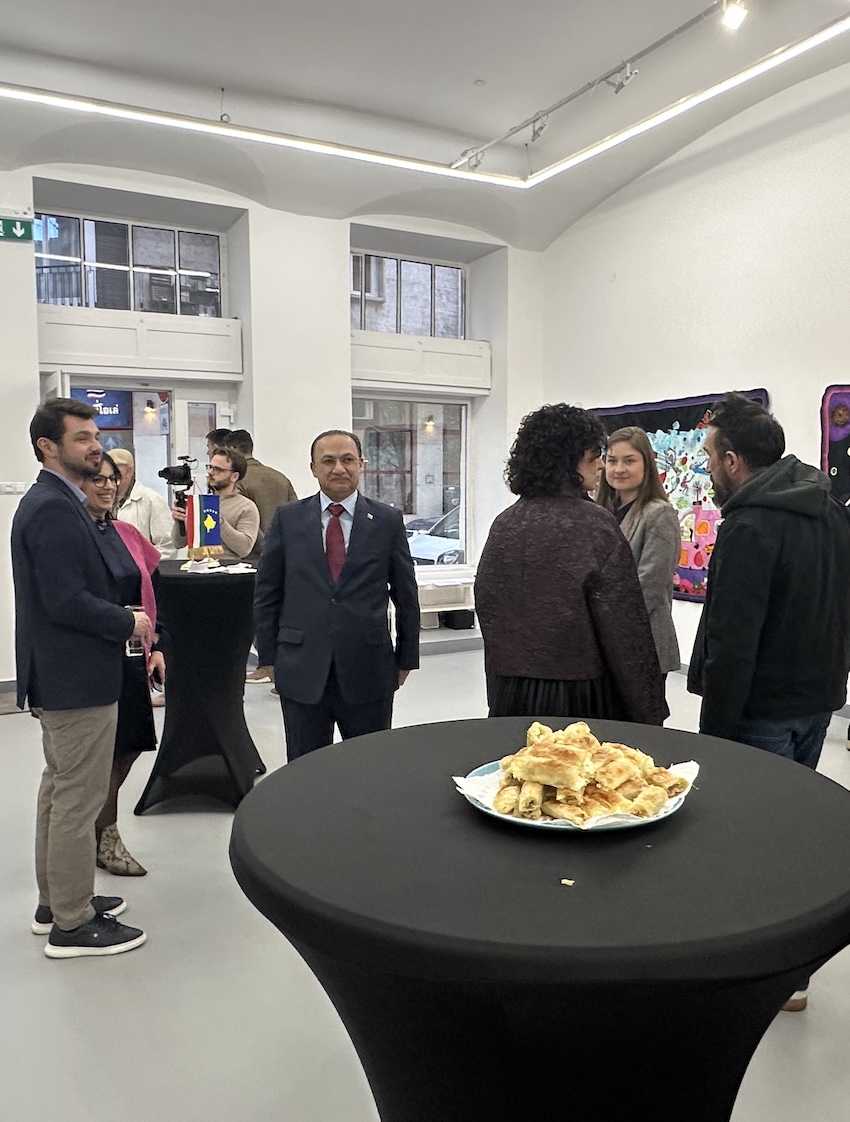
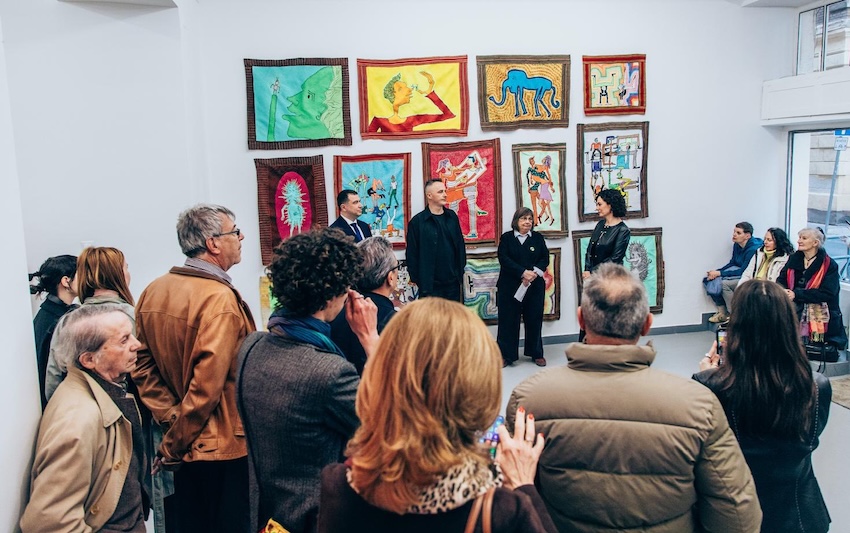
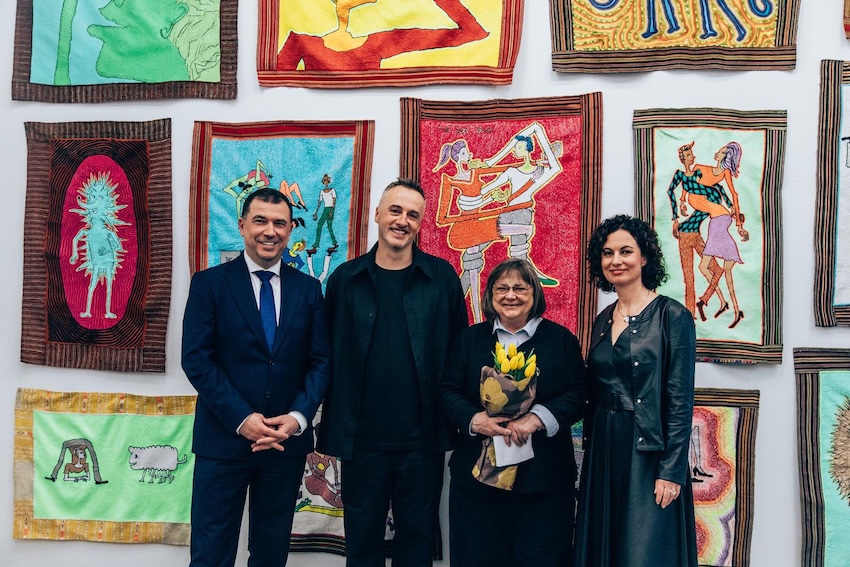
On 1 April 2026, a private viewing for distinguished guests, art enthusiasts, and members of the diplomatic corps was hosted by H.E. Delfin Pllana, Ambassador of the Republic of Kosovo to Hungary.
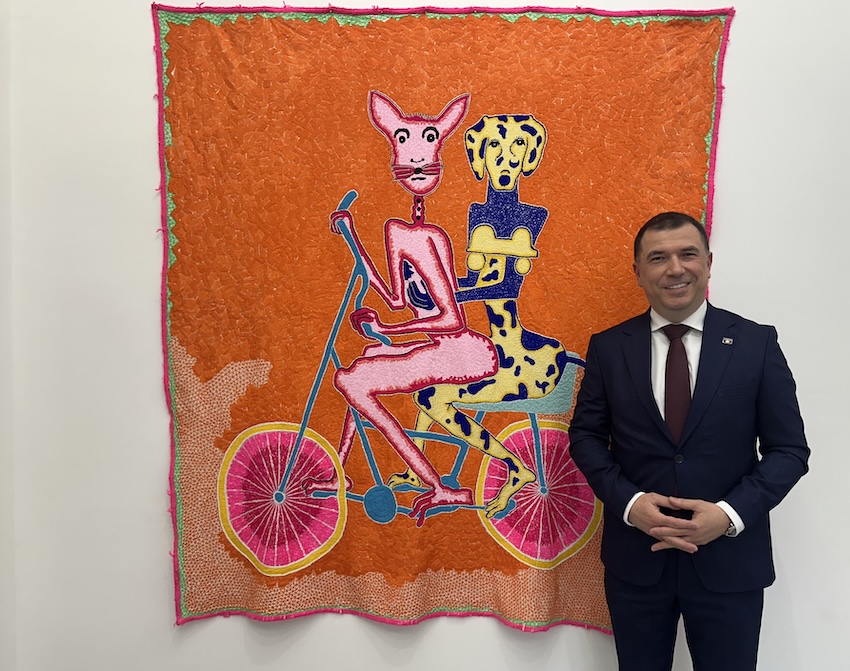
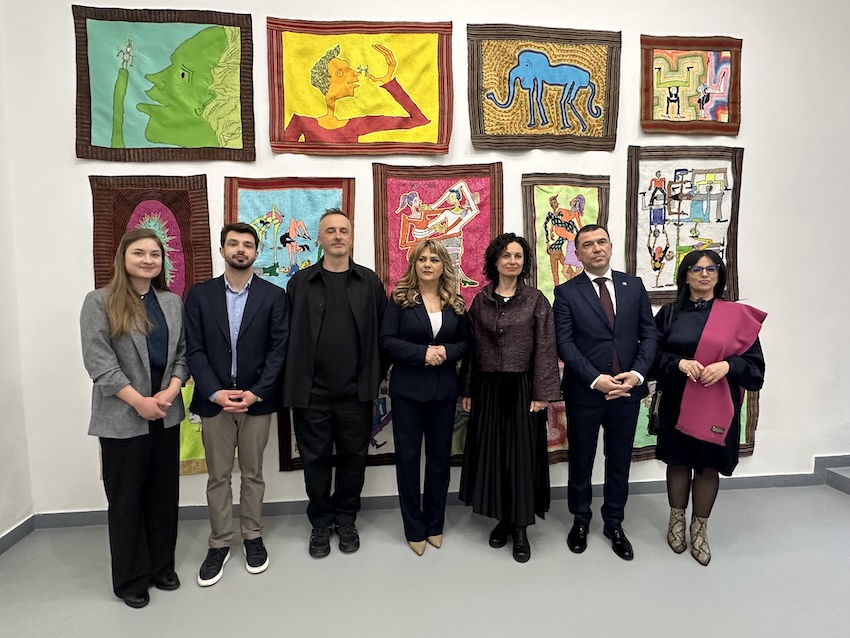
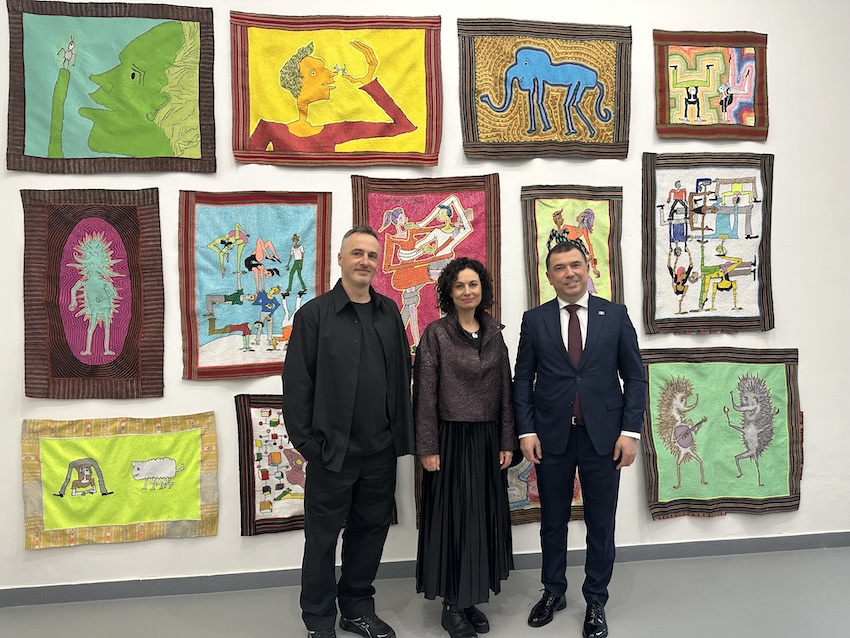
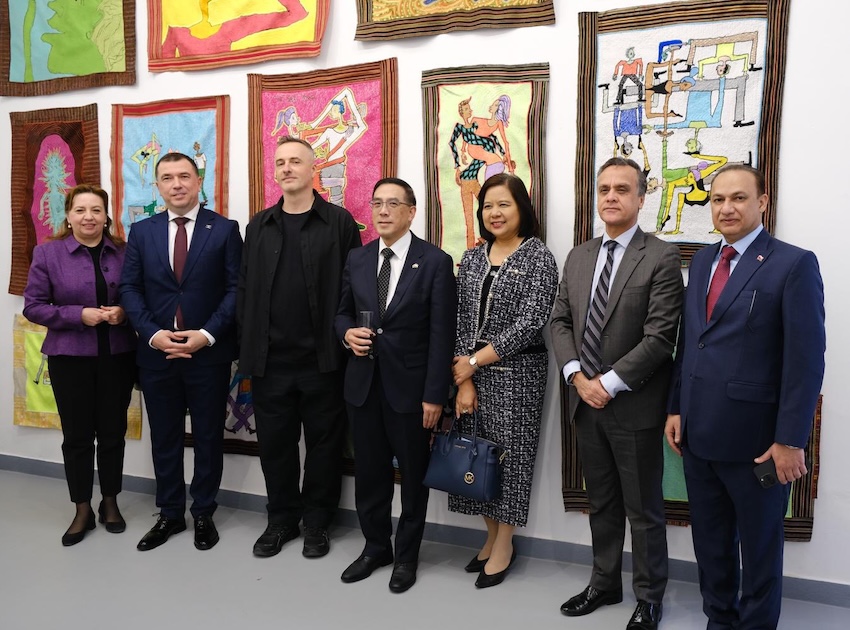
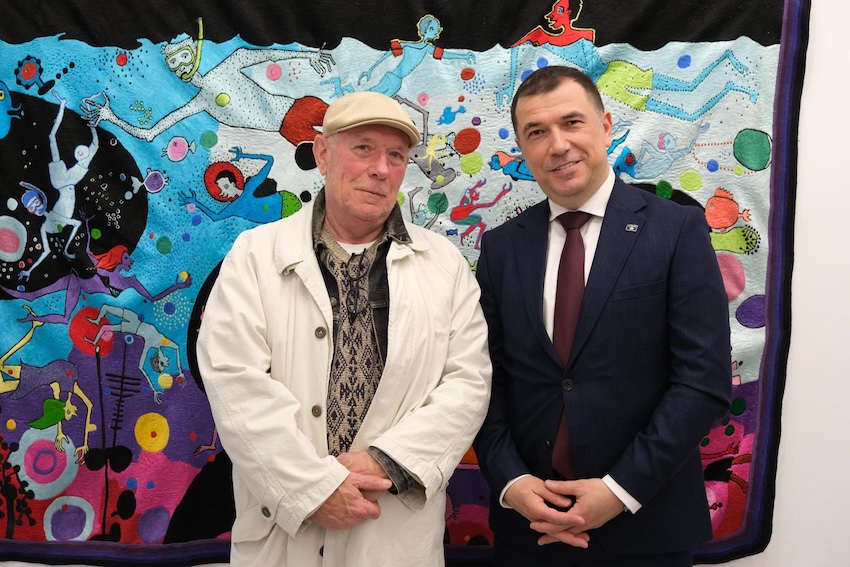
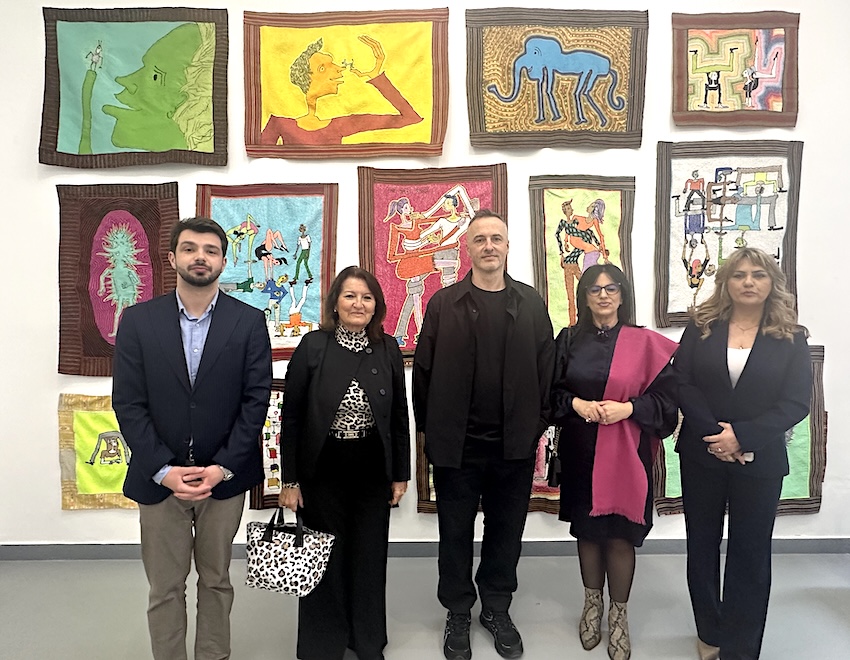
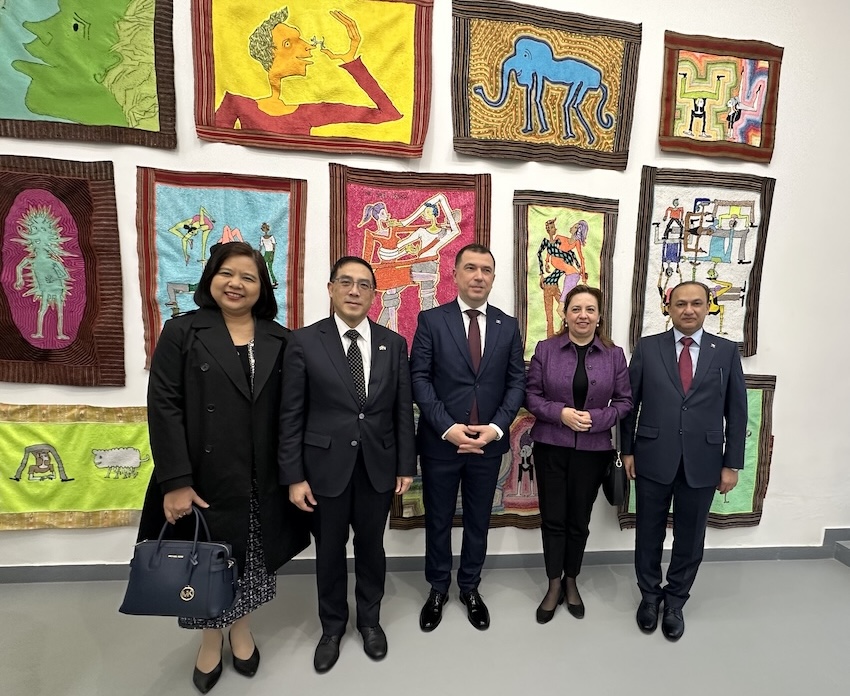
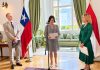
The guests were welcomed by Ani Molnár, owner of the gallery in Budapest’s Palace District:
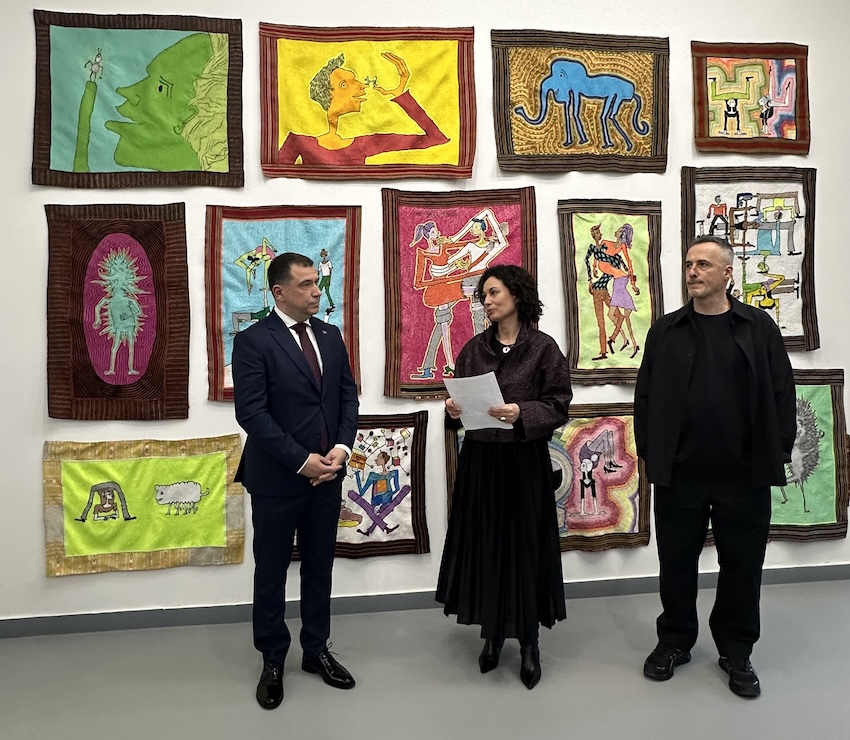
“I warmly welcome everyone to the private preview of Jakup Ferri’s exhibition RUB-A-DUB-DUB. We are especially honoured by the presence of foreign ambassadors and diplomats who accepted our invitation, as well as by the support of the Embassy of Kosovo. I would like to extend my sincere thanks to His Excellency Delfin Pllana, Ambassador of the Republic of Kosovo, and his colleagues.
This exhibition marks Jakup Ferri’s first solo show in Hungary as a represented artist of Ani Molnár Gallery. Just a few weeks ago, his works were also presented at one of Europe’s most prestigious international art fairs, ARCOmadrid.
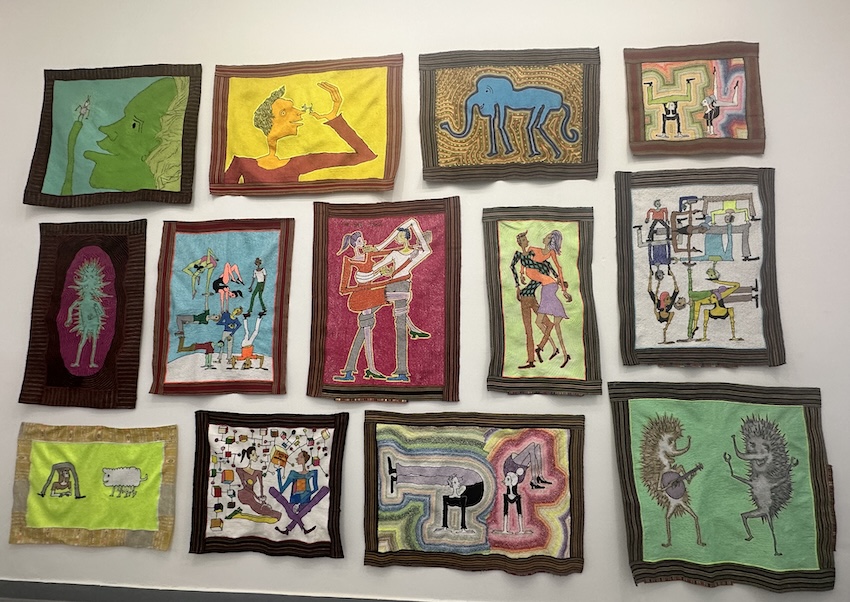
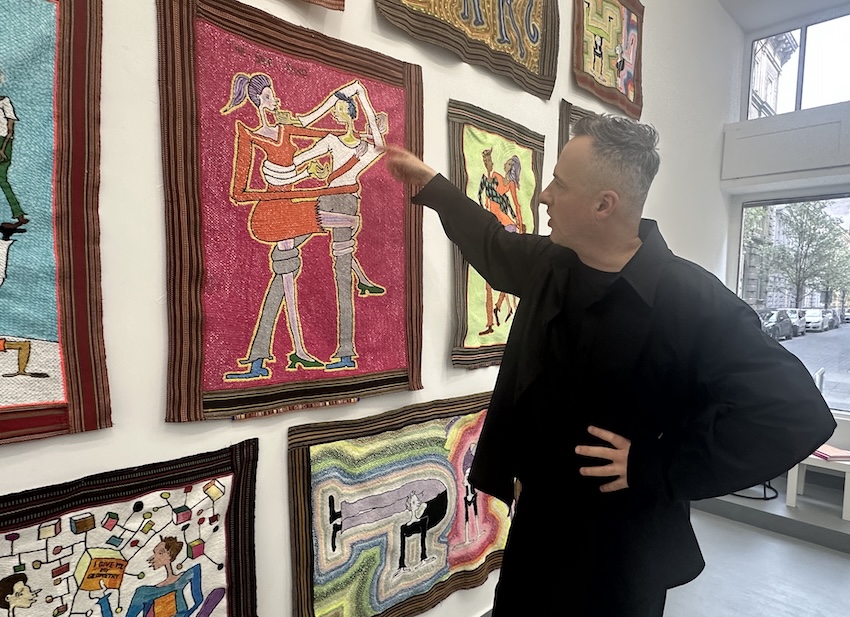
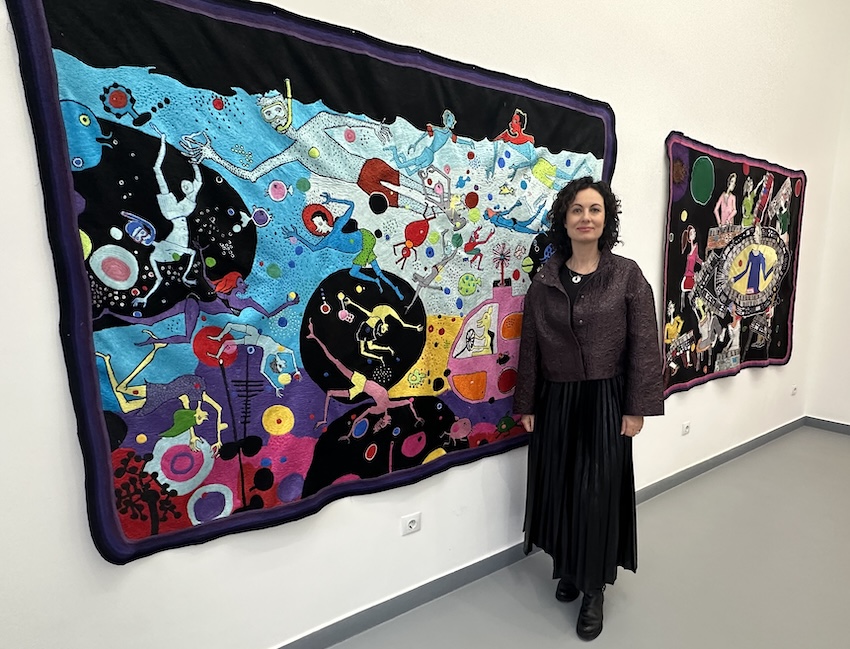
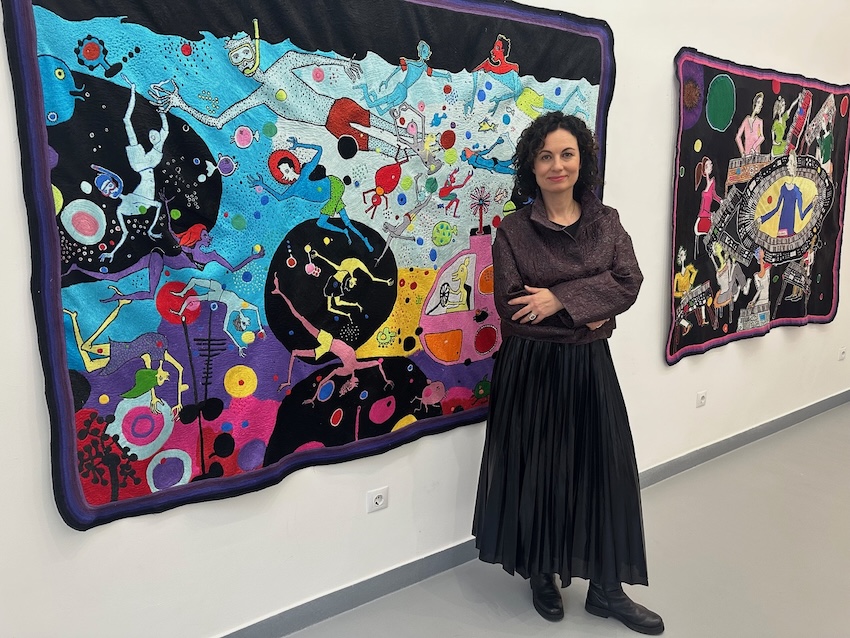
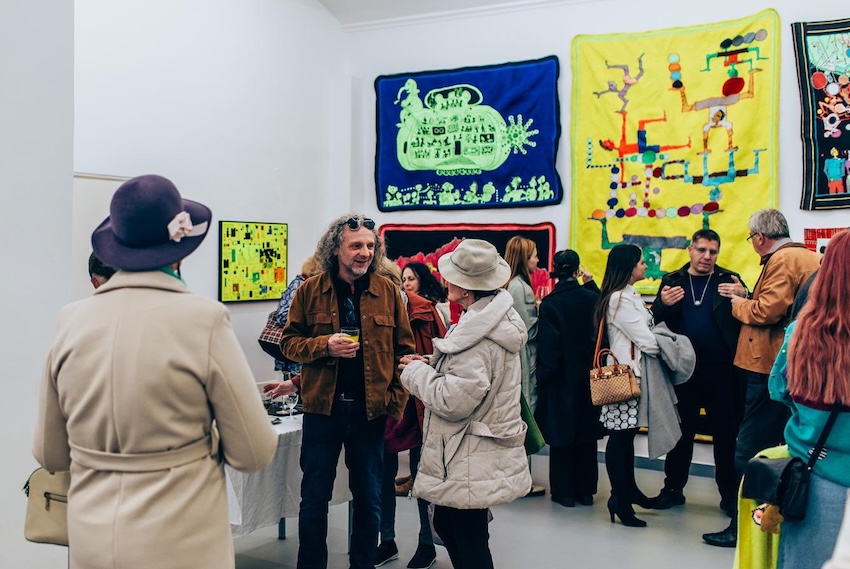
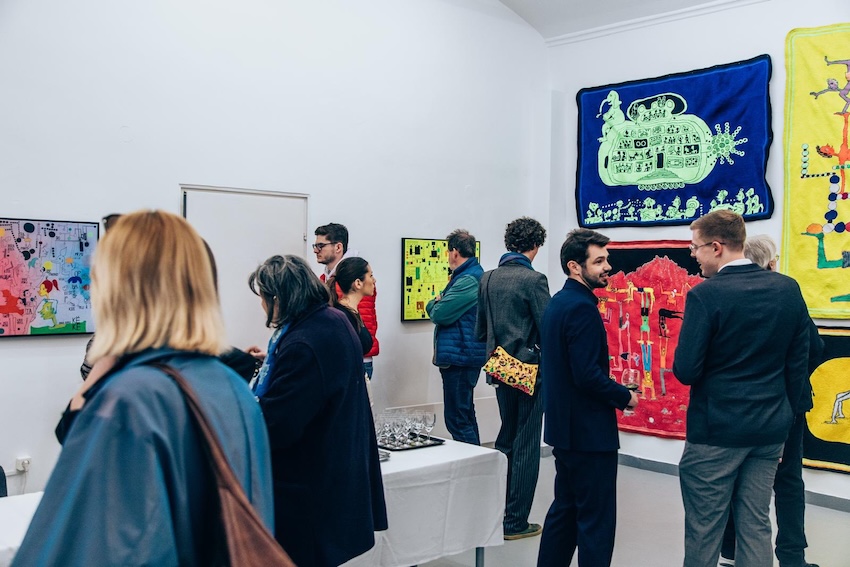
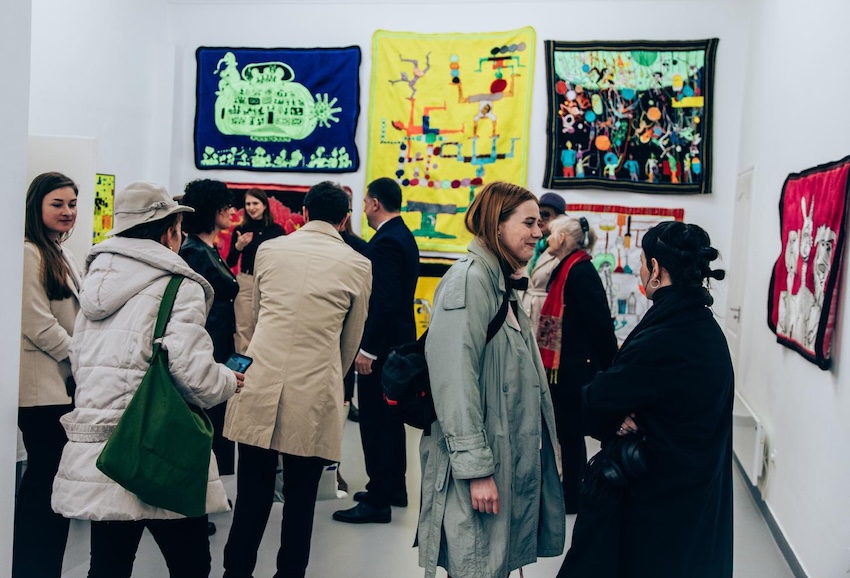
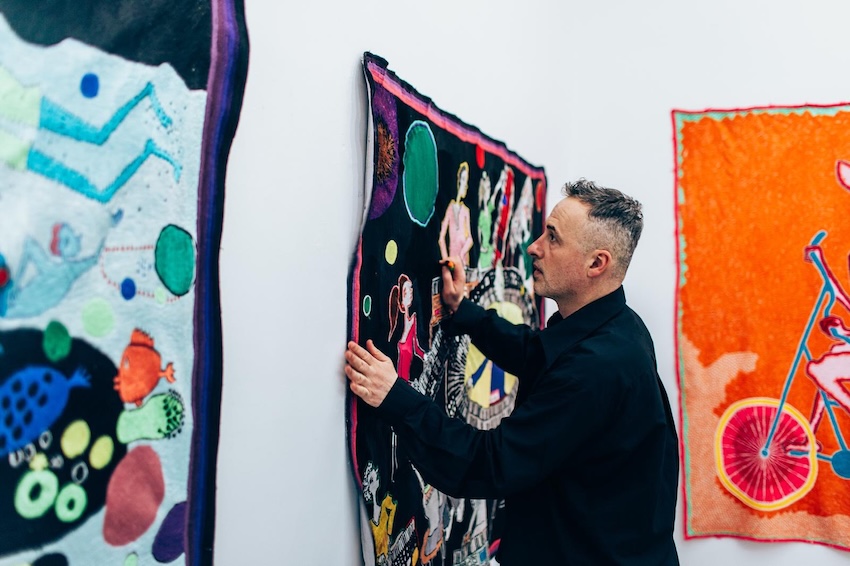
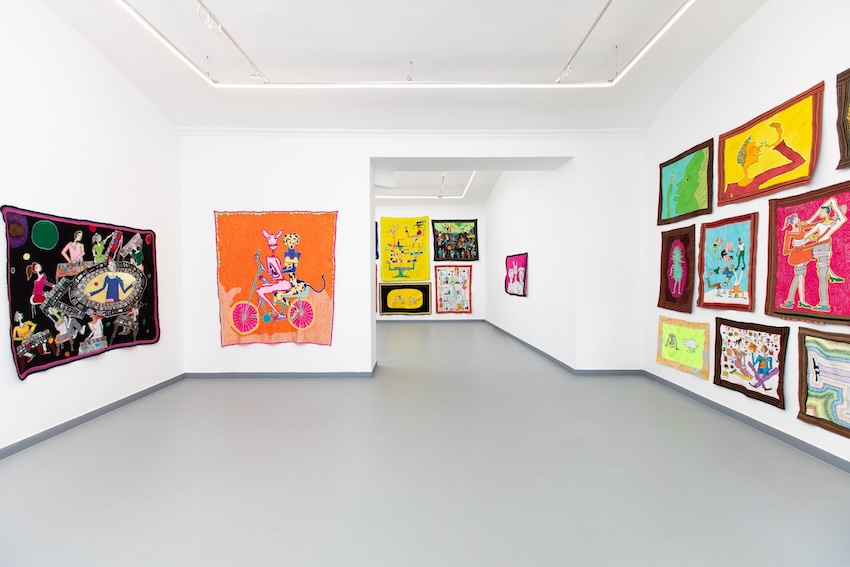
The exhibition offers a comprehensive overview of Ferri’s multifaceted practice, widely recognised for its vibrant paintings and embroideries, in which encounters between everyday people, animals, and hybrid creatures unfold. These presentations often take the form of immersive environmental installations that extend across entire spaces, enveloping the viewer.
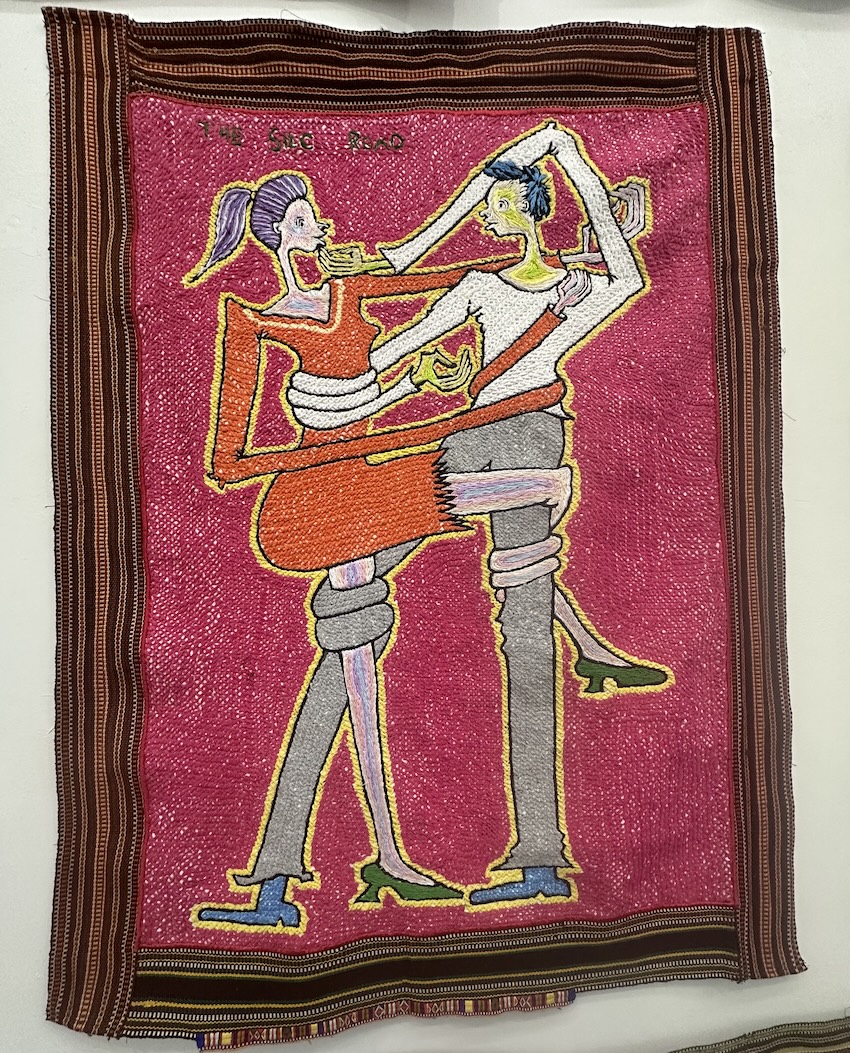
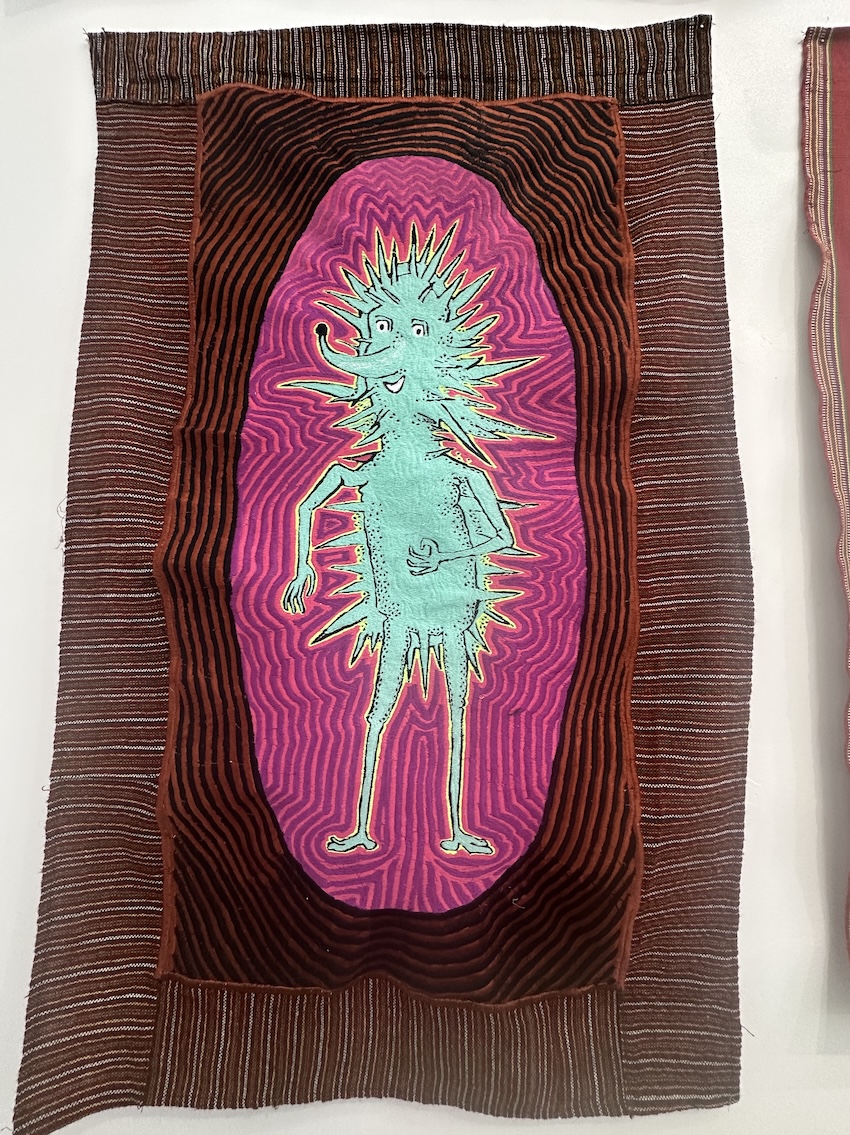
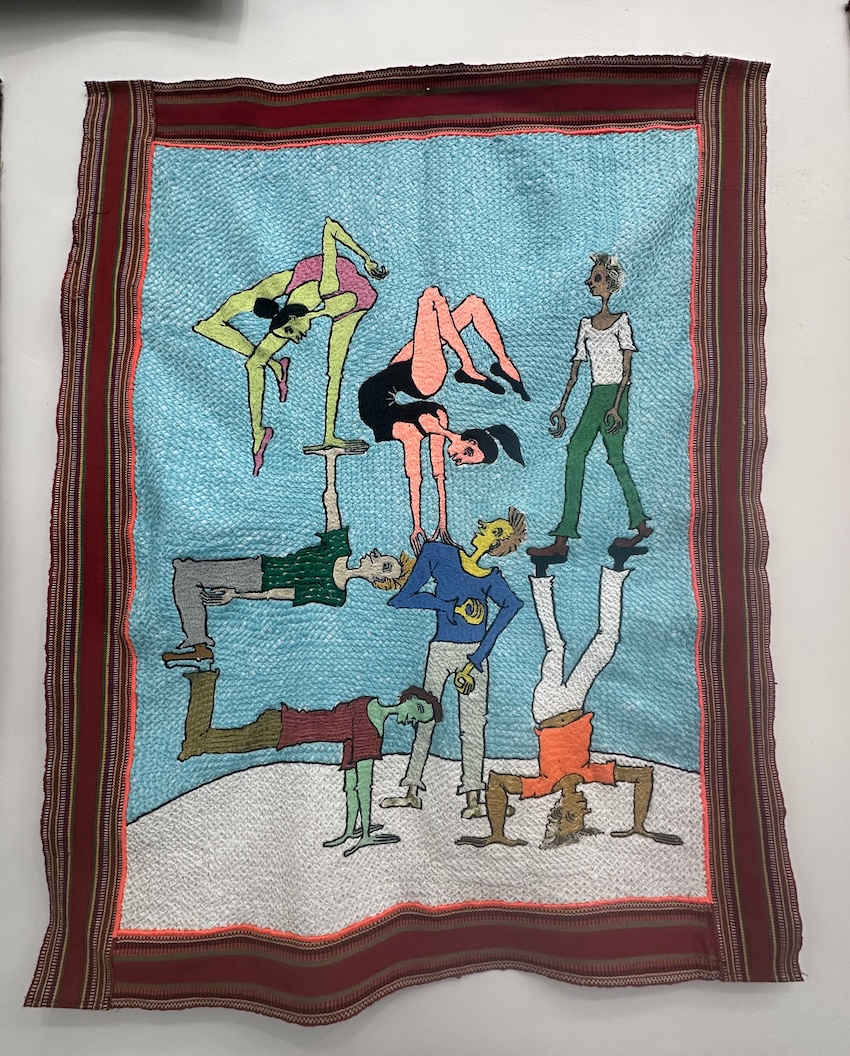
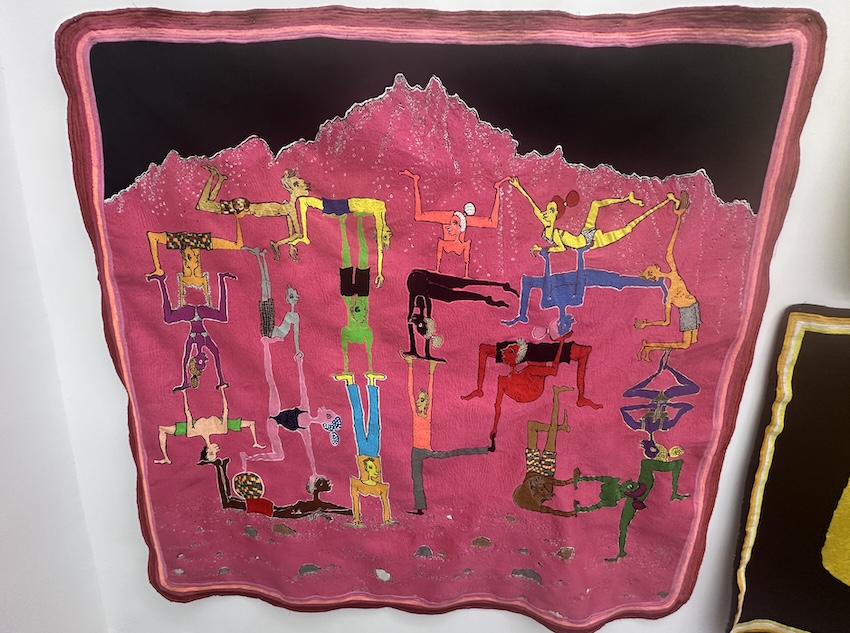
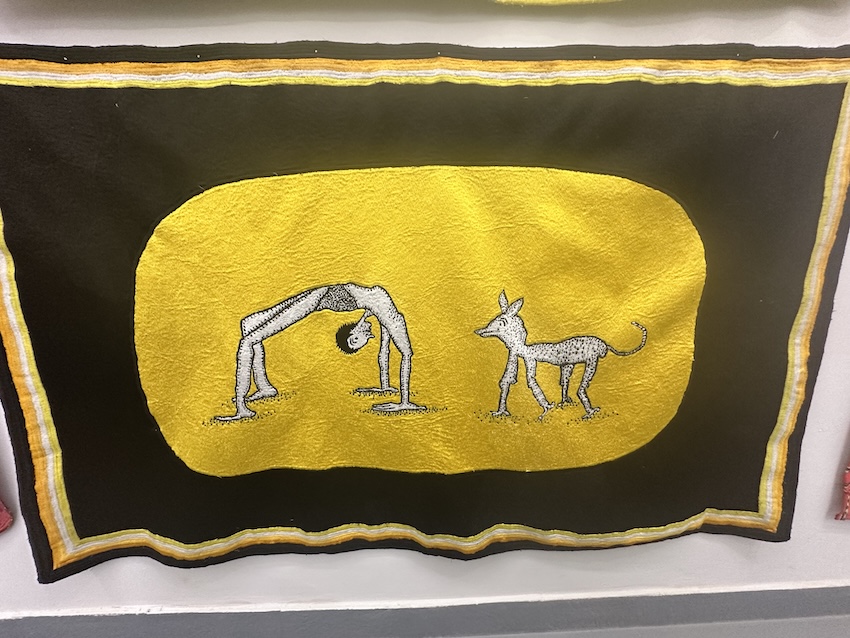
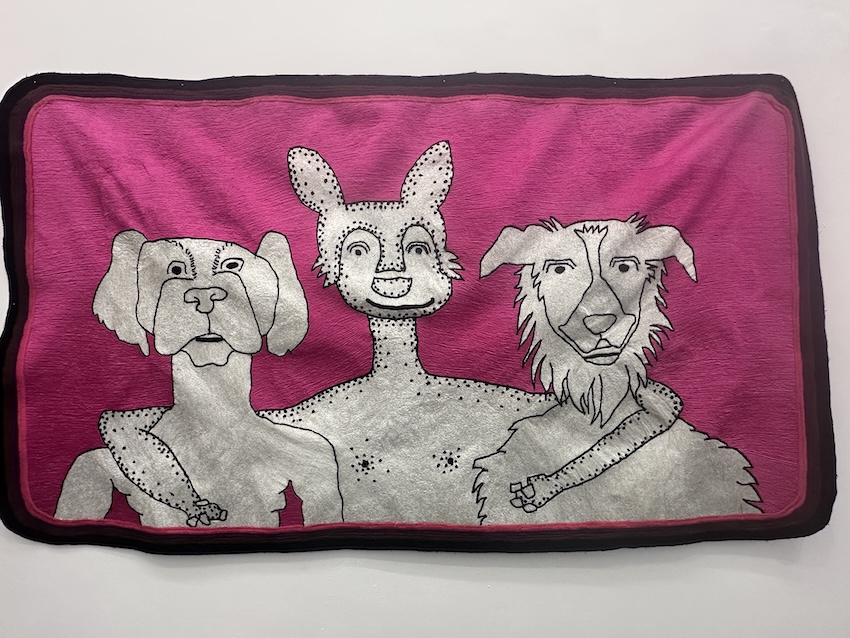
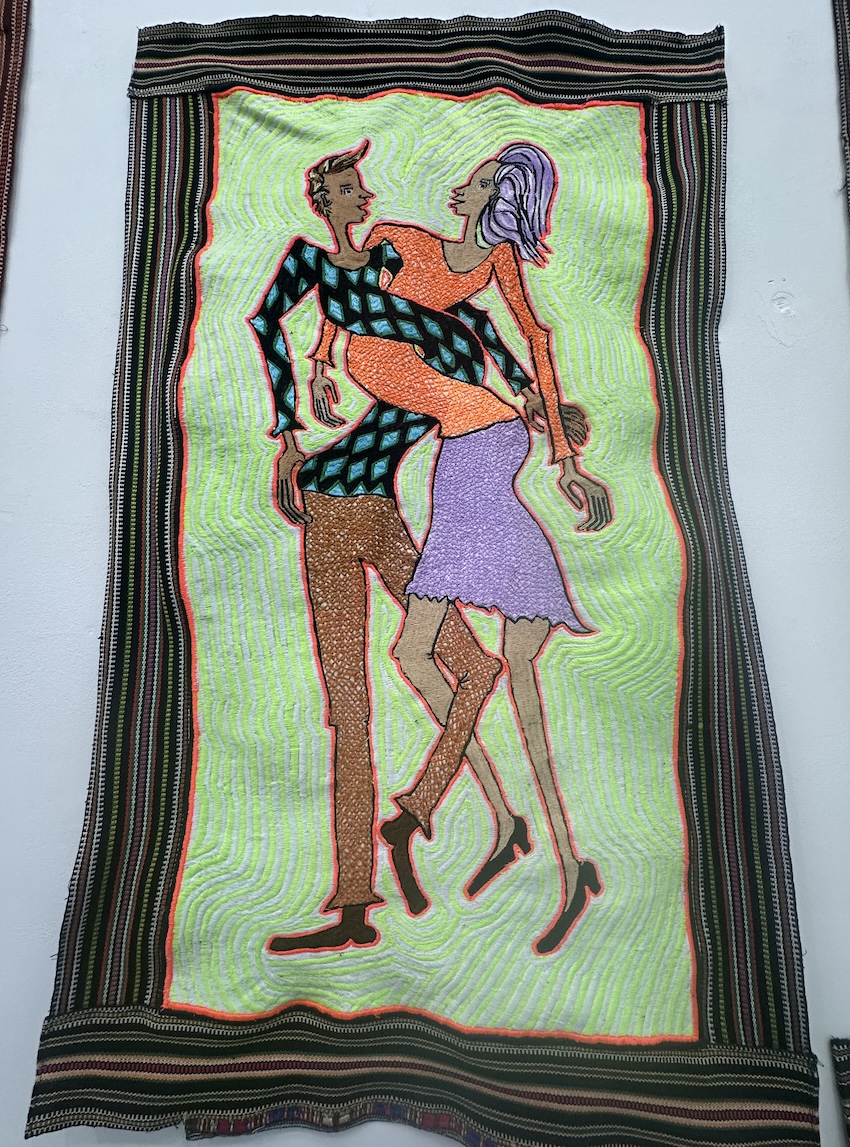
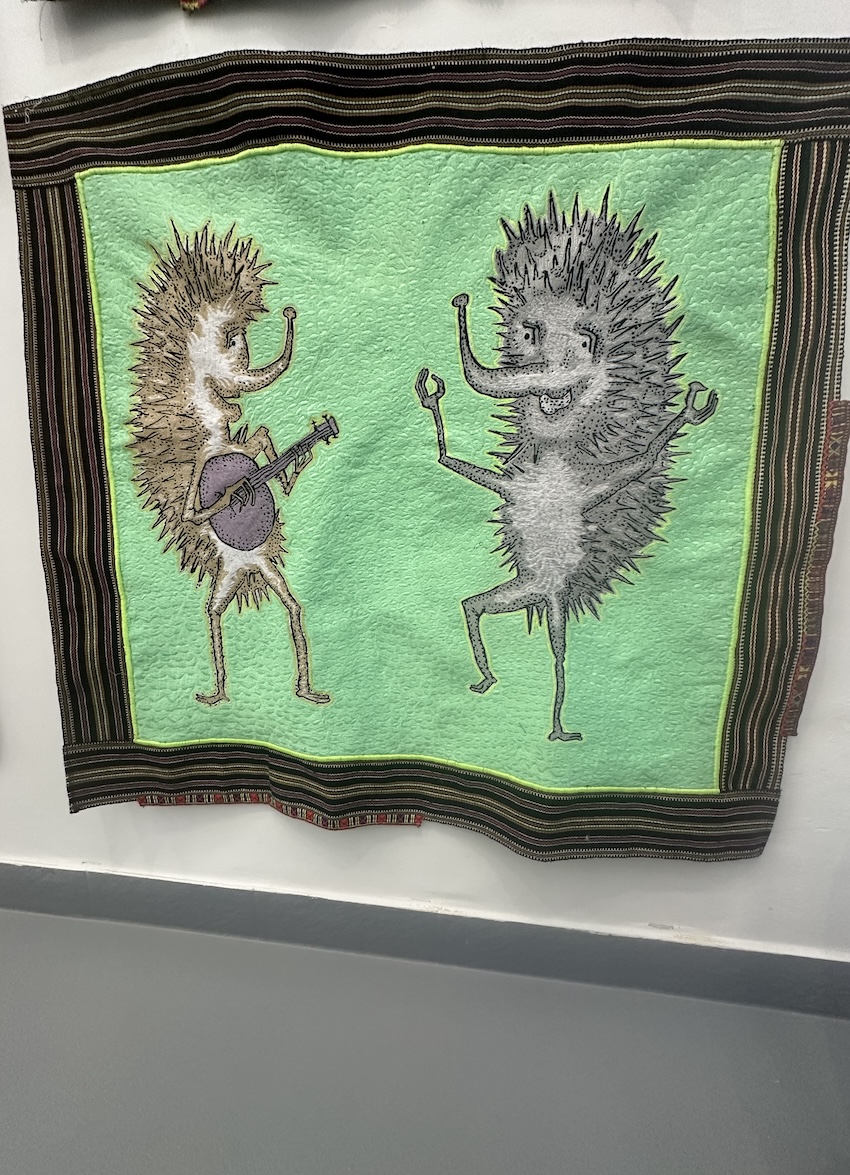
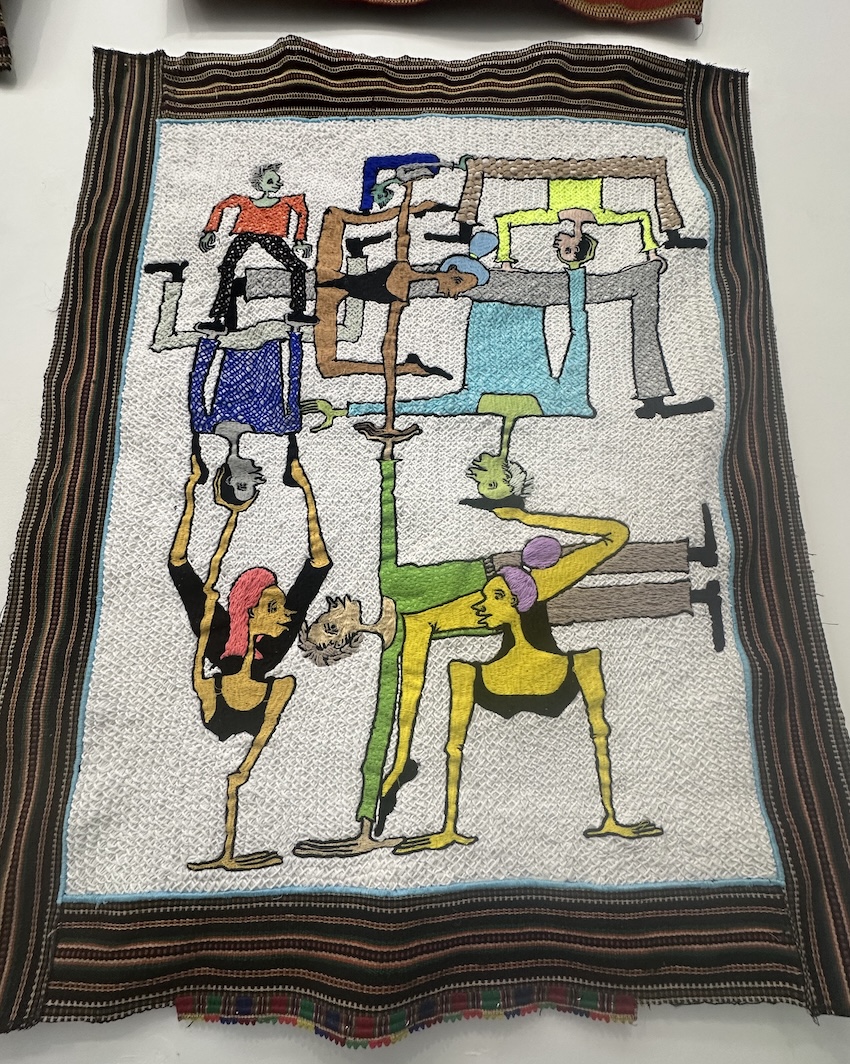
Ferri’s compositions are frequently structured around absurd yet playful narratives that draw attention to the clumsiness of everyday life and the fundamental absurdity of existence. His grotesque, childlike visual language and material sensibility are equally inspired by Kosovar folk art and the traditions of outsider art. This ambiguous atmosphere is echoed in the exhibition’s title: RUB-A-DUB-DUB – an onomatopoeic English nursery rhyme with deep historical roots, whose playful rhythm resonates with the surreal logic of Ferri’s visual world.
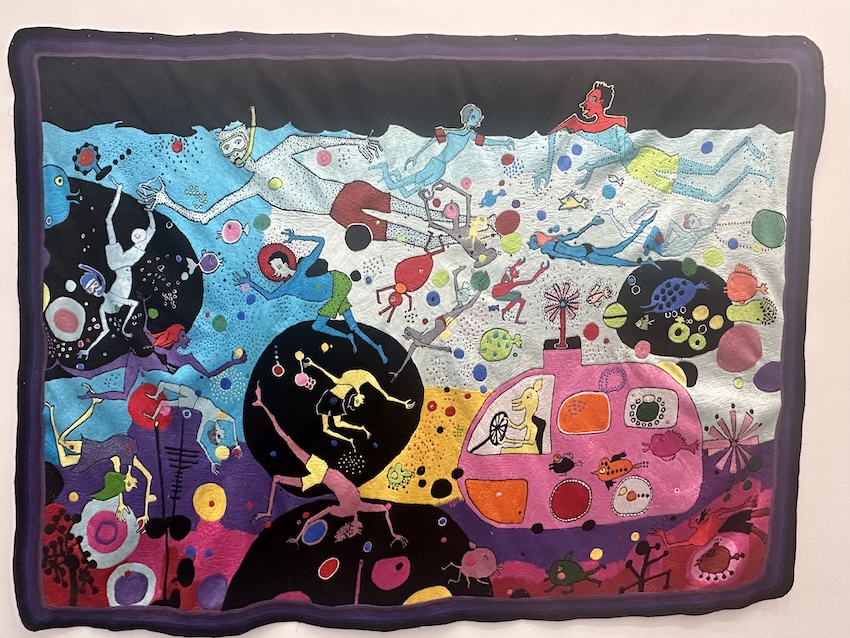
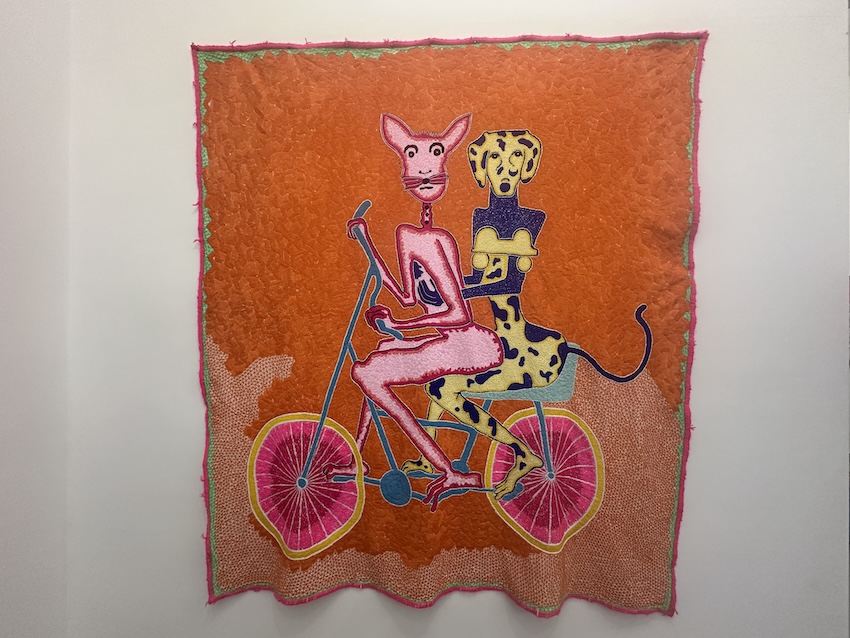
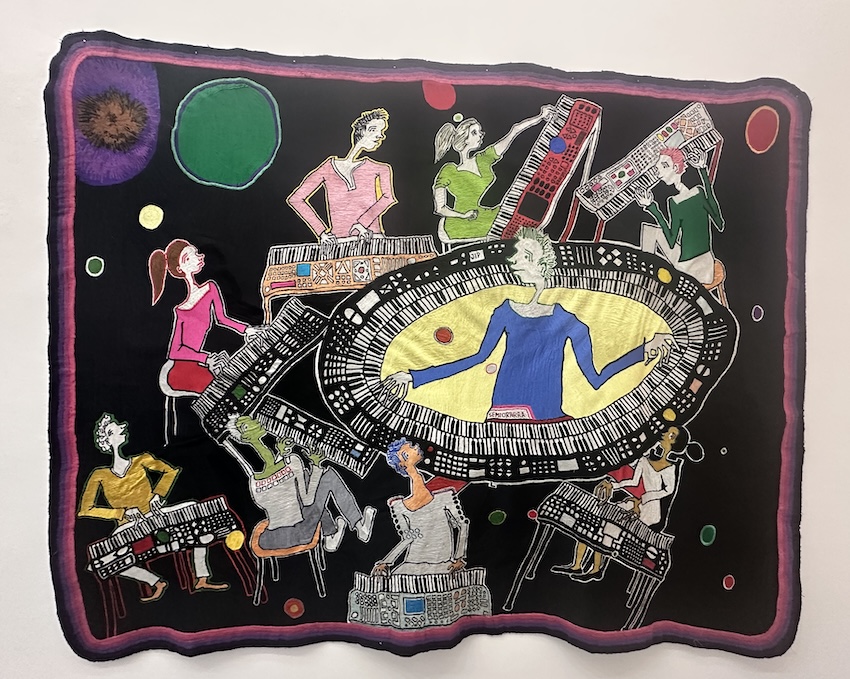
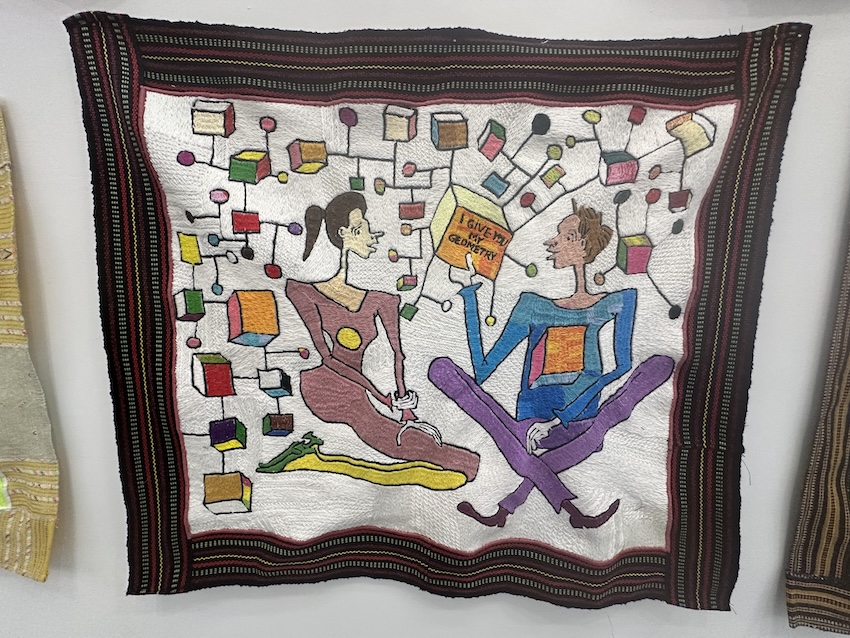
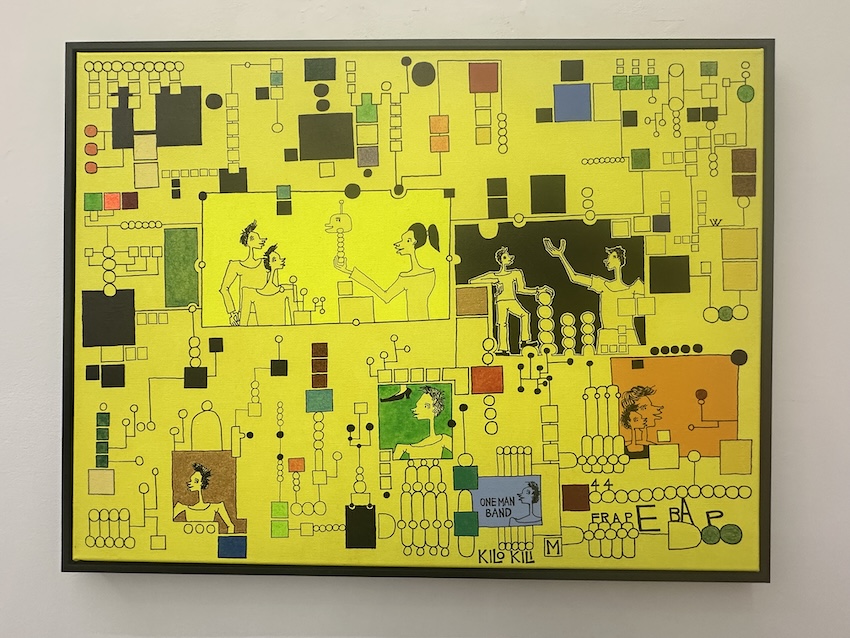
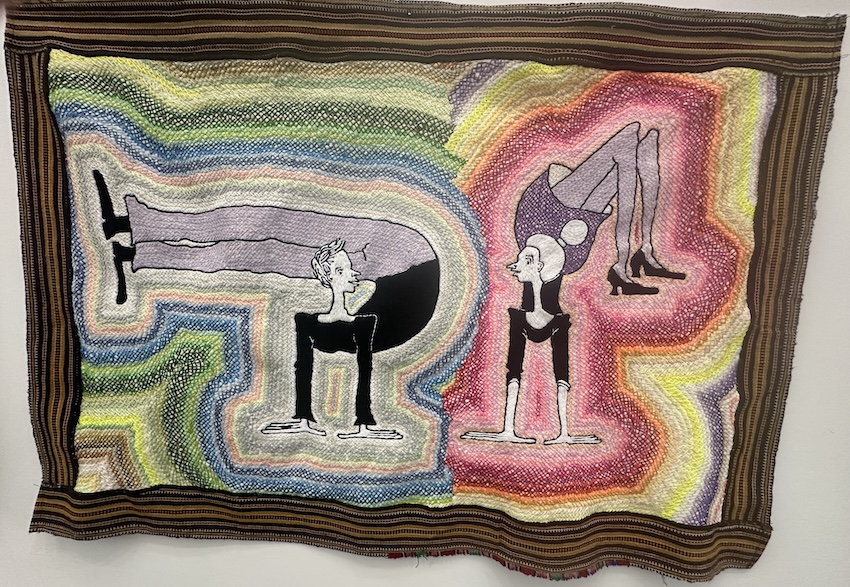
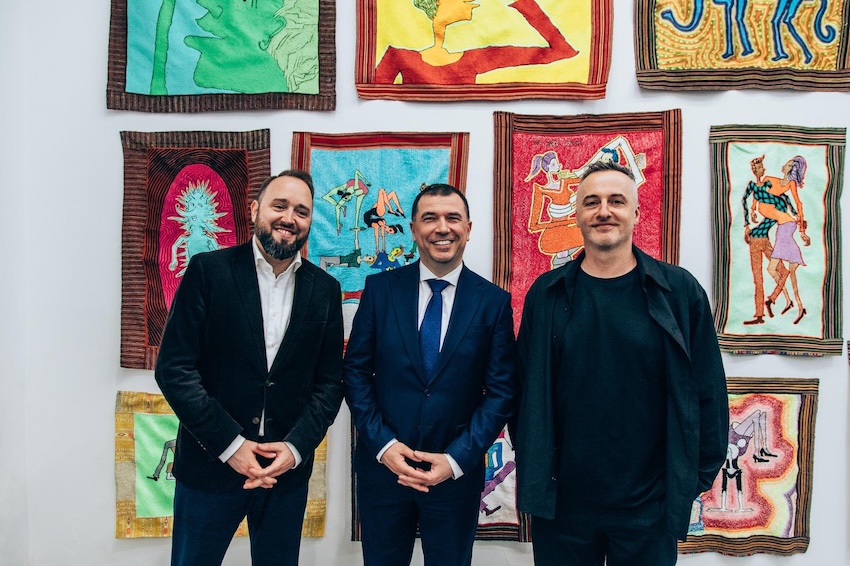
The exhibition also features previously unseen textile works, alongside embroidered pieces from his ongoing We We series, developed since the 2010s, as well as oil paintings.
Allow me to briefly introduce the artist: Jakup Ferri was born in 1981 in Pristina, the capital of Kosovo, where he still lives and works. He studied at the Faculty of Arts in Pristina and at the Rijksakademie van Beeldende Kunsten in Amsterdam. In 2003, he received two significant regional awards – the Muslim Mulliqi Prize and the Artists of Tomorrow Award – followed by the Kunstpreis Europas Zukunft in 2006 and the Buning Brongers Prize in Amsterdam in 2008.
Ferri’s work has been exhibited internationally in museums, galleries, festivals, and biennials, including the Istanbul Biennial, Manifesta 14, the Cetinje Biennale, Kunsthalle Fridericianum in Kassel, De Appel in Amsterdam, the National Gallery of Kosovo, the Ljubljana Biennial of Graphic Arts, Art Rotterdam, the Centre for Historical Reenactments in Johannesburg, De Hallen Haarlem, the KW Institute for Contemporary Art in Berlin, Kunstmuseum Luzern, Städtische Galerie Nordhorn, and Kunstraum Innsbruck.
His works are held in numerous private and public collections, notably the Ludwig Museum – Museum of Contemporary Art in Budapest, where they entered the collection following the 2016 group exhibition The Whale That Was a Submarine, which showcased contemporary Albanian and Kosovar art. In 2022, Ferri represented the Republic of Kosovo at the 59th Venice Biennale with the project The Monumentality of Everyday, curated by Inke Arns.”
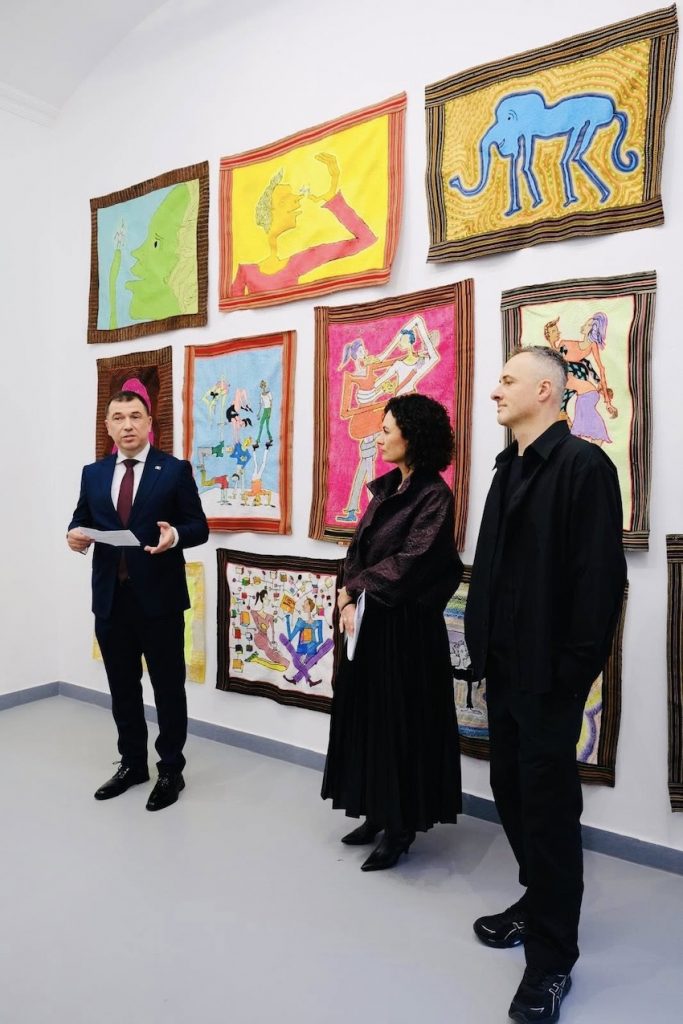
This was followed by the Ambassador’s address:
“Distinguished Guests, Dear Friends, it is a pleasure and an honour to be here today at the preview of this remarkable solo exhibition, which presents the work of Jakup Ferri for the very first time in Hungary. We are truly delighted to support this exhibition as part of the Embassy’s cultural diplomacy efforts.
I would also like to thank Ani Molnár Gallery for making this exhibition possible. Through its commitment to contemporary art and international dialogue, the gallery continues to play an important role in shaping Budapest’s cultural scene and opening it to new perspectives.
This exhibition is more than an introduction to an artist – it is an invitation to connect. Through his vibrant paintings, textiles, and embroidered works, Jakup Ferri creates a world that is playful yet meaningful, simple yet thought-provoking. His unique style – characterised by flat compositions, imaginative figures, and a blend of childlike wonder and humour – makes his work both accessible and distinctive.
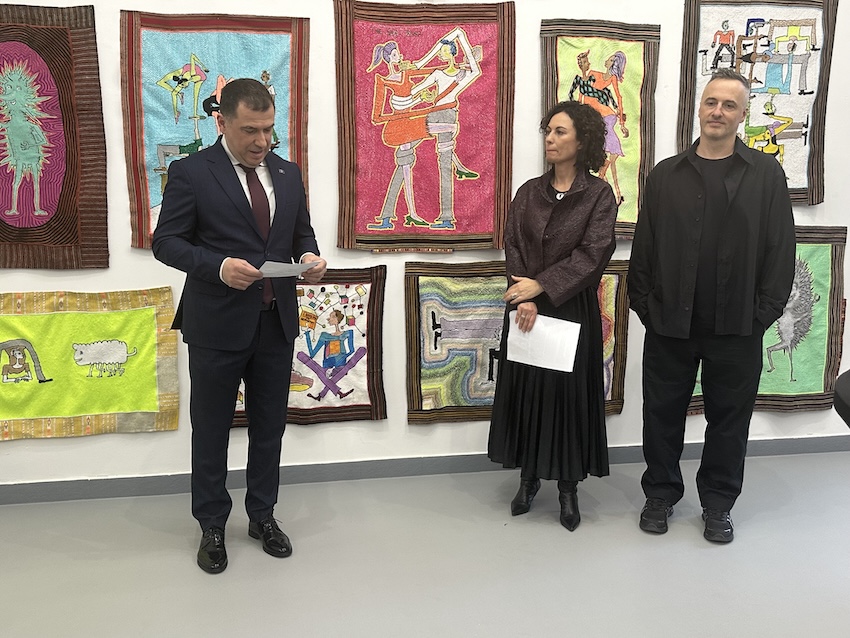
One of the most remarkable aspects of his practice is his use of textiles – not only as a medium, but as a collaborative process, working with artisans from Kosovo and the wider region. In this way, traditional techniques are transformed into contemporary narratives, where carpets and embroidered pieces carry memory, identity, and shared experience. His scenes – populated by people, animals, and imaginative creatures – unfold like gentle, surreal stories of everyday life.
We are especially proud to support an artist who has represented Kosovo on the global stage, including at the Venice Biennale and other major international exhibitions, and whose work was also presented here in Budapest in 2016 at the Ludwig Museum – Museum of Contemporary Art, kindly hosted by Dr Júlia Fabényi as part of a group exhibition of Albanian artists.
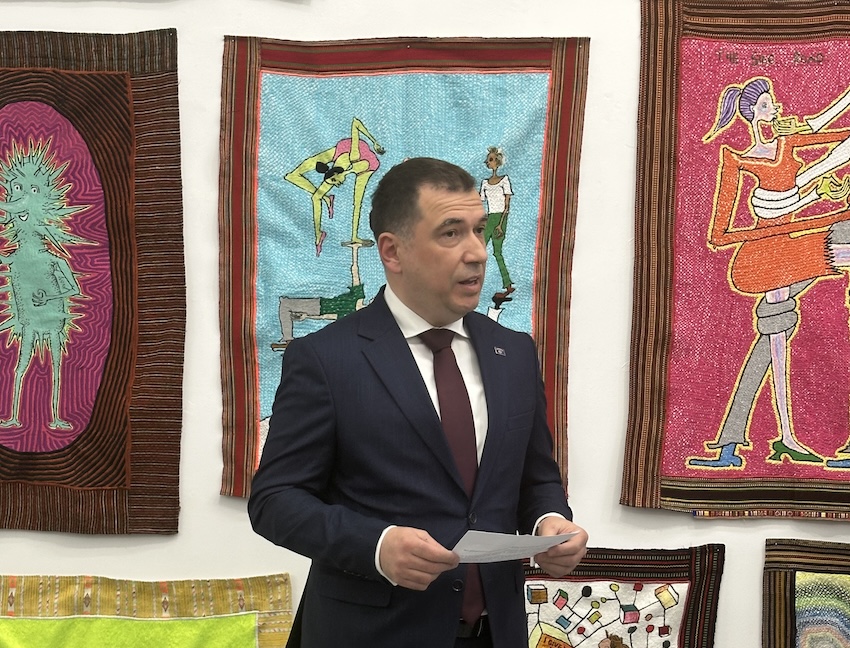
Jakup Ferri’s work not only celebrates creativity but also preserves traditions through collaboration and craftsmanship. His artistic roots are deeply personal – he comes from a family of artists, including his father, Rexhep Ferri, whose legacy continues to inspire him. We hope that the public in Budapest will also have the opportunity to experience his work.
Ultimately, this exhibition reminds us of something simple yet essential: the value of everyday life, of human connection, and of seeing the world with curiosity and imagination. It also highlights the importance of cultural exchange, strengthening the ties between Kosovo and Hungary through art. I wish you all an inspiring evening.”
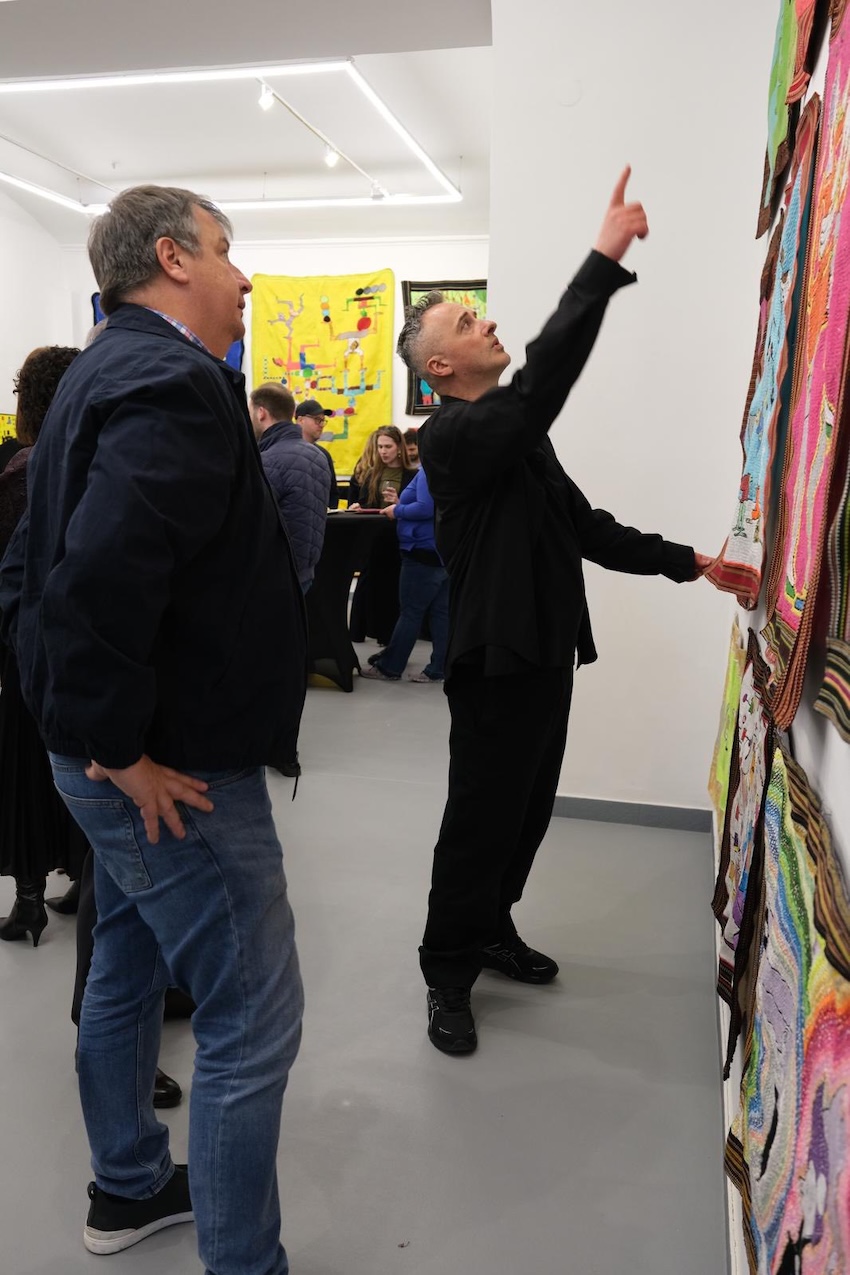
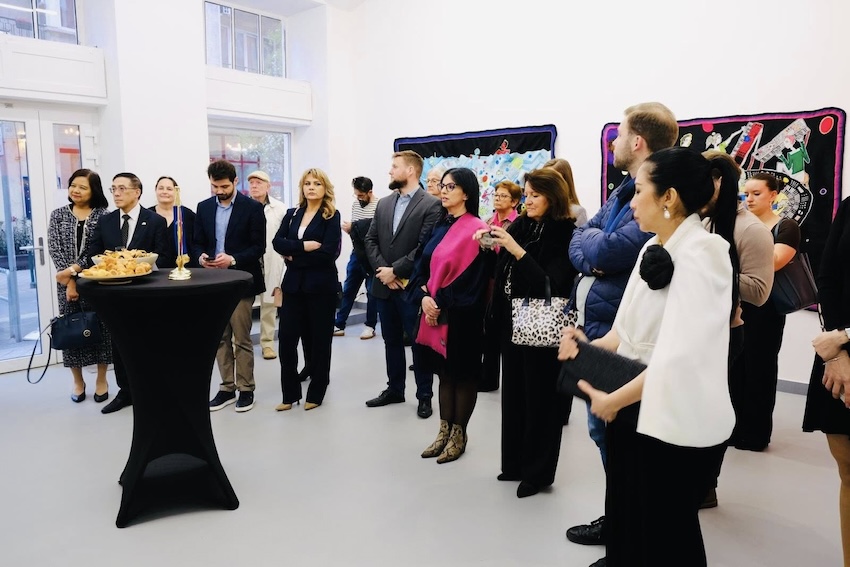
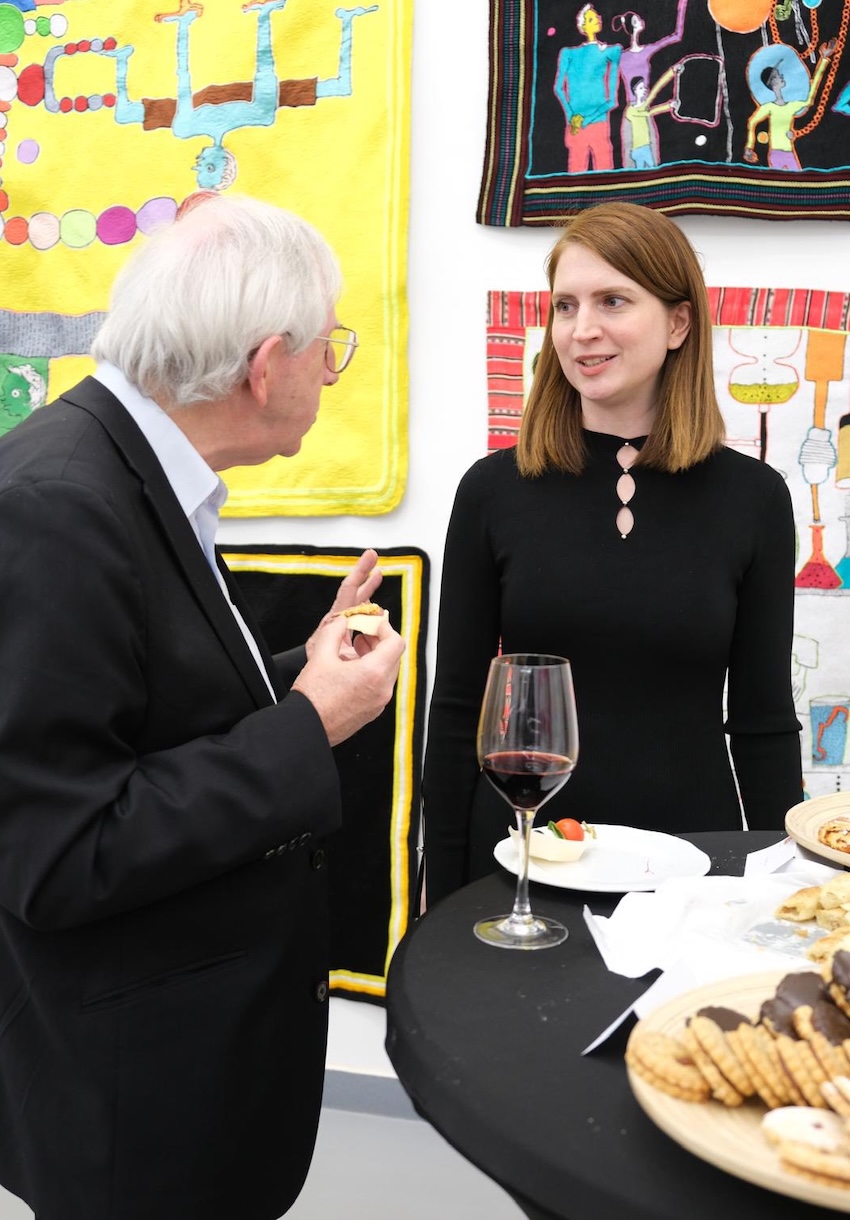
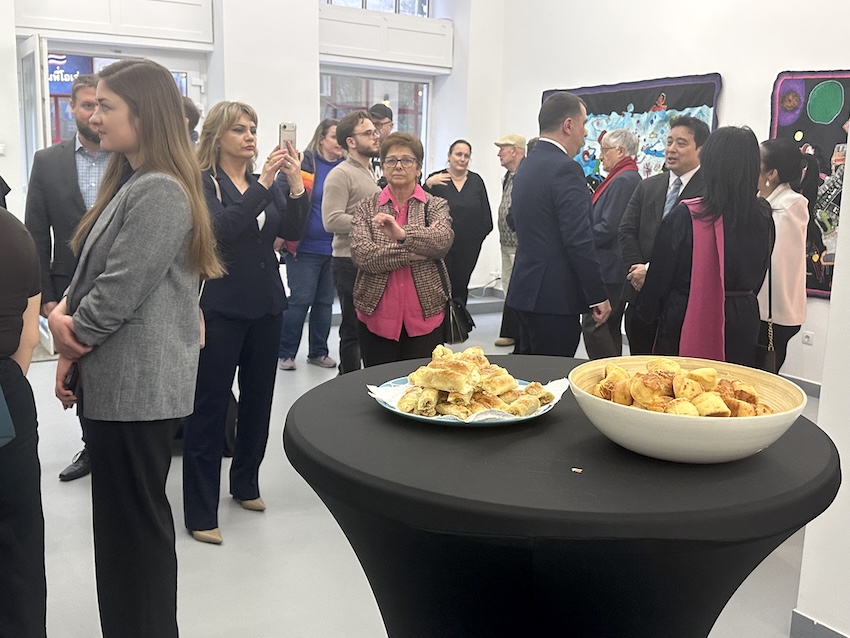
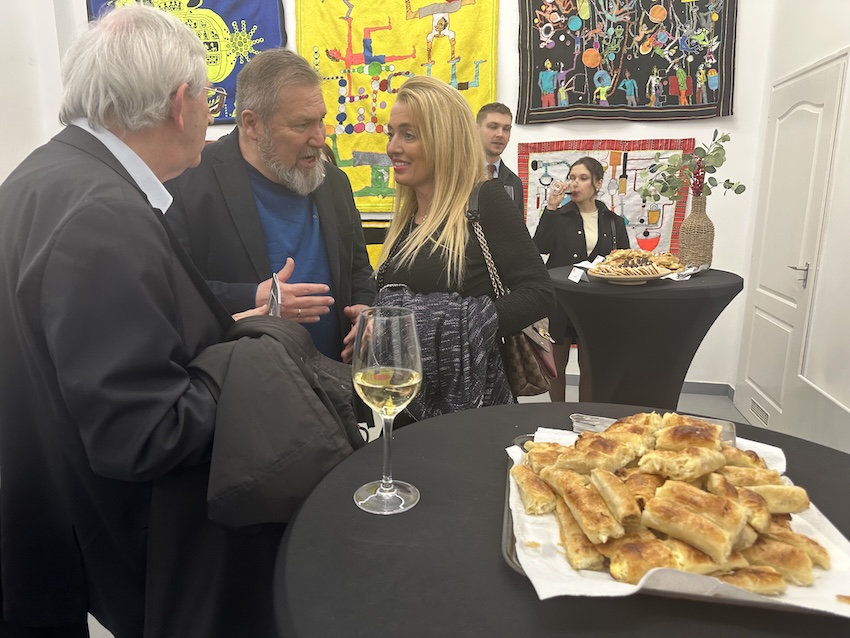
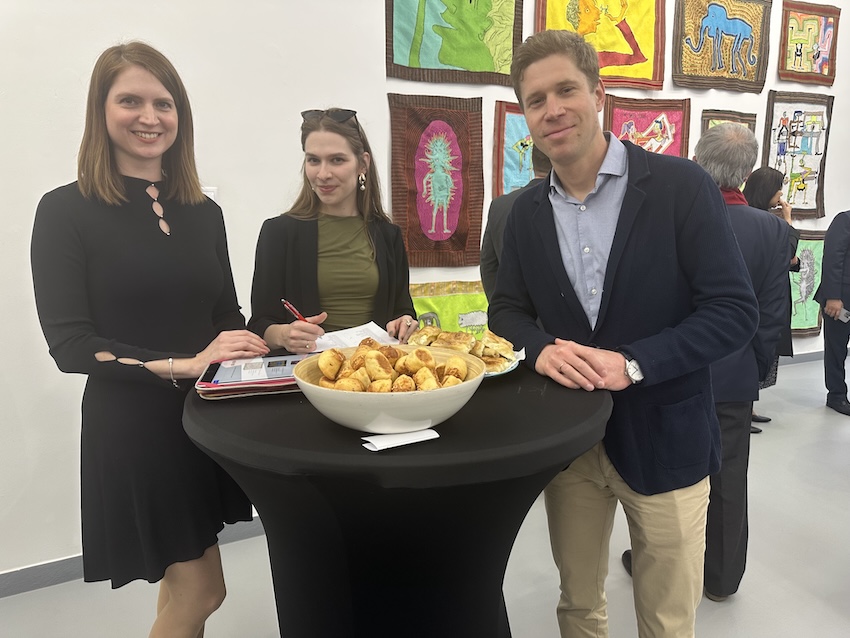
The presentation was followed by a reception and informal conversations, surrounded by the artist’s colourful works.
Where Absurdity Meets Tradition: The Official Opening of Jakup Ferri’s Exhibition
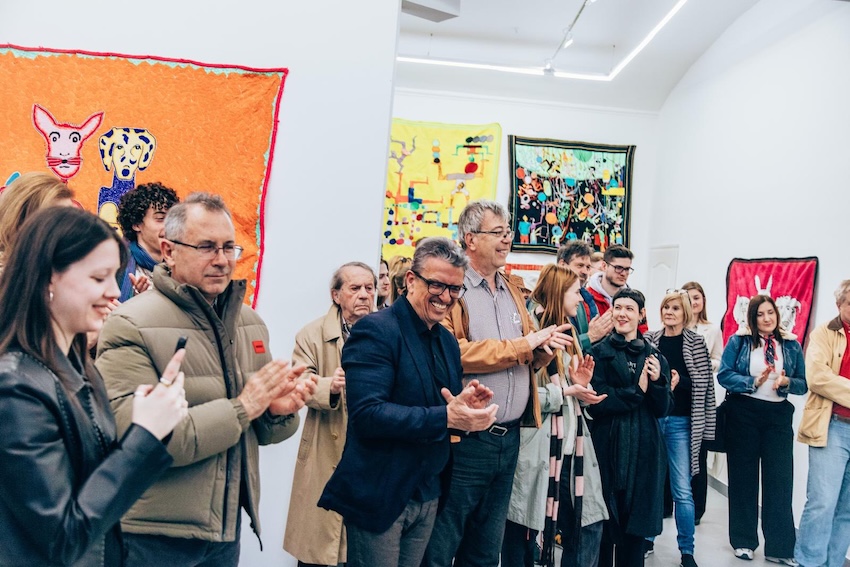
The official inauguration of the exhibition took place the following day, on 2 April, in the presence of Jakup Ferri, whose distinctive artistic vision and engaging, communicative personality attracted a large and enthusiastic audience.
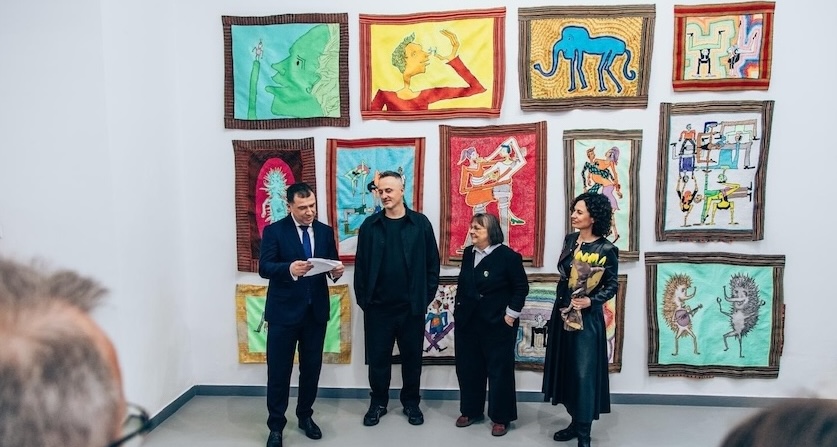
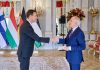
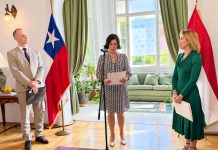
The event commenced with a warm welcome by H.E. Delfin Pllana, Ambassador of the Republic of Kosovo to Hungary, who expressed his sincere appreciation and genuine pleasure at the successful realization of the exhibition.
He also extended his gratitude to all those who had contributed to making possible the first solo presentation in Hungary of this remarkable Kosovar artist, held at the Ani Molnár Gallery in Budapest. Jakup Ferri’s work is widely recognized and admired far beyond the borders of his homeland.
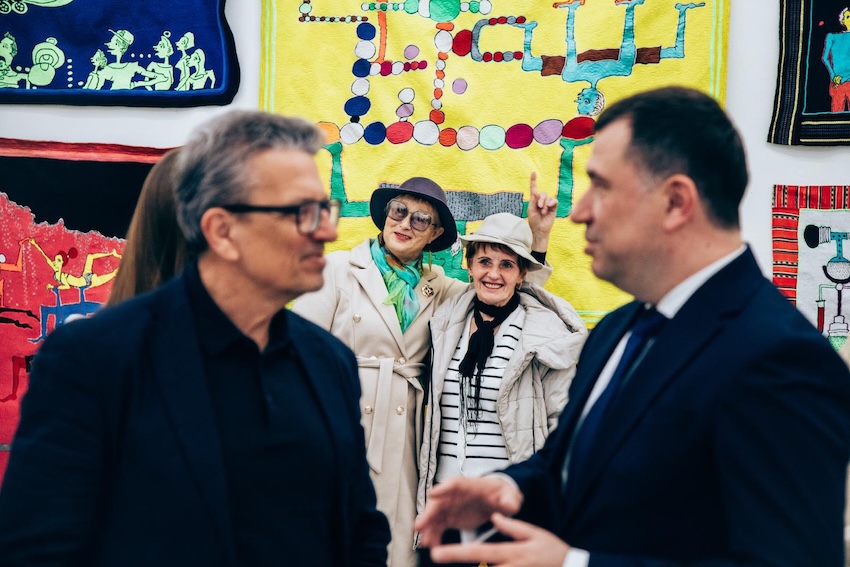
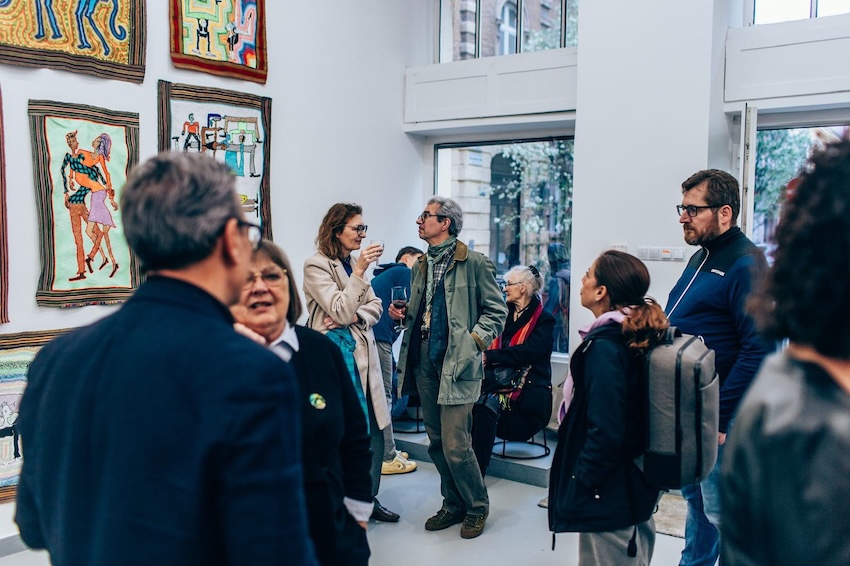
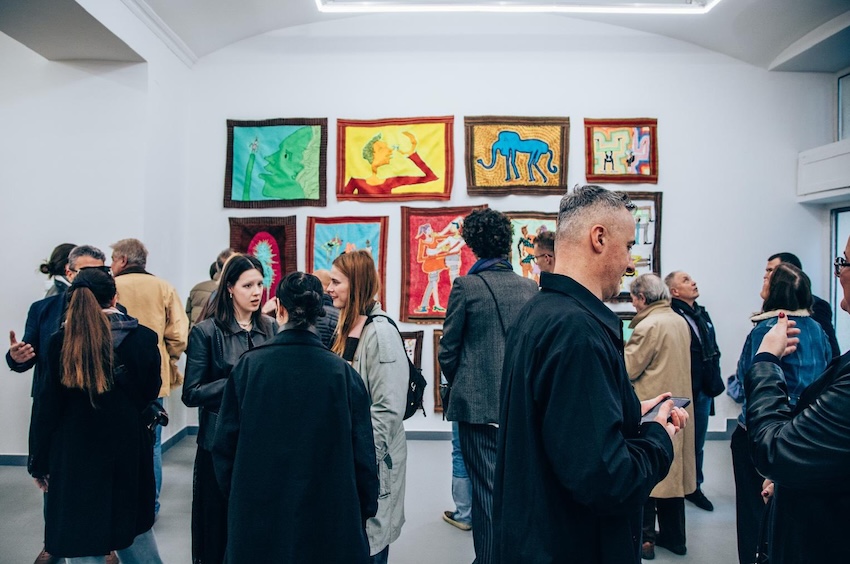
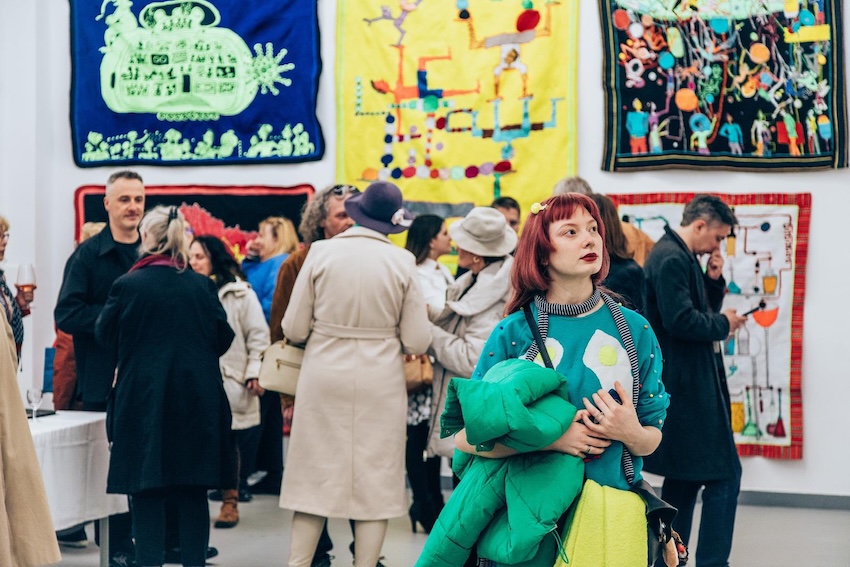
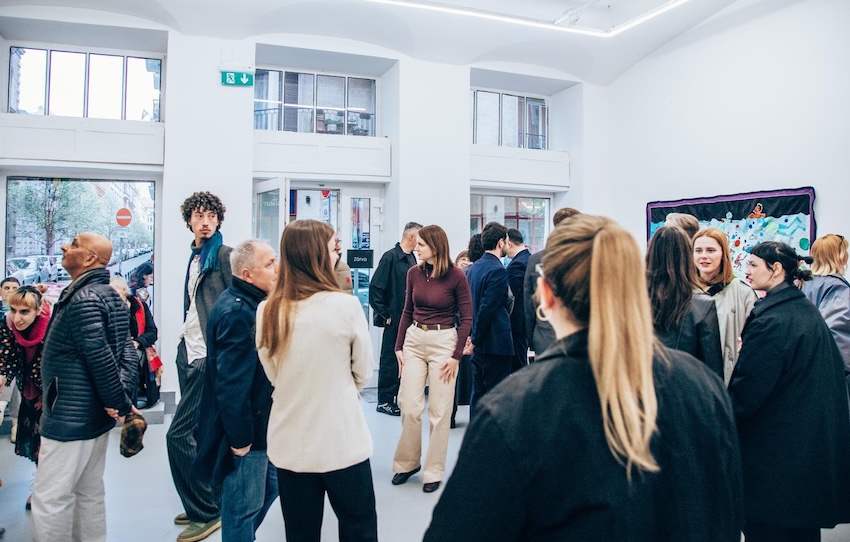
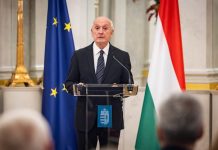
The opening speech was delivered by Dr. Júlia Fabényi, Director of the Ludwig Museum of Contemporary Art in Budapest, offering an insightful artistic analysis of the exhibition and sharing her personal reflections on the artist:
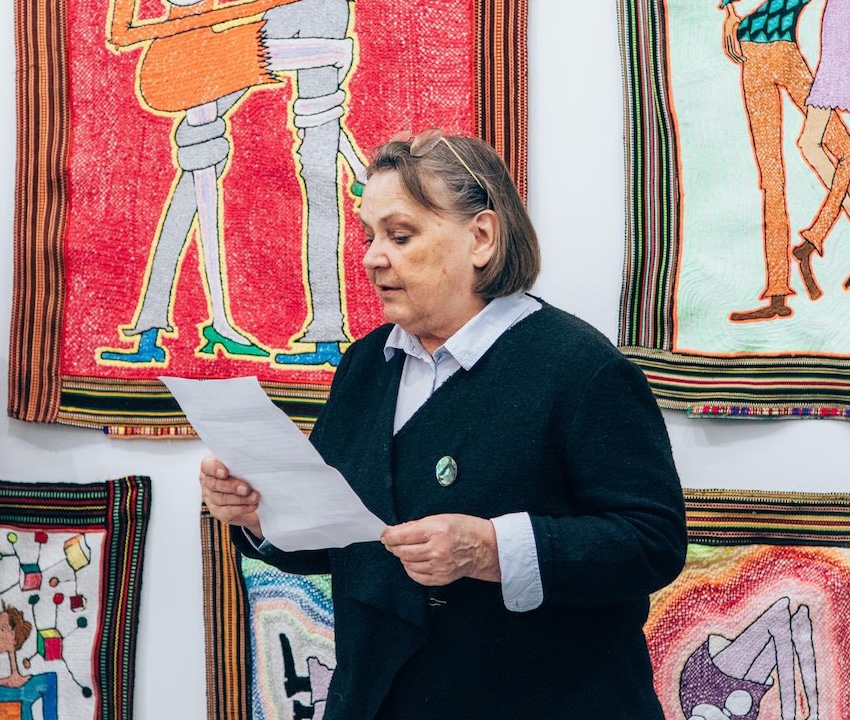
“We first met Jakup Ferri in 2016, in his studio in Pristina. It was a thrilling experience, as the small, absurd scenes depicted in his textiles and miniature drawings first elicited genuine laughter and then prompted deeper reflection.
The already vibrant Kosovar art scene held many surprises, as did the broader Albanian context, but Jakup Ferri’s work made the experience particularly dynamic. He connects an almost lost cultural heritage with a message of the present, bypassing academic language.
We met after the war, yet the air still carried tension, even years later. The fragility of the newly gained social autonomy was palpable, as were the underlying resentments among different ethnic groups and the persistent strangeness of the situation.
In contrast, Ferri’s textiles demonstrate a clear positioning between past and present, offering a unique way of activating heritage through an immediate, almost every day visual language. These works are not merely wall hangings, but sophisticated reinterpretations of the medium. Their enigmatic narratives are imbued with a vitality that lifts everyday gloom, opening outward rather than turning inward. Absurdity knows no bounds – it is present in every life situation and every era. It is a dynamic intellectual and psychological force, and Jakup Ferri explores its possibilities with remarkable skill.
At the 2022 Venice Biennale, The Monumentality of Everyday introduced a new visual approach. The geometric patterns applied to the textiles suggested a kind of digital thinking in image-making, creating a striking contrast with the narrative imagery and evoking parallels with Op Art.
The works are created through community collaboration, involving weavers from Albania to Burkina Faso. Ferri dismantles established frameworks while simultaneously creating a new order – one that embraces the organising power of chaos and the coexistence of parallel narratives.
One might ask whether this art is optimistic. That would be an oversimplification. Yet it undeniably generates a positive and engaging experience.
I have always believed that an artist must push the boundaries of their medium. Jakup Ferri does so with intelligence and clarity, forging his own path and creating deeply authentic works. Congratulations to him.”
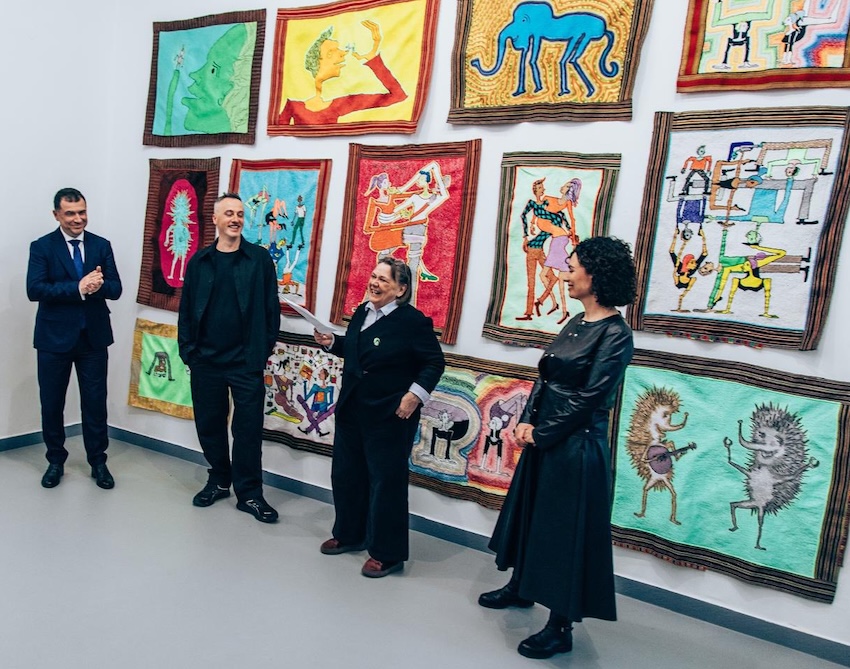
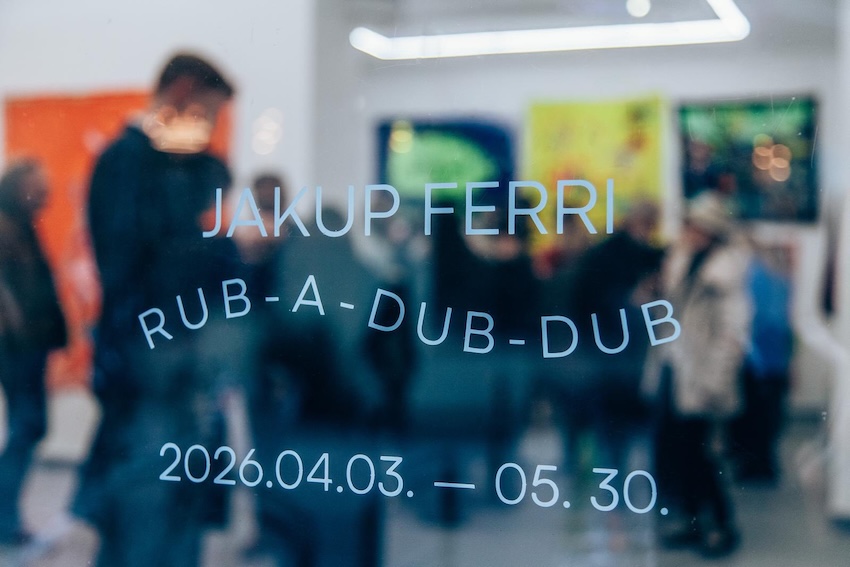
The exhibition is on view until 30 May 2026.
Sources: Embassy of Kosovo in Budapest, Ani Molnár Gallery
Photos from the Embassy of Kosovo in Budapest, Ani Molnár Gallery, and Diplomatic Press Agency