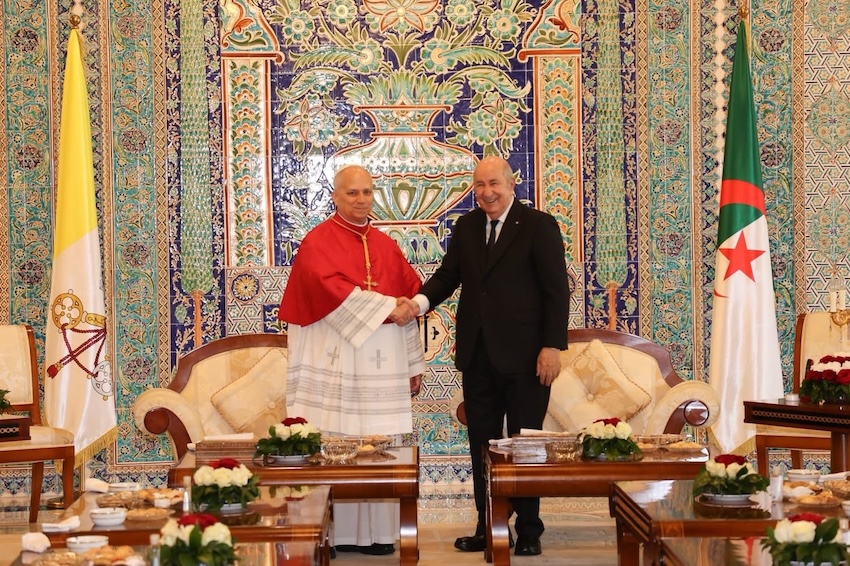
“An Apostolic Journey of Dialogue, Memory, and Shared Horizons”
Edited by Anna Popper
The historic visit of Pope Leo XIV to Algeria, undertaken at the invitation of the President of the Republic, Mr. Abdelmadjid Tebboune, stands as a rare convergence of diplomacy, spirituality, and historical continuity.
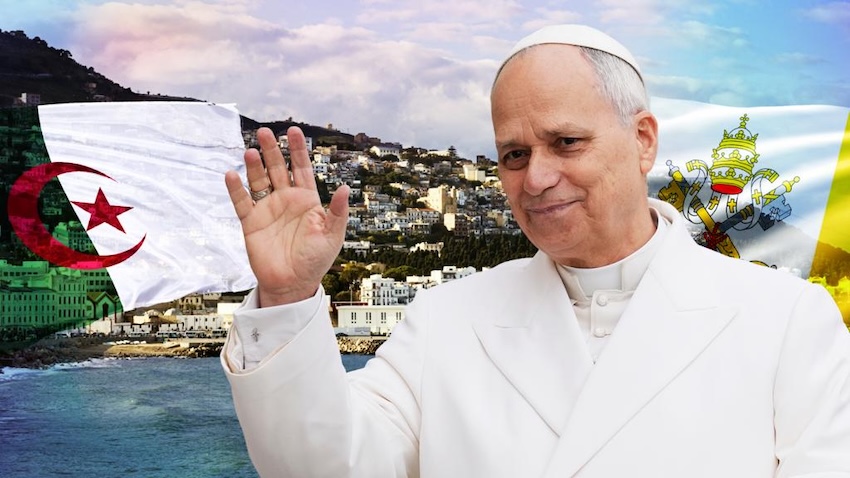
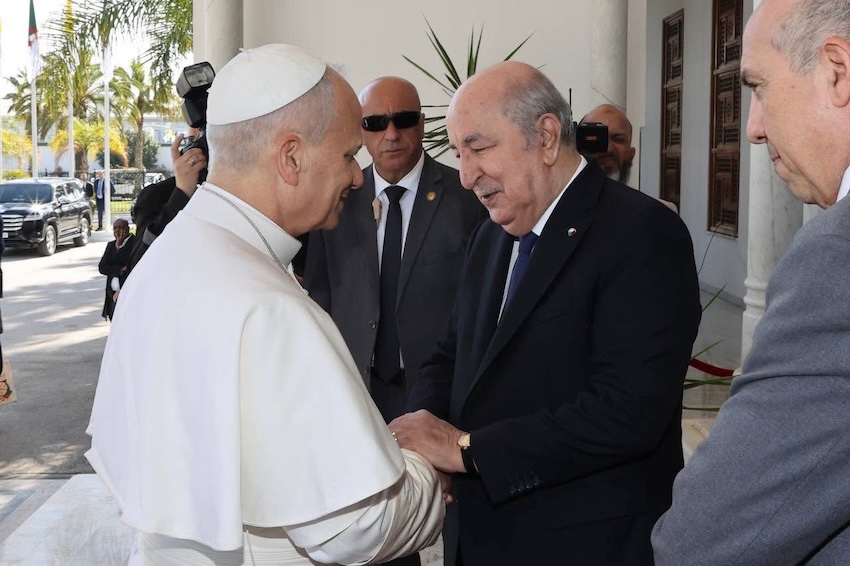
As the first papal visit to the Land of Saint Augustine and the largest country in Africa – deeply marked by the legacy of Saint Augustine of Hippo – the journey unfolded not merely as a ceremonial occasion, but as a profound encounter between cultures, traditions, and shared moral horizons. Above all, it was a travel that placed memory, dialogue, and shared heritage at the service of the future.
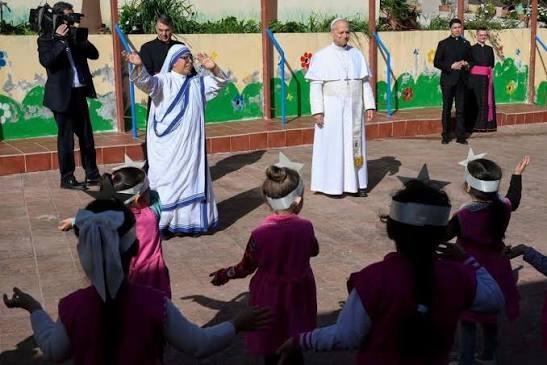
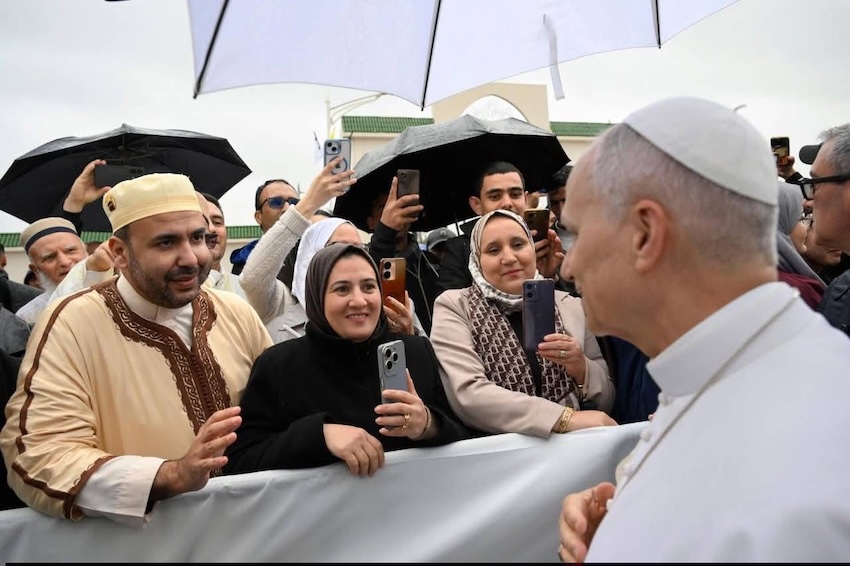
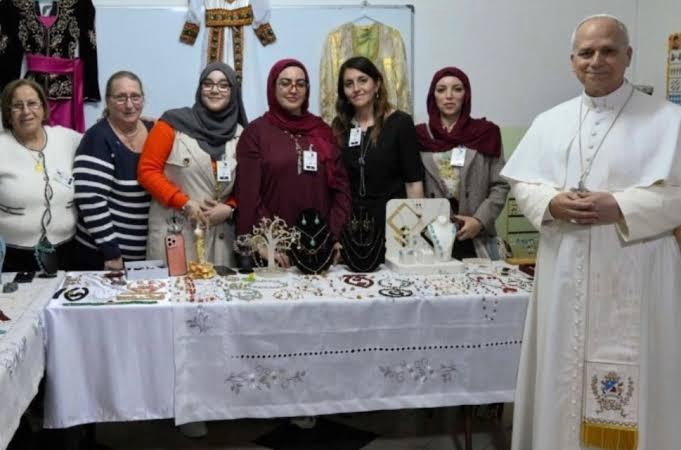
The Pope described the journey as “a special blessing” and “a wonderful opportunity to build bridges and promote dialogue”, portraying his presence in Algeria as both a spiritual mission and a diplomatic gesture. Algeria stands at the intersection of civilizations, shaped by Roman antiquity, early Christianity, and a long Islamic tradition. The apostolic visit highlighted the country’s role as a place of mediation and dialogue, anchored in a historical consciousness that draws equally from intellectual heritage and political experience.
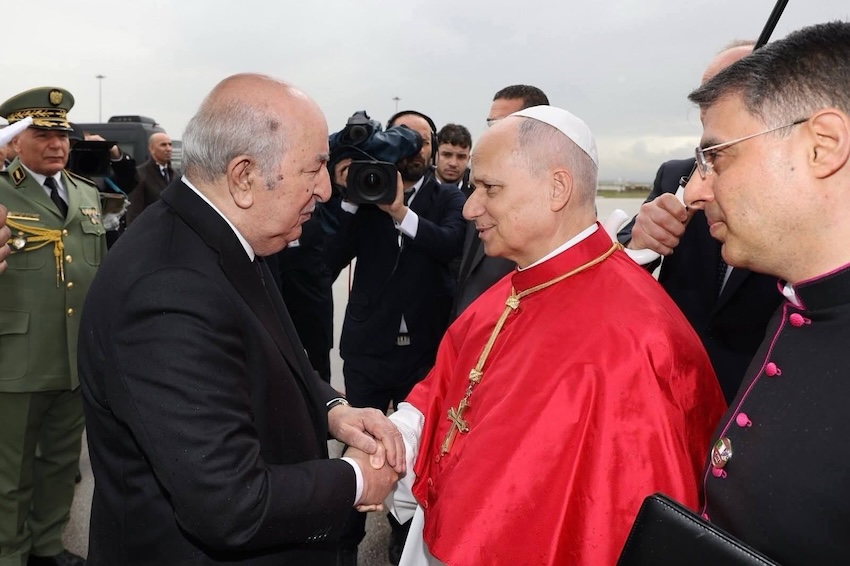
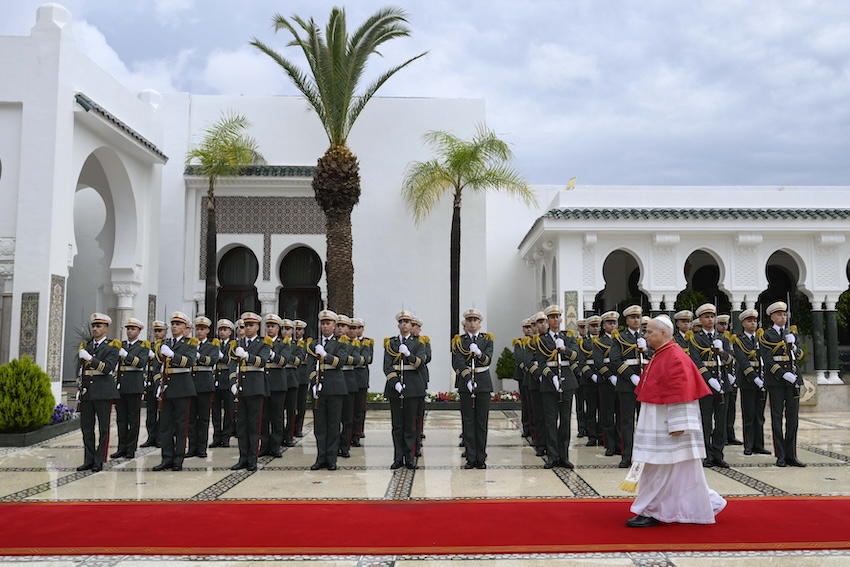
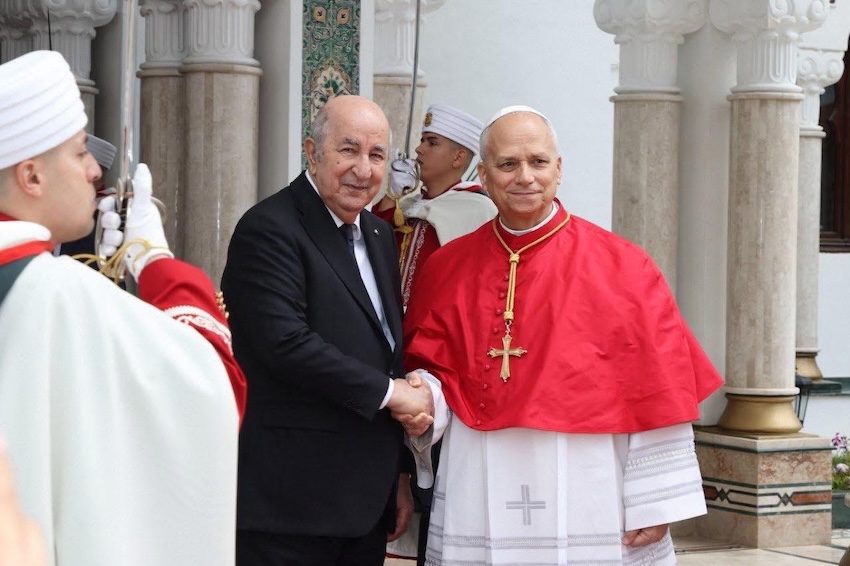
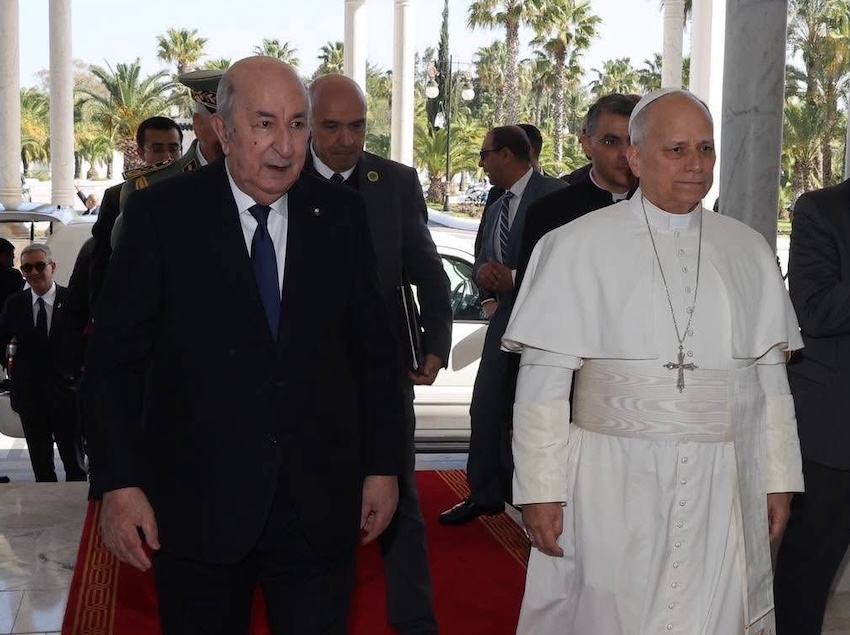
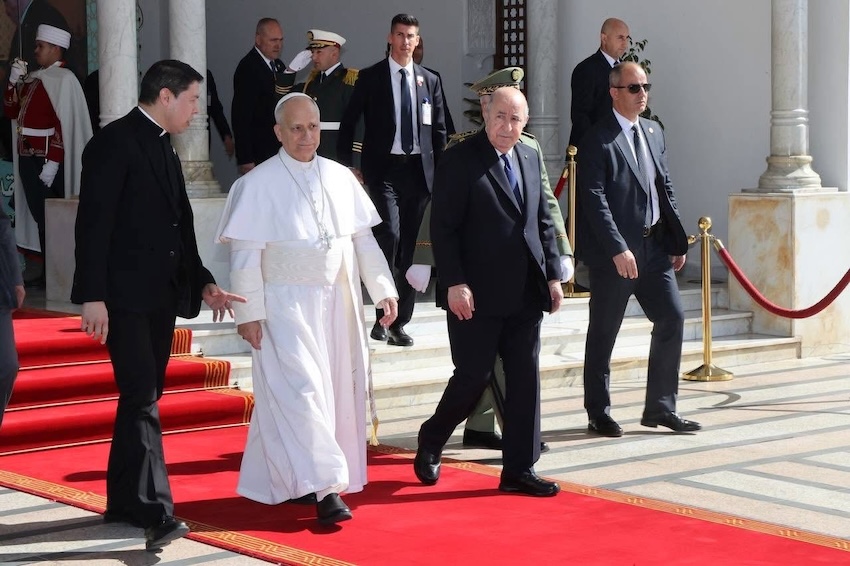
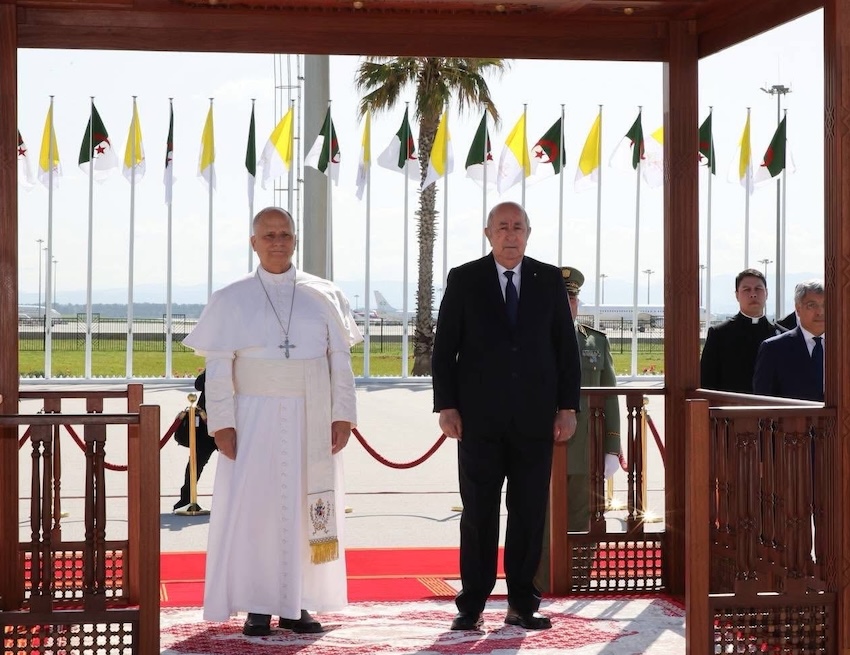
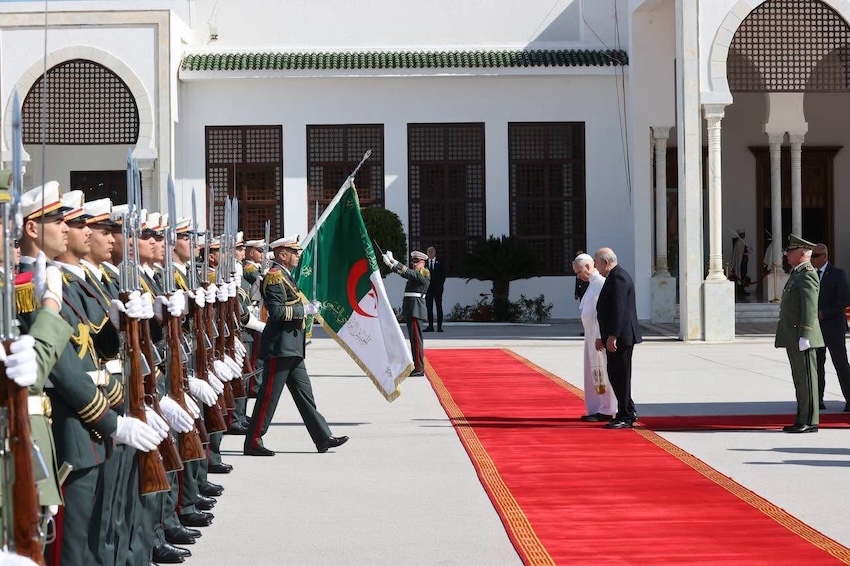
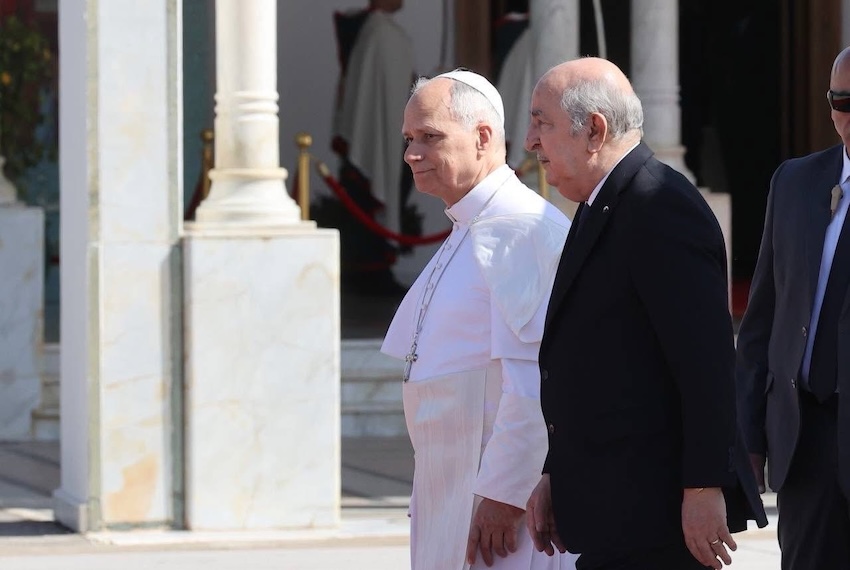
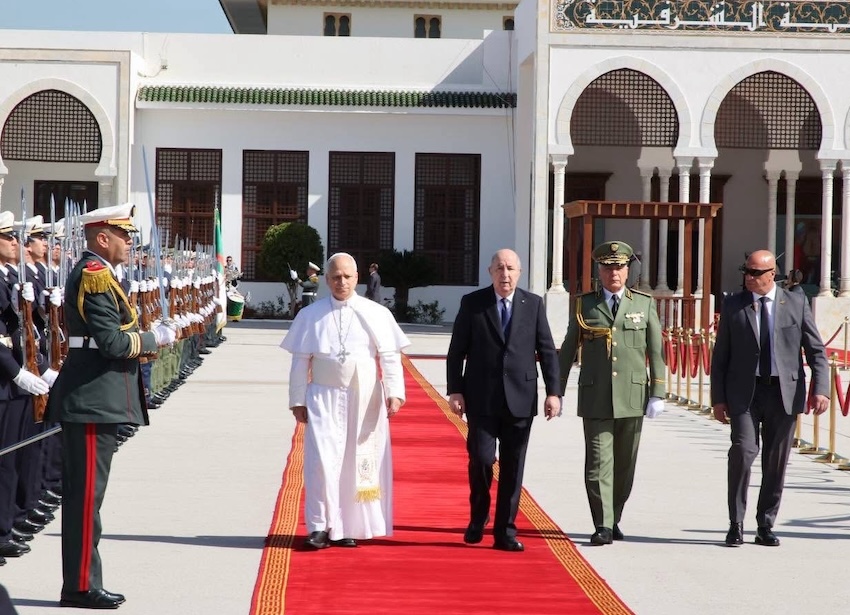
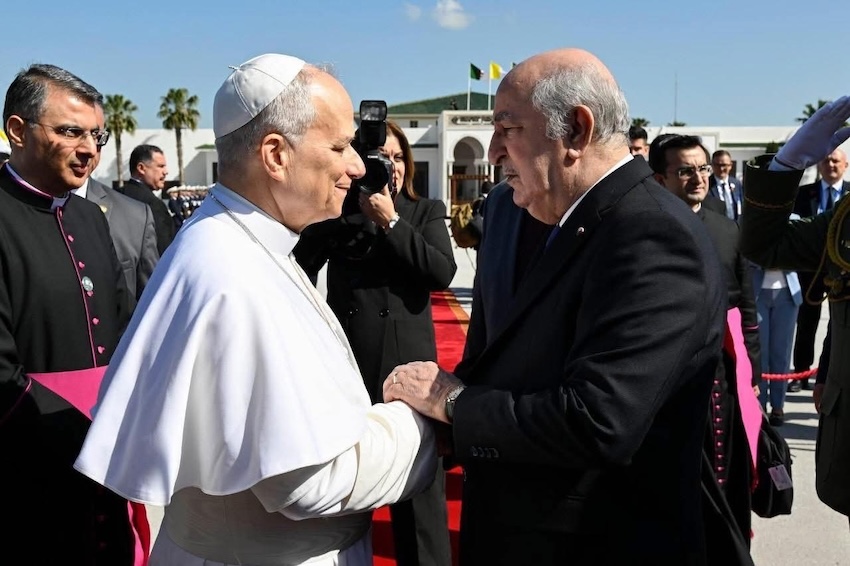
Upon his arrival in Algiers on 13 April 2026, Pope Leo XIV was welcomed with full state honours by President Abdelmadjid Tebboune at Houari Boumediene International Airport. The ceremonial reception, marked by military honours and official protocol, carried deeper resonance: it expressed the mutual recognition between a predominantly Muslim nation and the head of the Catholic Church, a recognition based on respect and openness.
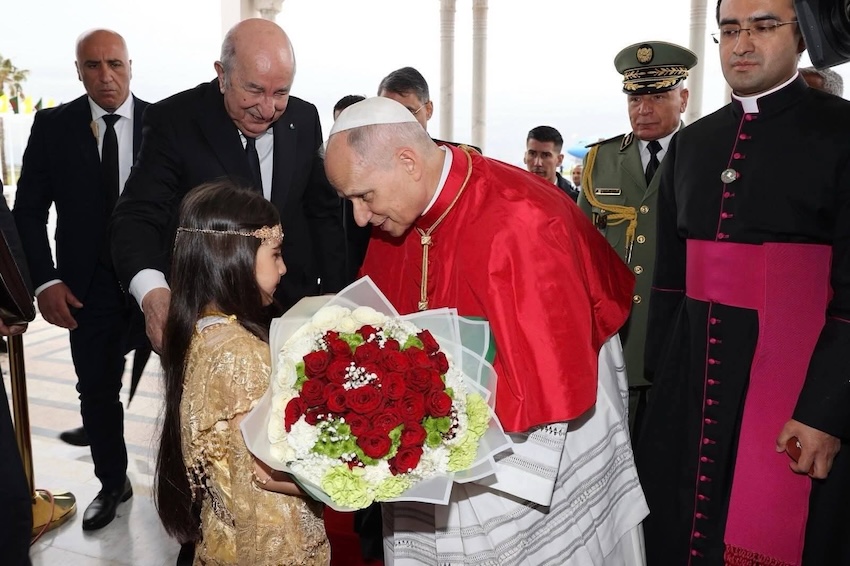
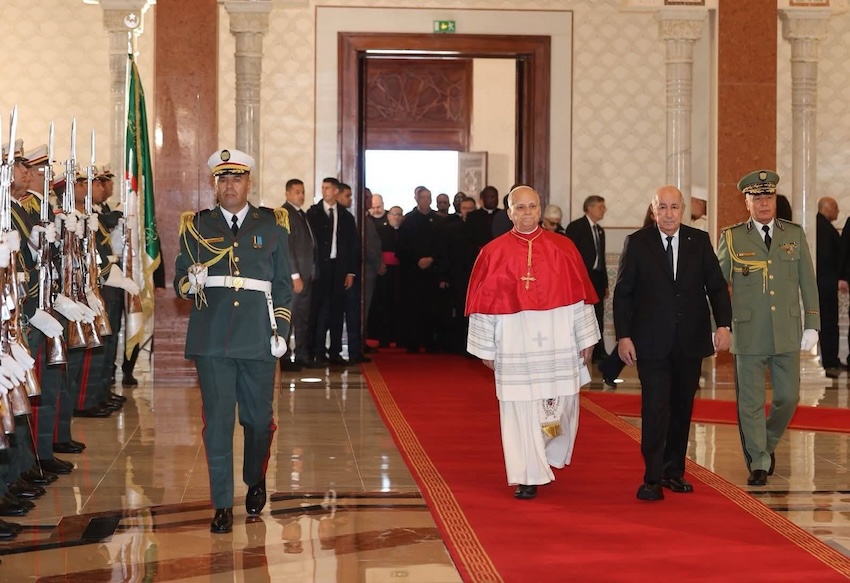
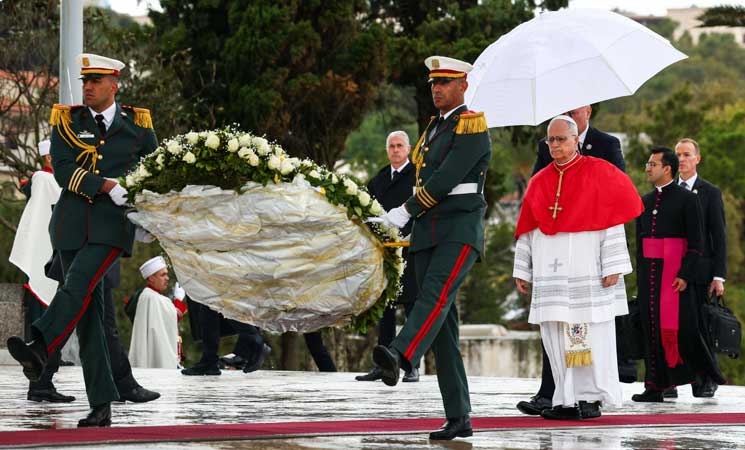
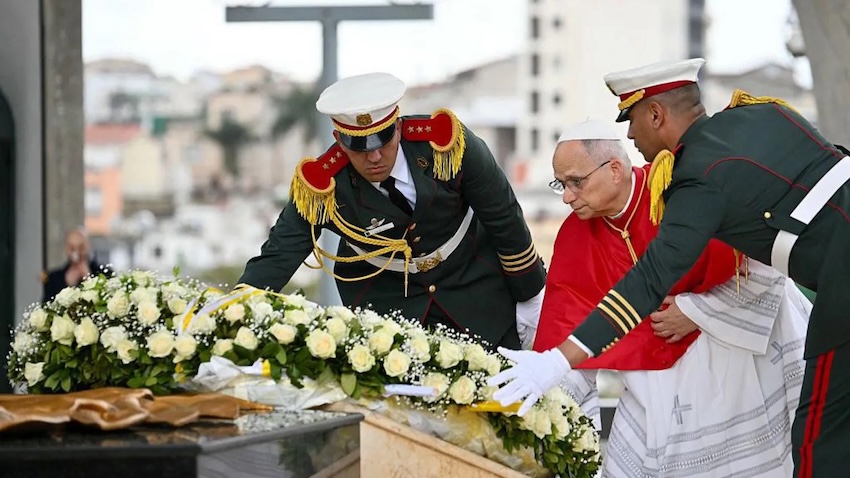
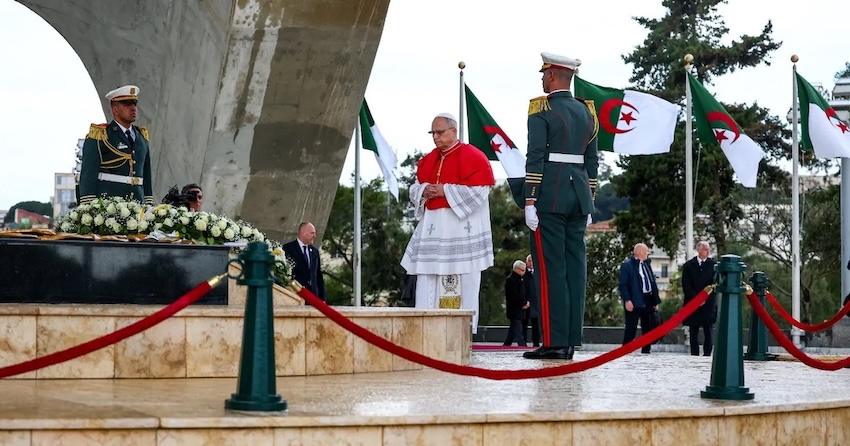
The Holy Father’s first visit was to Maqam Echahid, the Martyrs’ Monument, which commemorates those who gave their lives during Algeria’s war of independence from 1954 to 1962. In this solemn setting, he offered one of the defining reflections of his visit: “the future belongs to men and women of peace” and “true freedom is not merely inherited; it is chosen anew every day”. Right then, memory was not treated as a static inheritance, but as an active moral responsibility.
In the Presidential Palace, the meeting between Pope Leo XIV and President Abdelmadjid Tebboune unfolded as a moment of notable intellectual and diplomatic depth. The Algerian head of state emphasized that Algeria’s identity is rooted not only in its modern political history, but also in a rich intellectual and spiritual tradition. In invoking both Saint Augustine and Emir Abdelkader, the President highlighted a continuity in which ethical responsibility, philosophical reflection, and respect for human dignity converge. Of particular significance was the reference to Emir Abdelkader’s protection of Christians in Damascus in 1860, recalling a moment when moral courage transcended religious boundaries and affirmed the primacy of human life and dignity.
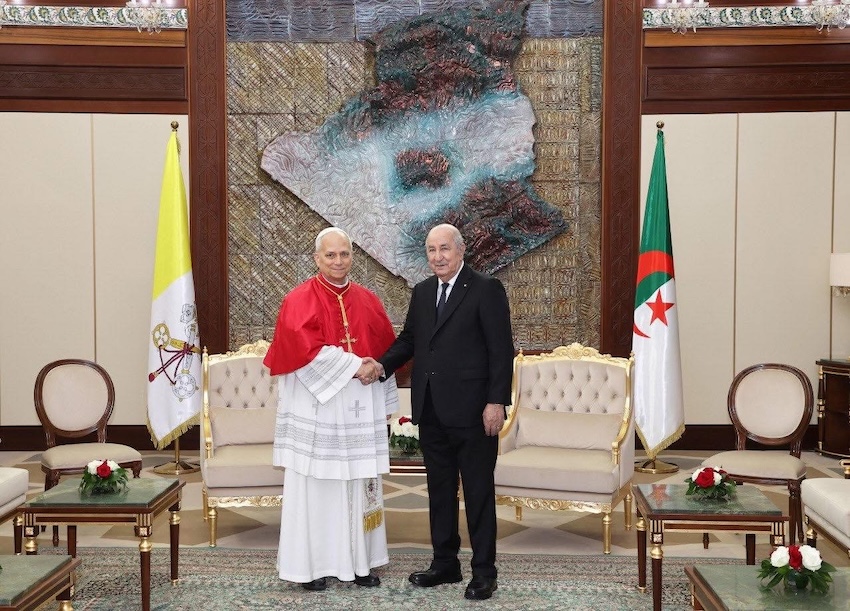
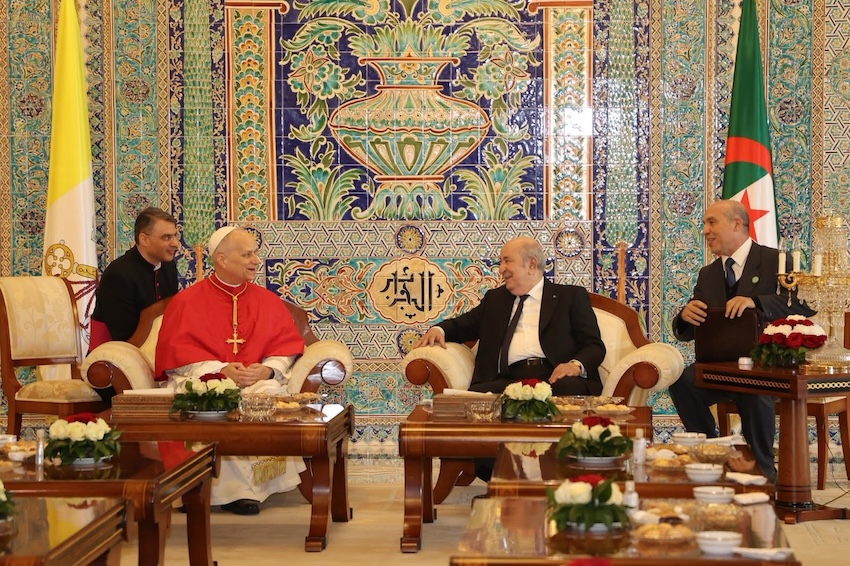
The encounter reflected a convergence of outlooks grounded in mutual recognition and respect. President Tebboune reaffirmed Algeria’s enduring commitment to cooperation with the Holy See and to a diplomatic ethic based on understanding rather than division, dialogue rather than confrontation, and coexistence rather than antagonism.
In response, the Pope underscored that diplomacy, when based on recognition of the human person, becomes not merely an instrument of negotiation but a path to lasting peace. Both sides expressed their willingness to strengthen channels of dialogue at the international level, guided by a shared concern for stability and human dignity.
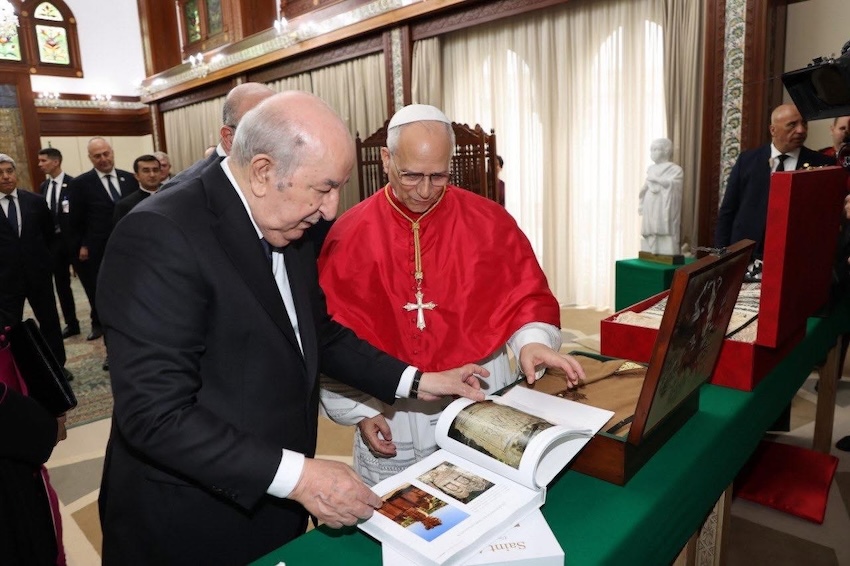
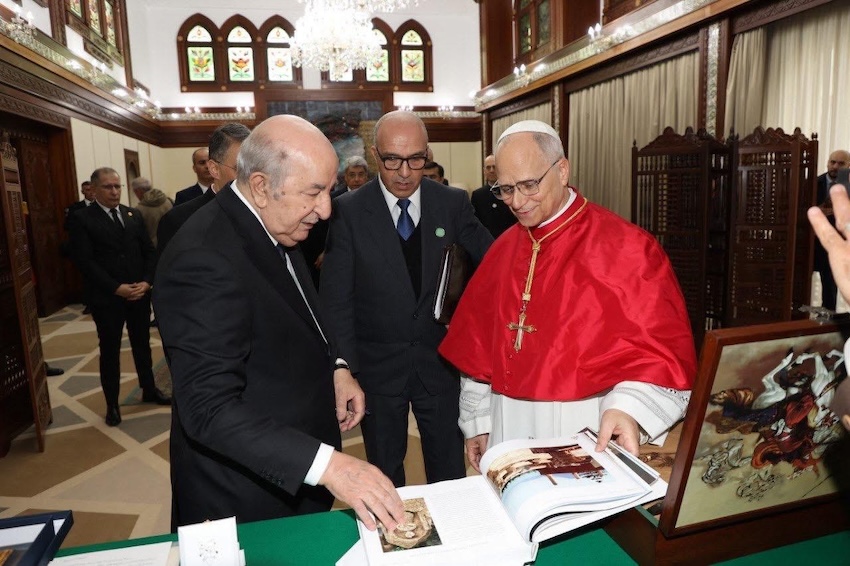
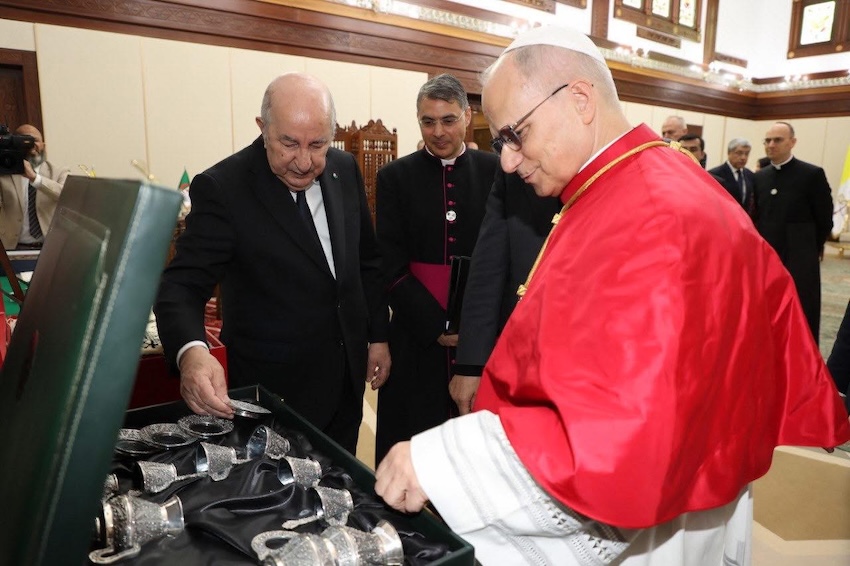
In this context, the President’s reference to the Pope as a bearer of universal human values gained particular resonance, alongside the reminder that Algeria’s identity is anchored in a profound intellectual and spiritual heritage. The evocation of Saint Augustine and Emir Abdelkader was not ornamental, but illustrative of a long tradition in which thought, spirituality, and ethical responsibility intersect. Saint Augustine represents a foundational figure of philosophical reflection rooted in North Africa, while Emir Abdelkader embodies a form of leadership in which resistance remained inseparable from dignity, and sovereignty from moral restraint.
This moral dimension is most vividly reflected in Abdelkader’s conduct during the events in Damascus in 1860, when he extended protection to persecuted Christian communities, risking his own life to shelter them. This act, deeply etched in historical memory, stands as a lasting example of moral courage transcending religious boundaries and affirming the primacy of human life and dignity – an ethical principle that continues to resonate in diplomacy today.
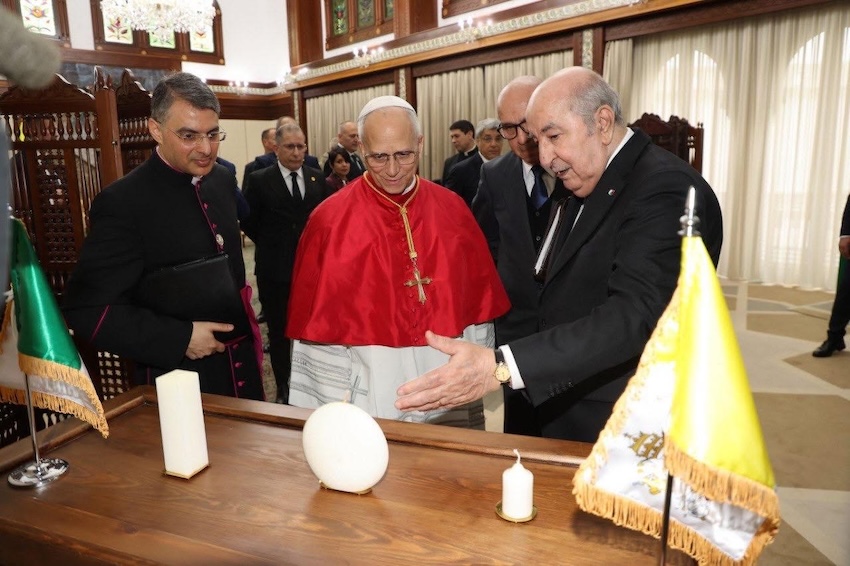
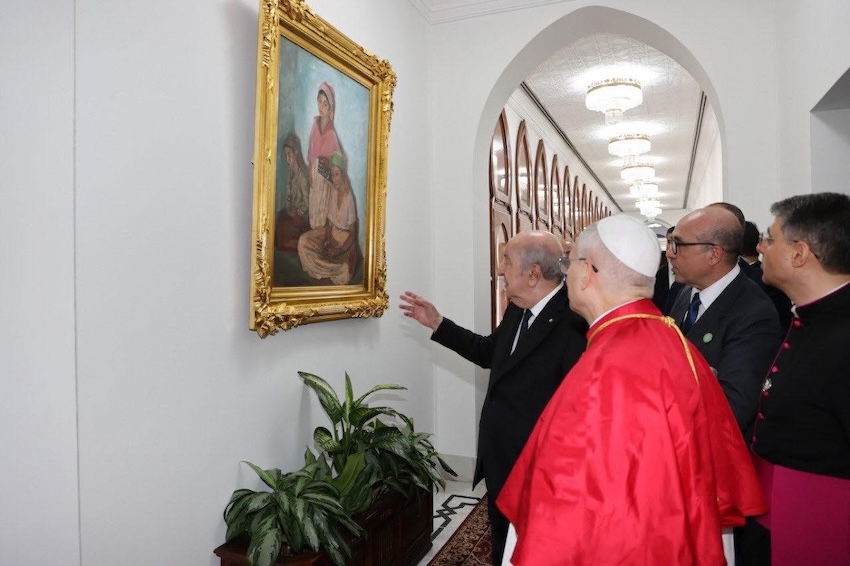
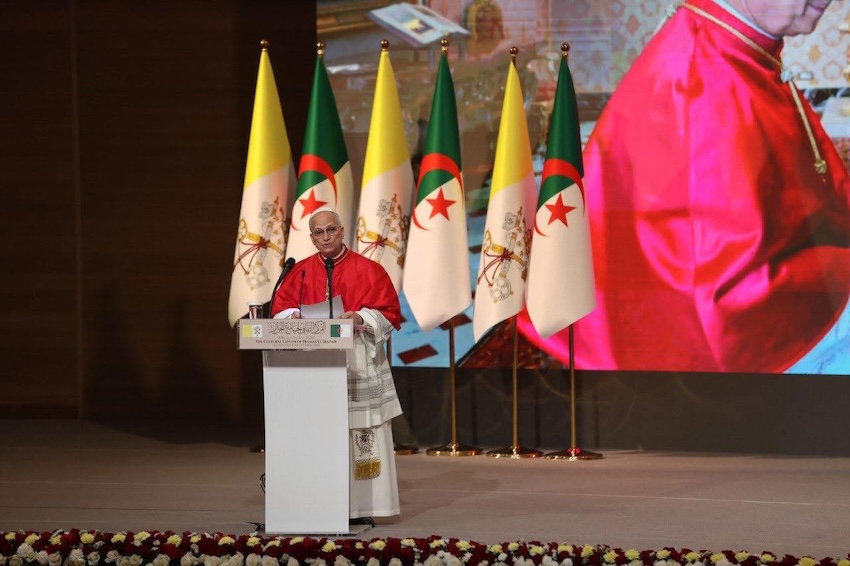
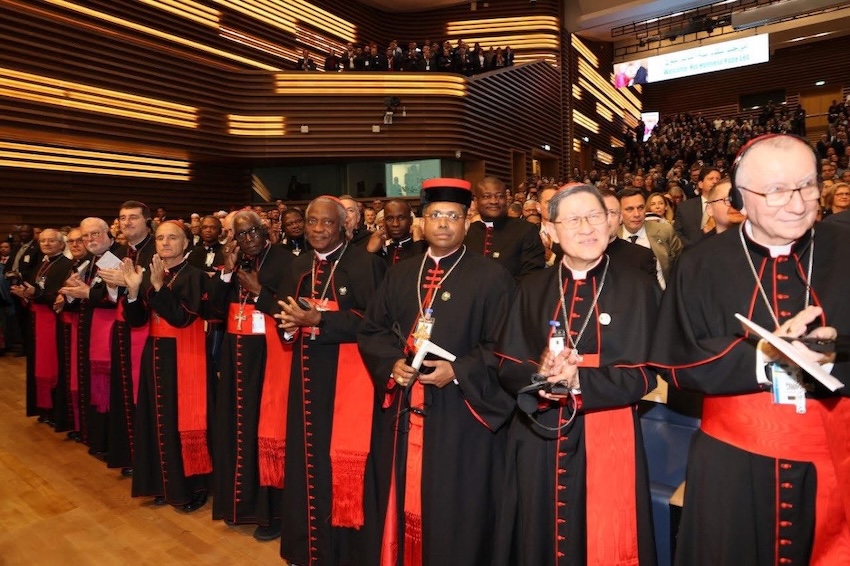
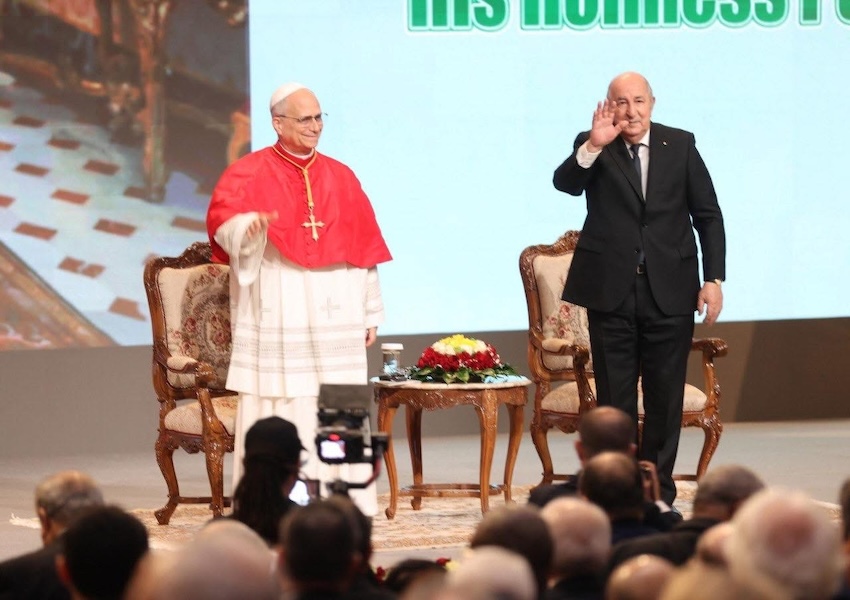
At the Djamaa El Djazair Conference Centre, Pope Leo XIV addressed a large audience of representatives from state authorities, civil society, and the diplomatic corps. His message was characterised by fraternity, justice, and dialogue.
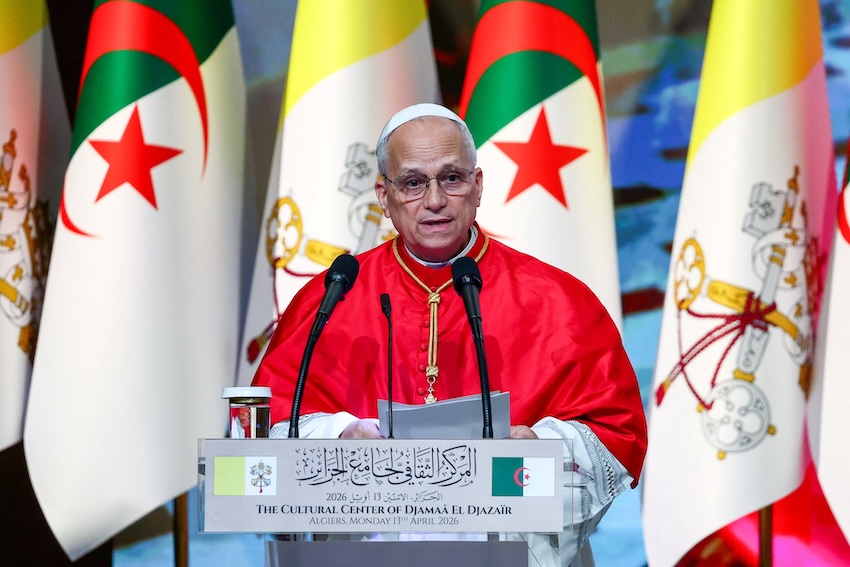
“I am deeply grateful for the invitation to visit Algeria, which came at the very beginning of my Petrine Ministry, and I thank you for your warm welcome”, he began. Recalling his earlier visits to Annaba, he added: “As a spiritual son of Saint Augustine, I already visited Annaba in 2004 and 2013; I am grateful to return here again as a Successor of Peter.”
Presenting himself as “a pilgrim of peace”, the Pope emphasized a shared human and spiritual bond: “We are brothers and sisters for we have the same Father in Heaven”. He praised the Algerian people for their “culture of encounter and reconciliation”, as well as for their spirit of solidarity, hospitality, and community.
In a divided world, he urged a renewed effort toward understanding: “In a world full of conflicts and misunderstandings, let us meet and strive for mutual understanding… we are all one family. Today, the simplicity of this awareness is the key to opening many closed doors.”
Highlighting the ethical dimension of social life, he pointed to the Algerian tradition of almsgiving as an expression of justice: “This view of justice is both simple and radical, for it recognizes the image of God in others”. He then added a stark moral warning: “Indeed, a religion without mercy and a society without solidarity are a scandal in God’s eyes”.
Turning directly to political responsibility, the Pope called for leadership rooted in empathy and attentiveness: governance, he stressed, requires “not only decision-making, but also the capacity to listen and to respond with empathy”. He cautioned that “indifference and misunderstanding continue to fuel instability”, urging instead a renewed commitment to human dignity. In conclusion, he invited leaders to embrace dialogue and solidarity as the path toward a more just and peaceful world.
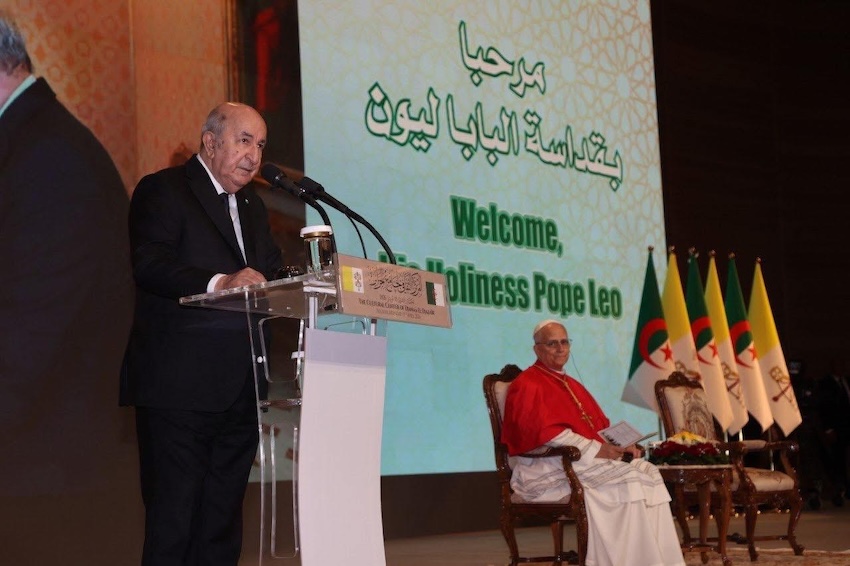
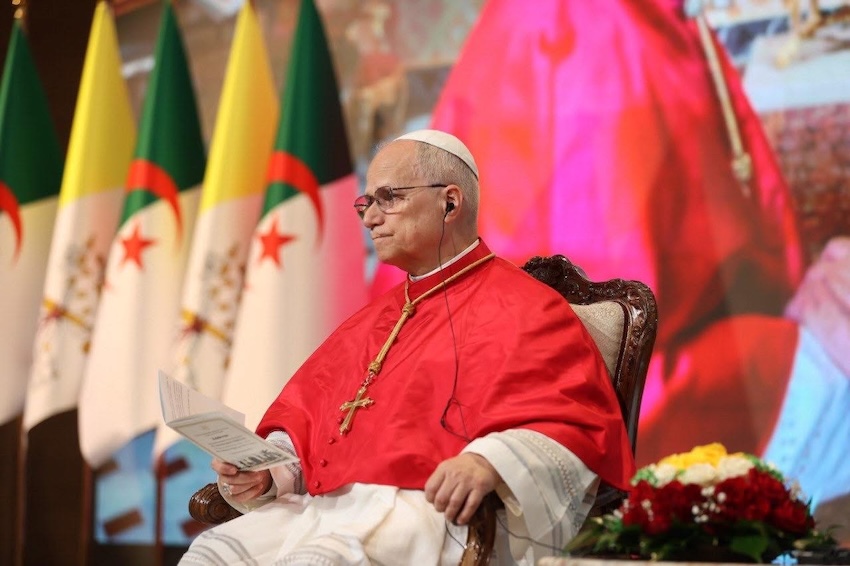
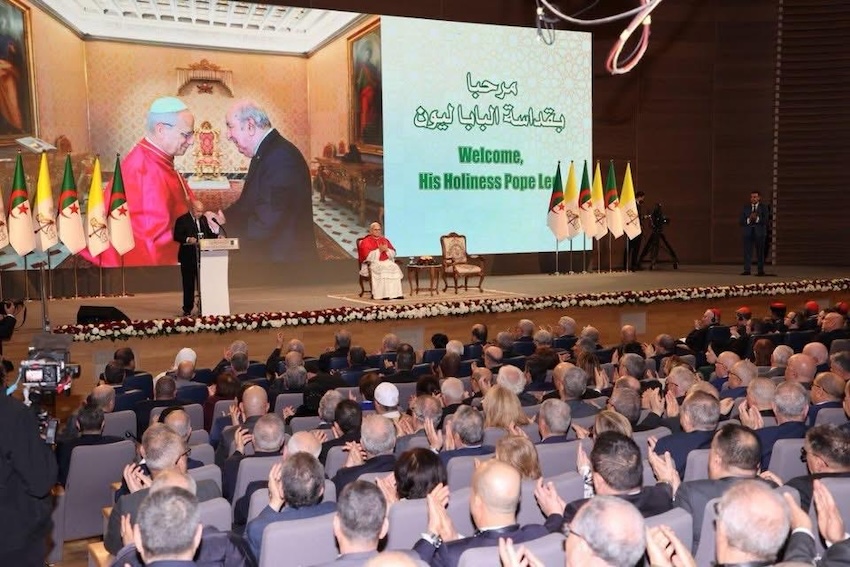
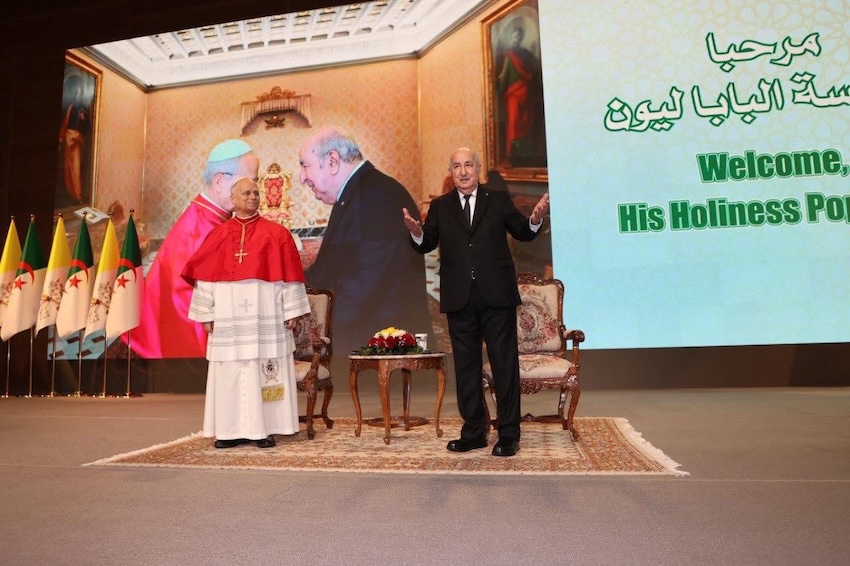
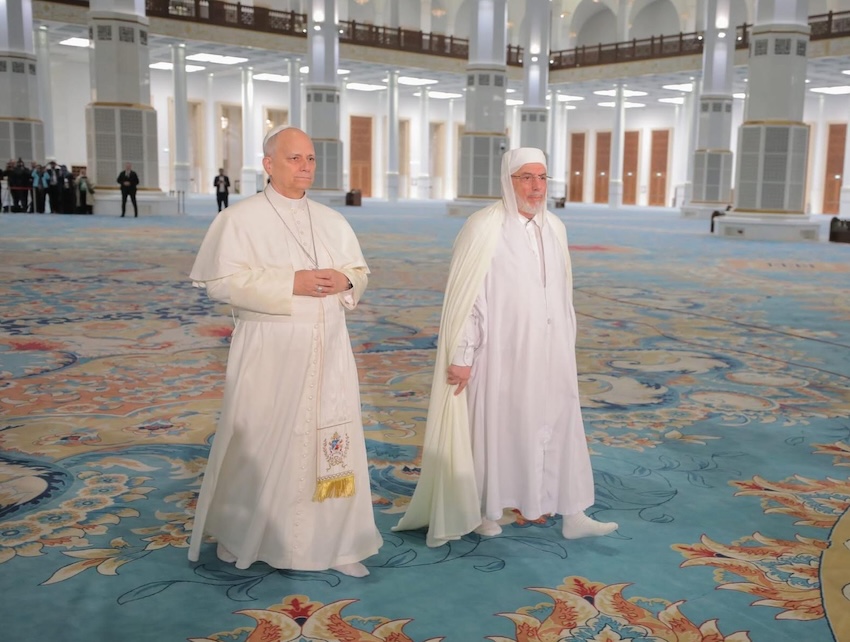
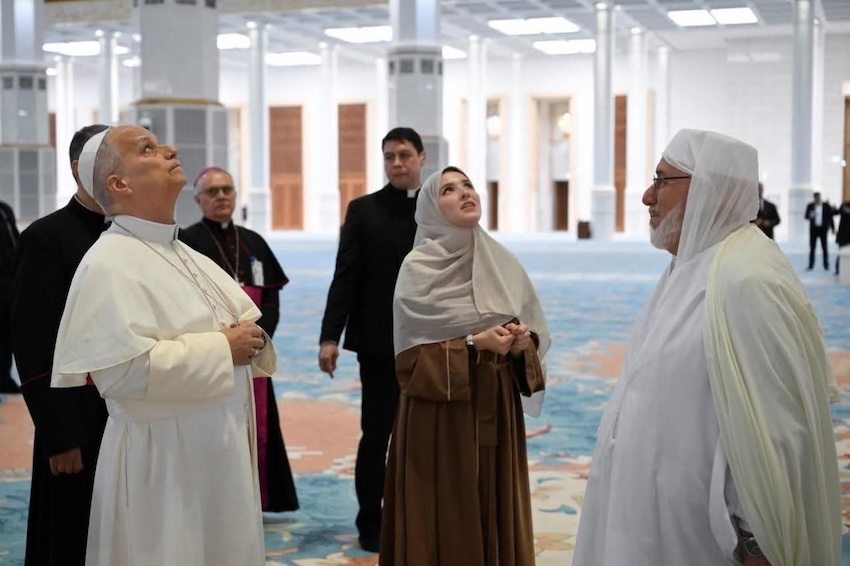
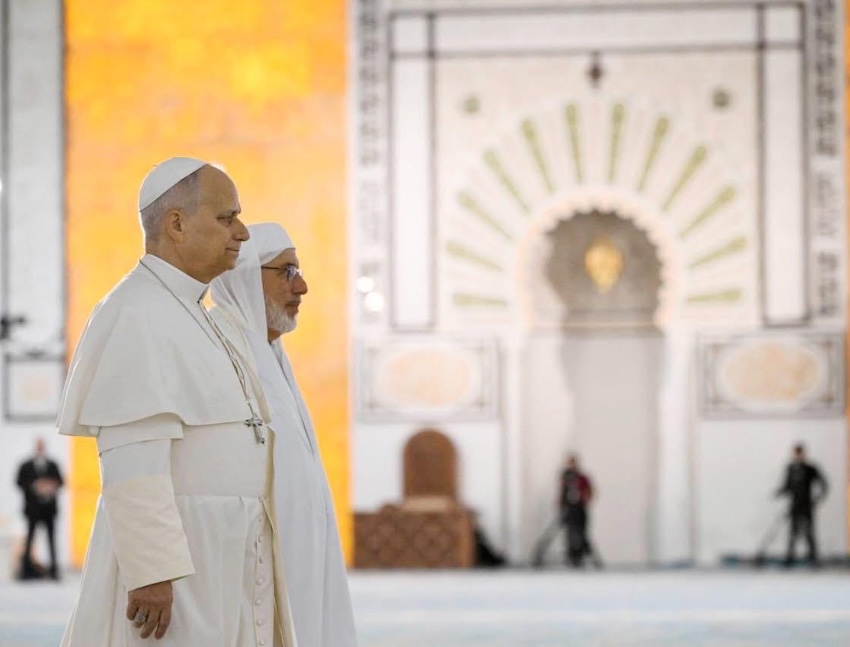
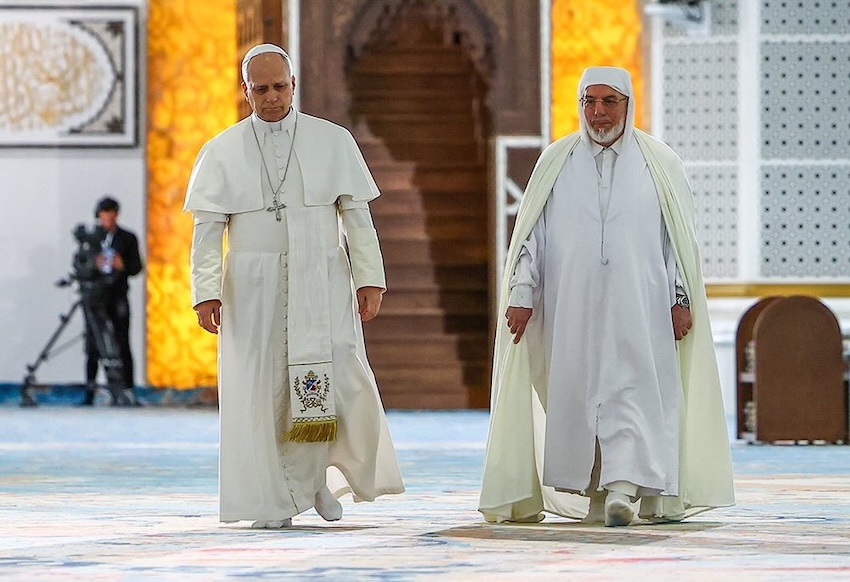
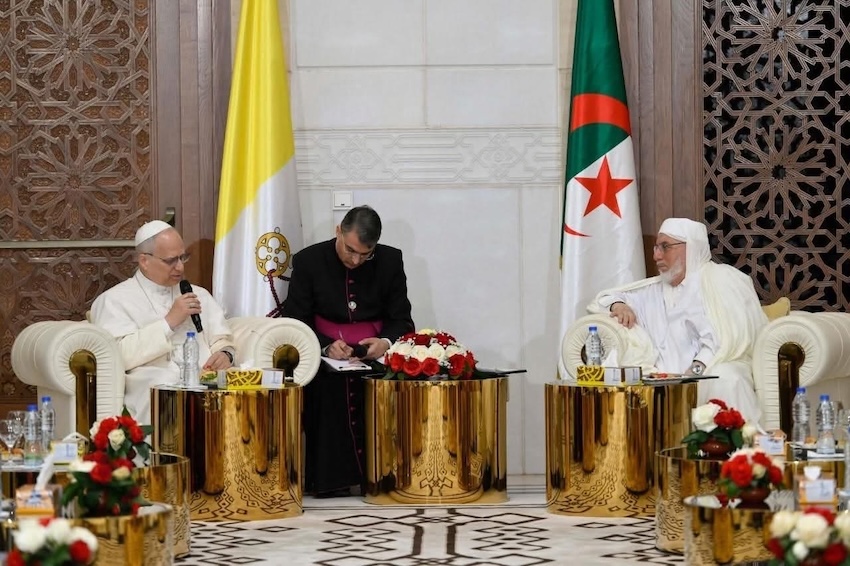
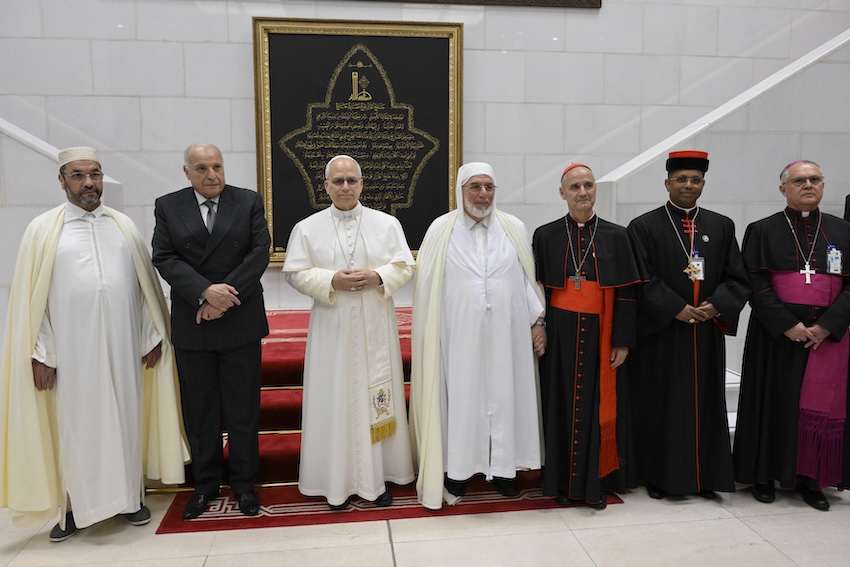
A particularly powerful and moving moment of the visit took place at the Djamaa El Djazair, the third-largest mosque in the world. Pope Leo XIV was received by Rector Mohamed Mamoun Al Qasimi of the Grand Mosque in Algiers and Muslim religious leaders, and paused for a moment of silent reflection – an encounter that spoke more eloquently than words. In an unscripted exchange, he underlined that respect begins with recognizing the dignity of the other, affirming that authentic dialogue arises not from abstraction, but from lived encounter.
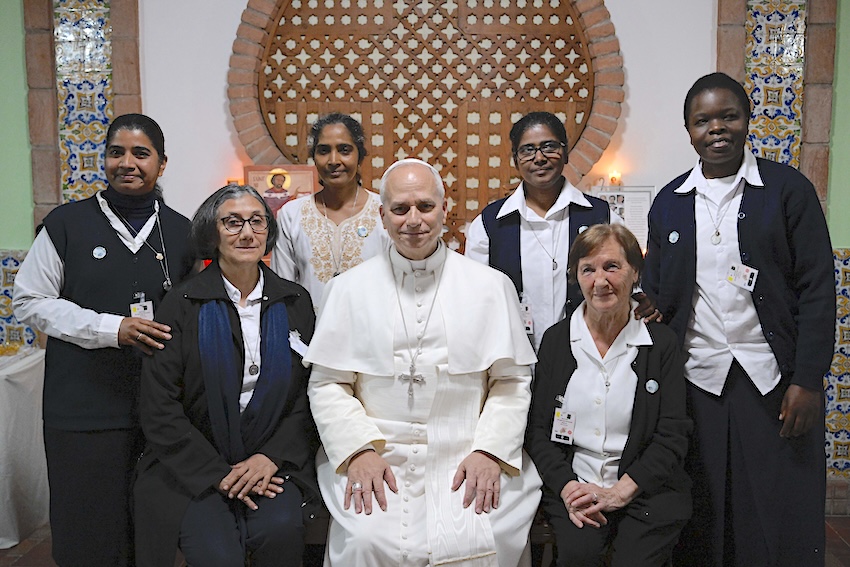
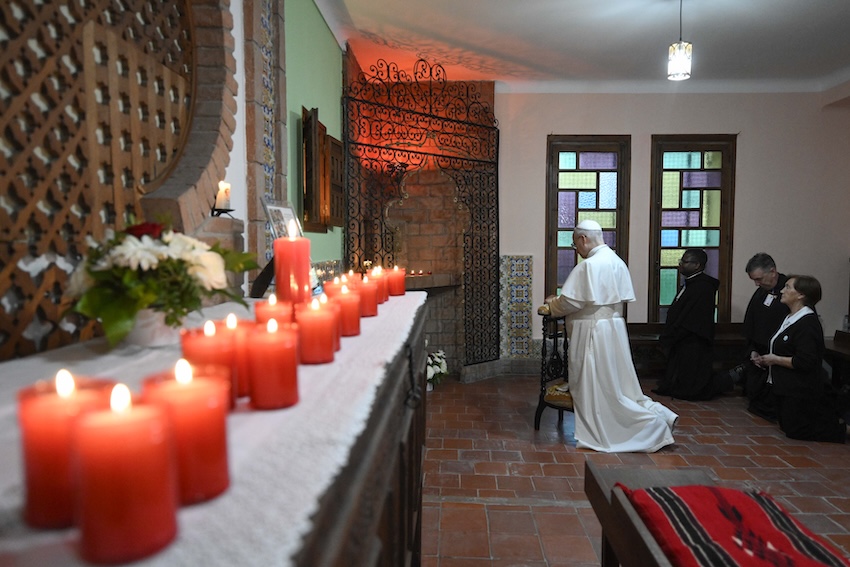
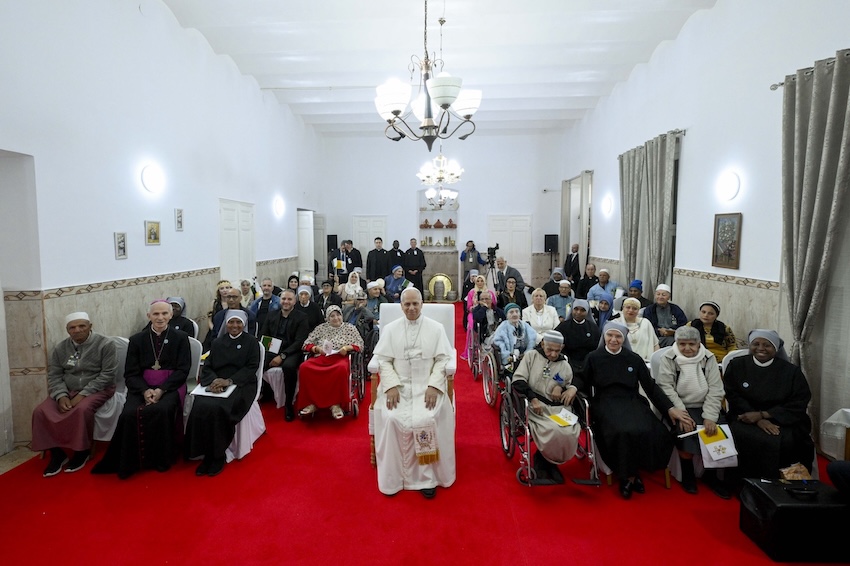
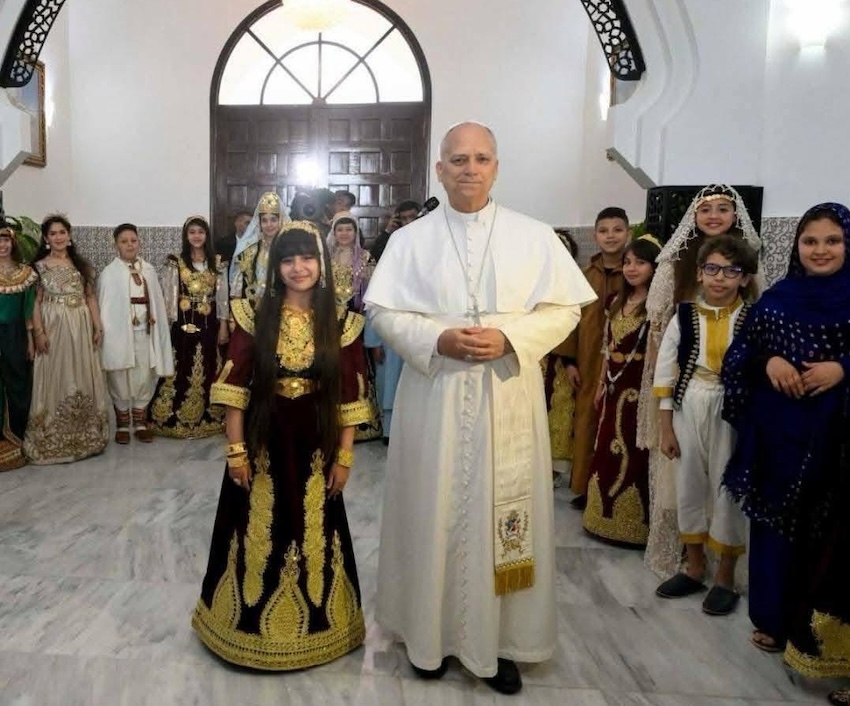
The visit continued with a stop at the community of the Augustinian Missionary Sisters in Bab El Oued.
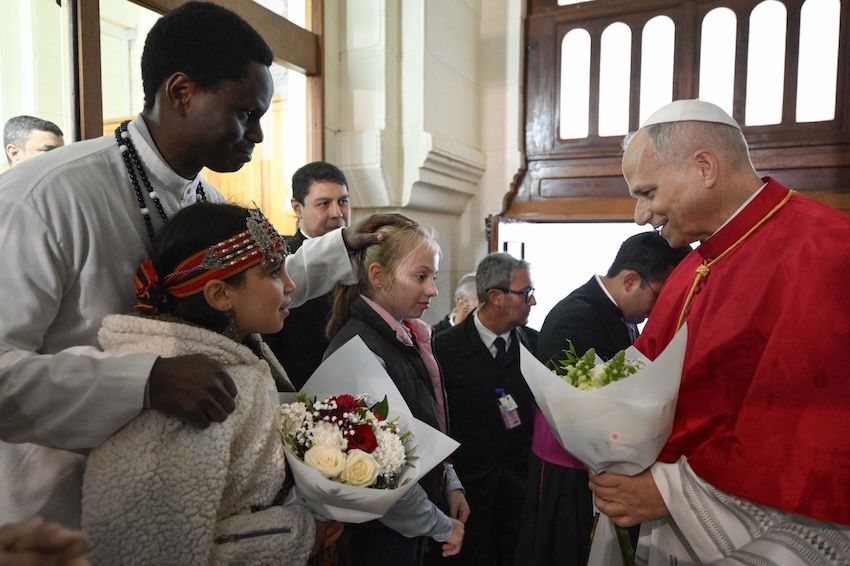
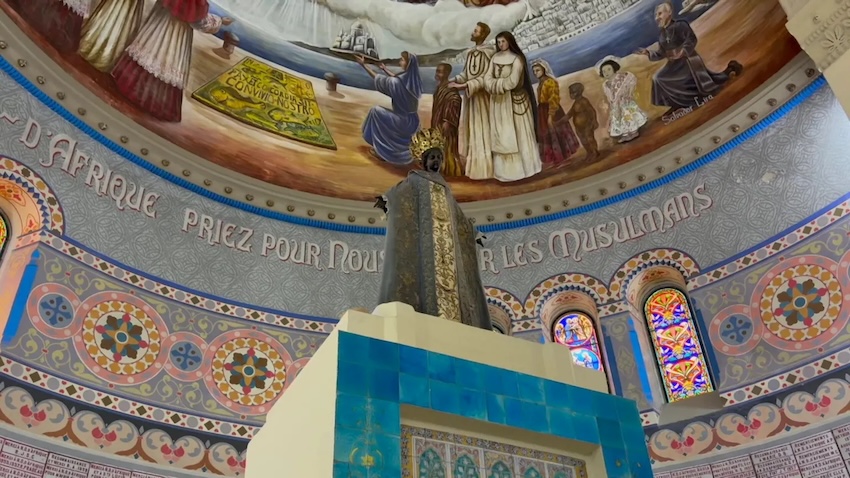
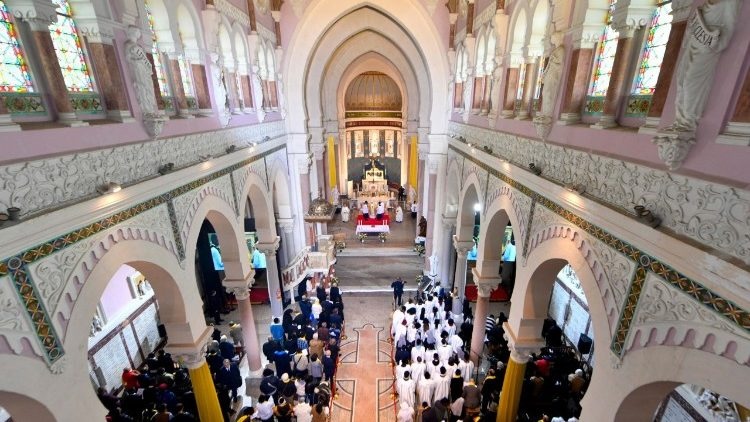
His Holiness’s first day visit concluded at the majestic Basilica of Our Lady of Africa. The faithful gathered there in large numbers, creating a powerful symbol of unity. Inside the basilica, the inscription “Our Lady of Africa, pray for us and for the Muslims” stood as a powerful symbol of coexistence. Addressing the Catholic community, the Pope described their daily experience of peaceful coexistence as a compelling witness in a world often marked by division and violence.
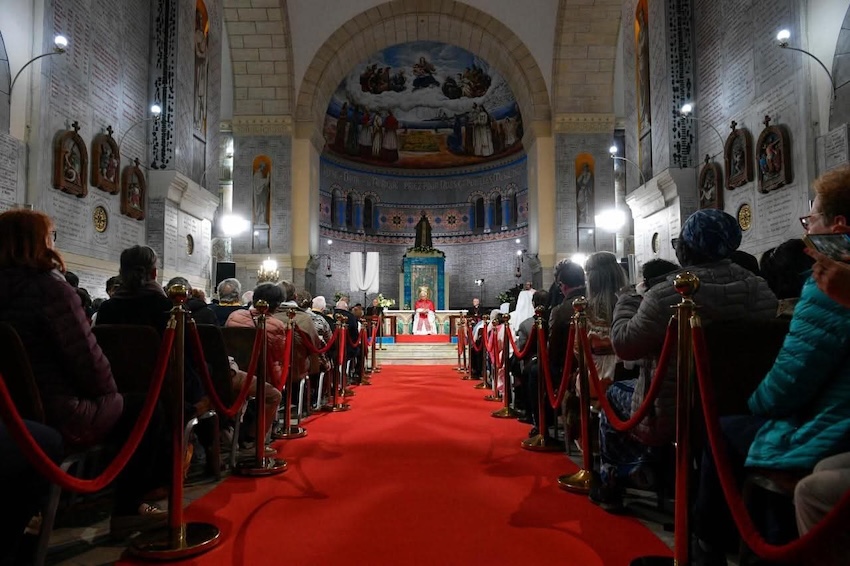
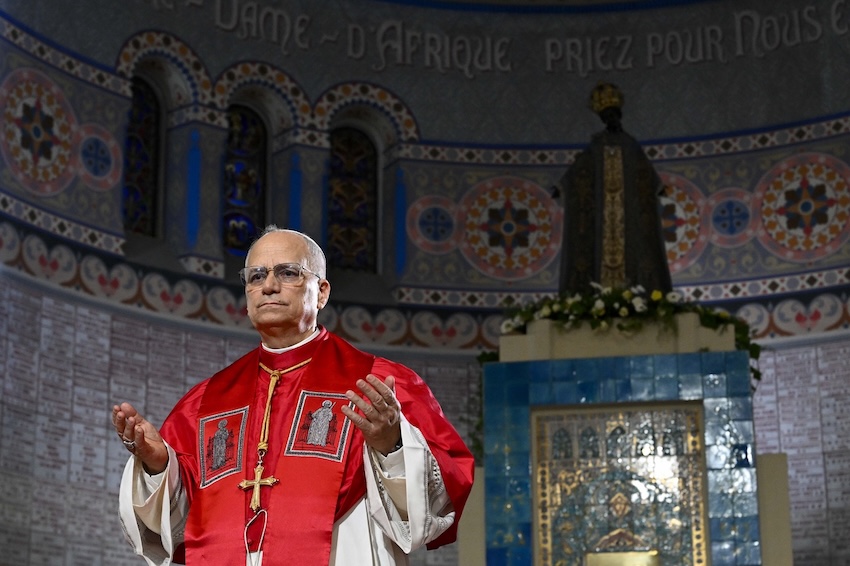
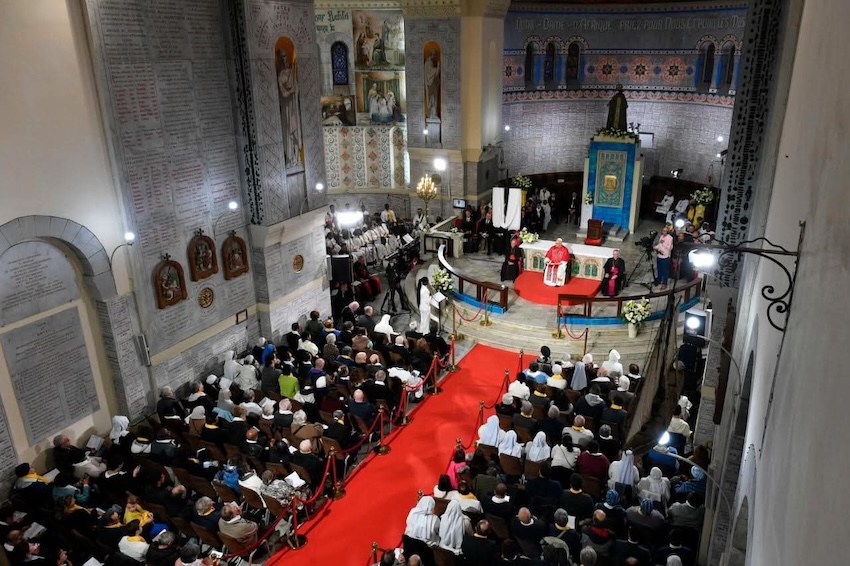
Annaba – Hippo: Spiritual Landmarks of the Papal Visit
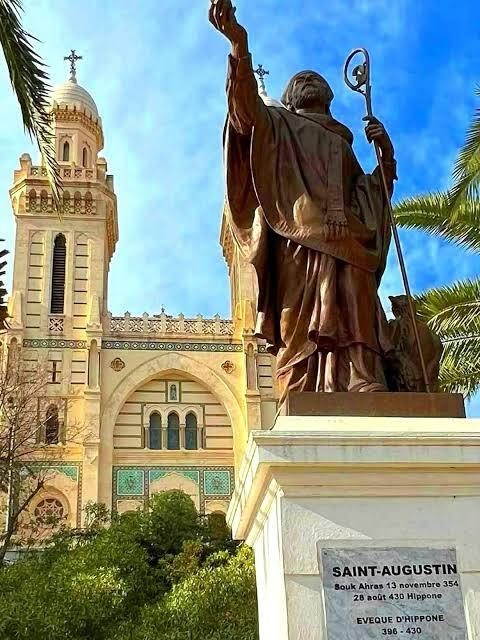
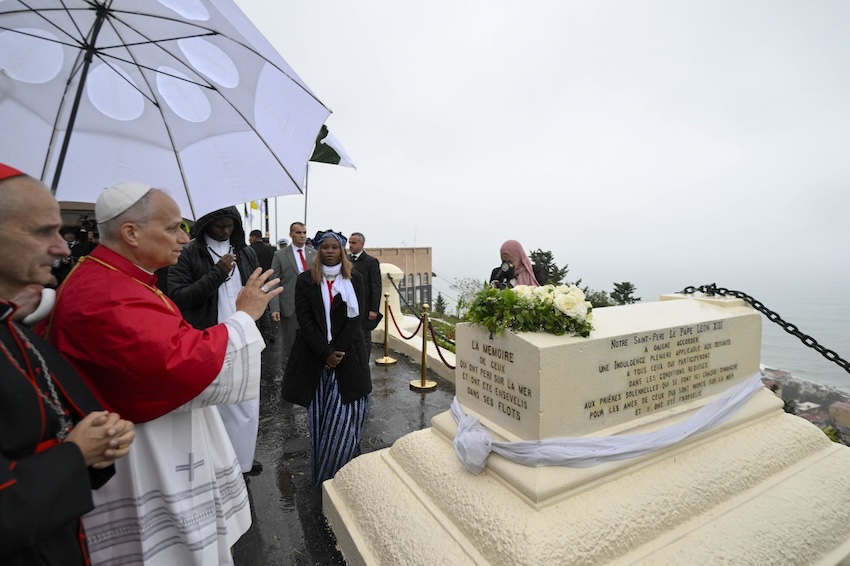
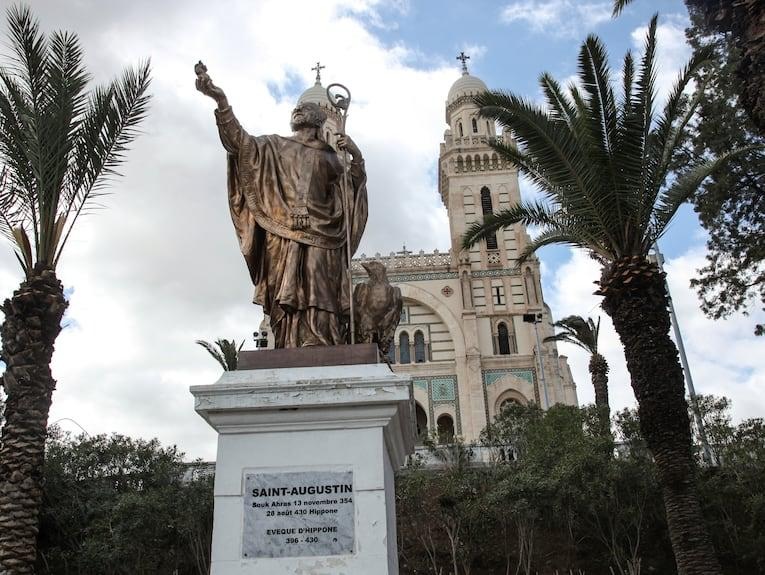
On 14 April 2026, the second day of the visit, the Pope travelled to Annaba – the ancient Hippo Regius – to retrace the footsteps of Saint Augustine, who had spent most of his life, served as bishop, and died there.
For Pope Leo XIV, of the Augustinian tradition, this moment held deep personal significance. Upon his election on 8 May 2025, he had introduced himself as “a son of Saint Augustine”, thus expressing a spiritual and intellectual inheritance that continues to shape his vision of dialogue, reconciliation, and peace. Hippo is among the most important spiritual sites in the memory of the Church.
For an Augustinian Pope, visiting Hippo and walking among the ruins of the ancient city is not merely a pastoral visit; he described the experience as a return to a source – not only of faith, but also of thought and of humanity’s enduring search for truth.
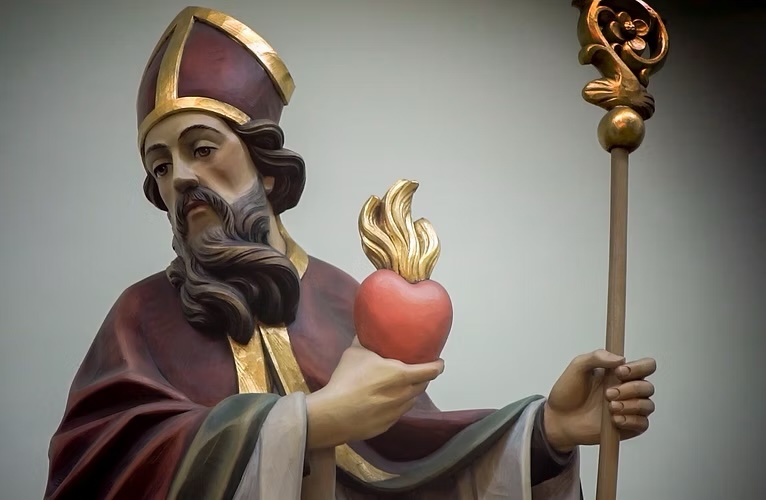
Born in 354 in Thagaste (present-day Souk Ahras), Saint Augustine remains one of the most influential theologians and philosophers in Christian spiritual and intellectual history. As Bishop of Hippo for 35 years until his death, he guided his community through profound challenges, leaving behind a legacy that continues to shape theological and philosophical reflection through his extensive writings and sermons – over 200 books and nearly 1,000 sermons, letters, and other works, including Confessions and The City of God.
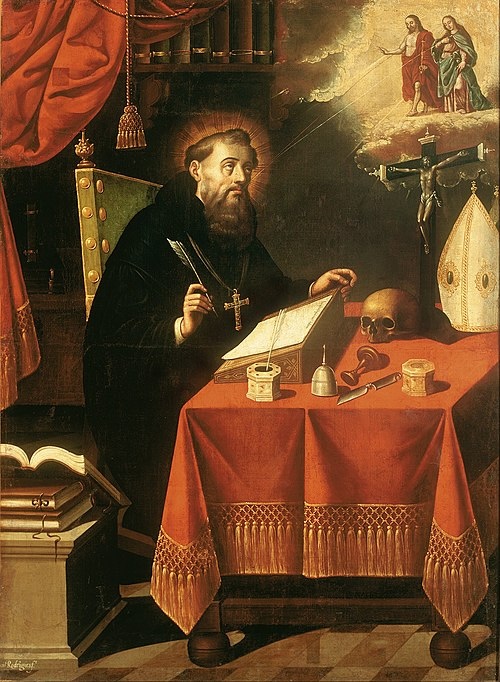
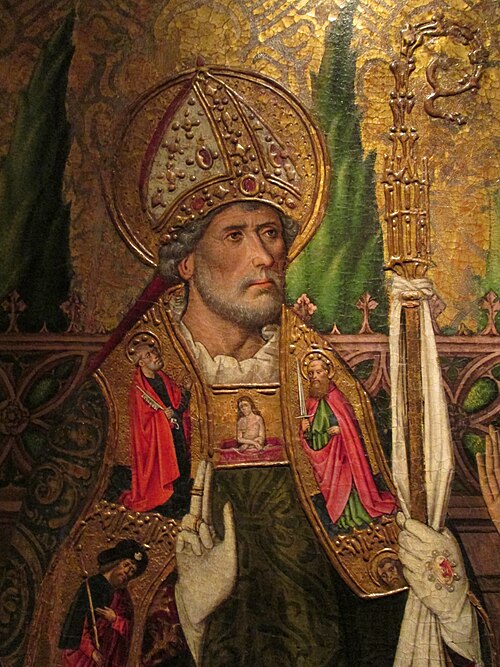
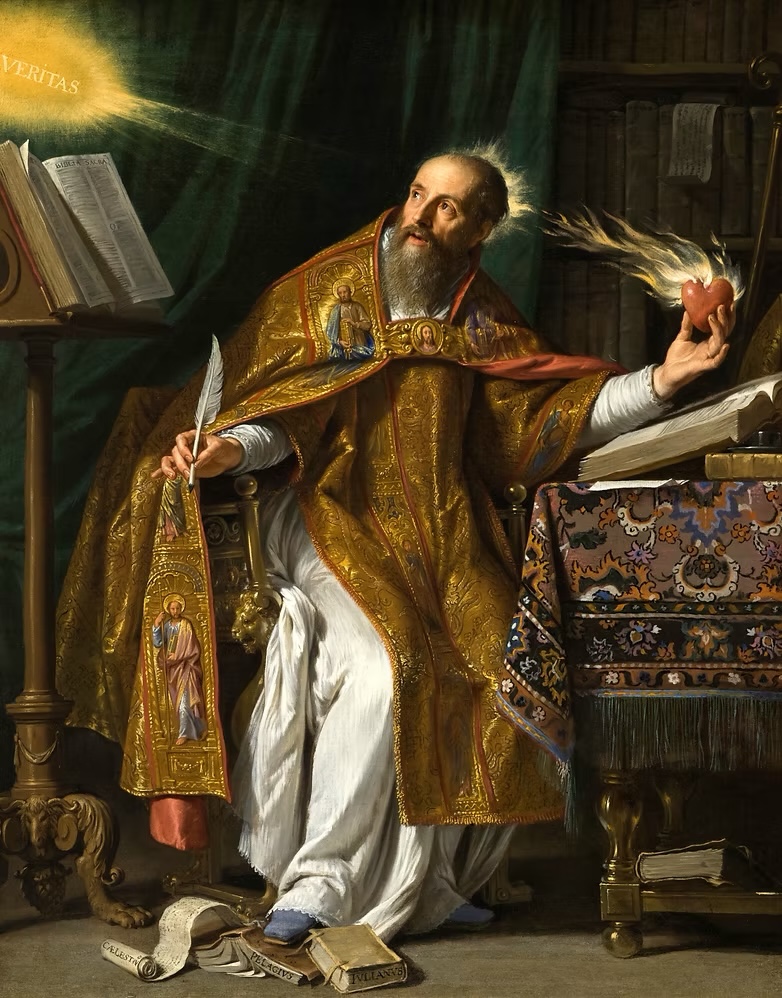
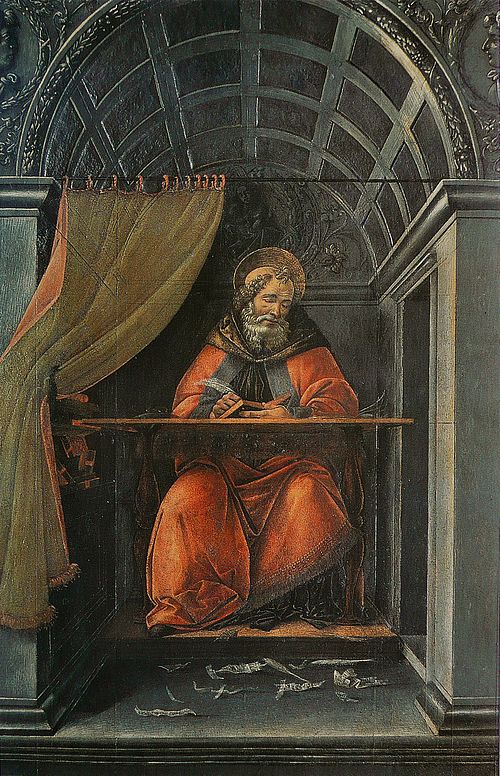
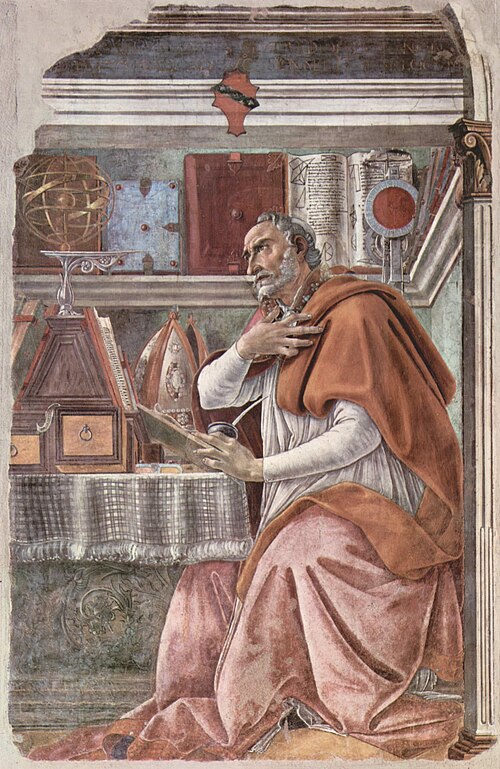
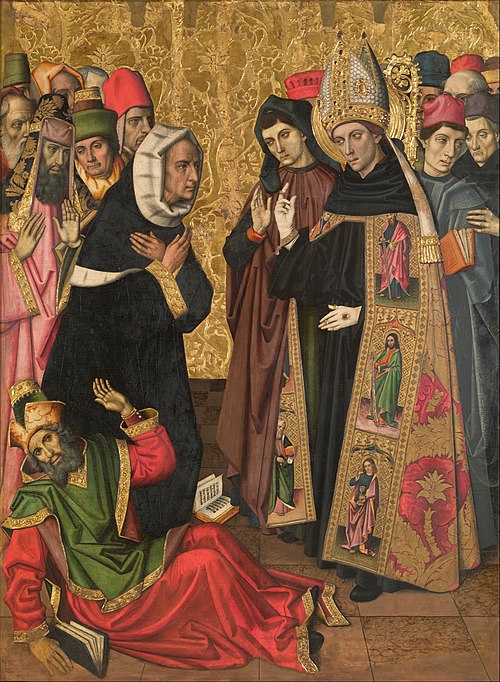
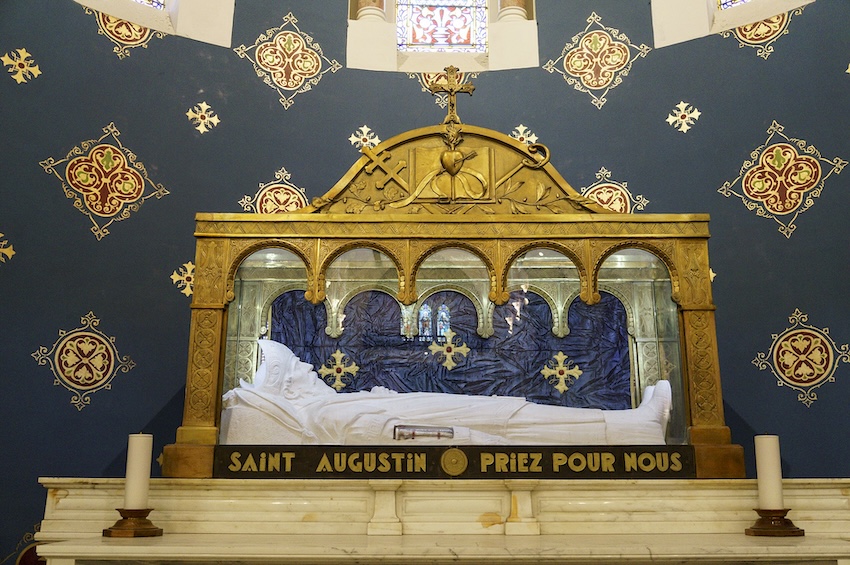
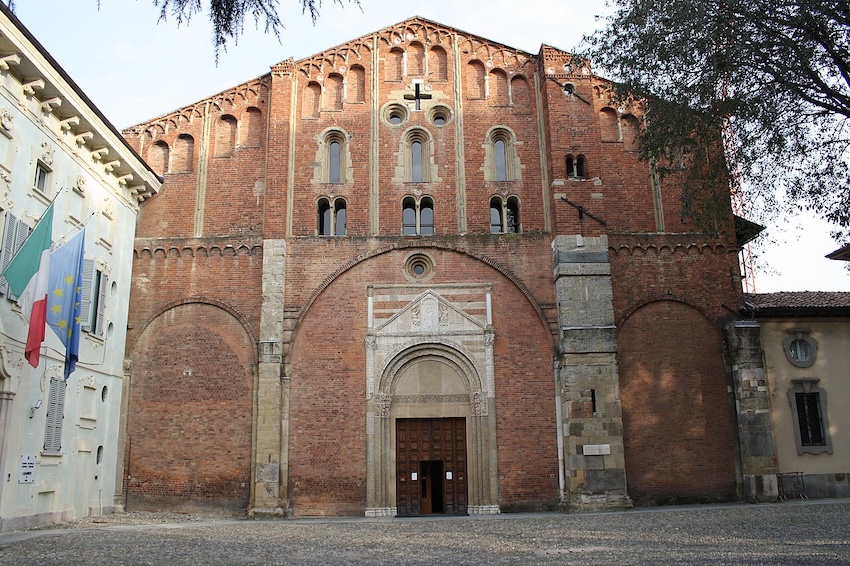
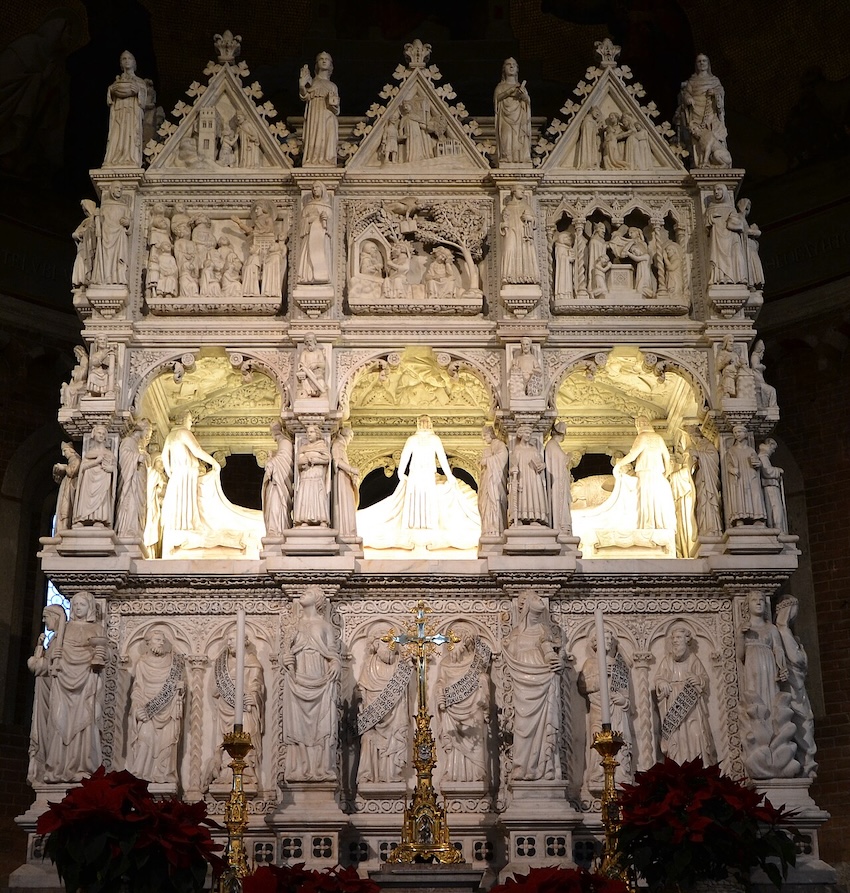
In the year 430, Augustine fell ill and was confined to bed. He spent days and nights praying the penitential psalms, which he had asked to have written on the walls of his room. He died on 28 August 430, at the age of 76, when the city of Hippo was sacked and burned by the Vandals. His body was initially buried in Hippo, later transferred to Sardinia for safekeeping, and finally brought to Pavia in northern Italy, where it now rests in the Basilica of San Pietro in Ciel d’Oro.
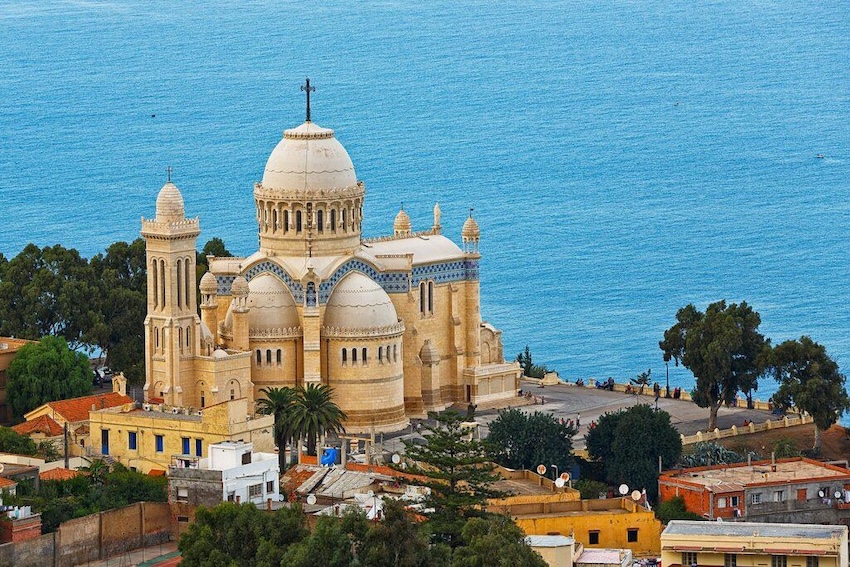
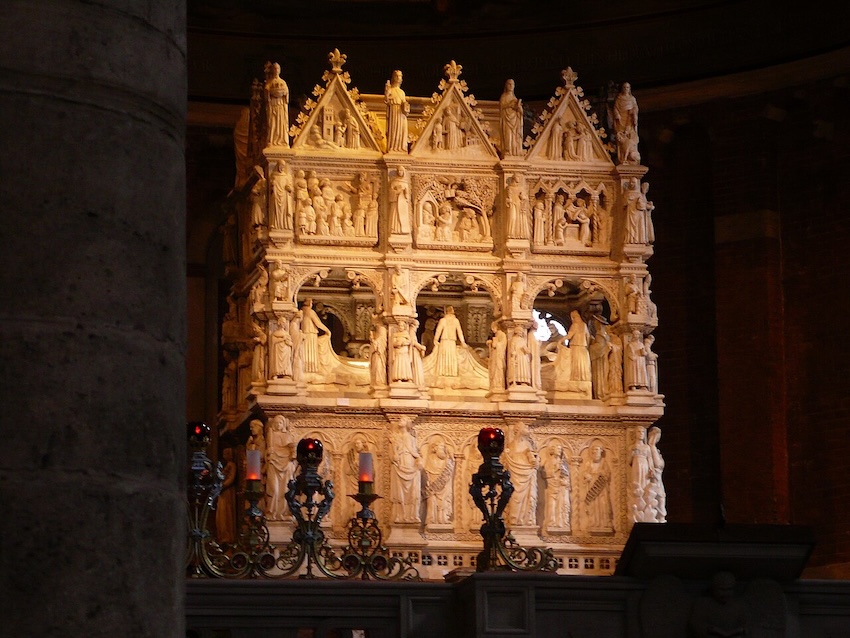
Within this broader context, Algeria reaffirmed its commitment to preserving and promoting its rich, millennia-old heritage. Particular attention was paid to the initiative to have the “Augustinian Routes in Algeria” inscribed on the UNESCO World Heritage List – a project of cultural and diplomatic significance. Extending from Annaba (Hippo) to Souk Ahras (Thagaste), the route traces the life and legacy of Saint Augustine through a network of ancient sites, offering a coherent narrative of intellectual and spiritual development. This initiative reflects Algeria’s vision of heritage as a bridge – linking tourism, education, and international cooperation – while presenting the country as a crossroads of civilizations and dialogue.
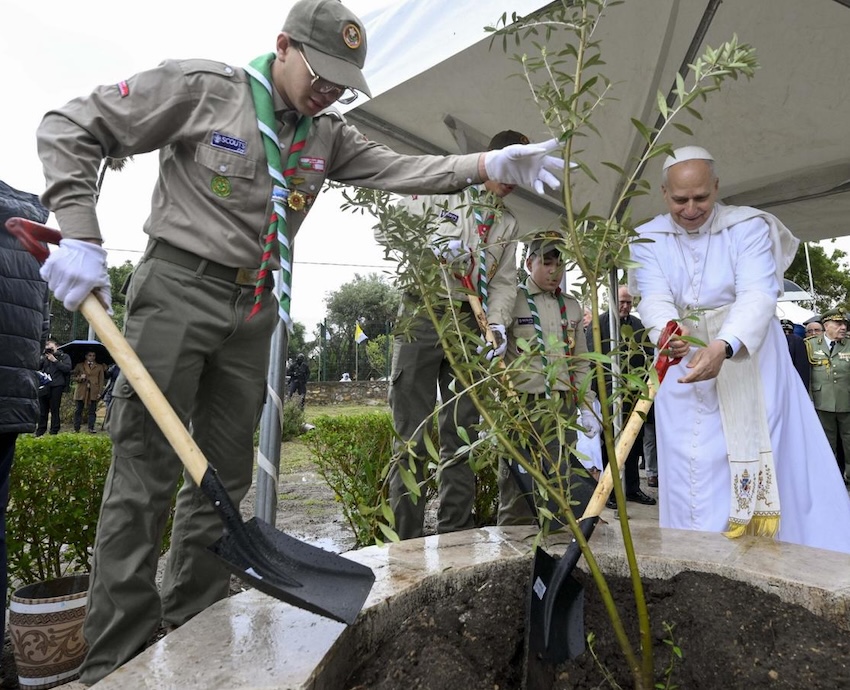
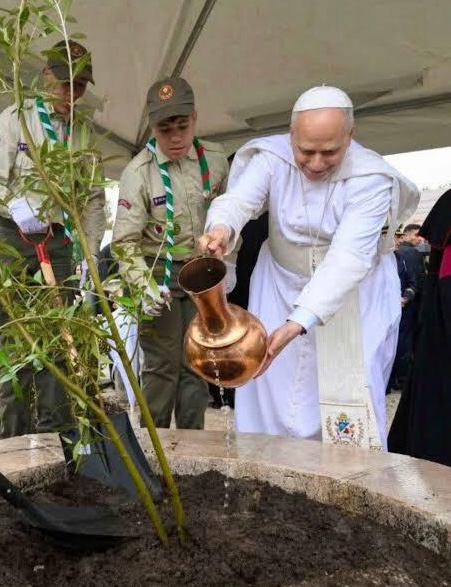
During his stay in Annaba, Pope Leo XIV planted an olive tree grown from one in ancient Thagaste, Augustine’s birthplace – a quiet gesture symbolizing hope and continuity.
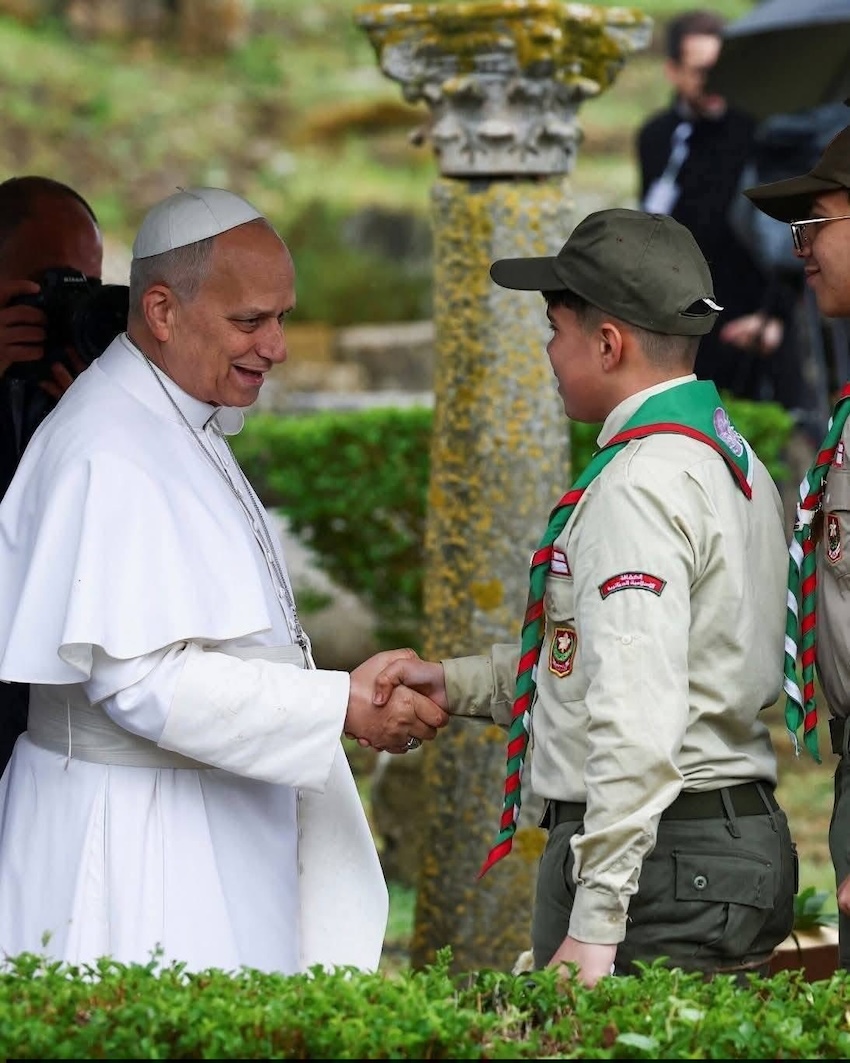
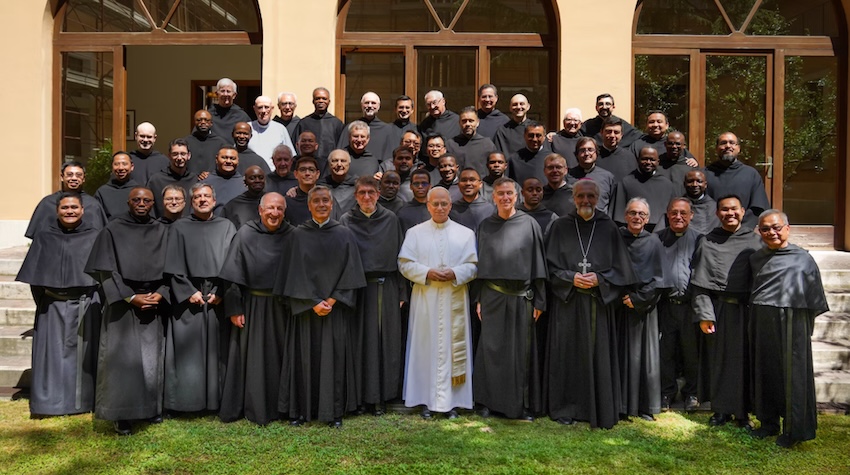
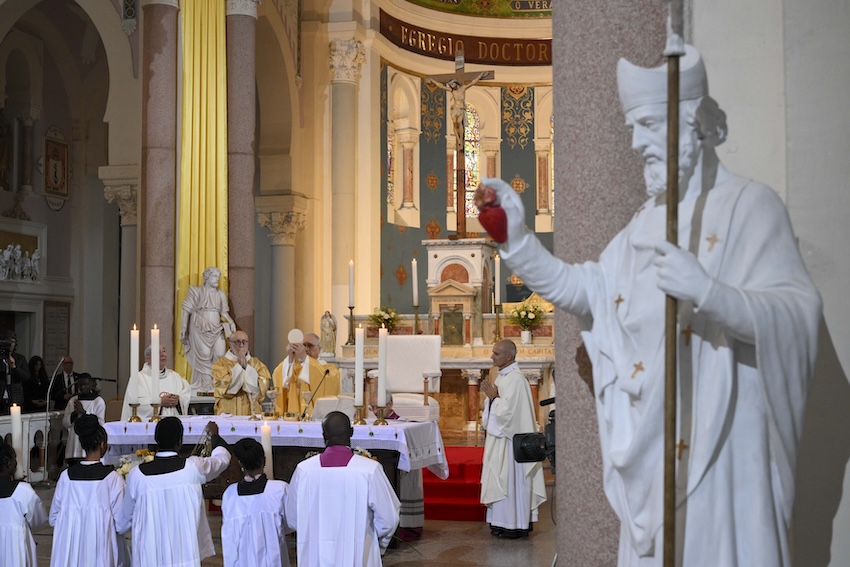
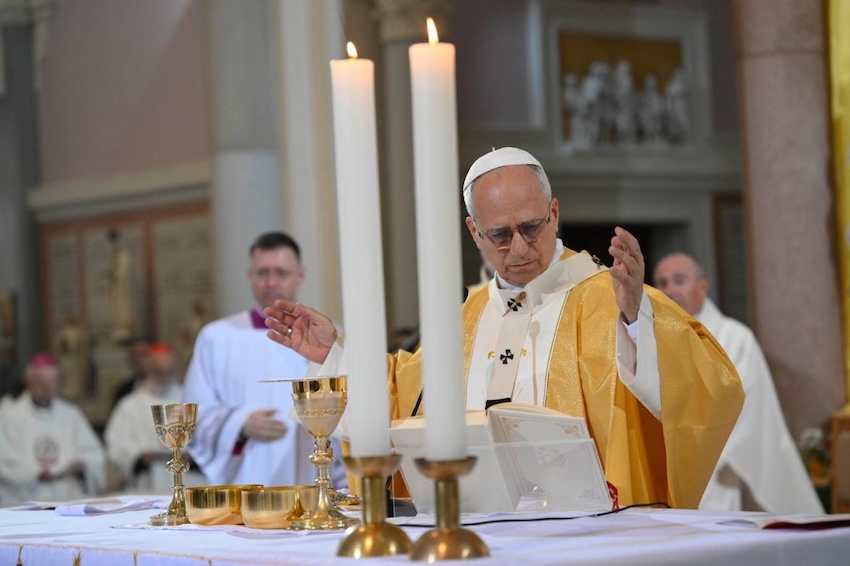
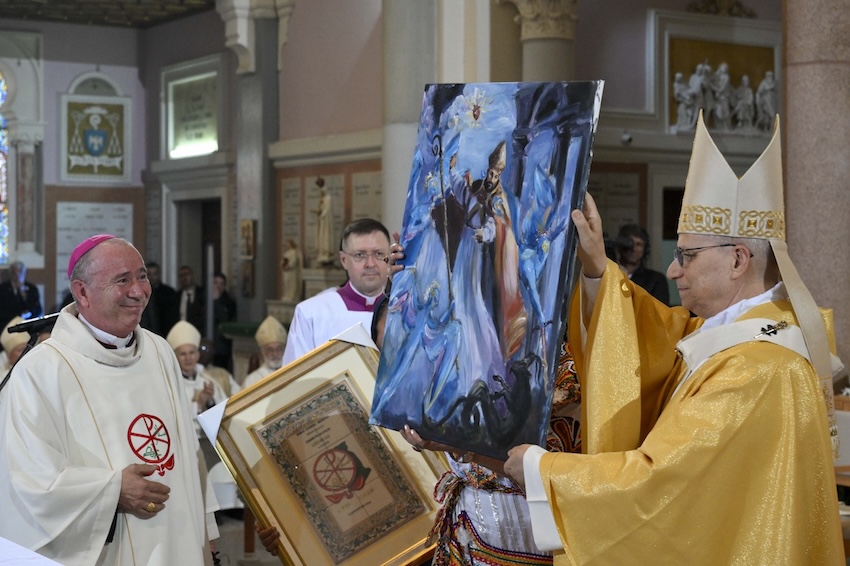
He then visited a care home for the elderly run by the Little Sisters of the Poor, offering a moment of closeness and compassion. The Holy Father also held a private meeting with members of the Augustinian Order at their community house. His time in Annaba culminated at the Basilica of St. Augustine, where he presided over a solemn Mass.
In this light, the apostolic journey to Algeria – marked by dialogue, memory, and shared horizons of peace – will be remembered not only as a historic first but also as a moment of quiet clarity. It reaffirmed that in a fragmented world, building bridges between cultures, religions, and nations remains one of the most essential tasks of our time.
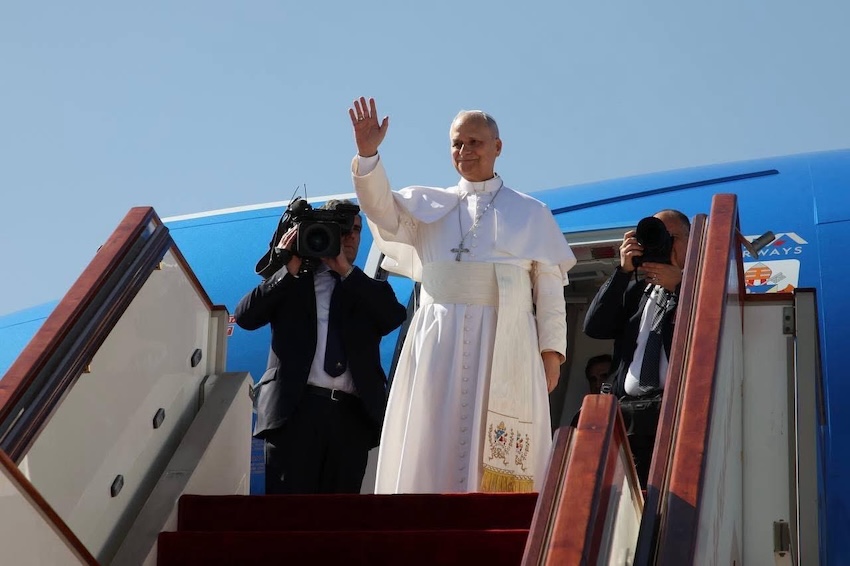
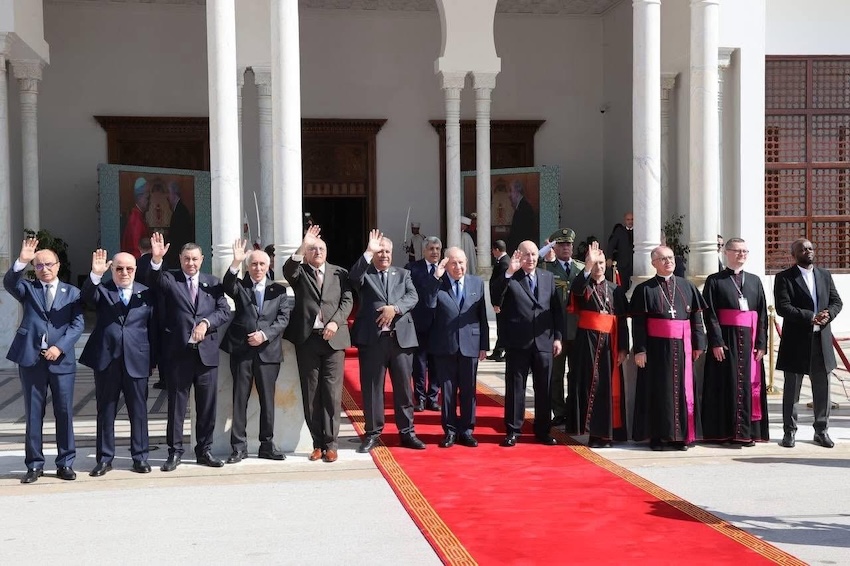
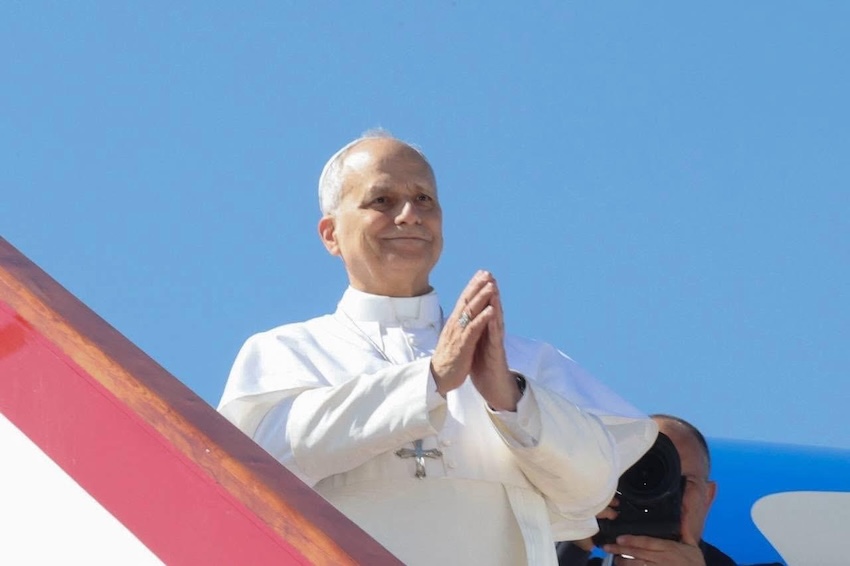
Following the significant days and important visits in Algeria, which concluded on 15 April, Pope Leo XIV continued his 11-day apostolic journey through Africa, visiting Cameroon, Angola, and Equatorial Guinea, to spread his message across the continent. As the second major foreign visit, marking the first anniversary of his pontificate on 8 May 2026, it signalled Africa’s growing importance in shaping global conversations on peace, coexistence, and human dignity. Throughout the approximately 18,000-kilometre journey, his message remained consistent: dialogue must be sustained, dignity upheld, and peace patiently built through encounter and mutual recognition.
The continuity of this legacy will be further underscored by the Pope’s upcoming visit to Pavia in Lombardy, Italy on 20 June 2026, where the relics of Saint Augustine are preserved in the Basilica di San Pietro in Ciel d’Oro (in English: Basilica of St. Peter in the Golden Sky) – symbolically linking North Africa and Europe within a shared spiritual and historical narrative.
Source: Embassy of Algeria in Budapest
Photos from the Embassy of Algeria in Budapest, and Vatican News – vaticannews.va