


The Eternal City Through the Lens of a Master
Edited by Anna Popper
At the Italian Cultural Institute in Budapest (IIC), a remarkable exhibition invites visitors into the refined and deeply analytical world of Gabriele Basilico (1944–2013), one of the most influential photographers of the late 20th and early 21st centuries.
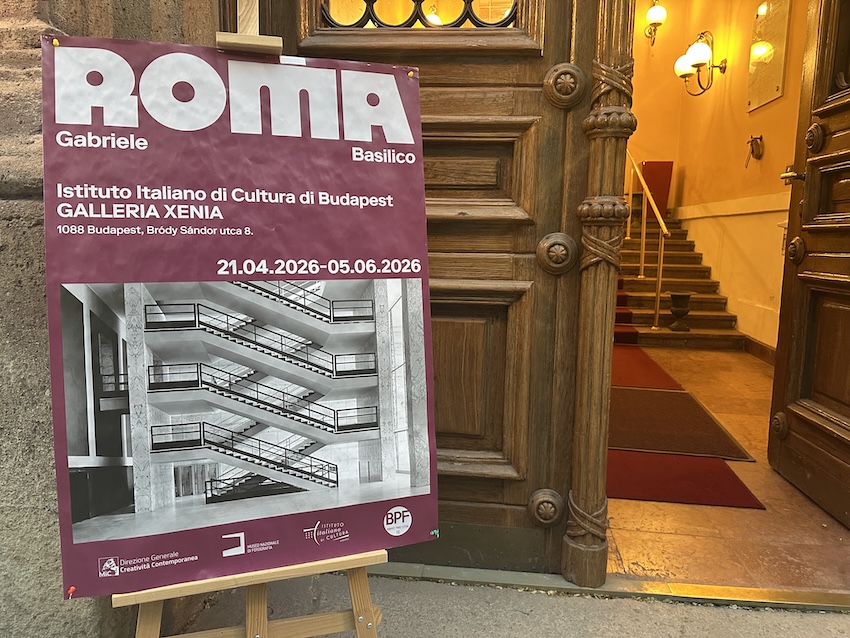
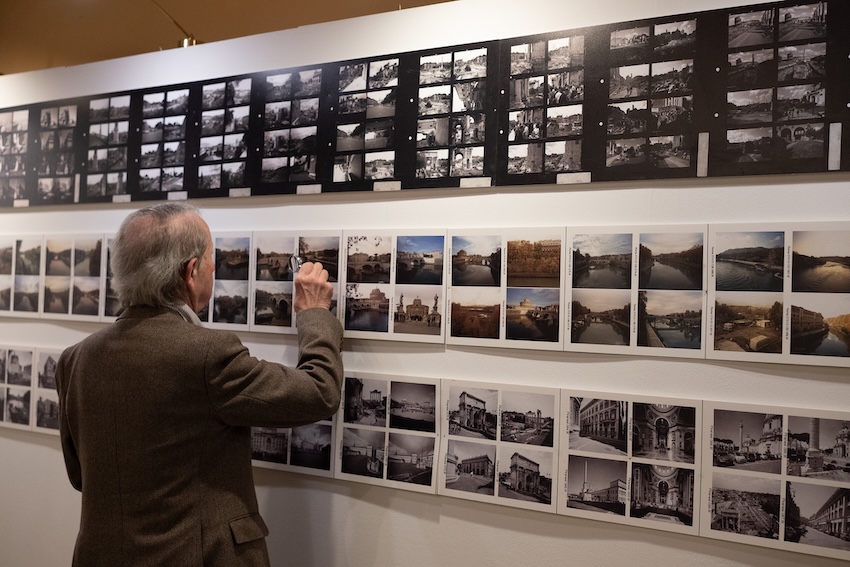
Promoted by the Directorate-General for Contemporary Creativity of the Italian Ministry of Culture, in collaboration with the National Museum of Photography (MUNAF) and the Gabriele Basilico Archive, the exhibition is curated by Matteo Balduzzi and Giovanna Calvenzi. It brings together, for the first time in a coherent and comprehensive way, the principal photographic campaigns that Basilico carried out in Rome over more than two decades.
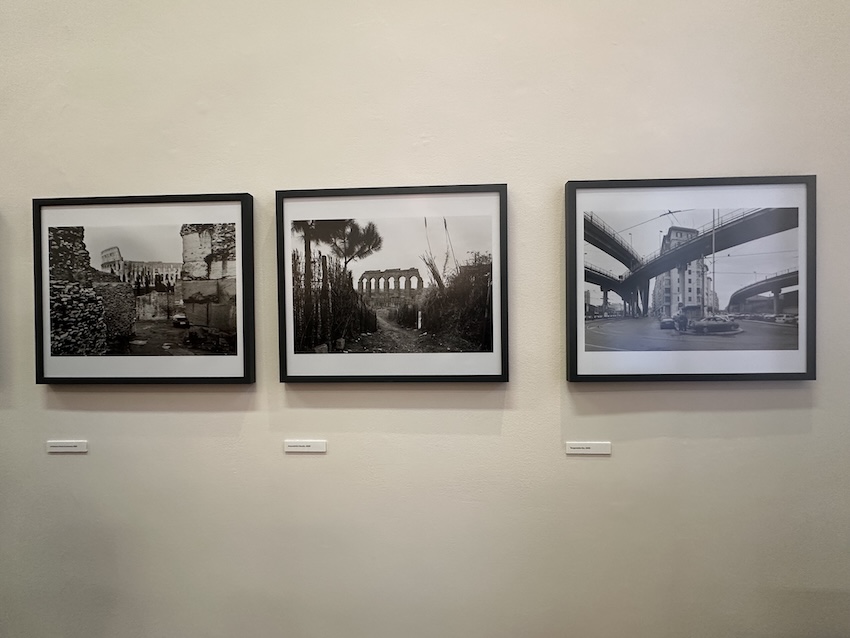
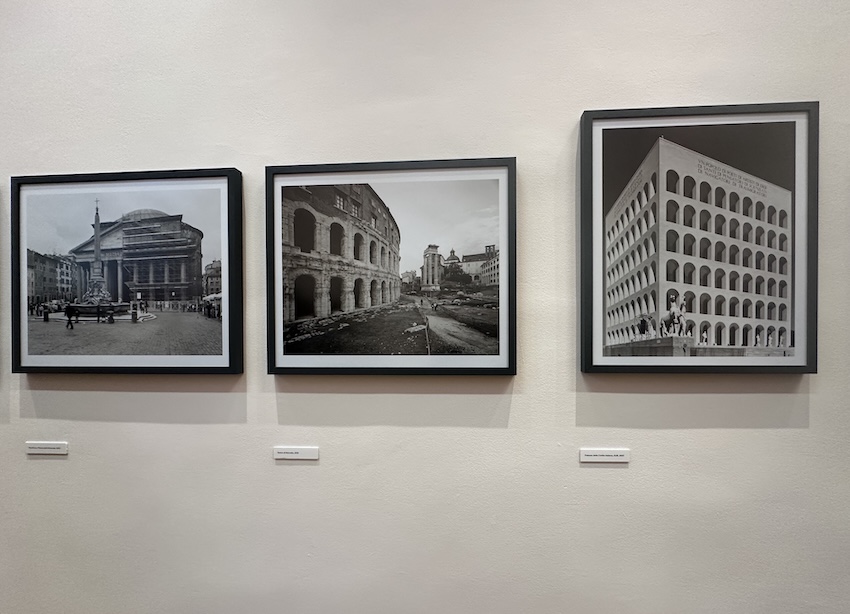
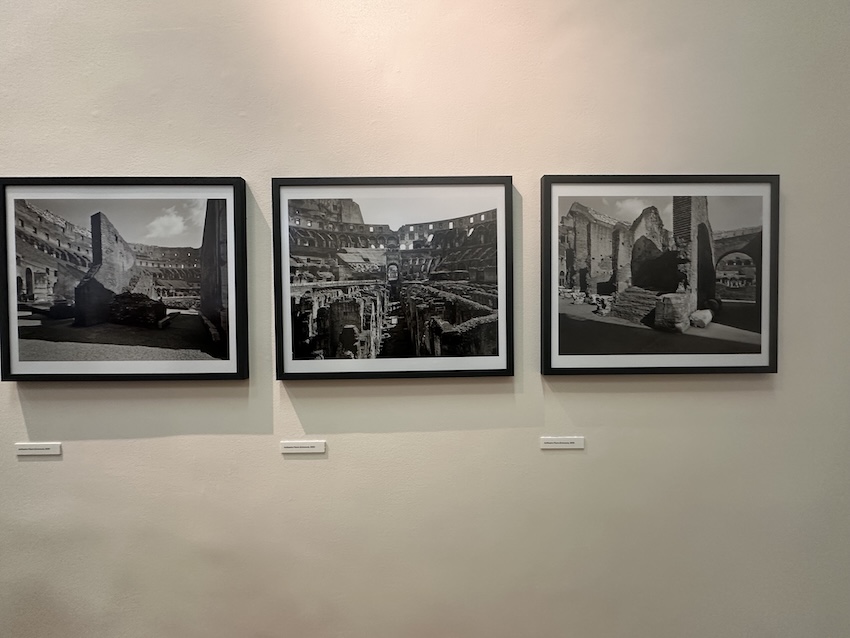
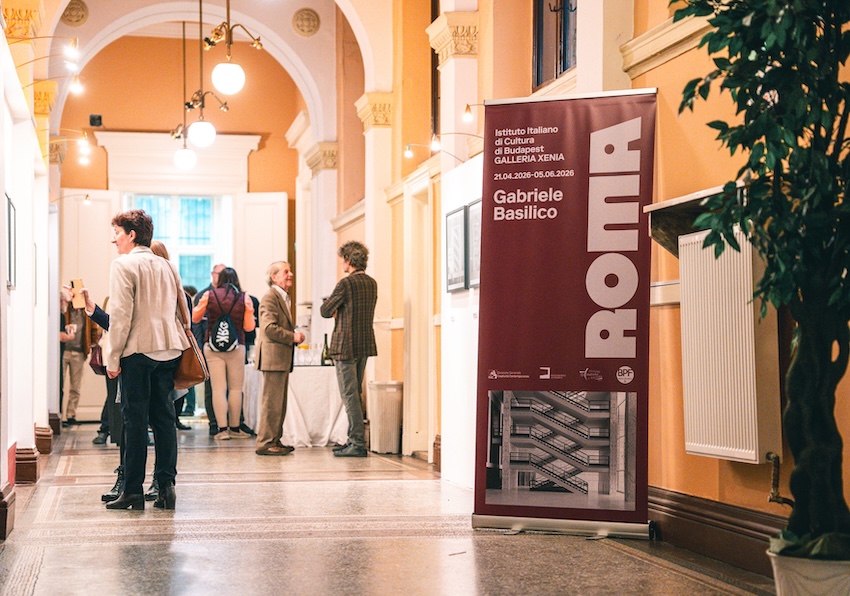
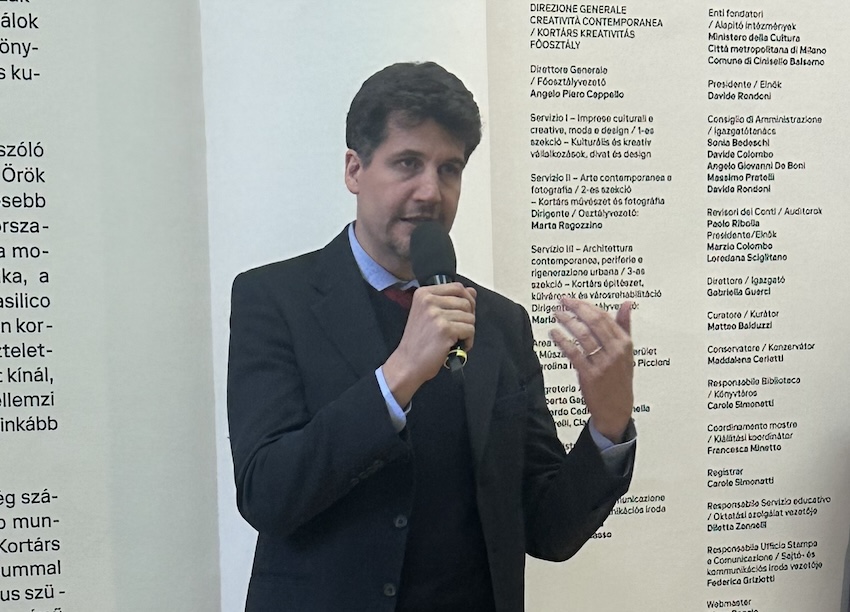
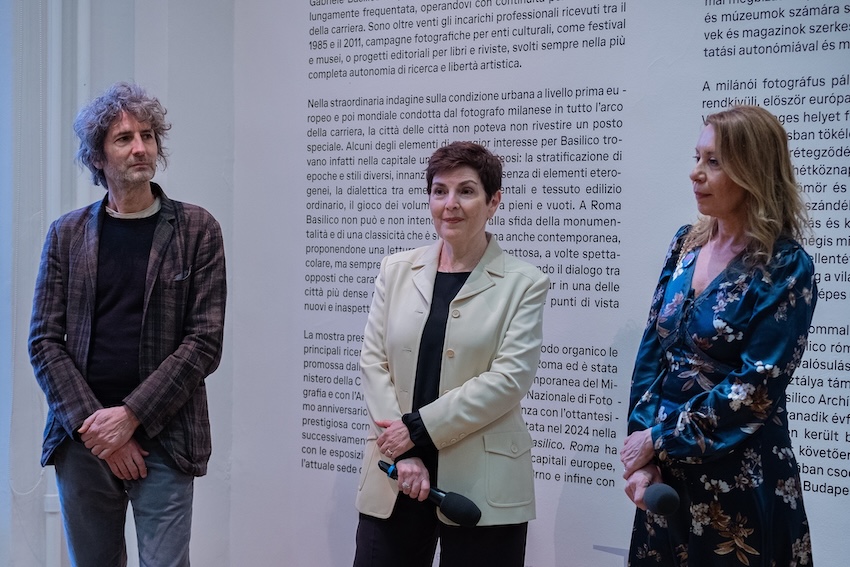
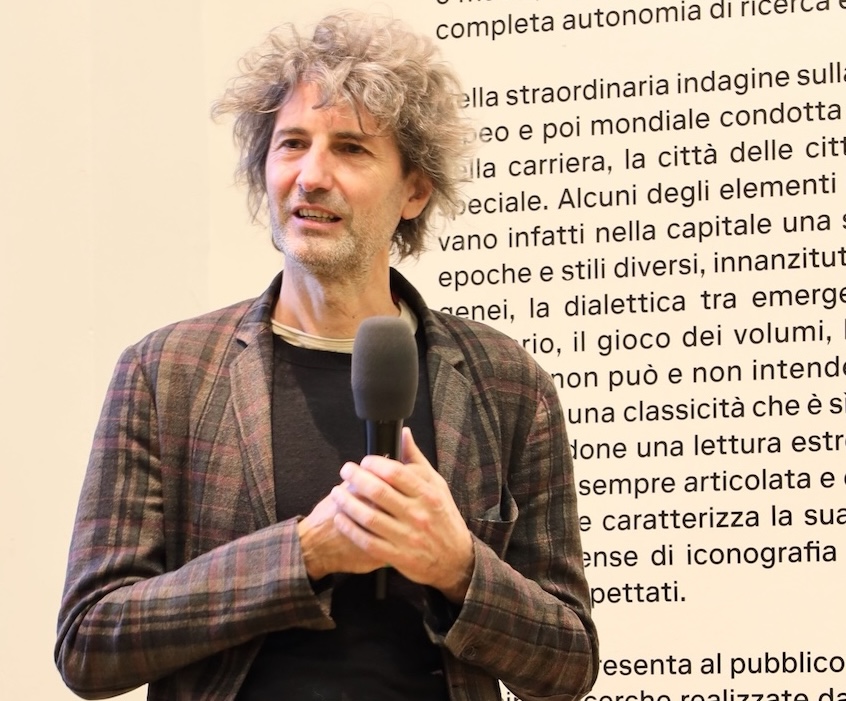
The exhibition was inaugurated on 21 April 2026 by Gabriele La Posta, Director of the Institute; Matteo Balduzzi, Curator; as well as Gabriella Guerci, Director of MUNAF; and Szilvia Mucsy, Director of the Budapest Photo Festival.
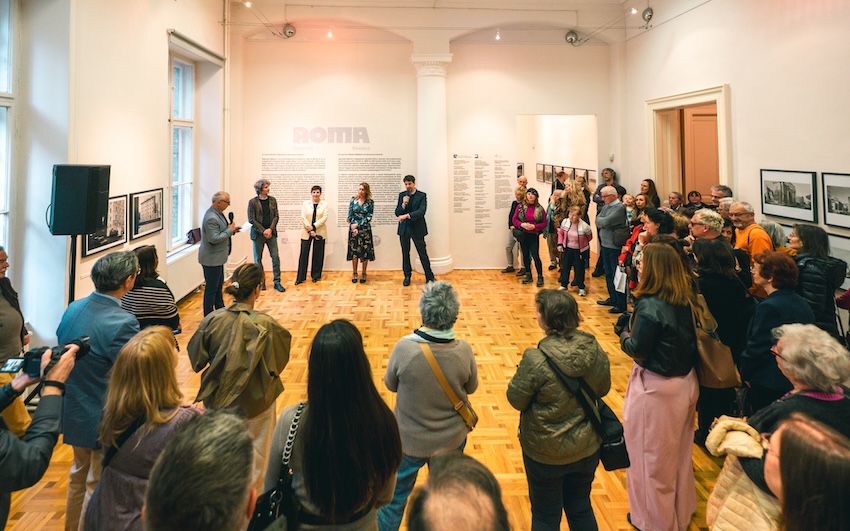
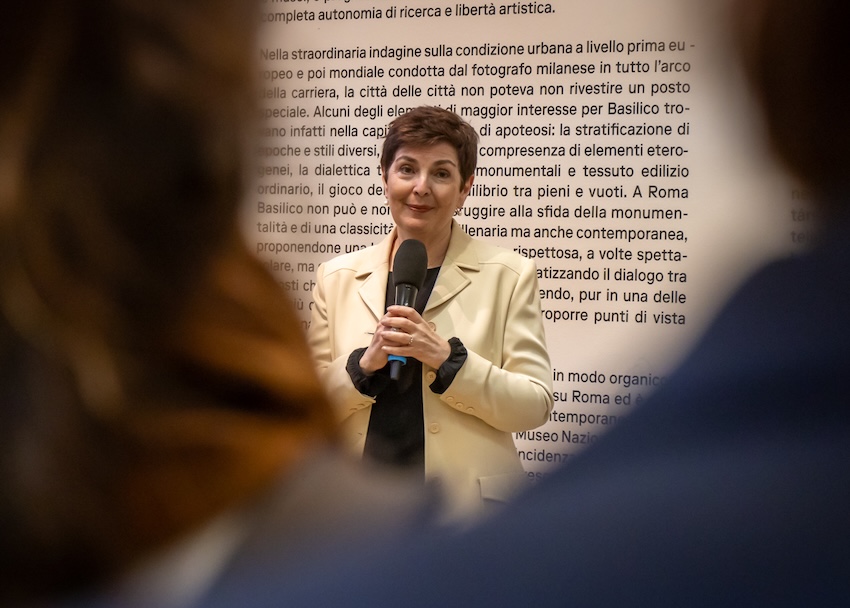
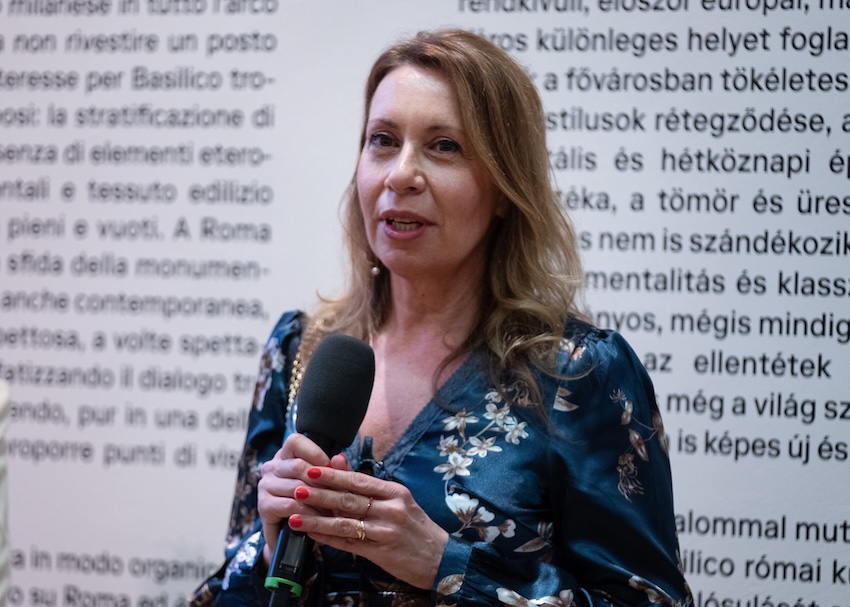
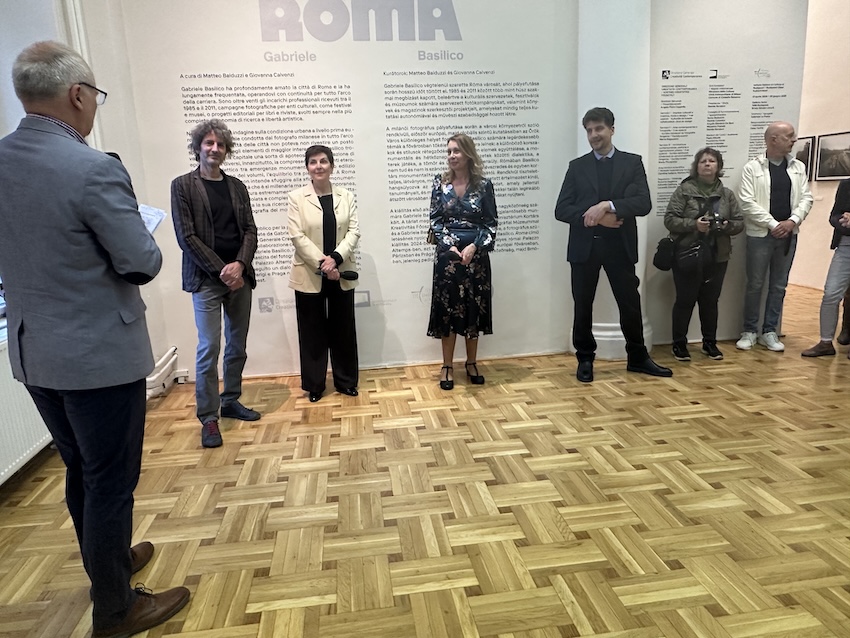
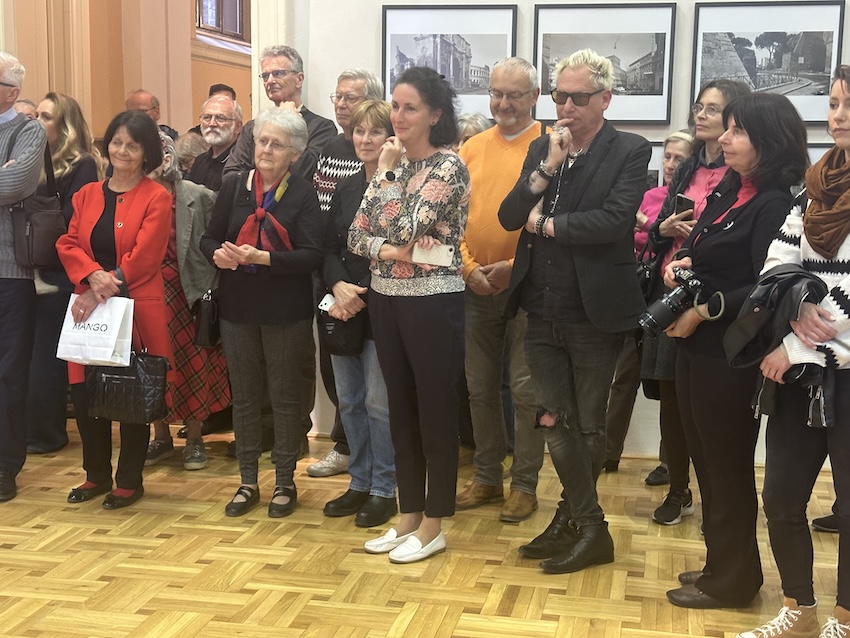
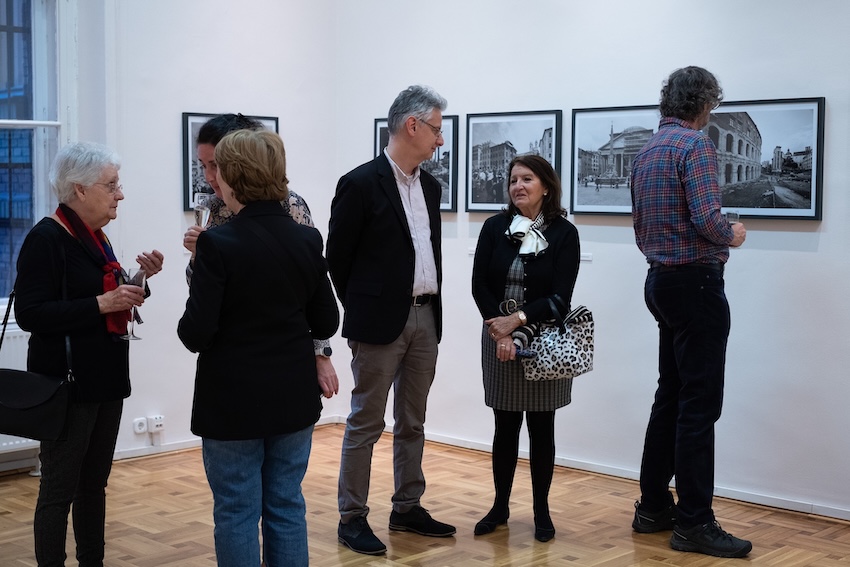
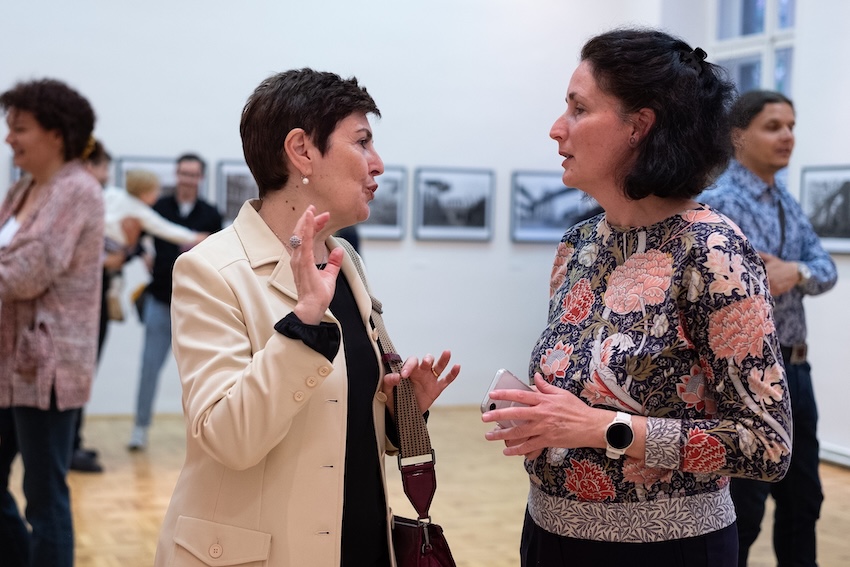
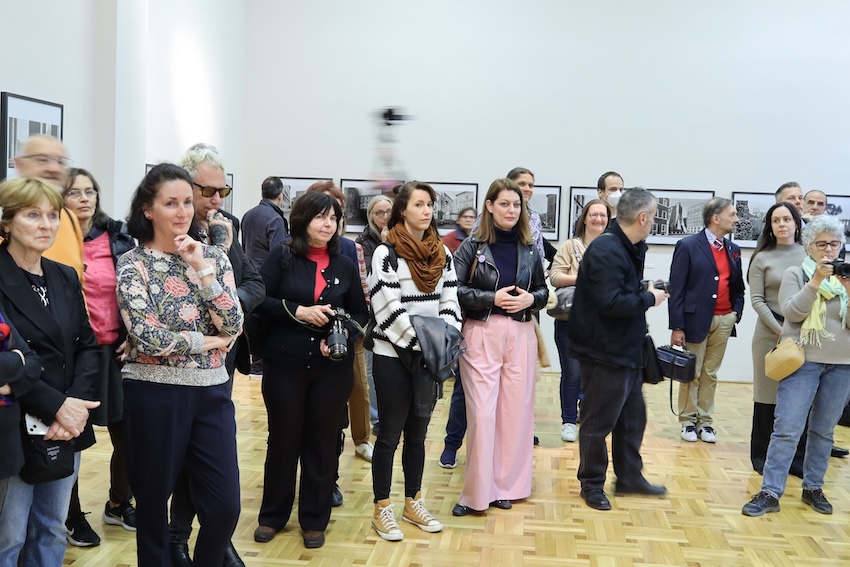
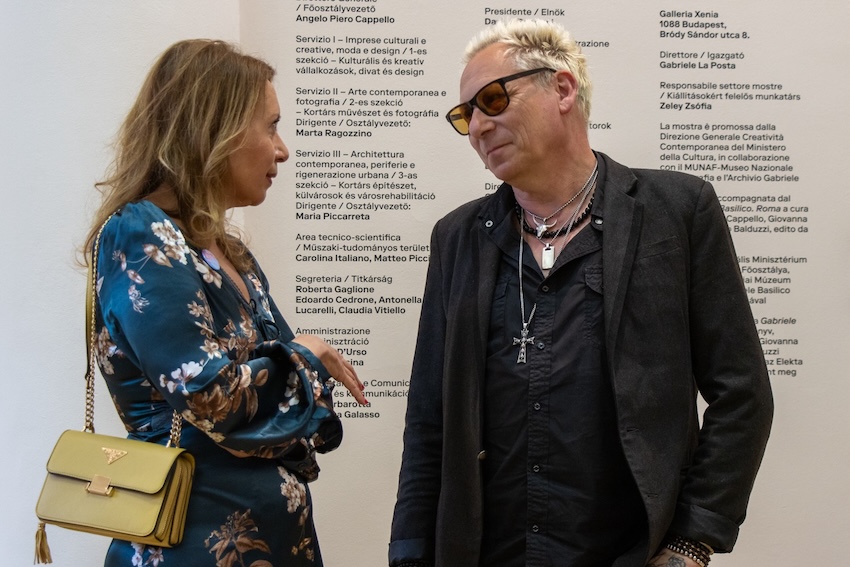

Presented as part of the official program of the 10th Budapest Photo Festival (BPF), “Gabriele Basilico. Rome” offers a compelling and comprehensive exploration of the Eternal City through the eyes of an artist who dedicated decades to understanding the language of urban space.
A Lifelong Dialogue with Rome
Born in Milan, Basilico initially trained as an architect before turning to photography. After early work in reportage, he shifted his focus to architectural and urban photography – a transition strongly influenced by his academic background. He gained international recognition in 1982 with his photographic study of Milan’s industrial periphery.
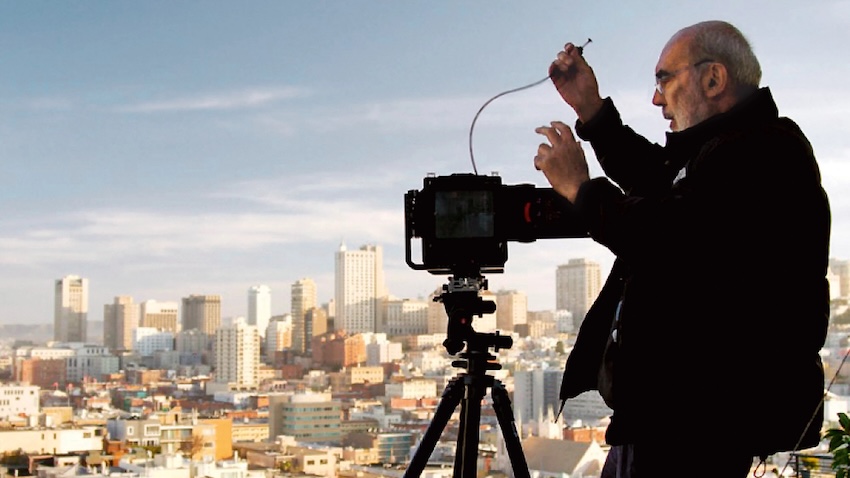
His relationship with Rome was not sporadic, but rather enduring, methodical, and deeply personal. Between 1985 and 2011, he returned to the city repeatedly, undertaking over twenty commissions ranging from institutional surveys to editorial projects. Beyond these assignments, his work reveals a sustained intellectual and visual dialogue with one of the world’s most complex urban environments.
For Basilico, Rome was not merely a subject, but a living archive of forms, histories, and contradictions. His photographs reflect a persistent curiosity about the city’ structure – its rhythms, tensions, and silent geometries. With complete artistic autonomy, he approached Rome not as a postcard image, but as a layered, evolving organism.
The Architecture of Complexity
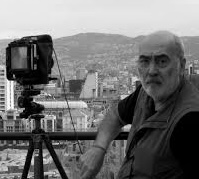
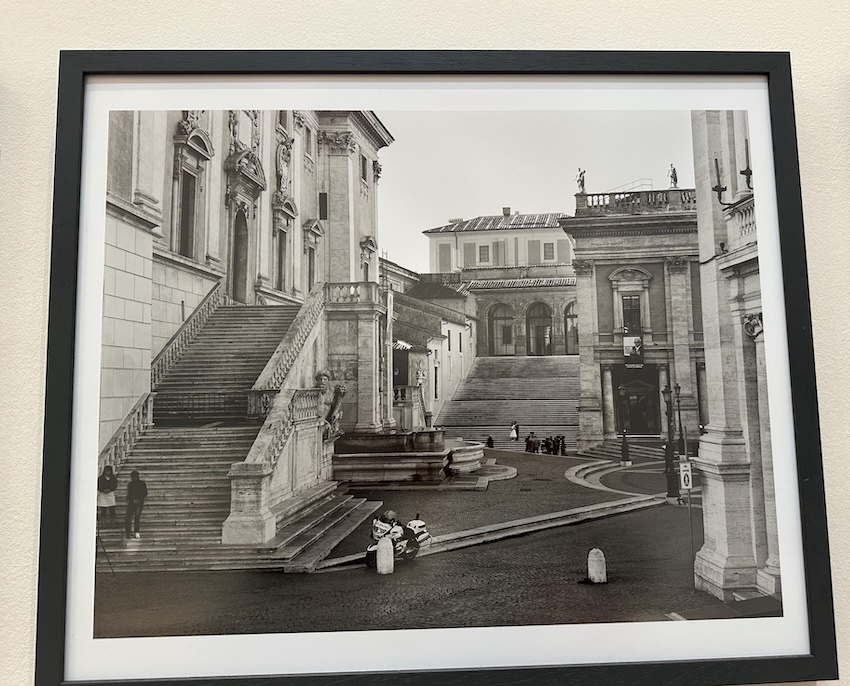
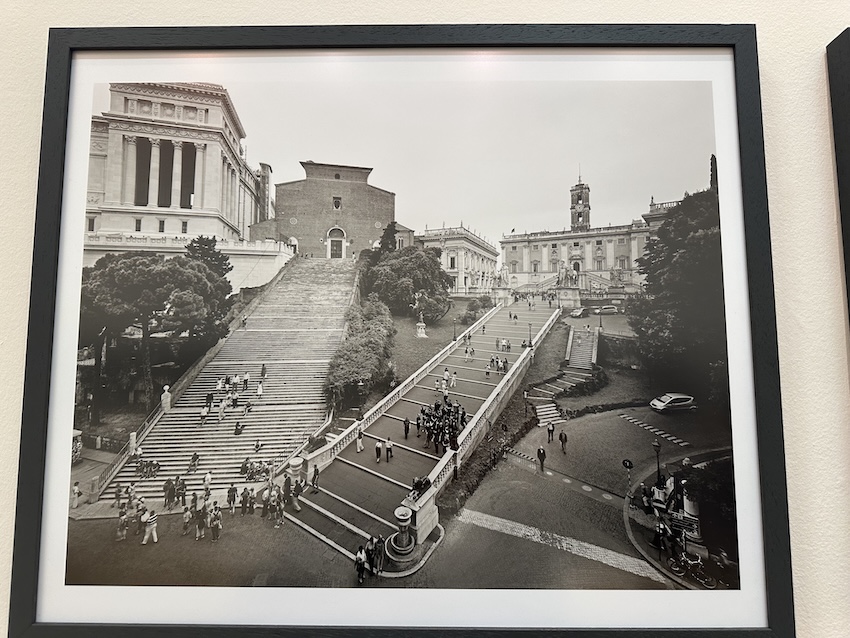
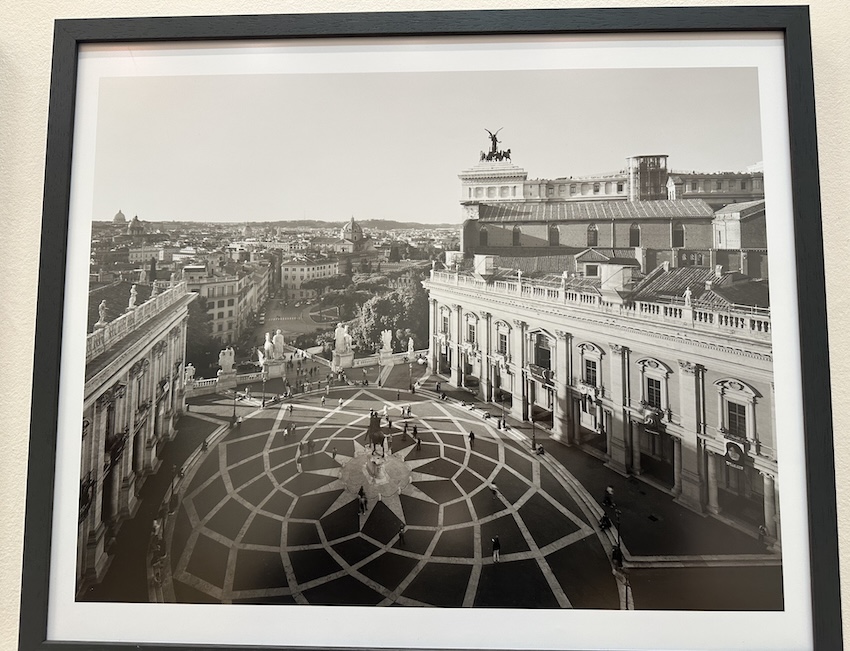
What makes Basilico’s vision particularly compelling is his ability to translate Rome’s overwhelming richness into a clear and rigorous visual language. In his work, the city becomes a field of relationships – between past and present, monument and everyday life, density and openness.
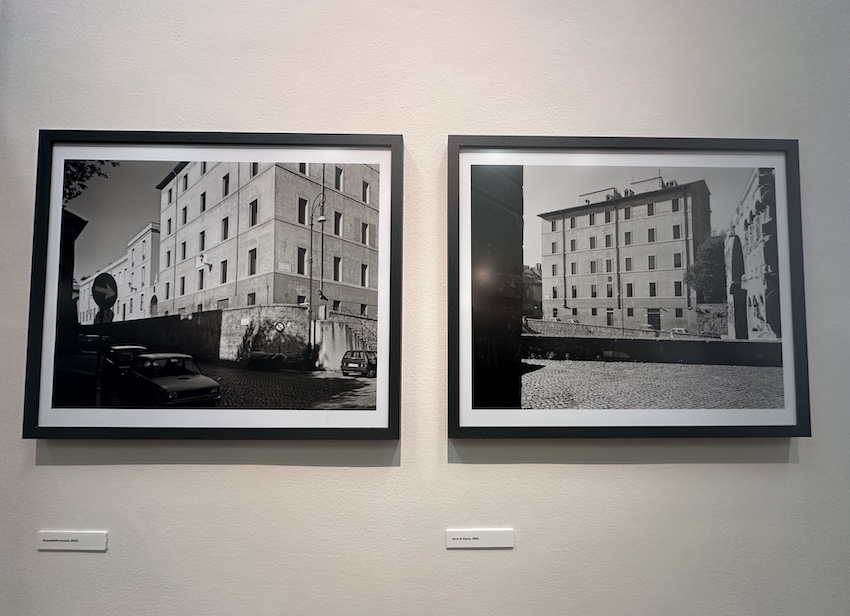
Rome offered a unique terrain where his long-standing interests could fully unfold. The stratification of epochs – ancient ruins, Renaissance palaces, and modern interventions – appears not as fragmentation, but as a complex harmony. Basilico was drawn to the coexistence of heterogeneous elements and the dialogue between monumental forms and the anonymous fabric of the contemporary city.
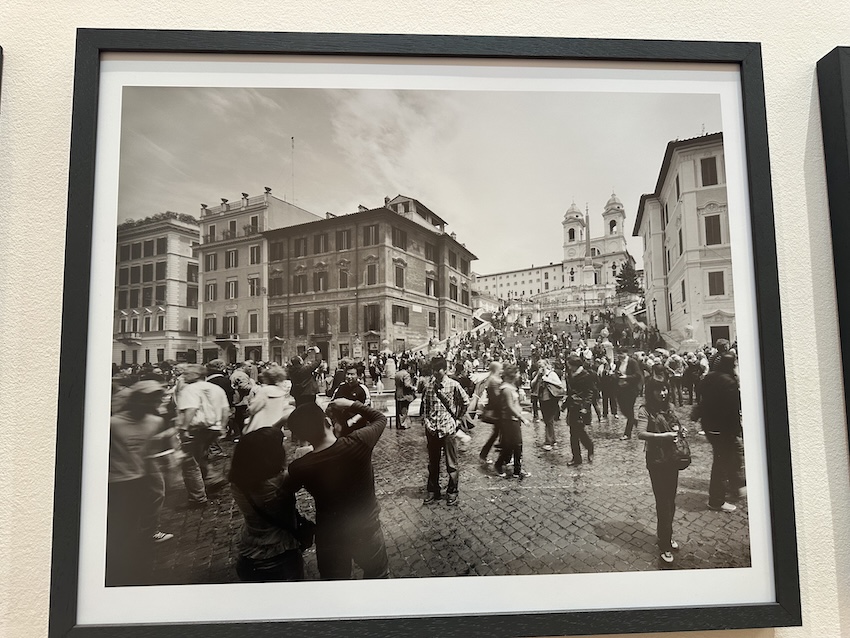
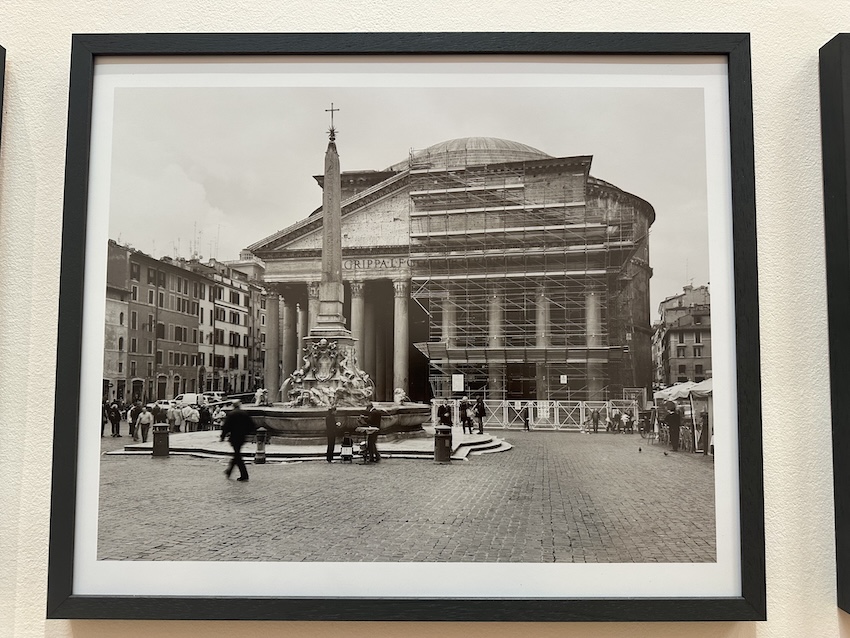
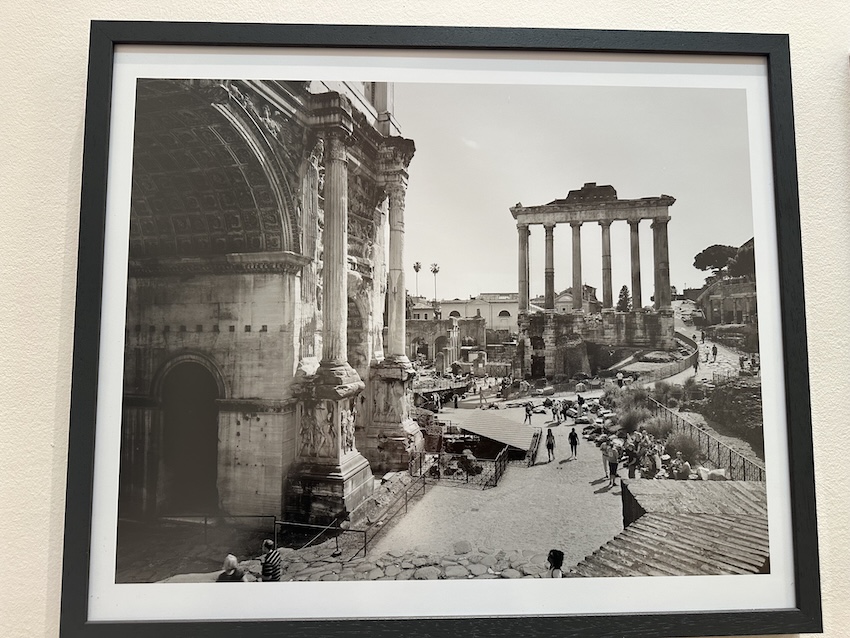
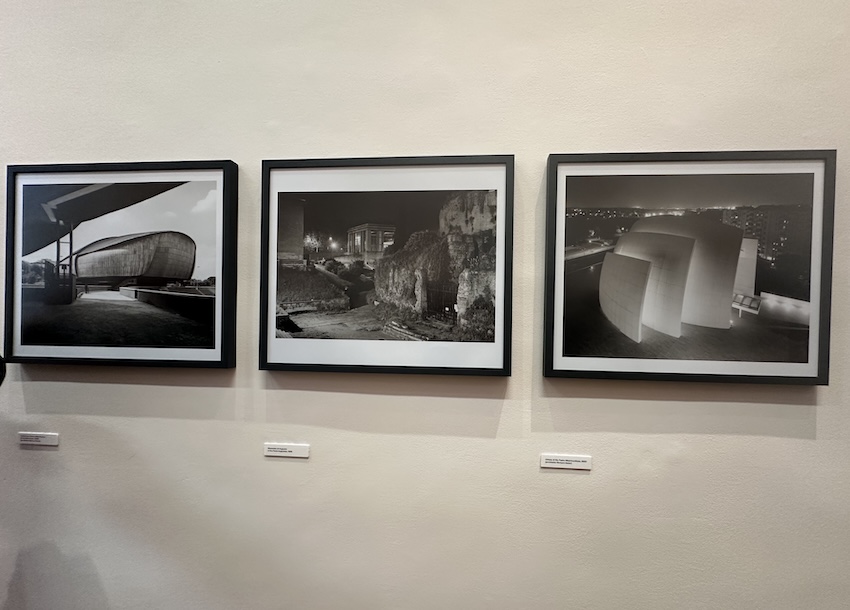
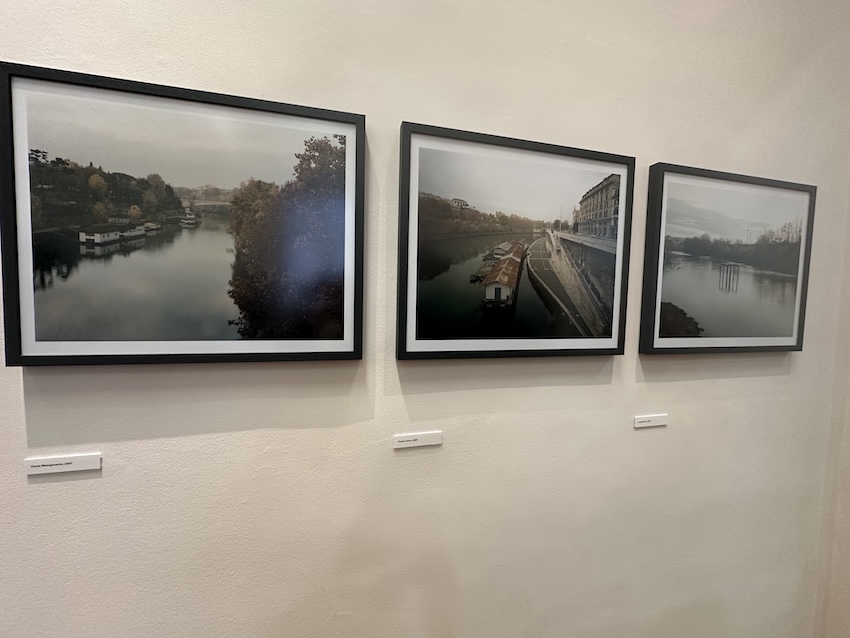
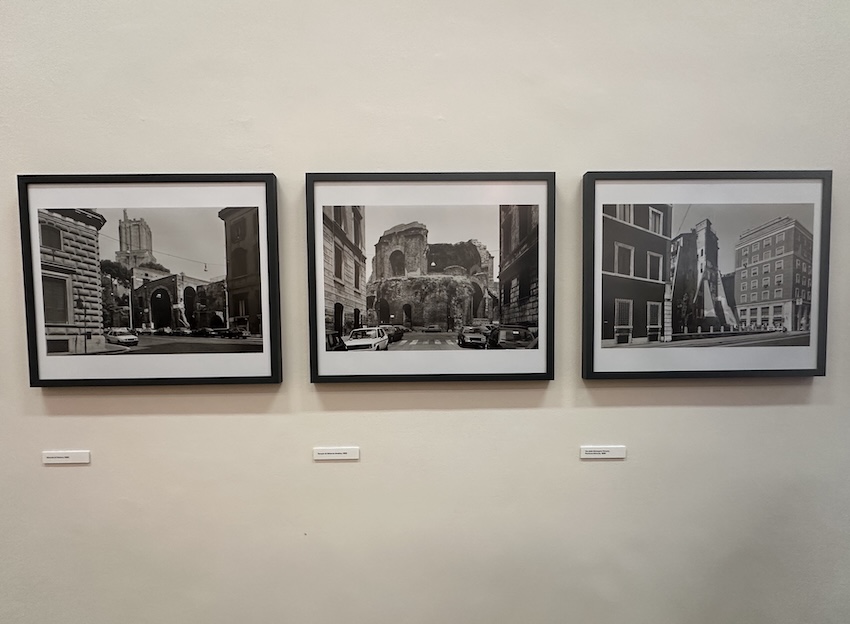
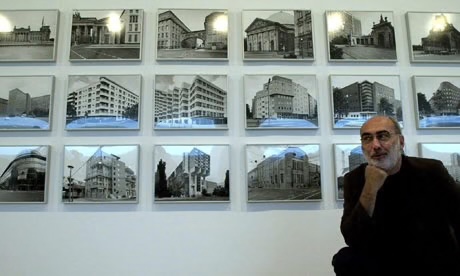
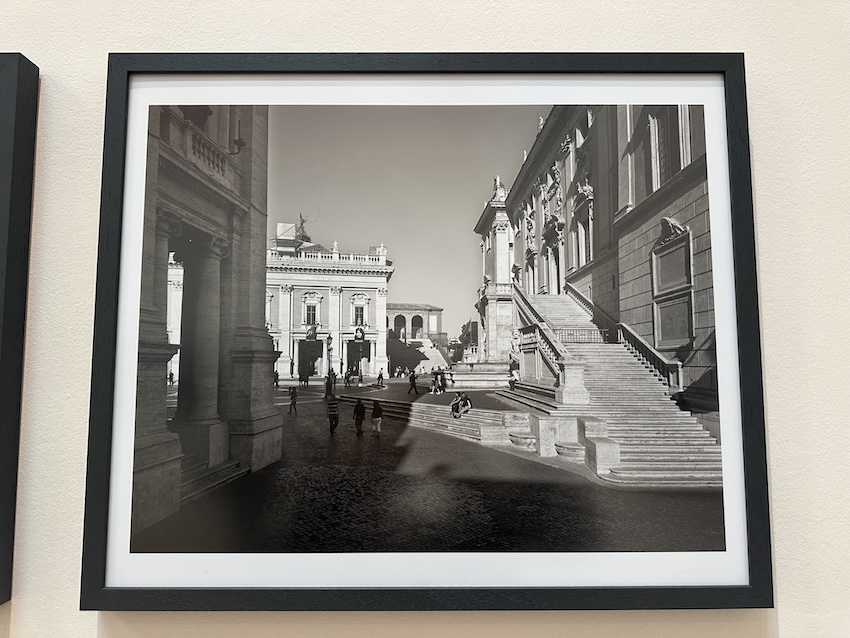
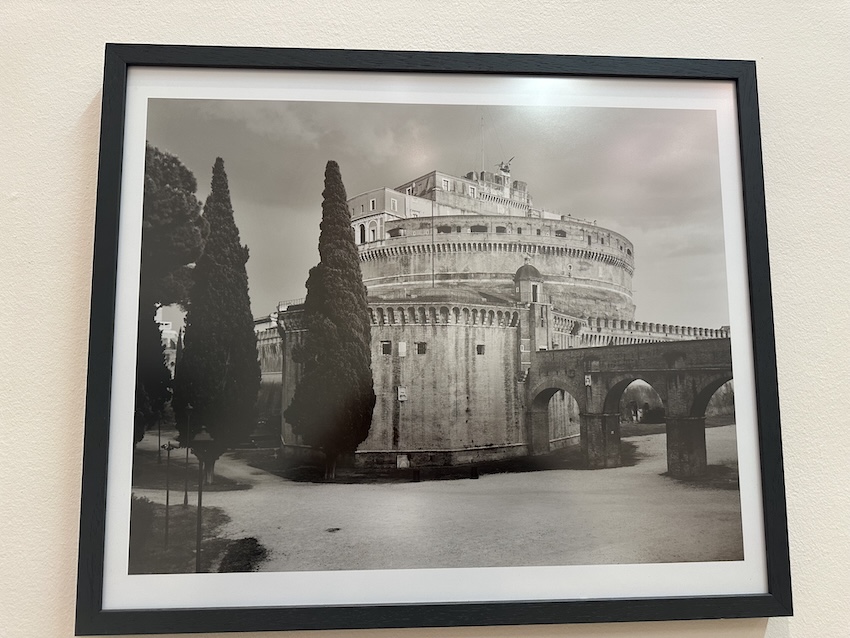
His compositions emphasize balance: solids and voids, light and shadow, vertical and horizontal lines. A quiet precision governs the interaction of volumes, revealing an architectural sensitivity that transforms photography into a tool of analysis as much as representation. Rather than avoiding Rome’s monumentality, Basilico confronts it directly. His images remain respectful yet subtly transformative. The city’s grandeur is neither diminished nor overwhelmed; instead, it is reinterpreted through a measured and thoughtful gaze. Even in a city saturated with iconic imagery, he uncovers unexpected perspectives, inviting viewers to see familiar places anew.
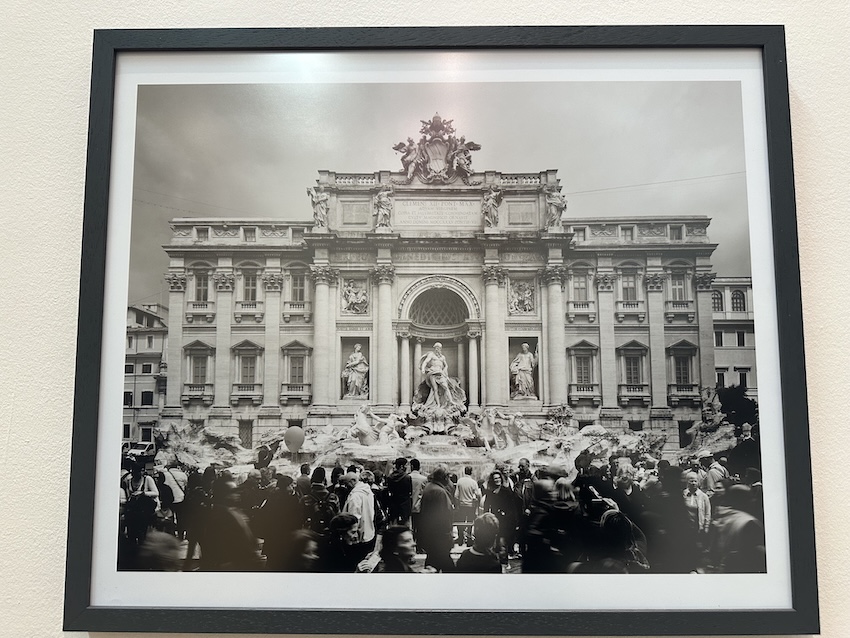
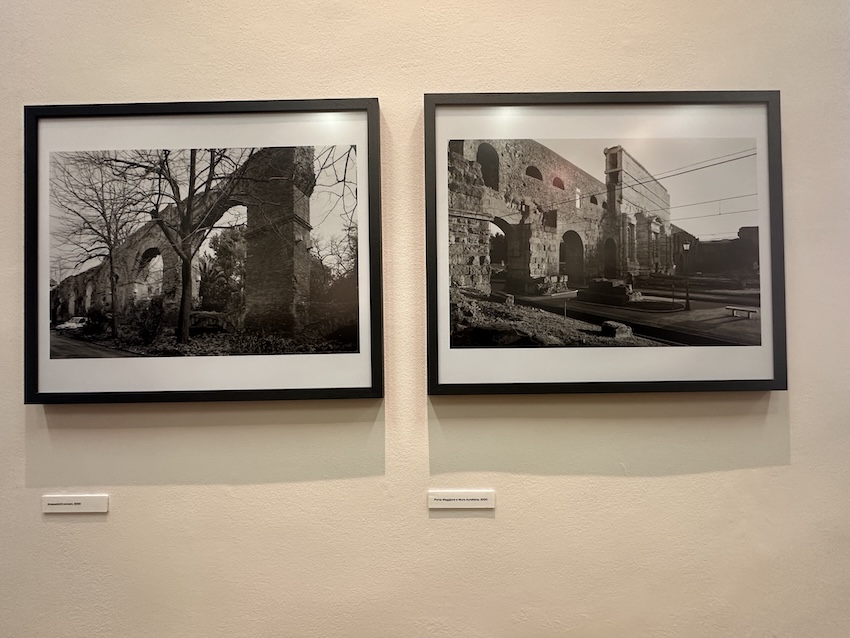
Seeing Rome differently
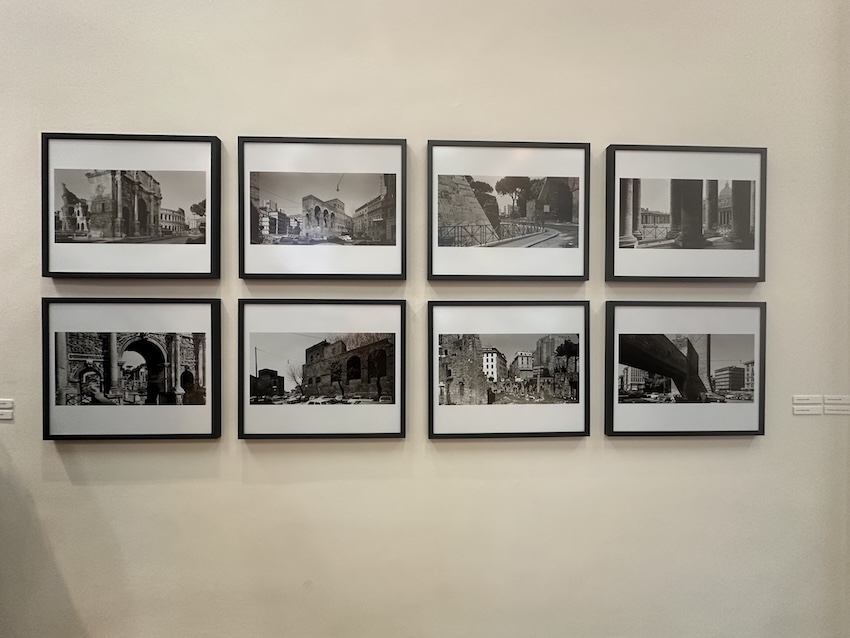
The exhibition presents a rich selection of photographs that guide visitors through Basilico’s various Roman projects, forming a visual narrative that is both analytical and poetic. His images capture not only the city’s grandeur but also its quieter transitions – the edges of neighbourhoods, the interplay of structures, and the dignity of everyday spaces.
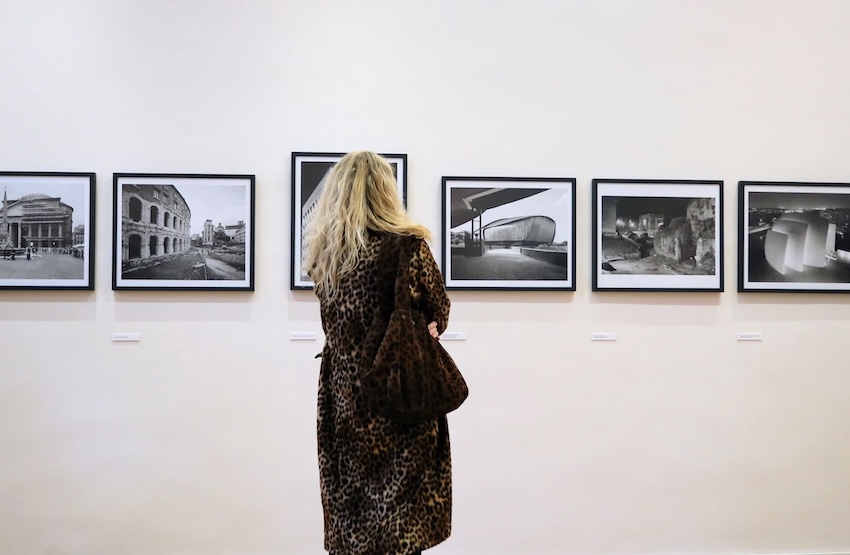
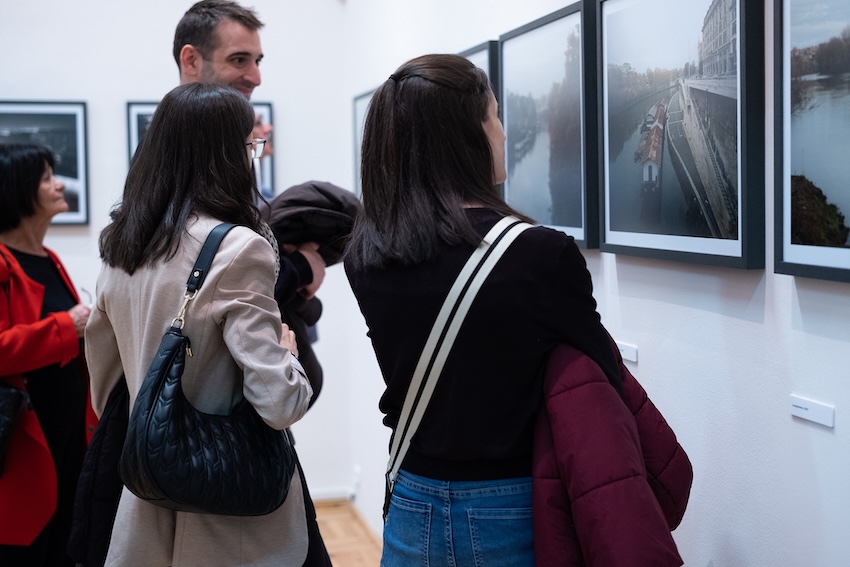
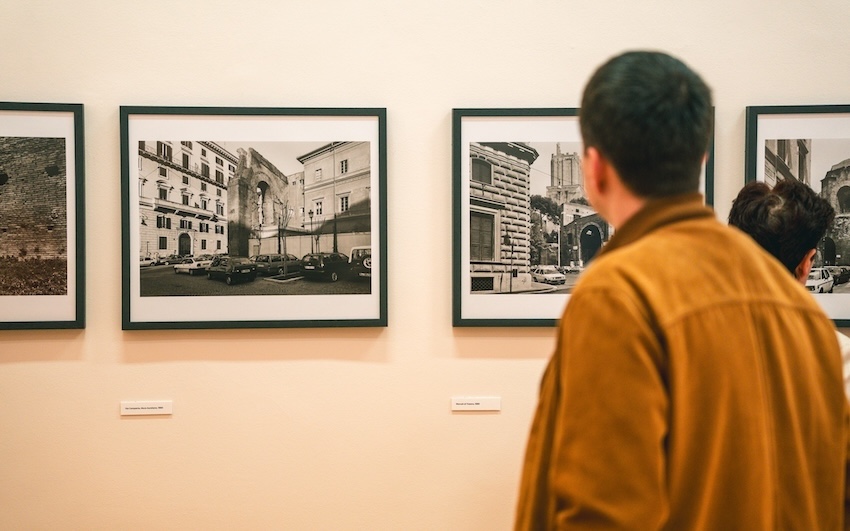
Ancient temples, triumphal arches, and historic palaces coexist with 20th-century rationalist architecture, revealing a city in constant negotiation with its past. Basilico’s gaze does not privilege one era over another; instead, it highlights continuity, transformation, and coexistence. In his vision, Rome is not frozen in time – it is observed, questioned, and ultimately reimagined.
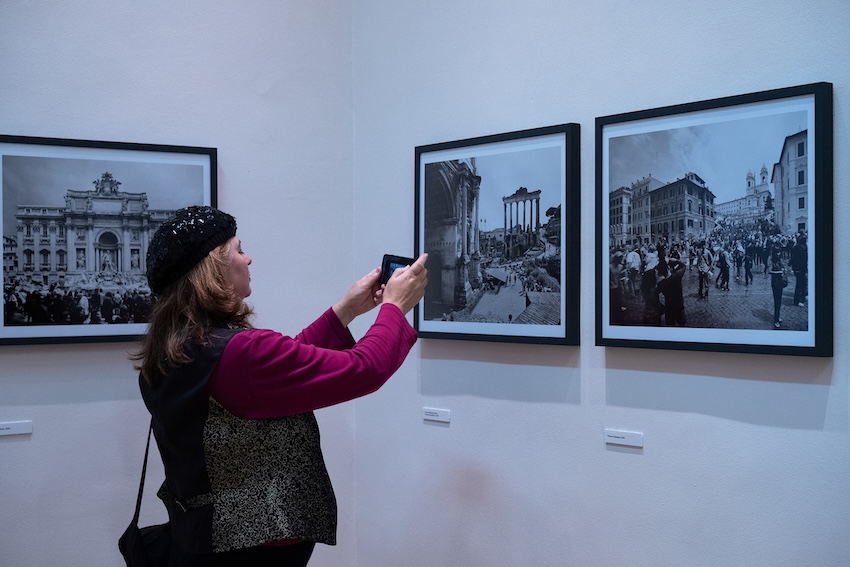
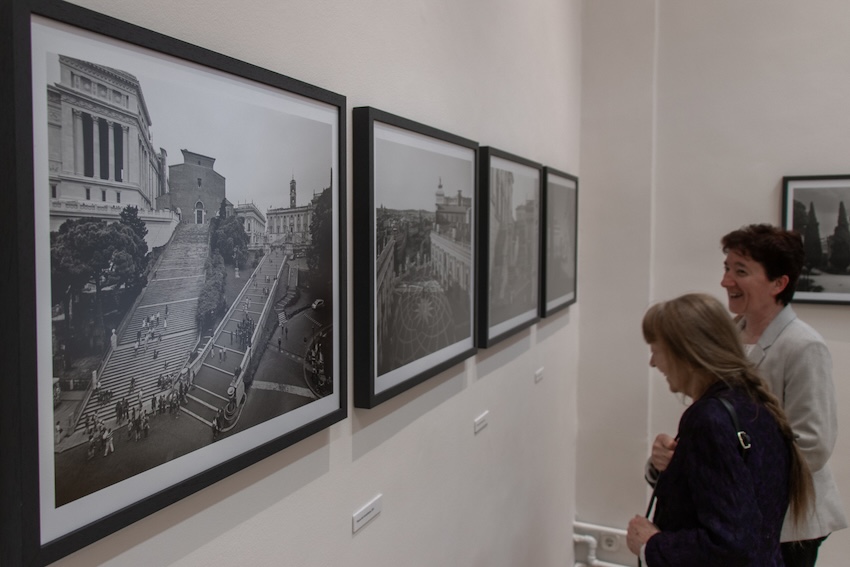
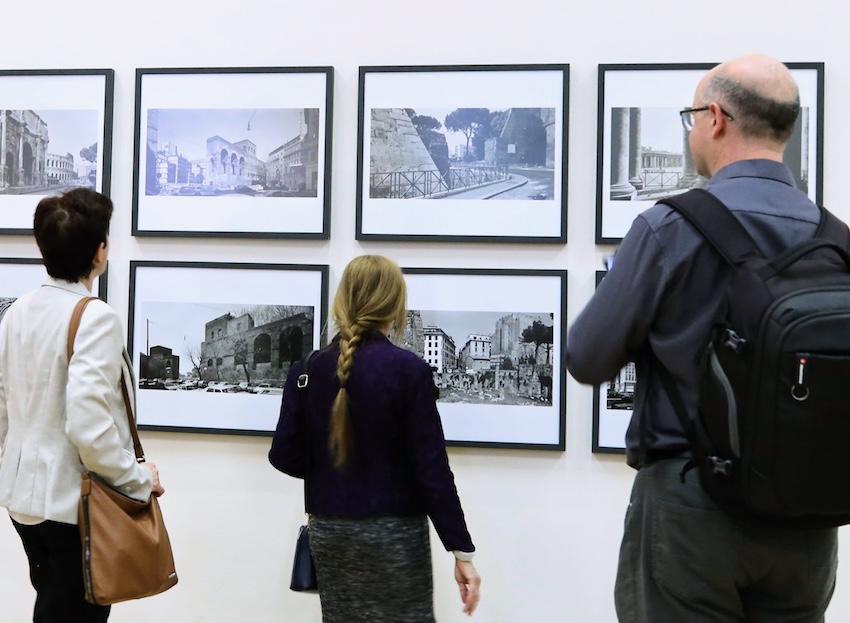
The Budapest exhibition marks an important chapter in the international journey of “Gabriele Basilico. Rome”. First shown in 2024 at Palazzo Altemps, the exhibition has since toured Europe, fostering visual dialogue between major cultural capitals. After stops in Paris, Prague, and Brno, it has now arrived in Budapest, where its themes resonate within another historically layered urban landscape. This circulation is not incidental; it echoes Basilico’s own approach, which is based on comparative observation and a broader reflection on the evolution of European and global cities.
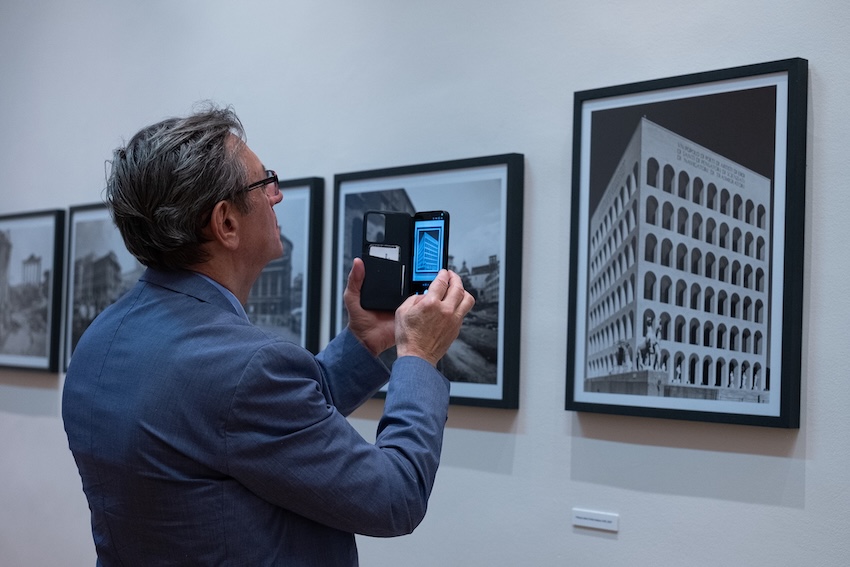
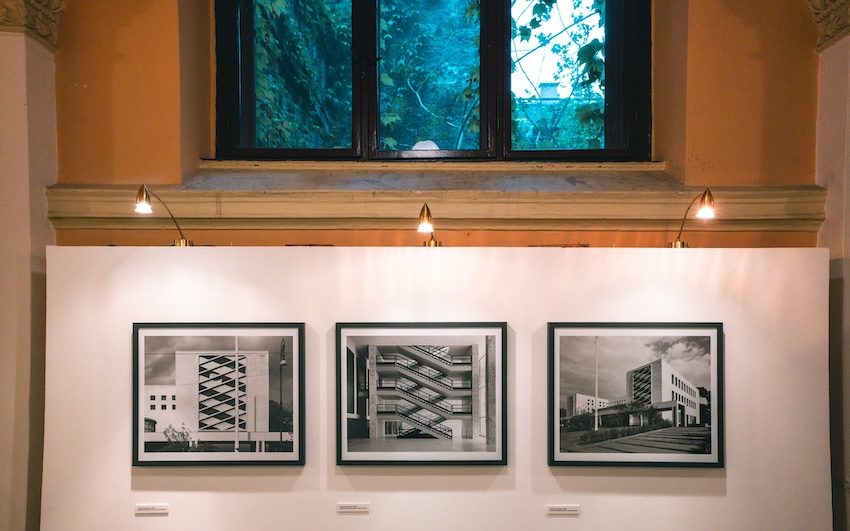
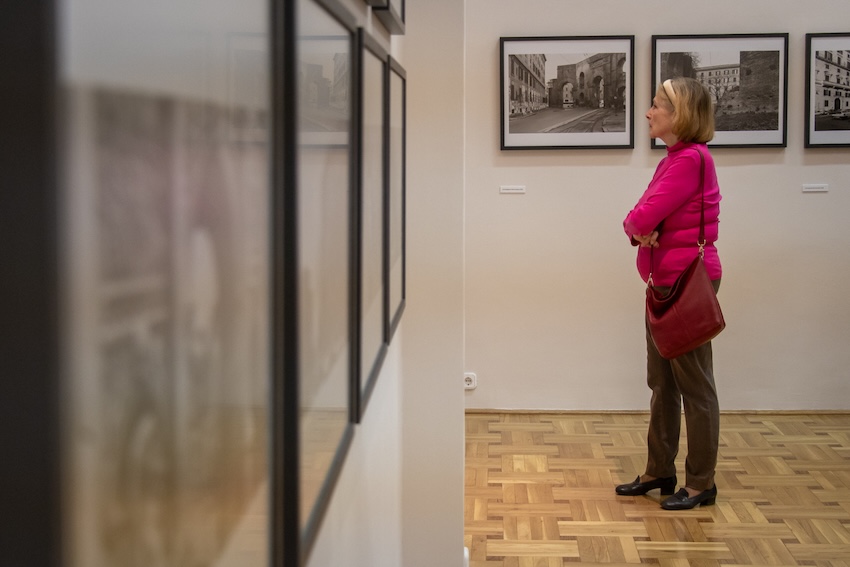
Accompanied by a rich visual display, the exhibition not only offers an encounter with Basilico’s work but also invites us to reconsider our perception of cities – how we interpret their forms and how photography can reveal the invisible structures beneath their surfaces.
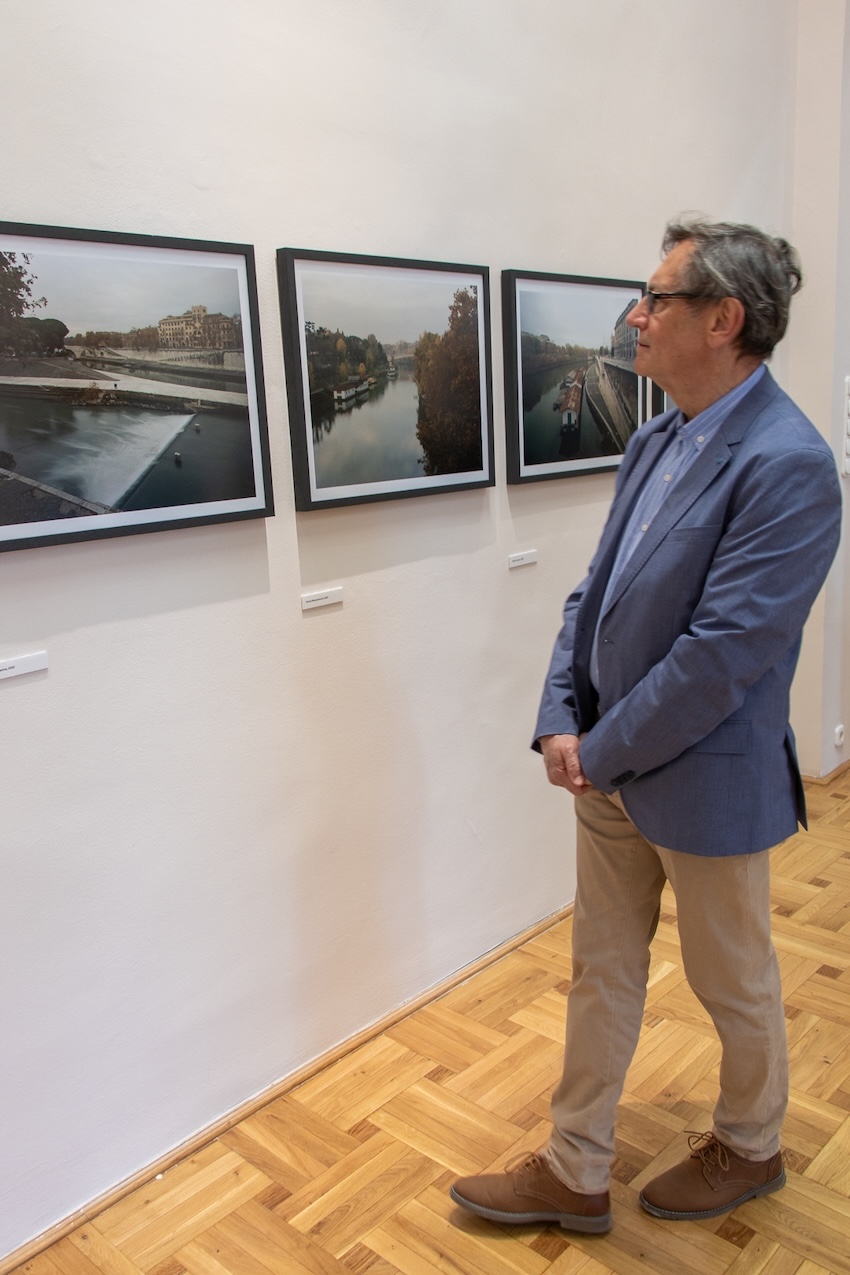
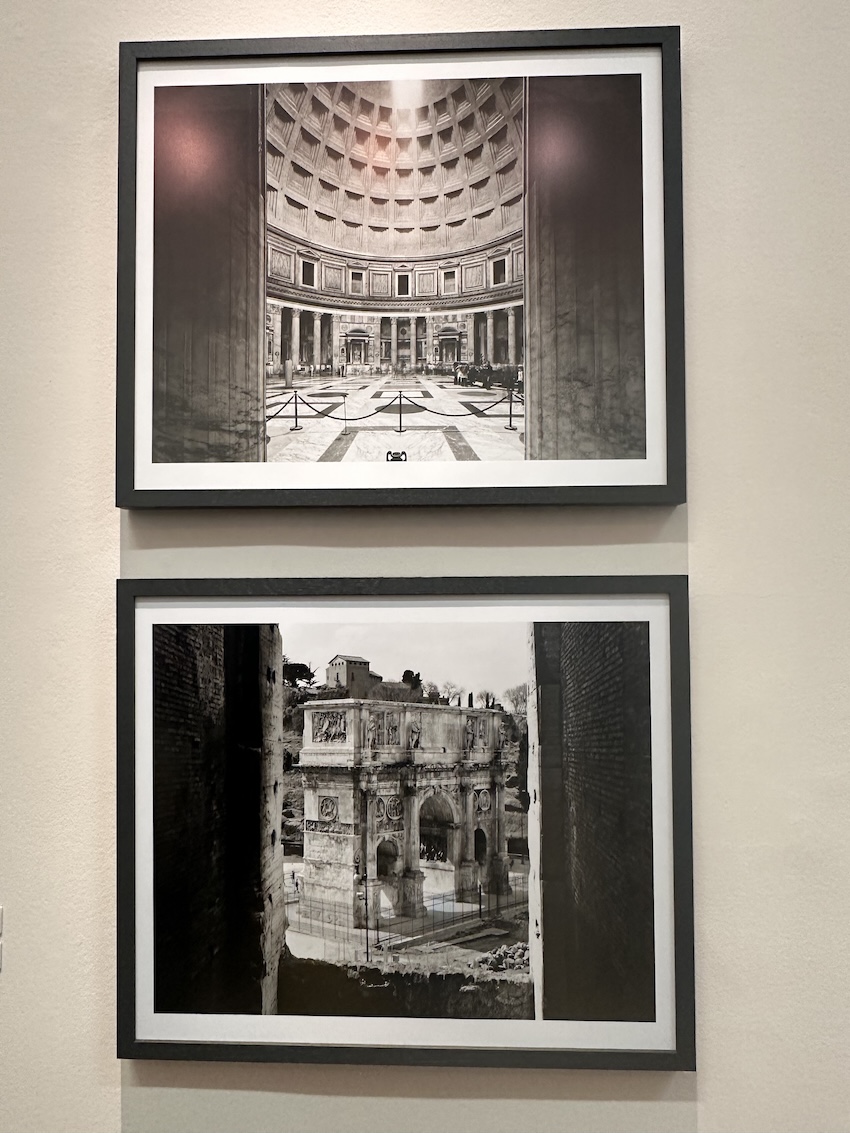
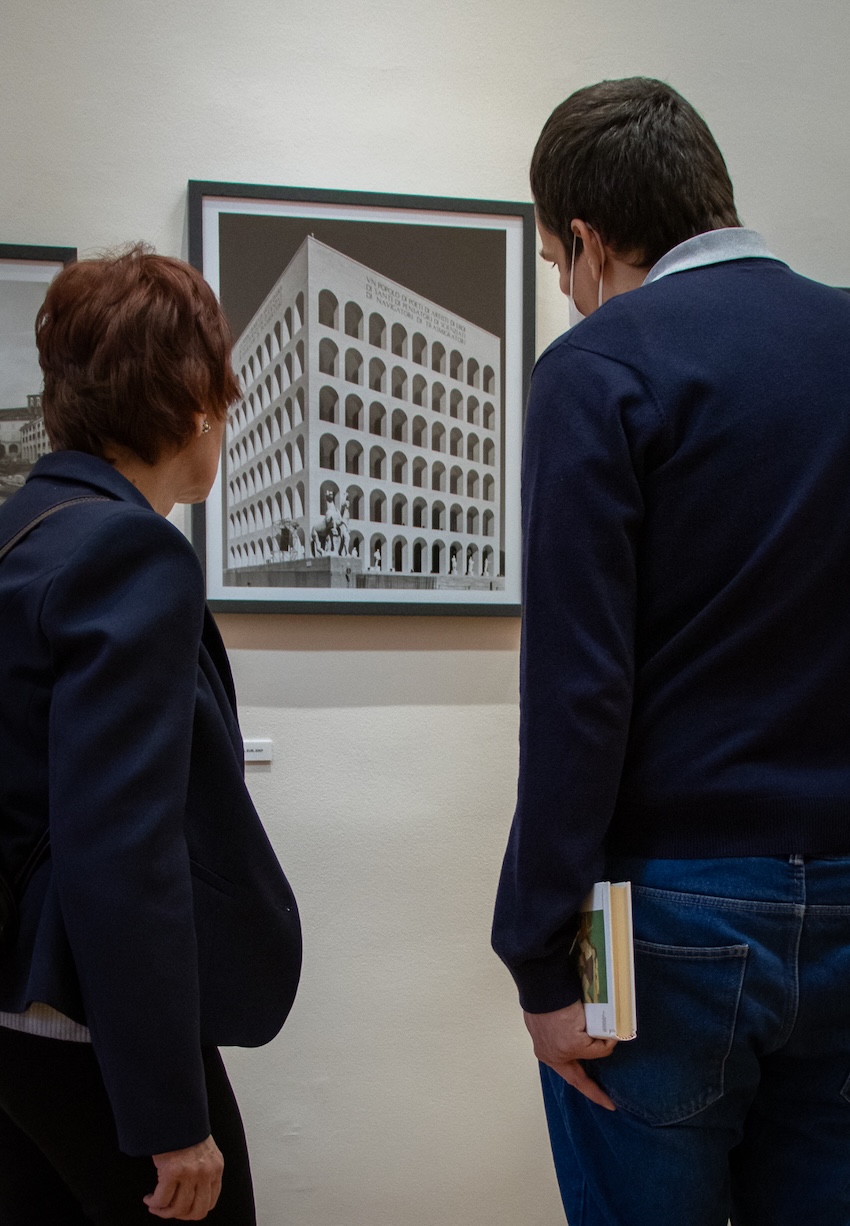
Special thanks to Zsófia Zeley for her outstanding work, responsible for exhibitions at the Italian Cultural Institute.
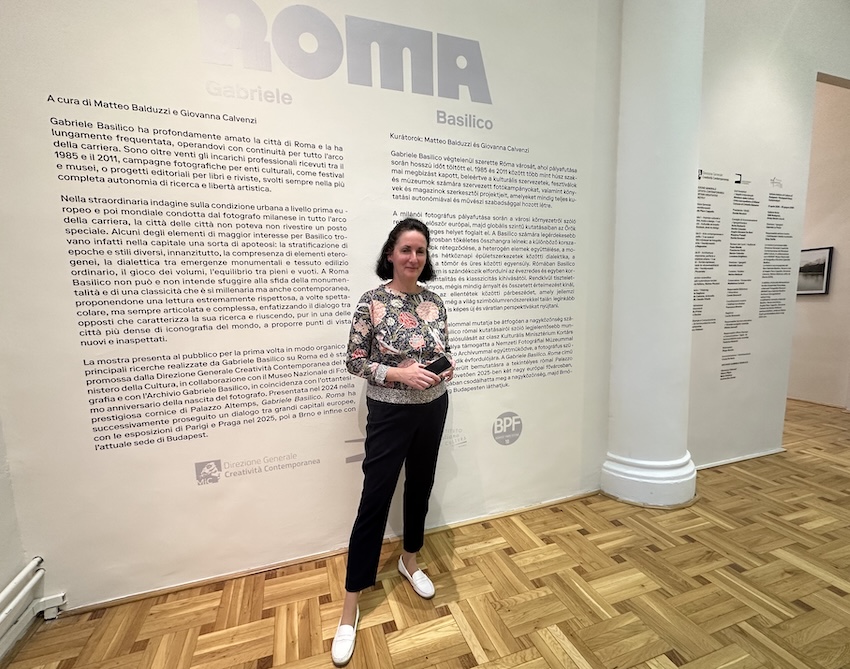
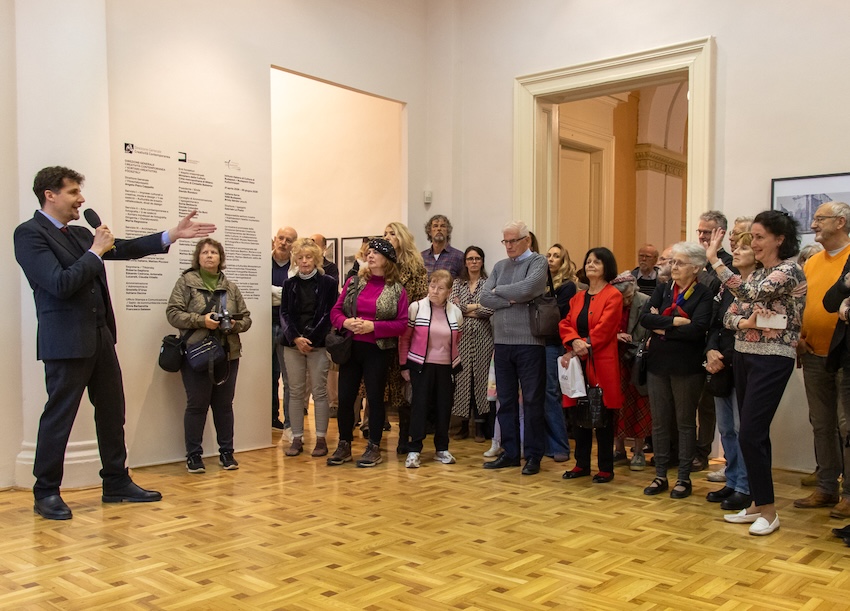
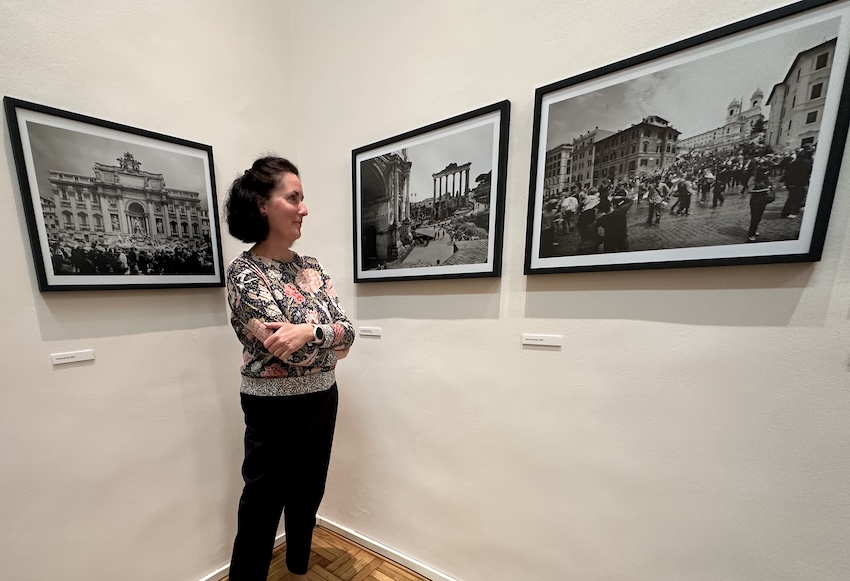
The exhibition is on view at the Xenia Gallery of the Italian Cultural Institute in Budapest until 5 June 2026.
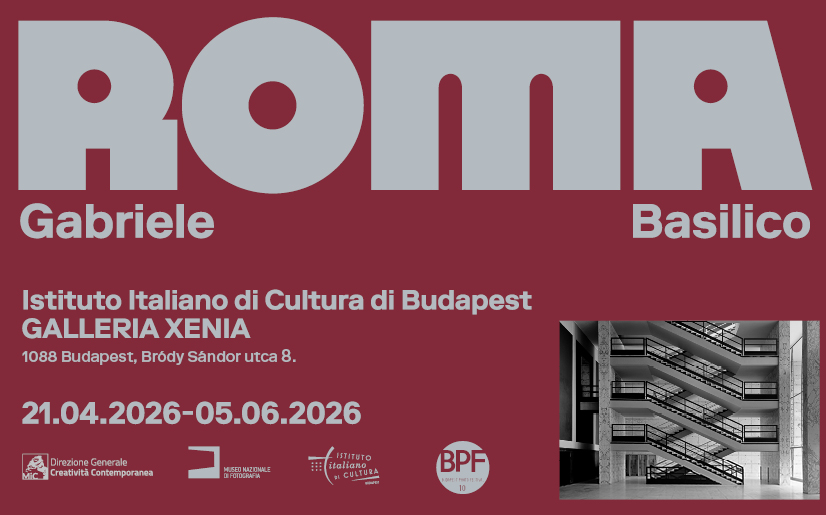
Sources: Istituto Italiano di Cultura Budapest – www.archiviogabrielebasilico.it
Photos from the Istituto Italiano di Cultura Budapest; Pusztai Péter / BPF, Bognár Ági / BPF, Lengyel Judit / BPF, and Diplomatic Press Agency