


Celebrating King Saint Stephen and Hungary’s European Heritage
Edited by Anna Popper
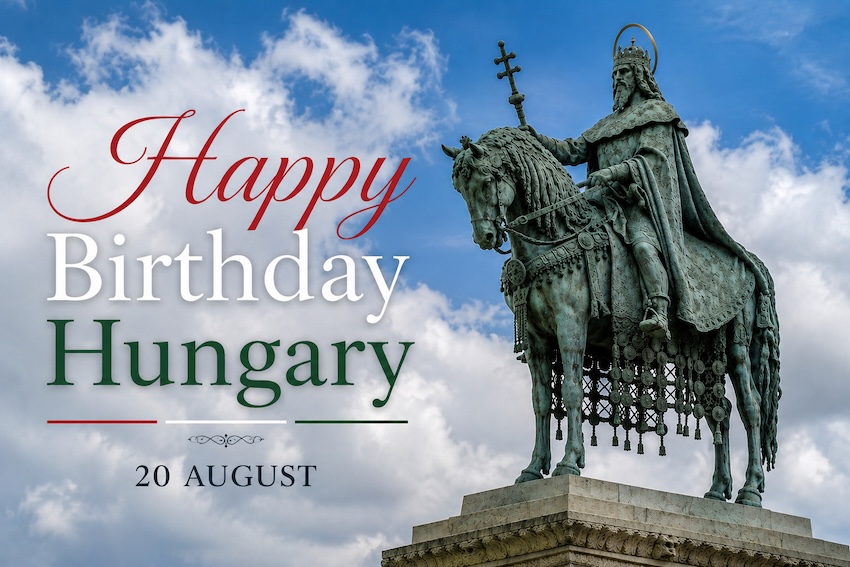
20 August is Hungary’s National Day, the Feast of Saint Stephen (Szent István), the country’s first king and founder of the Hungarian state around the year 1000. Celebrated as Hungary’s birthday and traditionally as the Feast of the New Bread – marking the end of the harvest – this day unites the country’s history and traditions, its Christian heritage and European identity. In 2026, the celebrations once again filled Budapest with state ceremonies, cultural programmes, and spectacular shows, while Debrecen hosted its famous Flower Carnival.

Why 20 August?
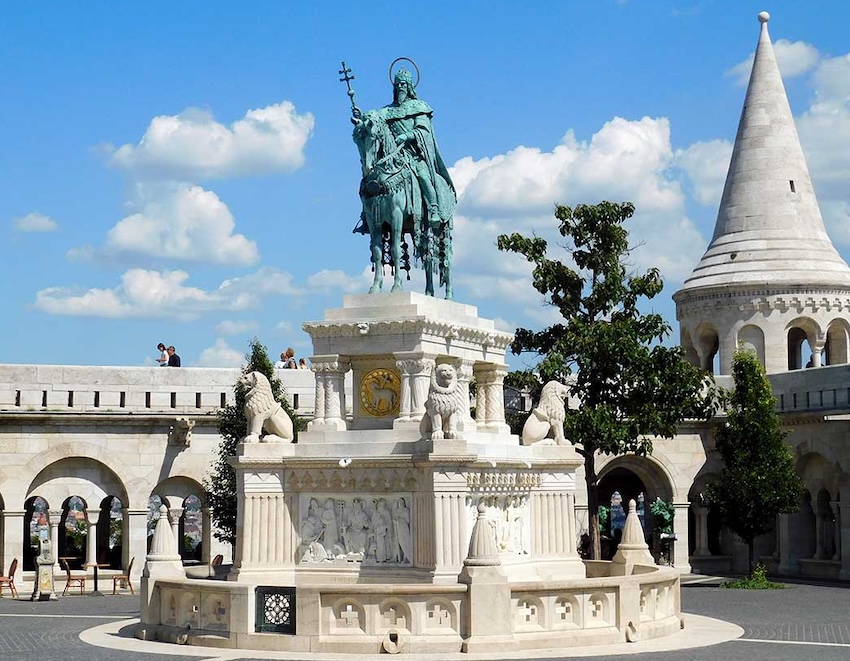
The date itself is connected to Stephen’s canonization, a recognition of his achievements in establishing the Christian Kingdom of Hungary and laying the foundations of the Hungarian state. King Stephen died in 1038 and was buried in the royal city of Székesfehérvár. In 1083, during the reign of King Ladislaus I, Stephen was canonised along with his son, Prince Emeric. The ceremony took place on 20 August, and this date has since been associated with Hungary’s revered king.
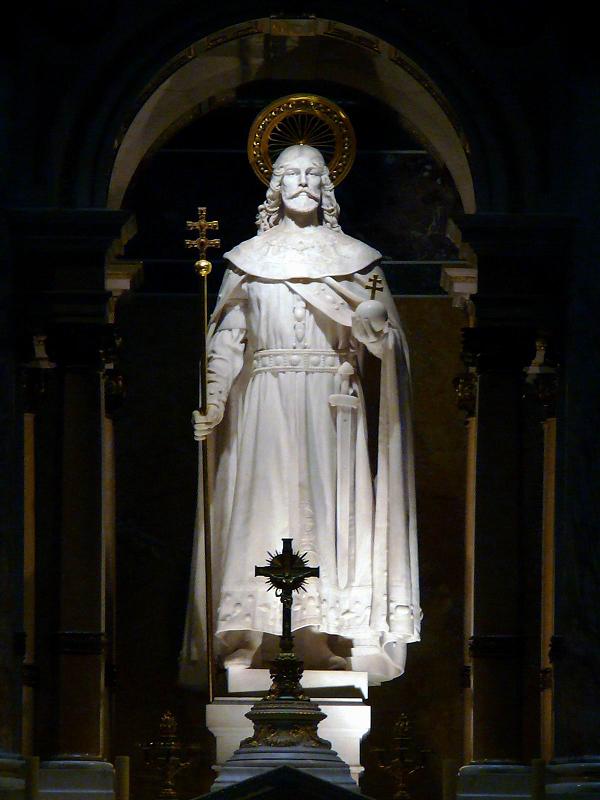
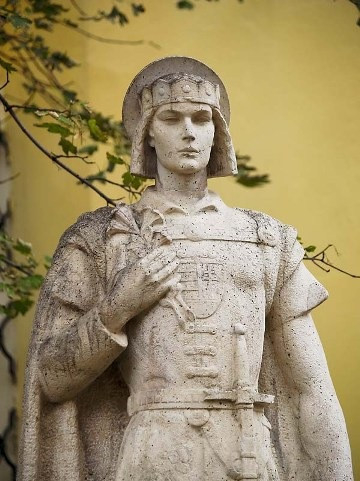
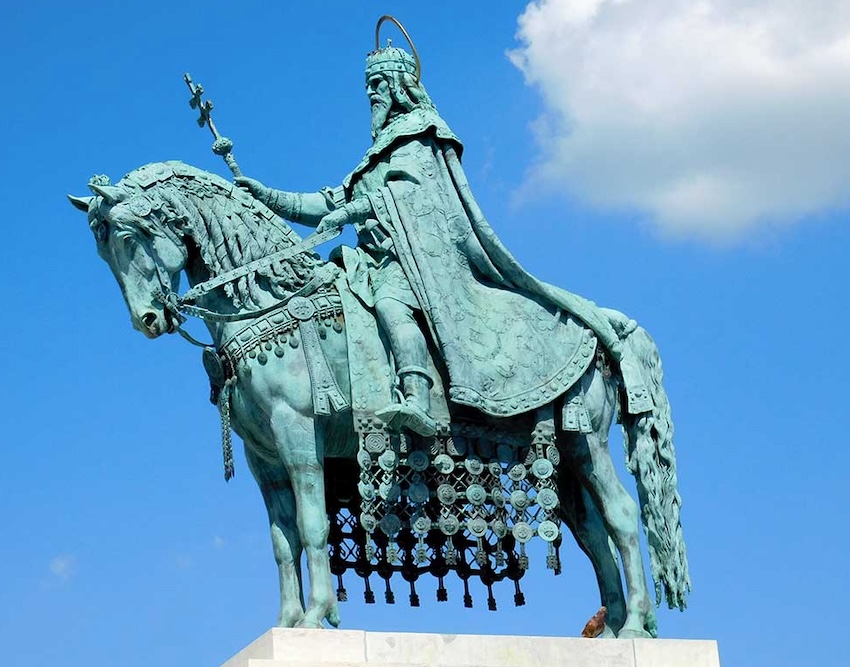
Over the centuries, Saint Stephen became far more than a medieval monarch; he symbolized Hungarian statehood, Christianity, and the continuity of the Hungarian nation. The celebration thus acquired both religious and national significance. Under the reign of Franz Joseph in the Austro-Hungarian Monarchy, 20 August was officially declared a public holiday, further strengthening its importance as a key expression of Hungarian national identity.
King Stephen and Hungary’s European Choice
King Stephen I (c. 975–1038) laid the foundation for the Hungarian state and the Christian Kingdom. His European orientation, however, began with his father, Grand Prince Géza, who had already recognised that Hungary’s future depended on the establishment of a stable Christian state with ties to Western Europe.
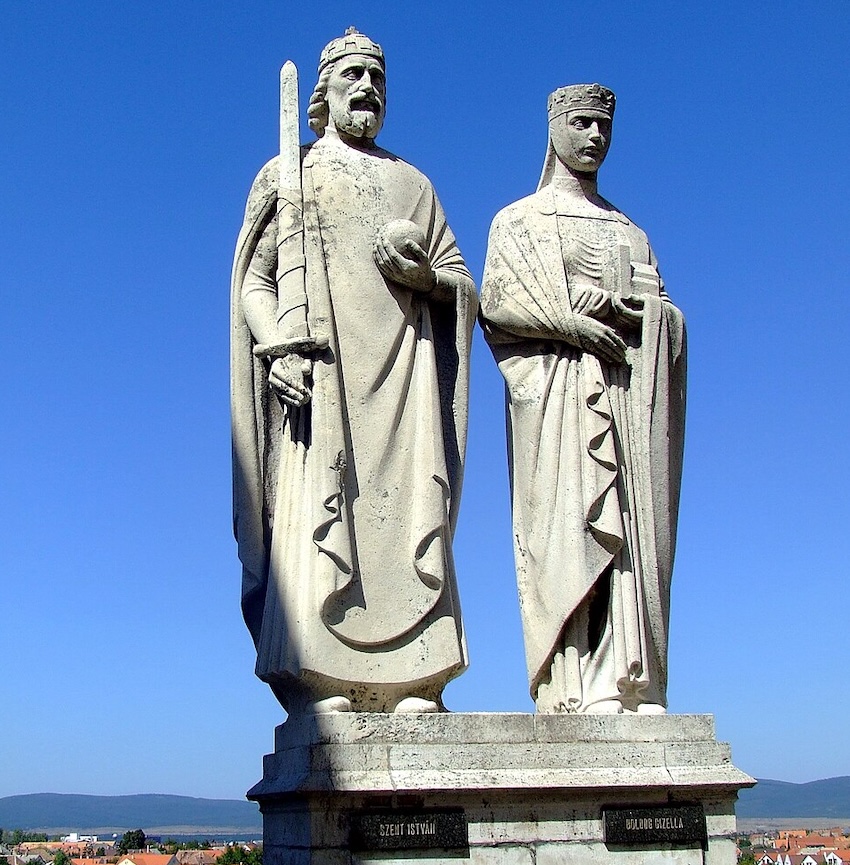
Stephen pursued this policy with remarkable determination. His own conversion to Christianity and his marriage to Gisela of Bavaria (c. 980–1065) solidified Hungary’s connections to the Christian West. Gisela was not simply a queen at Stephen’s side: through her, the young Hungarian court was linked to the European royal world.
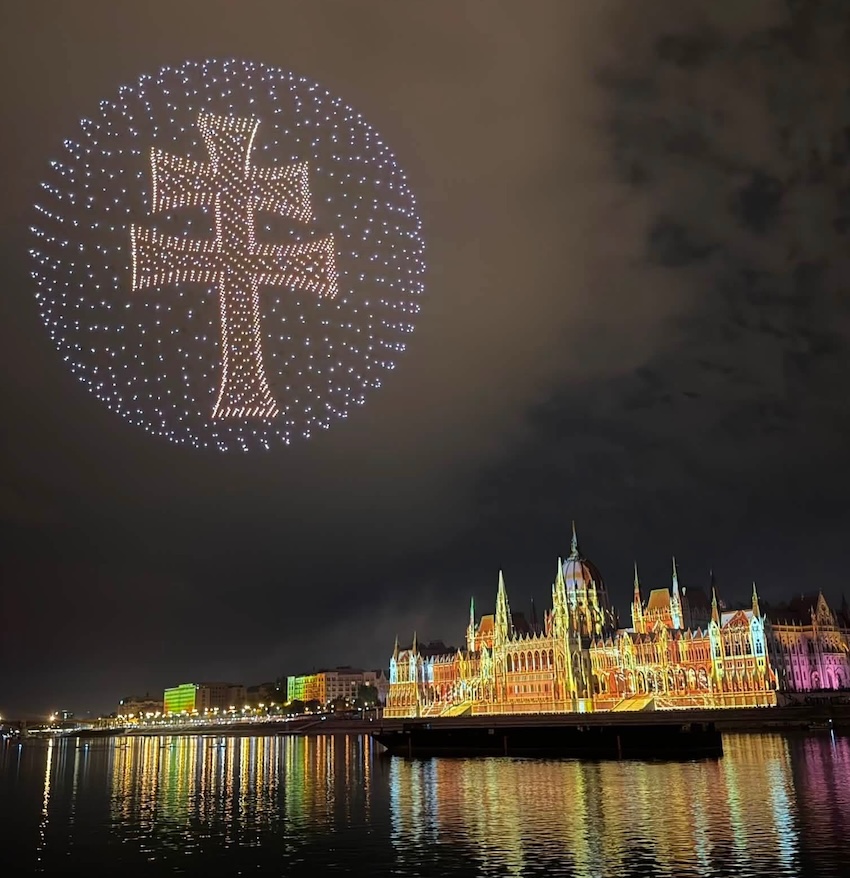
Stephen also received crucial support through European ecclesiastical and political connections. His trusted churchman Astrik travelled to Rome and, according to tradition, met Pope Sylvester II, the French-born head of the Catholic Church. Tradition holds that Astrik returned with the papal crown, and Stephen was crowned king around the year 1000. The double cross, or Apostolic Cross subsequently became closely associated with his kingship.
Another important European figure was Gerard (980–1046), an Italian-born Benedictine monk from Venice, later known as Saint Gellért. He was among the three prominent figures canonised in 1083, alongside Saint Stephen and Prince Emeric. Stephen entrusted Gellért with the education of his son, Prince Emeric, and later appointed him Bishop of Csanád. Gellért became one of the most important missionaries and figures in the early Christian Kingdom of Hungary. His name lives on in Gellért Hill, the spectacular landmark rising above the Danube in Budapest, crowned by the Citadella.
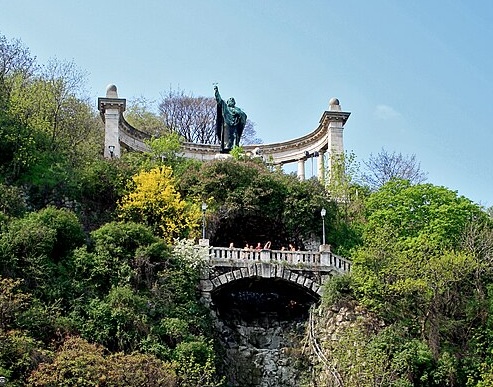
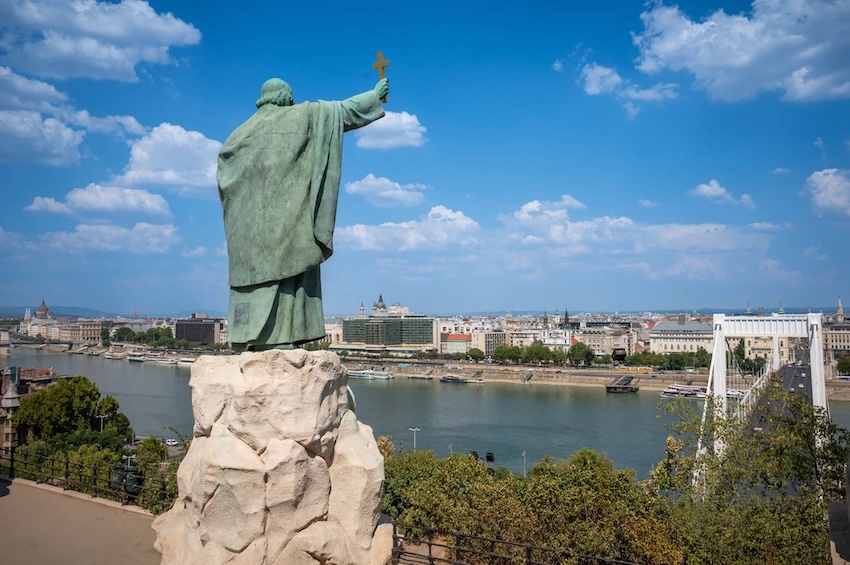
Stephen also maintained relations with Odilo, the influential Abbot of Cluny in France, while the Benedictine abbey and community at Pannonhalma became one of the principal centres of Christian Hungary.
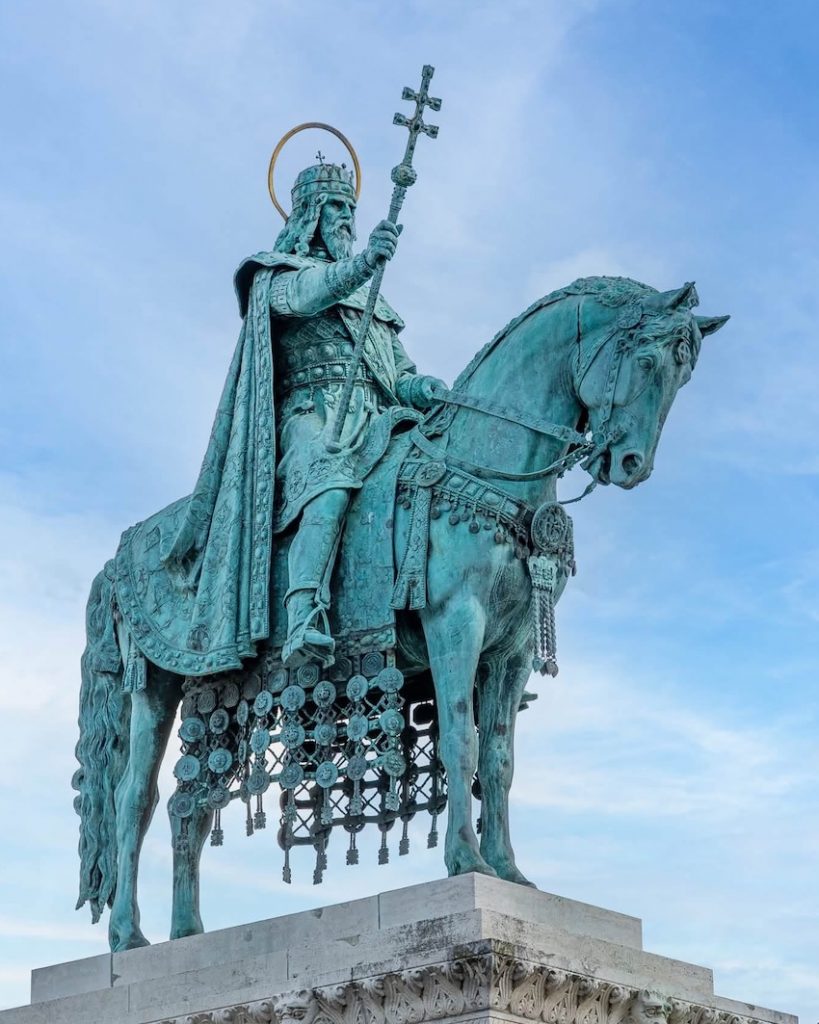
These connections are essential for understanding the birth of the Hungarian state. Stephen did not build Christian Hungary alone; he received substantial intellectual, dynastic and ecclesiastical support from the wider European world. Hungary’s European story was therefore present from the very founding of the kingdom.
A Kingdom at the Heart of Europe
Hungary’s geographical position made its European connections particularly important. Situated at the crossroads of Central Europe, the country developed where diverse peoples, languages, and Christian traditions converged.
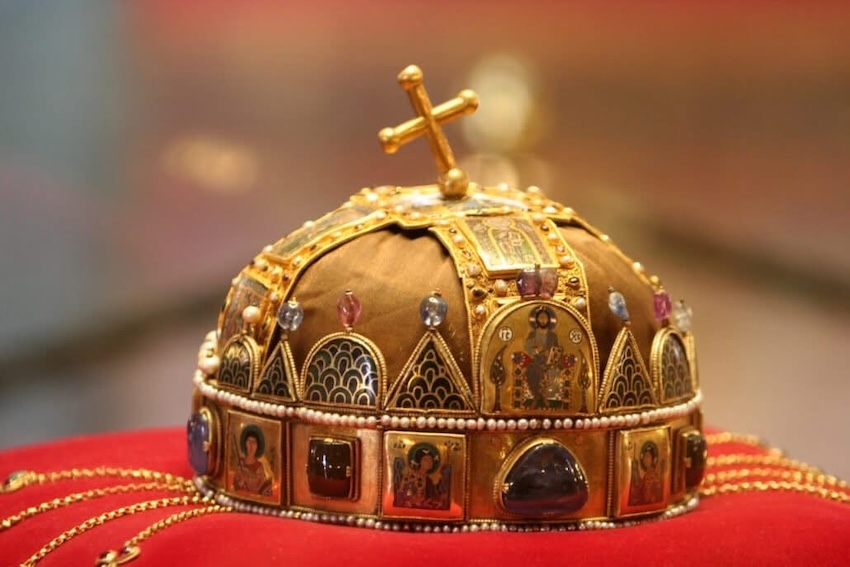
The Holy Crown of Hungary, today preserved in the Hungarian Parliament, became one of the most powerful symbols of this historical identity, reflecting Hungary’s place within the Christian European world and its location between the Latin West and the Byzantine East.
Stephen’s Admonitions to his son Emeric also contain a remarkably enduring idea: a kingdom becomes stronger through people arriving from different lands, bringing their languages, customs, knowledge and traditions. Diversity was understood as an enrichment of the kingdom rather than a weakness. This became a recurring feature of Hungarian history. Germans, Slovaks, Croats, Serbs, Romanians, Jews, Armenians, Italians and many other communities contributed to the country’s development.
For centuries, Hungary remained a monarchy; the Kingdom of Hungary formally ended in 1946. The institution founded by King Stephen thus survived – in changing forms and despite major historical interruptions – for almost a millennium.
The Living Memory of Saint Stephen
Saint Stephen is among the most revered figures in Hungarian history. His legacy extends far beyond the medieval kingdom he founded. His most famous relic, the Holy Right Hand, is preserved in St. Stephen’s Basilica in Budapest and traditionally carried through the streets in a procession every year on 20 August.
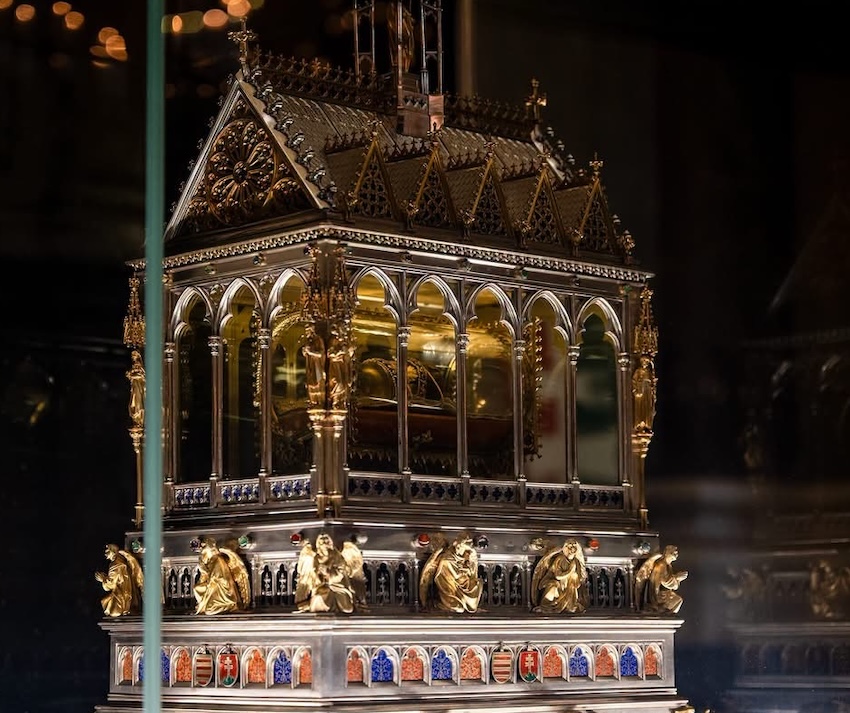
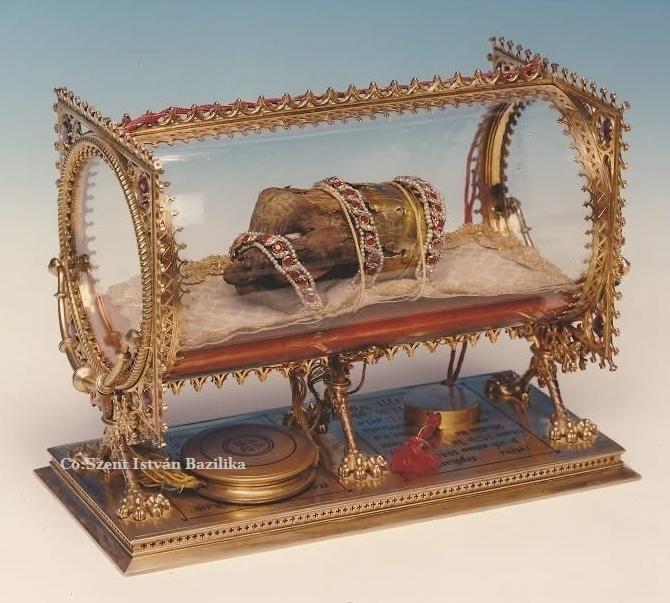
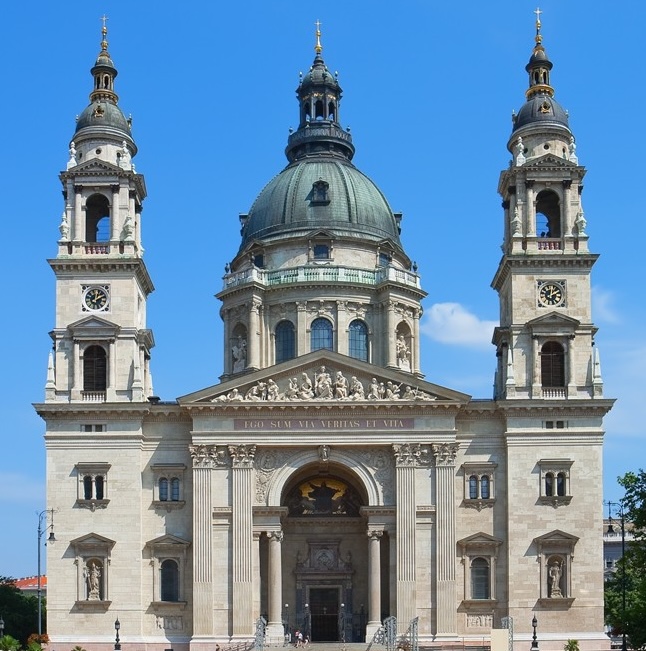
Stephen is also closely associated with Hungary’s Marian devotion. According to tradition, after the death of his only son and heir, Prince Emeric, he placed the Kingdom of Hungary under the protection of the Virgin Mary at the end of his life.
20 August 2026 – A New Chapter
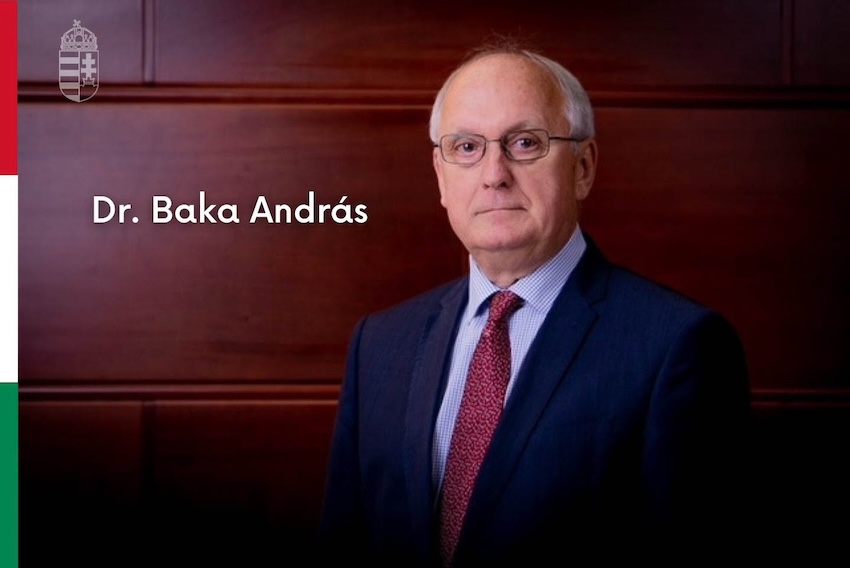
This year’s celebrations held particular significance, marking the first national holiday of a new political era following the TISZA Party’s landslide victory in the parliamentary elections on 12 April 2026. Hungary now has a new Parliament led by Speaker Ágnes Forsthoffer and a new government with 16 ministries under Prime Minister Péter Magyar. The new President of the Republic, Dr. András Baka, took office on the eve of Saint Stephen’s Day.
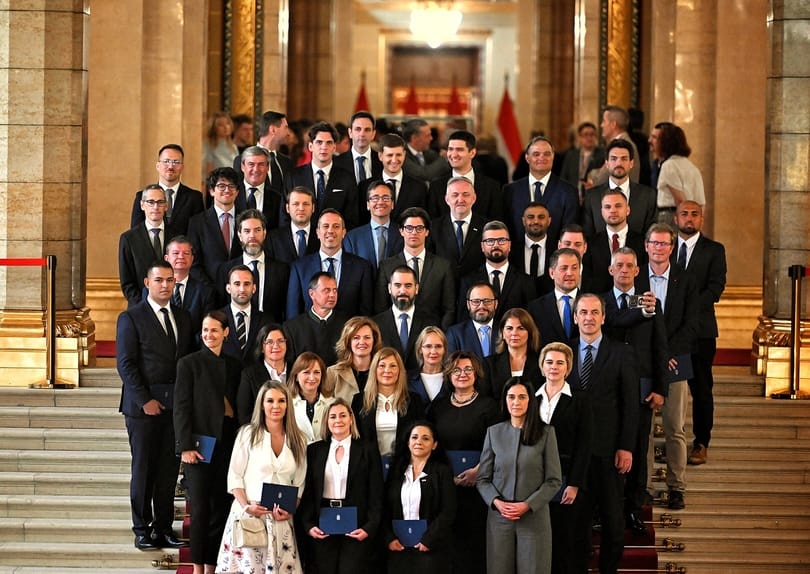
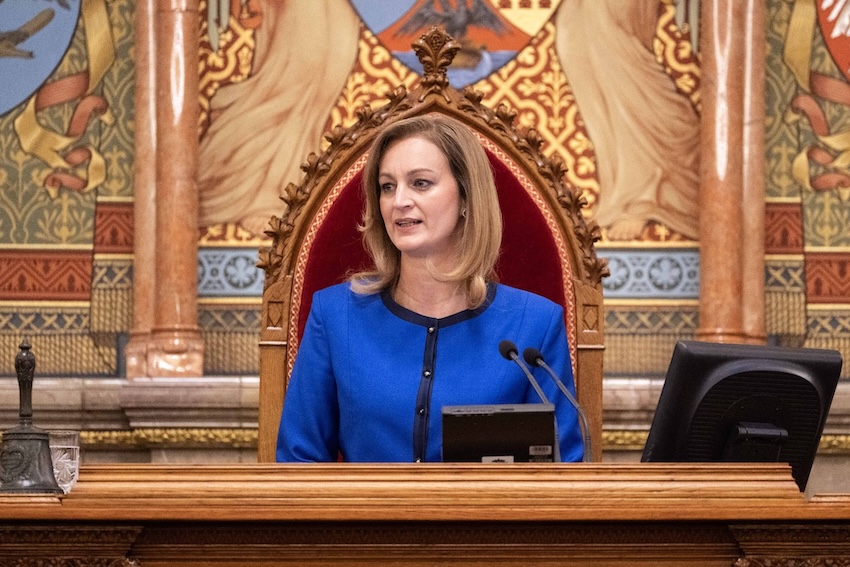
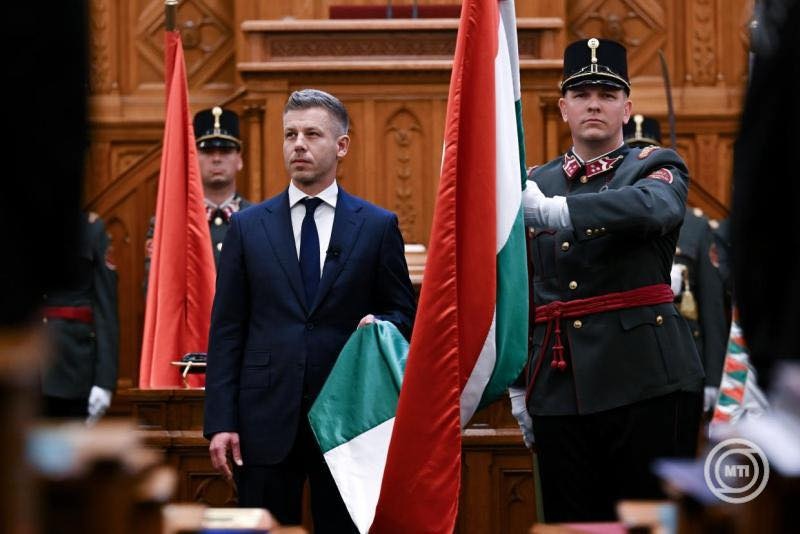
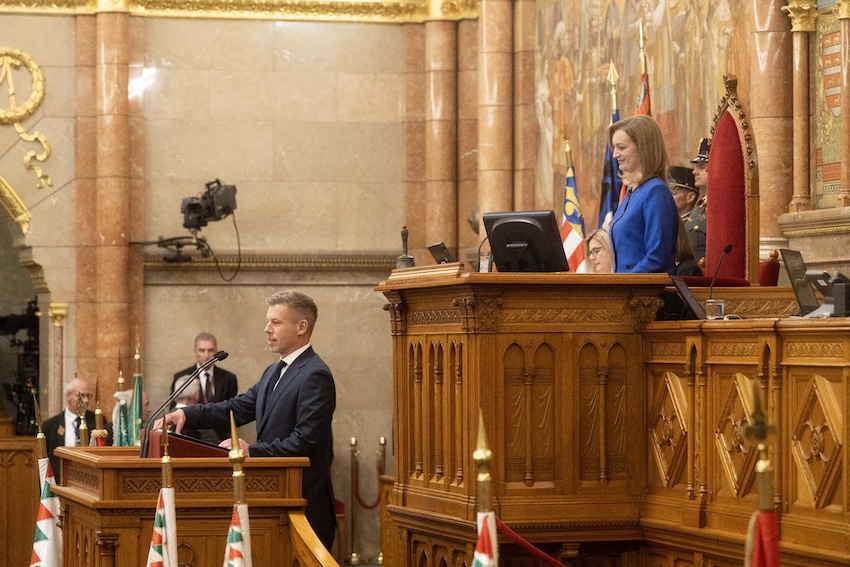
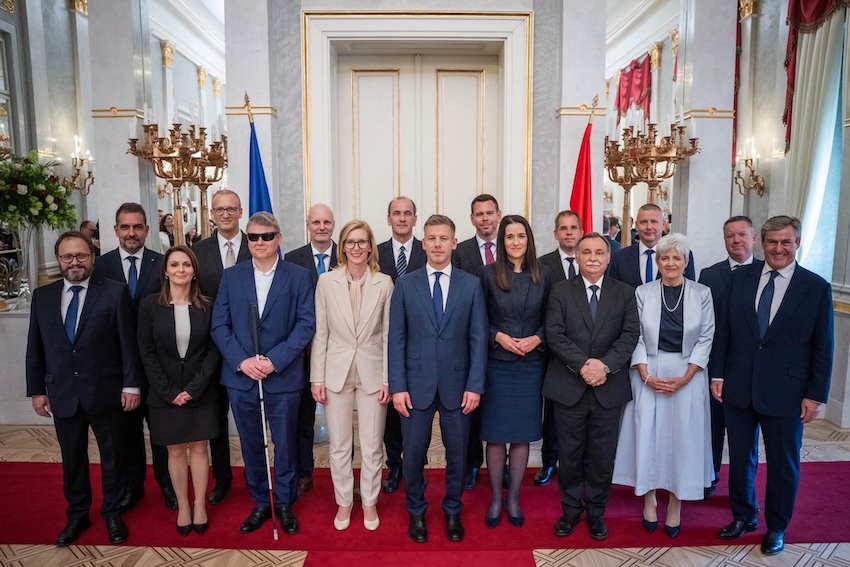
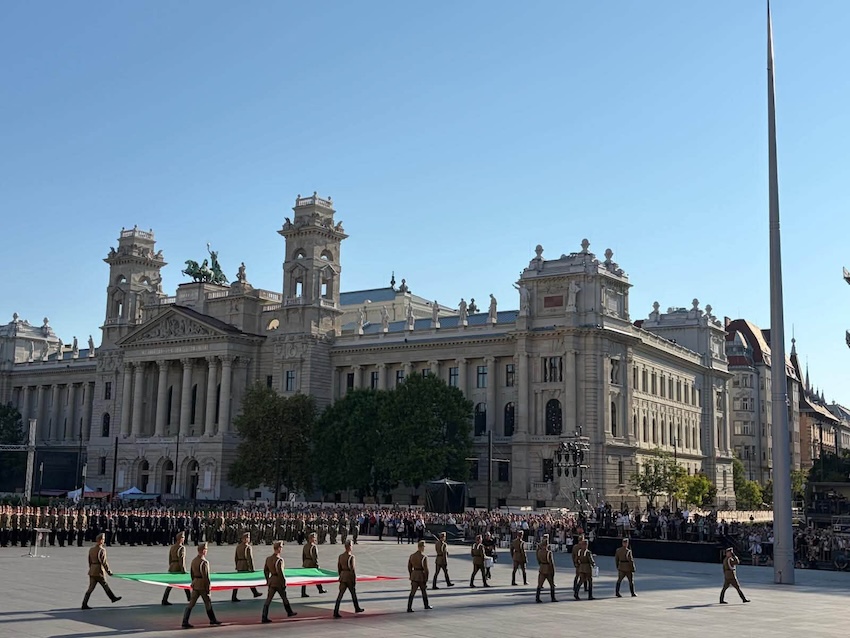
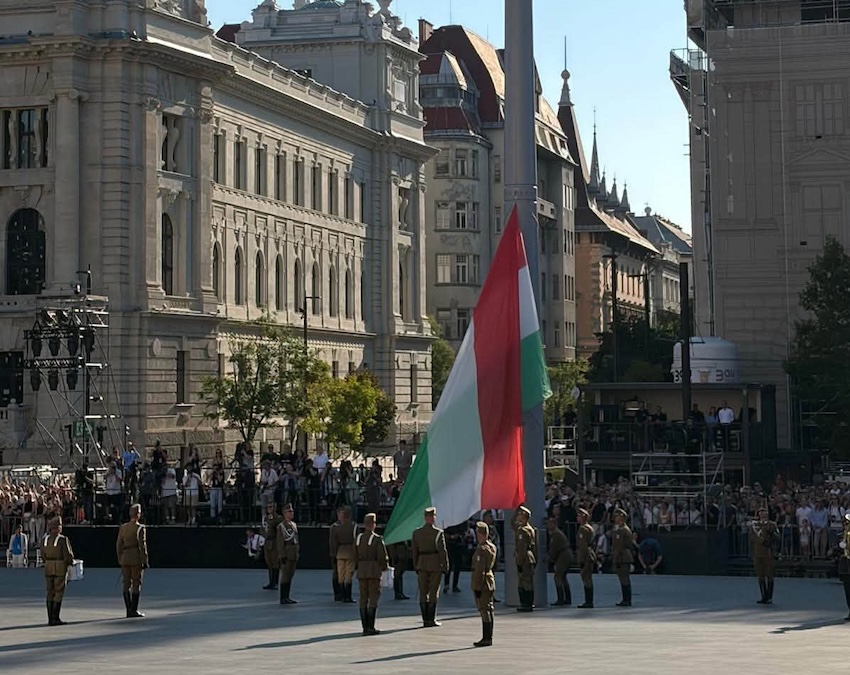
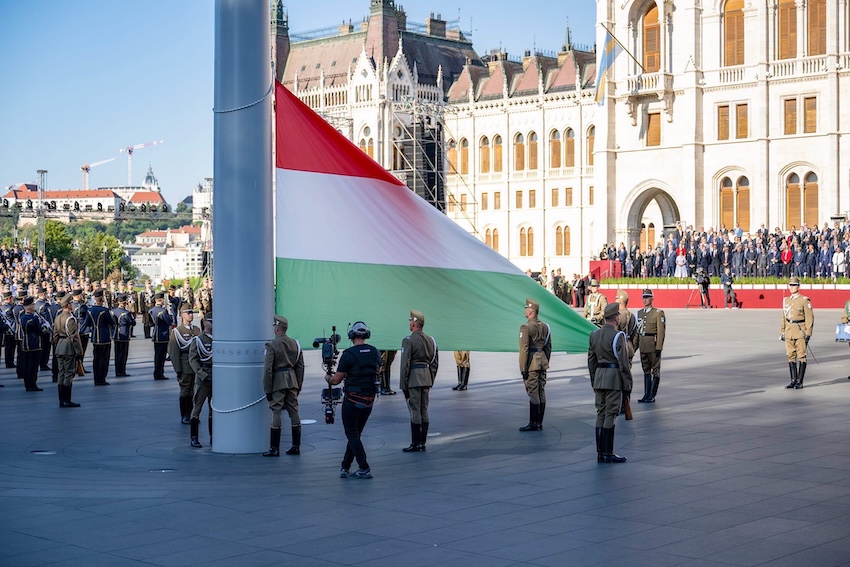
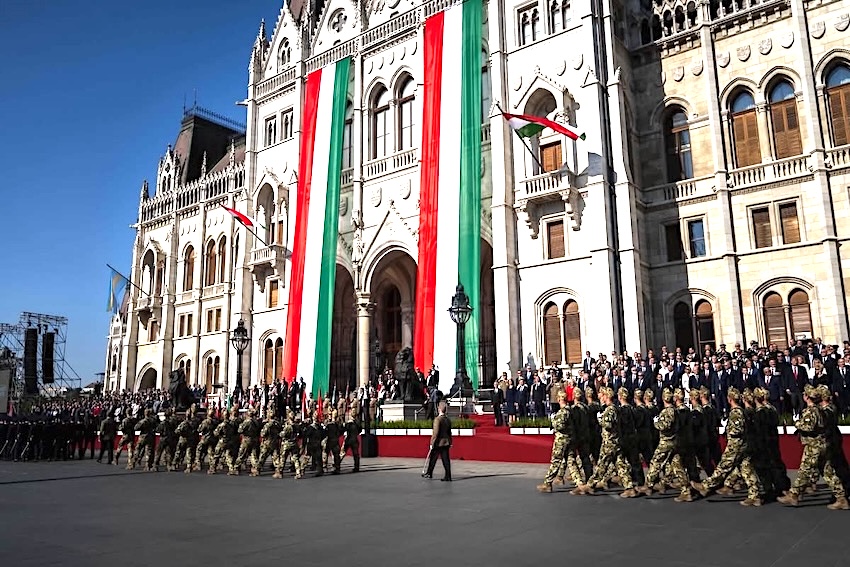
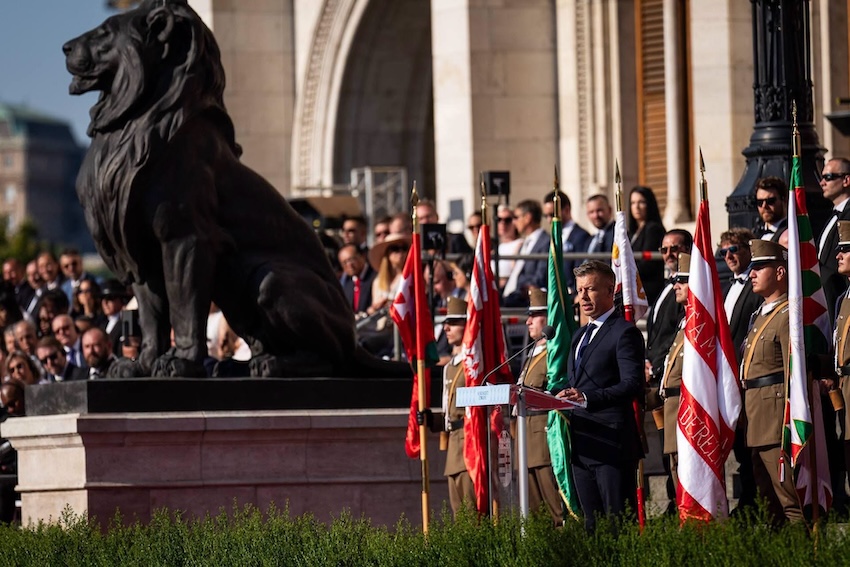
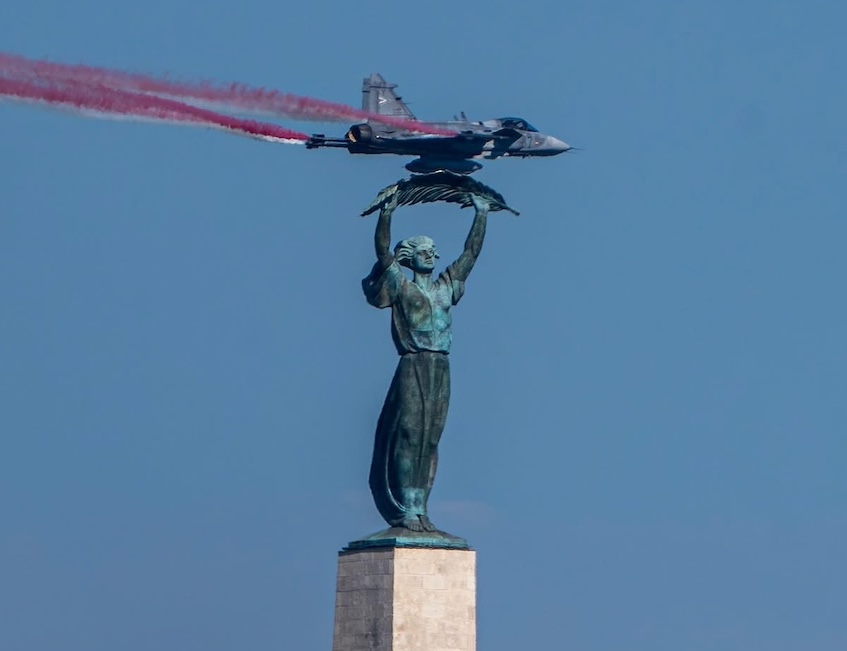
The 2026 national celebration took place during a period of political transition in Hungary. The festivities included the hoisting of the national flag with military honours in Kossuth Square, the swearing-in of 103 new officers of the Hungarian Army, the participation of members of the diplomatic corps, and a spectacular Gripen air display over Budapest.



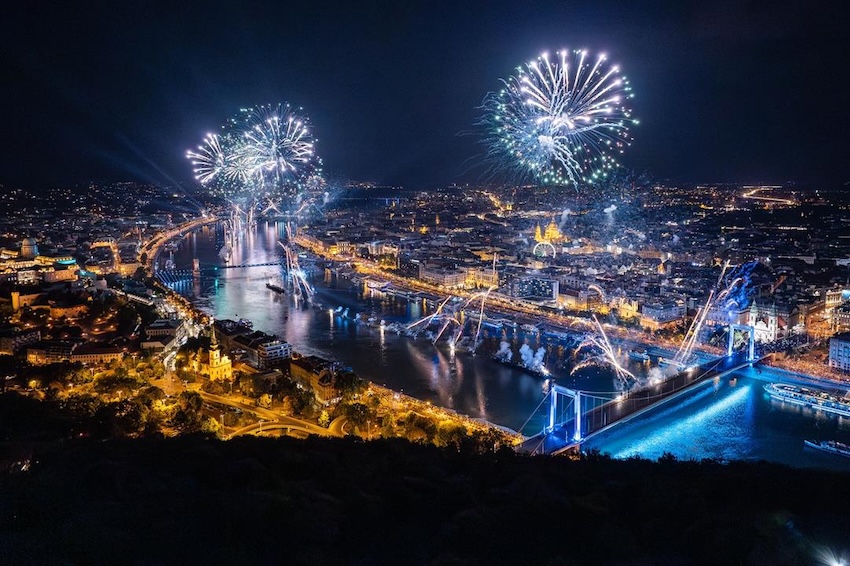
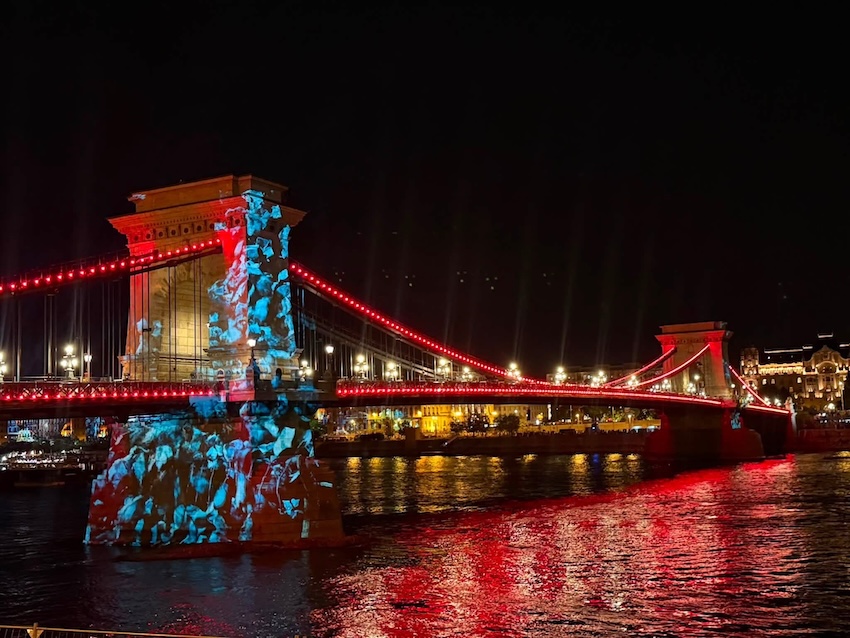
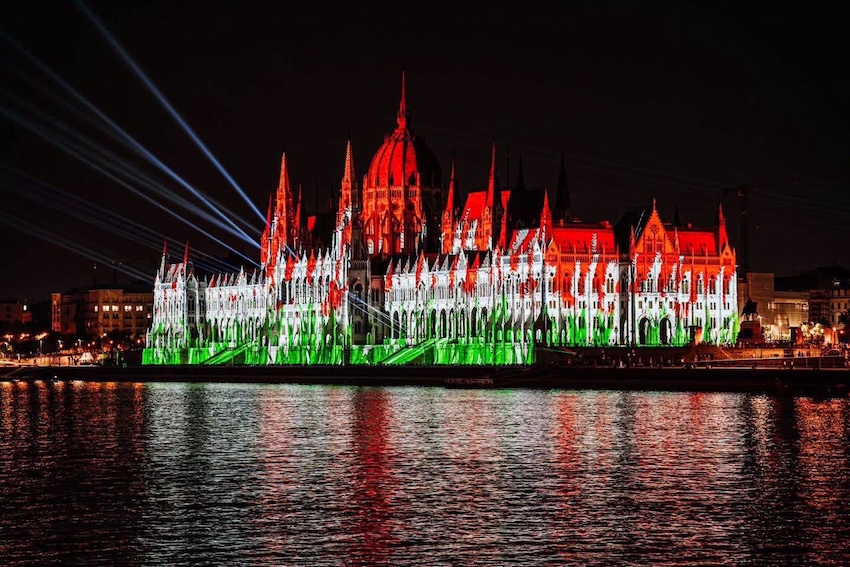
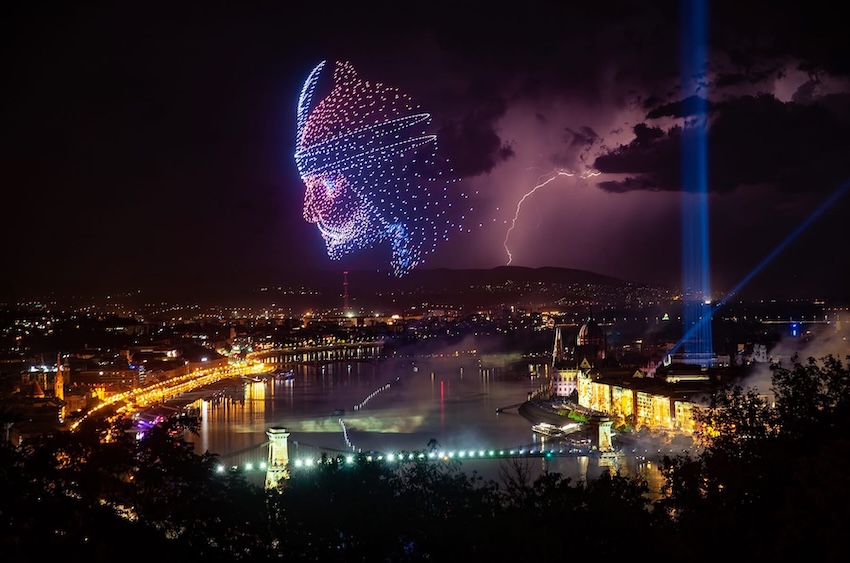
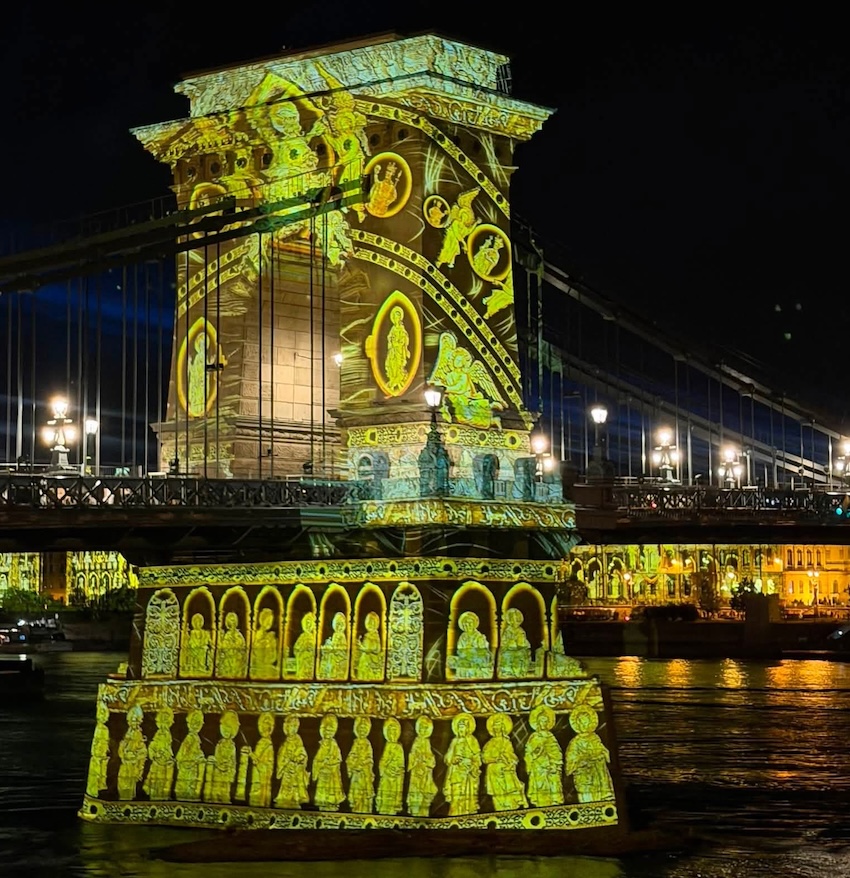
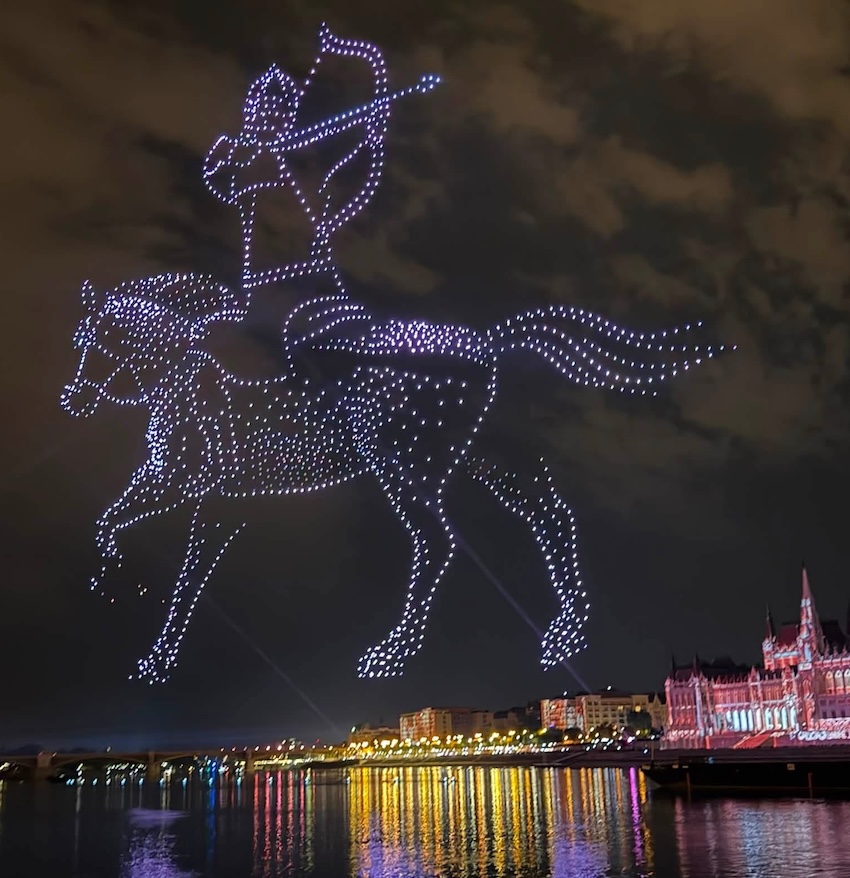
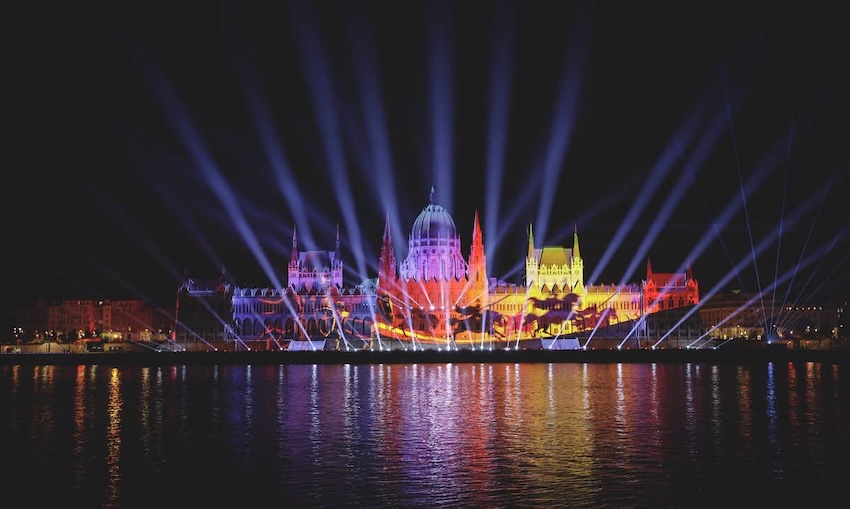
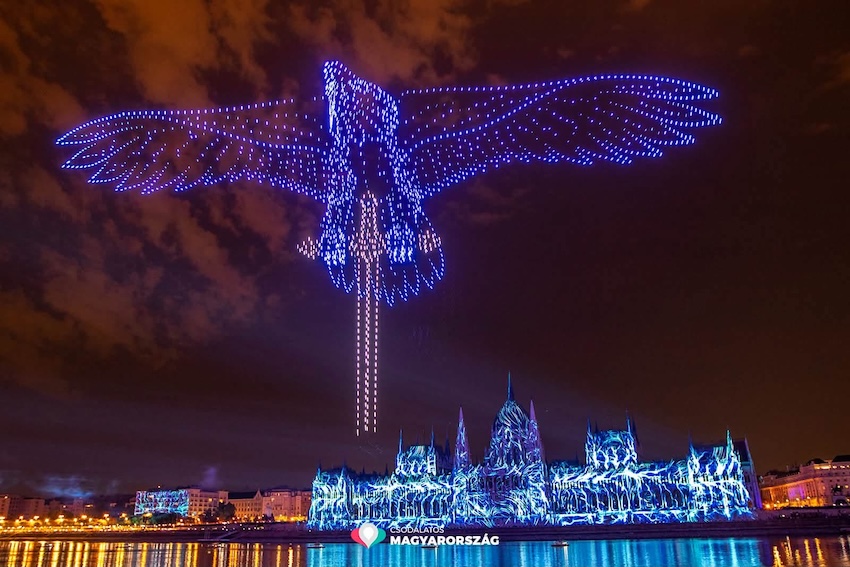
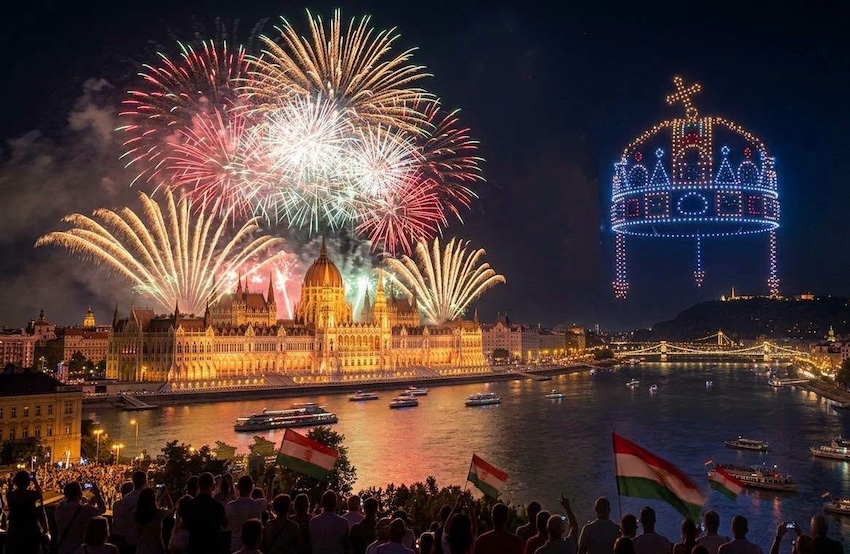
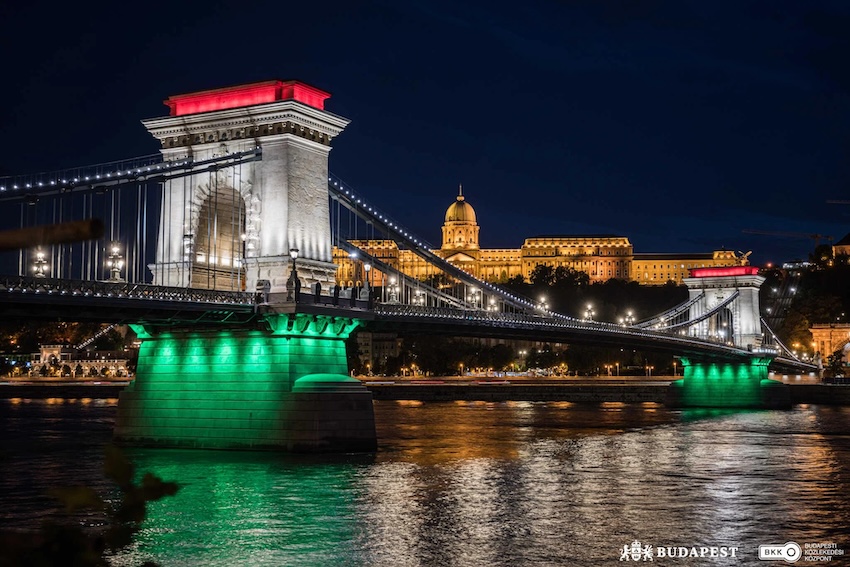
At night, the Danube transformed into a stage for a renewed show combining drones, light projections, music, fireworks and historical storytelling. Hundreds of thousands gathered along the river and on the bridges, while the Széchenyi Chain Bridge was illuminated in the Hungarian national colours.
Yet the 2,850-kilometre-long Danube also served as a reminder of the contemporary challenges. Its exceptionally low water levels caused serious difficulties in Hungary, highlighting the growing importance of water management, environmental protection, climate change and energy security.
Debrecen – Tradition in Flowers
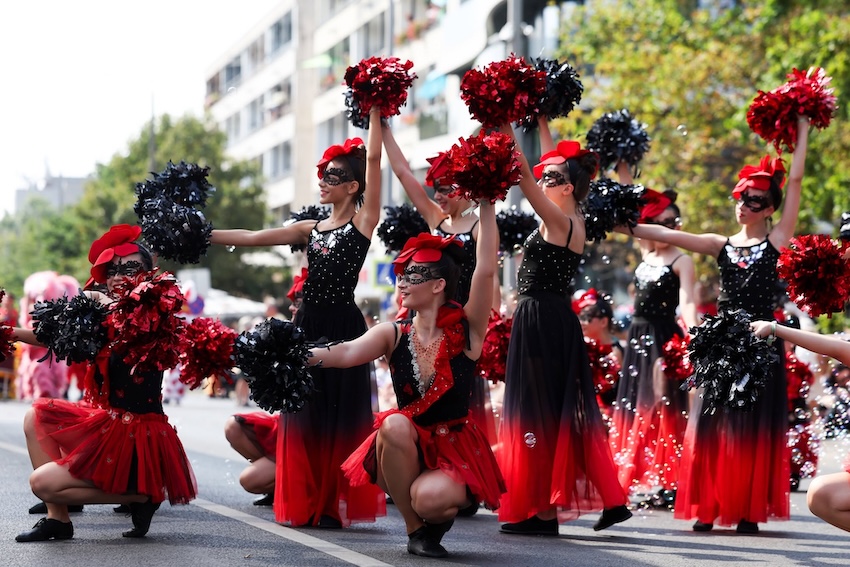
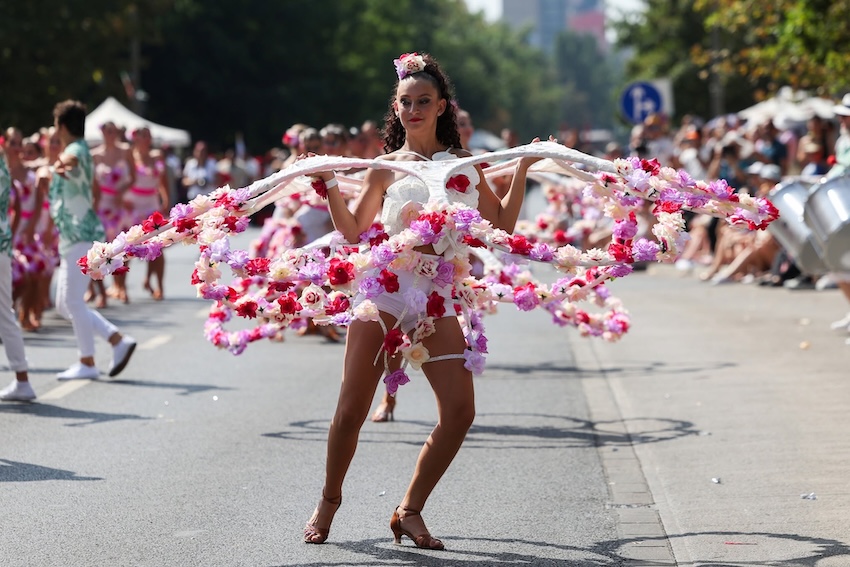
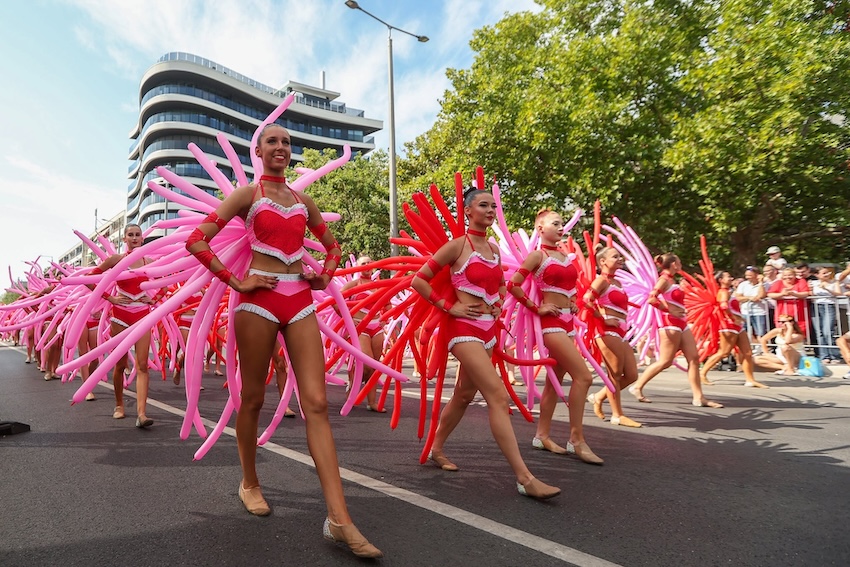
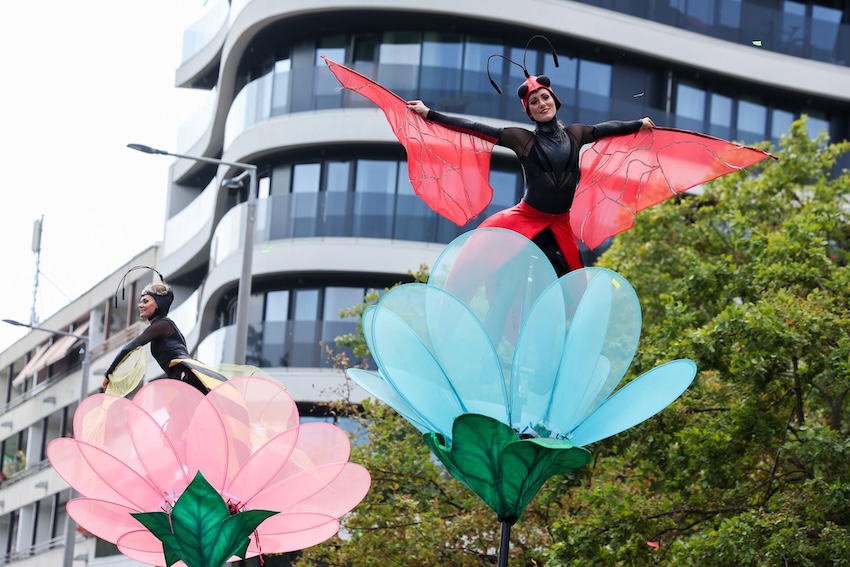
While Budapest provided the grand national stage, Debrecen presented a colourful and deeply rooted expression of Hungarian identity with its 57th Flower Carnival. Held annually around 20 August, the Flower Carnival has become one of Hungary’s best-known cultural traditions. In 2026, the spectacular main parade once again transformed the city into a moving exhibition of flowers, music, dance and artistic creativity.
Traditionally, the parade opened with a representation of the Holy Crown, followed by the city’s historic symbolism, creating a striking connection between the national heritage of Saint Stephen and the contemporary cultural life of Debrecen.
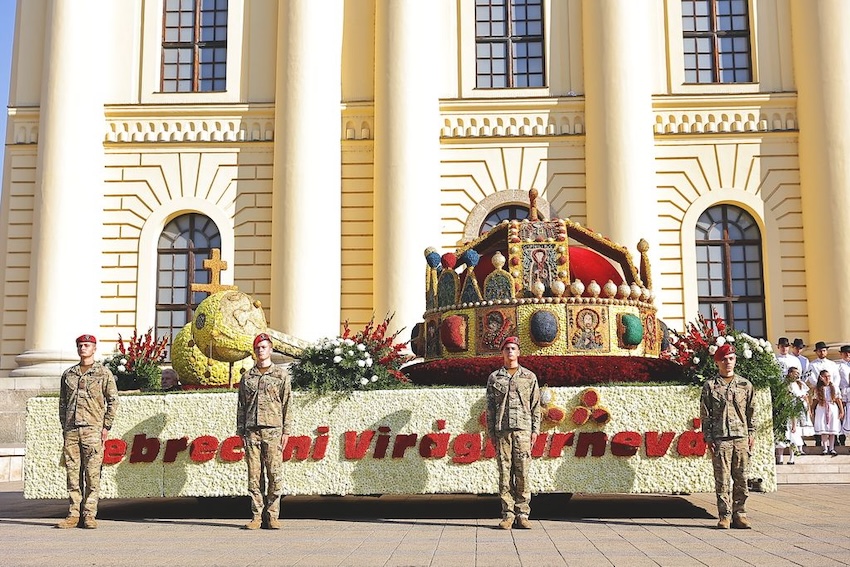
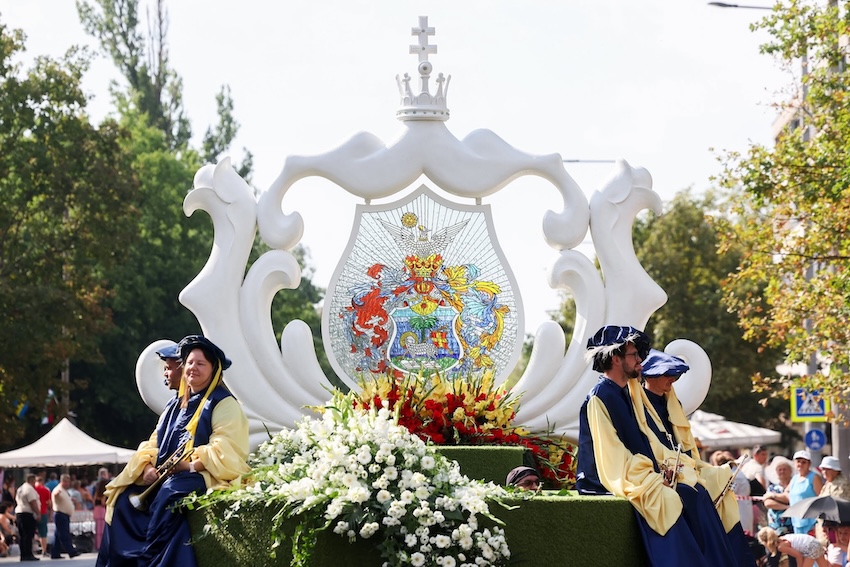
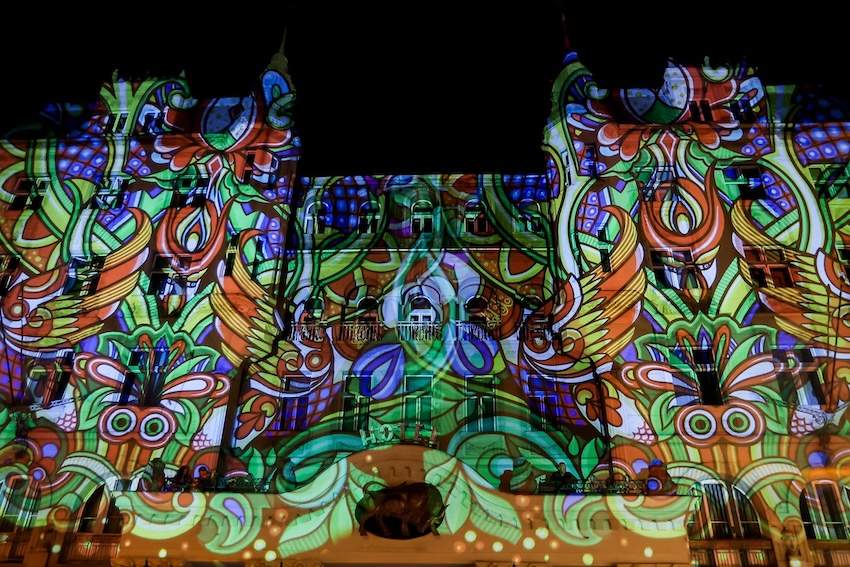
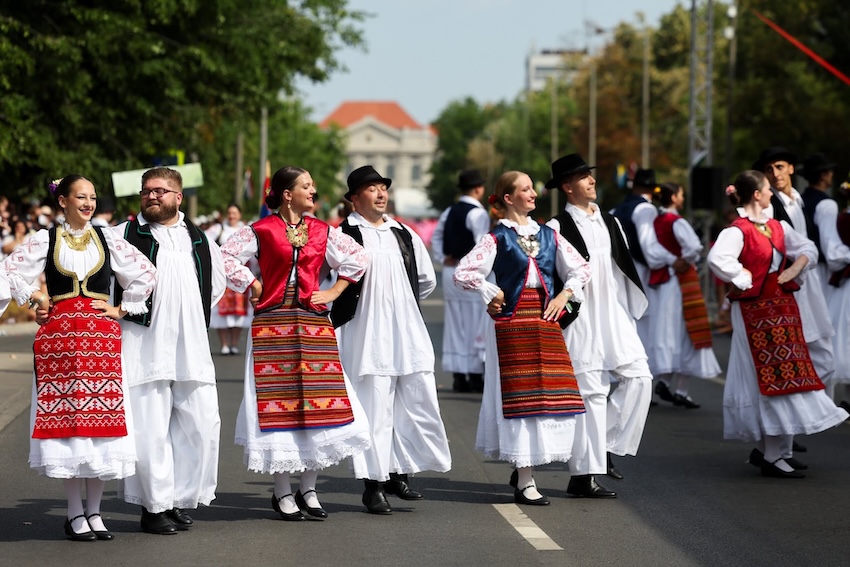
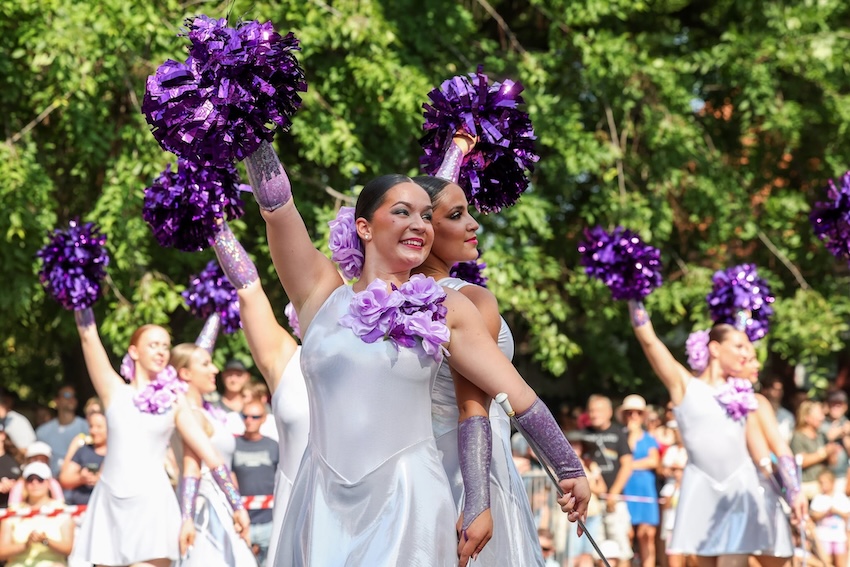
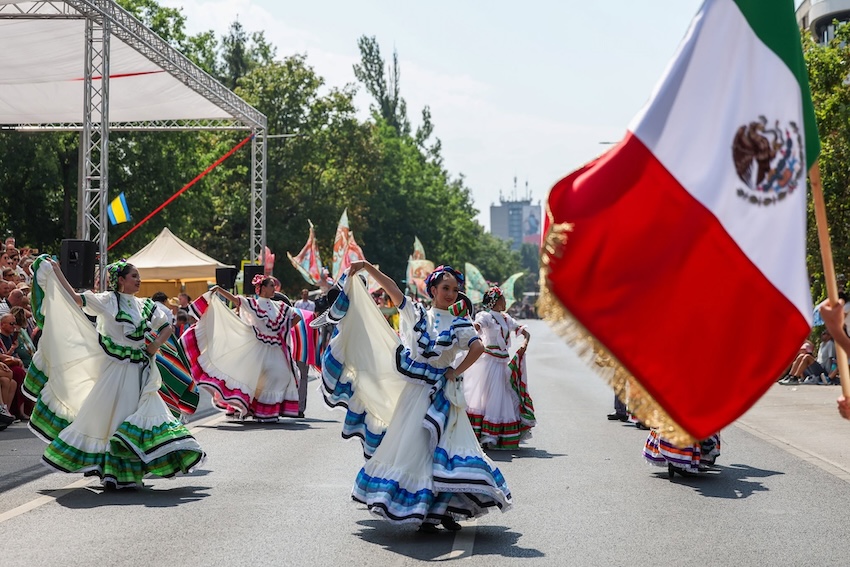
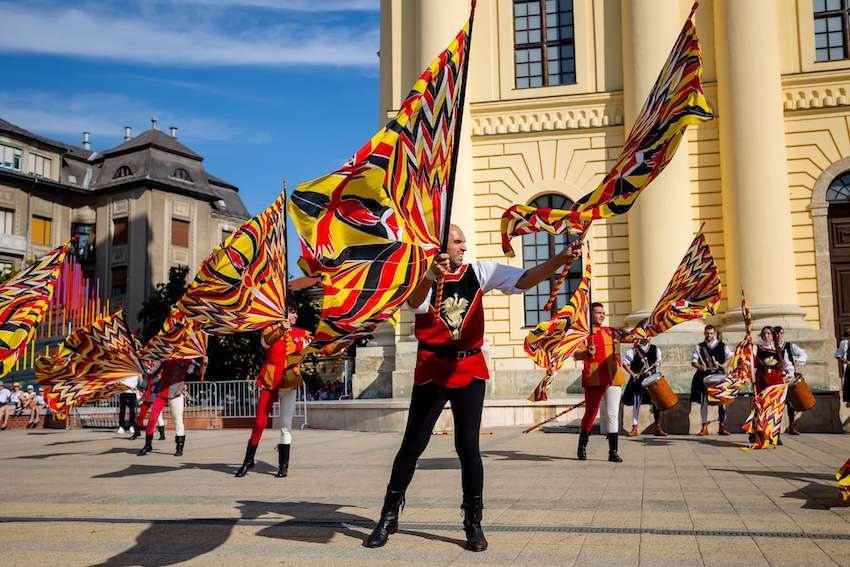
The procession featured 12 flower floats representing various companies, institutions, and the local community. 17 Hungarian artistic groups and 9 international formations participated, with performers arriving from France, Mexico, Italy, Belgium, Germany, Serbia, South Korea and China. The floats were accompanied by over a thousand Hungarian and international performers, while tens of thousands of fresh flowers were used in their elaborate compositions.
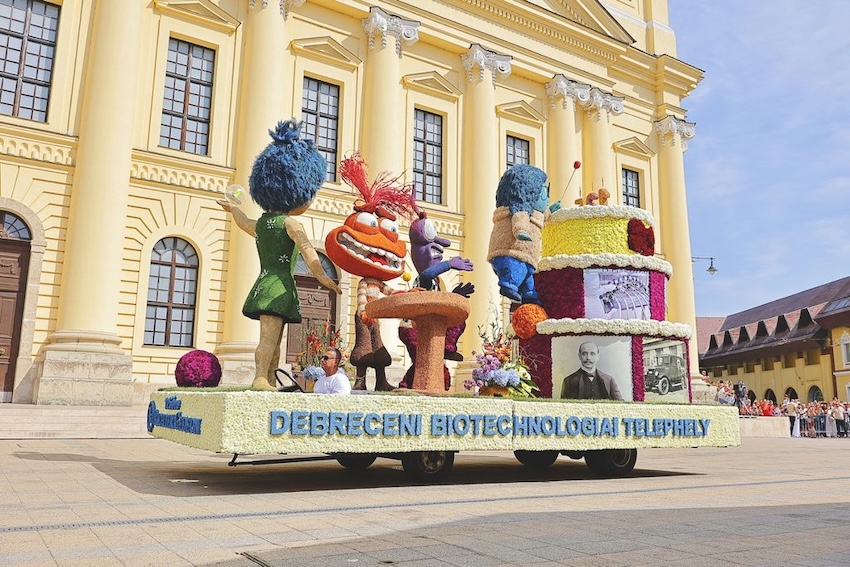
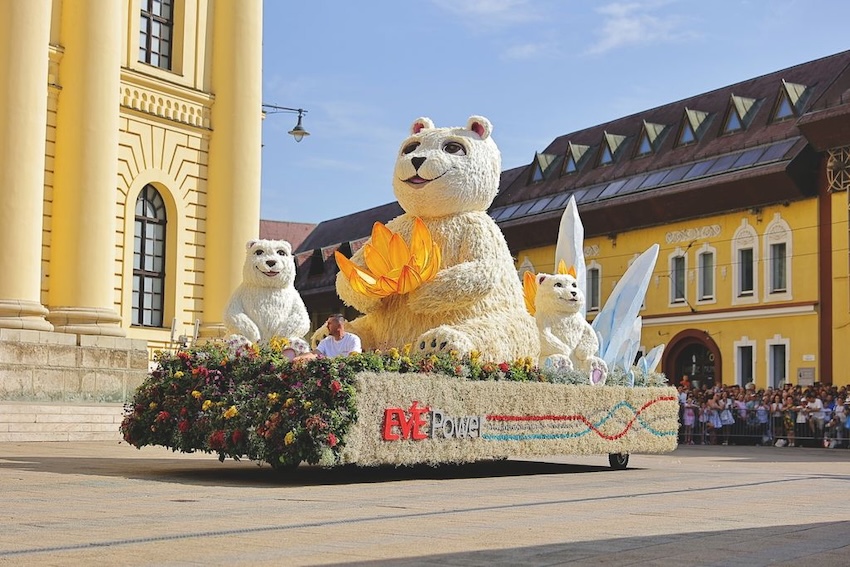
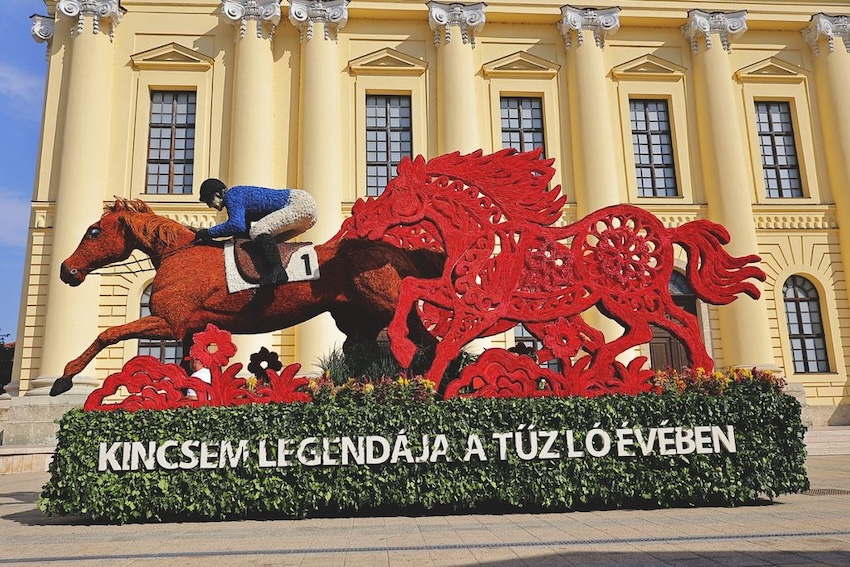
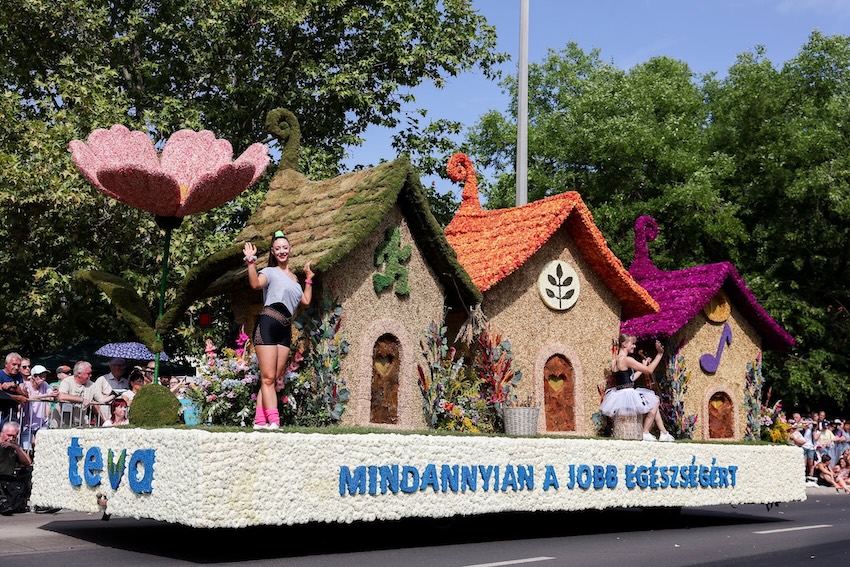
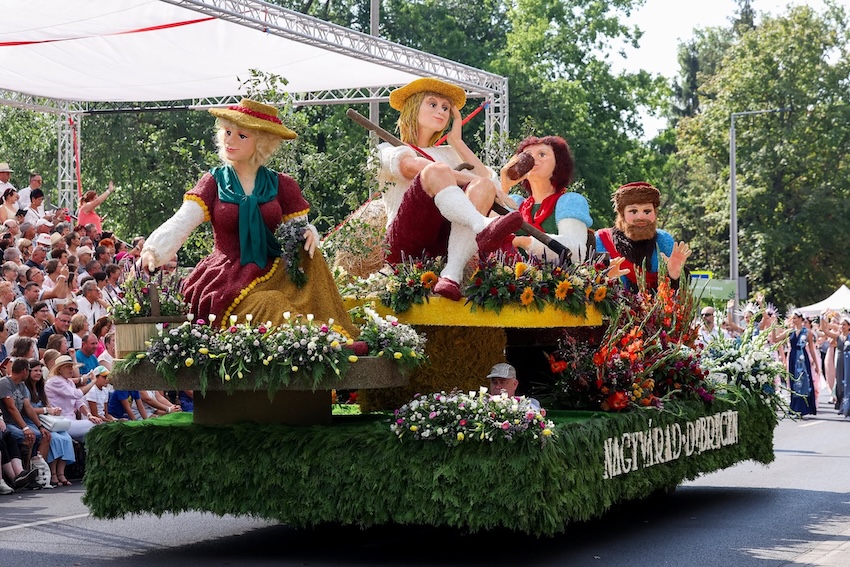
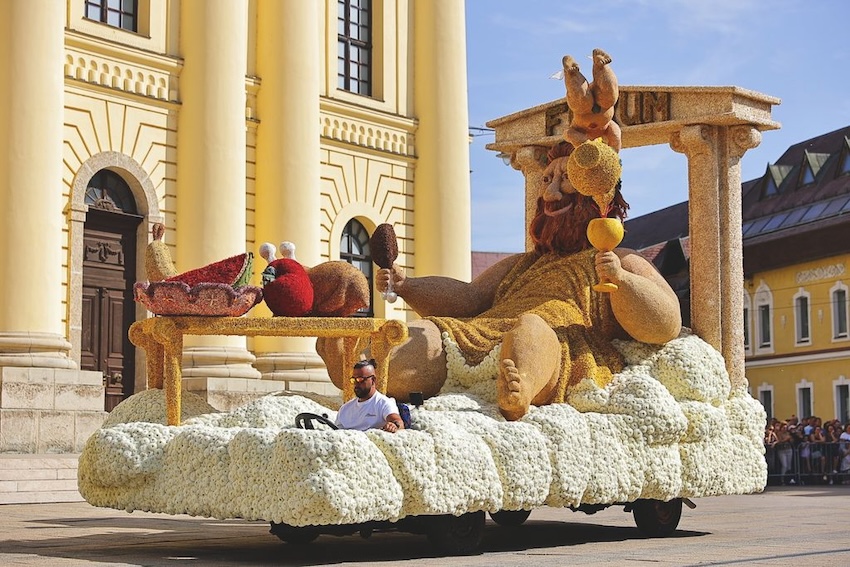
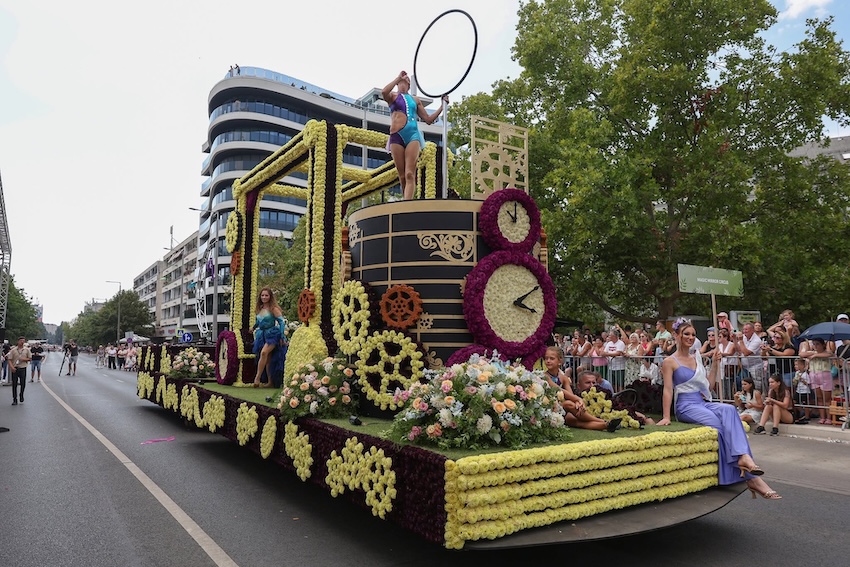
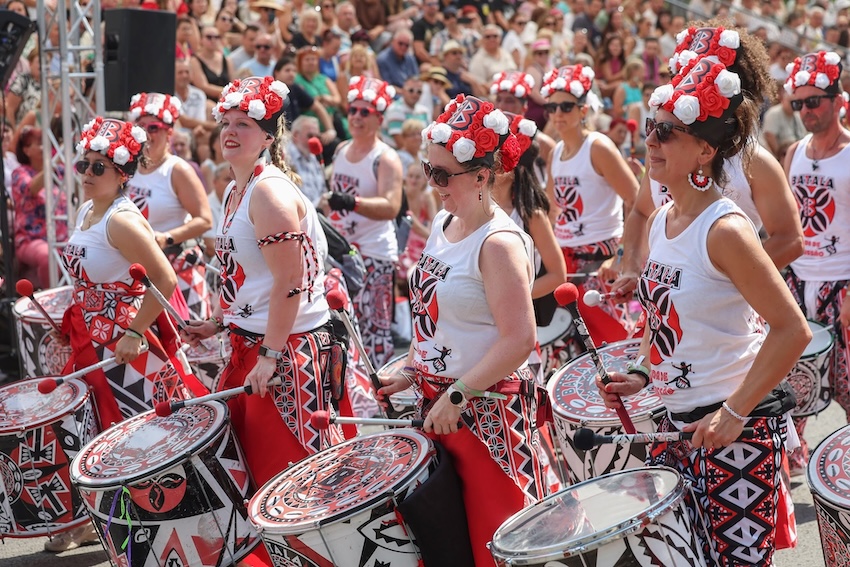
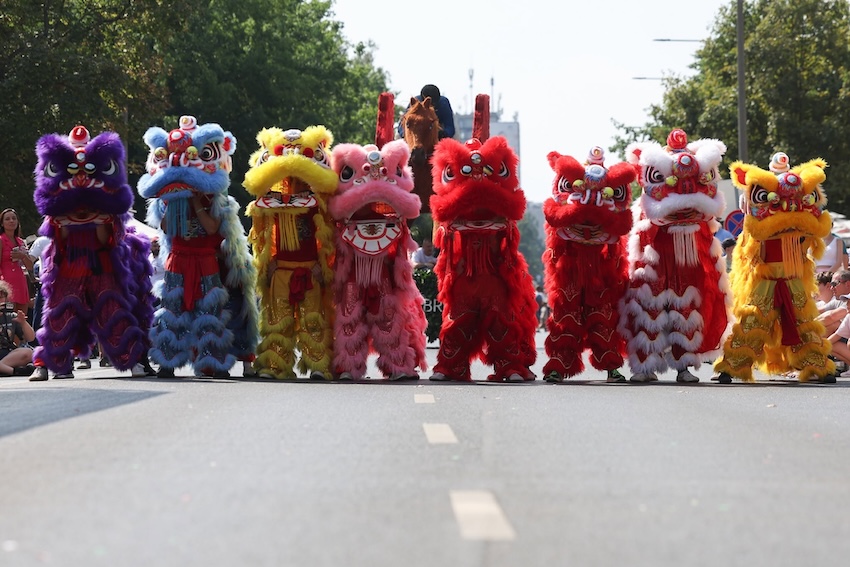
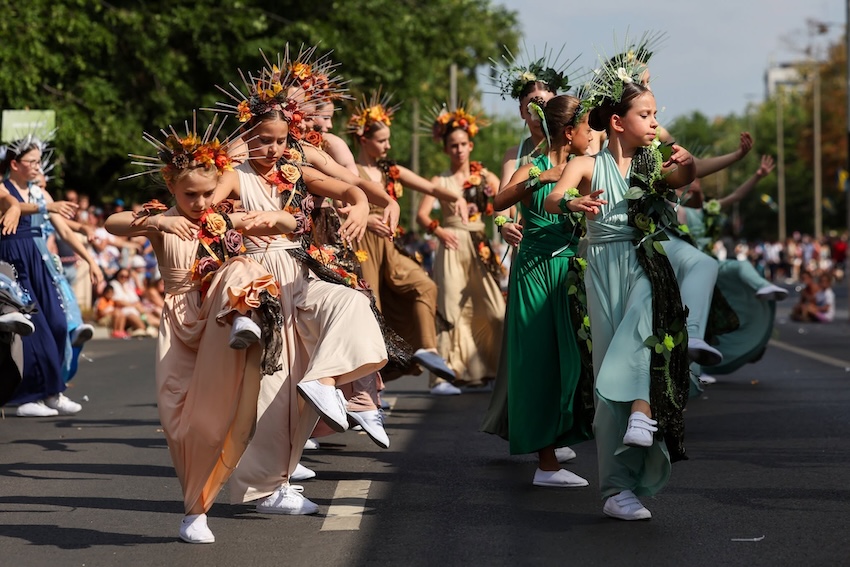
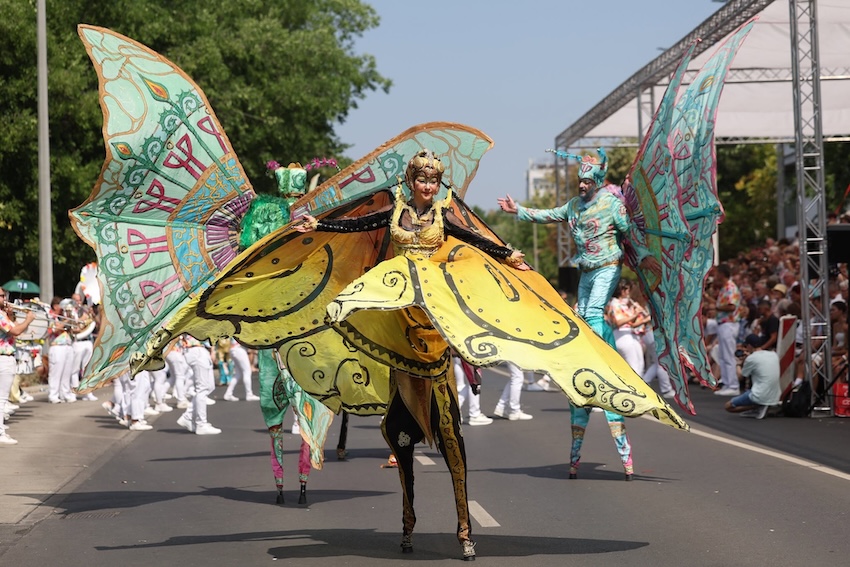
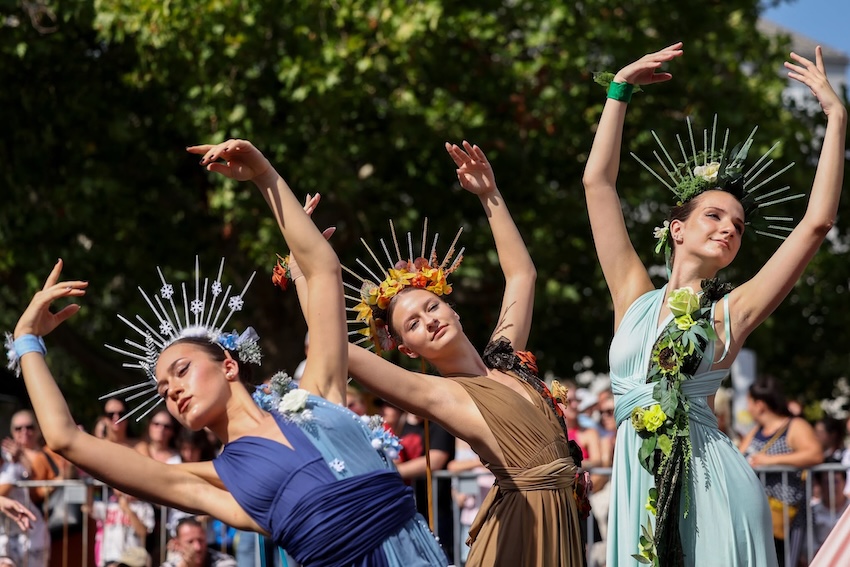
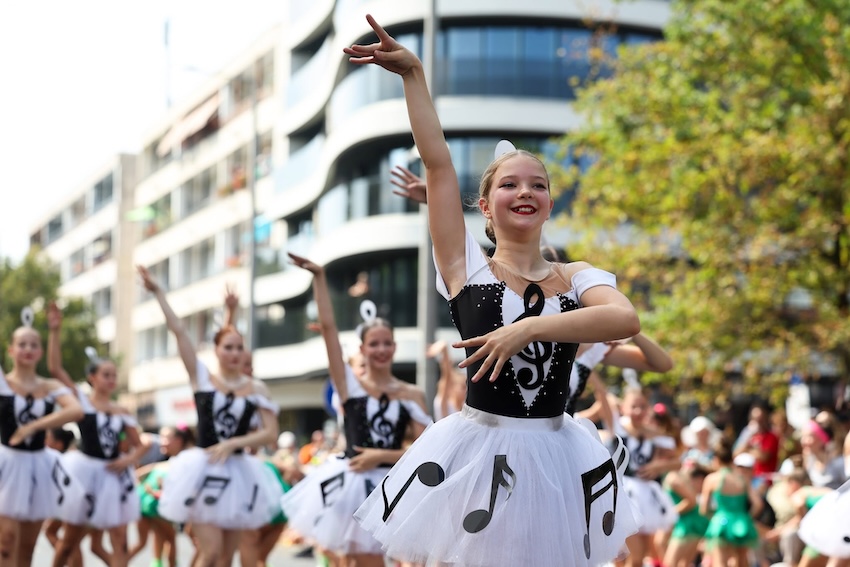
The Magyar Posta float, depicting the special bond between horse and owner, was particularly popular and won the public vote for the most original flower float by a wide margin.
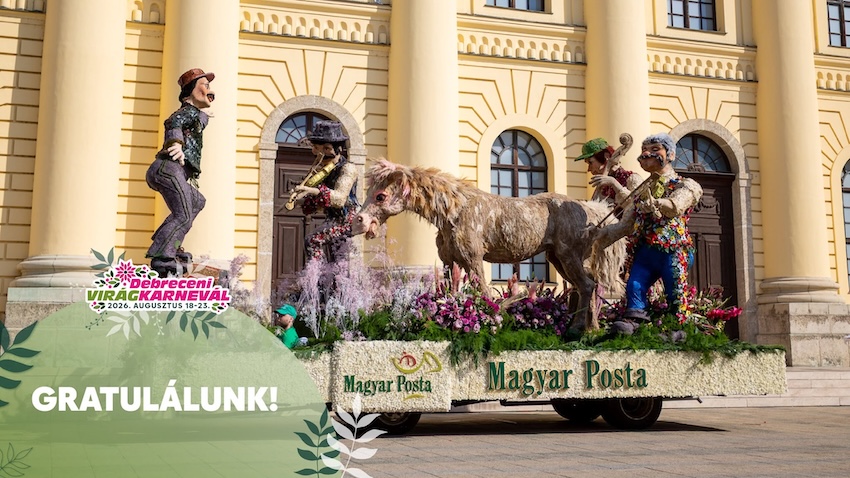
The Flower Carnival thus expressed something fundamental about 20 August: Hungarian identity is not only manifested in state ceremonies and historical symbols, but also in art, craftsmanship, community, music, international cultural exchange, and joie de vivre.
A Thousand Years Together in Europe
The 20 August 2026 celebrations united many layers of Hungarian history. Over a thousand years ago, King Stephen understood that Hungary’s future depended on becoming part of the wider European world while simultaneously preserving its identity.
Hungary has its own distinctive national character, yet its history has never existed outside of Europe. Hungary is more than a thousand years old. Its European story began with its foundation – and continues to this day. Long live Hungary! Long live Europe!
Sources: Hungarian Government website, Debrecen Flower Carnival, Haon.hu