



Building Bridges through Diplomacy, Cooperation and Cultural Exchange
Edited by Anna Popper
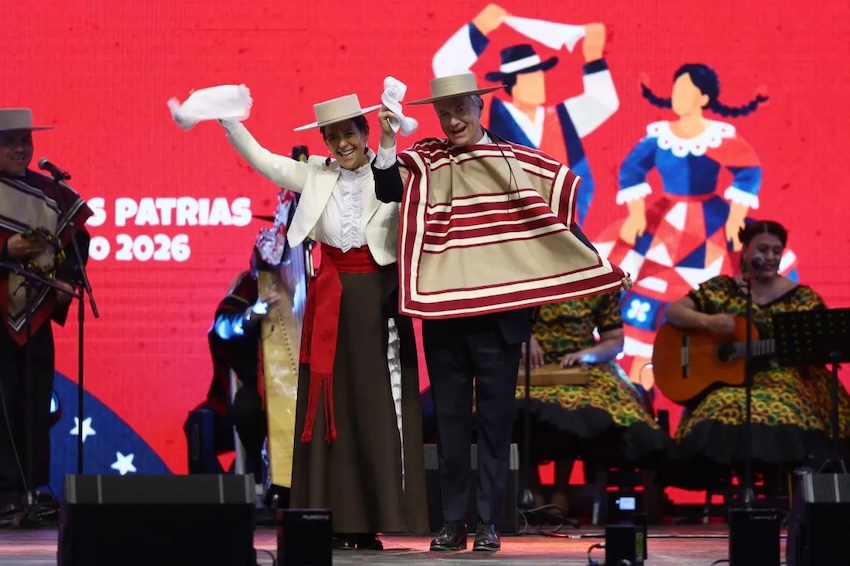
Chile’s national holiday, Fiestas Patrias, commemorates the beginning of the country’s independence movement on 18 September 1810, when the First Government Junta was formed in Santiago – a decisive step towards independence. Chile formally declared its independence in 1818, although the struggle to consolidate the new republic continued in the years that followed.
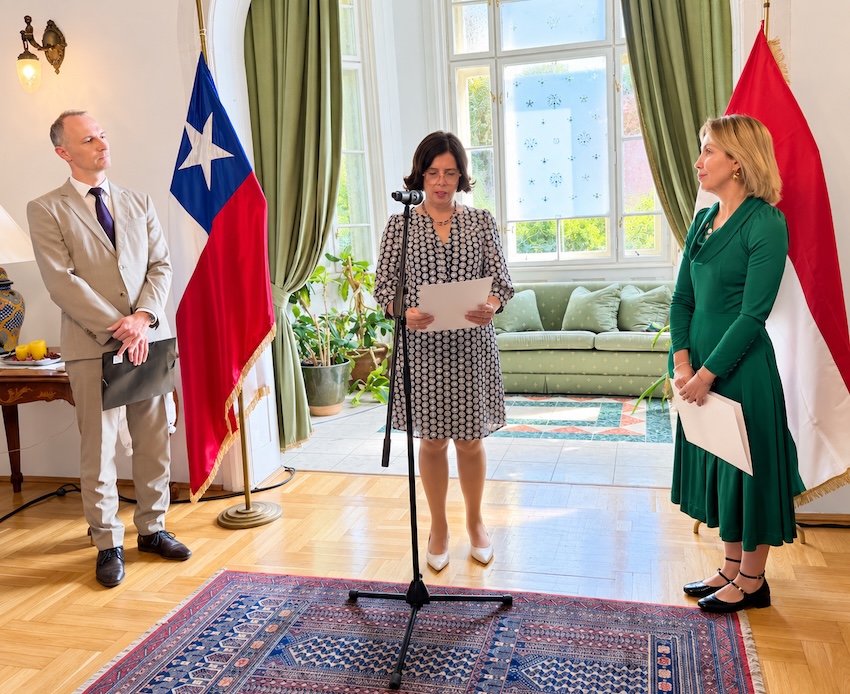
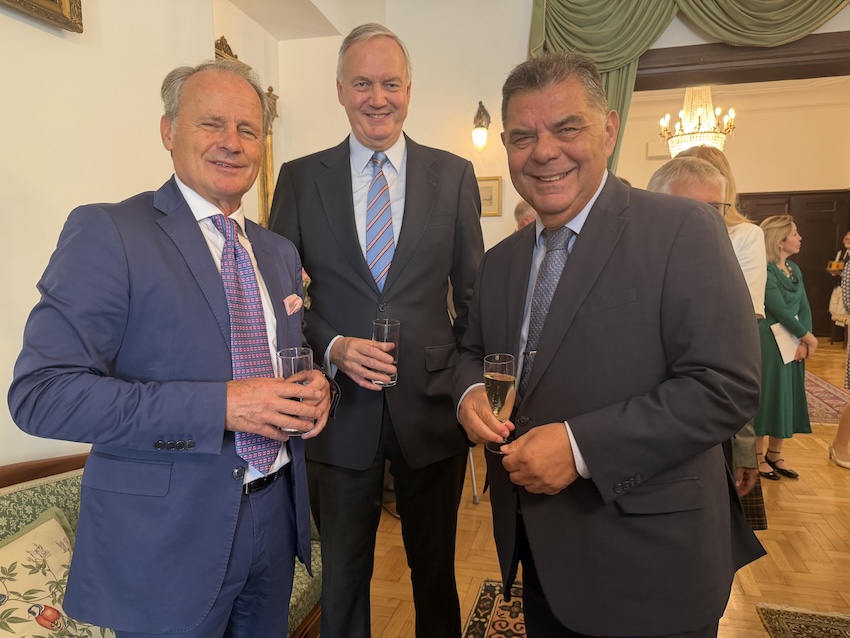
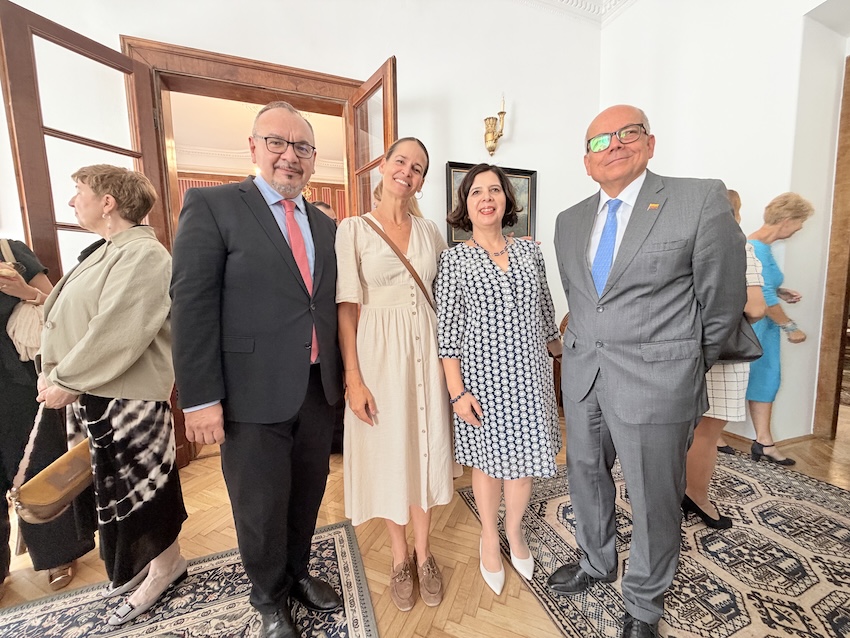
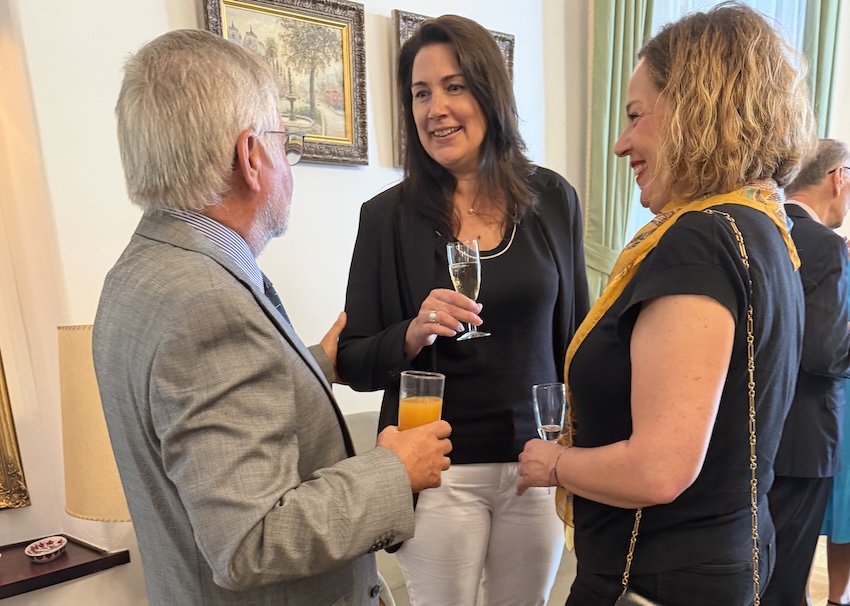
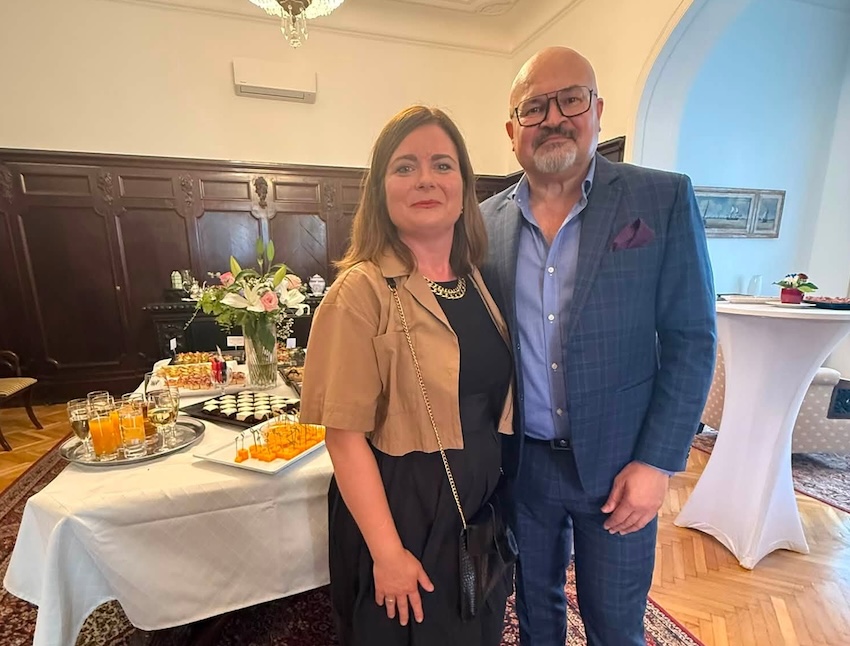
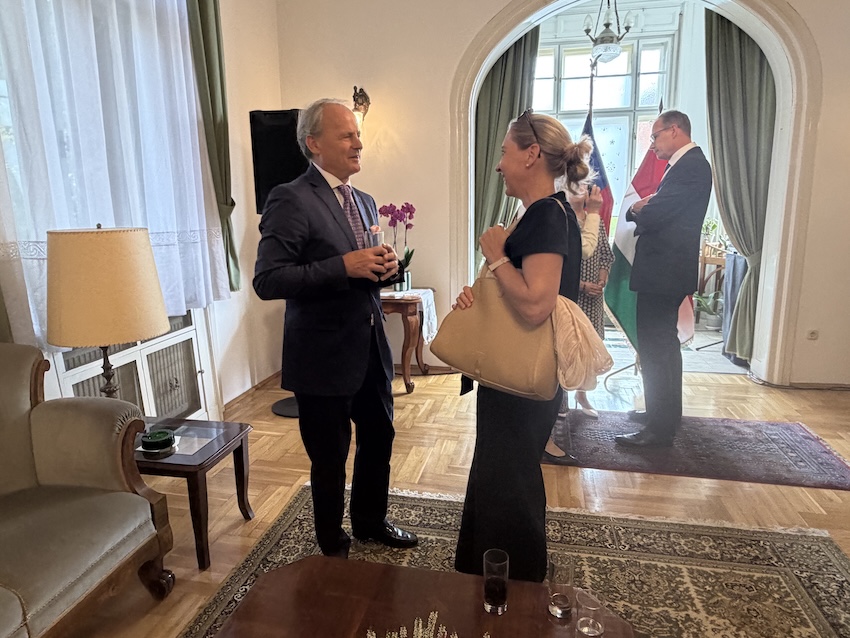
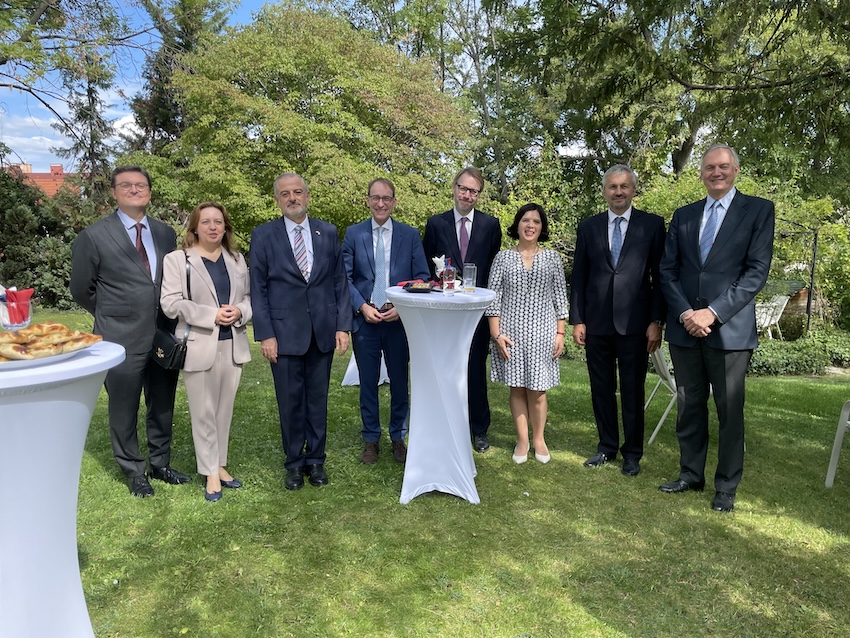
To mark this historic anniversary, H.E. Camila Márquez Araujo, Ambassador of the Republic of Chile to Hungary, hosted a reception at the Ambassador’s Residence. The event brought together Hungarian officials, members of the diplomatic corps – including ambassadors from Latin American countries – representatives from the business, cultural and academic sectors, members of the Chilean community, and friends of Chile.

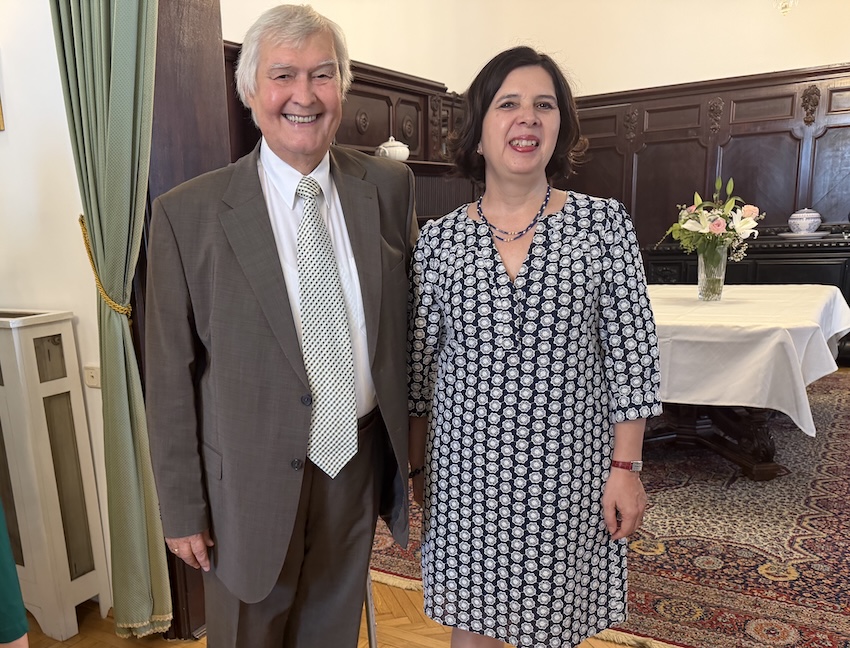
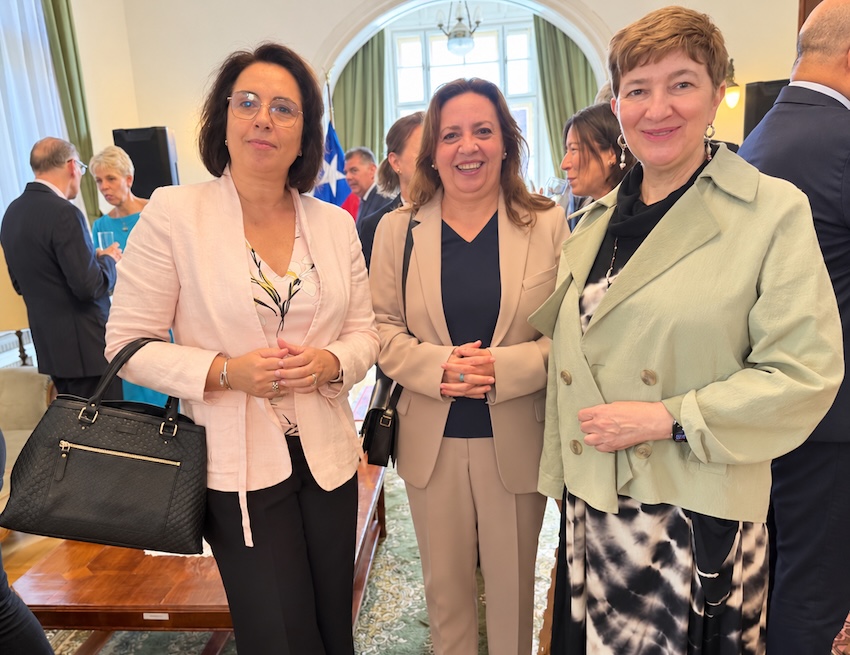
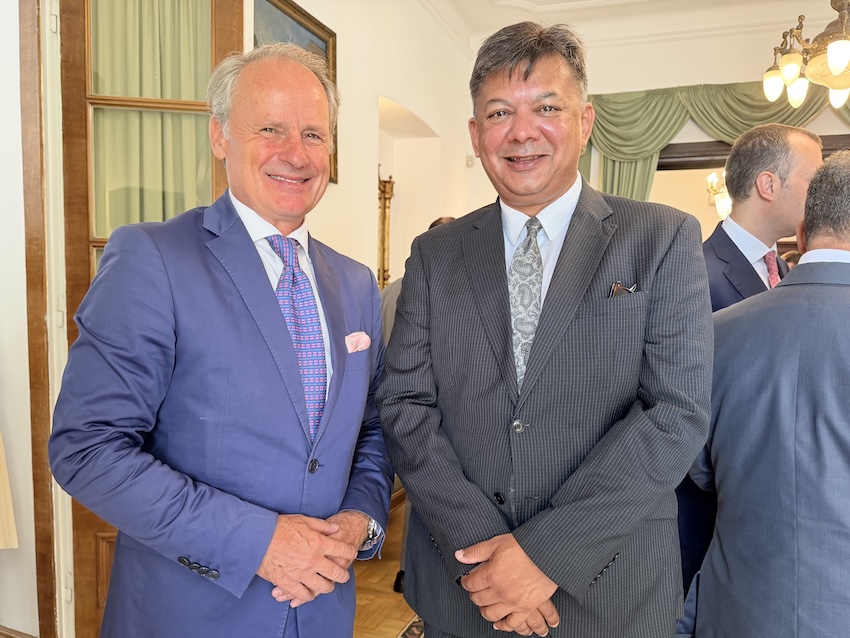
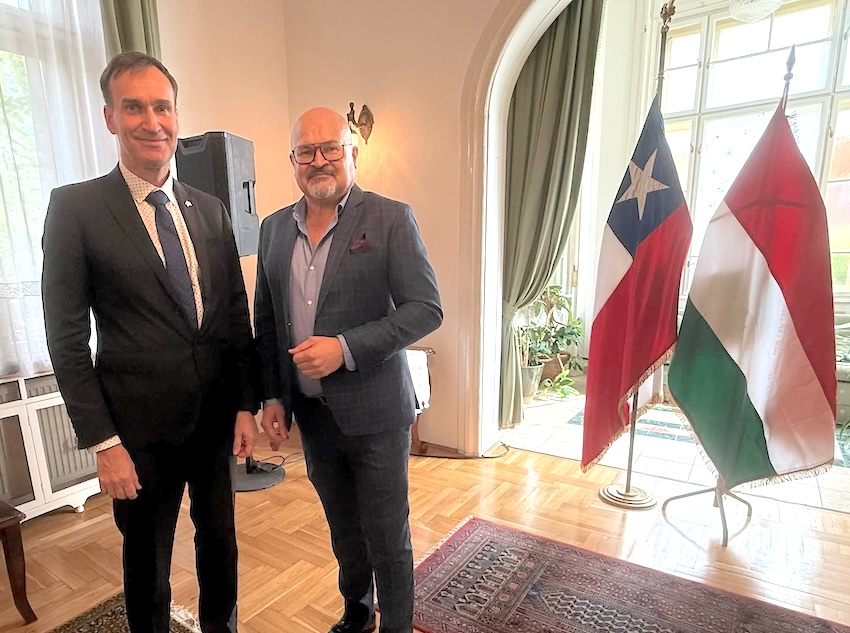

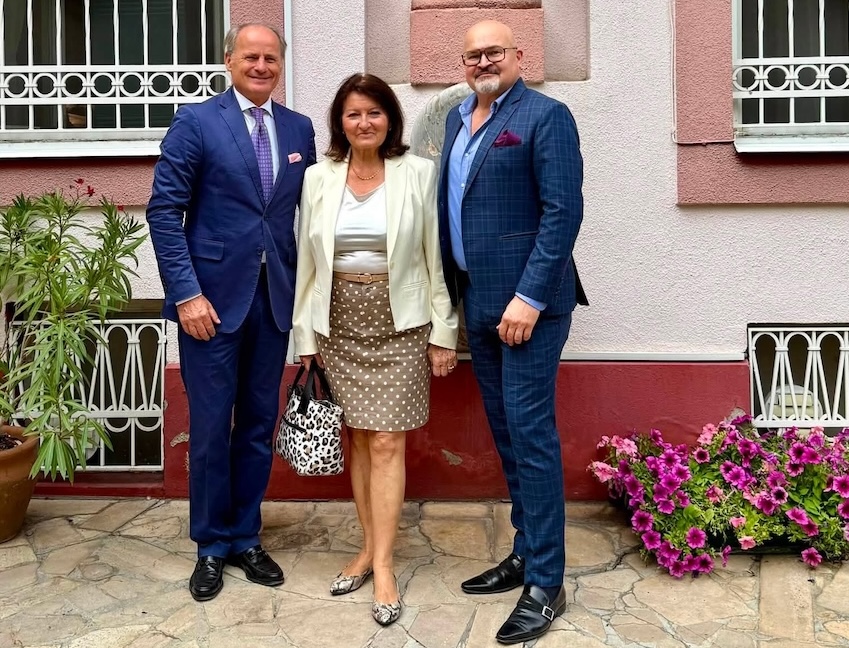
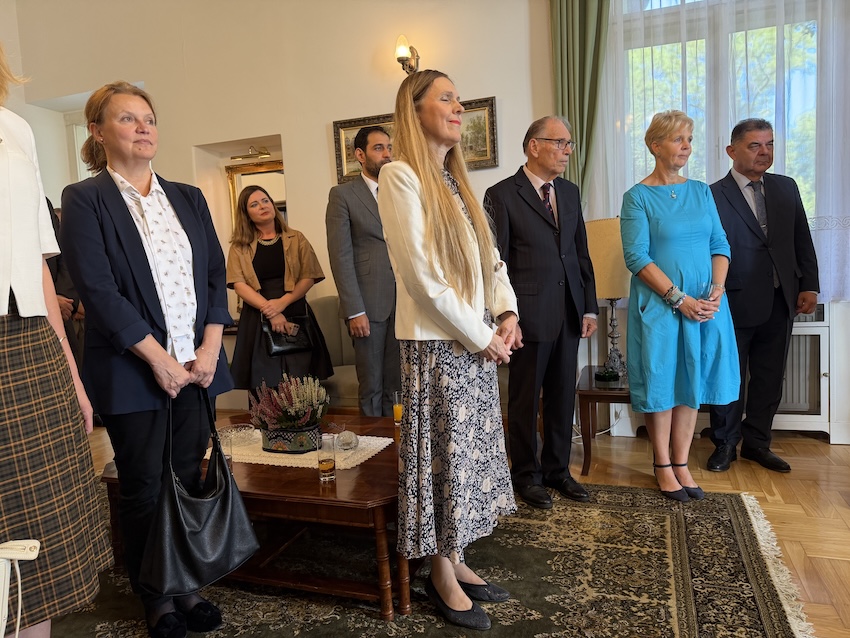
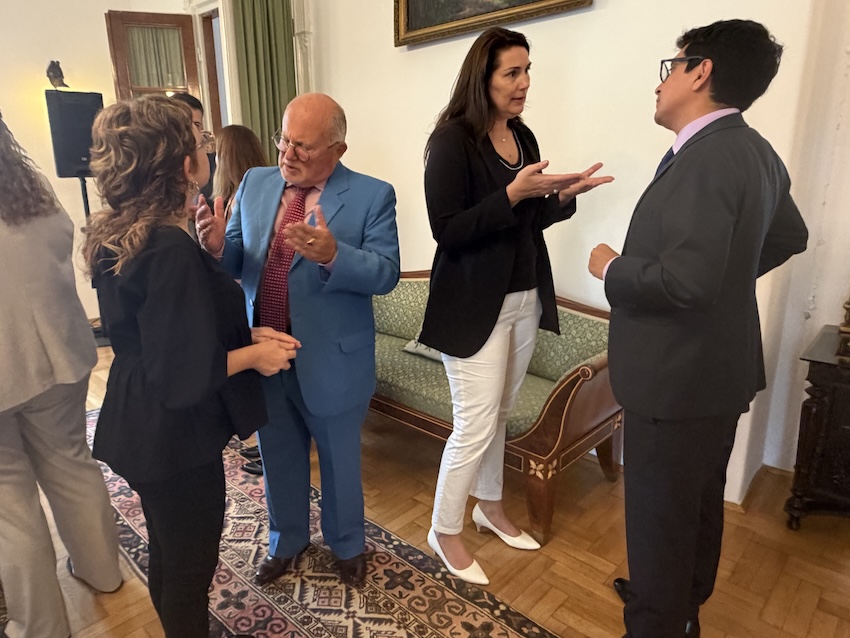
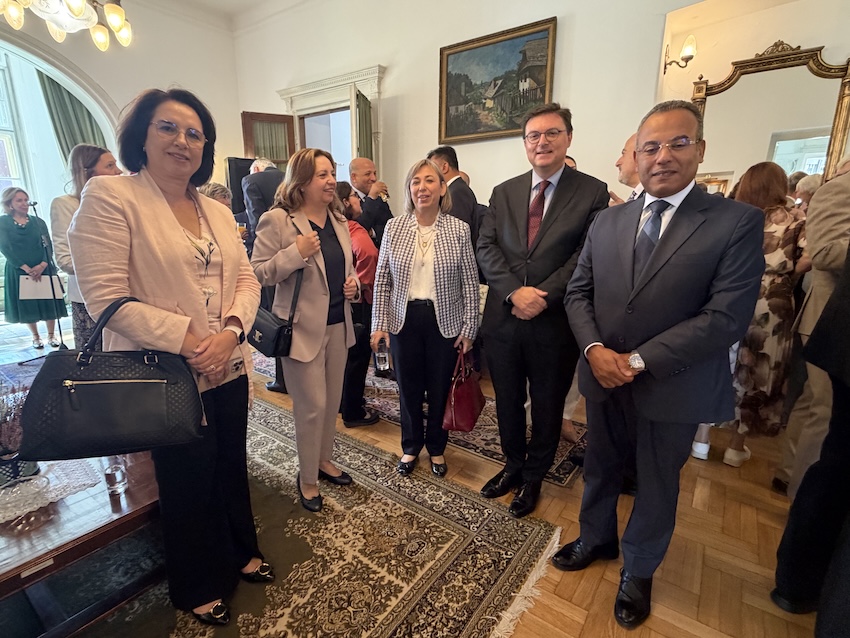
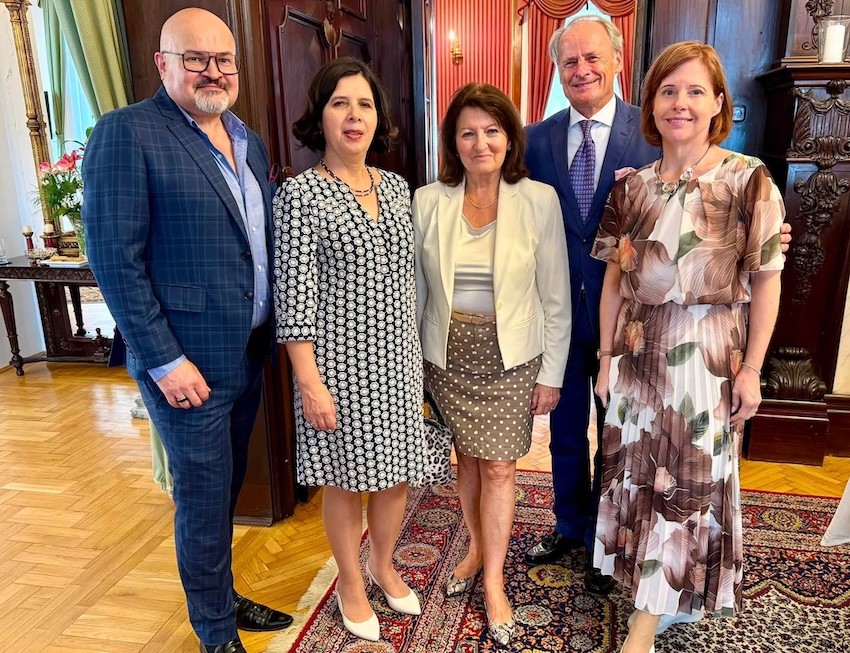
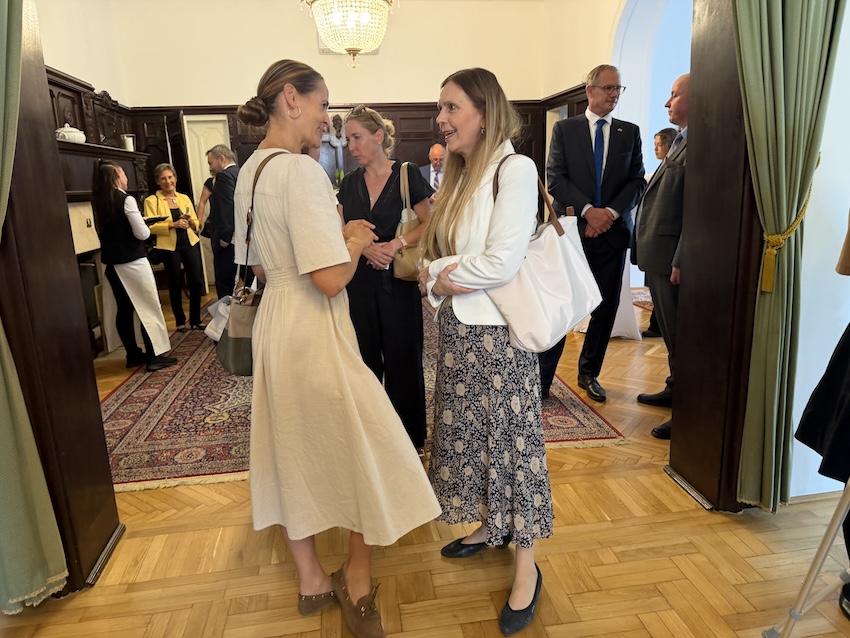
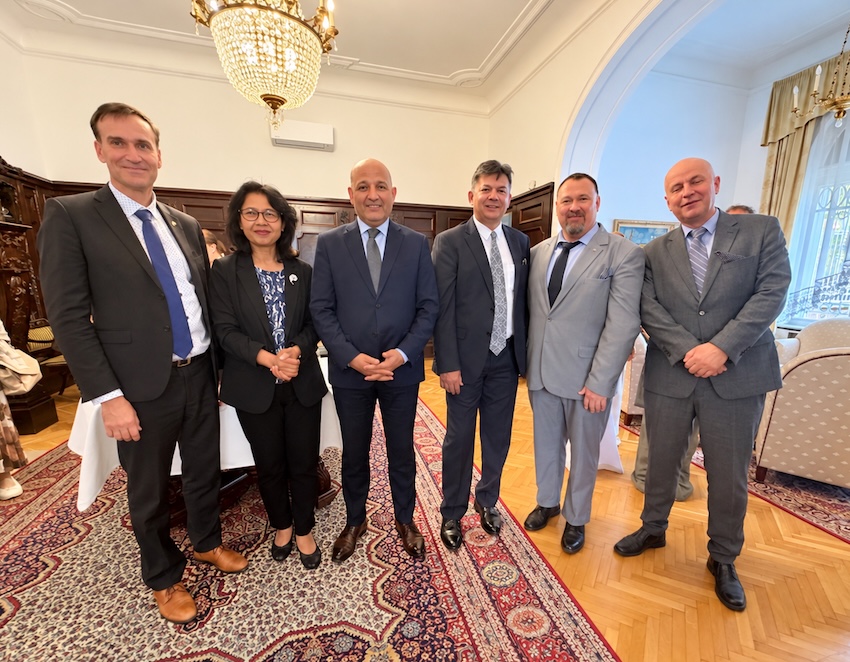
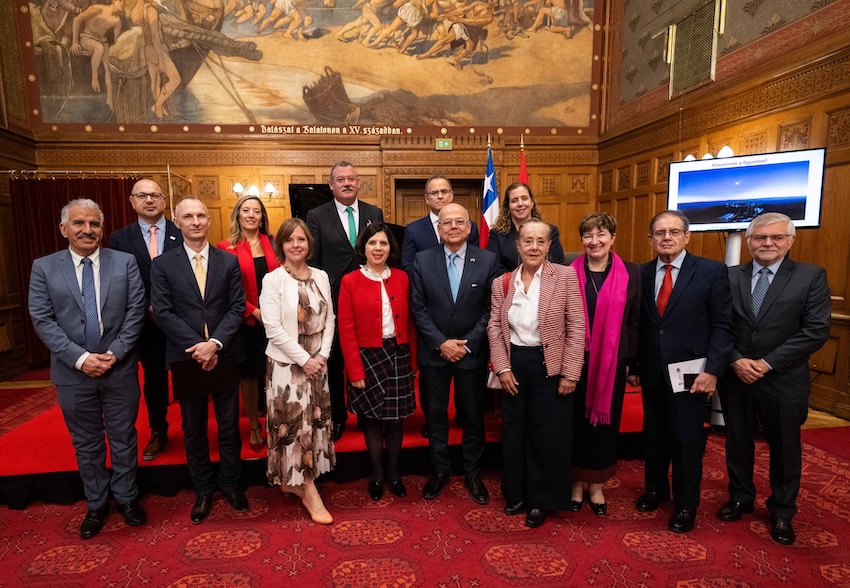
The occasion offered an opportunity to reflect on the longstanding relationship between Chile and Hungary – the centenary of which was celebrated in 2025 with a festive commemoration at the Hungarian Parliament – as well as on Chile’s commitment to international cooperation and multilateralism.
The ceremony commenced with the national anthems of Chile and Hungary, followed by an address from Ambassador Camila Márquez Araujo, who – in her speech – reflected on the meaning of independence, the importance of international cooperation and the enduring bonds between the two countries.
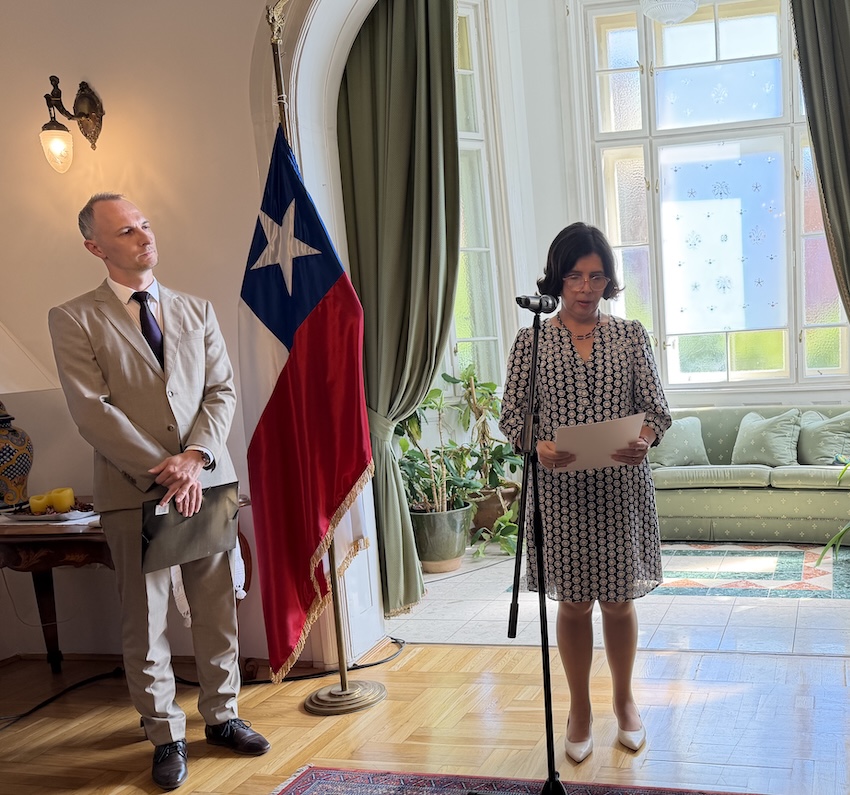
“Excellencies, Distinguished Guests, Ladies and Gentlemen, Dear Friends, it is a great pleasure and a particular honour to welcome you this afternoon as we celebrate Chile’s National Day. We are delighted that so many of you have joined us today. We truly value your partnership and friendship. Thank you all for being here!
Chile began its independent journey 216 years ago. As we commemorate our national independence today, we celebrate not only the courage of those who fought for self-determination and the foundations of our Republic, but also the enduring relationships that Chile has built with the world.
Independence is not a destination reached once and for all. Nation-building is an ongoing endeavour: a daily commitment to strengthening democracy, expanding participation, building strong institutions, and ensuring that the State serves the common good with responsibility, effectiveness, and integrity.
With new governments taking office in both our countries this year, we look forward to new opportunities and fresh perspectives. I am convinced that Chile and Hungary will continue to work together for the benefit of our citizens.
In a global context marked by the weakening of multilateralism, renewed territorial tensions, and growing challenges to the international rules-based order, Chile continues to pursue a responsible, coherent, and cooperative foreign policy.
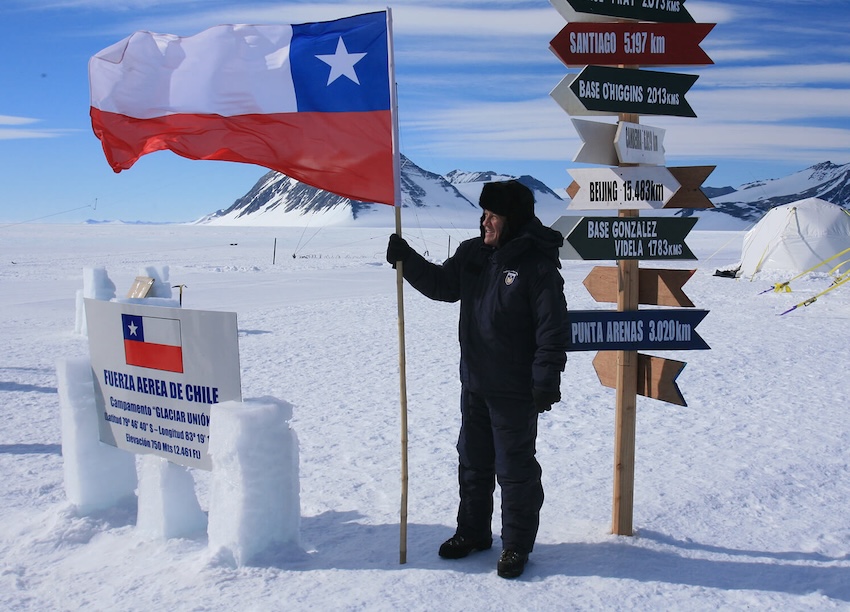
At the same time, Chile actively contributes to discussions on some of the most strategic global challenges of our time: ocean protection, the preservation of Antarctica, sustainable development, climate action, and the opportunities and challenges associated with artificial intelligence and emerging technologies.
It is within this broader vision that we celebrate the relationship between Chile and Hungary. This year, Chile and Hungary commemorate 101 years of diplomatic relations. Over the decades, our bilateral ties have grown through political dialogue, trade, investment, academic and scientific cooperation, and cultural exchange. Yet, beyond institutions and agreements, the deepest and most tangible dimension of our relationship is found in our people.

Hungarian migration to Chile has helped forge enduring bonds between our societies and has made the distance between Central Europe and South America considerably smaller.
Among those who left a particularly meaningful mark were Hungarian painters, who – after emigrating to Chile – became part of the country’s artistic life and contributed to the development of Chilean painting. Their work is a remarkable example of how migration can enrich the cultural identity of both the host society and the arriving community. It is therefore of great importance that some of these works will be exhibited at the Hungarian National Gallery in Budapest from November 2026. We are deeply grateful to the museum’s professionals for their dedication and for the work that has made this exhibition possible.
Today, we are entrusted with carrying that history forward. Programmes such as the Stipendium Hungaricum and the Working Holiday visa scheme offer young Chileans and Hungarians the opportunity to study, work, exchange ideas, and experience each other’s societies firsthand.
We have built bridges between Chile and Hungary. Some are visible: political dialogue, academic and scientific cooperation, cultural exchanges, trade, investment, and the ongoing work of our institutions. Others are quieter, yet equally powerful: the bridges built by people, transforming geographical distance into an opportunity for connection.
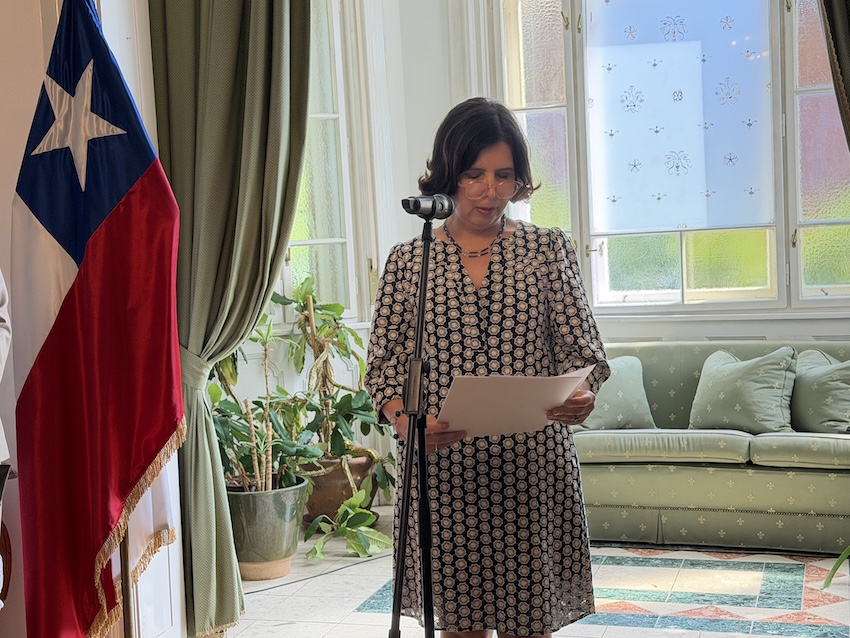
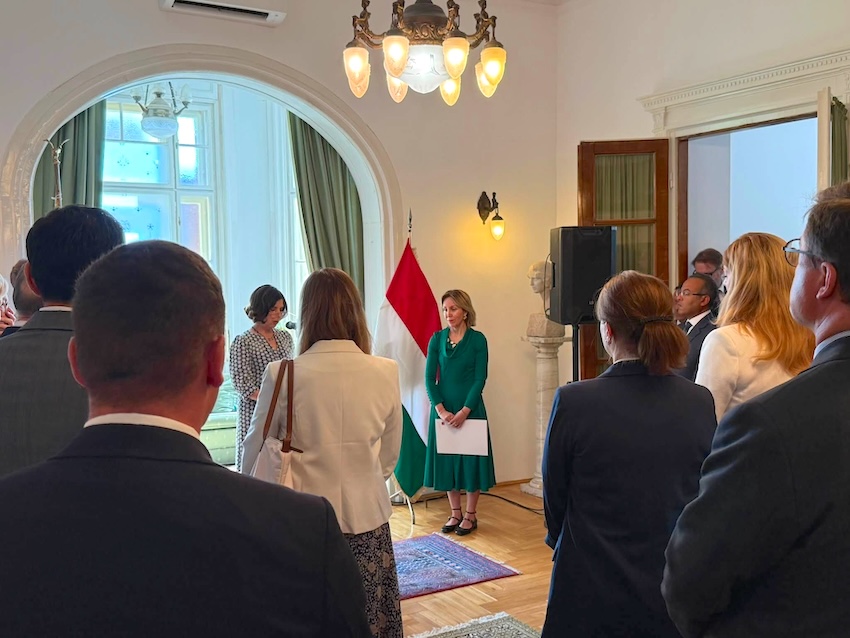
On this anniversary of Chilean independence, let us therefore celebrate not only our history, but also our capacity to shape the future together. For independence does not mean standing alone; it means having the freedom and confidence to engage with others, to collaborate, and to build bridges toward a better future.”
“Let’s raise our glasses to the friendship between Chile and Hungary! Happy Chile Day! Viva Chile!”
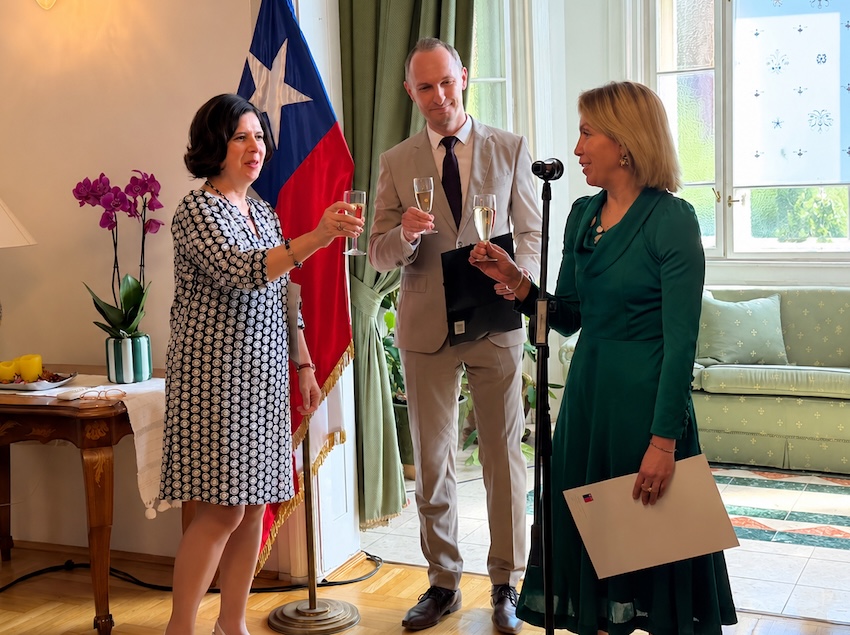
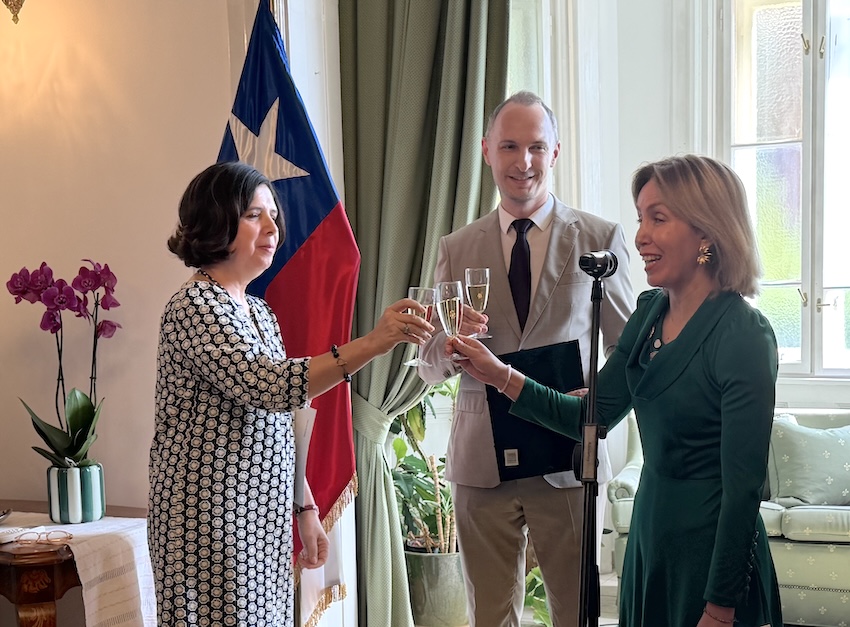
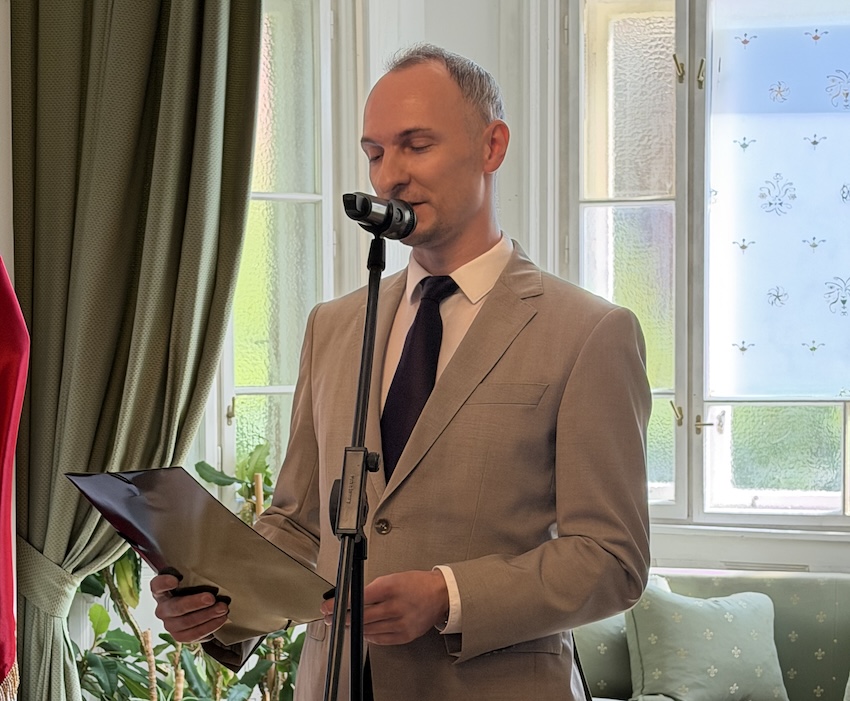
Representing the Hungarian Government, Mr. Péter Sutyinszki, Director General of the Department for Latin America and the Caribbean at the Ministry of Foreign Affairs, highlighted the multifaceted bilateral ties between Hungary and Chile. Over the past century, the relationship between the two countries has developed based on mutual respect, shared principles, and steadily expanding cooperation.
Mr. Sutyinszki emphasised that collaboration extends across numerous fields, including cultural exchange, scientific cooperation, trade and multilateral dialogue. He further noted that – despite the geographical distance – Hungary and Chile share a commitment to democracy, trade liberalisation, and open cooperation; this reflects the trust that underpins their bilateral relationship.
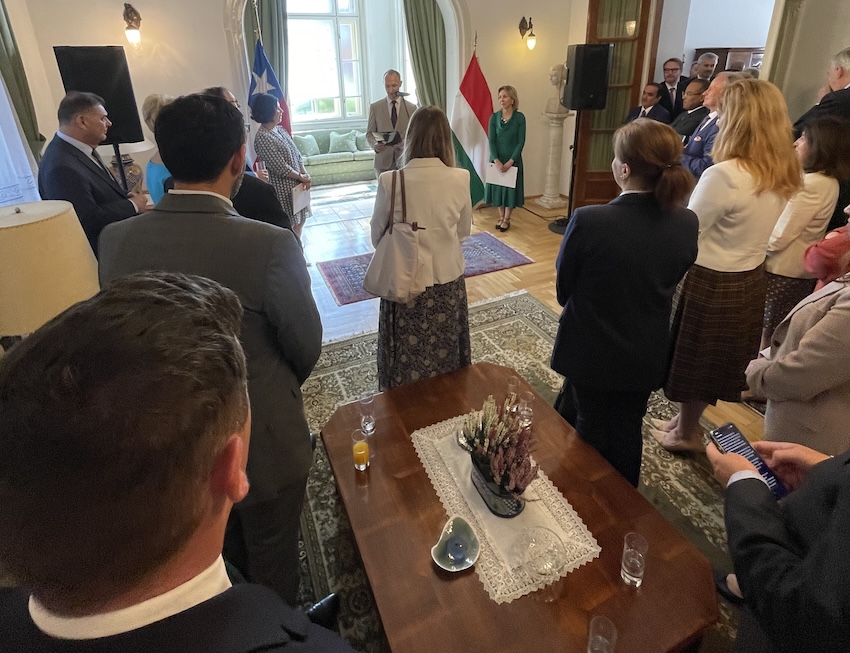
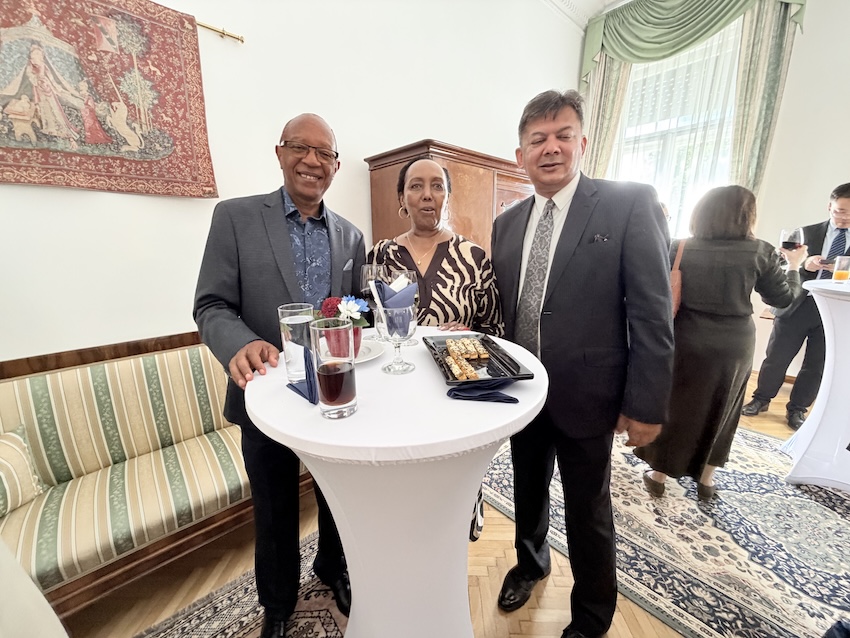
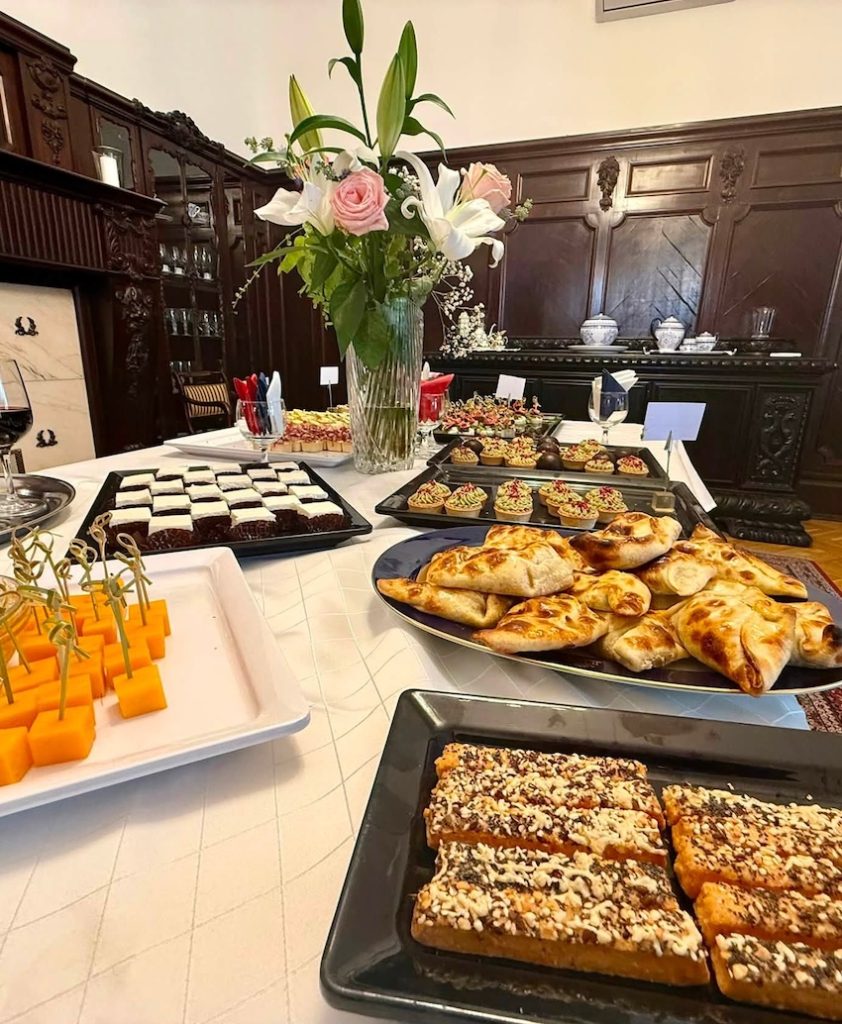
Concluding the formal programme, guests enjoyed a reception featuring culinary specialities from Chile and Latin America. Traditional dishes and flavours offered a glimpse into the richness and diversity of the region’s gastronomy. The reception also provided an excellent opportunity for informal conversation and networking in a cordial and festive atmosphere, celebrating not only Chile’s national holiday but also the longstanding friendship between Chile and Hungary.




Chile’s commitment to international cooperation and multilateralism is also reflected in its re-election to the United Nations Human Rights Council for the 2026–2028 term. This continued membership underscores the nation’s dedication to international dialogue and to the promotion and protection of human rights.
The celebration in Budapest served as a reminder that diplomatic relations are sustained not only through official dialogue and agreements, but also through cultural exchange, shared experiences, and the personal connections that bring nations closer together.
Source: Embassy of Chile in Budapest
Photos from the Embassy of Chile in Budapest and Diplomatic Press Agency