


Edited by Anna Popper
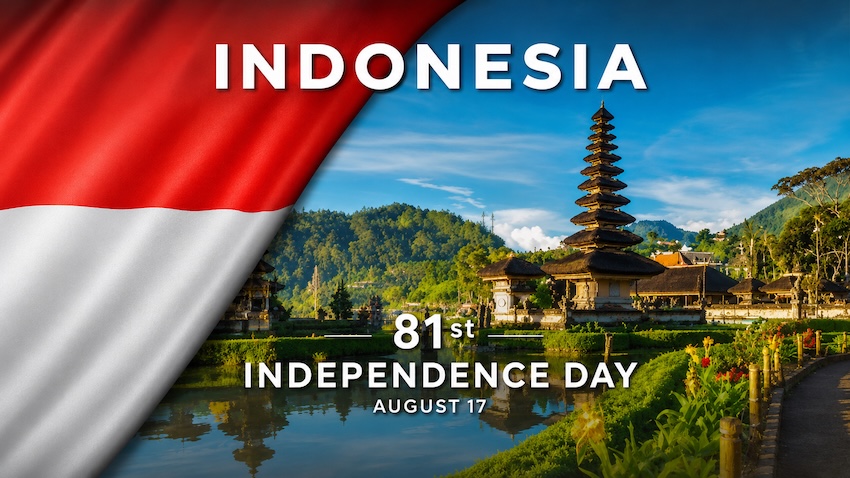
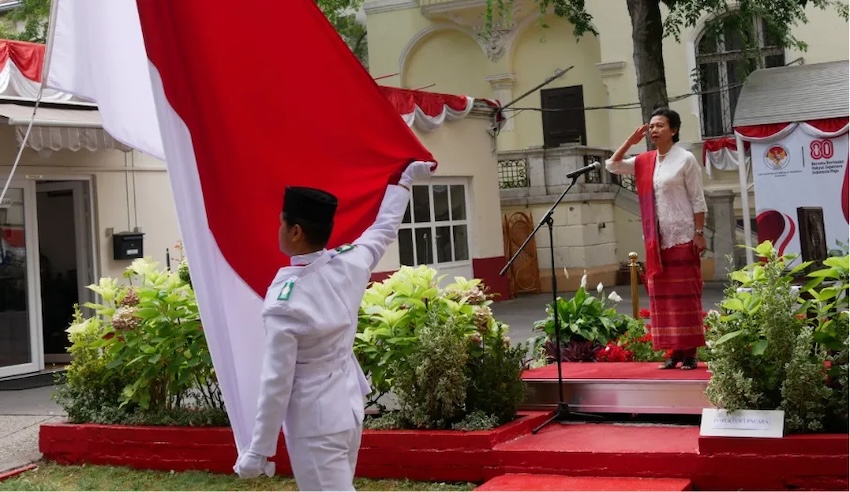
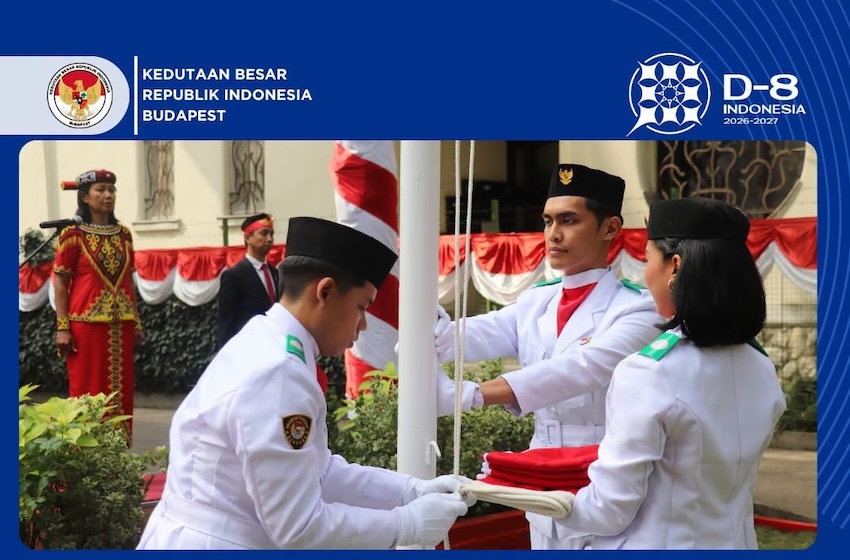
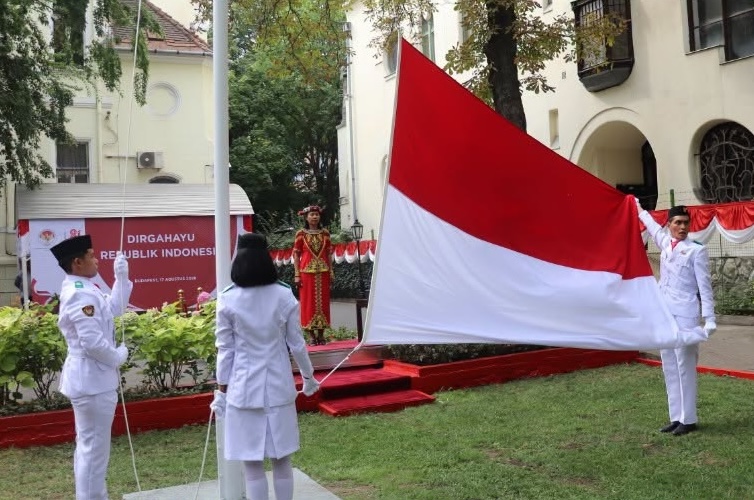
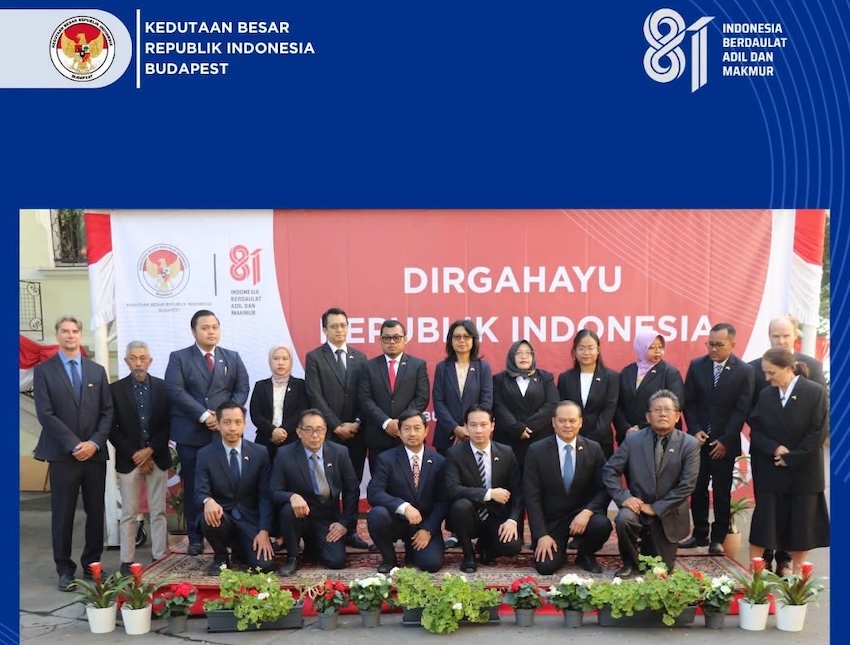
Indonesia’s Independence Day, celebrated on 17 August, is the country’s most important National Day. In 2026, Indonesians in Hungary commemorated the 81st anniversary of Indonesia’s Proclamation of Independence at the Embassy of the Republic of Indonesia in Budapest, led by Her Excellency Mrs. Penny D. Herasati, Ambassador of the Republic of Indonesia to Hungary, marking the occasion with a ceremony featuring the hoisting of the national flag, the Merah Putih, alongside traditions familiar to Indonesians around the world.
17 August 1945 marks the moment when Indonesia proclaimed its independence following a long period of Dutch colonial rule and more than three years of Japanese occupation during the Second World War. More than eight decades later, the anniversary remains a defining moment in Indonesia’s history and national identity.
The Significance of 17 August
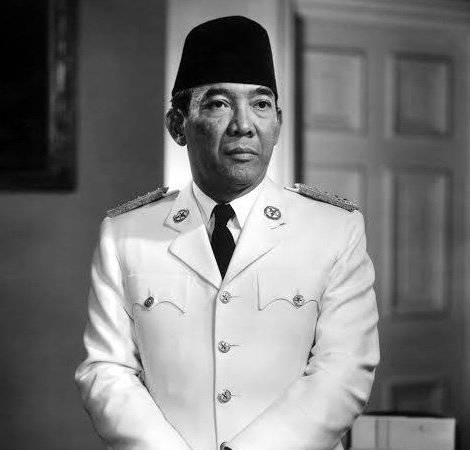
Indonesia’s independence was proclaimed in Jakarta on 17 August 1945 by Soekarno (1901–1970), who became the country’s first President, and Mohammad Hatta (1902–1980), the first Vice-President. The proclamation came two days after Japan surrendered at the end of World War II in the Pacific.
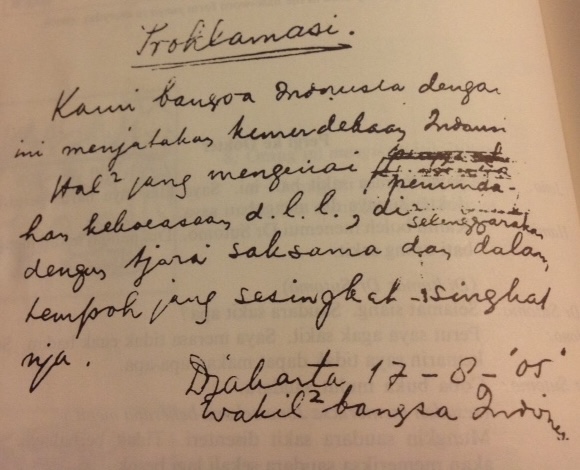
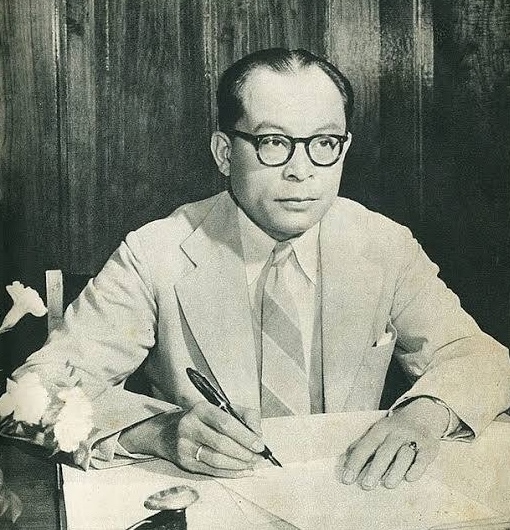
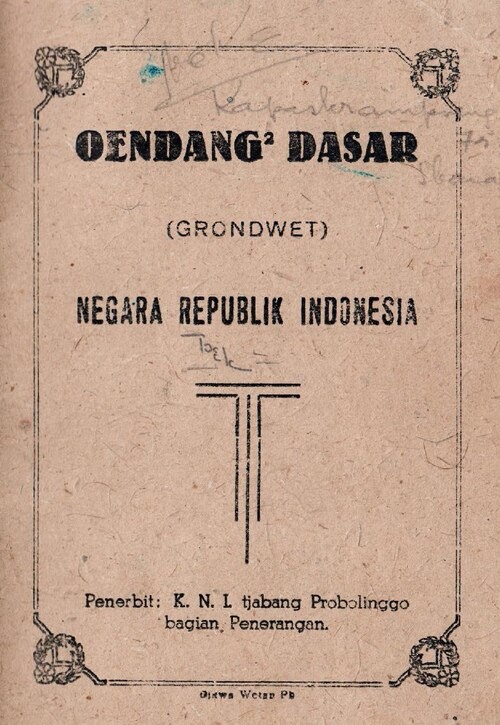
The brief declaration put forward a fundamental principle: Indonesia was asserting its own independence, rather than waiting for it to be granted by a colonial power.
This principle was also reflected in the preamble of Indonesia’s 1945 Constitution, which states that independence is the right of all nations and that colonialism must therefore be abolished. At that time, the right of colonised peoples to independence had not yet gained the recognition it would later achieve in the international order.
The proclamation did not immediately end the conflict. The struggle for sovereignty continued as the Netherlands attempted to restore its colonial control after WWII.
Following four years of armed struggle, diplomacy and negotiations, the Netherlands transferred sovereignty to Indonesia on 27 December 1949.
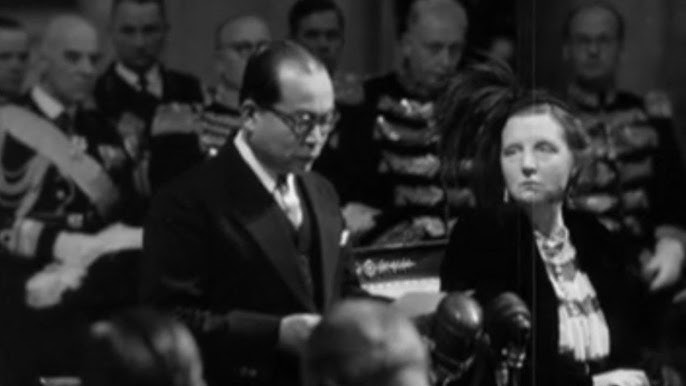
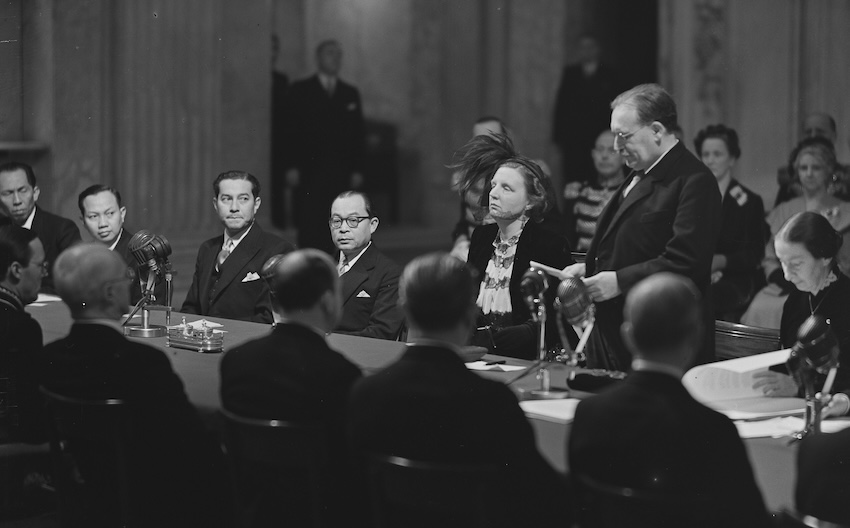
For Indonesia, however, independence did not begin with that transfer. The republic considered itself independent from the moment it proclaimed independence on 17 August 1945. Independence Day therefore commemorates both the birth of the republic and the sacrifices made in the struggle to establish and defend its sovereignty.
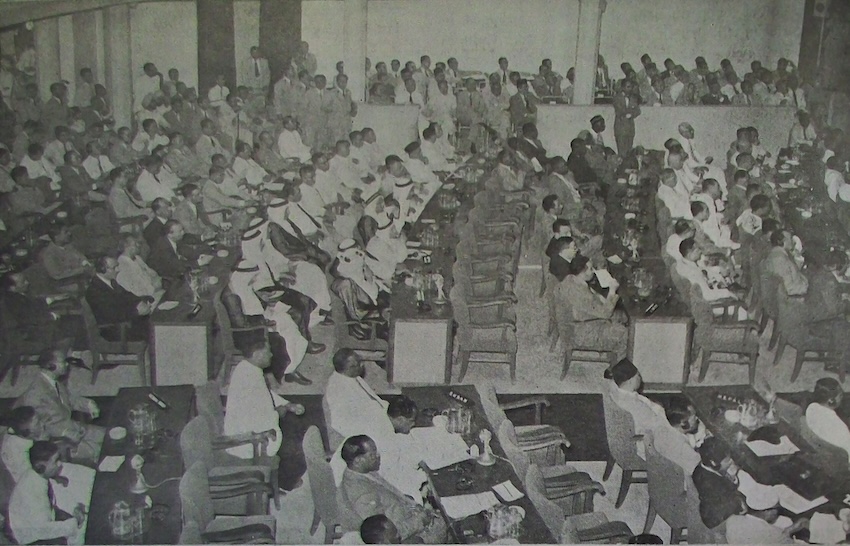
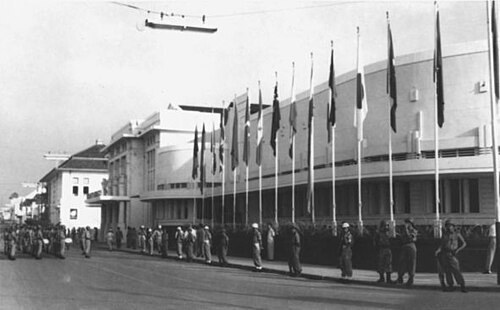
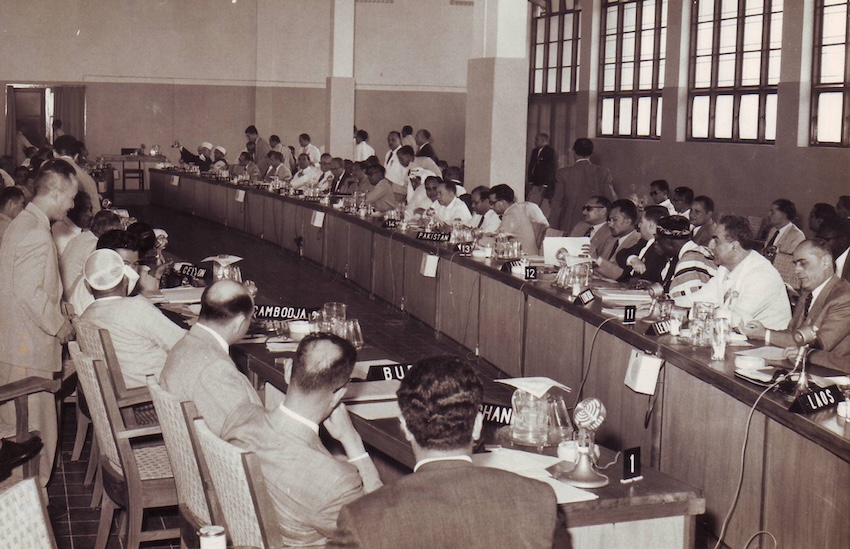
Indonesia later became an active advocate of decolonisation and self-determination. In 1955, it hosted the Asian-African Conference in Bandung, bringing together countries from Asia and Africa against the wider backdrop of colonialism and the emerging post-war international order.
Today, Indonesia is the world’s largest archipelagic country and one of the world’s most populous nations. Its extraordinary geographical and cultural diversity, spanning more than 17,500 islands and hundreds of ethnic communities, gives national symbols and Independence Day traditions a particularly important role in creating a shared sense of identity.
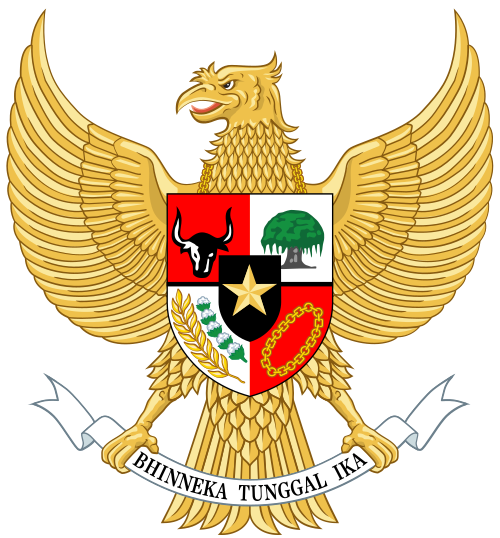
This is reflected in Indonesia’s national motto: “Bhinneka Tunggal Ika”, translated as “Unity in Diversity”. For Indonesians living overseas, the symbolism can become even stronger, uniting communities around their shared history and national identity.
Independence Day in Budapest – Focus on the Flag Hoisting Ceremony
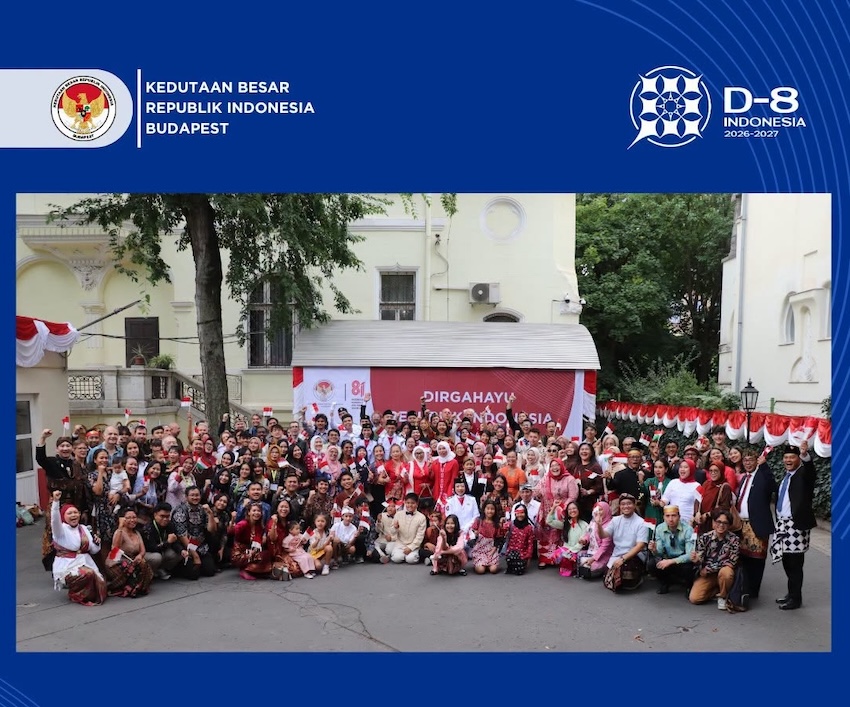
In Budapest, the Independence Day ceremony at the Embassy of the Republic of Indonesia centres on the raising of Indonesia’s red-and-white national flag, the Merah Putih, bringing together members of the Indonesian community living in Hungary.
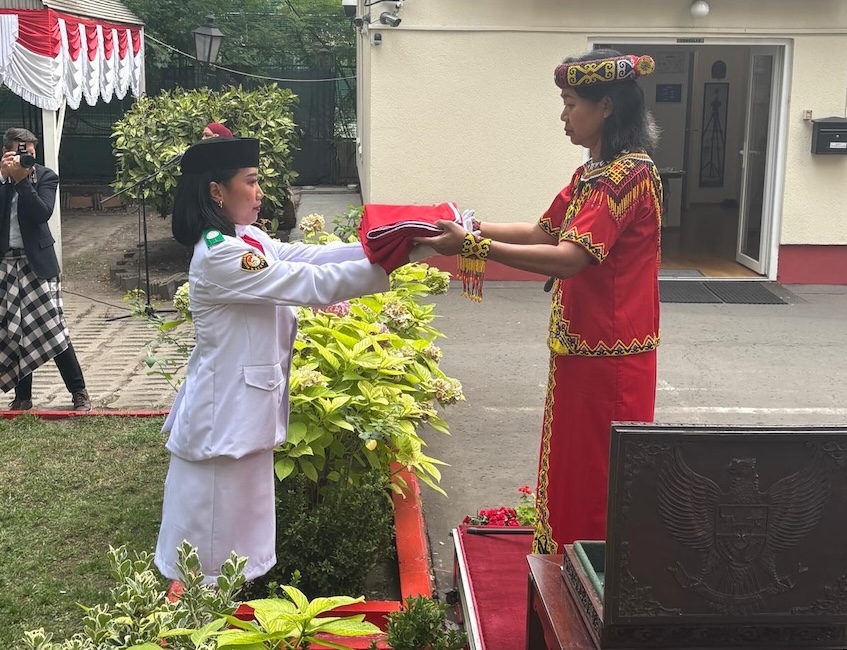
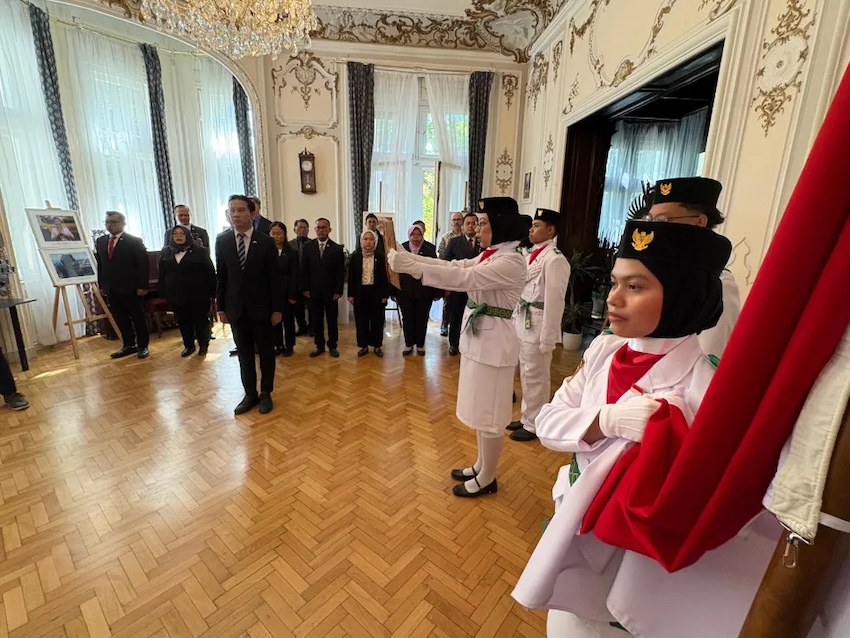
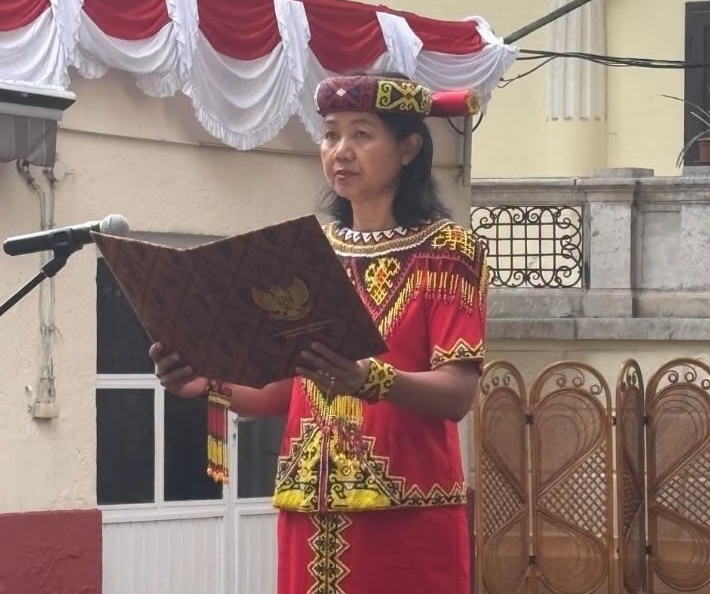
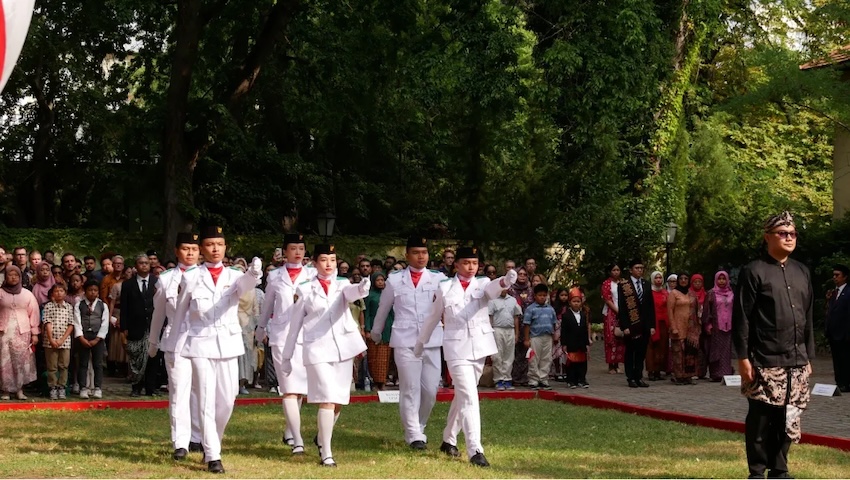
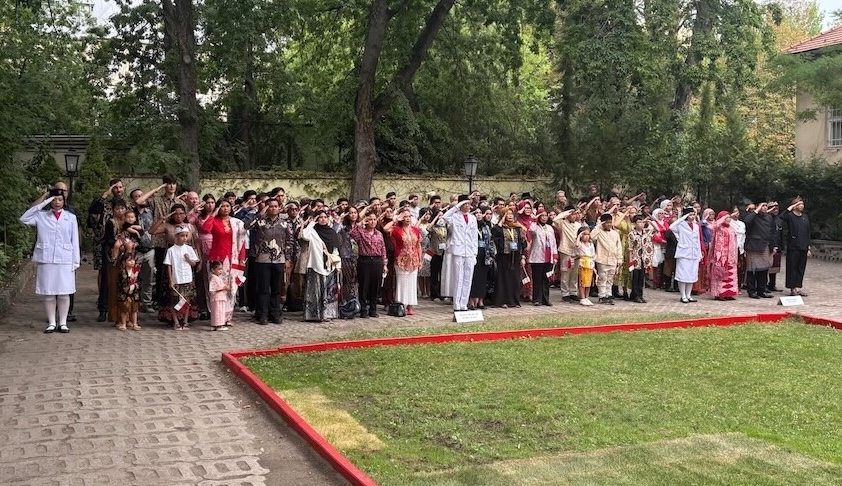
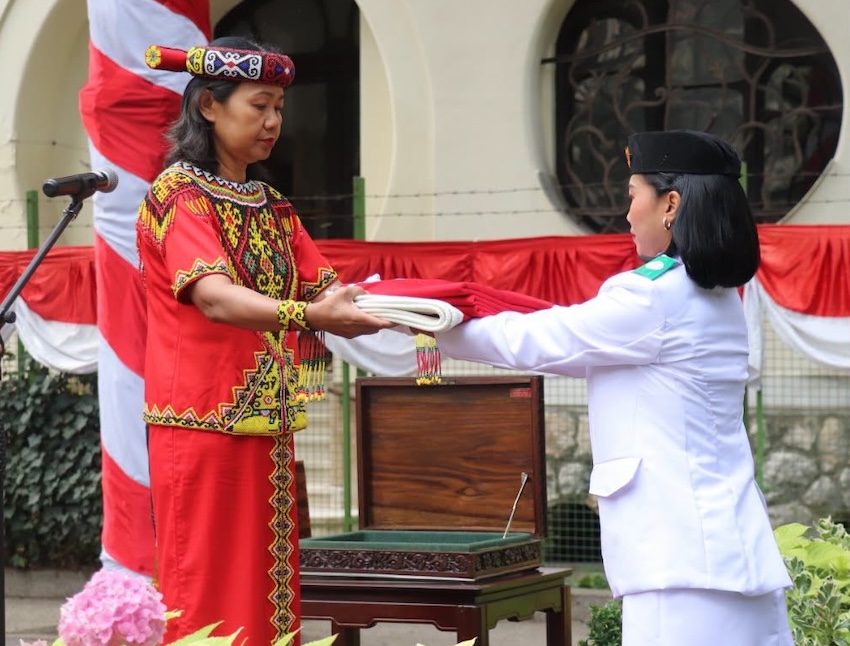
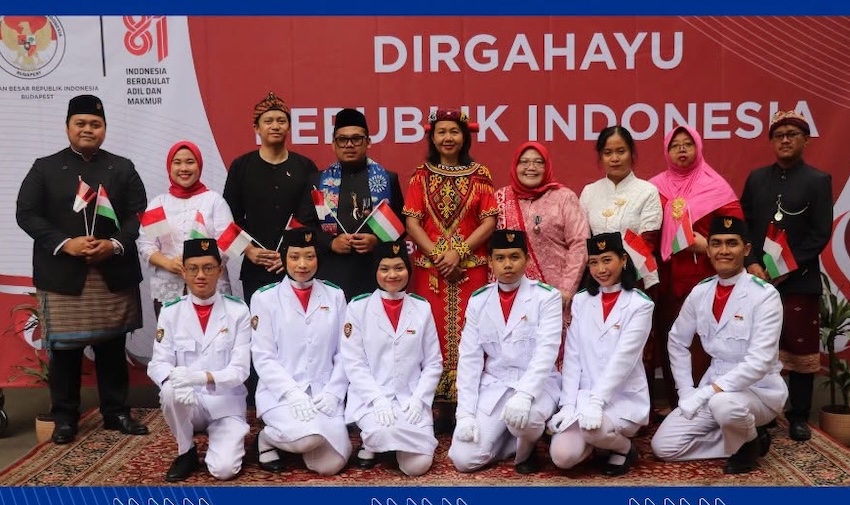
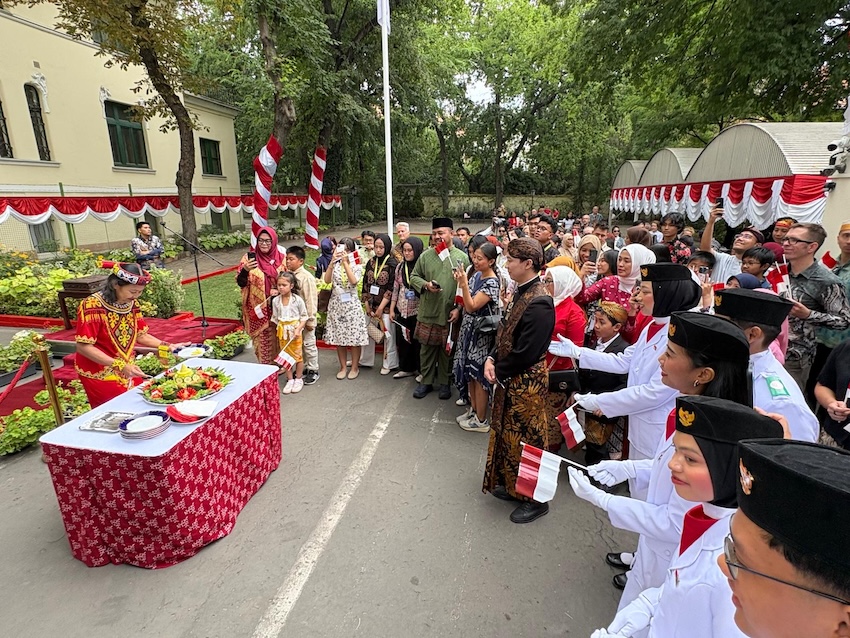
Ahead of the ceremony, young Indonesians in Hungary were invited to volunteer for the Paskibra, the ceremonial flag-hoisting team. Following a selection process, three participants were chosen to take part in raising the national flag.
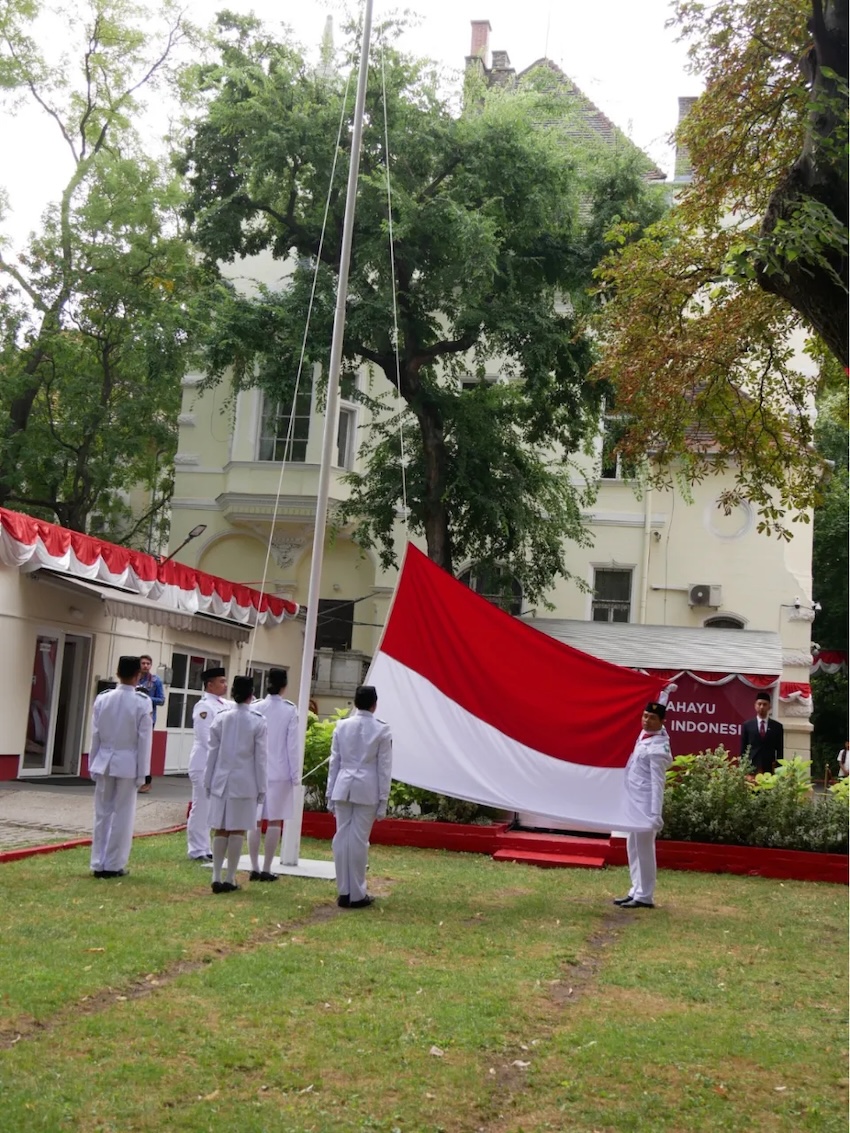
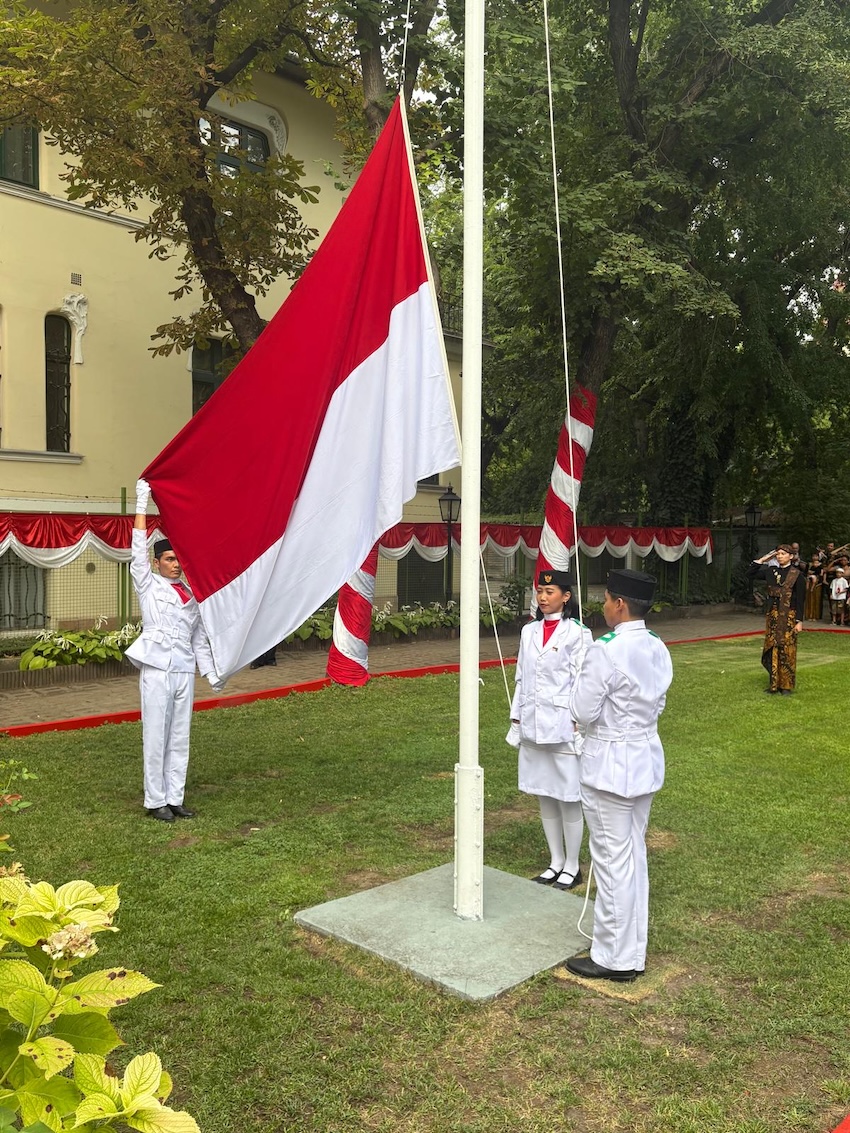
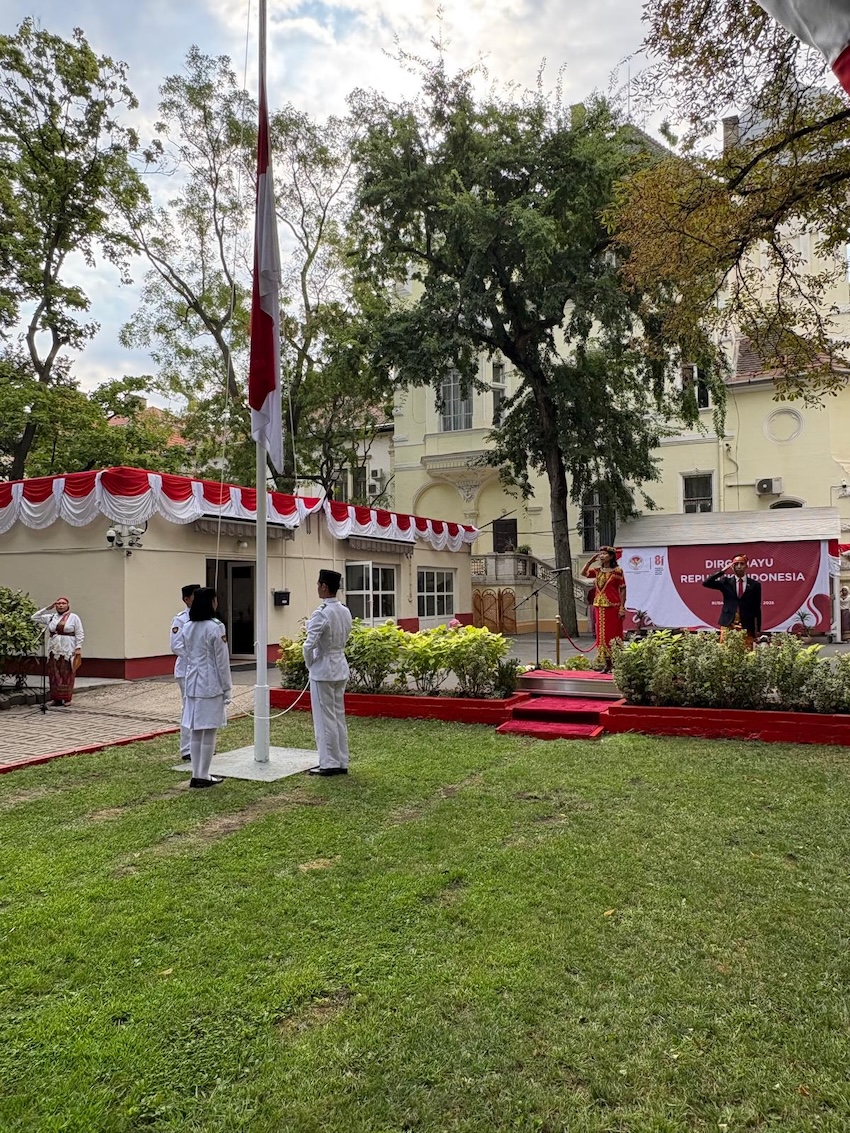
This task holds special symbolic importance during Independence Day celebrations in Indonesia, where flag ceremonies take place nationwide in schools, government institutions, communities and public spaces. In Budapest, the ceremony also helps to pass on the traditions associated with the national day to younger Indonesians living thousands of kilometres from their homeland.
Traditional Outfits Reflect Indonesia’s Diversity
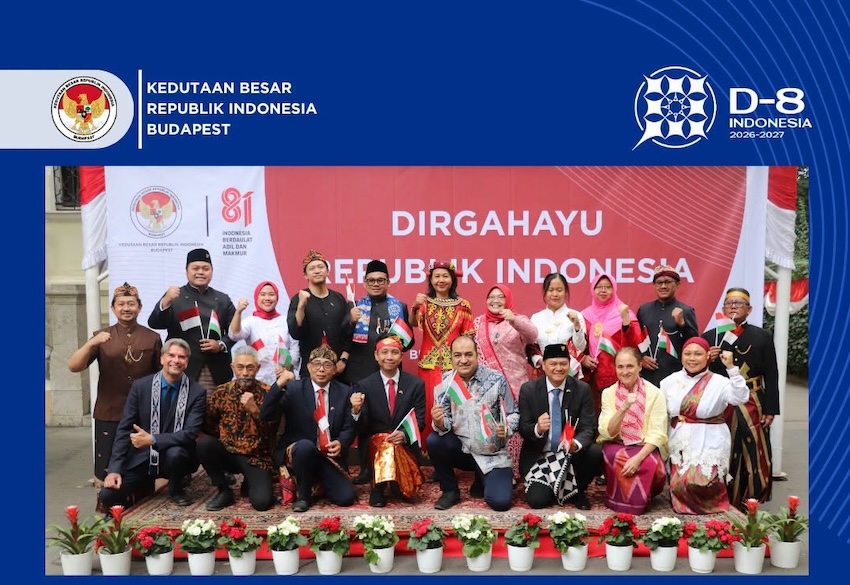
The celebration also provides an opportunity to showcase Indonesia’s remarkable cultural diversity. Officials wear traditional outfits from different regions of the country, while guests are encouraged to attend in traditional dress. This reflects the principle of Bhinneka Tunggal Ika, bringing Indonesia’s many regional and cultural identities together on a national occasion.
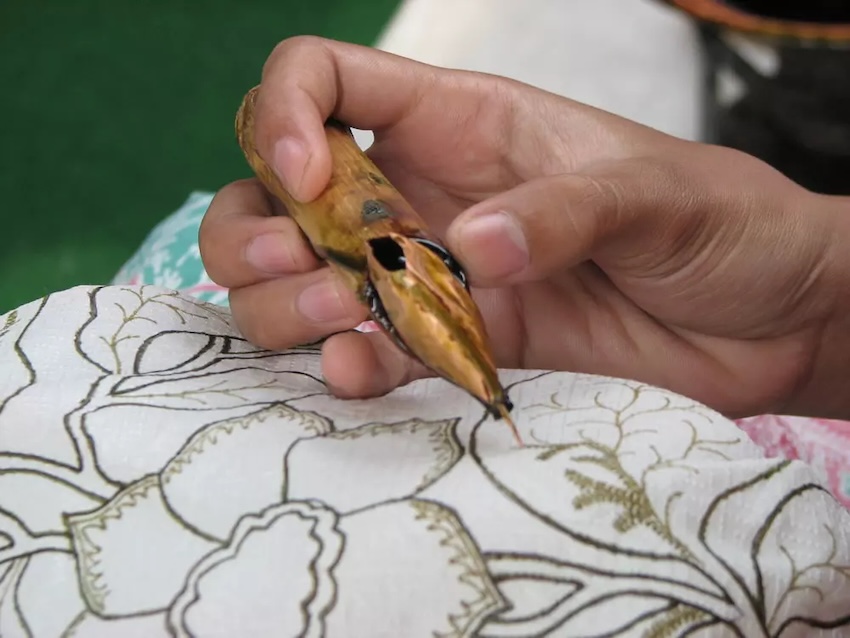
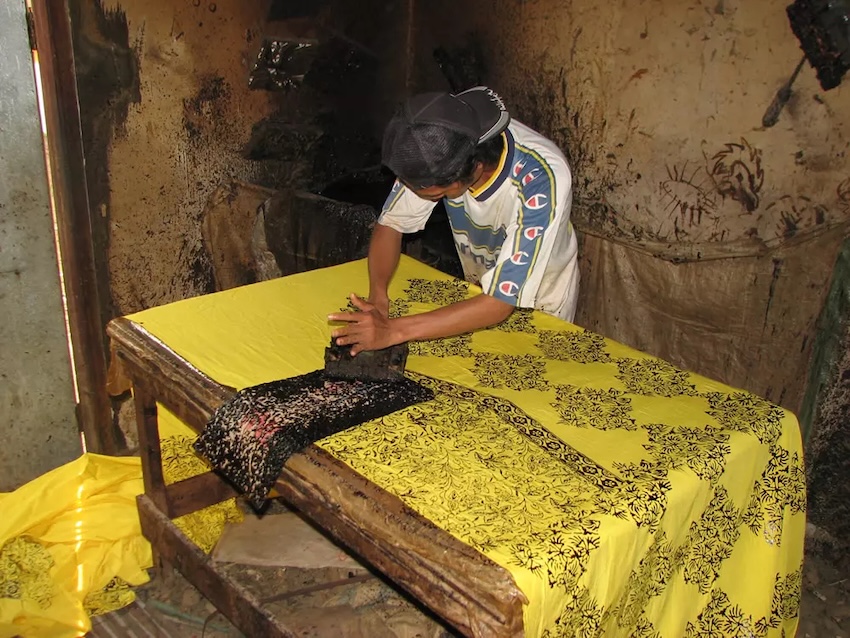
Among the most recognisable traditions is Batik, one of Indonesia’s best-known textile traditions and a powerful expression of Indonesian identity both at home and abroad. In 2009, it was inscribed on UNESCO’s Representative List of the Intangible Cultural Heritage of Humanity. For an international audience in Hungary, the Budapest ceremony offers a glimpse into the extraordinary variety of traditions that exist within the Indonesian archipelago.
Tumpeng Brings Independence Celebrations to the Table

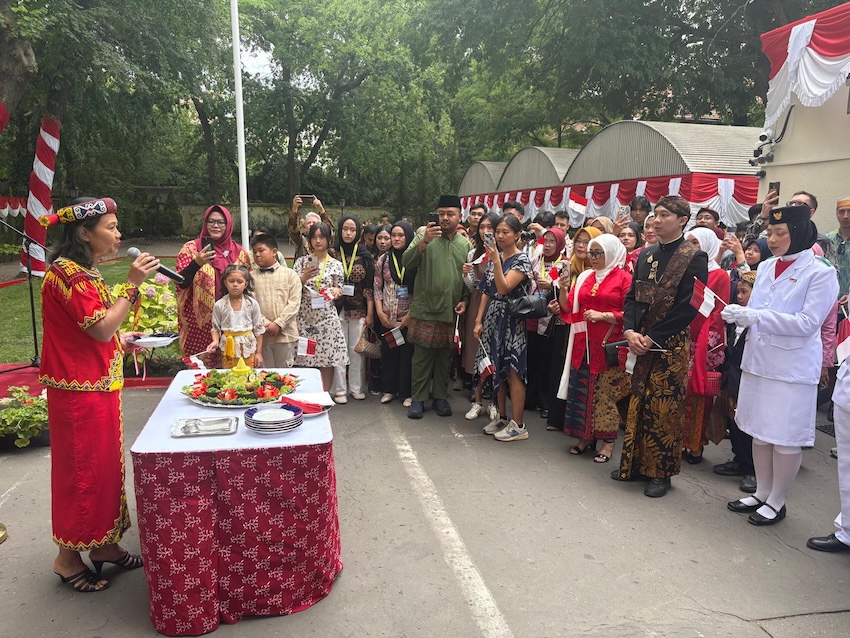
Following the flag ceremony, the community marks the anniversary with a traditional tumpengan, centred on nasi tumpeng – a cone-shaped mound of yellow rice served with a variety of side dishes.
Tumpeng is commonly associated with important celebrations, thanksgiving and communal gatherings, as a symbol of gratitude in Indonesia. The ceremonial cutting and sharing of the dish gives the Independence Day event a more communal dimension after the formal flag-raising ceremony.
For members of the Indonesian diaspora, familiar food can also provide a direct connection to home, while sharing tumpeng reinforces the traditions and sense of community associated with the national celebration.
81 Years After the Proclamation
Eighty-one years after the proclamation, the anniversary continues to mark Indonesia’s assertion that independence belongs to its people as a right.
When the Merah Putih is raised in Budapest, it recalls the declaration made by Soekarno in Jakarta in 1945 – the moment Indonesians consider the birth of their independent republic. For the Indonesian community in Hungary, the ceremony is therefore more than a commemoration of a historic date. It is an expression of national identity, cultural heritage and unity – carried forward by Indonesians living far from home.
Pesta Rakyat – Indonesian People’s Cultural Festival in Budapest
The celebrations continued even after Indonesia’s 17 August National Day. On 22 August, the Indonesian community in Hungary organised Pesta Rakyat (People’s Festival), featuring traditional dances, music, handicrafts and culinary specialities, all creating a vibrant and festive atmosphere. The programme was prepared by the community’s approximately 1,400 members, reflecting the spirit of “from the community, by the community and for the community”.
The festival is a joyful celebration of Indonesian traditions, community ties and the rich cultural diversity of one of the world’s largest archipelagic nations. A separate article will delve deeper into Pesta Rakyat and the colourful programme of this joyful community celebration.
Source: Embassy of the Republic of Indonesia