


A Christmas Tale from America, 2020
How Theodore Roosevelt Inspired the World’s Most Popular Toy
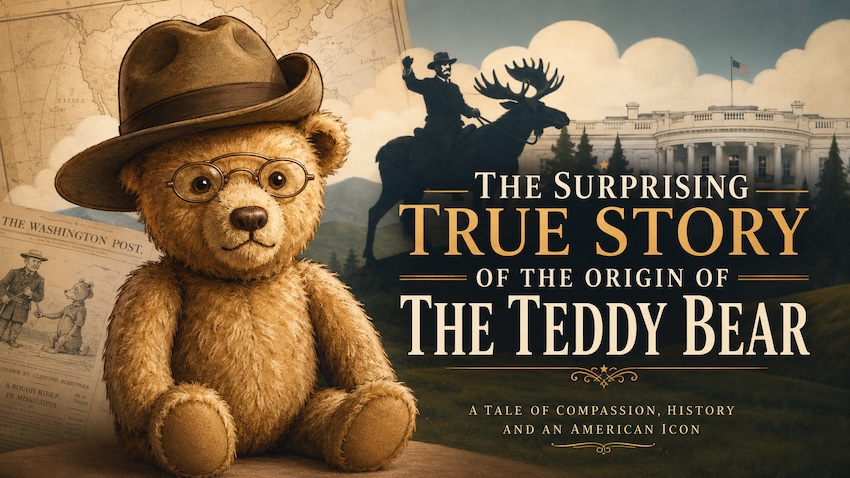
The teddy bear is one of the most beloved toys in the world. For generations of children, it has been a symbol of comfort, affection, and childlike innocence. Yet, behind this familiar toy lies a fascinating story involving an American President, a bear hunt, a newspaper cartoon, and a small toy shop in Brooklyn.
The story began in the United States at the turn of the 20th century with one of the most colourful figures in American history: Theodore Roosevelt.
Theodore Roosevelt Becomes President
In the 1900 presidential election, William McKinley was re-elected President of the United States, with Theodore Roosevelt as his running mate. Roosevelt took office as Vice President in March 1901.
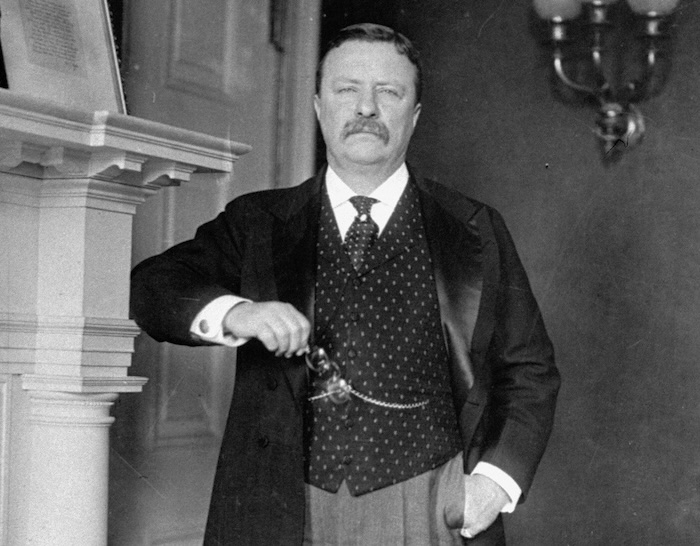
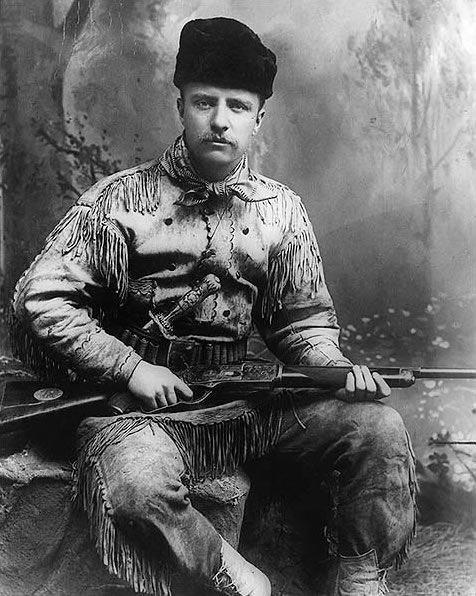
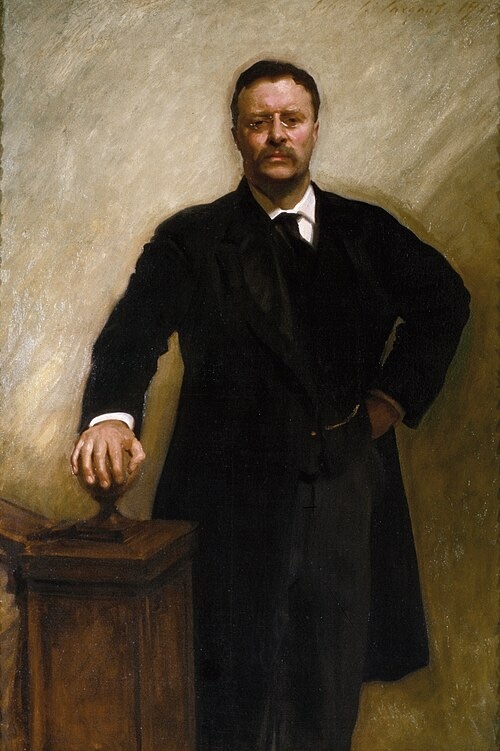
On 6 September 1901, President McKinley was assassinated in Buffalo, New York. He died eight days later, and Roosevelt succeeded him at the age of 42, becoming the 26th President of the United States and, at that time, the youngest person ever to hold the office.
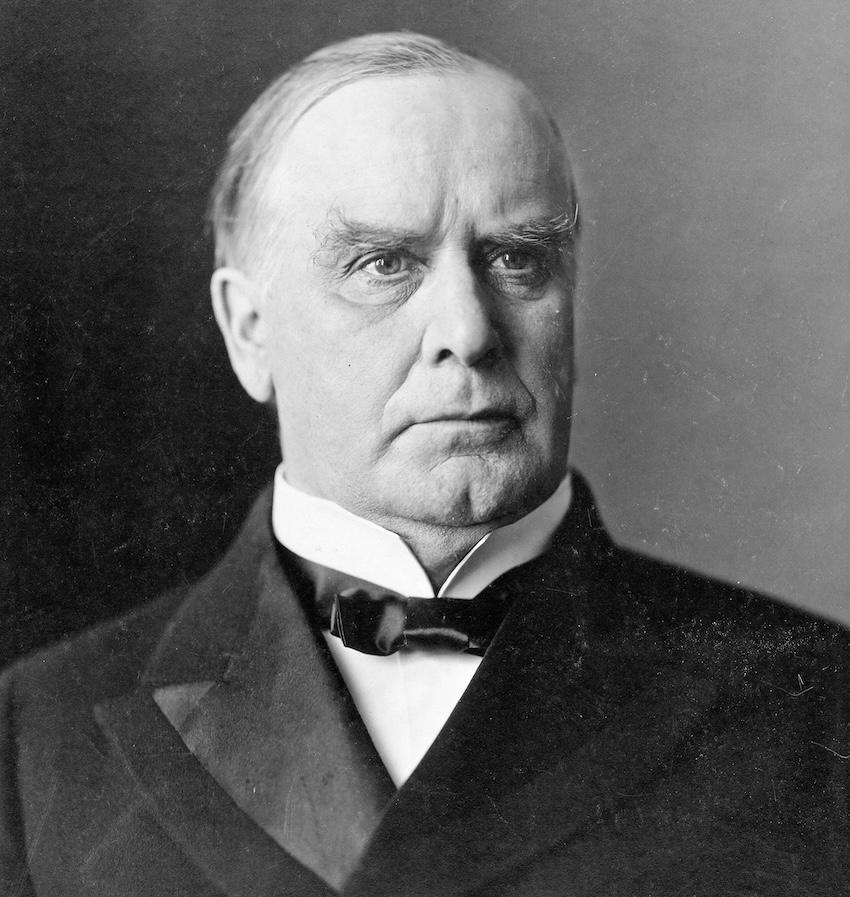
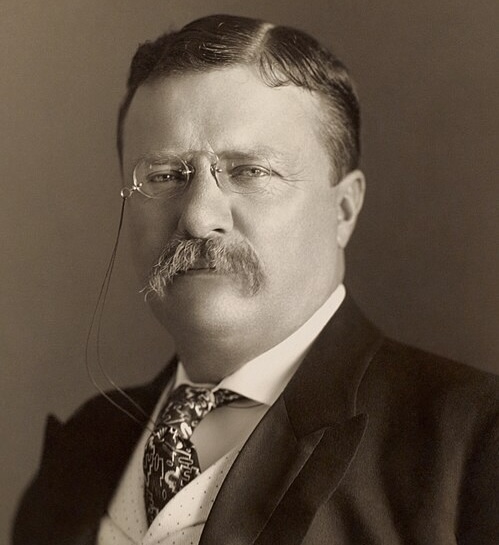
Photo by the Pach Bros
Roosevelt served as President in the White House from 1901 to 1909. He first completed McKinley’s second term following the assassination and was then elected President in his own right in 1904, beginning his second term in March 1905.
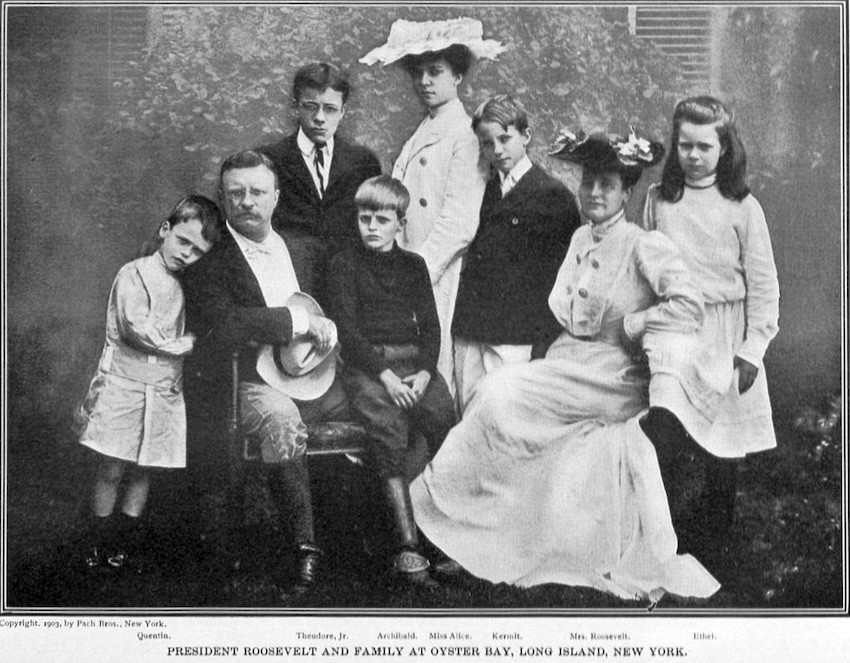
Roosevelt was an energetic and charismatic leader with a passion for nature, conservation and politics, and was also, perhaps most famously, an enthusiastic hunter.
The Mississippi Bear Hunt
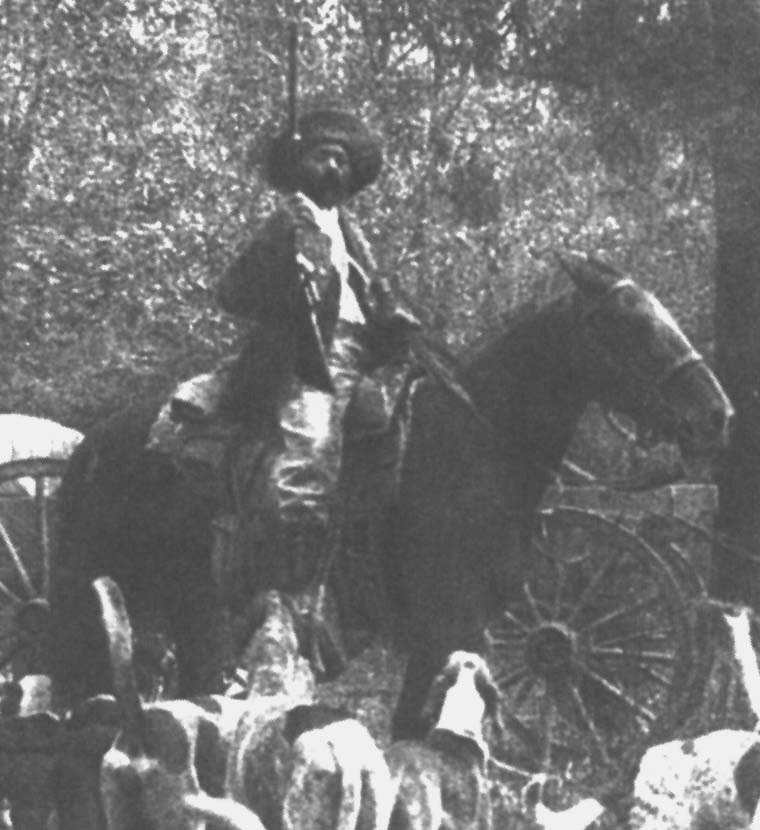
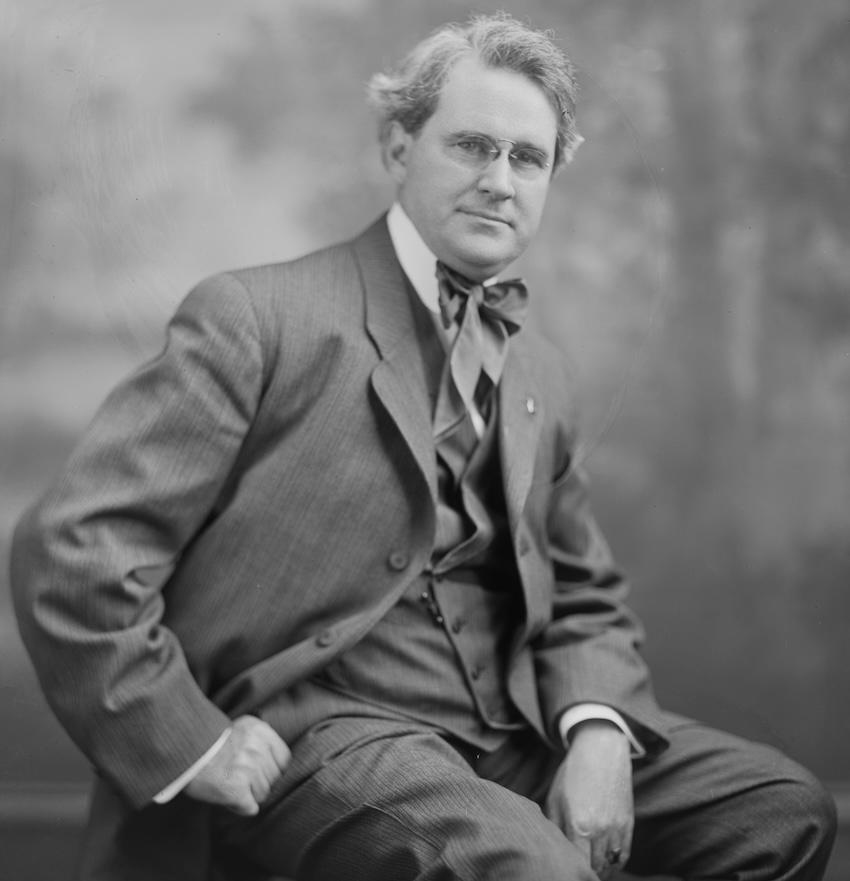
Late 1902 had been a difficult year for the President. In November, Roosevelt accepted an invitation from Mississippi Governor Andrew H. Longino to go bear hunting. He travelled to Onward, Mississippi, accompanied by trappers, hounds, horses and journalists eager to witness the famous hunter in action. A local African-American guide and experienced bear hunter, Holt Collier, joined the expedition. Although Roosevelt was an experienced hunter, he grew increasingly impatient. He had hoped to spot a bear on the very first day, but the hunt was initially unsuccessful. Eventually, Collier picked up the scent of an old black bear. His dogs pursued and cornered the animal, but the bear fought back, killing some of the dogs and injuring others. Determined to secure the animal for the President, Collier finally managed to tie the bear to a tree. When Roosevelt arrived and saw the exhausted bear, he refused to shoot it. He considered it unsportsmanlike to kill a defenceless animal tied to a tree. That decision would unexpectedly make history.
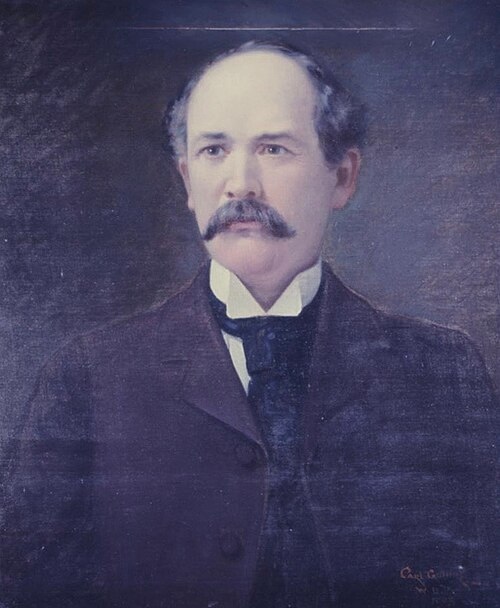
Credit: Courtesy of the Mississippi Department of Archives and History.
A Newspaper Cartoon Creates “Teddy’s Bear”
Journalists accompanying the expedition quickly reported the incident in which Roosevelt had refused to shoot the bear; they portrayed the story as an example of the President’s compassion and sporting principles.
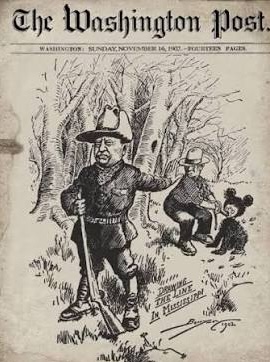
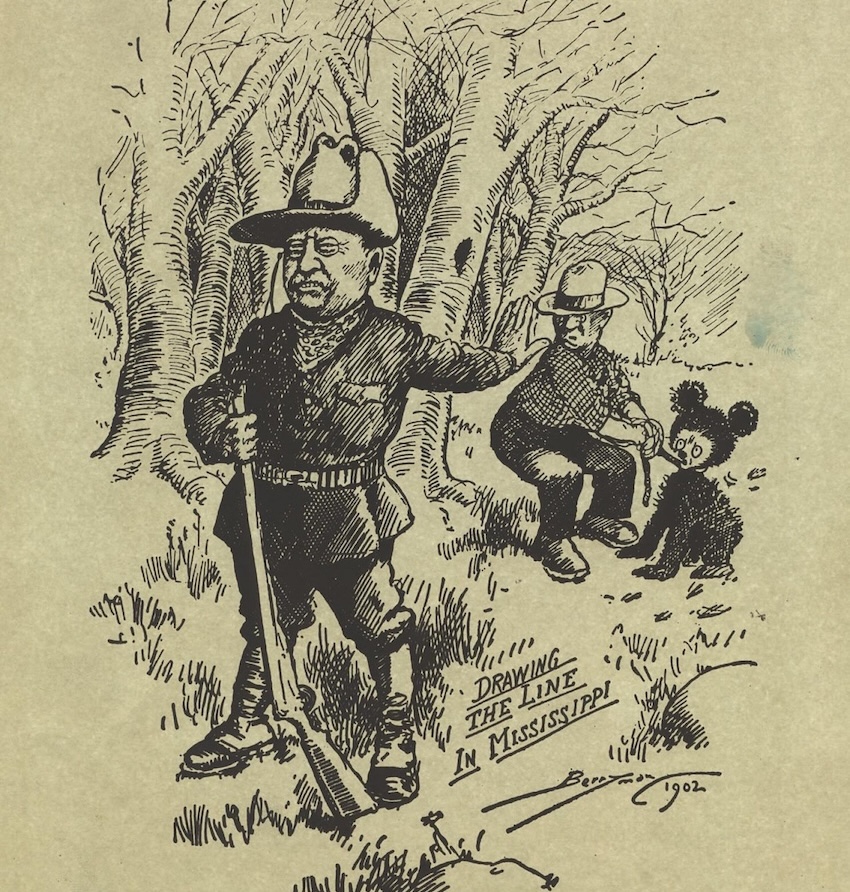
On 16 November 1902, Clifford K. Berryman, a cartoonist for The Washington Post, published a political cartoon inspired by the event. Berryman’s original bear was not the cute, cuddly creature we associate with teddy bears today. Nevertheless, the little bear captured the public’s imagination. Berryman repeatedly featured the figure in his cartoons throughout Roosevelt’s presidency, and the expression “Teddy’s bear” soon became associated with it. The cartoon marked the beginning of something much bigger.
From Cartoon to Toy
The story soon reached Brooklyn, New York. Morris Michtom (1870–1938) and his wife Rose (1867–1937), a couple who had immigrated to the USA, ran a small shop selling candy and handmade toys. After seeing Berryman’s cartoon, Rose crafted a small stuffed bear from plush fabric. They placed it in their shop window under the name “Teddy’s Bear”. To their surprise, customers immediately wanted to buy the little bear. However, before beginning to manufacture it, Morris Michtom decided to ask President Roosevelt for permission to use his name. He sent the original bear to the White House as a gift for Roosevelt’s grandchildren, along with a letter requesting permission. Roosevelt agreed.
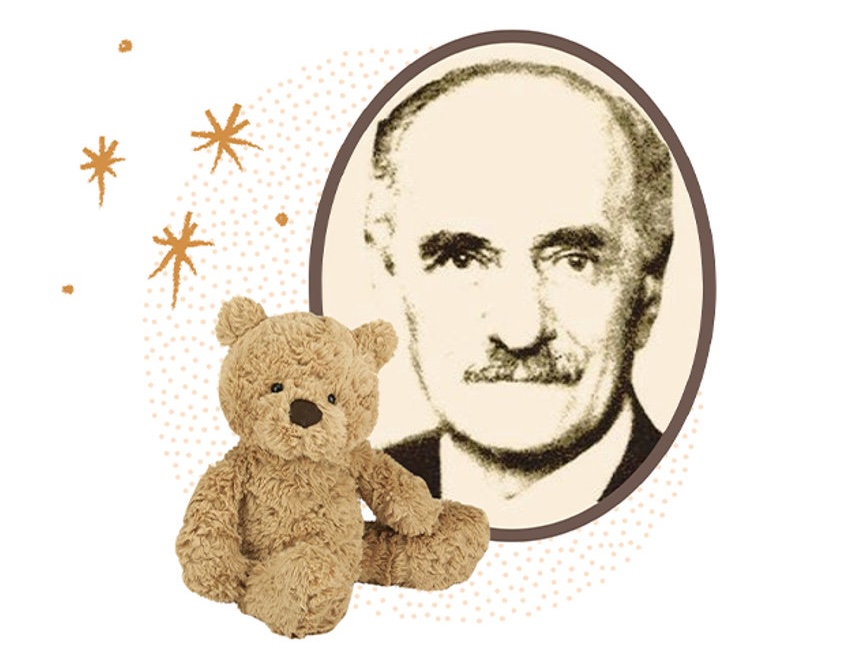
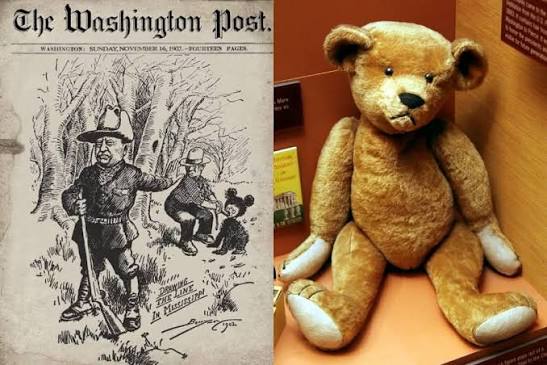
In 1903, Morris and Rose Michtom began the commercial production of their stuffed bears, marking the birth of the teddy bear as a mass-produced toy. The little stuffed bear became an unexpected sensation, and the Michtoms soon devoted themselves entirely to manufacturing teddy bears. Their business eventually evolved into the Ideal Novelty and Toy Company in 1907, becoming one of America’s major toy manufacturers. The name “Teddy Bear” was born – and a beloved American toy had entered history.
Roosevelt and His Unexpected Legacy
Roosevelt himself could hardly have imagined that an unsuccessful bear hunt would become one of the most enduring elements of his legacy. The teddy bear even became associated with Roosevelt’s political career. During his 1904 presidential campaign, the Republican Party used the teddy bear as a symbol connected with the President. Nevertheless, Roosevelt continued to hunt throughout his life.
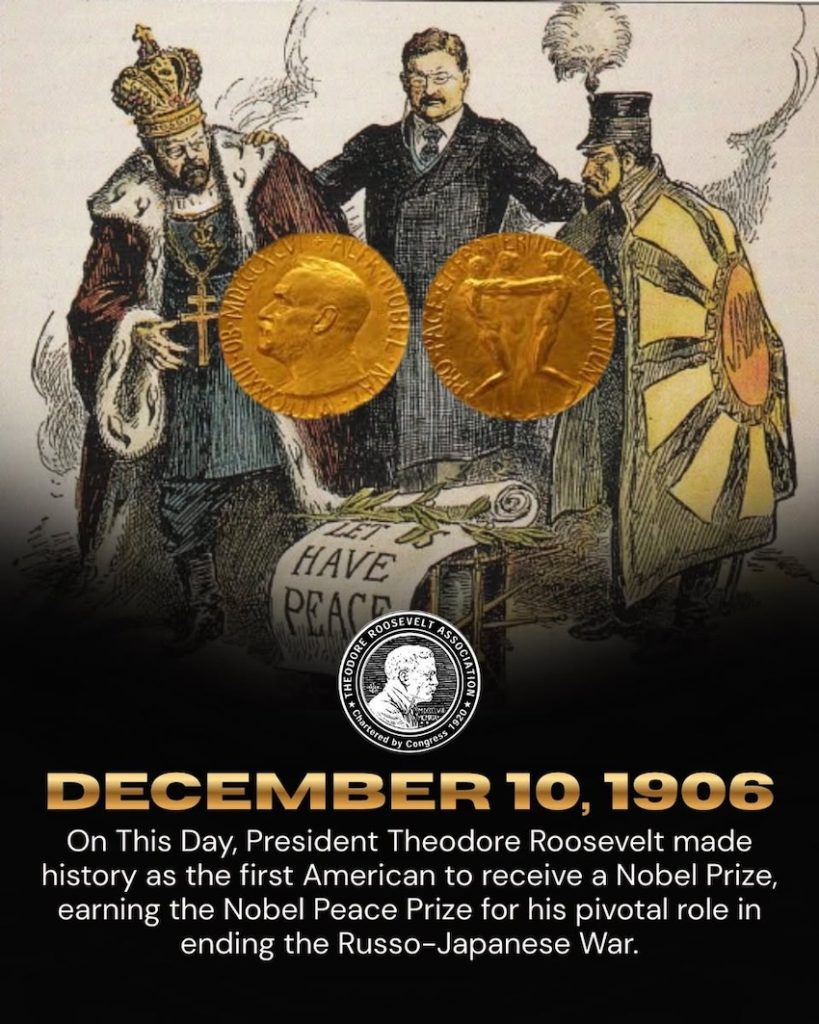
In 1906, he received the Nobel Peace Prize for his role in mediating the Treaty of Portsmouth (1905), which helped end the Russo-Japanese War. He was the first American and a head of state to receive this prestigious award.
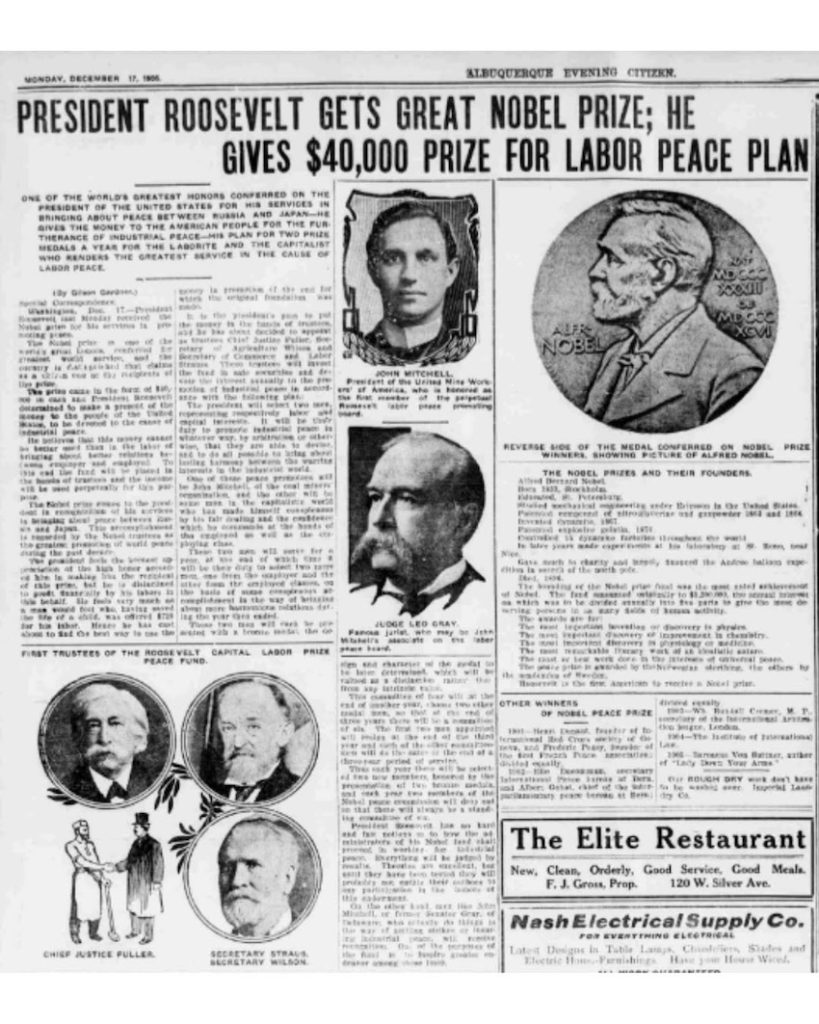
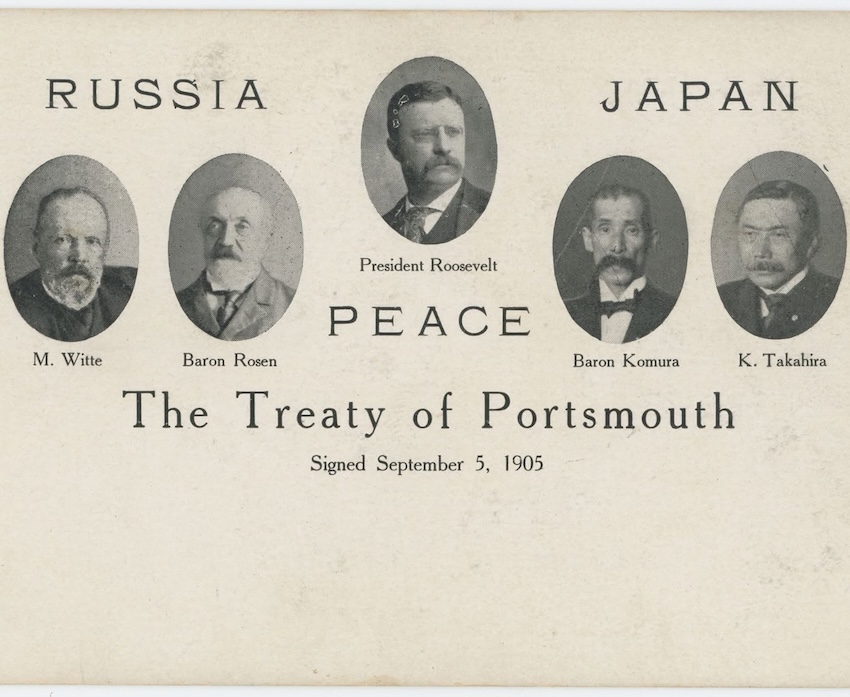
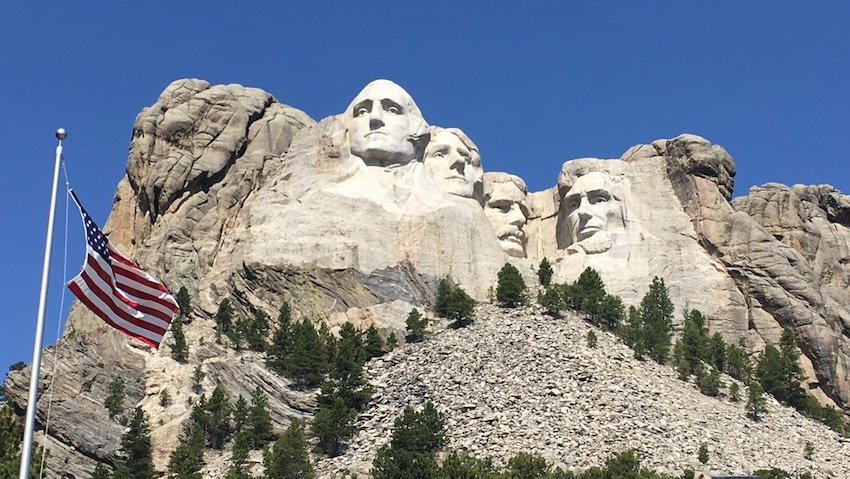
Roosevelt later emerged as one of the most influential figures in the history of the Republican Party, and a major advocate of social reform, conservation, and antitrust policies. His likeness is now immortalised on Mount Rushmore National Memorial in South Dakota, alongside George Washington, Thomas Jefferson and Abraham Lincoln.
But children around the world have retained a different image of Roosevelt: that of the little bear who was named “Teddy”.
The Teddy Bear Crosses the Atlantic
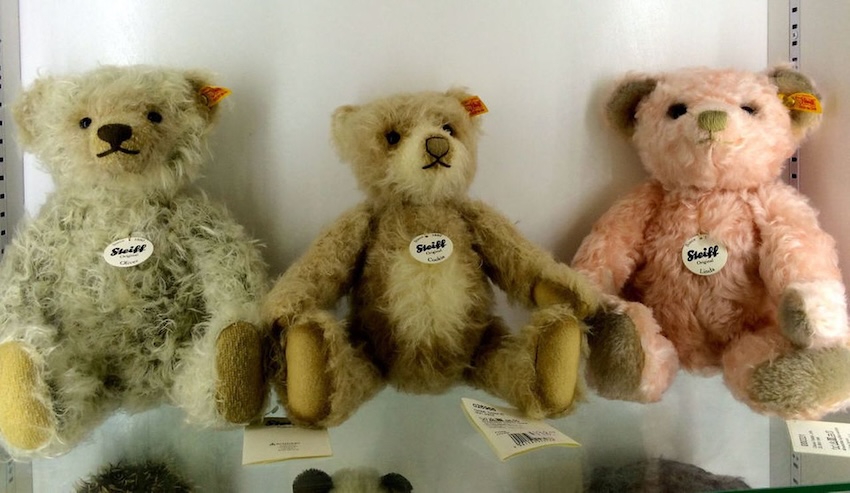
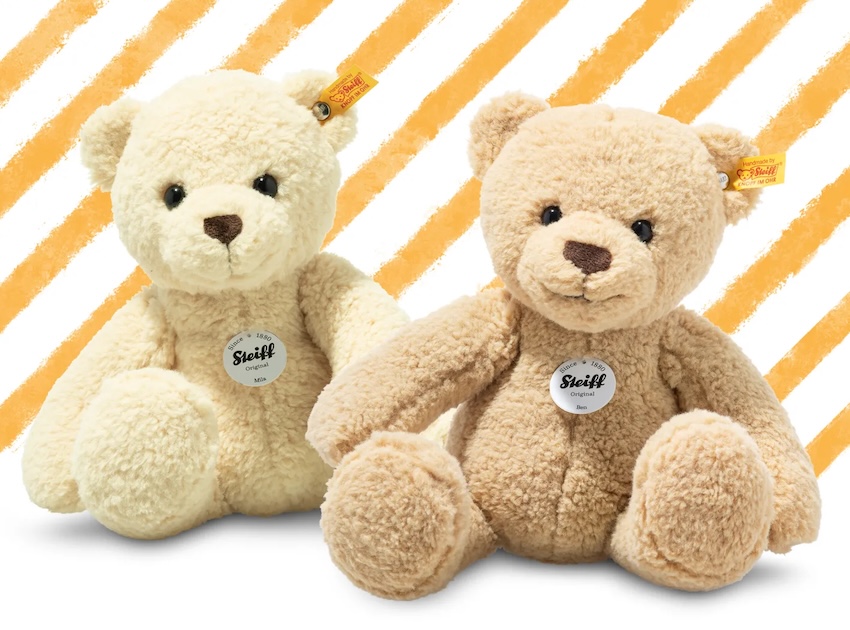
The teddy bear soon spread beyond the borders of the United States. In Germany, the famous toy company Steiff – founded by Margarete Steiff in 1880 – had already gained a reputation for its artfully crafted stuffed animals. Steiff’s bears became associated with the growing international teddy bear craze, and teddy bears quickly appeared in toy shops across Europe.
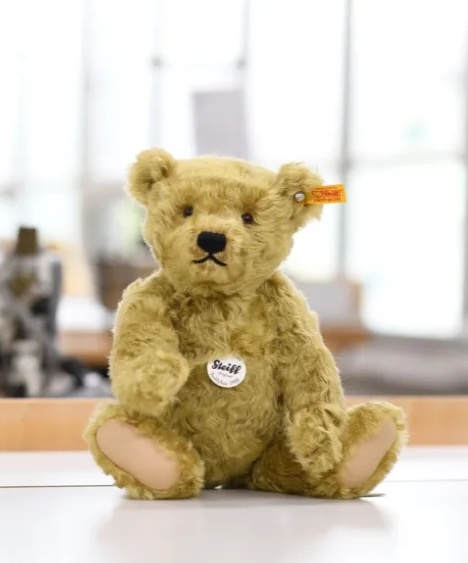
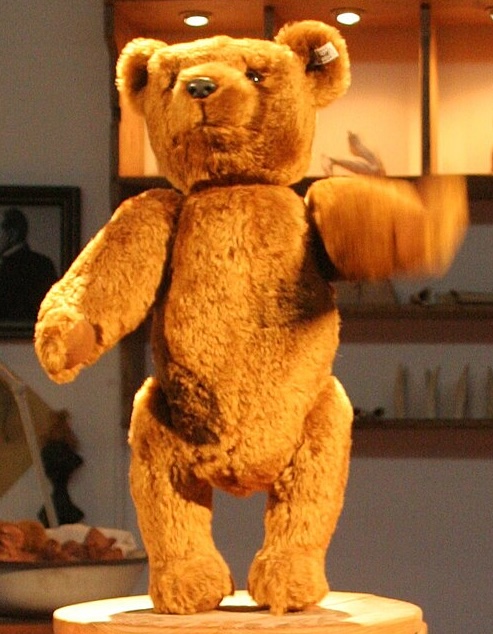
The little American bear had become an international cultural phenomenon. Soon, the teddy bear was no longer simply associated with Theodore Roosevelt; it had acquired a life of its own.
The Teddy Bear in Popular Culture
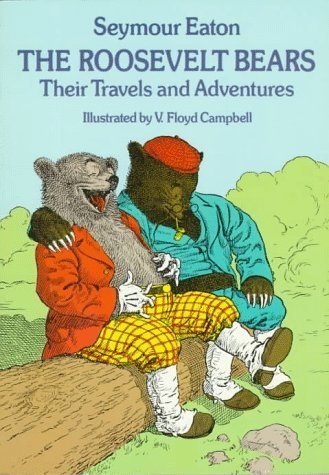
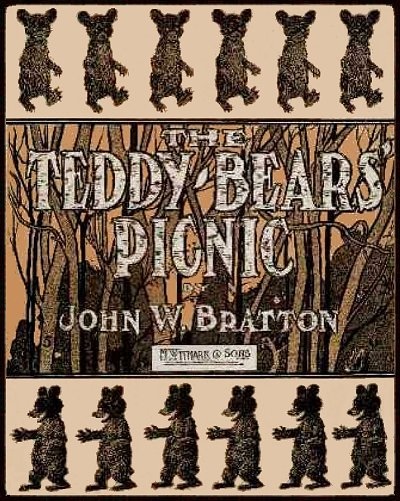
The teddy bear quickly became part of popular culture. American educator Seymour Eaton created The Roosevelt Bears, a series of children’s books, while in 1907 composer John Walter Bratton wrote The Teddy Bears’ Picnic, which would eventually become one of the best-known pieces of music associated with teddy bears.
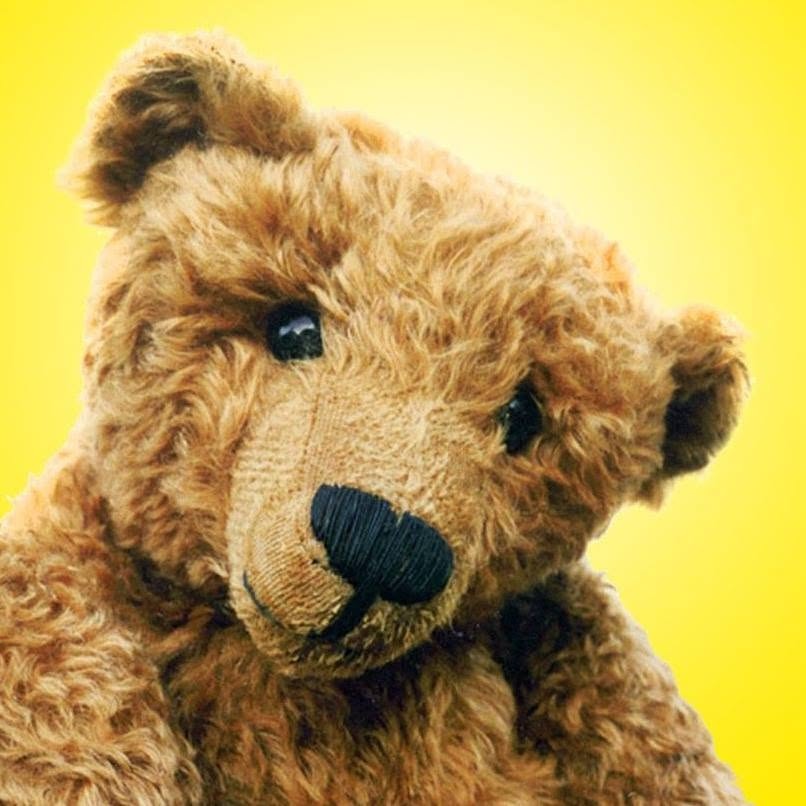
Over the decades, the appearance of teddy bears also changed. Early teddy bears were generally designed to resemble real bears, with long snouts and small, beady eyes. Modern teddy bears often have larger eyes, bigger foreheads and smaller noses, features that give them a more childlike and endearing appearance.
Today, teddy bears can represent many different species, from polar bears and brown bears to pandas and koalas. Yet the basic idea remains unchanged: a soft companion that offers comfort and affection.
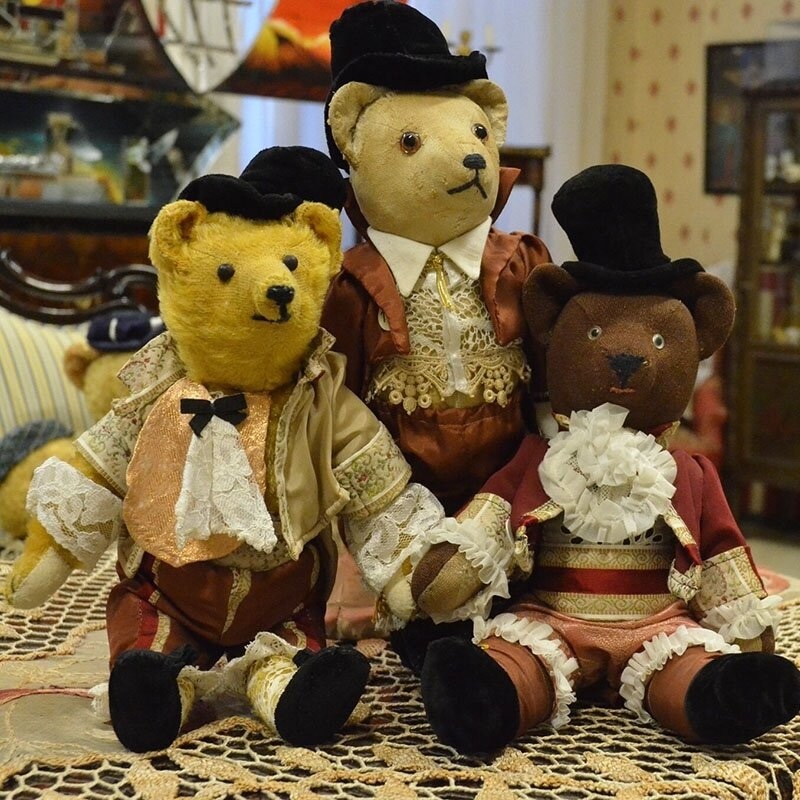
Teddy Bear Museums Around the World
The teddy bear has become so deeply embedded in popular culture that museums dedicated to these beloved toys can be found in several countries such as US, UK, Japan, South Korea, Thailand, Czech Republic, Hungary and Germany.
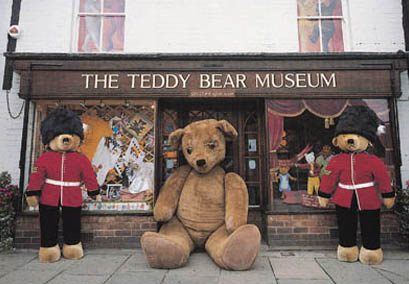
Japan – Izu Teddy Bear Museum: located near Atami in Shizuoka Prefecture, boasts a remarkable collection of rare bears from all over the world.
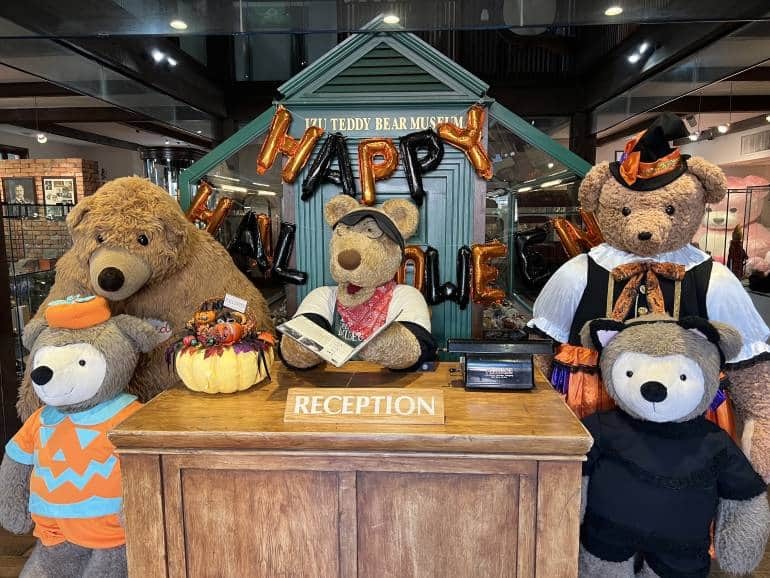
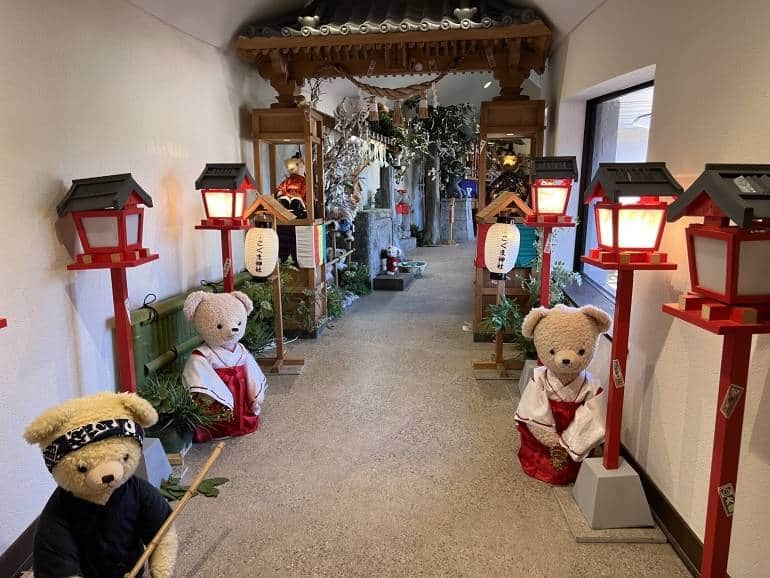
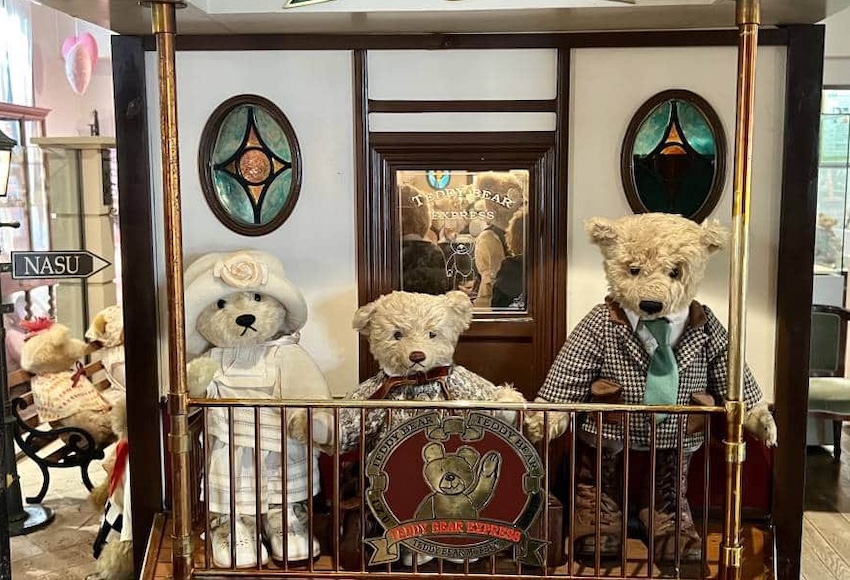
South Korea – Jeju Teddy Bear Museum: The Jeju Teddy Bear Museum celebrates the history and worldwide popularity of teddy bears.
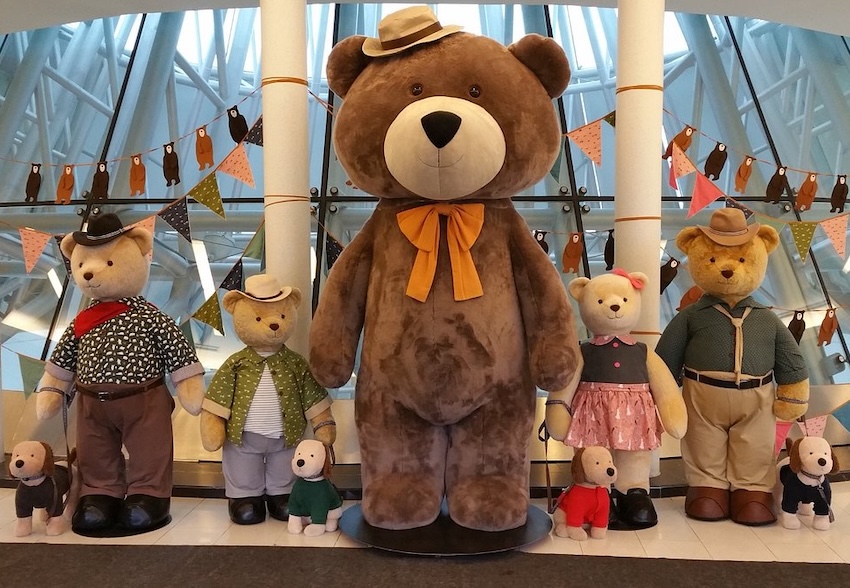
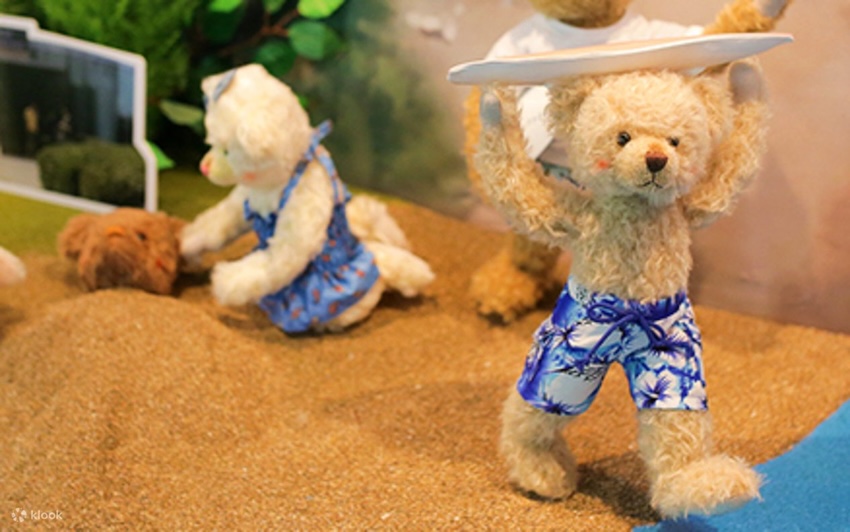
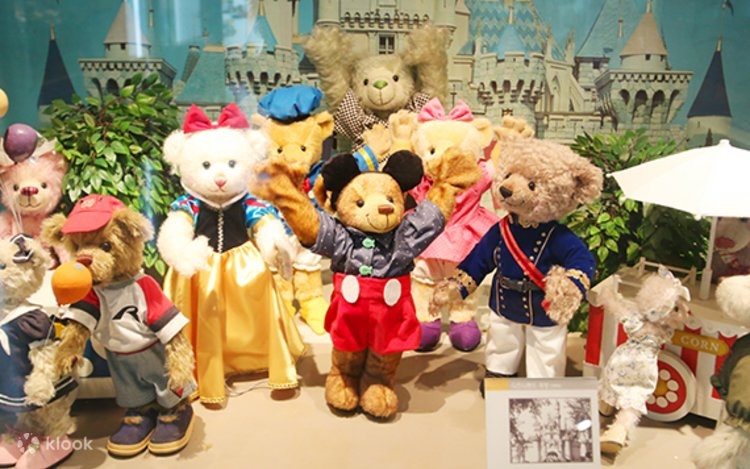
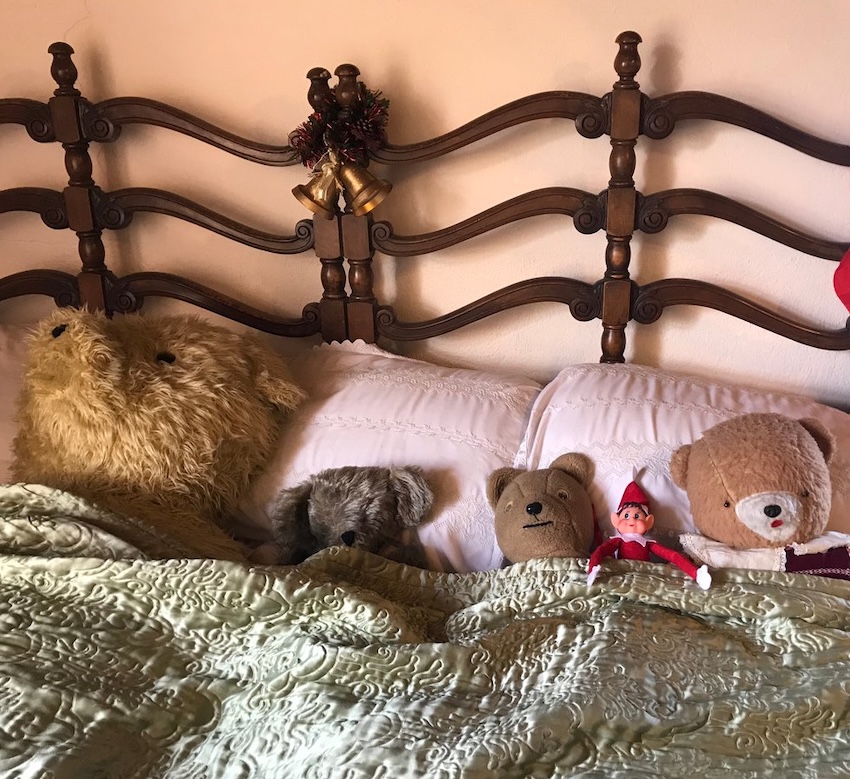
Czech Republic – Christmas House & Museum of Teddy Bears, Karlovy Vary: The Christmas House and Museum of Teddy Bears in Karlovy Vary, Czech Republic, opened in 2015 and showcasesmore than 19,000 teddy bears, making it one of the most remarkable collections of its kind, and a popular attraction for children and adults.
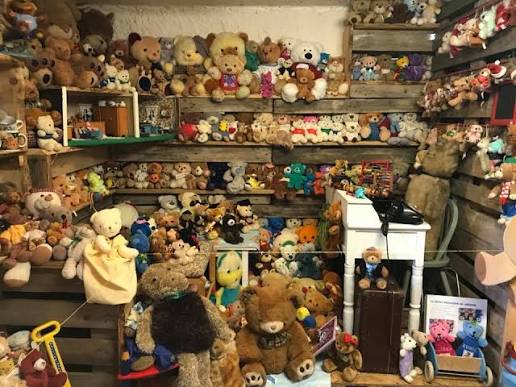

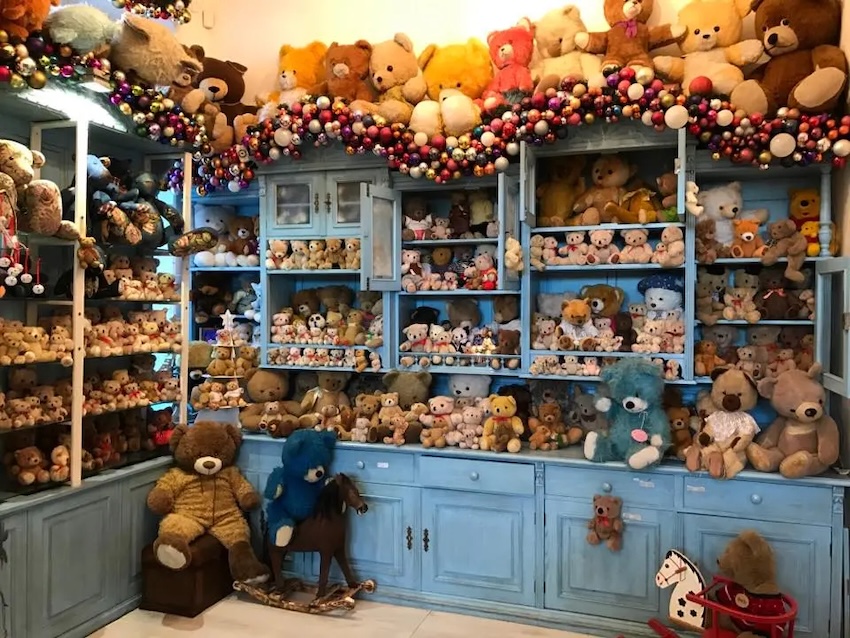
Hungary – B.A.P. Teddy Bear Museum and Exhibition Hall, Rákóczifalva: Hungary also has a remarkable teddy bear museum with a collection of nearly 6,000 teddy bears, collected by Antal Balázs and his family. The museum includes century-old bears, bears dressed in historical costumes and so-called travelling bears.
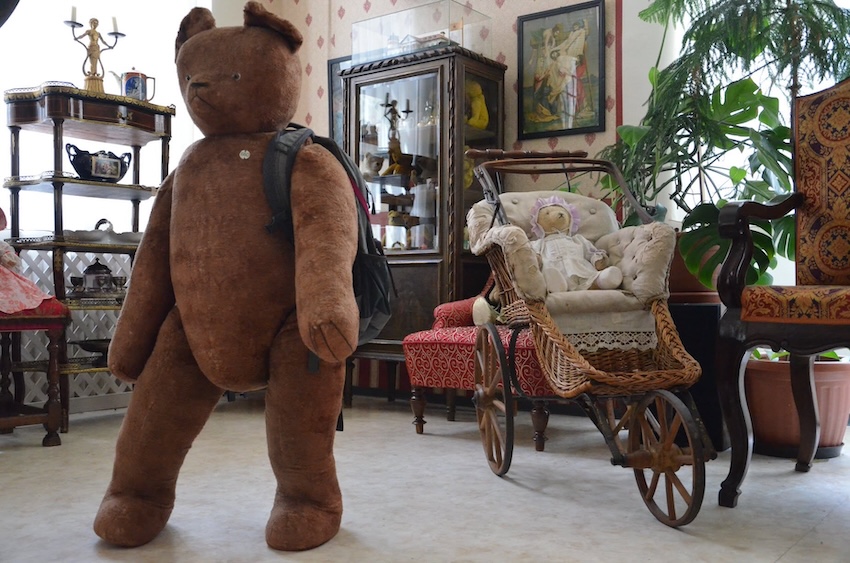
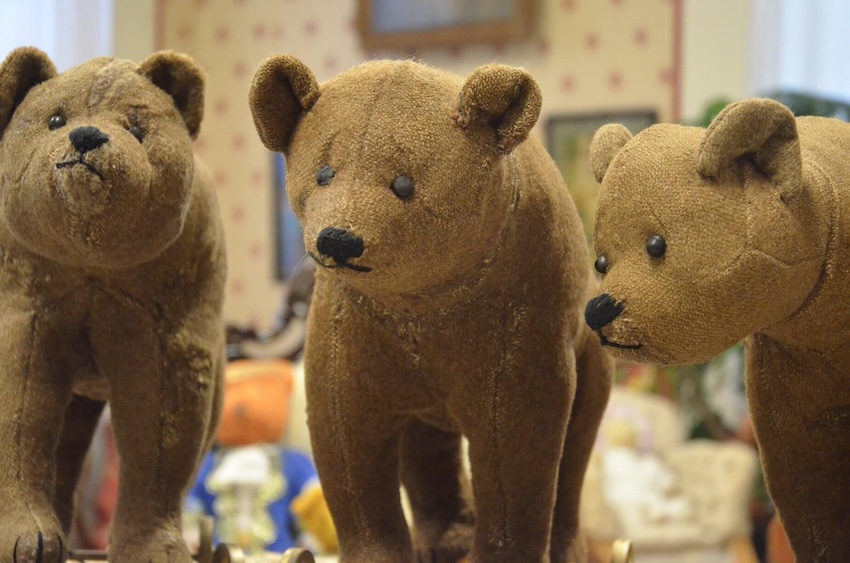
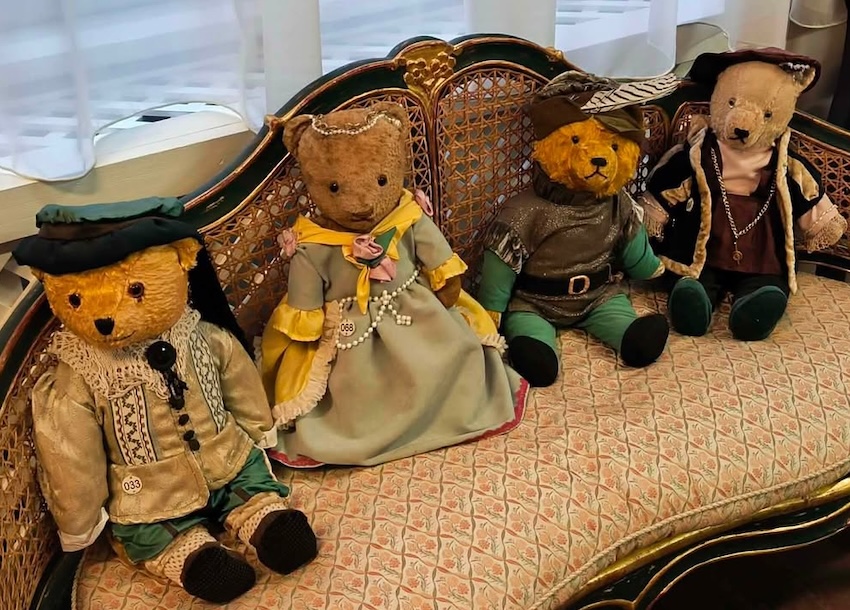
These collections in various countries demonstrate how an American story connected to one President has become part of the cultural memory of people in countries far beyond the United States.
A Toy That Belongs to the World
More than 120 years after the Mississippi bear hunt, the teddy bear remains one of the world’s favourite toys. Its journey is remarkable: from an encounter between an American President and a bear, to a newspaper cartoon, to a handmade toy in a Brooklyn shop, and finally to children’s rooms, museums and homes around the world.
Perhaps that is the greatest charm of the teddy bear. It began as an American story, but it became a truly universal cultural phenomenon.
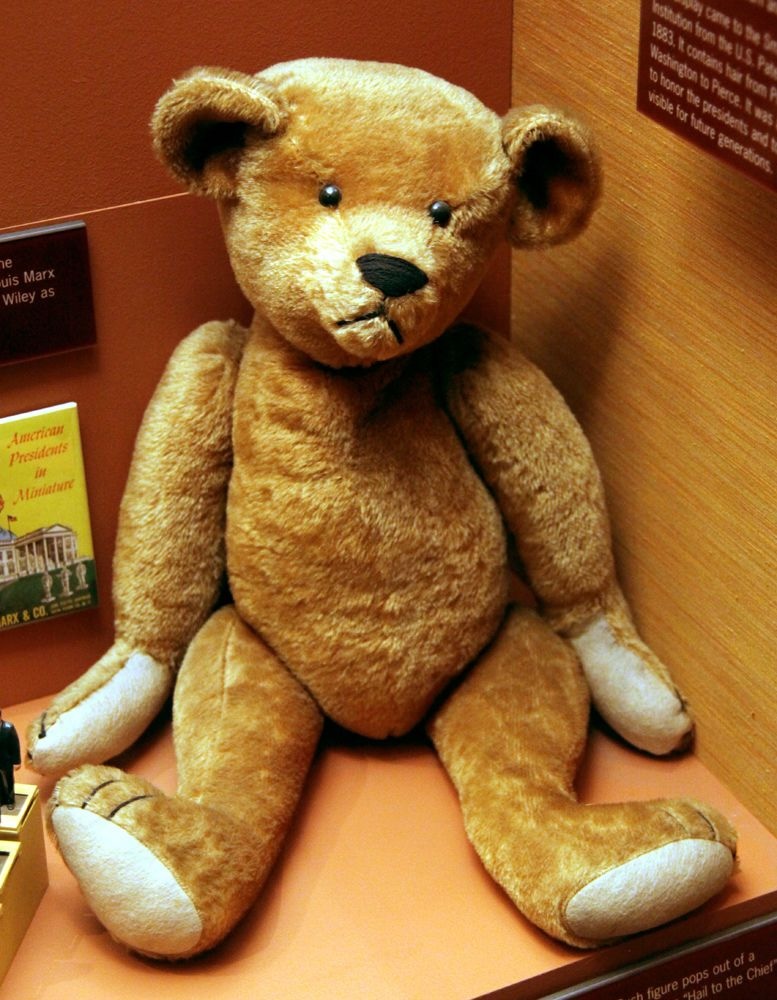
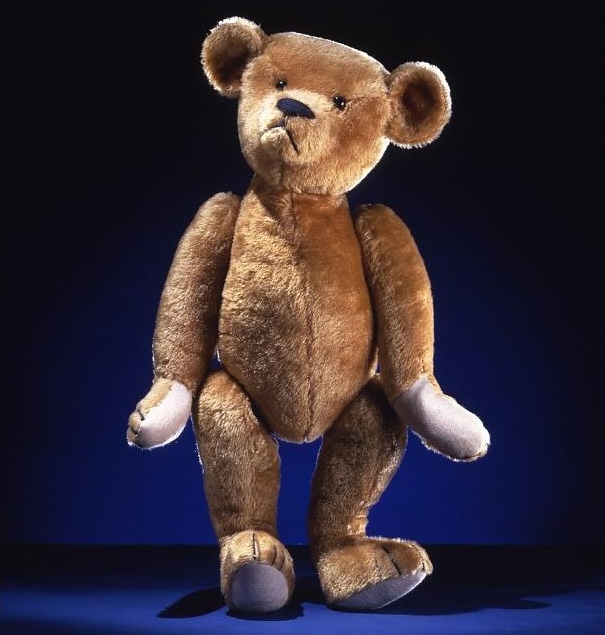
For generations, children have held their teddy bears close while growing up, travelling, sleeping and dreaming. Adults, too, often keep their childhood bears as precious reminders of another time. The teddy bear has therefore become much more than a toy. It is a small piece of history, a symbol of affection and, for millions of people around the world, a cherished memory of childhood.
Edited by Anna Popper – Diplomatic Magazine / Diplomatic Press Agency