



Edited by Anna Popper
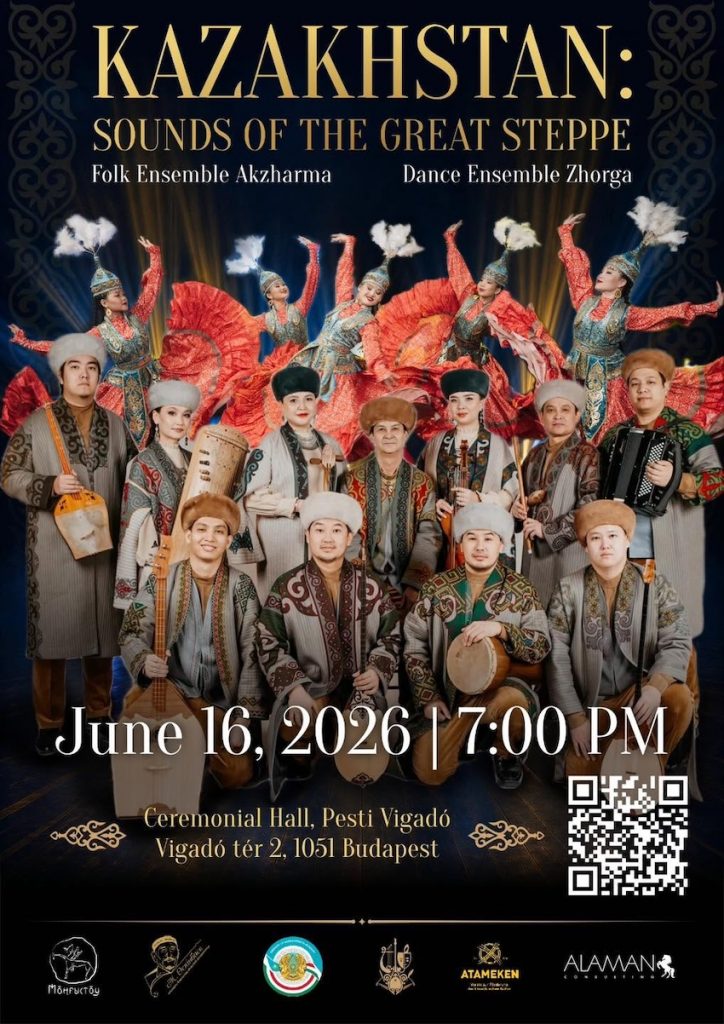
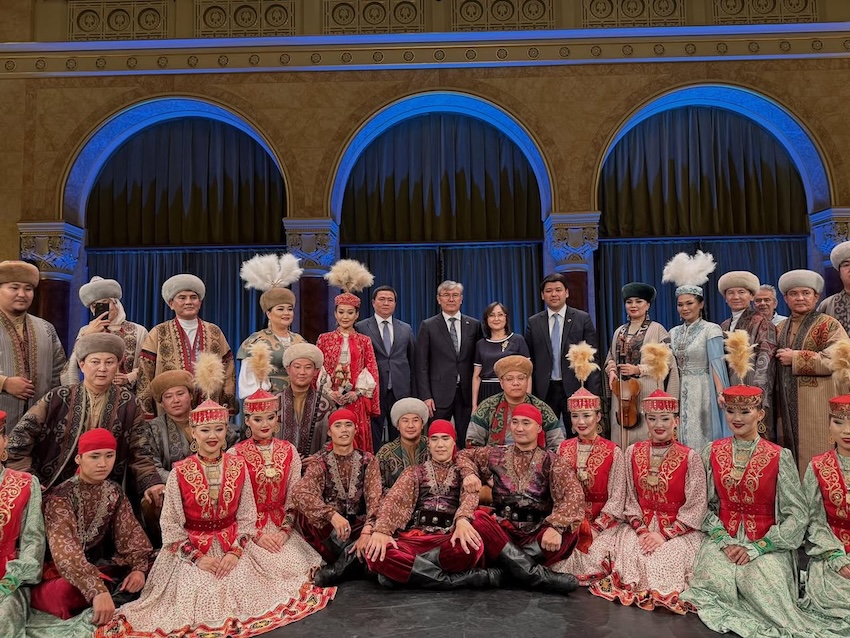
On 16 June 2026, Budapest welcomed an extraordinary evening of music, dance and cultural diplomacy as the Embassy of the Republic of Kazakhstan presented the long-awaited concert “Kazakhstan – Sounds of the Great Steppe”.
The spectacular performance in the magnificent Pesti Vigadó commemorated the 800th anniversary of “Aksak Kulan”, one of the oldest and most treasured masterpieces of Kazakh musical heritage.
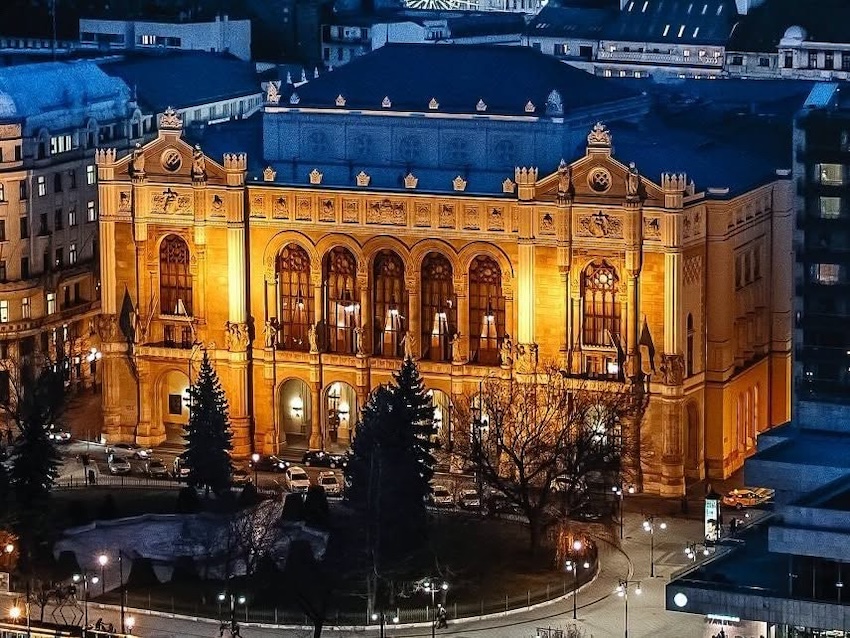
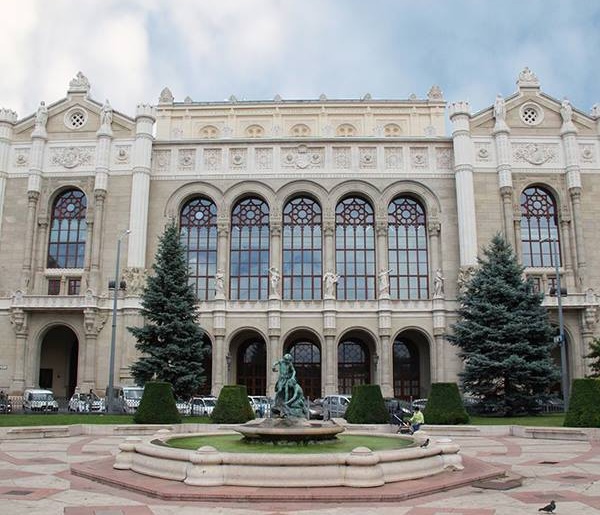
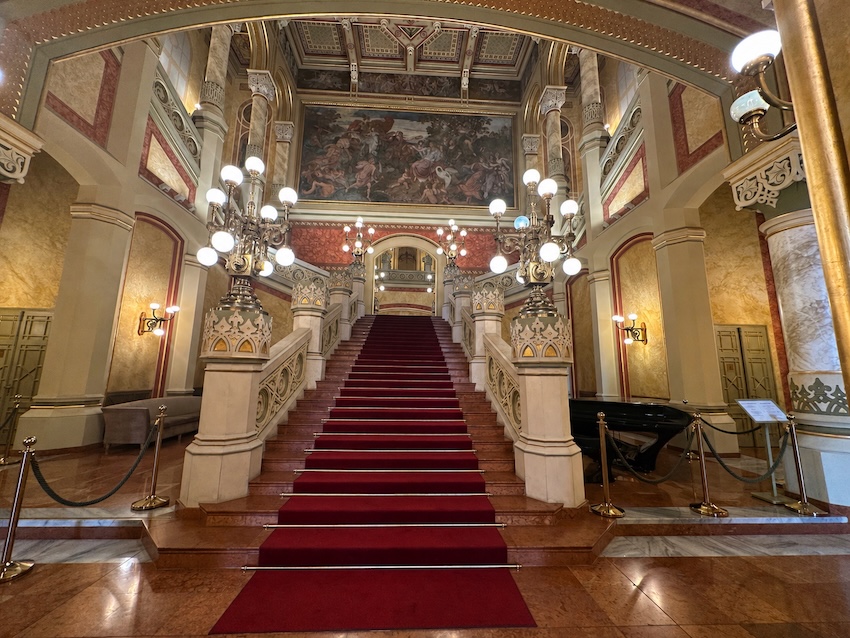
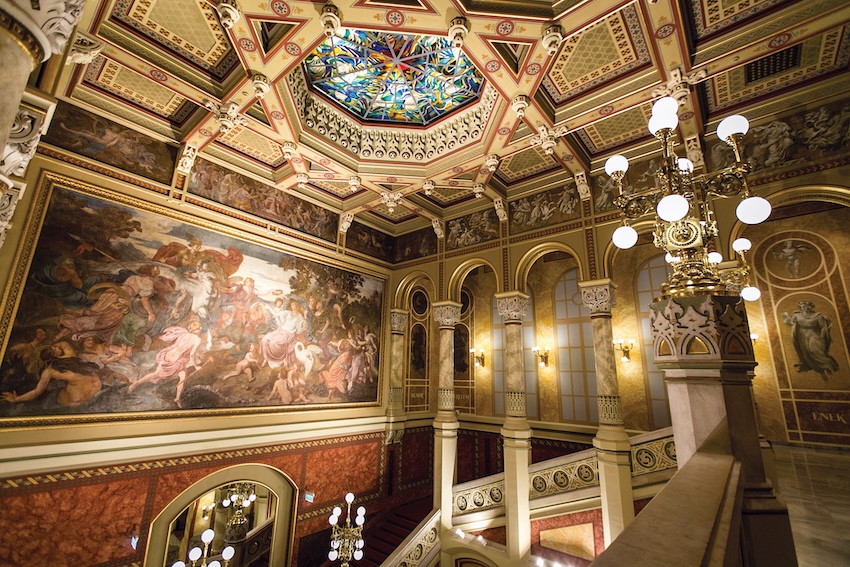
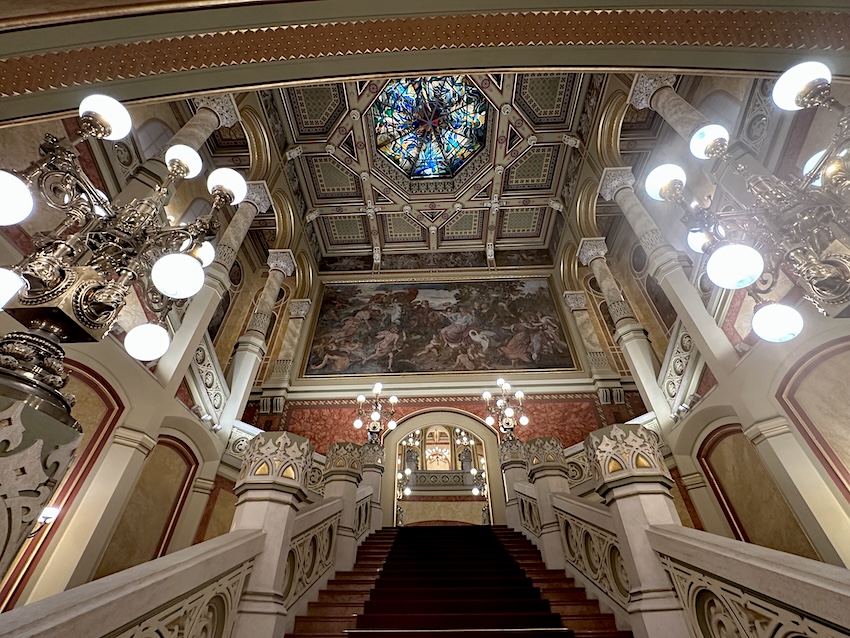
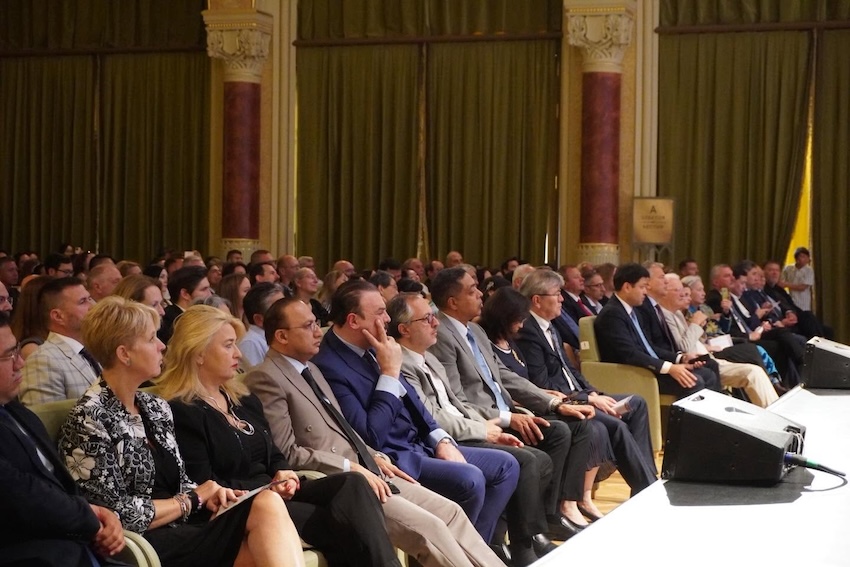
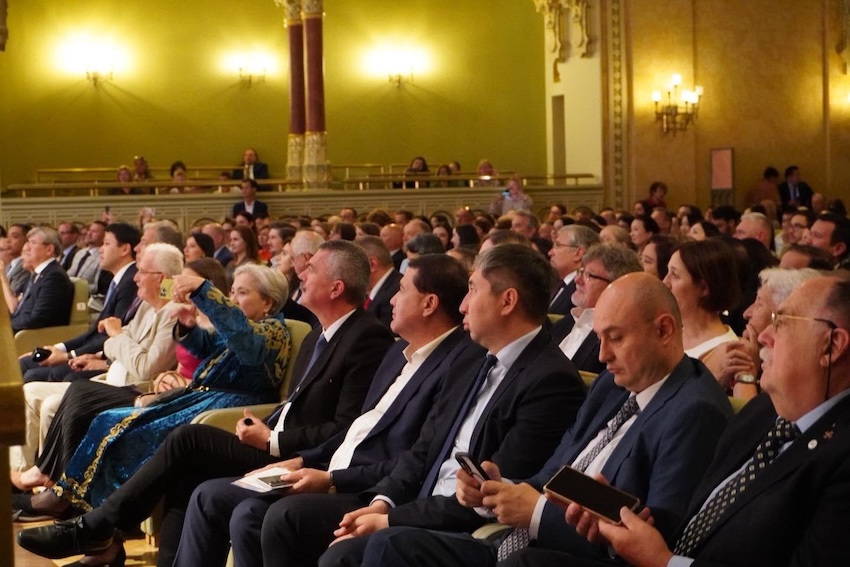
Standing proudly on the banks of the Danube, the historic Pesti Vigadó is one of Hungary’s most prestigious concert and event halls and a masterpiece of Romantic architecture. This architectural gem, built in the 19th century to serve the city’s social life, has welcomed generations of world-renowned musicians, including Franz Liszt, Béla Bartók, Zoltán Kodály, Richard Wagner, Johannes Brahms, Johann Strauss II, Antonín Dvořák and Claude Debussy, and remains one of Budapest’s premier venues for high-profile cultural events. The beautiful Ceremonial Hall, adorned with colourful frescoes, provided the perfect setting for an evening celebrating the timeless traditions of the Great Steppe.
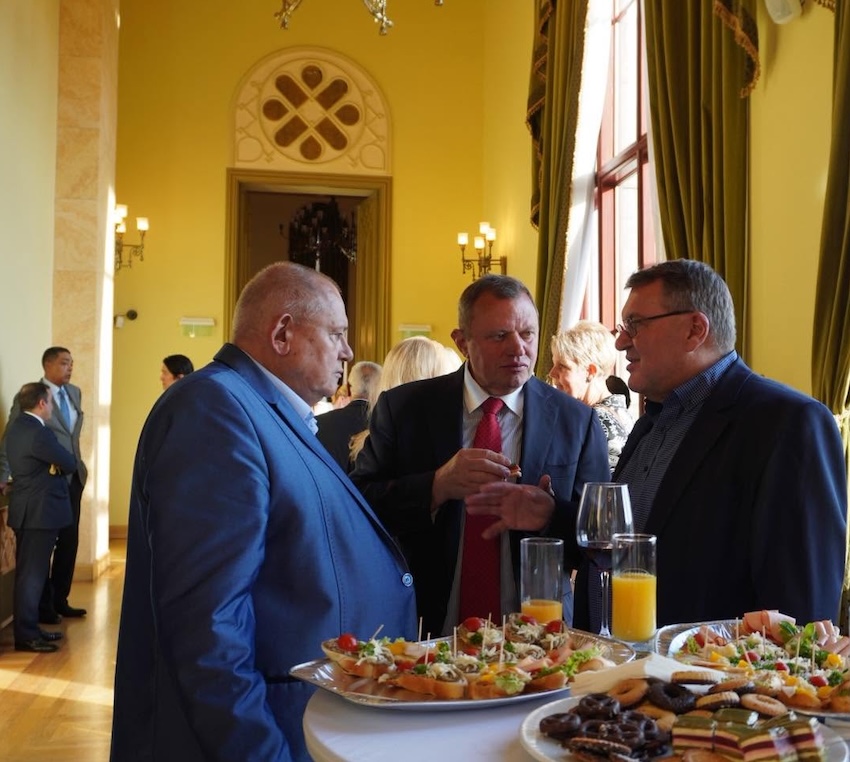
The concert, hosted by H.E. Mr. Abzal Saparbekuly, Ambassador of the Republic of Kazakhstan to Hungary, and his spouse Mrs. Gulbanu Syrgabayeva, attracted a distinguished audience, including numerous ambassadors, diplomats and Hungarian officials, Dr. Anikó Nagy Hallerné, Deputy Speaker of the Hungarian Parliament; Members of Parliament Sándor F. Kovács and Dr. Anna Lezsák Molnárné; representatives of Hungary’s business and academic communities; cultural personalities; members of the Kazakh diaspora; and Kazakh students pursuing their studies in Hungary.
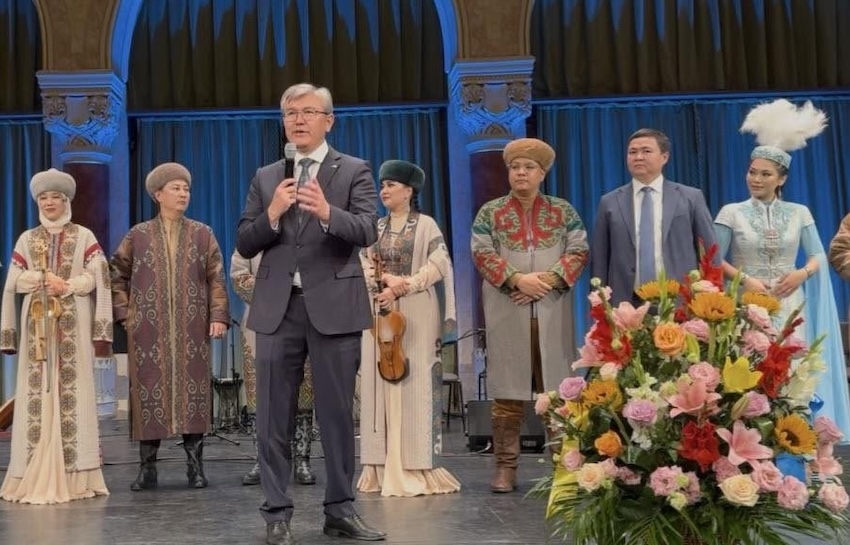
In his welcome address, Ambassador Abzal Saparbekuly said:
“Distinguished Guests, Ladies and Gentlemen, Dear Hungarian Friends, on behalf of the Embassy of the Republic of Kazakhstan, I would like to warmly welcome you all and thank you for joining us for this special cultural evening.
Today, we are pleased to present the performances of the Folk Ensemble “Akzharma” and the Dance Ensemble “Zhorga” from the Mangystau Region of Kazakhstan. Both groups have successfully performed in Kazakhstan and on international stages in a modern format.
Mangystau is a region rich in history, legends, culture, and spirituality.
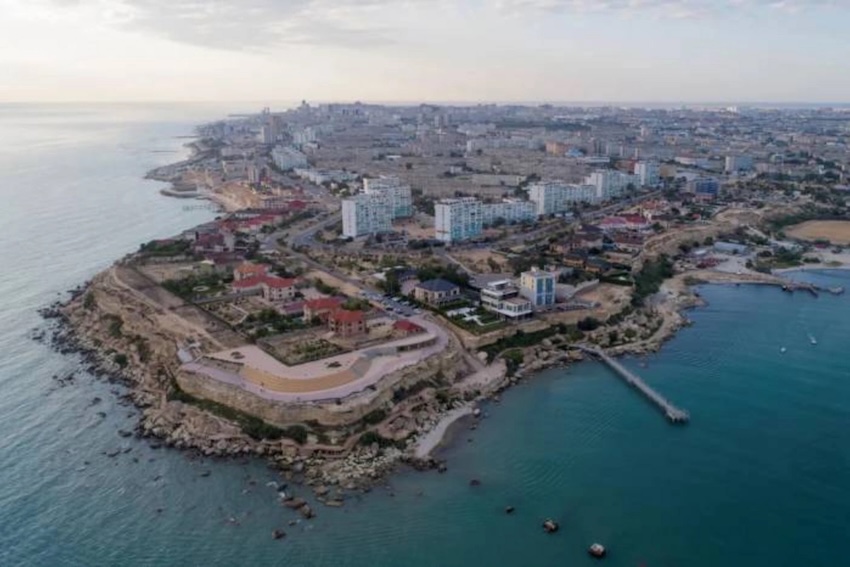
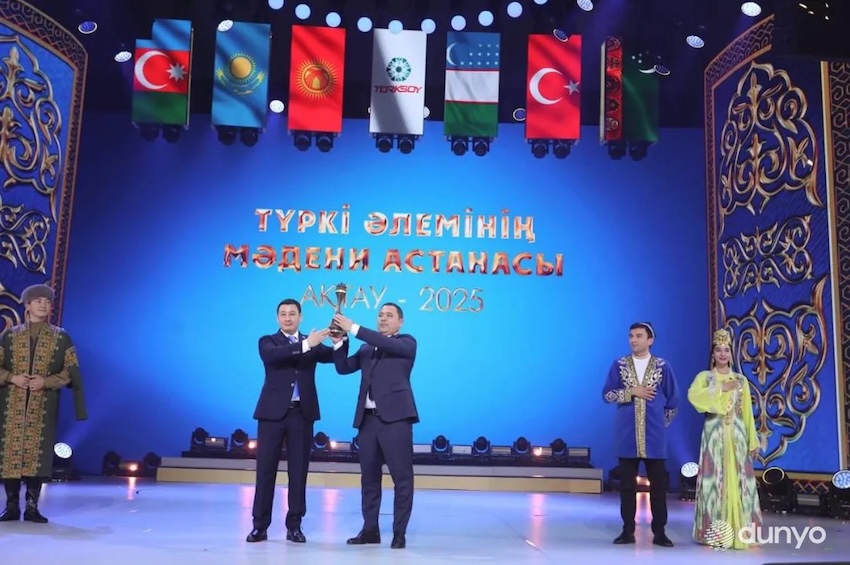
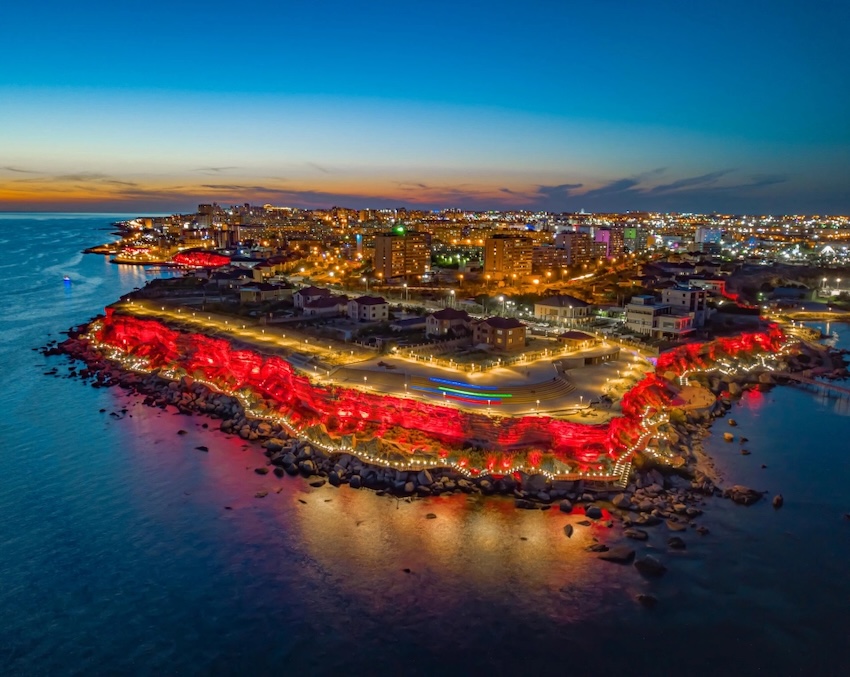
It is also reflected in the fact that Aktau, the pearl of Kazakhstan on the shores of the Caspian Sea, a port city in southwestern Kazakhstan, was named the Cultural Capital of the Turkic World in 2025, highlighting the region’s special place within Turkic civilization.
This cultural evening will take you into the spirit of the Great Steppe. It showcases the rich heritage of the Kazakh people through traditional music, national instruments, and folk dances. Tonight’s performances reflect the beauty, depth, and historical legacy of our culture. The concert programme also features “Aksak Kulan”, one of the masterpieces of Kazakh instrumental music. Passed down through generations, it remains an invaluable cultural treasure reflecting the history, wisdom, and artistic spirit of our people.
Today, Kazakhstan is moving forward along the path of large-scale political and socio-economic modernization. Reforms based on openness, justice, and sustainable development are creating a solid foundation for the country’s next stage of progress.
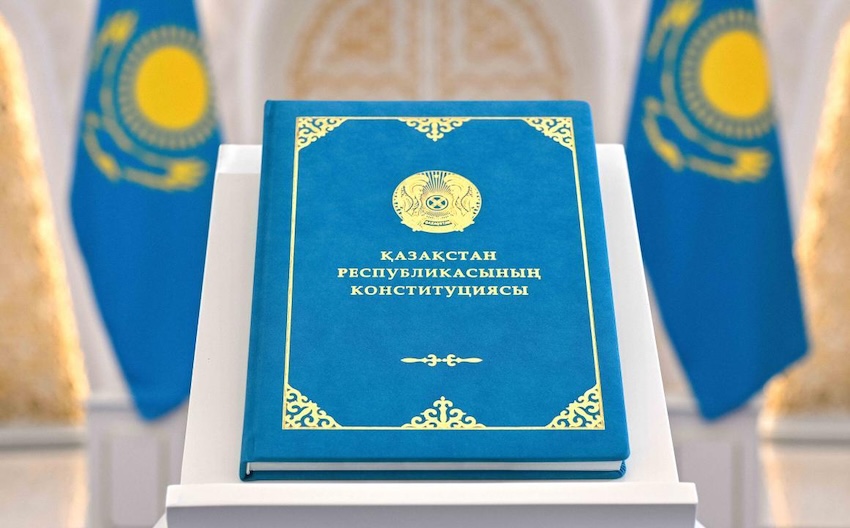
A new Constitution has been adopted, and the system of public administration has been significantly modernized. In the next stage, the bicameral Parliament will be replaced by Kurultai. This marks a new chapter in the country’s development.
At the same time, Kazakhstan continues to pursue its multi-vector foreign policy, firmly upholding the principles of international cooperation and mutual trust.
Hungary is a strategic and reliable partner of Kazakhstan in Central and Eastern Europe. Our friendly, trust-based relations continue to strengthen cooperation in politics, economy, culture, and humanitarian areas.
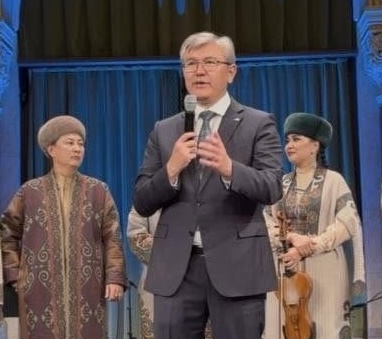
We attach great importance to cultural cooperation, as it brings our peoples closer together. Culture is one of the strongest bridges between nations, helping to build understanding and lasting friendship.
In this regard, I would like to express my sincere gratitude to the local government of Mangystau Region, the Alaman Group, LAC Holding, the team of Pesti Vigadó, and the Philharmonic team for their support in organizing today’s concert.
May this evening bring you bright impressions, good spirits, and unforgettable memories. I wish you all an enjoyable evening. Thank you.”
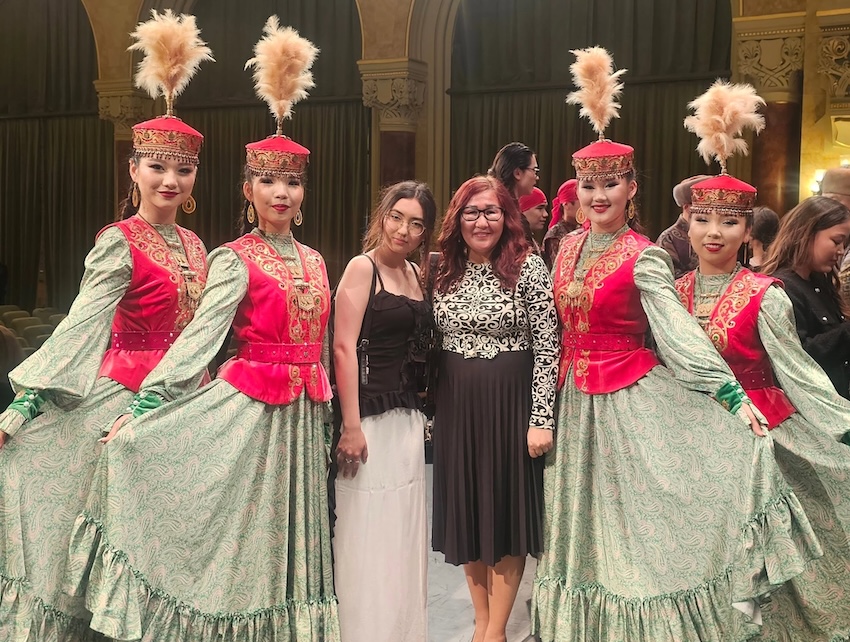
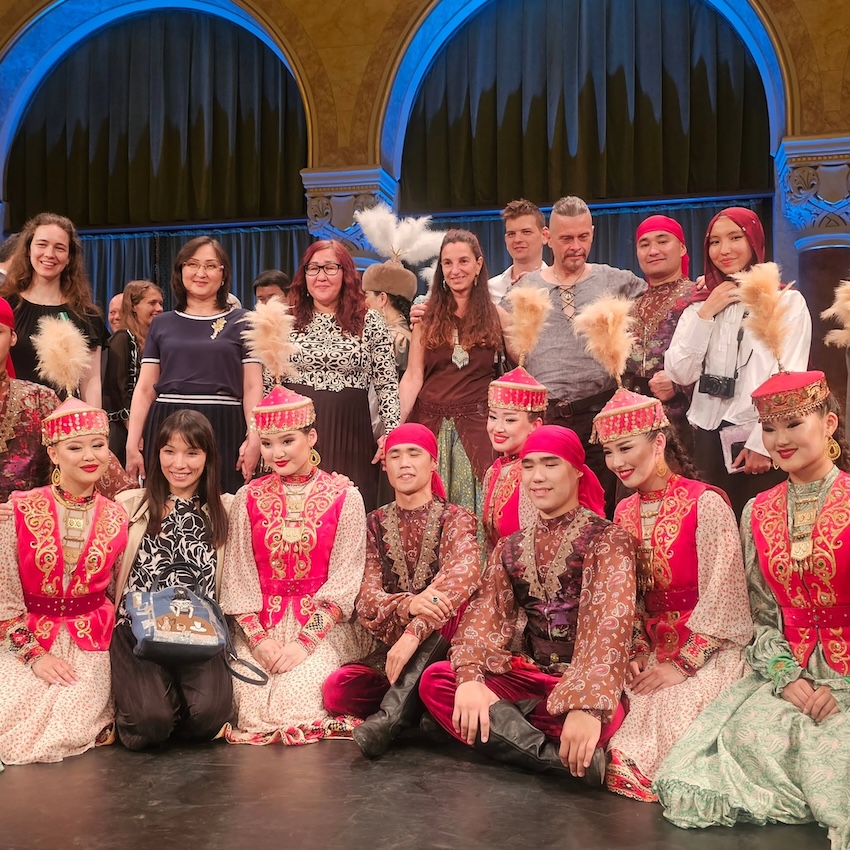
The evening featured remarkable performances by the Akzharma Folk Instruments Ensemble and the Zhorga Dance Ensemble of the Mangystau Regional Philharmonic, named after Murat Oskinbayev. Using traditional Kazakh instruments such as the dombra and kobyz, the musicians brought the distinctive sounds of the Great Steppe to life, captivating the audience with the richness and authenticity of Kazakhstan’s musical heritage.
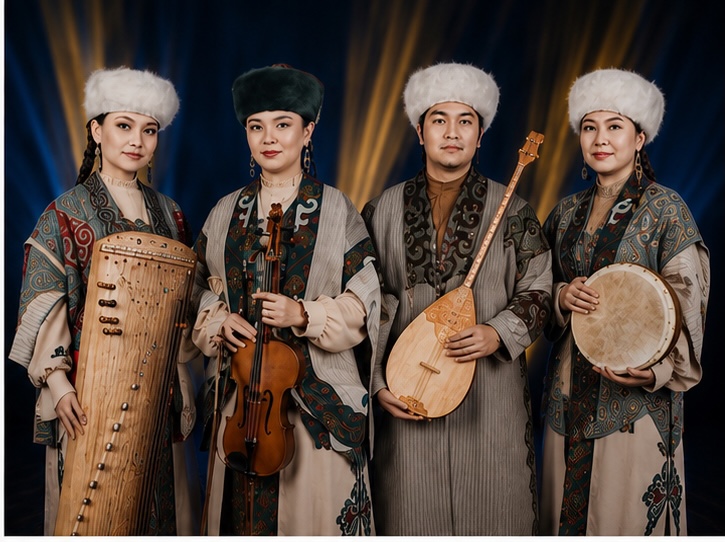
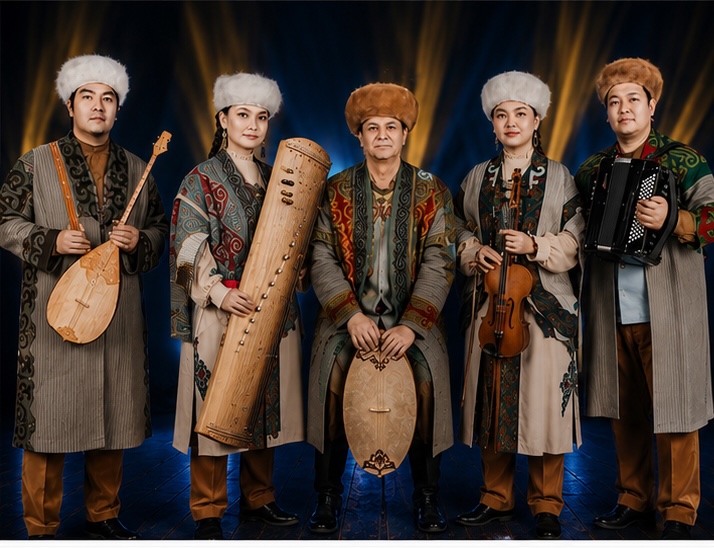
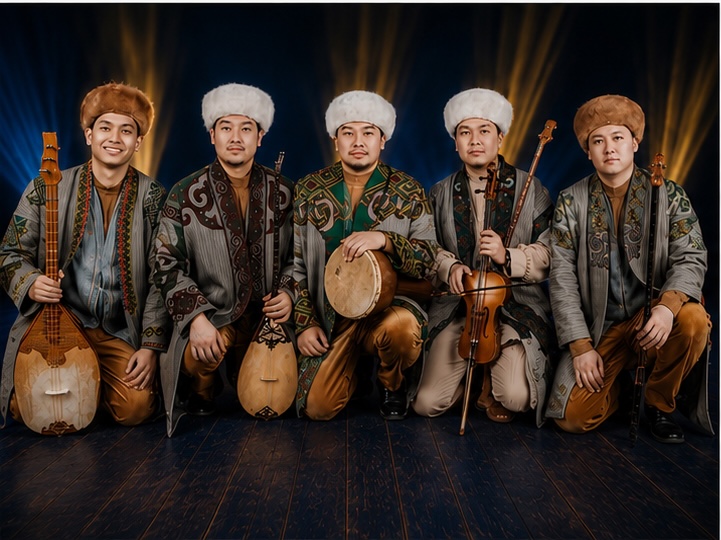
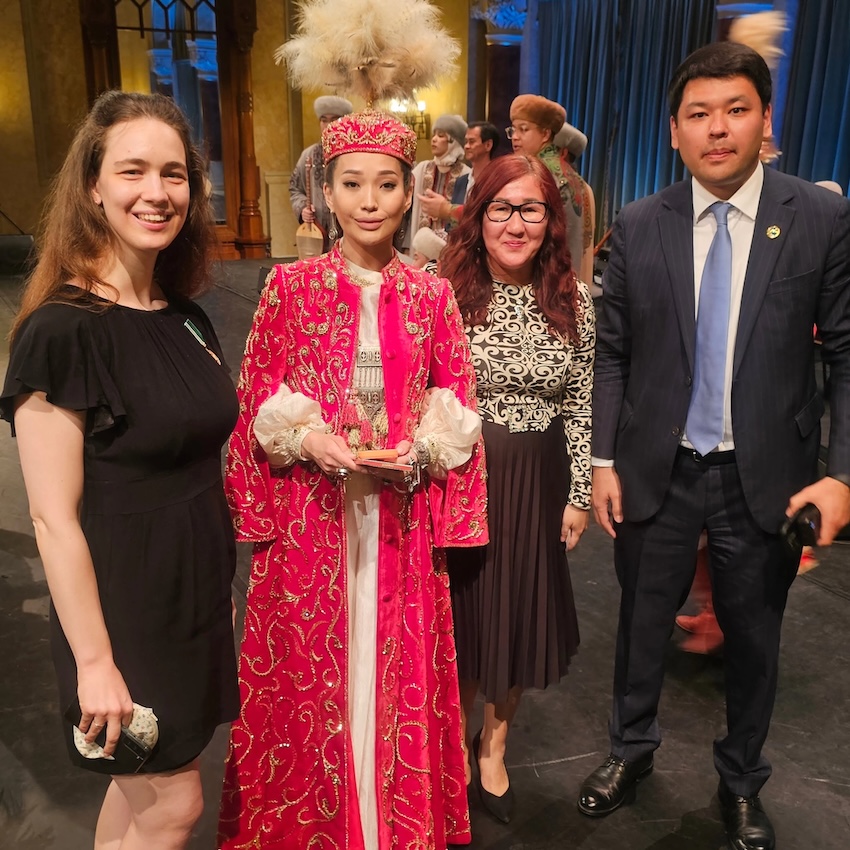
The dancers evoked the legends and traditions of the Great Steppe through expressive choreography, while their magnificent, traditional costumes, rich in colour and intricate ornamentation, vividly reflected Kazakhstan’s remarkable cultural heritage.
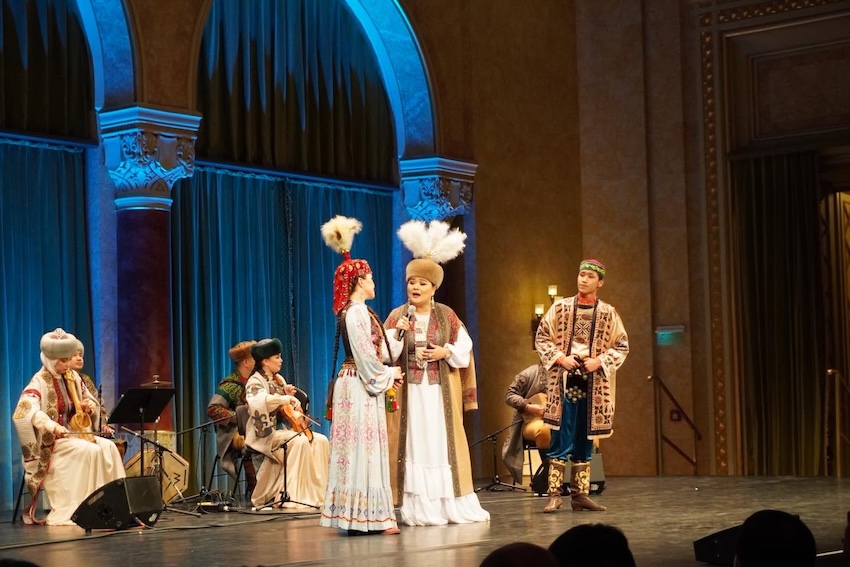
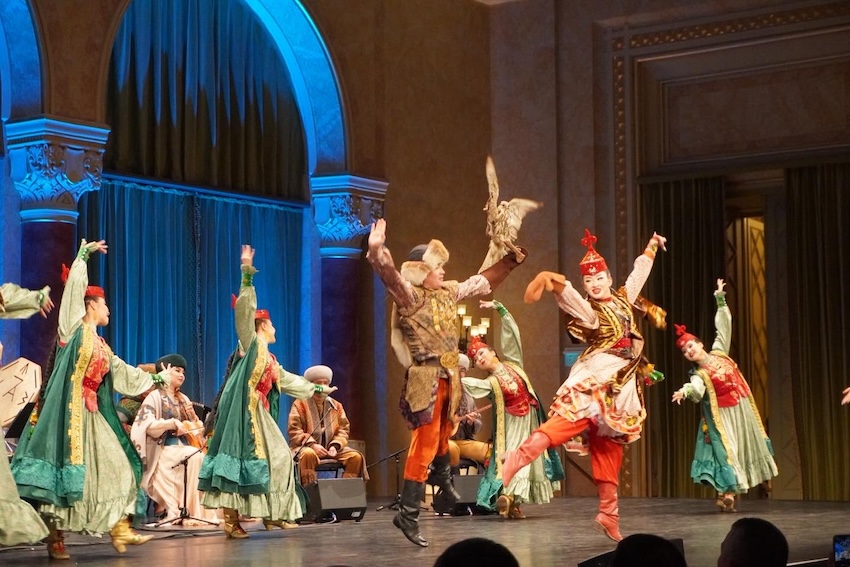
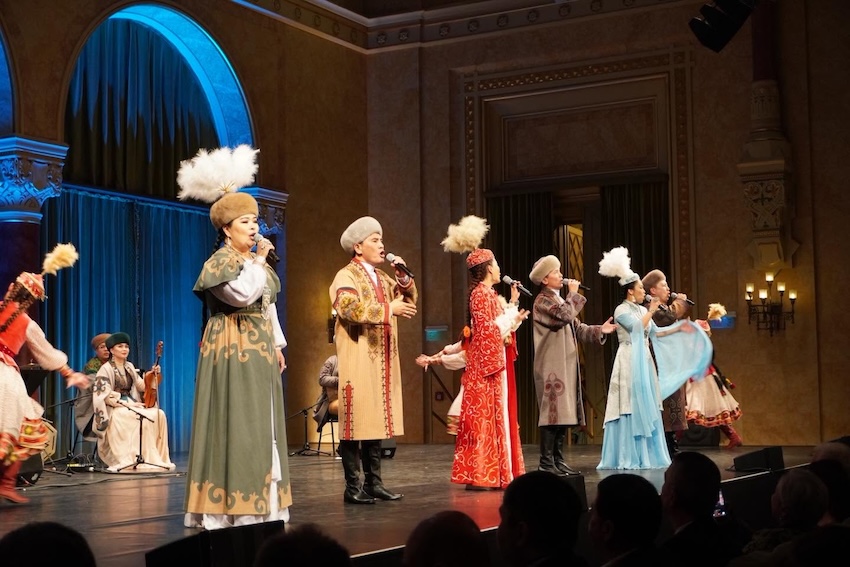
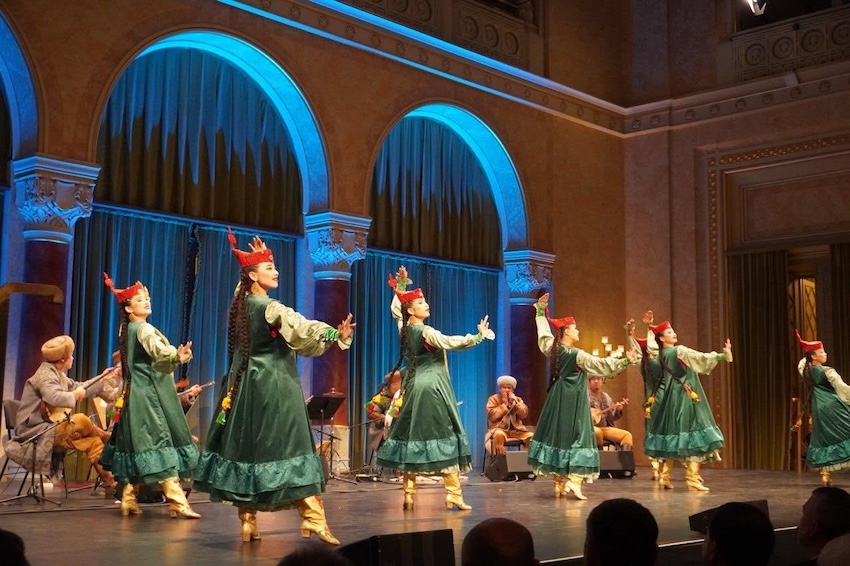
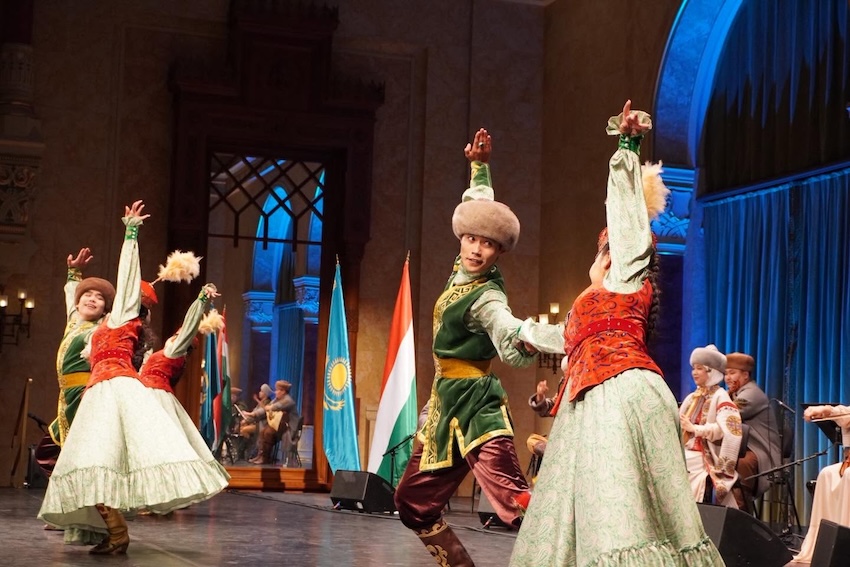
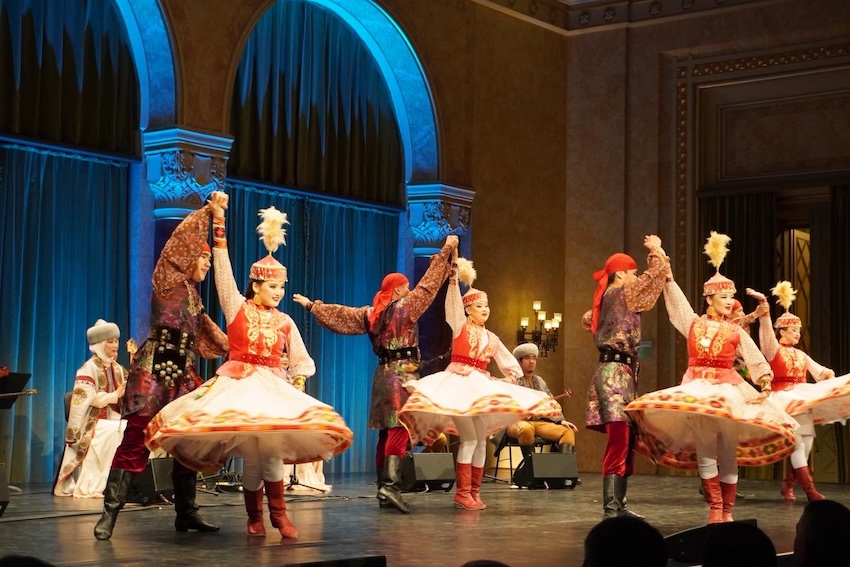
The carefully selected programme from their extensive repertoire included compositions by some of Kazakhstan’s most celebrated composers, among them Murat Oskinbayev and the legendary Kurmangazy Sagyrbayuly. Each performance demonstrated the extraordinary richness and emotional depth of the Kazakh musical tradition, faithfully preserved through generations.
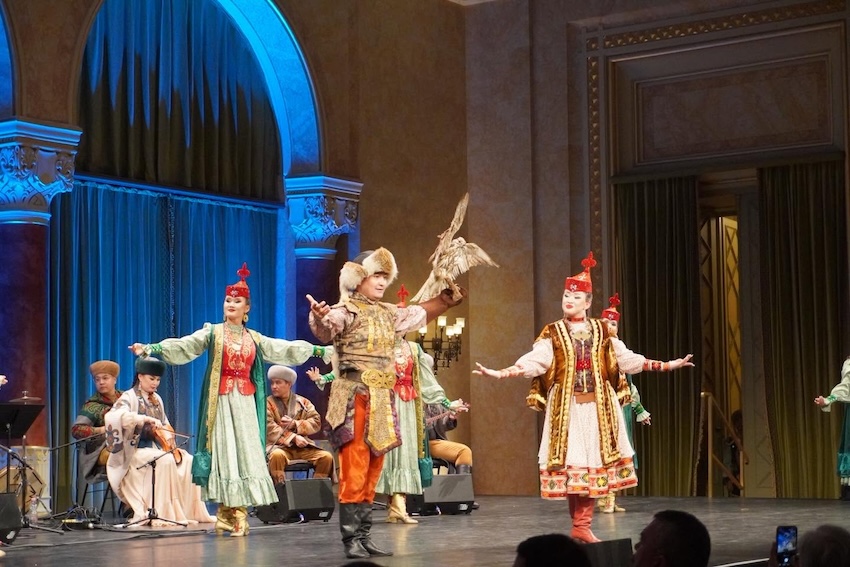
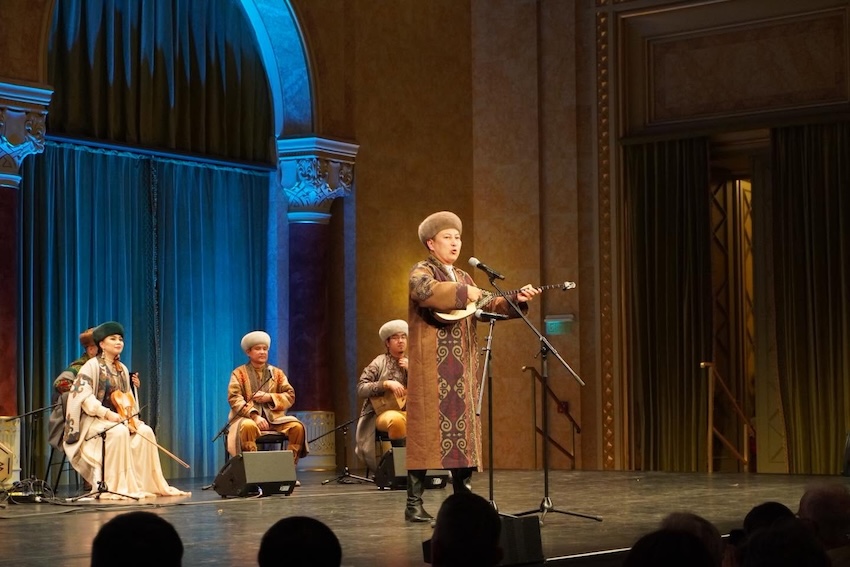
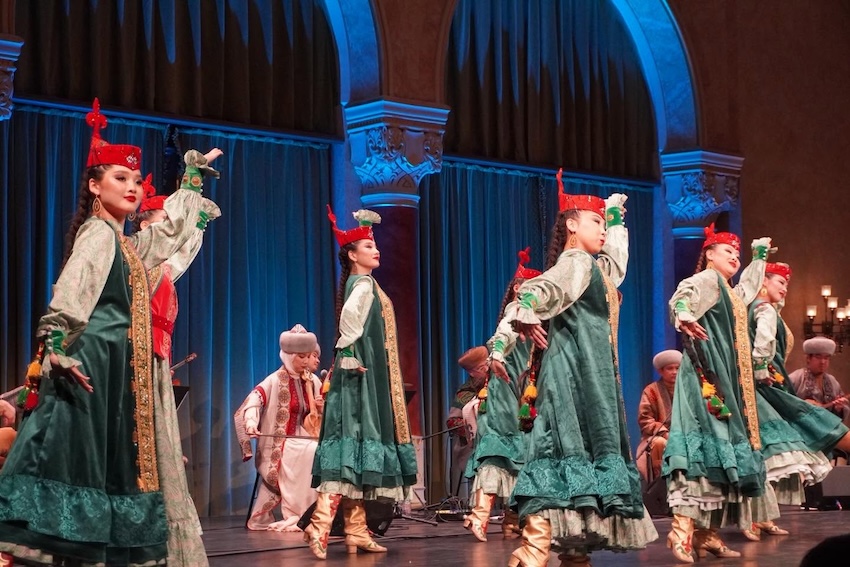
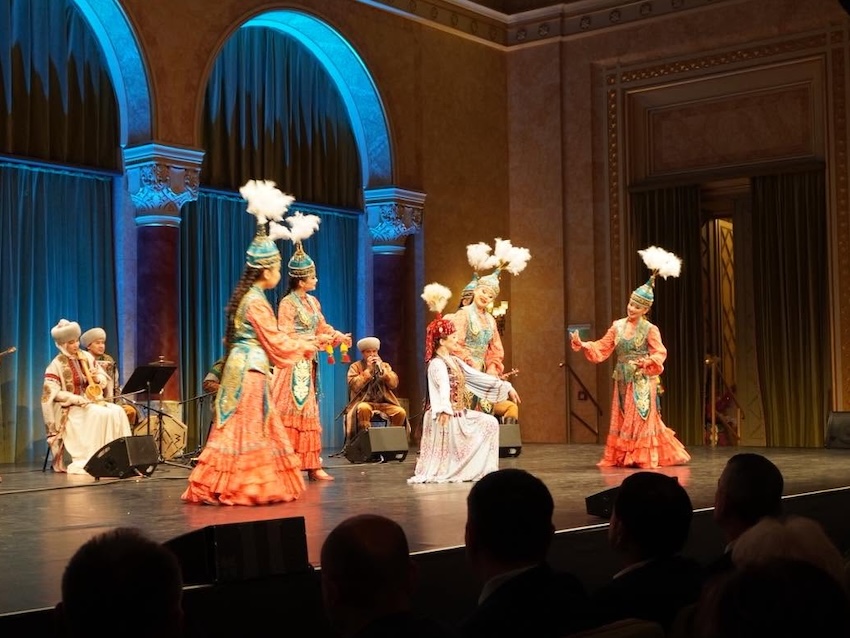
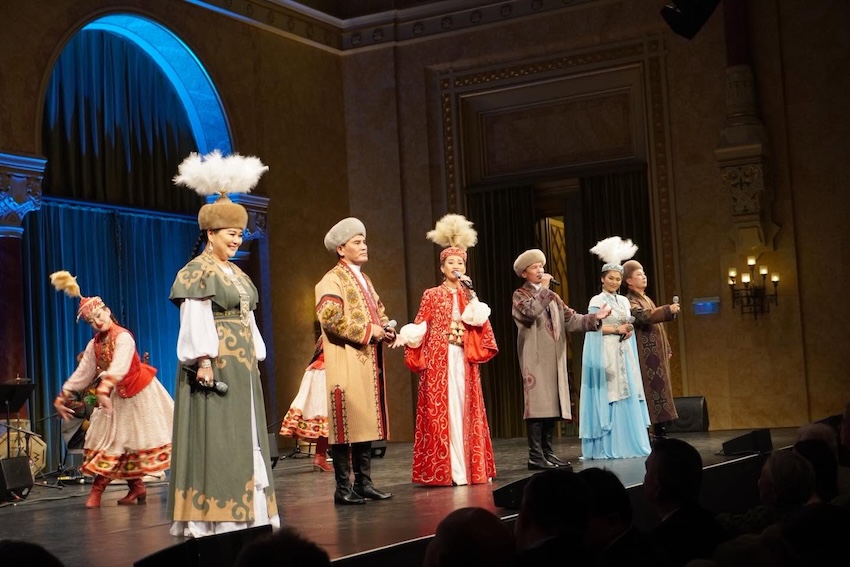
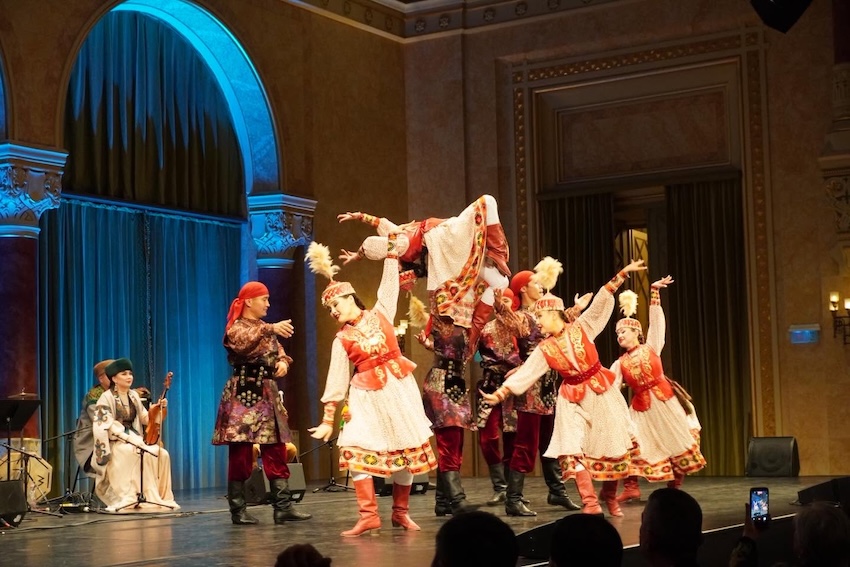
A memorable highlight of the evening came when the ensemble performed Johannes Brahms’s famous Hungarian Dance. The audience responded with enthusiastic applause, appreciating this musical tribute to Hungarian music, which symbolized the friendship between the two nations.
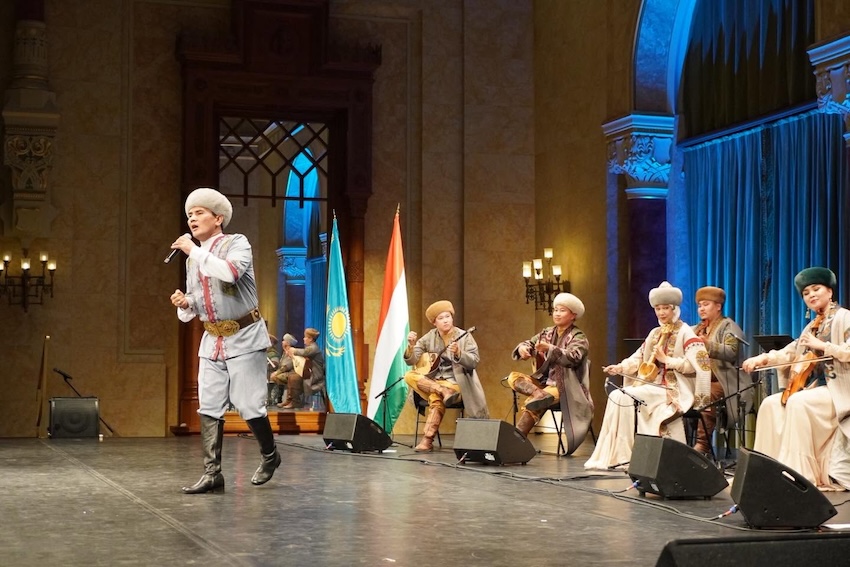
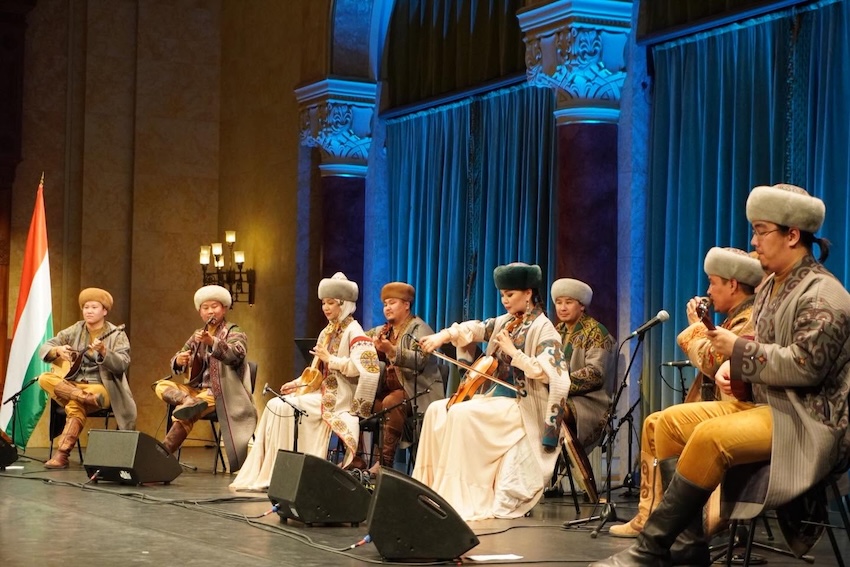
The concert was far more than just an artistic performance. It served as a vibrant platform for cultural dialogue, allowing the Hungarian audience to discover the richness of Kazakh music, dance and centuries-old traditions. Through the universal language of art, the evening demonstrated how cultural diplomacy continues to build bridges between peoples, strengthen bilateral relations, and foster mutual understanding.
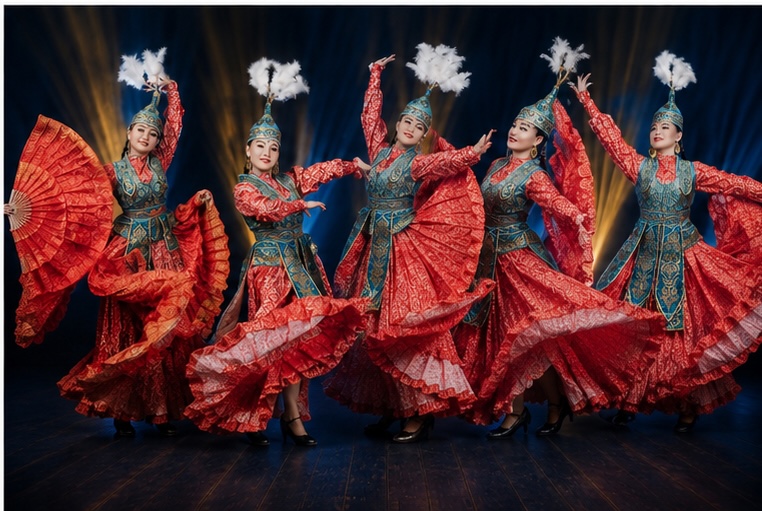
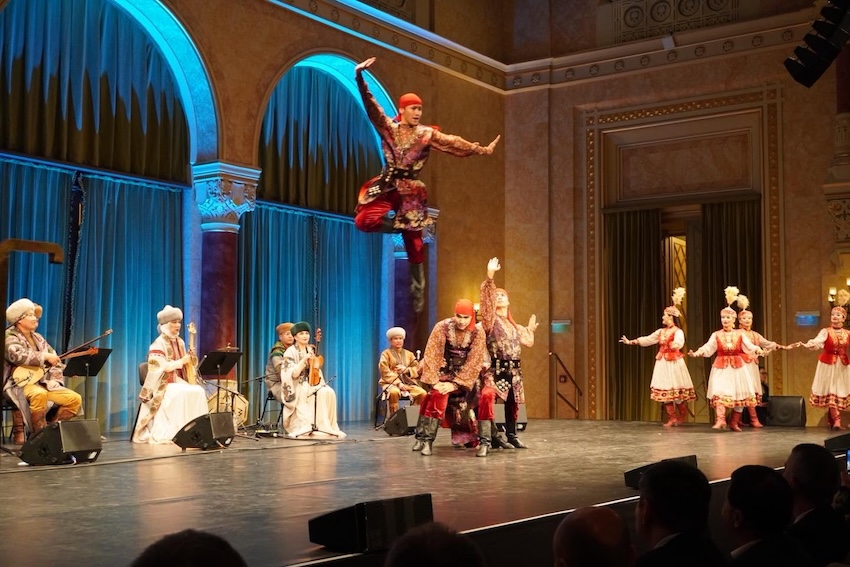
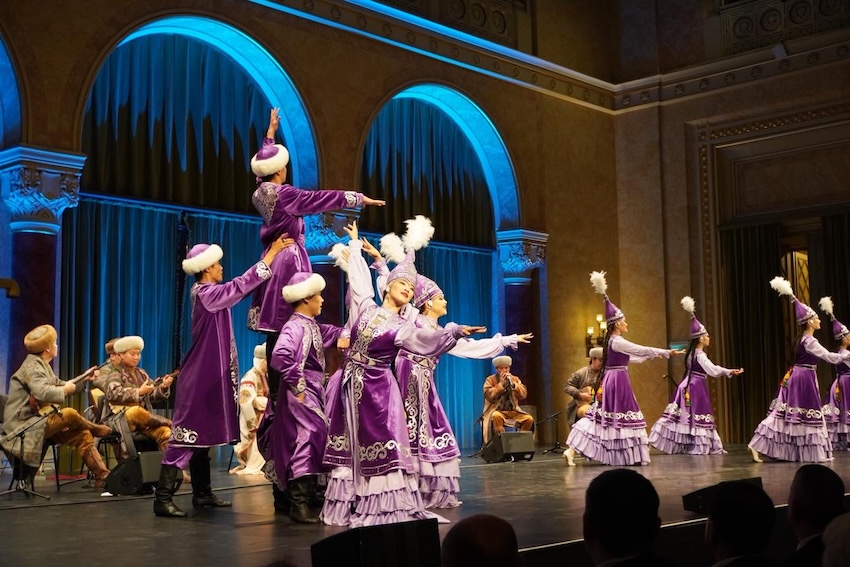
The Mangystau Regional Philharmonic, named after the distinguished composer Murat Oskinbayev, is one of western Kazakhstan’s leading concert institutions. Celebrating its 50th anniversary in 2025, the Philharmonic brings together outstanding professional artistic ensembles devoted to preserving and promoting the musical and choreographic heritage of the Mangystau Region and all of Kazakhstan. Through international performances, the Akzharma Folk Instruments Ensemble and the Zhorga Dance Ensemble continue to introduce audiences worldwide to the beauty and authenticity of Kazakh culture, while making an important contribution to preserving the country’s folkloric traditions.
The performance in Budapest concluded with enthusiastic rounds of applause and a standing ovation, leaving the audience with lasting memories of an unforgettable evening. Beyond commemorating the 800th anniversary of the legendary Aksak Kulan, the concert reaffirmed the enduring power of music and culture to connect nations, strengthen friendships, and deepen mutual understanding between Kazakhstan and Hungary.
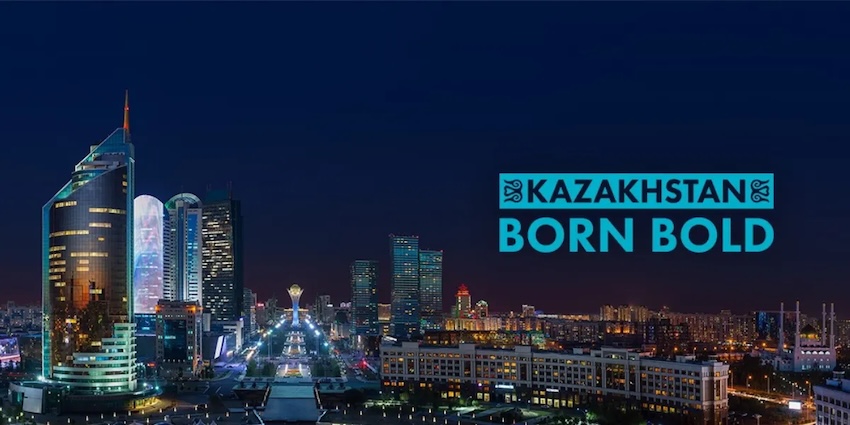
As the final notes echoed through the beautifully decorated Ceremonial Hall of the Pesti Vigadó, the message behind the evening became unmistakably clear. The concert aptly represented Kazakhstan’s international slogan, “Kazakhstan – Born Bold”, demonstrating that the country’s boldest expression is found not only in its vast landscapes, abundant natural resources, thriving trade and economy, but also in the living heritage of its music, traditions, and the timeless voice of the Great Steppe.

This memorable concert also reflected the Embassy’s unwavering commitment to further strengthening Kazakhstan–Hungary relations under the leadership of Ambassador Abzal Saparbekuly, as the two countries mark 34 years of diplomatic relations.
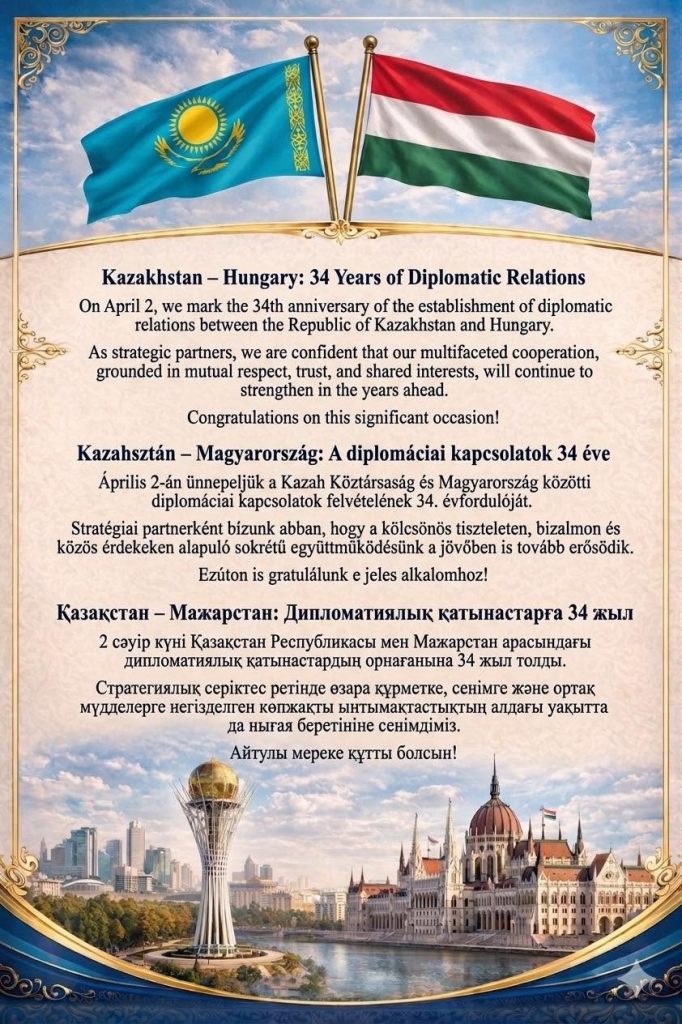
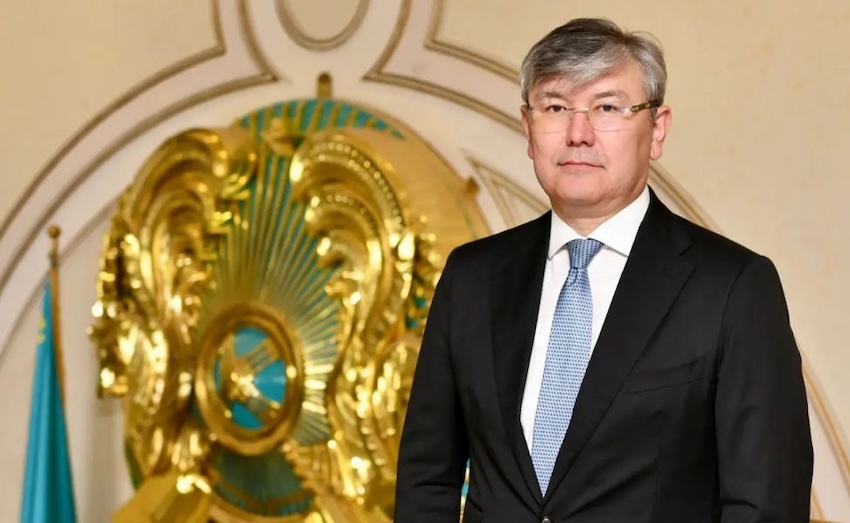
During his tenure in Budapest, since taking office in 2024, the Ambassador has played a pivotal role in advancing the already excellent bilateral partnership across a broad spectrum of fields, including political dialogue, trade, economic and investment cooperation, innovation, energy, information technology, artificial intelligence, education, and culture – areas of central importance to Kazakhstan’s national development strategy.
By inviting the outstanding artists of the Mangystau Regional Philharmonic to the Hungarian capital, Ambassador Saparbekuly once again demonstrated how cultural diplomacy complements these achievements by bringing people closer together, deepening mutual understanding, and further strengthening the friendship between Kazakhstan and Hungary.
Source: Embassy of Kazakhstan in Budapest
Photos from the Embassy of Kazakhstan in Budapest