Edited by Anna Popper
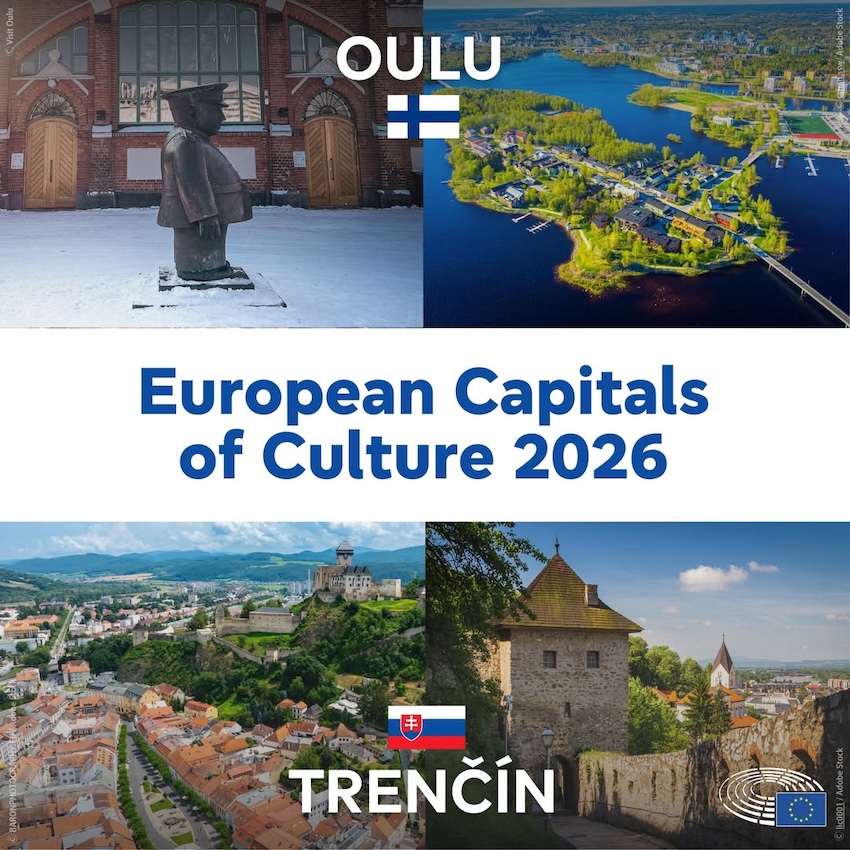
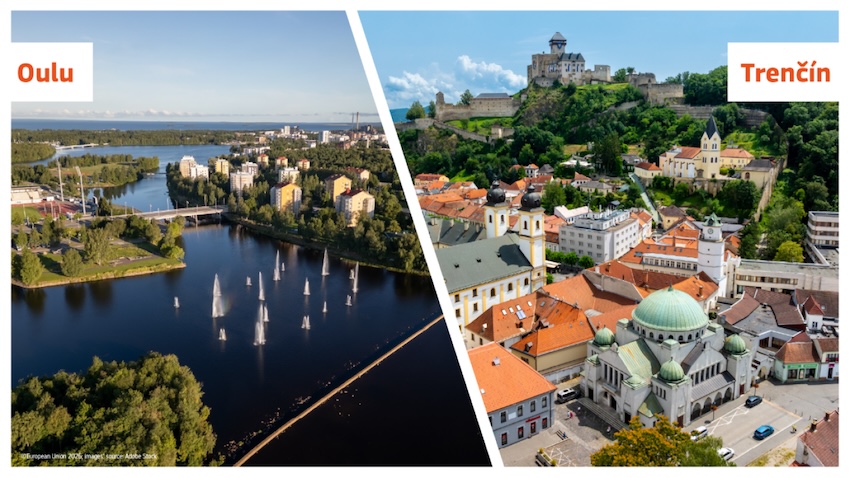
In 2026, Europe turns its cultural spotlight on two remarkable cities, nearly 2,000 kilometres apart and shaped by vastly different landscapes and histories. Trenčín in western Slovakia and Oulu in northern Finland share the title of European Capital of Culture 2026, demonstrating how culture can connect communities, inspire innovation, and strengthen European cooperation. Throughout the year, both cities present extensive programmes, including concerts, exhibitions, festivals, performances, and community projects, inviting visitors to discover their distinctive heritage while looking toward the future.
A Celebration of Europe’s Cultural Diversity
The European Capital of Culture (ECC) is one of the European Union’s best-known cultural programmes. ECC was established in 1985 on the initiative of Greek Minister of Culture Melina Mercouri and French Minister of Culture Jack Lang to bring Europeans closer together by celebrating the richness and diversity of the continent’s cultures. For over four decades, the project has helped cities strengthen their cultural life, regenerate urban areas, raise their international profile, attract visitors, and create lasting social and economic benefits. Most importantly, it highlights the diversity of Europe and the cultural values its people share.
In 2026, the honour belongs to Trenčín and Oulu – two very different cities united by their belief in culture as a driving force for connection, innovation, and long-term development.
Trenčín – Awakening Curiosity
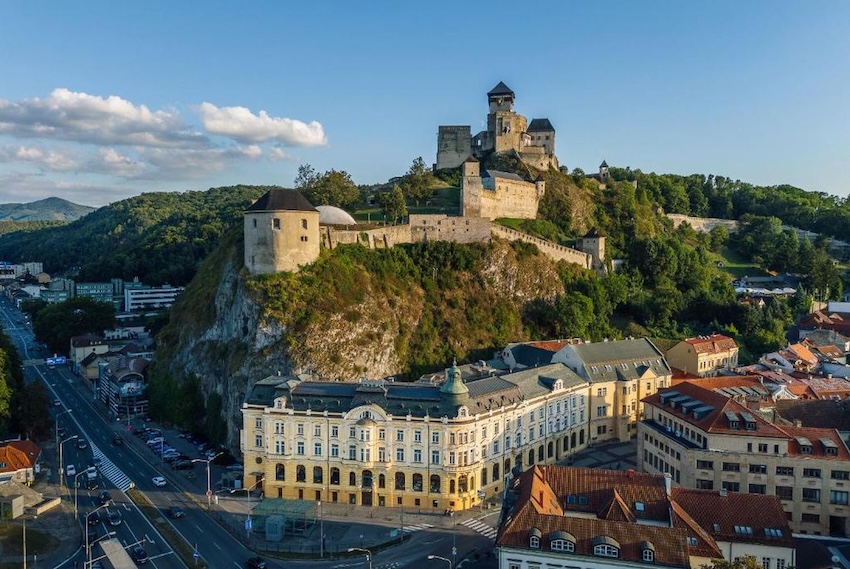
Nestled beneath its magnificent medieval castle overlooking the Váh River, Trenčín, with its 55.000 inhabitants, is one of Slovakia’s historic cities and a picturesque tourist destination. Dominated by the imposing Trenčín Castle, perched at an elevation of 300 meters and whose origins date back to the 11th century, Trenčín has long stood at the crossroads of Central European history. Its historic centre, colourful squares, churches, cafés and cultural venues provide an inspiring setting for a year dedicated to culture.
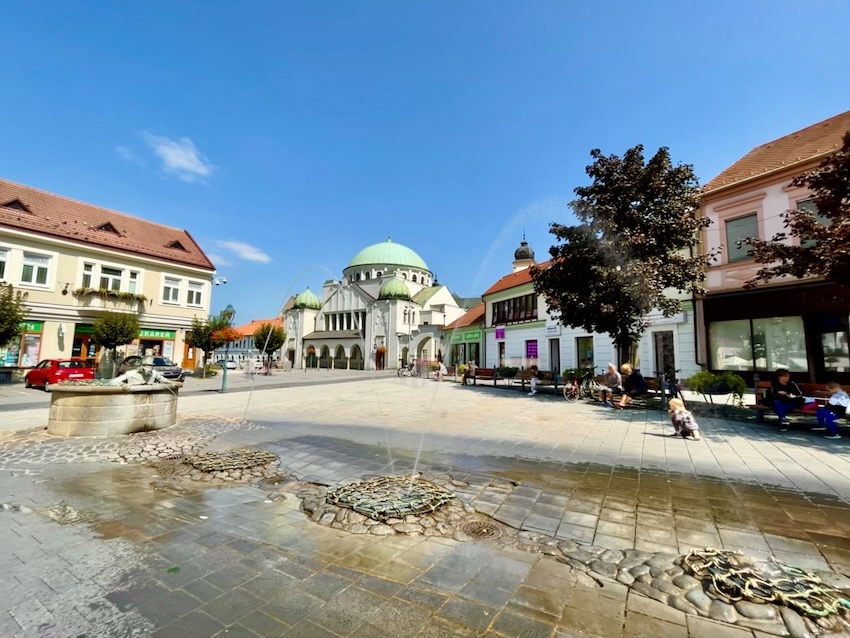
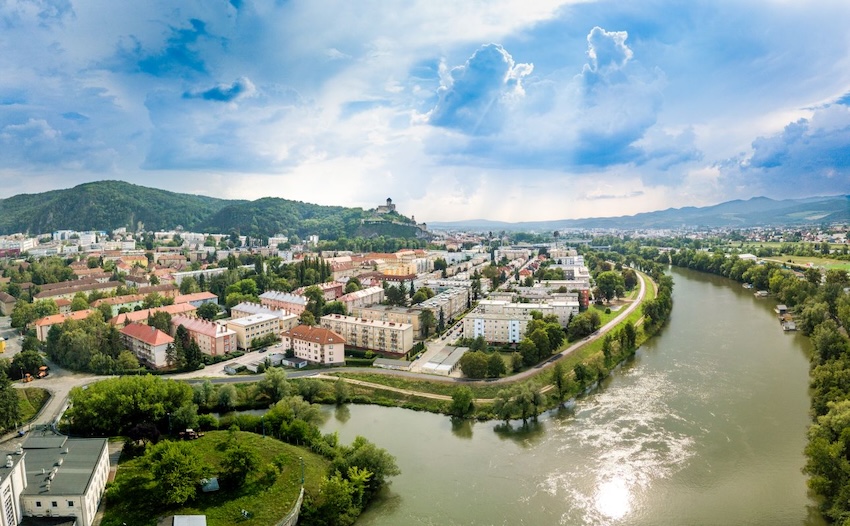
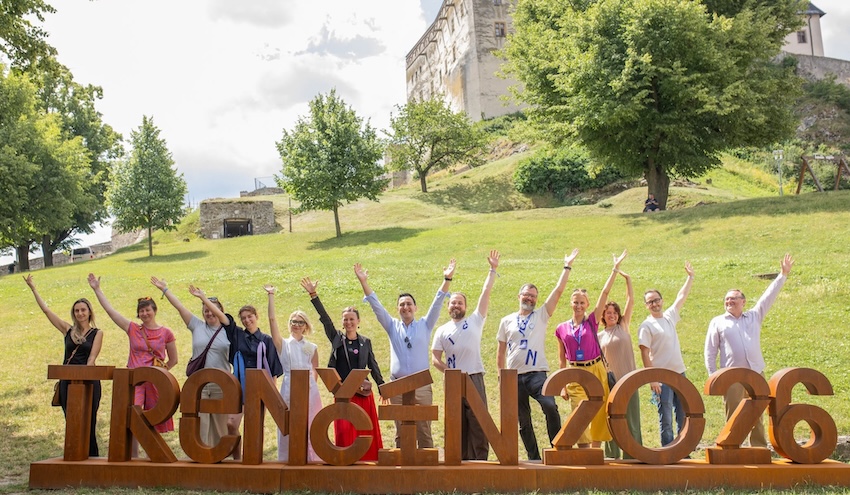
Trenčín’s European Capital of Culture 2026 programme, themed “Awakening Curiosity”, encourages people to ask questions, discover new perspectives, and explore connections between the past and the future. Culture is presented not simply as entertainment, but as a way of fostering dialogue, learning, and active participation.
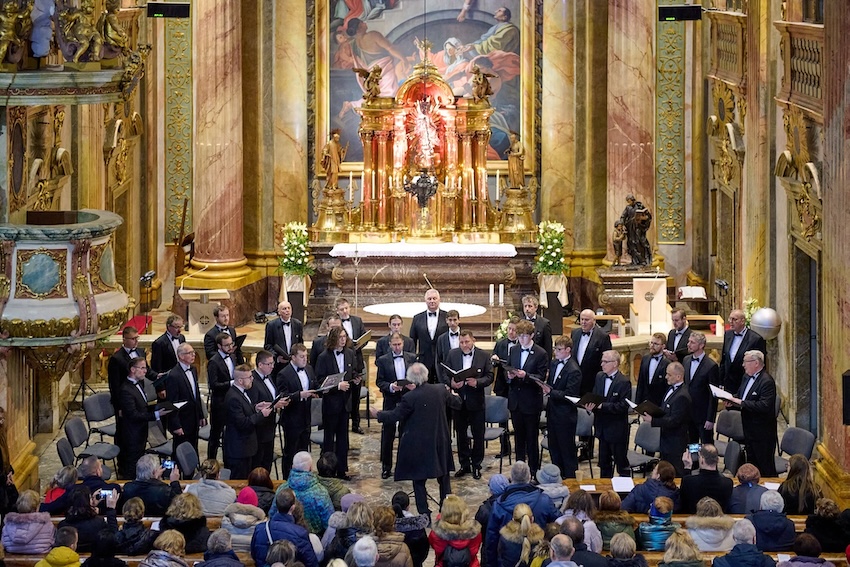
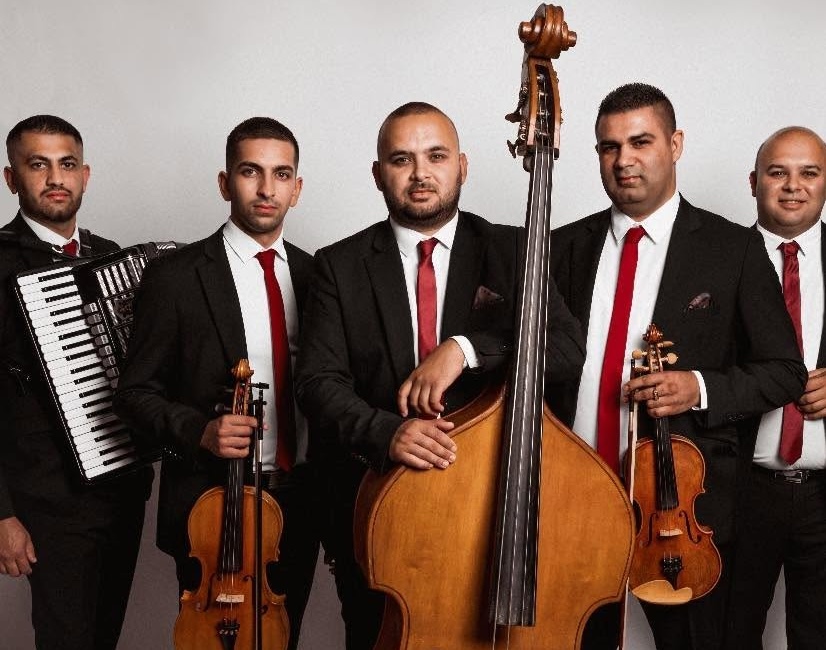
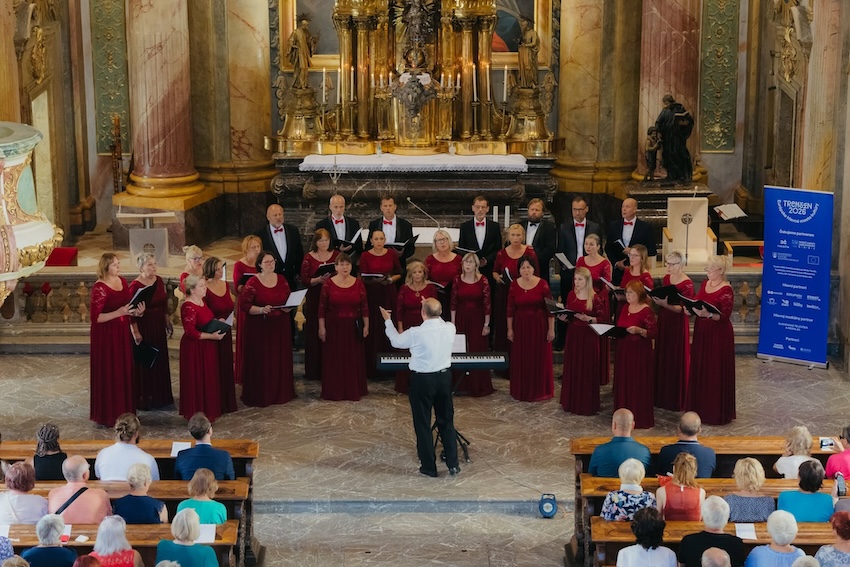
In 2026, Trenčín offers more than 300 diverse events of music, theatre, literature, contemporary art, architecture, design, dance, festivals and public art, involving both local communities and international artists. The programme also extends beyond the city itself, connecting Trenčín with communities across the surrounding region and creating opportunities for cultural exchange.
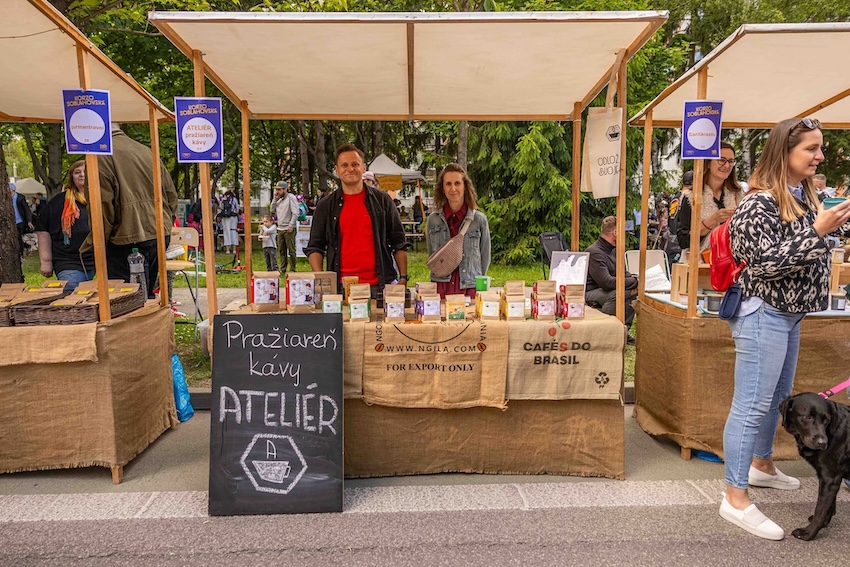
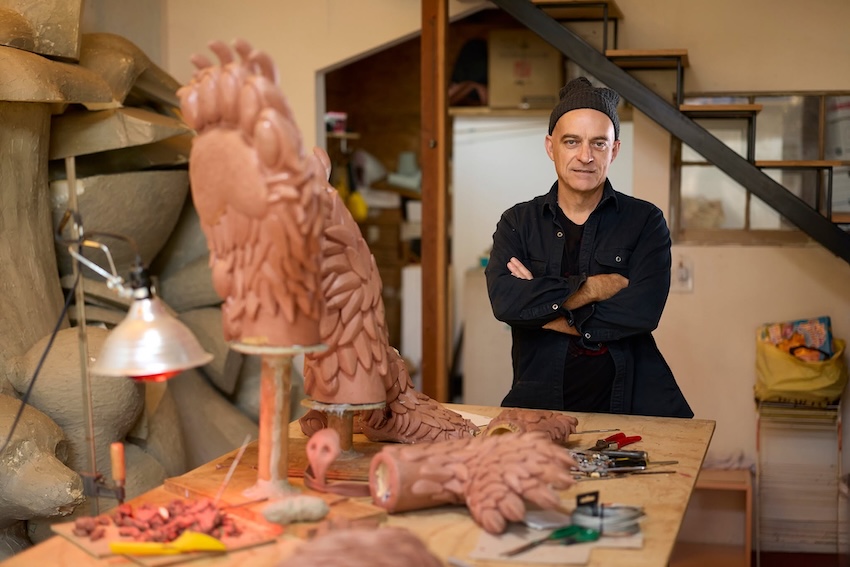
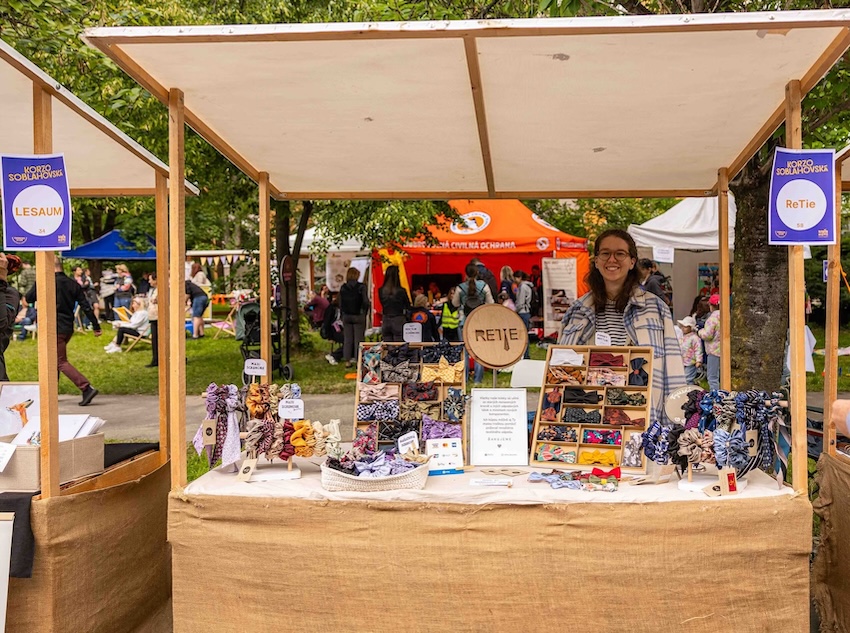
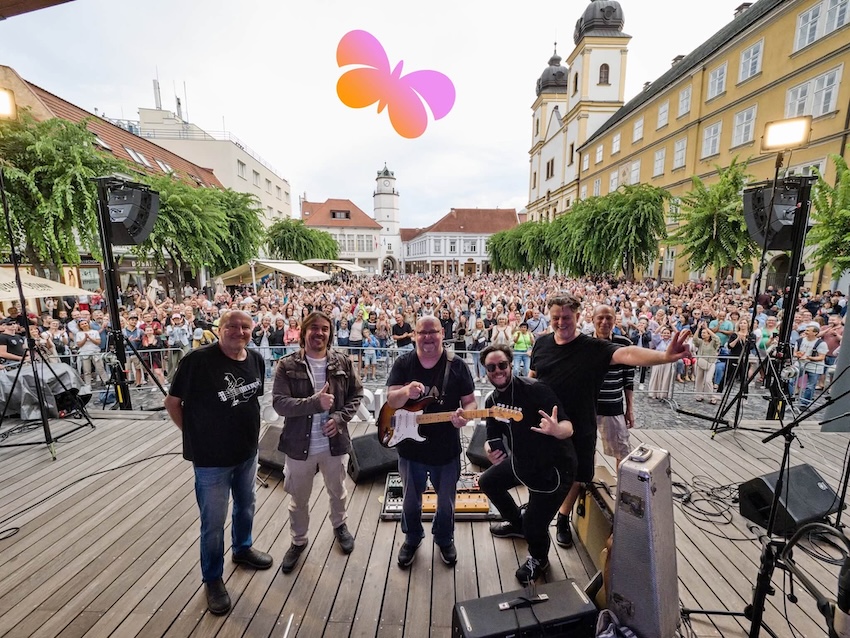
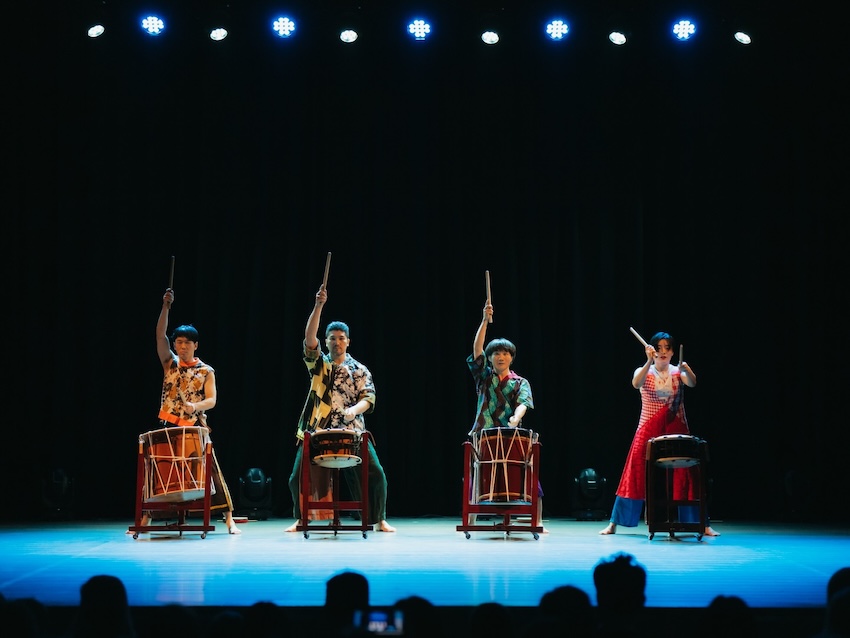
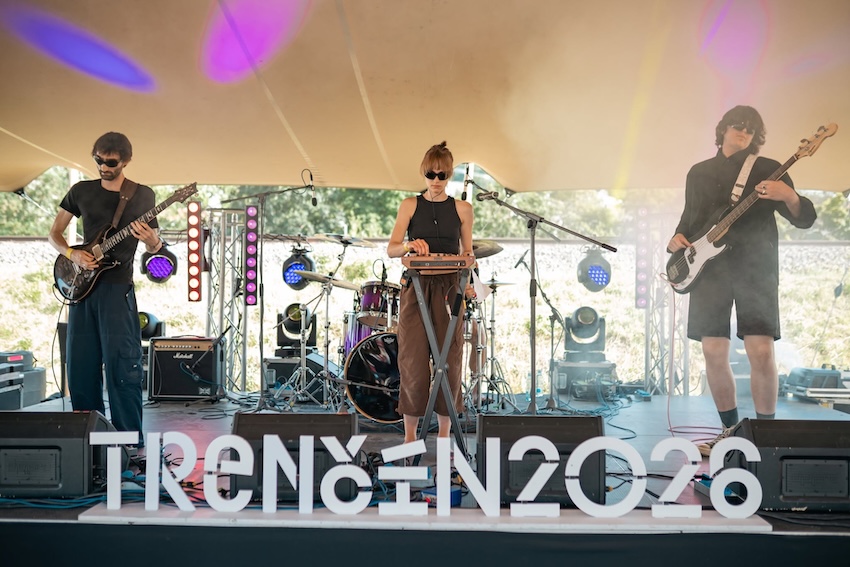
The title of European Capital of Culture has also accelerated the city’s transformation. Historic buildings have been restored, public spaces revitalised, and new cultural venues created, while underused areas have been given new purposes. Investment in cultural infrastructure, education and the creative industries are intended to strengthen the city’s cultural life well beyond 2026.
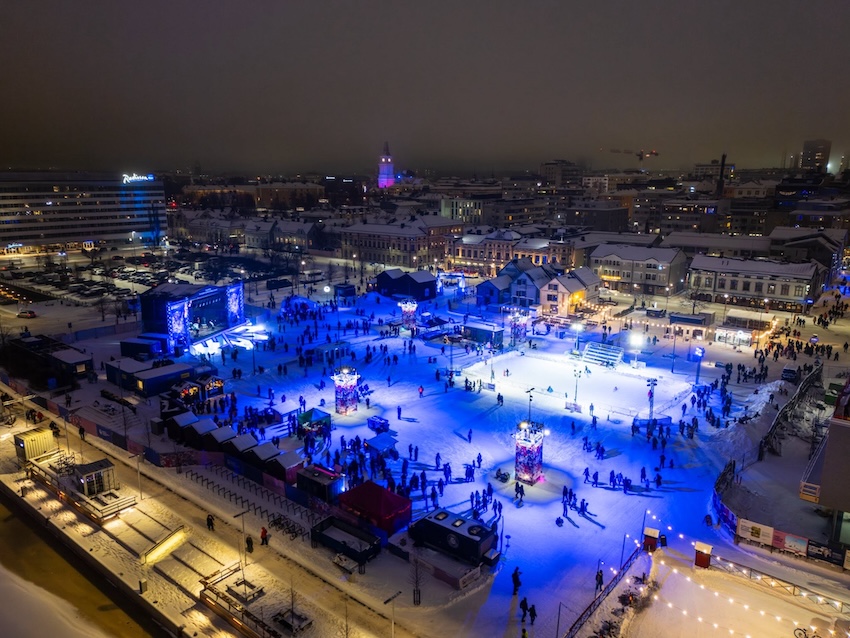
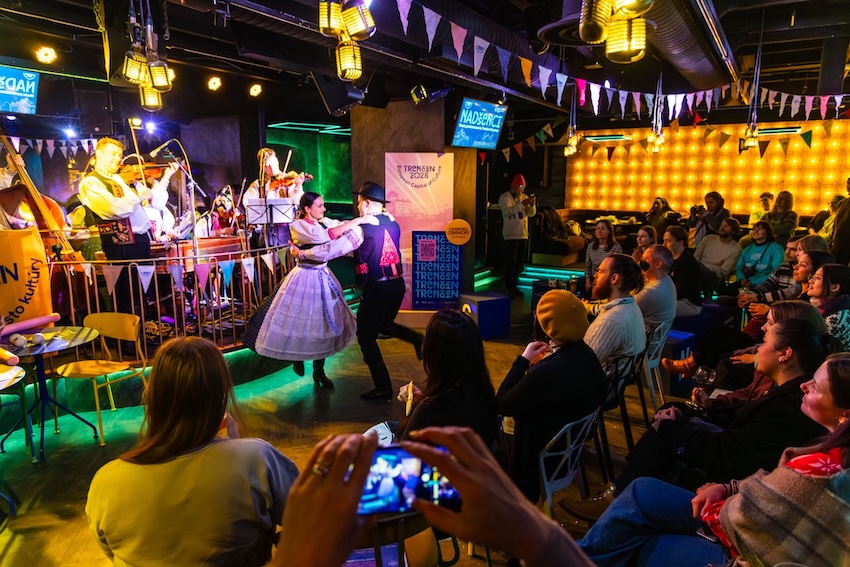
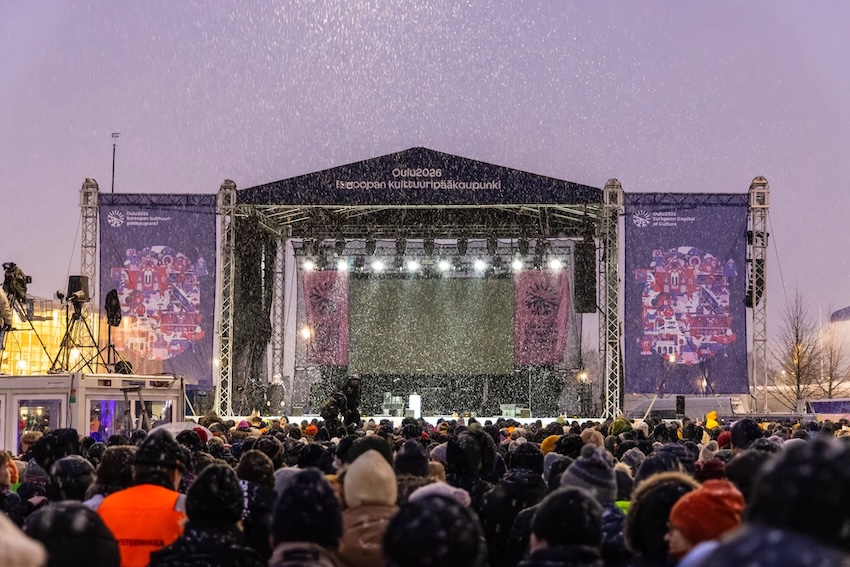
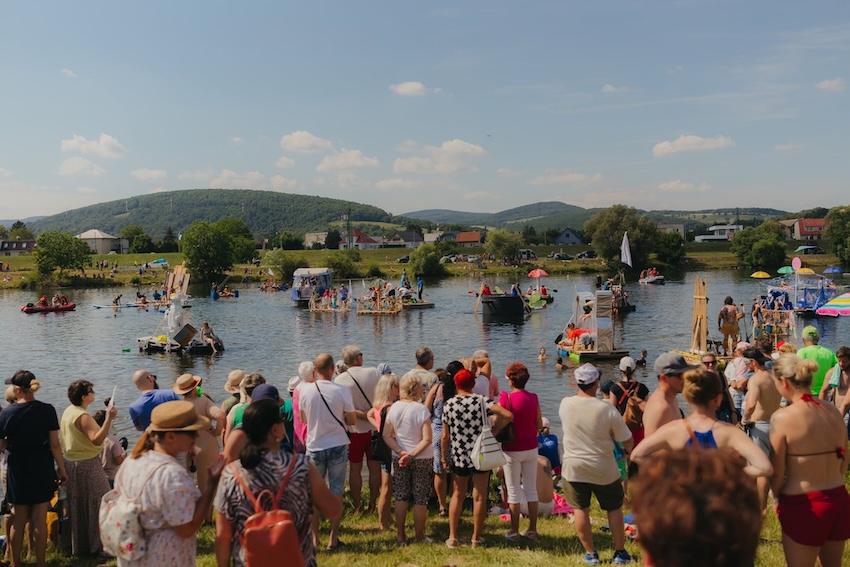
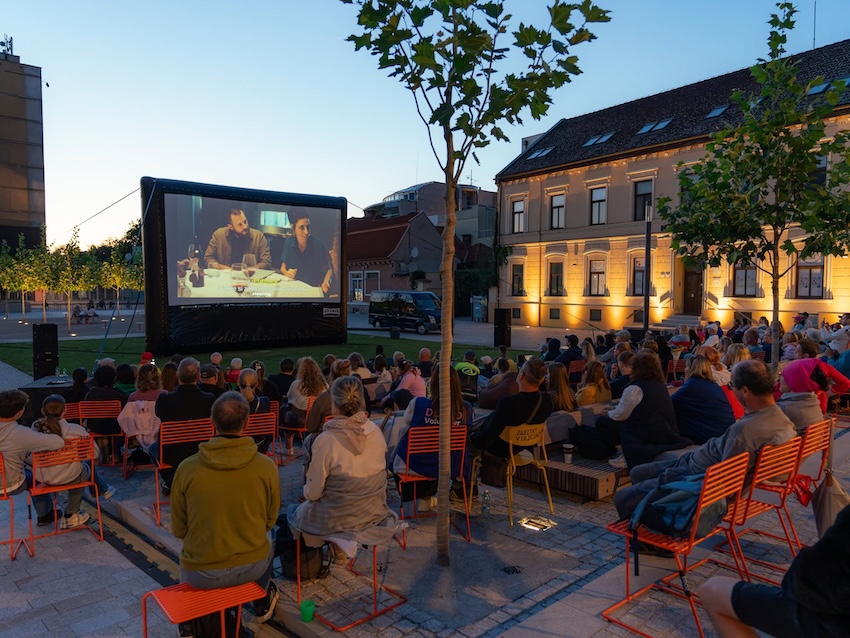
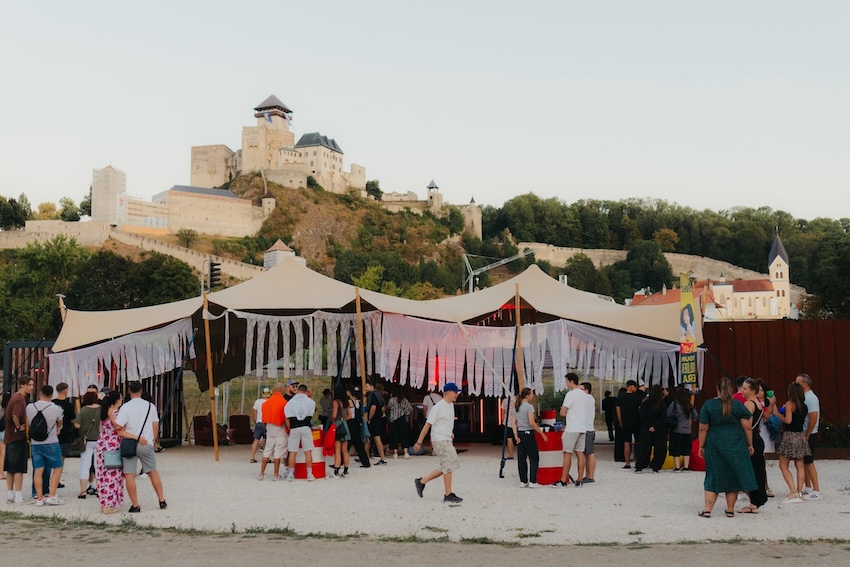
A key objective is to empower residents to become active participants rather than mere spectators. Creative projects, workshops, educational activities and community initiatives encourage people of all generations to contribute their ideas and discover new ways to experience their city.
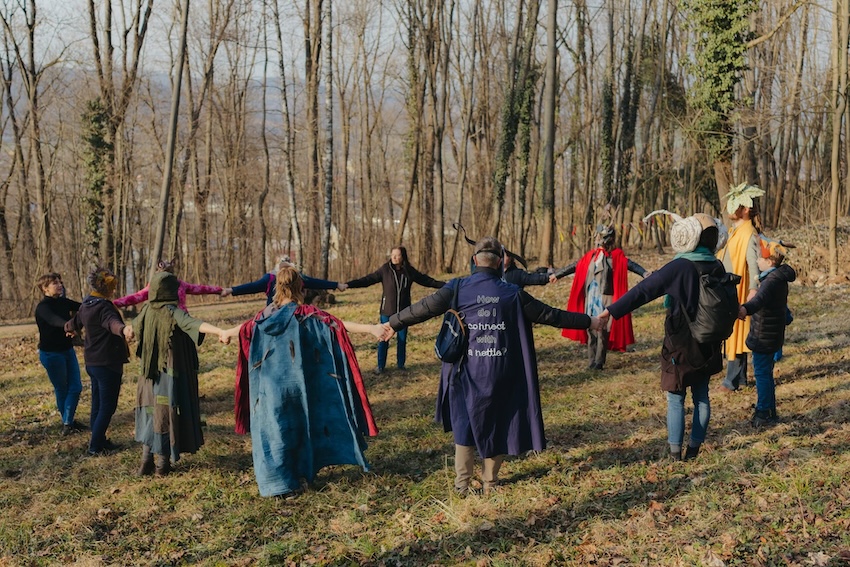
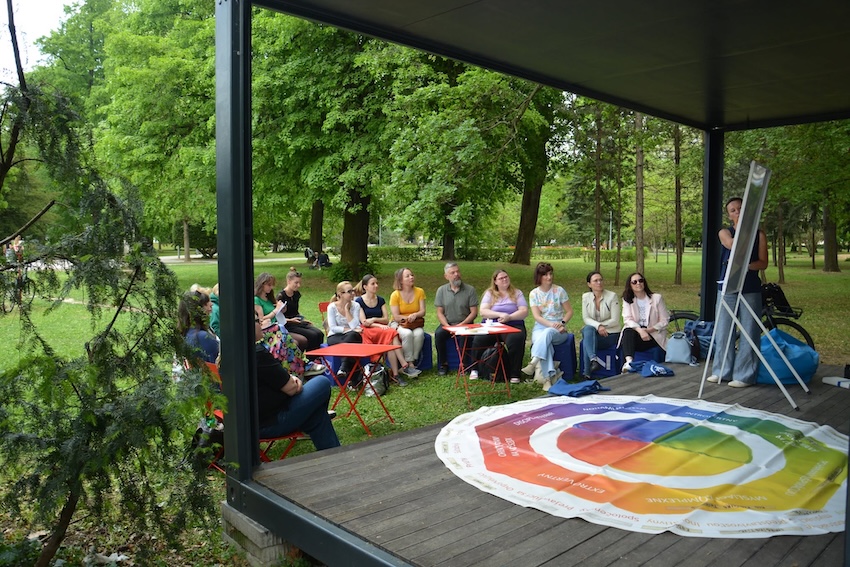
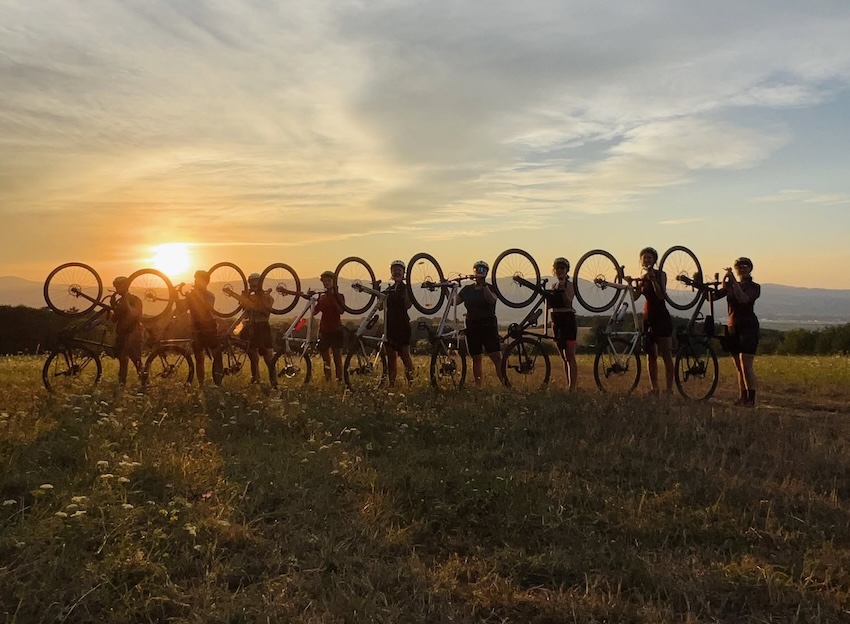
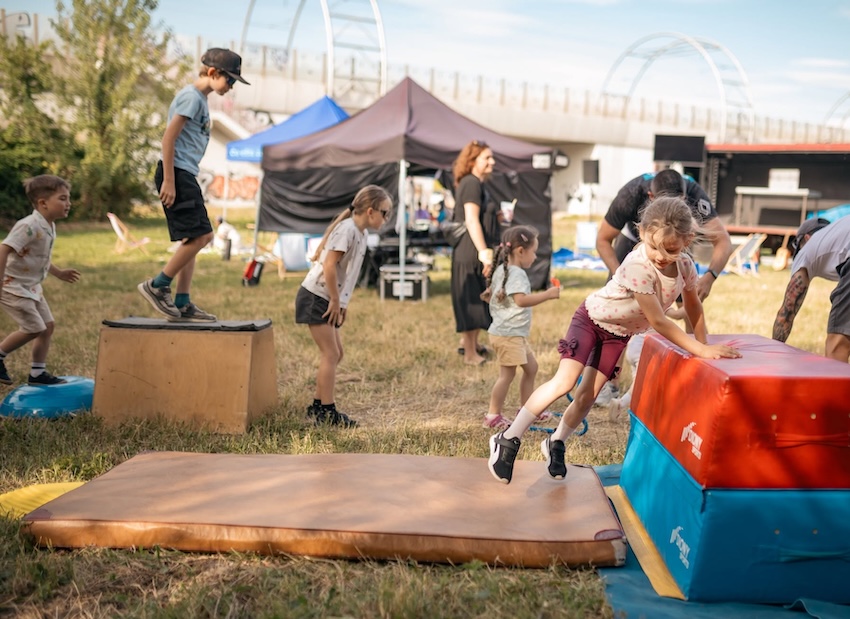
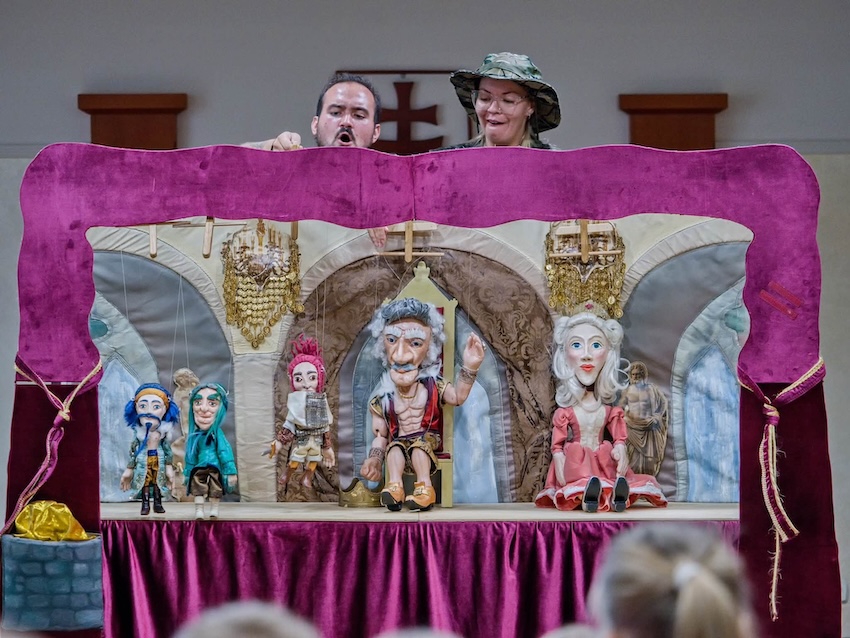
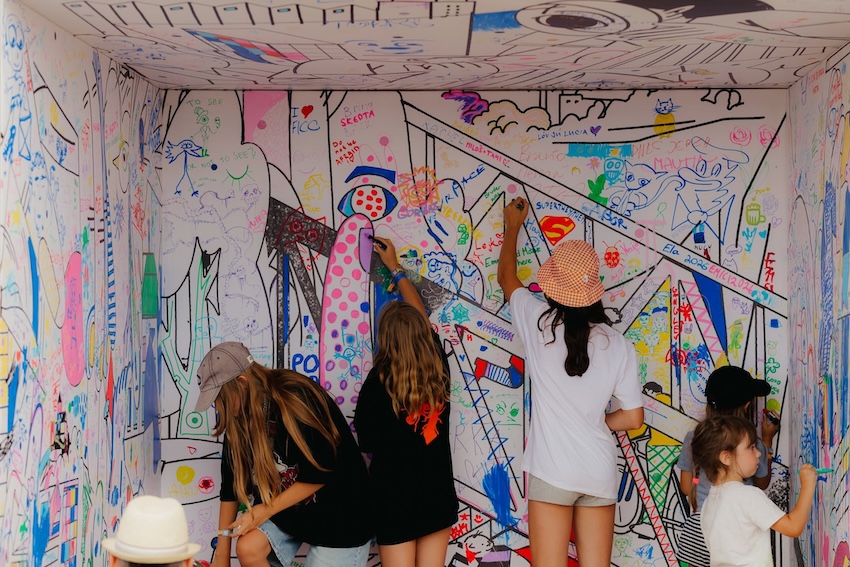
Thus, Trenčín’s year as European Capital of Culture connects its rich Central European heritage with contemporary creativity, using curiosity as a starting point for innovation, community engagement, and long-term cultural development.
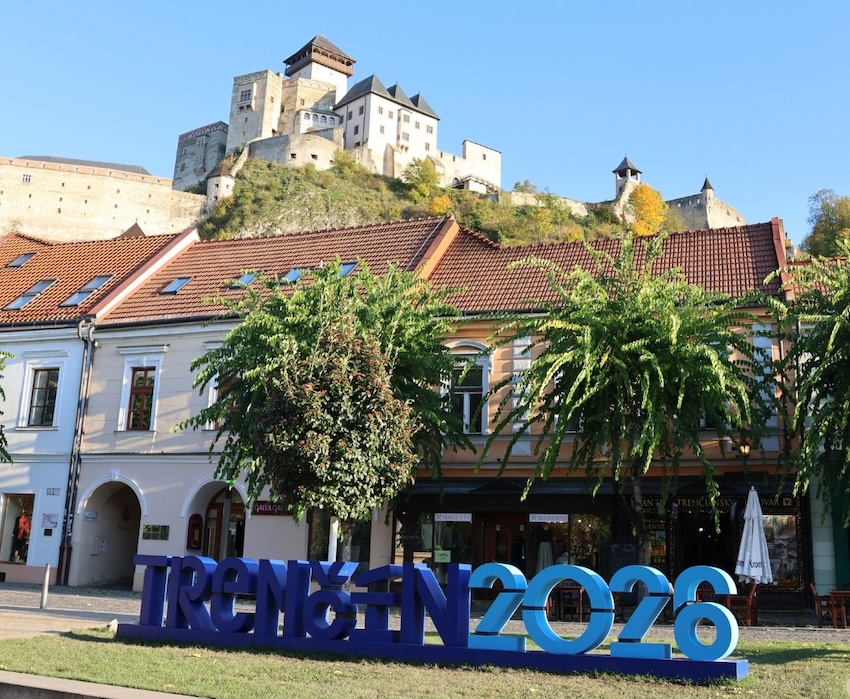
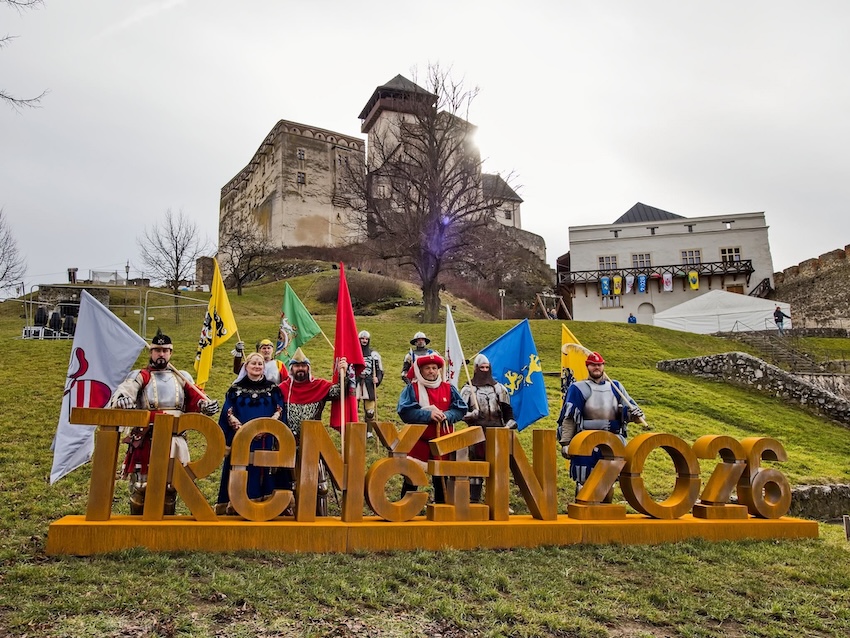
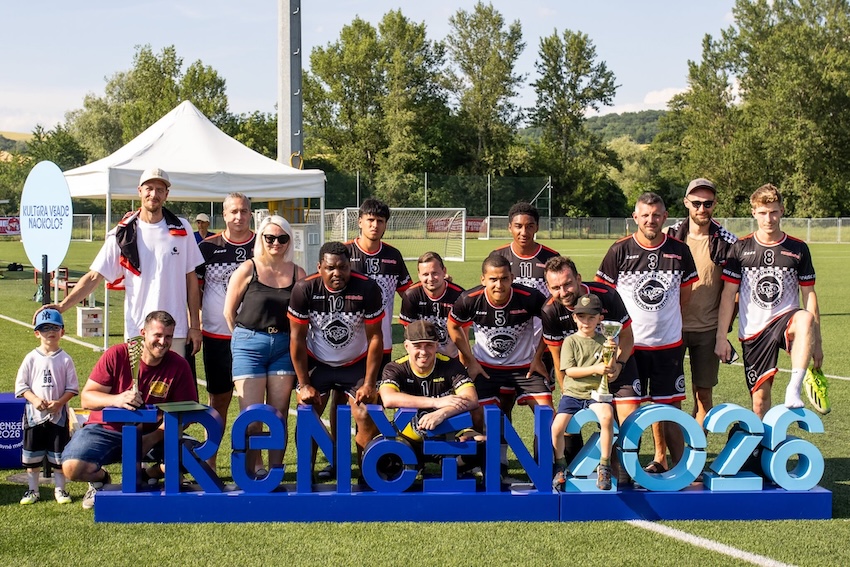

Oulu – Cultural Climate Change
Situated on the shores of the Gulf of Bothnia, just below the Arctic Circle, Oulu is Finland’s fifth-largest city and a leading centre of technology, education, and innovation. Often described as the Capital of Northern Scandinavia, it combines a dynamic cultural scene with advanced research and spectacular Nordic nature.
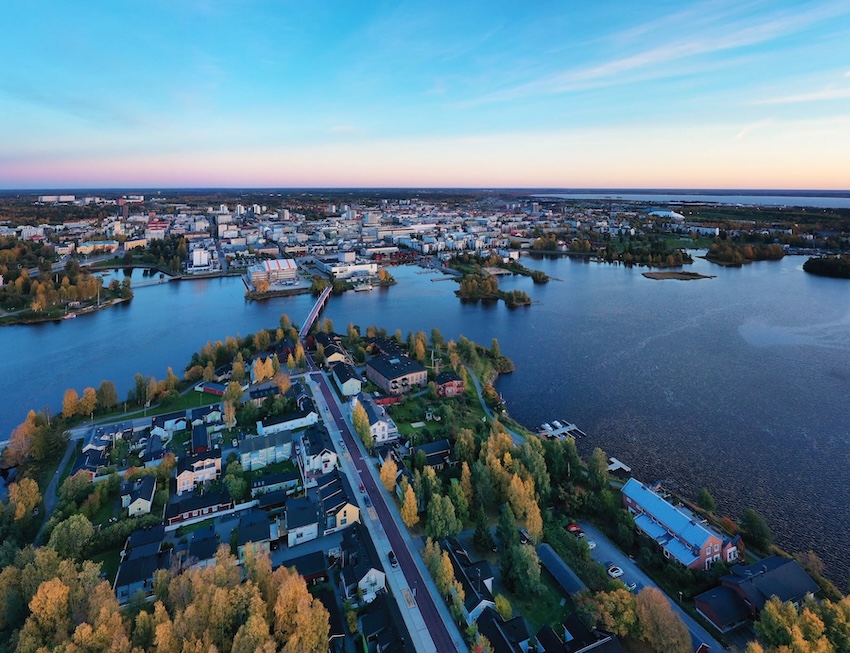
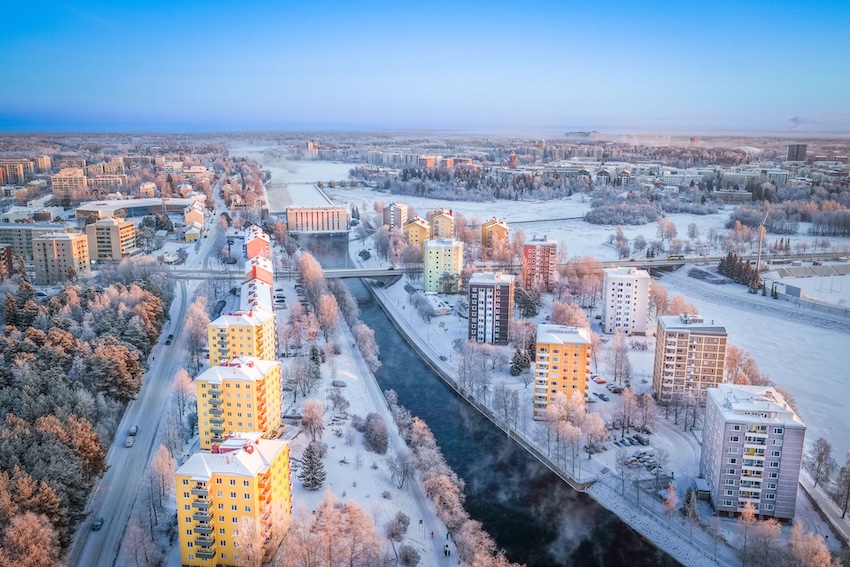
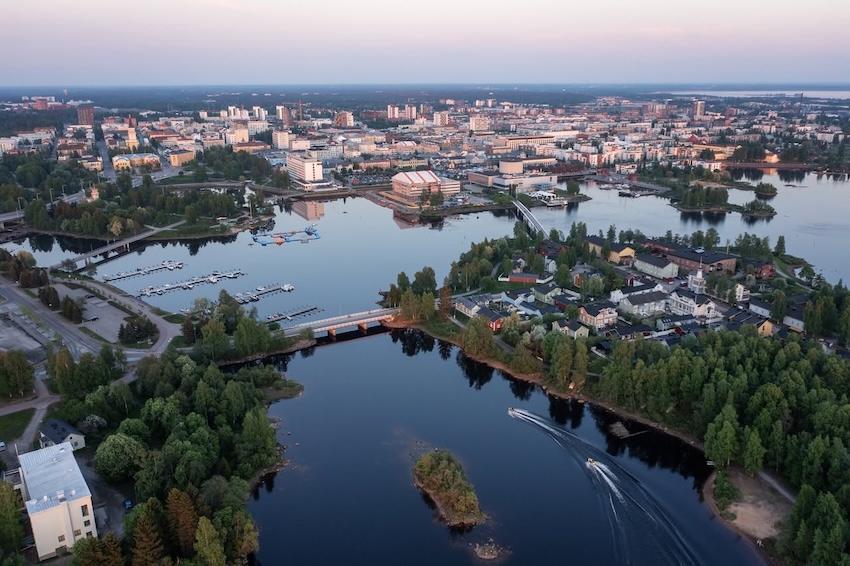
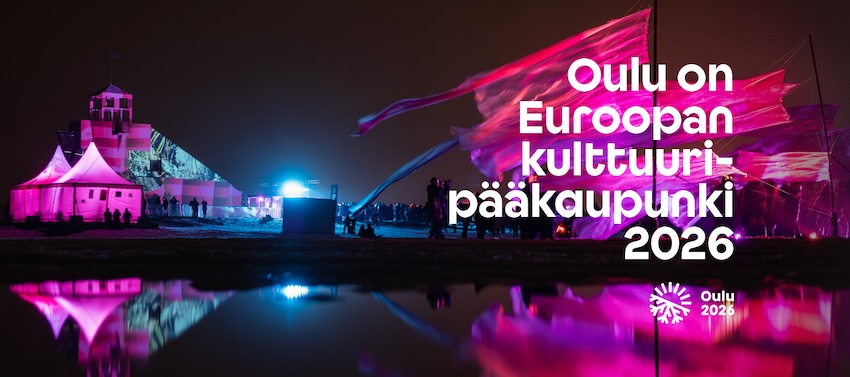
The theme of Oulu’s European Capital of Culture programme is “Cultural Climate Change”, exploring how culture can inspire new ways of thinking, strengthen communities and help society address global challenges.
Oulu is working with 39 partner municipalities across Northern Finland, making the Capital of Culture a genuinely regional project. The programme features around 750 productions, bringing together hundreds of artists, cultural organisations and creative professionals from Finland and across Europe.
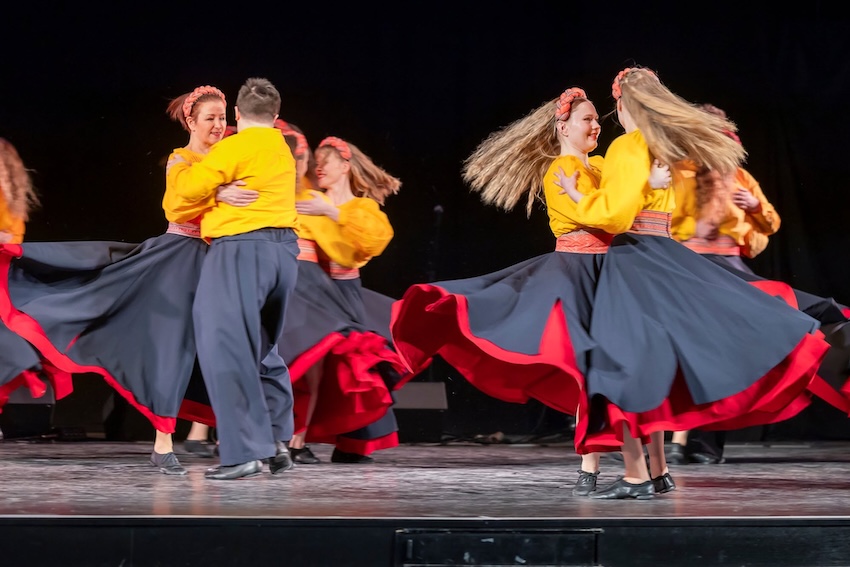
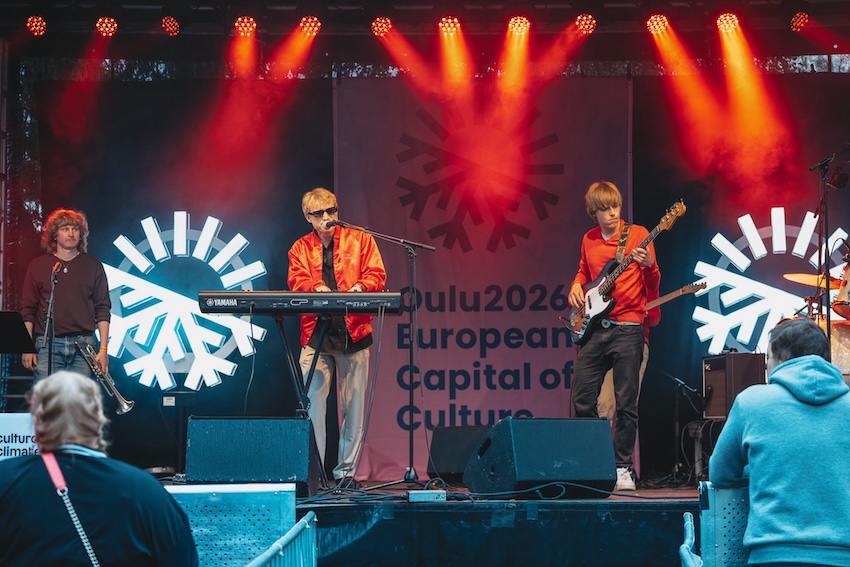
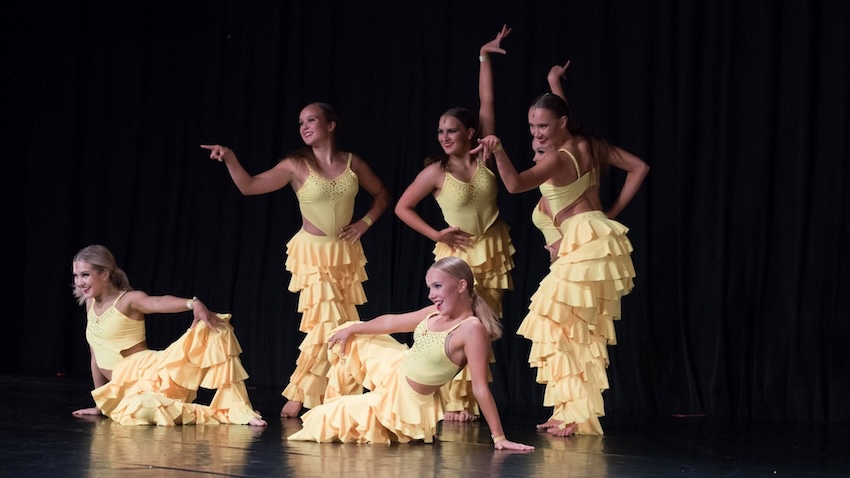
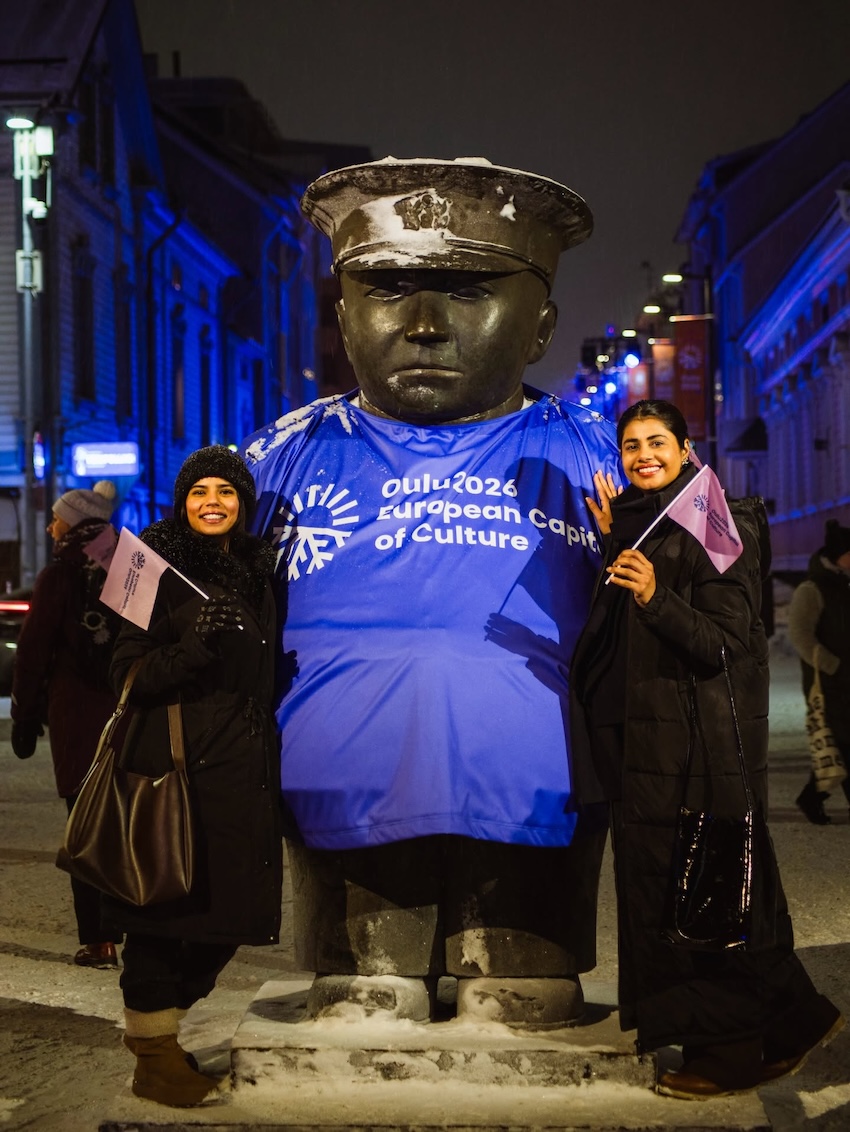
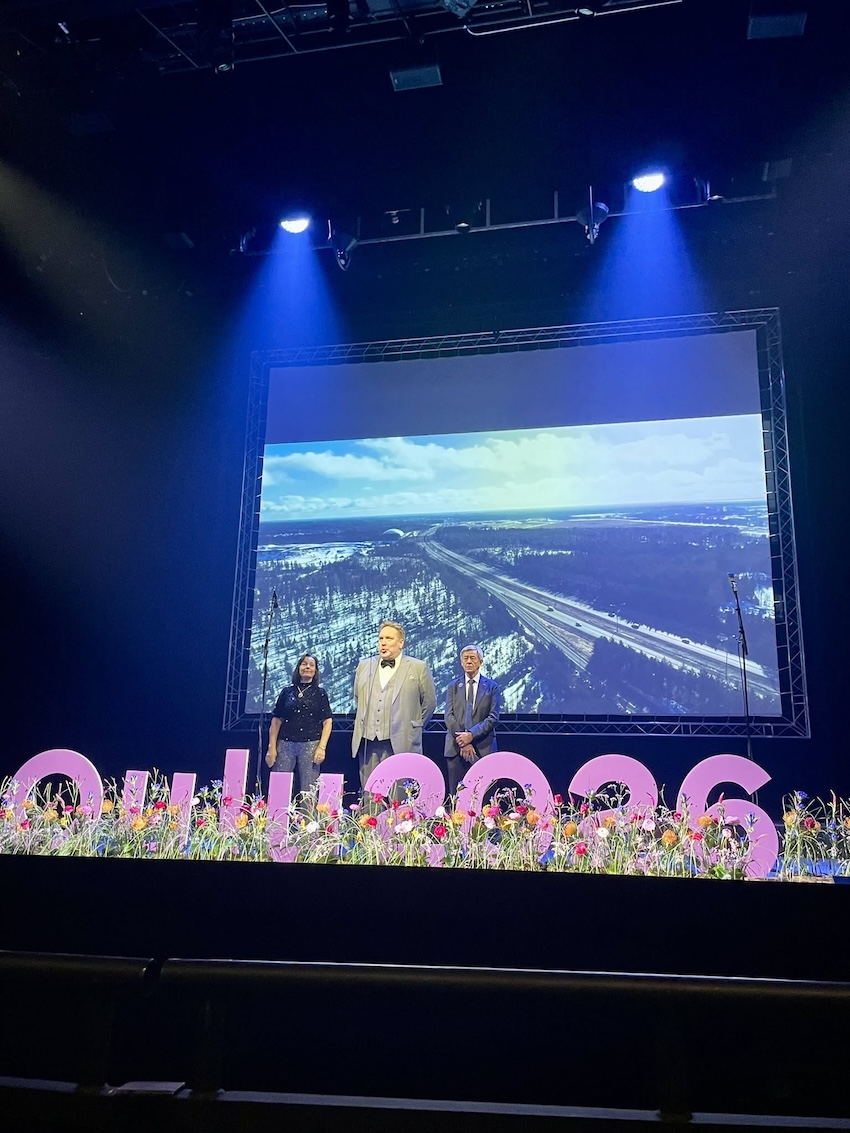
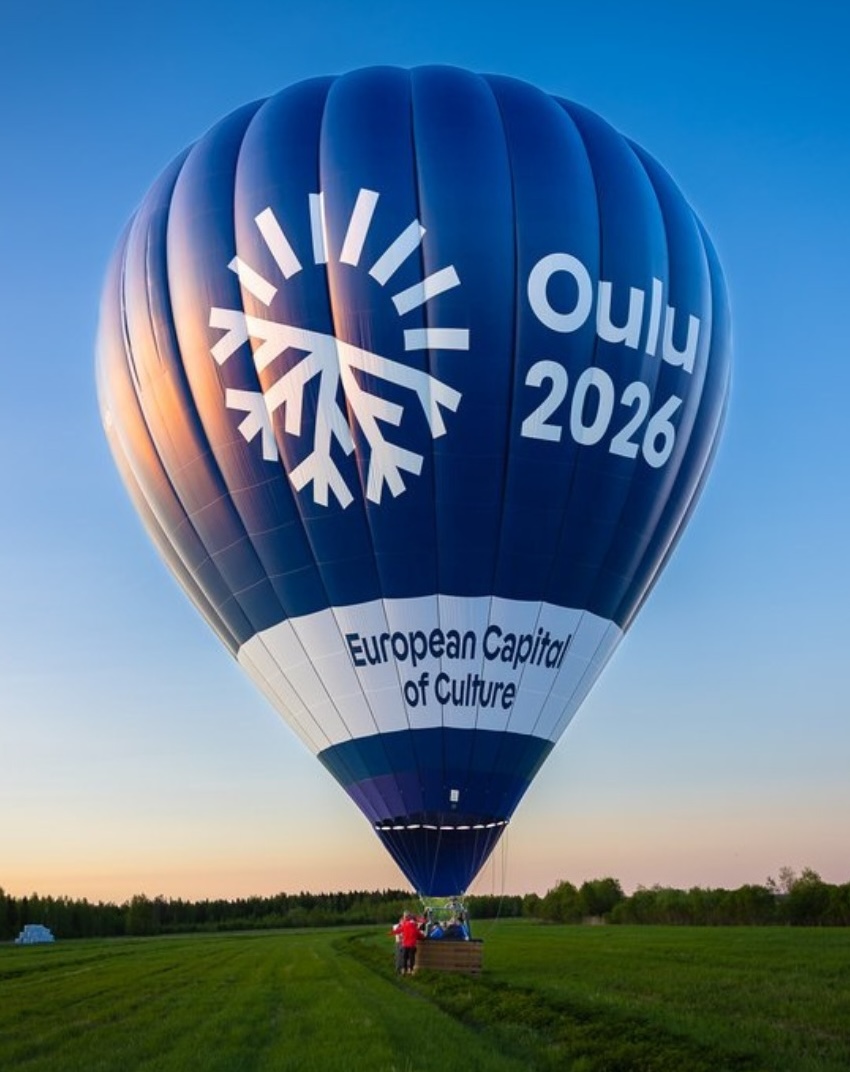

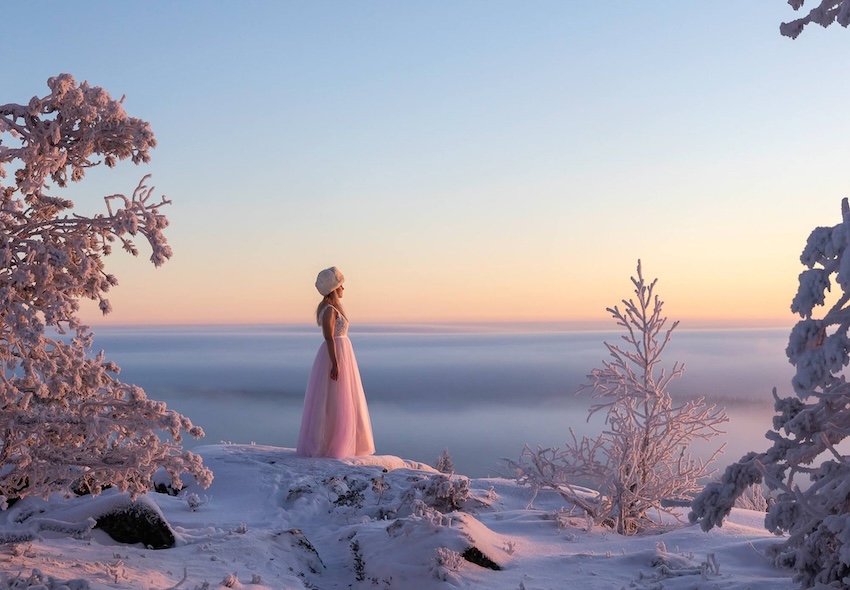
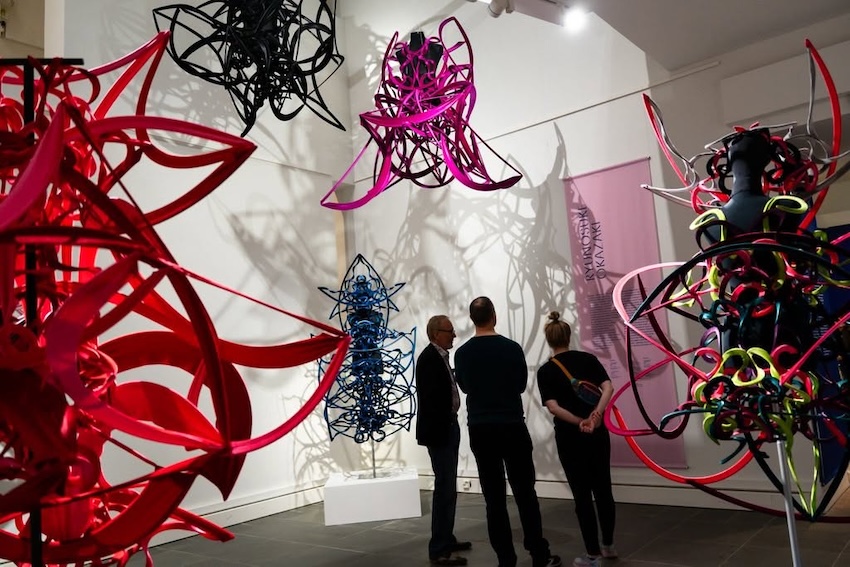
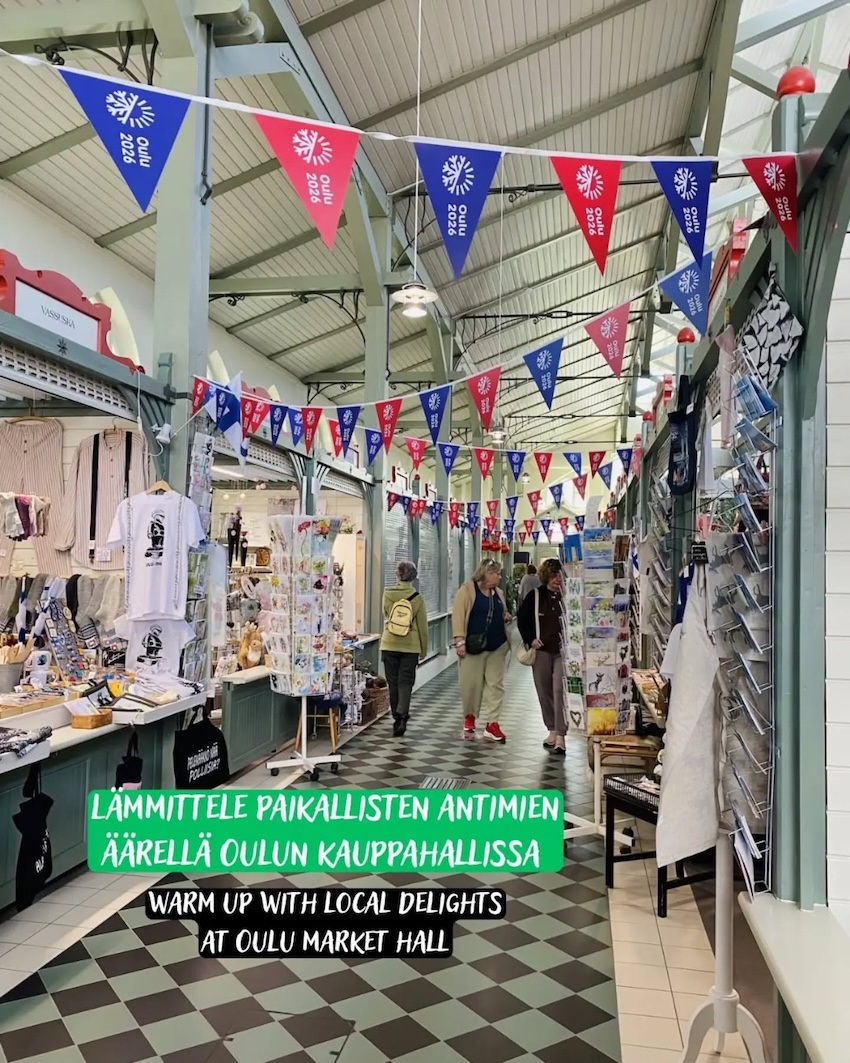
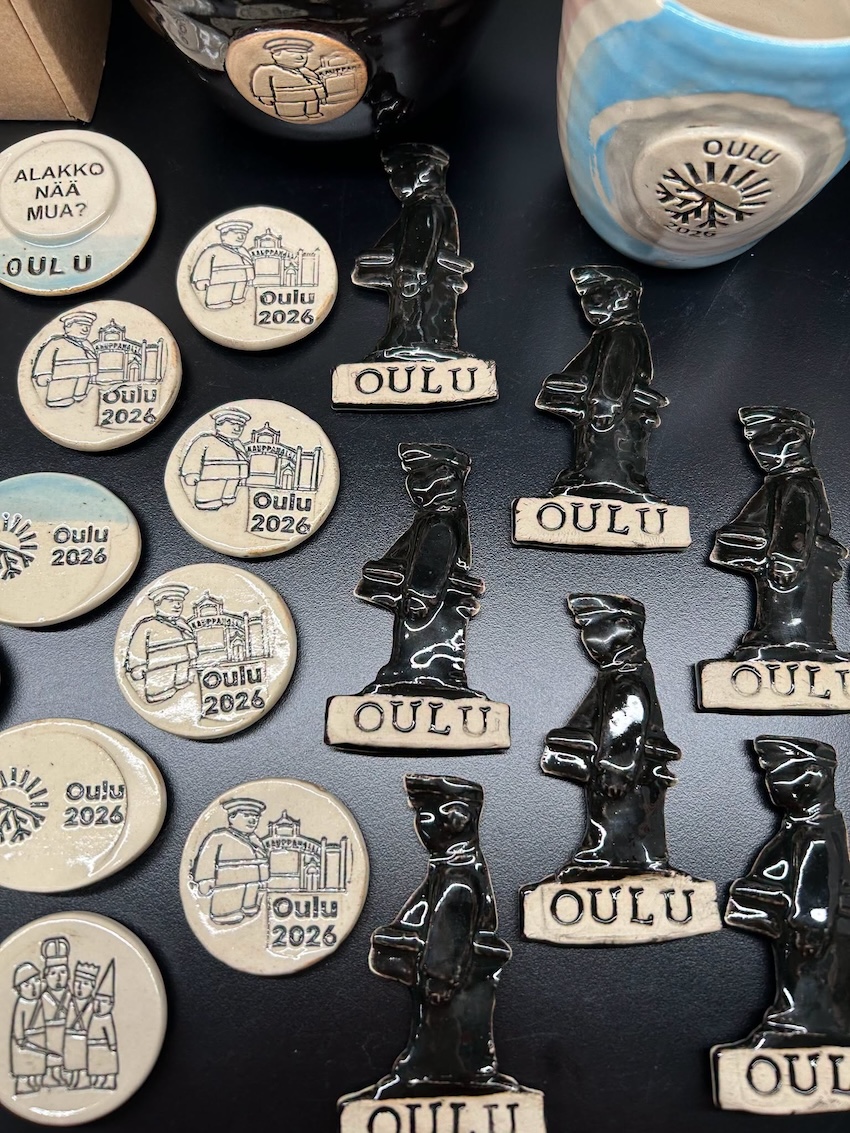
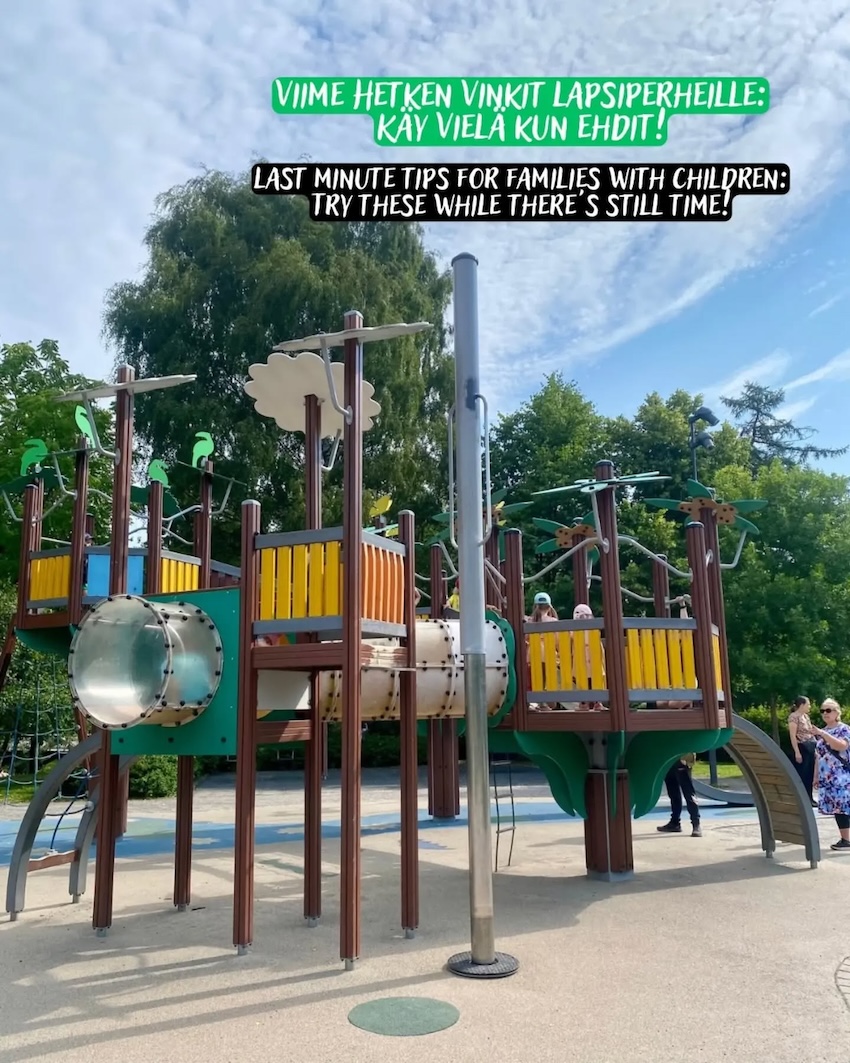
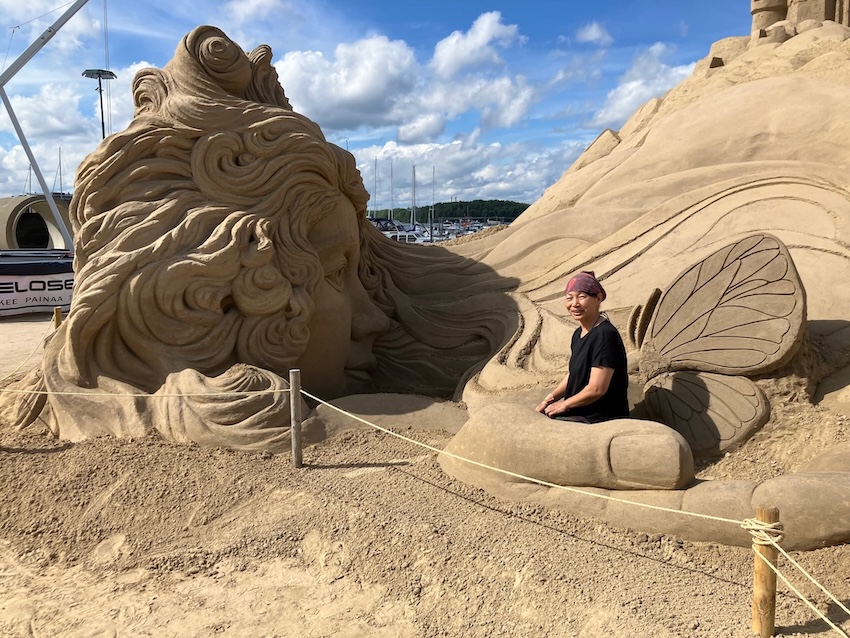
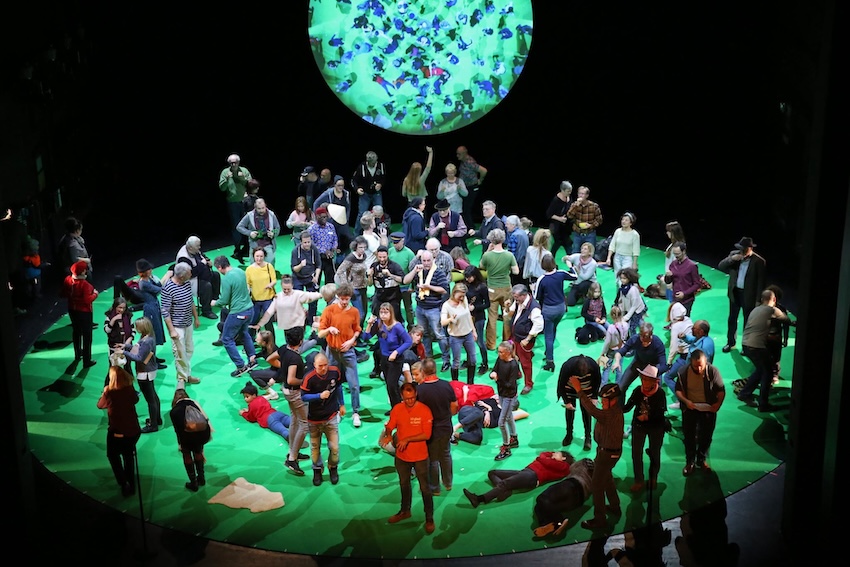
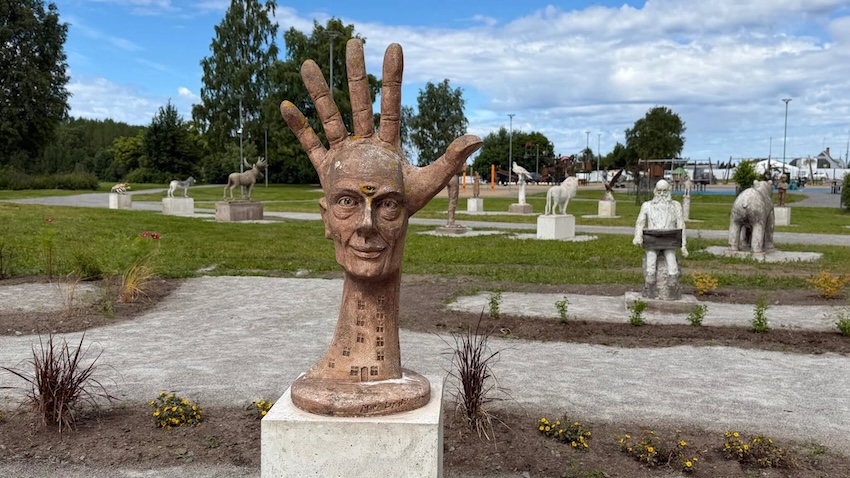
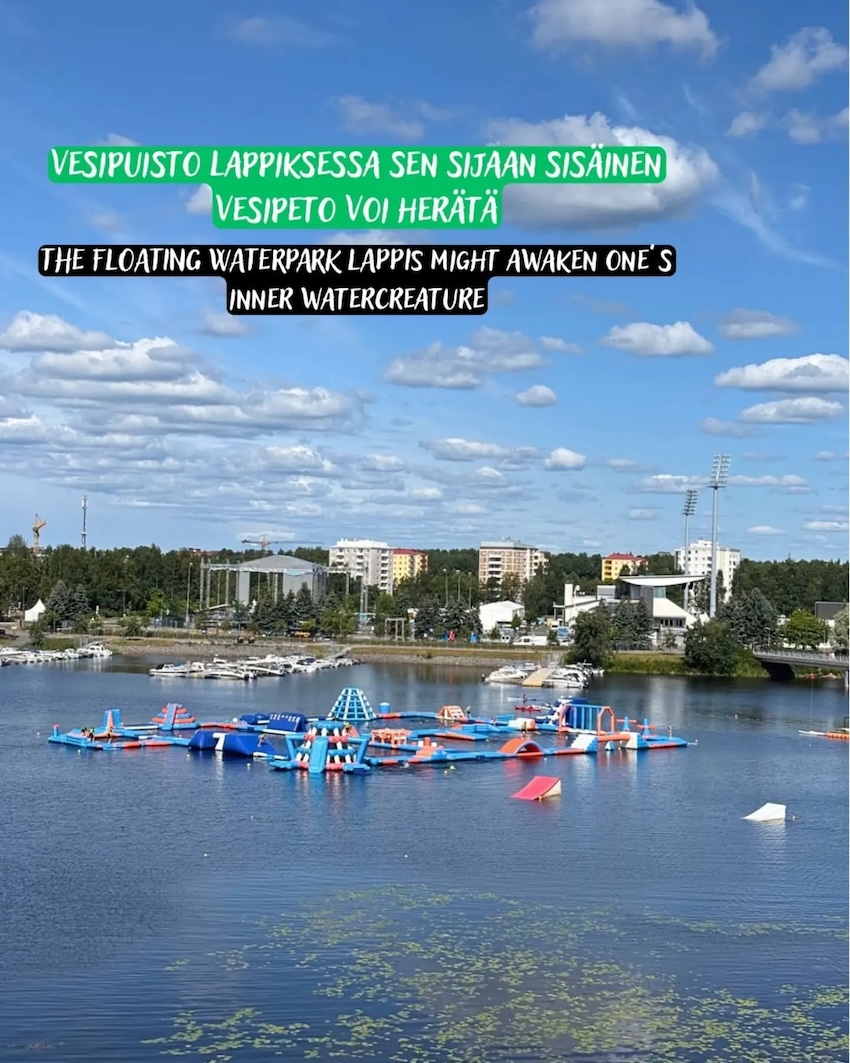
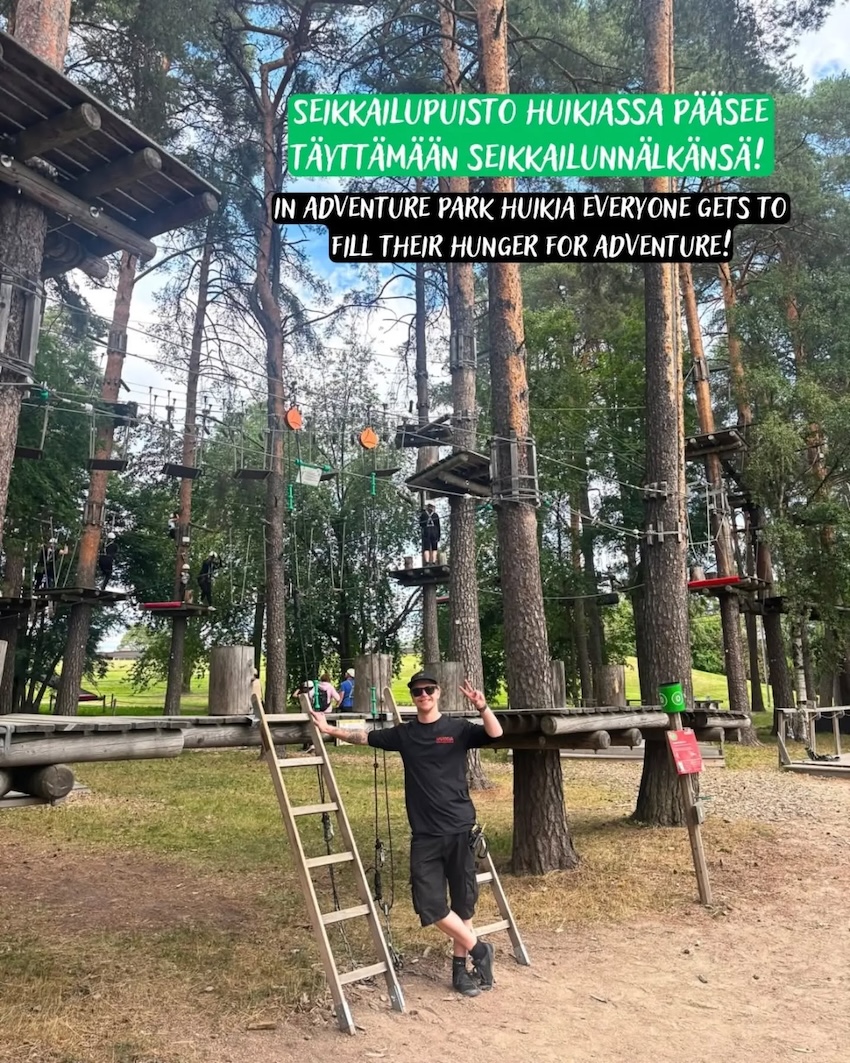
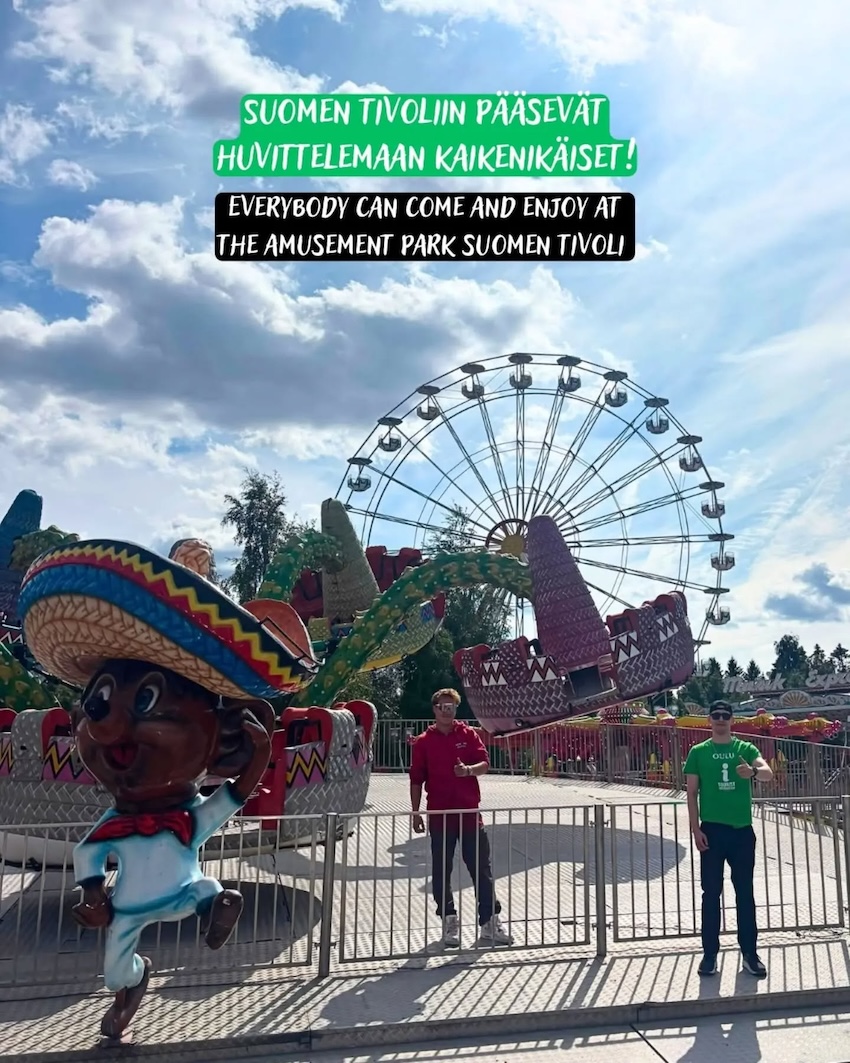
Three themes shape the programme: Brave Hinterland, celebrating the resilience and identity of northern communities; Cool Contrasts, exploring the meeting of tradition and innovation; and Wild City, highlighting the relationship between urban life and the surrounding landscape.
Oulu’s reputation for technology is also reflected in its cultural life, where contemporary art, Sámi culture, digital installations, immersive media and interactive performances converge with innovation. As home to the University of Oulu and a strong technology sector, the city has long been associated with pioneering work in wireless communications and digital technologies.
Nature is equally central to the Oulu experience. Over 600 kilometres of cycling routes, Nallikari Beach, the Oulu archipelago, and the surrounding forests offer abundant opportunities to explore the outdoors. In summer, visitors can experience the Midnight Sun, while winter beckons with a spectacular snowscape and the chance to see the Northern Lights.
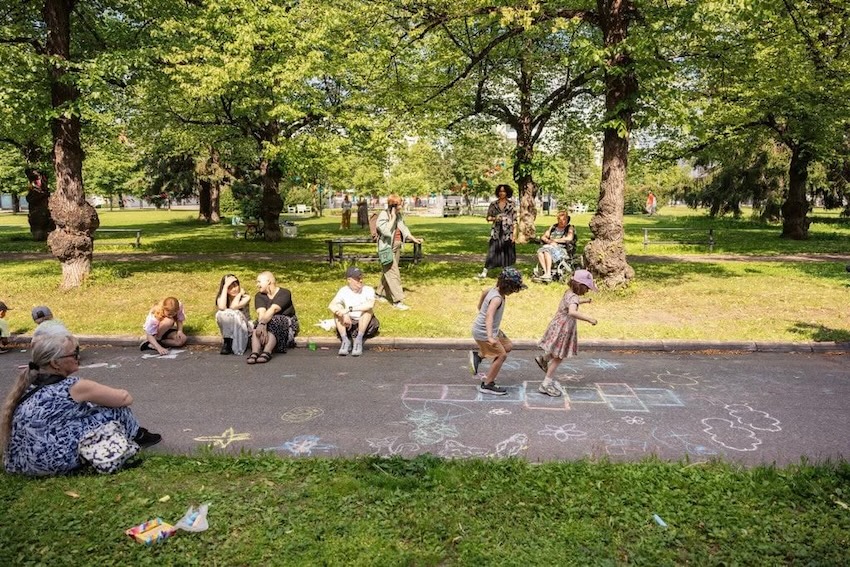
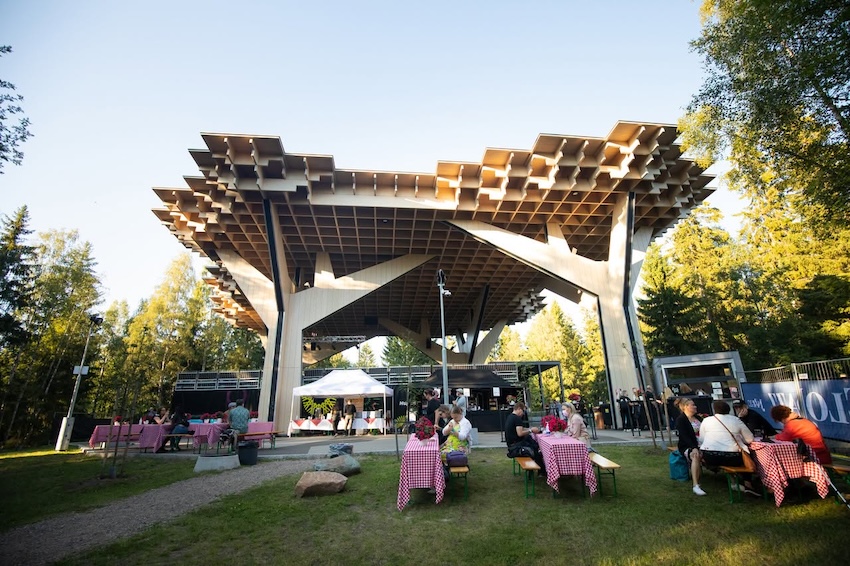
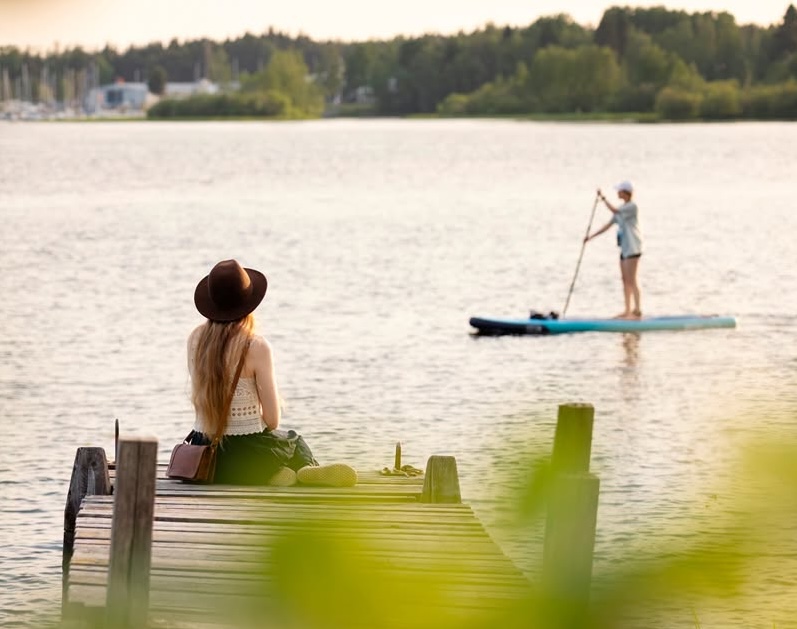
Food is another important part of the Oulu2026 experience. The Arctic Food Lab celebrates the flavours and culinary traditions of Northern Finland, bringing together local producers, restaurants and gastronomy experts. Northern ingredients and traditions are transformed into contemporary culinary experiences, giving visitors another way to discover the character of the region.
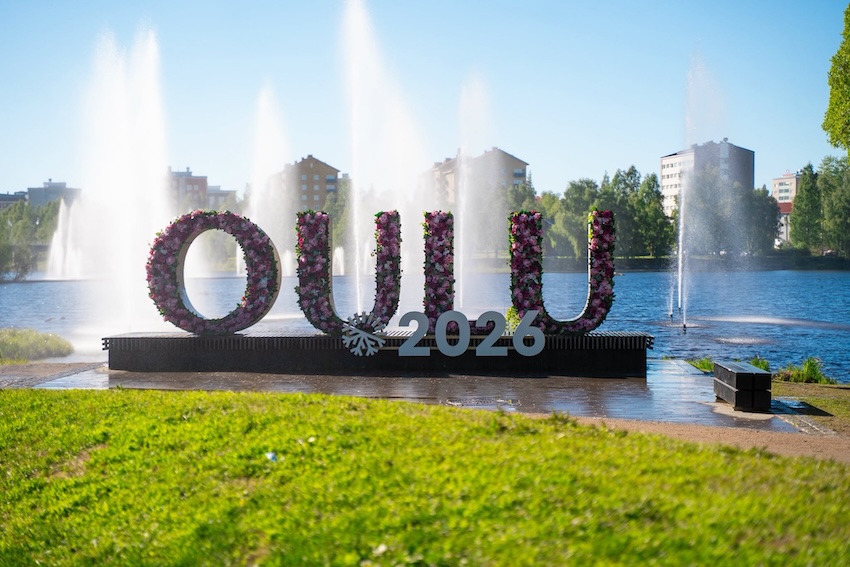
Air Guitar – Oulu’s Most Unusual Cultural Tradition
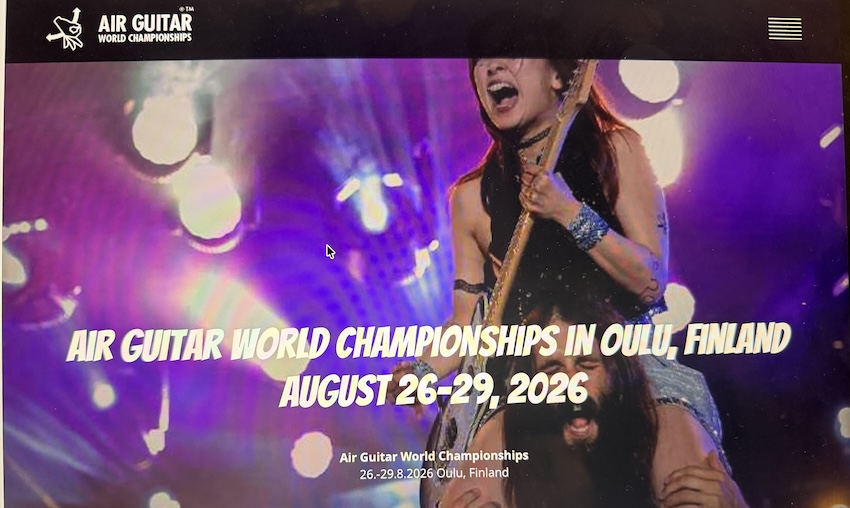
Oulu is internationally recognised for hosting the Air Guitar World Championships, which have been held in the city since 1996. The 2026 championship takes place between 26–29 August as part of the Oulu2026 celebrations. Competitors from around the world perform with imaginary guitars, combining music, humour, stage presence, and showmanship.
With its famous motto “Make Air Not War”, the competition promotes peace through playful performances. Its philosophy is simple: when you play air guitar, you cannot hold a weapon. The event perfectly captures Oulu’s unconventional spirit and its belief that culture should be open and accessible to everyone.
Culture Creating Lasting Change
Although Trenčín and Oulu differ significantly in geography, climate and cultural traditions, they share a vision of culture as an investment in the future. Their programmes encourage participation, strengthen local identity, support creative communities, and build stronger connections between people and places. Together, the two cities reveal the remarkable diversity of Europe – from the medieval heritage of Central Europe to the innovative Arctic communities of Northern Finland. In times of profound social and geopolitical challenges, Trenčín and Oulu demonstrate how culture can open minds, connect communities, and create lasting change.
European Capitals of Culture 2027
Liepāja – Latvia
In 2027, Liepāja, Latvia’s vibrant Baltic Sea port, known as the “City Where the Wind is Born”, will become a European Capital of Culture. Famous for its music scene, sandy beaches, Art Nouveau architecture, and the striking Great Amber Concert Hall, the city will present a year-long programme under the overarching theme “(un)rest”.
Évora – Portugal
Évora, a UNESCO World Heritage Site in Portugal’s Alentejo region, is renowned for its remarkably well-preserved Roman Temple, medieval cathedral, whitewashed streets and rich traditions of gastronomy, wine and crafts. Its programme is centred on “Vagar”, a Portuguese concept of living slowly, reflecting deeply and creating thoughtfully. Throughout 2027, the programme will celebrate the heritage, arts and sustainable development of Évora and the wider Alentejo region.
Sources: trencin2026.eu – oulu2026.eu – https://airguitarworldchampionships.com