“Morocco remains a responsible, reliable, and steadfast international partner.” – Her Excellency Ambassador Karima Kabbaj
Edited by Anna Popper
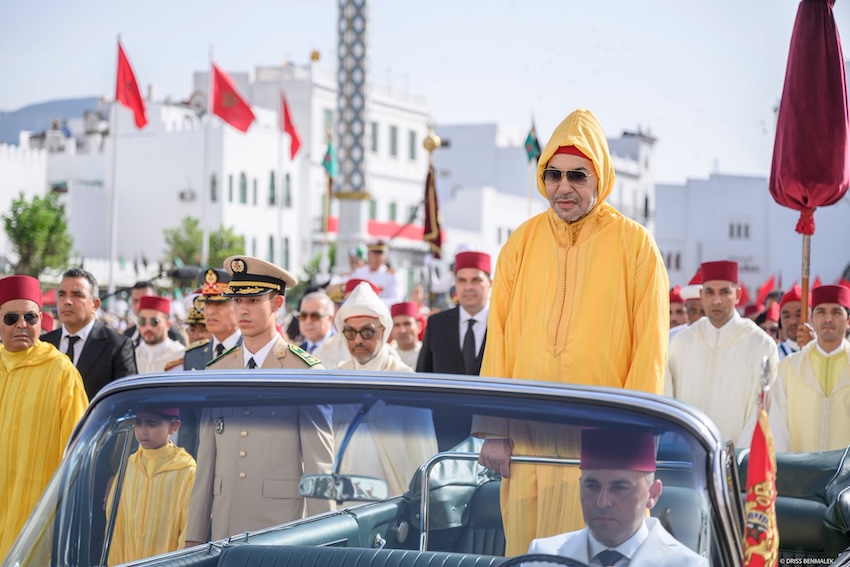
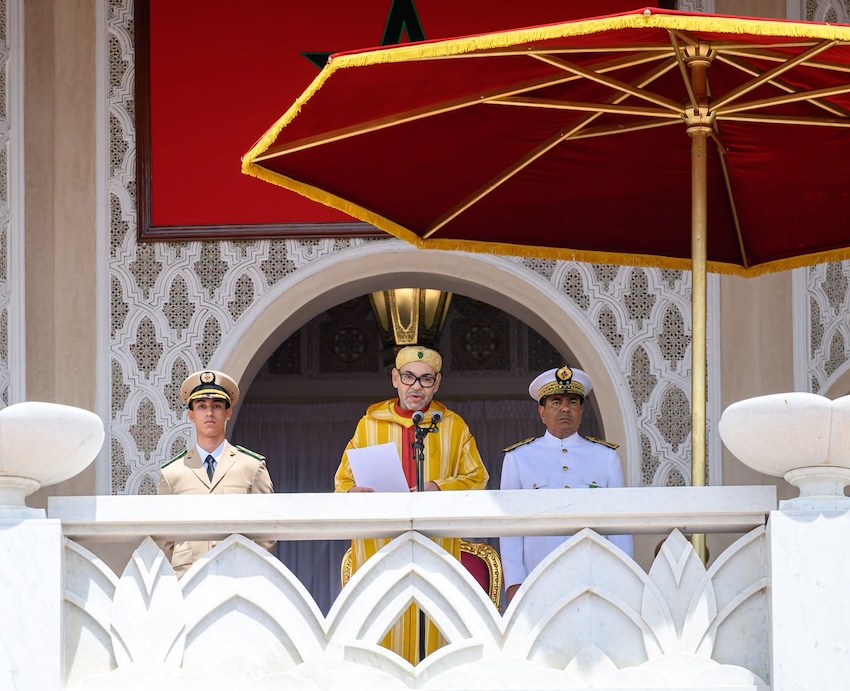
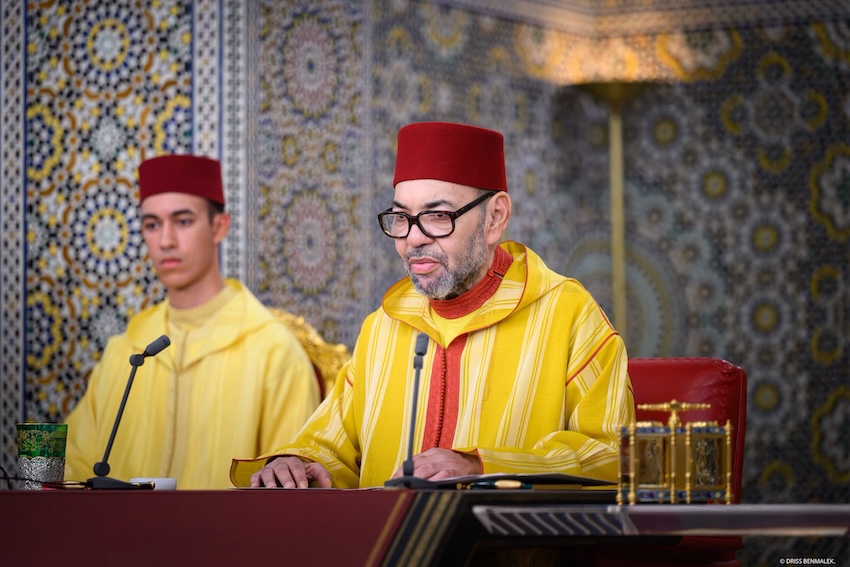
His Majesty King Mohammed VI of Morocco ascended the throne on 30 July 1999, succeeding his father, the late King Hassan II. Observed each year on 30 July, Throne Day is a deeply symbolic national occasion, representing the unwavering loyalty and allegiance of the Moroccan people to their Sovereign and to the Alaouite dynasty, which has ruled Morocco for nearly four centuries since its founding in the 17th century. The day also provides an opportunity to highlight Morocco’s achievements under the leadership of King Mohammed VI, to reflect on the country’s social and economic progress, and to look towards its continued development.
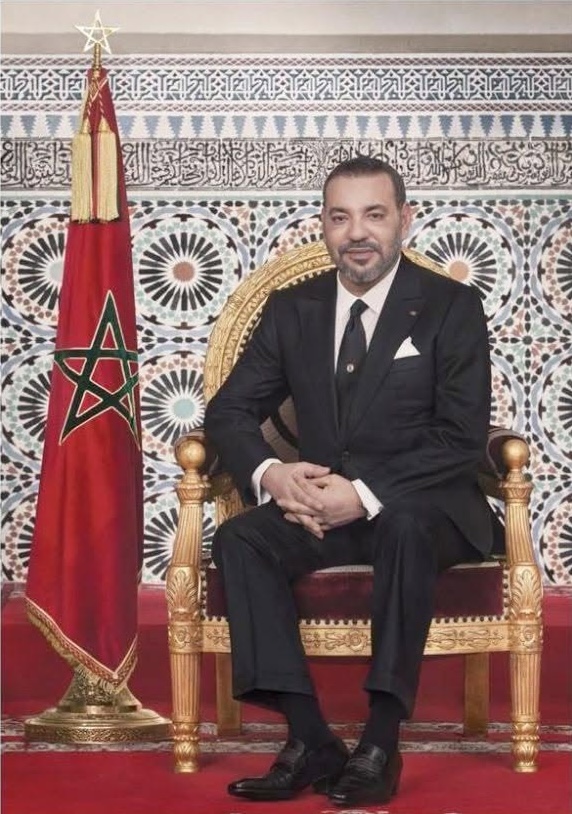
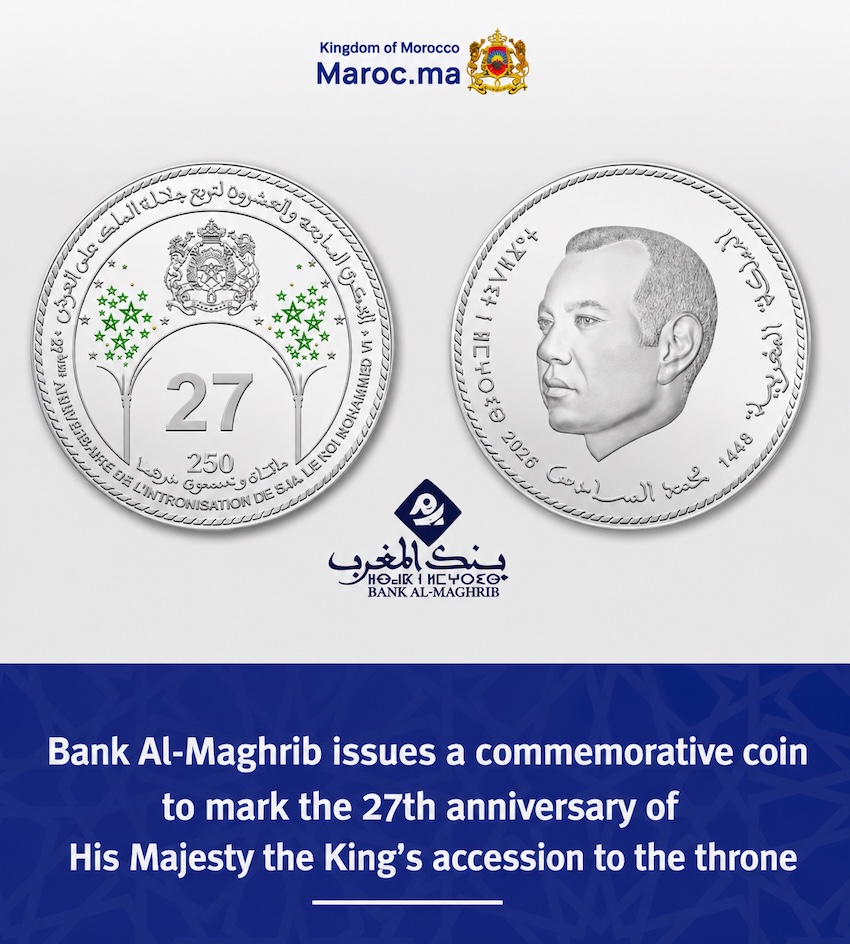
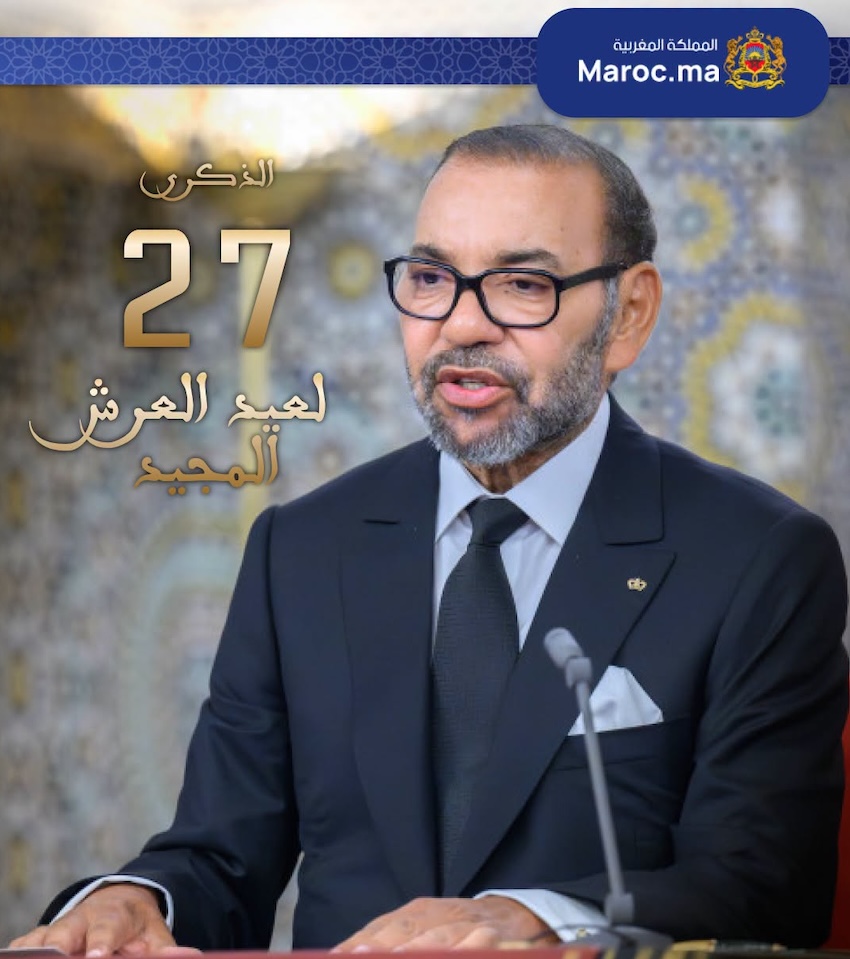
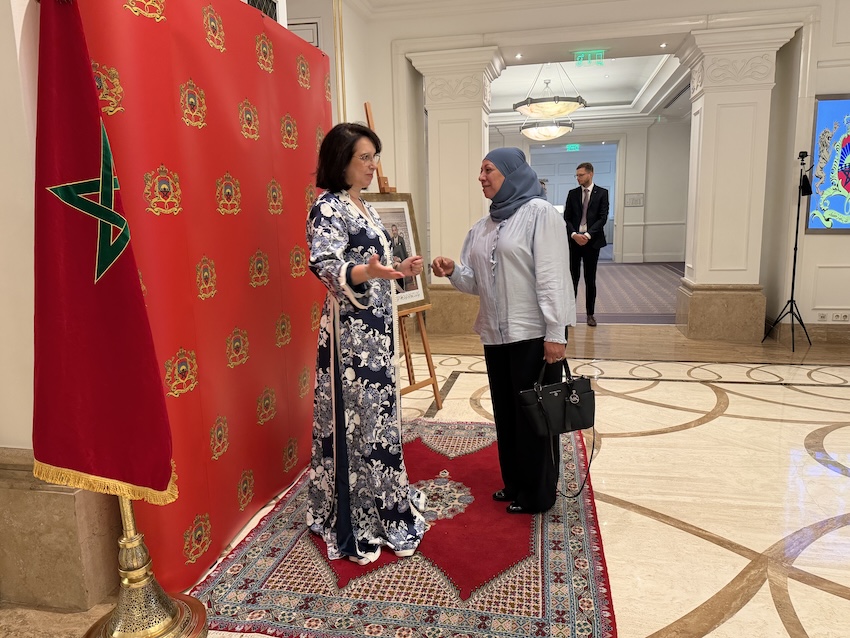
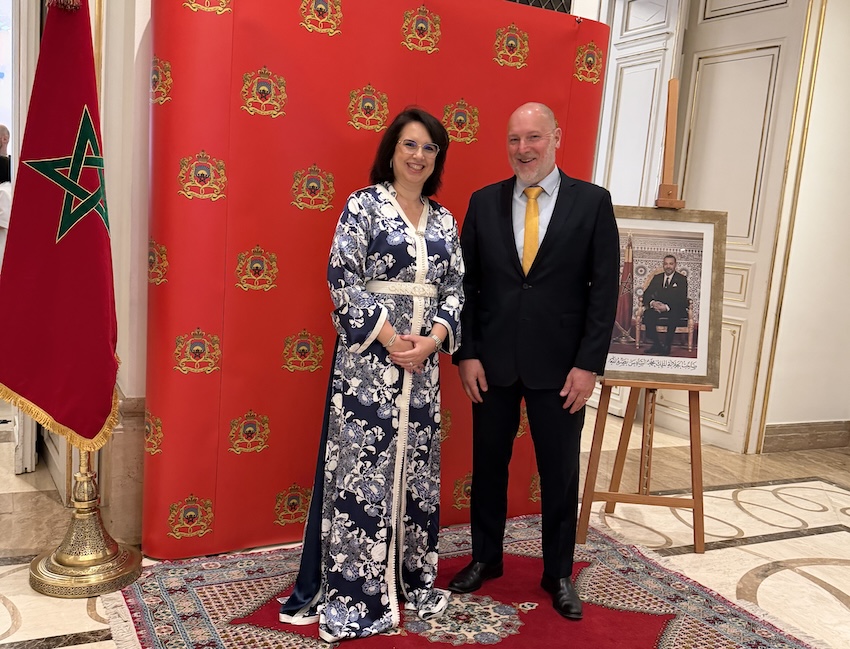
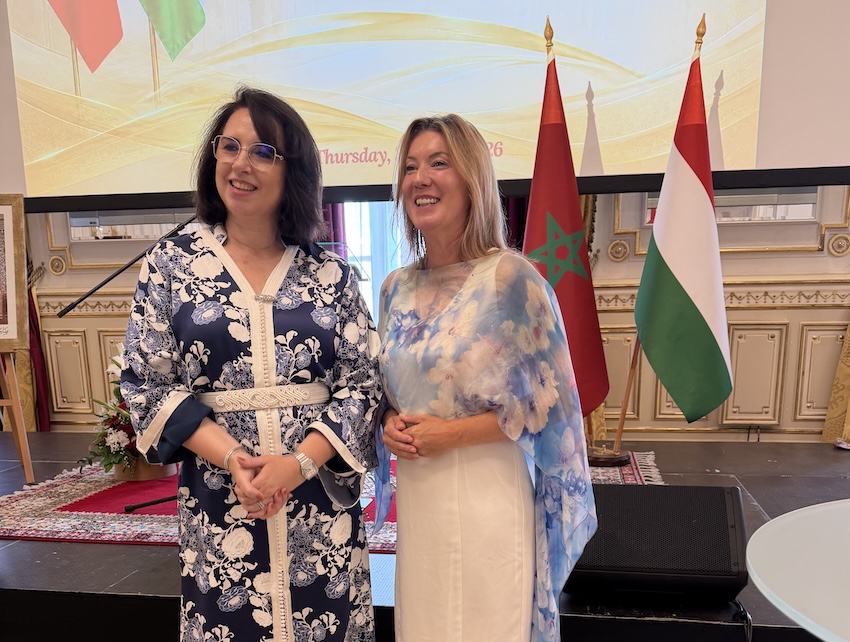
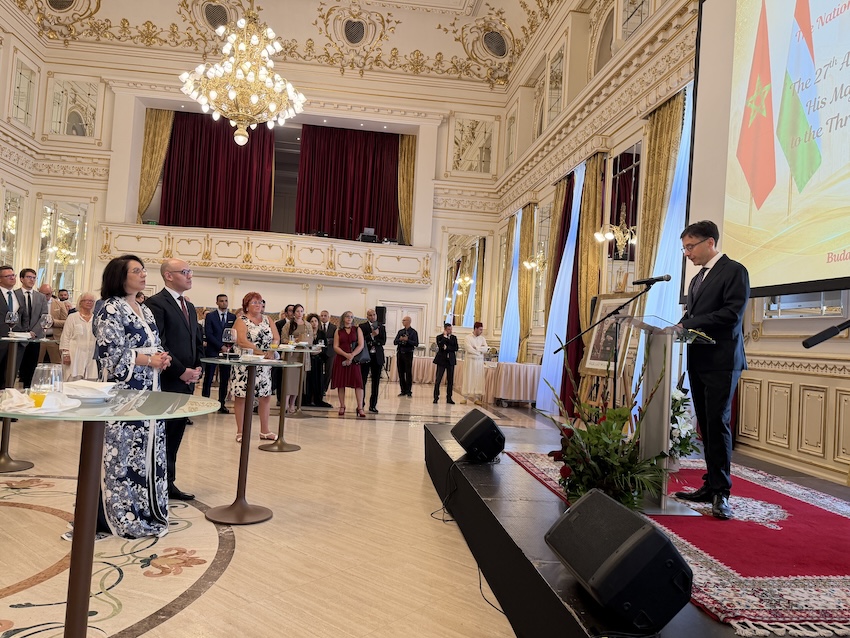
The 27th anniversary of the enthronement of His Majesty King Mohammed VI was celebrated with a grand diplomatic reception on 30 July 2026 in Budapest, hosted by Her Excellency Ms. Karima Kabbaj, Ambassador of the Kingdom of Morocco to Hungary, who also serves as Dean of the Arab Ambassadors’ Council and Dean of the Group of African Ambassadors in Hungary.
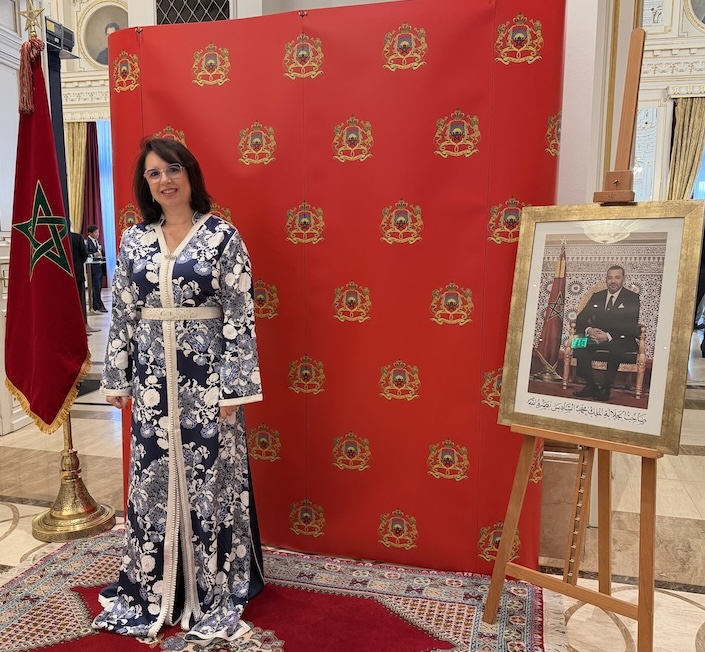
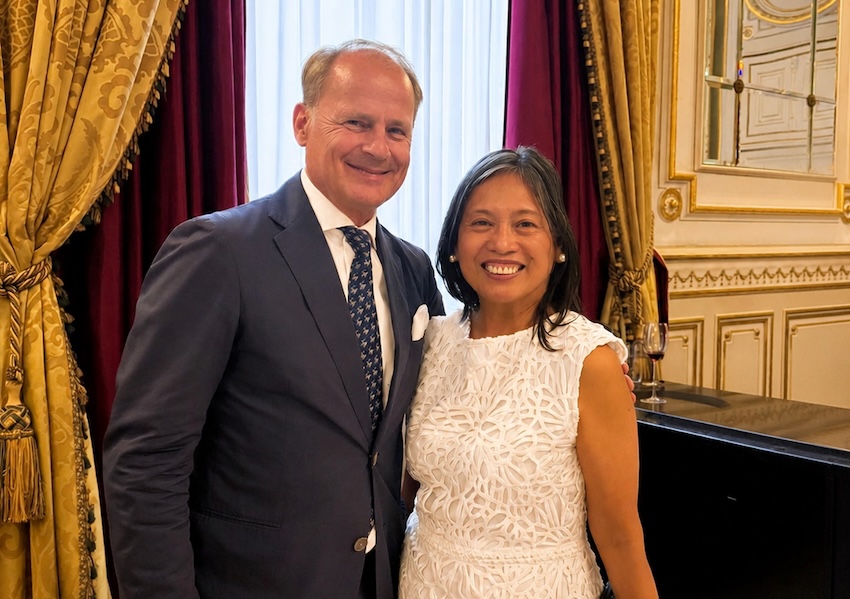
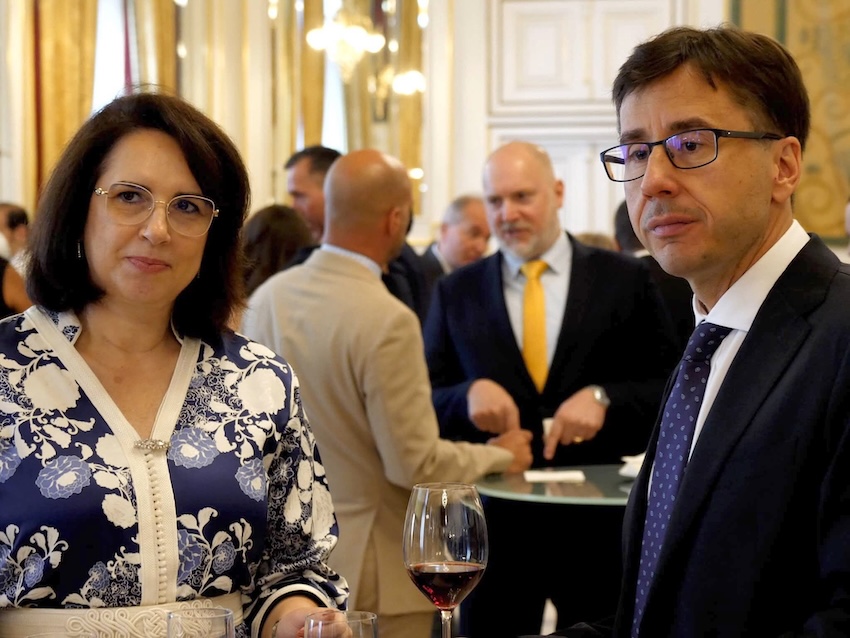
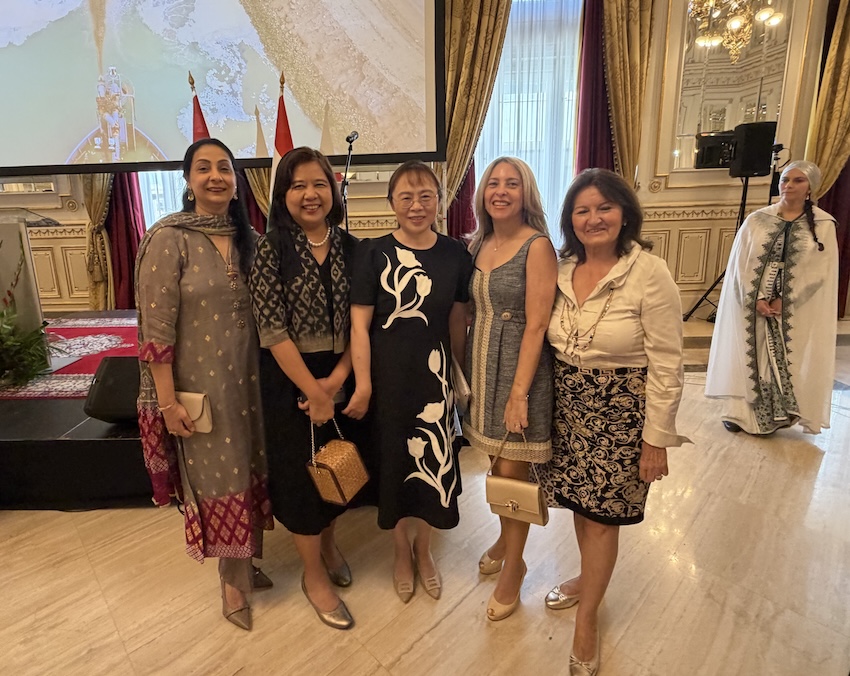
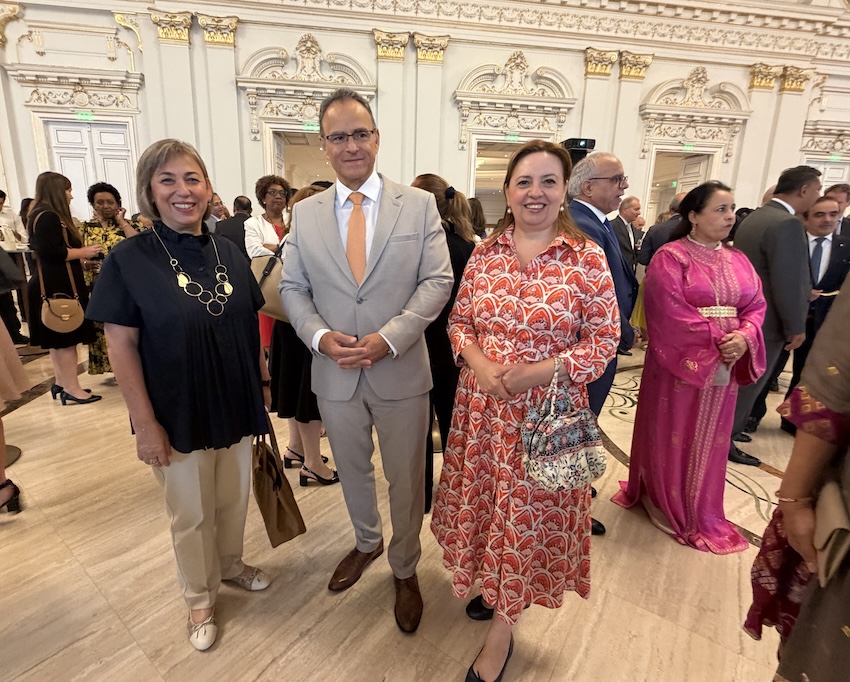
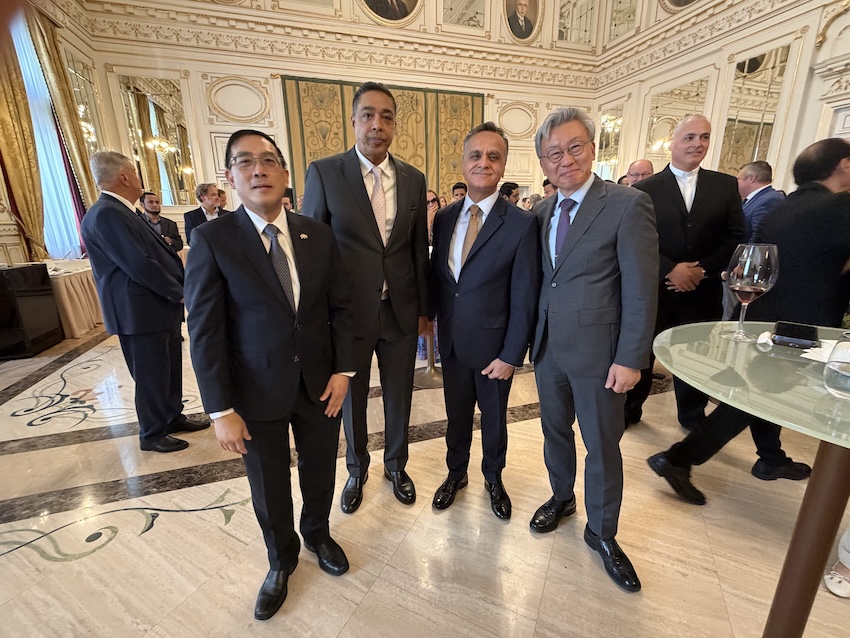
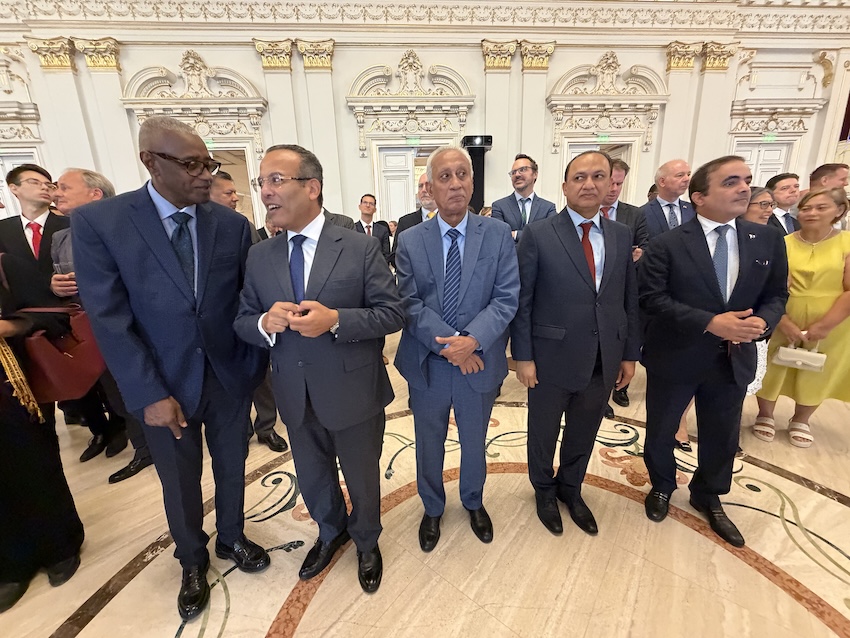
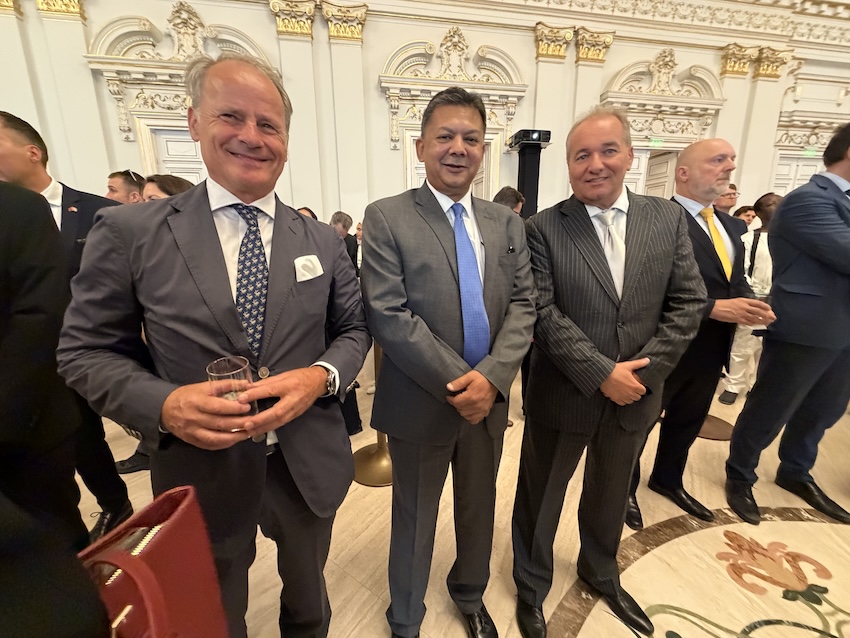
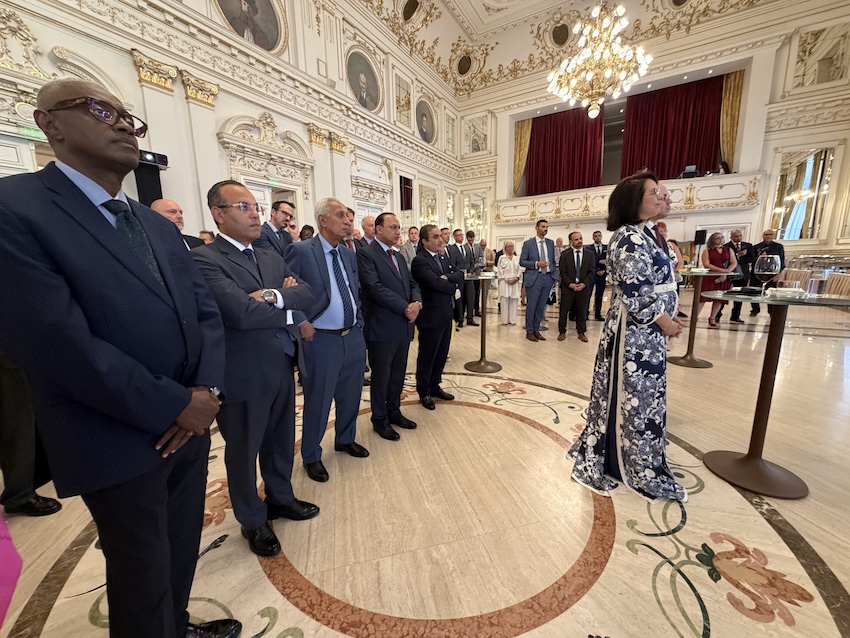
The festive event at the Corinthia Hotel was honoured by the presence of Mr. Márton Hajdú, Chair of the Foreign Affairs Committee of the Hungarian National Assembly, as Guest of Honour, along with a large number of distinguished guests, including senior Hungarian officials, members of the diplomatic corps, and representatives of the cultural, academic and business communities. Moroccan students in Hungary and friends of Morocco also joined the celebration.
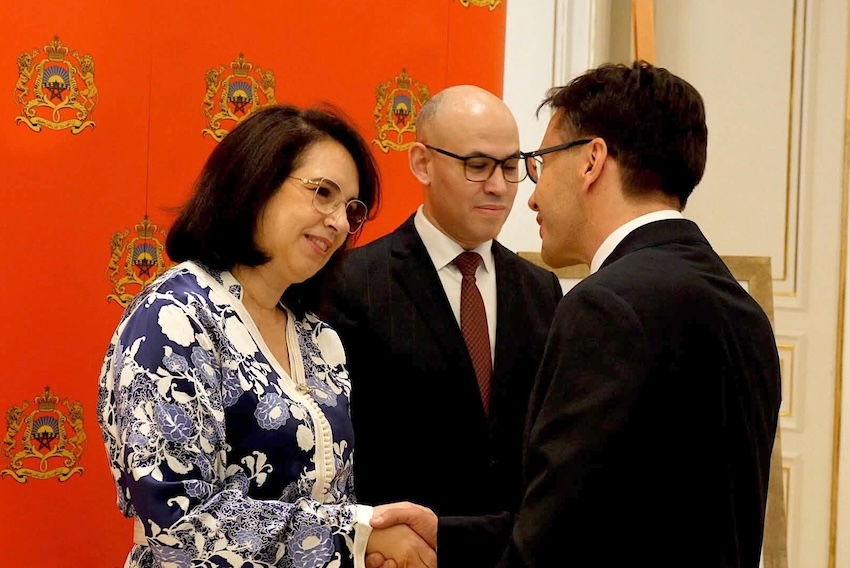
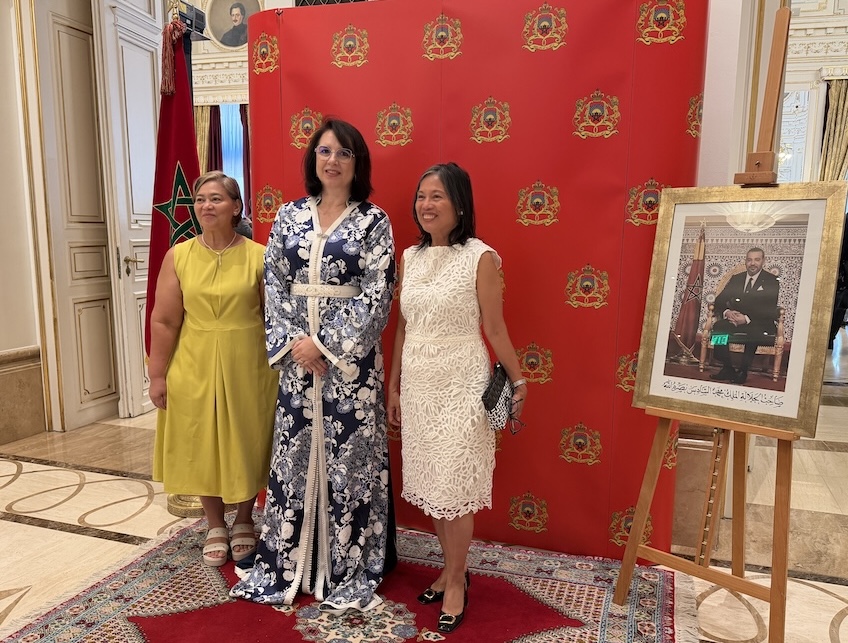
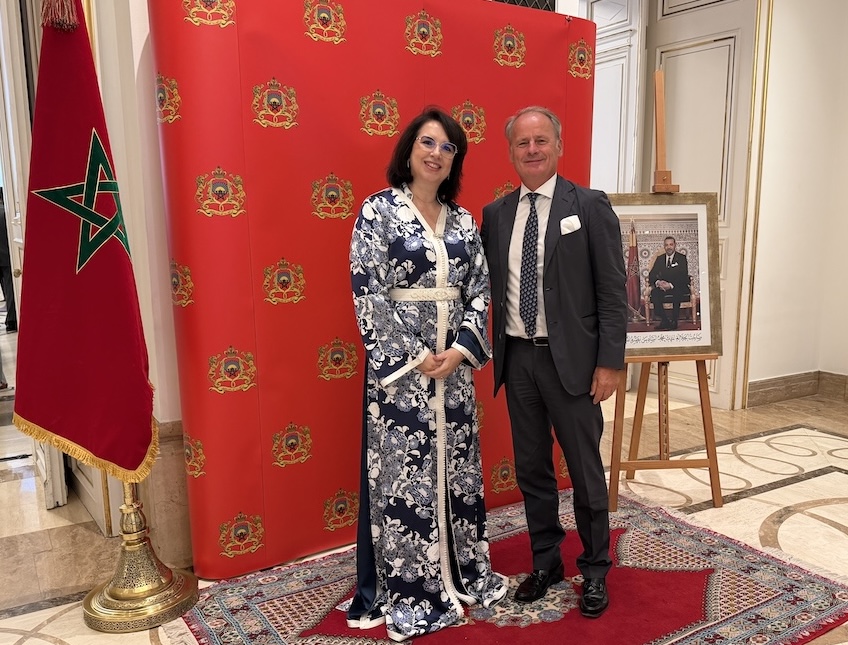
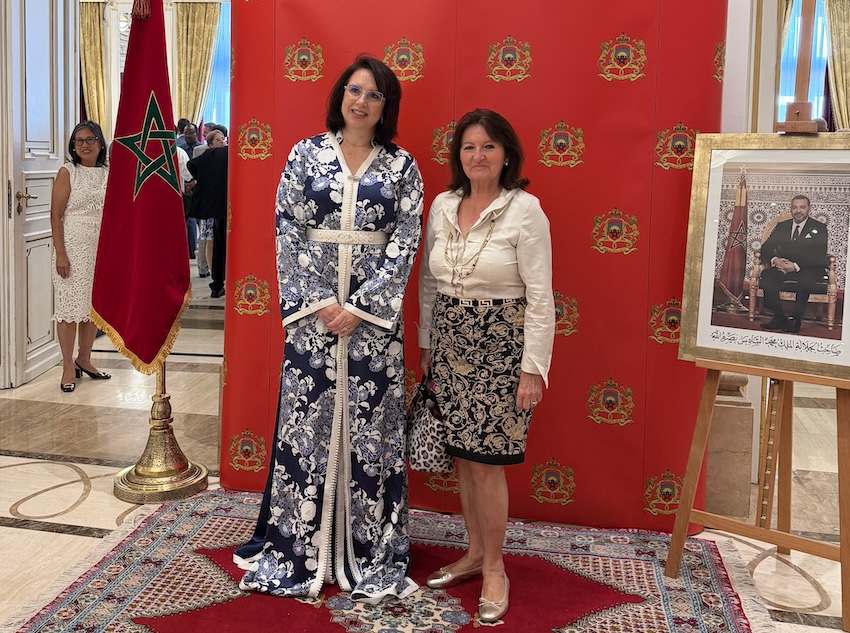
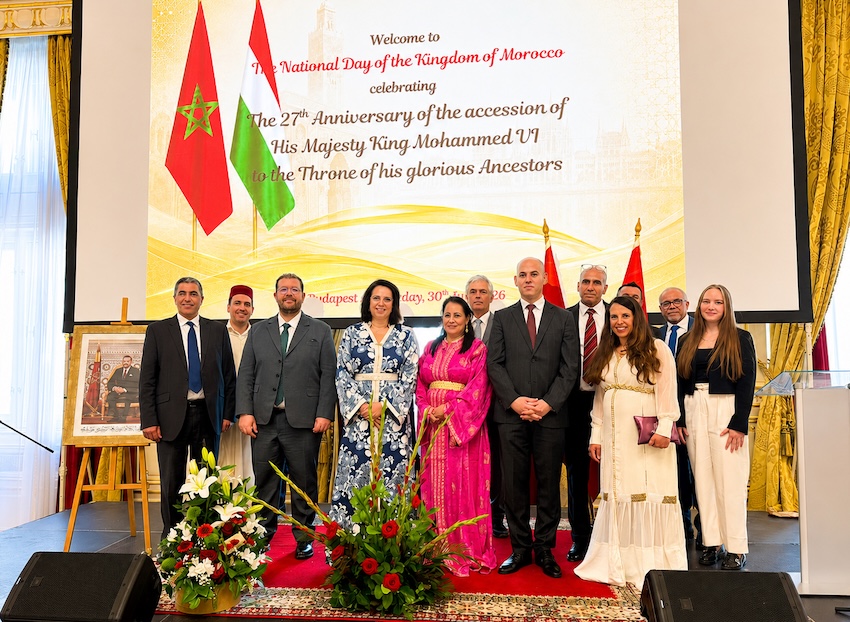
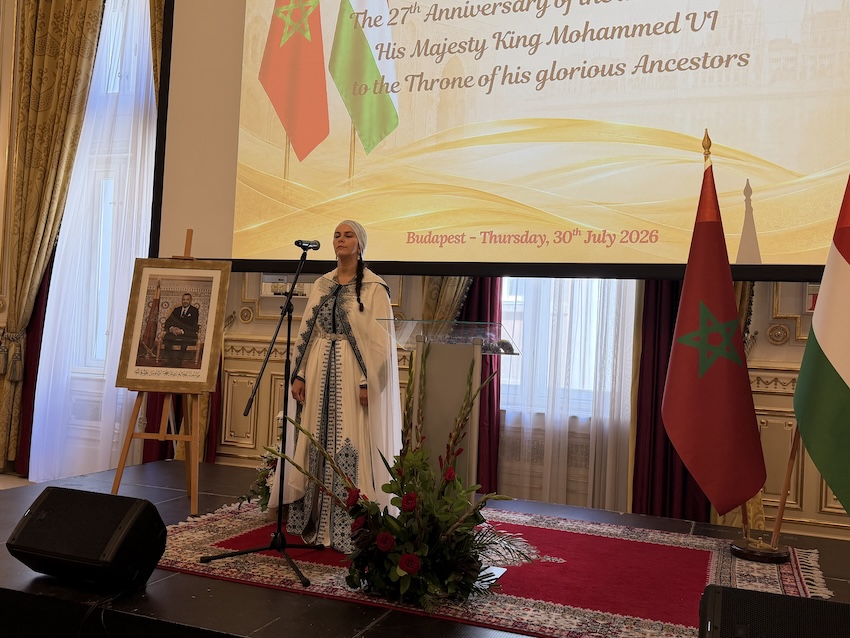
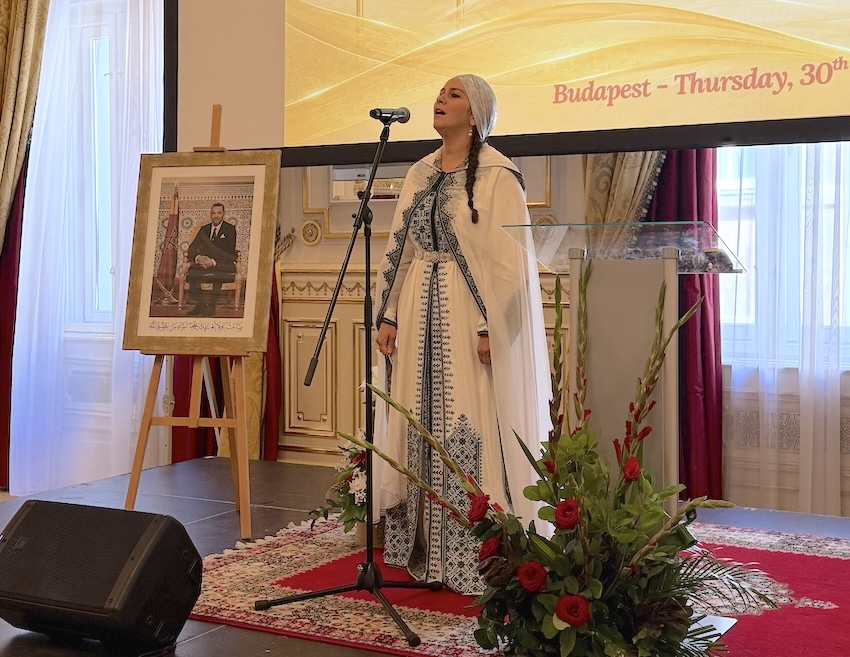
The commemoration began with the national anthems of Morocco and Hungary, performed by the talented Moroccan-Hungarian musician and artist Ms. Majda Maria Guessous, who provided a solemn opening to the ceremony.
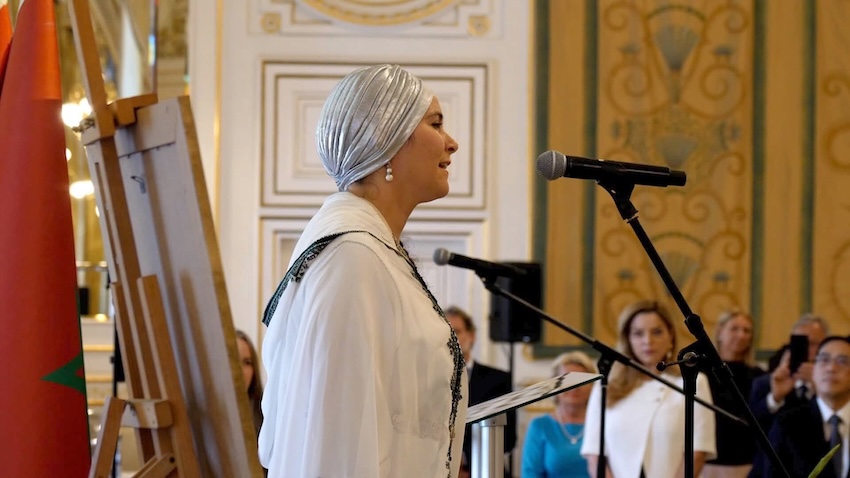
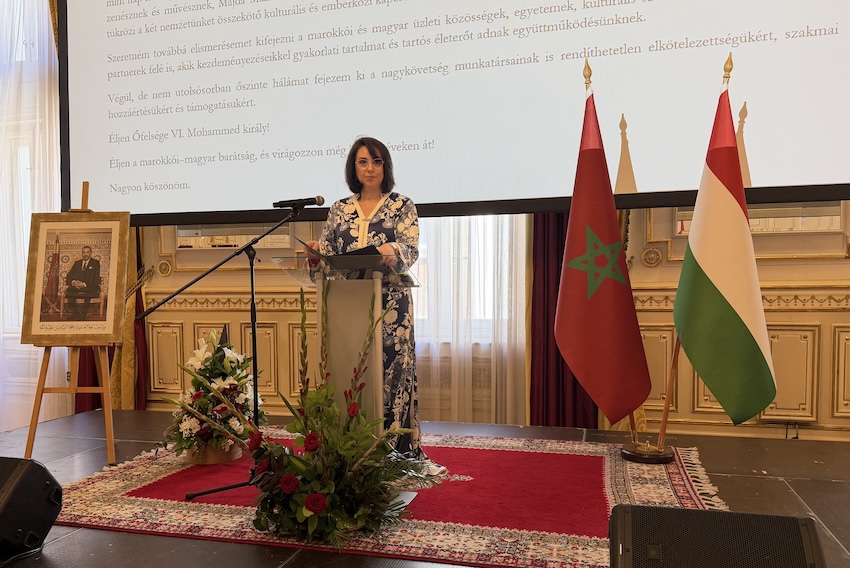
H.E. Ambassador Karima Kabbaj then took the stage and addressed the audience:
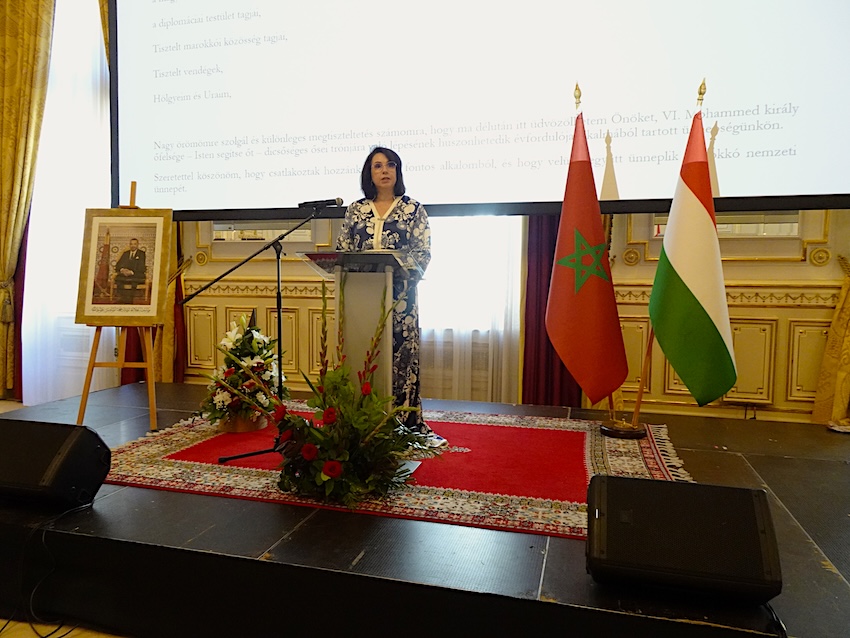
“Excellencies, Esteemed Mr. Márton Hajdu, Chair of the Foreign Affairs Committee, Honourable Members of the Hungarian Government and National Assembly, Members of the Diplomatic Corps, Dear members of the Moroccan community, Distinguished Guests, Ladies and Gentlemen, it is a great pleasure and a particular honour to welcome you this afternoon as we celebrate the 27th anniversary of the accession of His Majesty King Mohammed VI, may God assist Him, to the Throne of His Glorious Ancestors.
I warmly thank you for joining us on this important occasion and for sharing in the celebration of Morocco’s National Day.
Throne Day holds a unique place in the hearts of all Moroccans. It embodies the enduring bond between the Moroccan people and the Alaouite Throne. It also celebrates loyalty, unity and the shared commitment to the progress and prosperity of our nation.
Since His accession to the throne in 1999, His Majesty King Mohammed VI has guided Morocco through a far-reaching process of modernisation and reform. His vision successfully combines economic development with social progress, openness to the world with respect for our identity, and the defence of our national territorial integrity with a steadfast commitment to the well-being of every citizen. Under His Majesty’s leadership, Morocco has built a more diversified economy, developed modern infrastructure, and expanded social protection. The Kingdom has also strengthened its position as a bridge between Africa and Europe, the Mediterranean and the Atlantic, while remaining deeply attached to its rich heritage, values and traditions.
Over the past year, Morocco has continued to move forward despite a challenging international environment. The Moroccan economy demonstrated remarkable resilience, with growth reaching 4.9%, inflation contained at 0.8%, and the budget deficit decreased to 3.5% of GDP.
The Kingdom further consolidated its industrial base, particularly in the automotive, aerospace and advanced manufacturing sectors, becoming Africa’s leading industrial economy. These achievements reflect also the confidence of international partners and investors in Morocco’s stability, skilled workforce, modern industrial platforms, and strategic geographical location.
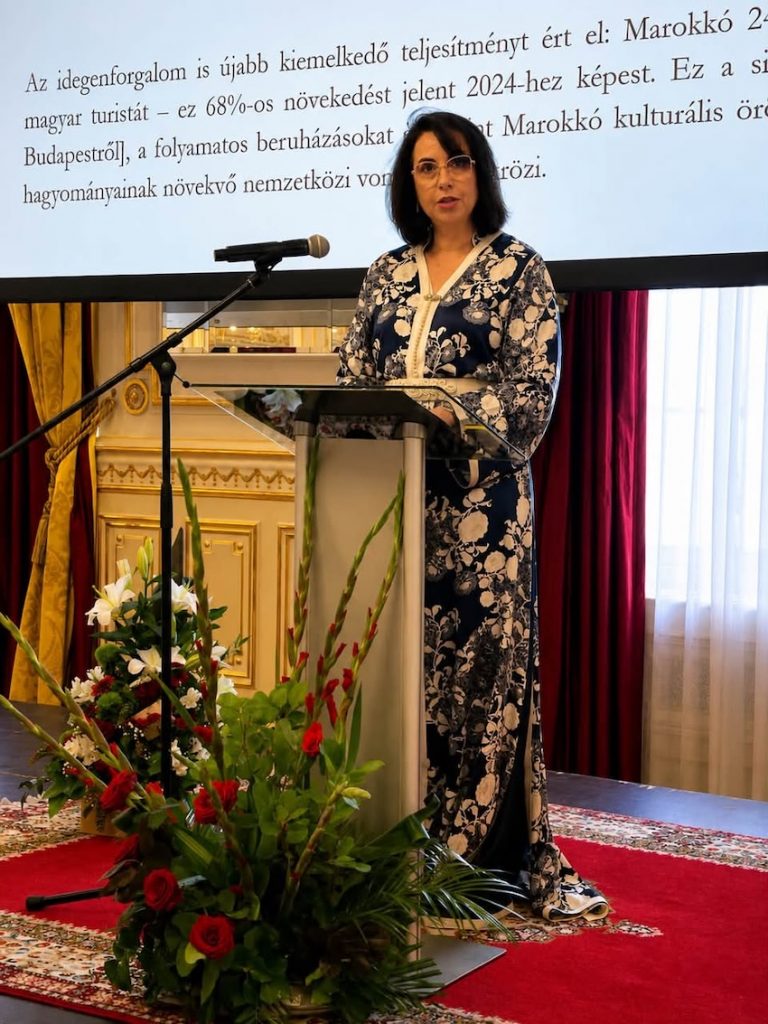
Tourism also delivered outstanding results: Morocco welcomed 19.8 million visitors in 2025, including 28,500 Hungarian tourists – a 68% increase over the previous year. This success can be attributed to improved connectivity with five flights a week from Budapest, sustained investment and the growing international appeal of Morocco’s cultural heritage, diverse regions and renowned tradition of hospitality.
Beyond its national development achievements, Morocco remains a responsible, reliable, and steadfast international partner. The Kingdom plays an active role in promoting regional and international peace, security, and stability through effective cooperation and constructive engagement with its international partners.
In this context, Morocco welcomes the growing international support for the Moroccan Autonomy Initiative as the sole realistic and lasting solution to the artificial regional dispute over the Moroccan Sahara, while fully respecting the Kingdom’s sovereignty and territorial integrity.
As far as the situation in the Middle East is concerned, Morocco remains hopeful that dialogue and responsible diplomacy will lead to a just and lasting settlement that guarantees the safety and security of all countries, their citizens and their vital infrastructure, while opening the way to durable peace and stability throughout the region.
Esteemed Mr. Márton Hajdu, Ladies and Gentlemen,
Relations between Morocco and Hungary are excellent and continue to gather momentum. Rooted in decades of friendship, mutual respect and understanding, they reflect our shared values and our common aspiration to build a more prosperous future for our peoples. Our cooperation has expanded significantly through regular political dialogue, a robust and comprehensive legal framework, soon to be reinforced by a MoU on defence, and steadily growing economic exchanges, which have established Morocco as Hungary’s leading trading partner in Africa.
I would also like to hail the regular and close parliamentary cooperation between Morocco and Hungary, and reaffirm our commitment to further strengthening and expanding this important partnership. Morocco and Hungary share a common vision and a strong commitment to addressing urgent global challenges. Both countries remain firmly attached to dialogue and negotiated solutions as the most effective means of advancing peace, stability and sustainable development.
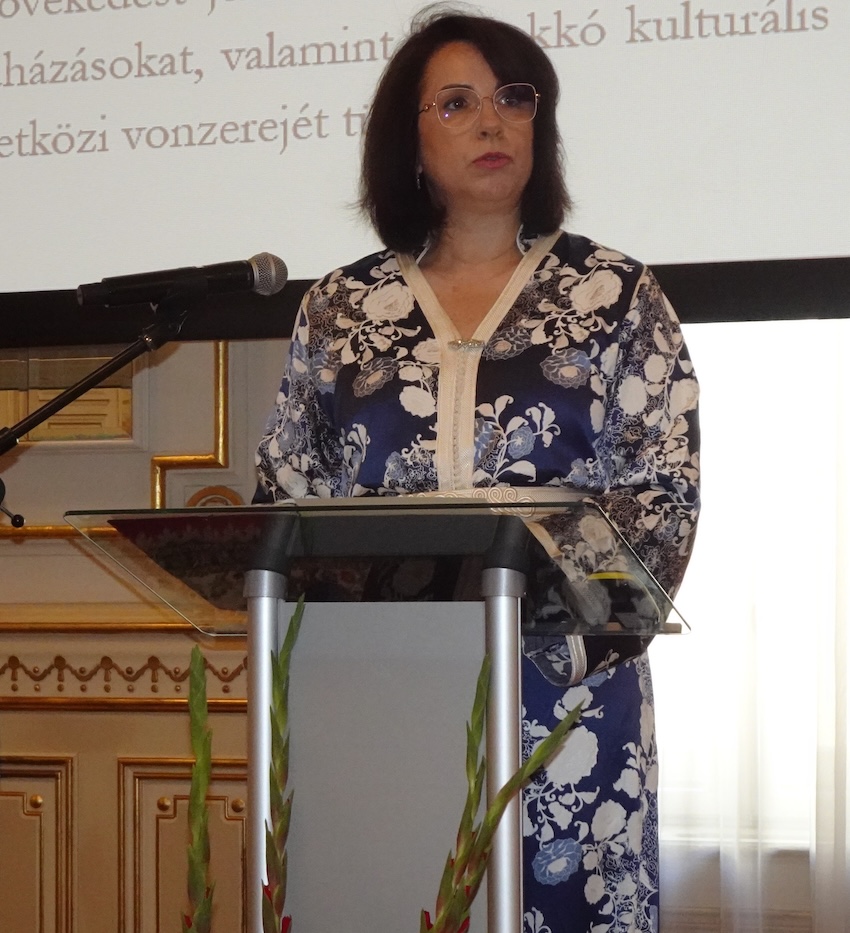
In this spirit, Morocco is ready to work closely with the newly formed Hungarian Government and institutions to build on these solid foundations, broaden the scope of our cooperation, and give renewed impetus to our partnership in all areas of mutual interest, at both the bilateral and multilateral levels. In this regard, Morocco commends Hungary’s active role within the European family and highly values its contribution to strengthening the strategic partnership between Morocco and the European Union. A stronger Morocco-EU partnership is essential not only to our respective interests, but also to the prosperity of the entire Mediterranean region and beyond.
Ladies and Gentlemen,
Allow me, finally, to express my heartfelt gratitude to the Moroccan community in Hungary, and particularly to our students, whose positive engagement contributes each day to strengthening the friendship between our two countries.
I would also like to extend my sincere thanks to Moroccan-Hungarian musician and artist, Ms. Majda Maria Guessous for her moving performance of the Moroccan and Hungarian national anthems, which eloquently reflects the importance of the cultural and people-to-people ties uniting our two nations.
I also wish to acknowledge the Moroccan and Hungarian business communities, universities, cultural organisations and civil-society partners, whose initiatives give practical substance and lasting vitality to our cooperation.
Last, but not least, my sincere gratitude also goes to the staff of the Embassy for their unwavering dedication, professionalism and support.”
“Long live His Majesty King Mohammed VI! Long live the friendship between Morocco and Hungary, and may it continue to flourish for many years to come. Thank you very much.”
Remarks by the Guest of Honour
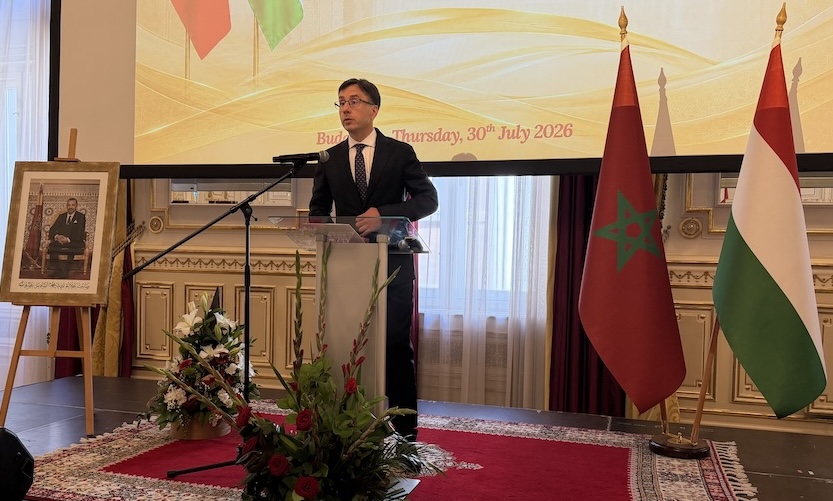
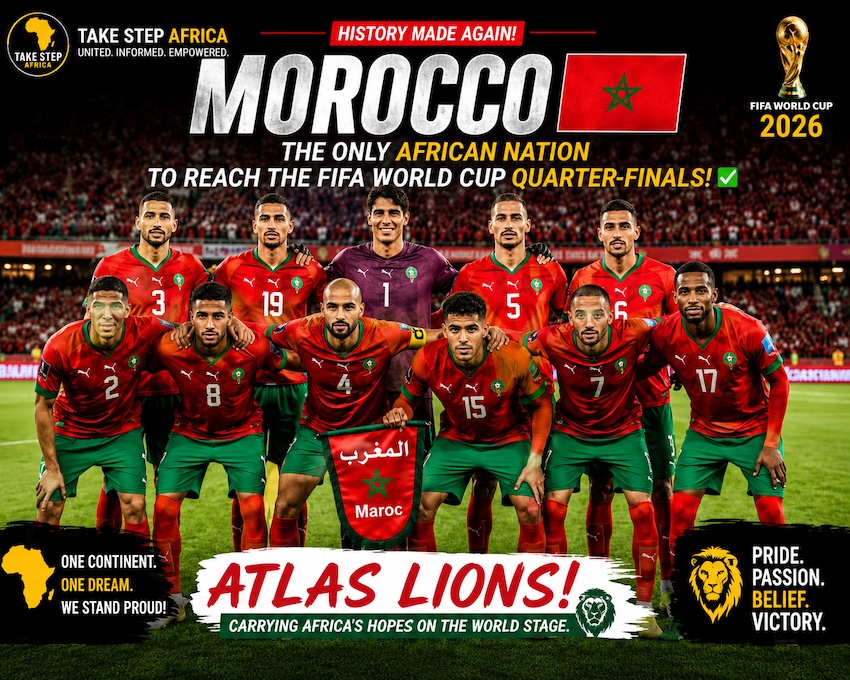
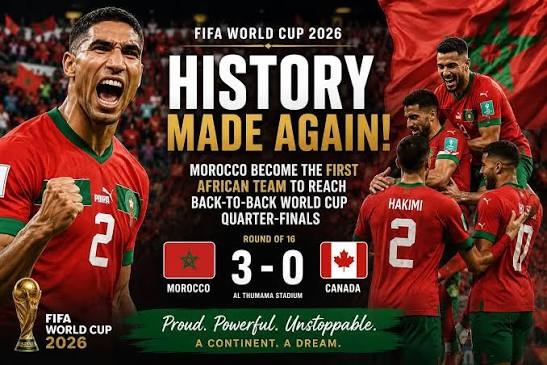
Addressing the gathering, Mr. Márton Hajdu, Chair of the Foreign Affairs Committee of the Hungarian Parliament and Guest of Honour, first expressed his gratitude to Ambassador Karima Kabbaj for the invitation and congratulated Morocco on the Moroccan national football team’s outstanding 2026 FIFA World Cup campaign and its place in the quarter-finals.
Referring to the success of the Atlas Lions, he underscored perseverance, consistency and long-term commitment as values that can turn ambitious aspirations into reality. He noted that football has a remarkable ability to build bridges between nations, adding that diplomacy should strive to achieve the same.
With regard to bilateral relations, Mr. Hajdu recalled that Hungary and Morocco have maintained diplomatic relations since 1959, with the partnership having gained further momentum in recent years through high-level meetings and official visits. He described Morocco as a strategic partner of particular importance to Hungary, highlighting cooperation in combating terrorism and preventing illegal migration, as well as Morocco’s stabilising and moderating role in North Africa.
He also referred to the potential for further strengthening bilateral relations, especially under Hungary’s newly formed parliamentary majority. He emphasised the importance of transparency, consistency, mutual respect, open dialogue, and practical cooperation, stressing that the two countries should work together in addressing illegal migration while adhering to clear rules, humane treatment, and respect for human dignity.
Mr. Hajdu underlined the importance of parliamentary diplomacy as an essential instrument of bilateral cooperation and expressed his particular honour at representing the Hungarian National Assembly at Morocco’s National Day celebration.
Speaking about institutional cooperation, he highlighted the European Union’s Twinning Programme, through which Hungary has shared institutional expertise and professional knowledge with Moroccan partners. At the same time, he stressed that cooperation should be based not only on sharing experience but also on learning from one another.
In this context, he praised Morocco’s valuable expertise in areas such as counter-terrorism, migration management, climate change and agricultural practices adapted to prolonged periods of drought. He also noted Hungary’s readiness to share its own experiences, particularly regarding the functioning of European institutions, social inclusion and regional cohesion.
Mr. Hajdu further expressed his admiration for Morocco’s ability to look beyond historical grievances in its relations with European partners, such as Spain and France, and to focus instead on the future and the opportunities created by cooperation. Drawing once again on the example of football, he observed that nations can compete fiercely on the pitch and yet still respect one another and cooperate closely in pursuit of shared goals.
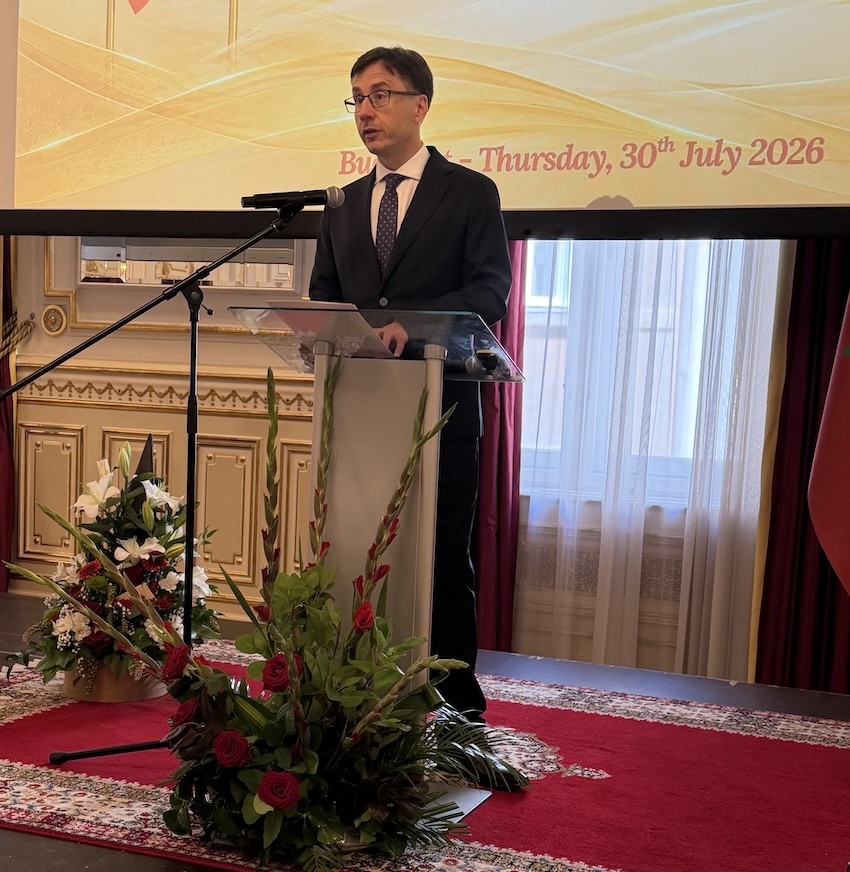
Concluding his remarks, the Chair of the Foreign Affairs Committee said that the achievements of the Moroccan national team were powerful testament of the importance of perseverance and long-term vision – values which, he stressed, could likewise contribute to further strengthening relationship between Hungary and Morocco.
On behalf of the Hungarian National Assembly and the governing parliamentary majority, Mr. Hajdu assured the Moroccan side that Hungary would continue to focus on what unites the two countries rather than what divides them.
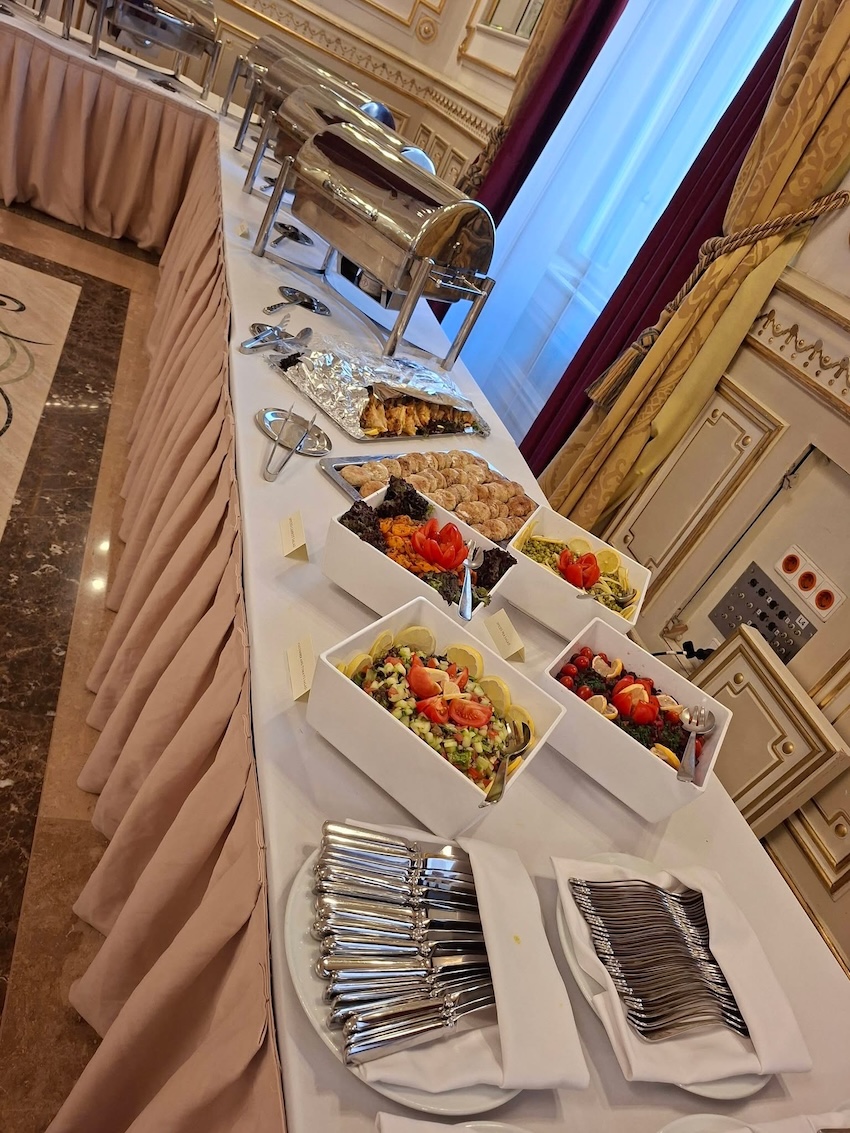
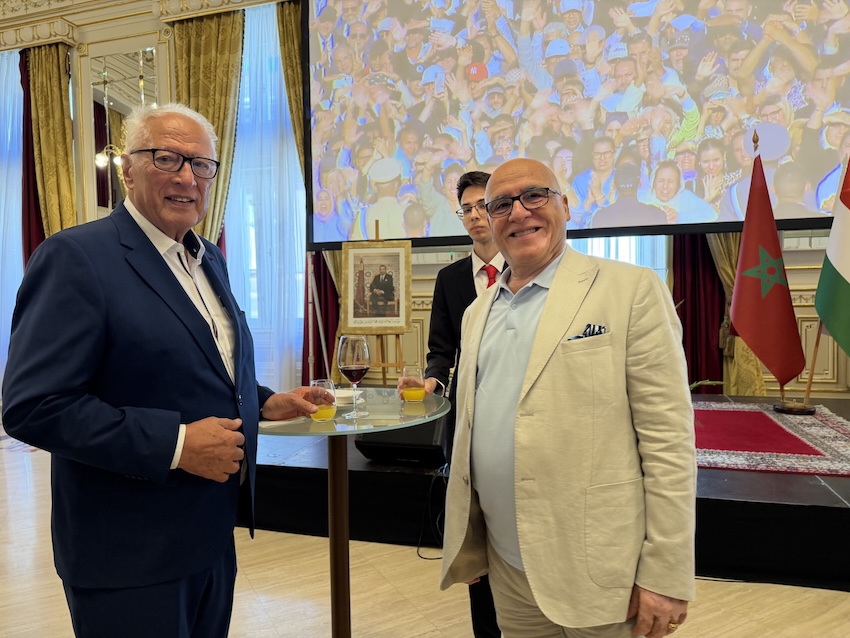
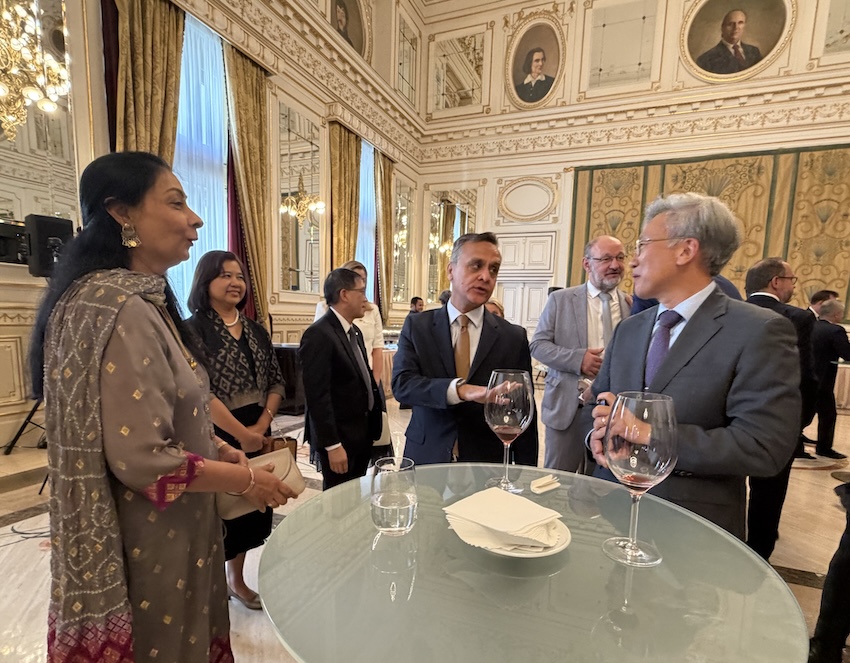
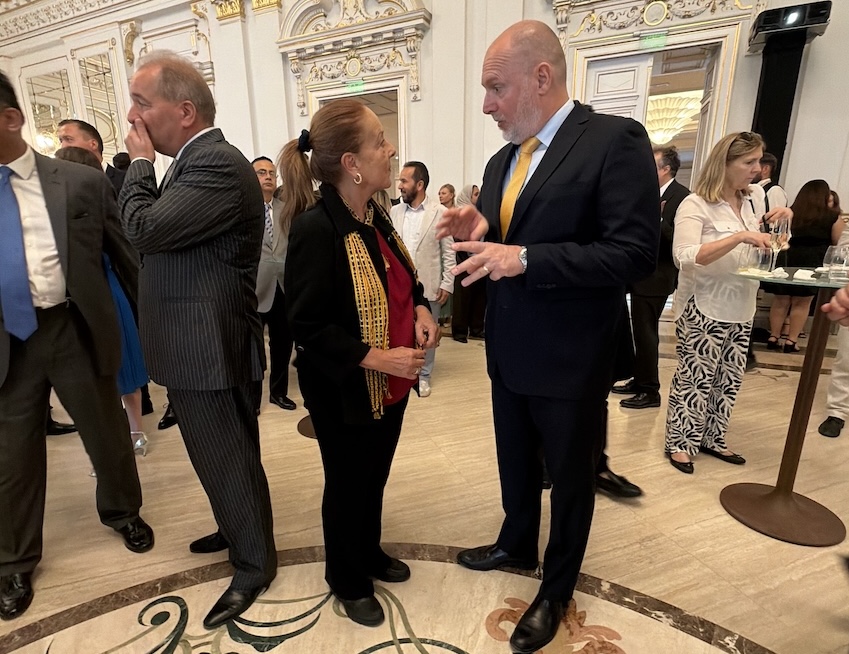
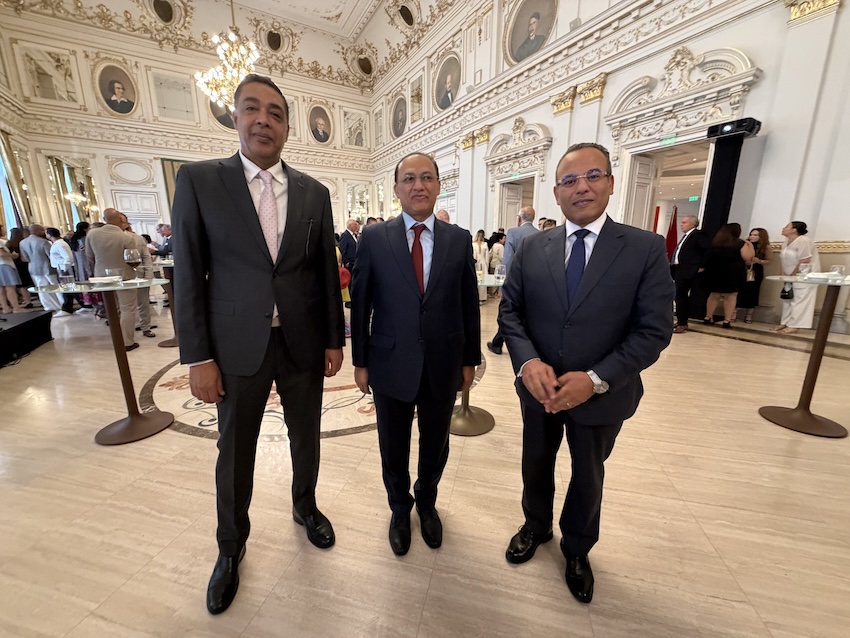
The official part of the celebration was followed by a festive reception in a warm and friendly atmosphere. A large selection of Moroccan specialities and culinary delicacies was offered, providing an authentic taste of Morocco and adding a special cultural dimension to the occasion.
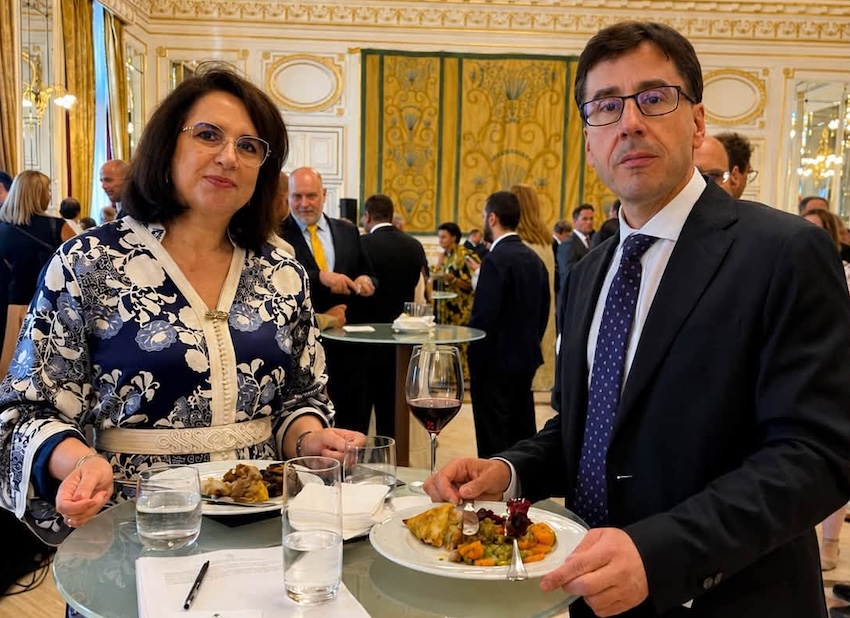
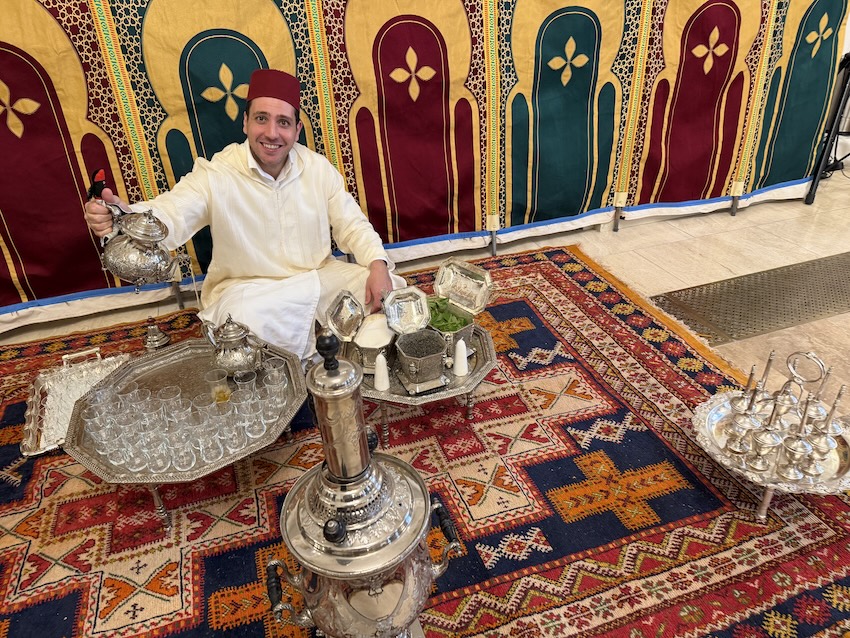
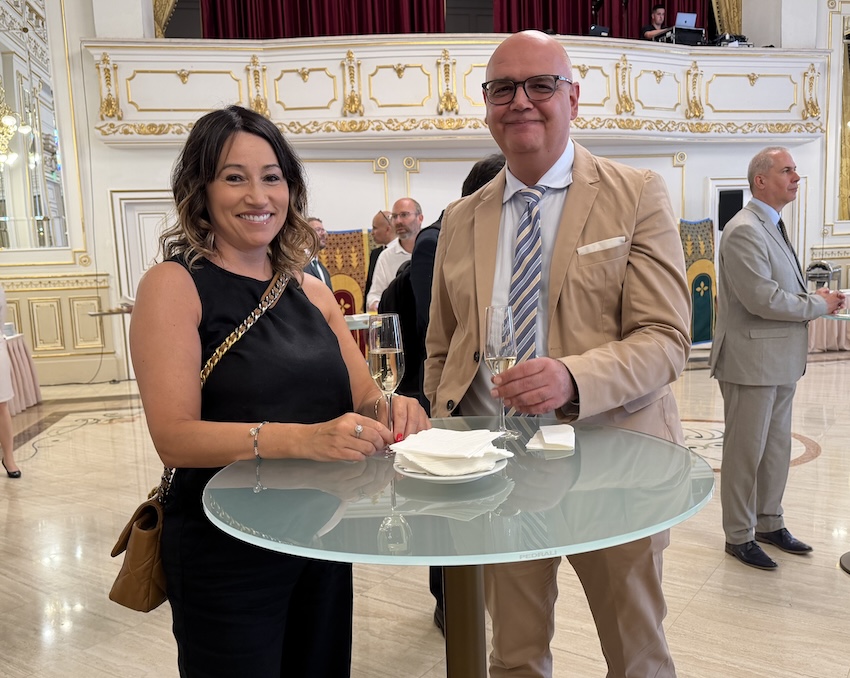
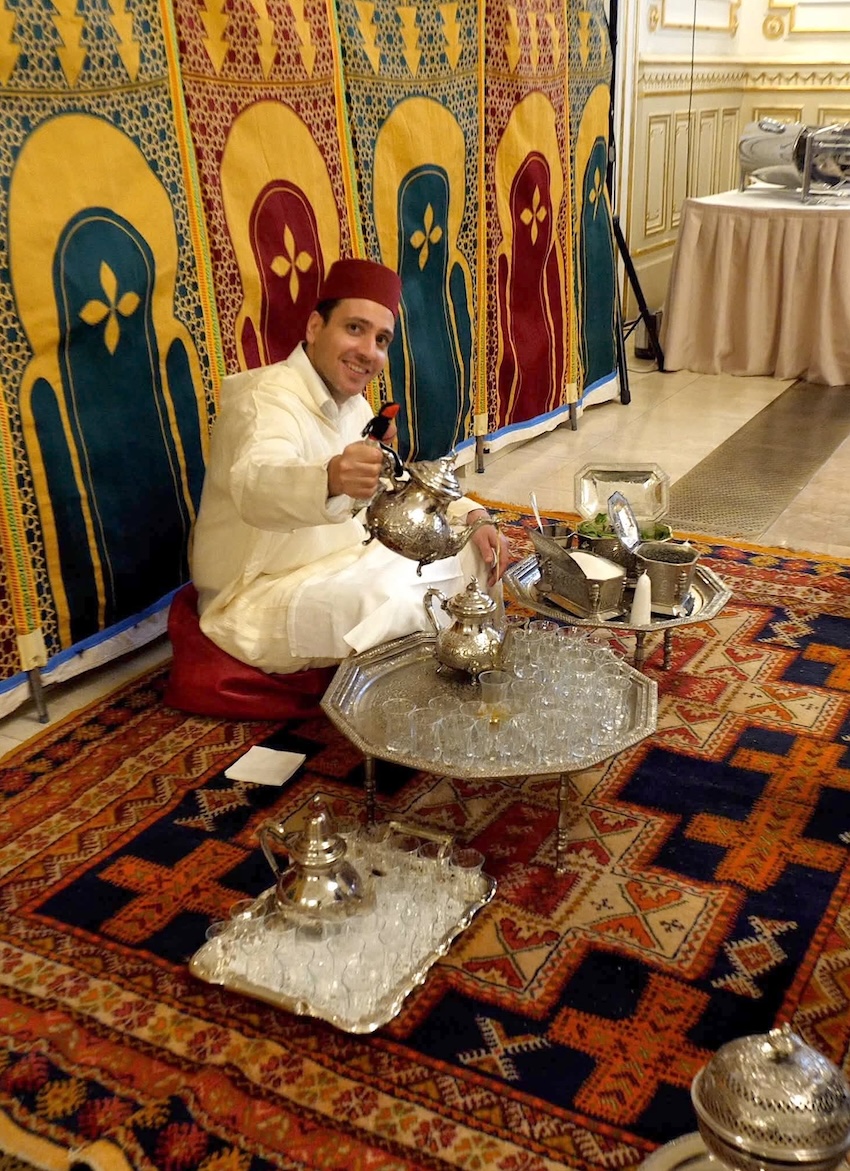
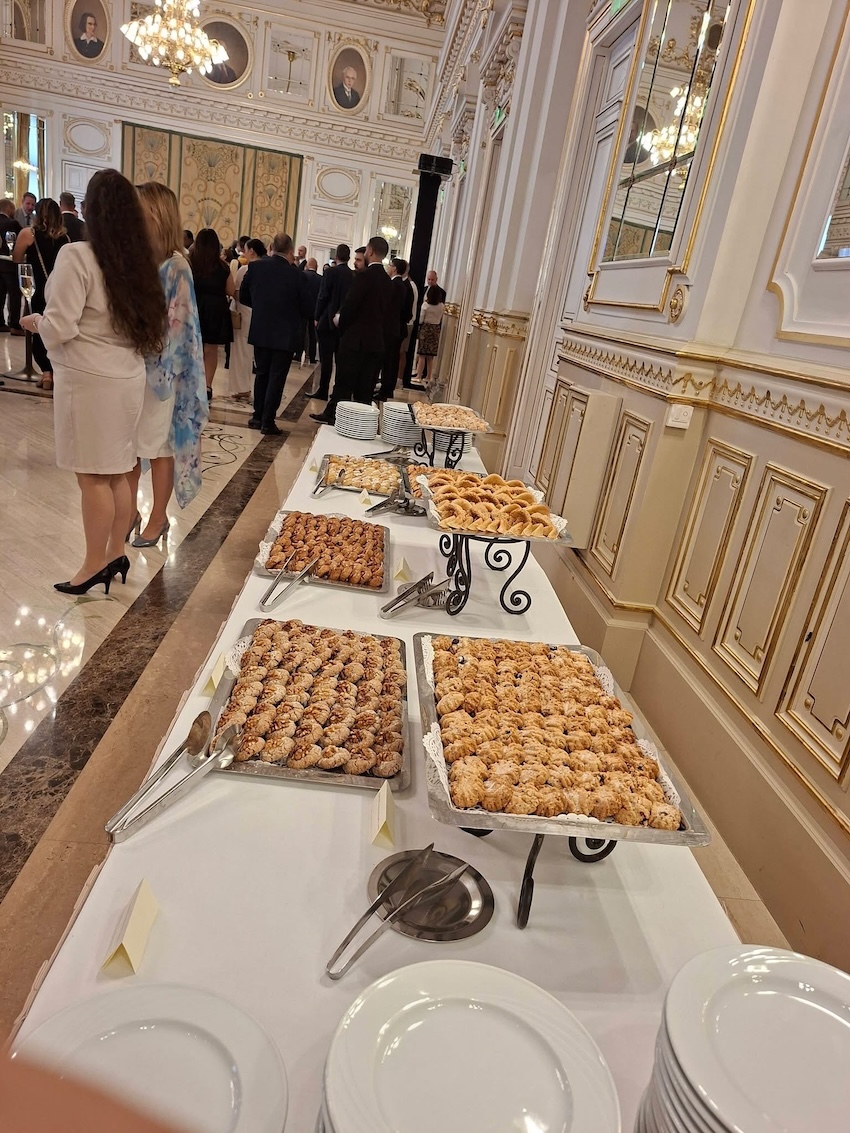
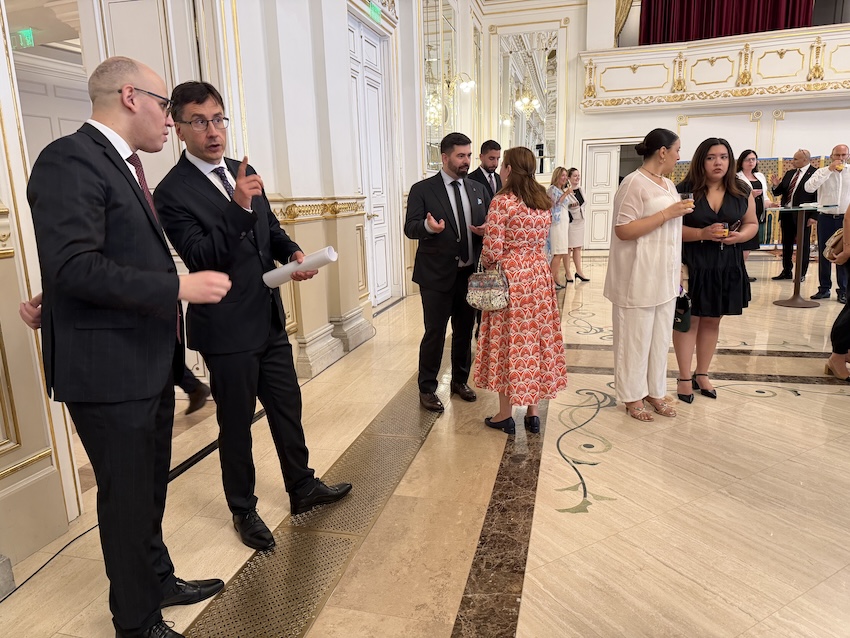
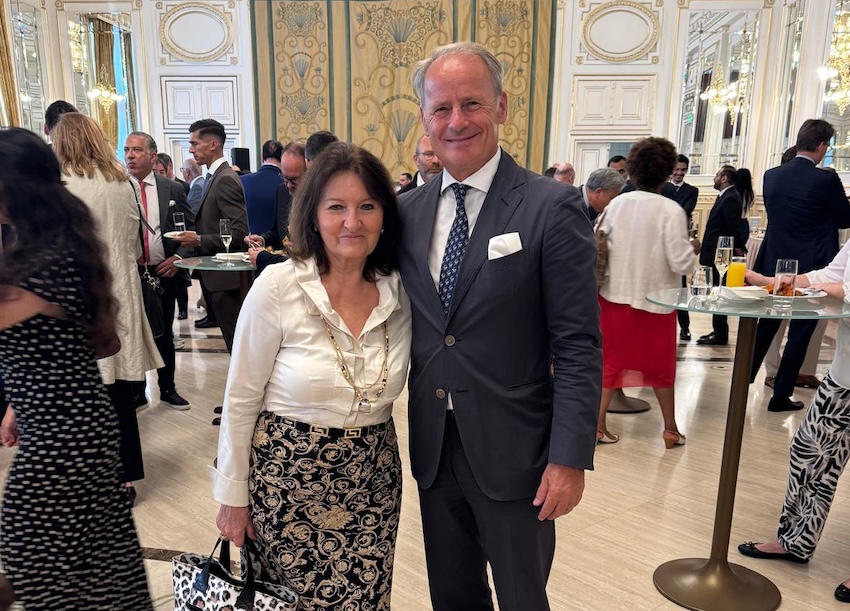
Guests from the diplomatic, political, business, academic and cultural communities mingled and exchanged views, while many also took the opportunity to renew old friendships and establish new contacts. The relaxed conversations and cordial encounters reflected the excellent and steadily developing ties between Morocco and Hungary, bringing the formal celebration to a memorable and convivial conclusion.
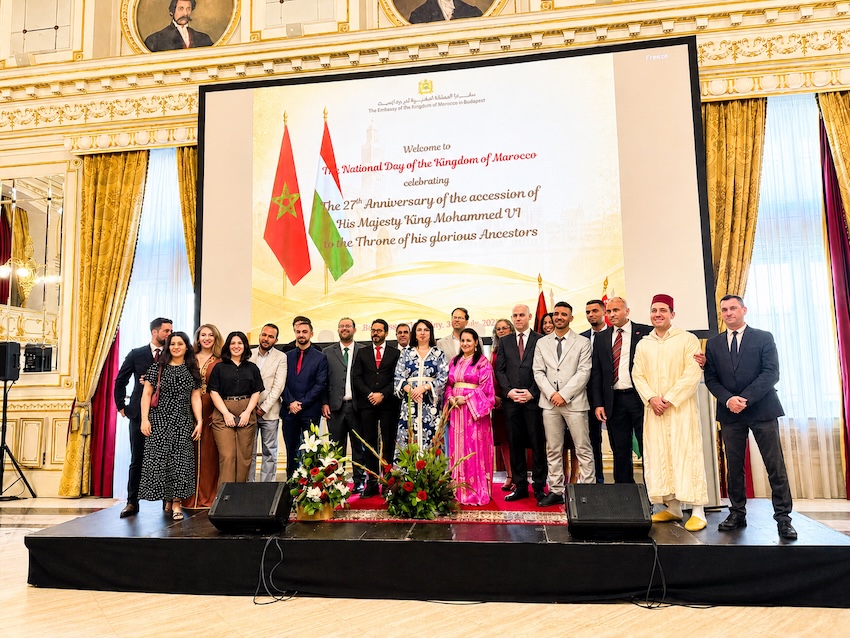
Source: Embassy of the Kingdom of Morocco in Budapest
Photos from the Embassy of the Kingdom of Morocco in Budapest, and Diplomatic Press Agency