


A living, ephemeral work of art in the world’s most beautiful square
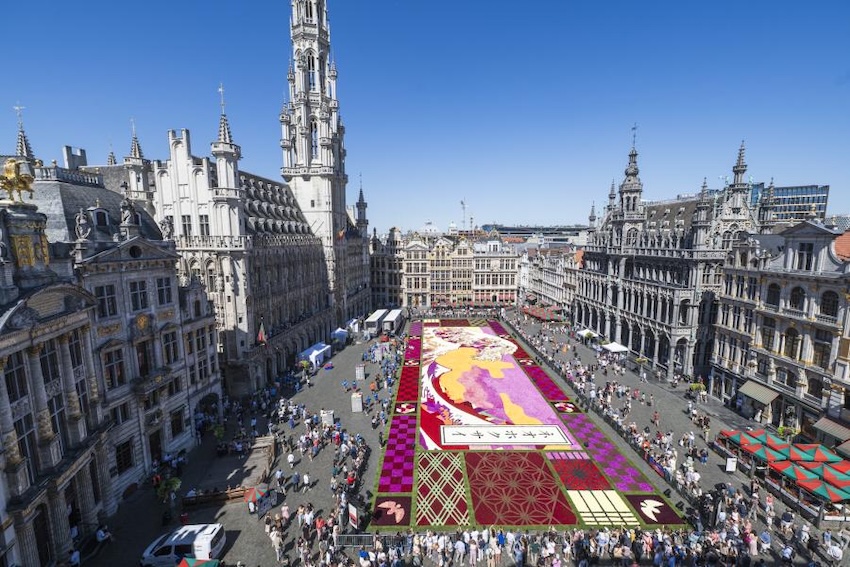
For four unforgettable days, the magnificent Grand-Place in Brussels, the capital of Belgium, was transformed into a vast canvas of flowers as the Flower Carpet 2026 united Japanese art and Belgian floral craftsmanship in a spectacular celebration of culture and friendship.
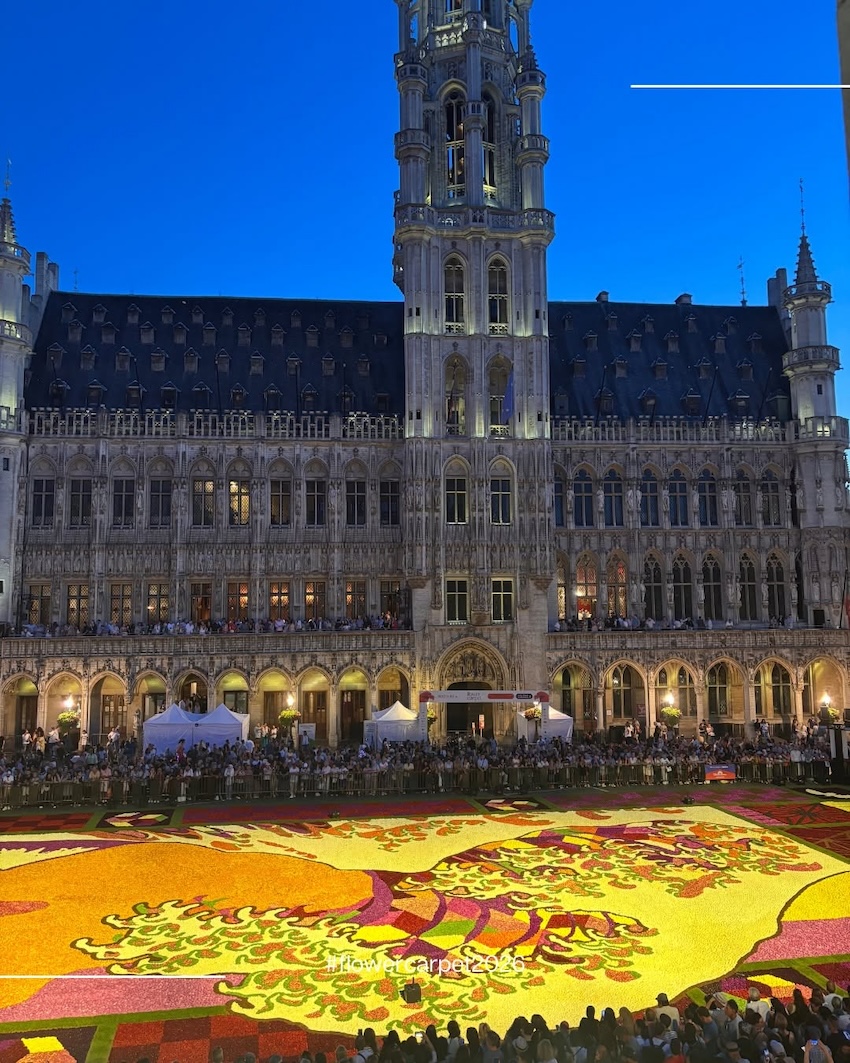
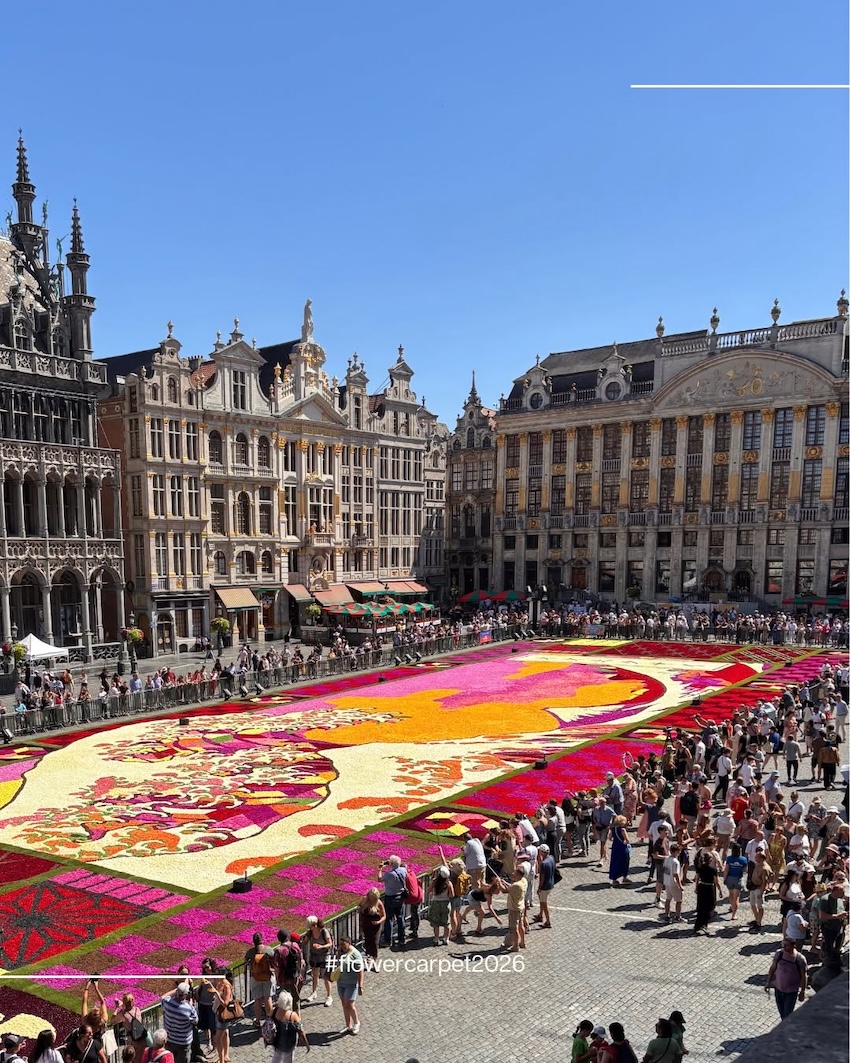
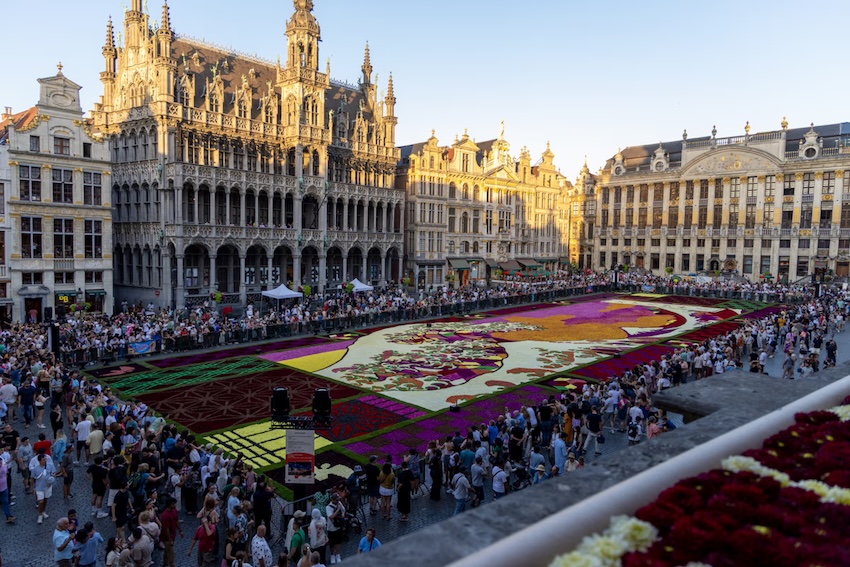
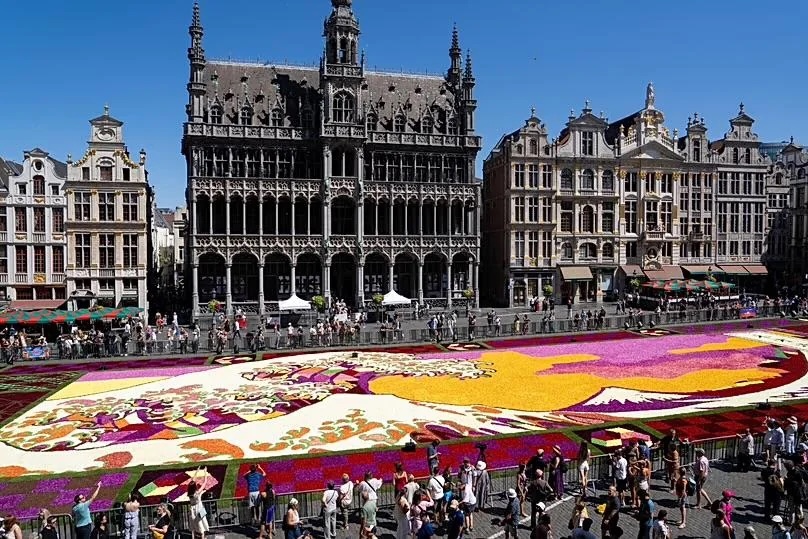
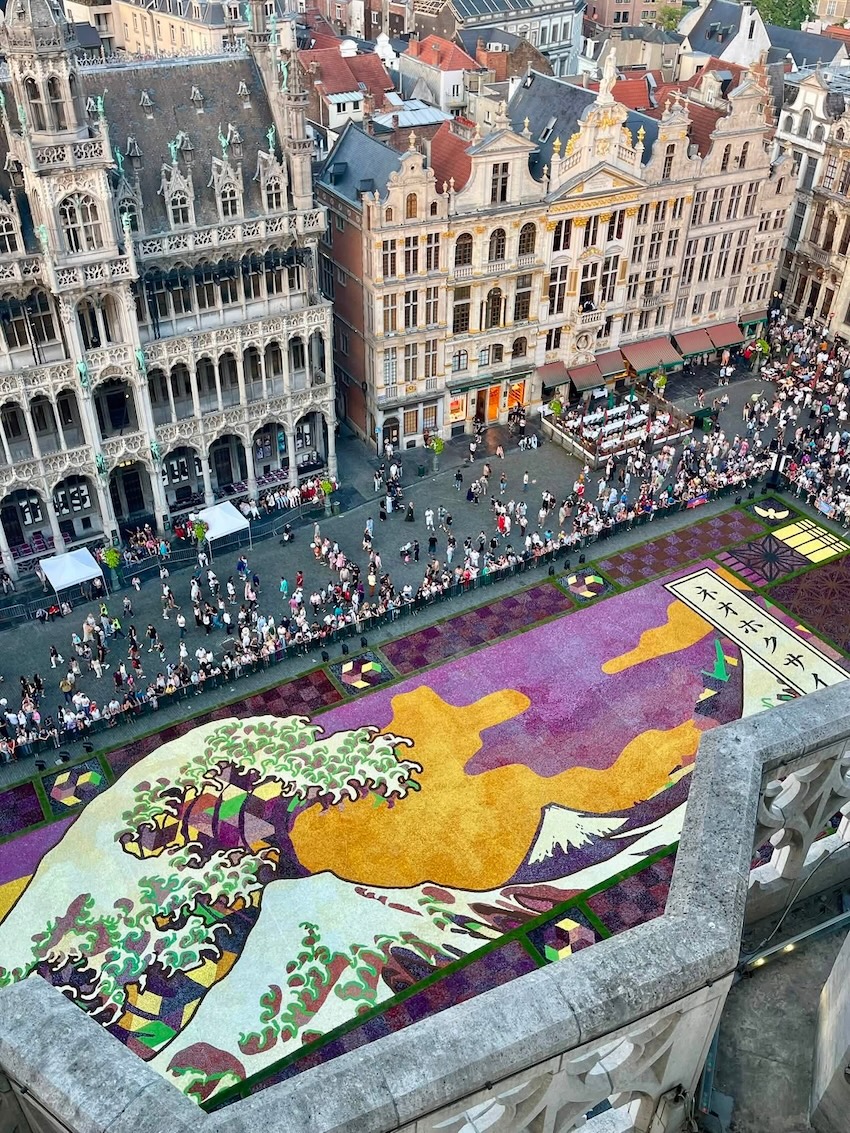
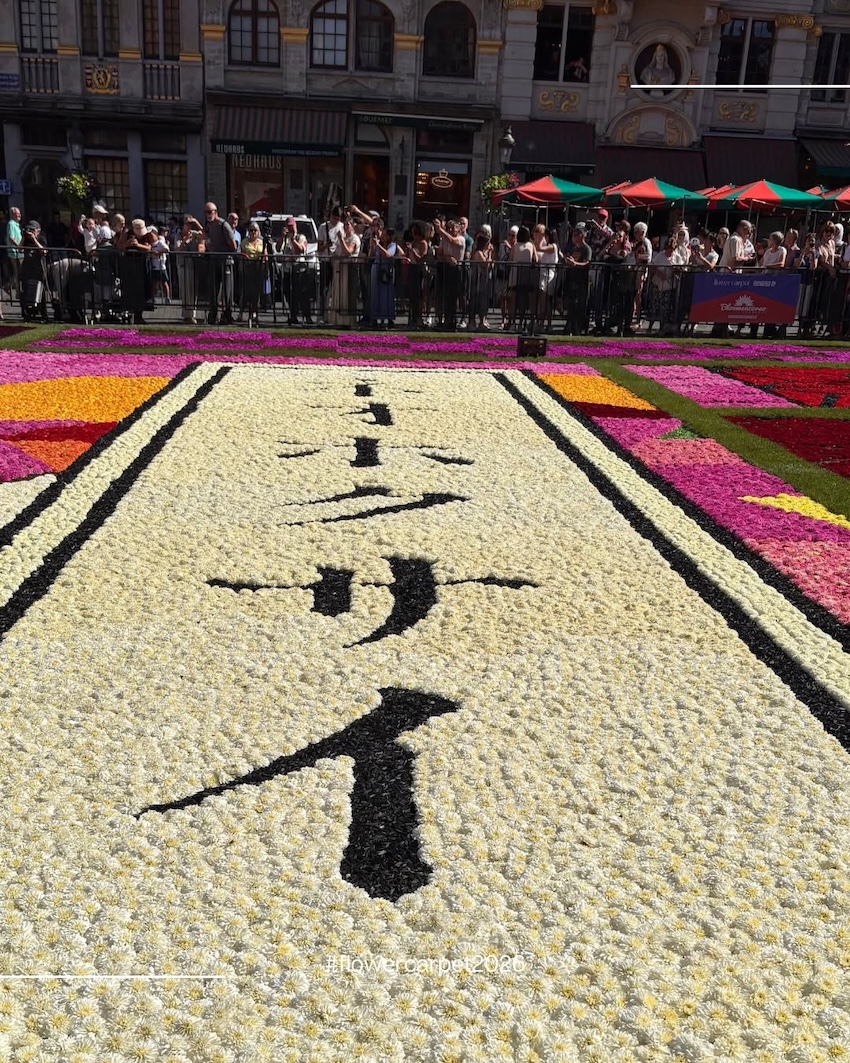
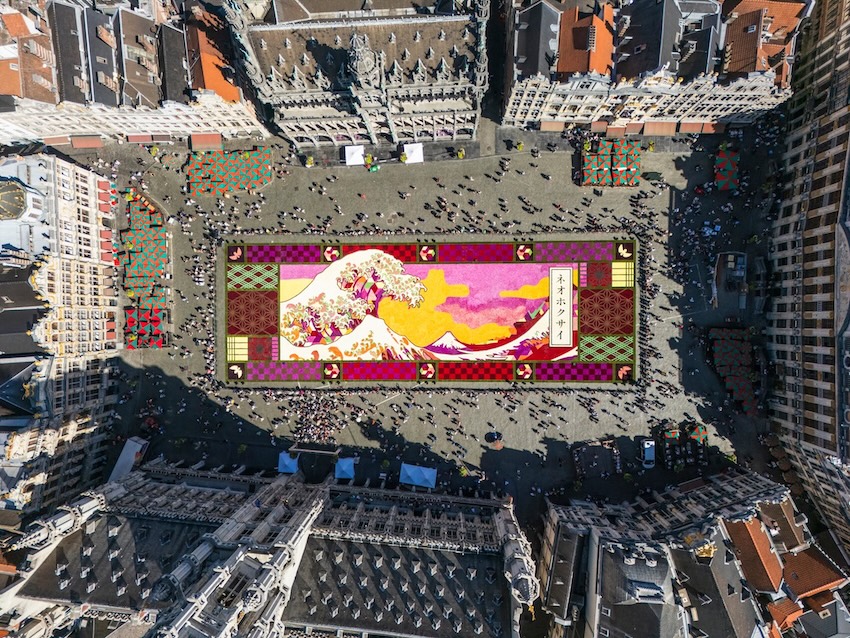
The 24th edition of the biennial Brussels Flower Carpet, held from 13 to 16 August 2026, honoured Japan and commemorated the 160th anniversary of diplomatic relations and friendship between Belgium and Japan. Ten years after the two countries’ first Flower Carpet collaboration in 2016, Japan returned to the Grand-Place with one of the most recognisable images in Japanese art: Katsushika Hokusai’s The Great Wave off Kanagawa, a Japanese ukiyo-e woodblock print from around 1831 and part of Hokusai’s celebrated series Thirty-six Views of Mount Fuji.
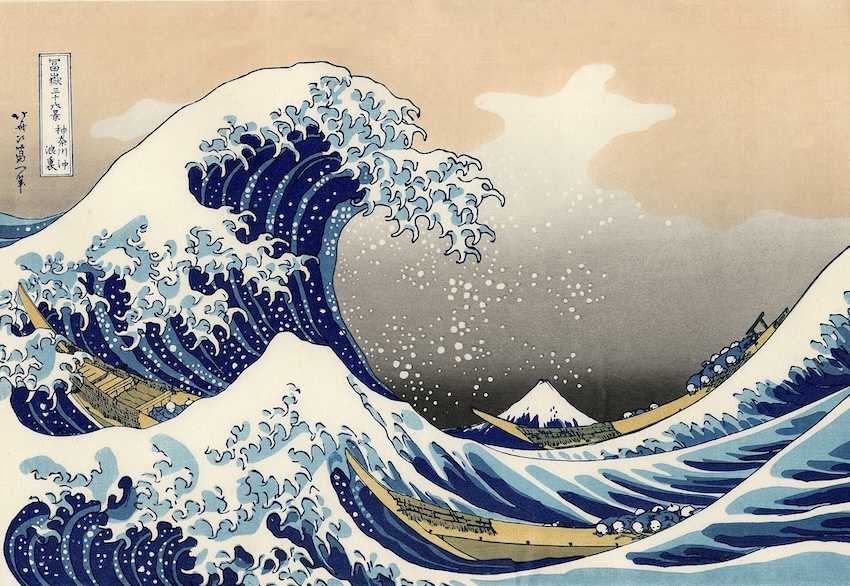
Hokusai’s Great Wave in flowers
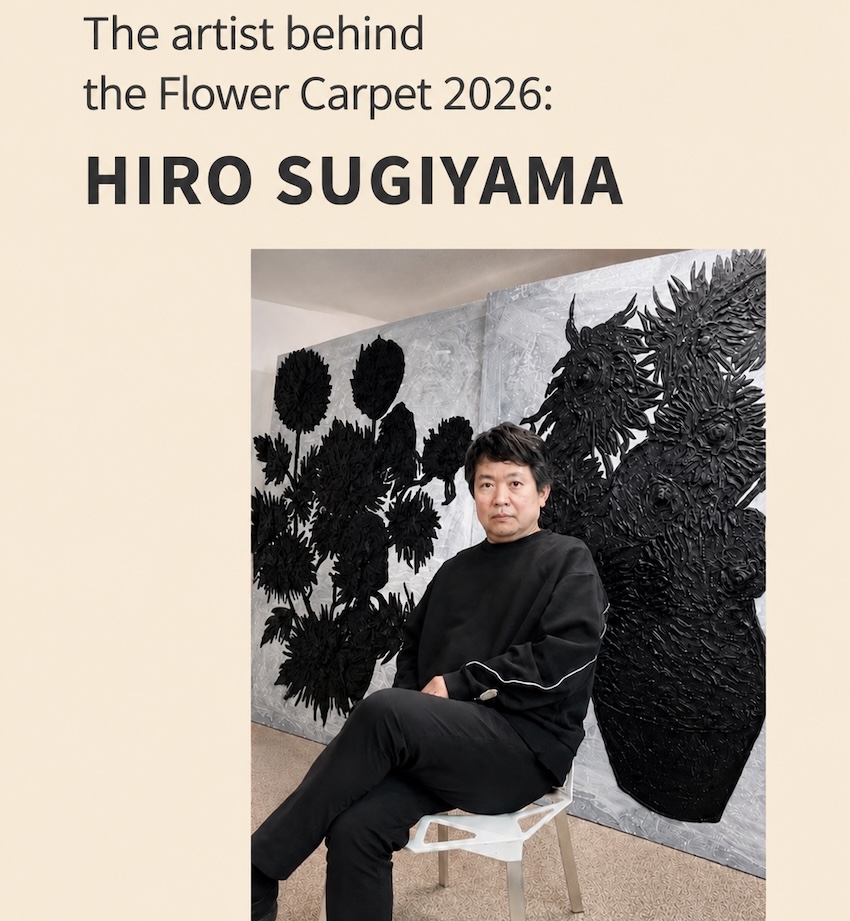
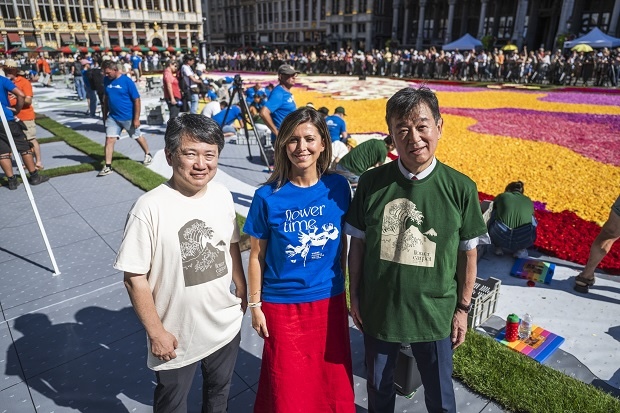
The iconic artwork was reimagined for the Flower Carpet by Japanese contemporary artist Hiro Sugiyama, a lecturer at Kyoto University of the Arts and co-founder of the art collective Enlightenment.
Sugiyama combined Hokusai’s traditional imagery with the visual language of modern art. Waves, Mount Fuji and other elements of the original composition were transformed through bold compositions, rhythm and digital-inspired techniques, thus creating a bridge between Japan’s artistic heritage and contemporary creativity.
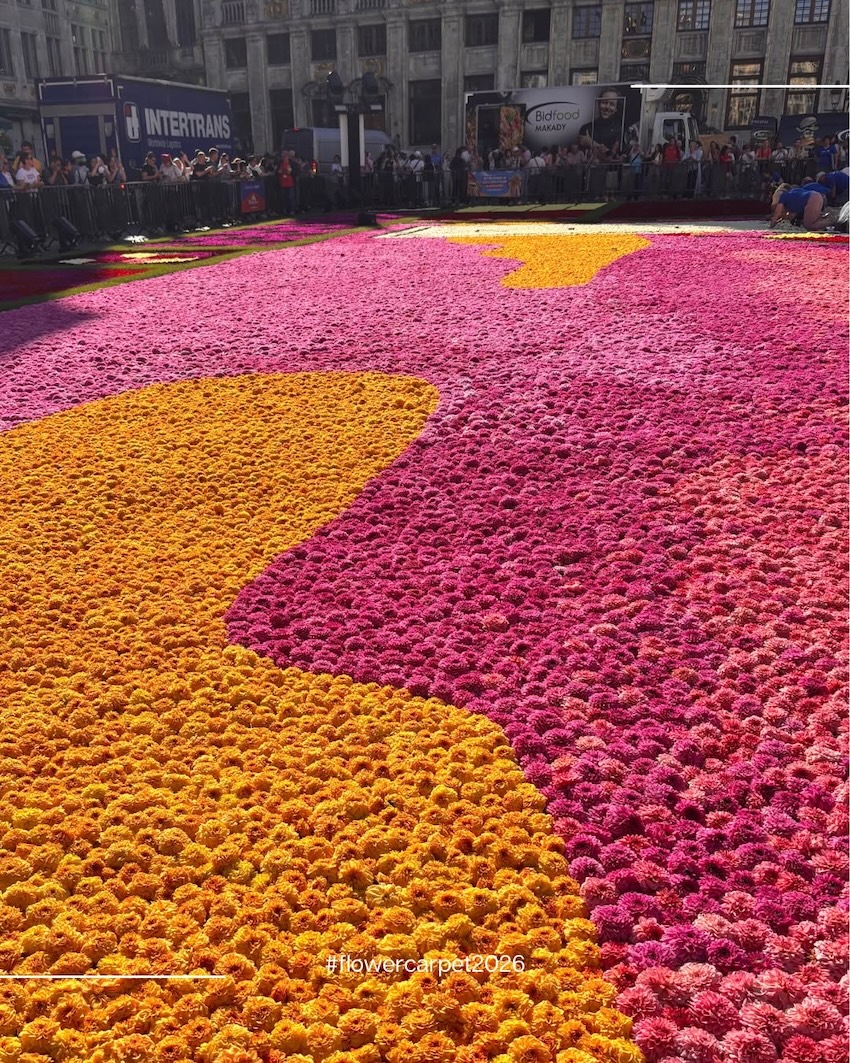
The result was extraordinary: a monumental floral installation made of hundreds of thousands of dahlias turned the Grand-Place into a living work of art. The collaboration also reflected the shared Belgian-Japanese passion for floral art. Japan proposed the artistic design, while the Belgian non-profit organisation Tapis de Fleurs and its teams translated the design into an immense floral composition.
1,680 Square Meter of Art in Bloom
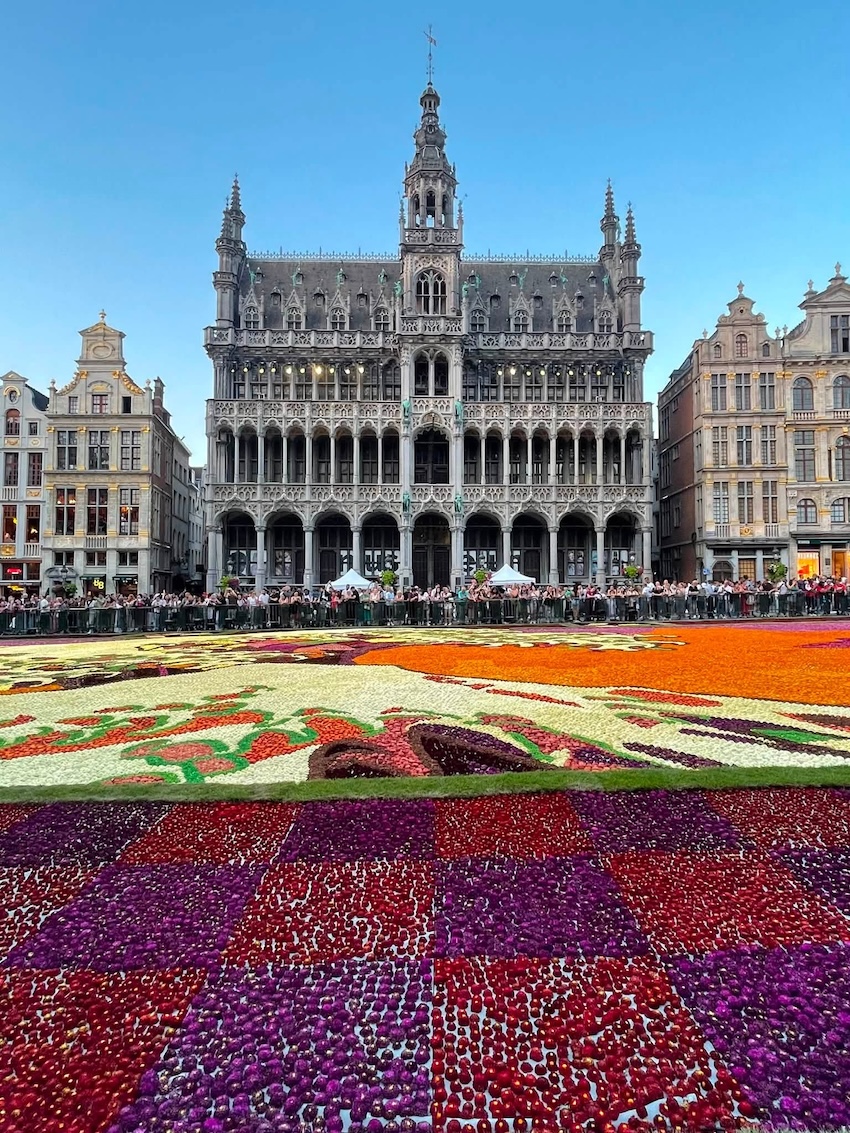
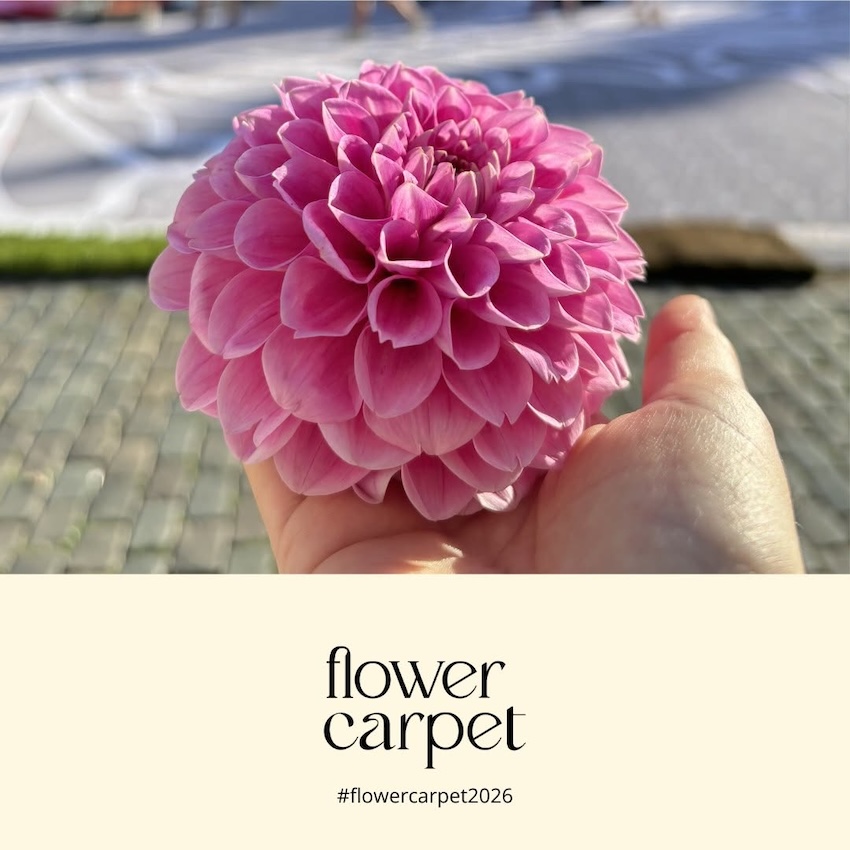
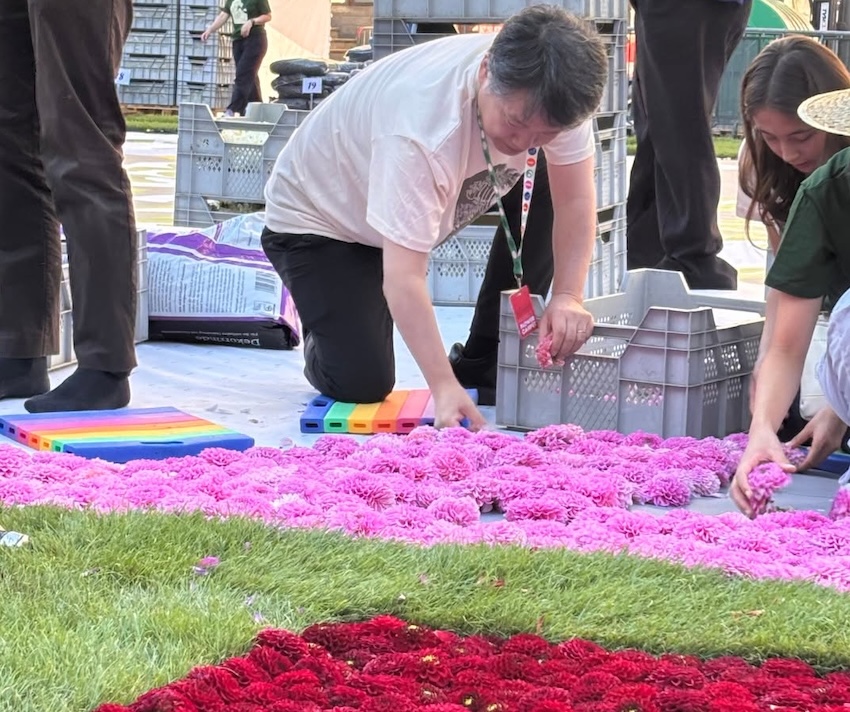
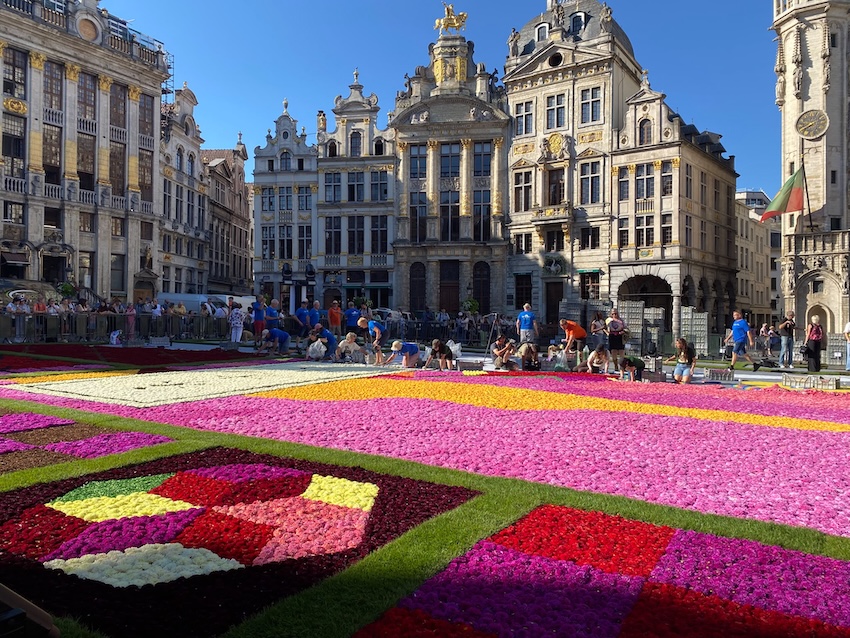
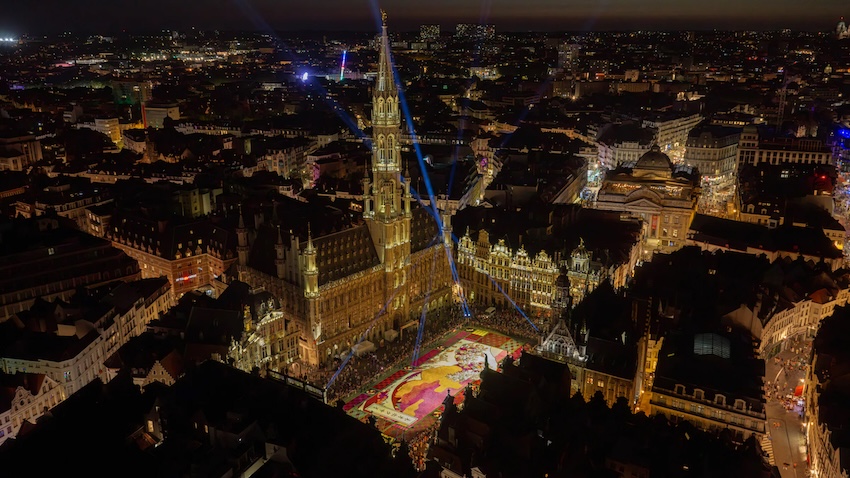
The Flower Carpet covered 70 metres by 24 metres, an area of 1,680 m². More than 750,000 flowers, predominantly dahlias of 19 colours, were used for the design. The flowers were grown in Belgium and near the Dutch border. Laid by over 120 volunteers in less than six hours, the carpet transformed the cobblestones of the Grand-Place into an intricate floral puzzle.
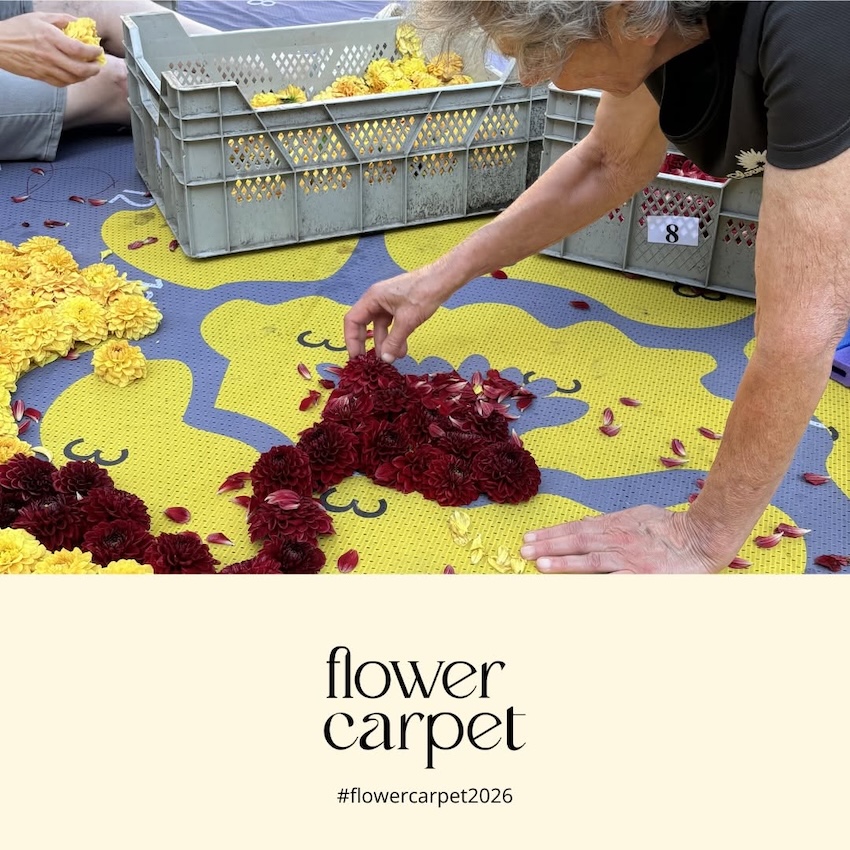
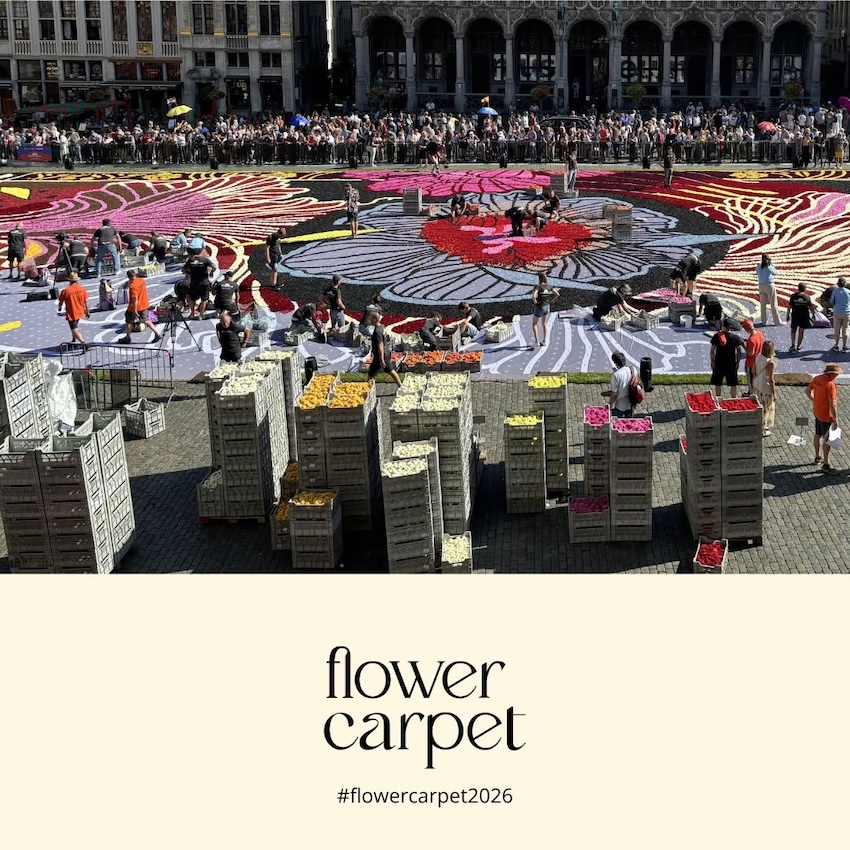
The precision required is remarkable. Before the flowers are laid out, a full-scale model is prepared on the square, while the hundreds of thousands of flowers are carefully selected and organised according to colour and composition. Once work begins, teams of volunteers work rapidly to complete the enormous floral image before the opening.
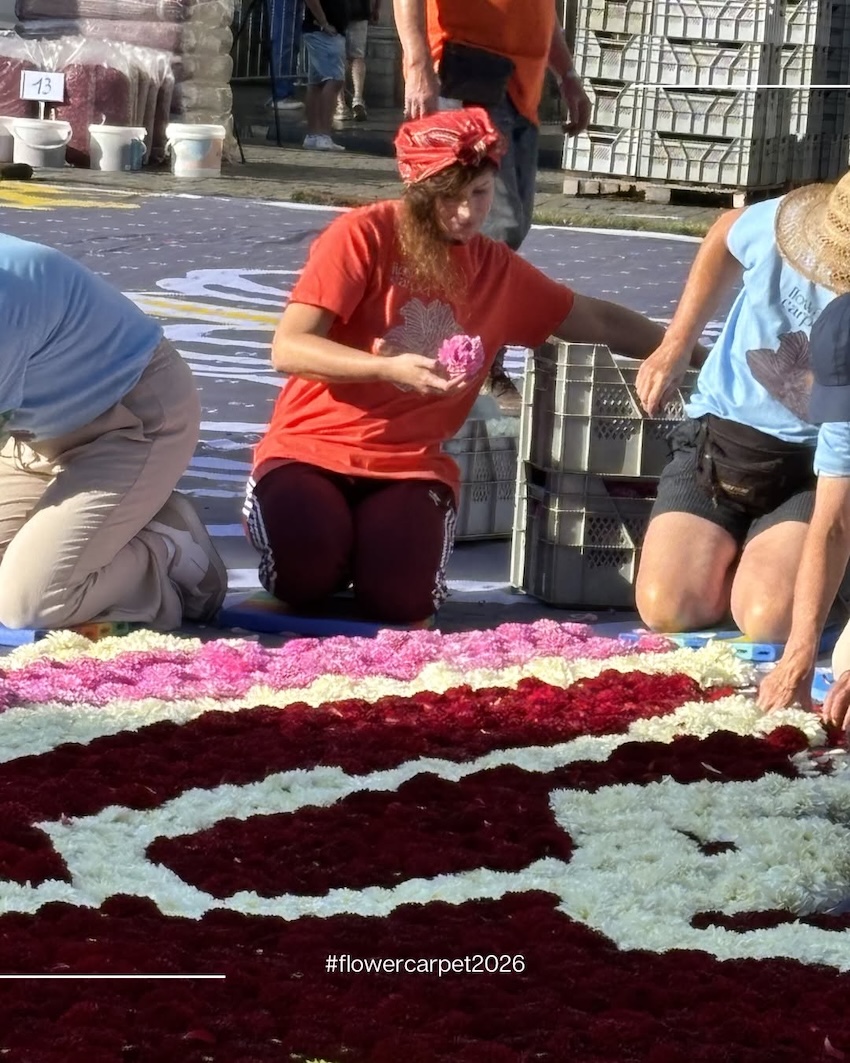
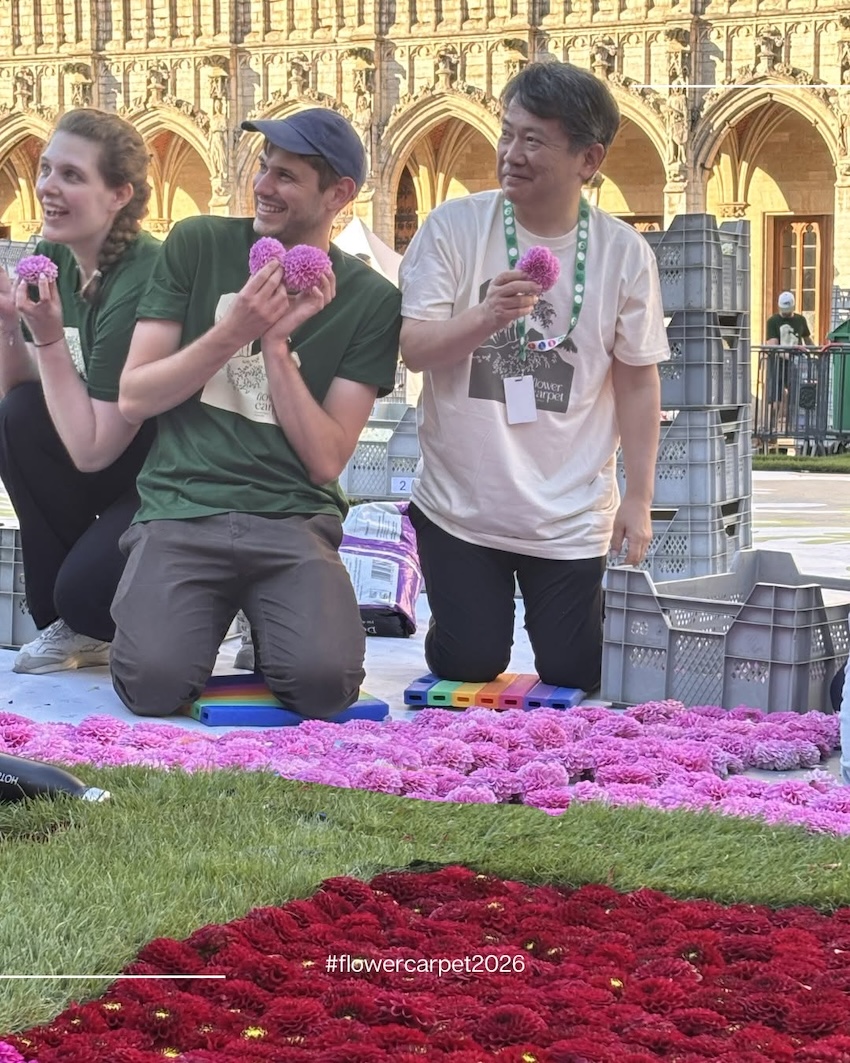
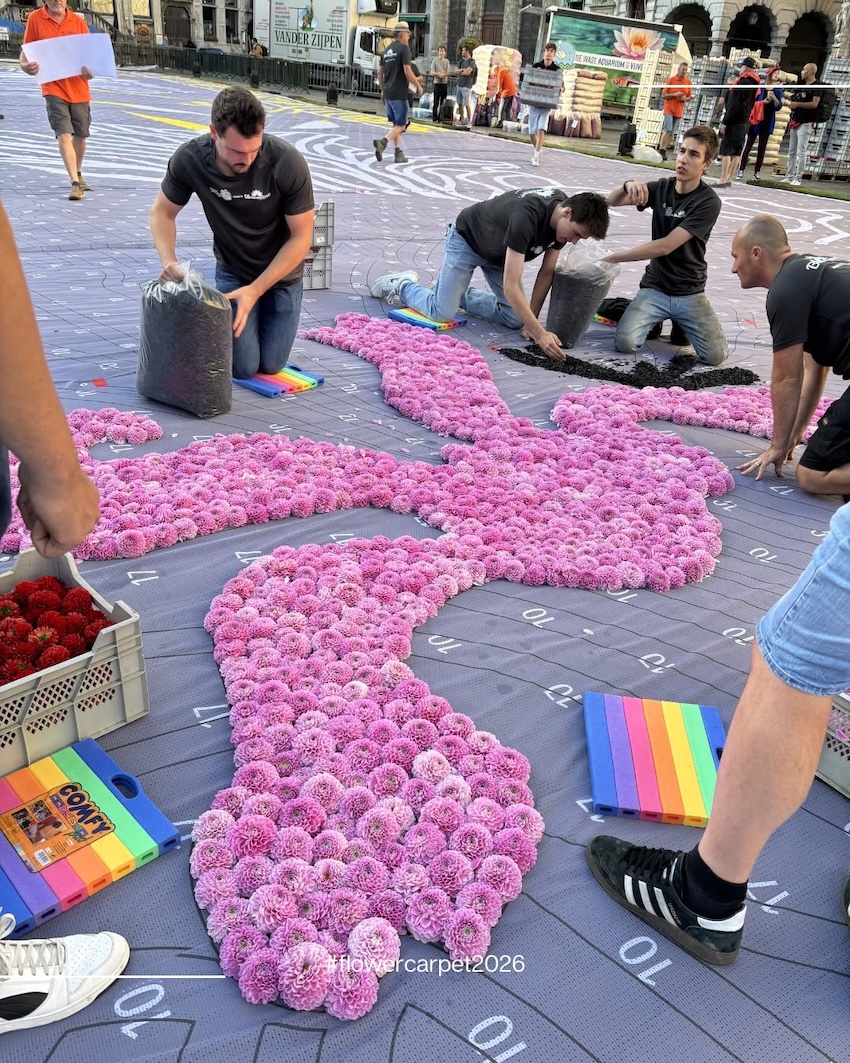
The densely packed flowers protect each other and create their own microclimate. Grass is used between the floral motifs, with watering adjusted according to the weather, thus keeping the installation fresh throughout its short, four-day lifespan.
From Begonias to Dahlias
The history of the Brussels Flower Carpet stretches back to 1971, when the first carpet was laid out on the Grand-Place. Since 1986, the event has become a regular biennial tradition.
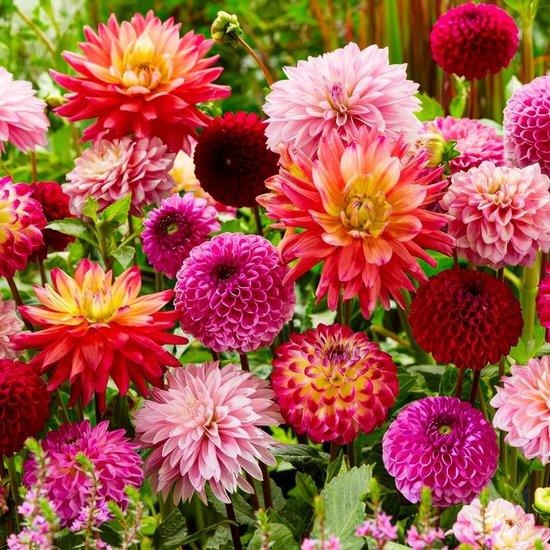
For many years, begonias were the signature flower of the carpets. However, as begonia production in Belgium declined, the organisers increasingly turned to another popular Belgian flower: the dahlia. Today, dahlias provide the exceptional colour palette needed for the intricate designs, thanks in part to cooperation with Belgian growers and the Bloemencorso Loenhout association.
A Tradition Born in 1971
The original Flower Carpet was the creation of landscape architect Etienne Stautemas, who had begun experimenting with floral carpets in the 1950s. Working with designer Mark Schautteet, he developed increasingly ambitious compositions, transforming the traditional floral carpet into a large-scale form of ephemeral art.
Over the decades, the concept spread far beyond Brussels, with more than 180 carpets created in other cities such as Ghent, Bruges, Cologne, Luxembourg, Paris, London, Amsterdam, Vienna, and Valencia. Yet the Grand-Place remains its most spectacular setting.
The Grand-Place: A Masterpiece Beneath the Flowers
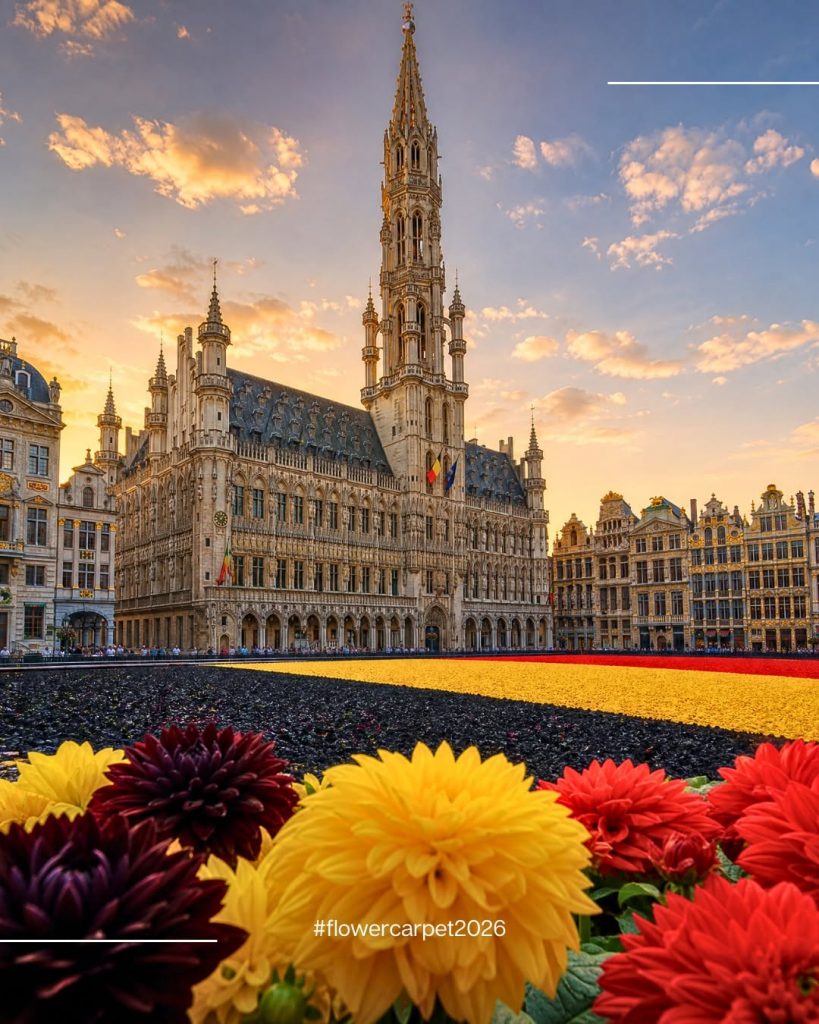
The Flower Carpet is inseparable from the extraordinary architecture surrounding it. The Grand-Place of Brussels, the historic heart of the Belgian capital, brings together Gothic, Baroque, Neoclassical and Neo-Gothic architecture. Its origins date back to the Middle Ages, while the magnificent Town Hall dominates the square with its 96-metre tower.
The square was severely damaged during the French bombardment of Brussels in 1695 and was subsequently rebuilt by the city’s guilds. Today, it is one of Europe’s most remarkable historic squares and has been a UNESCO World Heritage Site since 2000. Against this architectural backdrop, the Flower Carpet becomes more than a floral display: it creates a temporary dialogue between heritage, contemporary art and the living landscape.
A Show of Scents, Colours, Lights and Sound
The Flower Carpet is designed to be experienced from different perspectives. Visitors can admire the intricate details at ground level, while the balcony of Brussels City Hall provides a spectacular panoramic view of the entire composition.
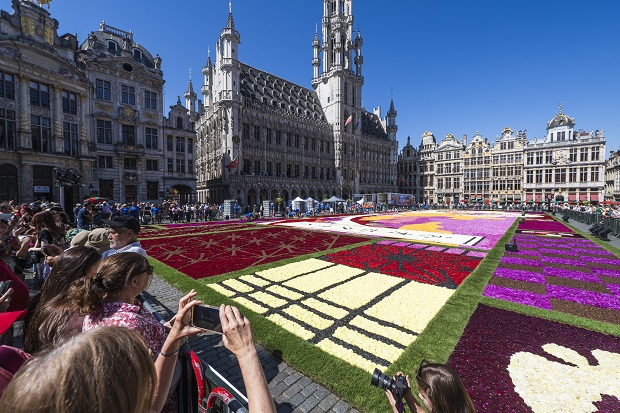
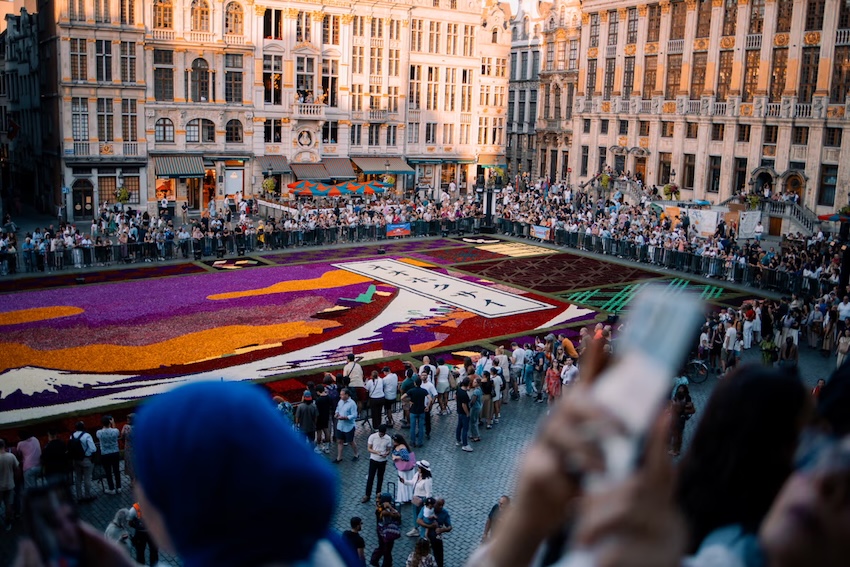
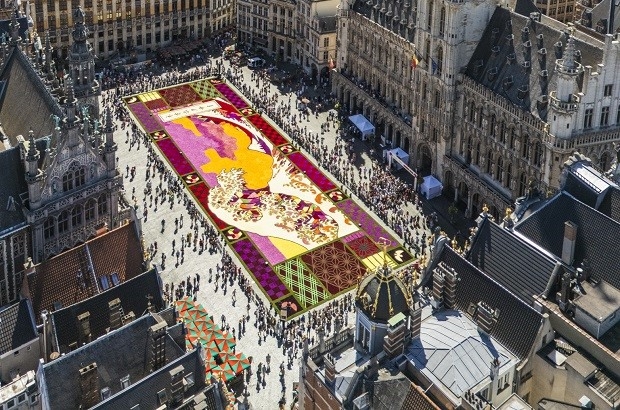
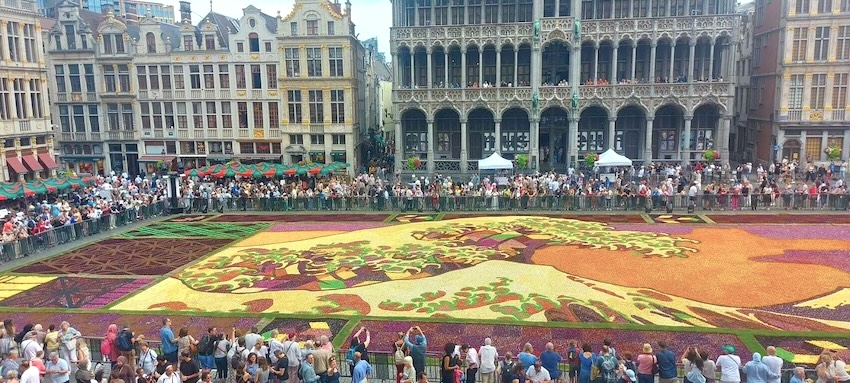
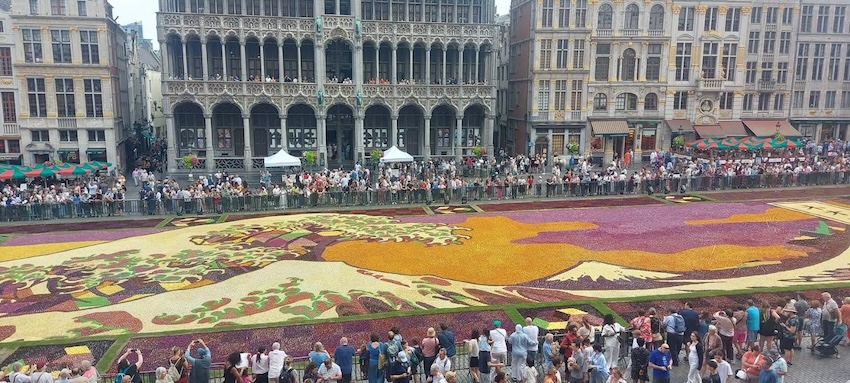
As darkness falls, the Grand-Place takes on another atmosphere: a sound-and-light show illuminates the historic buildings and the floral artwork.
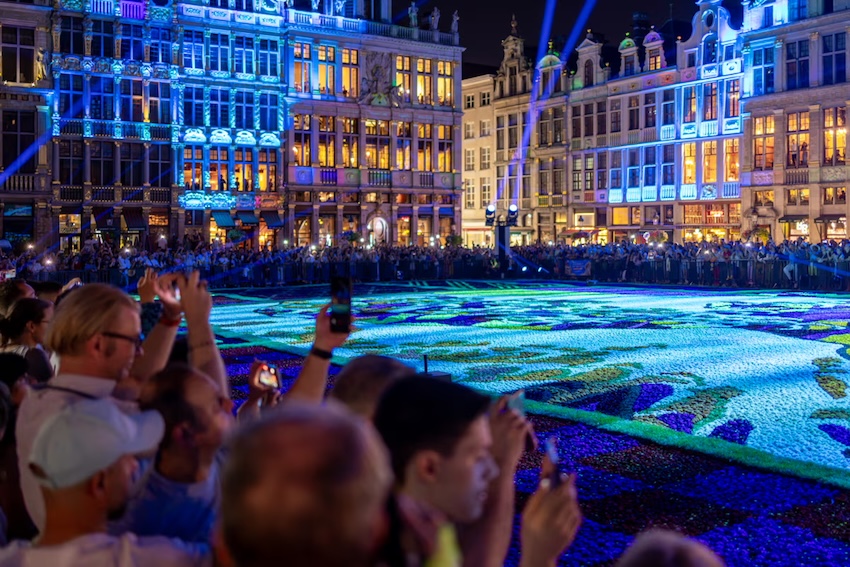
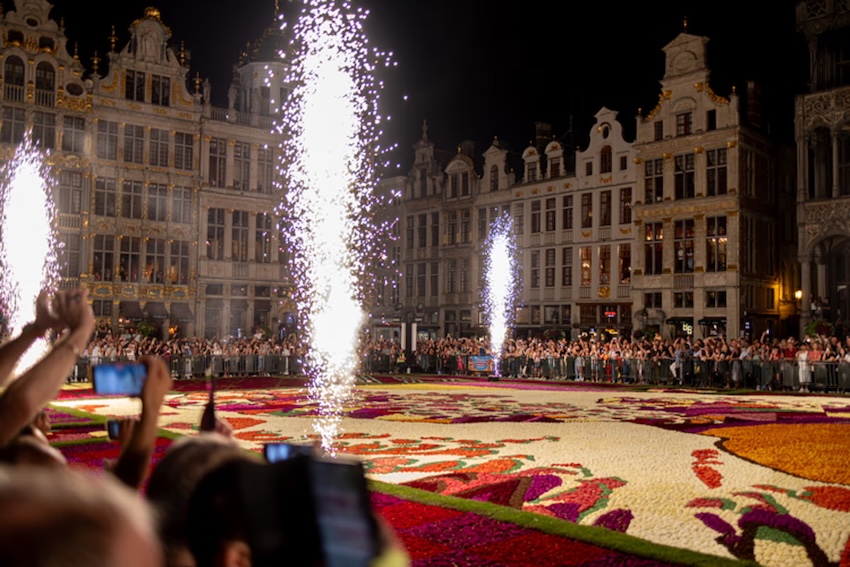
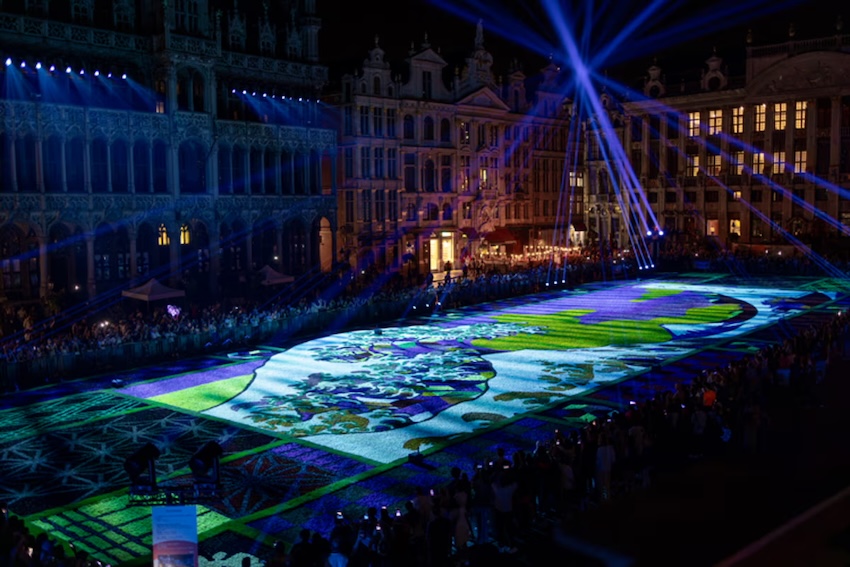
And then, after just four days, the extraordinary creation disappears. This is precisely what makes the Flower Carpet so special. It is an artwork created on an immense scale, requiring months of planning, hundreds of thousands of flowers and the coordinated work of over a hundred people – yet its beauty is deliberately temporary.
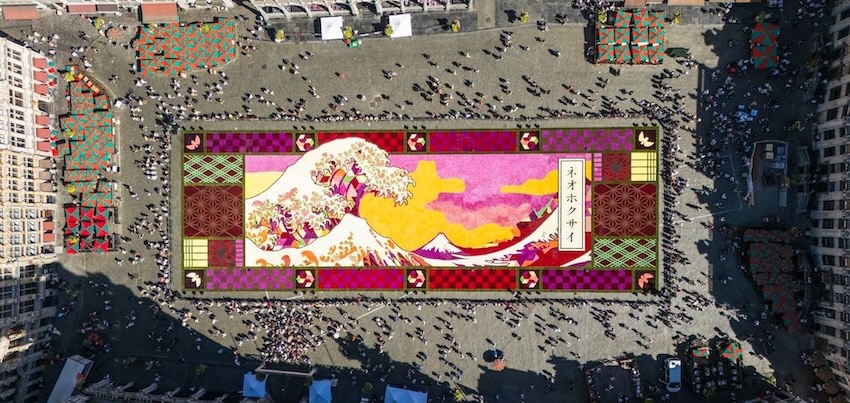
The choice of Hokusai’s The Great Wave off Kanagawa was particularly evocative: an image that has transcended cultures and generations was brought to life anew through flowers in the heart of Brussels. The Flower Carpet 2026 thus became a meeting point of East and West, tradition and contemporary art, permanence and ephemerality – a masterpiece that, while ephemeral, is meant to be remembered.
The Brussels Flower Carpet is organised by the non-profit organisation Tapis de Fleurs de Bruxelles, which promotes floral art and works with Belgian growers and artists. The event has also been recognised as part of the intangible cultural heritage of the Brussels-Capital Region since 2020.
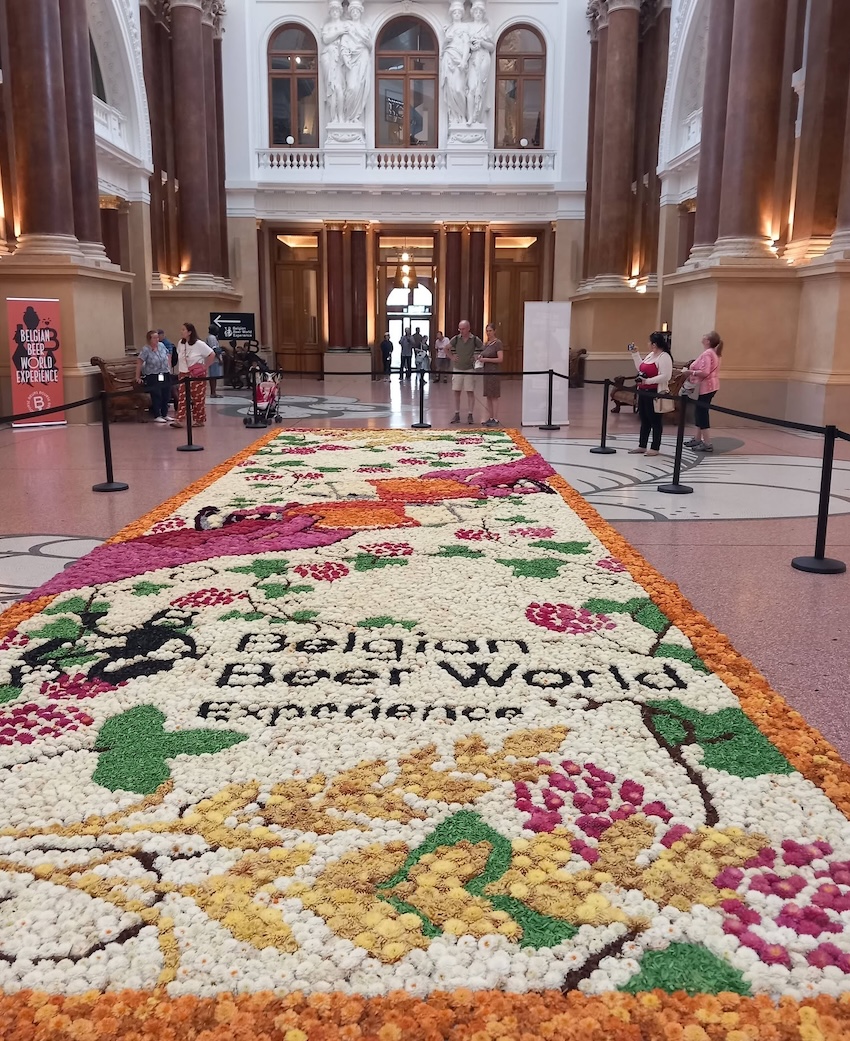
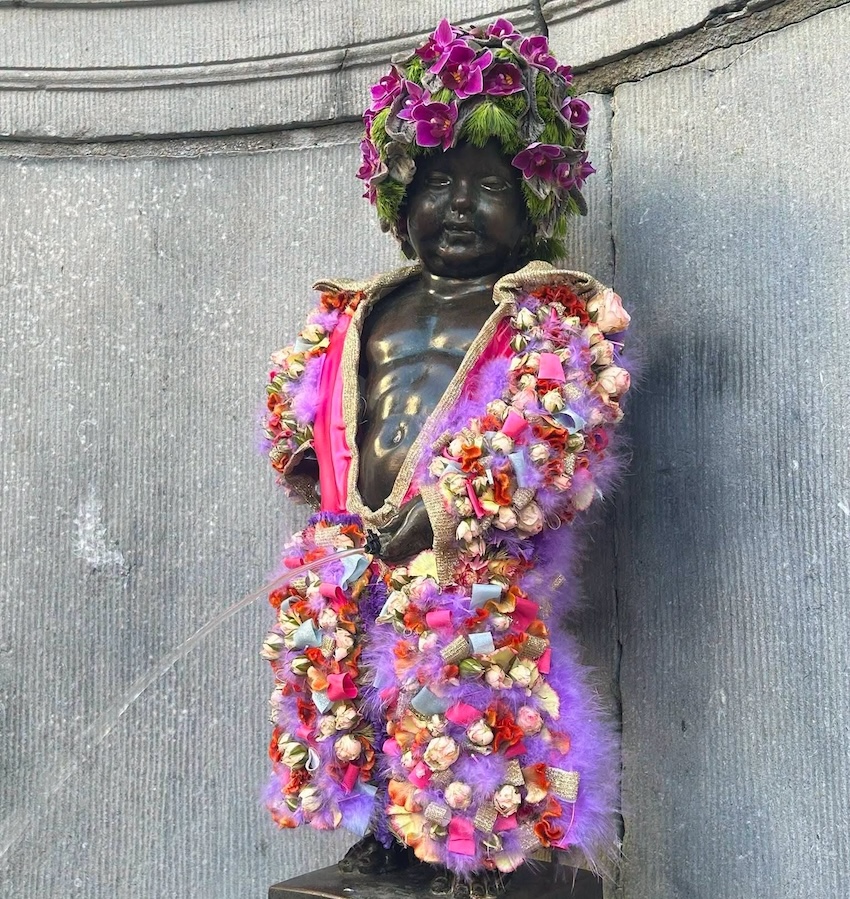
A major new feature this year was the first-ever installation of a second flower carpet in the Bourse (Brussels Stock Exchange), inspired by hops – a symbol of Belgium’s long-standing brewing heritage. The celebration also reached beyond the Grand-Place. Even the famous Manneken Pis, one of Brussels’ most beloved symbols, was adorned with flowers, adding a playful touch to the city-wide tribute to the Land of the Rising Sun.
Sources: flowercarpet.brussels, brussels.be, Reddit