

Piano and Cello Recital by Kim & Zao Van den Brempt
Edited by Anna Popper
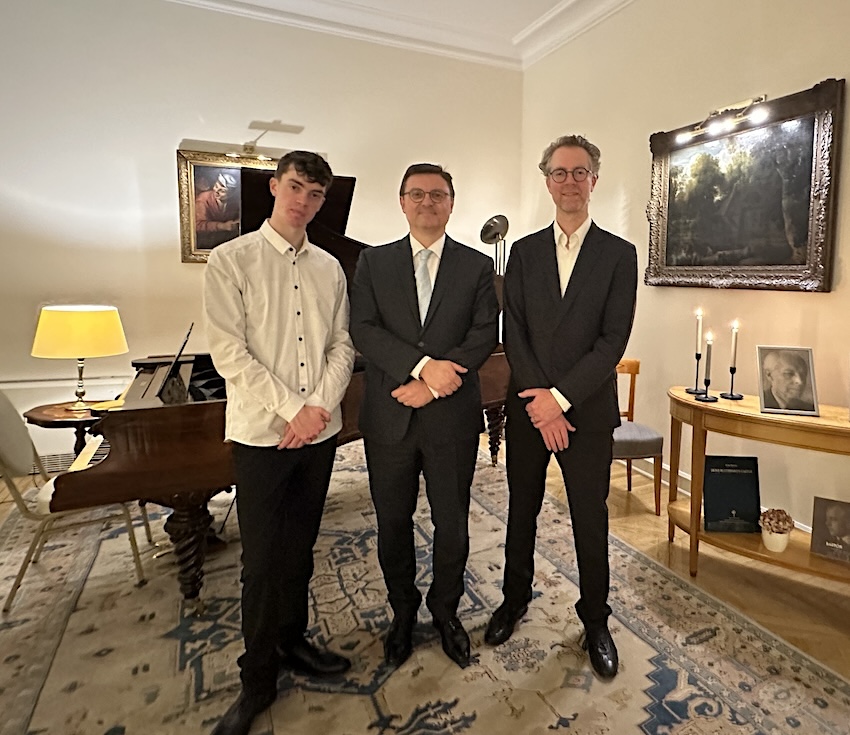
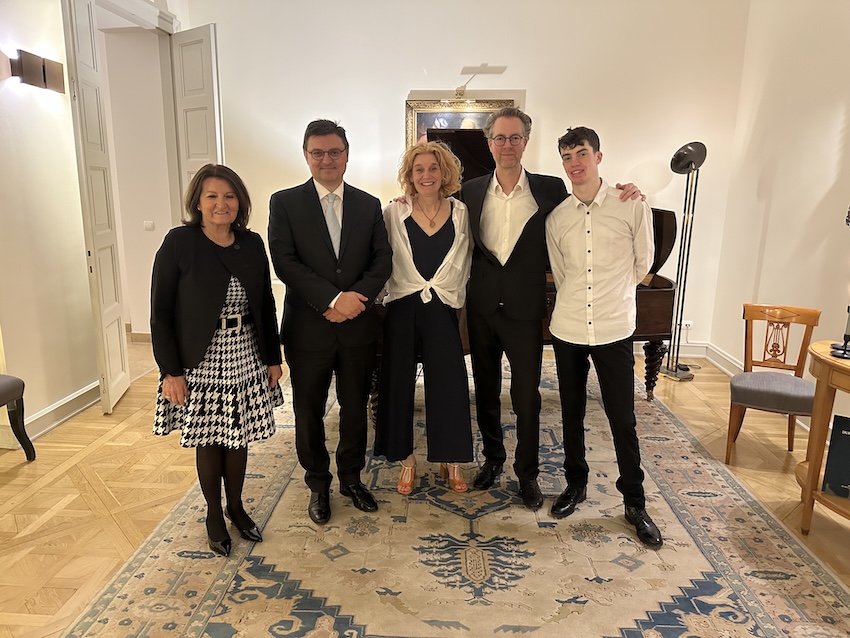
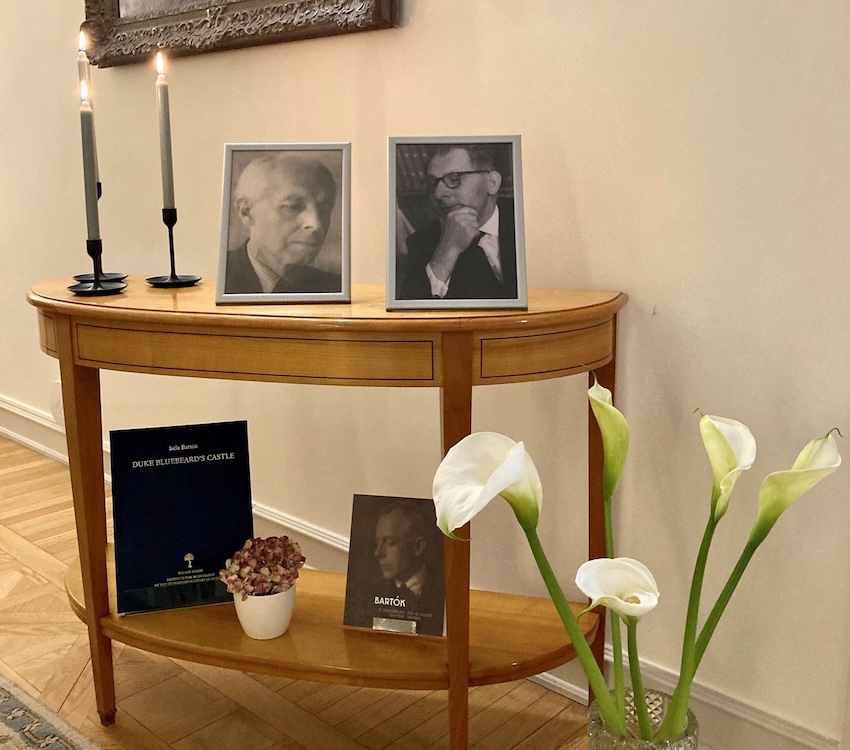
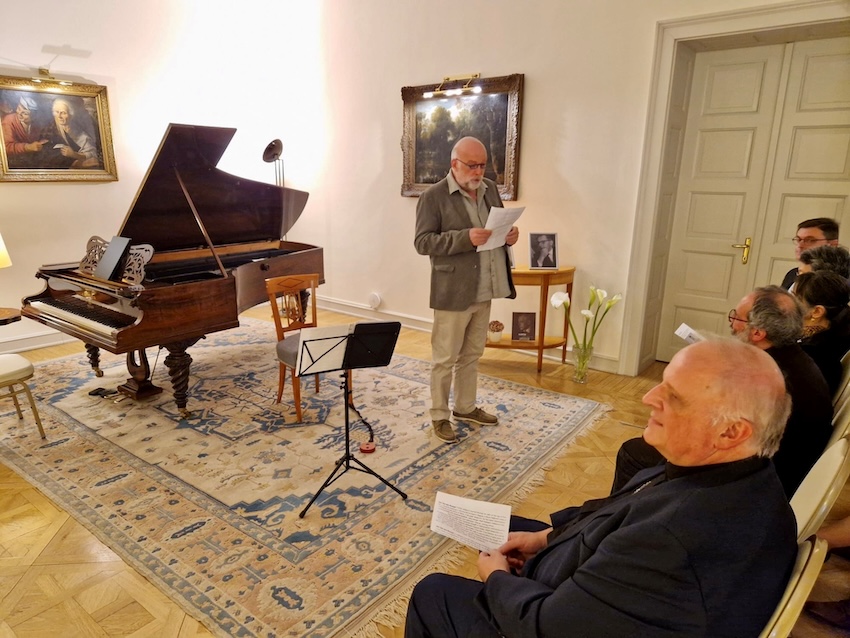
As part of Belgium’s vibrant cultural diplomacy, H.E. Jeroen Vergeylen, Ambassador of Belgium to Hungary, hosted an illustrious classical music recital entitled Moving Silence at his residence in Budapest on 24 April 2026. The evening brought together diplomats, musicologists, artists, and music lovers for a refined celebration of Béla Bartók’s enduring legacy and the deep cultural ties between Belgium and Hungary.
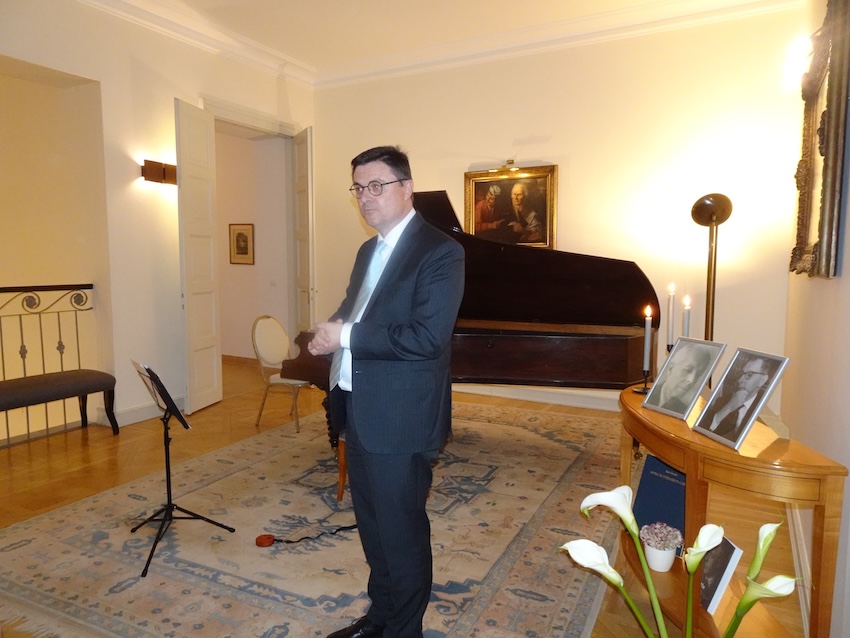
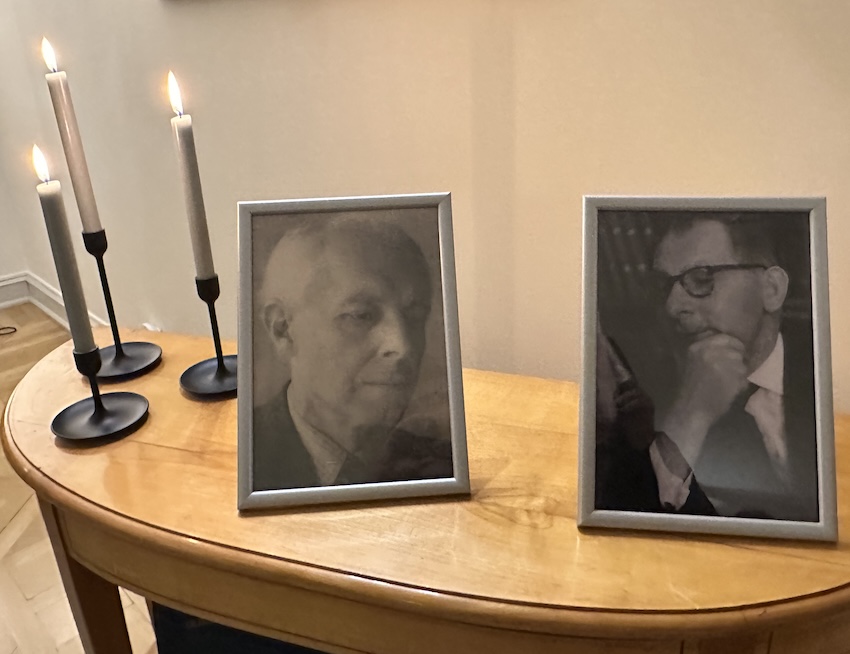
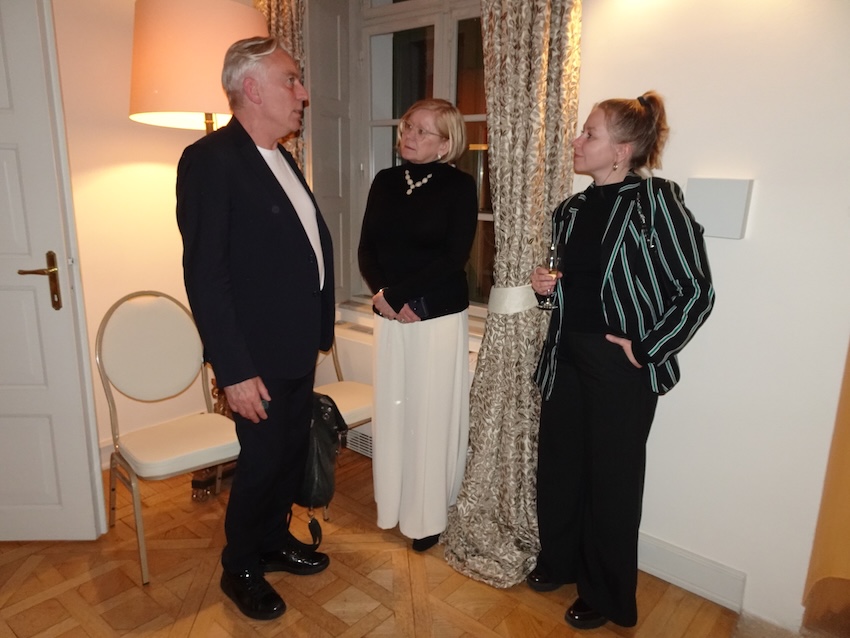
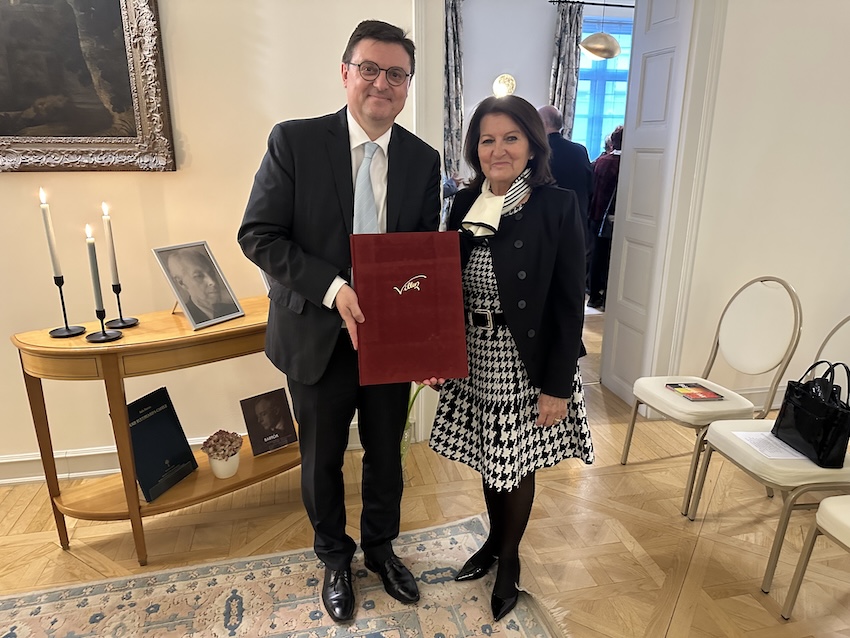
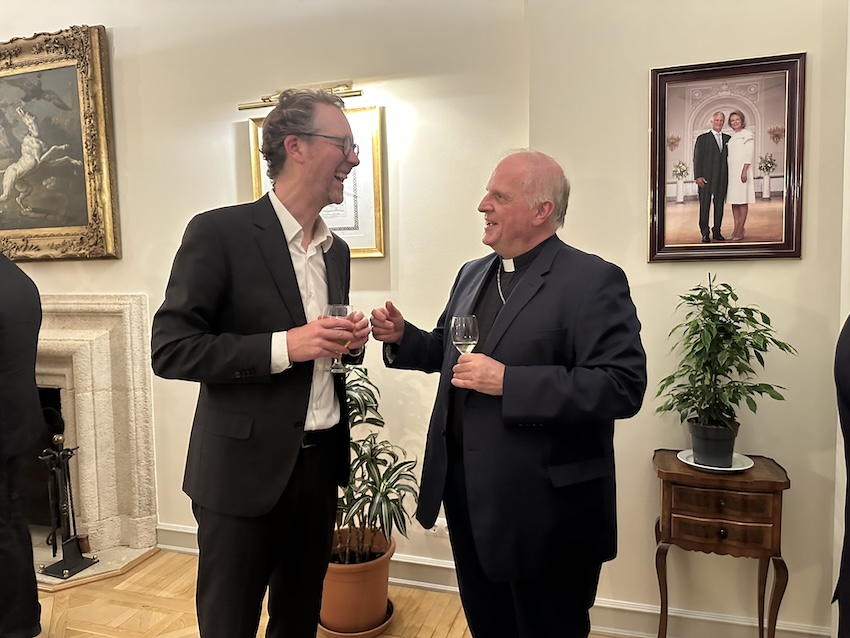
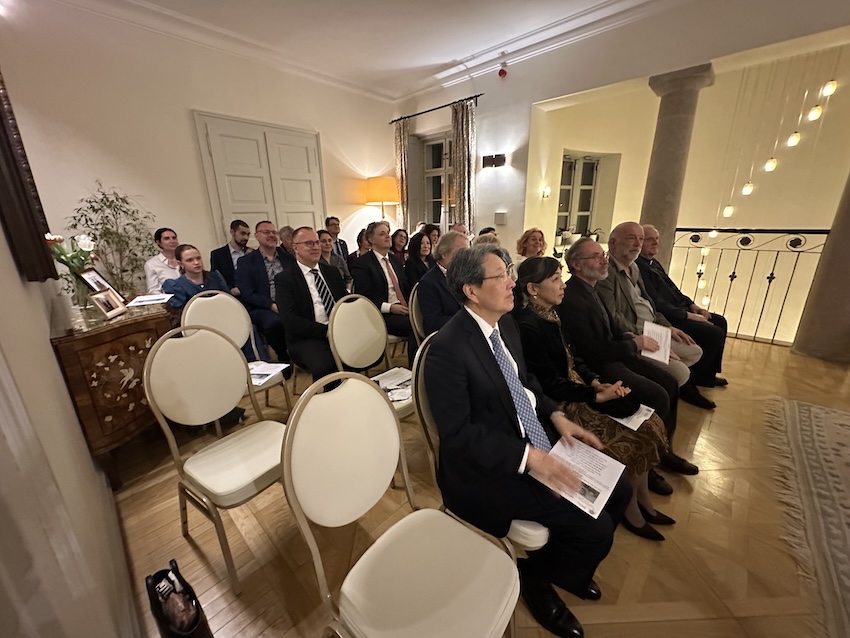
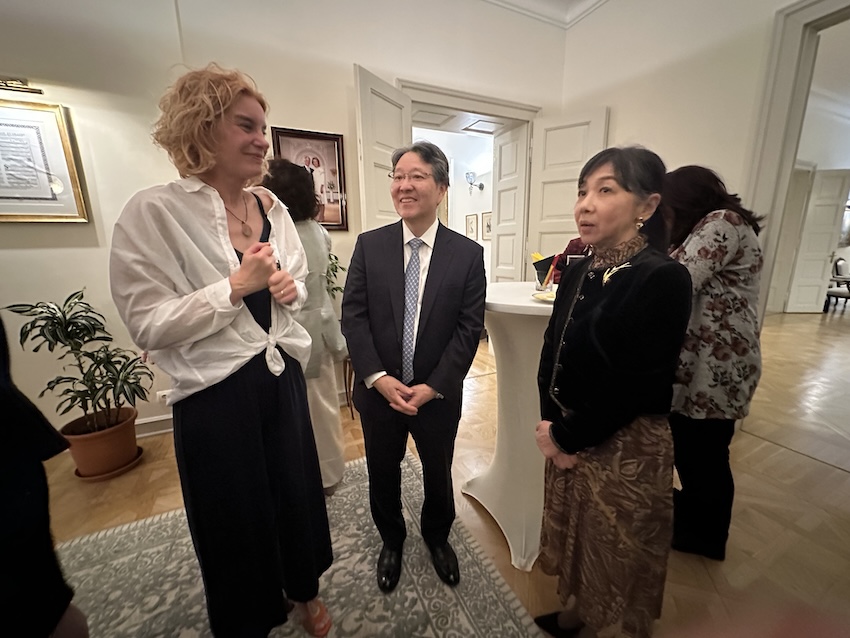
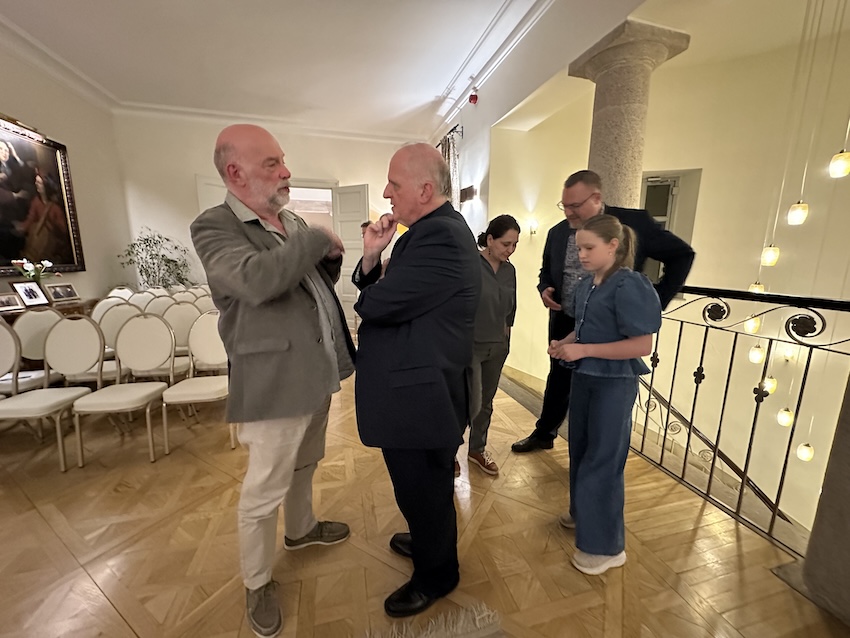
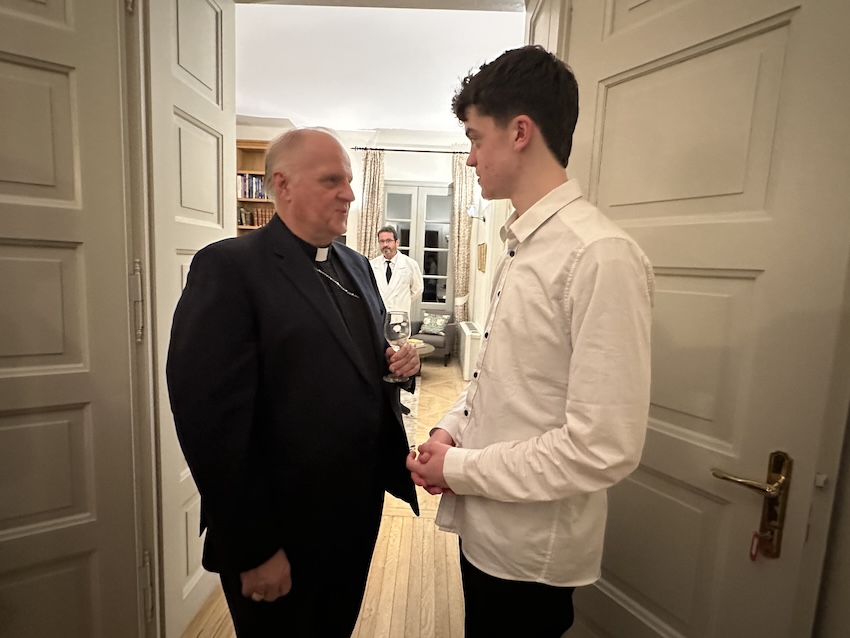
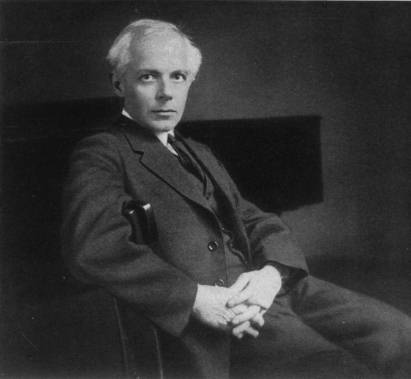
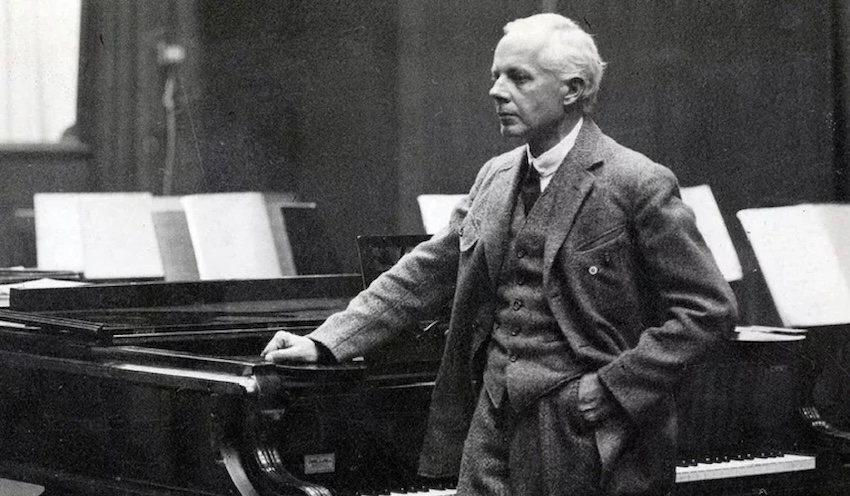
The concert commemorated two significant anniversaries: the 80th anniversary of Bartók’s death and the 20th anniversary of the passing of Denijs Dille, a Belgian priest, scholar, and co-founder of the Bartók Archívum in Budapest in 1961.
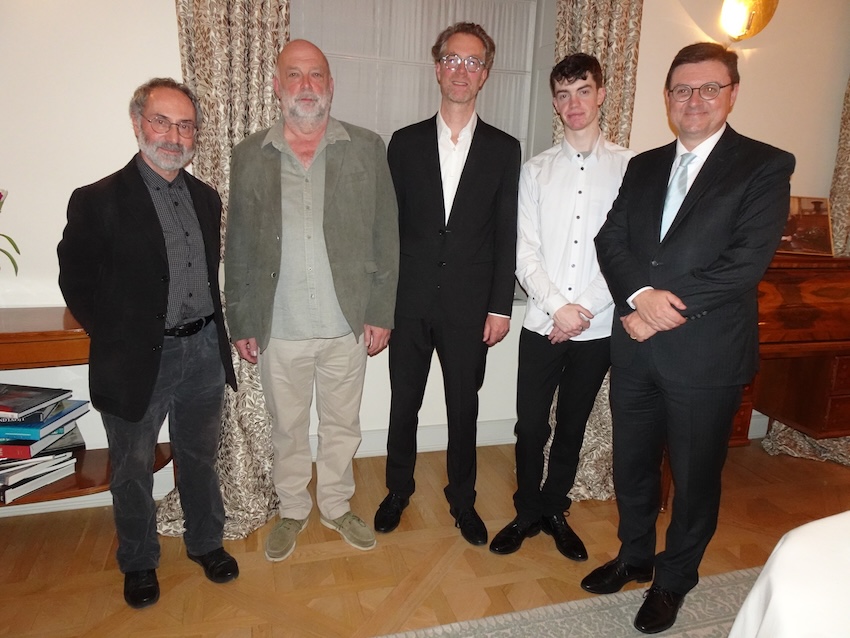
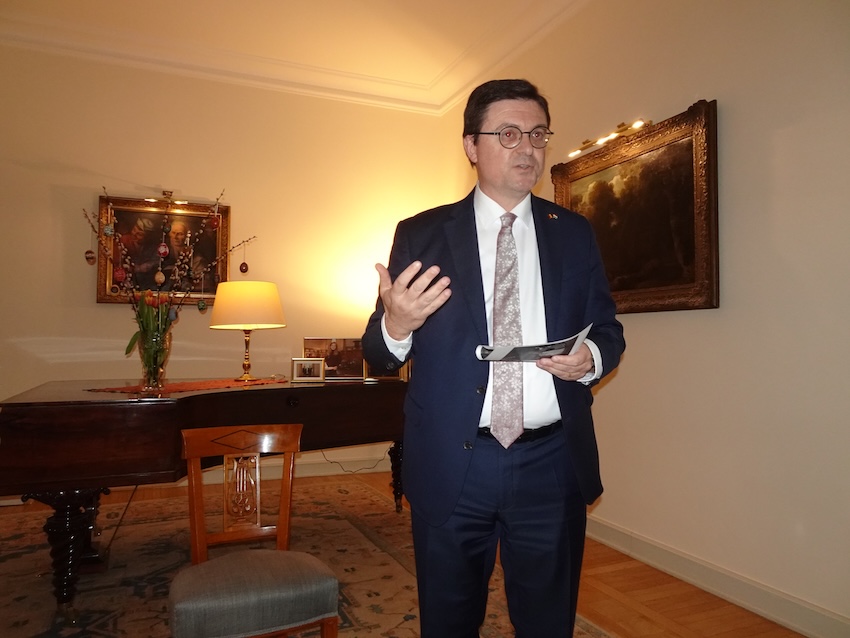
In his welcoming remarks, Ambassador Vergeylen warmly greeted the guests and introduced the distinguished speakers of the evening: Dr. László Vikárius, Director of the Bartók Archívum Budapest, and Dr. Carl Van Eyndhoven, President of the Belgian Béla Bartók Archive – Denijs Dille Fund. Their lectures shed light on Bartók’s special relationship with Belgium and on the decisive role Denijs Dille played in preserving and promoting the composer’s legacy.
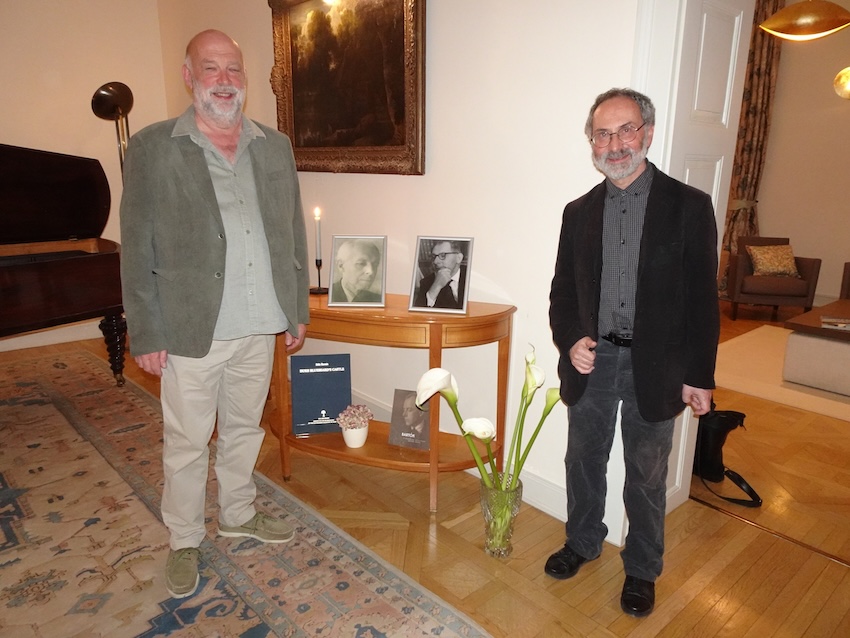
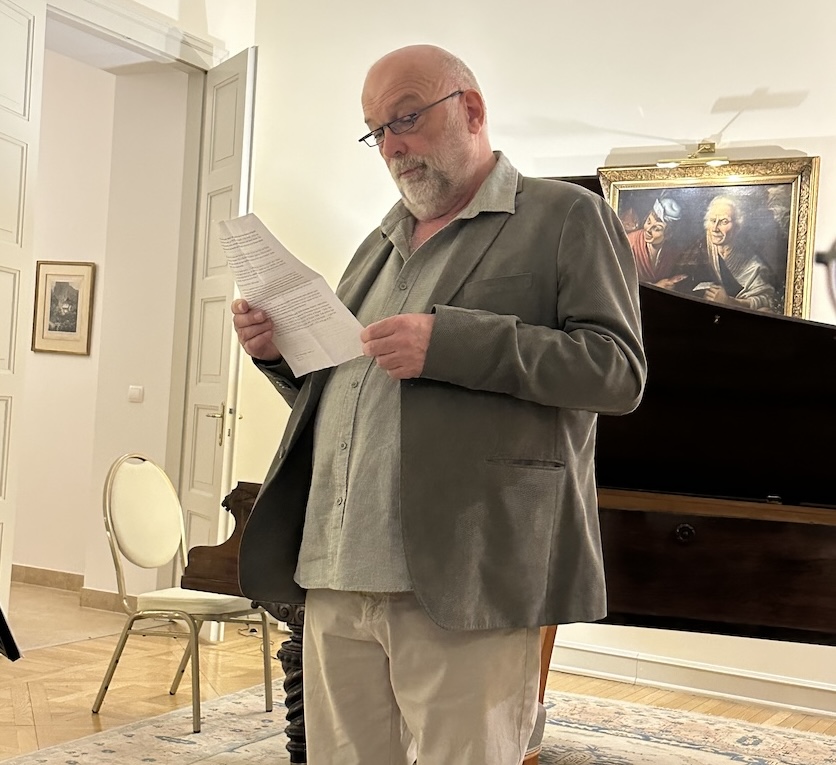
Dr. Carl Van Eyndhoven’s lecture, In the Footsteps of Béla Bartók (1881–1945), explored Belgium’s importance in the dissemination of Bartók’s music and the remarkable intellectual friendship between the composer and Denijs Dille.
He recalled the historic concert of 3 February 1937 in Brussels – the first concert in Belgium dedicated entirely to Bartók’s oeuvre – organized by Paul Collaer within the prestigious “Great Wednesday Evening Concerts”. During the interwar years, Brussels had become one of Europe’s major centres for modern music, and Bartók himself greatly appreciated the openness of Belgian musical life toward contemporary creation. He particularly admired the Brussels-based Pro Arte Quartet, to whom he dedicated his Fourth String Quartet.
Bartók himself appeared as a soloist at the 1937 Brussels concert, performing his Second Piano Concerto. In his correspondence, he praised the orchestra, the conductor, and the musicians’ exceptional sight-reading abilities despite the complexity of the program and the limited rehearsal time.
A particularly important moment in the lecture concerned the first meeting between Denijs Dille and Bartók during the dress rehearsal on 2 February 1937, when Dille interviewed the composer for the magazine La Sirène. The interview revealed Dille’s deep understanding of Bartók’s musical language and marked the beginning of a lasting intellectual and personal relationship. The text later became an important document in Bartók scholarship and was included in Dille’s 1939 biography of the composer.
Dr. Van Eyndhoven also highlighted Dille’s exceptional intellectual background. Originally trained in theology, philosophy, and Roman philology under the renowned scholar Robert Guiette, Dille applied rigorous philological methods to musicology. During the 1930s he became one of Belgium’s leading advocates of modern music through articles, lectures, and radio broadcasts on Debussy, Ravel, Stravinsky, Hindemith, Poulenc, and Bartók.
After Bartók’s death in New York exile in 1945, Dille dedicated his life to preserving and studying the composer’s legacy. This mission eventually led him to Hungary, where in 1961 he became the first director of the Bartók Archívum in Budapest, a position he held for 10 years. Later, in 1996, he founded the Belgian Béla Bartók Archives at the Royal Library of Belgium. Both institutions remain testaments to Dille’s lifelong devotion to Bartók’s art and thought. As Dr. Van Eyndhoven noted, Dille’s “journey in the footsteps of Bartók” began in Brussels in February 1937 and continued until his death in 2005 at the age of 101.
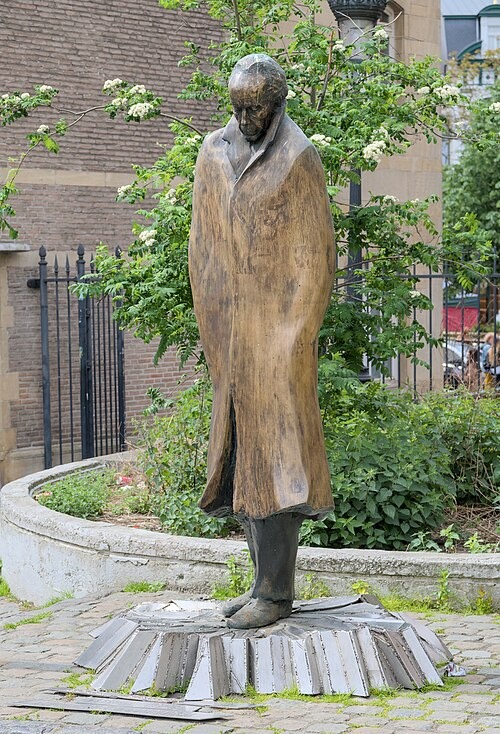
Brussels preserves the memory and legacy of Béla Bartók through a striking and deeply inspiring bronze statue created by the great Hungarian sculptor Imre Varga in 1995, received as a gift from the city of Budapest on the occasion of the 50th anniversary of Bartók’s death, prominently situated in the historic Place d’Espagne, in the heart of Europe.
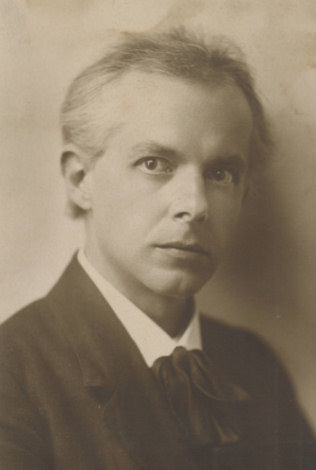
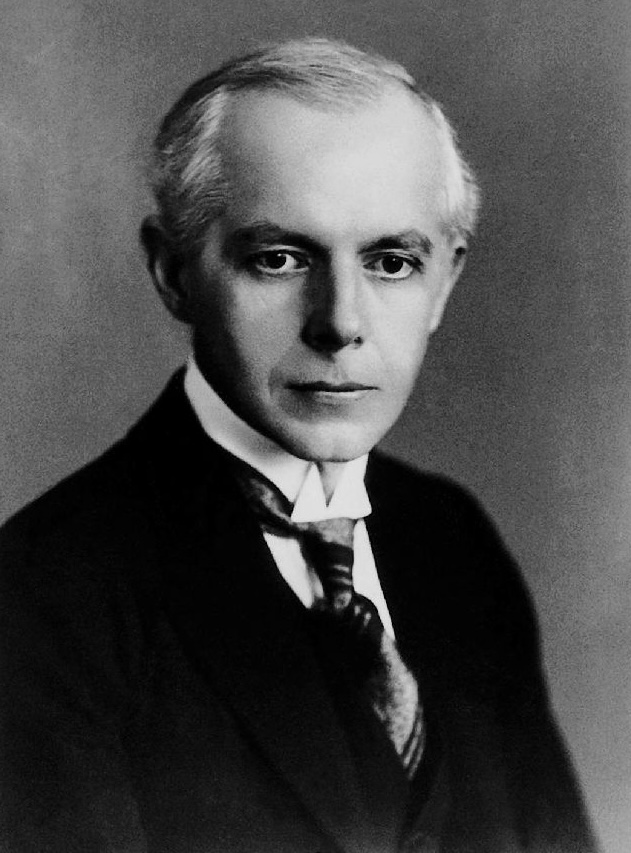
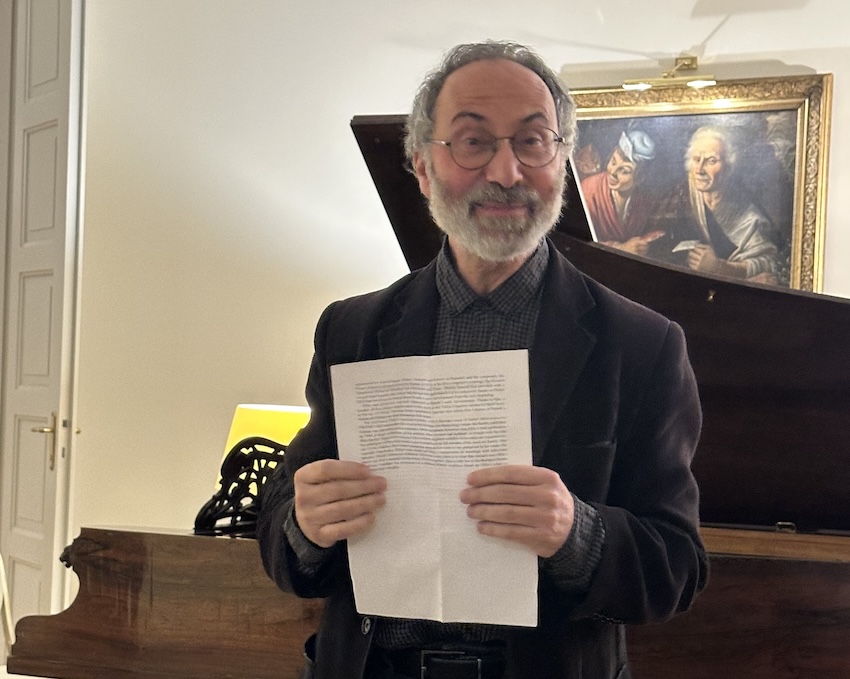
The second lecture, delivered by Dr. László Vikárius, entitled Denijs Dille: A Belgian Scholar Establishing and Directing the Budapest Bartók Archives, highlighted Dille’s extraordinary scholarly contribution and his decisive role in organizing the Hungarian Bartók estate.
Vikárius vividly described the Bartók Archives during the 1960s, when the institution in Budapest’s Castle District almost resembled a diplomatic mission. Directed by the Belgian priest and scholar Denijs Dille, the Archives functioned in a cosmopolitan intellectual atmosphere where French, German, and Hungarian coexisted naturally among researchers and collaborators.
(It is important to note that the first director of the Bartók Archives, Denijs Dille, was appointed to the position by the great Hungarian composer Zoltán Kodály (1882–1967). The relationship between Bartók and Kodály is among the most significant professional and intellectual collaborations in 20th-century Hungarian music history.)
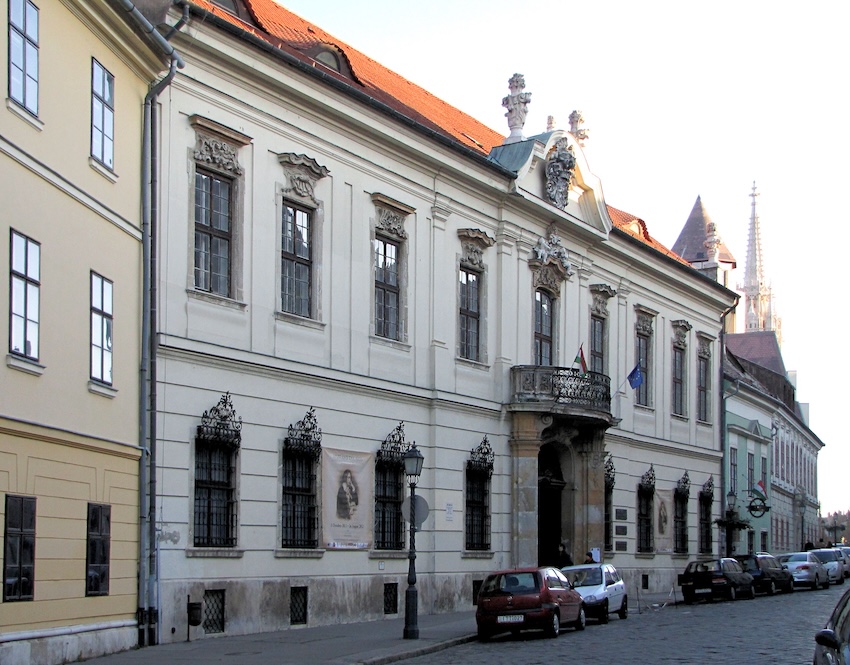
The lecture emphasized that Dille’s work went far beyond mere admiration for the composer. By 1939 he had already completed his first monograph on Bartók, with the composer personally reviewing and correcting the catalogue of works included in the publication. In the following decades Dille meticulously collected manuscripts, correspondence, folk music research materials, and personal documents related to Bartók’s life and work.
A major turning point came in 1961 with the establishment of the Bartók Archives within the Institute for Musicology directed by the renowned Hungarian scholar Bence Szabolcsi. Dille became head of the special Bartók collection and created the organizational and cataloguing system that remains foundational today.
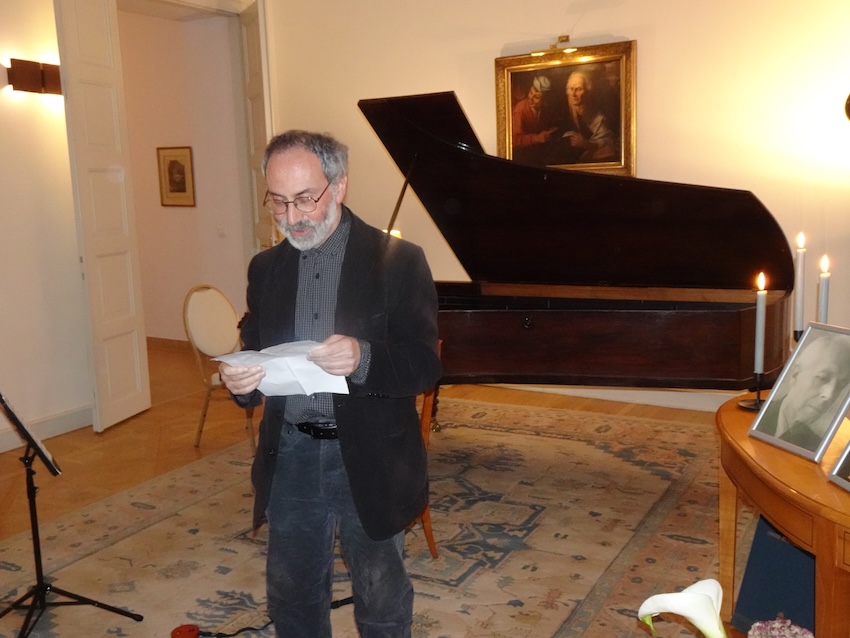
Dr. Vikárius stressed Dille’s immense contribution to Bartók scholarship through documentary publications, catalogues, and the celebrated Documenta Bartókiana volumes. Among his most important achievements was the monumental Verzeichnis der Jugendwerke, the first detailed catalogue of Bartók’s youthful compositions and musical education.
Thanks to Dille’s great dedication, numerous neglected or unpublished works by Bartók were rediscovered, edited, published, and performed, including early piano pieces, songs, the Violin Sonata, the Piano Quintet, Kossuth, and the Scherzo for Orchestra and Piano. His research fundamentally expanded the scholarly understanding of Bartók’s artistic development.
The lecture concluded by emphasizing the enduring importance of Dille’s archives, notebooks, and correspondence, which remain invaluable historical sources for researchers today. Together, the Budapest and Belgian Bartók Archives continue to preserve and deepen our understanding of Bartók’s artistic and intellectual legacy.
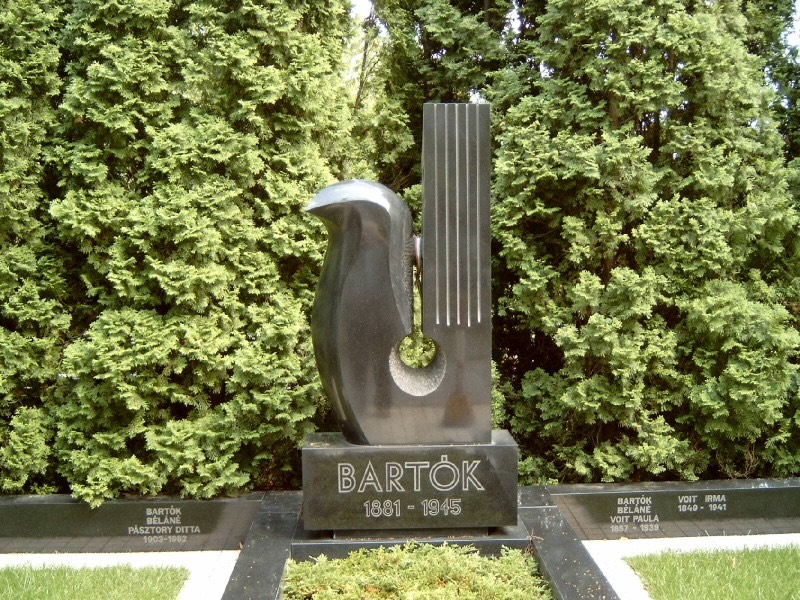
Piano-Cello Concert: Moving Silence
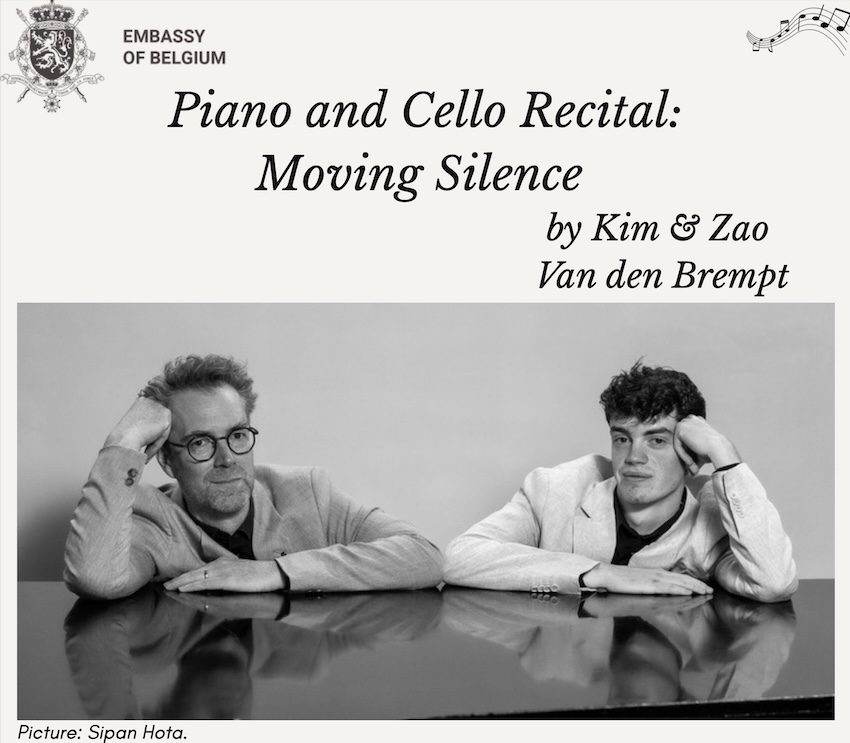
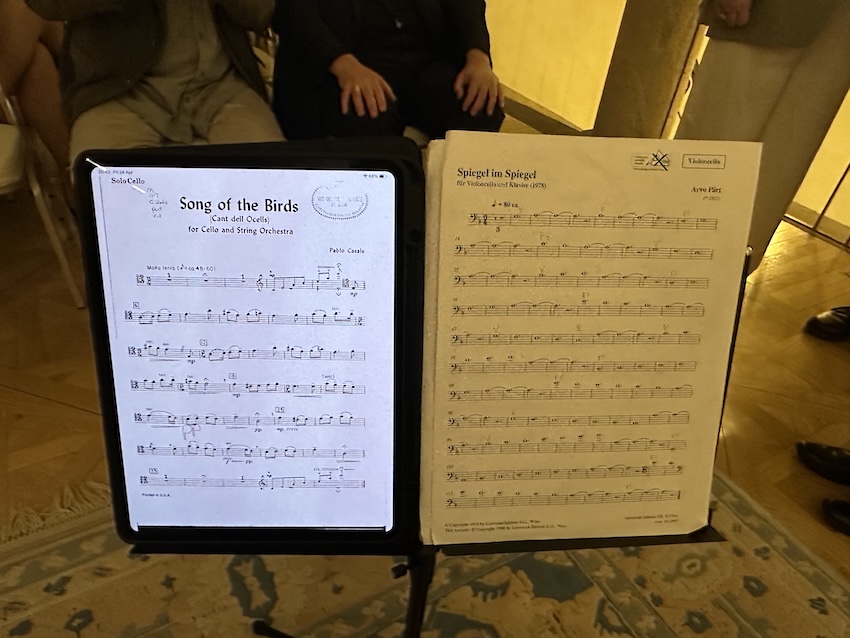
Following the lectures, the audience eagerly anticipated the musical performance by Belgian pianist Kim Van den Brempt and his son, cellist Zao Van den Brempt. Their program included works by Béla Bartók, György Kurtág, celebrating his 100th anniversary, Arvo Pärt, and original compositions by Zao Van den Brempt. The recital was received with enthusiastic applause and great appreciation by the audience.
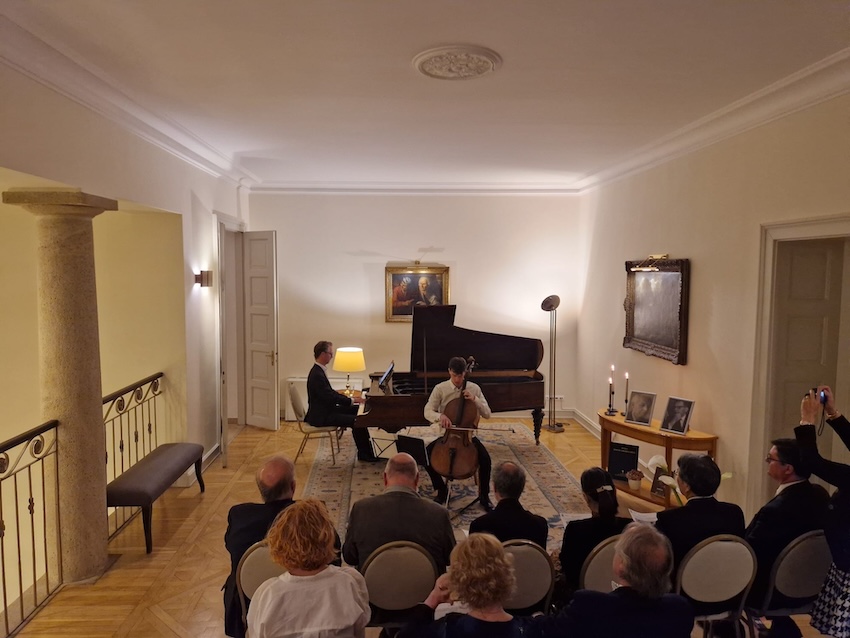
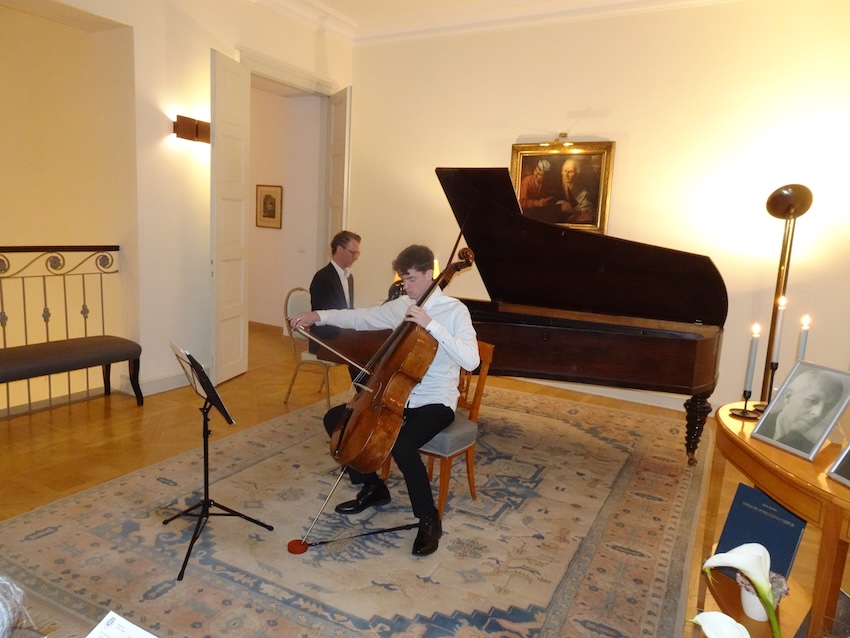
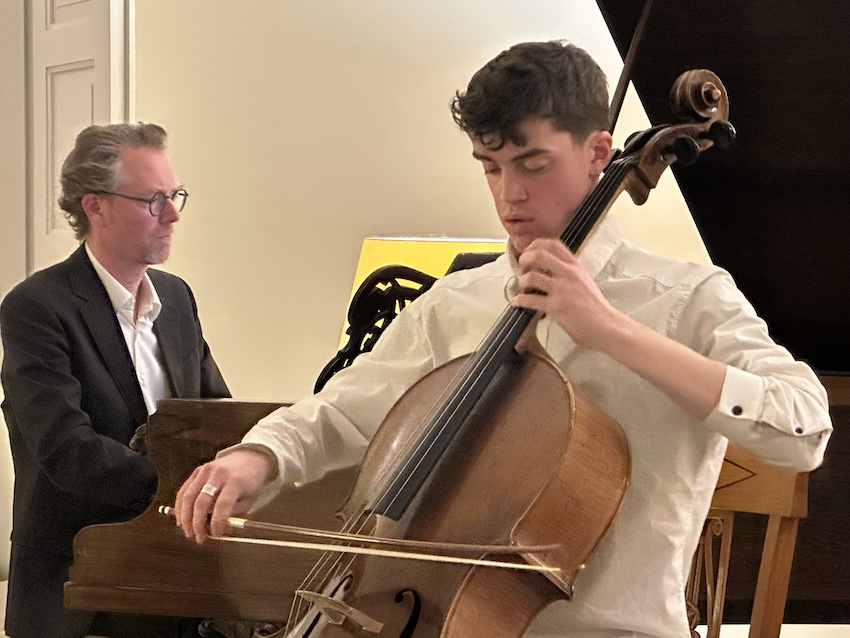
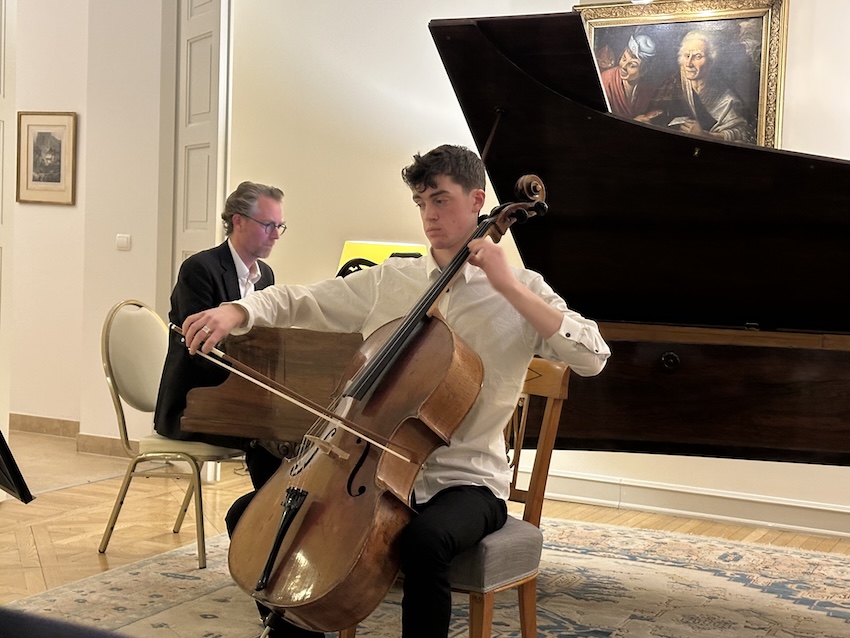
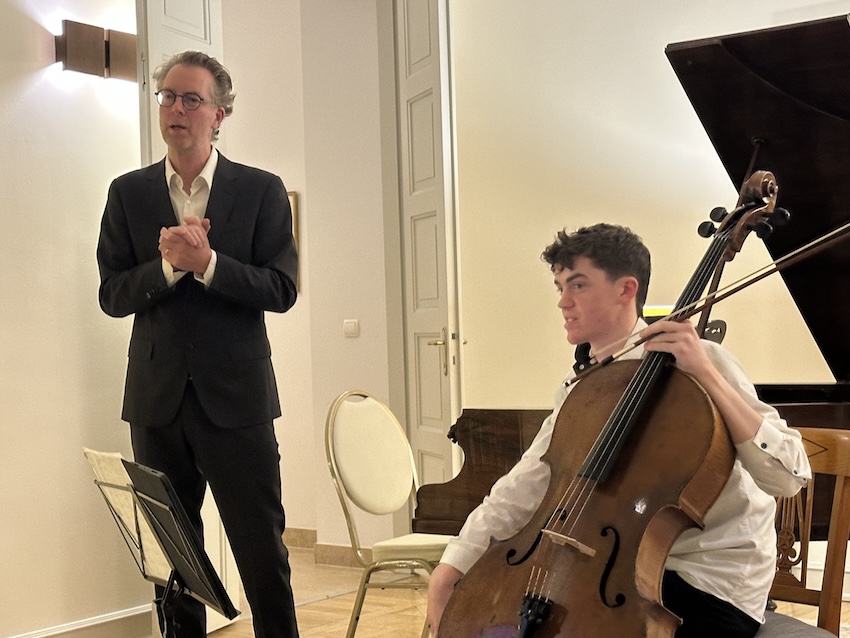
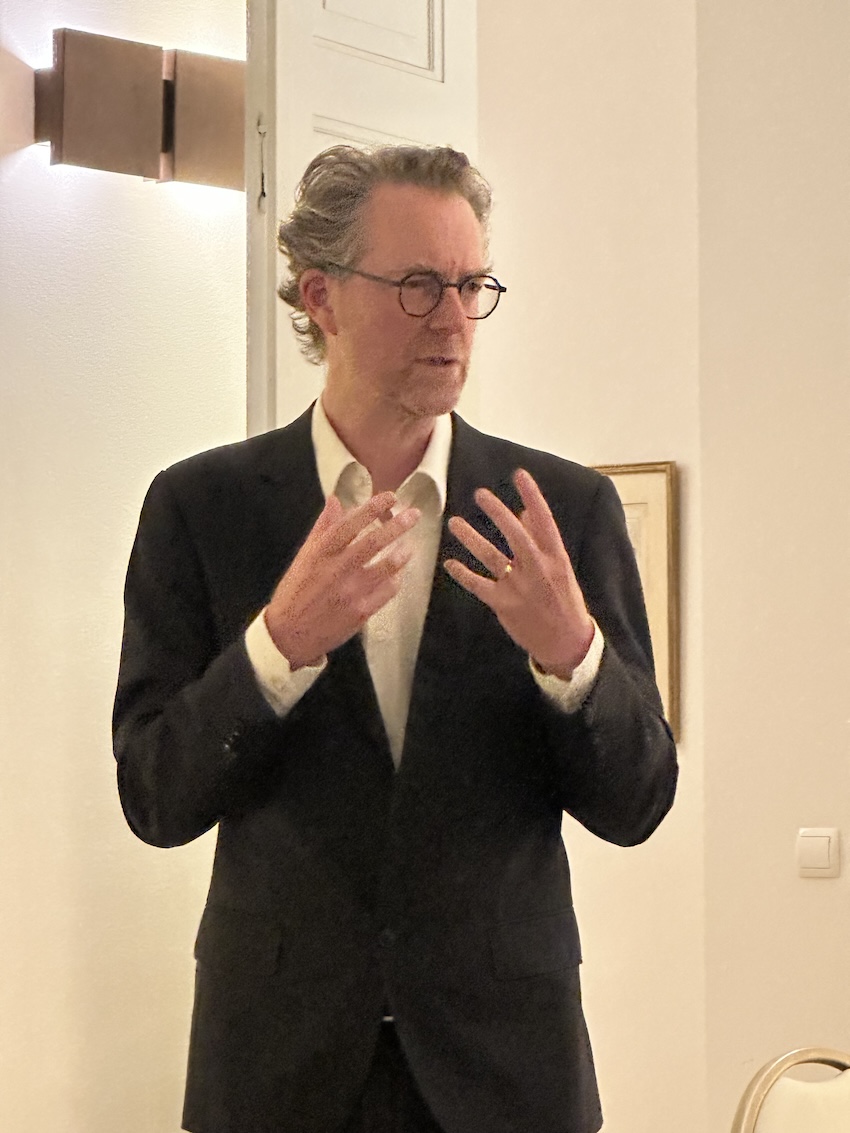
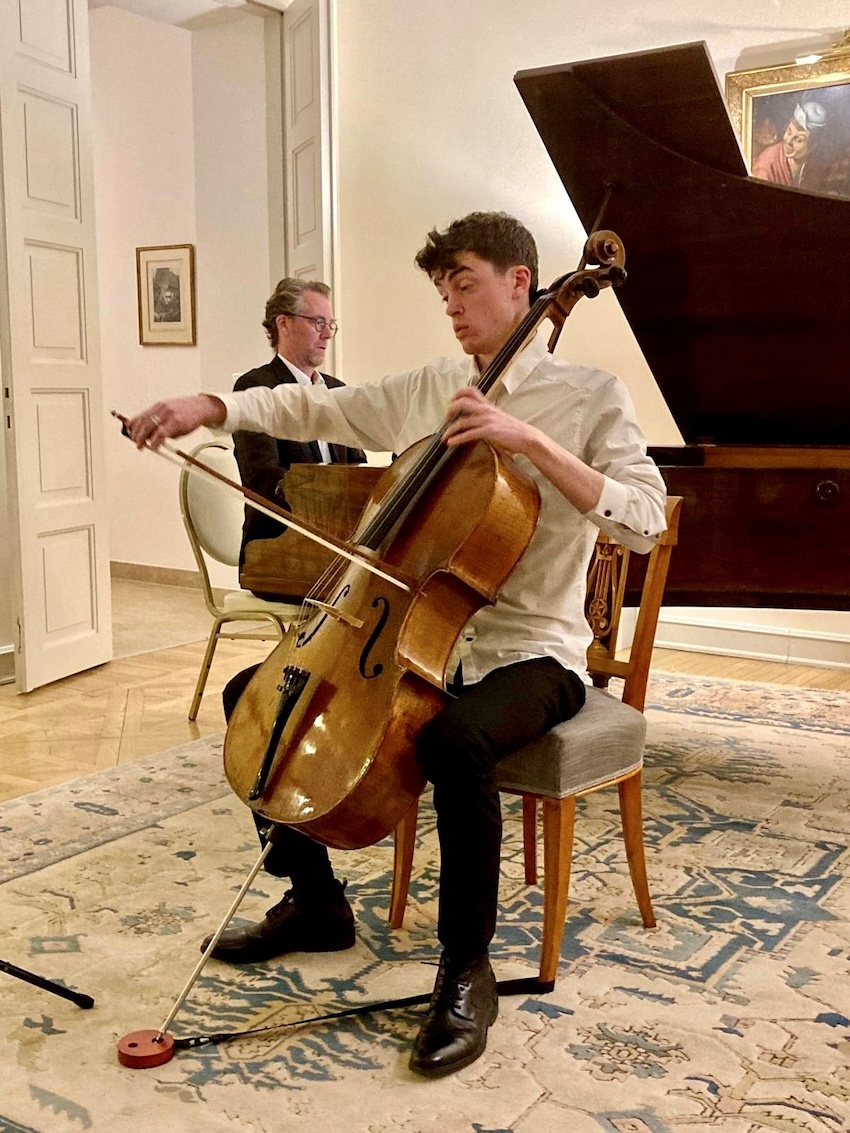
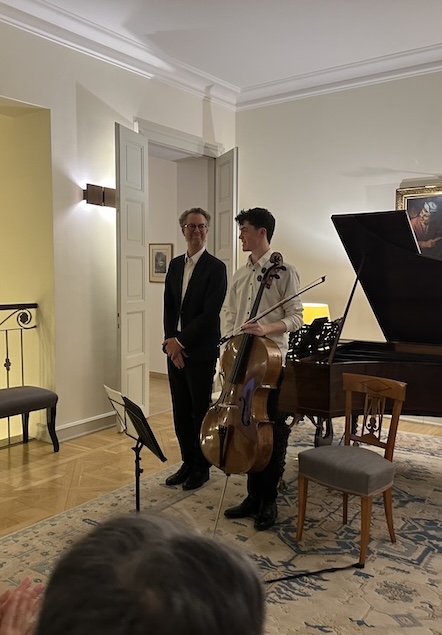
Kim Van den Brempt is known for his commitment to contemporary music, song accompaniment, and interdisciplinary artistic projects. He studied at the Royal Conservatory of Brussels and later in Paris and London, and has worked extensively with the Ensemble Musiques Nouvelles and soprano Elise Caluwaerts. Alongside his concert career, he has also devoted himself to music education and has been the director of the Municipal Conservatory of Leuven since 2022.
Zao Van den Brempt, currently studying at the Royal Conservatory of Brussels in the class of Marie Hallynck, represents a new generation of versatile musicians combining classical training with improvisation, composition, jazz, and popular music influences. In 2022, at the age of 16, he had the honour of performing for Her Majesty Queen Mathilde of Belgium.
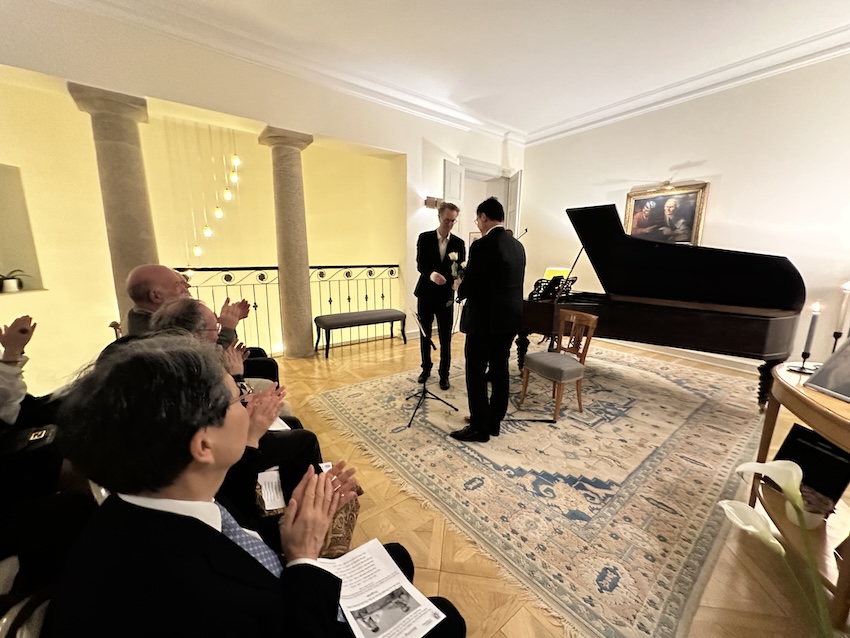
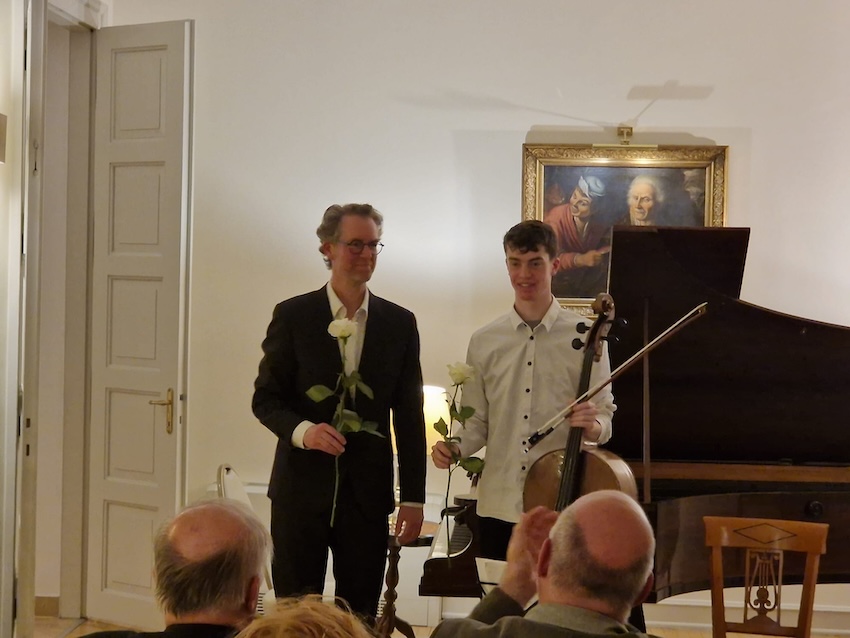
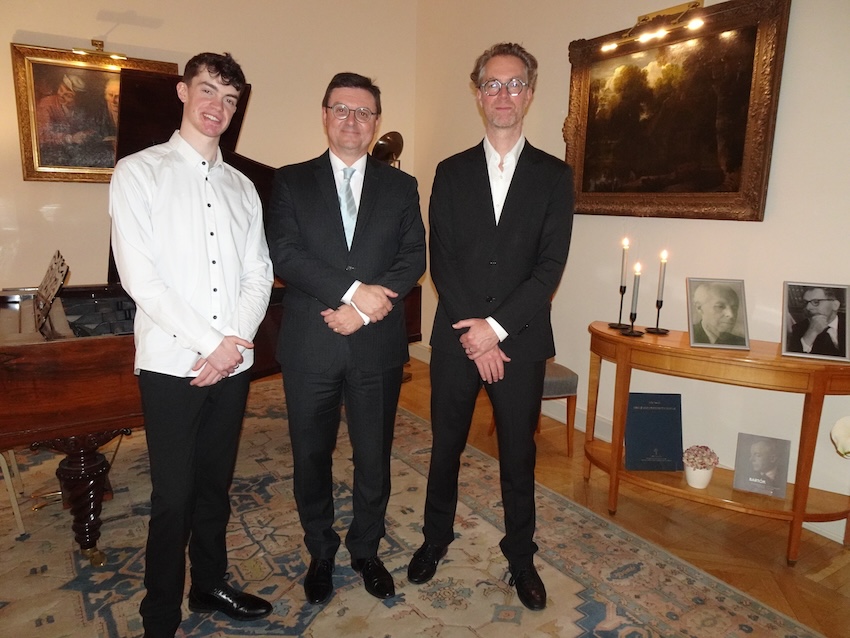
After the concert, I had the pleasure of interviewing the artists and discussing their musical vision, artistic inspirations, and approach to interpretation and performance.
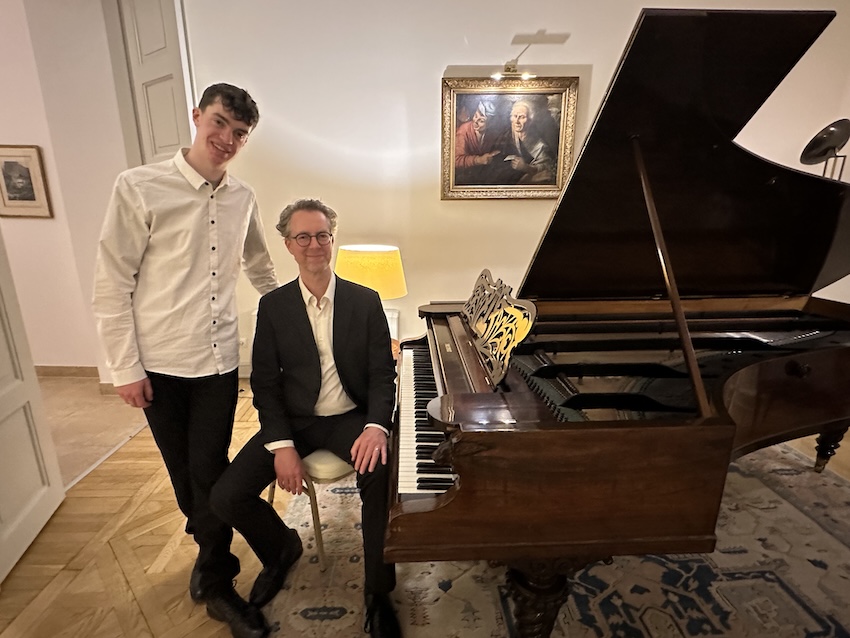
Kim Van den Brempt, a great professional, reflected on the evolving nature of contemporary music and his belief that there is ultimately no strict division between classical and modern repertoire: “When we play Brahms or Beethoven, it also becomes contemporary. We constantly recreate music in the present moment, trying to keep it alive, vibrant, and meaningful”. Speaking about audiences, he emphasized their openness to discovery: “People come to hear and feel something new, not simply to relive what they already know”.
Asked about his artistic goals, Zao Van den Brempt spoke of his desire to explore new musical territories and collaborations: “I try to show people that the cello is not limited to classical music – it also belongs in popular music and jazz”. Together with fellow musician Marin V. Stratton, he has created experimental cello projects involving improvisation, electronics, and loop stations to offer the audience entirely new sonic experiences.
At the close of our conversation, I congratulated the young cellist on his remarkable sensitivity in interpreting Bartók’s music, particularly the Romanian Dances, capturing both the modernity and the deep folkloric spirit of the composer’s world. “Bartók still sounds incredibly modern today”, Zao replied with conviction.
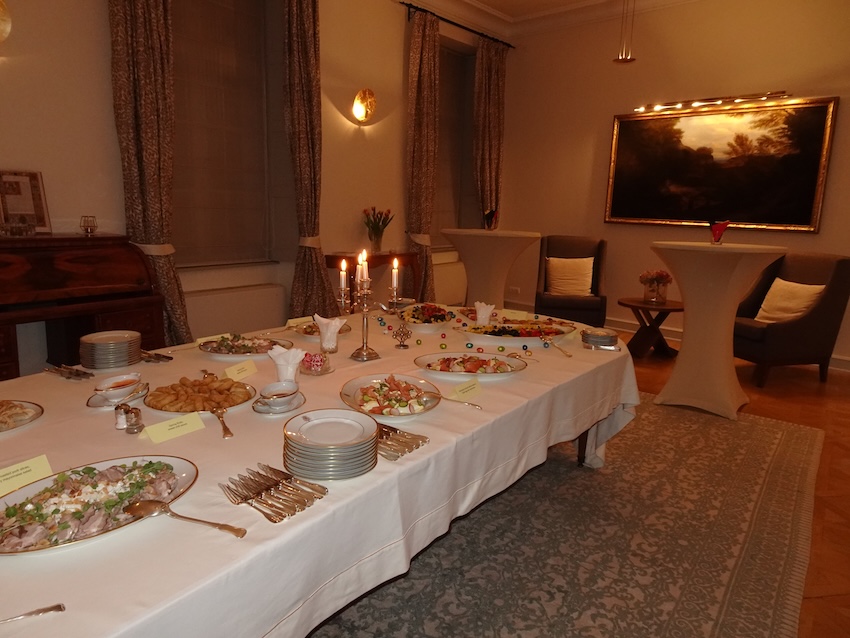
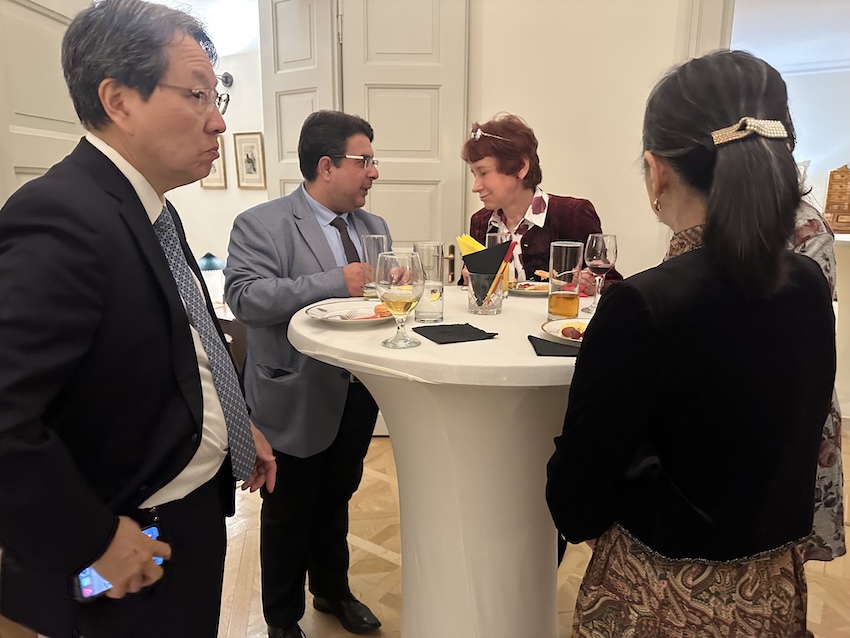
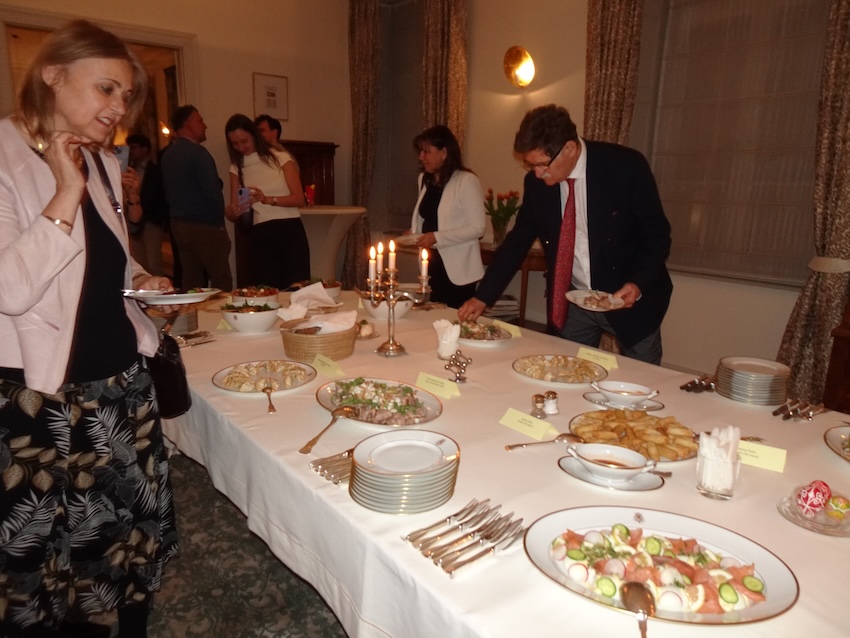
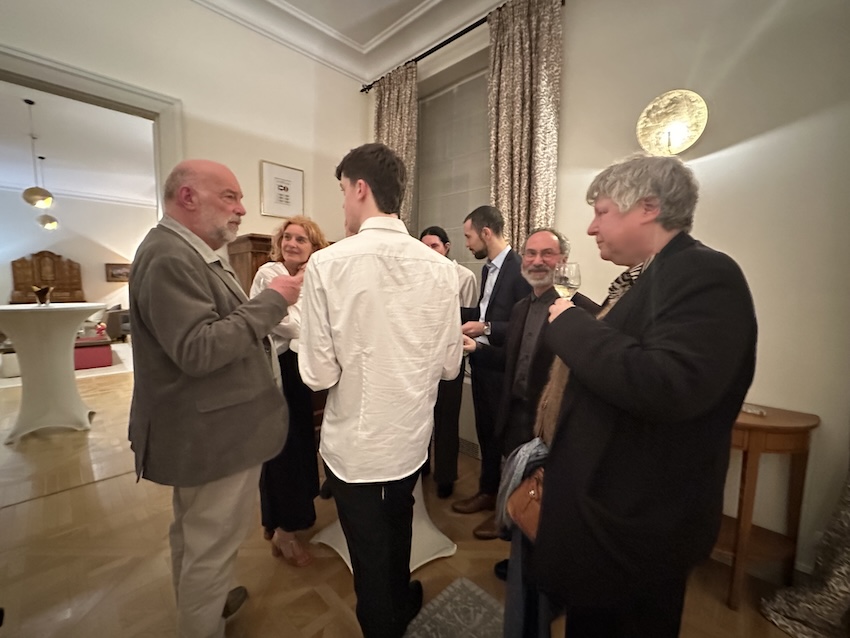
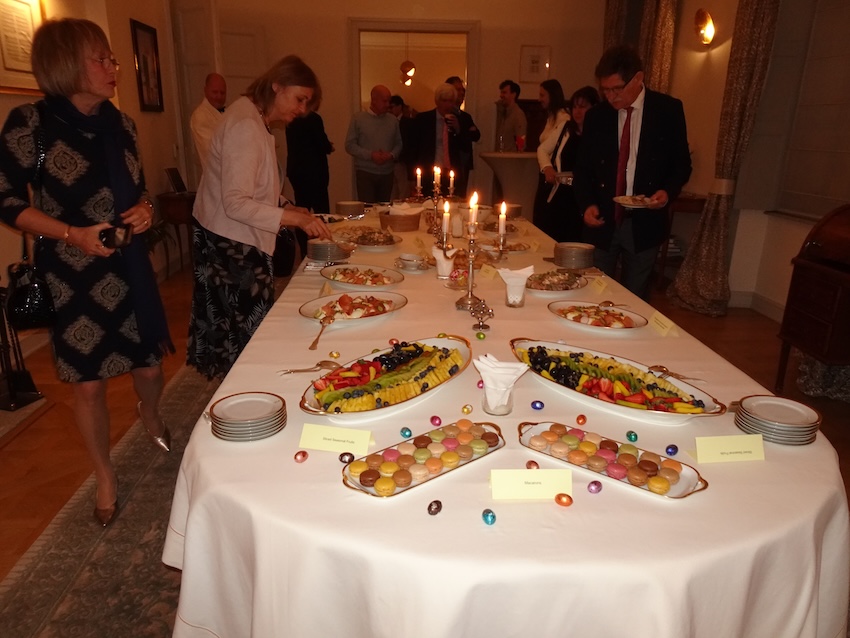
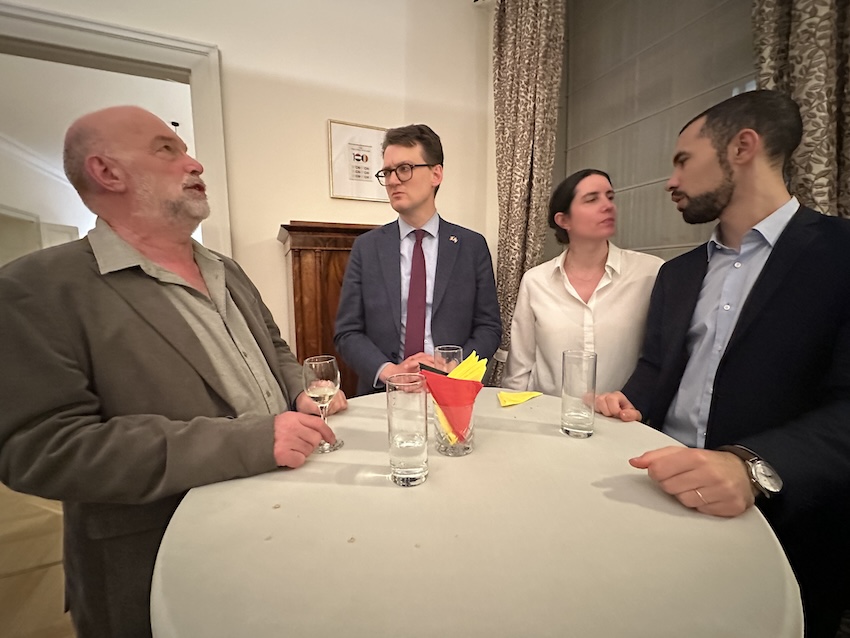
The memorable evening concluded with a lavish reception featuring fine Belgian specialties, offering guests an opportunity to continue their conversations in a warm and elegant atmosphere.
More information: https://www.kimvandenbrempt.com/en
Source: Embassy of Belgium in Budapest
Photos from the Diplomatic Press Agency