
Edited by Anna Popper
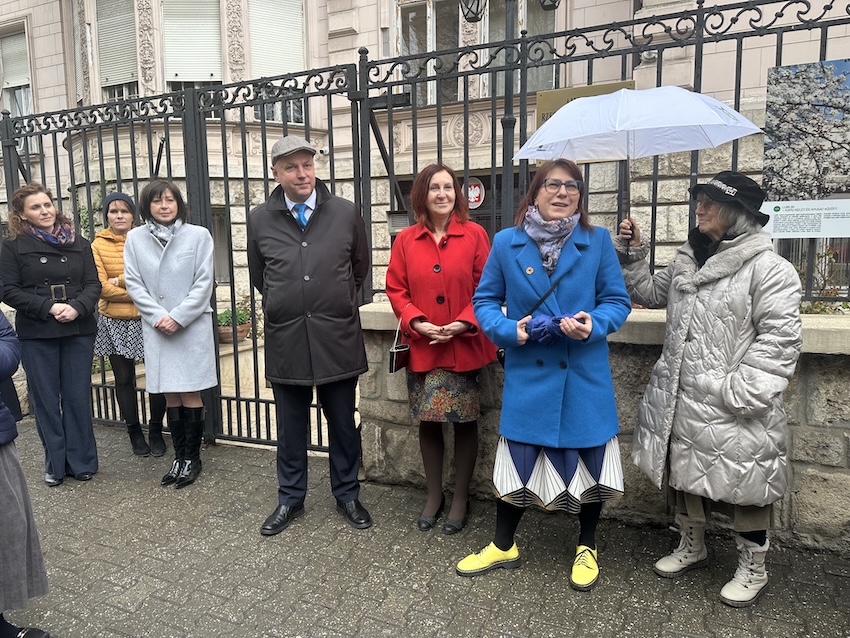
The outdoor photo exhibition “Four Seasons in Poland” was opened on 30 March 2026 to the public, along the ornate fence of the Polish Embassy in Budapest, in the diplomatic quarter of the Hungarian capital.
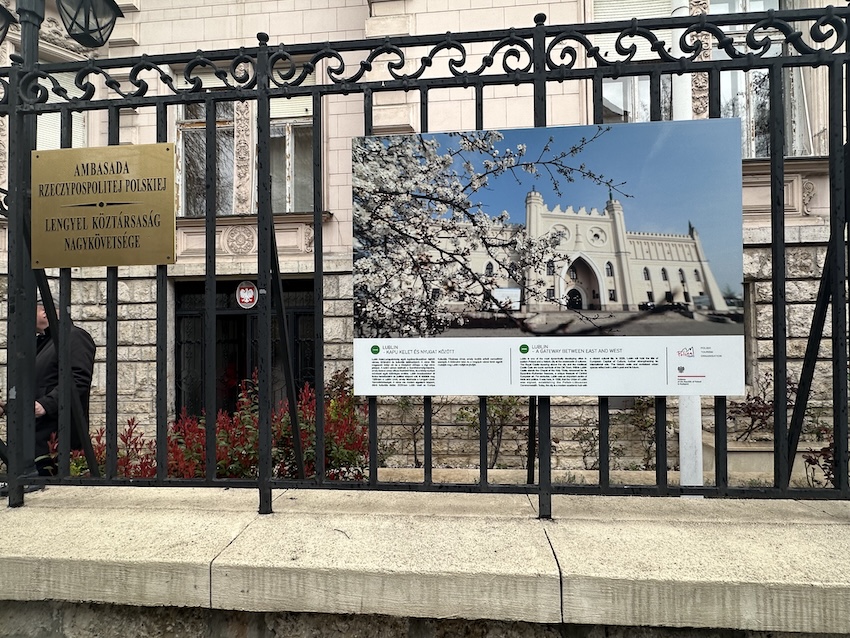
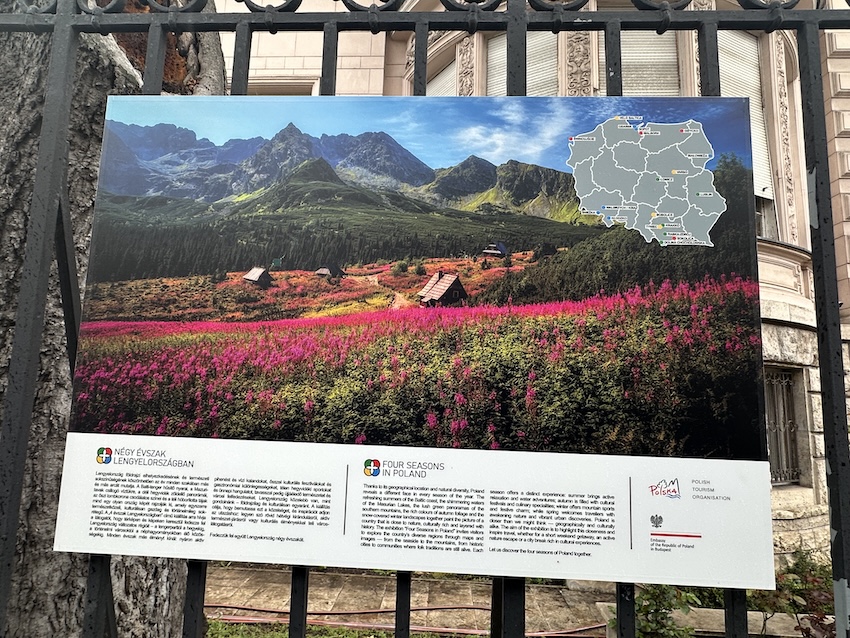
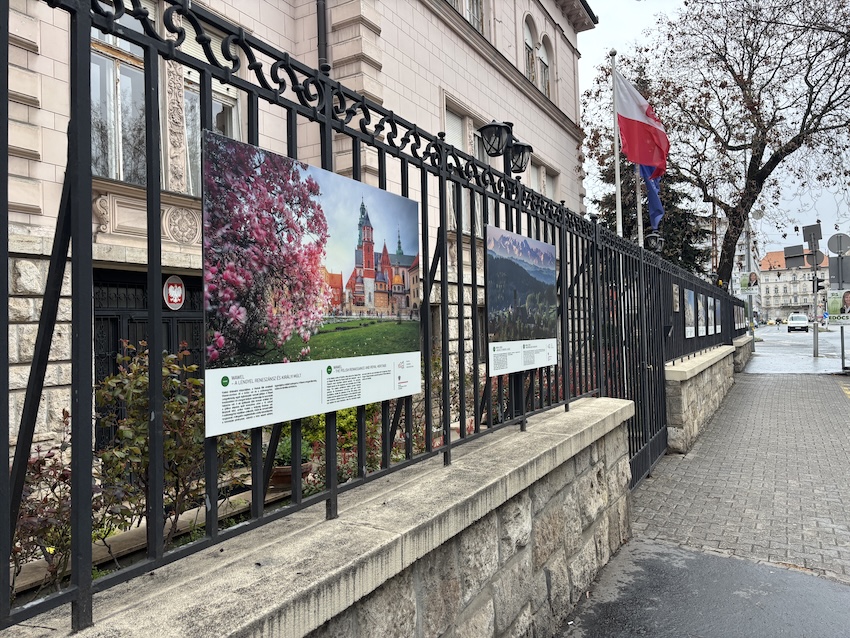
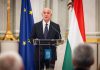
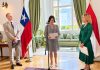
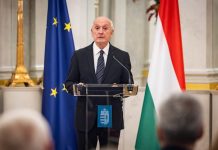
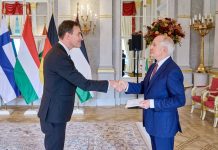
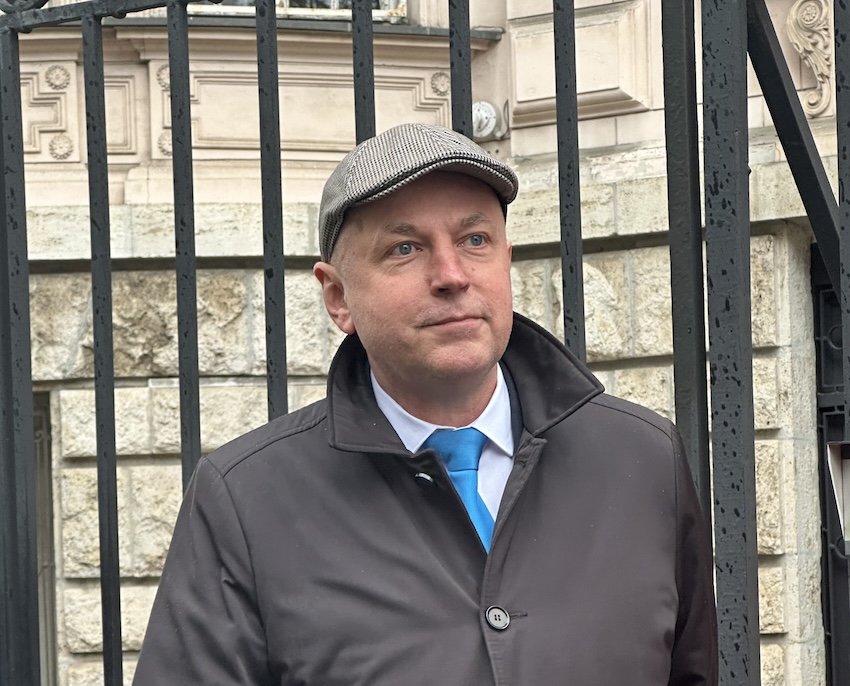
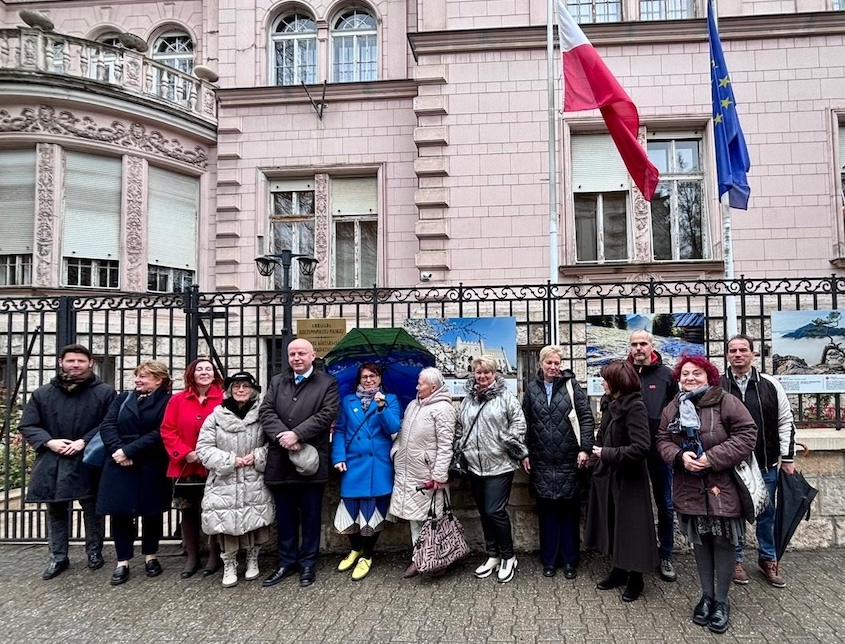
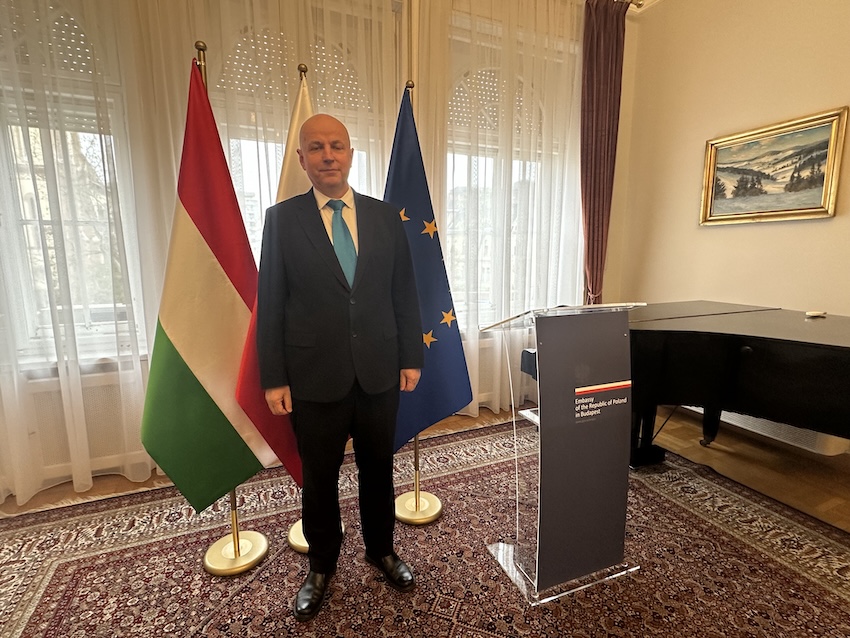
The exhibition was inaugurated by Mr. Jacek Śladewski, Chargé d’Affaires of the Embassy of the Republic of Poland, and Ms. Melinda Farkas, Head of the Polish Tourism Organisation’s office in Hungary.
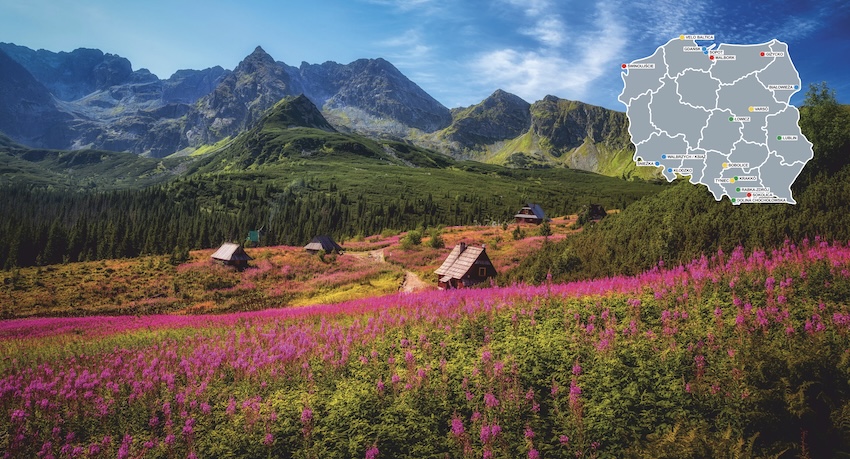
Showcasing Poland’s rich natural diversity, the exhibition highlights how the country transforms throughout a year. From the refreshing Baltic coast in summer and the shimmering waters of the Masurian Lakes to the lush green panoramas of the southern mountains, each season reveals a distinct landscape. Autumn brings vibrant colours to forests and parks, while winter turns the mountains into snow-covered wonderlands – together portraying a destination that is both close to nature and deeply rooted in culture and history.
Visitors are invited on a visual journey through maps and photographs that take them from seaside retreats to mountain escapes, from historic cities to regions where folk traditions remain vividly alive. Each season offers a unique experience: summer is ideal for active recreation and water sports; autumn delights with cultural festivals and culinary specialties; winter beckons with mountain sports and festive charm; and spring welcomes travellers with blooming nature and lively urban discoveries.
Poland’s appeal is further enriched by its remarkable natural and cultural assets. Located in Central Europe, the country spans over 312,000 square kilometres from the Baltic Sea in the north to the Sudetes and Carpathian Mountains in the south. It borders Lithuania and Russia to the northeast, Belarus and Ukraine to the east, Slovakia and the Czech Republic to the south, and Germany to the west. With about 38 million inhabitants, Poland is one of the largest countries in the region and the fifth-largest member state of the European Union, combining strong traditions with dynamic, modern development.
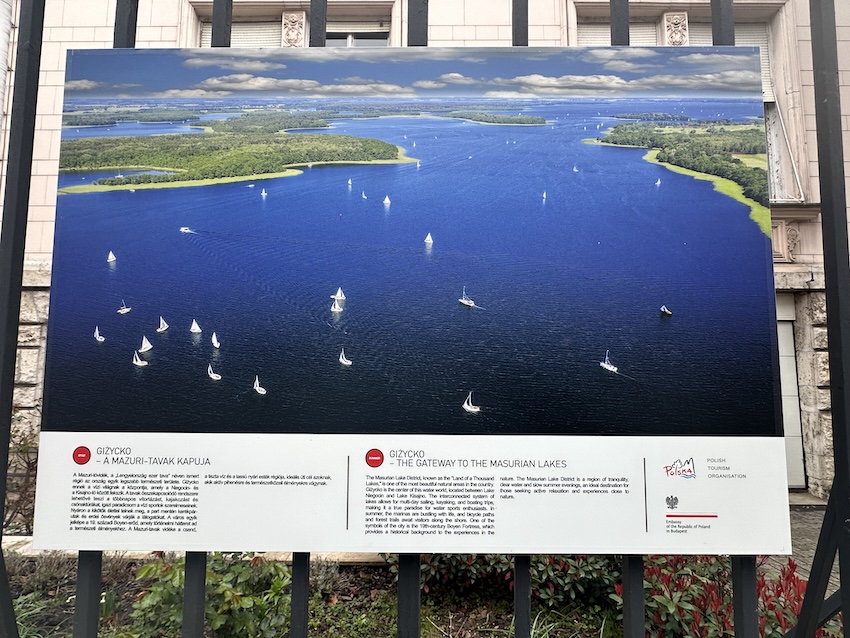
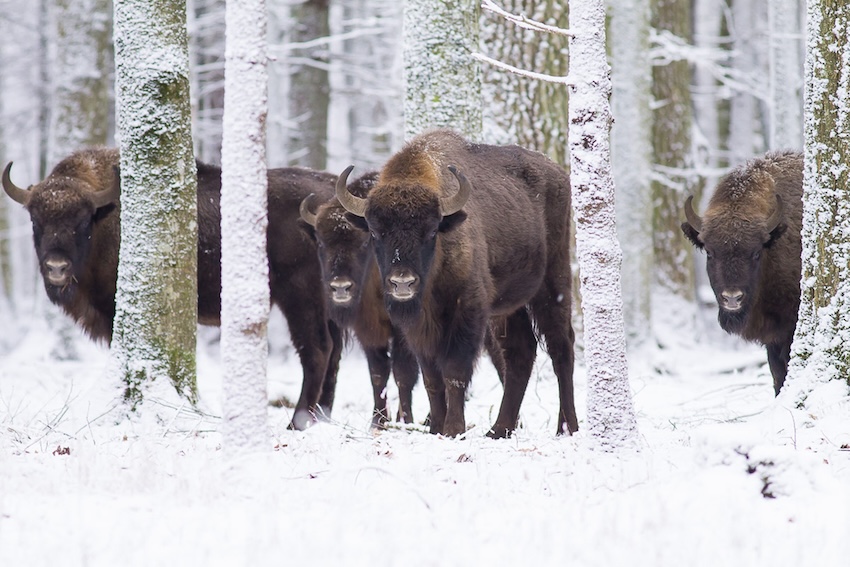
Nearly a third of its territory is covered by forests, reflecting a deep connection with nature. The country is home to 23 national parks, including the primeval Białowieża Forest, a UNESCO World Heritage Site and sanctuary of the European bison – the continent’s largest land animal. The Masurian Lake District, with its more than 2,000 lakes, offers outstanding opportunities for sailing and outdoor recreation, while over a dozen UNESCO World Heritage Sites highlight Poland’s rich historical and architectural heritage.
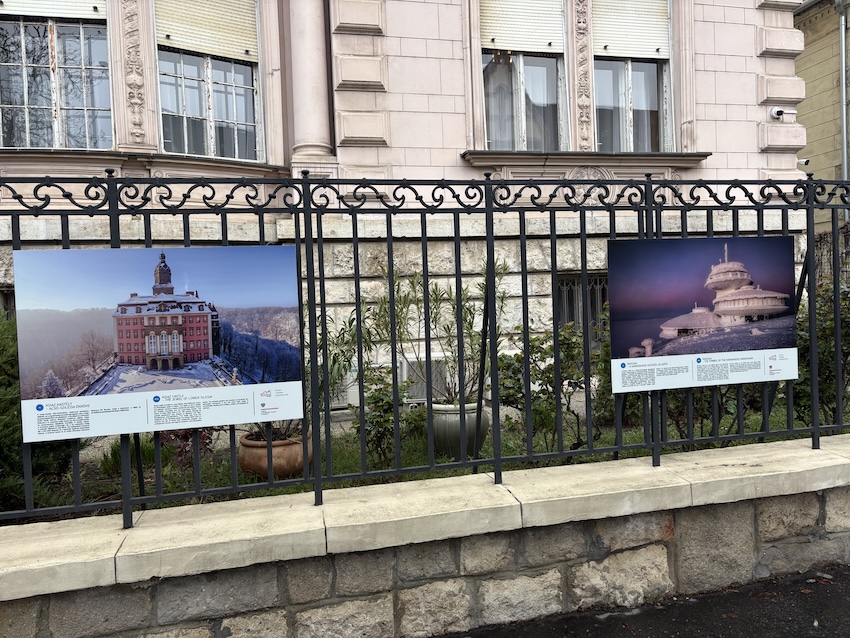
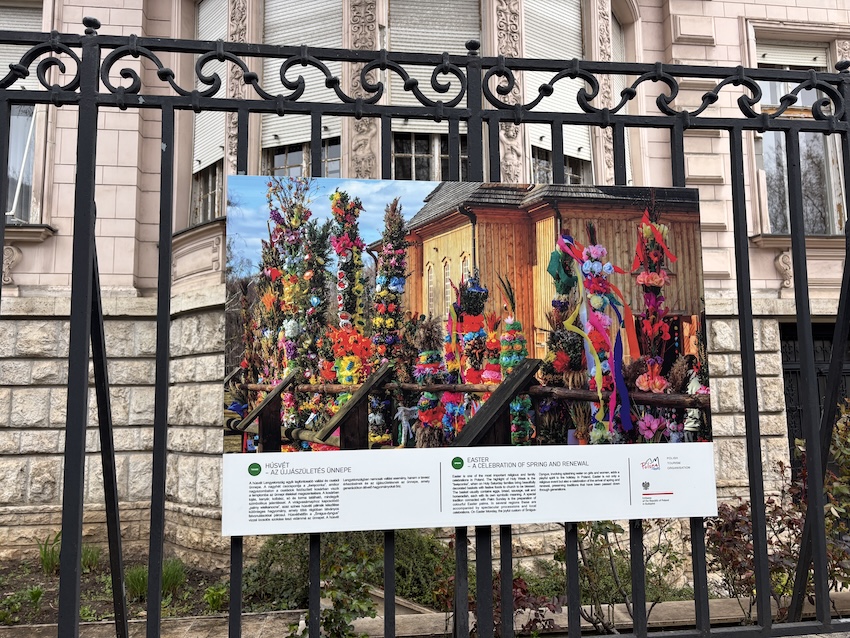
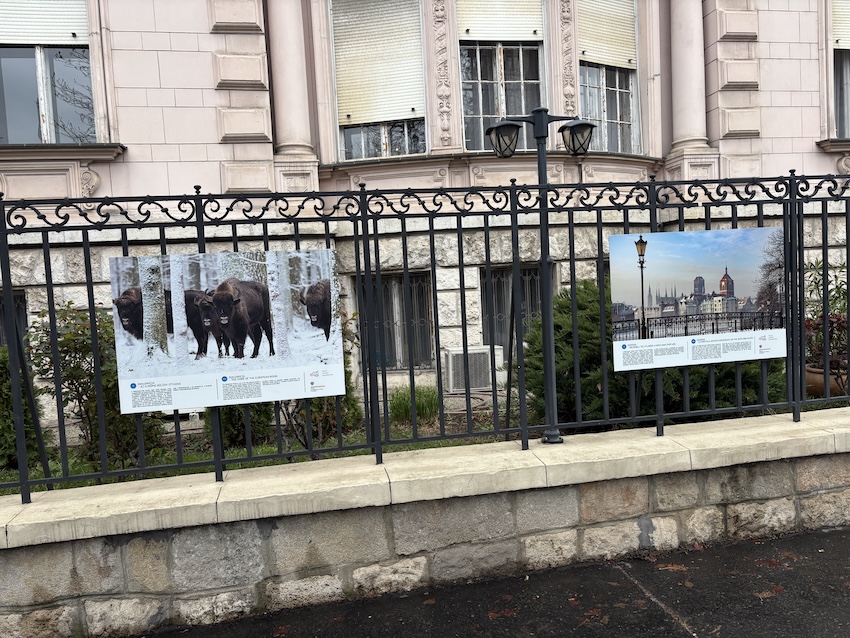
Strategically located at the crossroads of major European routes, Poland is easily accessible and increasingly popular for both short city breaks and longer, nature-oriented trips. Cities like Warsaw, Kraków, Gdańsk and Wrocław blend centuries of history with vibrant contemporary culture, while spa towns and mountain resorts add a growing wellness dimension to the country’s tourism offerings.
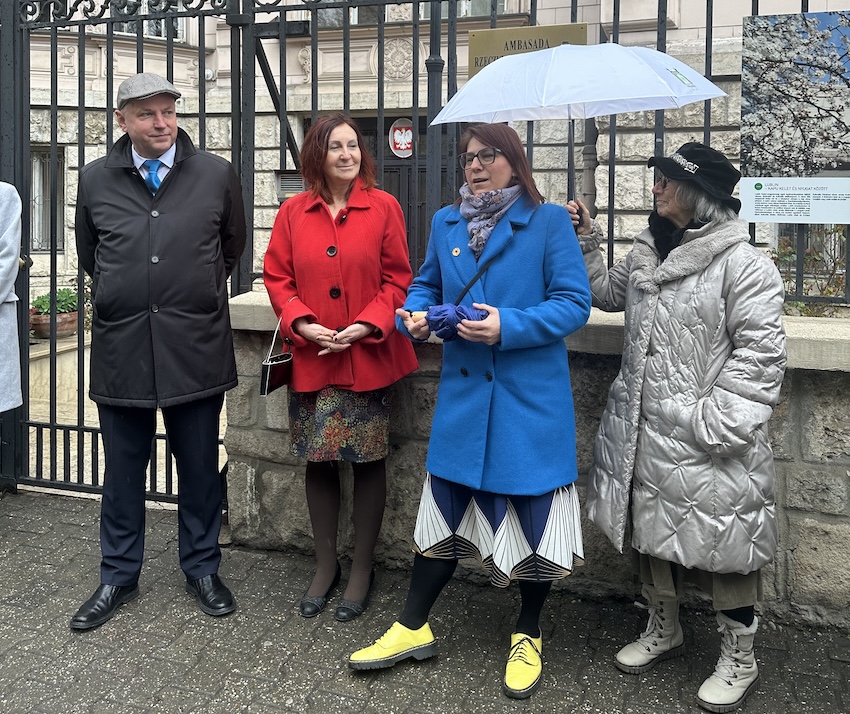
At the exhibition opening, Melinda Farkas emphasized that Poland is not a destination to be checked off a list, but one worth returning to again and again, as each season reveals new perspectives and experiences.
Poland is closer than we might think – both geographically and culturally. The Polish and Hungarian peoples have shared deep bonds of friendship for centuries, a relationship celebrated each year on 23 March, the Day of Polish–Hungarian Friendship.
The exhibition aims to highlight this sense of closeness and inspire travel – be it for a short weekend getaway, an active nature escape, or a culturally rich city break.
Exhibition – A Photographic Journey Through Poland’s Four Seasons
SPRING:
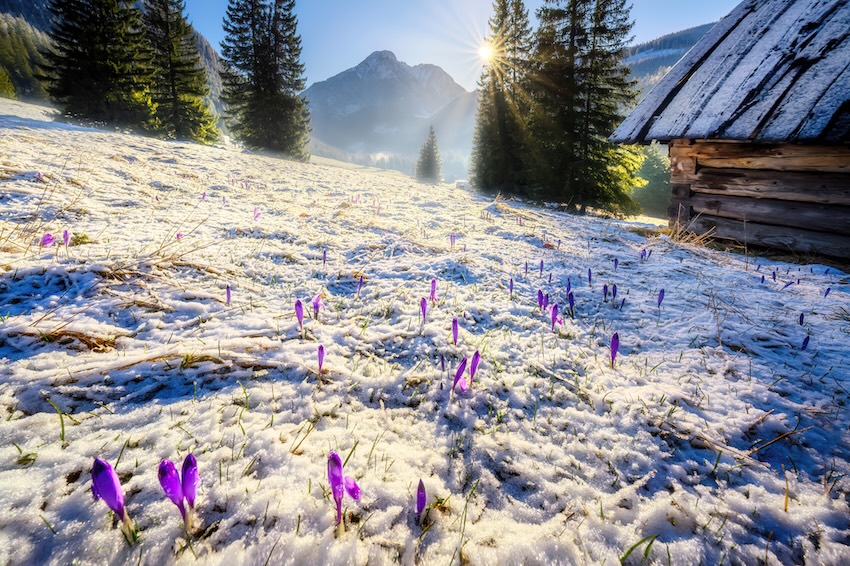
- CHOCHOŁOWSKA VALLEY – Crocuses in Bloom
Each spring, the valley in the Tatra Mountains turns purple as thousands of crocuses bloom, symbolising renewal.
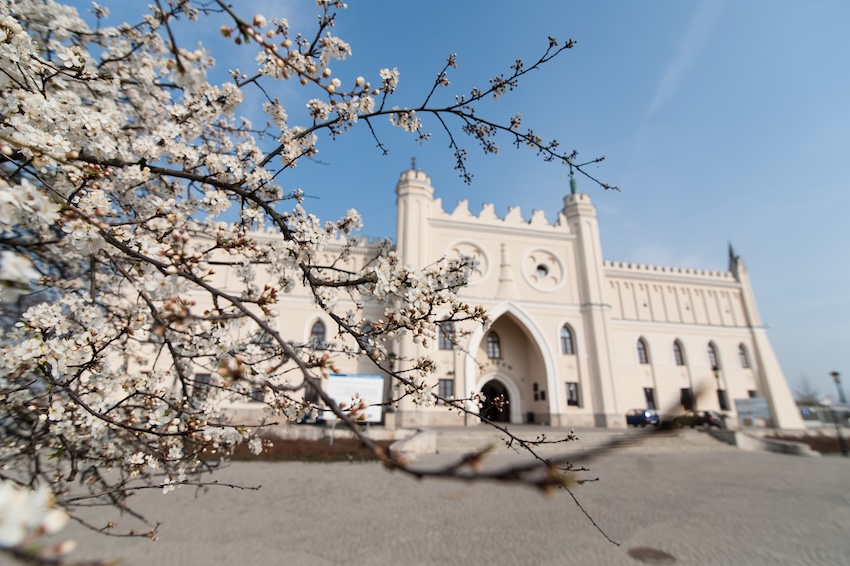
- LUBLIN – Crossroads of Cultures
A historic city shaped by centuries of cultural exchange, from the Royal Castle to the Union of Lublin.
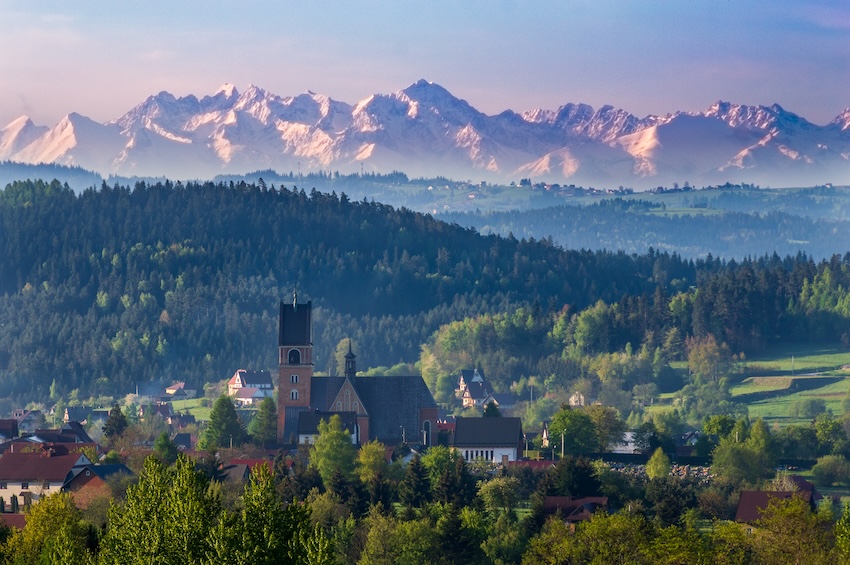
- RABKA-ZDRÓJ – Mountain Air and Tradition
A peaceful spa town known for its healing climate, green hills, and wooden architecture.
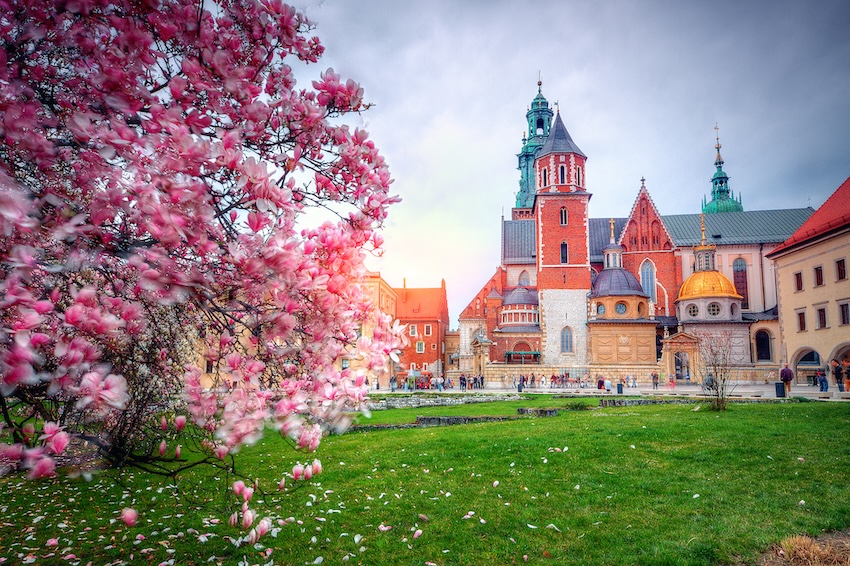
- WAWEL – Royal Kraków
The Royal Castle and Cathedral are enduring symbols of Polish history and Renaissance splendour.
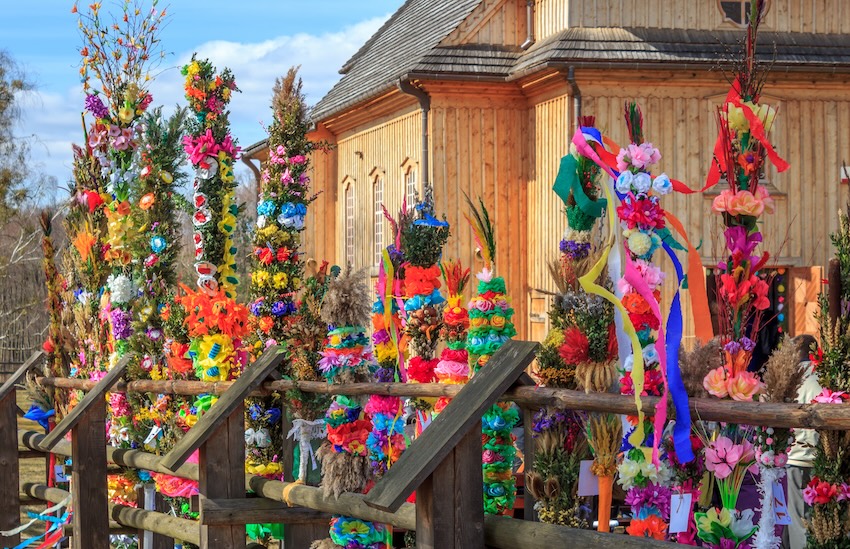
- EASTER IN POLAND – Tradition and Renewal
From blessing food baskets to Śmigus-Dyngus, Easter celebrations bring colour and joy.
SUMMER:
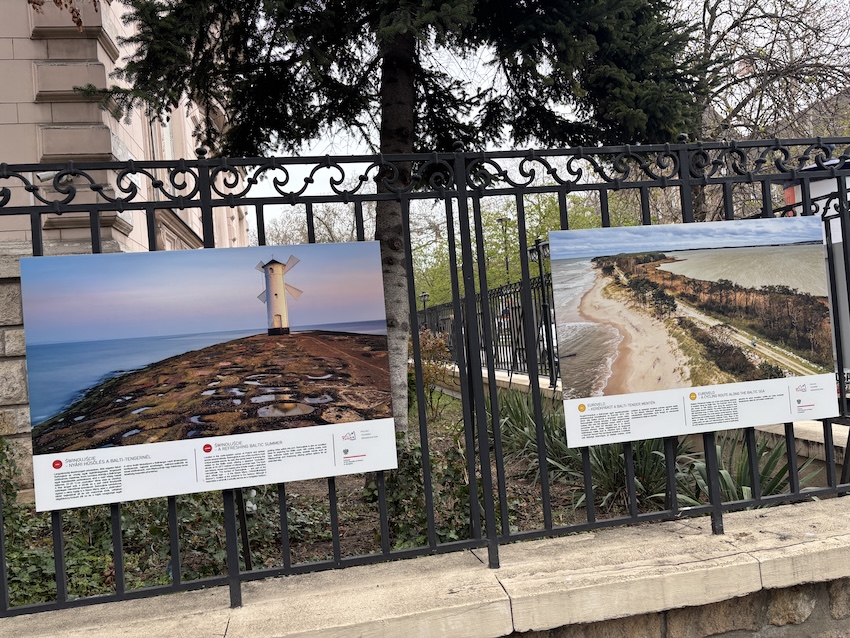
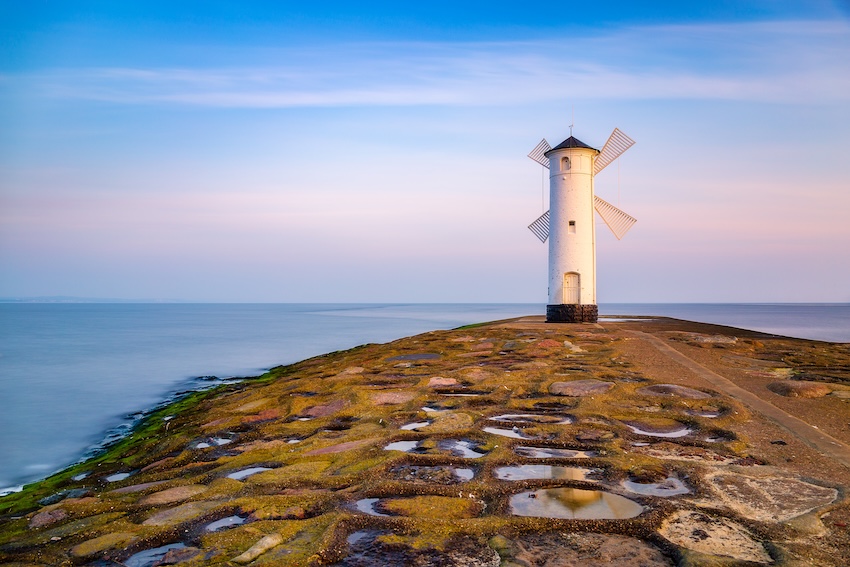
- ŚWINOUJŚCIE – Baltic Sea Escape
Wide sandy beaches, fresh air, and mild temperatures.
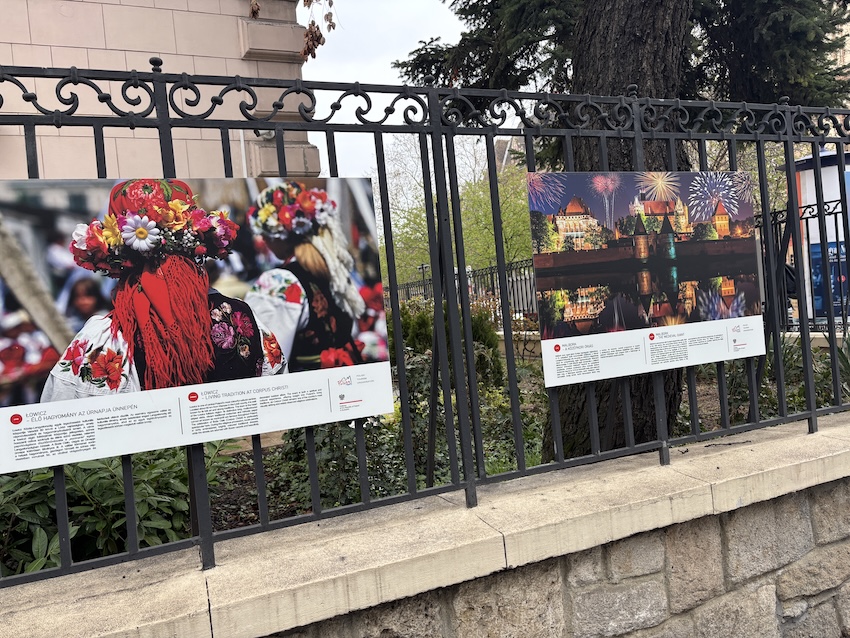
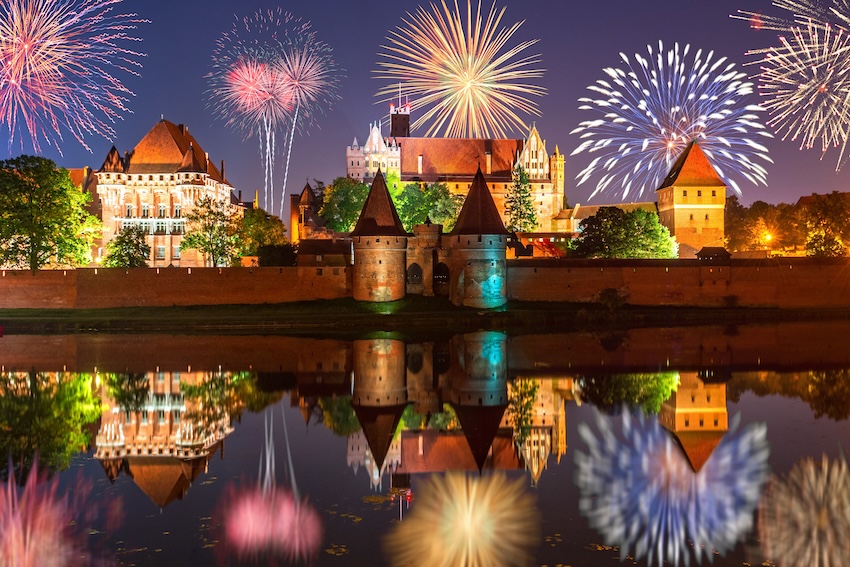
- MALBORK – The Medieval Giant
Europe’s largest brick castle and a UNESCO World Heritage Site, the setting for summer festivals.
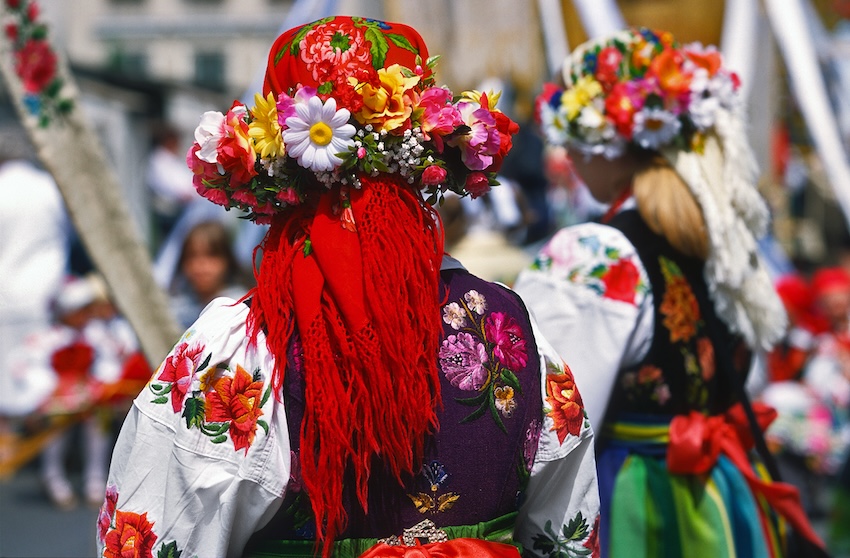
- ŁOWICZ – Living Tradition
Folk costumes, paper-cut art, and vibrant Corpus Christi celebrations.
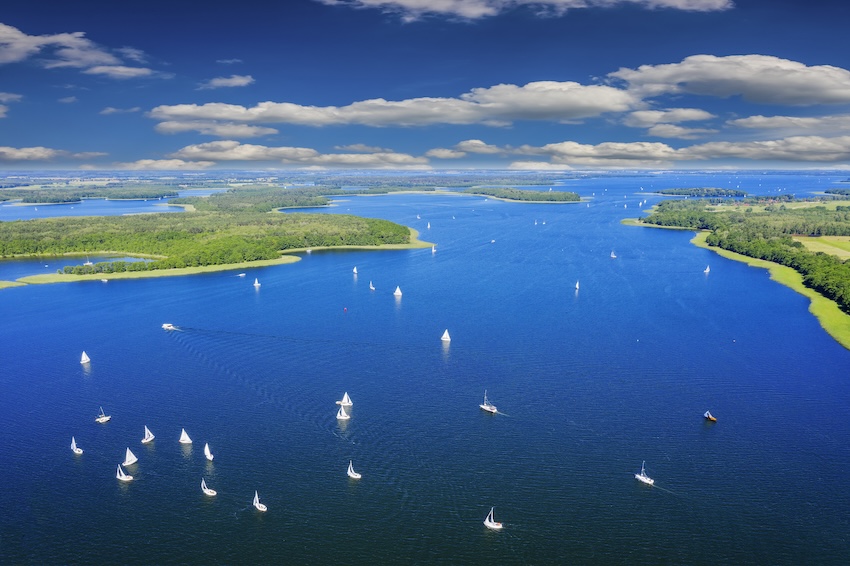
- GIŻYCKO – Masurian Lakes
A hub for sailing and water adventures in the “Land of 2000 Lakes”.
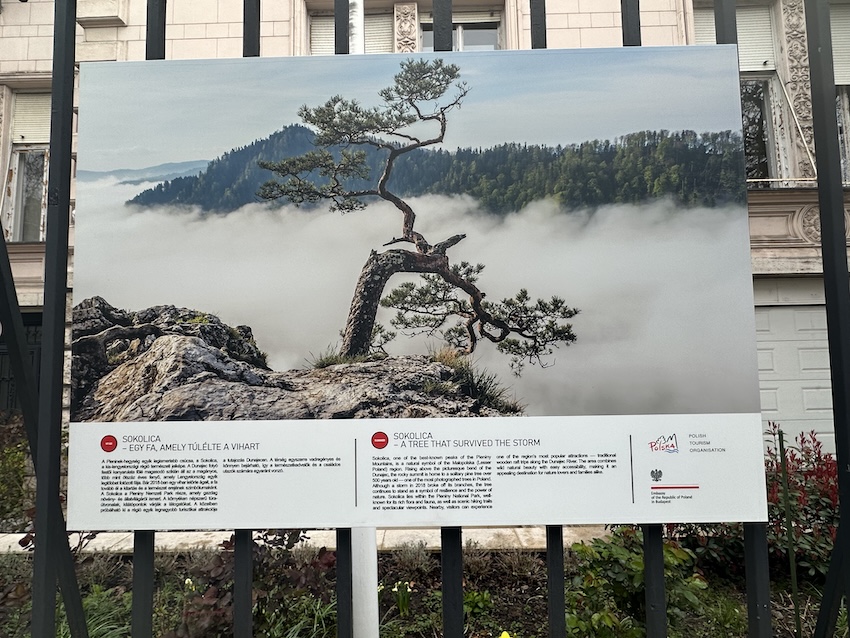
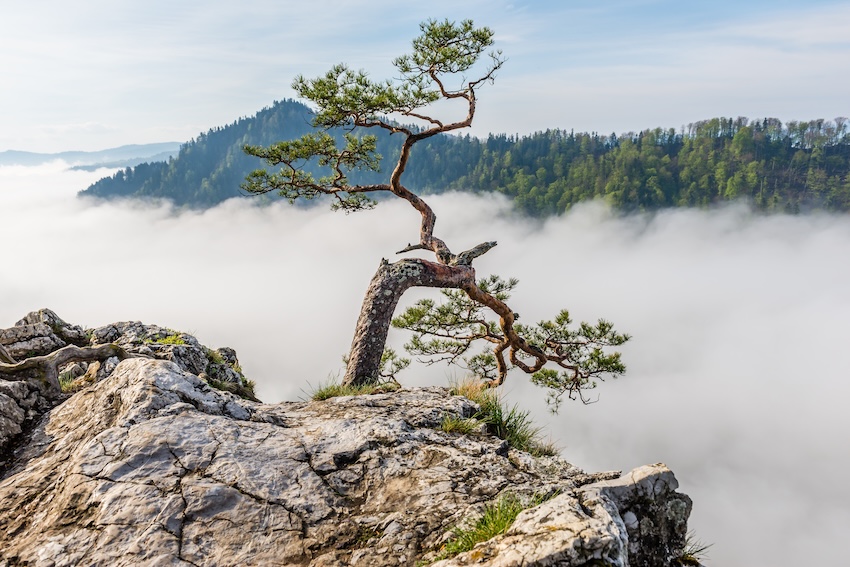
- SOKOLICA – Symbol of Resilience
A striking peak overlooking the Dunajec River, crowned by its iconic lone pine.
AUTUMN:
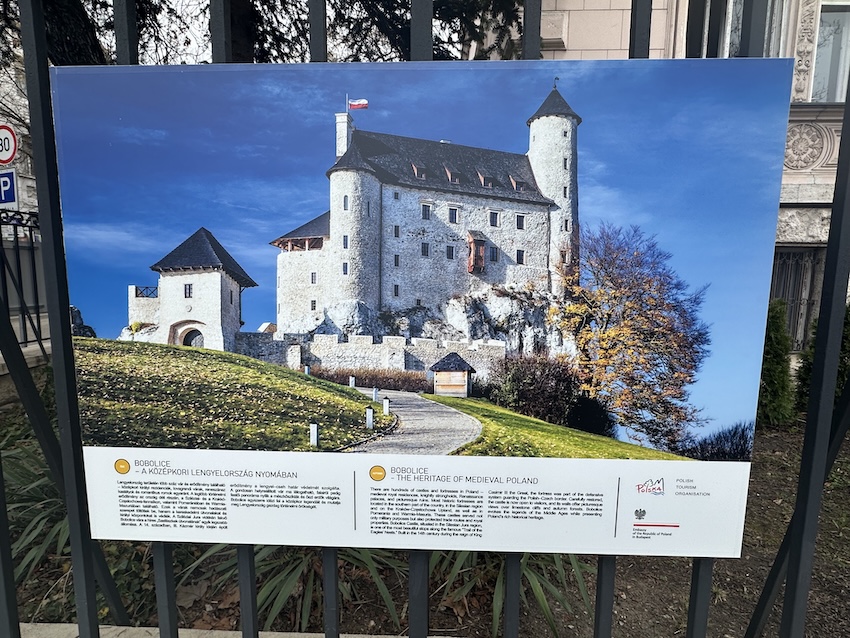
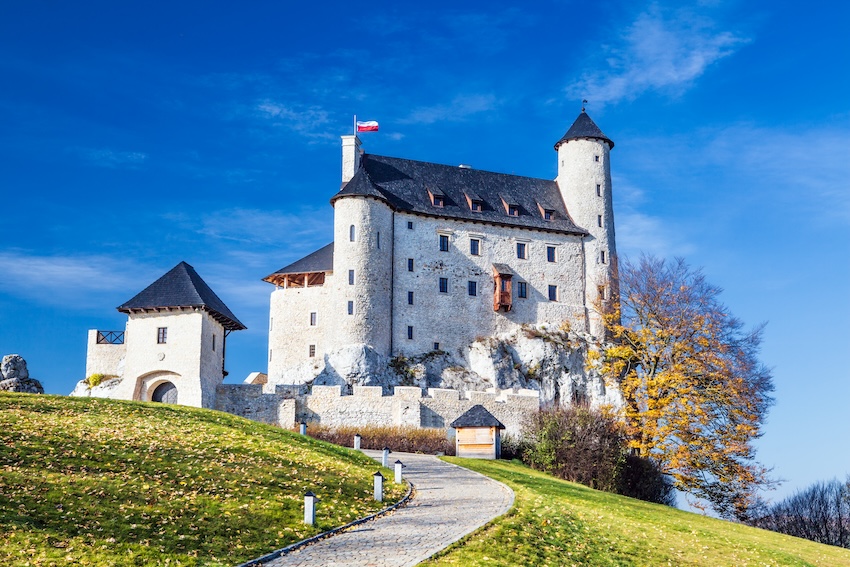
- BOBOLICE – Medieval Heritage
A restored 14th-century castle along the famous Eagles’ Nests trail.
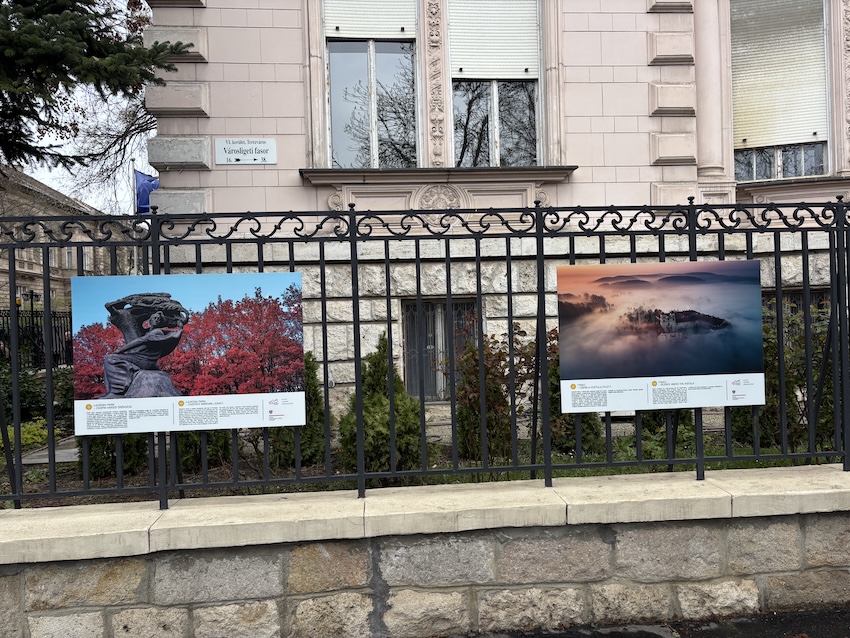
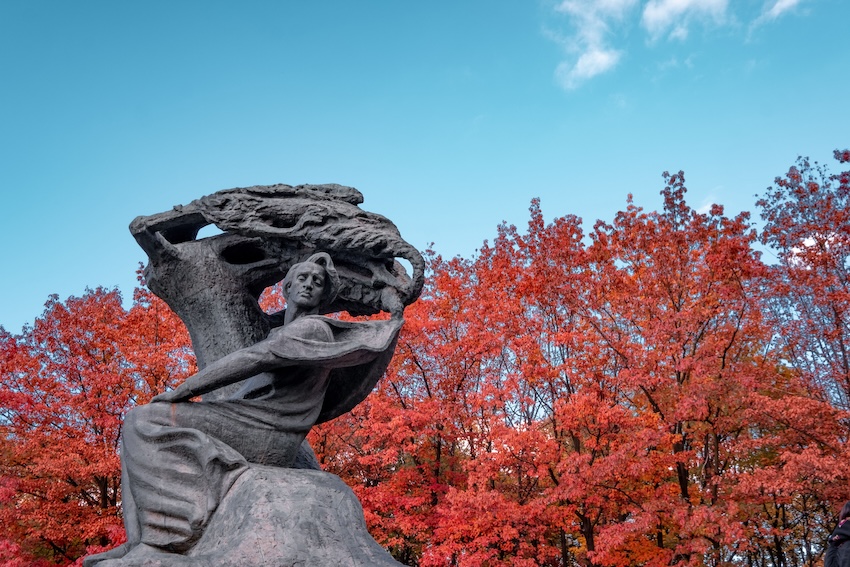
- ŁAZIENKI PARK – Chopin’s Warsaw
Golden foliage surrounding the monumental Chopin statue.
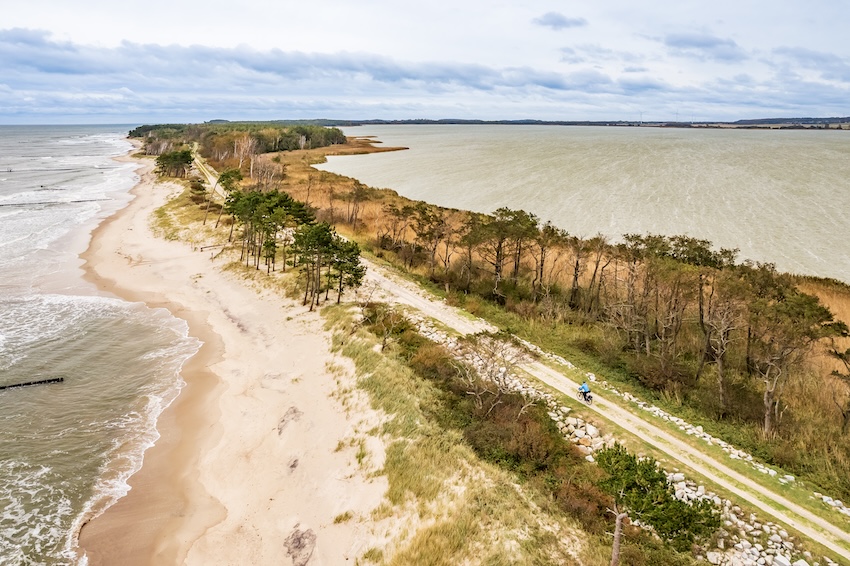
- EUROVELO – Baltic Cycling Route
Over 500 km long of scenic coastal cycling paths.
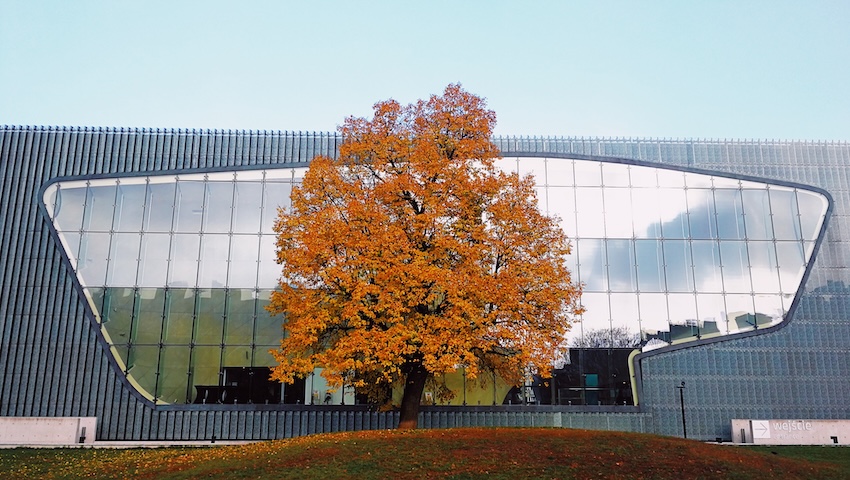
- POLIN Museum – Memory and Continuity
A modern museum on the site of the former Warsaw Ghetto.
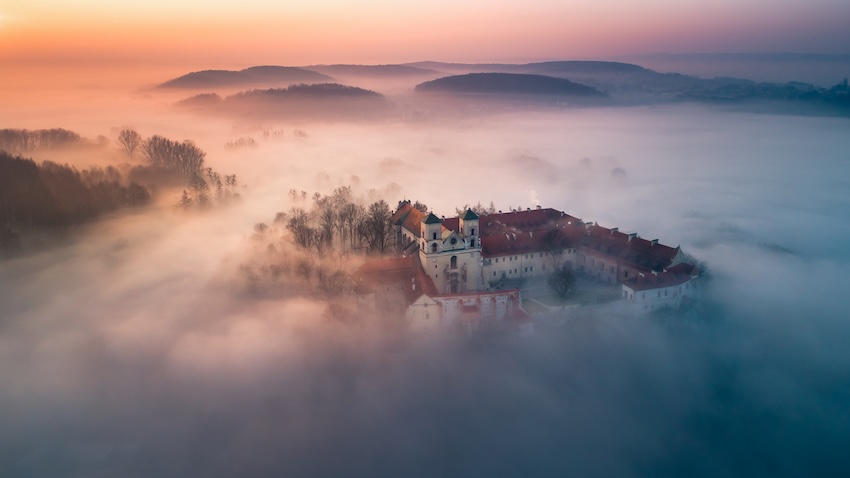
- TYNIEC – Silence above the Vistula
A historic abbey offering tranquillity and reflection.
WINTER:
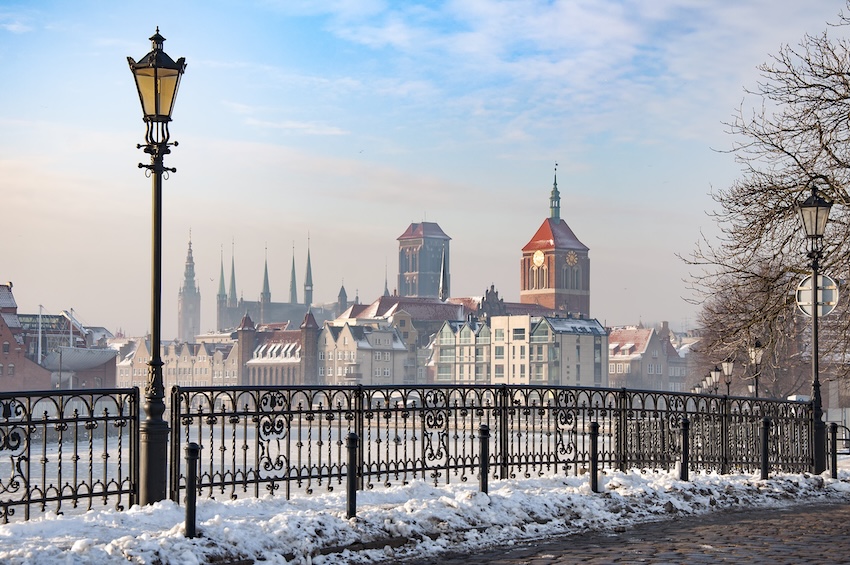
- GDAŃSK – A Fairytale Winter Experience on the Motława River
A magical Old Town with festive lights and a renowned Christmas market.
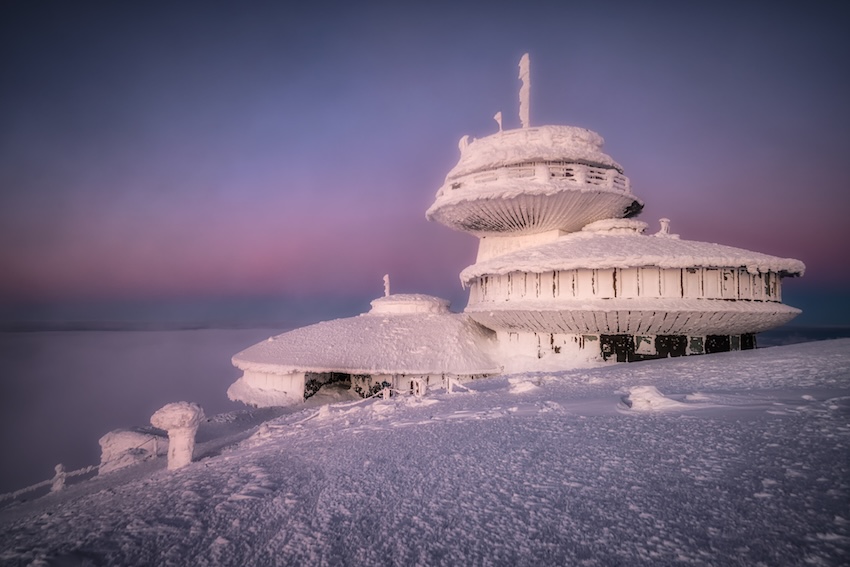
- ŚNIEŻKA – Karkonosze Peak
At 1,603 m, an impressive winter destination with panoramic alpine views.
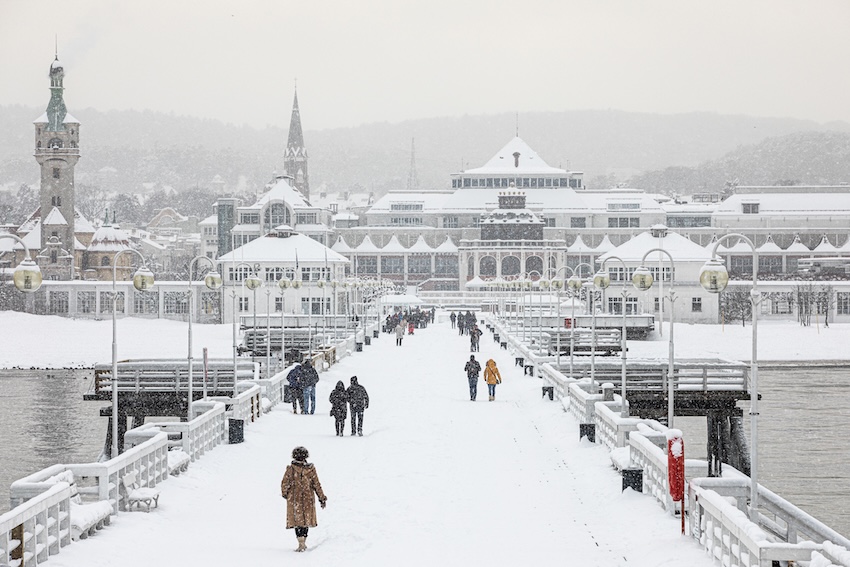
- SOPOT – Baltic Pier
A 500 m long wooden pier stretching into the sea, offering a calm winter scenery. As part of the Tricity (with Gdańsk and Gdynia), it is an attractive year-round travel destination.
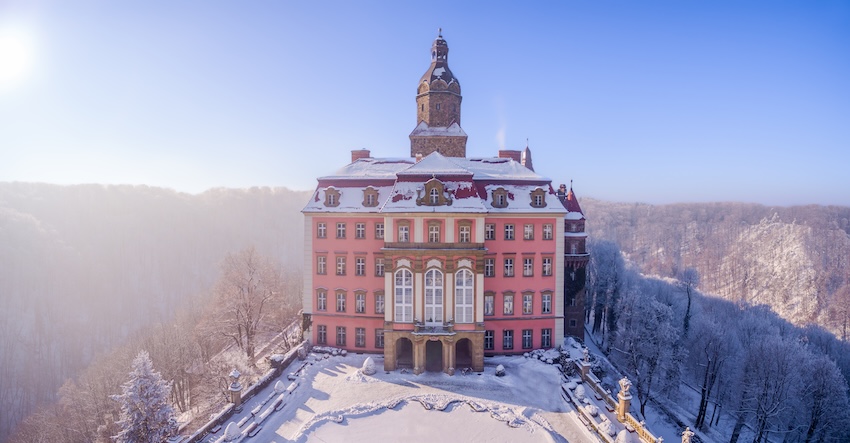
- KSIĄŻ CASTLE – Lower Silesian Jewel
A majestic castle surrounded by forests, terraced gardens and winter landscapes.
- BIAŁOWIEŻA – Primeval Forest
A UNESCO-listed forest and home to the European bison.
The exhibition also marks another milestone in the successful cooperation between the Polish Embassy and the Polish Tourism Organisation. This is already the fourth joint outdoor exhibition in recent years presenting Poland’s tourism and cultural values in Budapest. The photo exhibition is on display at 16 Városligeti fasor, Budapest 1062, Hungary, and will remain open to visitors until the end of 2026.
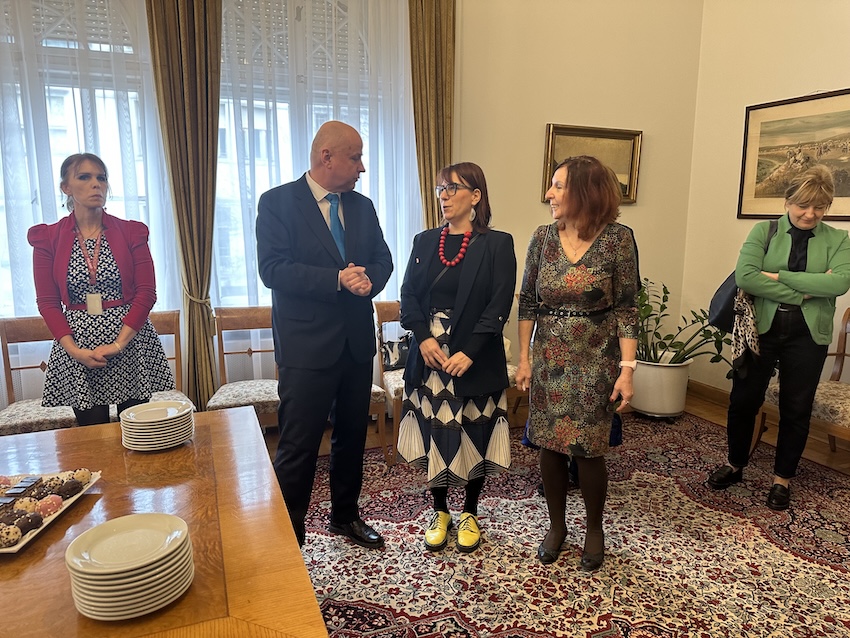
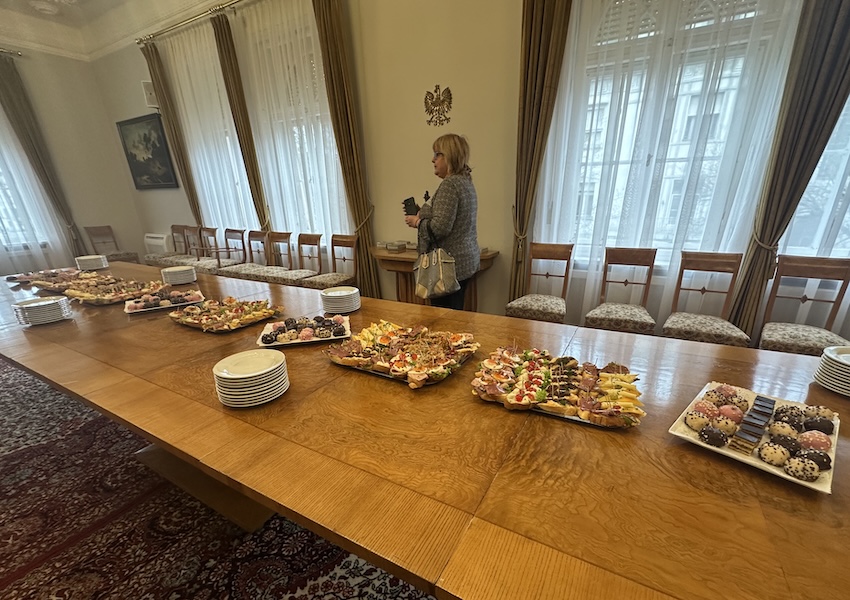
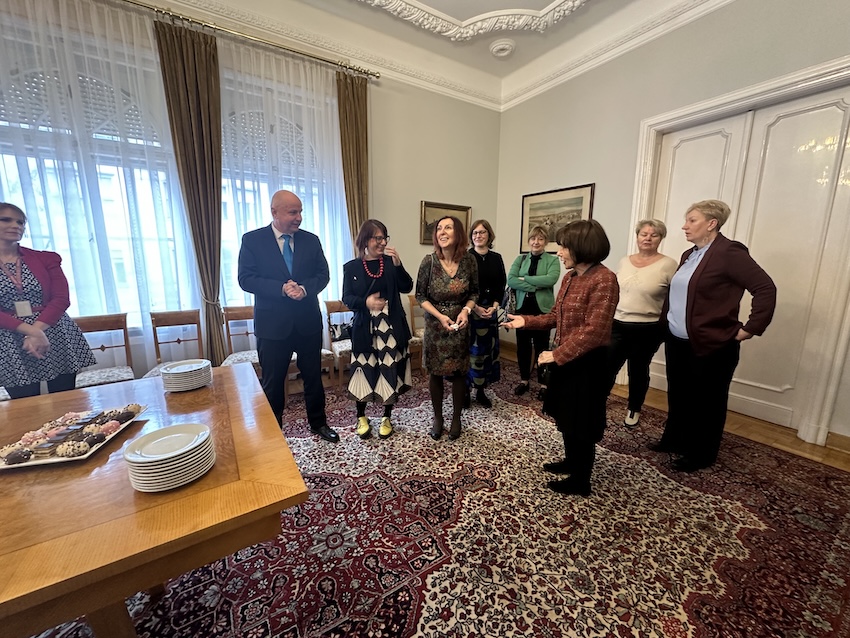
Following the official opening, guests were invited to a reception at the Embassy, hosted by the Head of Mission, Mr. Jacek Śladewski.
Sources: Embassy of Poland in Budapest; Polish Tourism Organisation, Hungary
Photos from the Embassy of Poland in Budapest; Polish Tourism Organisation; Diplomatic Press Agency