

Day of Sorrow
Edited by Anna Popper
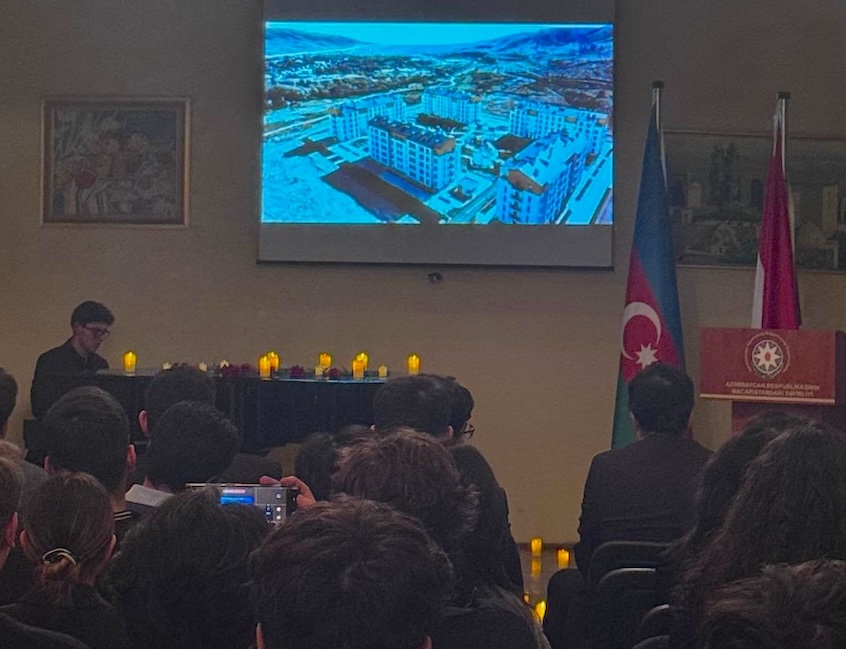
A commemorative event dedicated to the 34th anniversary of the Khojaly massacre was held at the Embassy of Azerbaijan in Hungary on 24 February 2026, bringing together members of the Azerbaijani community and local guests in Budapest. Representatives of the Azerbaijan House in Hungary, the Hungarian branch of the Azerbaijani Diaspora Youth Platform, the Association for Youth Integration and Development, members of the Azerbaijani diaspora, as well as local and international students from Budapest attended the ceremony.
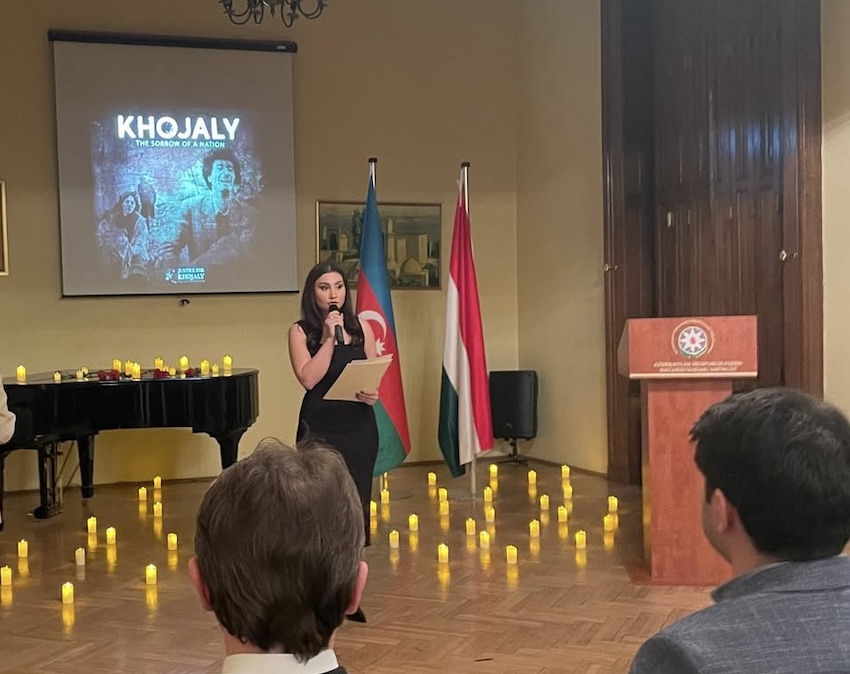
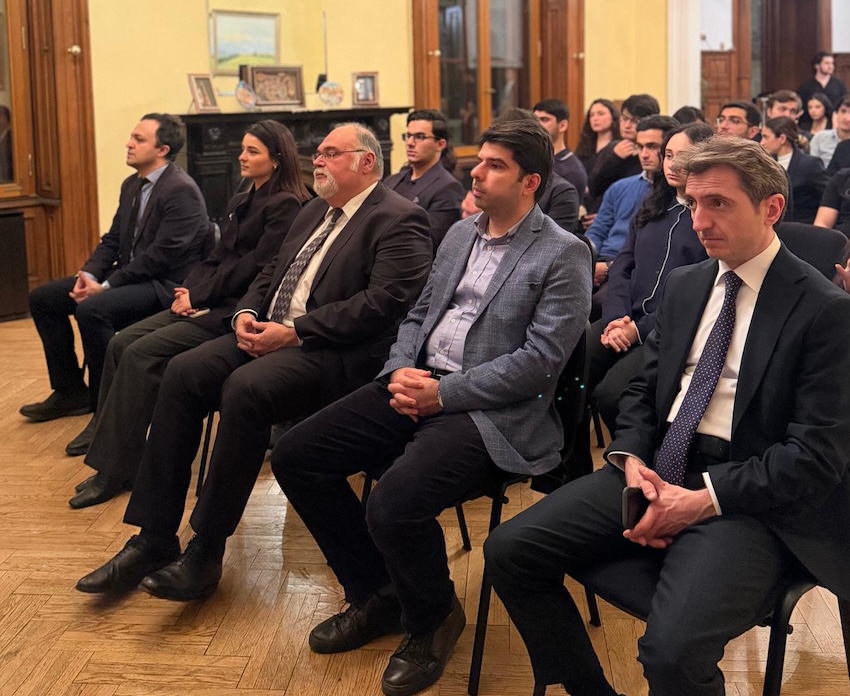
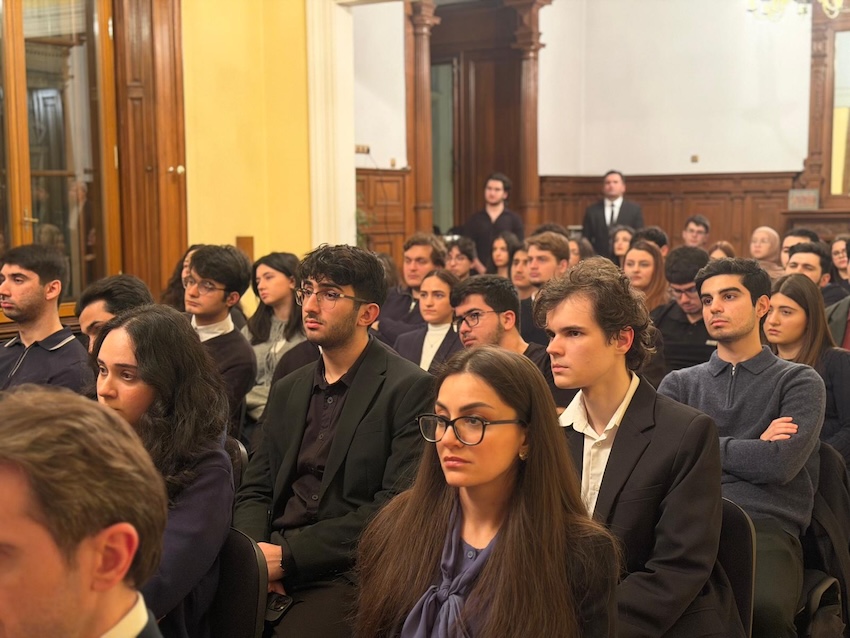
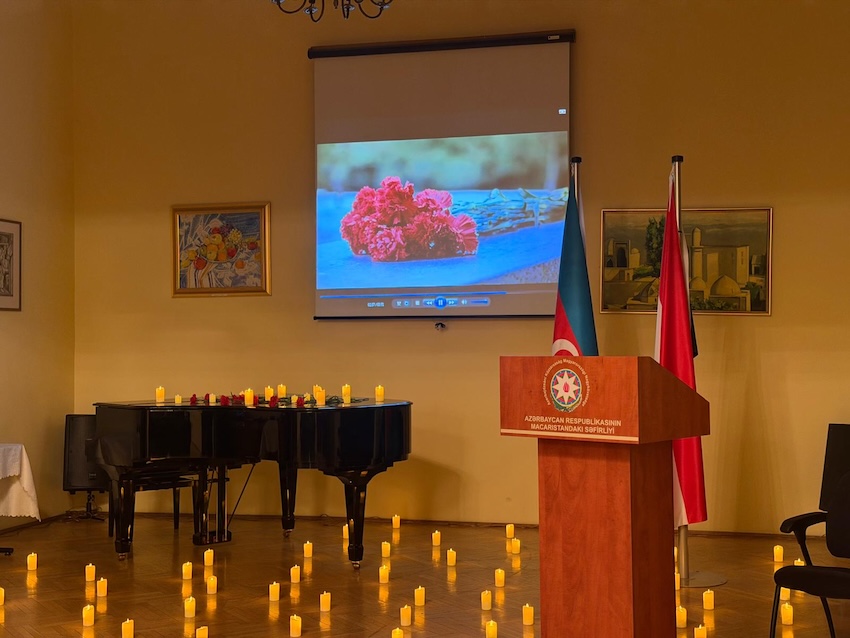
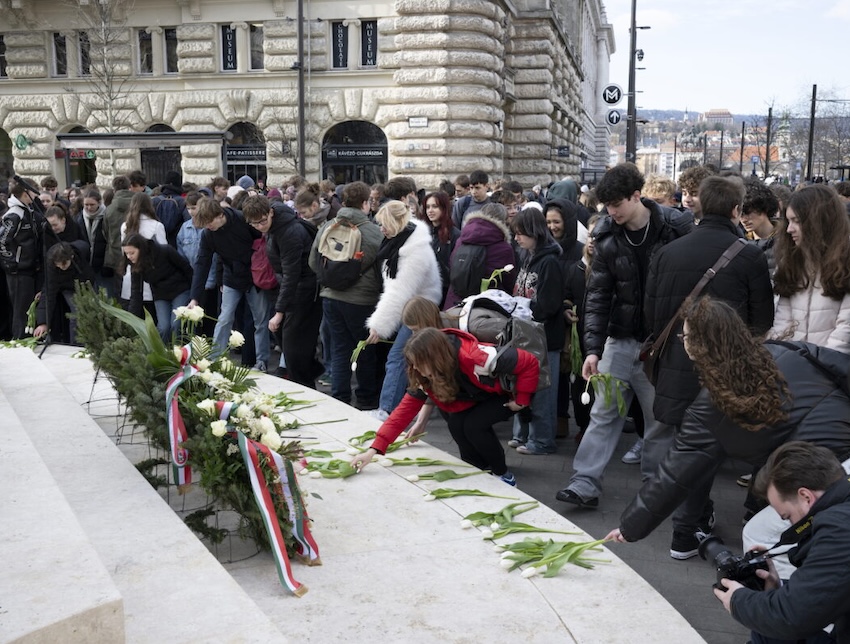
The event began with a minute of silence in honour of the victims of the Khojaly genocide, paying tribute to those who lost their lives in the tragedy, which is one of the most painful chapters in Azerbaijan’s modern history.
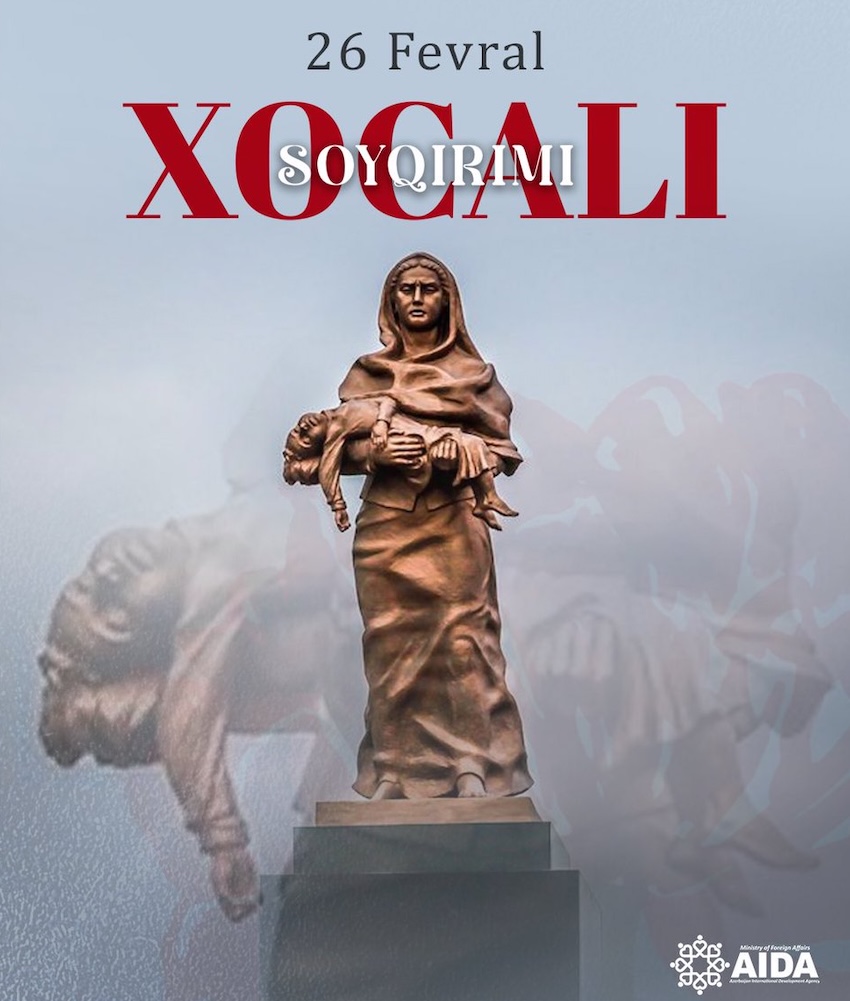
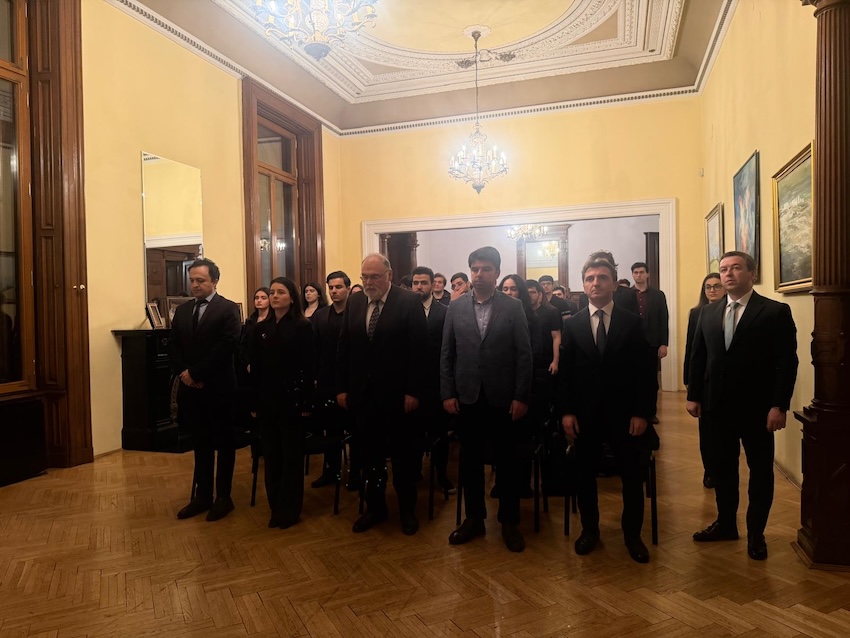
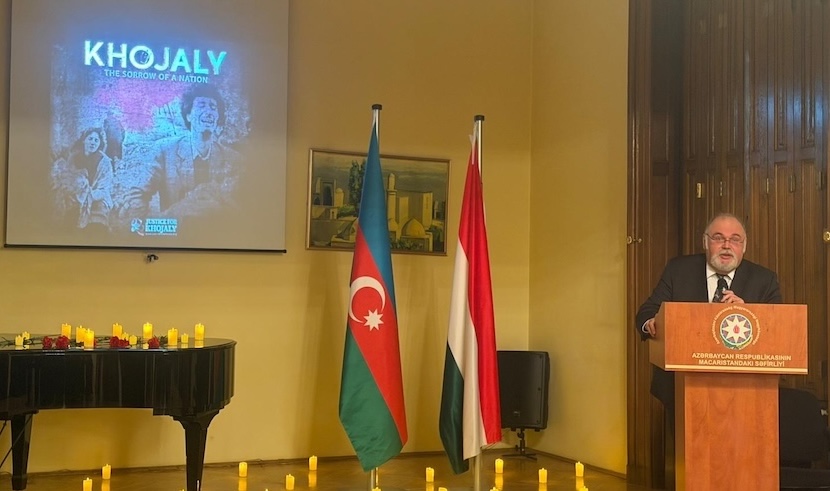
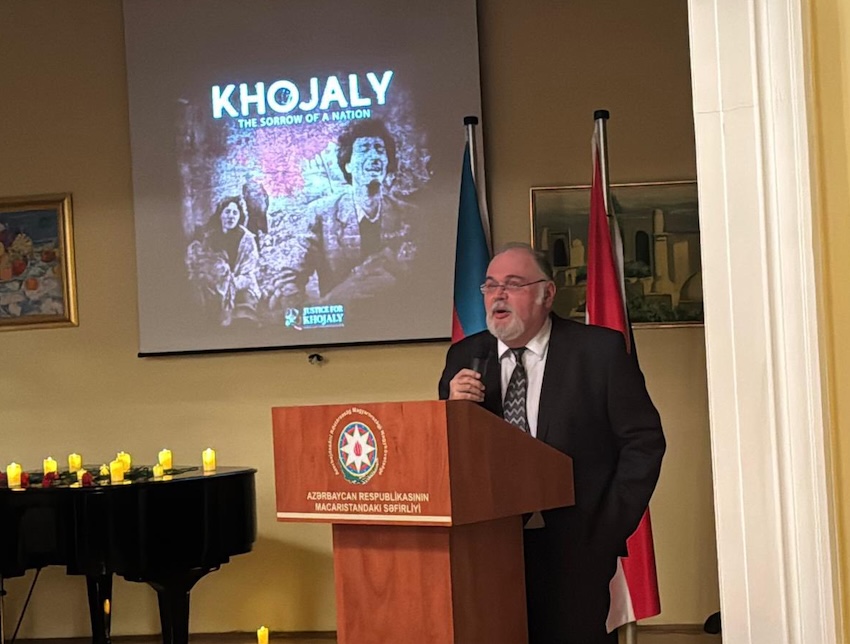
In his opening remarks, H.E. Tahir Taghizadeh, Ambassador of Azerbaijan to Hungary, provided detailed information about the massacre, describing the tragedy perpetrated against Azerbaijani civilians in 1992.
He underscored the importance of raising international awareness about Khojaly, particularly through the “Justice for Khojaly” campaign initiated by Leyla Aliyeva in 2008, and highlighted the consistent efforts of the Azerbaijani state to promote global recognition of the tragedy.
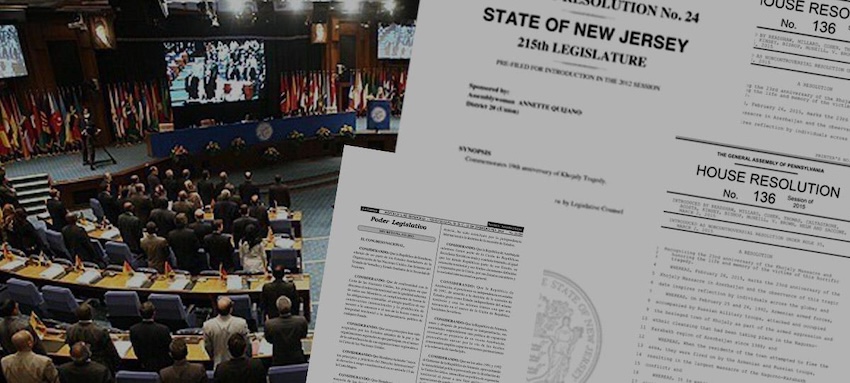
The mass killing of Azerbaijani civilians in Khojaly drew condemnation not only from official Baku but also internationally, including from several parliaments – among them those of the Czech Republic, Scotland, Bosnia and Herzegovina, and nineteen U.S. states, as well as countries such as Colombia, Mexico, Pakistan and Indonesia – along with human rights organizations and foreign media.

Ambassador Taghizadeh also emphasized that the hoisting of Azerbaijan’s tricolour flag in Khojaly stands as what he described as a triumph of truth and justice, following the liberation of territories occupied for nearly three decades. He noted that these developments were achieved through the leadership and tireless efforts of President Ilham Aliyev.
The Ambassador further highlighted that many analysts see the events in Khojaly as inextricably linked to the broader legacy of Soviet rule, arguing that decades of communist governance left behind unresolved territorial tensions, which escalated into violence after the collapse of the USSR, culminating in the killing of Azerbaijani civilians.
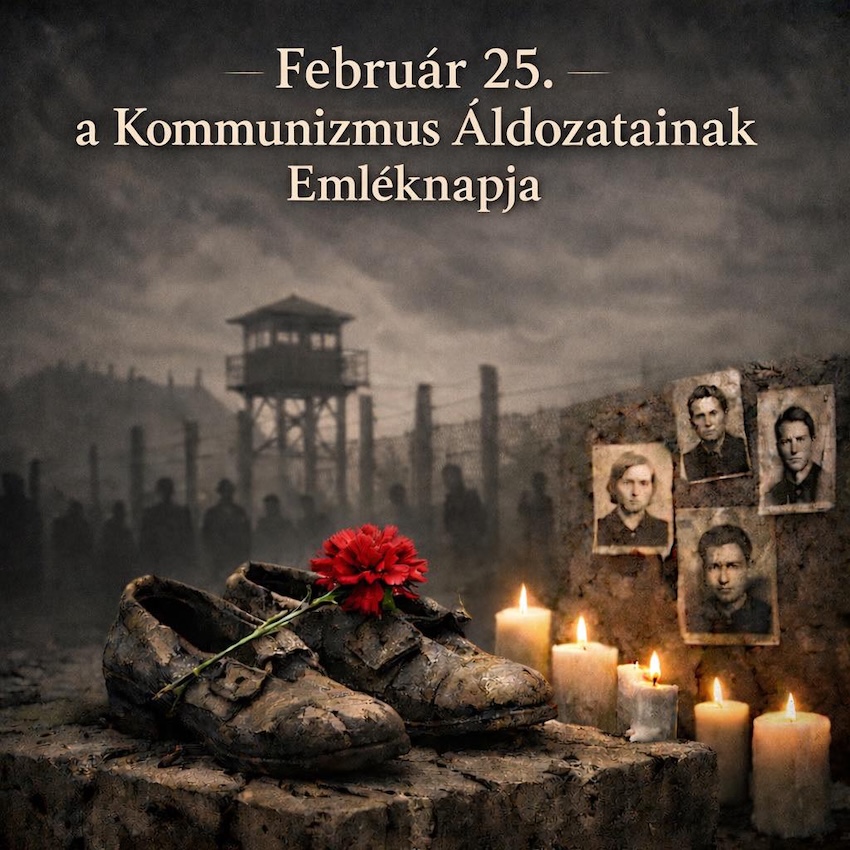
He added that Hungary, also deeply scarred by communist repression, marks 25 February as the Day of Remembrance for the Victims of Communism, honouring those persecuted under the Soviet-backed dictatorship. He concluded that both Azerbaijan and Hungary commemorate their painful histories through solemn ceremonies, wreath-laying, and acts of remembrance to ensure that such tragedies are never forgotten.

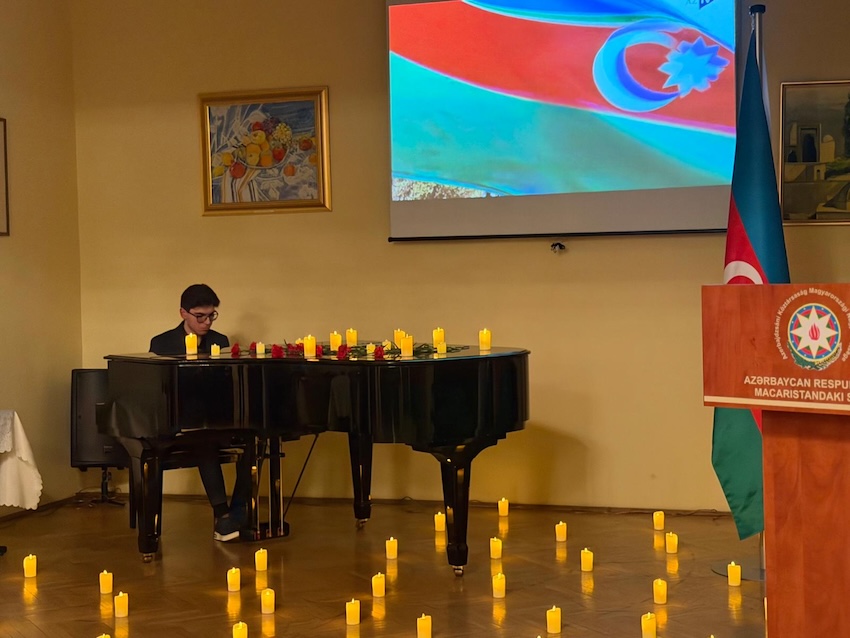
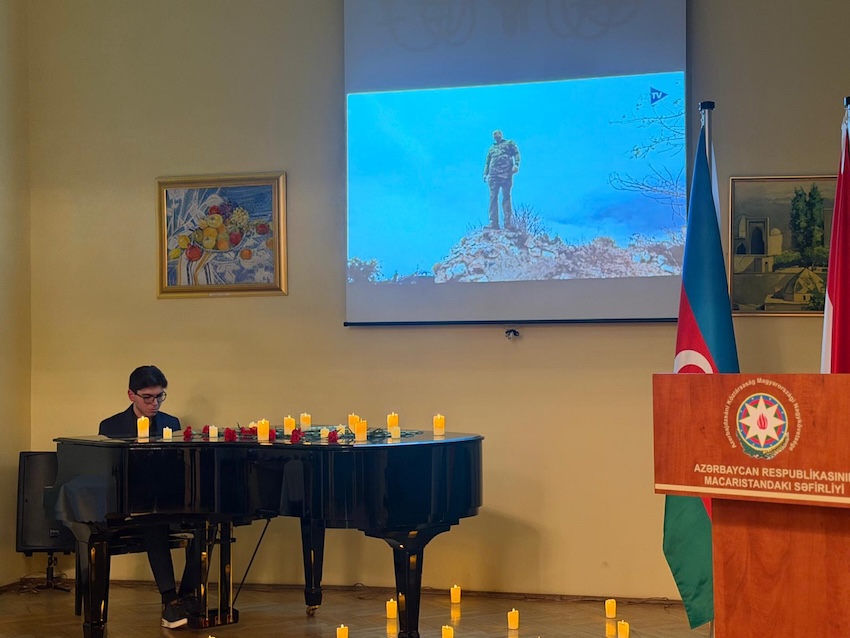
The program featured video presentations about the Khojaly tragedy, accompanied by a live piano performance of the talented Azerbaijani student Mahammad Jafarov. Attendees were also shown a video highlighting the ongoing restoration and reconstruction efforts in Karabakh.
Background of the Khojaly Tragedy
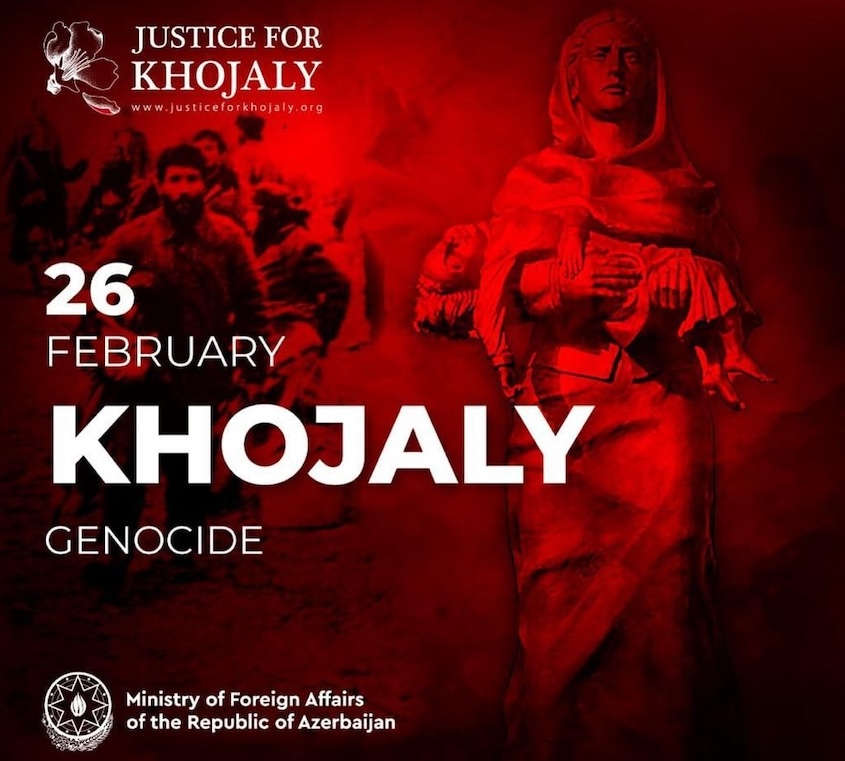
Azerbaijan’s Ministry of Foreign Affairs released a statement on the 34th anniversary of the Khojaly tragedy, outlining its position on the events of the night of 25-26 February 1992. According to the statement, the armed forces of Armenia attacked Khojaly that night. The town had been under siege since October 1991, with its road and energy links cut off. Azerbaijani authorities state that the assault resulted in mass civilian casualties.
As a consequence of the tragedy, 613 people were killed, including 63 children, 106 women, and 70 elderly residents. Another 487 people were severely injured, while 1,275 were taken hostage. Many of those captured were reportedly tortured, and the fate of some remains unknown. Eight families were annihilated, 130 children lost one parent, and 25 children lost both parents.
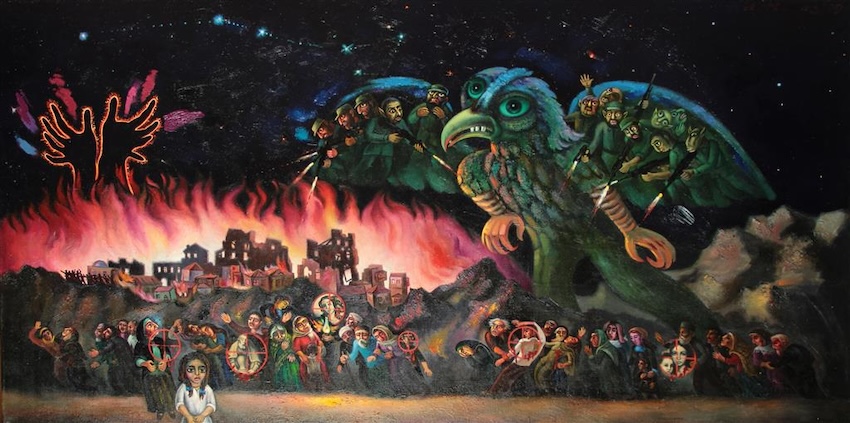
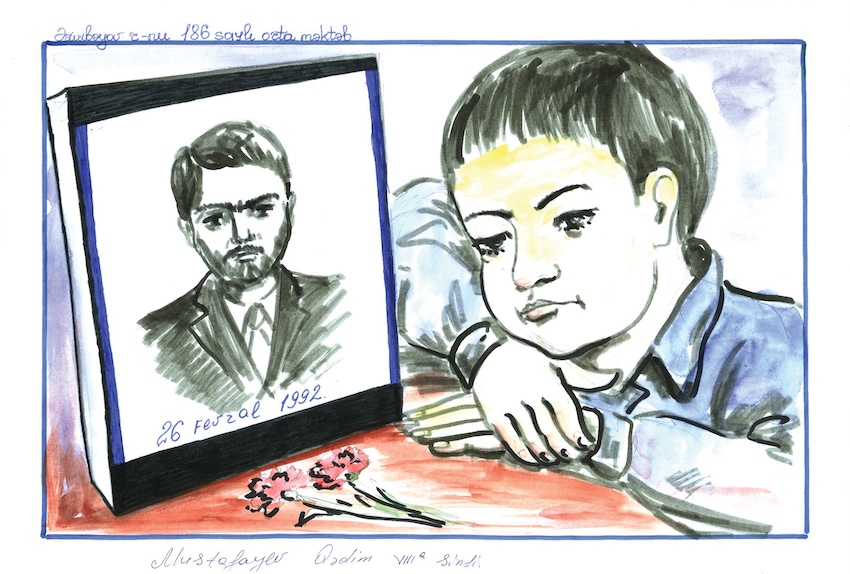
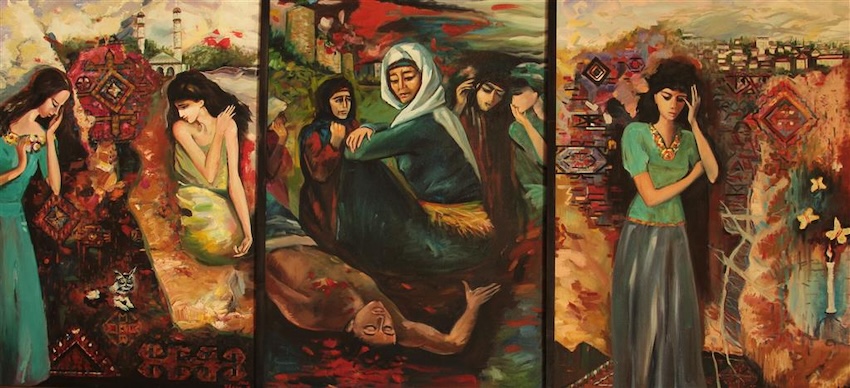
According to the Foreign Ministry, the attack was carried out with the armed support of the former Soviet Union’s 366th Motorized Rifle Regiment.
These events formed part of a broader pattern of violence against Azerbaijanis in other settlements, including Baghanis Ayrim, Jamilli, Karkijahan, Meshali, Malibeyli, Garadaghly, Tugh, and Selaketin. The statement describes the killings as violations of international law, in particular the Convention on the Prevention and Punishment of the Crime of Genocide and other humanitarian treaties, and calls for international recognition of the events as a crime against humanity.
Focus on Peace and Reconstruction
In addition to commemorating the victims, Azerbaijan places particular emphasis on peacebuilding, reconstruction, and the safe return of displaced families to the territories regained in recent years, including Khojaly.
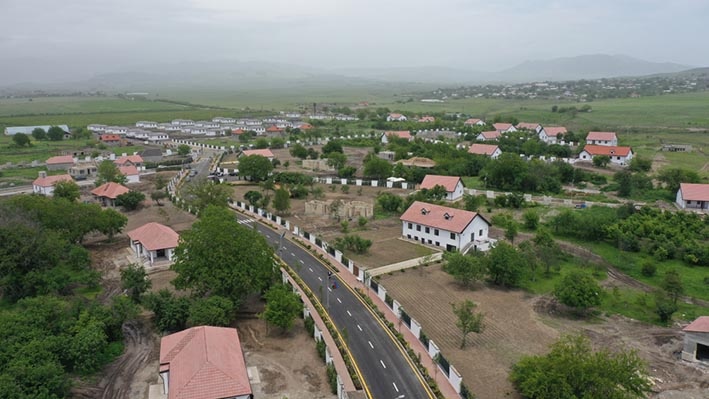
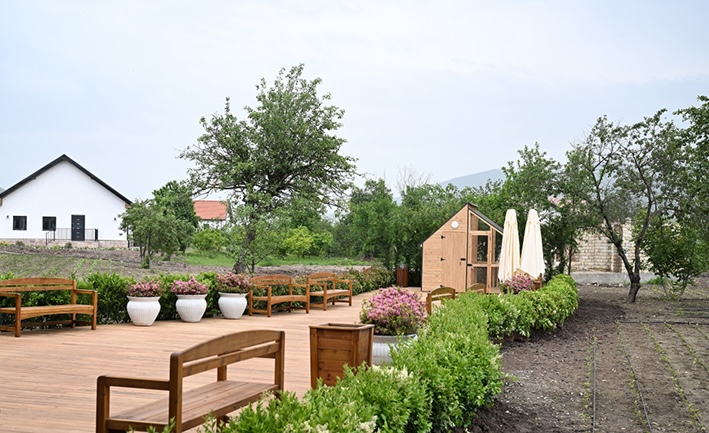
Large-scale reconstruction and rehabilitation projects are underway not only in Khojaly but across the wider Karabakh region. These efforts include the rebuilding of residential areas, schools and hospitals; the restoration of transportation and energy infrastructure; mine clearance; and the development of new economic opportunities to ensure sustainable resettlement.
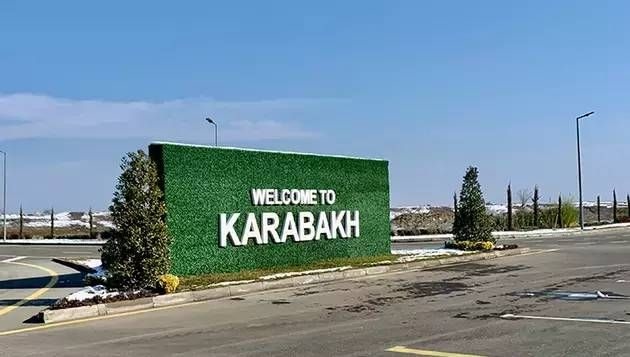
The first phase of the “Great Return” program is expected to be completed by the end of 2026, with approximately 140,000 internally displaced persons returning to Karabakh.
President Ilham Aliyev stated: “Karabakh is not only a symbol of our national pride but also a space for sustainable development of the 21st century.”
Long-term stability and reconciliation in the South Caucasus depend on durable peace, mutual recognition of sovereignty and territorial integrity, and expanded regional cooperation. Comprehensive reconstruction, combined with confidence-building measures, is essential to prevent further tragedies and foster security, prosperity, and coexistence across the region.

New Memorial Complex Opened in Khojaly
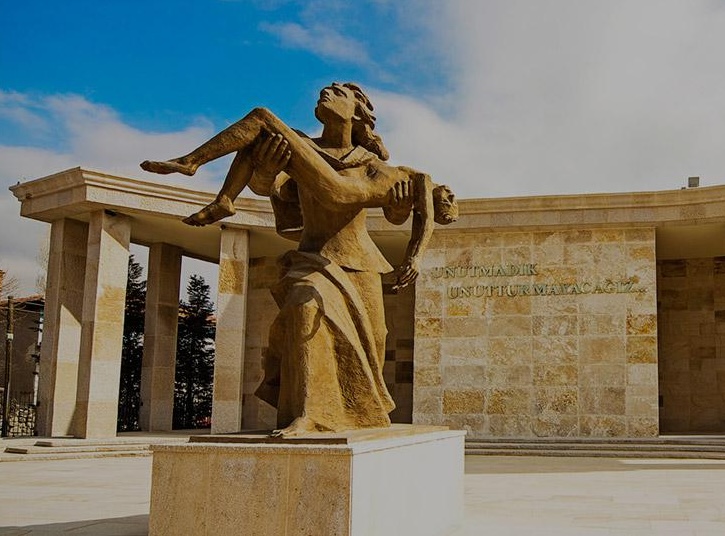
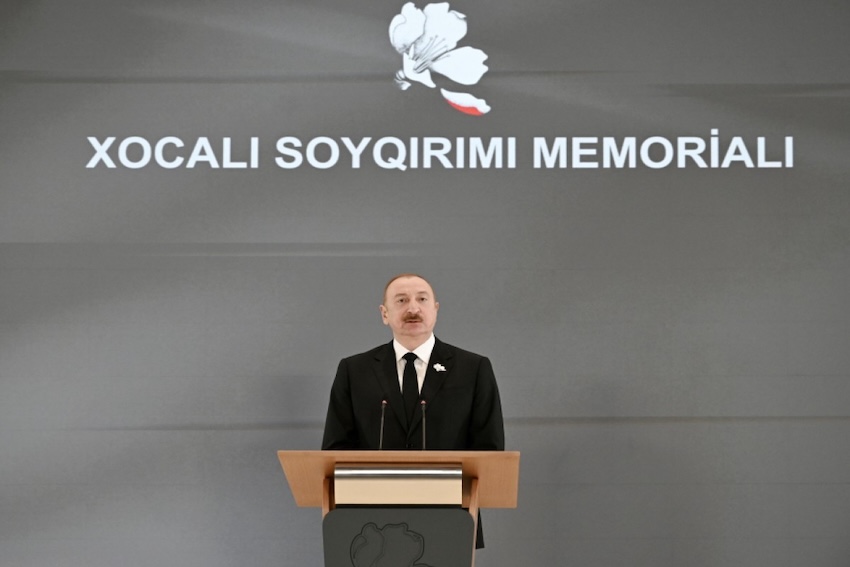
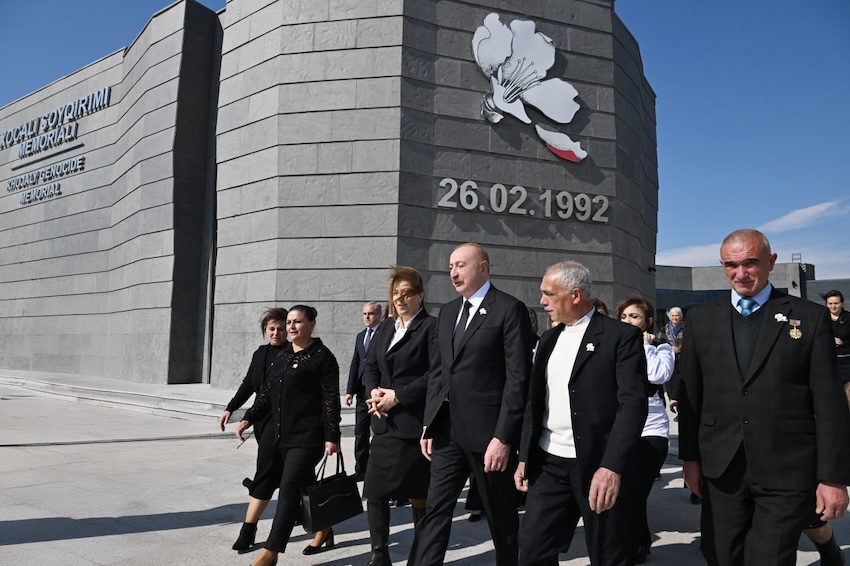
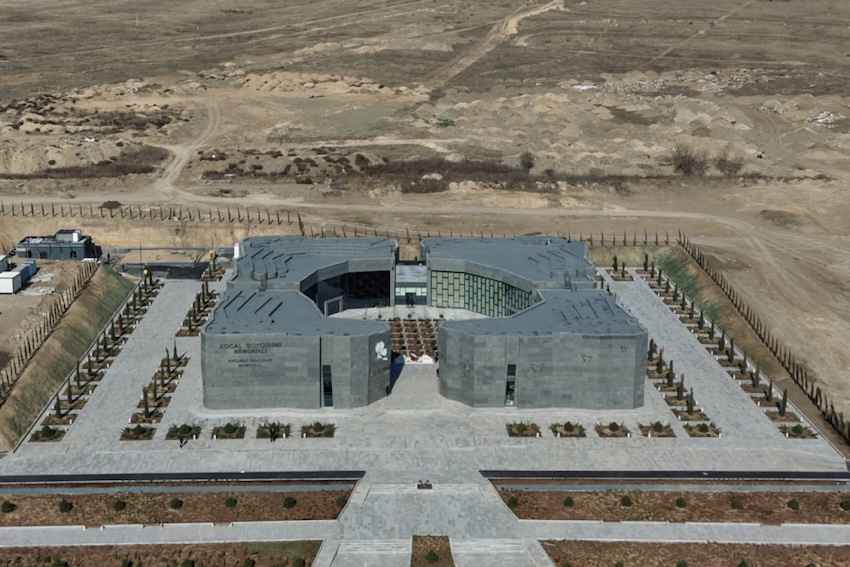
On 26 February 2026, marking the 34th anniversary of the Khojaly tragedy, President Ilham Aliyev inaugurated the Khojaly Genocide Memorial Complex, a powerful tribute to the innocent victims of the tragic events of 1992. The monumental structure, surrounding the memorial on all sides, was designed in the form of symbolic hands, representing protection and remembrance for the residents of Khojaly and expressing a collective commitment for future generations to prevent such tragedies from ever occurring again. The project was realised based on a concept developed by the Heydar Aliyev Foundation.
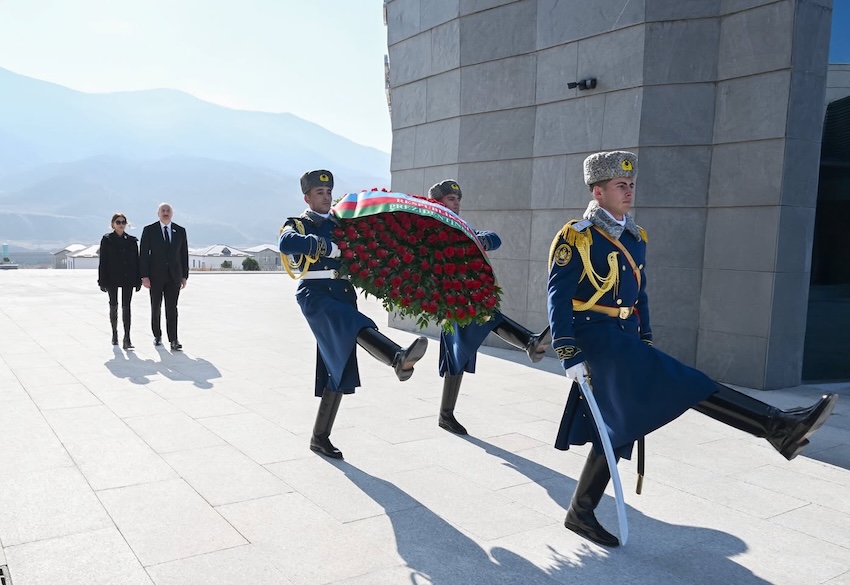
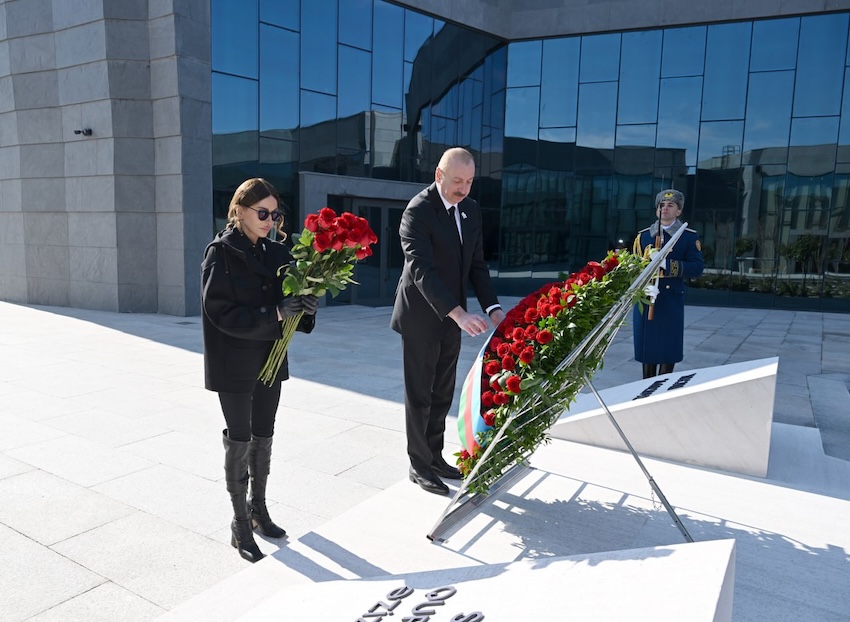
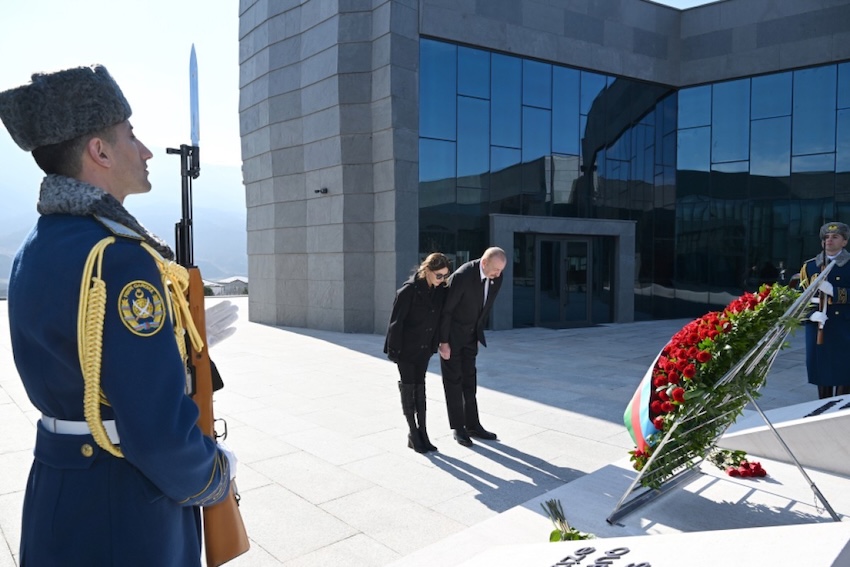
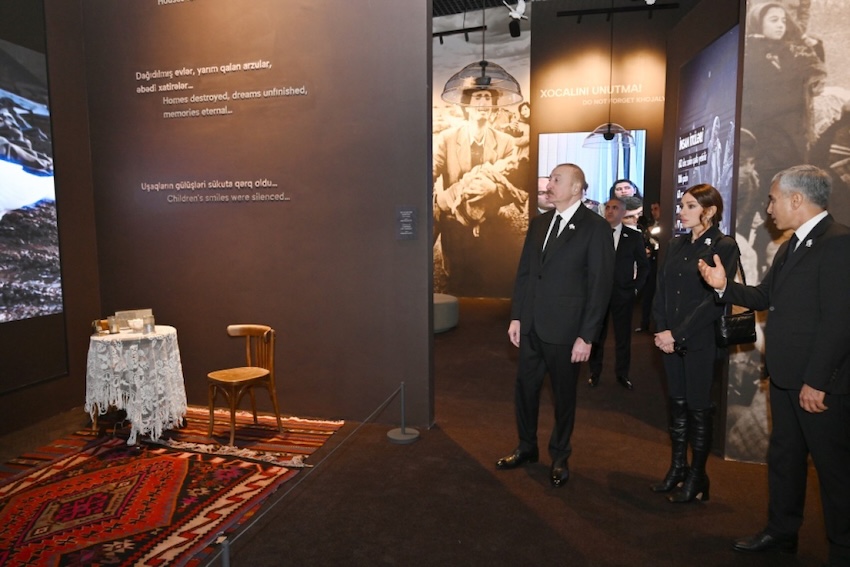
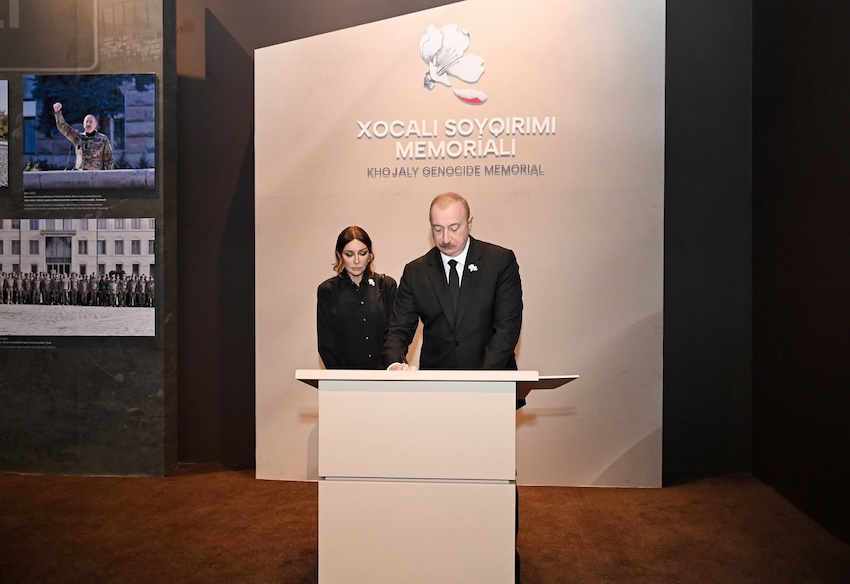
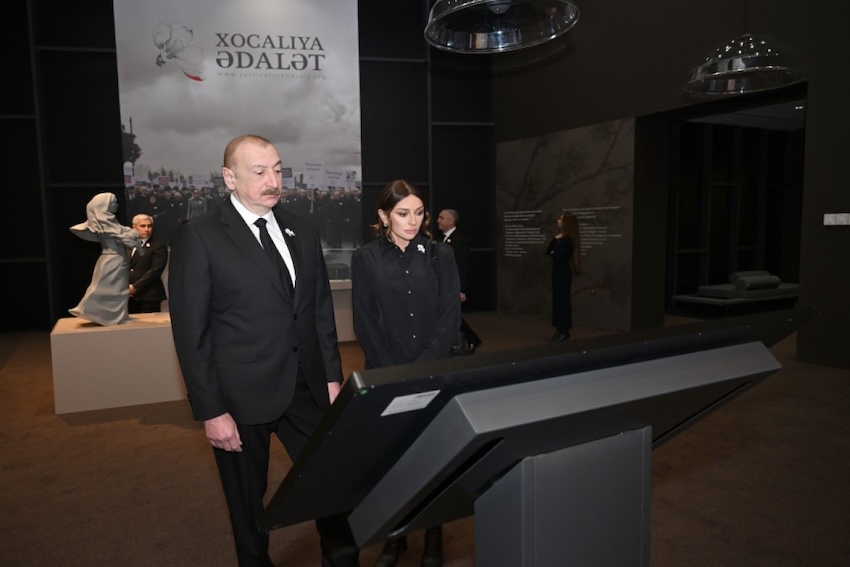
“The opening of this Memorial Complex in Khojaly is a celebration of justice. This Memorial Complex is an embodiment of the unbending spirit of the Azerbaijani people,” President Ilham Aliyev said at the inauguration ceremony.
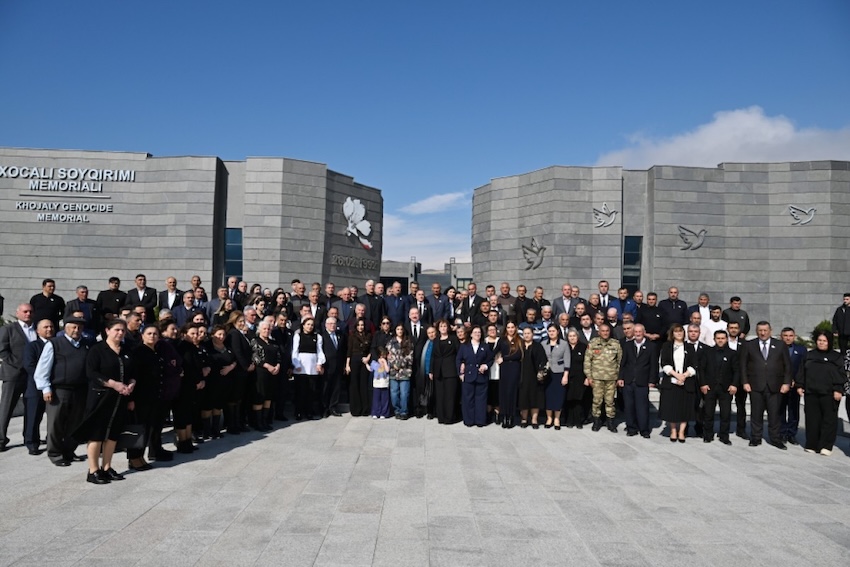
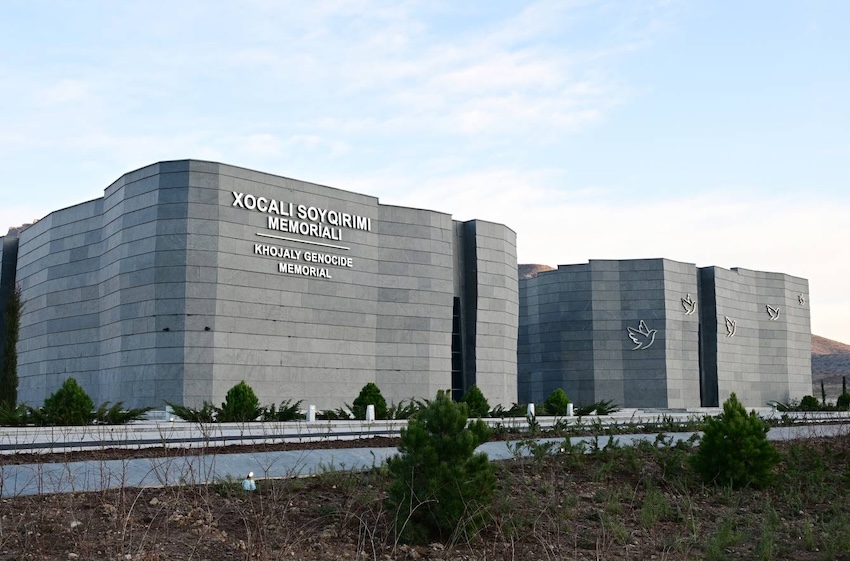
Source: Embassy of Azerbaijan in Budapest
Photos from the Embassy of Azerbaijan in Budapest