Honouring the Country’s 36-Year Journey as an Independent and Sovereign Nation
Edited by Anna Popper
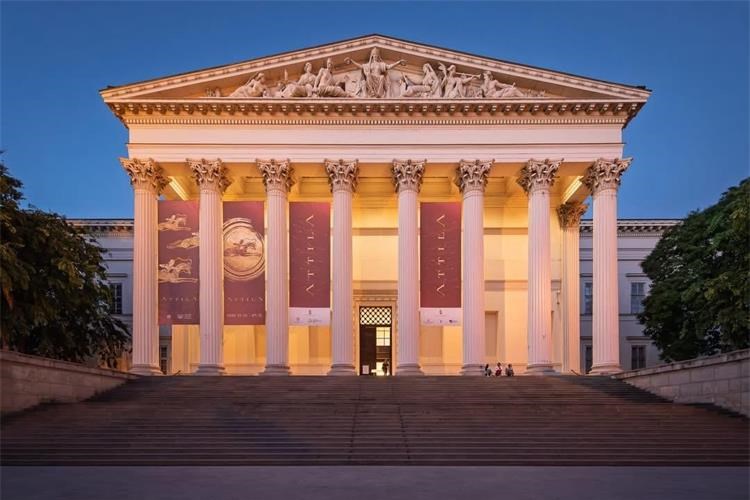
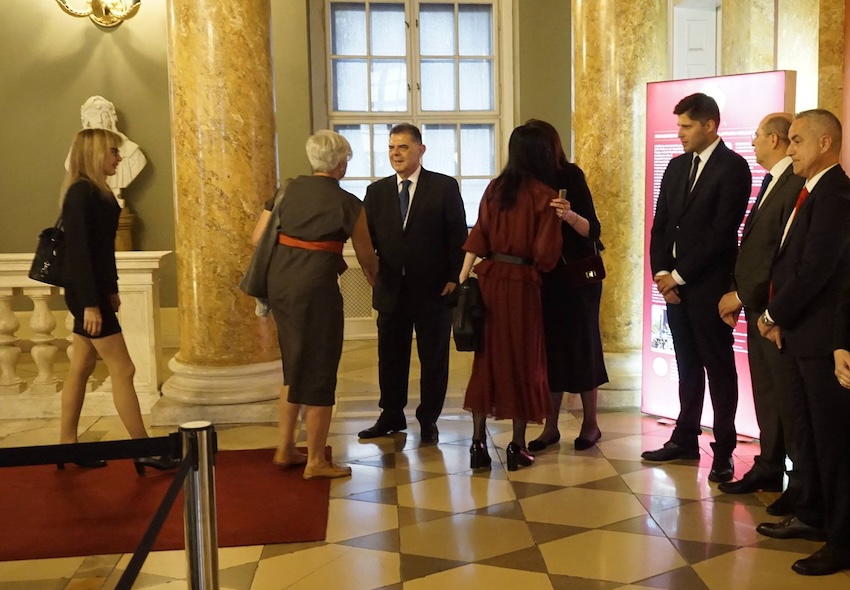
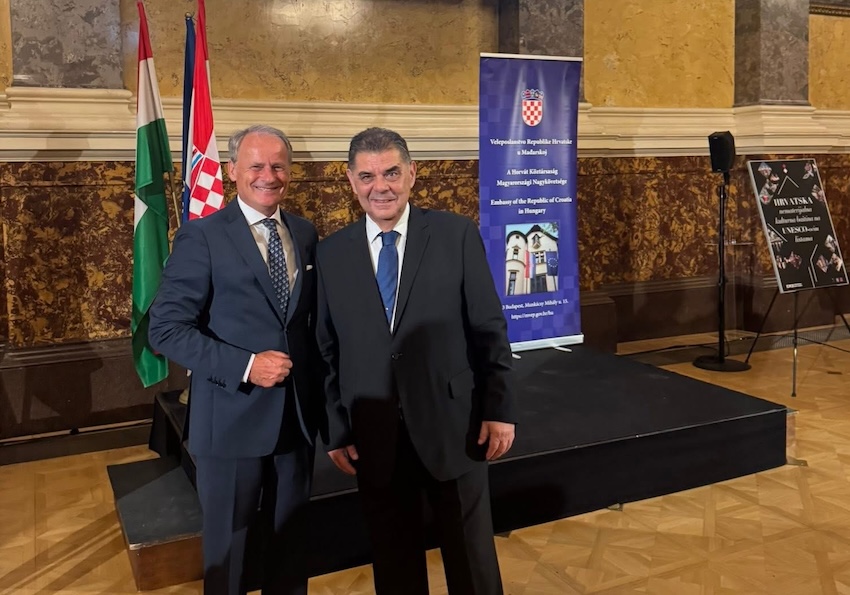
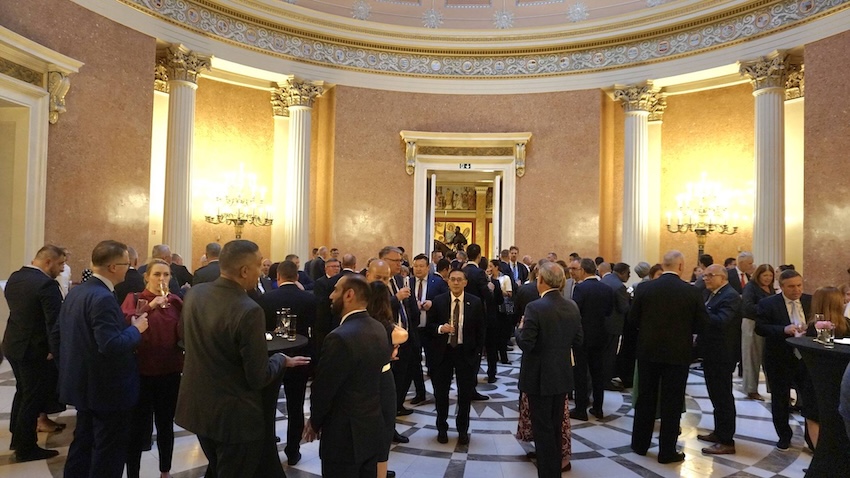
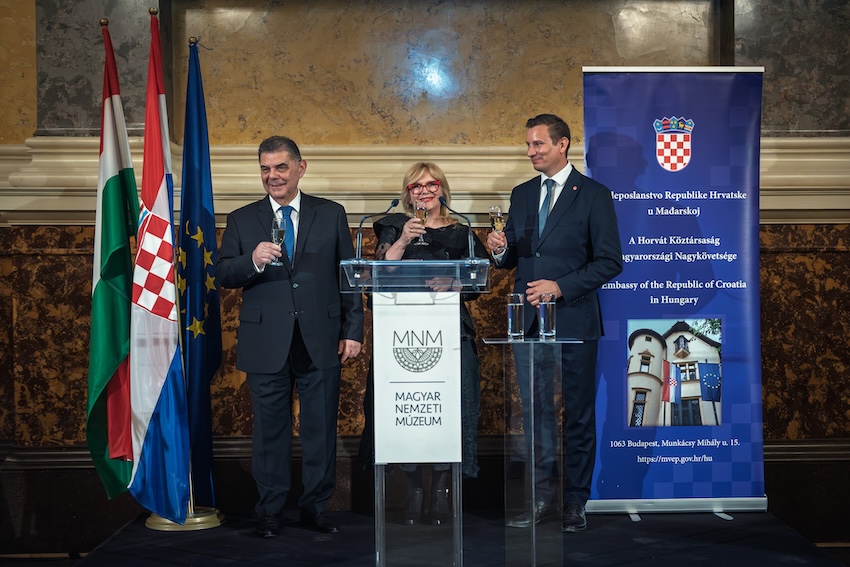
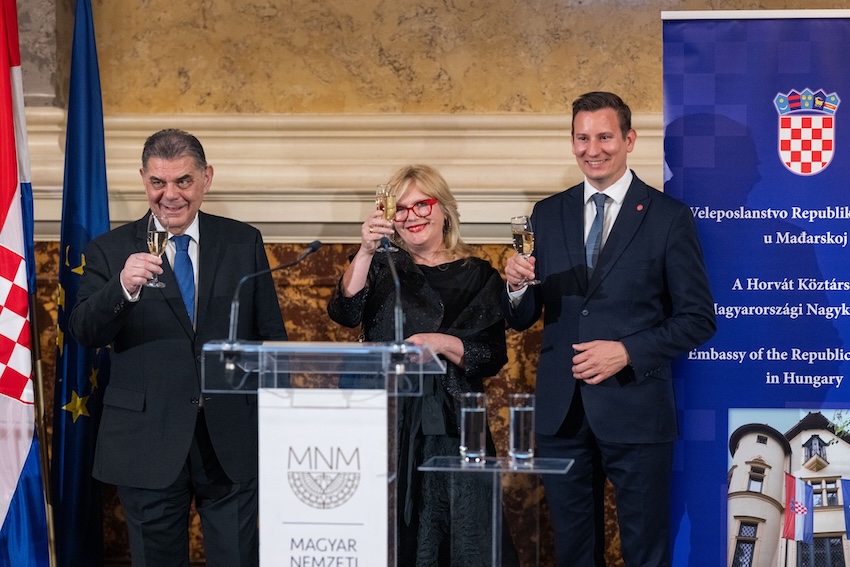
The Embassy of the Republic of Croatia in Hungary, in cooperation with the Ethnographic Museum in Zagreb, organized a formal celebration of the 36th Statehood Day of the Republic of Croatia at the prestigious Hungarian National Museum in Budapest, marking a pivotal moment in Croatia’s modern history and its path toward independence.
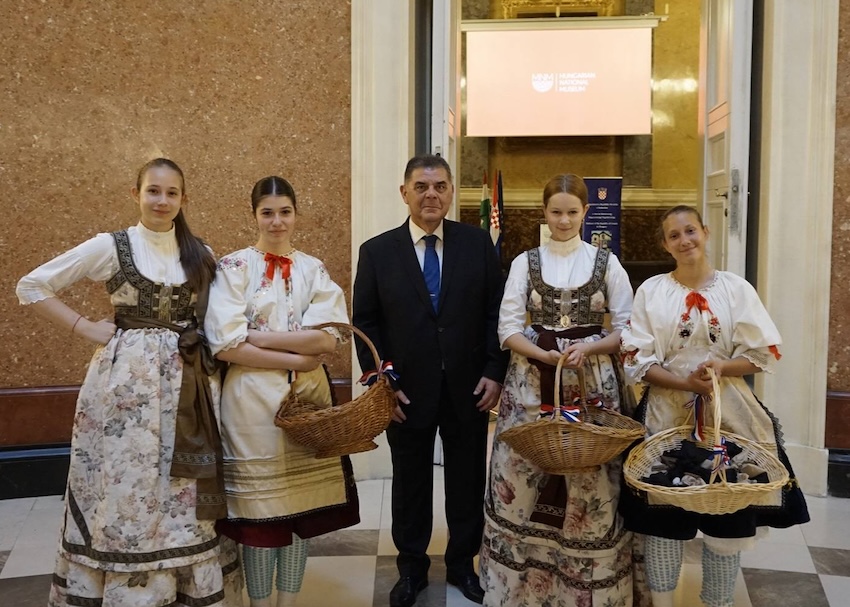
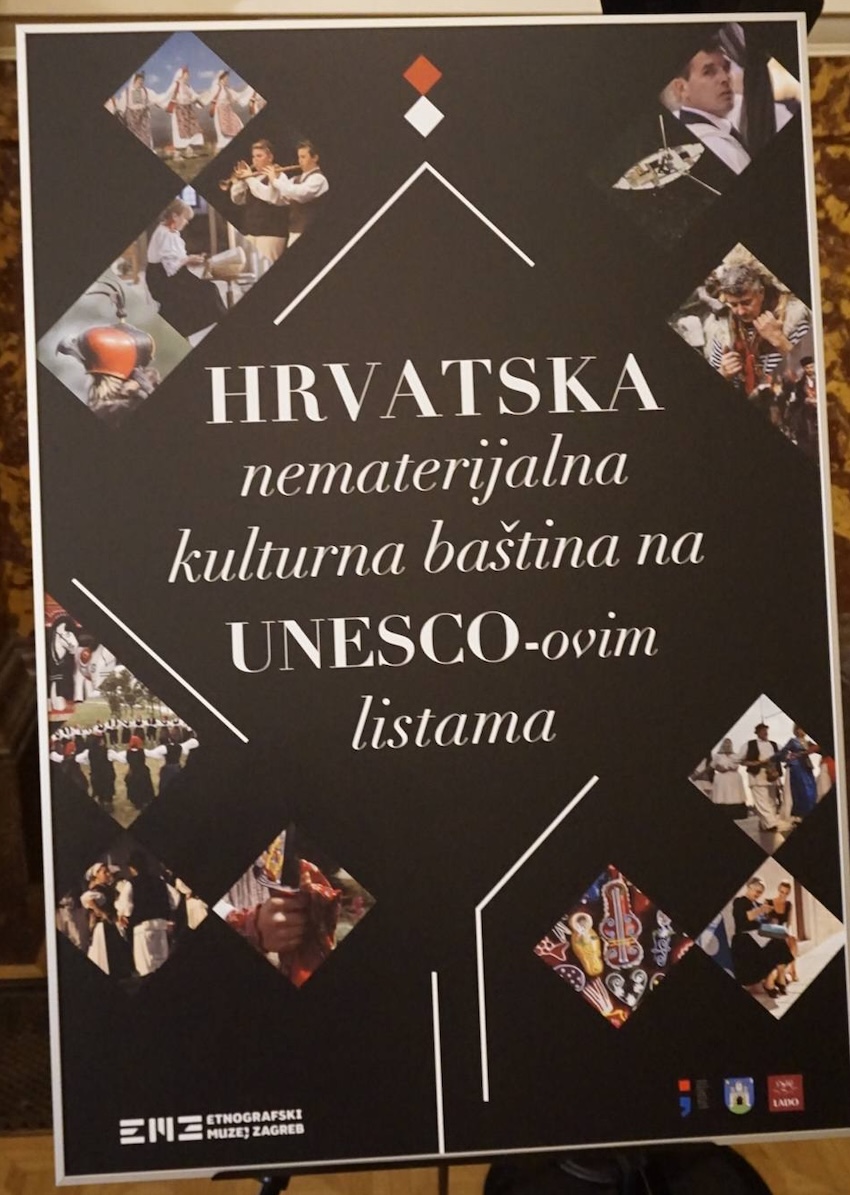
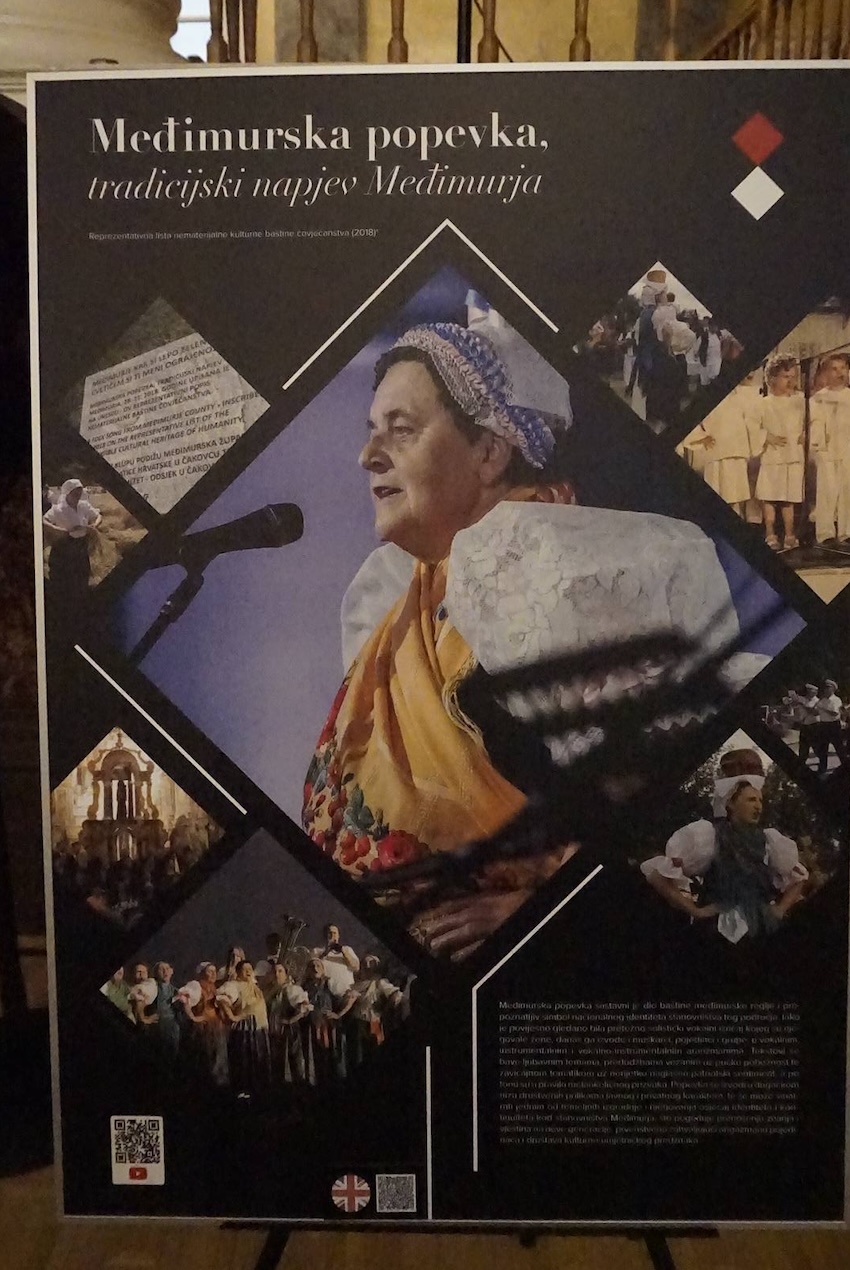
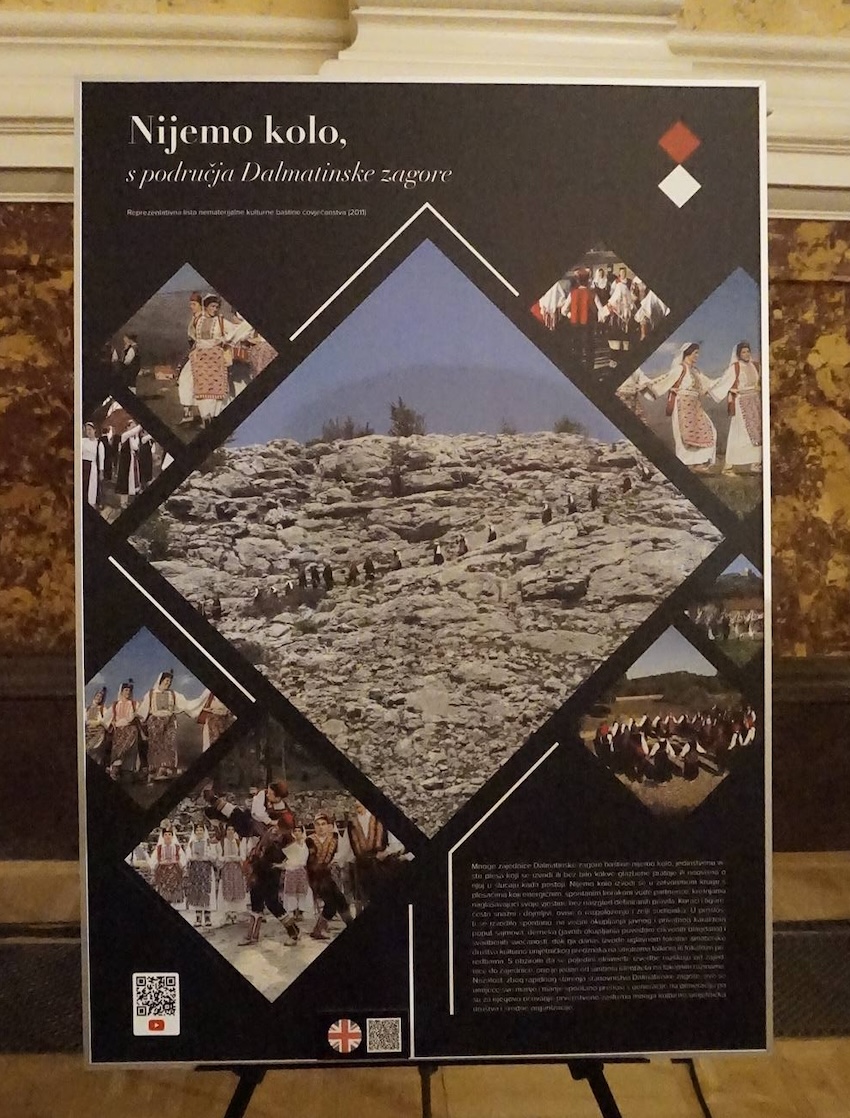
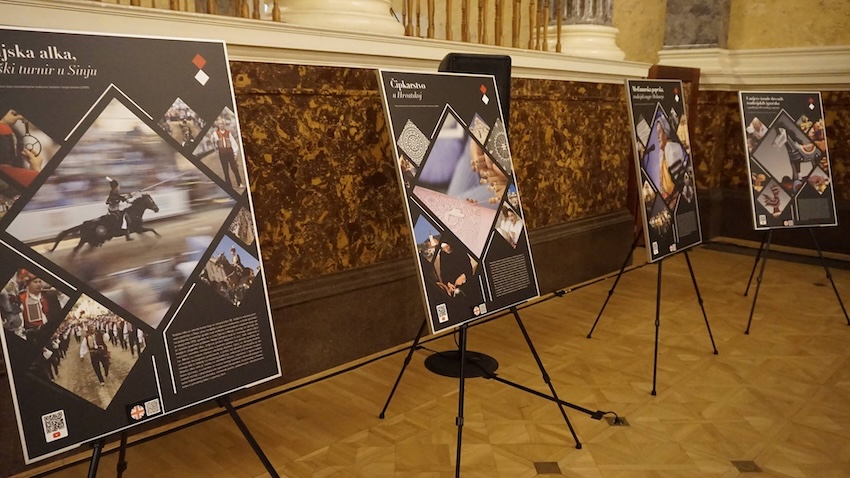
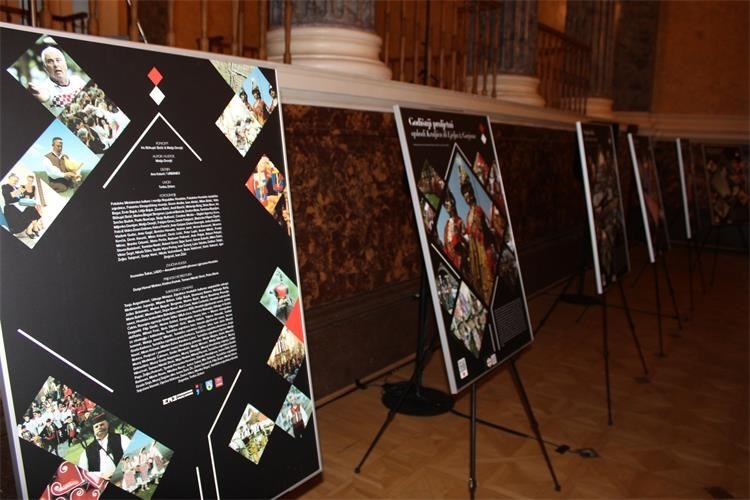
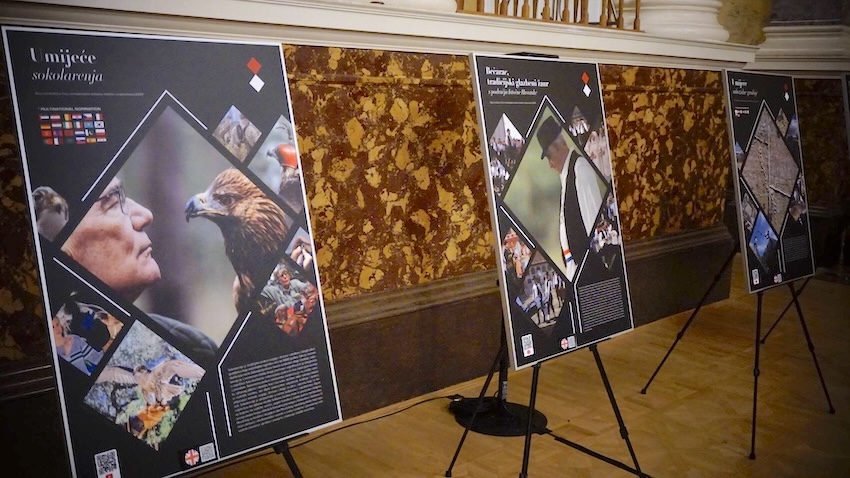
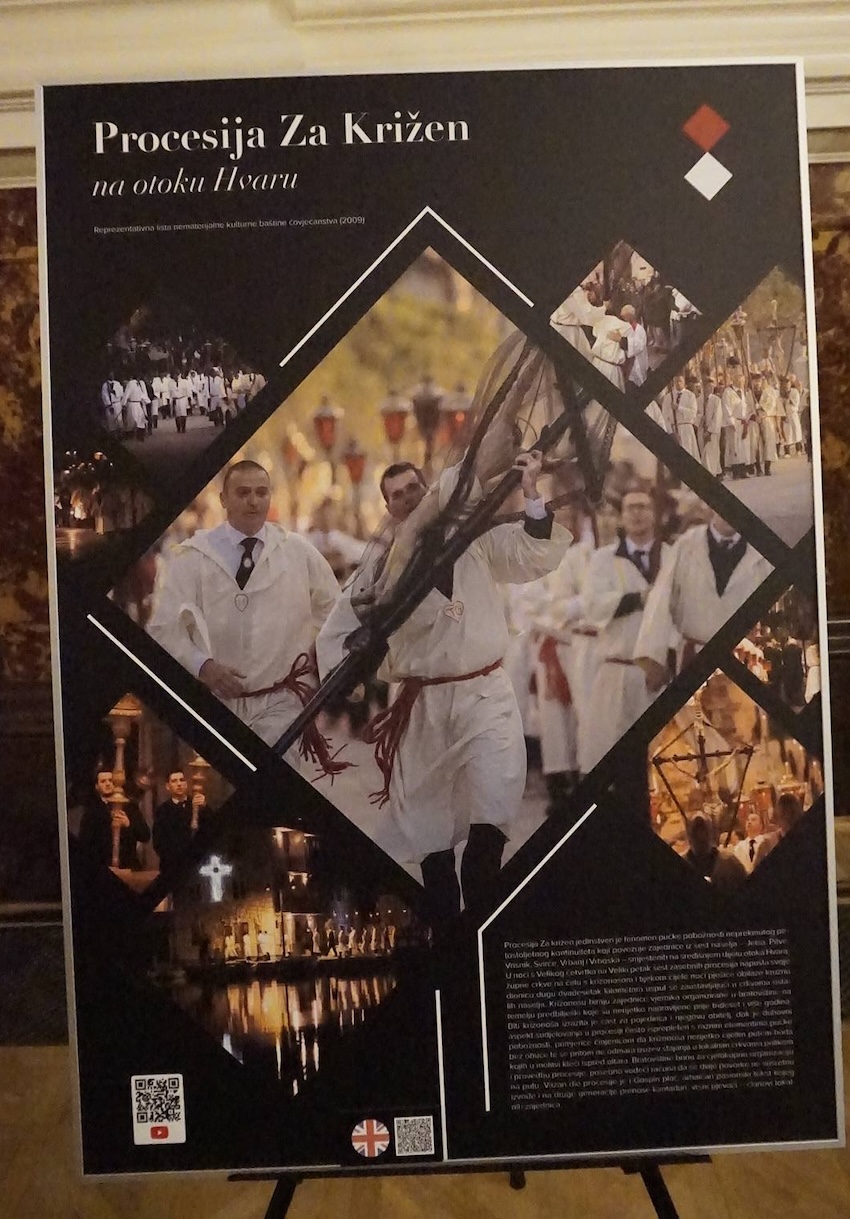
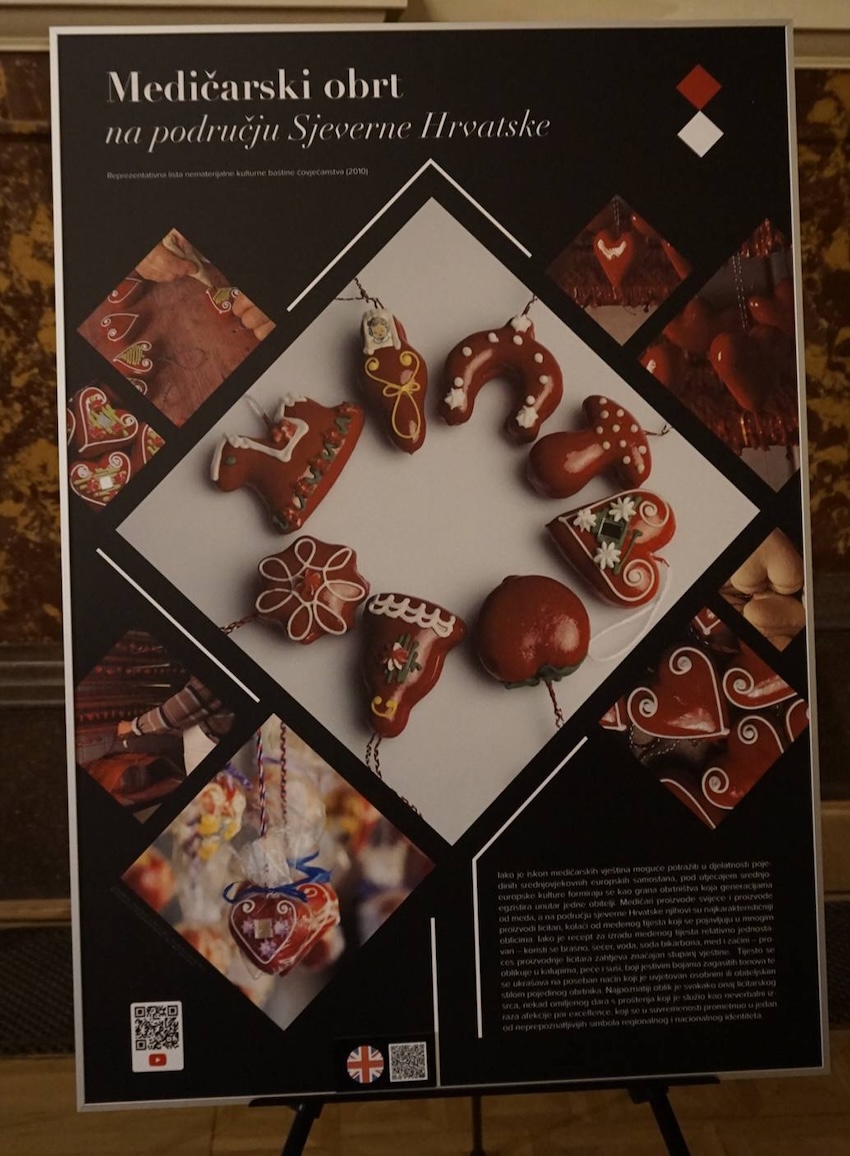
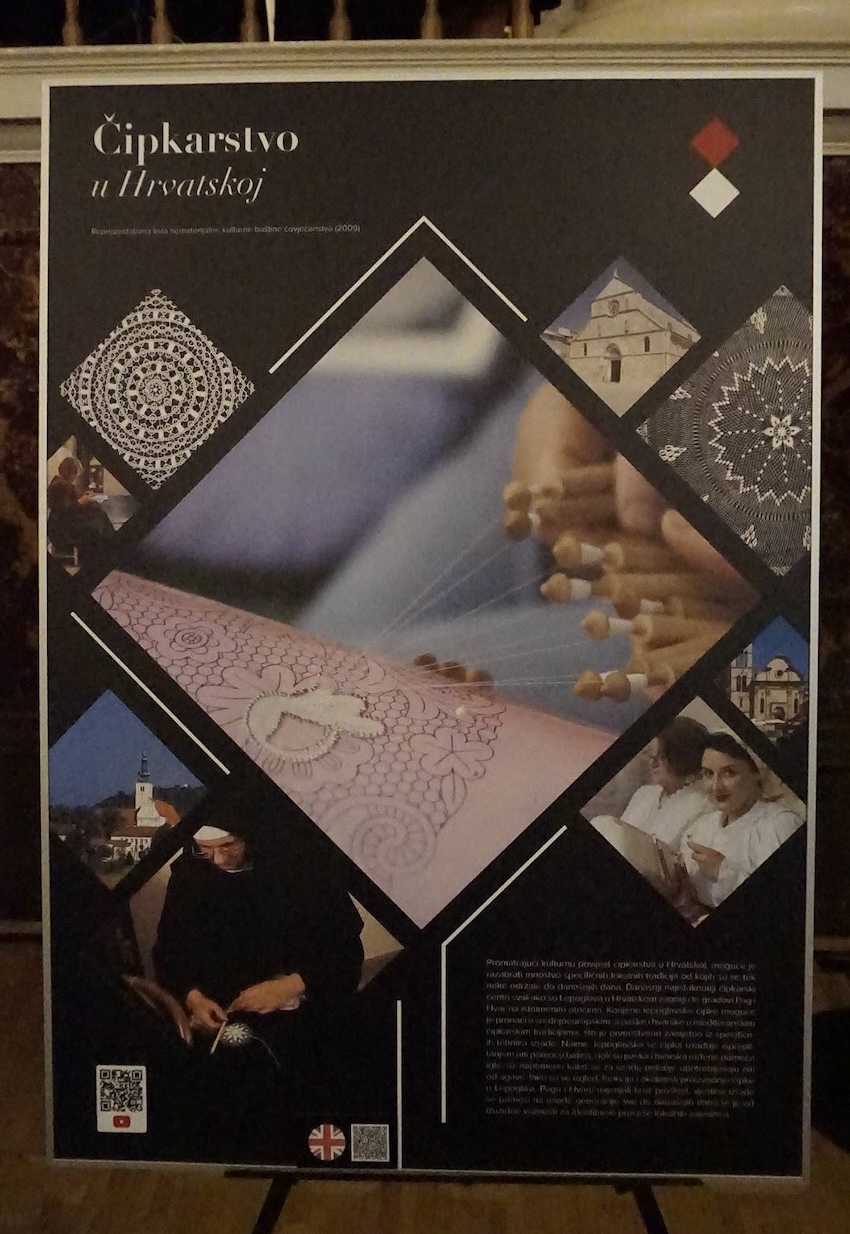
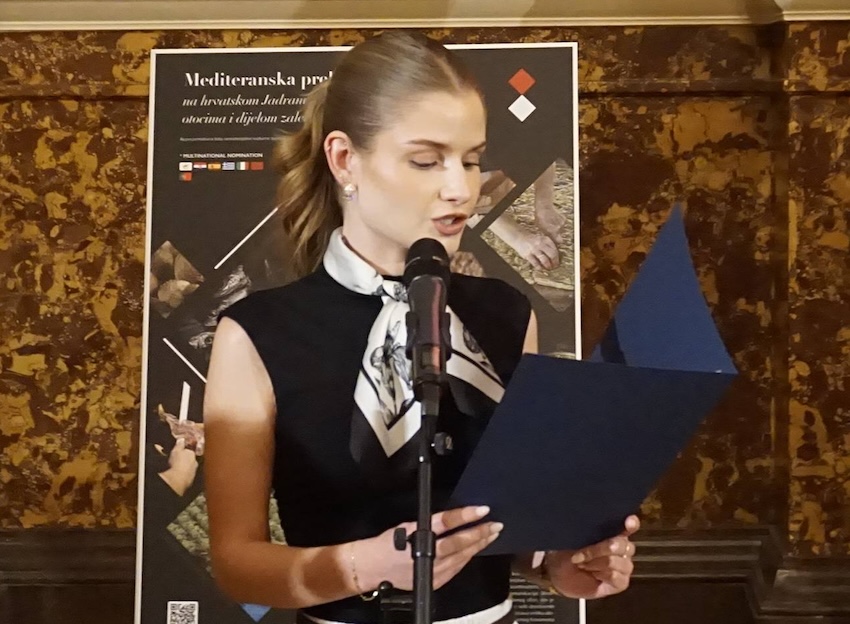
On this occasion, the exhibition “Croatian Intangible Cultural Heritage on UNESCO Lists” was officially opened.
Statehood Day (Dan državnosti), observed annually on 30 May, commemorates the inaugural session of Croatia’s first democratically elected multi-party parliament, which took place on this day in 1990.
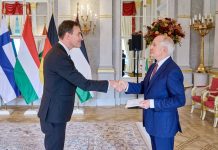
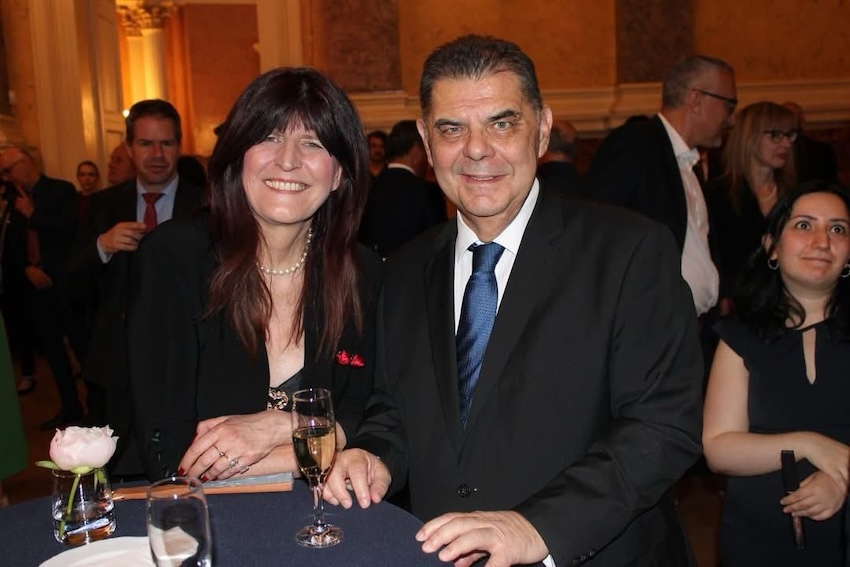
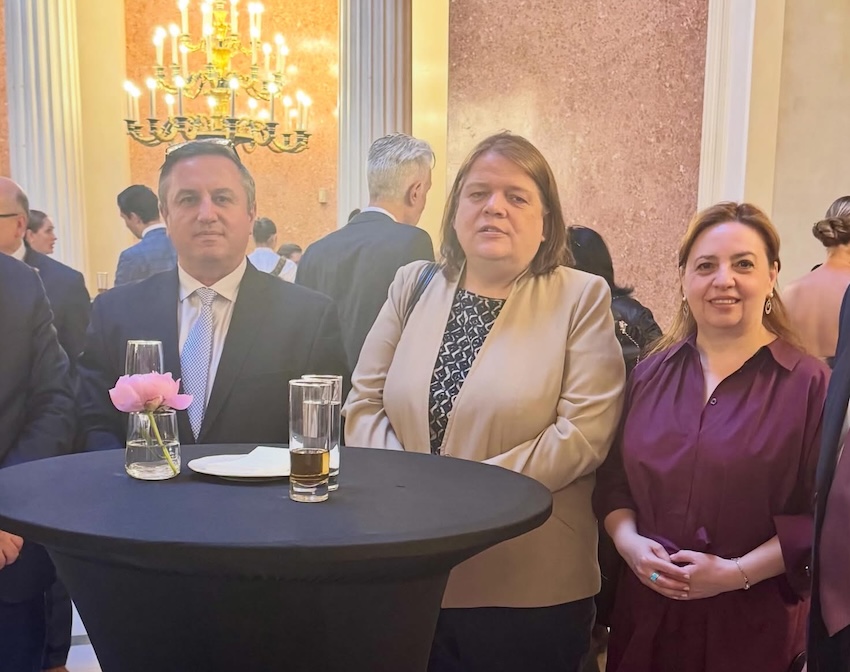
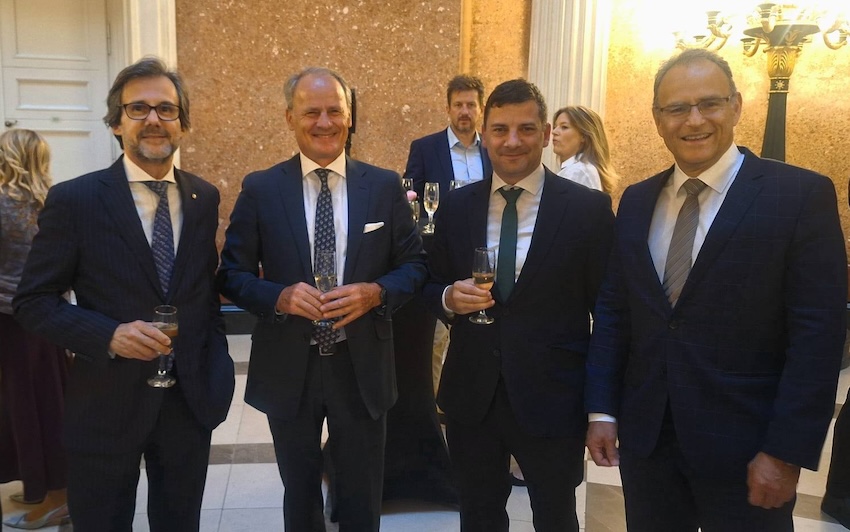
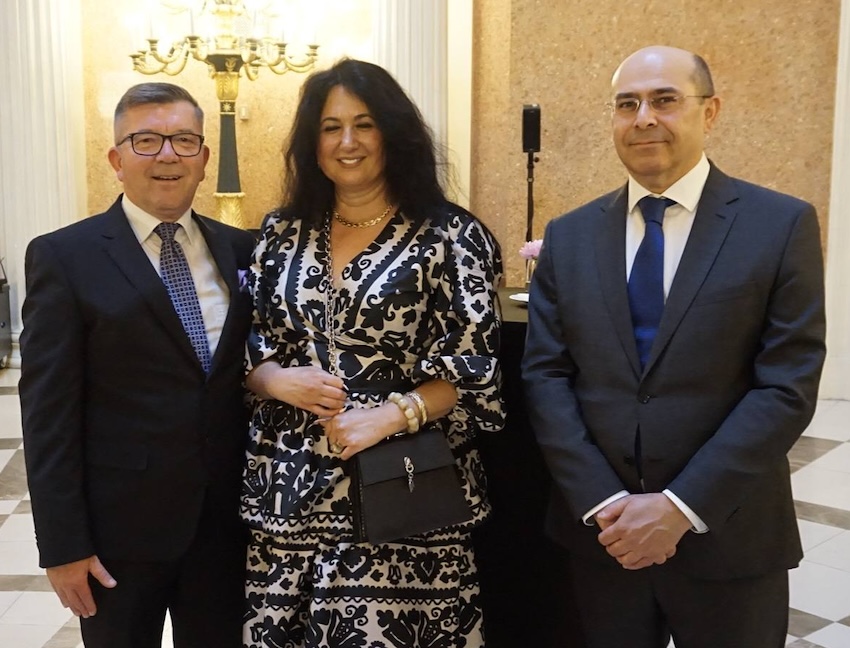
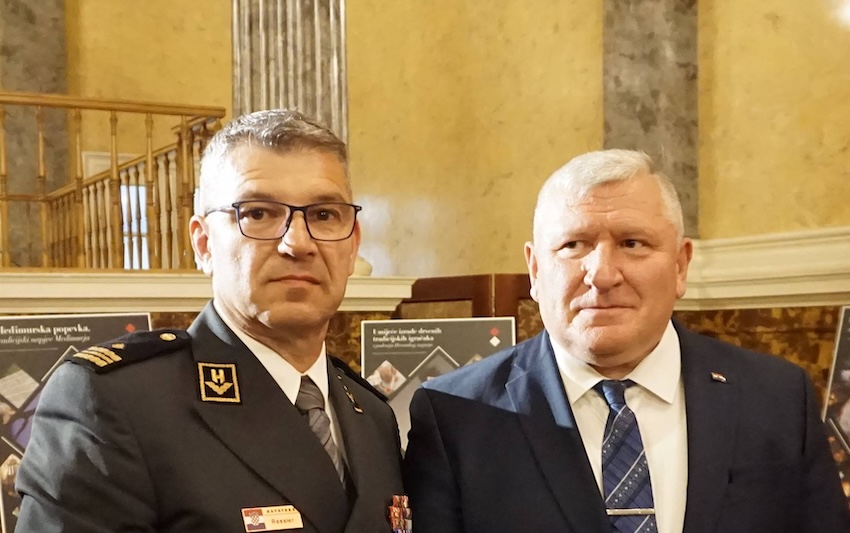
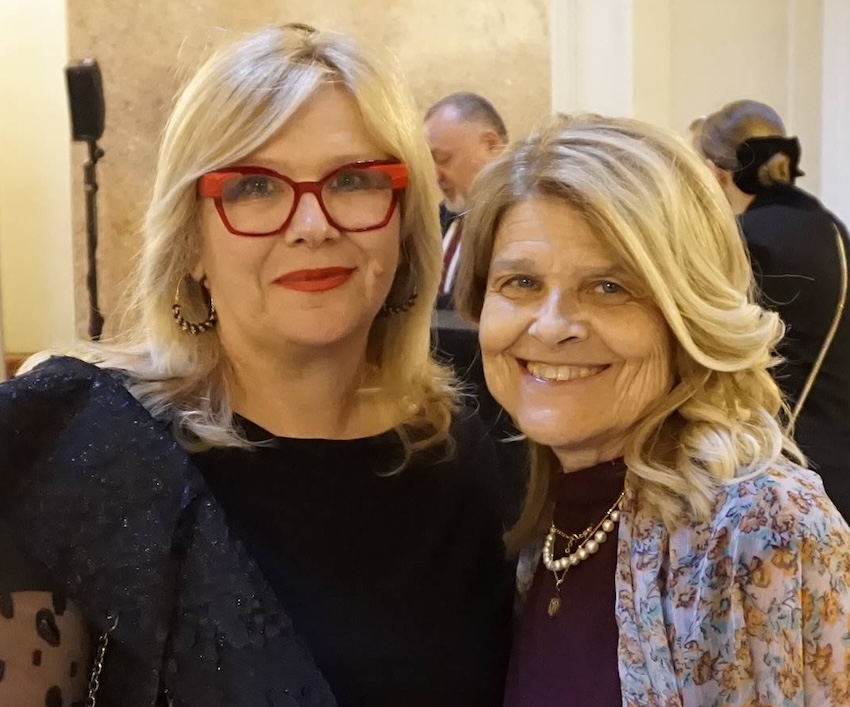
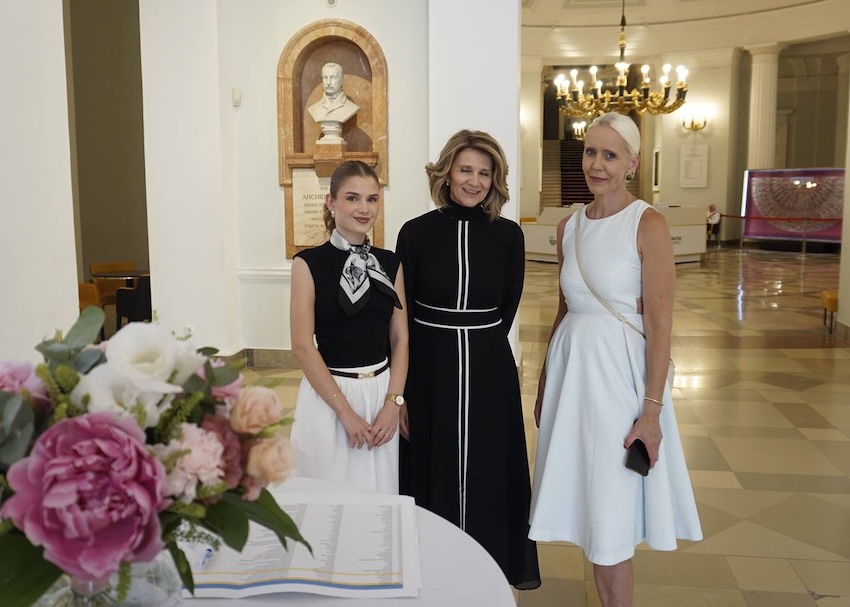
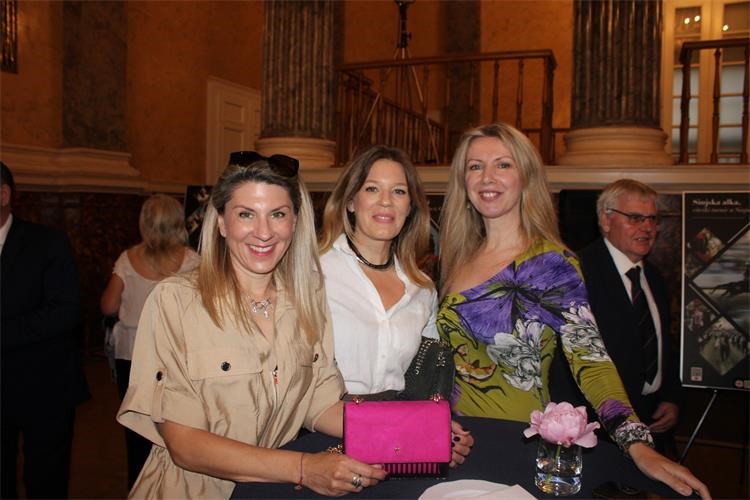
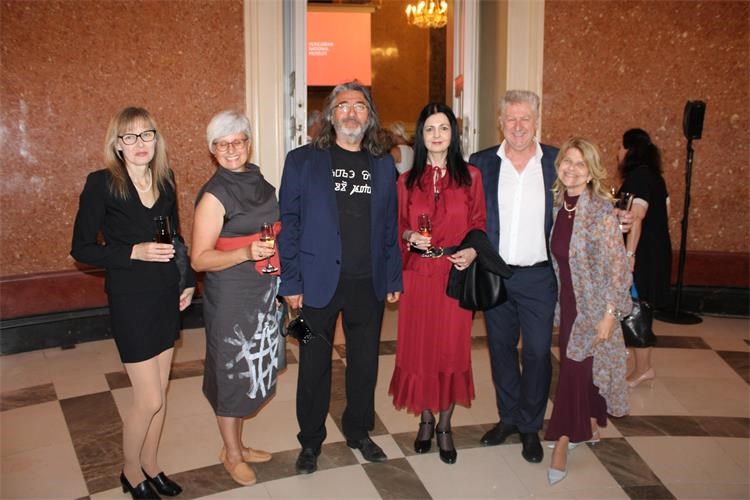
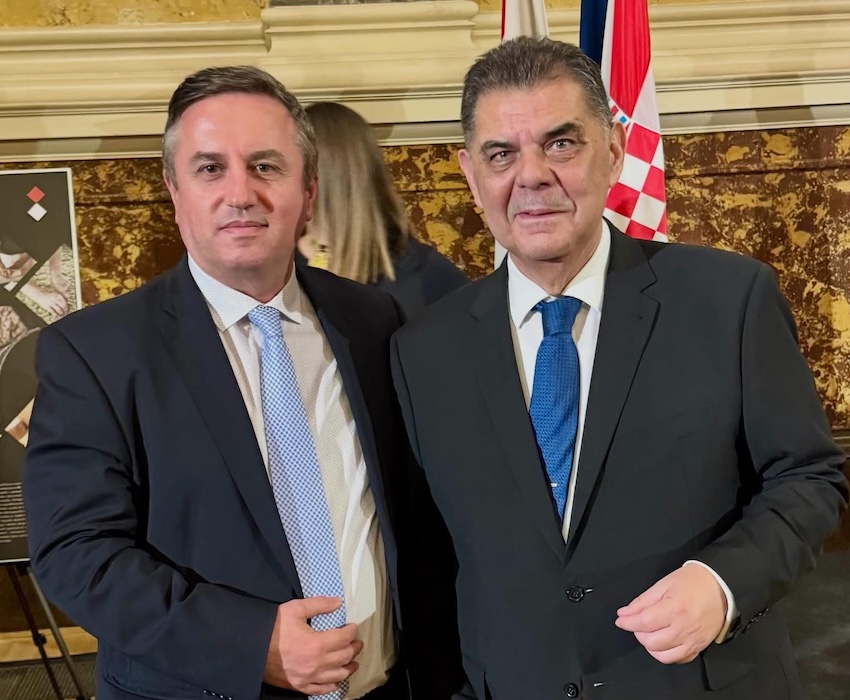
The celebration brought together over 200 distinguished guests, including representatives of the Hungarian Prime Minister’s Office and the Hungarian Ministry of Defence, members of the diplomatic corps, ambassadors, the Consul General of the Republic of Croatia in Pécs, Drago Horvat, the Honorary Consul of the Republic of Croatia in Nagykanizsa, Dr. Attila Kos, as well as business leaders and representatives of the Croatian community in Hungary.
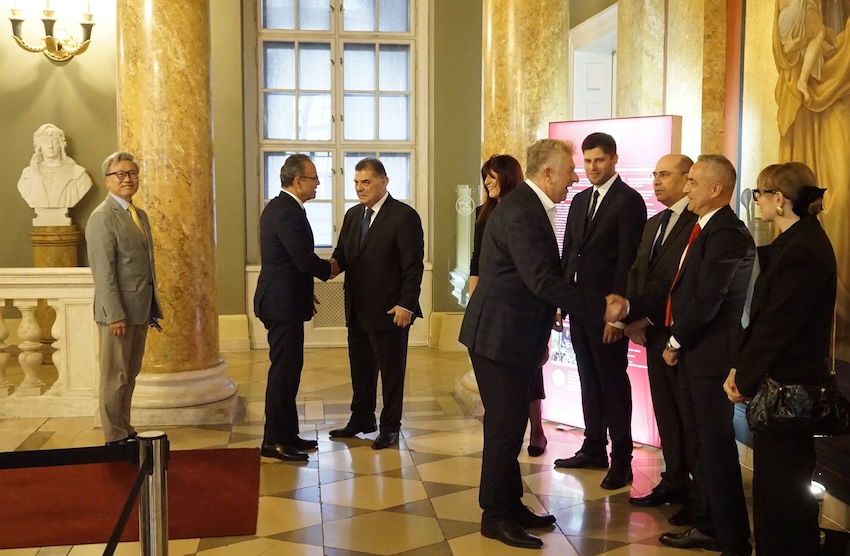
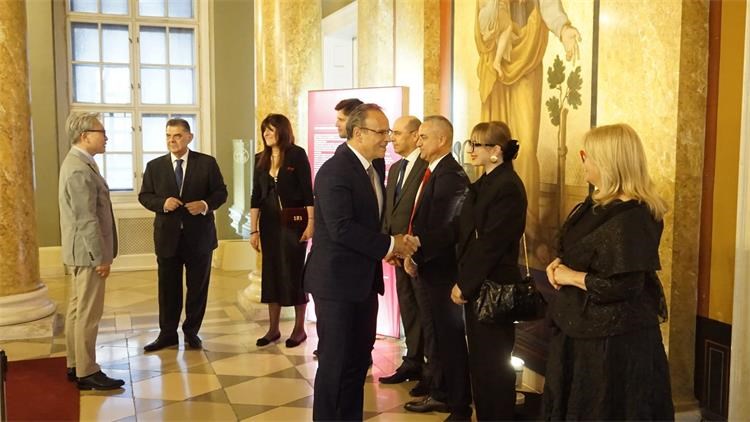
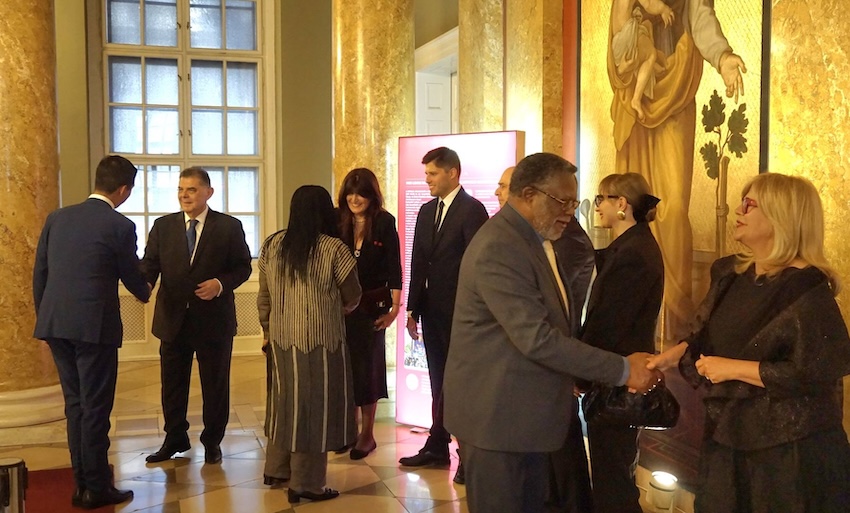
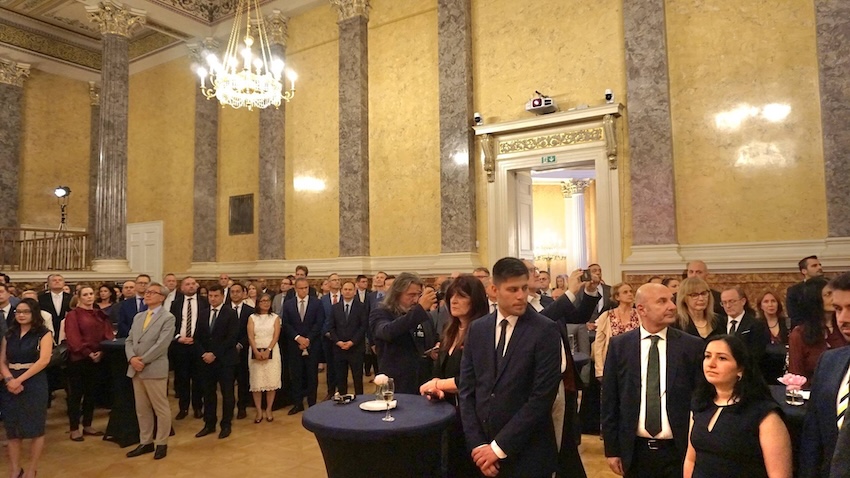
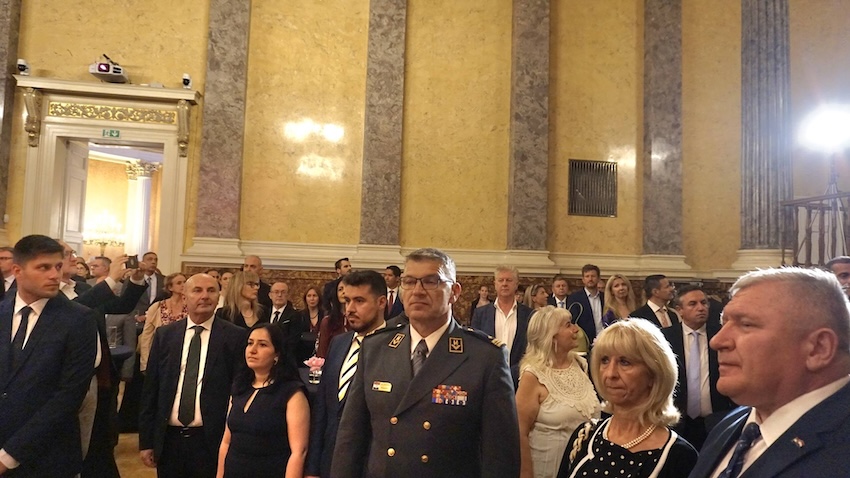
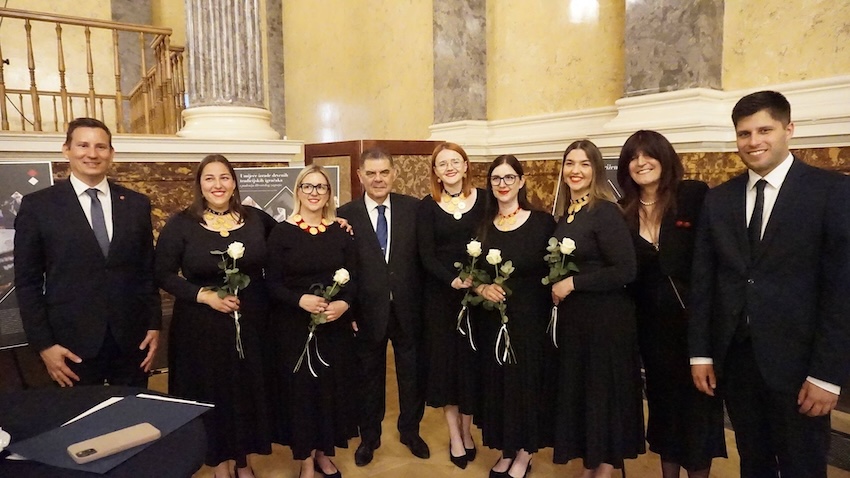
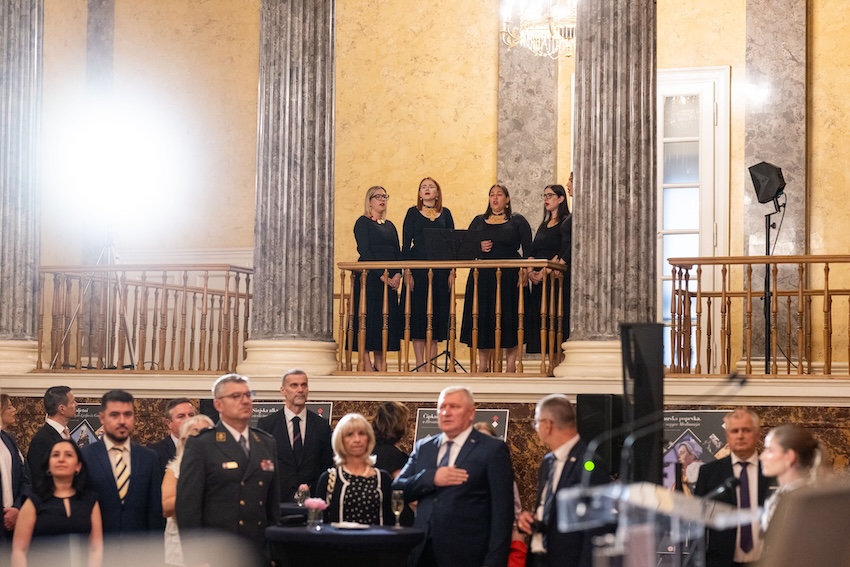
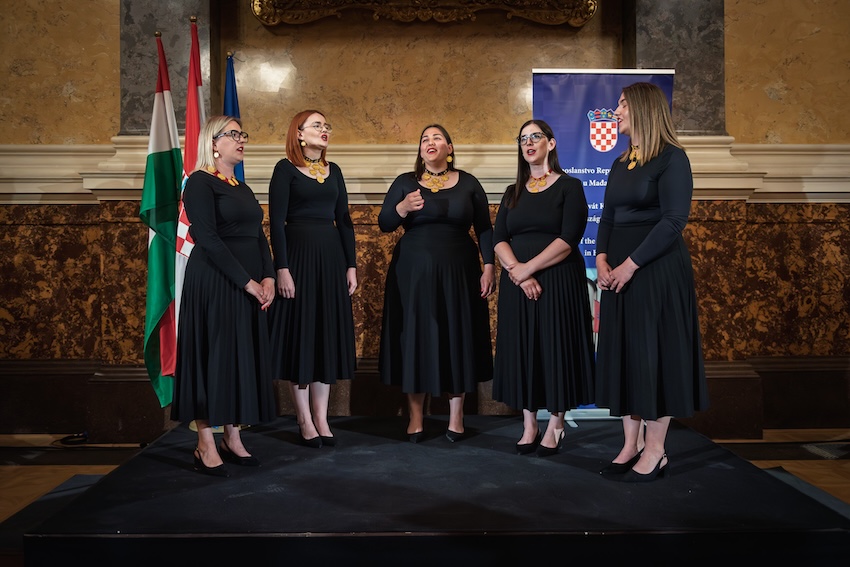
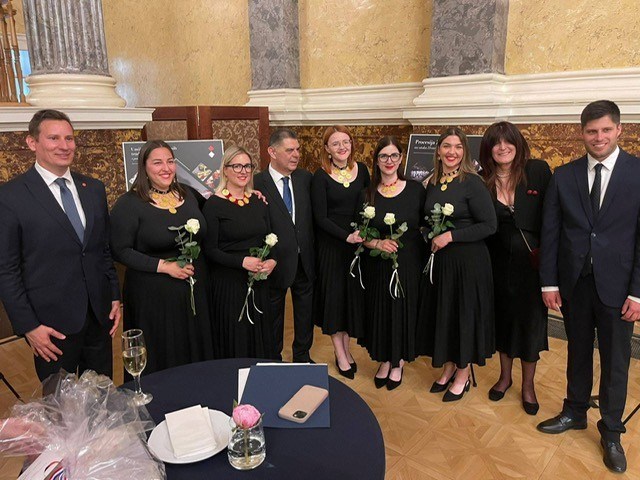
The programme commenced with the national anthems of Croatia and Hungary, performed by the women’s vocal ensemble Nijanse, followed by the European anthem, Ode to Joy.
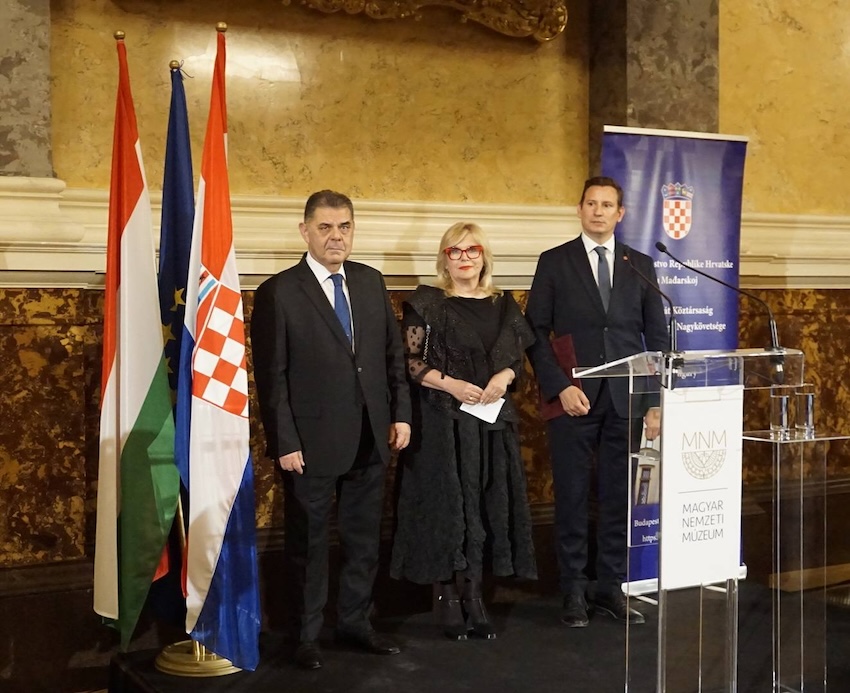
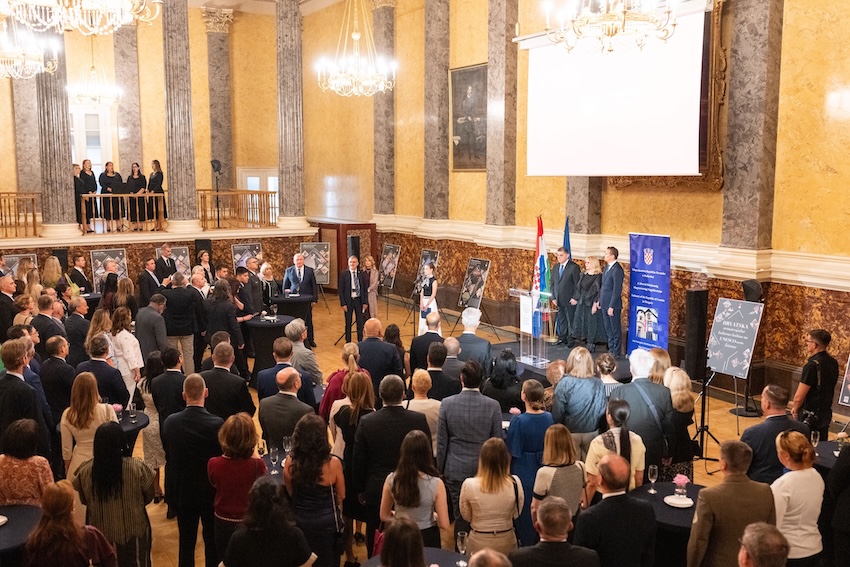
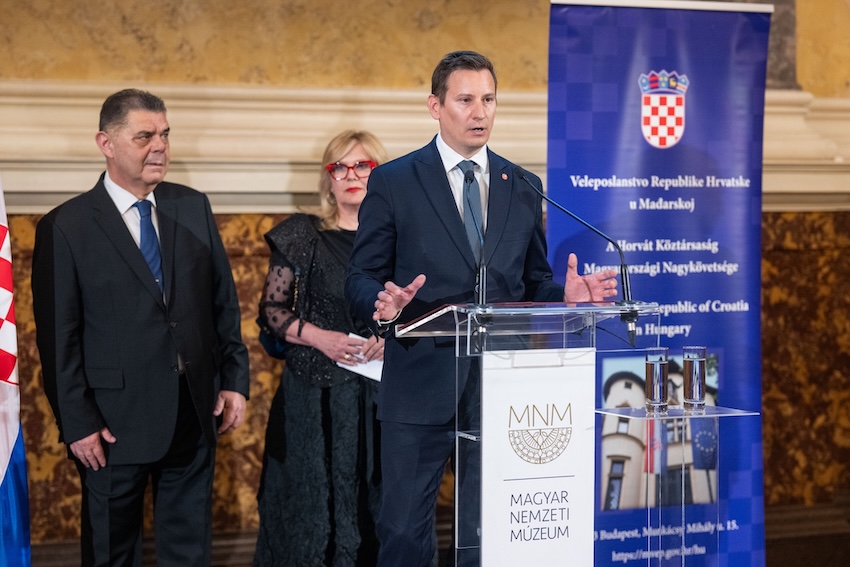
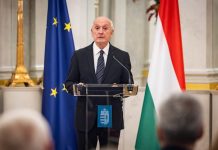
Guests were welcomed by Dr. Gábor Zsigmond, Director General of the Hungarian National Museum, who expressed his honour that the Museum had been chosen to host both the Statehood Day celebration and the accompanying exhibition. He emphasized that Hungary and Croatia are bound together by centuries of shared history, strong cultural ties, and a deep friendship that unites the two nations in the heart of Europe.
As a symbol of this shared heritage, he highlighted the legacy of Matija Petar Katančić and recalled that the Museum had paid tribute to him the previous year by presenting the first officially published complete edition of his Croatian translation of the Holy Bible. Dr. Zsigmond also stressed that safeguarding intangible cultural heritage contributes to respect for cultural diversity and encourages dialogue among communities and nations.
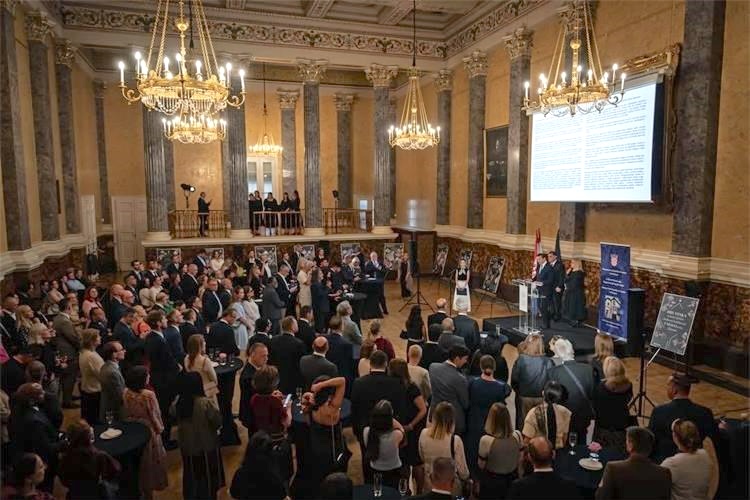
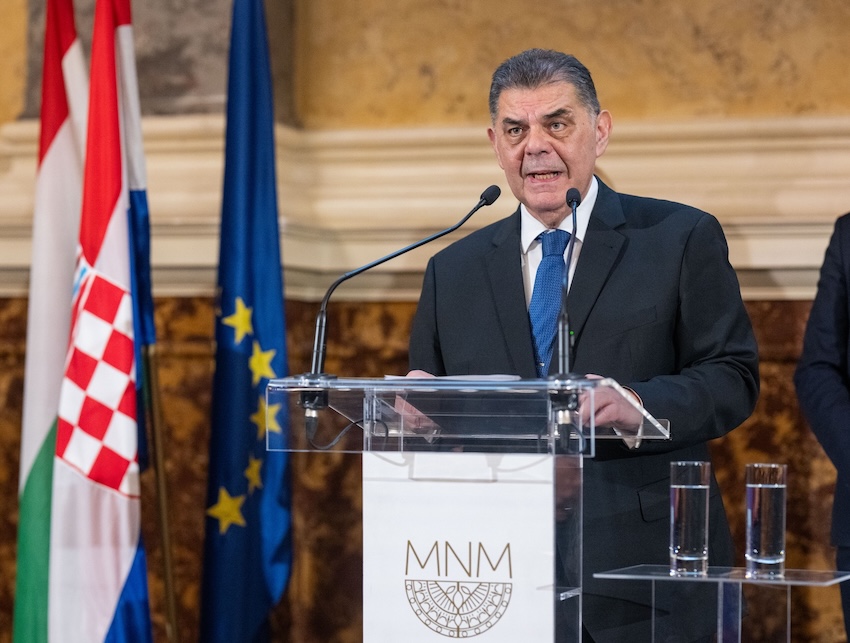
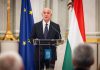
In his address, Dr. Mladen Andrlić, Ambassador of the Republic of Croatia to Hungary, emphasized that Croatia remains firmly committed to European values in these challenging times, when Russia’s aggression against Ukraine continues to threaten European security and the wider region faces the consequences of renewed conflict in the Middle East.
Referring to Hungary as a neighbouring country with which Croatia shares more than a millennium of historical and cultural ties, he expressed satisfaction with the renewed spirit of cooperation between the two partners and allies in the European Union and NATO. He congratulated the newly constituted Hungarian Parliament and the new government led by Prime Minister Péter Magyar, and expressed the Croatian Government’s hope for the further strengthening of bilateral relations, which are based on mutual respect, shared interests, and a mutually beneficial partnership. The Ambassador also highlighted the Croatian community in Hungary, whose centuries-long presence continues to represent significant added value in bilateral relations.
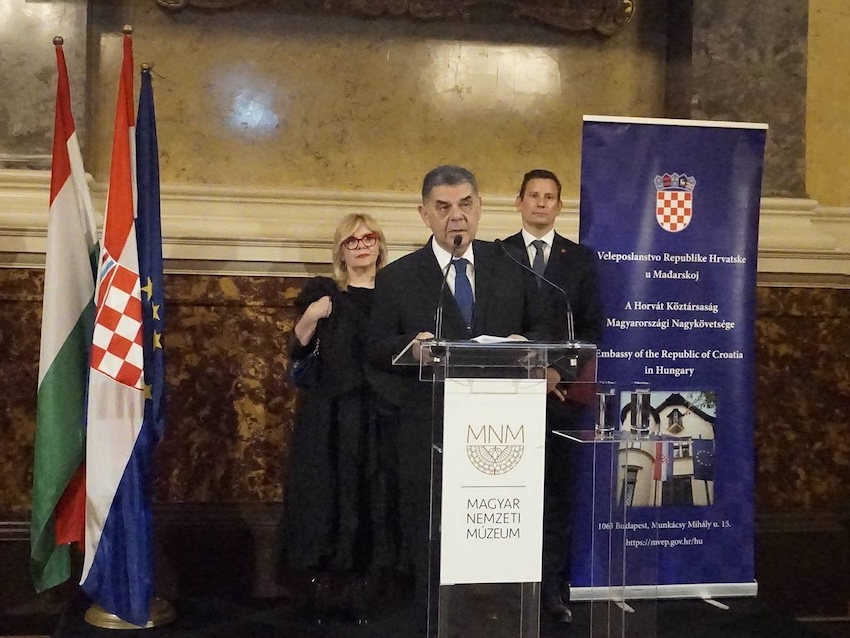
Referring to the exhibition “Croatian Intangible Cultural Heritage on UNESCO Lists”, he noted that Croatia has successfully inscribed 23 elements on UNESCO’s heritage lists through the dedicated work of experts, local communities, and heritage bearers.
He expressed particular pride in presenting the exhibition in Budapest on the occasion of Croatia’s Statehood Day and concluded by thanking the Croatian National Tourist Board’s representation in Hungary and all the sponsors for their generous support.
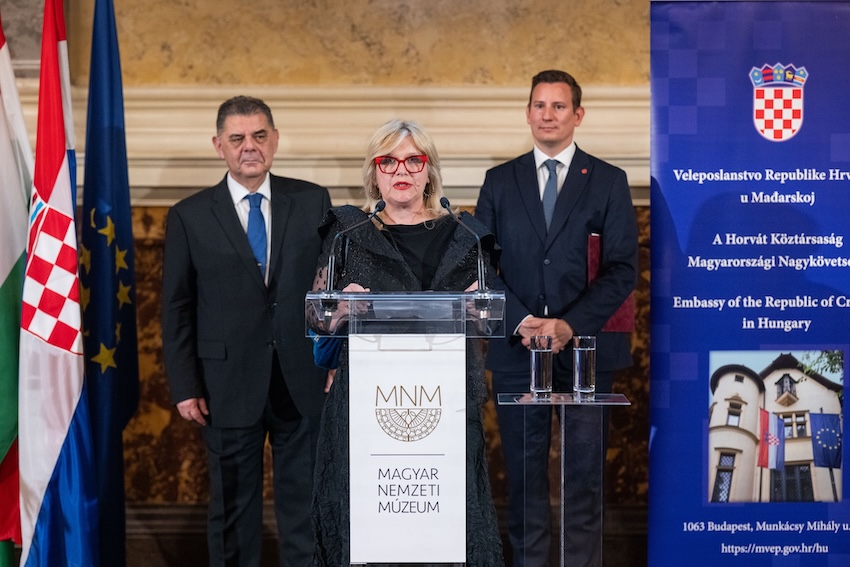
Dr. Zvjezdana Antoš, Director of the Ethnographic Museum in Zagreb, explained that the exhibition had already been presented in sixteen countries to raise public awareness of the value and fragility of intangible cultural heritage, which is increasingly exposed to social and historical pressures that may threaten its survival.
She emphasized that intangible or living heritage encompasses practices, expressions, knowledge, and skills transmitted from generation to generation. As defined by UNESCO, it includes oral traditions, performing arts, social practices, rituals, festive events, and traditional craftsmanship.
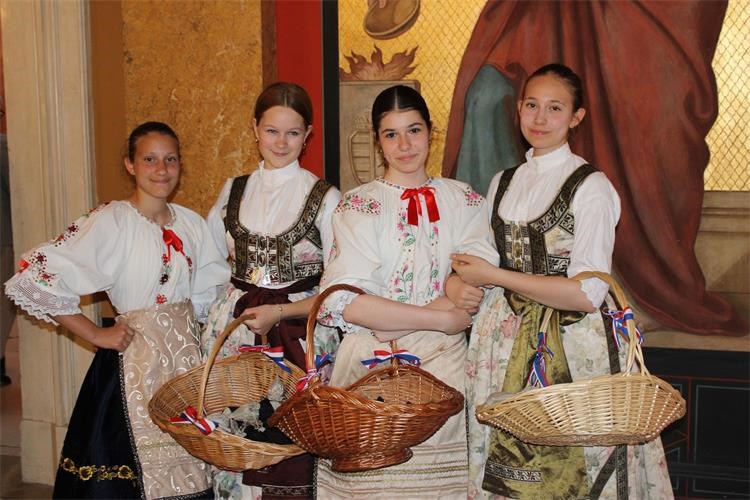
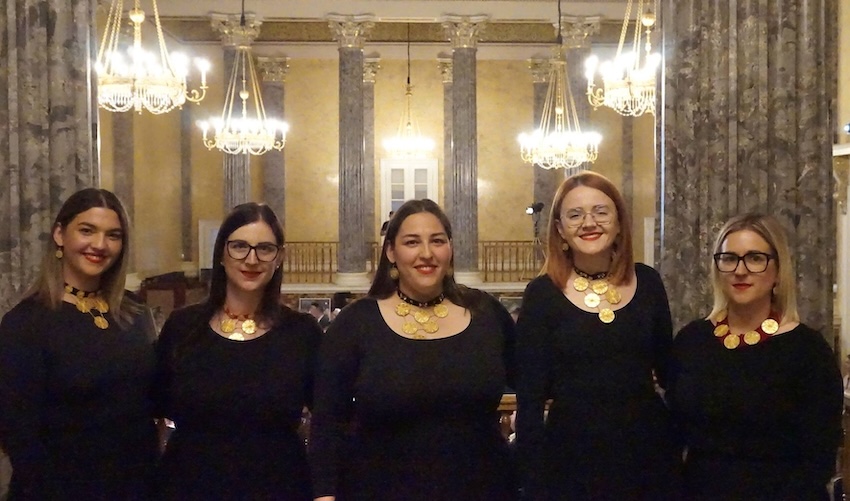
The cultural programme featured performances by the women’s vocal group Nijanse from Kópháza (Koljnof), whose repertoire added a distinctly Croatian atmosphere to the evening. Their renditions of the songs “Dida Moj” and “Croatio, iz duše te ljubim” (“Croatia, I Love You from My Soul”) were particularly warmly received.
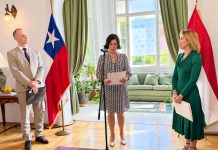
The programme was moderated by Maja Škrlin, a member of the Embassy staff.
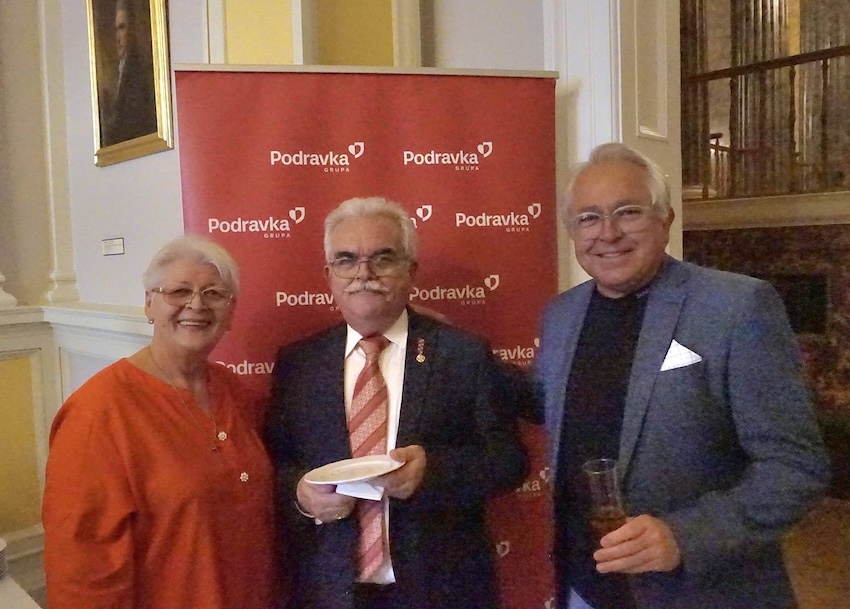
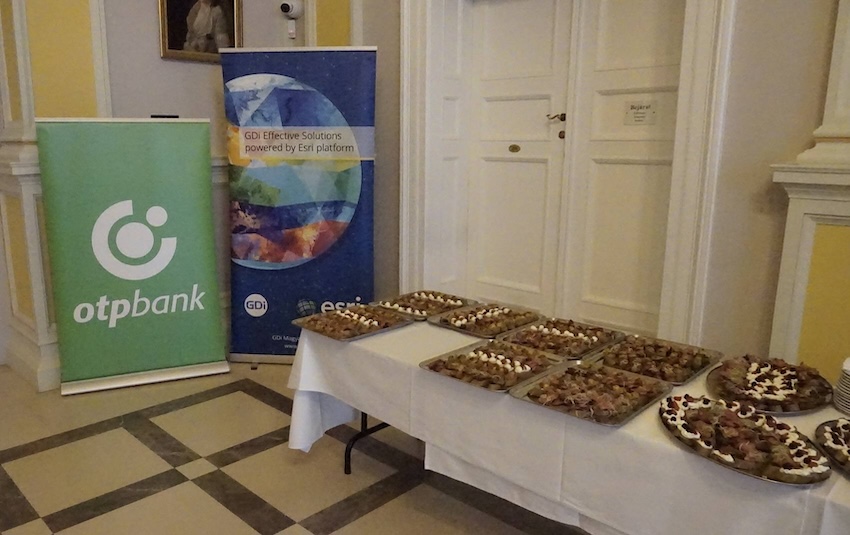
The event was supported by GDi, Orbico, Podravka, Vinum Academicum from Požega, Zavičaj from the island of Pag, and OTP Bank, in partnership with the Hungarian office of the Croatian National Tourist Board.
Happy Statehood Day of the Republic of Croatia!
Sretan Dan Državnosti Republike Hrvatske! Živjeli!
Source: Embassy of the Republic of Croatia in Hungary
Photos from Čarna Kršul and the Embassy of the Republic of Croatia in Hungary