

Celebrating Victor Vasarely, Pioneer of Op Art, in Budapest
Edited by Anna Popper
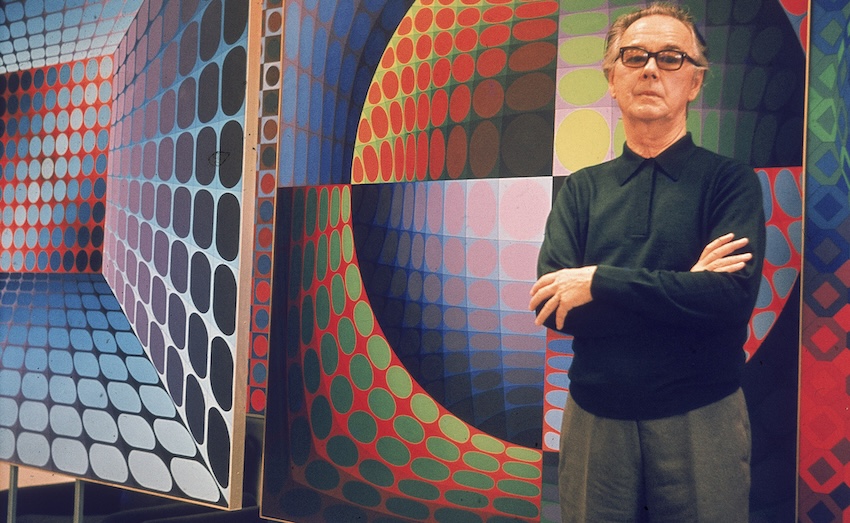
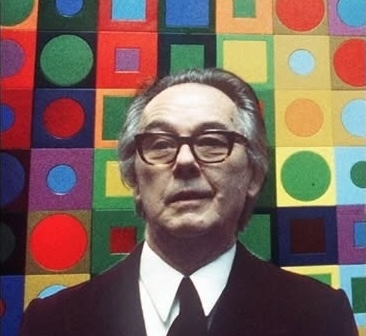
There are artists whose work belongs to a specific era, and there are artists whose ideas continue to shape the way we see the world. Victor Vasarely (Vásárhelyi Győző, 1906–1997) undoubtedly belongs to the latter category.
Born in Hungary and celebrated in France, Vasarely became one of the most influential figures in 20th-century visual culture. His name is inextricably linked to Op Art, geometric abstraction, and the exploration of optical perception. Yet his ambition extended far beyond the creation of fascinating geometric compositions: he envisioned a world in which art could leave the museum and become part of architecture, the cityscape and everyday life.
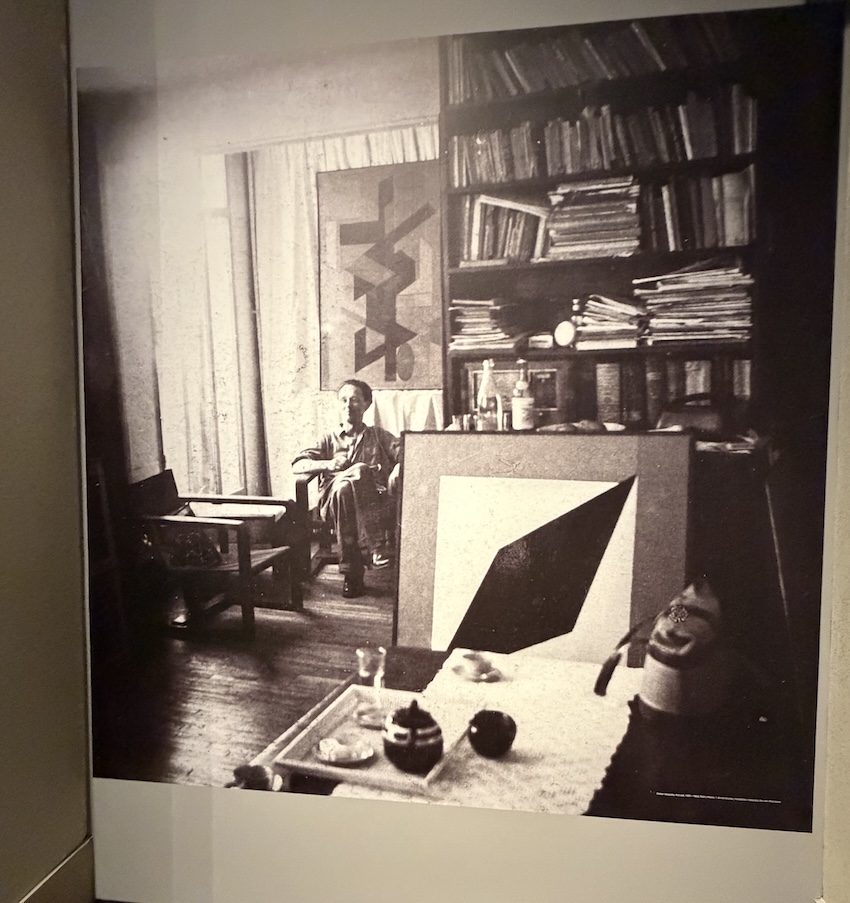
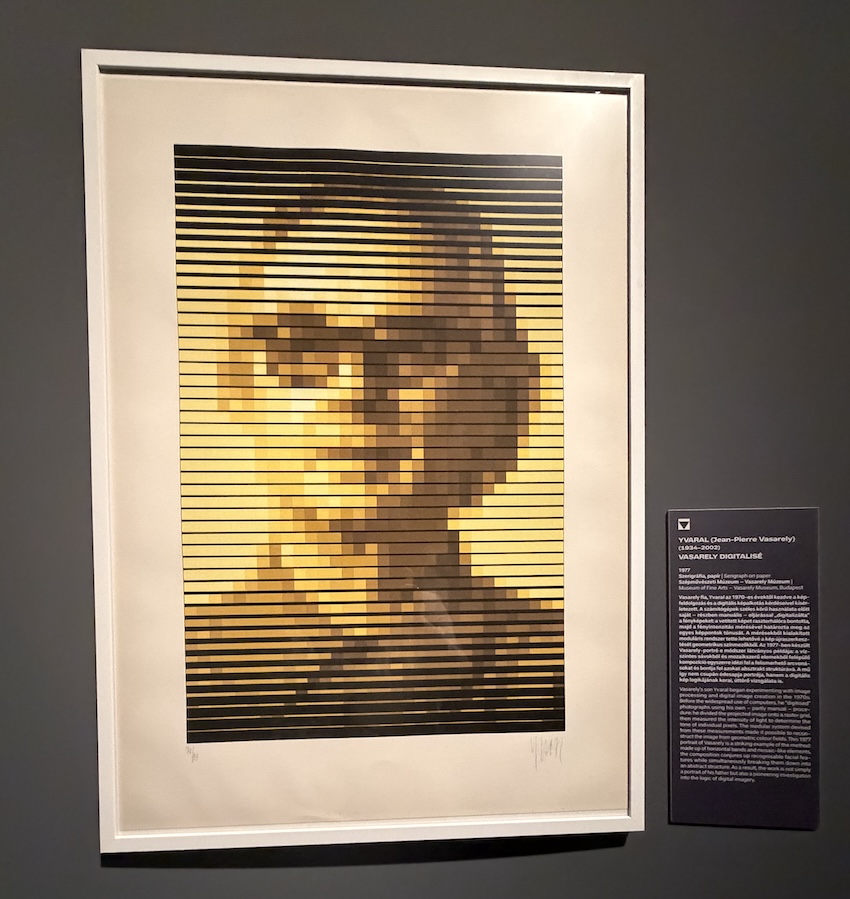
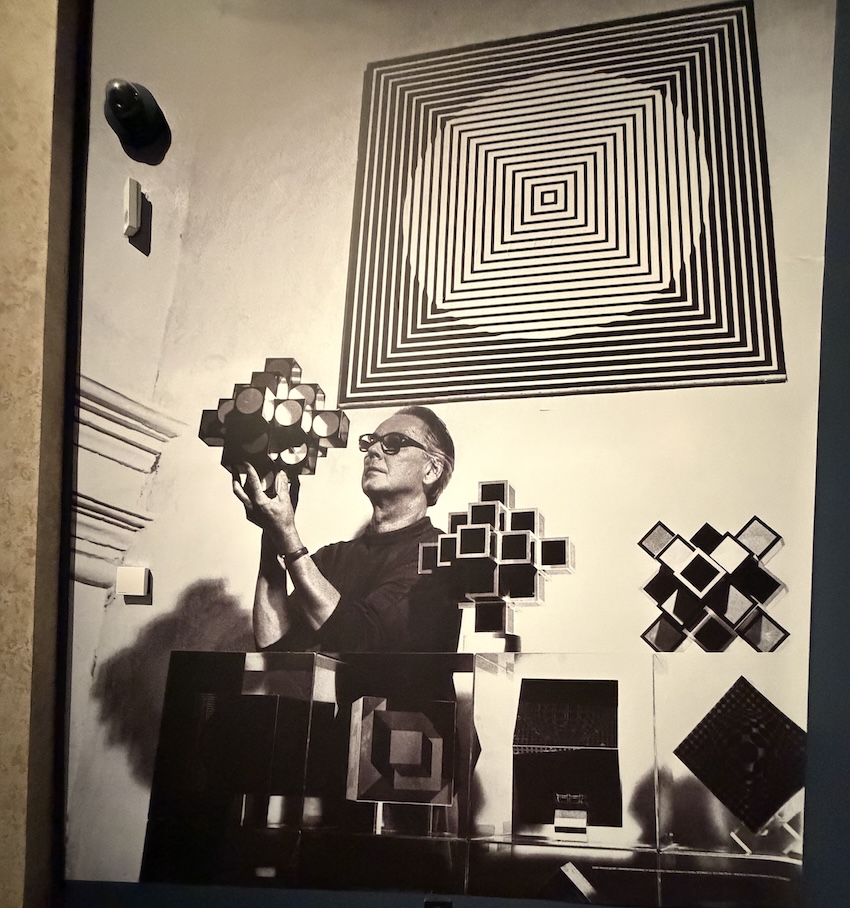
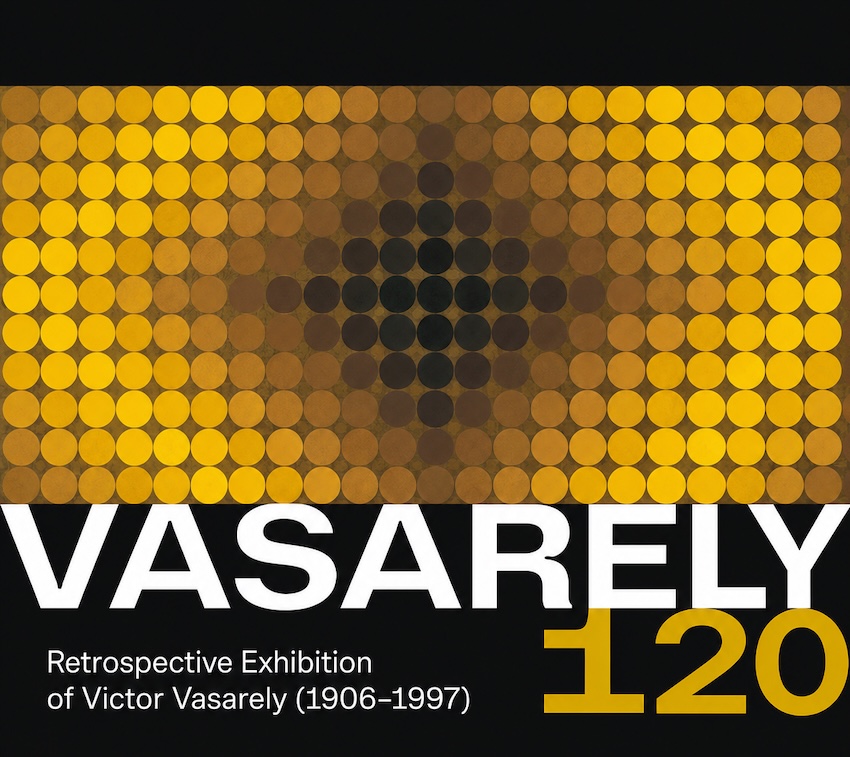
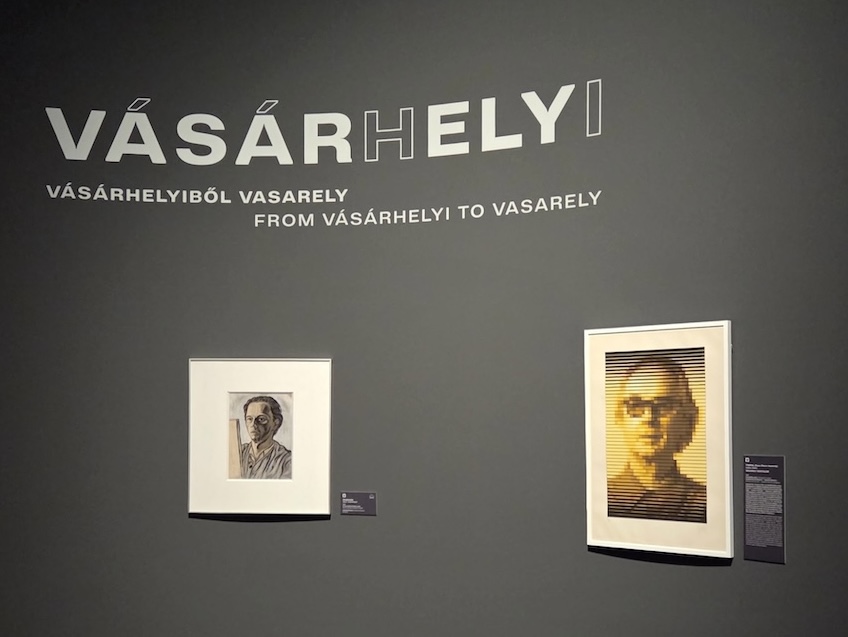
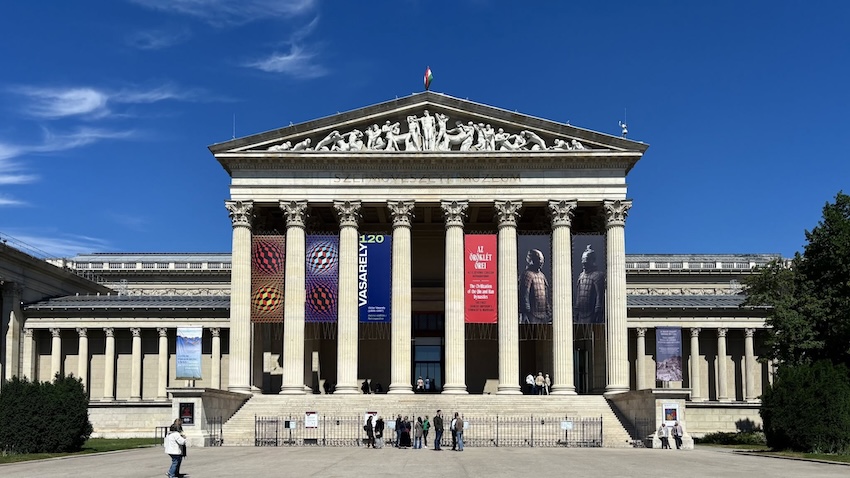
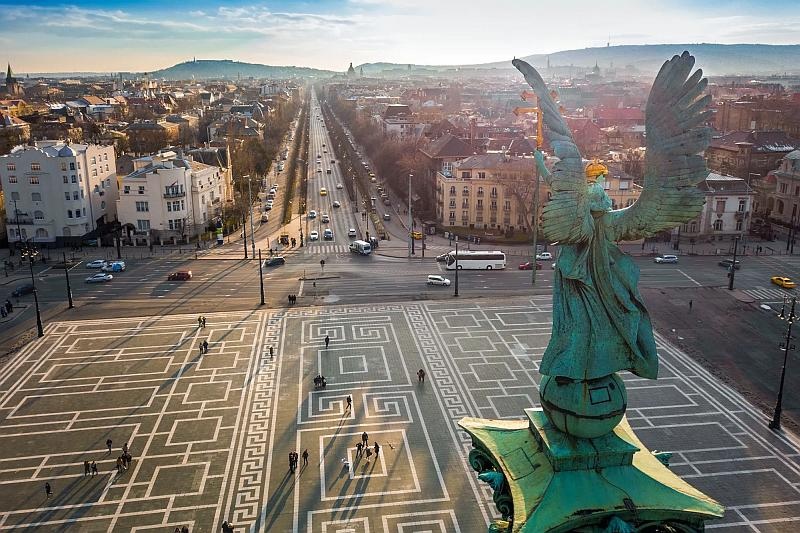
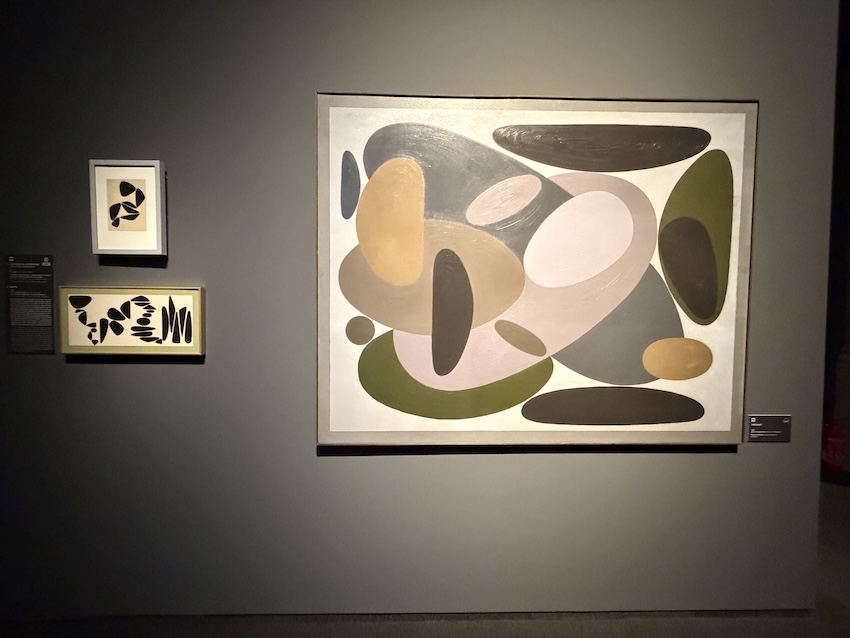
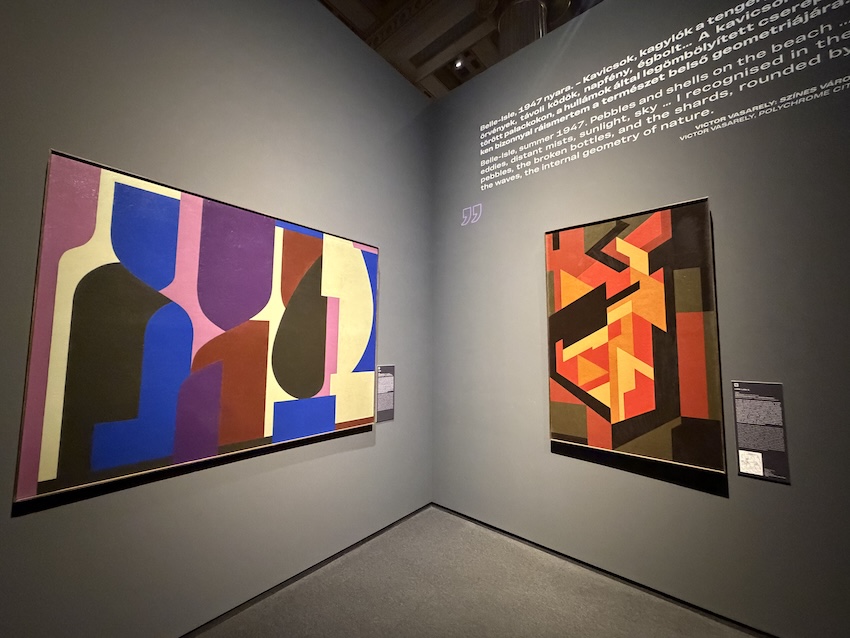
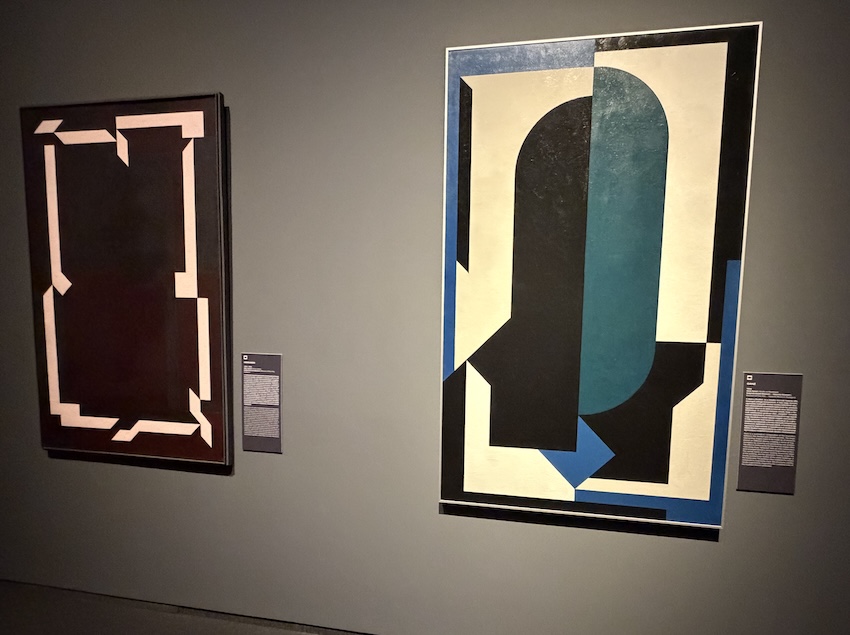
The year 2026 marks the 120th anniversary of Vasarely’s birth, 120 years since the foundation of the Museum of Fine Arts at Heroes’ Square – where elegant Andrássy Avenue reaches its grand finale – and 150 years since the avenue’s creation. These three significant milestones converged at the Museum of Fine Arts, which housed the major retrospective VASARELY 120, bringing together more than 140 works, complemented by documents, photographs and film material.
As Vasarely’s grandson Pierre Vasarely pointed out, 2026 also marks the 50th anniversaries of the Fondation Vasarely in Aix-en-Provence and the Vasarely Museum in Pécs.
The VASARELY 120 exhibition, supported by the Embassy of France and the French Institute in Budapest, also highlighted the enduring cultural ties between Hungary and France, celebrating Vasarely’s remarkable Hungarian-French legacy.
From Hungarian Roots to a New Visual Language
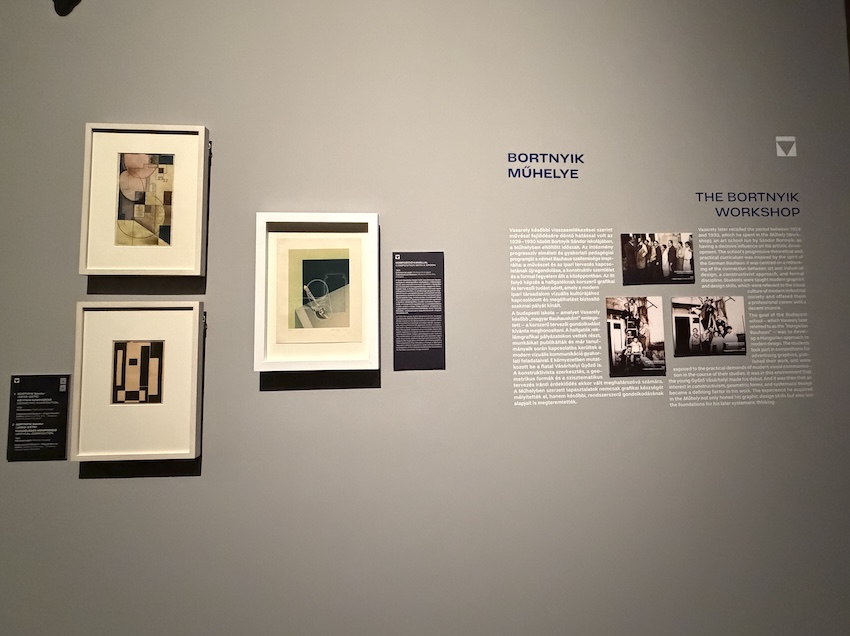
Vasarely’s life story is ultimately a European story. Born Győző Vásárhelyi in Pécs on 9 April 1906, he continued his artistic formation in Budapest at Sándor Bortnyik’s Műhely (Workshop), where he encountered the principles of the Bauhaus and met his future wife, Klára Spinner. Following Bortnyik’s advice, he worked in commercial art and advertising, thereby securing the financial independence to pursue his art.
In 1930, he moved to Paris, where he married Klára (Claire Vasarely); together they raised two sons: André, who became a doctor, and Jean-Pierre (Yvaral), who became an artist.
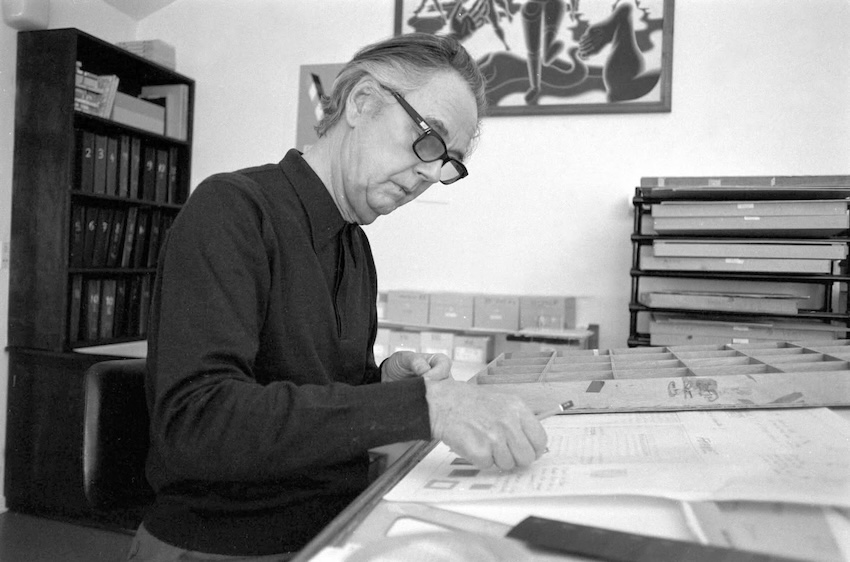
In Paris, he adopted the name Victor Vasarely and initially worked as a graphic designer. This experience influenced his later artistic development, strengthening his interest in simplified forms, contrasts, repetition and the interplay between image and perception.
France became his home and the place where his artistic language matured, while Hungary remained an essential part of his identity.
He remained Hungarian by birth and formation, while becoming French through his artistic career and cultural environment. In 1961, at the age of 55, he was granted French citizenship.
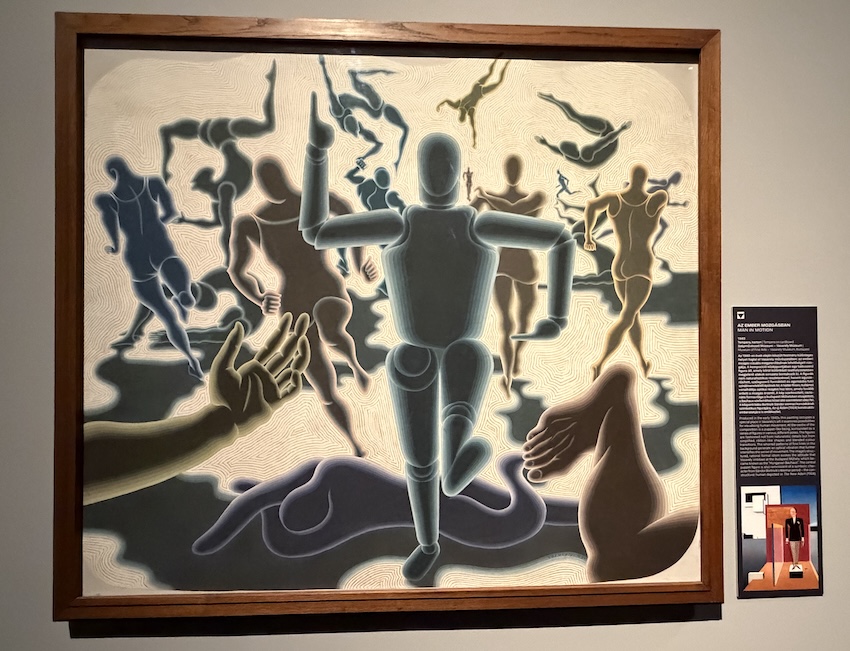
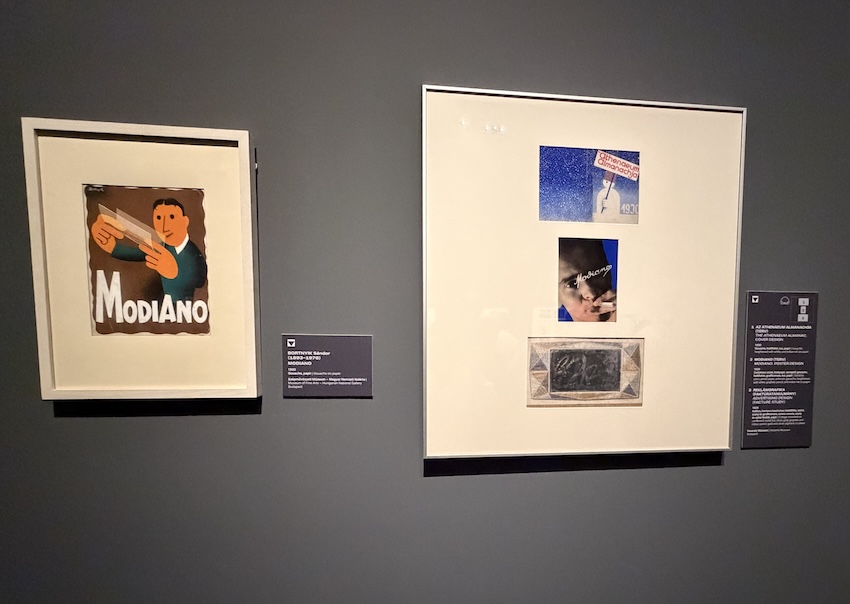
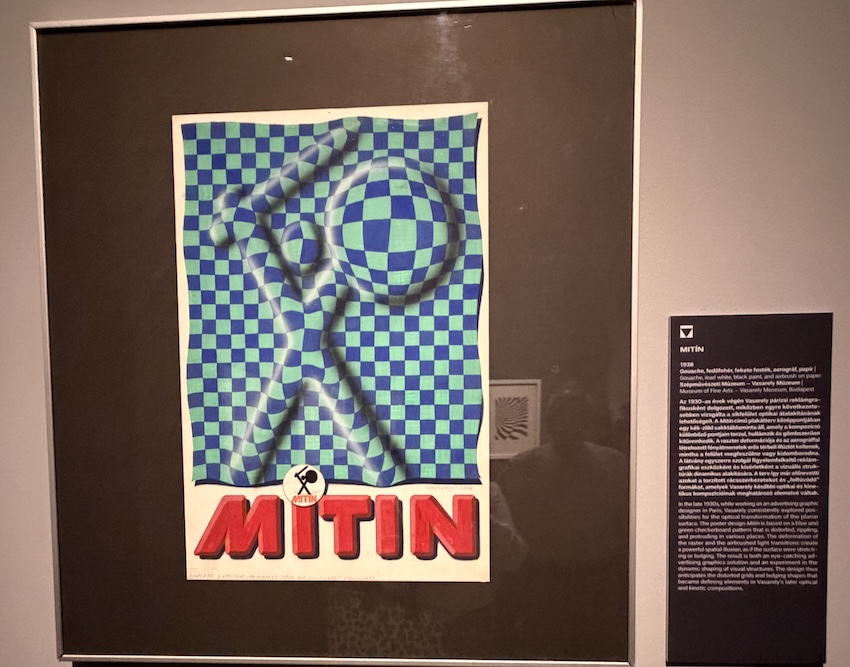
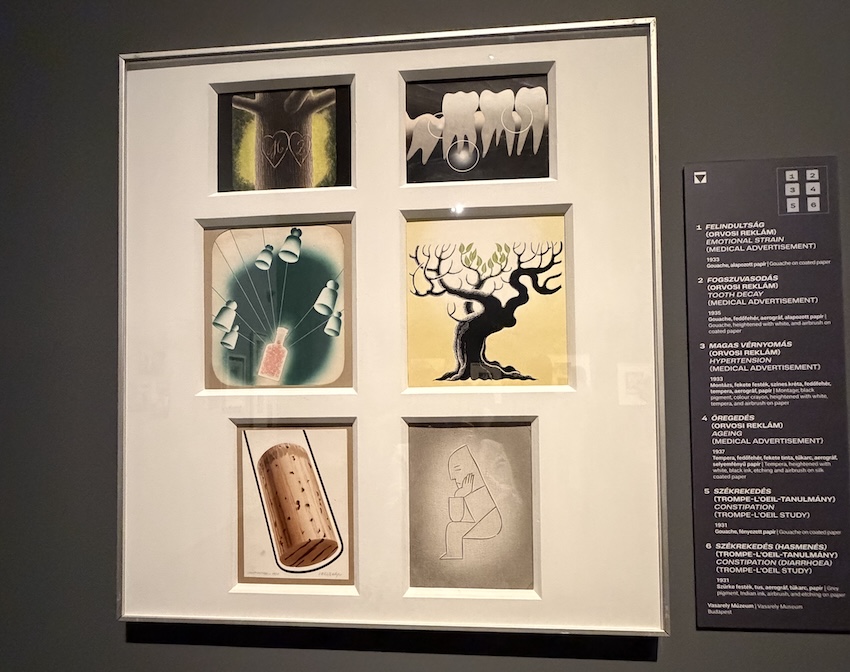
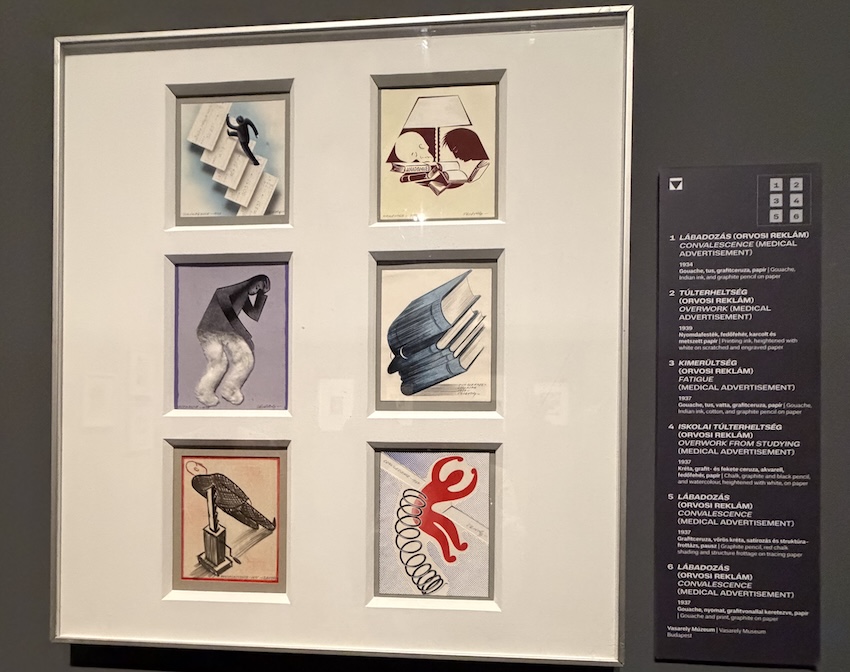
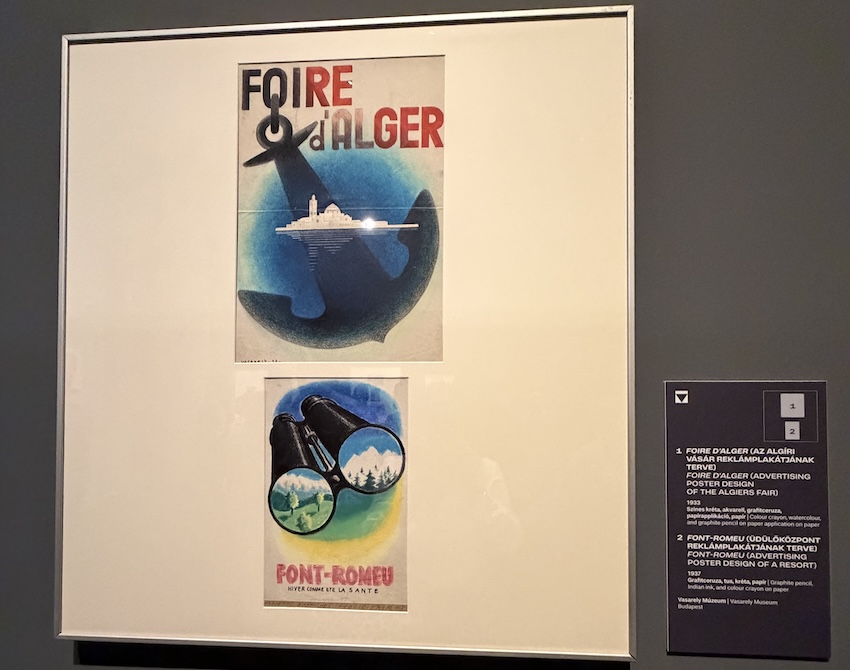
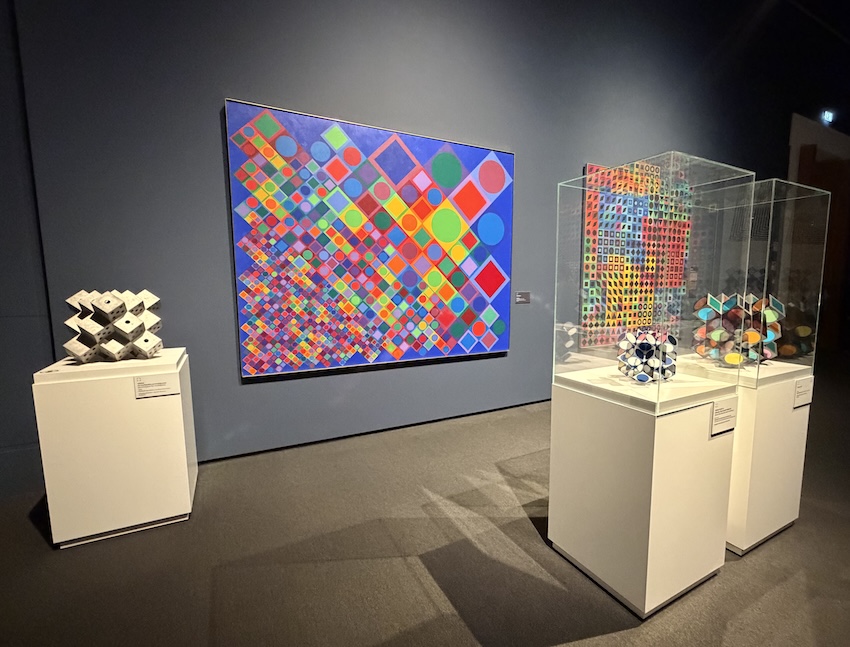
Vasarely transformed his personal artistic journey into a visual language capable of transcending national and cultural boundaries. He believed that the boundaries between disciplines could be broken down: painting could meet architecture, art could meet science, geometry could meet perception, and fine art could meet industrial production. This vision explains why his work remains remarkably contemporary. Long before the digital revolution, Vasarely understood that the eye is active, that perception can be influenced, and that simple geometric systems can evoke extraordinarily complex experiences. His ideas continue to resonate in digital graphics, animation, architecture, branding, and contemporary design.
The Art of Making the Eye Move
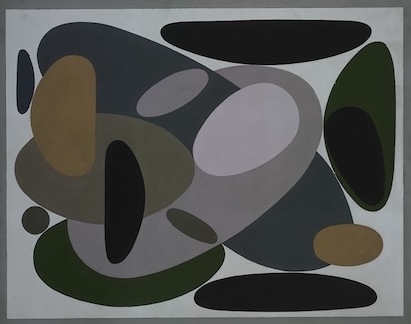
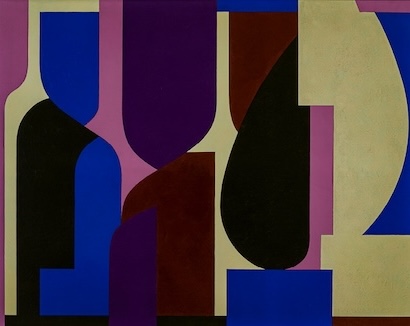
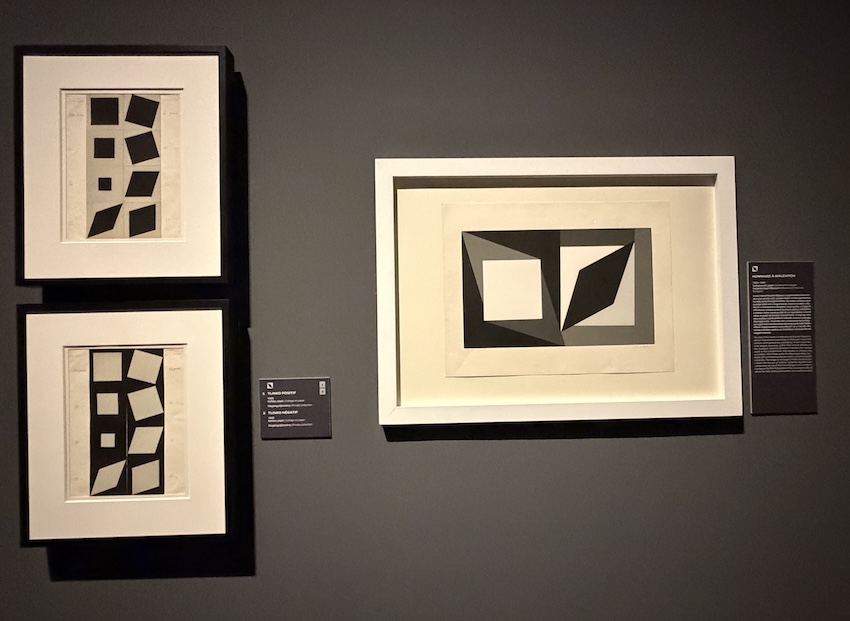
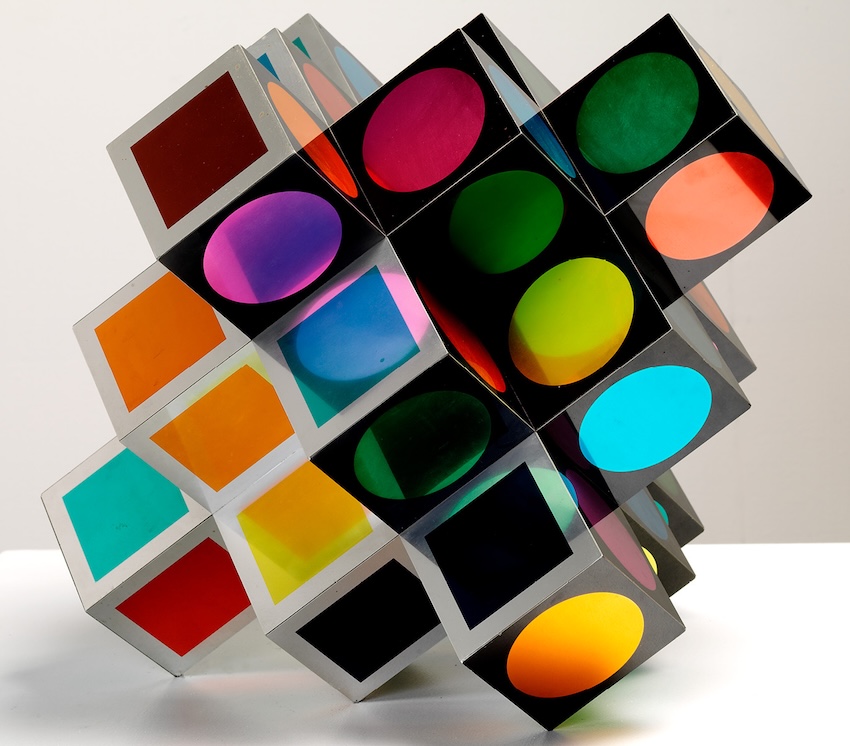
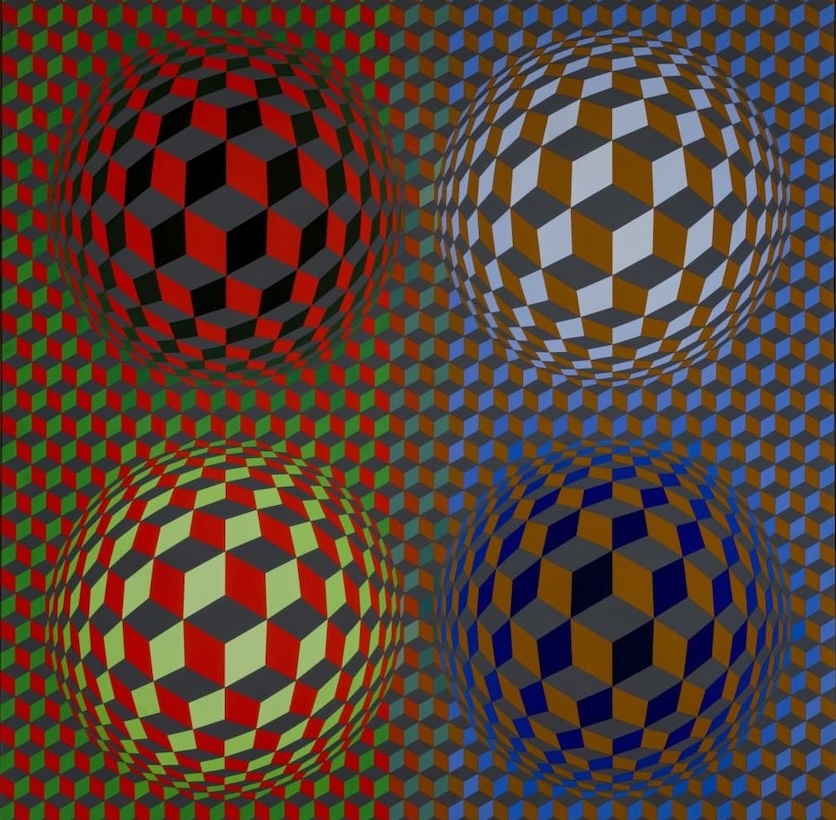
Vasarely’s revolution was deceptively simple. Circles, squares, lines, grids and geometric forms were arranged with extraordinary precision, causing seemingly static compositions to appear to vibrate, expand, contract, or move before the viewer’s eyes. A surface could appear concave or convex; a square could seem to transform into a sphere; colours could appear to advance or retreat. The viewer was no longer merely looking at a painting – the act of seeing itself became part of the artwork.
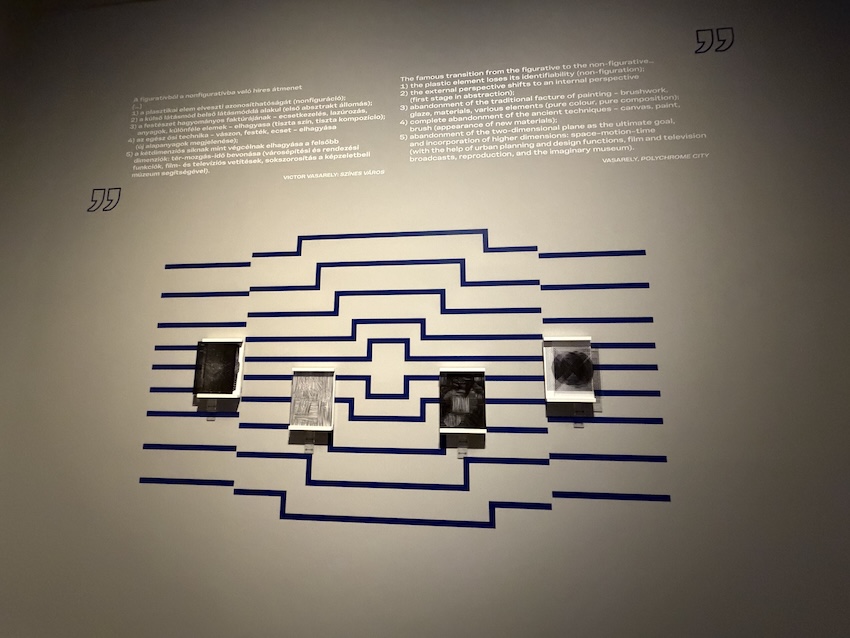
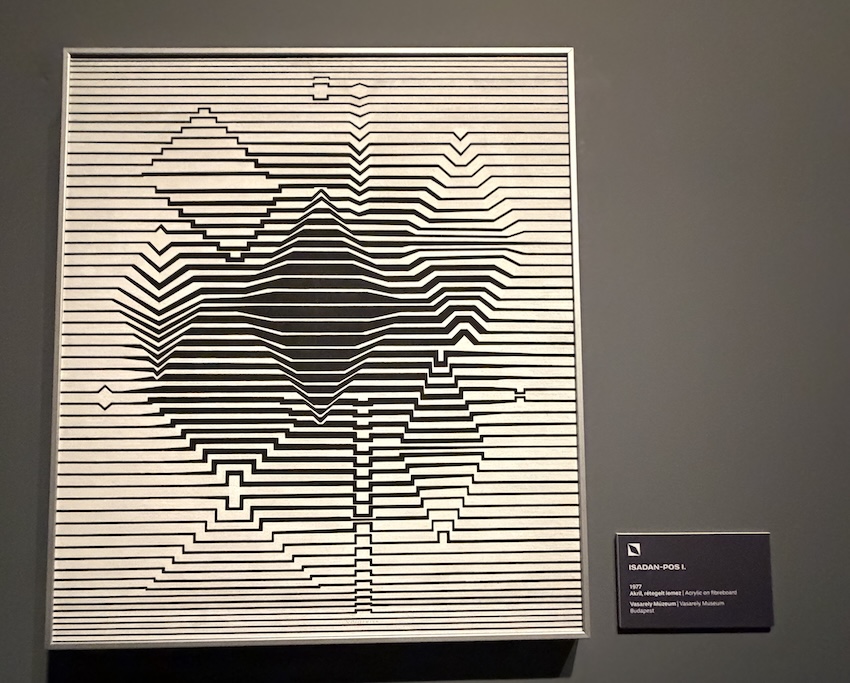
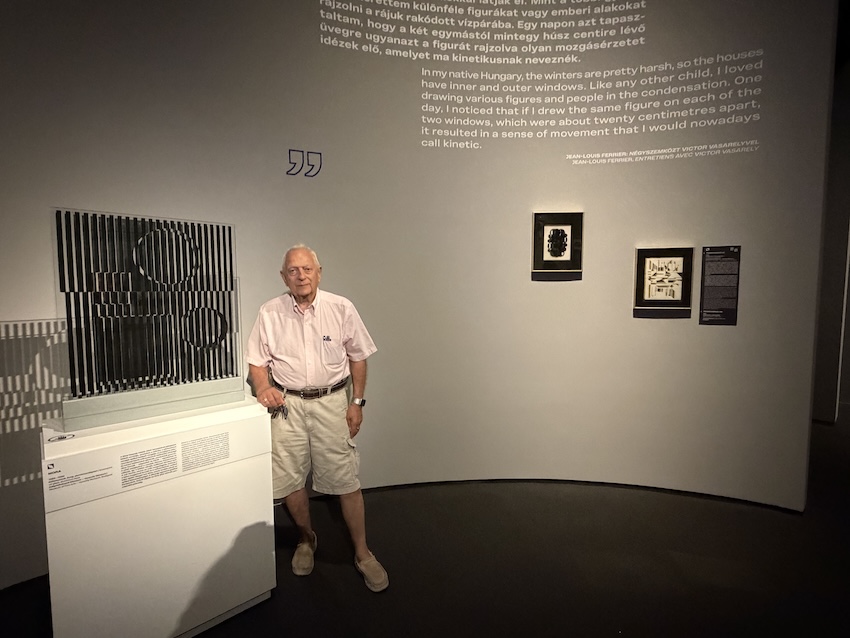
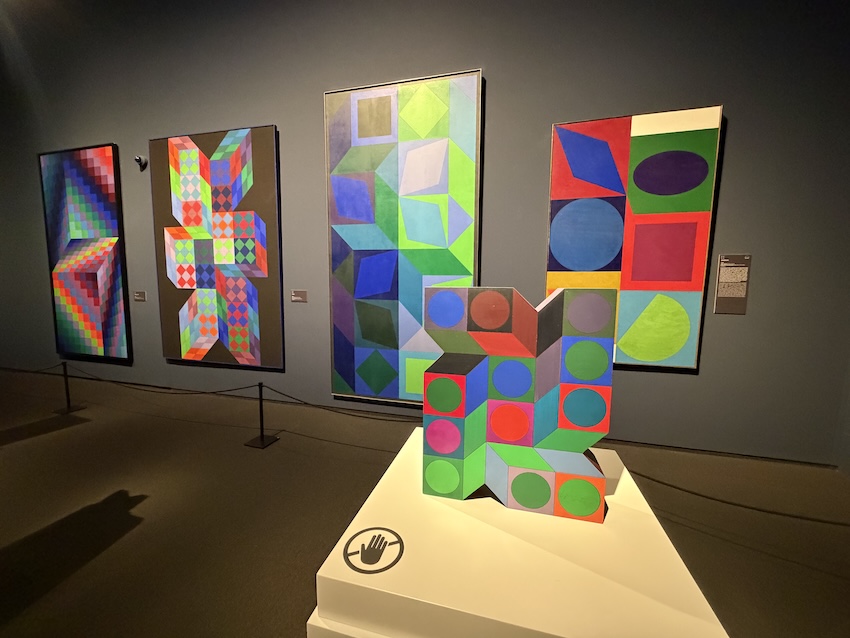
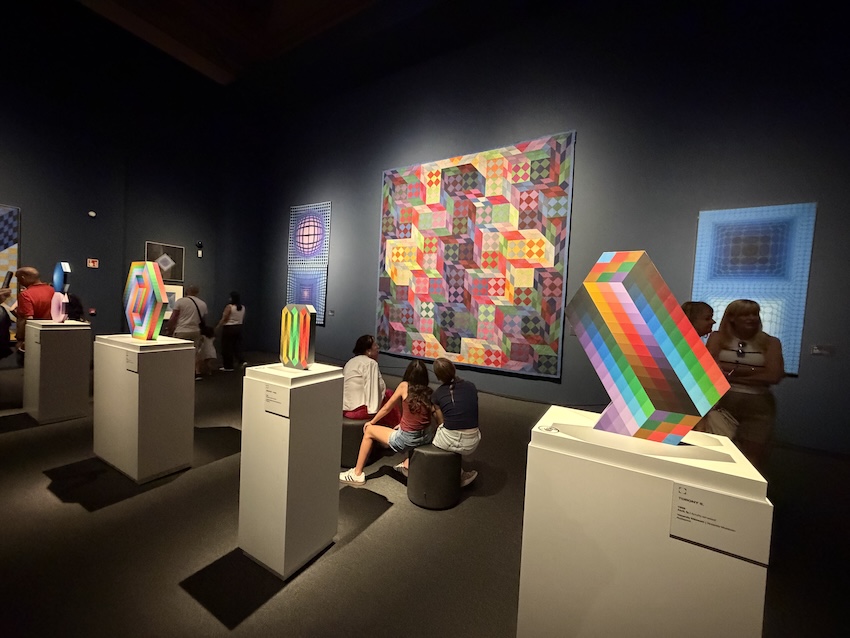
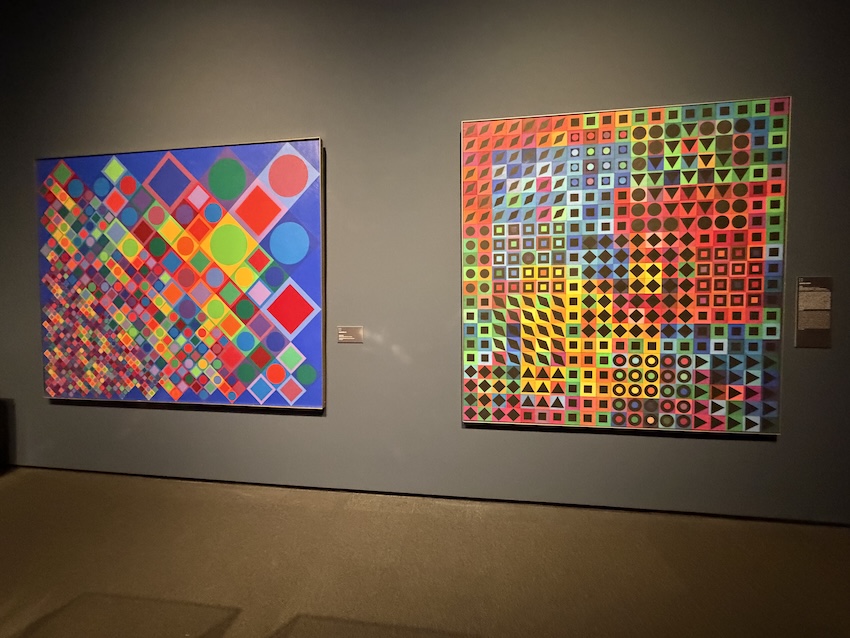
Vasarely’s exploration of movement and perception placed him among the important figures associated with the development of Kinetic Art and the emergence of Op Art in the post-war era. These related yet distinct approaches explored movement – whether physical or perceived visually. Vasarely’s unique contribution laid in his sustained investigation of how movement and spatial transformation could be suggested within a physically static composition. Through the interaction of form, colour, rhythm, perspective and light, movement was experienced within the viewer’s mind. His work thus occupies an important position at the intersection of geometric abstraction, Kinetic Art, and Op Art.
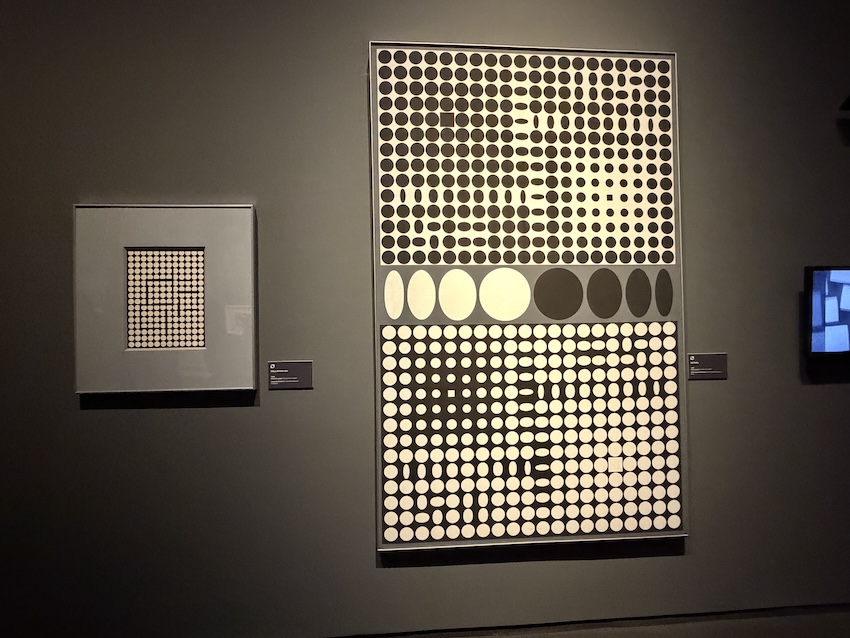
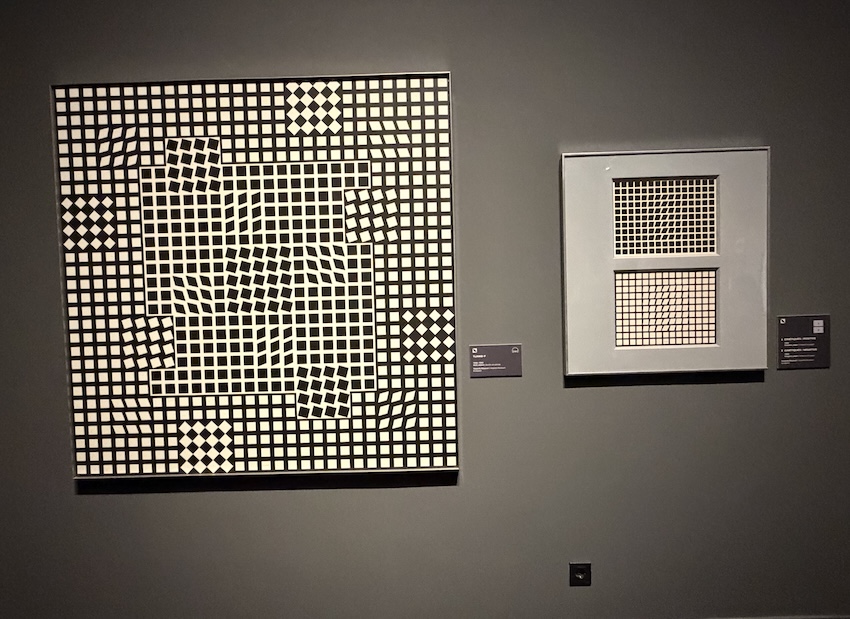
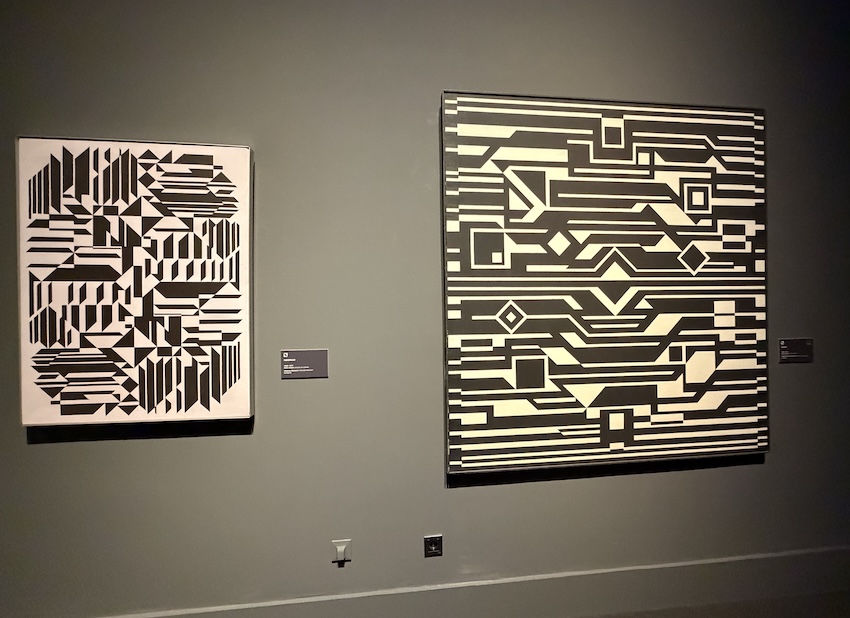
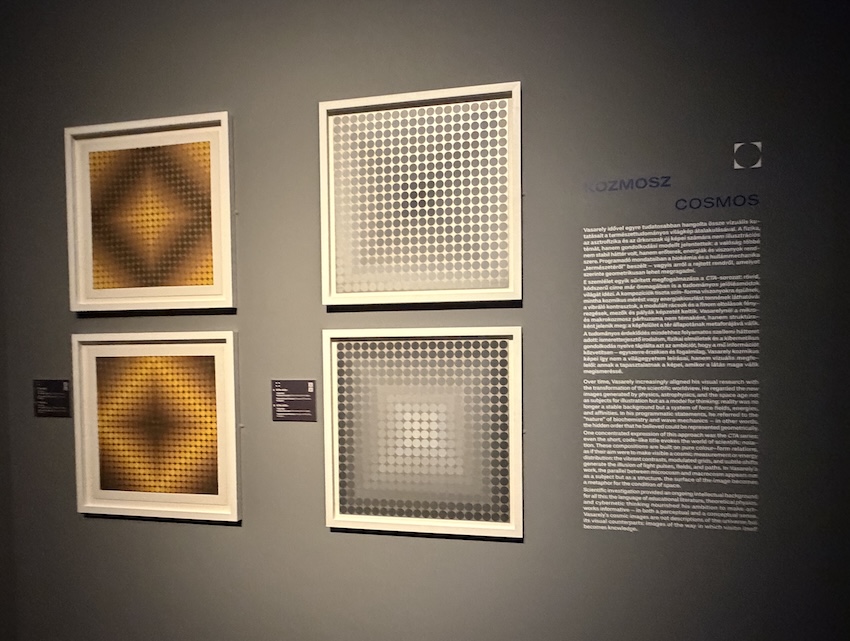
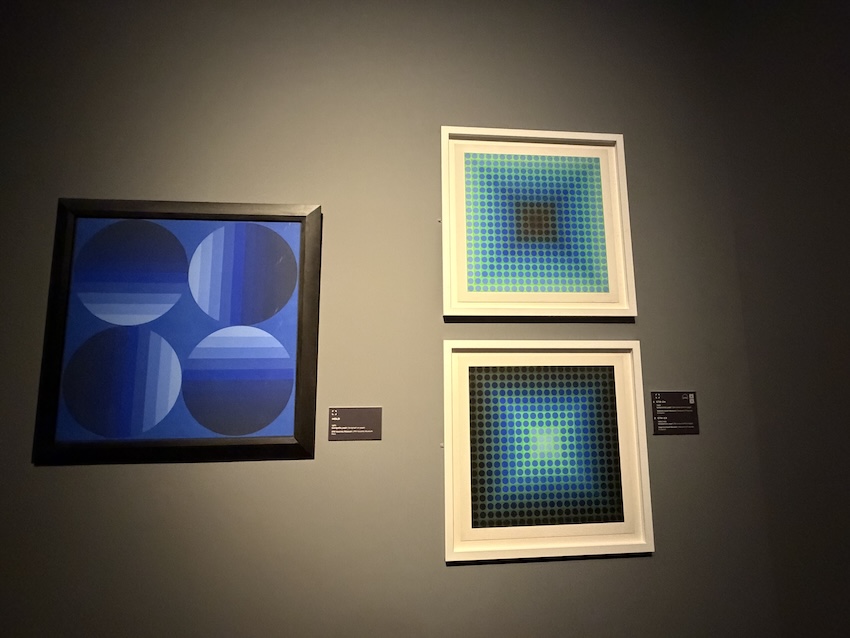
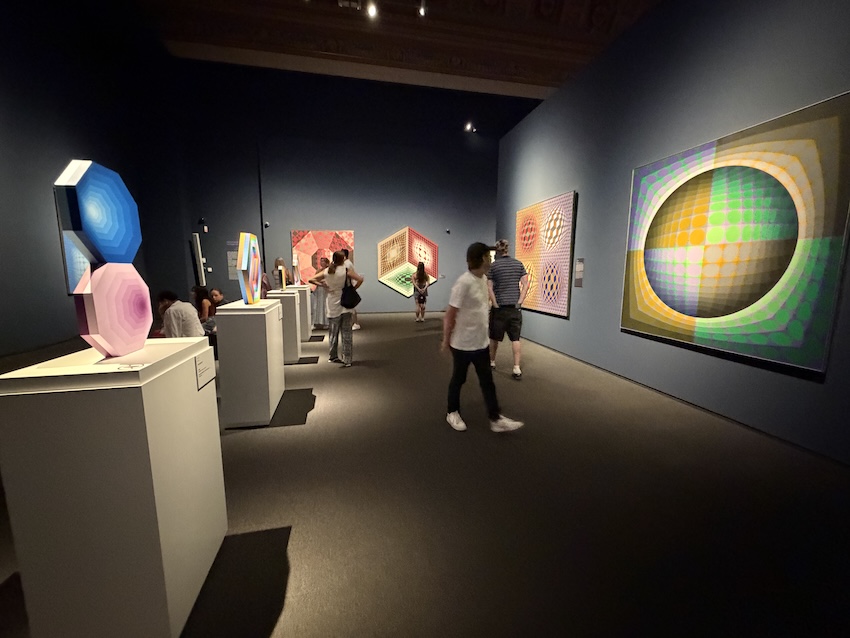
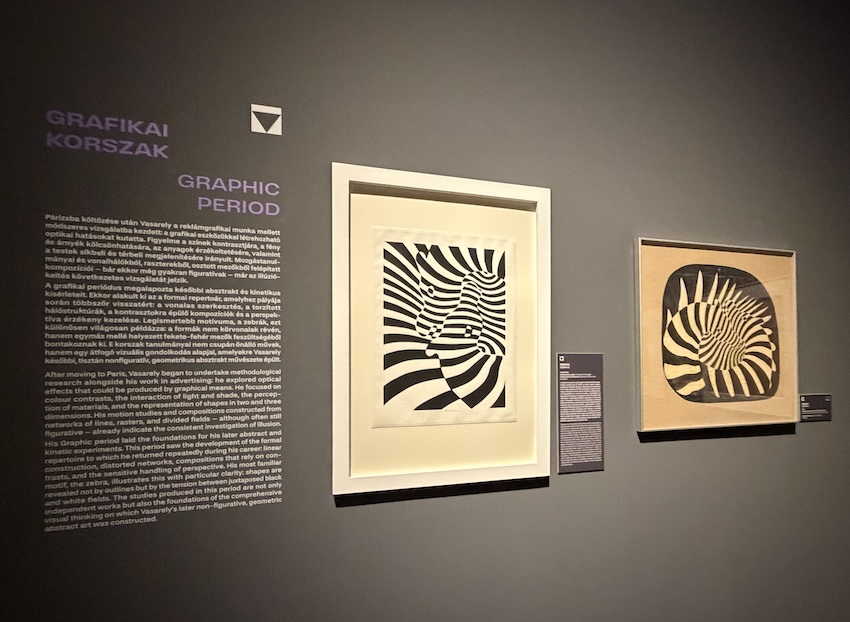
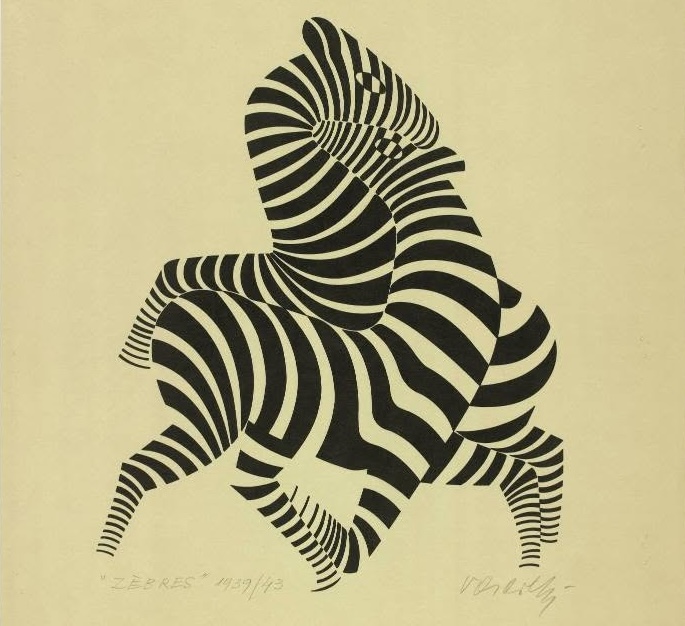
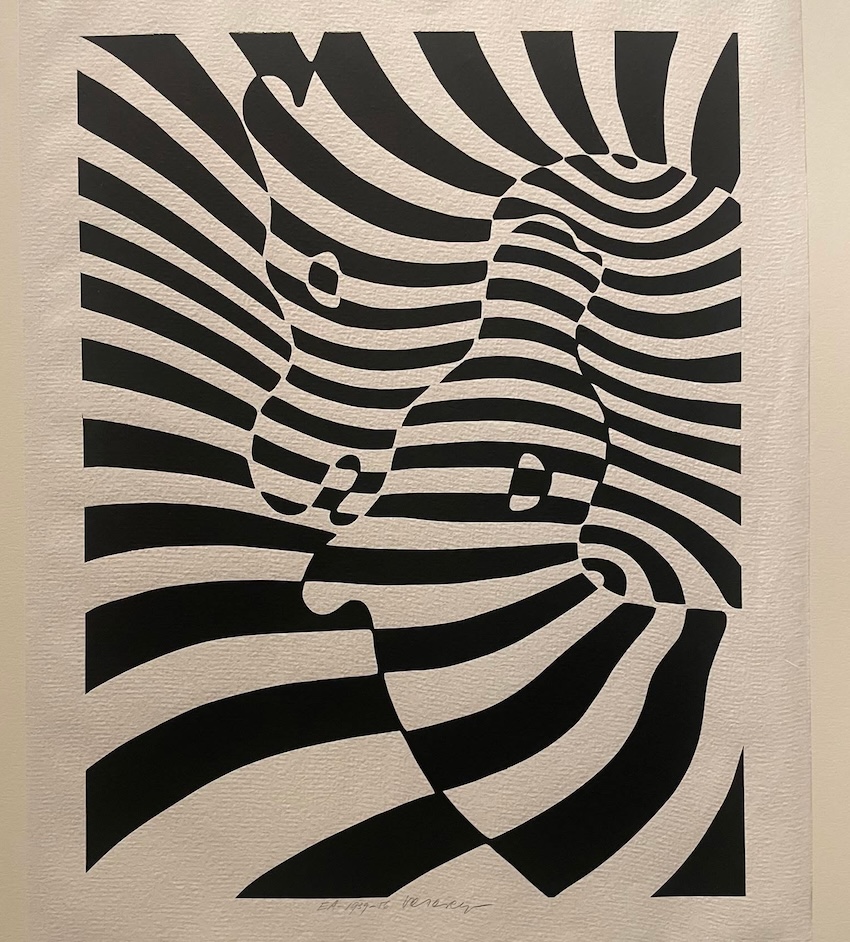
His early work Zebra (1937) is widely regarded as a key precursor to Op Art, demonstrating how powerful visual effects could emerge from the simplest elements. As his career progressed, increasingly complex geometric systems generated impressions of depth, transformation, and movement, making the viewer an active participant in the visual experience.
From Abstraction to “Art for Everyone”
Vasarely’s development was a gradual intellectual and visual process: moving from early figurative experiments and graphic work to geometric abstraction, and ultimately to the highly structured optical and kinetic compositions that brought him international renown.
The VASARELY 120 retrospective reflected this evolution, culminating in the idea of “Art for Everyone”. This concept was fundamental to Vasarely’s philosophy. He did not believe that art should remain confined to museums and private collections; instead, he sought to make it more accessible and to transform people’s living environments. For Vasarely, the future of art was closely connected with architecture and the city. Geometric compositions could become part of buildings and public spaces, allowing art to enter everyday life.
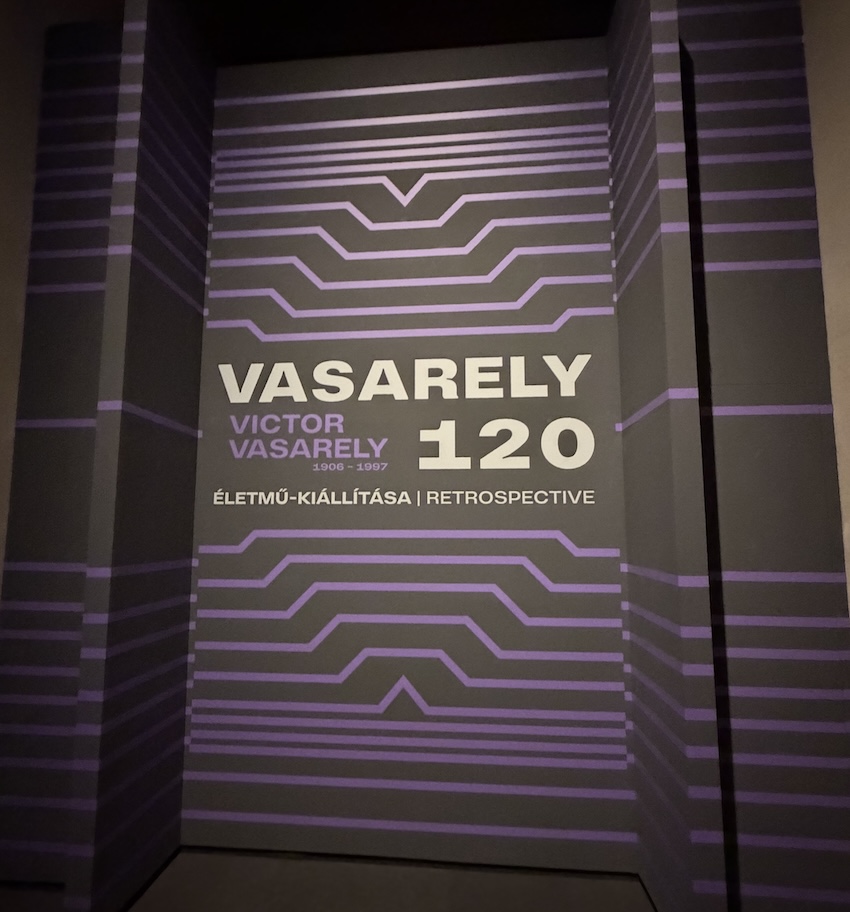
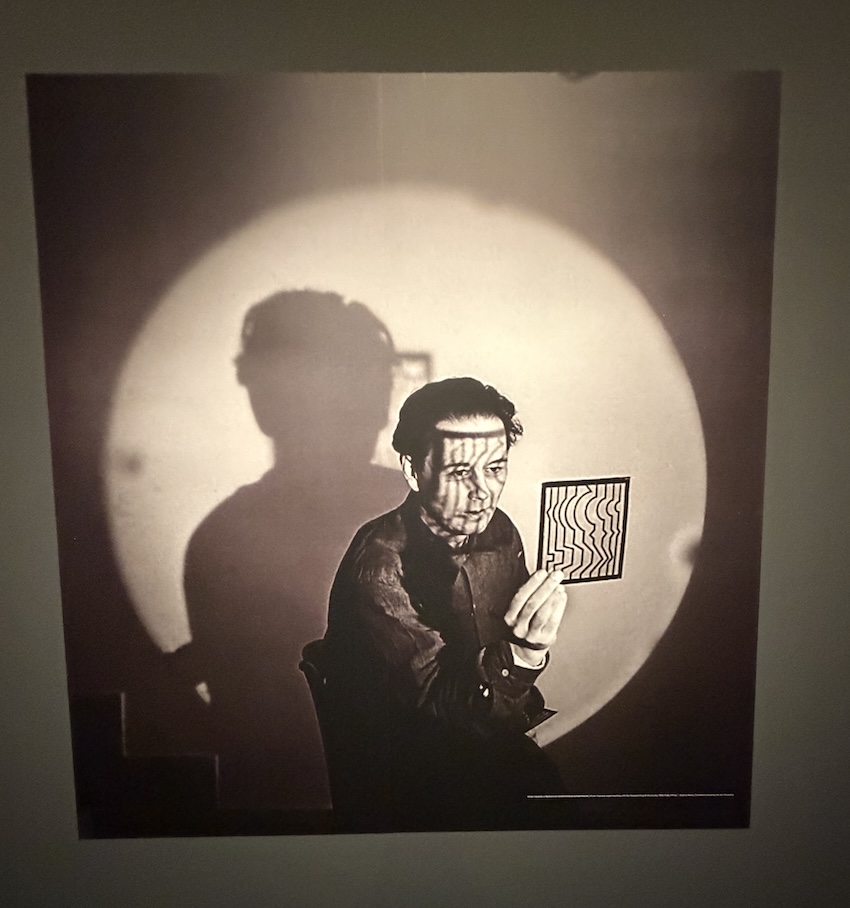
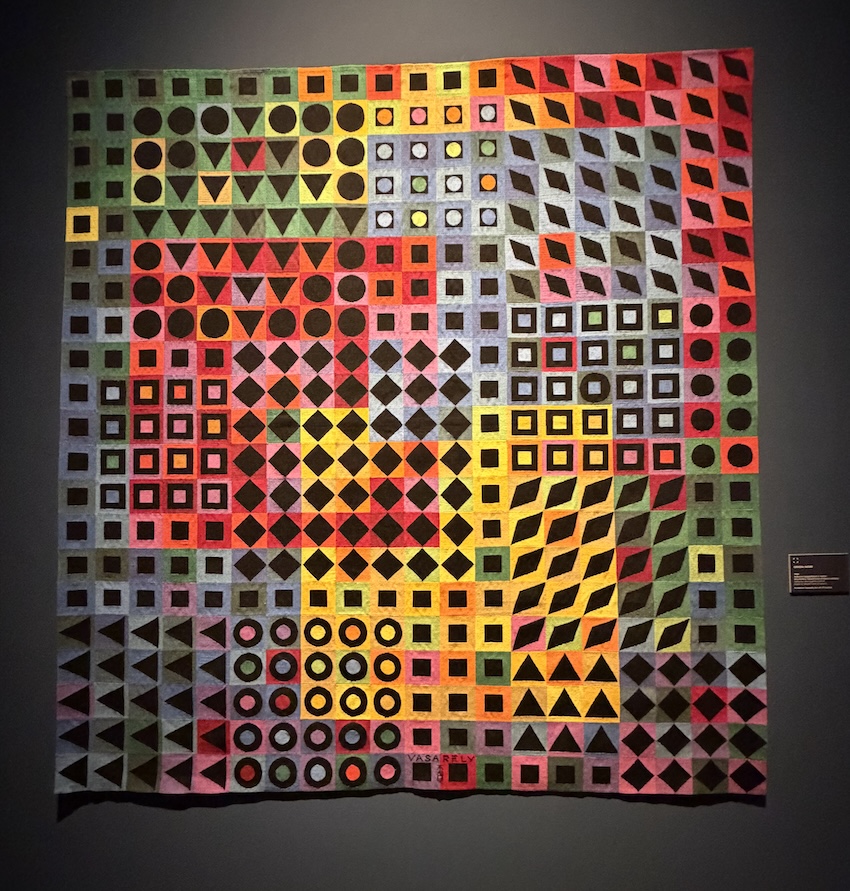
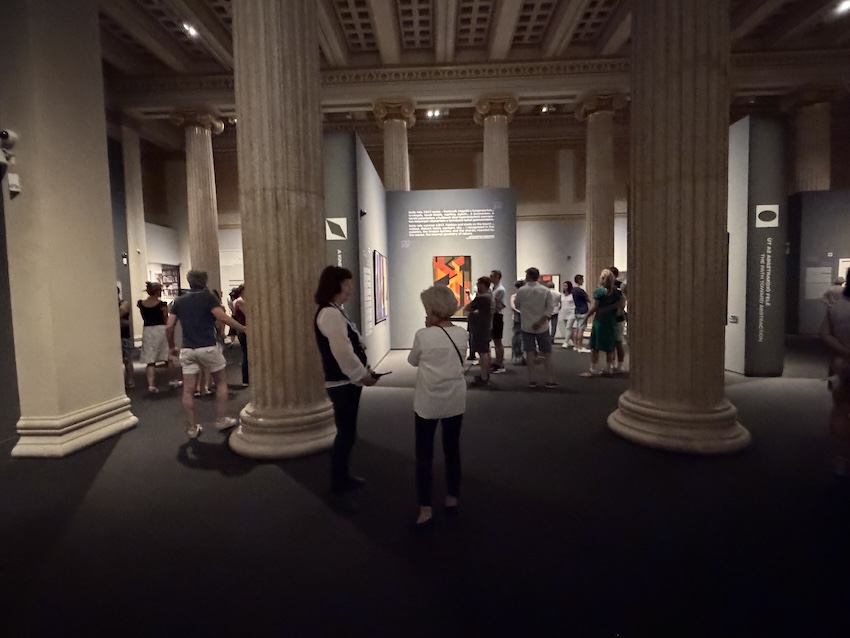
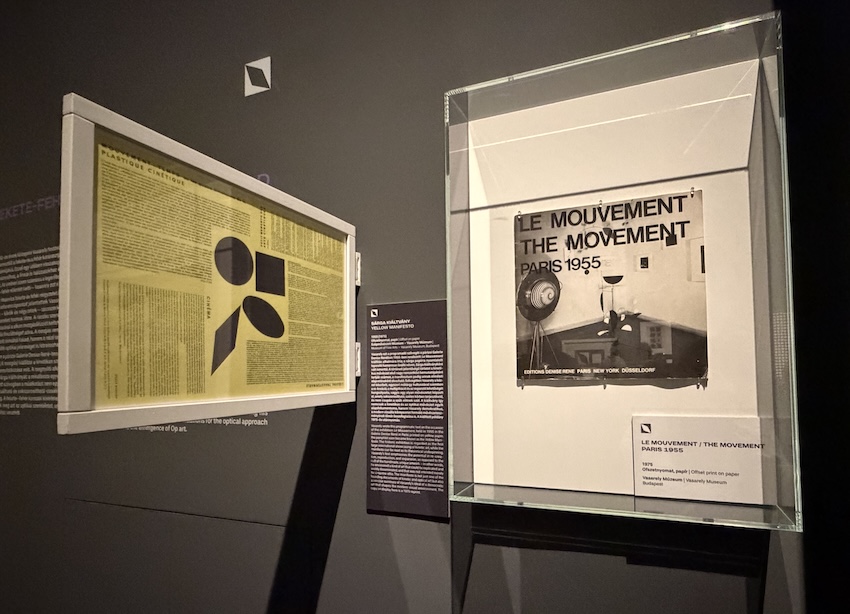
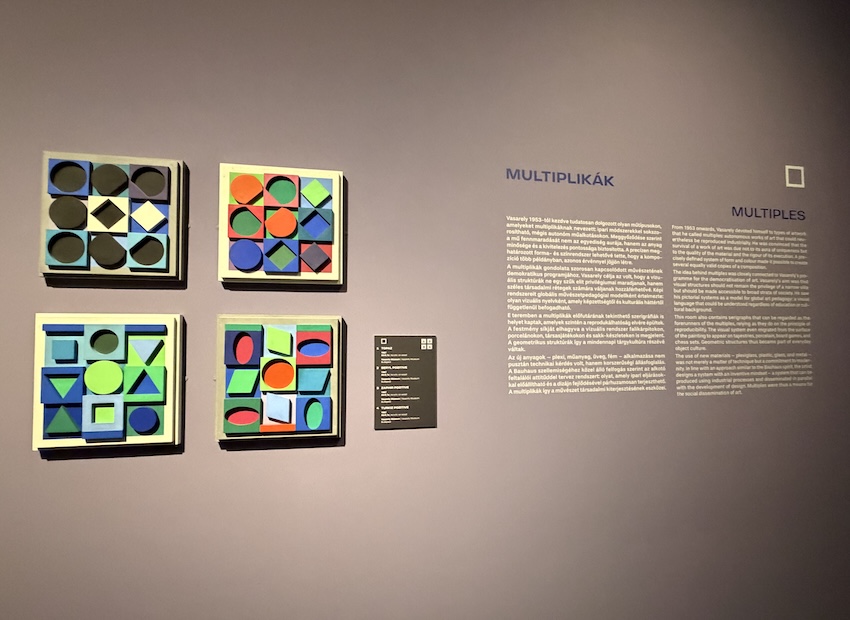
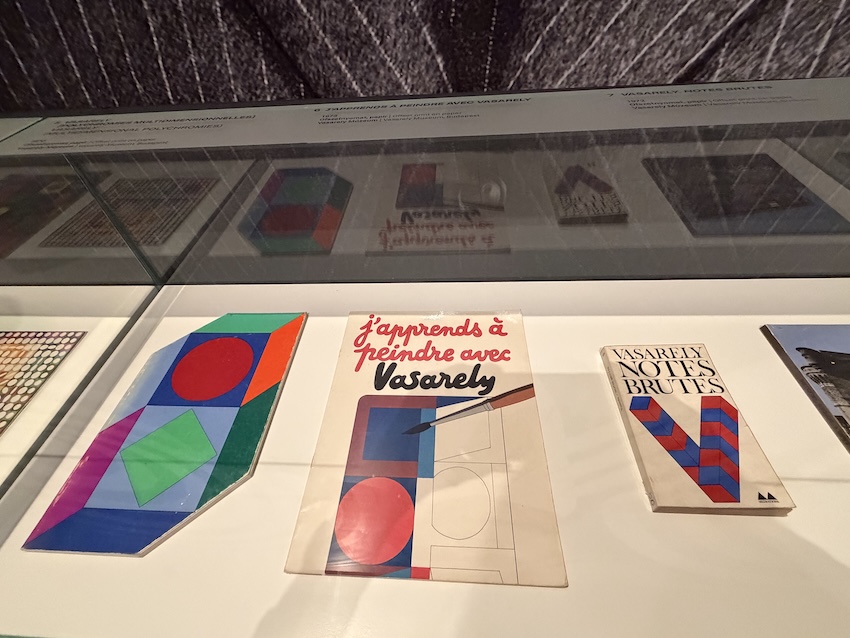
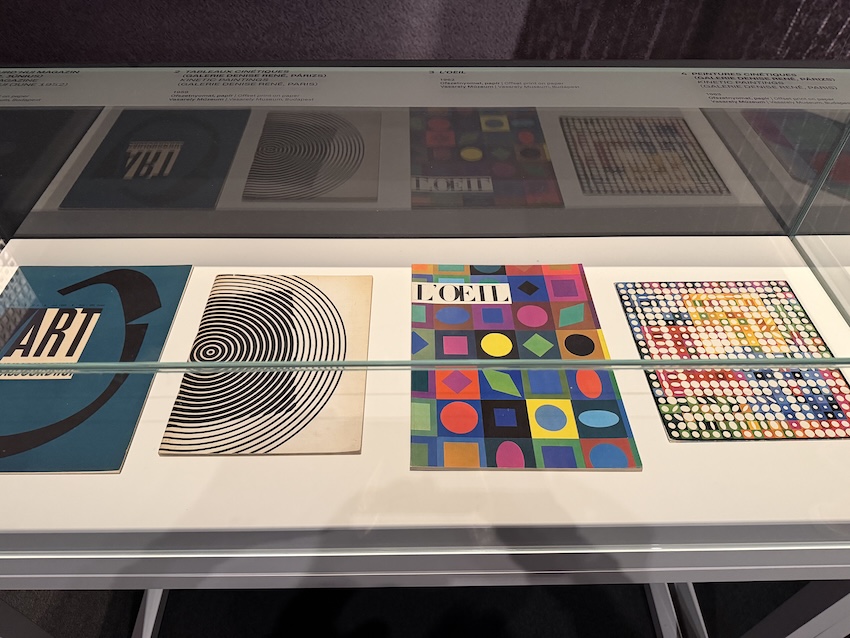
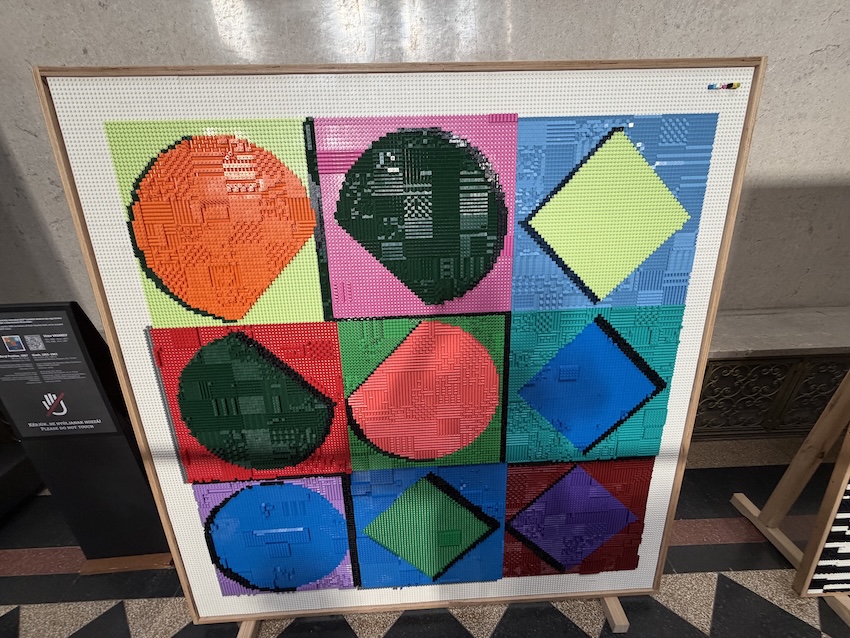
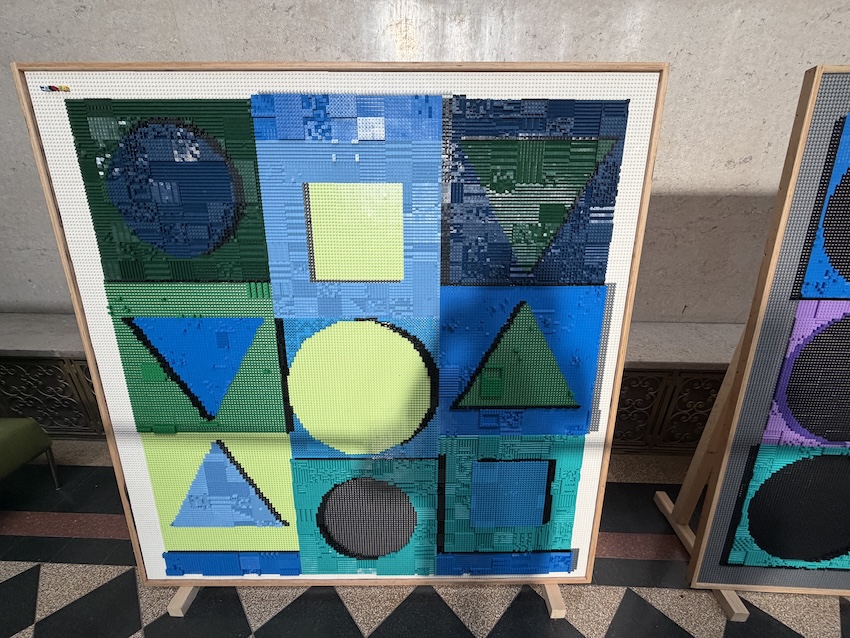
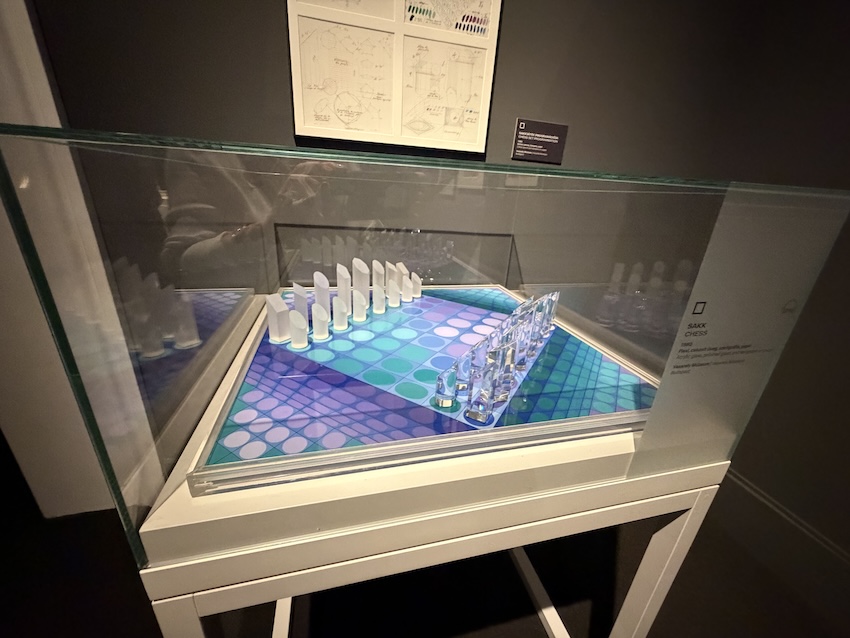
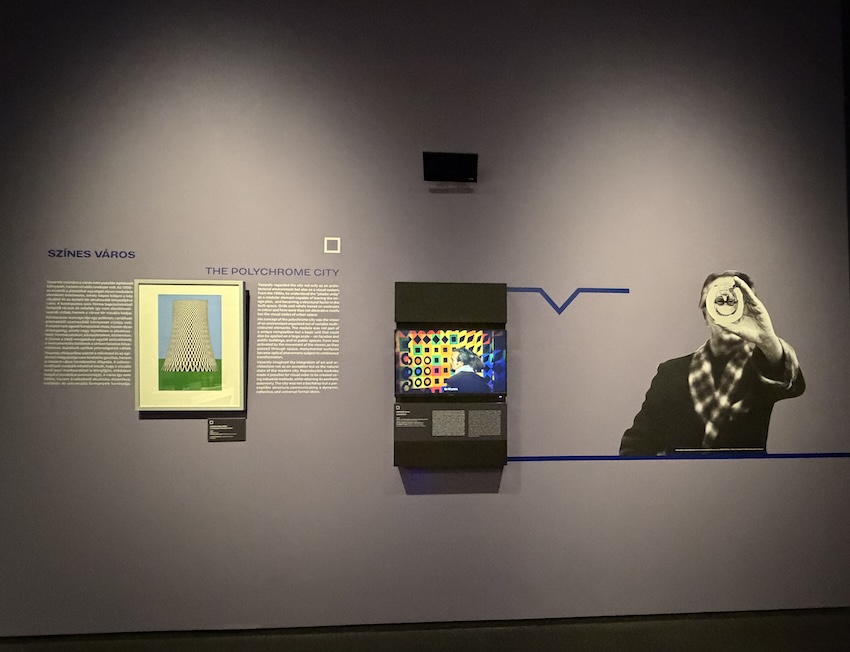
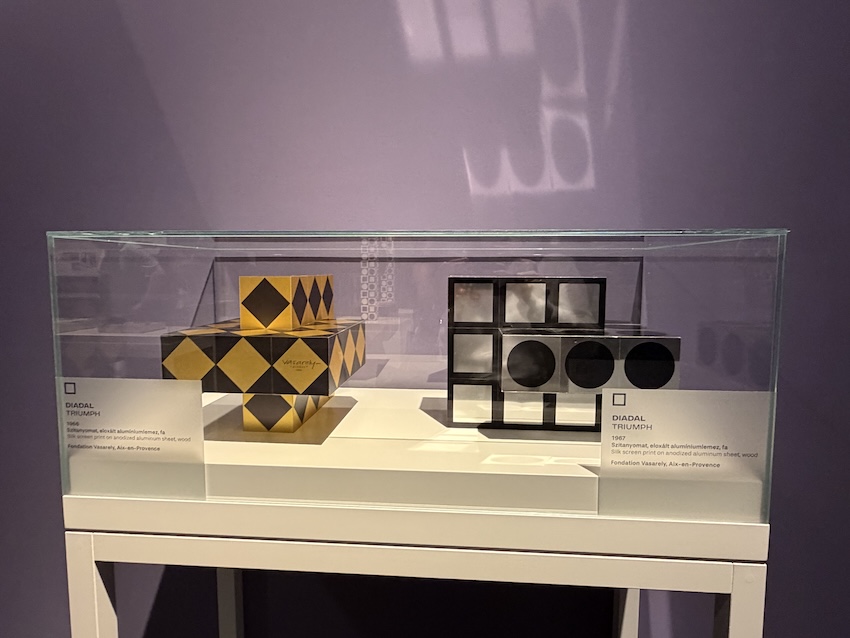
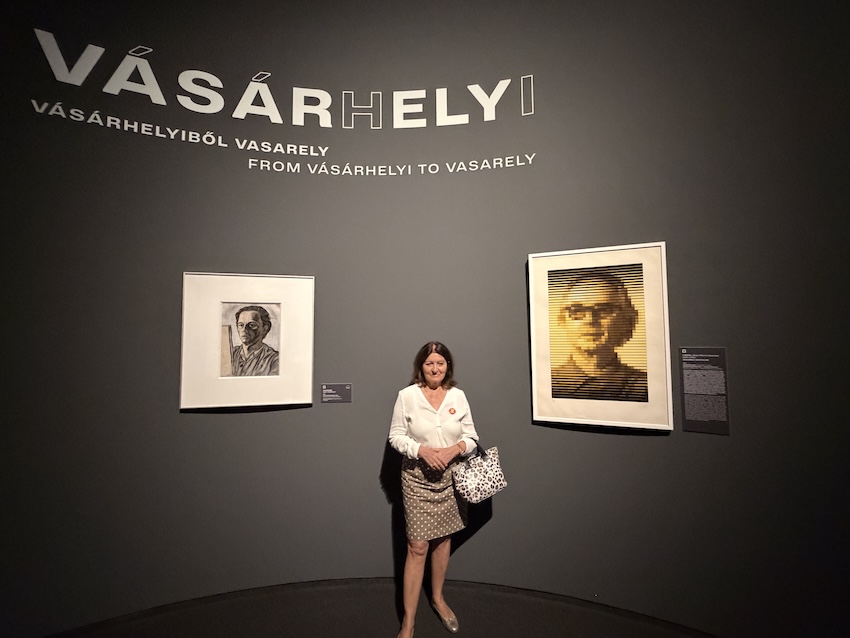
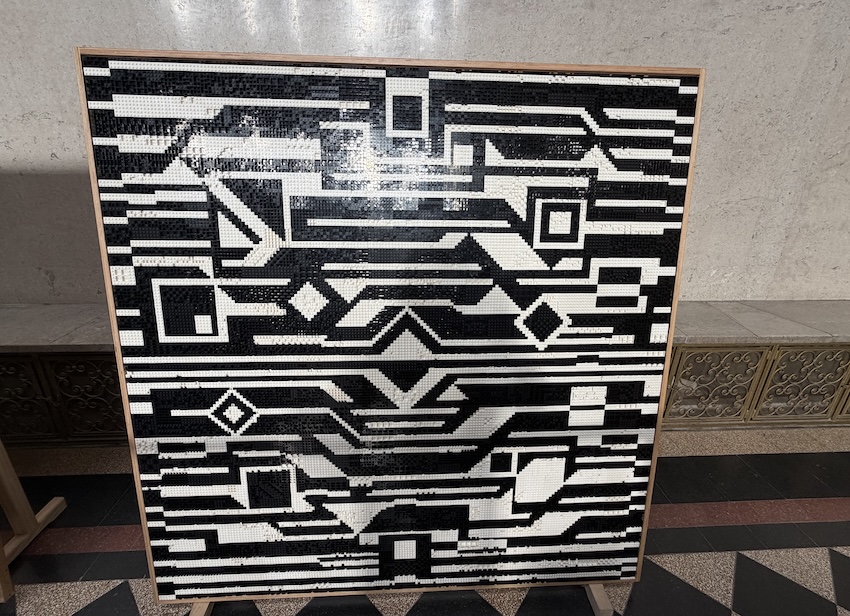
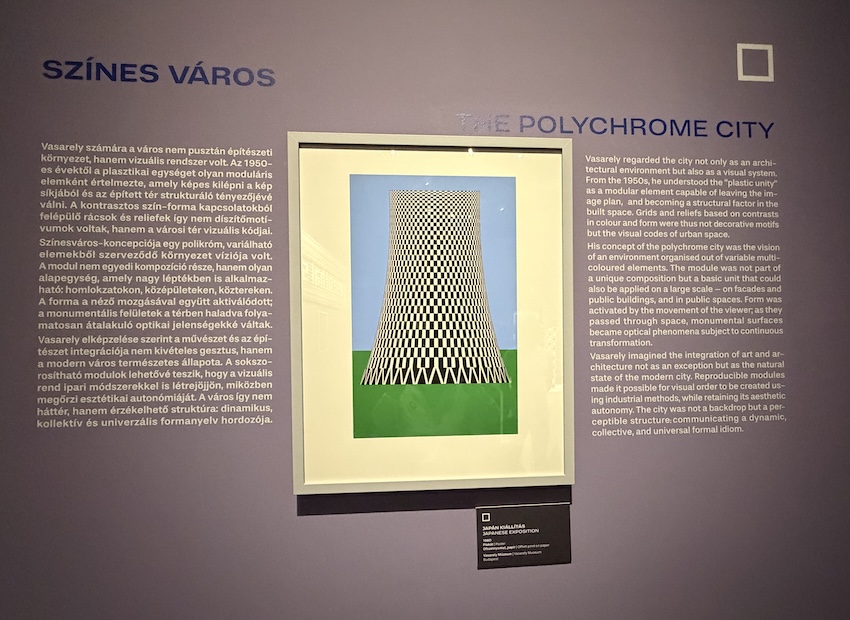
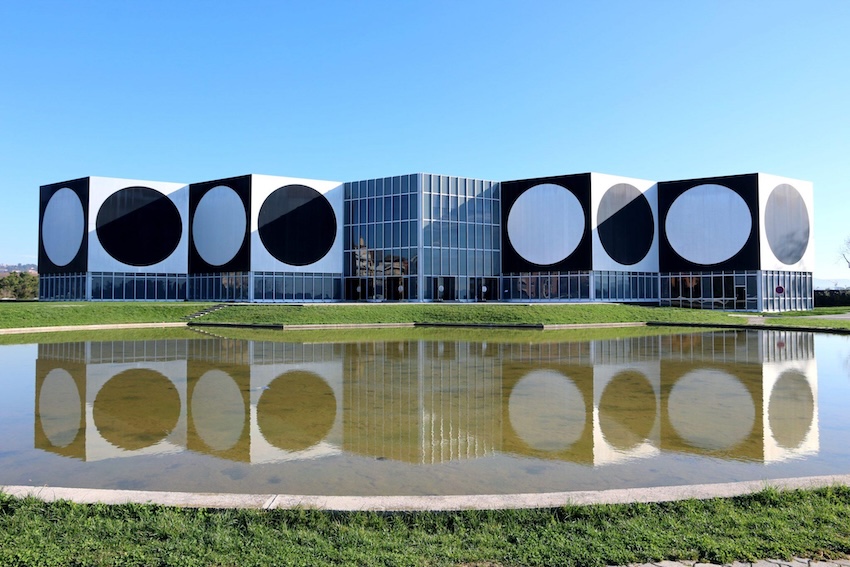
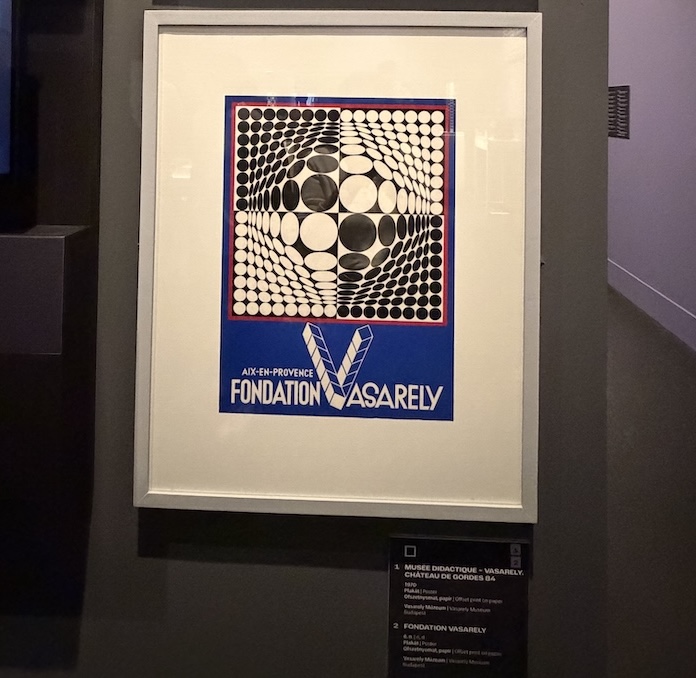
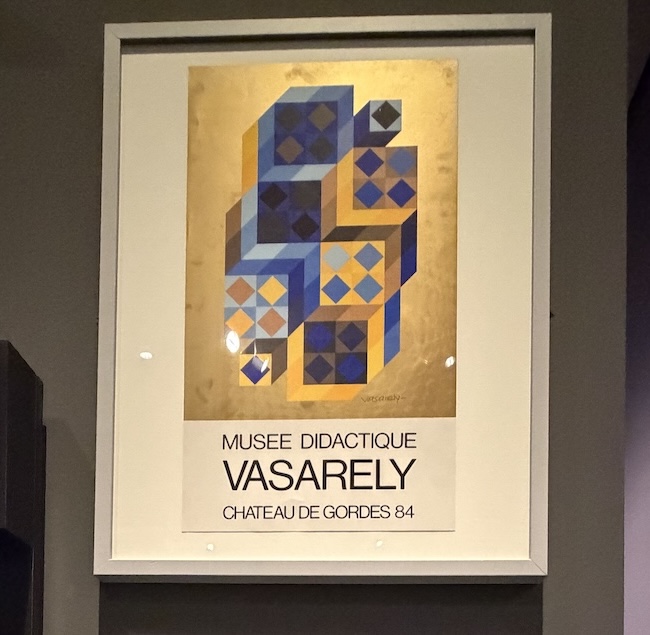
The Fondation Vasarely in Aix-en-Provence (France) – established by Victor Vasarely in accordance with his vision and opened in 1976 – remains a major expression of his philosophy, uniting architecture and optical art.
When Art Meets Industry
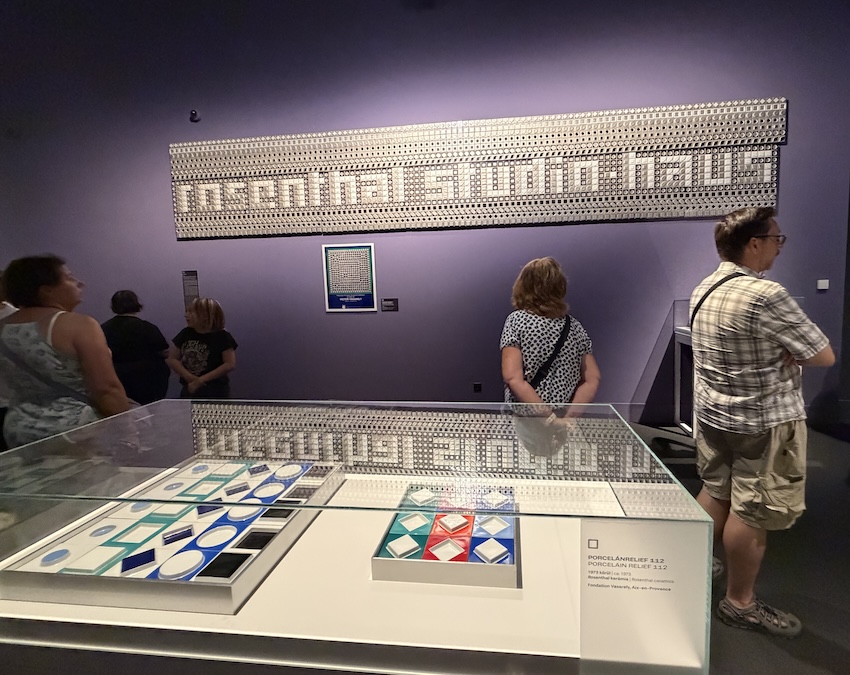
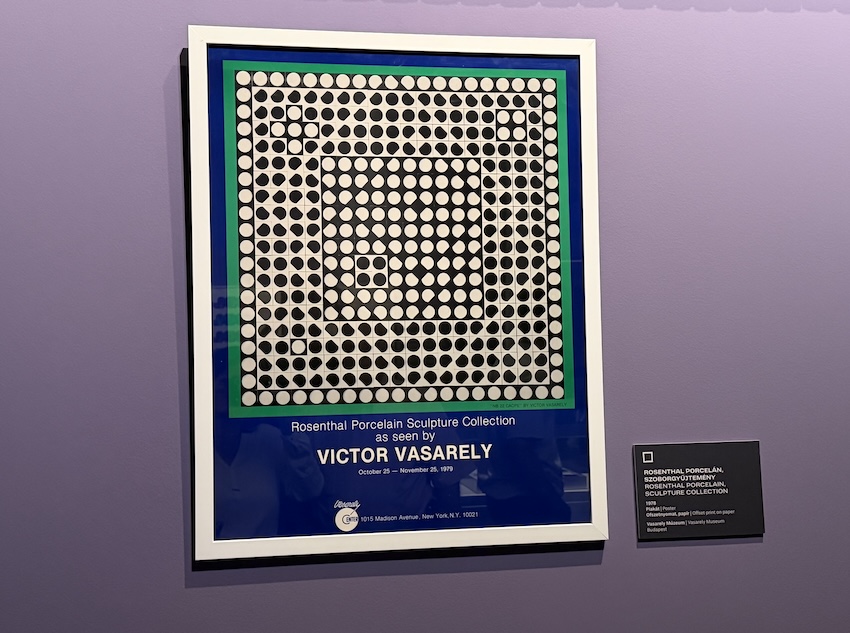
Vasarely’s influence naturally extended to graphic and industrial design. In 1964, he began collaborating with the German porcelain manufacturer Rosenthal, applying his distinctive geometric visual language to contemporary porcelain designs and bringing his art into everyday visual culture.
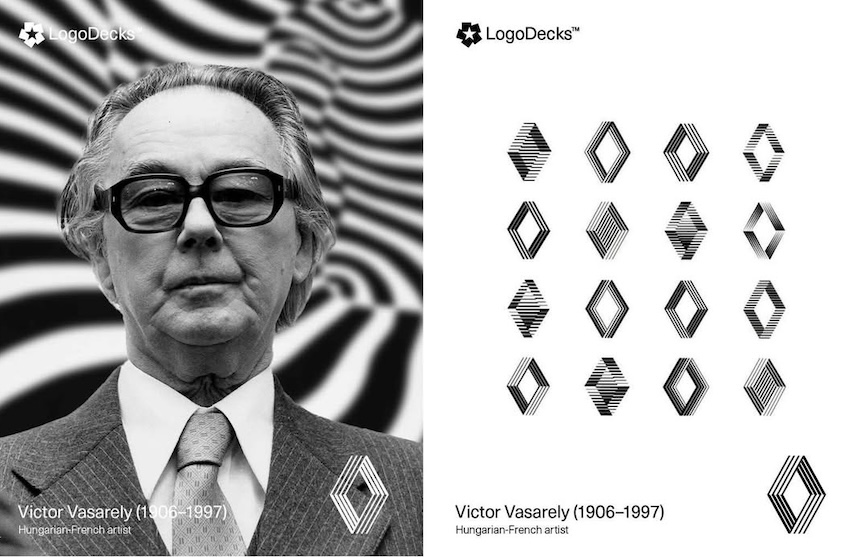
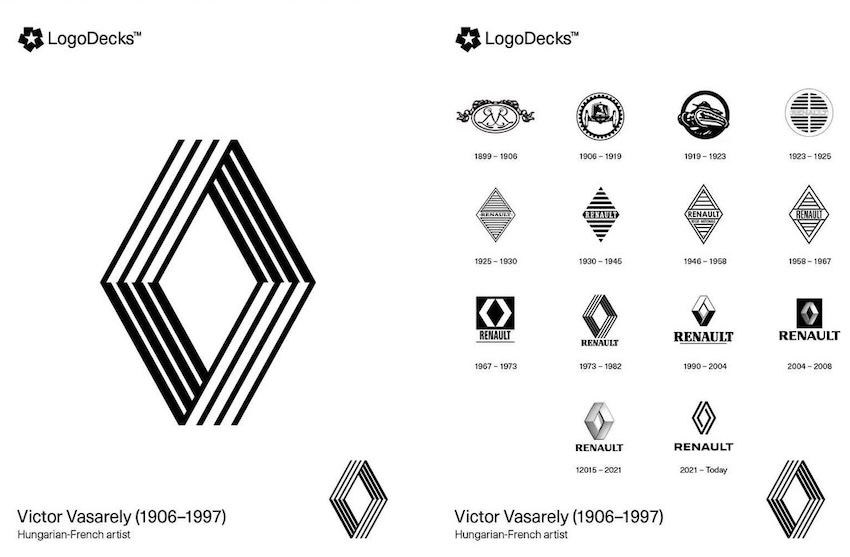
In 1972, Vasarely and his son Yvaral (Jean-Pierre Vasarely, 1934–2002) redesigned Renault’s famous diamond logo. The resulting emblem transformed the classic diamond shape into an interlocking geometric structure with a striking three-dimensional effect – a notable example of Vasarely’s belief that modern art could become part of the visual experience of everyday life.
His geometric vocabulary also found its way into posters, architecture, product design and popular culture, helping to shape the visual language of the 1960s and 1970s and continuing to influence contemporary design.
A Remarkable Hungarian Collection
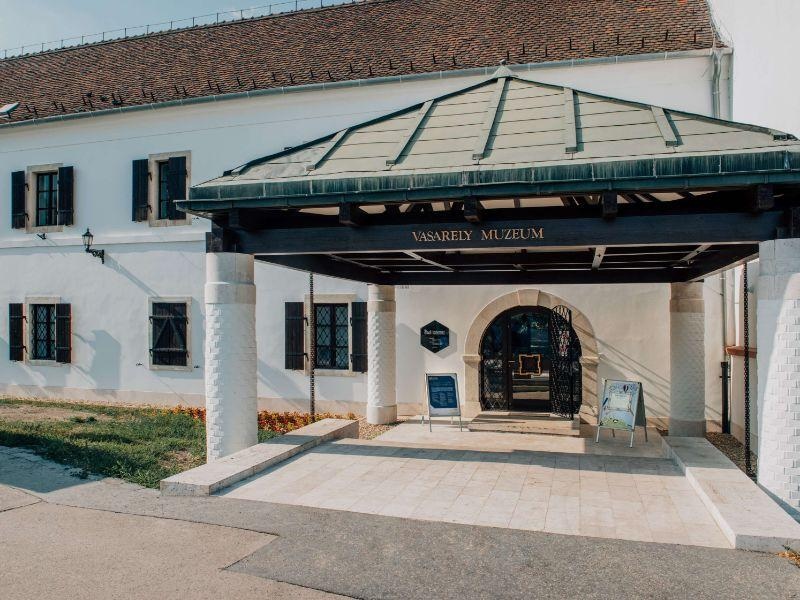
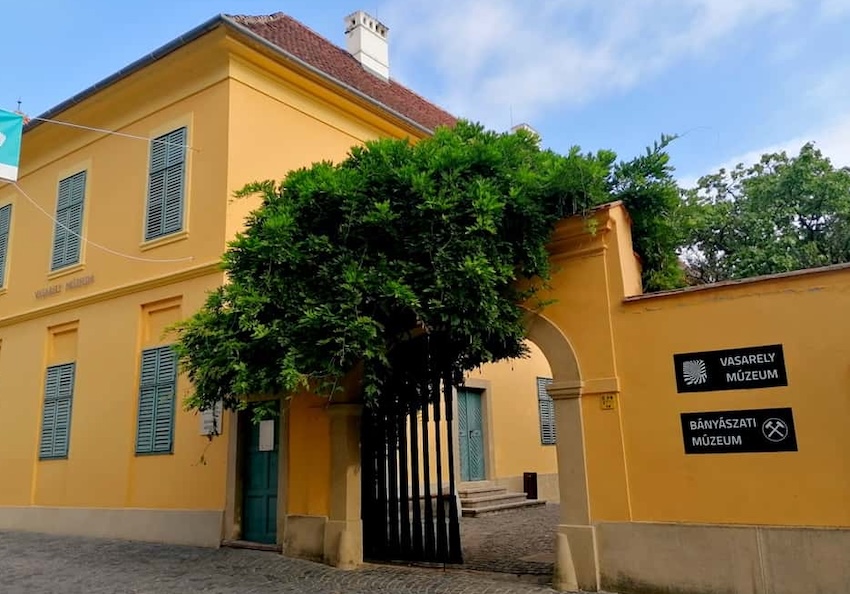
The Budapest retrospective was especially significant for the exceptional breadth of material brought together. A major part of VASARELY 120 came from the collection of the Vasarely Museum in Budapest; the works had been personally selected and donated to the museum by Victor Vasarely in the early 1980s. Inaugurated in the Zichy Palace in Óbuda in 1987, the museum houses more than 400 works and offers a comprehensive overview of Vasarely’s artistic development – from his early advertising graphics to his Op Art works of the 1960s and 1970s.
The exhibition was complemented by works from the Vasarely Museum in his native city of Pécs, private holdings and important loans from the Fondation Vasarely in Aix-en-Provence, including pieces that had never before been shown in Hungary.
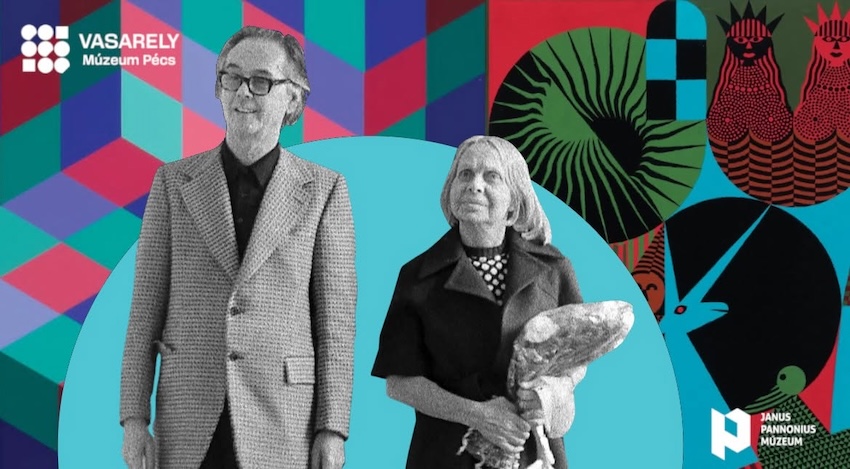
The museum in Pécs was opened in 1976 in a historic building associated with Vasarely’s birthplace. Today, it houses 364 works by Vasarely himself, alongside works by his wife Claire, and his son, Yvaral.
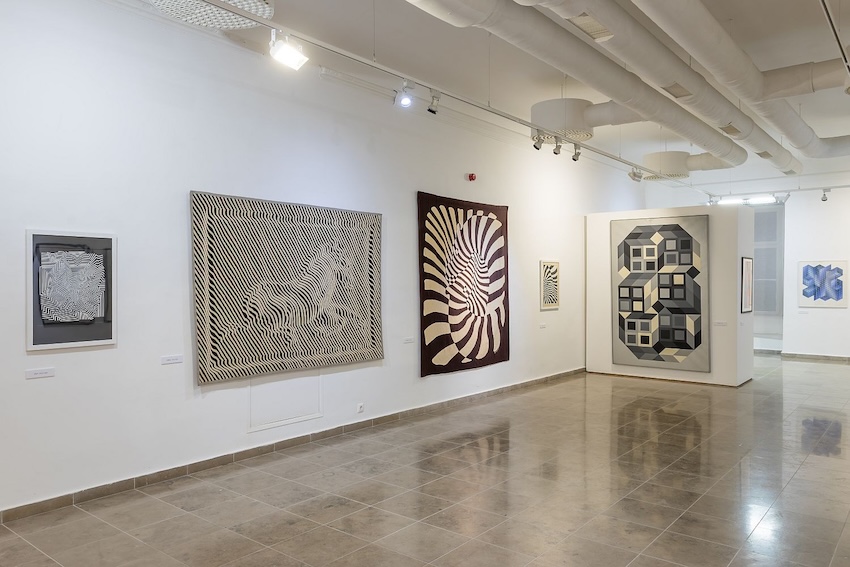
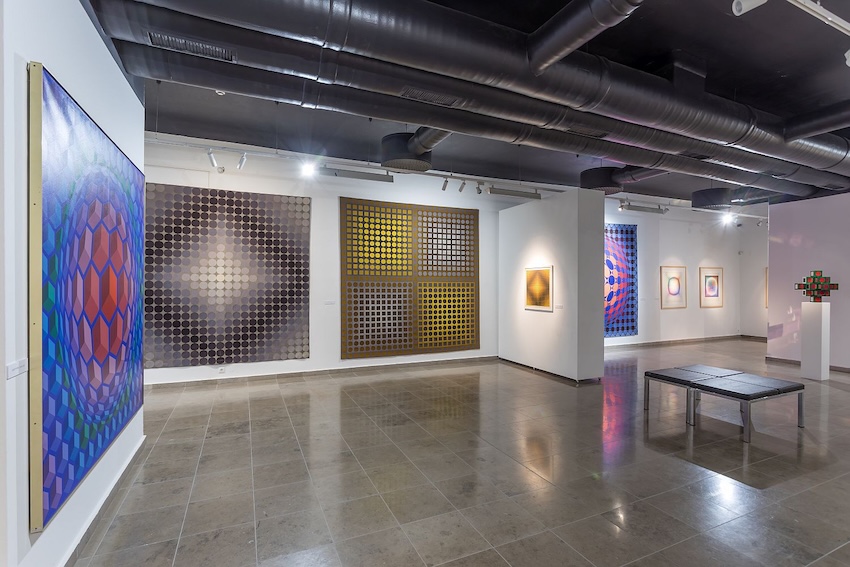
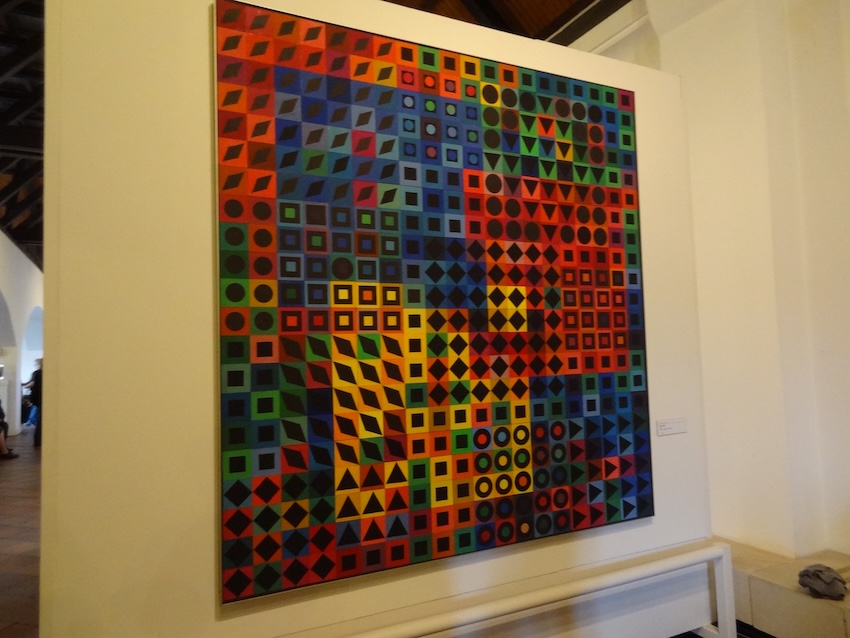
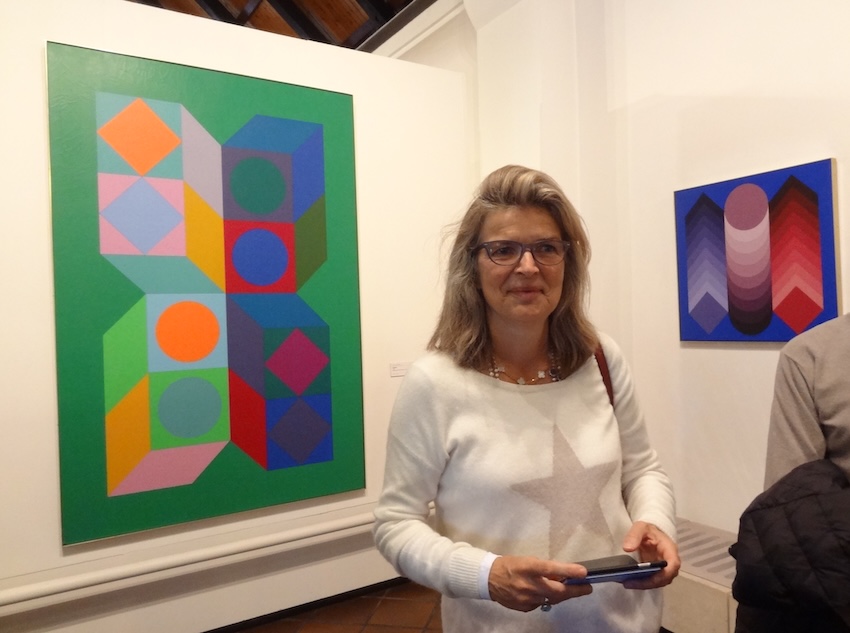
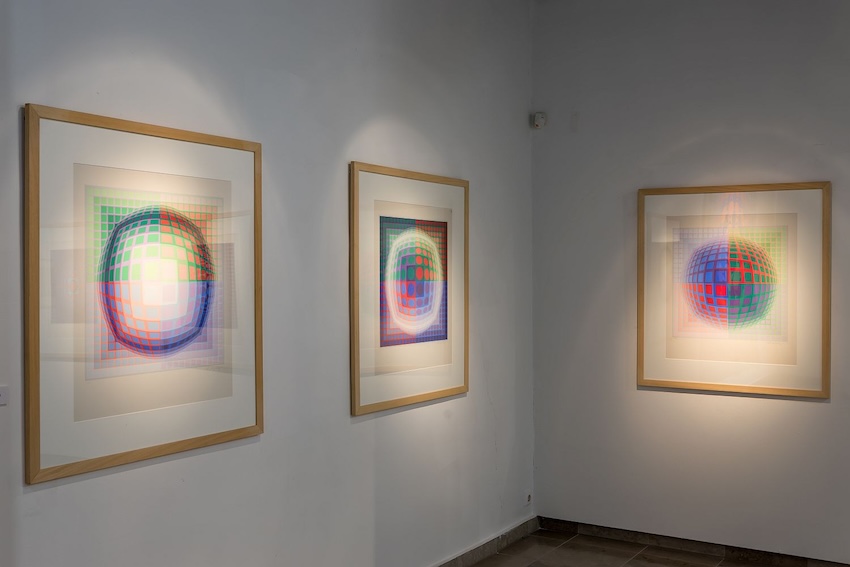
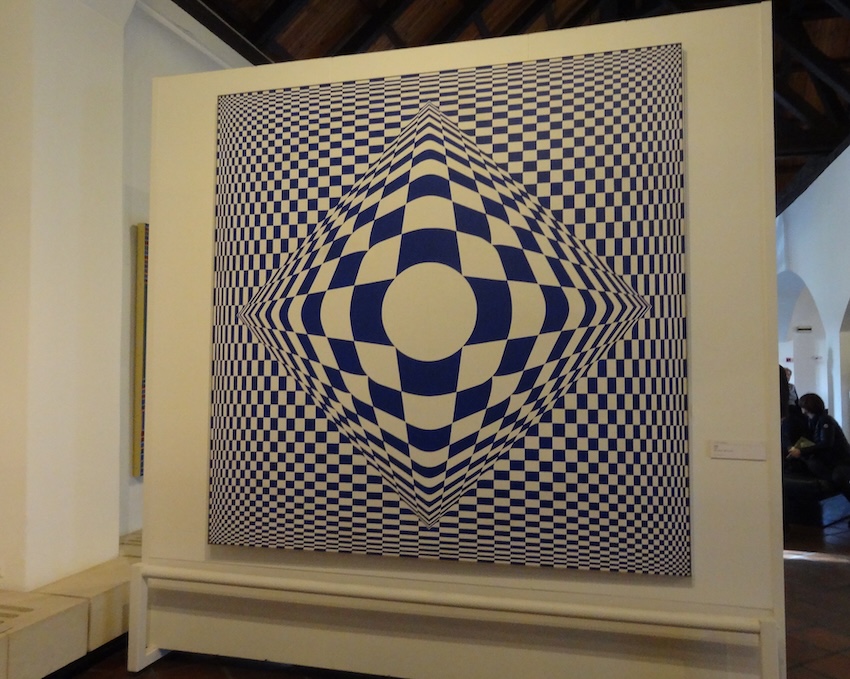
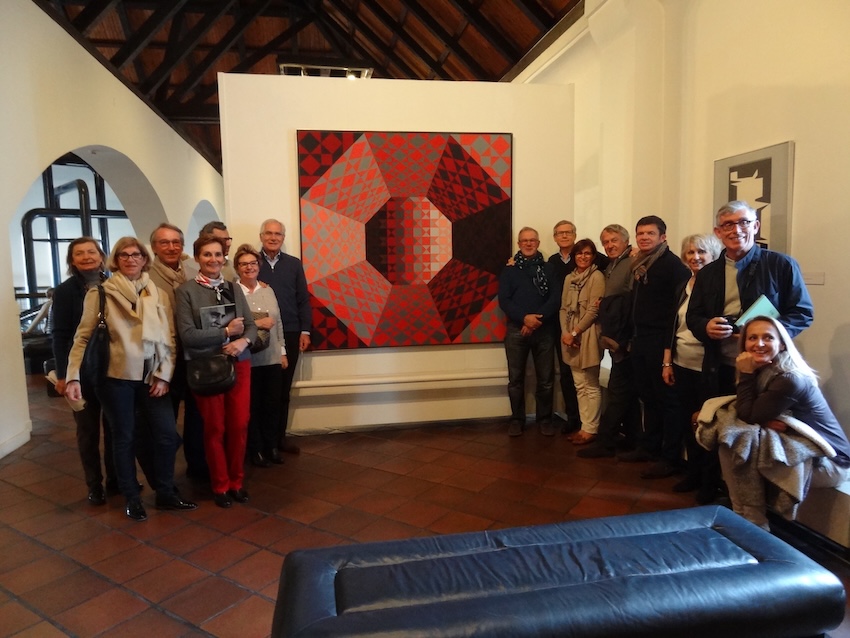
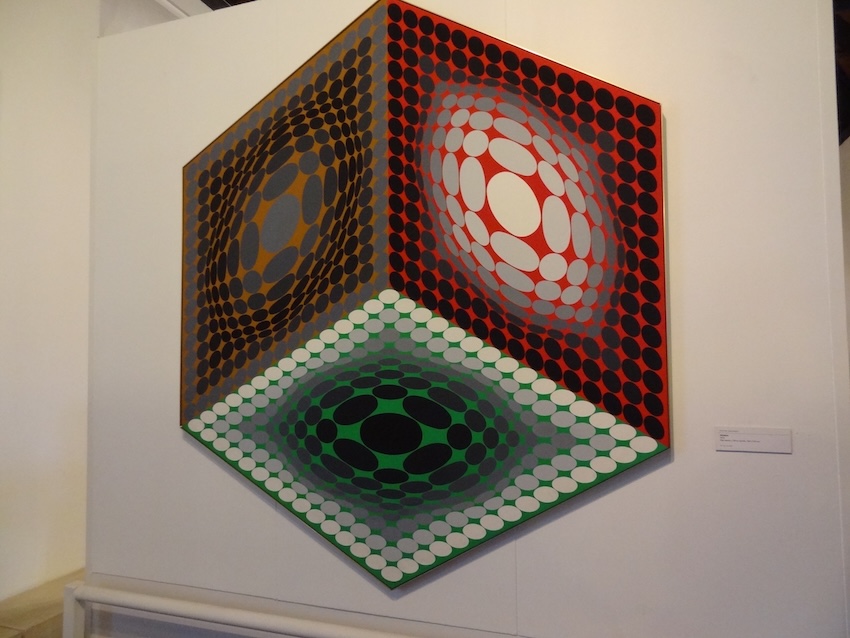
Although the VASARELY 120 retrospective has since concluded and the loaned works have returned to their respective collections, the exhibition provided a fitting opportunity to reconsider the enduring relevance of his ideas.
The exhibition was also historically significant: the previous Hungarian retrospective of comparable scale had been held at the Budapest Kunsthalle in 1969, almost six decades earlier.
Why Vasarely Still Matters
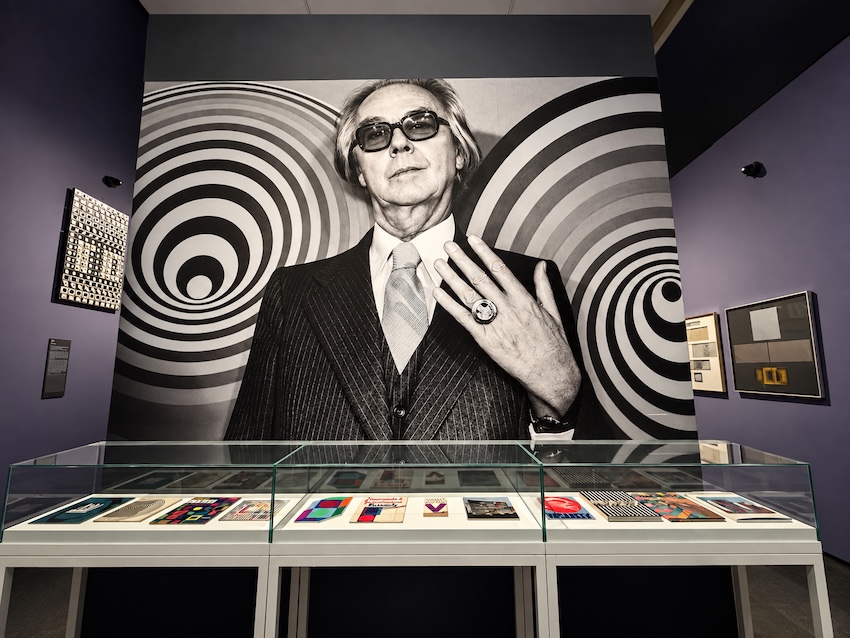
The significance of Vasarely lies not only in the instantly recognisable appearance of his works but also in the ideas behind them. His art challenged traditional perceptions of movement, space, colour and form, while connecting painting with architecture, design and the everyday visual environment. These ideas made Victor Vasarely an important figure in modern visual culture and underpin the enduring relevance of his work to this day.
Vasarely grew up in Pécs and became one of the most prominent names in modern European art. His artistic career transcended national borders and disciplinary boundaries, leaving a lasting impact on art, design and architecture. His works create an impression of movement and depth on flat surfaces, while simultaneously making the eye question what it believes it is seeing. He did not merely change the appearance of art; he changed the way we view it.
In May 2026, as part of the celebrations marking Vasarely’s 120th birth anniversary, the second, expanded Hungarian edition of the book “Vasarely regényes évszázada” (Vasarely, a Saga through the Century) by Pierre Vasarely and Philippe Dana, published by Prae, was presented at the French Institute in Budapest. Writing about his grandfather, Pierre Vasarely notes: “As a magician and tormentor of the retina, he gradually gained international recognition in the world of contemporary art.”
The book’s cover features Pierre Vasarely, the dedicated guardian of his grandfather’s memory and artistic legacy.
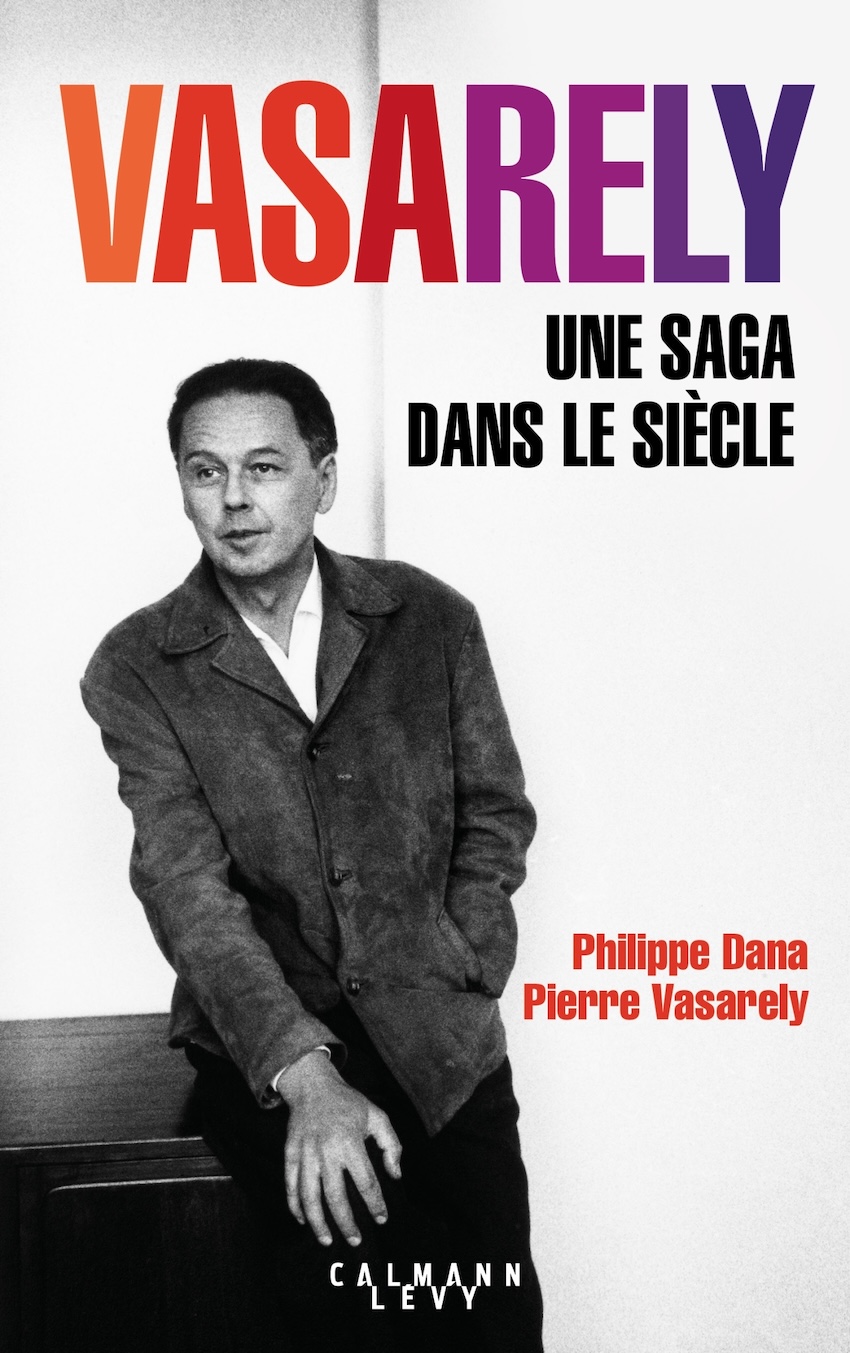
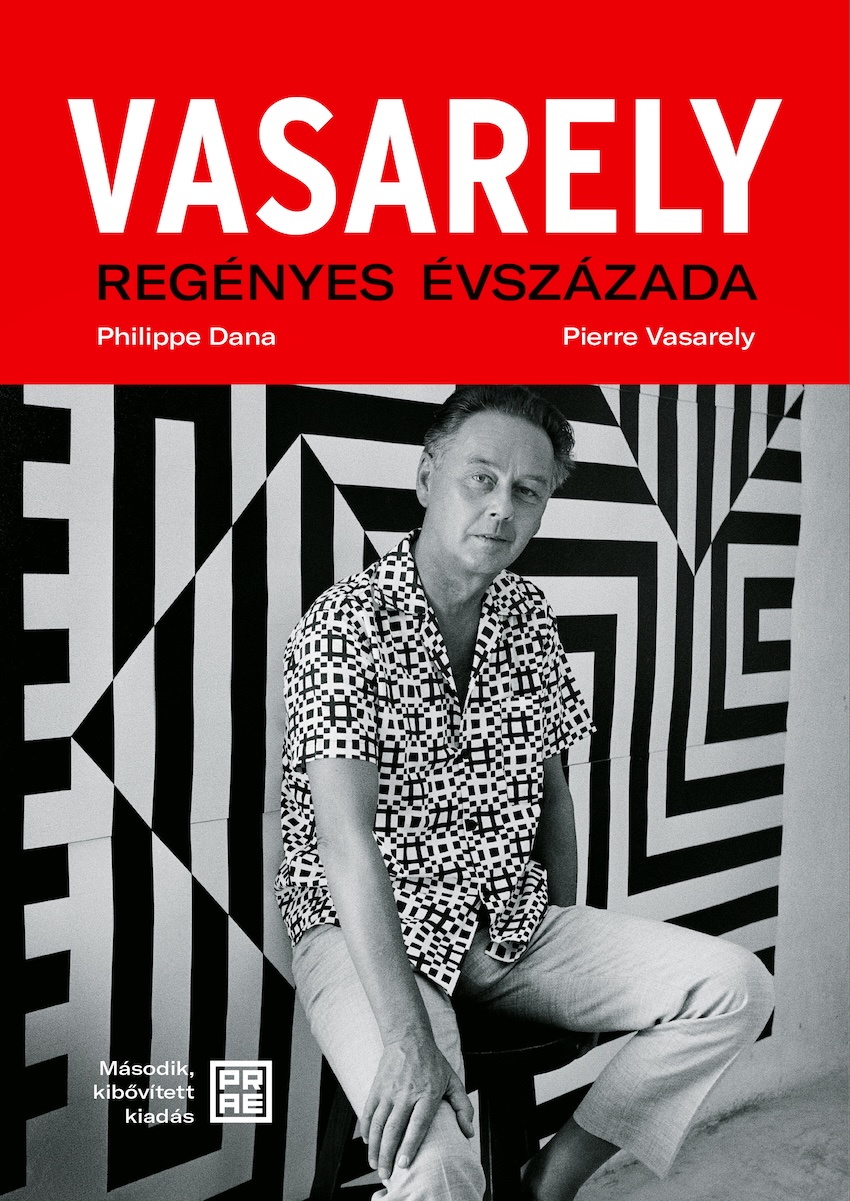
In a recent interview in Budapest, Pierre recalled that Victor Vasarely was not a grandfather in the traditional sense. Although his grandfather worked intensely, they shared a close emotional and friendly bond, and during the holidays Pierre was, in a sense, his playmate: they played chess, pétanque and billiards.
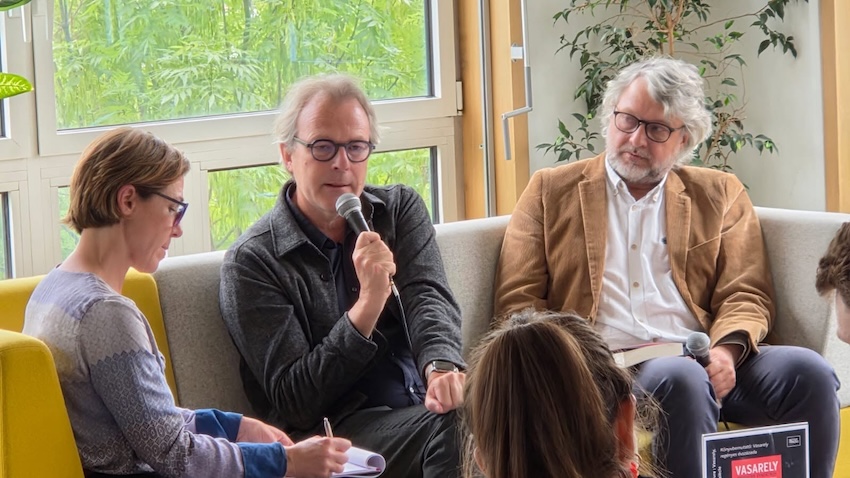
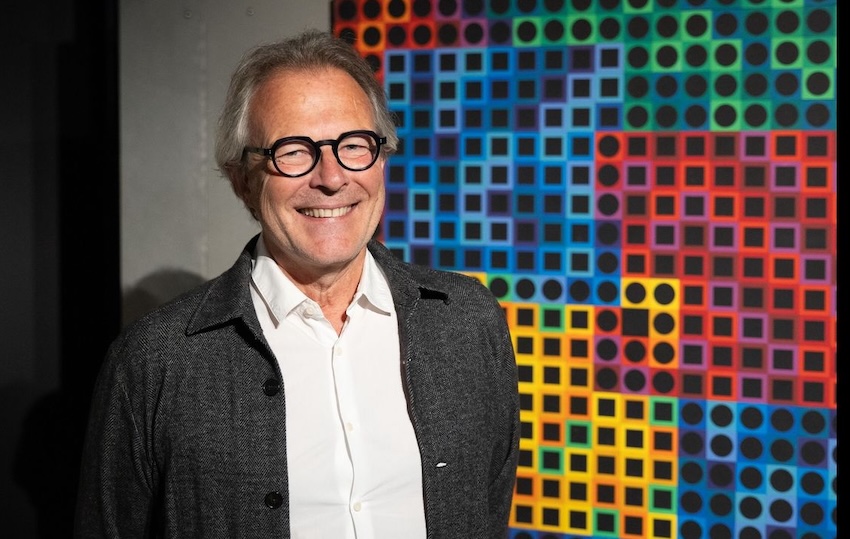
Years later, one of Victor’s lawyers told him that his grandfather had said when Pierre was only eleven: “Little Pierre will be my shadow on Earth.” The words stayed with Pierre, though only much later did he grasp their full significance. Today, they seem almost prophetic: for decades, Pierre has dedicated himself to preserving his grandfather’s artistic legacy, upholding his rights, and ensuring that Victor Vasarely’s work and artistic vision continue to receive worldwide recognition.
Sources: Museum of Fine Arts Budapest, fondationvasarely.org, Facebook pages of the French Embassy and the French Institute in Budapest, artisbusiness.hu