Edited by Anna Popper
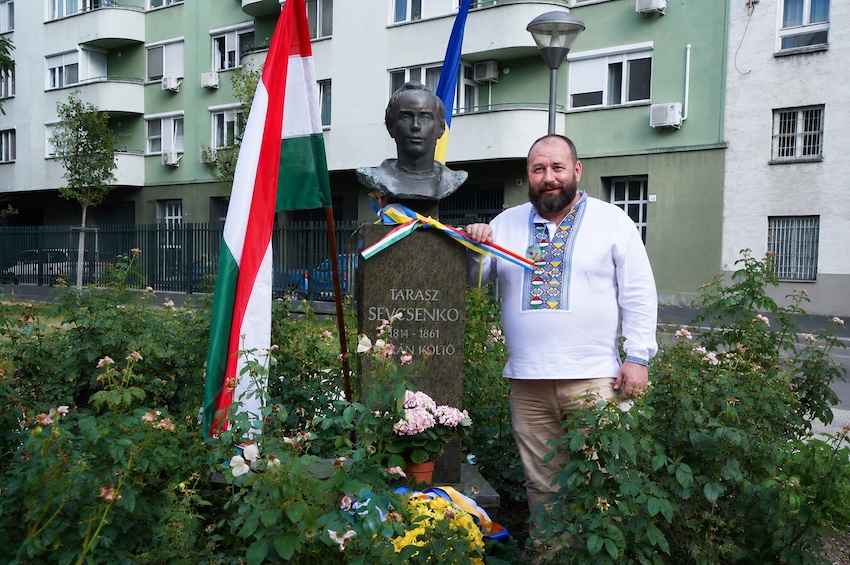
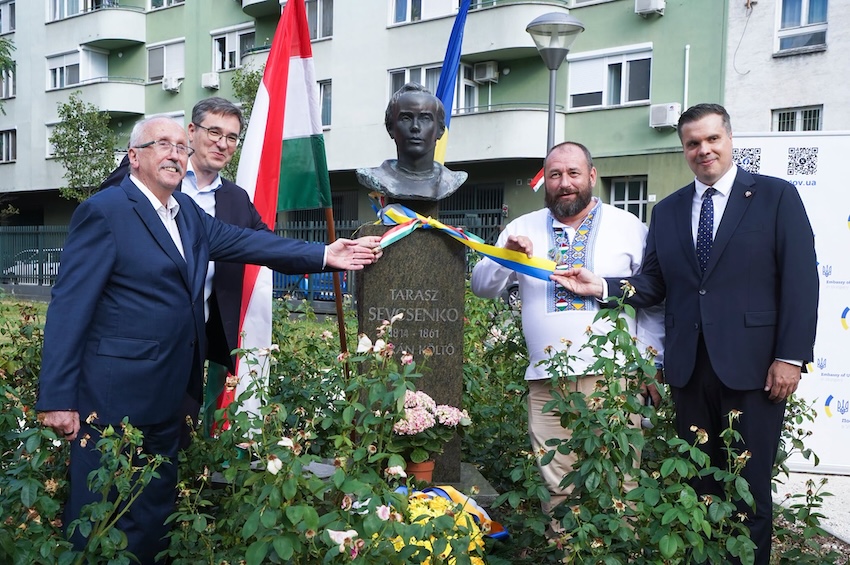
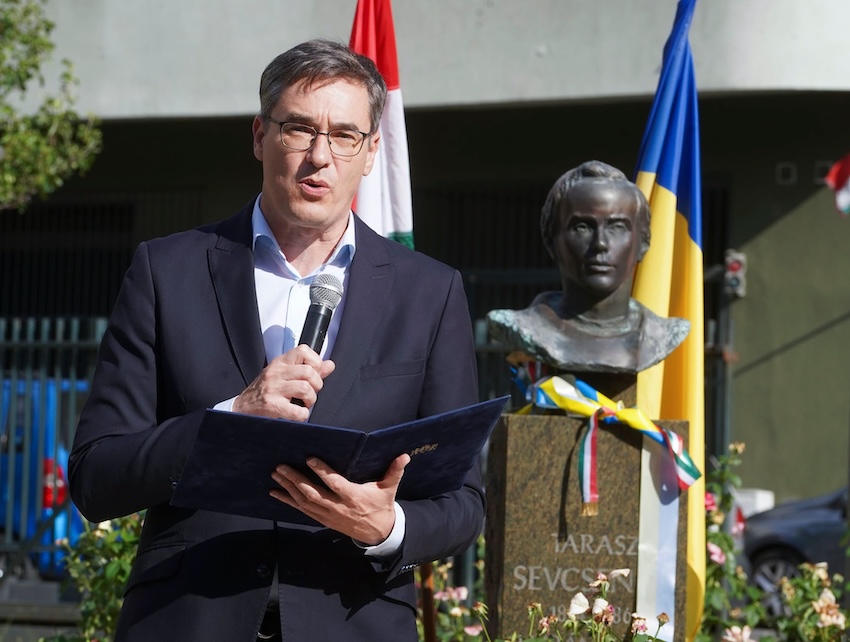
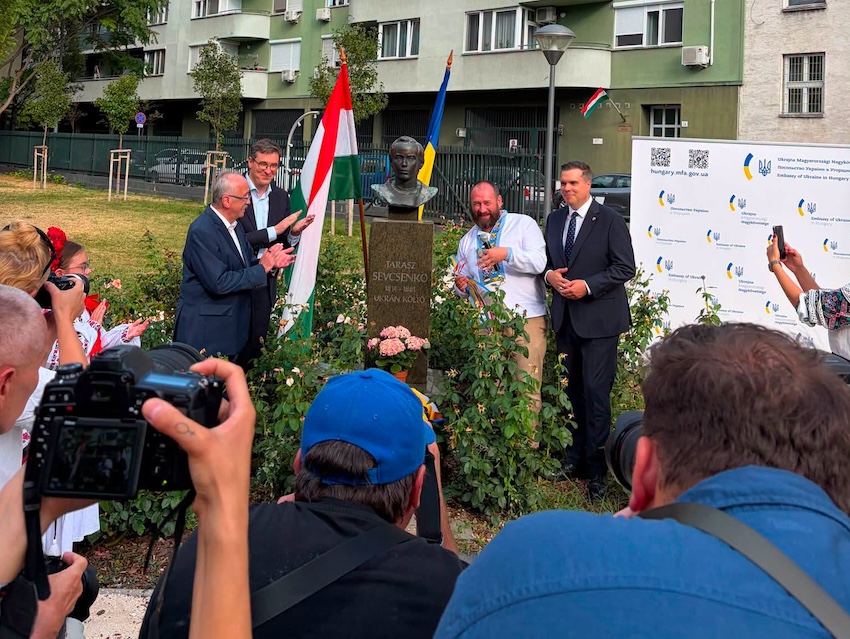
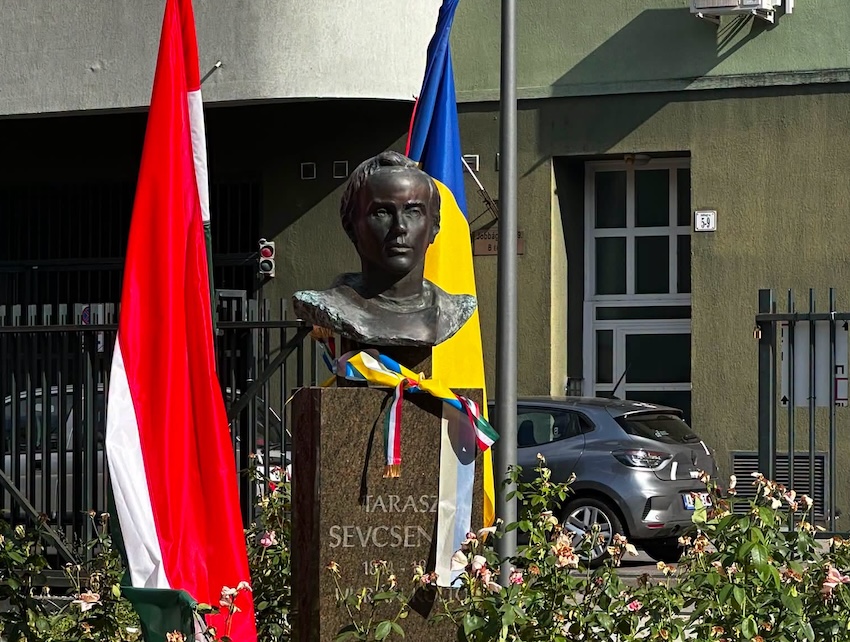
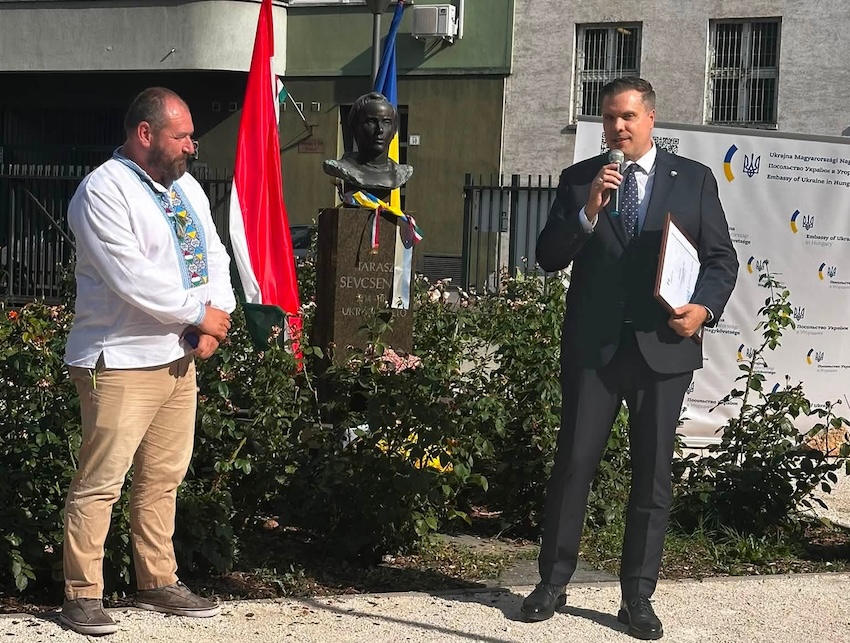
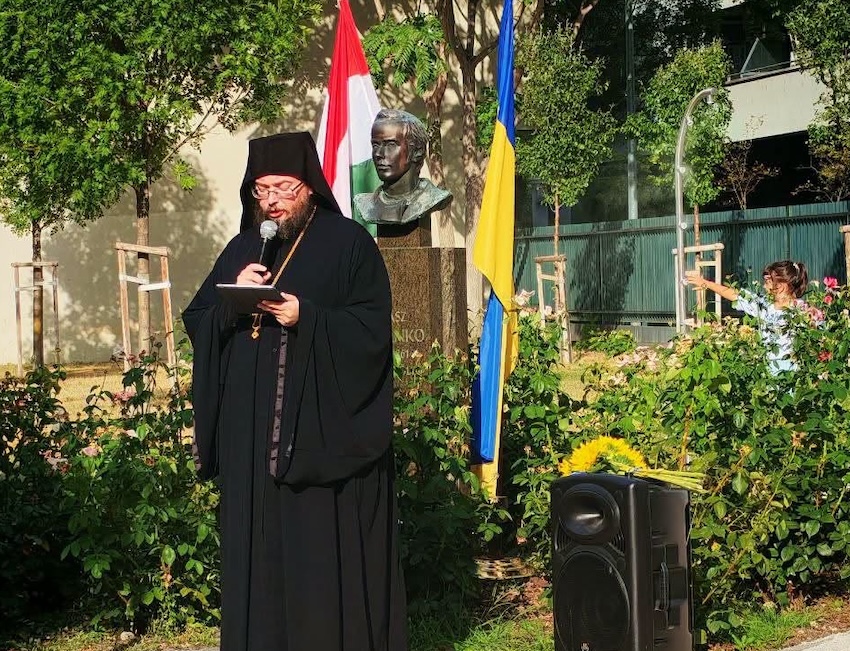
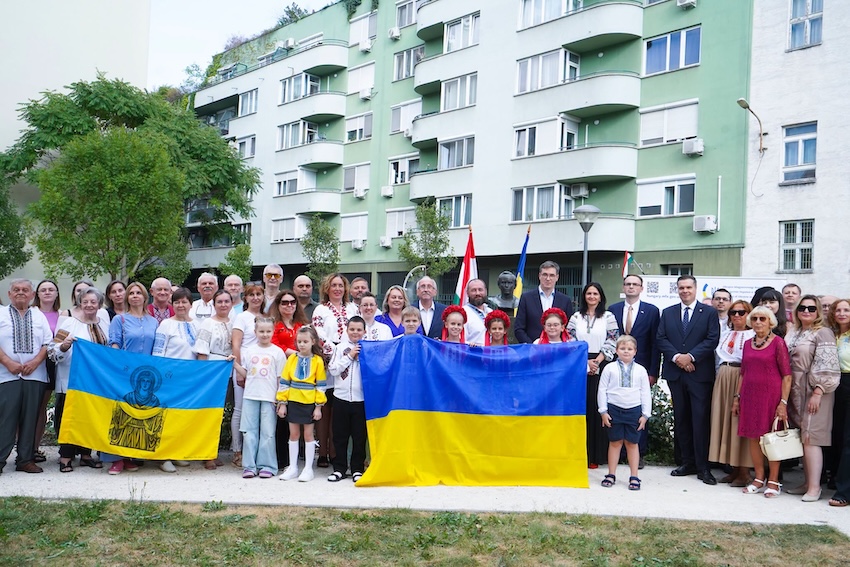
The 35th anniversary of Ukraine’s restored independence was commemorated in Budapest with the unveiling of a bronze bust of Taras Shevchenko (1814–1861), the Ukrainian national poet. The event was organised by the Embassy of Ukraine in Budapest, led by H.E. Prof. Fedir Shandor, Ambassador of Ukraine to Hungary.
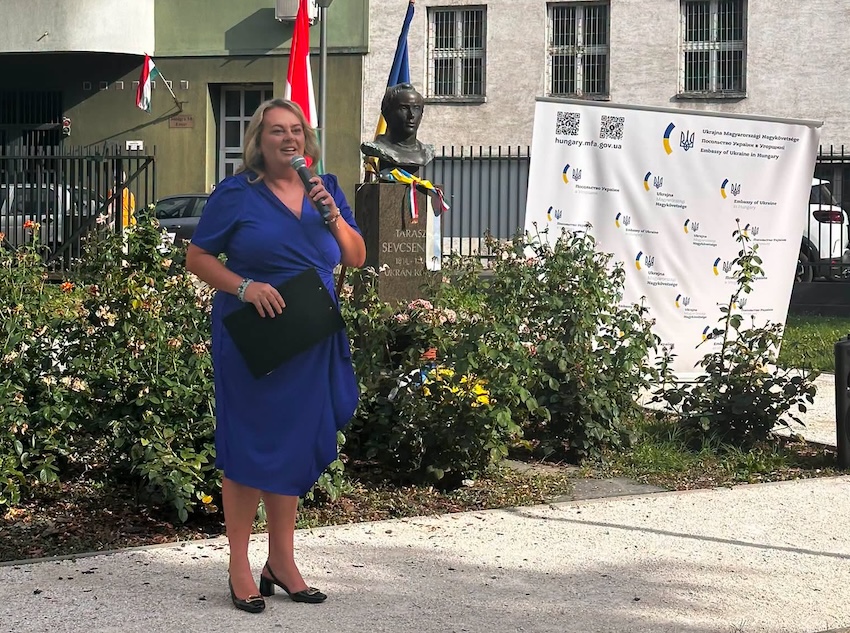
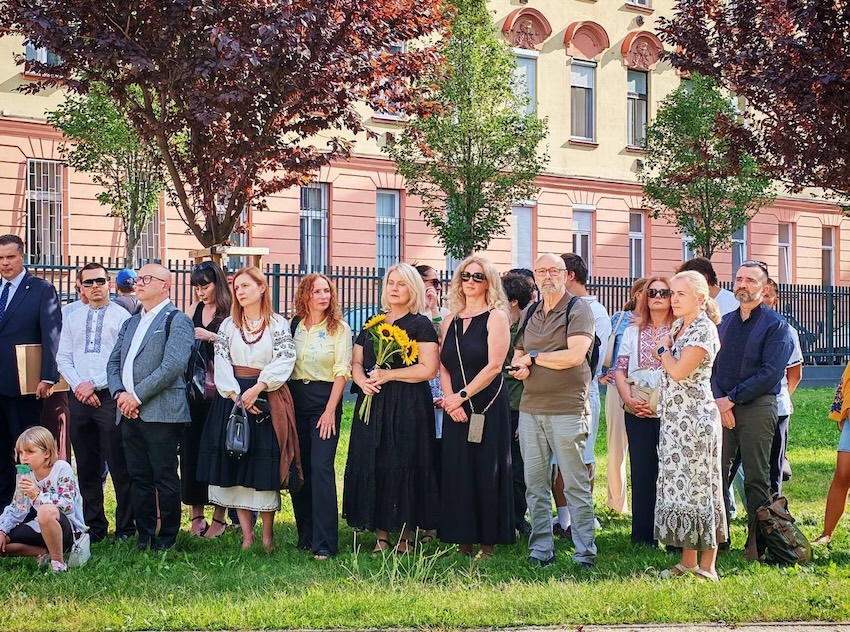
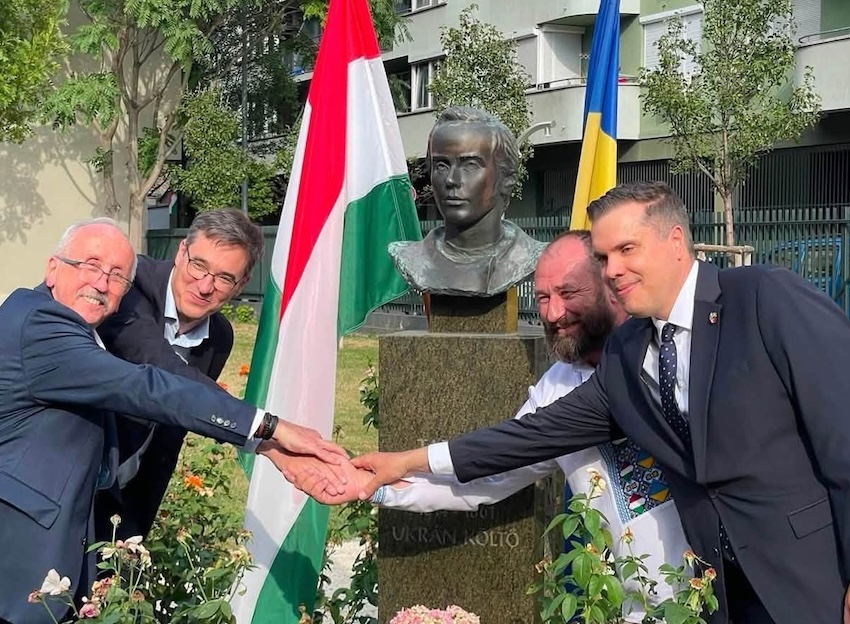
The ceremony took place on 24 August, Ukraine’s Independence Day, in the park on Százház street in Budapest’s 7th District, Erzsébetváros, bringing together Hungarian and Ukrainian officials, including Liliána Grexa, Spokesperson for the Ukrainian Nationality in the Hungarian Parliament, and Viktória Petrovszka, Head of the Metropolitan Ukrainian Self-Government in Hungary, members of the Ukrainian community, clergy, students and artists.
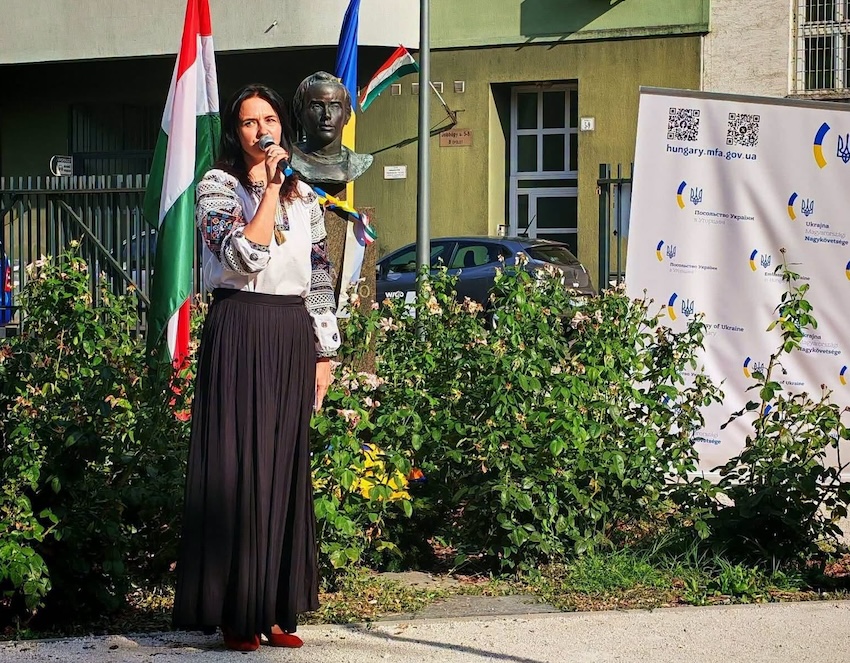
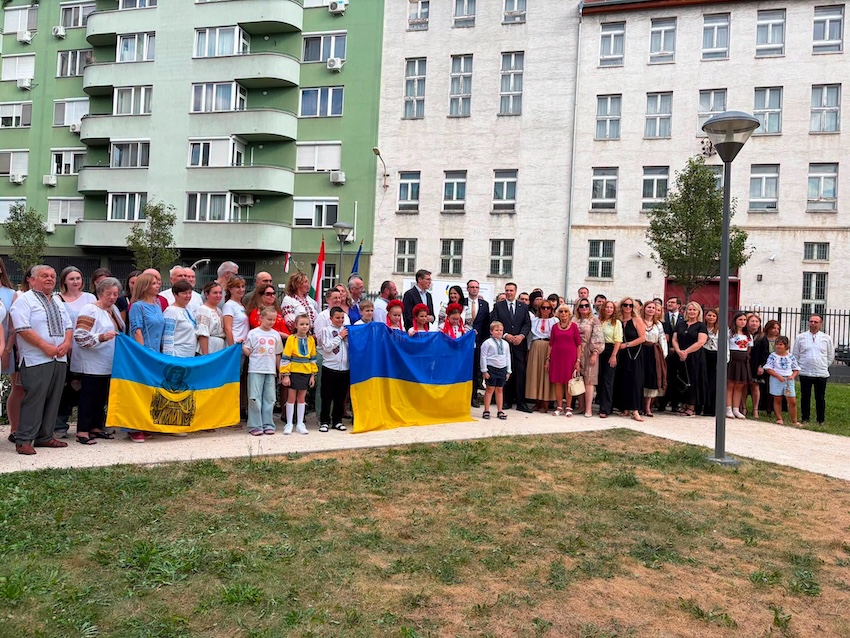
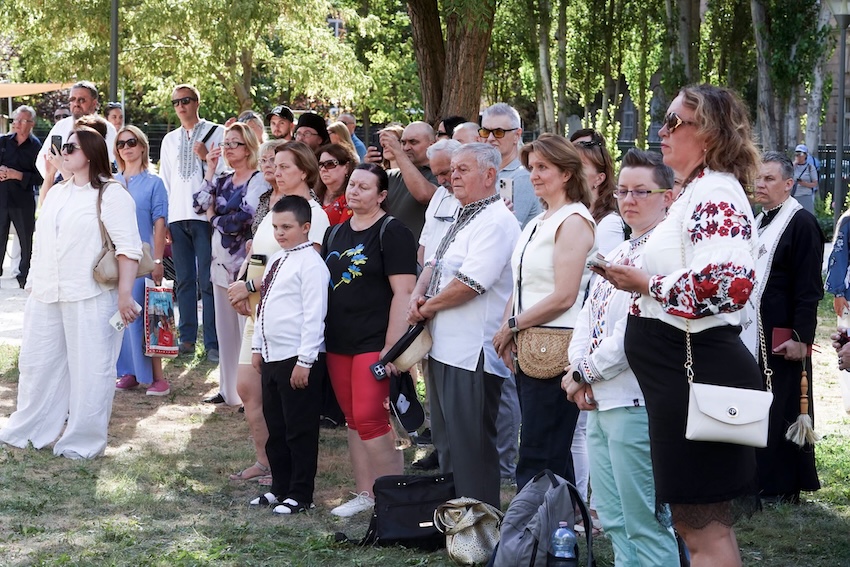
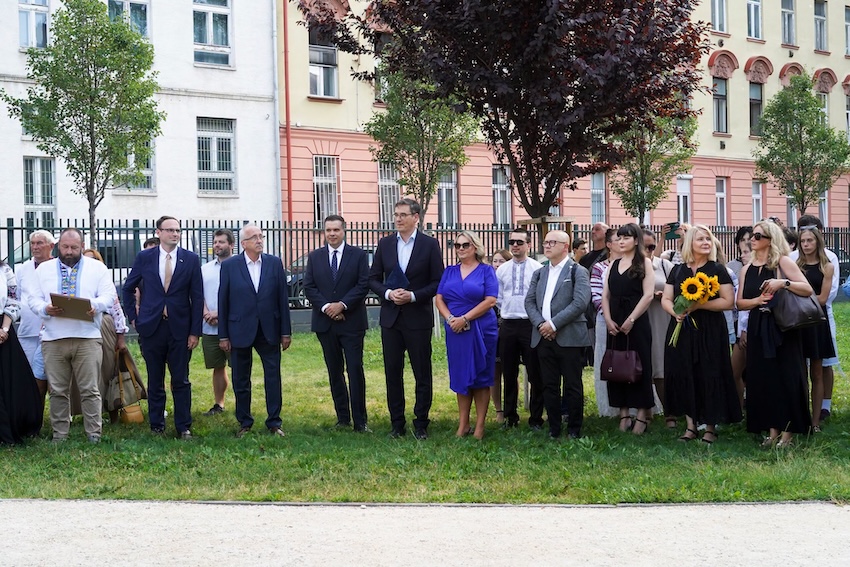
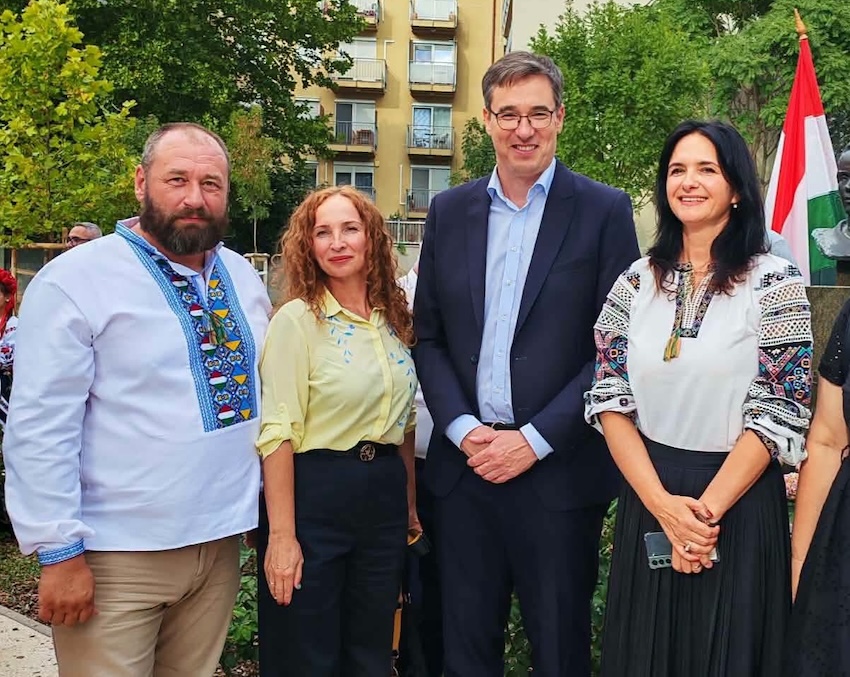
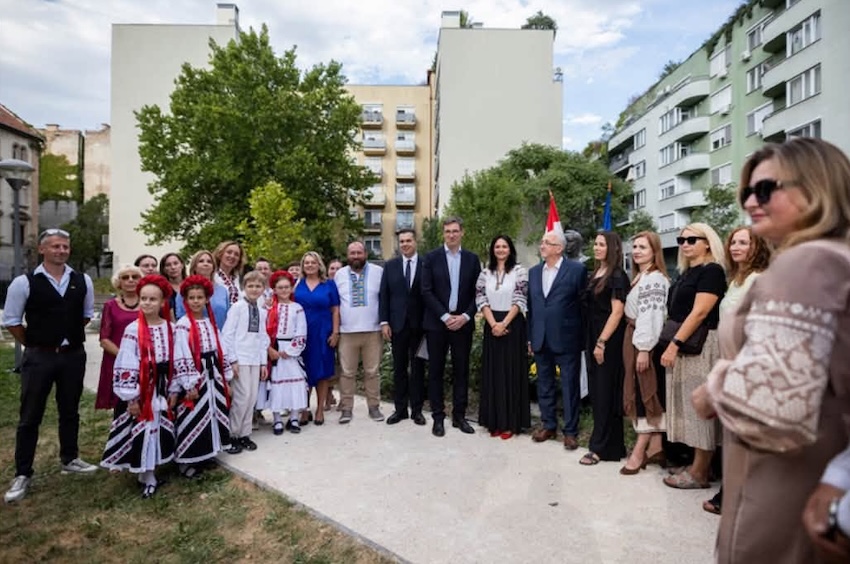
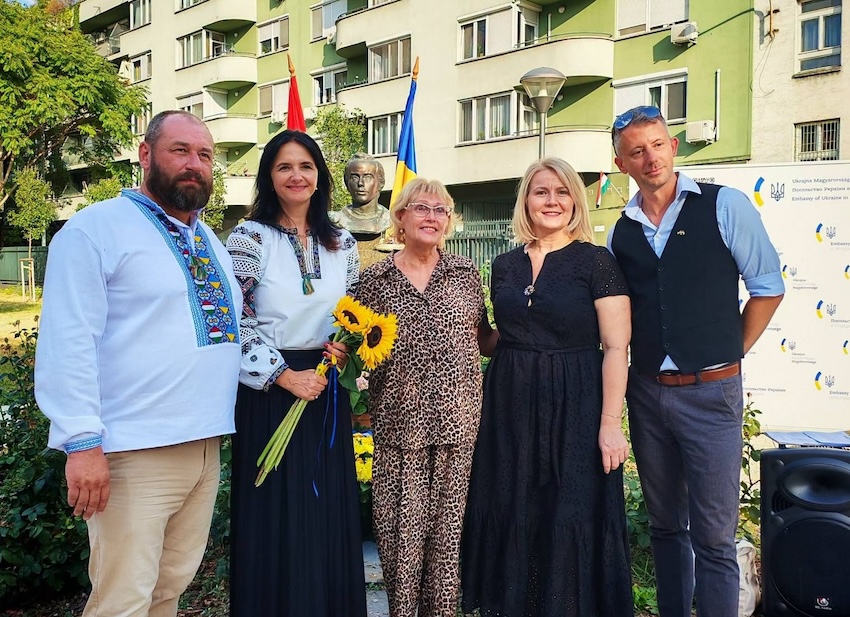
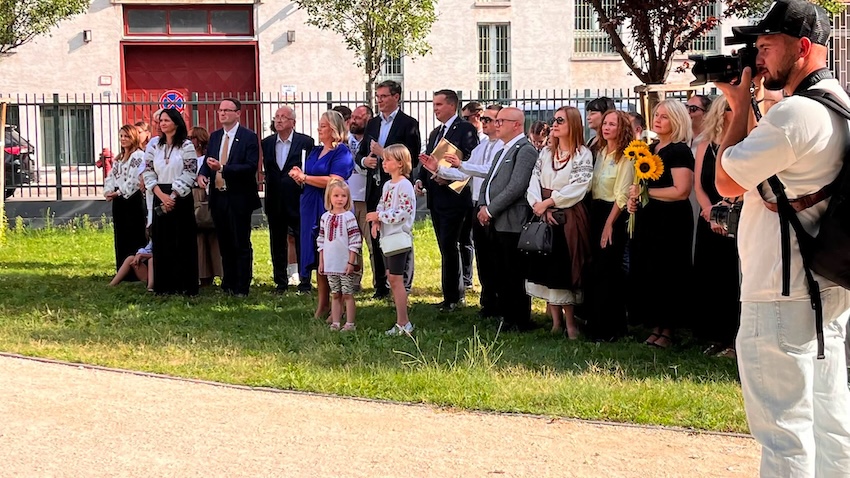
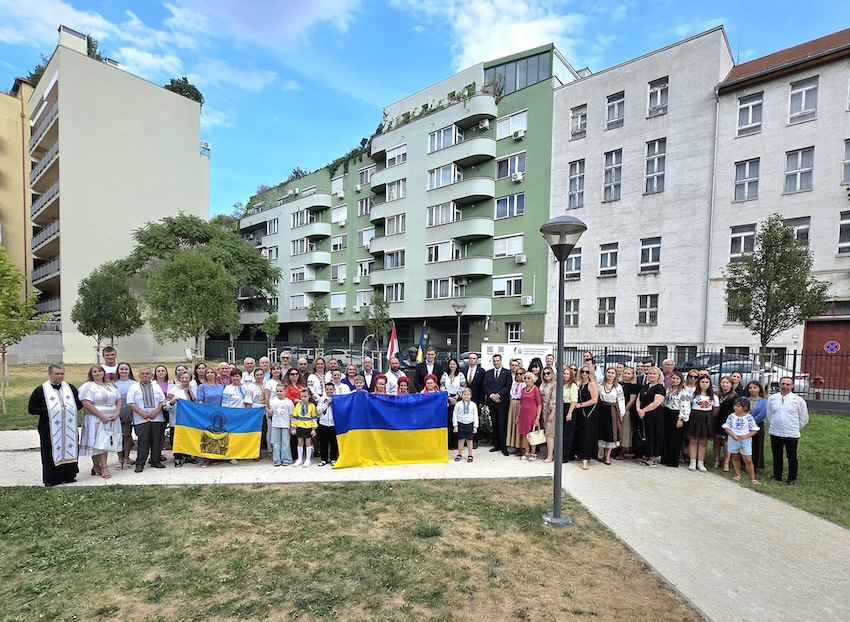
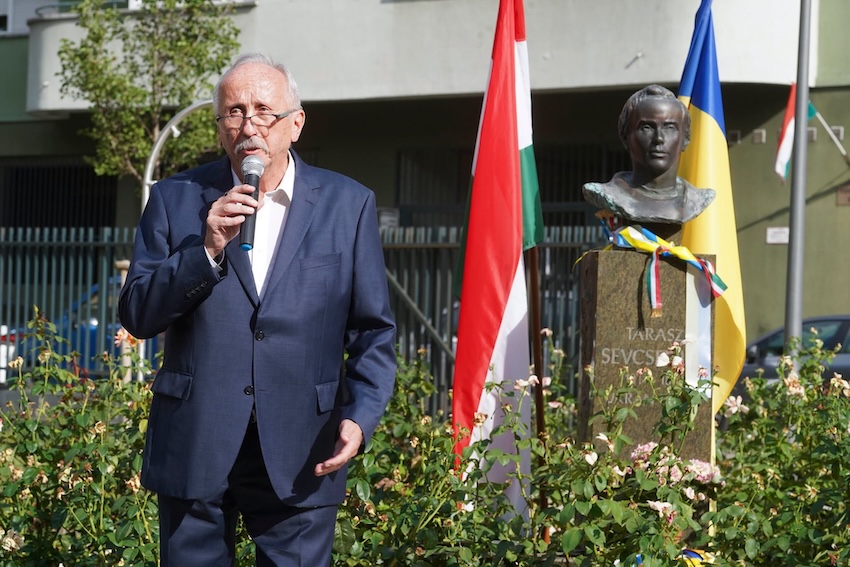
The erection of the new Shevchenko statue was made possible by the valuable support of Gergely Karácsony, Mayor of Budapest, and Péter Niedermüller, Mayor of Budapest’s 7th District, who both attended the ceremony and delivered the opening address.
Honouring Ukrainian Culture
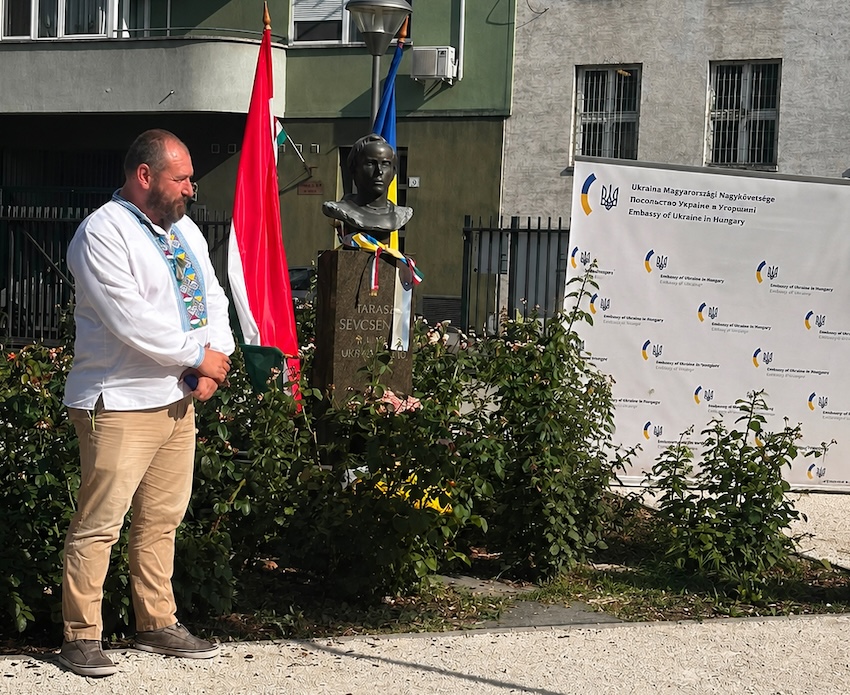
In his speech, H.E. Prof. Fedir Shandor, Ambassador of Ukraine in Budapest, stressed that Ukrainian people know all very well the meaning of freedom and independence, and that Ukraine is therefore determined to fight for its future.
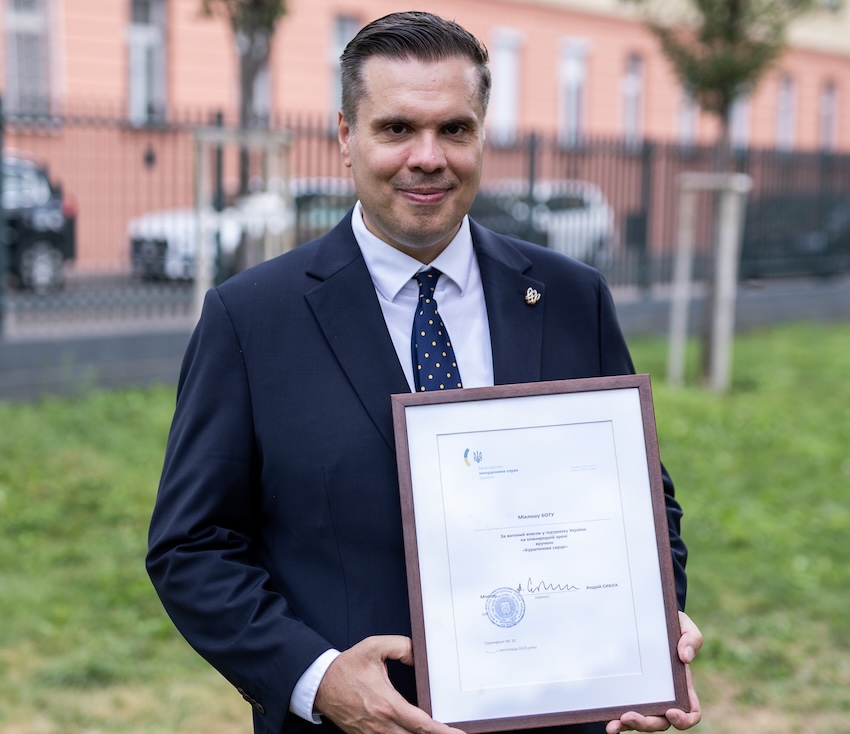
The ceremony also provided an opportunity to honour an important Hungarian contribution to Ukrainian culture. Ambassador Shandor presented the “Amber Heart” distinction of the Ministry of Foreign Affairs of Ukraine to Dr. Miklós Both, composer, ethnomusicologist and Director of the Hungarian Heritage House in recognition of his outstanding work in documenting, preserving and internationally promoting Ukraine’s rich folk music heritage.
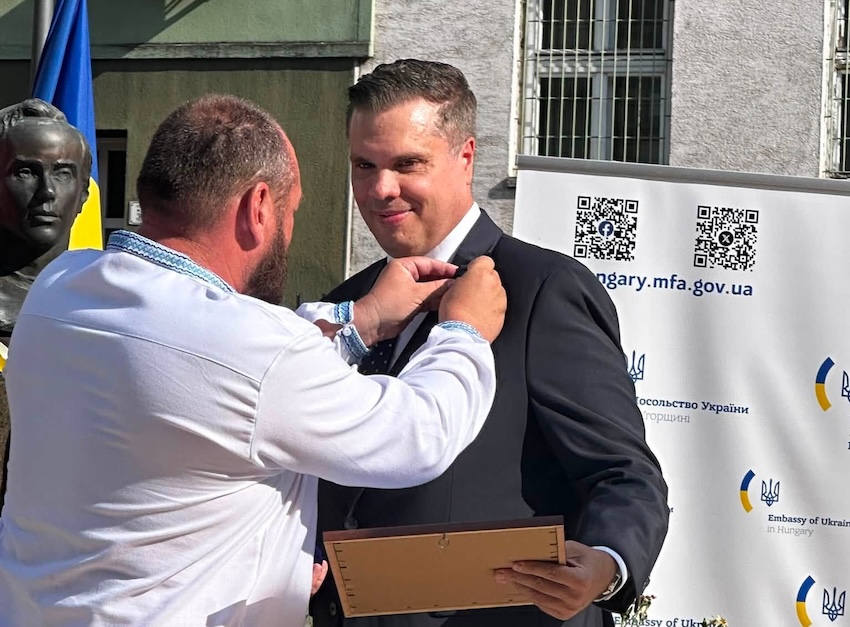
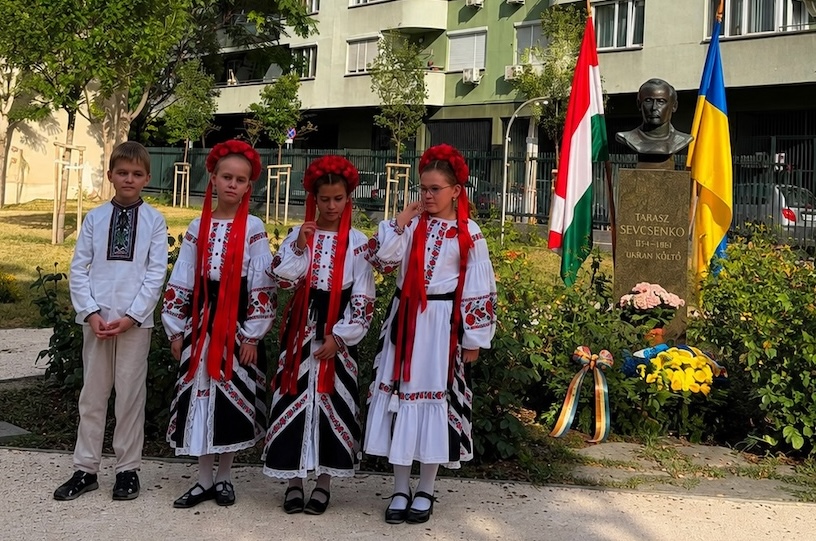
Students from Hungarian-Ukrainian schools in Budapest recited Shevchenko’s poems in both Ukrainian and Hungarian, bringing the poet’s words to a new generation and building a natural bridge between the two cultures. The event was further enriched by performances from the talented young members of the NovAkkord Ukrainian Nationality Choir.
A moving moment was Valeriia Akymova’s a cappella performance of “Let Us Sing a Song about Ukraine”, which deeply touched the audience.
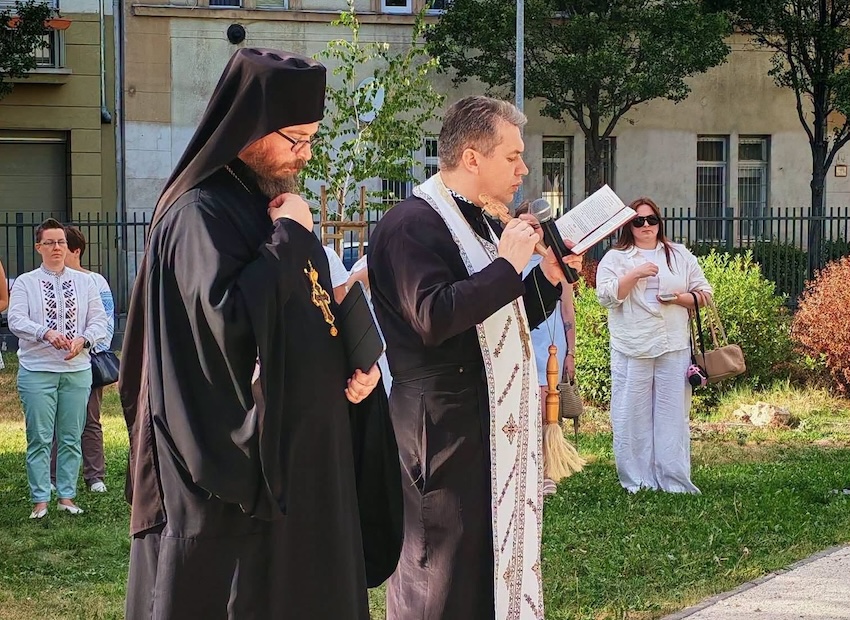
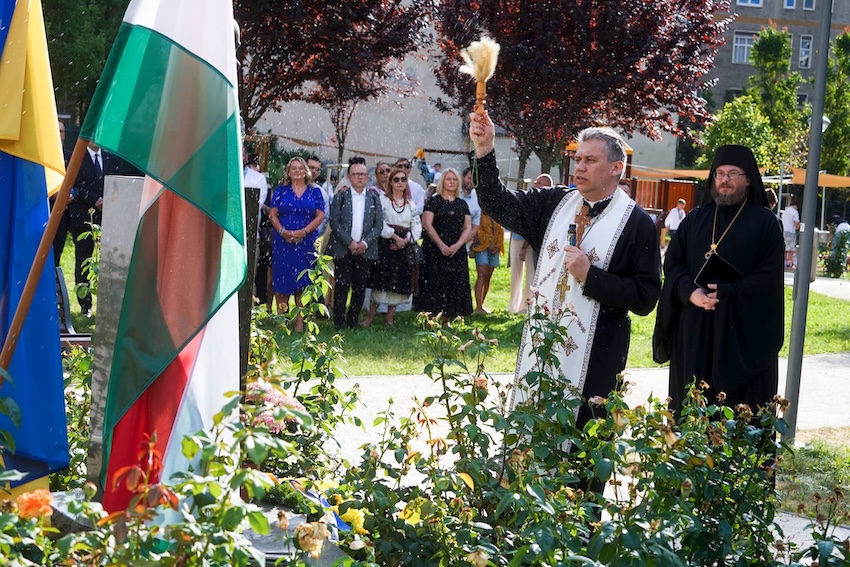
The monument was consecrated by Greek Catholic Father Volodymyr Mysiv, a representative of the Greek Catholic Church. Archimandrite Dmytro (Frankiv), parish rector, concluded the ceremony with a Prayer for Ukraine.
Ukraine Celebrates 35 Years of Restored Independence
Ukraine declared its independence on 24 August 1991, when the Verkhovna Rada adopted the Act of Declaration of Independence. The decision was confirmed by the overwhelming result of the nationwide referendum held on 1 December of the same year.
Thirty-five years later, Independence Day remains one of the most important dates in the Ukrainian calendar. Since Russia’s full-scale invasion in February 2022, the anniversary has acquired an even deeper meaning, as Ukraine continues to defend its freedom, sovereignty, territory, national identity, and European future.
For the Ukrainian community abroad, Independence Day is also an opportunity to preserve and celebrate the country’s culture, language and historical memory. The unveiling of the Shevchenko bust in Budapest was therefore particularly appropriate.
Taras Shevchenko – Ukraine’s National Poet
Taras Shevchenko became inseparably associated with his country’s language, culture and national consciousness, and his poetry expressed the aspirations of his people for freedom and dignity. He was born in 1814 in the village of Moryntsi, in the Kyiv Governorate of the Russian Empire, the son of a serf family. From an early age, he demonstrated an exceptional talent for drawing and painting.
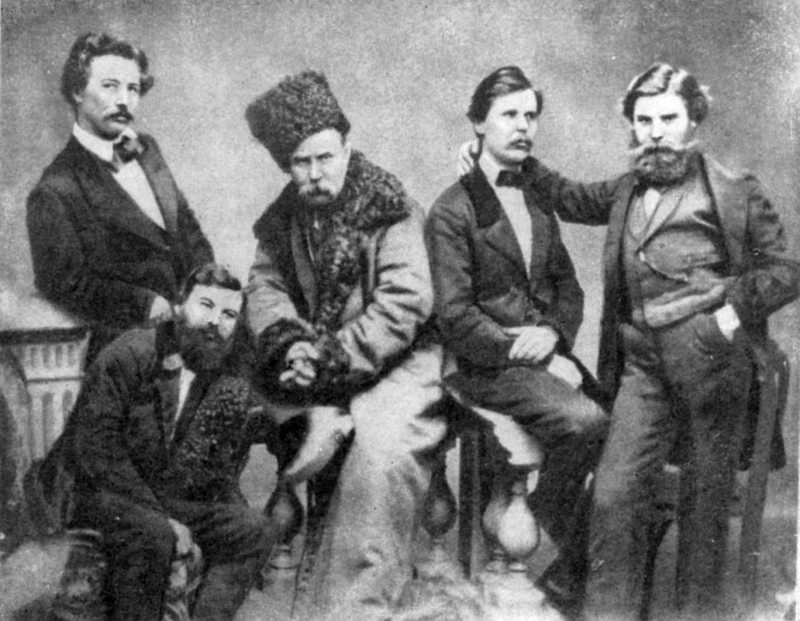
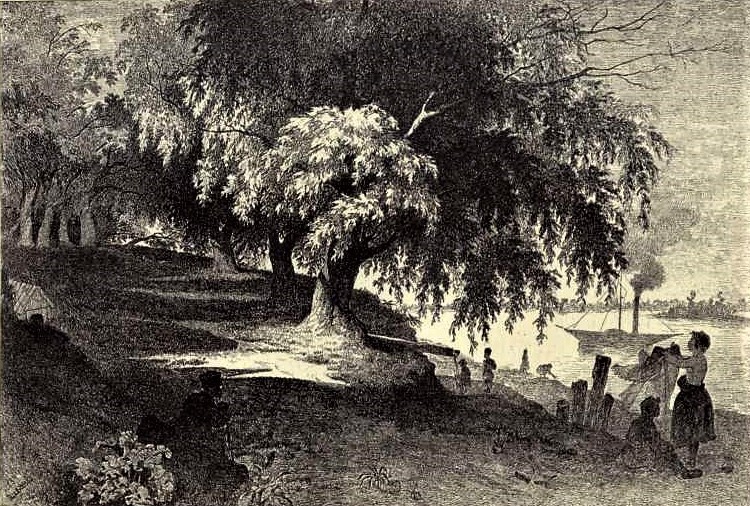
As a young man, he was taken to Saint Petersburg, where his artistic abilities attracted the attention of prominent figures of the intelligentsia, who bought his freedom from serfdom in 1838, and the following year Shevchenko entered the Imperial Academy of Arts. He became a successful artist, his paintings and drawings reveal another dimension of his artistic genius: capturing people, landscapes and scenes from Ukrainian life with remarkable sensitivity.
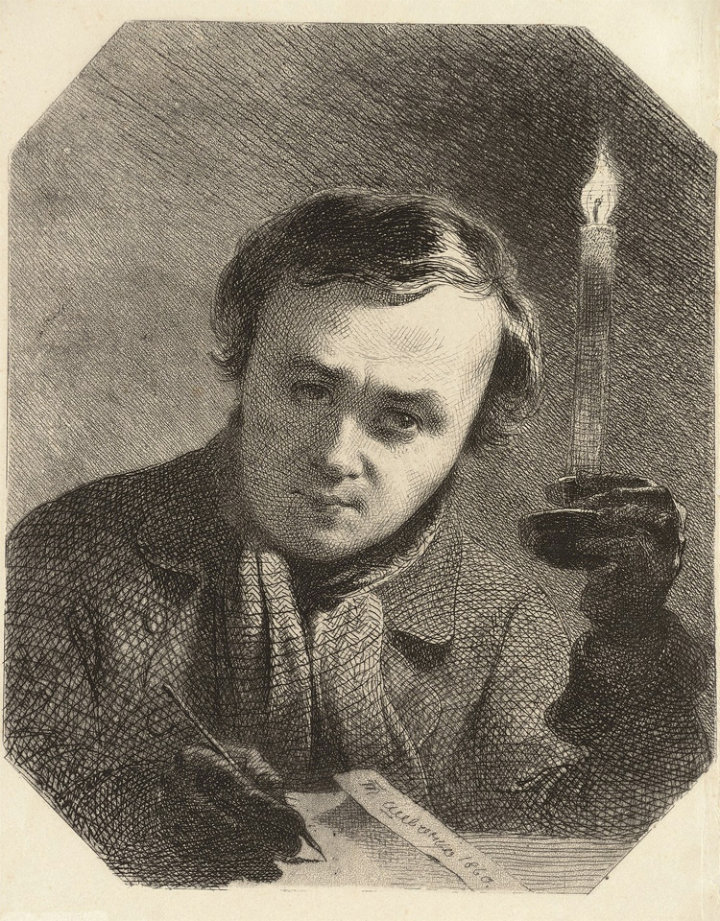
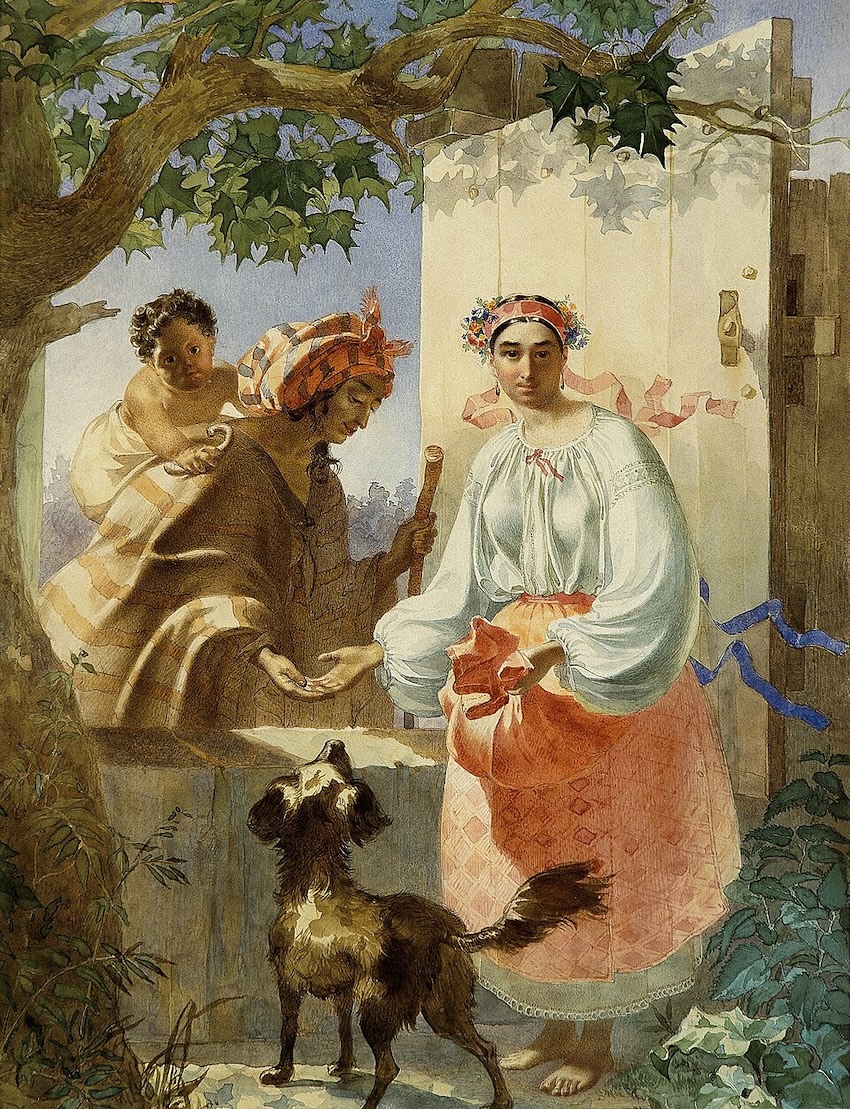
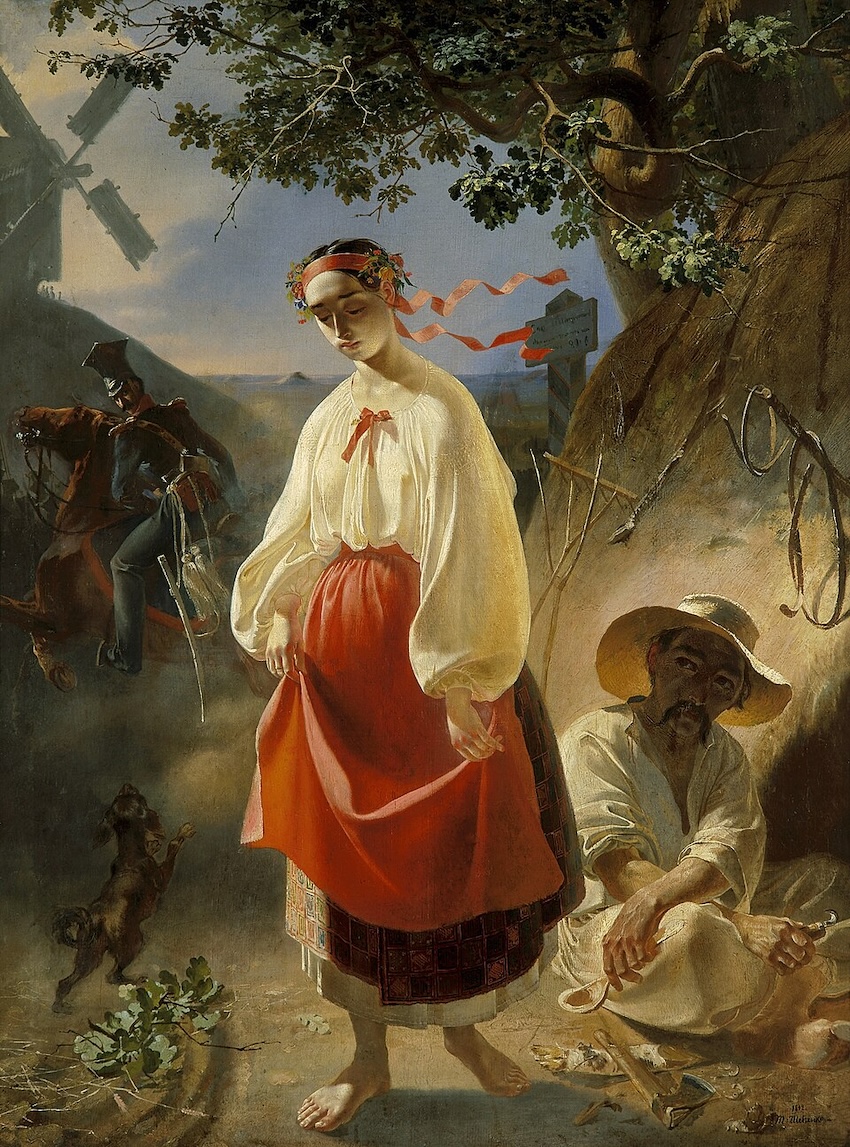
Taras Shevchenko portrayed himself several times throughout his life. His self-portraits provide a fascinating visual record of the poet and artist at different stages of his life.
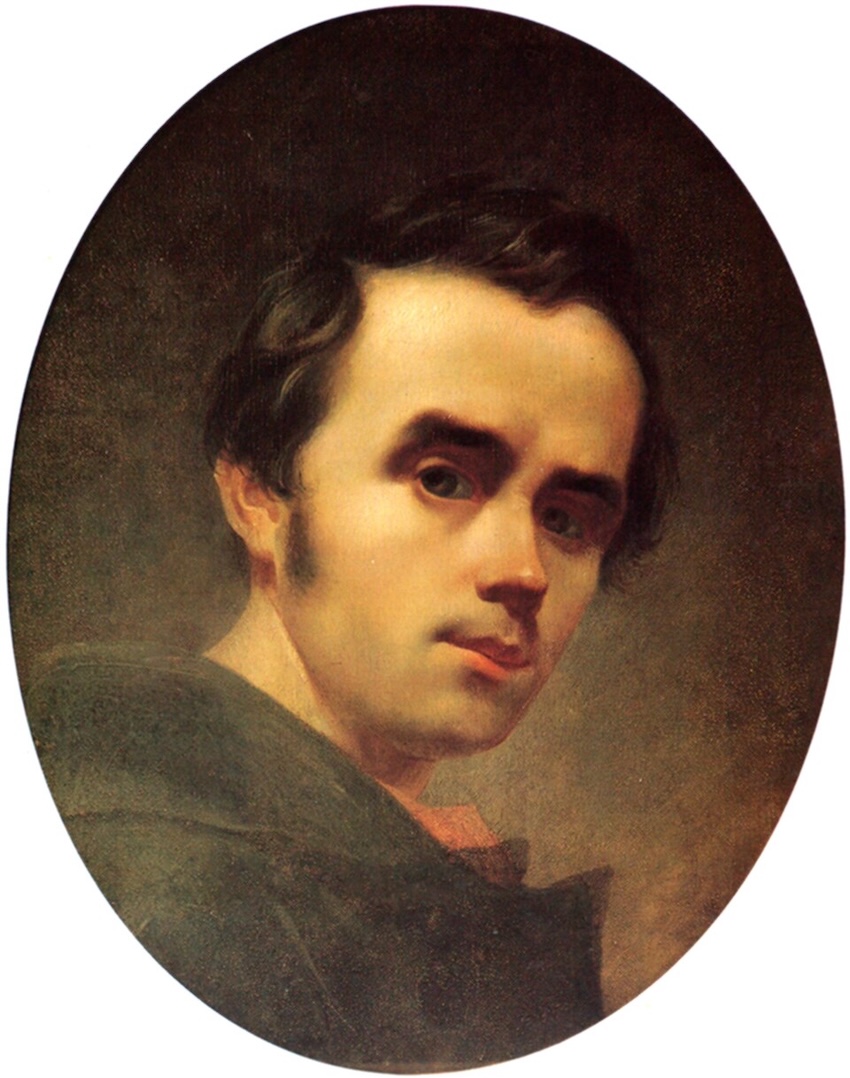
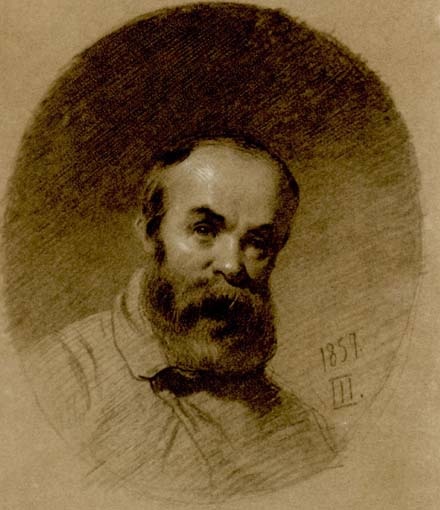
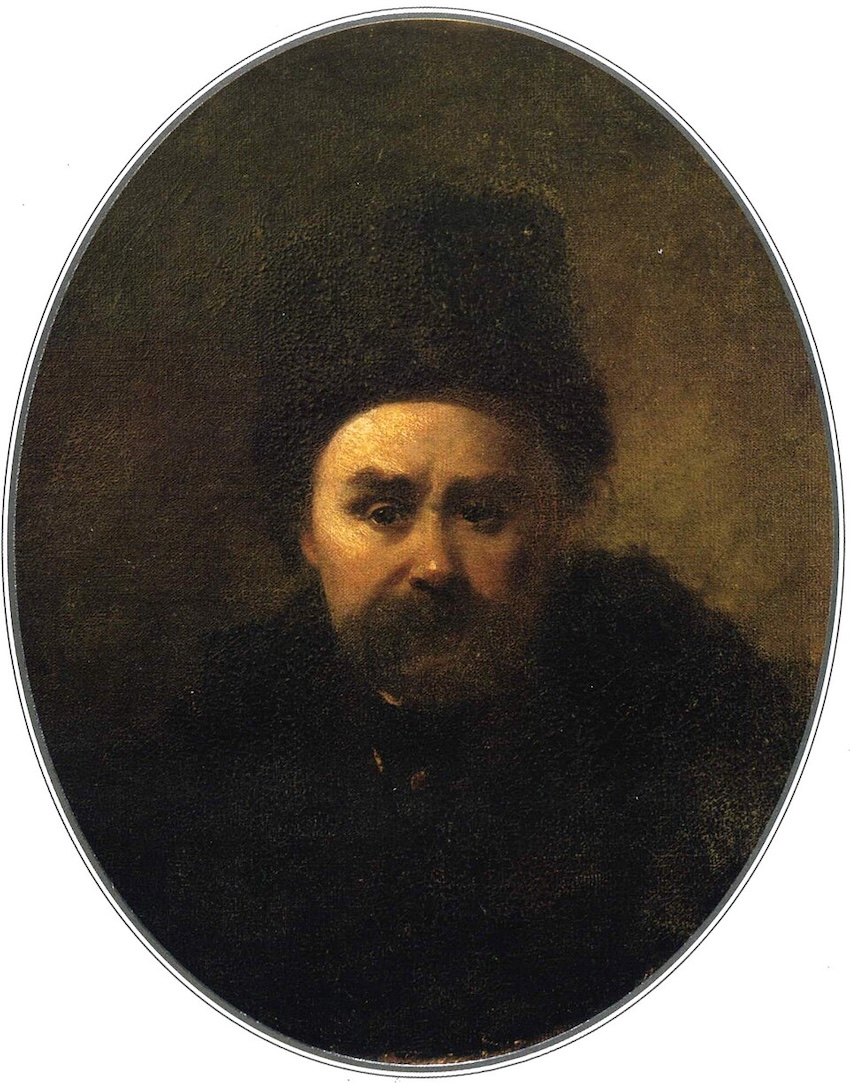
Poetry increasingly became his most powerful form of expression. He wrote his poems primarily in Ukrainian, giving literary voice to the experiences, suffering, and aspirations of his people.
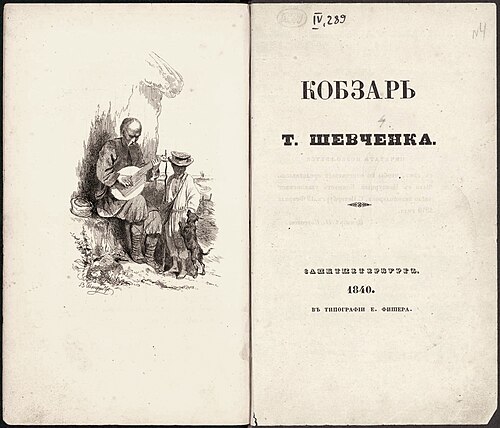
His best-known collection, Kobzar, first published in 1840, became a foundation of modern Ukrainian literature and an important milestone in the development of modern Ukrainian literary language. Shevchenko was not only a poet, but also a writer, painter, graphic artist, folklorist, and ethnographer, leaving behind a rich artistic legacy.
A Poet in Exile
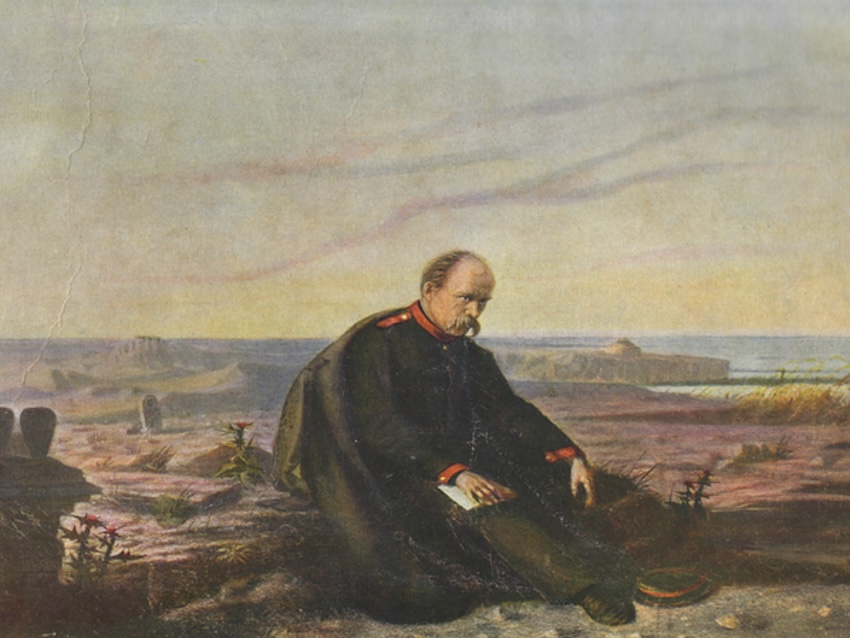
Shevchenko’s commitment to freedom and social justice brought him into conflict with the authorities of the Russian Empire.
In 1847, following his association with the Brotherhood of Saints Cyril and Methodius, an intellectual and political society advocating social and political reforms, he was arrested and exiled to the Orenburg region, a remote corner of the Russian Empire.
Tsar Nicholas I, in confirming the sentence, wrote: “Under the strictest surveillance, with a ban on writing and painting”. It was an especially harsh punishment for an artist whose life was inseparable from both. Despite the prohibition, Shevchenko continued to create.
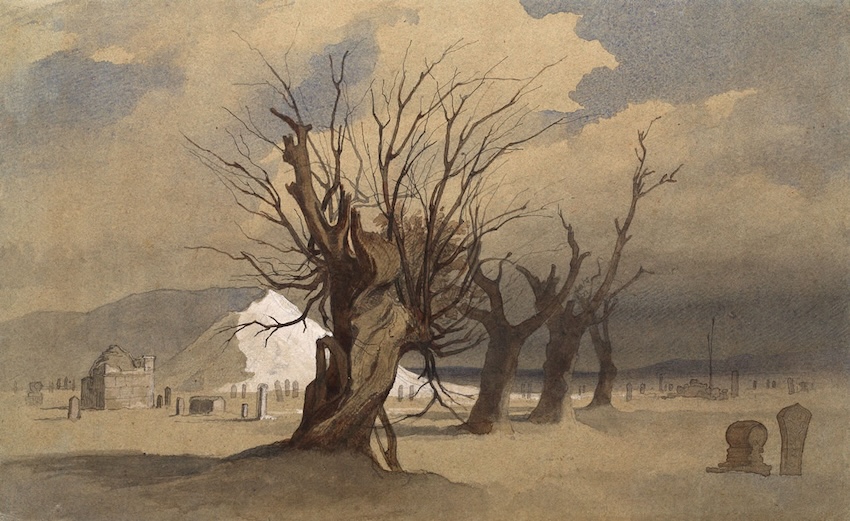
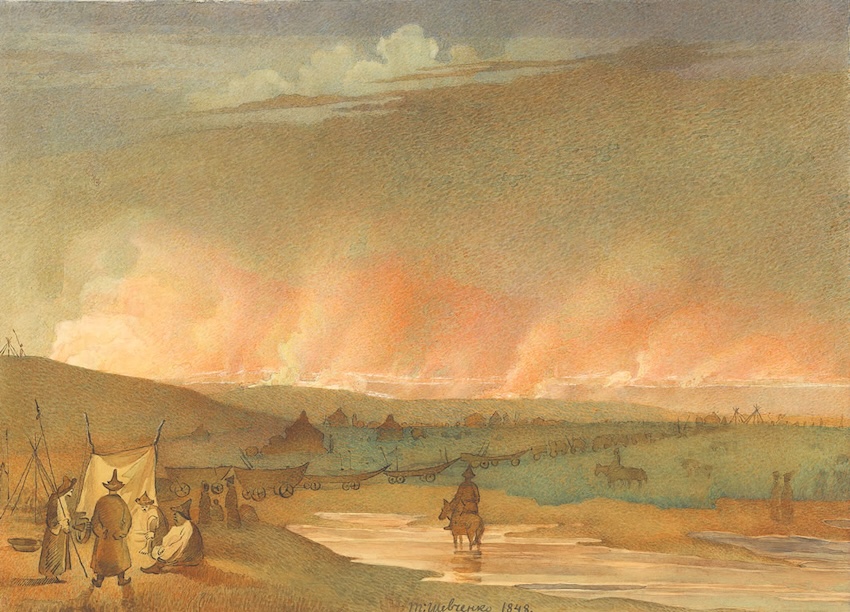
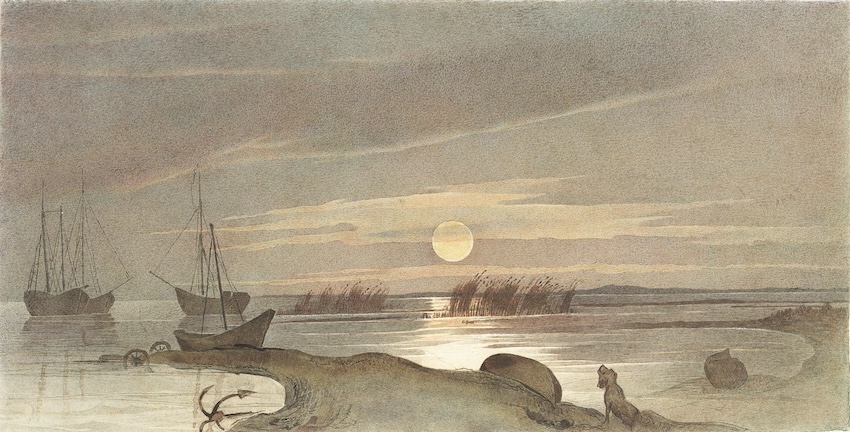
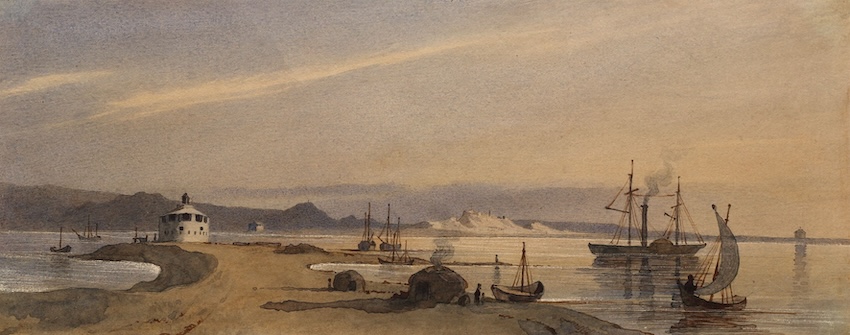
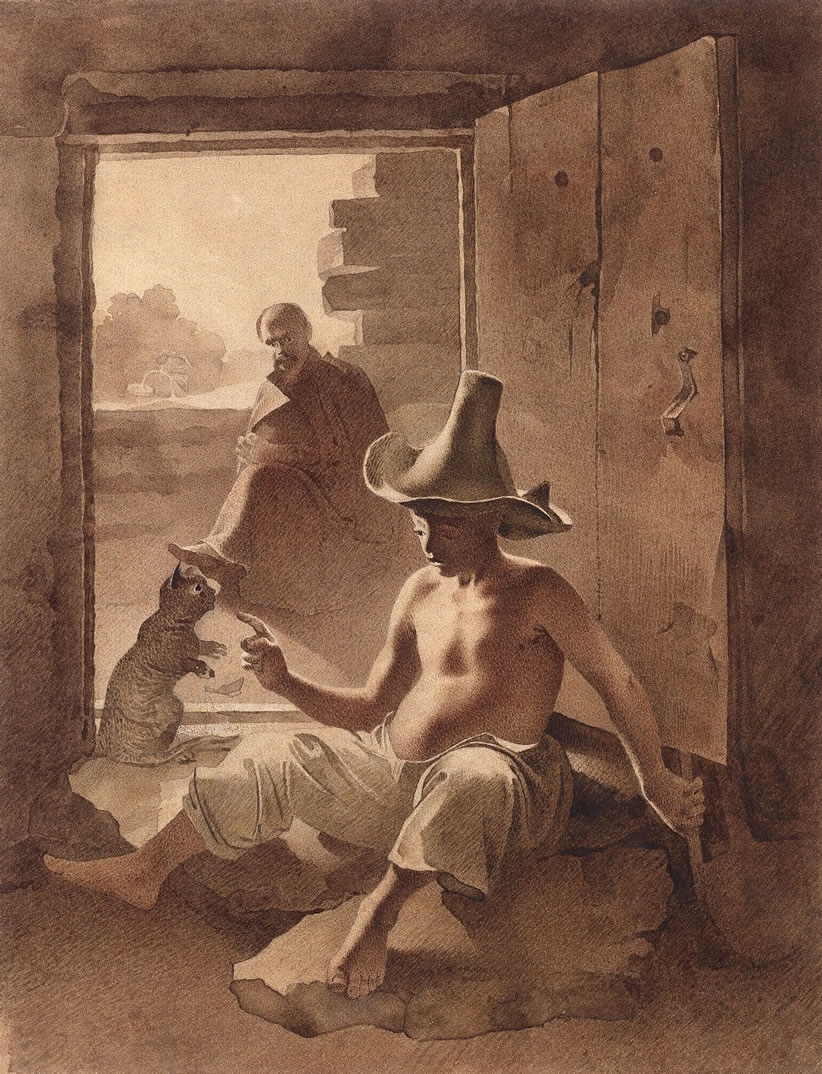
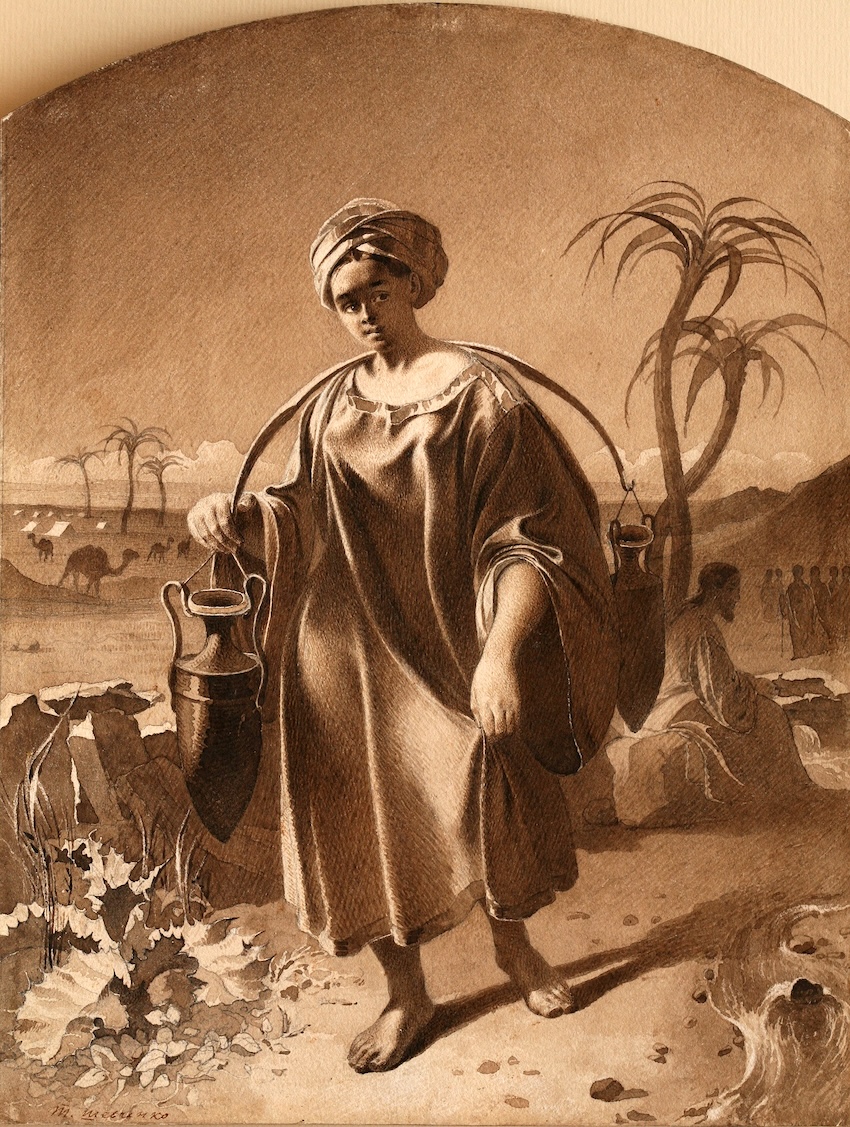
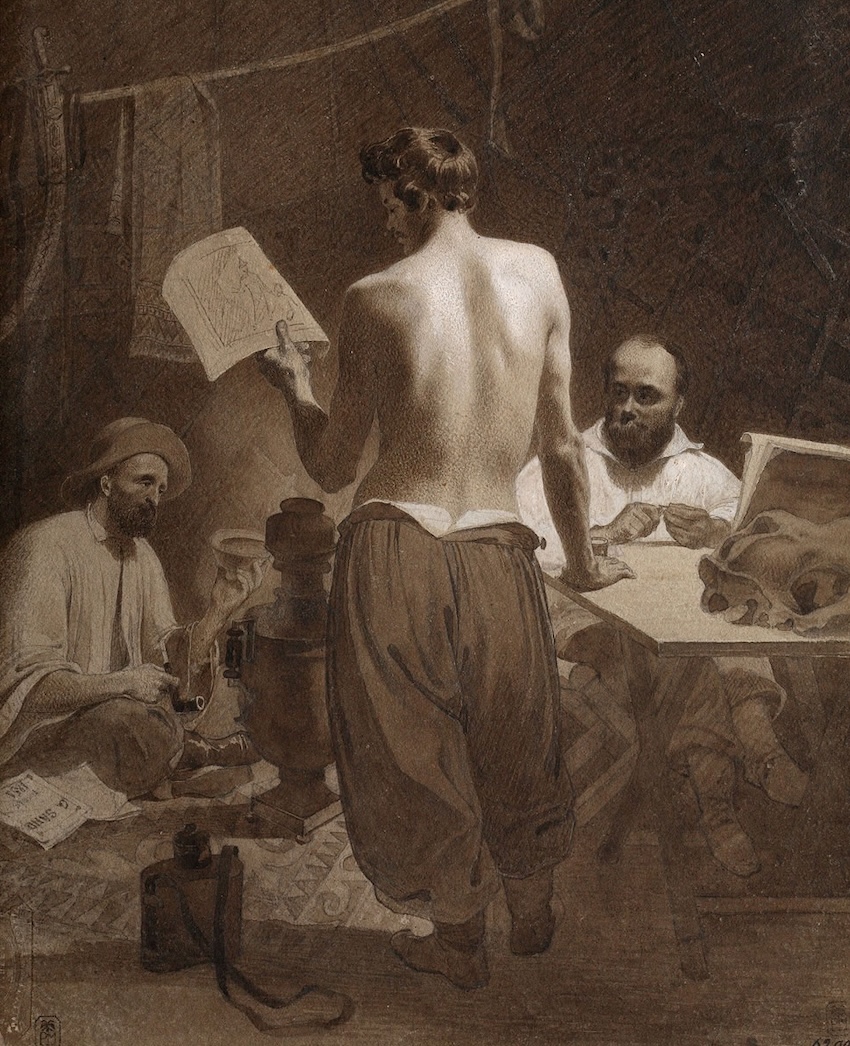
He spent 10 years in exile before finally gaining his freedom in 1857 thanks to the efforts of friends. By this time, however, his health had deteriorated seriously. He returned to Saint Petersburg, where he died in 1861, aged only 47. His short and tragic life nevertheless left a legacy that would far outlive the empire under which he had lived. Shevchenko became the foremost national poet of Ukraine, and his works have been translated into numerous languages.
A Symbol of Freedom
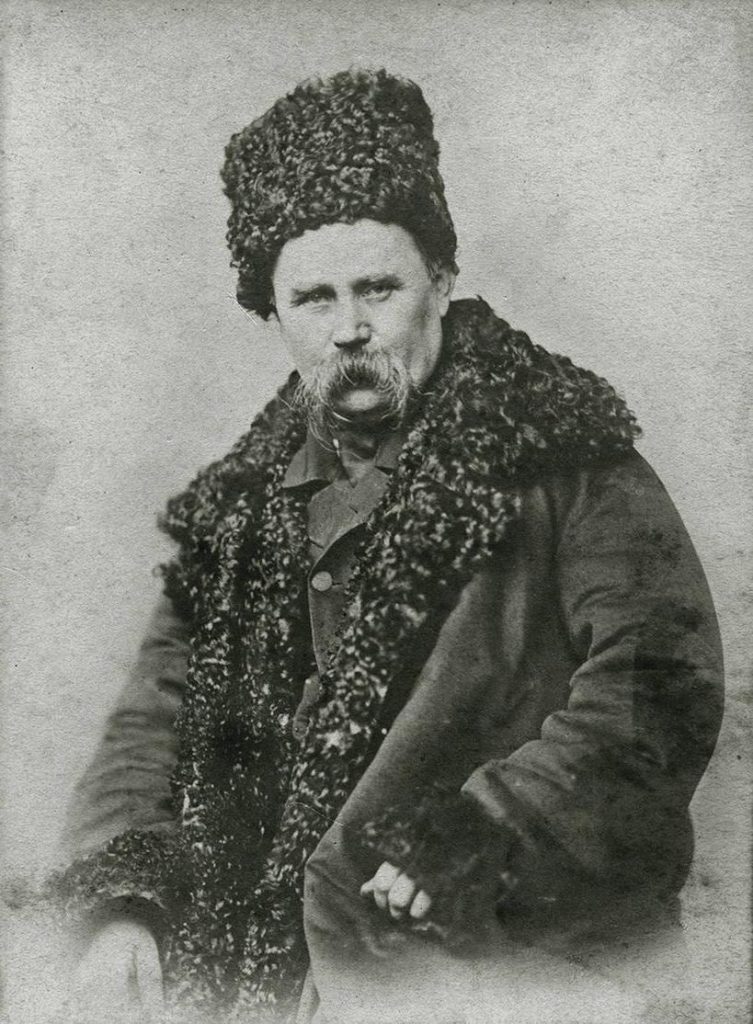
The choice of Shevchenko as the monument marking Ukraine’s Independence Day is deeply symbolic. Born into serfdom, he lived under imperial rule and was punished for expressing ideas of freedom and national dignity. His poetry eventually became one of the foundations of Ukrainian cultural identity.
More than 165 years after his death, his famous words continue to resonate particularly strongly in a Ukraine once again fighting for its independence: “Fight – and you will prevail! God is with you! For you is truth, for you is glory, and holy freedom!” These words, written in another age, have acquired renewed meaning in the context of Ukraine’s present struggle.
Shevchenko’s life demonstrates how literature and art can become inseparable from the identity of a nation. His work survived censorship, exile, and political repression, ultimately becoming part of the cultural foundation of independent Ukraine.
The Memory of Shevchenko in Budapest
The new bust is the second public monument to Shevchenko in Budapest, following the first life-size, seated bronze statue by Ukrainian sculptor Ivan Mykytyuk, erected in 2007 in a small square in Buda named after Taras Shevchenko.
The newly unveiled bust adds another landmark to the Ukrainian cultural presence on the Pest side of the Hungarian capital, creating a second place of remembrance and gathering for Ukrainians in Hungary. Although the Danube separates the two monuments, they tell a common story: the story of a great Ukrainian cultural figure whose legacy has found a home in Budapest.
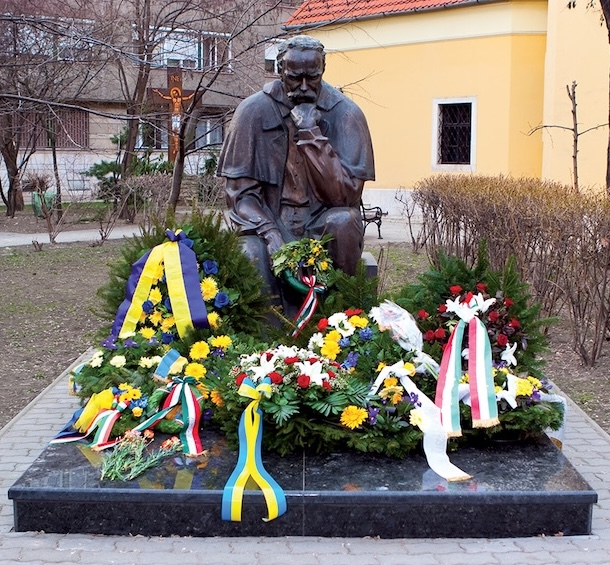
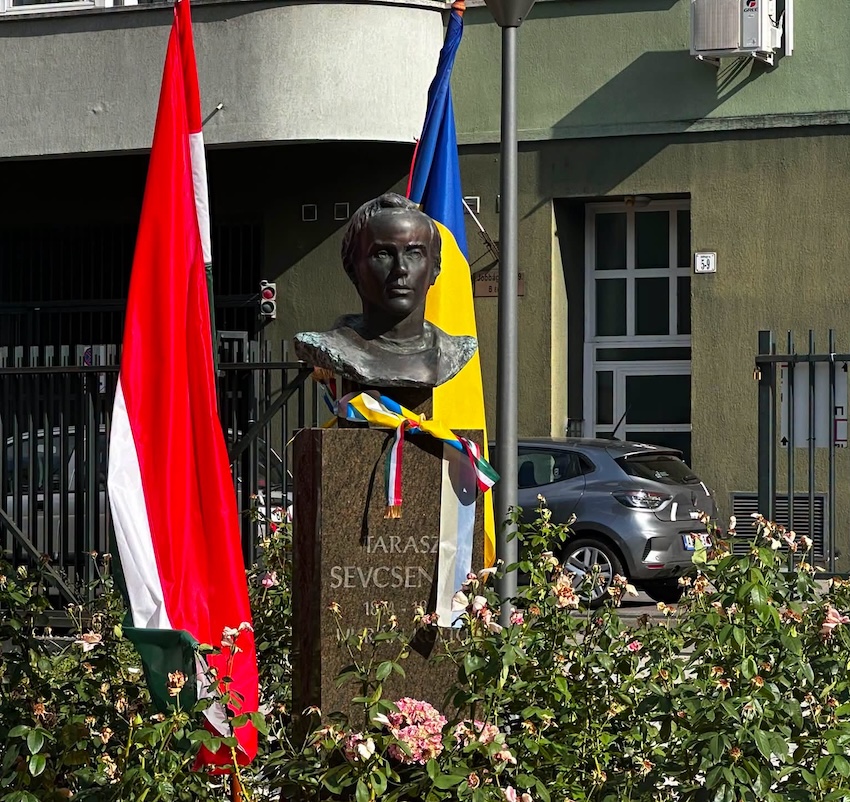
For Ukrainians living abroad, national identity is a constant companion – through language, literature, music, faith and memory. The new bust provides a permanent place where this identity can be remembered and shared, while also strengthening the friendship and cultural connection between Ukraine and Hungary.
Happy 35th Independence Anniversary, Ukraine! Щасливої 35-ї річниці Незалежності України!
Sources: Embassy of Ukraine in Budapest, Shevchenko Museum.ca