
Edited by Anna Popper
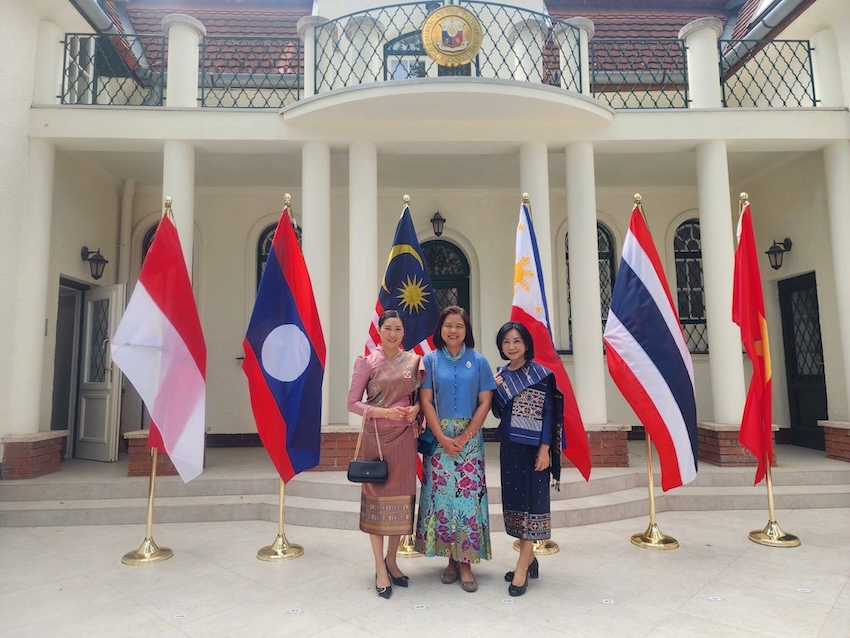
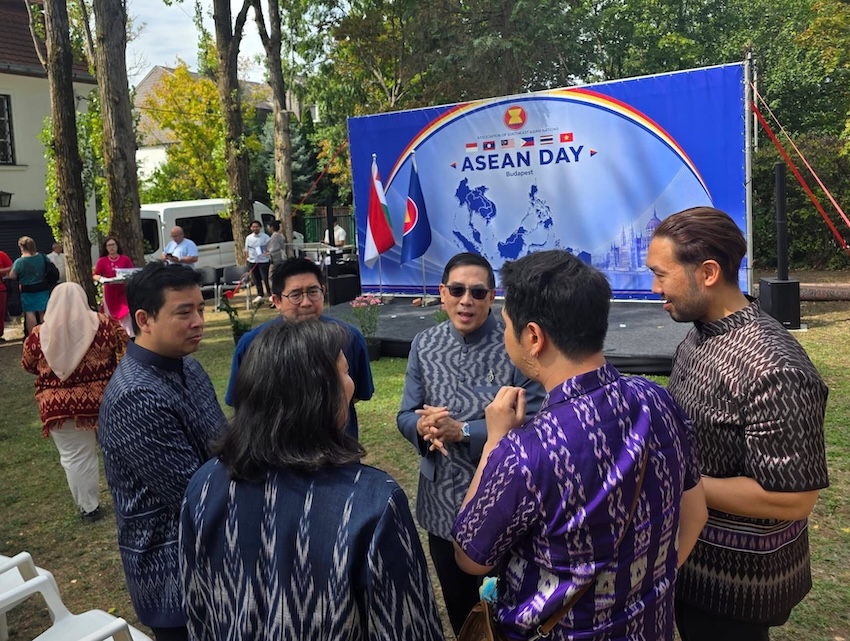
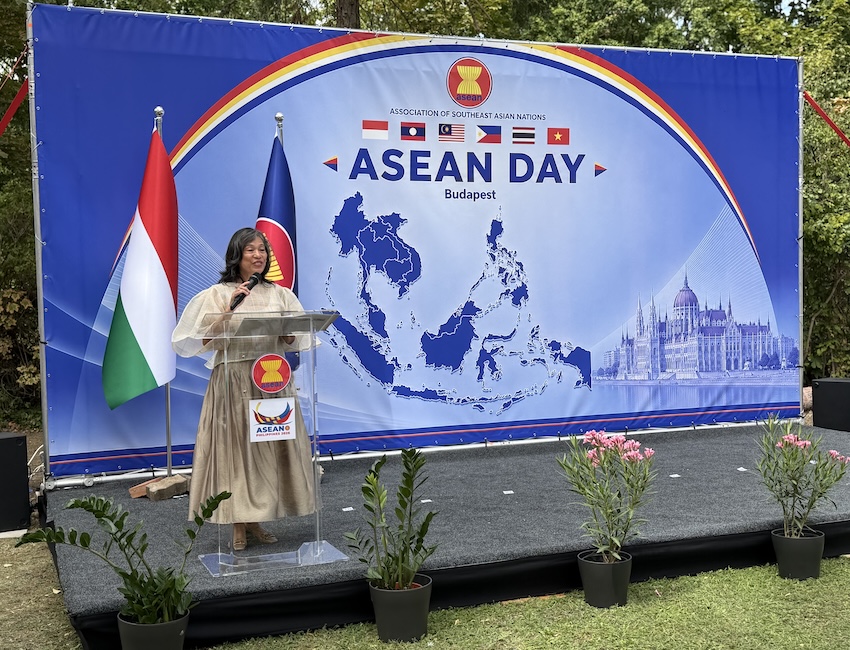
ASEAN Day, observed annually on 8 August, commemorates the founding of the Association of Southeast Asian Nations (ASEAN) in 1967. In Budapest, the 59th anniversary was celebrated with a colourful ASEAN Charity Bazaar 2026, organised by the Philippine Embassy together with the resident Embassies of Indonesia, Lao PDR, Malaysia, Thailand, and Viet Nam.
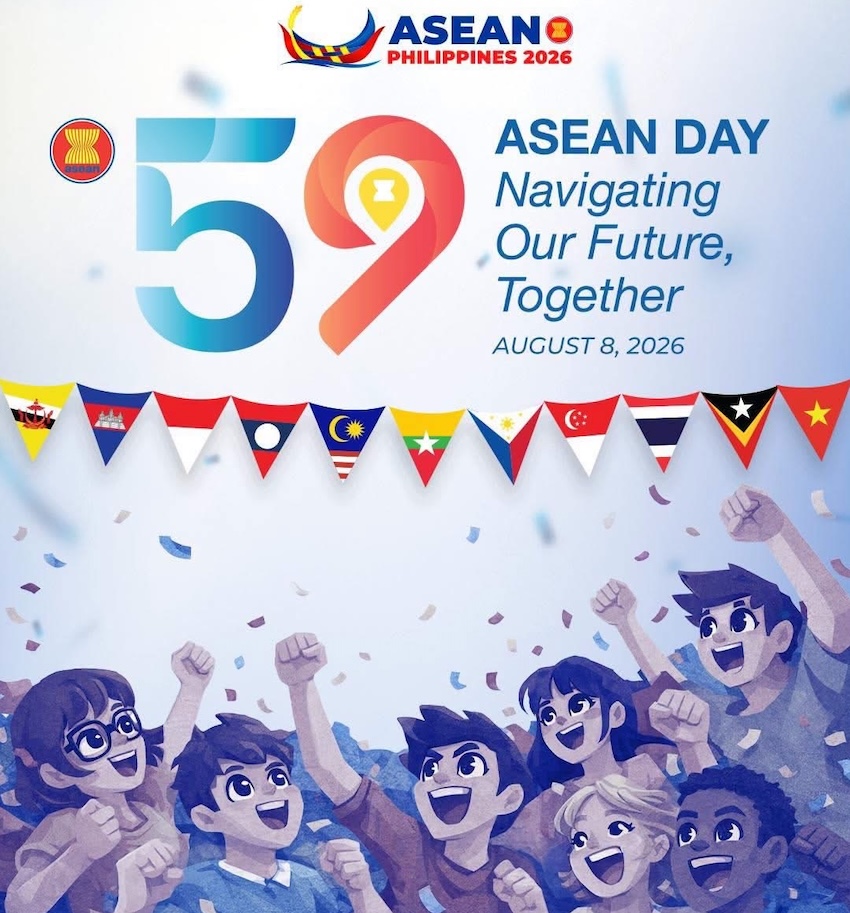
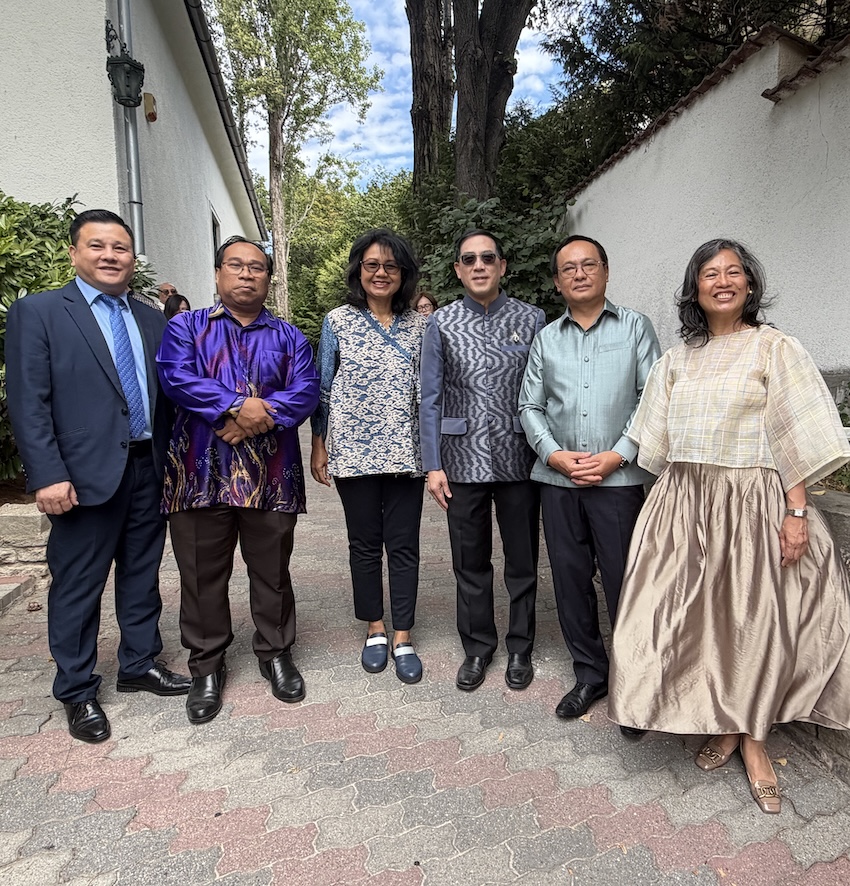
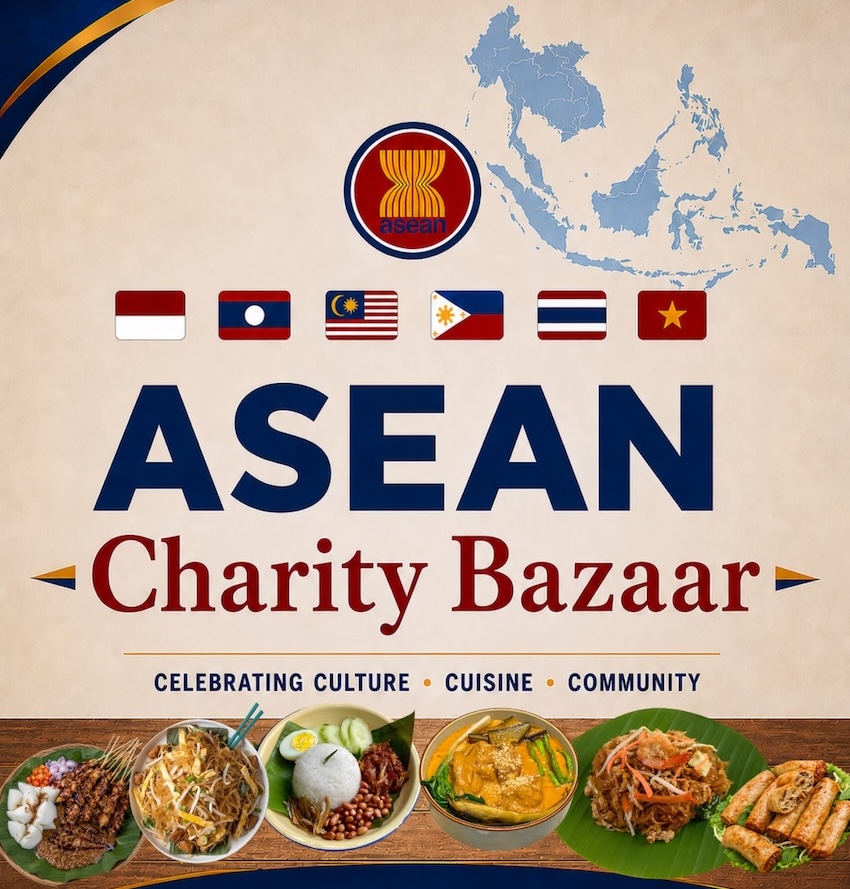
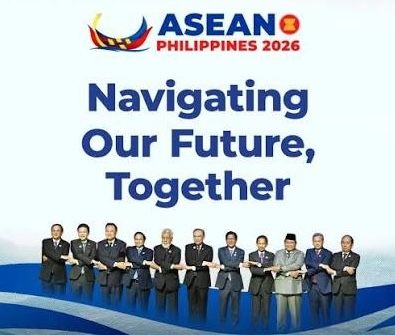
Held at the Philippine Embassy in conjunction with the Philippines’ 2026 ASEAN Chairship, the event, themed “Navigating Our Future, Together”, reflected the spirit of ASEAN: unity, cooperation, solidarity, and cultural diversity.
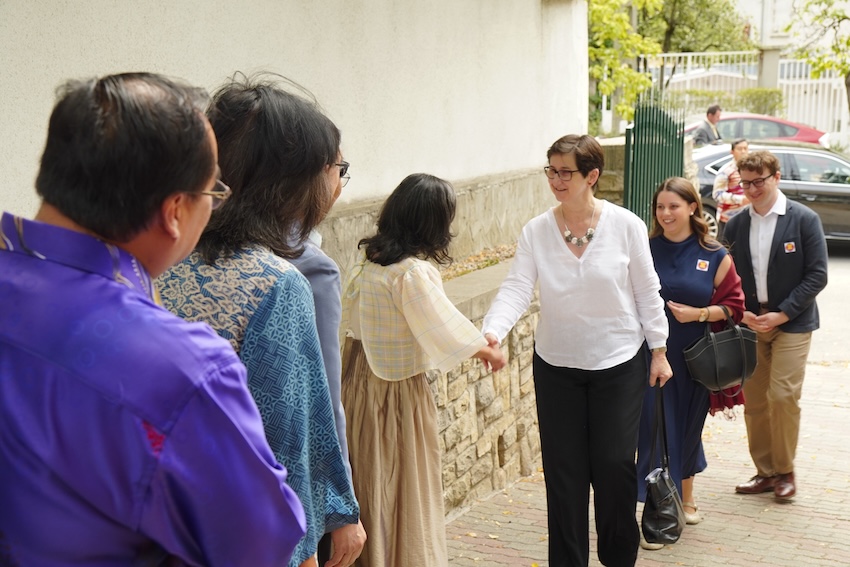
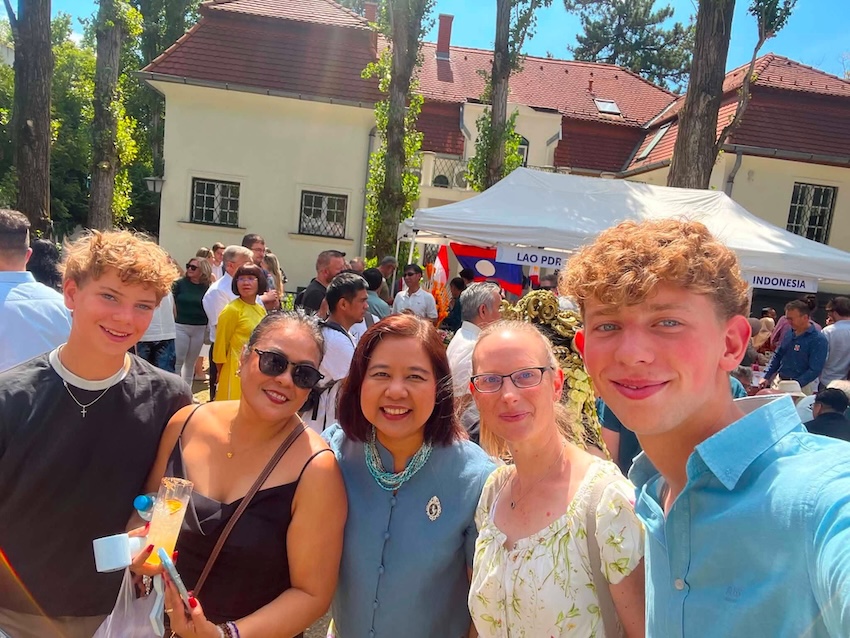
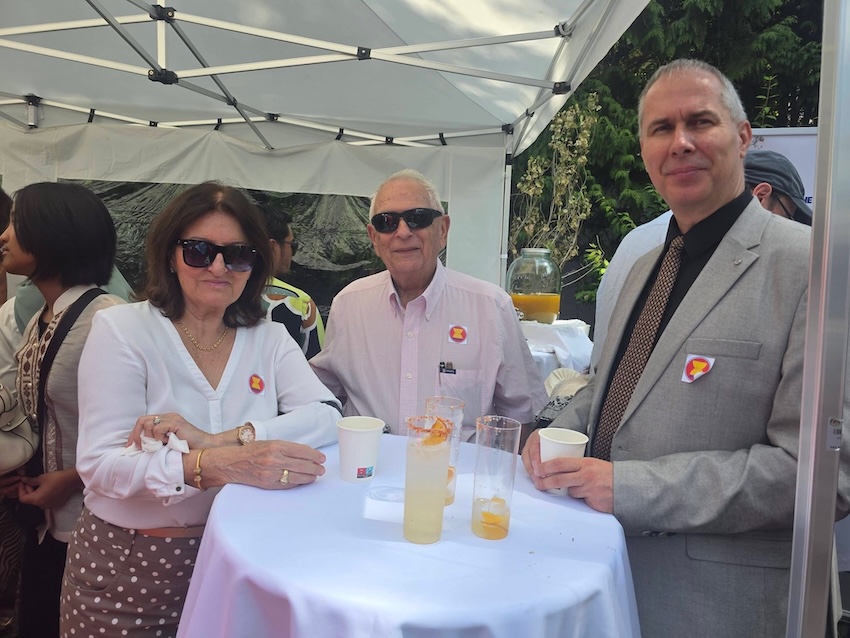
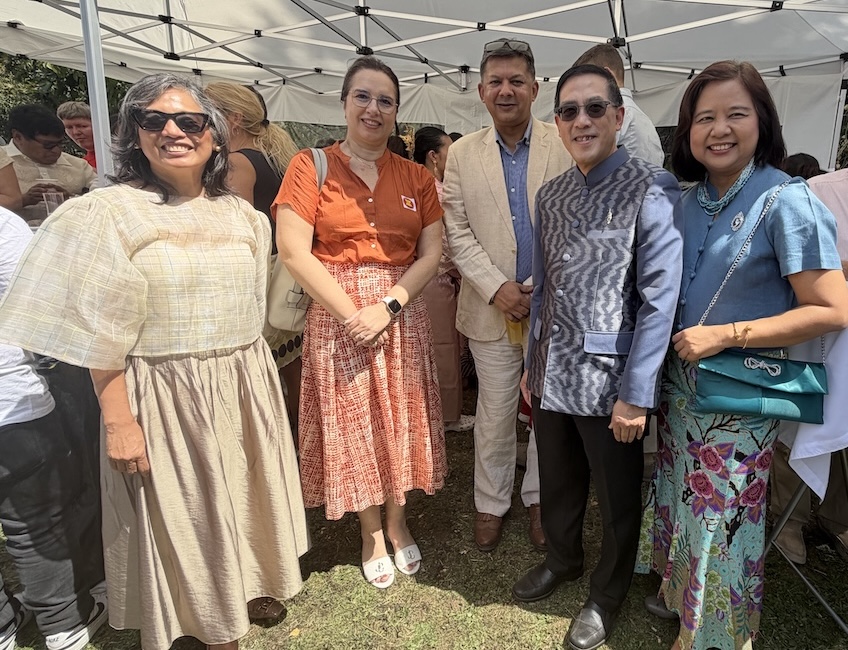
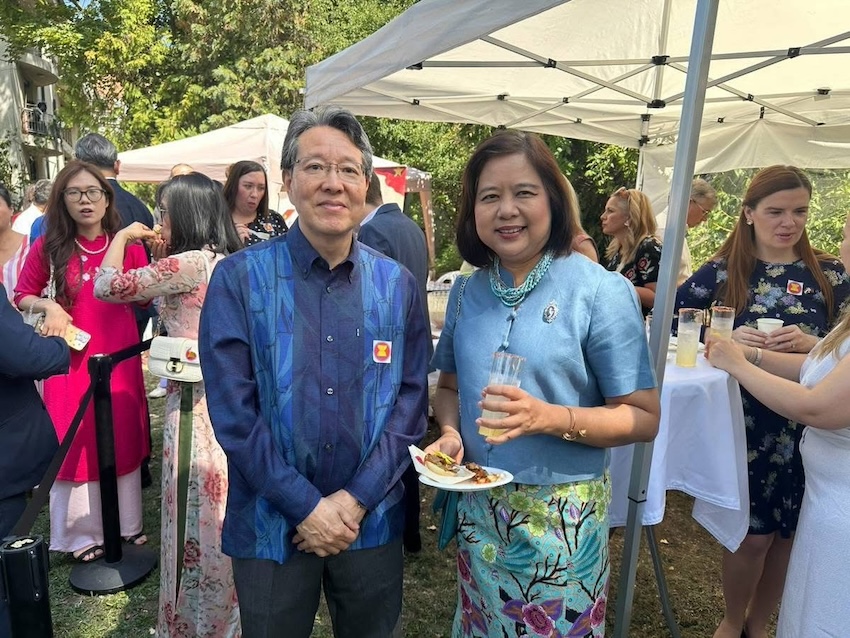
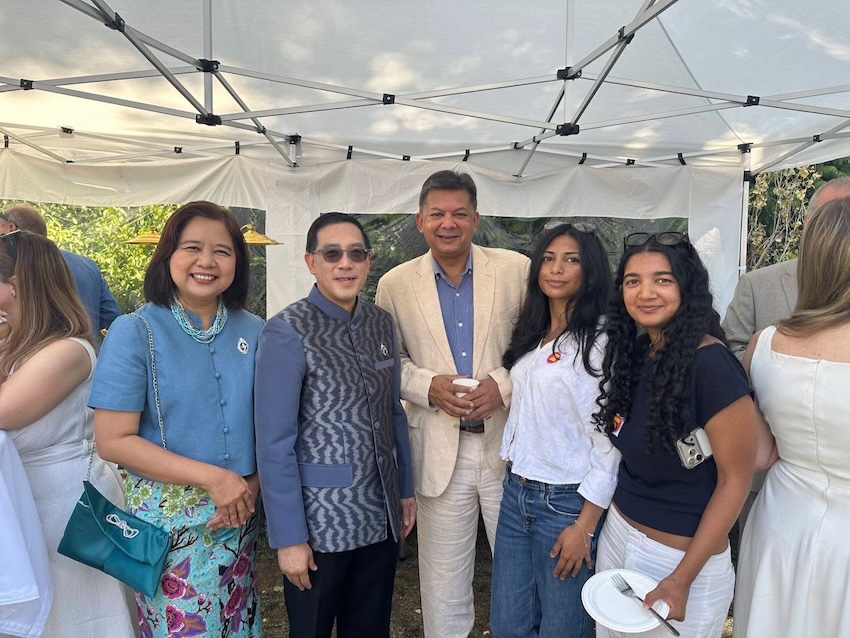
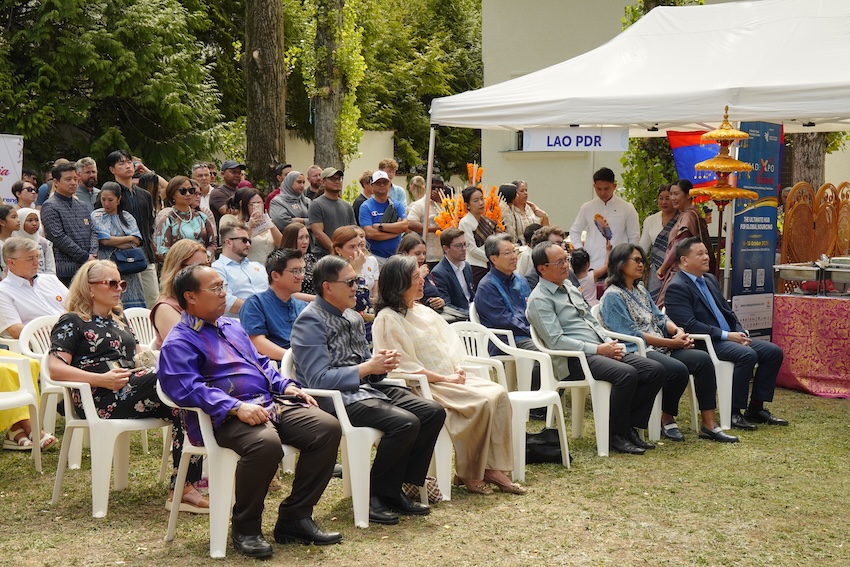
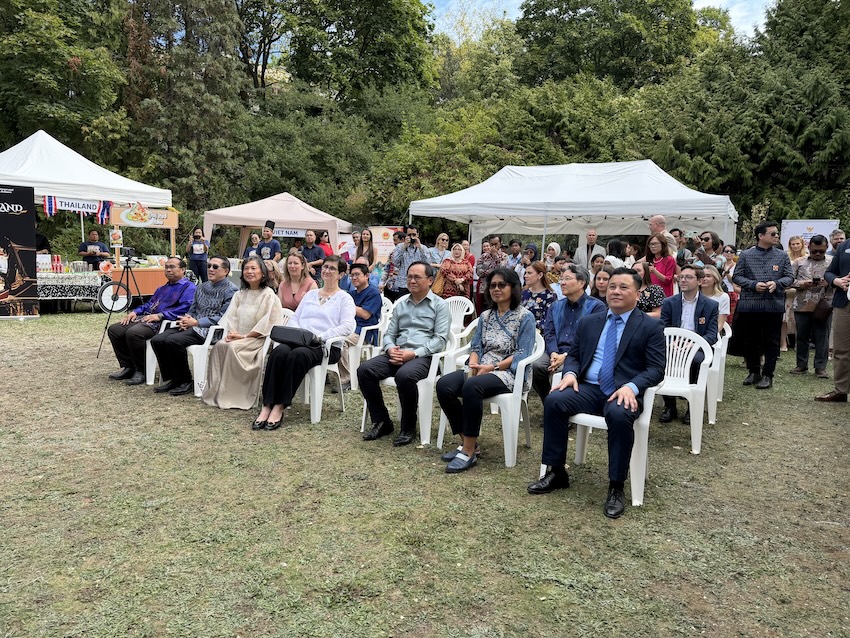
The gathering brought together ASEAN Ambassadors and Heads of Mission, members of the diplomatic corps, Hungarian government officials, ASEAN communities, and friends of ASEAN in Hungary, for an afternoon celebrating Southeast Asian friendship, culture and people-to-people ties. The Guest of Honour was Ambassador Klára Breuer, State Secretary for Bilateral Relations of the Ministry of Foreign Affairs of Hungary, who was cordially received by the ASEAN Ambassadors and Heads of Mission.
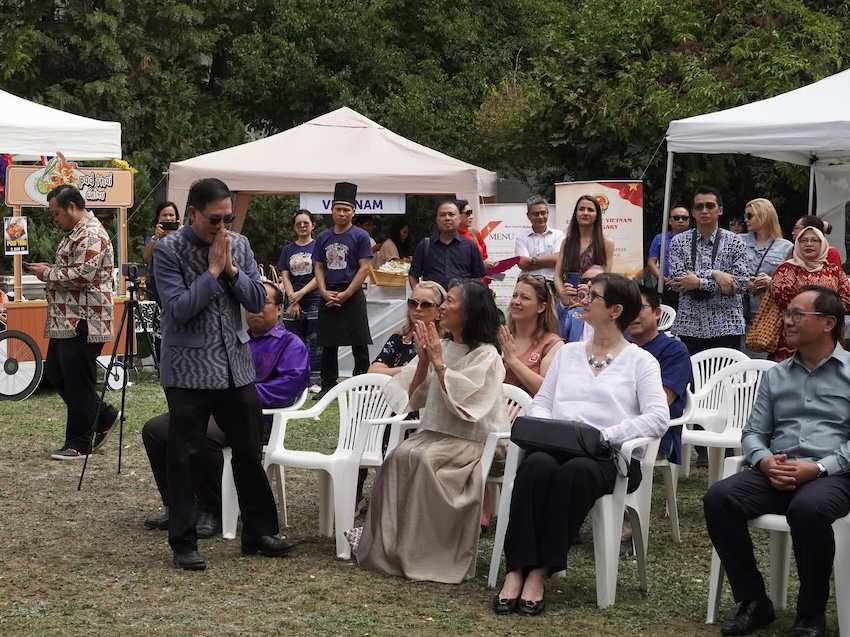
The programme opened with the playing of the ASEAN Anthem, the ASEAN Way expressing unity and identity.
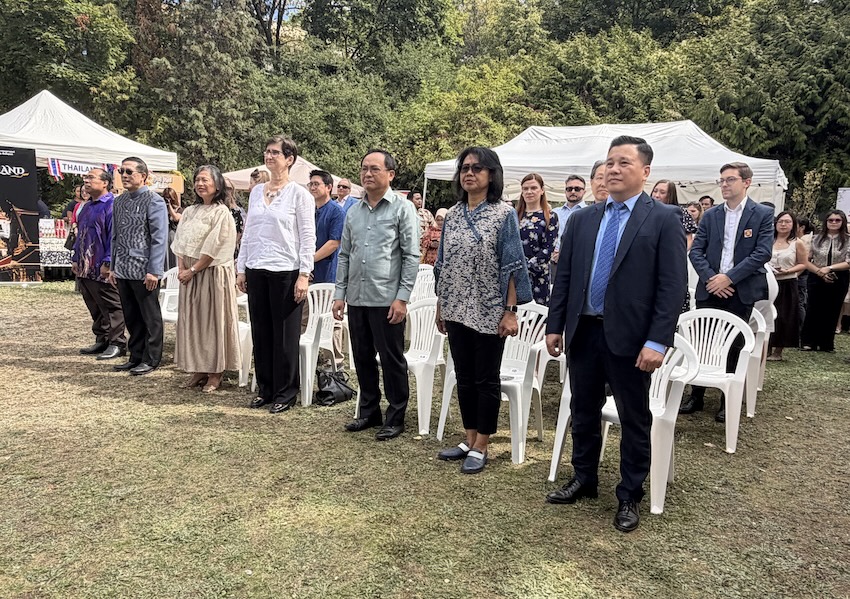
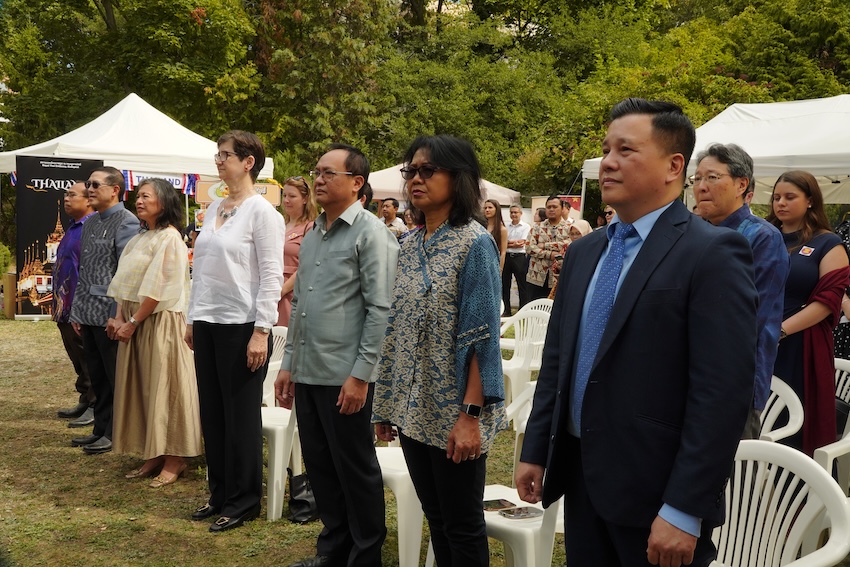
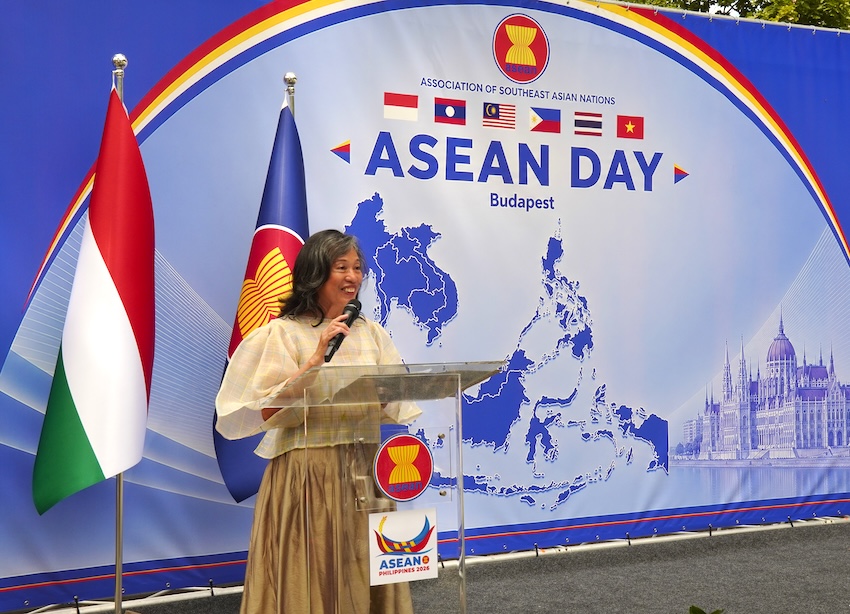
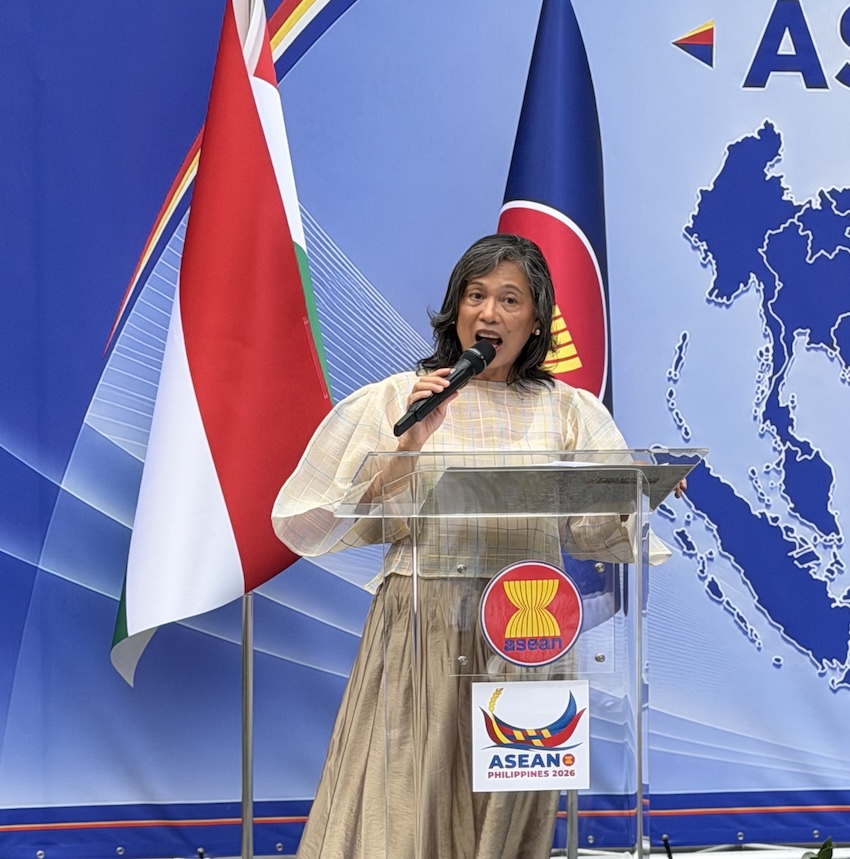
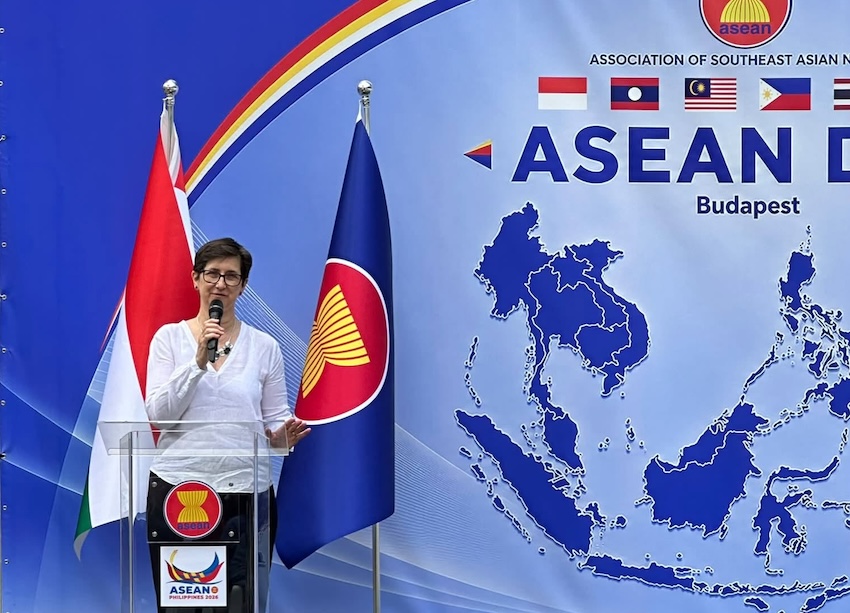
It was followed by the welcoming remarks of Her Excellency Maria Elena P. Algabre, Ambassador of the Republic of the Philippines to Hungary:
“Her Excellency Klára Breuer, State Secretary of the Ministry of Foreign Affairs, My Fellow ASEAN Ambassadors and colleagues, and the ASEAN Communities, Friends of ASEAN, including our neighbours here in Gábor Áron utca and Endrődi Sándor utca, the Embassies of Indonesia, Laos, Malaysia, the Philippines, Thailand, and Viet Nam are honoured to see all of you. Welcome to the celebration of the 59th Anniversary of the founding of the Association of Southeast Asian Nations – ASEAN.
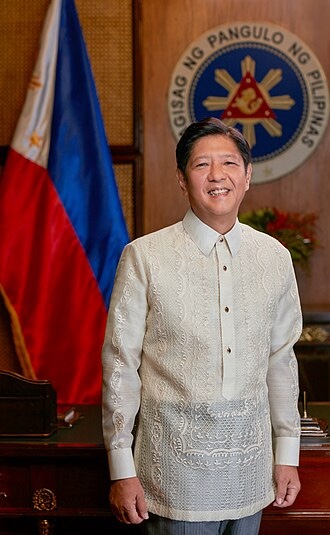
Allow me to echo the words of His Excellency Ferdinand Marcos Jr., President of the Republic of the Philippines, for this year’s ASEAN Day celebration:
‘We celebrate a promise that has endured for nearly six decades: that in our shared region, Southeast Asia, dialogue must prevail over division, cooperation over conflict, and solidarity over uncertainty. ASEAN was built on a simple but powerful truth: our peoples are safer, stronger, and more prosperous when our nations face the future together.
Today, we can say with pride that ASEAN has honoured that promise. ASEAN stands as a region of resilience, dynamism, and opportunity. Home to nearly 700 million people and already the world’s fifth-largest economy, ASEAN remains a compelling destination for trade, investment, innovation, and long-term partnership.
Together, we have helped preserve peace in our region. We have deepened economic cooperation, expanded opportunities, and strengthened partnerships. We have shown that diversity is a source of strength and that consensus, patience, and trust can move nations forward.
We also mark the first year of implementation of the ASEAN Community Vision 2045, our long-term guide toward a more resilient, innovative, dynamic, and people-centred ASEAN.’
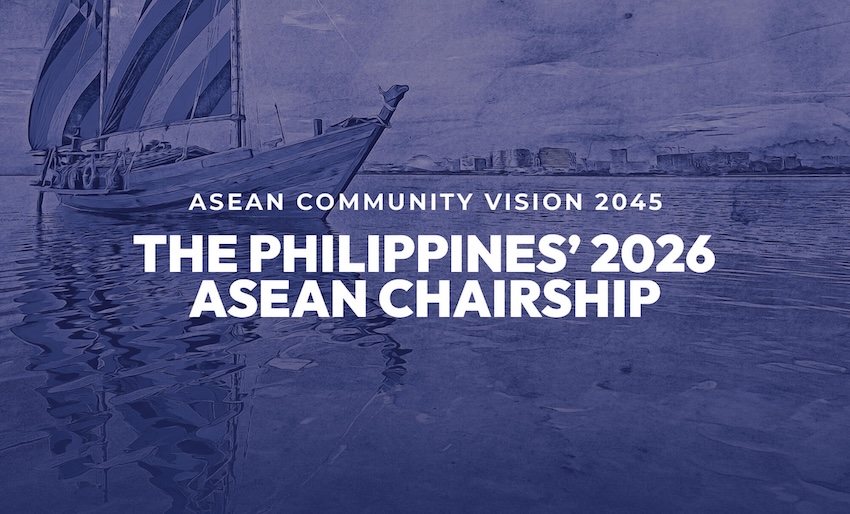
Towards this Vision, the theme ‘Navigating Our Future, Together’, under the Philippine 2026 Chairship of ASEAN, reflects ASEAN’s identity as a maritime region whose waters have long connected our peoples, economies, and cultures.
‘ASEAN is our ship, we set sail together, fortifying our peace and security anchors, strengthening our prosperity corridors, and advancing people empowerment. Together, we endeavour to ensure that ASEAN’s integration agenda translates into real opportunities, for businesses to grow, for communities to thrive, and for progress to be sustainable and shared by all.’

To the Partner Countries of ASEAN: ASEAN’s external relations have evolved into dynamic and mutually beneficial partnerships that extend far beyond traditional diplomacy. ASEAN works closely with its network of Partners, including the European Union. Complementing the ASEAN-EU relations, the bilateral engagement of the ASEAN countries with Hungary spans various areas, such as expanding trade and investment links, widening cooperation in science and technology, agriculture, water management, and enriching people-to-people exchanges, particularly in education.
We are anticipating further strengthened relations with Hungary, also through our Missions’ engagement with the Ministry of Foreign Affairs. Hence, your presence here, State Secretary Breuer, is very meaningful.
Dear Friends, today’s event is a collective ASEAN effort. Together, our six embassies prepared the arrangements with great commitment and professionalism. Therefore, on behalf of the ASEAN Heads of Mission, I extend our deepest appreciation to the members of the ASEAN Working Group who made this celebration possible. The same goes for all the staff of each ASEAN Embassy.
May I also personally thank my Embassy team for their support and dedication, notably in preparing and checking all the details. We also thank the various ASEAN communities in Hungary, including those manning our booths. Your enthusiastic participation, vibrant cultural performances, and culinary treats remind us that ASEAN is beyond long meetings, long documents, and long speeches; ASEAN is about people, friendships, and a shared sense of community. This celebration is for all of you.”
“Happy ASEAN Day! Köszönjük szépen. Thank you.”
For her part, State Secretary Klára Breuer underscored the importance of the growing engagement between Hungary and ASEAN and reaffirmed Hungary’s interest in further strengthening its relations with ASEAN Member States. Her remarks highlighted the value of sustained dialogue and mutually beneficial cooperation in advancing closer ties between Hungary and ASEAN.
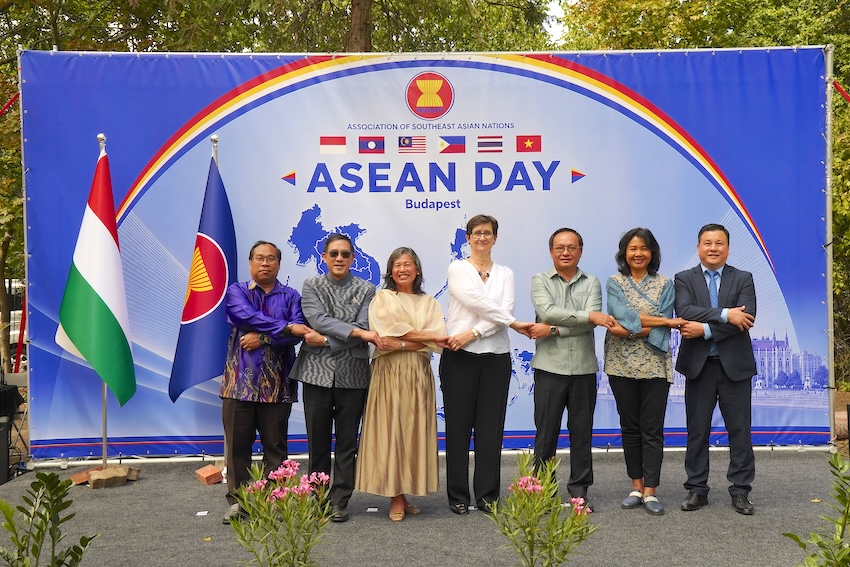
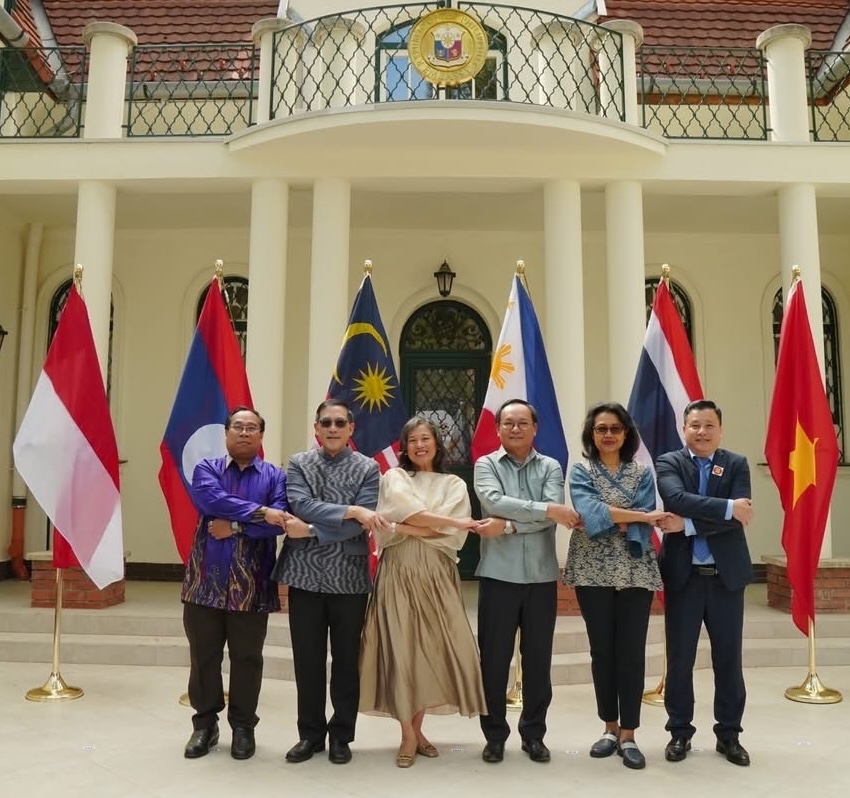
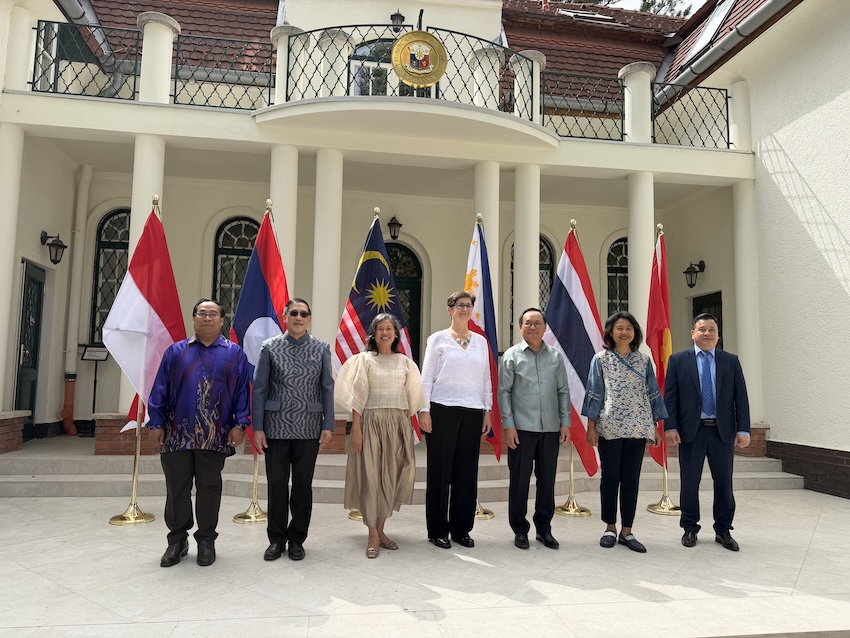
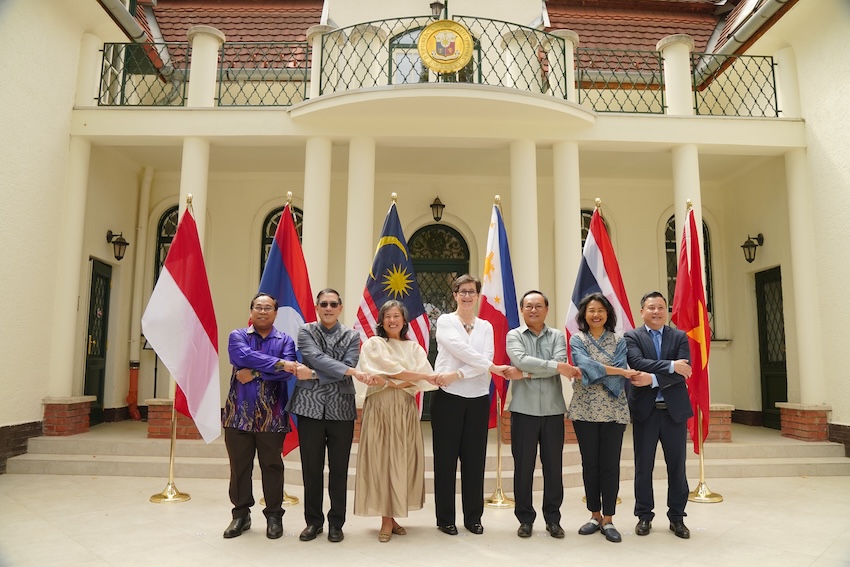
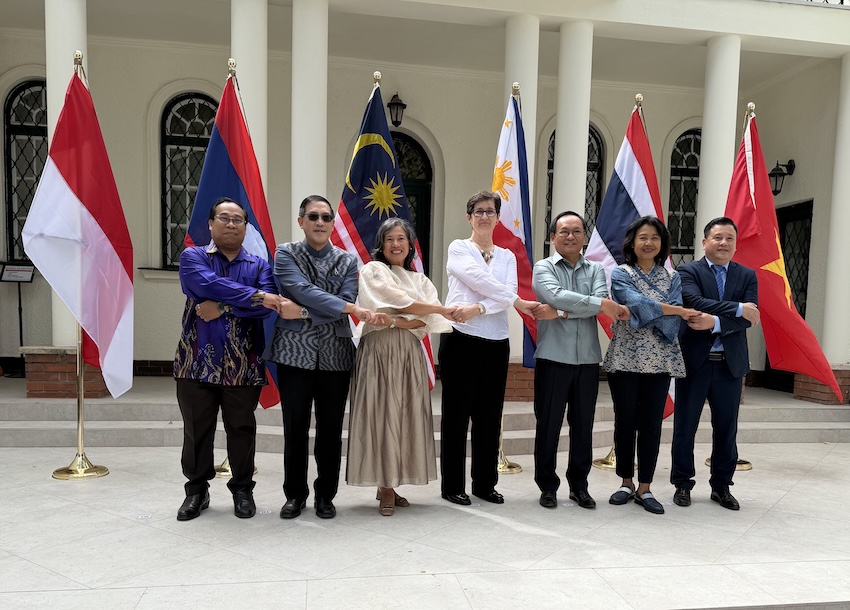
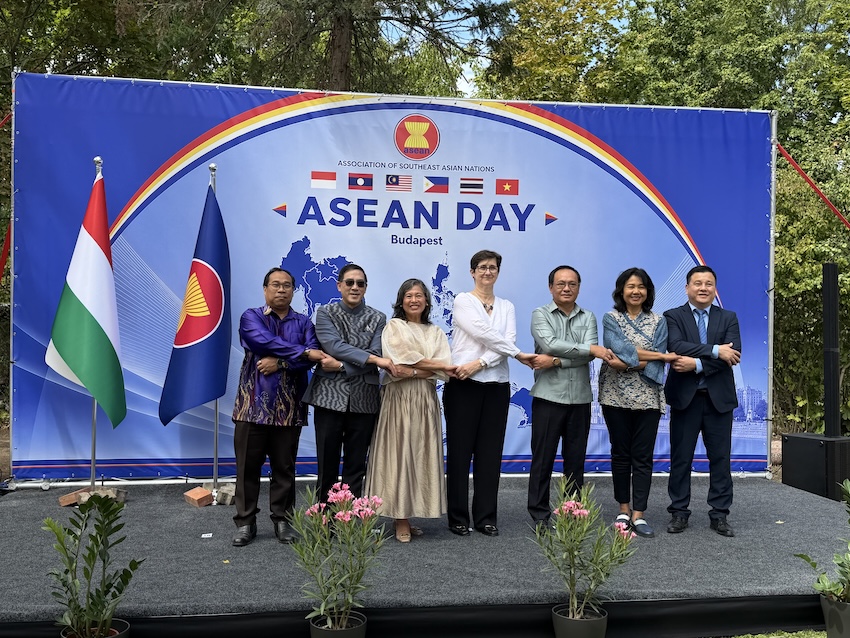
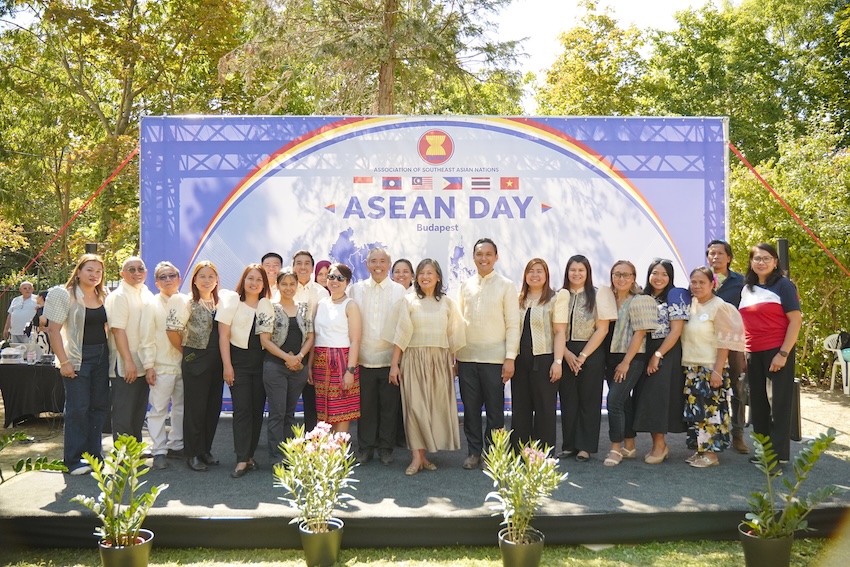
The official opening concluded with State Secretary Breuer joining the ASEAN Ambassadors and Heads of Mission for a group photo featuring the symbolic “ASEAN handshake”, a gesture reflecting ASEAN’s enduring spirit of unity, friendship, and solidarity.
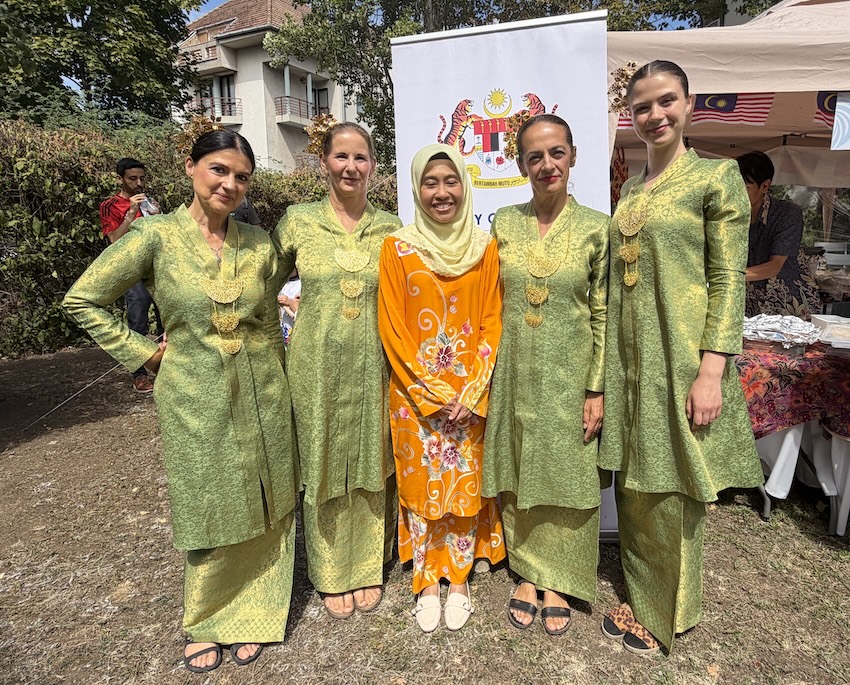
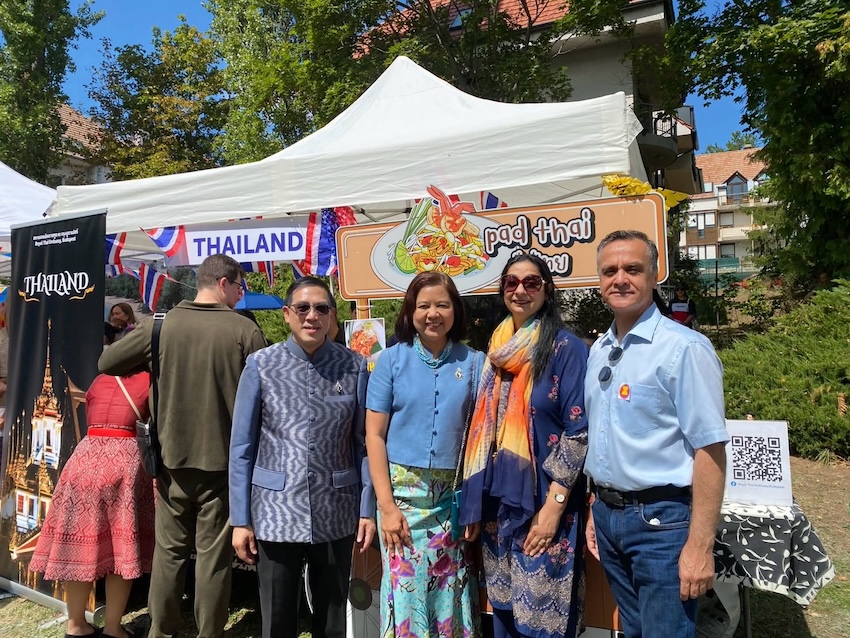
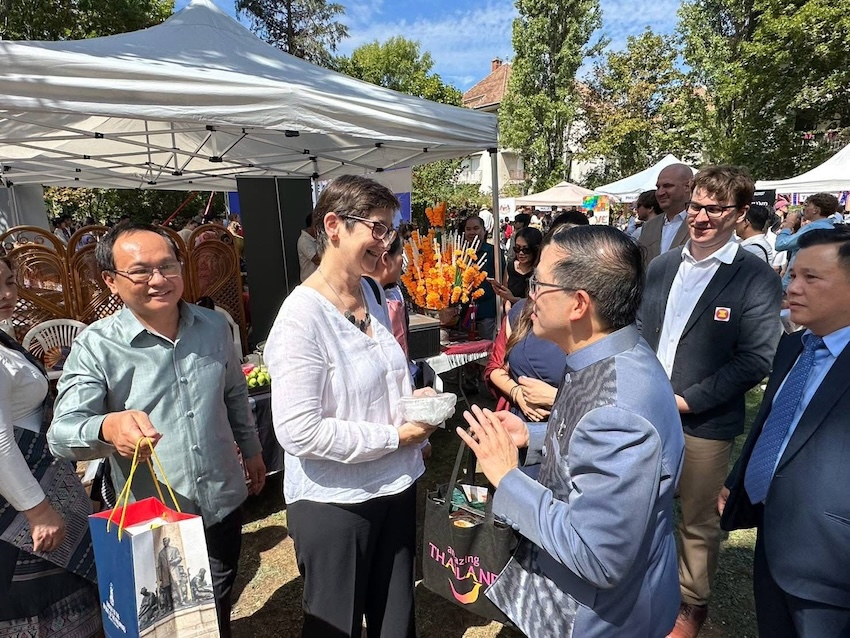
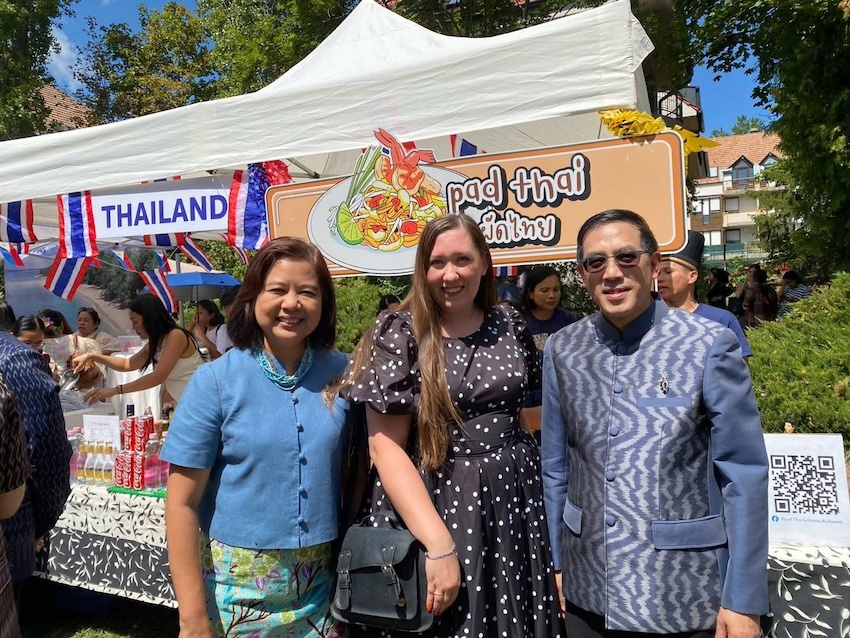
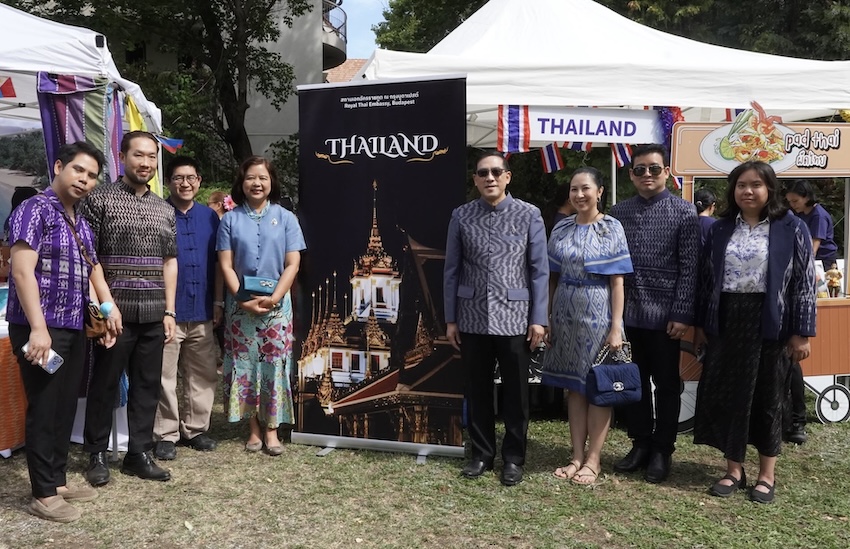
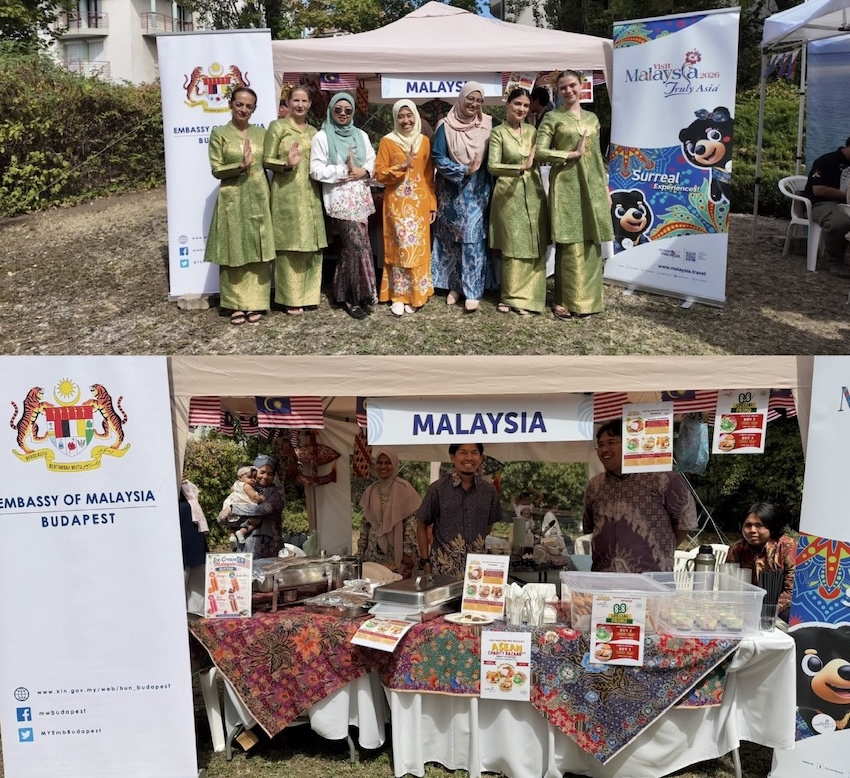
The programme continued with State Secretary Breuer visiting the country booths of Indonesia, Lao PDR, Malaysia, the Philippines, Thailand, and Viet Nam. At each booth, she was warmly welcomed by representatives of the respective embassies and ASEAN communities, who presented an array of local specialties, traditional products, tourist information, and other goods showcasing their countries’ unique cultural heritage.
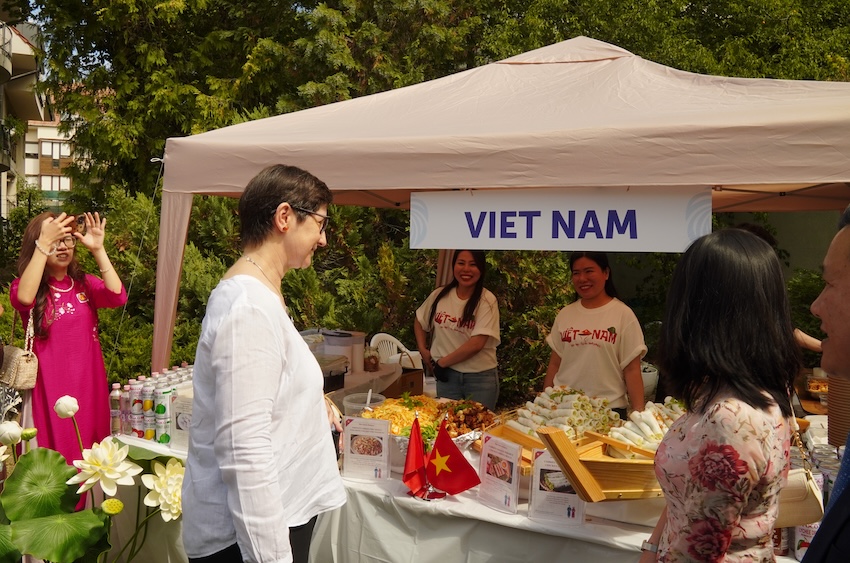
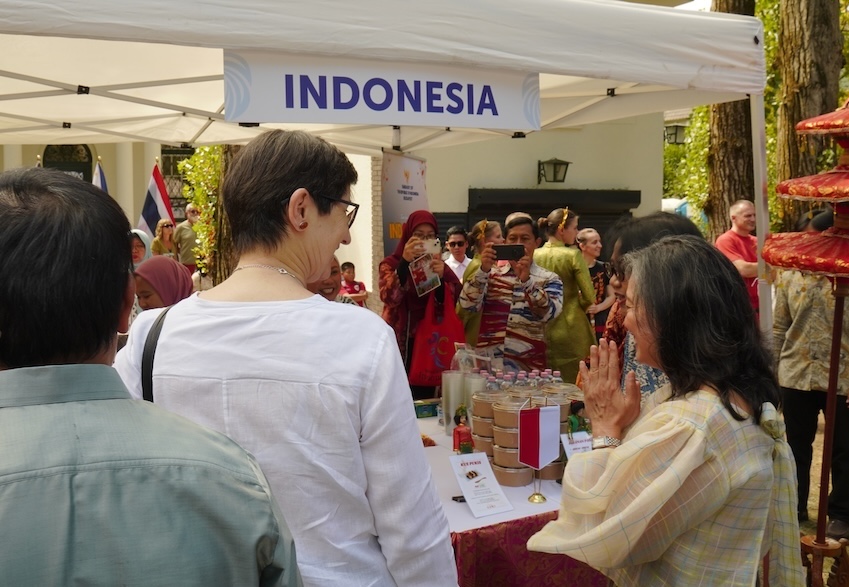
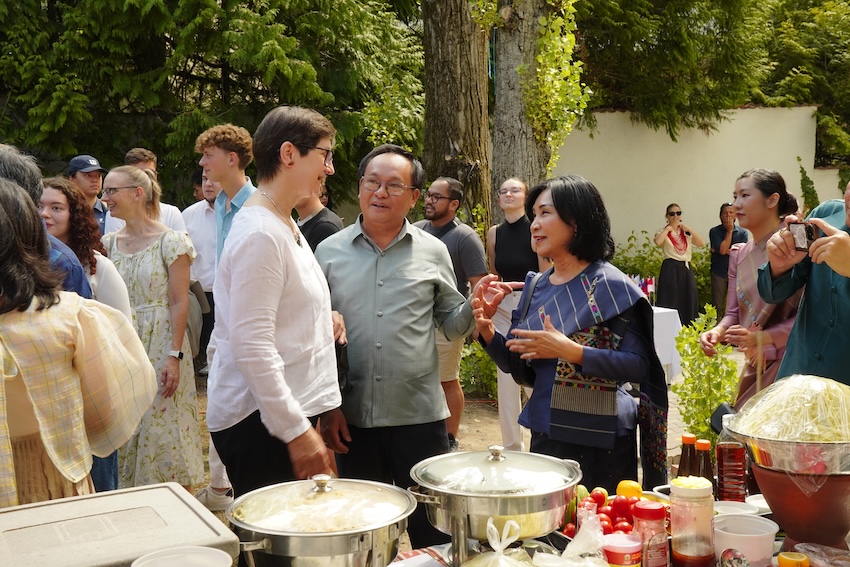
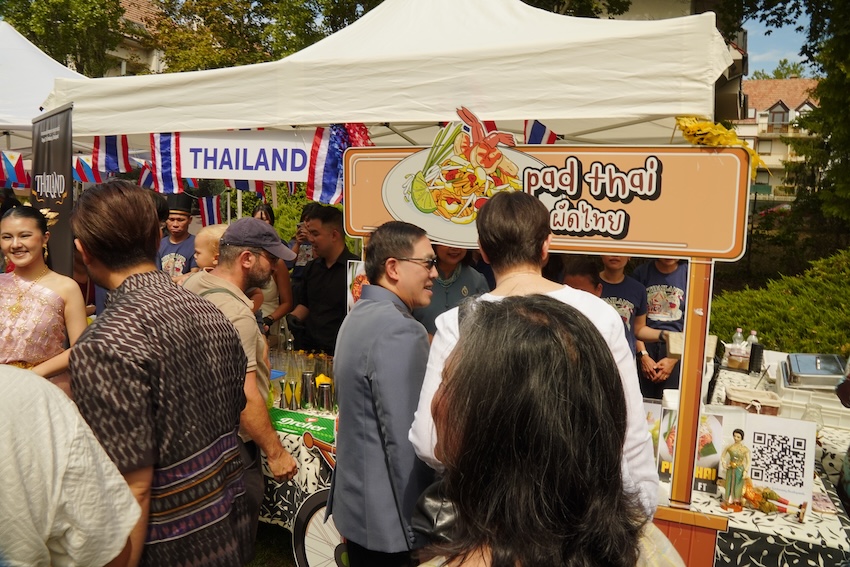
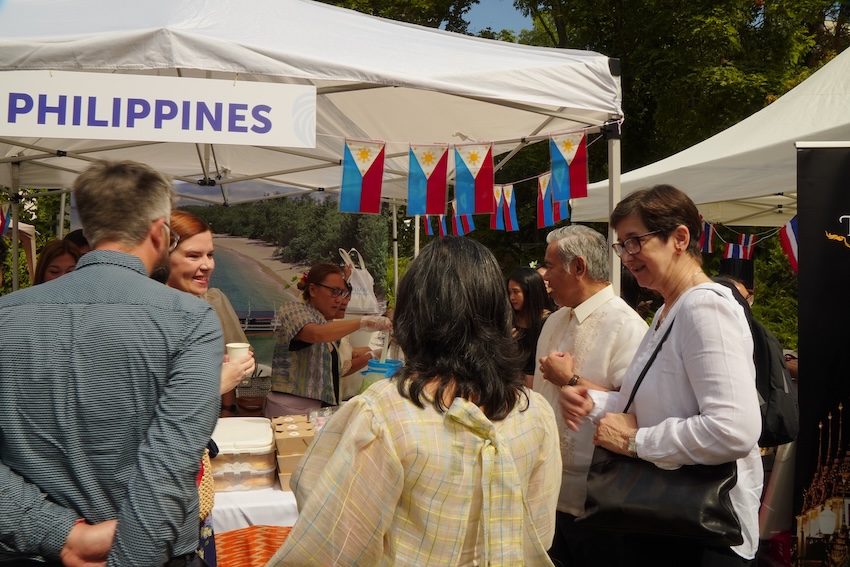
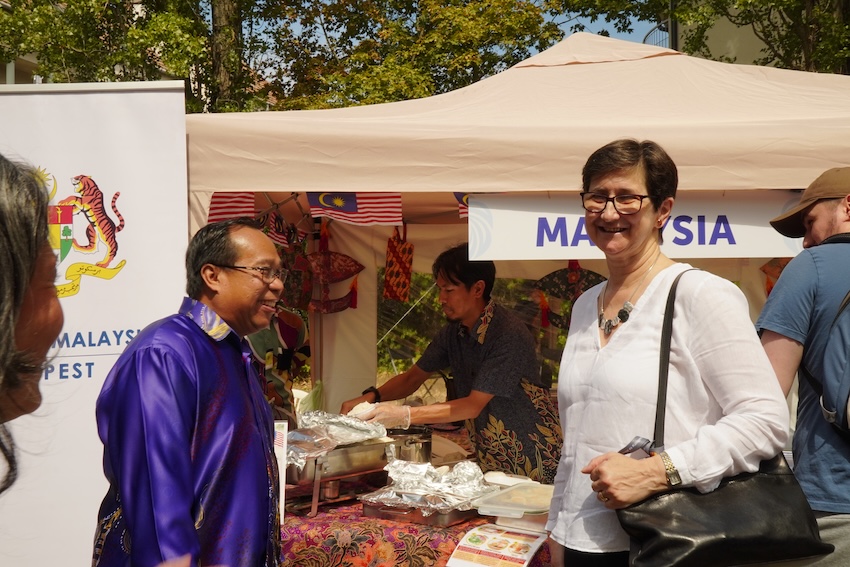
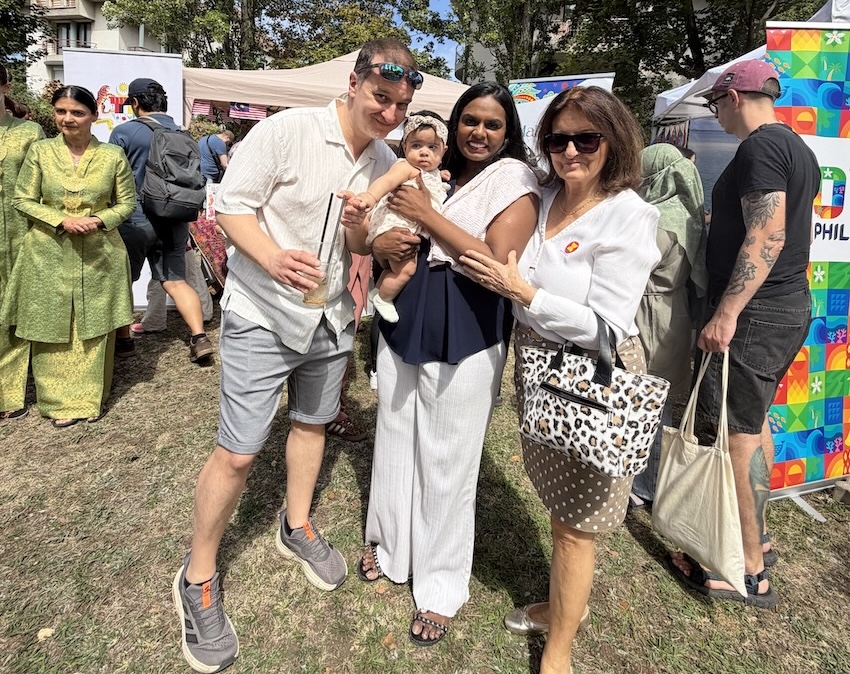
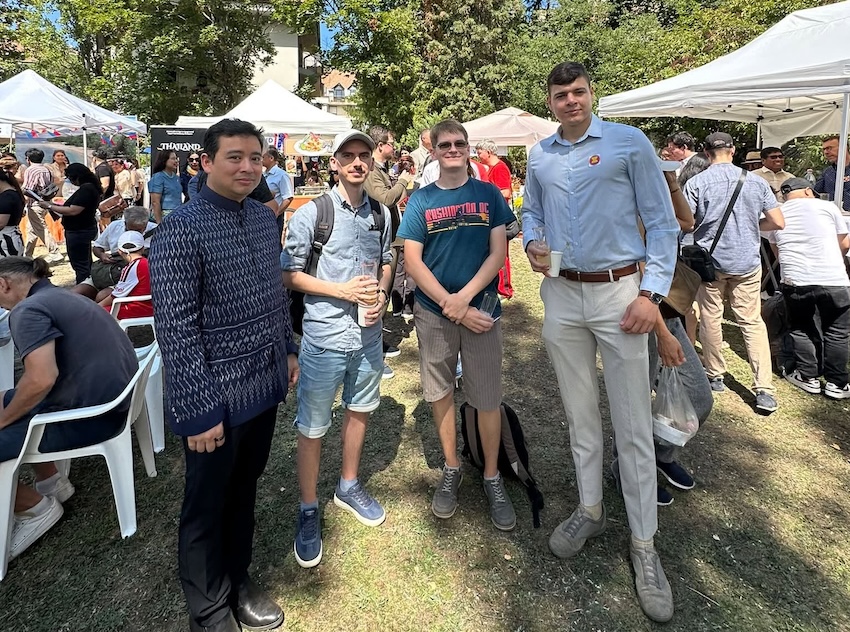
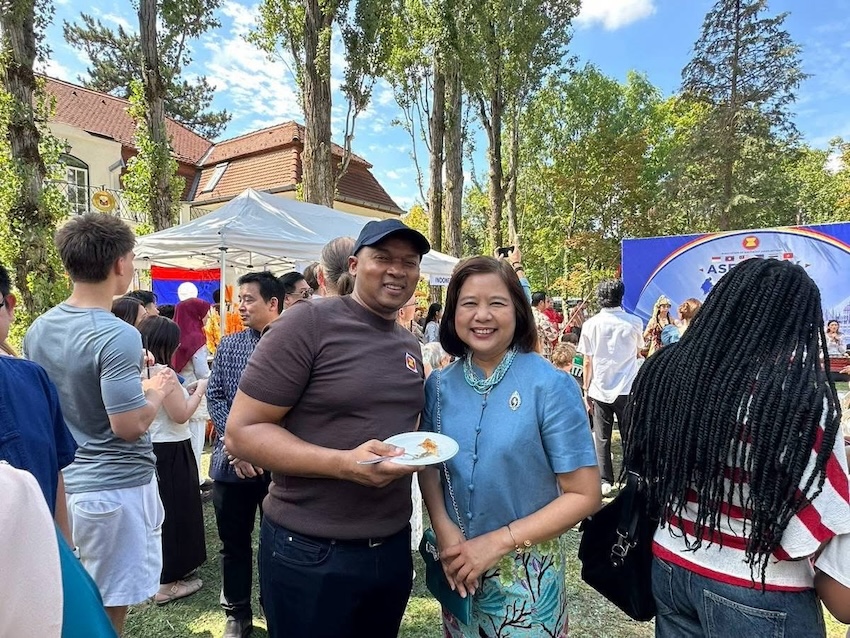
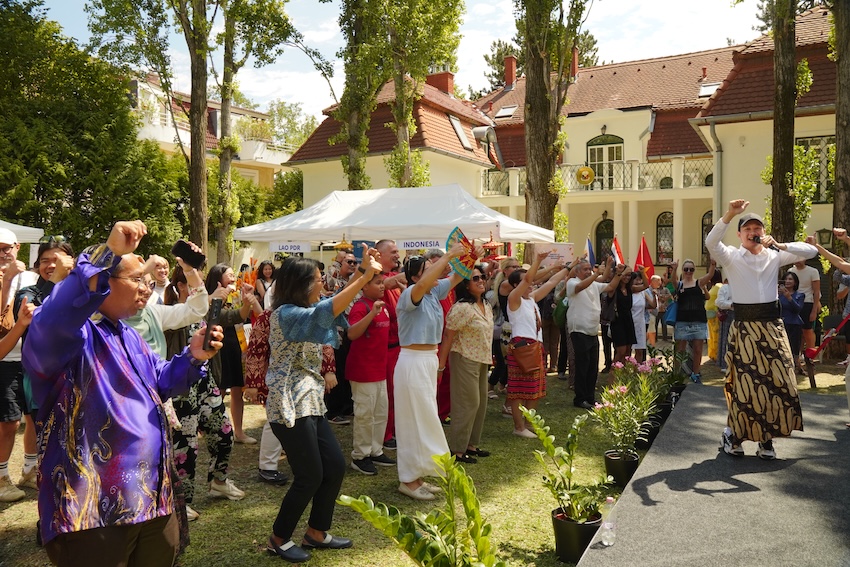
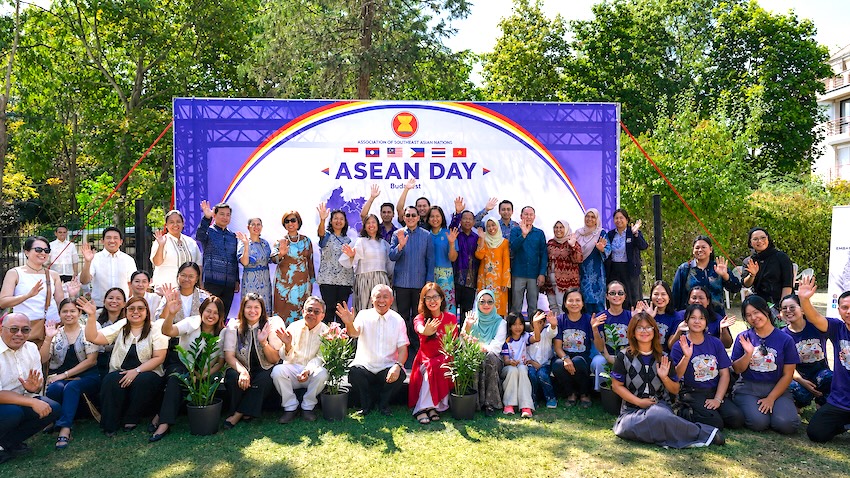
The ASEAN Charity Bazaar transformed the Philippine Embassy grounds into a vibrant showcase of Southeast Asia’s rich cultural diversity. With authentic cuisine, cultural displays, traditional crafts, and other presentations, each country booth offered Hungarian and international guests the opportunity to discover the distinctive traditions, flavours, and attractions of the participating ASEAN Member States.
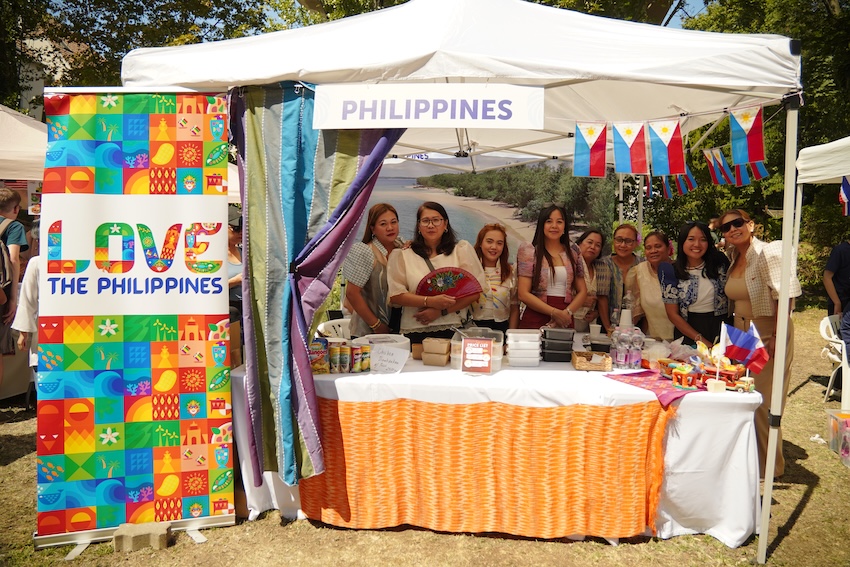
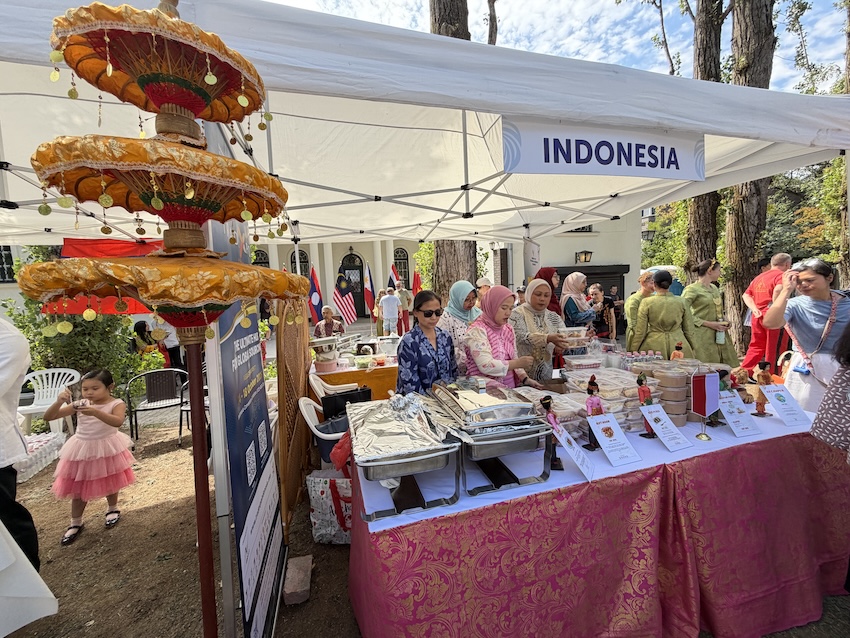
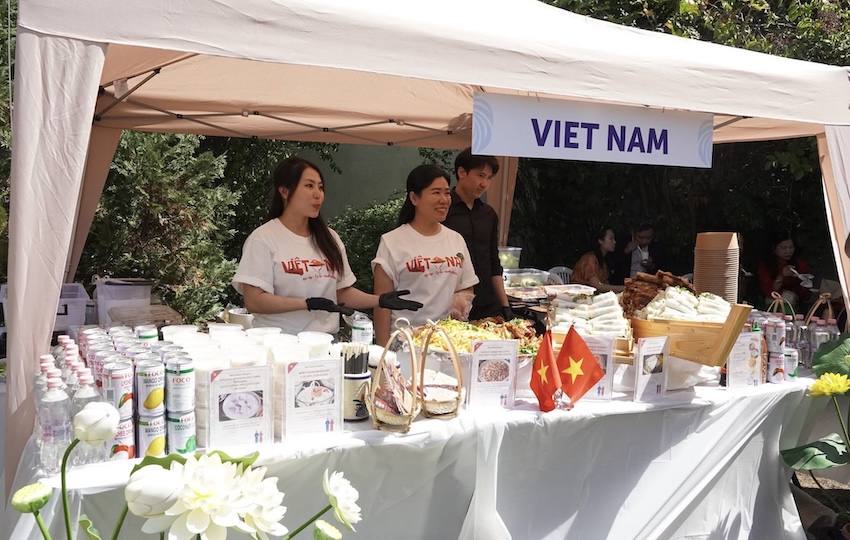
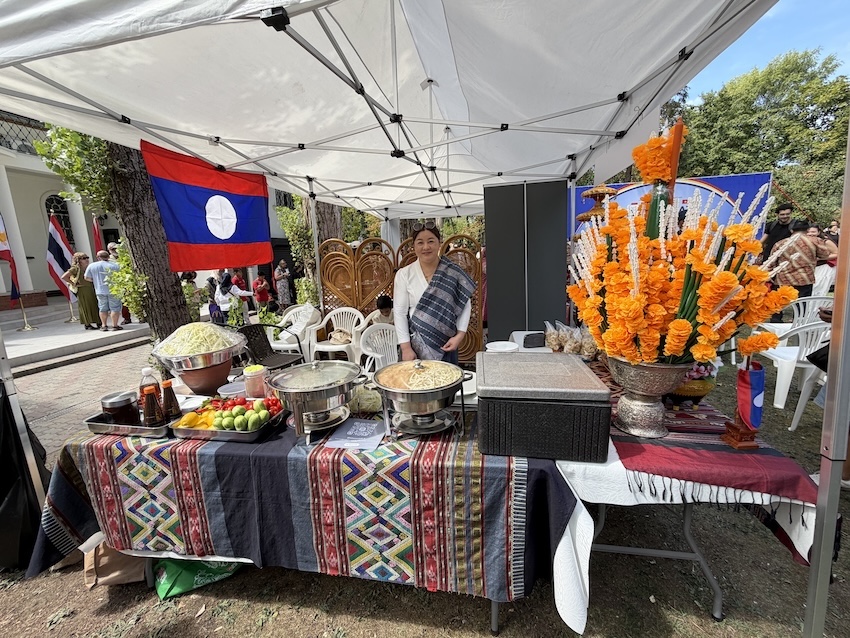
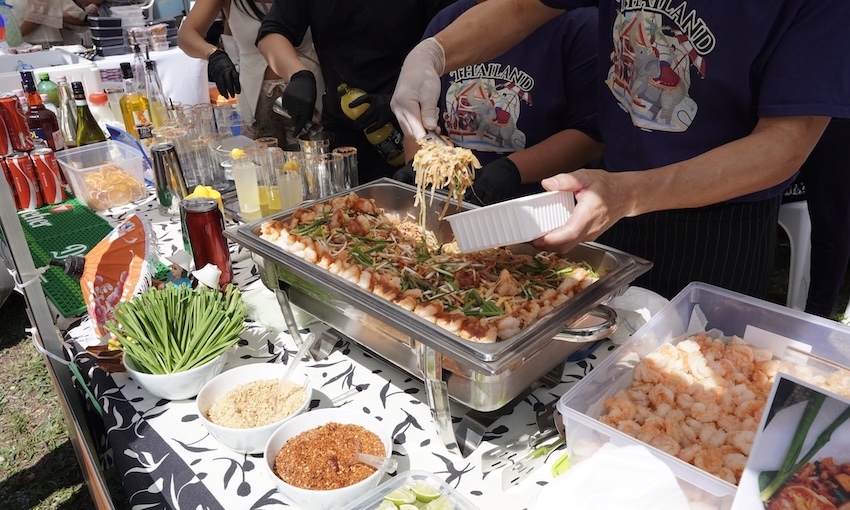

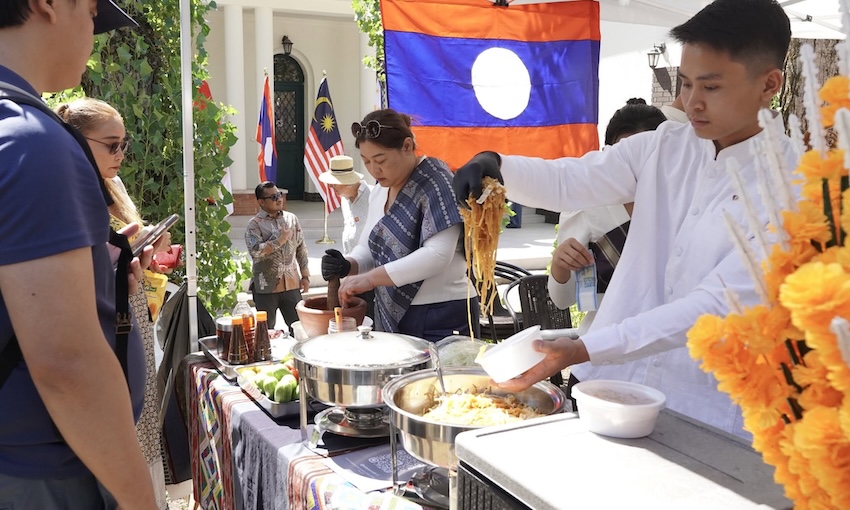
A Celebration of Southeast Asian Culture
As part of the celebration, the event also featured cultural performances highlighting the rich and diverse heritage of Southeast Asia.
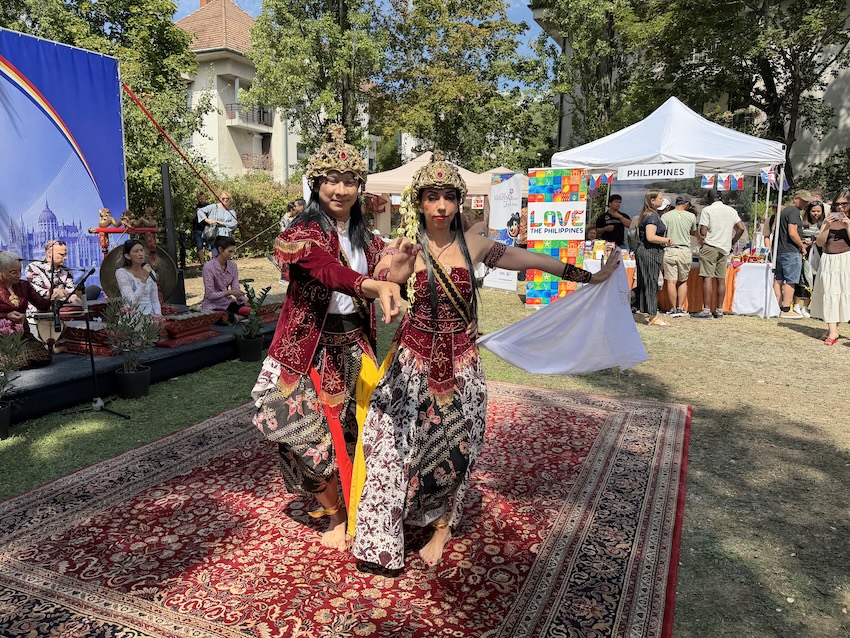
Indonesia presented Javanese Gamelan and the Rama Sinta Dance.
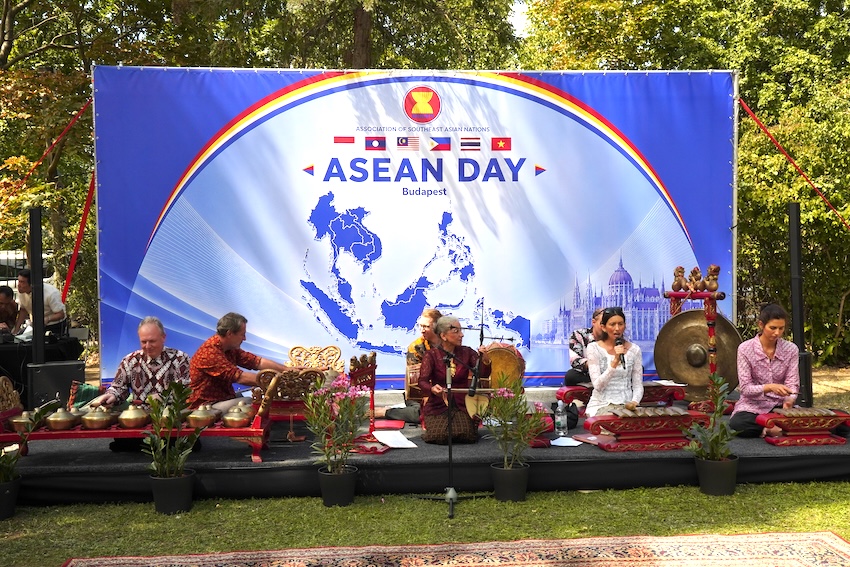
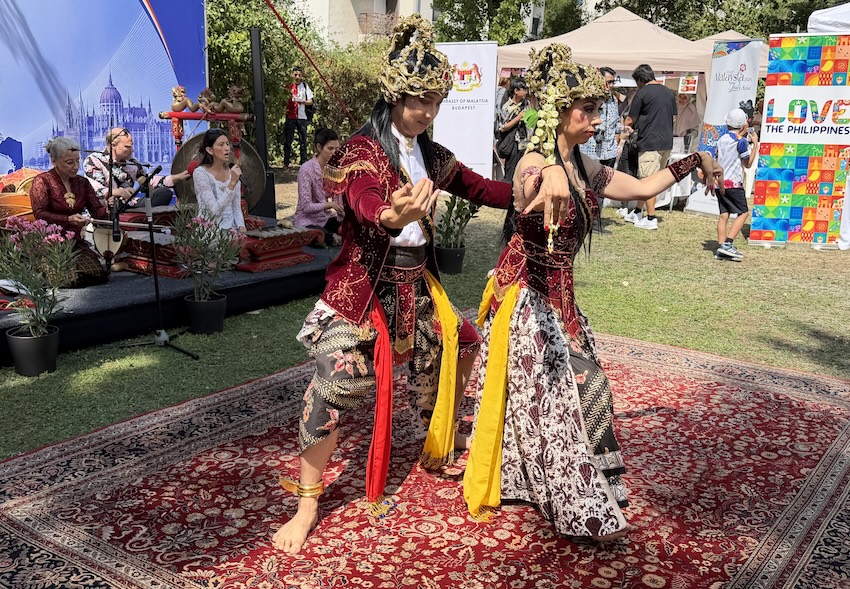
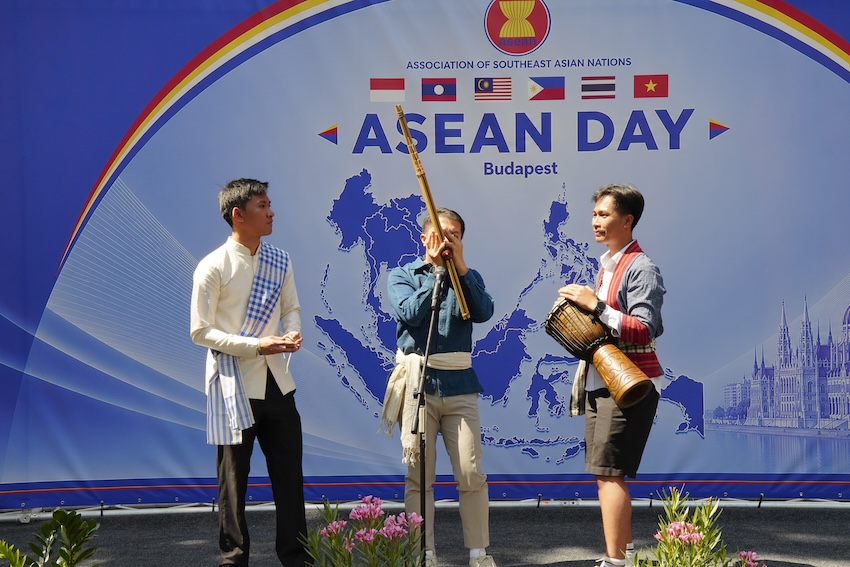
Lao PDR showcased the traditional khene and Lao drum.
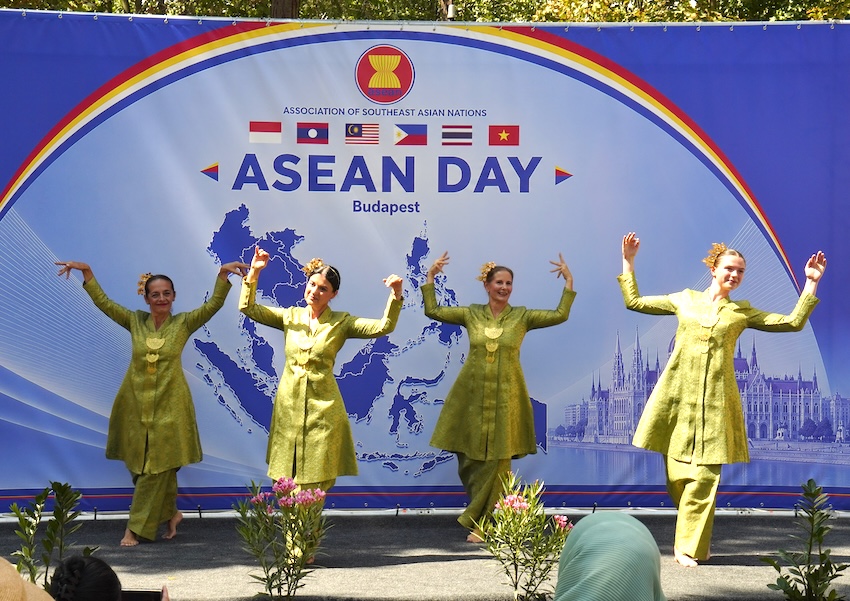
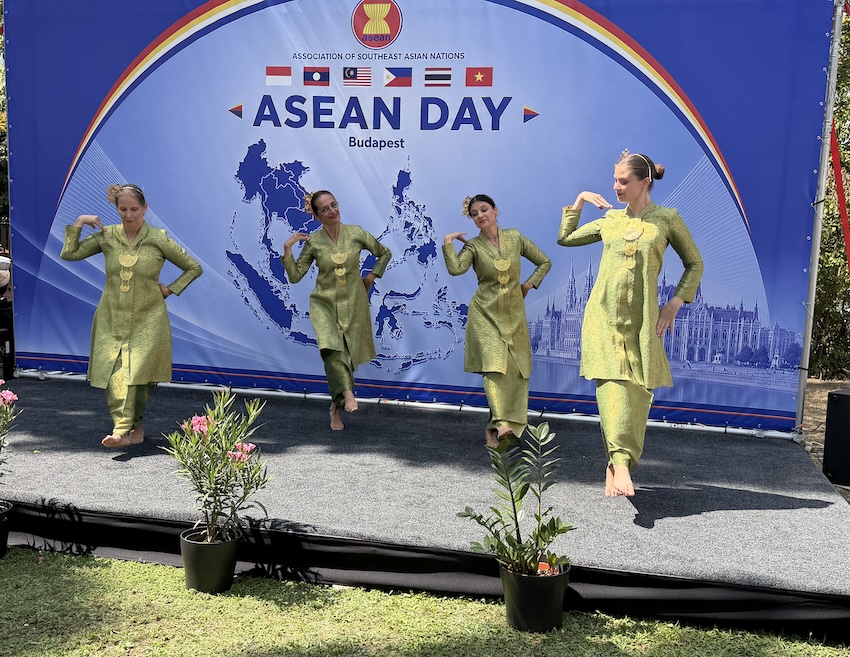
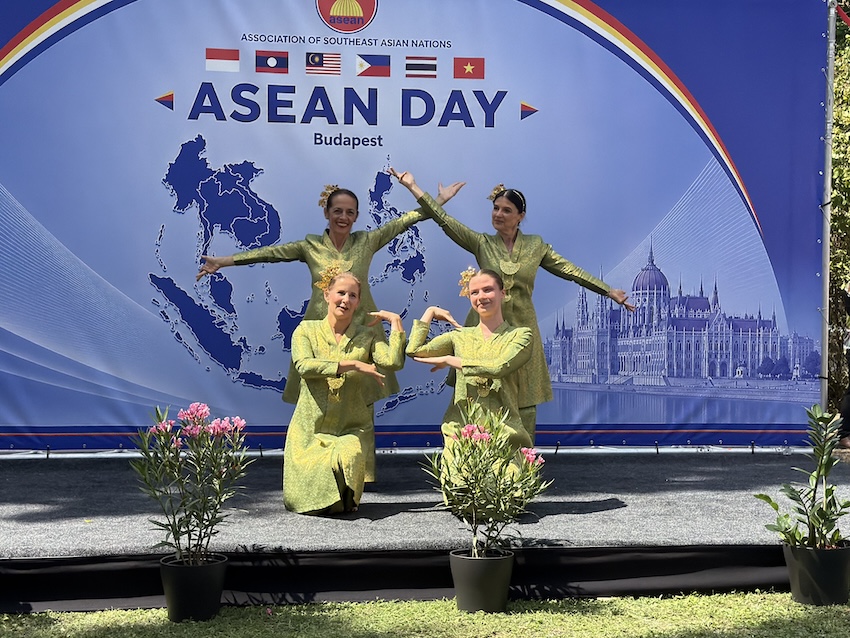
Malaysia performed Joget Pucuk Pisang.
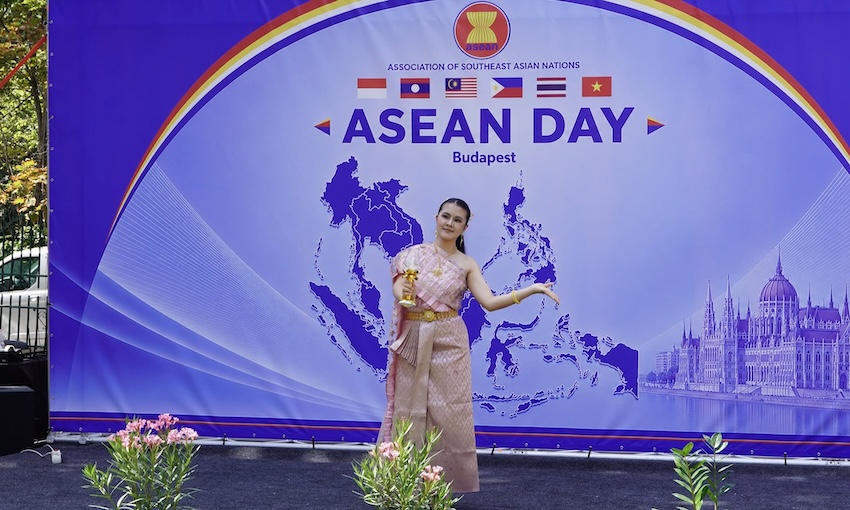
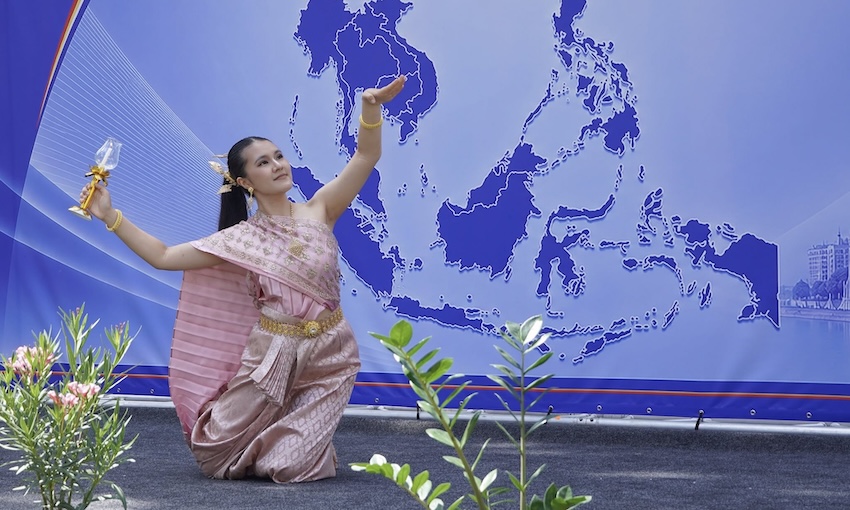
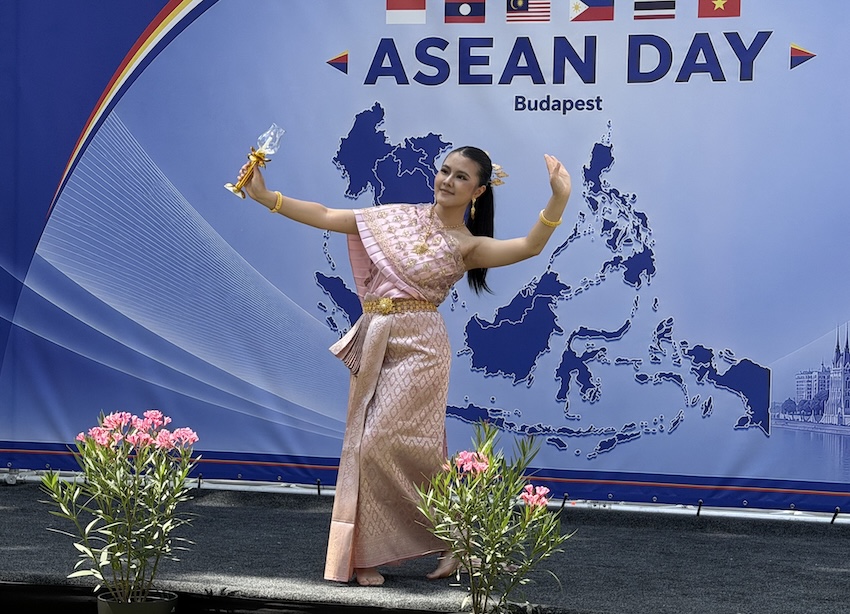
Thailand presented the traditional blessing dance Ram Cherd Phra Khwan.
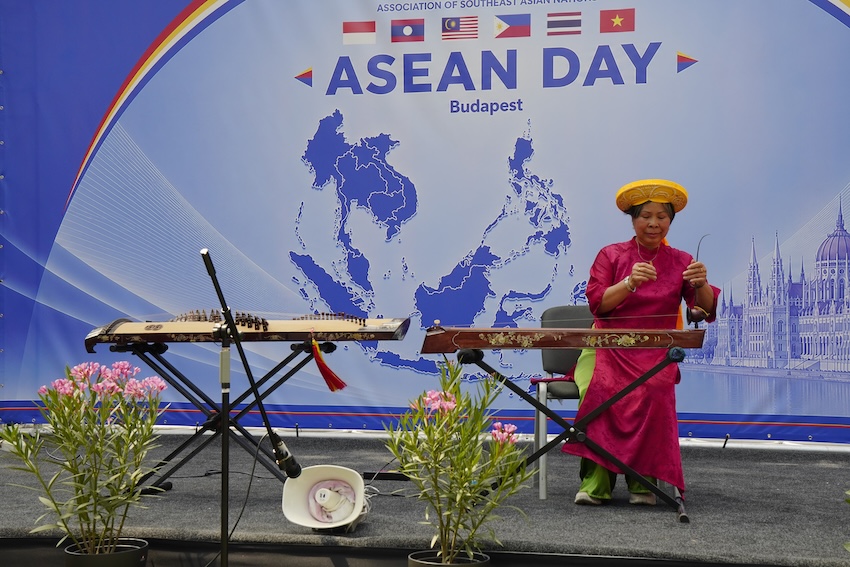
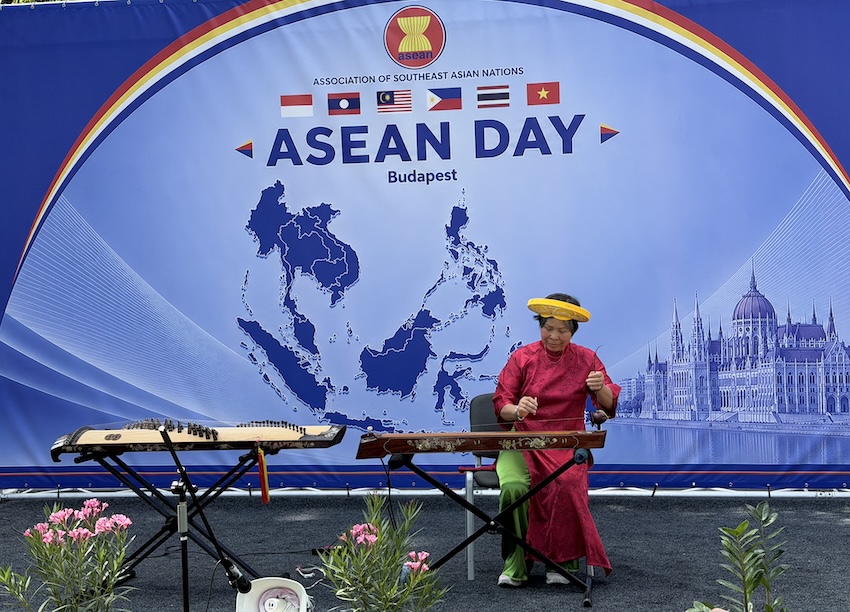
Viet Nam showcased the distinctive sounds of the đàn bầu (monochord) and đàn tranh (16-string zither) through a selection of traditional and adapted musical pieces.
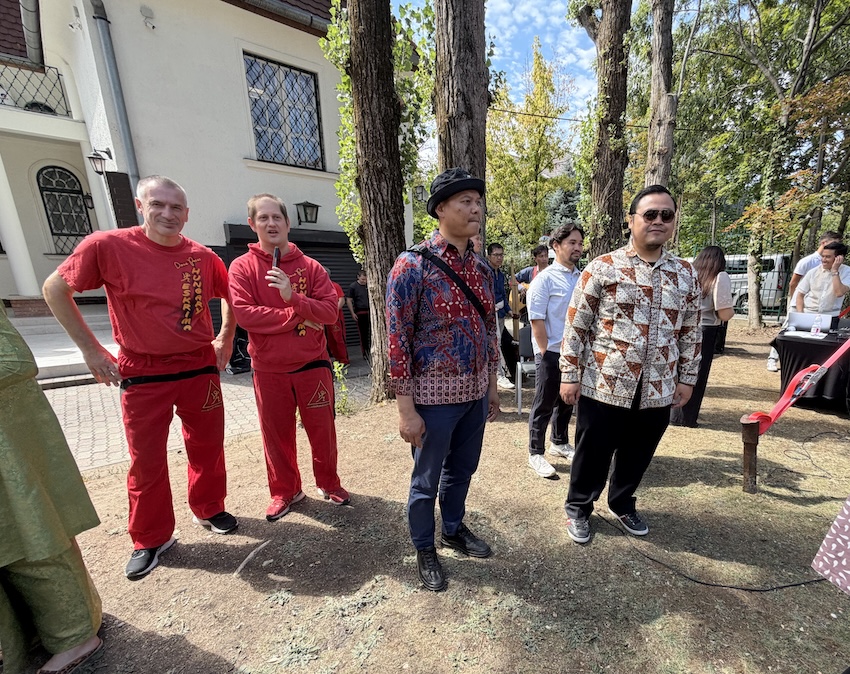
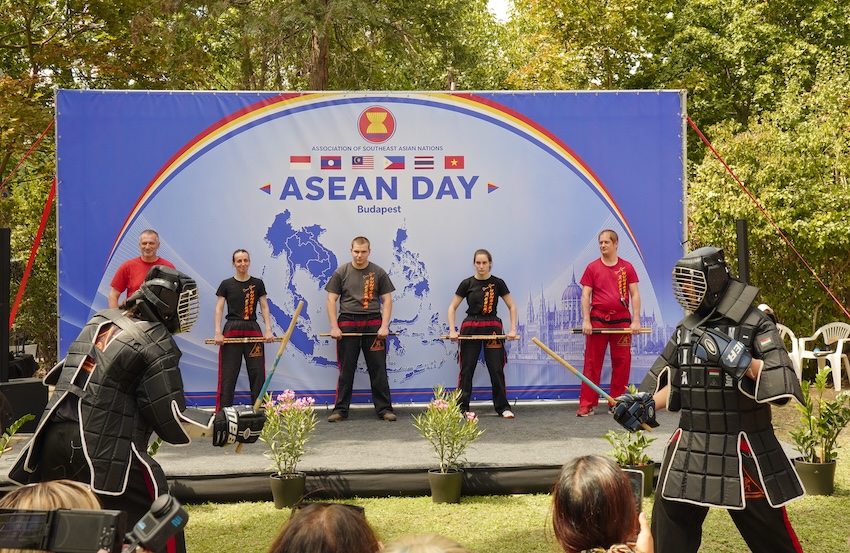
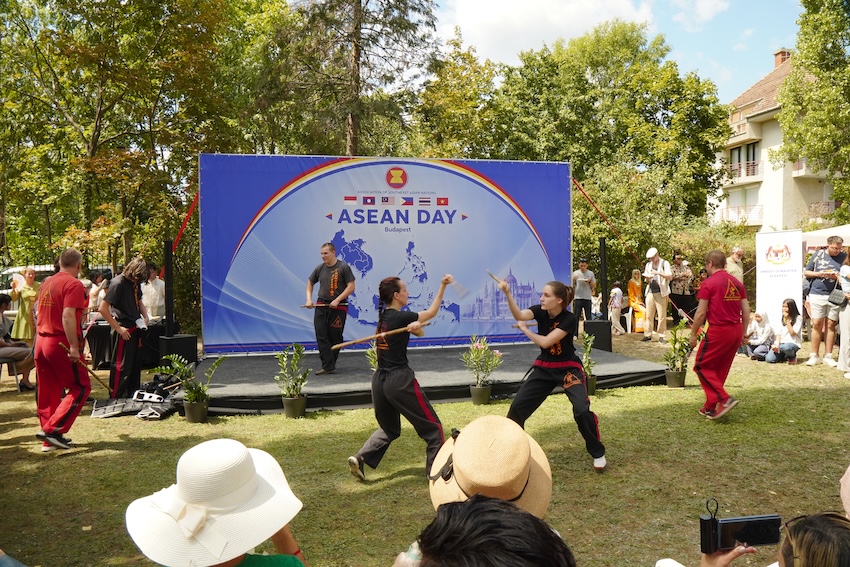
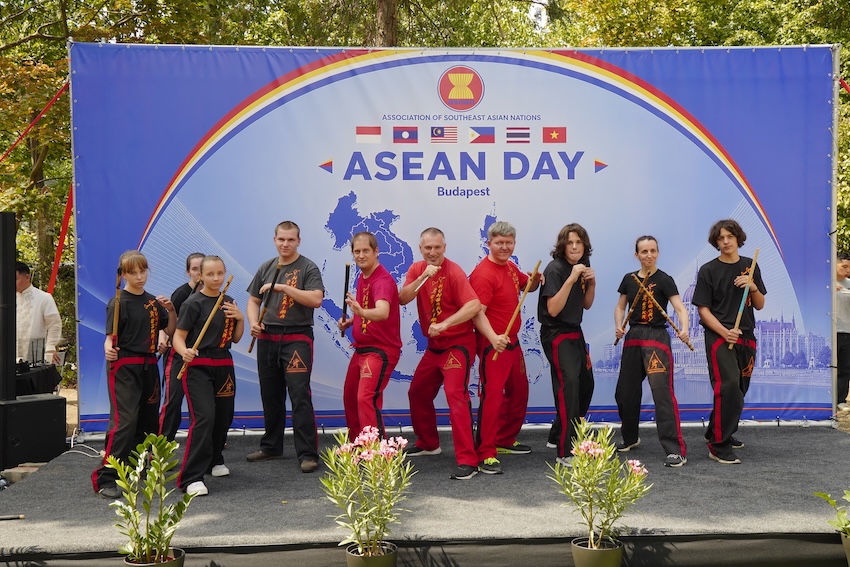
The Hungarian martial artists from Eskrima Göd and Eskrima Karcag, representing the Philippines, presented Eskrima, also known as Arnis or Kali, the Philippines’ national martial art and sport. The dynamic demonstration highlighted speed, precision, and discipline, while reflecting the growing appreciation for Filipino Martial Arts and the strong people-to-people ties between the Philippines and Hungary.
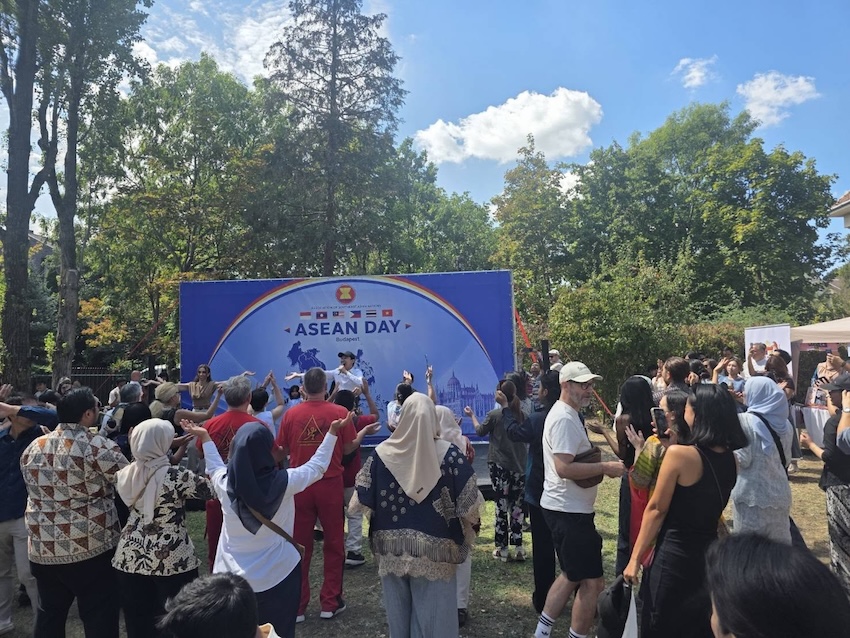
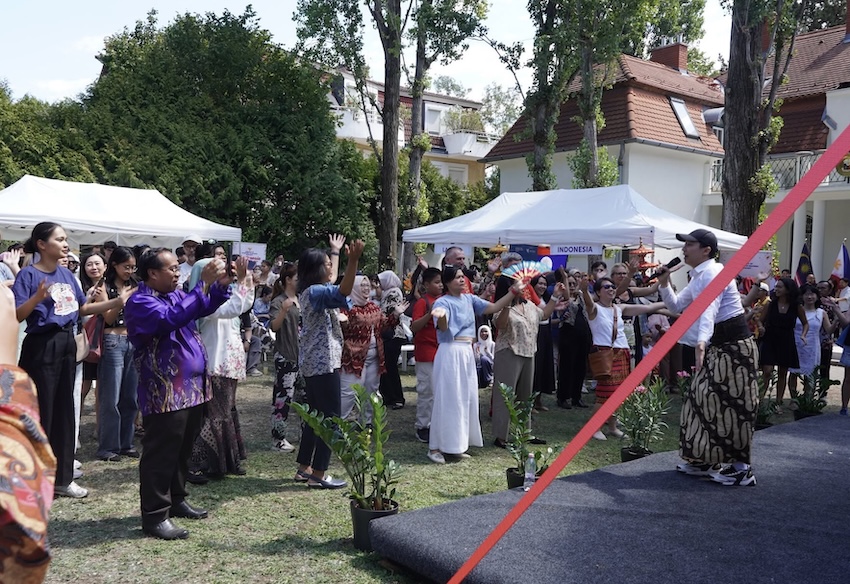
The celebration ended on a lively note with the Indonesian Poco-Poco dance, led by the Embassy of Indonesia. Guests and participants were invited to join in on the dance floor, creating a joyful conclusion to the celebration.
ASEAN – 59 years
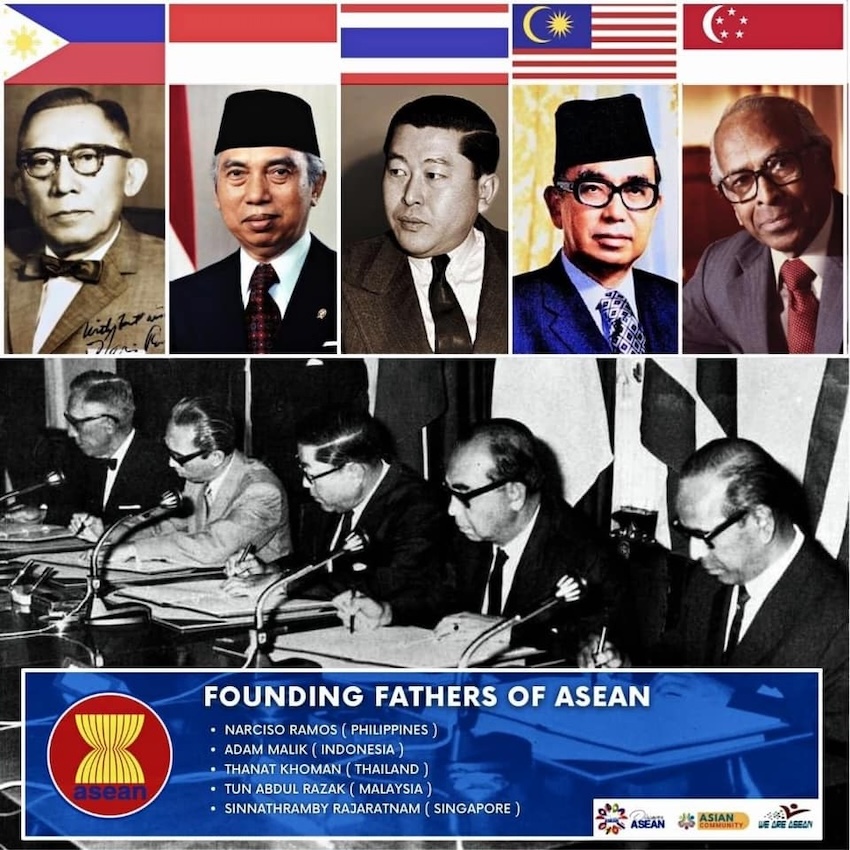
ASEAN was established on 8 August 1967 in Bangkok, Thailand, with the signing of the Bangkok Declaration by its five founding members: Indonesia, Malaysia, the Philippines, Singapore, and Thailand.
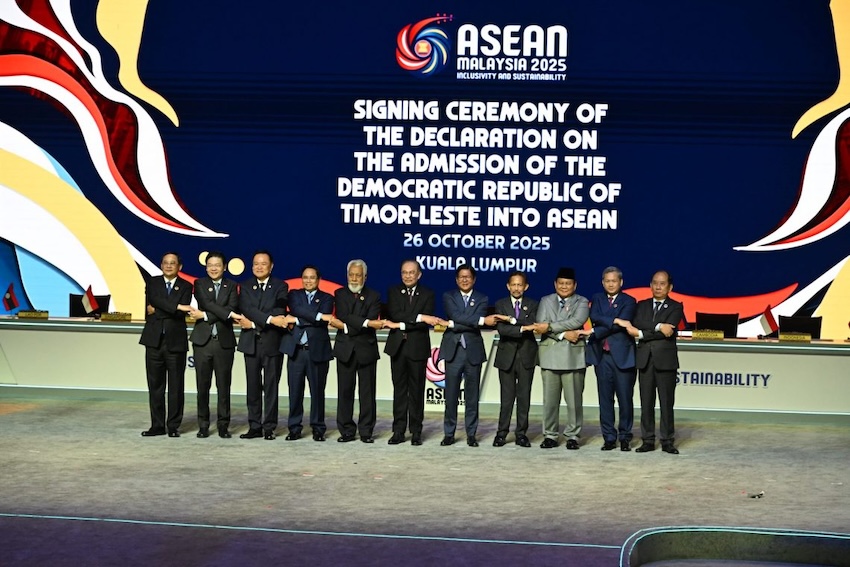
Today, ASEAN comprises 11 member states: Brunei Darussalam, Cambodia, Indonesia, Lao PDR, Malaysia, Myanmar, the Philippines, Singapore, Thailand, Timor-Leste, and Viet Nam. The Democratic Republic of Timor-Leste became ASEAN’s 11th Member State in October 2025.
The Philippines serves as ASEAN Chair in 2026 under the theme “Navigating Our Future, Together”, with three principal priorities: Peace and Security Anchors, Prosperity Corridors, and People Empowerment. For 59 years ASEAN has continued to advance a shared vision of unity, peace and development, rooted in its founding principles of cooperation, solidarity, mutual respect and regional partnership.
In 2027, Singapore will assume the ASEAN Chairship, as ASEAN marks the 60th anniversary of its founding.
Beyond showcasing ASEAN’s rich cultural diversity and strengthening people-to-people ties, the Charity Bazaar in Budapest also carried a humanitarian dimension. The proceeds from the event will benefit a charitable organization in Hungary, jointly selected by the ASEAN Embassies in Hungary, reflecting ASEAN’s shared values of solidarity, compassion, and community engagement.
Source: Embassy of the Republic of the Philippines
Photos from the Embassy of the Republic of the Philippines