

“Make V4 Great Again!” – Donald Tusk
Edited by Anna Popper
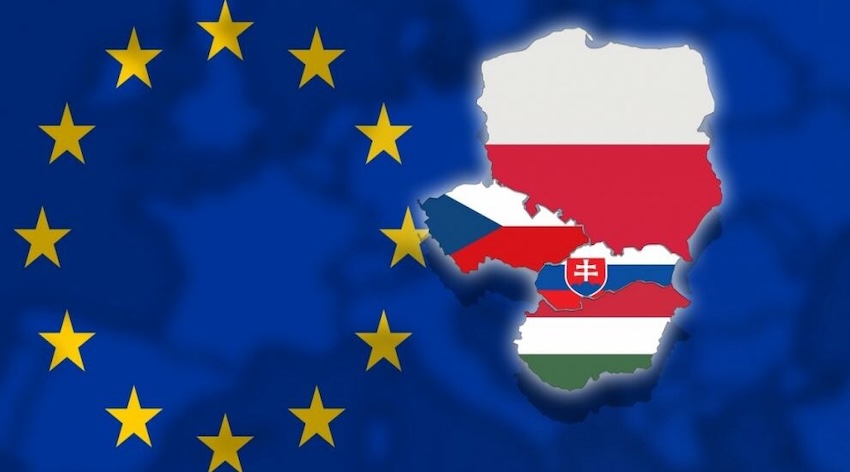
More than three decades after its establishment, the Visegrád Group (V4) is considered as a cornerstone of Central European cooperation. Uniting the Czech Republic, Hungary, Republic of Poland and Republic of Slovakia, the V4 is built on shared historical roots, cultural affinity and a commitment to addressing common challenges together. Today, the Group has renewed its political momentum and is well positioned to play a leading role in shaping the future of Central Europe, while contributing to a stronger, safer, and more resilient Europe.
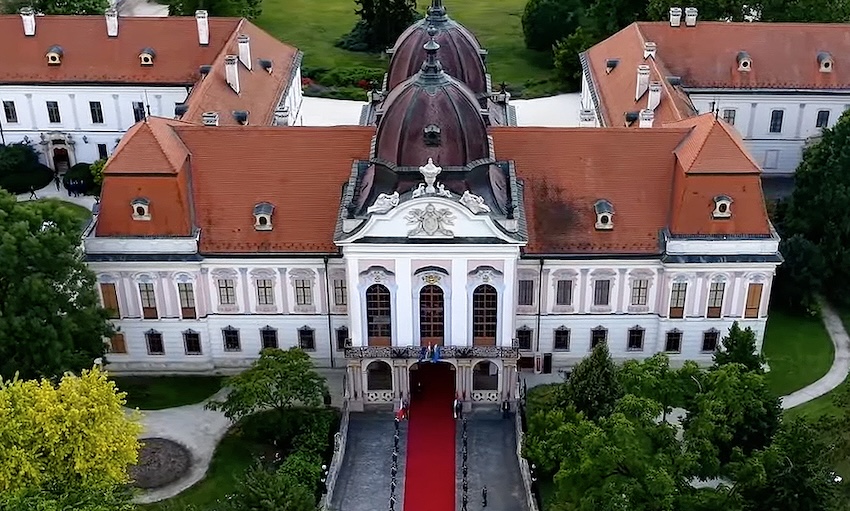
The Royal Palace of Gödöllő, one of Hungary’s most magnificent Baroque landmarks and the beloved residence of Queen Elisabeth of Hungary (known worldwide as Sisi), hosted a historic gathering of Central European leaders on the 23rd June 2026.
Against the elegant backdrop of the former royal residence, the prime ministers of Hungary, Poland, the Czech Republic and Slovakia met to reaffirm their commitment to regional cooperation and to conclude Hungary’s presidency of the Visegrád Group (V4).
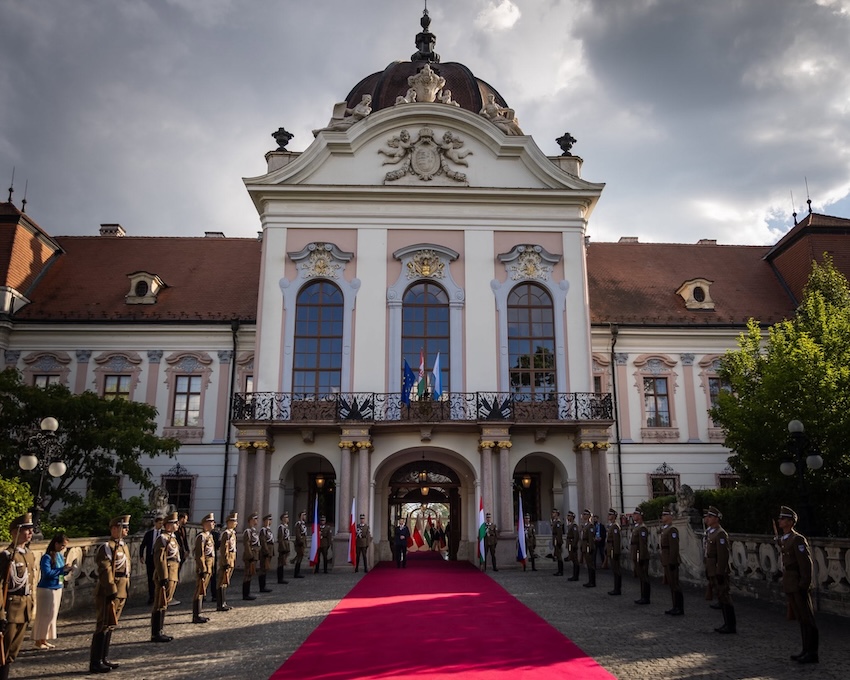
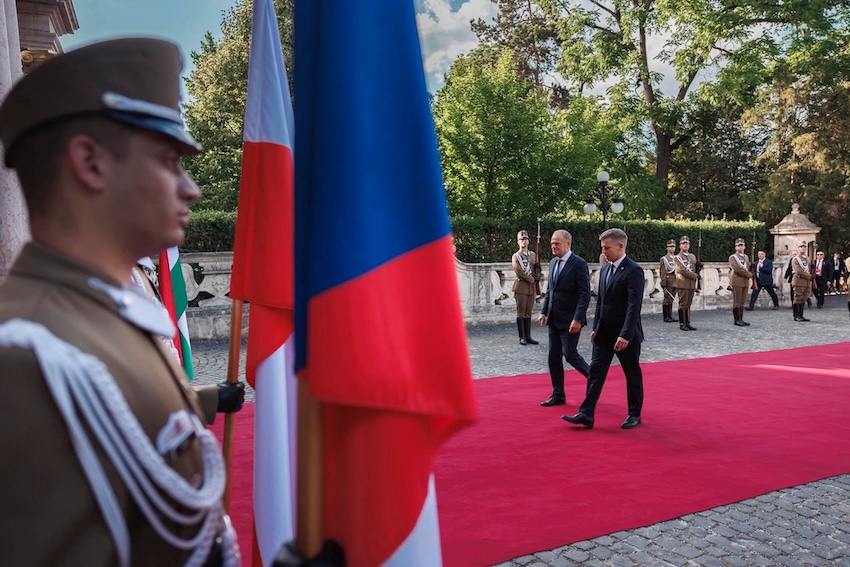
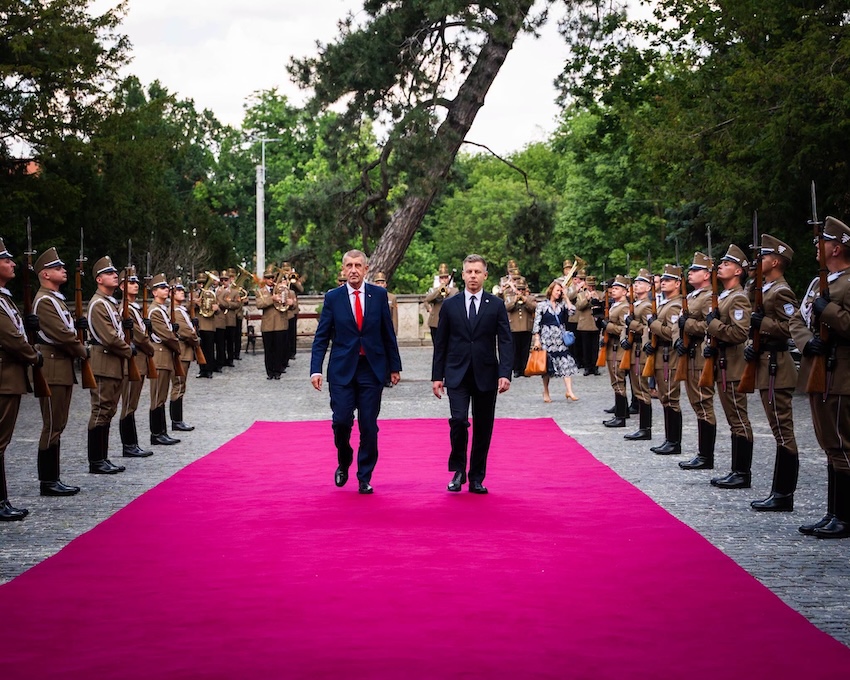
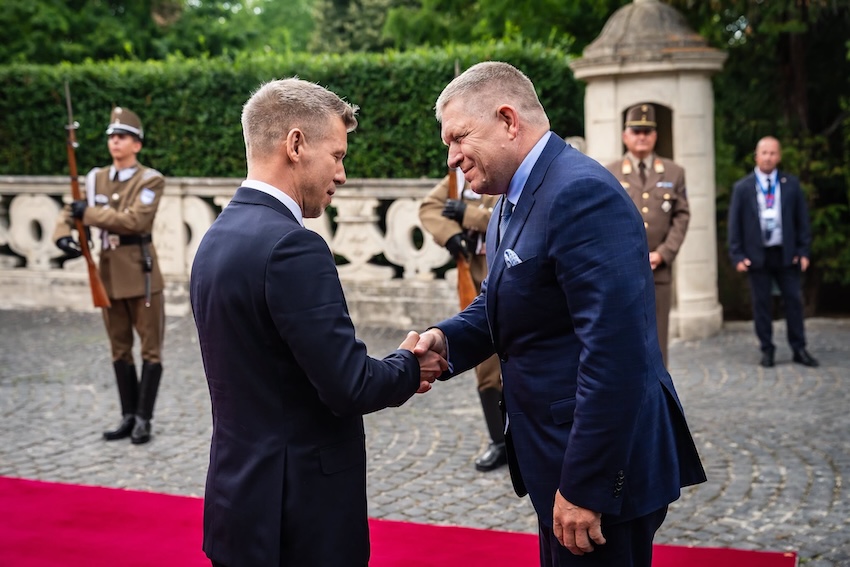
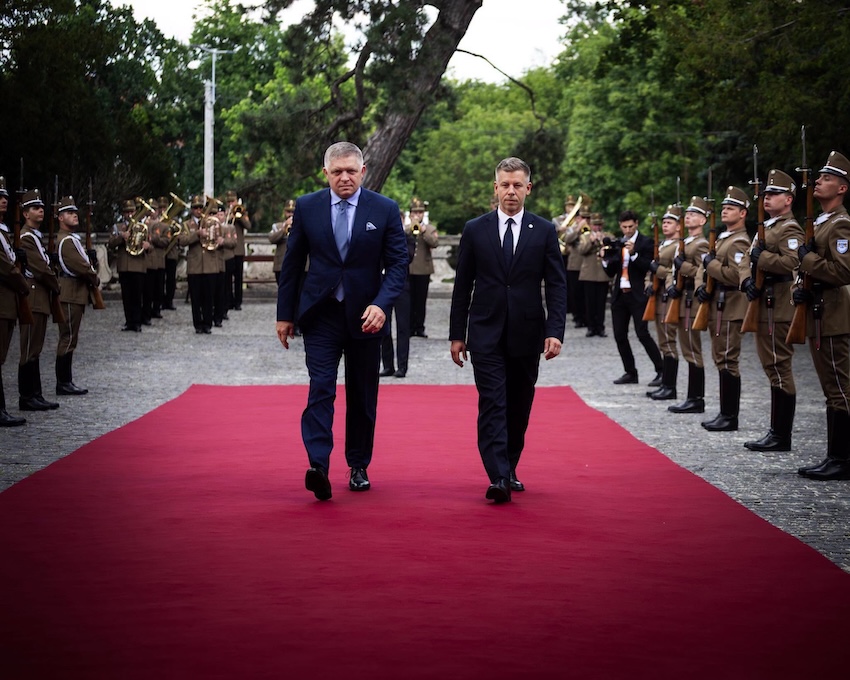
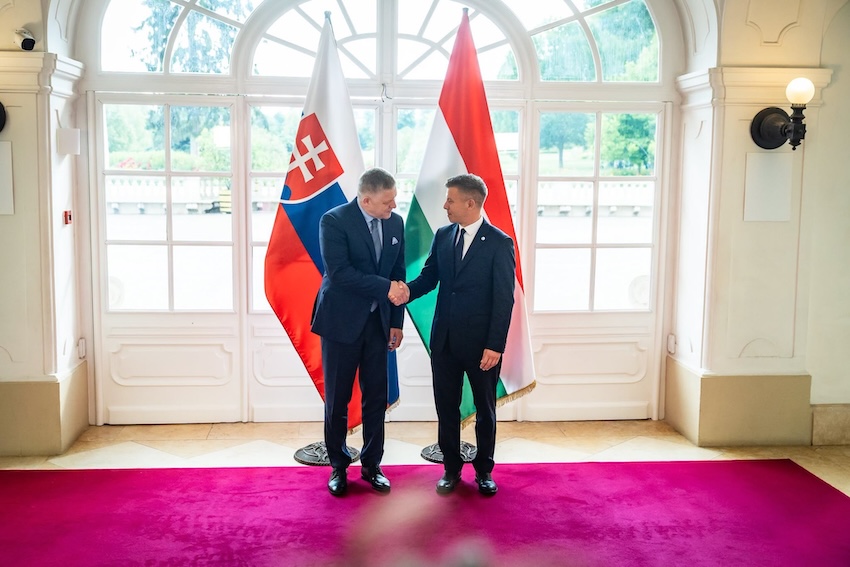
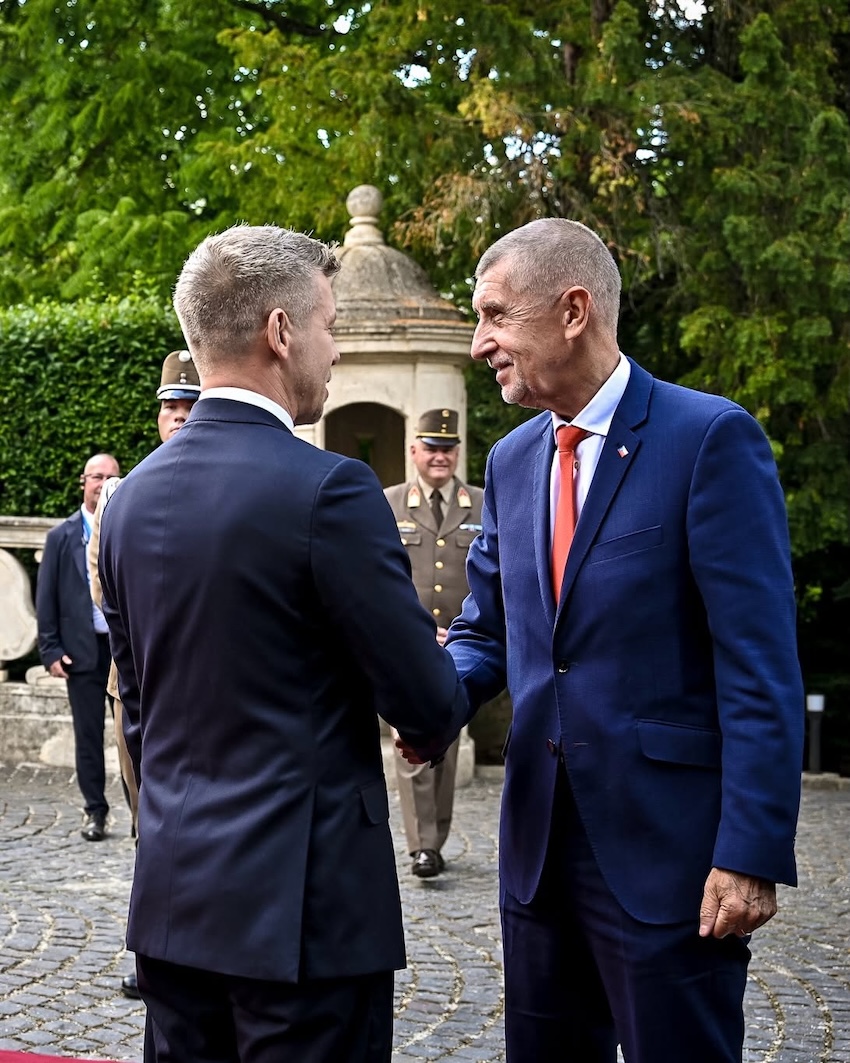
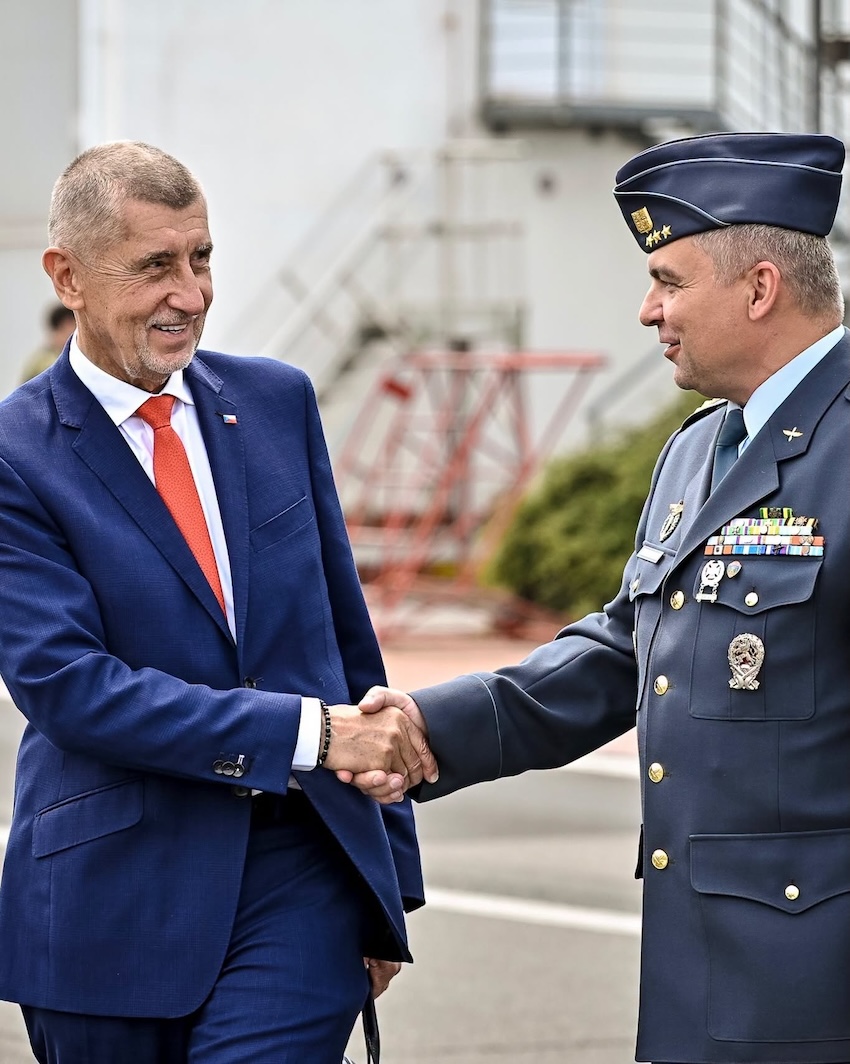
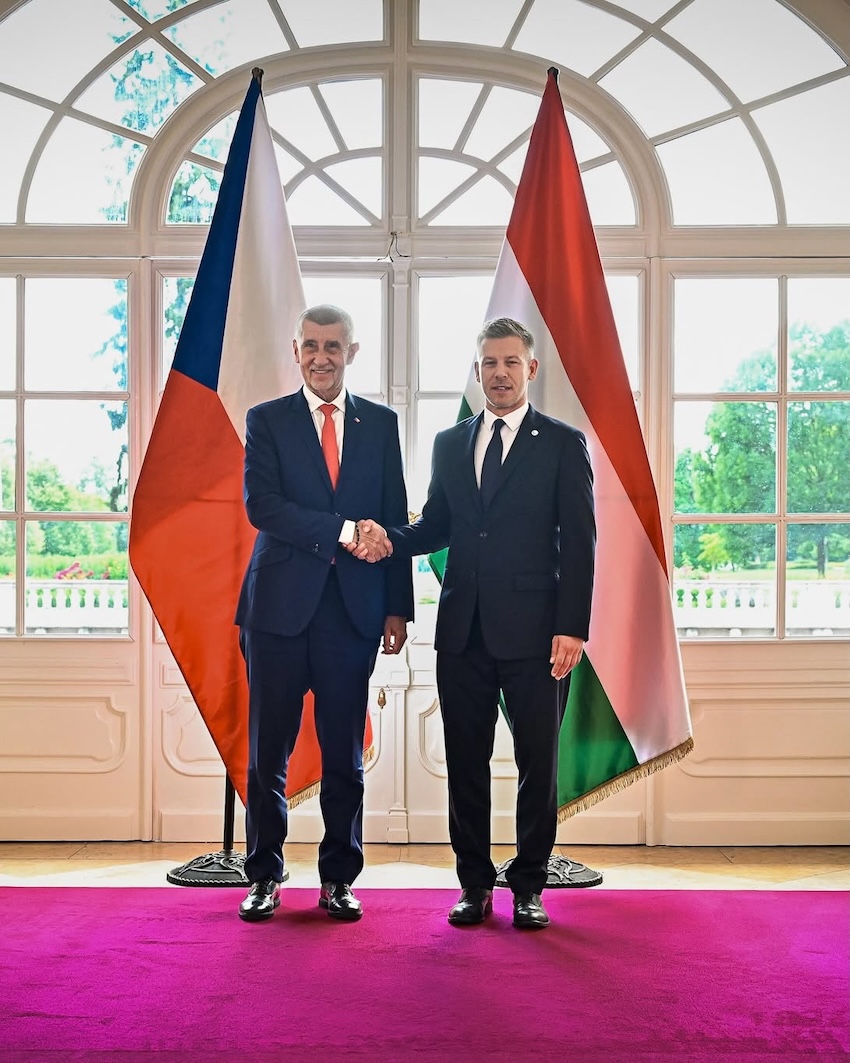
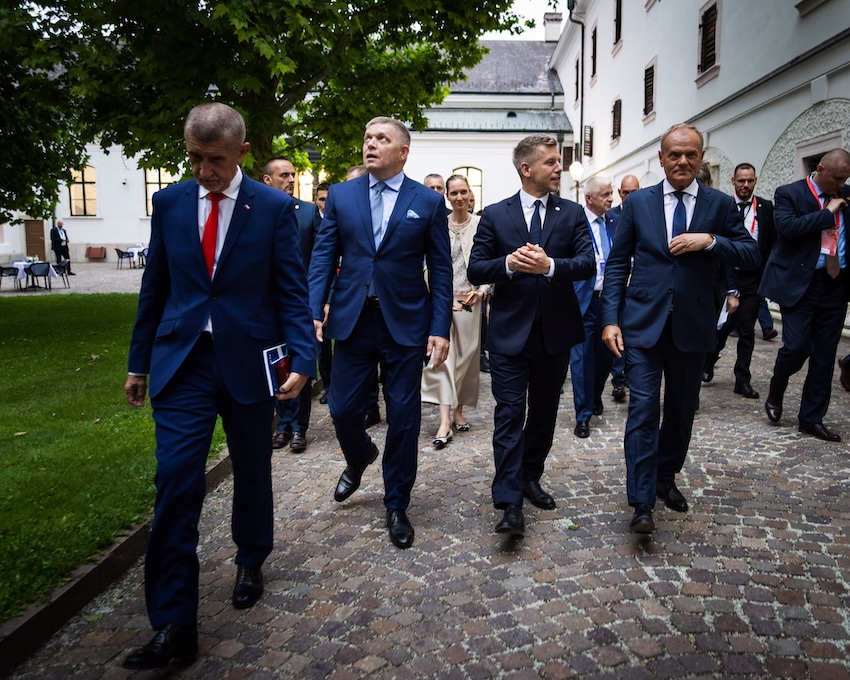
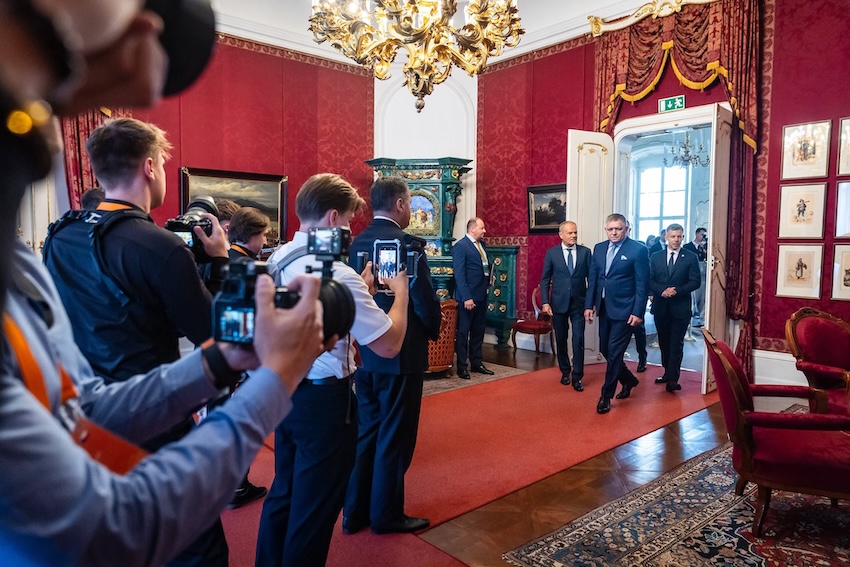
The location was particularly fitting for a summit dedicated to the future of Central Europe. The Visegrád Group draws its name from the historic Hungarian town of Visegrád in the Danube Bend, where in 1335 the kings of Hungary, Bohemia and Poland met to strengthen political and commercial ties.
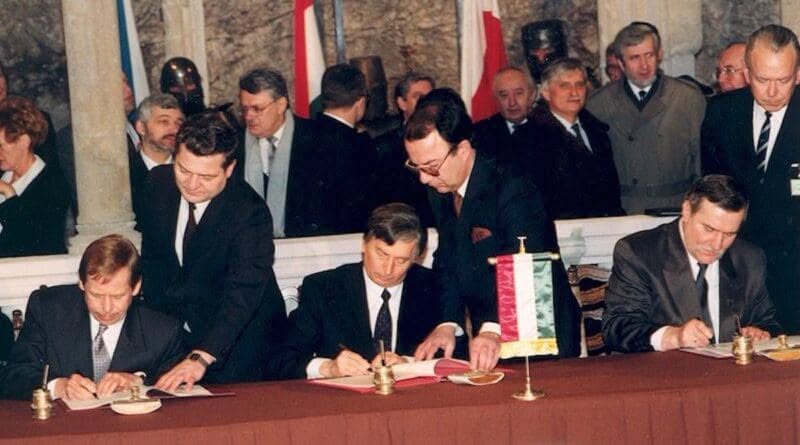
More than six and half centuries later, on 15 February 1991, Hungarian Prime Minister József Antall, Polish President Lech Wałęsa and Czechoslovak President Václav Havel signed the Visegrád Declaration, creating a framework for cooperation intended to guide the region toward Euro-Atlantic integration.
Following the peaceful division of Czechoslovakia in 1993, the Czech Republic and Slovakia became independent members of what is now known as the V4.
This year’s summit carried special significance as it coincided with the 35th anniversary of the Visegrád Declaration and served as the closing event of Hungary’s V4 Presidency, which ran from 1 July 2025 to 30 June 2026 under the motto “Competitive Visegrád”. The three priority areas of the Hungarian Presidency programme were: Competitiveness; Security; and Connectivity.
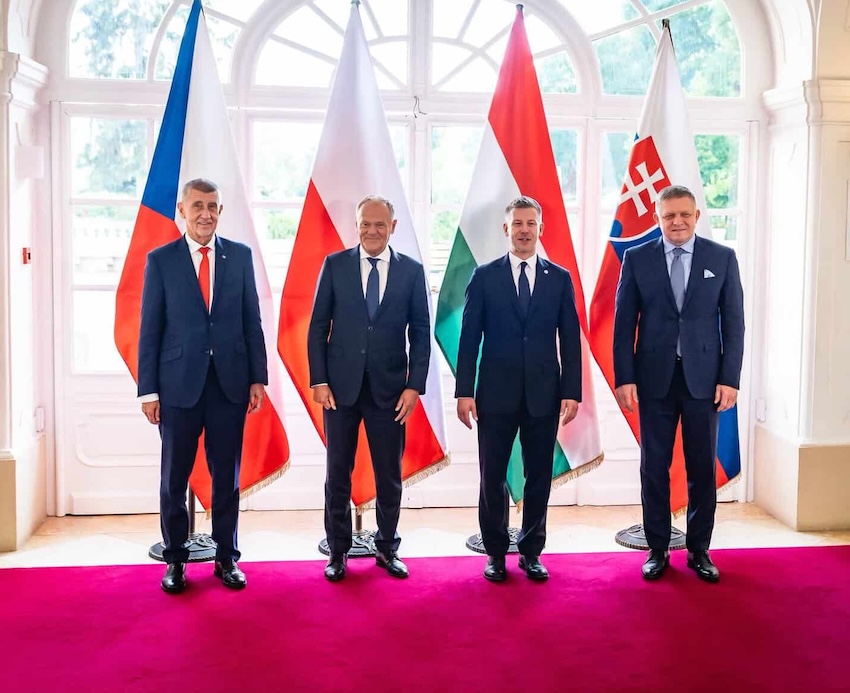
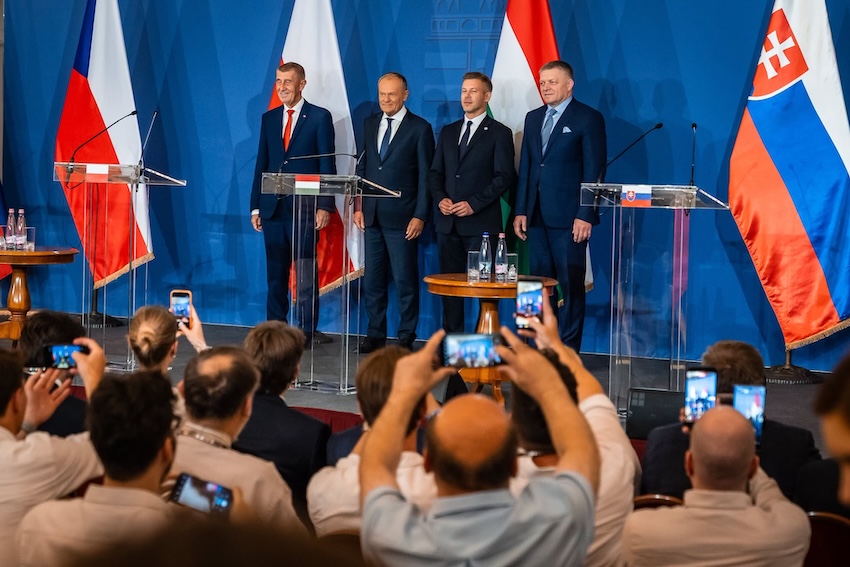
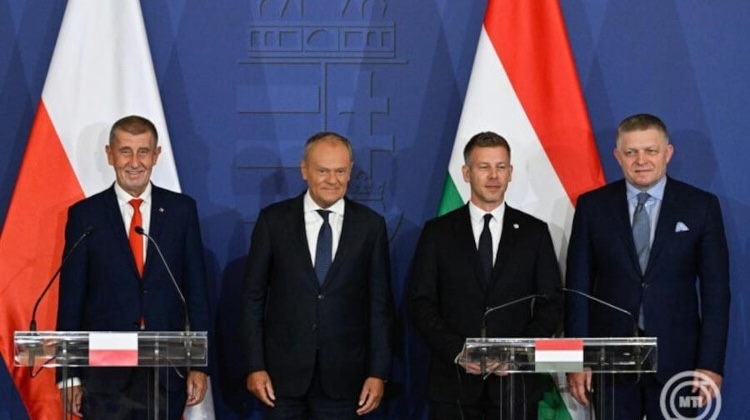
Hosted by Hungarian Prime Minister Péter Magyar, the meeting brought together Czech Prime Minister Andrej Babiš, Polish Prime Minister Donald Tusk and Slovak Prime Minister Robert Fico. The leaders gathered with a clear objective: to revitalize political dialogue and strengthen cooperation in areas where the four countries have common interests.
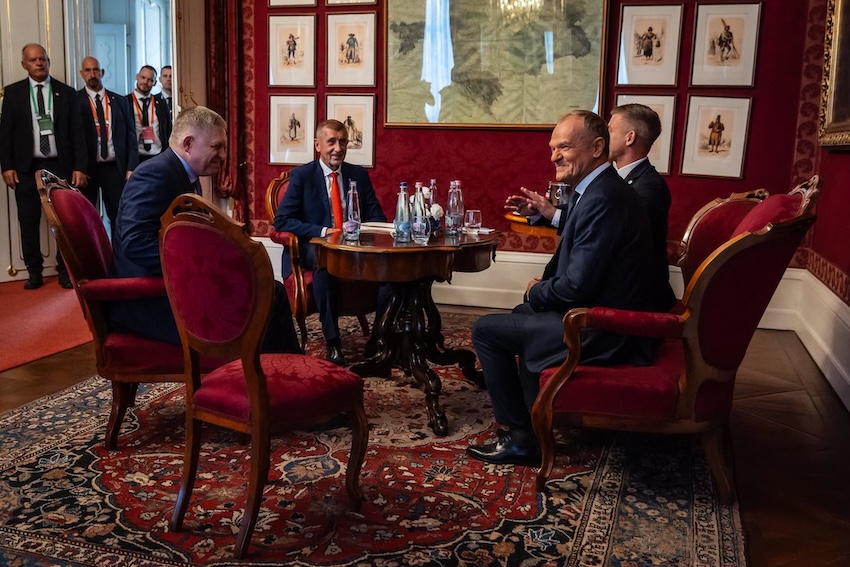
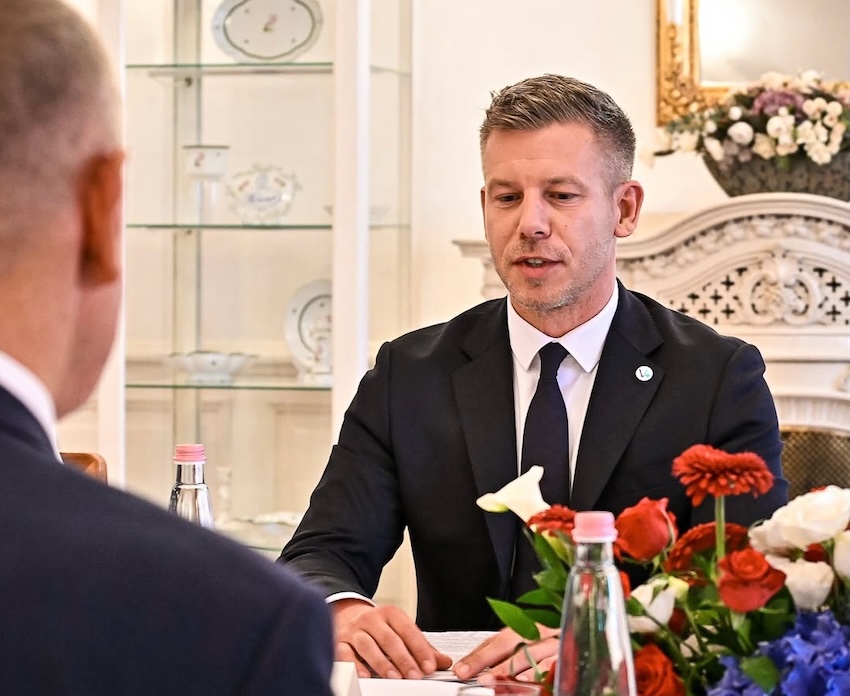
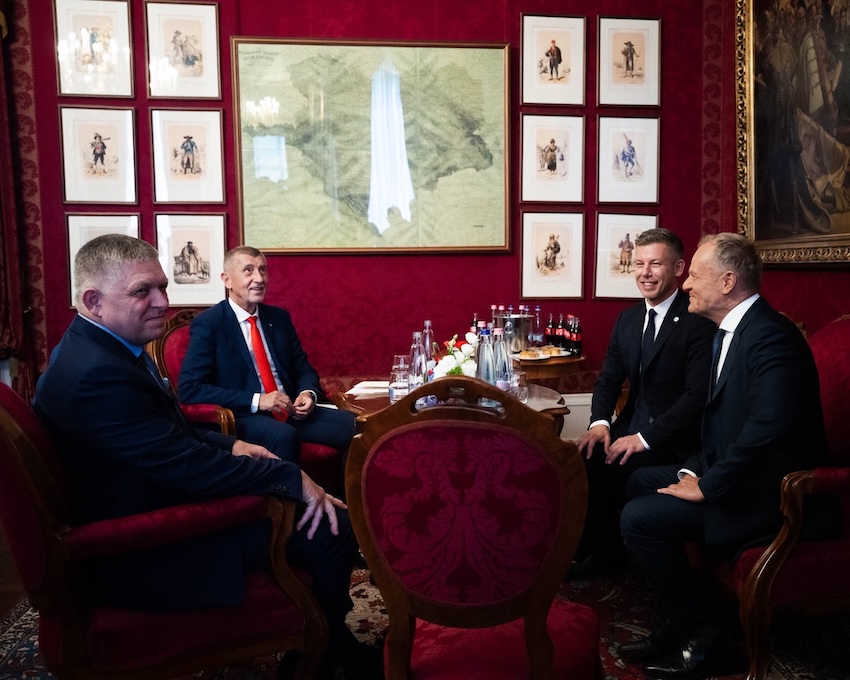
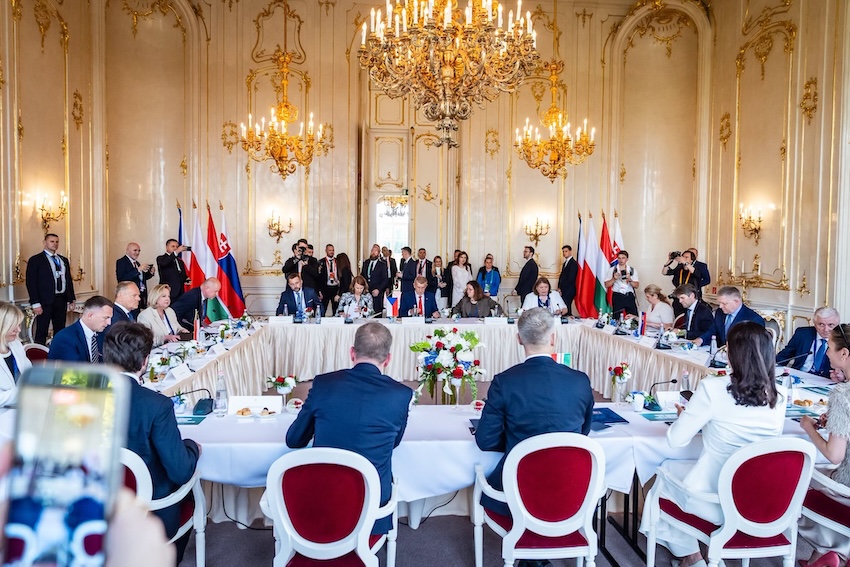
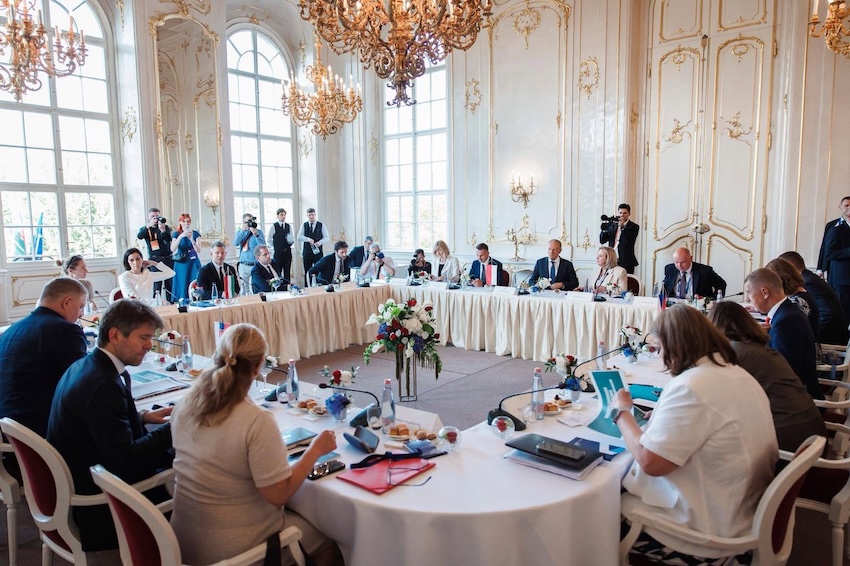
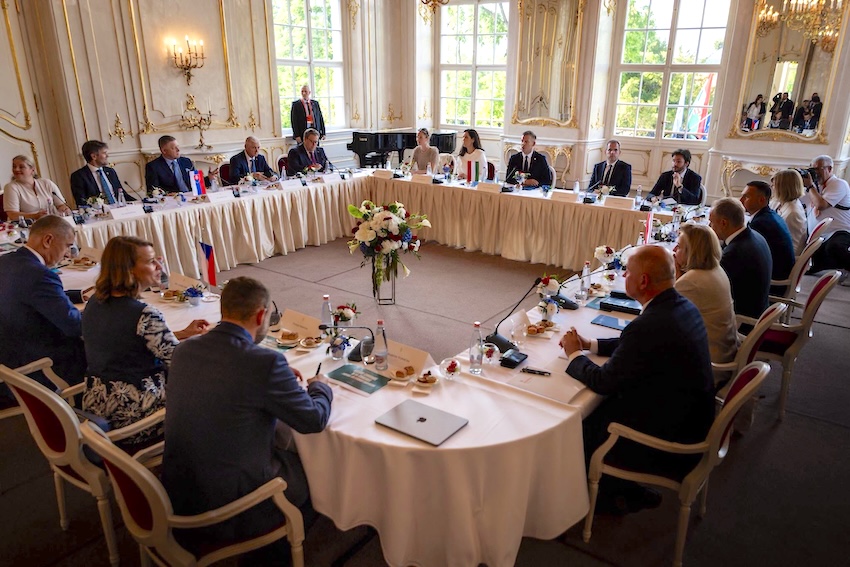
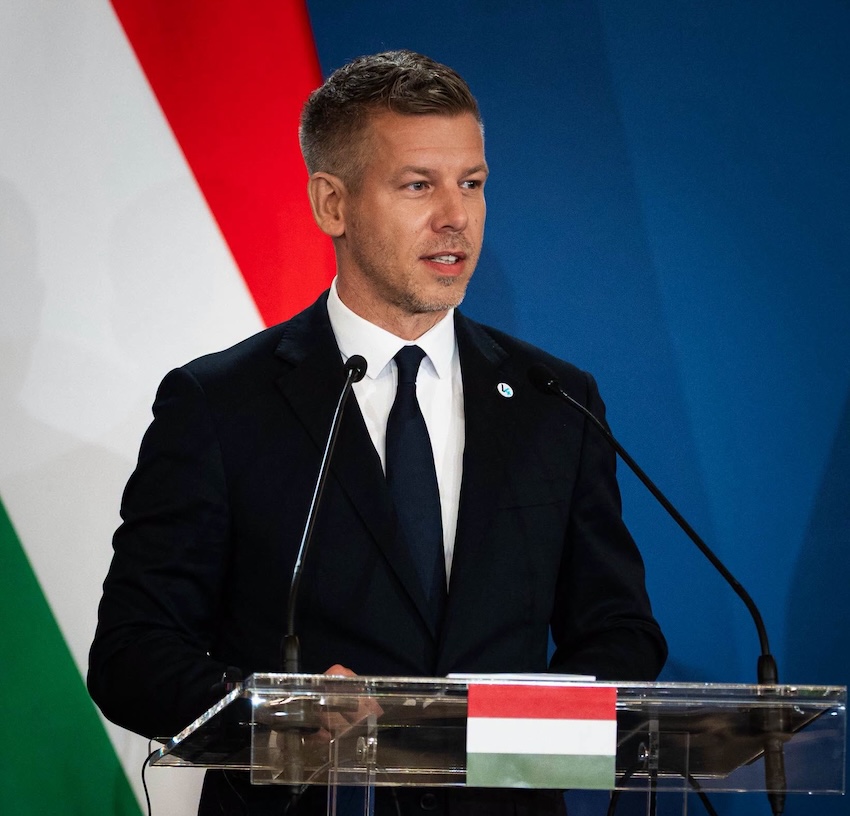
Opening the joint press conference, Prime Minister Magyar recalled a remark made by Donald Tusk only five days earlier in Brussels: “The V4 is back.”
The Hungarian Prime Minister emphasized that the foundations of cooperation remain strong despite recent political differences: “More unites our countries than divides them.”
The leaders agreed to resume regular consultations before meetings of the European Council and the Council of the European Union to coordinate positions on key issues affecting the region. Discussions focused on the European Union’s next Multiannual Financial Framework for 2028–2034, cohesion policy, agriculture and rural development, competitiveness, energy security, enlargement policy and the green transition.
A strong emphasis was also placed on strengthening cooperation in defence, internal affairs, innovation, digitalisation, artificial intelligence, cybersecurity, and research and development. The four leaders agreed that maintaining Europe’s competitiveness requires affordable energy, modern infrastructure and coordinated regional action.
Among the summit’s most ambitious proposals was a plan for a high-speed railway connecting Budapest, Bratislava, Prague and Warsaw. The project, championed by Prime Minister Magyar, would symbolize the renewed momentum of Central European cooperation.
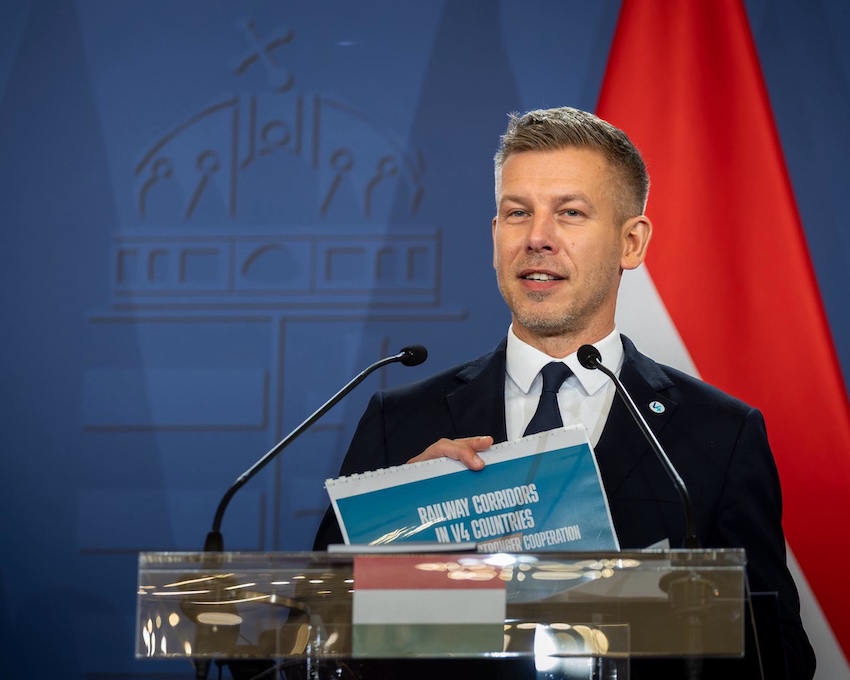
The summit was marked by a notably optimistic atmosphere, with all four leaders expressing confidence in the future of the partnership.
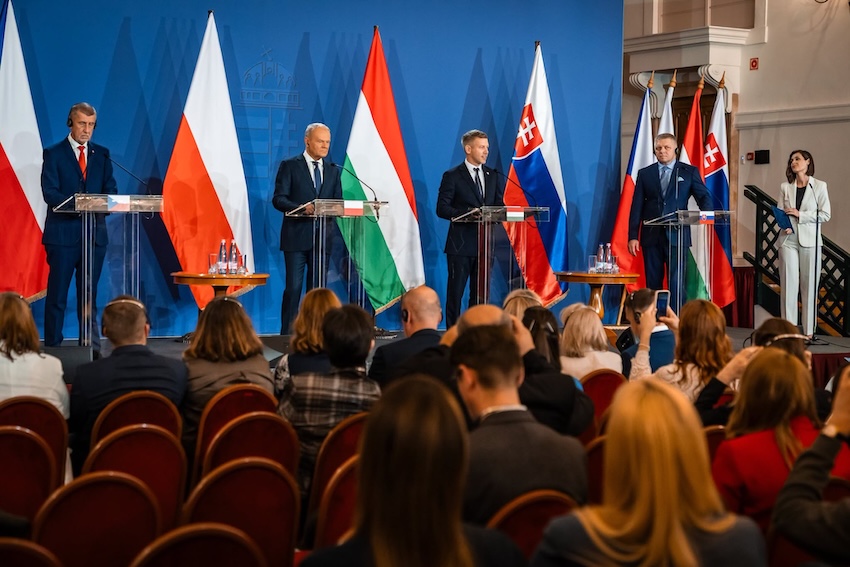
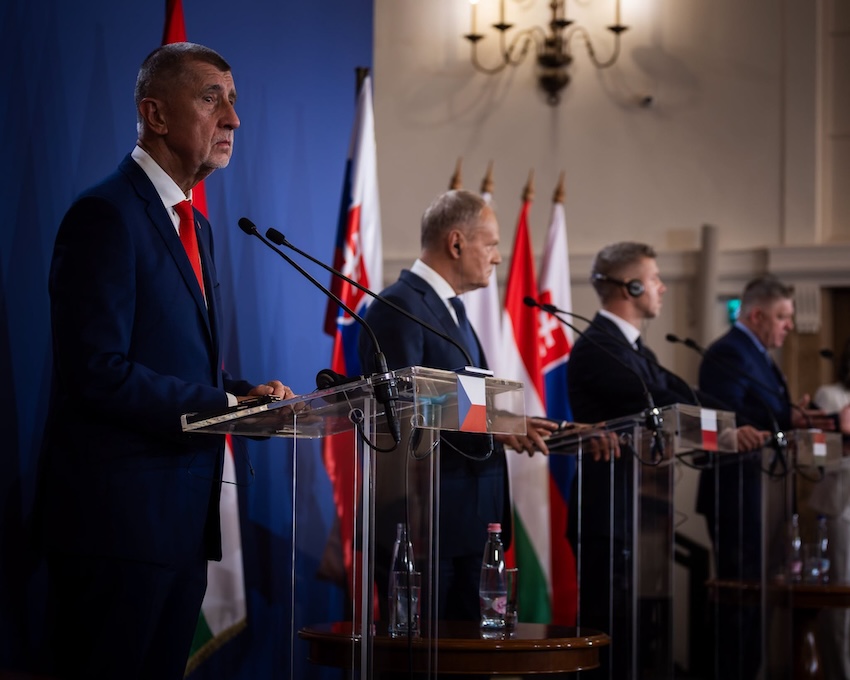
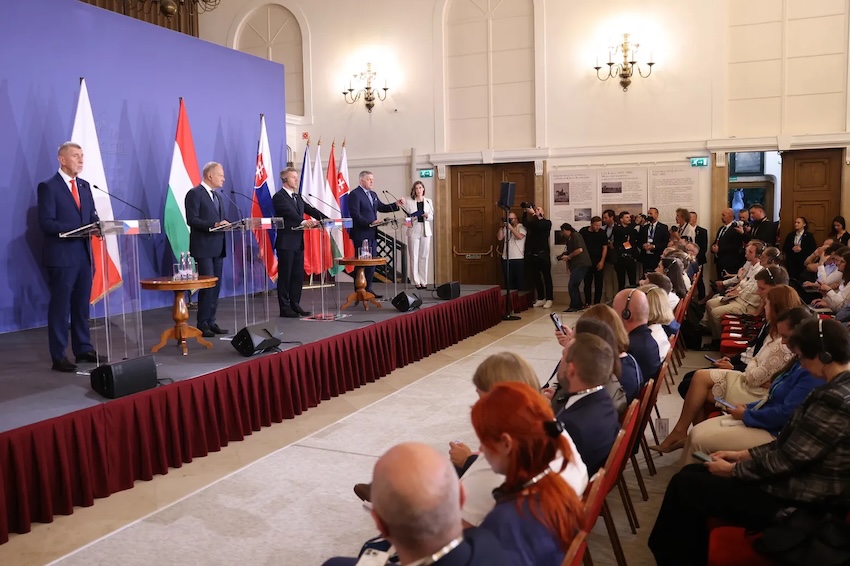
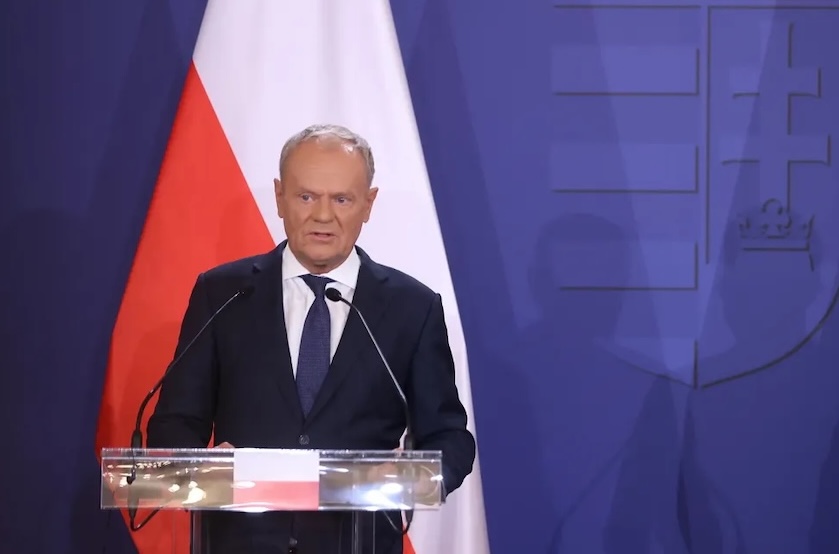
Polish Prime Minister Donald Tusk highlighted the importance of solidarity among the V4 countries. “If we always remember that what binds us together is stronger than what divides us, then Europe will start listening to us.”
Thanking the Hungarian Prime Minister for helping restore momentum to the cooperation, Tusk added: “Thank you for bringing back hope. Make V4 Great Again!” He stressed that a united Visegrád Group has repeatedly demonstrated its ability to influence European decision-making and could once again become a significant voice in the EU.
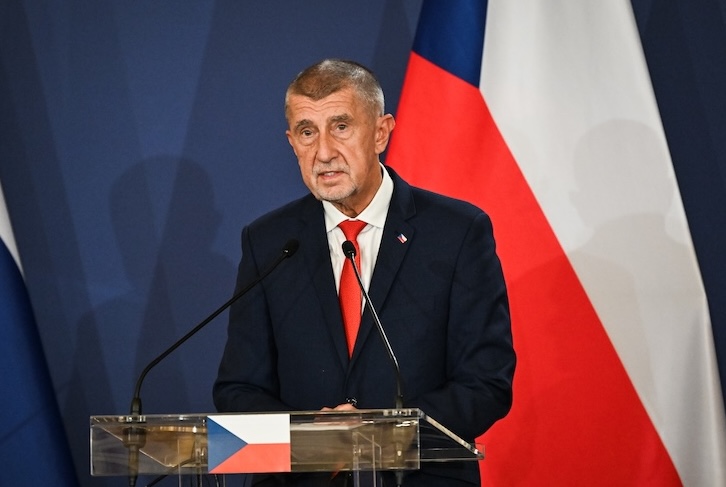
Czech Prime Minister Andrej Babiš was equally optimistic about the future. “These four countries are Europe’s future.”
He emphasized the economic strength, industrial capacity and strategic importance of Central Europe, adding that the four countries were “once again all in the same boat” and ready to work together to achieve tangible results.
Slovak Prime Minister Robert Fico, whose country assumes the rotating V4 Presidency from 1 July 2026 to 30 June 2027, underlined the importance of enhanced cooperation in a challenging international environment, saying: “The Slovak presidency comes at a time of hardship and difficulty,”noting that the Visegrád countries collectively represent around 65 million citizens, thus giving the region considerable political and economic weight within the European Union.
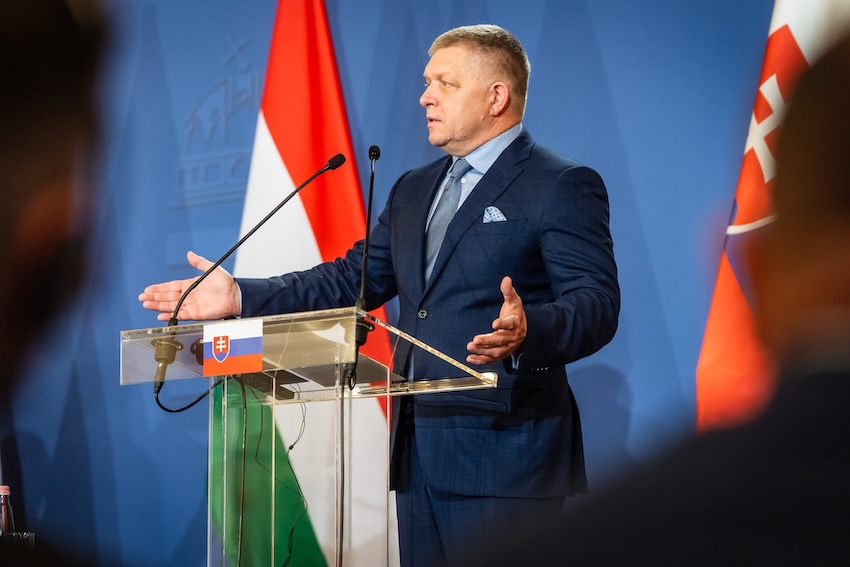
Presenting Slovakia’s programme for the coming year, Fico identified four key priorities for the new V4 Presidency: Strengthening competitiveness; Affordable and secure energy; Migration and internal security; and Stronger coordination of V4 positions within the European Union.
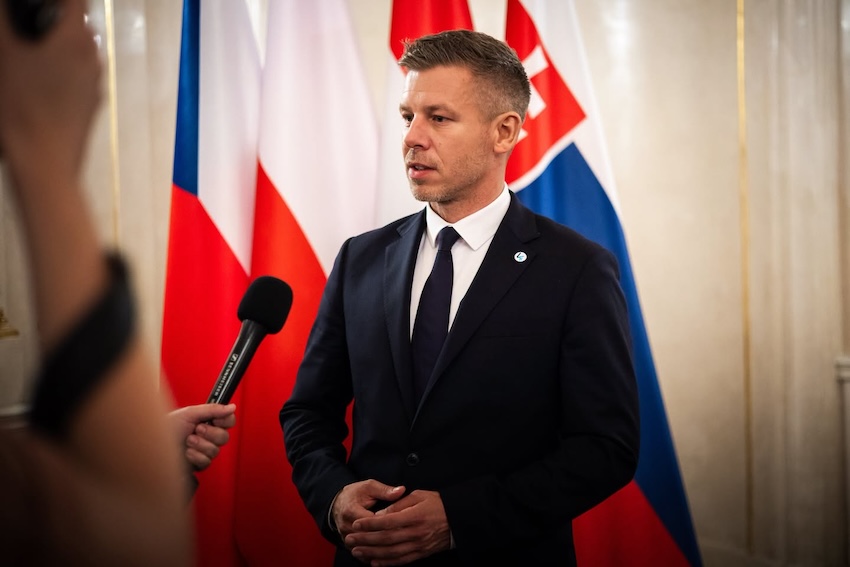
The summit also addressed the future of the V4+ format, which allows the four countries to engage with additional European and international partners. The leaders agreed that this flexible framework can serve as an effective platform for consultations and joint initiatives whenever interests align.
Hungary concludes its current V4 presidency on 30 June 2026, passing the baton to Slovakia. During the Hungarian term, V4 meetings were held at presidential, parliamentary, ministerial and expert levels to maintain dialogue across a wide range of partnership policy areas.
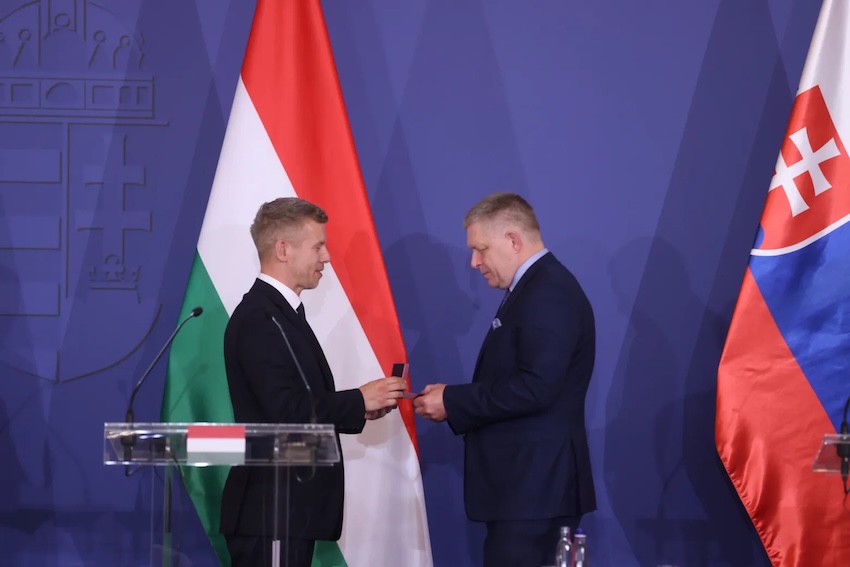
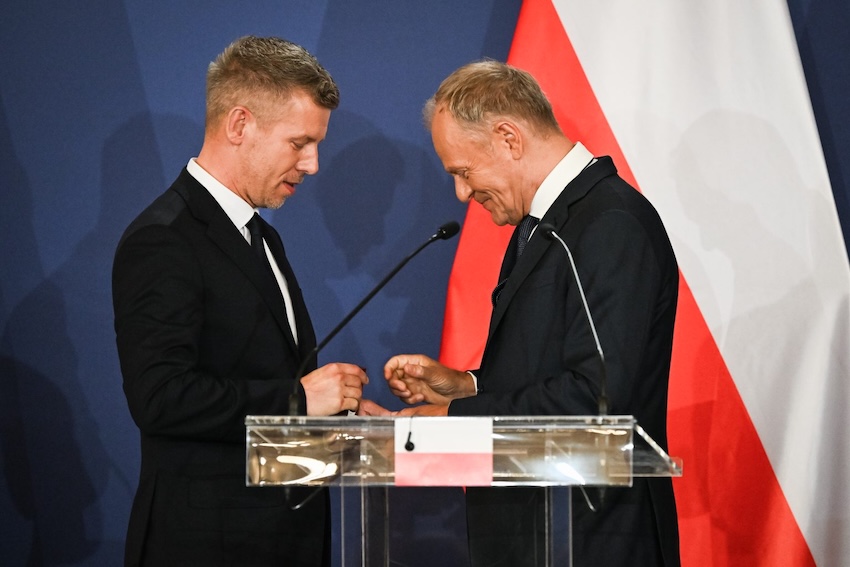
To commemorate the 35th anniversary of the Visegrád Declaration, Prime Minister Péter Magyar presented commemorative medals to his Czech, Polish and Slovak counterparts. This gesture recalled the enduring vision first articulated in 1991: Central European nations are stronger when they work together.
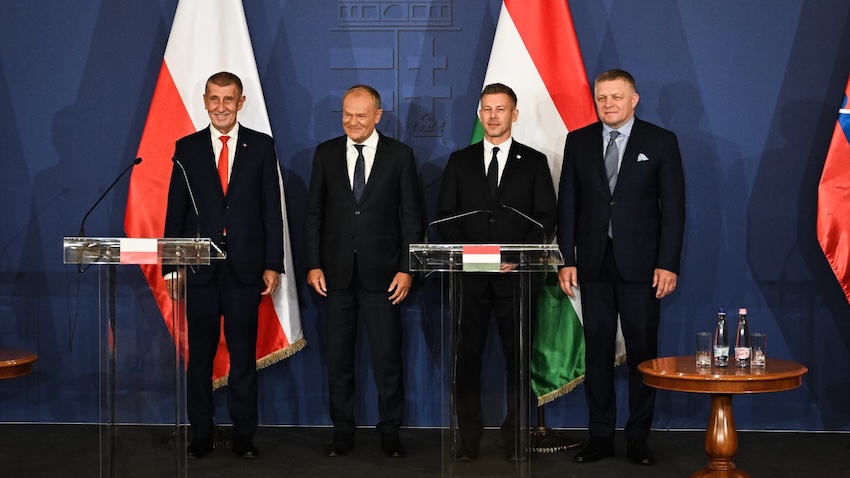
As the leaders departed the Royal Palace of Gödöllő, the message emerging from the summit was unmistakable. After a period during which the Visegrád Group seemed to have lost its relevance amid political disagreements, weakened dialogue, and declining trust, the V4 has re-emerged as a united and purposeful regional partnership. The four countries have reinvigorated their political dialogue, reaffirmed their strategic objectives, and demonstrated their determination to shape the future of Central Europe together. United by shared interests, common values, and a population of over 64 million citizens, they have sent a clear signal: Visegrád cooperation is not only back, but ready to play a stronger role in addressing the challenges and seizing the opportunities of the coming years.
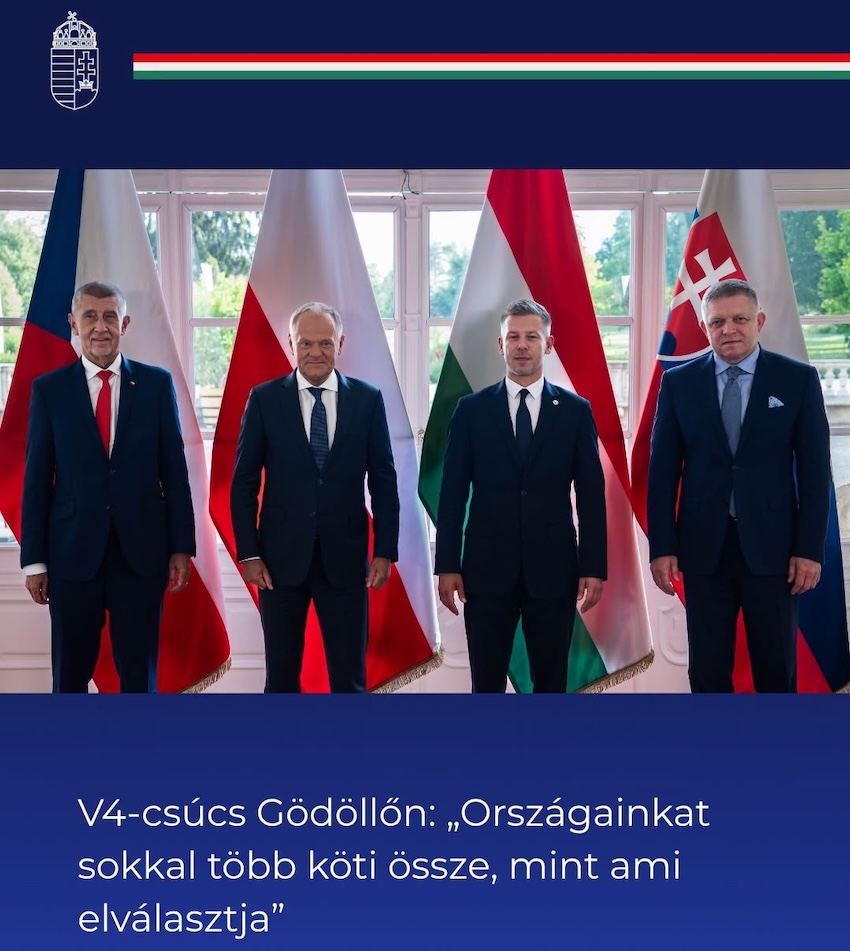
This renewal was made possible by the shared political will of the four prime ministers to restore dialogue and strengthen cooperation. Drawing on centuries of shared history, close neighbourly ties, and common strategic interests, they reaffirmed their commitment to a partnership based on mutual respect, solidarity, and a shared vision for the future. The Gödöllő Summit has shown that the V4 is not merely returning – it is returning with renewed purpose, unity, and ambition.
From the historic meeting of kings in Visegrád in 1335 to the gathering of prime ministers in Gödöllő in 2026, the idea of Central European cooperation has endured for almost seven centuries. The Gödöllő Summit did more than revive the Visegrád partnership – it reaffirmed that the V4, united by history, geography, and shared interests, remains an indispensable pillar of regional stability and a confident voice in shaping the future of Europe.
Source: kormany.hu – Hungarian Government
Photos from the Facebook accounts of Prime Minister of Hungary Péter Magyar, Prime Minister of Slovakia Robert Fico, Prime Minister of Poland Donald Tusk, and Prime Minister of Czechia Andrej Babiš
V4 Defence Ministers Meet in Budapest
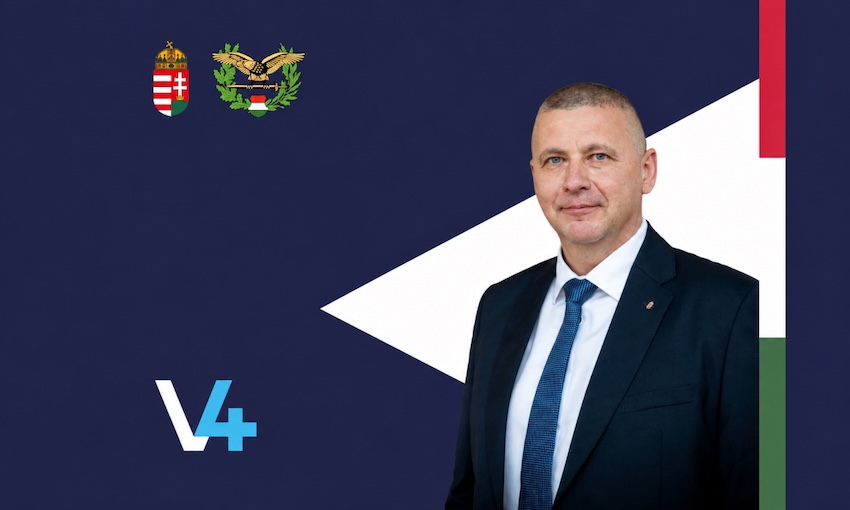
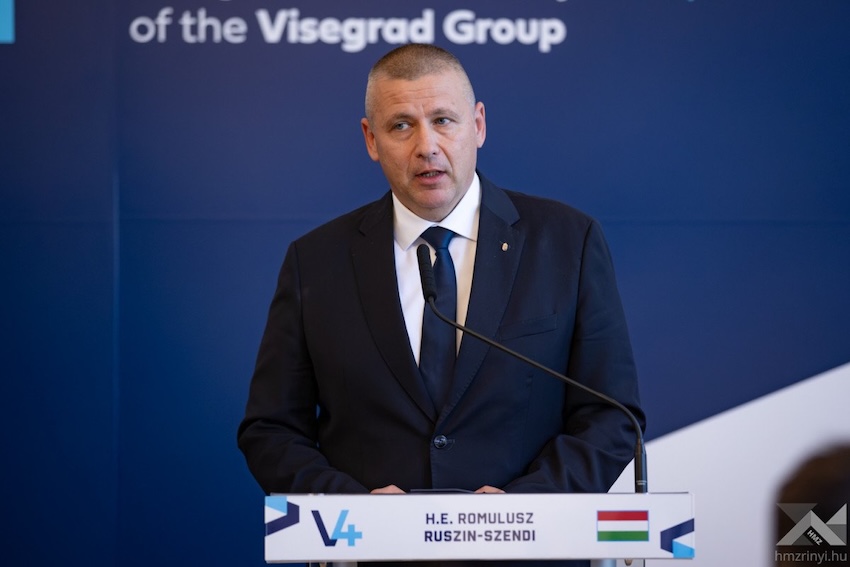
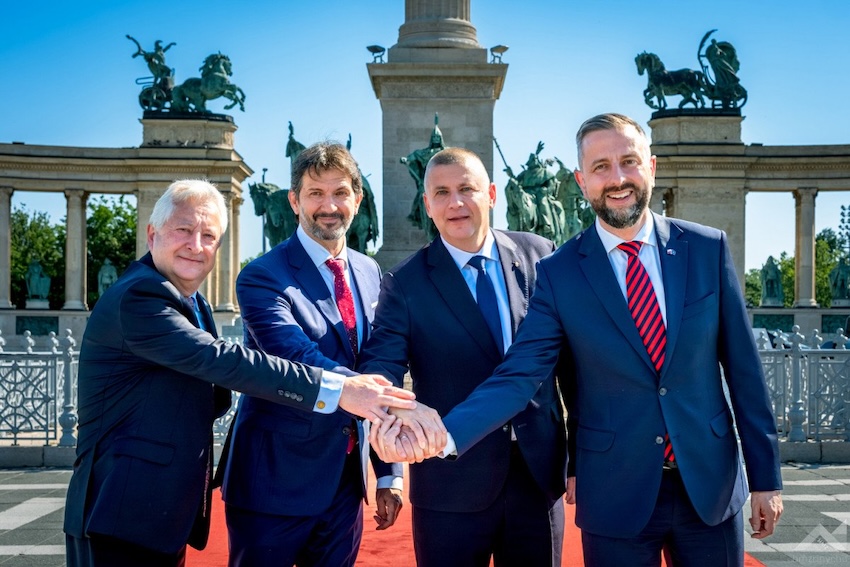
Following the Gödöllő V4 Summit of Prime Ministers on the 23 June 2026, and prior to Slovakia’s assumption of the rotating presidency of the Visegrád Group (V4) on 1 July 2026, the defence ministers of the Czech Republic, Hungary, Poland and Slovakia met in Budapest on 25 June at the invitation of Hungary’s Minister of Defence, Romulusz Ruszin-Szendi. During this meeting, they reaffirmed their commitment to strengthening military logistics and defence industry cooperation.
At a joint press conference, Romulusz Ruszin-Szendi, Hungary’s Minister of Defence, Robert Kaliňák, Slovakia’s Minister of Defence, Jaromír Zůna, Czech Minister of Defence, and Władysław Kosiniak-Kamysz, Poland’s Deputy Prime Minister and Minister of National Defence, announced that representatives of all V4 member states will henceforth be invited to attend every military exercise hosted by any of the four countries.
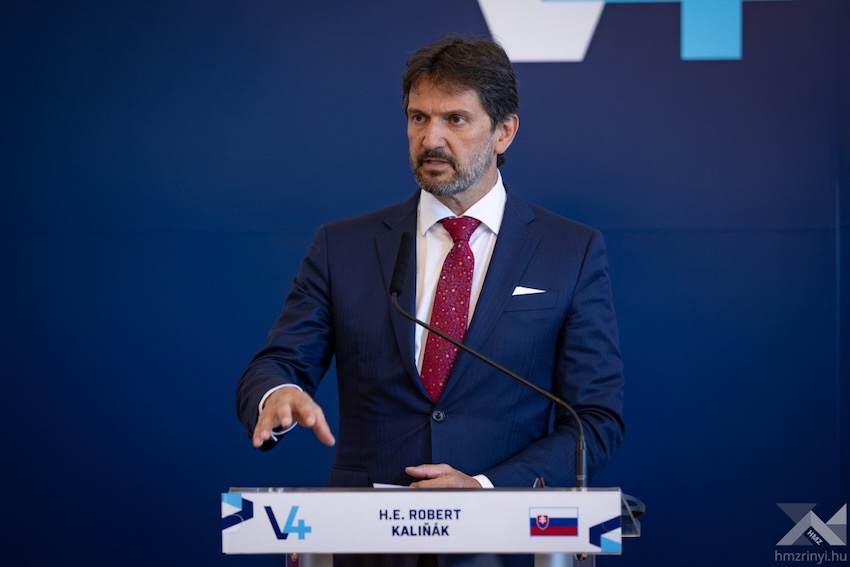
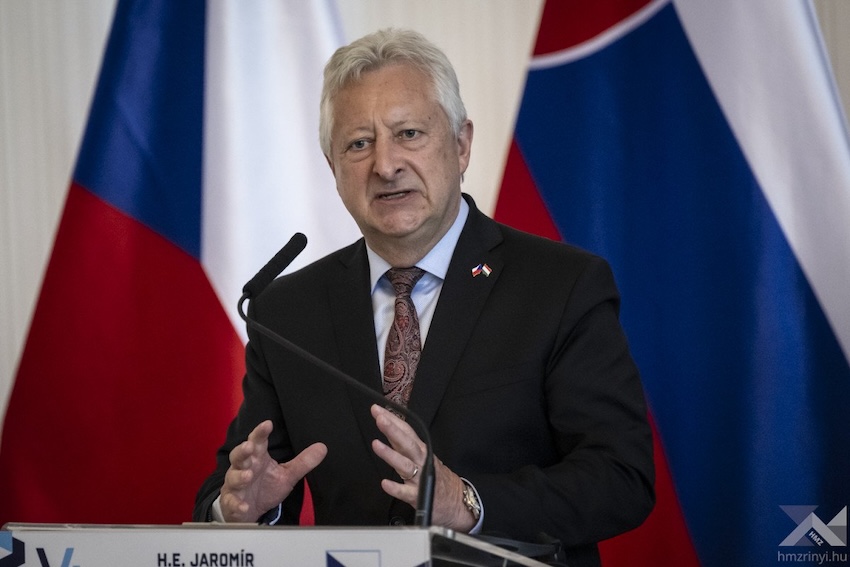
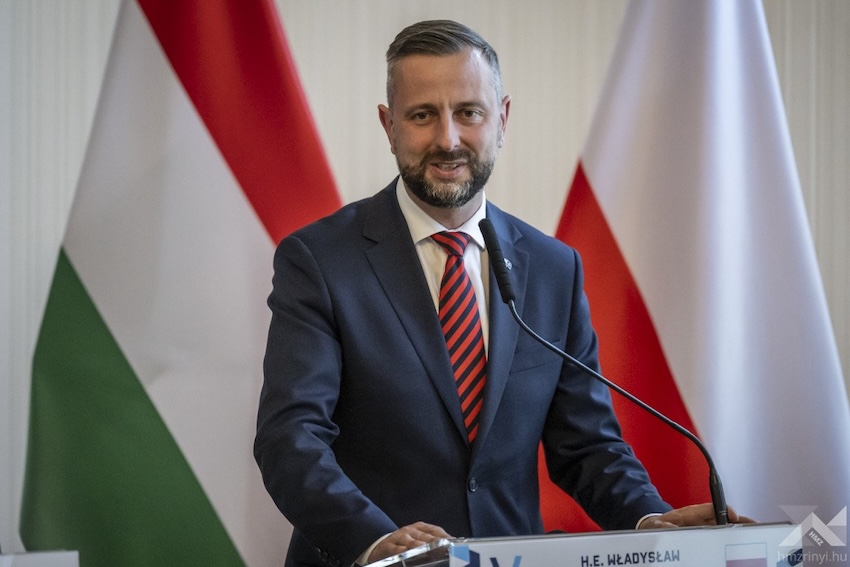
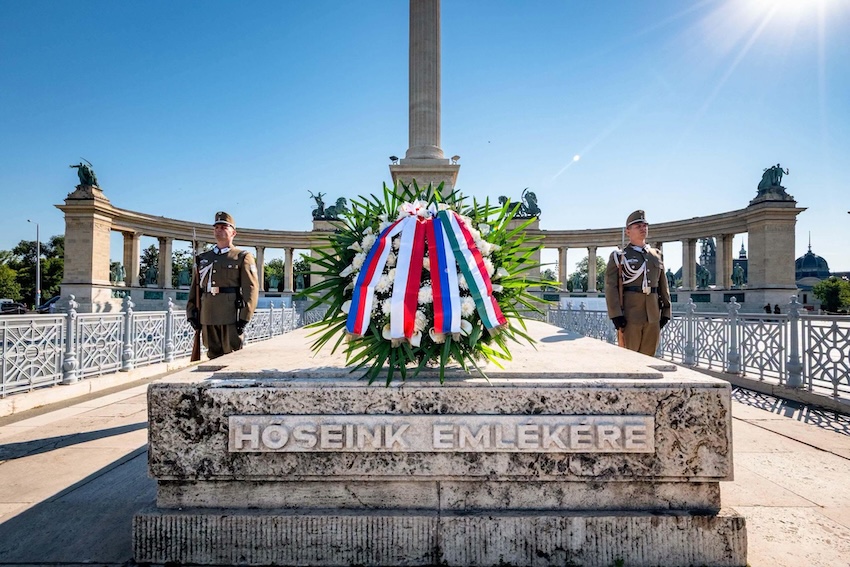
The V4 defence ministers also paid a visit to Heroes’ Square, where they laid a joint wreath at the Monument of the Unknown Soldier.
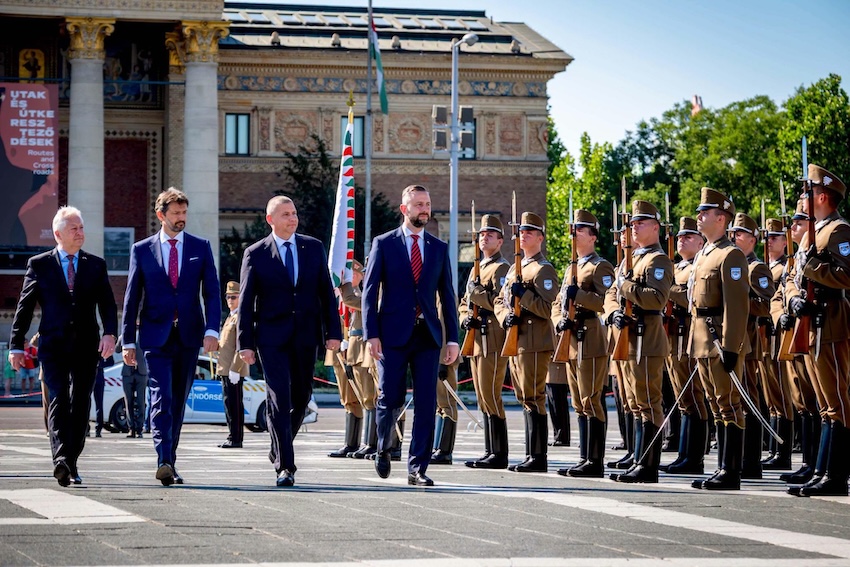
Photos from honvedelem.hu, Facebook page of Ruszin-Szendi Romulusz