



An International Platform where Diplomacy, Tradition, and Culinary Art meet
Edited by Anna Popper
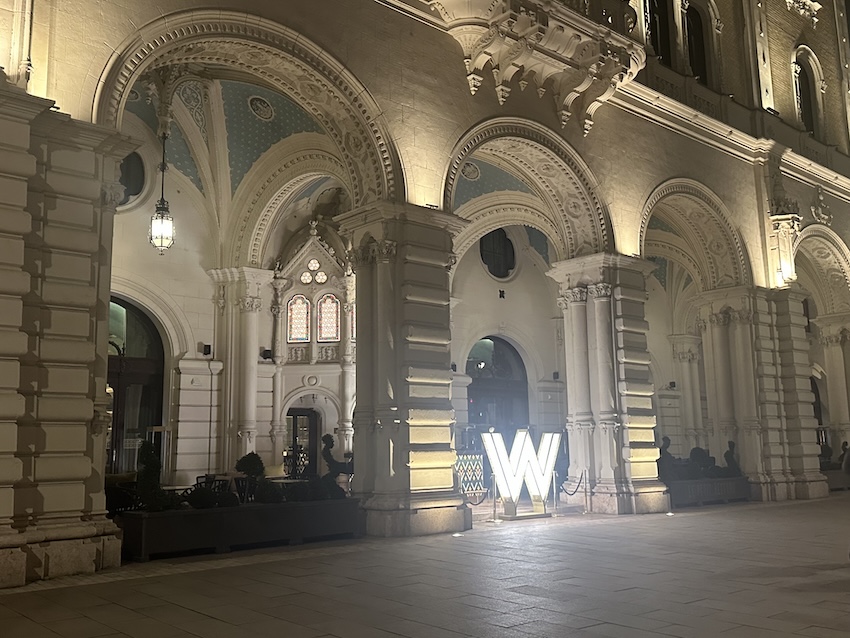
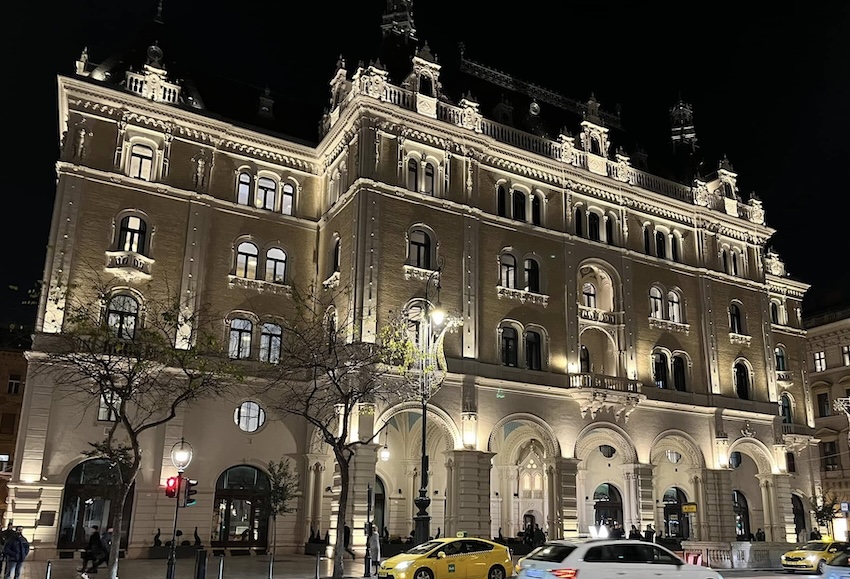
Sake Week returned to Budapest this spring, reaffirming its role as an international platform for cultural and gastronomic exchange. The opening event took place on 27 March 2026 at the W Budapest Hotel, on the elegant Andrássy Avenue, marking the official start of the programme, which ran from 28 March to 2 April.
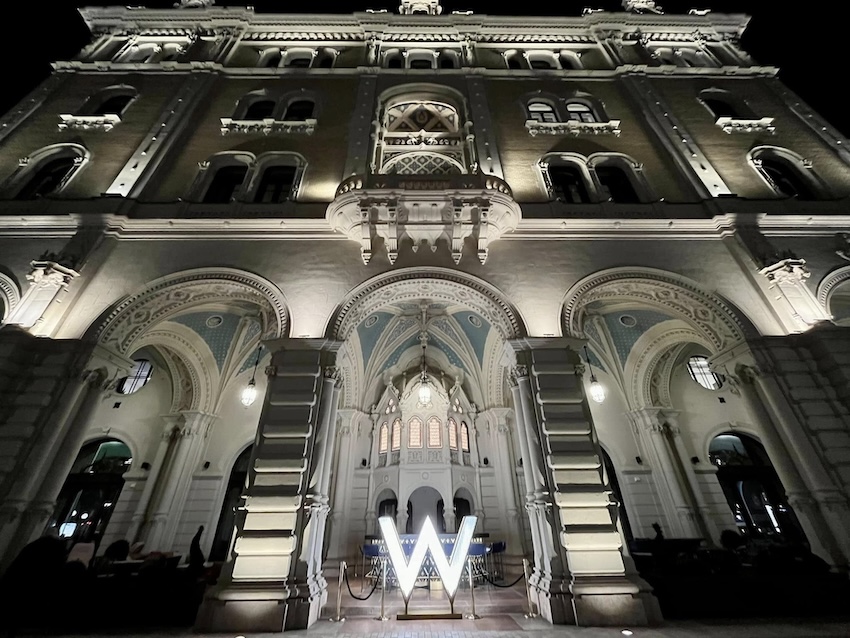
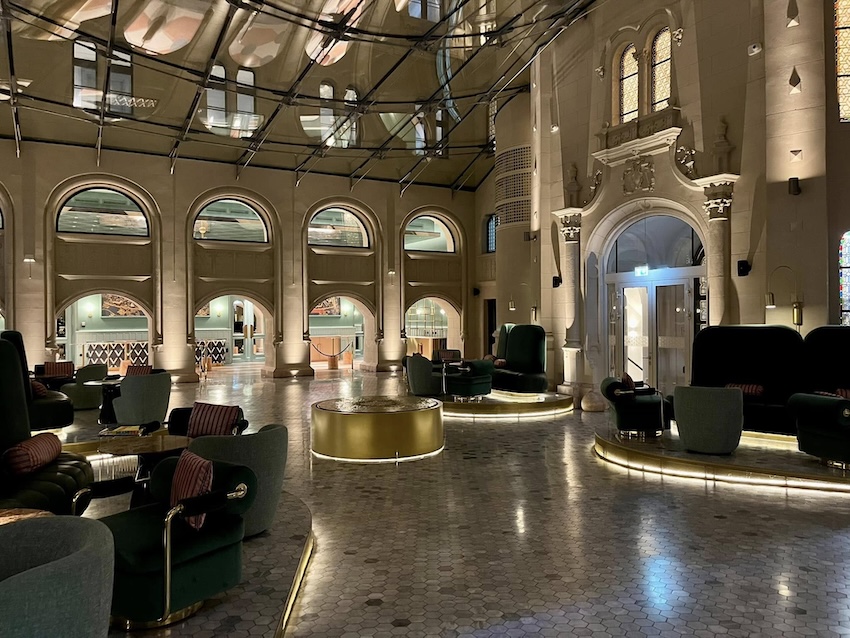
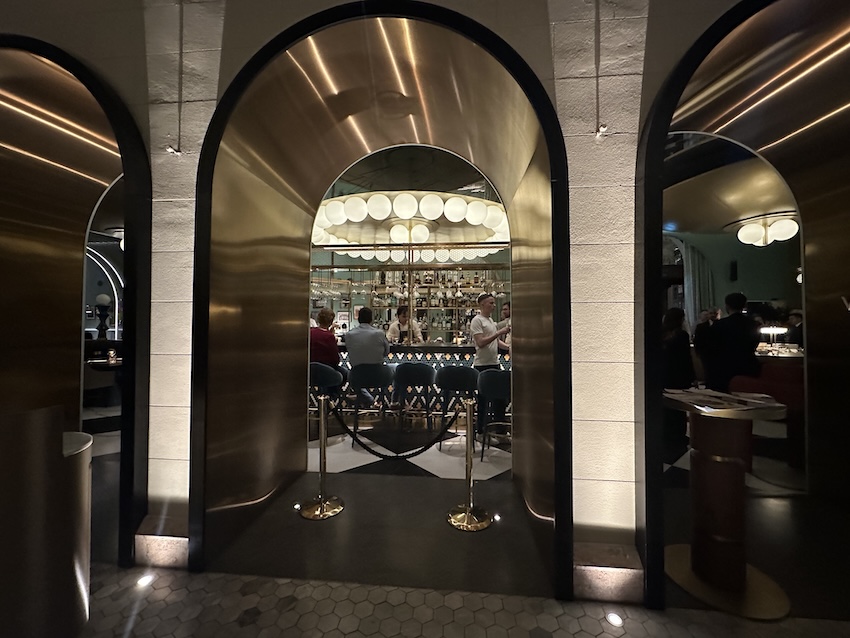
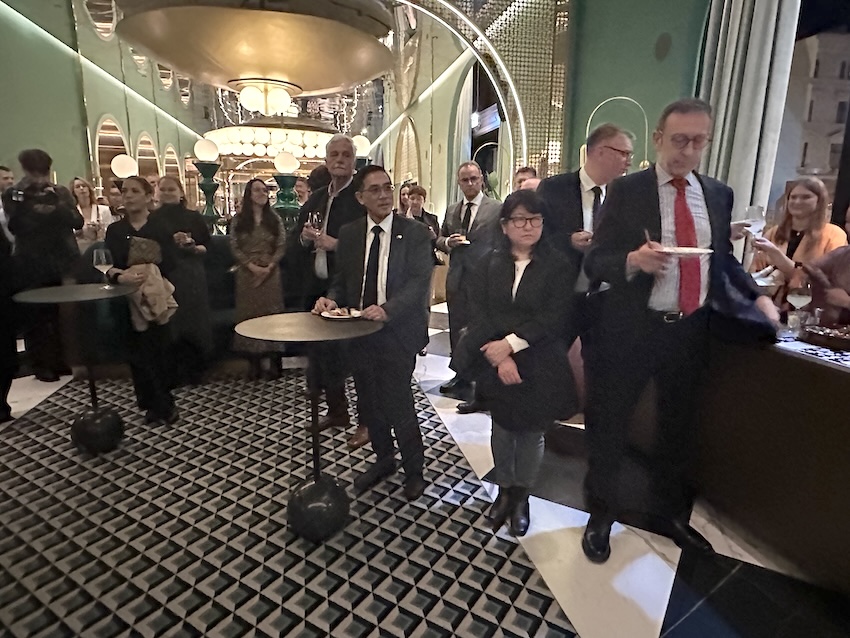
The private evening was graciously hosted by H.E. Kimura Tetsuya, Ambassador of Japan to Hungary, bringing together members of the diplomatic corps, representatives of the business community, and distinguished guests. In addition to a presentation followed by a tasting and a reception, the program offered structured insights and opportunities for informal dialogue and networking.
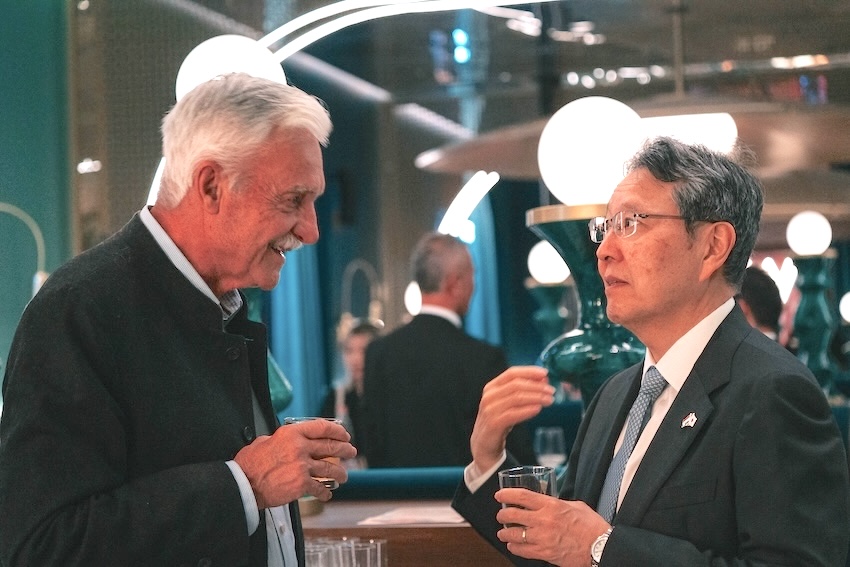
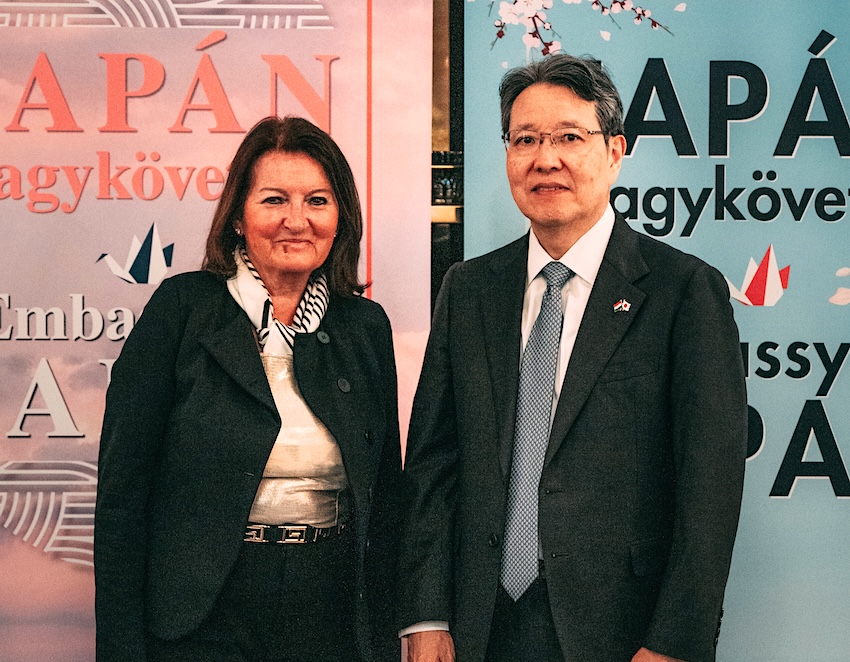

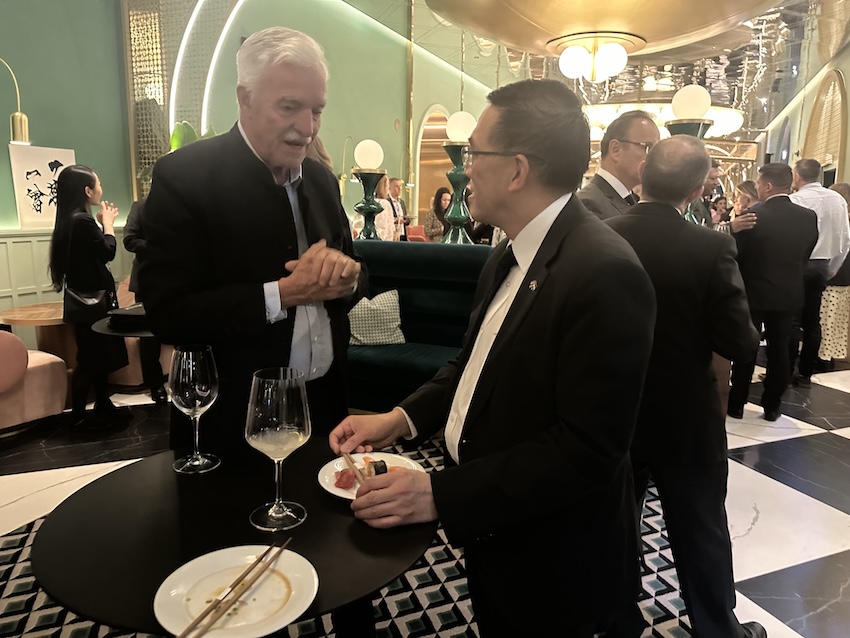
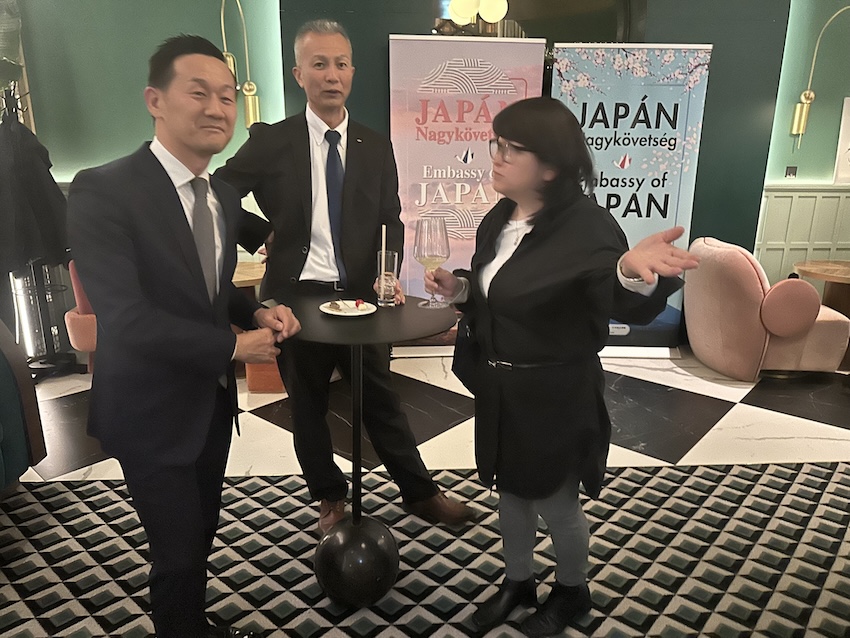
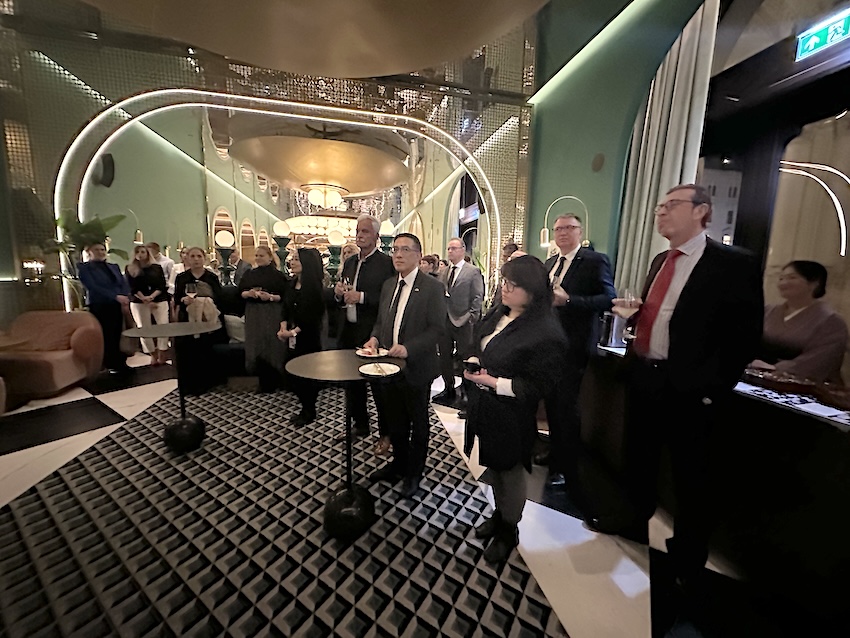
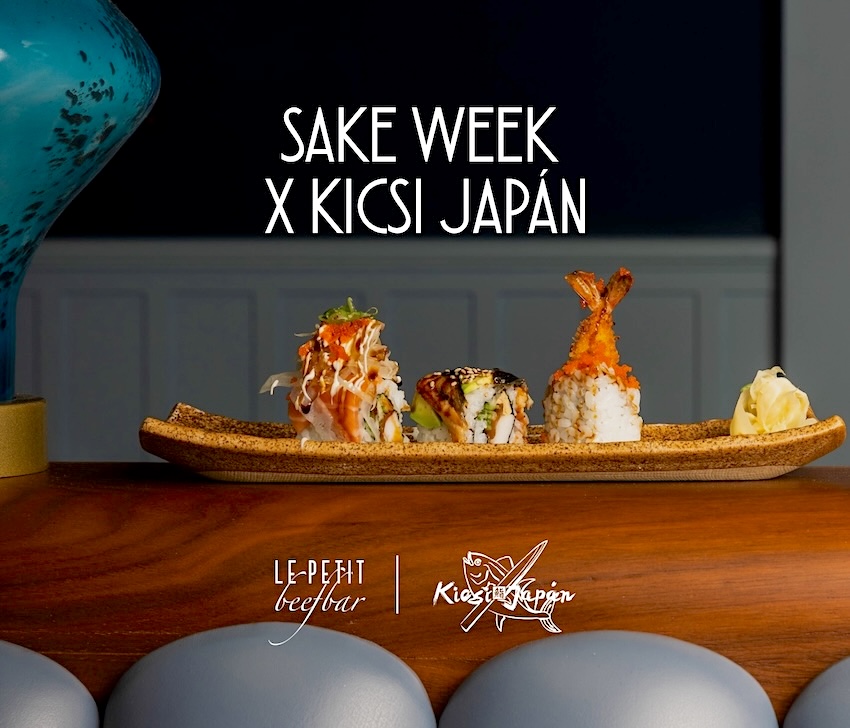
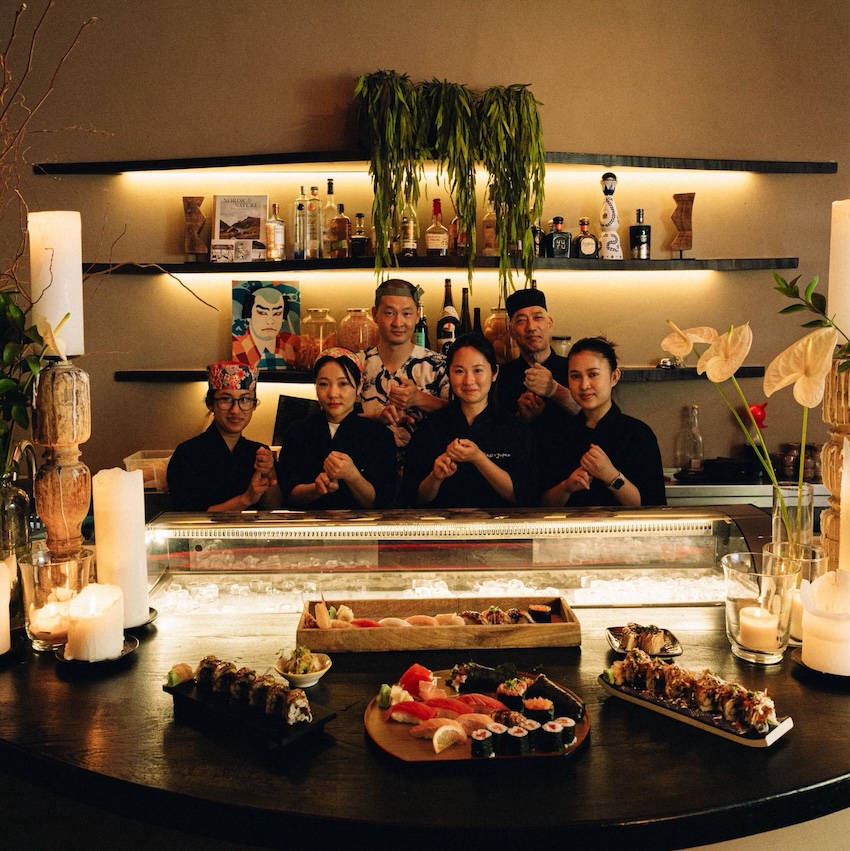
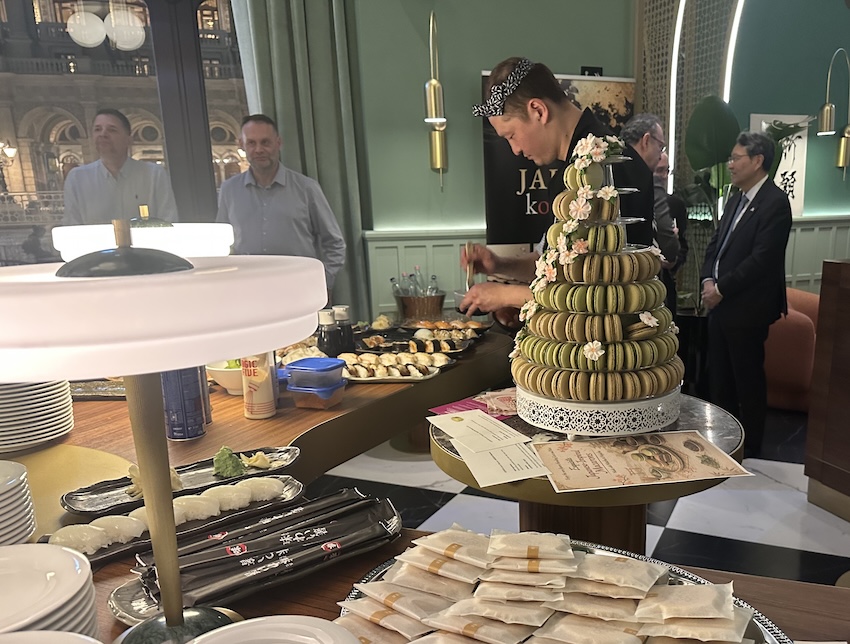
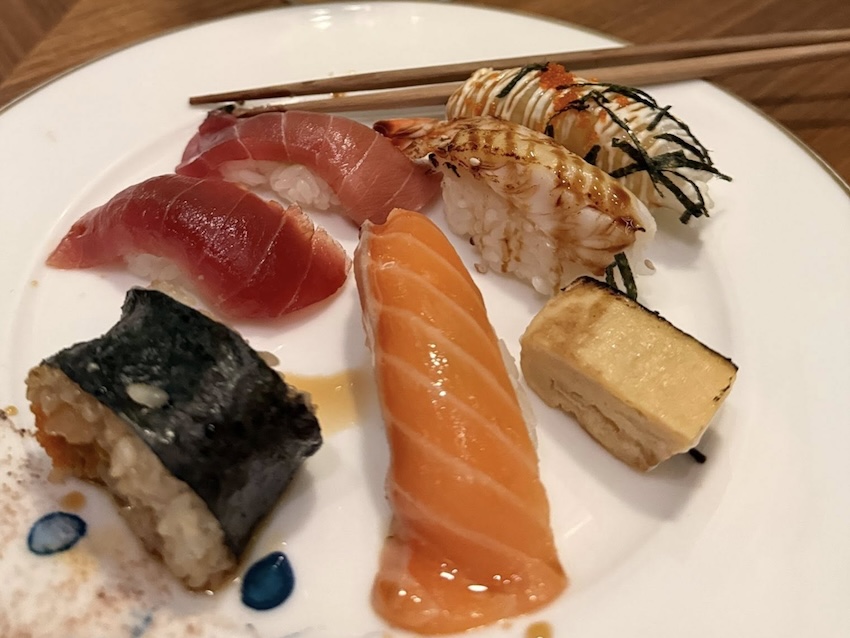
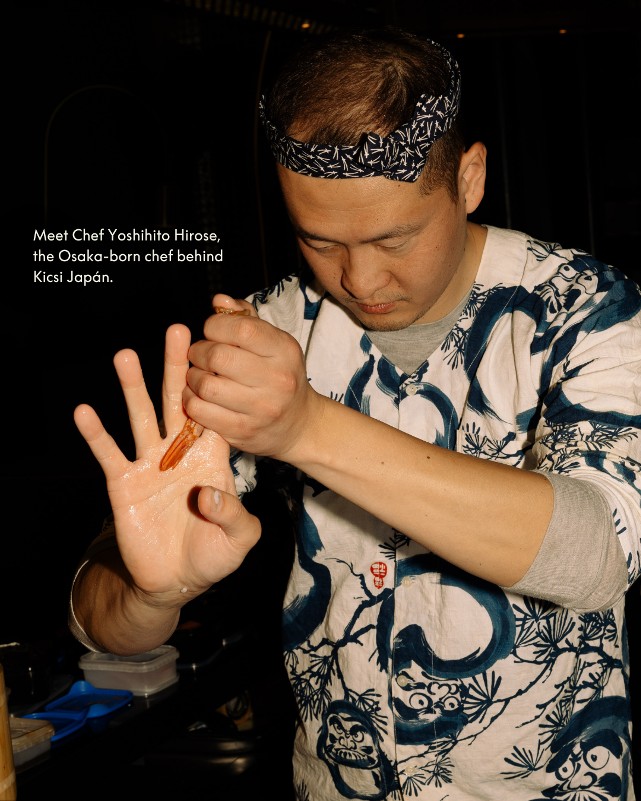
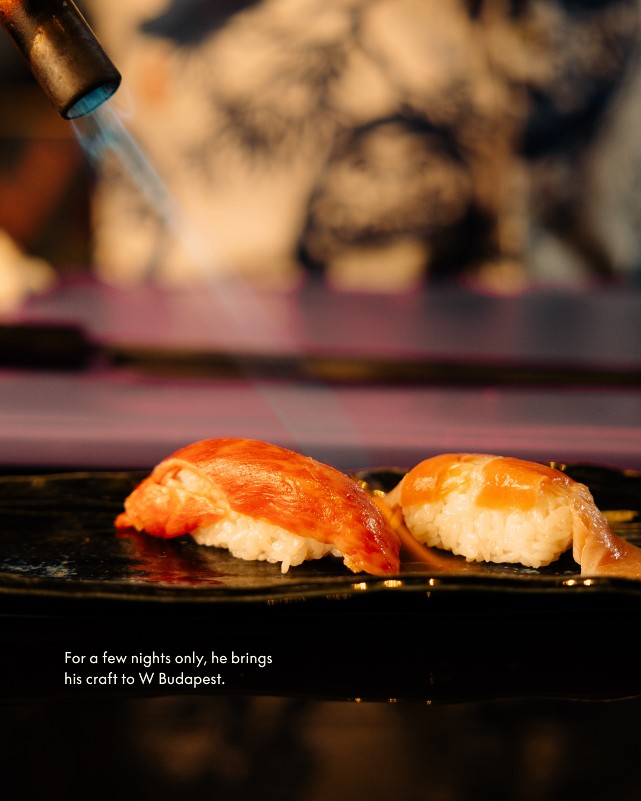
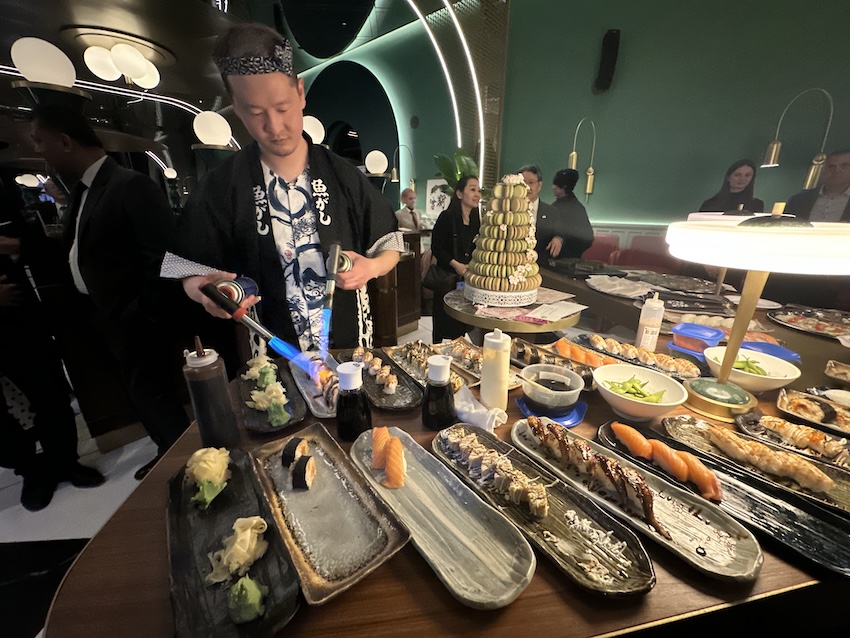
The W Budapest Hotel, in collaboration with the Japanese restaurant Kicsi Japán, presented a curated gastronomic experience. The menu, developed with Osaka-born chef Yoshihito Hirose, reflected the principles of authenticity, seasonality, and craftsmanship that define Japanese cuisine. Guests enjoyed refined nigiri selections, signature rolls, and umami-rich dishes, complemented by specially crafted sake-based cocktails.
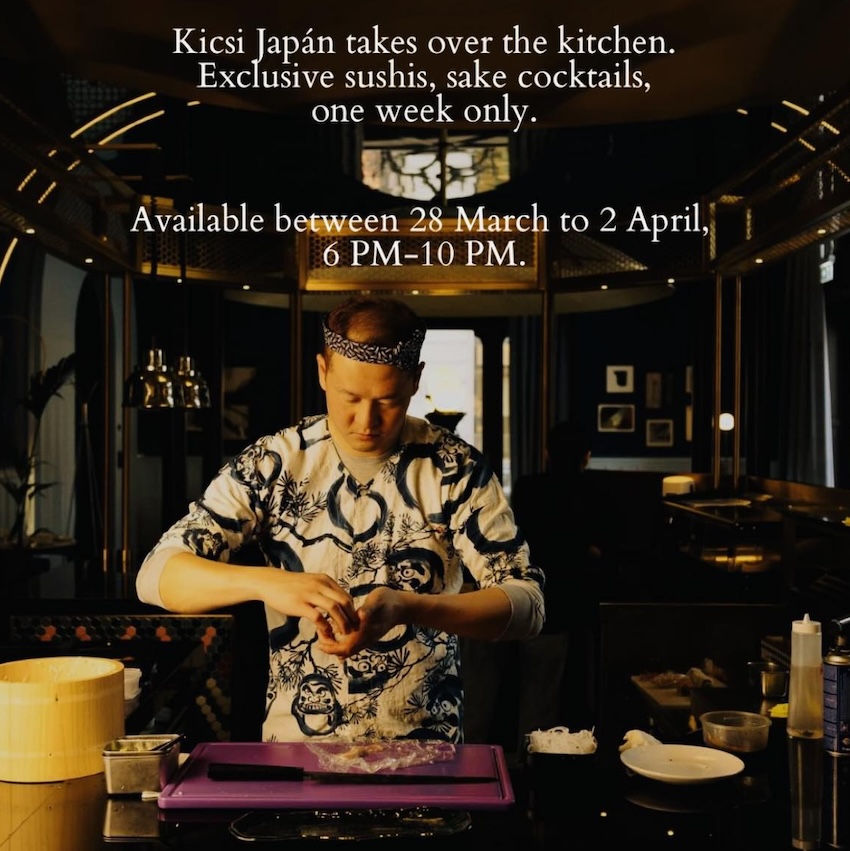
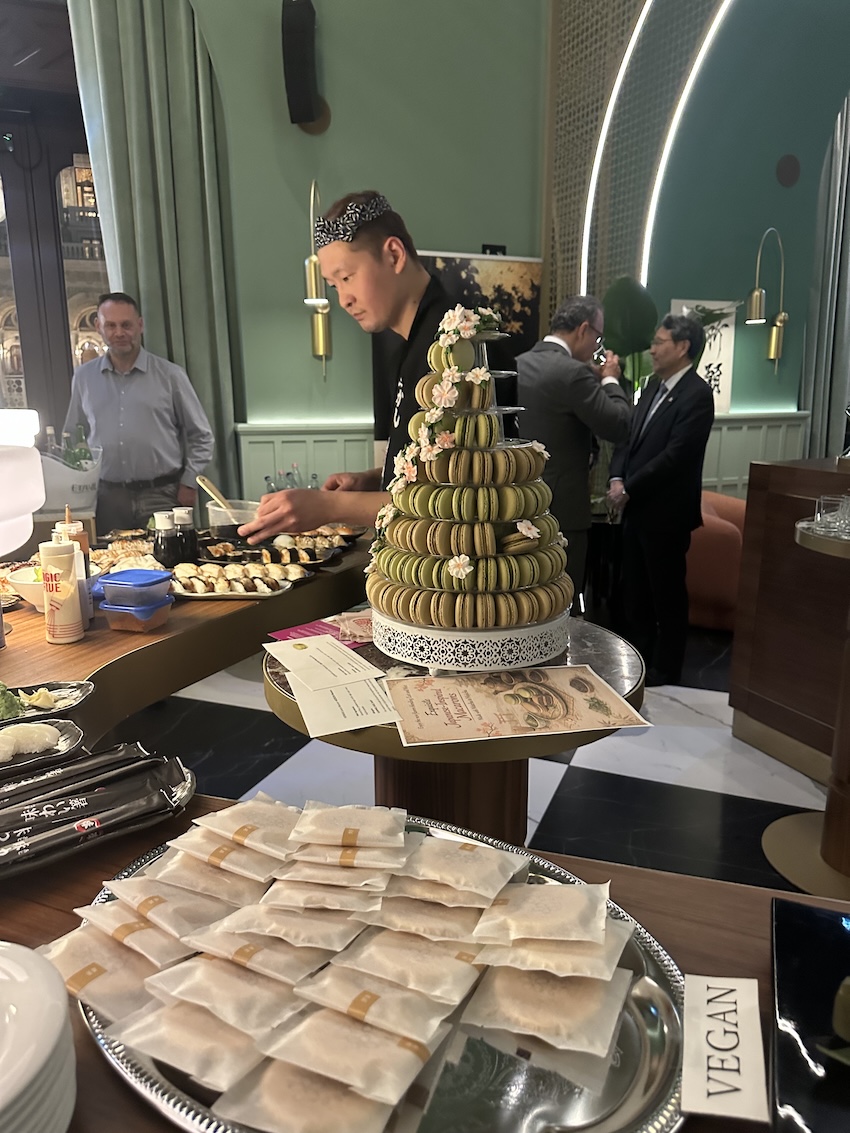
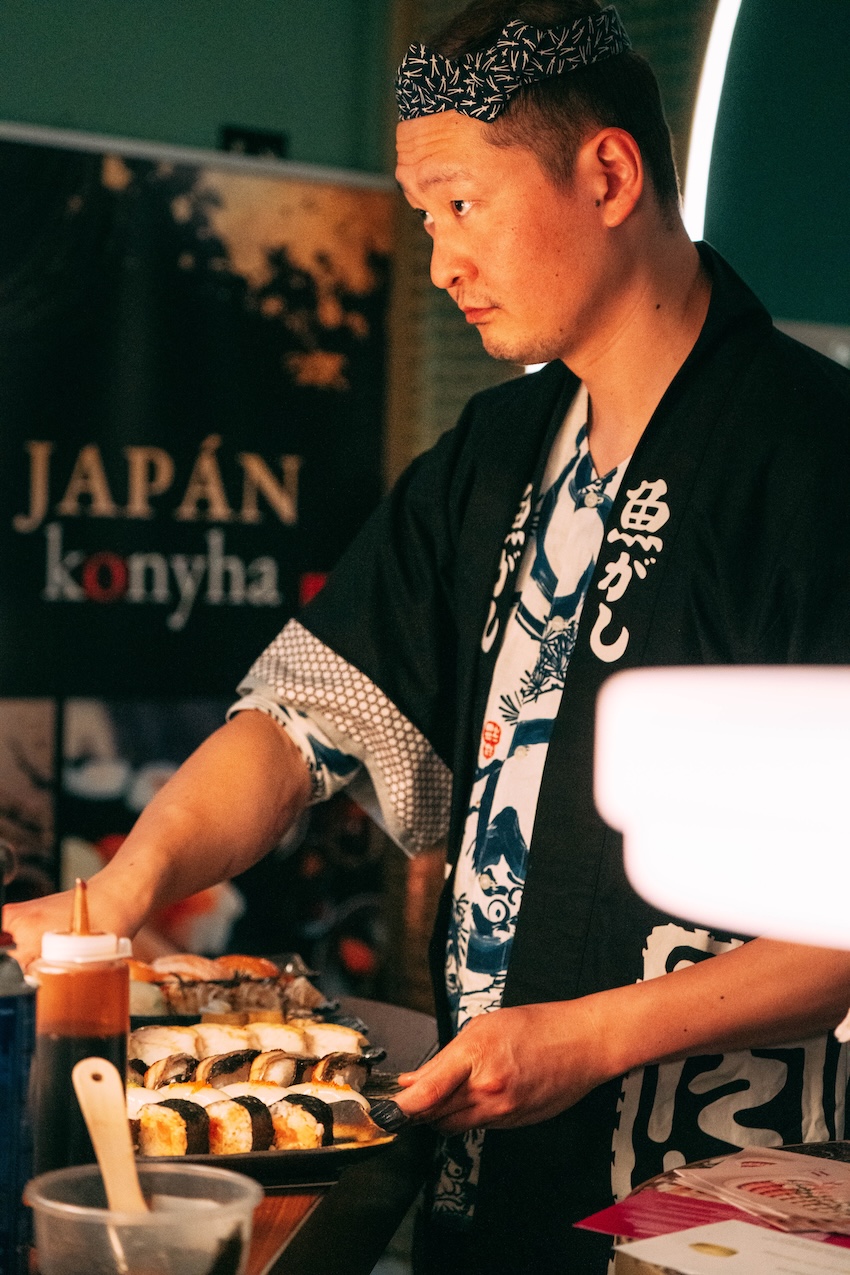
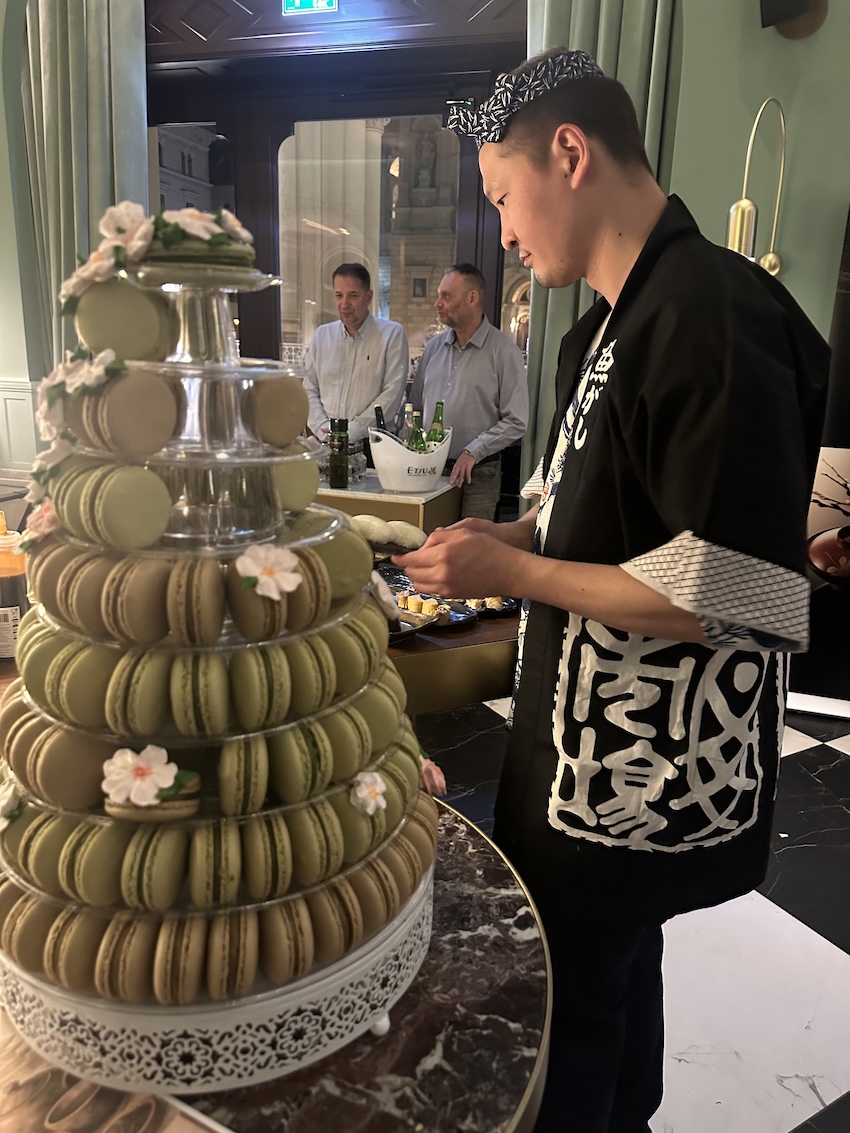
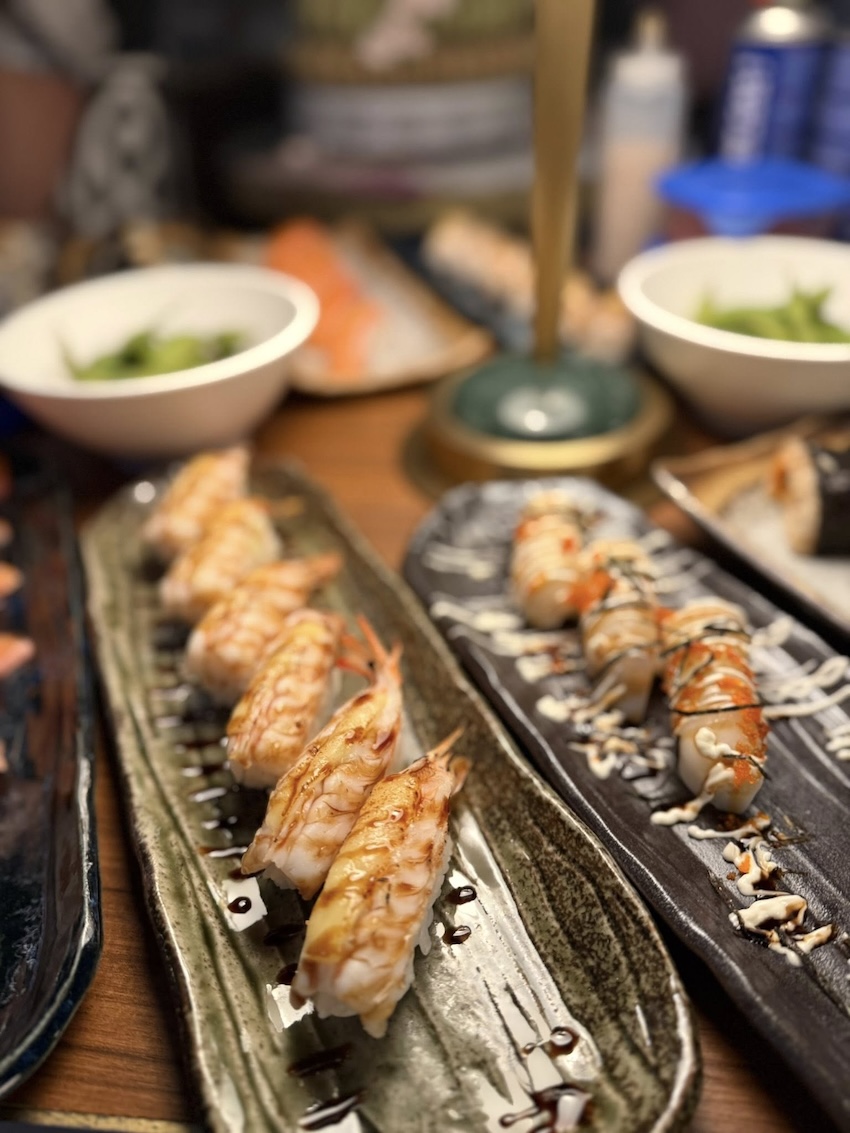
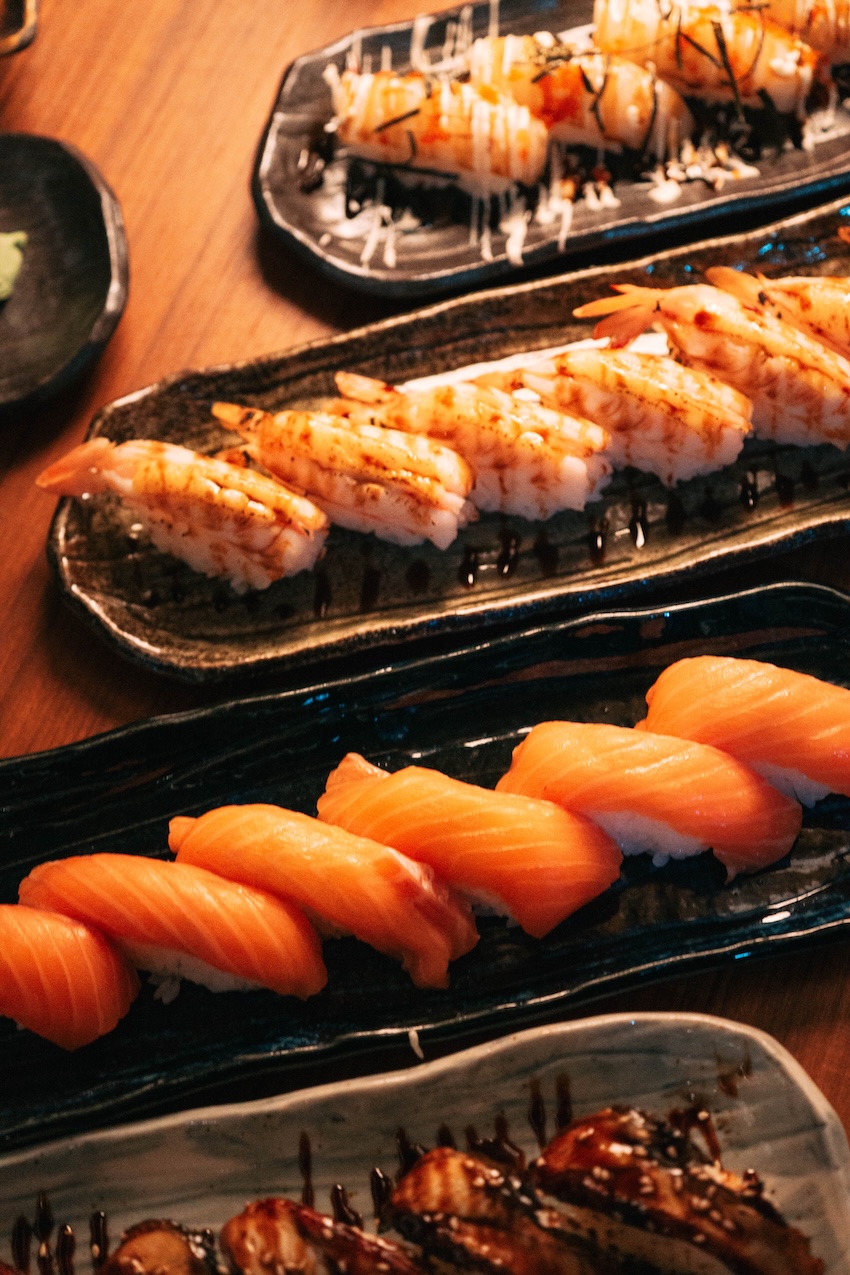
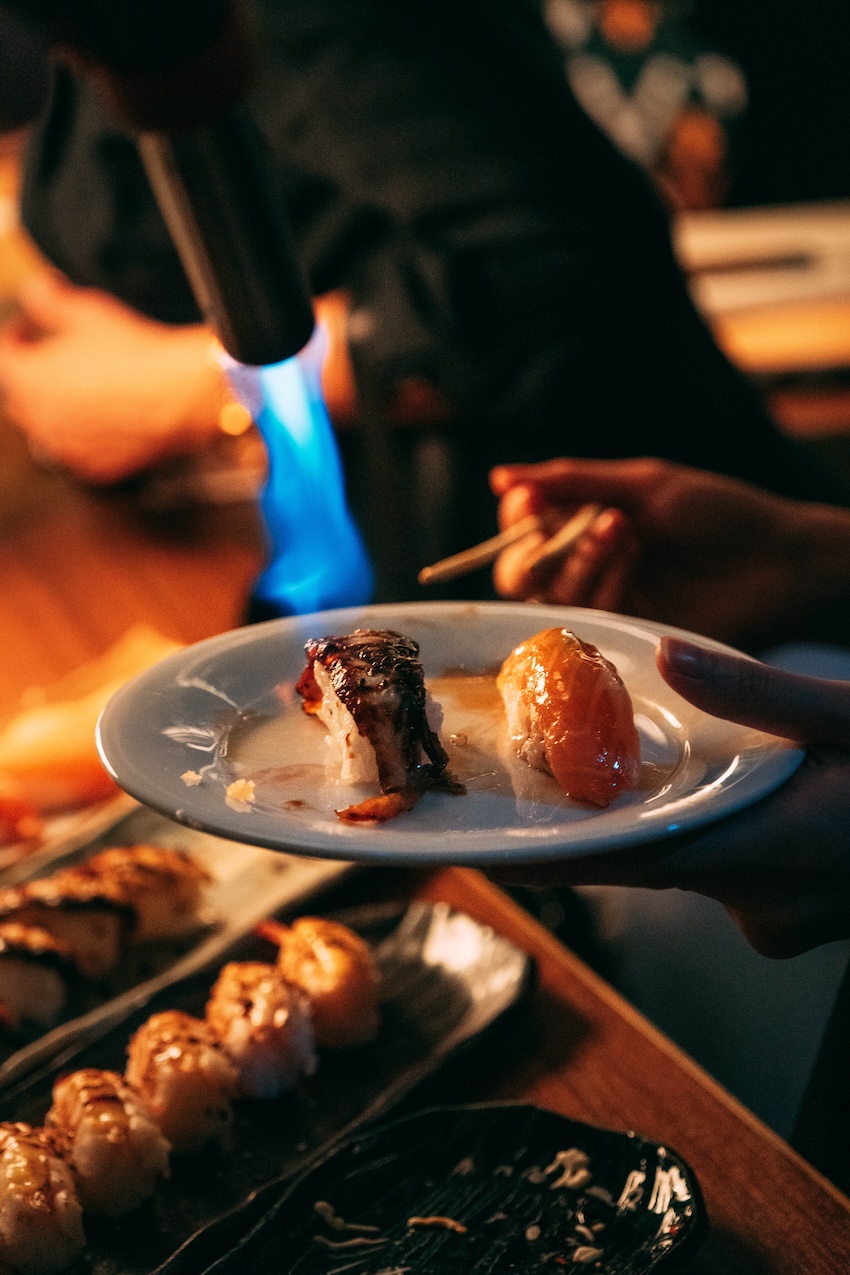
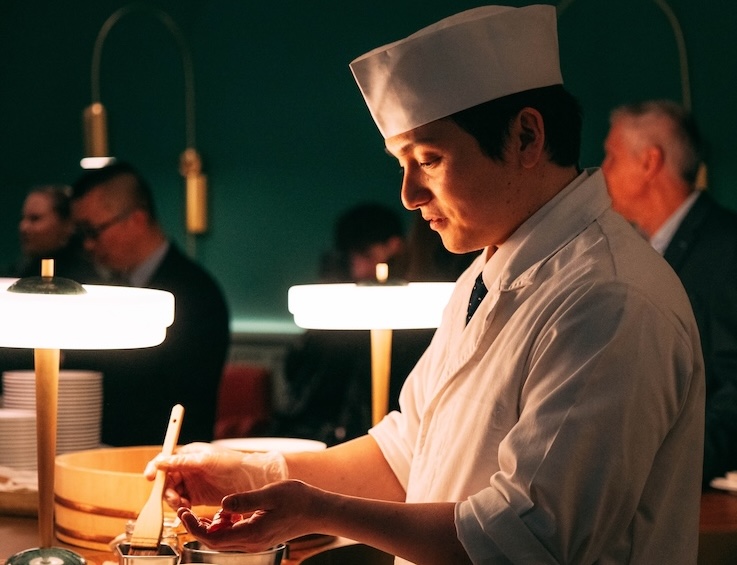
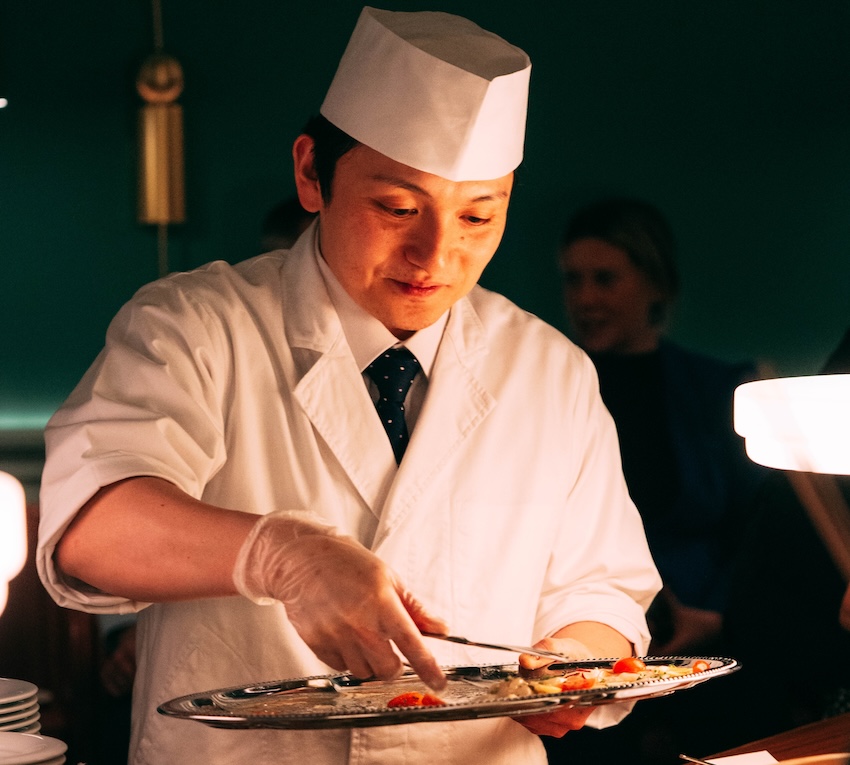
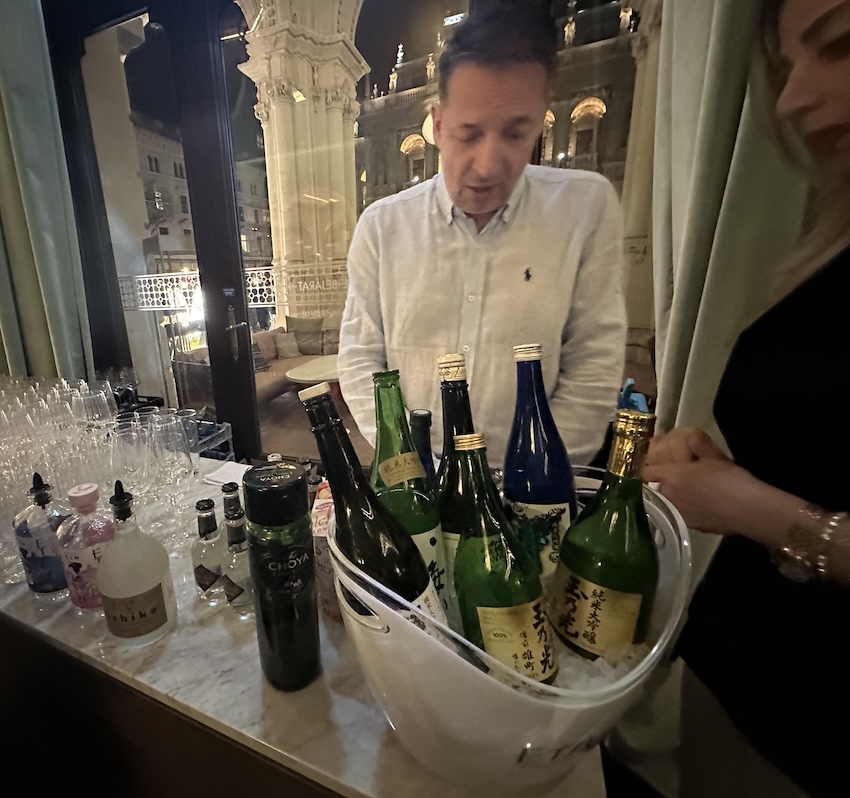
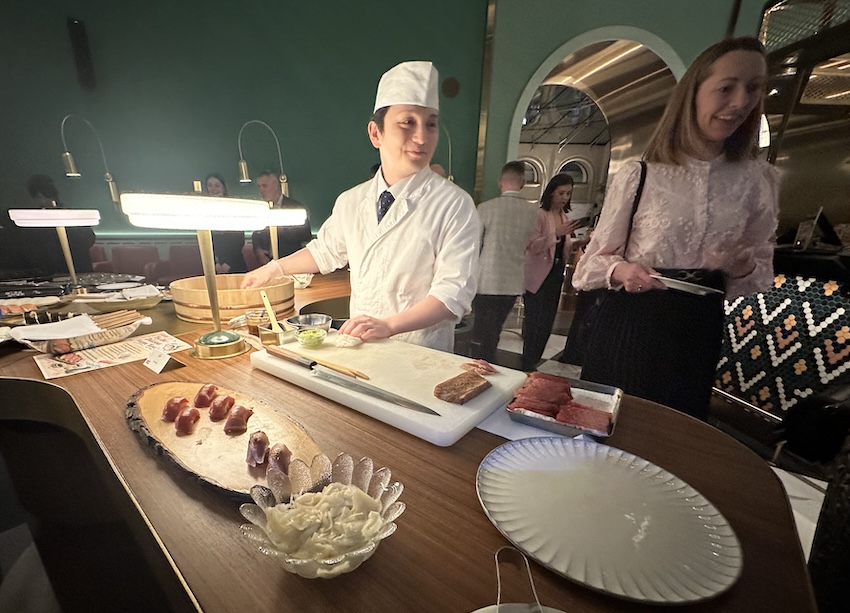
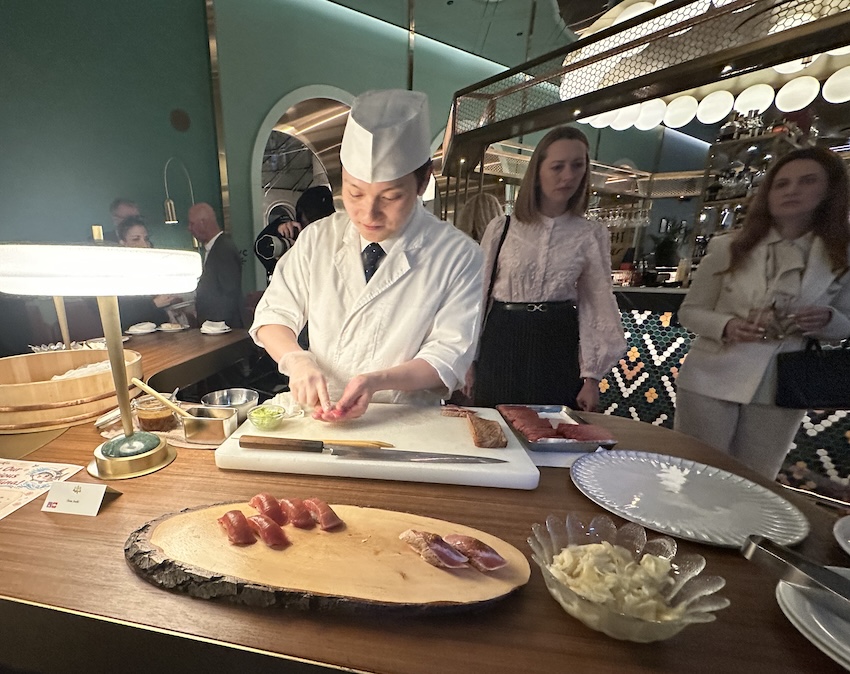
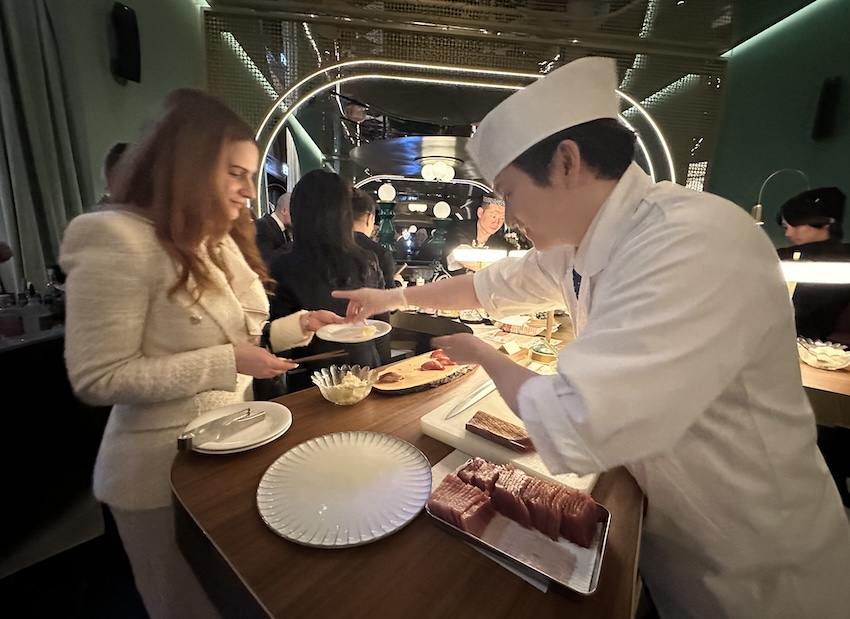
As the event marked the kickoff of a Japanese sake promotion initiative, a diverse selection of beverages was introduced, including sake, umeshu, yuzu liqueur, and shochu, alongside a broader presentation of Japanese cuisine. Particular emphasis was placed on culinary craftsmanship: with the cooperation of the Embassy’s chef, Mr. Sugisaki, guests were served sushi prepared with tuna that had been flash-frozen in Portugal using advanced Japanese freezing technology. This demonstrated that, when properly thawed, the fish retains its original quality and flavour – highlighting the importance of technique, as the thawing process itself may determine up to 30% of the final taste. Dishes featuring wagyu beef and scallops imported from Japan further enriched the culinary offerings.
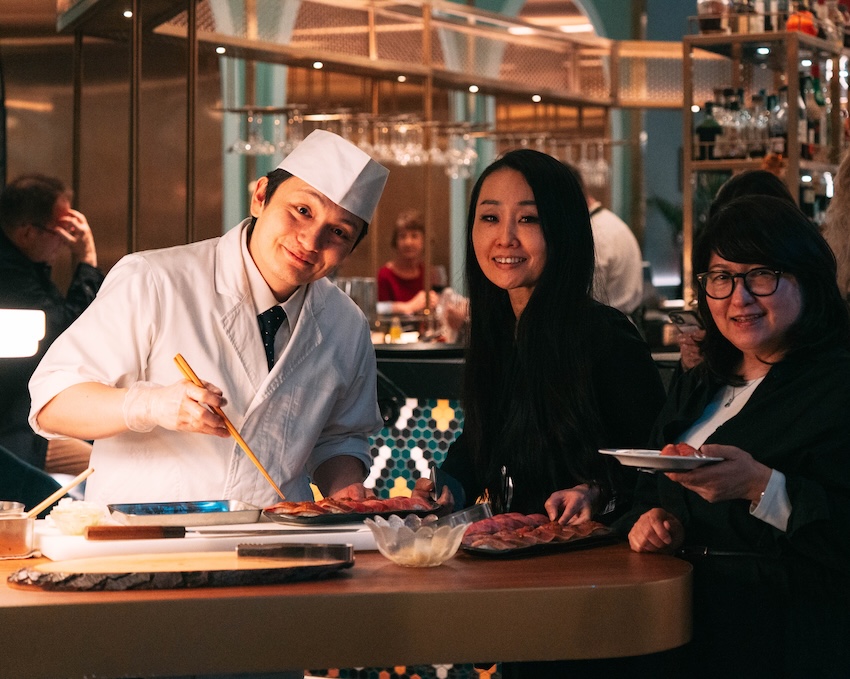
To introduce the refined world of wagashi, the evening also featured yokan and traditional sweets from Yamanashi Seian, a Kyoto-based confectionery with over 400 years of history, marking their first presentation abroad. Many wagashi are vegan and relatively low in calories, making them suitable for a wide range of dietary preferences.
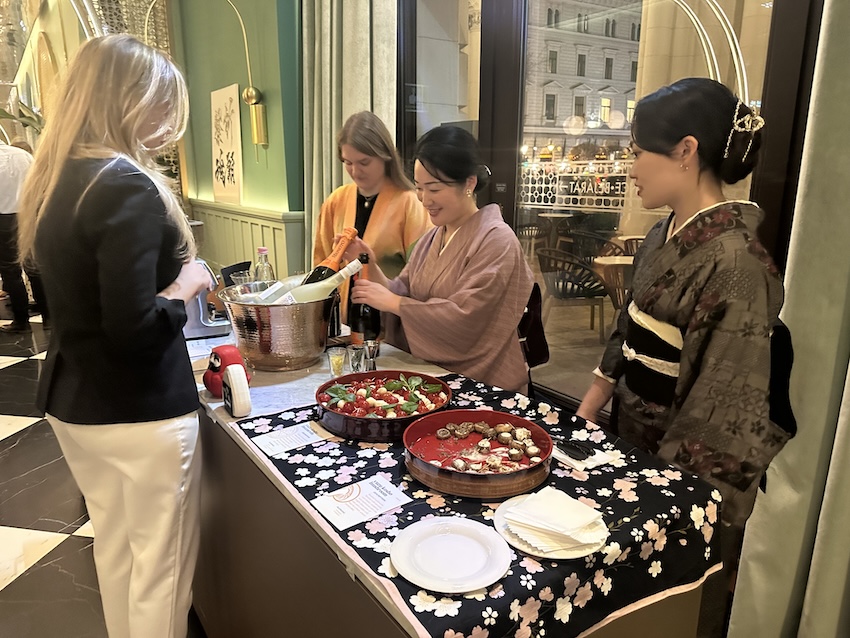
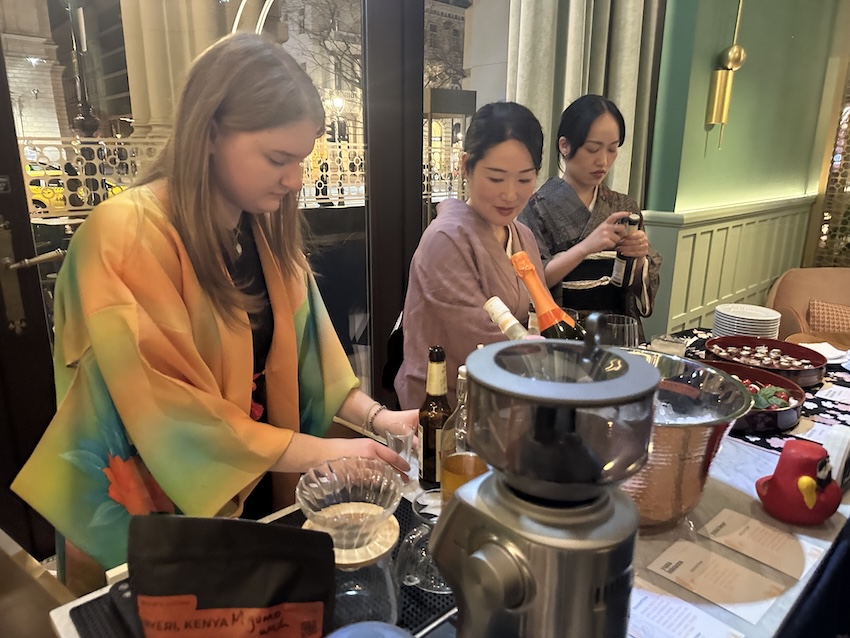
The beverage selection focused on umeshu and yuzu liqueur, whose flavour profiles were considered especially appealing to Hungarian guests familiar with Tokaji wines. Pairings featuring yuzu-based dishes and Japanese-style coffee were presented in cooperation with Snack Masako, providing guests with an authentic glimpse into Japanese food and drink culture.
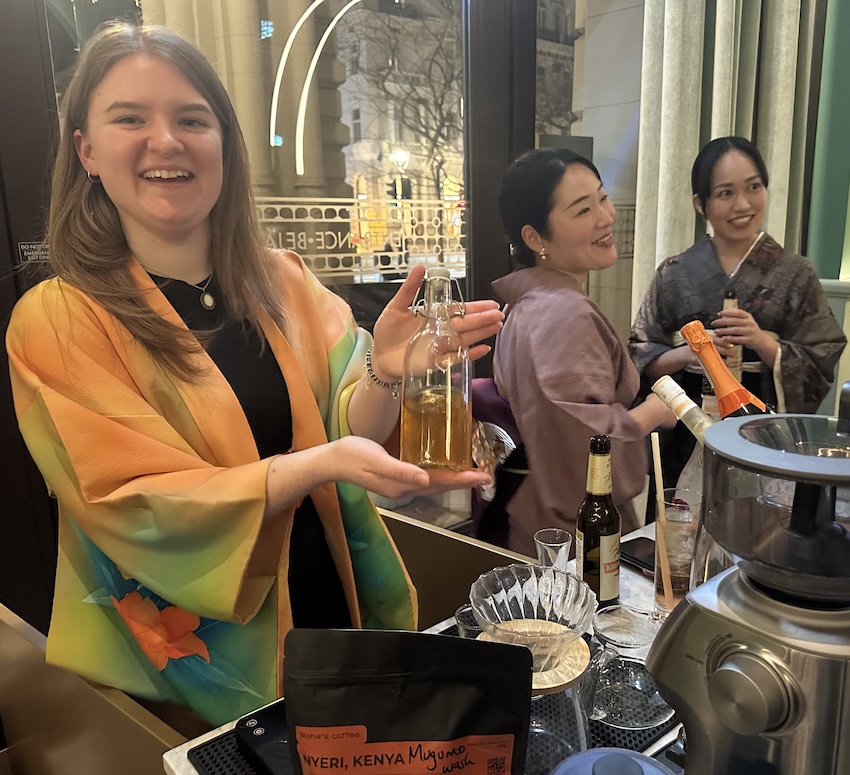
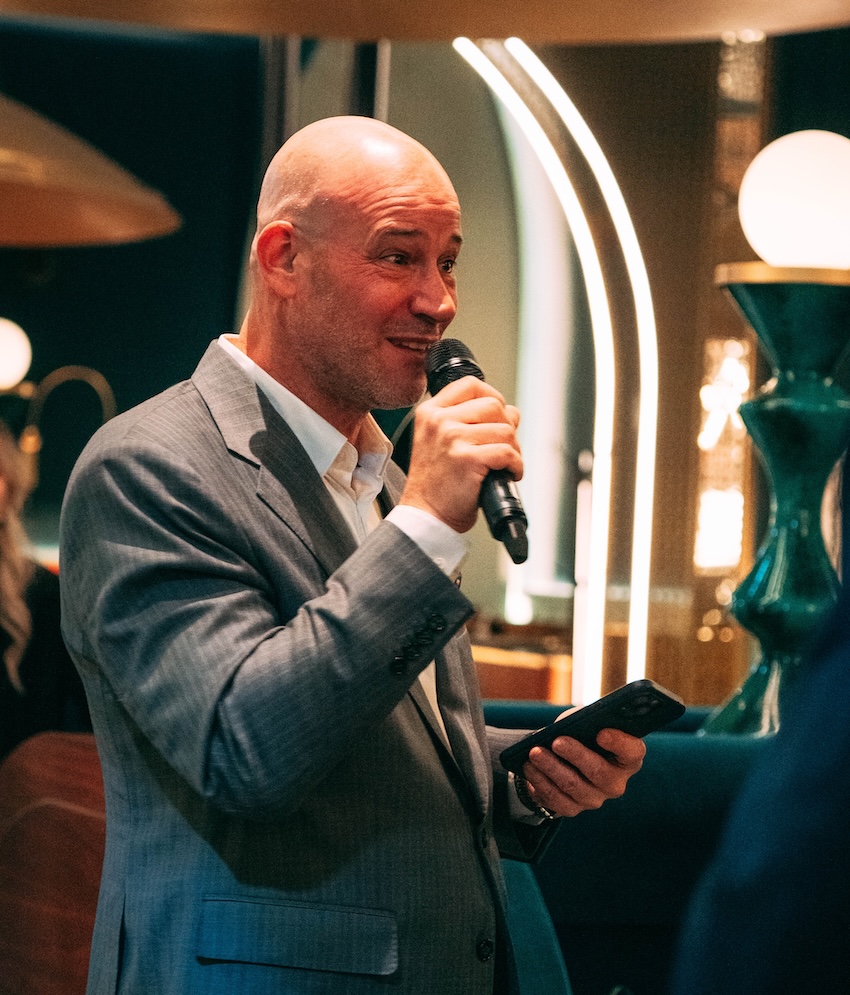
The invitees were first welcomed by the General Manager of the W Budapest Hotel, Mr. Igor Buercher, who expressed his pleasure and honour in hosting the event.
He underlined the importance of such cultural collaborations in bringing international experiences to Budapest and emphasised the hotel’s commitment to creating a space where gastronomy, culture, and community converge.
Hosting Sake Week in Budapest, he noted, offered a unique opportunity to present Japanese culinary traditions in an inspiring and contemporary setting.
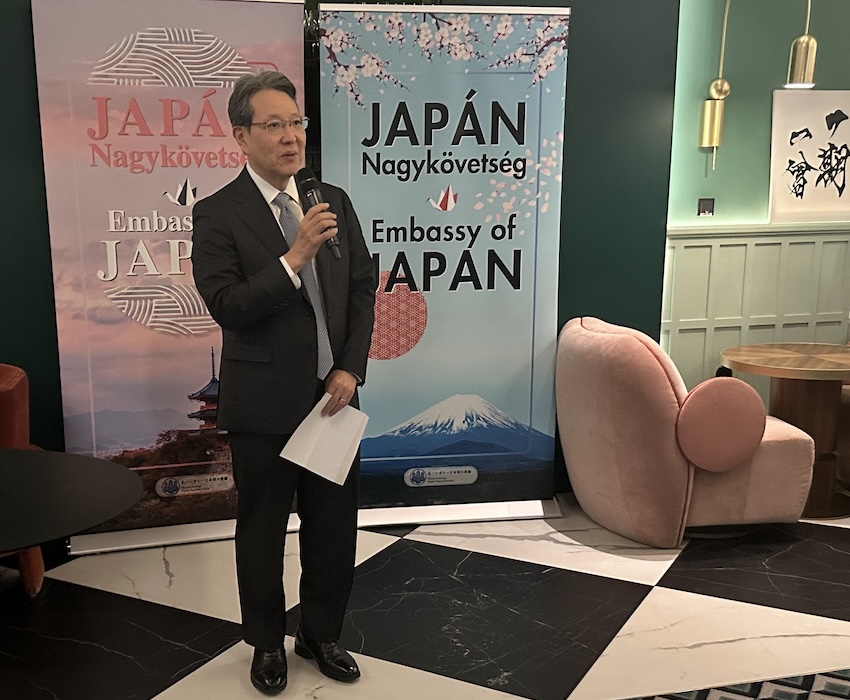
Following this, Ambassador Kimura Tetsuya addressed the audience:
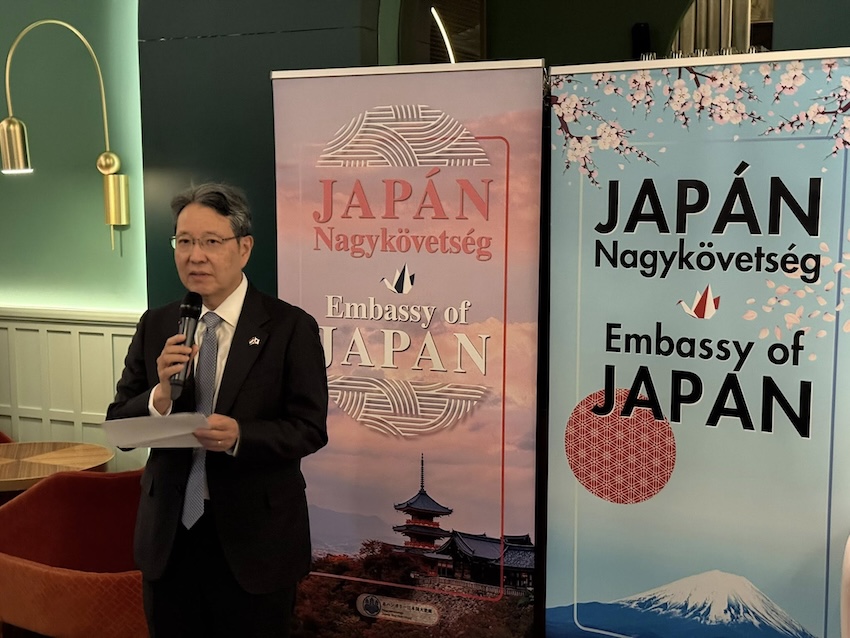
“Excellencies, Distinguished Guests, thank you for coming to this sake and Japanese food promotion event, co-hosted by the Embassy of Japan and the W Budapest Hotel. Today, we have invited ambassadors from various countries, representatives of the business community, and other distinguished guests to share the experience of tasting sake paired with Japanese cuisine, as well as to provide an opportunity for networking in a relaxed atmosphere.
Sake has been cultivated over many years and is deeply intertwined with traditional Japanese culture and customs, including seasonal events and Shinto rituals. Like wine, each producer has their own brewing methods; therefore, each sake possesses distinct characteristics and aromas depending on the region and brewery, making its appreciation both rich and profound.
Today, in addition to sake, we have also prepared sweet, fruit-based liqueurs such as umeshu (plum wine) and yuzushu (yuzu citrus liqueur). You may also enjoy pairings featuring yuzu pepper dishes that complement yuzu liqueur, presented by Snack Masako (an authentic Japanese bar in Buda), which faithfully recreates Japanese drinking culture here in Budapest.
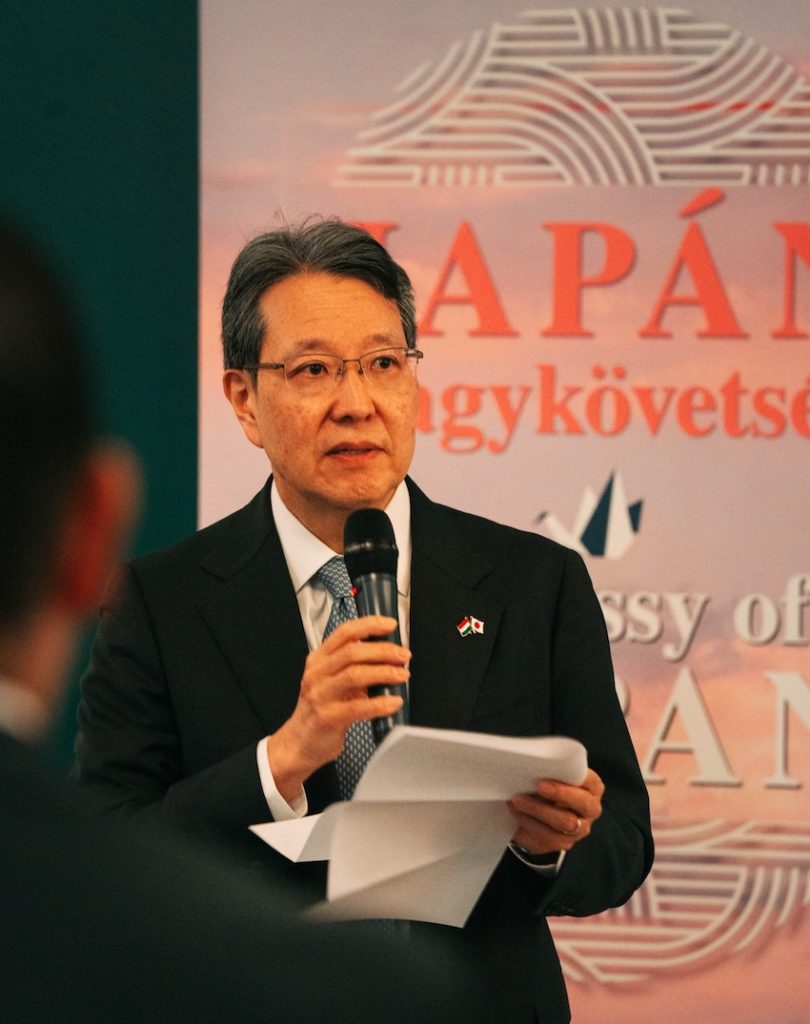
This evening, we have prepared dishes using ingredients such as tuna, scallops, and wagyu beef. Our chef will prepare tuna sushi at the live kitchen, while wagyu beef will be served as steak.
The traditional manufacturing method of sake, as well as Japanese cuisine – washoku – has been designated as UNESCO Intangible Cultural Heritage. We hope everyone present today will discover the wonderful harmony between sake and Japanese cuisine, and share this experience with friends and family.
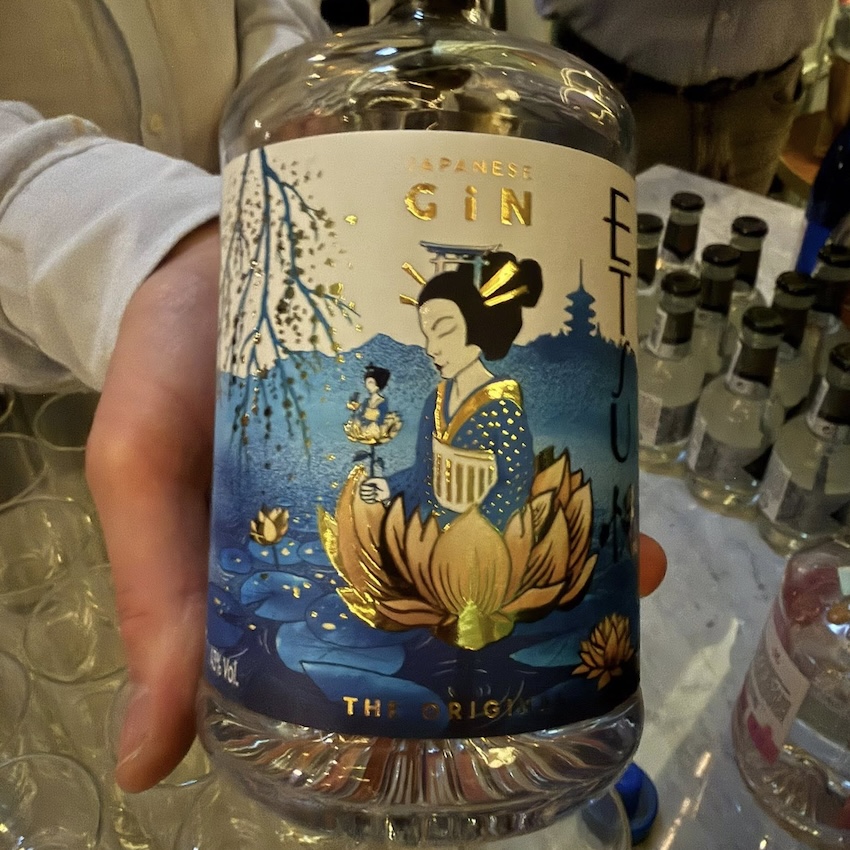
Furthermore, at this event, we are also offering Japanese-style drip coffee and macarons made with tea, and there is a booth by Intercorporation presenting sake and Japanese gin. Please also enjoy yokan (sweet bean jelly) and senbei (rice crackers) brought from a traditional Japanese confectionery shop in Kyoto.
Finally, I would like to take this opportunity to express my sincere gratitude to the W Budapest Hotel for co-hosting this event. Although time may be short, I hope you will find your favourite sake and Japanese dishes among today’s offerings. Thank you very much.”
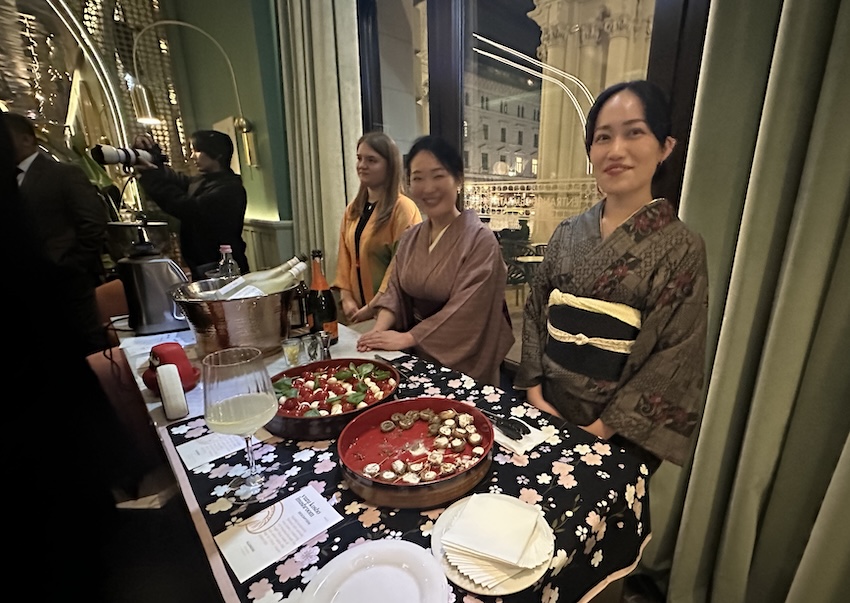
It was followed by an exceptional tasting experience. Invitees greatly enjoyed the rich and thoughtfully curated selection of Japanese specialities and novelties, embarking on a sensory journey into the culinary traditions of the Land of the Rising Sun. Through the harmonious interplay of authentic flavours and a diverse range of sake, the evening revealed the refinement, balance, and craftsmanship at the heart of Japanese gastronomy – an essential focus of the event. This culinary journey not only delighted the palate but also deepened cultural appreciation, before the programme gracefully transitioned into a cultural highlight.
A Special Surprise: Live Shodō Performance
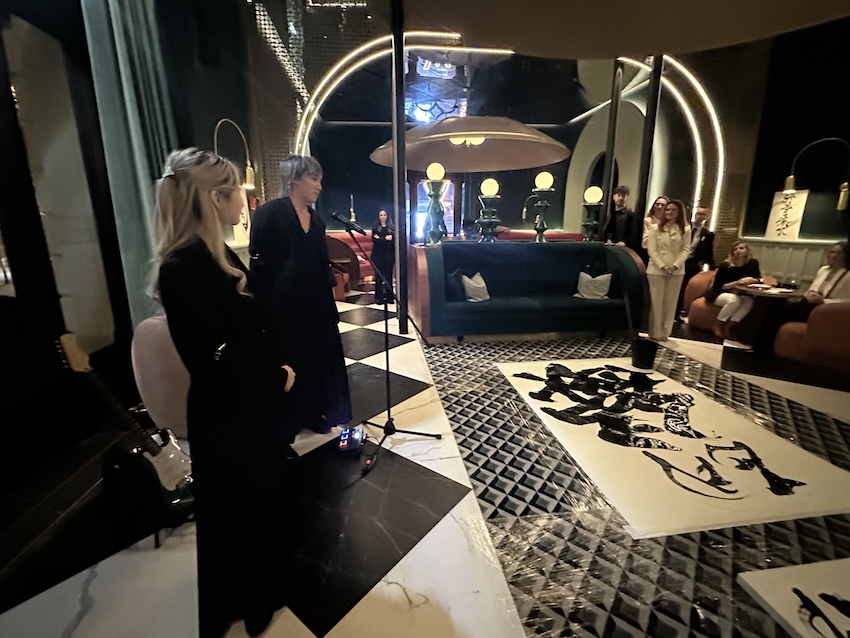
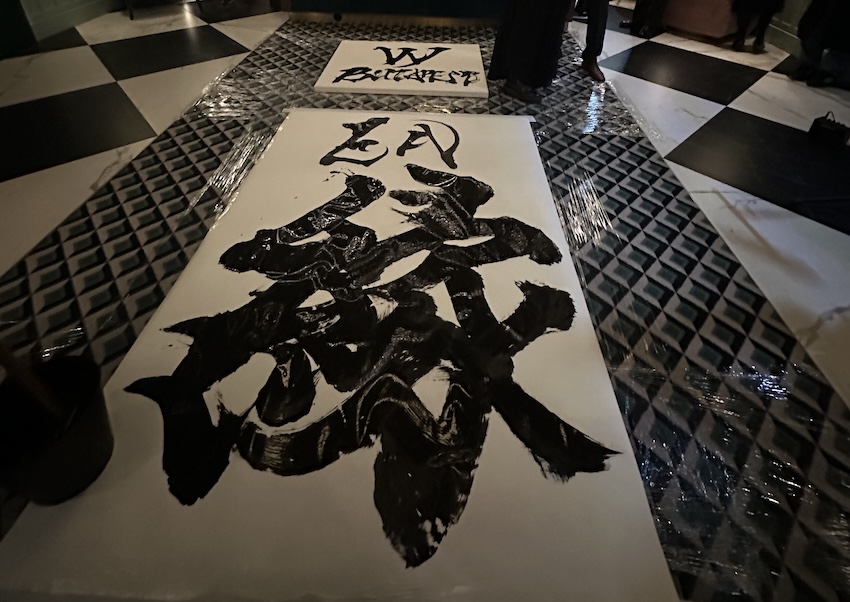
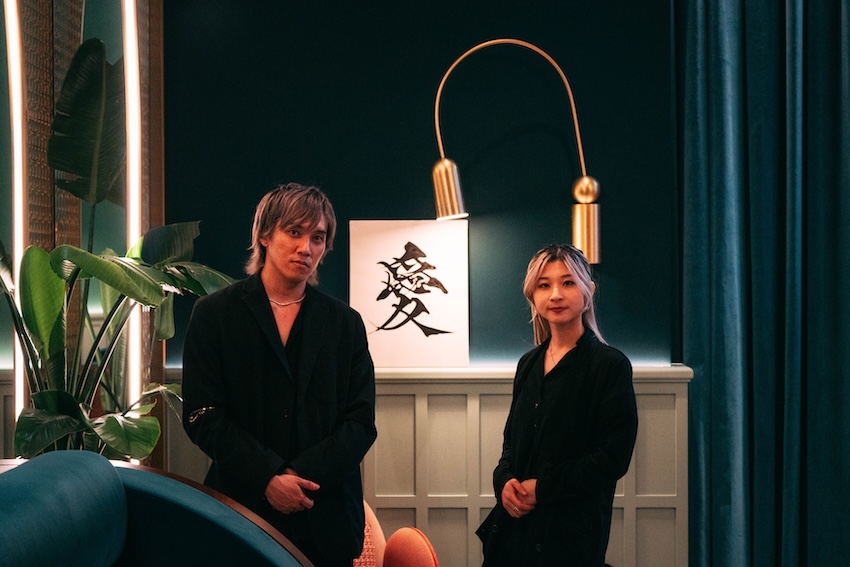
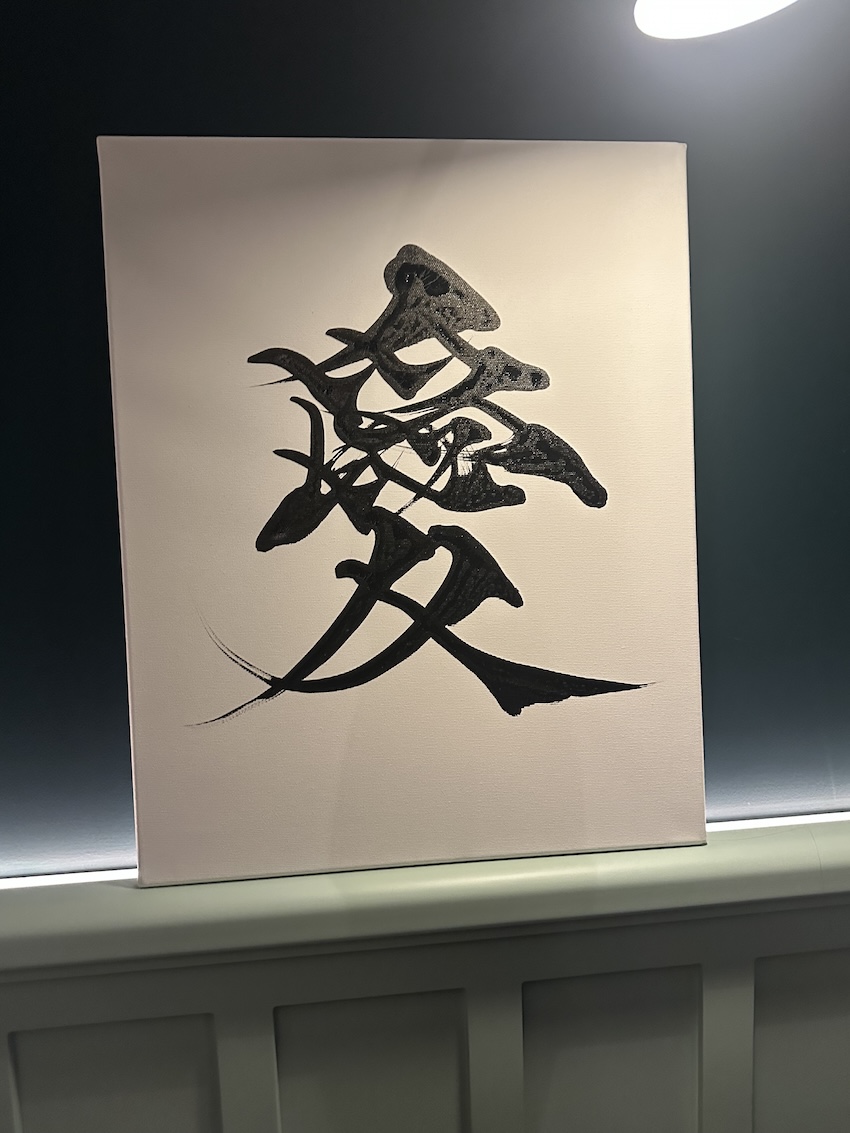
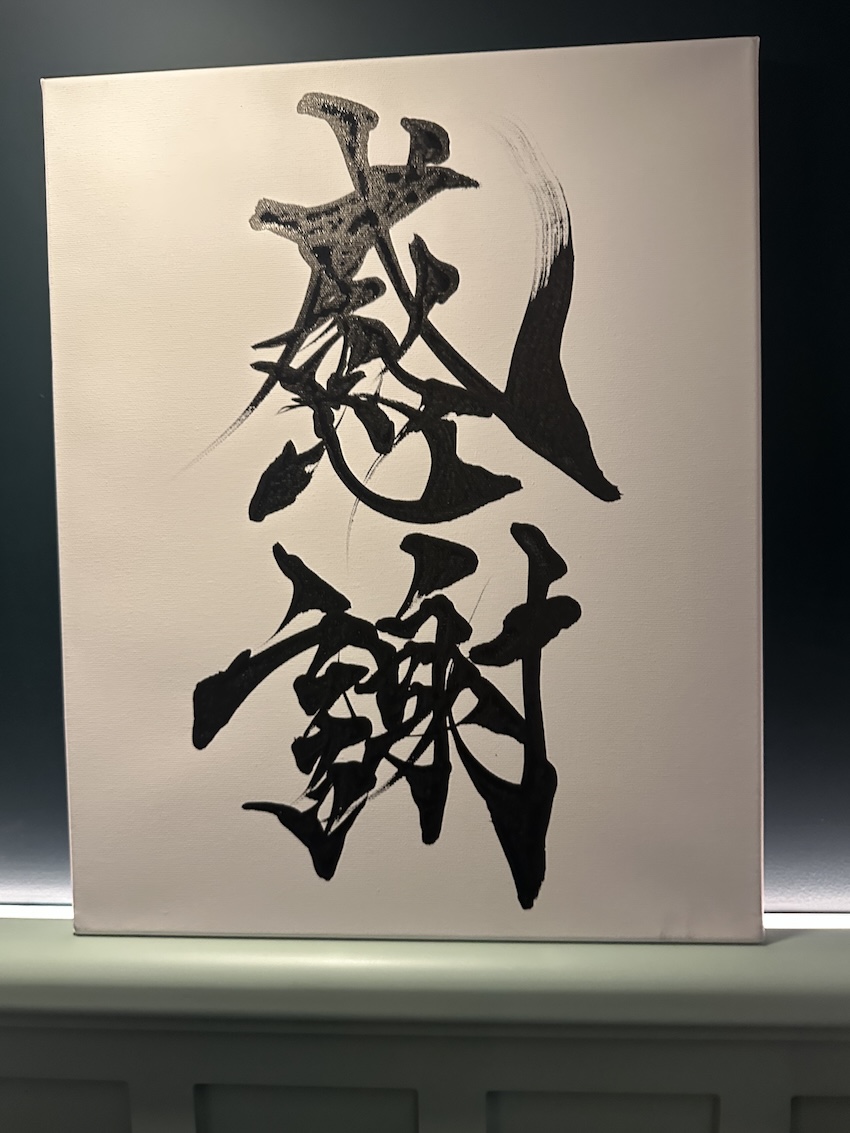
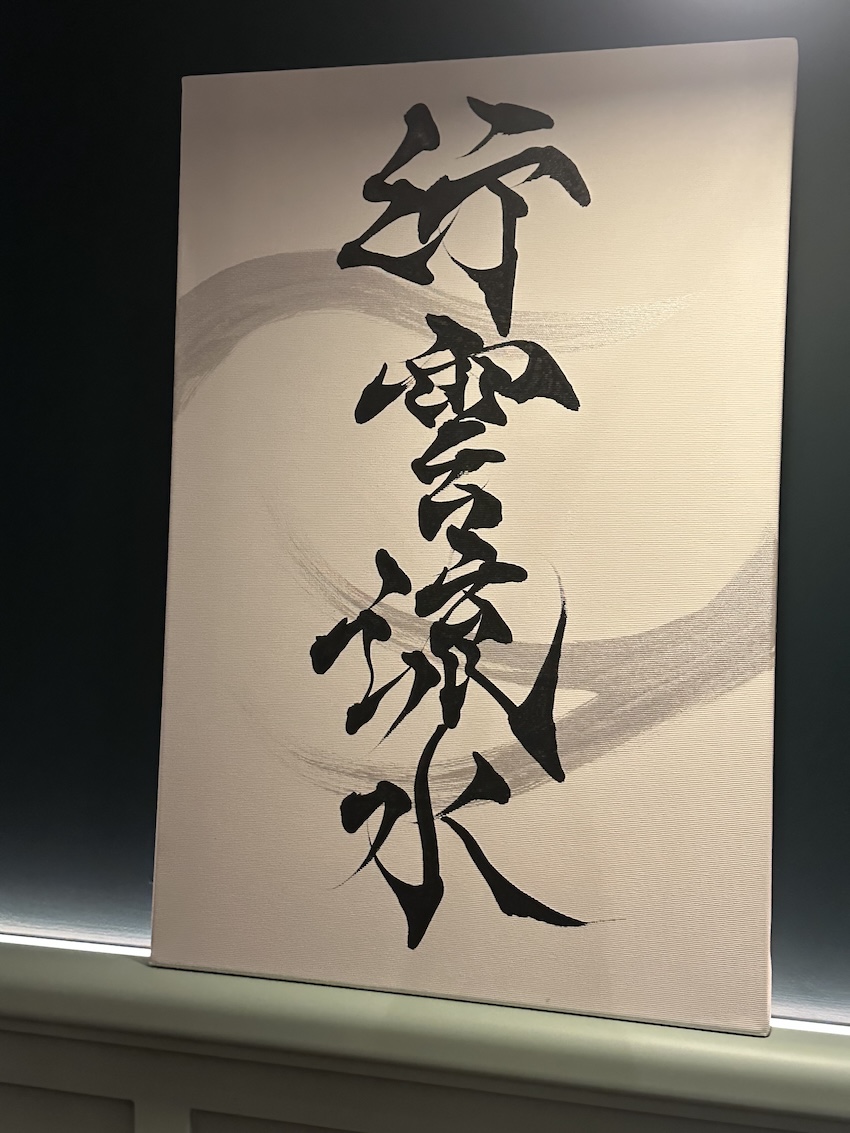
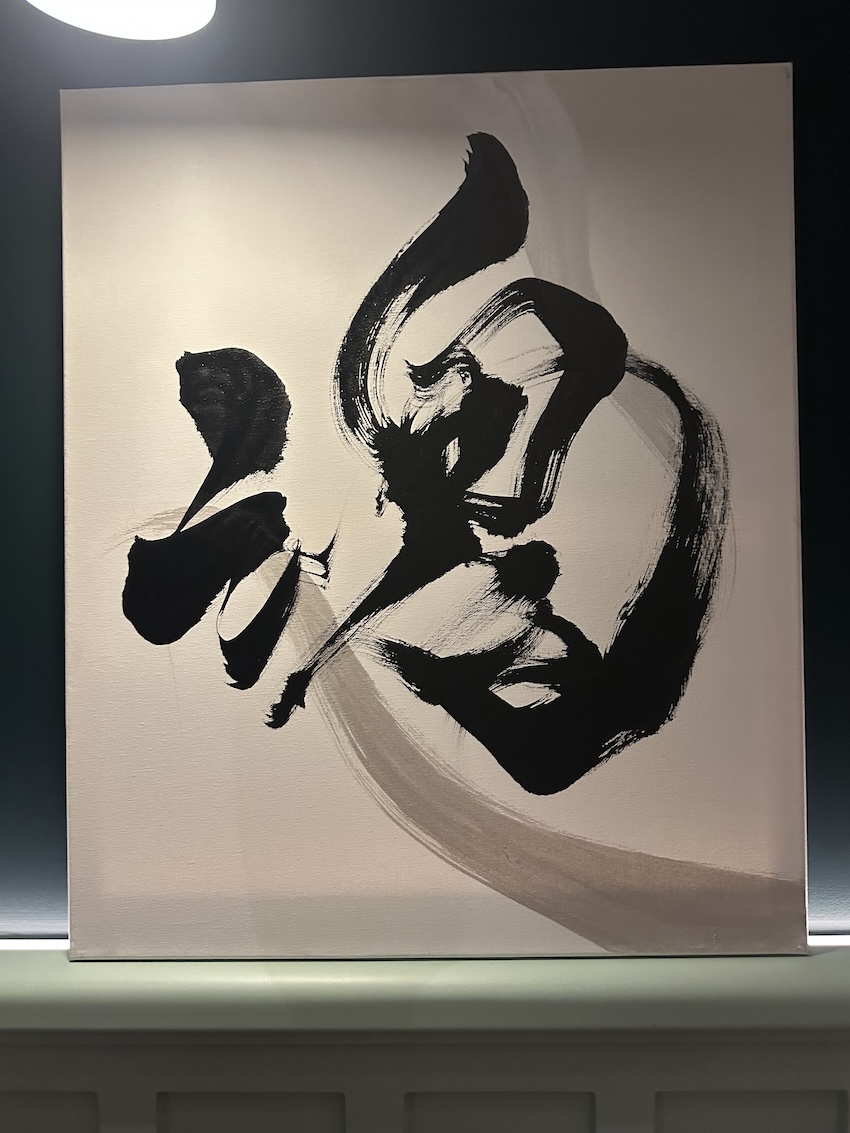
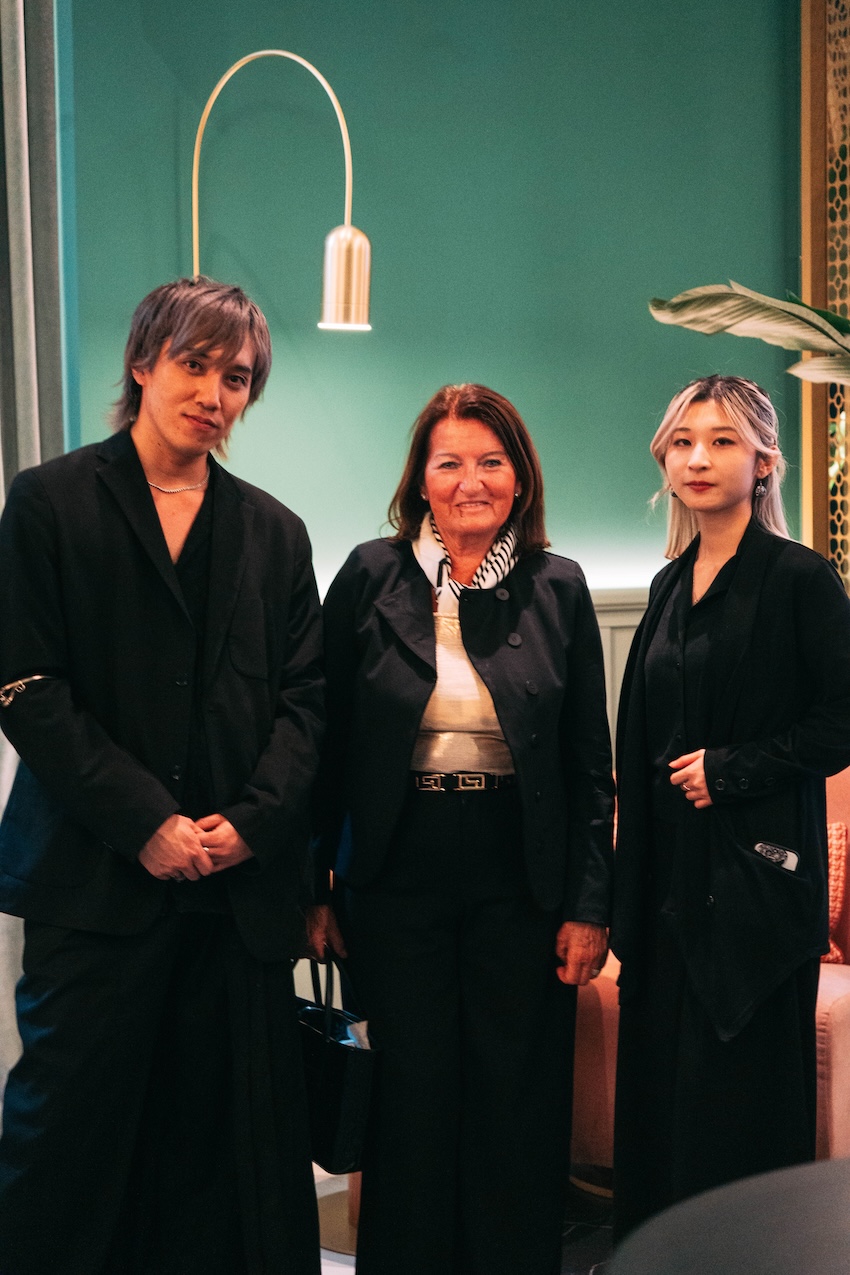
The evening was further enriched by a cultural highlight presented to the attendees as a surprise: a live shodō performance by Mr. Kazuki Jade Mitsui. The distinguished calligraphy artist, who began practising at the age of six and attained the highest rank of the Japan Calligraphy Association by the age of thirteen, now leads a design company dedicated to this traditional art, while promoting it internationally through exhibitions and cultural events.

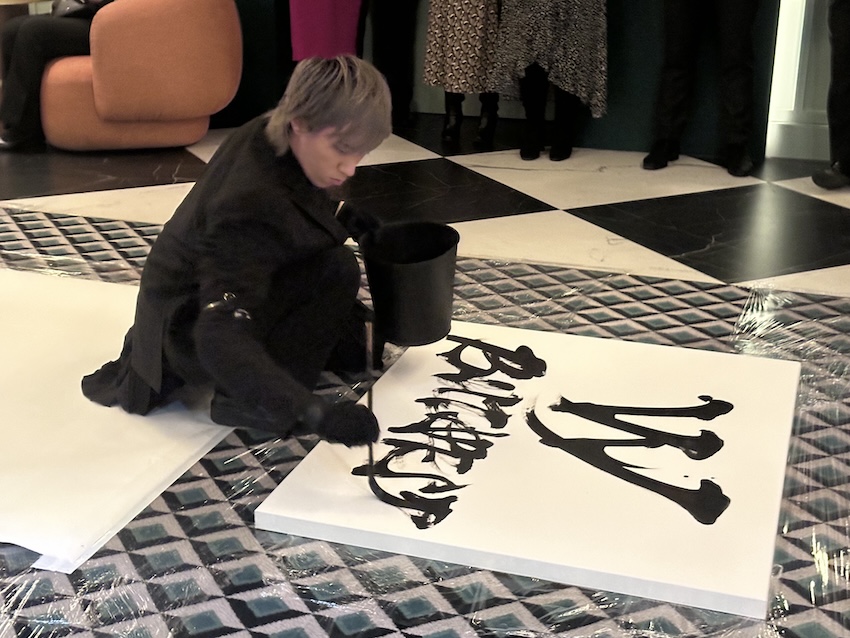
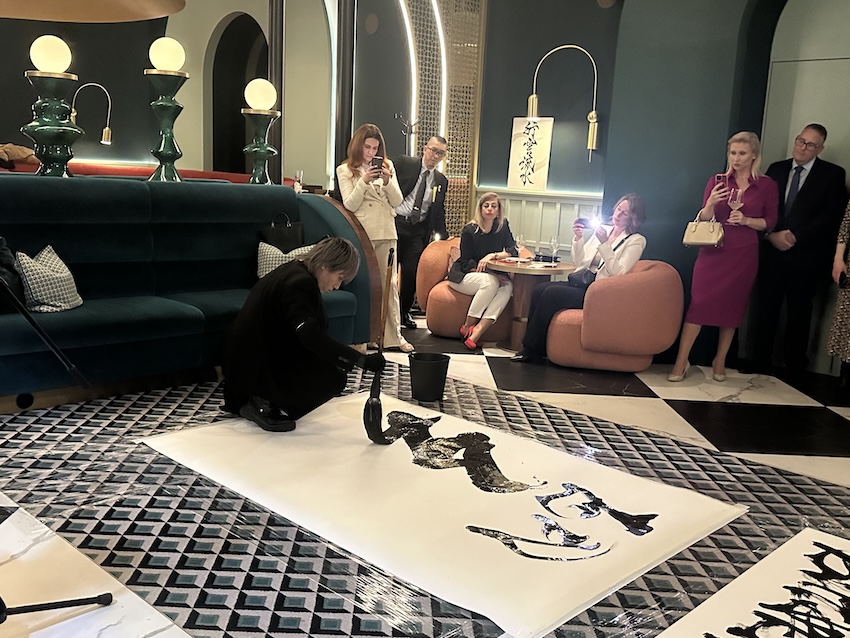
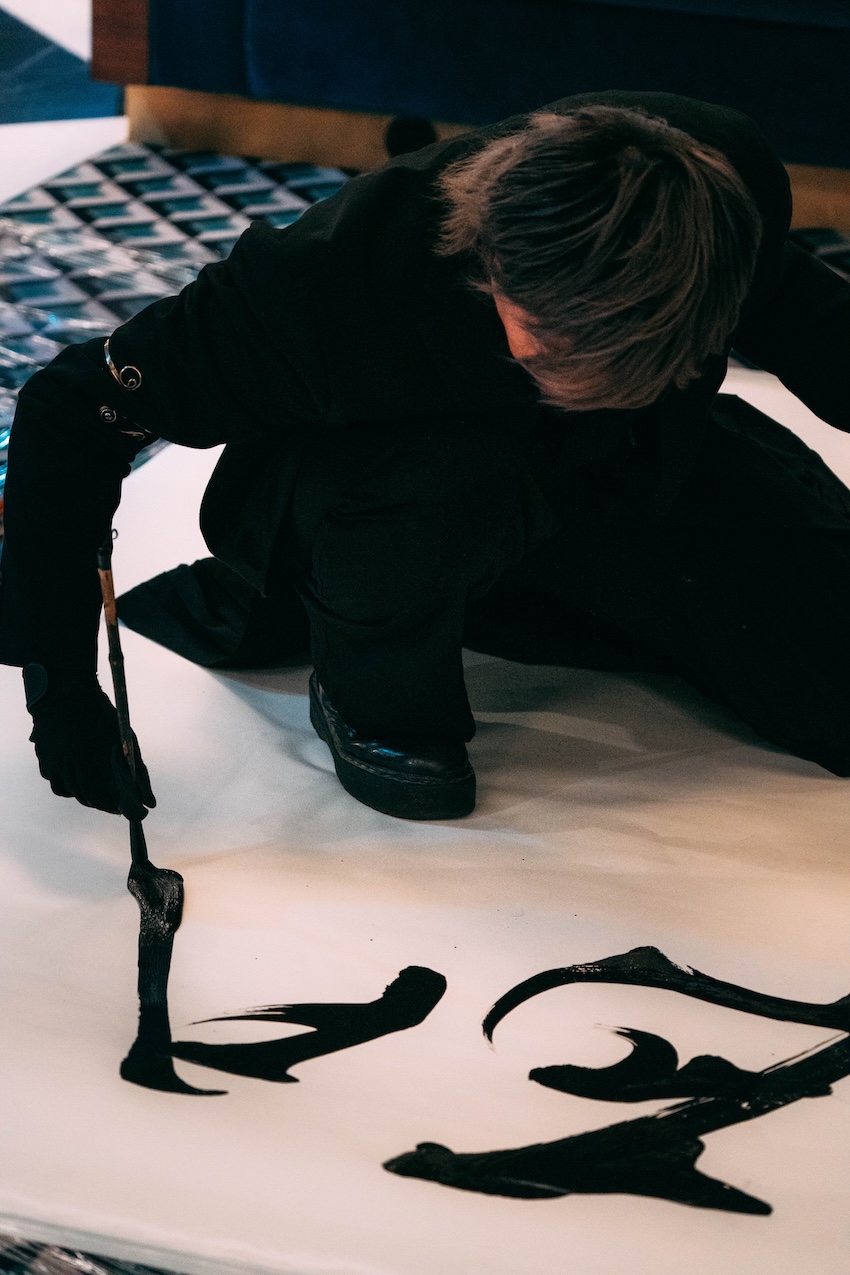
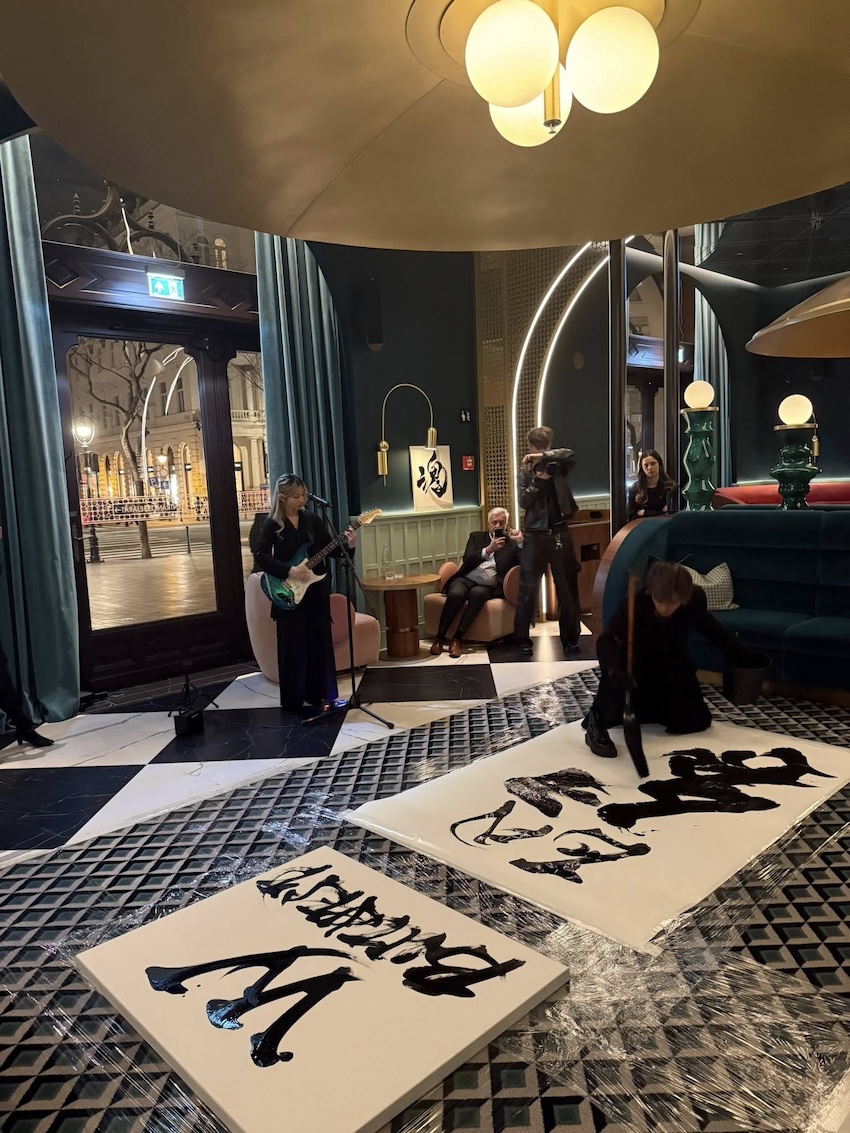
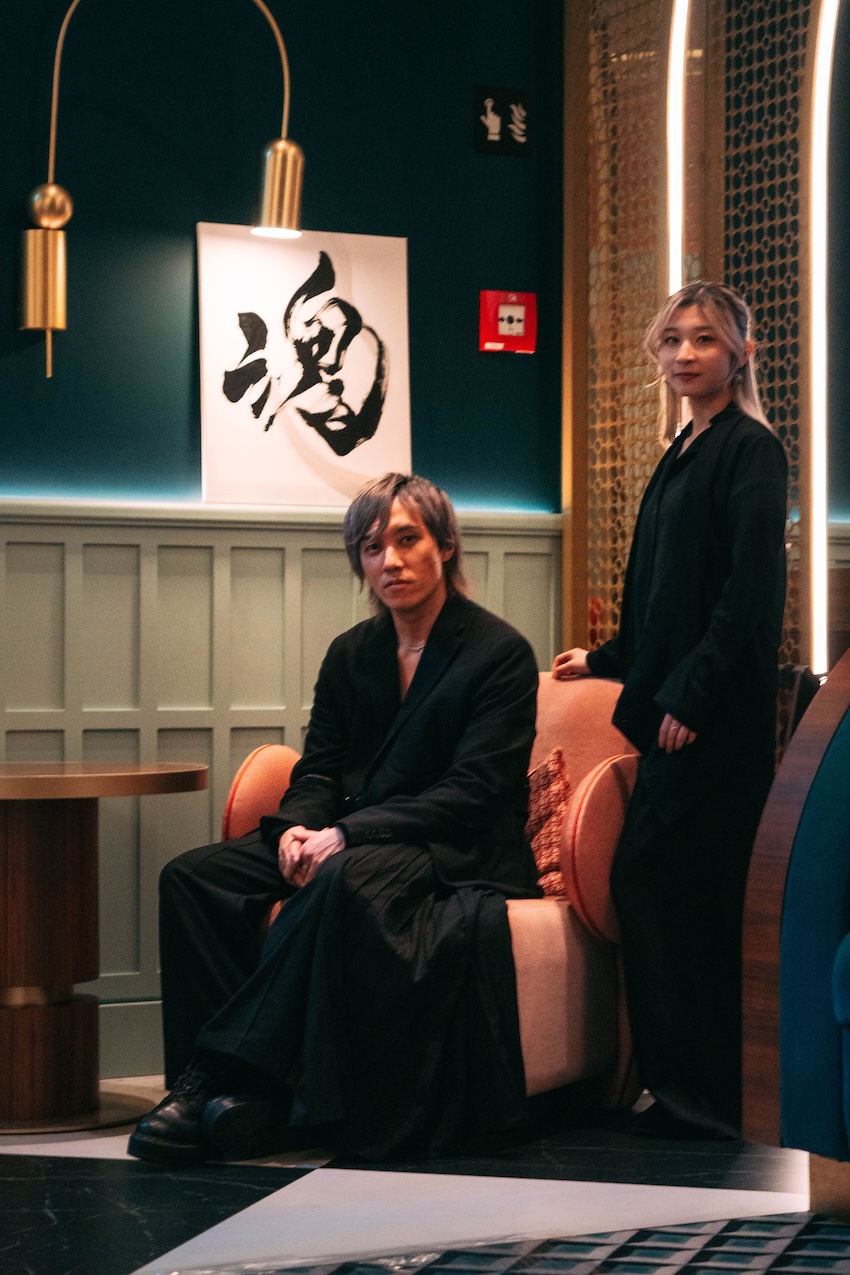
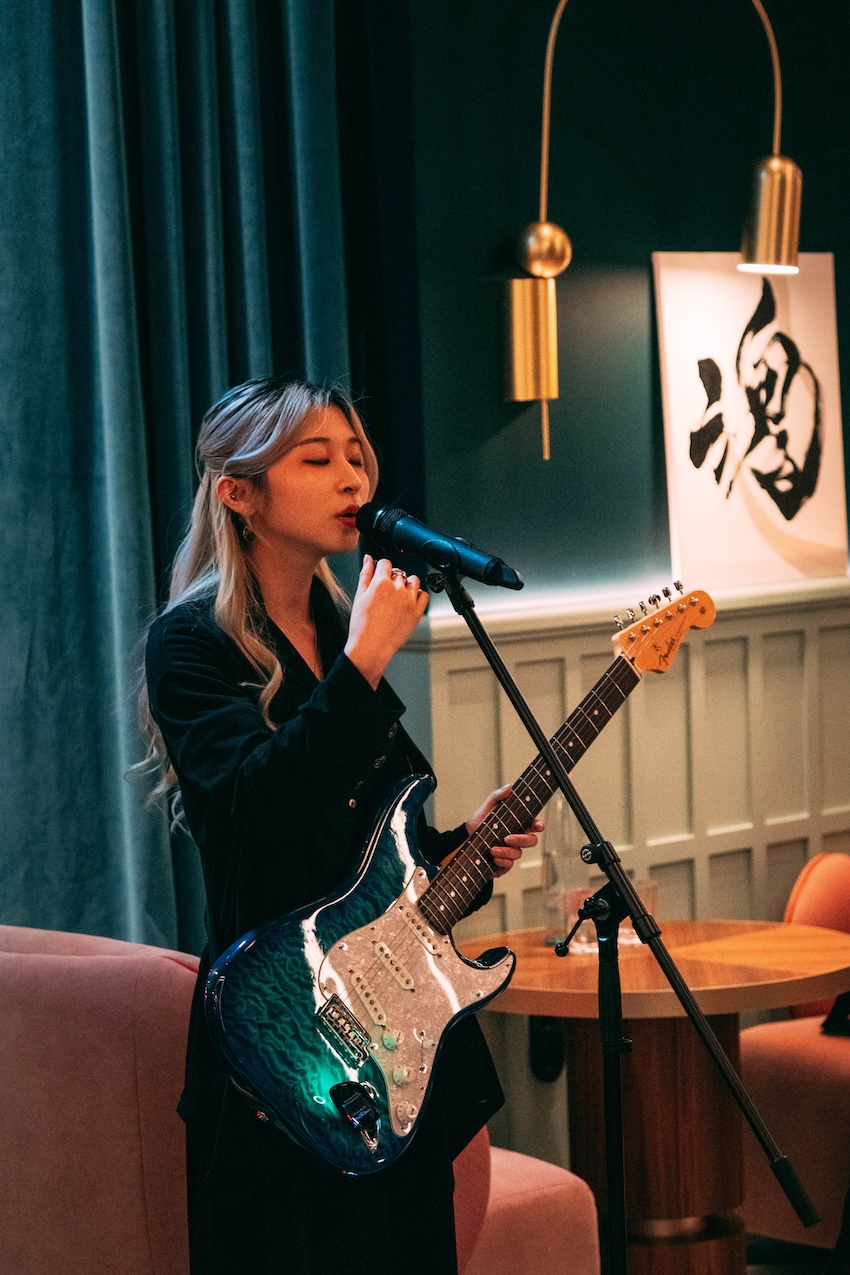
The performance unfolded on the floor of the Bar, where a monumental composition was created on a large-scale canvas using an oversized brush. Accompanied by the evocative singing of a Japanese female artist, the performance became a harmonious synthesis of movement, sound, and visual expression – revealing the precision, expressive depth, and spiritual dimension of shodō. The venue itself was further enhanced by calligraphic works displayed on the walls, reinforcing the aesthetic atmosphere and offering guests a truly enriching artistic experience.
Sake Week Programme at W Budapest Hotel
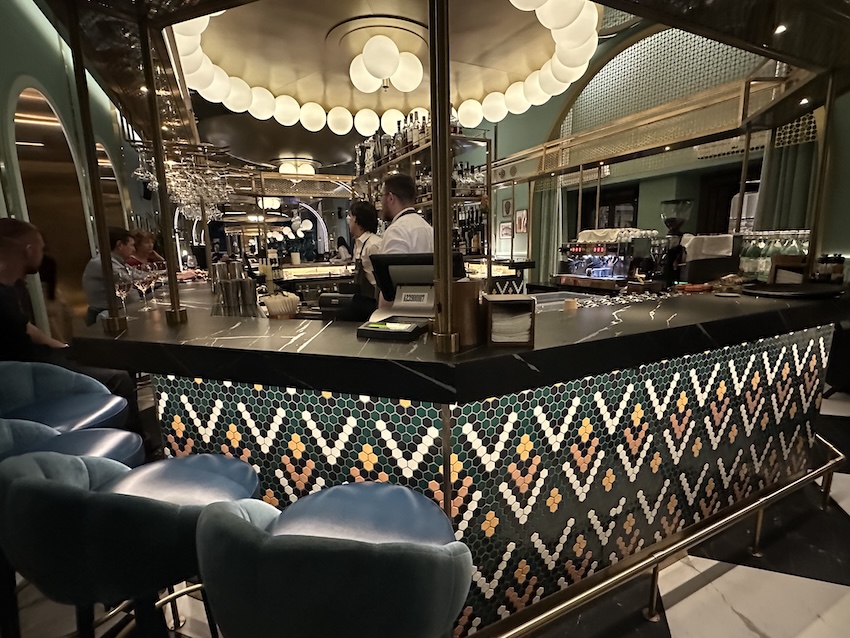
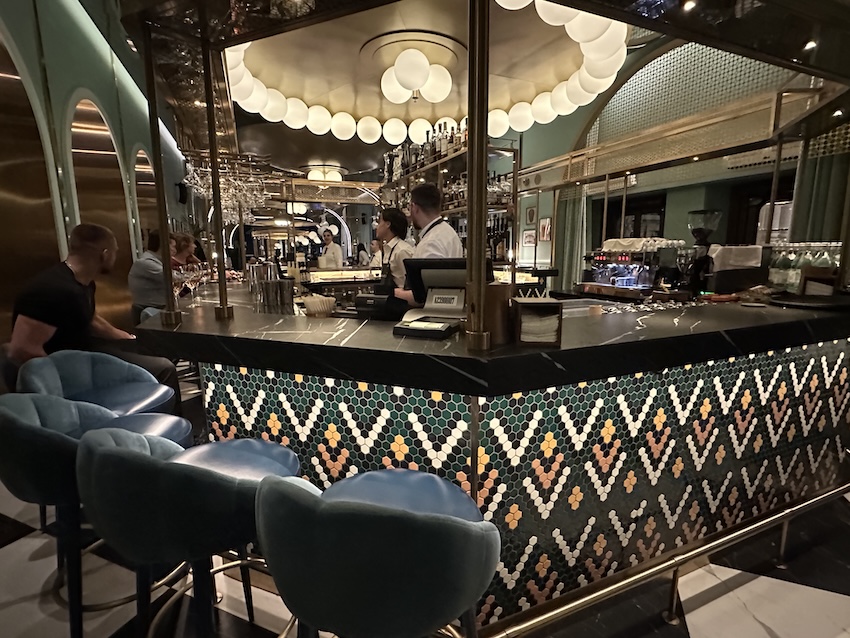
As part of the initiative, Sake Week at the W Budapest Hotel, Le Petit Beefbar served as the central venue where guests experienced a curated menu developed in collaboration with Chef Yoshihito Hirose, whose Restaurant Kicsi Japán is recognised in Budapest for its dedication to traditional Japanese culinary techniques and hospitality.
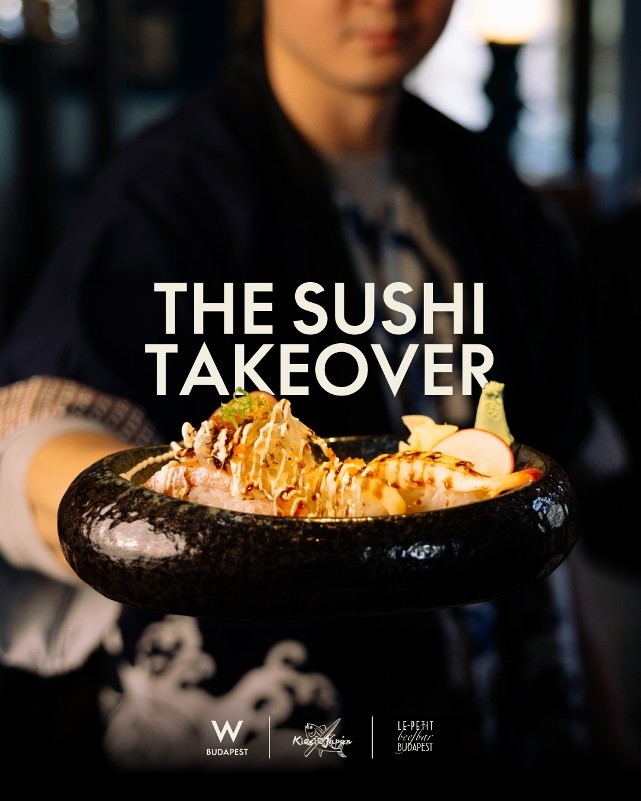
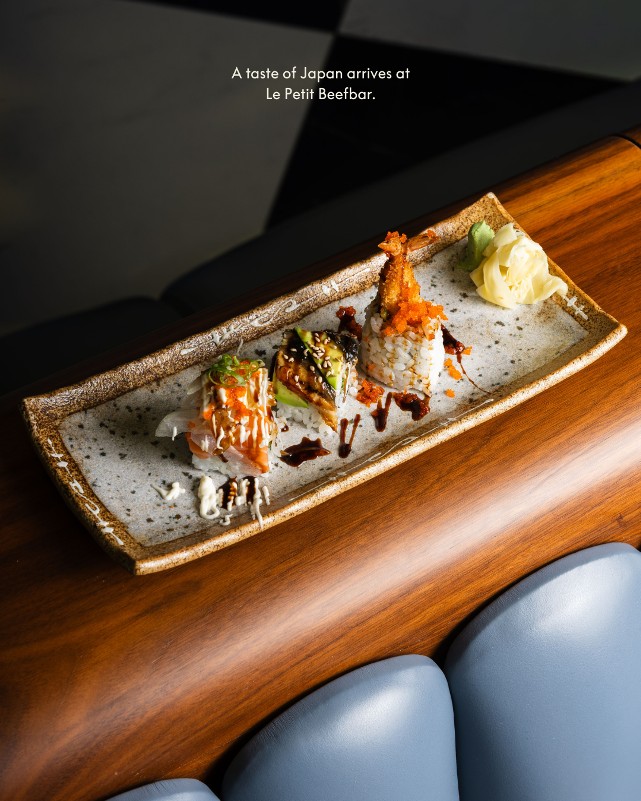
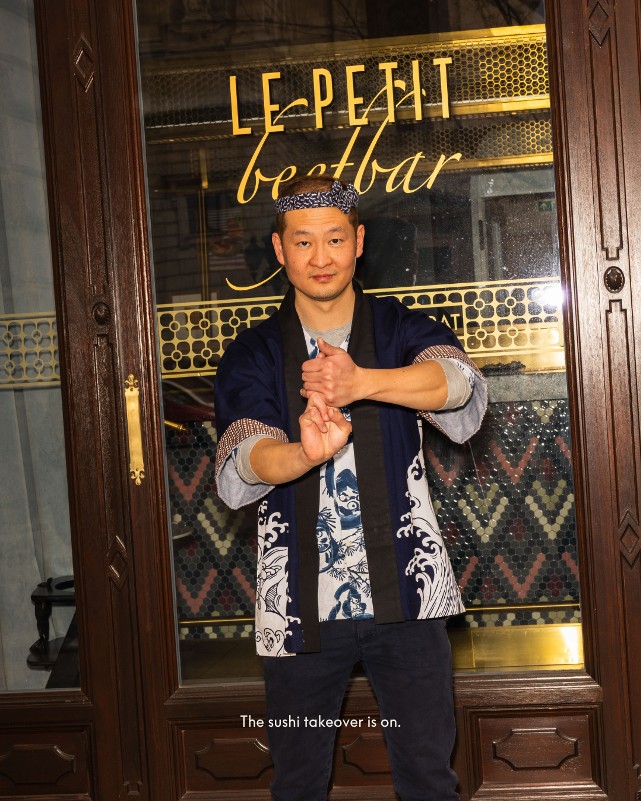
The programme featured dishes designed for sharing, including nigiri and sushi creations that emphasised balance, precision, and high-quality ingredients.
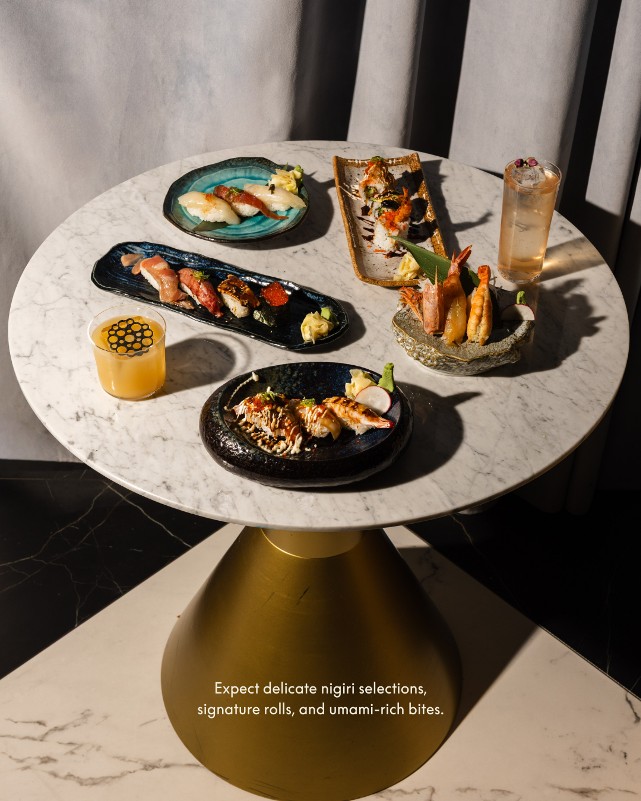
Two signature cocktails, created especially for the occasion by Head Mixologist Norbert Nagy, reinterpreted Japanese elements in a contemporary format: Sakurako – Dewazakura Oka “Cherry Bouquet” sake, raspberry cordial, rose, tonic; and Asayo – Heiwa Tsuru-Ume Yuzushu, sesame milk, soy. Together, these elements created an atmosphere where tradition and modernity met, allowing guests to experience Japanese gastronomy in a refined yet accessible way.
The Cultural Significance of Traditional Japanese Sake
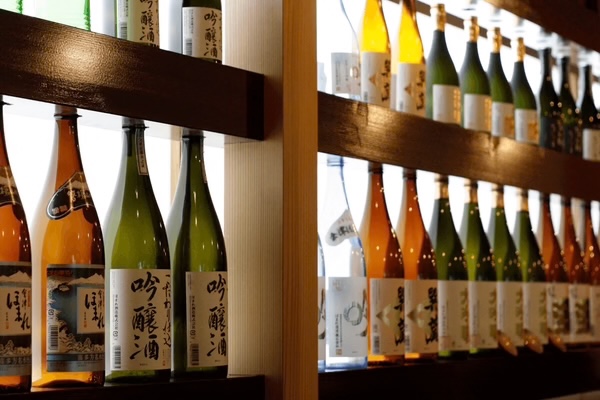
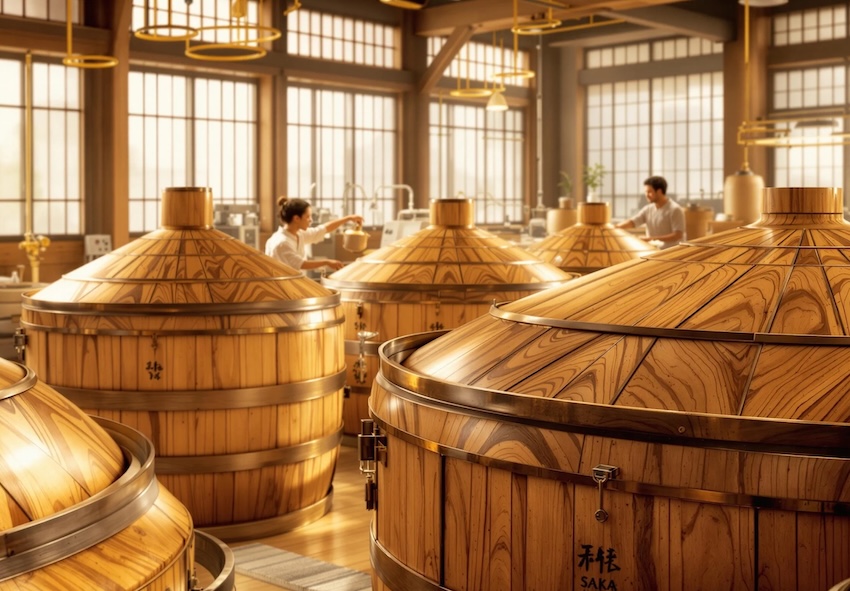
Sake occupies a central place in Japan’s cultural heritage, reflecting centuries of tradition, craftsmanship, and respect for natural processes. Its origins date back over 2500 years, following the introduction of rice cultivation and fermentation techniques to Japan. Produced from rice, water, yeast, and kōji mould, sake represents a highly refined brewing tradition. The process of simultaneously converting starch into sugar and sugar into alcohol requires a high level of technical expertise. Sake typically has an alcohol by volume (ABV) of around 14–16%, contributing to its balanced and versatile character.
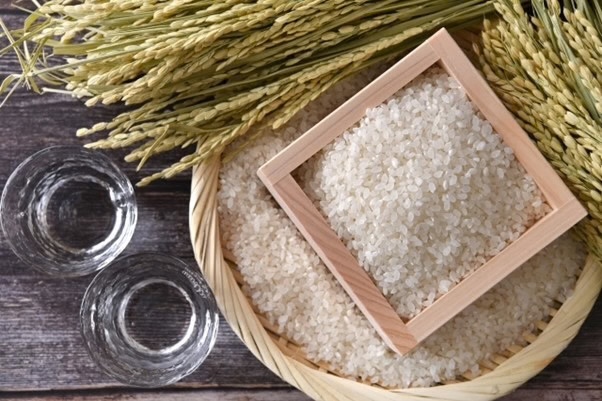
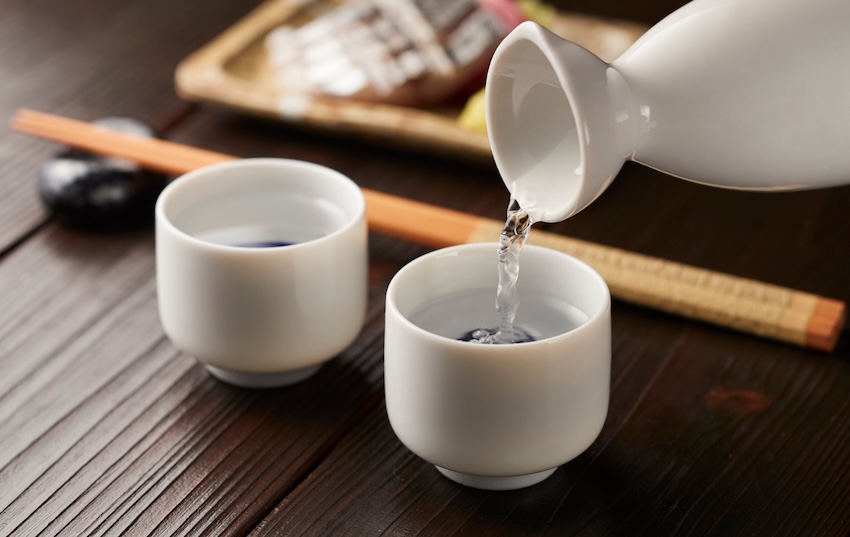
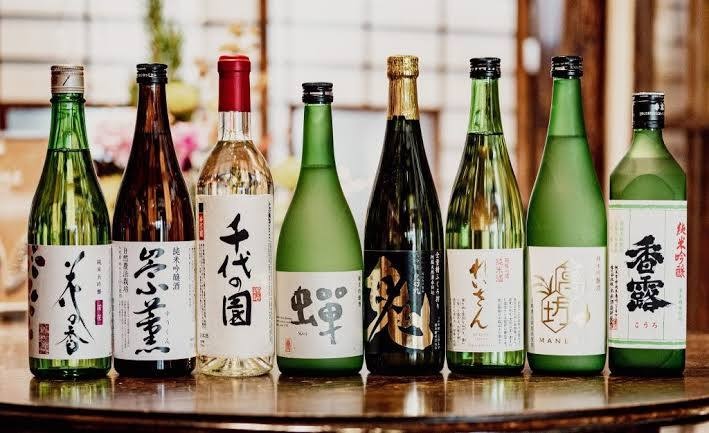
The degree of rice polishing, regional variations in water composition, and the individual methods of each brewery all contribute to the diversity of sake styles, ranging from delicate and aromatic to rich and umami-driven. Beyond its gastronomic qualities, sake holds deep symbolic significance. It has long been associated with Shinto rituals and offered to the gods as a sign of respect and gratitude. This tradition remains visible today in ceremonial practices and shrine displays.
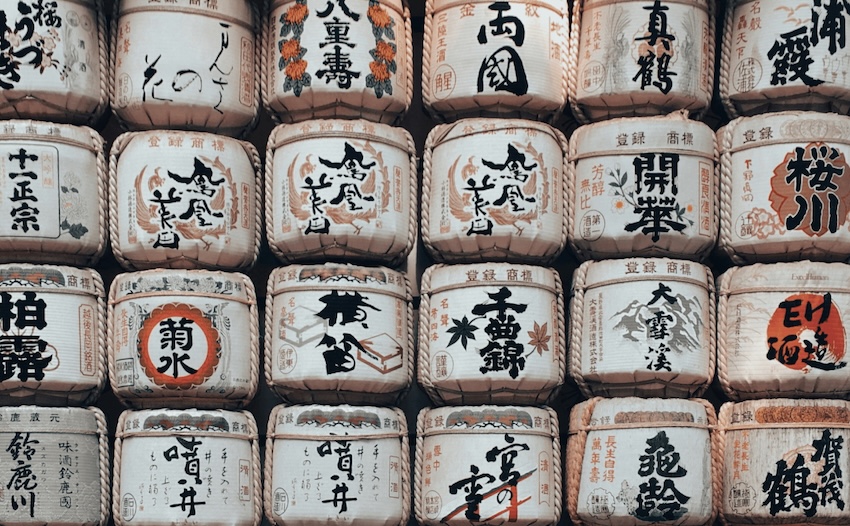
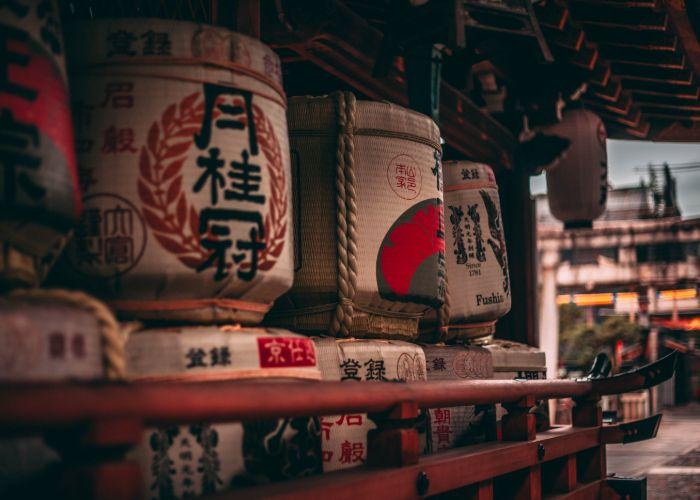
Recognised alongside Washoku as UNESCO Intangible Cultural Heritage, sake continues to represent a living tradition. 1st October, observed as World Sake Day, marks the beginning of the brewing season and celebrates this enduring cultural legacy.
The opening of Sake Week in Budapest illustrated the role of gastronomy as an effective instrument of cultural diplomacy. By bringing together tradition, craftsmanship, and shared experience, the event contributed to strengthening cultural ties and fostering mutual understanding between Japan and Hungary.
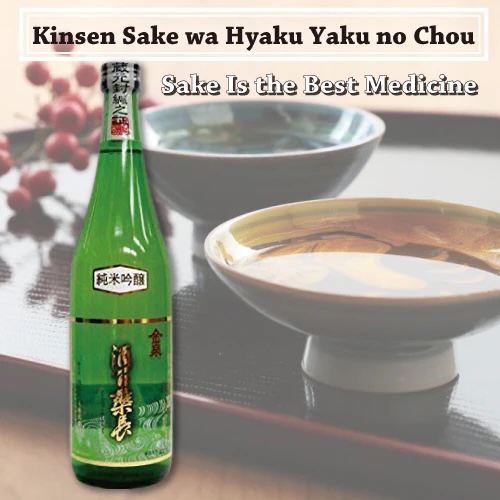
A Japanese proverb aptly captures an additional dimension of this iconic beverage: “Sake wa hyaku yaku no chō” (酒は百薬の長) – “Sake is the best medicine.”
Your Excellency, Dear Ambassador, I express my sincere appreciation for the kind invitation and for the remarkable experience. As I mentioned, Japanese culture holds a special place close to my heart and mind, making this occasion particularly meaningful.
Source: Embassy of Japan in Budapest
Photos from Yutaro Ohori from GiC & Partners, Embassy of Japan, W Budapest Hotel, and Diplomatic Press Agency