


A Croatian Tradition Brings Mediterranean Heritage to Budapest
Edited by Anna Popper
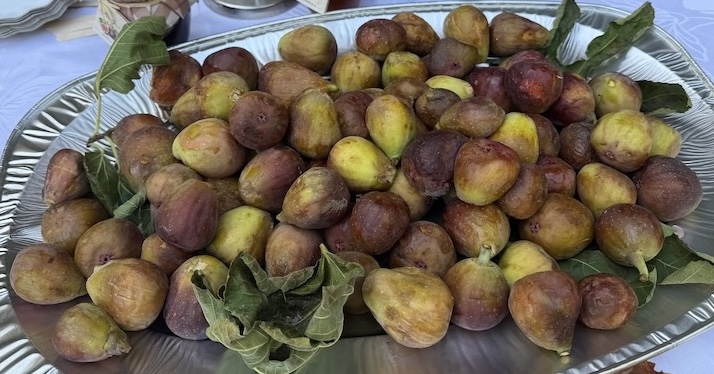
Few fruits have a history as closely intertwined with human civilisation as the fig. Cultivated for over 10,000 years, it has become an integral part of the Mediterranean landscape, cuisine, traditions, and cultural imagination. The fig is of such ancient origin that, throughout history, it has been associated with fertility, abundance, and the very origins of life. It holds a fascinating place in Greek and Roman mythology, as well as in the traditions of many ancient Mediterranean cultures.
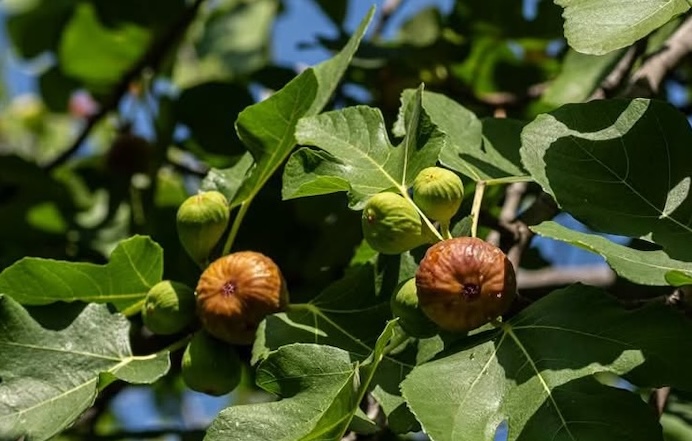
In the Bible, the fig appears at one of the most iconic moments in the story of humankind: after Adam and Eve ate the forbidden fruit, they covered themselves with fig leaves – thereby making the fig part of one of humanity’s oldest and most enduring narratives.
In Croatia – particularly along the Adriatic coast, in Istria and Dalmatia – fig trees have flourished since ancient times and remain an important part of the country’s Mediterranean heritage.
A Croatian Tradition in Budapest
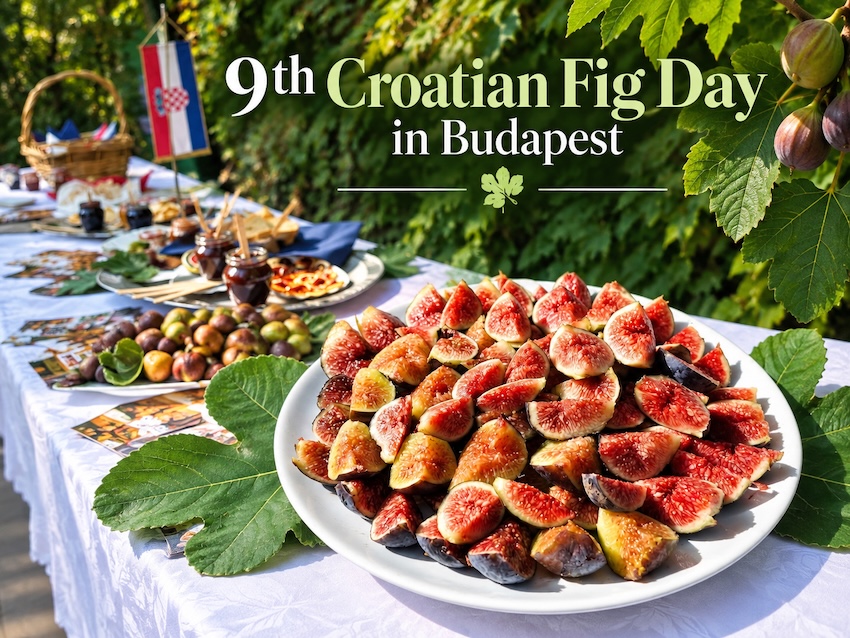
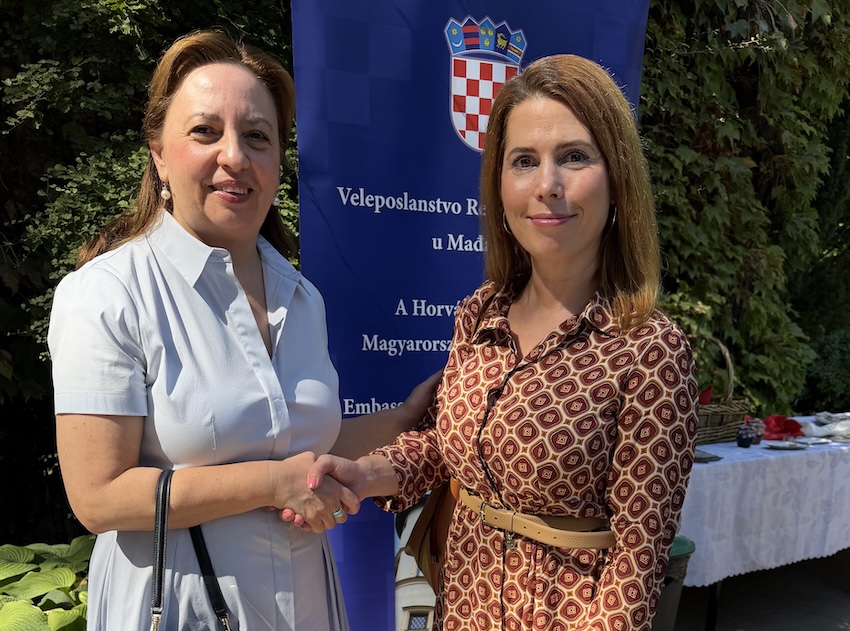
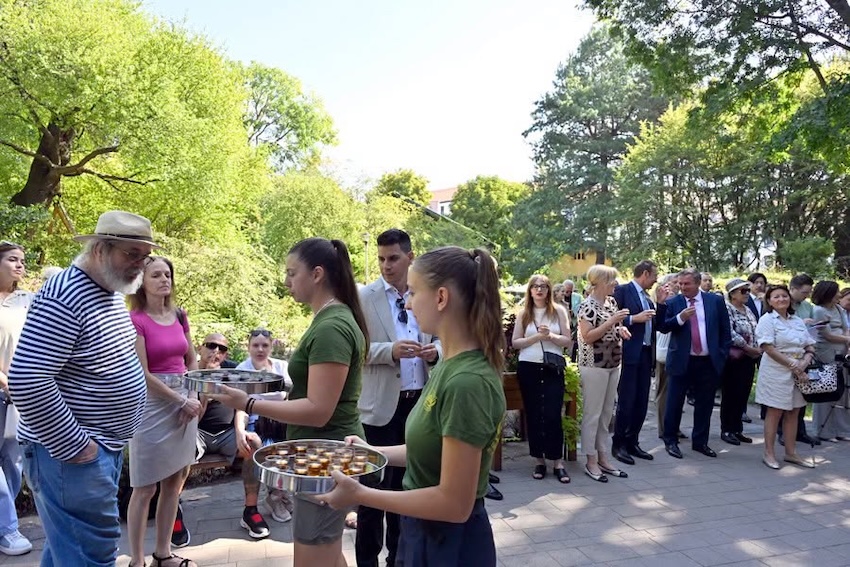
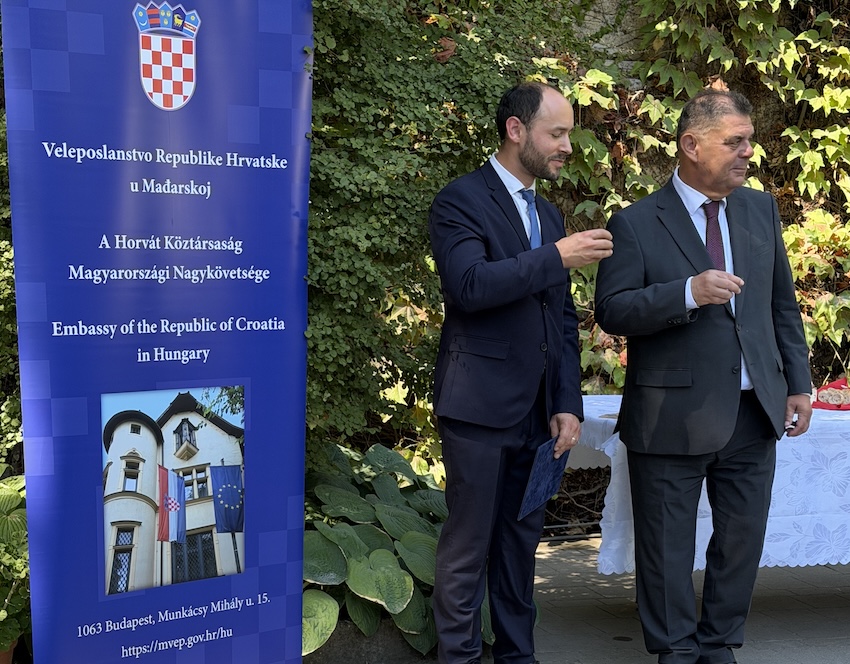
This ancient fruit was celebrated in Budapest on 9 September 2026, at the 9th Croatian Fig Day, organised by the Embassy of Croatia in Budapest in cooperation with the ELTE University Botanical Garden (Füvészkert) and held within the garden’s beautifully maintained surroundings.
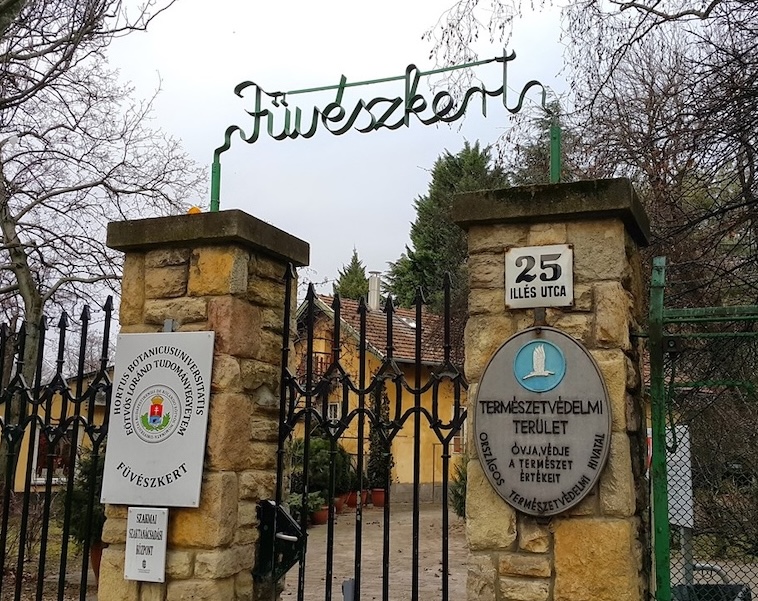


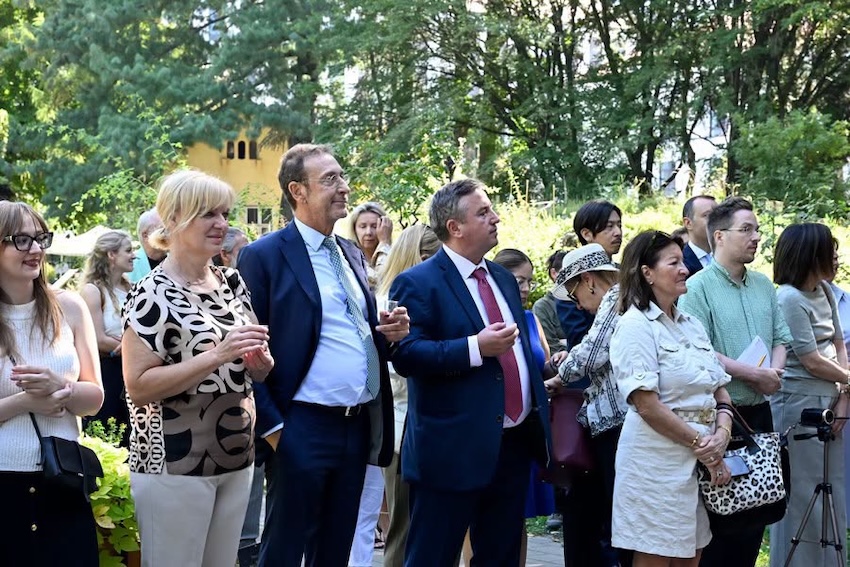
The occasion brought together distinguished guests, including ambassadors and members of the diplomatic corps, representatives of the Hungarian Government and National Assembly, Croatian officials, members of the Croatian community in Hungary, and figures from public and cultural life.

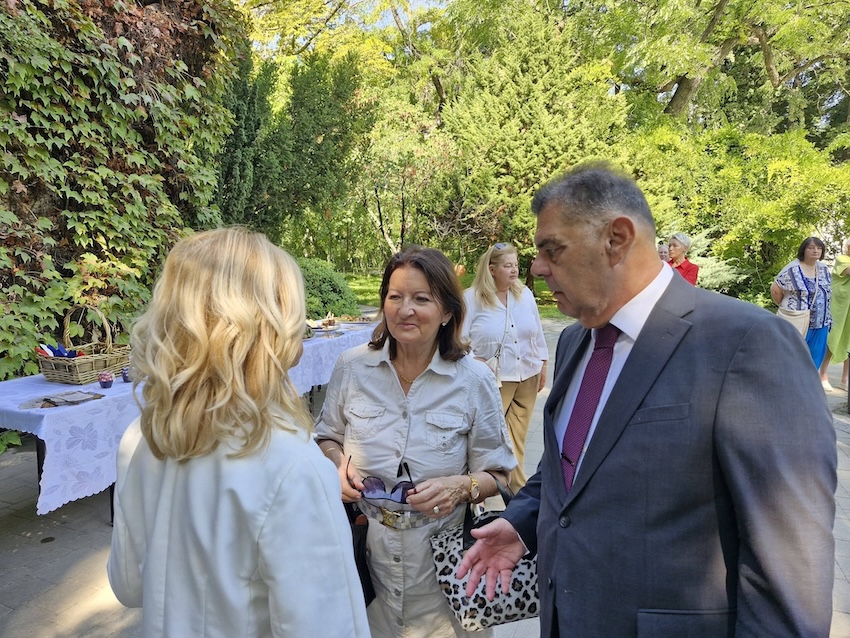
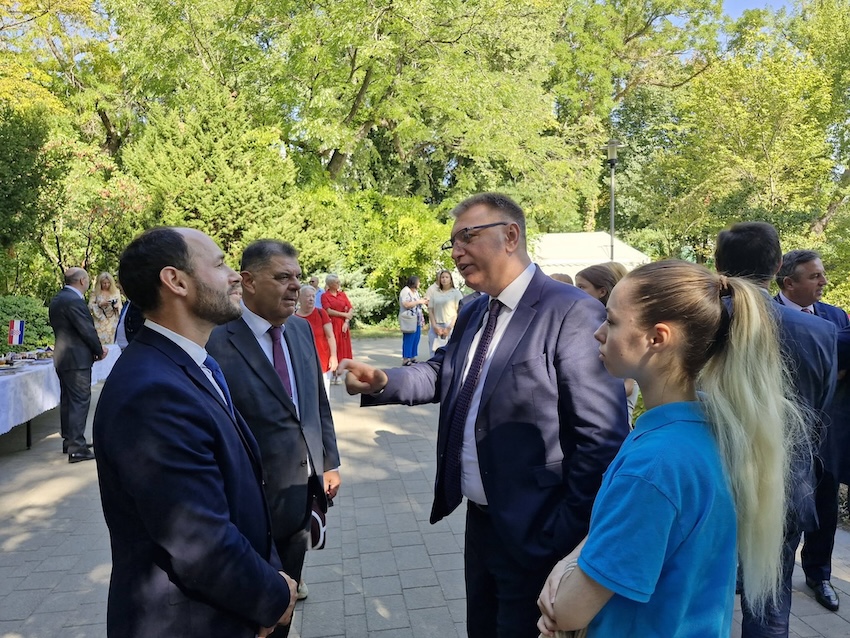
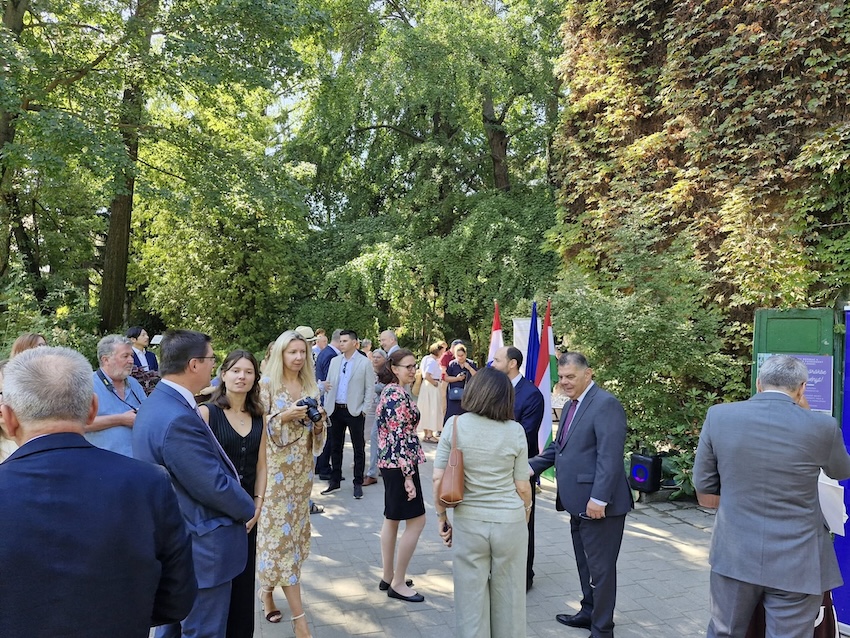
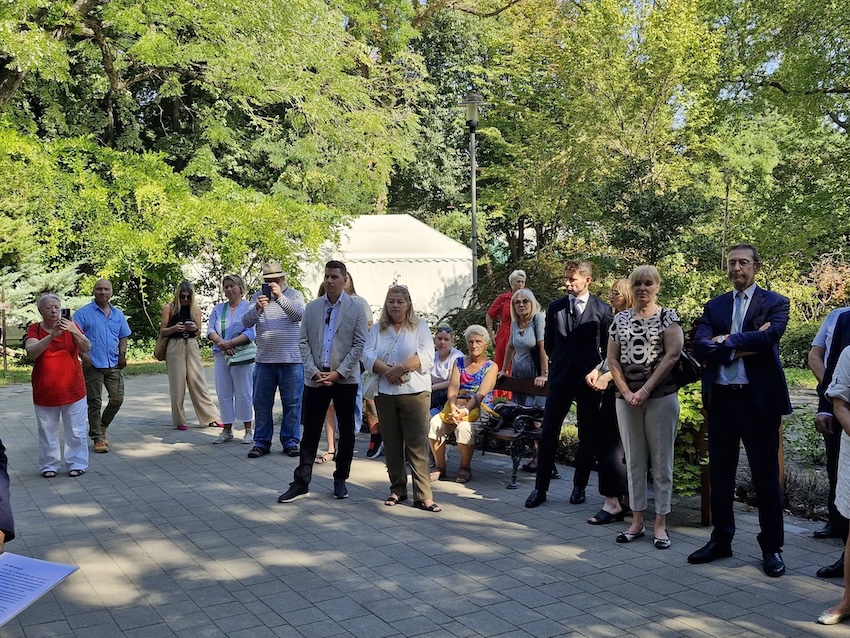

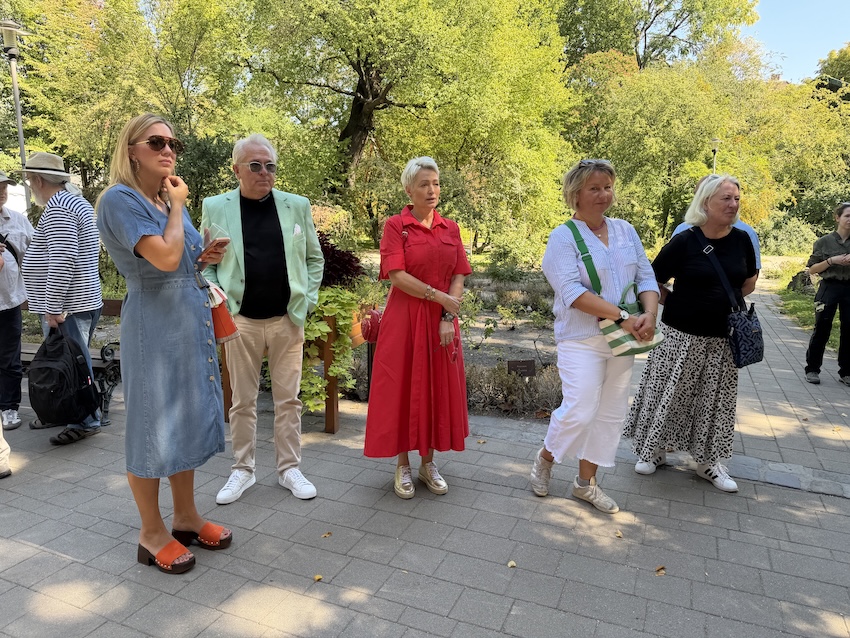

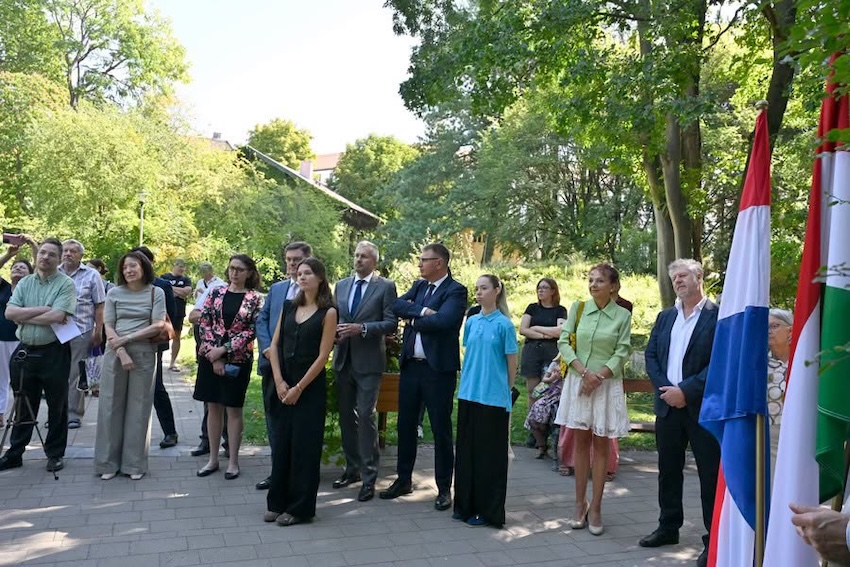
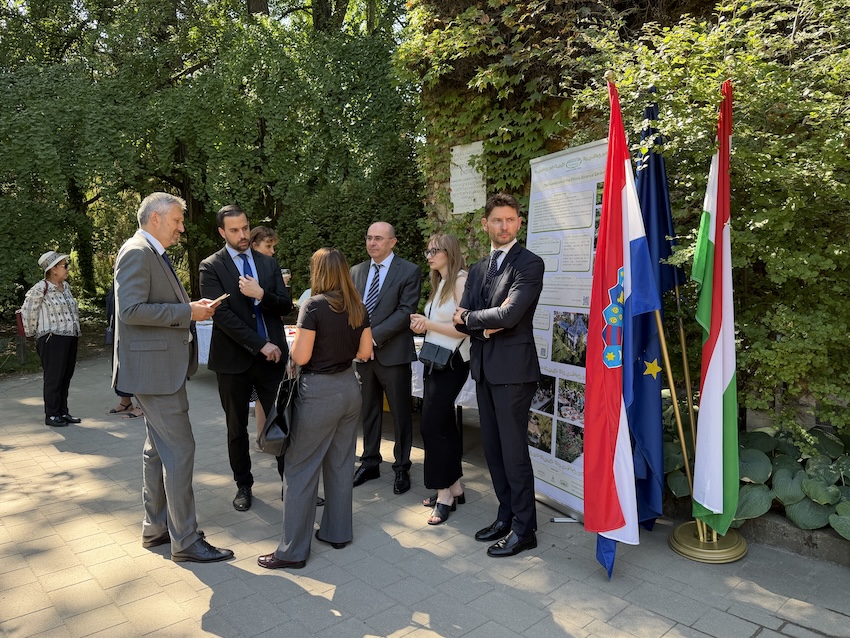
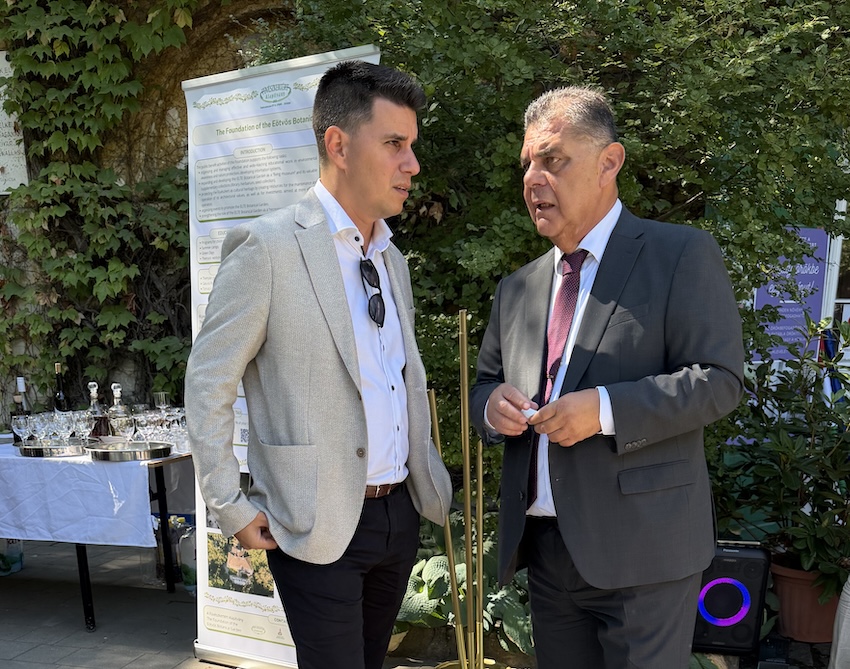

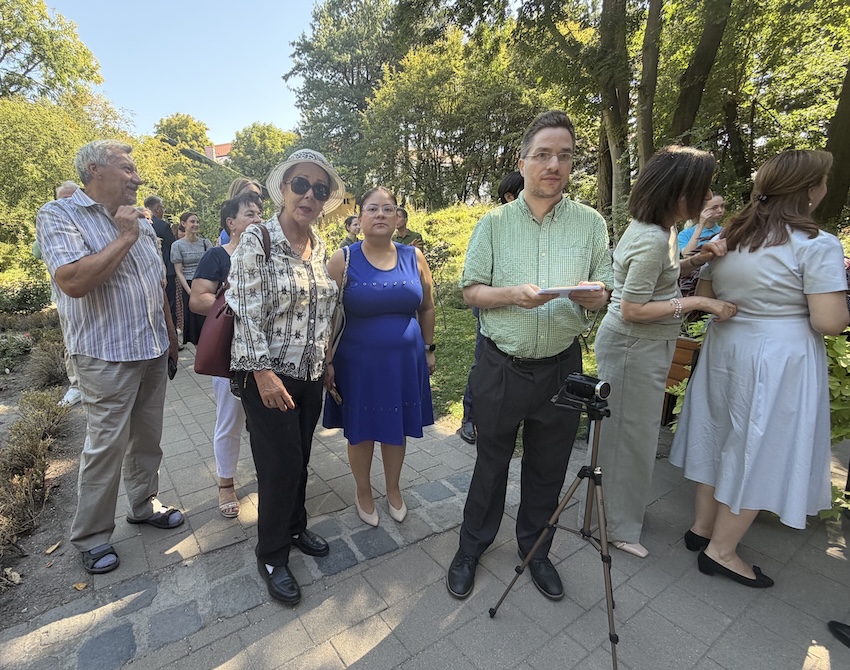

The event opened with welcoming remarks by László Papp, Director of the ELTE Botanical Garden, who spoke about the fig trees and their presence in the garden, while highlighting the excellent cooperation with the Croatian Embassy and noting that fig trees are becoming increasingly common in Hungary.
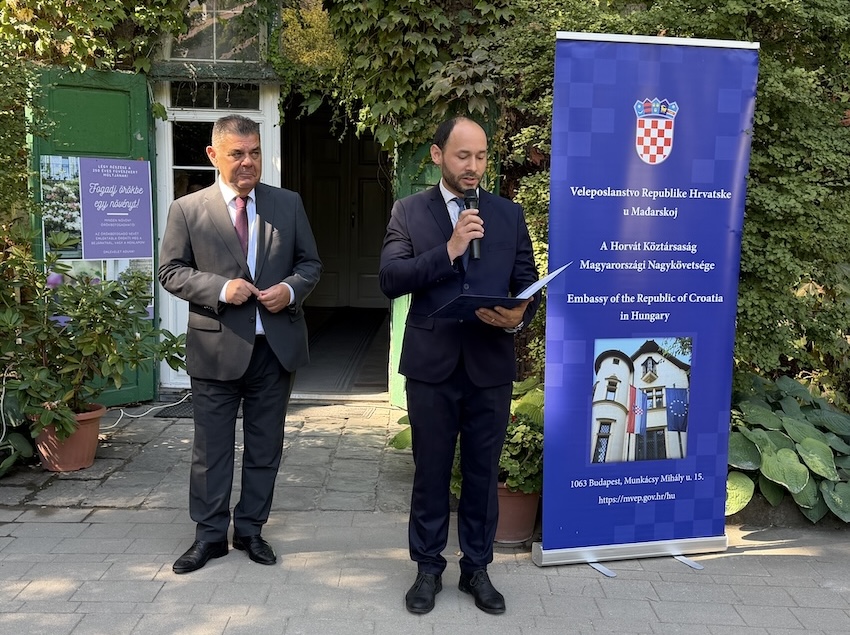
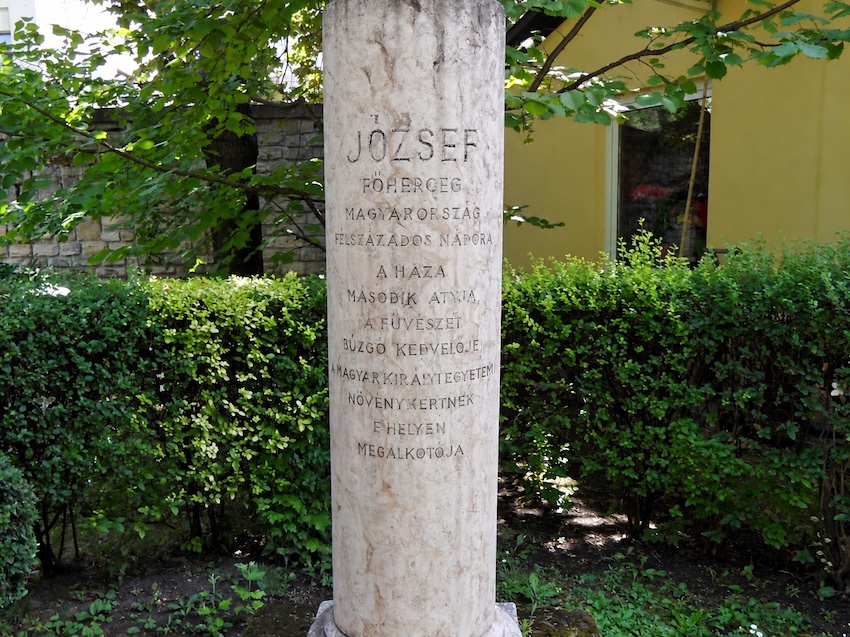
The historic Füvészkert – established more than 250 years ago by Archduke Joseph of Austria, Palatine of Hungary – provided a particularly fitting setting for the celebration. Spanning approximately three hectares and home to more than 8,000 plant species, its lush surroundings added a natural and atmospheric dimension to the Croatian tradition.
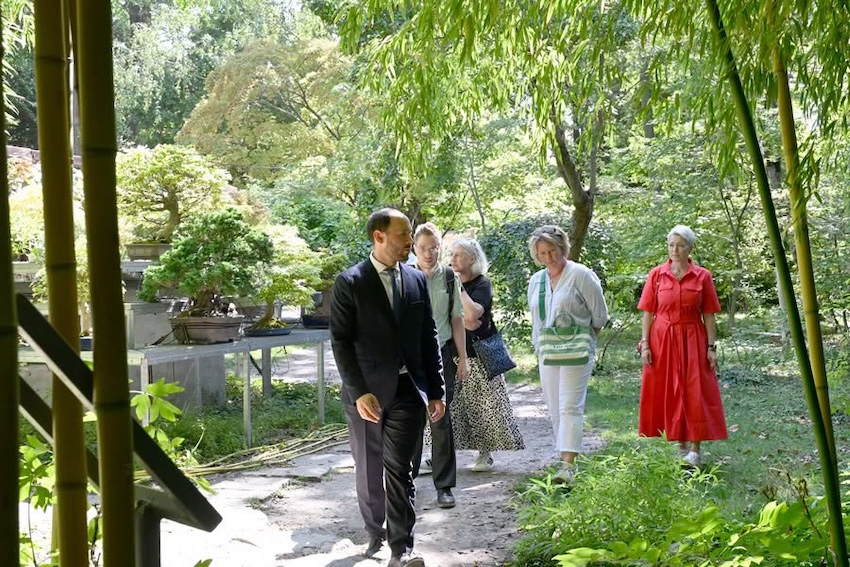
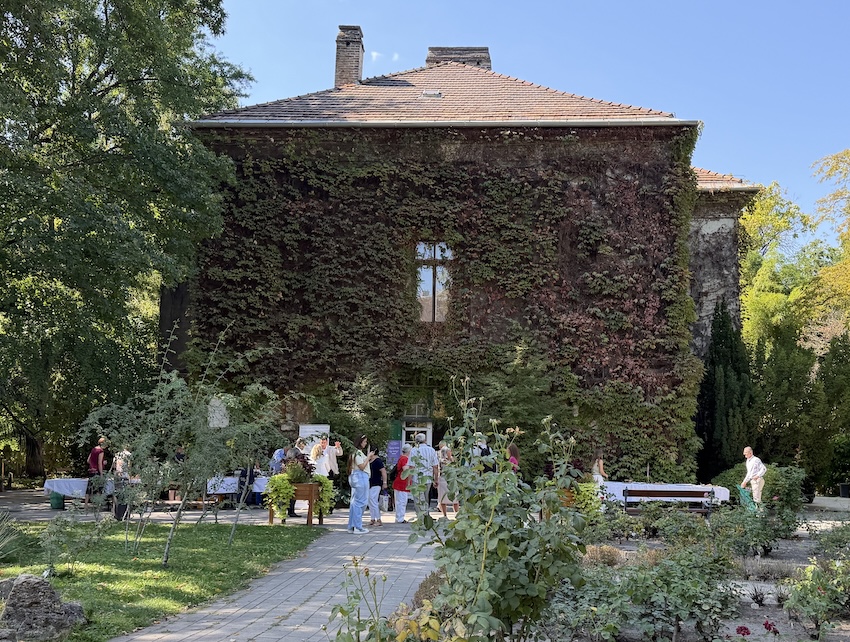
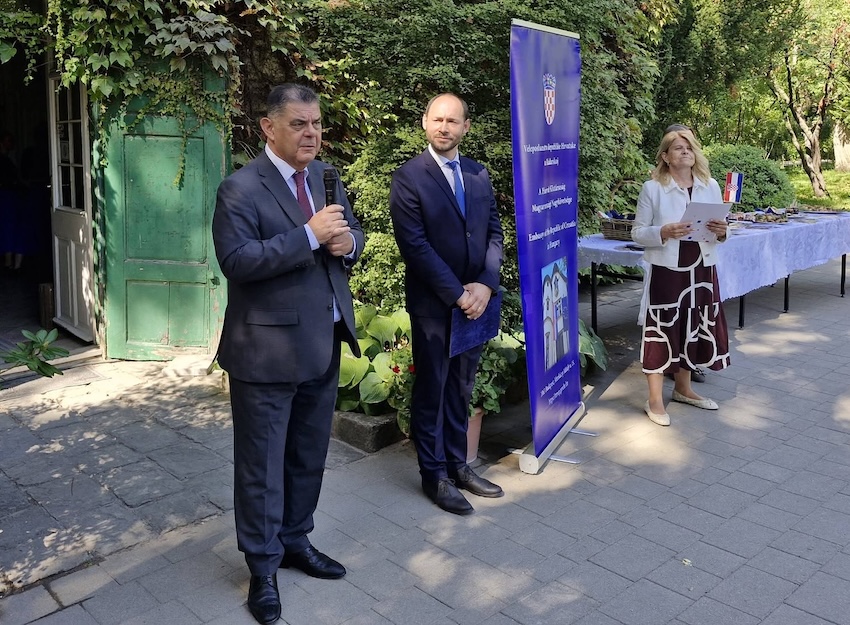
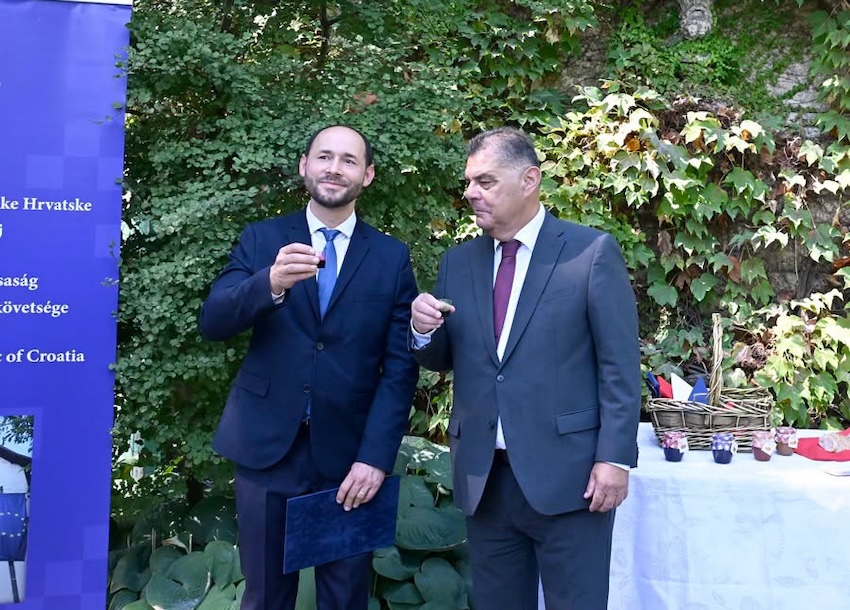
This was followed by an address from H.E. Dr. Mladen Andrlić, Ambassador of the Republic of Croatia to Hungary, who emphasised the special place of the fig in Croatian tradition, as well as the long-standing cultural and historical connections between the two neighbouring countries, Croatia and Hungary.
A Taste of Istria
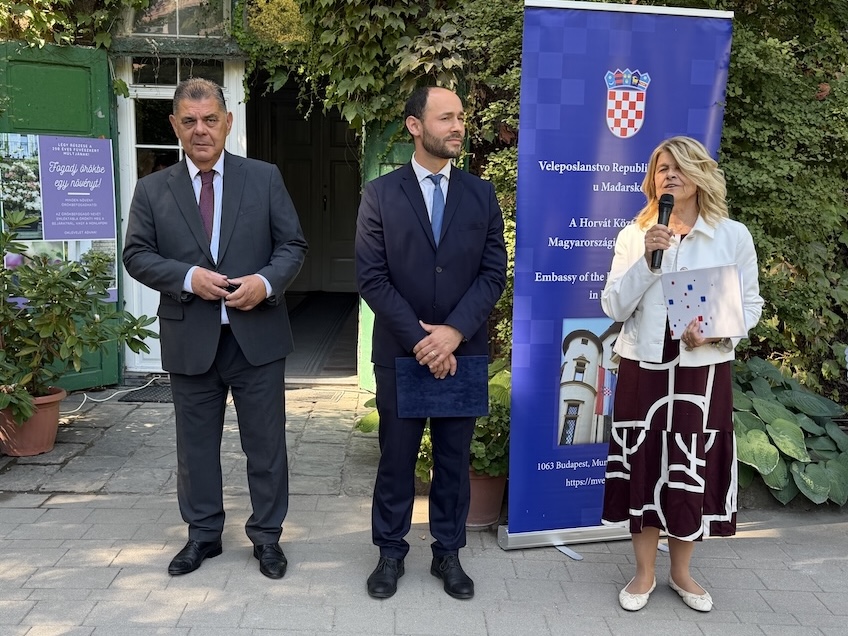
Mrs. Marina Sikora, a long-serving senior diplomat at the Embassy of Croatia, introduced the AURA Family Distillery to the audience. A successful Croatian family business deeply rooted in the Buzet region of northern Istria, AURA draws on the area’s rich natural bounty, where a wide variety of fruits and herbs are transformed into distinctive local specialities using traditional recipes.
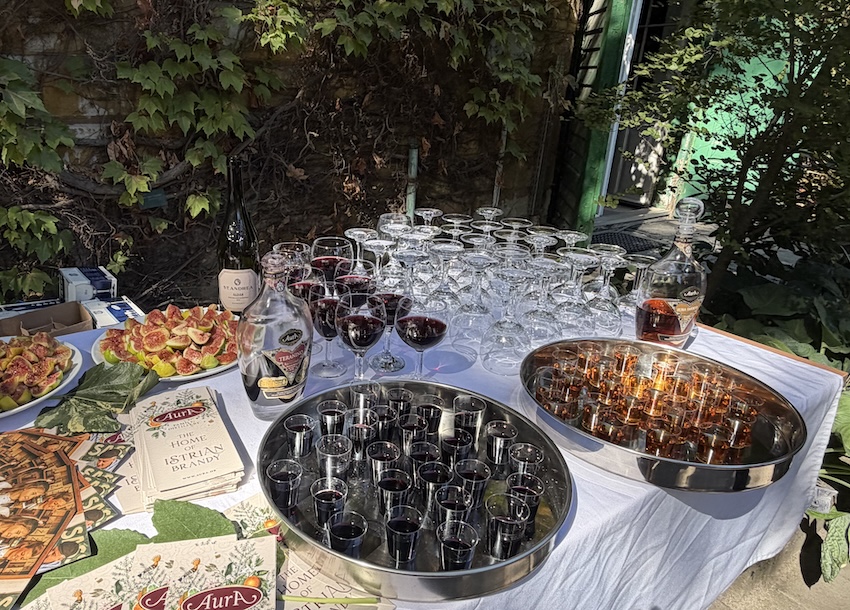
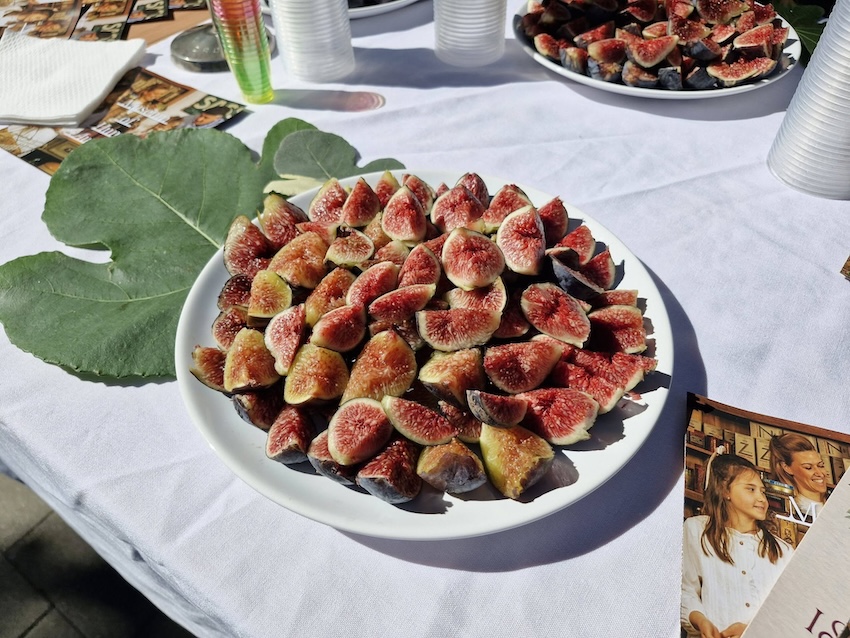
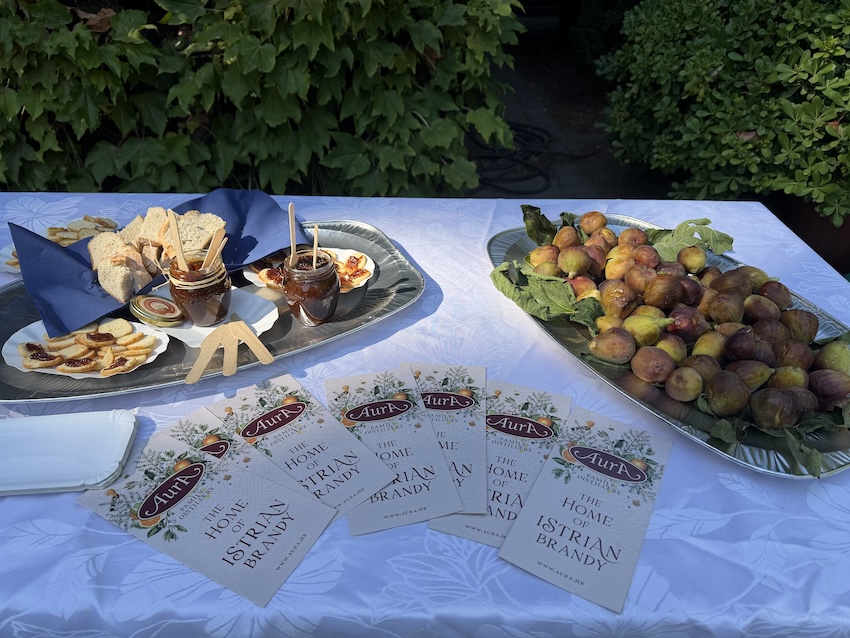
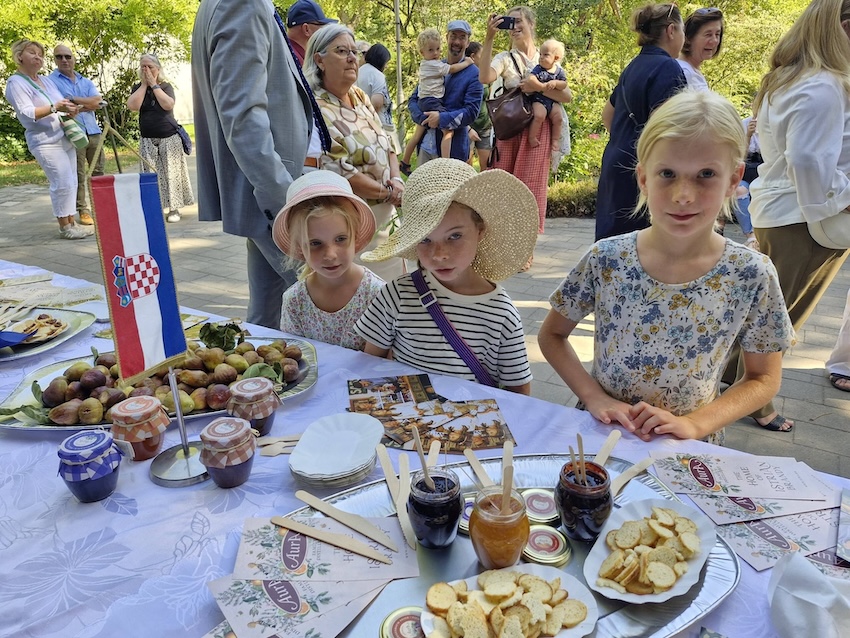
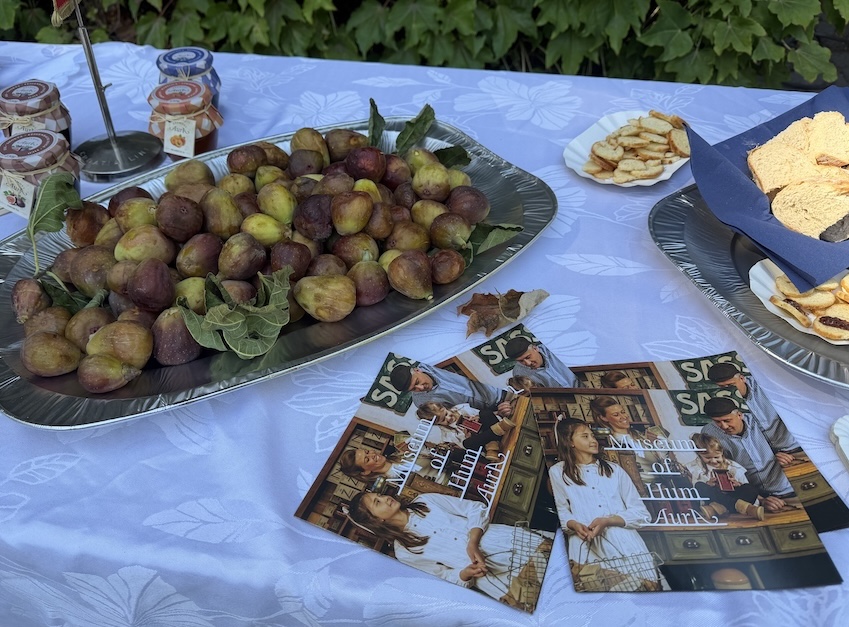
The company’s special contribution to the event brought the flavours and traditions of Istria to an international audience on “Fig Day”. Guests were invited to taste AURA’s signature products – beautifully presented on the arranged tables – including Dried Fig Brandy, Fig Jam and Dark Chocolate with Olive Oil and Dried Figs, together with its renowned Teranino red wine liqueur. The selection offered an appealing introduction to the versatility of the fig and the craftsmanship of Istrian producers.
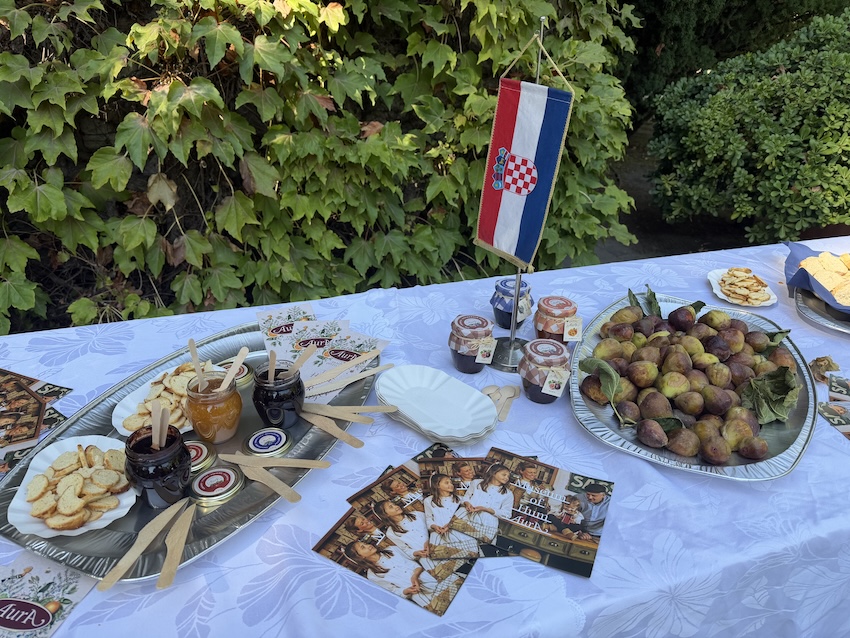
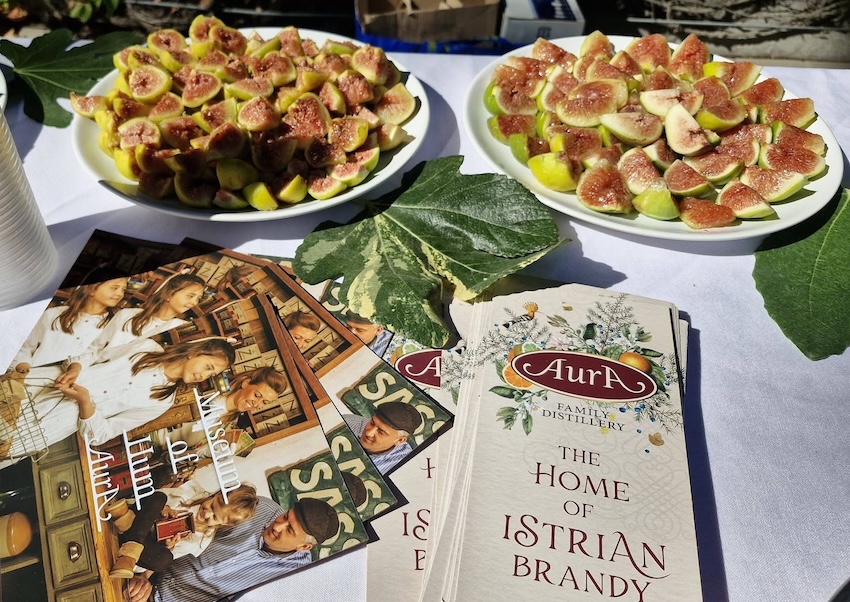
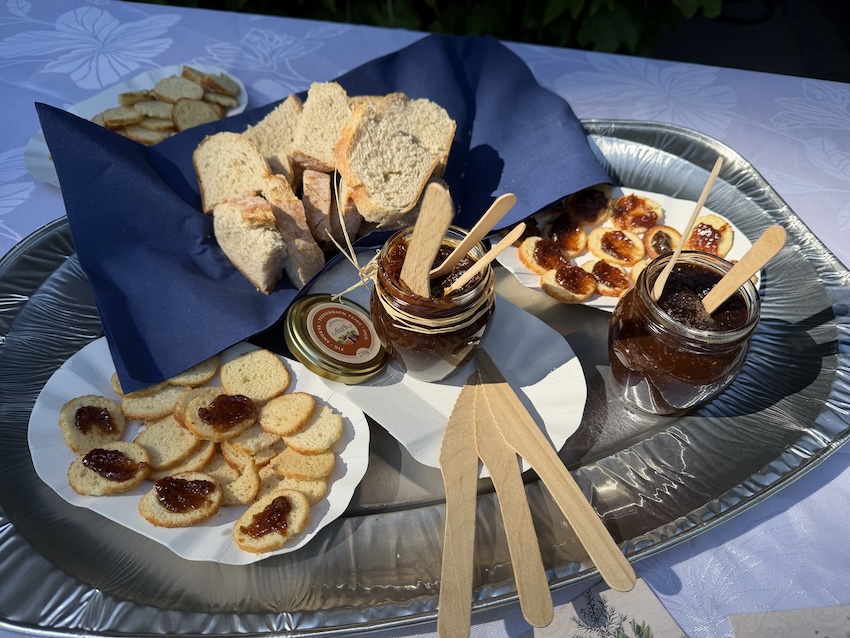
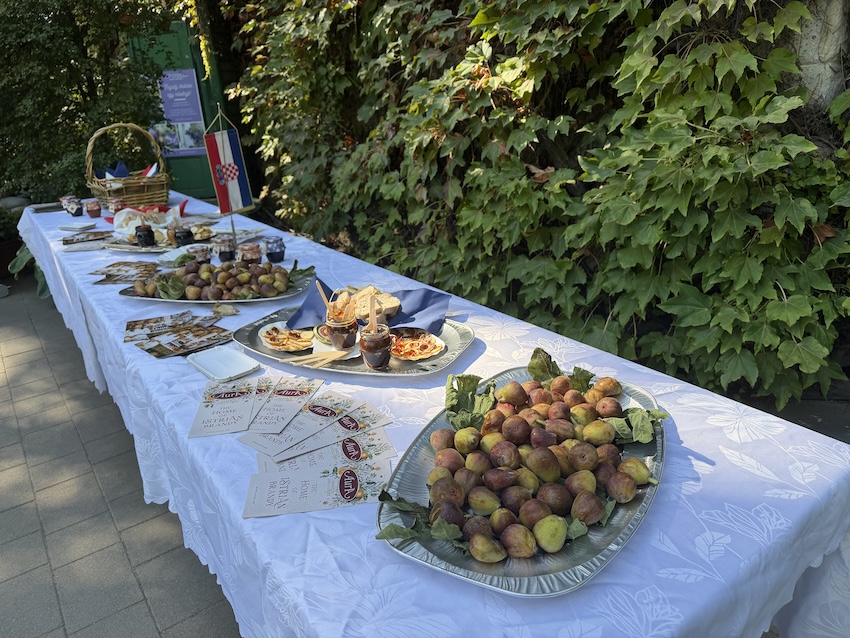
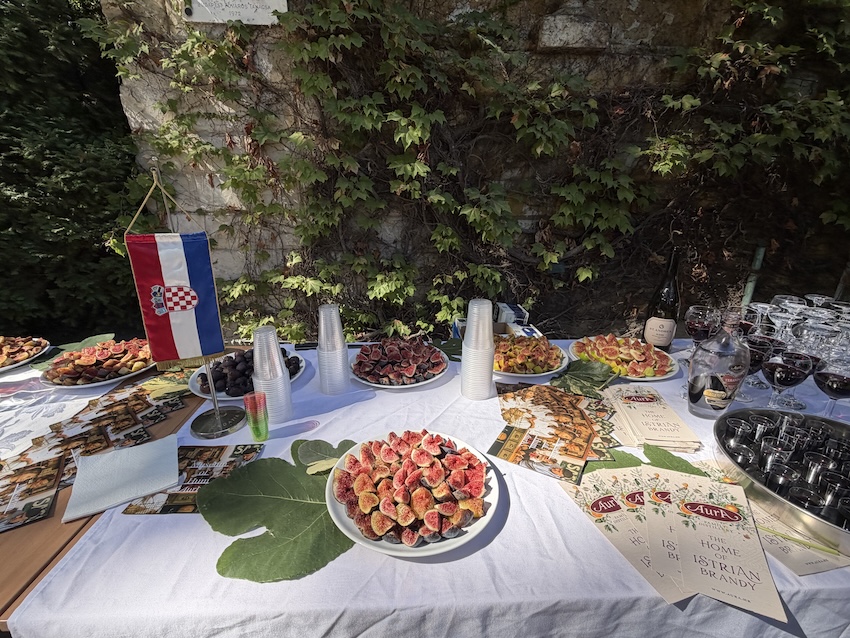
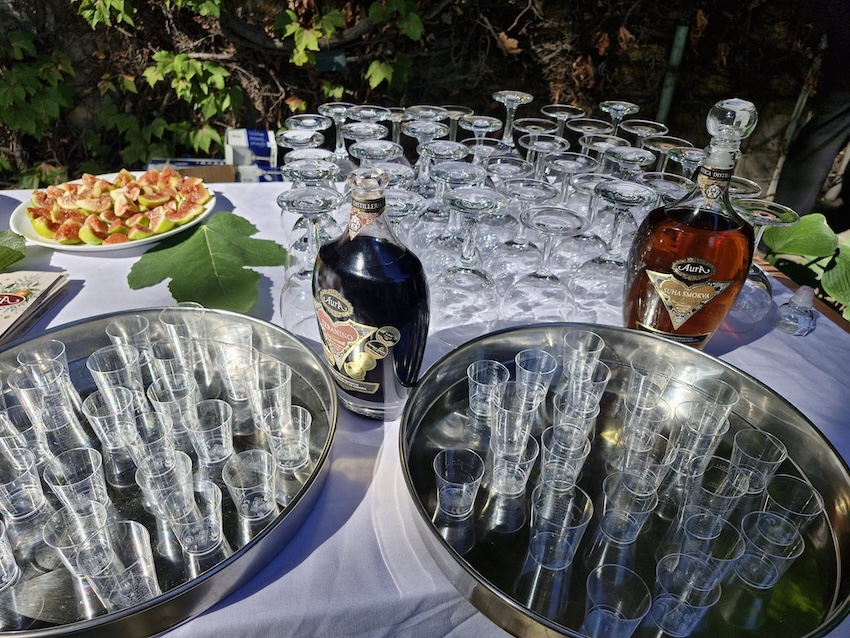
AURA’s product range extends far beyond fig specialties, encompassing 35 varieties of herbal and fruit brandies, four types of gin, nine kinds of jam, extra virgin olive oil, wild apple vinegar, and sugar-free biscuits. The company’s quality is internationally recognised; its products have won over 200 gold medals at prestigious competitions. Teranino alone has garnered 37 gold medals, while AURA was awarded the Master-Class Distillery title in both 2025 and 2026.
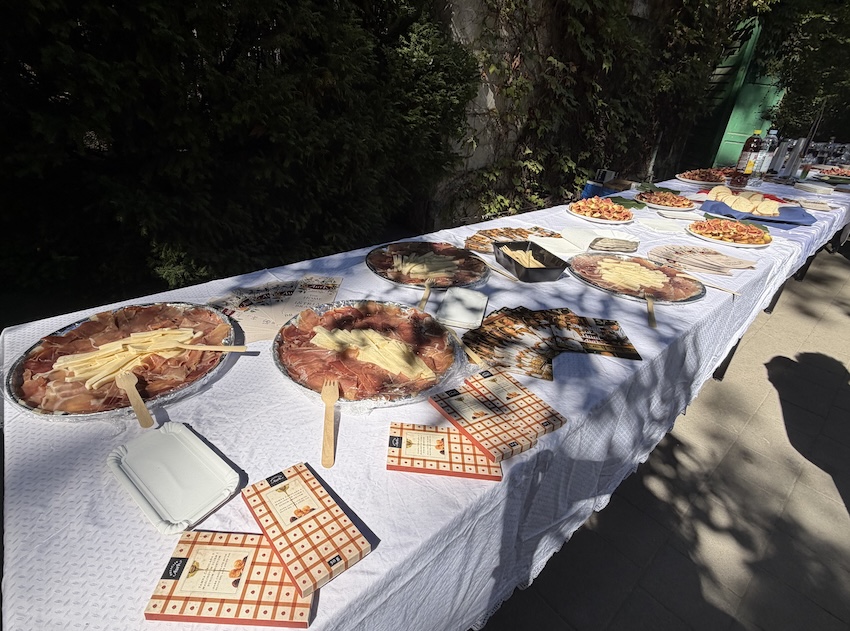
The Croatian selection was complemented by world-famous Croatian pršut (prosciutto) and other delicacies. Amidst pleasant September weather, guests enjoyed the tasting surrounded by the lush greenery of the Botanical Garden – creating a relaxed atmosphere of Croatian hospitality.
Istrian Heritage – Buzet and Hum
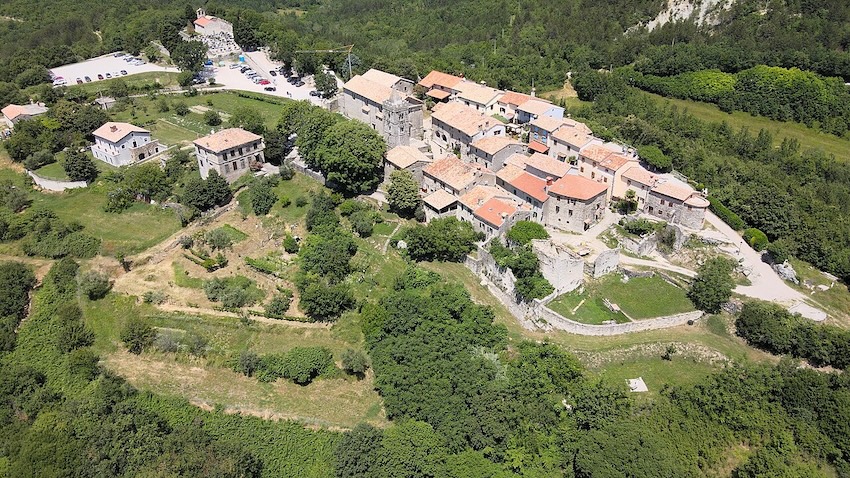
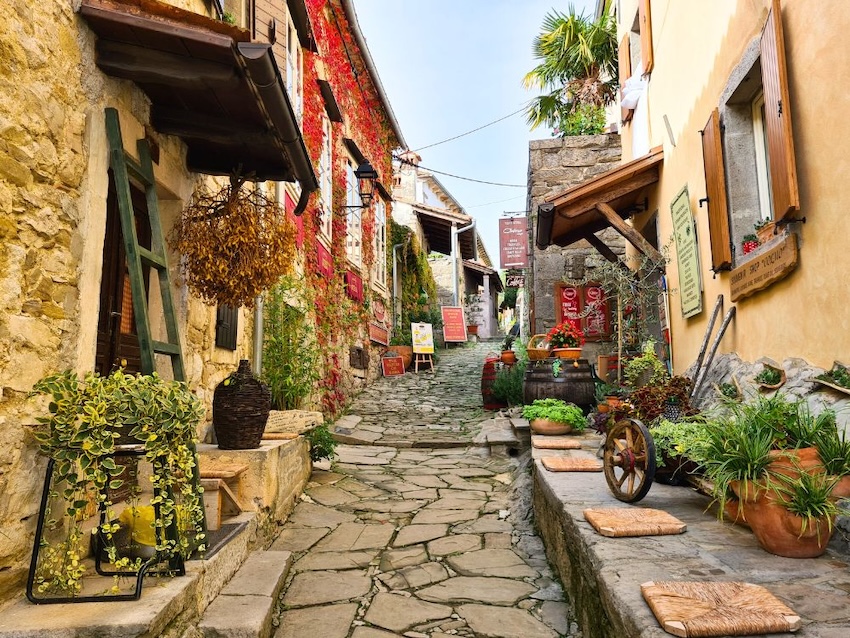
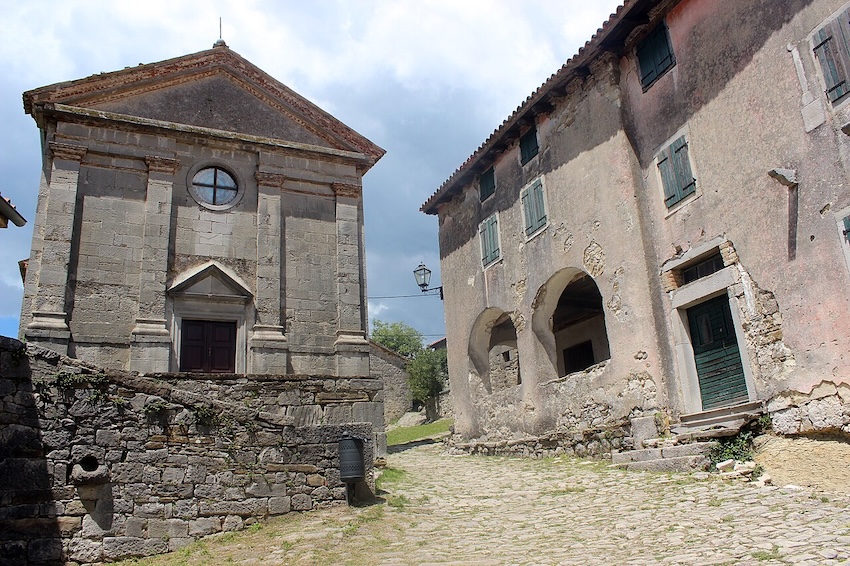
Buzet is also closely linked to Hum, the medieval settlement traditionally known as the smallest town in the world.
The Museum of Hum Aura presents the history and traditions of this remarkable little town, reflecting the family’s connection with the cultural heritage of Istria. Through its products and presentation, AURA therefore offered more than simply a taste of Croatia: it brought a piece of Istria – with its flavours, traditions, and craftsmanship – straight to Budapest.
Croatian Music, Dance, and Community
The celebration was further enriched by a performance from the “Tamburica” dance group of the Croatian School HOŠIG in Budapest. Their music and dance lent a lively cultural dimension to the gathering and highlighted the significant role of the large Croatian community in preserving and passing on its traditions in Hungary.
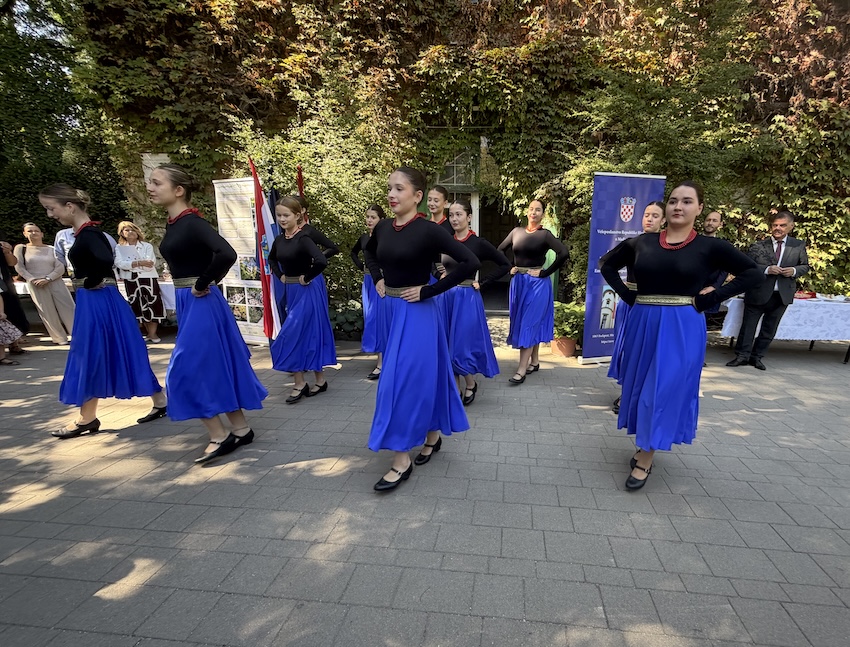
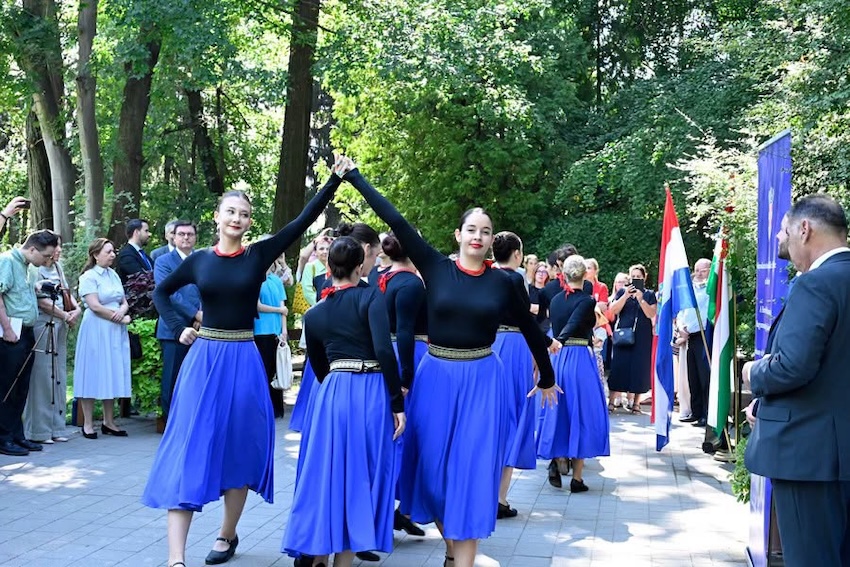
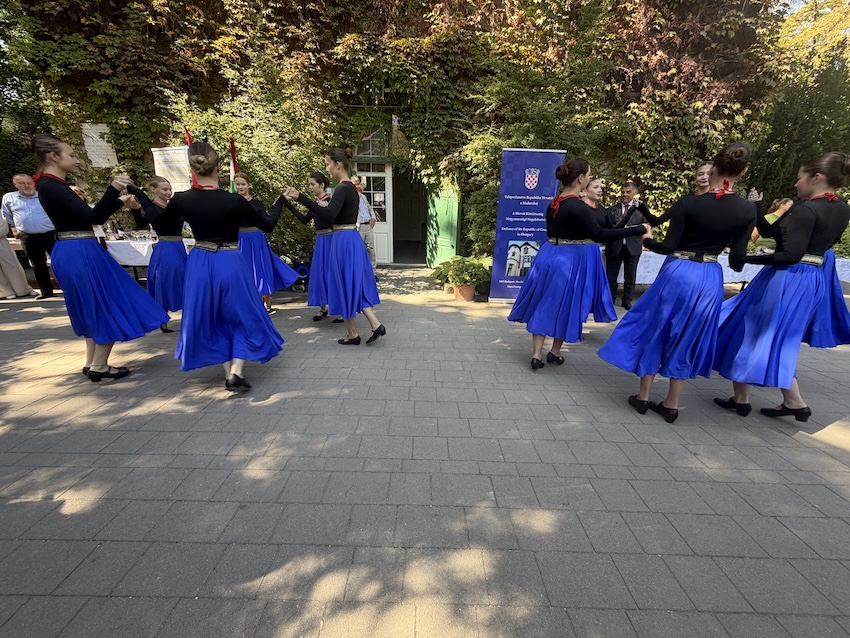
The 9th Croatian Fig Day was a celebration not only of an ancient fruit, but also of friendship, cultural heritage, and the close historic connections between two neighbouring countries. At the heart of it all was the humble fig – a fruit with a history spanning millennia that continues to possess the remarkable ability to bring people together.
Source: Embassy of the Republic of Croatia in Budapest
Photos from ELTE Füvészkert-Demeter Károly, the Embassy of the Republic of Croatia in Budapest, and Diplomatic Press Agency