
Edited by Anna Popper
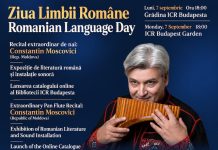
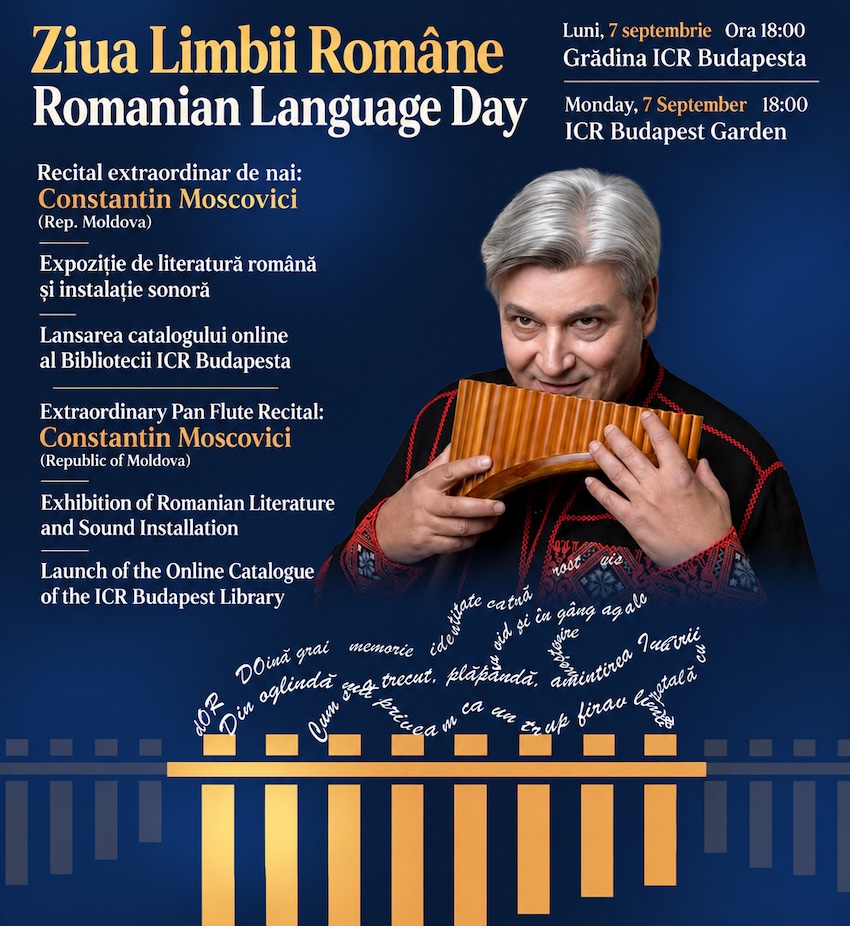
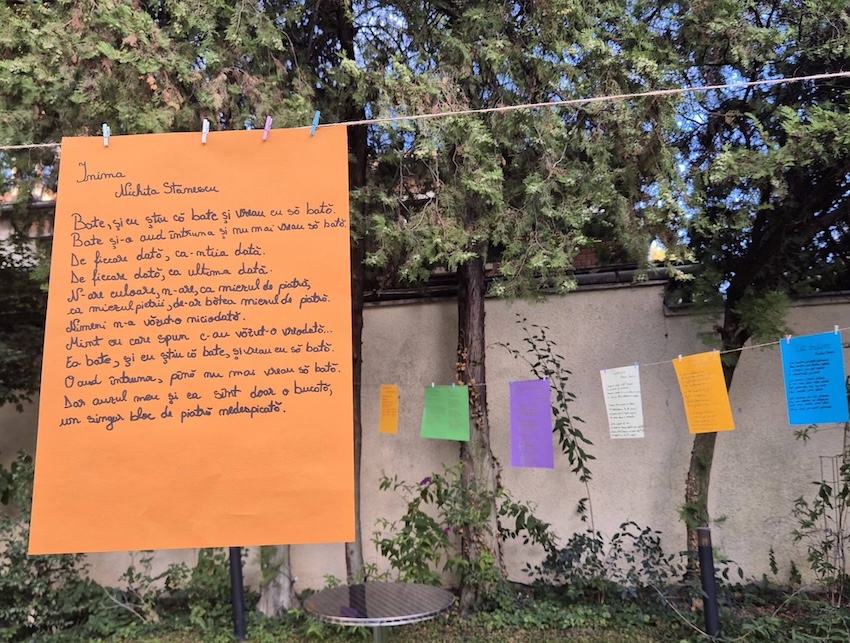
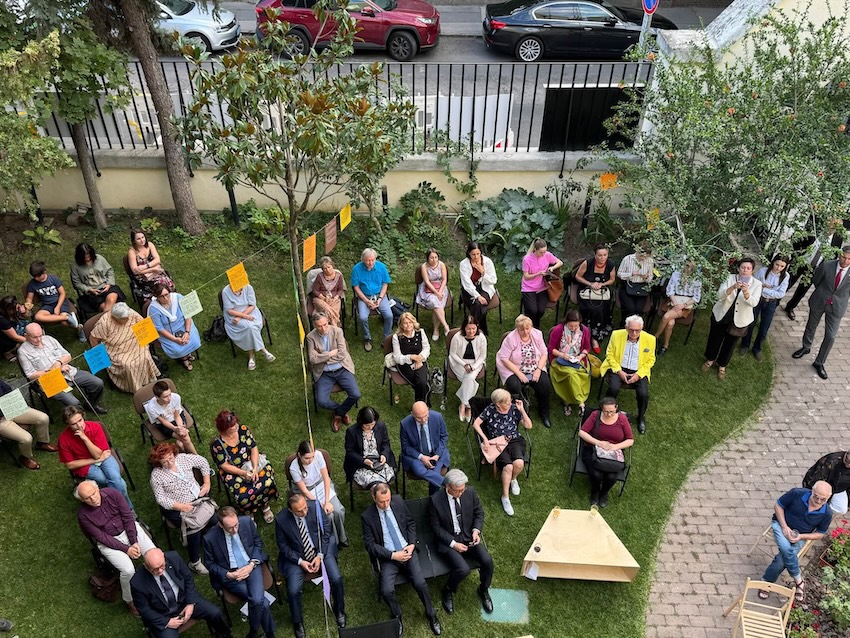
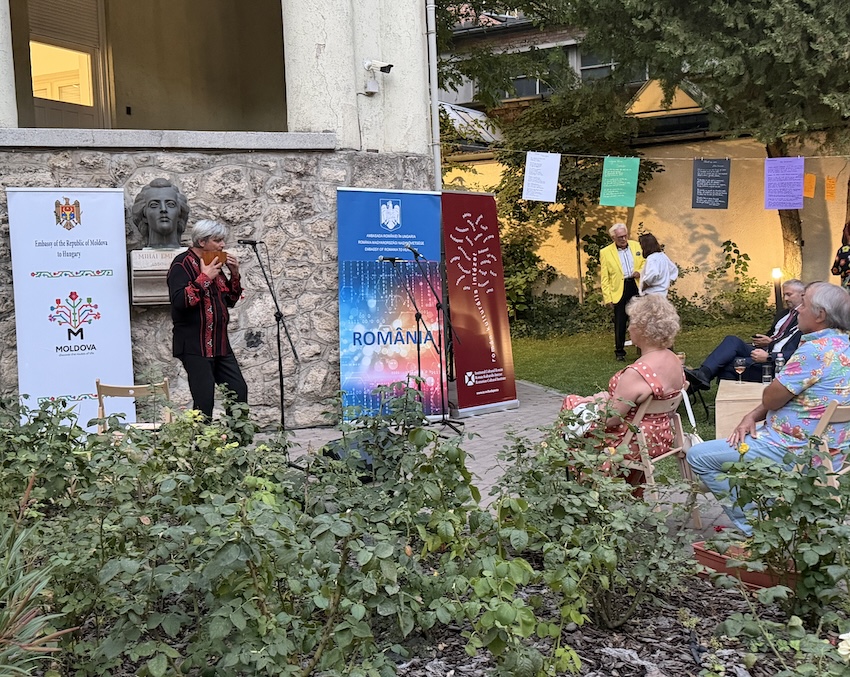
Romanian Language Day, observed annually on 31 August, was established in Romania in 2013. The 2026 celebration took place in Budapest as a joint event organised by the Embassy of Romania, the Embassy of the Republic of Moldova and the Romanian Cultural Institute in Budapest on 7 September. The garden of the Institute was decorated with colourful handwritten sheets bearing poems and literary messages; displayed between the trees, they lent a poetic touch to the occasion.
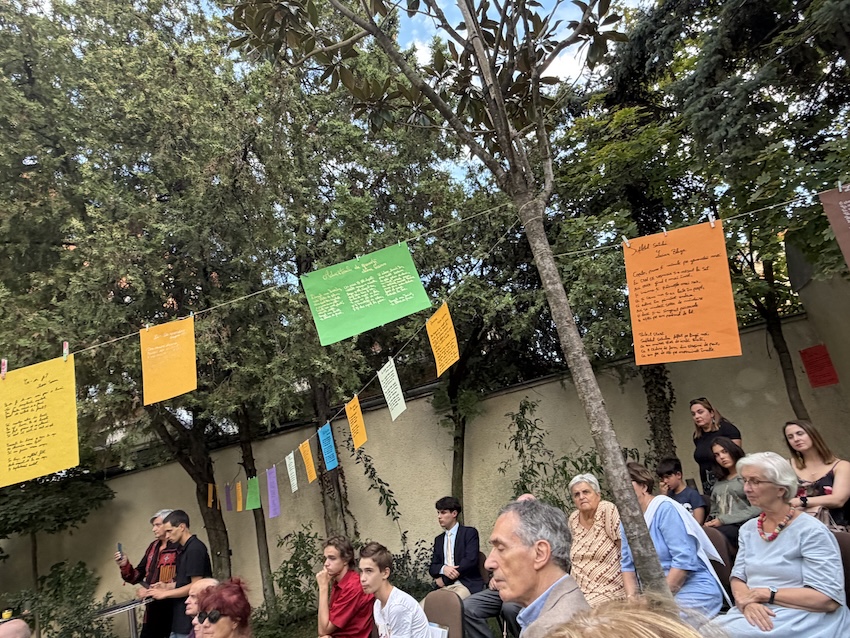
Ambassadors, members of the diplomatic corps, representatives of Budapest’s large Romanian community and guests from Hungary’s cultural life gathered for the celebration. The evening offered an opportunity to reflect on the significance of the Romanian language, accompanied by a musical tribute to its beauty.
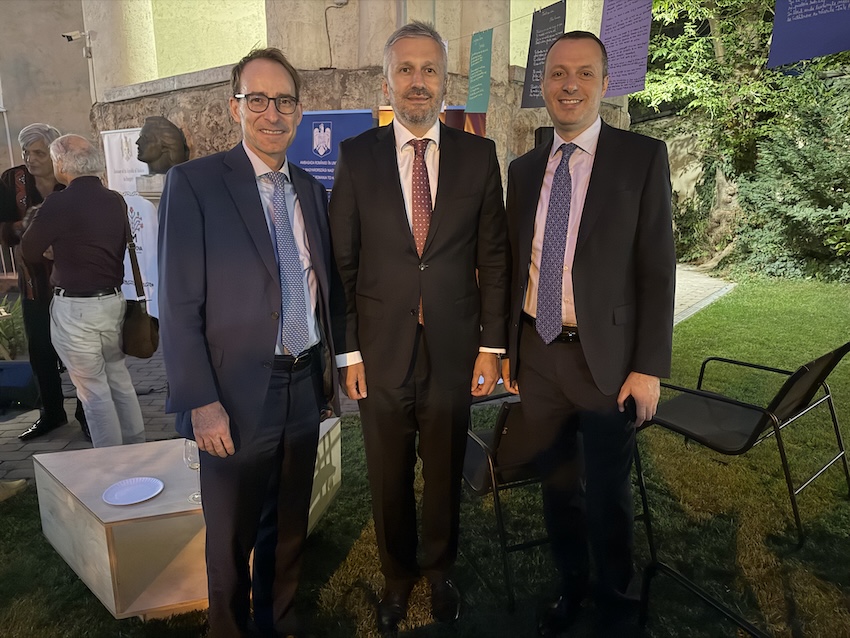
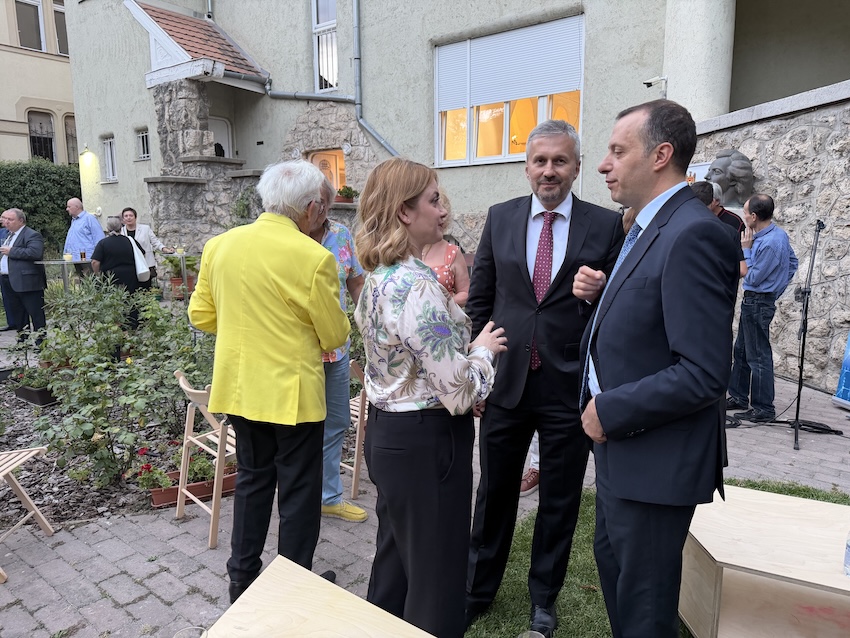
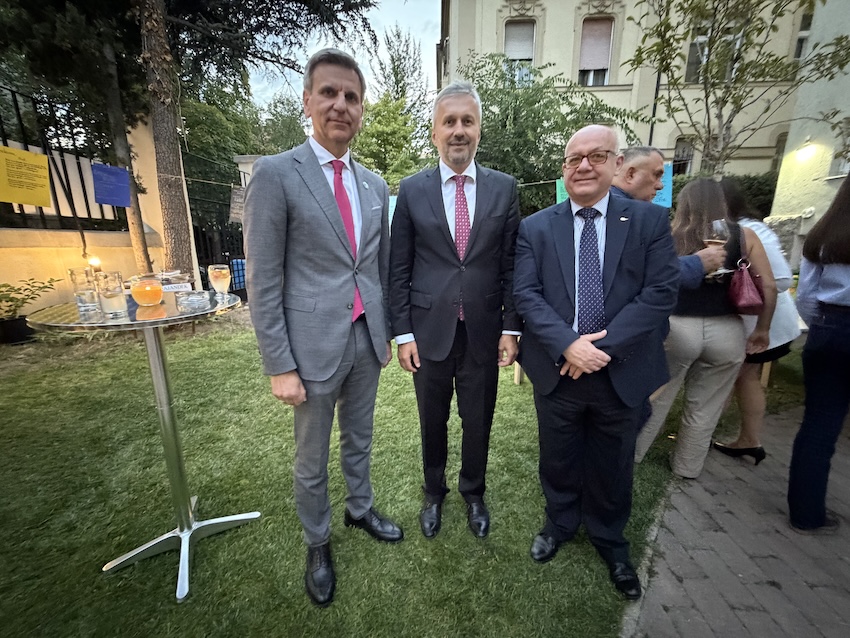
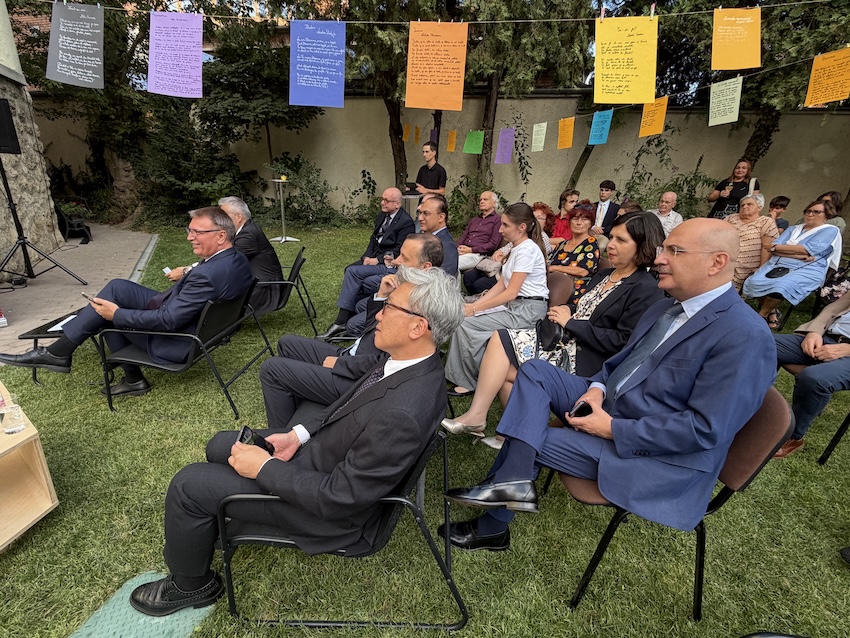
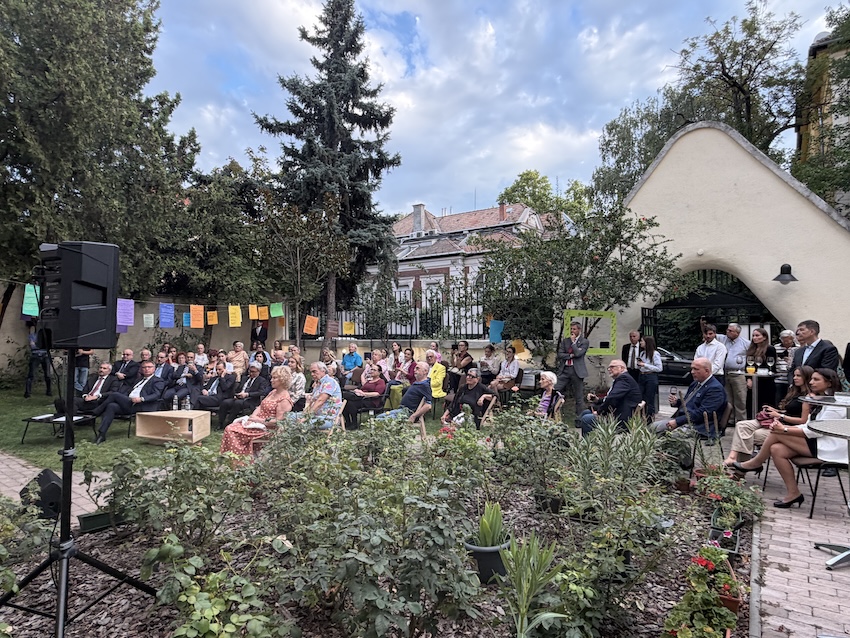
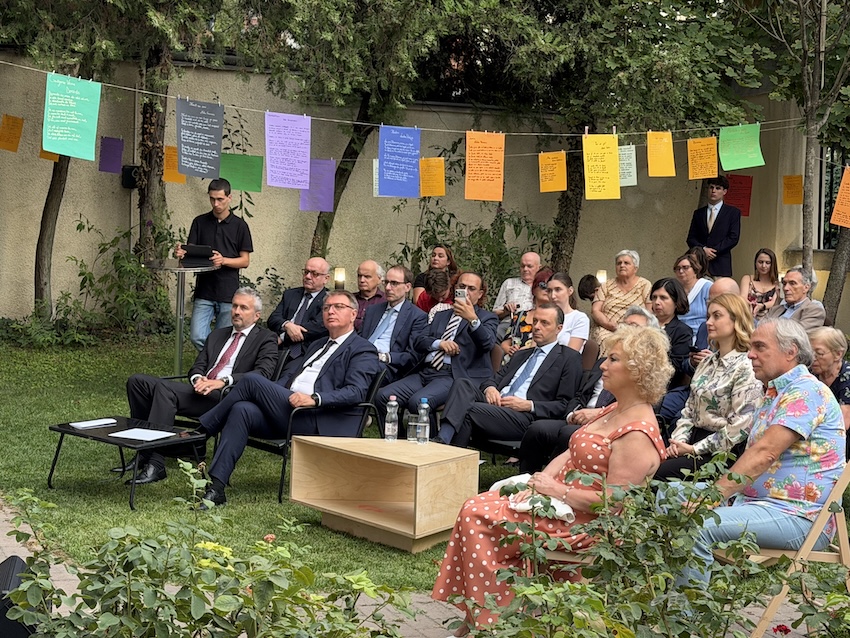
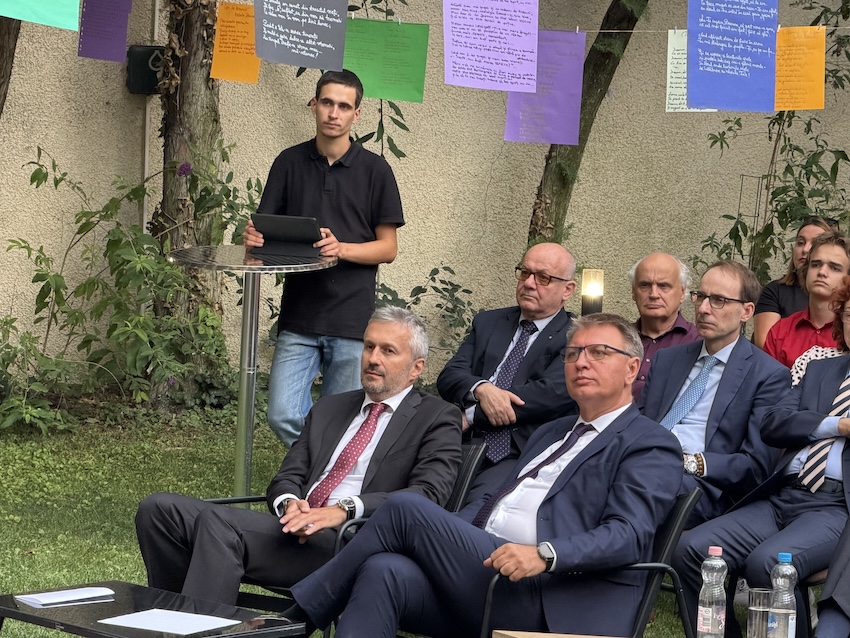
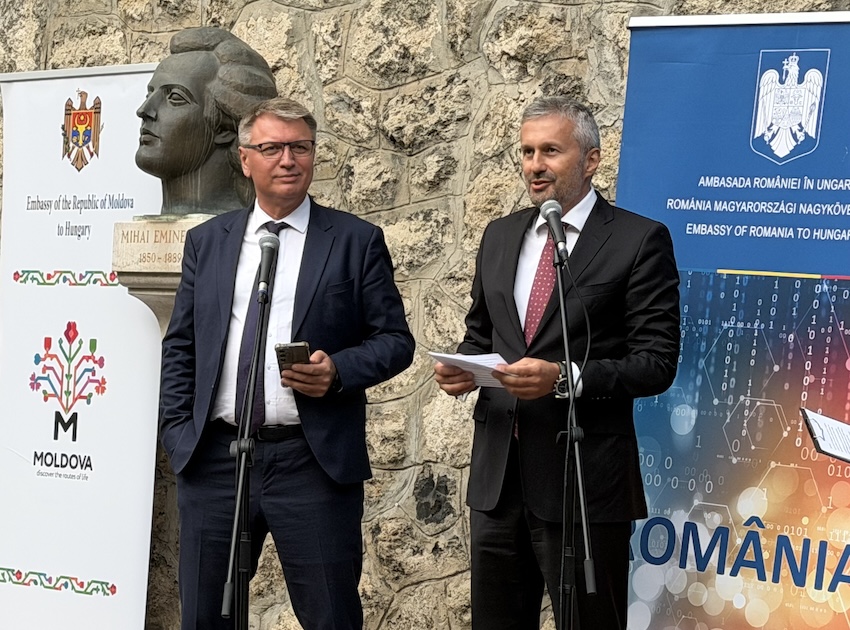
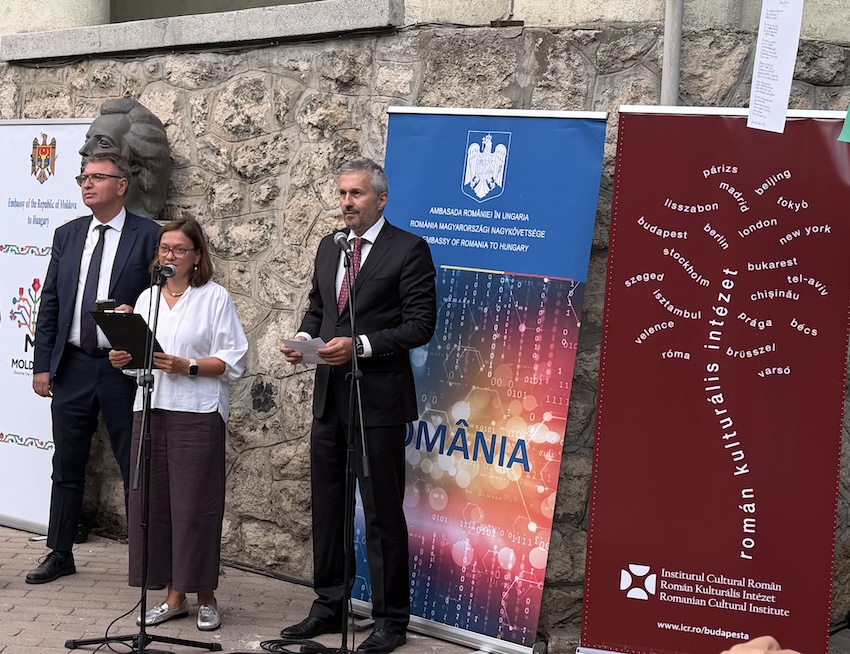
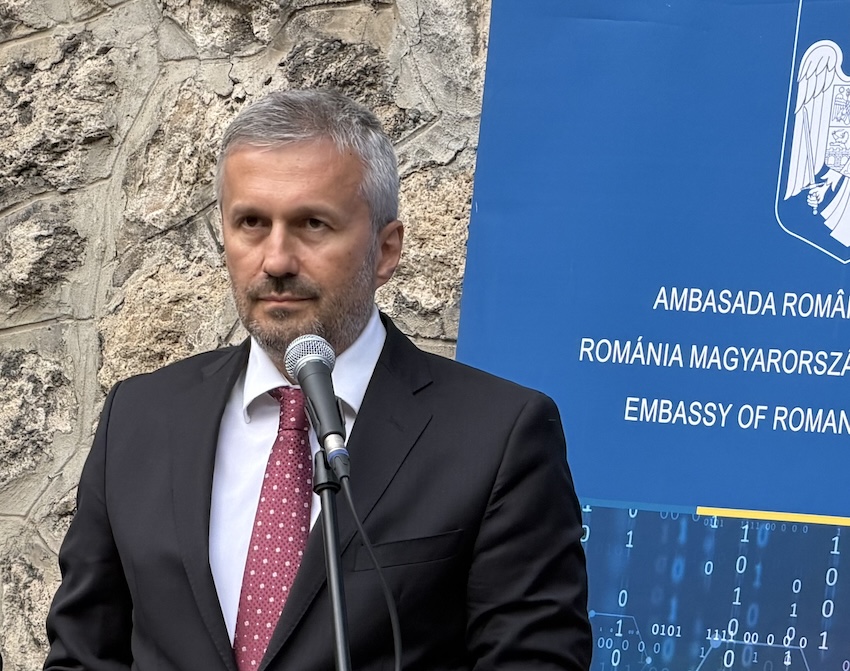
The event commenced with an address by H.E. Gabriel Sopanda, Ambassador of Romania to Hungary:
“Excellencies, Dear Guests, dragi invitați, together with my friend, H.E. Mr. Mihail Barbulat, Ambassador of the Republic of Moldova, and the team of the Romanian Cultural Institute in Budapest led by Mrs. Ioana Angel, I am truly honoured to welcome you to the celebration of Romanian Language Day. We officially mark this day on 31 August – a date that symbolises the declaration of Romanian as the state language in the Republic of Moldova and the country’s return to the Latin alphabet in 1989.
Starting this year, the celebration of the Romanian language has become even more relevant and symbolic, as Ukraine has also joined us! It is a historic decision taken by the Ukrainian administration, resulting from diplomatic efforts by Romania and the Republic of Moldova. It echoes the resilience of a large historic Romanian community in Ukraine. It is a natural step toward a united Europe, where cultural diversity and the rights of persons belonging to national minorities are respected and protected.
Ladies and Gentlemen,
Almost 30 million people around the world speak Romanian as a mother tongue or second language. From a historical and linguistic perspective, Romanian is the direct continuation of Latin in the eastern part of the Roman Empire.
It is the only Romance language to have survived in Eastern Europe, earning it the nickname of “an island of Latinity in a Slavic sea”.
Among the Romance (Latin) languages, Romanian ranks fifth globally in terms of the number of speakers – behind Spanish, Portuguese, French, and Italian – and seventh among the languages spoken in the European Union.
With 44 letters, the longest word in Romanian is one of the three longest in Europe. Please don’t challenge me to pronounce this medical term, which refers to a lung disease: PNEUMONOULTRAMICROSCOPICSILICOVOLCANICONIOSIS.
The good news is that Romanian is written the way it sounds! The pronunciation of many words may seem unfamiliar to you due to the five special letters with unique symbols: ă, â, î, ș, and ț. But they only add to the musicality of a language that I invite you to discover or rediscover tonight.
‘Răbdarea trece marea’ – Patience gets you across the sea. Having quoted this Romanian proverb, I thank you for your attention, and I wish you a wonderful evening full of music and poetry!”
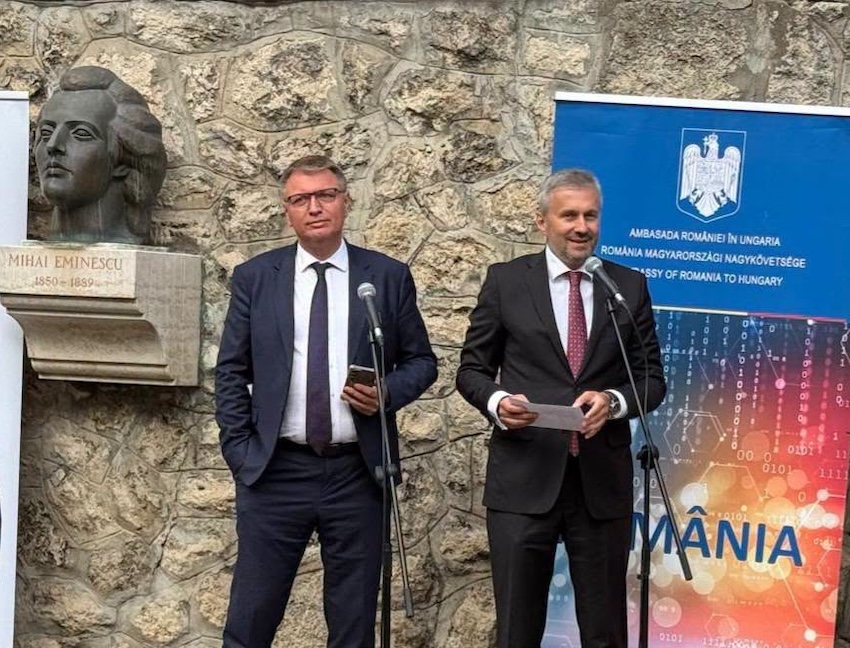
Then, H.E. Mihail Barbulat, Ambassador of the Republic of Moldova to Hungary, took the floor:
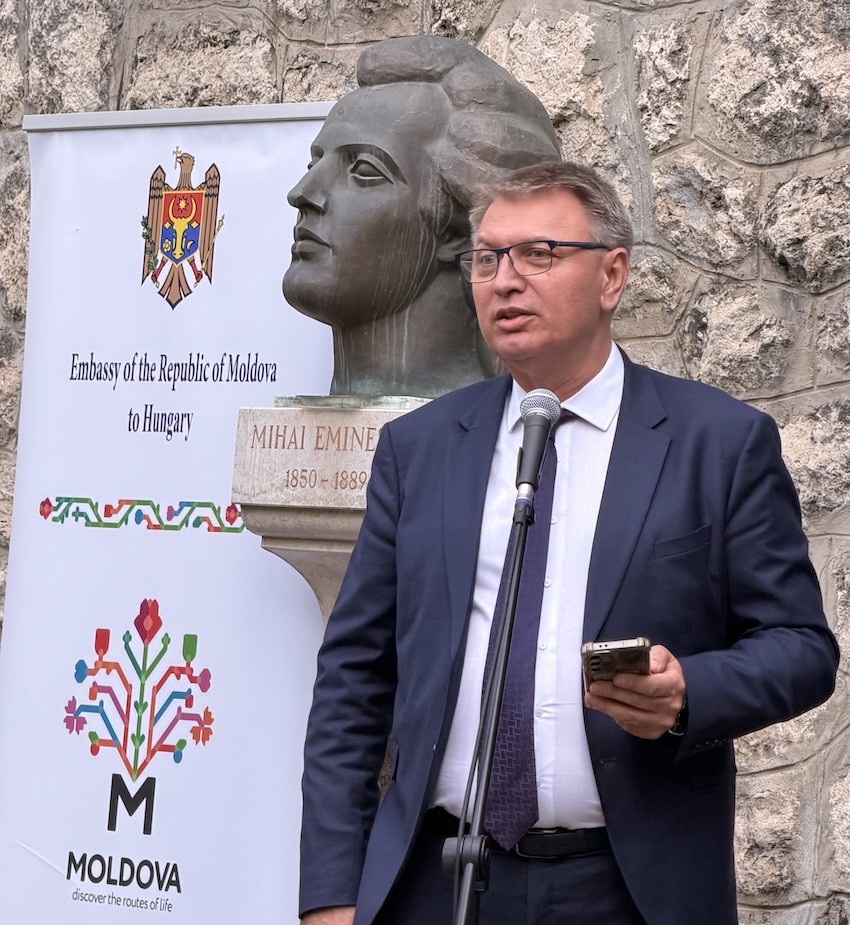
“Ladies and Gentlemen,
it is a great pleasure to be here together today to celebrate the Romanian language. Language is much more than just a means of communication. Through language we understand ourselves, interpret the world around us, and express our thoughts, feelings, joys and sorrows.
Language is also the memory of a people. It carries our history, our culture, our traditions, and the spirit of the generations that lived before us.
We love our language and consider it one of the most precious legacies we have inherited.
The Moldovan poet Alexei Mateevici (1888–1917) expressed this beautifully in his poem Limba noastră (Our Language), which he wrote in 1917, just a month before his death:
‘Our language is a treasure,
Hidden deep beneath the earth,
A string of precious stones,
Scattered across our land.’
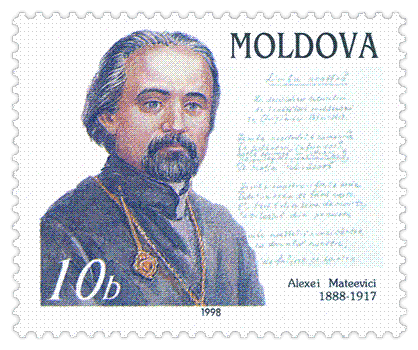
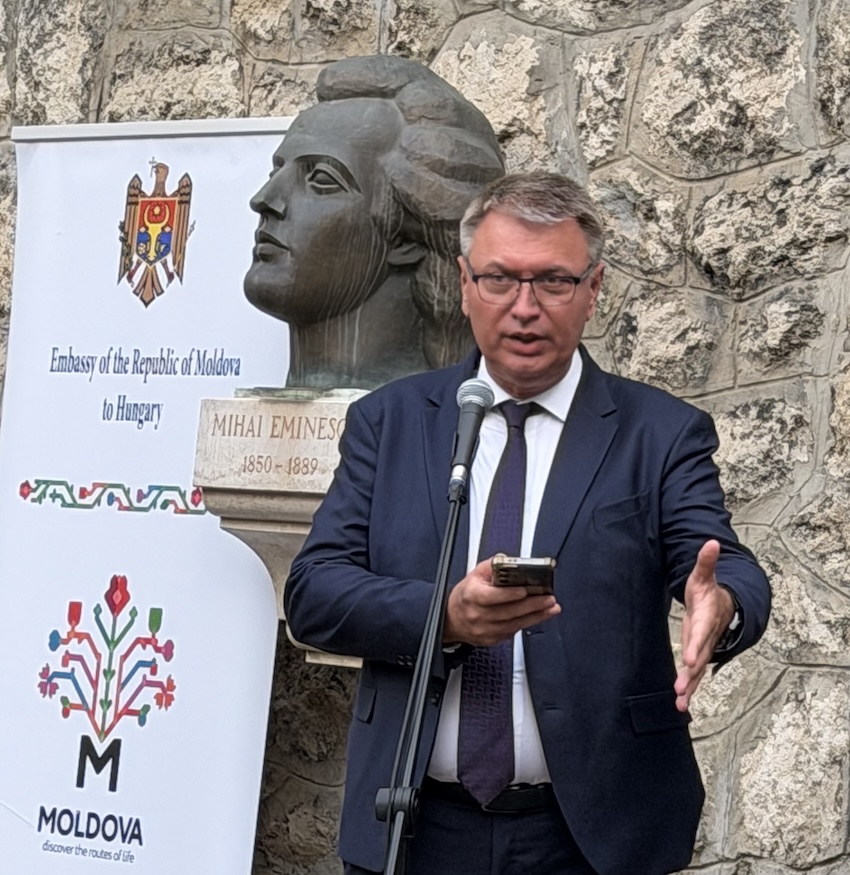
Limba noastră subsequently became the national anthem of the Republic of Moldova in 1994. And this treasure does not belong only to the past. It belongs to us today, and it is our responsibility to pass it on to future generations. Thank you, and I wish you all a wonderful evening!”
Concert with the Distinctive Sound of the Nai / Pan Flute
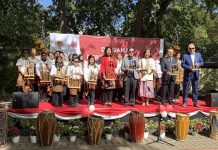
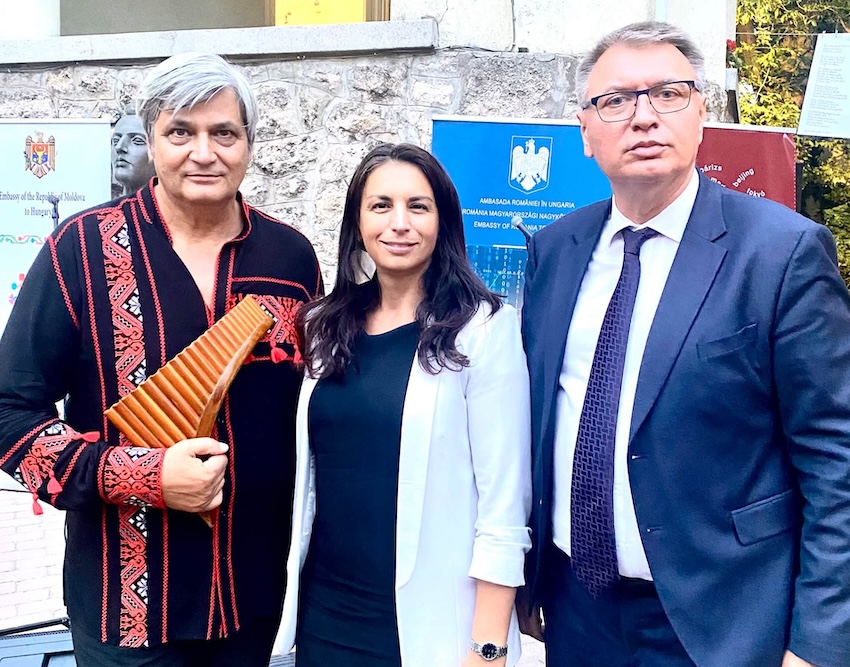
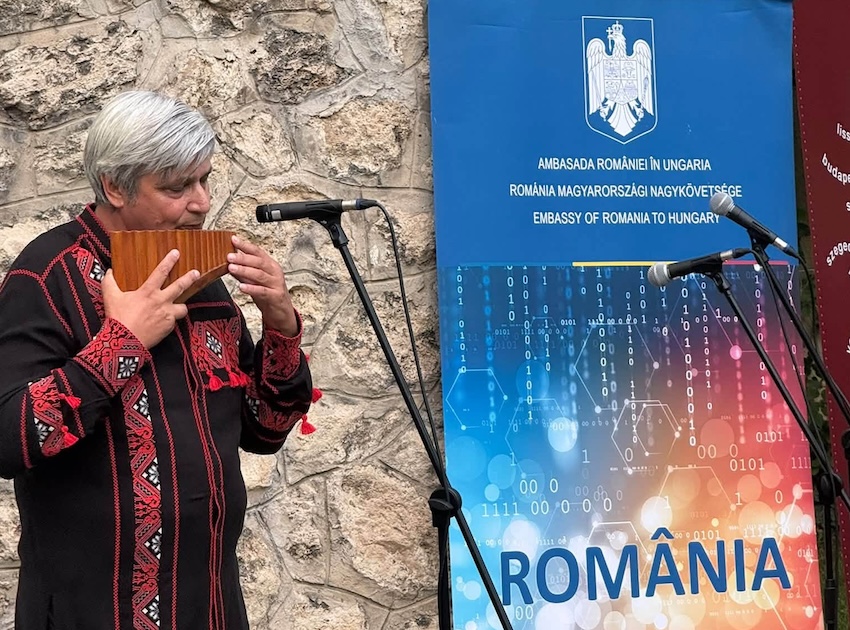
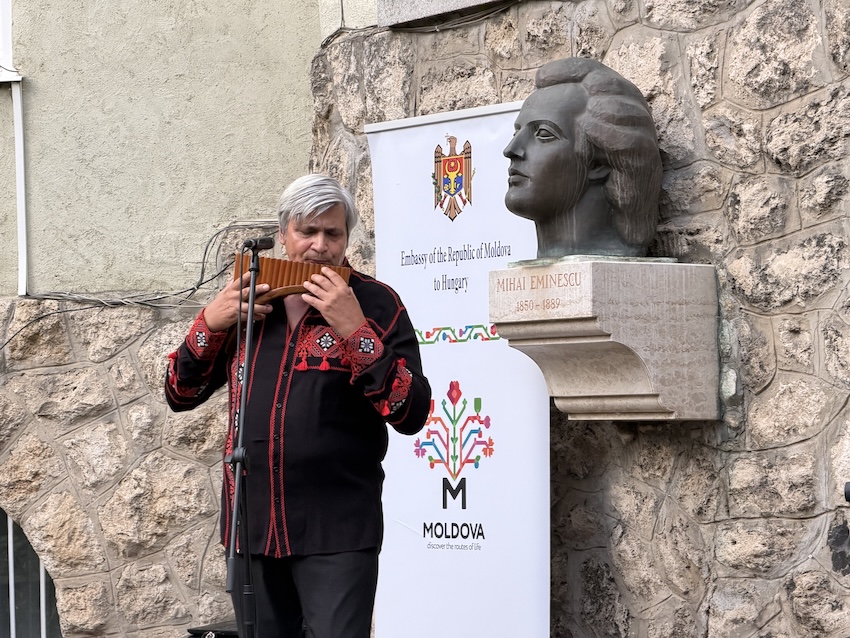
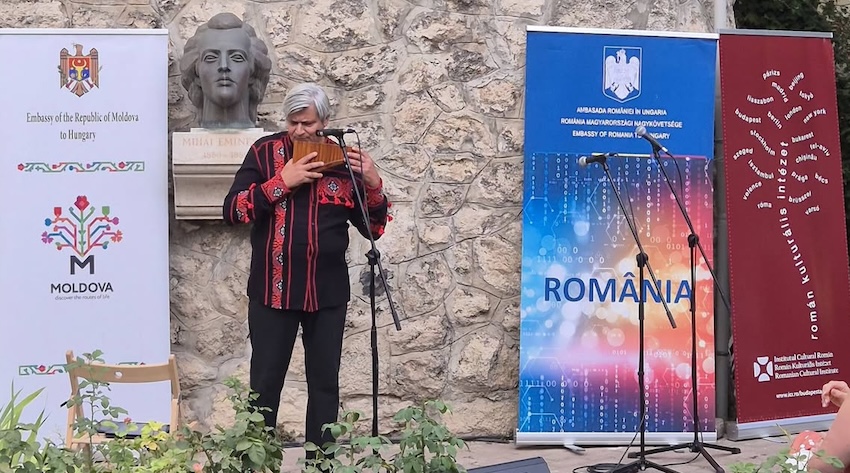
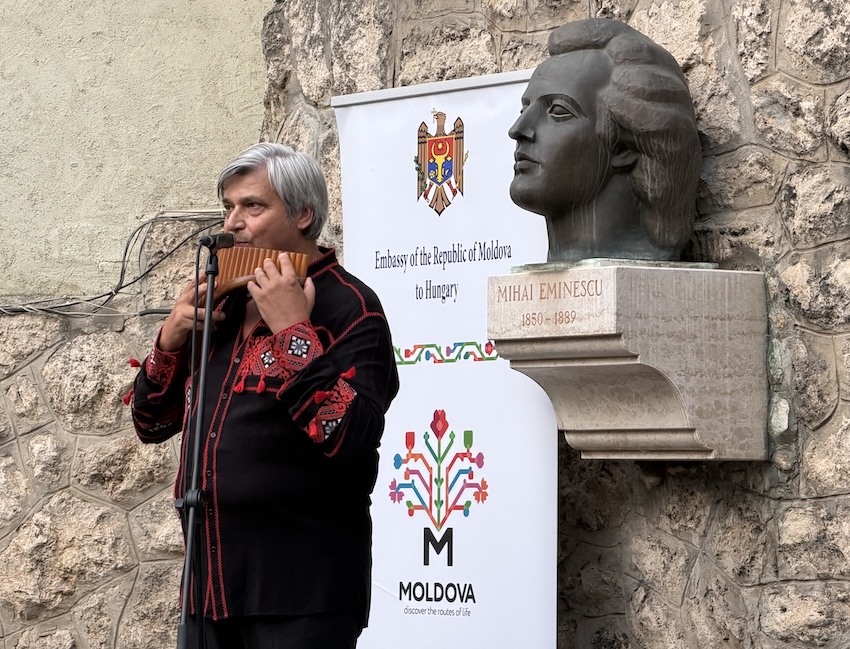
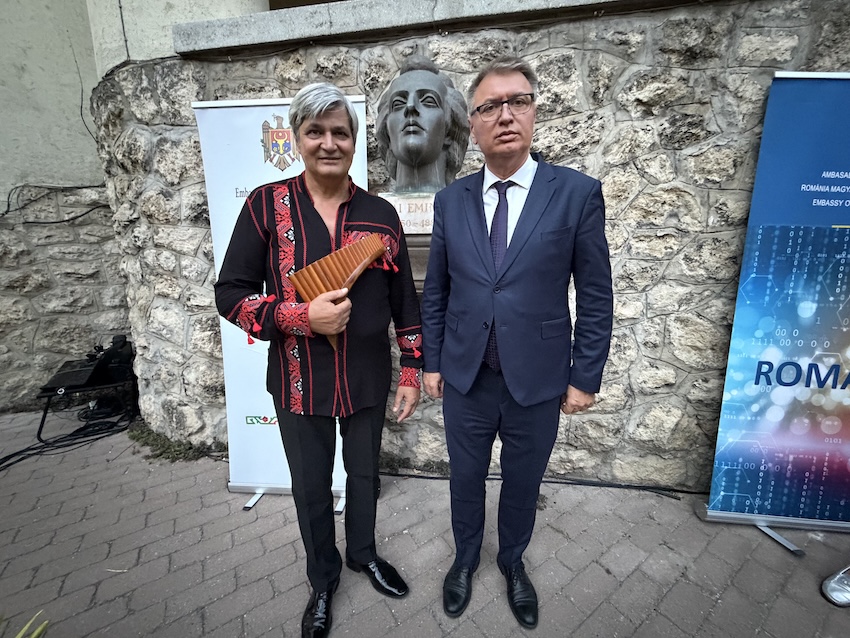
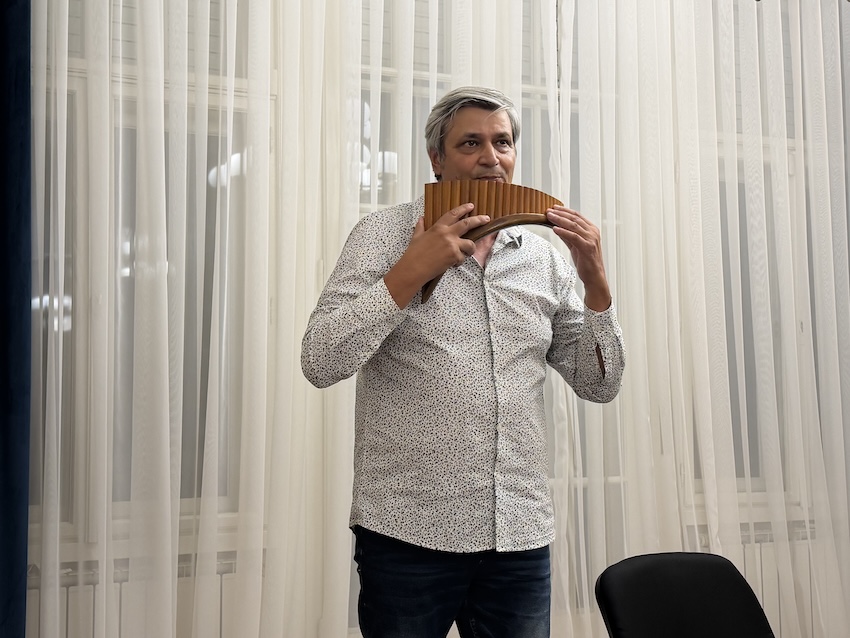
The speeches were followed by a remarkable recital by Constantin Moscovici, whose mastery of the nai (pan flute) from Moldova and Romania brought the enchanting sound of Moldovan musical culture to the audience.
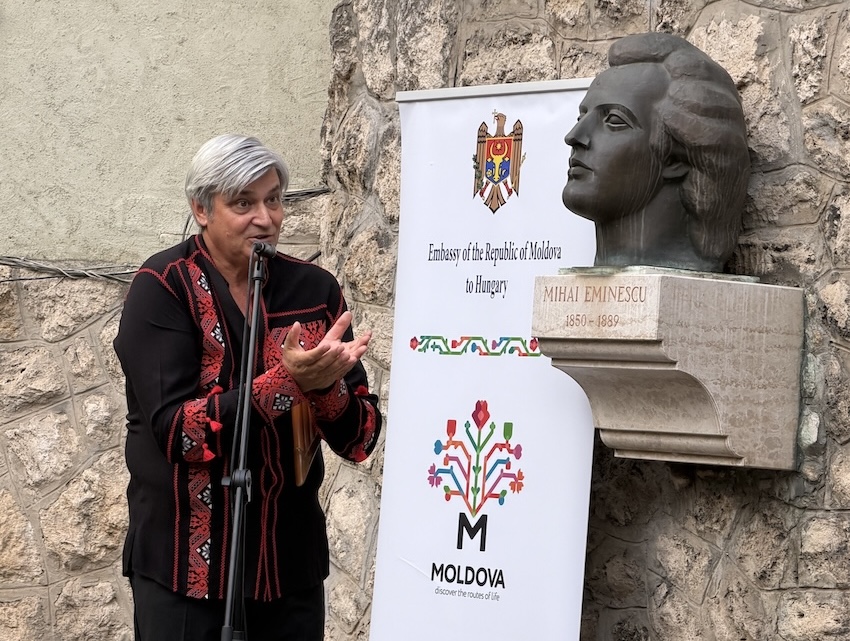
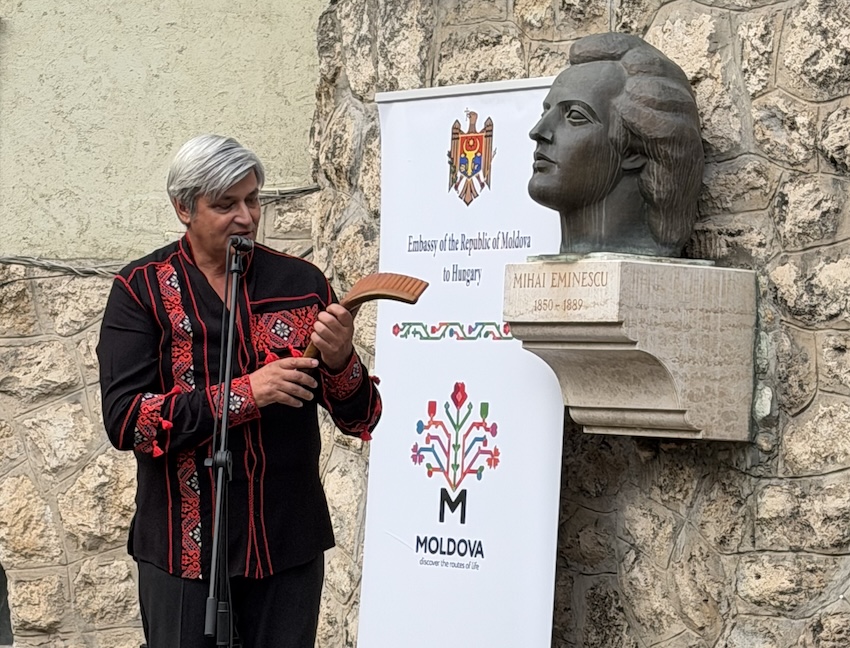
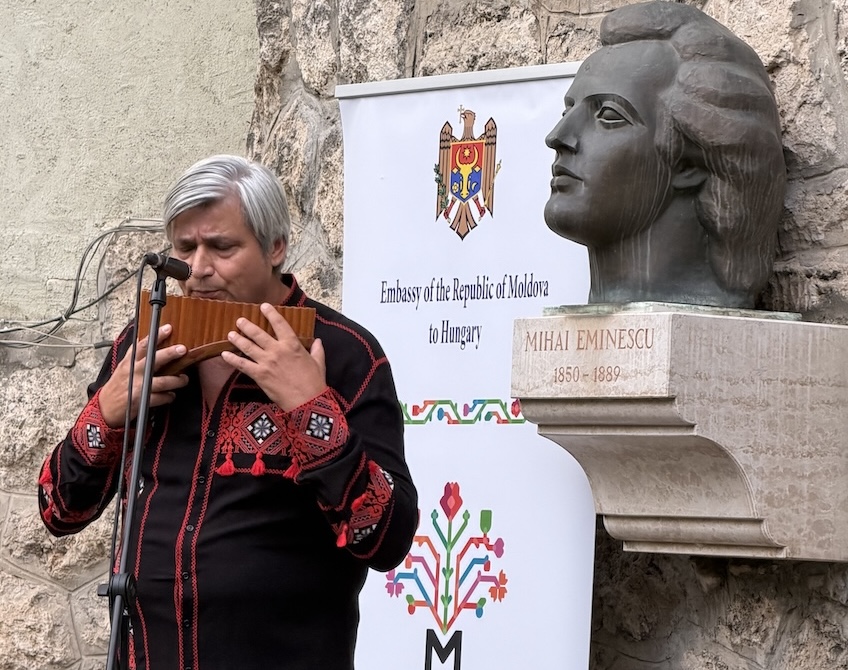
His performance combined traditional and international repertoire and was accompanied by excerpts from contemporary Romanian poetry. The result was a particularly harmonious meeting of music, poetry and language, demonstrating not only the expressive beauty of the Romanian language but also the extraordinary musical potential of the nai. The performance was warmly appreciated by the guests, who came as both lovers and discoverers of the Romanian language and its rich musical heritage.
Contemporary Art and Creativity
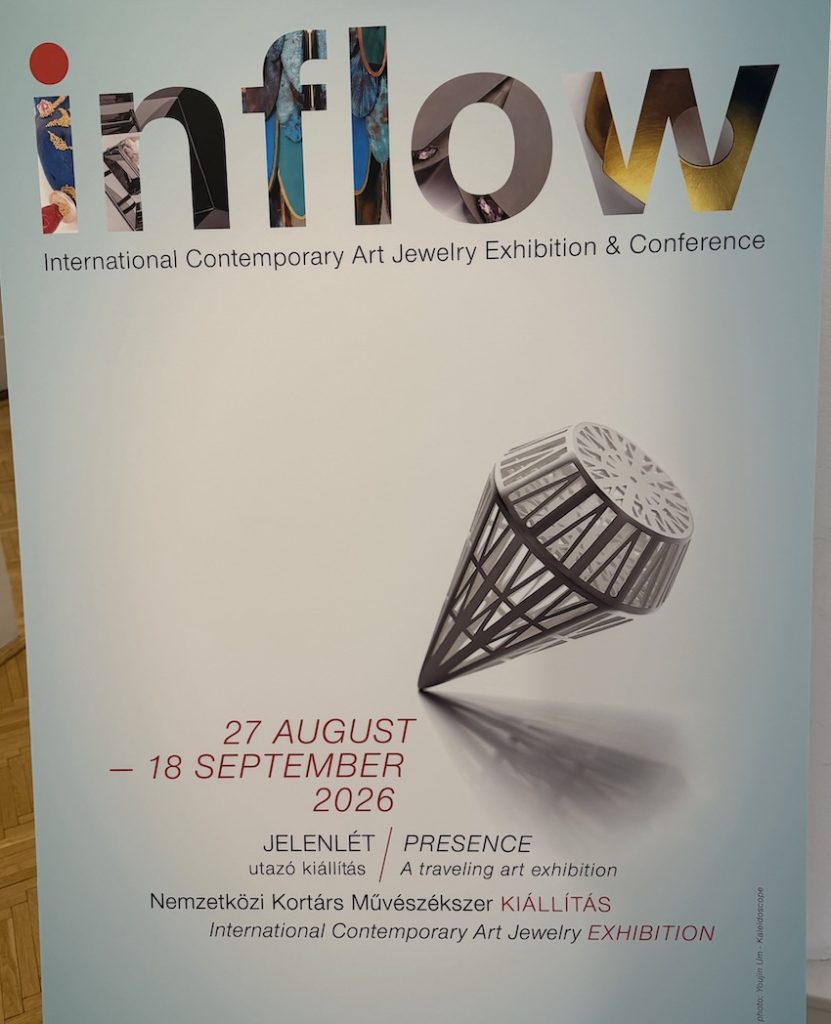
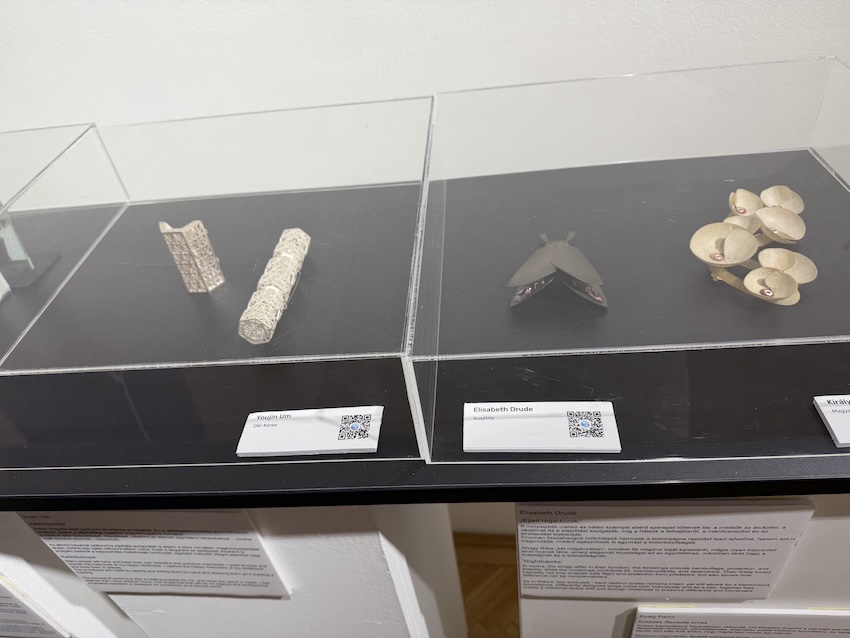
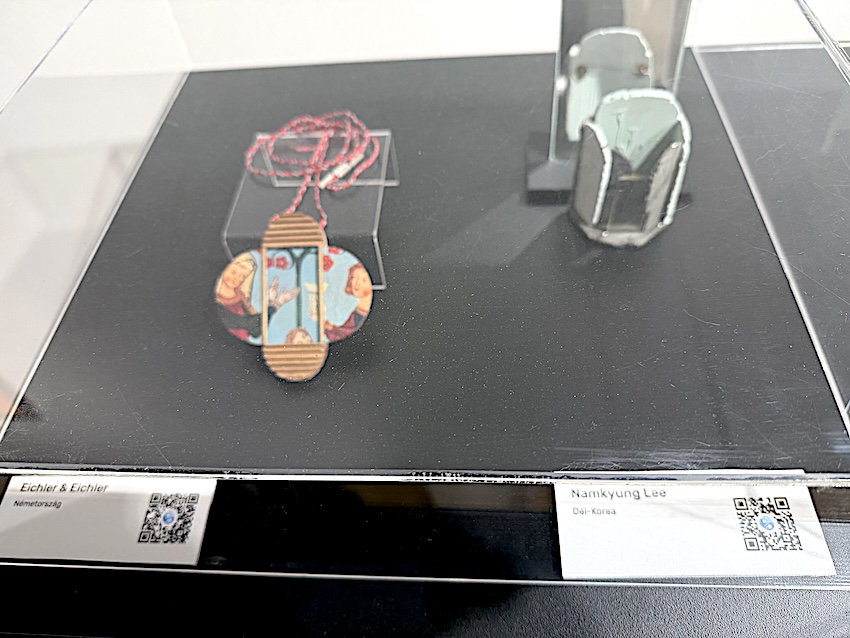
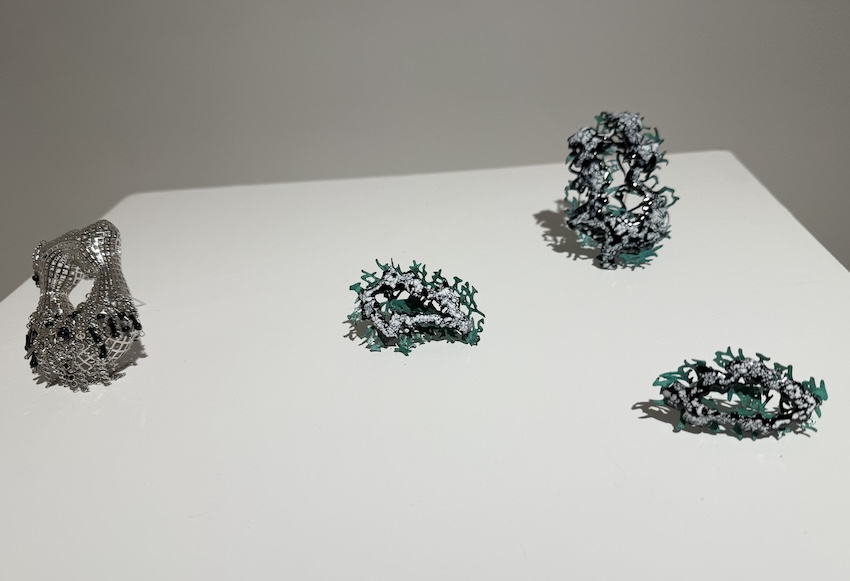
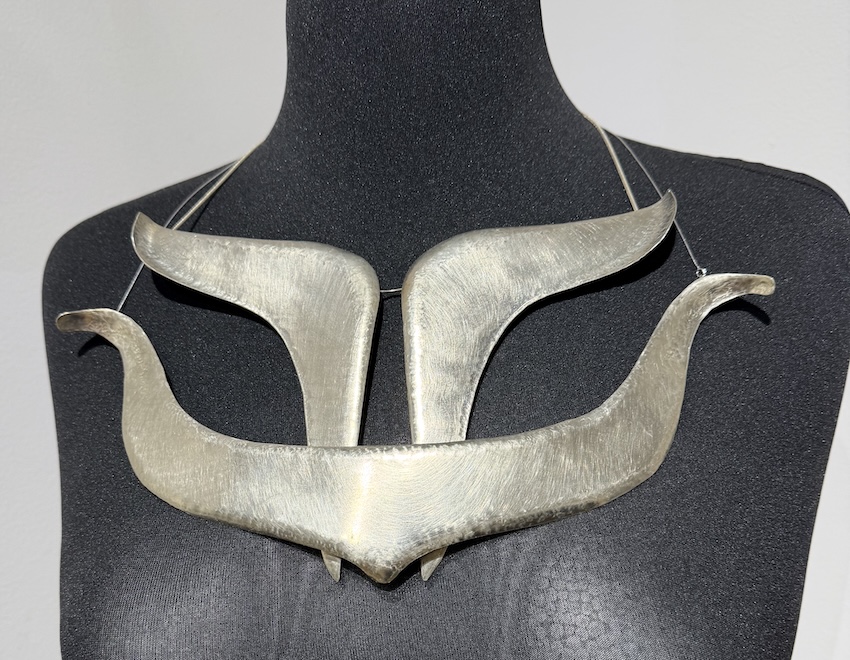
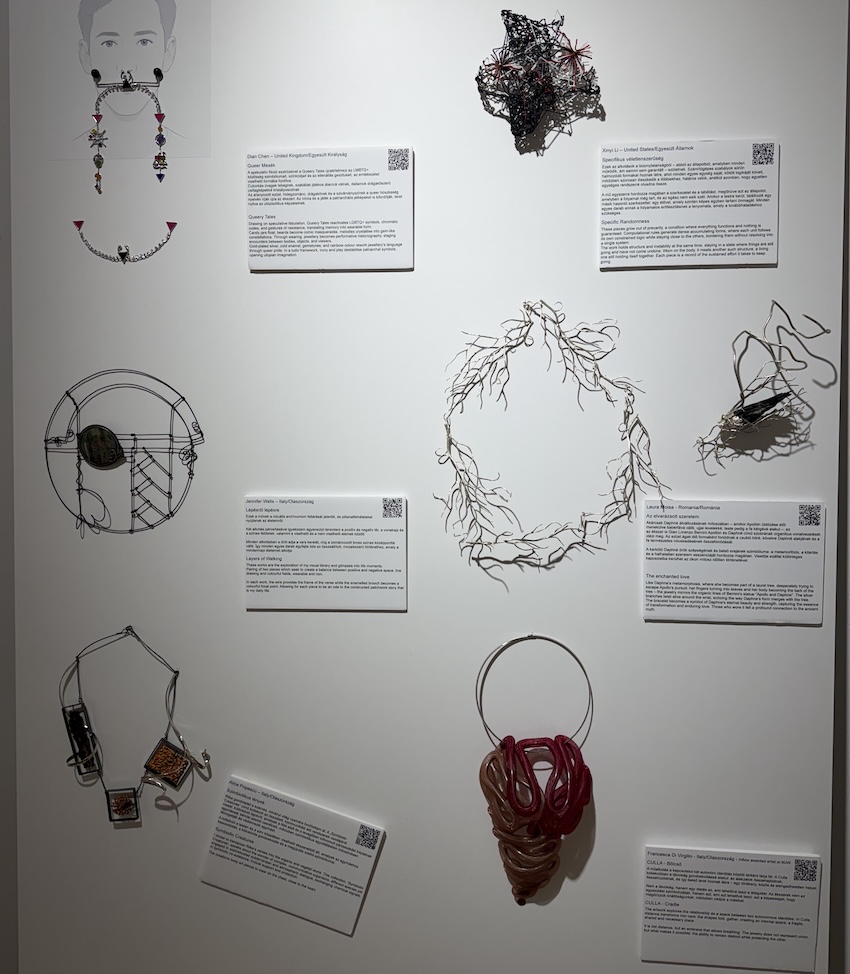
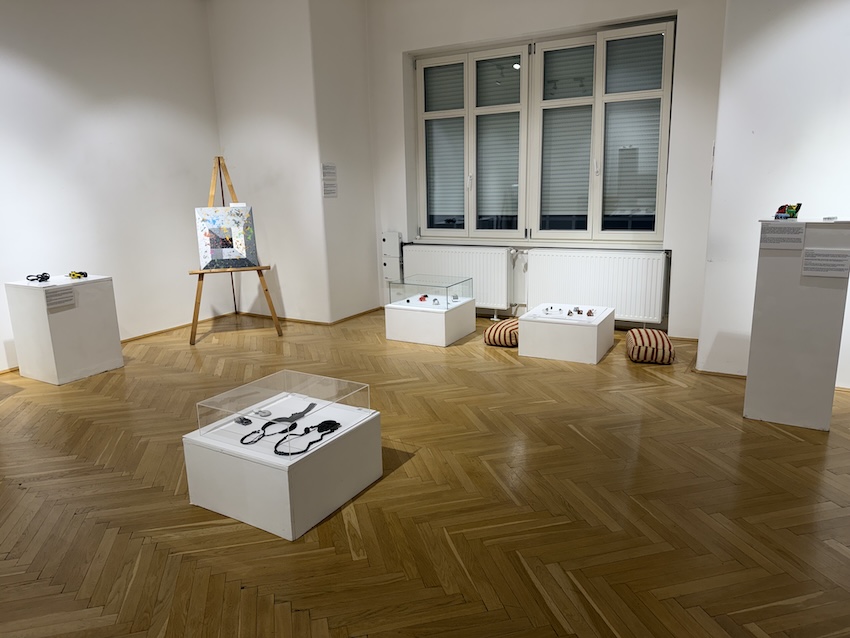
Guests were also invited to visit the temporary exhibition Inflow – International Contemporary Art Jewellery, presented at the Romanian Cultural Institute in Budapest.
The exhibition showcased jewellery and handicraft pieces by Romanian and local artists, adding a contemporary visual dimension to an evening dedicated to language, music, poetry and cultural heritage.
A Musical Evening at the Residence of the Ambassador of Moldova
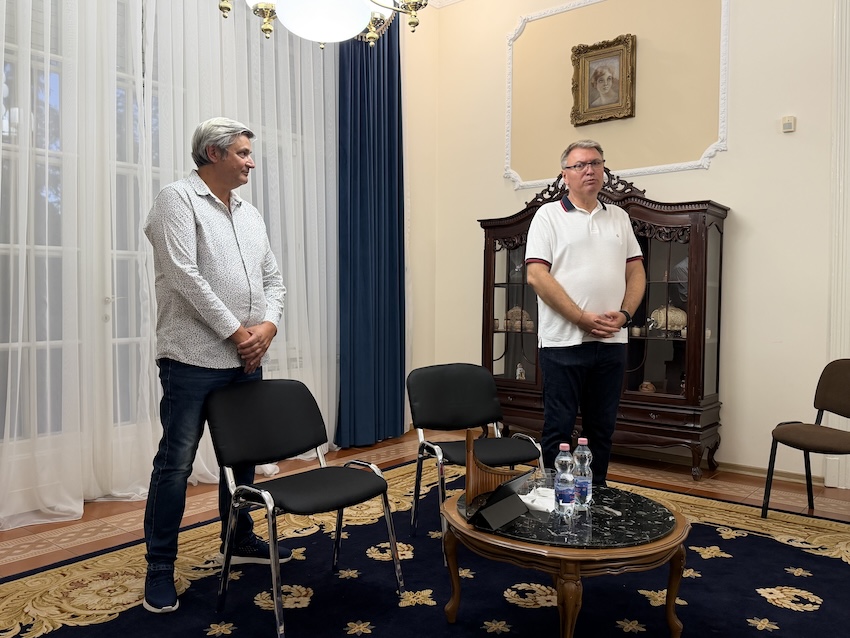
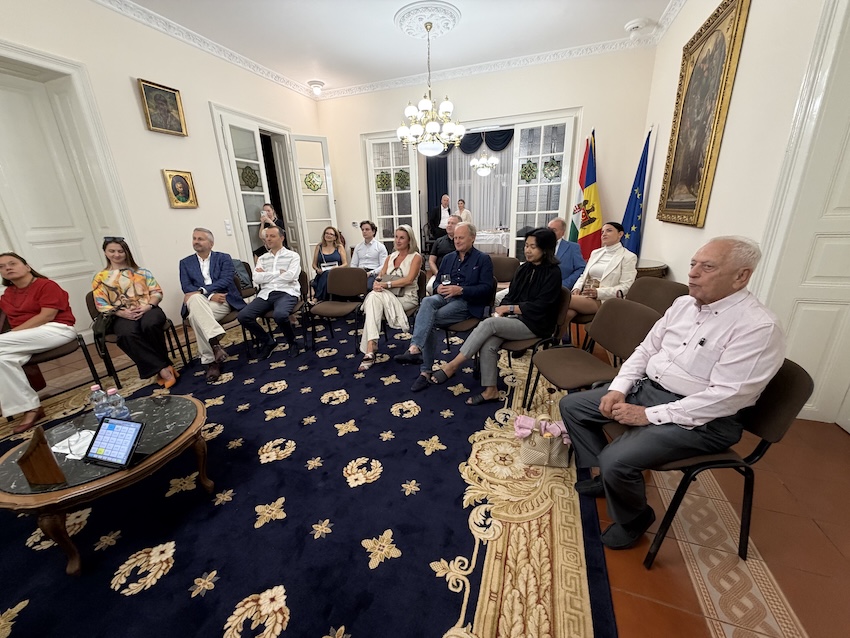
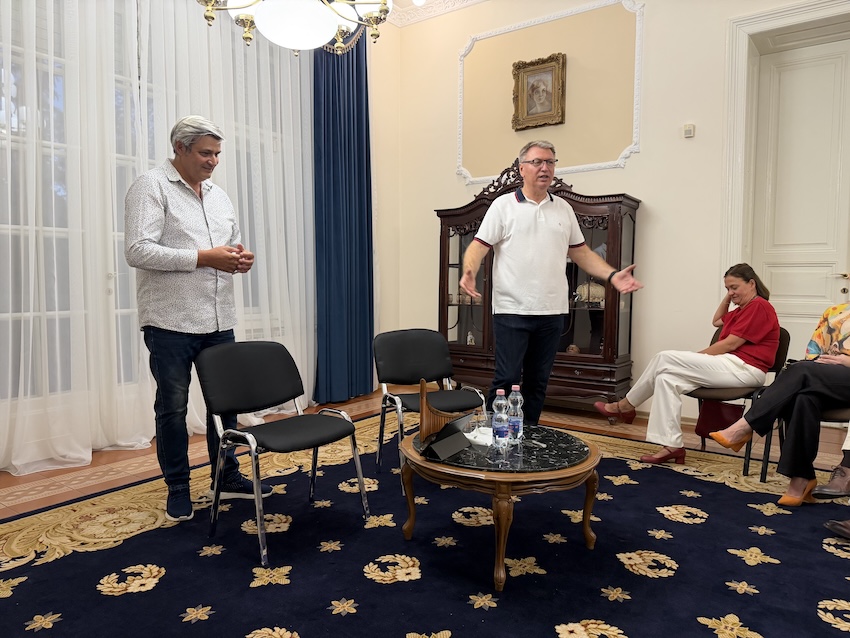
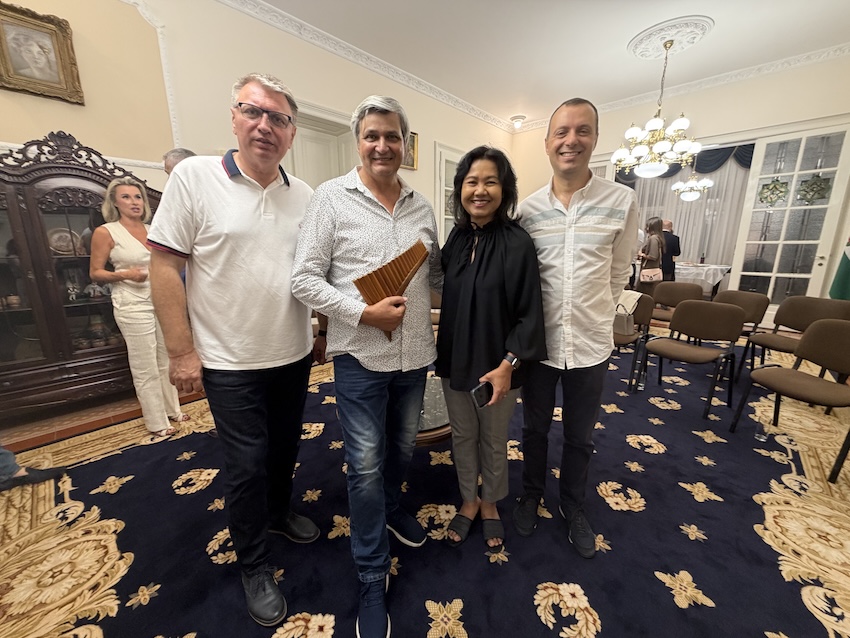
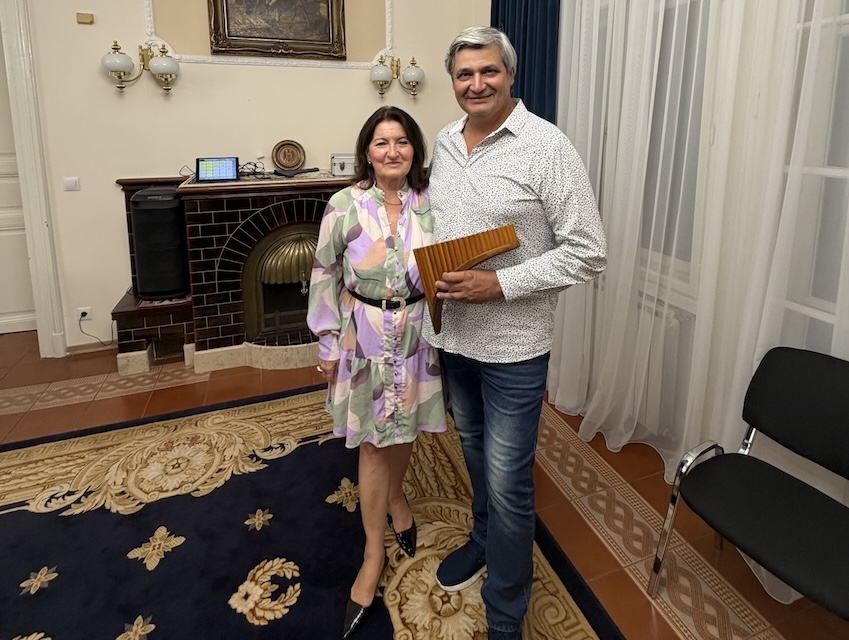
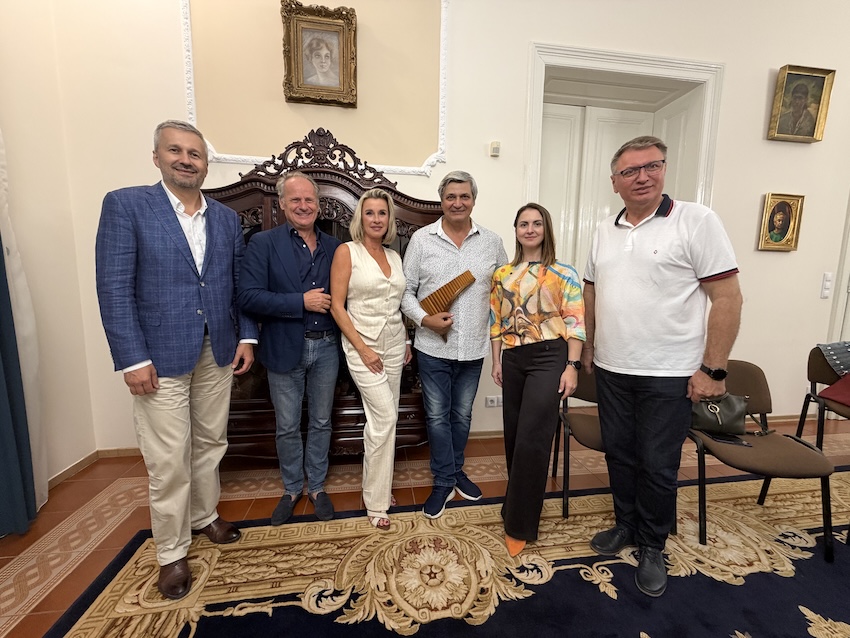
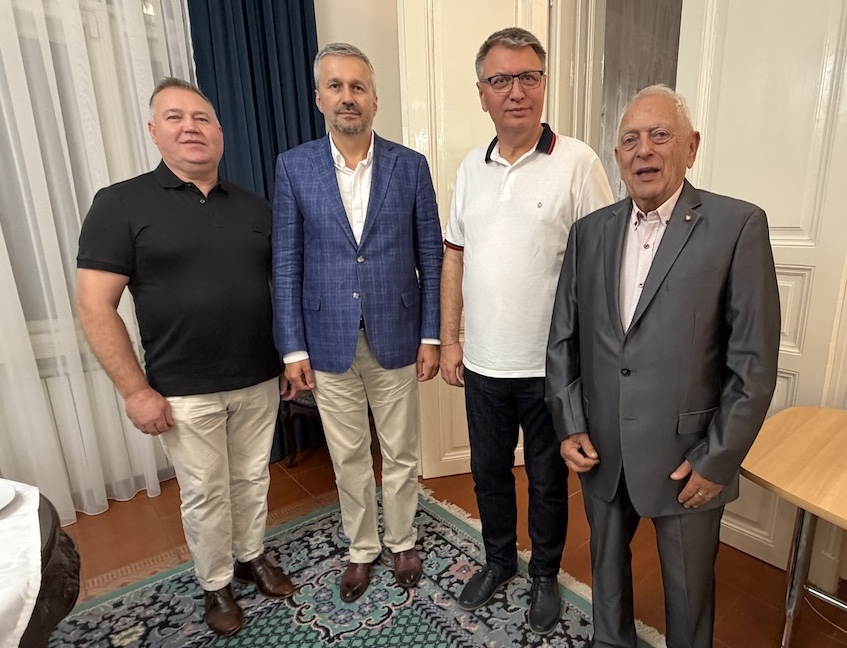
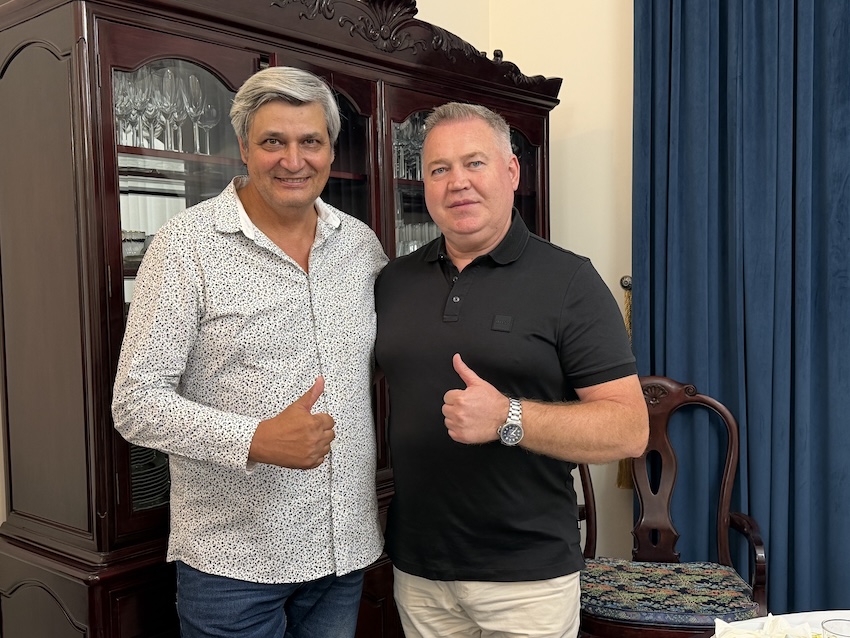
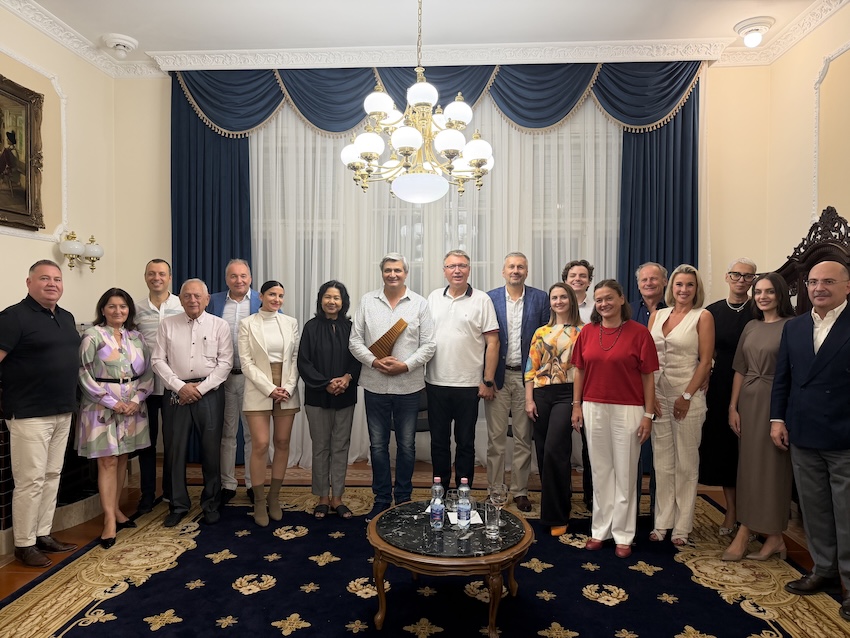
It was a true privilege to attend a special musical evening at the residence on the invitation of H.E. Mihail Barbulat, Ambassador of the Republic of Moldova to Hungary, who hosted a select group of guests for an intimate and interactive encounter with the renowned Moldovan nai player Constantin Moscovici. Held in early September – following the summer break – the event took place in a highly personal setting and was dedicated to music, tradition and friendship.
Moscovici, born into a family of musicians, discovered his love for music at the age of five. As a boy, he learned to play the accordion by ear from his father, without knowing musical notation. His decisive encounter with the nai (pan flute) came at around the age of 13, when a music school opened in his home village. Although considered too old to enrol, musician Vasile Brînzari offered him the opportunity to learn the nai while continuing to study the accordion. Thus, what began as an alternative path ultimately became his artistic vocation. He went on to become an acclaimed nai soloist and composer, receiving numerous awards and distinctions and performing on concert stages across Europe, Asia, the Middle East and the USA. Thanks to his virtuosity and extraordinarily broad repertoire, he brought the nai to prominence far beyond its traditional setting, demonstrating its remarkable versatility across folk, classical, popular and contemporary music.
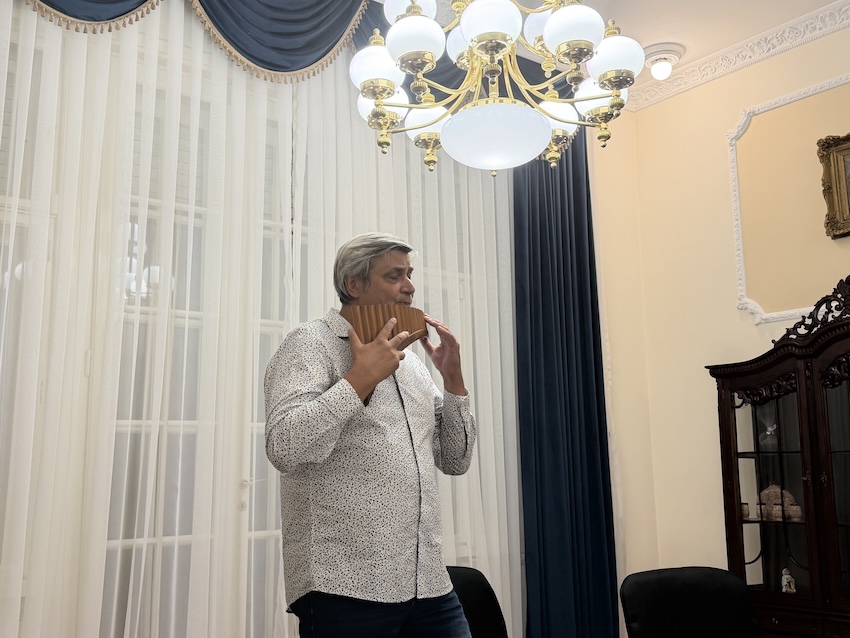
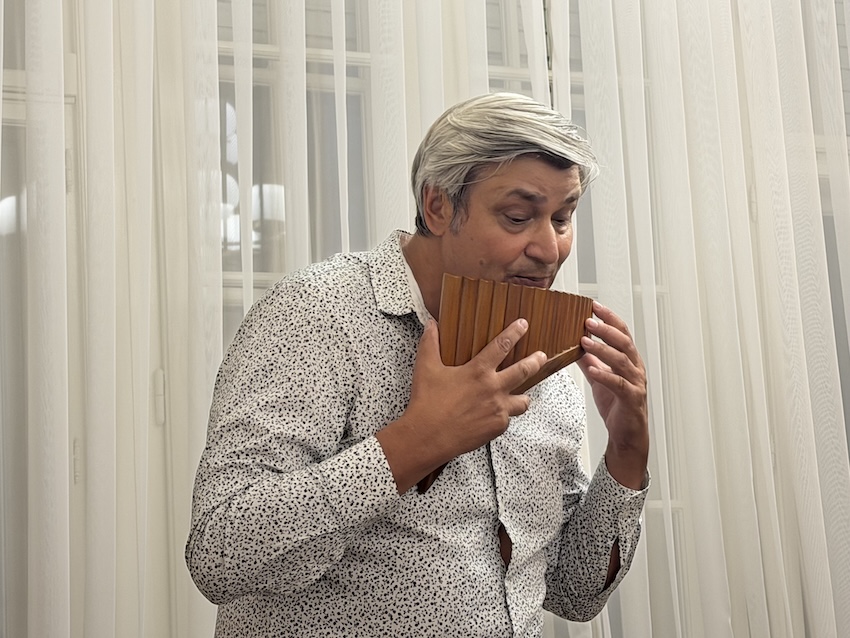
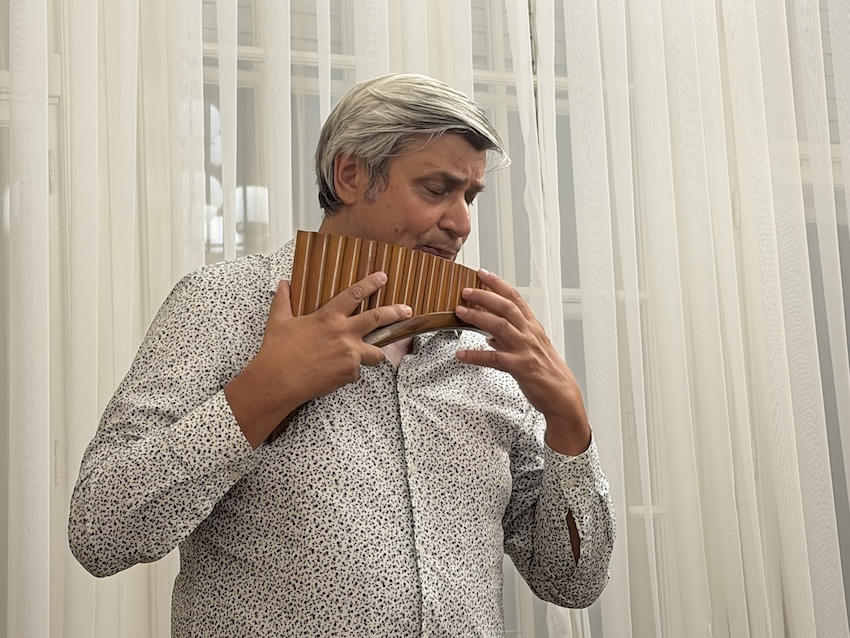
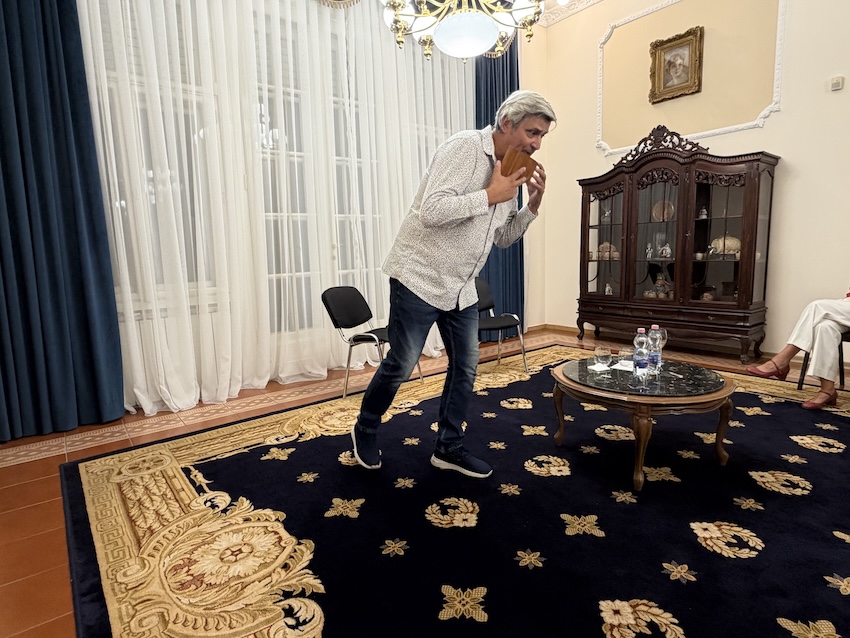
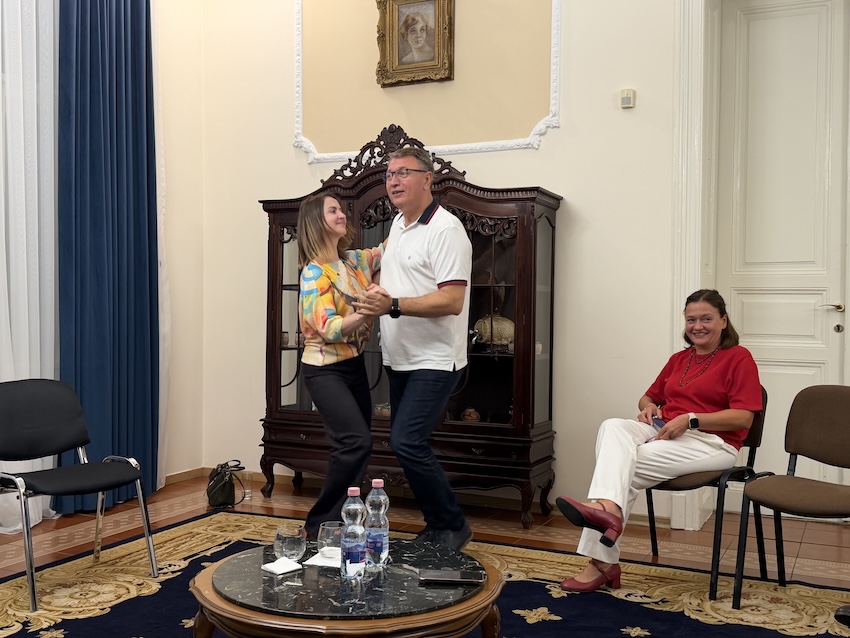
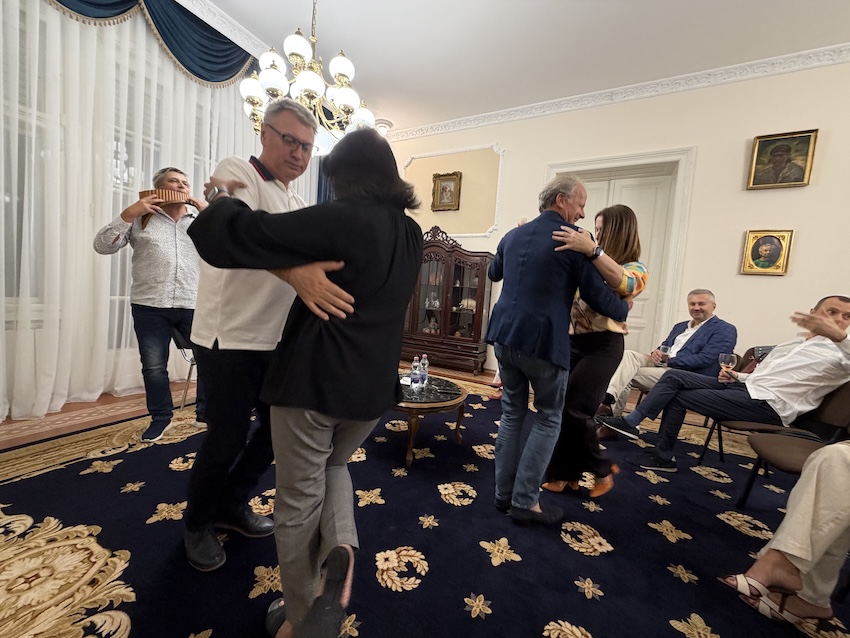
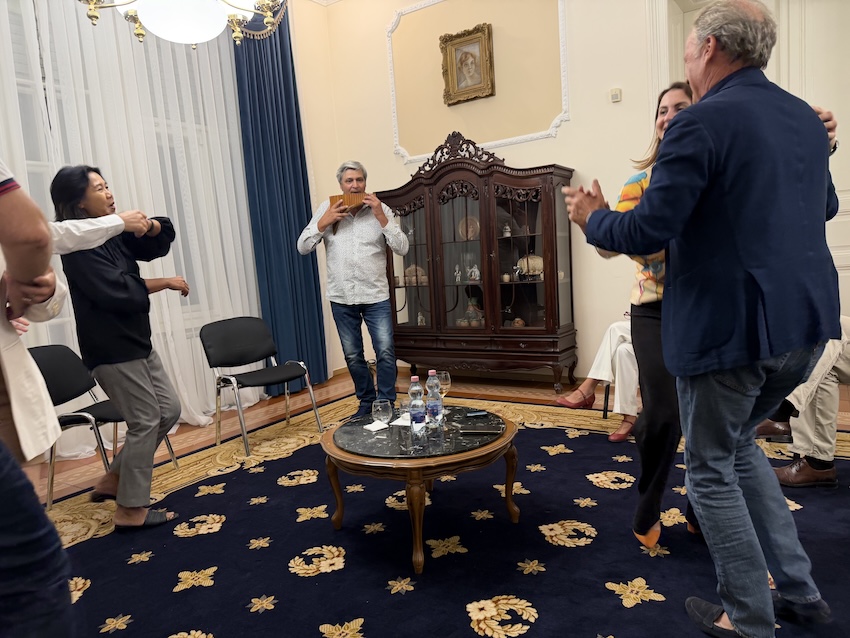
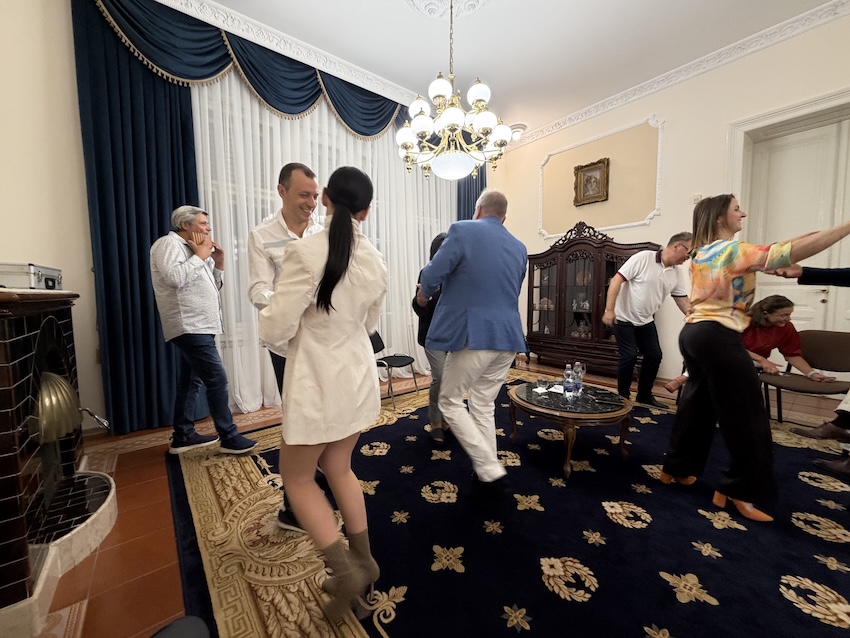
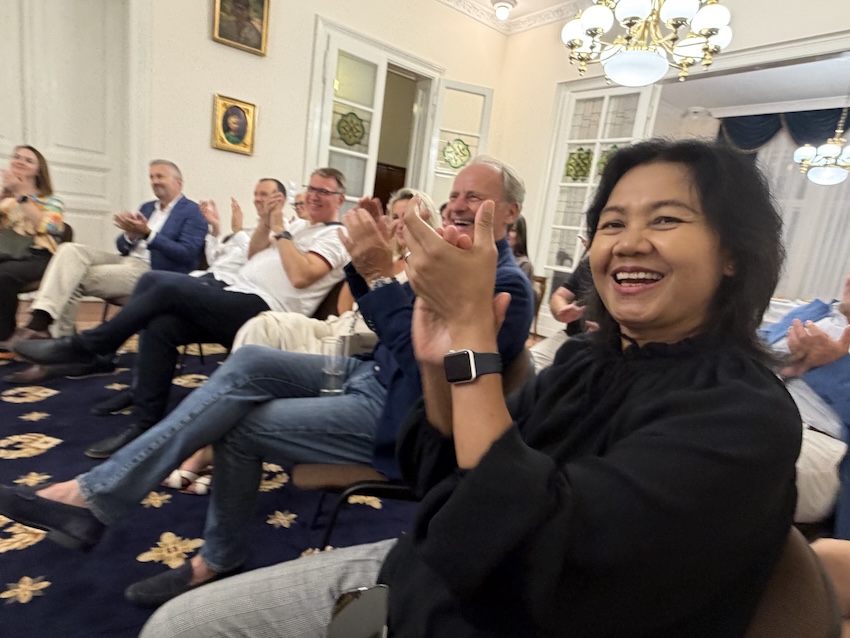
During the private concert, Moscovici spoke at length about the pan flute – known in Romanian as the nai – its distinctive character, and its history, which dates back to ancient Greece. The nai has had an important place in the musical traditions of Moldova and Romania. He also showcased the instrument’s extraordinary versatility through a repertoire ranging from folk and classical music to popular music and rock. The event was highly interactive; Moscovici responded to guests’ questions and offered fascinating insights into the instrument and his own artistic journey. Ambassador Mihail Barbulat – himself a musician, accomplished conductor, and passionate music lover – has been friends with Moscovici for many years. They reminisced about a memorable nai concert from the time of the Ambassador’s diplomatic posting in Türkiye, making the occasion particularly personal.
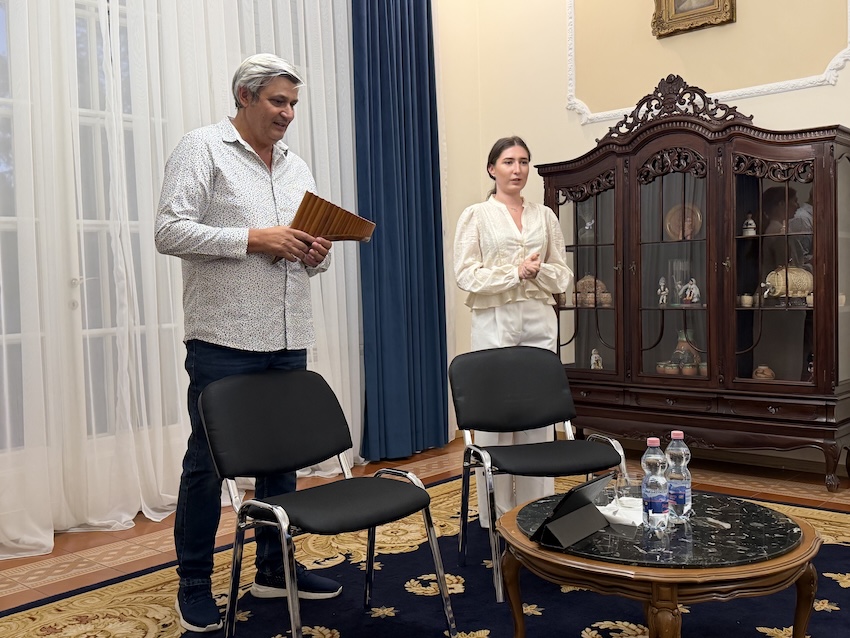
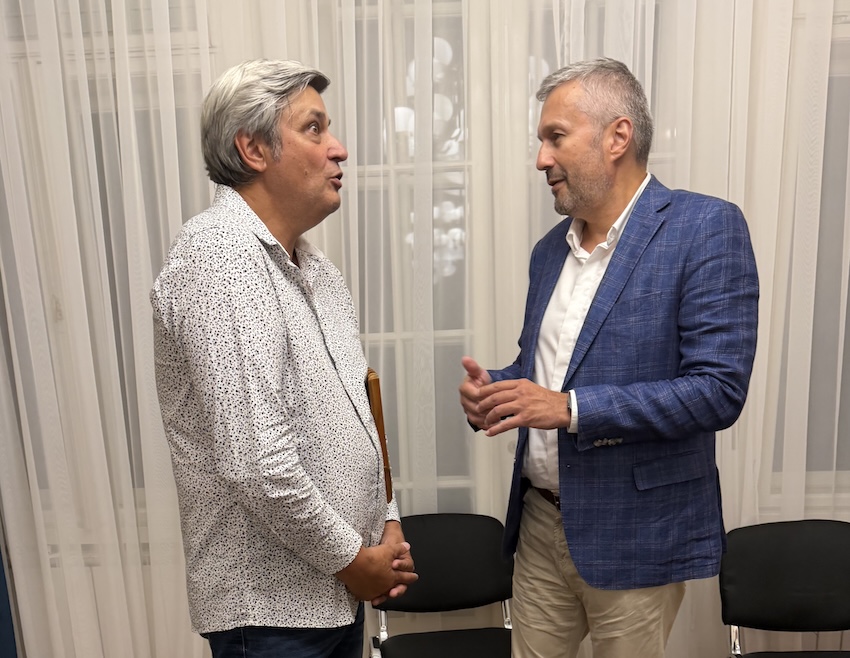
The musical evening was complemented by a gracious reception. The Ambassador’s warm hospitality created an atmosphere of friendship and conviviality, allowing guests to enjoy the music, conversation, and the company of others in an intimate setting.
Sources: Embassy of Romania and Embassy of the Republic of Moldova in Budapest
Photos from the Embassy of Romania and the Republic of Moldova in Budapest, Wikipedia, and Diplomatic Press Agency