
Edited by Anna Popper
Canada Day, celebrated annually on 1 July, marks the birth of the modern Canadian state. It commemorates the enactment of the British North America Act in 1867, which united Ontario, Quebec, Nova Scotia, and New Brunswick to form the Dominion of Canada. More than a national holiday, it is an occasion to celebrate Canada’s national identity, democratic values, cultural diversity, rich heritage, and strong international partnerships.
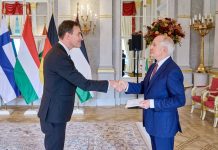
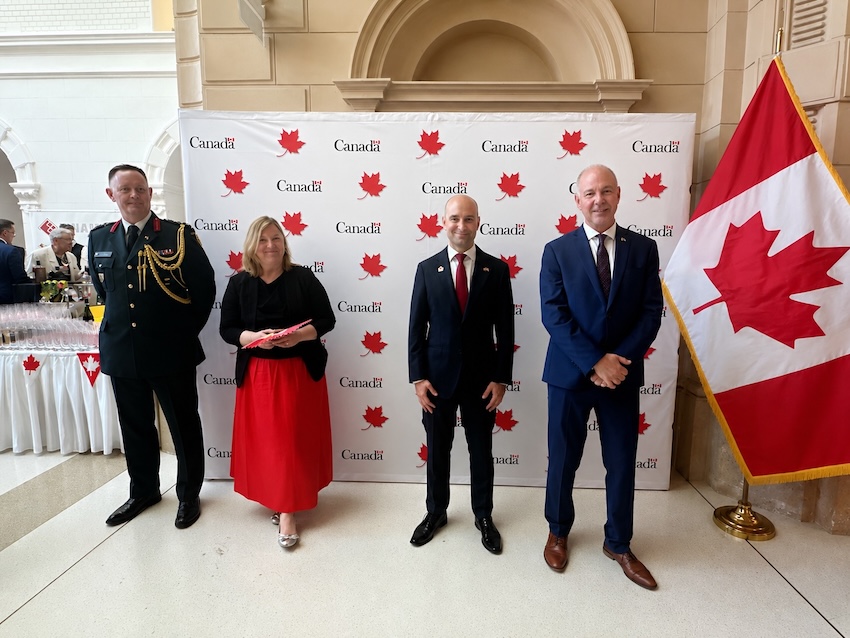
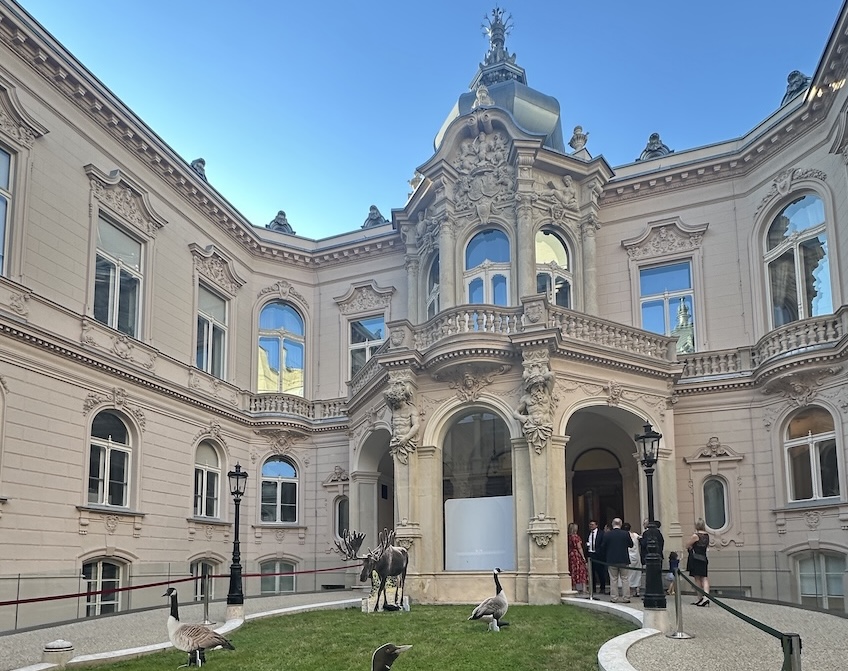
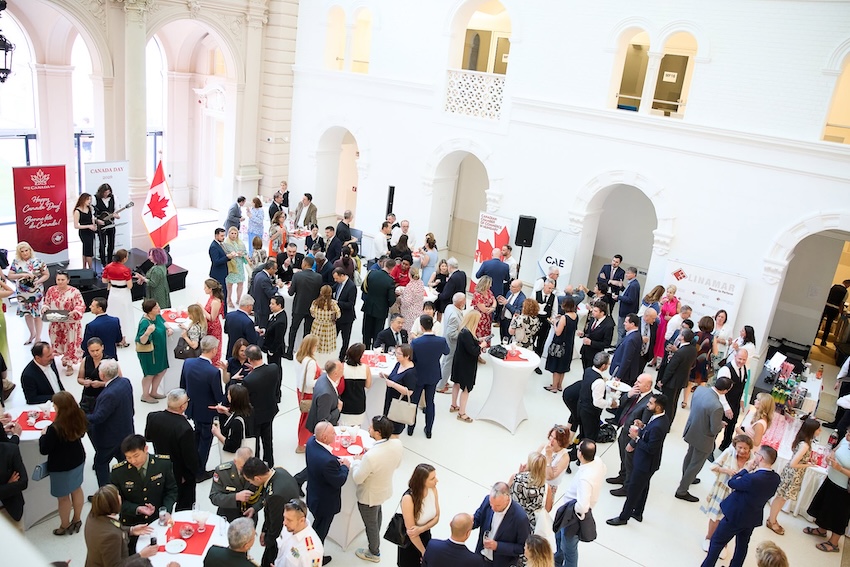
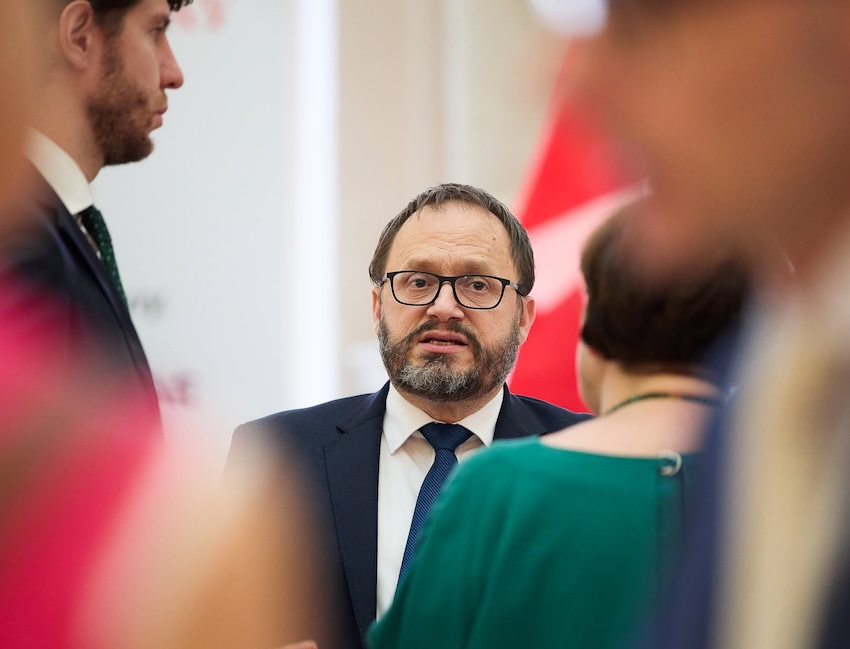
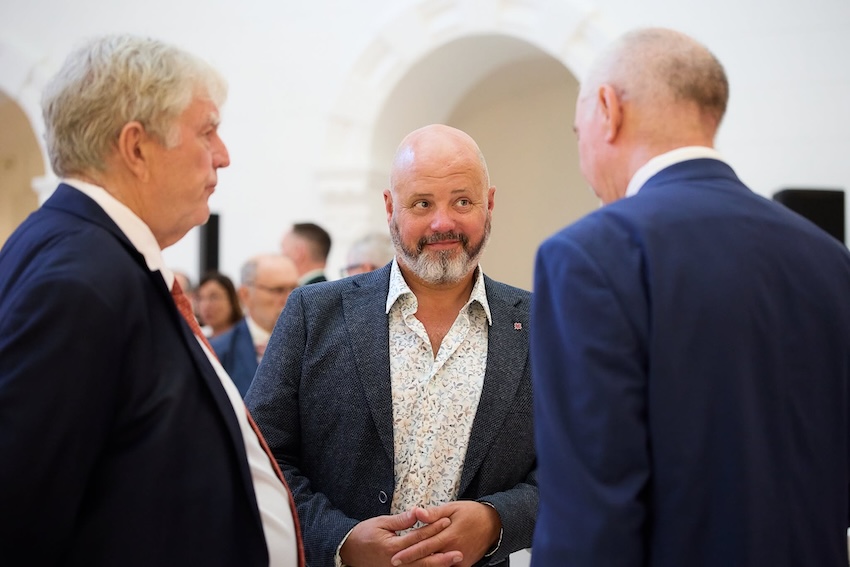
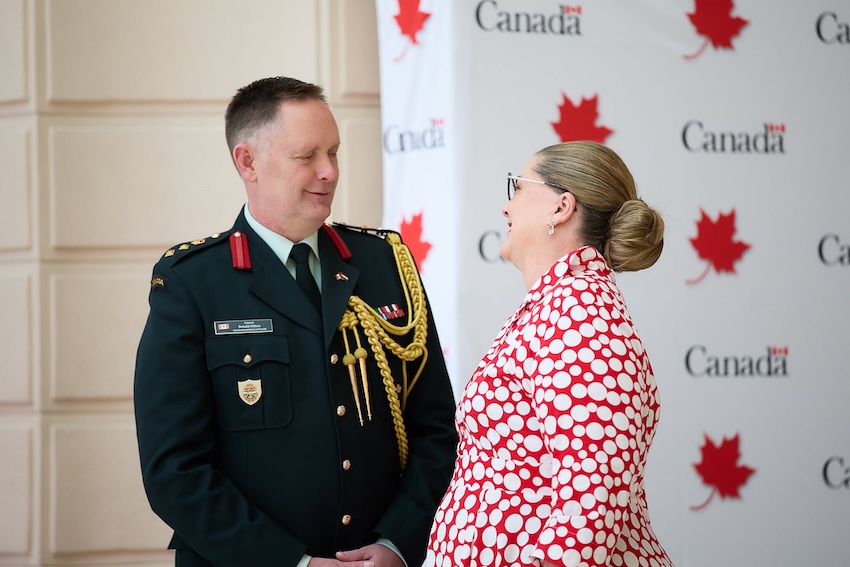
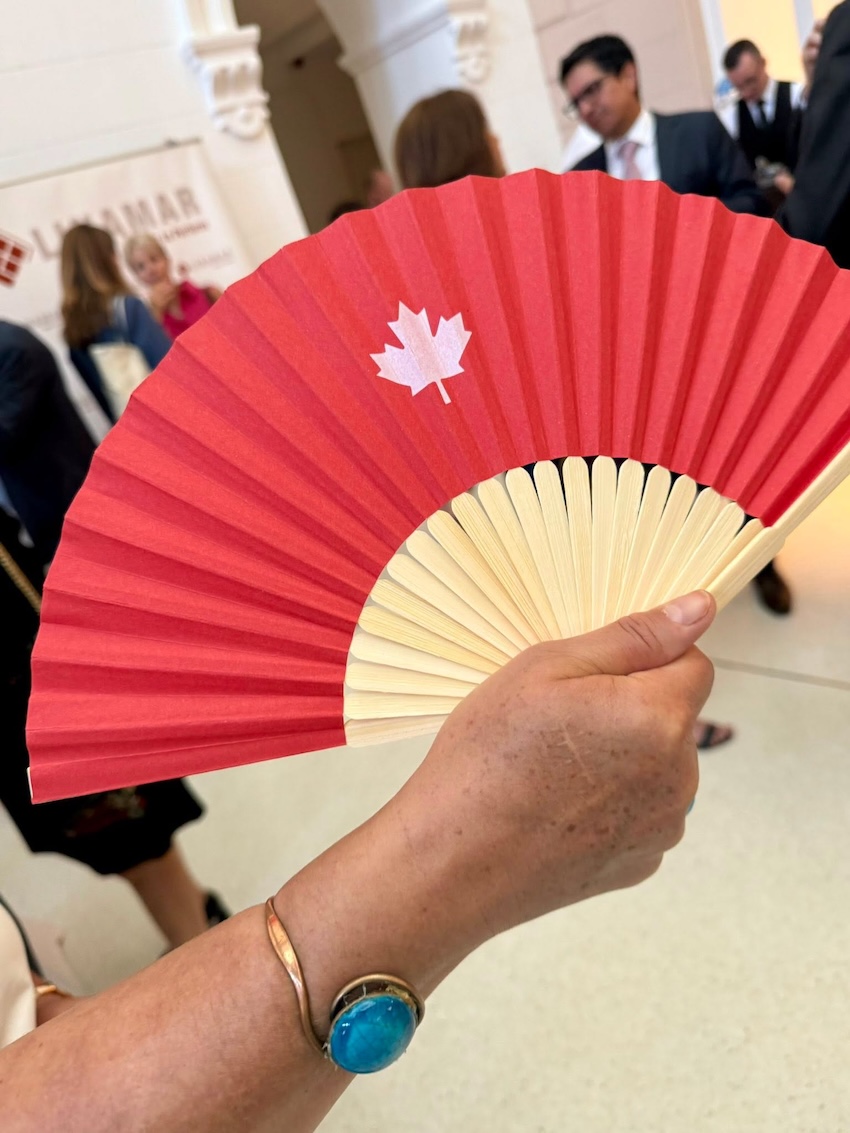
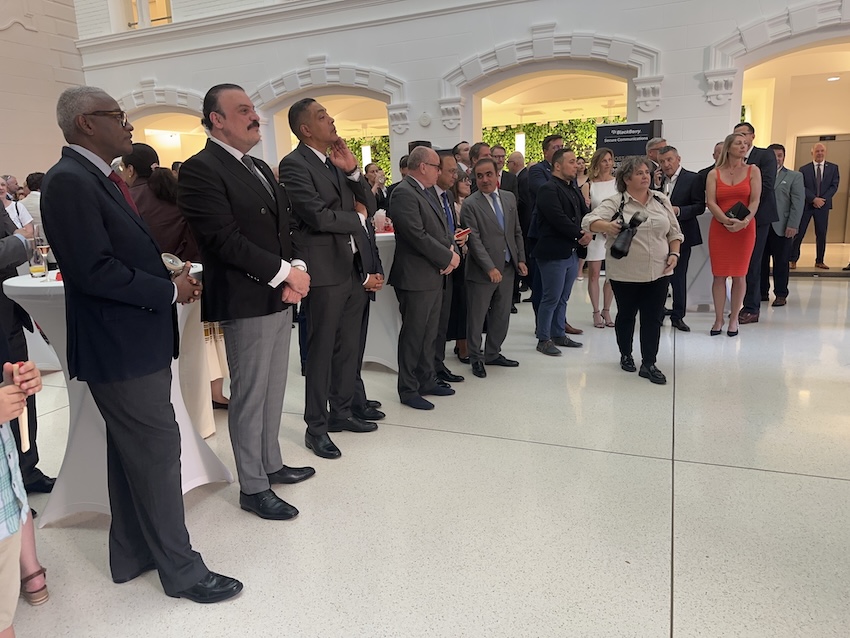
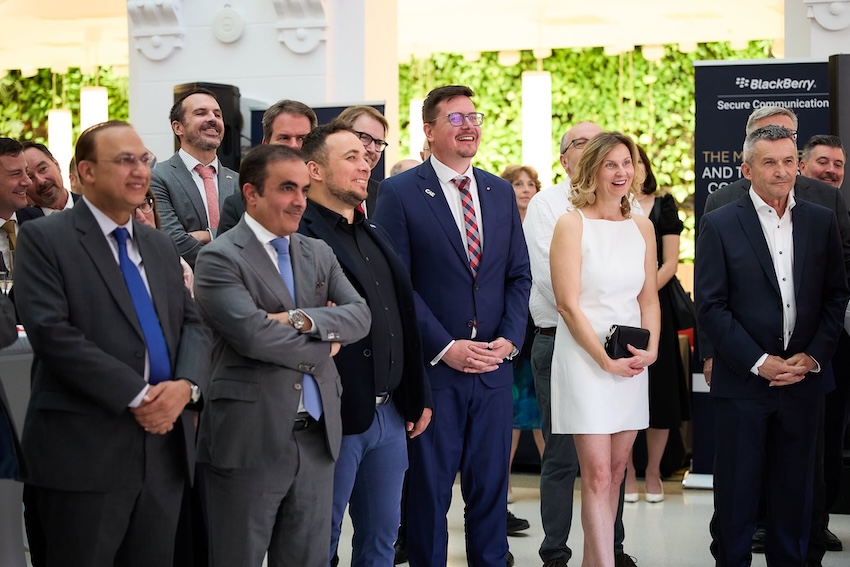
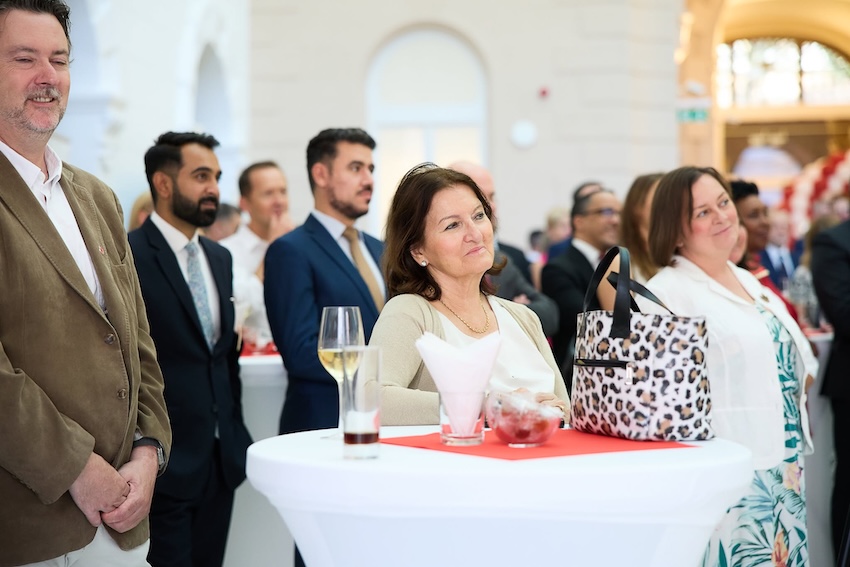
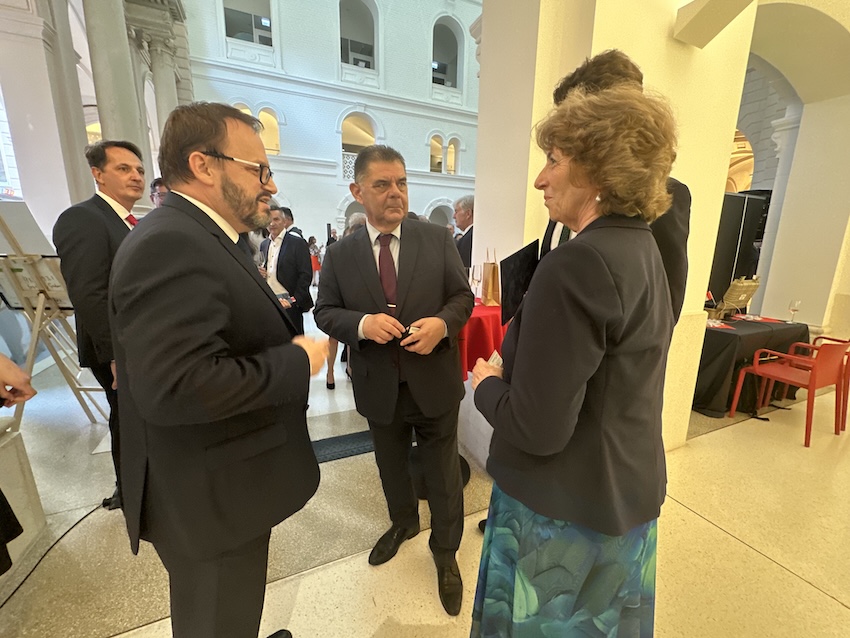
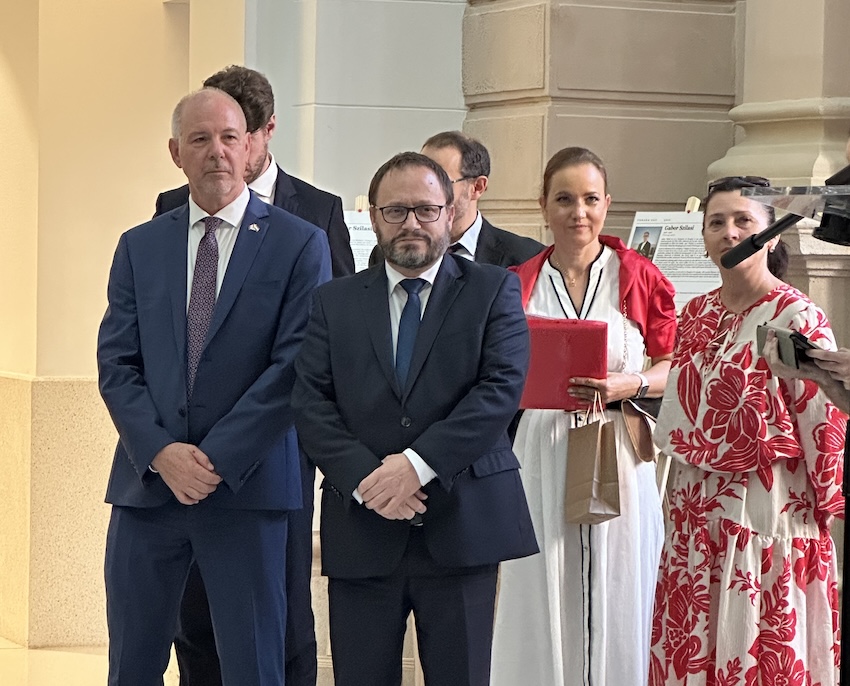
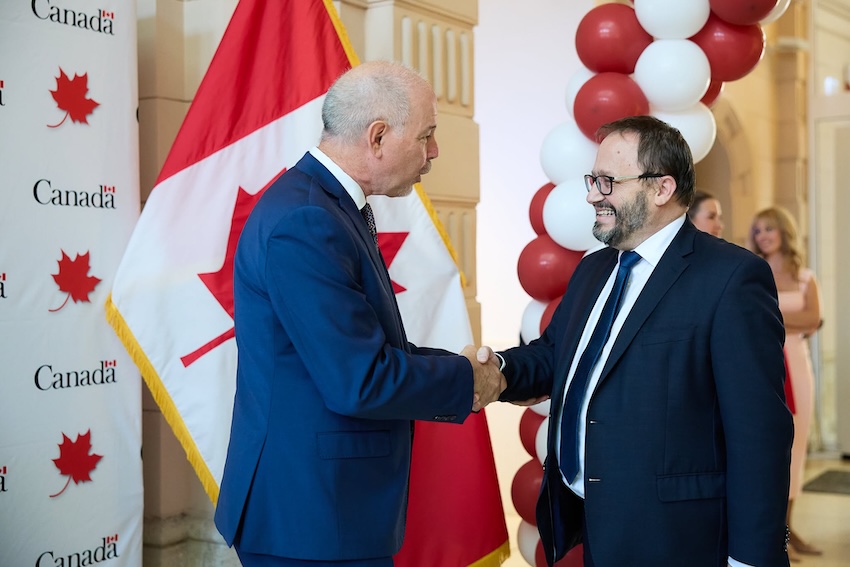
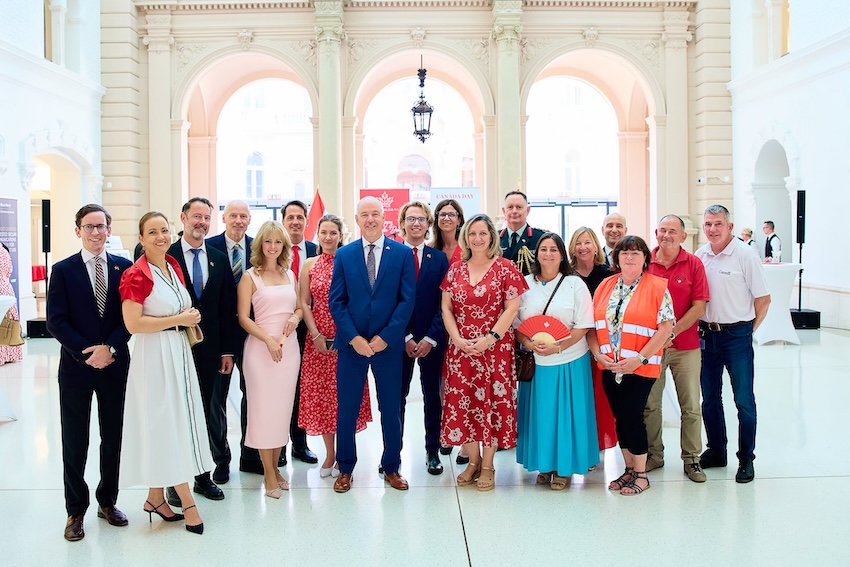
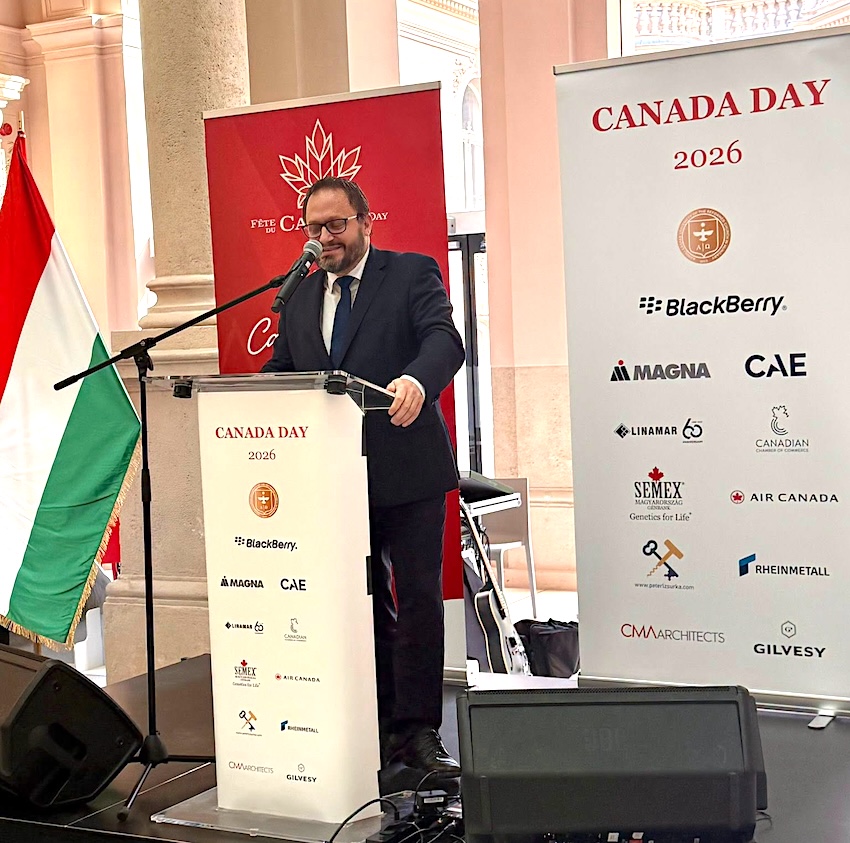
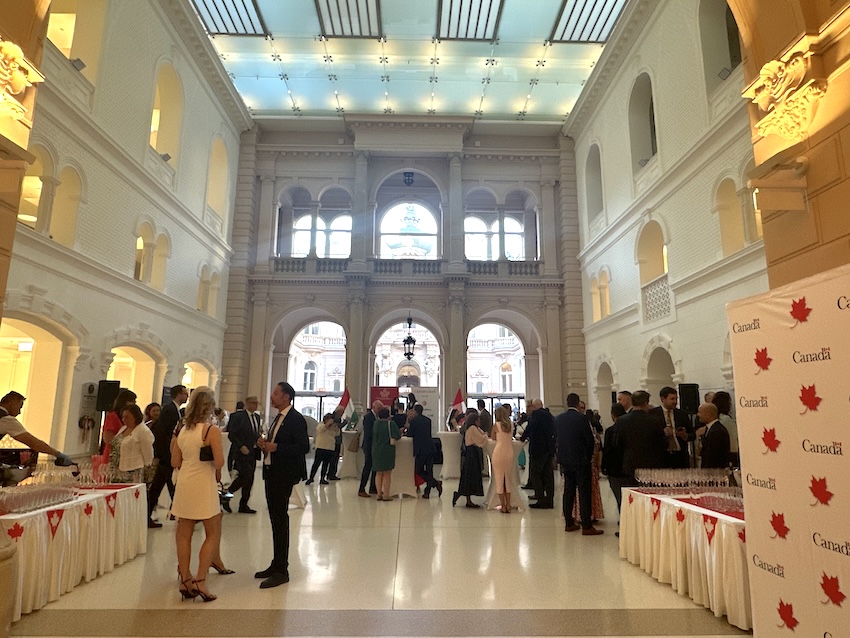
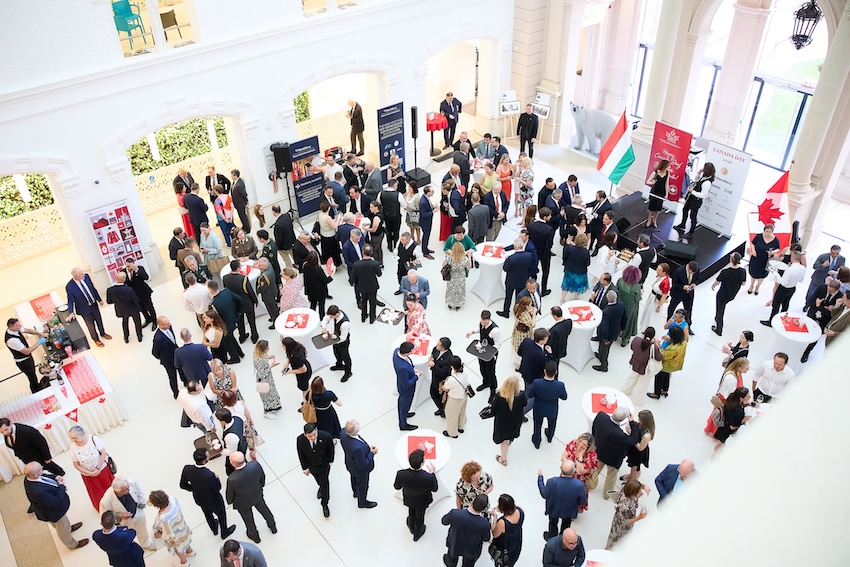
Celebrating the occasion, the Embassy of Canada in Hungary hosted a grand Canada Day reception at the historic Károlyi-Csekonics Palace in Budapest. Numerous guests attended, including members of the diplomatic corps, Hungarian government officials, representatives of the business, cultural and academic communities, as well as members of the Canadian community in Hungary. The Guest of Honour was Hungary’s Minister of Finance, András Kármán.
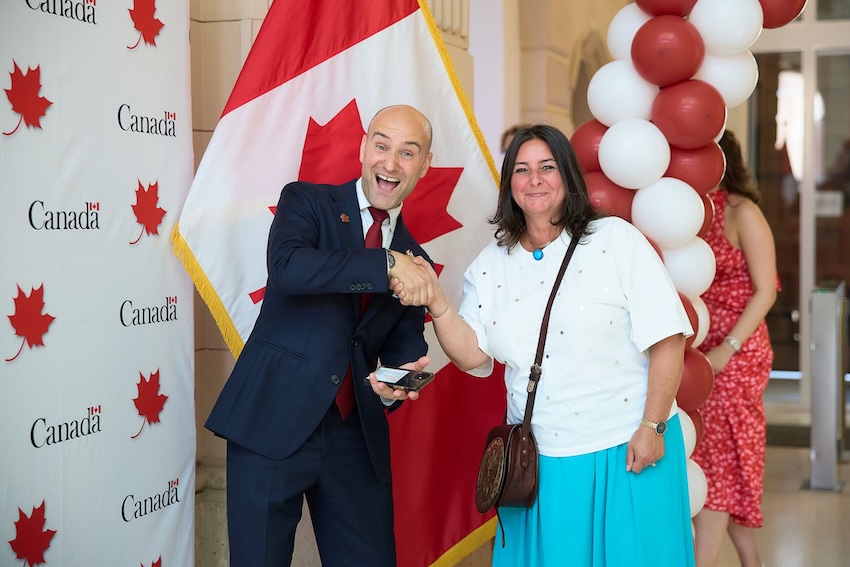
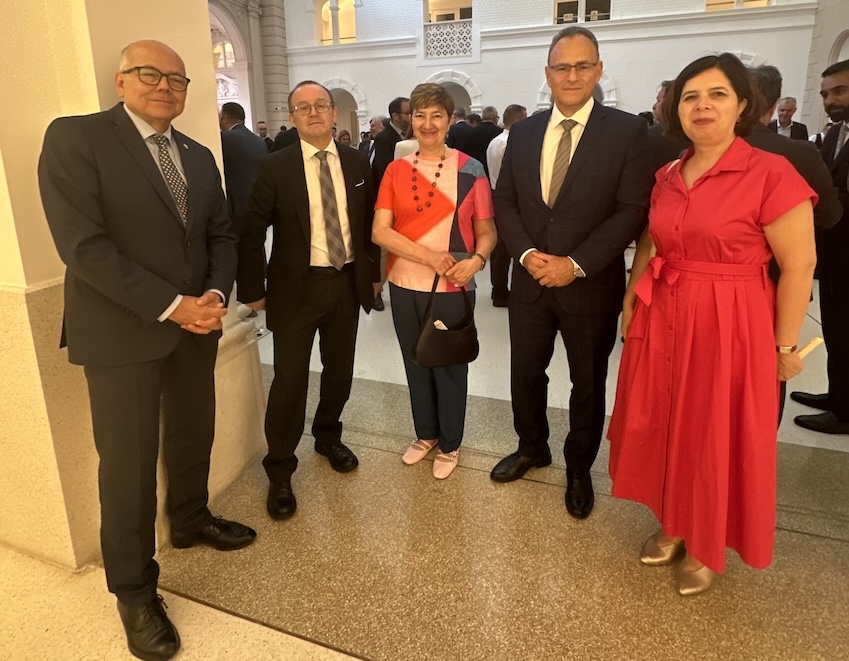
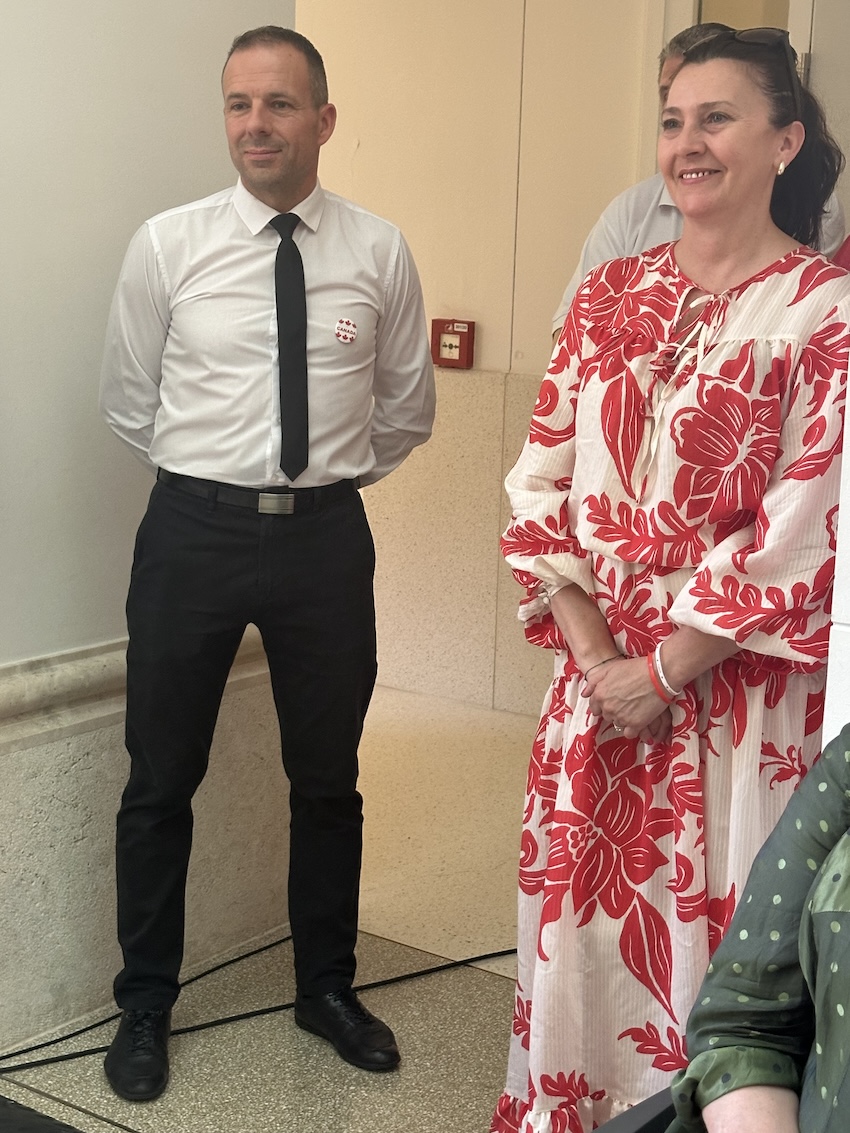
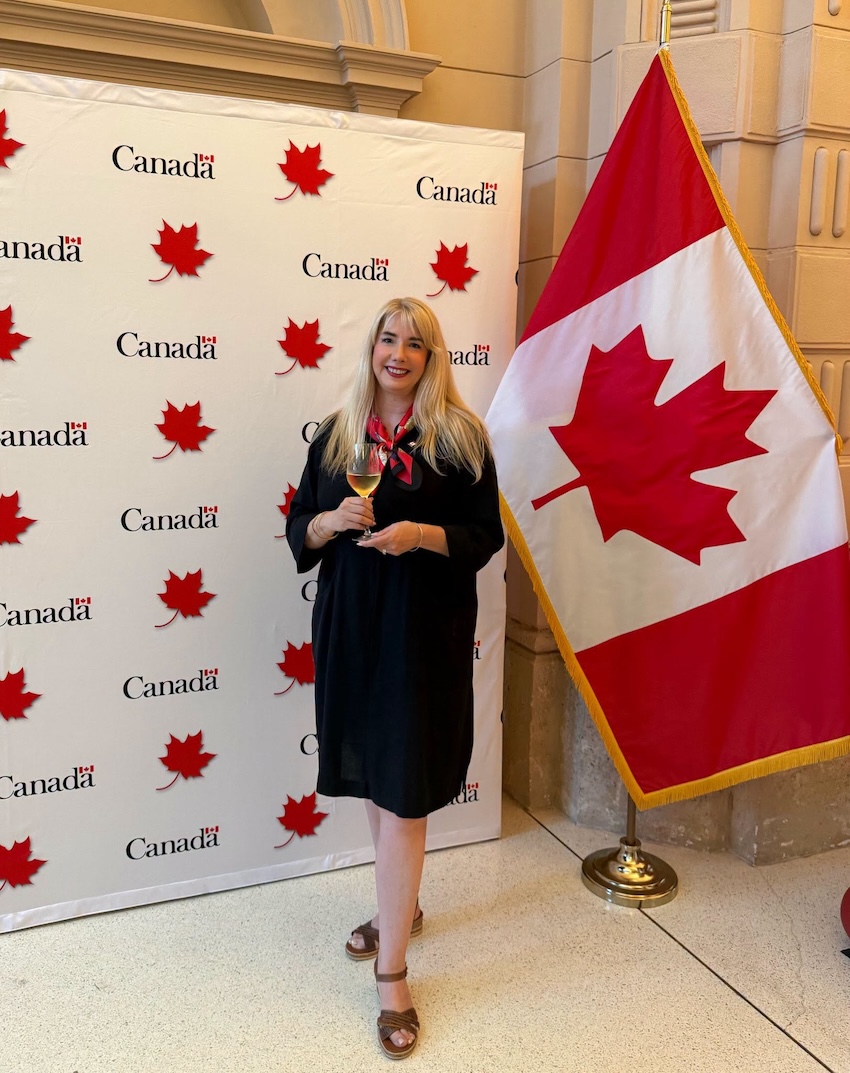

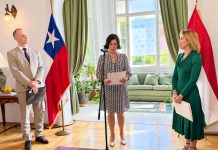
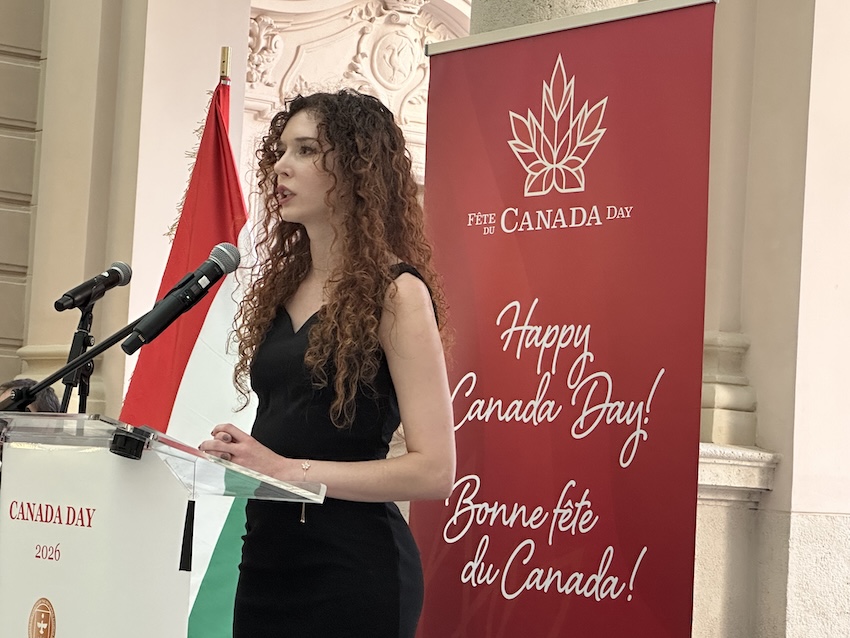
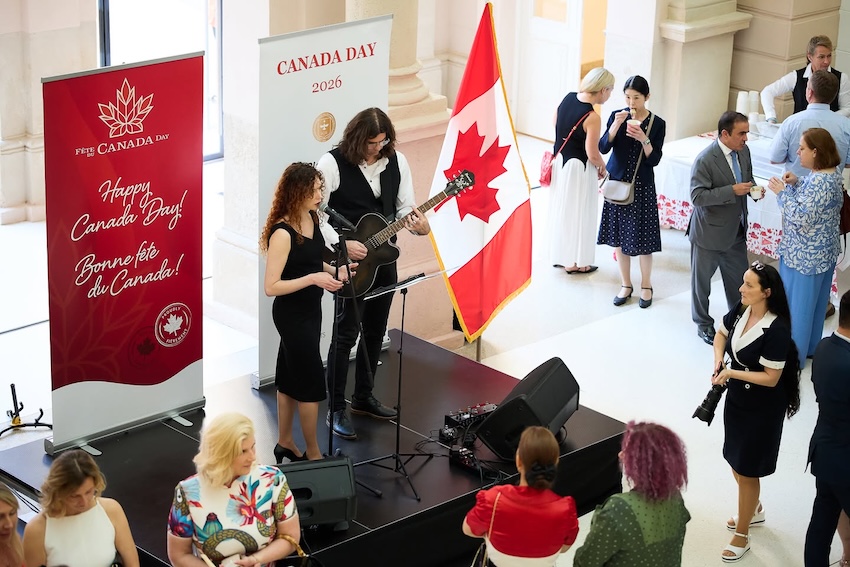
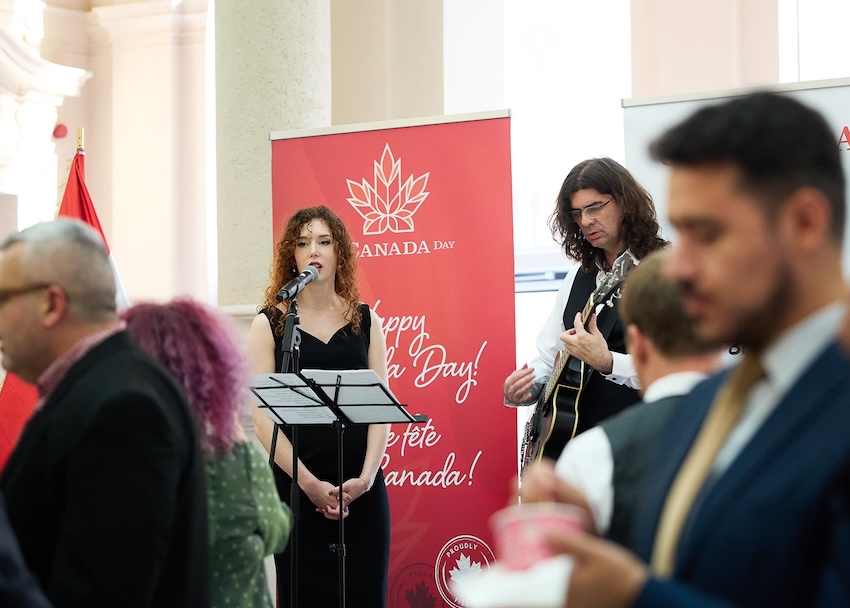
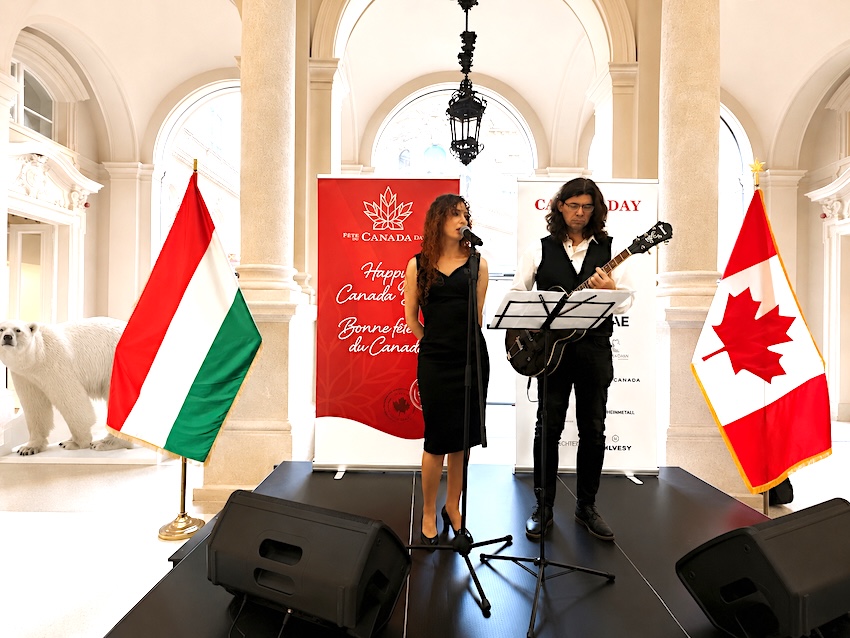
The celebration began with the national anthems of Canada and Hungary, beautifully performed by Bori Orbán.
The guests were first welcomed by Danielle Sabourin, First Counsellor and Senior Trade Commissioner at the Embassy of Canada.
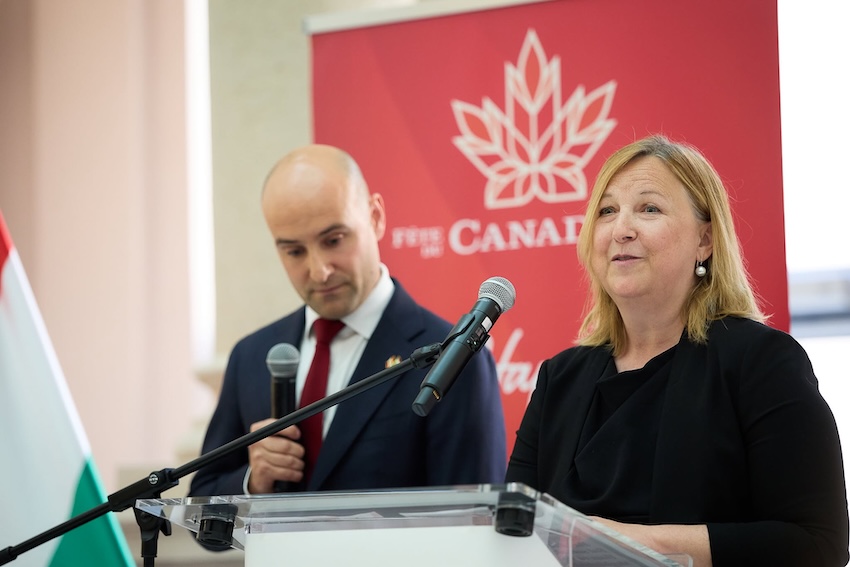
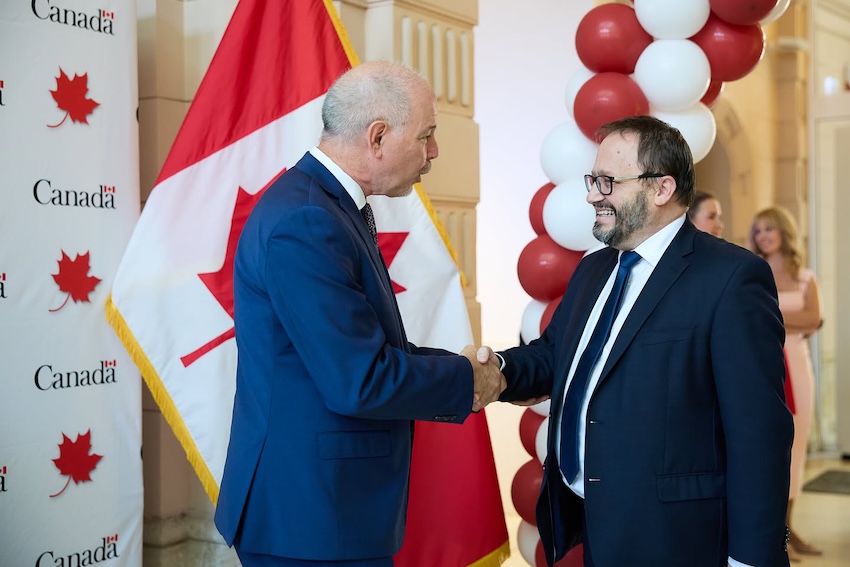
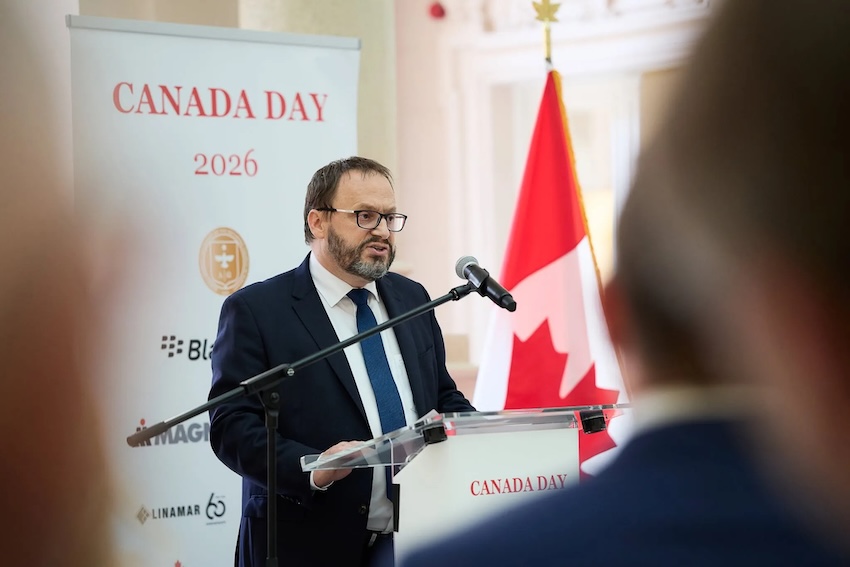
Then H.E. Mr. François Lafrenière, Ambassador of Canada to Hungary, also accredited to Slovenia and Bosnia-Herzegovina, addressed the distinguished audience:
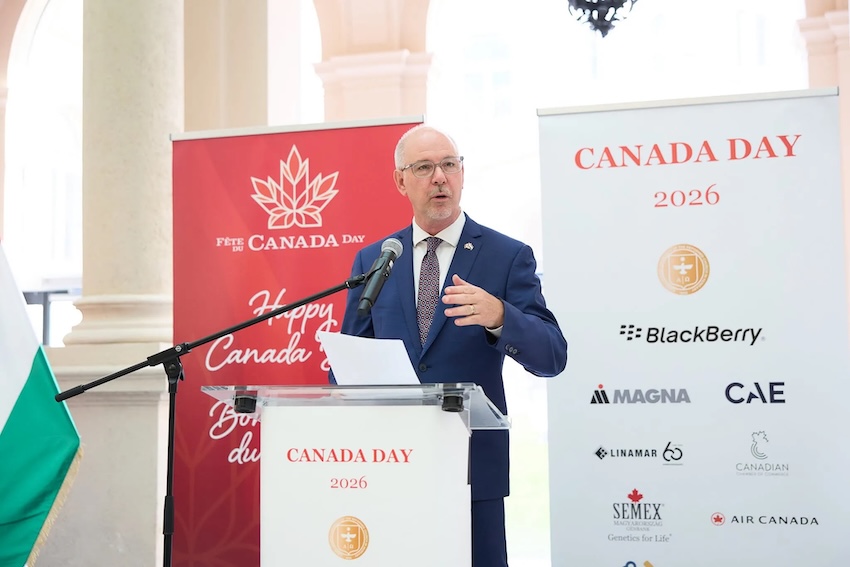
“Minister Kármán, Excellencies, Ladies and Gentlemen, let me wish you all a very Happy Canada Day! Thank you for being here to celebrate Canada: a proudly bilingual nation, enriched by generations of people from all over the world, including Hungary.
For decades, Hungarian immigrants and their descendants have shaped Canada’s cultural, economic, and scientific life, forming a vibrant bridge between our two countries. These ties – built through family and business connections, academic exchanges, and dynamic diaspora communities – remain the foundation of Canada–Hungary relations.
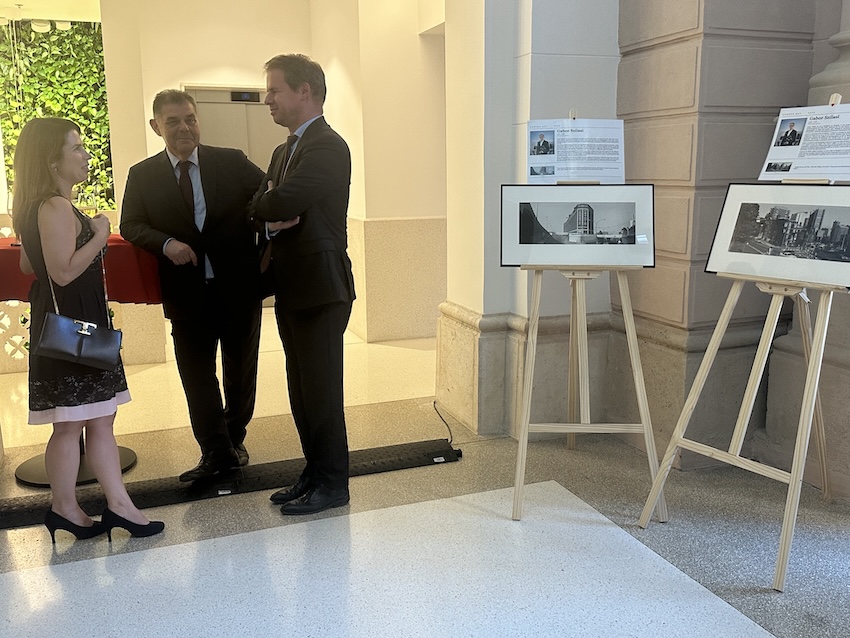
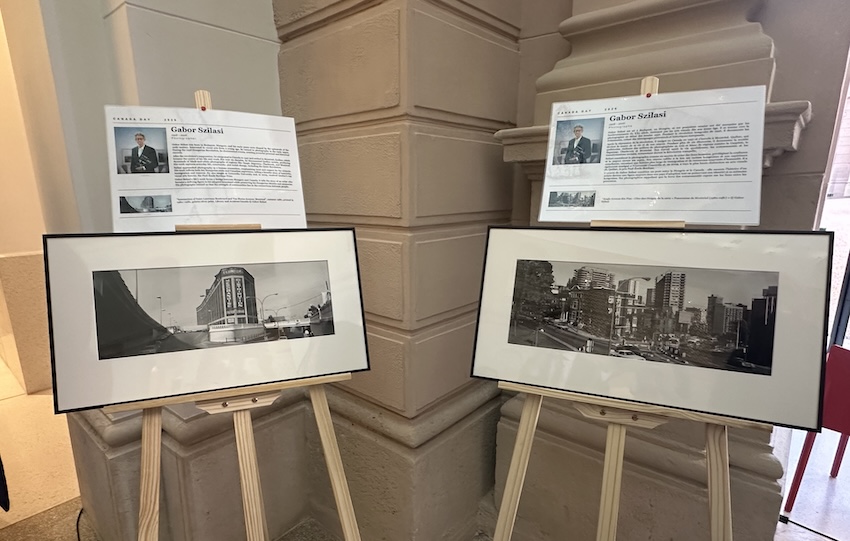
There are numerous examples of these ties. One example is the Budapest-born and recently deceased, famous Canadian photographer of Hungarian descent, Gabor Szilasi (1928-2026). Like so many immigrants and refugees who helped make Canada what it is today, Mr. Szilasi was also a true Canadian. His life was marked by tragedy and suffering: his mother died in a concentration camp, his two siblings died of illness, and he was imprisoned in Hungary in the late 1940s before finally escaping to Canada after the 1956 revolution. Once in Canada, he spent seven decades documenting through photography the cities and countryside in the Province of Quebec, its towns and its people, particularly in Montreal. He did so with humility, respect and immense talent. We have some of his original pictures on display here today in a small booth for everyone to enjoy.
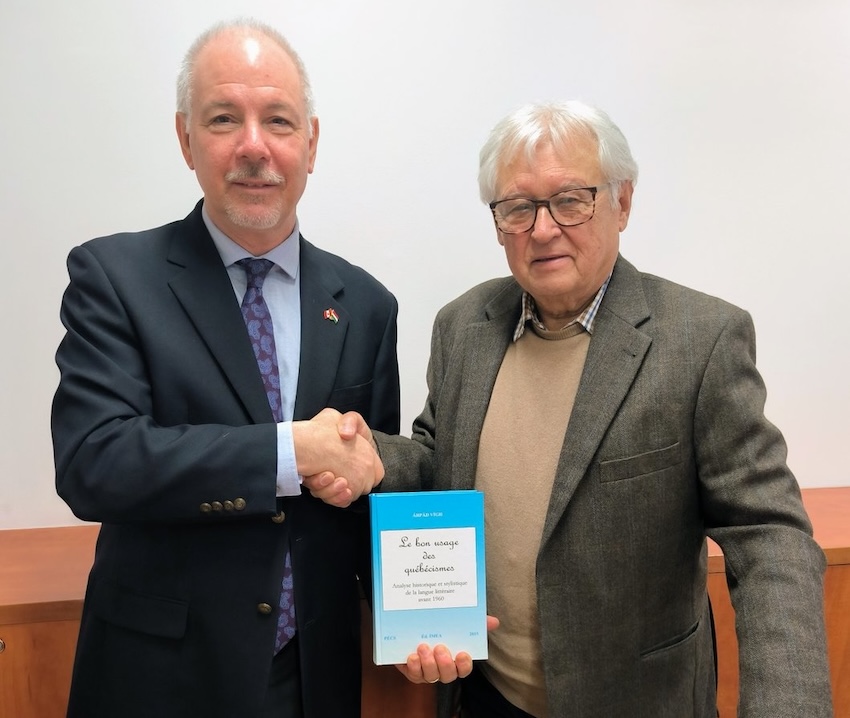
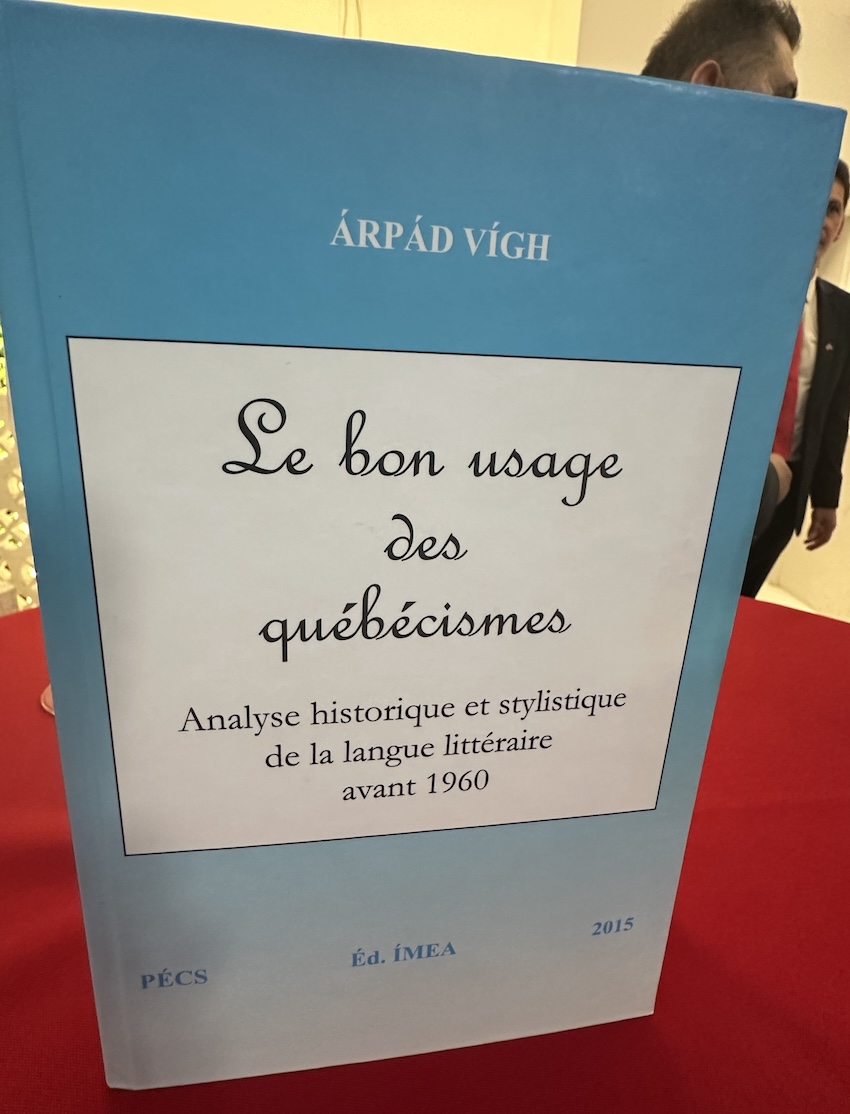
I have another example, and I believe he happens to be with us today. Árpád Vígh is not a Canadian of Hungarian decent, he is a Hungarian professor living in Hungary, but wrote a scholarly book on the use of Quebec French language in literature. Yes, truly incredible. Árpád Vígh a donc écrit un livre complet sur “Le bon usage des Québecismes”, dans la littérature Québécoise d’avant 1960.
As we celebrate Canada Day, we take a moment not only to think about all who, like Mr. Szilasi and others, have contributed to make Canada what it is. But we also reflect on the bigger picture. We are living in a time of profound change – globally, in Canada, and here in Hungary as well.
Uncertainty is growing worldwide, and Canadians are navigating a moment unlike any we have seen since the Second World War. In this moment, Canada is stepping up. Our economic outlook remains strong internationally, with the second-fastest projected growth in the G7 over the next two years.
We are a global trading nation with 15 active trade agreements covering 51 countries. This includes the Canada-EU Comprehensive Economic and Trade Agreement (CETA), which we now hope Hungary will soon finally ratify. And we have more large trade agreements under negotiation, including those with ASEAN and Mercosur.
With over $100 billion in planned energy projects by 2030 and vast reserves of critical minerals, Canada is firmly establishing itself as an energy superpower.
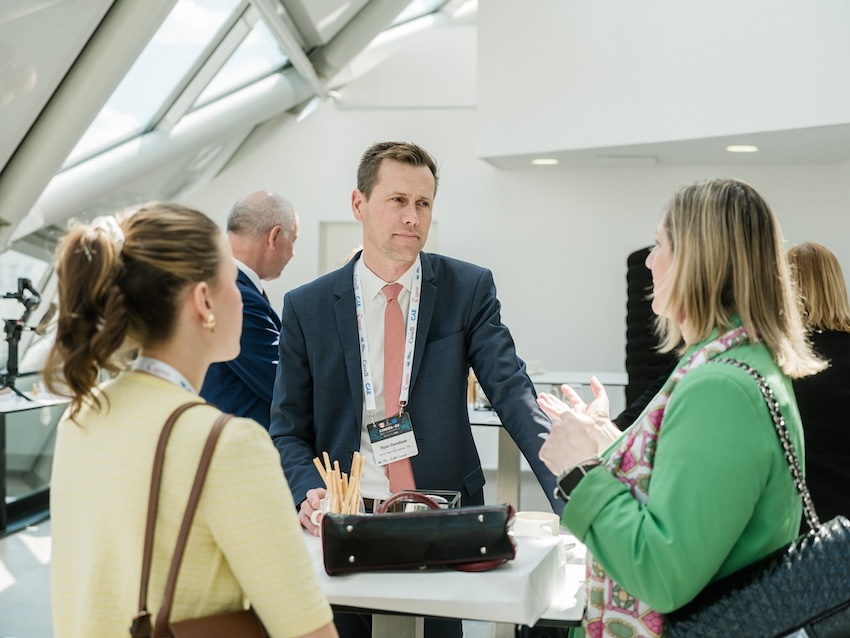
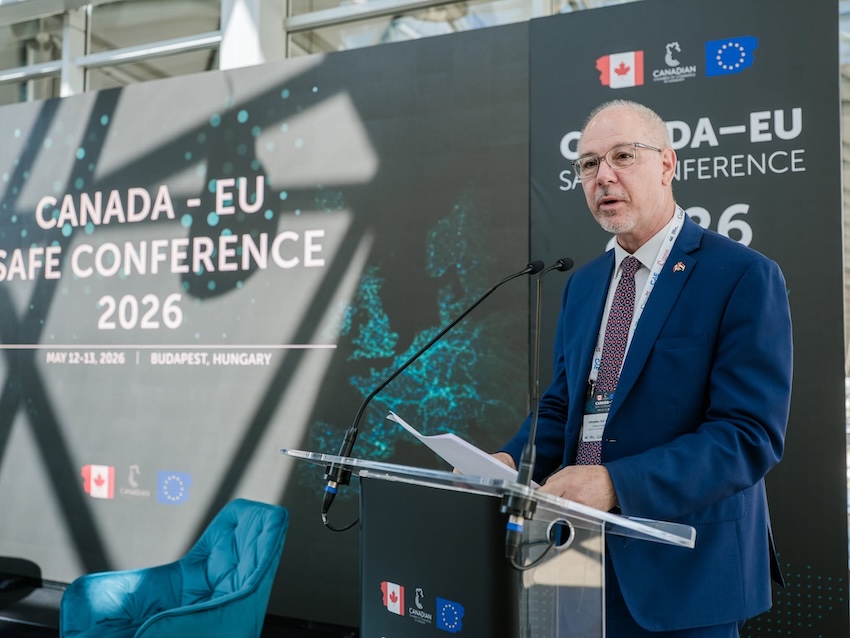
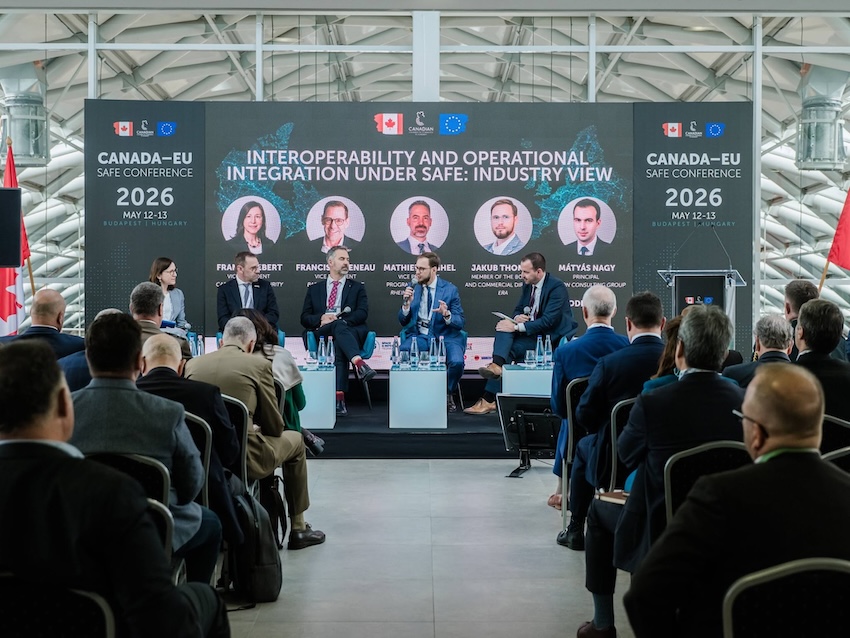
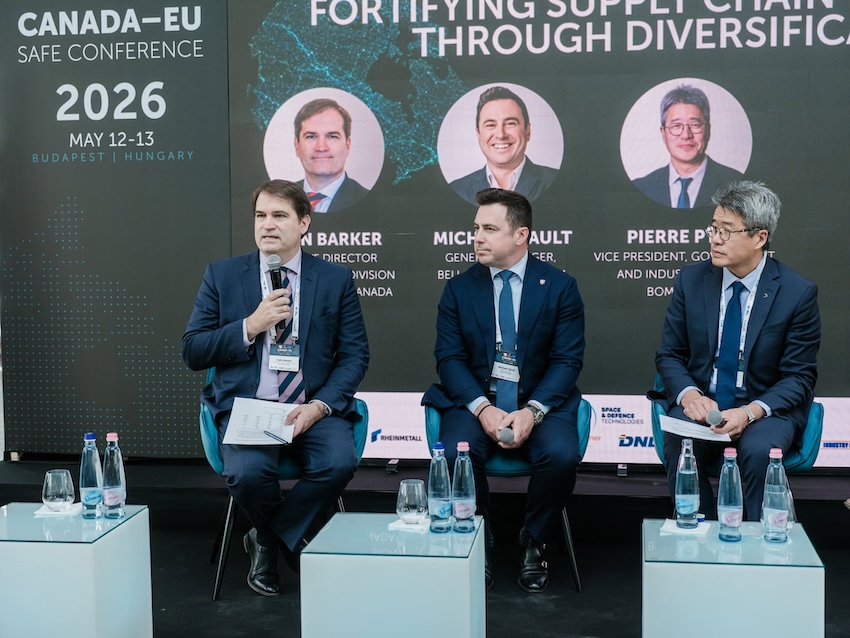
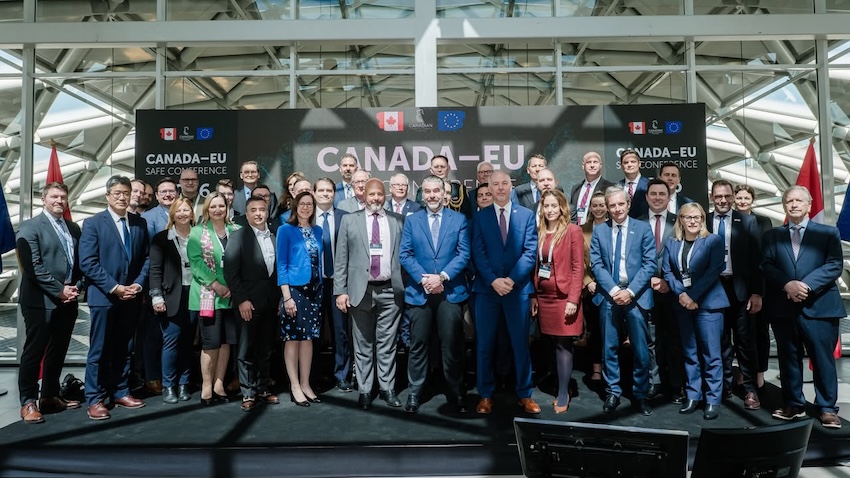
In this changing world, we were also the first non-European country to join the EU’s Security Action for Europe (or SAFE), a clear demonstration of Canada’s commitment to Europe. At the Canada-EU SAFE conference, organised by the Canadian Chamber of Commerce in Hungary last month here in Budapest, attendance included Canada’s Personal Representative of the Prime Minister to the EU along with leading Canadian defence companies.

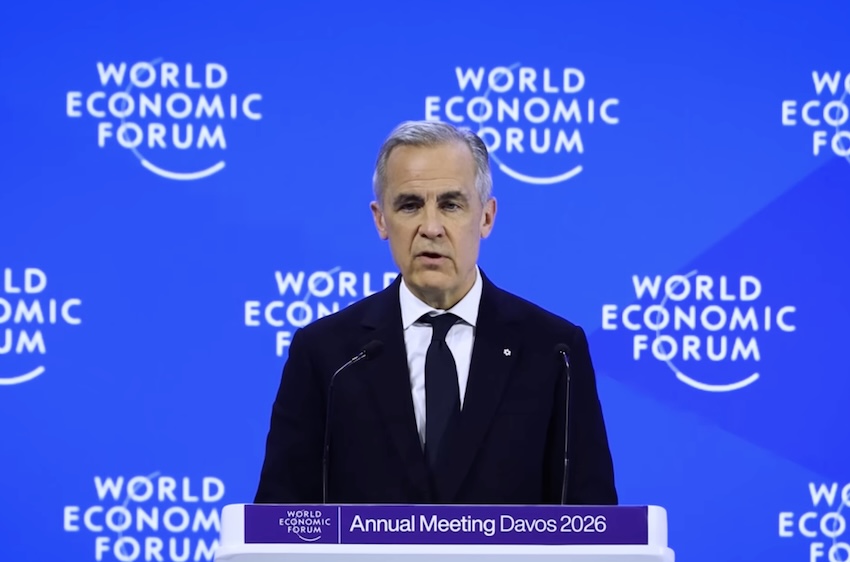
As you know from my Prime Minister’s speech in Davos, we are working hard to recalibrate some of our economic and security relationships, while deepening ties with a broader coalition of like-minded partners.
One of our two key areas of focus moving forward is Europe and the European Union. This includes Hungary and its new government, represented here today by Minister of Finance András Kármán. Minister Kármán, we are honoured and delighted to have you here. You have a momentous task in front of you, and we are impressed by your government’s commitment, under your leadership, to a strong and credible fiscal policy. Thank you for being with us tonight at this very busy time.
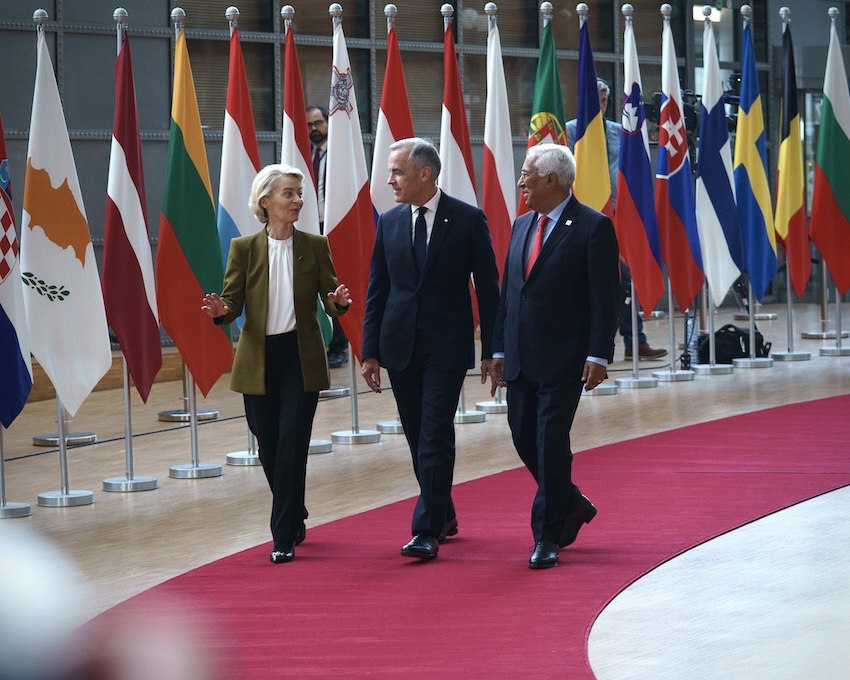
Building on our deep and meaningful people-to-people ties, and the changes here in recent months, we are eager to work with Hungary’s new government to re-energize and deepen our bilateral relations. In practical terms, my colleagues and I are focused on turning Canada’s global focus on trade diversification into concrete partnerships here in Hungary, across defence, energy, trade, investment, and culture areas.
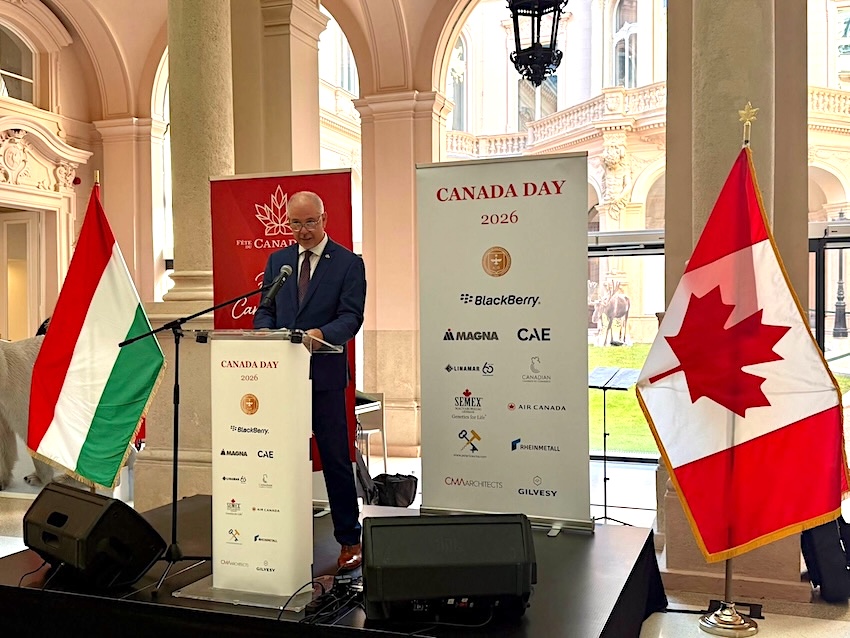
Today, I see Canada–Hungary relations as a field of opportunity and growth, and one of substantial, under-tapped potential. This will be my main message to my successor as I prepare to conclude my tenure this summer: there is so much more our two countries can do together. I believe that this period of global change has revealed something powerful: a deeper understanding – at least in Canada – of who we are, and increased pride in what we are building together. I propose that this spirit should guide our relationships with both the EU and Hungary itself.
Together, we are stronger. Together, we can – and we must – shape the agenda.
Before closing, I would like to express our sincere gratitude to the Károli Gáspár University for generously hosting us in this beautiful venue.
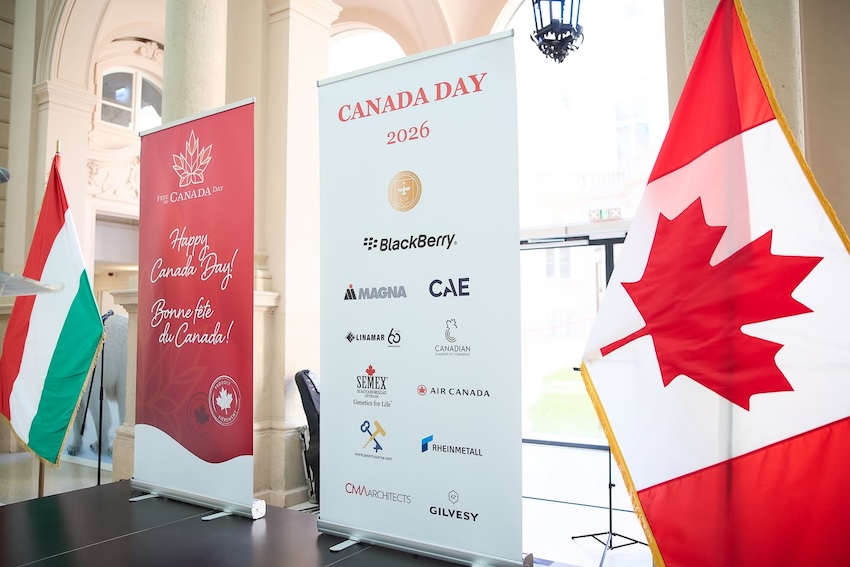
Special thanks must also be given to our corporate partners this evening, without whom this event would not have been possible. Our platinum sponsor is BlackBerry, our gold sponsors are CAE, Linamar, MAGNA and the Canadian Chamber of Commerce in Hungary. Our silver sponsors are SEMEX and Air Canada, and our bronze sponsors are Optim Hotels, CMA Architects, Rheinmetall Canada and Gilvesy Winery.

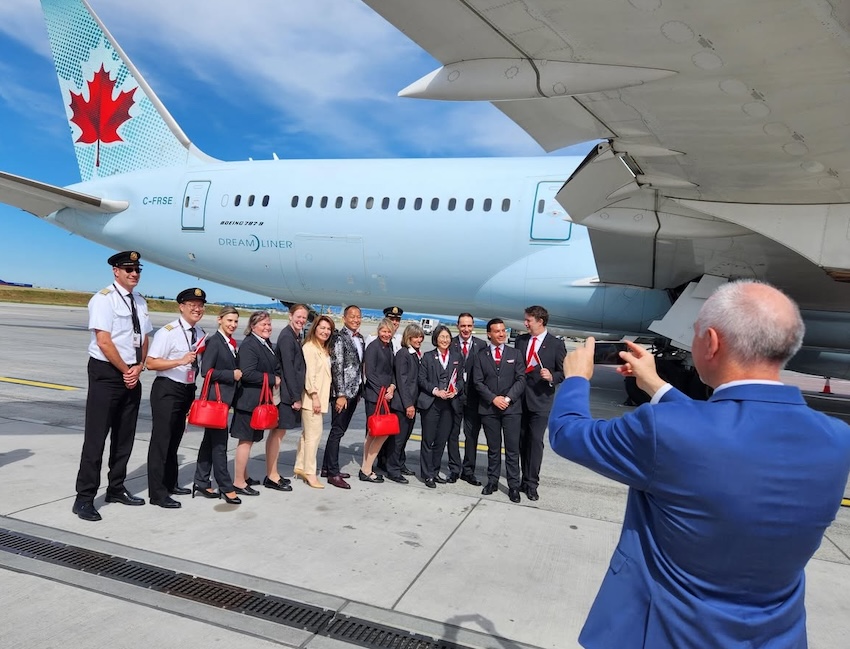
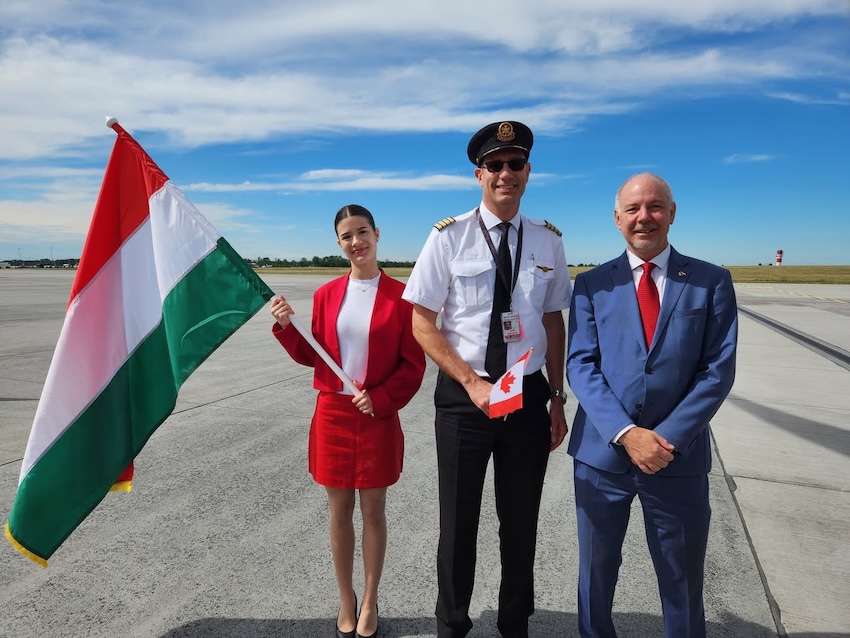
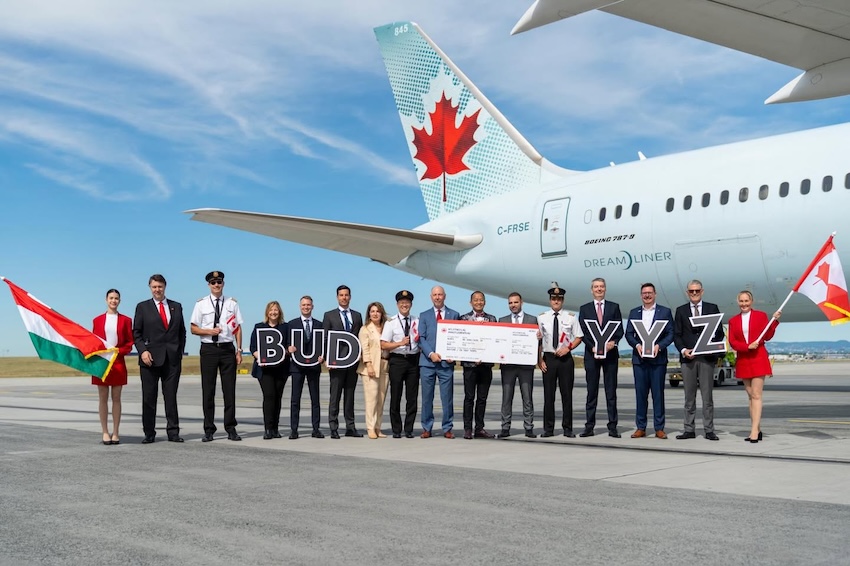
I am also particularly excited that there are now direct flights between Canada and Hungary again, bringing us all closer together. I myself took that flight a few days ago during a trip to Canada. By the way, the name of the pilot who landed the Air Canada plane for the first of these new direct flights from Toronto a few weeks ago is András Kovács, another Canadian of Hungarian descent.
Heartfelt thanks also to our dedicated Embassy staff, who have – as always – eagerly prepared for this occasion. Merci!
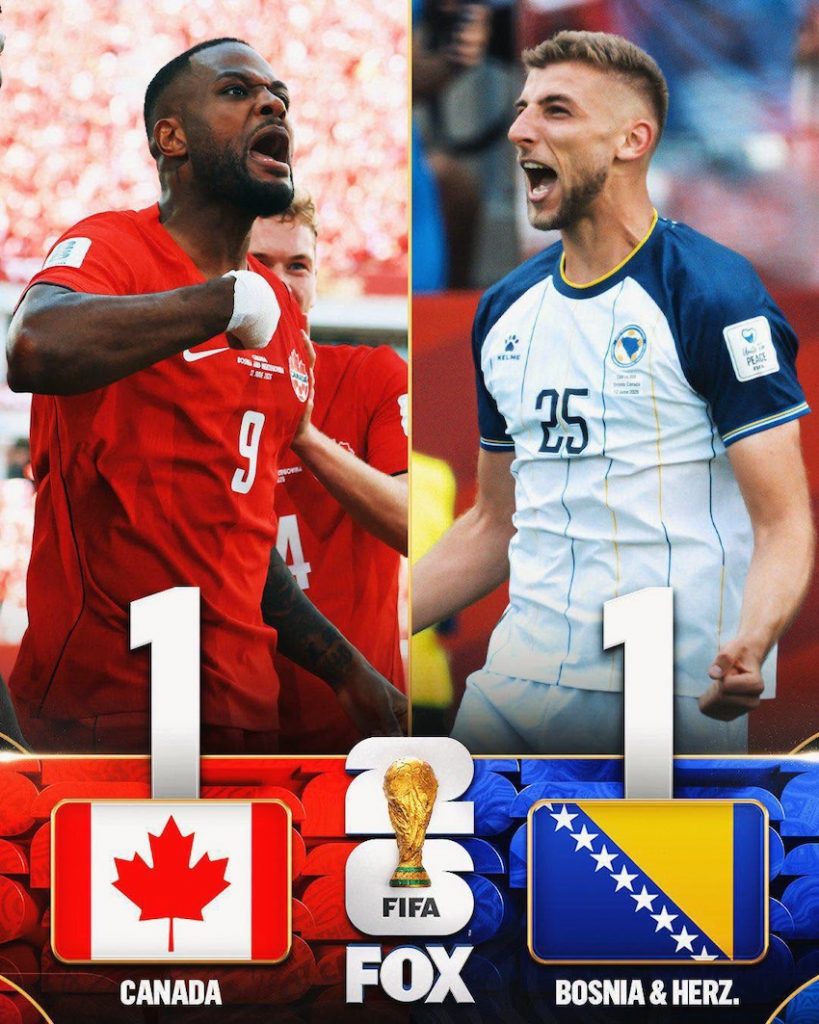
And of course, I cannot finish without referring to the ongoing FIFA World Cup, which we are thrilled to co-host with the United States and Mexico. As a first-time host, Canada is proud to welcome the world to Toronto and Vancouver.
I was myself in attendance in Toronto for the Canada vs. Bosnia game on 12 June. I only wish Hungary had been there – but I am sure that Hungary will qualify next time. In the meantime, however, I am counting on all Hungarians to support Canada this year!
In closing, let me assure all of you – whether Canadian, Hungarian, or from other nations – that Canada will continue to work with its likeminded partners to build and support a global order that promotes key interests and values, including respect for the rule of law, human rights, sustainable development, solidarity, sovereignty and territorial integrity. Thank you for helping us achieve this and for celebrating with us here.
As I mentioned, I will be leaving Budapest in a few weeks. It was truly an honour and a privilege to be here for the past three years. Bonne fête du Canada! Boldog Kanada Napot! Happy Canada Day!”

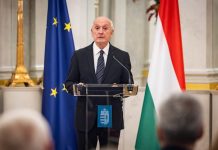
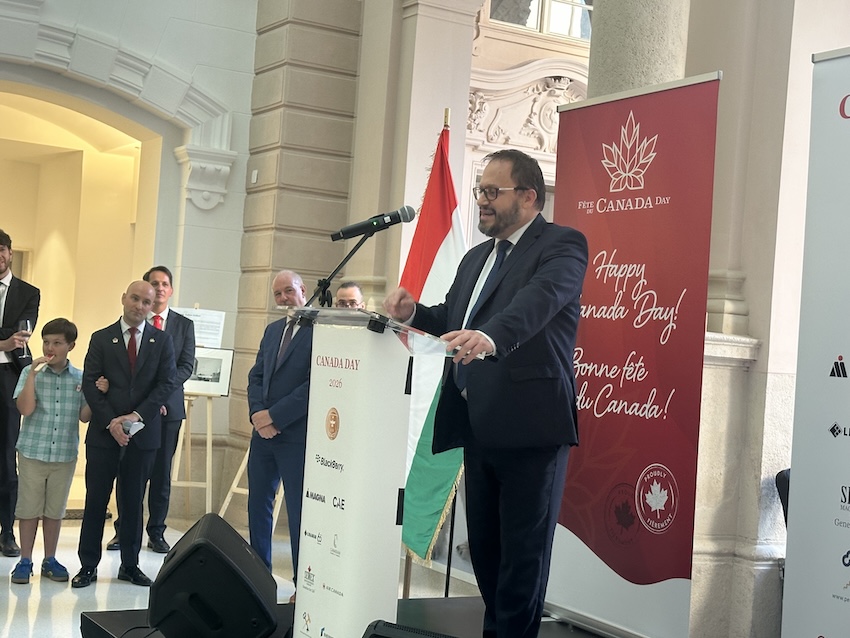
The evening continued with the speech of Minister András Kármán, who reflected on the enduring bonds between Canada and Hungary. Drawing meaningful parallels between the significance of Canada Day and Hungary’s path to freedom and democratic transformation, he delivered a profound address that deeply moved those present:
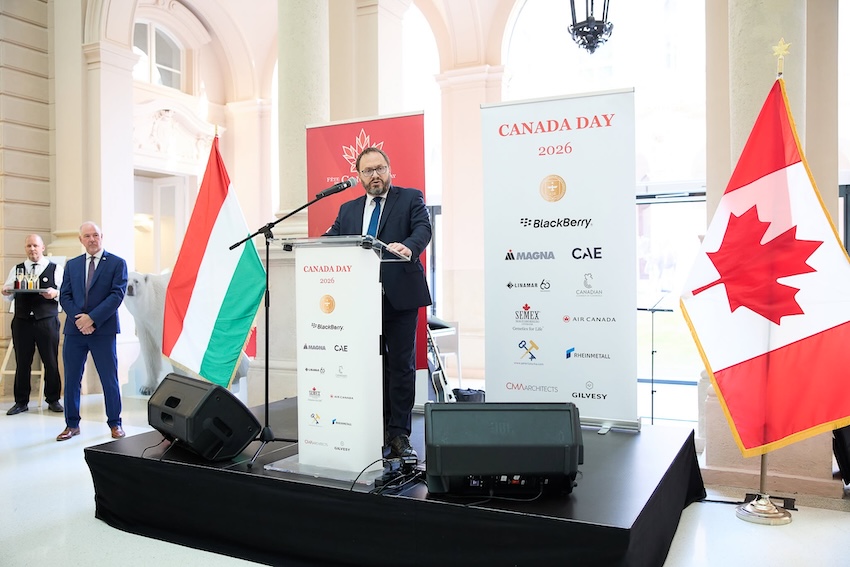
“Your Excellency, Distinguished Guests, Ladies and Gentlemen, thank you for this warm invitation. Canada Day marks the moment in 1867 when four provinces decided to build something together – a confederation, a shared project, a bet on the future. 159 years later, that bet looks like one of the best decisions in history. So, Happy Birthday Canada. And thank you for letting Hungary join the party.
I should warn you at the outset: whenever a Finance Minister walks into a celebration, people tend to hide their wallets. It’s an occupational hazard. I promise you – tonight I am here only to take champagne, not revenue.
But let me say something more serious for a moment about why this occasion holds special significance for me and, I think, for many Hungarians.
There is a street in Toronto named after a Hungarian poet. George Faludy Way. I mention this not as a diplomatic courtesy, but because Faludy’s life, in miniature, tells the story of everything that Hungary has gone through – and is still trying to become. Born in 1910, he fled the Nazis, returned home after the war believing the worst was over, and was promptly arrested by the Stalinist regime and deported to Hungary’s most brutal labour camp. He survived three years there, then escaped again after 1956, and eventually found his way to Toronto. He later wrote about his camp experience in a memoir he titled, with characteristic defiance, ‘My Happy Days in Hell’. Not a cry of despair – a joke at the expense of those who had tried to break him.
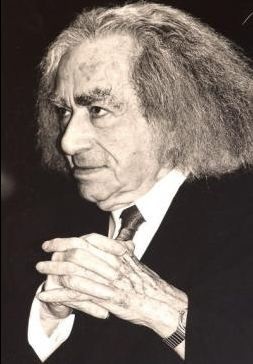
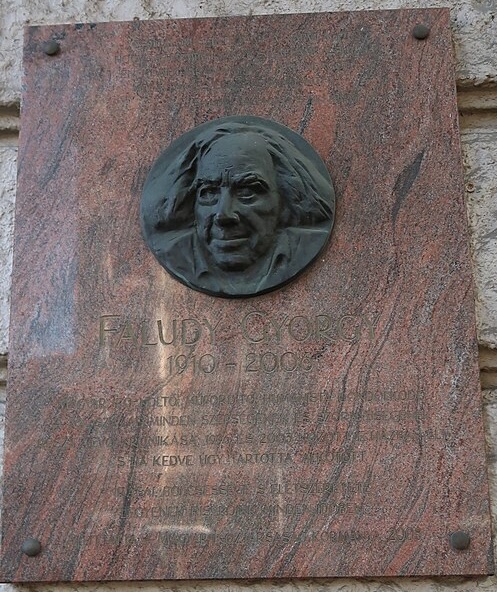
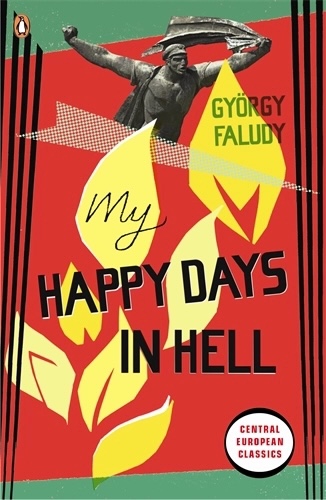
What he always sought, he said in various ways, was a place where a poem could not lend you to prison. He found this place in Canada. Faludy returned to Budapest in his final years and died there in 2006 at the age of 95. I cannot promise he would have approved of everything – poets rarely do – but I think he would have understood the impulse.
Ladies and Gentlemen,
Hungary is at a turning point. On 12 April this year, Hungarian voters delivered a clear and unambiguous mandate. A new government was formed, and with it, a new direction. The message from the citizens was straightforward: more democracy, a genuine commitment to fighting corruption, and Hungary’s return to its natural place in the Western alliance of nations. These were not vague campaign promises. They were instructions. And we have been moving quickly to carry them out.
Within weeks of taking office, we reached an agreement with the European Union on the rule-of-law criteria that had long been outstanding. This week, the Parliament took a large step in adopting much of the necessary legislation. This matters not only symbolically, but concretely: it means that Hungary will now have access to billions of euros in EU funds that had been frozen. That money belongs to Hungarian people. We intend to reclaim is and put it to work.
Also this week, we took – what I believe are – the most consequential steps in a generation in tackling corruption. We have submitted legislation to establish a National Asset Protection and Recovery Office – a body with real investigative powers, real independence, and a real mandate to track down corrupt funds and return them to public ownership. The era in which public money could disappear into private pockets without consequence is coming to an end.
We are also ending state propaganda. A democratic government does not need a media empire to tell its citizens what to think. It needs a free press, credible public broadcasting, and the confidence that its policies can withstand scrutiny. We hold ourselves to this standard.
We are building a Hungary that functions better – more honestly, more efficiently, more humanely. A Hungary where public institutions serve the public. Where the courts are trusted. Where someone who reports corruption is protected, not punished.
The expectations are high. I accept that. Frankly, I would be worried if they were not. When a country has been heading in the wrong direction for years, its citizens rightly demand rapid, visible, and measurable change. We are accountable to that demand. And we are doing this as part of a larger project – as an active, committed member of the Western community of nations.
Hungary’s future lies in a reinvigorated Visegrád cooperation, a stronger European Union, and deepened ties with our Atlantic partners – including the United States and, yes, Canada. These relationships are not ornamental. They are strategic. They provide security, economic opportunities, and the kind of mutual accountability that keeps democracies honest.
We want to be a partner that other democracies are glad to have. A Hungary that upholds the rule of law, contributes constructively to European institutions, and is dependable. This is what our voters asked for, and this is what we are building.
Your Excellency, before I close, let me return to Canada for a moment. Canada turns 159 next week. You have built a country that is self-confident without being aggressive, and that has long understood something that Faludy knew from hard experience: that freedom is not an abstraction. It is a condition of daily life, worth protecting with real institutions and real laws. Hungary has much to learn from that. And I believe – I genuinely believe – that the Hungary we are building will be a better partner for Canada than the Hungary of recent years.
So allow me to raise a glass. To Canada: to your past, your resilience, and the remarkable, improbable, wonderful country you continue to be. To Hungary: to the path ahead and the courage of the citizens who chose it. And to the friendship between our two nations – kept alive, in part, by a poet on a street in Toronto, and which I hope will grow even stronger in the years to come. Happy Canada Day. Köszönöm. Thank you.”
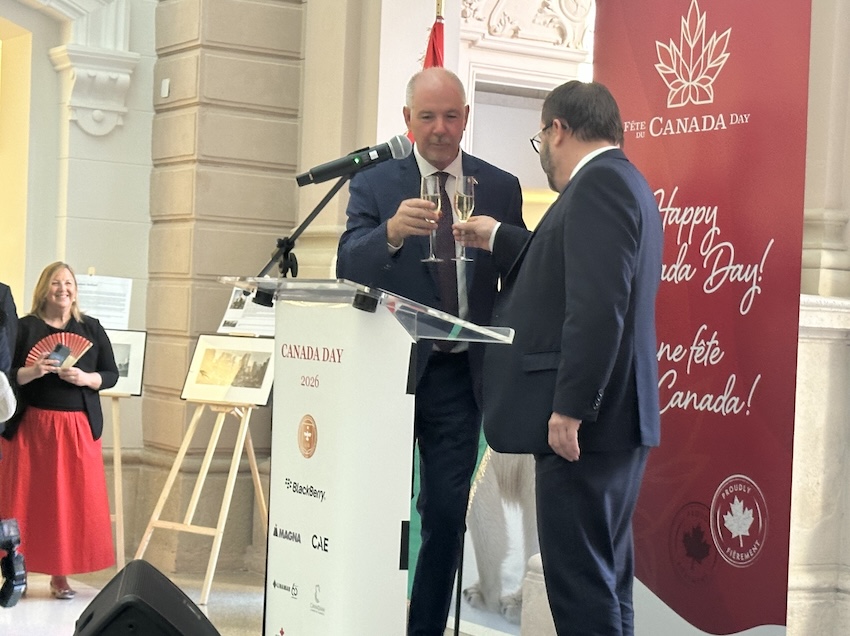
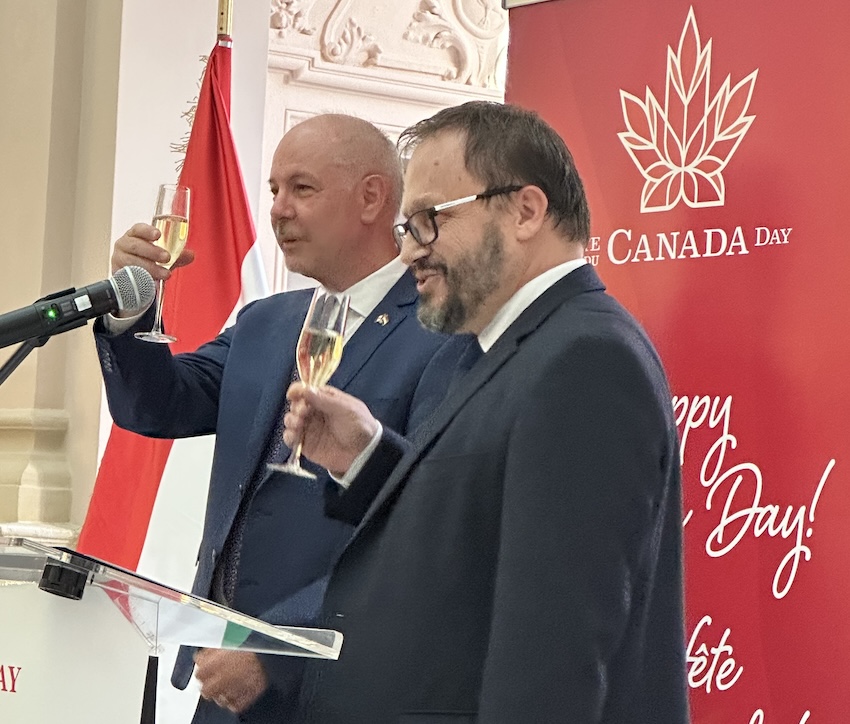
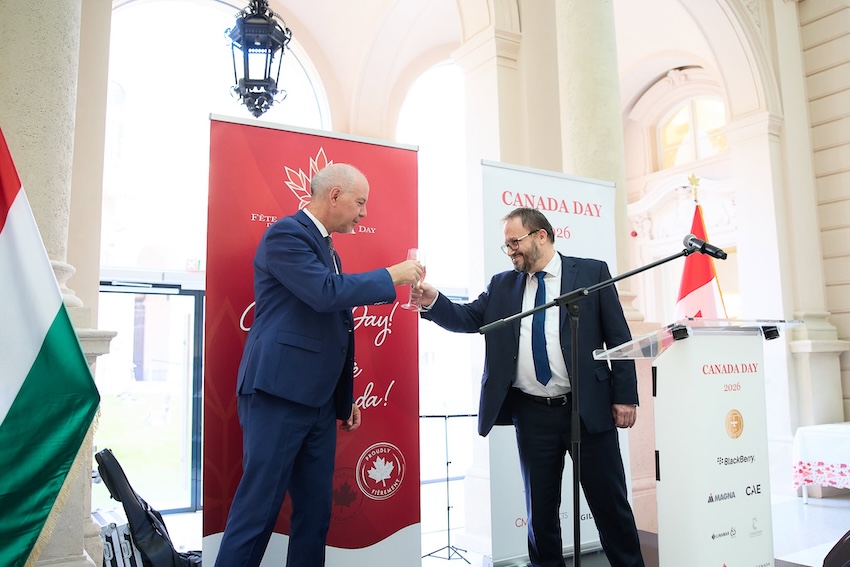
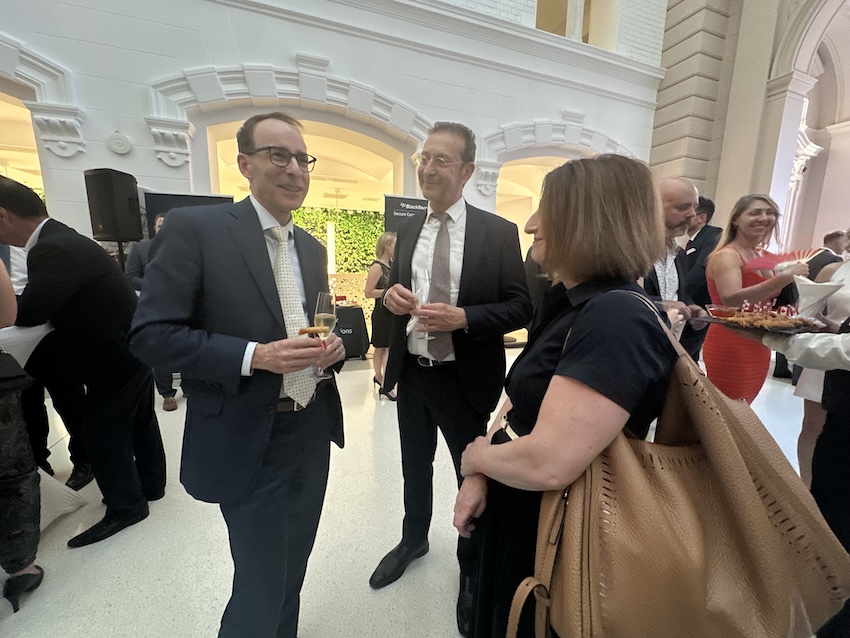
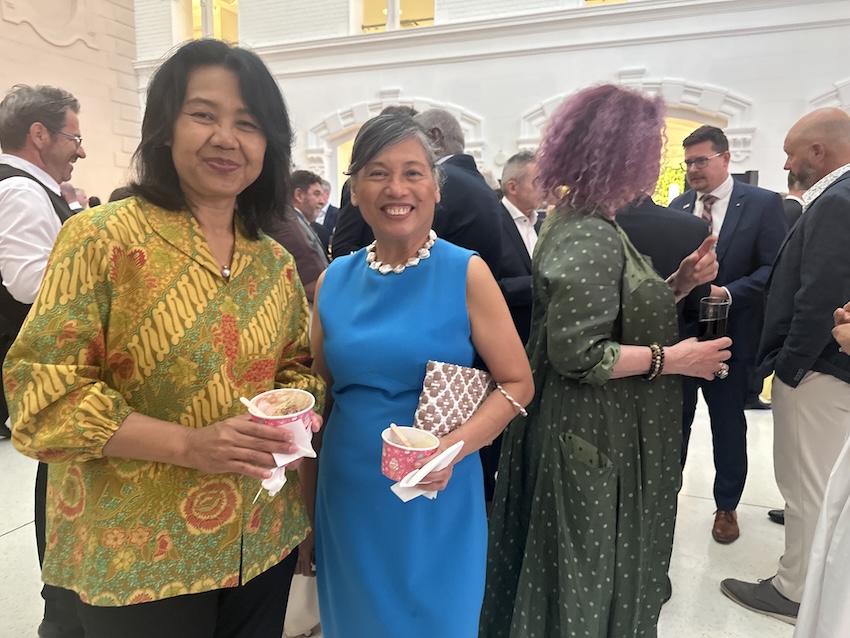
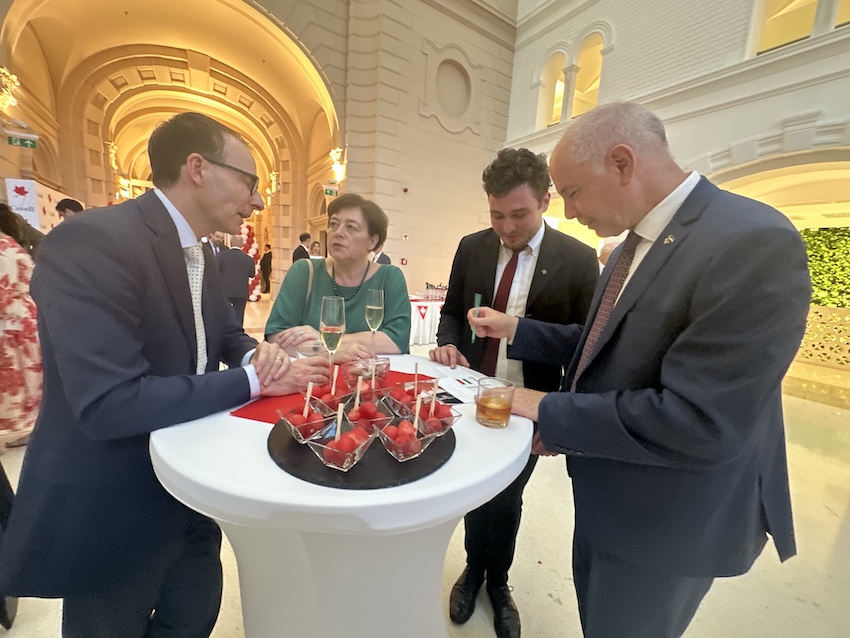
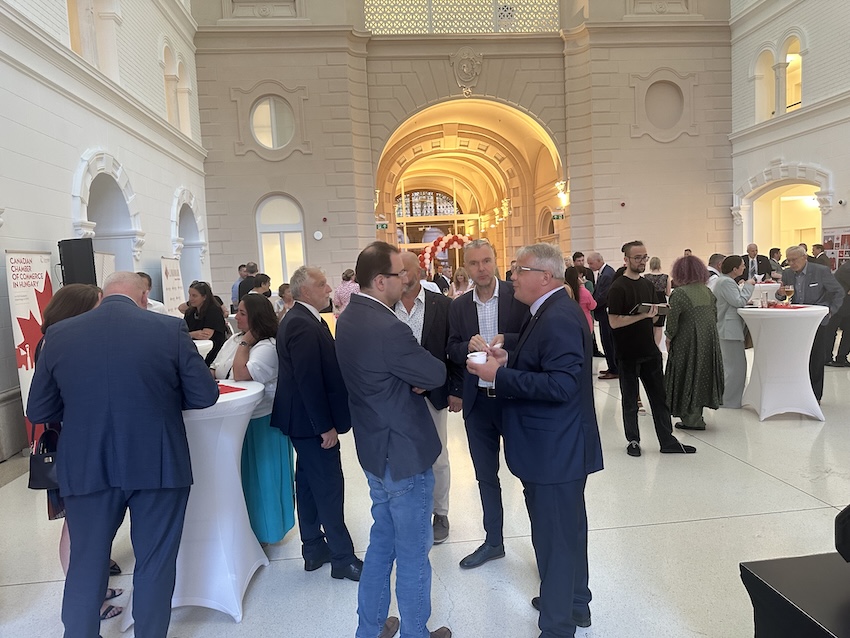
The Canada Day celebrations concluded in the warm spirit of Canadian hospitality. Following the official programme, guests were invited to a reception featuring a selection of Canadian culinary specialties and beverages, providing an excellent opportunity for networking and informal conversations.




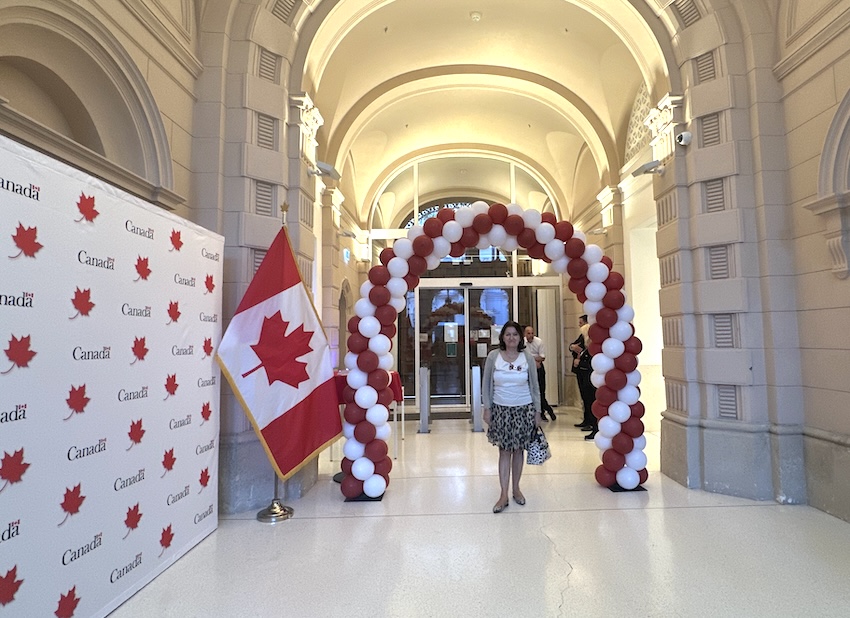
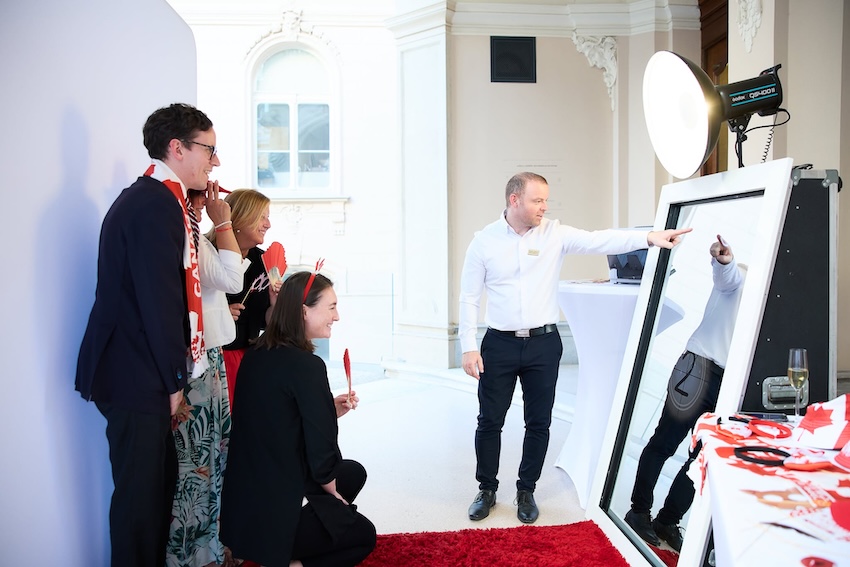
A Canada-themed photo booth offered guests a memorable way to capture the joyful occasion.

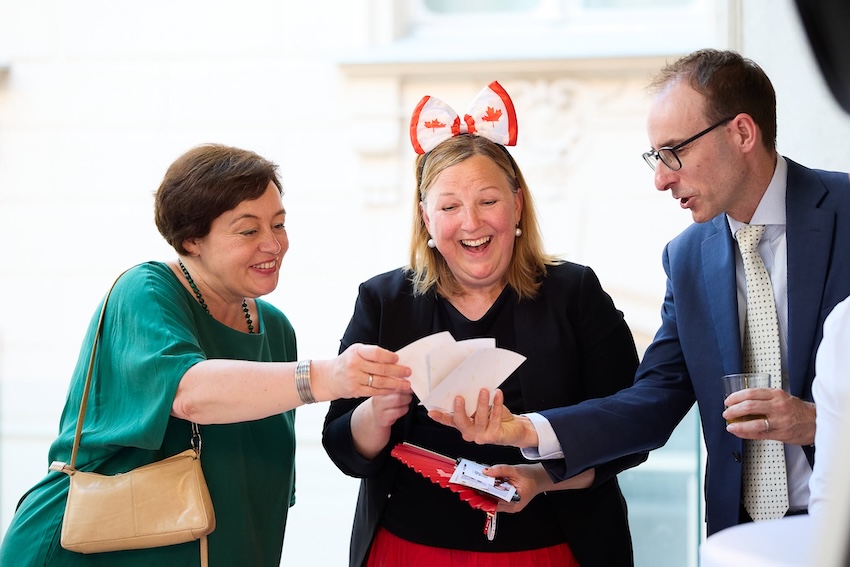
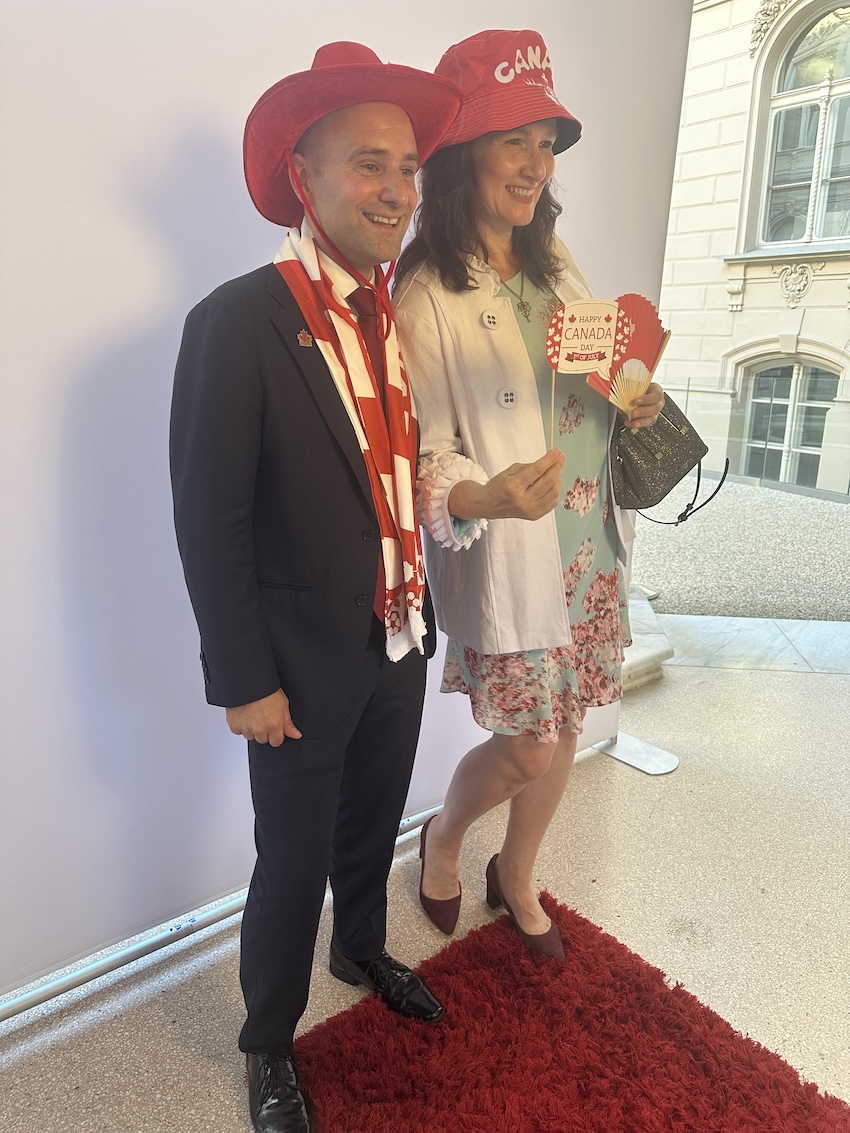
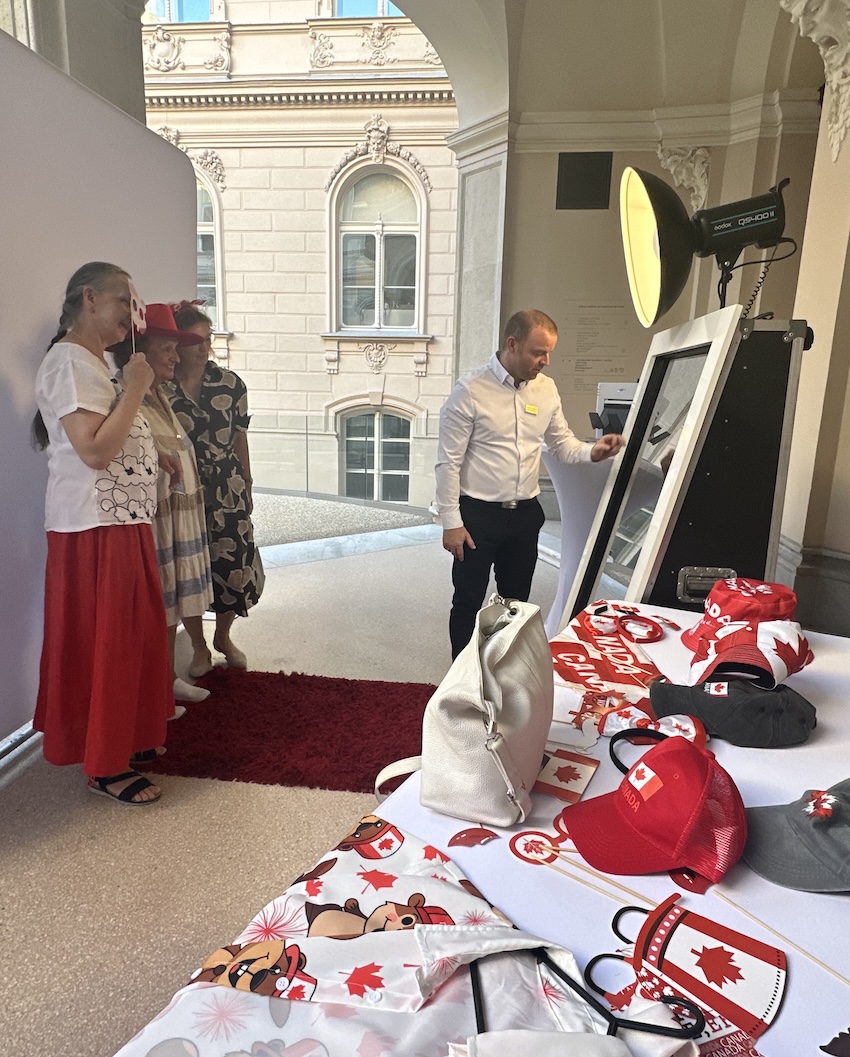
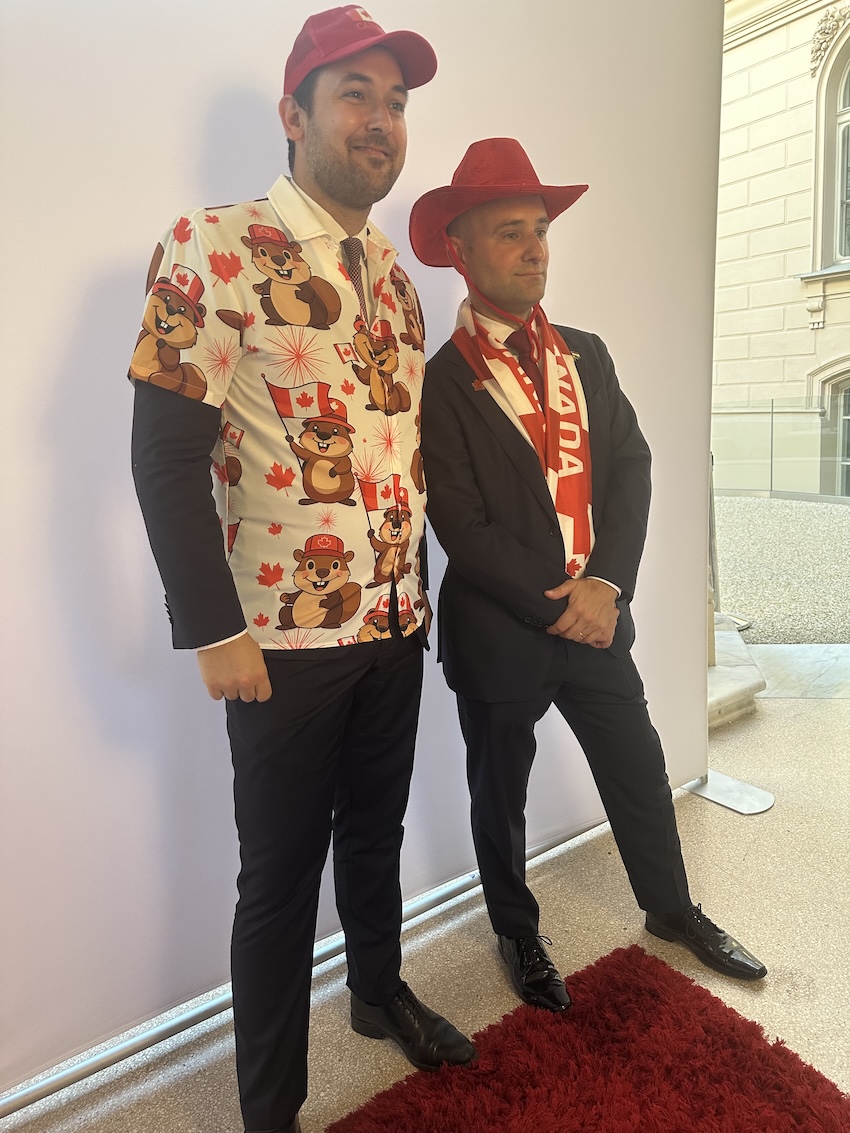
The festive atmosphere was further enhanced by musical entertainment provided by the Bori Orbán and Attila Dóka duo.
Canada and Hungary enjoy a longstanding relationship built on shared history, strong personal connections, and expanding economic opportunities. These close people-to-people ties are reflected in the approximately 350,000 Canadians of Hungarian descent who have enriched Canadian society while continuing to cherish and preserve their Hungarian heritage.
Farewell to the Ambassador
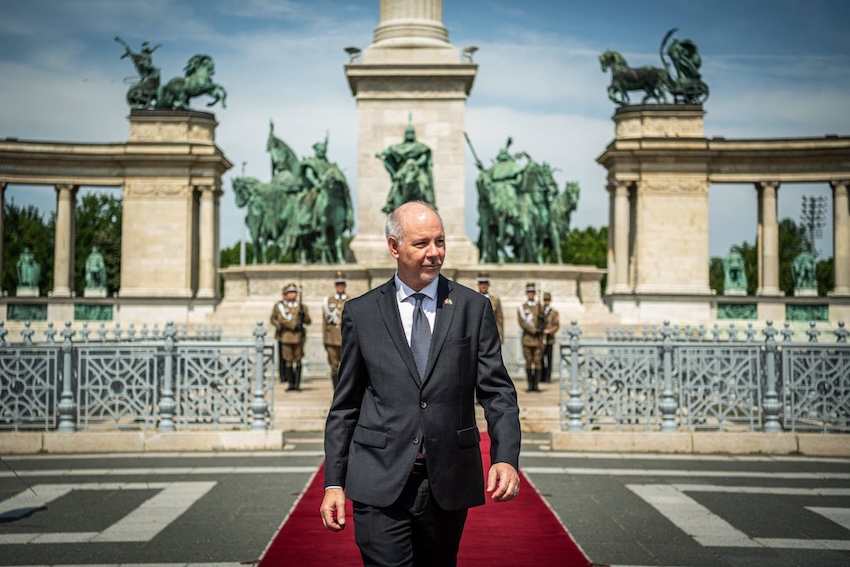
On the occasion of the conclusion of his three-year posting in Hungary, we extend our heartfelt congratulations to His Excellency Mr. François Lafrenière, Ambassador of Canada to Hungary for his distinguished diplomatic service and accomplishments achieved during his tenure. His dedication has made a lasting contribution to strengthening the friendship and cooperation between Canada and Hungary. We wish him every success, good health, and personal happiness in his future assignments.
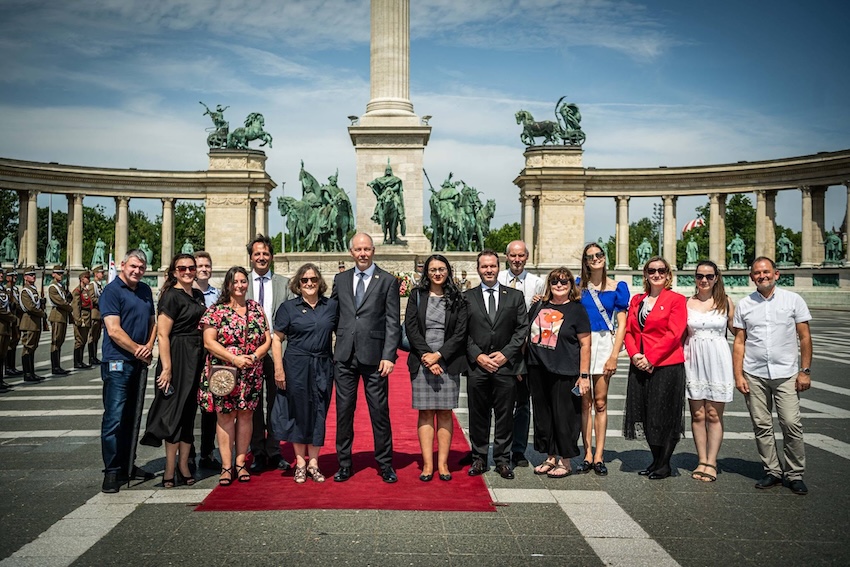
Source: Embassy of Canada in Budapest
Photos from the Embassy of Canada in Budapest, and Diplomatic Press Agency