Edited by Anna Popper
Every year on 27 April, the Kingdom of the Netherlands celebrates King’s Day (Koningsdag), the national holiday honouring the birthday of His Majesty King Willem-Alexander. As one of the most cherished and vibrant traditions of Dutch public life, King’s Day transforms the entire country into a sea of orange – the colour of the House of Orange-Nassau and a powerful symbol of Dutch national identity, unity, and pride.
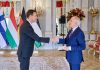
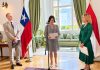
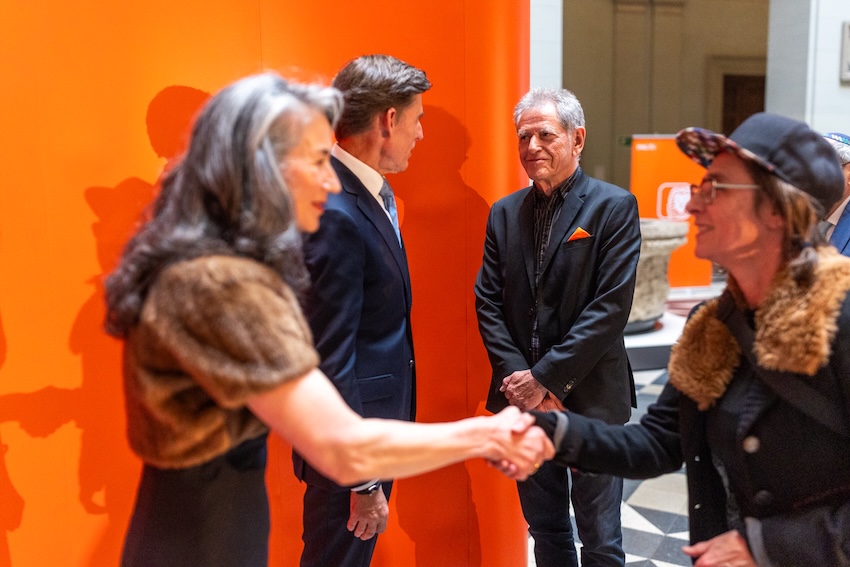
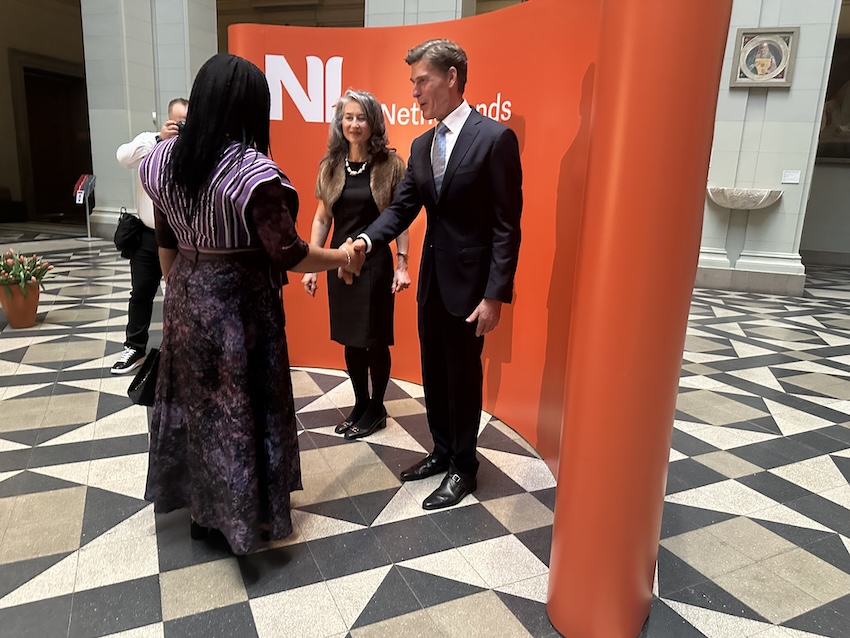
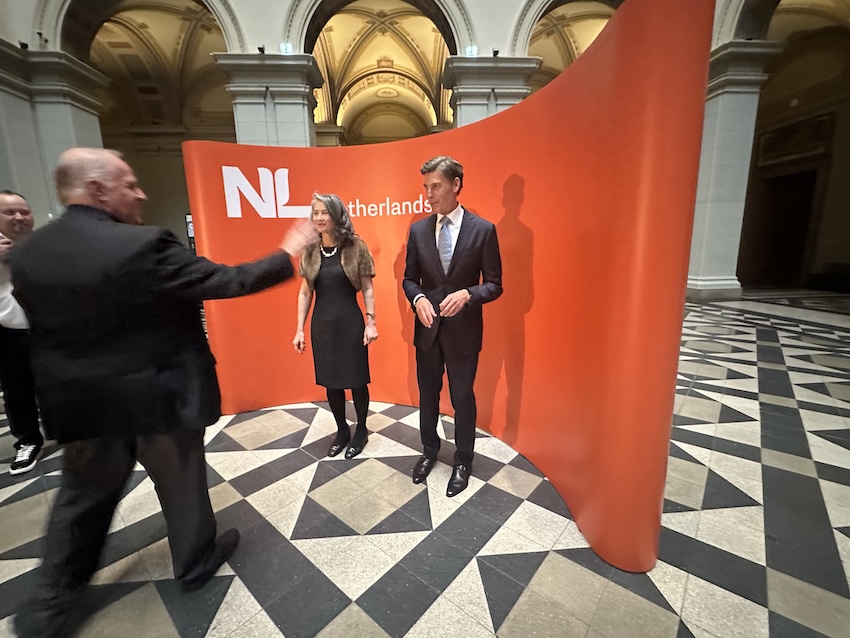
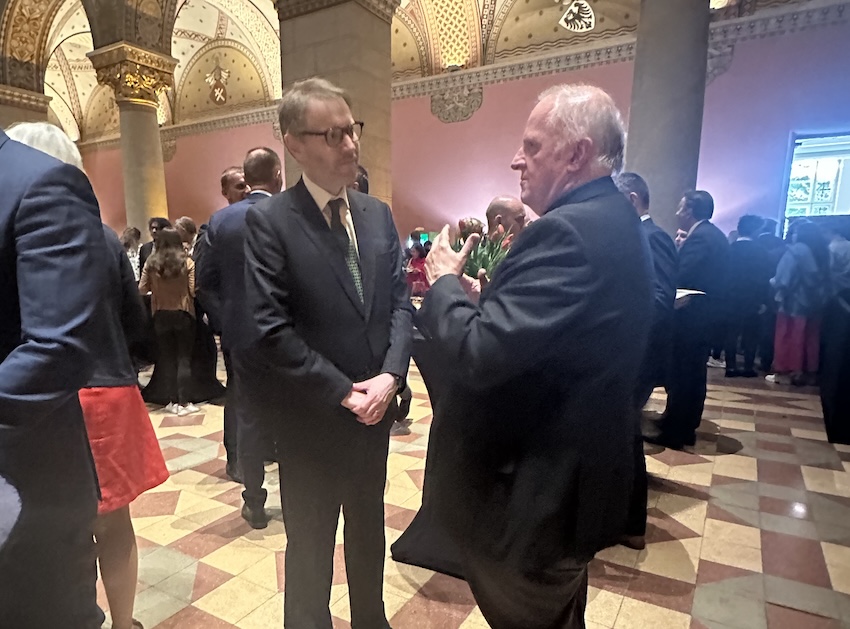
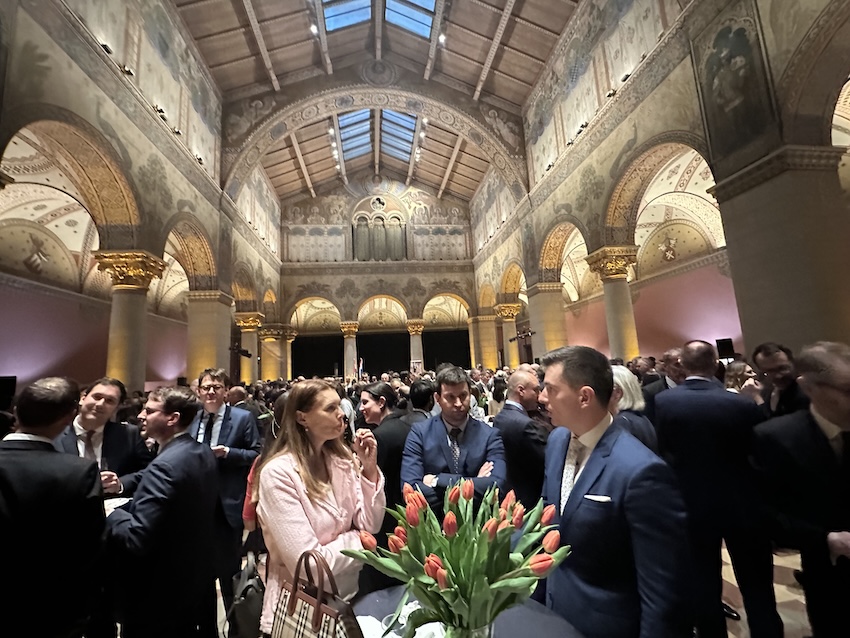
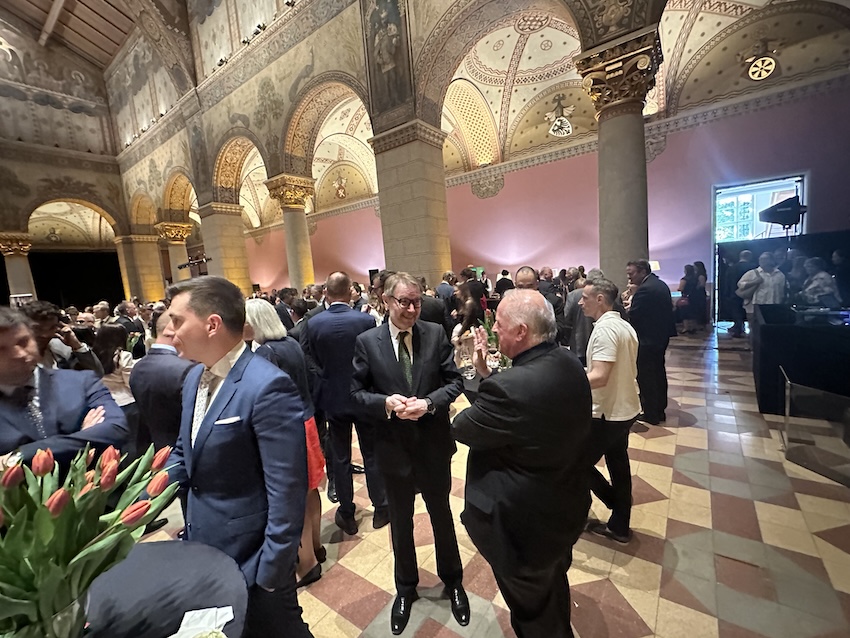
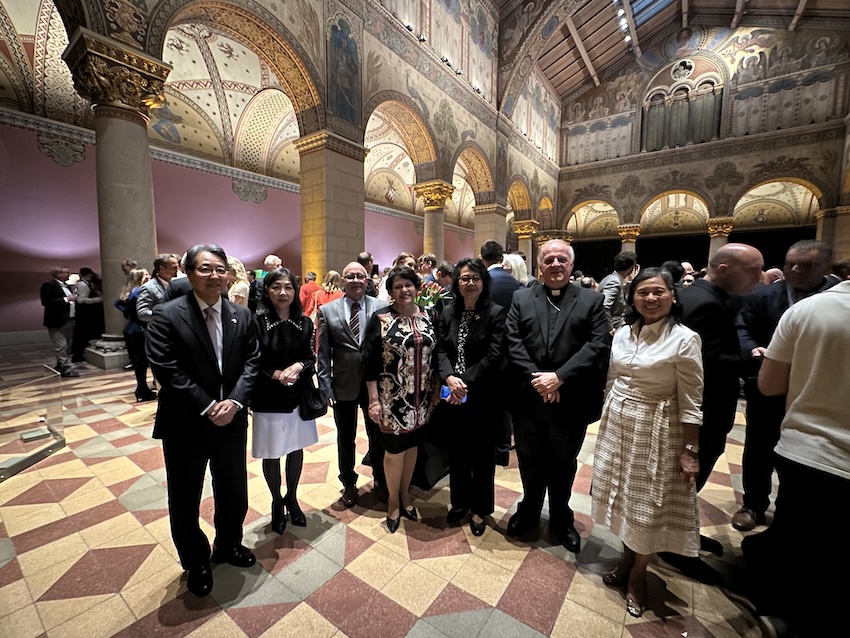
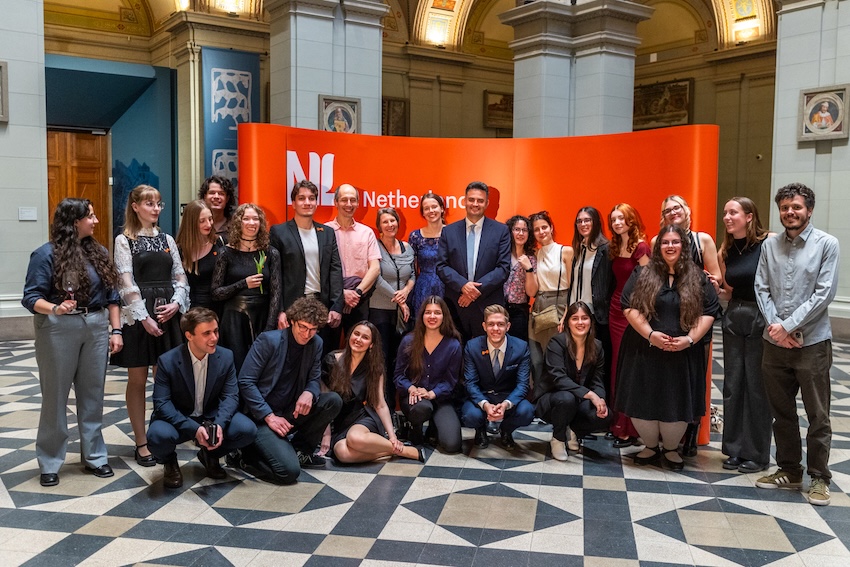
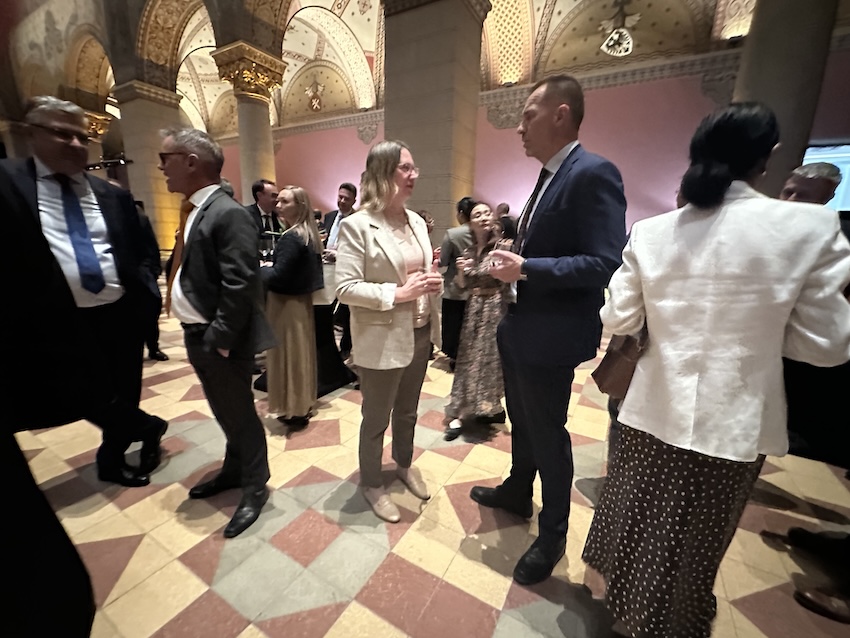
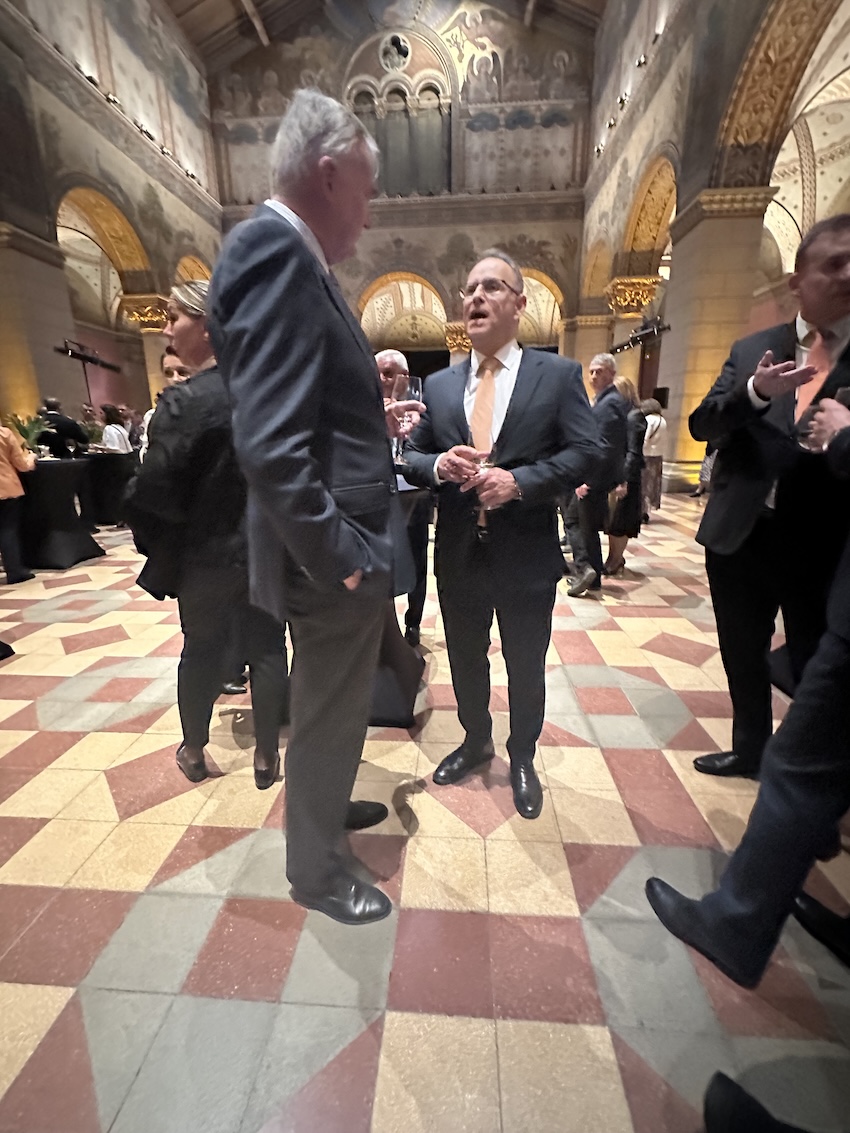
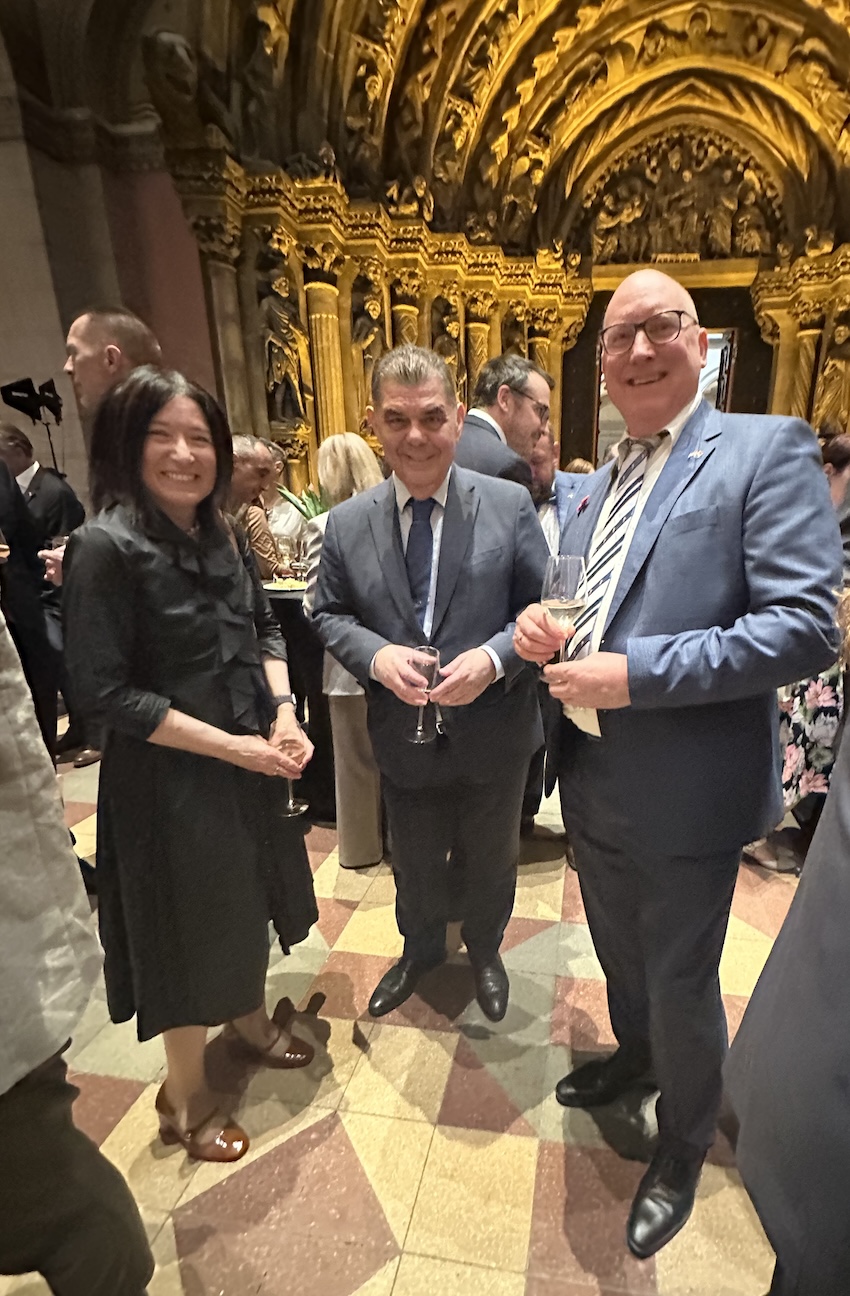
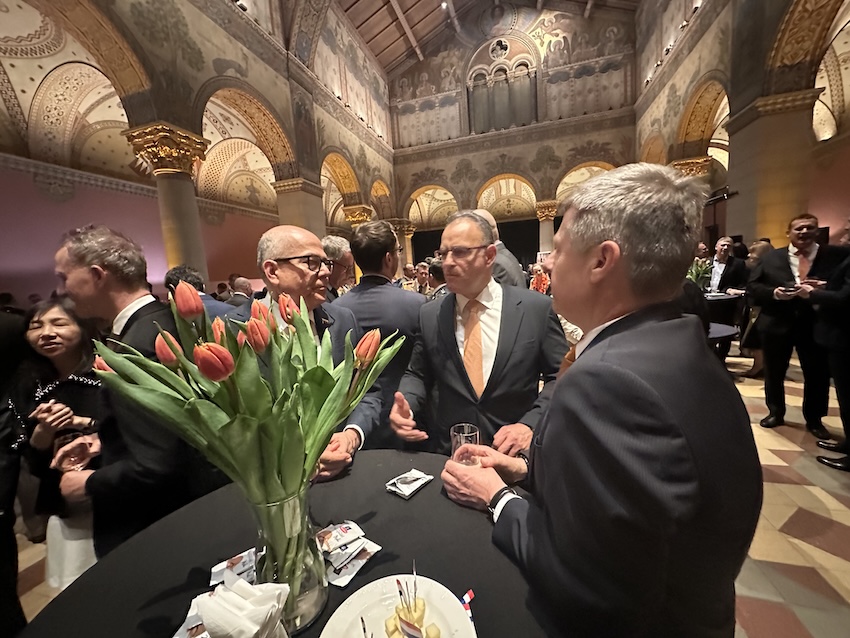
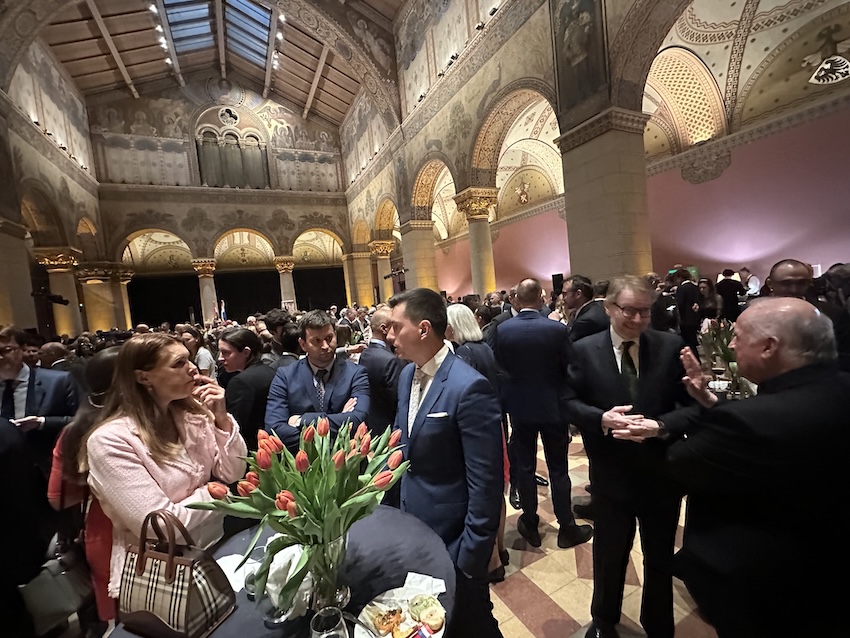
On the occasion of King’s Day 2026, H.E. Willem van Ee, Ambassador of the Kingdom of the Netherlands to Hungary, and his wife, Irina Bitan, hosted a grand reception in the magnificent Romanesque Hall of Budapest’s Museum of Fine Arts.
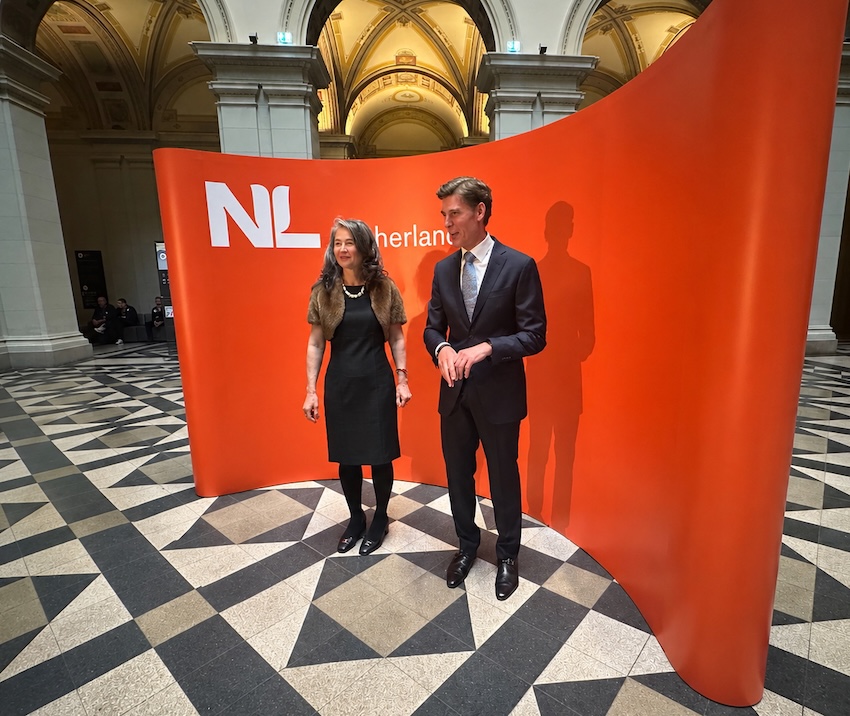
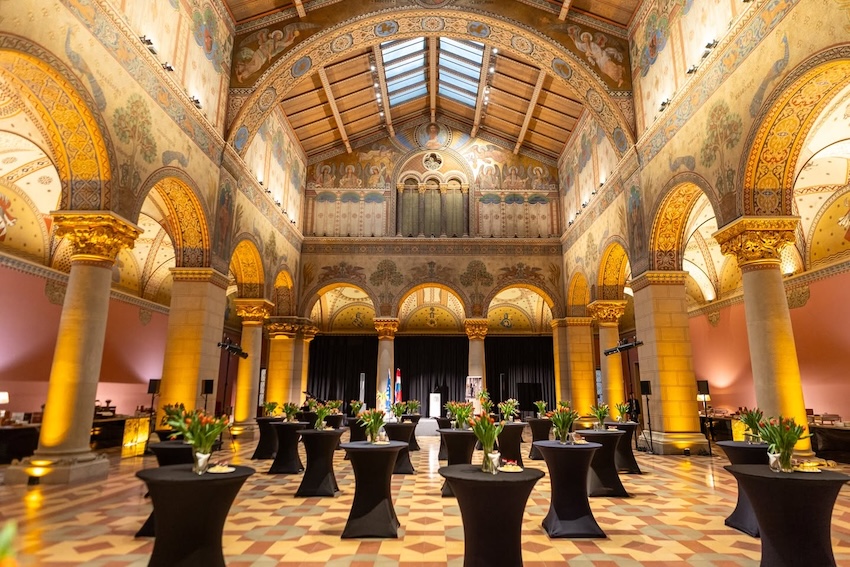
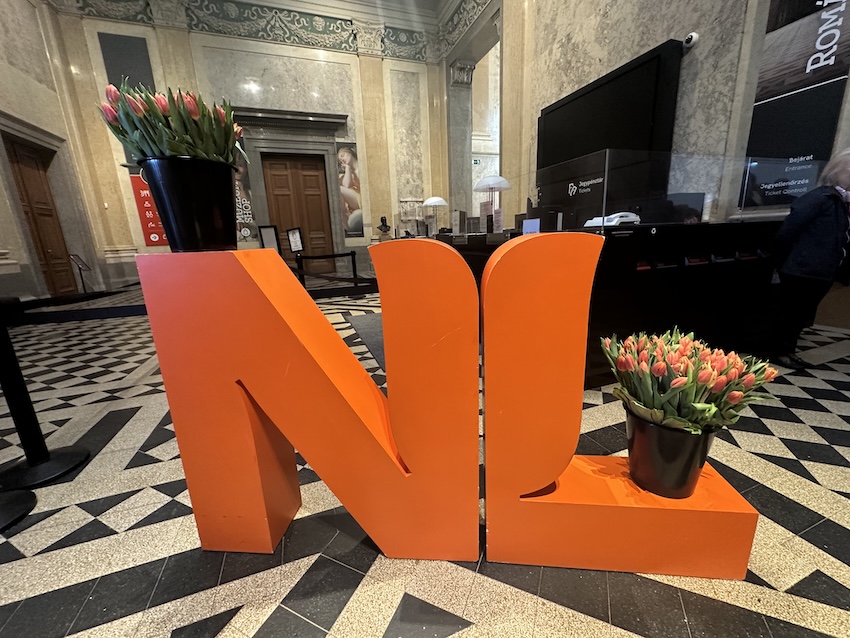
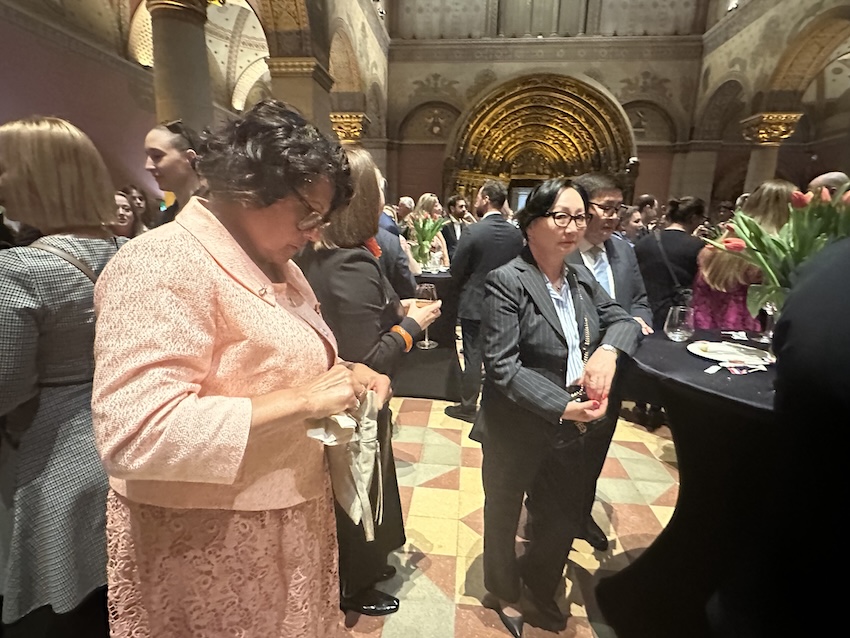
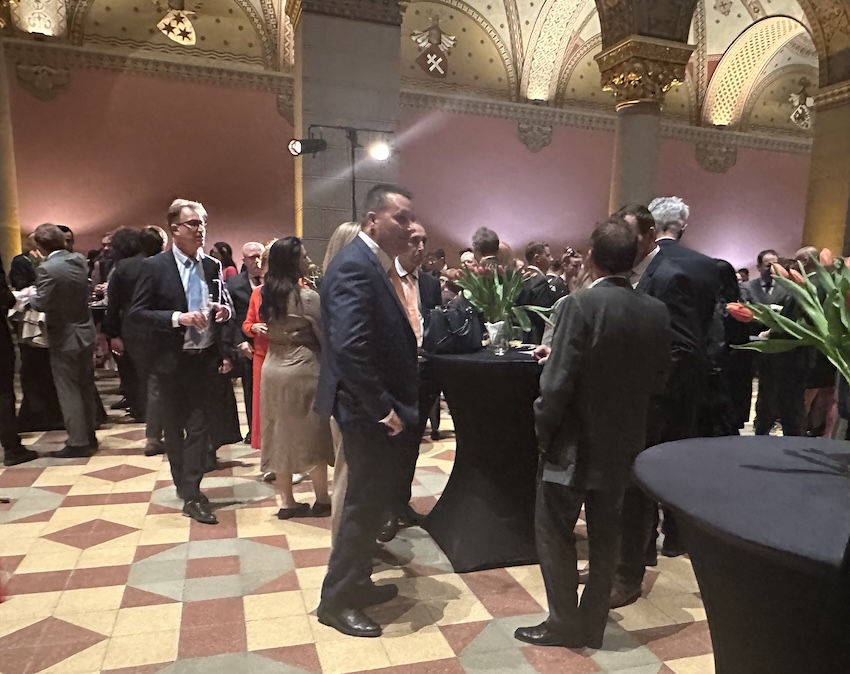
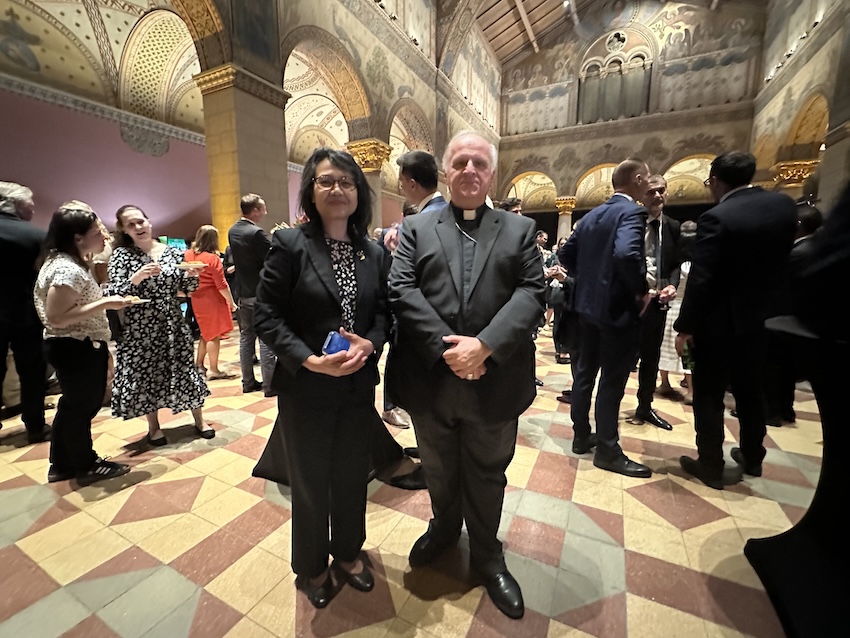
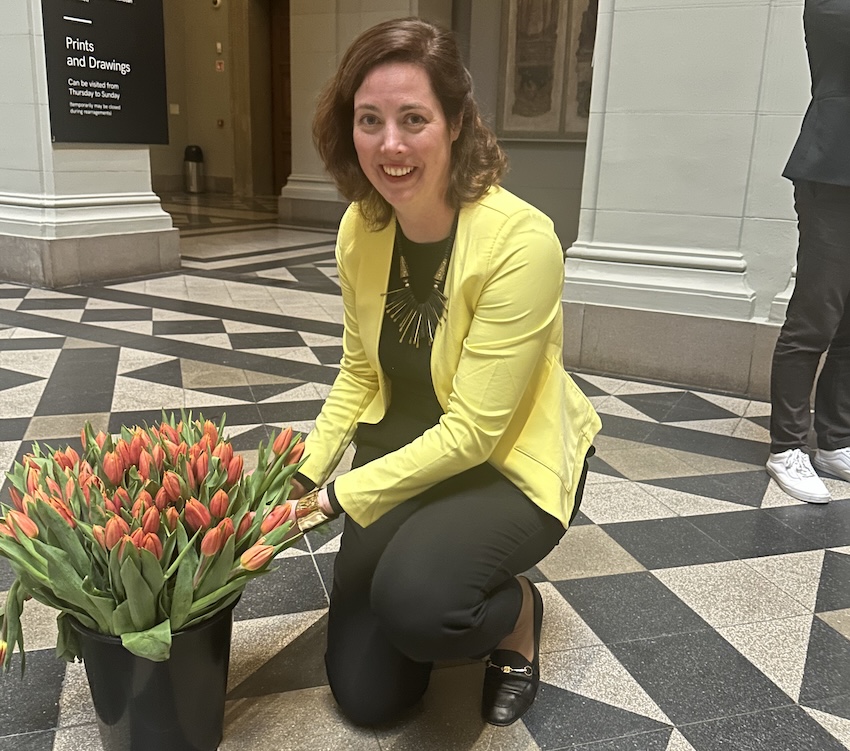
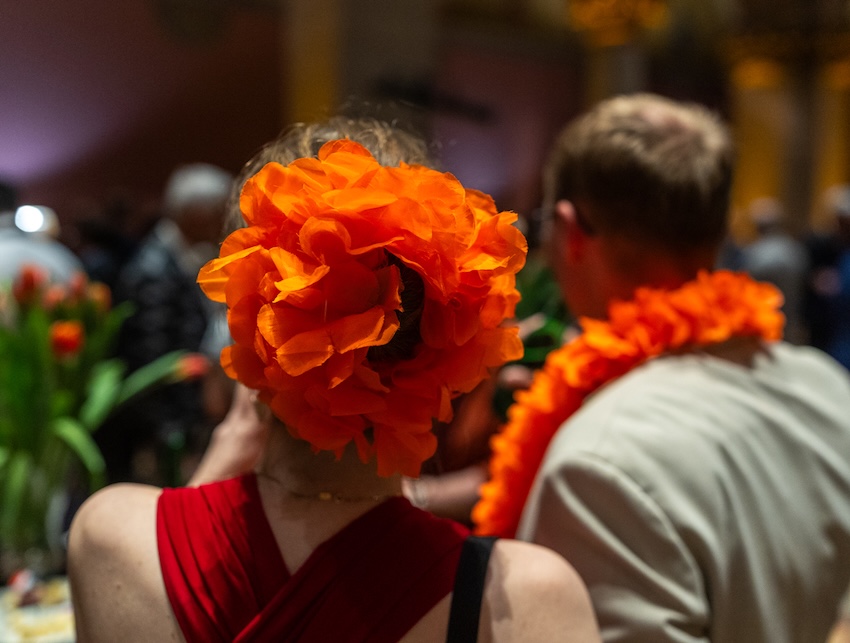
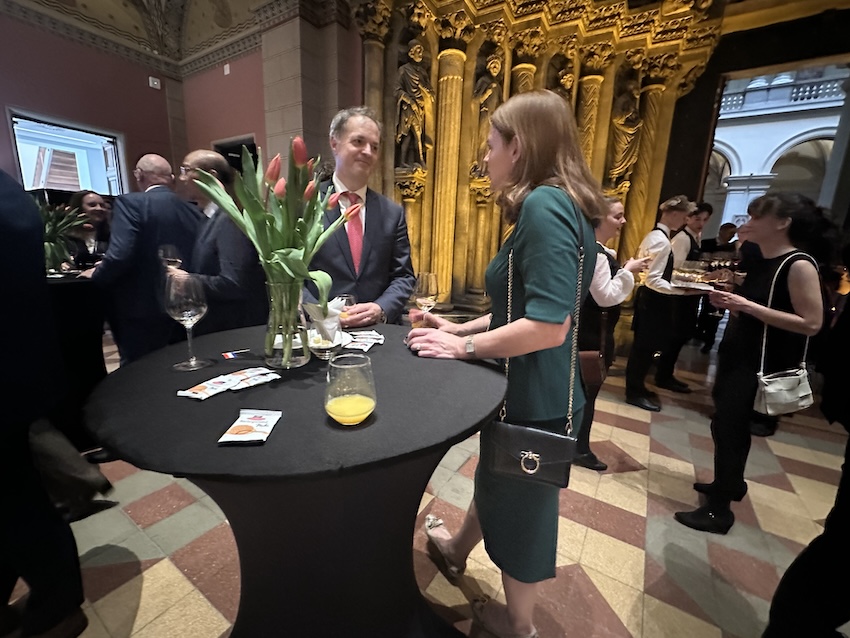
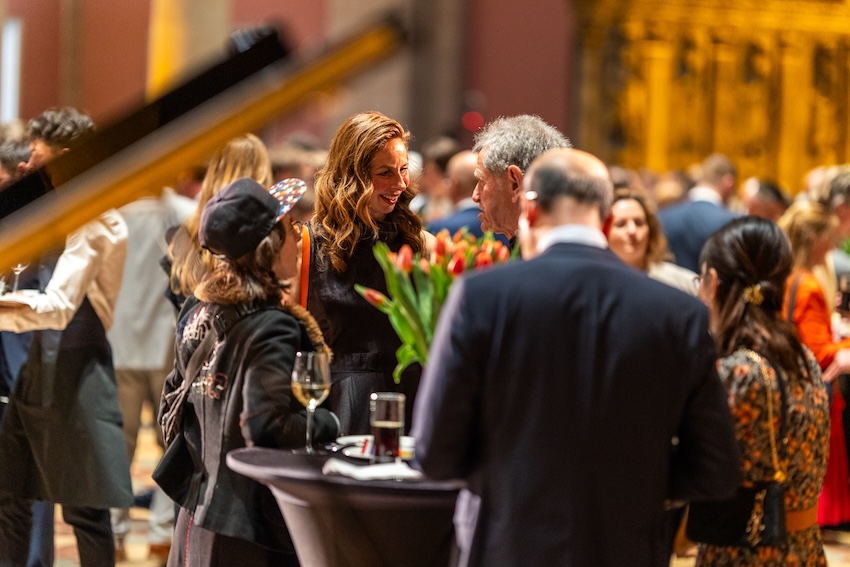
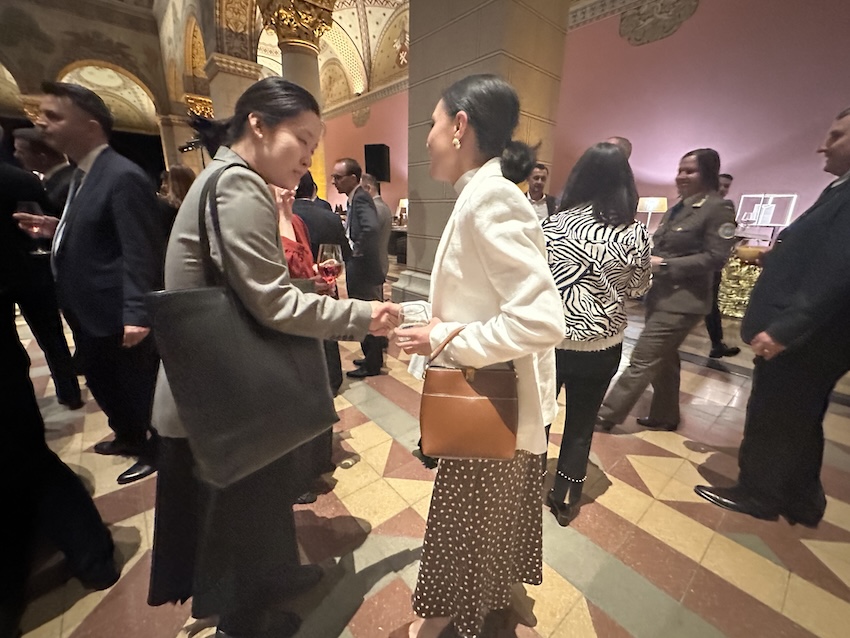
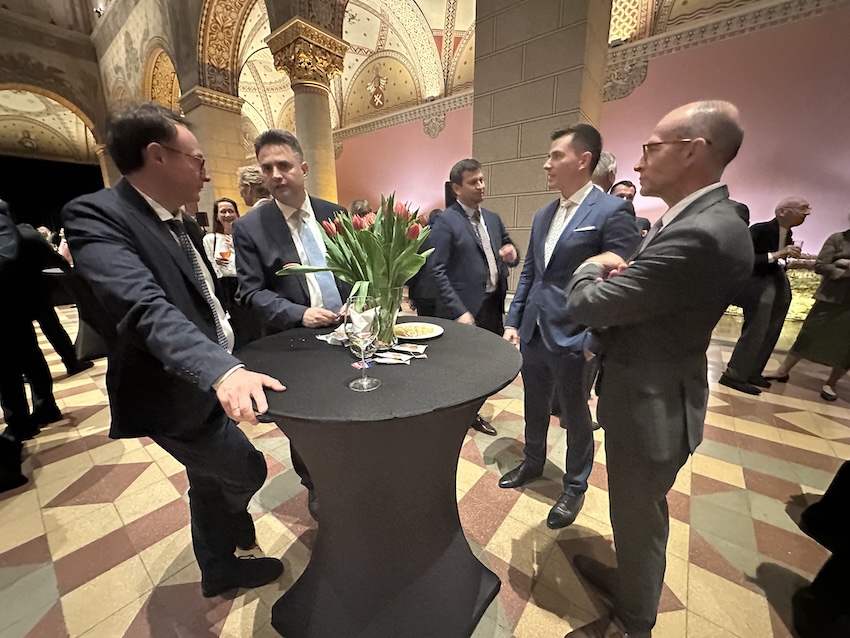
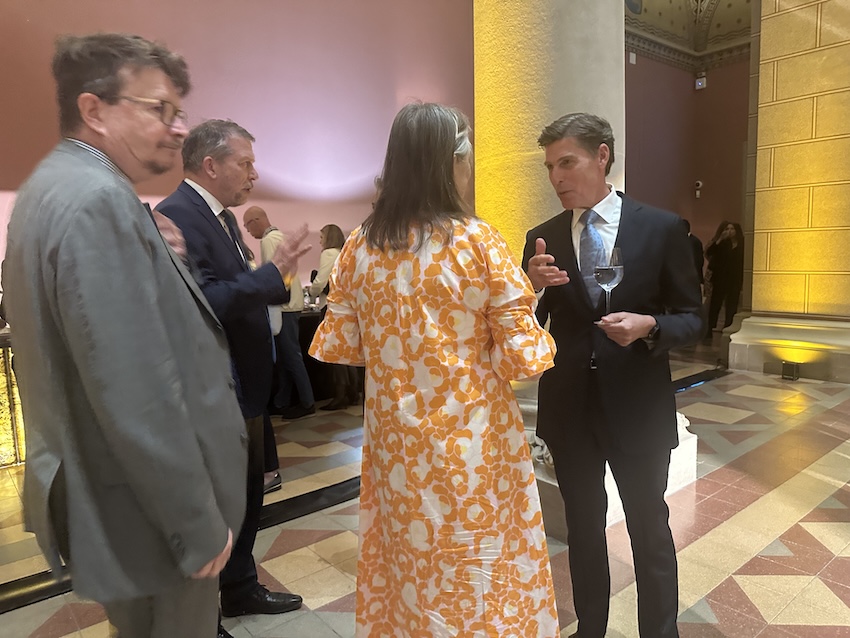
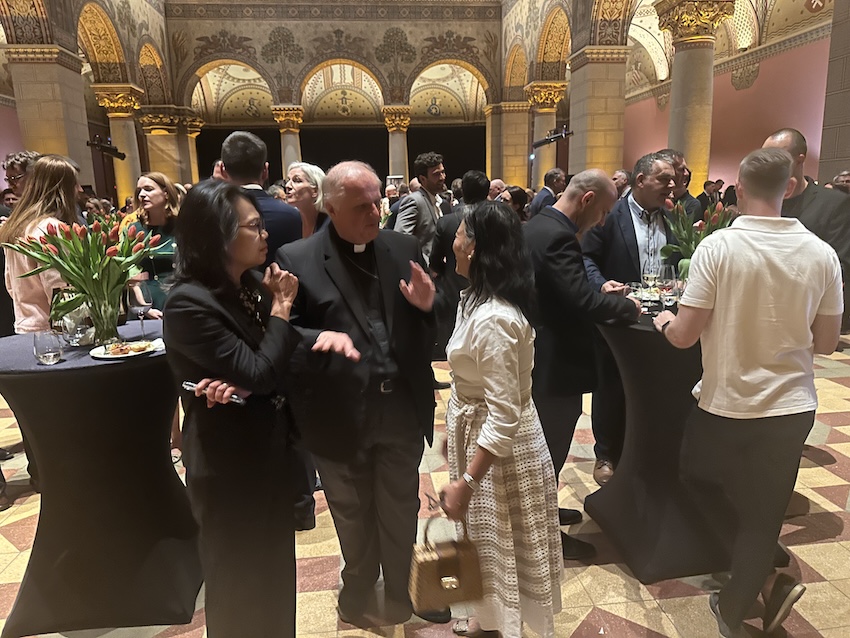
The elegant venue provided an impressive setting for a celebration that brought together members of the diplomatic corps, representatives of Hungarian political, business, academic, and cultural circles, as well as members of the Dutch community in Hungary. The reception halls were beautifully decorated with iconic orange tulips, reflecting the colours and traditions associated with the Dutch monarchy. Many guests embraced the festive spirit by wearing touches of orange in tribute to the House of Orange-Nassau, whose origins date back to William of Orange, the founding father of the Dutch nation, thus underscoring the celebratory atmosphere.
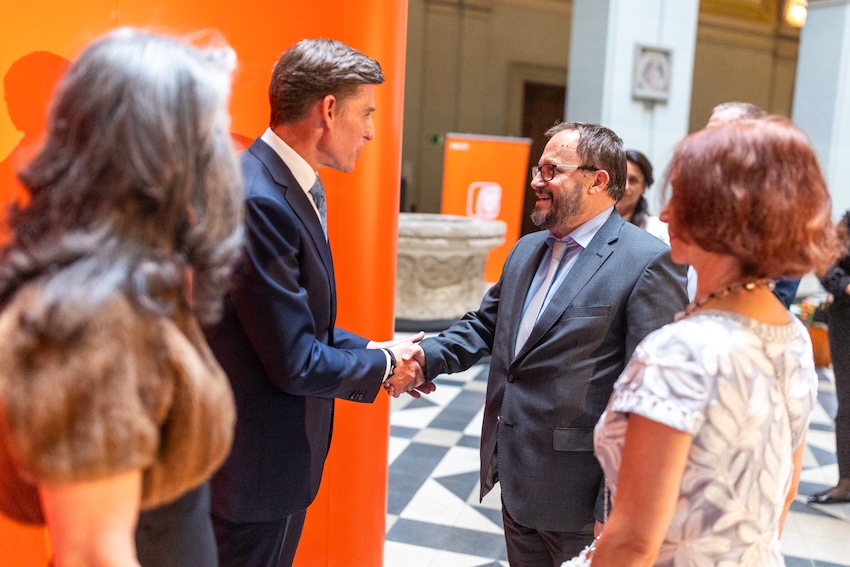
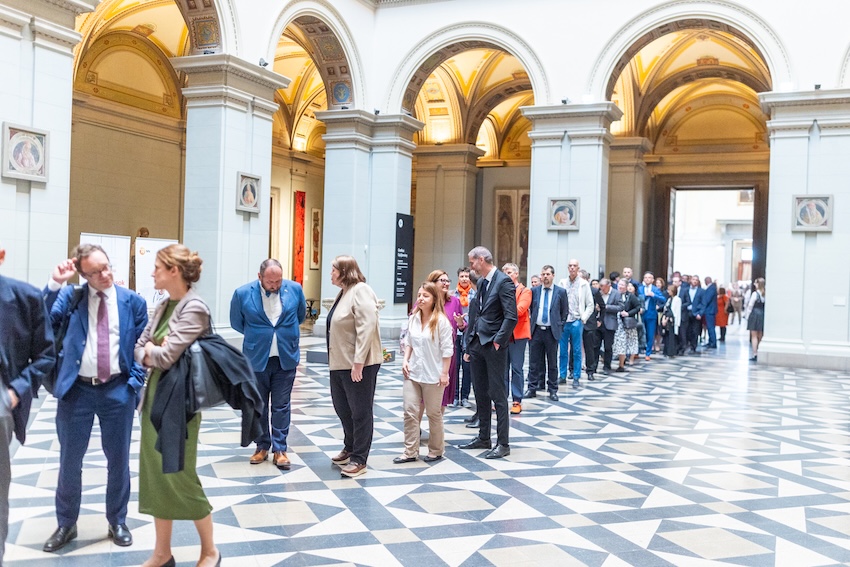
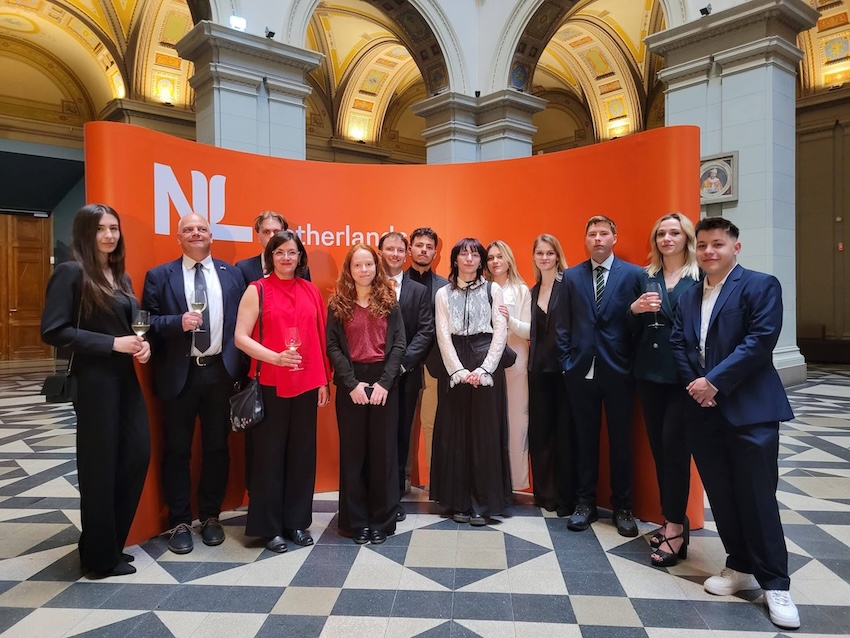
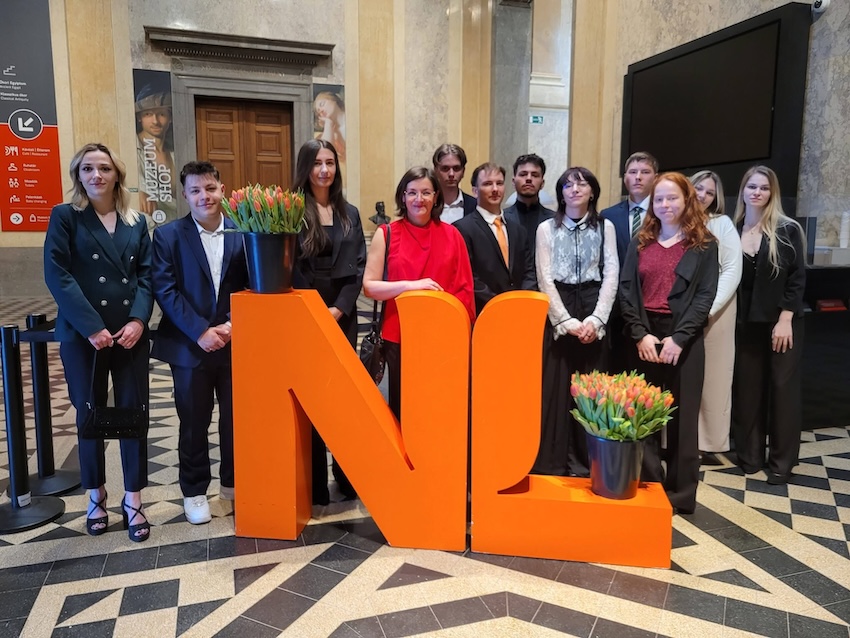
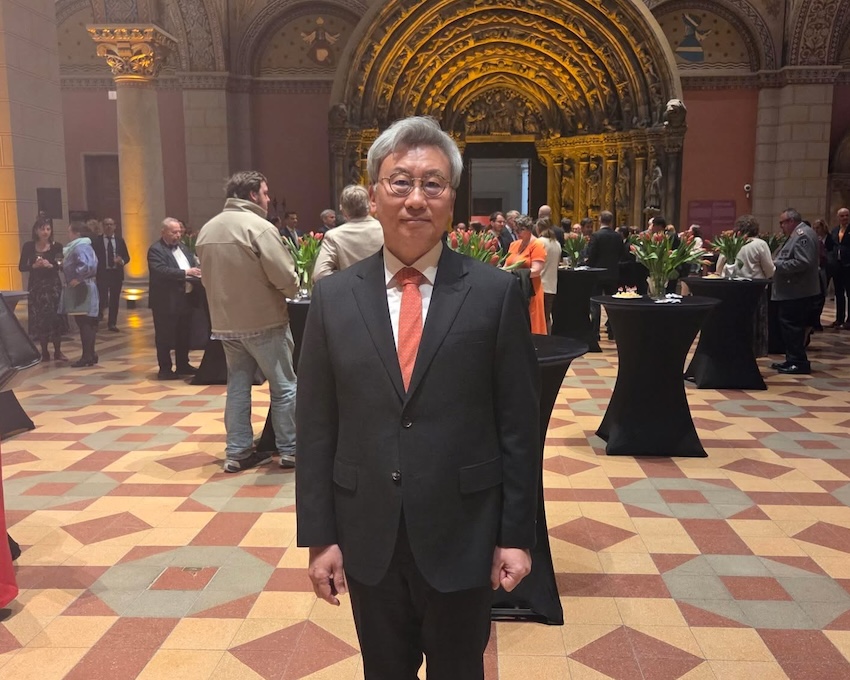
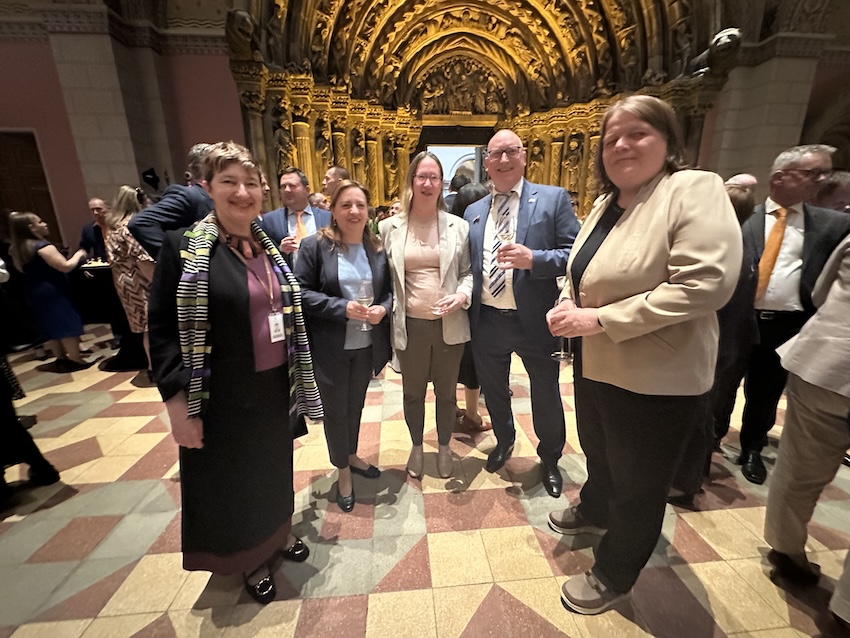
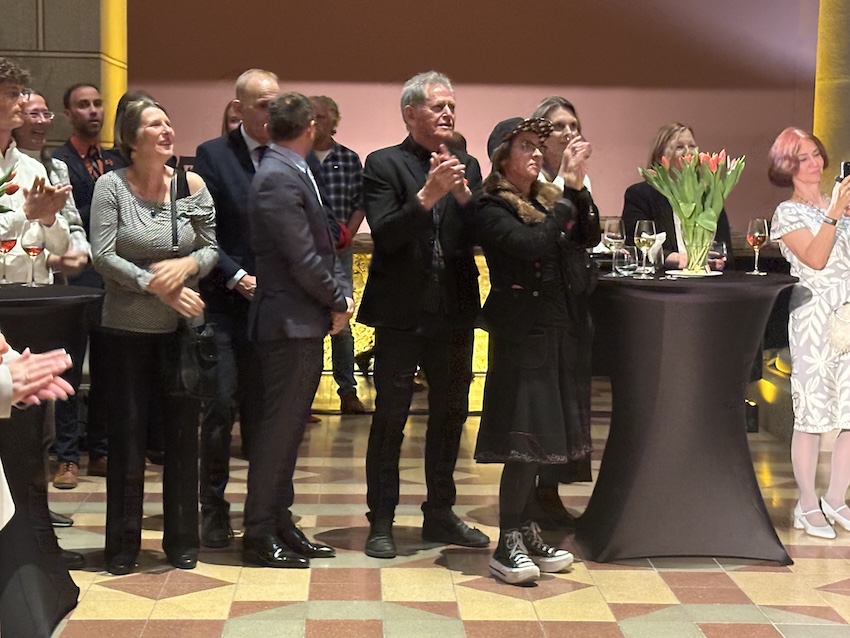
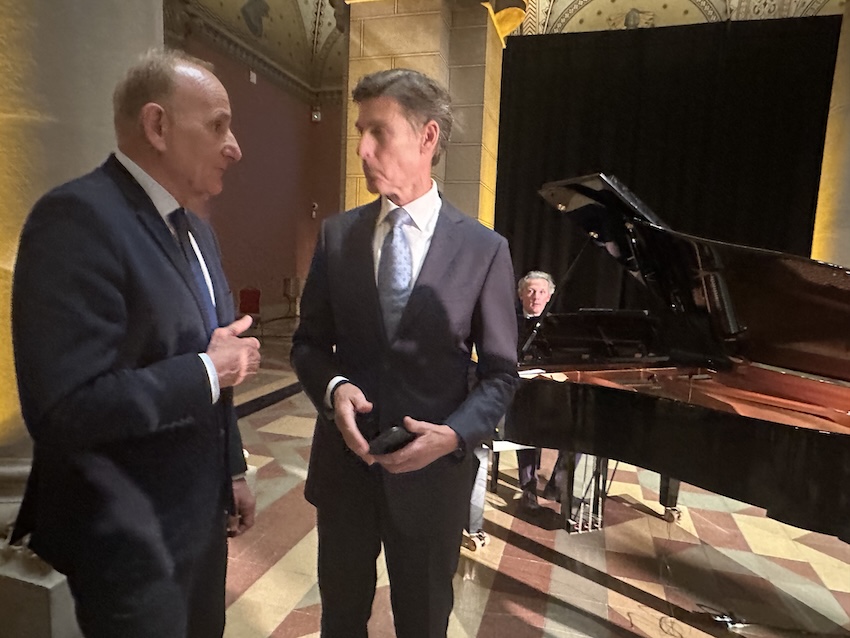
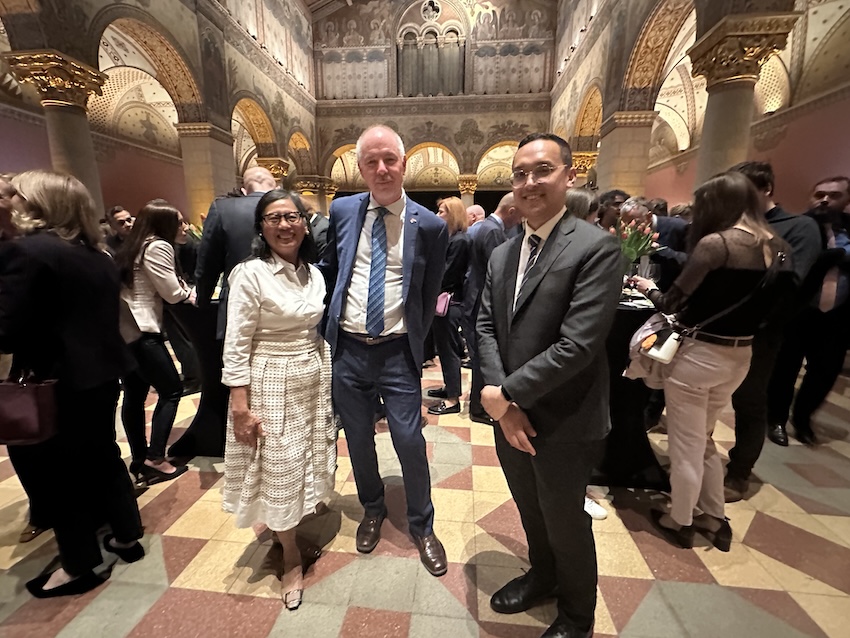
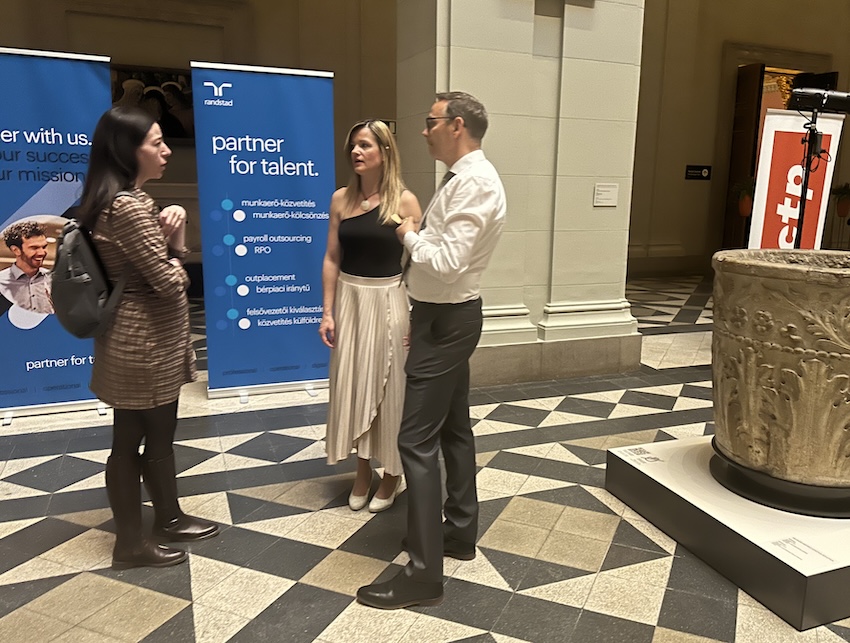
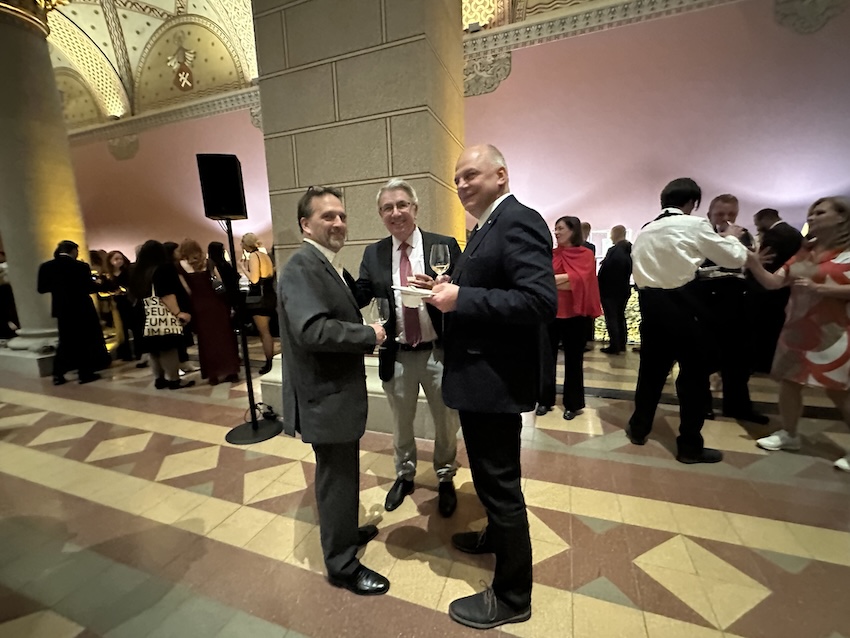
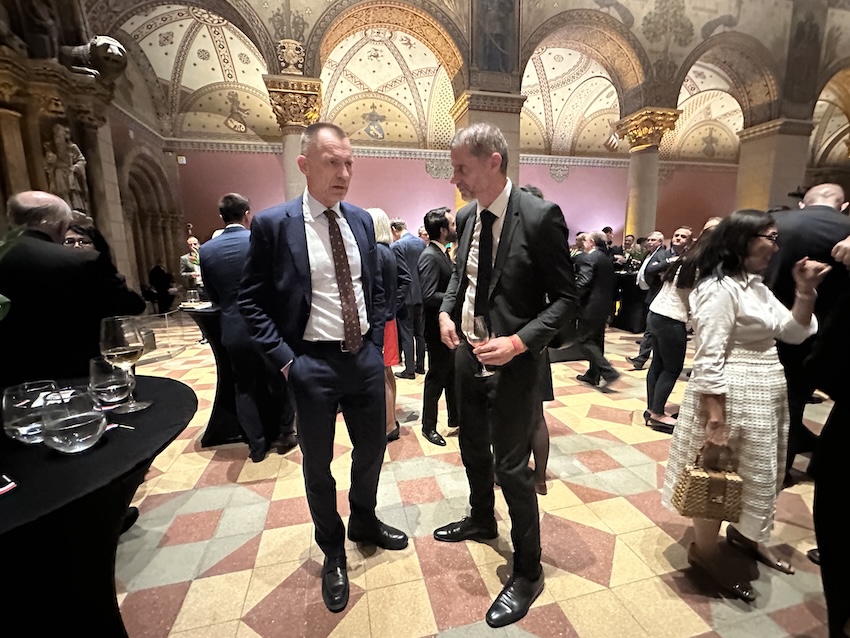
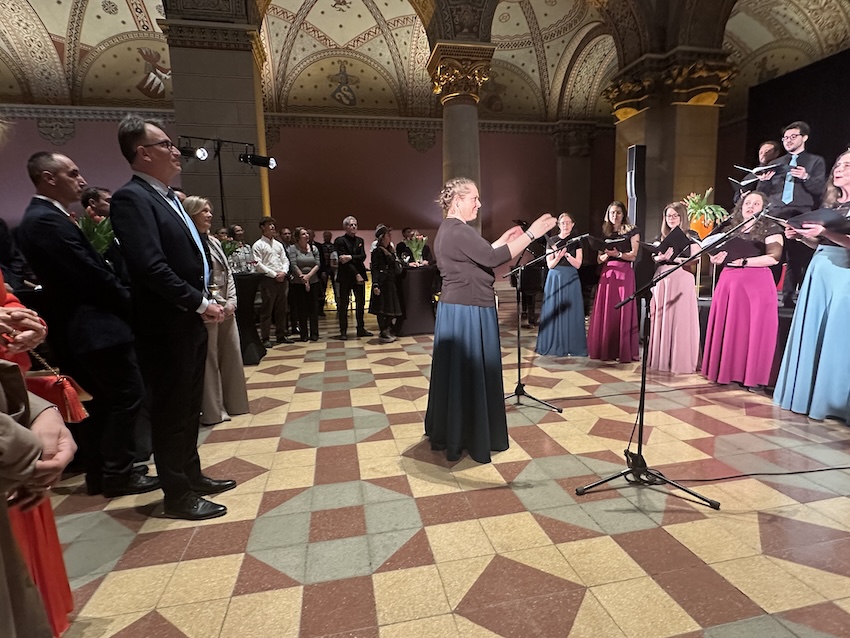
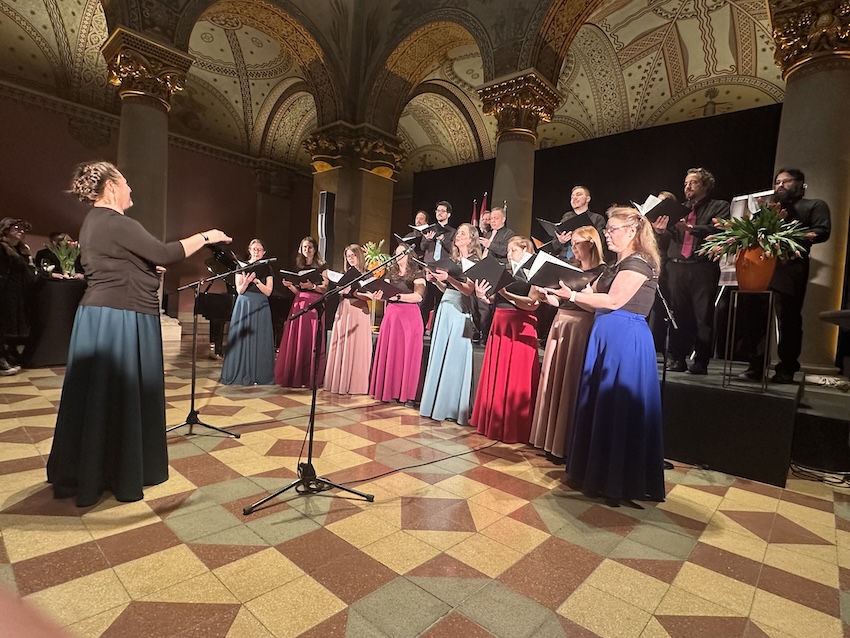
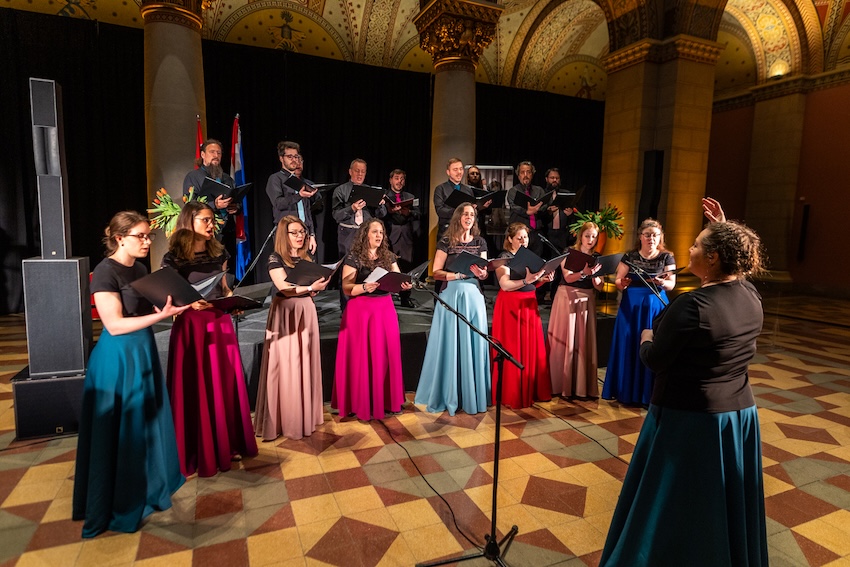
The evening commenced with the national anthems of the Netherlands and Hungary, together with the anthem of the European Union, performed by the Hungarian choir Arte Semplice. Their excellent performance set a dignified tone for the celebration.
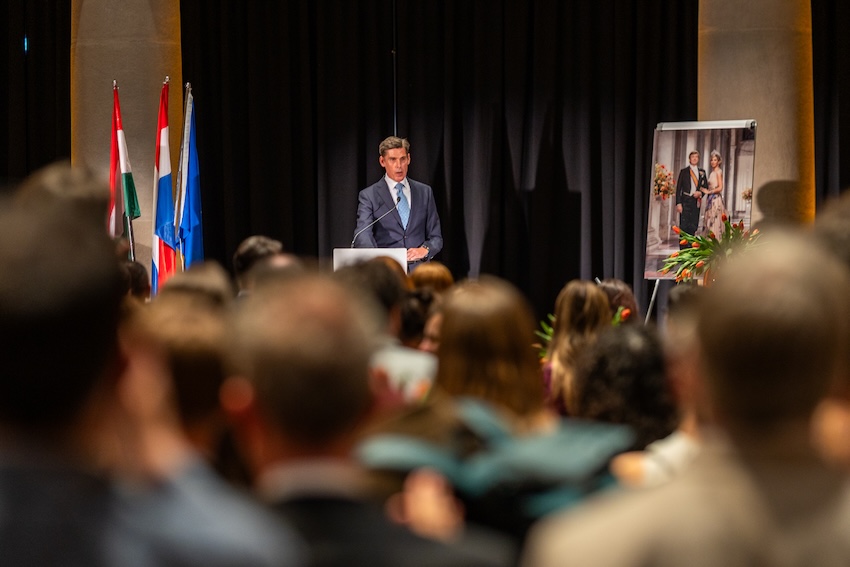
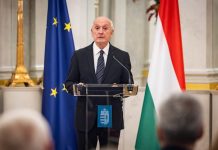
In his welcome address, Ambassador Willem van Ee reflected on the growing uncertainty facing Europe and the wider world. Referring to the wars in Europe’s immediate neighbourhood and in more distant regions, he spoke of the human suffering, environmental challenges, and energy crisis they have brought about. According to the Ambassador, conflicts and crises generate shockwaves that extend far beyond national borders, affecting communities, cultures, and economies alike.
“Our security and our values are at stake,” he emphasised, noting that democracy, the rule of law, and even the international order itself have become increasingly fragile, undermining people’s sense of security and trust worldwide.
“We have to redefine our common future – a more secure, prosperous, and sustainable future. A better world and a stronger Europe. For this, we need each other. For this, we need Hungary too,” he said. The Ambassador then added: “And there is good news: Hungary is back! Welcome back, Hungary!” he declared in Hungarian, prompting thunderous applause from the audience.
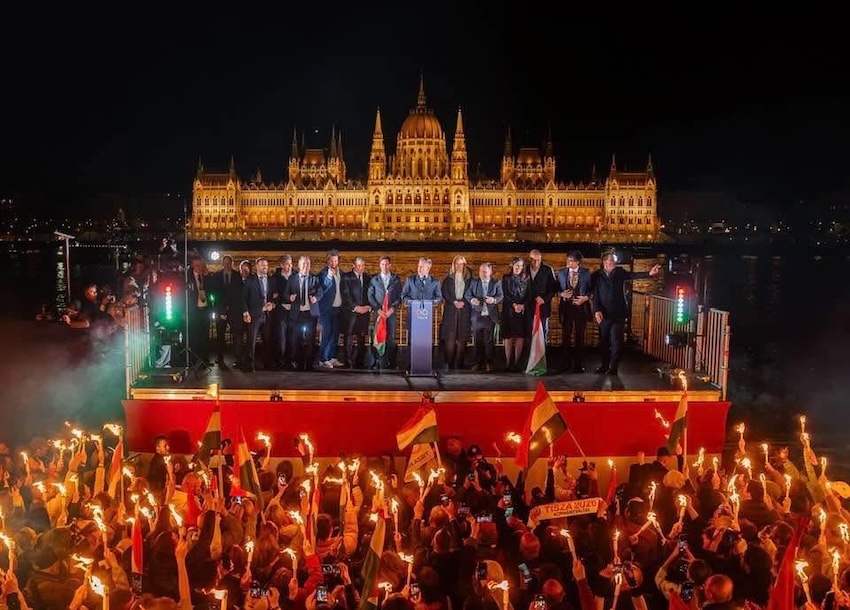
His words were widely interpreted as a reference to the political transformation initiated by Hungary’s parliamentary elections of 12 April 2026, which resulted in a decisive victory for the opposition TISZA Party under the leadership of Péter Magyar.
Visibly moved, he went on to say that he would never forget 12 April, calling it “nothing less than an electoral revolution in Hungary,” adding: “We witnessed a historic change, the significance of which extends far beyond Hungary’s borders. Hungarians chose change. They chose the West over the East. Democracy over autocracy. Hope over fear.”
Sharing a personal memory from election night, he recounted cycling home through Budapest and seeing young people celebrating in the streets. “I wanted to dance with them,” he admitted, drawing smiles from the audience.
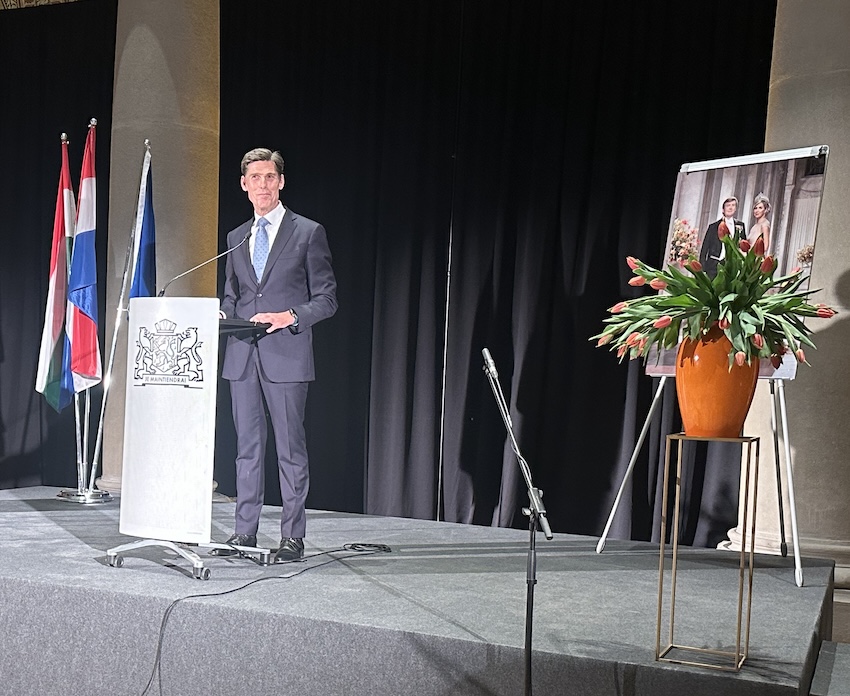
The Ambassador stressed that the Kingdom of the Netherlands remains firmly committed to promoting democracy, the international rule of law, fundamental freedoms, and human rights – values that form the foundation of the European Union. He expressed confidence that Hungary’s new leadership would translate its commitments into concrete actions and assured the audience that the Netherlands would stand alongside Hungary on this path.
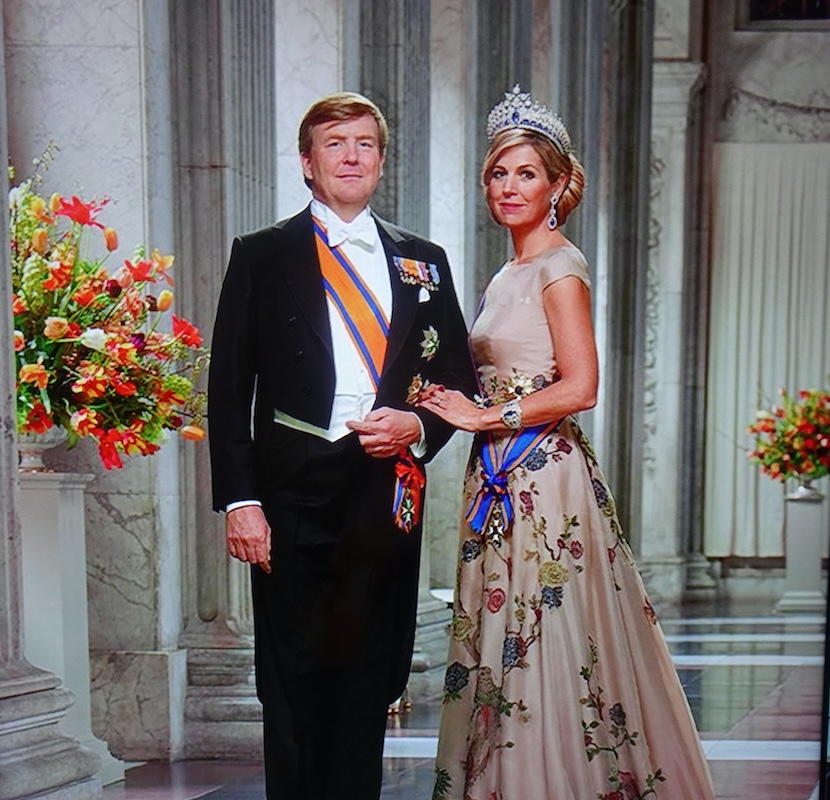
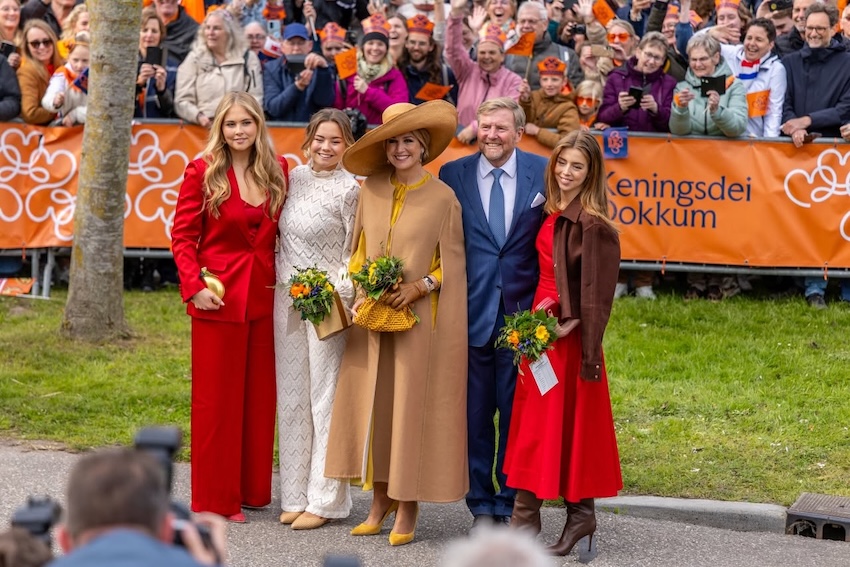
The Dutch monarchy continues to play an important symbolic role in national life. While the King serves as a constitutional monarch, the Royal Family remains a unifying presence, representing continuity, stability, and national cohesion. Since ascending the throne in 2013, King Willem-Alexander, together with Queen Máxima and their three daughters, has maintained a close and approachable connection with Dutch society. People everywhere proudly wear orange as a tribute to the House of Orange-Nassau, whose origins date back to William of Orange, the founding father of the Dutch nation.
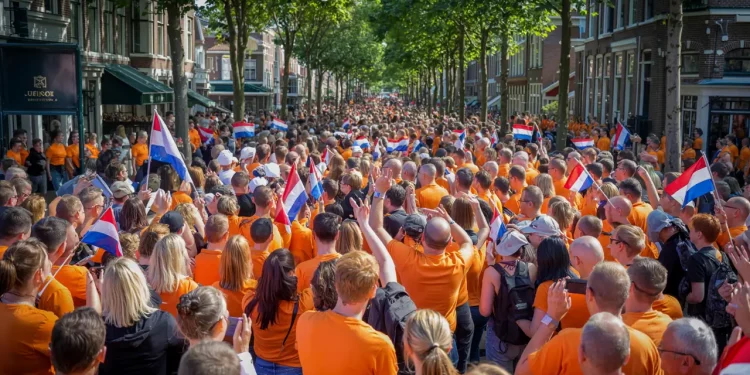
As part of the annual King’s Day tradition, the Royal Family visits a different municipality each year. In 2026, the national celebrations were centred in the historic Frisian city of Dokkum, where King Willem-Alexander, Queen Máxima, and other members of the Royal Family participated in local cultural activities and festivities, showcasing Frisian traditions to a nationwide audience.
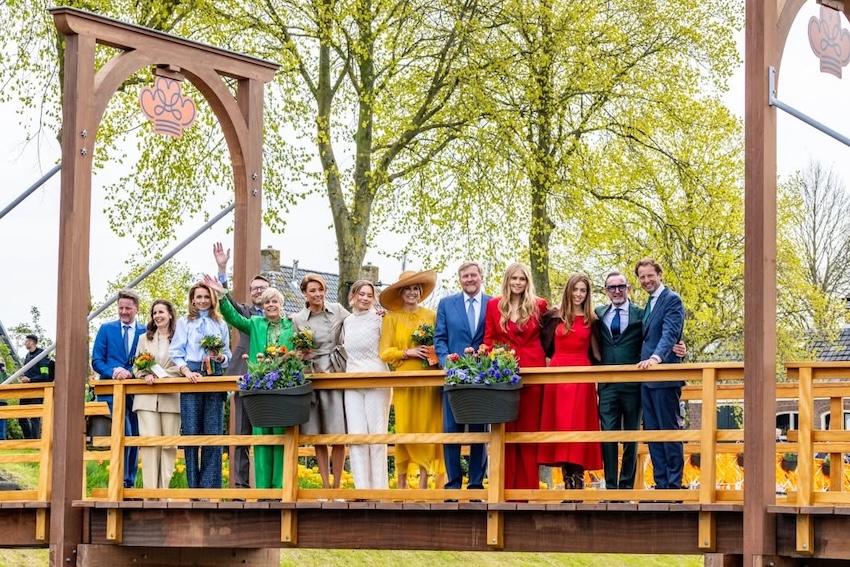
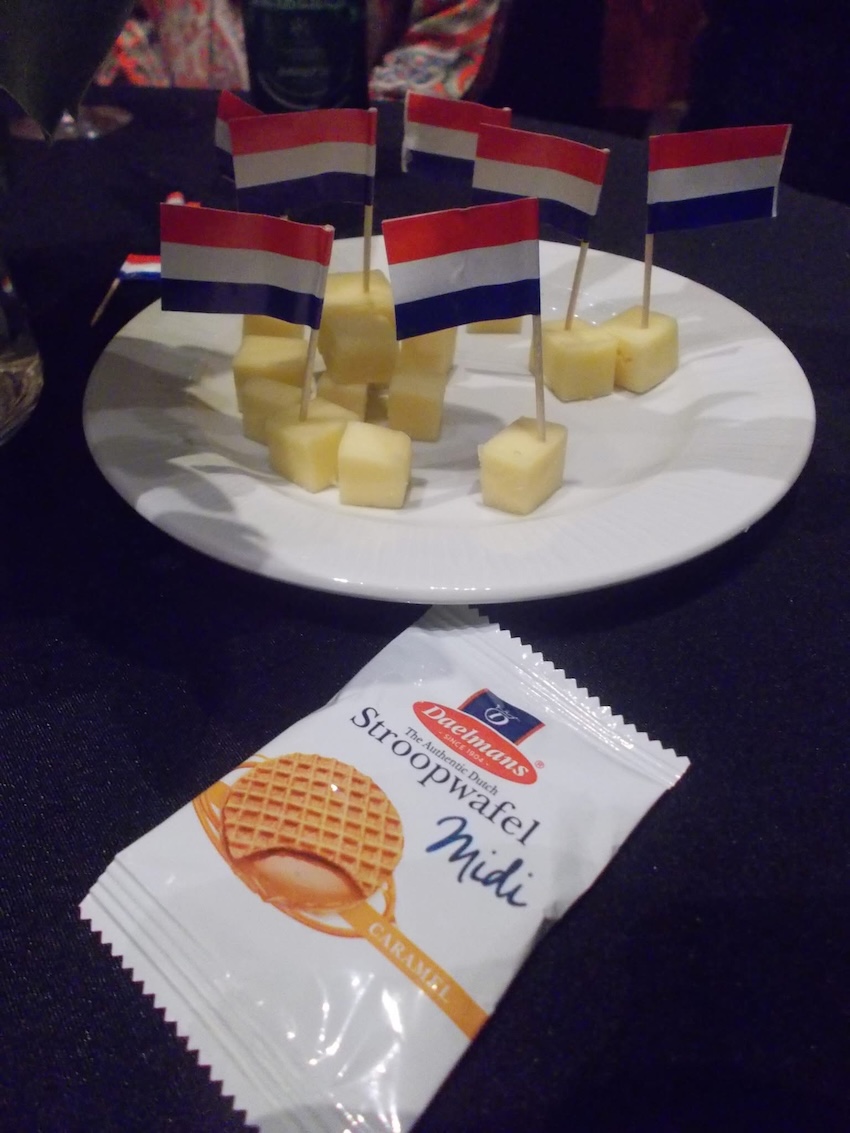
The official programme was followed by a reception with lively conversations, Dutch culinary specialities, warm hospitality, and a festive atmosphere, leaving guests with lasting memories of one of the Netherlands’ most beloved national traditions.
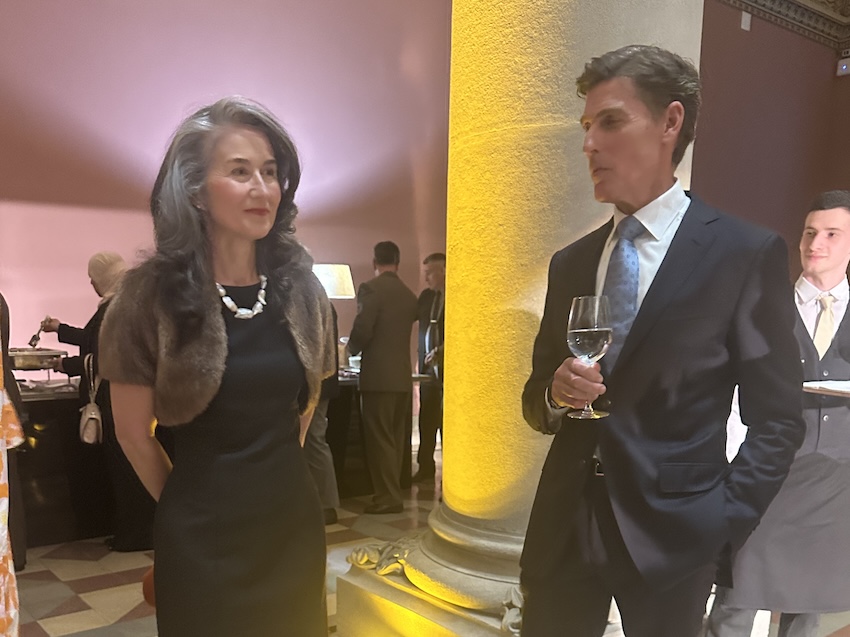
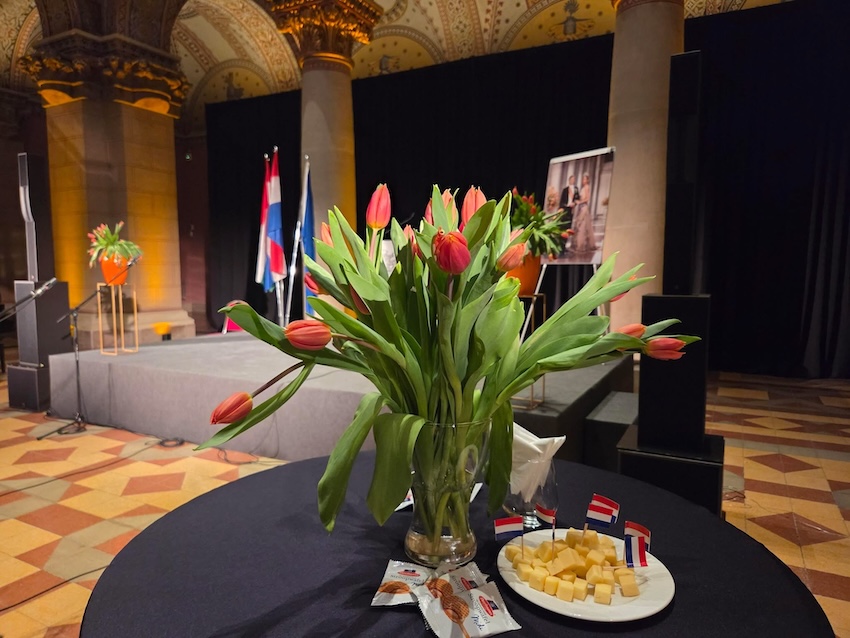
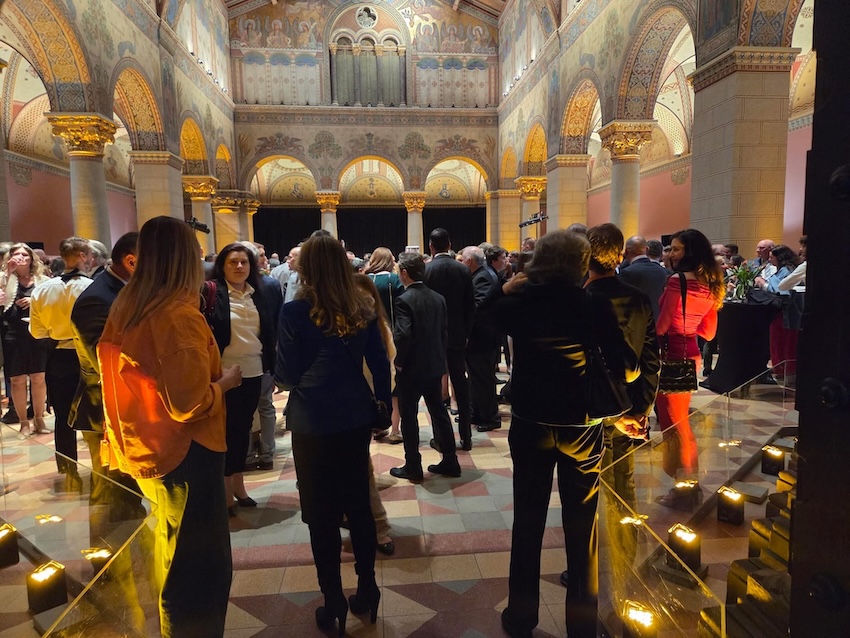
The Budapest celebration successfully conveyed the true spirit of King’s Day: a celebration not only of the monarch’s birthday but also of the values that characterise Dutch society – community, openness, solidarity, democracy, and national pride.
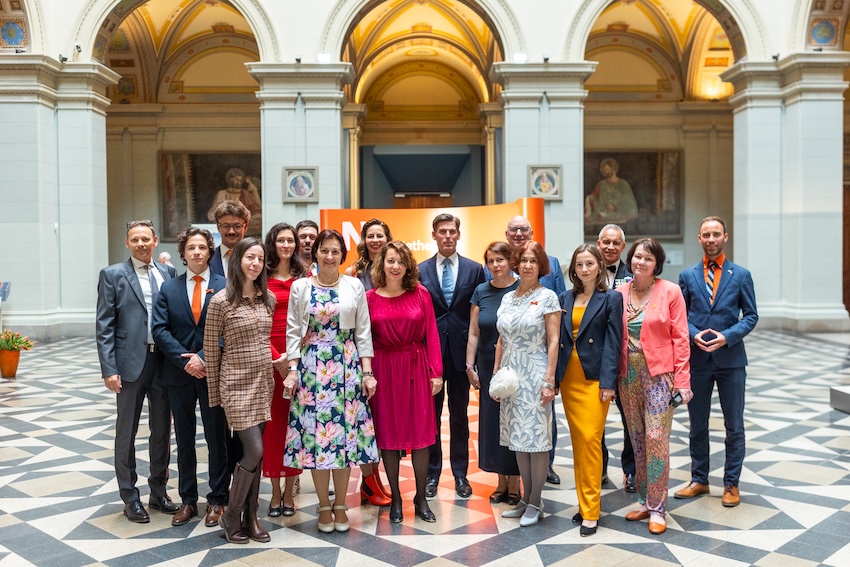
Source: Embassy of the Kingdom of the Netherlands in Budapest
Photos from the Embassy of the Kingdom of the Netherlands in Budapest, and Diplomatic Press Agency