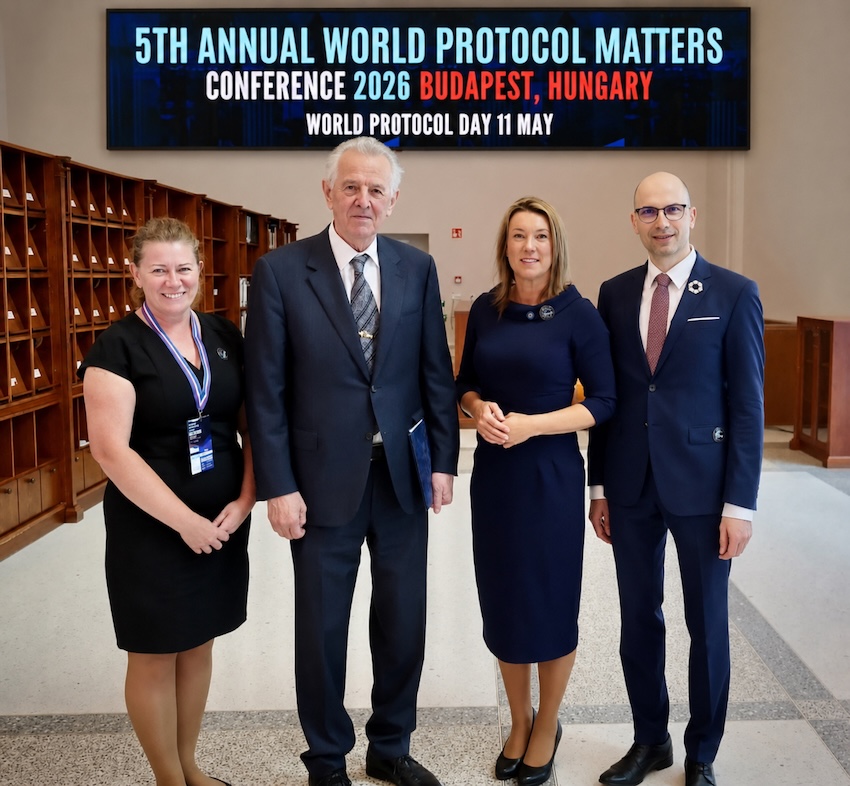
Redefining Protocol as Soft Power in Global Diplomacy
Edited by Anna Popper
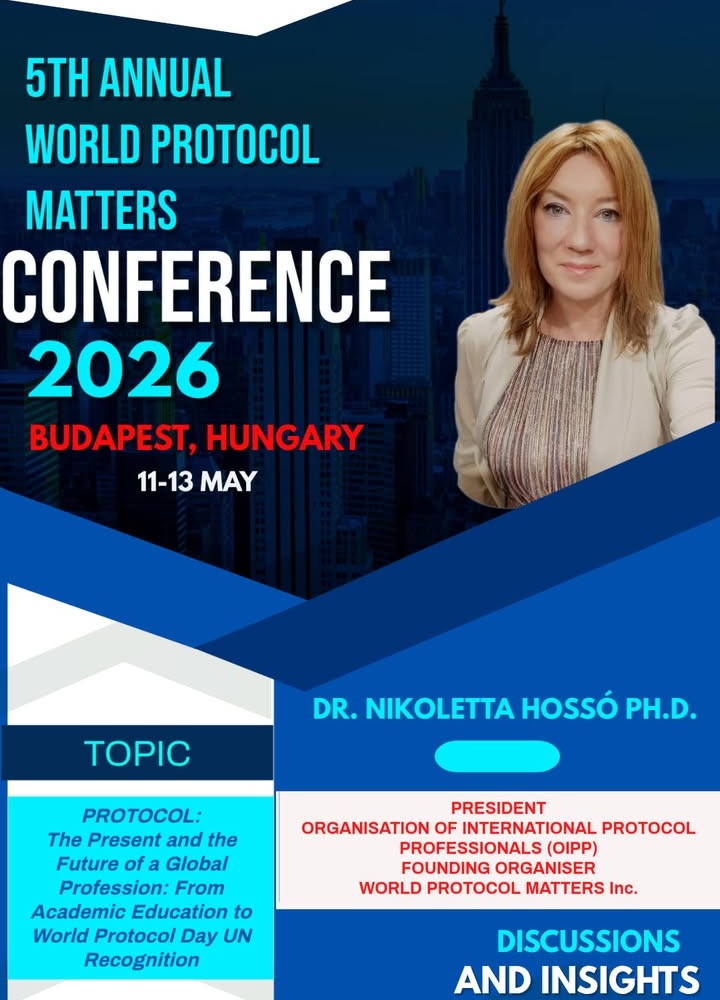
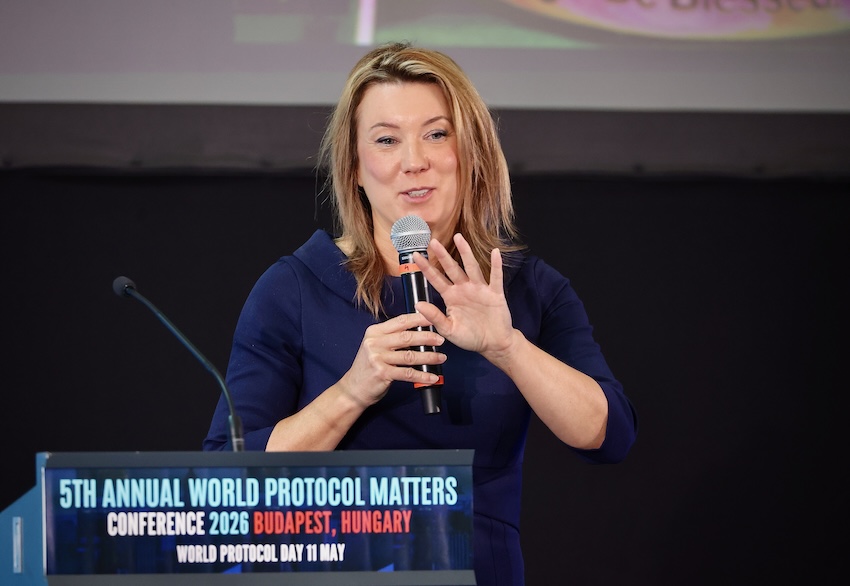
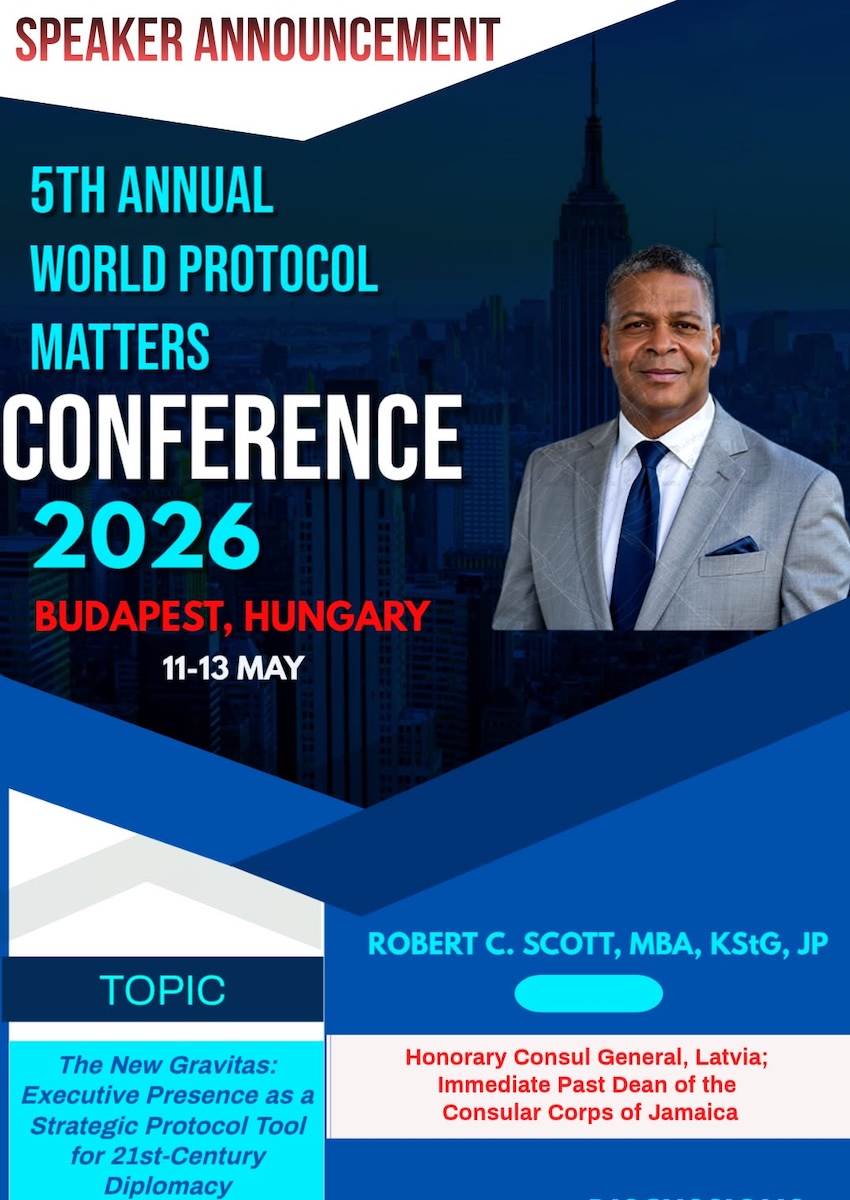
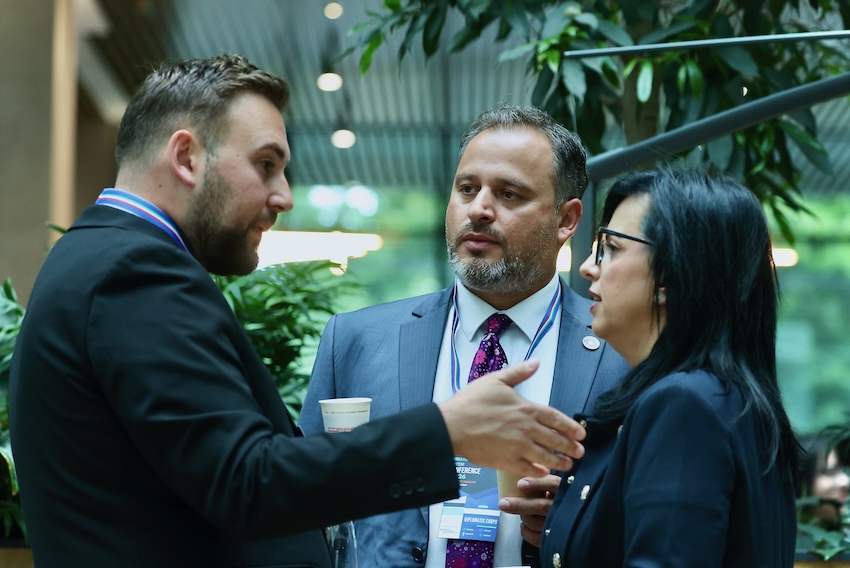
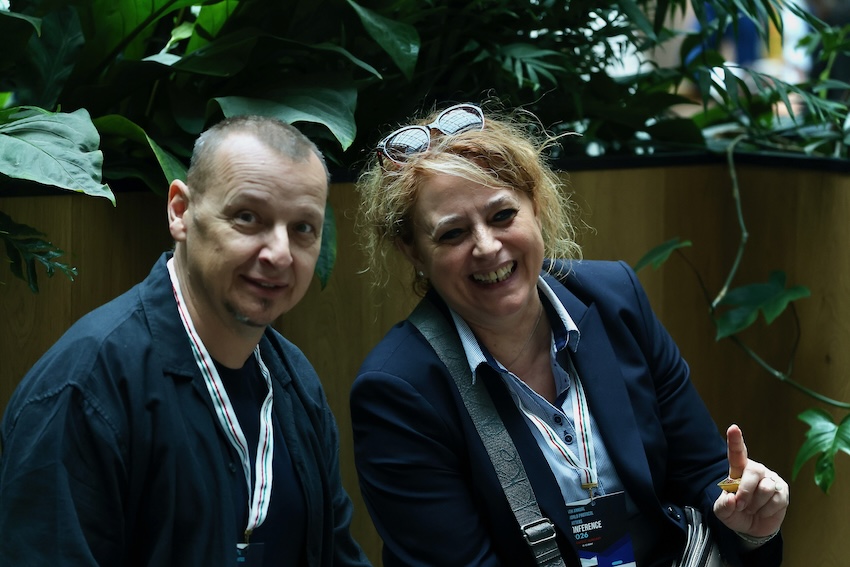
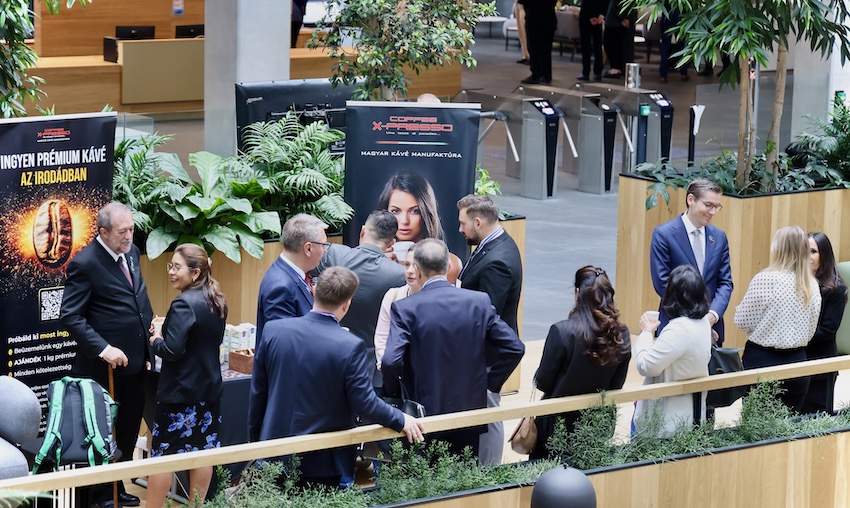
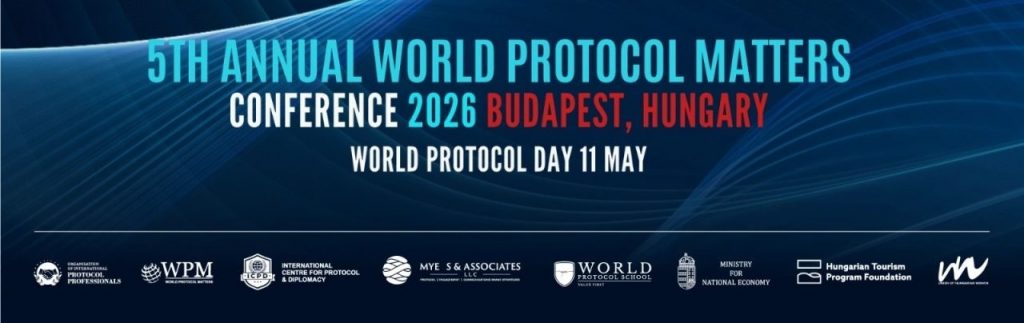
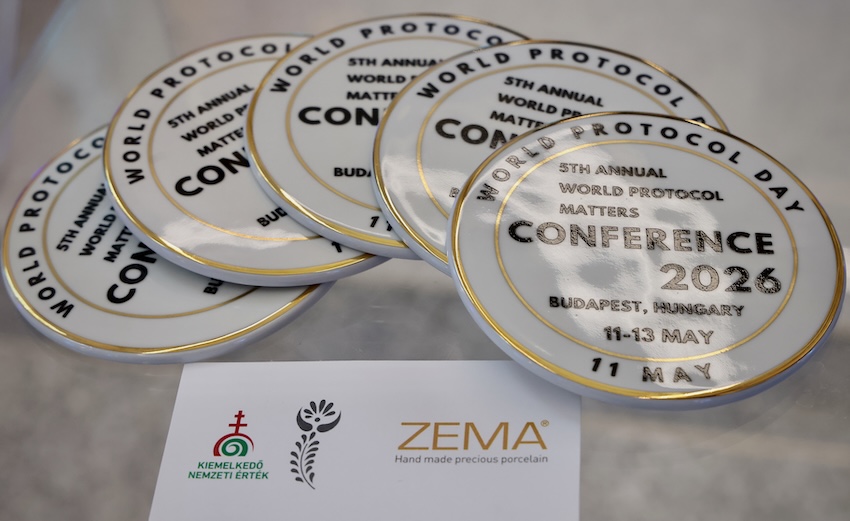
The 5th Annual World Protocol Matters Conference (WPMC 2026) took place in Budapest between 11–13 May. This global summit brought together distinguished protocol professionals, diplomats, academics, institutional leaders and representatives from 49 countries for three days of dialogue, strategic reflection and international cooperation focusing on the evolving role of protocol in global affairs.
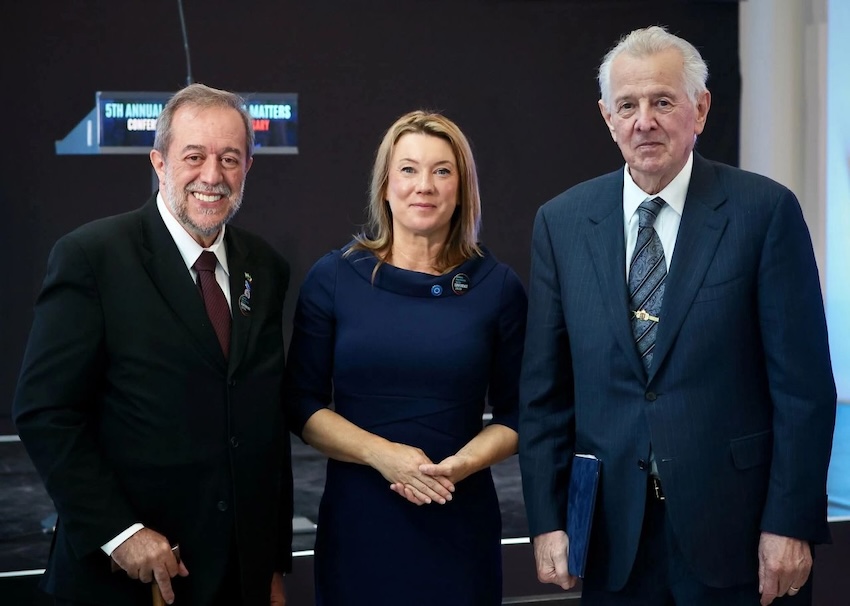
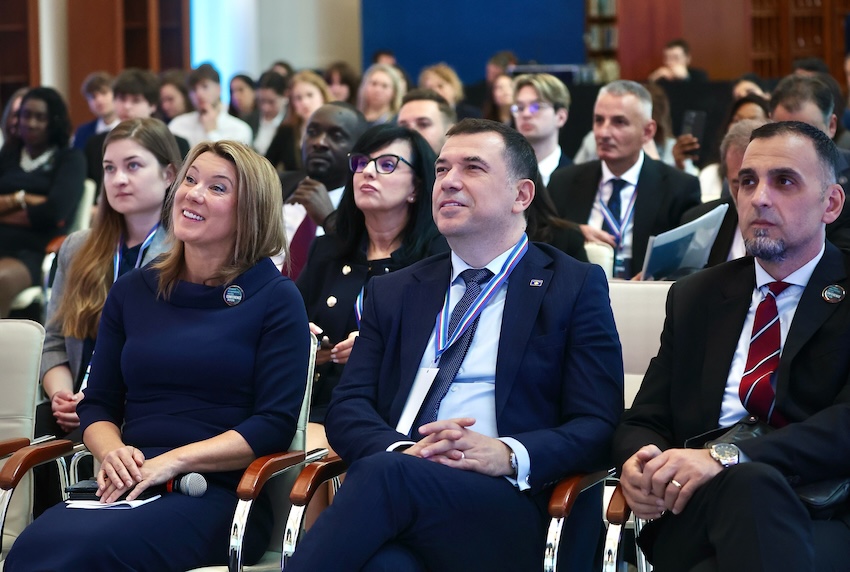
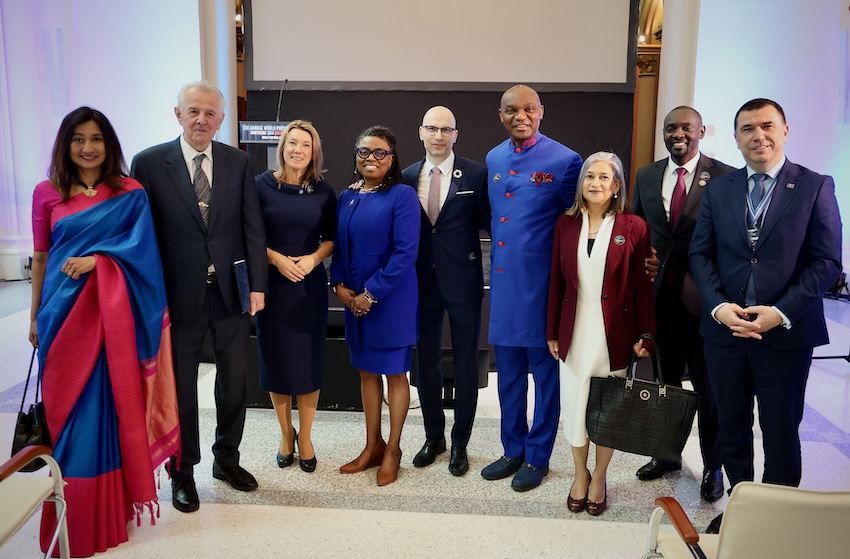
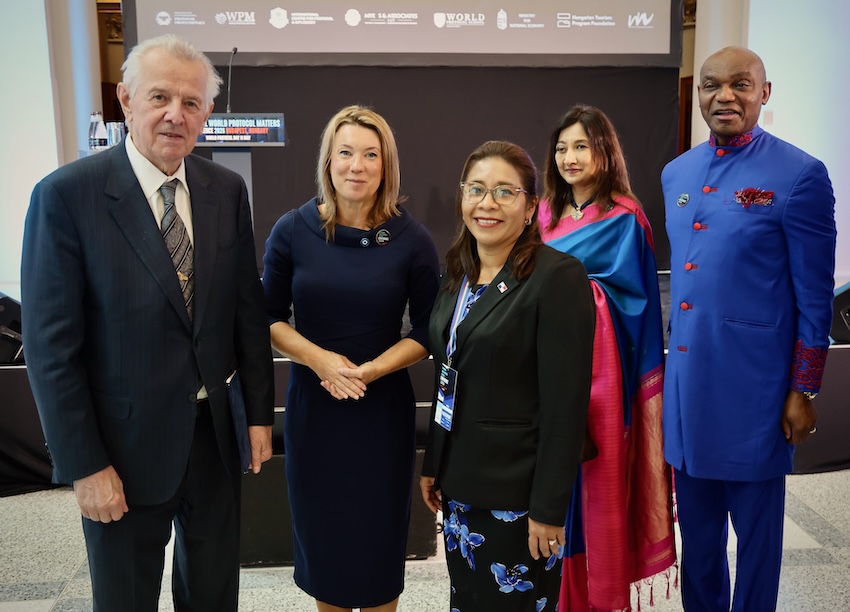
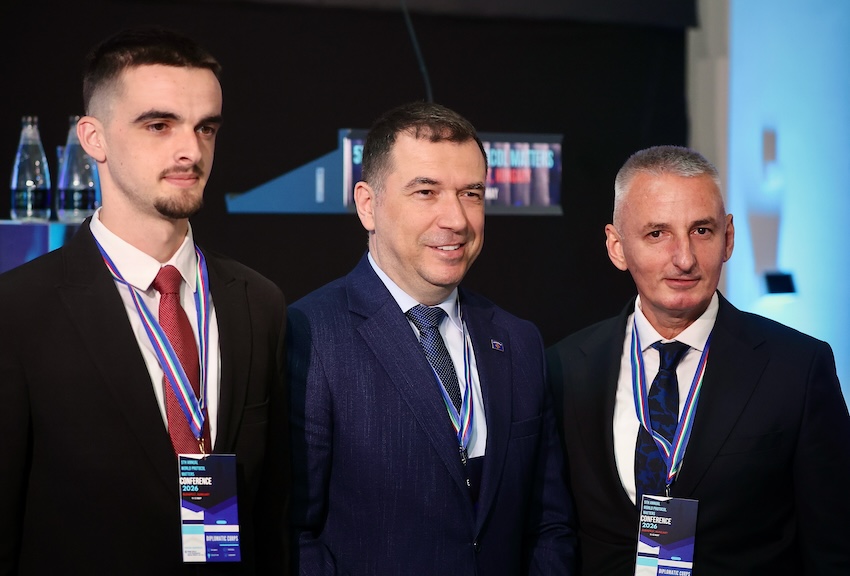
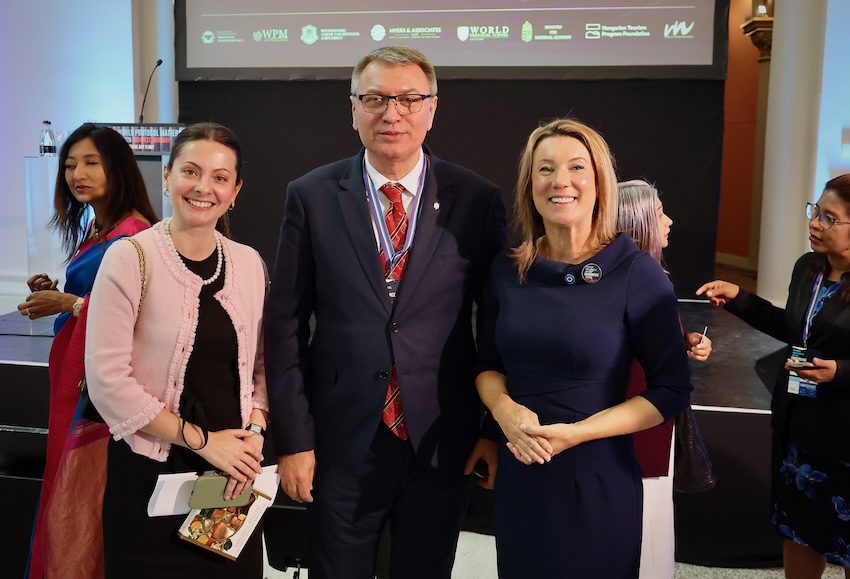
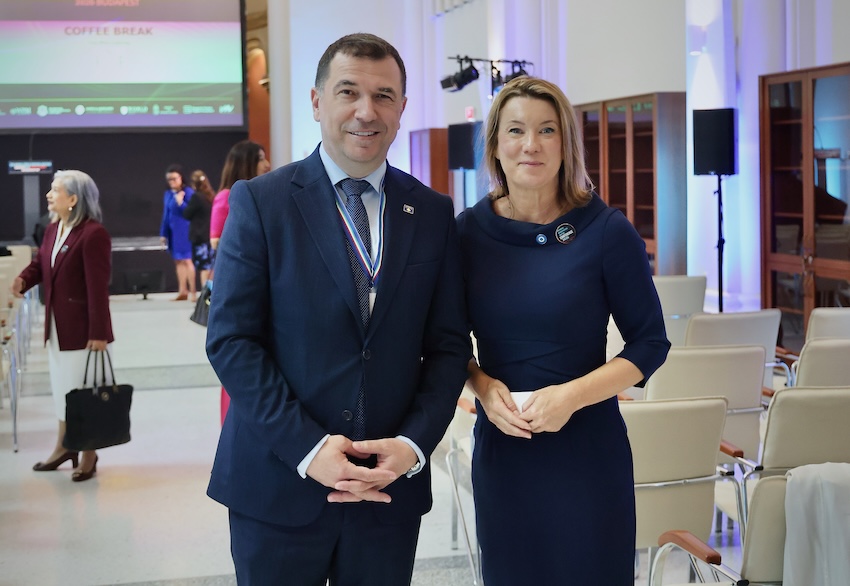
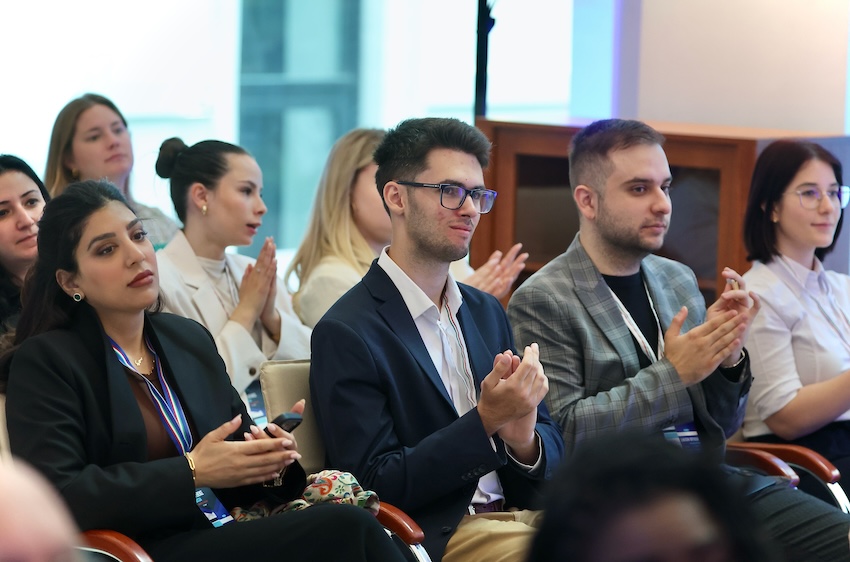
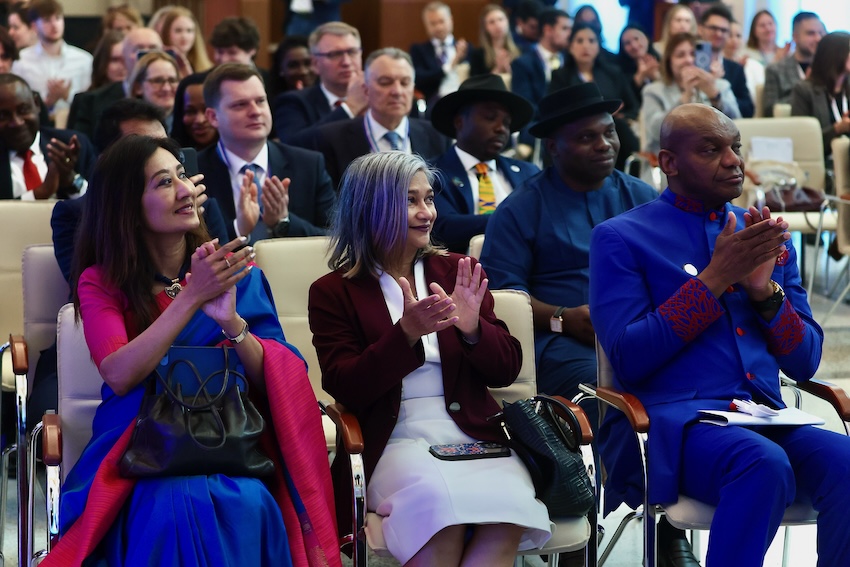
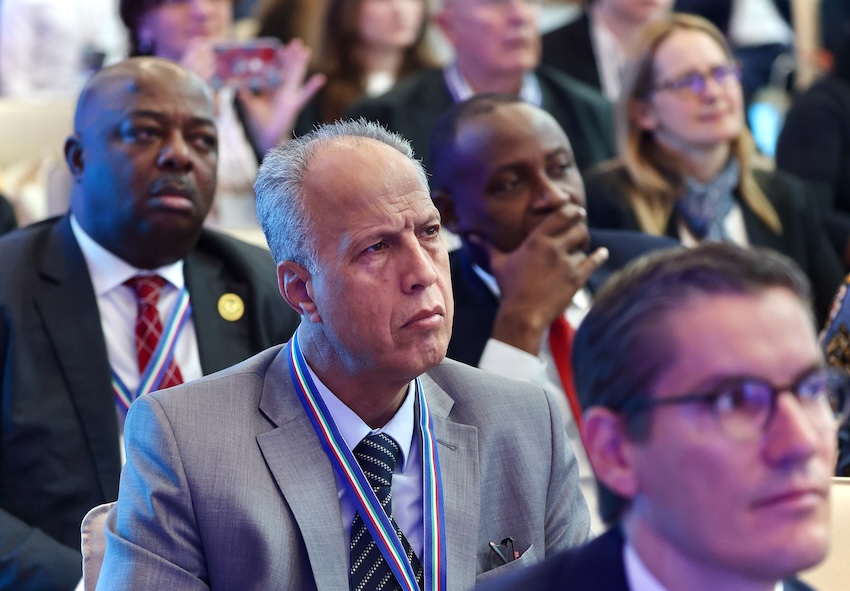
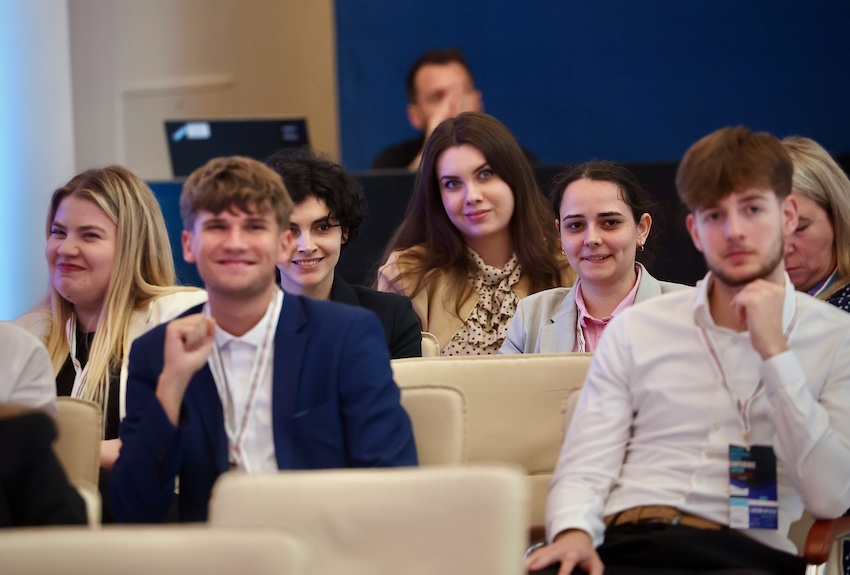
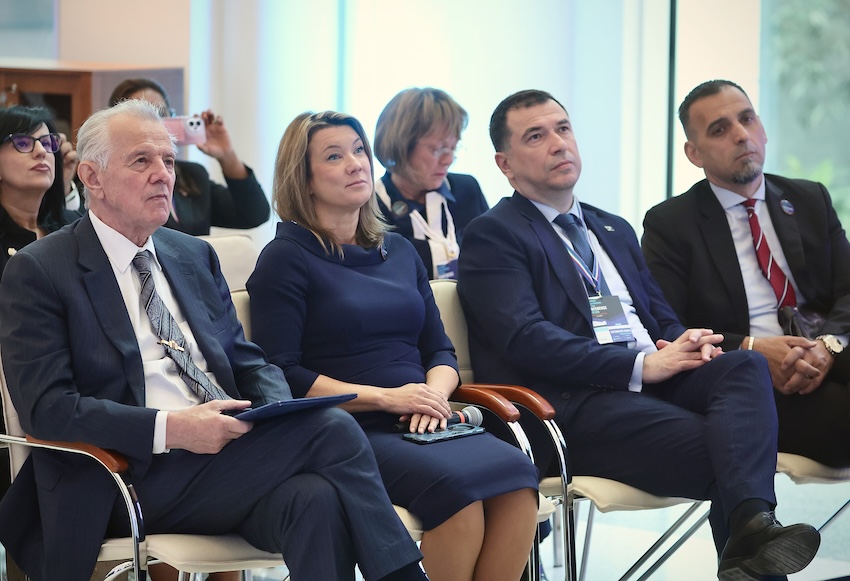
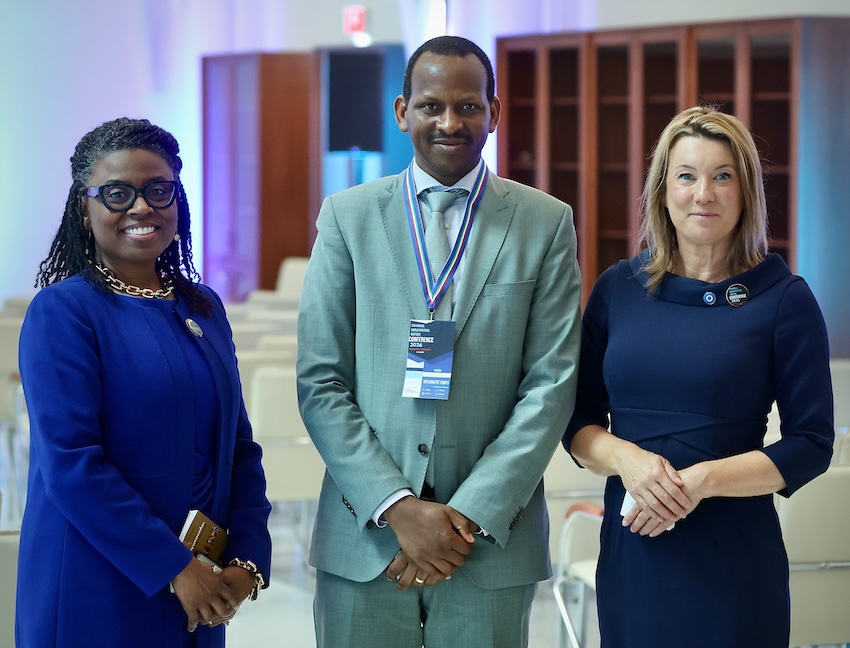
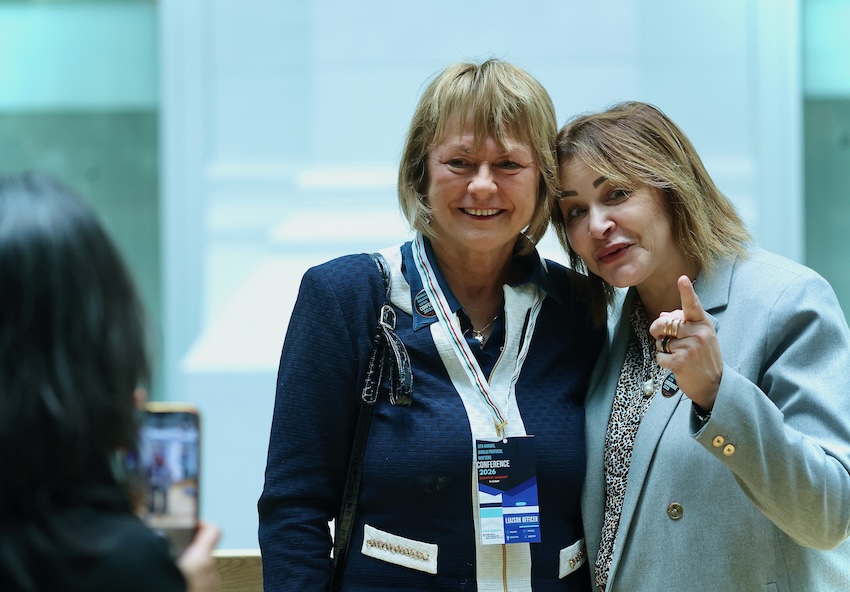
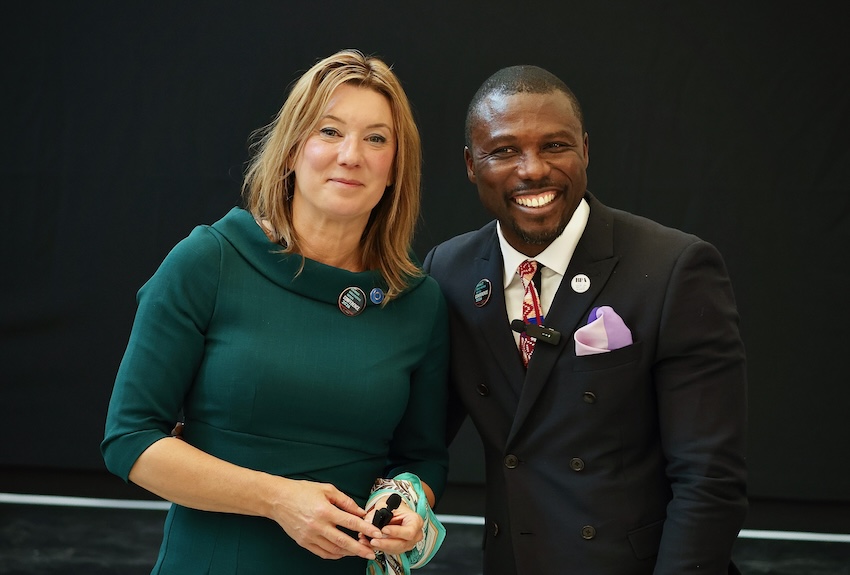
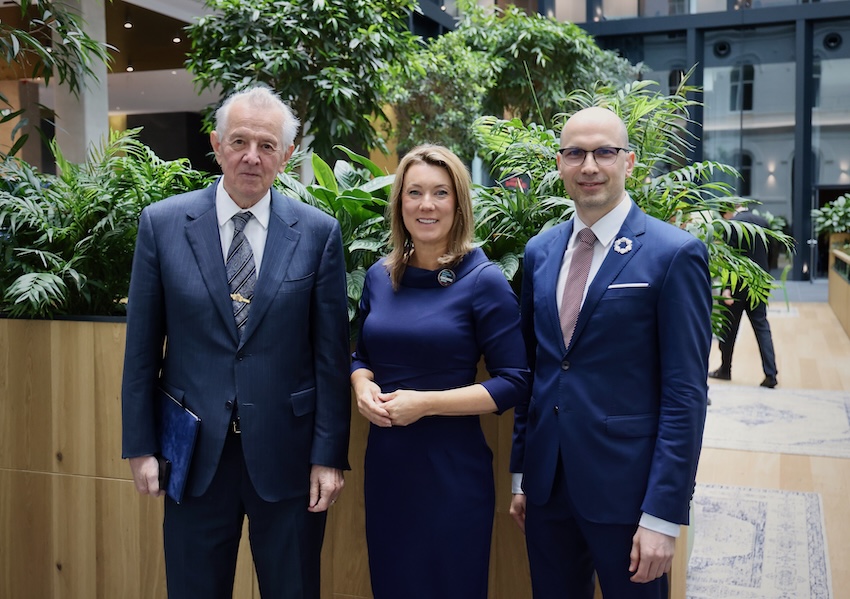
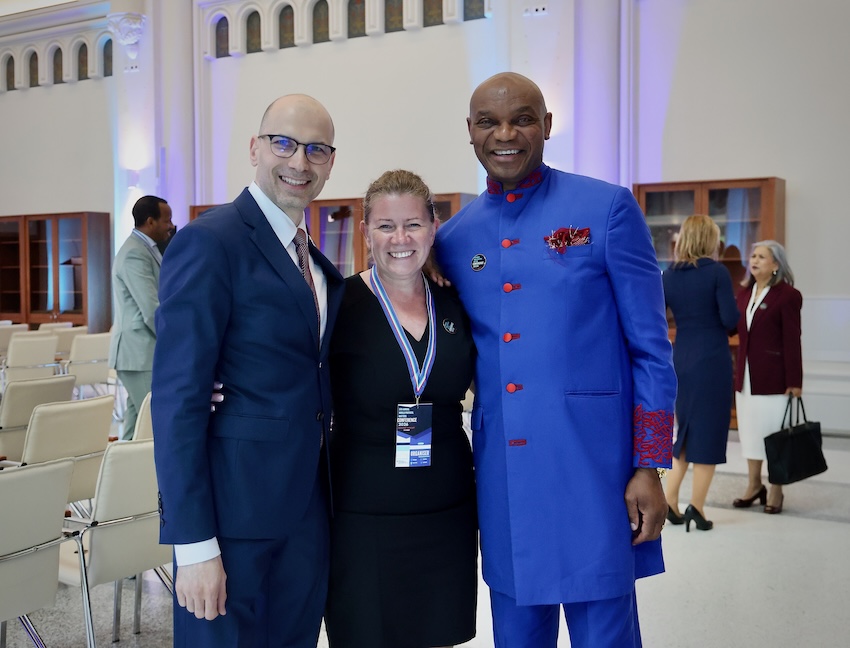
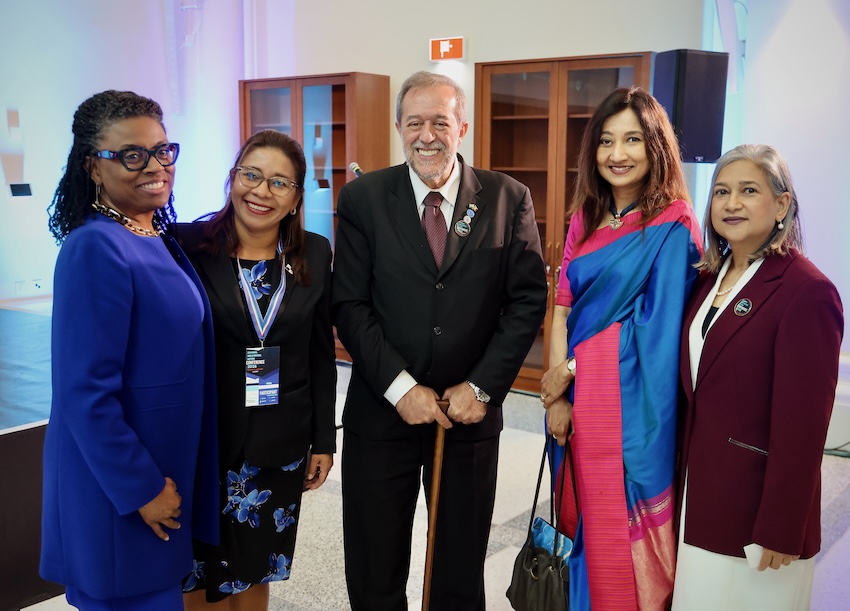
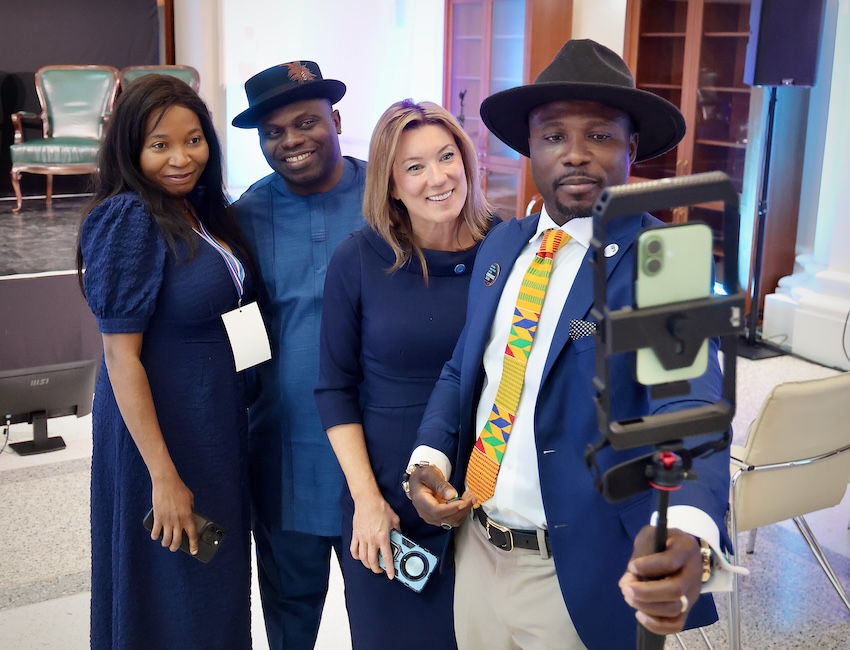
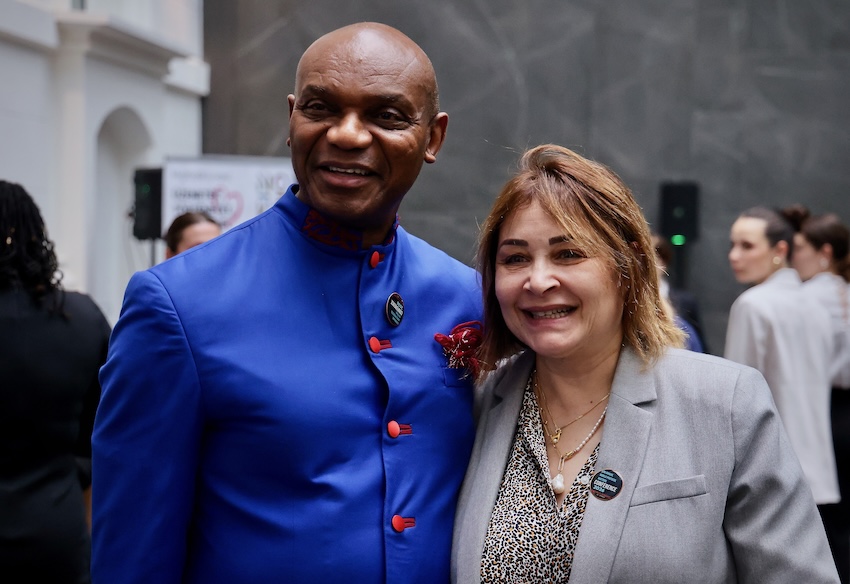
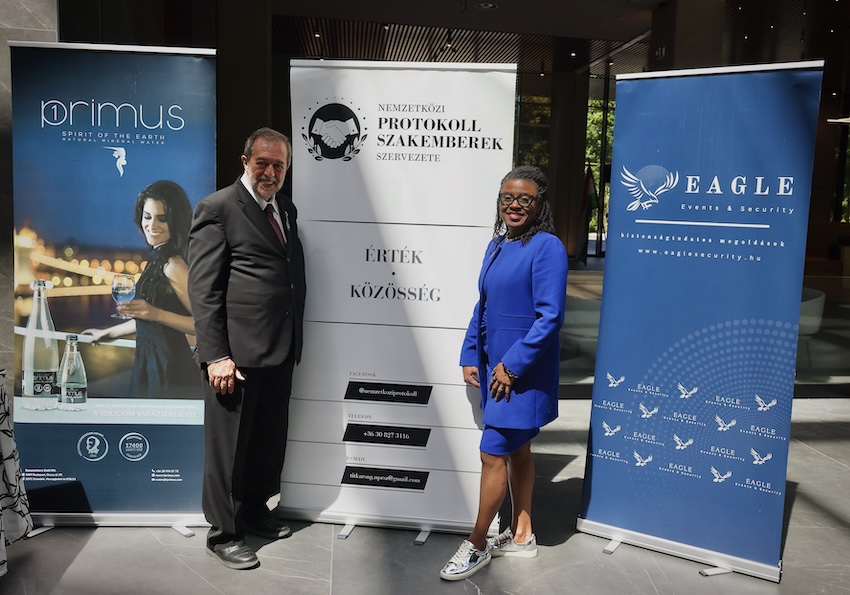
Organised by the Organisation of International Protocol Professionals (OIPP-NPRSZ), World Protocol School & Magazine, and supported by the Hungarian Tourism Program Foundation (MTPA) together with international partner organisations, the conference highlighted the growing importance of protocol as a strategic instrument of diplomacy, soft power and international relations.
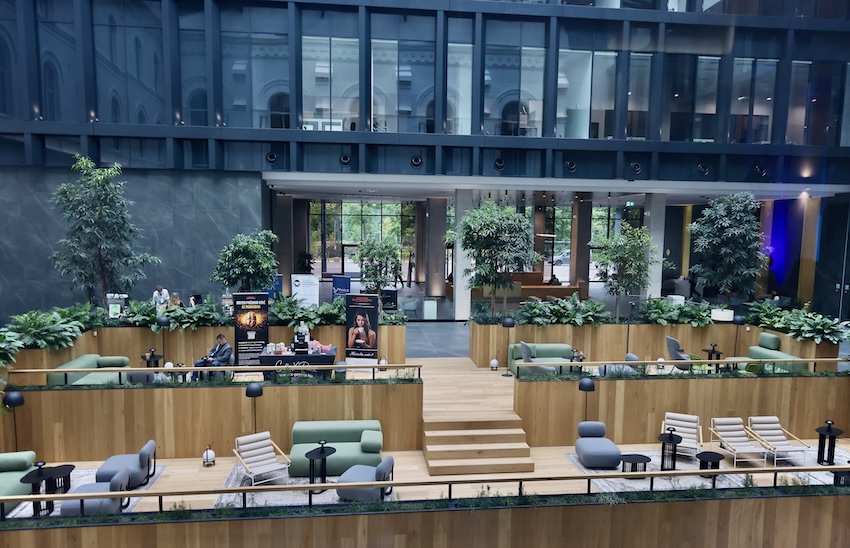
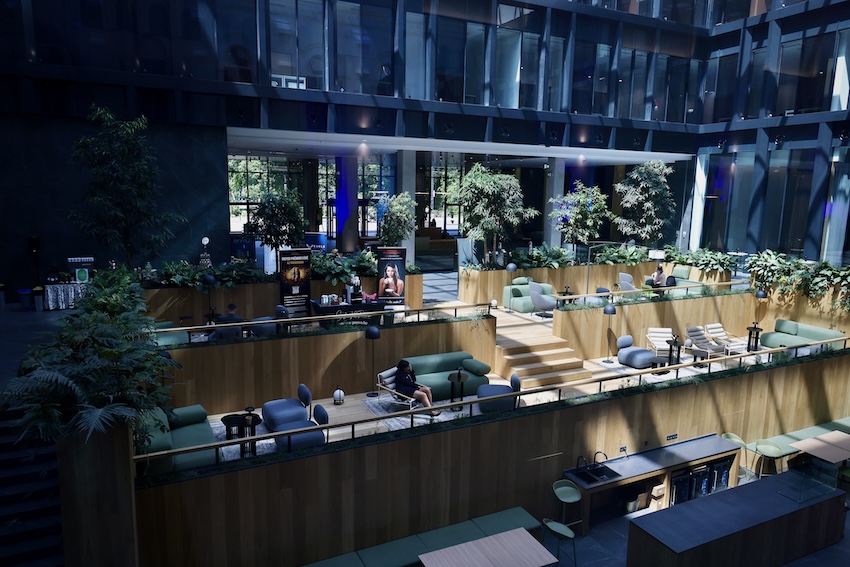
The ceremonial opening session featured the symbolic “Ode to Protocol”, followed by welcome remarks from the conference founder and OIPP President, Dr. Nikoletta Hossó.
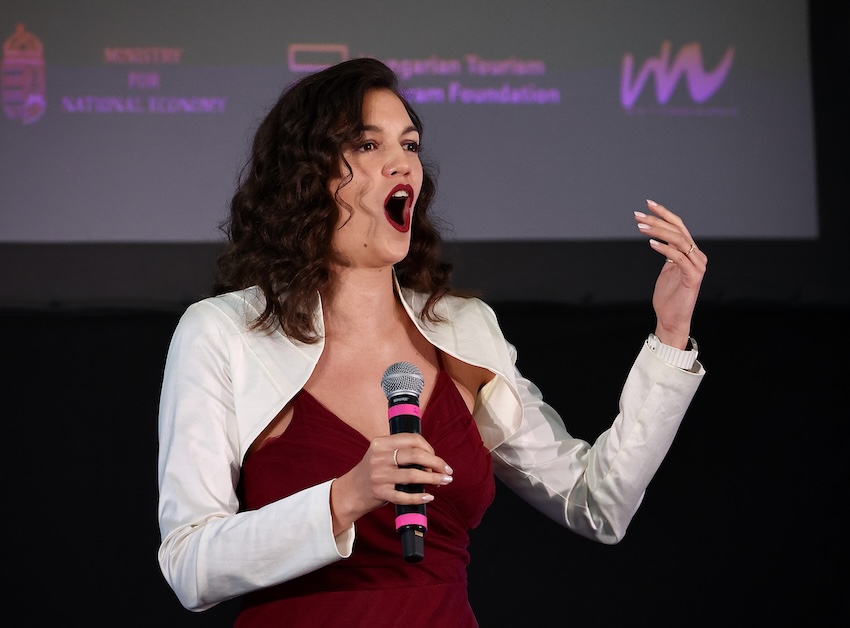
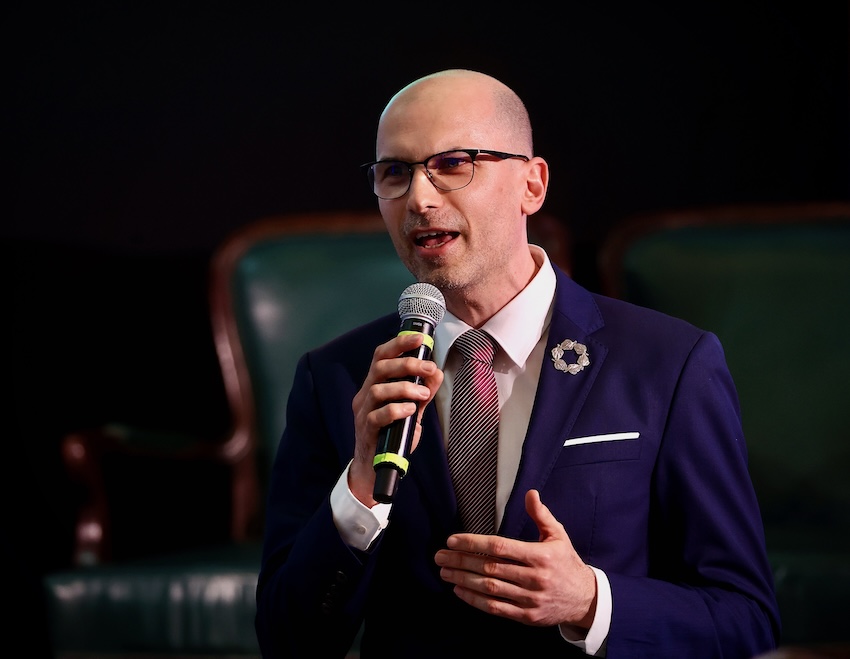
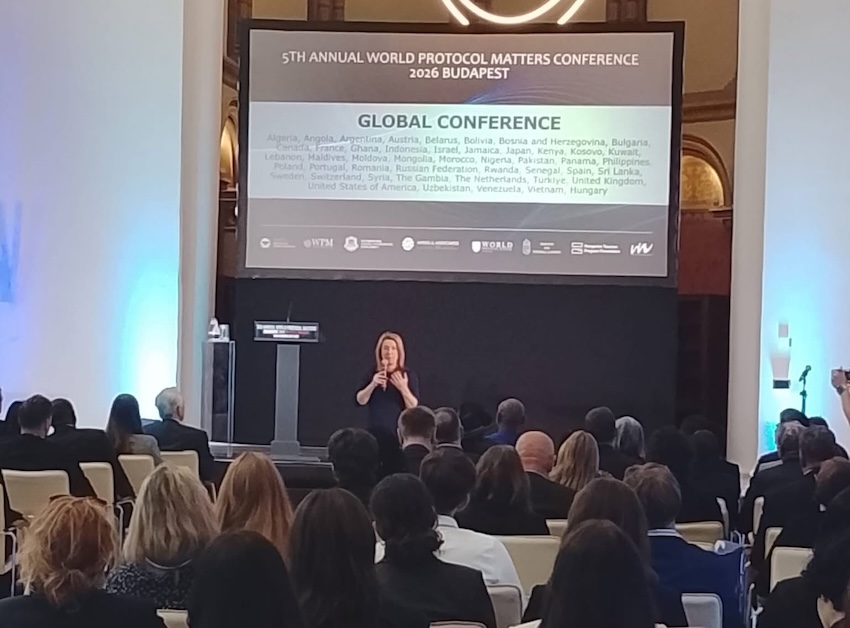
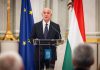
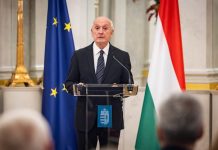
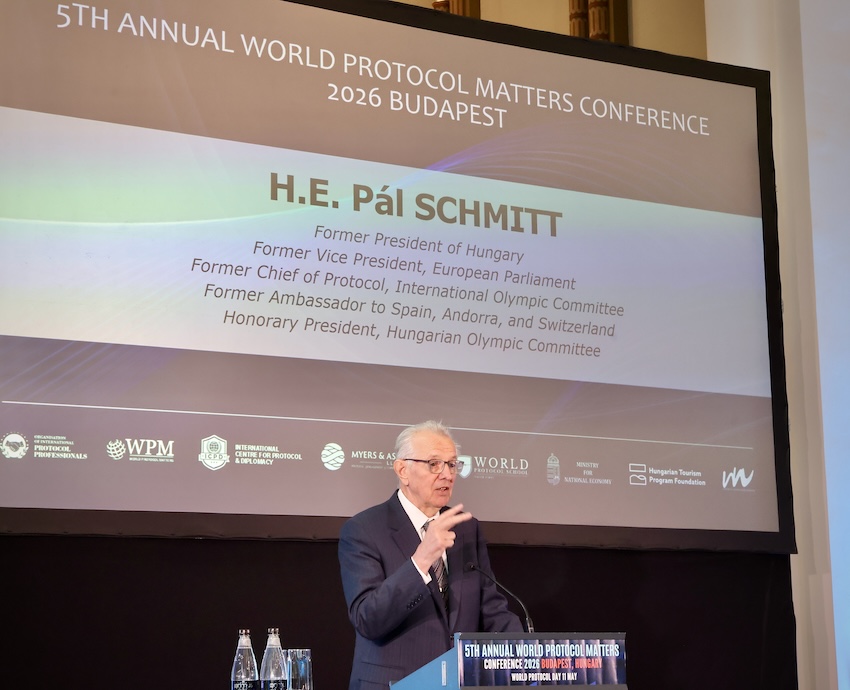
The keynote address was delivered by Pál Schmitt, former President of Hungary, Ambassador and former IOC Chief of Protocol, who emphasised the increasing geopolitical significance of protocol in an interconnected and highly sensitive international environment.
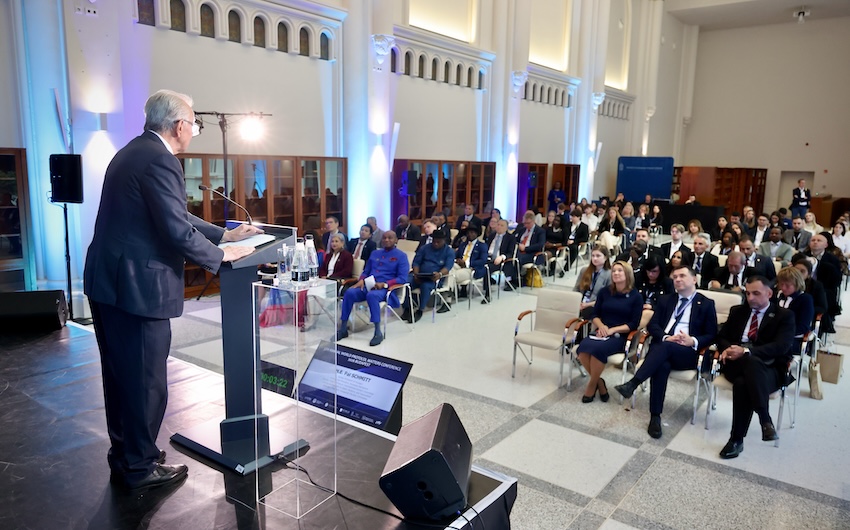
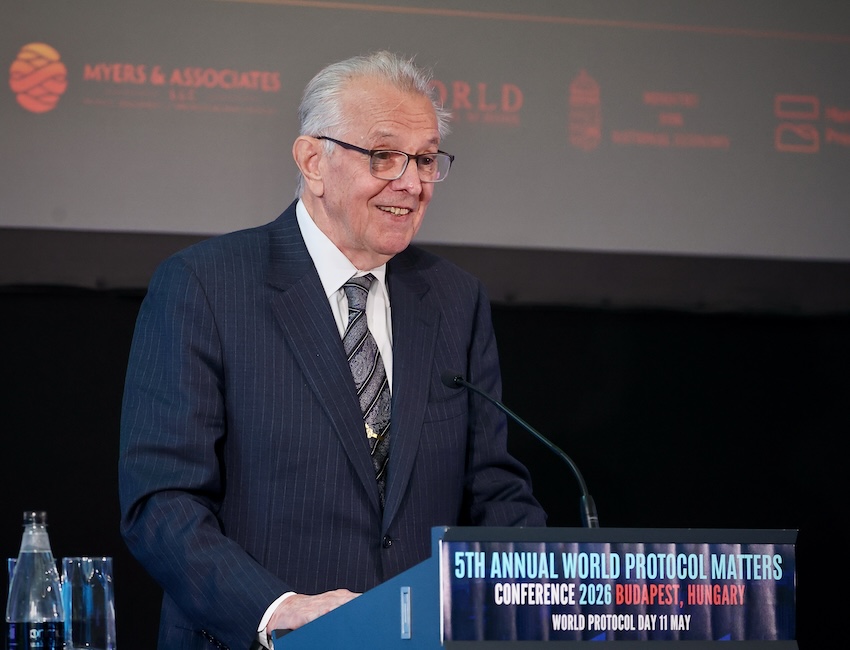
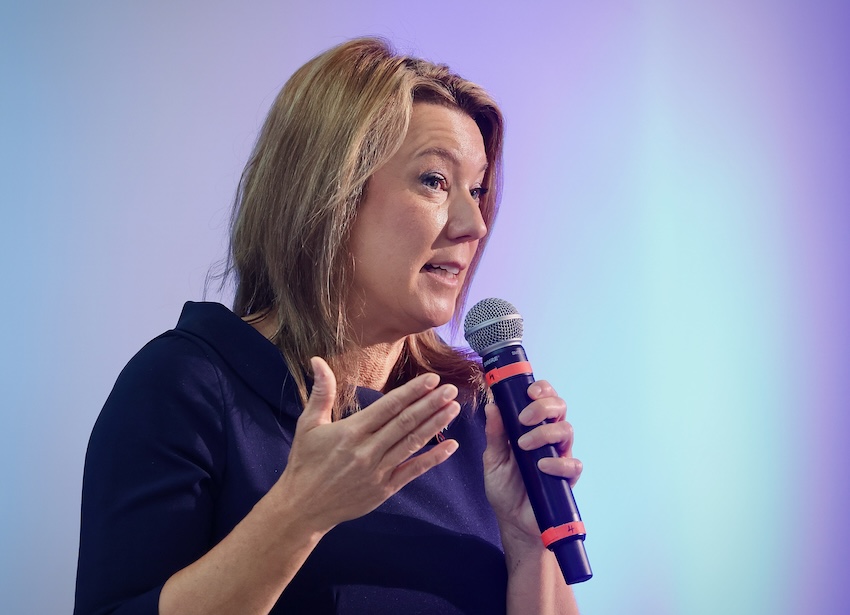
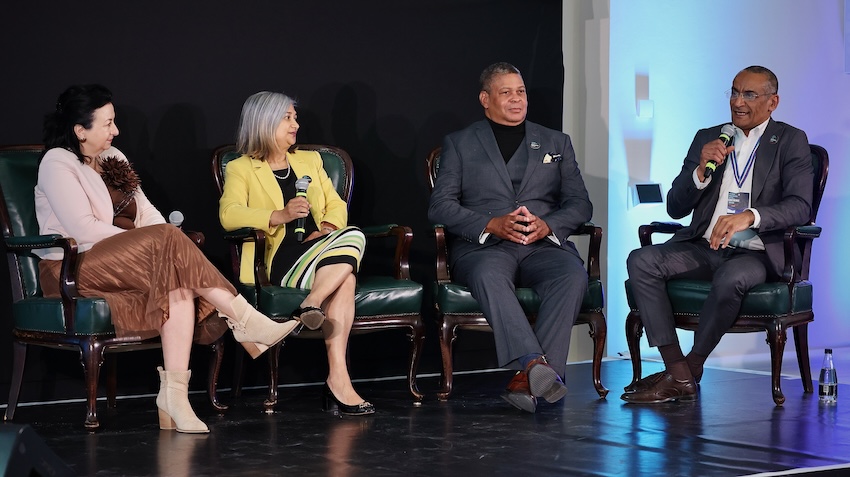
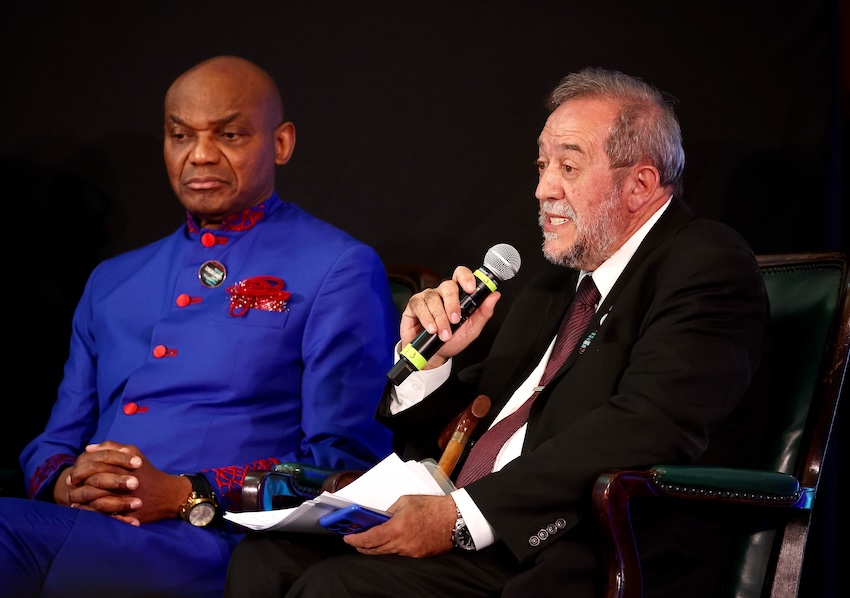
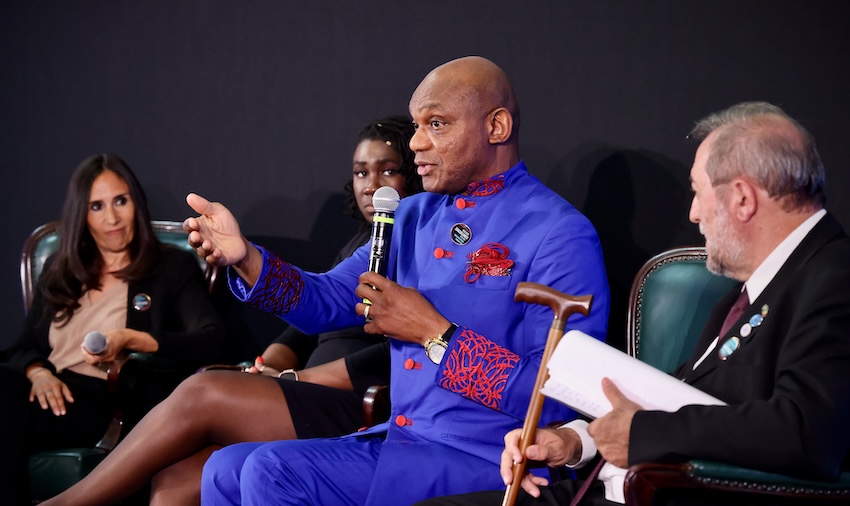
During the conference, internationally recognised experts explored a broad spectrum of contemporary diplomatic and protocol-related issues. Among the distinguished speakers were Prof. Dr. Francisco José Caligiuri of the World Protocol Organisation (OMP), former ambassadors Dr. Farah Faizal and Saroja Sirisena, as well as Miami-Dade International Airport Protocol Director U. Desmond Alufohai. Topics discussed included Protocol 4.0, artificial intelligence, women in diplomacy, national branding, intercultural communication, global cooperation, and the future of protocol education.
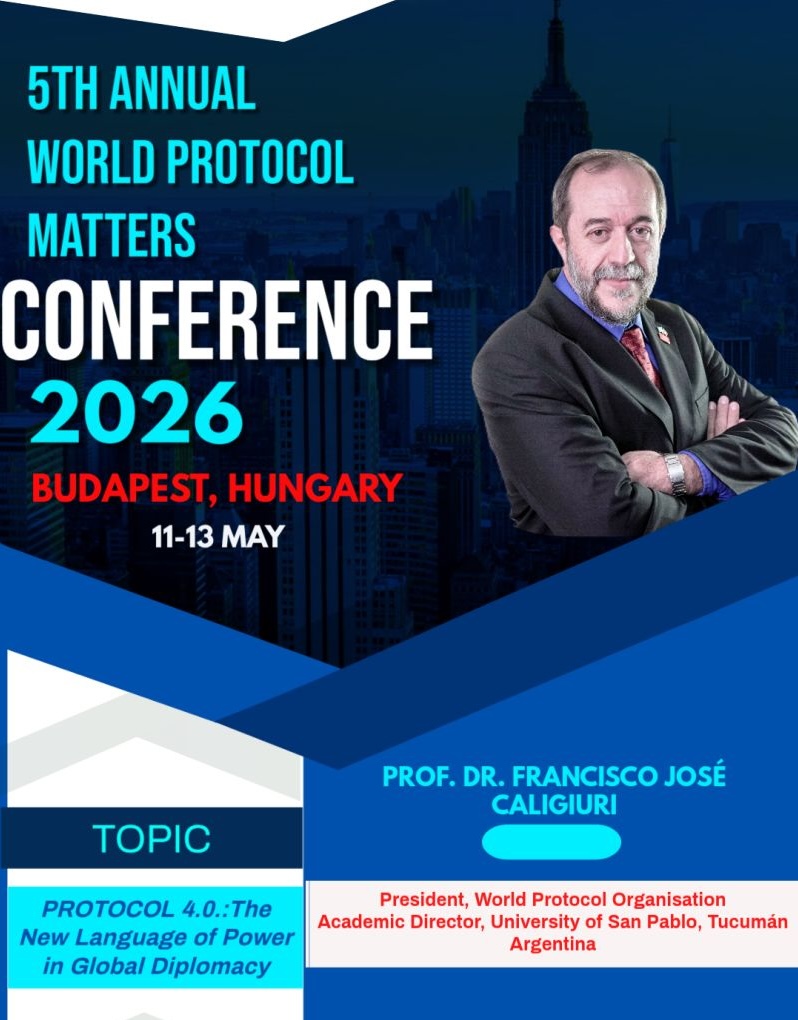
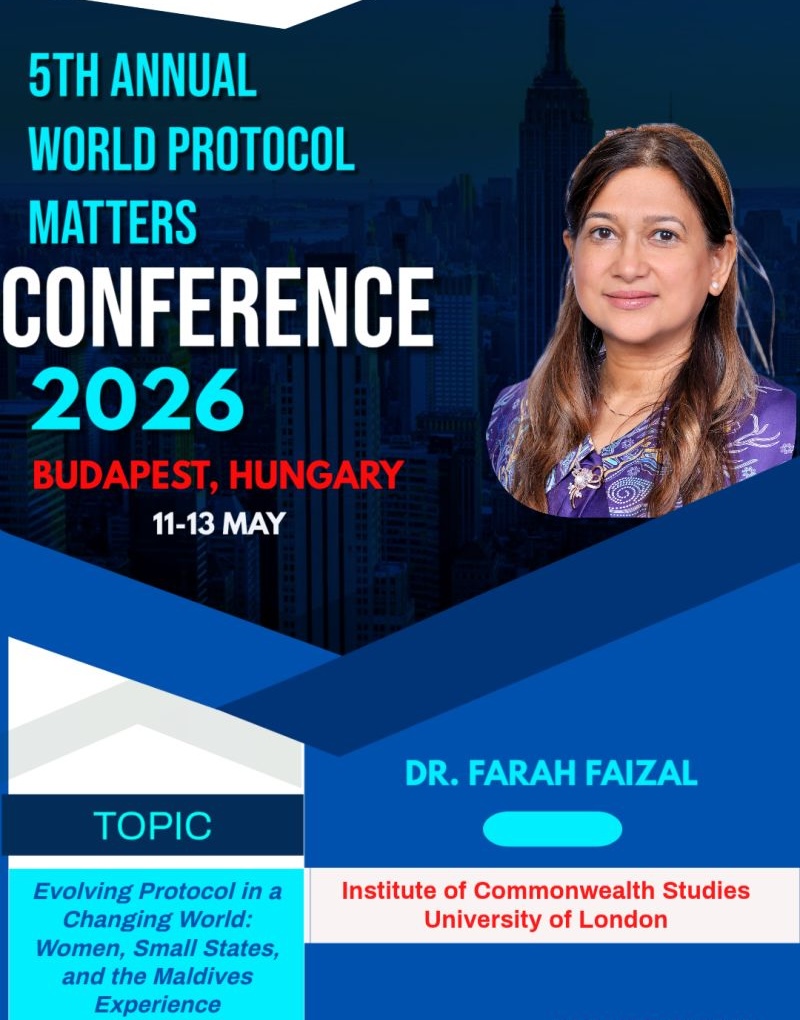
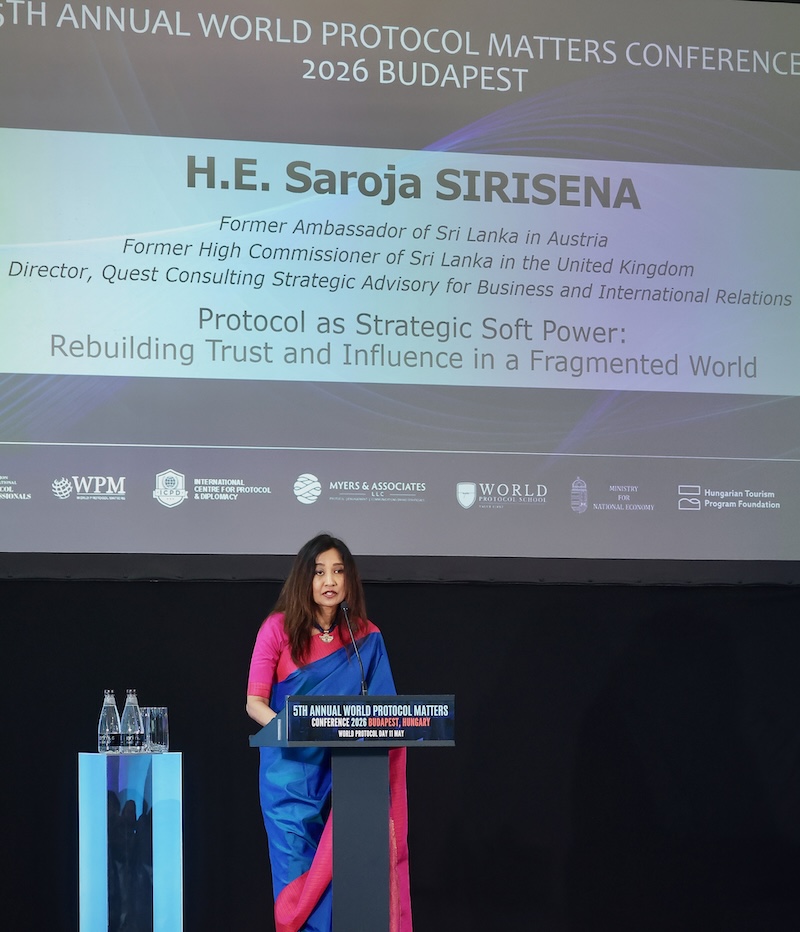
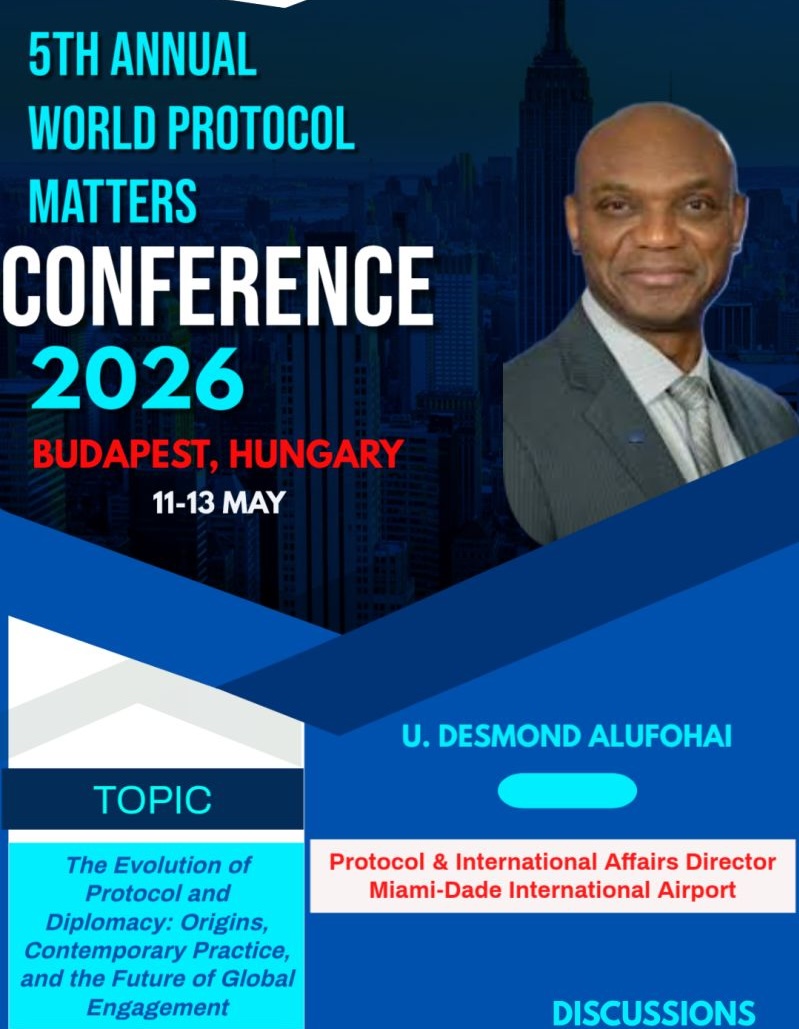
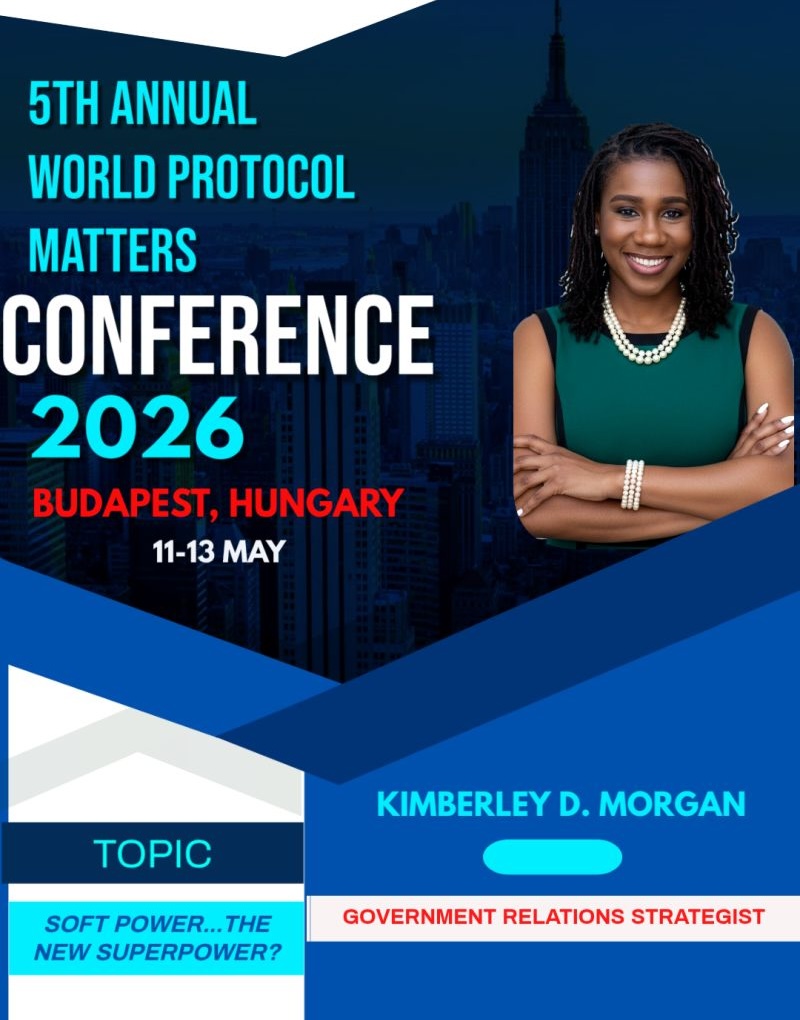
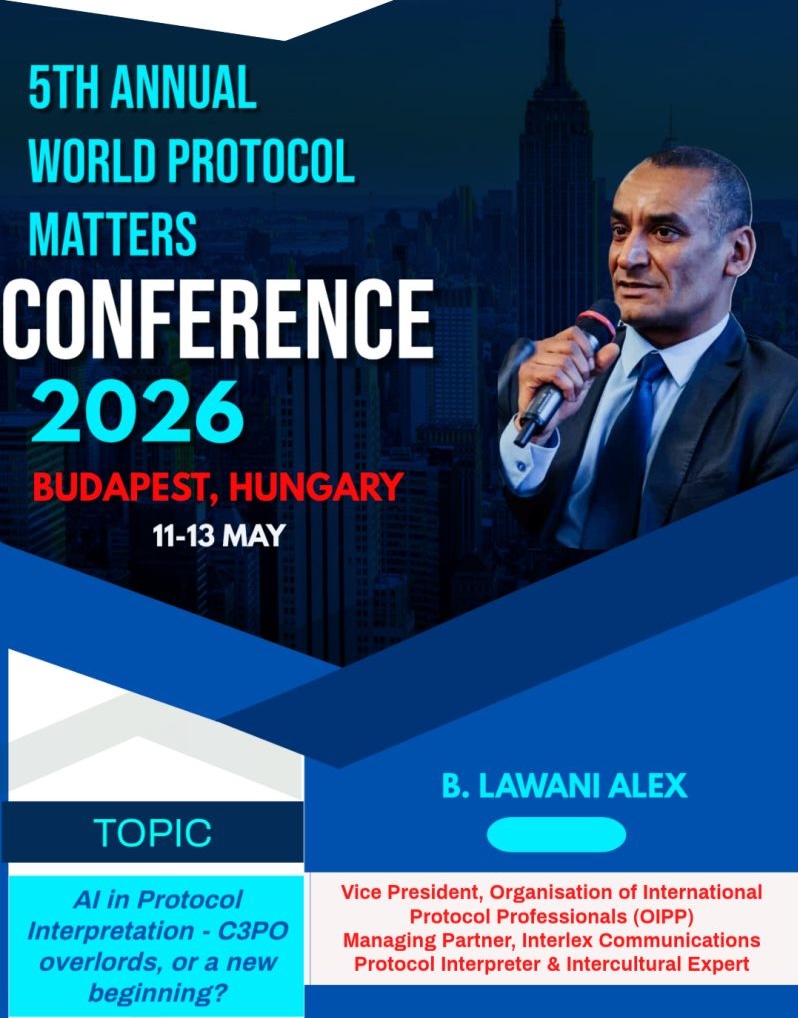
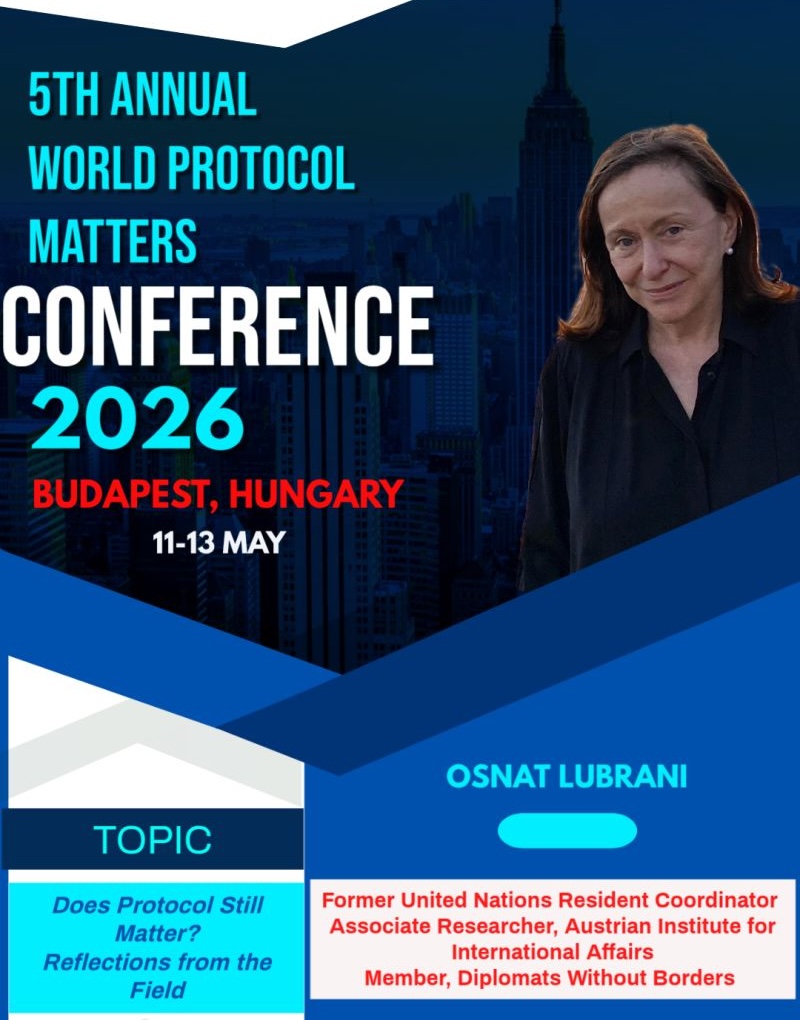
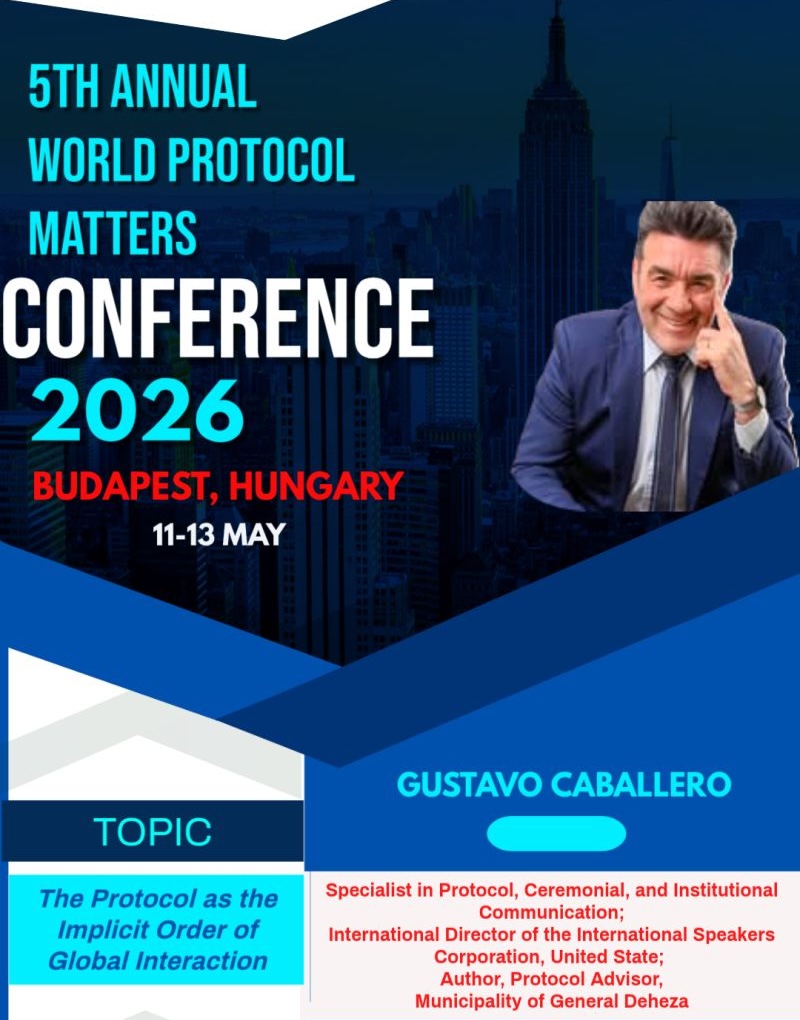
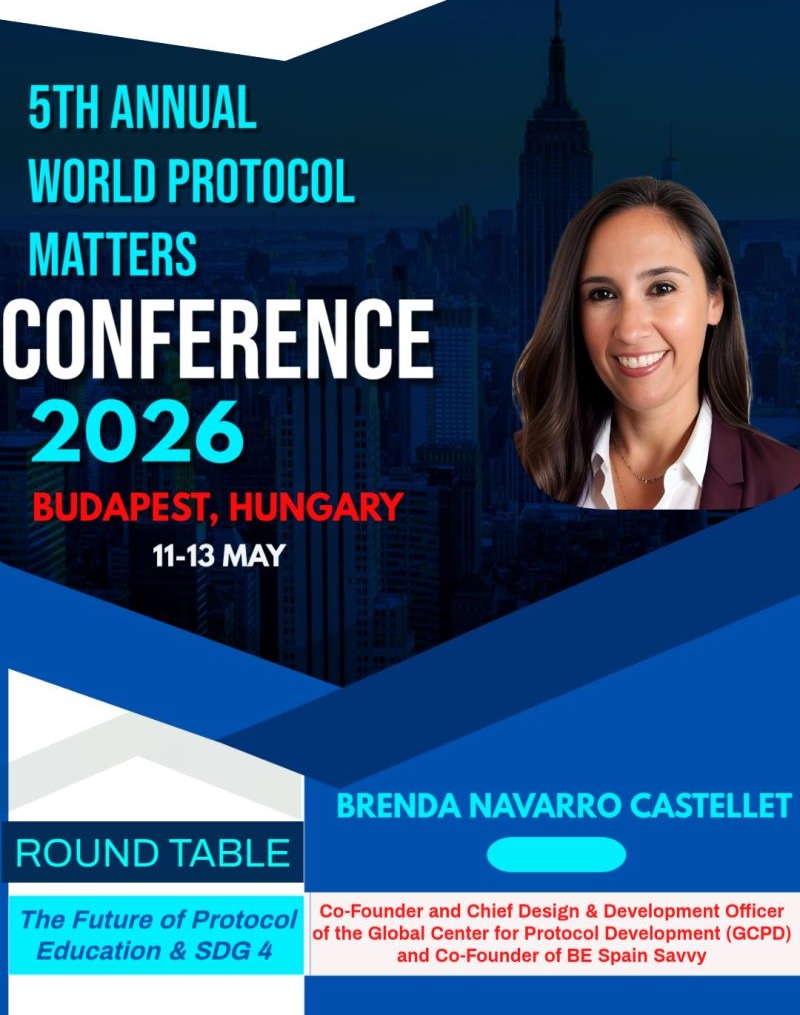
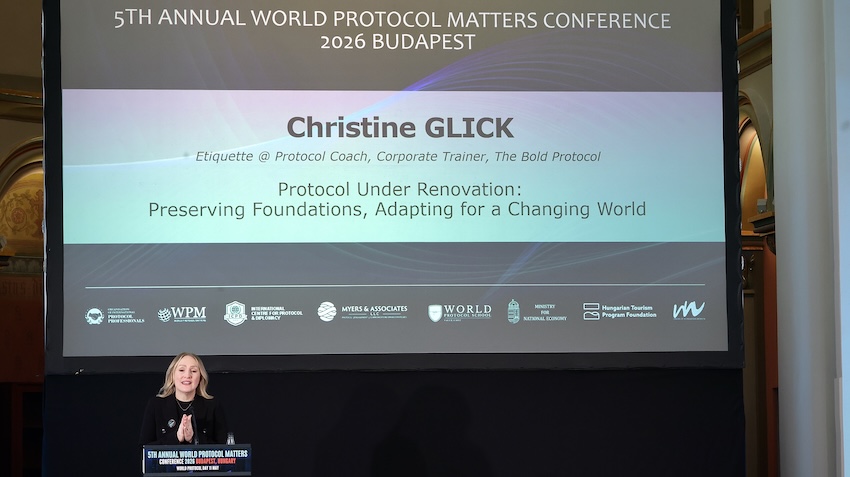
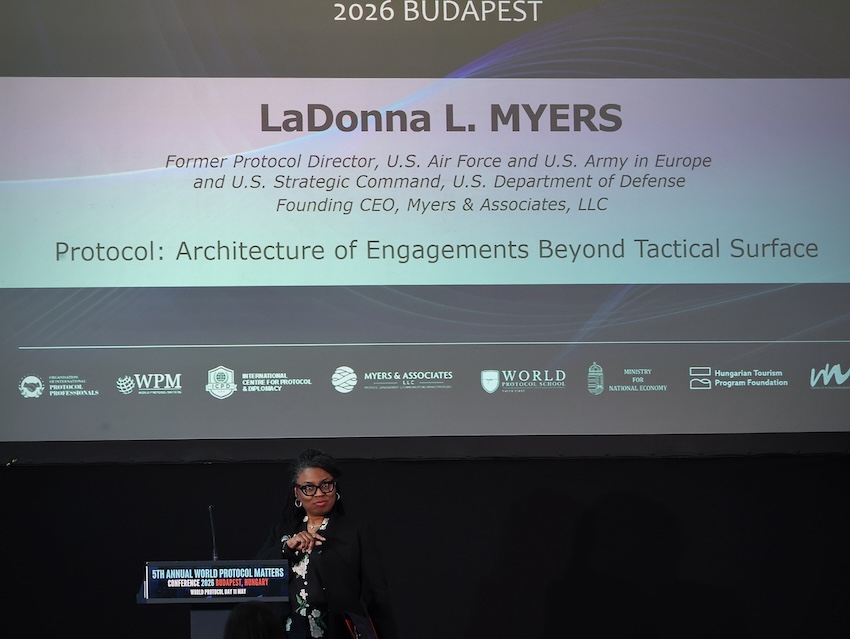
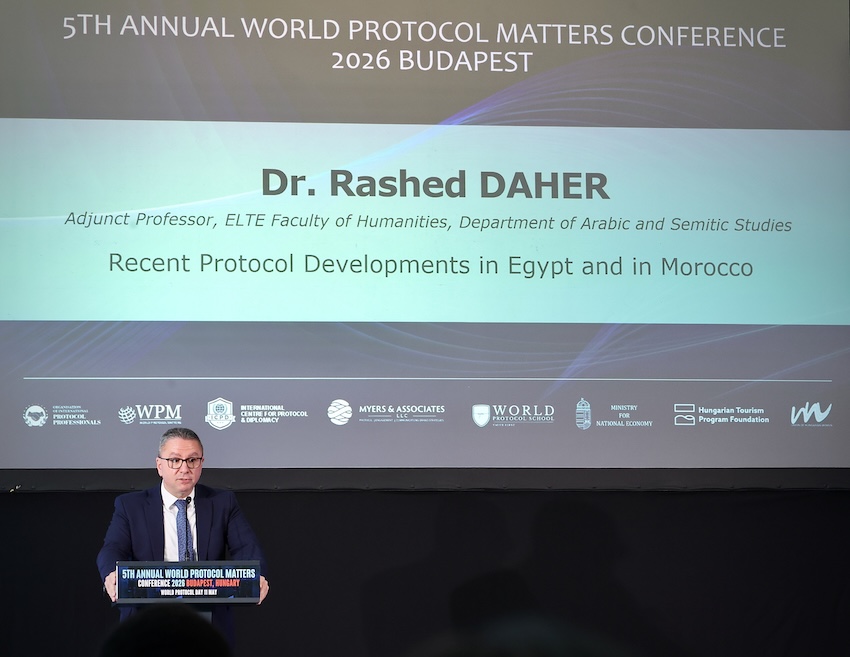
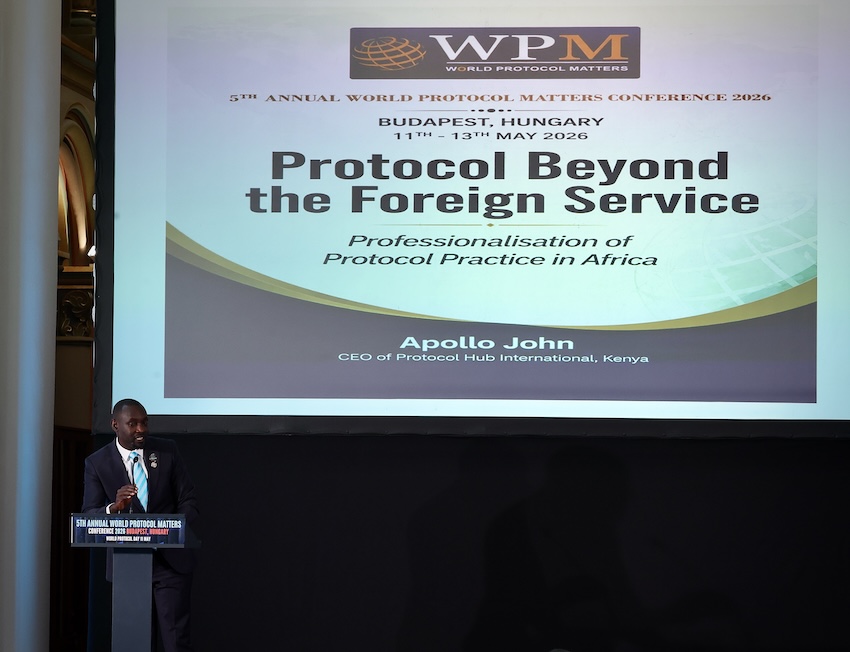
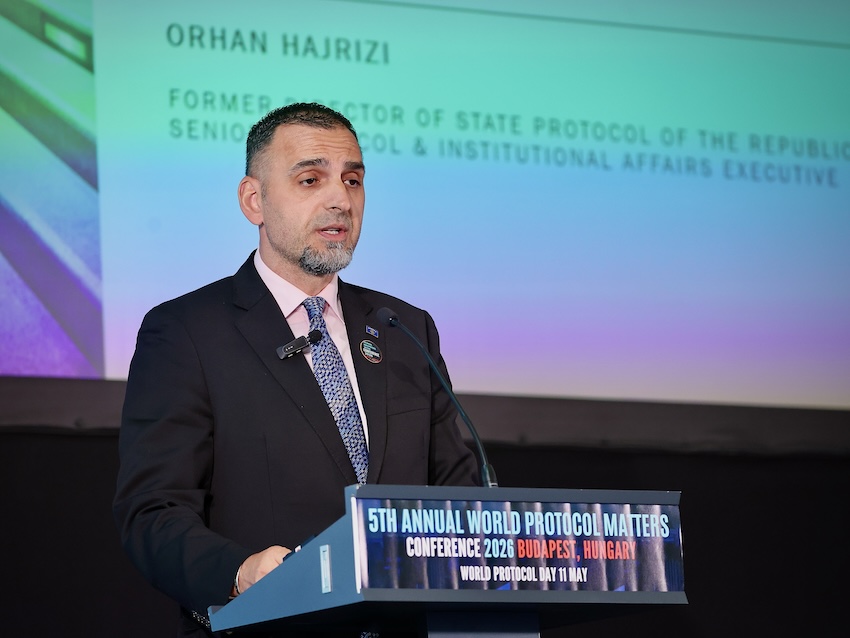
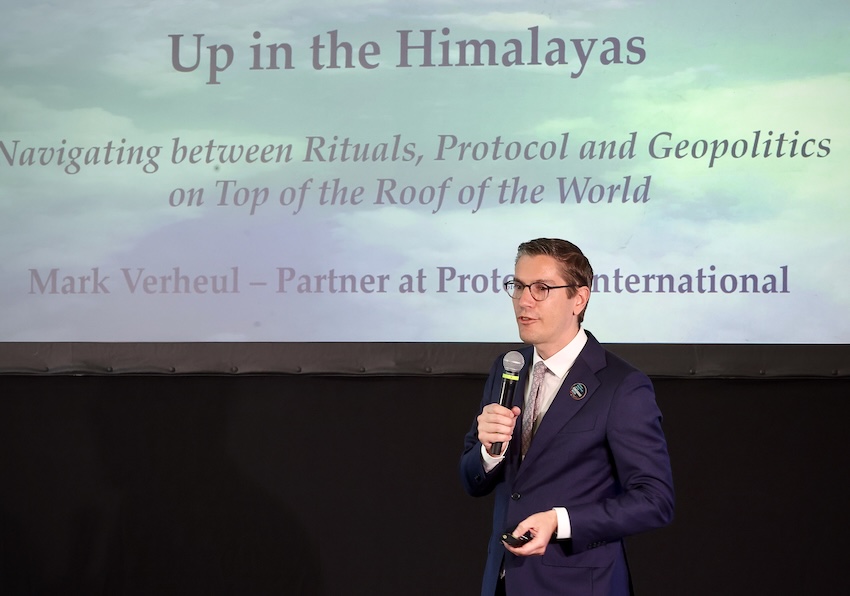
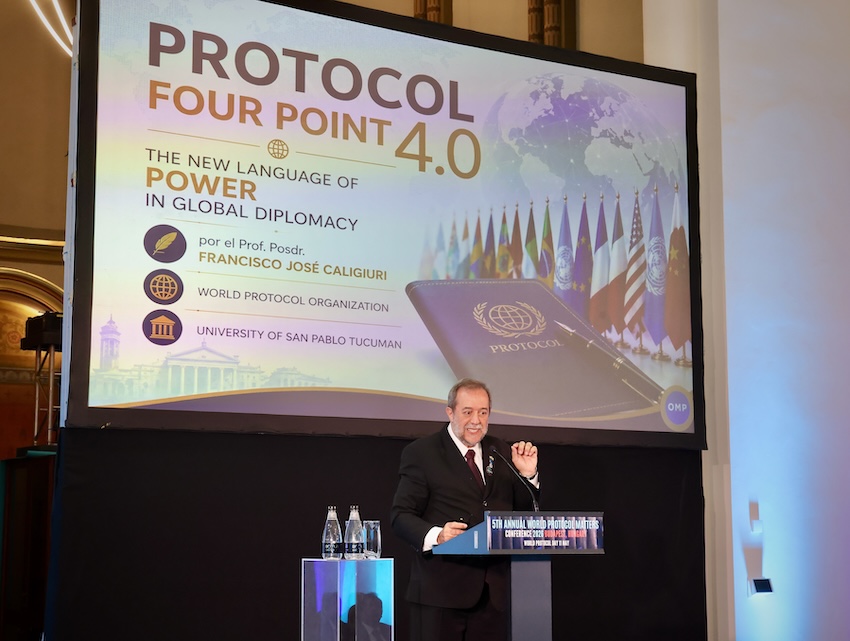
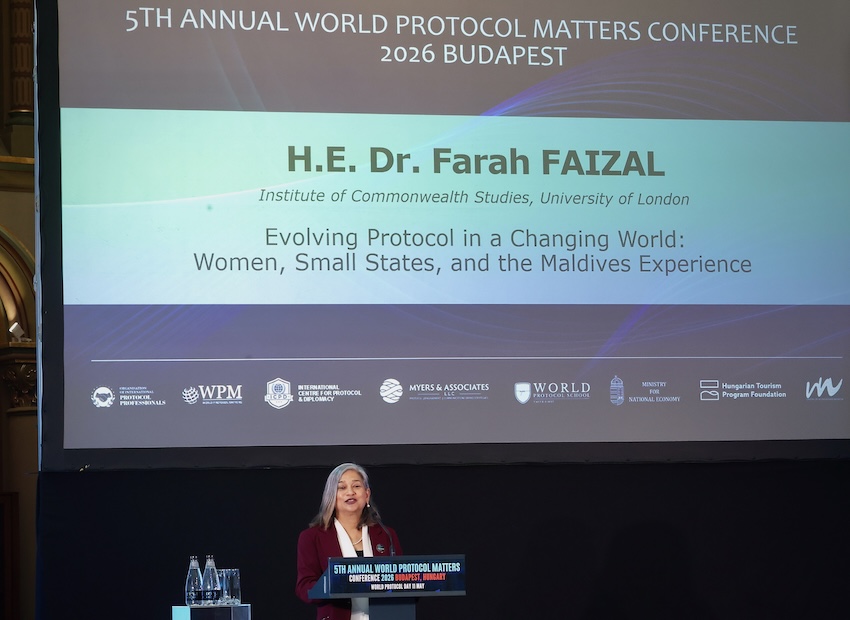
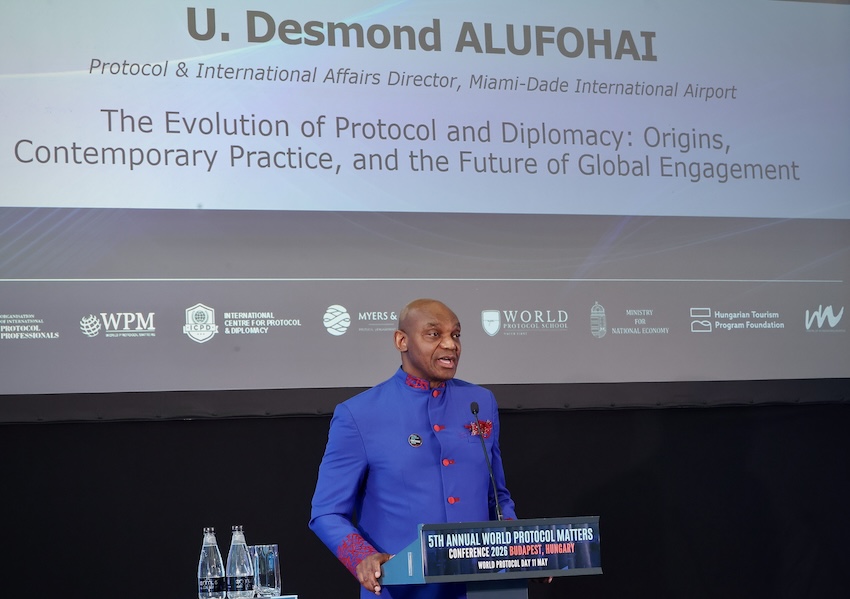
Against the backdrop of an increasingly complex geopolitical climate – where social media and protocol itself can be weaponised to advance political agendas – WPMC 2026 delivered a strong and timely call to action.
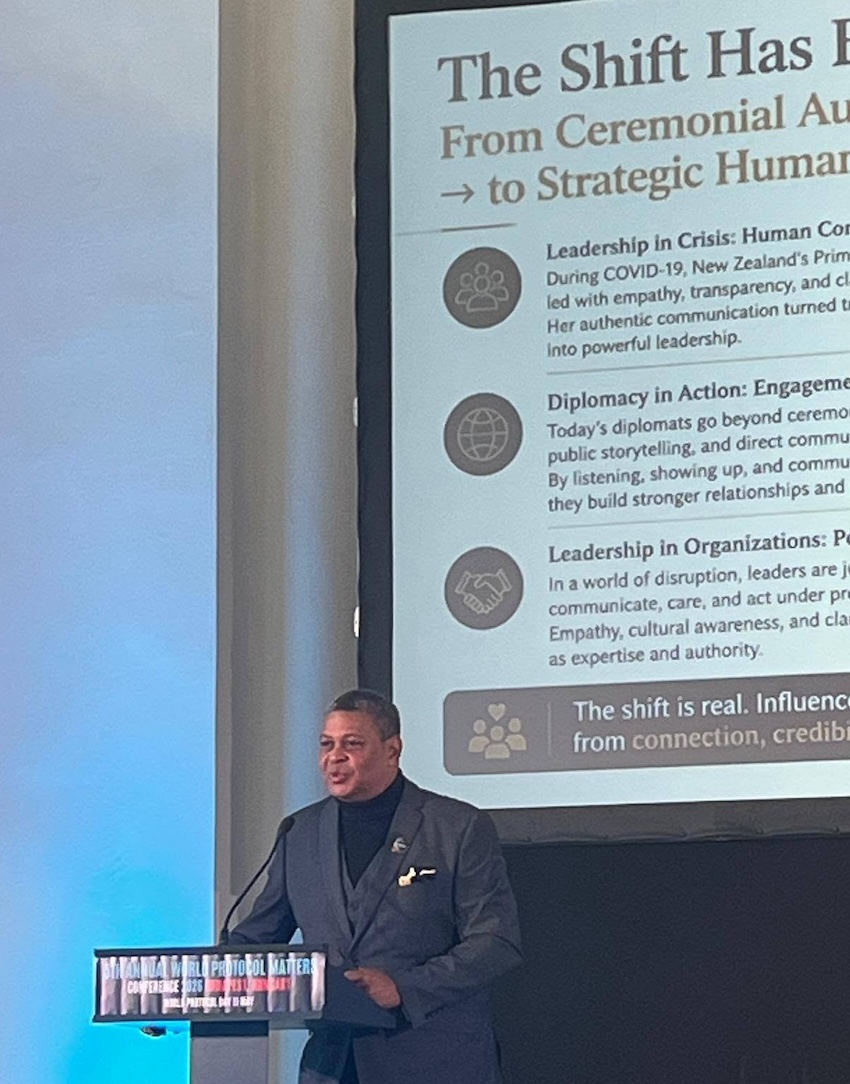
Participants stressed that protocol can no longer be regarded merely as a ceremonial formality; rather, it has become a strategic instrument of soft power that can shape perception, trust and international engagement.
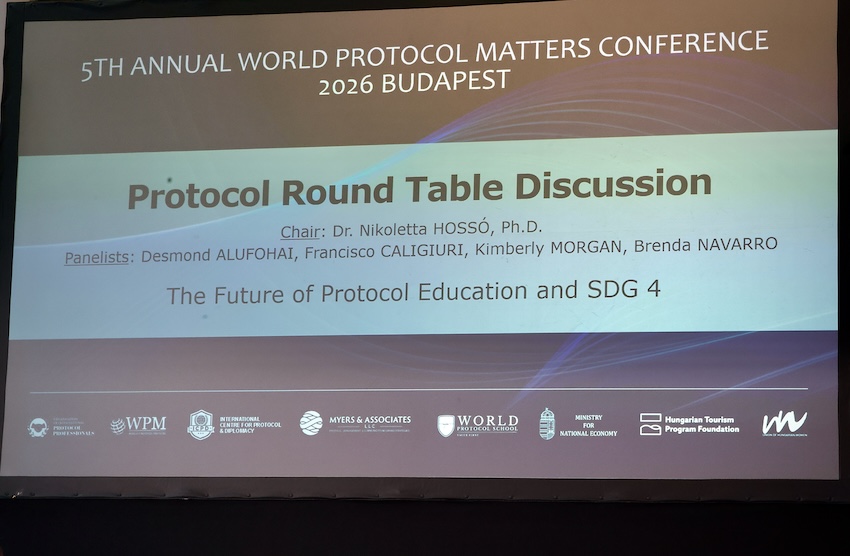
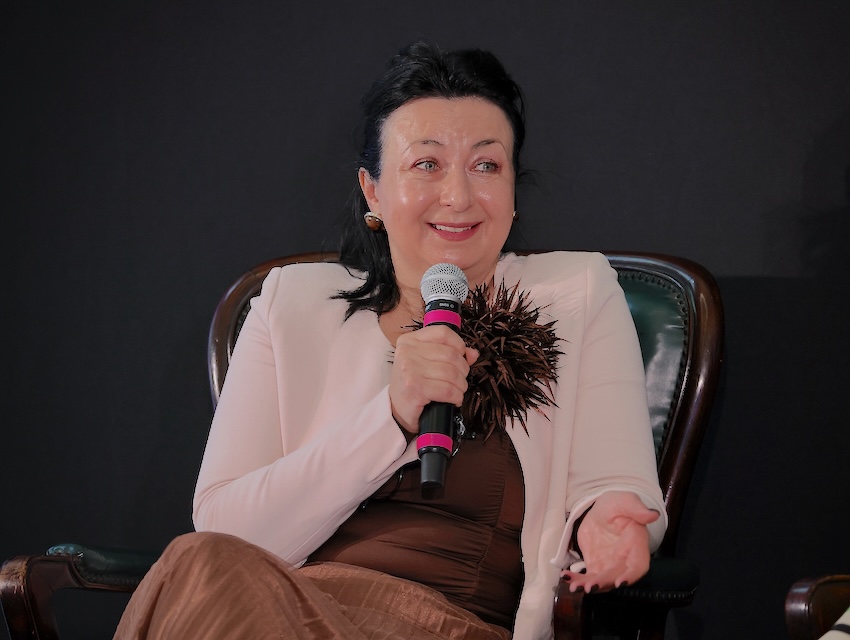
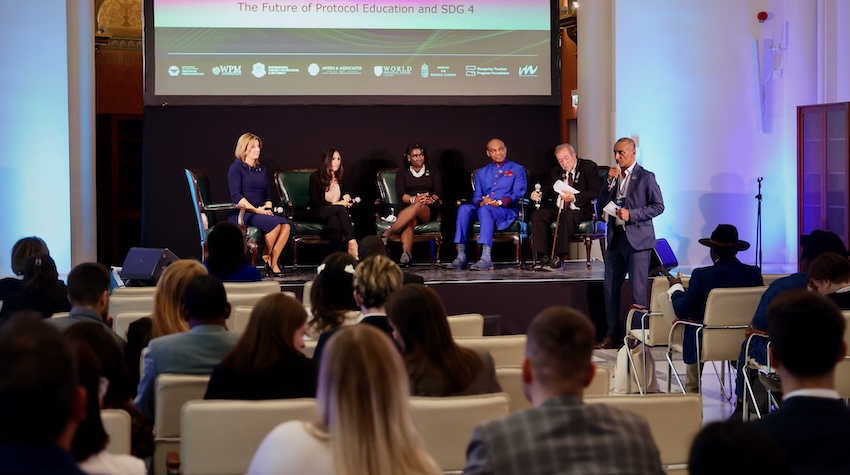
A major focus of the conference was the advancement of protocol studies as an accredited academic discipline. During the Protocol Round Table Discussion, chaired by Dr. Hossó, participants examined the future of protocol education in alignment with the United Nations Sustainable Development Goal 4 (SDG 4), advocating for the integration of protocol studies into accredited university curricula worldwide, and the expansion of advanced academic qualifications, including doctoral-level programmes.
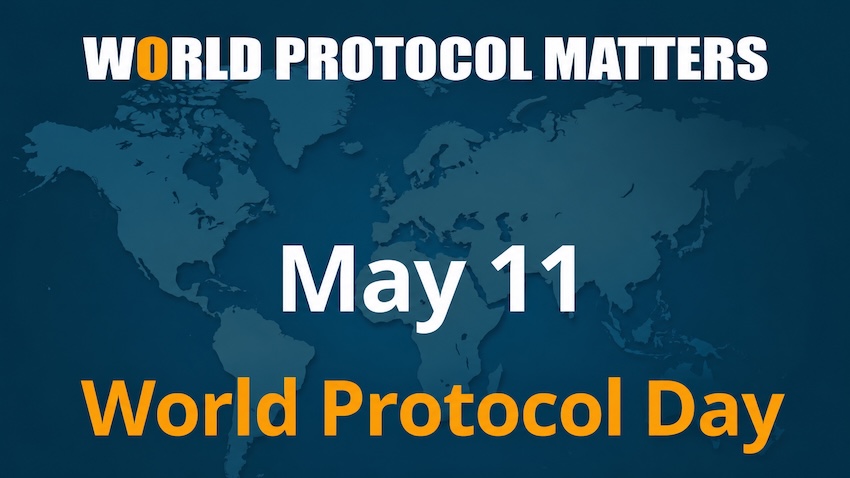
The conference also continued its international campaign for official United Nations recognition of World Protocol Day on 11 May.
Organisers are actively seeking the endorsement of Chiefs of Protocol, embassies, national governments and international institutions. Participants noted that even the submission of such an initiative may itself serve as an important soft power tool for UN member states, particularly for smaller countries seeking greater international visibility and diplomatic influence.
Given the rapidly changing diplomatic landscape, several speakers underlined that protocol increasingly functions as a strategic framework for political communication, international representation and diplomatic trust-building. Participants also highlighted the growing risks associated with the misuse of social media and public diplomacy tools in shaping political narratives, emphasising the need for professionalism, ethical standards and internationally recognised protocol expertise.
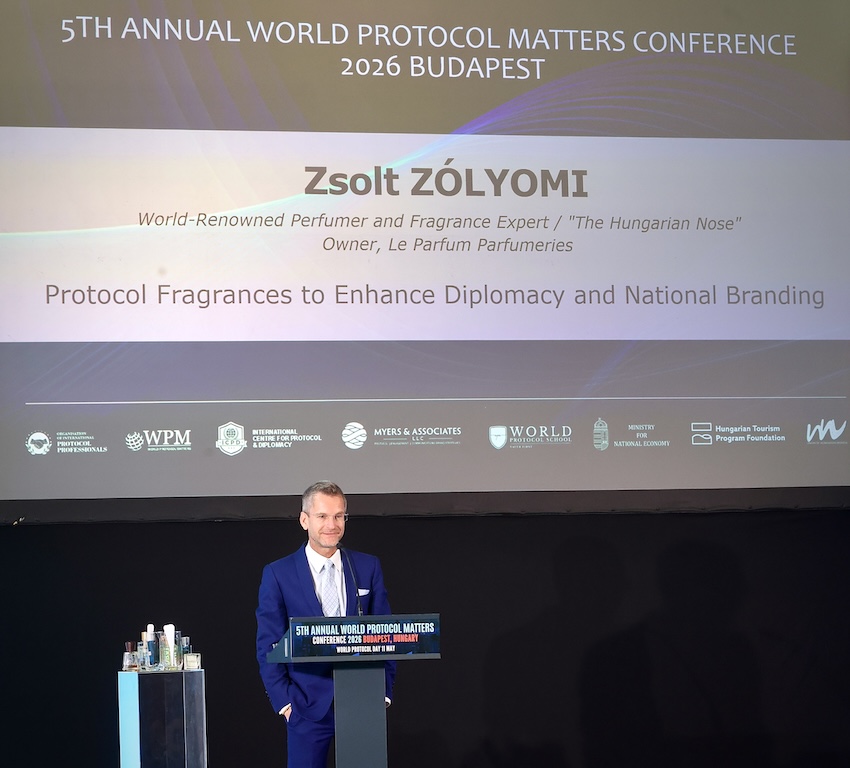
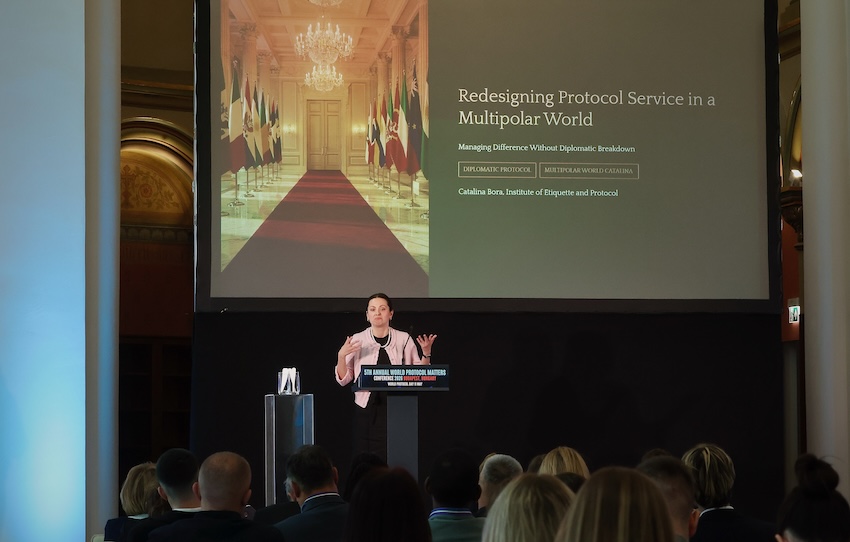
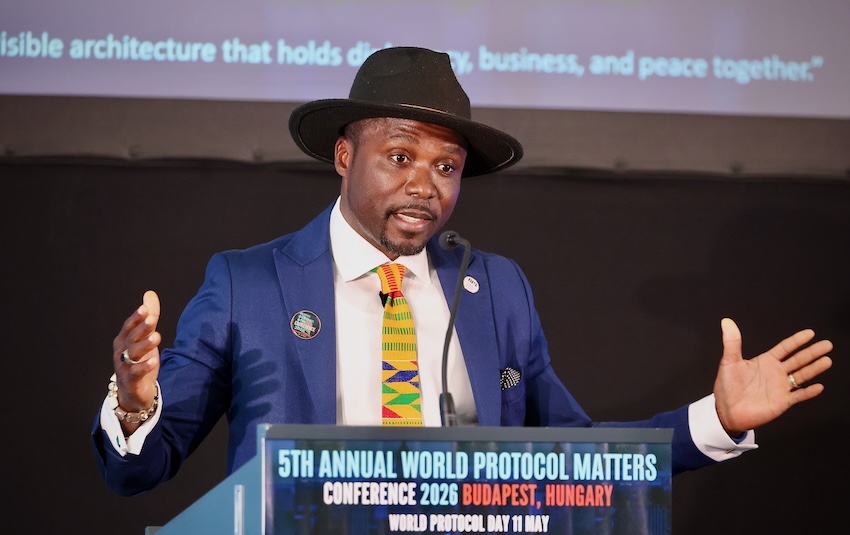
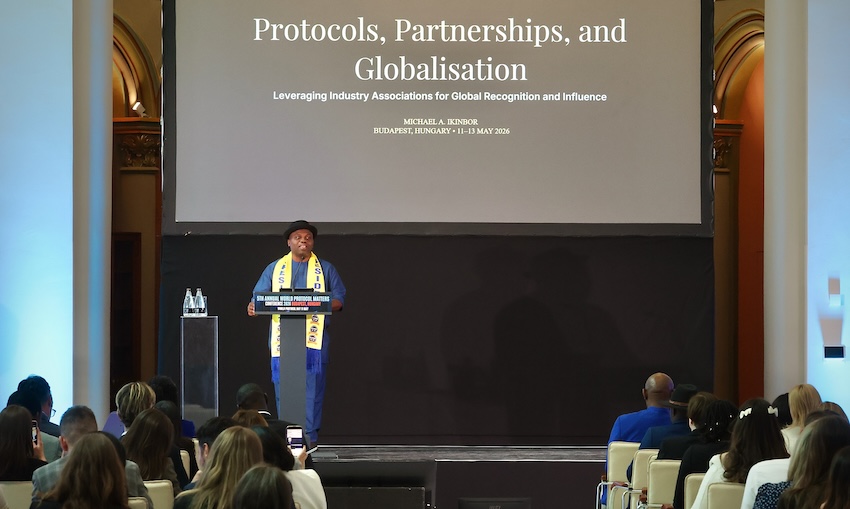
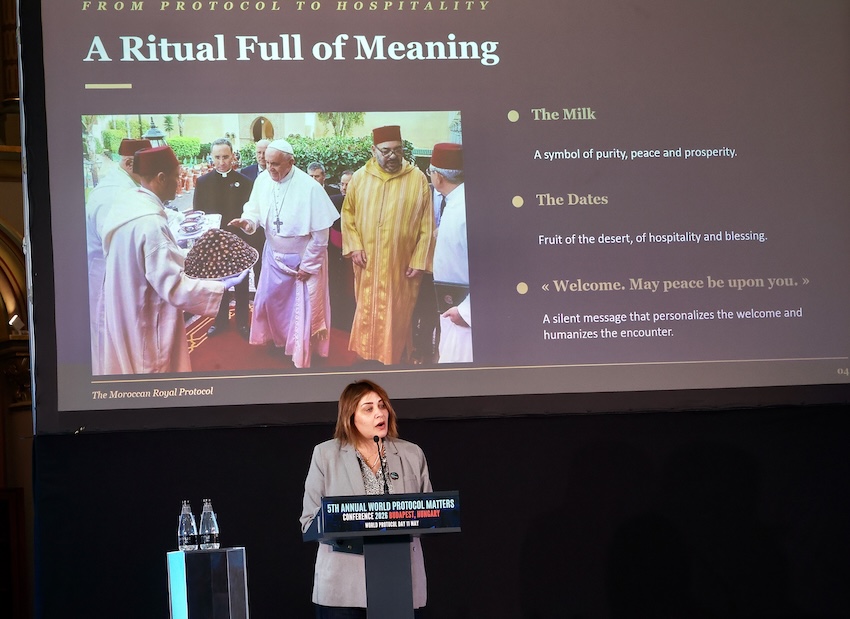
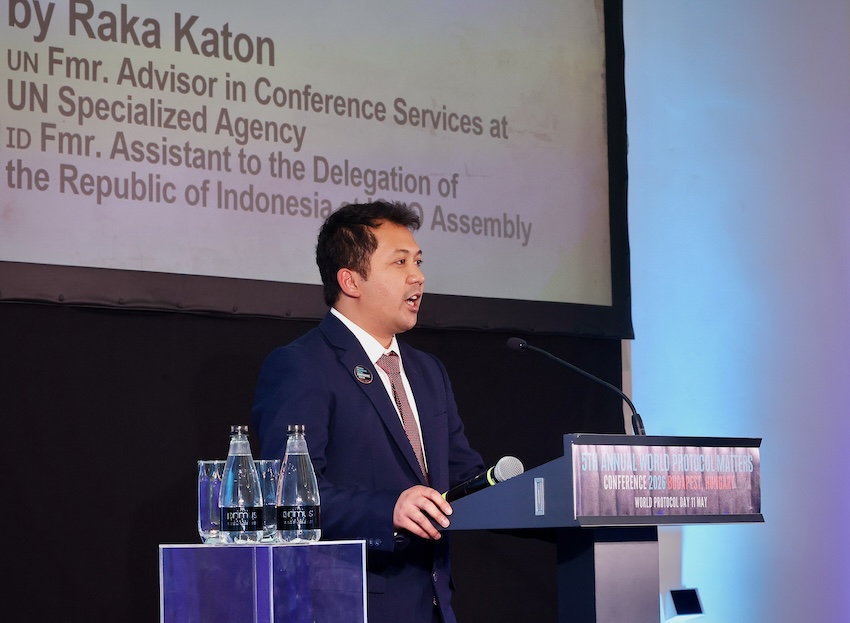
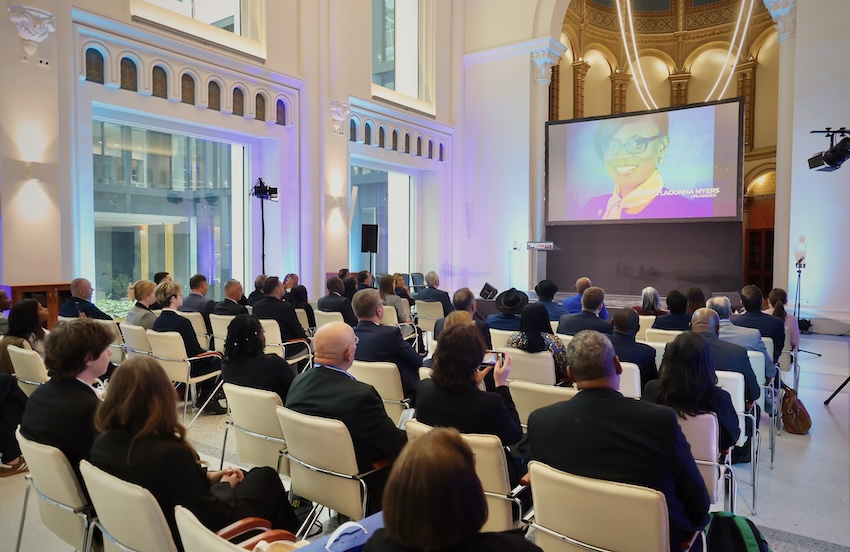
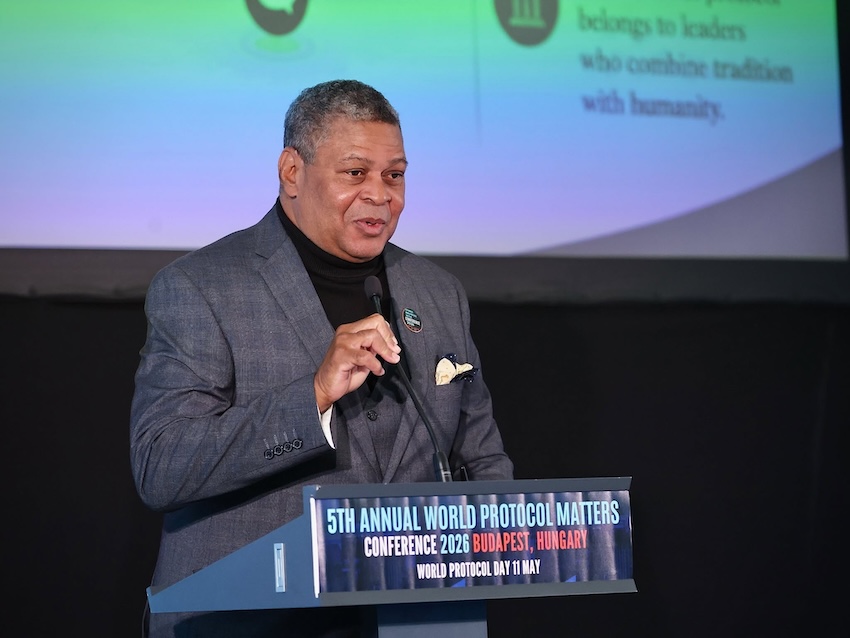
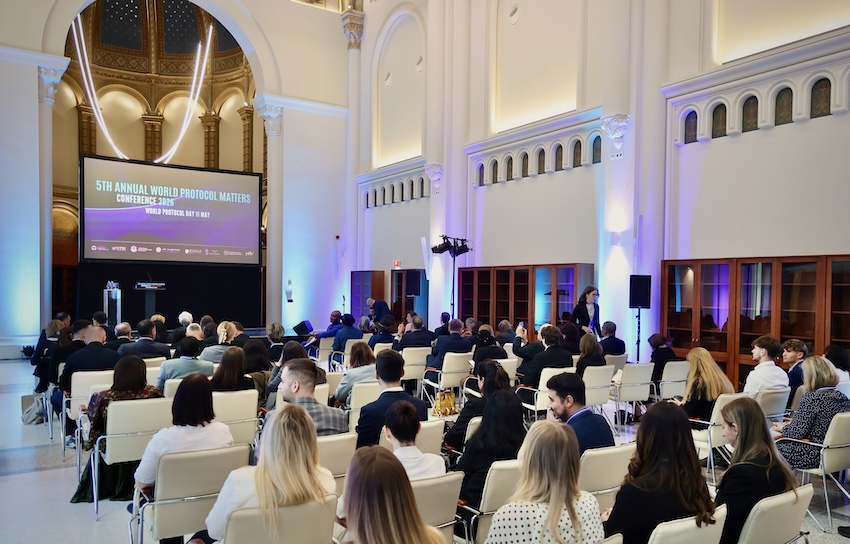
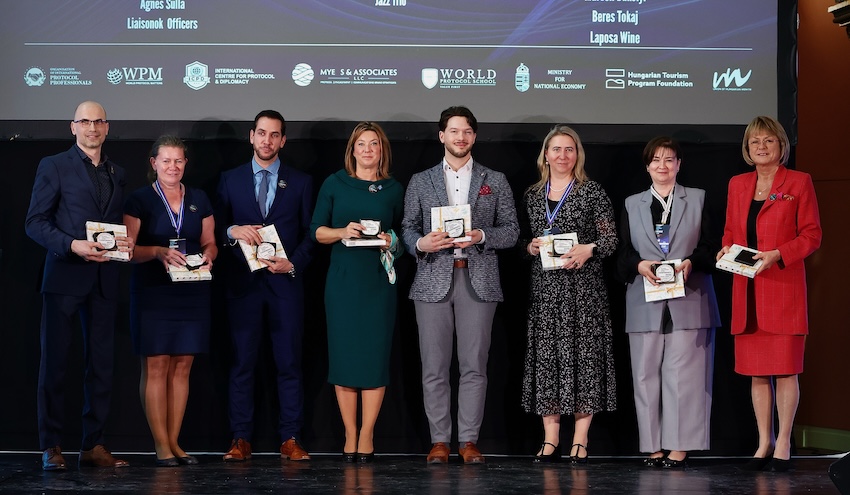
The closing session recognised all contributors and announced the highly anticipated WPMC 2027.
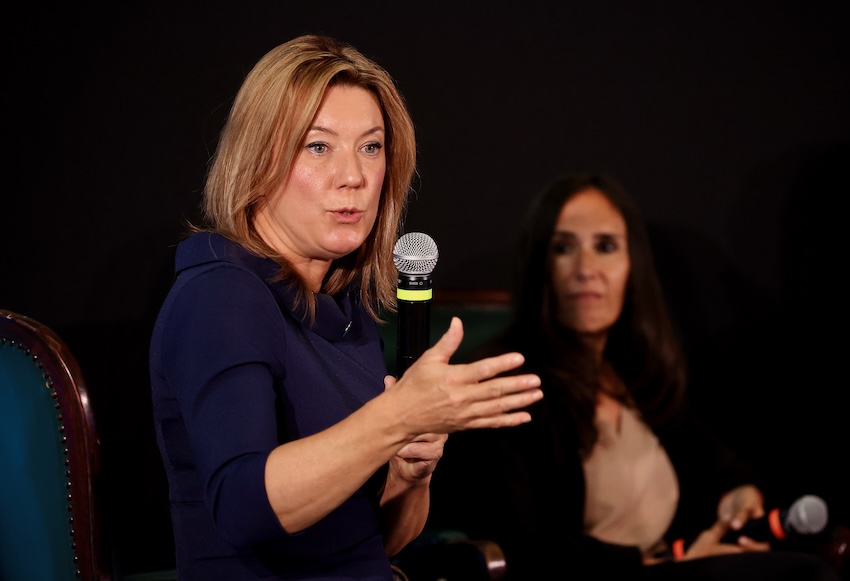
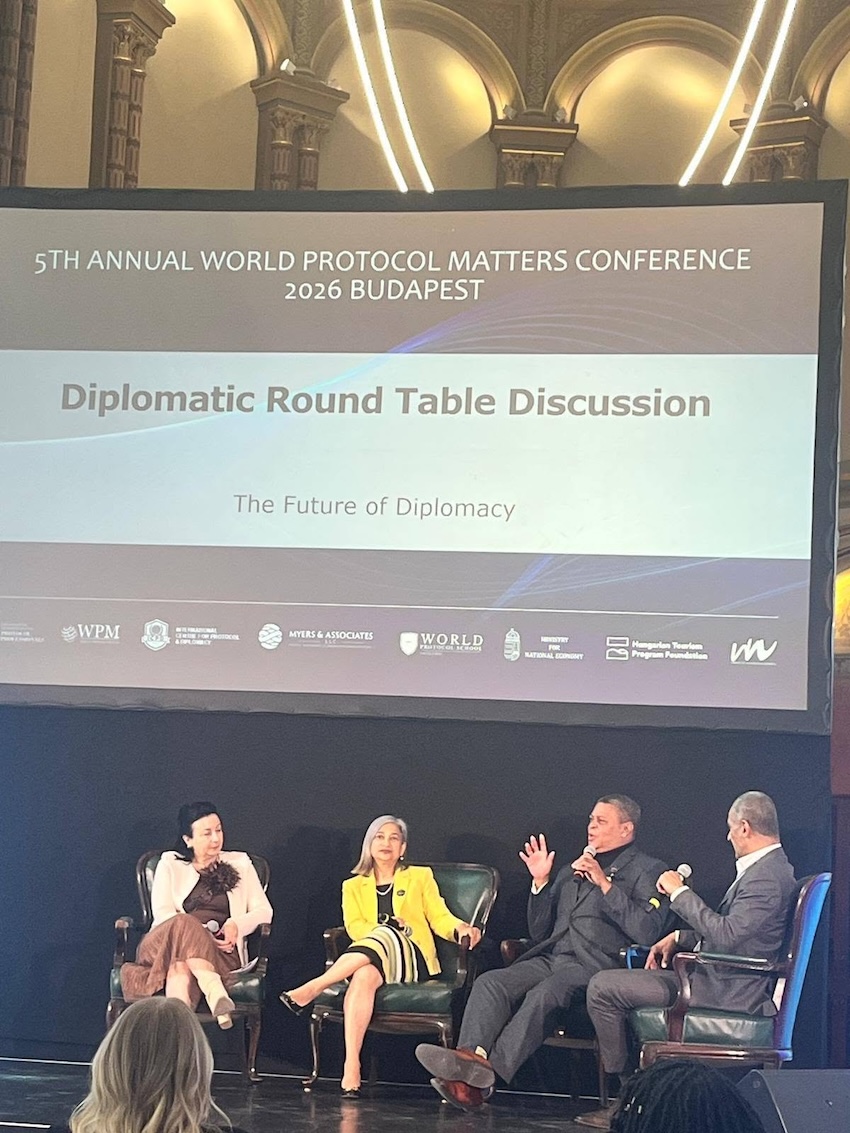
Speakers at the Diplomatic Round Table emphasised that hosting major international protocol conferences offers countries valuable opportunities to strengthen their national branding, enhance their diplomatic visibility and deepen international partnerships.
Reflecting on the significance of the event, Dr. Nikoletta Hossó stated that “protocol has become a strategic tool and a changemaker in international relations”, adding that the profession deserves greater institutional recognition, academic accreditation and global support in order to prepare the next generation of protocol leaders.
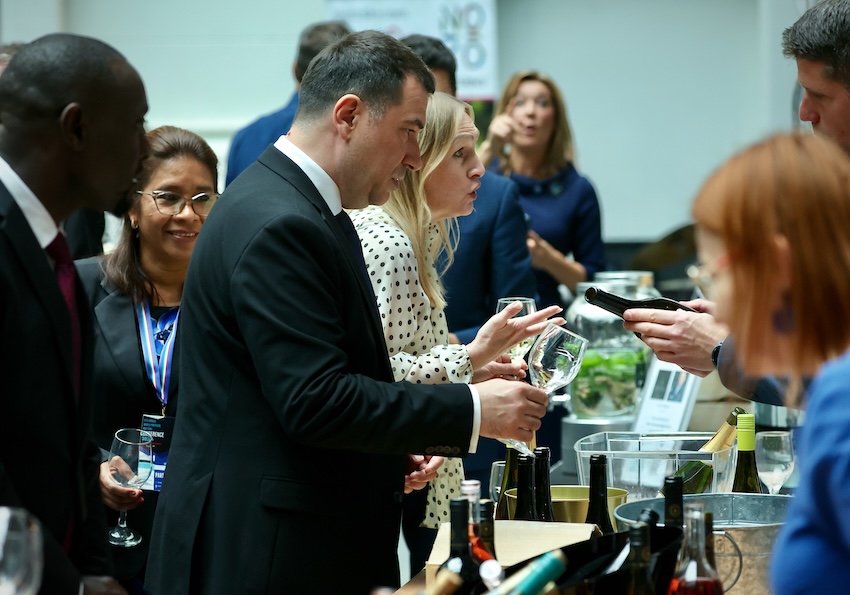
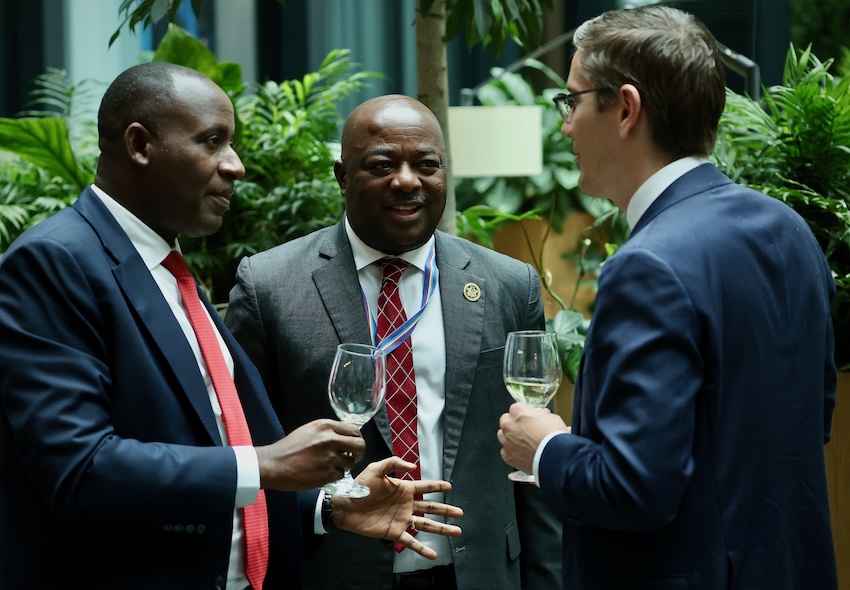
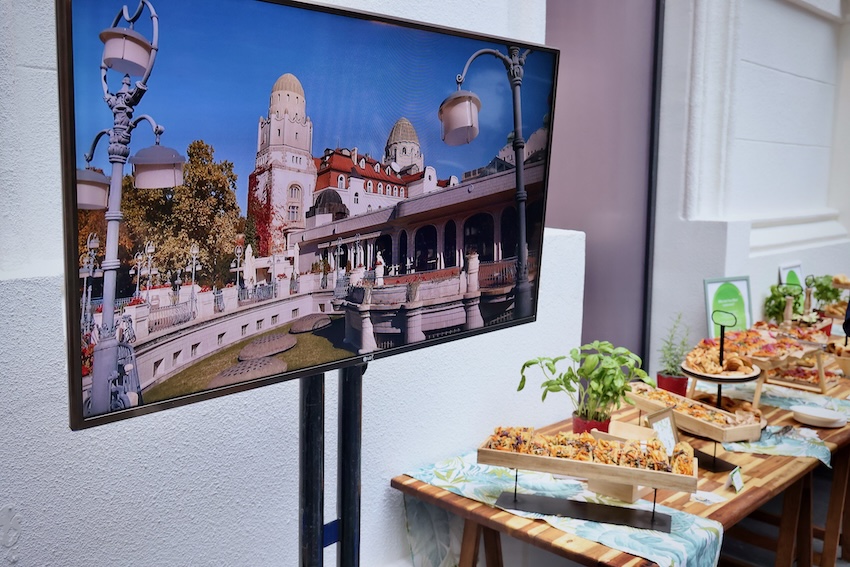
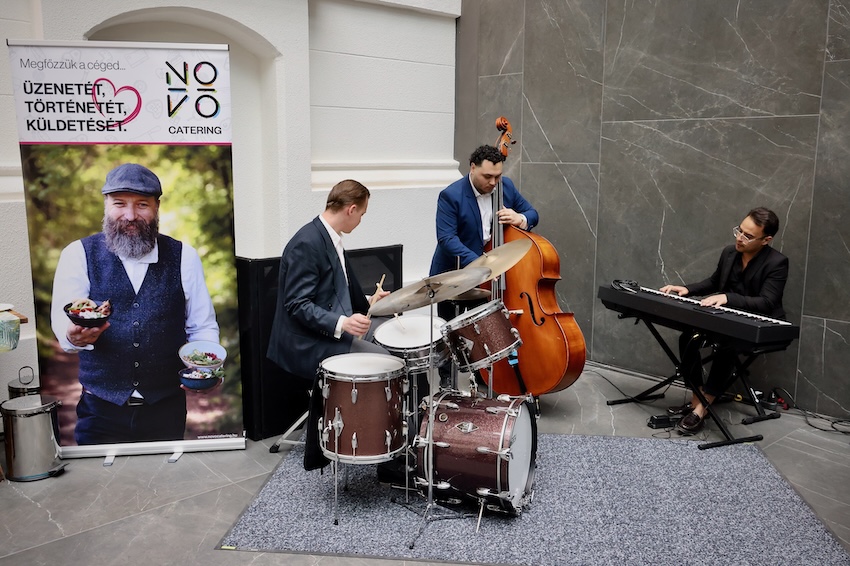
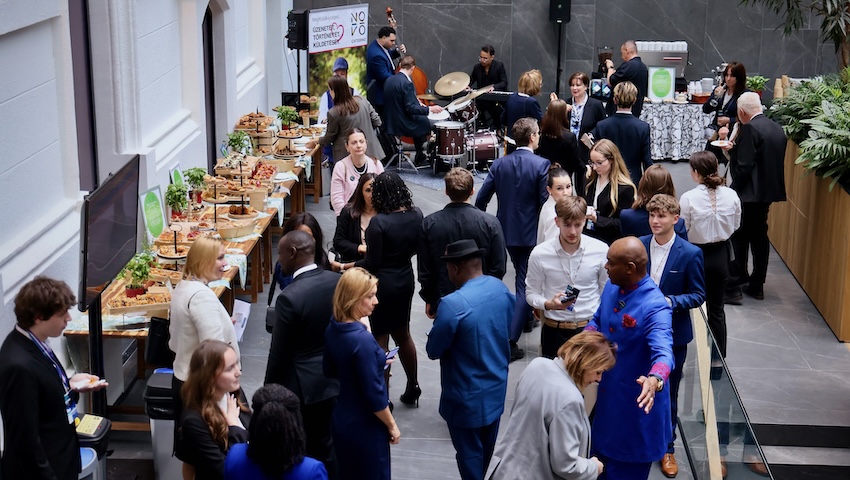
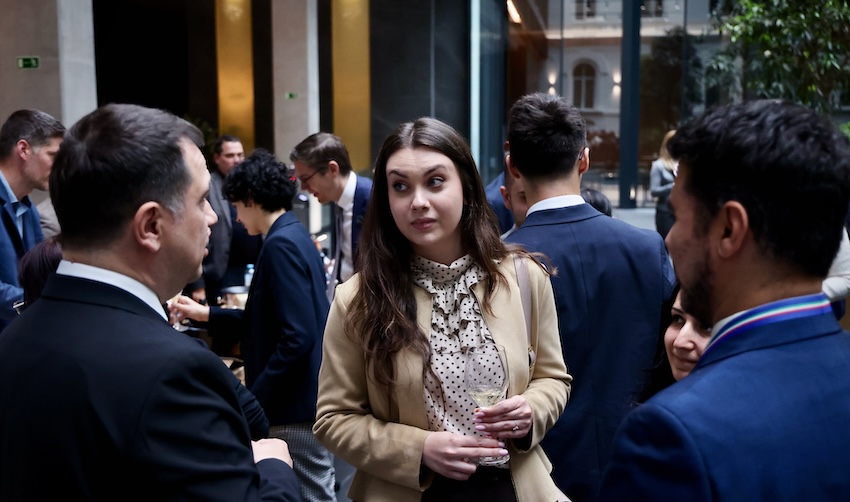
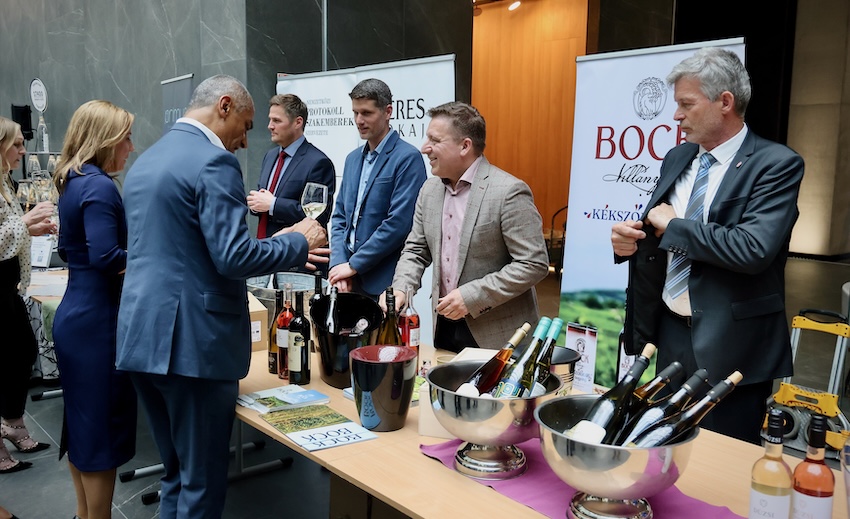
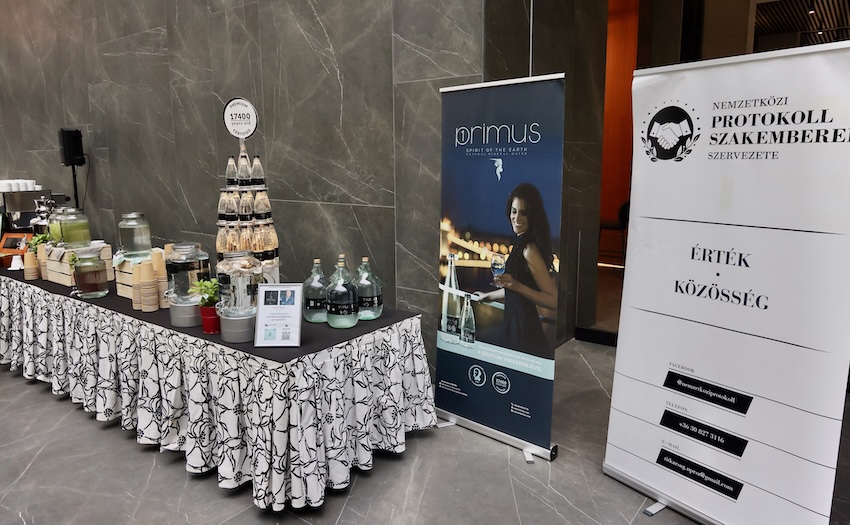
The event concluded with a reception, which provided an excellent opportunity for convivial networking, cultural exchange, and lively conversations, helping to strengthen both personal and professional ties.
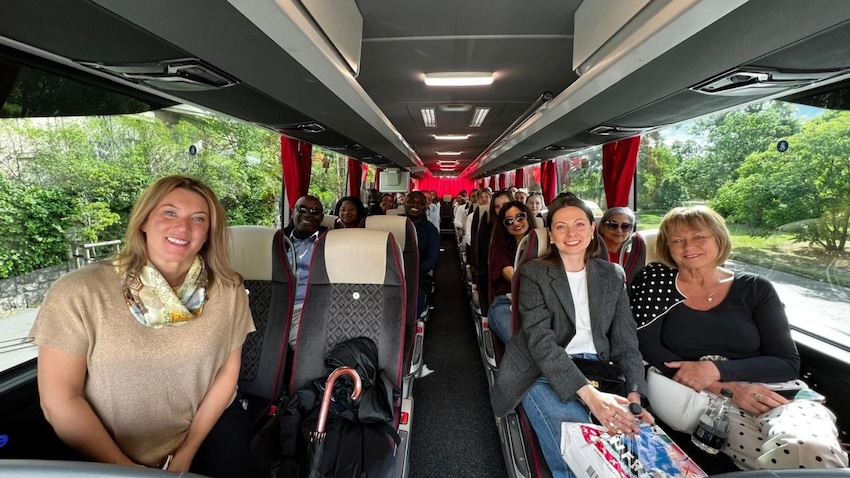
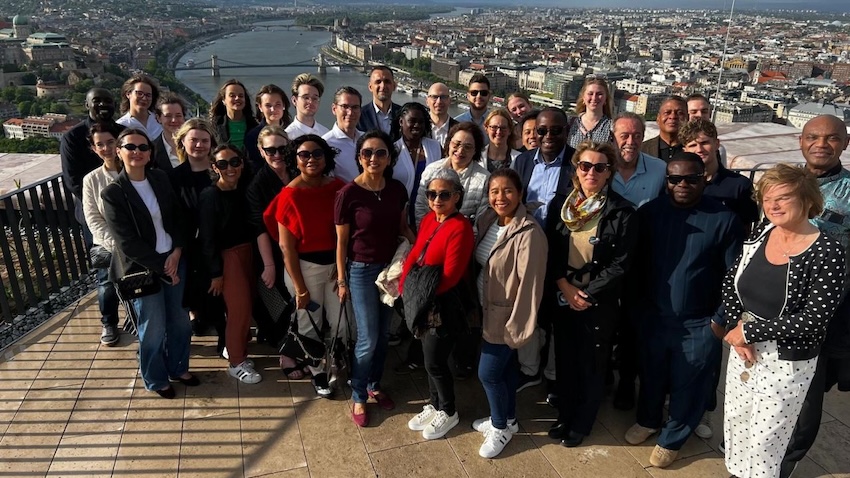
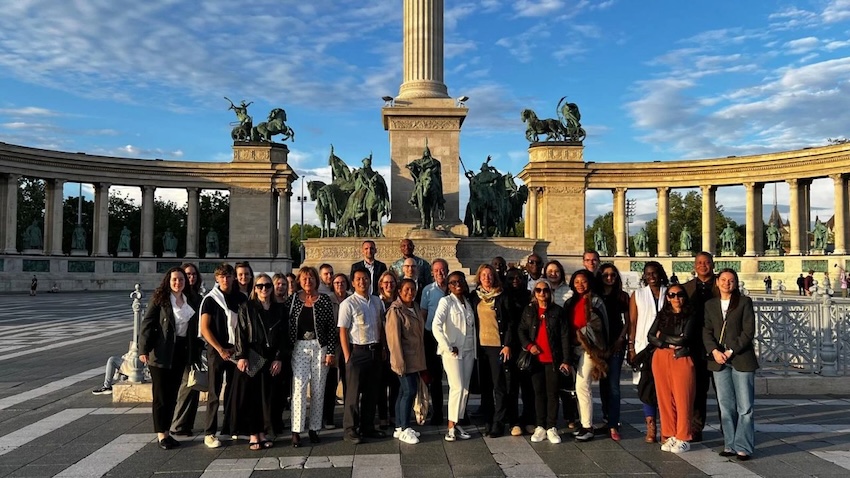
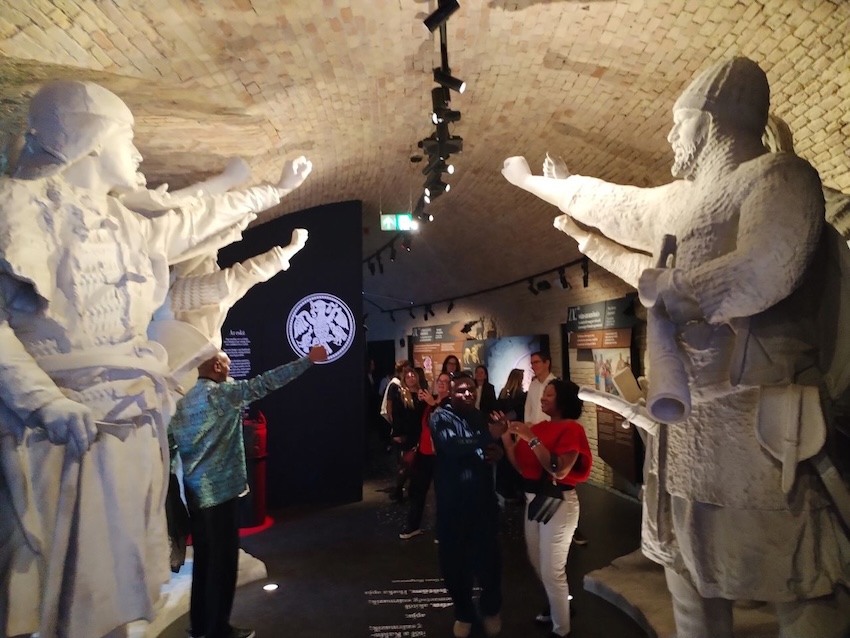
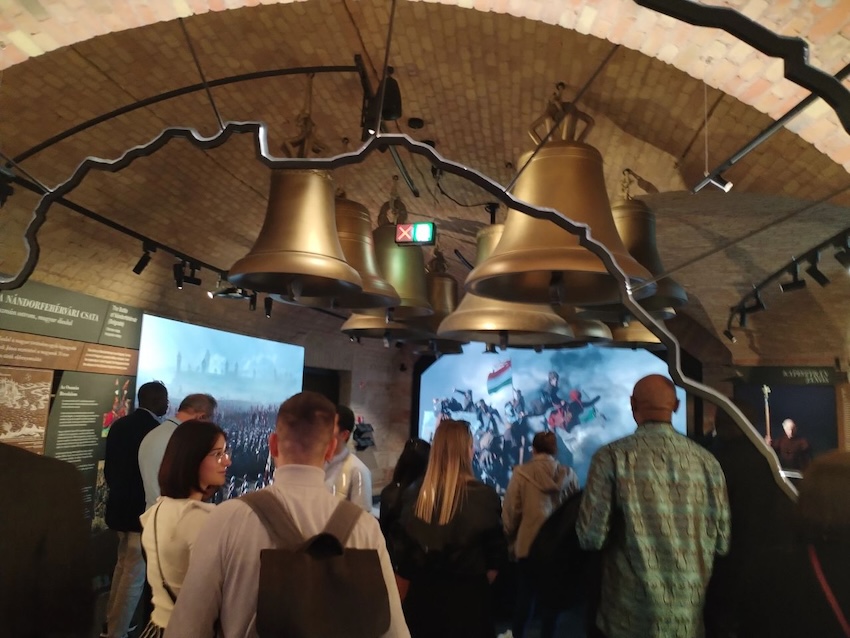
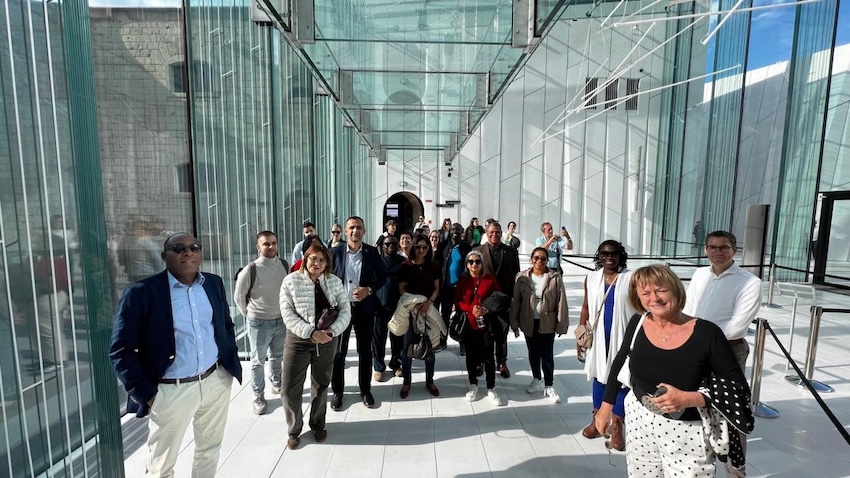
As part of the World Protocol Day celebrations on 11 May, delegates to the WPMC 2026, visiting Hungary for the first time, participated in a sight-seeing tour of Budapest organised with the support of the Hungarian Tourism Agency (MTPA). The programme included visits to several iconic landmarks of the Hungarian capital, among them the new exhibition “The Bastion of Freedom” at the reconstructed Citadella on Gellért Hill and the Heroes’ Square at the City Park. The tour was guided by OIPP Vice-President Ivan Aigner and OIPP member Edit Ranky, offering guests a deeper insight into Hungary’s historical heritage, culture and national identity.
Source: Organisation of International Protocol Professionals (NPRSZ -OIPP)
Photos from the Organisation of International Protocol Professionals (NPRSZ -OIPP)