
Edited by Anna Popper
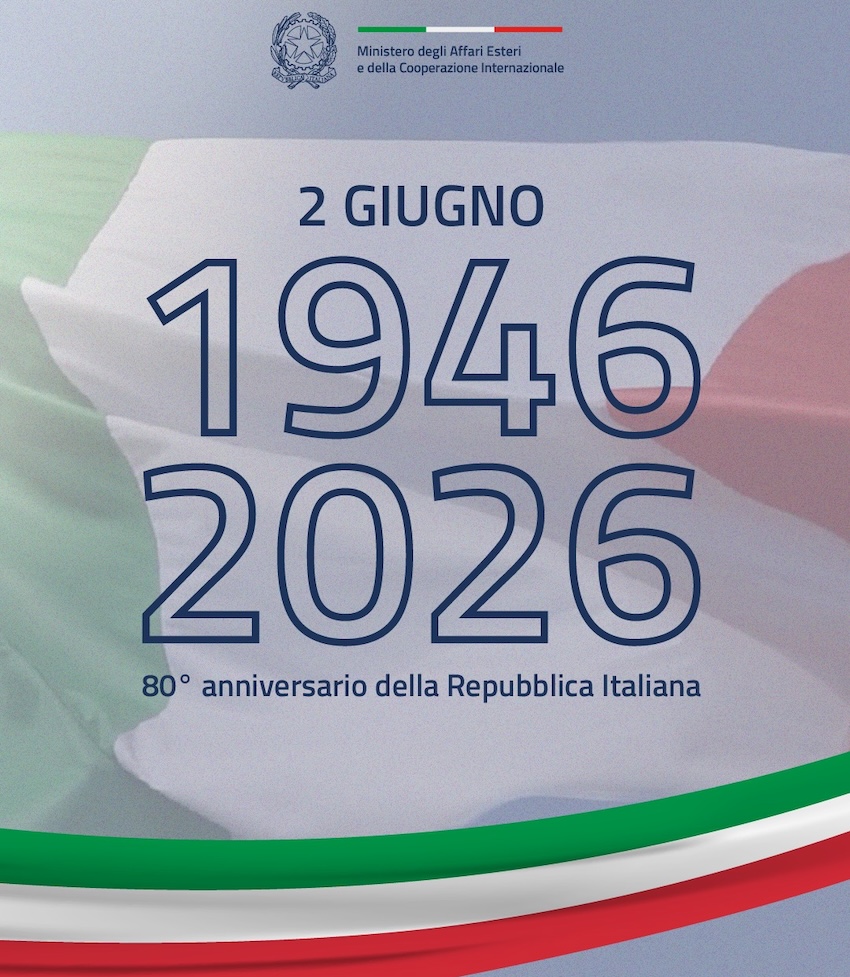
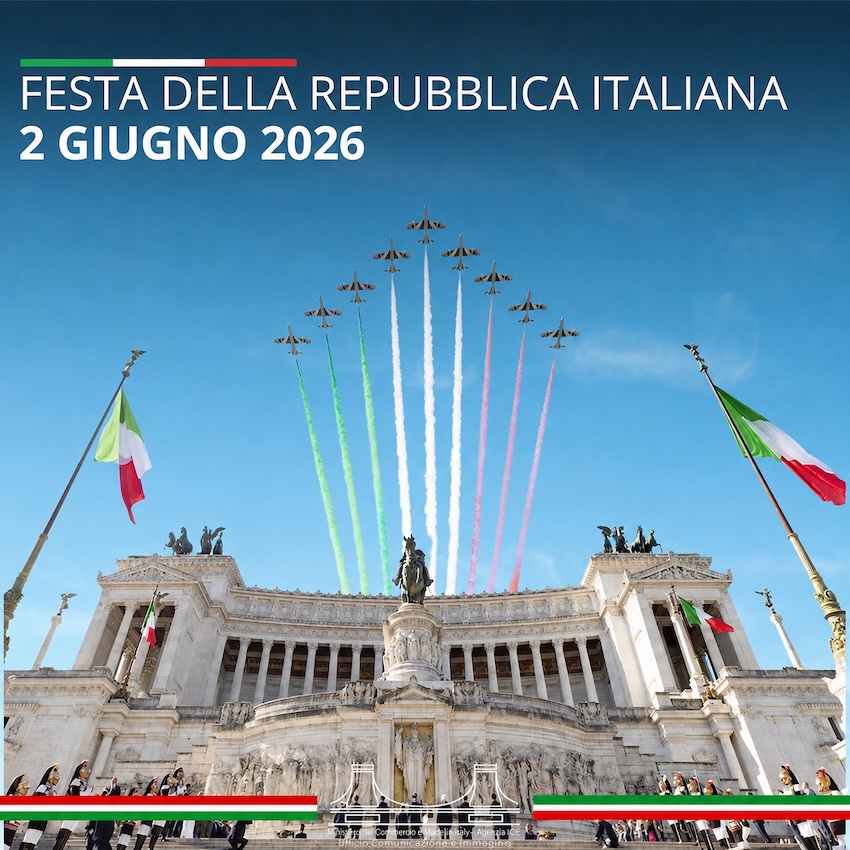
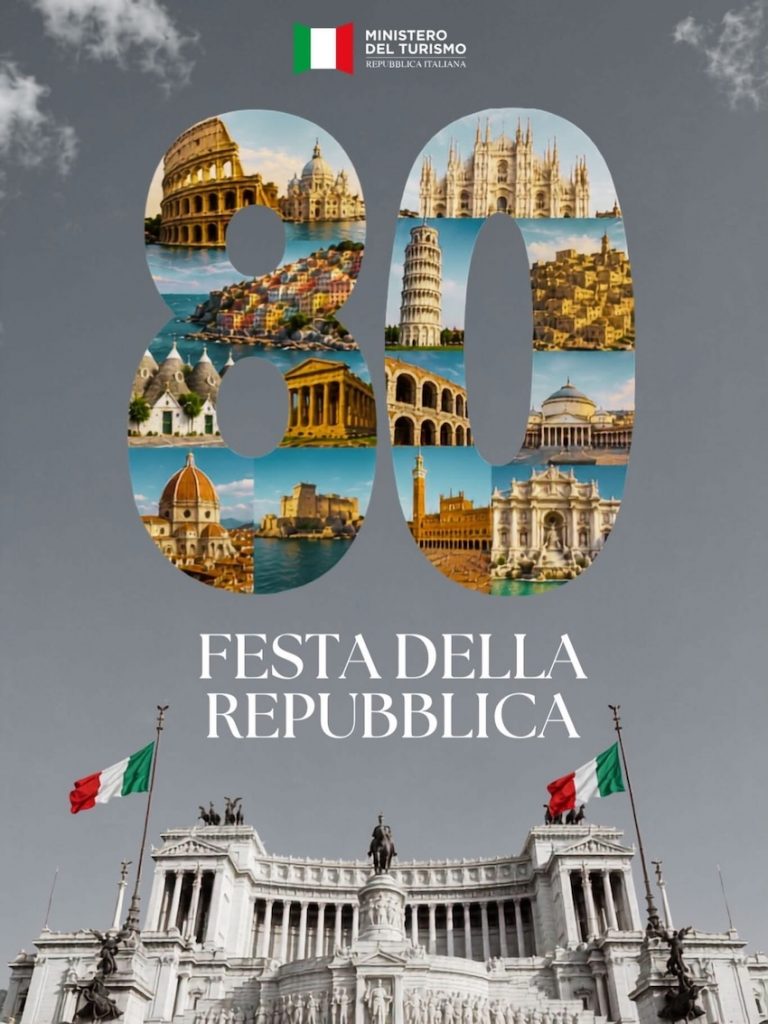
Every year on 2 June, Italians celebrate the birth of the Republic. Eighty years ago, the Italian people faced a historic decision that would shape the future of their nation. On 2 June 1946, through an institutional referendum, Italy chose the Republic over the Monarchy, opening a new chapter in its democratic history and laying the foundation for the modern Italian state. The referendum marked a turning point in the country’s post-war reconstruction and was also the first national vote in which Italian women exercised their right to vote, making it a milestone in the development of democracy and civic rights in Italy. Later that year, the election of the Constituent Assembly led to the drafting of the Italian Constitution, which entered into force on 1 January 1948.
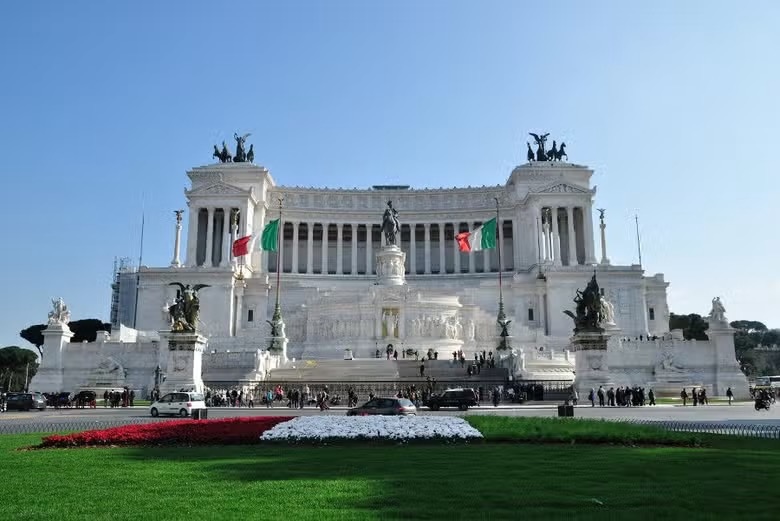
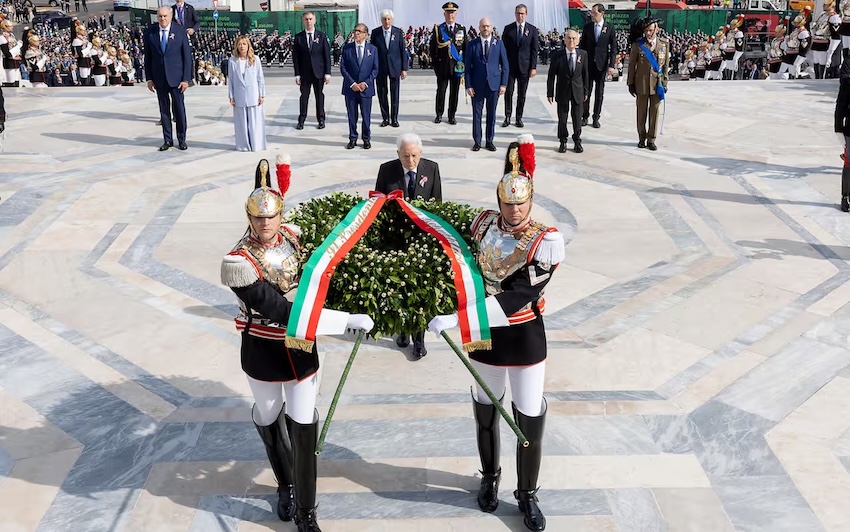
On the occasion of Republic Day celebrations, the President of Italy, Sergio Mattarella, paid tribute to the Nation by laying a laurel wreath at the Tomb of the Unknown Soldier on the Altare della Patria (Vittoriano) in Piazza Venezia, Rome, in the presence of the highest state authorities during the official ceremony.
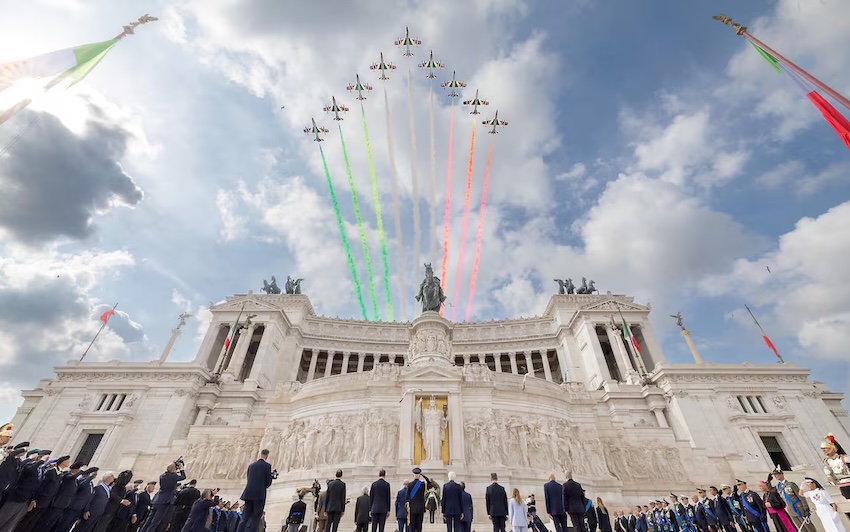
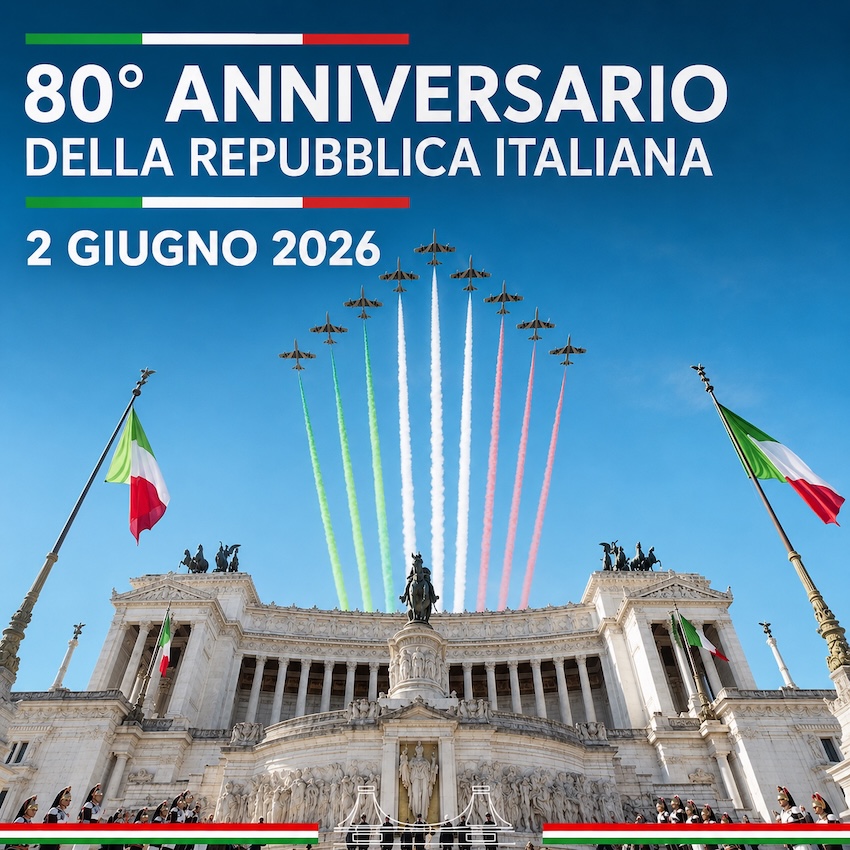
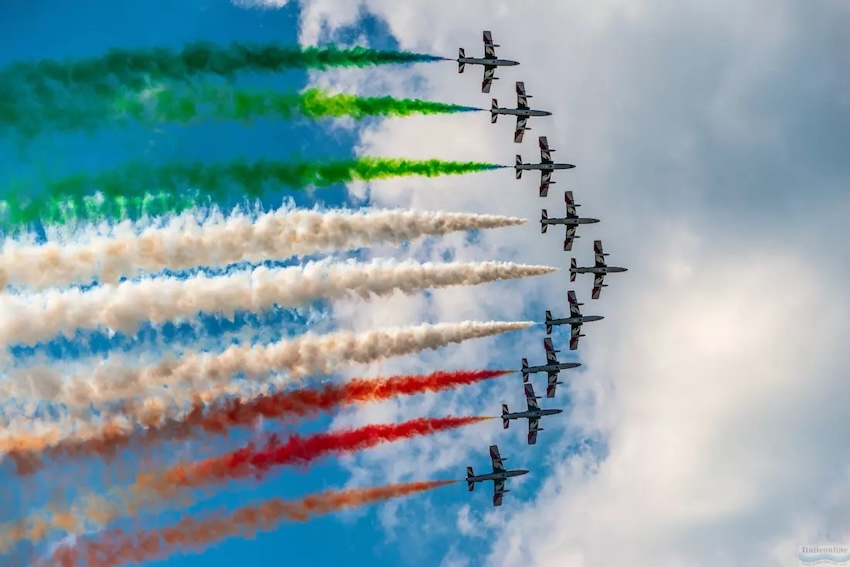
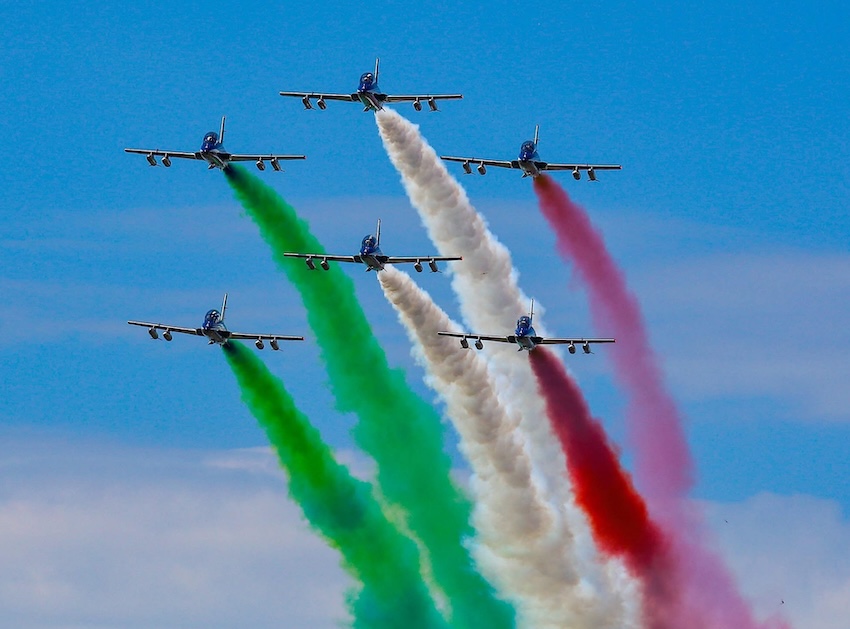
No celebration of the Italian Republic would be complete without the Frecce Tricolori (Tricolour Arrows), the Italian Air Force’s national aerobatic team, officially known as the Pattuglia Acrobatica Nazionale (PAN). Founded in 1961, it is the world’s largest military aerobatic formation and a source of great national pride. Their spectacular flypast over Rome, painting the sky in the green, white, and red colours of the Italian flag, is one of the most iconic and eagerly anticipated moments of Republic Day, serving as a powerful tribute to Italy’s unity, history, democratic values, and national identity.

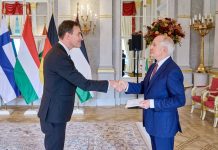
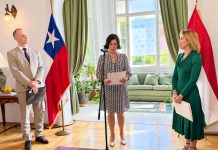
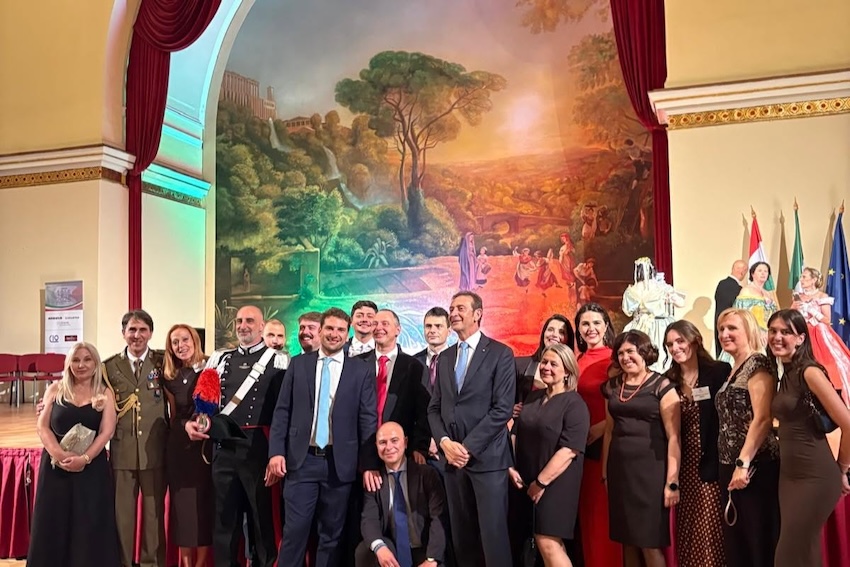
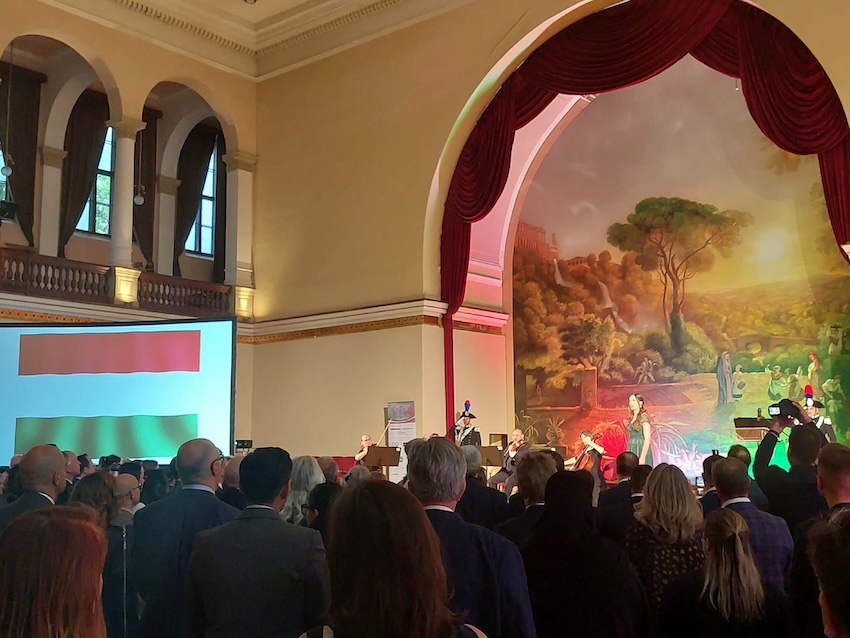
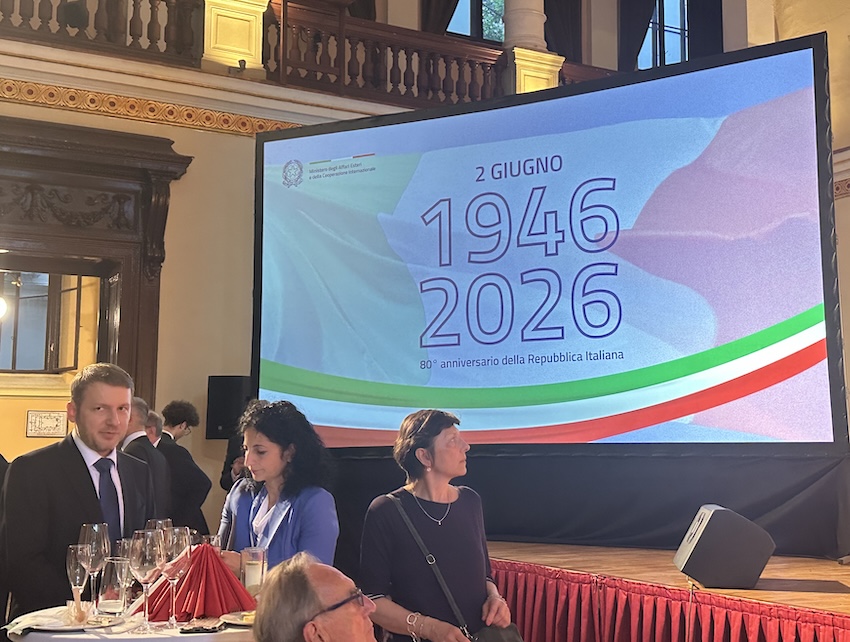
To commemorate this important anniversary, the Embassy of Italy in Budapest organized a grand reception at the Italian Cultural Institute Budapest – an evening filled with emotion, tradition and friendship. Hundreds of guests gathered, including members of the international diplomatic corps accredited to Hungary, military attachés from numerous countries, distinguished representatives of Hungarian political, academic, cultural and business life, as well as members of the Italian community.
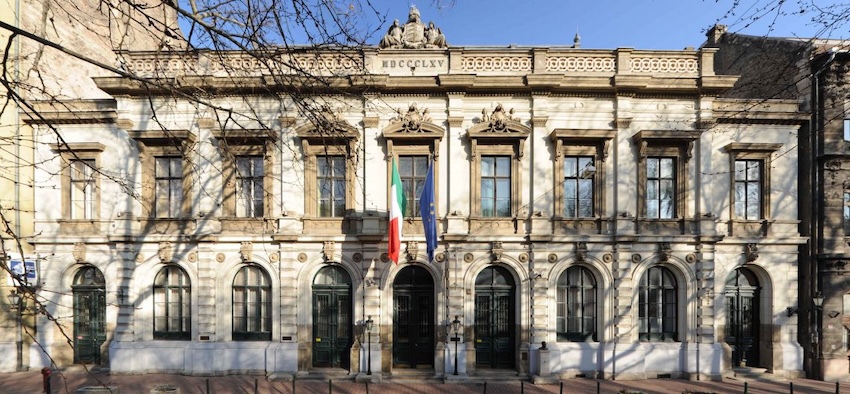
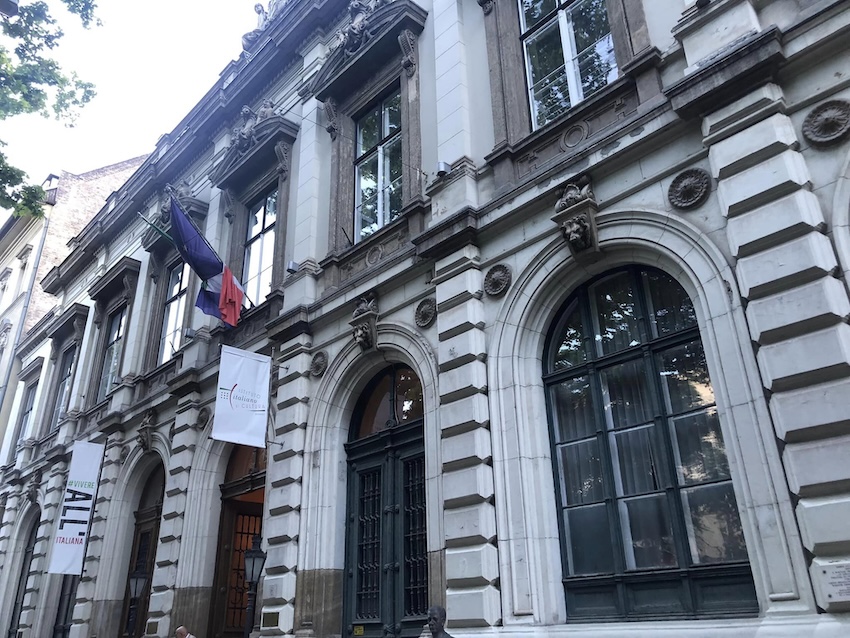
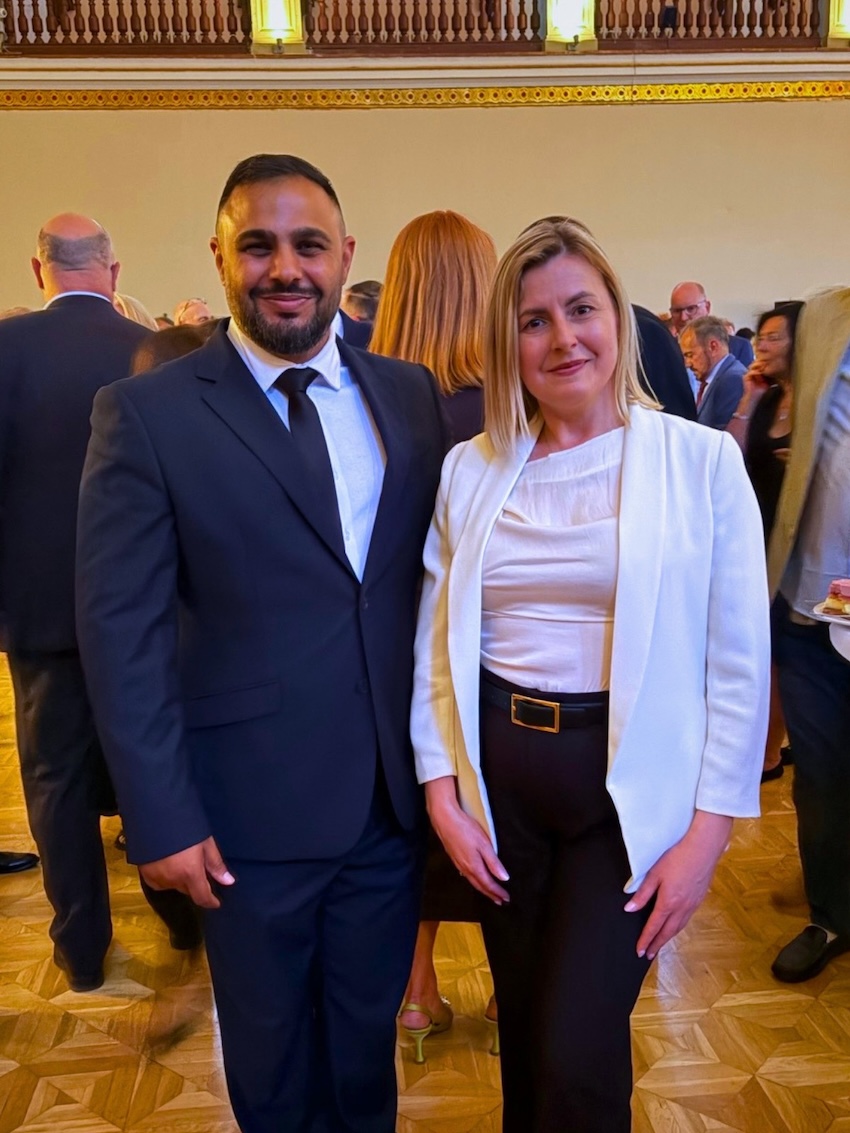
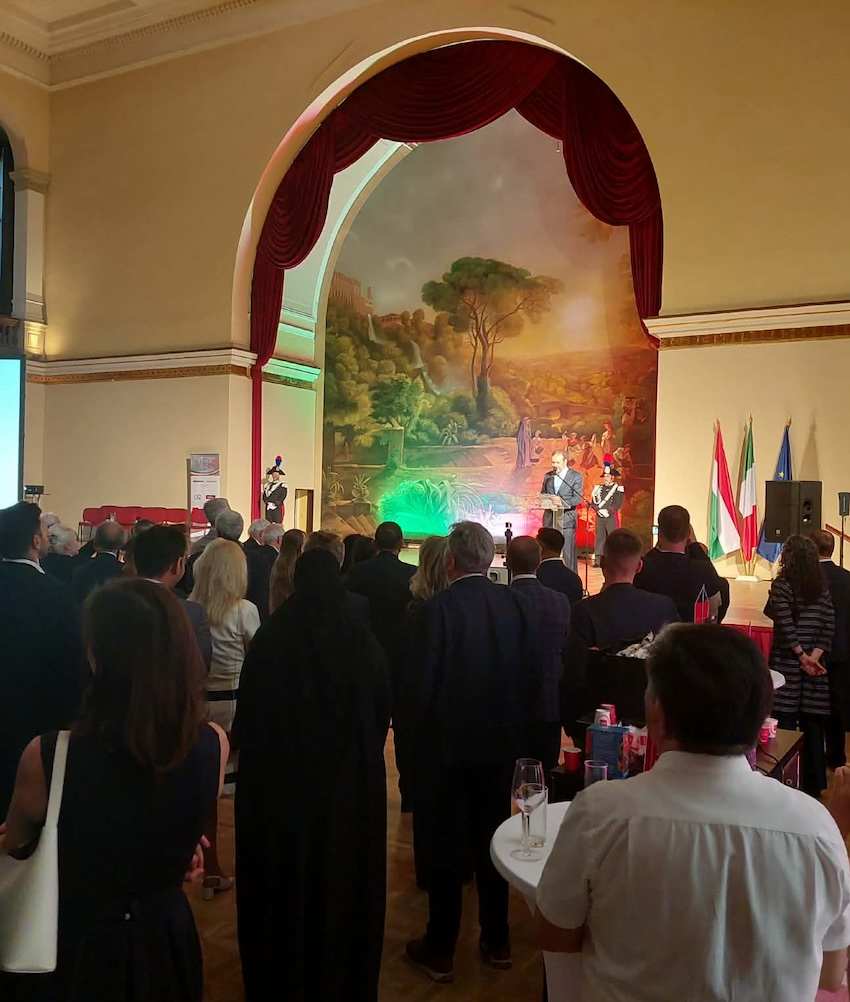
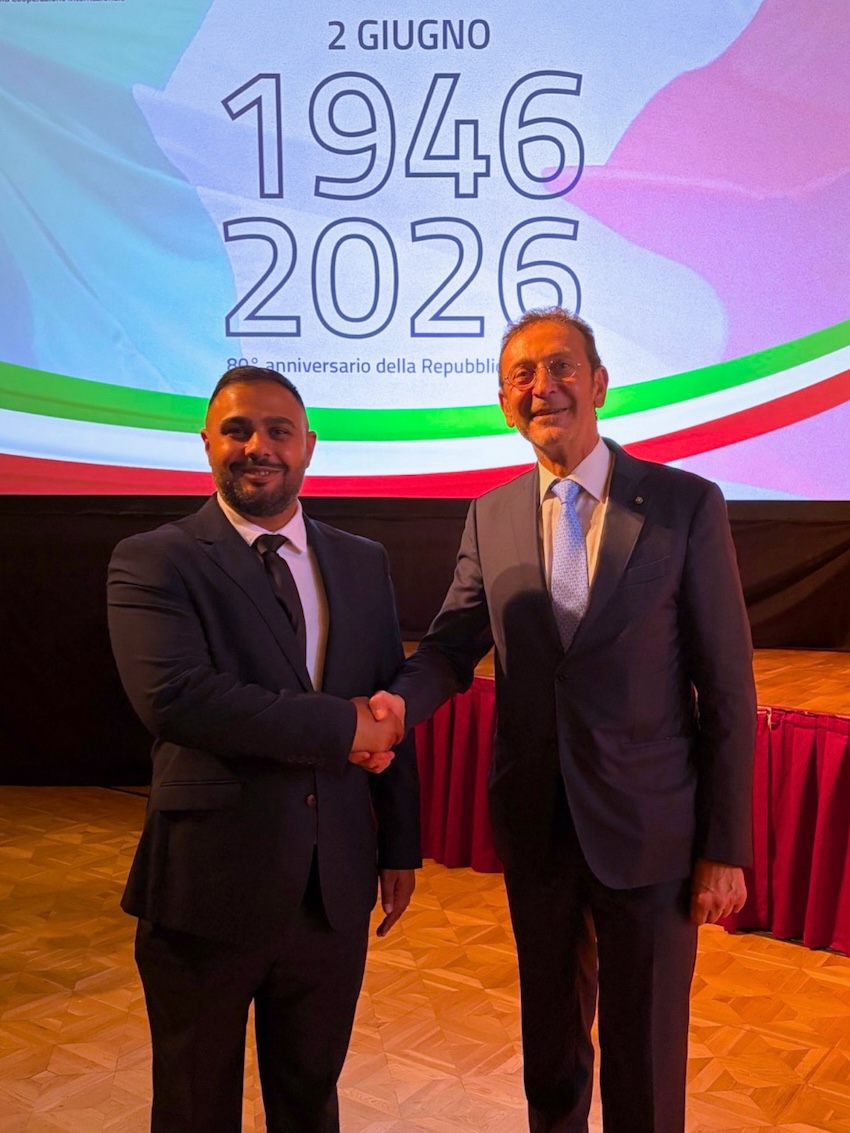
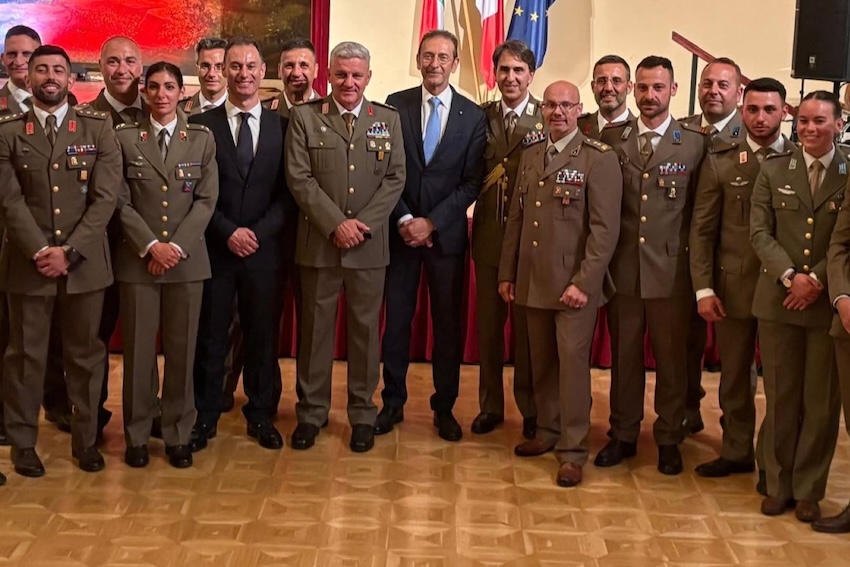
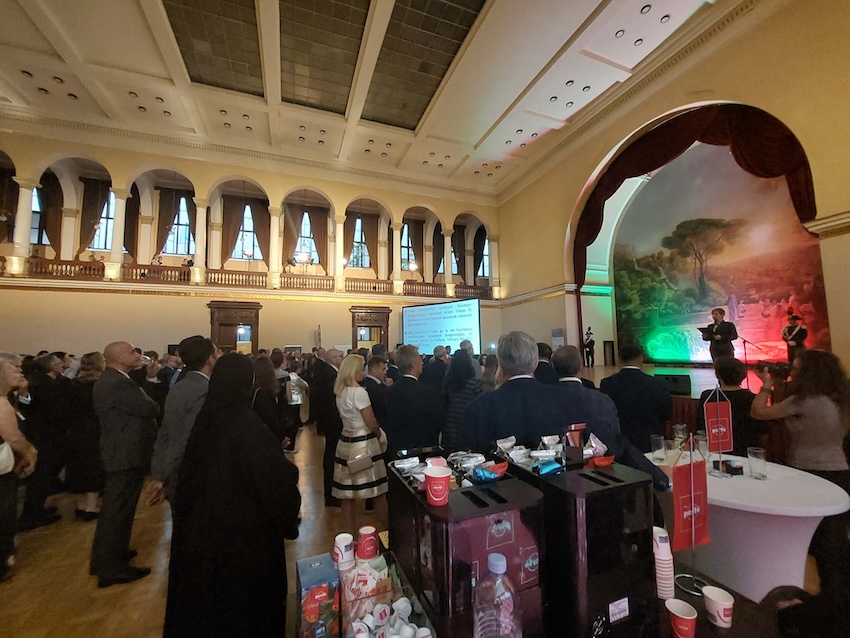
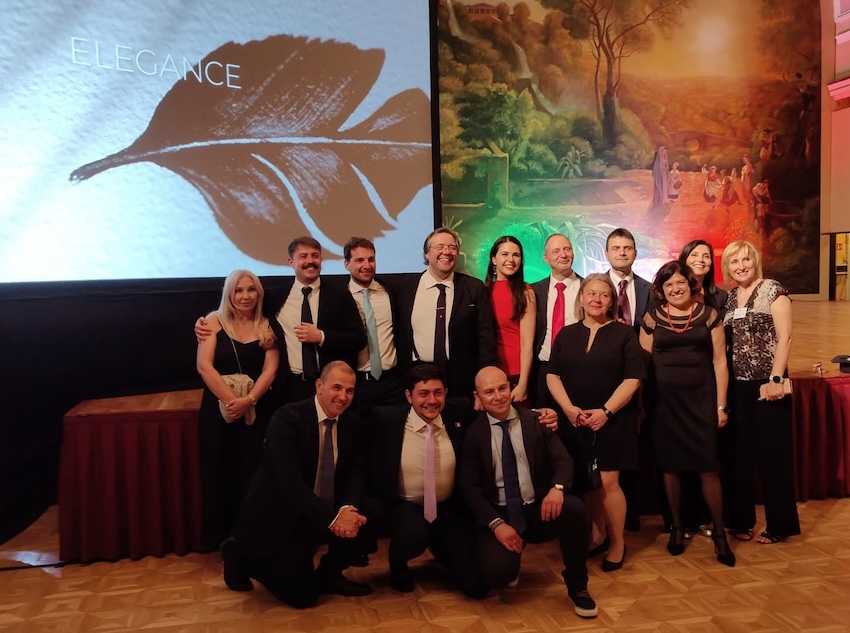
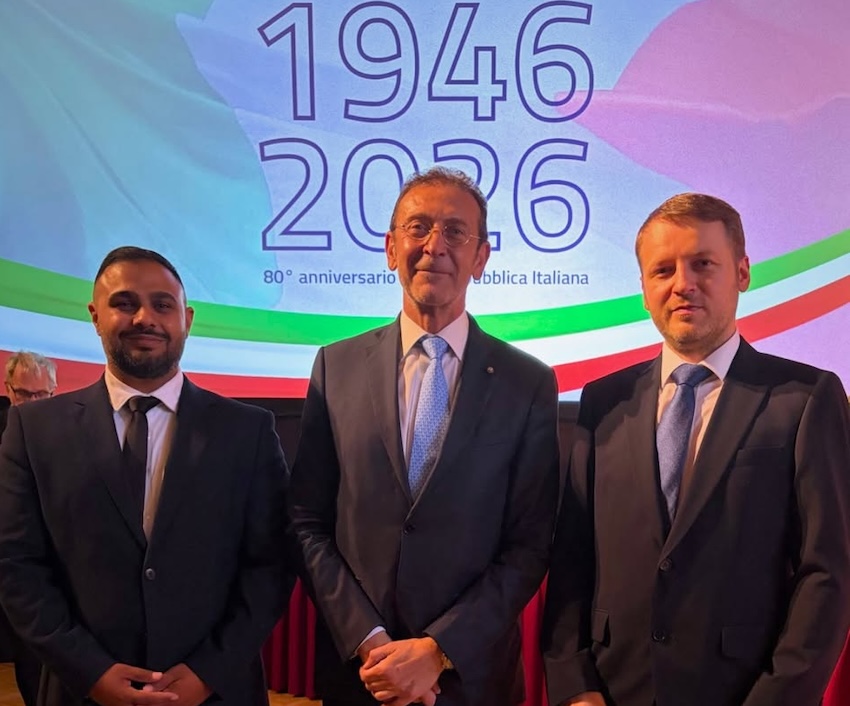
Guests were welcomed by the strains of classical music as they entered the elegant 19th-century building designed by the renowned Hungarian architect Miklós Ybl. The historic seat of the Italian Cultural Institute, which has promoted Italian culture in Hungary for over 90 years, provided a prestigious setting for the celebration.
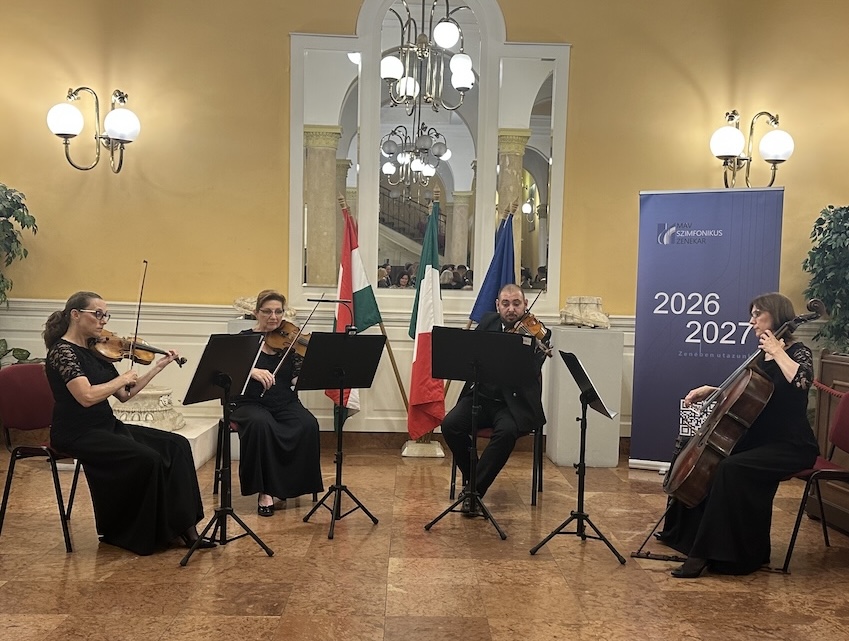
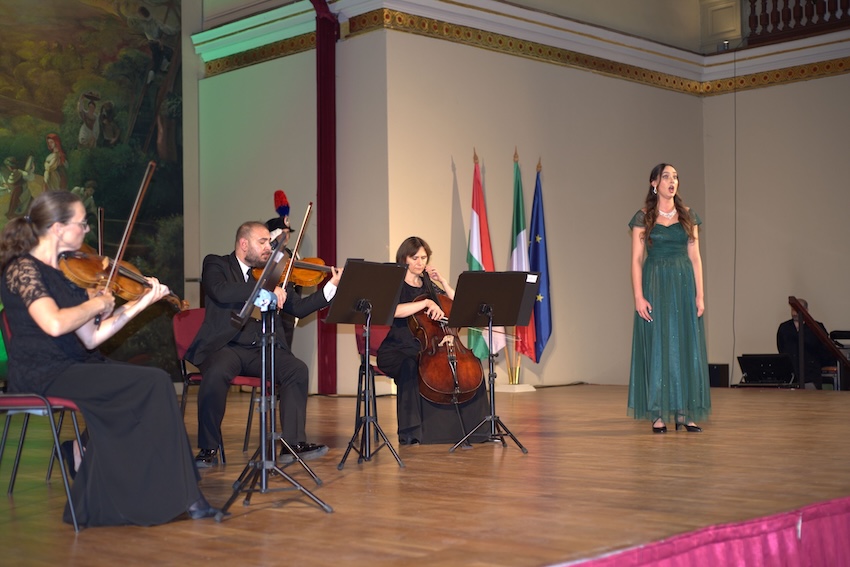
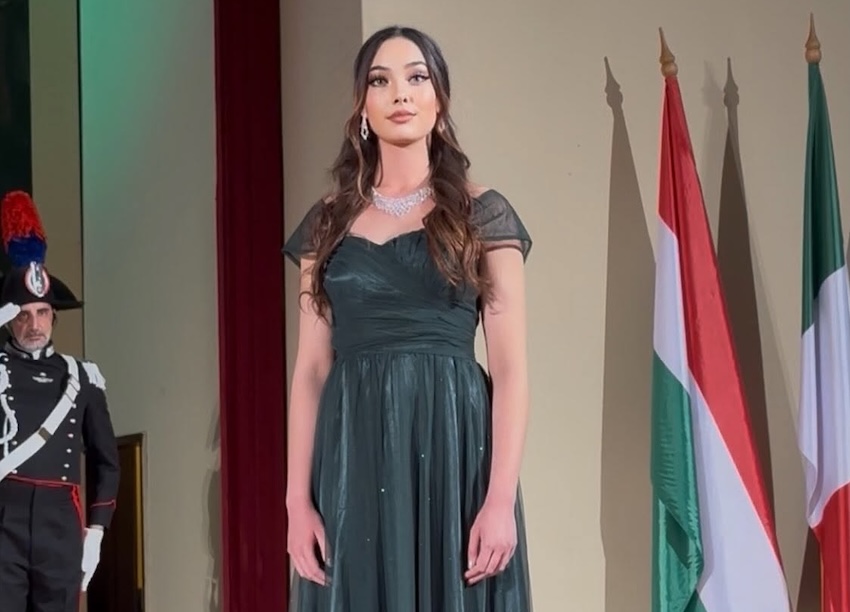
The ceremony opened with the national anthems of Italy and Hungary, as well as the Anthem of the European Union, performed by the string quartet of the MÁV Symphony Orchestra, a long-standing partner of the Embassy and the Institute, featuring mezzo-soprano Donatella Hunyadi.
It was followed by the address of H.E. Giuseppe Scognamiglio, Ambassador of Italy to Hungary:
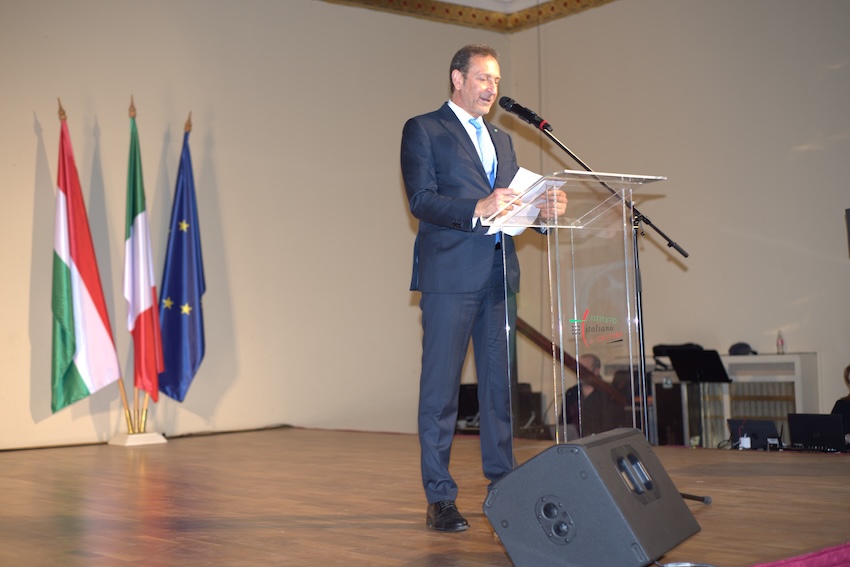
“Hon. Dr. Richard Rák, Deputy Speaker of the Hungarian Parliament, Hon. Krisztián Kőszegi, Deputy Speaker of the Hungarian Parliament, State Secretary, Ambassador Klára Breuer, Dear colleagues of the Diplomatic Corps, Dear fellow Italians, Ladies and Gentlemen,
It is a great honour for me to celebrate the National Day of the Italian Republic with you. I am particularly moved to do so for the first time as Ambassador of Italy to Hungary in the prestigious setting of the Italian Cultural Institute in Budapest.
This building carries embodies the history of this wonderful city and the extraordinary relationship between our two countries. Today, above all, it represents what we wish to build together: a place for encounter, culture, dialogue and friendship.
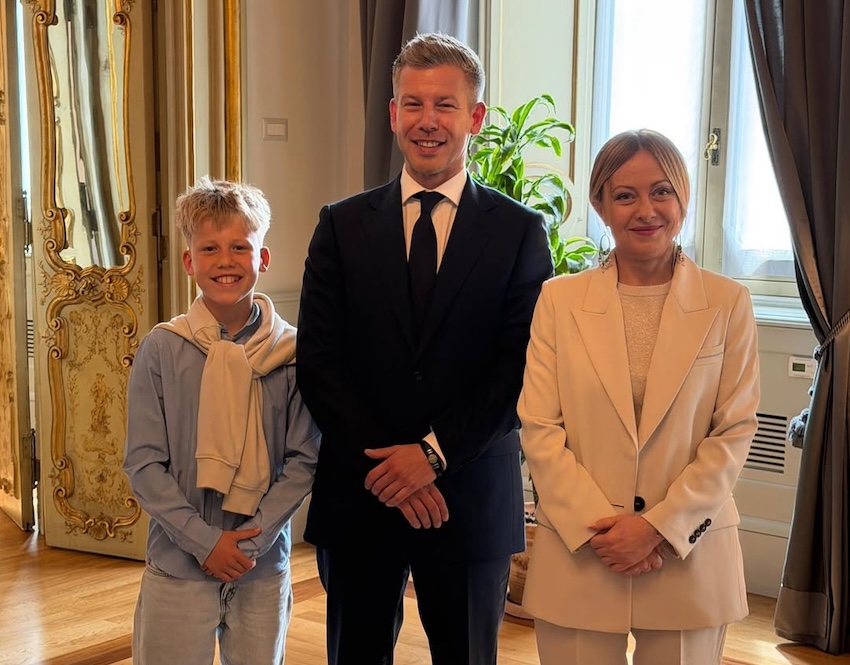
The relations between Italy and Hungary are excellent. They are long-standing, but above all, strong and vibrant. The quality of our political dialogue bears witness to this. Consider, for example, the recent visit of Prime Minister Péter Magyar to Rome, who was received by Prime Minister Giorgia Meloni at Palazzo Chigi even before taking office. This was a clear sign of mutual attention and a desire to work together from the very beginning of a new chapter for Hungary.
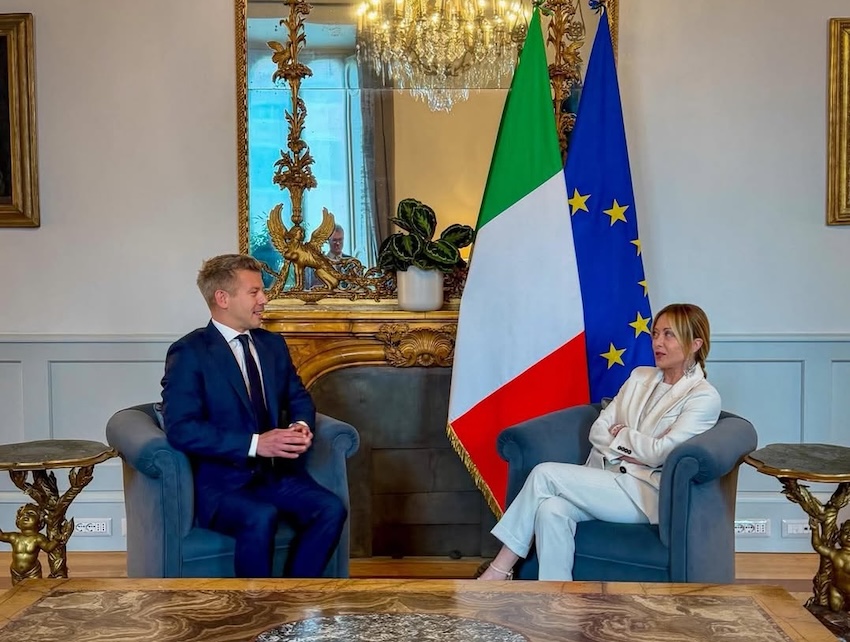
Italy and Hungary share values, interests and responsibilities. We are two European countries, united by our membership in the European Union and the Atlantic Alliance. Two peoples with strong national identities – aware that identity is not a form of closure, but a foundation for exchange and cooperation. Two cultures that have much to offer Europe.
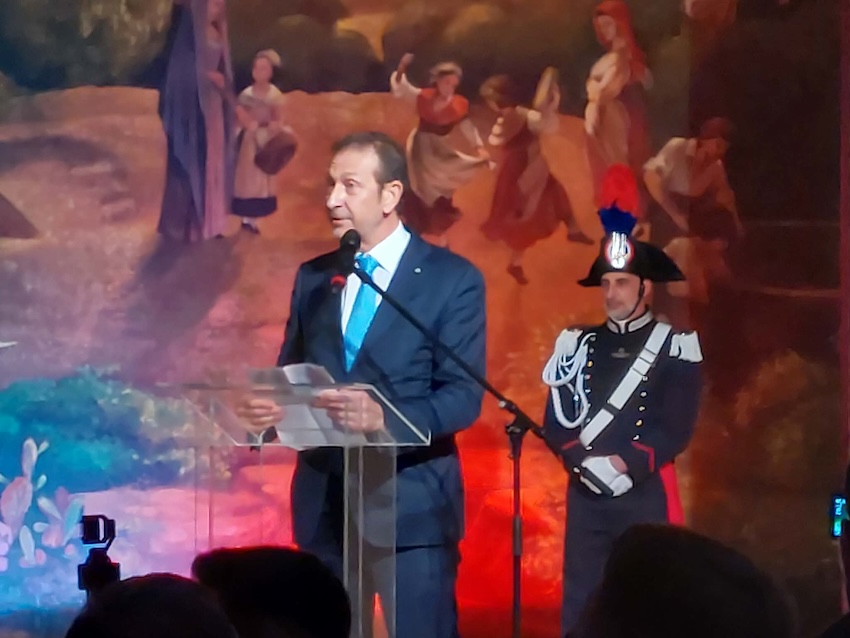
We must look to the future with ambition. We must broaden our cooperation and identify areas of mutual interest capable of producing tangible benefits: economic growth, investment, industry, agrifood, life sciences, innovation, energy transition, research, universities, culture, defence and security. Our companies, institutions, and communities already play a leading role in these sectors. Our task is to support them and foster new partnerships for the development and prosperity of both countries.
We are living through a complex international period. Sadly, war has once again returned to our continent. Global tensions continue to multiply. In this context, the friendship between Italy and Hungary is not merely a heritage to be preserved. It is an instrument to be used responsibly. A resource for our citizens. A contribution to European stability.
Today we celebrate the 2nd of June, the day on which, in 1946, the Italian people freely chose the Republic. It was a decision for freedom after dictatorship and war. The beginning of a democratic journey founded on the participation of citizens, the centrality of the individual, and the responsibility of institutions.
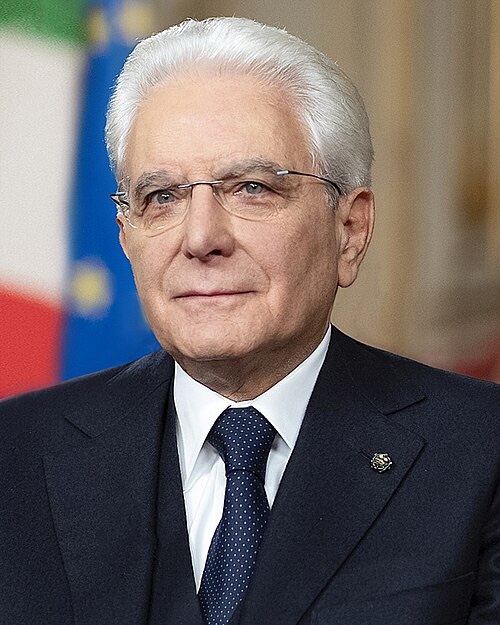
President Sergio Mattarella reminded us that the Constitution “has shown the Republic the path to follow.” It is a phrase that captures the profound meaning of this day.
Our Constitution is not merely the legal foundation of the State; it is a civic compass. It reminds us that democracy, freedom, work, solidarity and peace are not achievements secured once and for all, but commitments that must be renewed every day.
Among these principles is the rejection of war as an instrument of aggression against the freedom of other peoples. A principle born from the tragic experience of the Second World War. In light of the crises affecting Europe today, it retains all its relevance and strength.
Yet rejecting war does not mean remaining indifferent, nor does it mean remaining defenceless. It means defending international law, supporting the freedom of peoples, and working for a just peace. It means believing in diplomacy: the patient weaving of strategy, shaped by listening, firmness, dialogue and vision.
This is also the purpose of our presence here in Budapest. Representing Italy means promoting its interests, certainly – but also its values: human dignity, freedom, democracy, culture and peace. It means building bridges. Seeking points of convergence. Transforming friendship between peoples into concrete results.
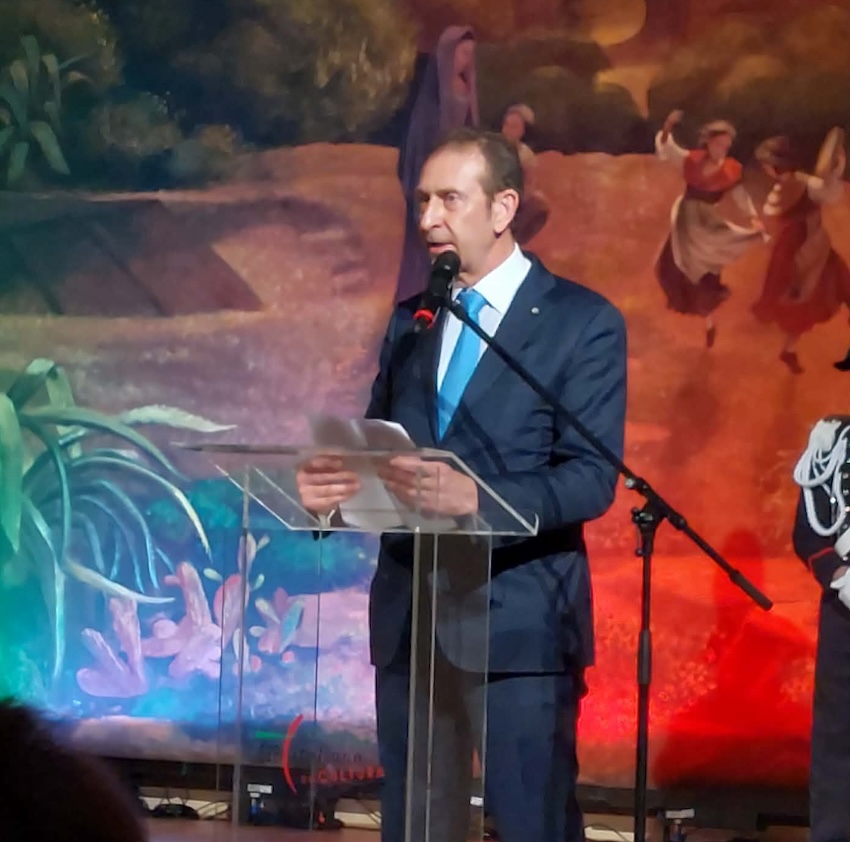
I would like to express my gratitude to the Hungarian authorities for their constant cooperation, to the Diplomatic Corps, to the Italian community in Hungary, and to all those – entrepreneurs, teachers, students, artists and researchers – who strengthen the bond between our countries every day.
A special word of thanks goes to our sponsors and to all our colleagues at the Embassy and the Italian Cultural Institute who worked hard to organise this event. Their commitment is often discreet, but always decisive.
Dear friends,
The 2nd June is not only a celebration of our history. It is an invitation to look to the future – strong in the values of the Republic, strong in our belonging to the European Union, and strong in the friendship that unites Italy and Hungary.
In this spirit, I extend my warmest wishes to the Italian Republic, to the friendly Hungarian people, to the Italian community in Hungary, and to all of you.”
“Long live Italy! Long live Hungary! Long live Europe!”
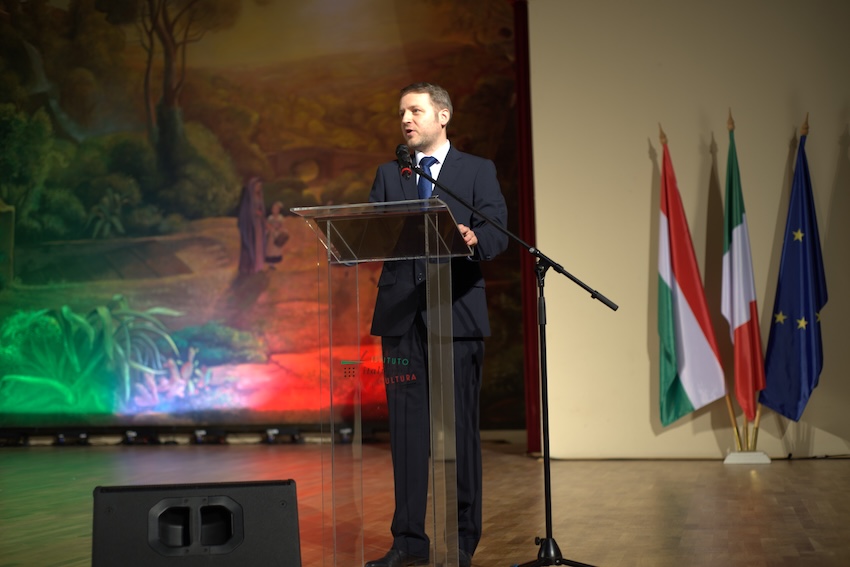
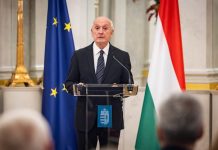
Concluding his remarks, Ambassador Scognamiglio invited the Deputy Speaker of the Hungarian National Assembly, Dr. Richard Rák, the distinguished Guest of Honour, to address the audience on this solemn occasion:
“Your Excellency, Distinguished Guests, Ladies and Gentlemen,
on behalf of the National Assembly of Hungary, it is an honour to greet you and to commemorate the 80th anniversary of the birth of the Italian Republic.
It is a special place for us to celebrate, as we are in the building where the National Assembly of Hungary functioned between 1865 and 1902. We would like to express our gratitude to the Italian state, and the past and present staff members of the Italian Cultural Institute for taking good care of this important heritage site and a piece of our history.
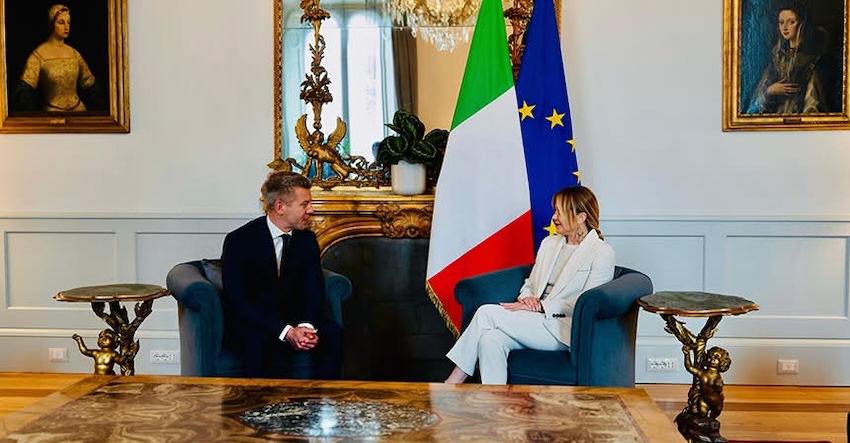
This connection resembles the close bonds that we have built between the two nations over the past century. Hungary remains committed to expanding our cooperation in every aspect of international life. This was testified recently by the fact that the freshly elected Prime Minister of Hungary paid his first international visit to Italy.
Today, we are celebrating the 1946 institutional referendum and the constitutional formation of post-war Italy. It marks the legal basis on which the values of modern Italy are built on.
The relationship between the Hungarian and Italian peoples is bound by shared European roots; the two cultures have been closely intertwined over the centuries. Already during the time of our King Saint Stephen, Italian missionaries – including Bishop Saint Gerard, who arrived from Venice – helped build the Christian Hungarian state.
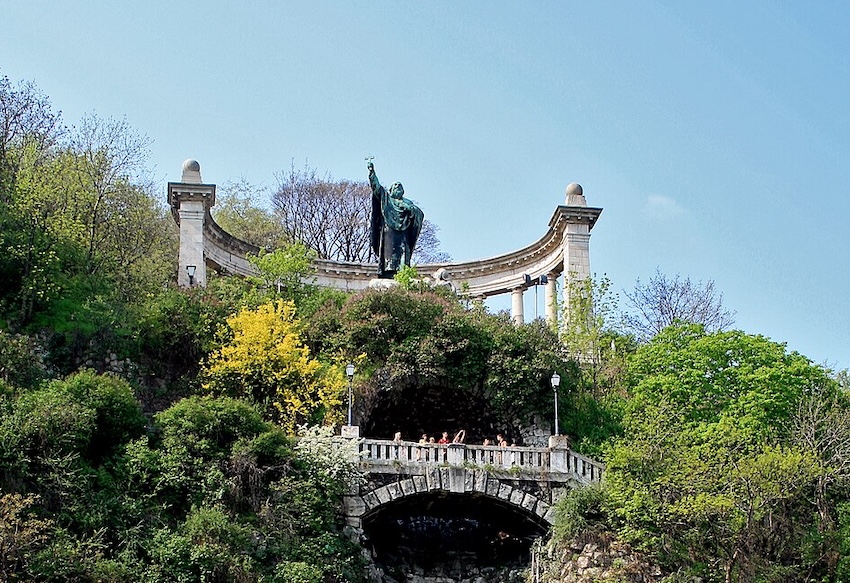
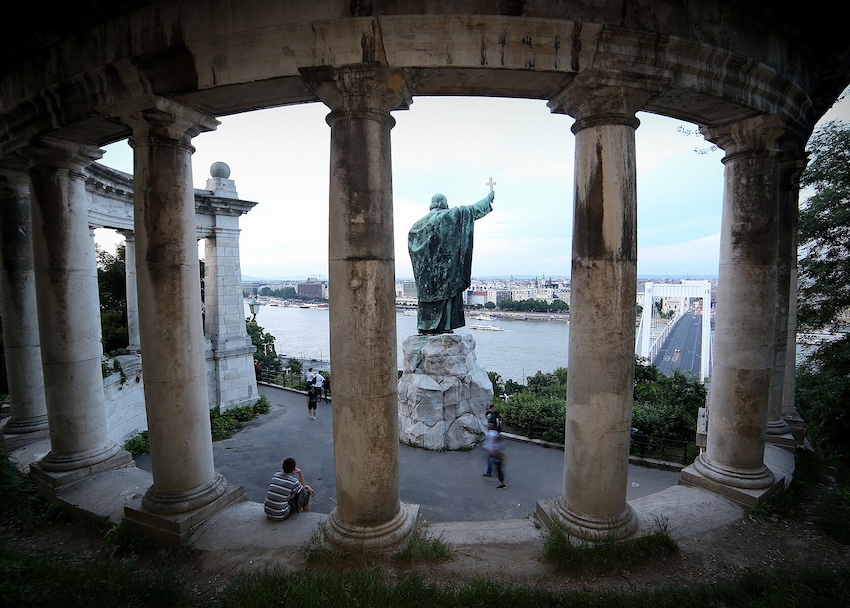
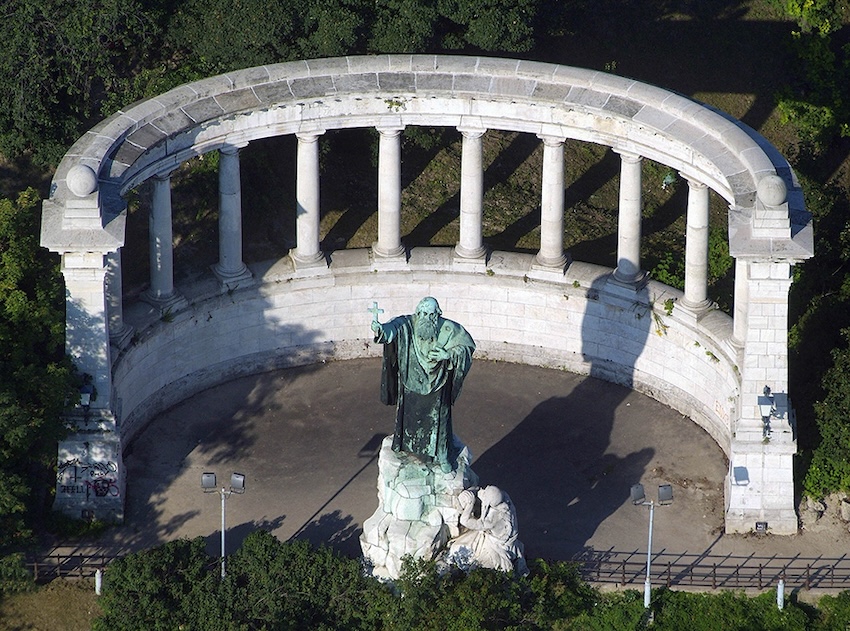
King Mathias and his wife, Beatrix of Aragon from Naples (aka Beatrice di Napoli) made Visegrád and Buda a flourishing centre of the Renaissance.
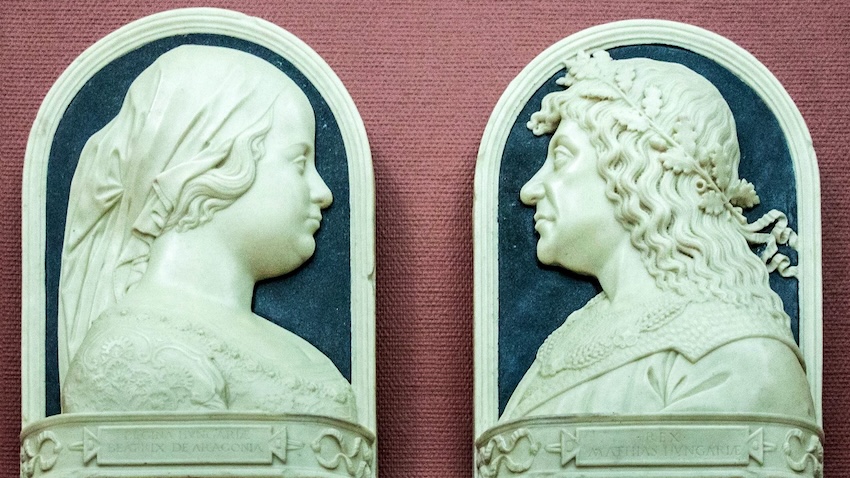
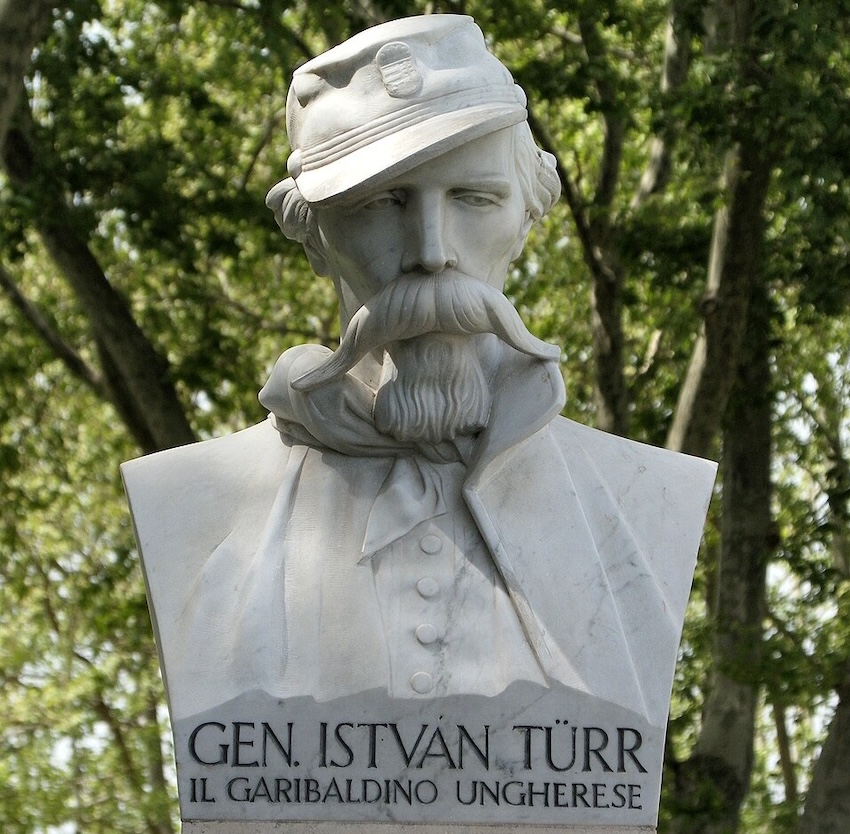
In the 19th century, the destinies of the two nations were almost mirror images of each other. The Hungarian Revolution and War of Independence of 1848–49, as well as the Italian Risorgimento, were both nourished by the same desire for freedom. Hungarian heroes – such as István Türr – fought in Garibaldi’s legion for the unification of Italy, while Italian hearts beat for Hungarian freedom.
In 1956, the Italian press almost universally supported the Hungarian Revolution.
The institutional relations between the National Assembly of Hungary and the Italian Parliament are excellent. Parliamentary diplomacy is an important form of communication between nations, whether through parliamentary friendship groups, specialized committees, or whether it takes place in Budapest or Rome.
Allow me, on behalf of the National Assembly of Hungary, to express my conviction that Hungarian-Italian relations will continue to be based on mutual respect, legislative achievements, and true friendship in the coming decades.
Distinguished Guests,
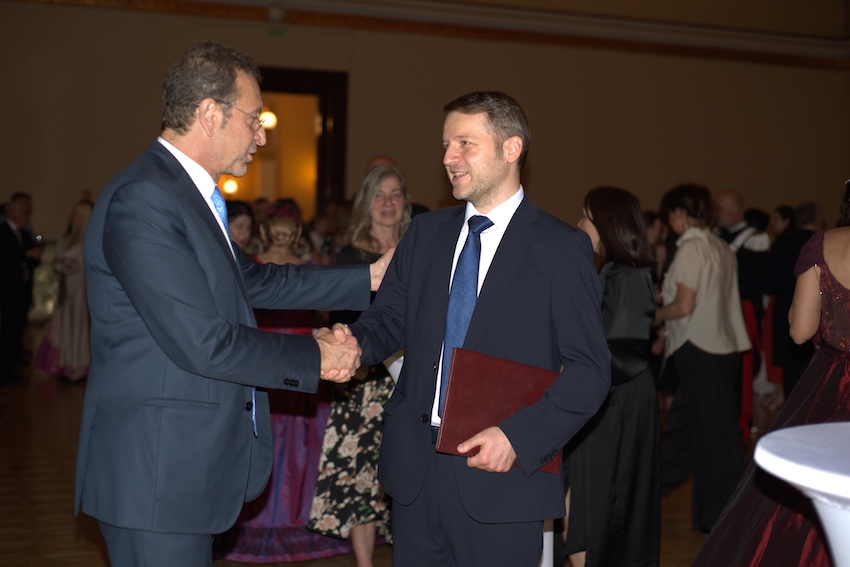
I am honoured to be with you today, as this day also means a lot to me personally. Having spent several beautiful years of my life in Italy, I had the opportunity to discover and appreciate the social values of the country. In many ways, this has changed the way I see the world. I completed a joint PhD degree at the University of Bologna and the University of Turin. I also worked at the University of Brescia and conducted research at the University of Milan.
Since my first stay in Italy, I have made many wonderful friends and established numerous personal connections. With gratitude to the amazing hospitality offered by people everywhere, I had the chance to explore every corner of Italy: from Pietra Ligure to Monopoli, from Trieste to Aci Castello.
Thanks to these rich experiences and many personal interactions with locals, I observed four very important social phenomena:
– that the People of Italy are proud of the region and their hometown,
– that the People of Italy are open and generally respectful to each other,
– that the People of Italy are united despite the cultural and political differences, and
– that the People of Italy are willing to stand up for the democratic values of the Italian constitutional order.
I believe that these individual and collective characteristics are the cornerstones of a modern democratic society and offer a bright future for Italy. They also set an example for many other countries to follow, including Hungary.
In principle, Festa della Repubblica honours the common achievements and togetherness of Italian society. And perhaps there is even more about it… This day symbolizes the unity of Italian people with all the Friends of Italy, including the people of Hungary, under our shared values of freedom, equal rights and democracy.
As there are plenty of reasons to celebrate tonight, I would like to wish you all the best on behalf of the National Assembly of Hungary. Viva l’Italia!”
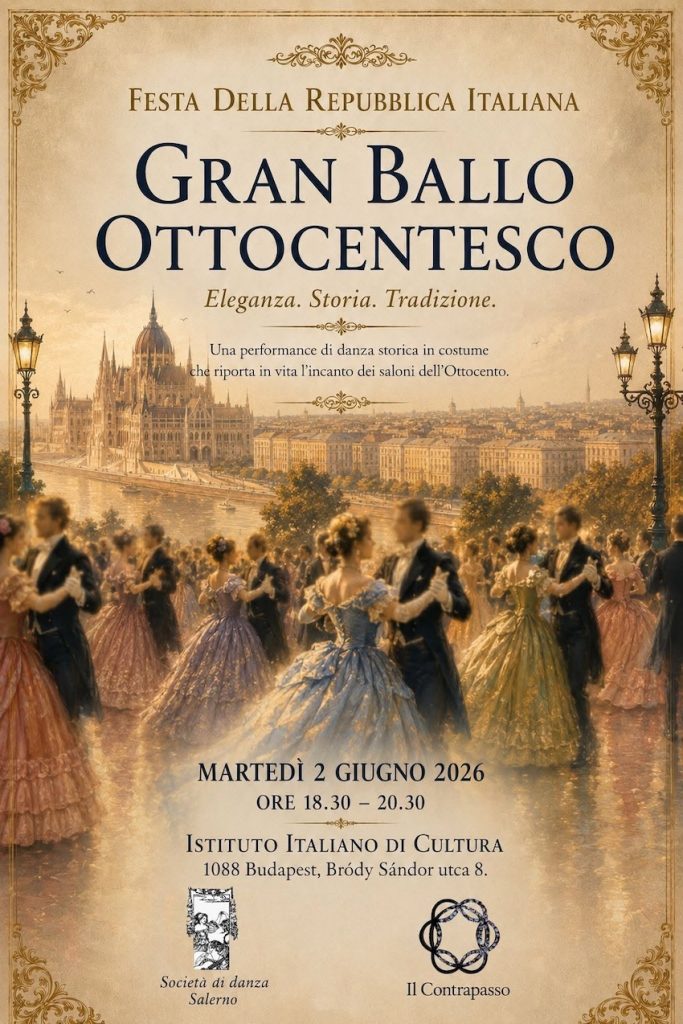
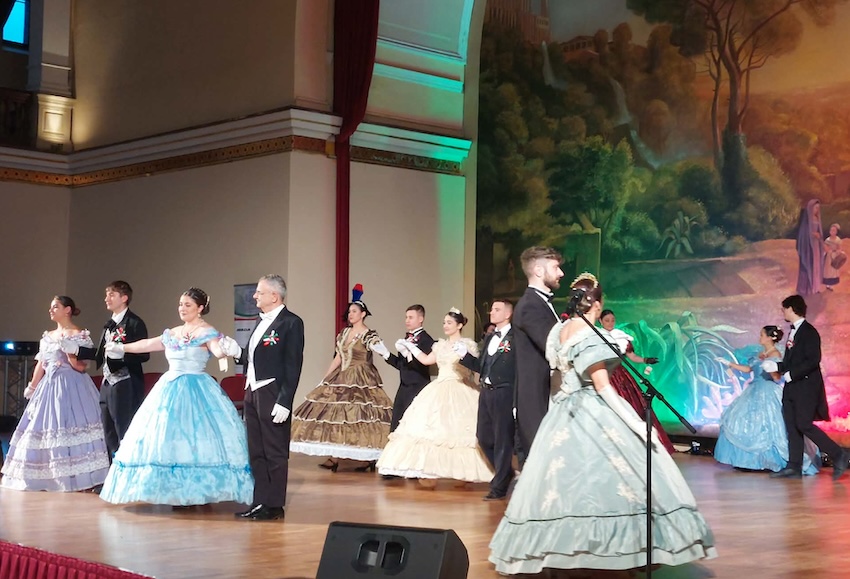
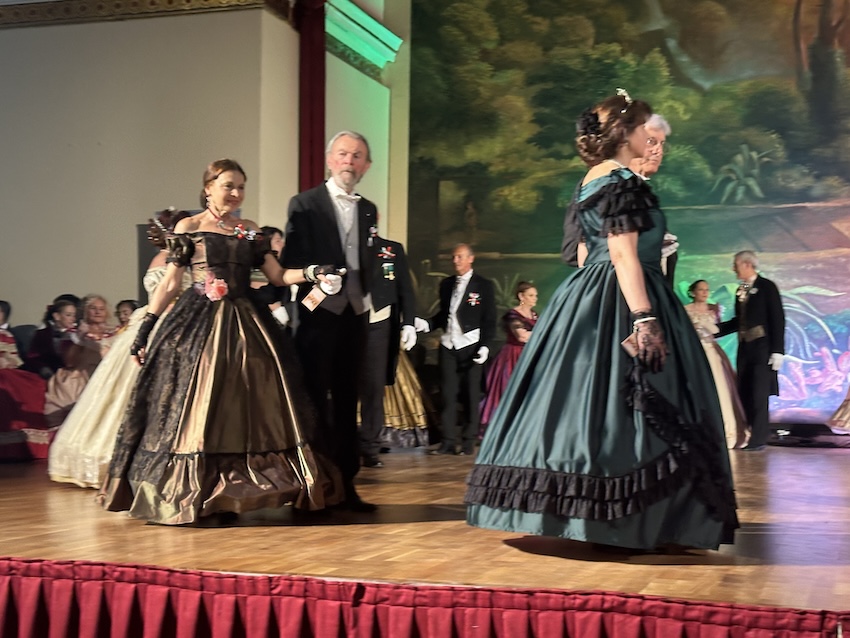
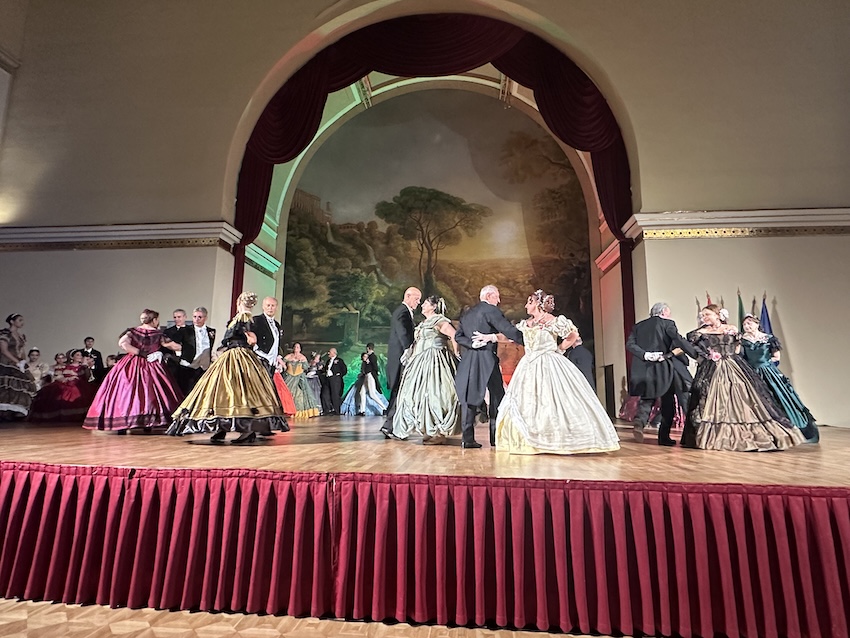
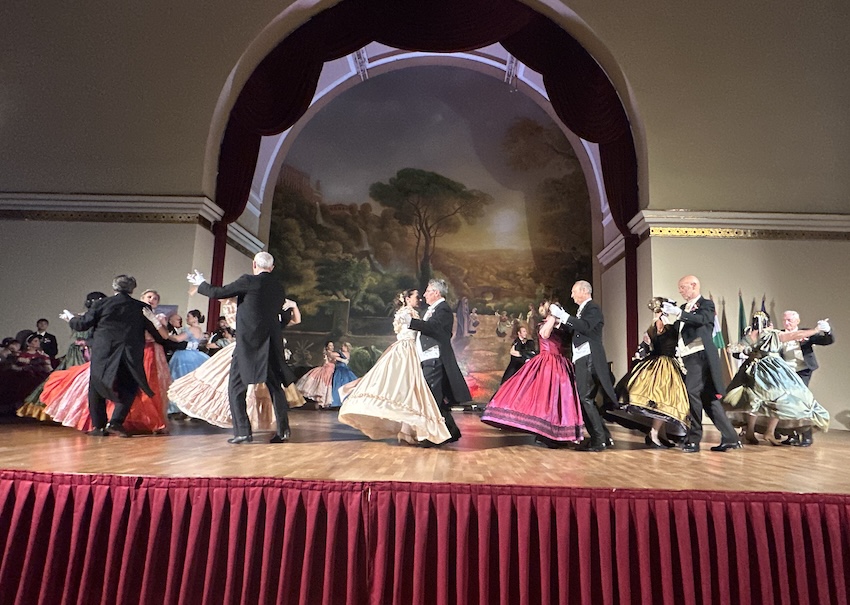
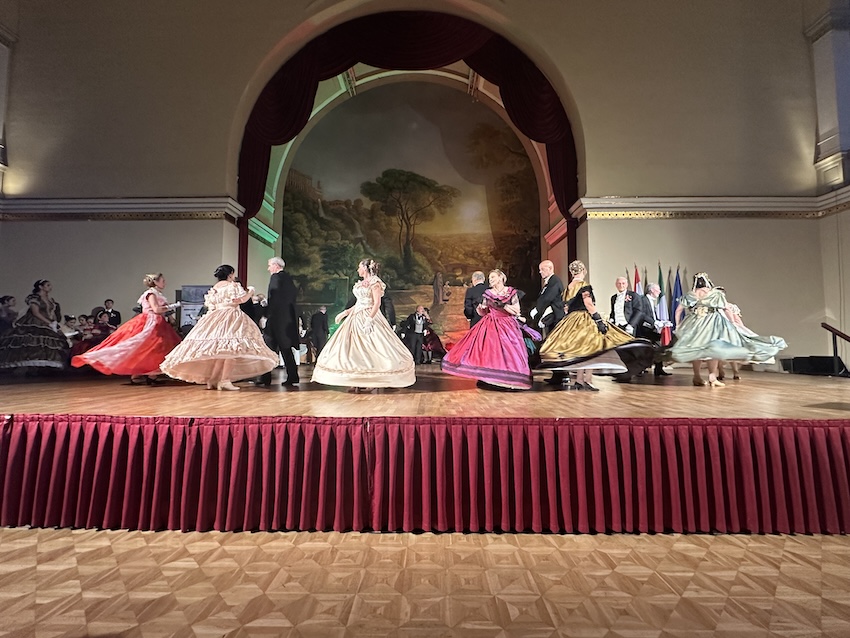
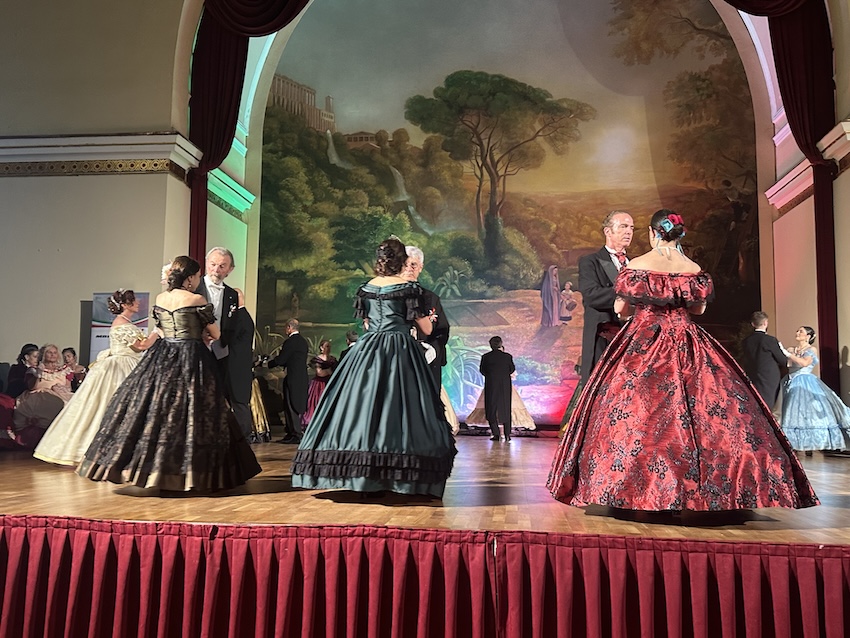
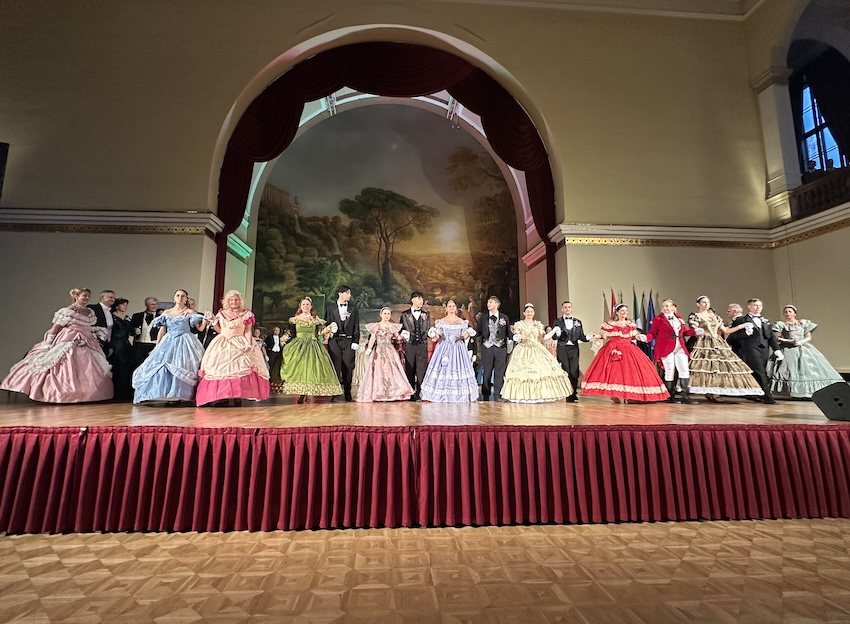
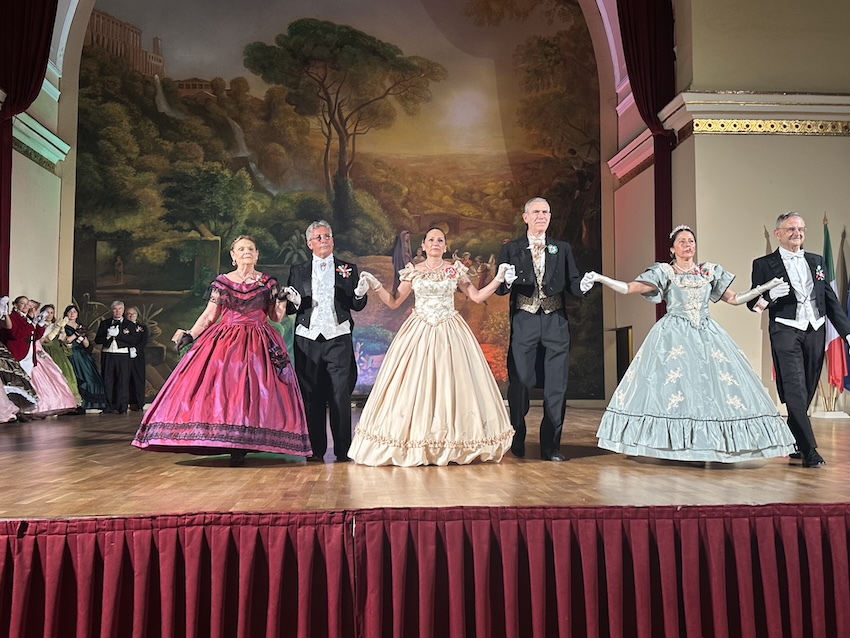
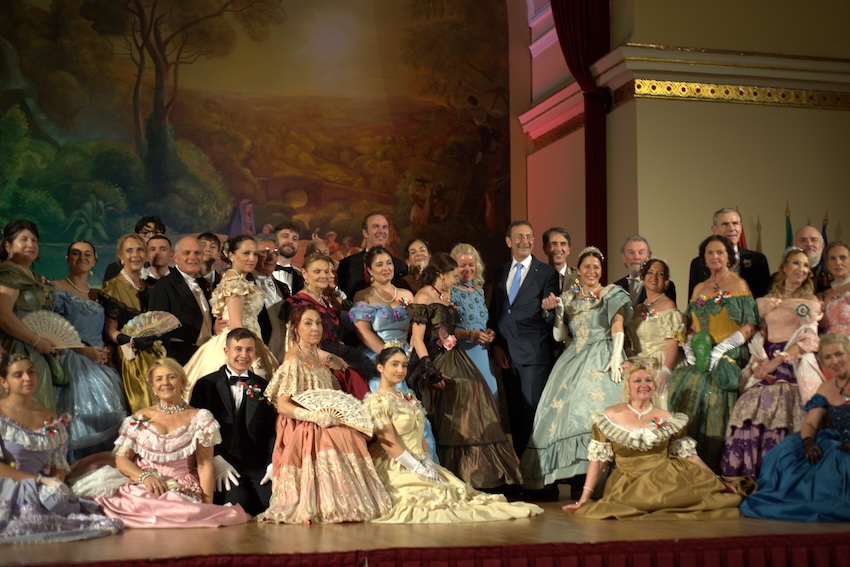
One of the highlights of the evening was the performance by Società di Danza Salerno, whose delegation, along with members of Nuova Gioventù BALNEA APS, travelled to Budapest to take part in the jubilee celebrations of the Italian Republic. Invited by the Embassy of Italy, the ensemble presented a magnificent Grand 19th-Century Ball, recreating the elegance, refinement, and charm of Italy’s historic ballroom traditions. Dressed in authentic period costumes, the dancers transformed the stage of the Italian Cultural Institute into a living tableau of a bygone era, offering guests a glimpse into the splendour of 19th-century Italian society and its rich cultural heritage throughout the evening.
With their passion, elegance, and dedication, the dancers contributed to the success of the celebration, adding a distinctive cultural dimension to the festivities. The Grand Ball became one of the most unforgettable moments of the evening, beautifully showcasing Italy’s timeless traditions, artistic excellence, and cultural heritage.
During the reception, guests enjoyed lively conversations and discovered Italy’s rich gastronomic heritage, with its regional specialties, fine wines, and authentic culinary traditions renowned worldwide.

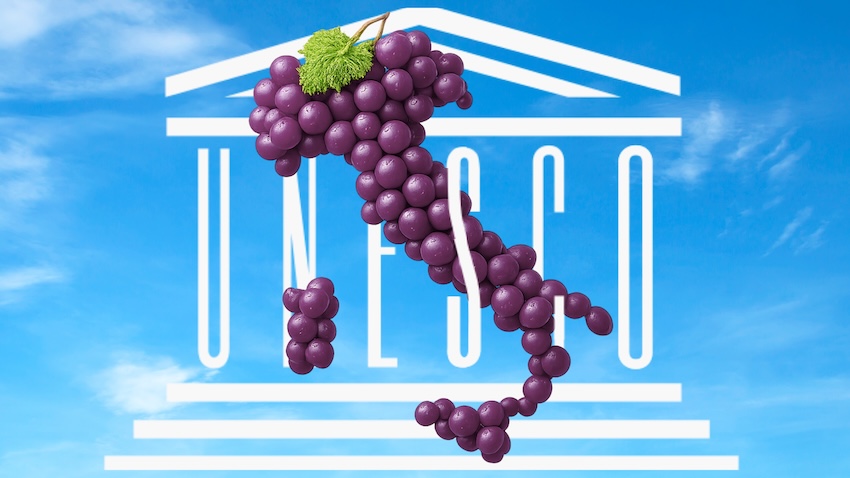
In December 2025, Italian cuisine made history by becoming the first national culinary tradition to be inscribed on the UNESCO Intangible Cultural Heritage List, further highlighting its cultural significance and global influence. The warm and convivial atmosphere of the evening perfectly embodied the spirit of hospitality, elegance, and togetherness that continues to define Italy today.

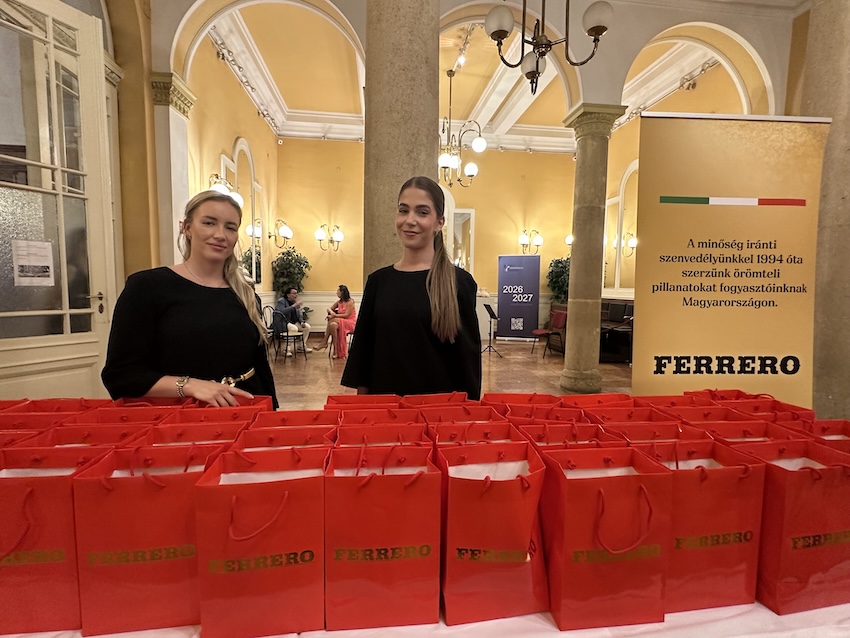
As the evening drew to a close, guests received gift bags filled with beloved Italian sweets upon their departure, generously offered by Ferrero, one of the event’s sponsors. This provided a delightful finale to an unforgettable celebration in the magnificent setting of the Hungarian capital.
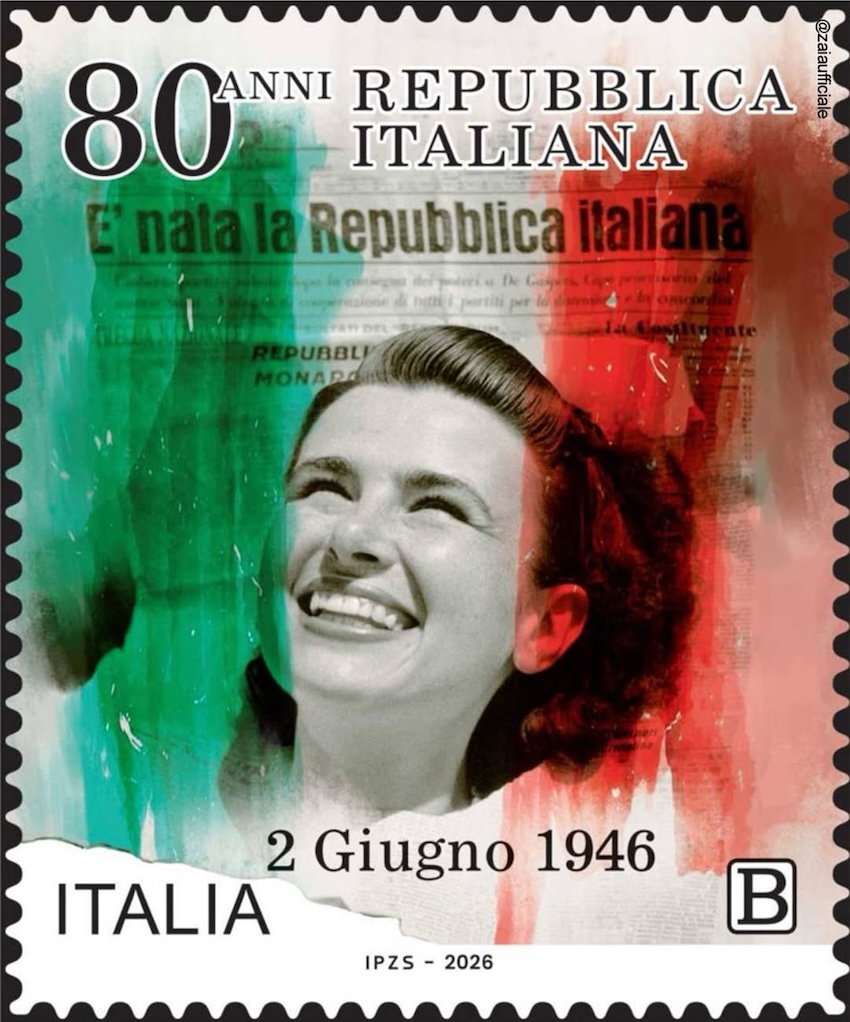
Honouring this important anniversary, a special postage stamp was issued on 2 June 2026, marking the 80th Anniversary of the Italian Republic. The stamp design, inspired by a famous photograph by Federico Patellani, portrays the face of a young woman emerging from the front page of a newspaper bearing the headline: “The Italian Republic is Born.” Green and red brushstrokes evoke the Italian Tricolor, accompanying the visual narrative of one of the most significant moments in the nation’s history.
The exhibition Dolce Vita, which opened in April 2026 at the Hungarian National Gallery in Budapest, explores two centuries of Italian influence on Hungarian art. Featuring 150 works by 75 artists, it brings together paintings, prints, photographs, sculptures, objects, and archaeological artefacts from the 19th century to the present day. The exhibition highlights Italy’s enduring appeal as a travel destination and a lasting source of inspiration for Hungarian artists.
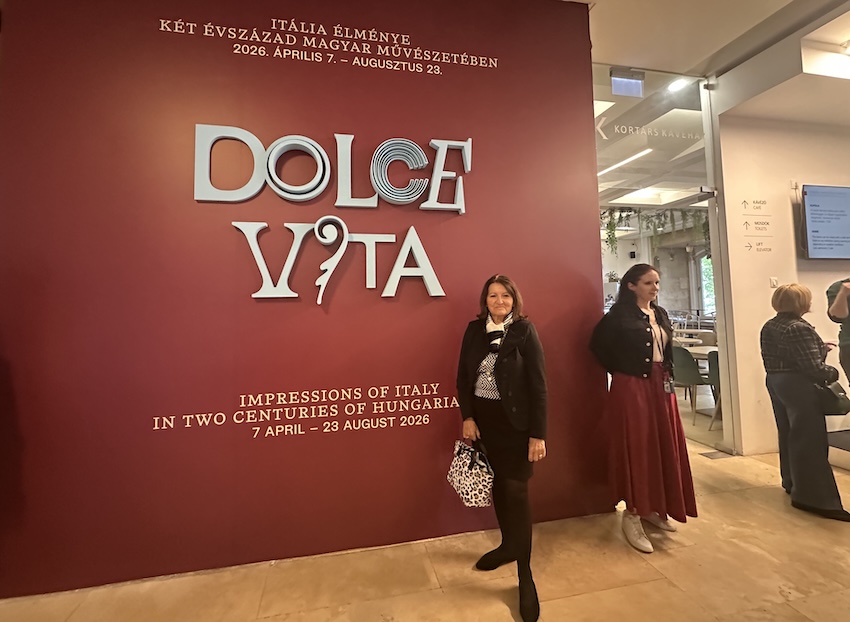
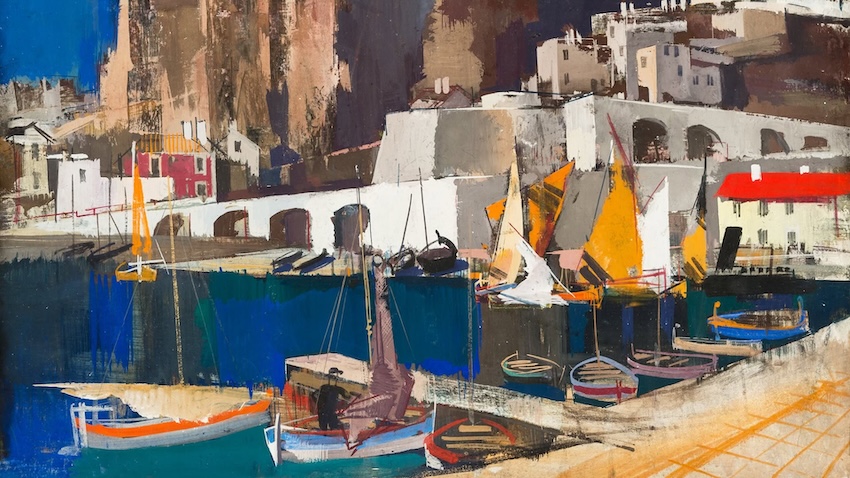
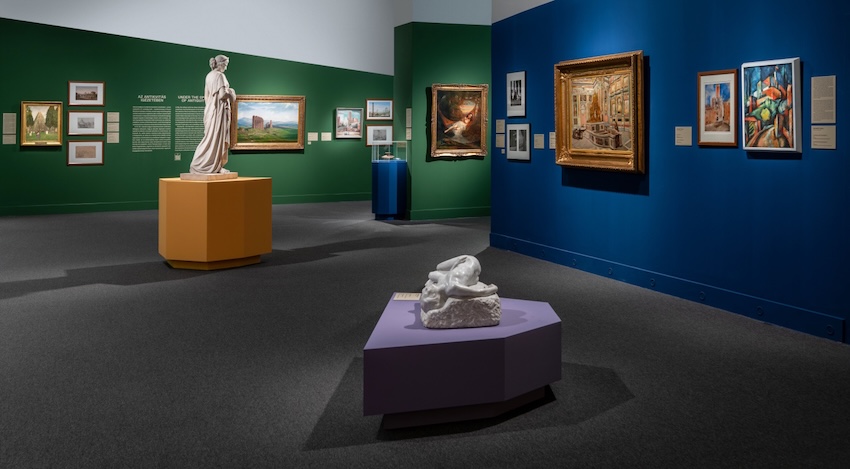
Dolce Vita is open until 23 August 2026, and offers a fascinating journey through the rich cultural and artistic ties between Italy and Hungary.
Source: Embassy of the Italian Republic in Budapest
Photos from the Embassy of the Italian Republic in Budapest