



Edited by Anna Popper
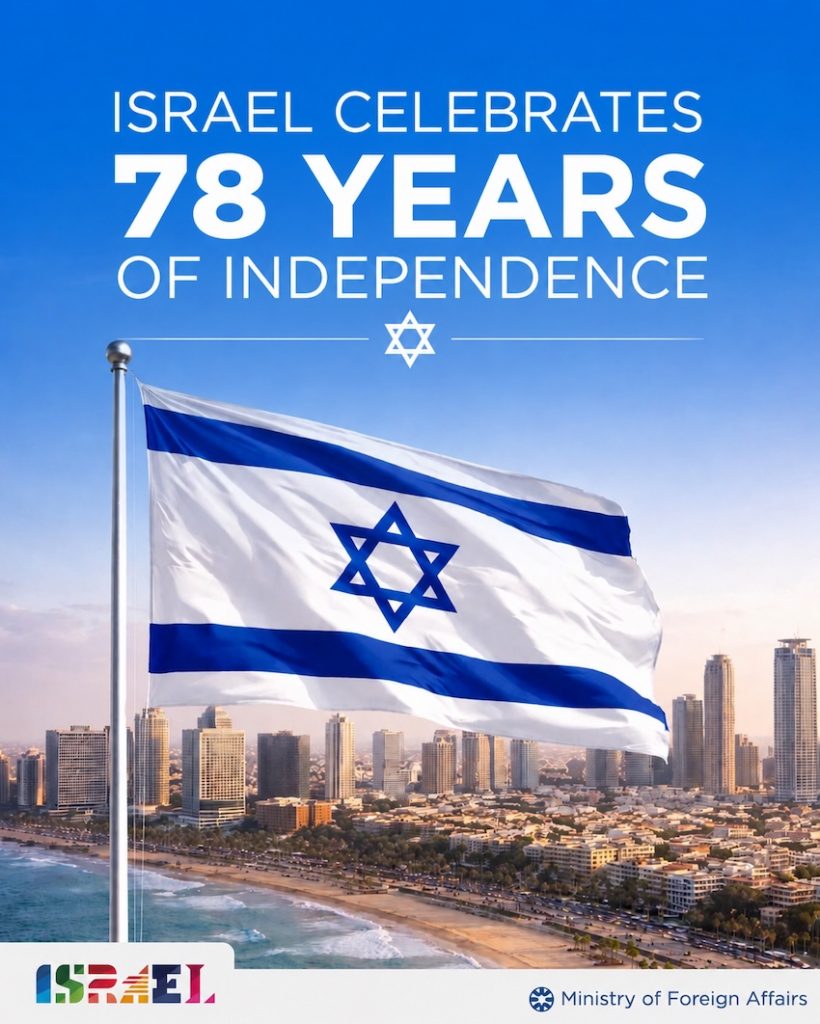
Israel’s Independence Day (Yom Ha’atzmaut) is celebrated annually on the anniversary of the establishment of the State of Israel, according to the Hebrew calendar on the 5th day of the month of Iyar.
On 14 May 1948, upon the expiration of the British Mandate for Palestine, the State of Israel was formally proclaimed. Its establishment followed the adoption of the United Nations General Assembly Resolution 181 of 29 November 1947, which called for the creation of an independent Jewish state in the territory of Mandatory Palestine.
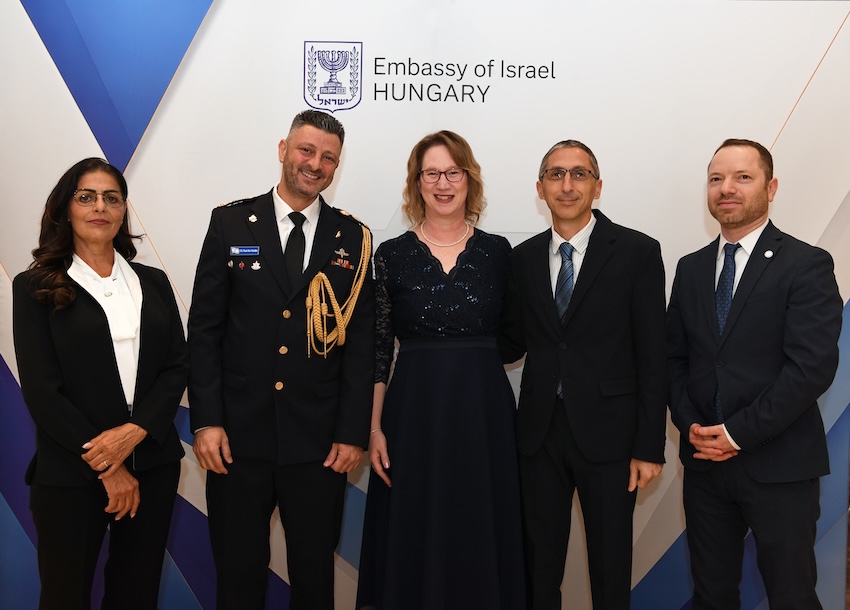
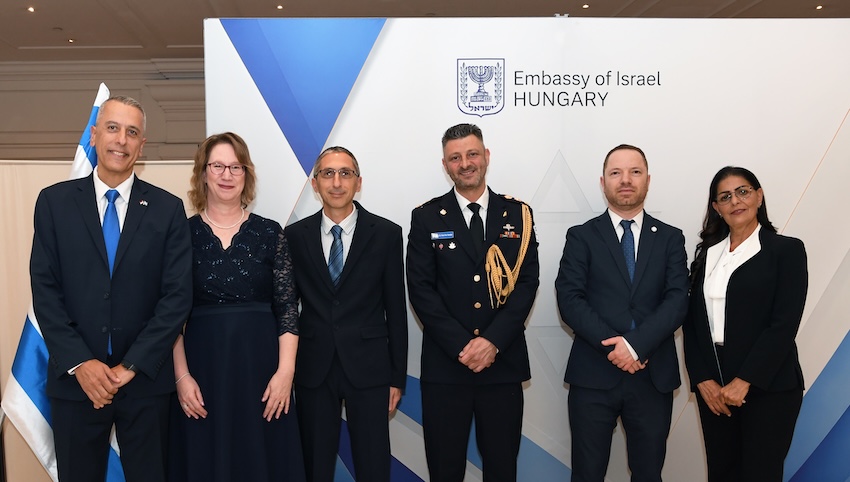
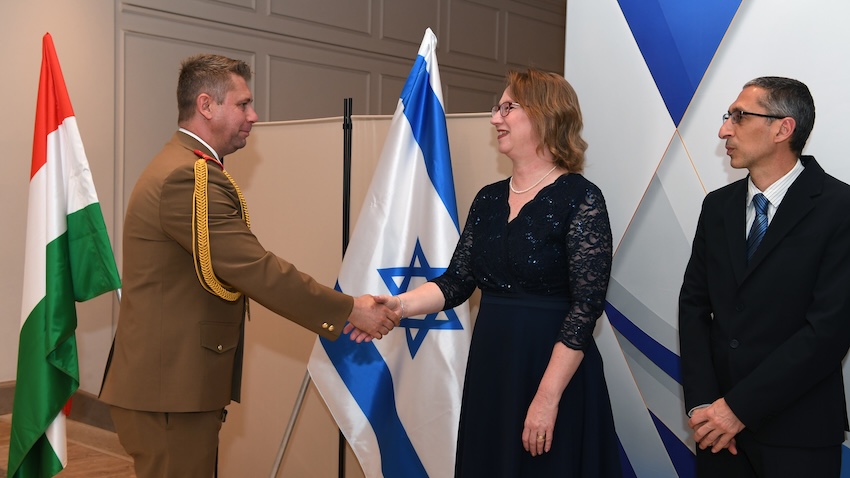
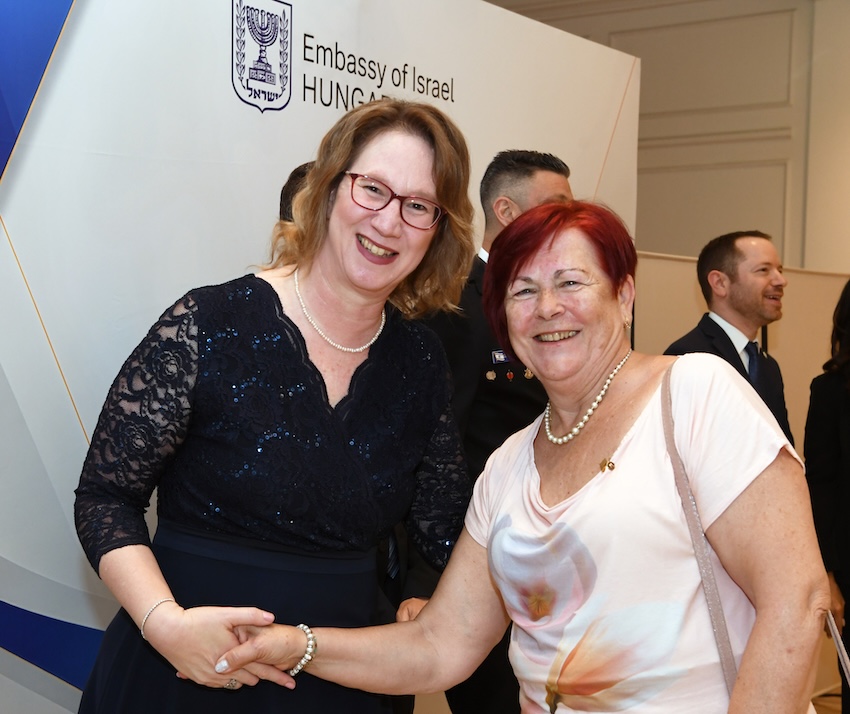
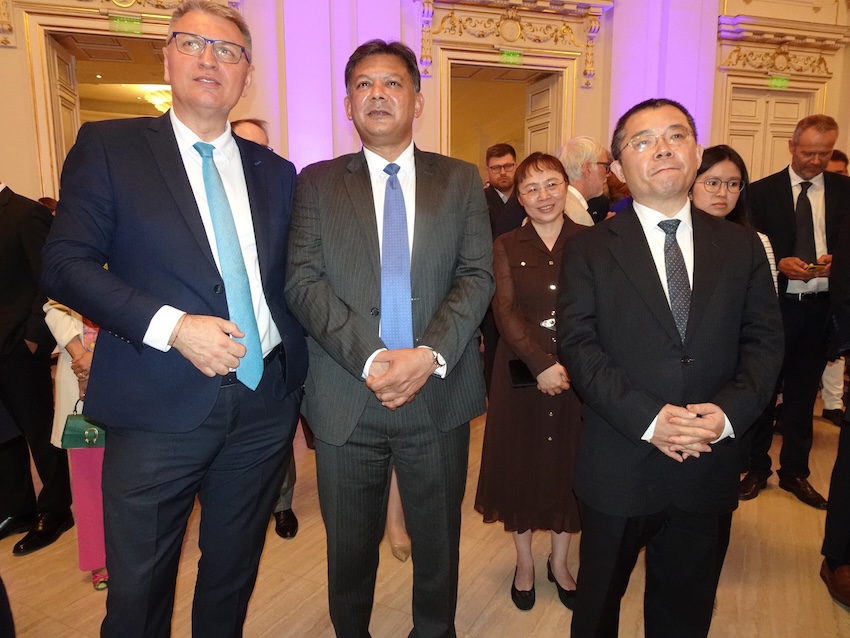
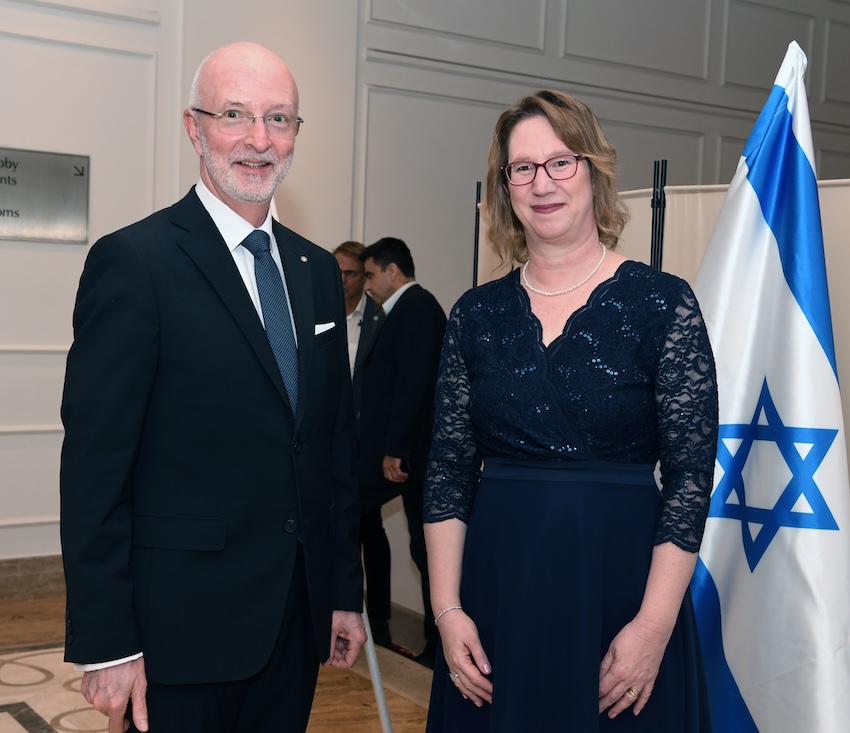
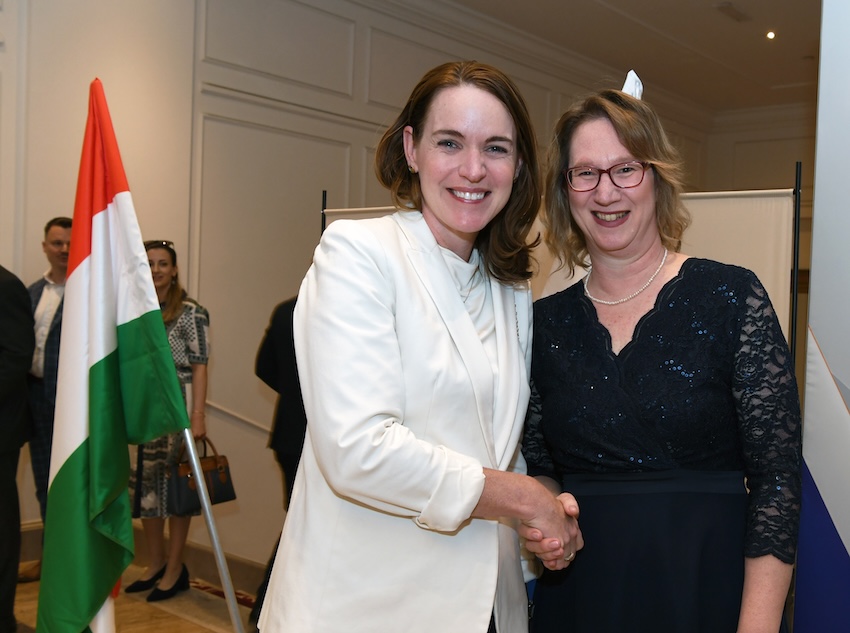
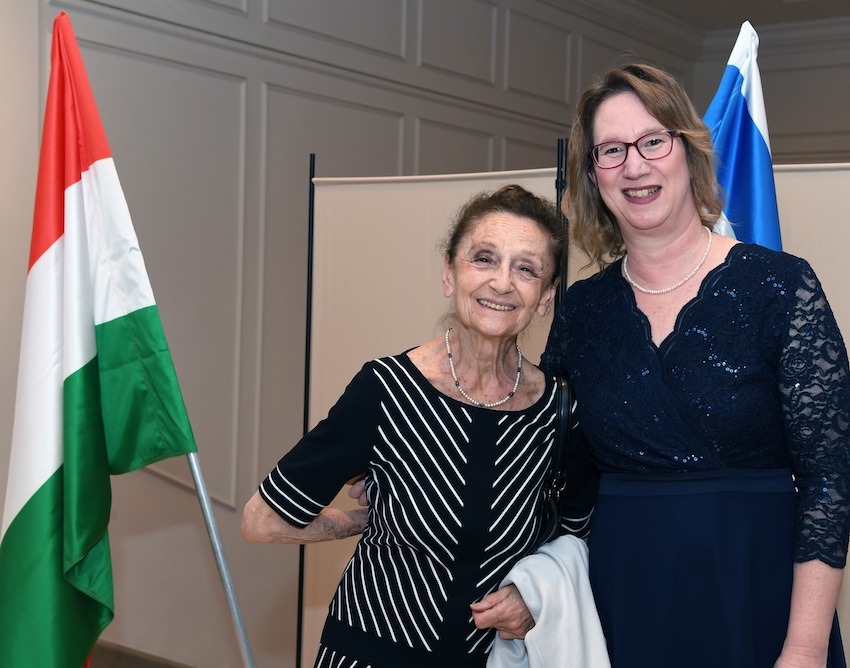
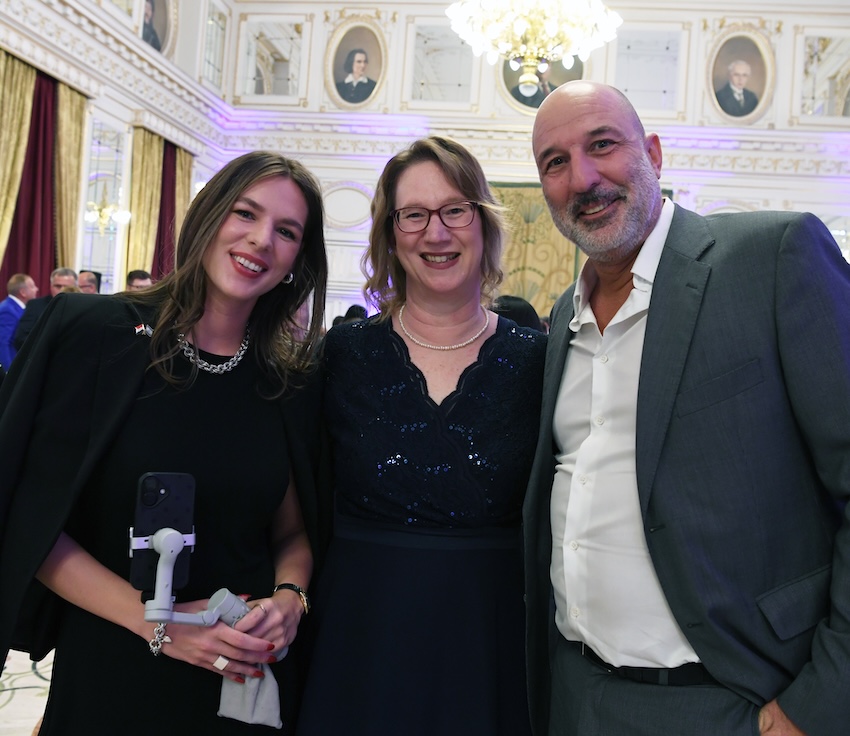
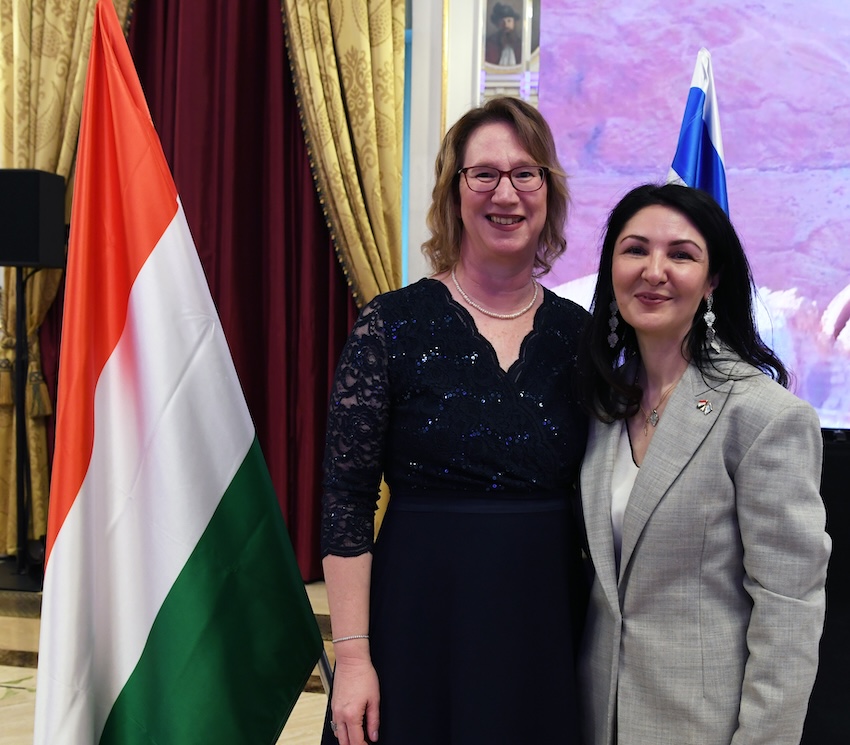
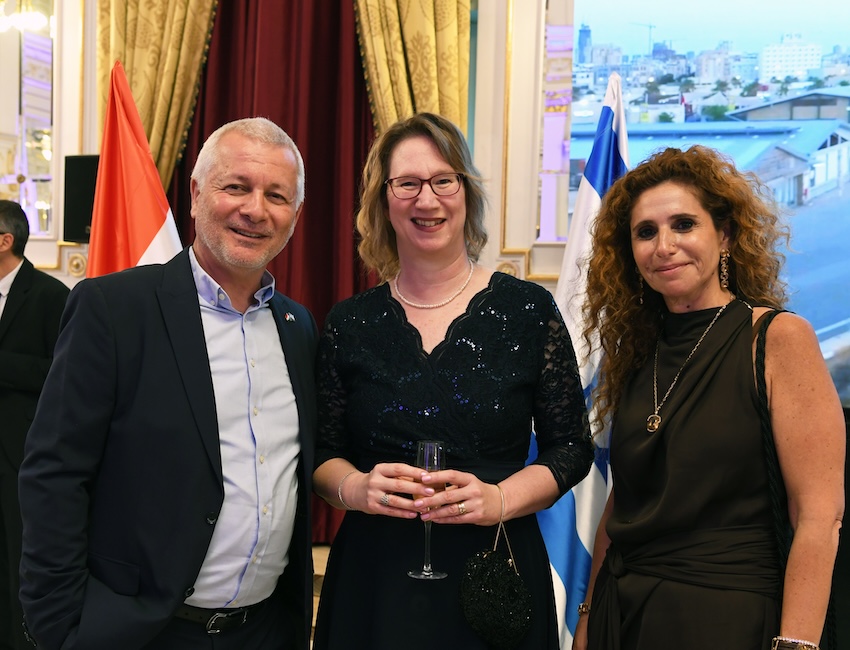
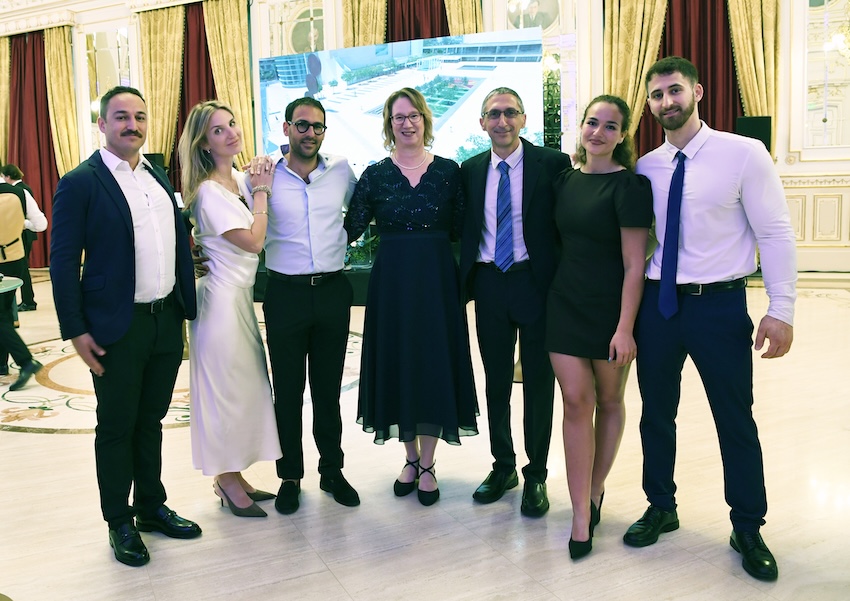
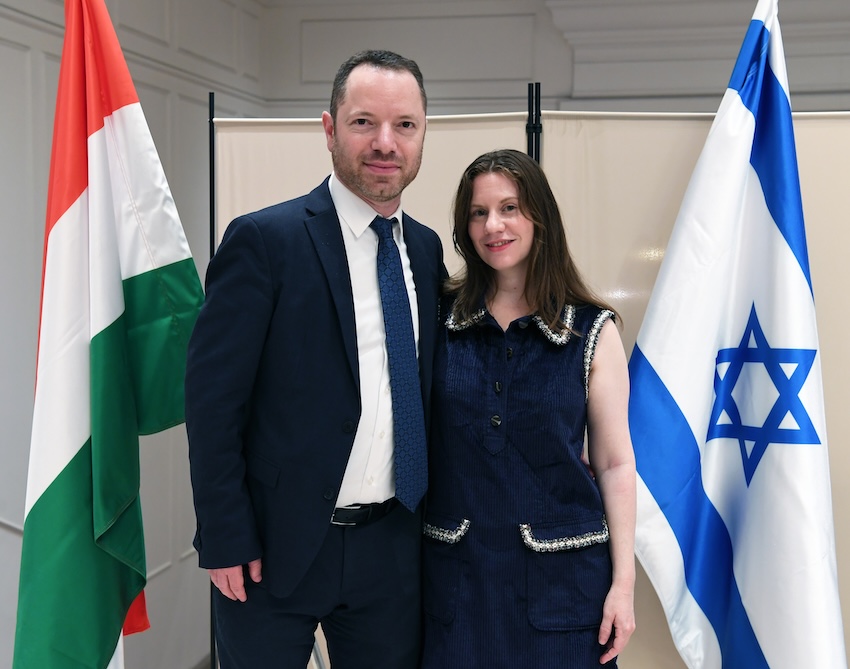
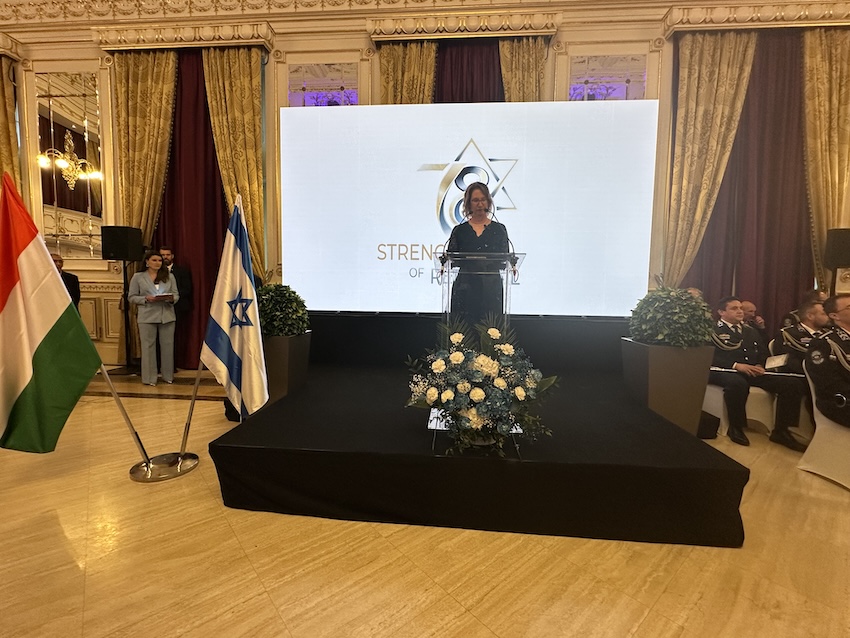
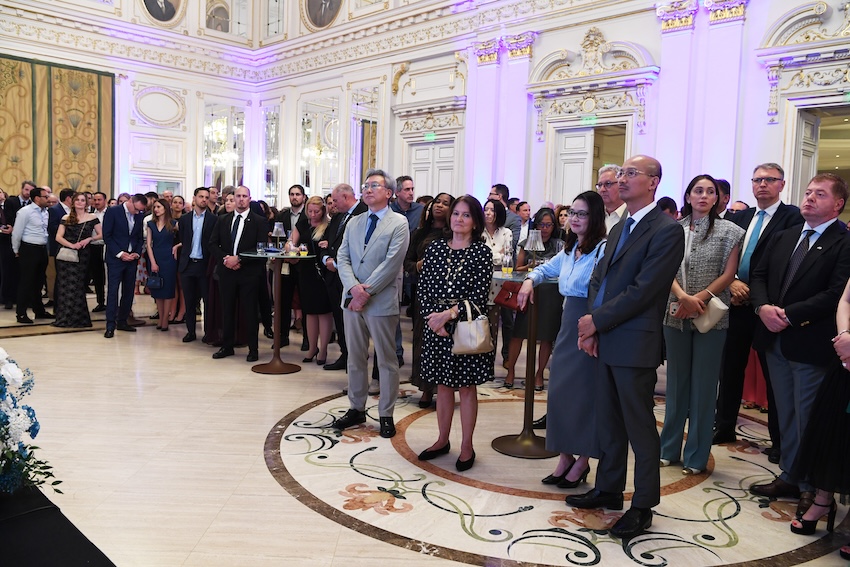
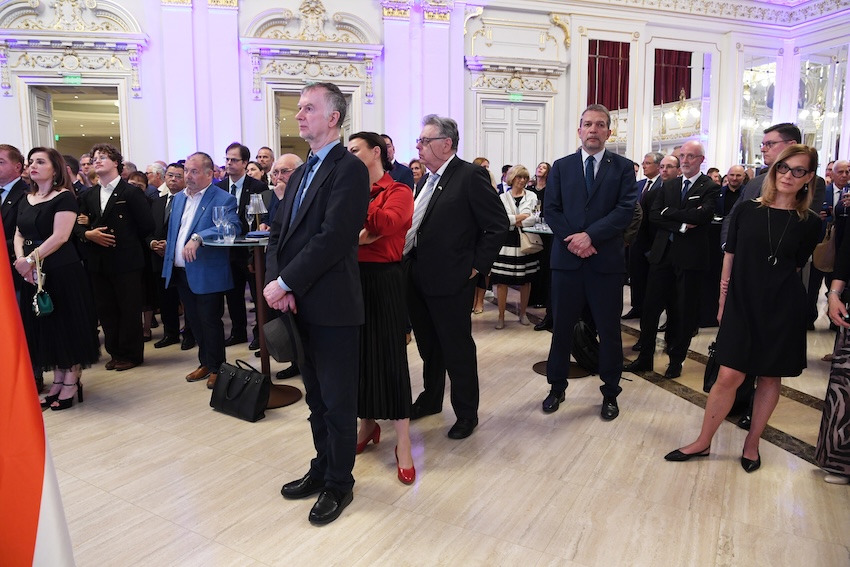
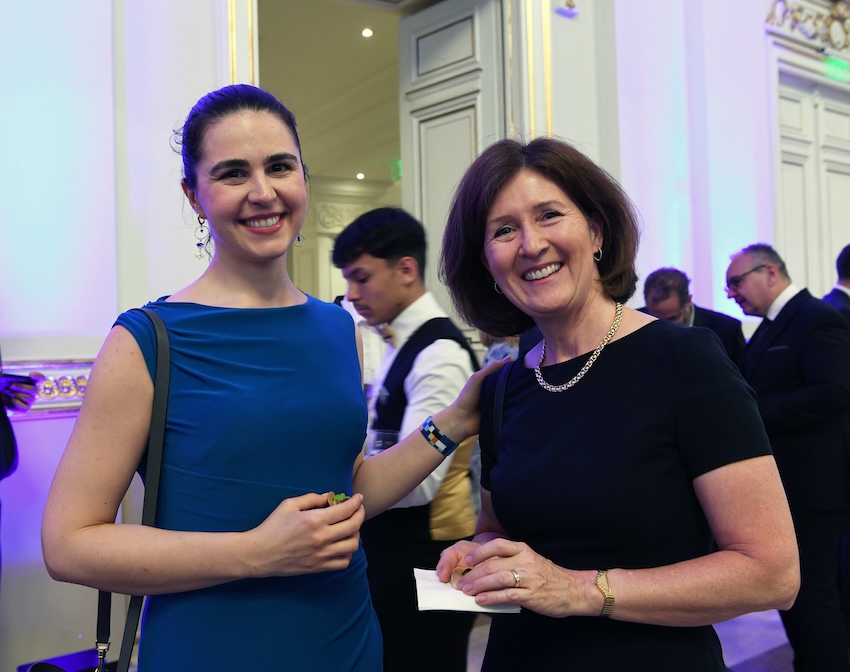
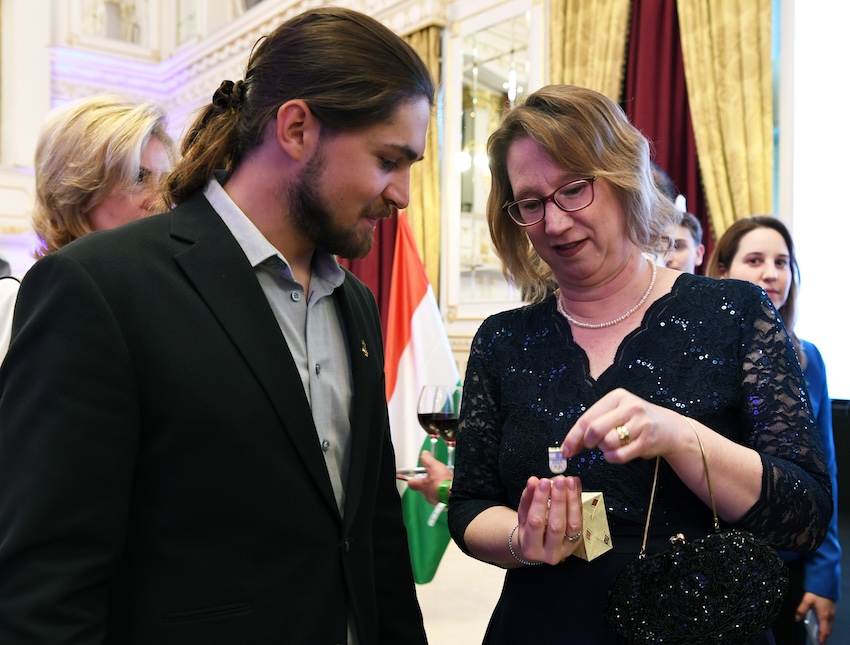
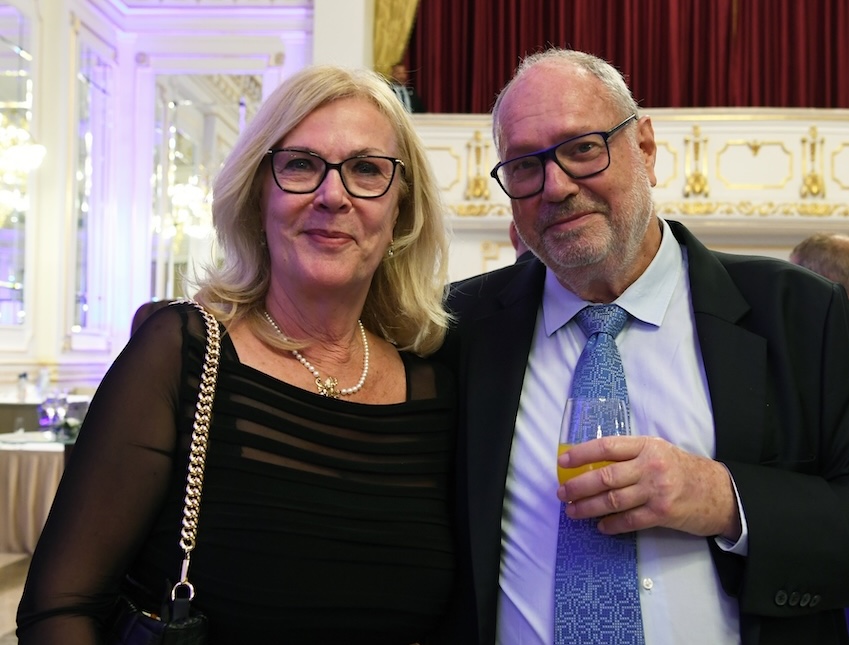
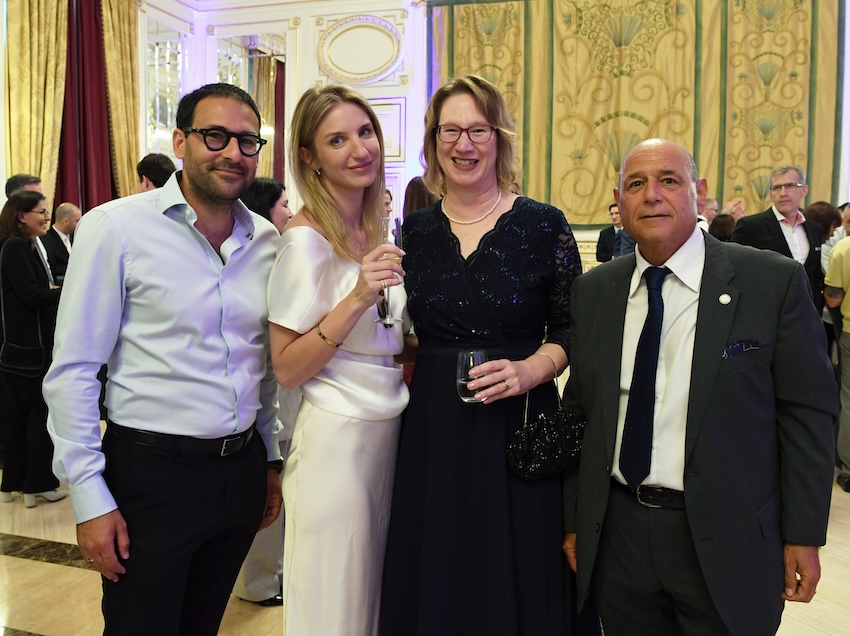
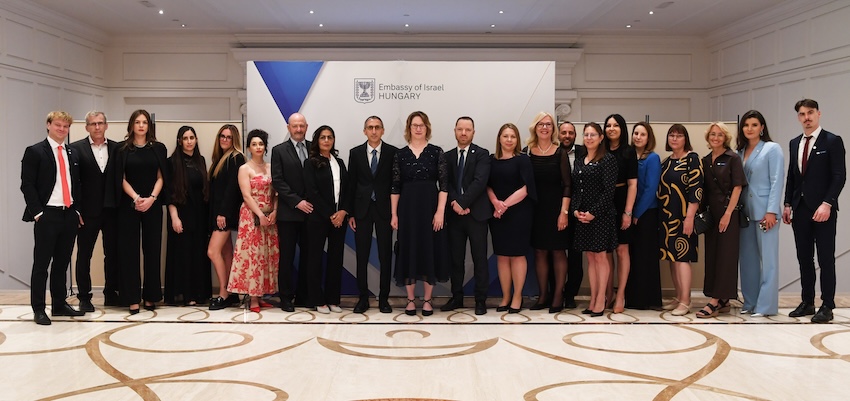
On the occasion of the 78th Anniversary of Israel’s Independence, the Embassy of the State of Israel in Hungary hosted a grand reception on 26 May 2026 in the magnificent ballroom of the Corinthia Hotel Budapest.
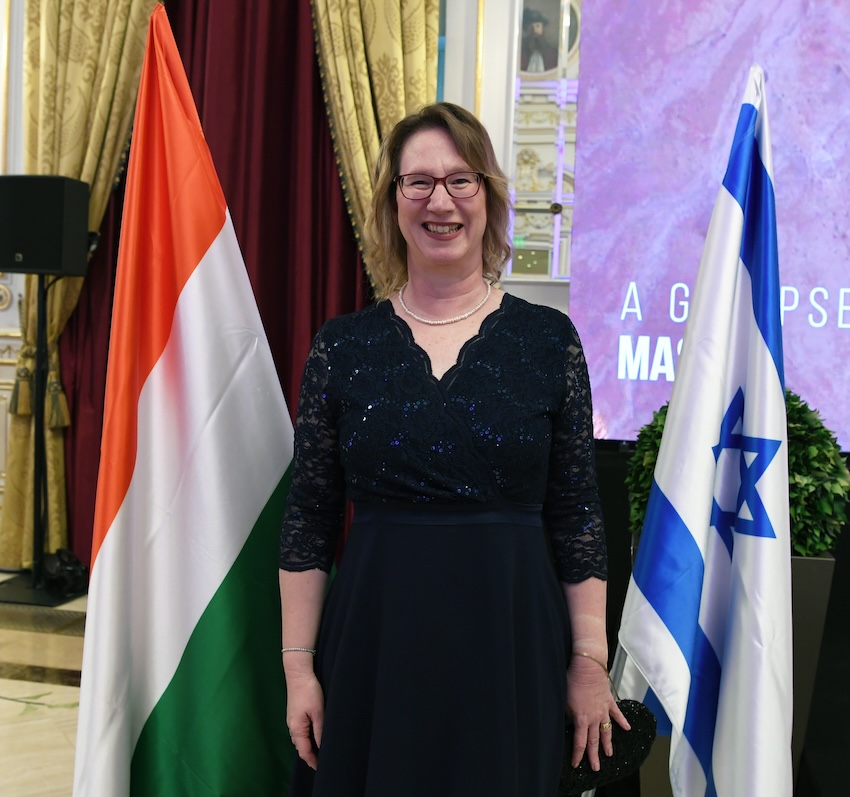
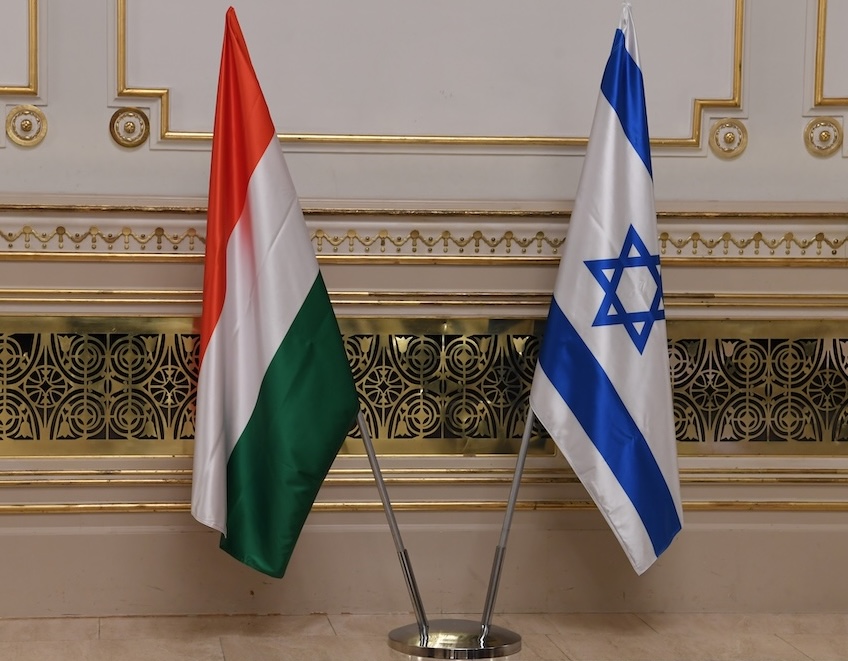
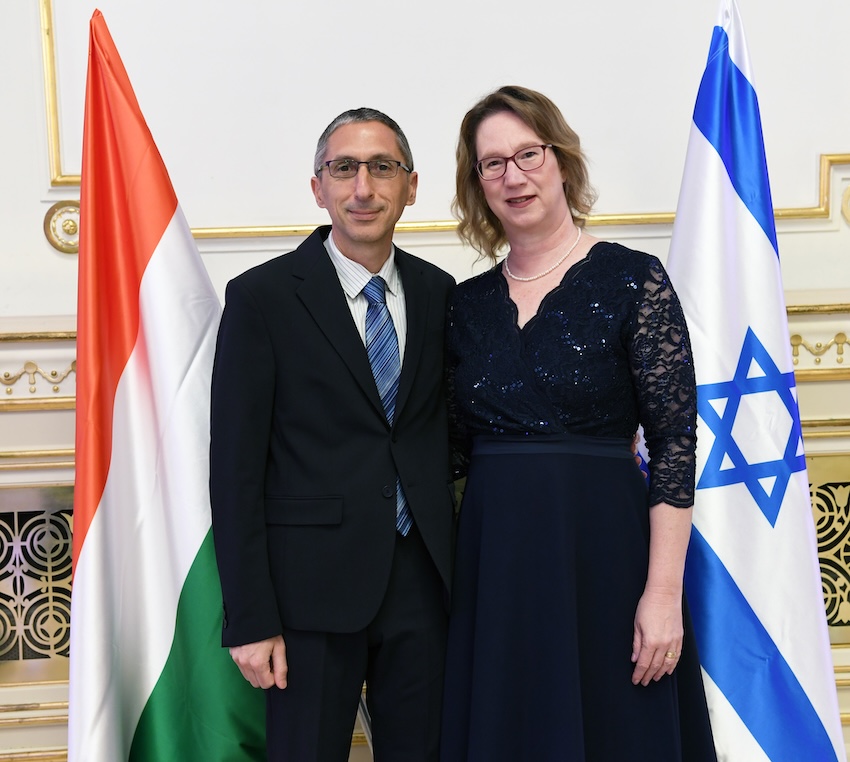
The event brought together distinguished guests from the diplomatic corps, government institutions, business circles, academia, and the Jewish community to celebrate Israel’s national day and the strong partnership between Israel and Hungary.


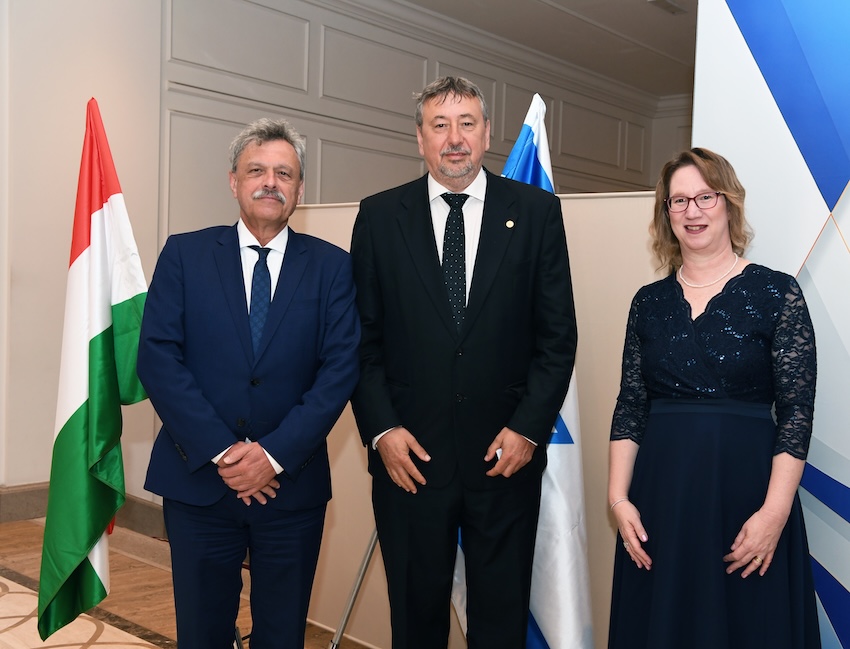
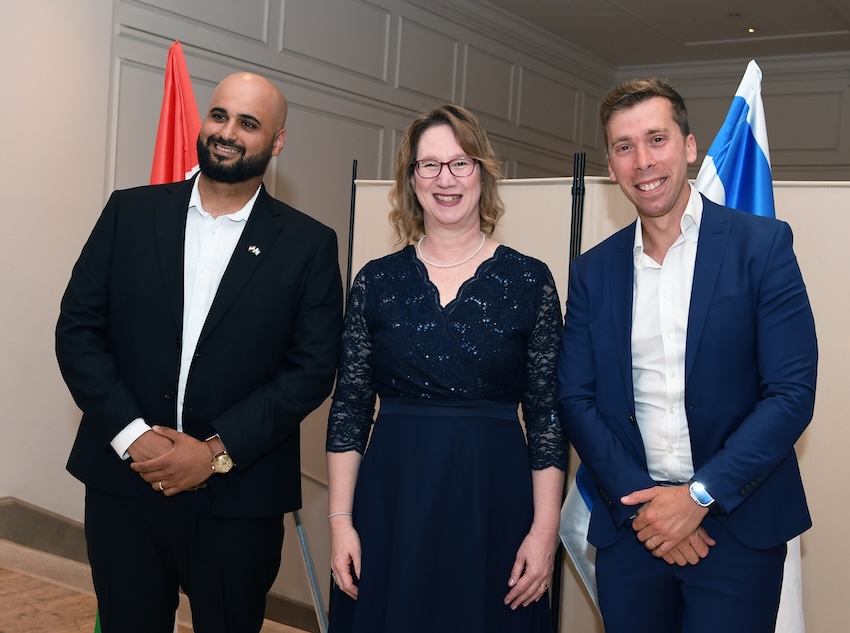
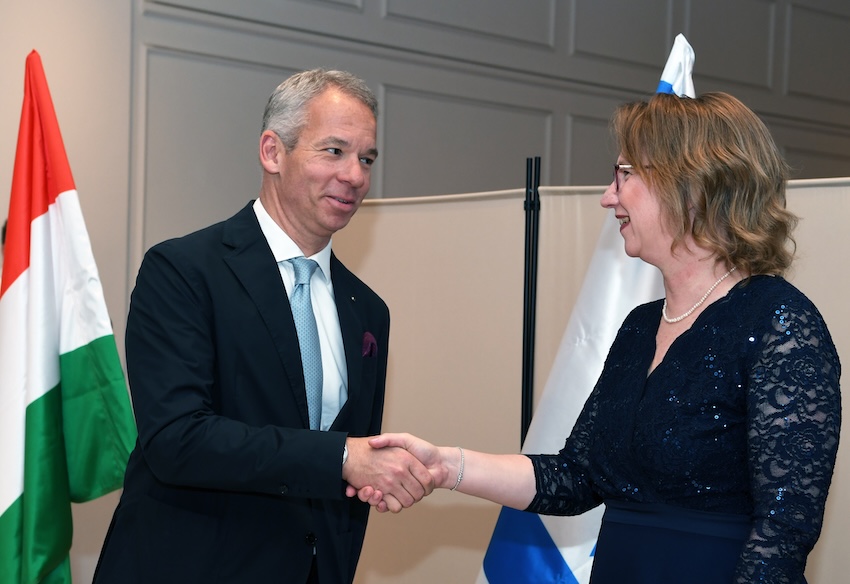
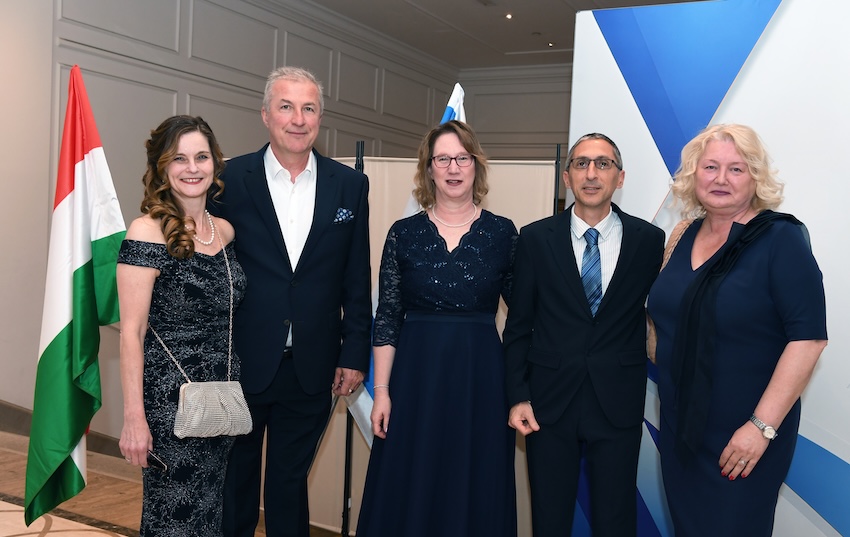

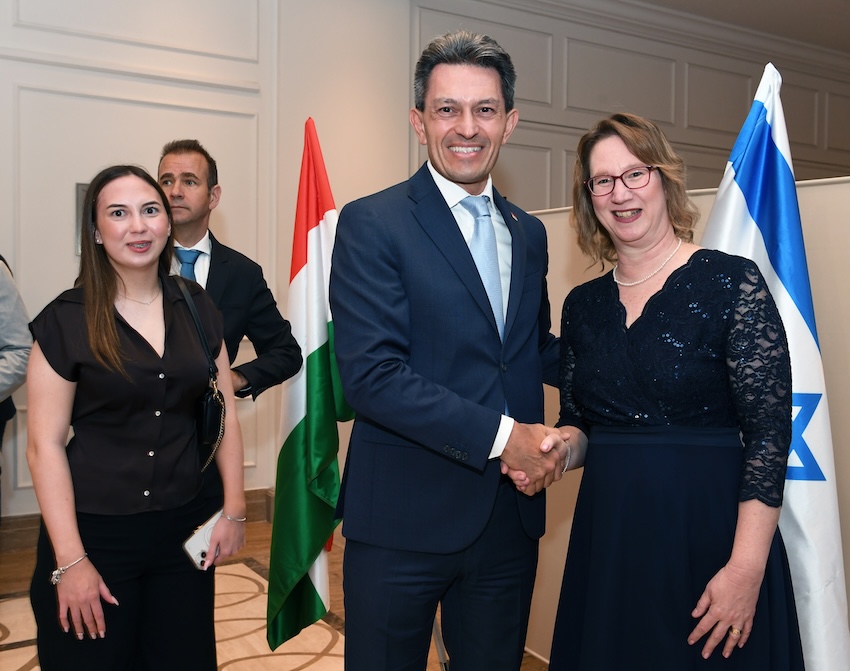
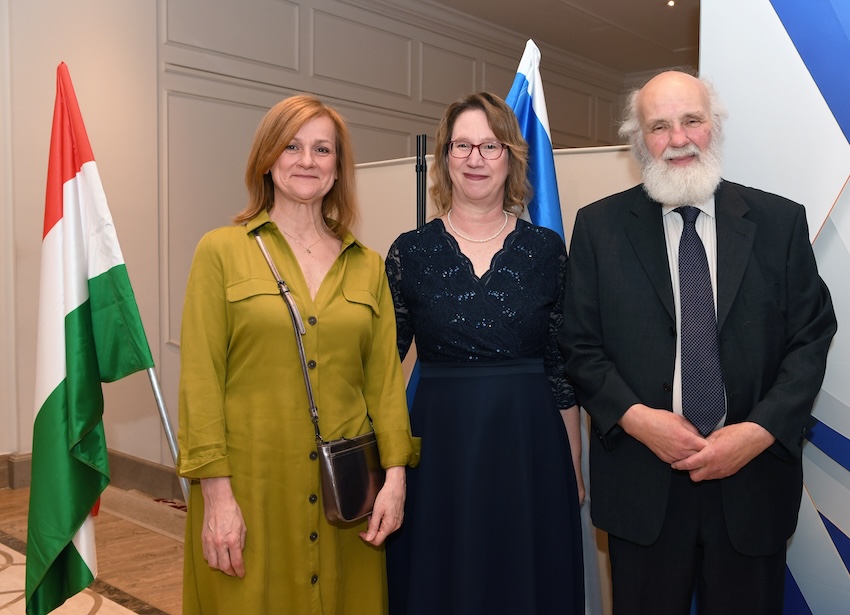
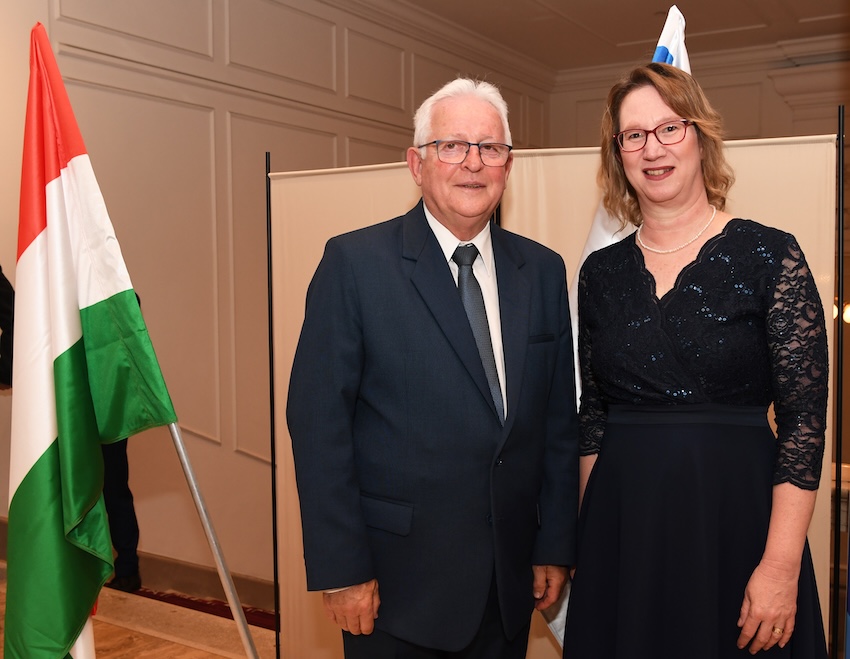
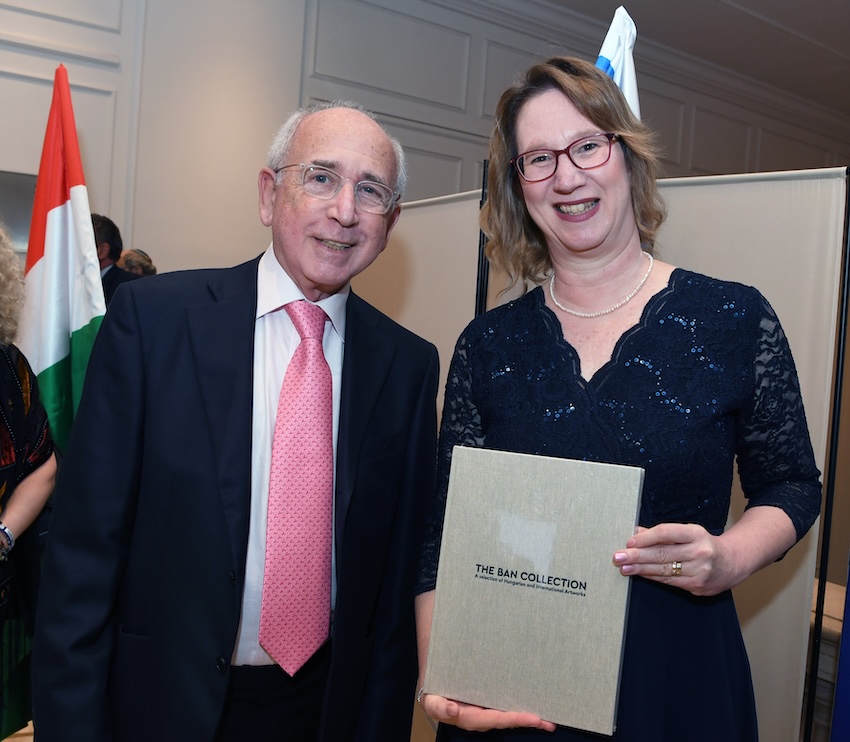
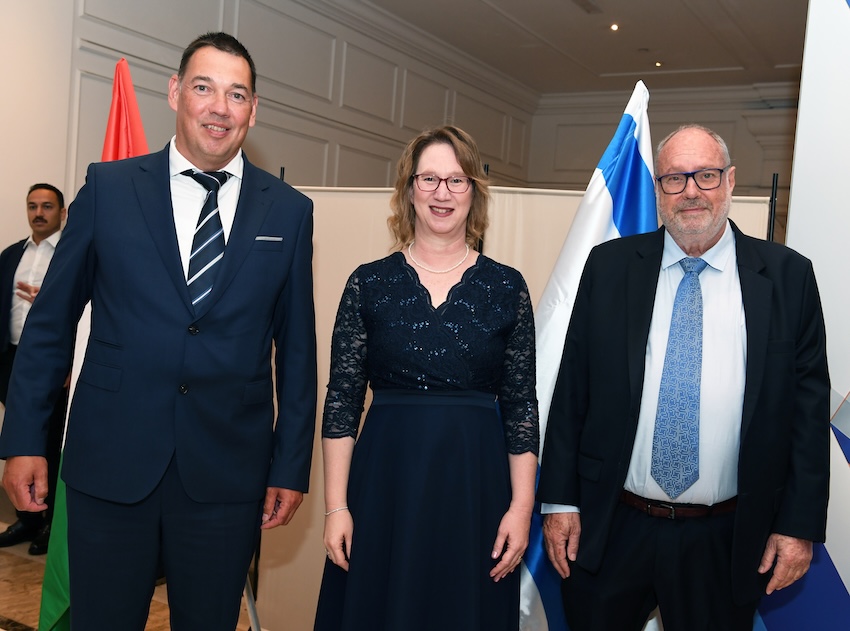

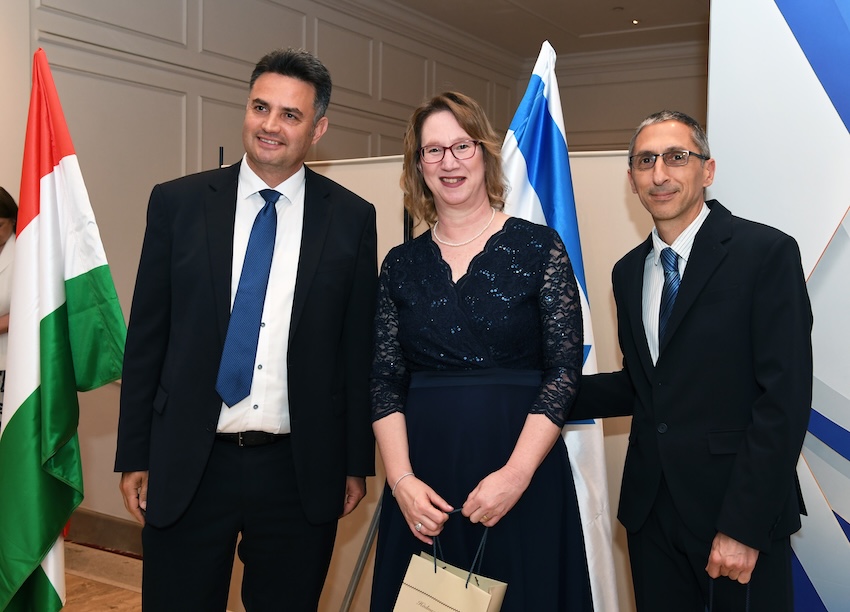
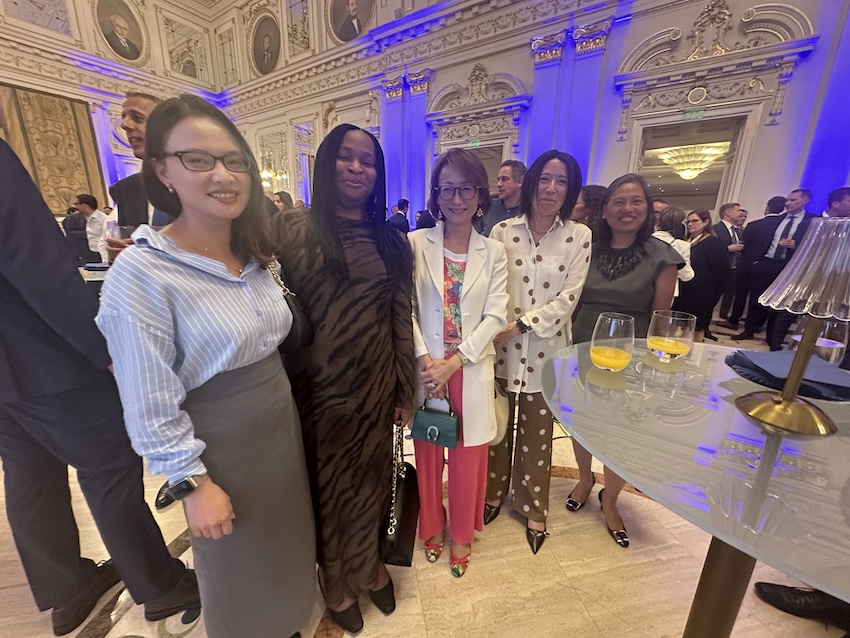
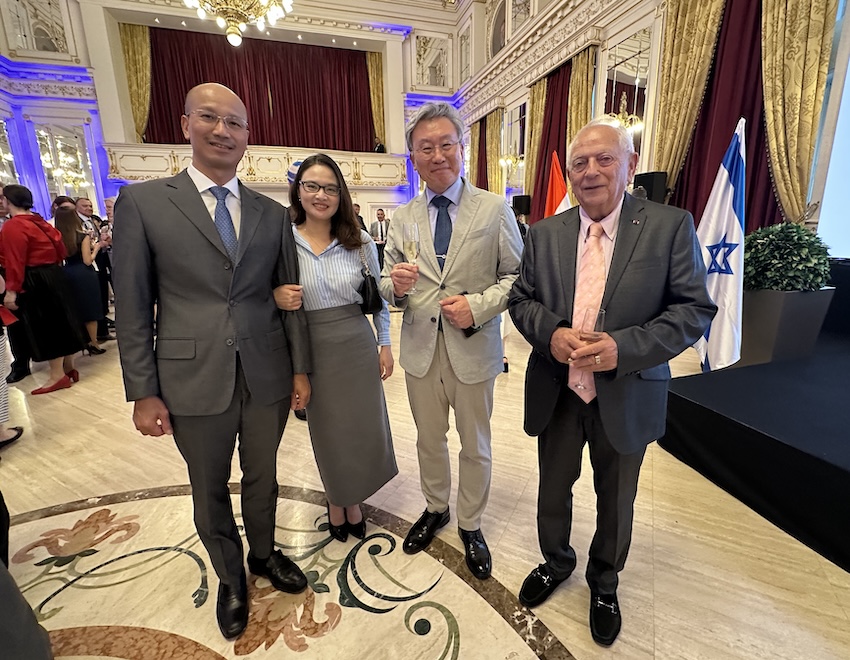
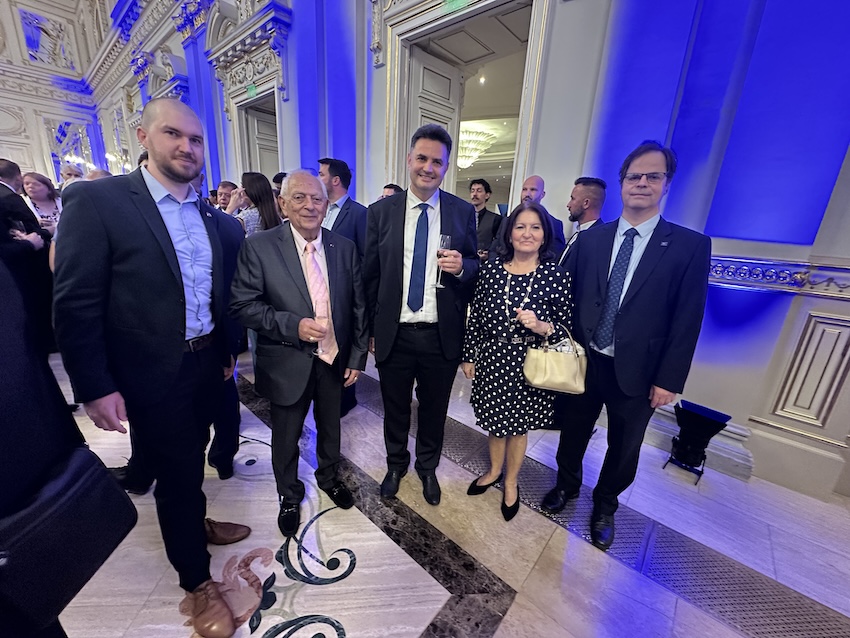
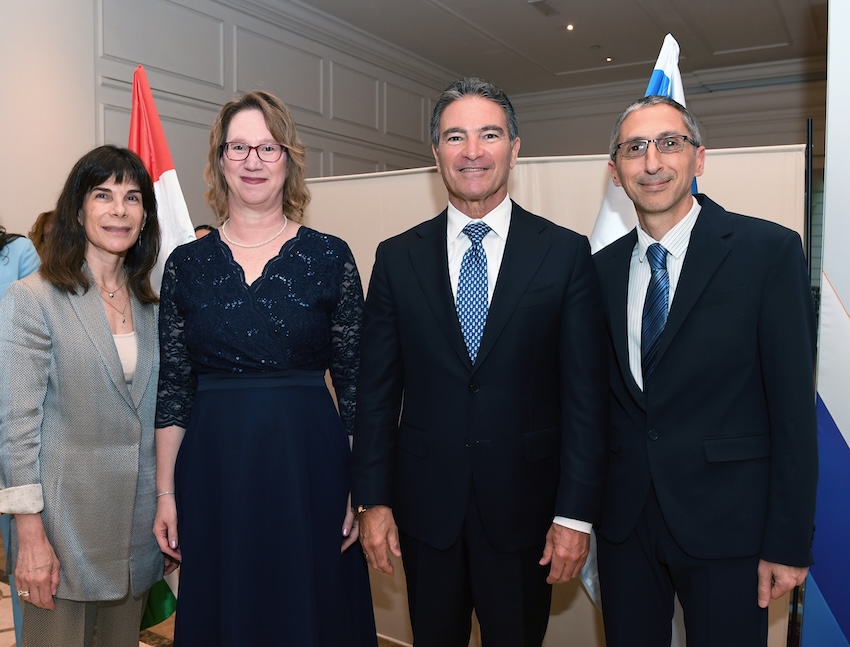
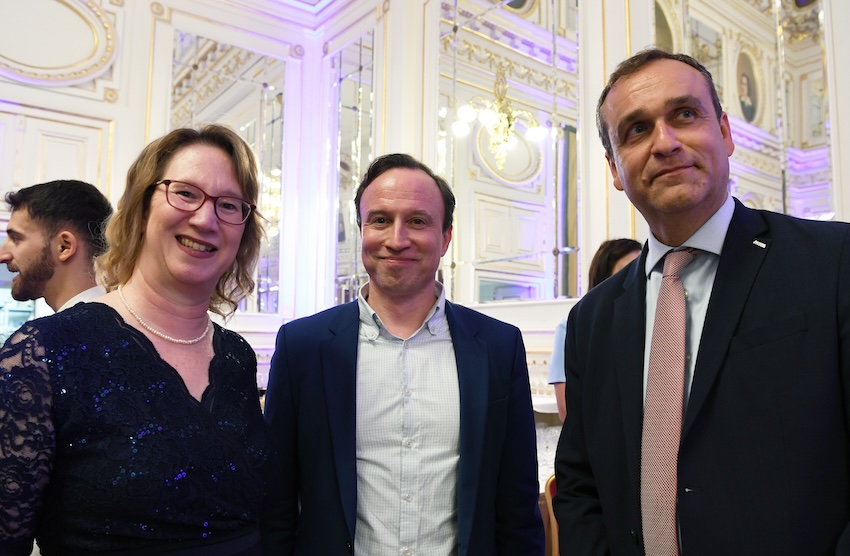
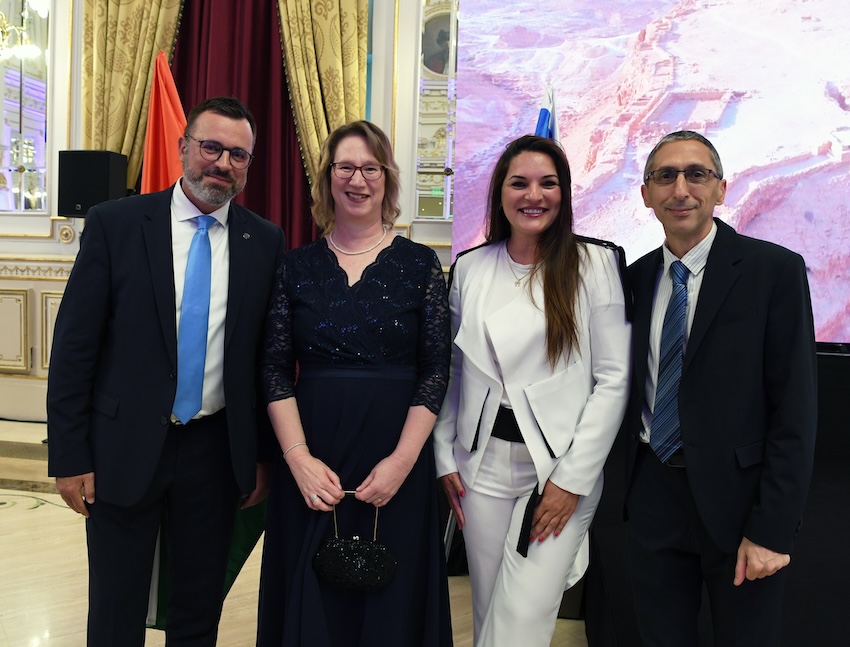

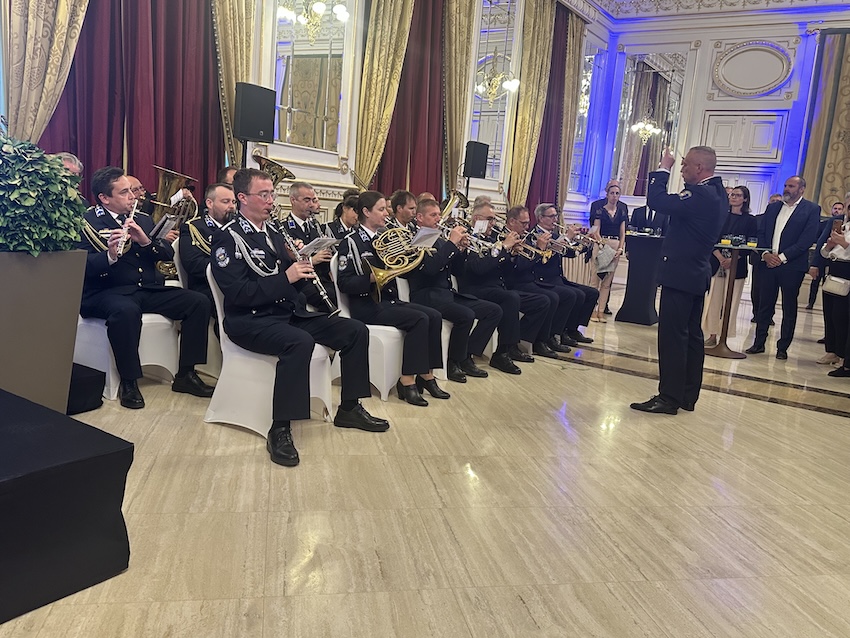
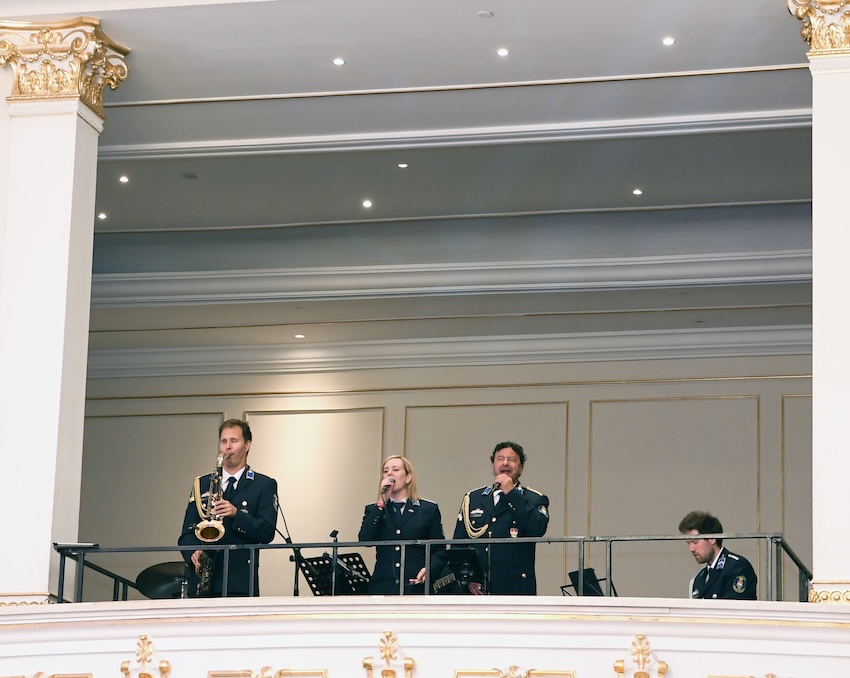
The celebration started with the national anthems of the State of Israel (Hatikvah) and Hungary, performed by the Orchestra of the Hungarian Police.
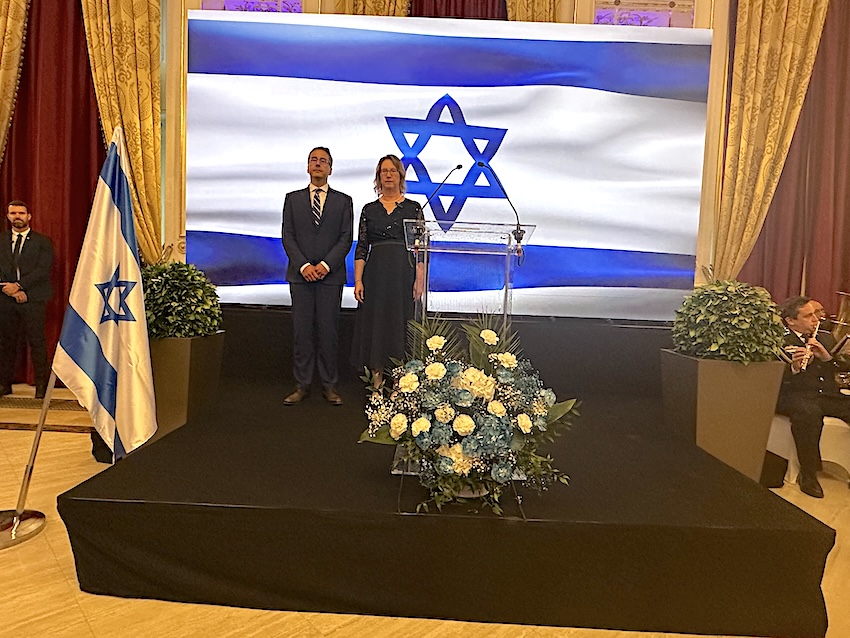
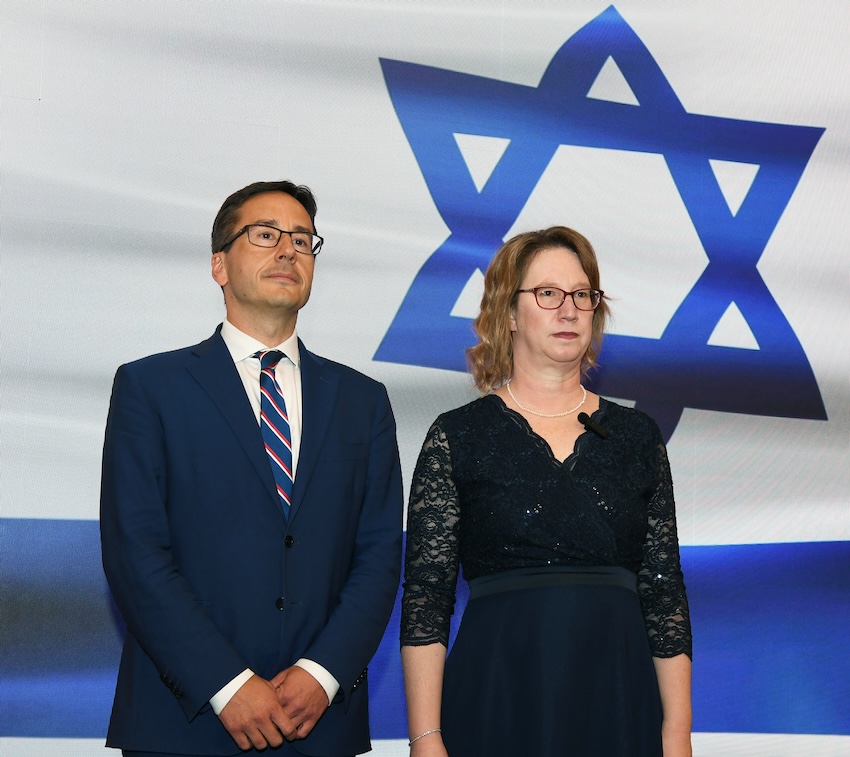
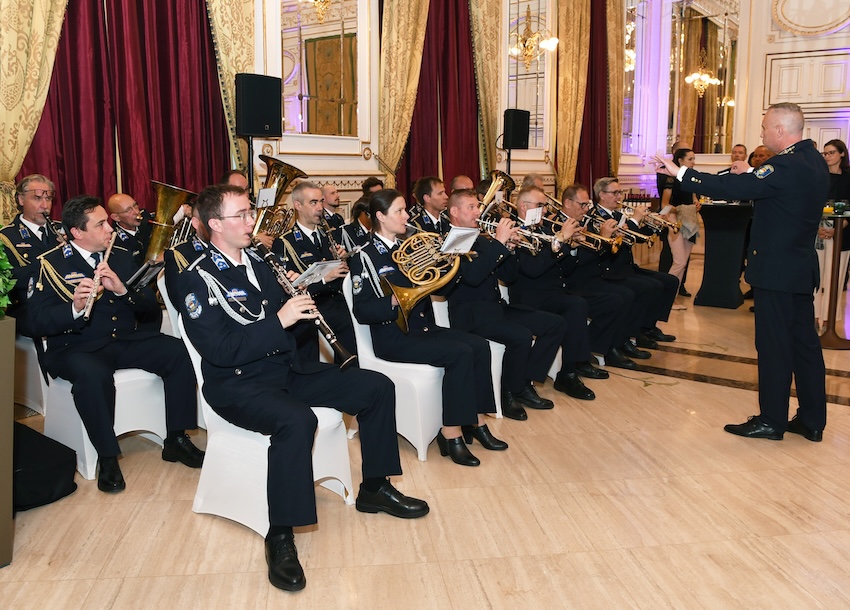
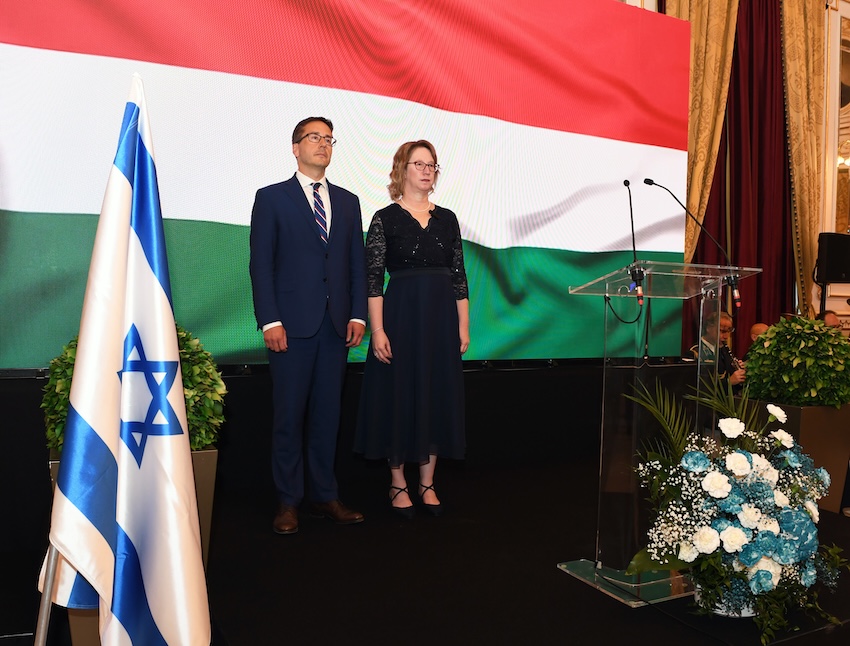
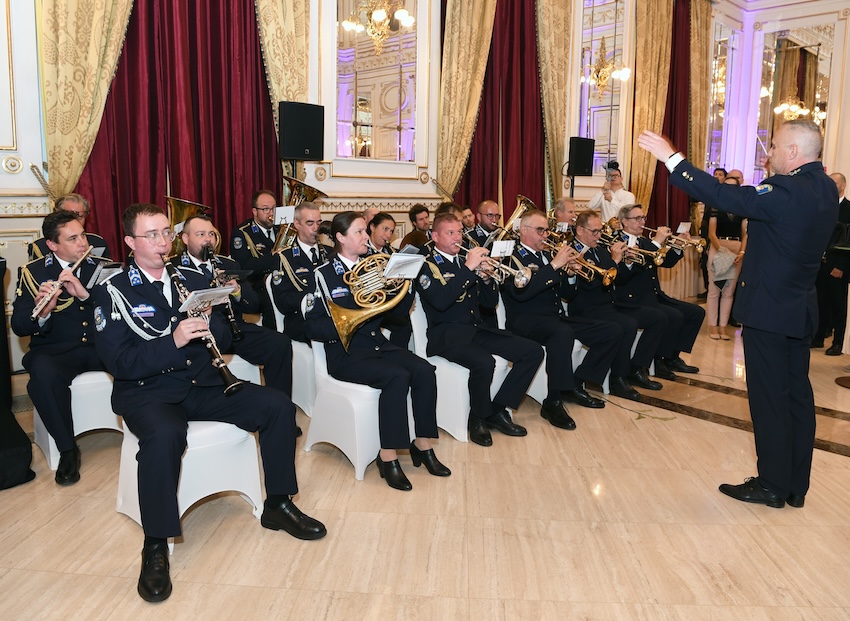
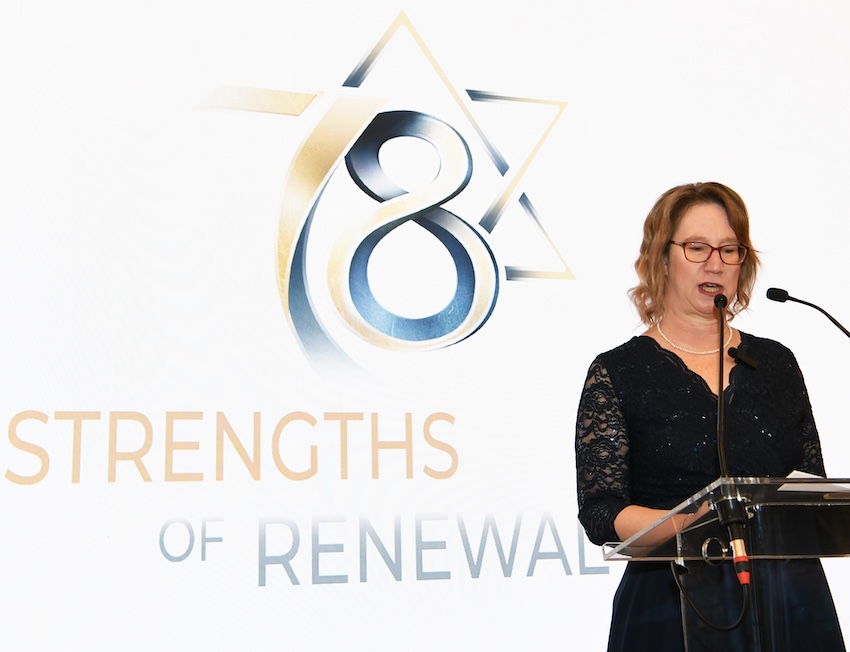
The speaker then invited Her Excellency Maya Kadosh, Ambassador of the State of Israel to Hungary, to deliver her address:
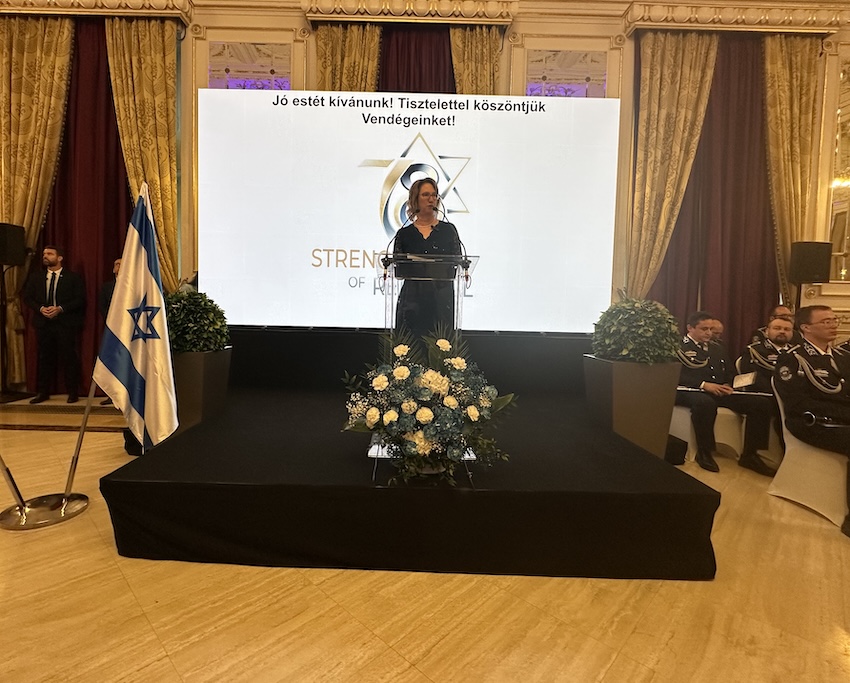
“Good evening, and welcome. Every year, when we celebrate Israel’s Independence Day, we celebrate not only the founding of a state, but also the determination behind it. Israel was built by people who believed that even under difficult circumstances, it was possible to create something lasting. Seventy-eight years later, that same spirit still defines the country.
For me, it is especially meaningful to celebrate this evening here in Budapest. The relationship between Israel and Hungary has become one of the strongest and most stable partnerships Israel has in Europe. What makes it strong is not only the political dialogue between our governments. It is the broad network of connections that has developed over the years between our economies, our institutions, our universities, our companies, and, of course, our people. That foundation matters.
Because truly durable relations between countries cannot depend solely on election results or political cycles. They must be built on shared interests, ongoing cooperation, and a genuine understanding of one another. And when we look at the relationship between Israel and Hungary today, we see exactly that. Over the past two years alone, we have witnessed impressive momentum across multiple sectors.
In October 2025, Budapest hosted a major business forum that brought together more than 30 Israeli companies and over 100 Hungarian businesses. It was not merely a ceremonial event. It was practical, focused, and results-oriented. Israeli and Hungarian companies came together to discuss investment, technology, manufacturing, and future partnerships.

Tourism is another excellent example. More than 215,000 Israeli visitors came to Hungary in 2024, generating nearly 700,000 overnight stays across the country. Israelis genuinely enjoy visiting Hungary. They feel welcome here. They return with their families and friends and, increasingly, for business as well. The renewed direct flights and growing cooperation between our tourism industries are helping to transform people-to-people connections into something even deeper.
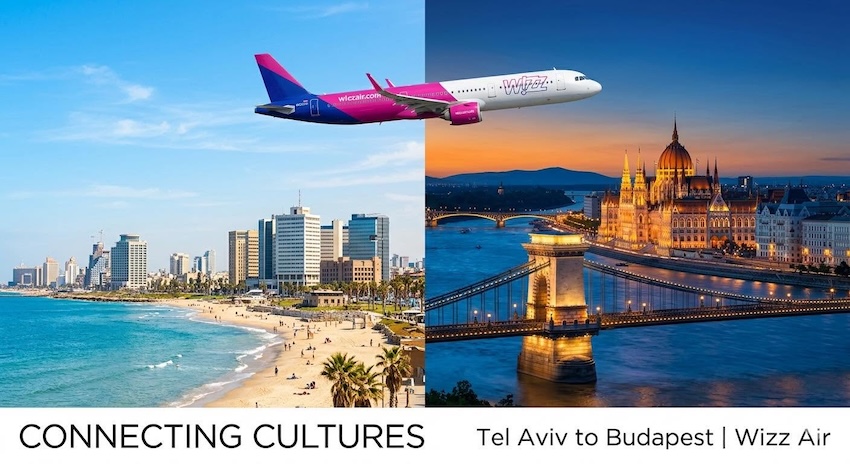
Last November, Israel and Hungary also signed an agreement to expand cooperation in energy, cyber technologies, and innovation, including projects related to natural gas and solar energy. These are long-term strategic sectors. They reflect trust, but they also demonstrate the seriousness with which both sides approach building practical cooperation for the future.
And there are many more examples: cooperation in artificial intelligence, educational exchanges between institutions, dialogue between ministries, and growing ties between professionals in both countries. Taken together, these developments tell an important story.
The relationship between Israel and Hungary is not built around a single moment or administration. It rests on a broad framework of shared interests and common priorities. Both countries understand the importance of national resilience, security, and preserving identity in a rapidly changing world. This creates a natural basis for cooperation.
This is why we approach the next chapter in our relations with confidence. We are very pleased to work with the new Hungarian government, and we look forward to continuing the close cooperation between our countries. At the same time, we are not starting from the beginning. We are building upon years of existing agreements, institutional partnerships, and successful projects that already provide a strong foundation.
In diplomacy, continuity is extremely valuable. It allows both sides to think beyond short-term politics and focus on long-term interests. It creates stability for businesses, investors, universities, and the many people who are already working together every day.
Dear friends, at 78, Israel remains a country with an extraordinary capacity to adapt, innovate, and move forward even in difficult times. It is a country shaped by history yet focused on the future.
Tonight is also an opportunity to recognize the importance of friendship between nations – not friendship as a slogan, but friendship expressed through cooperation, reliability, and mutual respect. To our Hungarian friends, thank you for your partnership, your openness, and your friendship. May the relationship between Israel and Hungary continue to grow stronger in the years ahead.”
“Happy Independence Day to Israel and thank you all for being here this evening.”
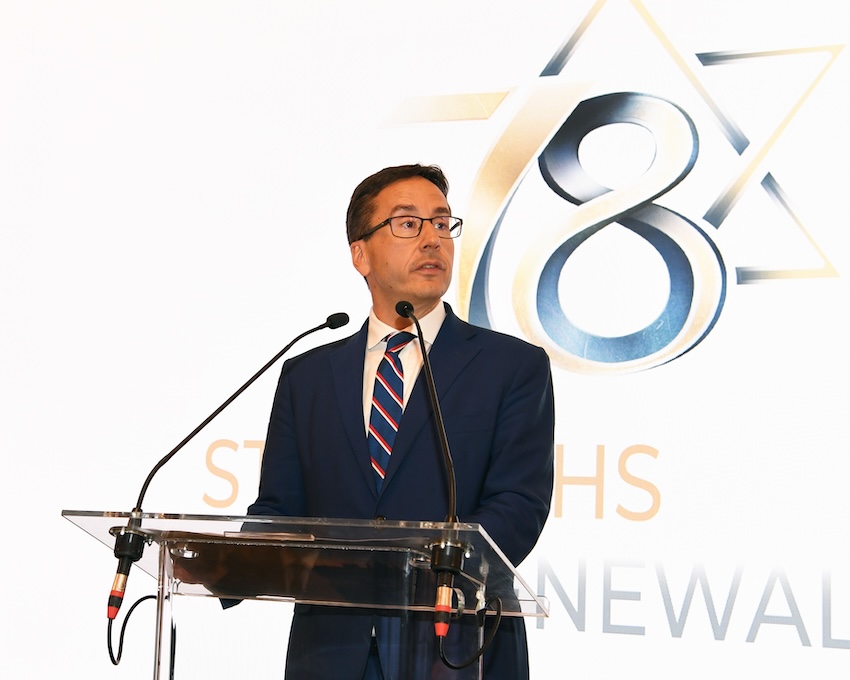
It was followed by the speech of the Guest of Honour, Mr. Márton Hajdú, Chair of the Foreign Affairs Committee of the Hungarian Parliament:
“It is a great honour to stand before you this evening on the occasion of Israel’s Independence Day. Yom Ha’atzmaut is a celebration of statehood, but above all it is a testament to endurance, courage, and the determination of a people to build a home in history.
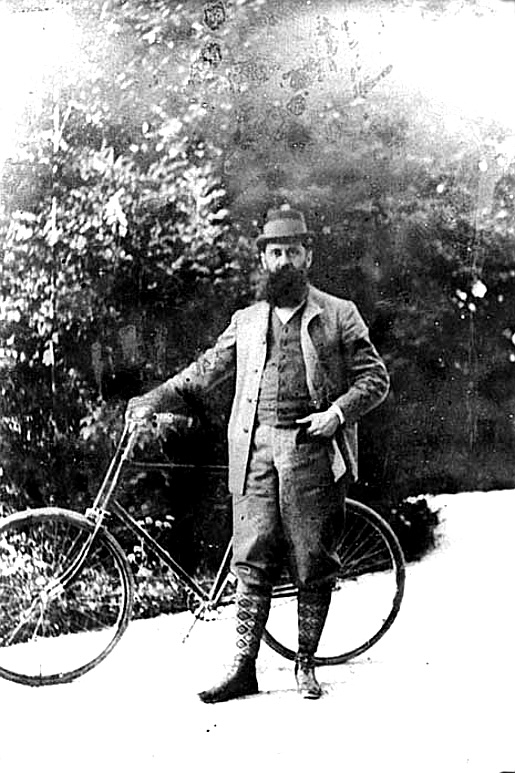
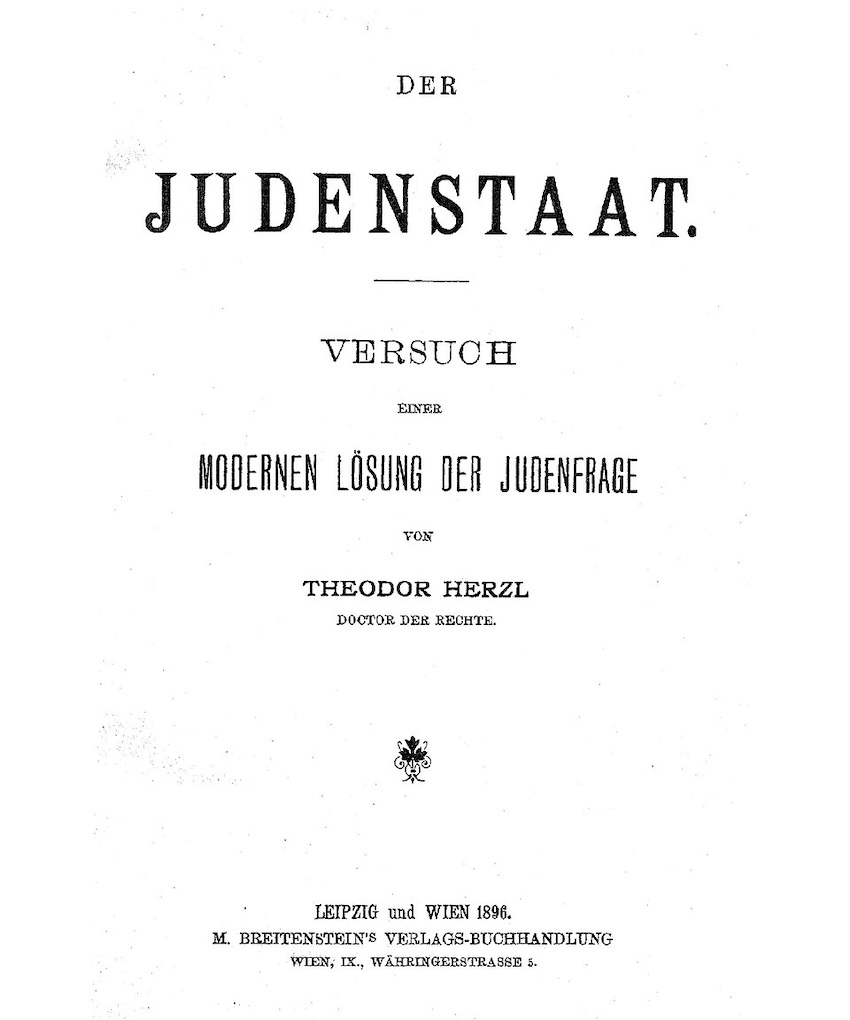
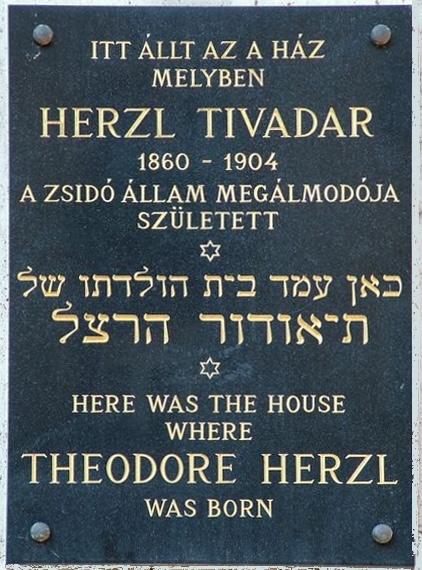
For us, Hungarians, the idea of building a home in history feels deeply personal. And we cannot speak about the modern realization of Israel without remembering that Theodor Herzl – Herzl Tivadar (1860-1904) – was born here in Budapest. He did not live to see the declaration of independence, but his enduring vision helped make it possible.
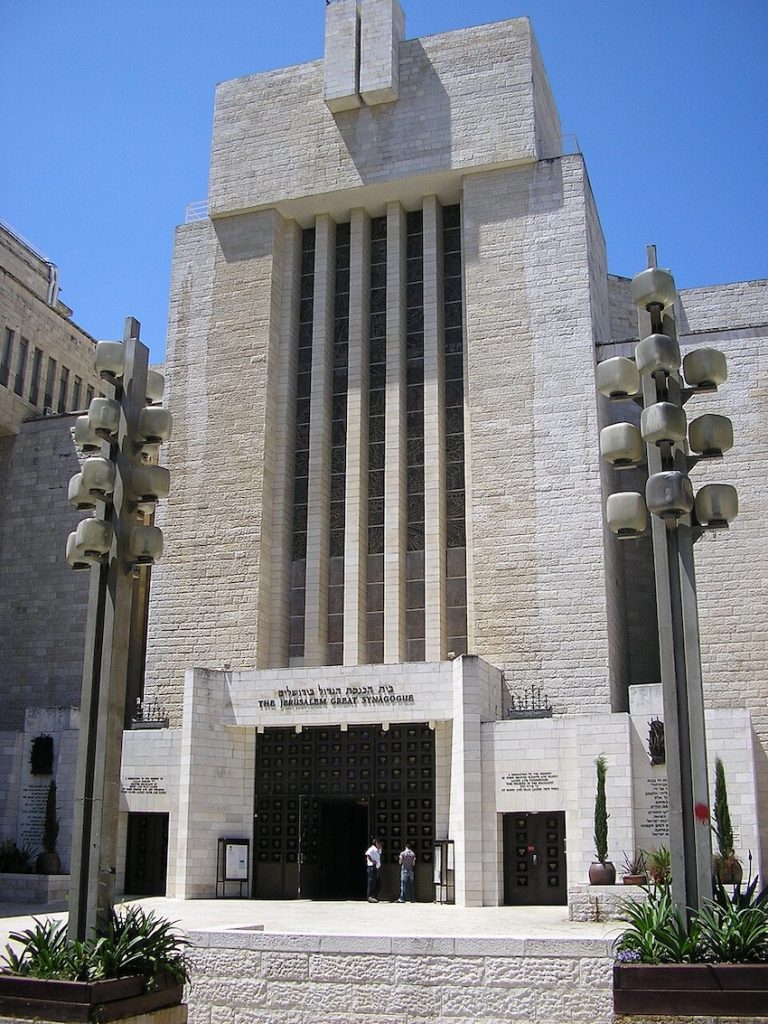
I would like to begin with a personal memory. Some years ago, during a visit to Jerusalem, I entered the Great Synagogue. We were there simply as tourists, but this was not immediately obvious to those inside. As far as I understood it, there had been a minor disagreement among the congregants. Because of this, they found themselves one person short of the minyan – the quorum needed for certain prayers and for the reading of the Torah.
A few people approached us, hoping for a brief moment that they might recruit us to complete their community. Then, of course, they realized that we were only visitors, not local members of the congregation, and eventually they had to resolve the matter among themselves.
I may not have understood every religious detail correctly as an outside visitor. But I understood something essential. There were people there who did not necessarily agree on everything. They had their arguments, their differences, and their own views. Yet at that moment they still needed one another in order to open the Torah.
That image stayed with me. Because strong communities are not made up only of people who always agree. They are forged by people who understand that, despite disagreement, there must be a minimum of trust, a minimum of belonging, and a minimum of shared responsibility.
In Hungarian public life, for too long, we lacked that minimum. On too many vital issues, including foreign policy, we failed to achieve a national consensus. In a sense, we could not open our own Torah, so to speak – not because we lacked the texts, traditions, or history, but because we lacked the minimum trust needed to read them together.

This must change. The new Hungarian government has received a strong democratic mandate for change. But change does not mean dismantling everything that came before. It does not mean replacing one set of slogans with another. It means something far more serious and demanding. It means digging deep to uncover Hungary’s true national interest – beneath the noise, beyond short-term politics, and beyond the transactional arrangements accumulated over many years.
It means asking ourselves: what truly serves the security, prosperity, and dignity of the Hungarian people, and what secures our place among serious nations? And when we ask that question honestly, we find that a strong and stable Hungarian-Israeli relationship is firmly rooted in Hungary’s national interest. It is in our interest because the bond between our peoples is real. Hungary’s vibrant Jewish community, Hungarian Jewish culture, and the many personal, family, and cultural links between Hungary and Israel form a strong bridge between our countries. It is in our interest because cooperation in technology, science, cybersecurity, energy, education, defence, and business yields tangible benefits for Hungarians and Israelis alike. And it is in our interest because both Israel and Hungary understand that identity, sovereignty, and security are not abstract concepts. They are lived realities. They require responsibility, steadfast alliances, and reliable friends.
This is what the new Hungarian government seeks to achieve – at home, within the European Union, and abroad. We look beyond political cycles. We strive to serve our citizens. And we seek to preserve valuable partnerships wherever they genuinely serve the national interest.
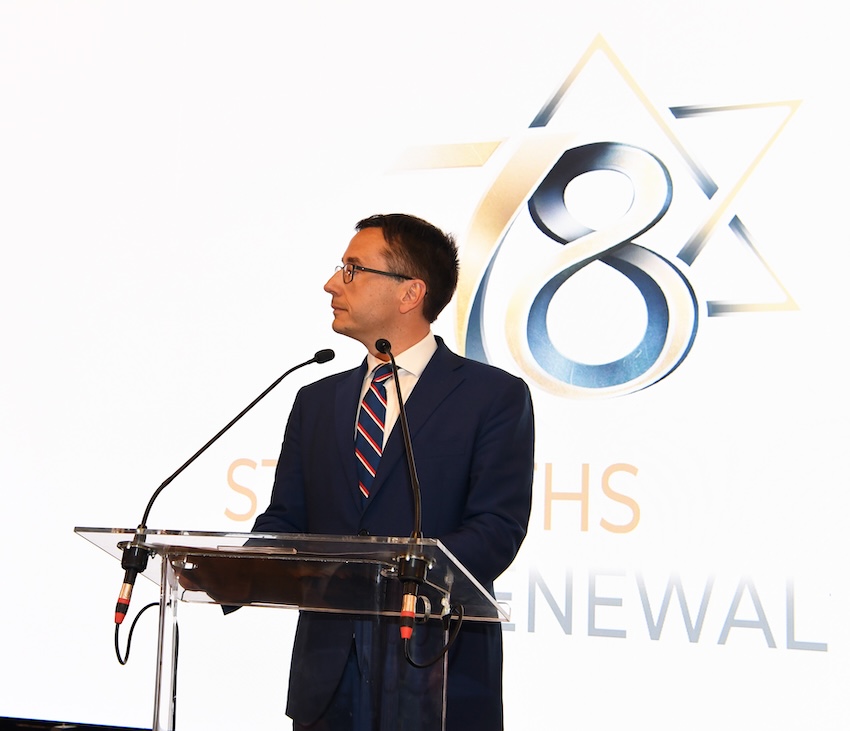
This is also how I view the future of Hungarian-Israeli relations: not as a slogan, not as a partisan inheritance, but as a mature, practical, and human partnership between two countries whose citizens have every reason to work together. Of course, Israel marks this Independence Day in difficult times. We know that recent years have brought fear, grief, and uncertainty to many in Israel and beyond.
Friendship is easy in times of peace. It matters most when nations face adversity. Hungary should be a serious friend of the State of Israel. Serious friendship means cooperation, reliability, and mutual respect. It also means the ability to speak to one another with honesty and humanity.
And honesty also means that friends need not remain silent when they encounter difficult moral, humanitarian, or strategic questions. There may be decisions and developments that raise concerns, including among those who are deeply committed to Israel’s security and future.
But criticism, when necessary, must be offered in good faith, with respect, and with a clear distinction between disagreement with a government and support for the State of Israel itself.
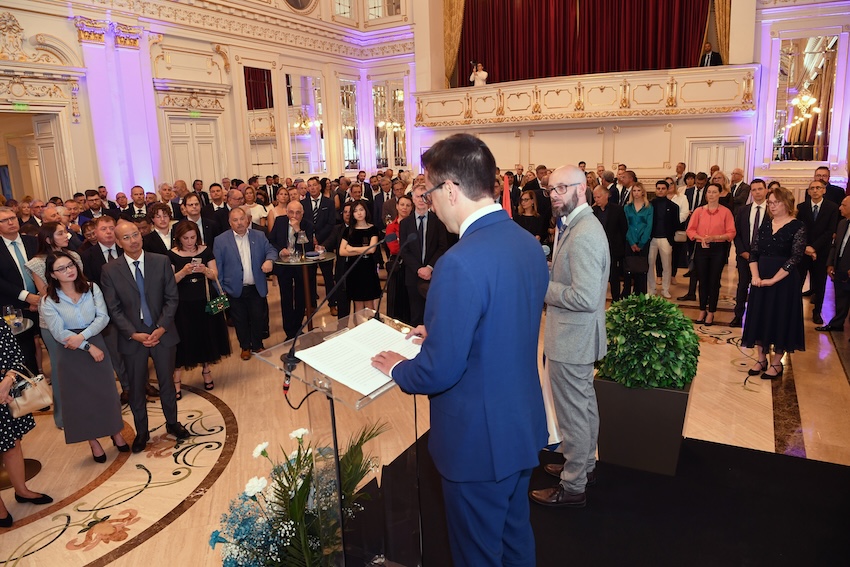
Israel’s right to exist in peace and security is non-negotiable. So too is our belief that a mature friendship can withstand honest words. Indeed, it is strengthened by them.
If there is one lesson I carried home from that synagogue in Jerusalem, it is this: communities endure when people who disagree still understand that they need one another. That is true within nations. It is also true between nations.
May Hungary and Israel continue to build such a relationship: rooted in history, strengthened by our peoples, tested by time, honest in difficult moments, and open to the future.”
“Yom Ha’atzmaut Sameach. Happy Independence Day, Israel.”
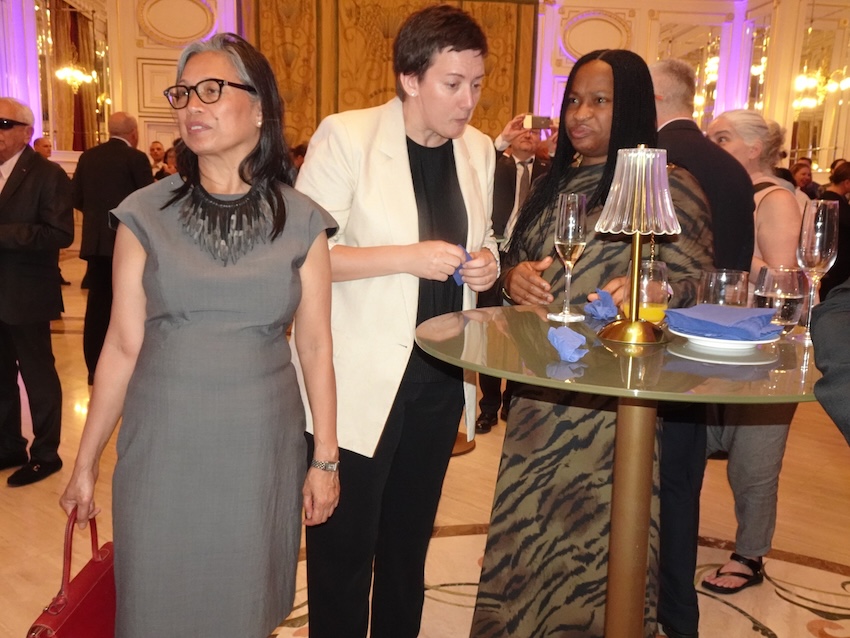
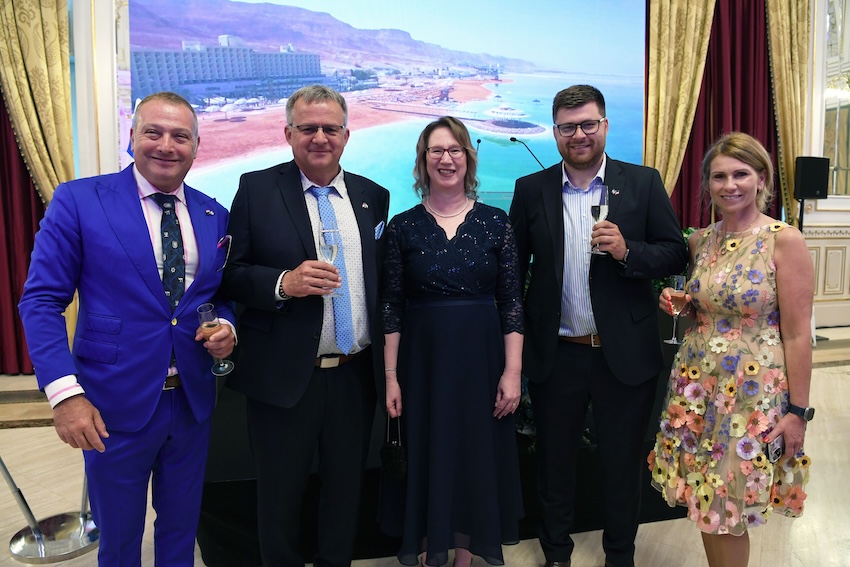
Following the official speeches, a ceremonial toast was offered on the occasion. The hundreds of guests enjoyed the warm atmosphere and continued the celebrations in a spirit of friendship and mutual understanding.
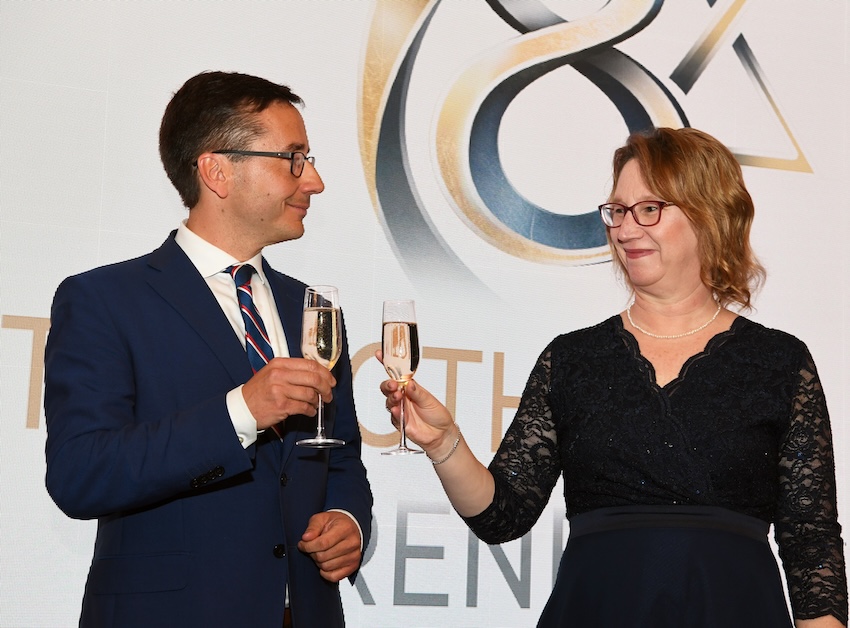
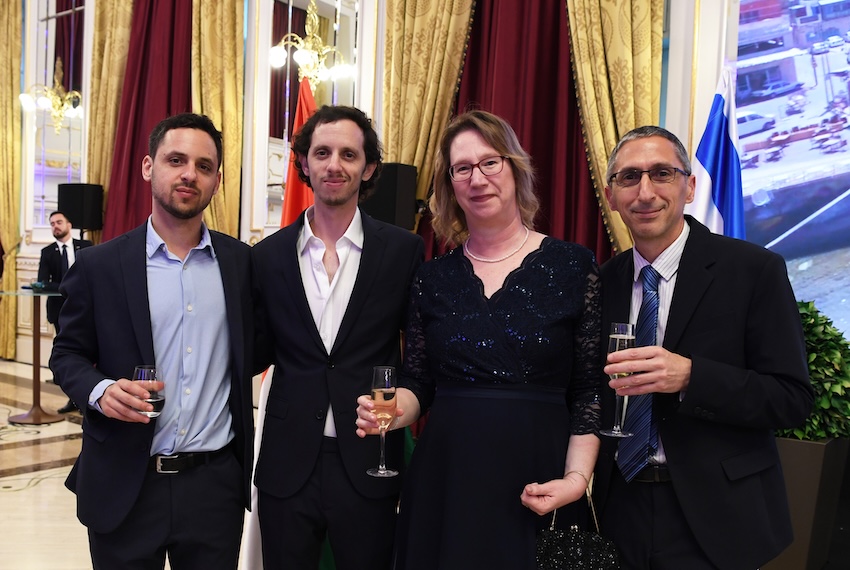

The reception provided an excellent opportunity for convivial networking, cultural exchange, and lively conversations, helping to strengthen both personal and professional ties while showcasing the hosts’ warm hospitality.


Source: Embassy of the State of Israel in Budapest
Photos from Péter Halmágyi, Embassy of the State of Israel in Budapest, and Diplomatic Press Agency