

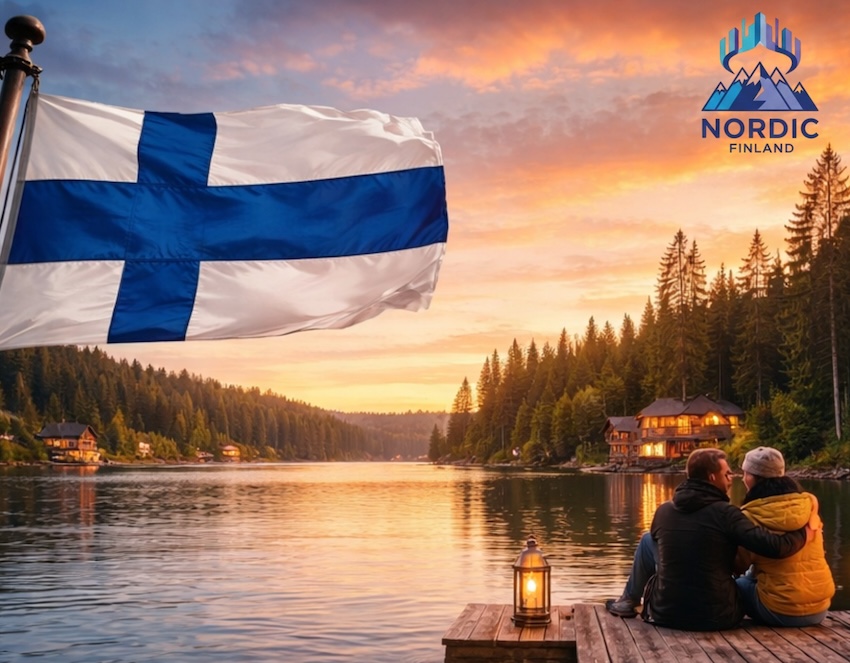
“In Finland, we don’t chase happiness – we find it in small, ordinary moments.”
Edited by Anna Popper
For the ninth consecutive year, Finland has been named the happiest country in the world, according to the World Happiness Report 2026 (WHR), released on 20 March to mark the International Day of Happiness. This remarkable continuity reflects a deeply rooted societal model built on freedom, trust, balance, and strong human connections. Finnish happiness expresses itself in a four-letter word: onni.
The annual report, produced by Gallup, the Oxford Wellbeing Research Centre, and the United Nations Sustainable Development Solutions Network, evaluates 147 countries based on key indicators including life satisfaction, social support, healthy life expectancy, freedom to make life decisions, generosity, perceptions of corruption, confidence in government, and income levels. These factors are shaped by broader social systems such as healthcare, education, economic stability, human rights, democratic governance, and a culture of volunteerism.
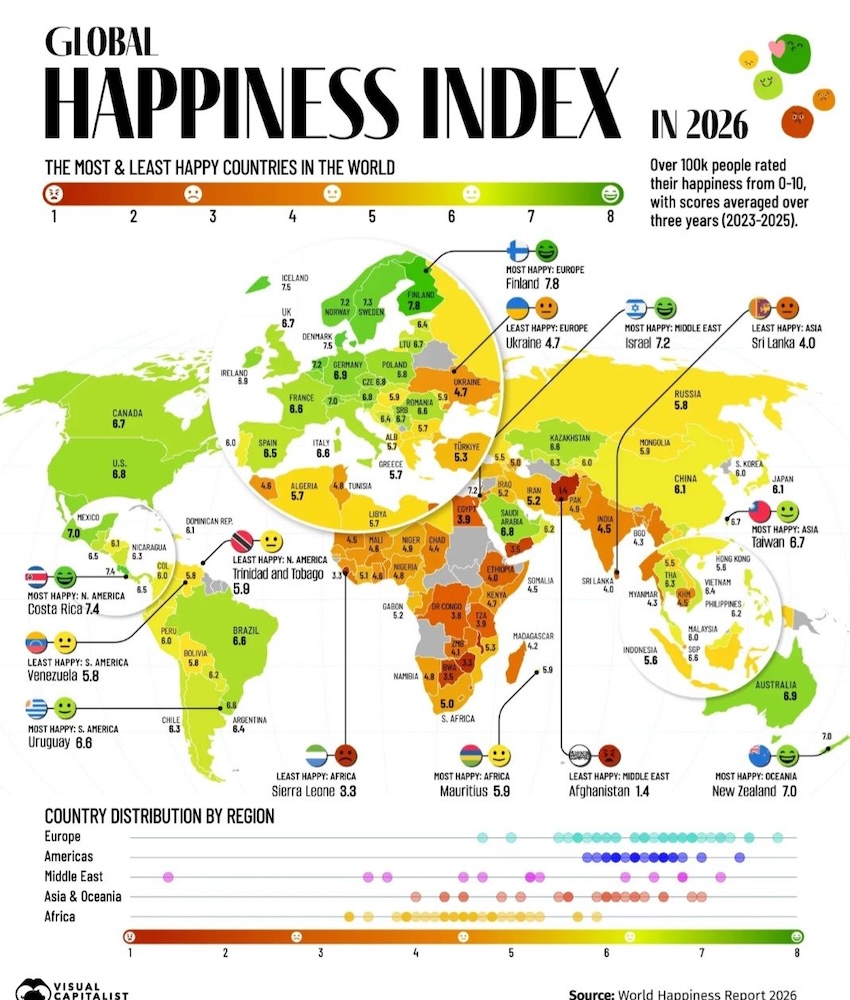
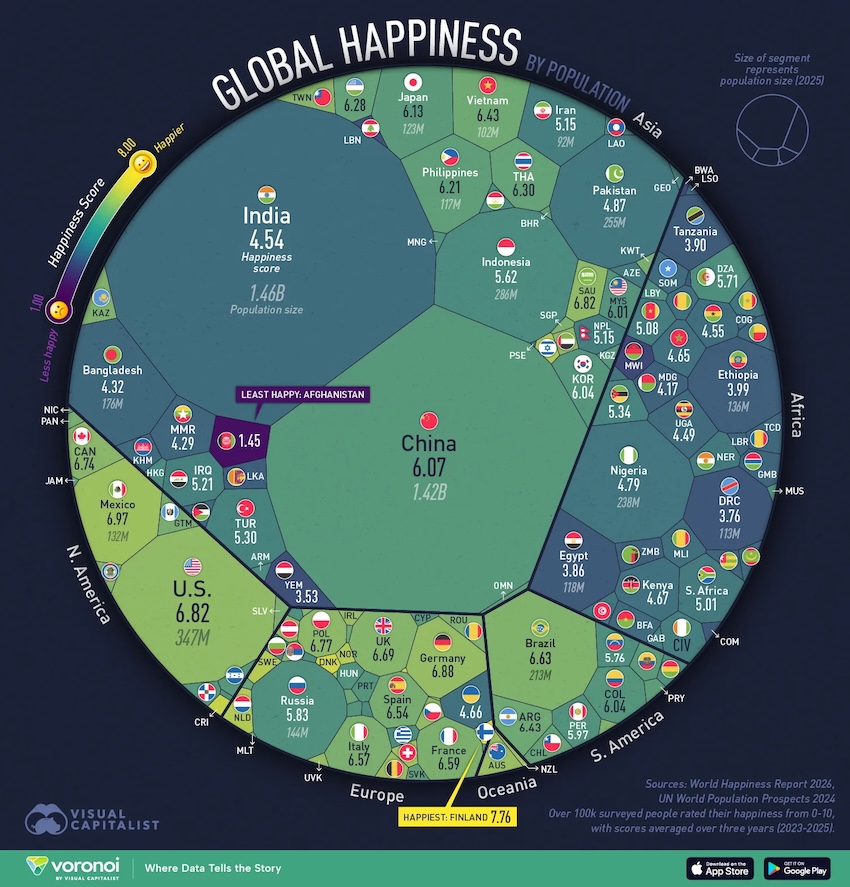
As the report consistently demonstrates, economic growth alone does not create happiness – trust, freedom, social cohesion, and meaningful relationships are equally essential. Happiness should therefore be considered a central goal of public policy.
Top 40 Happiest Countries – 2026
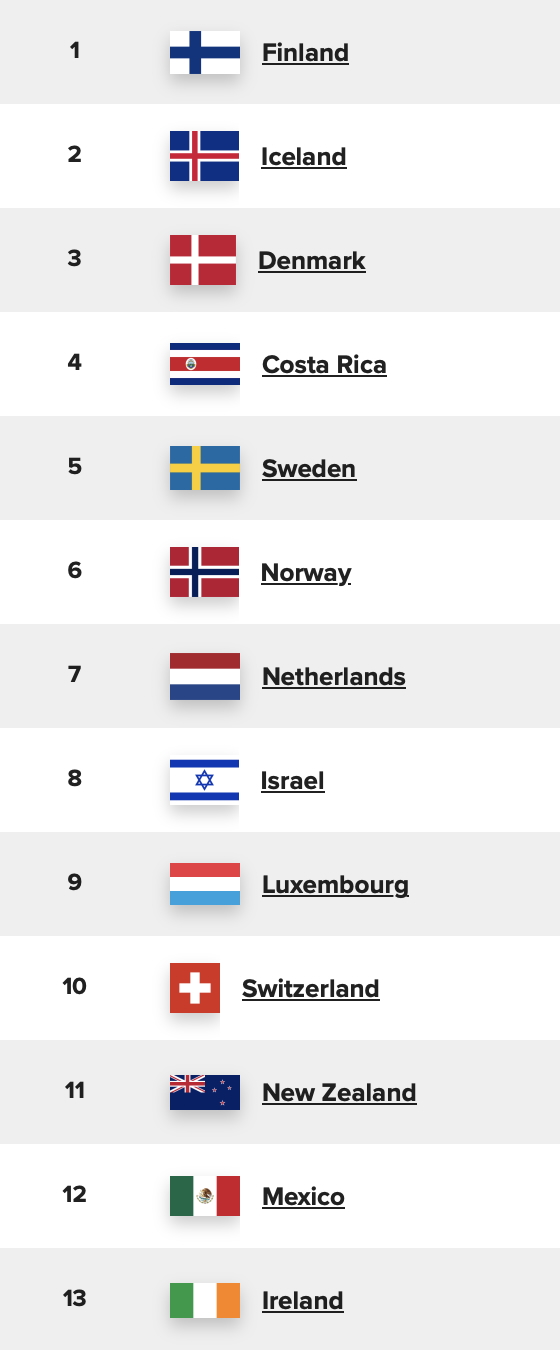
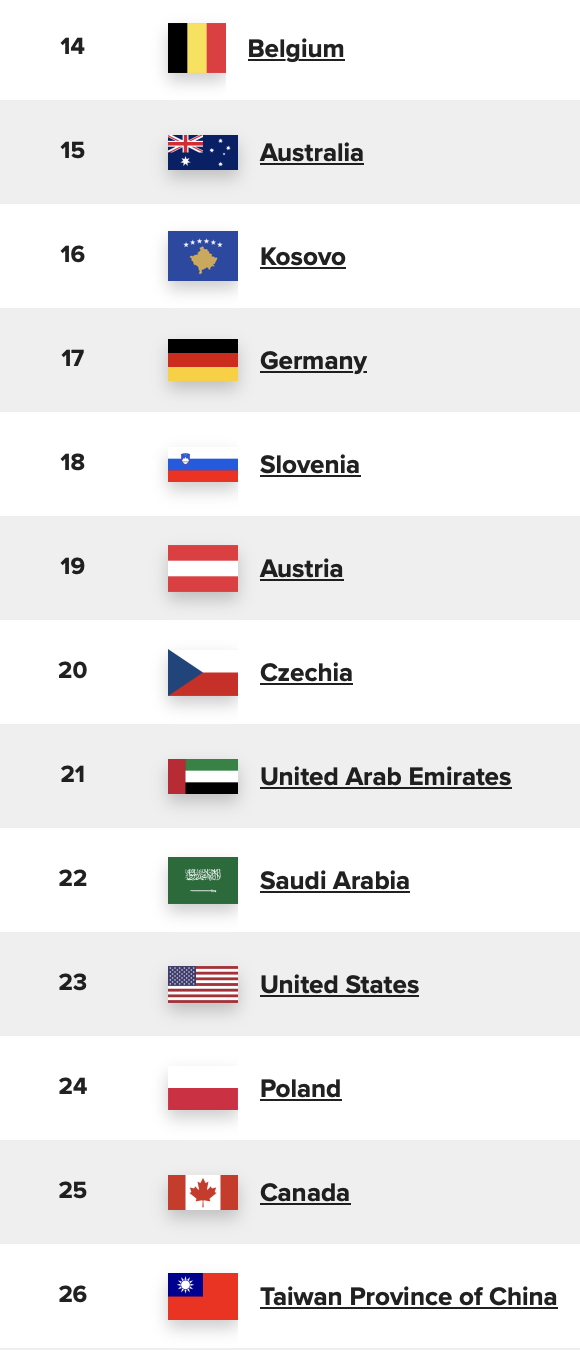
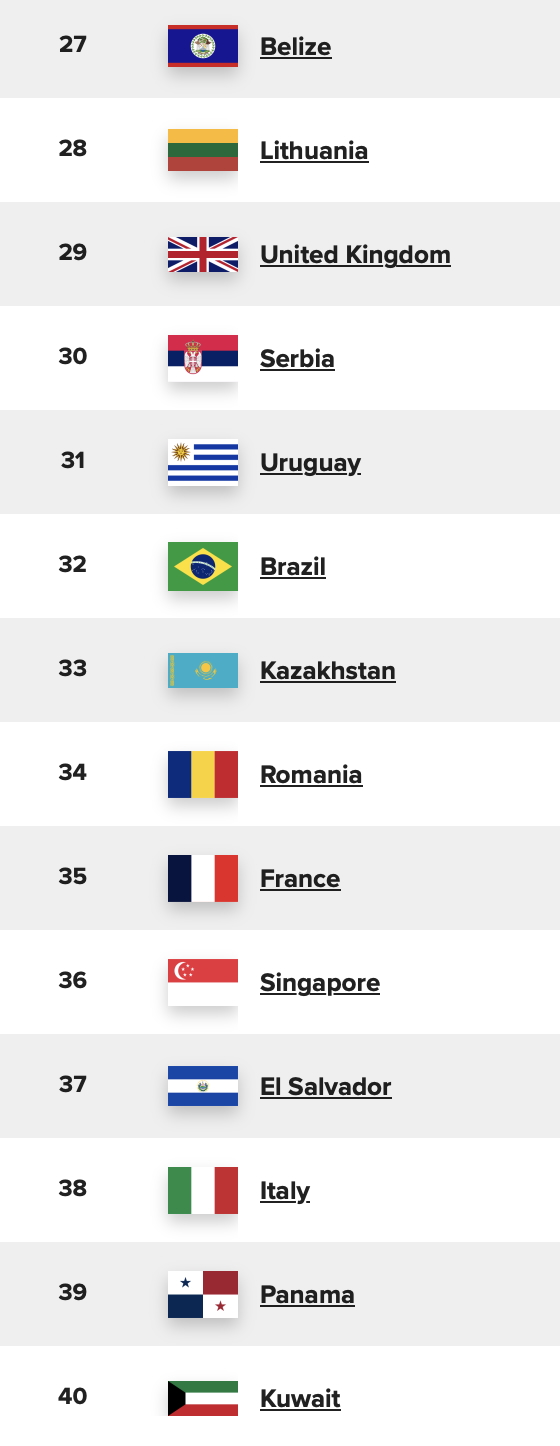
The broader picture concludes with the least happy nations. In the World Happiness Report 2026, Zimbabwe, Malawi, Lebanon and Sierra Leone rank between positions 143rd and 147th, while Afghanistan comes in last. This underscores how closely happiness is tied to stability, security, and social support – and that well-being is not only a personal pursuit but a societal responsibility.
A Nordic Pattern of Success
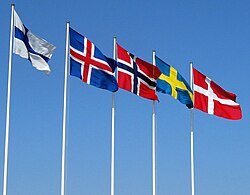
The 2026 ranking once again highlights the strength of the Nordic region. Finland is closely followed by Iceland, Denmark, Sweden, and Norway, while countries like the Netherlands and Switzerland also perform well.
This pattern reflects a shared regional model based on freedom, trust, equality, and social cohesion.
Secret of the Finnish Happiness
Finland’s success is built on an “infrastructure of happiness” in which strong institutions support the everyday well-being of its citizens. High level of trust in institutions and in each other, political, civil and press freedom, transparent governance, a robust welfare system, as well as high-quality education and healthcare, sense of community and a deep commitment to equality and social justice, all contribute to stability, balance and quality of life. Solidarity also plays a key role, reinforcing the sense of shared responsibility and social cohesion. It is therefore no surprise that over 90 percent of Finns consider paying taxes a civic duty.



Nature as a Part of Finnish Way of Life
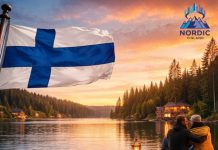
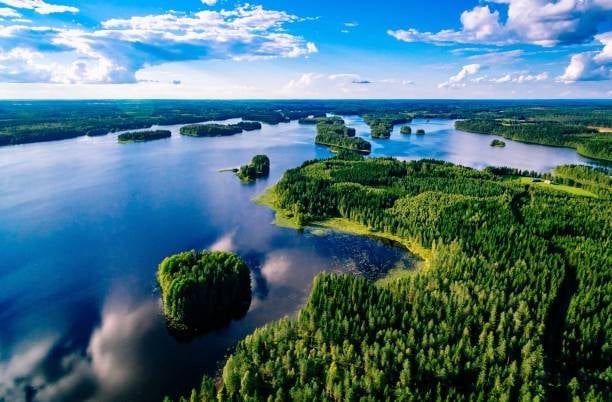
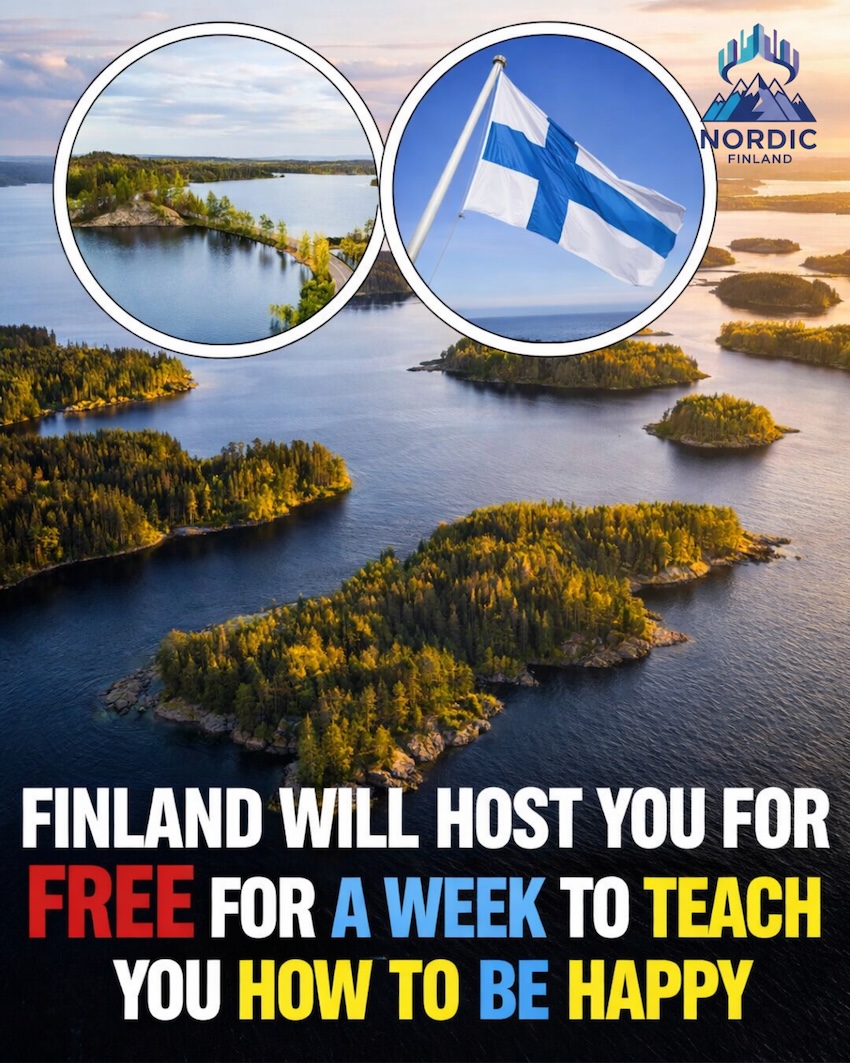
With nearly 188,000 lakes and vast forests, Finland offers constant connection to nature. Clean air, green spaces, and outdoor activities are part of daily life, supporting both physical and mental health. Seasonal rhythms and natural phenomena such as the Midnight Sun and Northern Lights further enhance this connection. Despite the long, cold winters and short daylight, Finns maintain a strong relationship with nature – an outlook that fosters resilience, balance, and well-being.

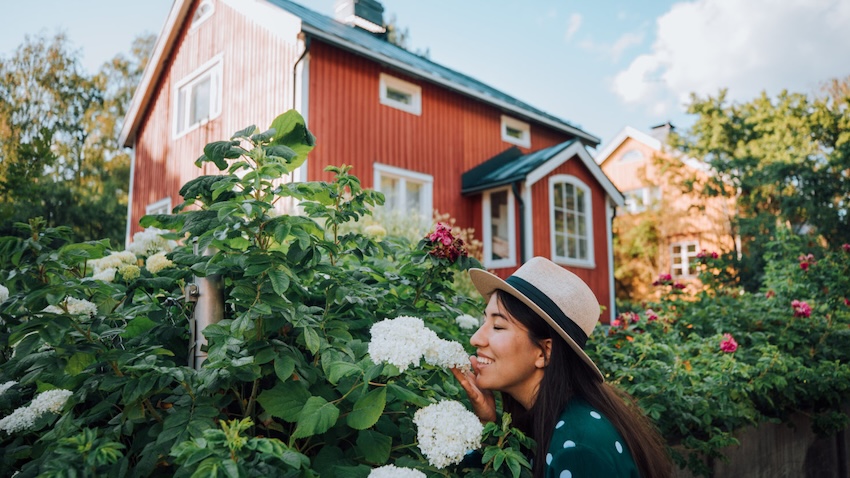


Sauna: Simplicity, Balance, Connection

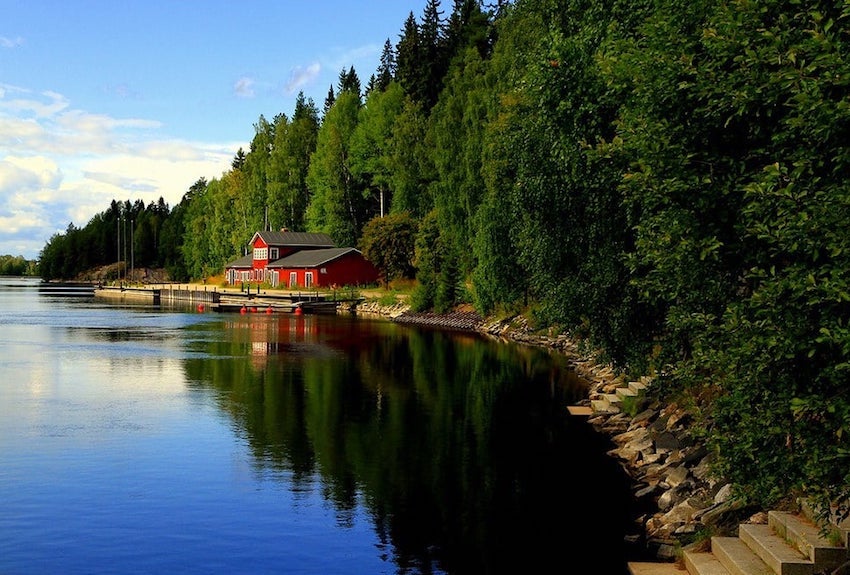
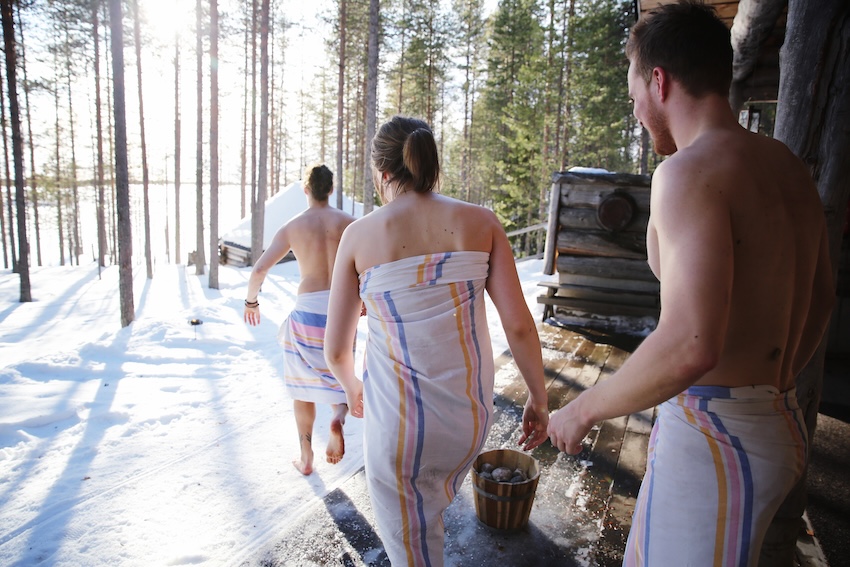
The Finnish sauna is far more than a deeply rooted tradition – it is a way of life in Finland. With more saunas than cars in the country, it’s an essential part of daily culture, found in homes, workplaces, and even by lakesides.
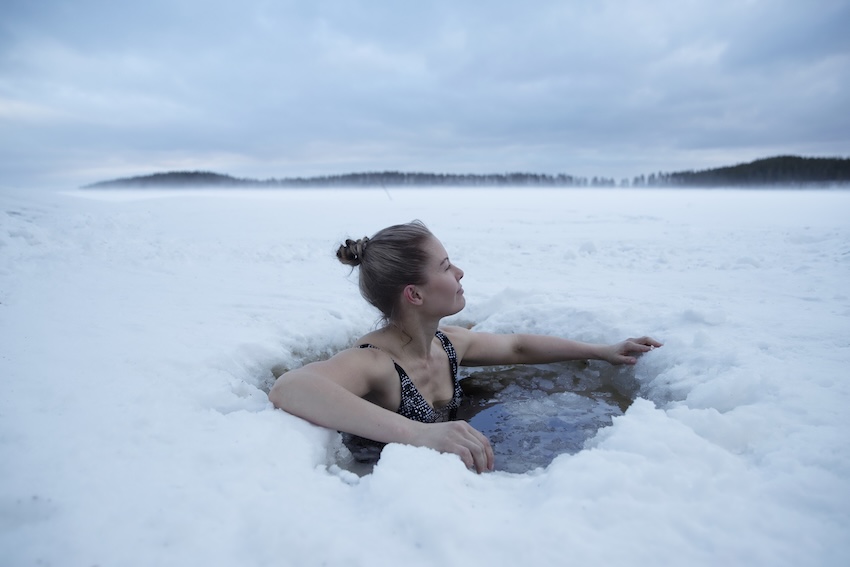
Regular sauna visits encourage relaxation, reflection, and social bonding, often combined with cold exposure such as a dip in icy water or a roll in the snow. This simple yet powerful ritual reflects a broader philosophy: well-being arises from harmony, rhythm, and shared experience.

Sisu: The Inner Strength of Finns

At the heart of Finland’s culture lies Sisu (endurance) – a powerful concept embodying resilience, perseverance, and quiet courage in the face of adversity. It is both a personal mindset and a collective value, reflecting the country’s long-term stability, strong social cohesion, and overall sense of well-being. Closely connected to this is a down-to-earth optimism – not loud or idealistic, but a steady, deeply rooted belief that challenges can be faced and overcome.
Embedded in Finnish identity, sisu is not regarded as an extraordinary trait, but rather an everyday way of being. It reflects a physical and mental disposition shaped not only by Finland’s demanding nature – long, dark winters, vast forests – but also by a past marked by perseverance and the enduring pursuit of freedom. Over time, these experiences have fostered a national character defined by resilience, unity, and quiet determination.



Central Europe: A Region of Contrasts
The report also highlights the differences within Central Europe. Ordered by ranking, the countries appear as follows: Slovenia (18), Austria (19), Czechia (20), Poland (24), Serbia (29), Romania (33), Slovakia (54), Croatia (70), and Hungary (74). This contrast underlines the importance of trust, strong institutions and social cohesion.
Digital Life and Happiness
A central theme of the 2026 report is the impact of social media. Moderate use can support well-being, while excessive use – particularly among young people – is linked to lower life satisfaction. The conclusion is clear: real-world relationships matter more than digital ones.
The Philosophy Behind Happiness
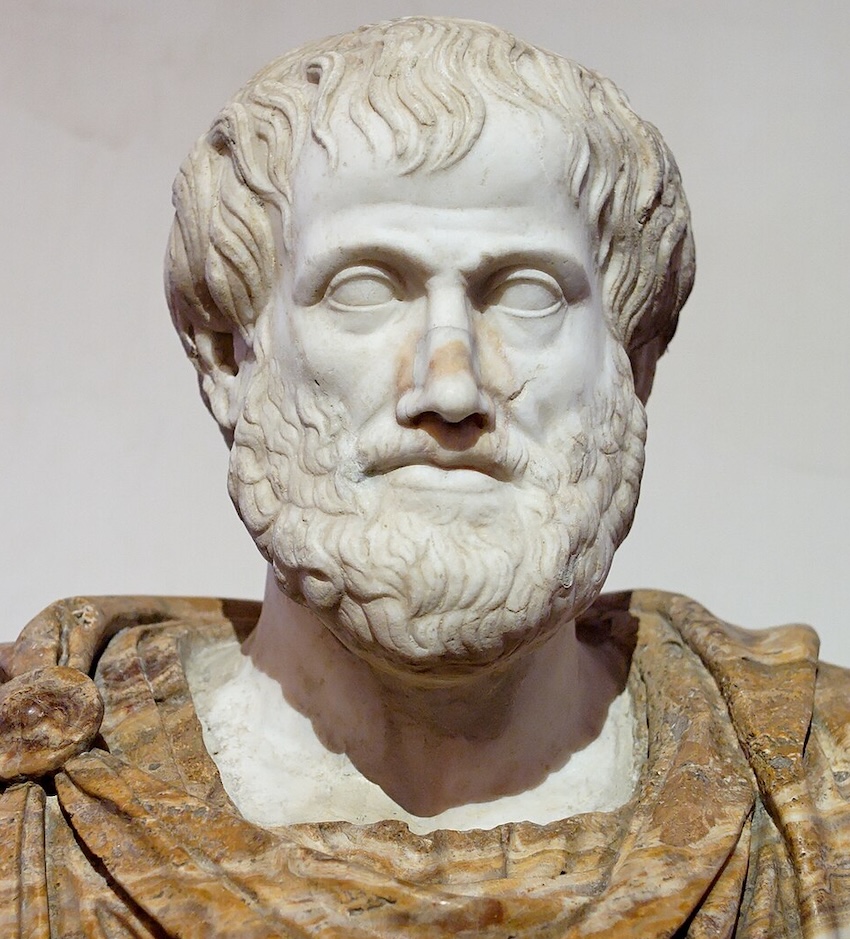
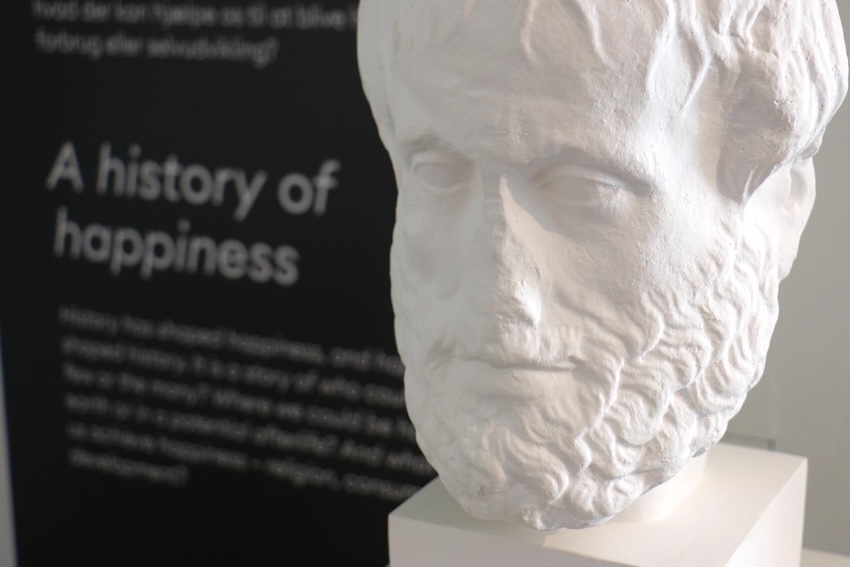
The concept of happiness has deep philosophical roots. The ancient Greek philosopher Aristotle (384–322 BC) defined it as eudaimonia, understood not as transient pleasure, but as a state of human flourishing achieved through the cultivation of virtue and the realization of one’s potential.
This is why Aristotle considered happiness to be the highest human goal – something that develops over a lifetime, and is not experienced in a single moment.

This framework builds upon earlier philosophical traditions.
Plato (c. 428–348 BC) associated happiness with the harmonious order of the soul and the pursuit of truth and justice, while Socrates (c. 470–399 BC) emphasized the centrality of self-knowledge and ethical conduct as conditions for a well-lived life.
Contemporary research in well-being reflects these classical perspectives, conceptualizing happiness as a multidimensional construct encompassing cognitive evaluation (life satisfaction), affective experience (emotional well-being), and eudaimonic dimensions related to meaning and purpose.
Lesson from Finland
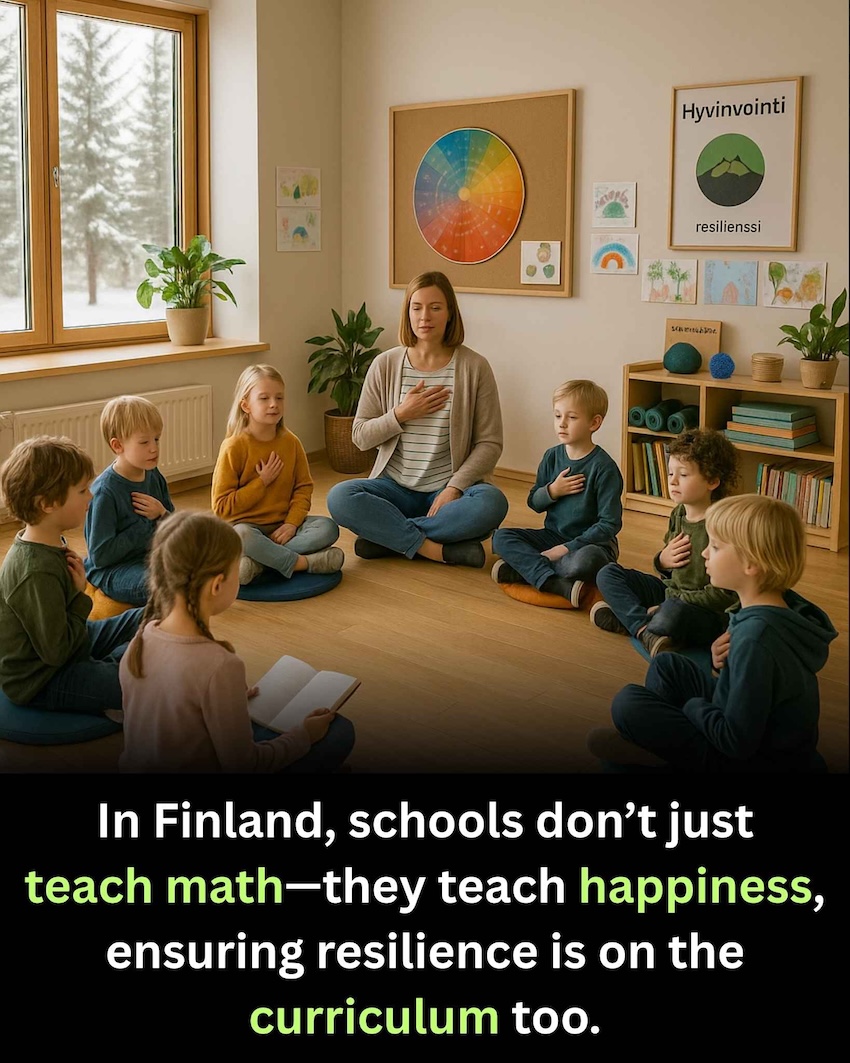
Finland demonstrates that happiness is not accidental, but the result of deliberate choices. Investing in people, strengthening communities, and maintaining trust in institutions are essential elements. As Jon Clifton explains: “Happiness isn’t just about wealth or growth – it’s about trust, connection, and knowing people have your back.”

The Happiness Museum in Denmark: A Nordic Wellbeing Experience
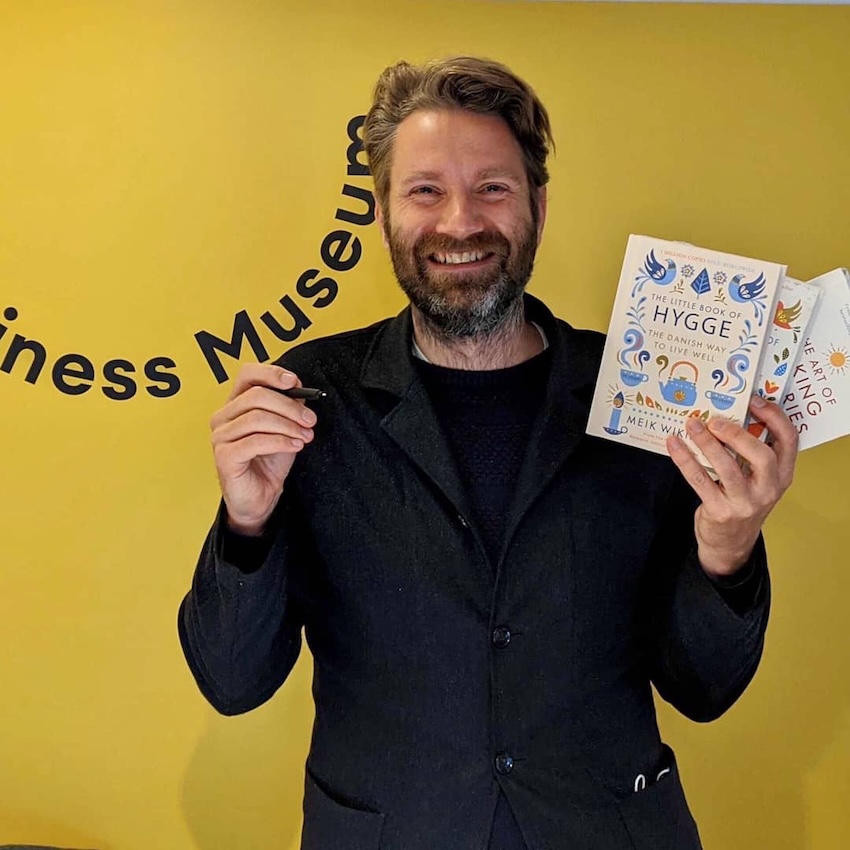
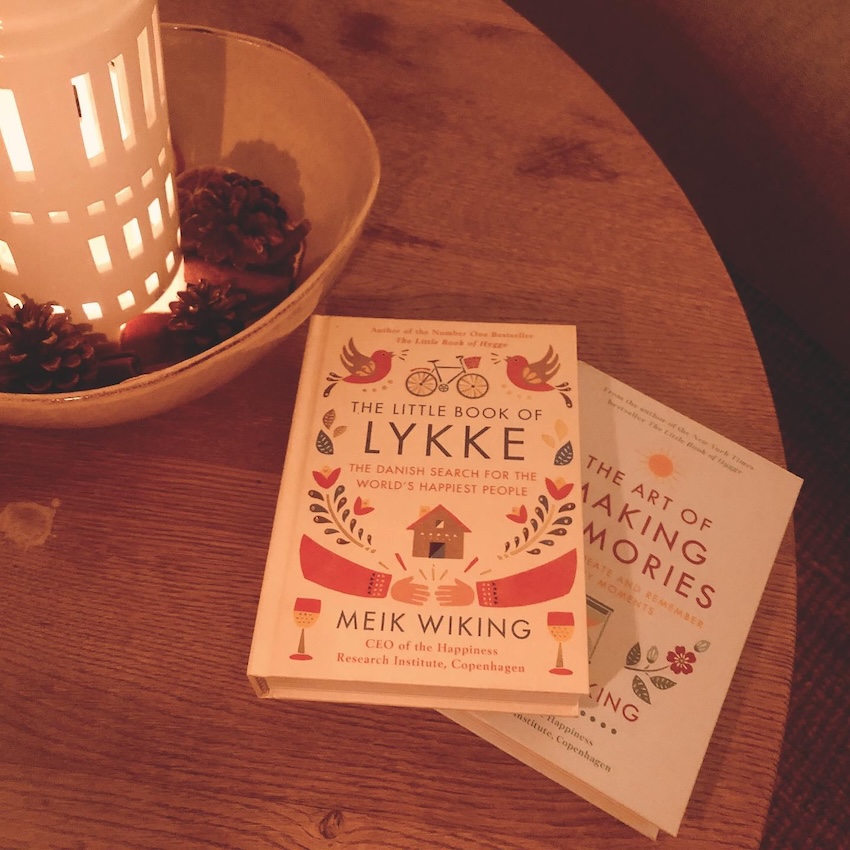
The Nordic understanding of well-being is not limited to Finland. It is also expressed through cultural concepts such as the Danish idea of hygge – a term that refers to a feeling of cosiness, comfort, and well-being, often created by simple pleasures like warm light, good company, and a relaxed atmosphere. Hygge plays an important role in everyday life, encouraging us to slow down, connect with others, and find joy in ordinary moments.
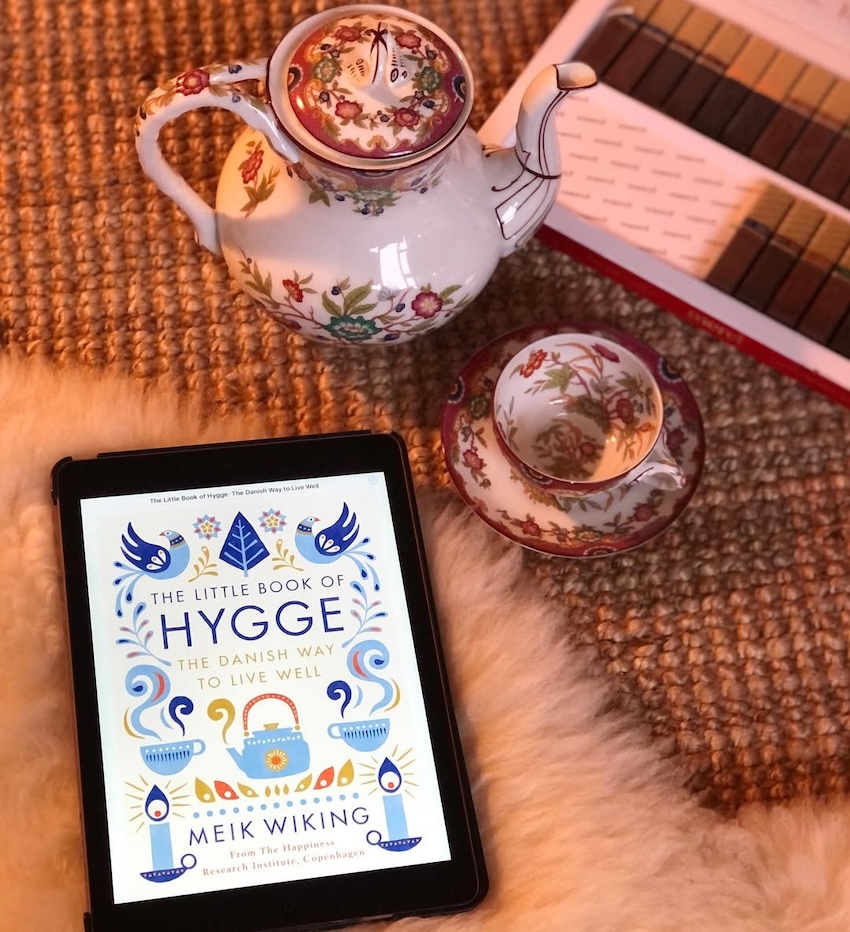
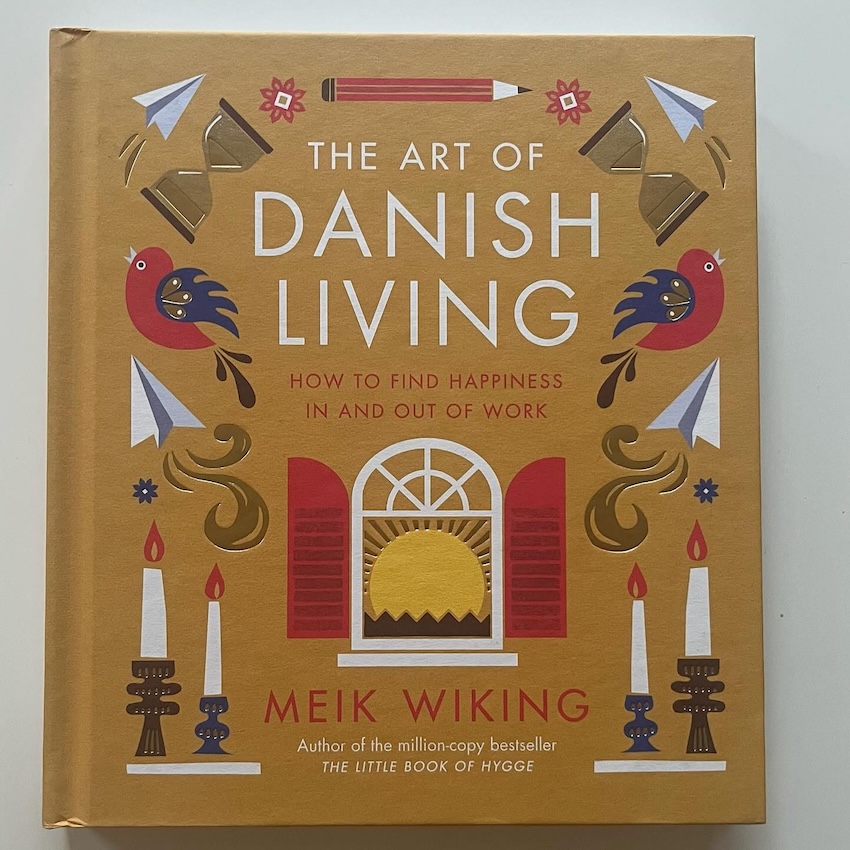
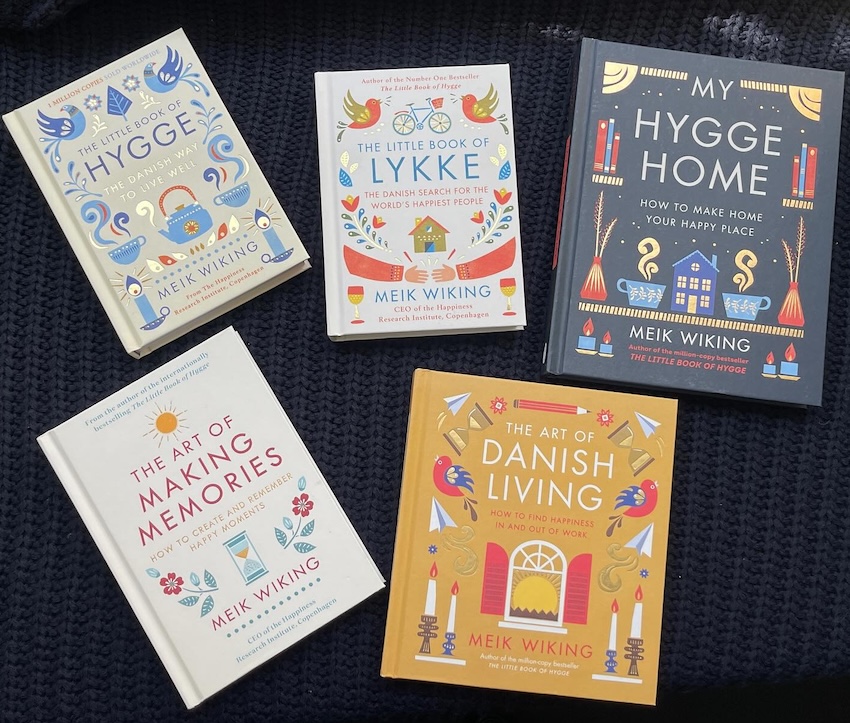
This perspective comes to life at the Happiness Museum. Founded by the Happiness Research Institute, it opened in 2020, in the midst of the COVID pandemic – a time when much of the world was facing isolation, uncertainty, and anxiety. This context lends the museum an added symbolic meaning: a place dedicated to understanding happiness emerged precisely when it felt most fragile.
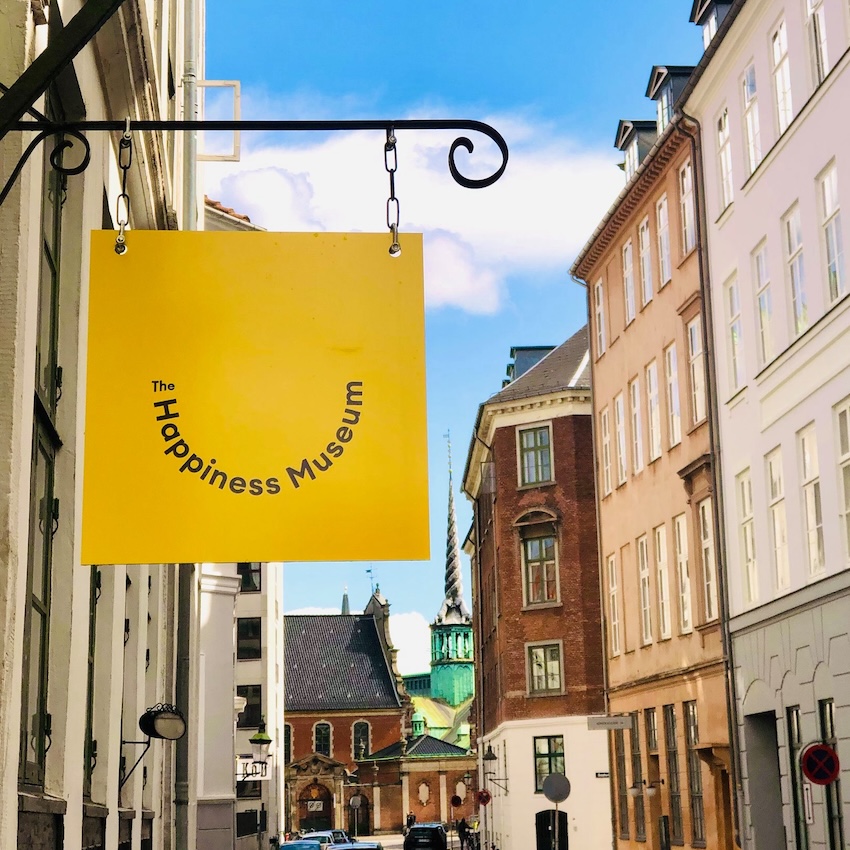
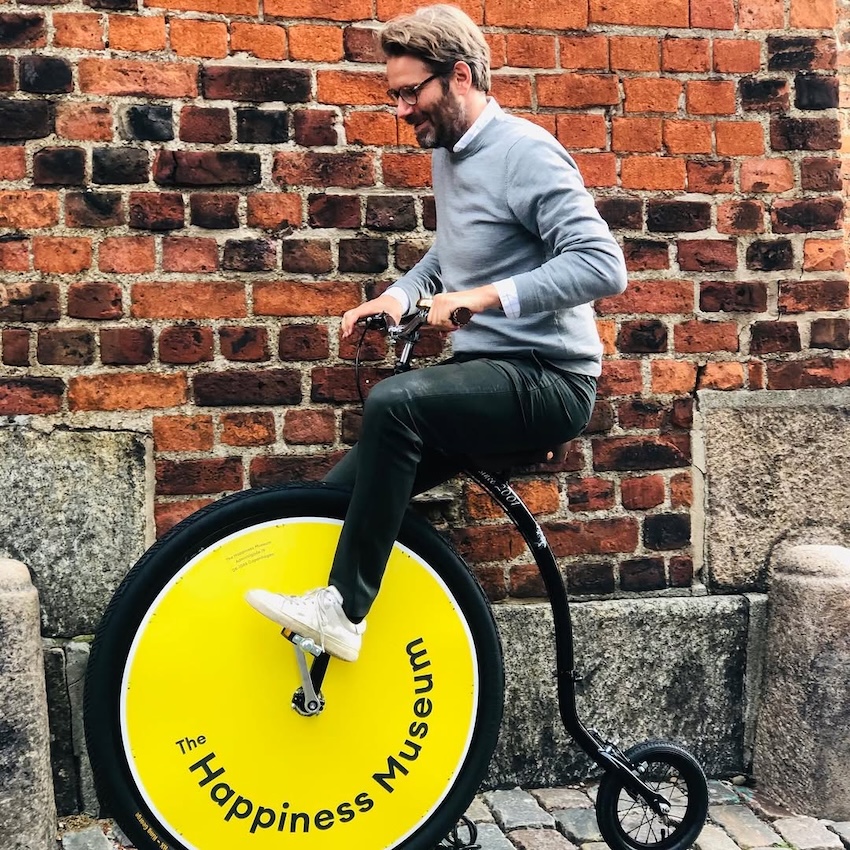
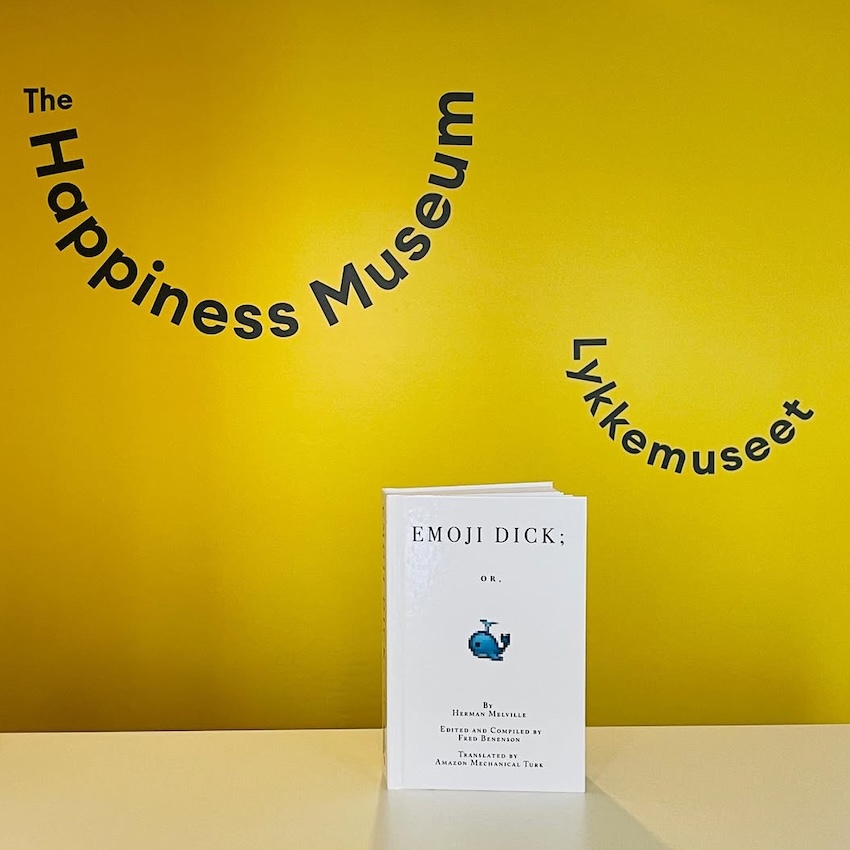
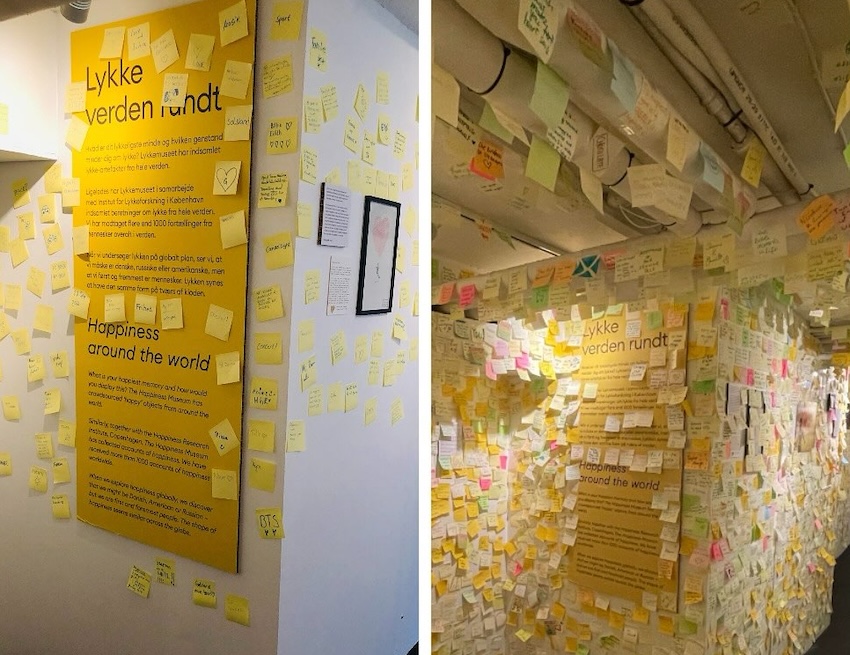
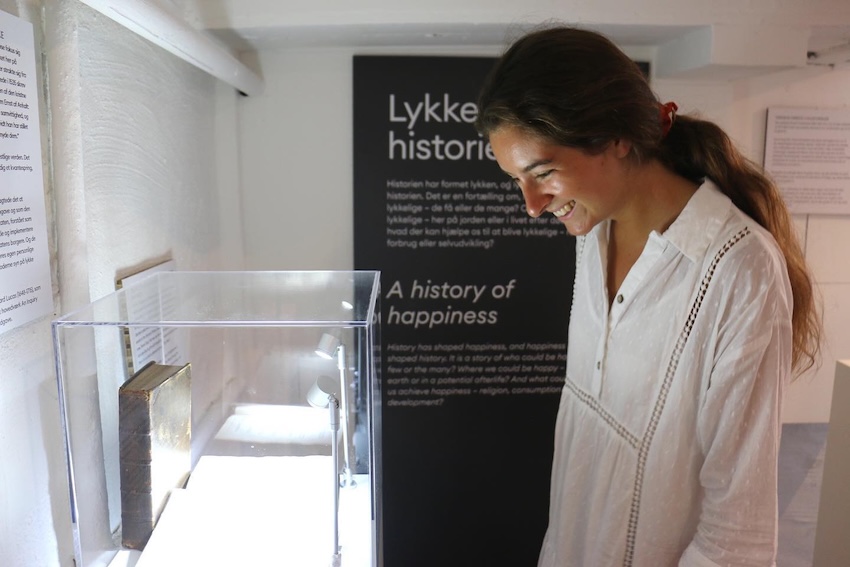
Located in Copenhagen, the museum invites visitors to discover happiness through science, culture, and personal experience. From global rankings to interactive exhibits and reflections on hygge, it shows that happiness is both a personal feeling and a collective achievement – one that becomes even more significant in times of crisis.

Conclusion: A Universal Message
Finland’s continued leadership offers a powerful global lesson: Happiness thrives where trust, equality, and human connection are strong.



In an increasingly complex world, this model reminds us of a simple truth: “The happiest people don’t have the best of everything – they make the best of everything.”
For more insights, please visit: www.worldhappiness.report

Sources and Photos: World Happiness Report 2026, Embassy of Finland in Budapest, Visit Finland, Nordic Finland