



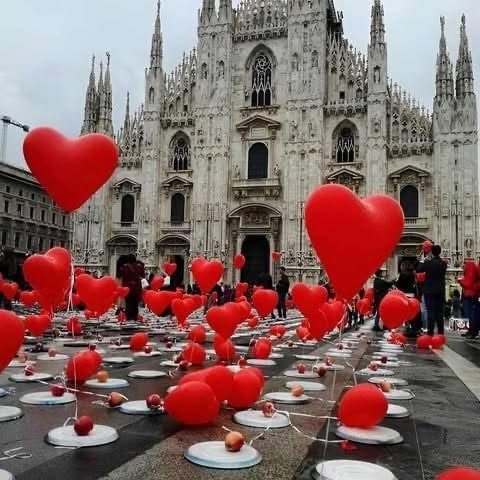
A Tale of Love, Legends and Traditions
Edited by Anna Popper
Many people believe that Valentine’s Day, celebrated every year on 14 February, was born in America. In reality, its origins date back to the 3rd century and are deeply rooted in ancient Rome. But who was Valentine? How did February get its name? And why do we exchange love letters and flowers on this day? Let us unravel the mystery behind the world’s most romantic celebration, which began 1756 years ago.
Ancient Rome: The Festival of Love and Fate
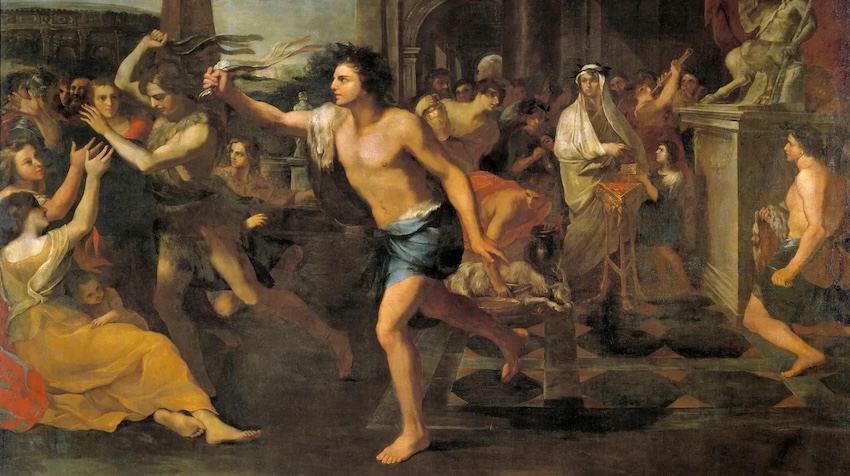
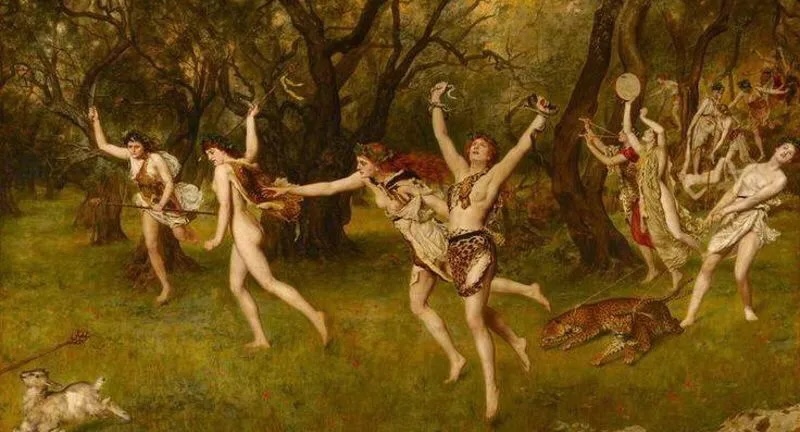
Long before Valentine’s Day became associated with romance, the ancient Romans celebrated the Lupercalia Festival in mid-February. This event, dedicated to Faunus, the god of nature and fertility, and to Luperca, the mythical she-wolf who nurtured Romulus and Remus, combined feasting, ritual purification and matchmaking.
Young Romans participated in a so-called “love lottery” drawing names at random to form couples for the duration of the festivities — sometimes for just a day, sometimes for far longer. During the rituals, young women ran through the Palatine Hill while priests playfully struck them with strips of goatskin, known as februa. Far from punishment, this symbolic act was believed to bring fertility, good fortune and purification. The name of the month of February is derived from these februa rituals.
The Legend of Saint Valentine of Terni
Lupercalia was not merely a festival of passion – it also forms the backdrop to one of history’s most enduring love legends. According to the most widely accepted version, around 270 AD a Christian bishop named Valentine from the town of Terni in today’s Lazio region of Italy was executed on the orders of Emperor Claudius II. His crime was an act of compassion: defying imperial law by secretly performing Christian weddings during a period of severe persecution.
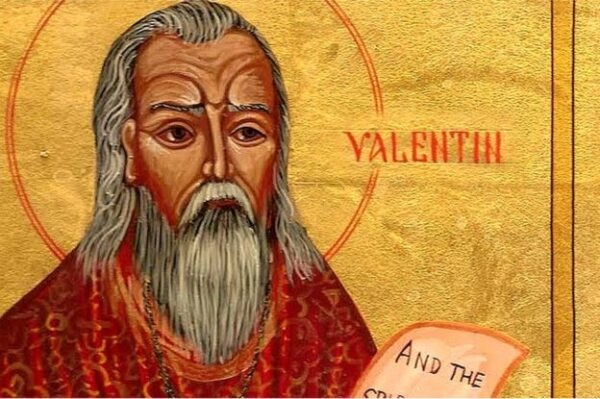
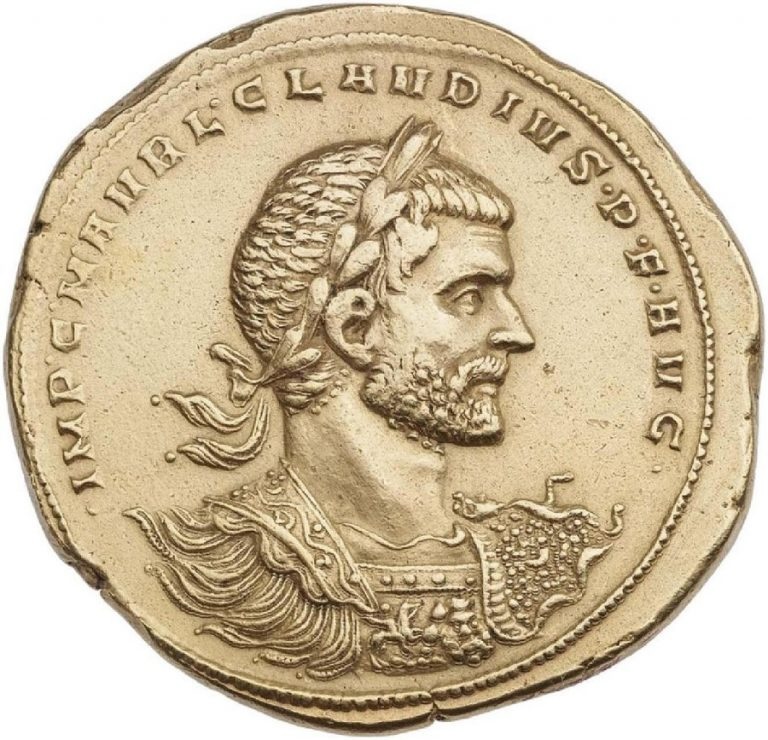
Claudius II had forbidden his soldiers to marry, believing unmarried men to be better warriors. Valentine, however, believed in the sanctity of love and marriage. He continued to unite couples in secret, often gifting them flowers from his own garden – a gesture meant to bless their union.

One of the most touching ancient legends associated with Valentine involves two young lovers, Sabinus and Serapia, whose families opposed their union because they belonged to different faiths – paganism and Christianity. Seeking help, they turned to Bishop Valentine, who secretly married them – a story that echoes the tragic love of Romeo and Juliet.
While imprisoned and awaiting execution, legend says that Valentine formed a close bond with his jailer’s blind daughter. Some versions claim he miraculously restored her sight; others suggest a deep emotional connection between them. Before his death, Valentine is said to have written her a farewell letter, signed “From your Valentine” – a phrase that has resonated through centuries.
Another account describes Valentine addressing the crowd before his execution, calling out, “Never forget Valentine!” and “I love you all!” Whether historical fact or poetic legend, his message of devotion remains timeless.
In 496 AD, Pope Gelasius I officially declared 14 February as Saint Valentine’s Day, transforming the ancient Roman festival into a Christian celebration of love.

The Birth of a Tradition: Cards, Flowers and Sweet Gestures
The tradition of exchanging flowers on Valentine’s Day dates back to 1667, when Elisabeth, the wife of English diarist Samuel Pepys, replied to her husband’s love letter with a bouquet of flowers. This gesture captivated English high society, and soon flowers and handwritten notes became fashionable symbols of affection.


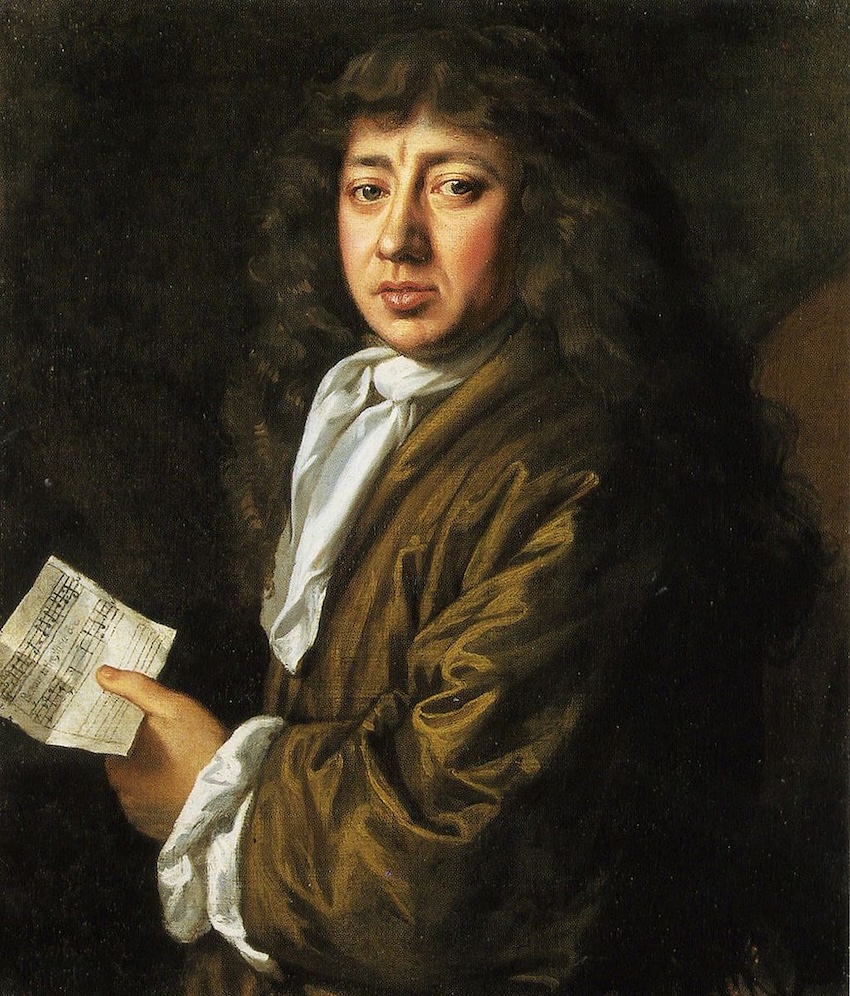
By the 18th century, Valentine’s Day poetry collections were widely popular, and in the 19th century, beautifully illustrated greeting cards had become the norm. Today, exchanging cards, flowers, chocolates and love messages is a cherished tradition across cultures and continents.


Traditions in Italy, the Land of Love

La Festa di San Valentino – La Festa degli Innamorati
In Italy, Saint Valentine – San Valentino – is honoured as the patron saint of lovers. His feast day, 14 February, has become synonymous with romance worldwide and is rooted in a blend of history, legend and heartfelt tradition.
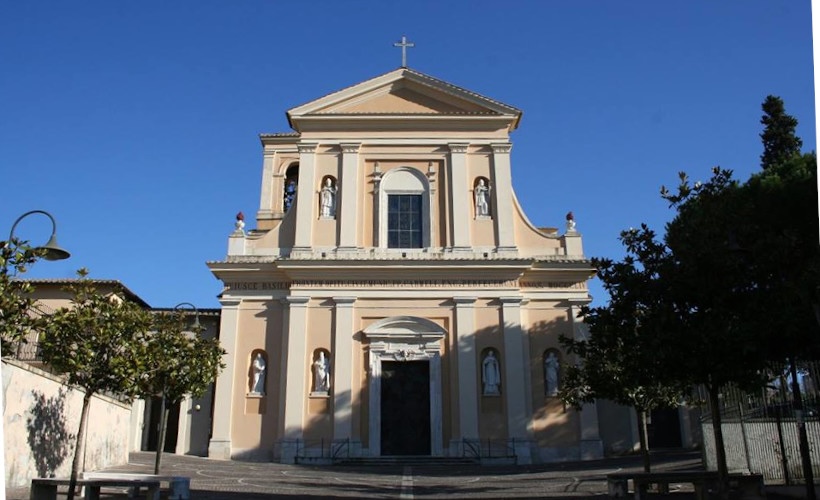
Italians believe that Saint Valentine was Bishop of Terni, where the magnificent Basilica di San Valentino now stands. The saint’s tomb lies beneath its main altar, making the town an important pilgrimage site for lovers.
Each year, on the Sunday preceding Valentine’s Day, engaged couples gather at the basilica to attend a special Mass and exchange vows before the altar – a moving tradition that honours the saint’s enduring association with love and marriage. Valentine’s Day is also one the most popular dates for engagements in Italy.

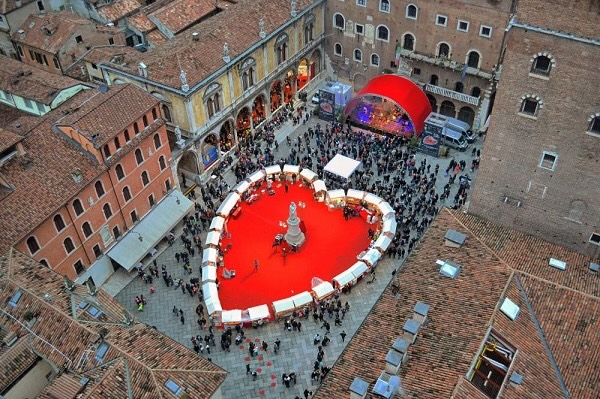
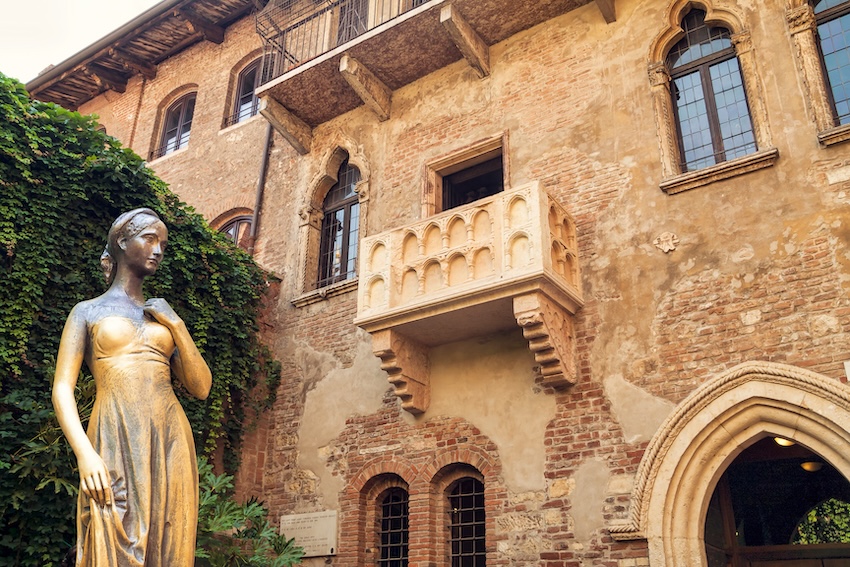
In Verona, the city immortalised by Shakespeare’s Romeo and Juliet, Valentine’s Day celebrations take on a particularly enchanting character. A giant red heart is painted on the historic Piazza dei Signori, while illuminated heart-shaped lanterns adorn the streets. The city hosts free concerts, romantic performances, and a beloved contest for the most beautiful letter written to Juliet. These events draw couples from all over the world, reinforcing Verona’s reputation as one of the most romantic cities on Earth.
An old Italian superstition once held special meaning for unmarried women: on Valentine’s Day, they would rise before sunrise and look out the window. The first man they saw was believed to resemble the man they would marry within the year – or at least hint at their future love.
Italy’s connection to romance is also deliciously expressed through Perugina Baci chocolates. Founded in 1907 by the visionary entrepreneur and fashion designer Luisa Spagnoli, the brand produces a special Valentine’s Day edition of its iconic chocolates. Instead of the traditional blue foil, these sweet “Baci” (means “kisses”) are wrapped in red foil, revealing romantic quotes beneath. And instead of the classic hazelnut filling, the chocolates are filled with cherries – a symbol of passion.



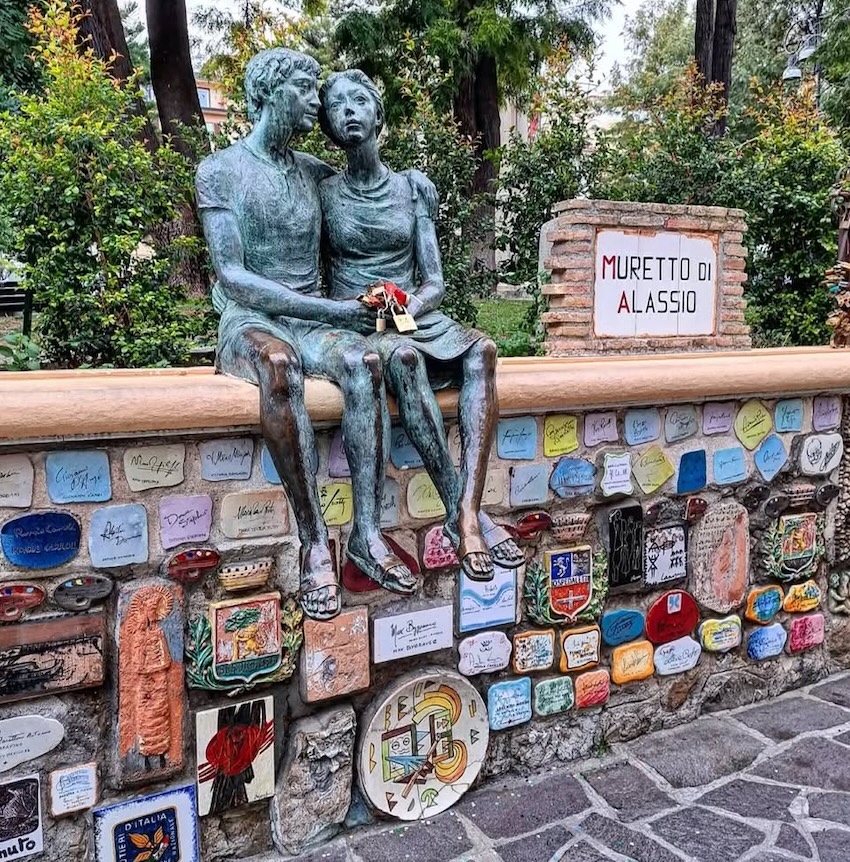
A more recent Italian tradition is the phenomenon of lucchetti dell’amore – locks of love. Couples attach padlocks to bridges or lampposts and throw away the key, symbolising eternal devotion. While deeply romantic, the practice has raised concerns, and authorities in several cities have intervened to protect historic structures from damage.

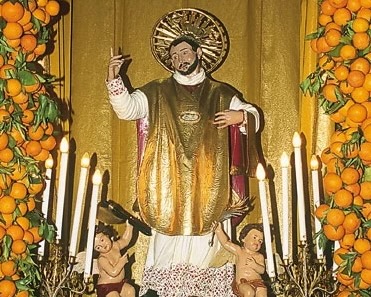
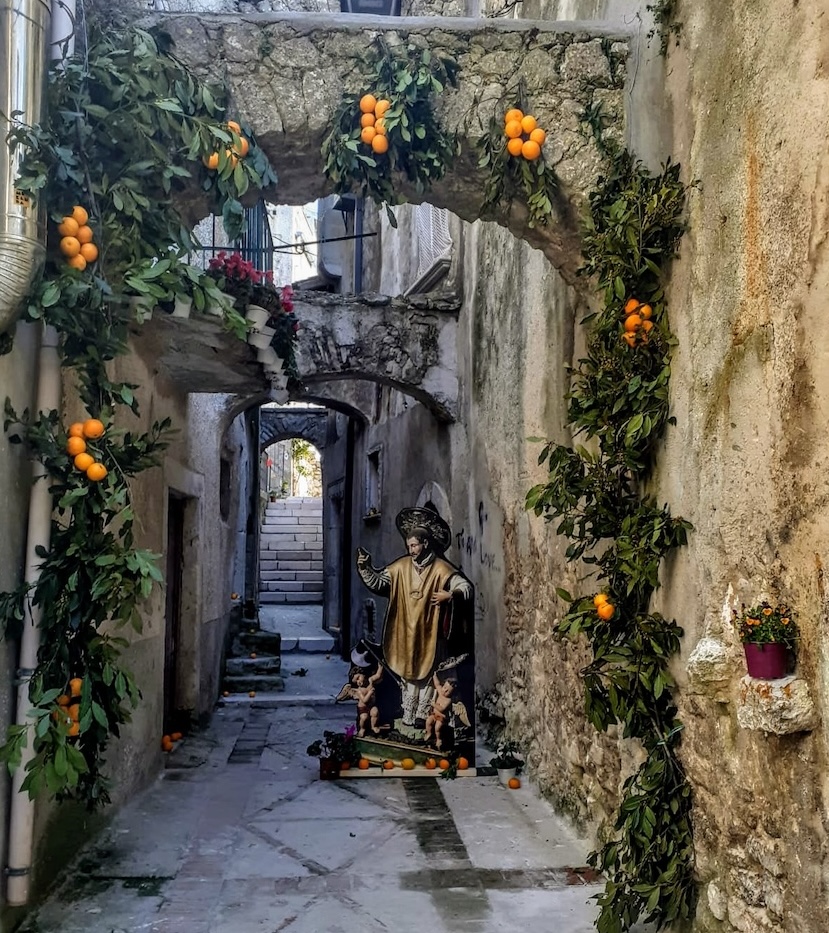
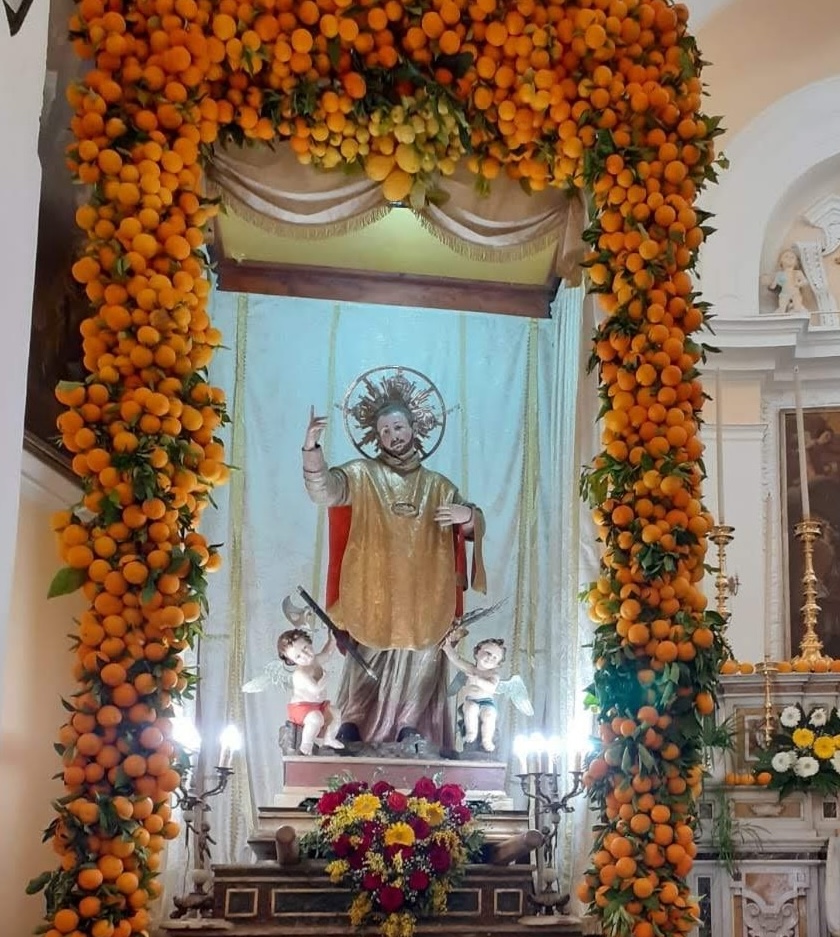
In Vico del Gargano, an ancient village in Puglia, listed among “The most beautiful villages in Italy”, Saint Valentine is not only the patron saint of lovers but also the protector of citrus fruits. According to tradition, every year, before 14 February, the local citizens prepare the altar of Saint Valentine, adorning it with over 5 quintals of oranges, in honour to his blessing on the local citrus groves.
Valentine’s Day and the Magic of the Venetian Carnival
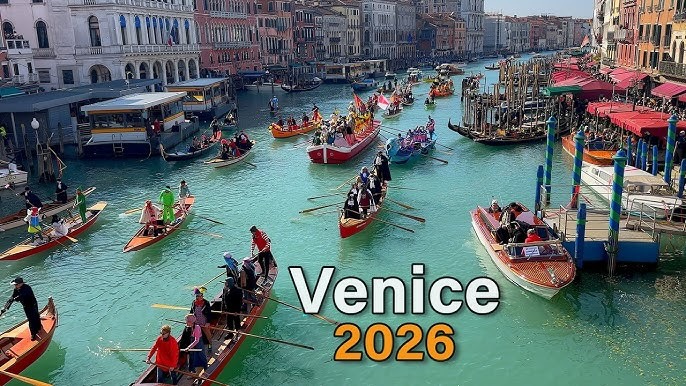
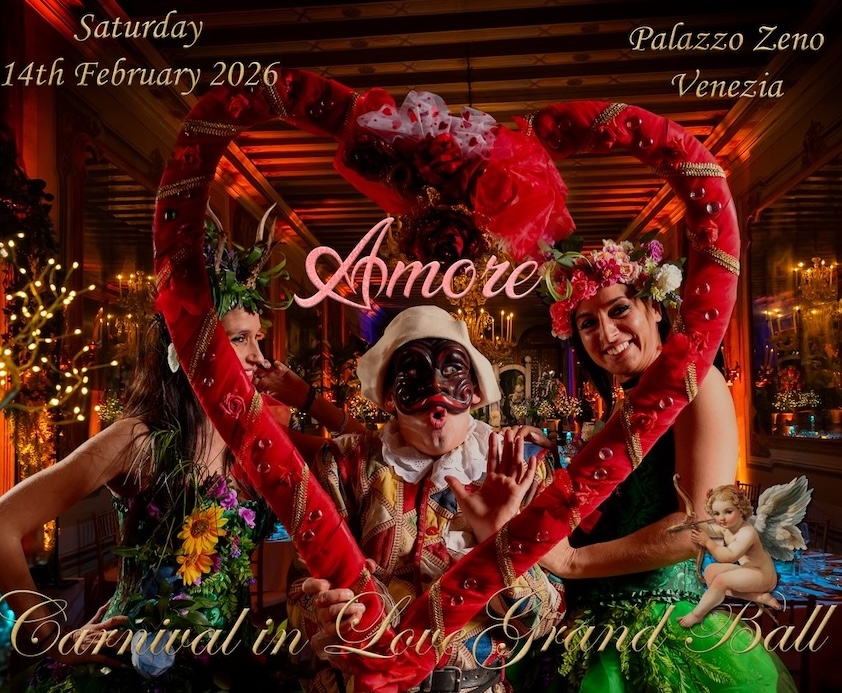
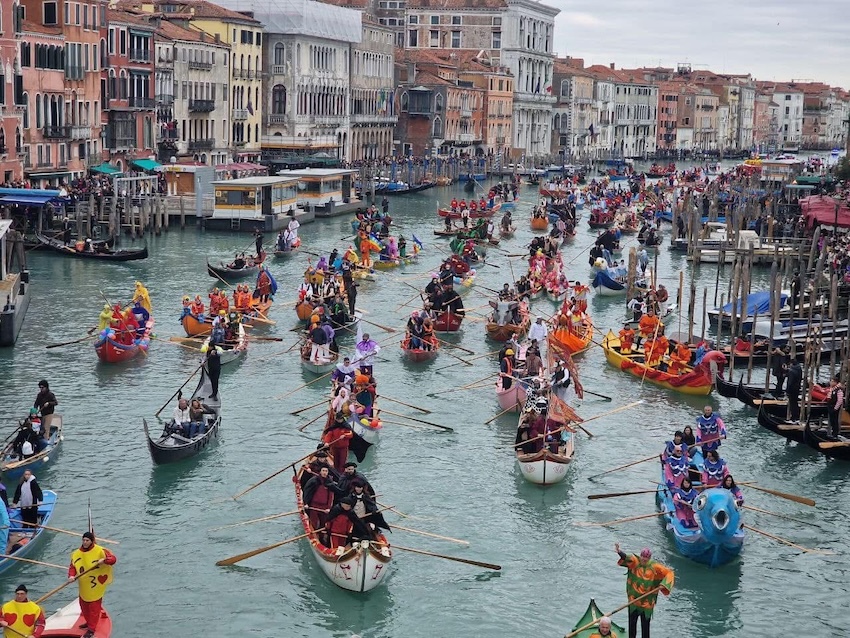
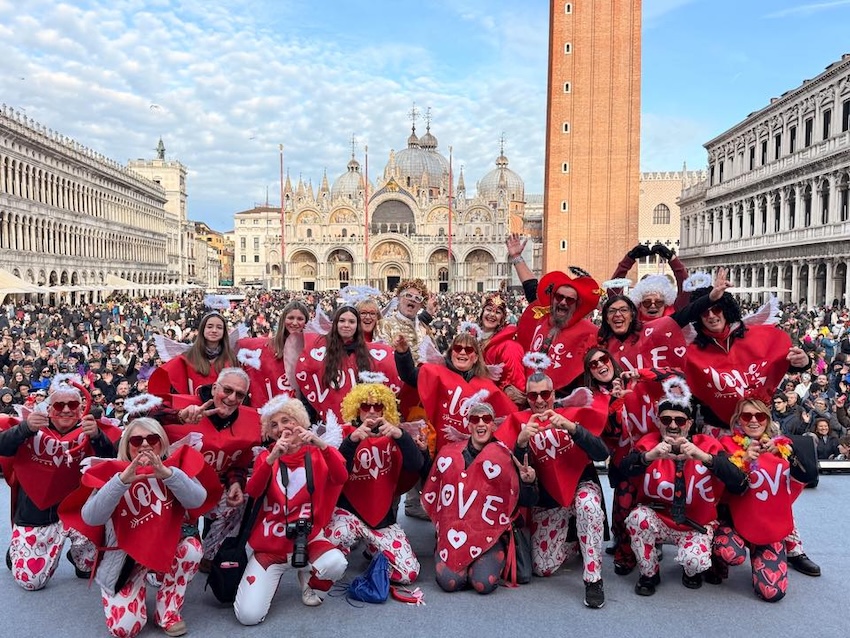
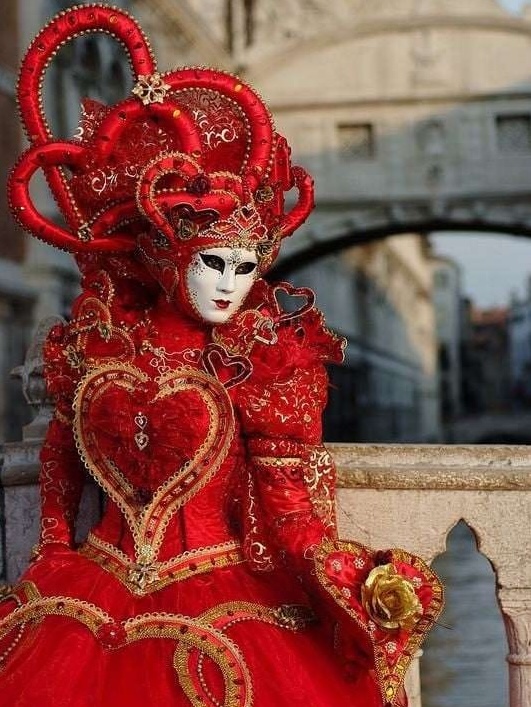
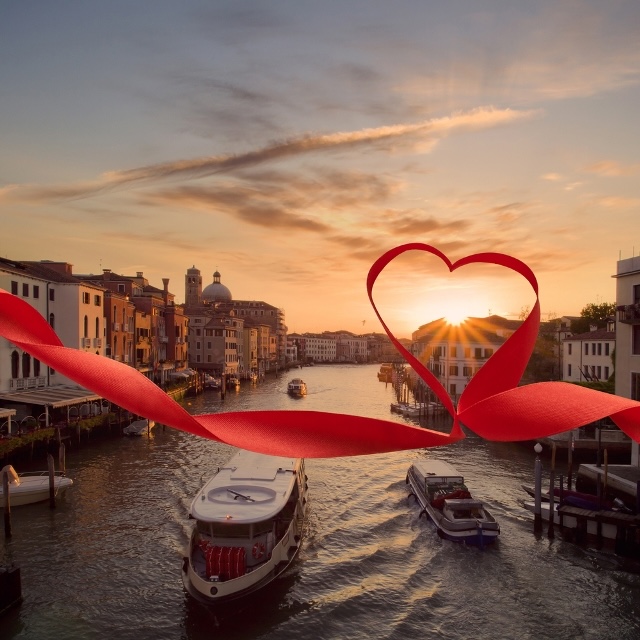
When Valentine’s Day coincides with the Venetian Carnival (Carnevale di Venezia), as it does in 2026, the city transforms into a vibrant theatre of masks, music, and light, where history and spectacle meet. Venice, full of colour, taste and culture, becomes a stage for dual expressions of love: one intimate and devoted, the other playful, fleeting, and theatrical. The Carnival, originating in the 12th century and officially recognized in 1296, has long been a time when ordinary rules relax. Behind the masks, identities blur, hierarchies soften, and desire flows freely.

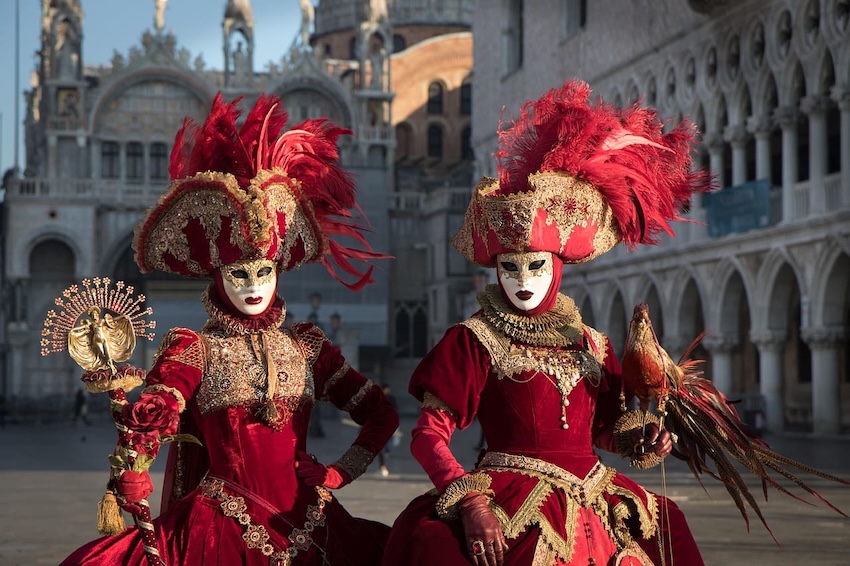
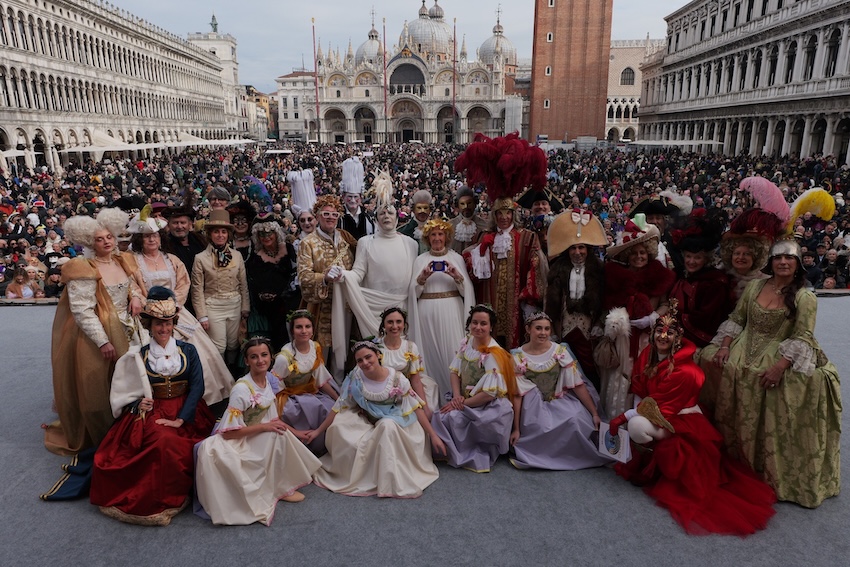
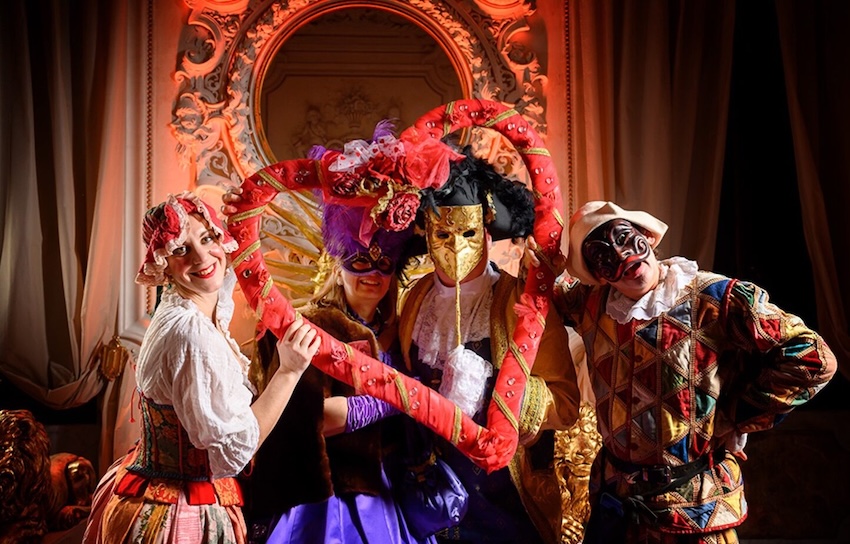
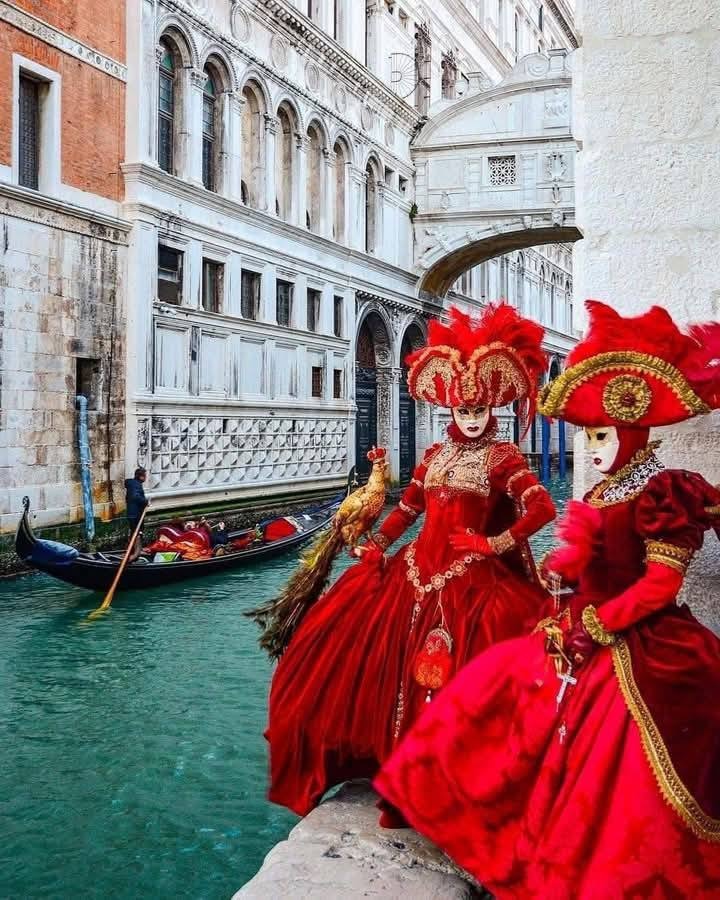
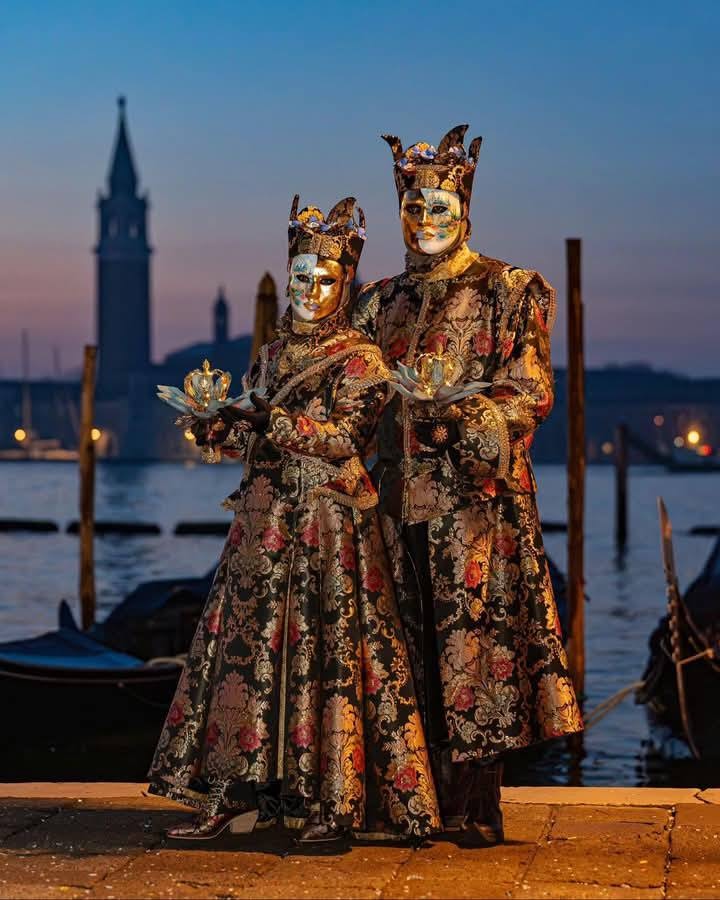
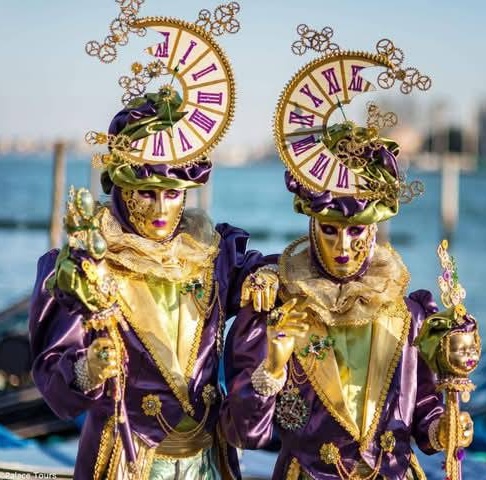
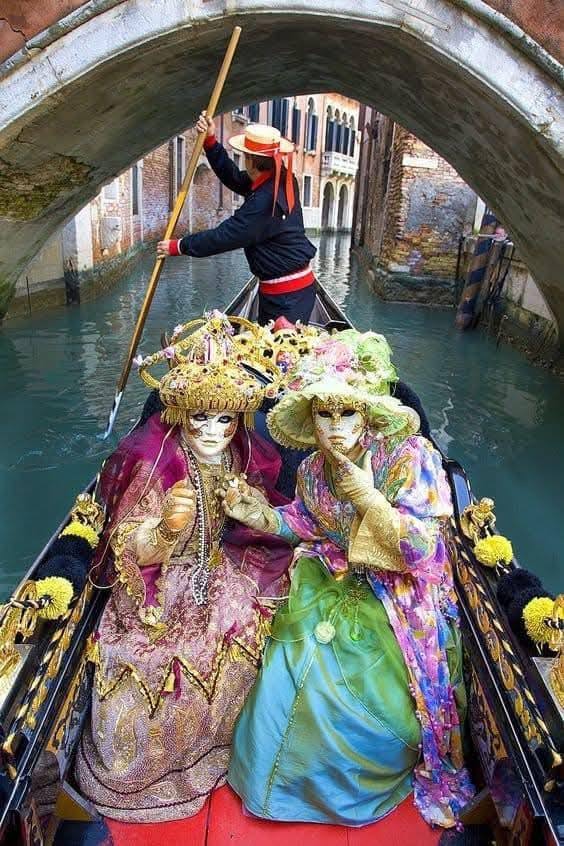
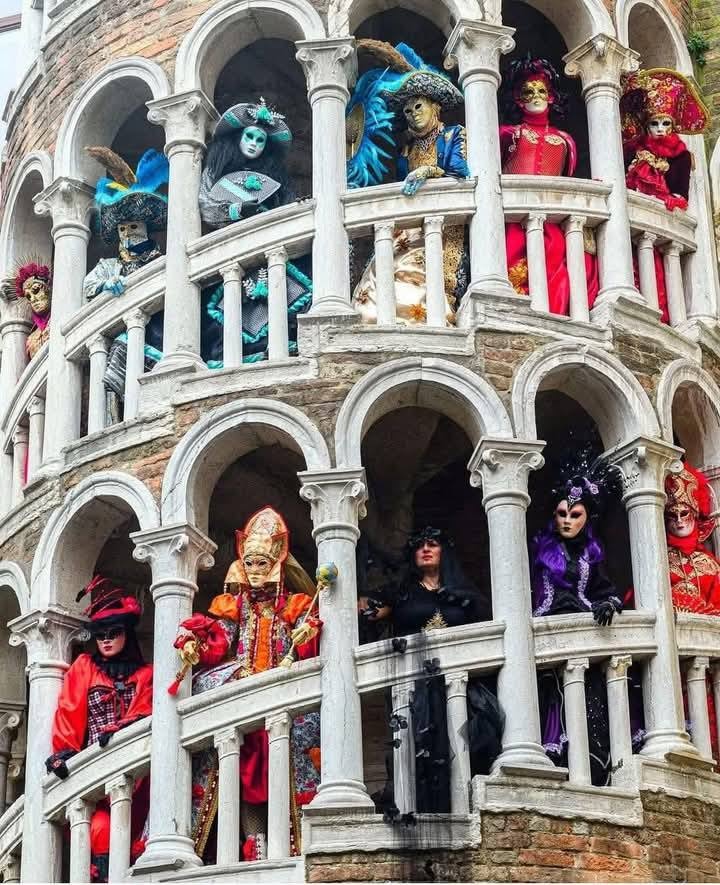
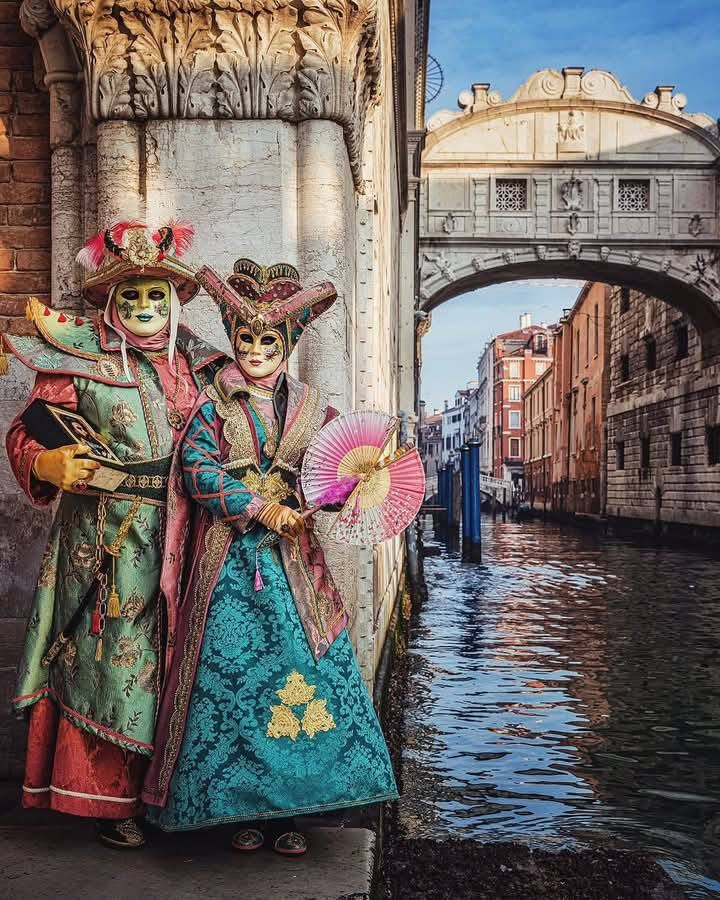
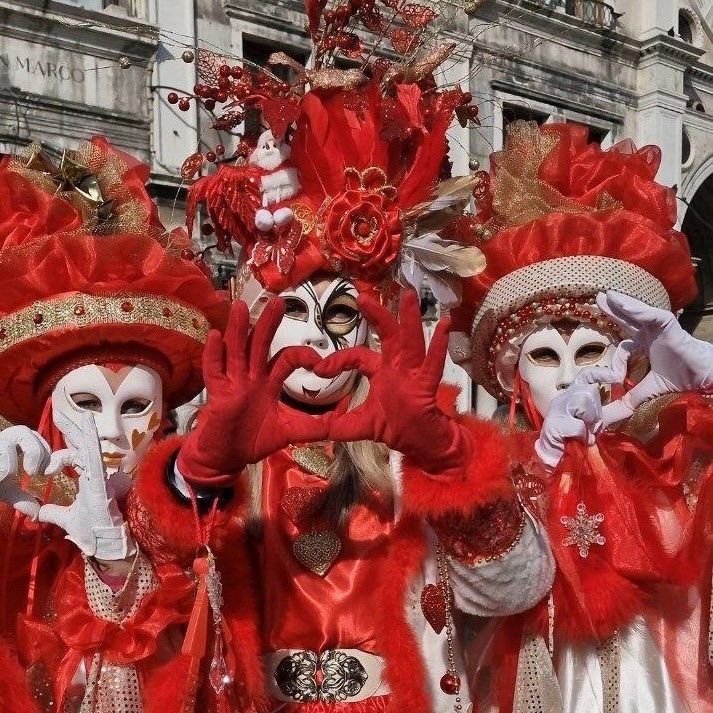
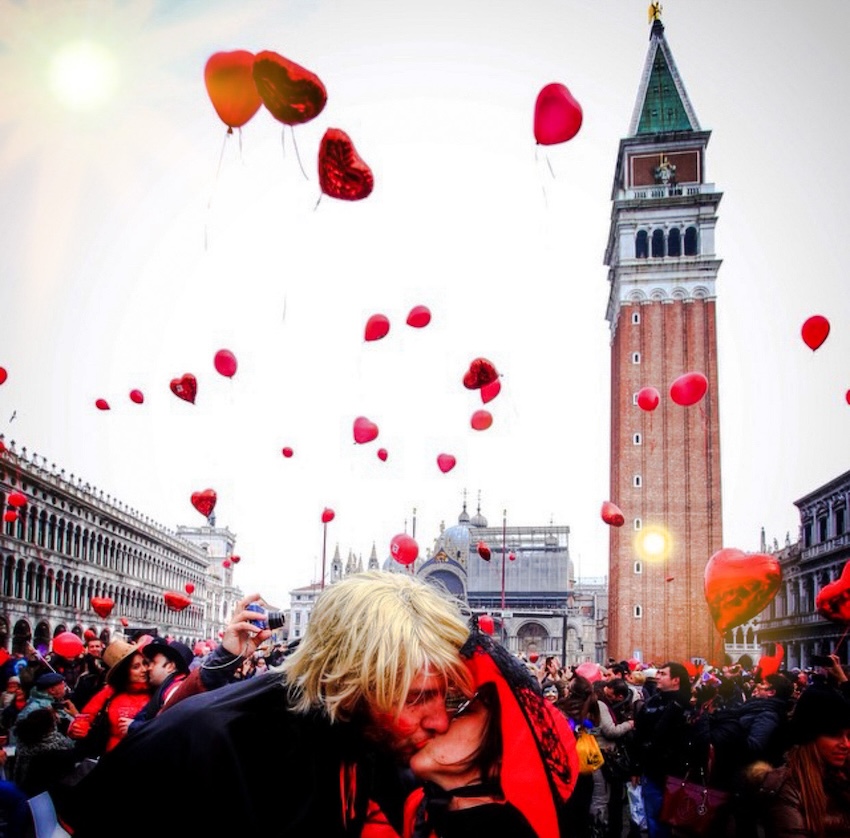
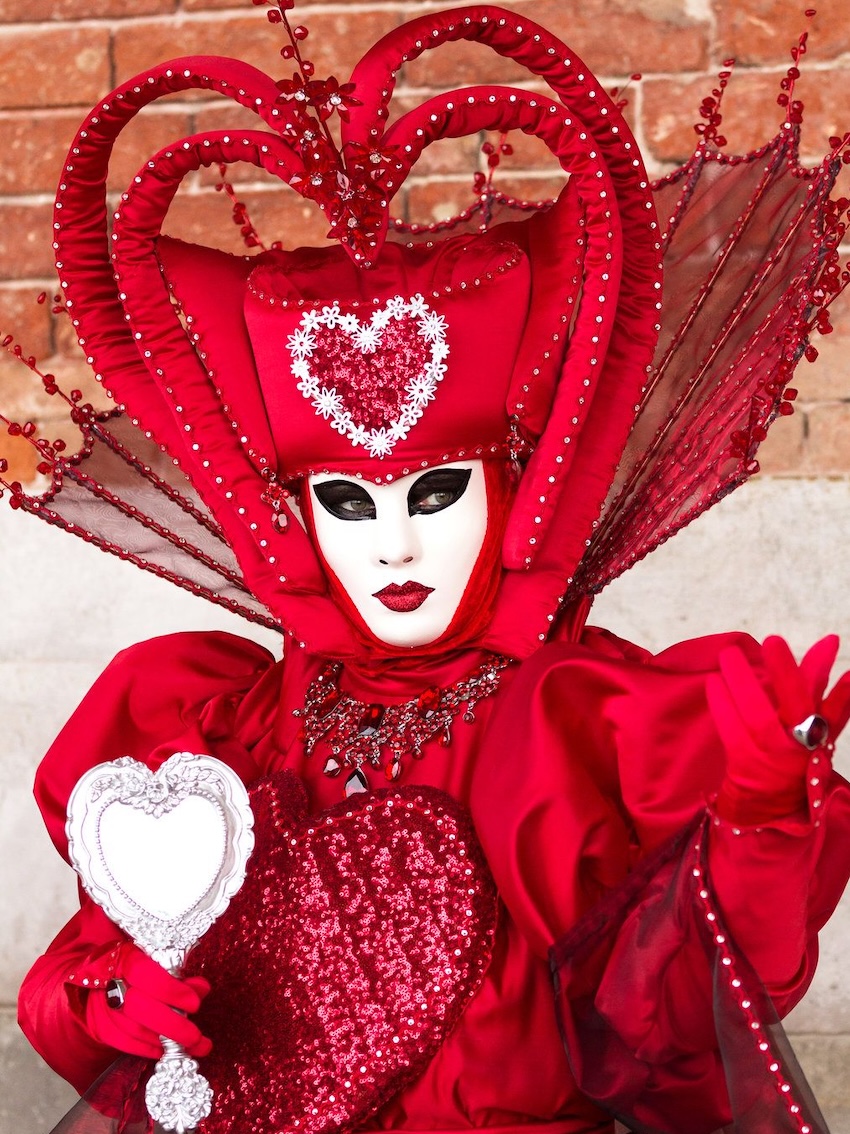

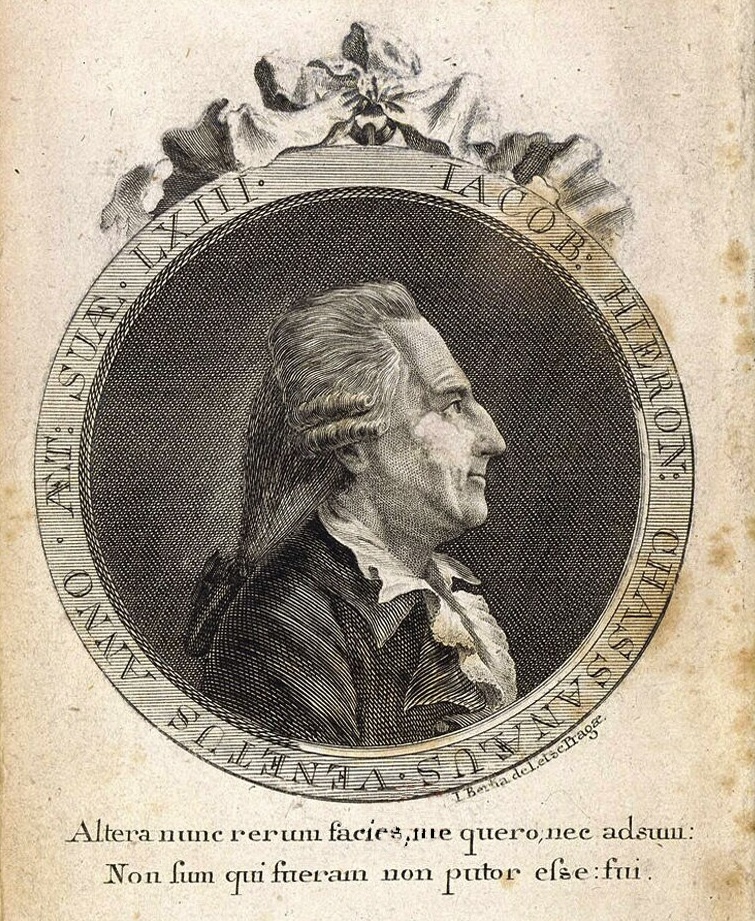
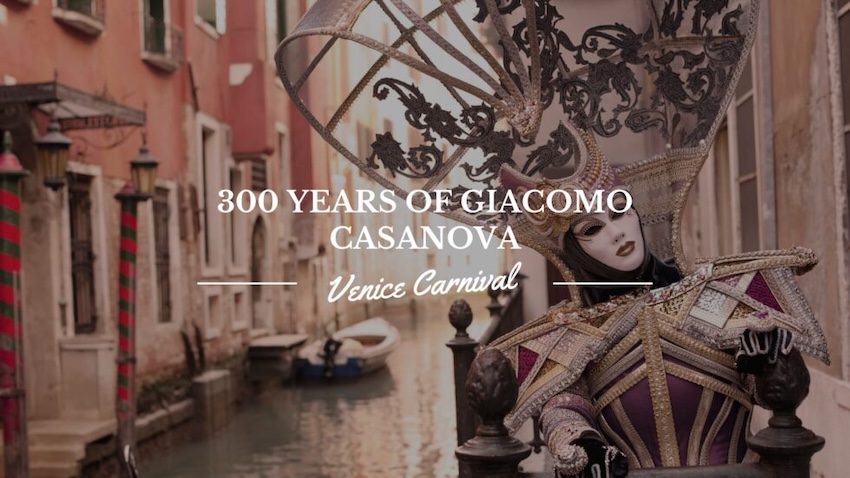
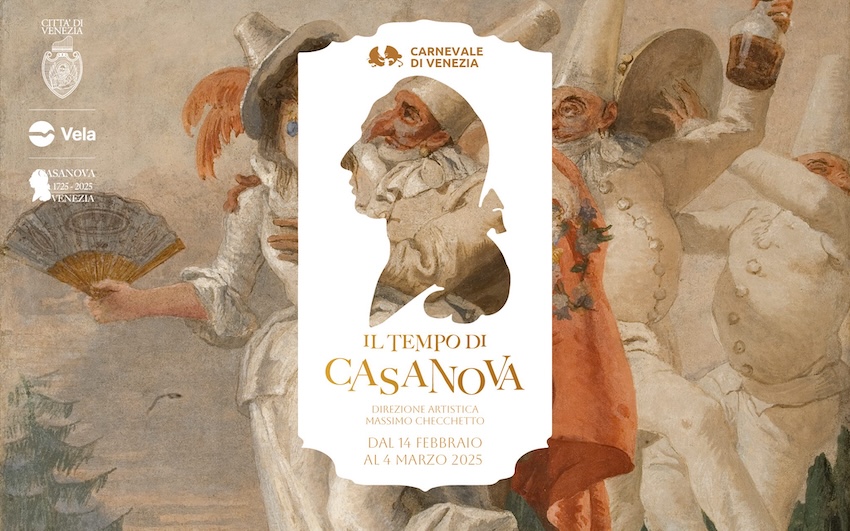
This interplay of intimacy and performance was especially vivid in 2025, when the Venetian Carnival was dedicated to the 300th anniversary of Giacomo Casanova, born on 2 April 1725 in Venice. Often remembered as a libertine, Casanova was also a prolific writer and keen observer of European society.
In his memoirs, Histoire de ma vie (The Story of My Life), written in French, he portrays love not merely as passion, but as an experience shaped by freedom, wit, and circumstance. He famously wrote: « J’écris ma vie pour rire de moi-même, et j’y réussis » (“I am writing My Life to laugh at myself, and I succeed”). After a lifetime of adventures across Europe, he spent his final years as a librarian at Castle of Dux in Bohemia – now Duchcov, Czech Republic – quietly reflecting on his extraordinary life before passing away in 1798.
On Valentine’s Day, we celebrate not only romance but humanity itself – the courage to love, the joy of connection, and the enduring magic of life that unites hearts across time and space. Throughout history and on every continent, people have found ways to express affection and cherish the wonder of shared emotion, reminding us that love, in all its forms, is free, timeless, and infinite.
Photos from casa-belvedere.org gettingtoknowitaly.com italian-traditions.com and O Mestre Da Gambiarra