



Edited by Anna Popper
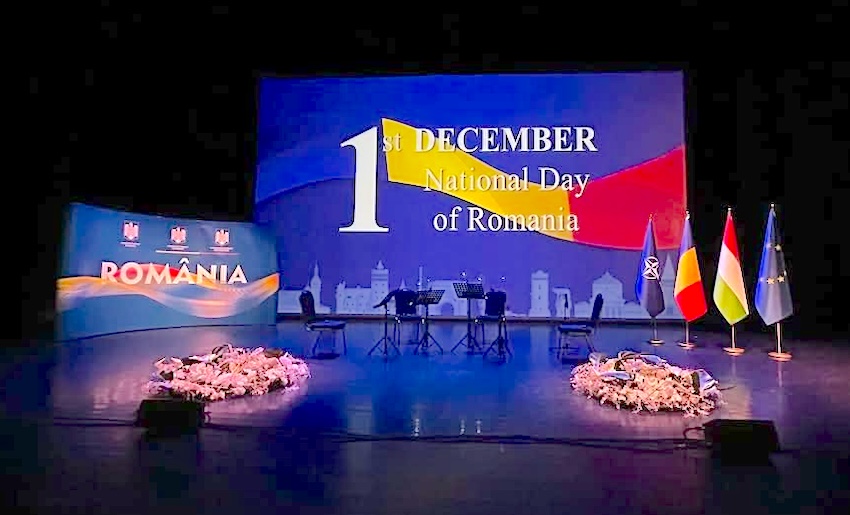
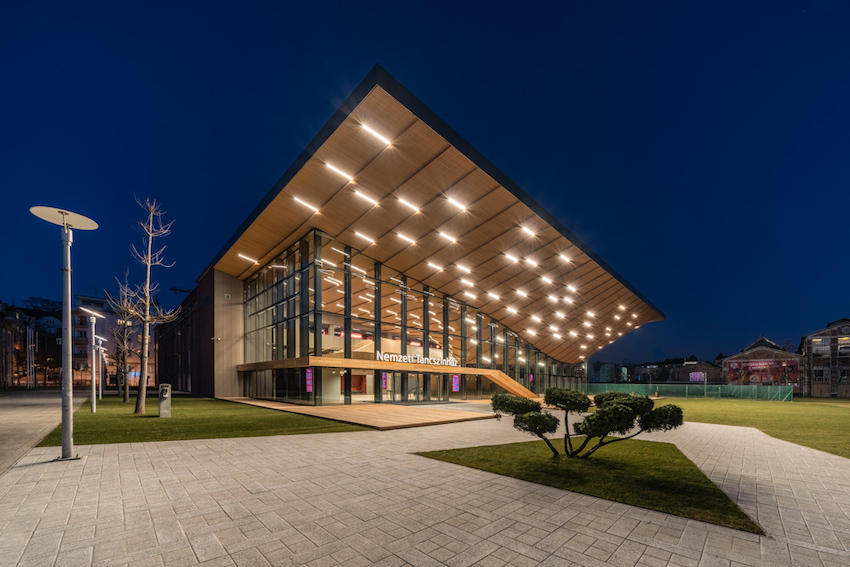
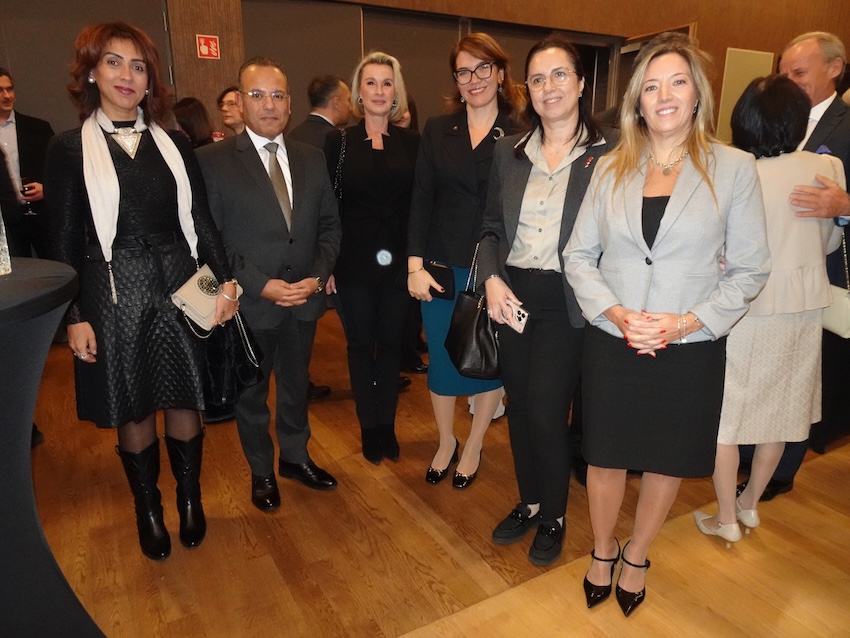
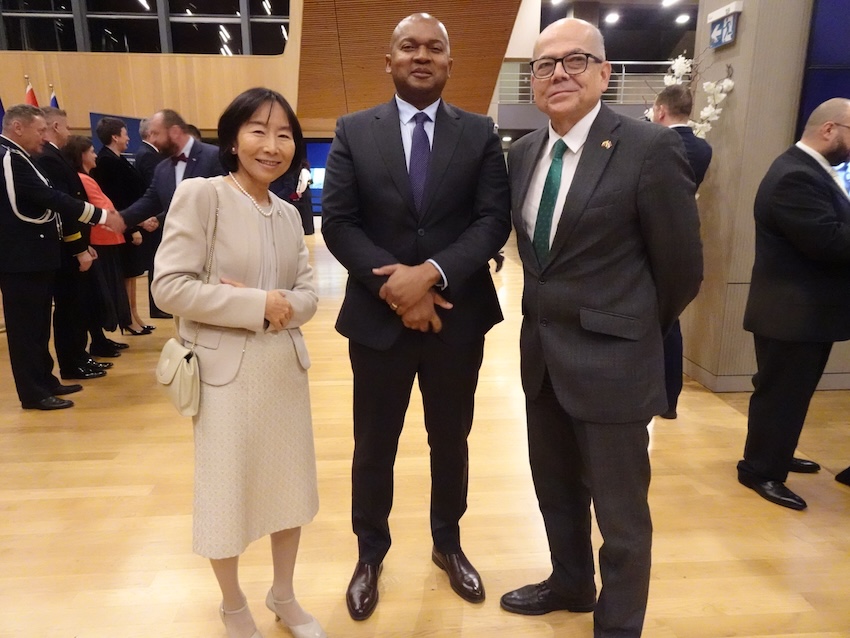
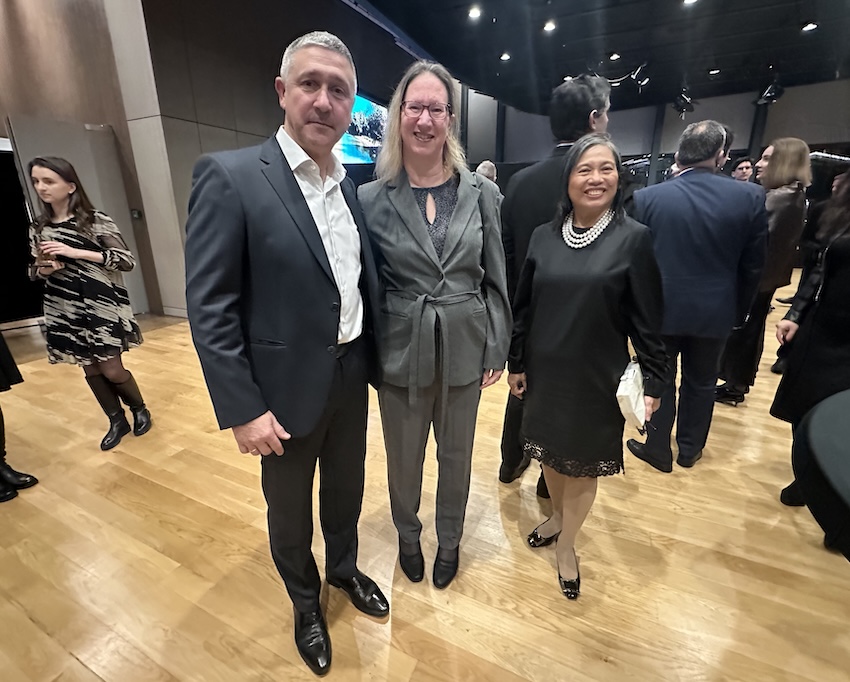
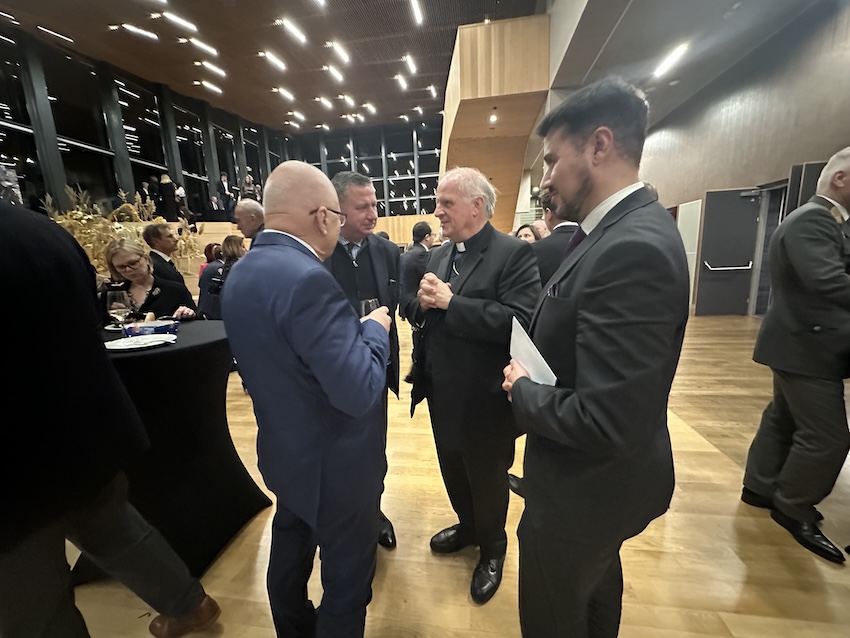
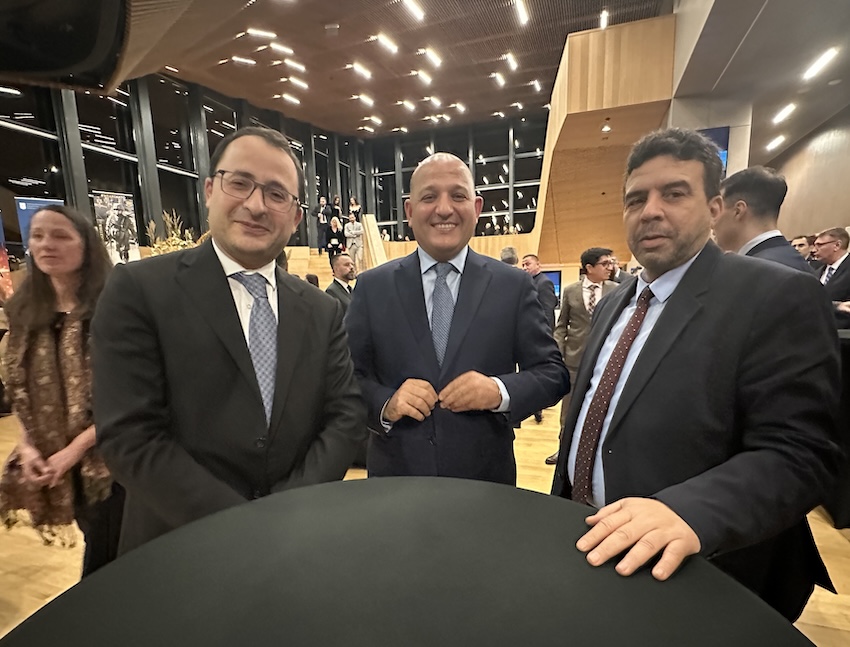
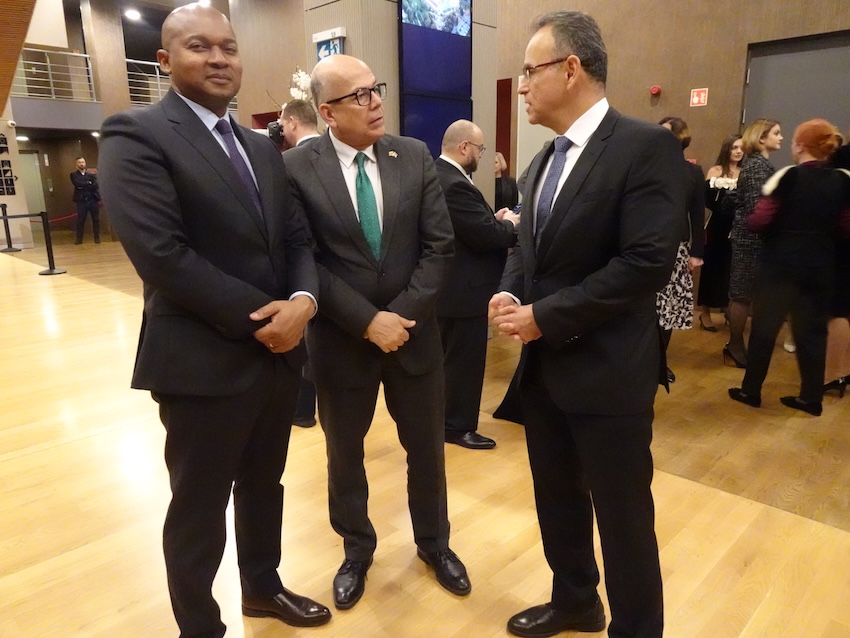
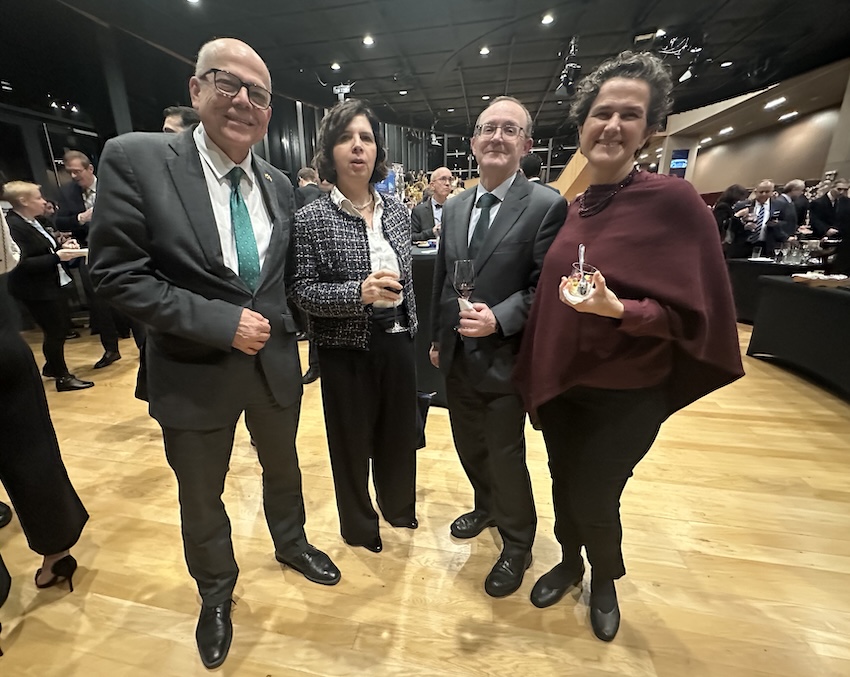
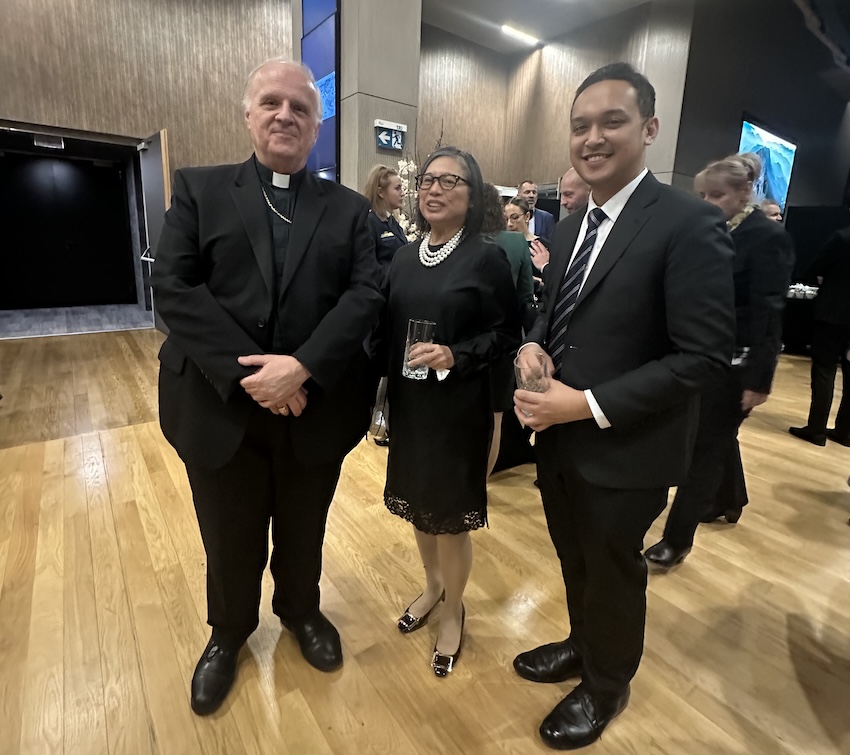
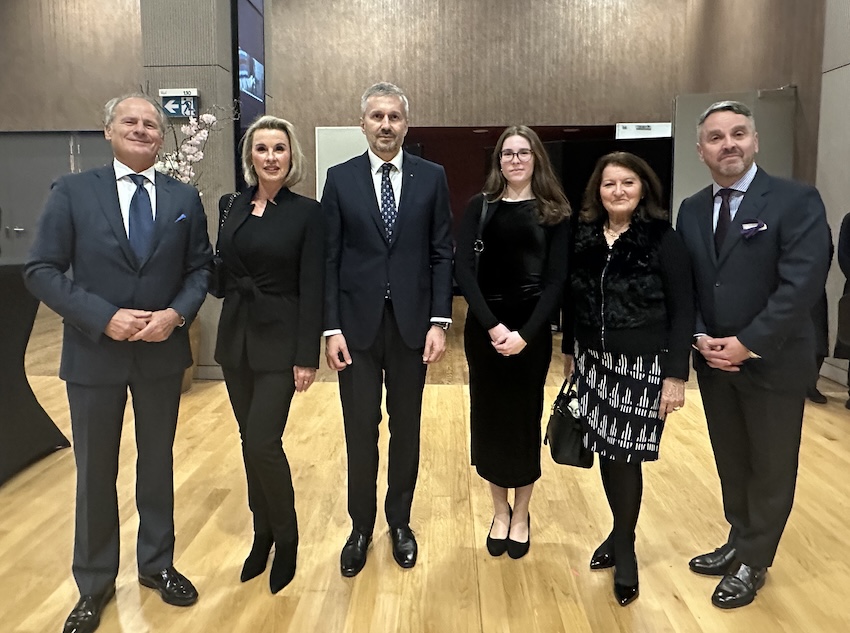
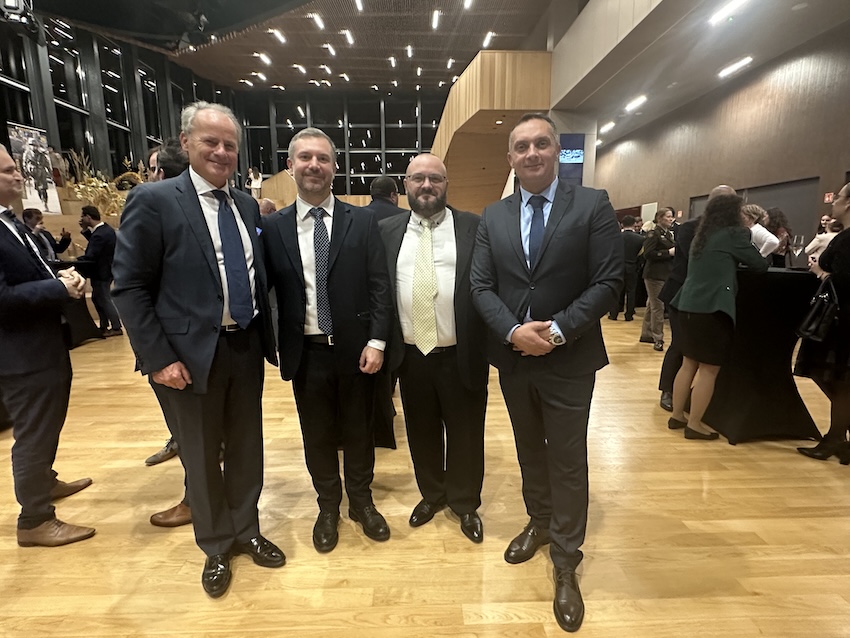
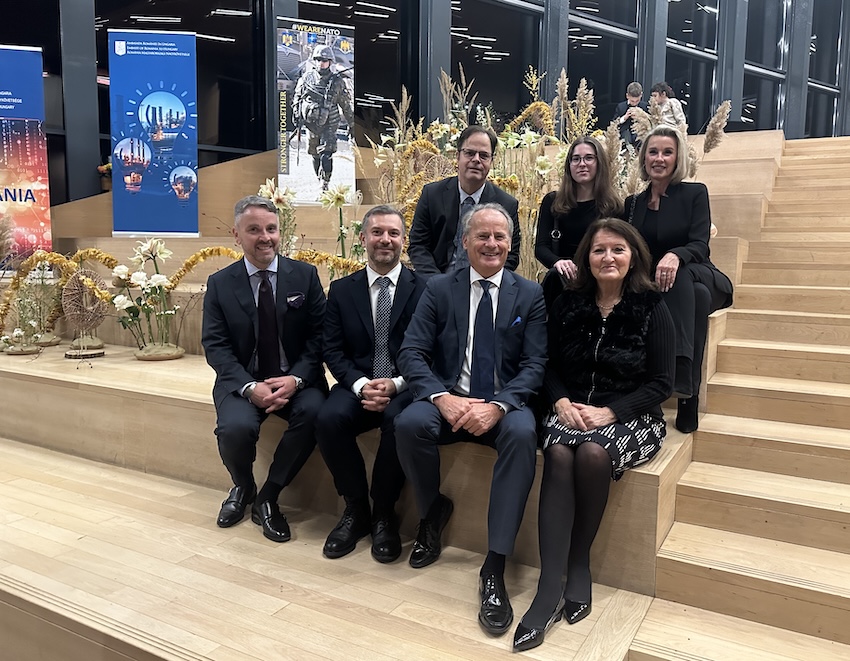
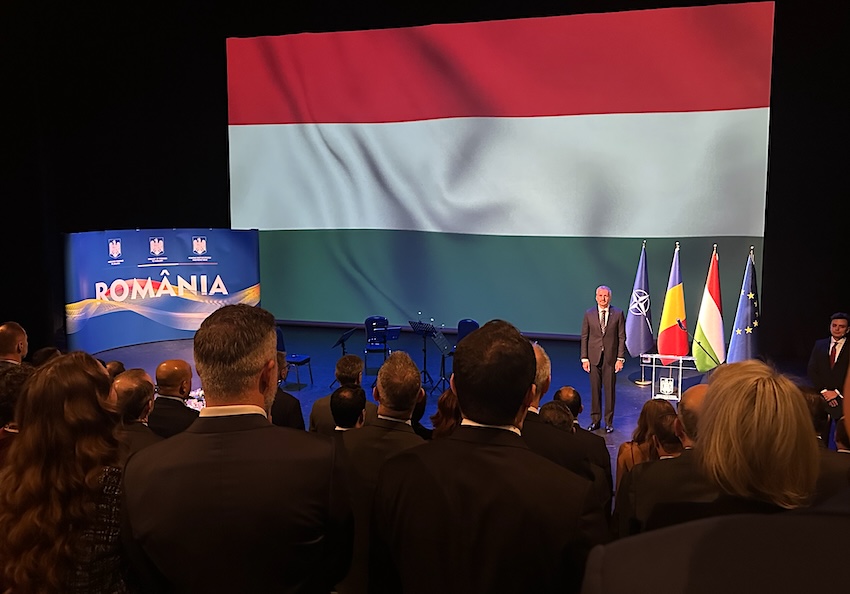
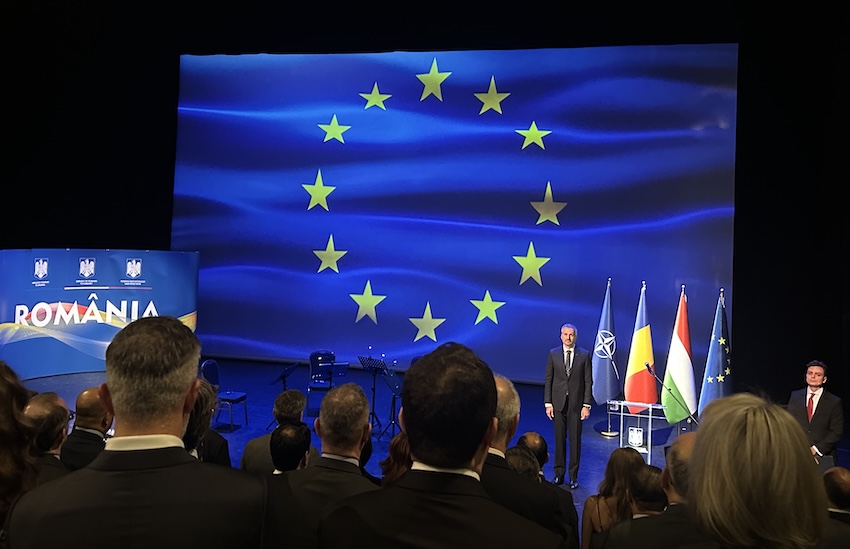
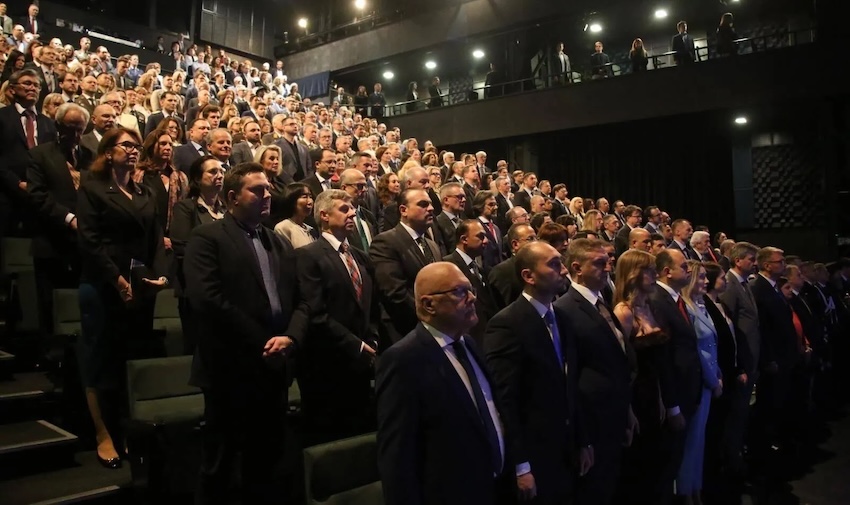
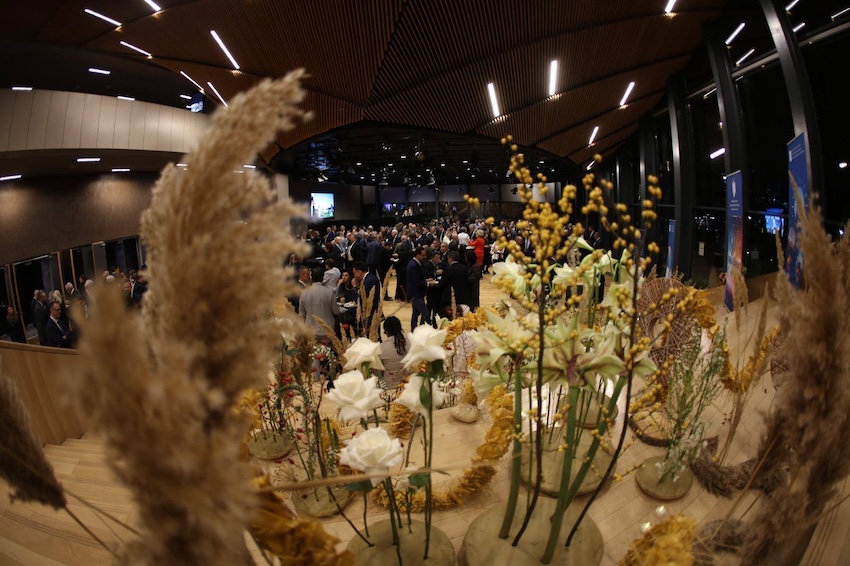
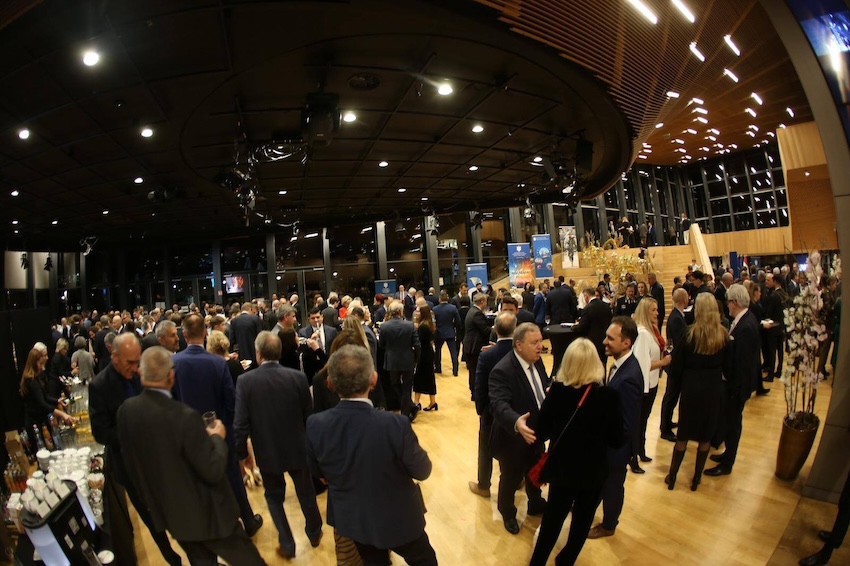
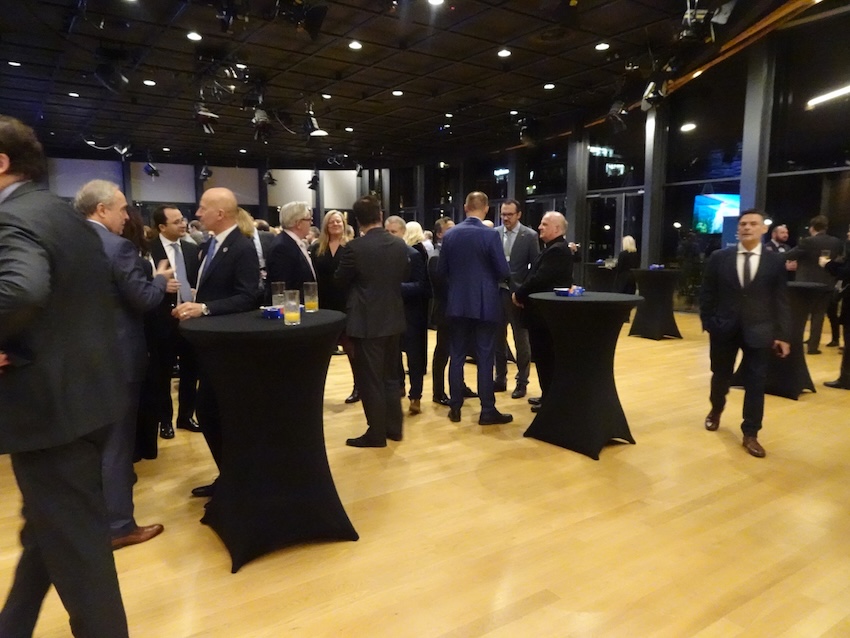
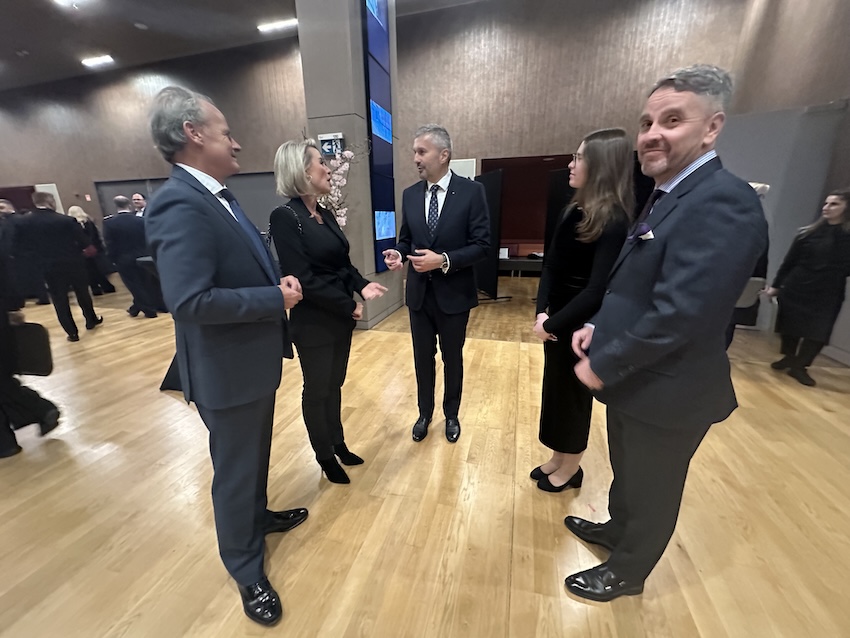
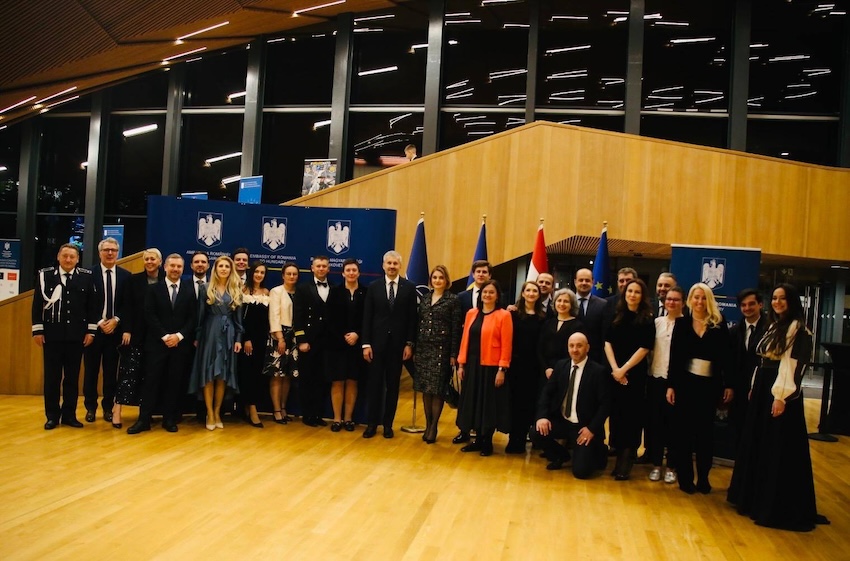
Romania’s National Day, observed on 1 December, commemorates the historic moment in 1918 that laid the foundation of modern Romania. To mark the occasion in 2025, the Embassy of Romania in Hungary, in collaboration with the Romanian Cultural Institute (ICR) in Budapest, hosted a festive evening at the National Dance Theatre in Millenáris Park, a large cultural hub in Budapest.
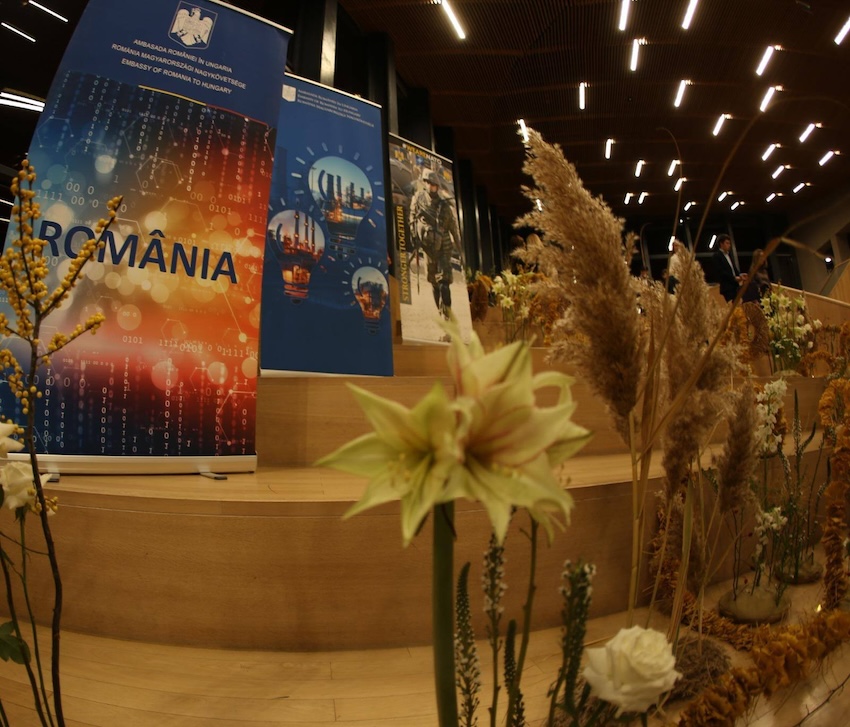
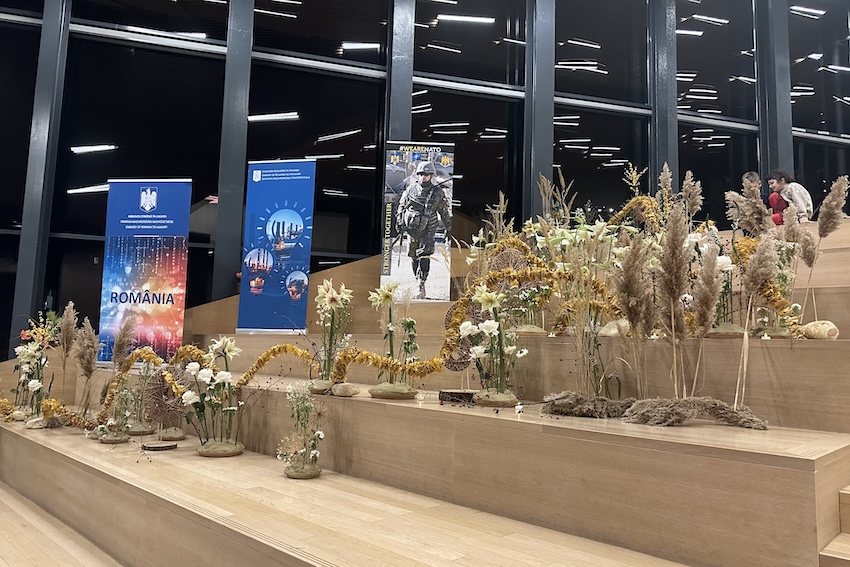
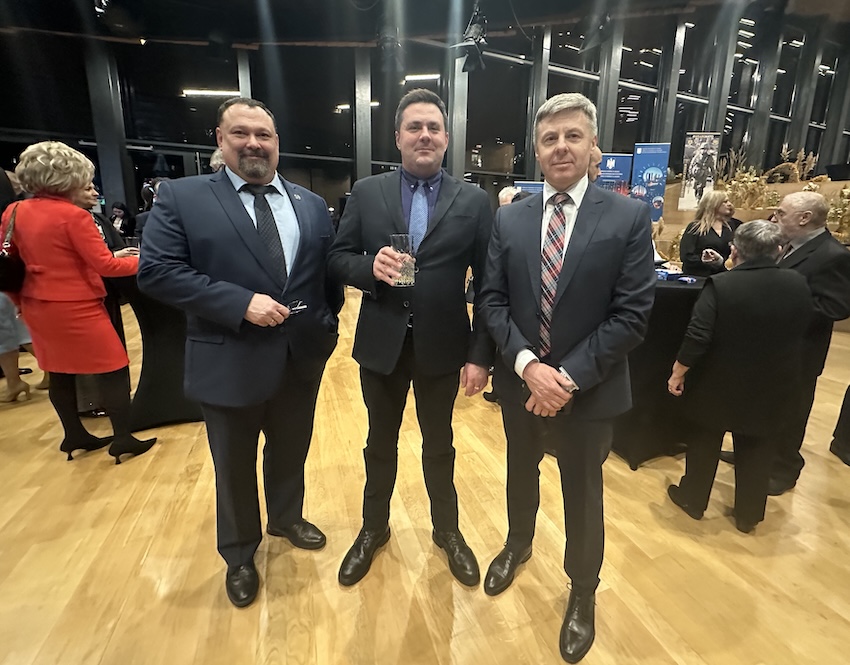
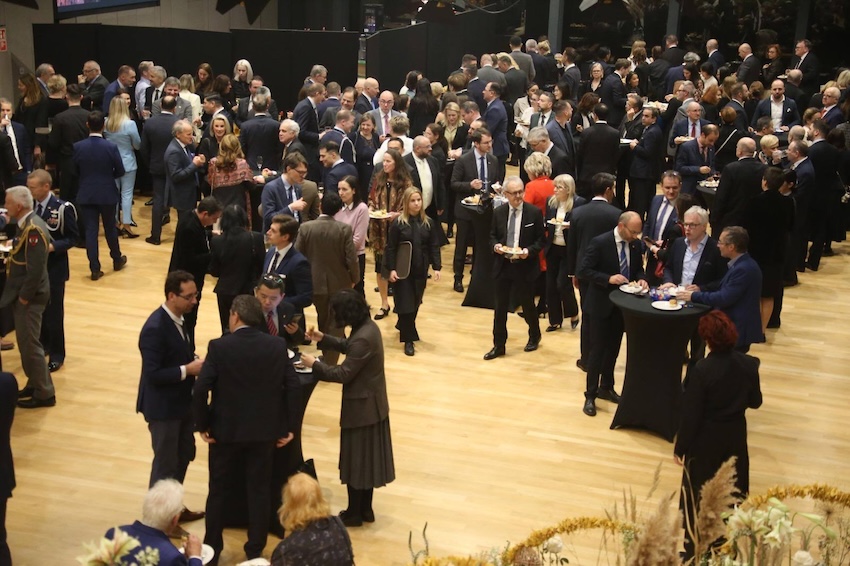
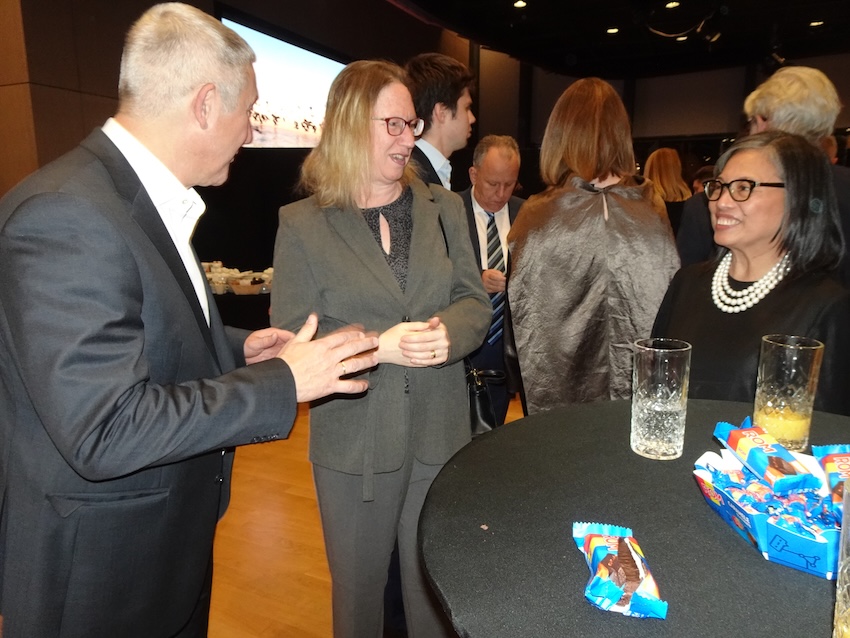
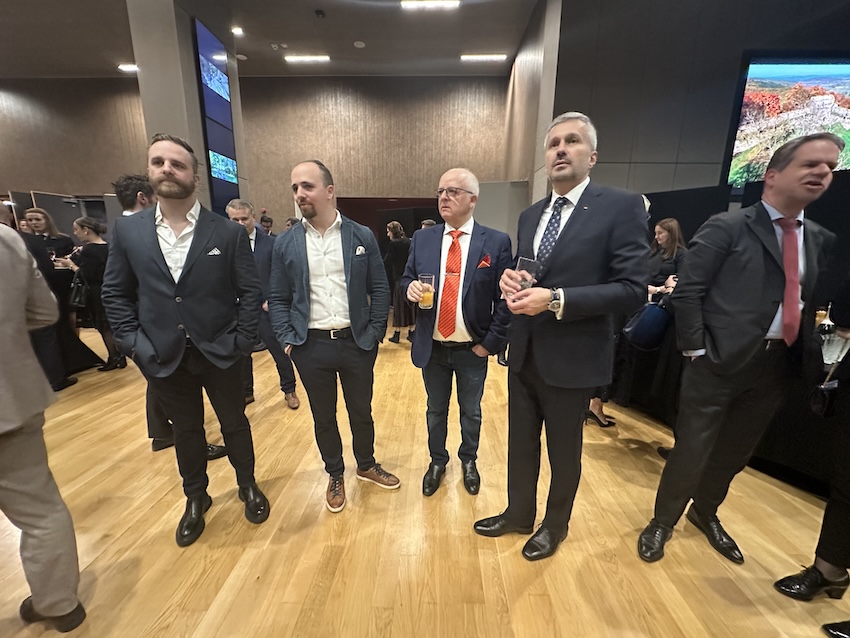
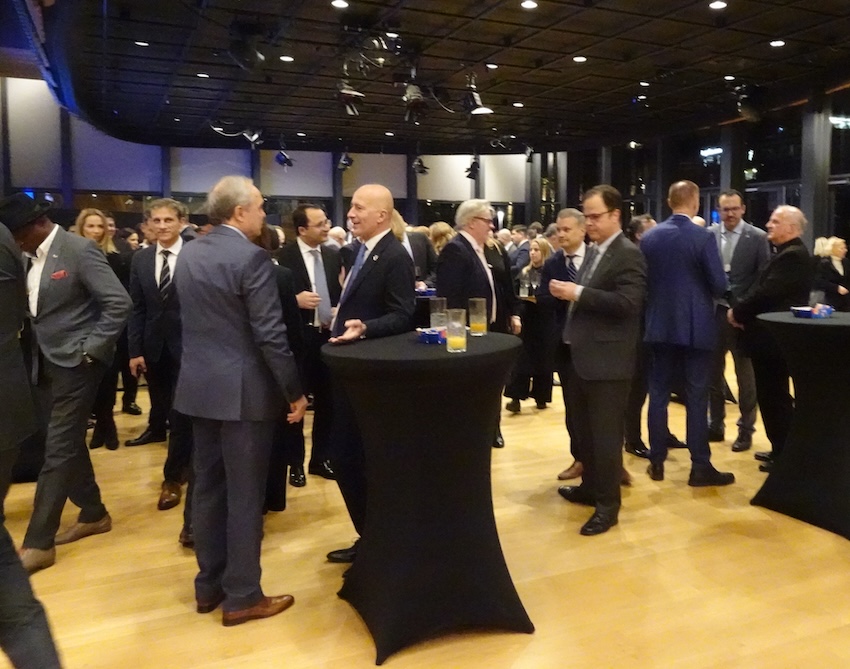
The event brought together members of the diplomatic corps, representatives of the cultural, academic and business circles, as well as Romanian community members in Hungary.
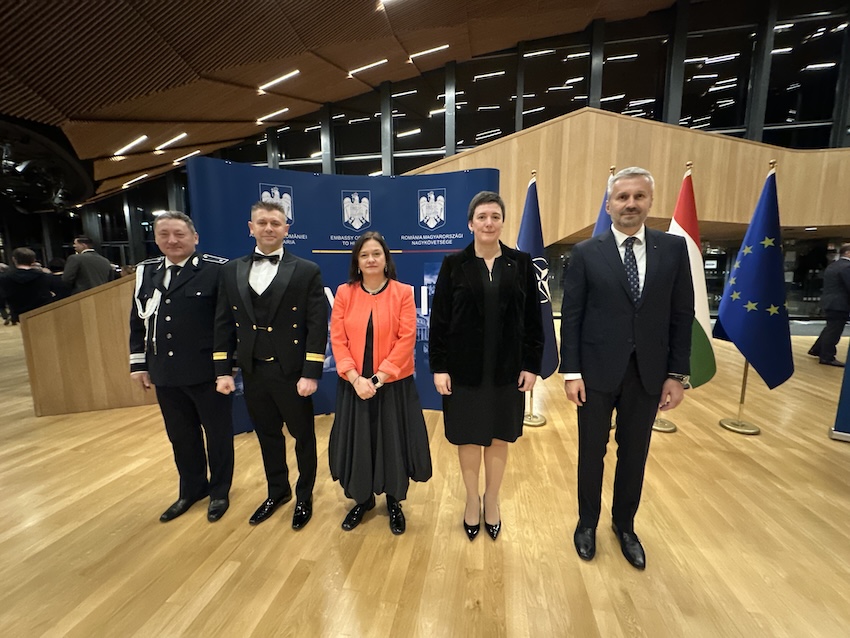
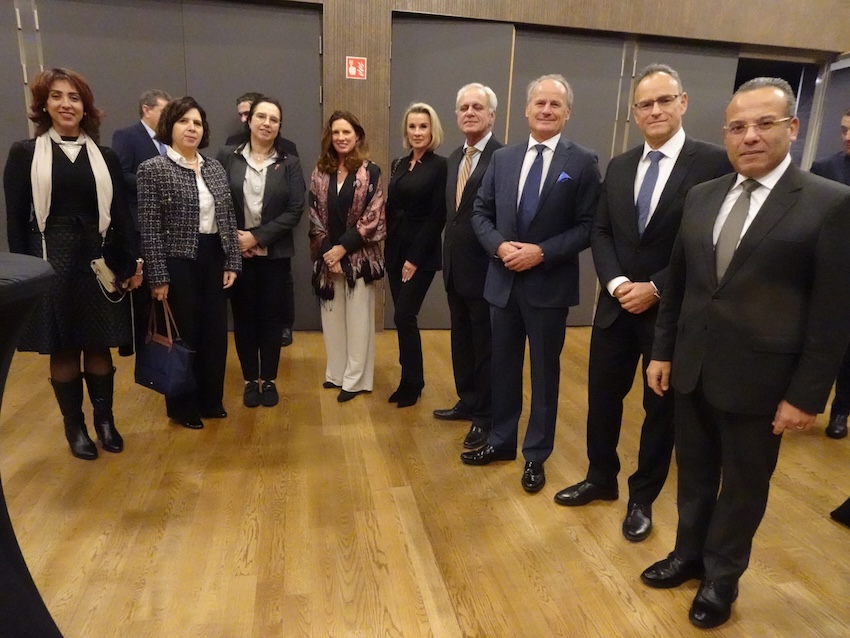
The celebration began with the national anthems of Romania, Hungary and the European Union.
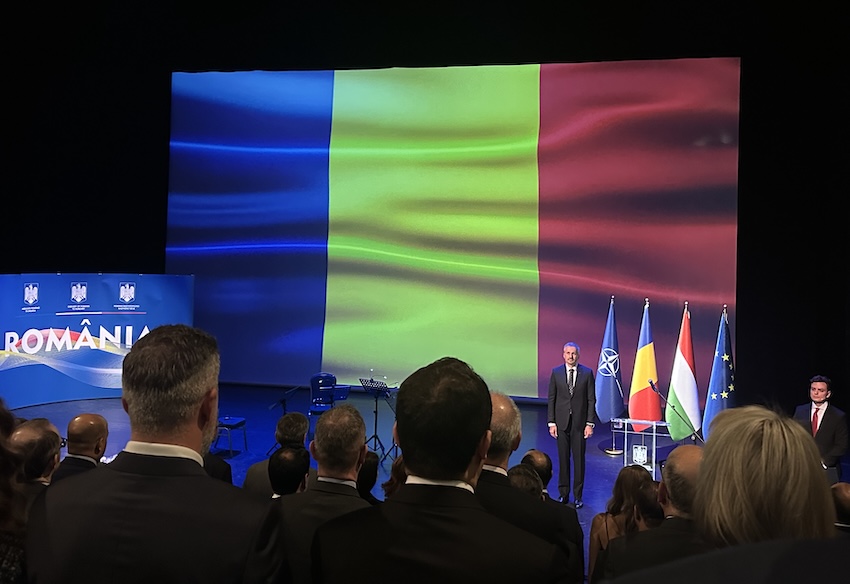
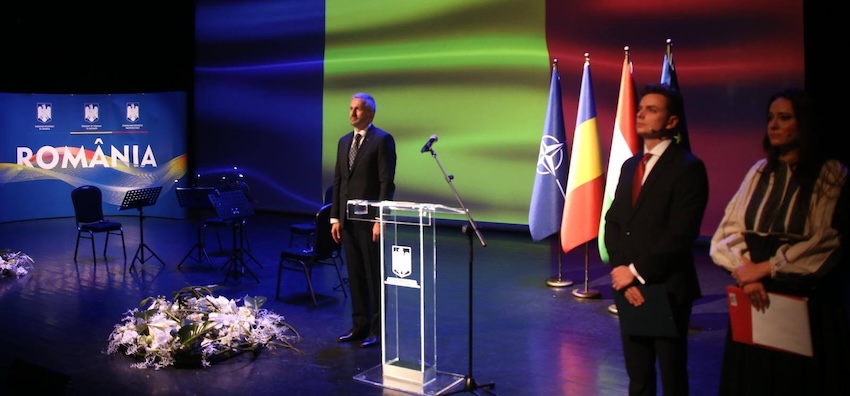
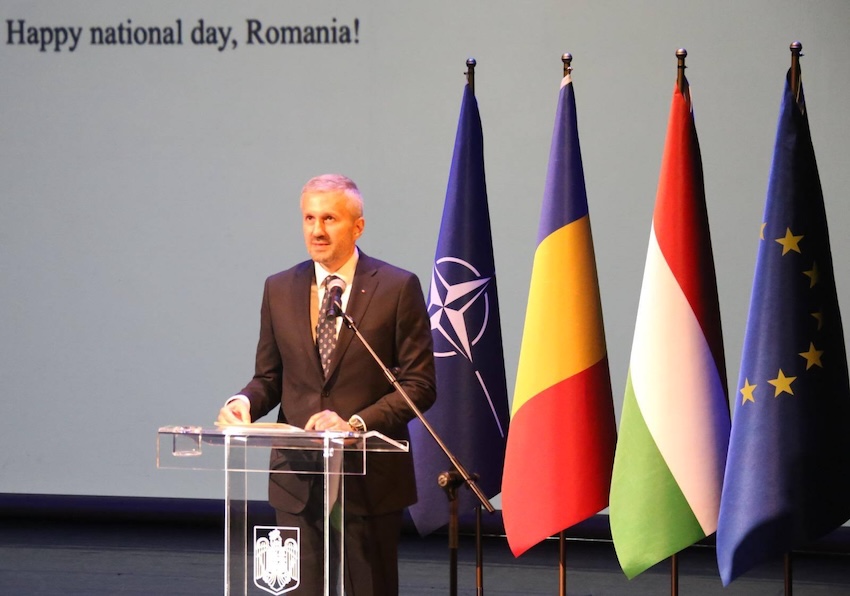
It was followed with an address by H.E. Mr. Gabriel Șopandă, Ambassador of Romania to Hungary:
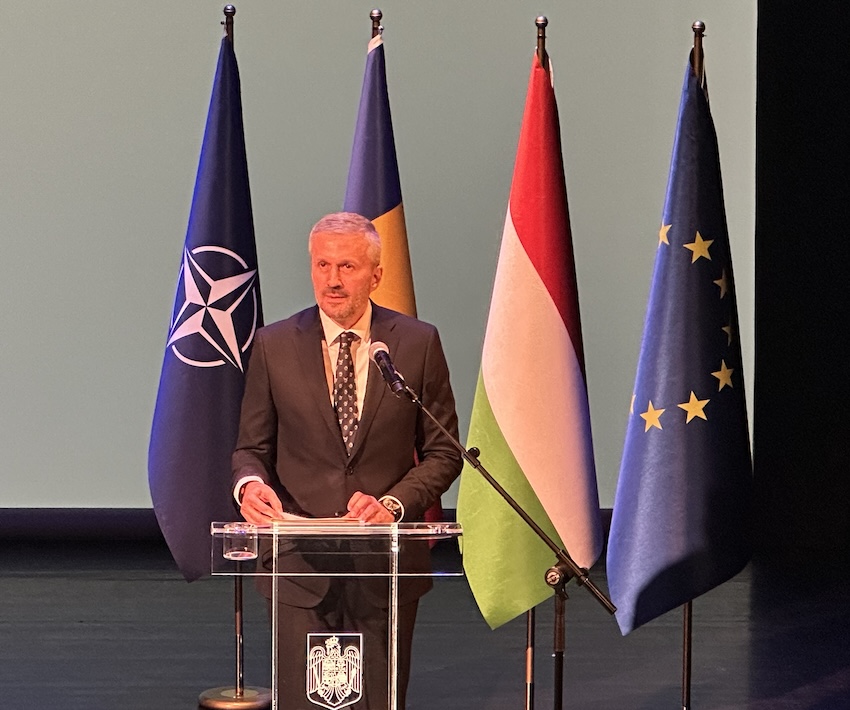
“Unity, solidarity, dignity – common ideals, which define the essence of Romania’s National Day – are as important today as they were 107 years ago. The centuries-old aspirations of Romanians to unite all historical provinces into a single, national, sovereign and independent, unitary and indivisible state was achieved on 1 December 1918, the day that marks the founding of the modern state of Romania.
The history of Romanians stretches back over 2000 years, a period marked by fights for independence, unique political and cultural systems of organization, and a constant resistance to challenges, making it a testament of dedication, courage and continuity – of a people who proudly maintained its identity and traditions over the centuries.
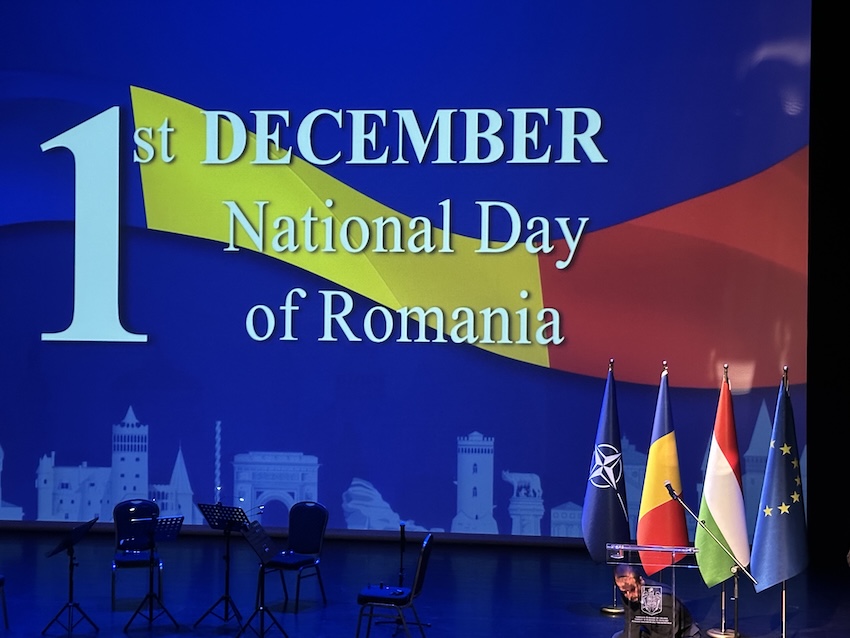
On 1st December, Romanians celebrate the spirit of a nation that has managed to preserve its values, language and culture, irrespective of ages. The National Day is an occasion on which we recall the importance of solidarity, mutual respect and trust in the common destiny of all Romanians, regardless of where they live.
Today, we honour the vision of our forefathers and equally reflect on our current responsibilities – to protect democracy, promote solidarity, and consolidate the relationships with our European and transatlantic partners.
Modern Romania has paved its way through constant efforts to strengthen the rule of law, for the prosperity of its citizens and for regional security. The continuity of values and objectives defines and obliges us. In light of the complex evolutions and important consequences on regional and European security triggered by Russia’s war of aggression against Ukraine, the consistency of our European and transatlantic commitments remains an essential element of our internal and external action.
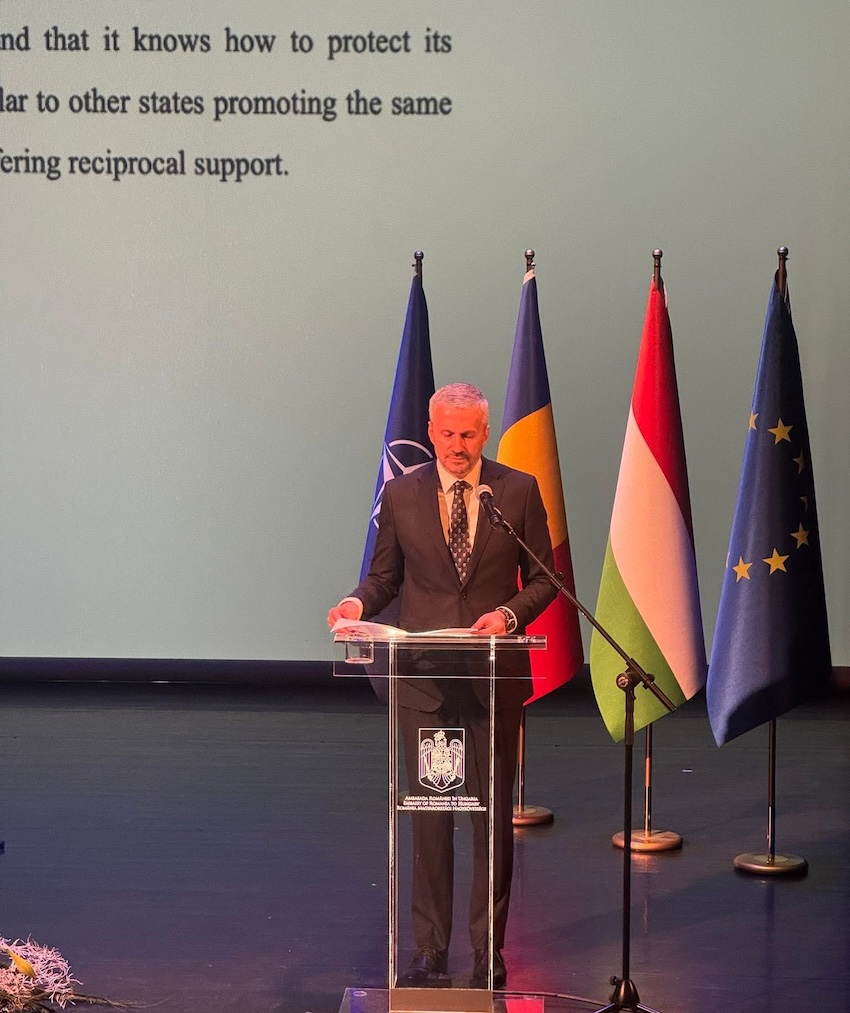
Domestically, Romania witnessed a pivotal moment last year. During the presidential elections, Romanian institutions and society underwent a test of maturity and democratic resilience that had developed in the aftermath of the political regime change of December 1989. Society sent a clear message: Romania does not tolerate attacks on its sovereignty, and knows how to protect its interests – similar to other states promoting the same values and offering reciprocal support.
Today, Romania is a solid European partner, an EU Member State for 18 years, a reliable NATO Ally for 21 years, and a committed actor in defending democracy and international law. Romania has reached maturity, a fact that demands, in the coming historical sequence, our country’s complete alignment with its own historical calling and the severe challenges of the times.
With a foreign policy firmly anchored in democratic European and transatlantic values, Romania plays an important role in consolidating European security. Our country offers – and will continue to offer as long as necessary – constant, firm and multidimensional support for Ukraine and its citizens, while contributing actively and constructively to strengthening the security of the Black Sea region and the Eastern Flank of NATO.
Romania commended the historic and unequivocal victory of pro-European forces in the Republic of Moldova, despite Russian interference. The European path of Moldova, Ukraine, and the other candidate countries has to advance in a clear, transparent and rigorous manner, so as to promote the continued success of EU enlargement.
Facing the challenges generated by hybrid actions, disinformation and attempts to undermine democratic processes, regional and European cooperation, as well as strengthening the Euro-Atlantic partnership, remain indispensable. Romania will continue to be a consistent supporter of transatlantic cohesion and the enlargement of the European space of security and prosperity. It is our shared responsibility to defend international norms, protect citizens, and build institutional resilience.
Romania and Hungary share a complex history and a neighbourhood that offers a plethora of reasons for cooperation, dialogue, and rapprochement. In recent decades, we have built strong bridges together in the economic, cultural, and educational fields.
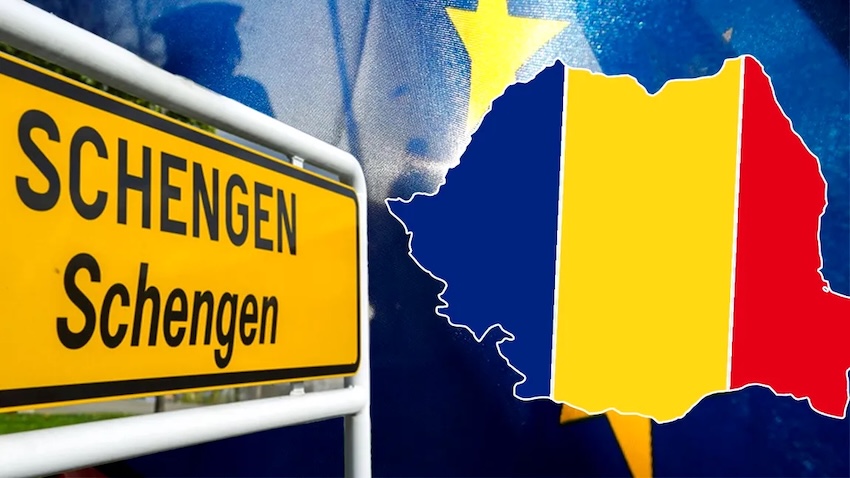
Our relations with Hungary have pragmatic dynamics based on political dialogue and sectoral cooperation. Our geographical proximity naturally leads to common interests: energy, infrastructure, connectivity, and economic exchanges. Romania’s full accession to the Schengen Area on 1 January 2025 – a goal supported by Hungary – also has a remarkably positive impact on cross-border relations.
In bilateral dialogue with our Hungarian partners, we support the importance of cooperation on a transparent and constructive basis in the spirit of mutual respect and protection of the rights of all citizens, regardless of their ethnic origin. Looking to the future, I firmly believe that Romania and Hungary will continue to be reliable partners in a united, democratic, and prosperous Europe.
The existence of a Romanian minority in Hungary and a Hungarian minority in Romania is an important element of our reality. Promoting the preservation of the language, cultural identity, and access to education in the native language remain a priority of our policies.
On this day of celebration, I extend my gratitude to all Romanians in Hungary, especially the historic community, who keep our language and traditions alive, while also being loyal and respected citizens of this country.
In recent years, the international order based on law has been questioned. Military tensions are rising around the world, authoritarian states are banding together, and multilateralism is facing numerous tests. Economic relations are changing, and the struggle for access to critical resources is intensifying. Technologies, including artificial intelligence, are experiencing exponential growth. In this context, the need for European solidarity is becoming increasingly evident in the face of global crises that require coordinated responses: common defence, energy security, hybrid threats, climate change, and migration. Only through joint action can we amplify the positive effects of our policies and mitigate vulnerabilities. Romania reaffirms its willingness to contribute actively and responsibly to building a stronger, more cohesive, and more effective European Union. All these are incentives to look ahead with responsibility and confidence, to continue building a world where freedom, justice, and solidarity remain our guiding principles.
In closing, I would like to thank the sponsors who contributed to the success of this celebration again this year.

I would also like to thank my team at the Embassy, my colleagues at the Romanian Cultural Institute and at the Consulates General of Romania in Gyula and Szeged. Thank you for honouring us with your presence. Happy National Day, Romania!”
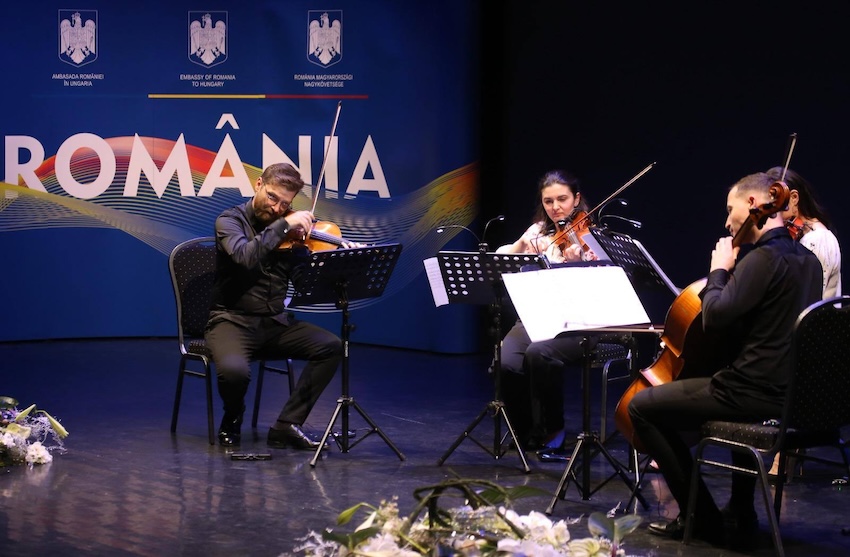
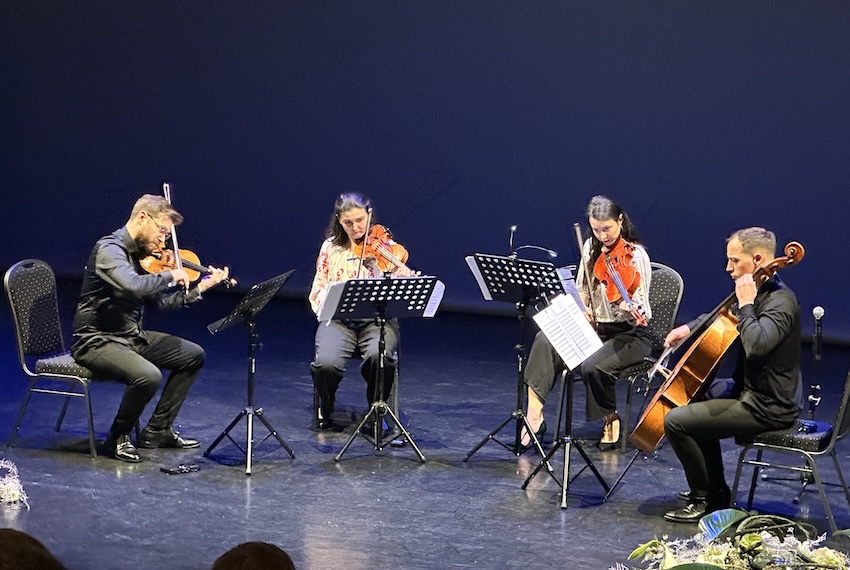
The evening featured a classical concert by the Romanian Chamber Orchestra String Quartet, with a program including works by Romanian composers Dimitrie Cantemir, Grigoraș, Ionică Dinicu, George Enescu, Ciprian Porumbescu, and Radu Sinaci, as well as by Béla Bartók, the Hungarian composer celebrated for his research on Romanian folk music. The performance was enthusiastically received by the audience.
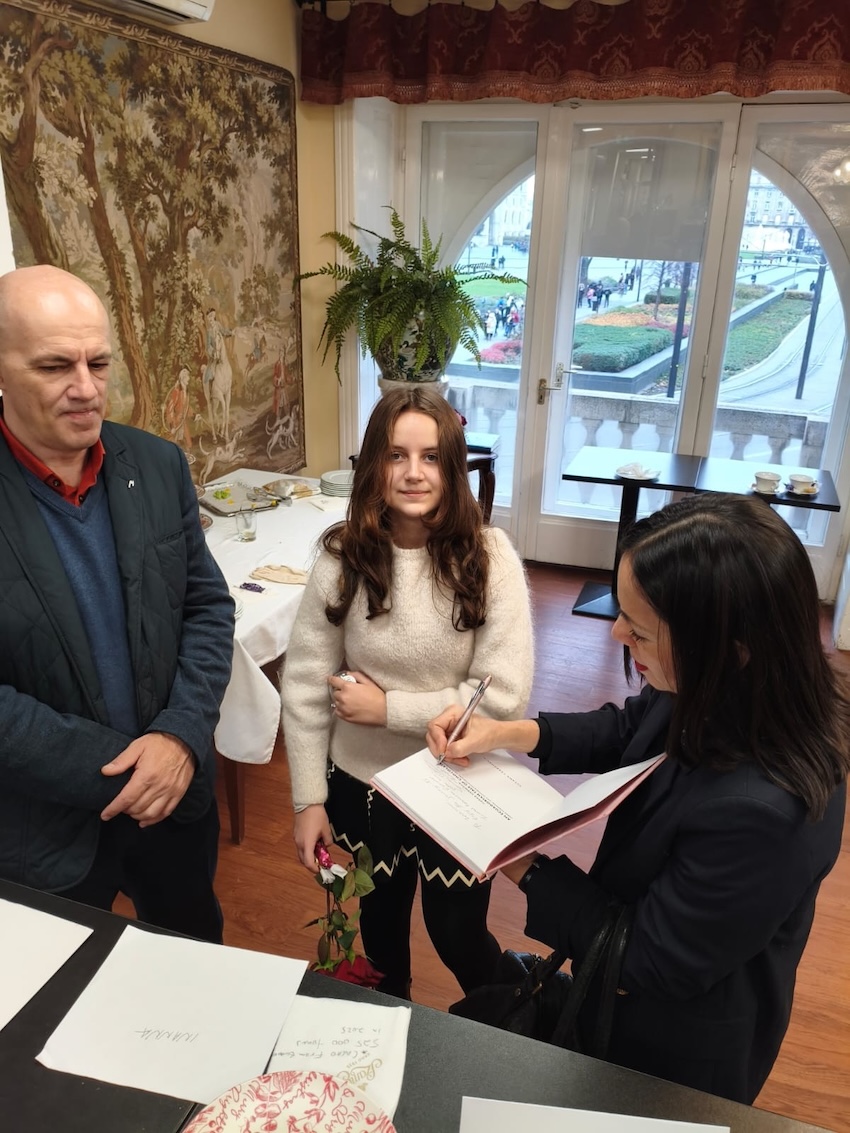
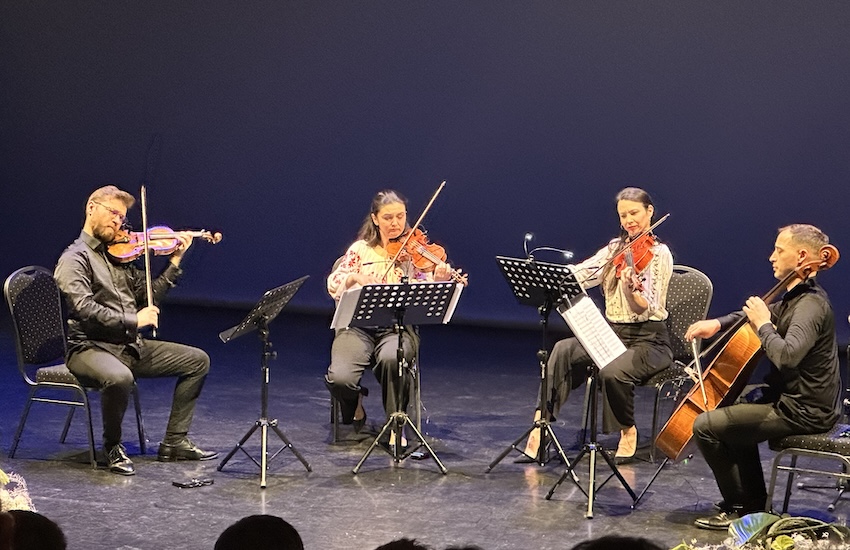
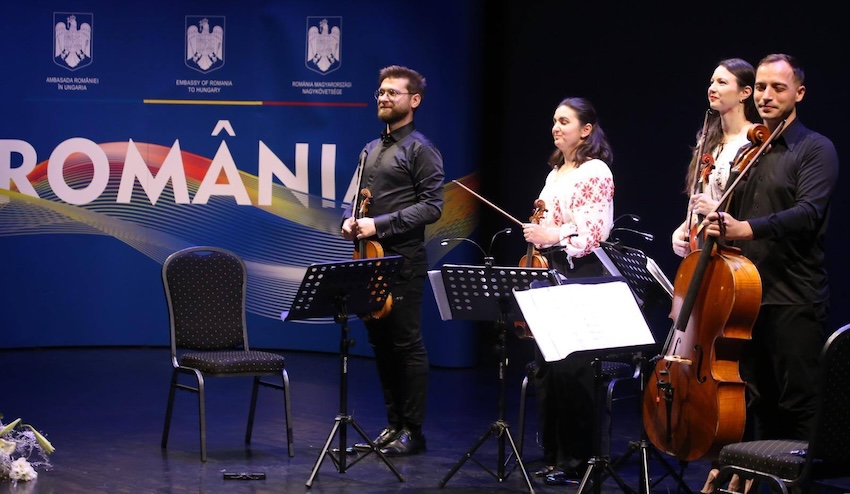
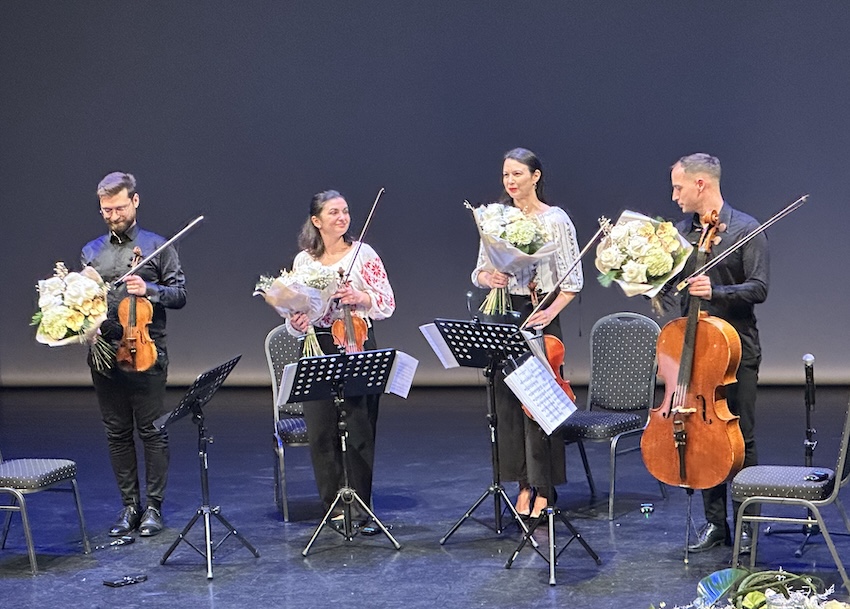
Following the concert, a reception offering a selection of Romanian and international specialties was held, creating a pleasant and friendly atmosphere for all in attendance.
Romania’s New Cultural Achievement at UNESCO
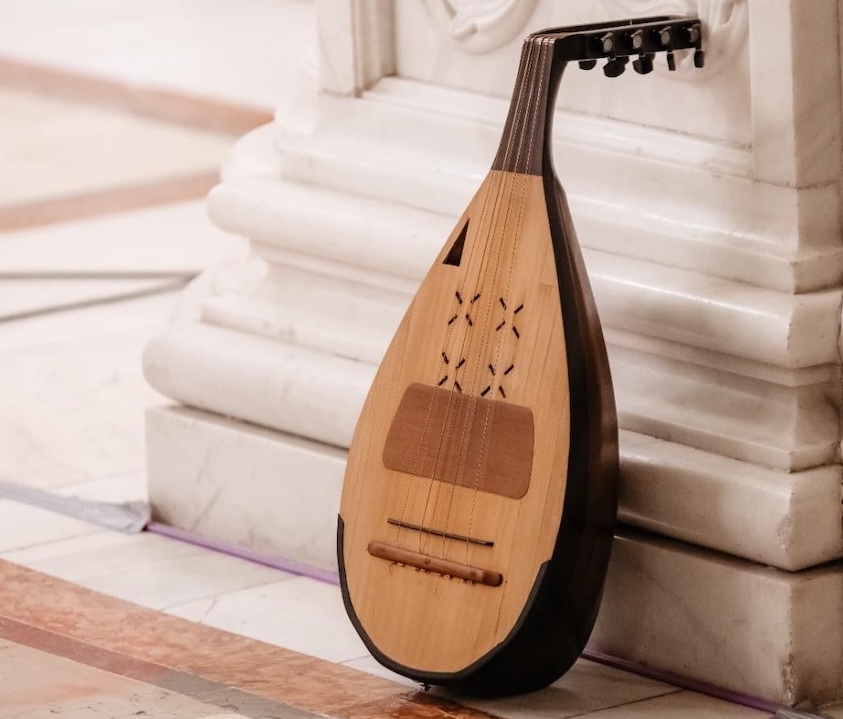
“The Cobza – traditional knowledge, craftsmanship, and musical practices”, a joint nomination submitted by Romania and the Republic of Moldova, was approved for inscription on UNESCO’s Representative List of the Intangible Cultural Heritage of Humanity during the 20th session of the Intergovernmental Committee in New Delhi, in December 2025.
More than just a traditional instrument for folk music with origins dating back to the 15th century, the cobza sustains a living musical repertoire transmitted across generations. Crafted by local artisans and widely played – often alongside the violin – in both rural and urban communities, it strengthens cultural identity, supports intergenerational transmission, and contributes to social cohesion.
Source: Embassy of Romania in Budapest
Photos from the Embassy of Romania in Budapest and Diplomatic Press Agency