


Edited by Anna Popper
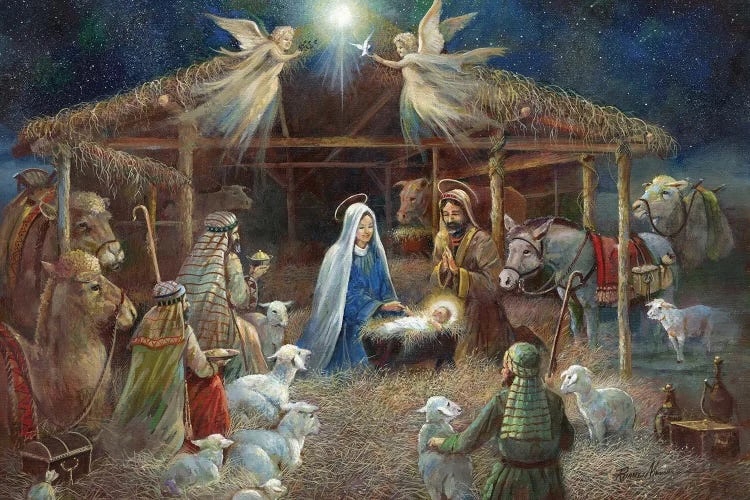
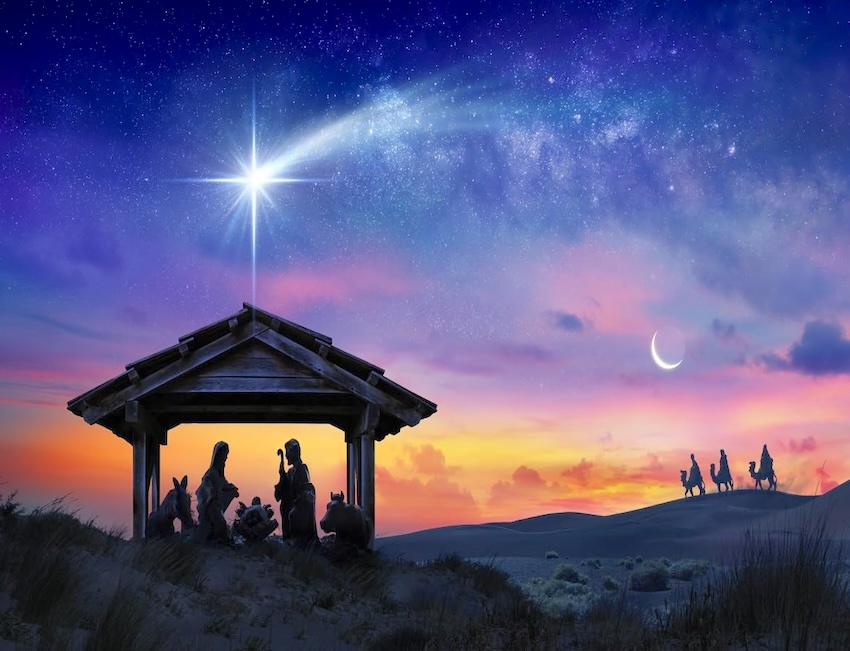
The story of the beloved Christmas carol O Holy Night originates from an event that took place over 2,000 years ago in a small town called Bethlehem, in the Holy Land. According to Christian tradition, this night marks the birth of Jesus Christ – a moment that, according to Christian belief, fulfilled ancient prophecies and brought love and salvation to humanity and the world.
O Holy Night (Minuit, Chrétiens), one of the most cherished Christmas carols, has a remarkable history deeply rooted in faith, music, and social justice. Its journey from a small French village to a global anthem of hope and peace is nothing short of extraordinary.
The Birth of the Carol – Cantique de Noël
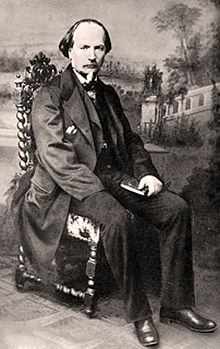
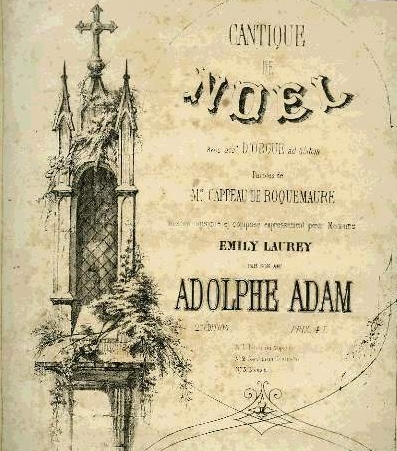
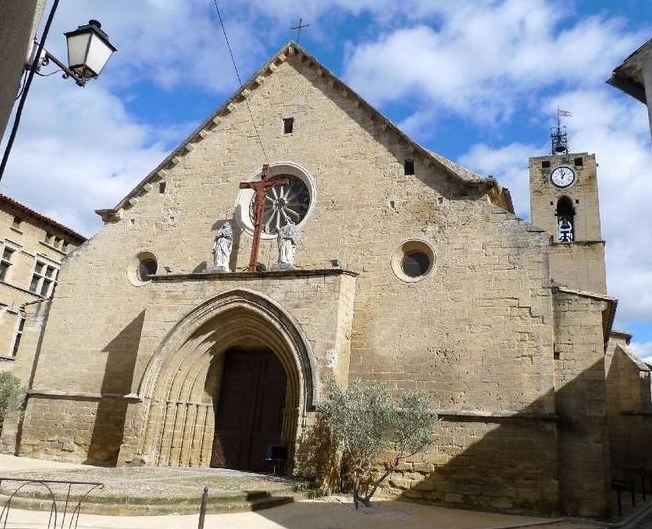
The story of O Holy Night begins in 1843 in the small French village of Roquemaure, near Avignon in southern France. The local priest, Abbé Gilles sought to commemorate the restoration of the historic organ at the village church of Saint-Jean-Baptiste with a special Christmas song. He approached Placide Cappeau, a local wine merchant and amateur poet, to write the lyrics. Despite being known for his anti-clerical views and having little religious background, Cappeau was inspired by the Nativity story from the Gospel of Luke.
During a trip to Paris in December, Cappeau envisioned witnessing the birth of Jesus in Bethlehem. This vision led him to pen the poem Minuit, Chrétiens (Midnight, Christians), a stirring Cantique de Noël, that captures the awe and reverence of Christ’s birth.
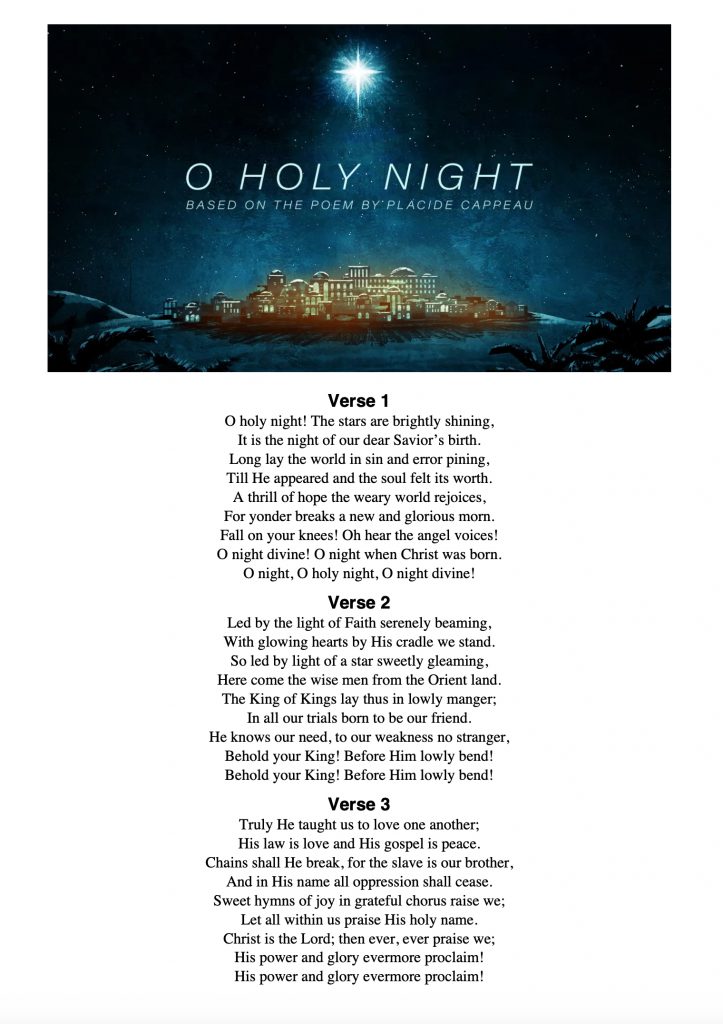
The lyrics convey powerful imagery of a world rejoicing at the arrival of the Saviour, emphasizing themes of justice, humility and universal brotherhood: “Chains shall He break, for the slave is our brother, And in His name, all oppression shall cease.”
Music by Adolphe Adam: A Prolific French Composer of Diverse Genius
Moved by the poem’s depth, Cappeau turned to his friend Adolphe-Charles Adam (1806-1856), a renowned French composer of Jewish origin, to create the musical setting. Adam infused the composition with his signature dramatic flair, blending soaring melodies with moments of profound stillness to reflect the reverence and majesty of the Nativity, that perfectly complemented the lyrics. His background in opera brought a theatrical quality to the piece, making it deeply emotive and accessible to both religious and secular audiences.
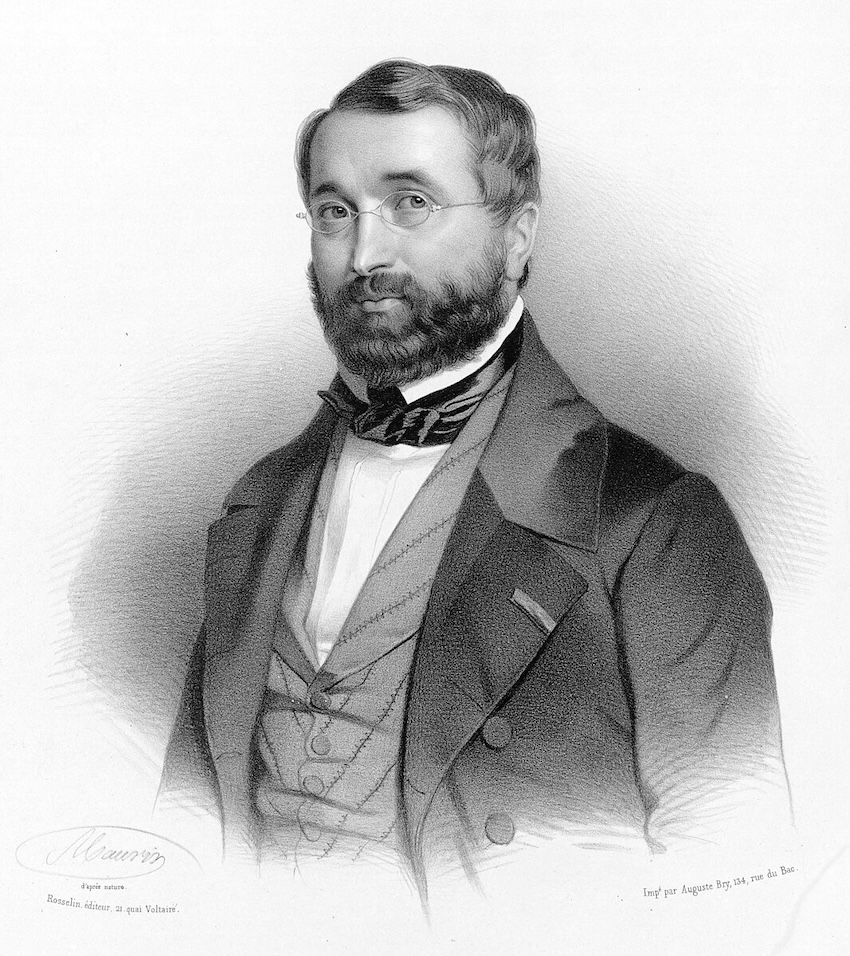
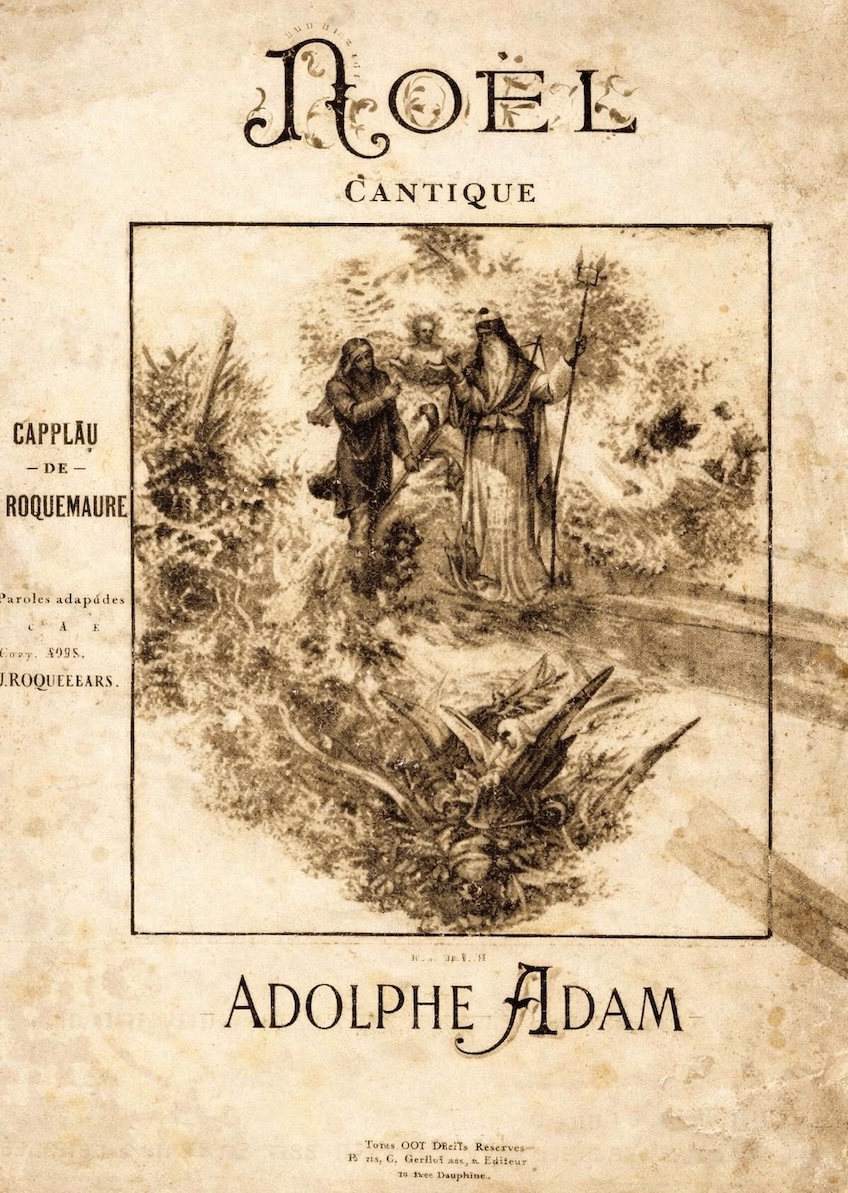
Over his career he was celebrated for his contributions to opera and ballet. Adam wrote 46 operas and 14 ballets such as Giselle (1841) and Le Corsaire (1856) solidifying his place in the annals of classical music.
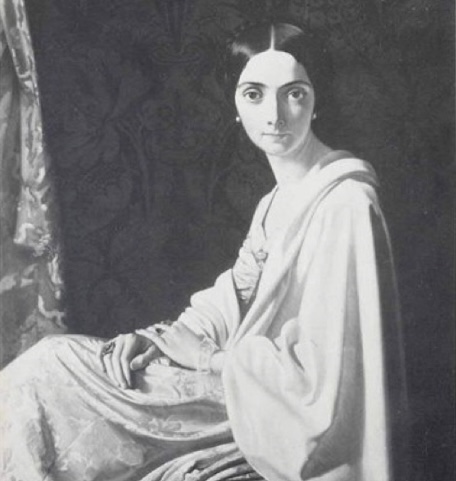
The Cantique de Noël, entitled Minuit, Chrétiens was first performed on Christmas Eve mass in 1847 by French opera singer Emily Laurey at the church in Roquemaure. The congregation was captivated, and the carol quickly gained popularity among the French public and spread across France for its stunning melody and powerful message and became a sort of Christmas hymn.
Controversy Surrounding the Authors
Despite its success, Minuit, Chrétiens faced backlash from the Catholic Church. When church leaders discovered Placide Cappeau’s critical views of religion and Adolphe Adam’s Jewish heritage, they banned the carol from official liturgical use. The text itself also posed theological challenges, as some interpreted its themes as revolutionary. The French Catholic church leaders decided Cantique de Noël was unfit for church services because of its lack of musical taste and “total absence of the spirit of religion”.
Nevertheless, the public embraced the hymn, and it continued to be sung in private gatherings and homes. Over time, its popularity overcame the initial controversies, and it became a cherished part of Christmas traditions.
The Song’s Journey to America
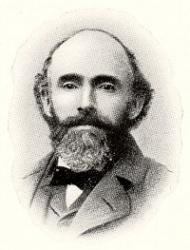
In 1855, the carol crossed the Atlantic and found new life in North America It quickly gained a foothold in the Christmas canon. John Sullivan Dwight (1813-1893), a classical music critic, writer, Unitarian minister and prominent abolitionist, translated the hymn into English as O Holy Night. Dwight was particularly moved by the line, “Chains shall He break, for the slave is our brother,” and recognized the carol’s potential as an anthem for the abolitionist movement, which focused on ending the practice of slavery in the United States, was a pivotal force in the fight for justice and human rights.
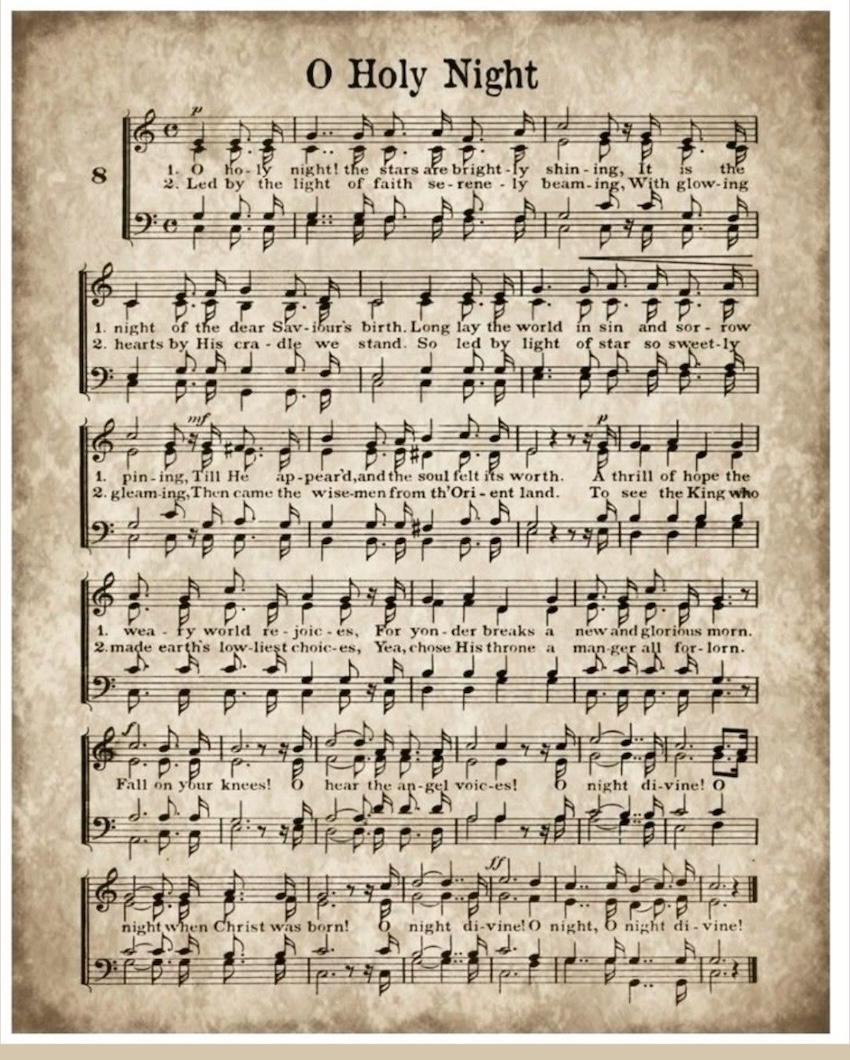

During the American Civil War (1861-1865), O Holy Night became a symbol of hope and justice, resonating deeply with those advocating for freedom and equality. Its universal message of love and liberation ensured its place as a beloved Christmas hymn in the United States.
In Canada, the carol’s original version “Minuit, Chrétiens” was introduced in 1858 by the folklorist, composer and organist Ernest Gagnon (1834-1915), and it became a staple at Midnight Masses in French-Canadian parishes on Christmas.
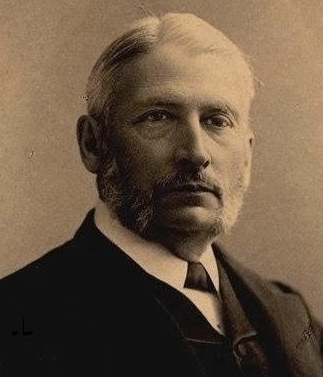
A Technological Milestone: A Historic Radio Premiere
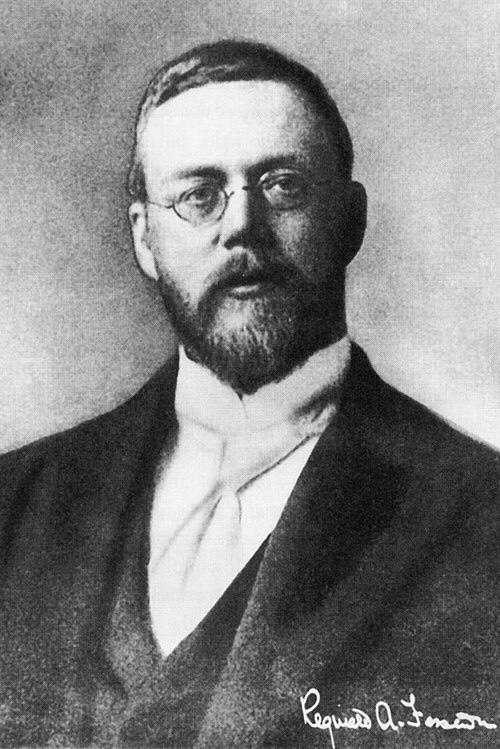
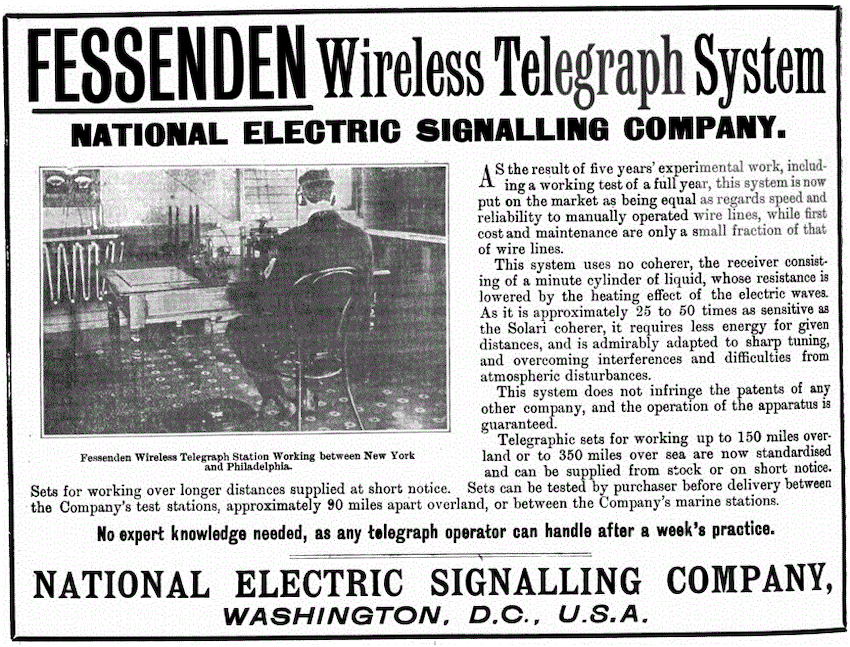
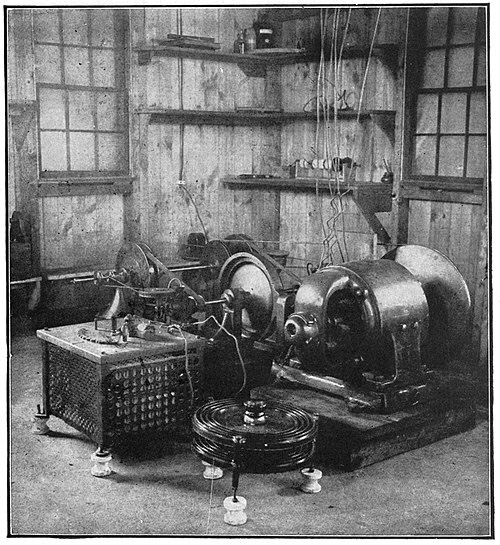
One of the most extraordinary moments in the history of O Holy Night occurred on Christmas Eve in 1906, when Canadian electrical engineer and brilliant inventor Reginald Fessenden (1866-1932) made the world’s first radio broadcast. who received hundreds of patents in fields related to radio and sonar between 1891 and 1936 (seven of them after his death). Fessenden, a former chief chemist for Thomas Edison, used a new type of generator to transmit sound over radio waves – a ground-breaking achievement at the time.
He began the broadcast by reading the Nativity story from the Gospel of Luke. The astonished radio operators and wireless attendants, who were accustomed to hearing Morse code, were suddenly greeted by the clear voice of a man reading scripture. After the reading, Fessenden picked up his violin and played O Holy Night. This made the carol the first song ever broadcast over the airwaves. The listeners, many of whom were aboard ships at sea, were captivated by the “Christmas miracle” of hearing a human voice and music transmitted wirelessly.
This historic moment not only marked a milestone in communication technology but also cemented O Holy Night as a symbol of innovation and unity, bridging distances through the shared spirit of Christmas. This ground-breaking event marked a new era in communication.
Timeless Tradition for 178 Years
Since its creation, O Holy Night has become a timeless Christmas classic, celebrated for its profound lyrics and powerful melody. It has been performed by countless artists across various genres, from opera legends like Pavarotti, the Three Tenors to contemporary pop stars, gospel choirs, and jazz musicians.
From its humble origins in a small French village to its global recognition as a symbol of faith and humanity, O Holy Night continues to inspire and uplift hearts around the world, reminding us of the enduring message of Christmas: hope, liberation, universal love, peace, and goodwill to all.

Two Carols, One Message: The Universal Hope of Christmas
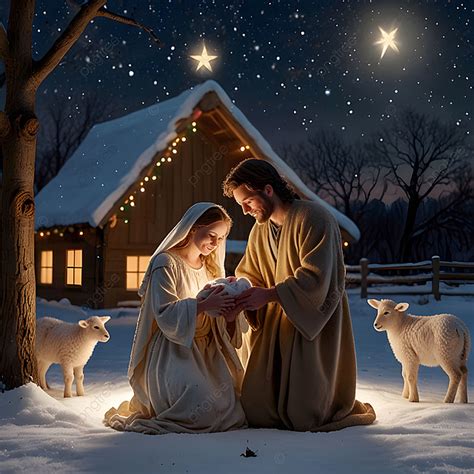
The two most famous carols, Silent Night and O Holy Night, both originated in Europe, yet each found its cultural home on opposite sides of the Atlantic Ocean. In America, O Holy Night transformed into a beloved Christmas anthem, resonating with powerful messages of social justice, freedom, and hope. Its connection to the abolitionist movement and the rise of radio broadcasting gave it a distinct place in American culture, where its call for brotherhood and equality has inspired generations.
Silent Night, born in Oberndorf bei Salzburg, Austria in 1818, has become the heart of European Christmas tradition. Its gentle melody and heartfelt lyrics evoke peace, unity, and the quiet miracle of Christmas. The carol’s pivotal role in the Christmas Truce of 1914 solidified its legacy as a hymn of peace, capable of bridging even the deepest divides. In Europe, Silent Night is more than just a Christmas carol – it stands as a solemn testament to the unifying power of music and the enduring promise of peace.
Together, Silent Night and O Holy Night reflect the diverse ways Christmas is celebrated around the world. Silent Night embodies the serene promise of peace, while O Holy Night conveys a passionate call for justice and equality. Both carols continue to inspire and comfort, reminding us of hope, freedom, peace, unity, and love that lie at the heart of Christmas.
Also read: https://press.agency/silent-night/
Source: Diplomatic Magazine