


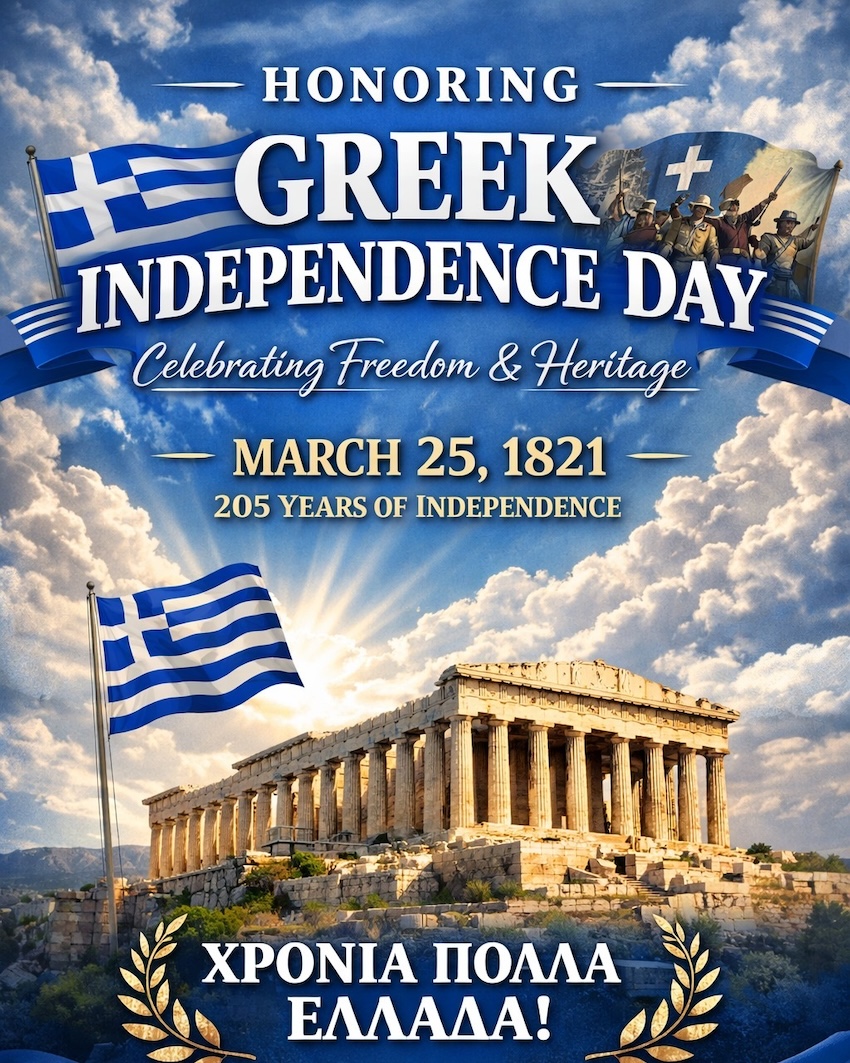
Honouring the 205th Anniversary of Independence and a Historic Legacy of Freedom and Culture
Edited by Anna Popper
Greece, with a history spanning over 3,500 years, is one of the foundational pillars of European and global civilisation. The Greek Revolution of 1821 marked a decisive turning point in this long historical journey, leading to the emergence of the modern Greek state after centuries of Ottoman rule, and embodying the enduring values of freedom, democracy, and self-determination – principles rooted in both ancient Greek heritage and the Enlightenment.
As the cradle of democracy and Western civilisation, Greece has made lasting contributions to the world, including the birth of the Olympic Games in ancient Olympia in 776 BC, a tradition symbolising unity and peaceful competition, revived in modern times in 1896. Equally significant is the Greek language, which, with over three millennia of continuous written presence, has profoundly shaped the global intellectual and scientific vocabulary. From philosophy and medicine to art and political thought, its influence remains deeply embedded in contemporary culture, serving as a living bridge between antiquity and the modern world.
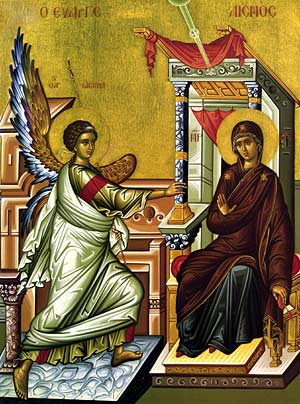
Greece’s National Day was celebrated with solemnity and dignity in Budapest on 25 March 2026 – an emblematic date for Hellenism that commemorates both the outbreak of the Greek War of Independence and the Annunciation of the Virgin Mary. This dual celebration embodies, across time, the enduring message of faith, freedom, and national identity.
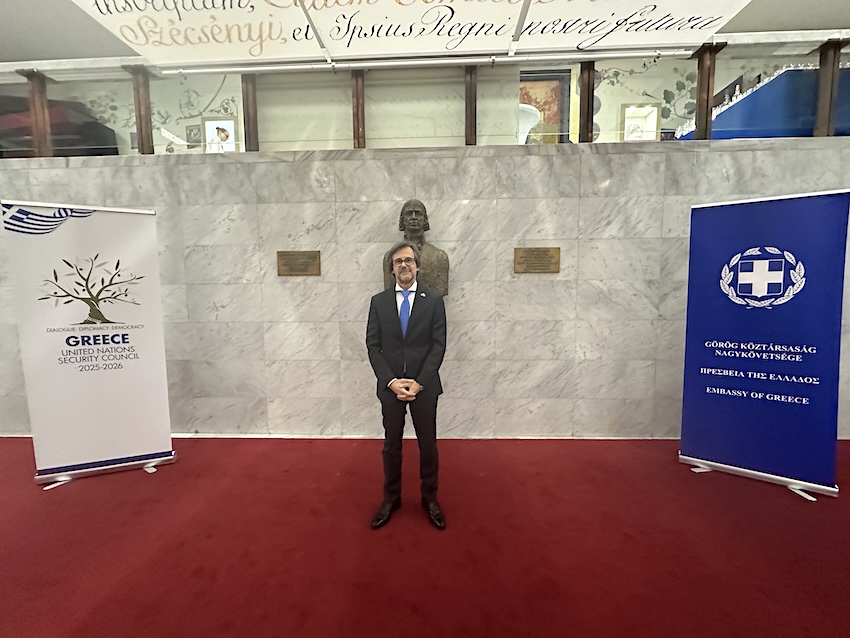
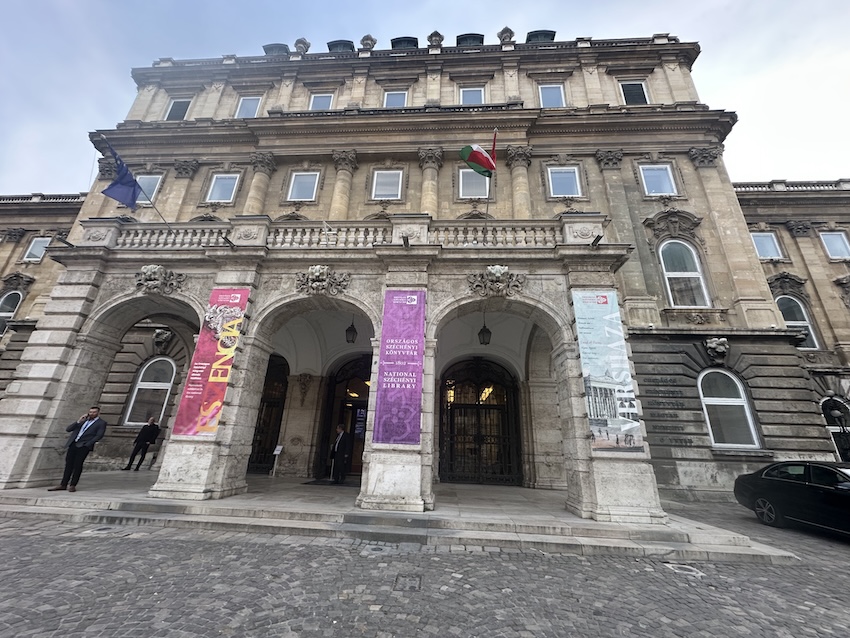
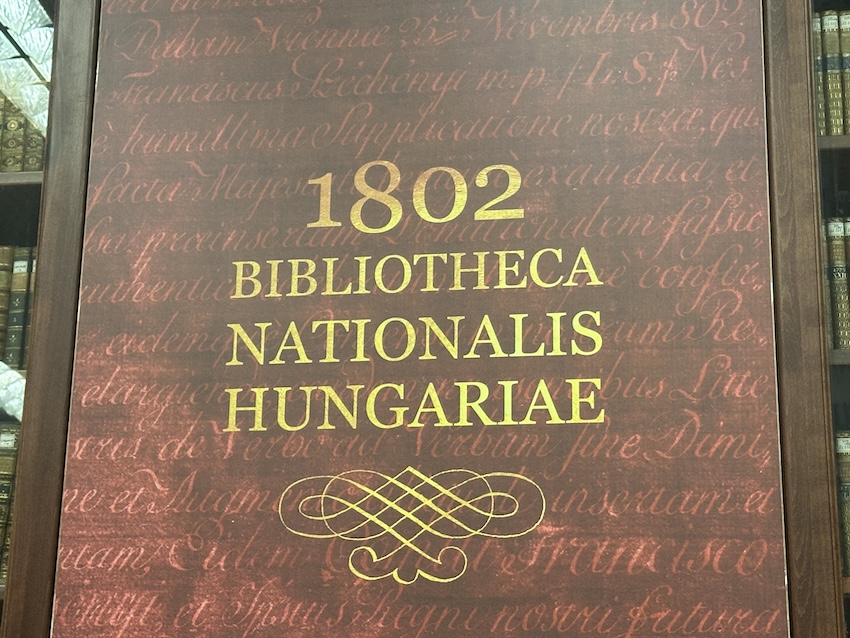
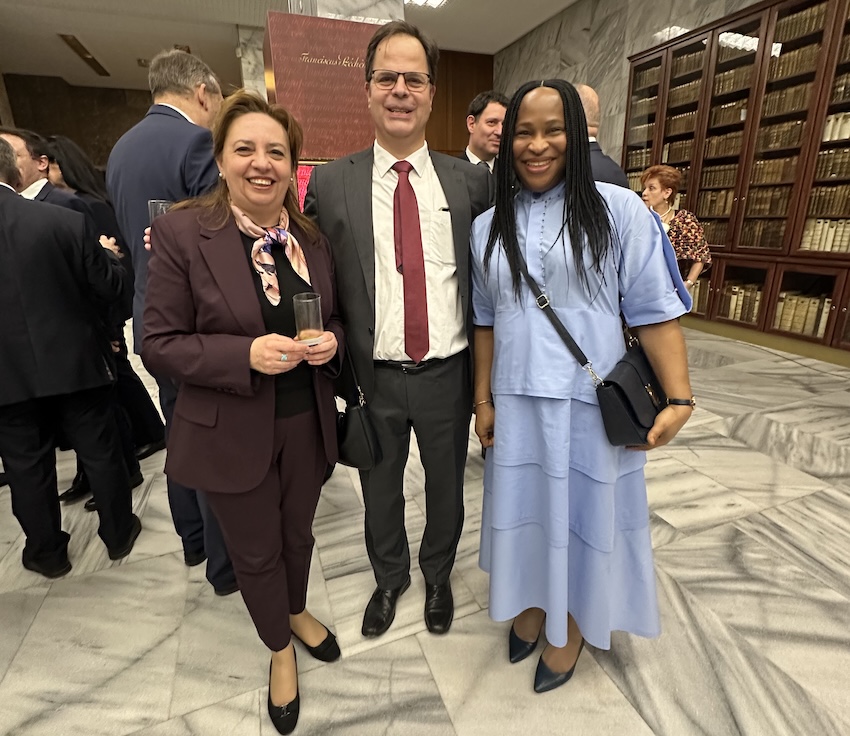
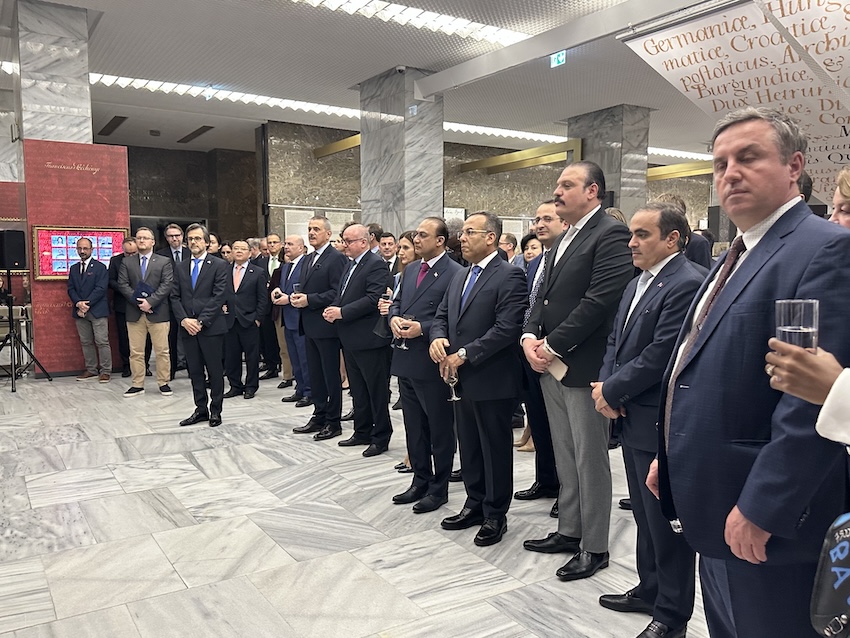
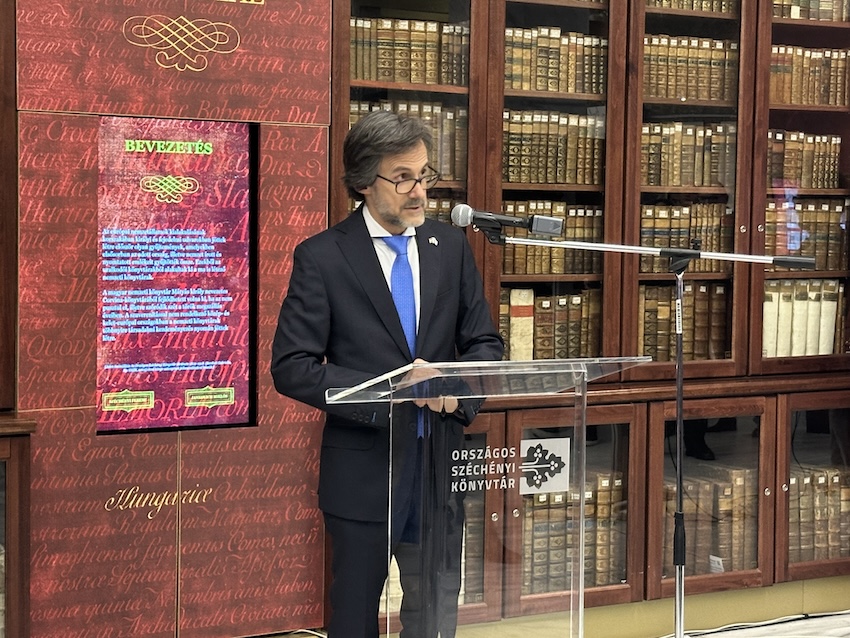
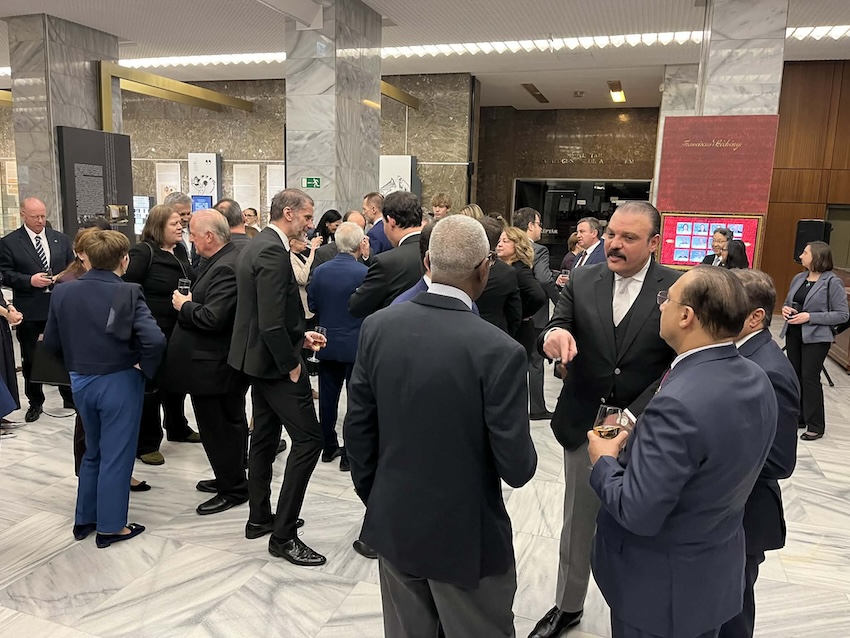
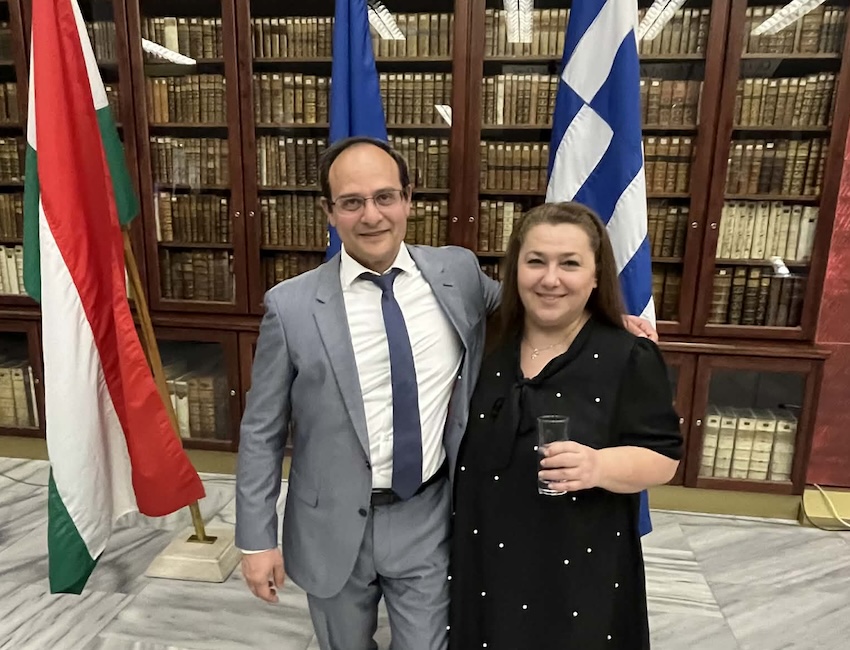
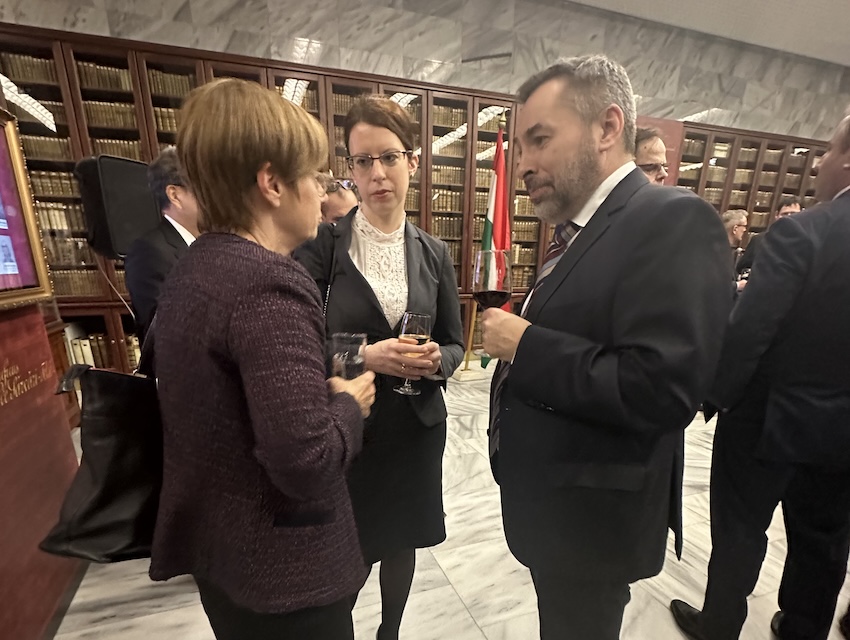
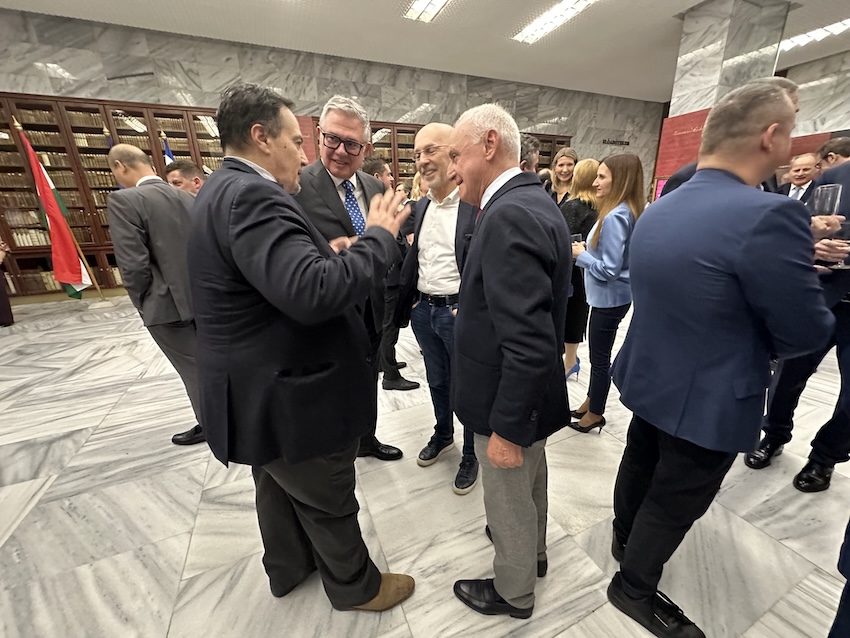
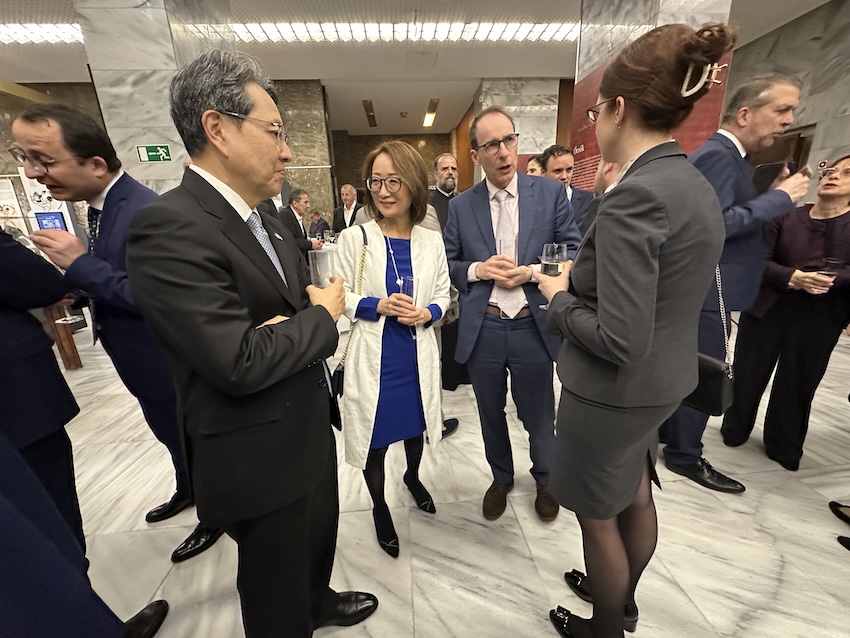
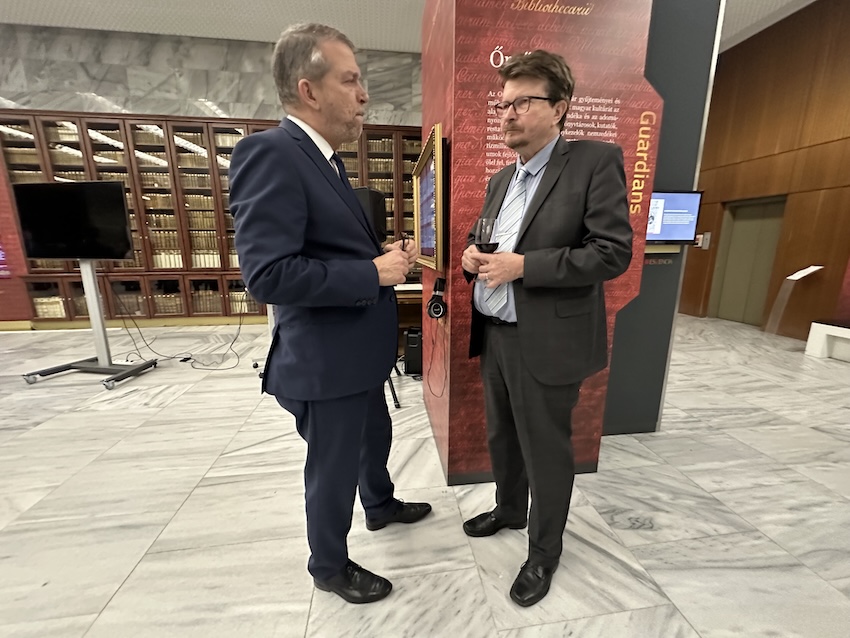
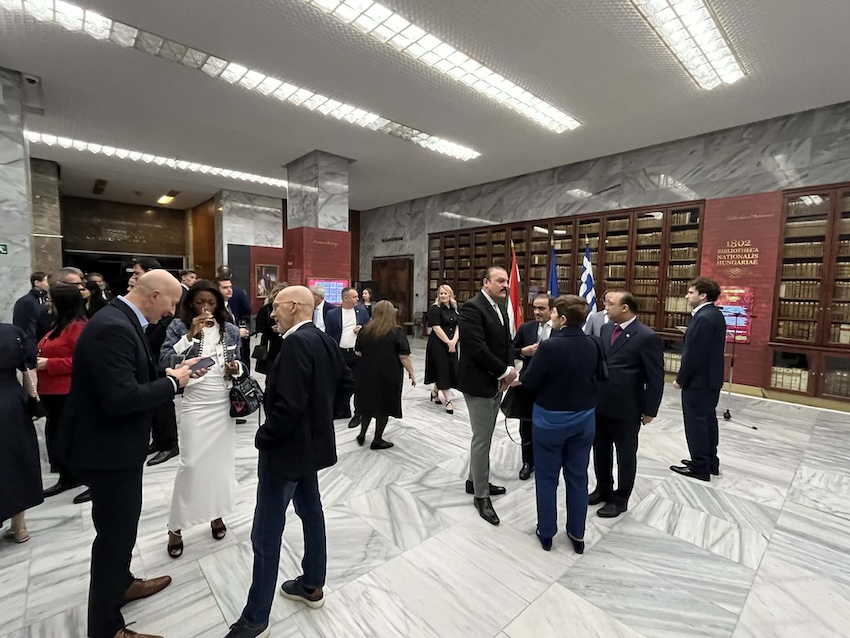
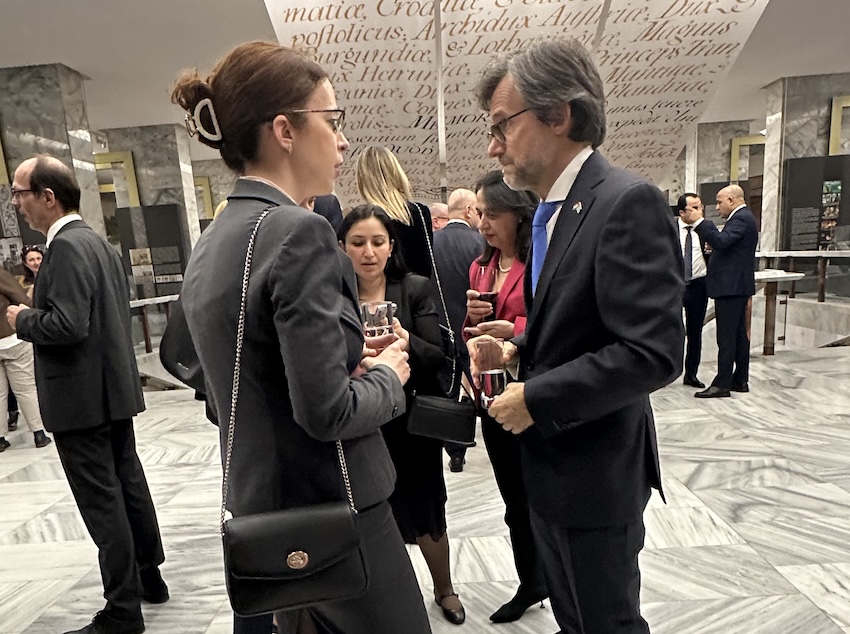
On this occasion His Excellency Mr. Emmanouil Apostolakis, Ambassador of the Hellenic Republic to Hungary hosted a reception at the prestigious National Széchényi Library in Buda Castle. The event brought together members of the Greek community in Hungary, representatives of diplomatic missions, officials from the Hungarian Ministry of Foreign Affairs, as well as representatives of state institutions and public life.
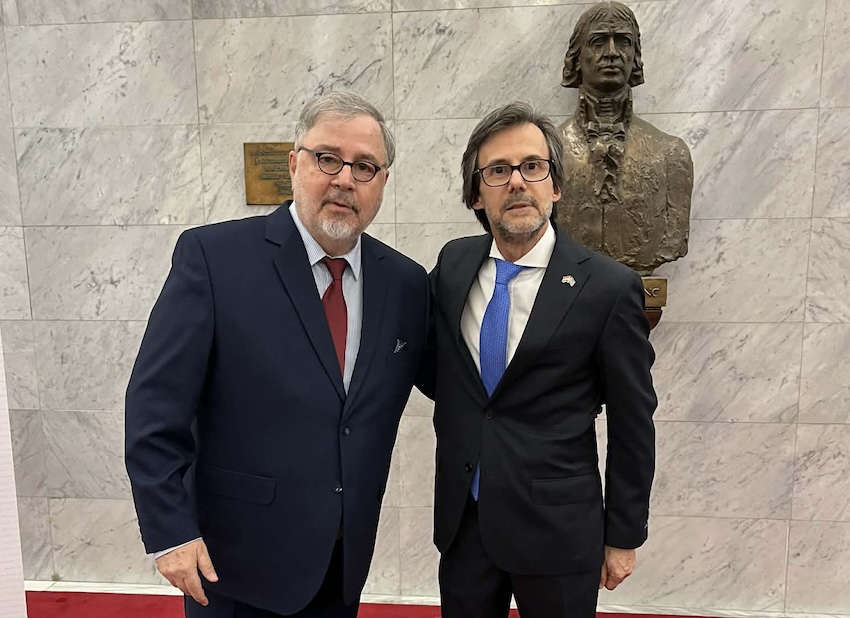
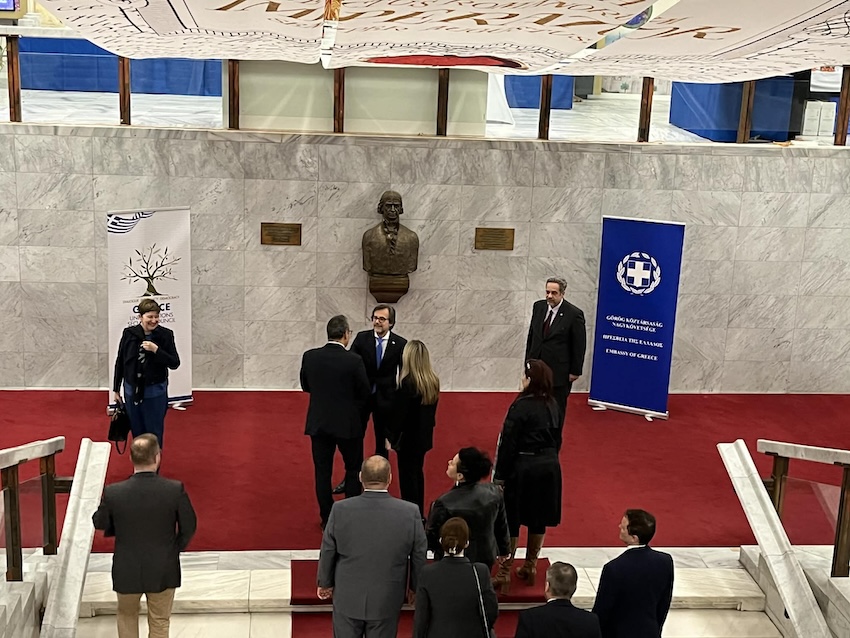
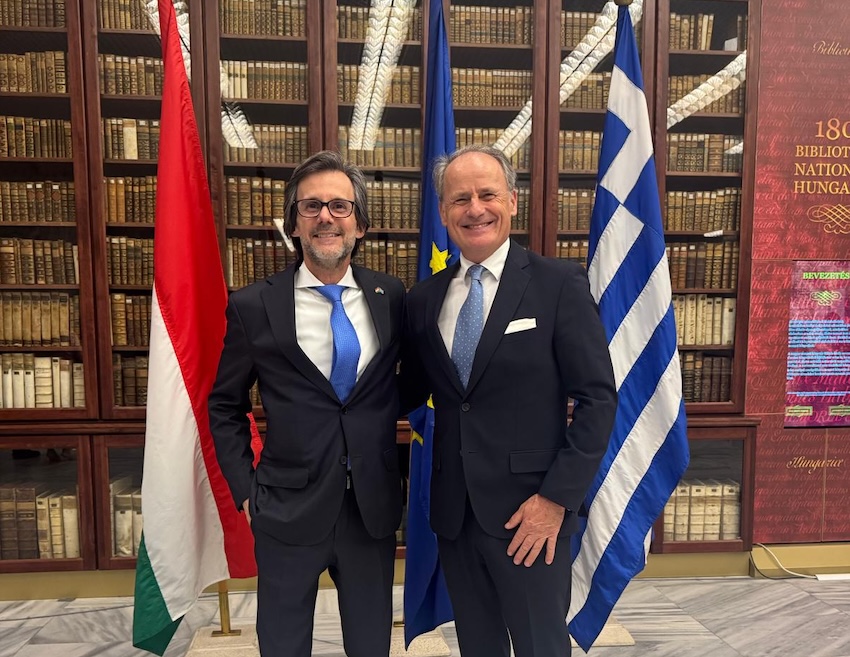
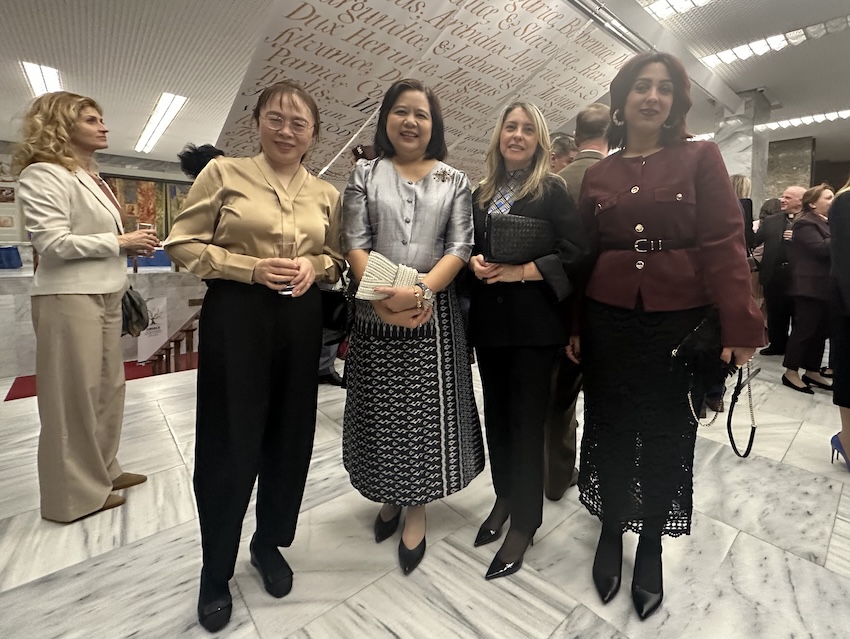
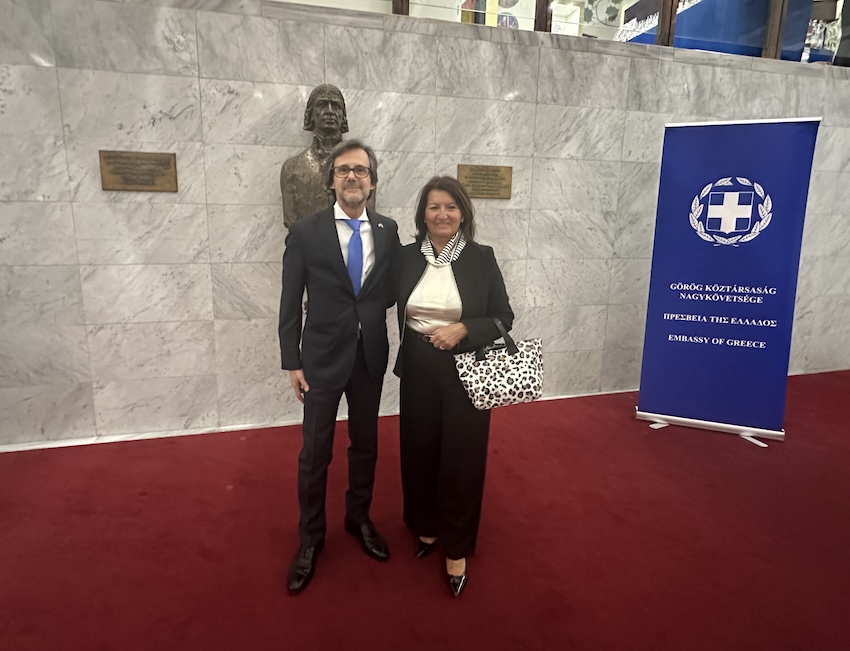
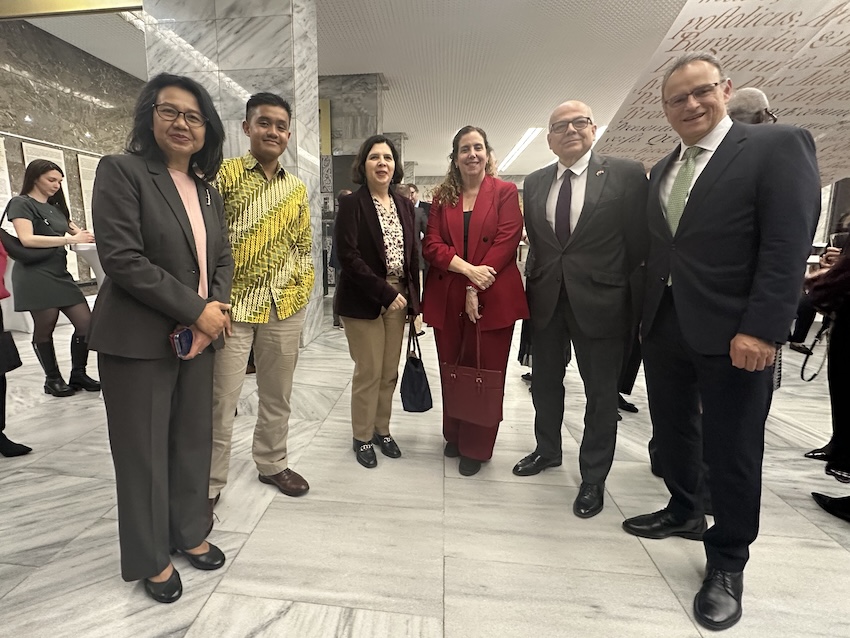
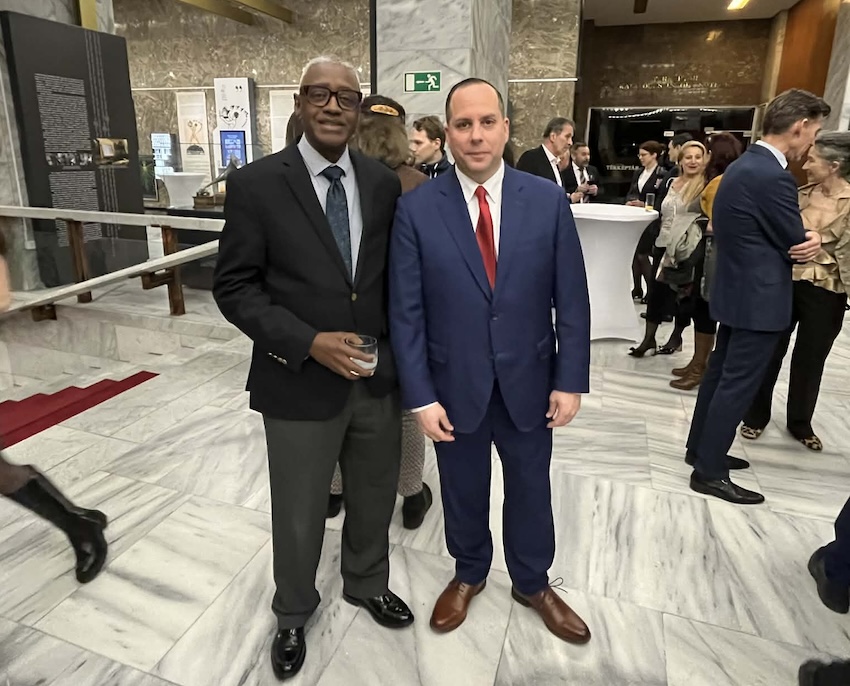
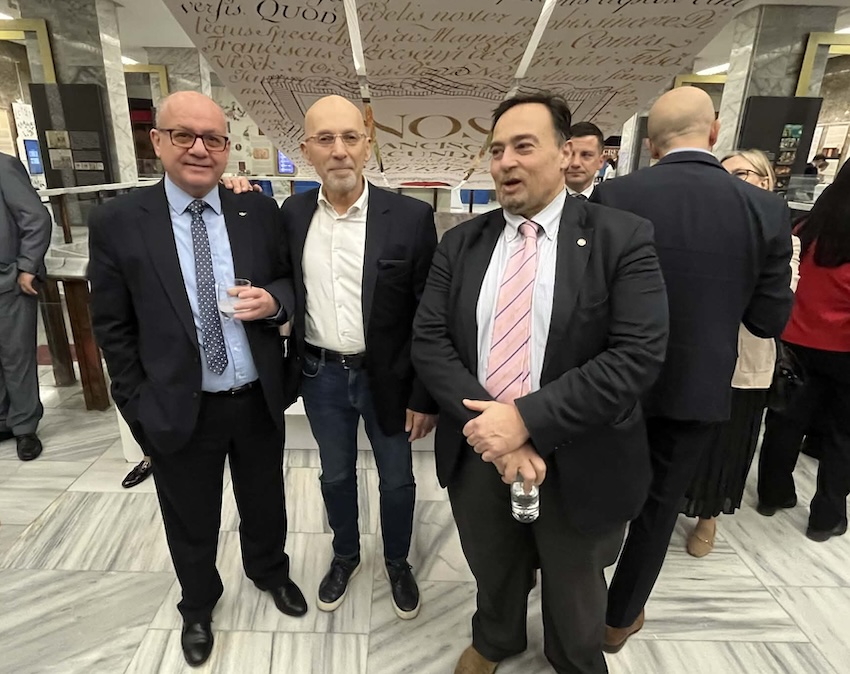
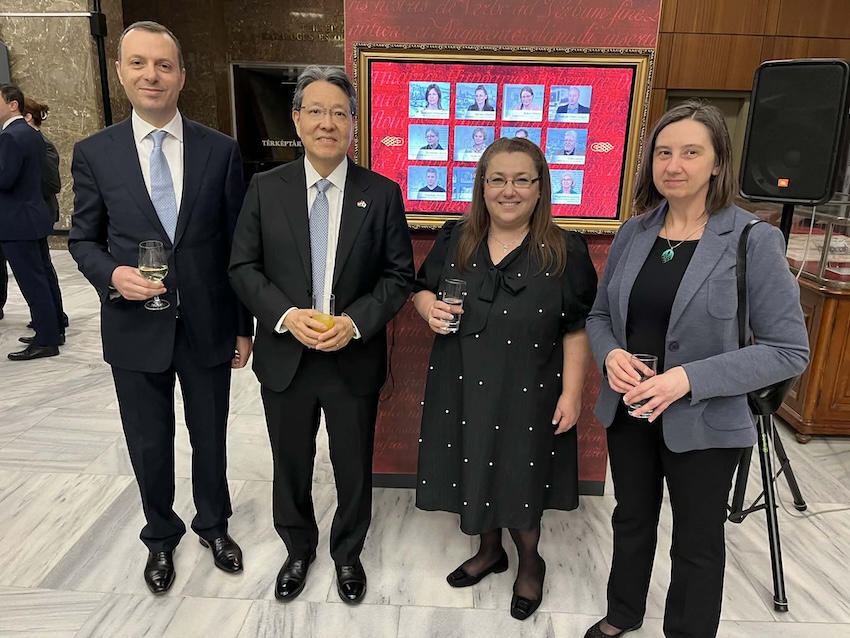
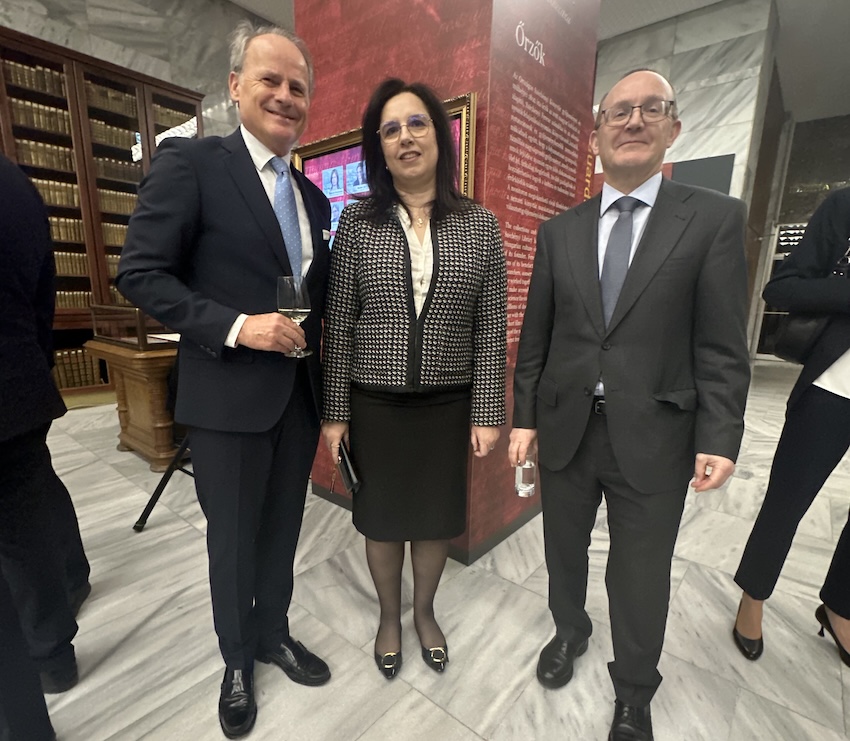
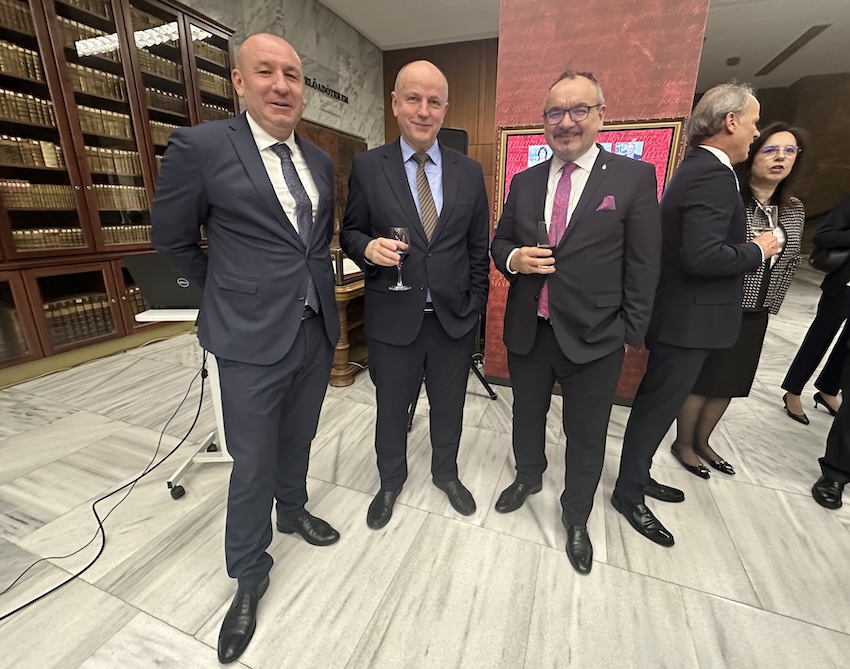
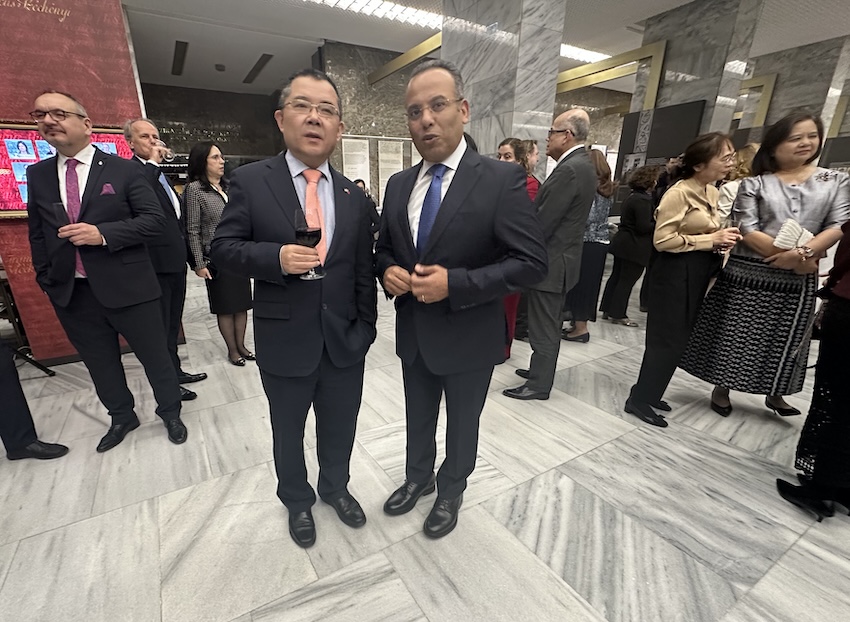
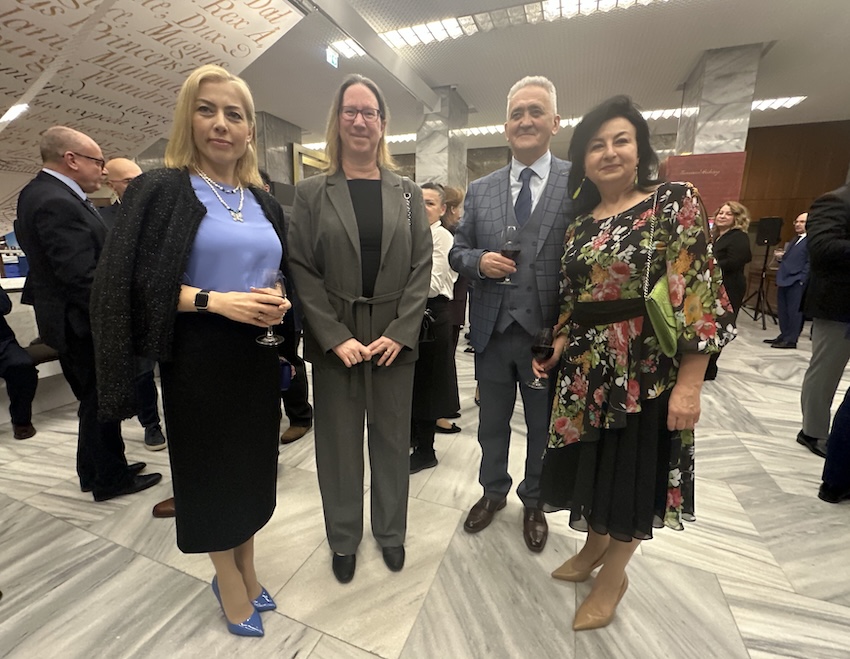
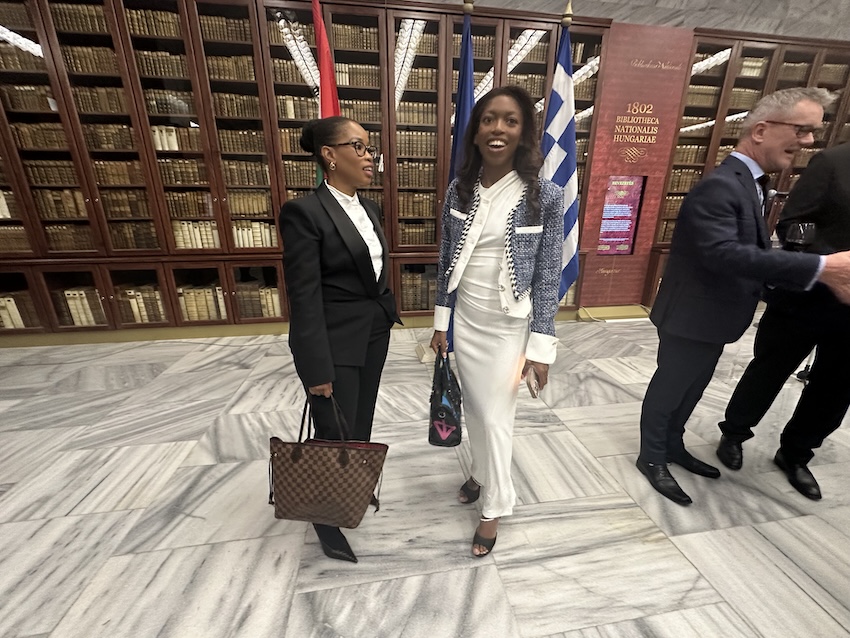
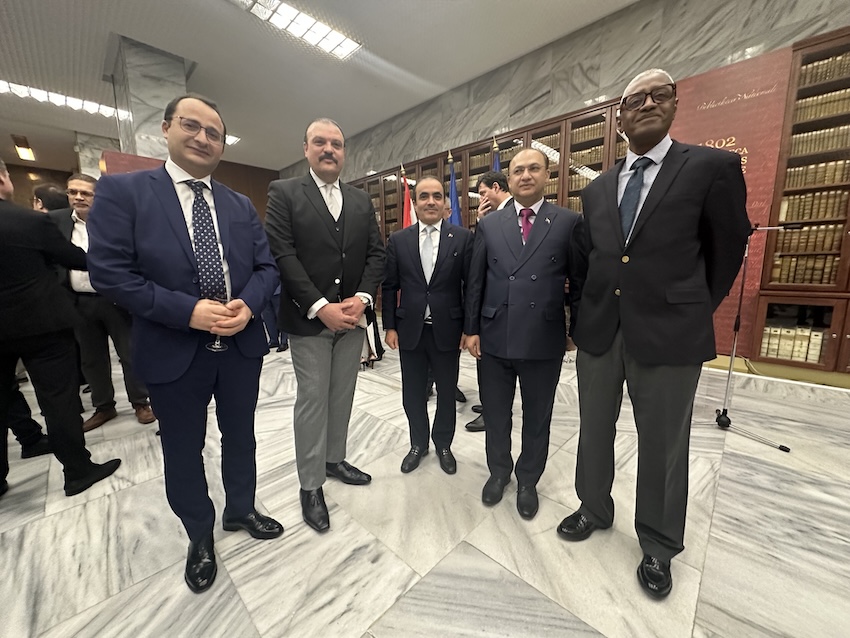
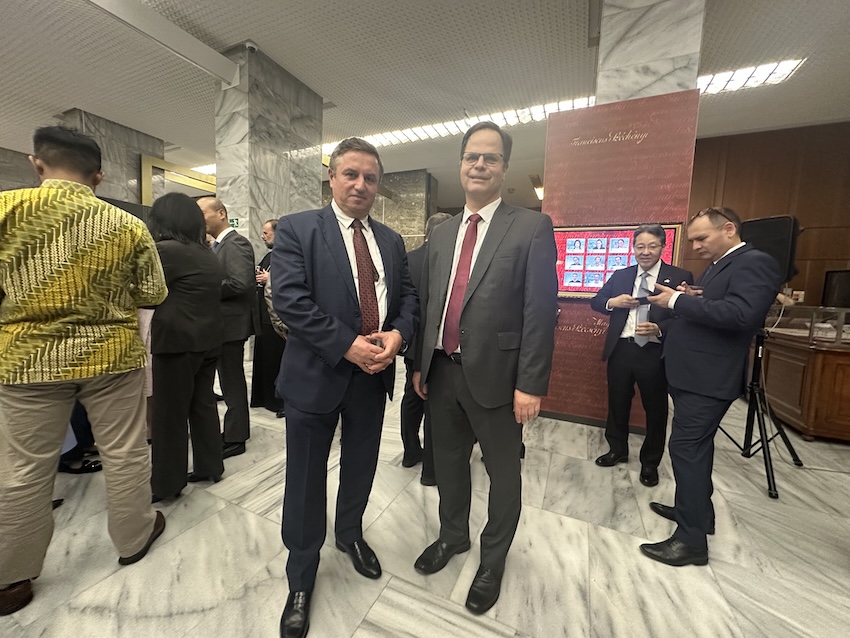
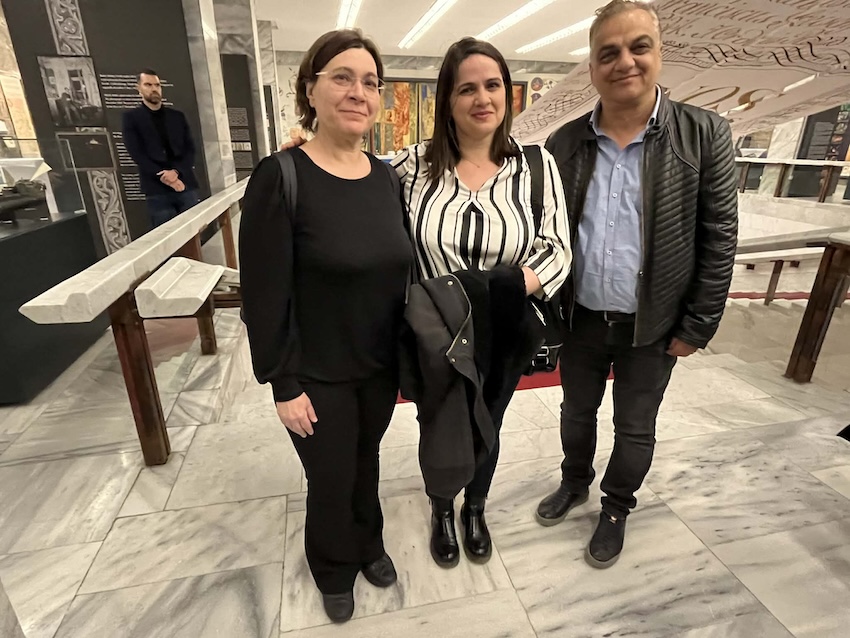
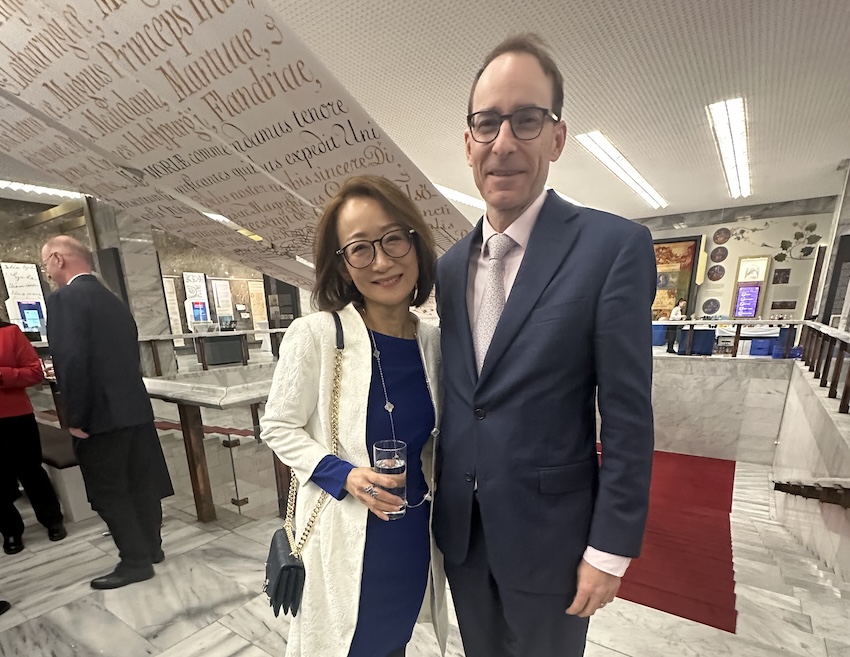
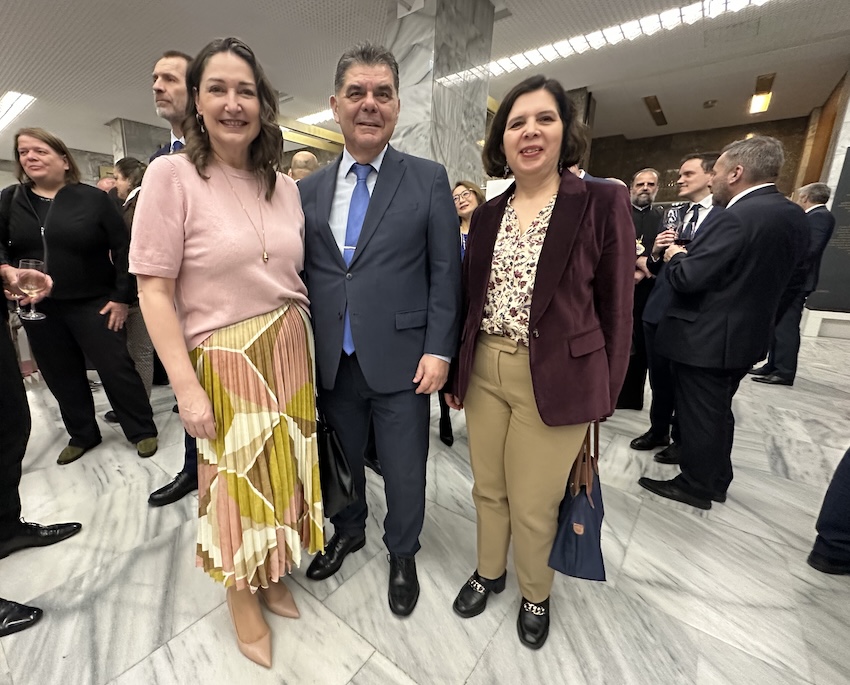
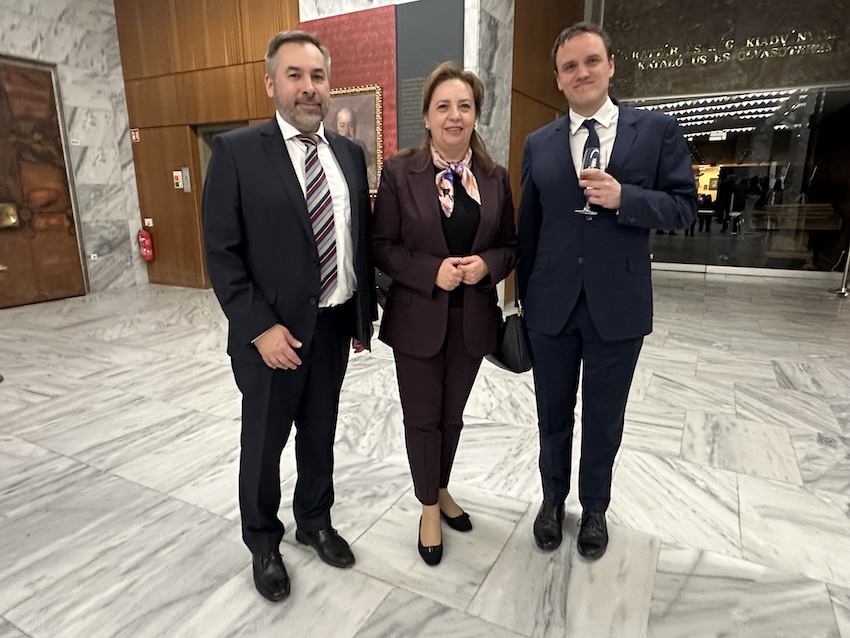
The event opened with the national anthem of Greece, the “Hymn to Freedom”, followed by the anthems of Hungary and the European Union.
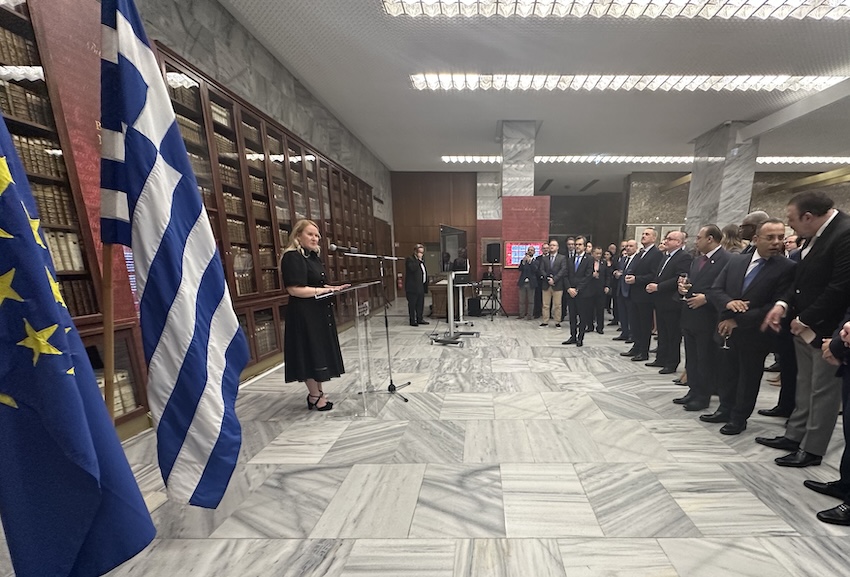
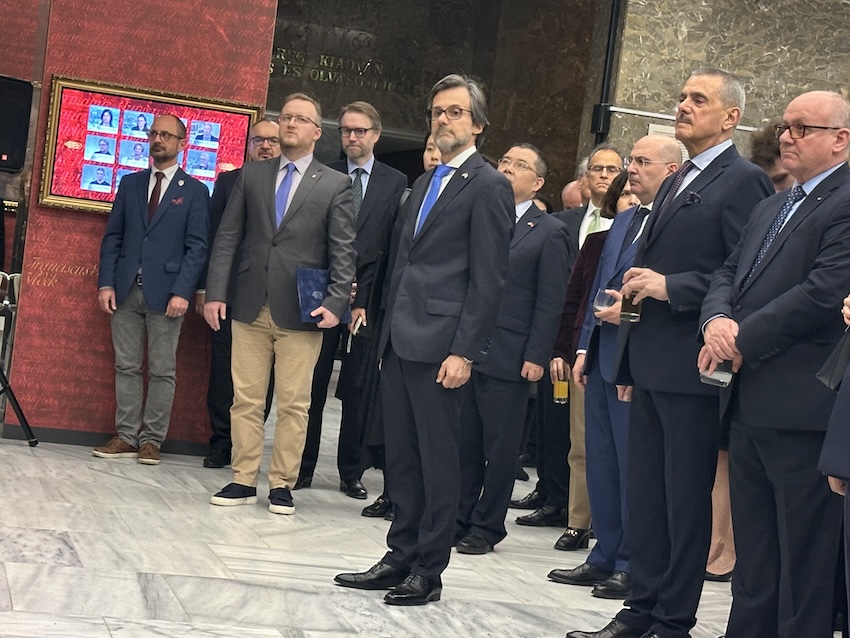
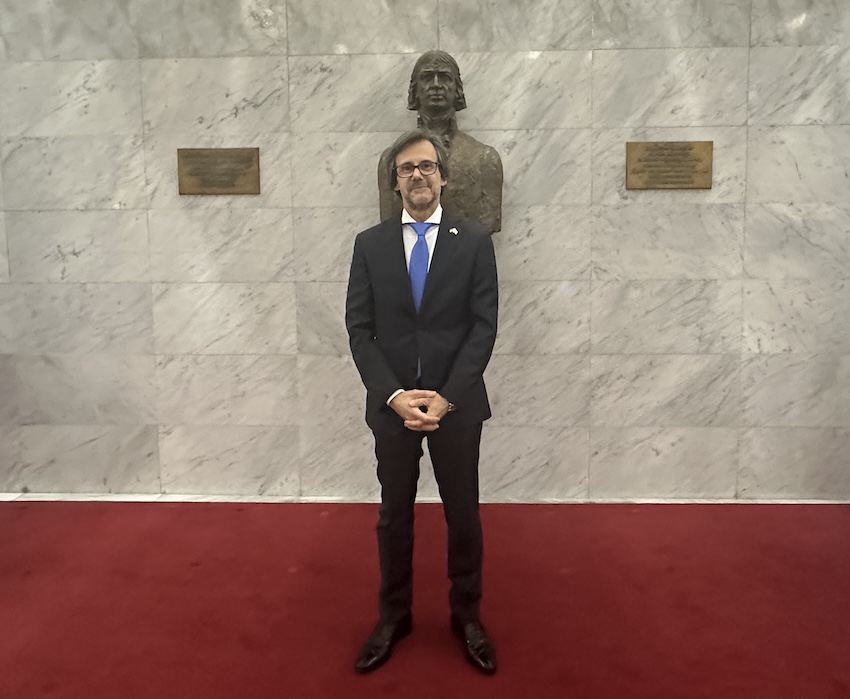
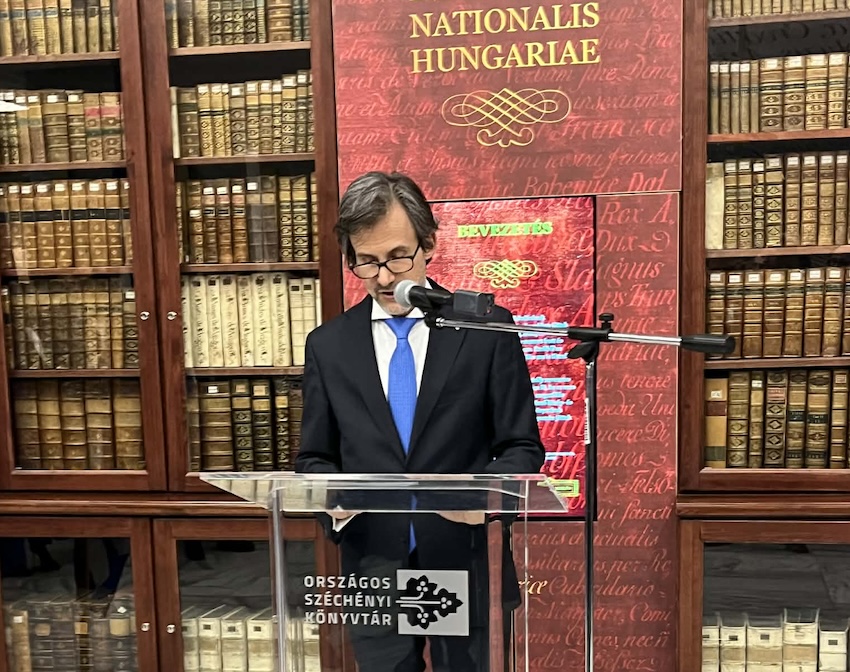
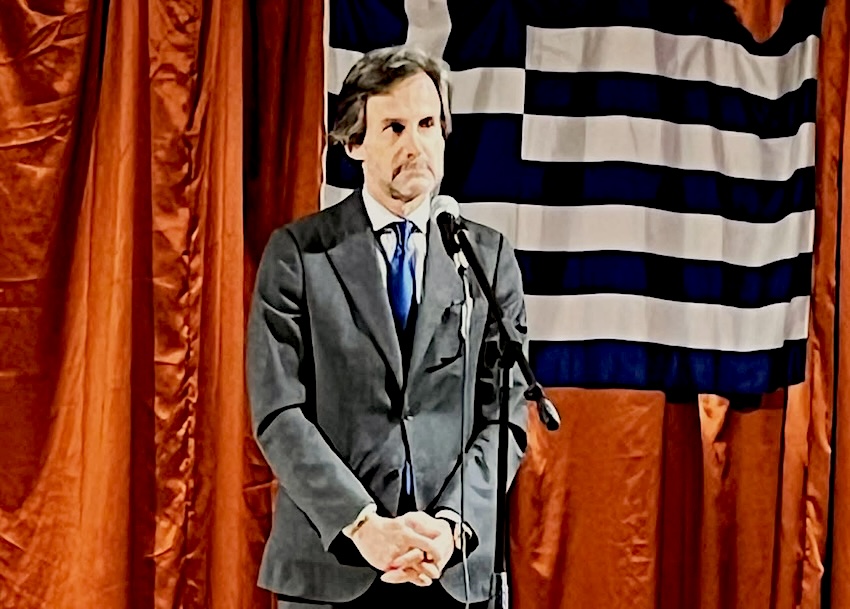
It continued with an address by Ambassador Apostolakis, who first welcomed the guests in Hungarian before delivering his speech:
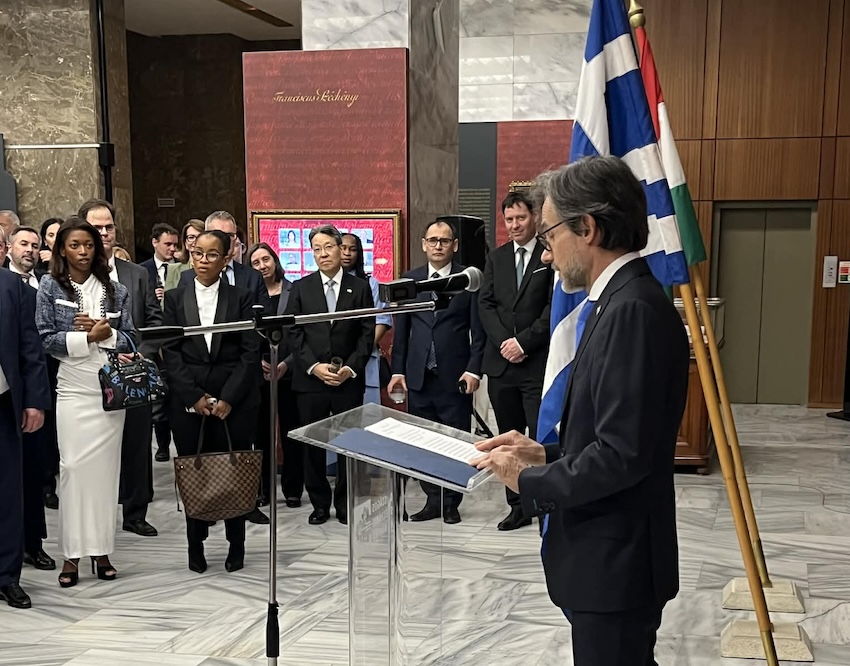
“Excellencies, Distinguished Guests, Dear Friends, Nagy öröm és megtiszteltetés számomra, hogy köszönthetem Önöket Görögország nemzeti ünnepének alkalmából. It is a real pleasure and a privilege to welcome you to the celebration of Greece’s National Day.
On this special day, Greeks all around the world pay tribute to their ancestors who, 205 years ago on this very day, began their brave fight for the liberation of modern Greece. Your presence here tonight, your participation in this homage and celebration, constitutes for my Embassy and my country an honour, for which I am deeply grateful.
Ladies and Gentlemen,
It is no secret that we are going through complicated and challenging times. Today, we are witnessing the highest number of armed conflicts since the end of the Second World War. A new global order is on the rise, fundamental tenets of the post-1945 world are being questioned, and revisionist narratives and leaders are resurging.
And this trend is growing at a time of polycrisis, when global challenges continue to multiply: the energy crisis, migration, climate change, and the advent of artificial intelligence, to mention a few. All these challenges should be countered with responsibility and courage, but never at the expense of the principles that form the very fabric of the international community. Condemning revisionism, wherever it originates, and rejecting any attempt to change borders by force is the only way to be on the right side of history. Only in this way can we honour the commitment of our countries to the Charter of the United Nations, whose 80th anniversary we celebrated last year.



For Greece, this important anniversary coincided with a significant moment in its diplomacy: our third tenure as an elected member of the UN Security Council for the period 2025–2026.
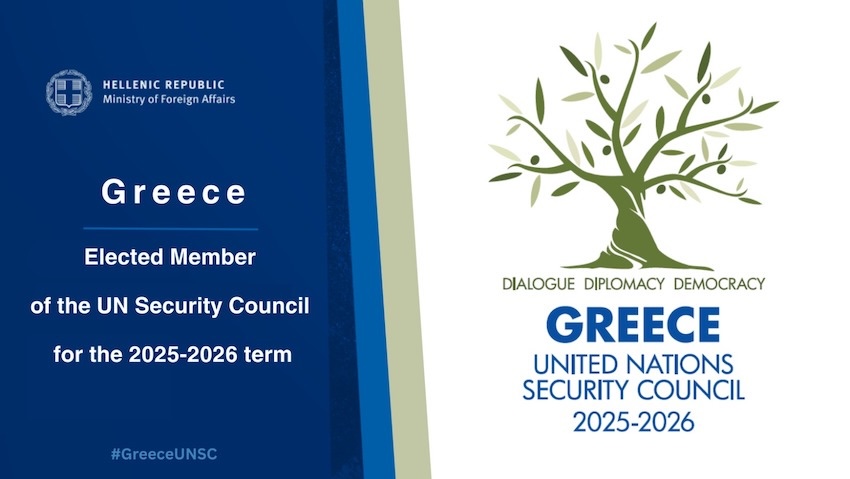
We accepted this great honour and responsibility with a deep sense of duty, as a nation that stood at the birth of this Organization, and has never forgotten that the UN Charter is not just a legal document, but above all a commitment to the principle that force must never prevail over the rule of law. In this context, three words of Greek origin but of universal meaning – “Dialogue, Diplomacy, Democracy” – guide Greece’s tenure in the UN Security Council and lead our efforts to serve as a constructive bridge between South and North, between West and East, and to contribute to solutions to global challenges based on the UN Charter and international law. The very same principles guide our foreign policy in our proper, often turbulent region, where Greece, situated at the crossroads of three continents, is a key pillar of stability, security, and democracy, promoting dialogue and peaceful coexistence with our neighbours.
And we do this not in isolation. We are anchored in NATO, consistently maintaining our commitment to defence spending, with Greece today being among the top five countries in terms of defence spending as a percentage of GDP. We are also firmly anchored in the European Union, the latter being the most successful multilateral project of our age, which, born from the ashes of the Second World War, has secured peace and prosperity in Europe for generations.
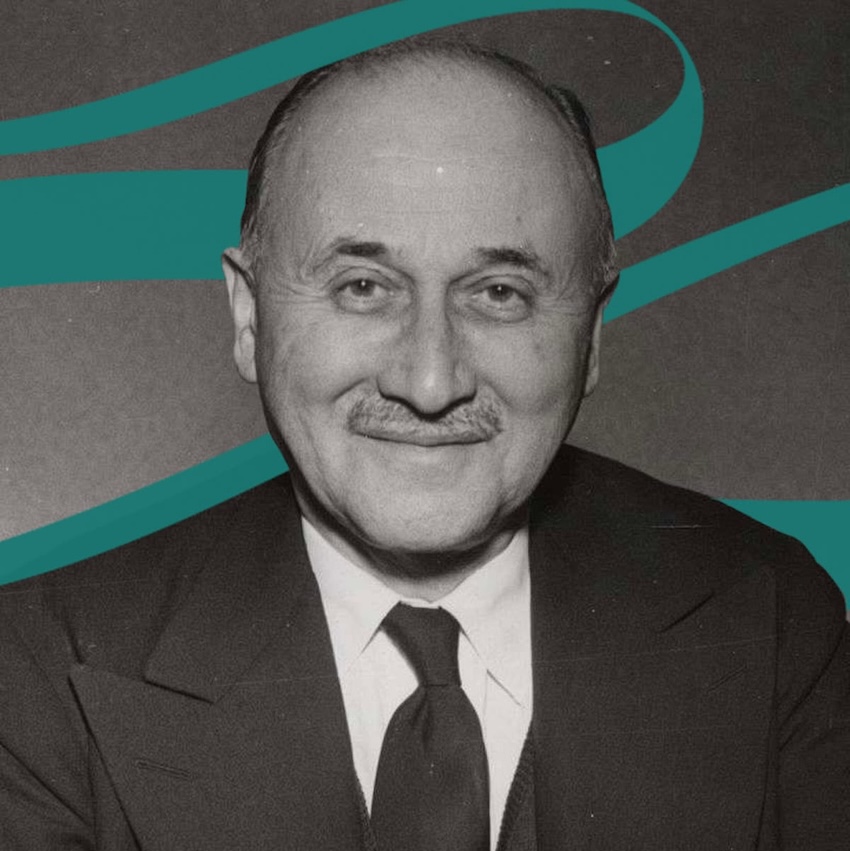
However, today’s challenges call for further steps and enhanced unity. Jean Monnet, one of the founding fathers of the European Union, said that Europe will be forged in crises and will be the sum of the solutions adopted for those crises.
With war returning to our continent, there is simply no other option than for the EU to take on a stronger role in its own defence, while at the same time reinforcing its competitiveness, since the flip side of a robust defence is a robust economy.
Greece actively contributes to the ongoing relevant consultations in the EU and fully supports the efforts of the current Cypriot EU Presidency. Furthermore, we stand ready to assume our enhanced responsibilities from July this year, as a member of the new trio of the EU, together with Ireland and Lithuania, and, of course, in the second semester of 2027, as the holder of the rotating EU Presidency.
Dear Friends,
Despite the various challenges we are faced with, as well as the volatile global environment, Greece has, over the last years – thanks also to the resilience of its people – managed to overcome the economic crisis of the past and to become one of the top-performing economies of the Eurozone, while also achieving a remarkable digital transformation.
Moreover, in a period when, more than ever, energy is essentially intertwined with geopolitics and geo-economics, Greece’s energy infrastructure has become instrumental in supplying its northern neighbours with LNG, turning Greece into an energy hub for the broader region, including through the Vertical Corridor.
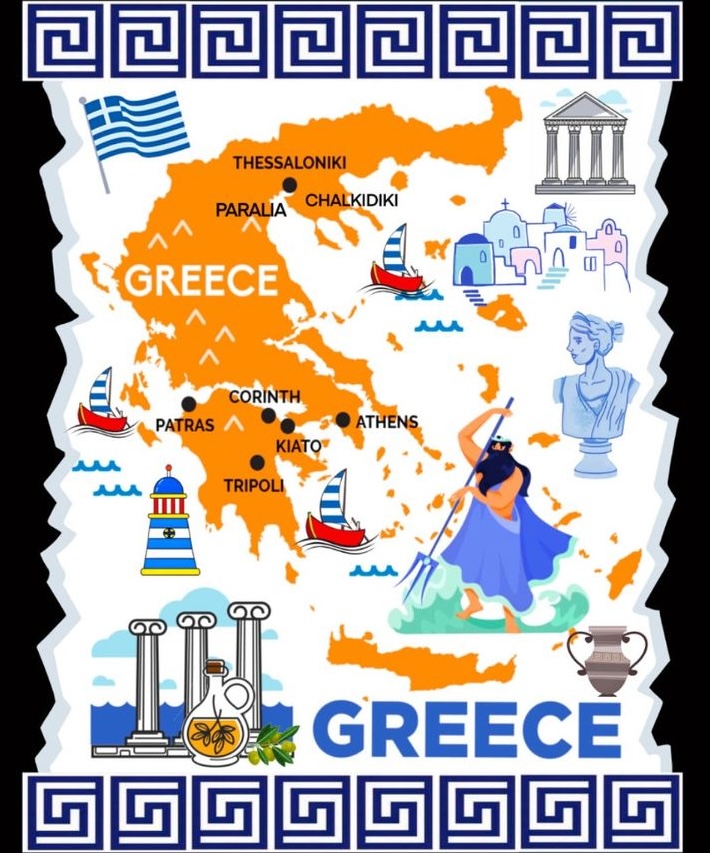
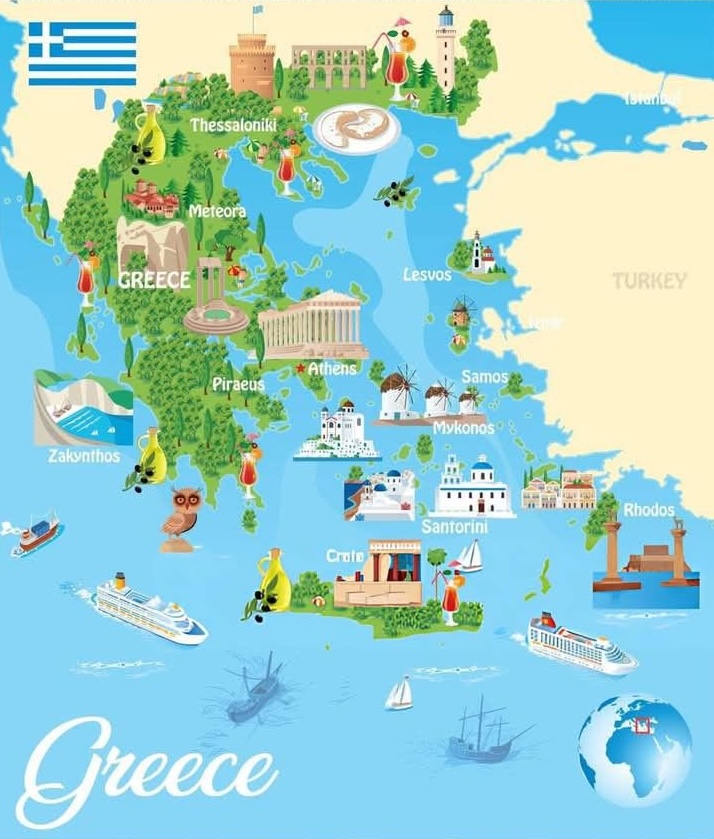
In addition, as summer is approaching and holiday plans may be in the making, let me also mention that the Greek tourism sector continues to thrive. Greece remains a major year-round destination, with an ever-growing number of tourists choosing my country for their holidays. Being grateful to the Hungarian people for making Greece one of their top holiday choices, we look forward to warmly welcoming even more friends from Hungary, as well as from all your countries, and showing them the true meaning of Greek hospitality.
Distinguished Guests,
No remarks on a National Day can be complete without a proper reference to our host country, Hungary. I am sure that my colleagues will concur that being an Ambassador in Budapest is not only a privilege, but also a daily pleasure, given the beauty of the city, the warmth of the Hungarian people, as well as the always interesting developments in the country that keep our reporting skills sharp.
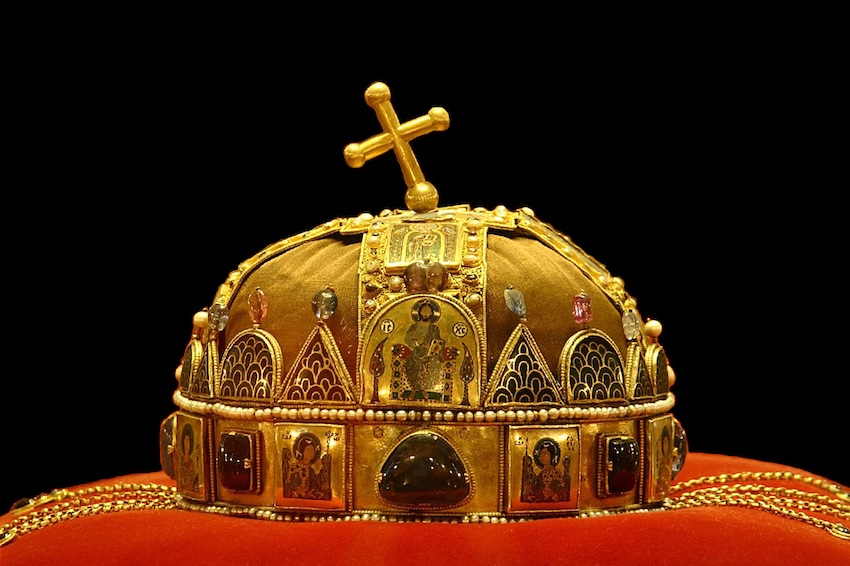
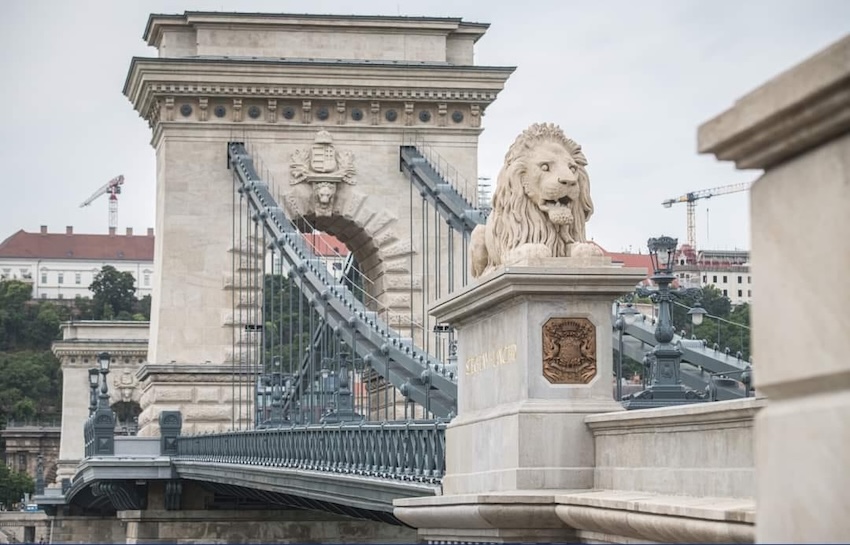
For the Greek Ambassador to Hungary, the pleasure and the privilege become even greater, given the long-standing presence of Greeks in Hungary, which reflects the historic Greek–Hungarian bonds. Traces of this centuries-old interaction can be found from the lower part of the Hungarian Holy Crown to the emblematic Széchenyi Chain Bridge. This historic presence of Greeks in Hungary, apart from contributing to the country’s development and cultural diversity, has traditionally served as a solid bridge of friendship between our two countries and peoples. However, the Greek presence in Hungary is not only a matter of history, as today the Greek minority is one of the 13 officially recognised national minorities in Hungary and is constructively integrated into Hungarian society.
Having said that, I would like to take this opportunity to express my country’s gratitude for the warm hospitality and support provided over the years by Hungary and the Hungarian people to the Greek minority.
With such a historic background, it is only natural that relations between Greece and Hungary are traditionally friendly and that our cooperation is fruitful both bilaterally and in the multilateral context, as is the case for countries that are allies in NATO and fellow members of the EU. Of course, as it often happens among friends and allies, we do not see all issues eye to eye; however, Greece firmly believes that mutually beneficial compromises can be reached through mutual respect and constructive dialogue based on shared values and principles.
Needless to say, the fact that Greek–Hungarian ties are friendly and our cooperation is constructive does not mean that there is no room for further development – this remains our daily task at the Greek Embassy. In this important endeavour, the assistance of our Hungarian colleagues at the Ministry of Foreign Affairs, as well as many other officials from various ministries and institutions, is invaluable.
Apart from further deepening existing economic relations, we see mutually beneficial opportunities for enhancing Greek–Hungarian cooperation in several key areas, including energy, digital governance, technology, defence, cybersecurity, and, last but not least, culture.
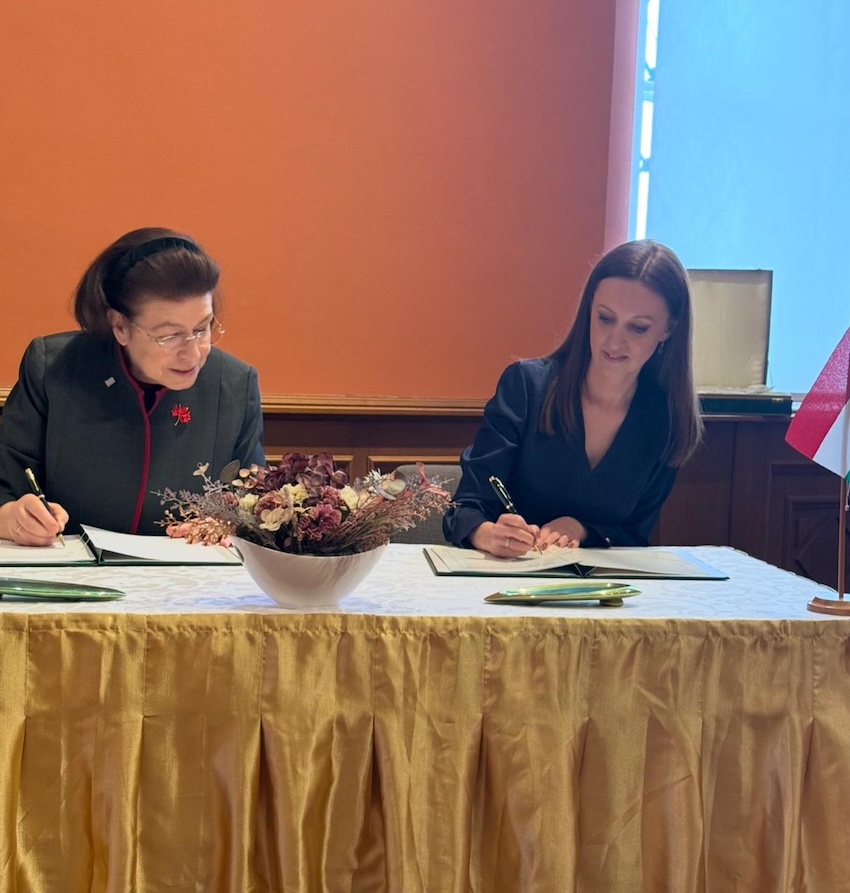
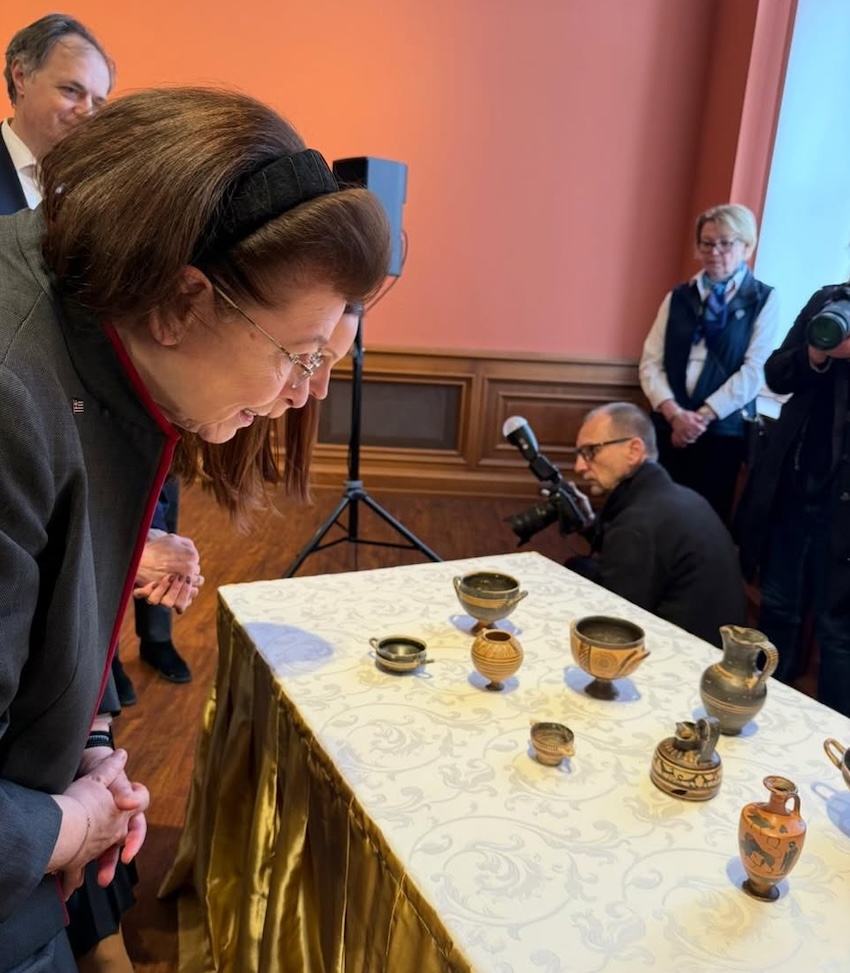
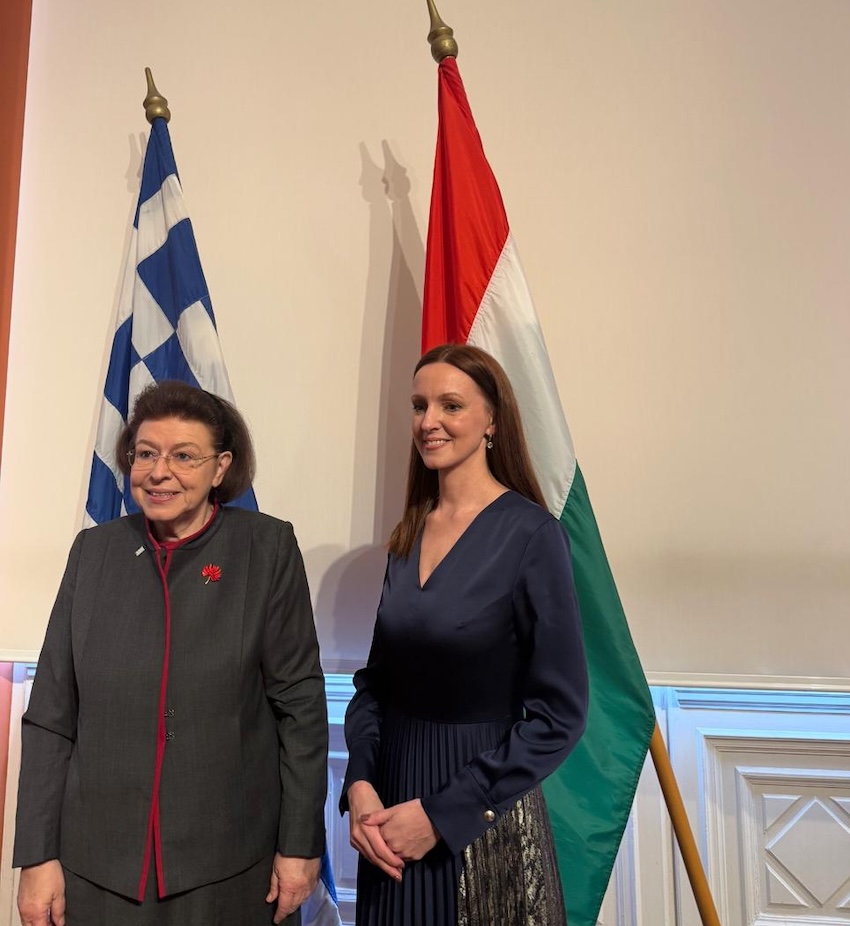
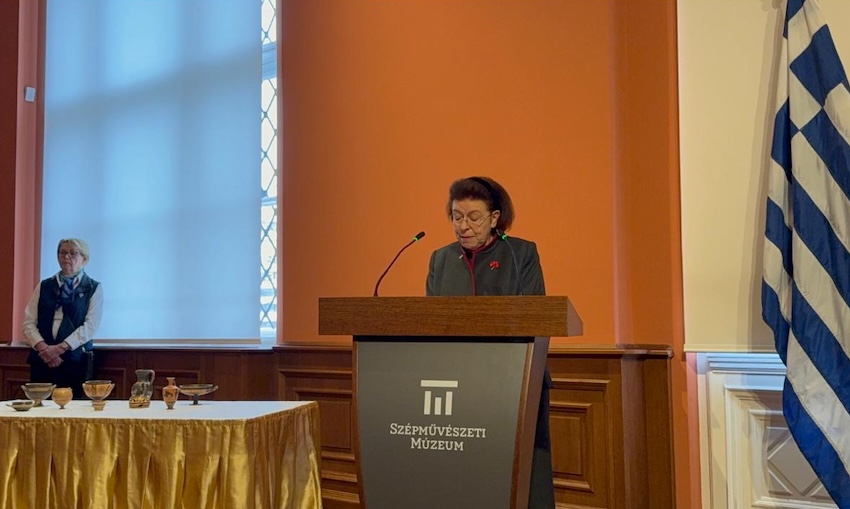
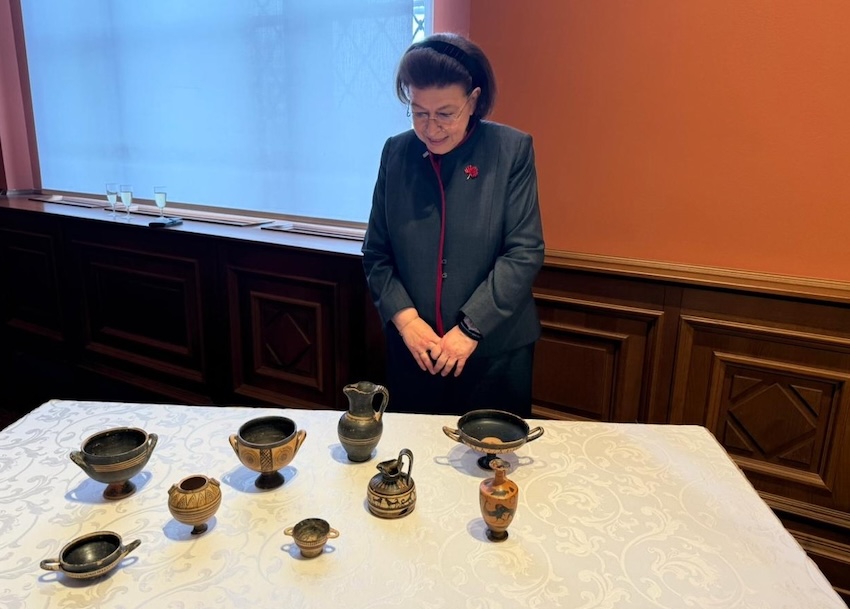
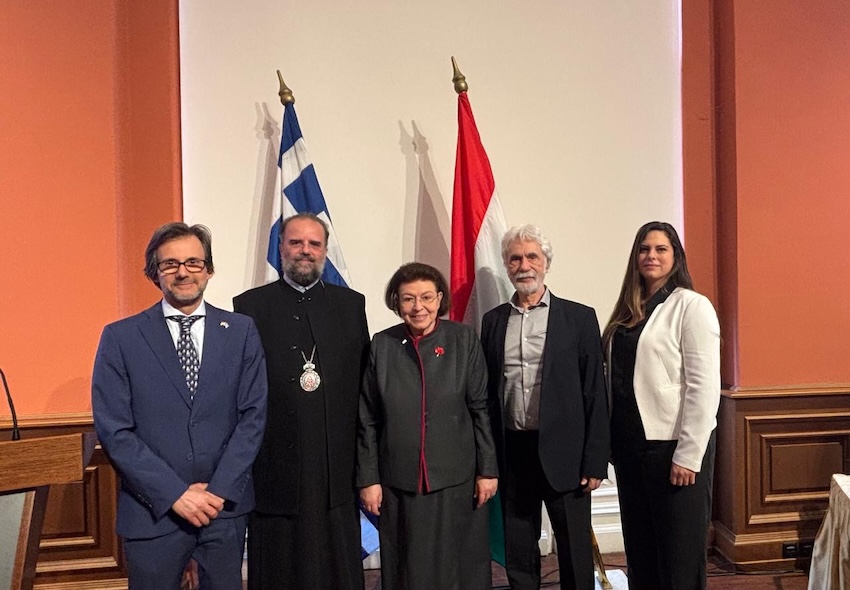
Regarding this last field, allow me to stress our deep appreciation for the constructive cooperation with Hungary, which only a few days ago led to the signing of a relevant Memorandum of Understanding and to the repatriation of nine ancient Greek artefacts from the Museum of Fine Arts in Budapest to the Museum of Argos in Greece. This development underlines our shared conviction that the protection of cultural heritage is not a field of confrontation, but one of cooperation.
Dear Friends,
I come from a country with a long history and a civilisation that has interacted over the centuries with many other ancient civilisations, contributing significantly to today’s Western and global culture.
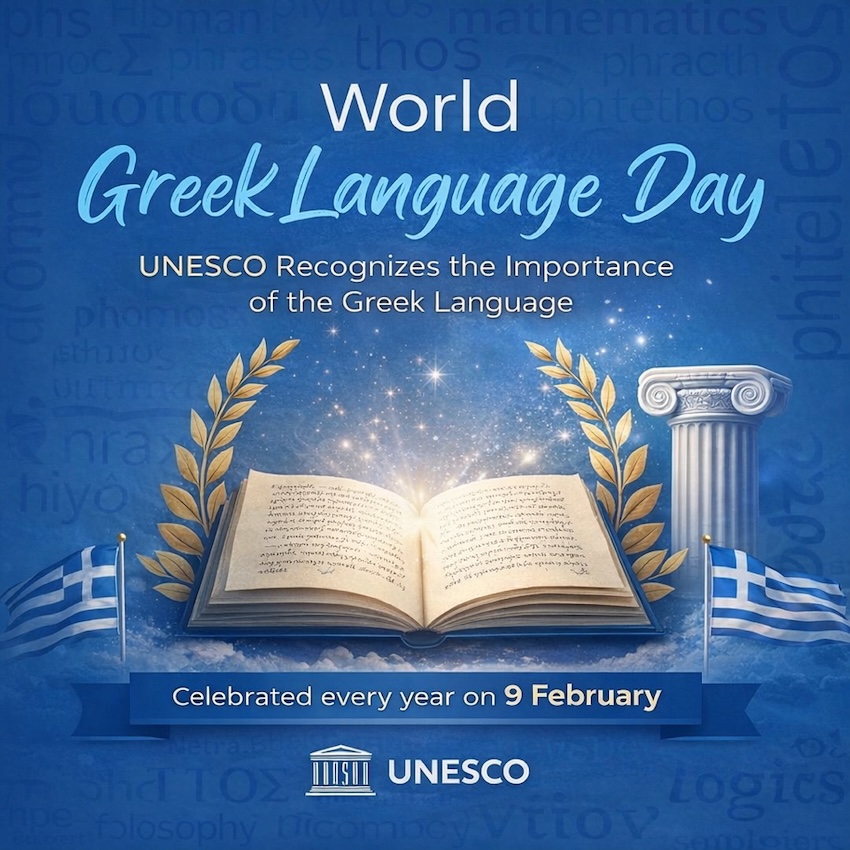
On 9 February, we celebrated World Greek Language Day, officially proclaimed by UNESCO in November 2025. This recognition highlights the unique contribution of the Greek language, with its 3,000 years of unbroken continuity, to the world’s cultural heritage.
Having said that, I am sure you will allow me to use my native language to briefly greet my fellow Greeks attending today’s reception: Αγαπητές και Αγαπητοί συμπατριώτες, με μεγάλη χαρά σας υποδέχομαι σήμερα στη δεξίωση της Πρεσβείας της Ελλάδας στη Βουδαπέστη με την ευκαιρία της Εθνικής Εορτής μας. Όπως επισημαίνω σε κάθε συνάντηση μας και αυτή η εκδήλωση συνιστά μία ακόμη ευκαιρία για να ανανεώσουμε τη δέσμευση μας να εργασθούμε από κοινού για την προώθηση των στόχων του Ελληνισμού στην Ουγγαρία, την ενίσχυση των δεσμών με την Μητέρα Πατρίδα, καθώς και την περαιτέρω ενδυνάμωση των σχέσεων μεταξύ της Ελλάδας και της Ουγγαρίας και των λαών των δύο χωρών. Σας ευχαριστώ θερμά για την παρουσία σας. Ζήτω η 25η Μαρτίου! Ζήτω η Ελλάδα!
In conclusion, I would like to stress that it is a privilege to host tonight’s reception in this emblematic building and institution of Budapest, the historic National Széchényi Library. Allow me to also thank the Director General of the Library, Mr. Dávid Rózsa, and his team for their warm hospitality.
I would also like to thank the Greek restaurant “Blue Agori” for its contribution to our buffet, which added an extra Greek touch that, together with the Greek wines and ouzo served tonight, I hope will transport you to the idyllic ambience of a Greek island.
Last but not least, special thanks go to the members of my Embassy team for their support and excellent work throughout the year, and once again to all of you, dear friends, for honouring us with your presence. Thank you.”
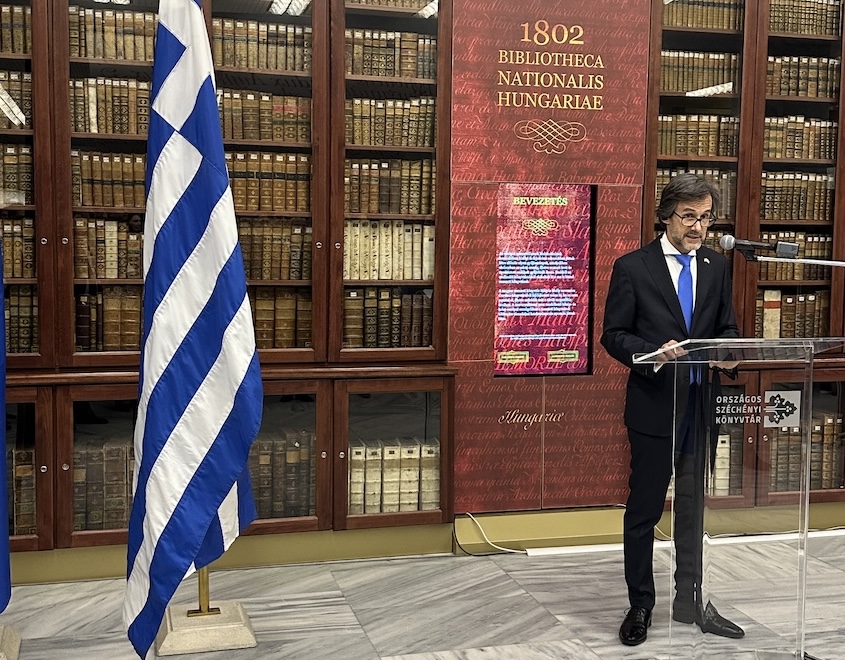
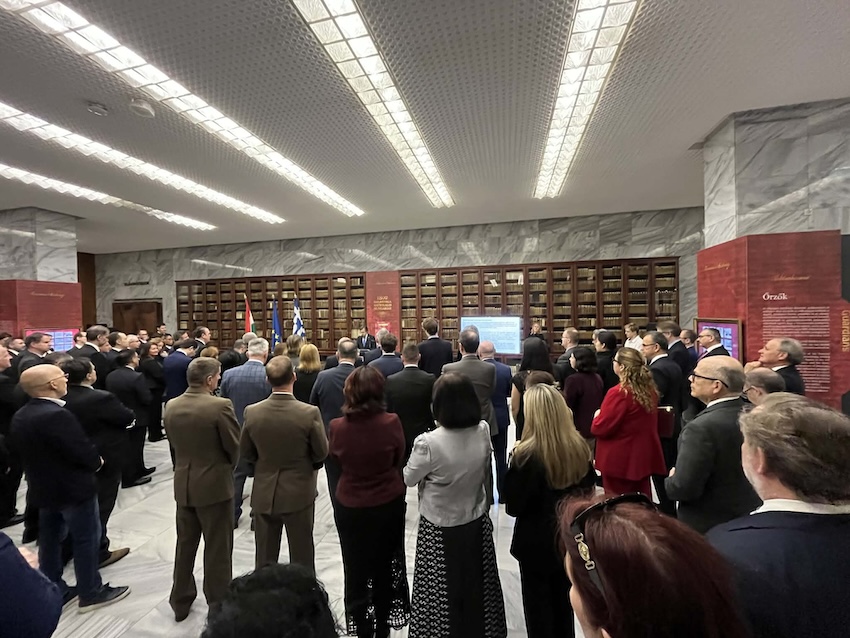
The programme continued with welcome remarks by the Director General of the National Széchényi Library, Mr. Dávid Rózsa, who highlighted the excellent cooperation with the Embassy of Greece in Budapest and emphasized the longstanding cultural ties between Greece and Hungary. He noted the important role of cultural institutions in strengthening dialogue and fostering mutual understanding between the two countries.
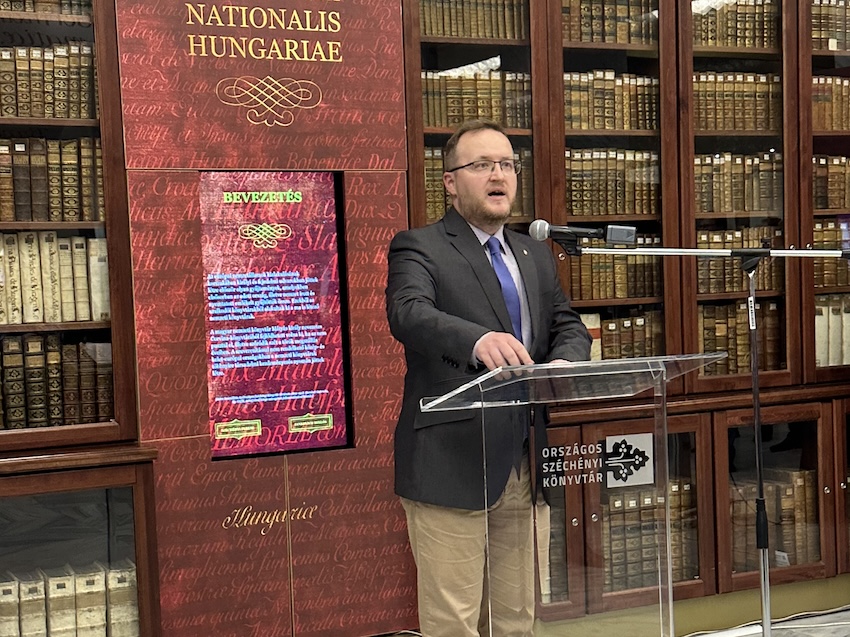
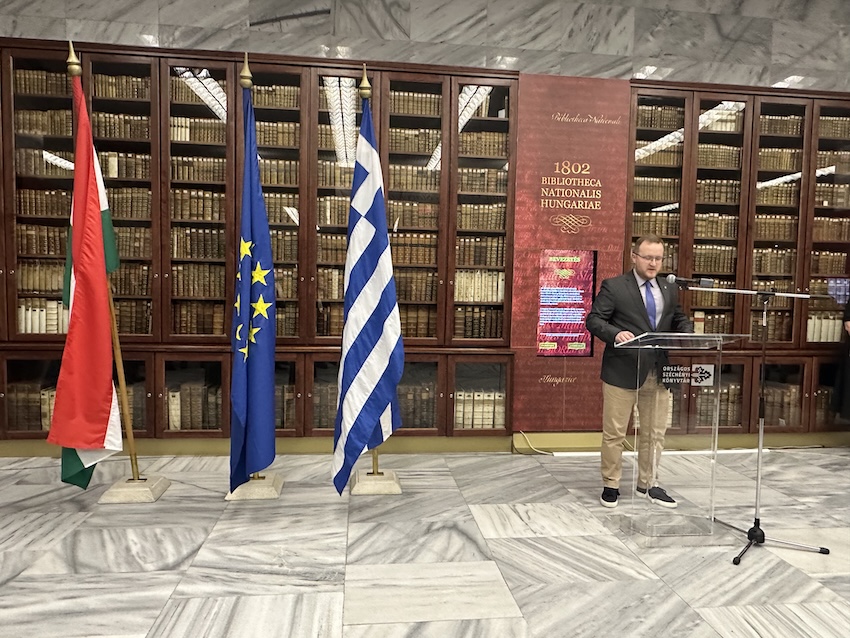
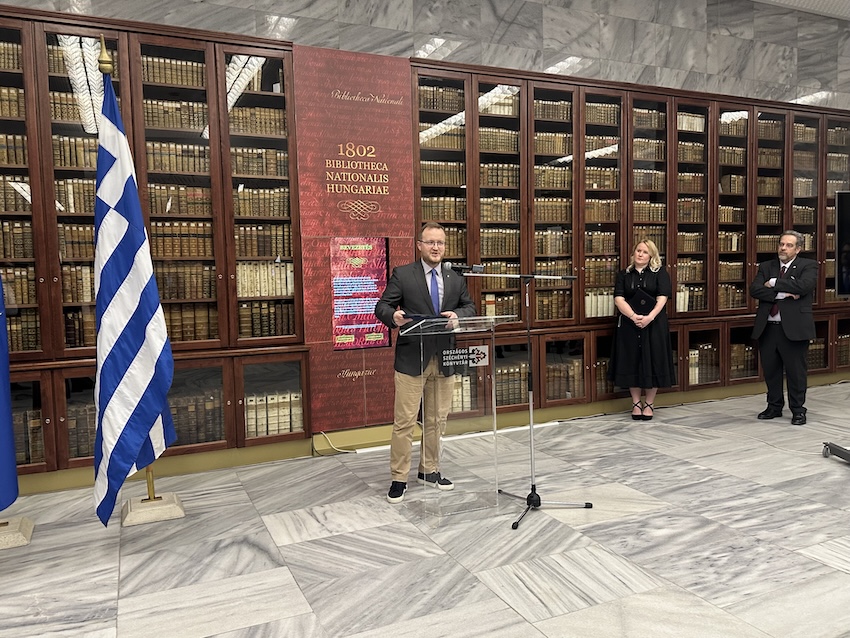
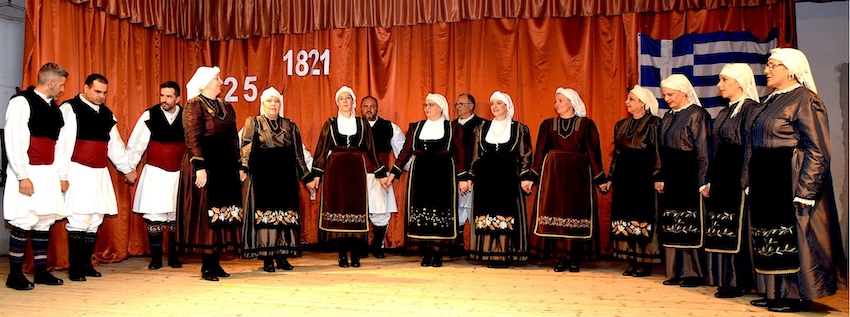
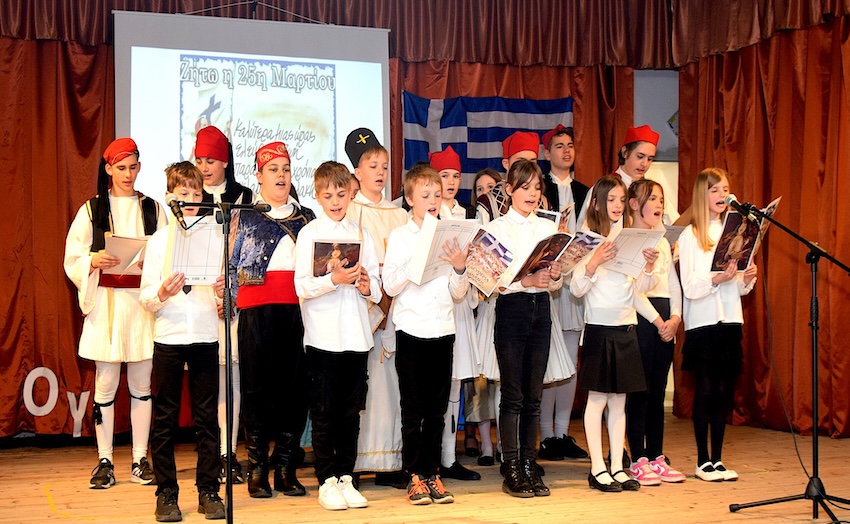
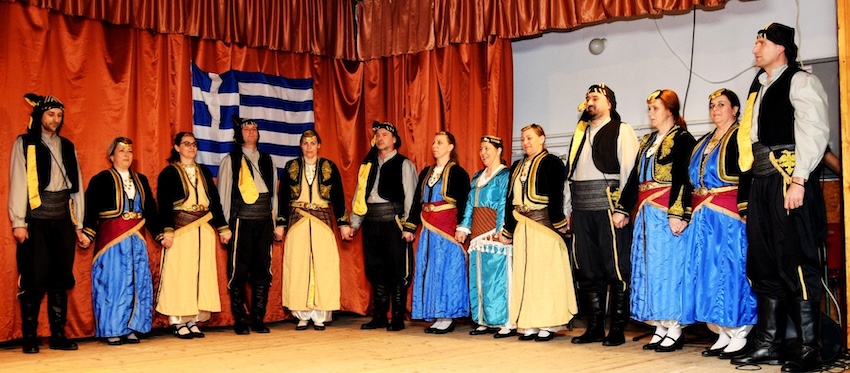
The celebration continued in a festive atmosphere imbued in Greek spirit, highlighting the strong bonds of friendship and cooperation between Greece and Hungary, as well as the presence of the vibrant Greek community in Hungary. Special recognition was given to the teachers of Greek schools in Budapest and in Beloiannisz, whose work plays a vital role in preserving the Greek language, education, and cultural identity among younger generations, recalling the insight of the Greek teacher and thinker, Isocrates:“Education is the best provision for the journey of life.”
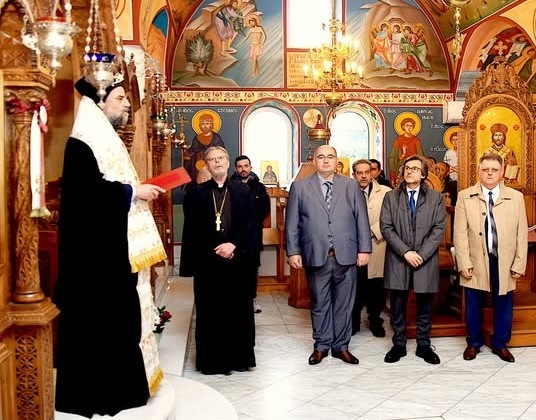
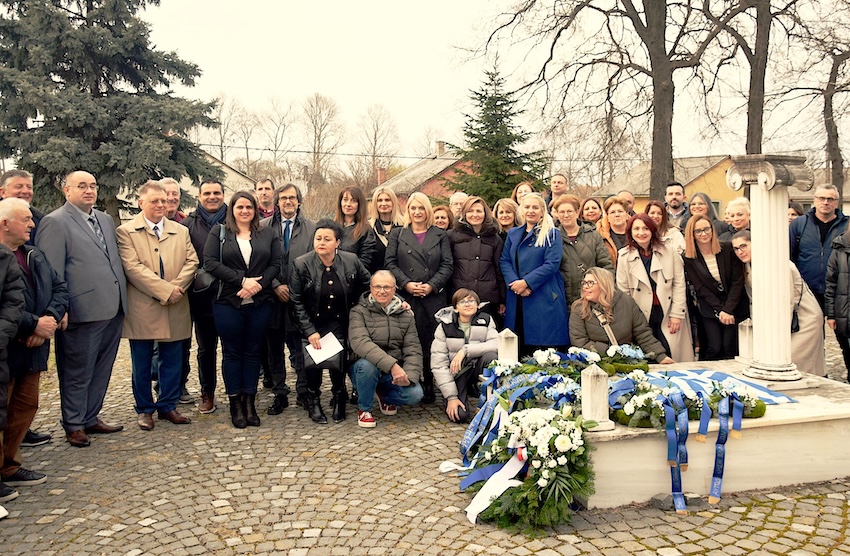
The event concluded with a reception featuring a rich selection of Greek specialities and wines, offering guests a refined taste of Greece’s renowned culinary tradition.
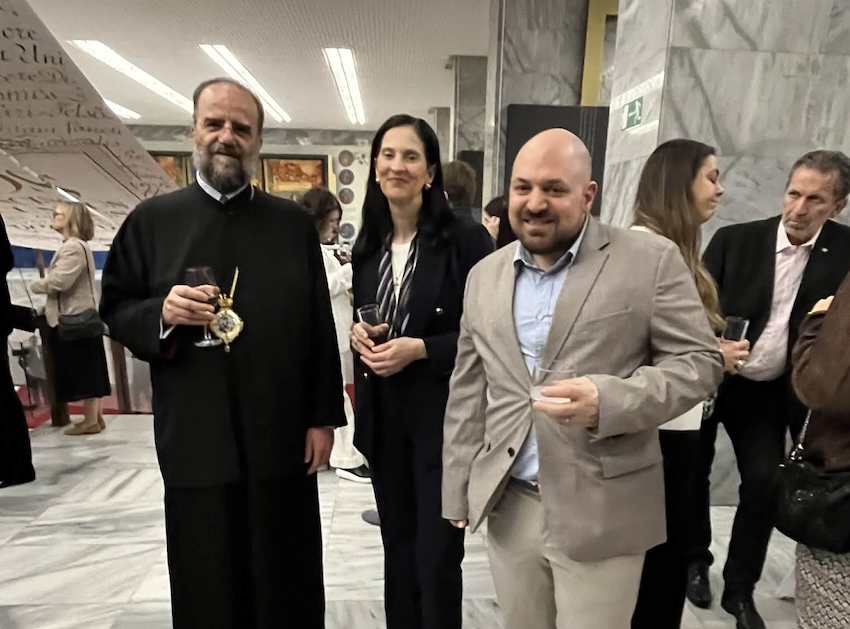
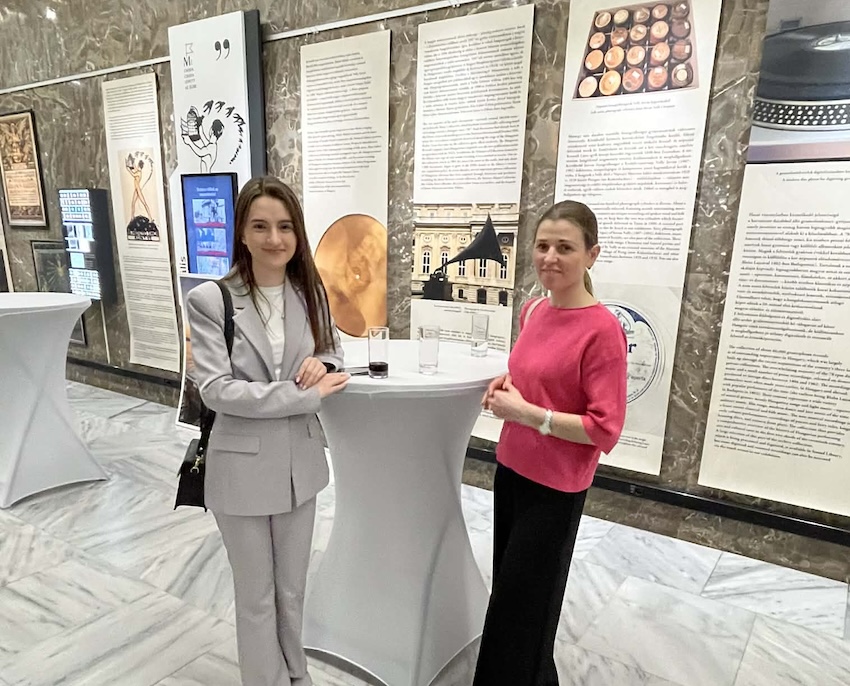
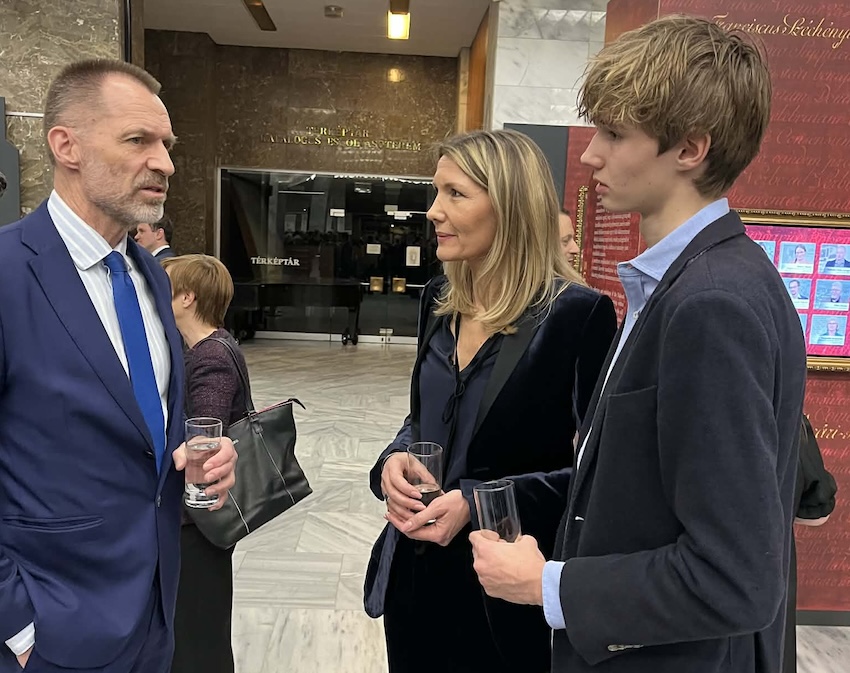
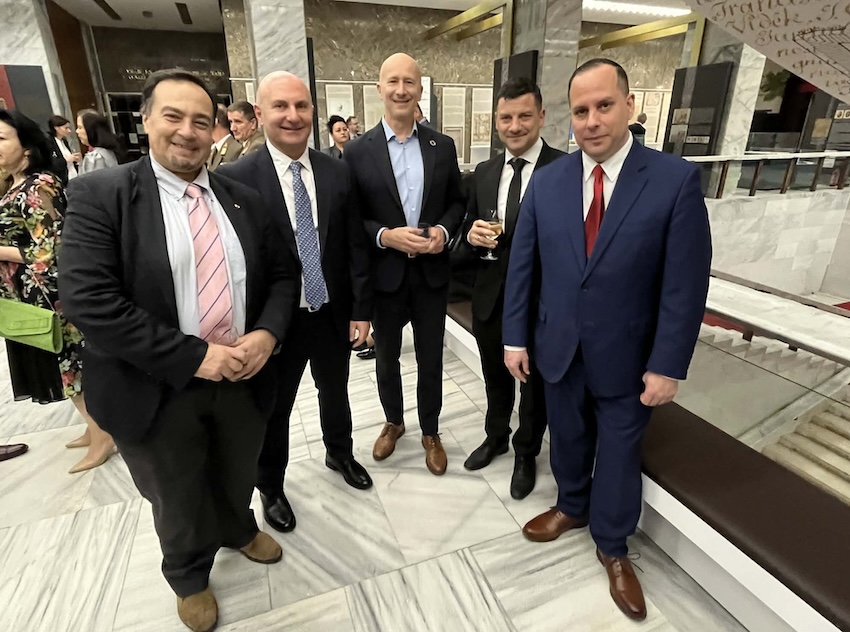
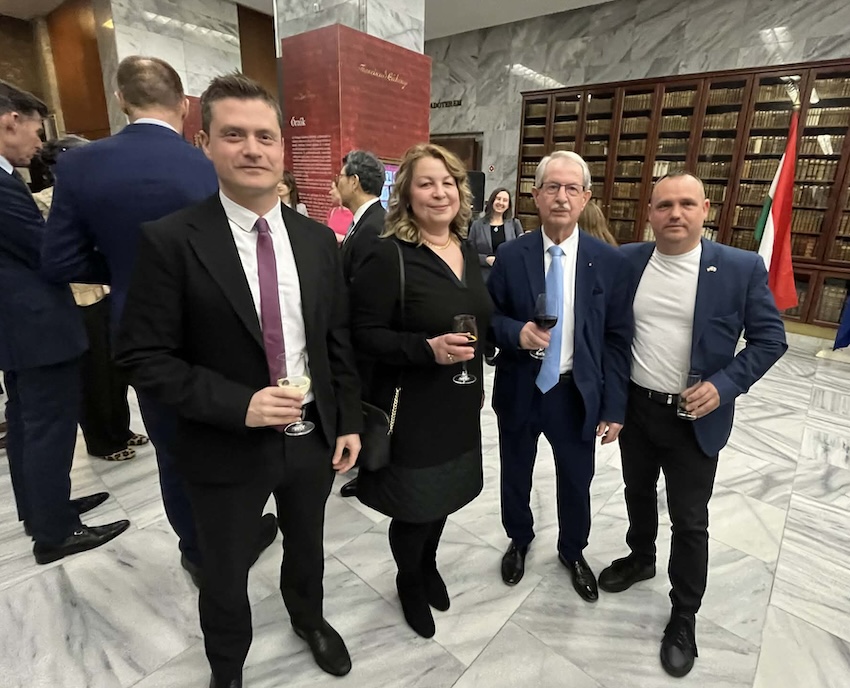
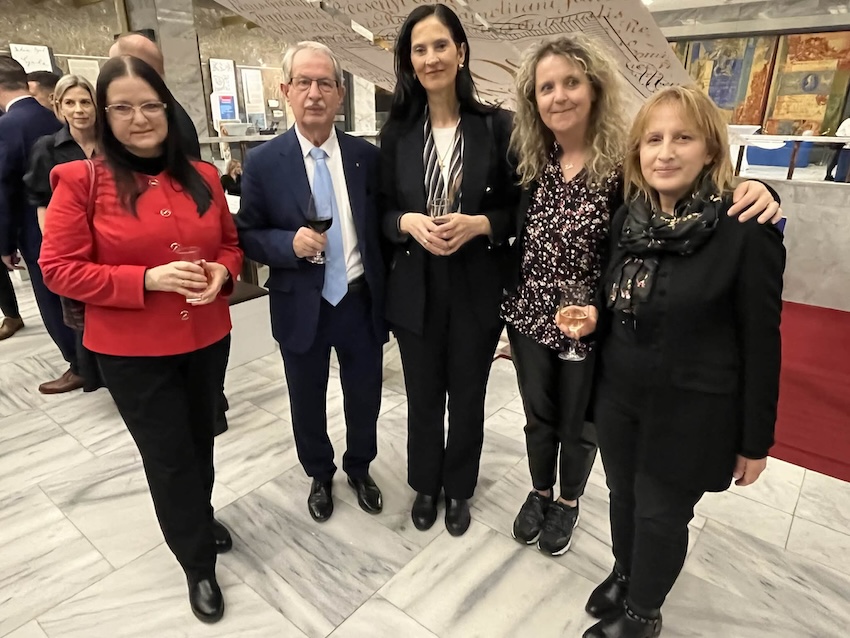

As the evening came to a close, it left behind a sense of quiet harmony – an echo of a timeless dialogue between past and present, between nations and cultures. In this enduring spirit, the words of Aristotle find their place with graceful resonance: “We are what we repeatedly do. Excellence, then, is not an act, but a habit.” – a reminder, like a steady light, that through constancy of purpose and depth of character, we shape both our present and the legacy we pass on to the generations to come.
Χρόνια πολλά για την Εθνική σας Εορτή! Best wishes on your National Day!
Ζήτω η Ελλάδα! Long live Greece!
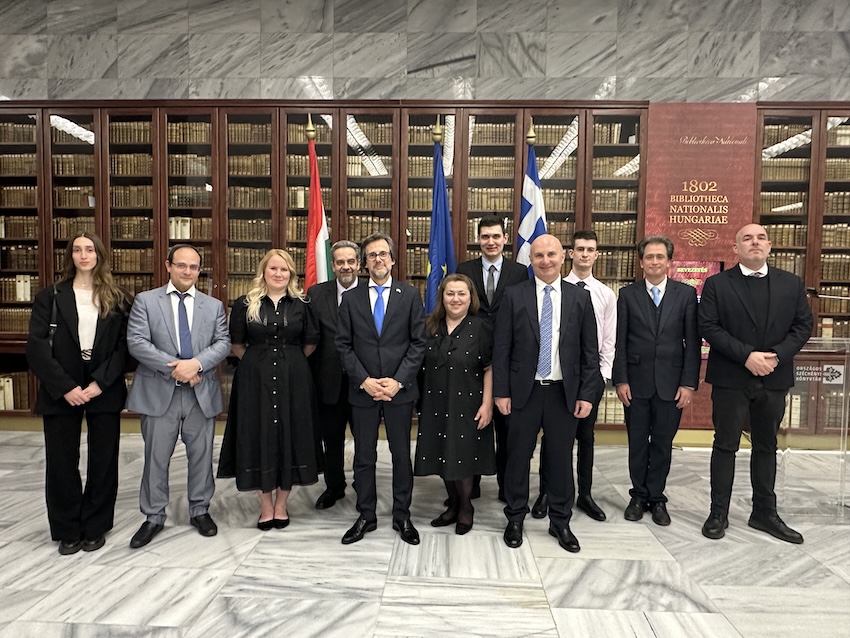
Source: Embassy of Greece in Budapest
Photos from Diplomatic Press Agency