
Hyvää itsenäisyyspäivää! Glad självständighetsdag!
Edited by Anna Popper
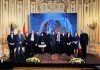
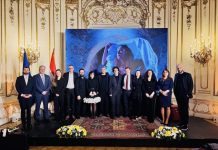
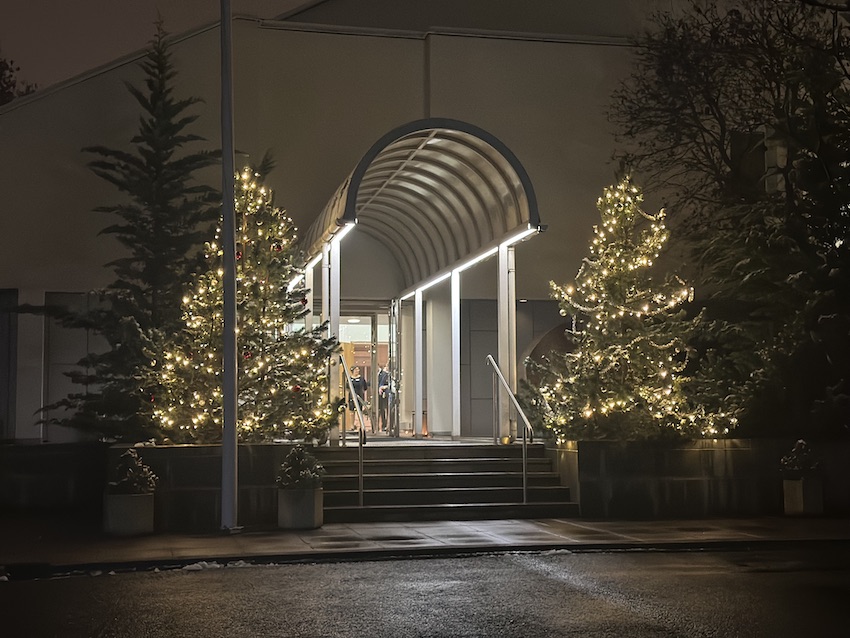
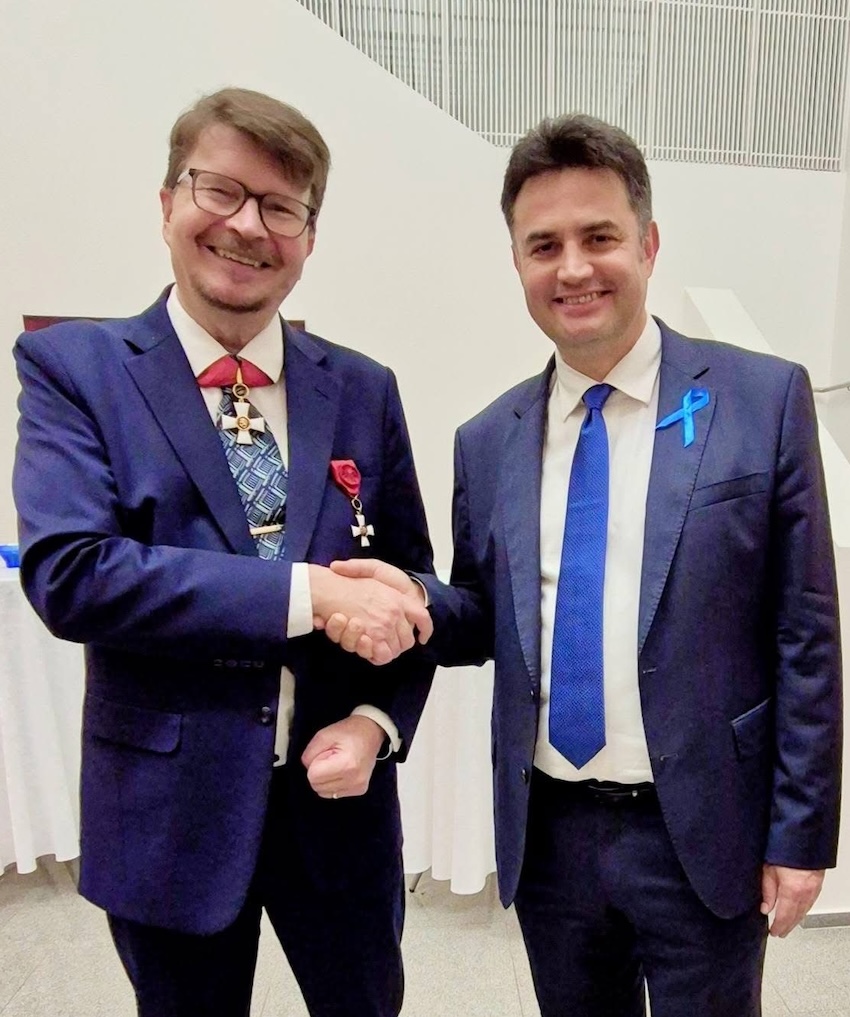
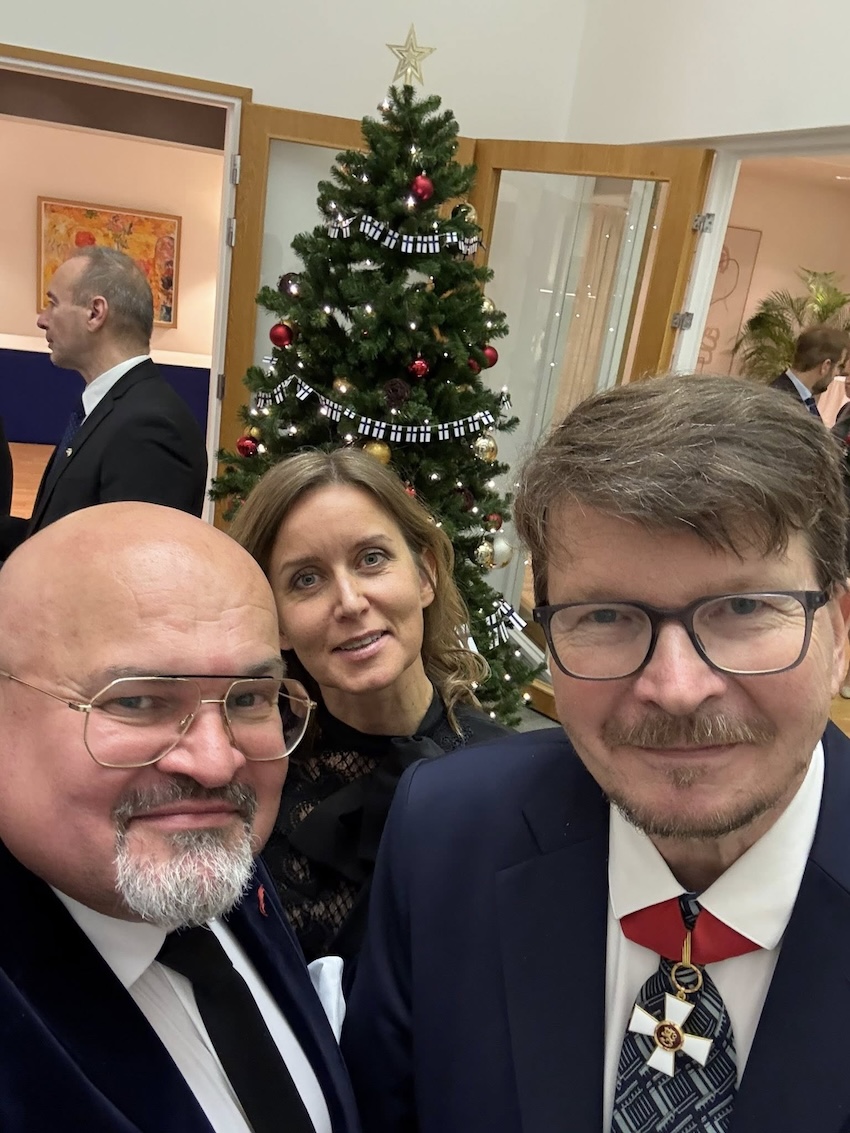
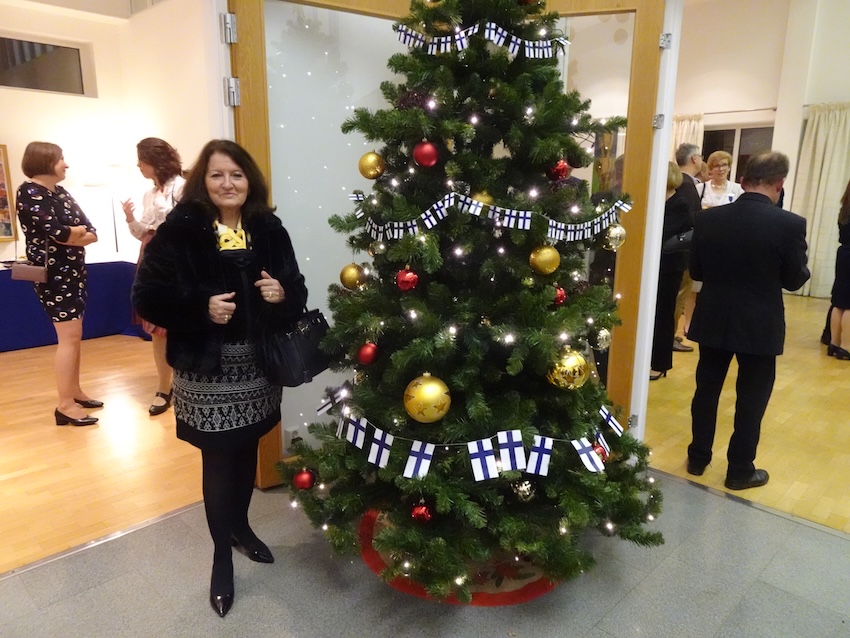
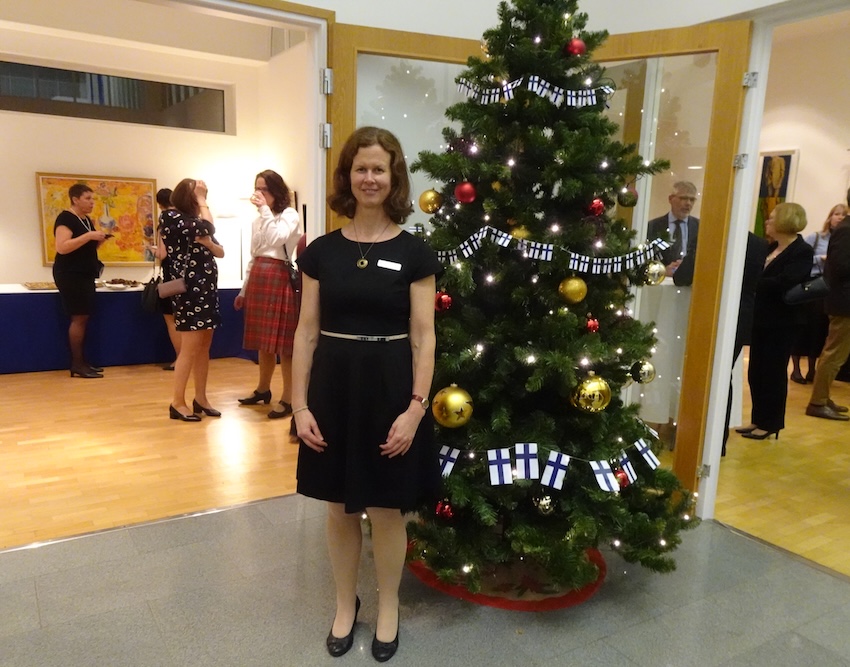
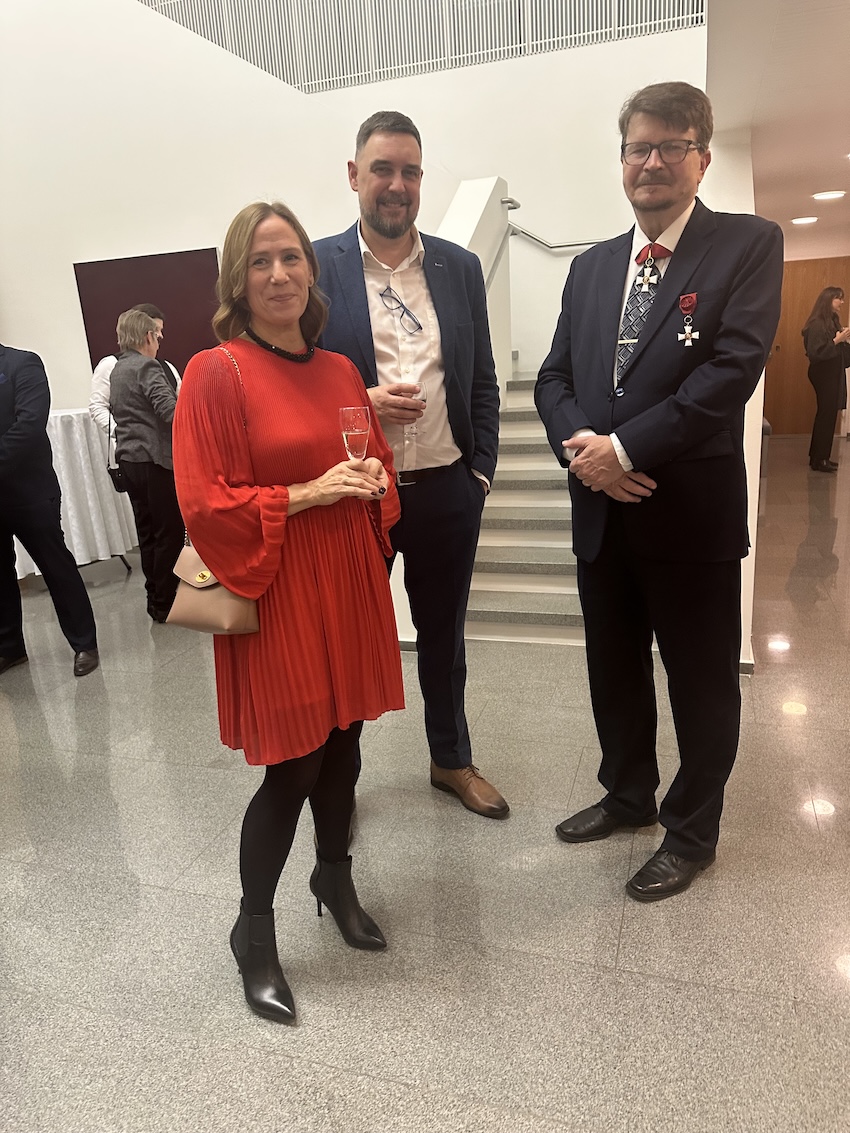
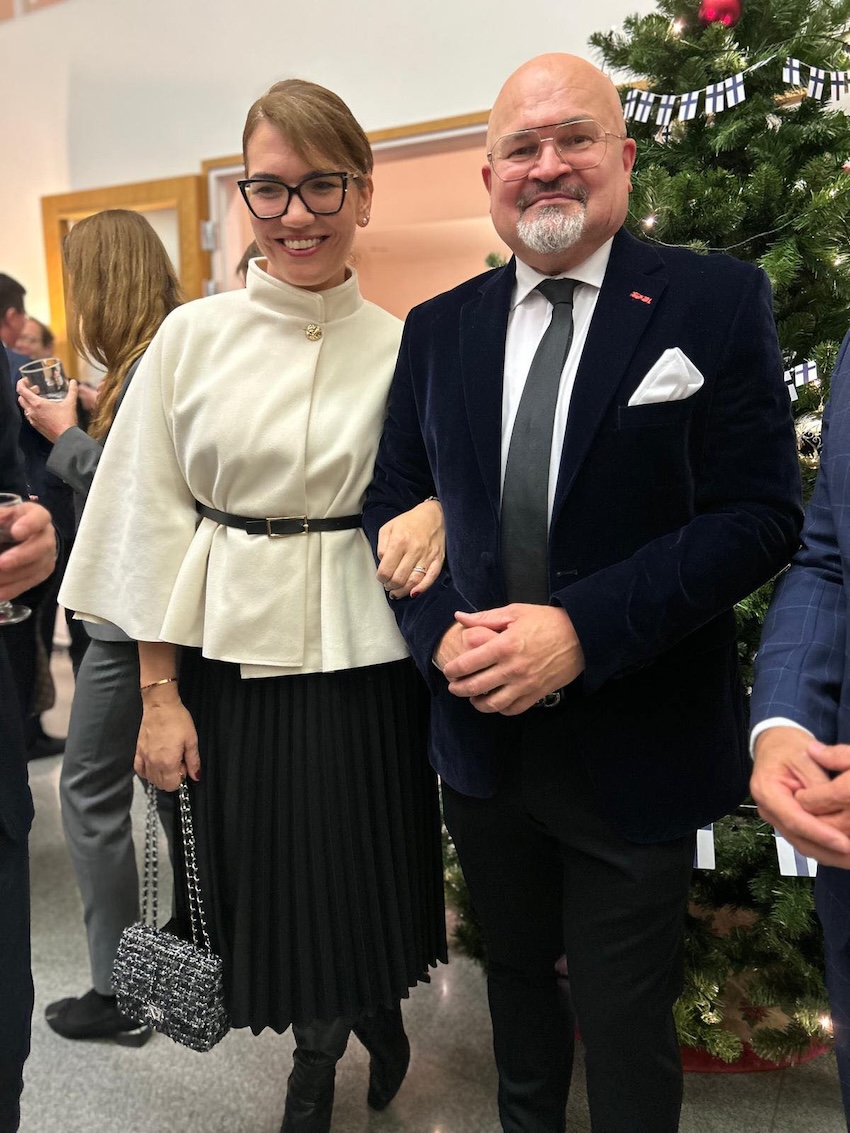
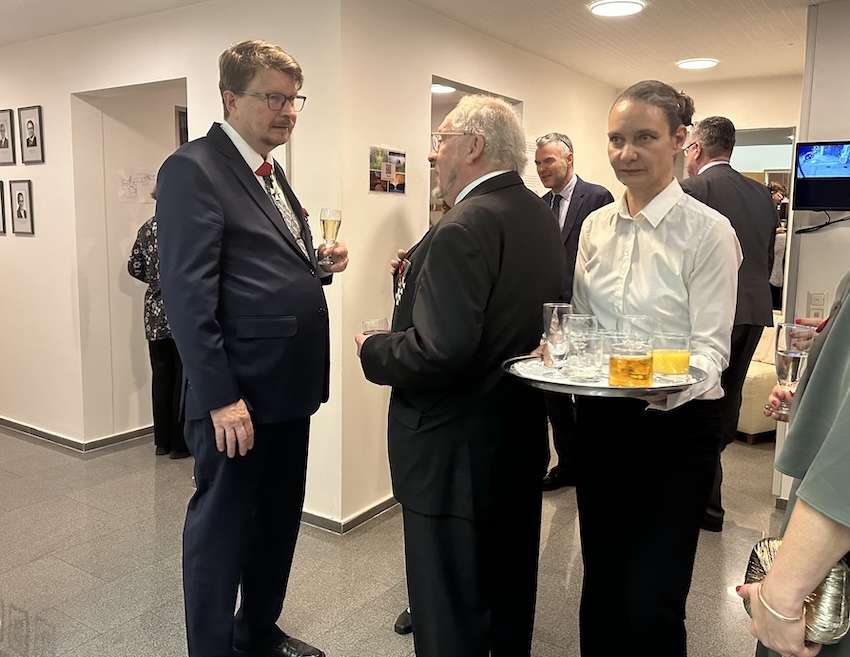
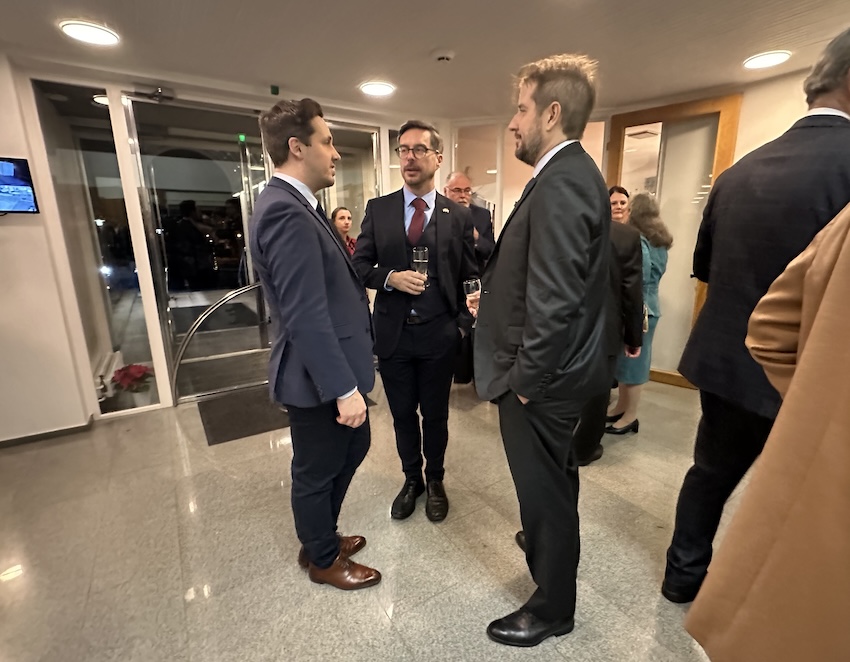
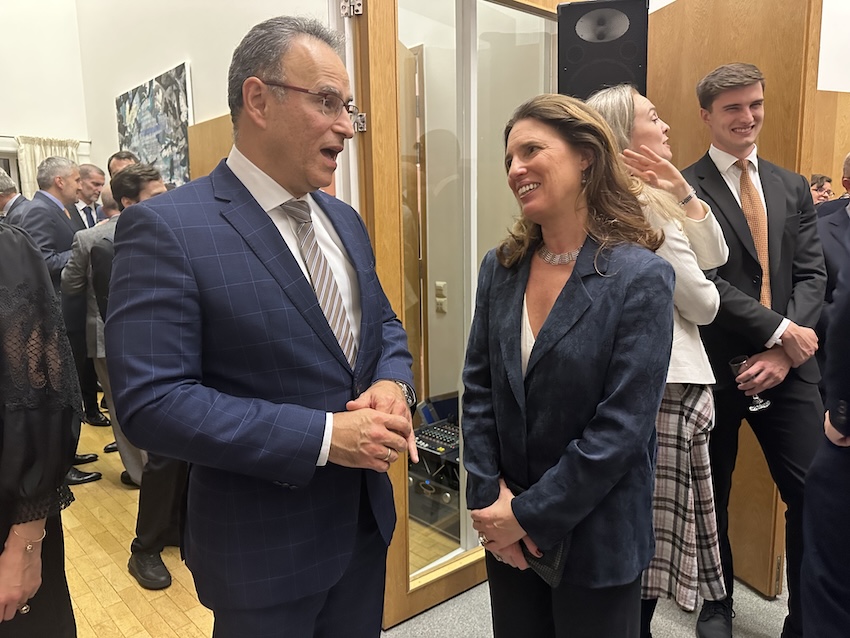
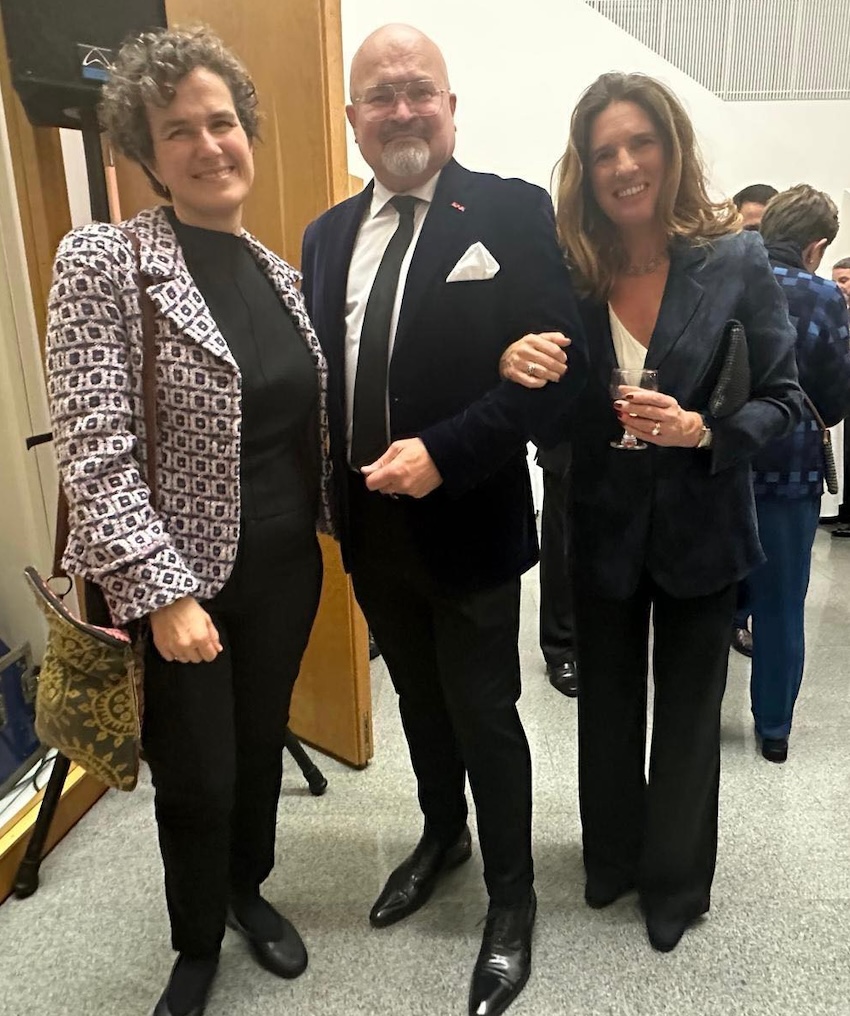
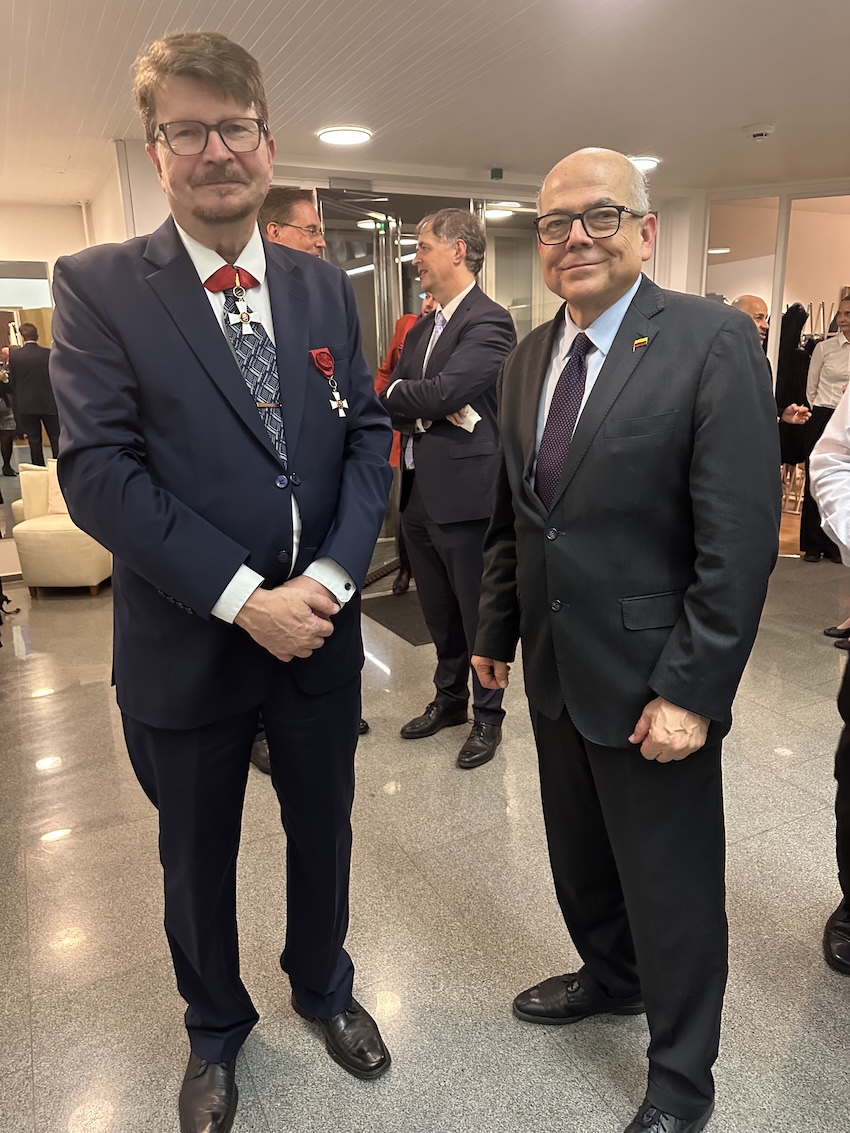
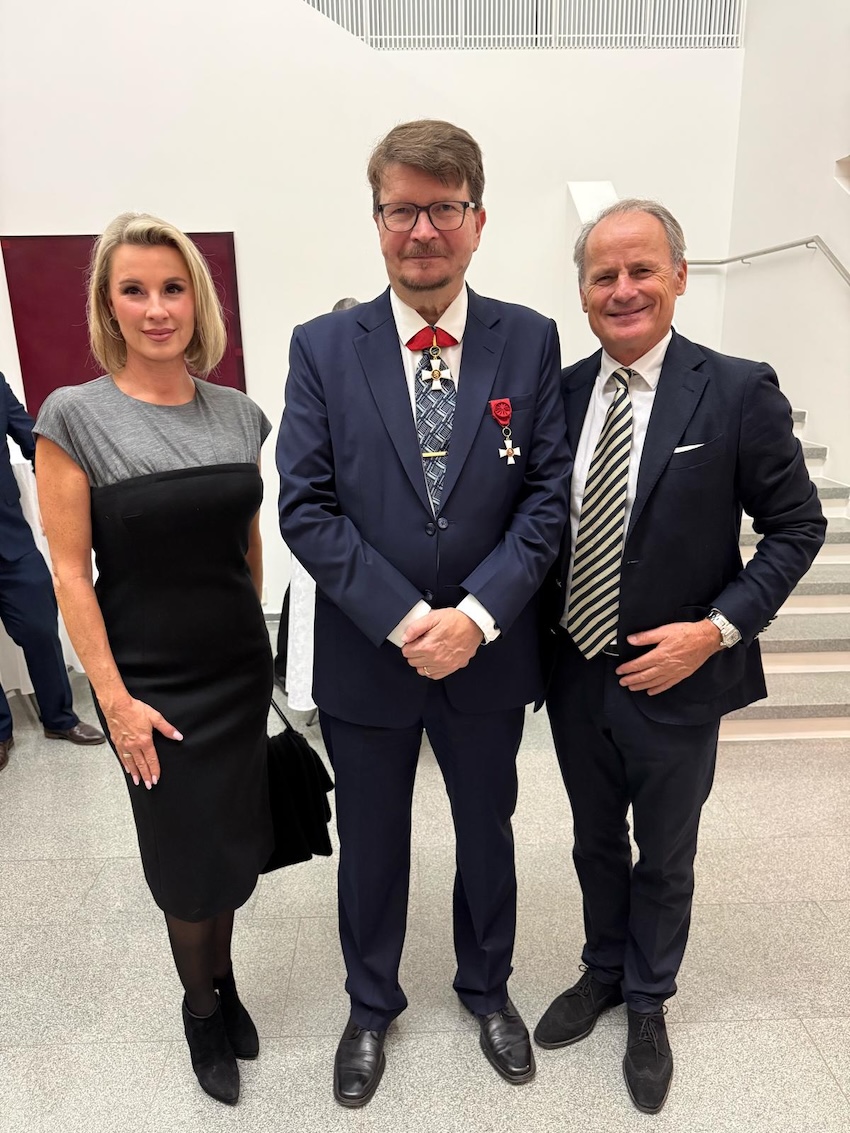
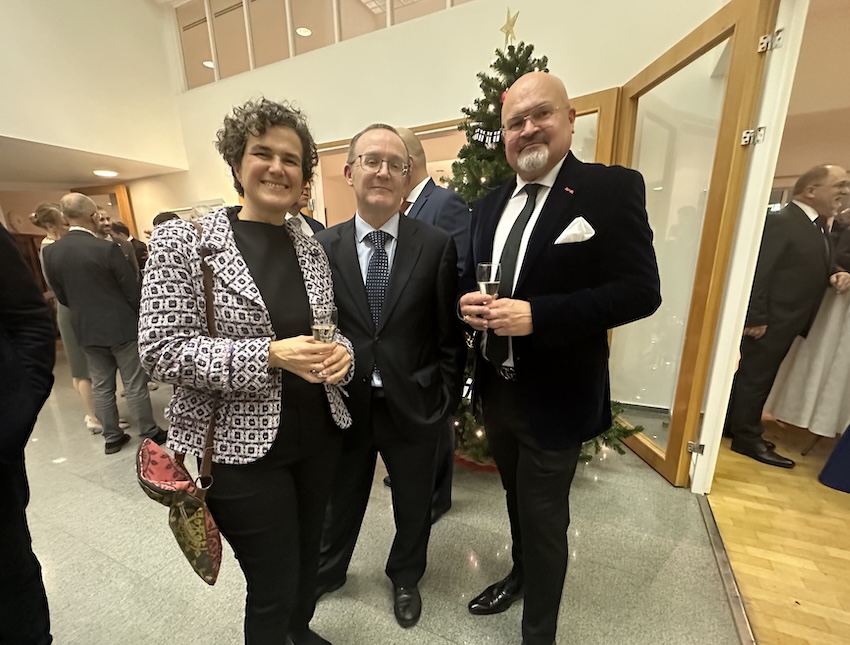
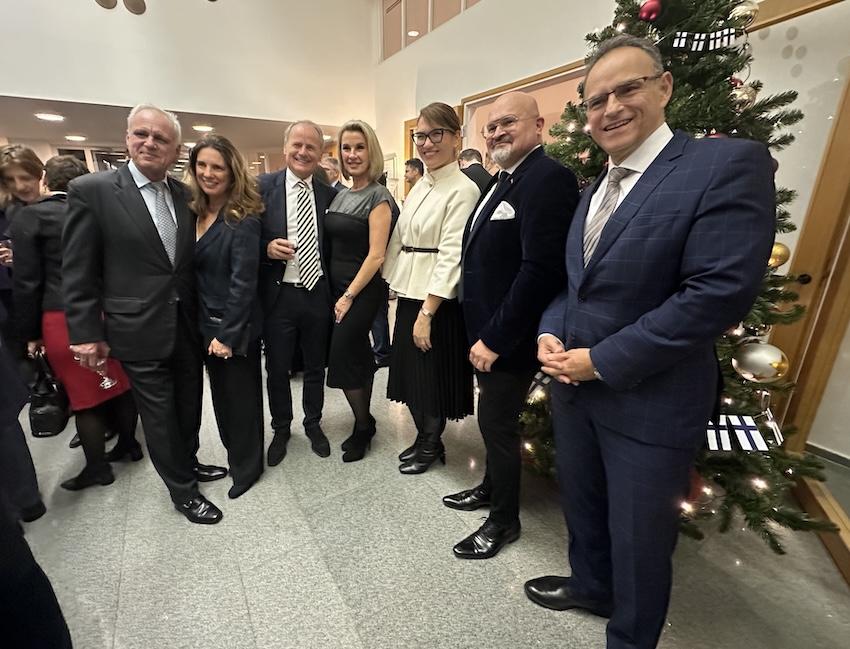
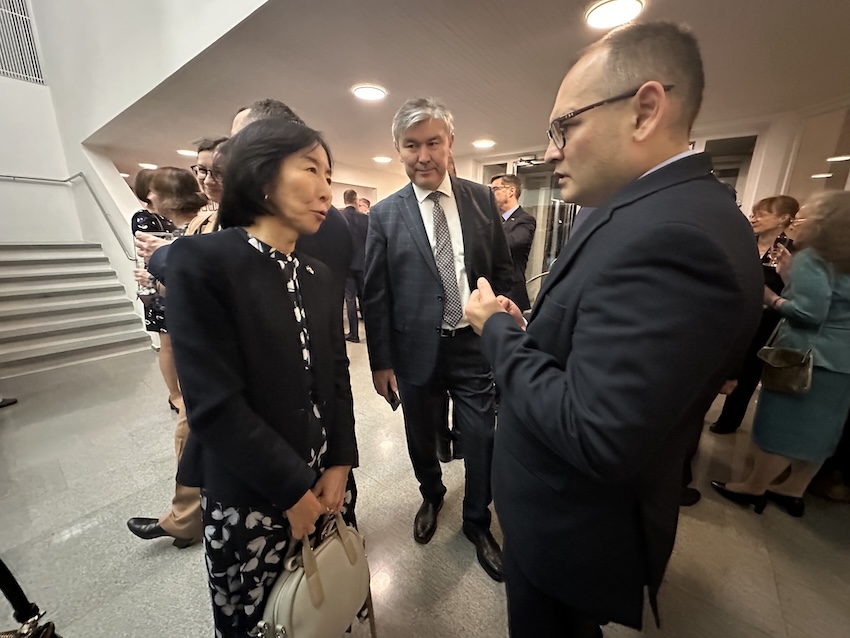
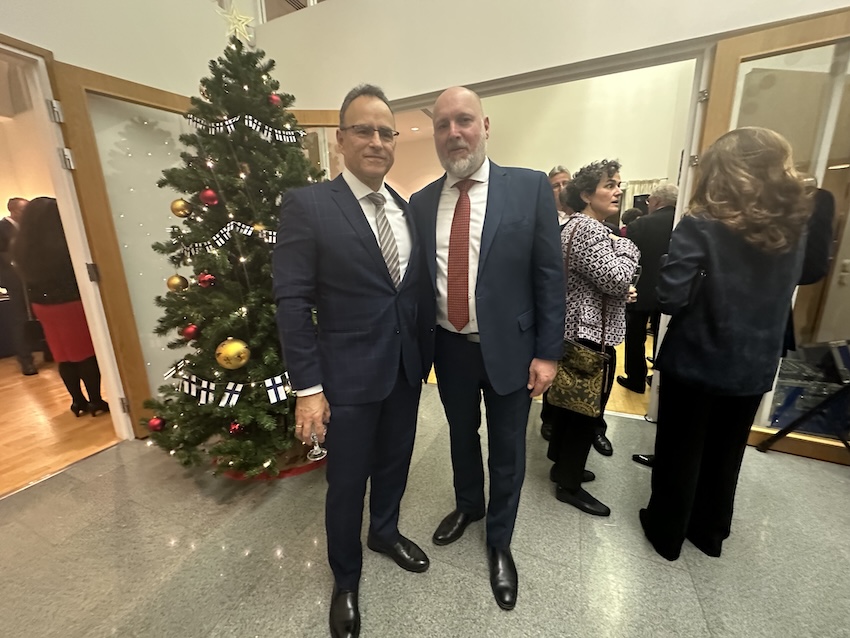
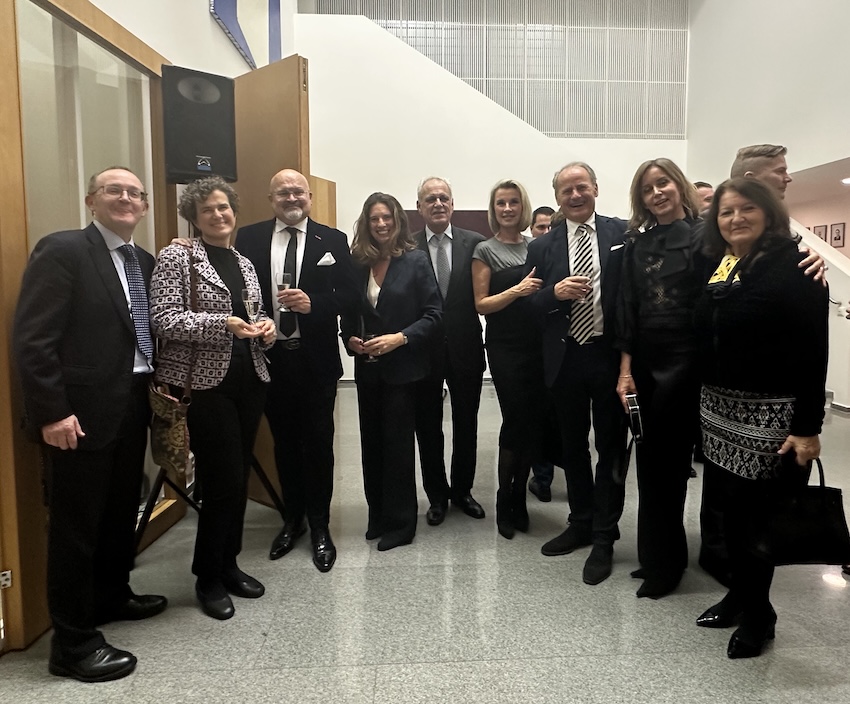
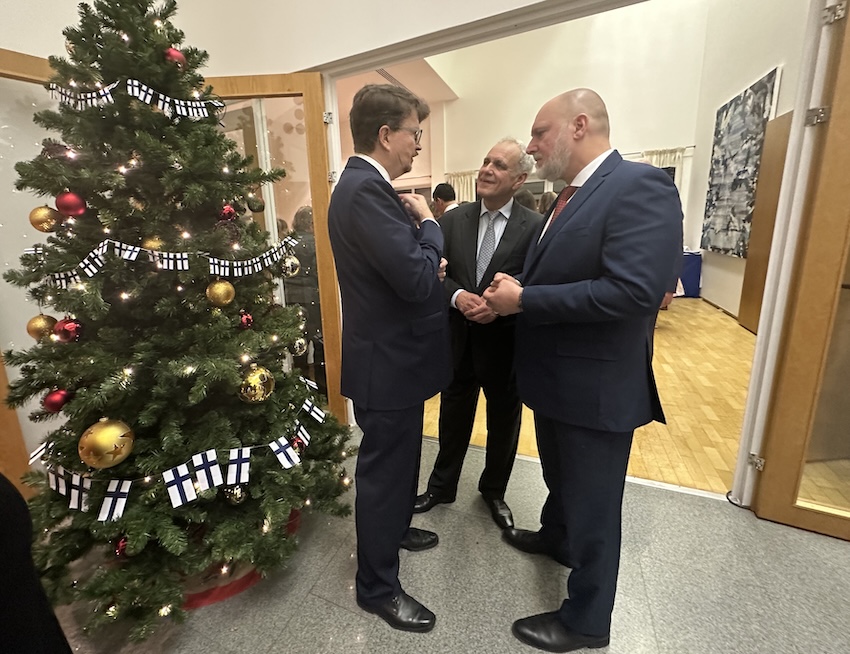
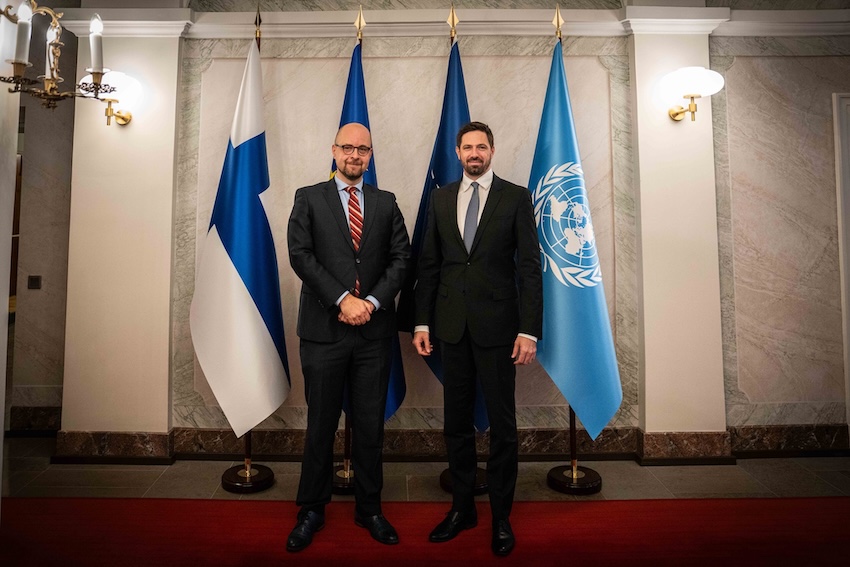
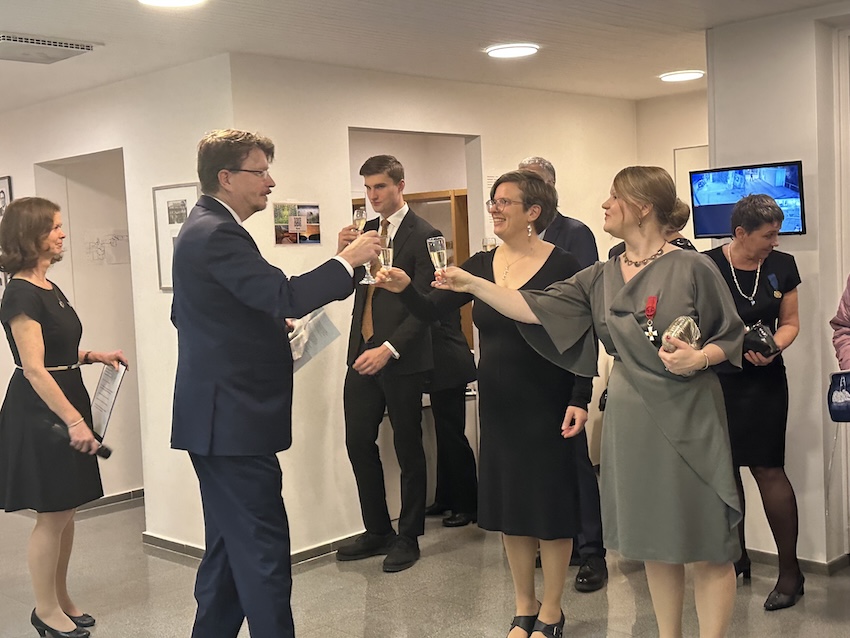
On the occasion of Finland’s Independence Day, observed annually on 6 December, H.E. Mr. Pertti Anttinen, Ambassador of the Republic of Finland to Hungary, and Mrs. Katriina Apajalahti hosted a reception at the Ambassador’s Residence in Budapest.
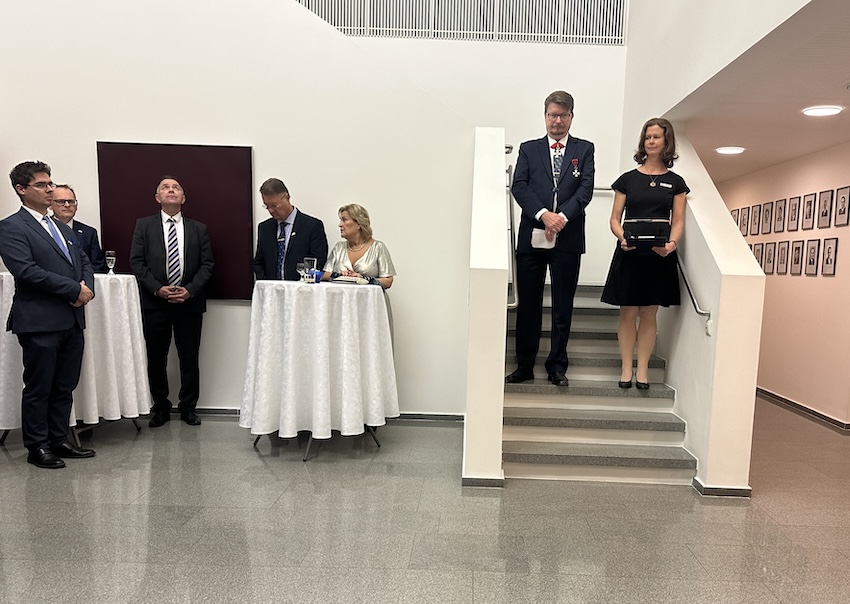
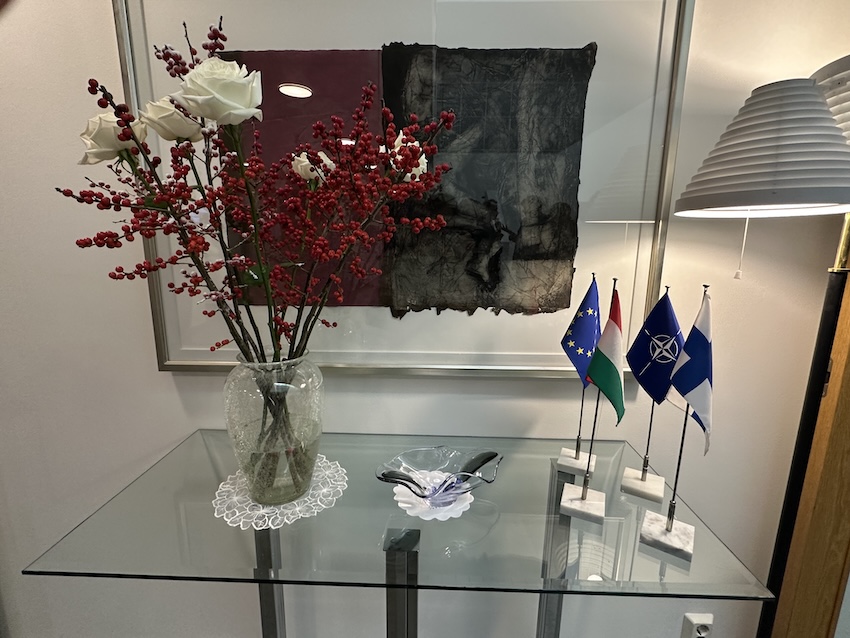
The reception brought together Hungarian officials, members of the diplomatic corps, and representatives of cultural, academic, and business communities, as well as Finnish nationals and delegates from dozens of Hungarian–Finnish twin cities. Finland’s national holiday carries special meaning in Hungary, where many feel a closeness between our peoples. Finns are linguistic relatives of Hungarians alongside Estonians, adding a distinctive sense of kinship to the friendship between our countries.
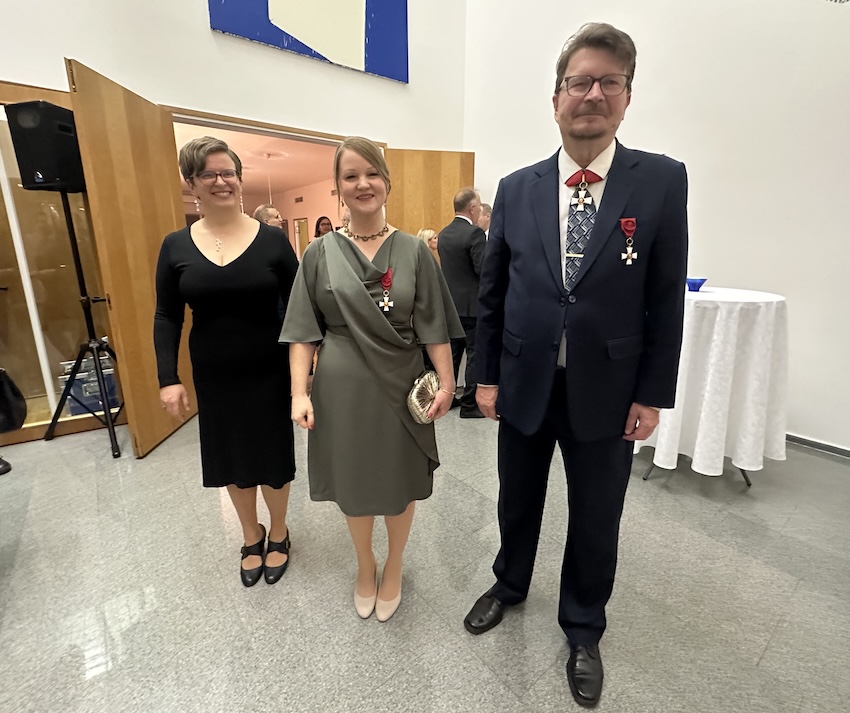
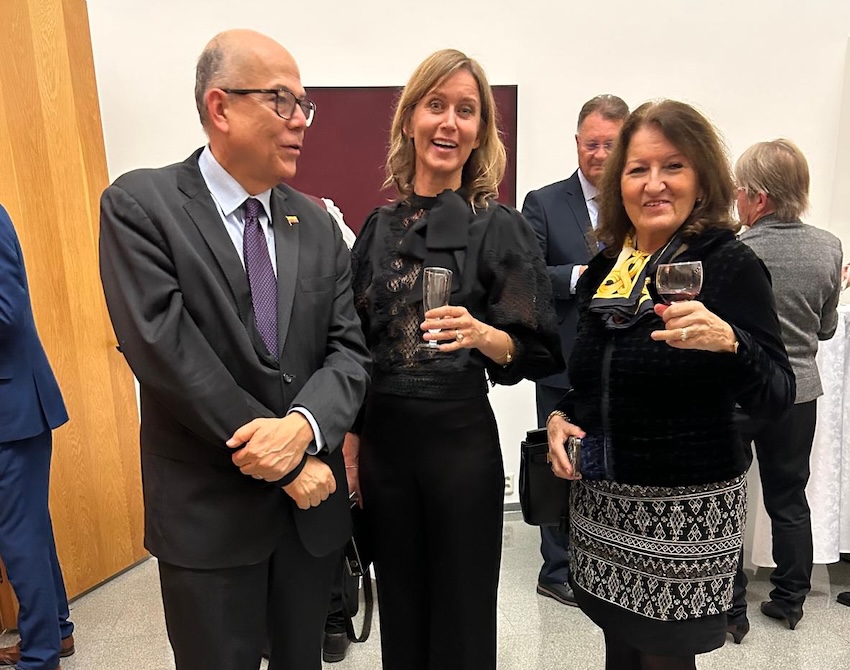
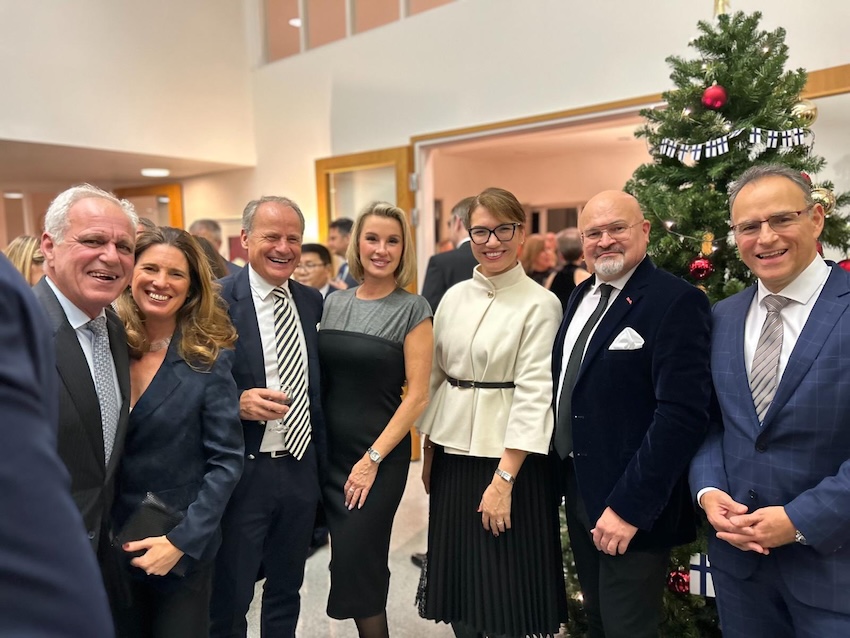
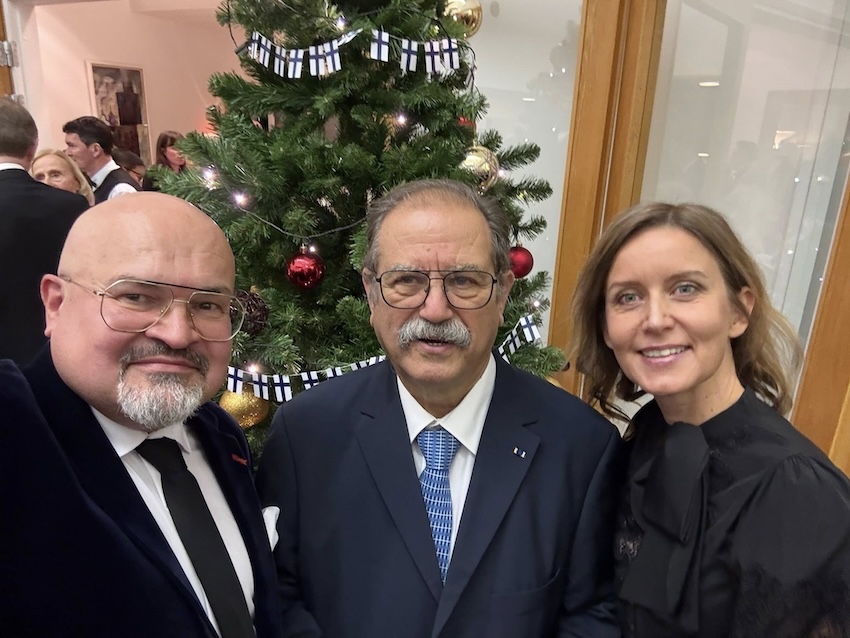
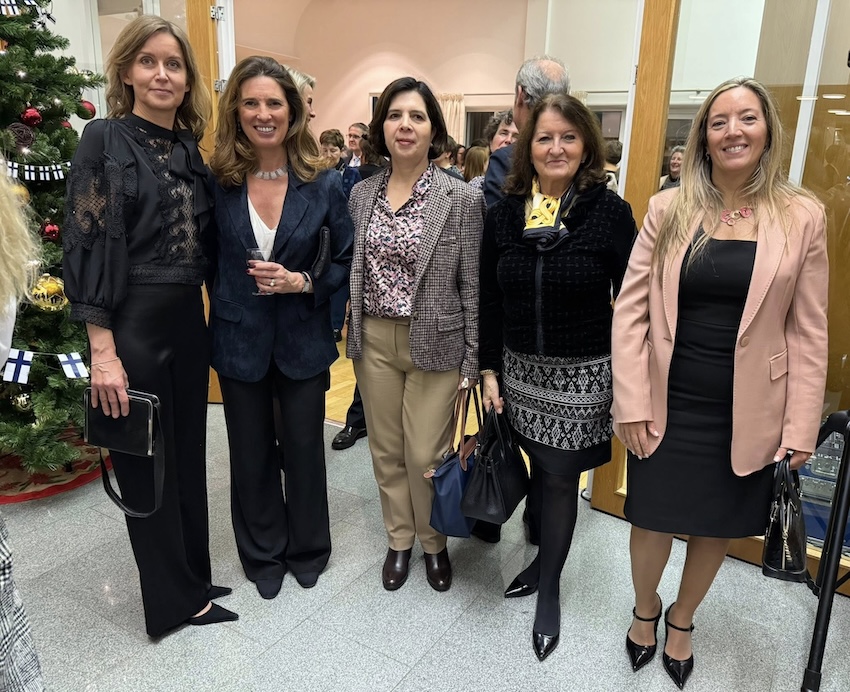
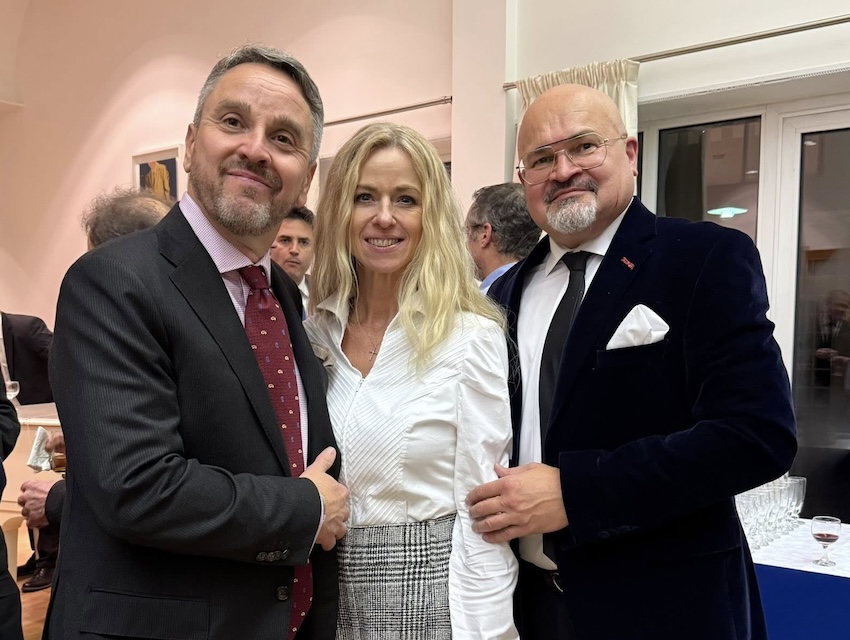
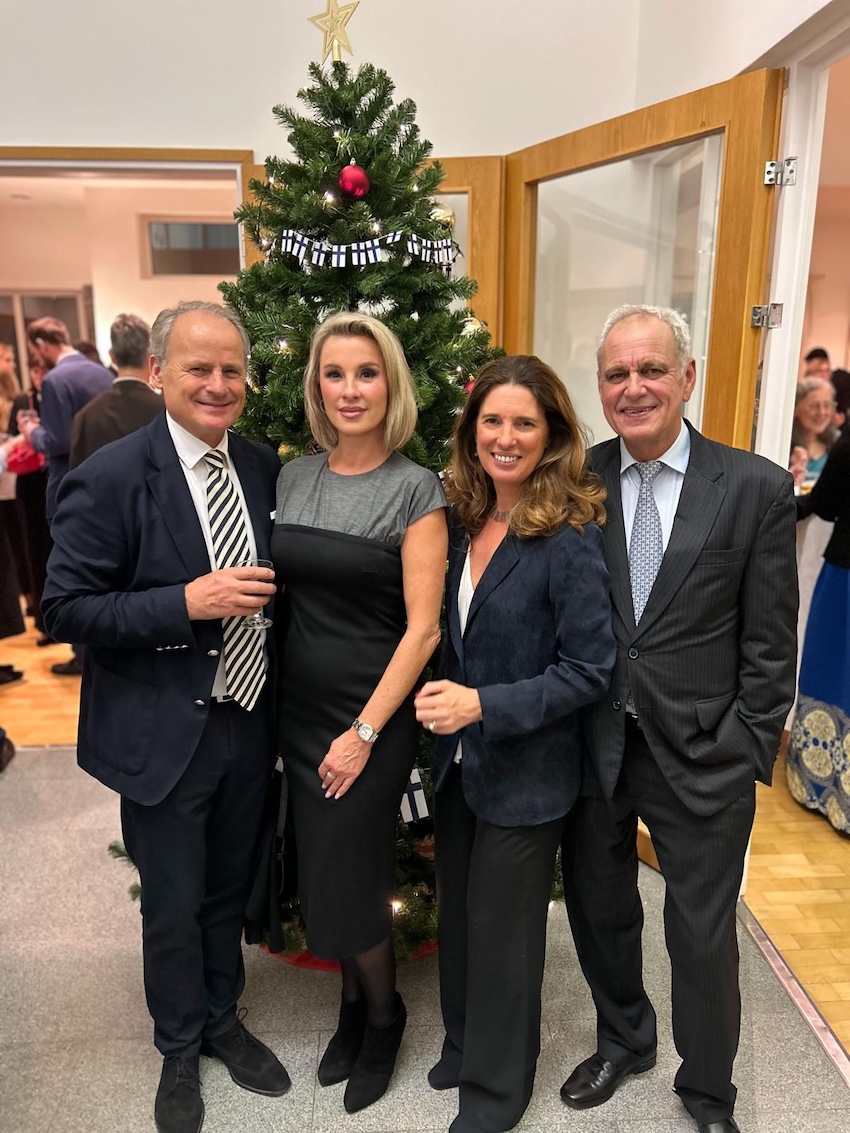


Independence Day pays tribute to Finland’s path to statehood, shaped by perseverance and a steadfast desire for self-determination. From the mid-12th century, Finland was part of the Swedish realm before becoming an autonomous Grand Duchy within the Russian Empire following its annexation in 1809. The turbulence of World War I and the Russian Revolution of 1917 accelerated Finland’s push for full sovereignty. That goal was achieved on 6 December 1917, when the Finnish Parliament adopted the Declaration of Independence, marking the birth of the independent Finnish state.
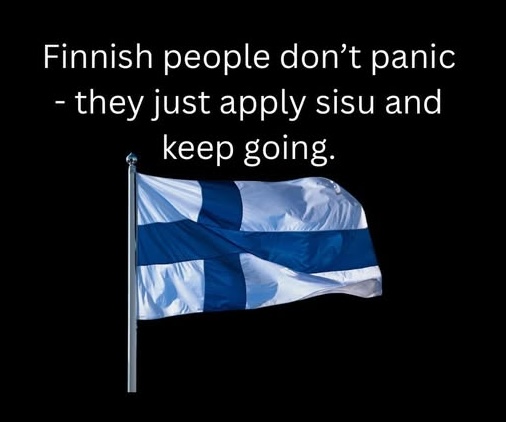
Over the past 108 years, Finland has developed into one of the world’s most modern and accomplished societies, built on trust and admired for its high standard of living, innovative spirit, and strong commitment to fairness and equal opportunity. The country is frequently recognized for its social welfare model, excellent education, environmental awareness, and technological progress, and is respected internationally for its leadership in gender equality, diplomacy and its efforts to promote peace and stability. This outstanding success is also closely tied to Finland’s healthy work-life balance and the restorative presence of nature, which offers space for activity and calm. Perhaps sisu has played its part, too: a uniquely Finnish blend of courage, quiet inner strength, endurance, and perseverance.
Finland’s success is reflected not only in statistics but also in everyday life. For eight consecutive years, Finland has been ranked the world’s happiest country in the World Happiness Report.
The celebration began with the national anthems of Finland, Hungary, and the European Union, beautifully performed by pianist Elsa.
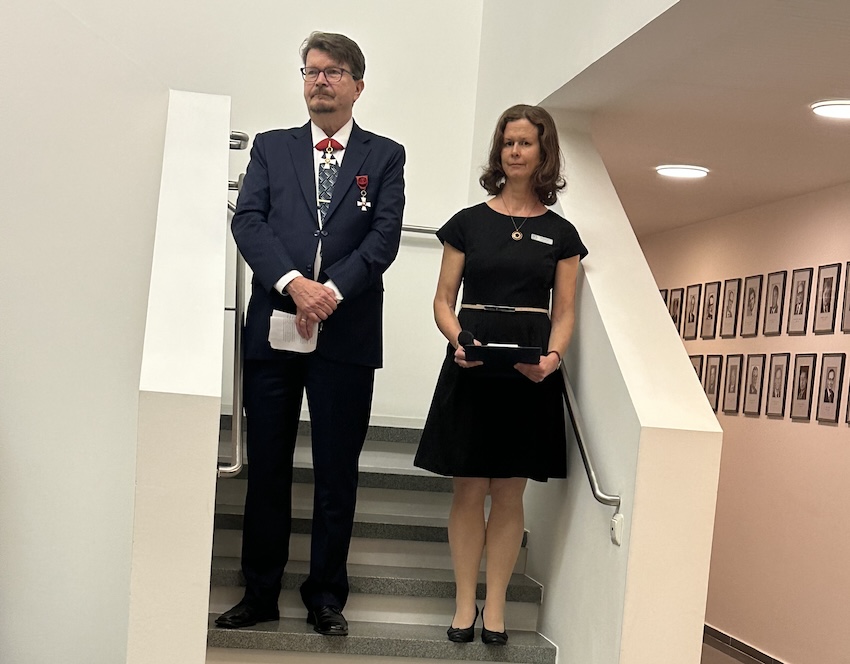
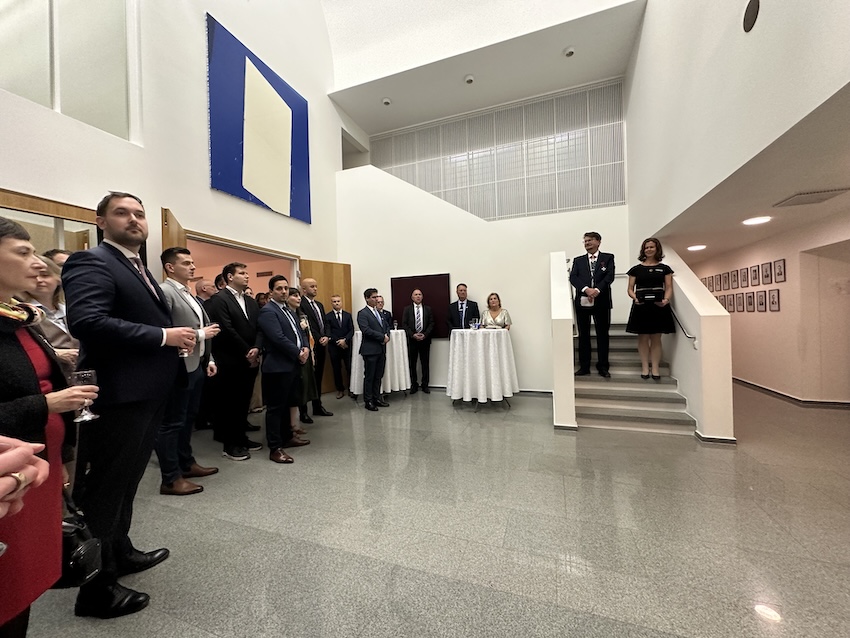
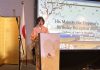
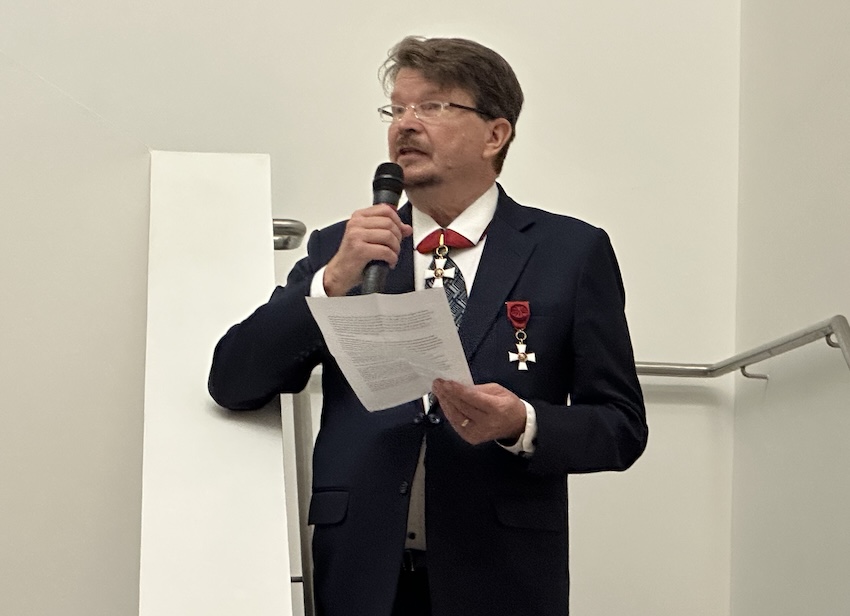
This was followed by the remarks of Ambassador Pertti Anttinen:
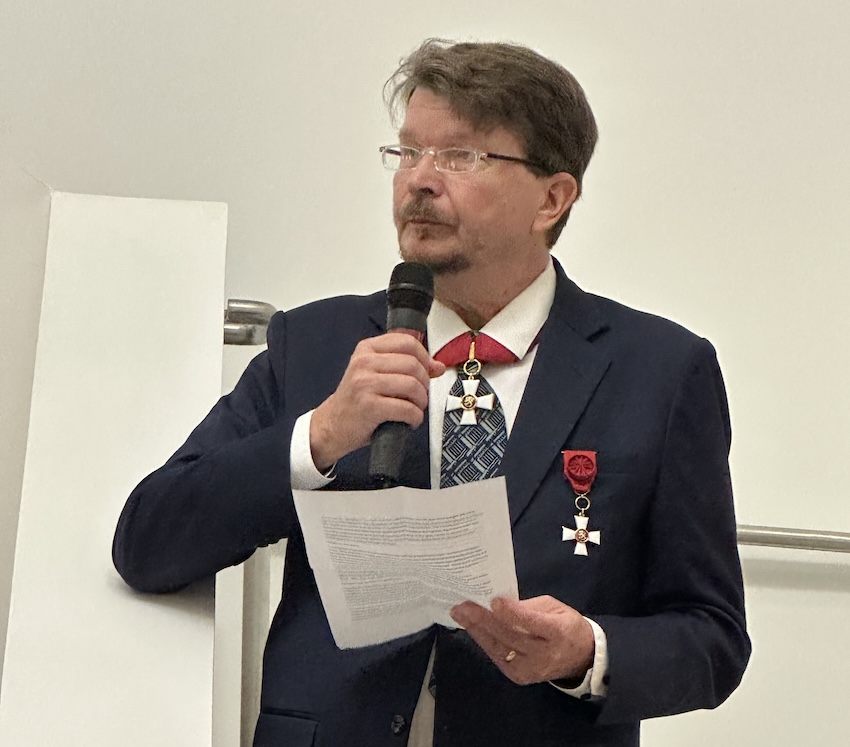
“Welcome to celebrate the 108th Independence Day of Finland! I am so happy that, unlike last year and the year before, it is not snowing today. As this is the fourth and last event of its kind that I am hosting here at the Finnish Residence in Budapest, may I take the liberty to briefly reflect on my previous speeches.
In my address in December 2022, I referred to Russia’s unprovoked war of aggression against Ukraine, which not only jeopardizes Ukraine’s existence as a sovereign nation, but has also profoundly damaged the existing security architecture of Europe. It is sad to note that after almost four years, Russia’s relentless aggression and killing continues. And yes, Finland has sent – and keeps on sending – our taxpayers’ money to assist Ukraine to fight for its survival, not because Brussels has forced us to do so, but because Finland firmly believes that it is our duty and obligation to help a victim against an unlawful aggressor.
In 2023, I drew attention to the resurfacing of violence and civilian suffering in Israel and Gaza, emphasizing the fragility of peace in the Middle East. As we have now witnessed significant steps toward peace in Gaza, we should not forget that – as in Ukraine – sustainable peace is only possible if it is inclusive, fair, and just.
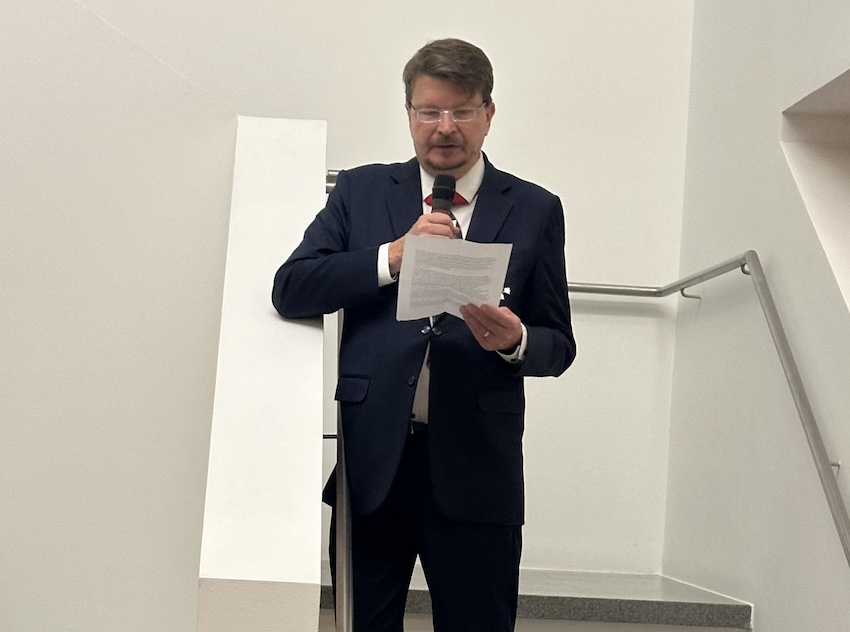
Furthermore, in 2023 I also emphasized the importance of a strong and united EU in addressing the current security and economic challenges. I think that this call is just as valid today as it was then. I also thanked the Hungarian government and parliament for their support for Finnish membership in NATO, which became a reality on 4 April 2023. I stated at the time that Finland, as a NATO member – with its military capabilities and commitment to defence and resilience – would be a security provider whose membership would further strengthen the Alliance. I wish to add that our security has never been built on military preparedness alone. Alongside investments in our security, we have also made serious and sustainable investments in our people. Education, equal opportunities, individual freedom, trust in institutions, and strong democratic processes have been the cornerstones of our resilience.
At the beginning of this year, Finland assumed the Chairpersonship of the Organization for Security and Co-operation in Europe (OSCE). The original idea was to celebrate the 50th anniversary of the Helsinki Summit and perhaps even revive the famous Helsinki spirit. Instead, we had to focus on keeping the organization alive. Our Chairpersonship program was based on three guiding principles: respect the OSCE principles and commitments, respond to today’s challenges, and prepare the OSCE for the future. Finland has succeeded so far in ensuring the continuity of the OSCE’s operational work without interruption, despite the OSCE not having an approved budget. We have launched the Helsinki+50 discussion on the future of the organization and strived to uphold the OSCE principles and develop its operational functionality. The Ministerial Council in Vienna on 4–5 December 2025 took further stock of the results and progress. As Finland will hand over the Chairpersonship to Switzerland by the end of the year, I wish to extend my congratulations and best wishes to the incoming Chair. Good luck to Ambassador Alexander Renggli and all his colleagues in the Swiss Foreign Service!
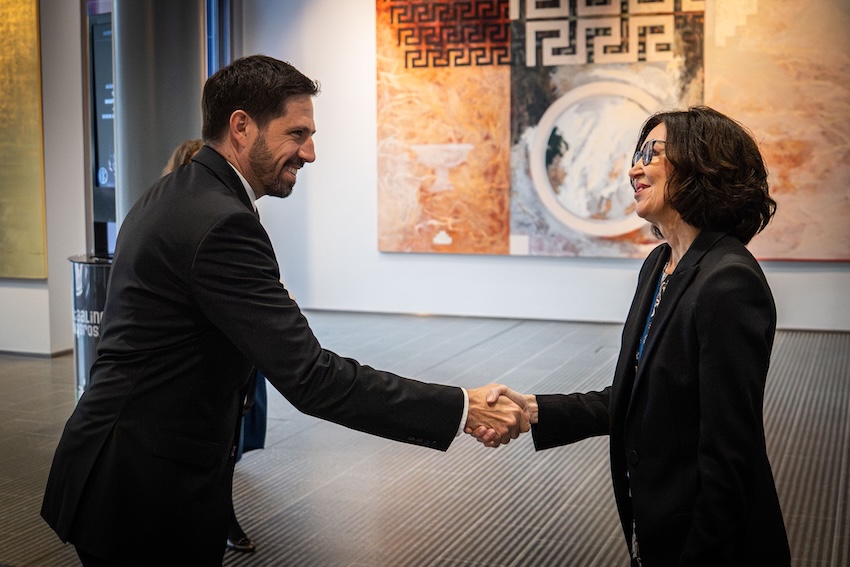
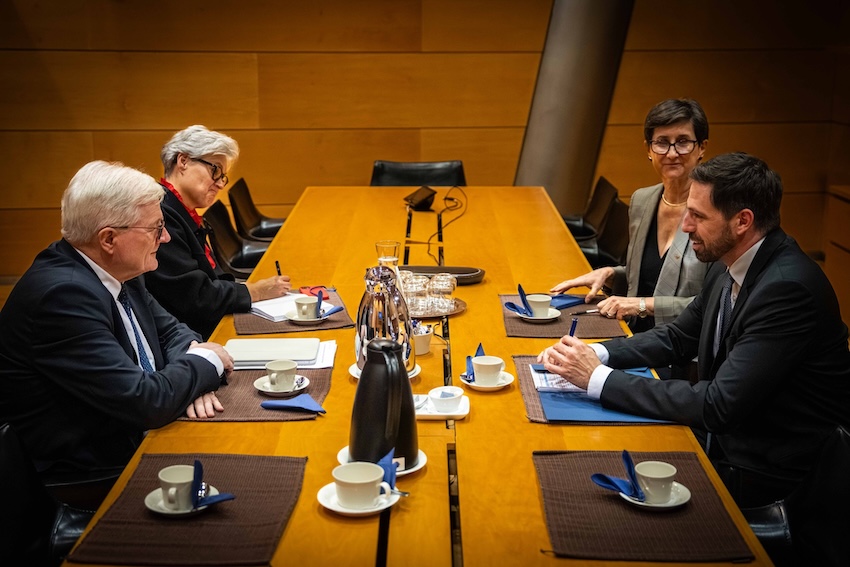
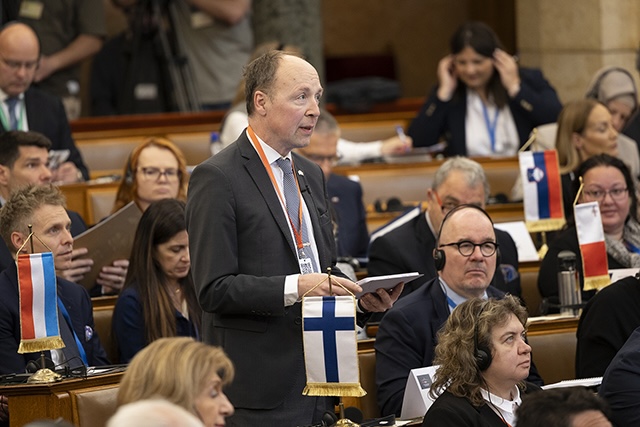
Finnish–Hungarian relations rest on a firm Finno-Ugric common heritage basis. This provides a solid foundation for continuous institutional and people-to-people contacts, manifested in many diverse forms. Even though our political views sometimes diverge, I am glad to note that a fruitful dialogue has always been maintained, and visits such as that of Deputy Foreign Minister Levente Magyar to Finland in October, and that of the Speaker of the Finnish Parliament Jussi Halla-aho to Hungary in May, are always valued.
Now, it is time for sincere thanks. Let me start by thanking all those who have contributed to deepening Finnish–Hungarian relations, ranging from government representatives, civil society organizations, friendship societies, parishes, municipalities, as well as universities and Finnish and Hungarian private enterprises.
I also wish to recognize the work of the Finnish Institute in Hungary, FinnAgora, and the Finnish Chamber of Commerce in this regard. And finally, my heartfelt thanks and gratitude go to the amazing and hardworking staff of the Embassy, namely Kaisa, Heta, Maiju, Szilvi, Virág, Dani, Dóra, Bori, Anna, Miki, Zoli, Kati, Zsolt, Ani and Eva, as well as to my dear wife Katriina.
And finally, I would have wanted to give a more positive speech at my last Independence Day reception, but unfortunately, the current geopolitical situation makes it quite difficult.
Therefore, and to acknowledge the 80th anniversary of the first Moomin book being published, I would like to take this opportunity to quote one of my favourite thinkers, Moominpappa, who famously said: ‘Perhaps storms exist only so that we can enjoy the sunrise after them’. The Moomins’ gentle and unique way of looking at the world can give all of us food for thought.
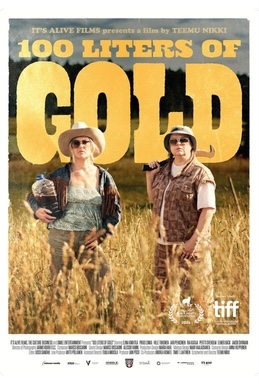
On behalf of the entire embassy staff, I thank you again warmly for coming to celebrate with us. Please enjoy Finnish culinary specialties prepared by our chef, and – at your own risk – traditional Finnish farmhouse craft ale, sahti, in honour of Finland’s official submission for the 2026 Academy Awards: ‘100 Litres of Gold’ (100 litraa sahtia), a 2024 comedy written and directed by Teemu Nikki.
The film follows two sisters who drink 100 litres of their family’s famous sahti – then scramble to replace it in time for a wedding. It premiered at the 19th Rome Film Festival in 2024 and was released in Finnish cinemas in March 2025. The film was selected as Finland’s entry for Best International Feature Film at the 98th Academy Awards.
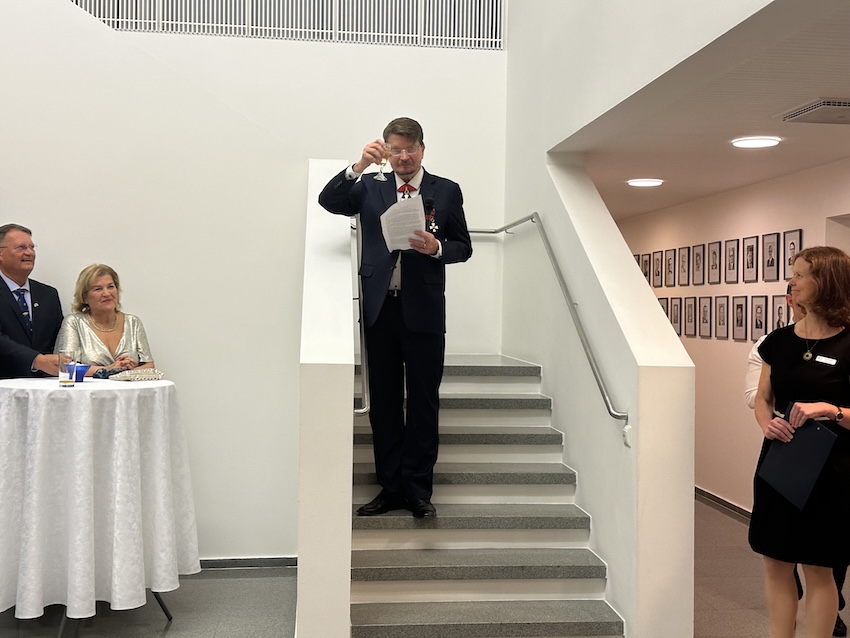
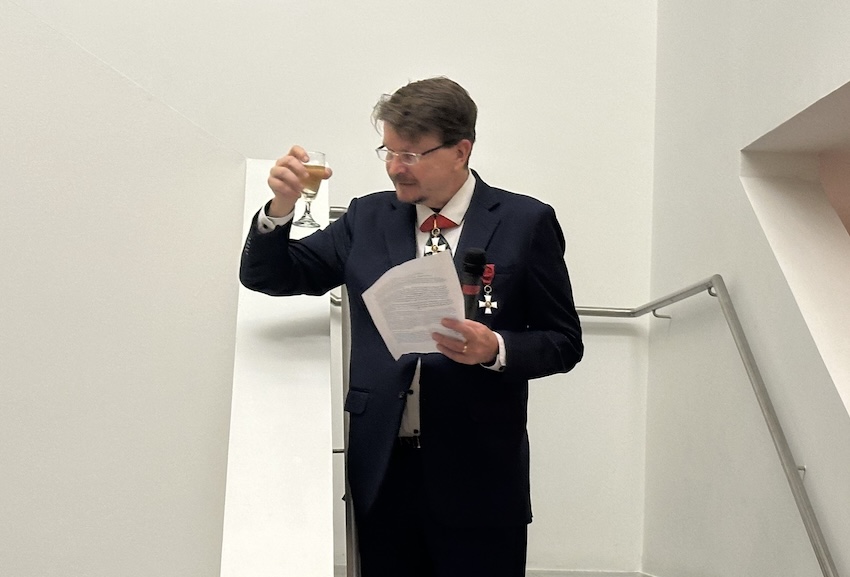
May I now propose a toast to the 108th year of Independence of Finland and to the warm and long-standing friendship between Finland and Hungary.”
“Hyvää itsenäisyyspäivää!” Happy Independence Day!”
80 Years of Moomin Stories
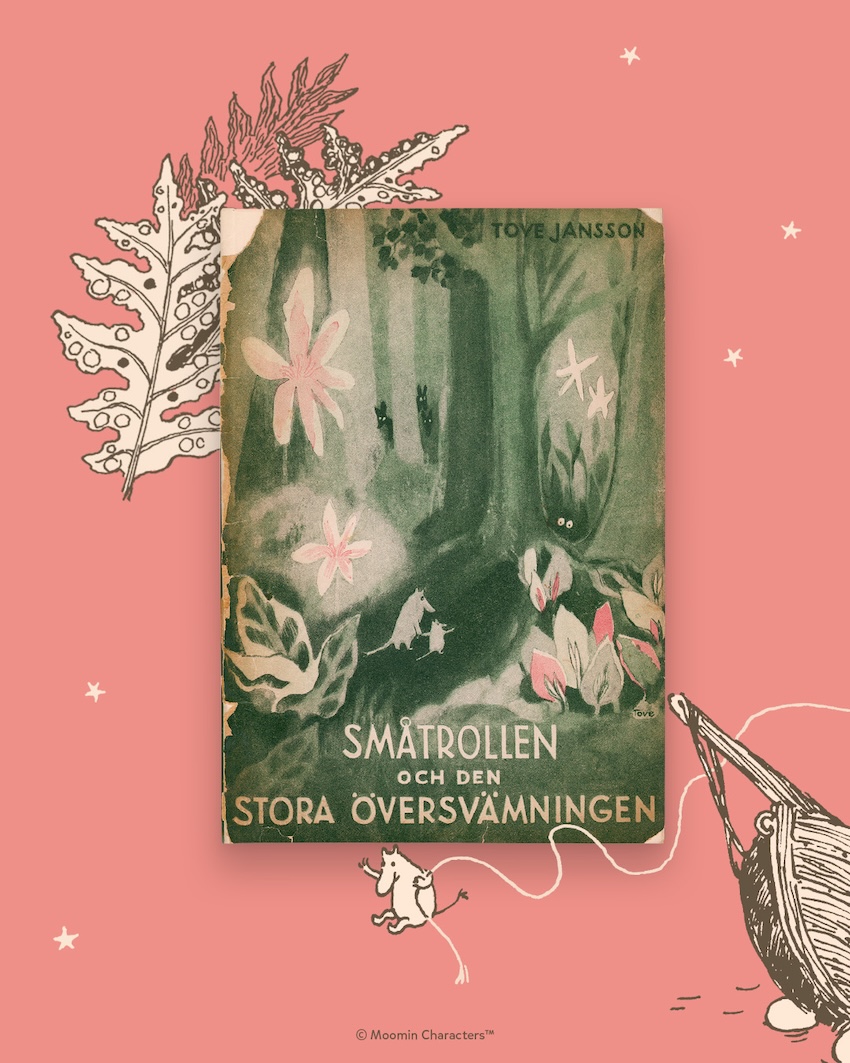
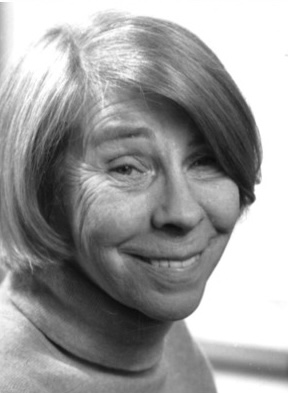
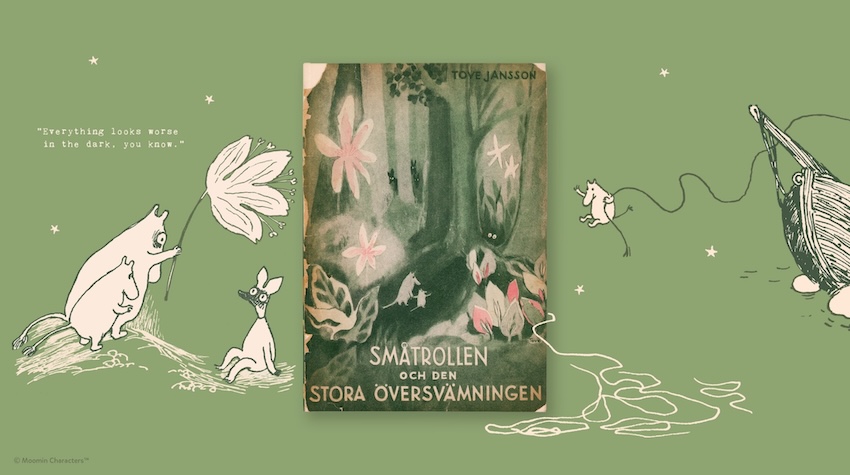
This year marks 80 years since the first Moomin tale, The Moomins and the Great Flood, was published in 1945. Finnish artist and author Tove Jansson (1914–2001) created the beloved Moomins – hippo-like, white troll characters whose stories shaped the childhoods of many. Written during World War II, the book began partly as a fairy tale to comfort the author in dark times, capturing experiences that still feel painfully familiar today: families separated, people displaced, and the urgent search for safety.
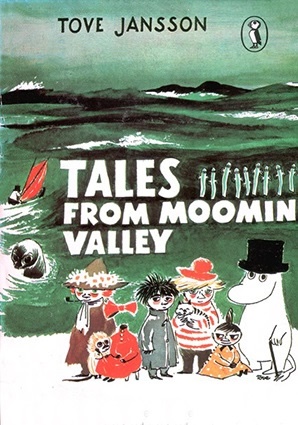
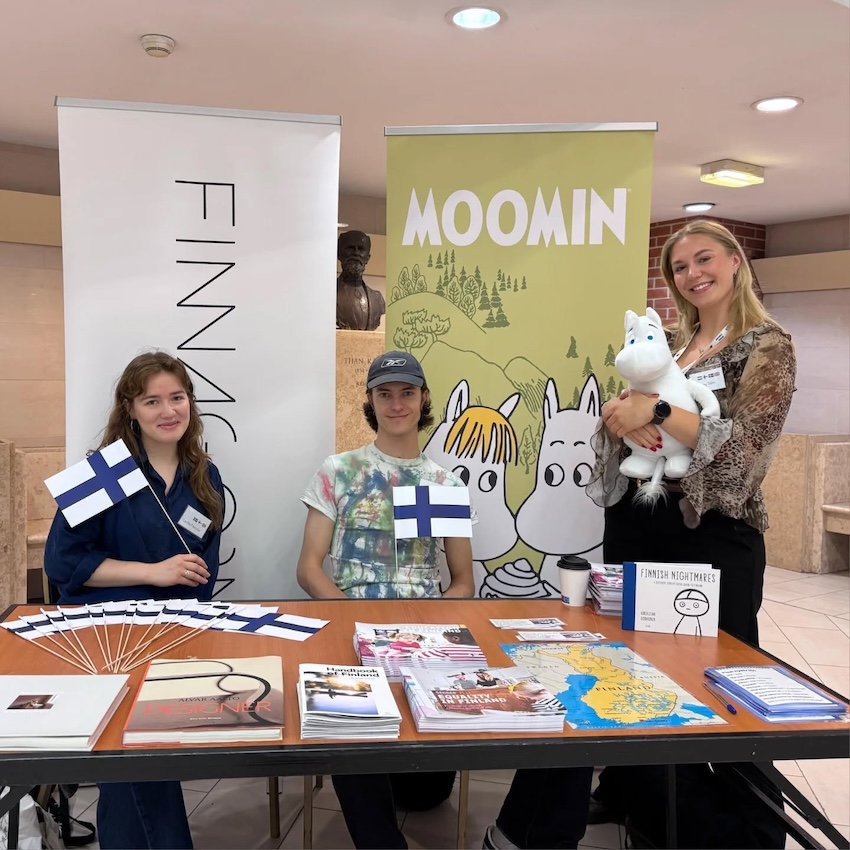
Over the decades, the Moomins have grown from intimate stories into cultural icons in Finland and a global phenomenon. The Moomins are known worldwide, with the books translated into over 50 languages and a strong cultural presence in dozens of countries across the globe. Yet their lasting power comes from more than charm. At the heart of the Moomin universe is Moominvalley as a refuge – a place where uncertainty is met with warmth and where belonging is not earned, but offered.
- A Safe Haven imagined in turbulent times
In The Moomins and the Great Flood, Moominmamma and Moomintroll set out in search of a new home and the missing Moominpappa. Their journey ends in the place that becomes known as Moominvalley, where a tall blue house awaits – joyful, steady, and open-hearted. The Moominhouse is more than a setting: it is a symbol of shelter, security, and community, and a promise that whoever you are, whenever you arrive, you will be welcomed. These are timeless needs, as true today as they were 80 years ago.
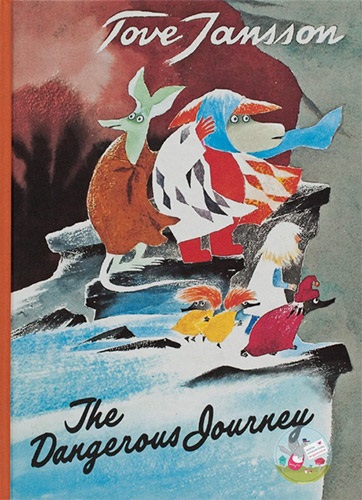
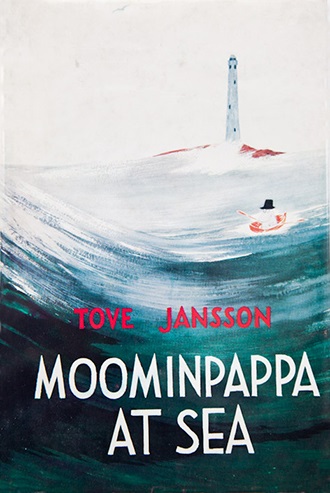
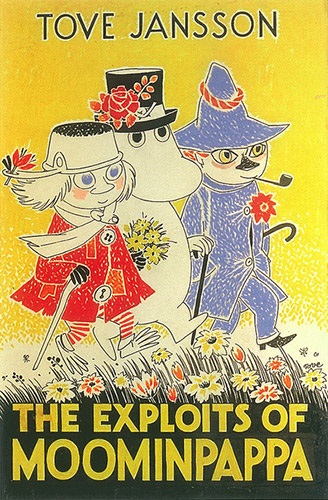
Jansson imagined Moominvalley as a counterworld to turmoil: a peaceful space where nature, family, and acceptance could thrive. Across the series, Moomin stories return to enduring themes – the comfort of home, the pull of the natural world, the strength of family bonds, and the dignity of being accepted as you are. With characters like Moomintroll, Moominmamma, and Snufkin, the stories remind us that tenderness and courage can exist side by side.
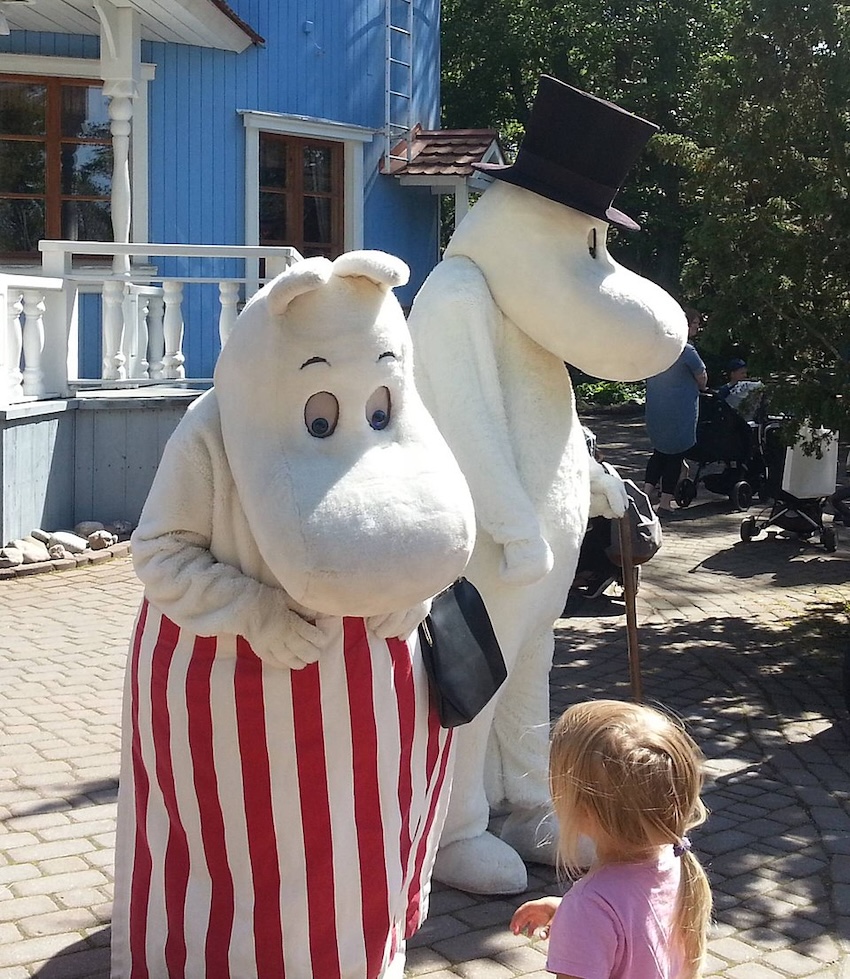
- Moominvalley and the Meaning of “Home”
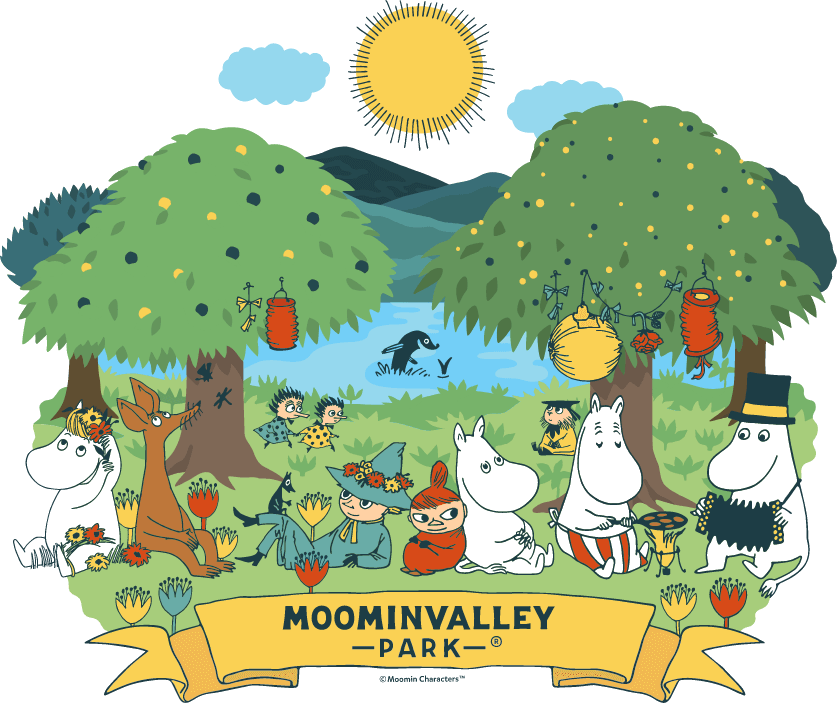
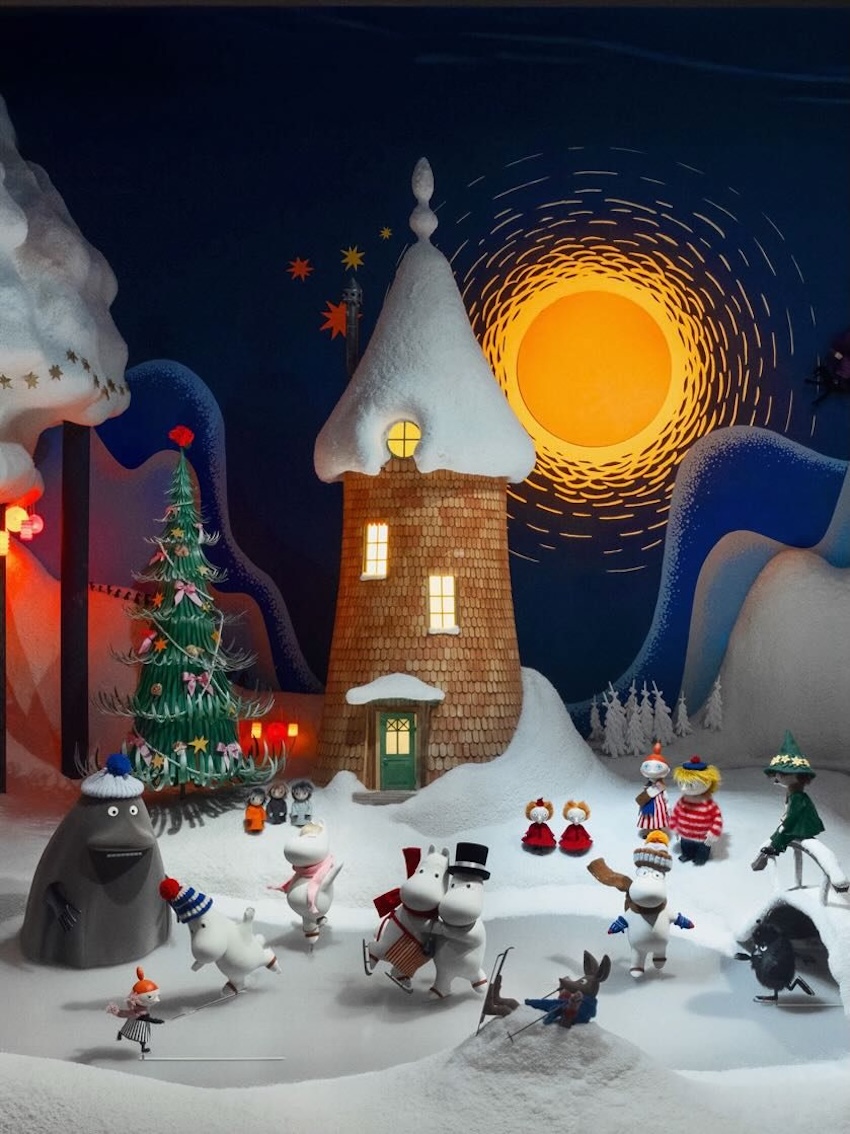
Moominvalley also invites us to take a closer look at how Jansson understood architecture and design, both in her own life and in the imagined world she created. The Moominhouse, with its distinctive shape and welcoming spirit, suggests a powerful idea: home is not only walls and a roof, but also an attitude. A place becomes safe when it is built – emotionally as well as physically – to include others.
In Moomin stories, spaces are never just background. Rooms, paths, porches, gardens, and shoreline landscapes shape the atmosphere of each moment. Together, they create a sense of sanctuary, showing how thoughtful environments can support resilience, hope, and community.
- An Imaginary World Reflecting Reality
While Moominvalley does not exist as a physical place, it is real in another way. It lives as a symbolic and emotional landscape – a world shaped by values rather than geography. It exists in stories, art, memory, and shared imagination. It is a place people return to for comfort and meaning, reminding us that home is not only a location, but also a feeling we can create for ourselves and for others.
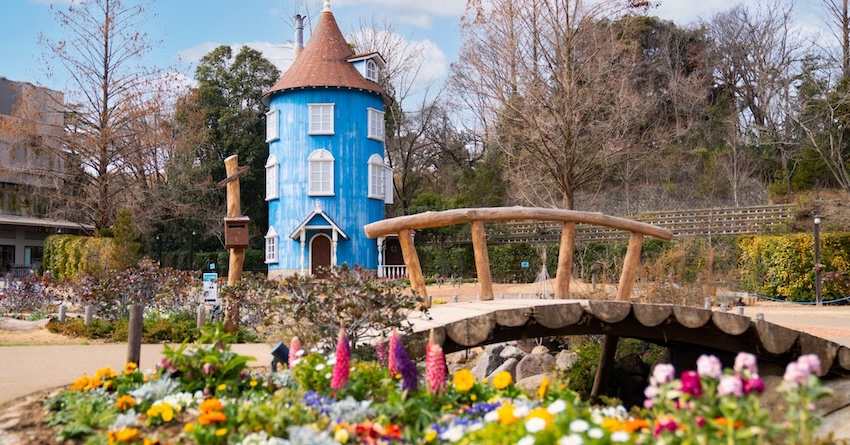
At the same time, the Moomins’ world can be visited through destinations inspired by Jansson’s universe: Moominworld in Naantali, the Moomin Museum in Tampere, and Moominvalley Park in Hannō, Japan. These places do not “prove” that Moominvalley exists on a map – but they show how deeply its idea of welcome, safety, and belonging has resonated across generations and borders.
Eighty years on, people still return to Moominvalley not to escape the world, but to remember what truly matters. The Moomins show that gentleness can be brave, that differences are welcomed, and that belonging is something we can build for one another. In that sense, Moominvalley is not only an imaginary place – it reflects our shared human need for shelter, care, and hope.
- The Moomins still matter today
The Moomins and the Great Flood is a story about troubled times and a scattered family, but it is equally a story about hope and the importance of having a safe place to call home. Today, when millions of people worldwide lack security and support, its message feels newly urgent. The world still needs blue houses – real or symbolic – where people can feel protected, seen, and welcomed.
- Moomin 80 and a Partnership for People in Need
To mark the anniversary in a meaningful way, Moomin Characters has teamed up with its longstanding partner, the Red Cross, to raise funds for those in need. A portion of the proceeds from selected Moomin 80 products will be donated to support the work of the International Federation of Red Cross and Red Crescent Societies (IFRC) through National Red Cross societies.

Sources: Embassy of Finland in Budapest, moomin.com
Photos from the Embassy of Finland in Budapest, moomin.com, and Diplomatic Press Agency