“These were the happiest years of my life – in Budapest”
Edited by Anna Popper
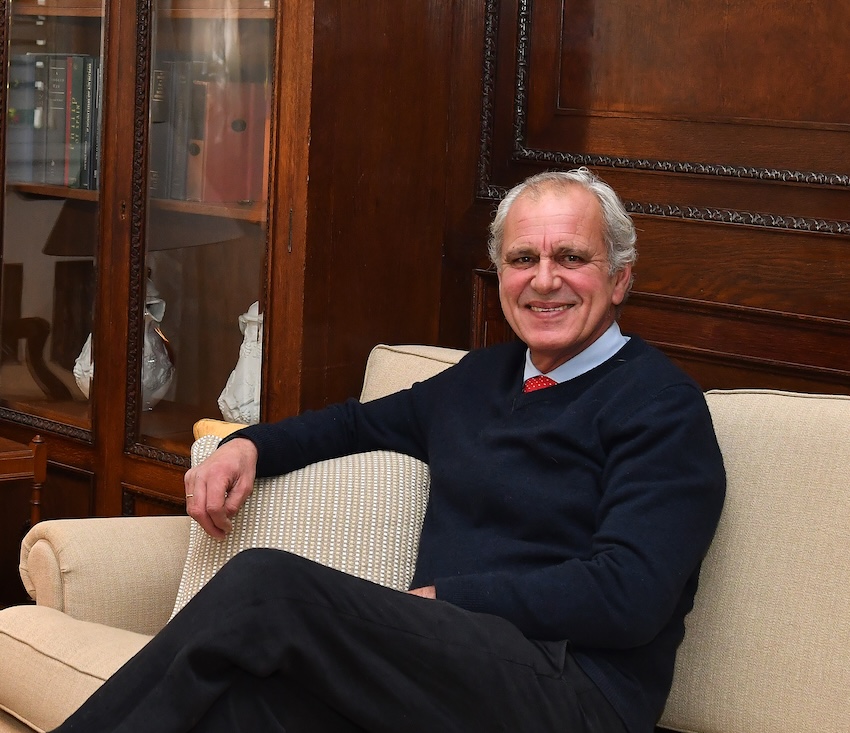
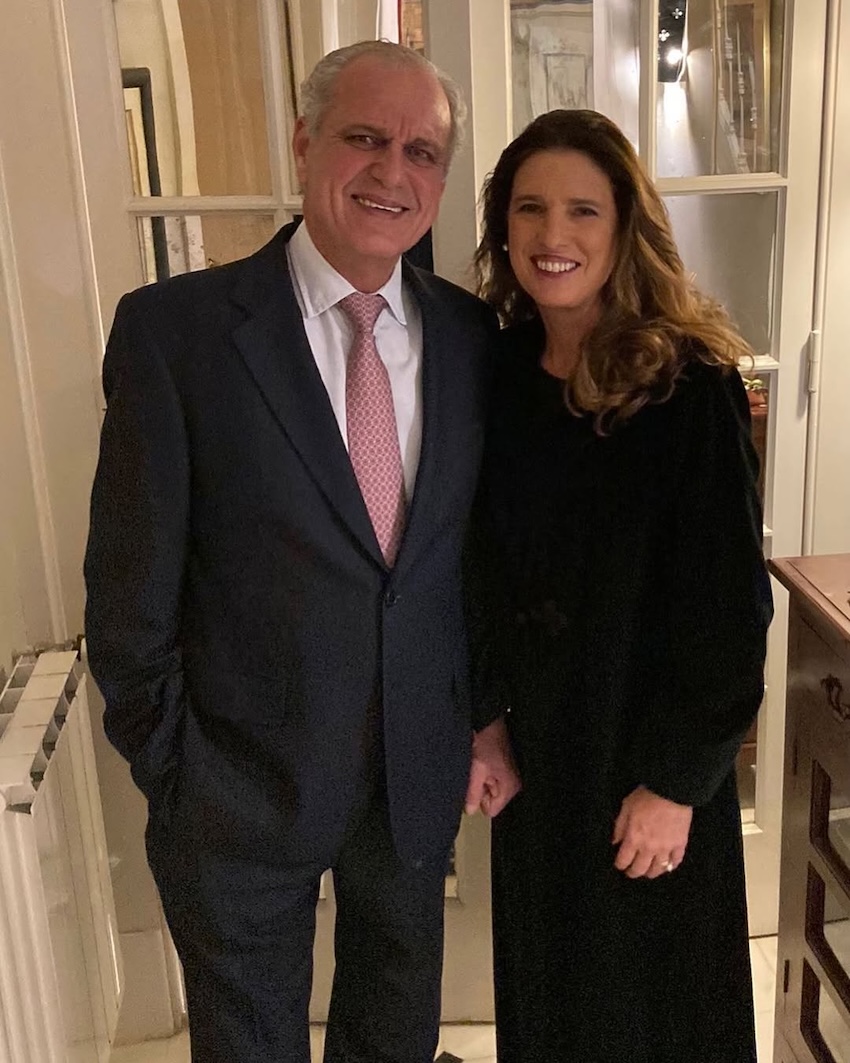
After almost six years of diplomatic service, Ambassador Jorge Roza de Oliveira leaves Budapest to take up his new post in Tunisia. He prepares with a heart full of gratitude, cherished memories, and deep affection for a country that welcomed him and his spouse Vera so warmly and generously, giving them a true home. Respected for his professionalism and appreciated for his openness, good spirits and sense of humour, he earned sincere esteem both within the Diplomatic Corps and among the Hungarians. His tenure coincided with one of the most turbulent periods in recent global history, due to the pandemic, which presented extraordinary challenges – yet, as he says without hesitation, these turned out to be the happiest years of his life, spent in Hungary.
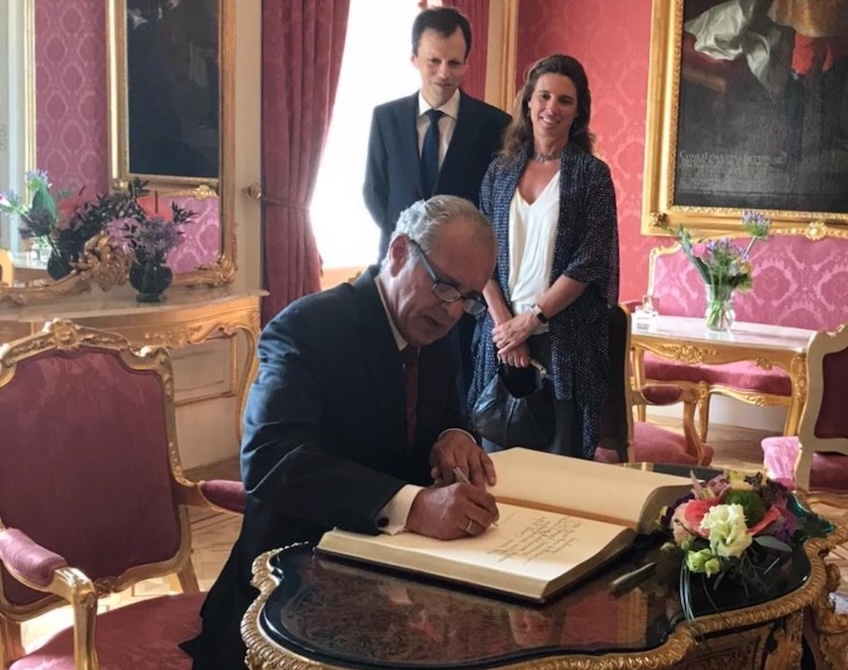
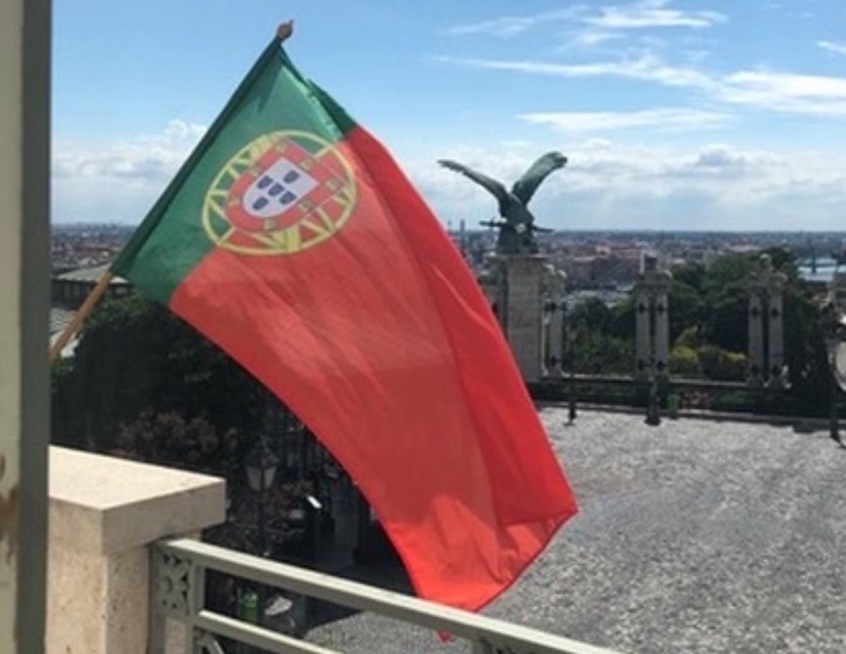
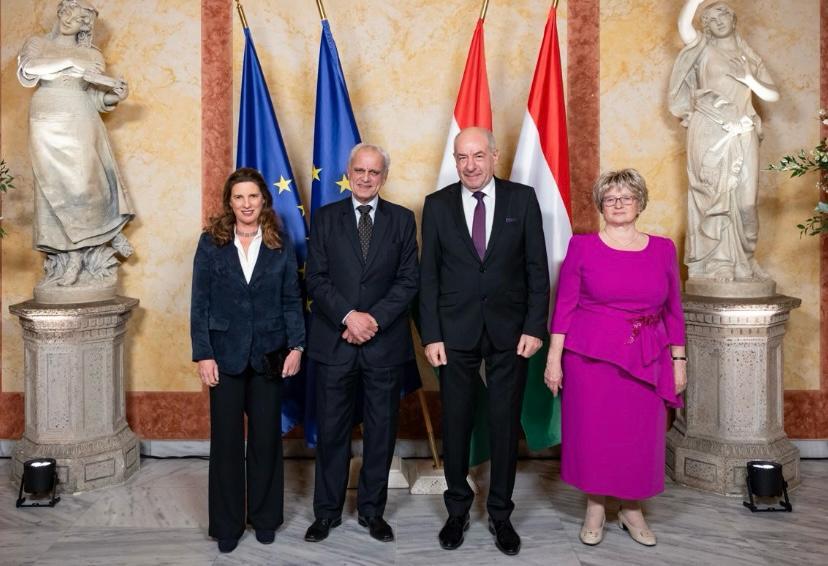
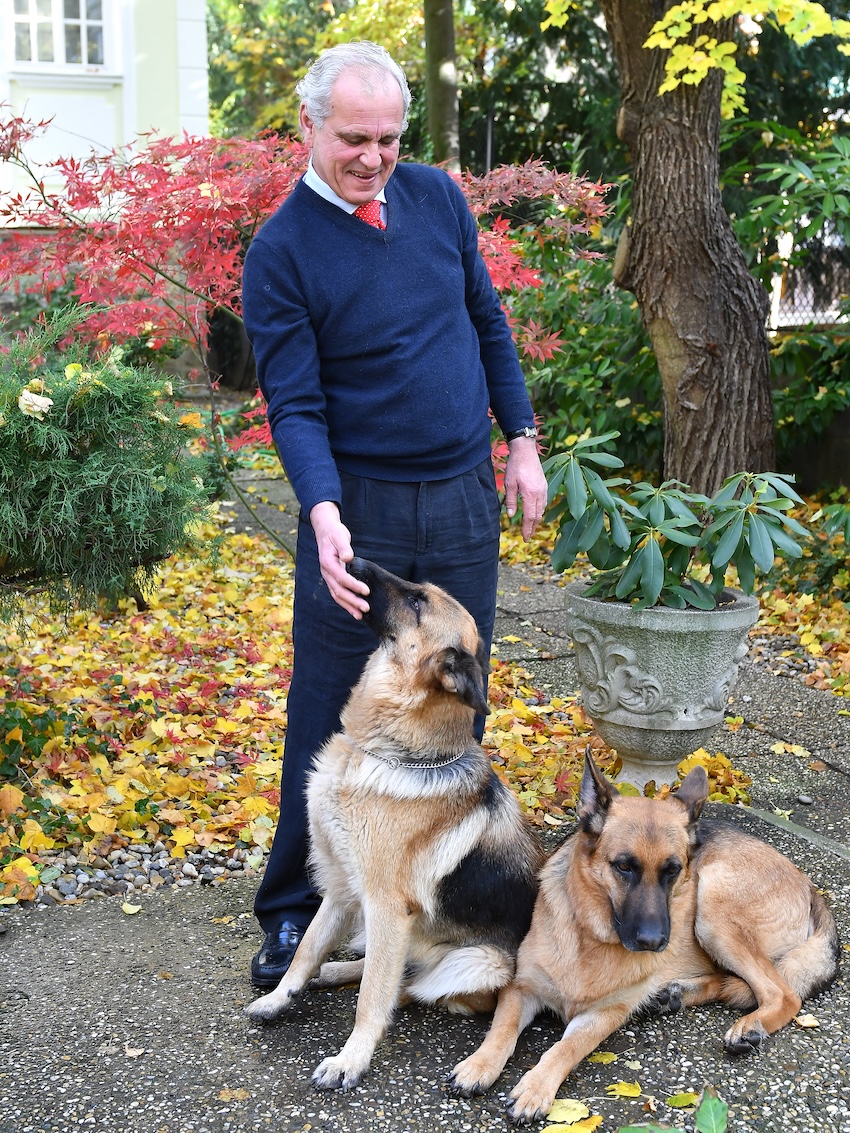
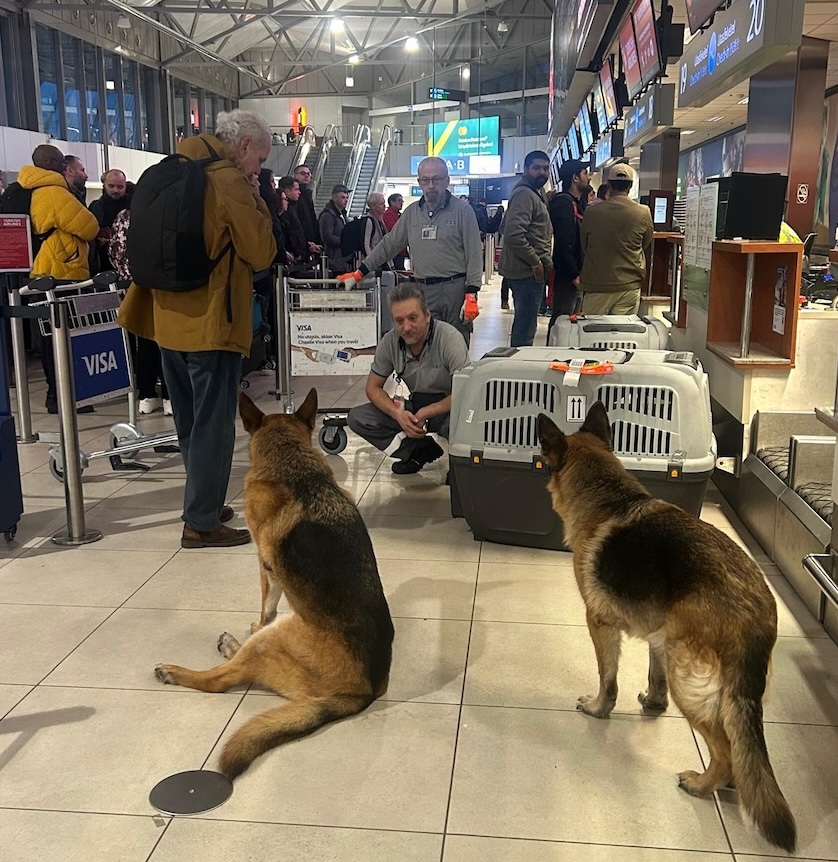
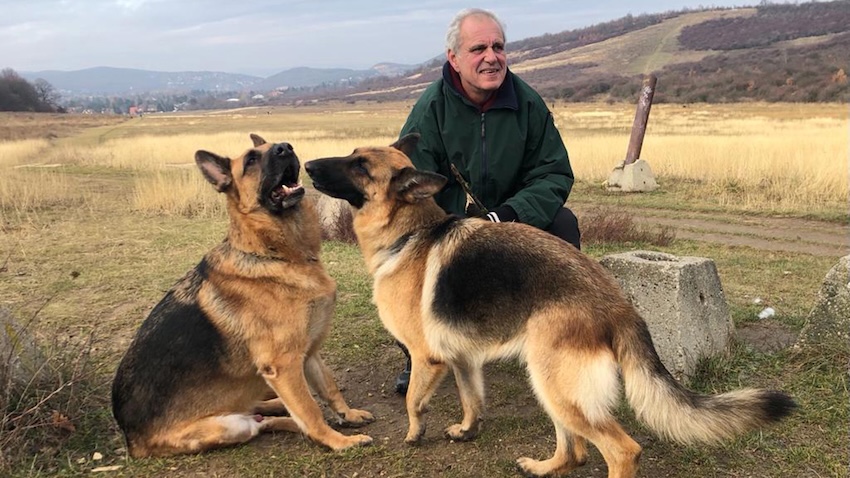
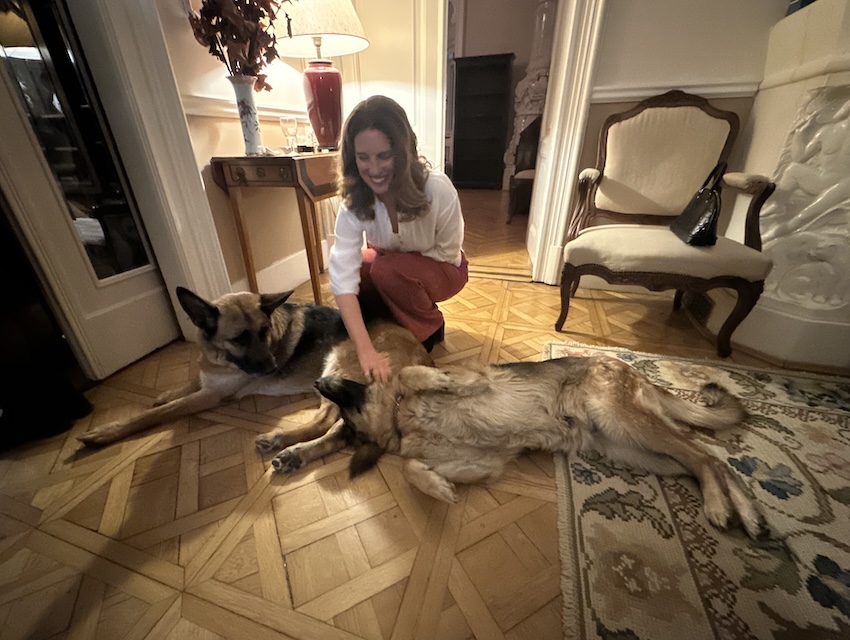
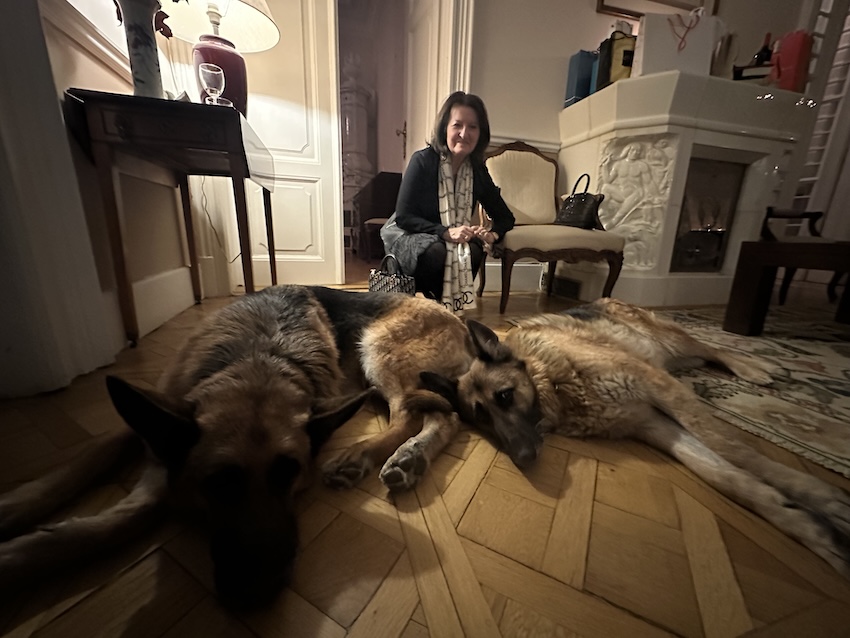
In this farewell interview, the Ambassador reflects on diplomacy during pandemic, the power of culture, the rhythm of daily life in Budapest, and the personal bonds that have made Hungary unforgettable for him, his wife Vera, and their two dogs, Lucas and Angie – beloved family members originally from Mexico.
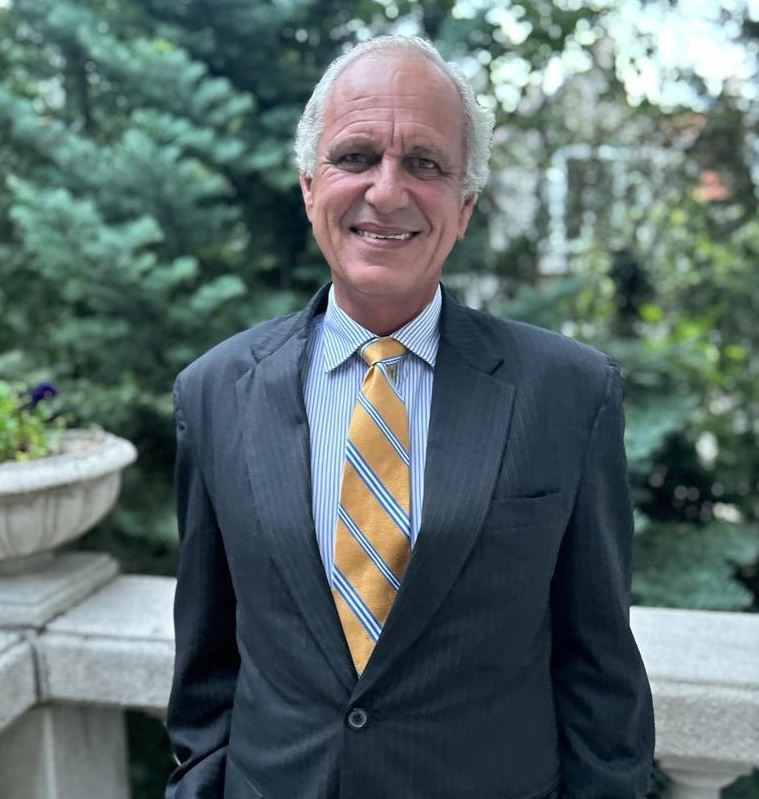
Your Excellency, are you ready to leave?
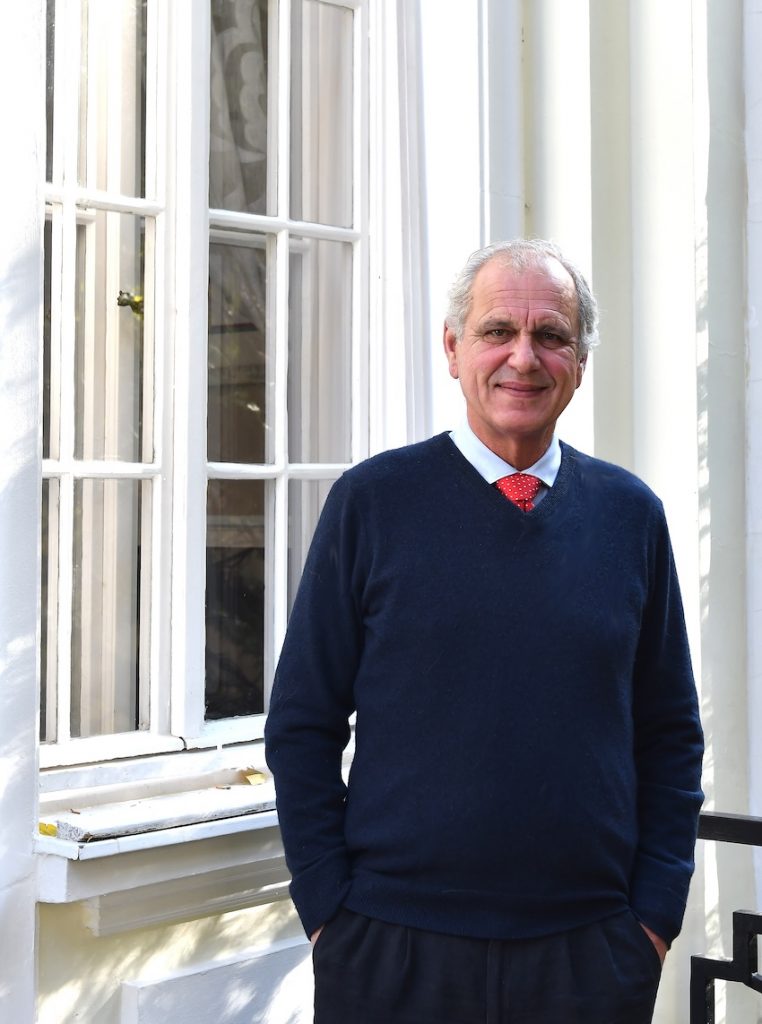
– I am ready to leave in a very concrete sense – the house is packed, the plane tickets are bought, and there is a date. But emotionally, I don’t really know what it means to be ready to leave. These were the happiest years of my life. Saying goodbye to Hungary, to Budapest, to friends, and to almost six years full of experiences is not easy. My first impulse is simply to say that Hungary – Budapest in particular – gave me deep, genuine joy. And then memories keep rising, reminding me of all that we are soon to leave behind.
What were the core priorities of your term as Ambassador of Portugal to Hungary?
– My mission was clear: to strengthen relations between Portugal and Hungary politically and institutionally, but also culturally and humanly. In that sense, I believe we succeeded. The fact that we are having this conversation today already means that the Portuguese Embassy mattered – that it was present, visible, and open. Diplomacy is not only about agreements and official visits; it is about trust, consistency, and human connection.
How did your tenure in Budapest begin?
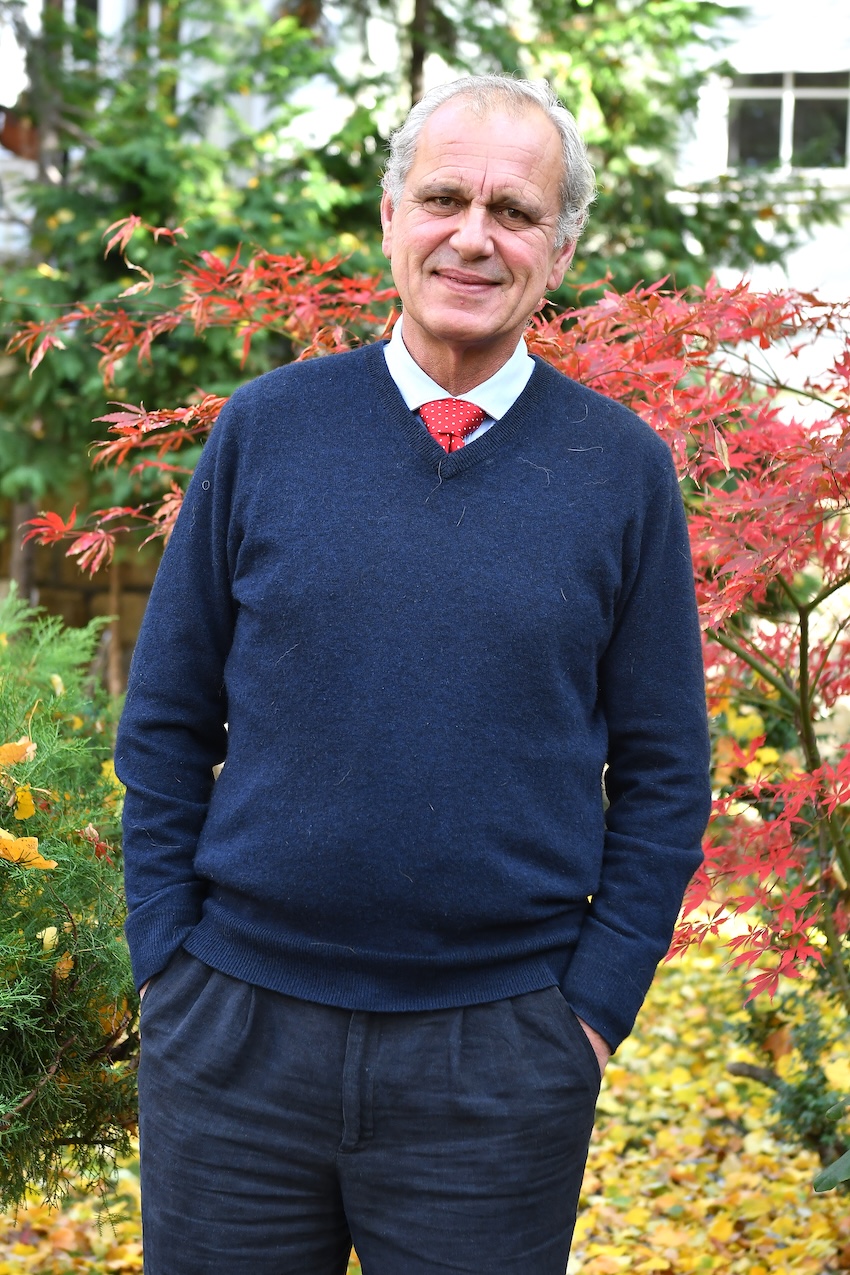
– Vera and I arrived in late February 2020 and were planning our wedding for the summer. The first two weeks were blissful – we explored the Buda Hills, climbed endless staircases, and felt immediately at home, even as the world was beginning to unravel.
Then reality arrived in the form of the pandemic, which reshaped our lives. Borders closed. Travel stopped. Professional plans collapsed, especially for Vera. And so, in early spring, we challenged the coronavirus in our own way and opened the Embassy – not for diplomacy, but for our wedding. My deputy and the head of consular affairs were our witnesses.
The funny truth is that ever since then, I have been “checked on” almost daily by the very people who officiated our wedding. You don’t get that kind of follow-up from a priest. Remarkably, the pandemic turned circumstances in our favour, allowing us to enjoy a long honeymoon together.
What struck you most when life returned to normal after the pandemic?
– Everything changed, because the world changed. When the city reopened, culture returned with extraordinary force. Budapest revealed its unique duality: Buda and Pest – separated yet united by the majestic Danube. Buda rises like Lisbon – historic, dramatic, contemplative. Pest is flat, energetic, and alive. The city offers thermal baths, ruin bars, green parks, cafés, monumental architecture.
The cultural life of Budapest is vibrant and diverse, and we embraced it to the fullest. We experienced unforgettable musical moments at MÜPA, the Liszt Academy of Music, Pesti Vigadó, the House of Music, beautiful performances at the National Dance Theatre, and beyond. I even saw the Portuguese team defeat Hungary twice in the Puskás Aréna – and still managed to preserve excellent diplomatic relations.
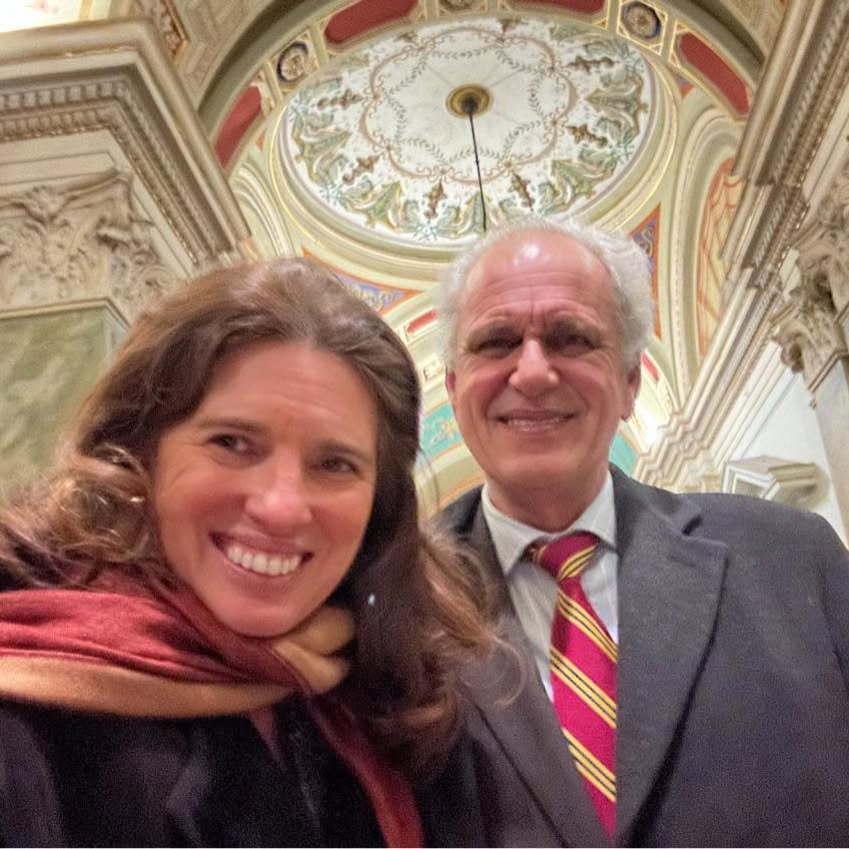
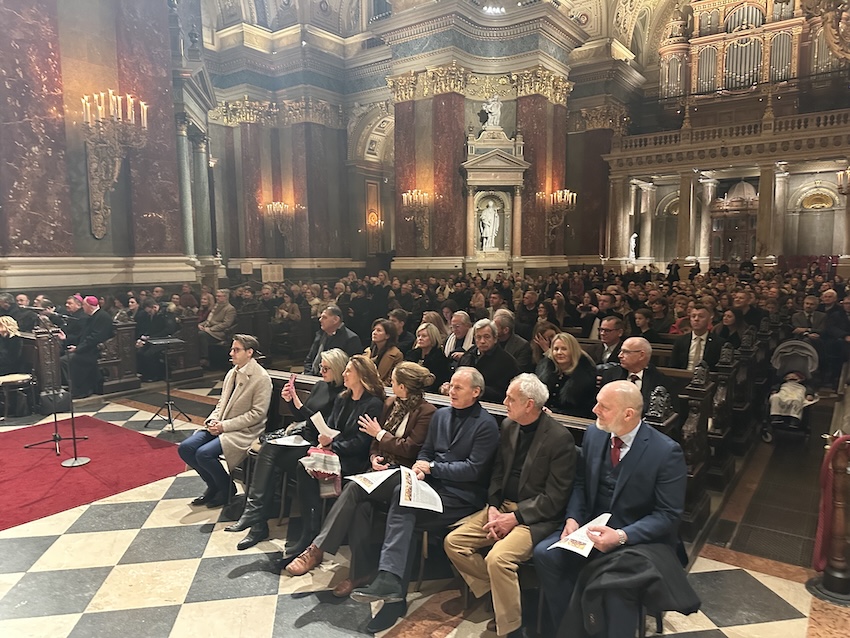
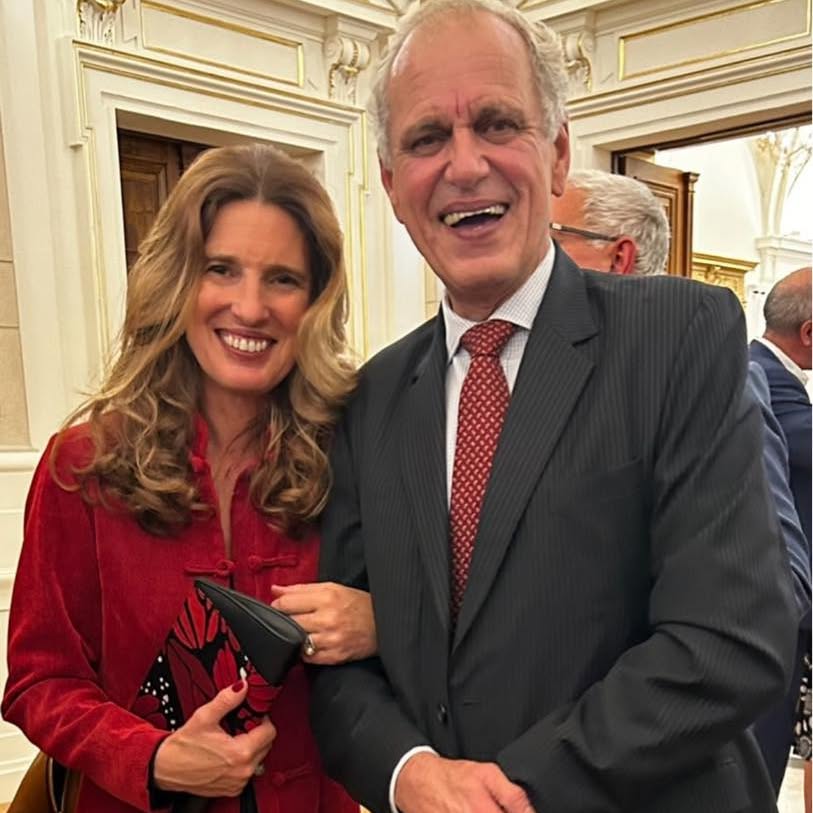
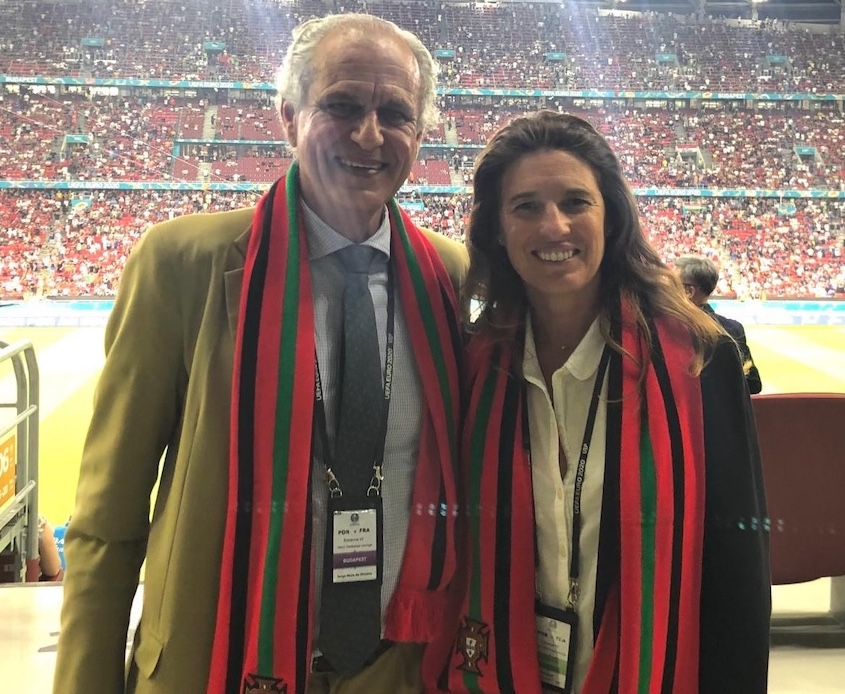
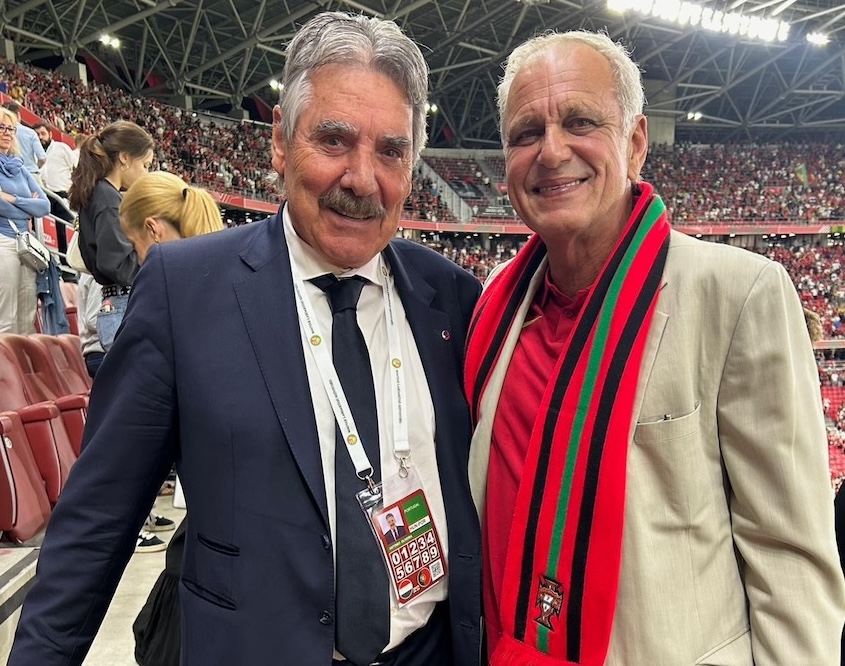
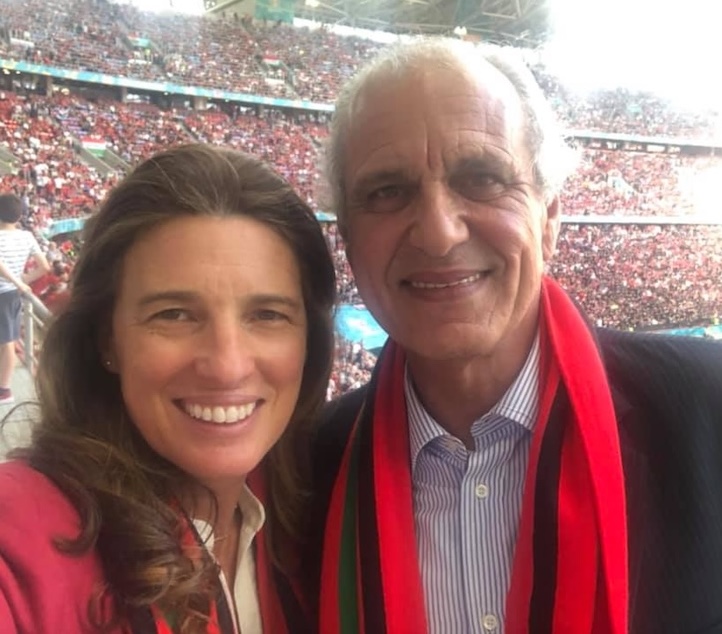
I tried to learn Hungarian: Sajnos, csak kicsit beszélek magyarul (Sorry, I speak just a little Hungarian), but even that effort was warmly appreciated.
How would you appraise the bilateral relations between Portugal and Hungary?
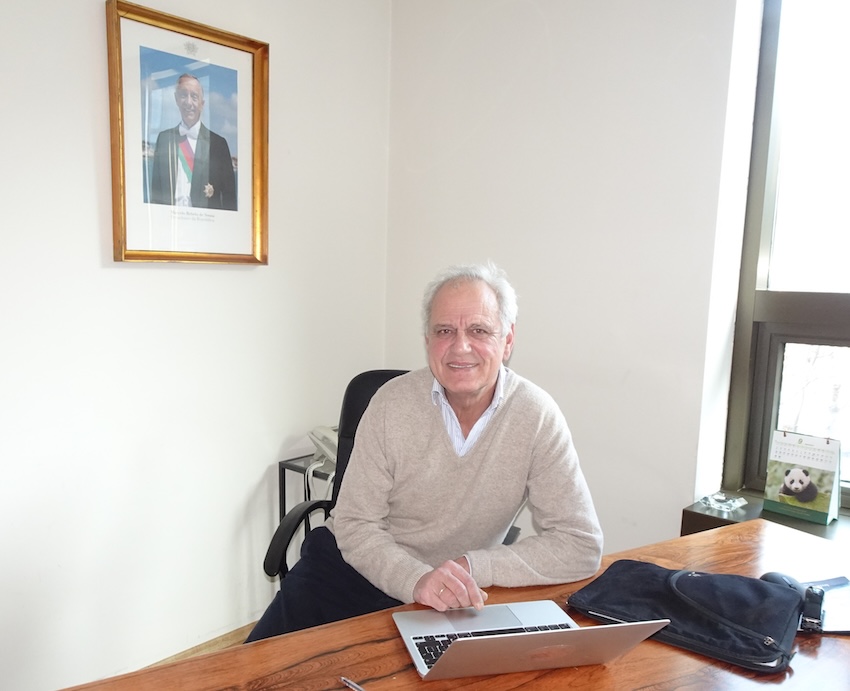
– I can only describe them as excellent. My arrival coincided with COVID, and shortly thereafter Portugal assumed the EU Council Presidency in the first half of 2021. This presidency was conducted largely online and focused on crisis management. I could not move, host, or engage in the way ambassadors normally do.
Later, from July to December 2024, Hungary held its successful EU Council Presidency, 20 years after joining the European Union. Budapest became a hub again – daily delegations, summits, and intense political life. Observing European politics from Budapest is a privilege. It is intense, vivid, and intellectually demanding. Something happens every day.
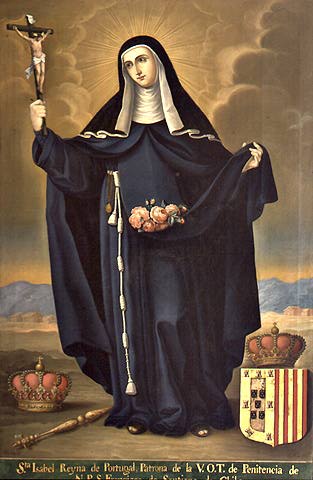
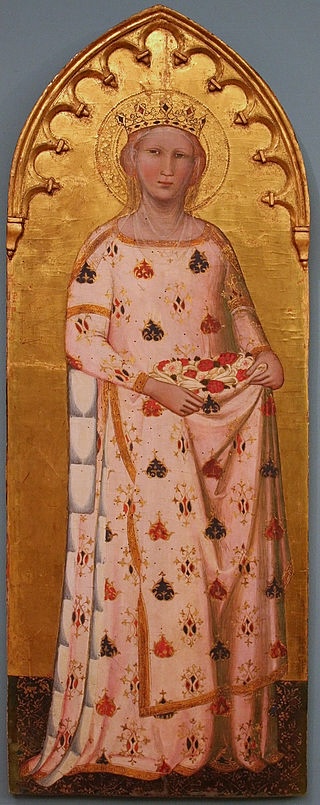
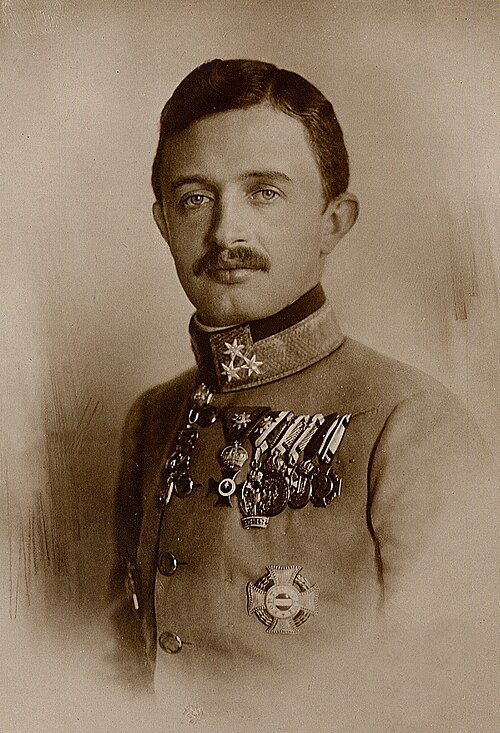
What is striking is that our historical points of connection have consistently been positive. From the two Saint Elizabeths – one Portuguese and one Hungarian, relatives to one another, both associated with the miracle of the roses – to Emperor Charles I of the Austro-Hungarian Monarchy and King Charles IV of Hungary, who is buried in Funchal, Madeira, where he and his large family spent the final years of his short life; and to the role played by Portuguese diplomats in Hungary during the Holocaust – these connections speak volumes about solidarity and shared values.
Over the past fifty years, bilateral relations have deepened alongside Europe’s transformation. Hungary’s democratic transition, its NATO accession in 1999, and its EU membership in 2004 opened a new chapter based on shared principles, cooperation, collective security, and European integration.
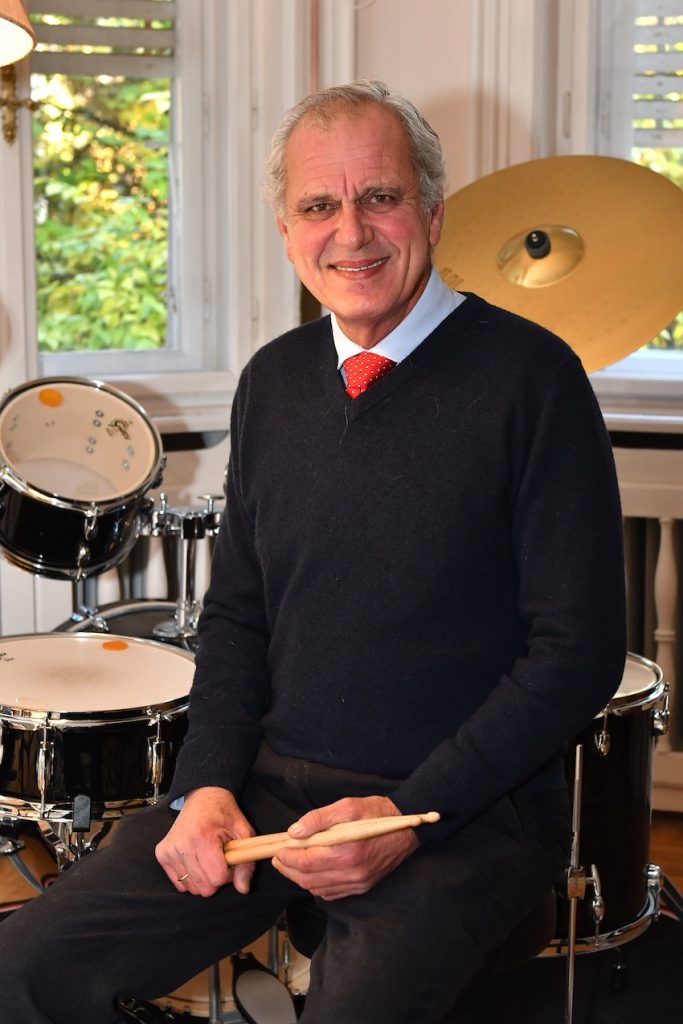
You are a strong advocate of cultural diplomacy. Which Portuguese cultural values resonated most in Hungary?
– Hungarians are deeply appreciative of culture and genuinely curious about the cultures of other nations. The Portuguese cultural programs covered a wide spectrum from Lusophone film cycles to painting and photography exhibitions, as well as from classical to contemporary music.
If I had to single out one art form that resonates particularly strongly, it would be fado. Its emotional depth, nostalgia, and honesty speak to something universal.
The concert by Marta Pereira da Costa, the renowned Portuguese guitar artist, at the extraordinary Hungarian House of Music was especially memorable – where the Portuguese guitar became the voice of fado itself, telling stories through sound, emotion, and imagination.
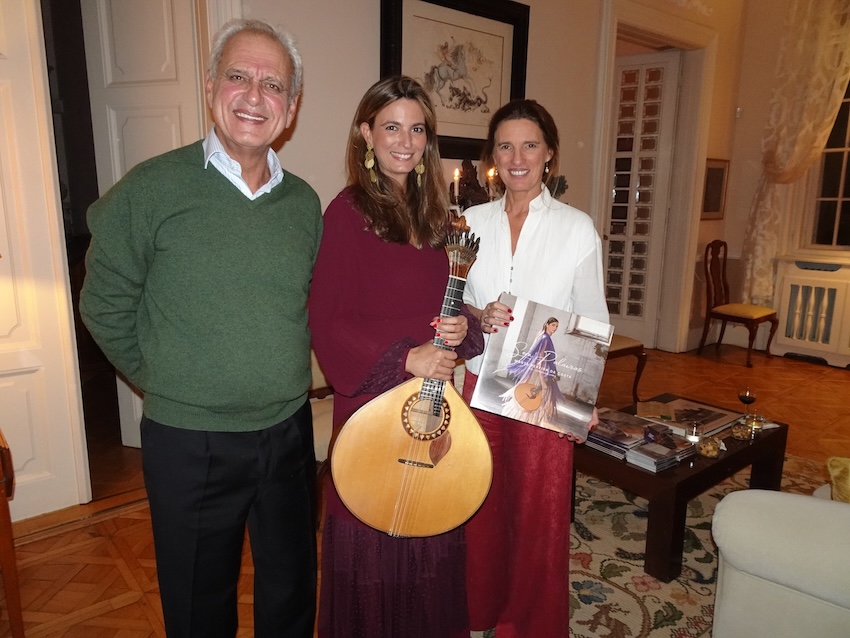
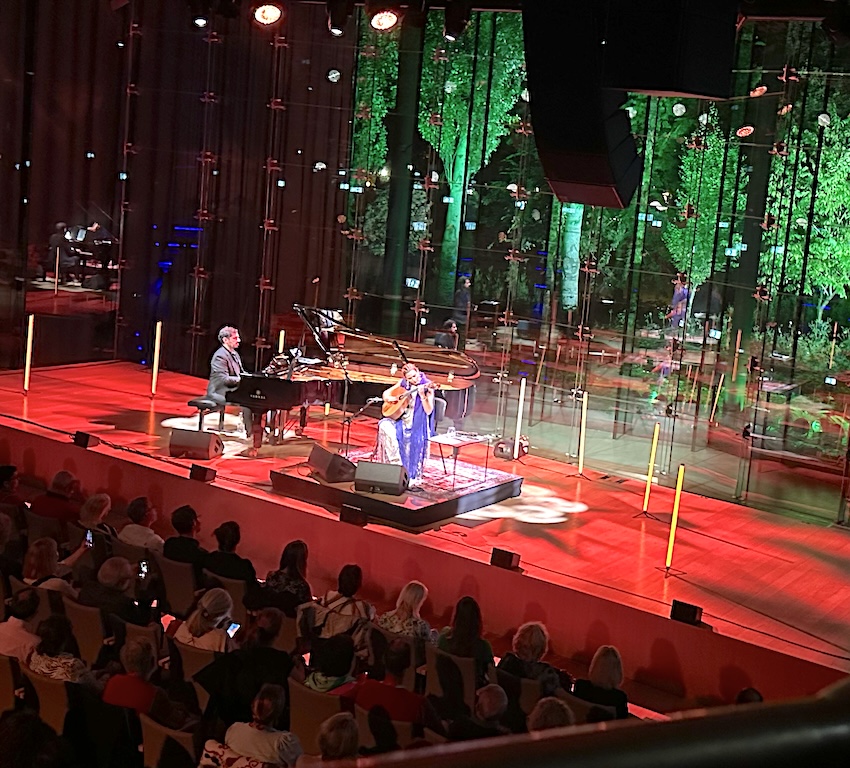
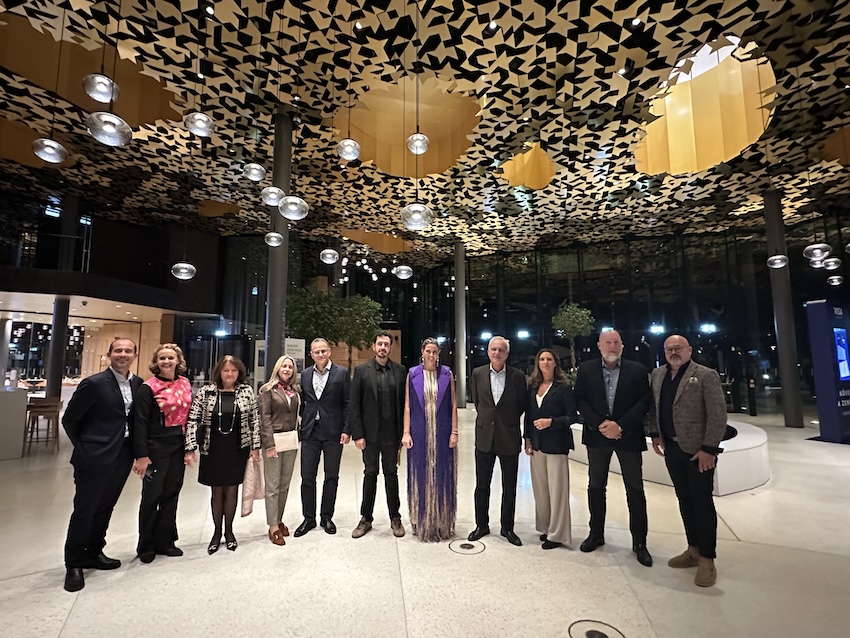
The whole article about the concert can be found here: https://press.agency/marta-pereira-da-costa-the-soul-of-the-portuguese-guitar-at-the-house-of-music-in-budapest/
Language is also culture. Portuguese is taught at universities and secondary schools across Hungary, with invaluable support from the Instituto Camões in Budapest through its active cultural work. Language remains the most reliable bridge between cultures and the surest way to share who we truly are.
Tourism is a priority sector for both countries. How do you assess its current situation?
– Tourism is developing very well. Direct flights between Budapest and four Portuguese cities – Lisbon, Porto, Faro, and Funchal – operate at full capacity, which is a very strong indicator of its vitality.
Tourism is not only about numbers; it represents curiosity, culture, openness, and mutual discovery – and in that sense, the relationship is flourishing.
One of your most meaningful initiatives was related to Holocaust remembrance. Could you tell us about this special event organized by the Embassy?
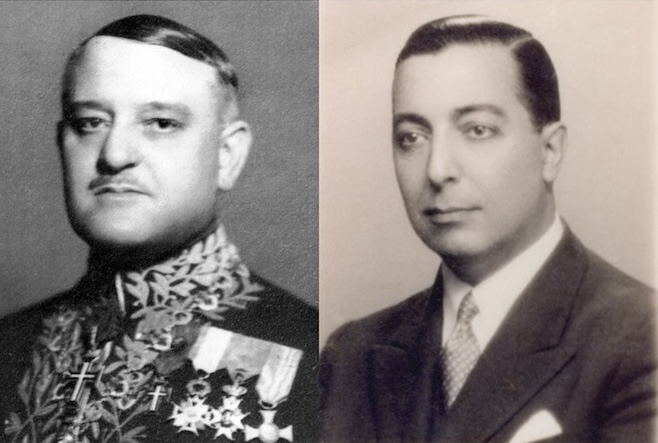
– On 15 May 1944, the Hungarian Holocaust began – one of the most brutal and efficient deportation campaigns of the Nazi genocide.
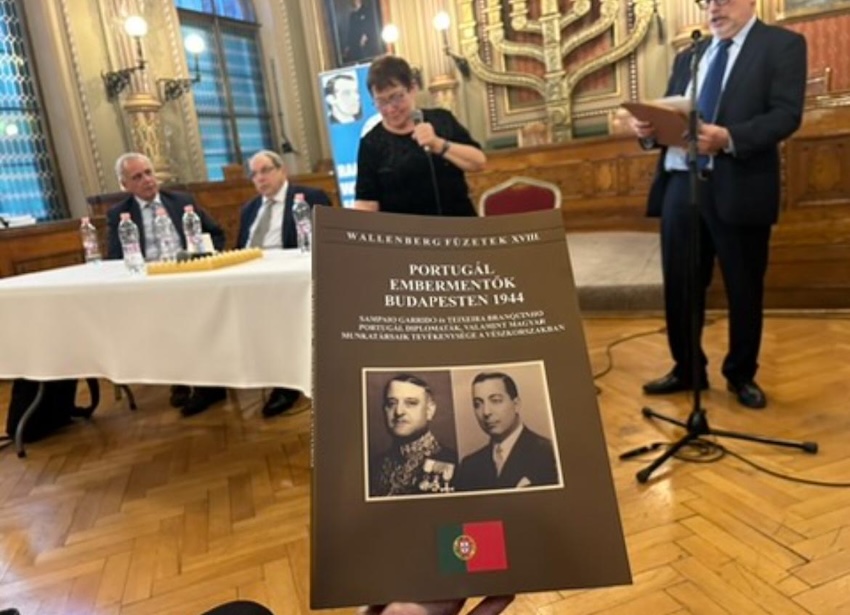
Amid this darkness, some diplomats refused to remain silent. Among them were two Portuguese diplomats stationed in Budapest: Ambassador Carlos Sampaio Garrido and Chargé d’Affaires Alberto Teixeira Branquinho. Defying orders and risking their own lives, they issued visas and provided shelter, thus saving hundreds of Hungarian Jews, including the family of Zsa Zsa Gabor, with remarkable courage, compassion and dedication. They exemplify the highest standards of humanity and morality.
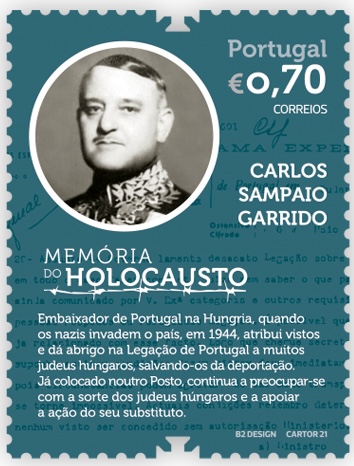
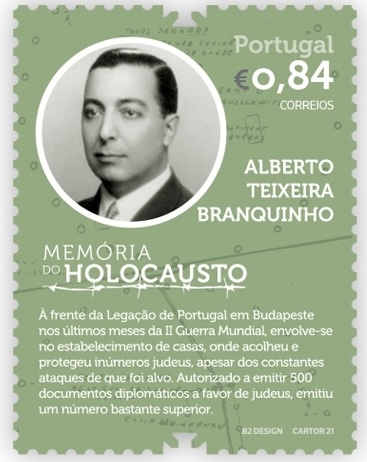
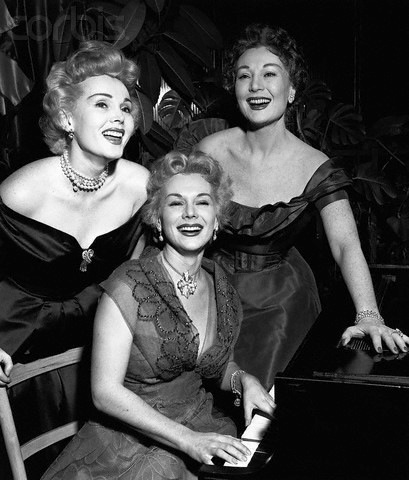
— Image by © Bettmann/CORBIS
Honouring the memory of the Portuguese diplomats on the 80th anniversary of the Hungarian Holocaust in 2024 was deeply meaningful. We invited Mr. Salvador Sampaio Garrido Reis, the grandson of Ambassador Sampaio Garrido, who travelled to Budapest for the commemoration. Together, we revisited the sites connected to his grandfather’s mission and learned a great deal from his storytelling. The revival of this chapter of Portuguese diplomacy reminded us that, at its best, diplomacy is about protecting human life.
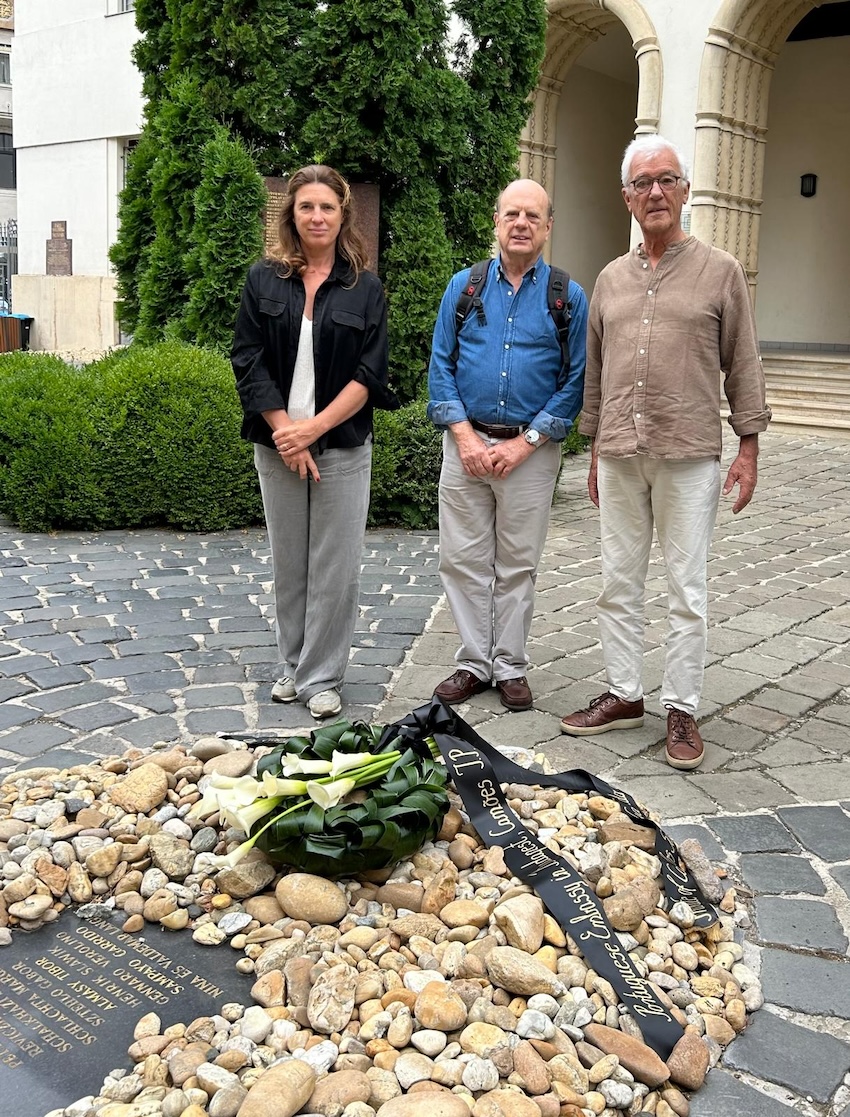
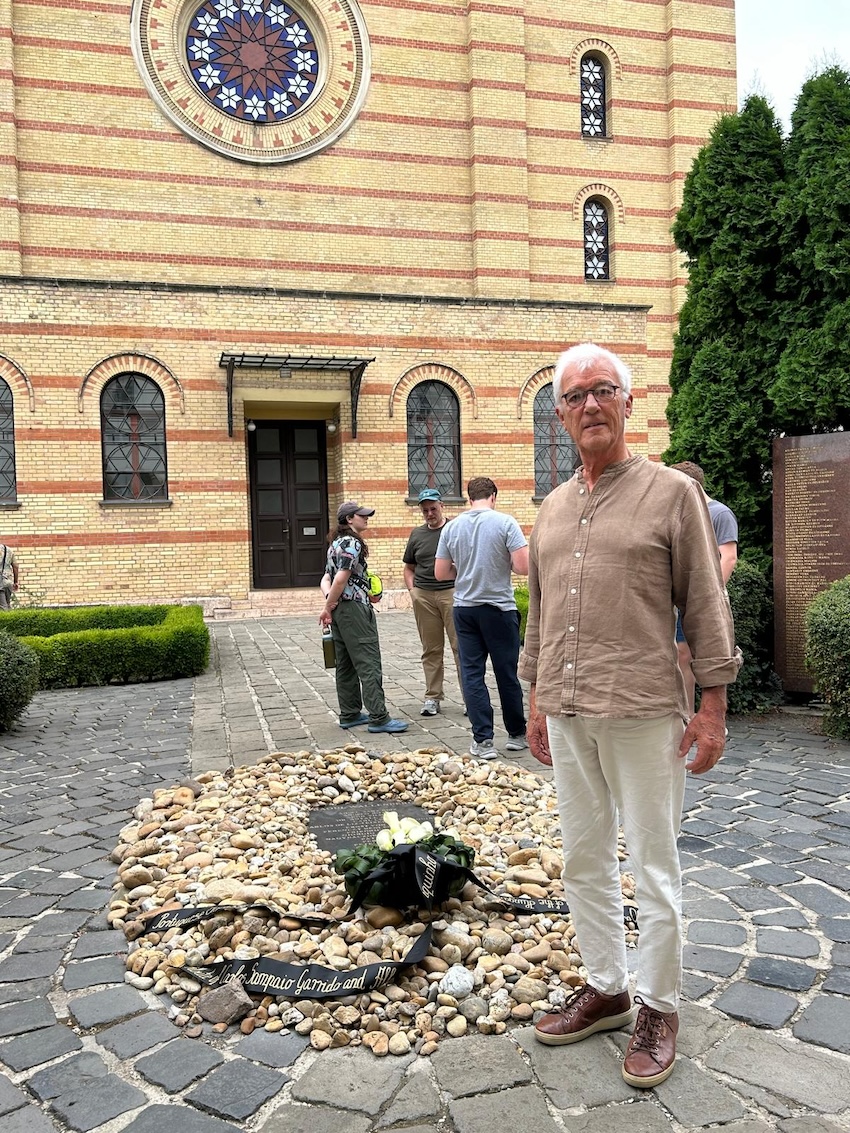
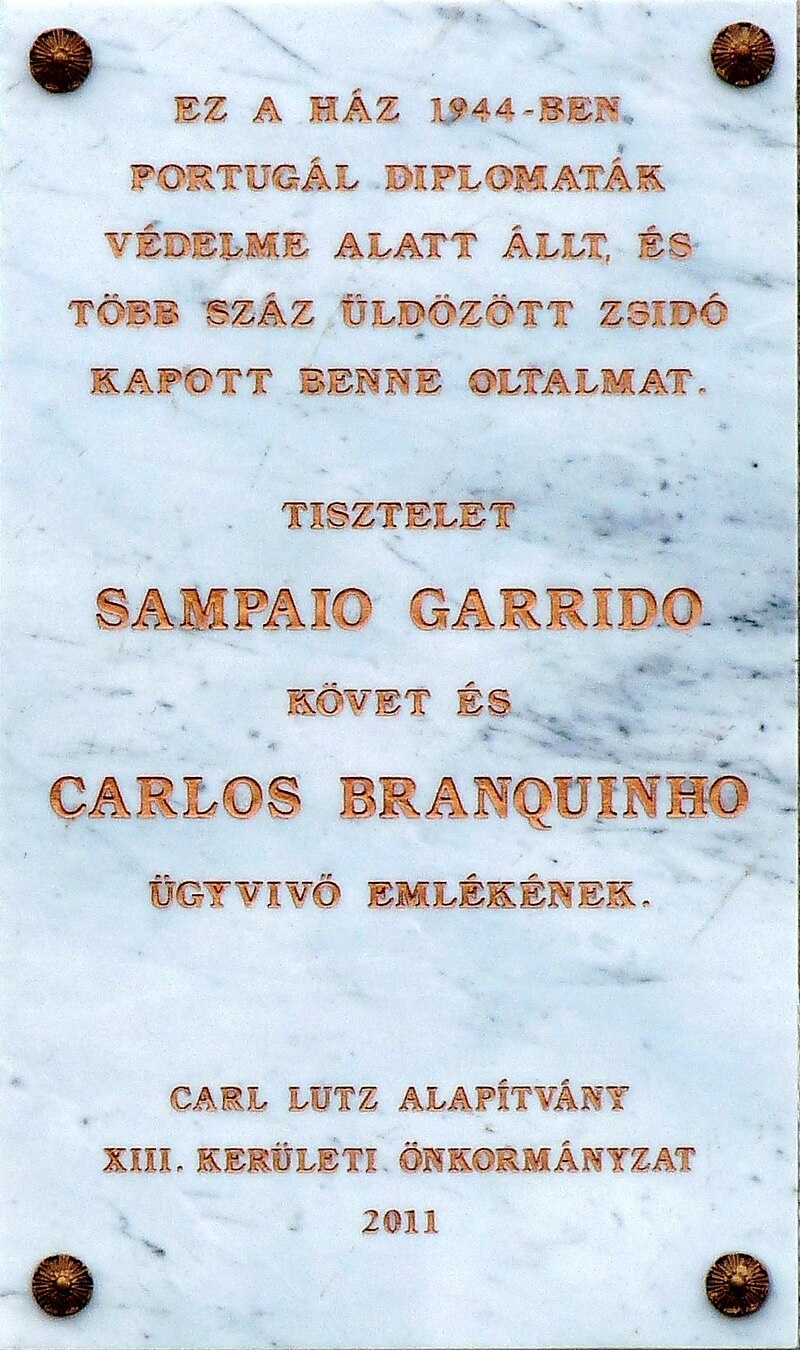
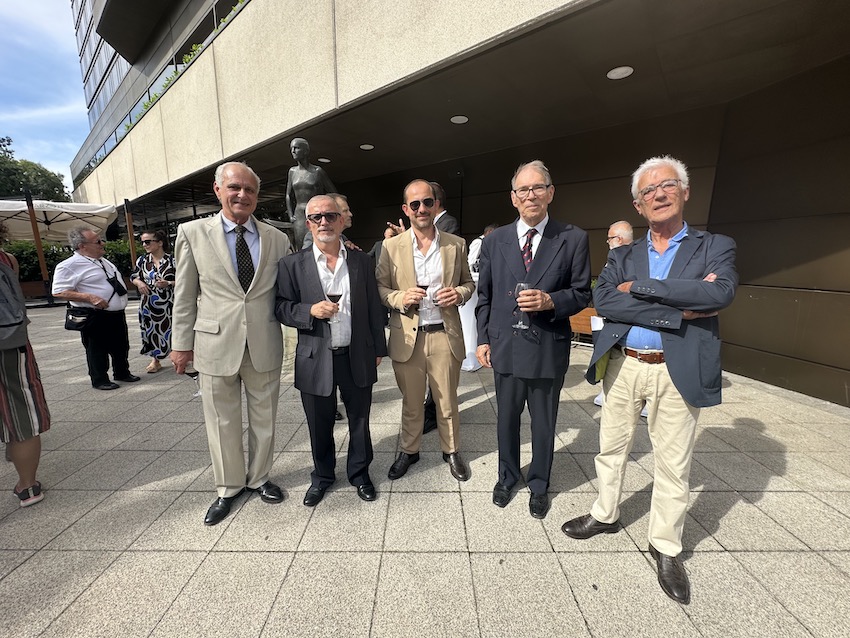
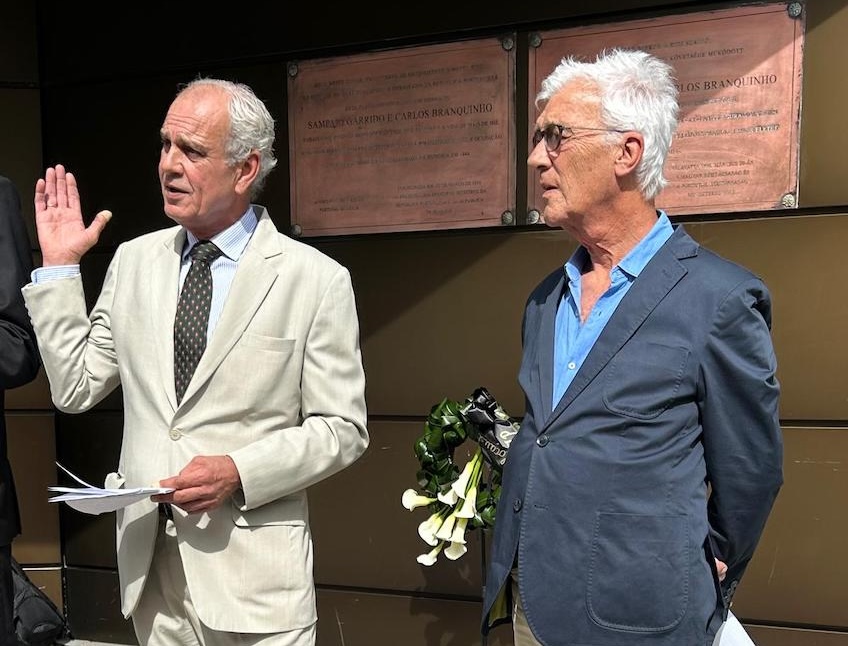
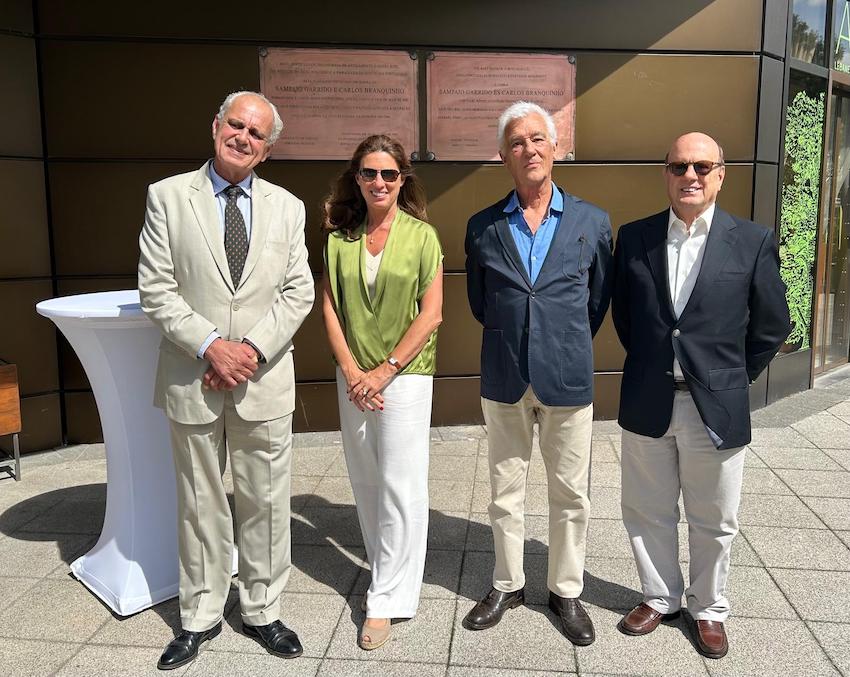
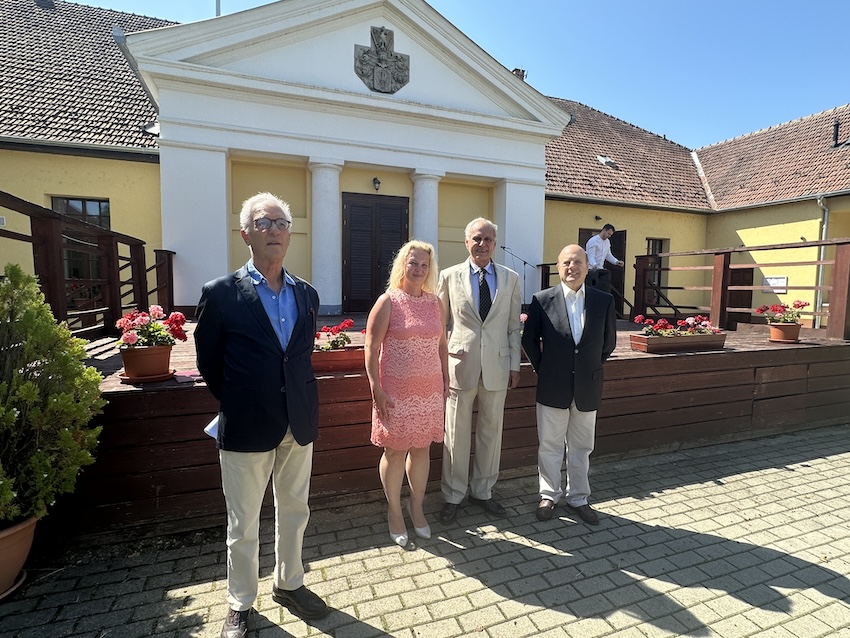
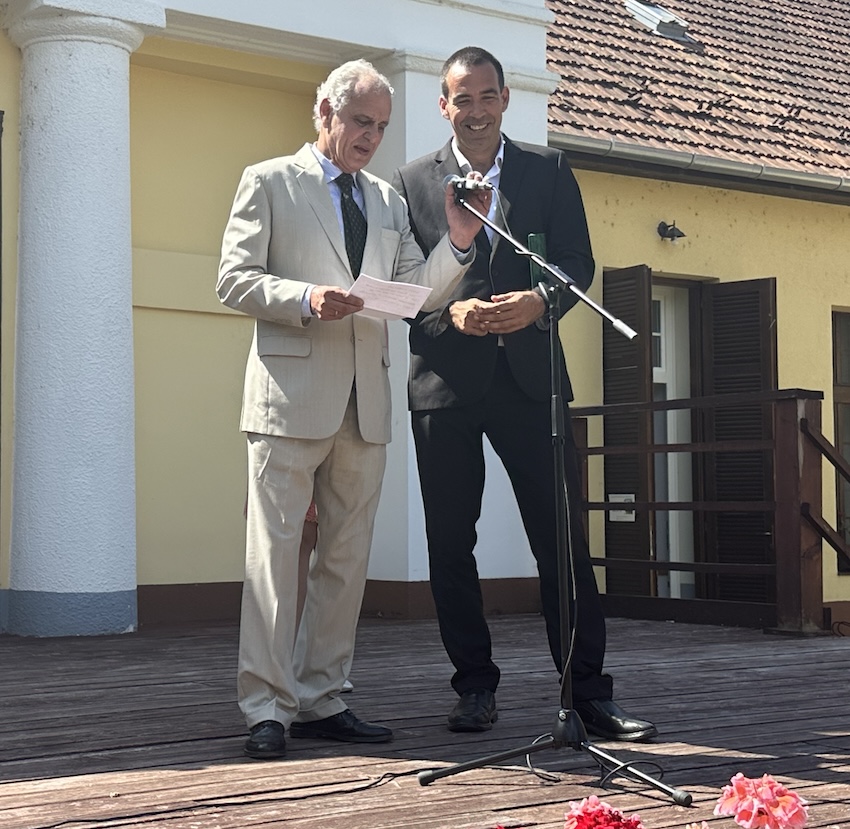
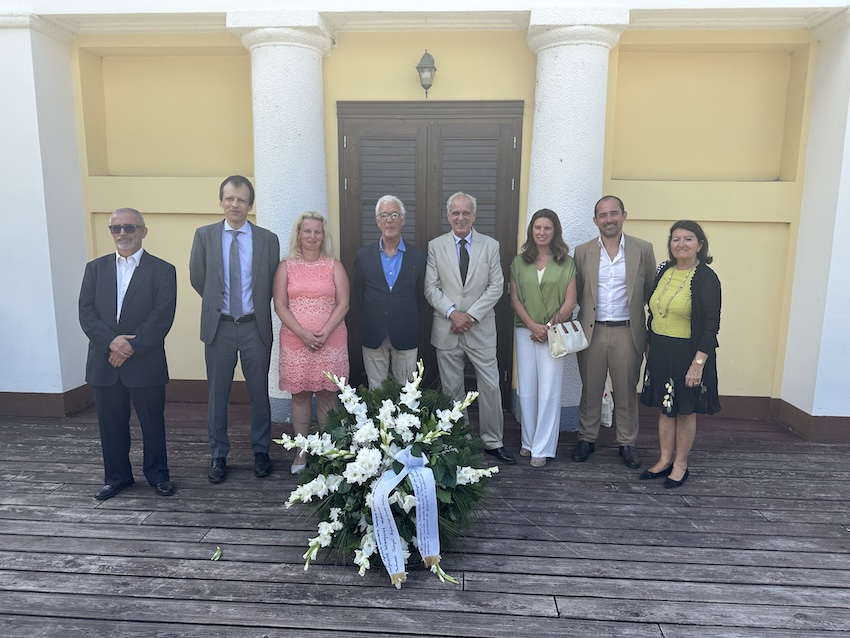
The article about the 80th Anniversary of the Hungarian Holocaust in 2024 can be found here: https://press.agency/honouring-portuguese-diplomats-carlos-sampaio-garrido-and-alberto-teixeira-branquinho-a-tribute-on-the-80th-anniversary-of-the-hungarian-holocaust-2024/
Beyond diplomacy, how did living here shape your understanding of Hungary?
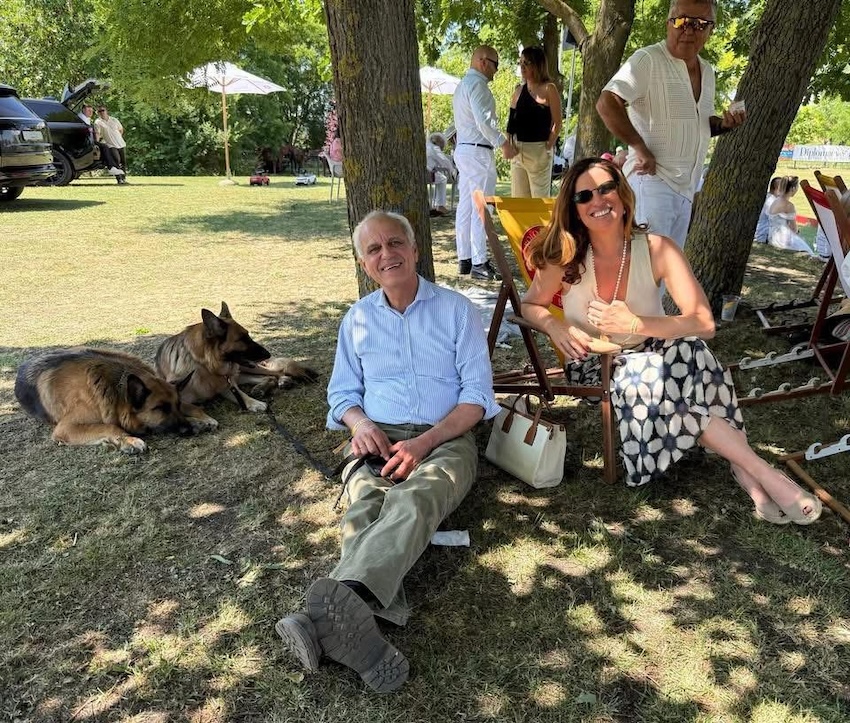
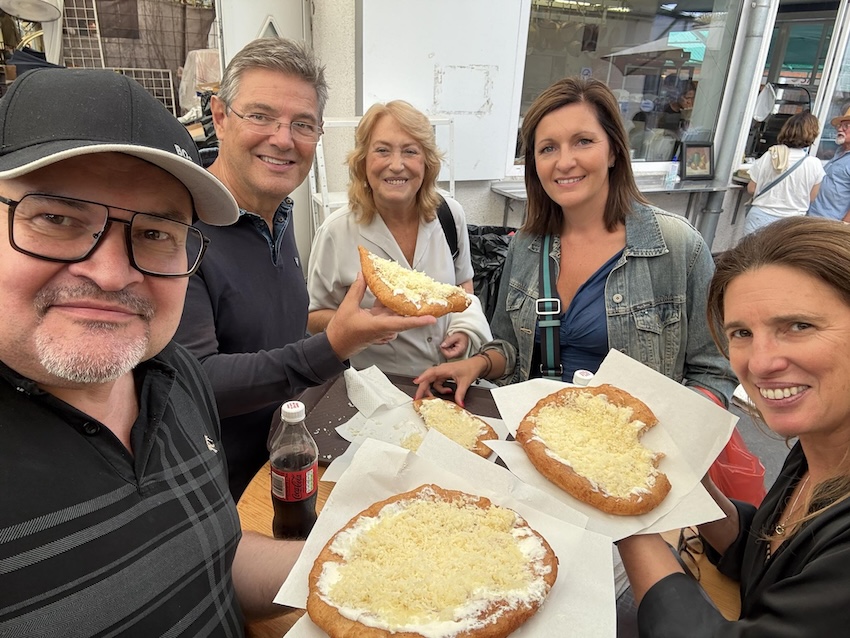
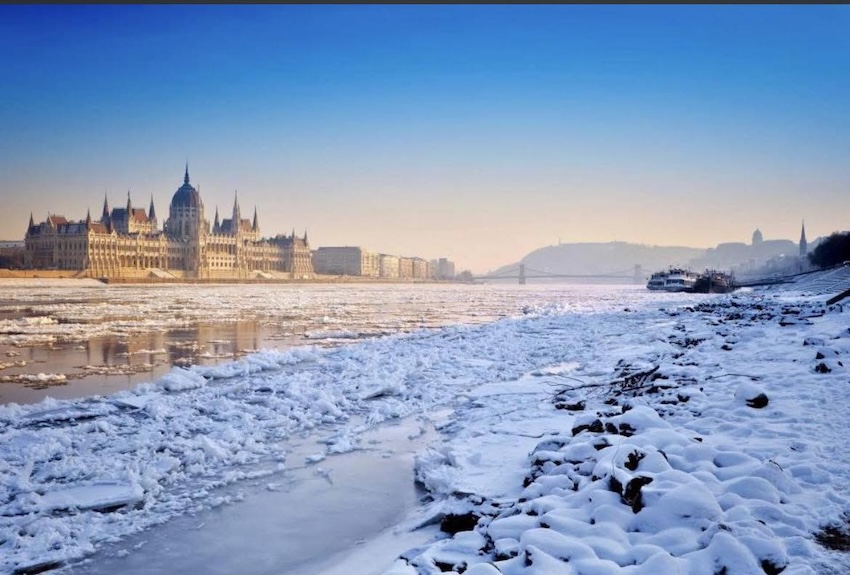
– Completely. Saturday mornings meant early trips to the Ecseri flea market, followed by fresh lángos. Budapest is one of the most dog-friendly cities I know. Walking with my dogs in the forests of Szépvölgy and Nyék pulled me out of the diplomatic bubble into real life. My daily walks reminded me how safe and humane this city is – children cycling freely, women walking alone at night. I made many Hungarian friends. This January was especially memorable, as winter turned Budapest into a fairy-tale beauty – snow-covered streets after the largest snowfall in a decade, and frost-lined banks of the Danube.
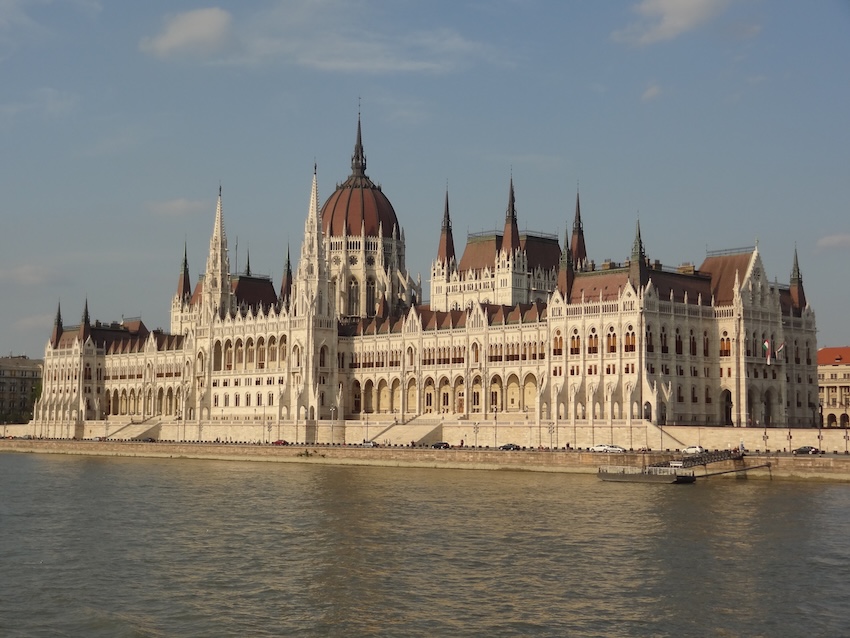
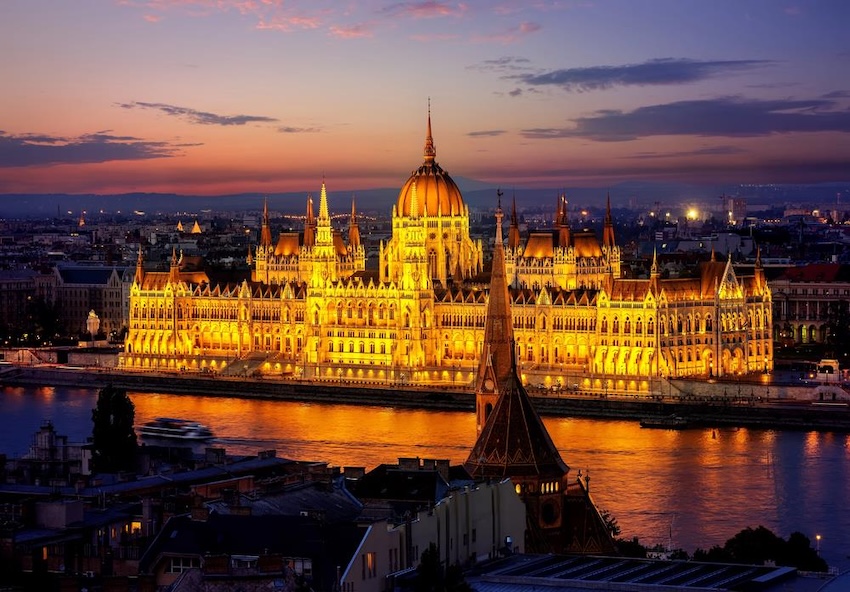
There is an image of Budapest that will stay with me forever: crossing Margaret Bridge early in the morning, the Danube calm like a lake, facing the Parliament – without question the most beautiful parliament building in the world. At night, illuminated, it becomes pure magic.
As you move to Tunisia, what are you taking with you from Hungary?
– Everything. I leave sad, but with my heart full of people, music, streets, mornings, friendships, and conversations. Budapest gave me something rare in diplomatic life: a sense of completeness.
Looking back on your tenure in Hungary, what are you most proud of?
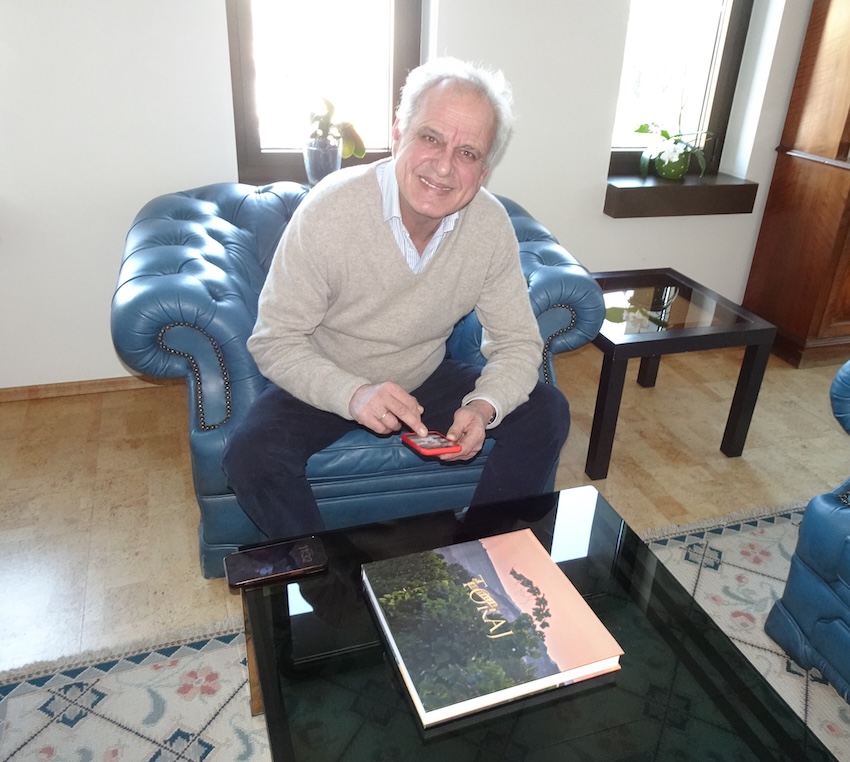
– What makes me most proud is strengthening relations and building trust, friendships and cultural bridges while representing my country. Knowing that diplomacy, even in challenging times, can protect lives and bring people together gives me immense satisfaction.
I am leaving Hungary not only with the gratifying sense of a mission accomplished, but above all with a soul full of beautiful memories. I depart with deep nostalgia for a country and its people that have become part of who I am.
Do you have a message for your successor?
– Yes. Be as happy here as you can. Be as happy as we were. That is the only honest advice I can give.
Finally, what are your wishes for 2026?
– I could say peace in the world – but to put it more simply: I wish that people can live happily, solve their problems, give their children better lives, and enjoy being alive. I believe that’s what we all strive for on this planet.
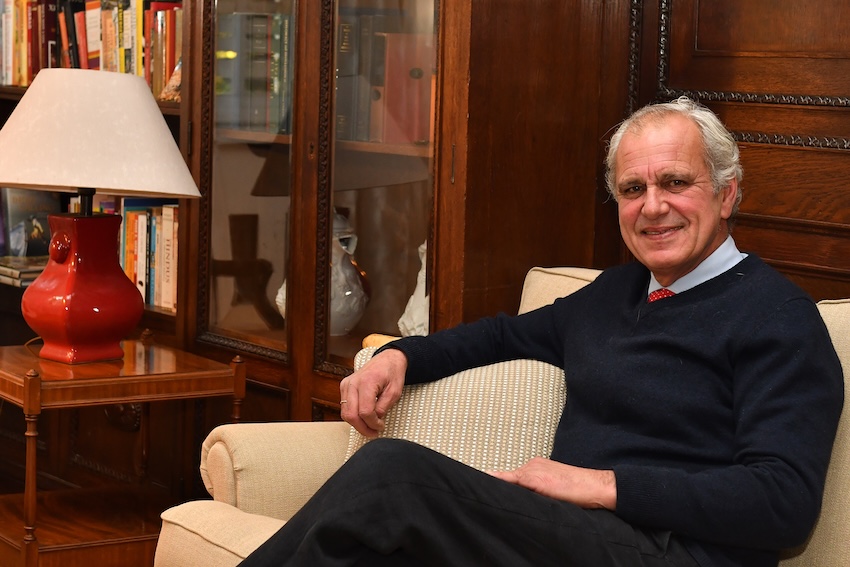
Farewell Reception at the Ambassador’s Residence
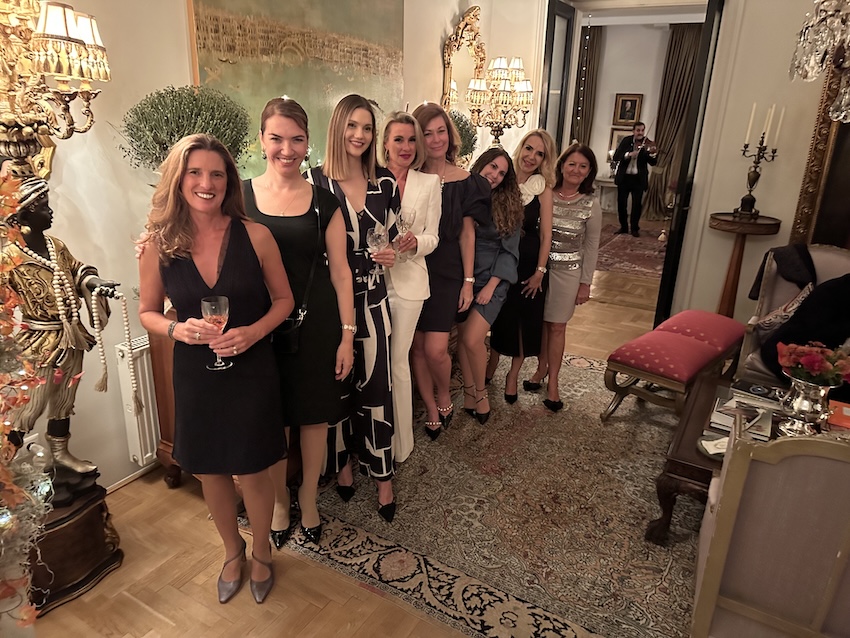
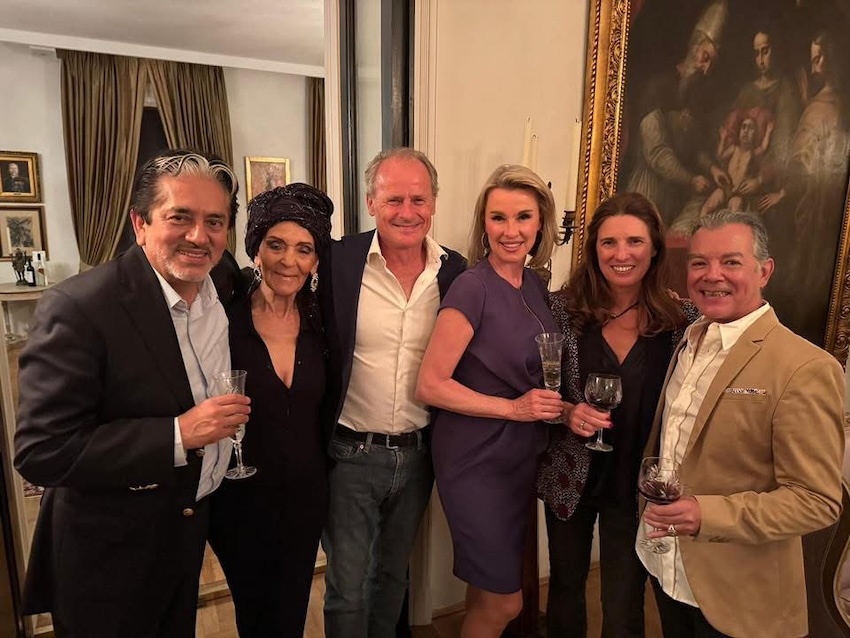
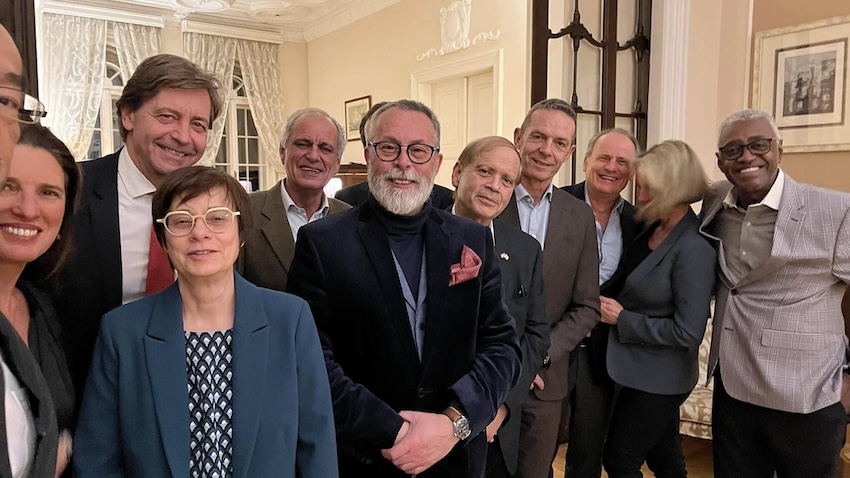
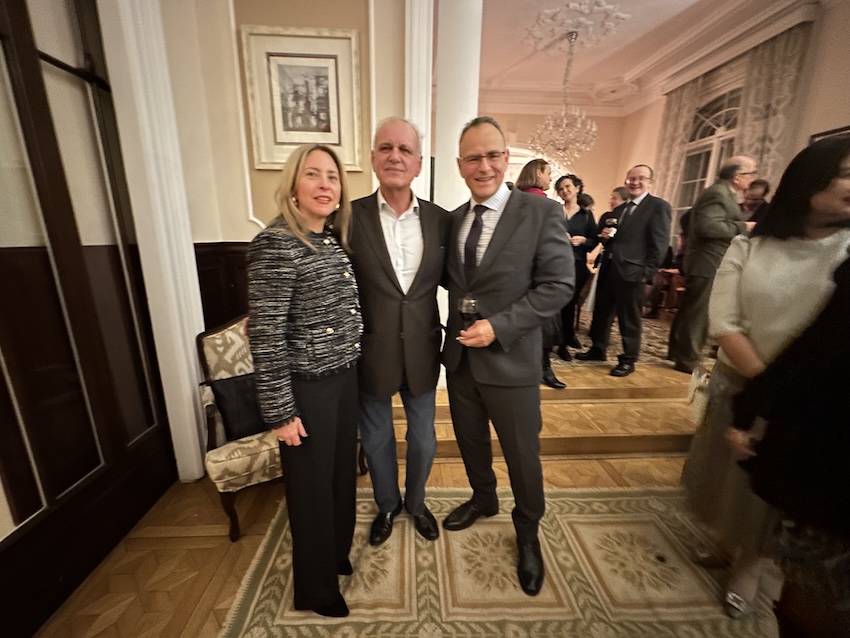
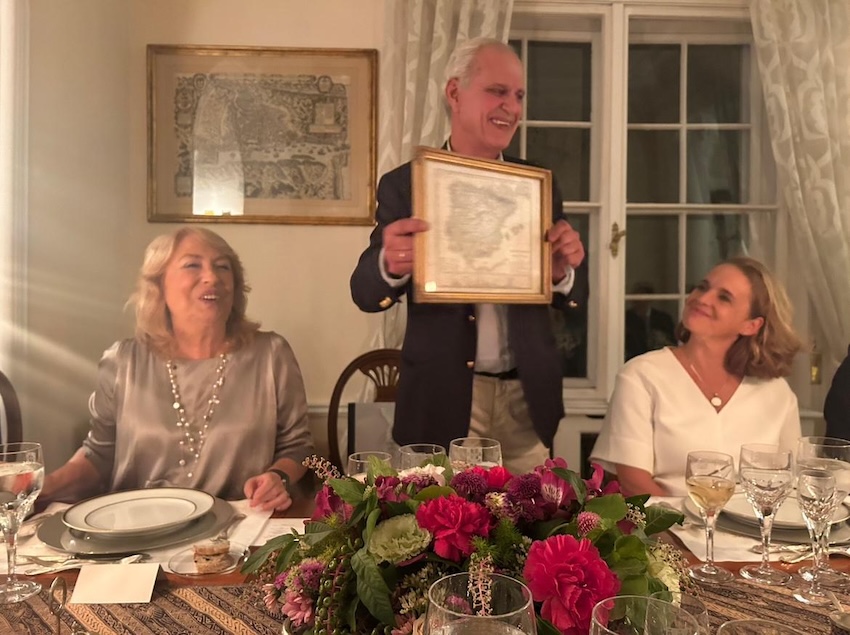
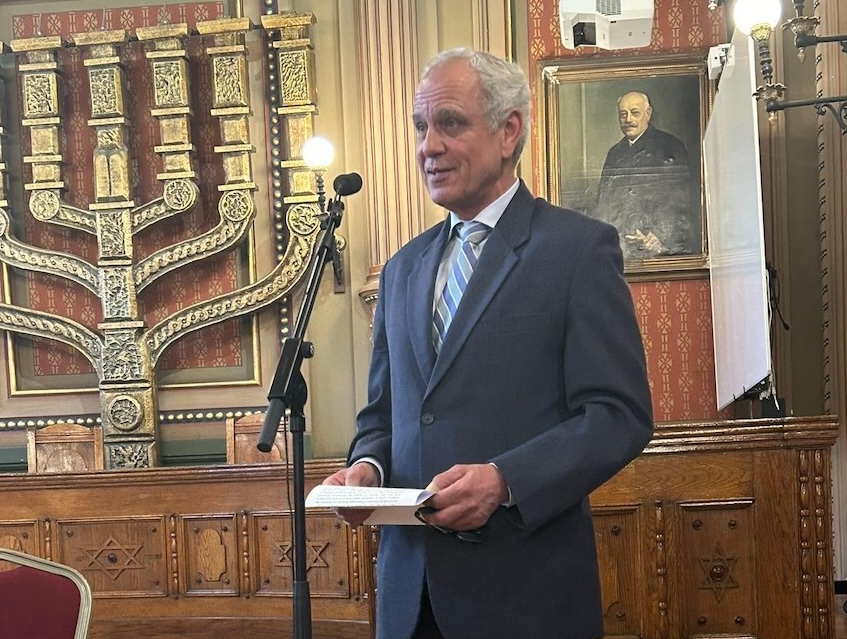
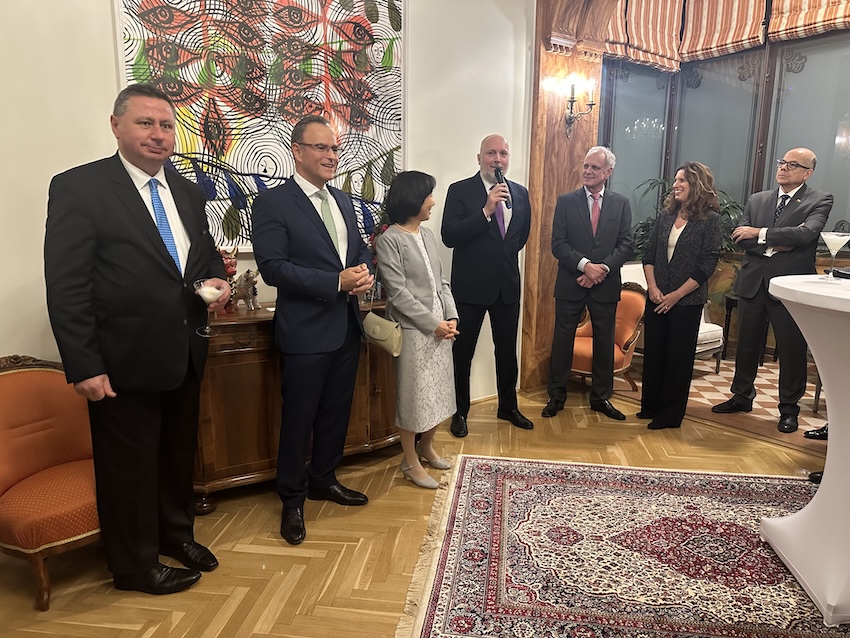
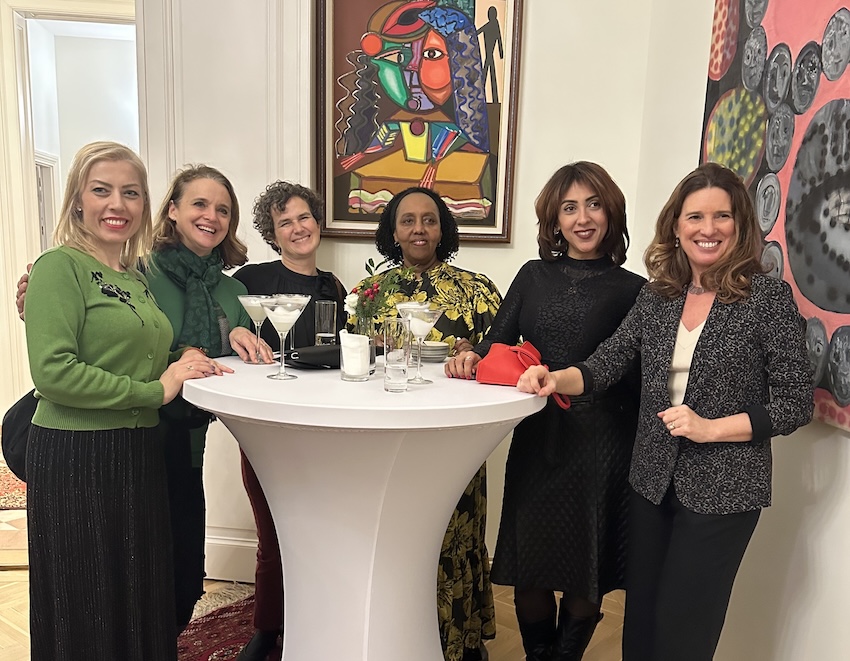
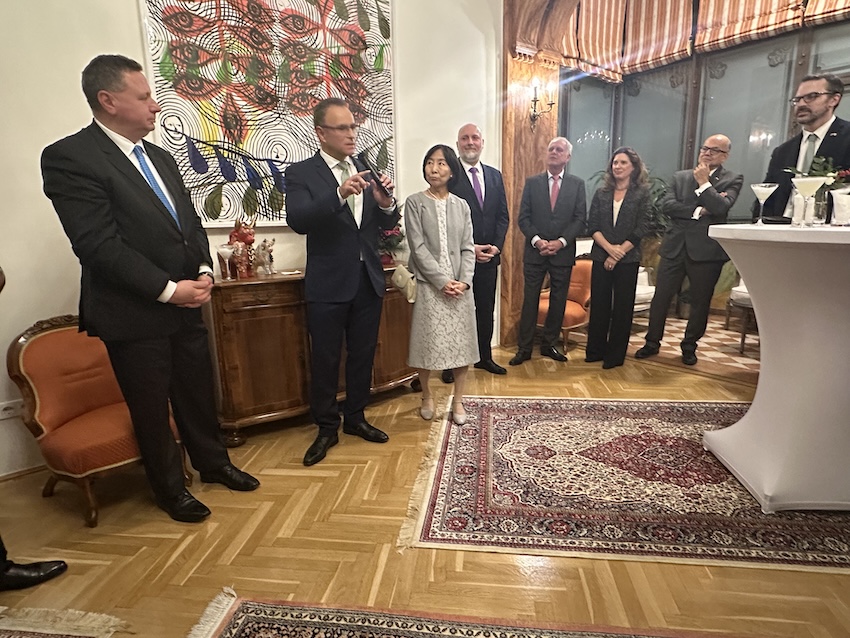
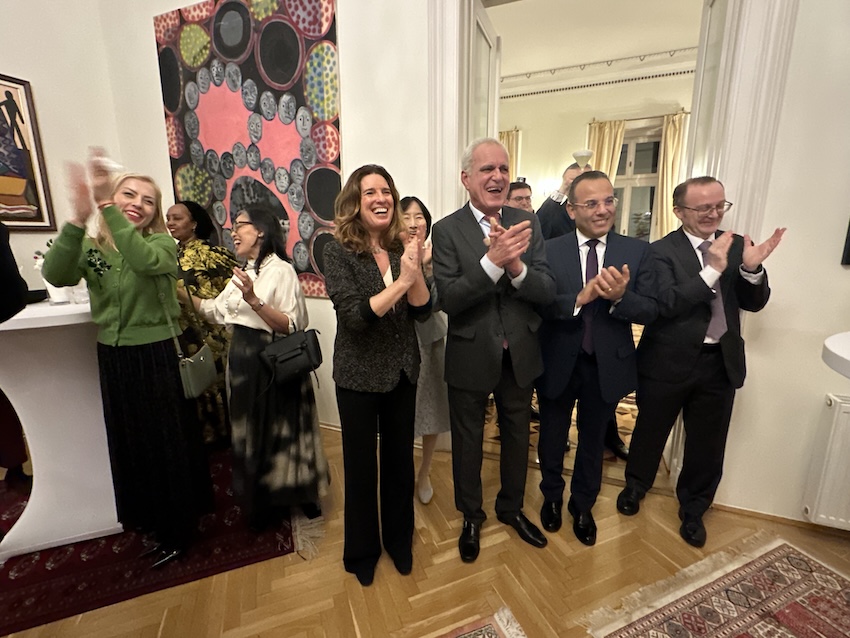
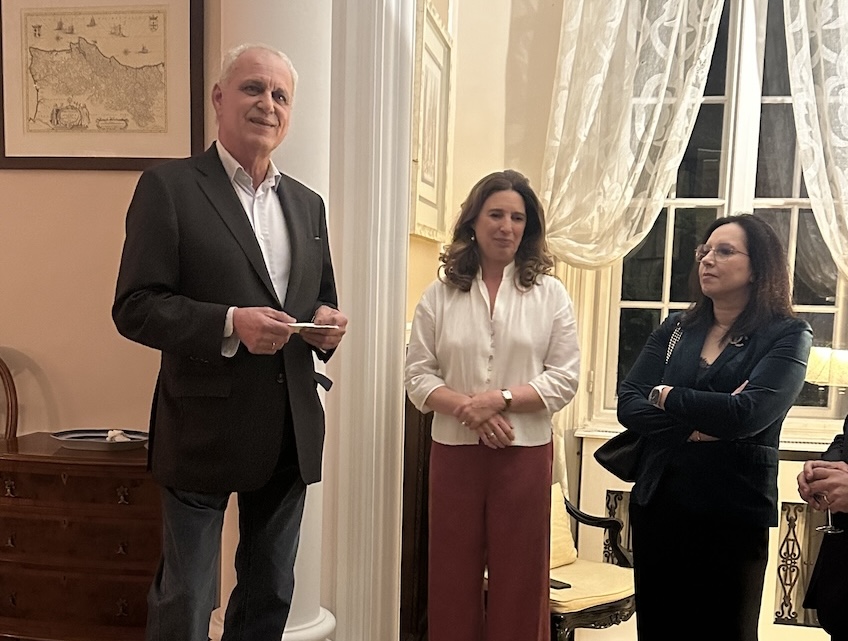
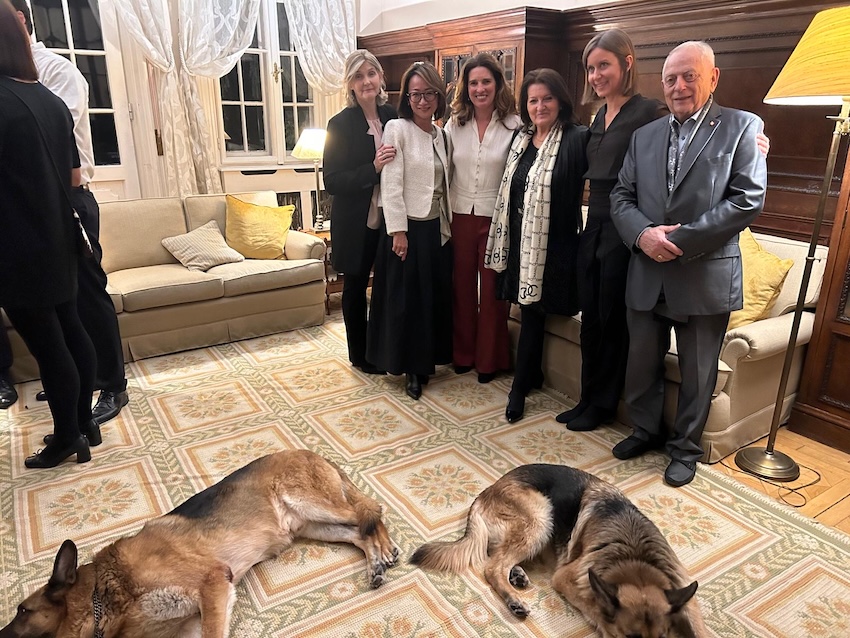
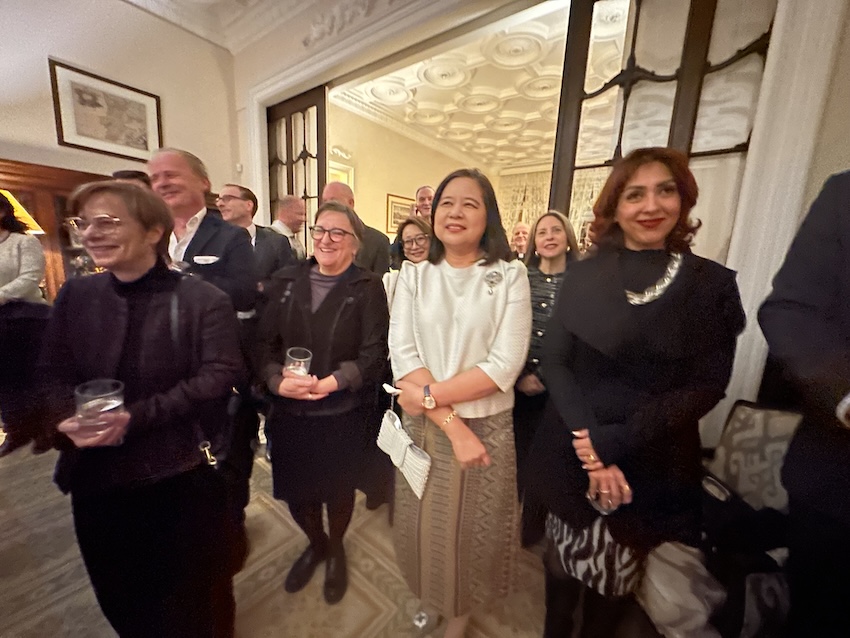
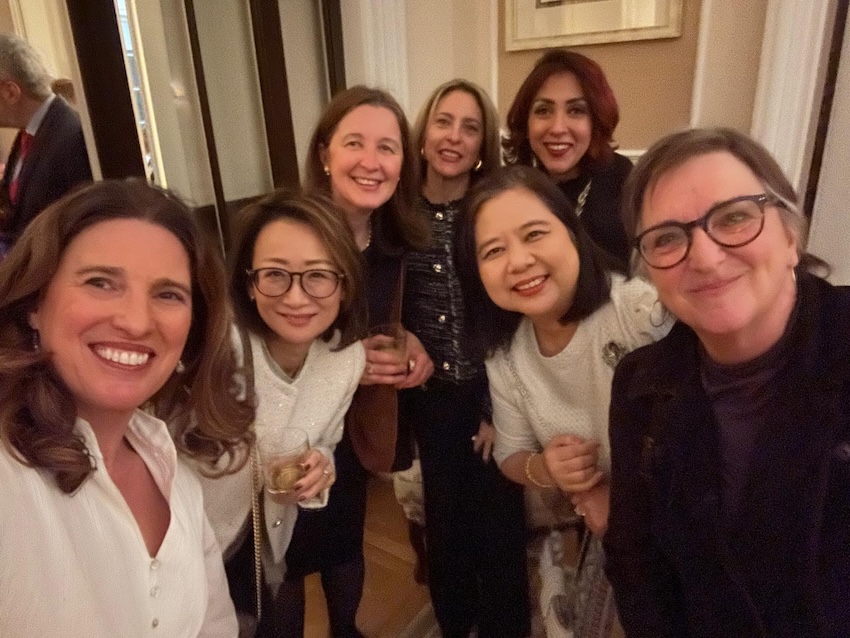
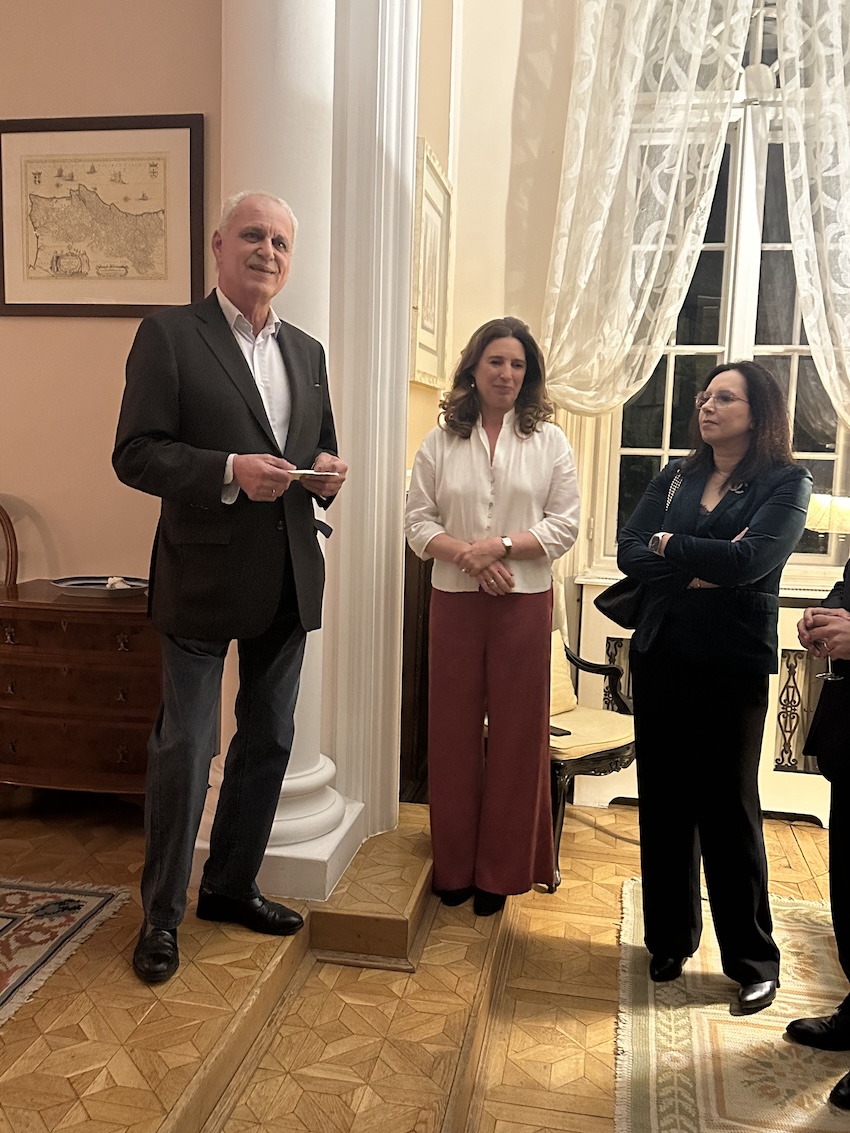
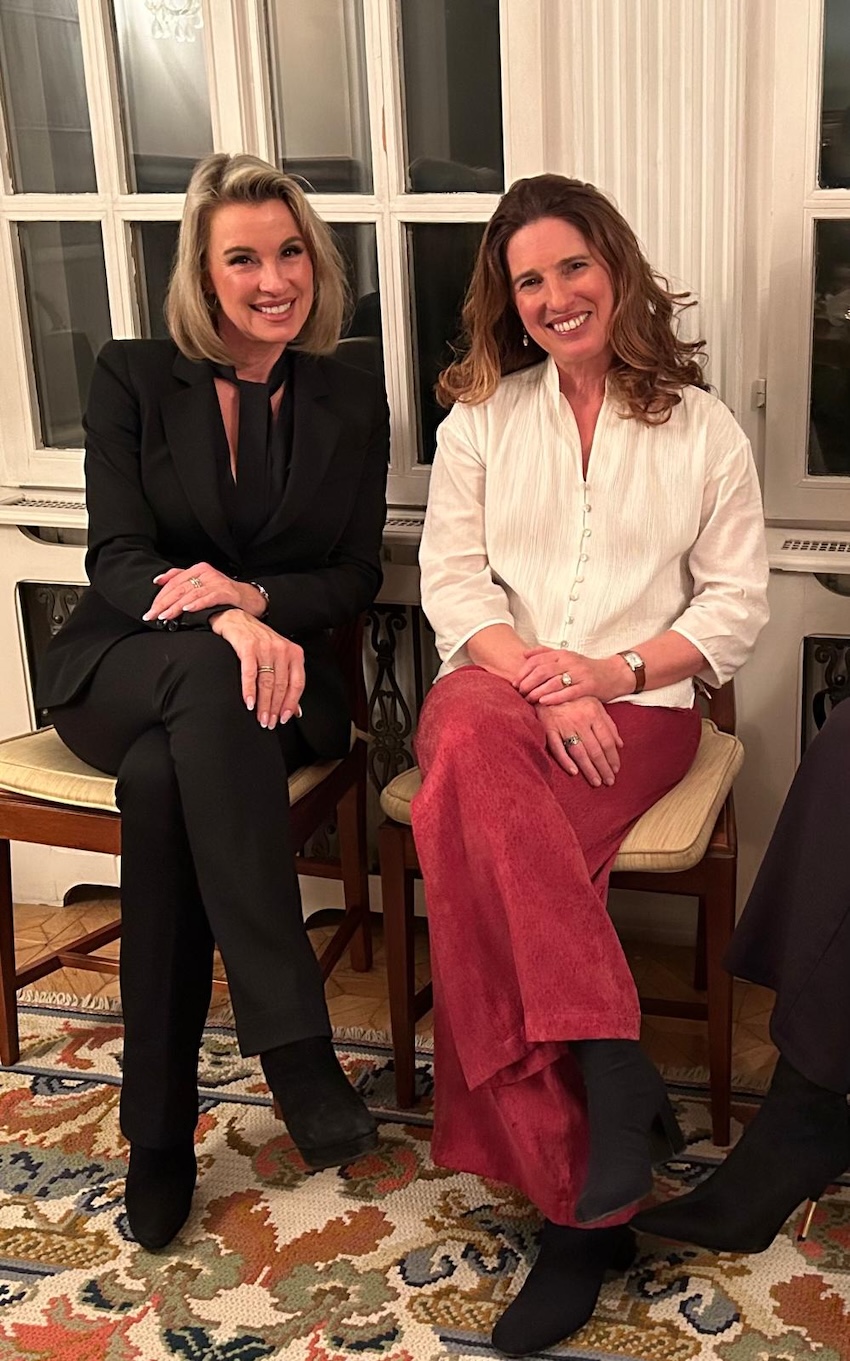
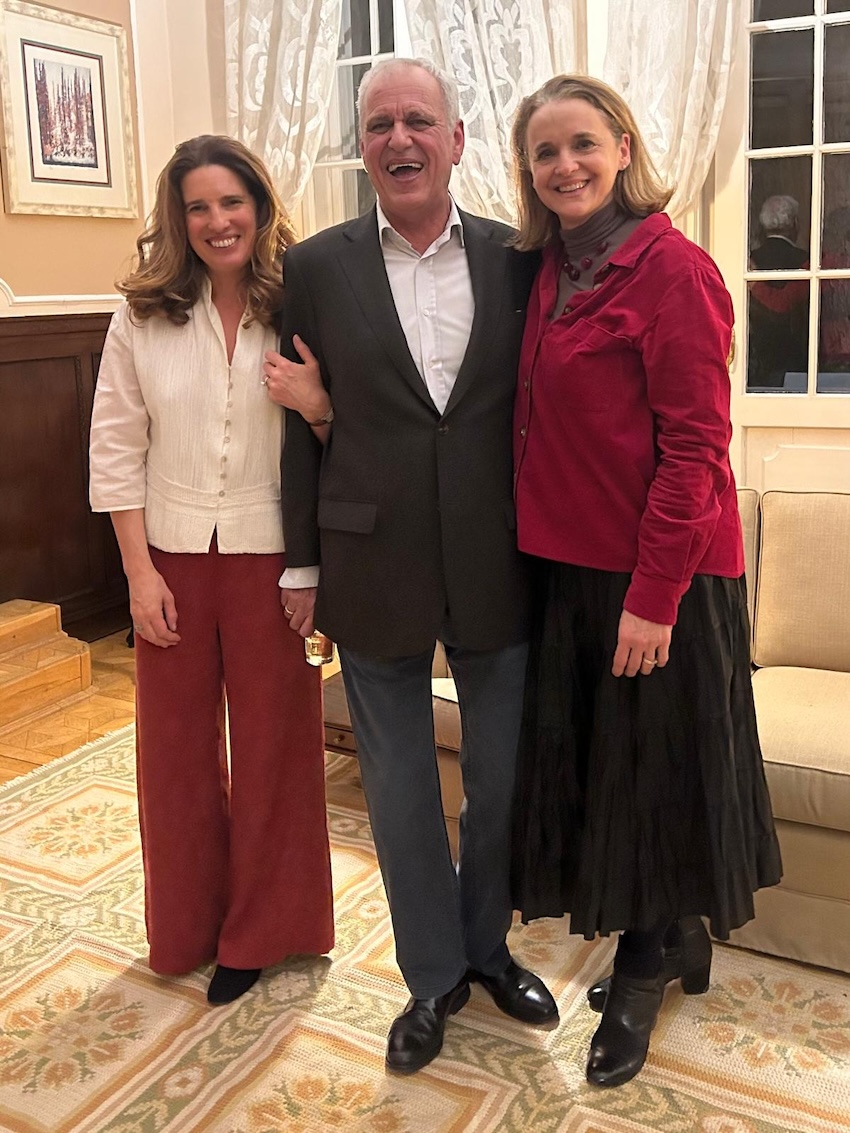
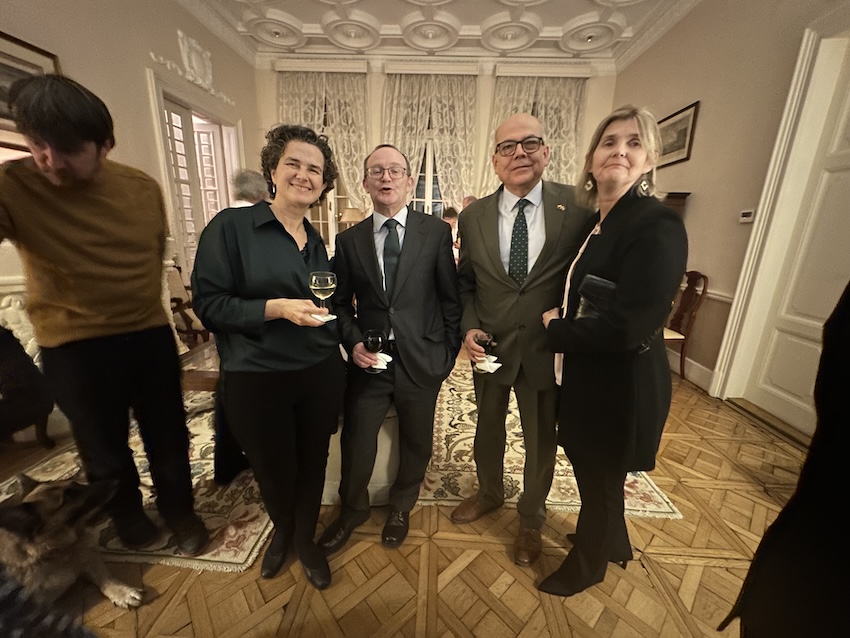
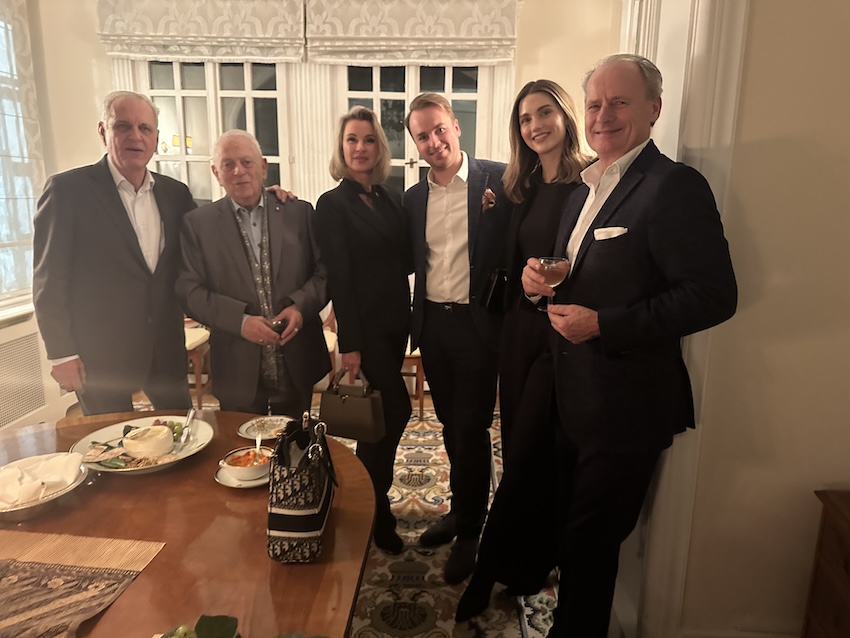
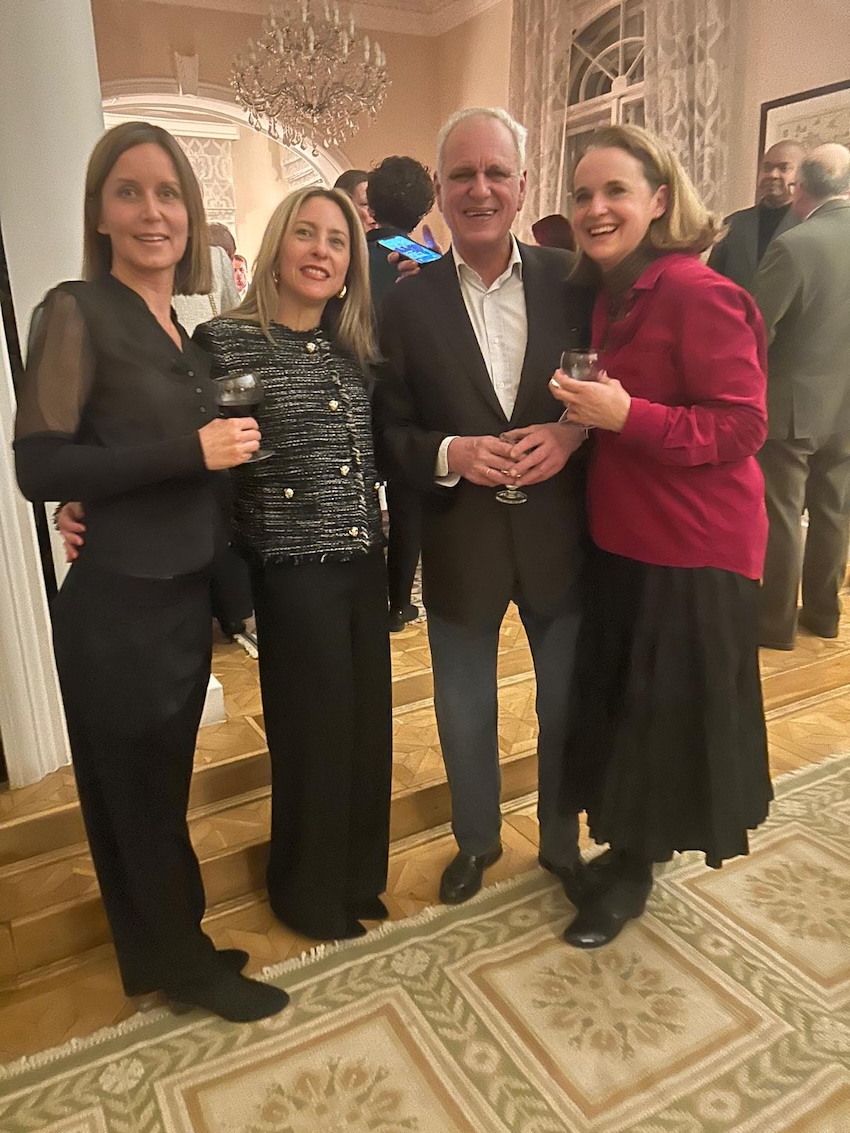
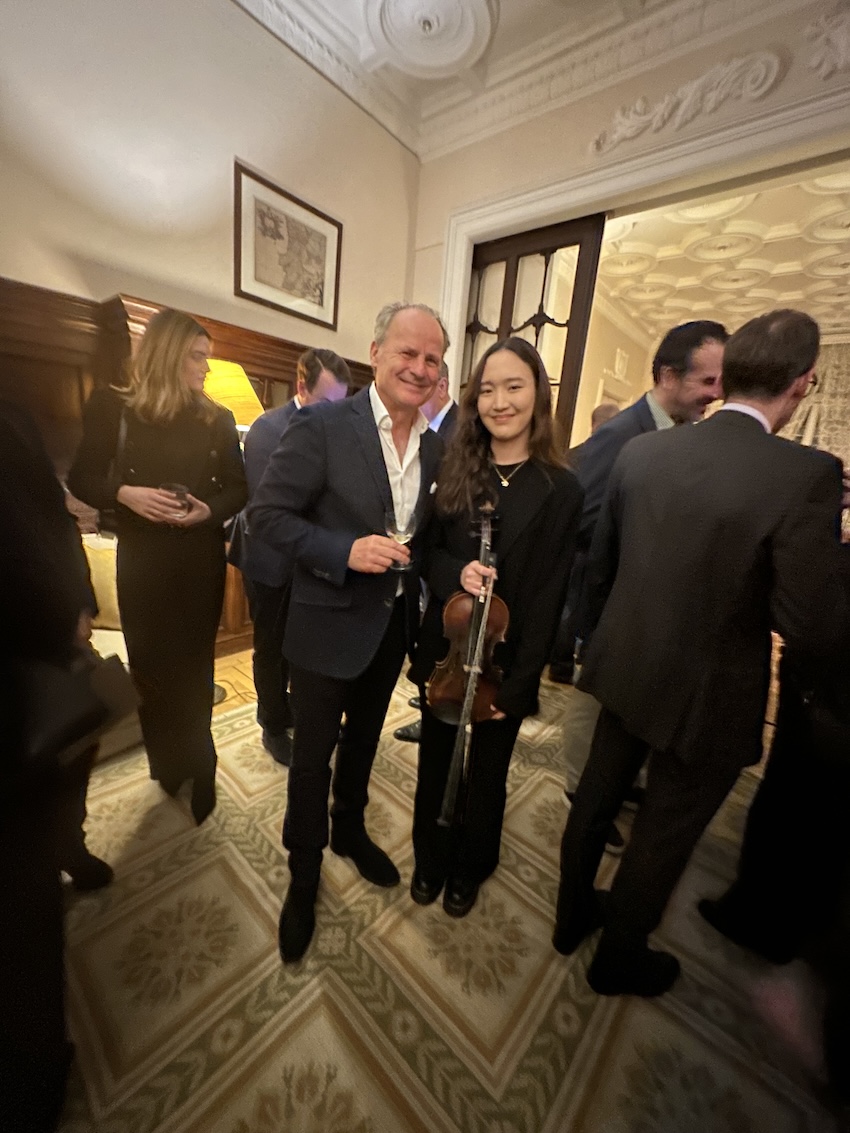
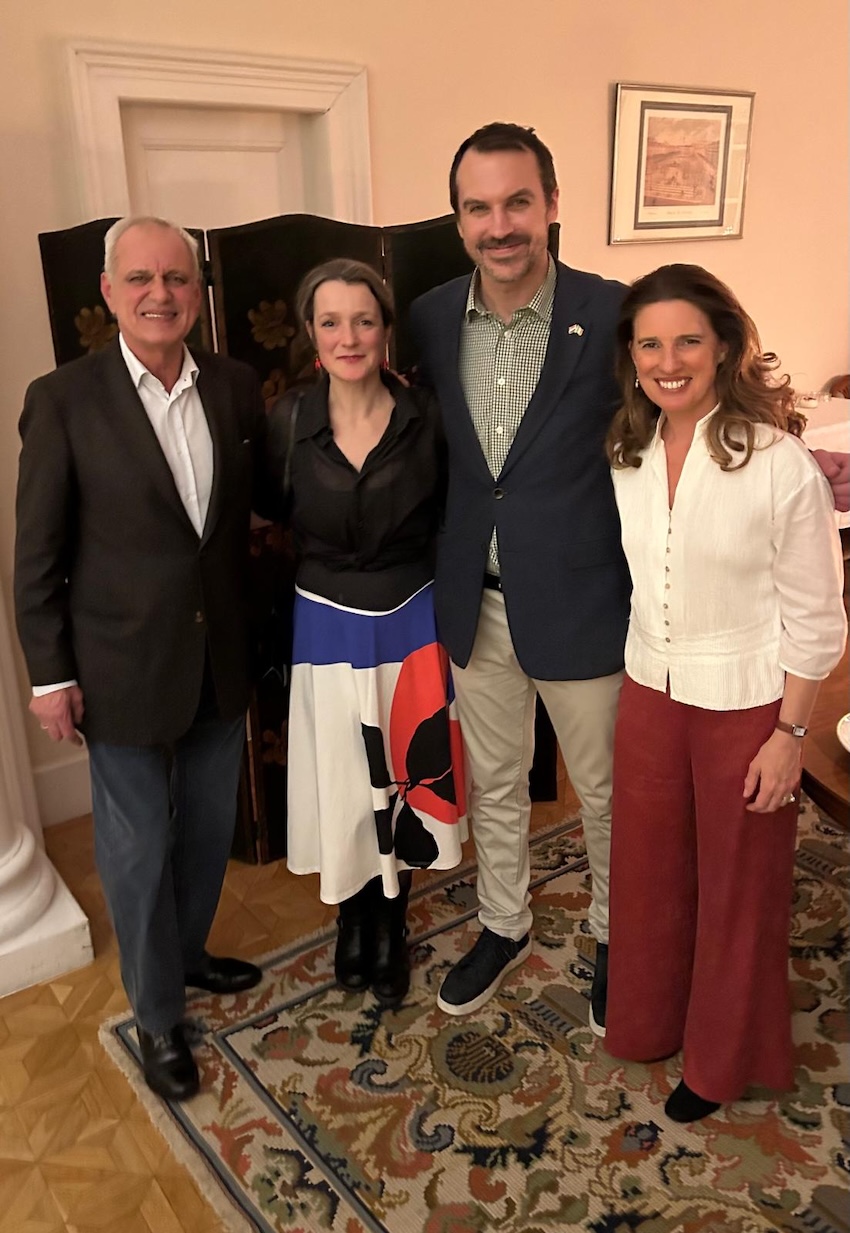
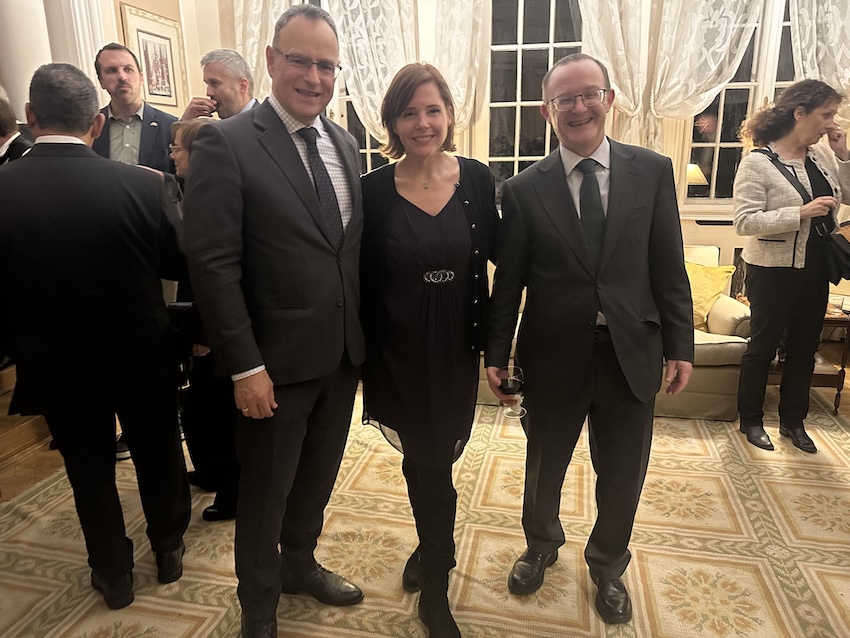
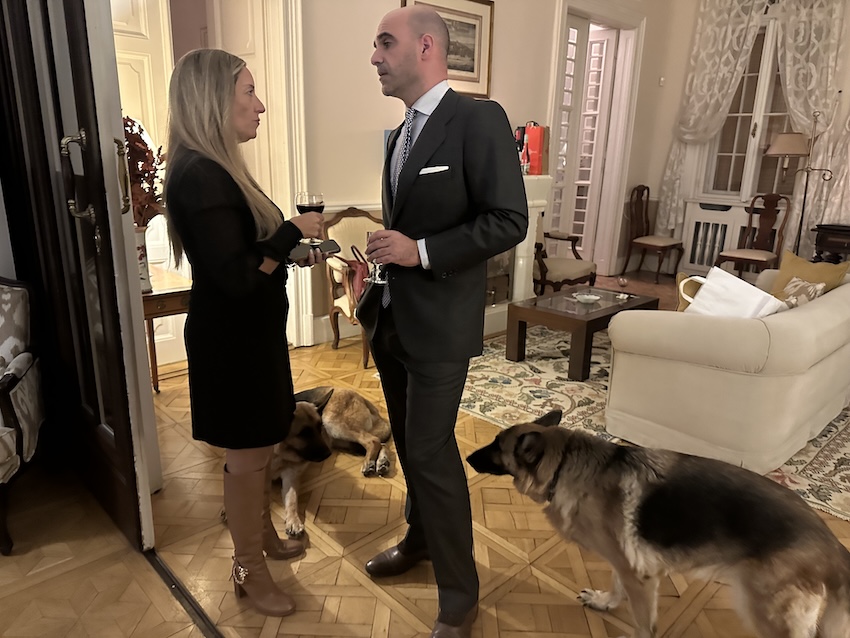
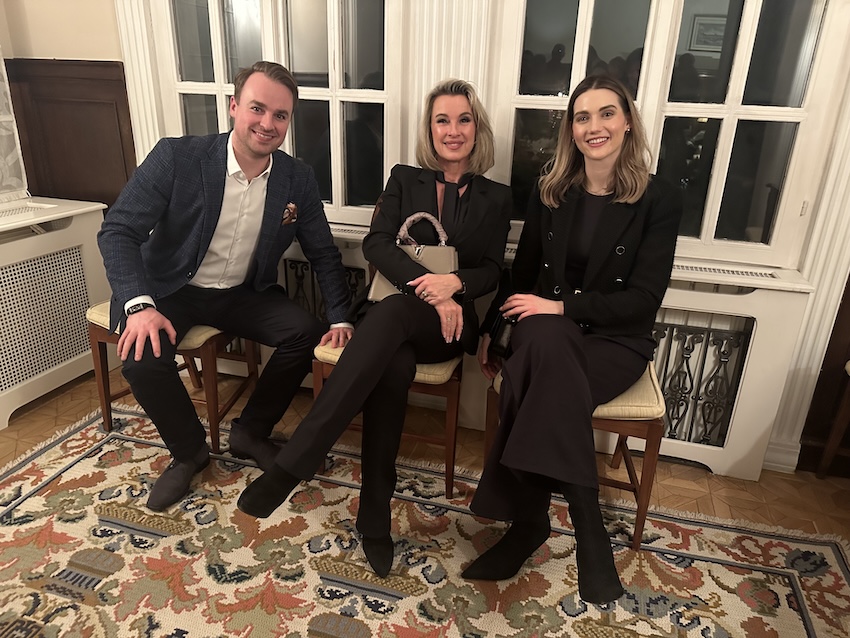
Ahead of his departure from Hungary on 23 January 2026, the Ambassador hosted a farewell reception at his residence. Held in a warm and gracious atmosphere, the evening brought together close friends, colleagues from the diplomatic corps, and representatives of the cultural and academic communities. In his remarks, the Ambassador reflected with affection his years in Budapest, expressing sincere gratitude for the friendship, trust, and shared moments that defined his time in Hungary.
Uwe Zimmerman, a dear friend to all present, delivered farewell words on behalf of the attendees. Guests enjoyed Portuguese specialties and meaningful conversations, lending a personal and touching tone to the evening marked by appreciation, memories and lasting bonds.
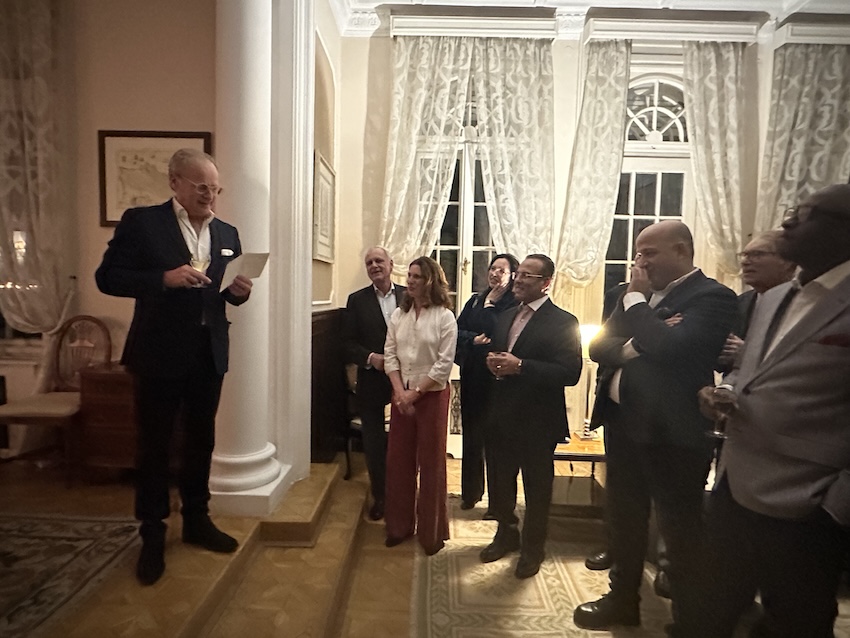
Your Excellency, Dear Ambassador, we wish you continued achievements in your next posting and every success in both your diplomatic career and your personal life. I am certain that Hungary will remain not only a chapter in your diplomatic career, but also a cherished place in your and Vera’s hearts.
A Visual Chronicle of a Dynamic Diplomatic Mission
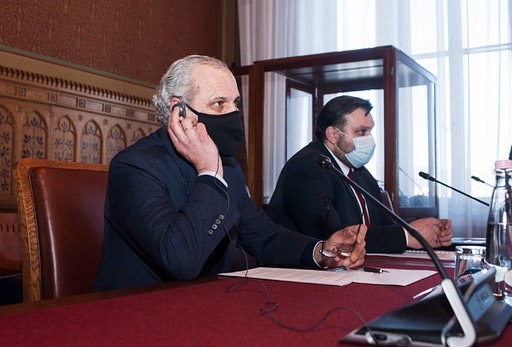
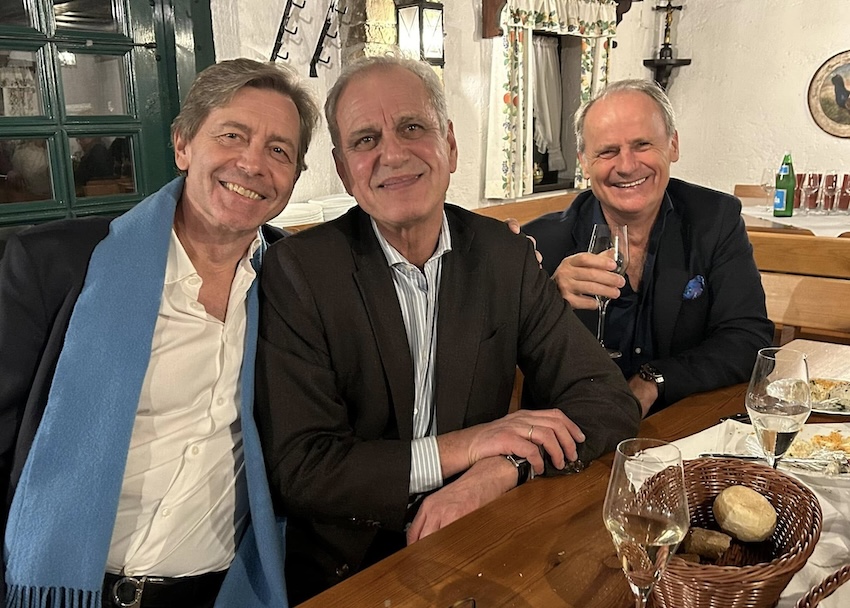
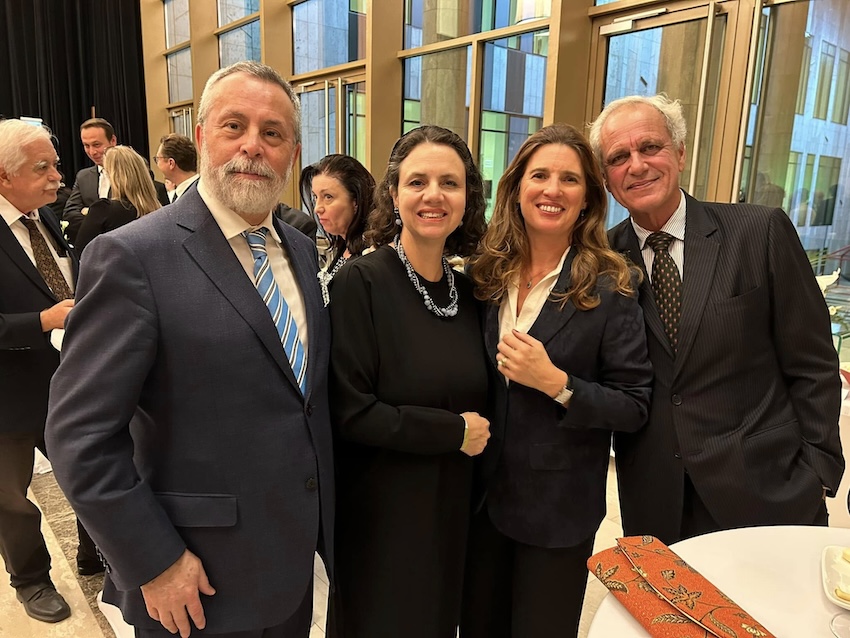
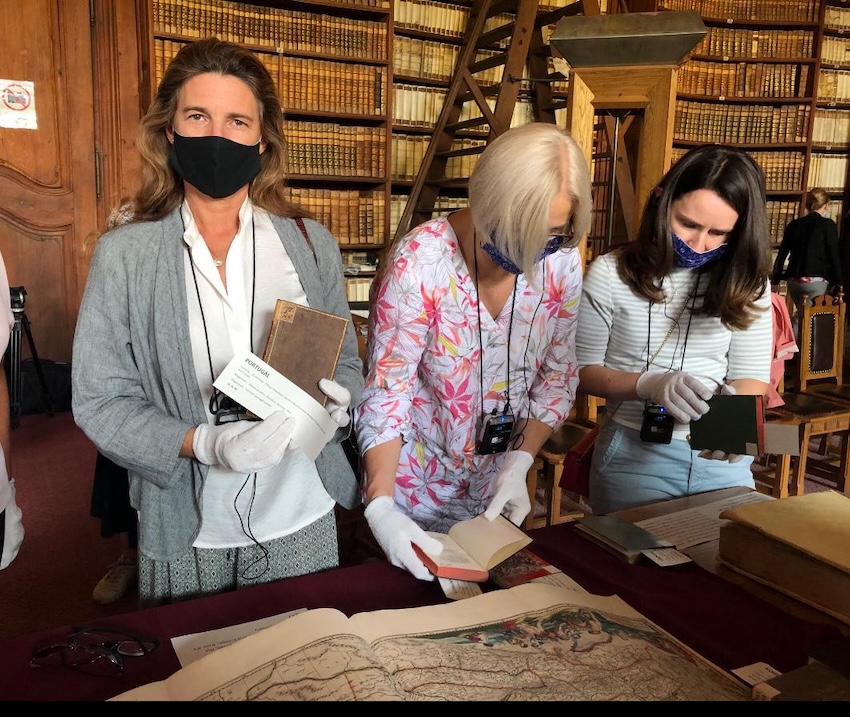
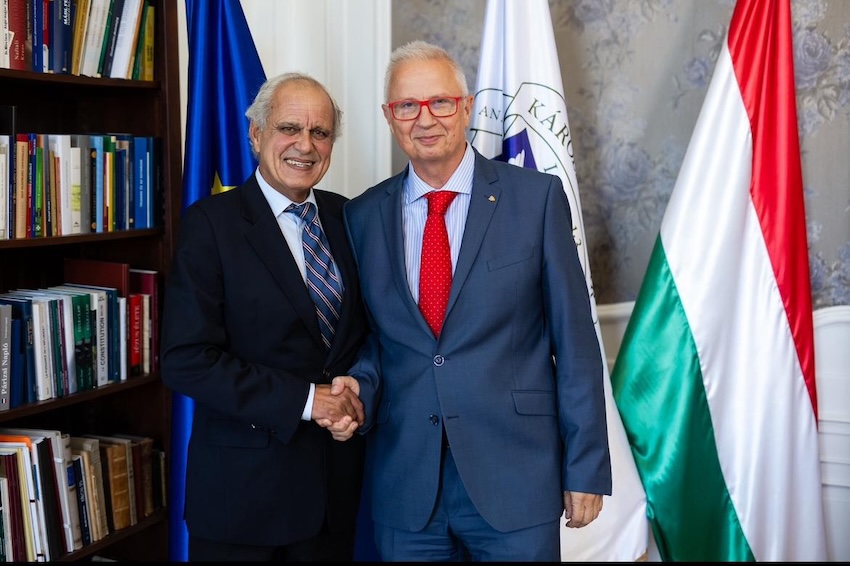
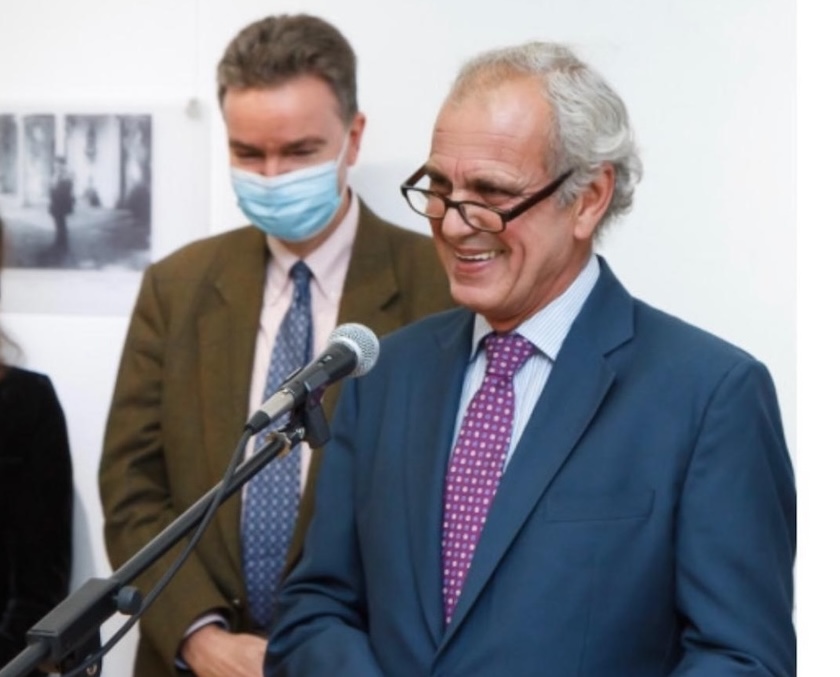
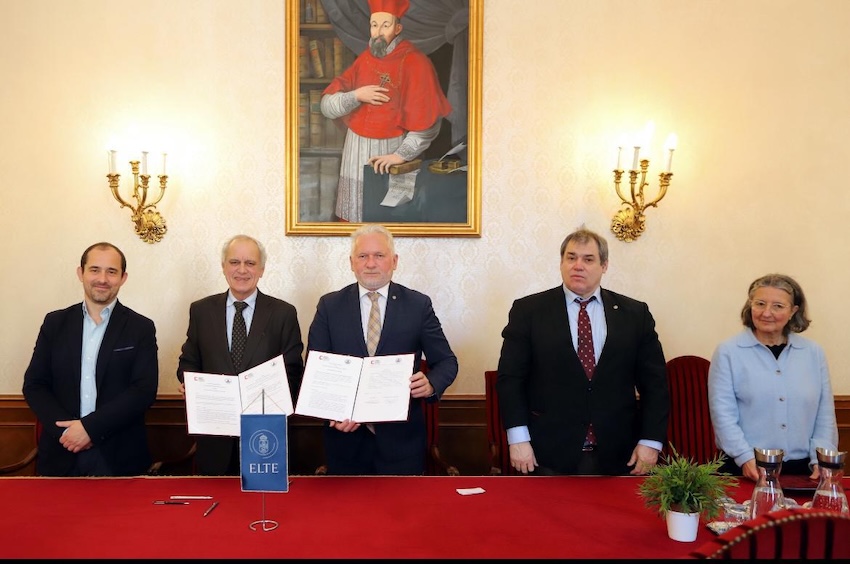
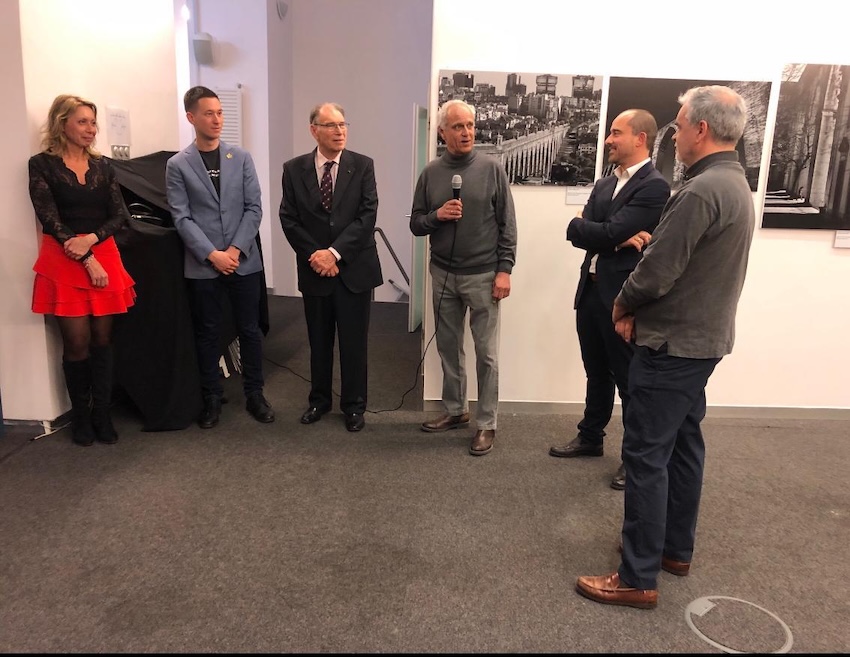
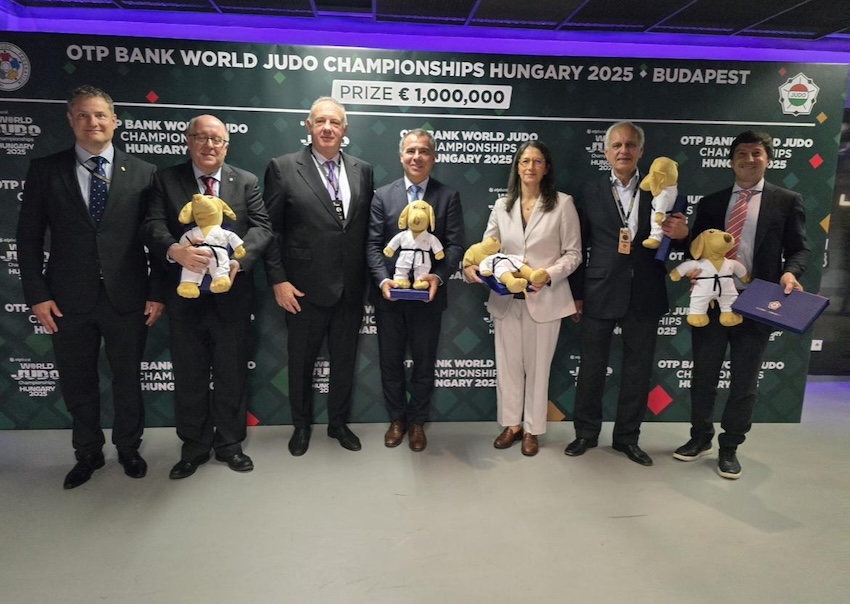
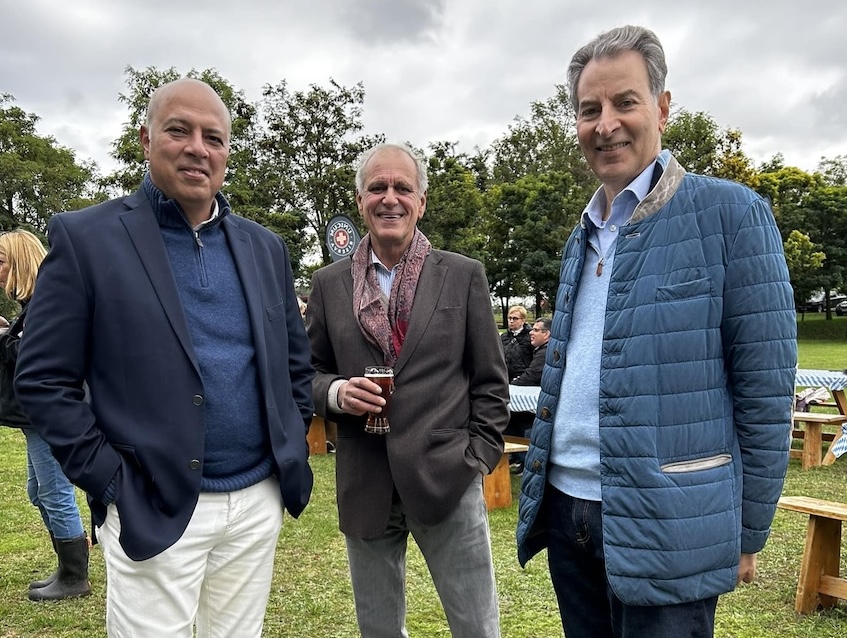
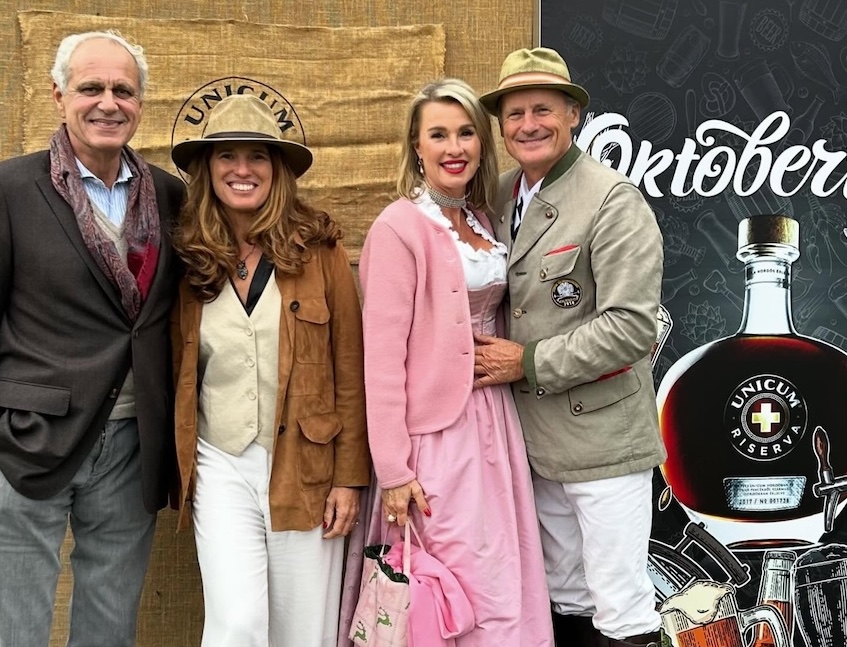
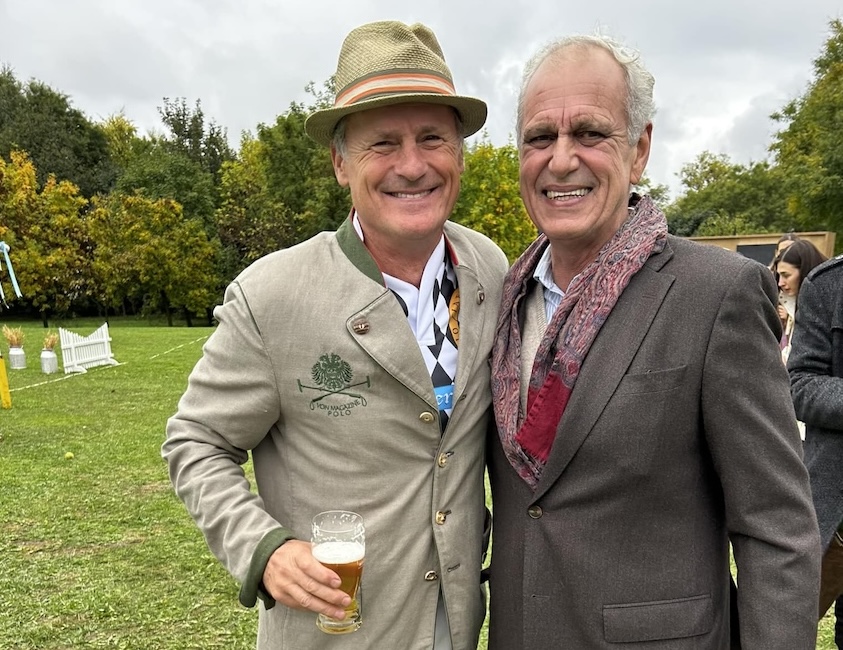
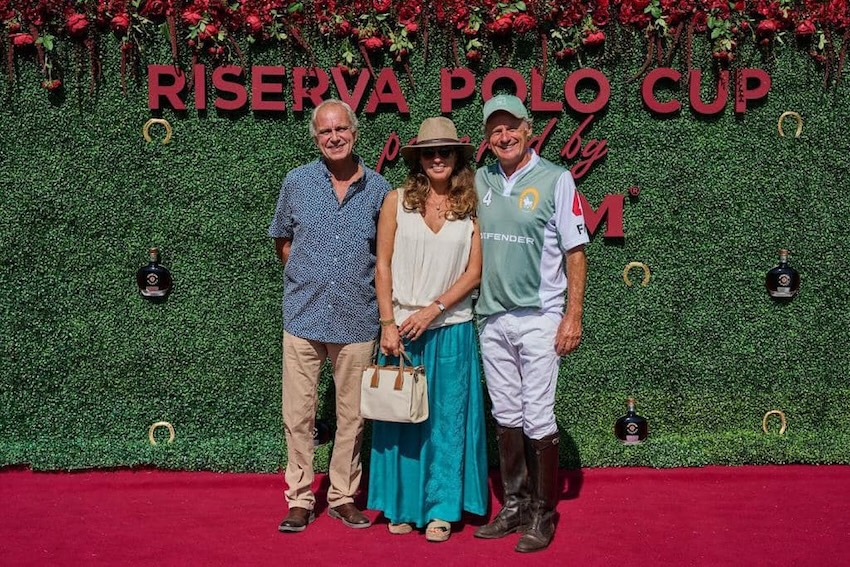
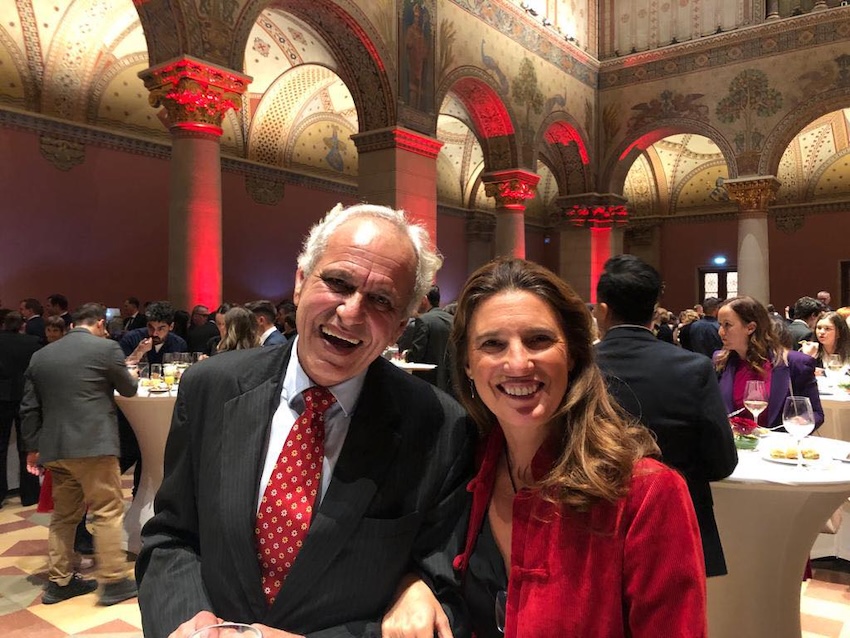
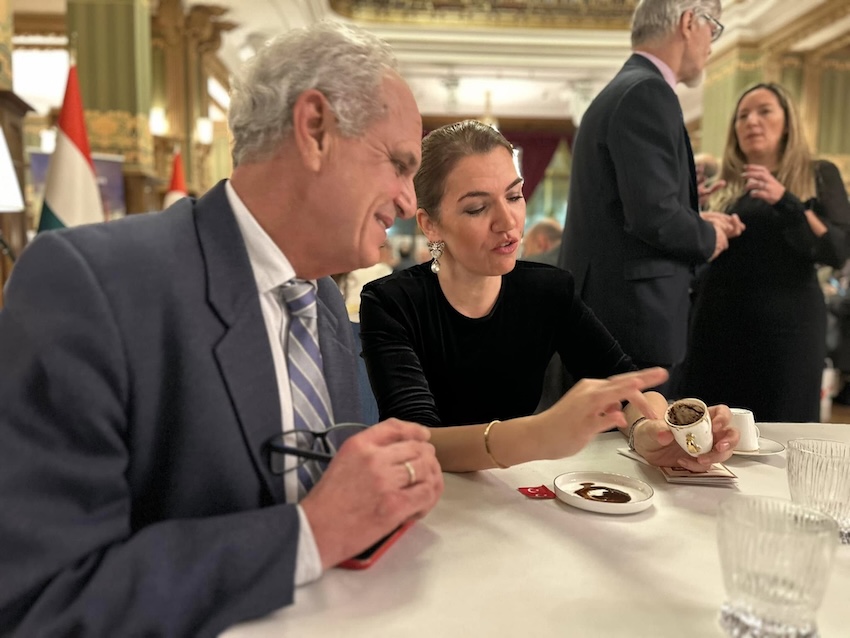
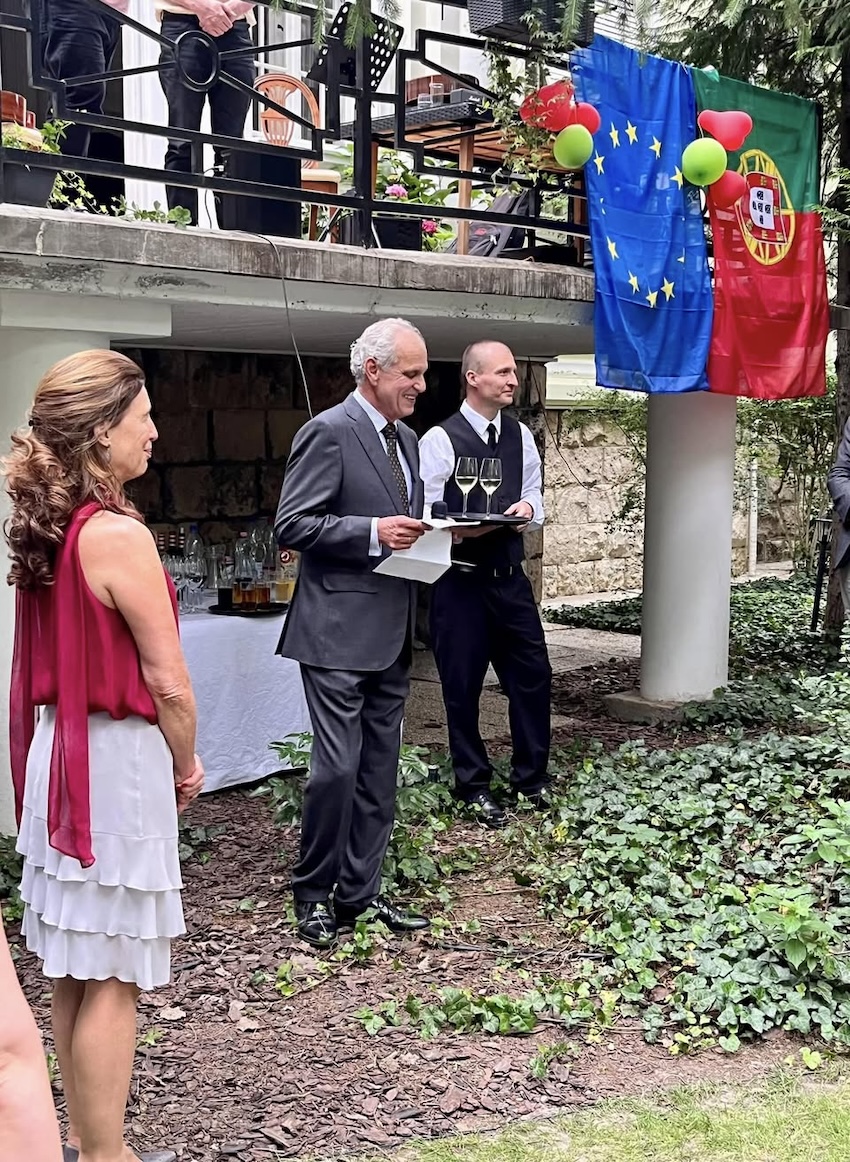
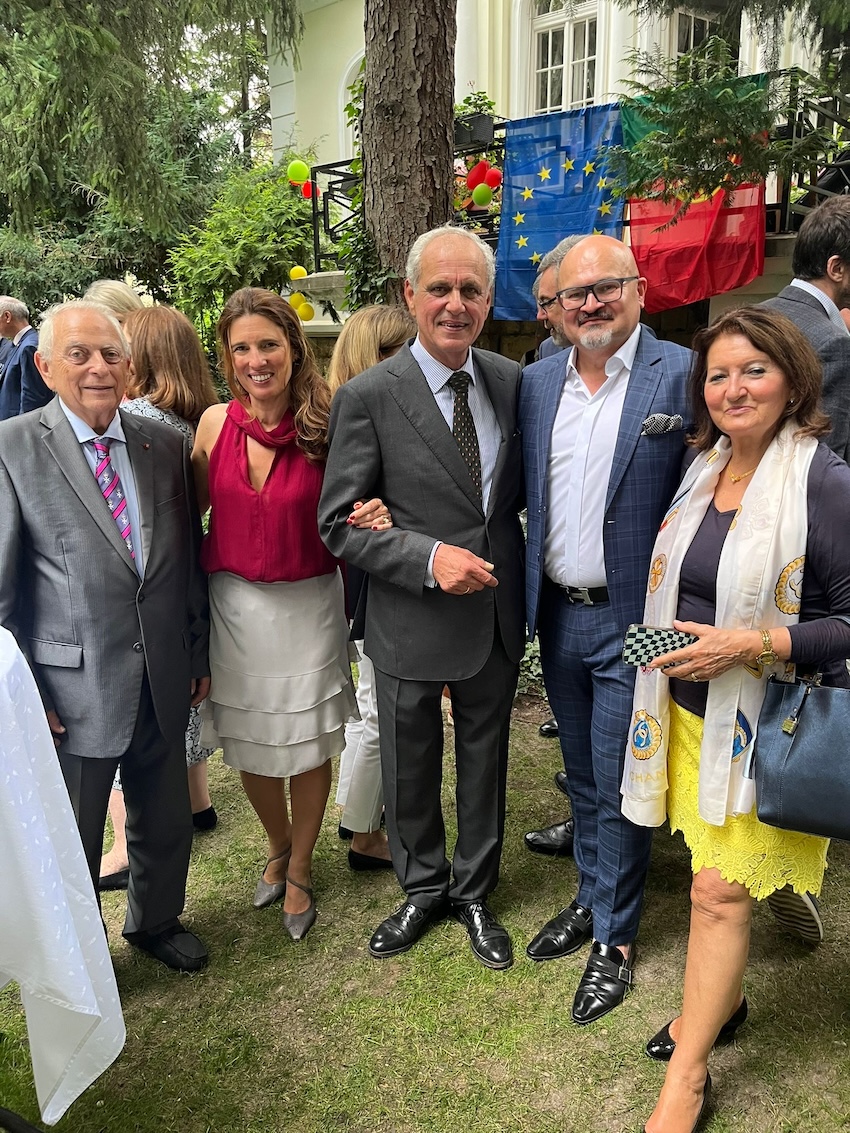
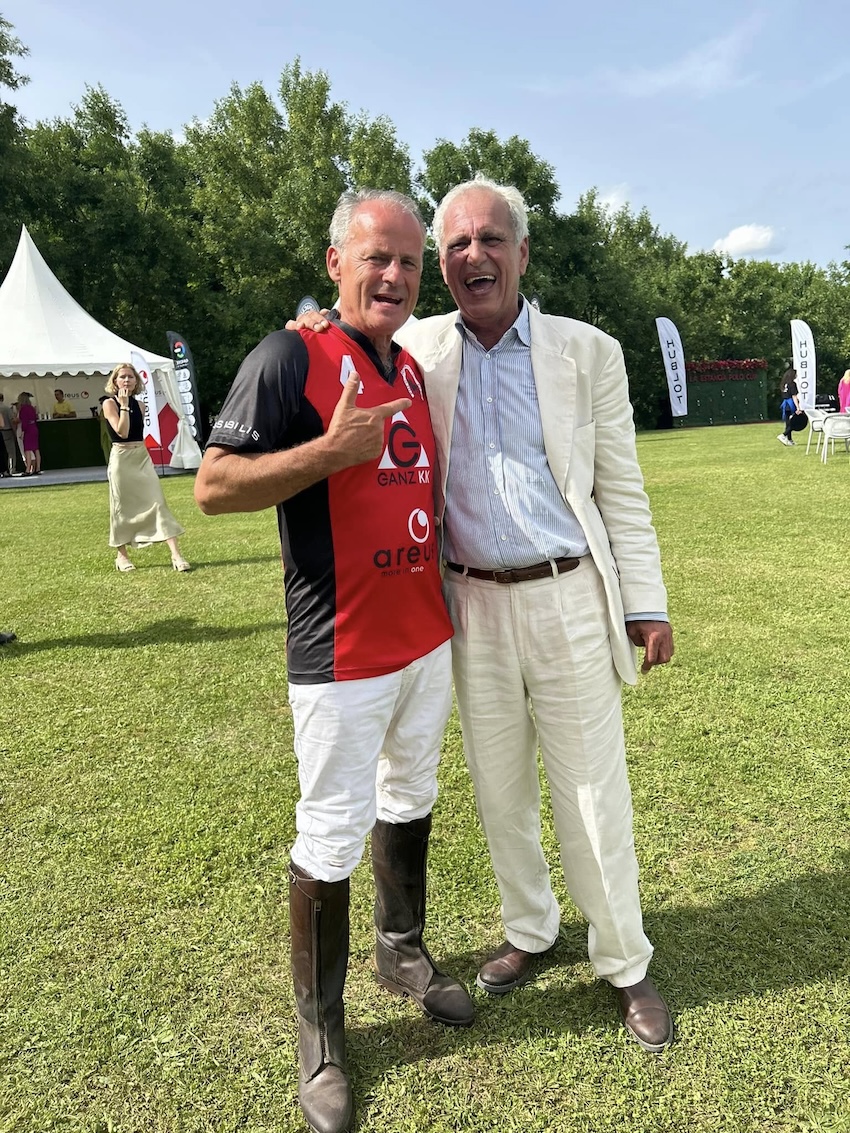
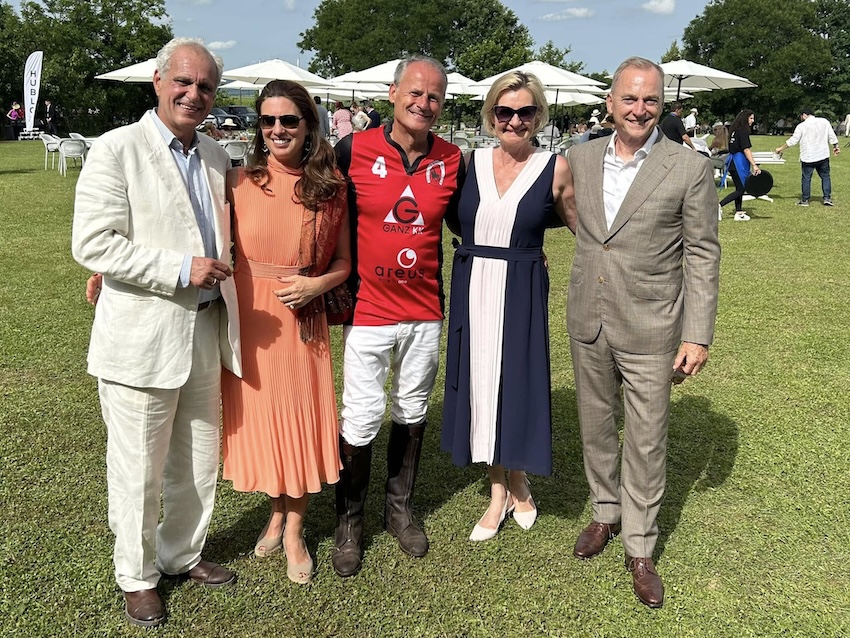
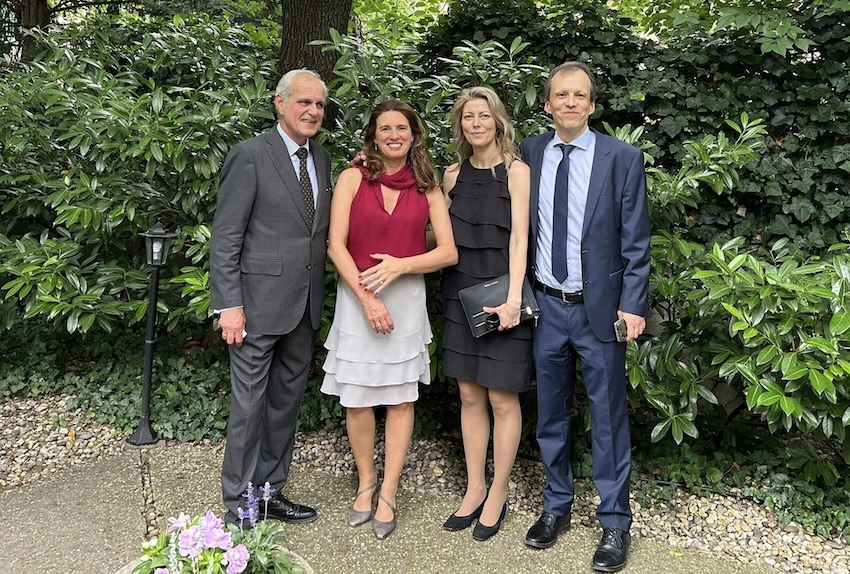
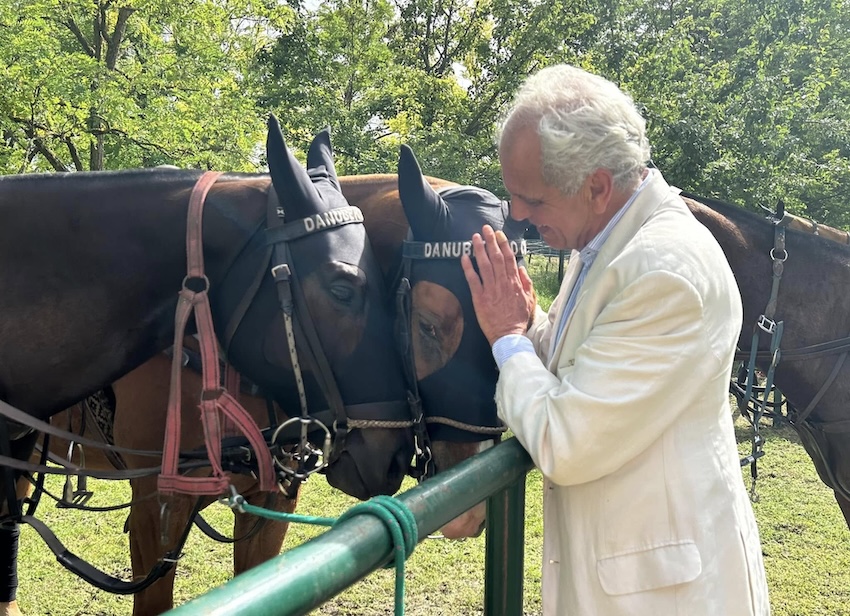
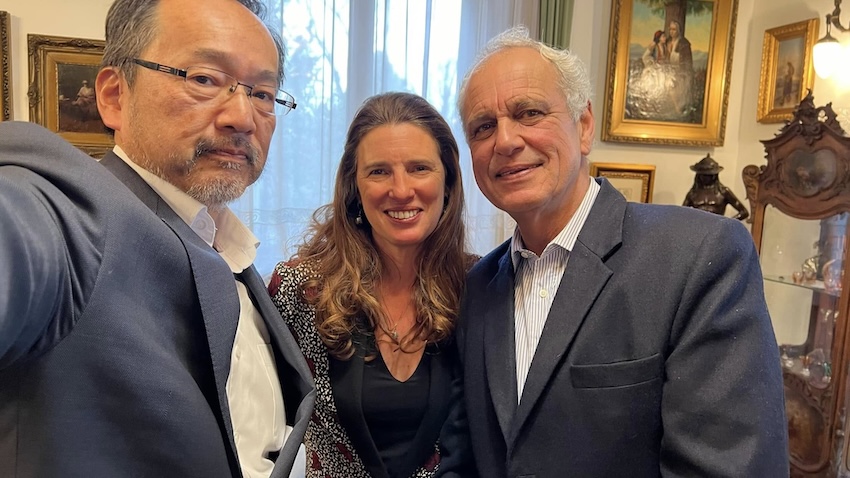
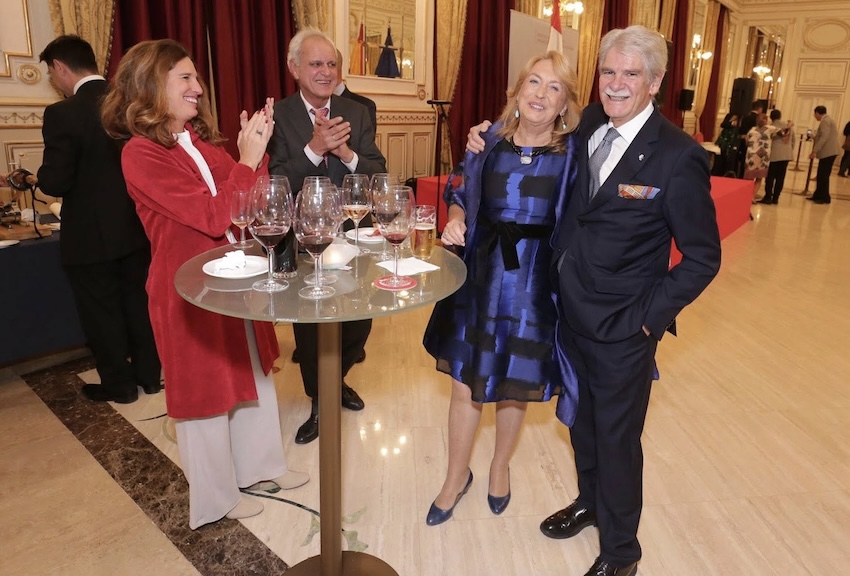
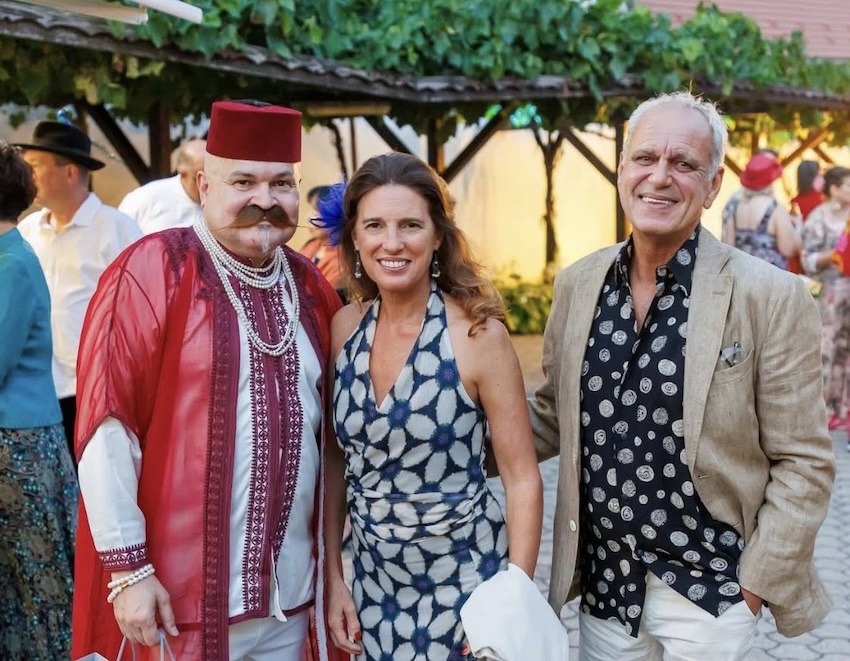
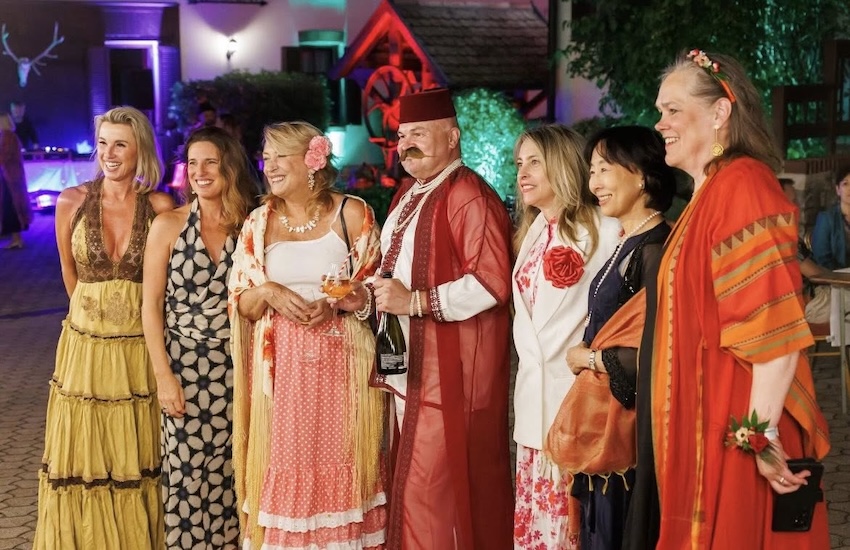
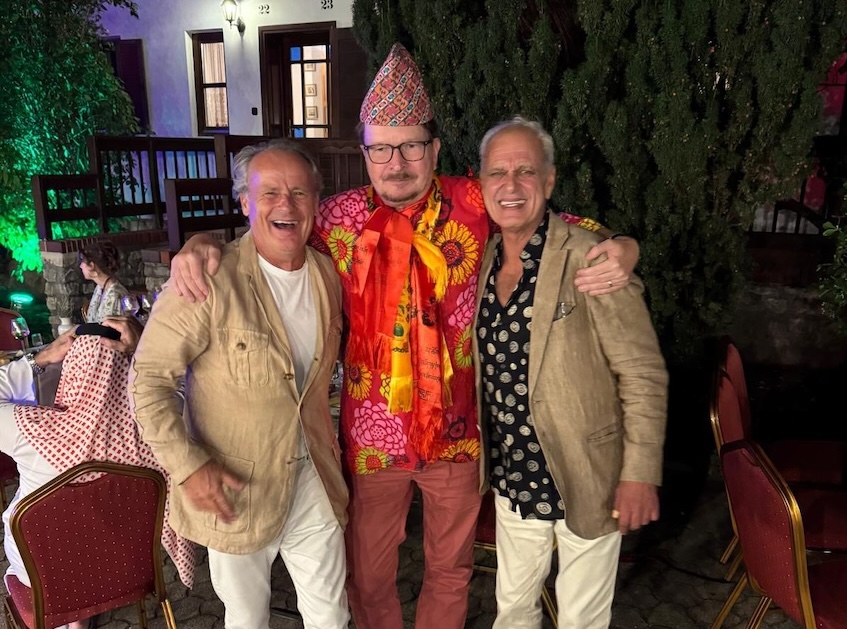
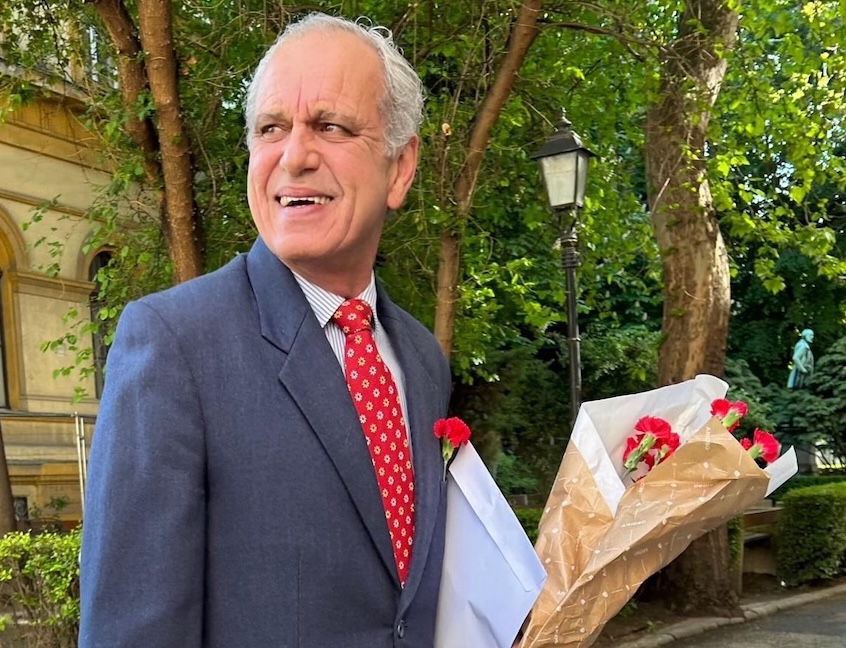
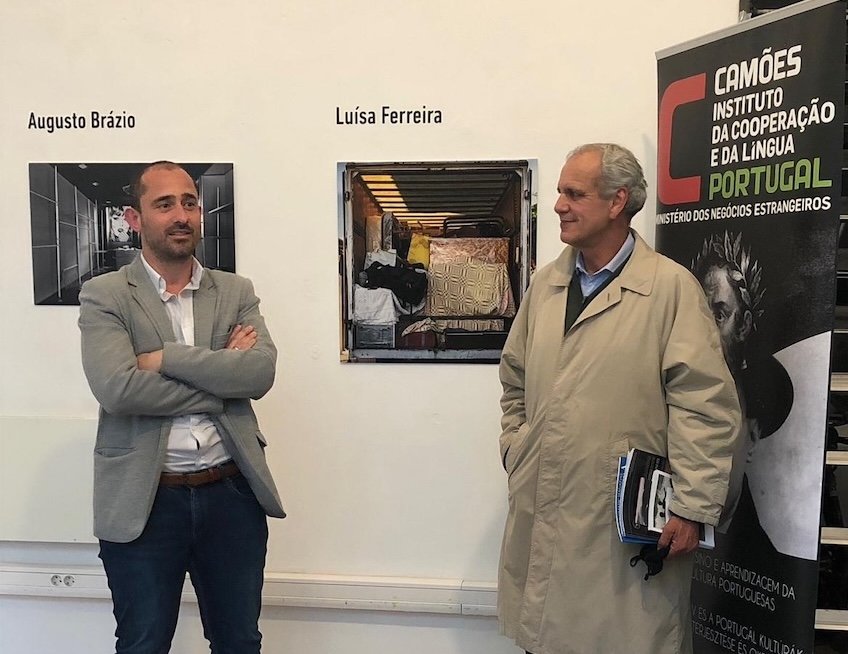
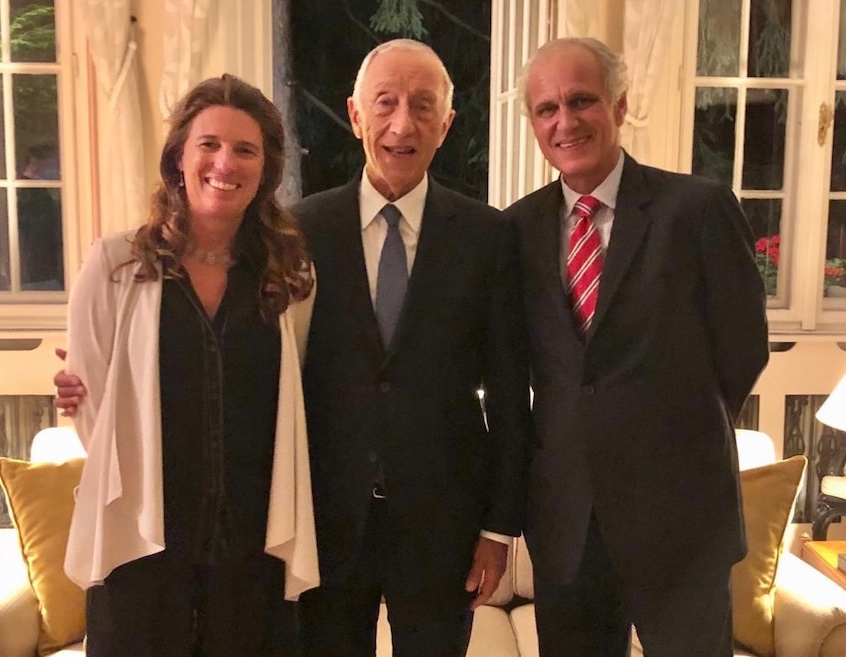
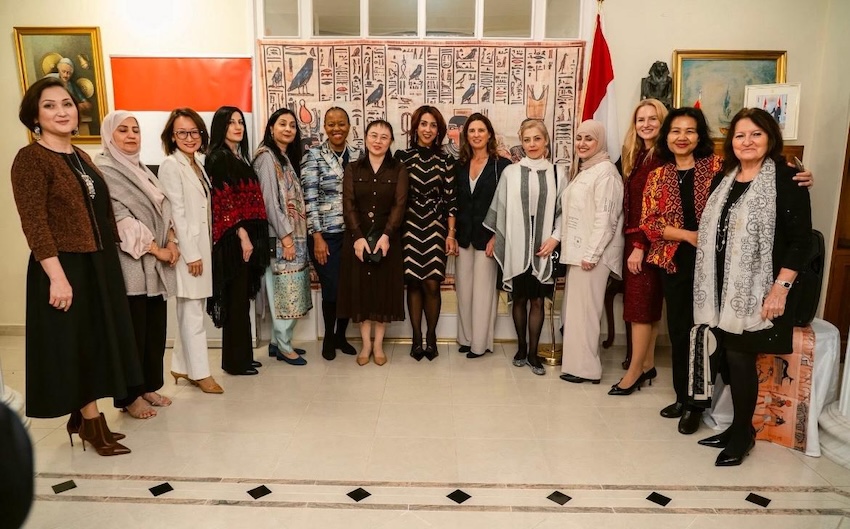
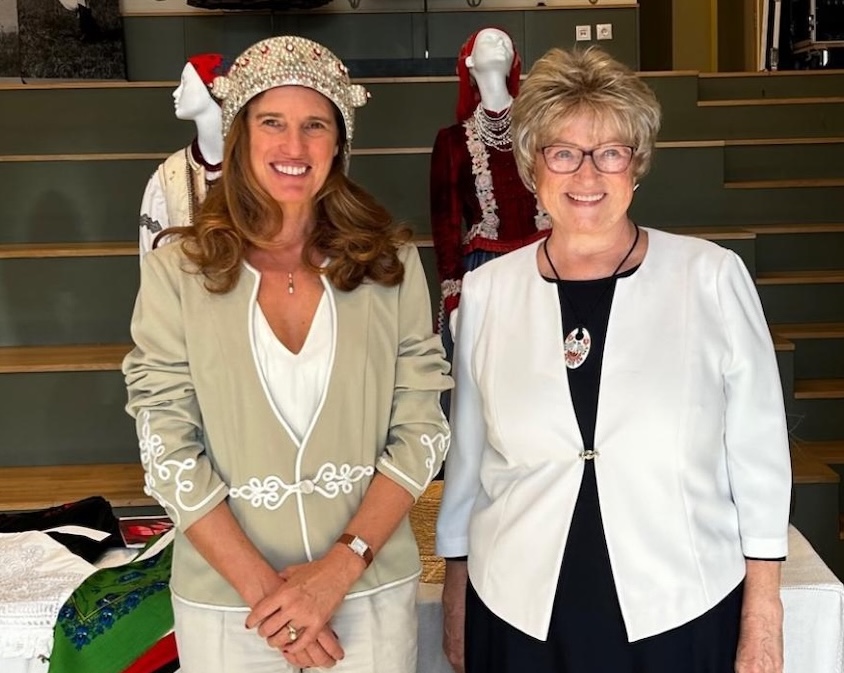
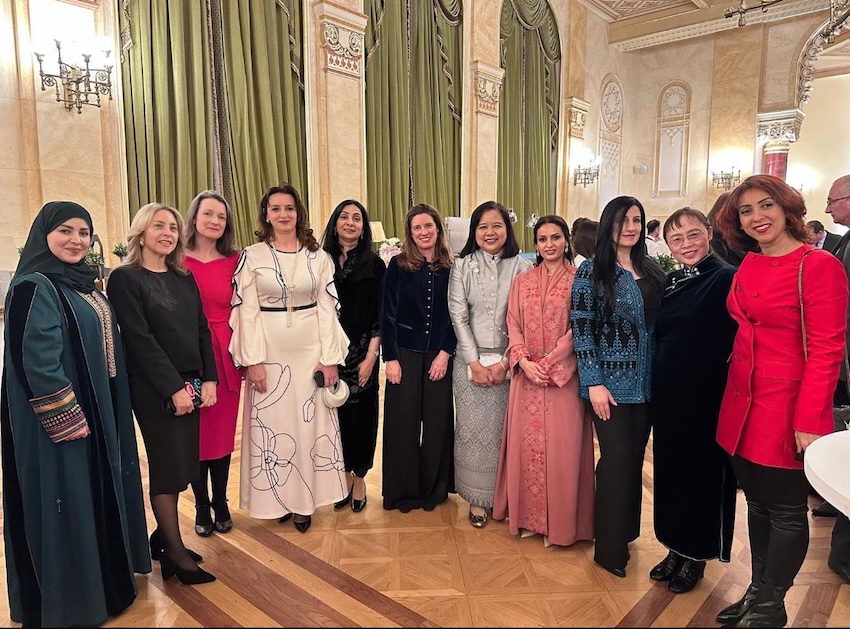
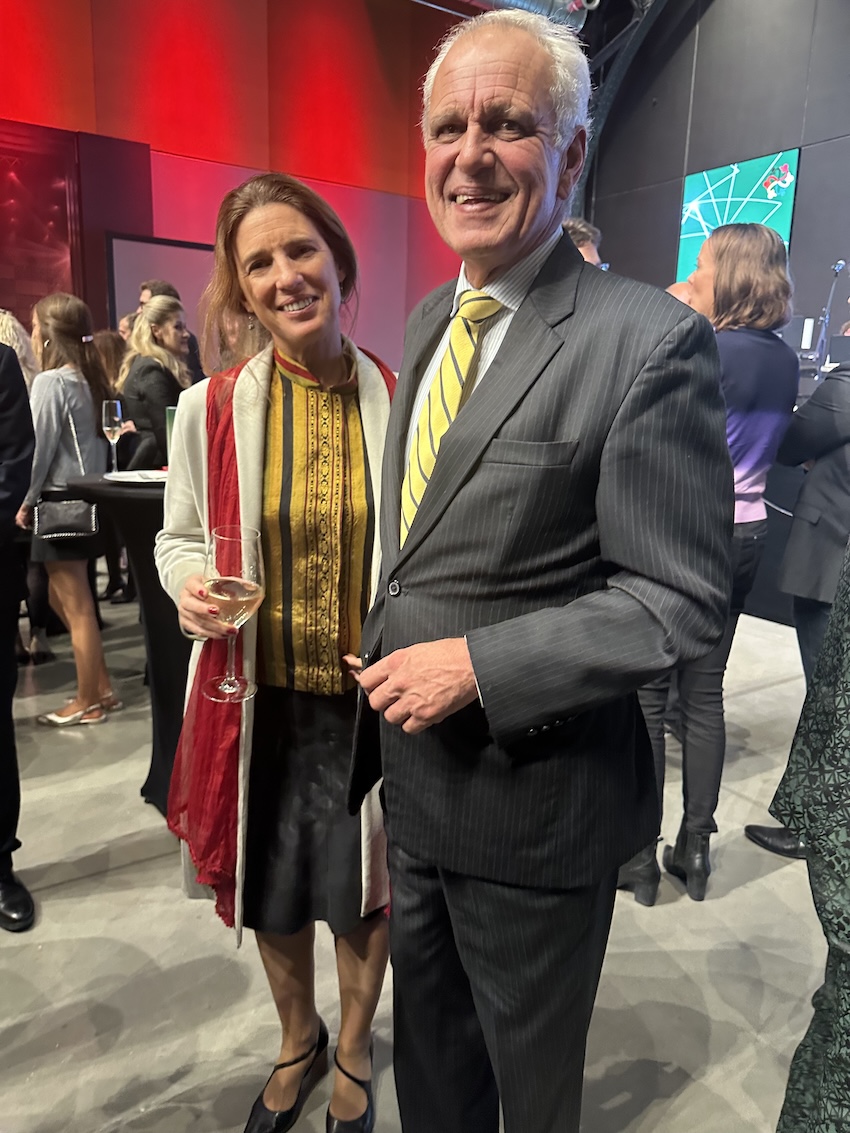
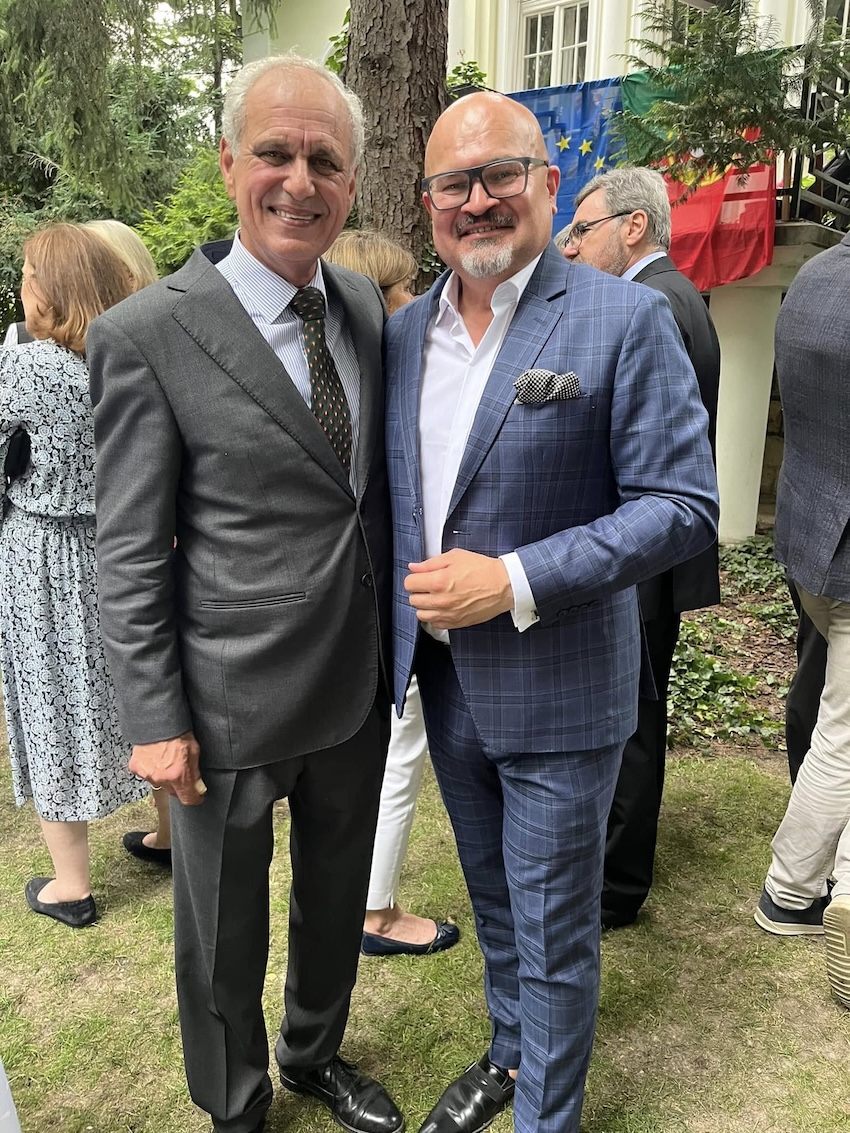
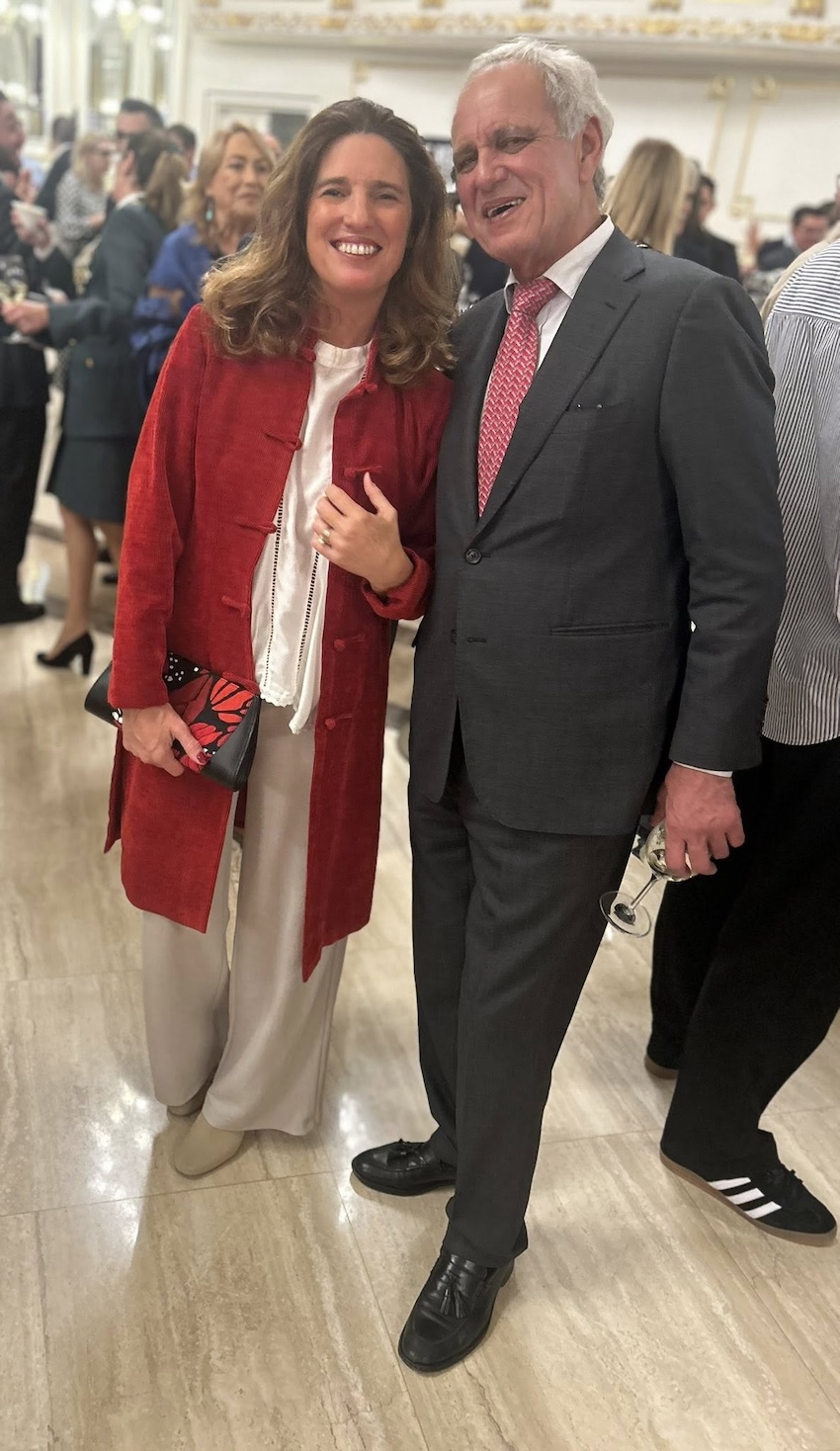
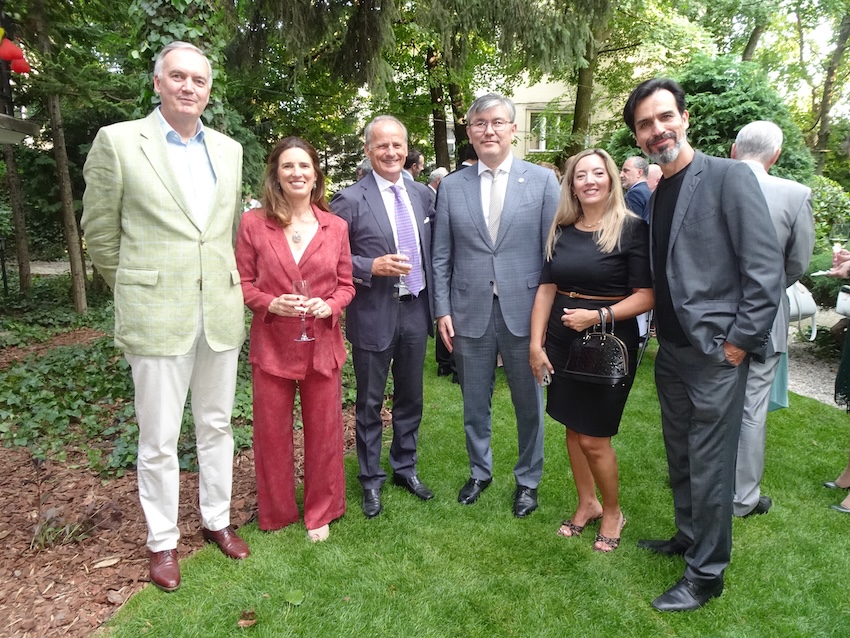
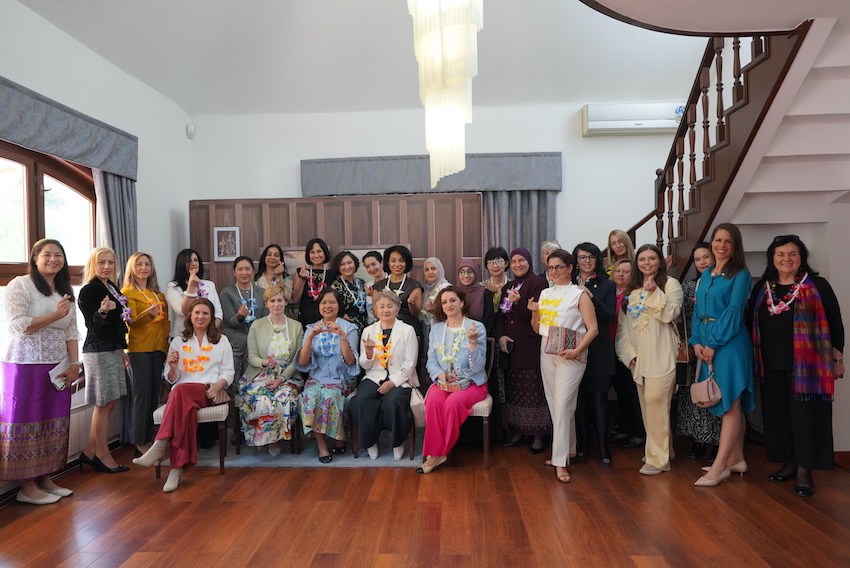
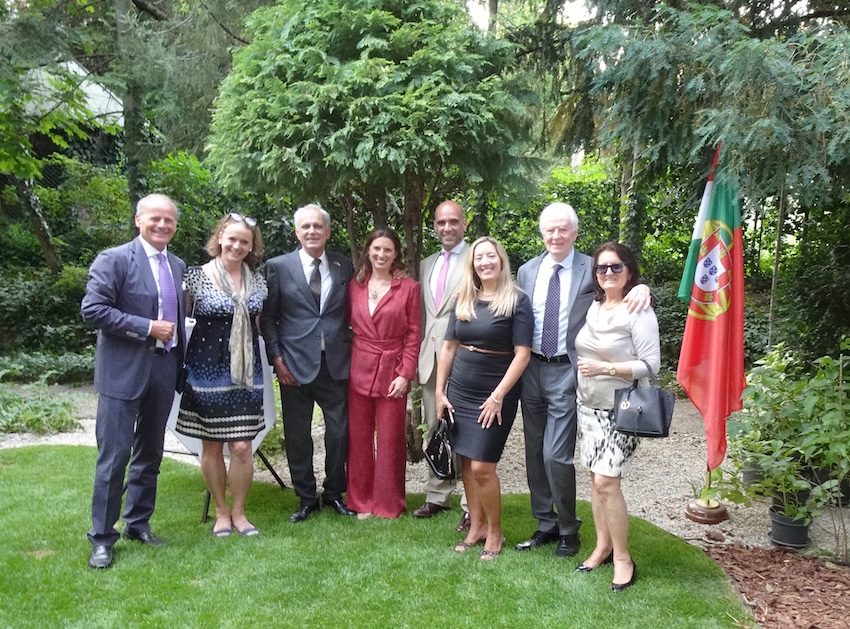
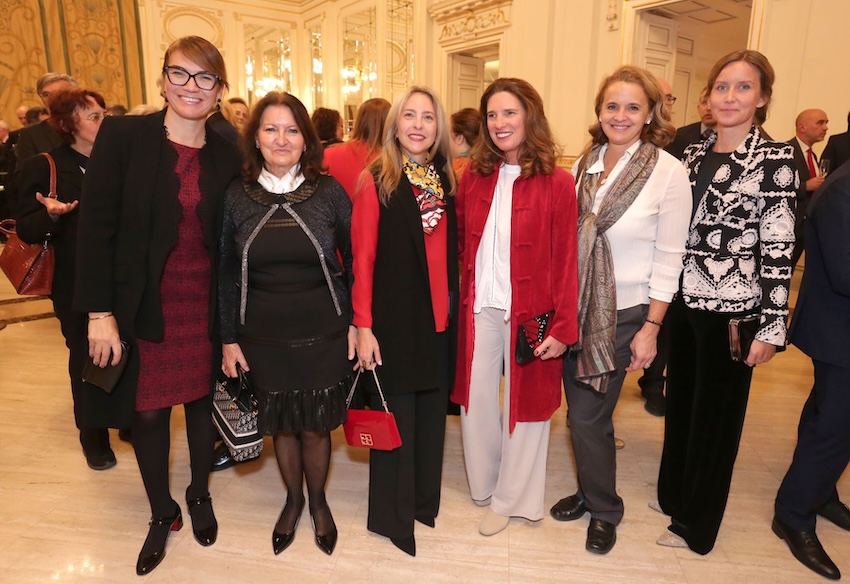
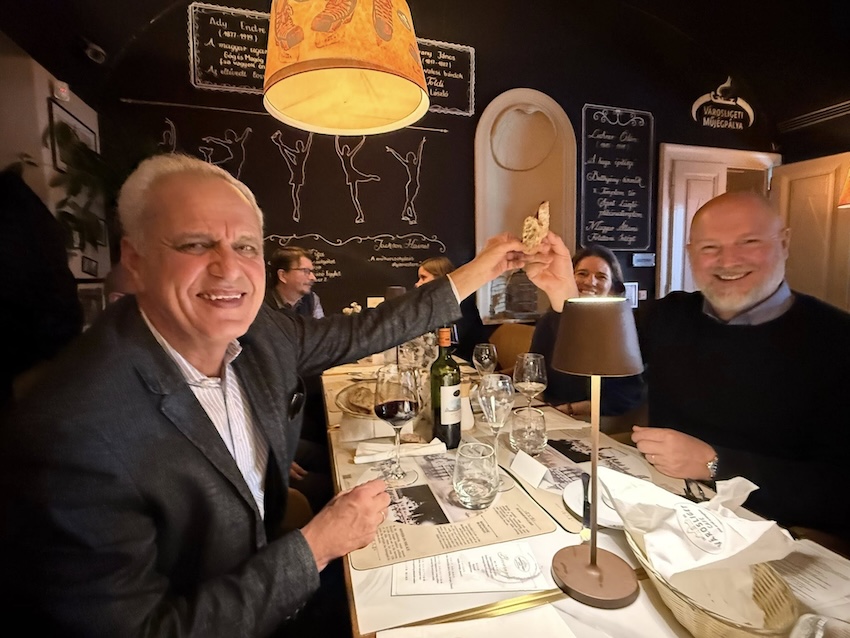
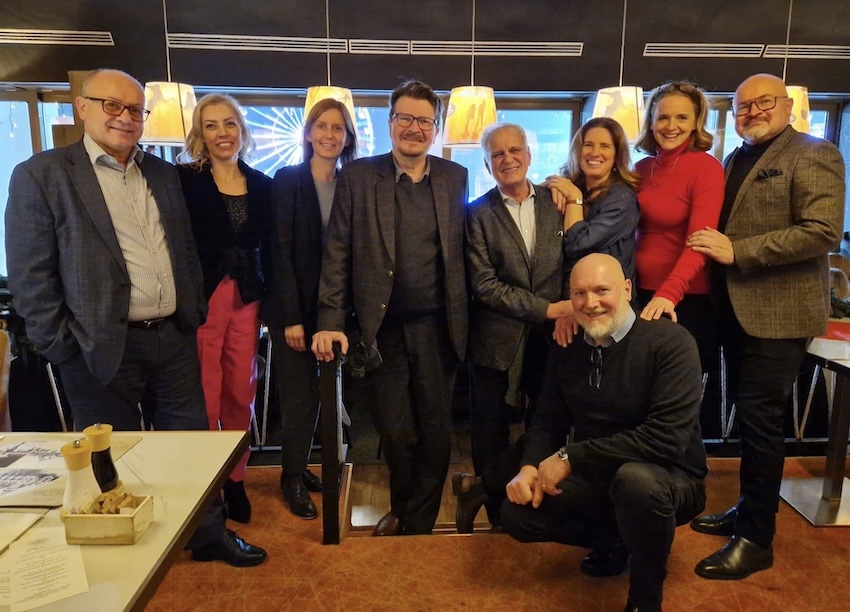
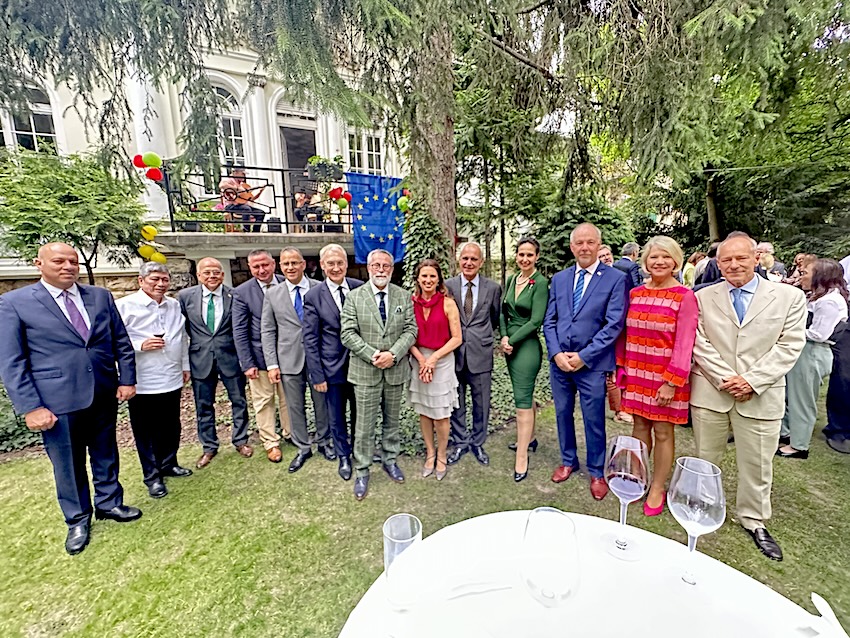
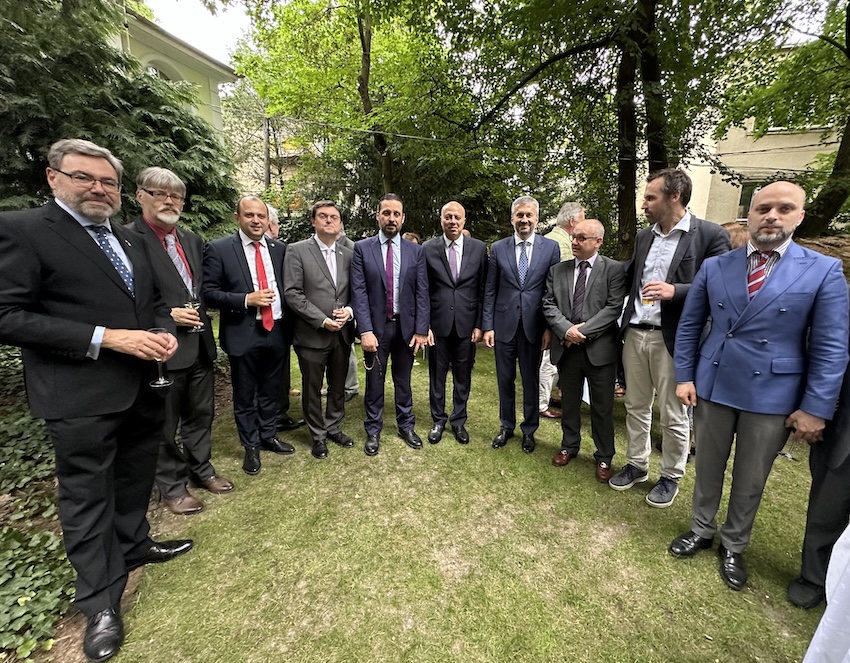
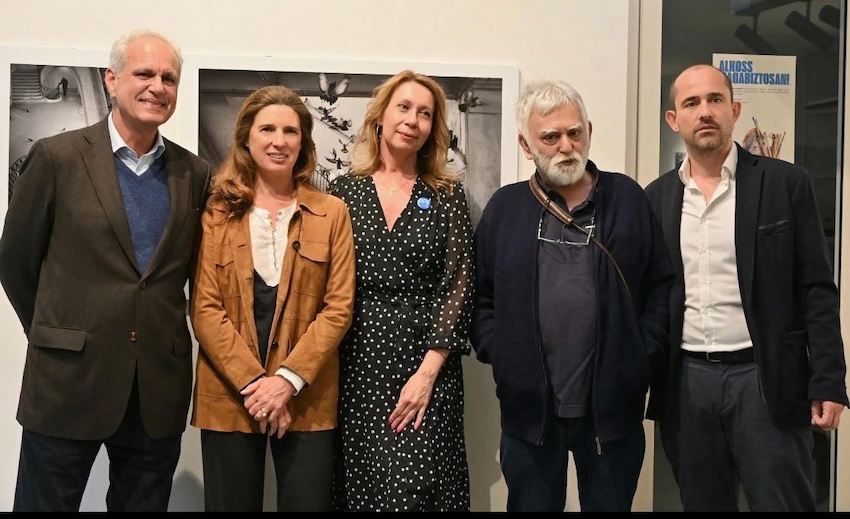
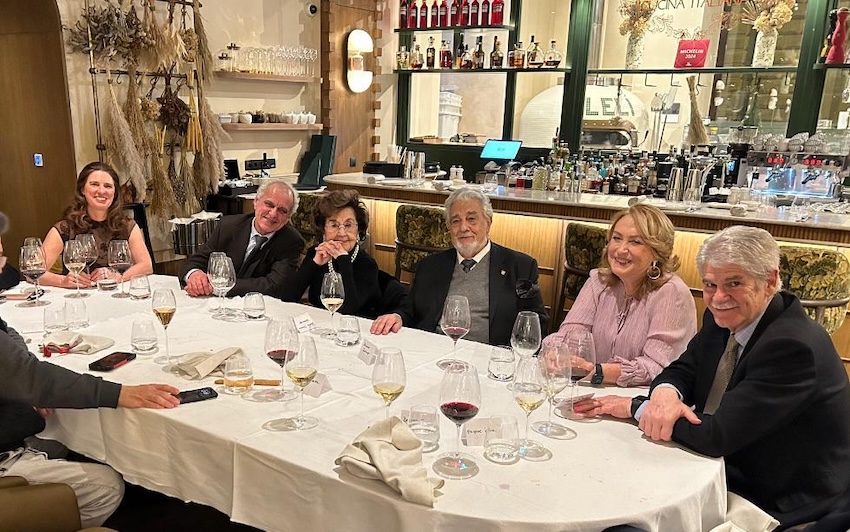
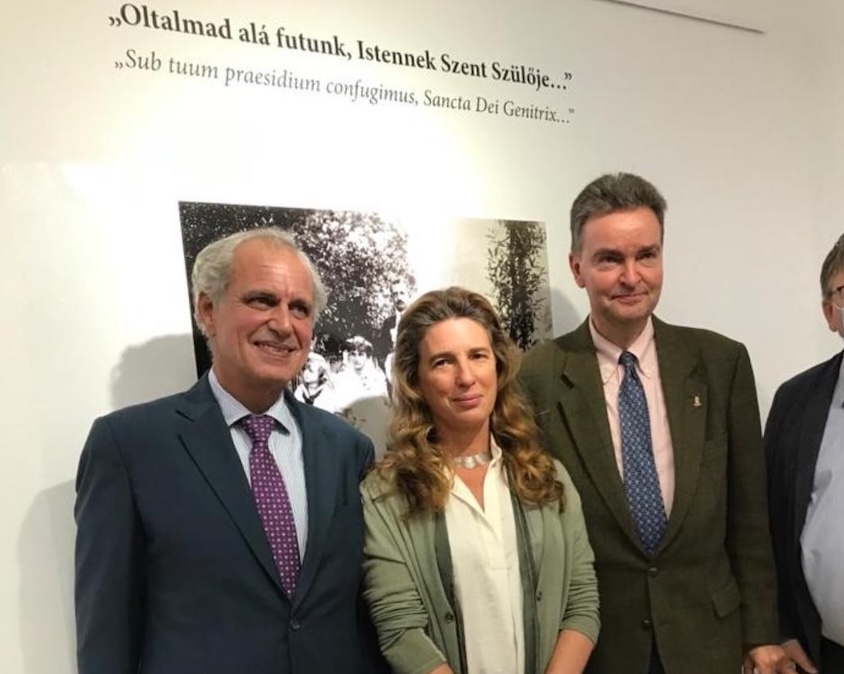
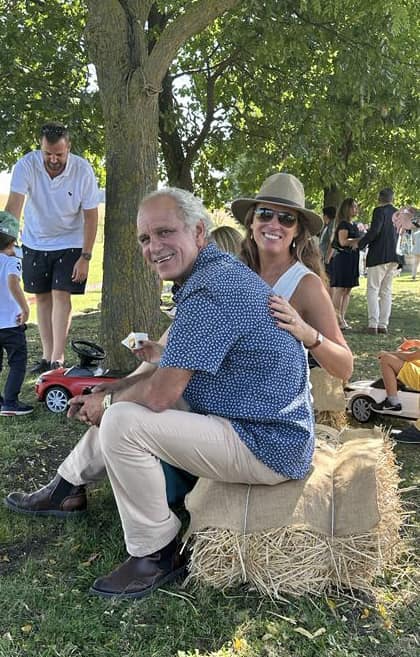
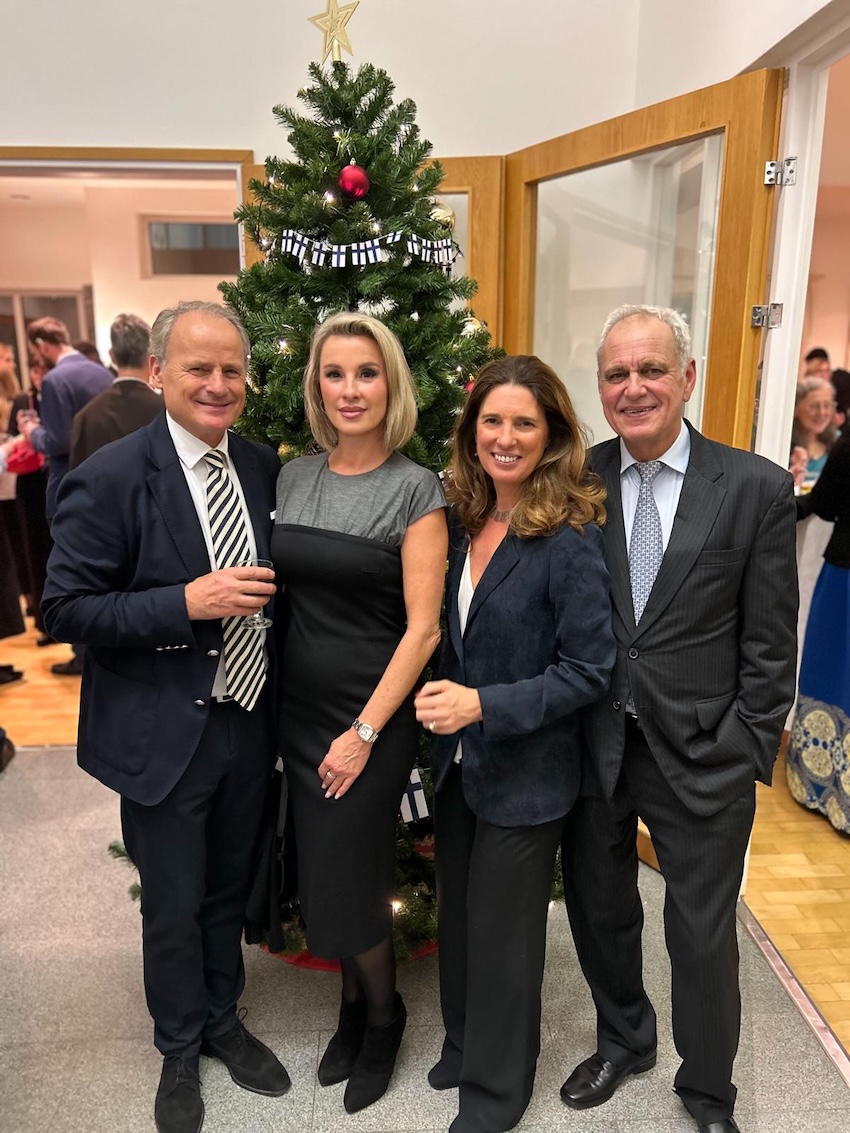
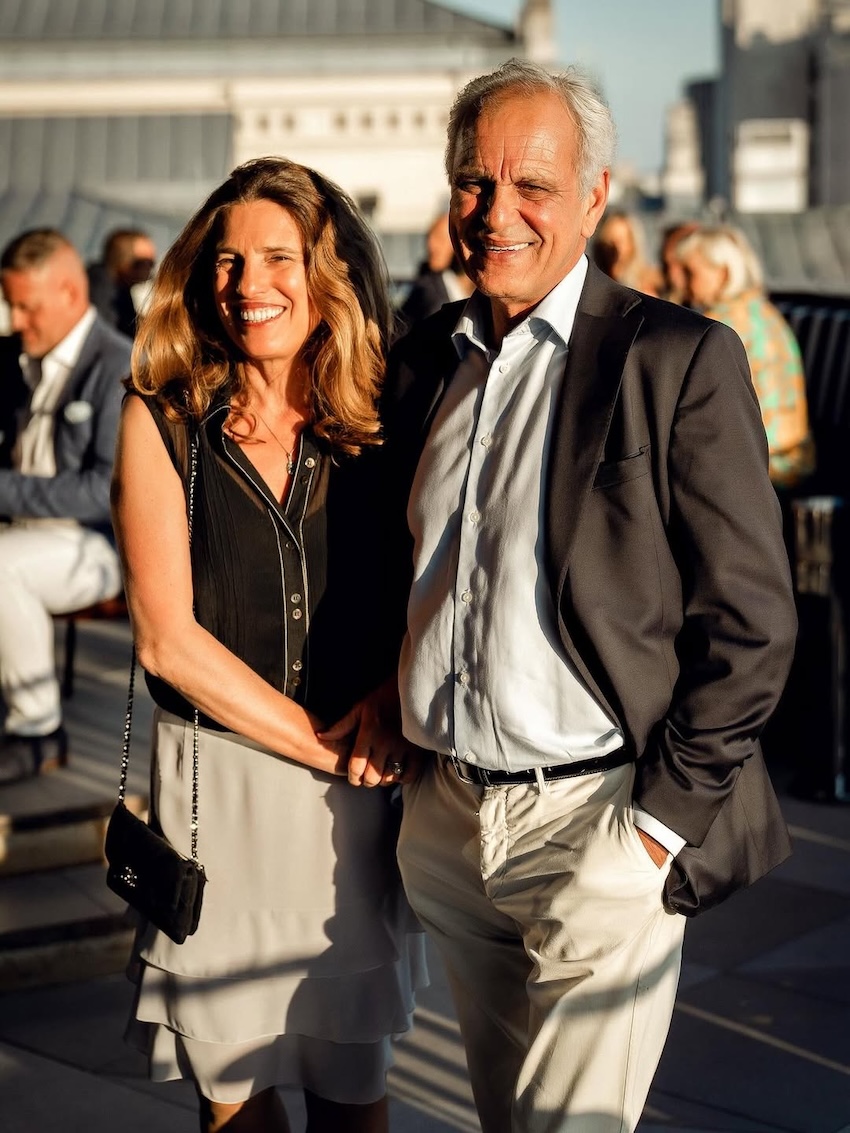
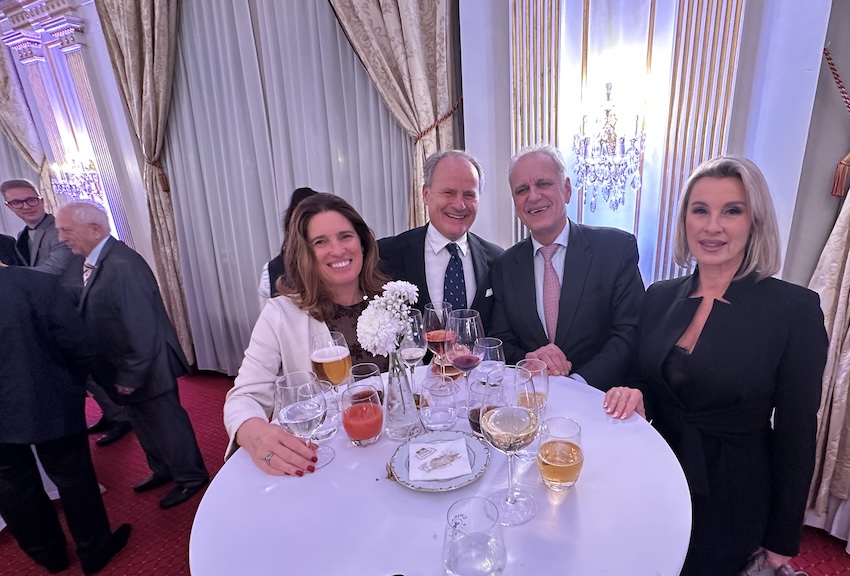
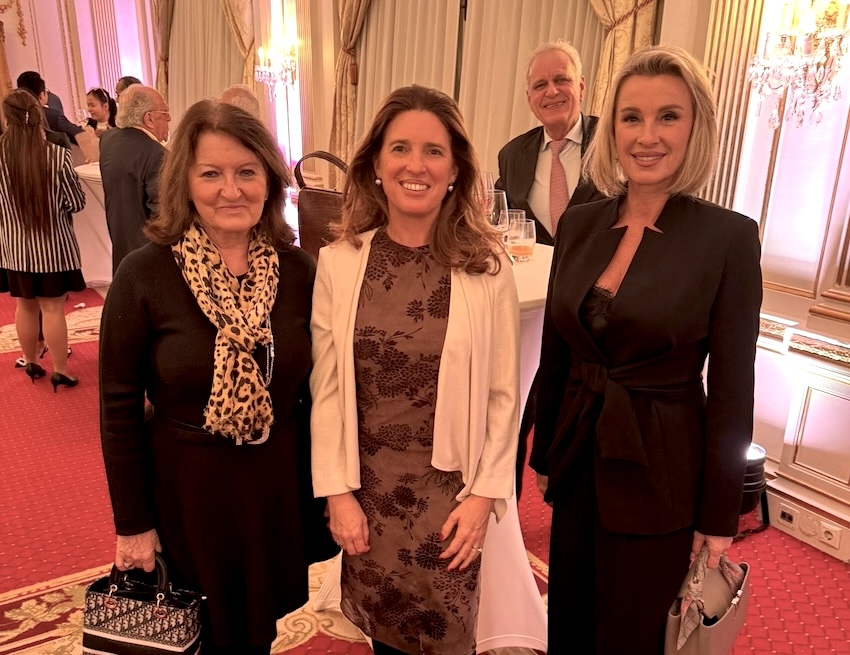
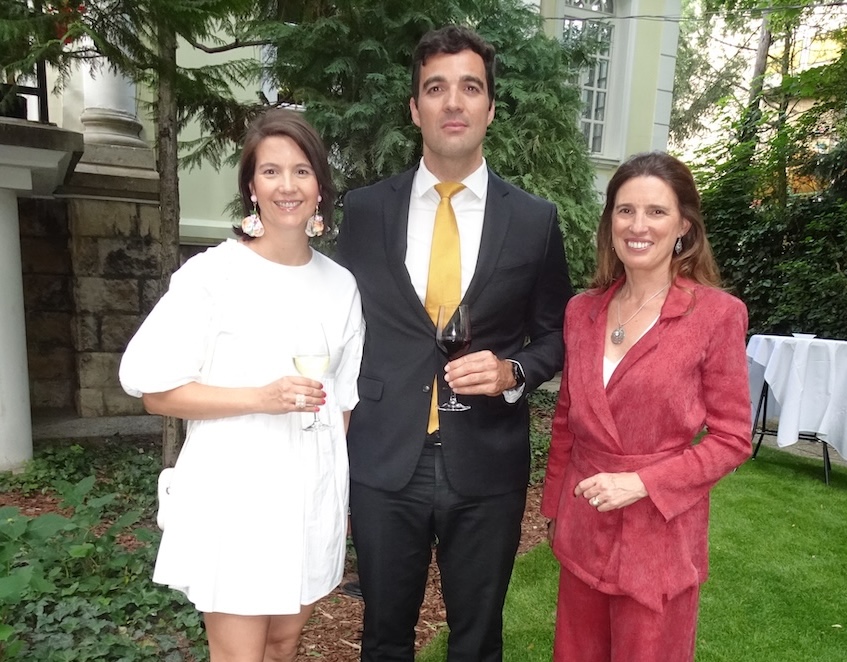
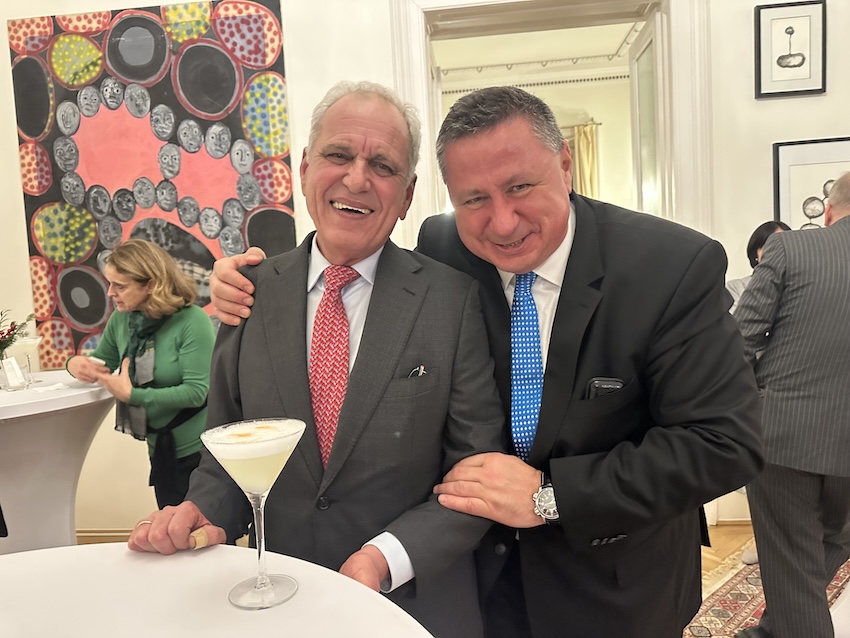
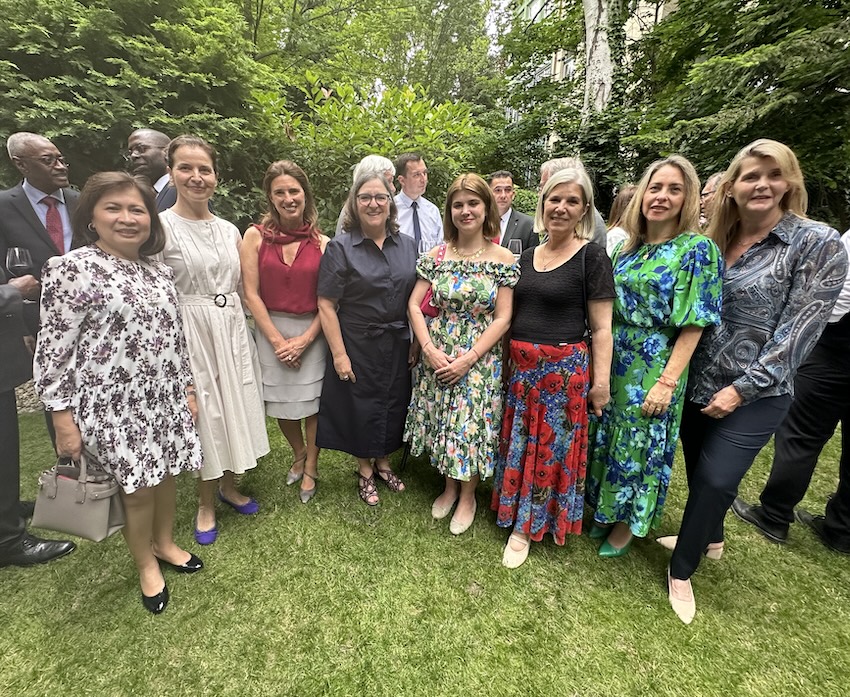
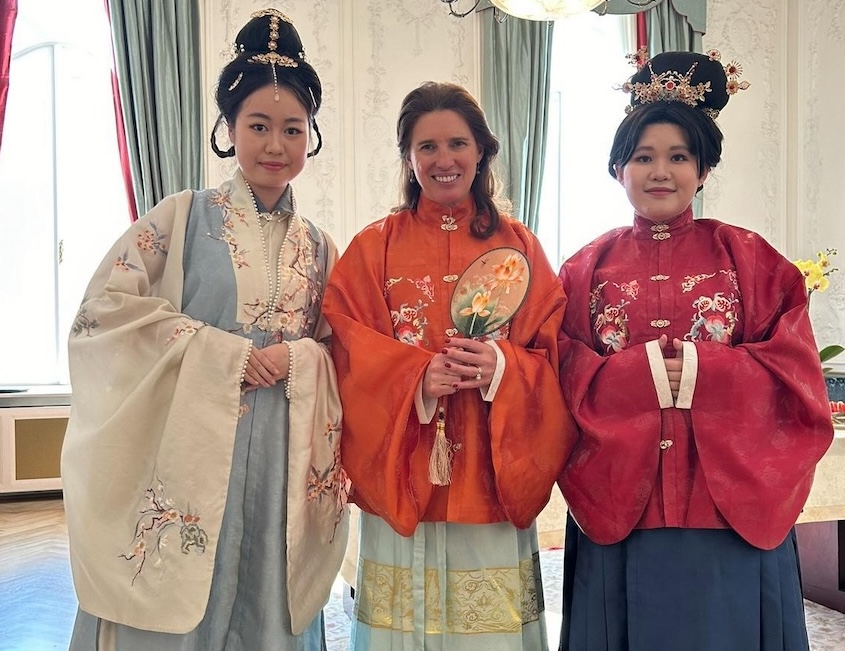
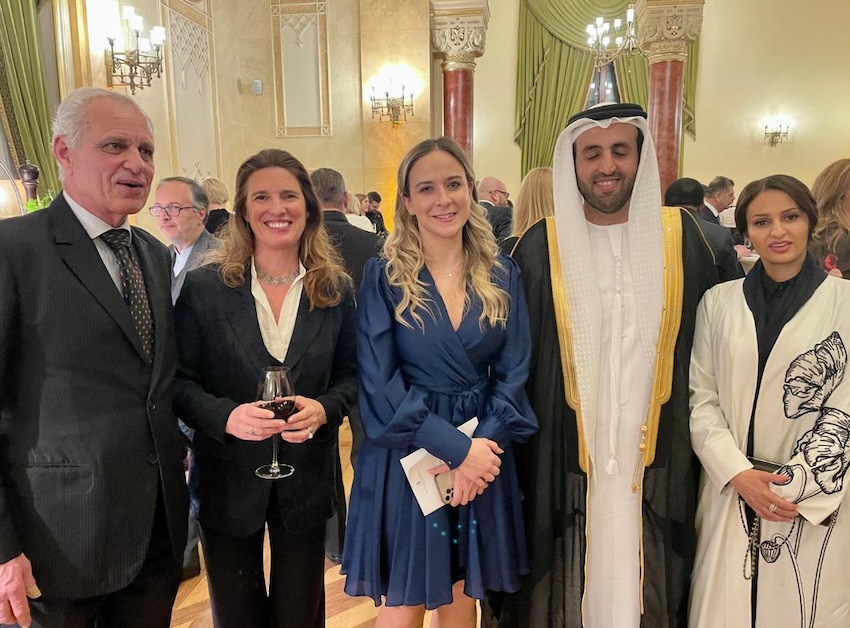
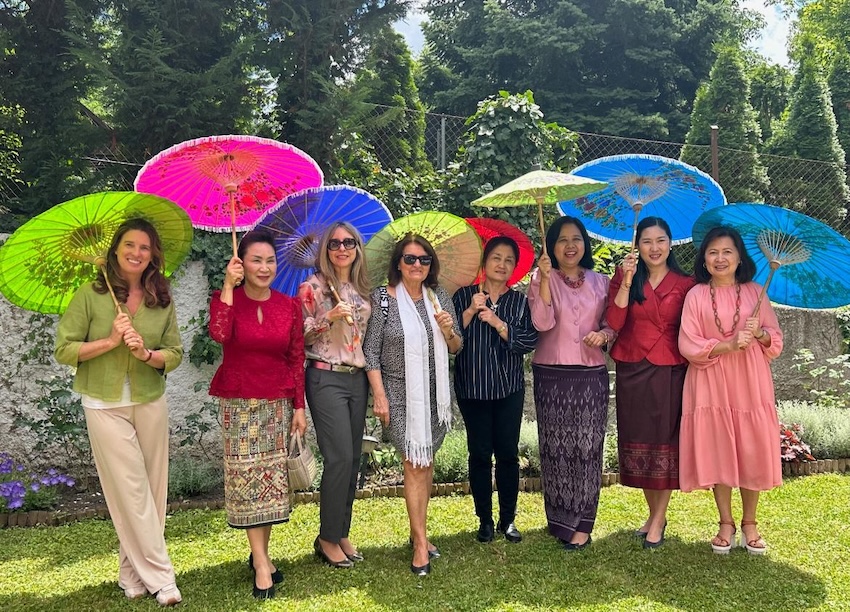
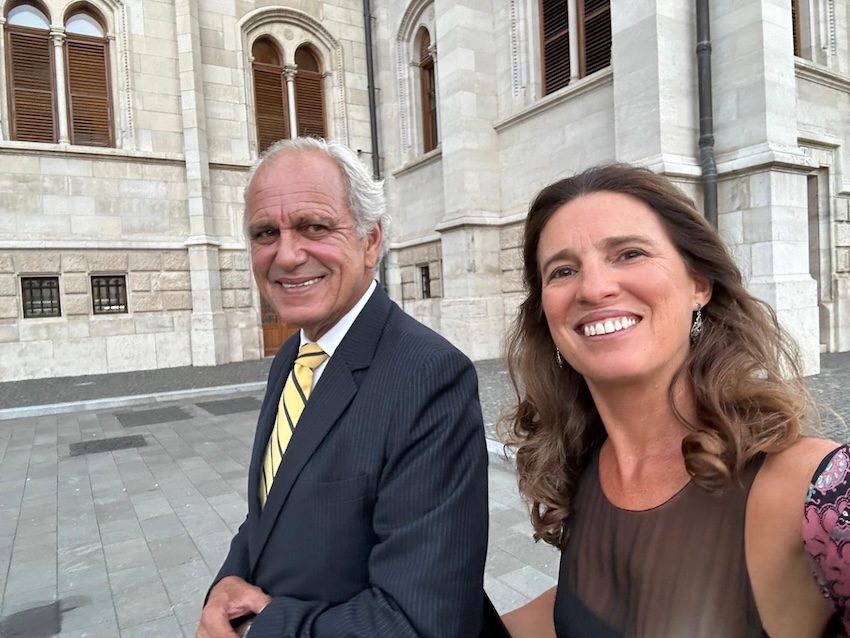
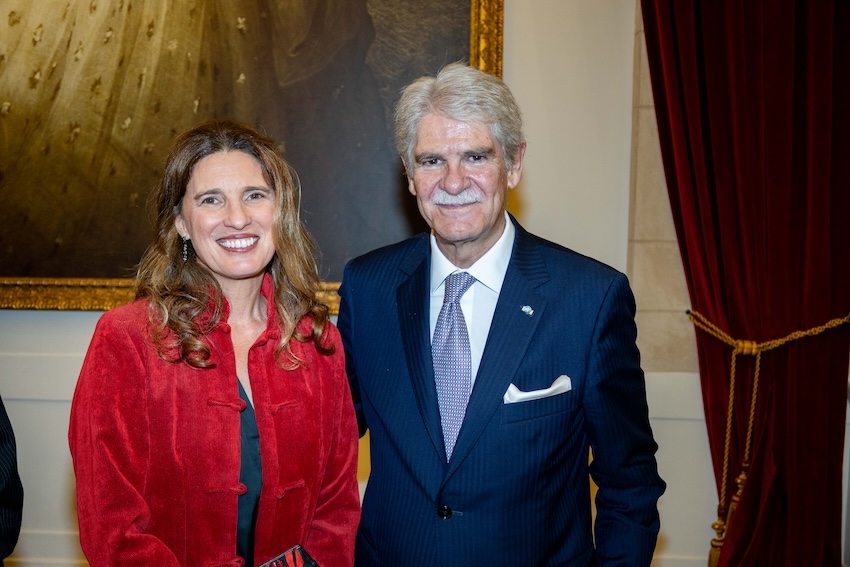
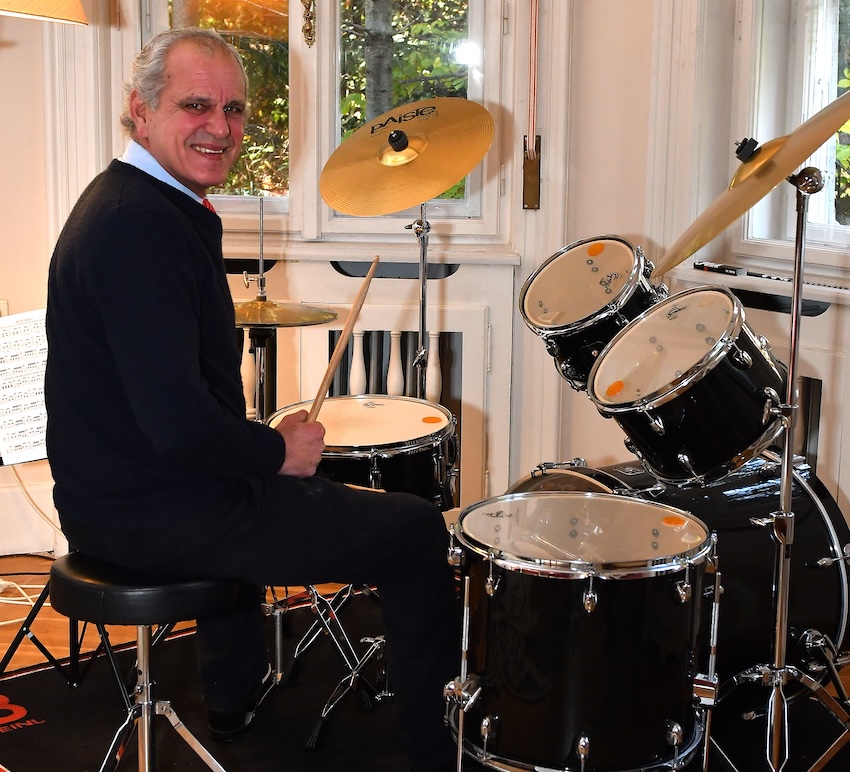
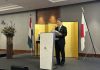
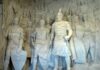
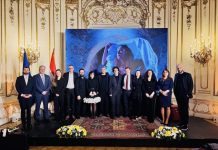
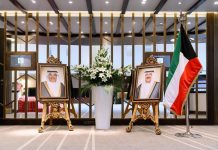
This photo gallery captures memorable moments from Ambassador Jorge Roza de Oliveira’s tenure, together with his spouse in Hungary: