


Edited by Anna Popper
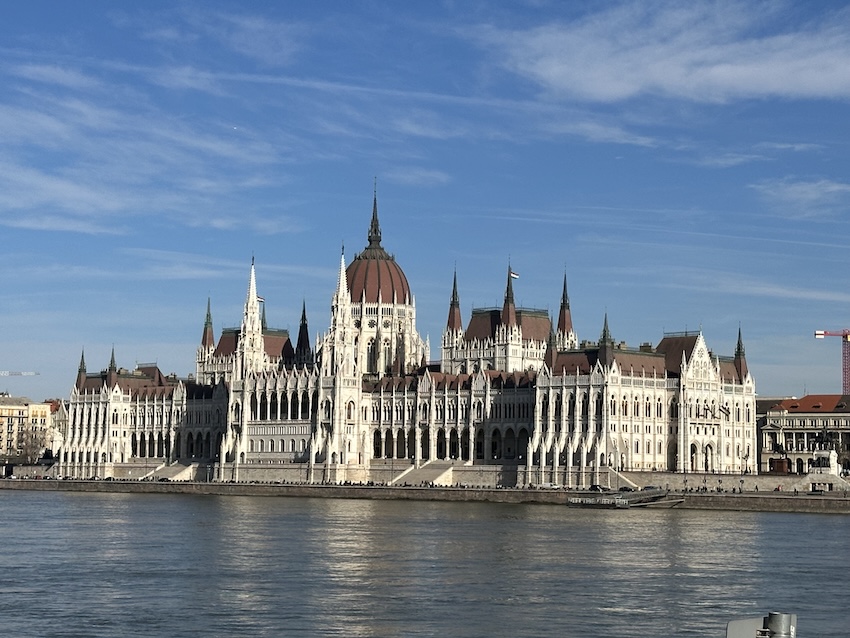
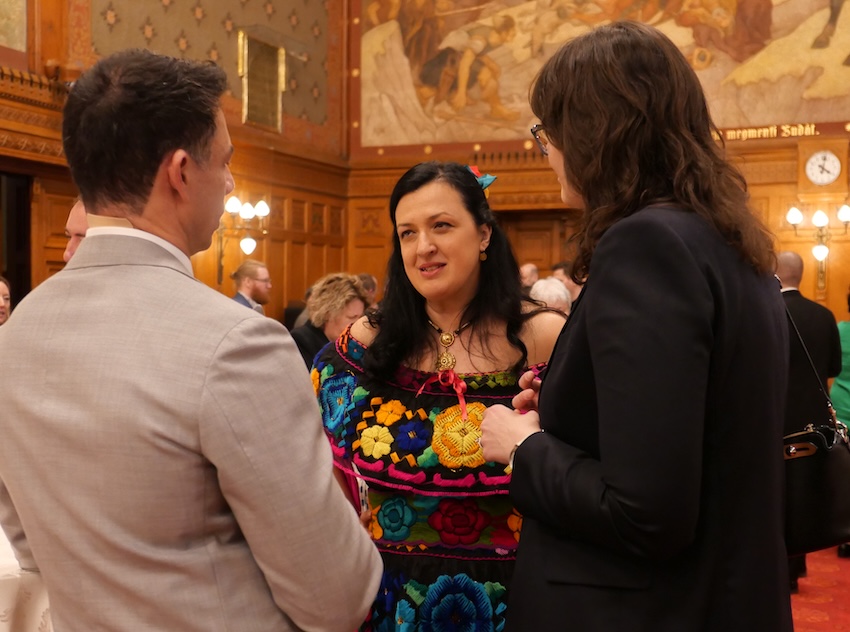
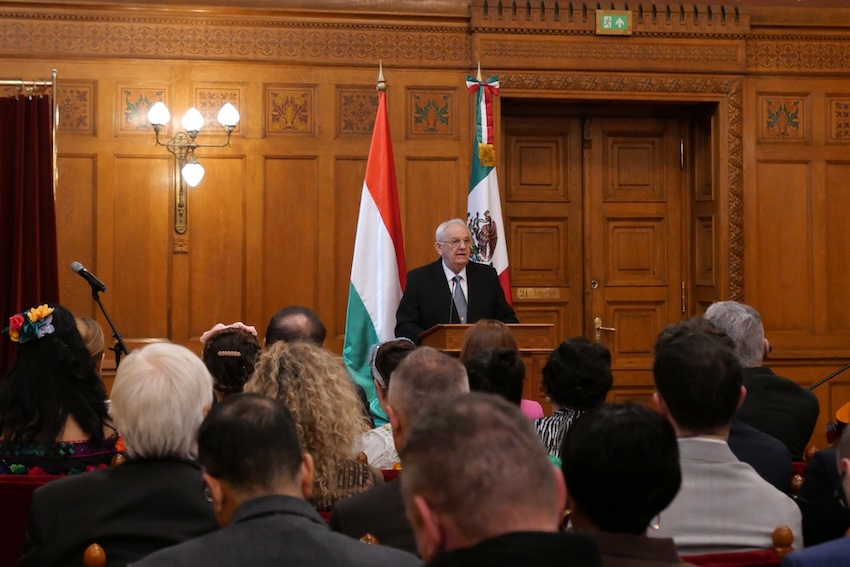
On the occasion of the 100th anniversary of the establishment of Diplomatic Relations between Hungary and the United Mexican States, a grand celebration was held on 17 March 2026 in the Hungarian Parliament. The event was jointly organized by the Embassy of Mexico and the Hungarian National Assembly, through its Department of Foreign Relations and the IPU Office.
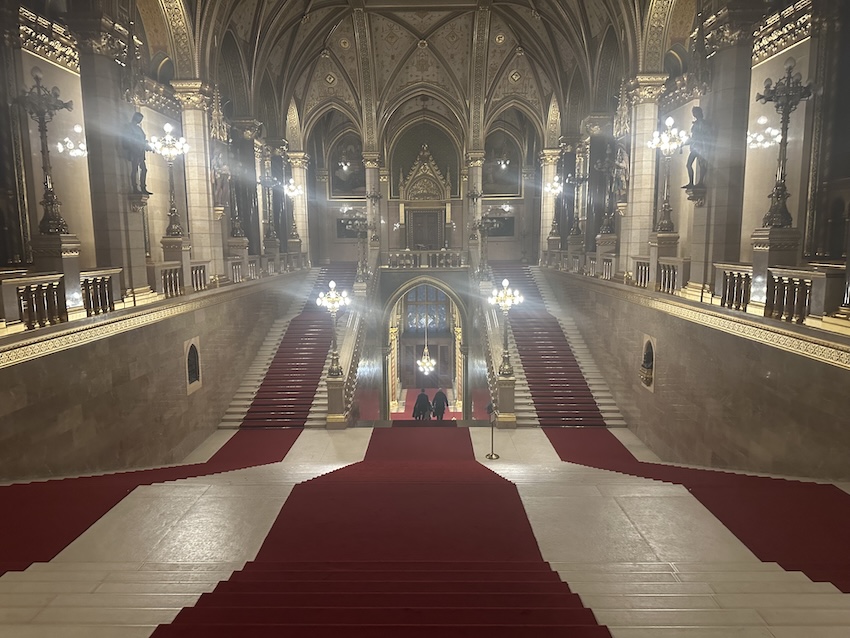
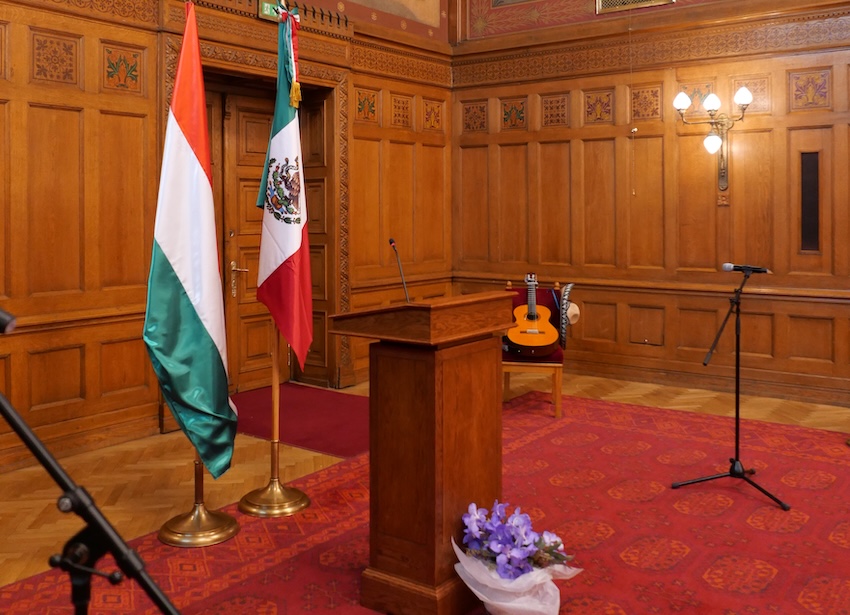
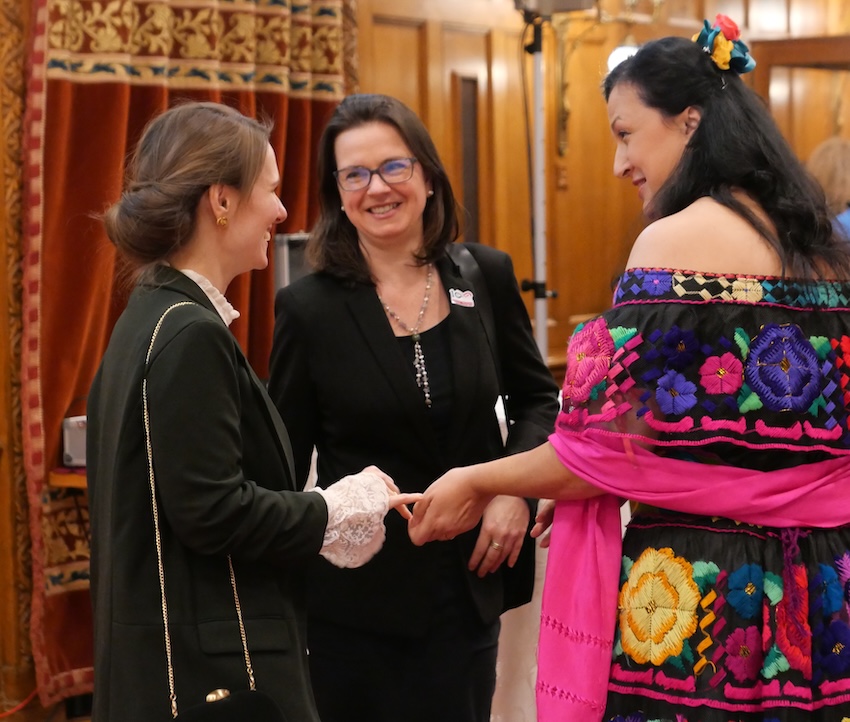
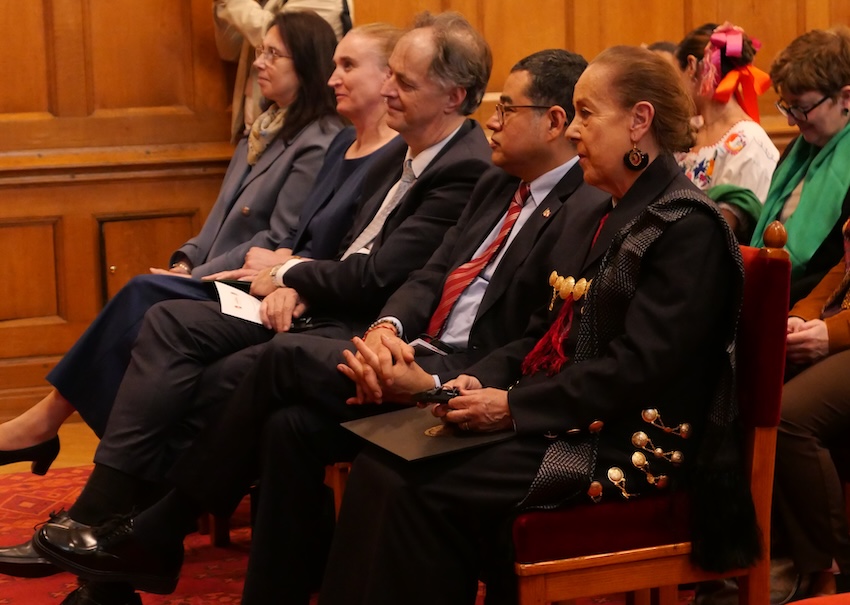
The jubilee brought together high-level Hungarian officials, members of the diplomatic corps, ambassadors of the GRULAC countries, as well as representatives from the academic, business, and cultural sectors, alongside distinguished guests actively contributing to the development of bilateral relations. Among those in attendance were Ms. Mónika Bartos, Member of Parliament; Dr. János Latorcai, Deputy Speaker of the National Assembly; Dr. Ádám Imre Szűcs, Deputy State Secretary at the Ministry of Foreign Affairs and Trade; Mr. Gábor Csaba, State Secretary for Cultural Diplomacy; Mr. Péter Sutyinszki, Director General for Latin America and the Caribbean at the MoFA; Dr. Lajos Kemecsi, Director of the Museum of Ethnography; Ms. Rebeka Szabó, Member of Parliament (Párbeszéd – The Greens); as well as representatives of the Hungarian–Latin American and Caribbean Business Association and members of the Mexican business community in Hungary.
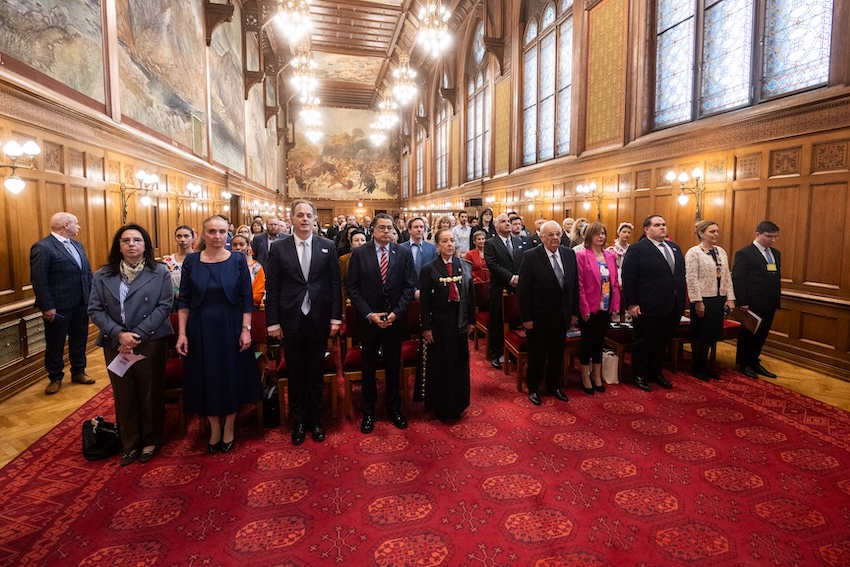
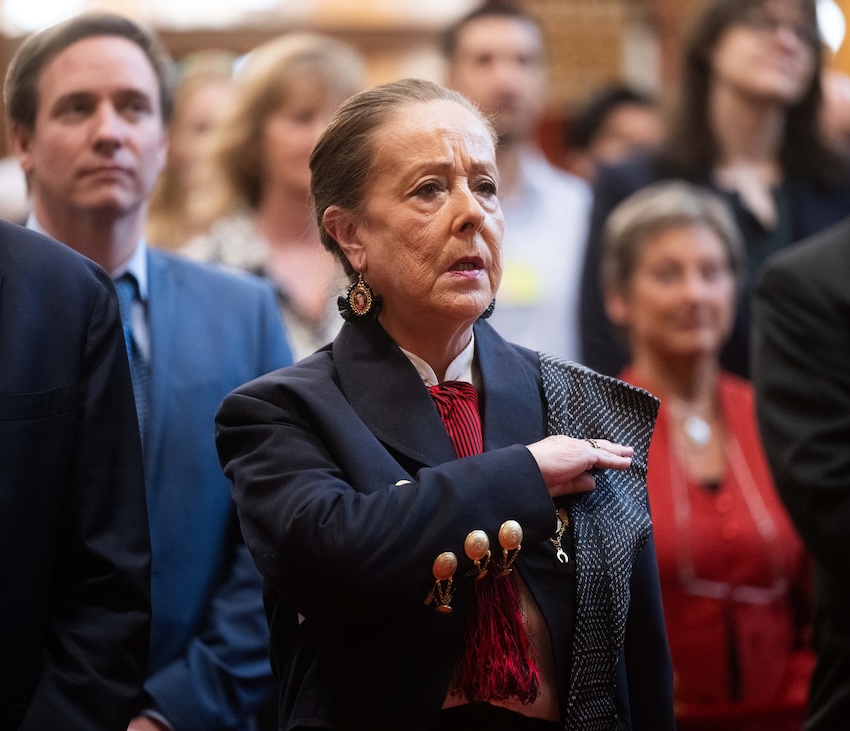
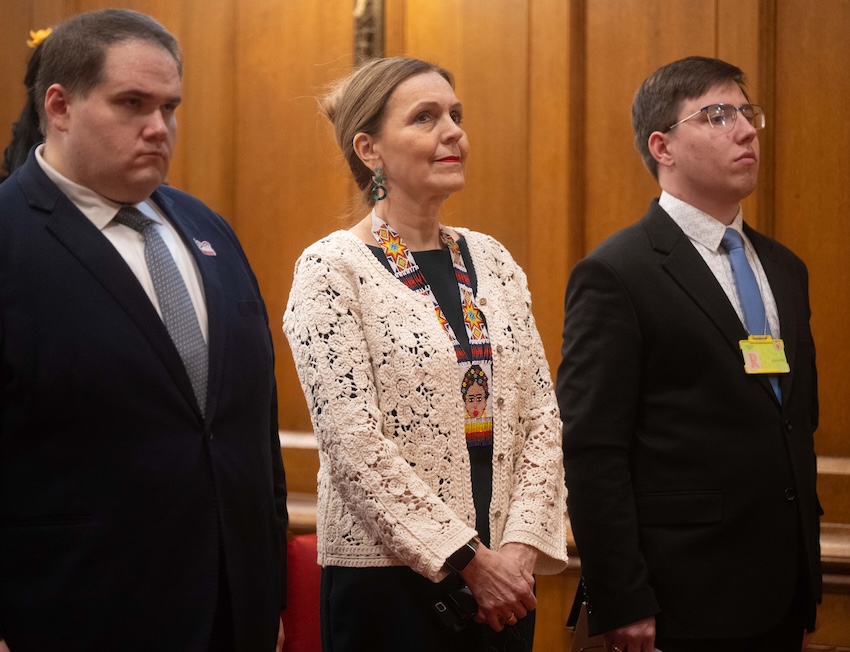
The program commenced with the national anthems of Mexico and Hungary.
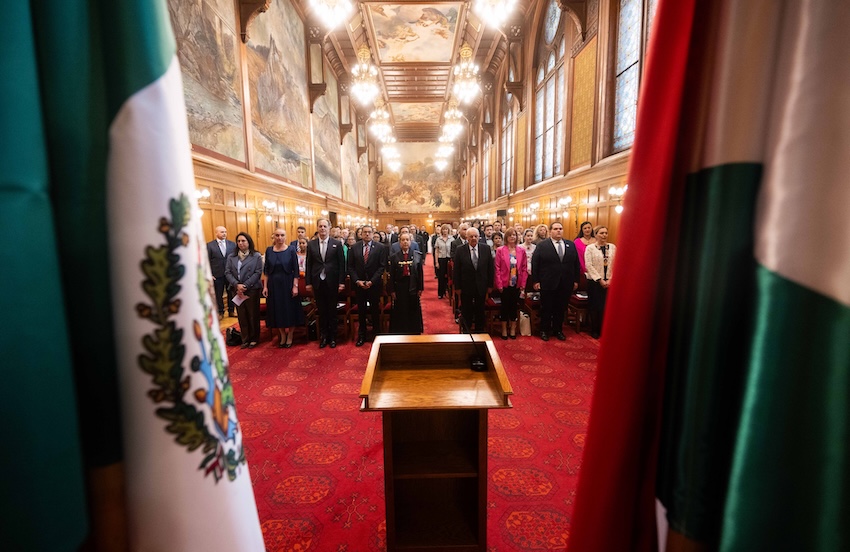
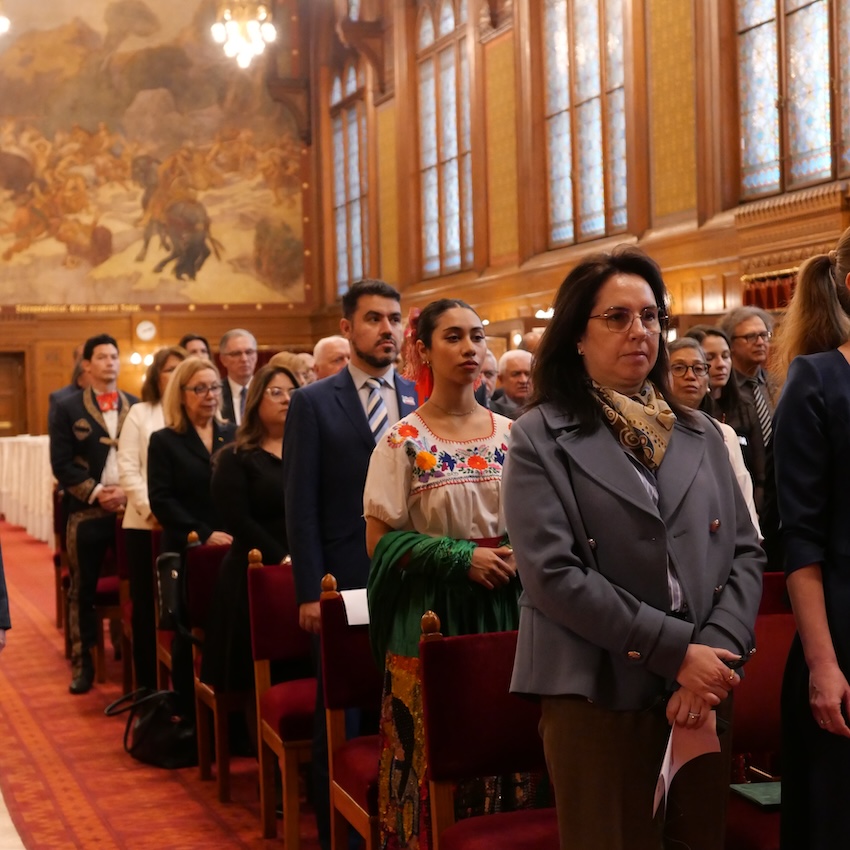
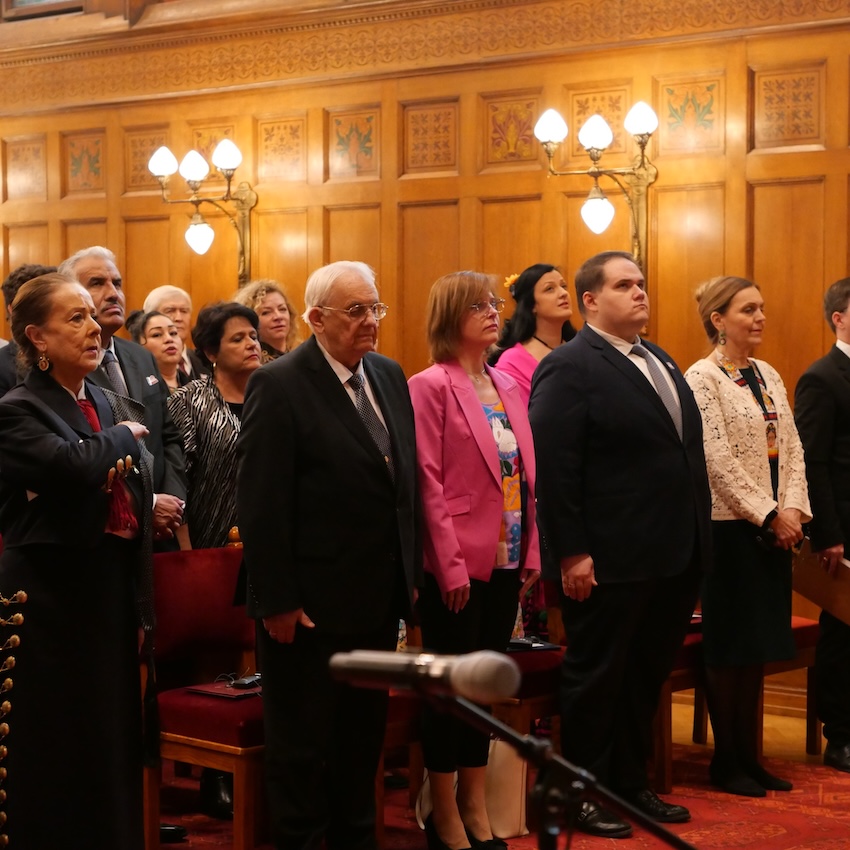
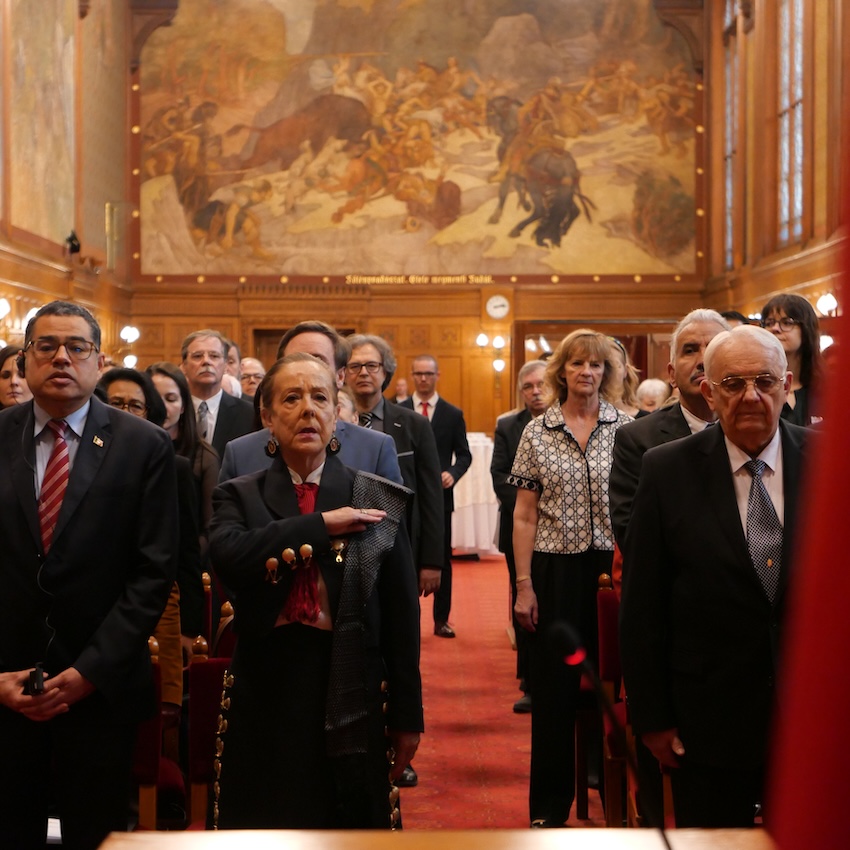
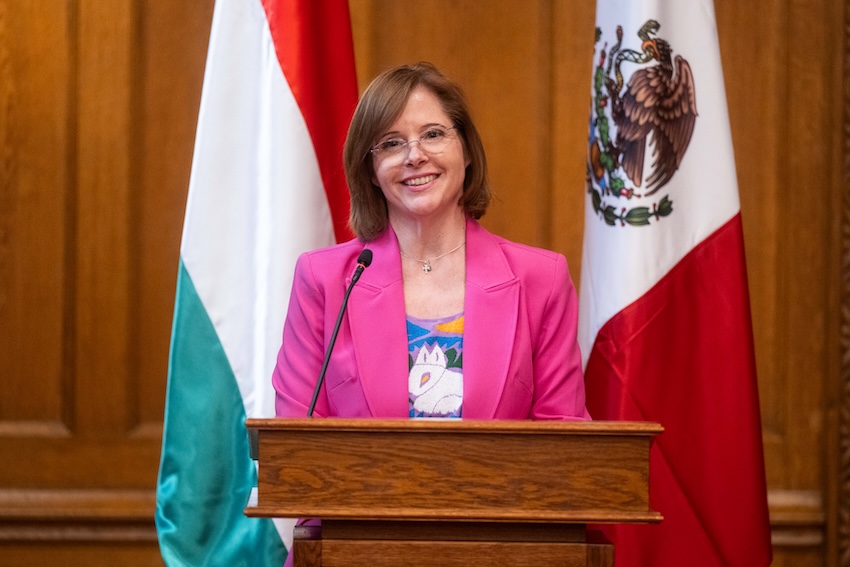
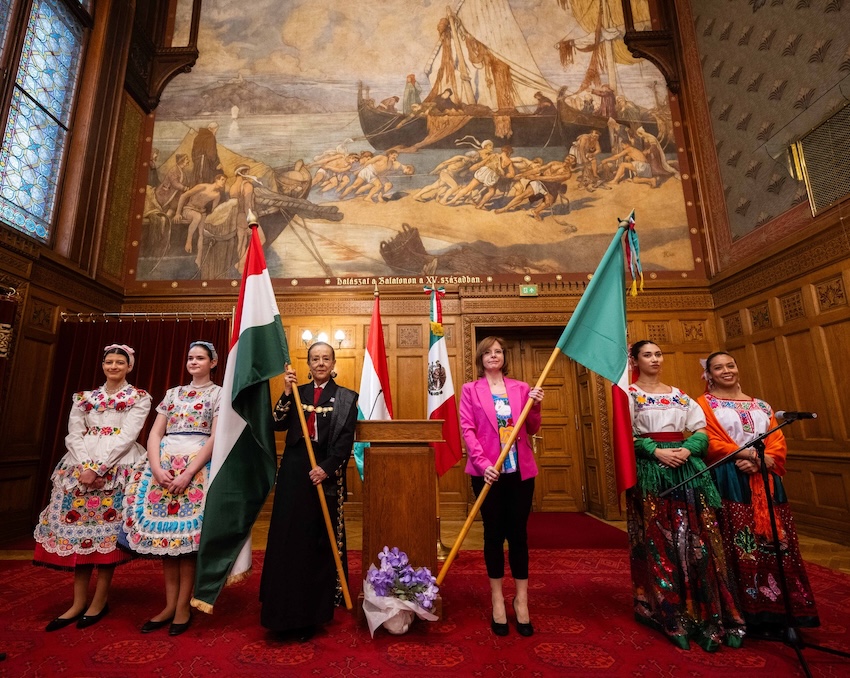
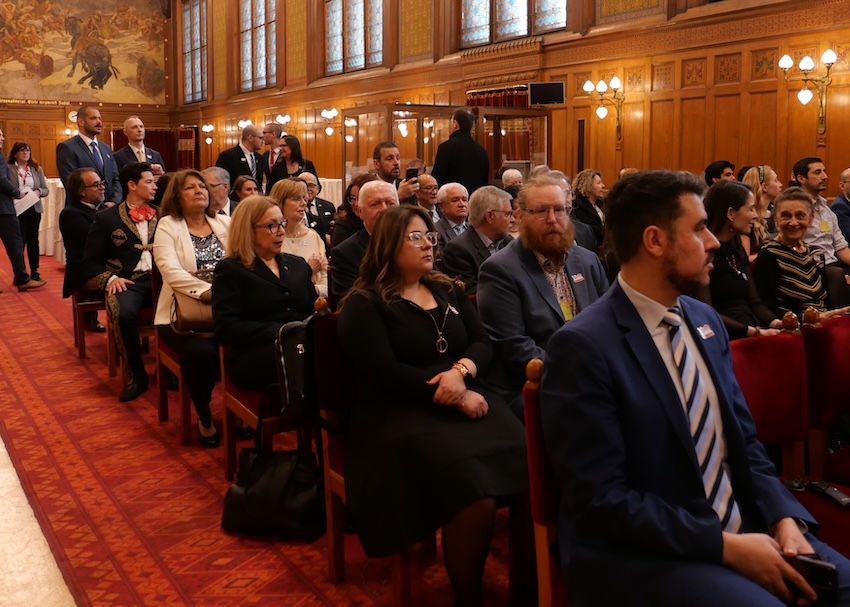
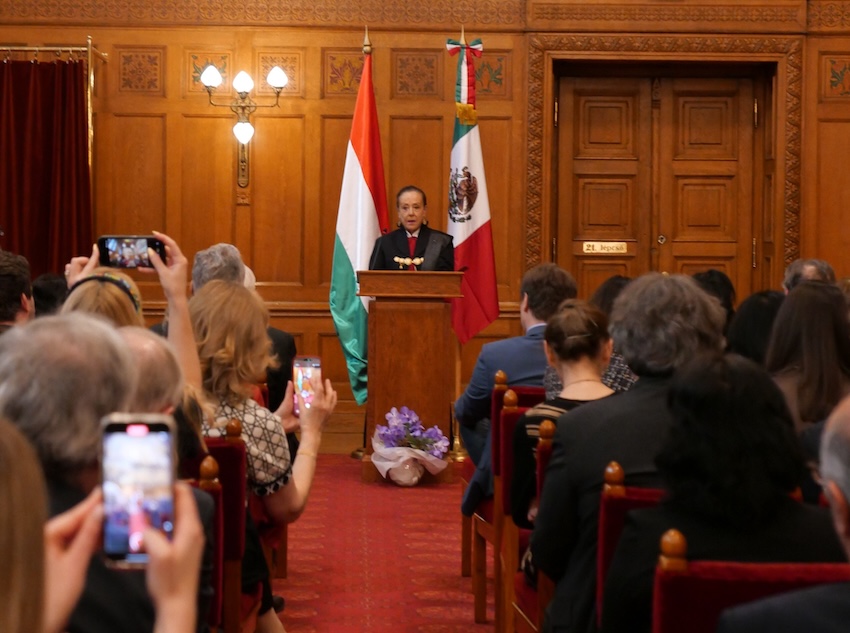
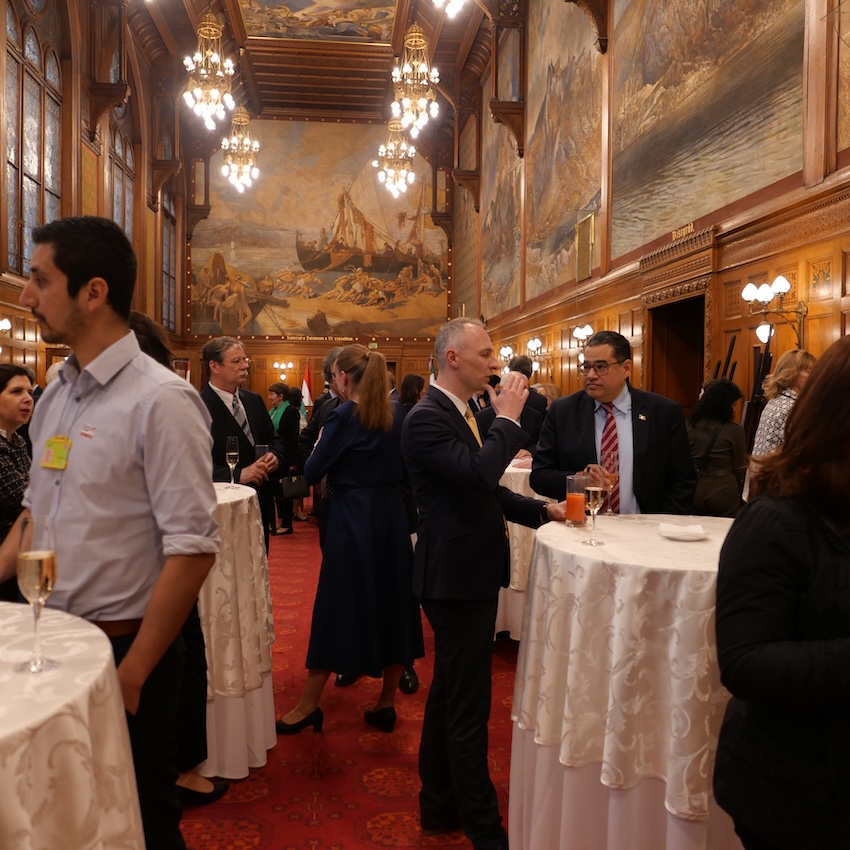
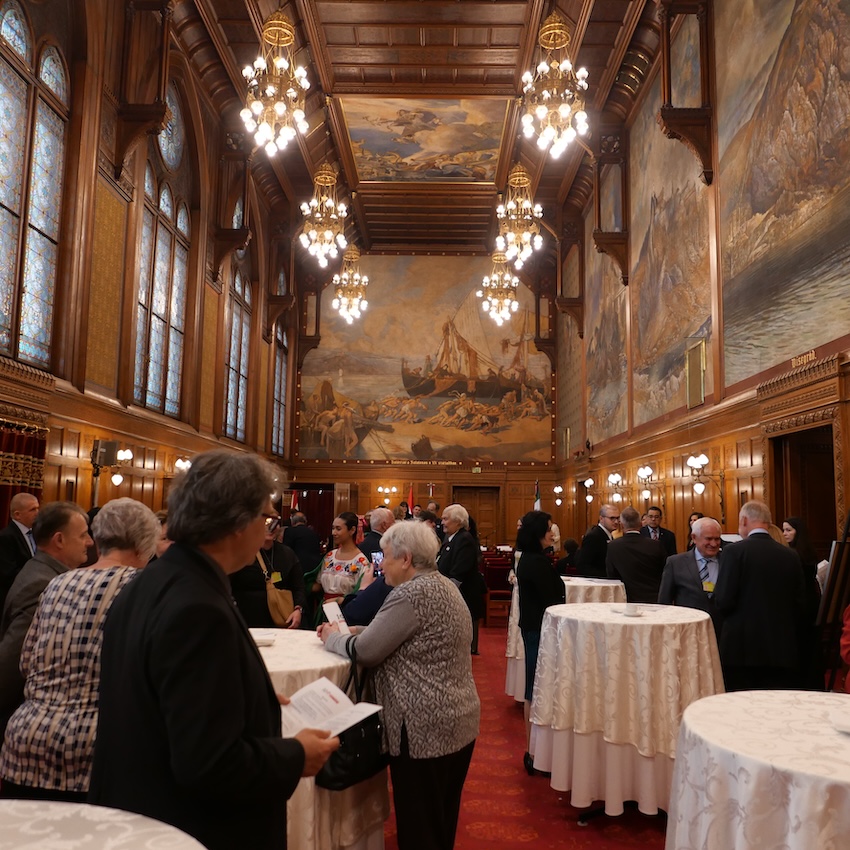
The audience, gathered in the Hunting Hall of the Parliament adorned with large-scale historical paintings and providing a setting truly befitting the occasion, was warmly welcomed by Ms. Mónika Bartos, MP and Chair of the Hungary–Latin America Friendship Group of the National Assembly. In her opening remarks, she underlined the importance of sustained parliamentary diplomacy and cultural engagement in strengthening Hungary’s ties with Latin America, emphasizing the role of mutual respect, shared values, and ongoing dialogue in fostering long-term cooperation.
She also highlighted the significance of such commemorative events for bringing nations closer together, not only at the governmental level, but also through people-to-people connections, academic exchange, and cultural collaboration, which together contribute to a deeper and more enduring bilateral partnership.
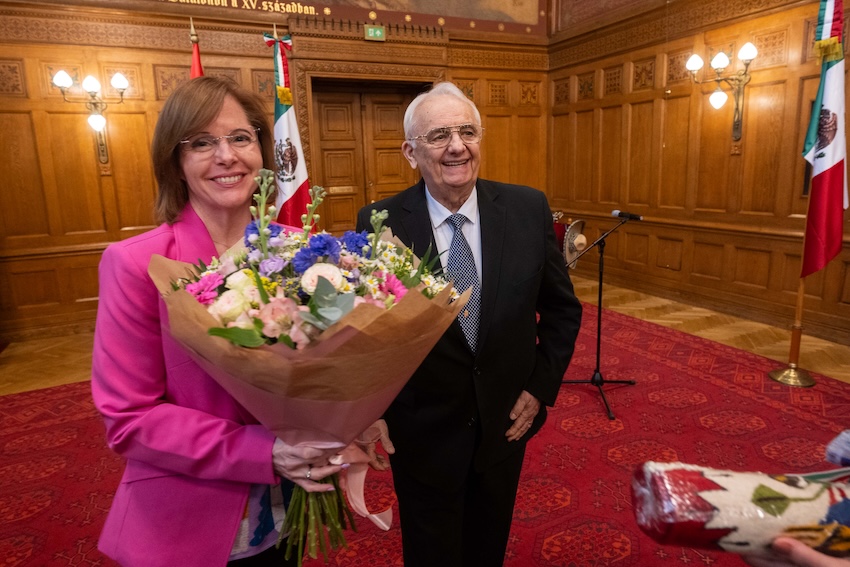
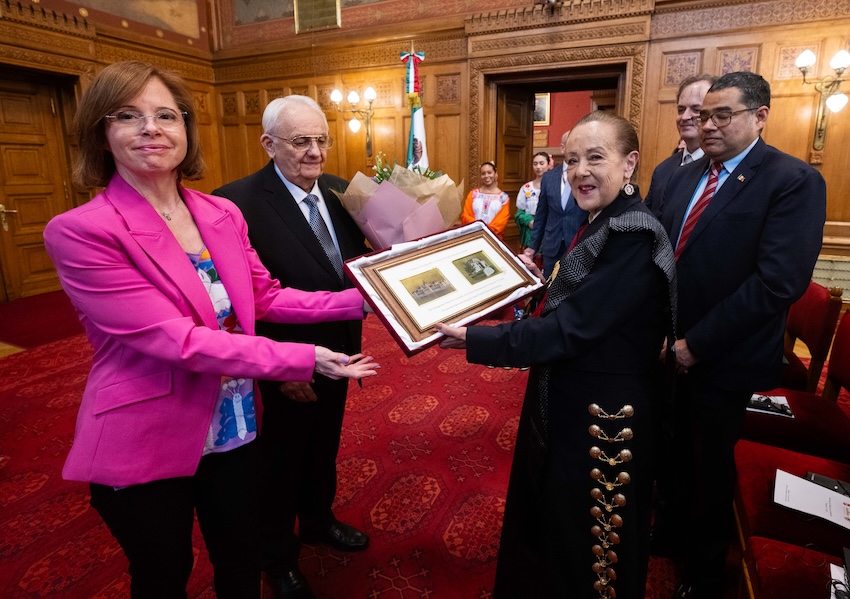
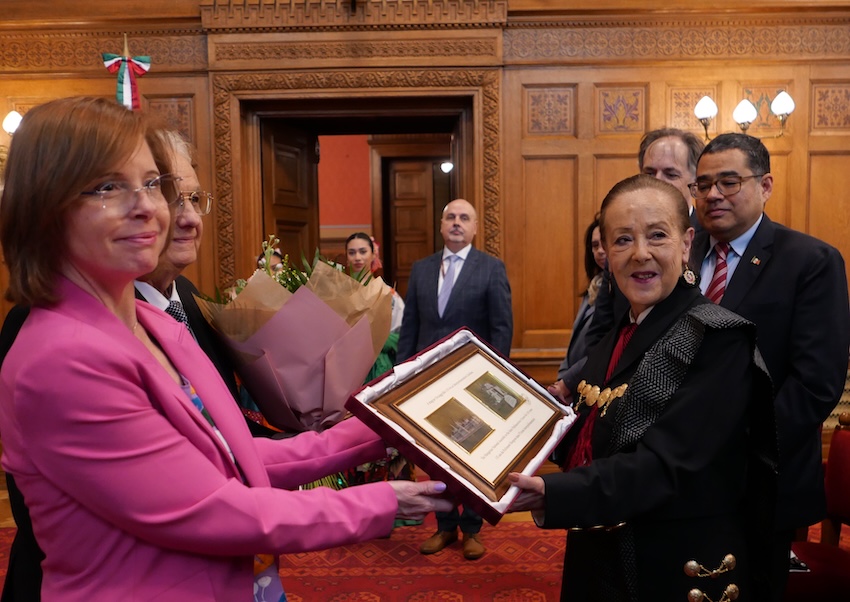
The ceremony continued with an address by Dr. János Latorcai, Deputy Speaker of the National Assembly:
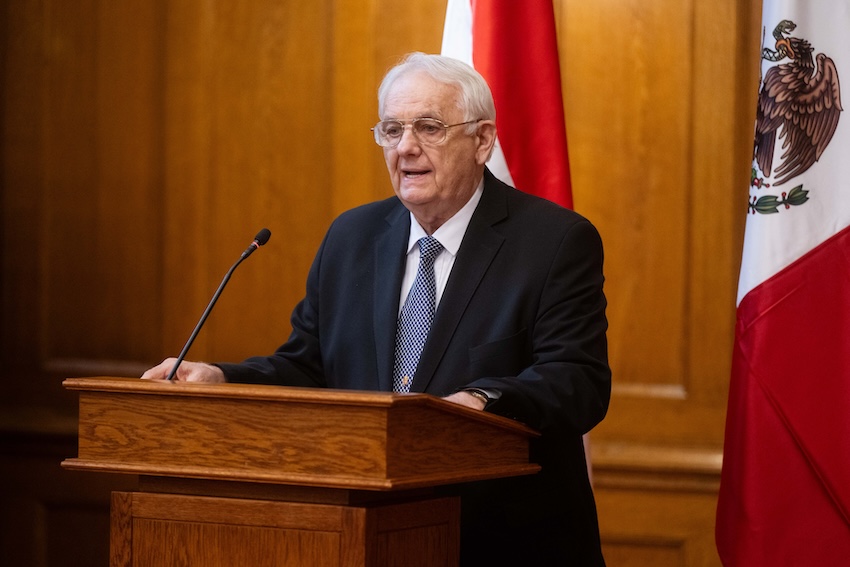
“Your Excellency, Madam Ambassador, Dear Fellow Members of Parliament, Ladies and Gentlemen,
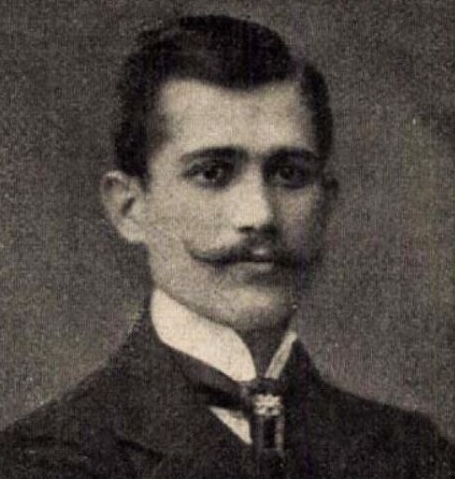
This year we celebrate the centenary of the establishment of official diplomatic relations between Mexico and Hungary. However, our direct political contacts date back almost a century earlier, to the mid-19th century. The Mexican–American War of 1846–48 and the Hungarian Revolution and War of Independence of 1848–49, fought against Austrian rule, were linked not only by parallels drawn in the contemporary press, but also by the common spirit of two freedom-loving nations. Hungarians, like Rudolf Chorobiny, fought on the Mexican side, and after the war, the Mexican government even expressed its willingness to receive 12,000 Hungarian refugees.
Our diplomatic relations initially developed within the framework of the Austro-Hungarian Monarchy and became most direct in the cultural sphere.
Géza Maróti (1875–1941), the designer of the Hungarian pavilion at the 1906 Milan World Expo, was subsequently commissioned to contribute to one of Mexico’s most iconic buildings – the Palace of Fine Arts (Palacio de Bellas Artes) in Mexico City, which has been beautifully restored in recent years.
This magnificent building reflects not only Maróti’s vision, but also the excellence of Hungarian applied arts of the time.
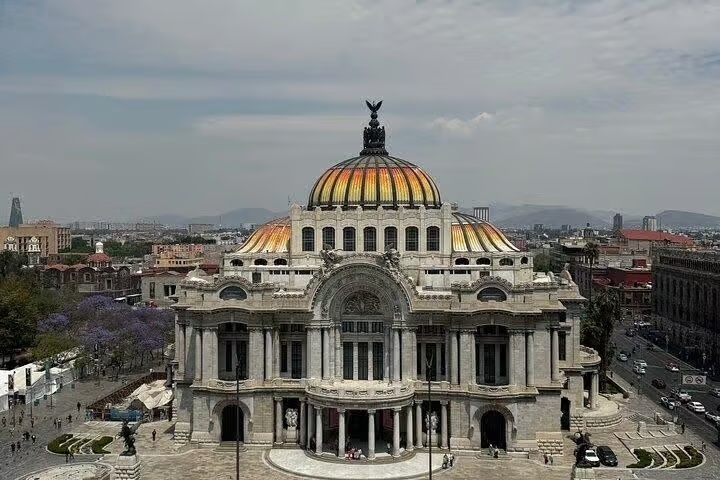
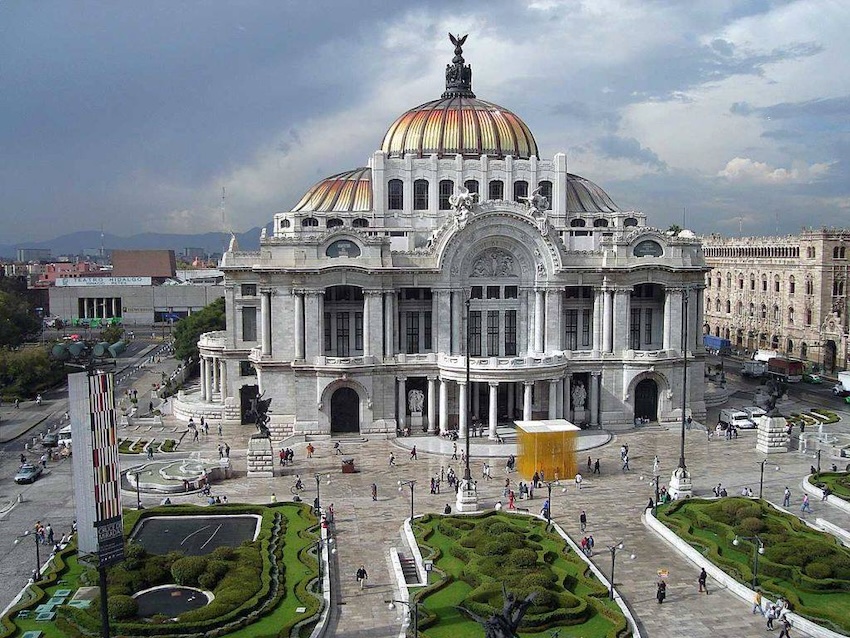
And why is it important to recall this here, in the former Upper House chamber of the Hungarian Parliament? Because if you look around, you will see the stained-glass windows by Miksa Róth (1865-1944), who also created the glass ceiling of the Palace of Fine Arts in 1908. Many of the decorative elements here are Zsolnay ceramics – works that are likewise present in Mexico City. So please, feel at home.
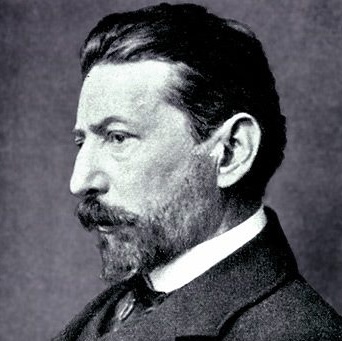
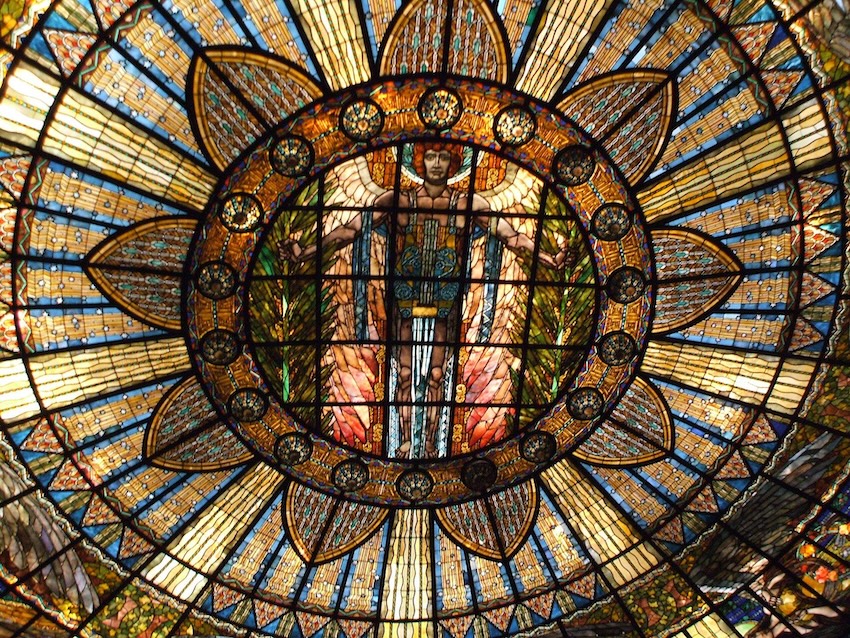
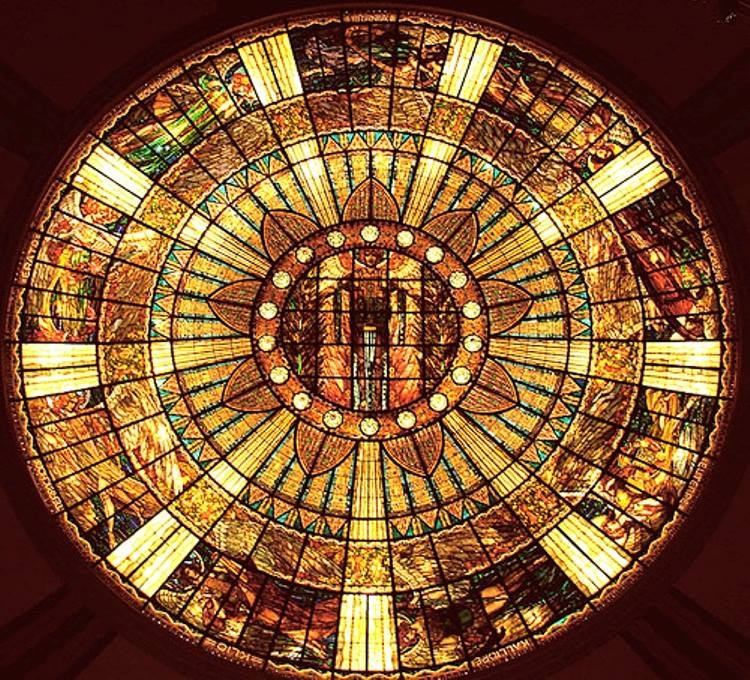
Cultural relations formed the foundation upon which we could build in the turbulent years following the First World War, ultimately enabling the establishment of direct diplomatic ties. We owe a debt of gratitude to Cornelius Getz, Hungary’s Honorary Consul in Mexico City, who provided invaluable assistance to Hungarians travelling there. In their travel accounts, my compatriots wrote of beautiful women, exotic foods, drinks and fruits that were previously unknown to them, as well as of a society vibrant with colour and energy.
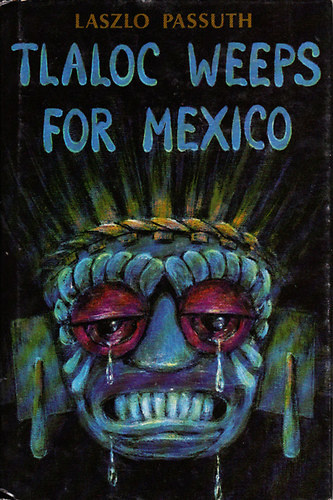
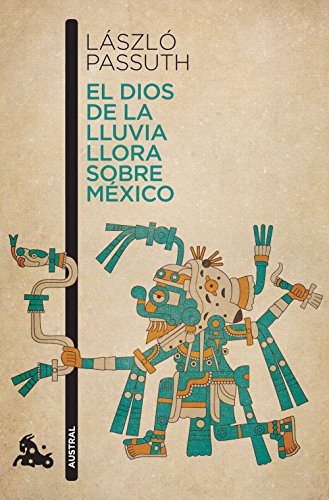
Those who could not travel to Mexico became acquainted with its remarkable culture through the work of Honorary Consul Géza Sömjén and through László Passuth’s historical novel The Rain God Weeps for Mexico.
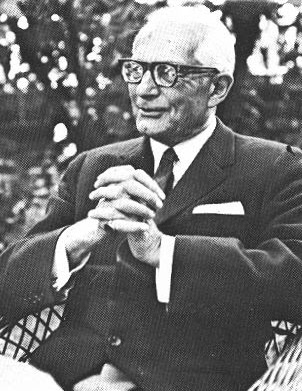
The Second World War ended the first phase of diplomatic relations between our two countries. Following the communist takeover in Hungary, sport – especially football – assumed the role of a cultural bridge. After 1956, the great Hungarian players competing in the Spanish league: Ferenc Puskás, Sándor Kocsis, László Kubala, and Zoltán Czibor, as well as Árpád Fekete (1921–2012) – who achieved considerable success as a coach in Mexico, became important points of connection.

The collapse of the Soviet bloc refocused Mexico’s attention on Central and Eastern Europe. Hungary regained prominence as one of the region’s democratizing countries. The early 1990s coincided with the onset of globalization, and increasingly open borders made these connections more tangible in everyday life. Alongside culture and sport, gastronomy emerged as a defining element – and I must admit that in this respect the direction of cultural exchange has reversed. Yet this, too, has historical roots: as early as the mid-19th century, a place known as the ‘Mexico Inn’ operated near Miskolc, later giving its name to the surrounding valley.
Artistic trends at the turn of the century brought female artists increasingly into focus and contributed to the growing popularity of Frida Kahlo in Hungary, after whom restaurants in Budapest were even named.
The revival of cultural relations over the past decade is closely linked to a person present among us today: Ms. Mónika Bartos, Member of Parliament, who has worked tirelessly to strengthen cultural ties between Hungary and Spanish-speaking America. For these efforts she has found an excellent partner in Her Excellency Ambassador Rosario Asela Molinero.
I trust that today’s celebration not only commemorates the important events of the past, but will also serve as a meaningful building block for the next hundred years. Long live Hungarian–Mexican relations!”
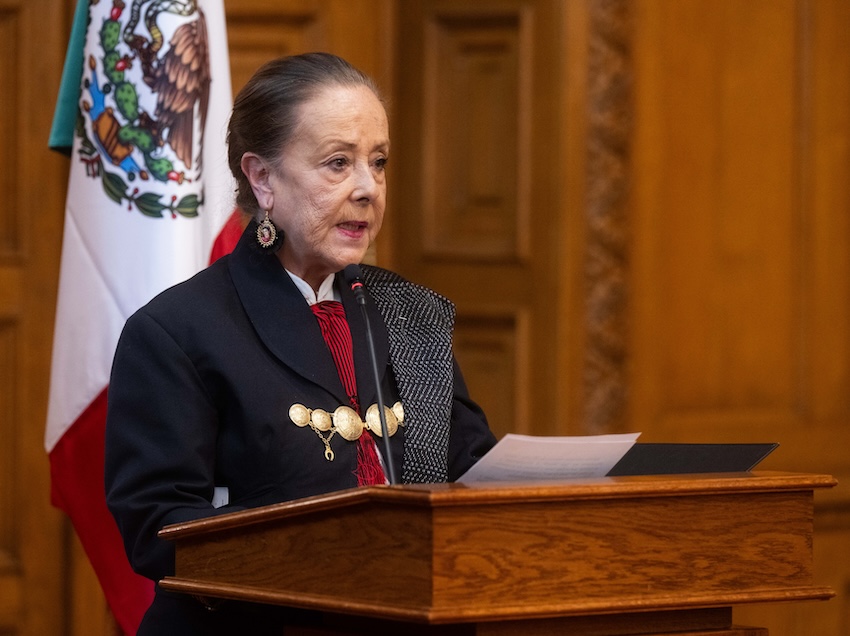
This was followed by the remarks of H.E. Ms. Rosario Asela Molinero, Ambassador of the United Mexican States to Hungary:
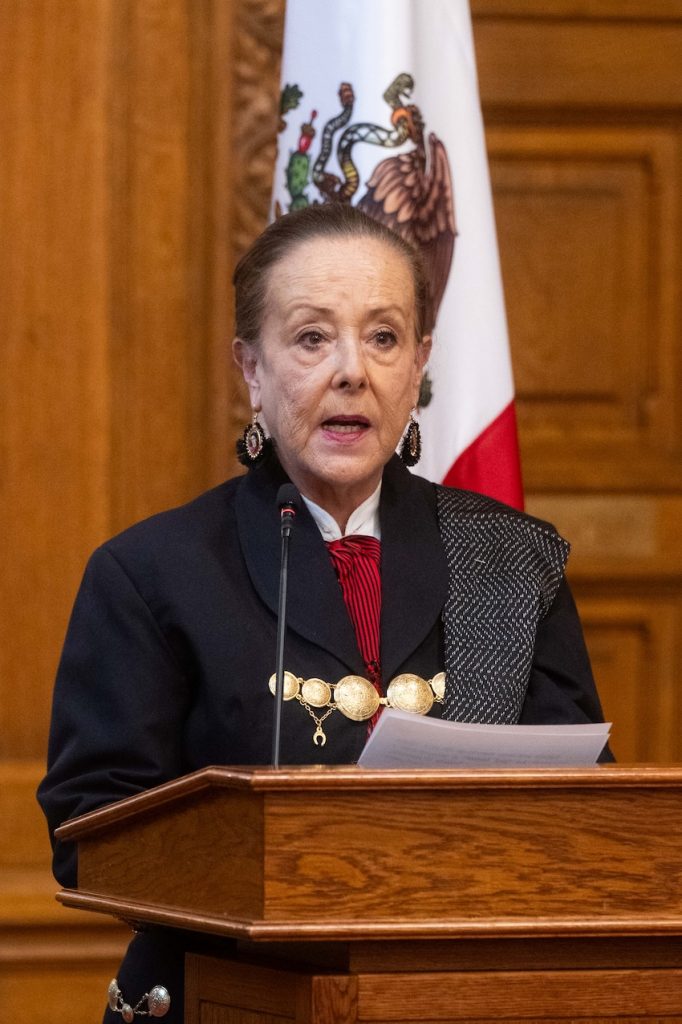
“Today we celebrate the centennial of diplomatic relations between Hungary and Mexico. We celebrate the path that both countries have followed in the past and in the present to strengthen our relations of friendship, cooperation, and mutual understanding, while also reflecting on our shared future.
Relations between Hungary and Mexico have gone through periods of rapprochement, pauses, and even disagreements. They have evolved in line with the pursuit of their respective security and development objectives, and have been shaped by internal, external, and circumstantial factors.
After the establishment of diplomatic relations in 1926, we began to institutionalize our bilateral relations, albeit with some setbacks and interruptions. Our shared principles, our willingness for dialogue and coordination, our cooperation in areas of mutual interest, and the promotion of economic and trade ties have since been the driving forces behind the steady growth of our relationship.
Despite the differences in our political systems and perspectives, I would like to emphasize that we have always sought to maintain a stable balance in our relations through dialogue, cooperation, and mutual respect for our constitutional principles.
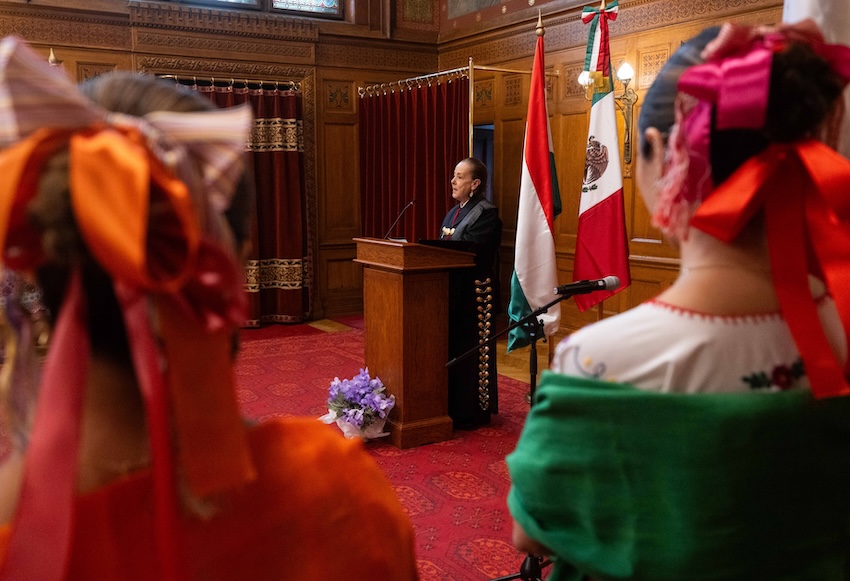
Both countries recognize that the cornerstone of our relationship is respect for sovereignty. By building trust, mutual understanding, and the effective use of each country’s comparative advantages, we have strengthened – and will continue to strengthen – our ties.
Despite the geographical distance between us, we share historical, geopolitical, geoeconomic, and connectivity-related characteristics.
Our nations, while holding distinct political visions that may seem divergent at first glance, share a foreign policy approach grounded in the principles of sovereignty and non-intervention in internal affairs, the protection of nationals abroad, and the preservation of our identities. These elements unite us, influence us, and continue to shape our relationship.
Mexico and Hungary also share a deep respect and prioritization of their national symbols: their flags, anthems, and coats of arms. For both countries, these symbols represent their foundations, history, values, ideals, culture, and guiding principles.
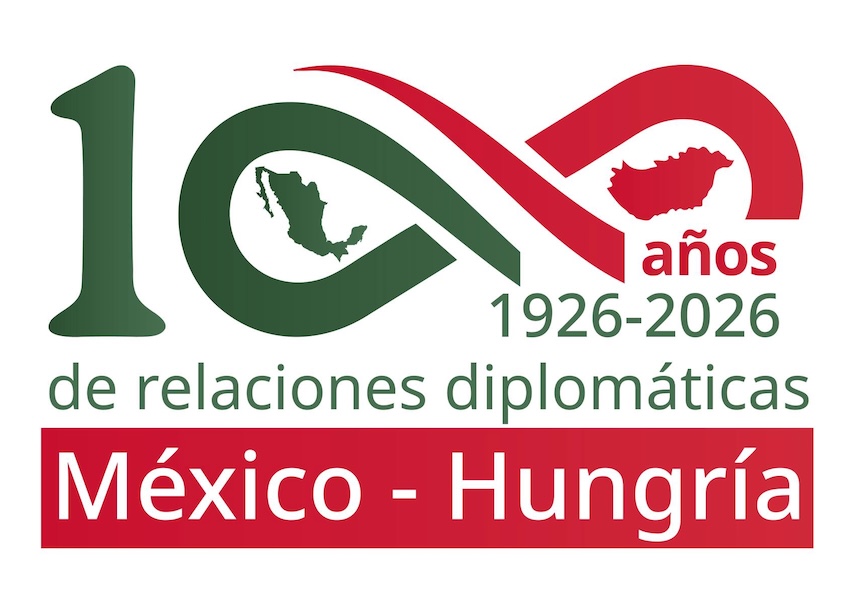
For this reason, as a symbolic gesture, we jointly designed a logo reflecting the union between Mexico and Hungary. We also encouraged Mexican–Hungarian restaurants to display the centennial logo – also worn on our lapels – at their entrances.
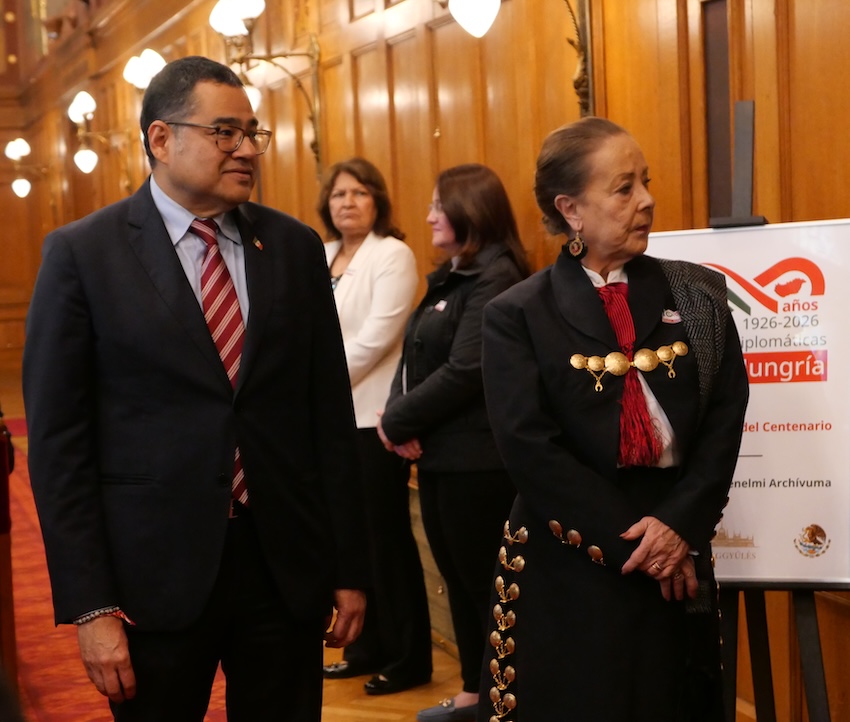
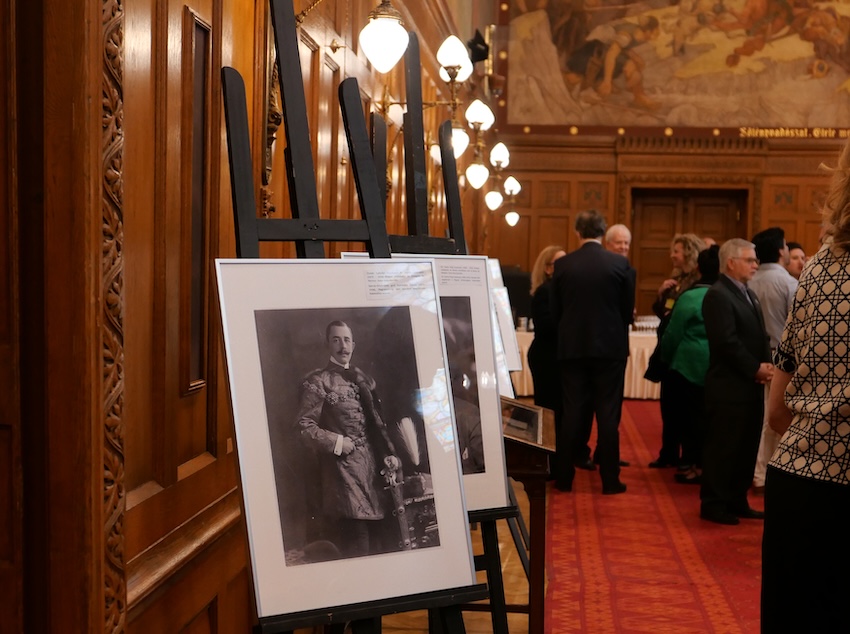
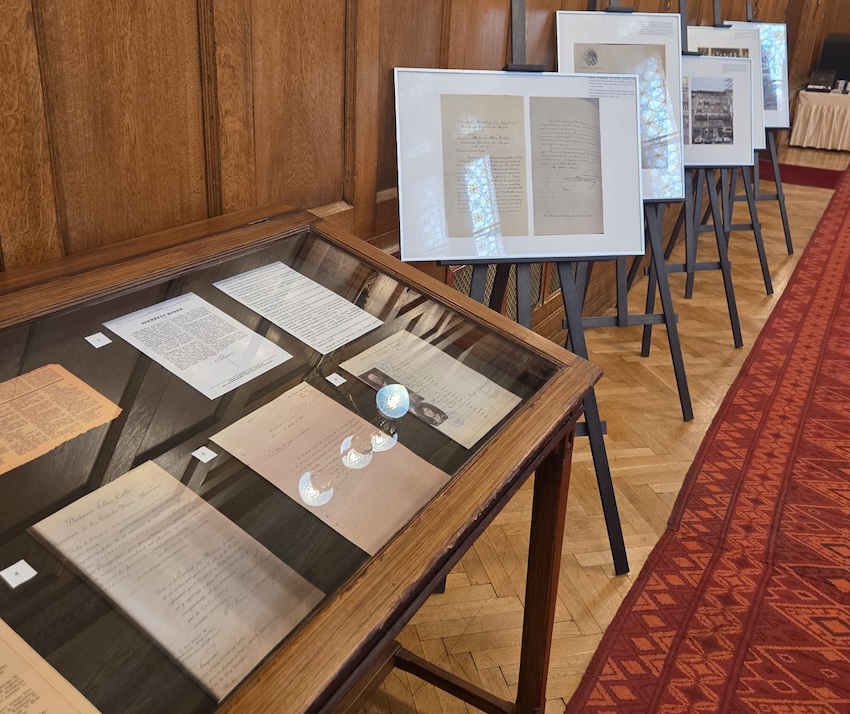
Likewise, today in this hall, using materials from the historical archives of both countries, we have prepared an exhibition on our first ambassadors and diplomatic missions, installed in this magnificent and historic chamber.
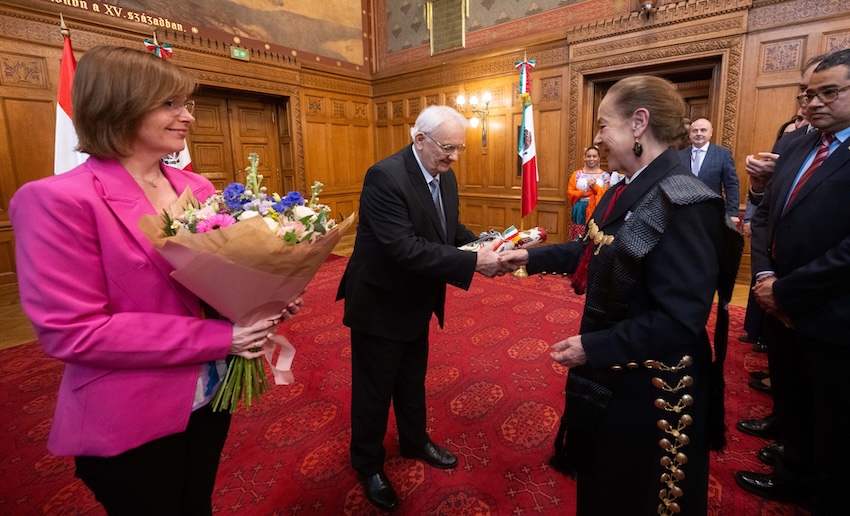
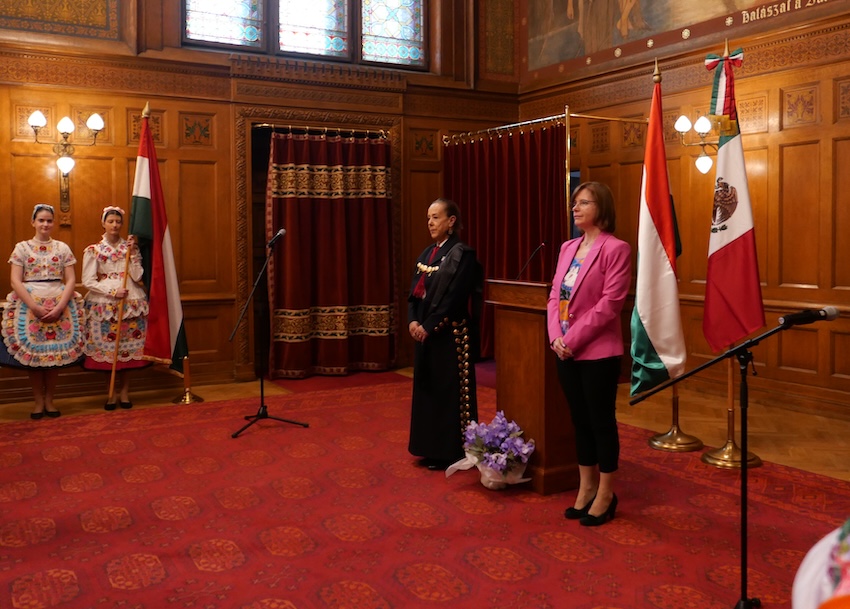
Finally, during this ceremony, we will exchange our national emblems as a sign of the respectful connection between our peoples, our ideals, our identity, and our values. The mutual presentation of our flags, on the occasion of the centennial of our relations, is an act that reflects not only the respect between our nations, but also a sincere commitment to further strengthen our bonds of friendship, cooperation, and mutual understanding. Viva México! Viva Hungría!”
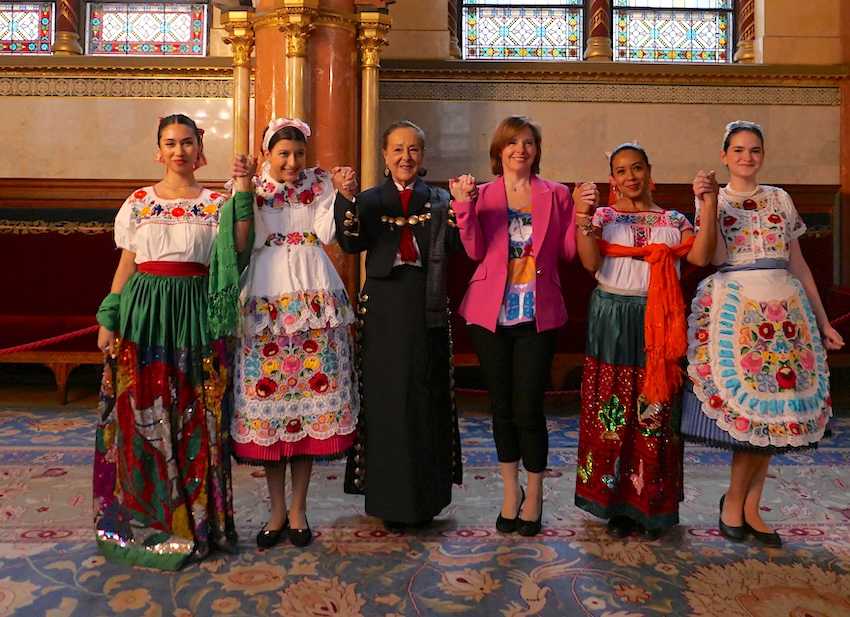
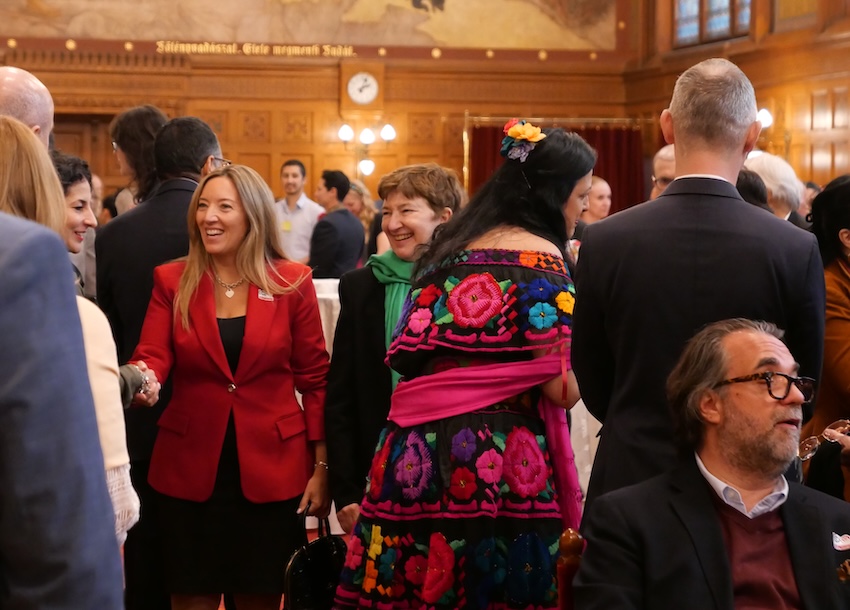
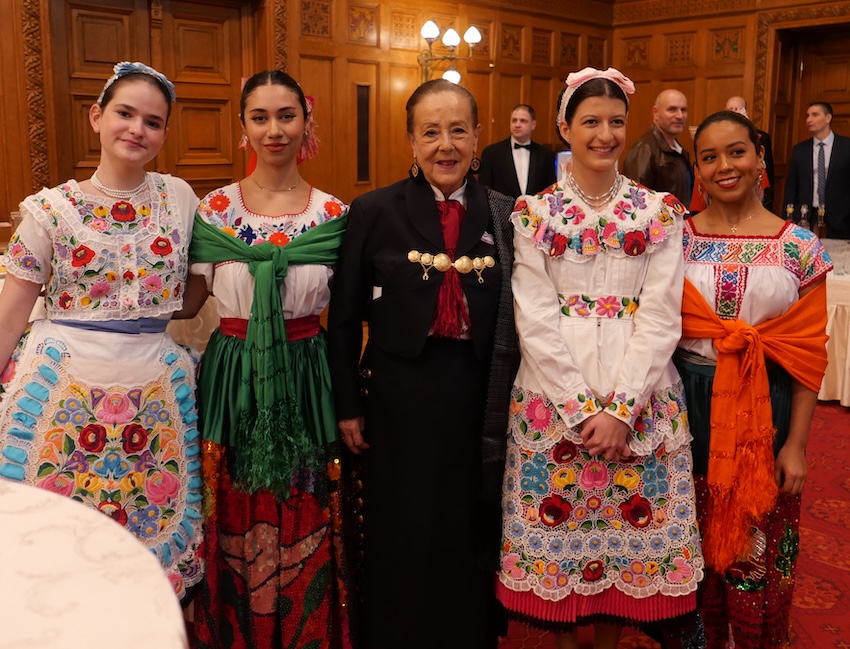
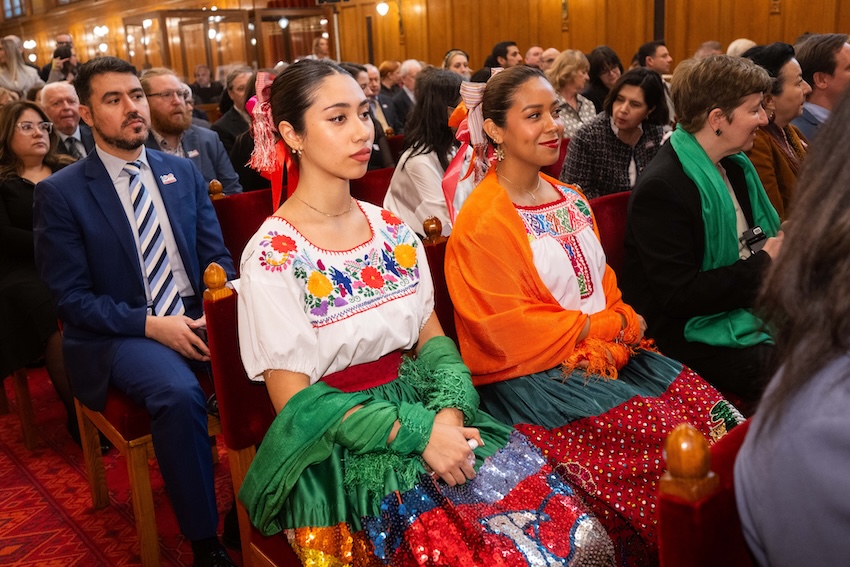
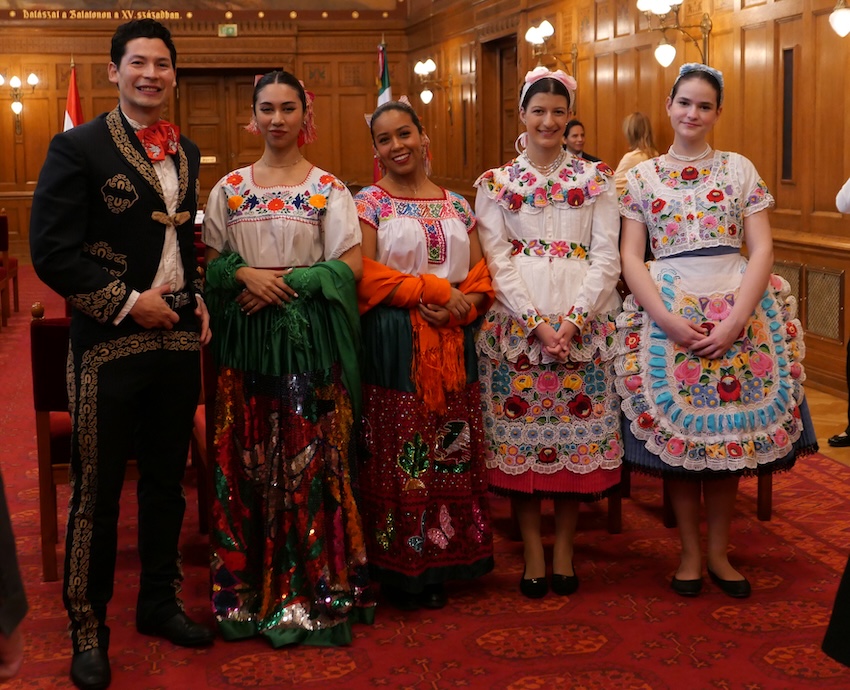
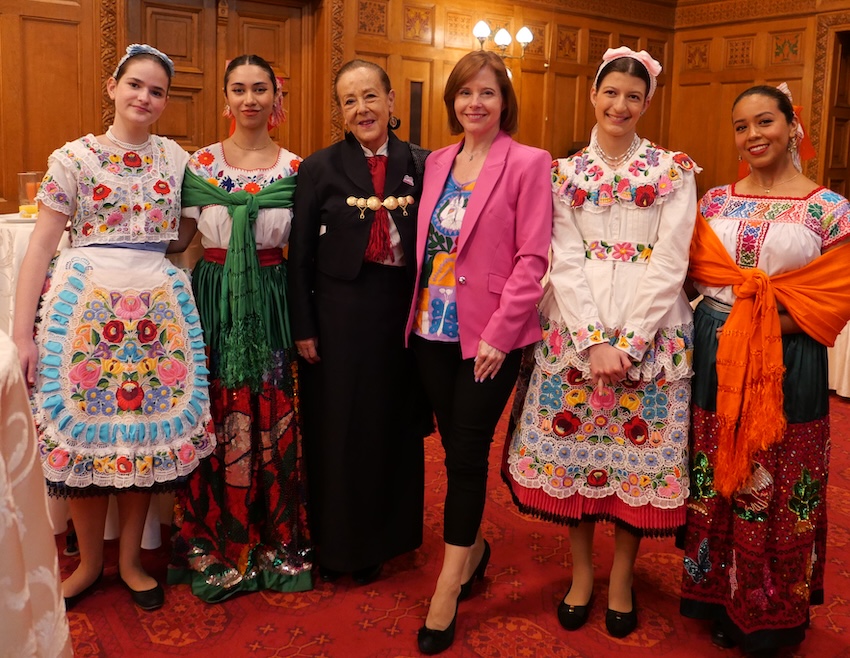
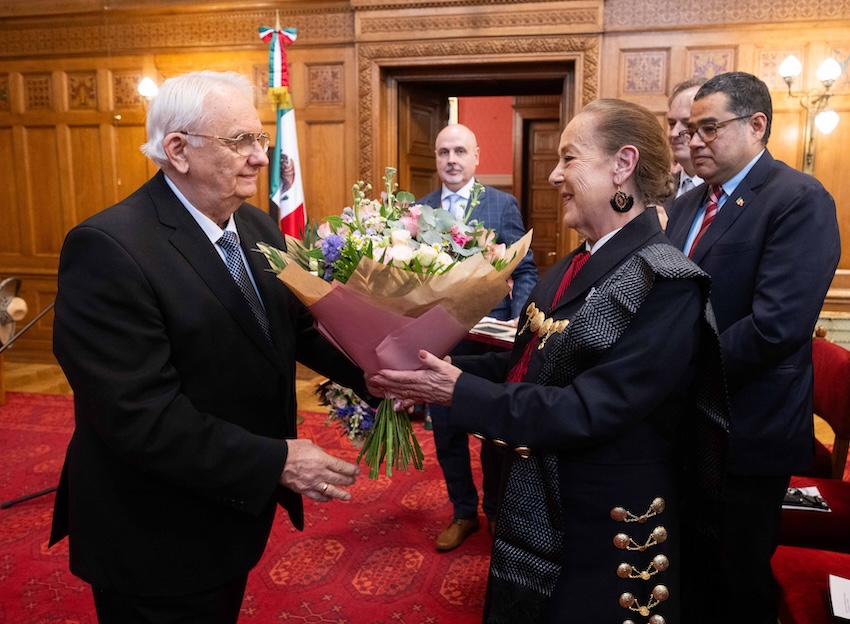
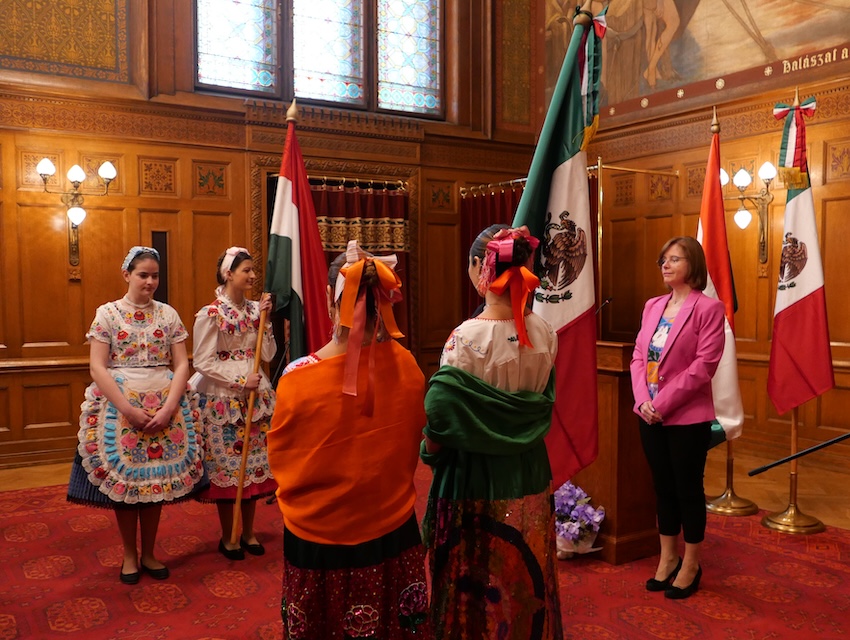
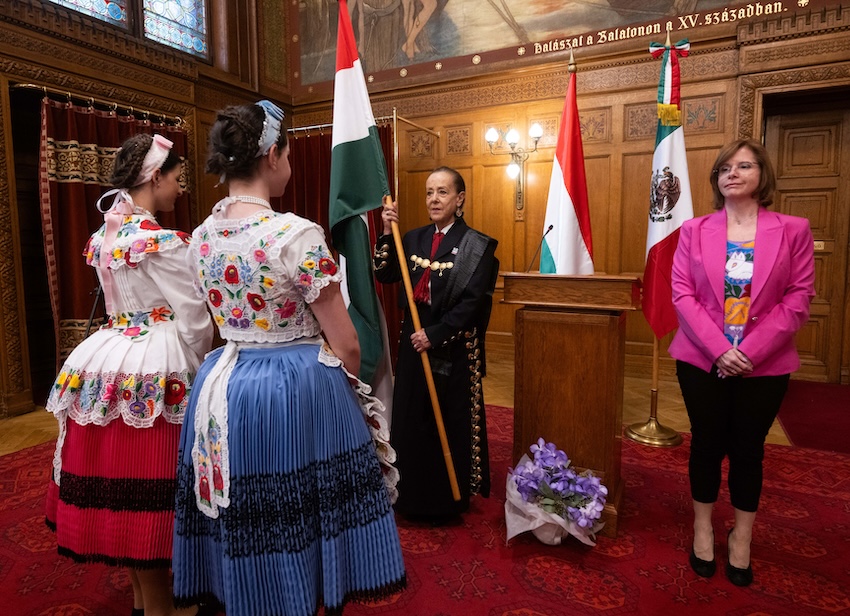
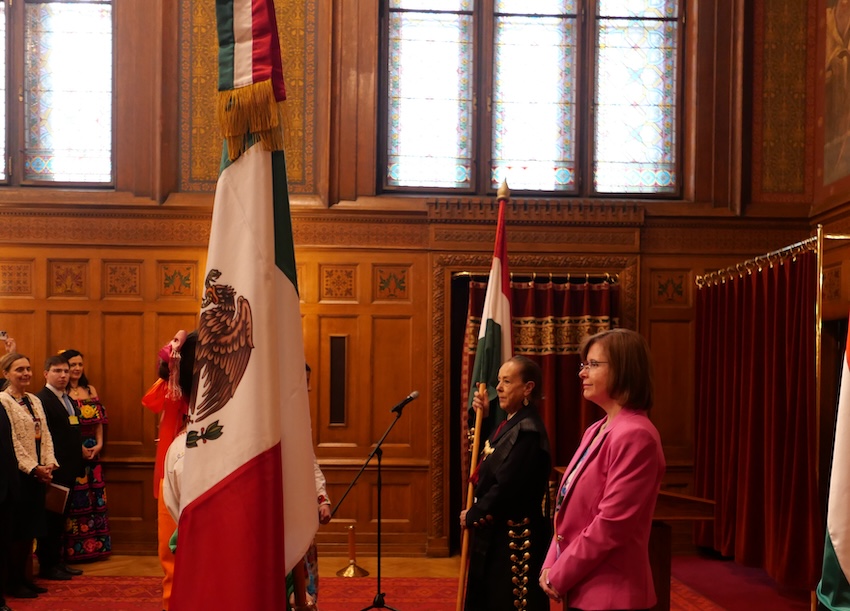
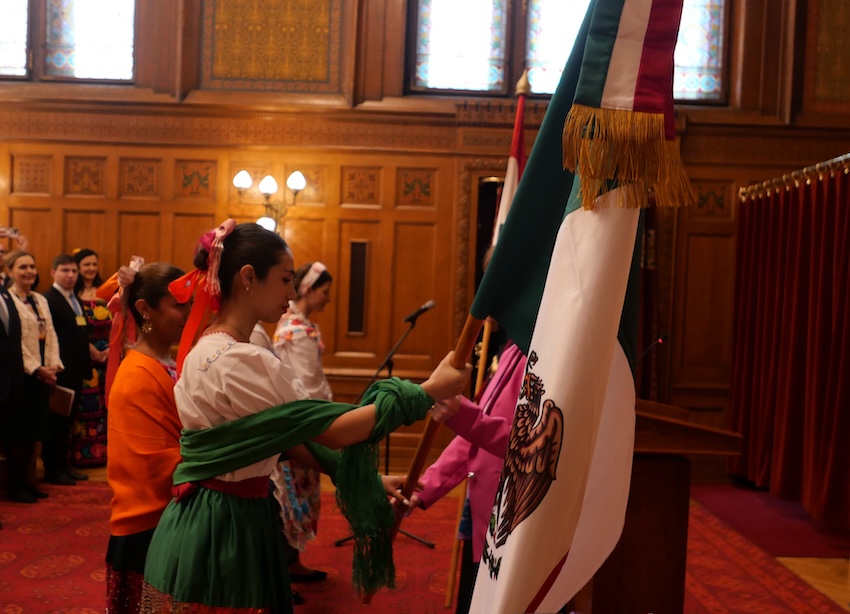
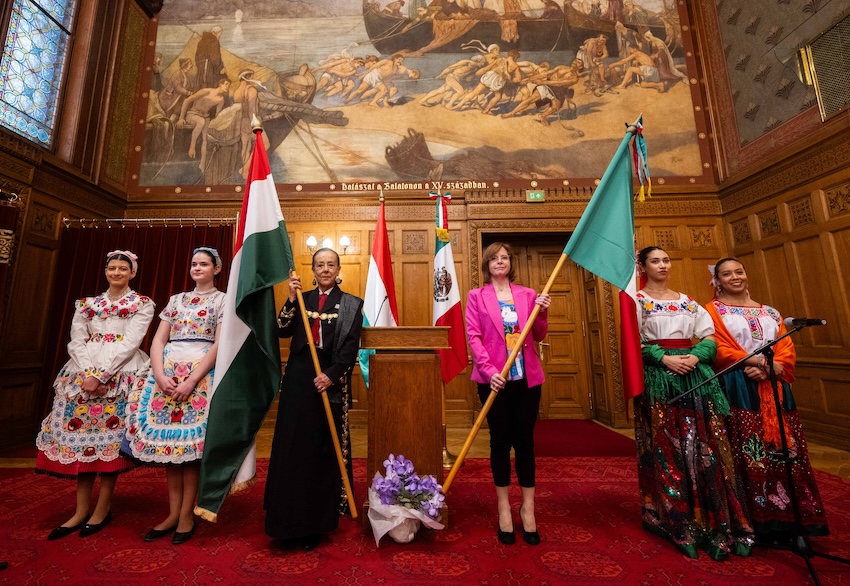
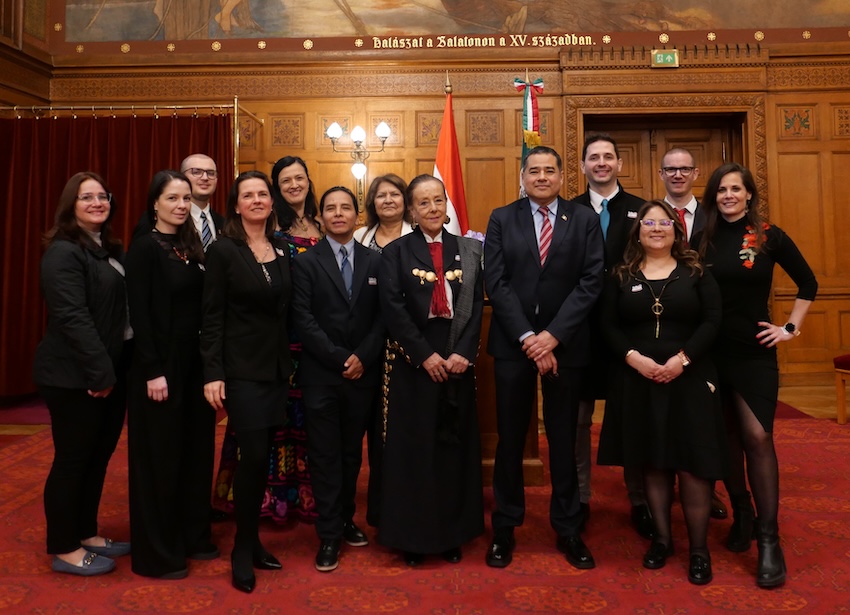
A highlight of the ceremony was the symbolic exchange of the national flags. Two young Hungarian women dressed in richly embroidered Kalocsa attire presented the Hungarian flag to the Ambassador of Mexico for safekeeping, while representatives of the Mexican community, wearing traditional China Poblana dresses, presented the Mexican flag to Ms. Mónika Bartos. This ceremonial gesture reflected mutual respect, trust, and enduring friendship between the two nations.
The program also featured academic and official contributions. Historian Professor Dr. Mónika Szente-Varga presented the historical and political dimensions of bilateral relations between Hungary and Mexico in her large scale lecture.
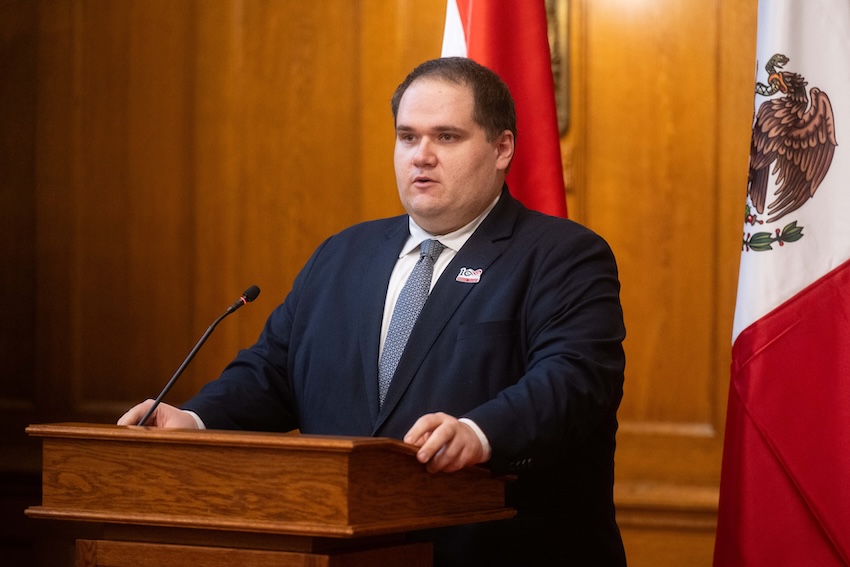
In his speech, Dr. Ádám Imre Szűcs, Deputy State Secretary responsible for training, scholarship programmes, and science diplomacy at the Ministry of Foreign Affairs and Trade, recalled key milestones of the past century and emphasized the dynamic evolution of bilateral relations: “This anniversary is not only a celebration, but also a moment to reflect on a relationship built on mutual respect, trust, and cooperation. Despite the geographical distance, Hungary and Mexico have developed increasingly close ties over the past century – whether in political dialogue, economic cooperation, or cultural exchange. Today, bilateral cooperation continues to evolve dynamically: economic relations are strengthening, while educational and scientific partnerships – including the Stipendium Hungaricum programme – are creating new opportunities. Cultural ties further deepen mutual understanding between our peoples.”
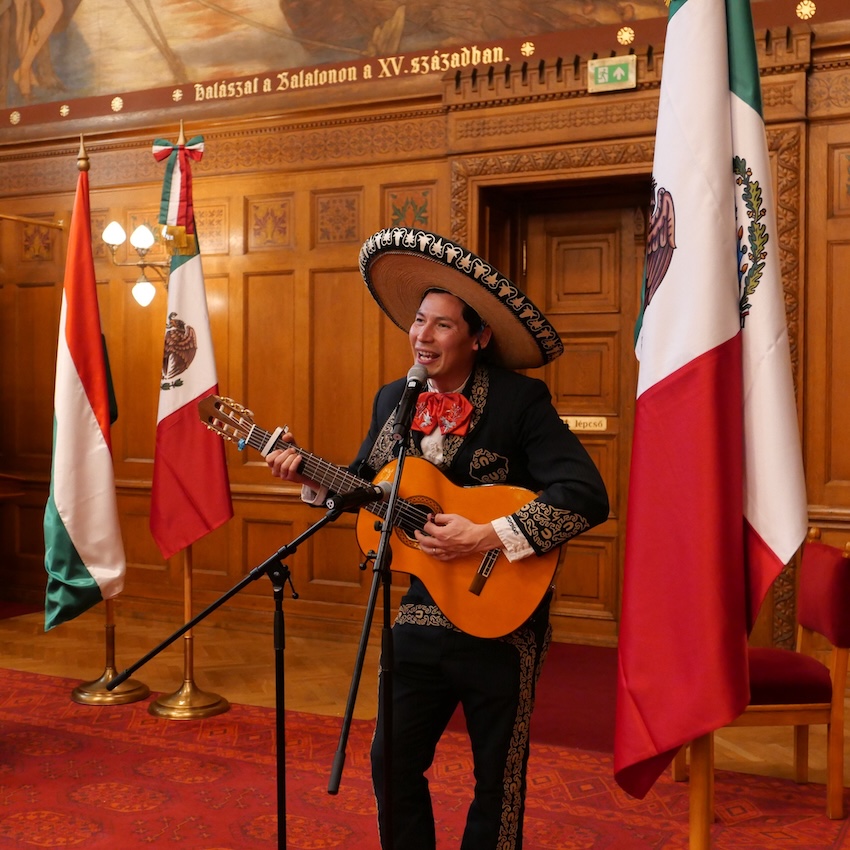
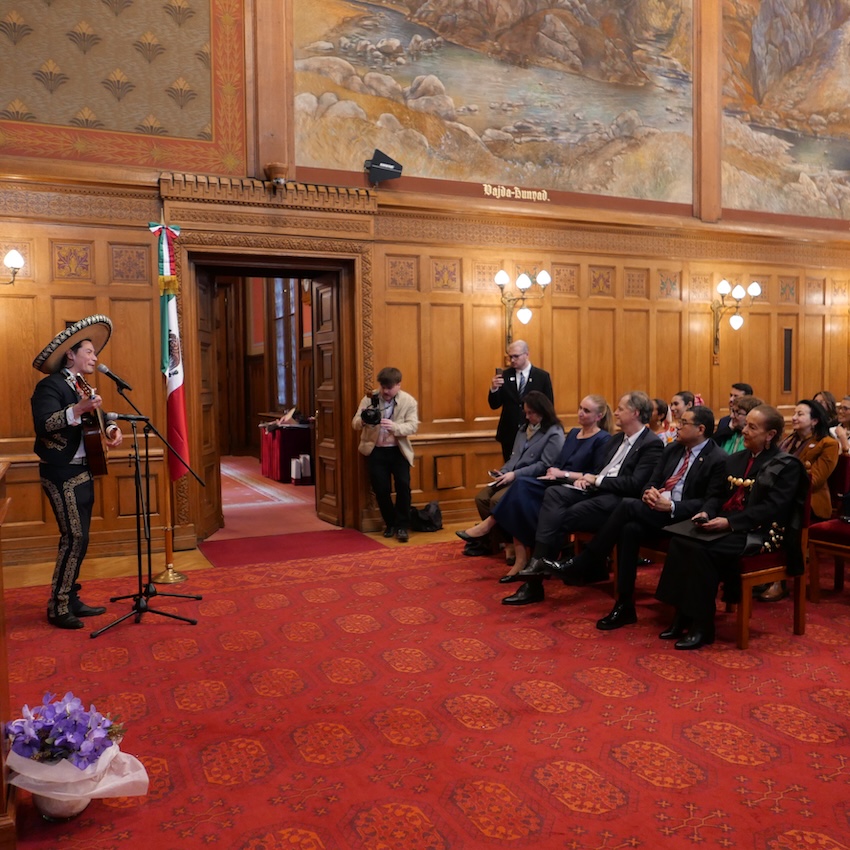
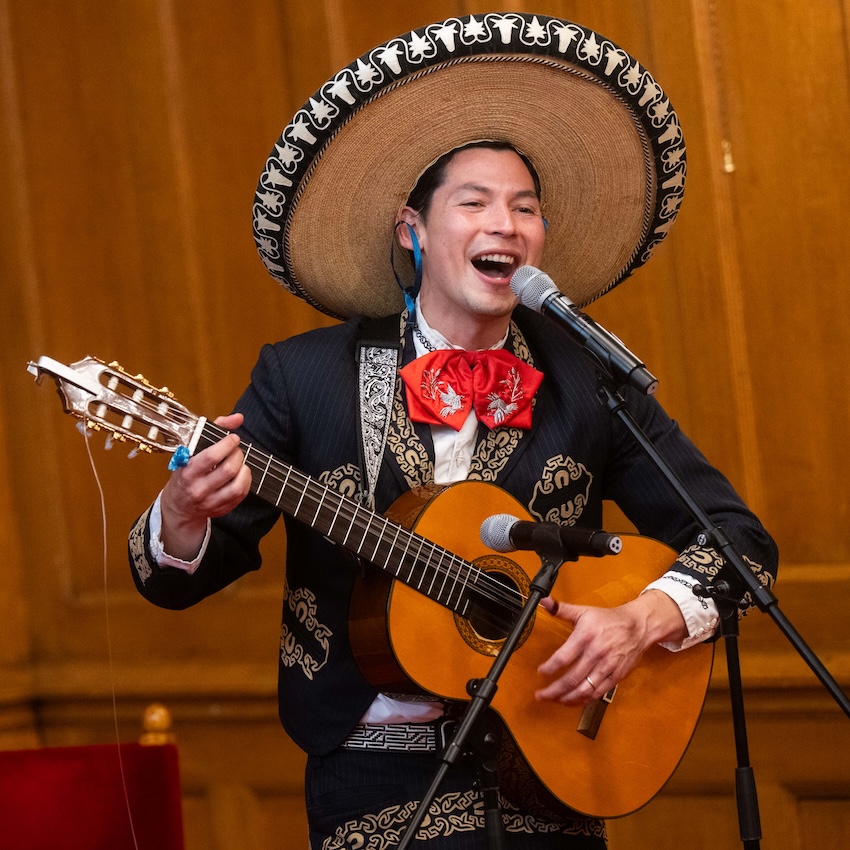
The event was further enriched by a performance of traditional Mexican music by Augusto Vázquez, a Mexican national residing in Hungary, contributing to a festive atmosphere reflecting Mexico’s rich cultural heritage.
At the same time, the exhibition “Historical Archives of the Centennial” was inaugurated, showcasing documents and photographs dating back to the establishment of diplomatic relations in 1926. The materials were drawn from both the Historical Diplomatic Archive of the Mexican Ministry of Foreign Affairs and the National Archives of Hungary. Highlights included the letter of credentials of Count László Széchenyi, as the first Ambassador of Hungary to Mexico, presented to President Plutarco Elías Calles, as well as the appointment of Dr. Carlos Puig Casauranc as the first Mexican Ambassador to the Kingdom of Hungary. The exhibition offered attendees a valuable opportunity to explore the origins and evolution of diplomatic ties between the two countries.
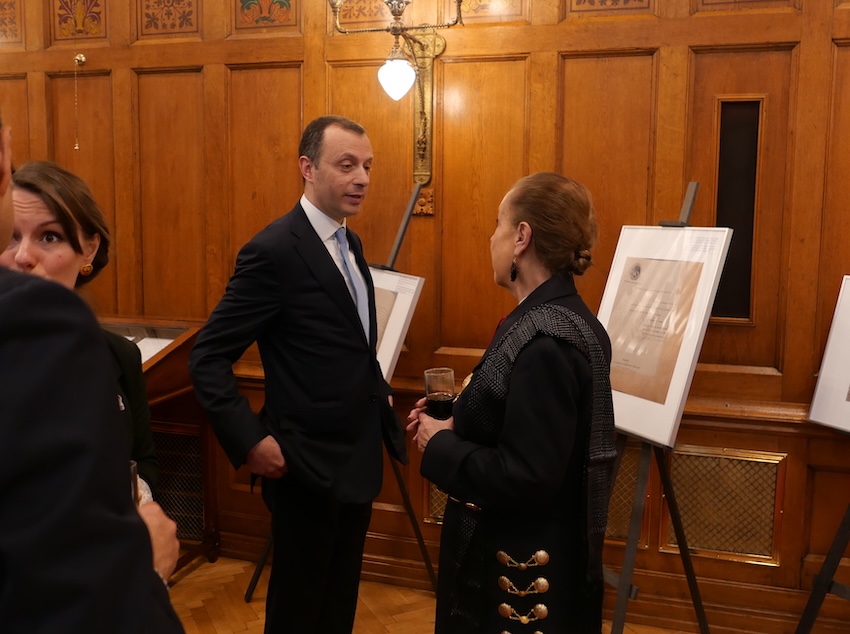
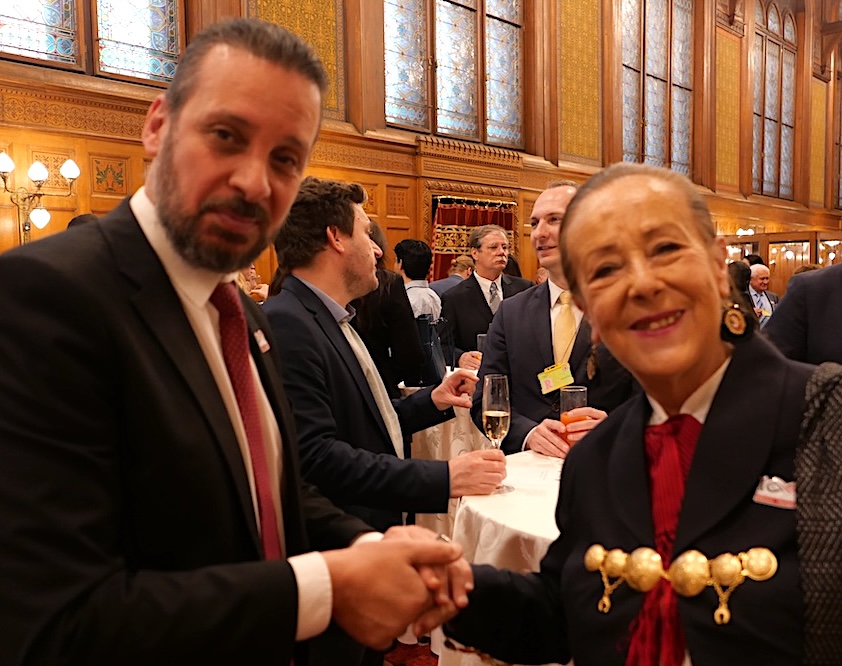
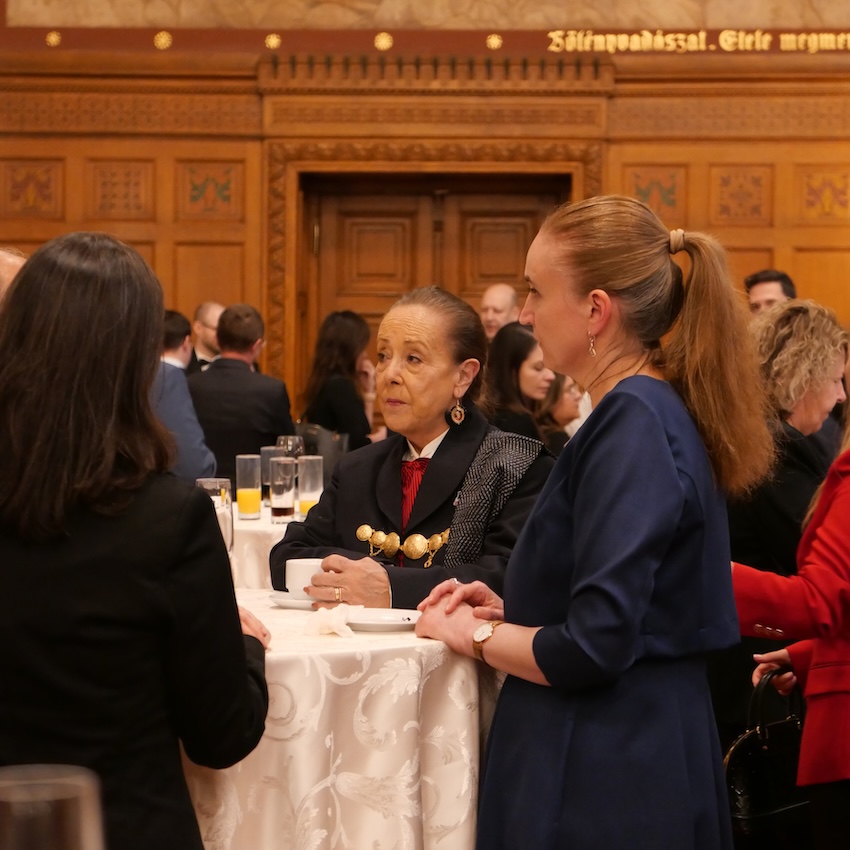
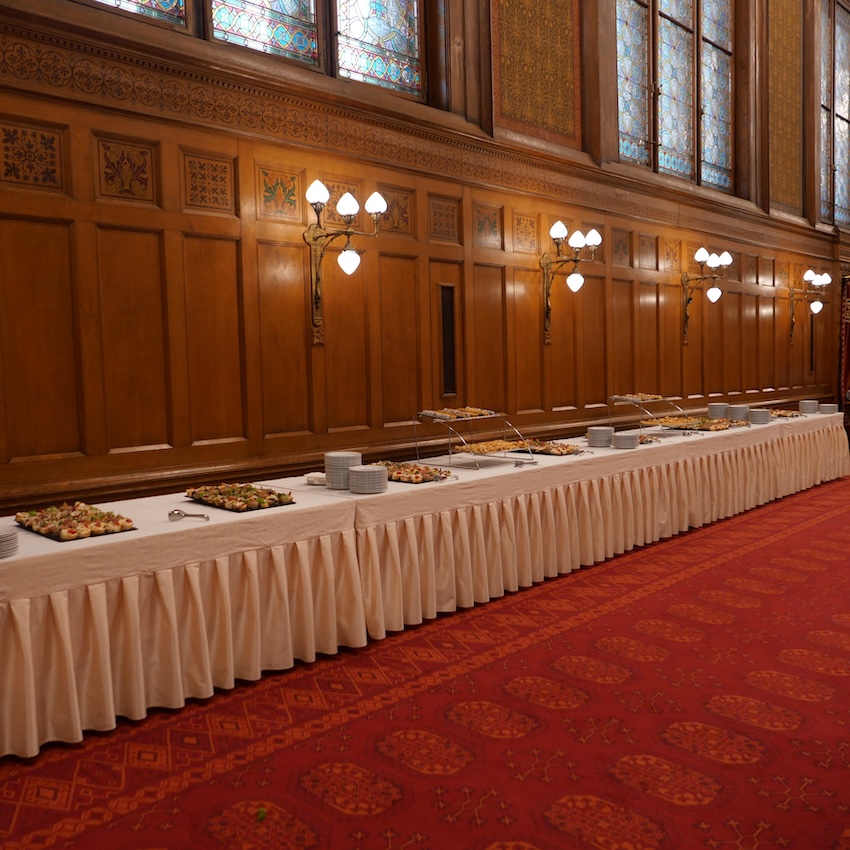
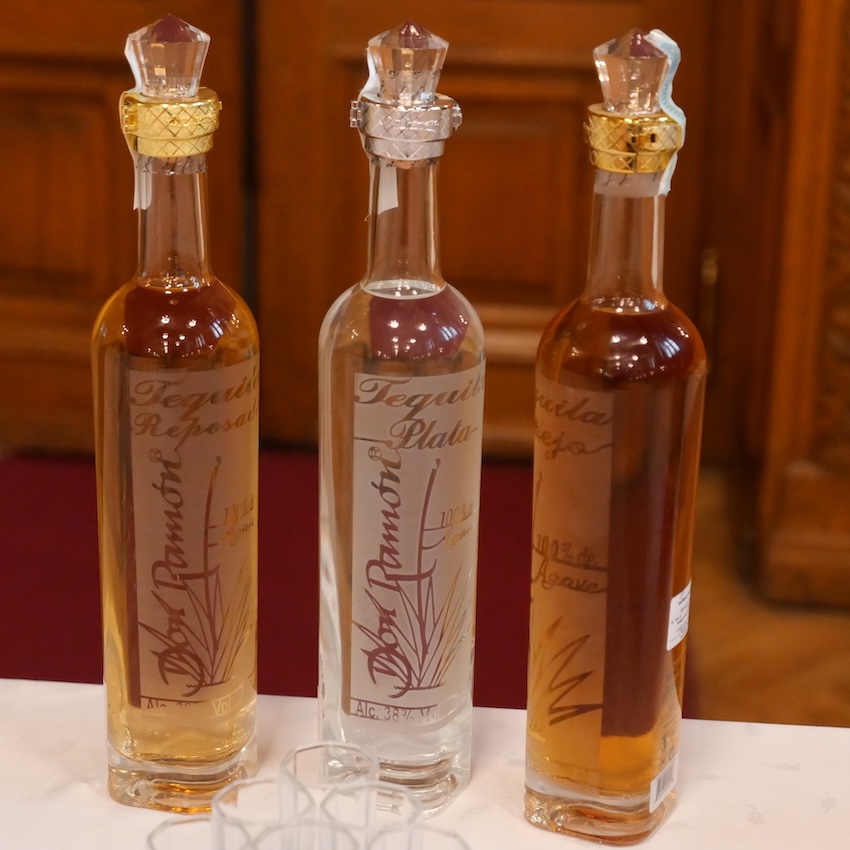
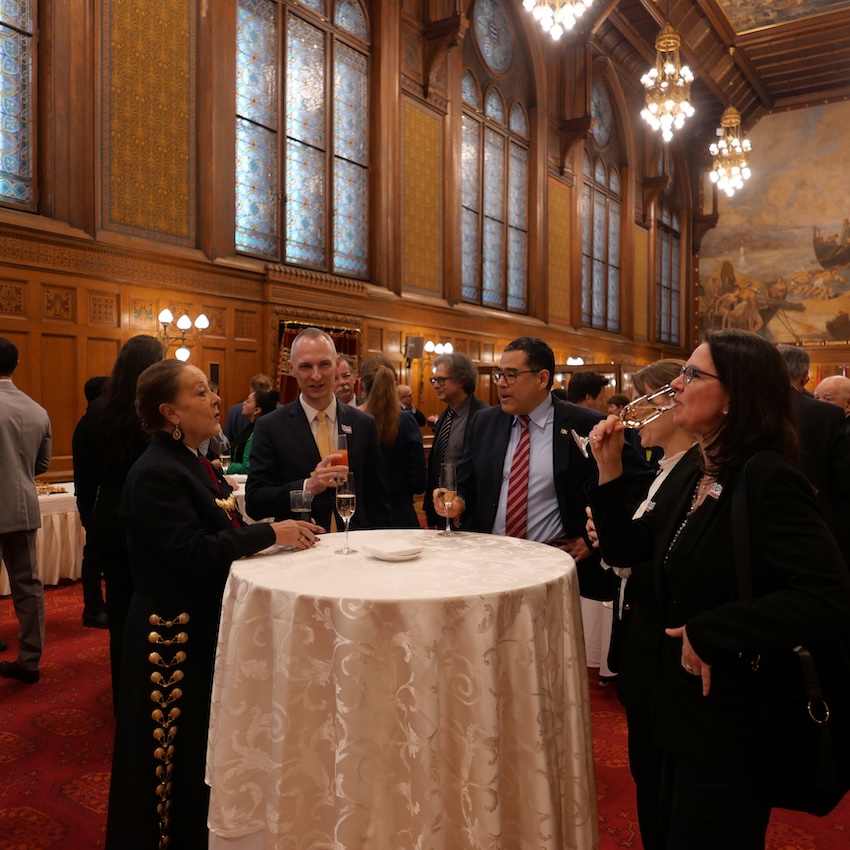
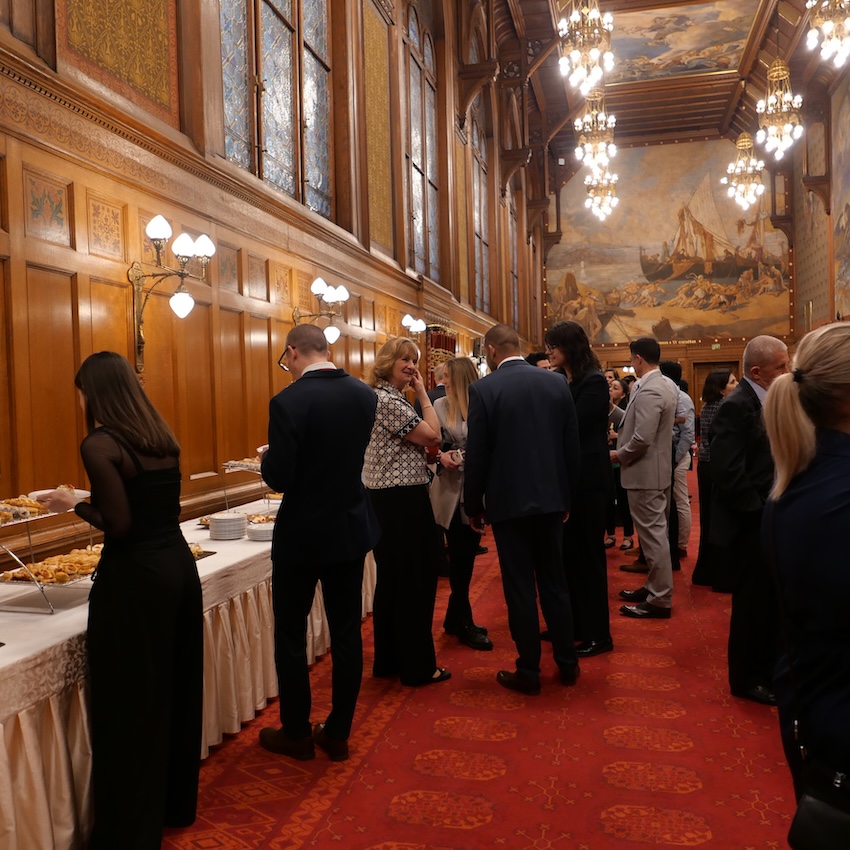
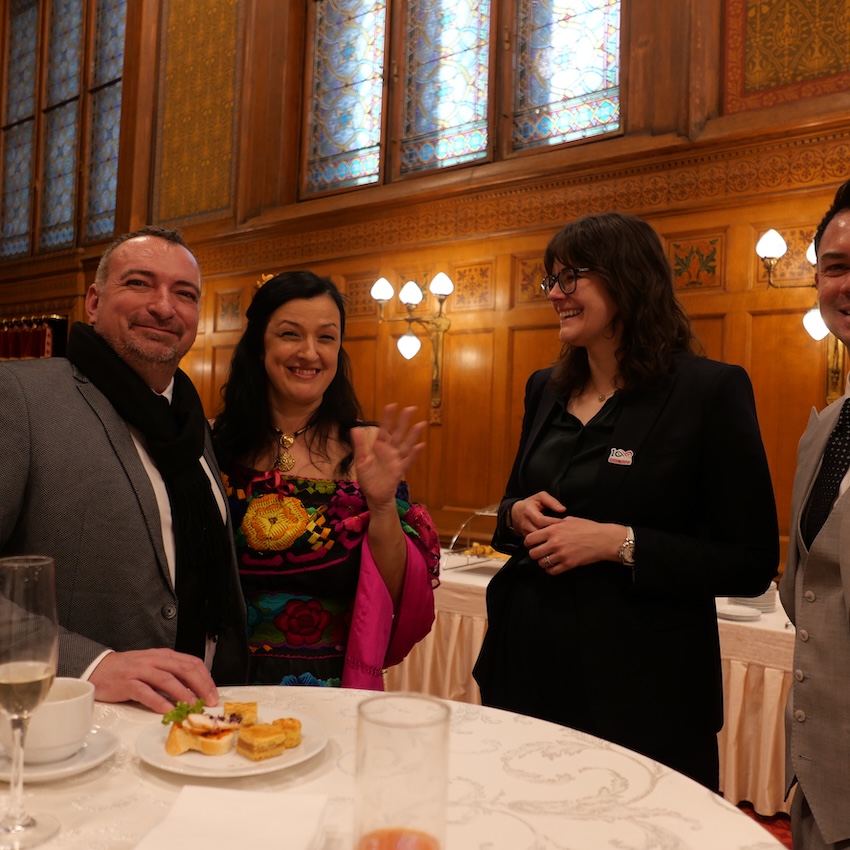
The ceremony concluded with a reception hosted by the Embassy of Mexico and the Hungarian Parliament, providing a welcoming setting for informal exchanges and fostering closer professional and personal connections among participants.
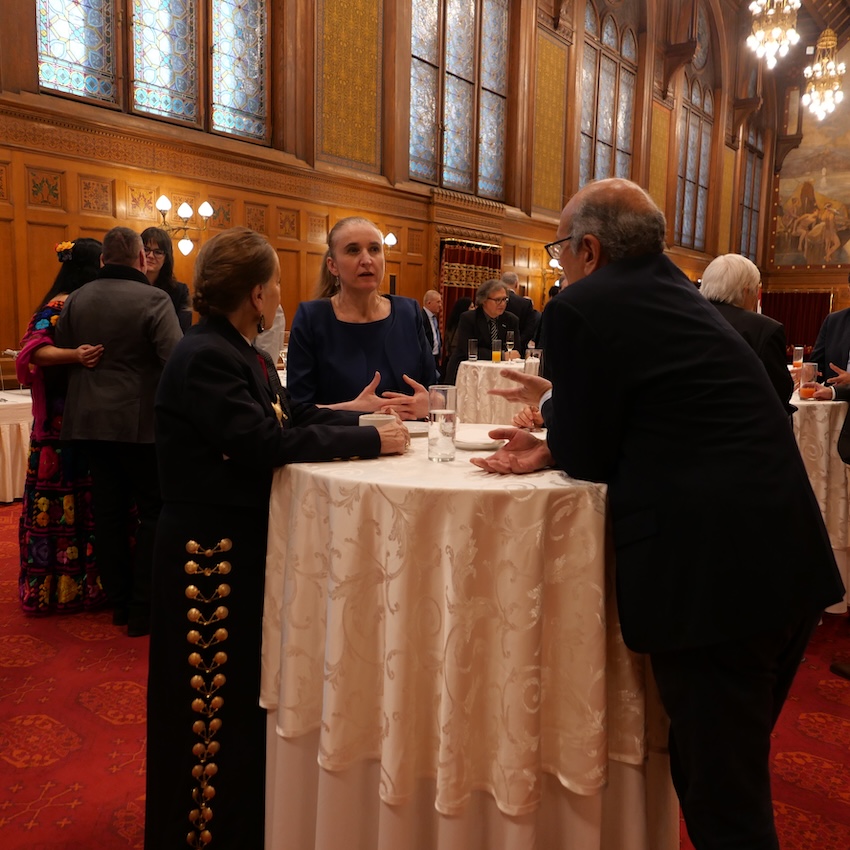
The event constituted a dignified and forward-looking commemoration of a century of diplomatic relations between Hungary and Mexico, reaffirming the shared commitment of both countries to deepening cooperation across political, economic, educational, and cultural domains. Drawing on a rich historical foundation, both nations expressed their readiness to further consolidate their partnership and jointly address future challenges in a spirit of mutual respect and constructive engagement.
Source: Embassy of Mexico in Budapest
Photos from the Hungarian National Assembly, and the Embassy of Mexico (Pilaricaphotos)