



Edited by Anna Popper
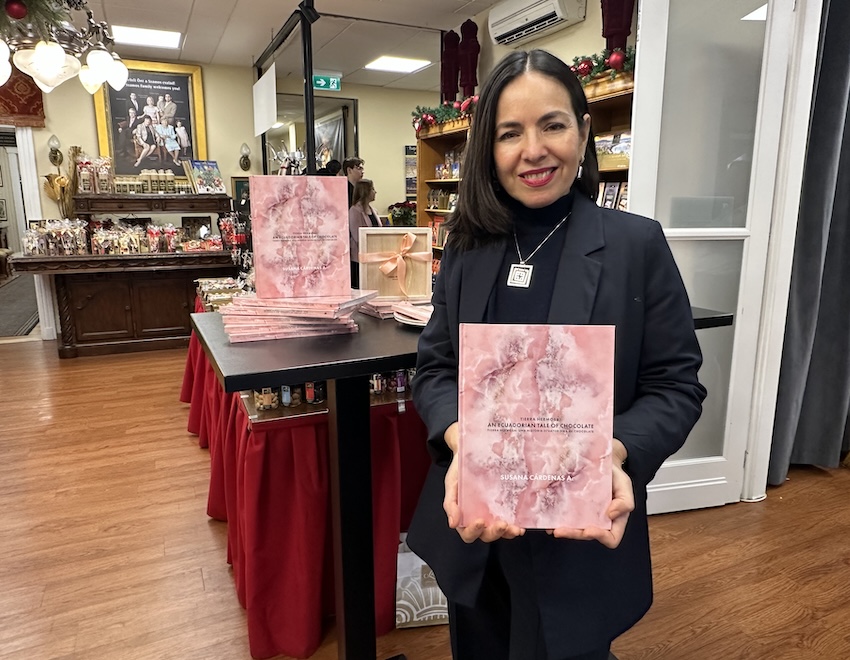
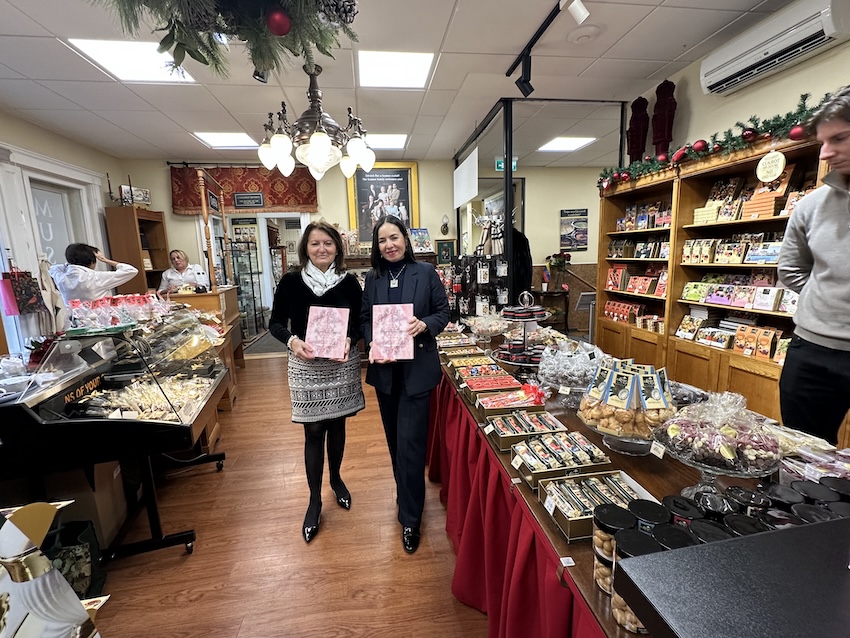
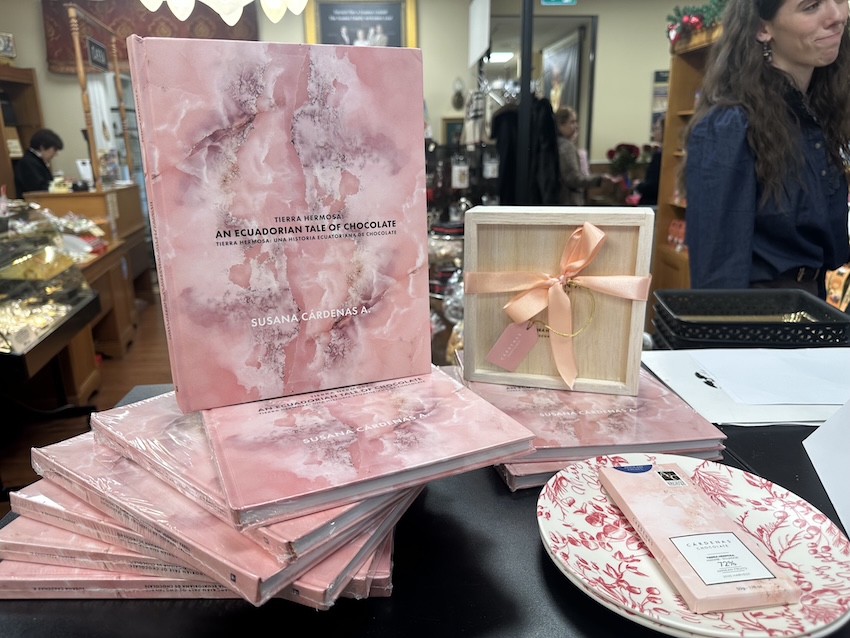
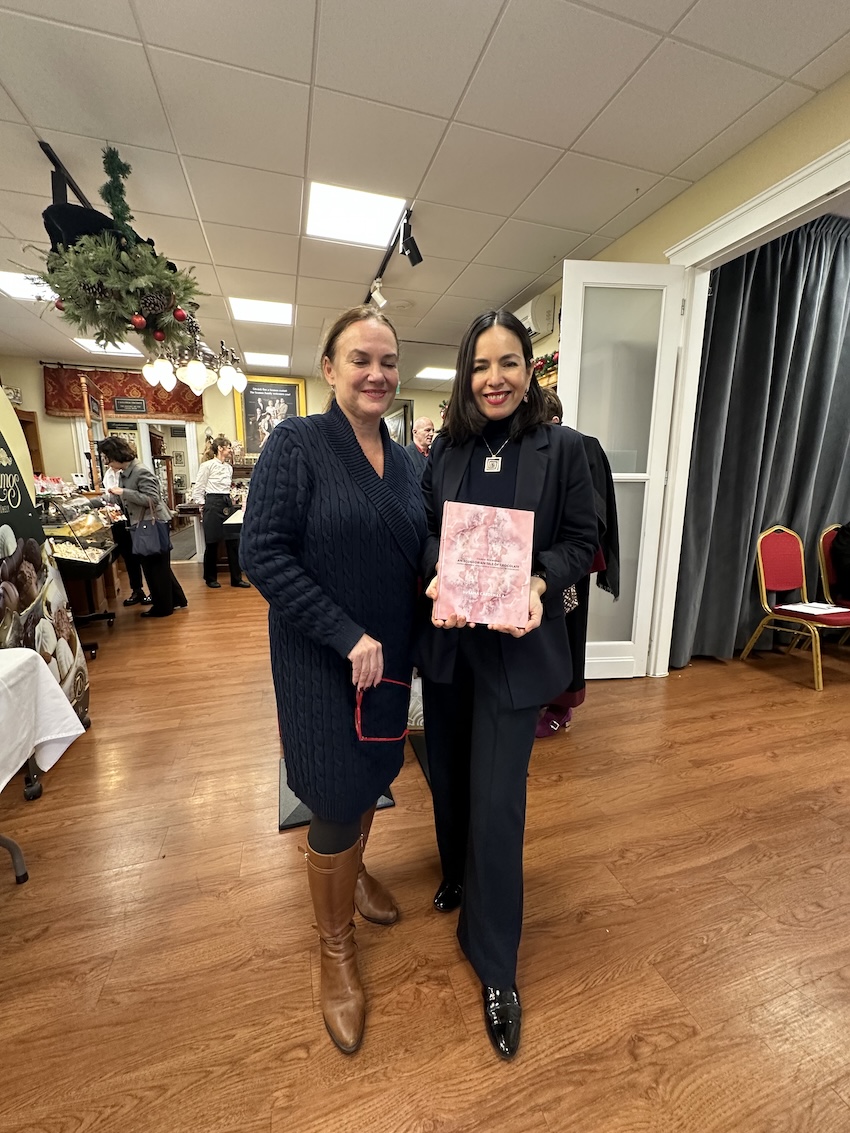
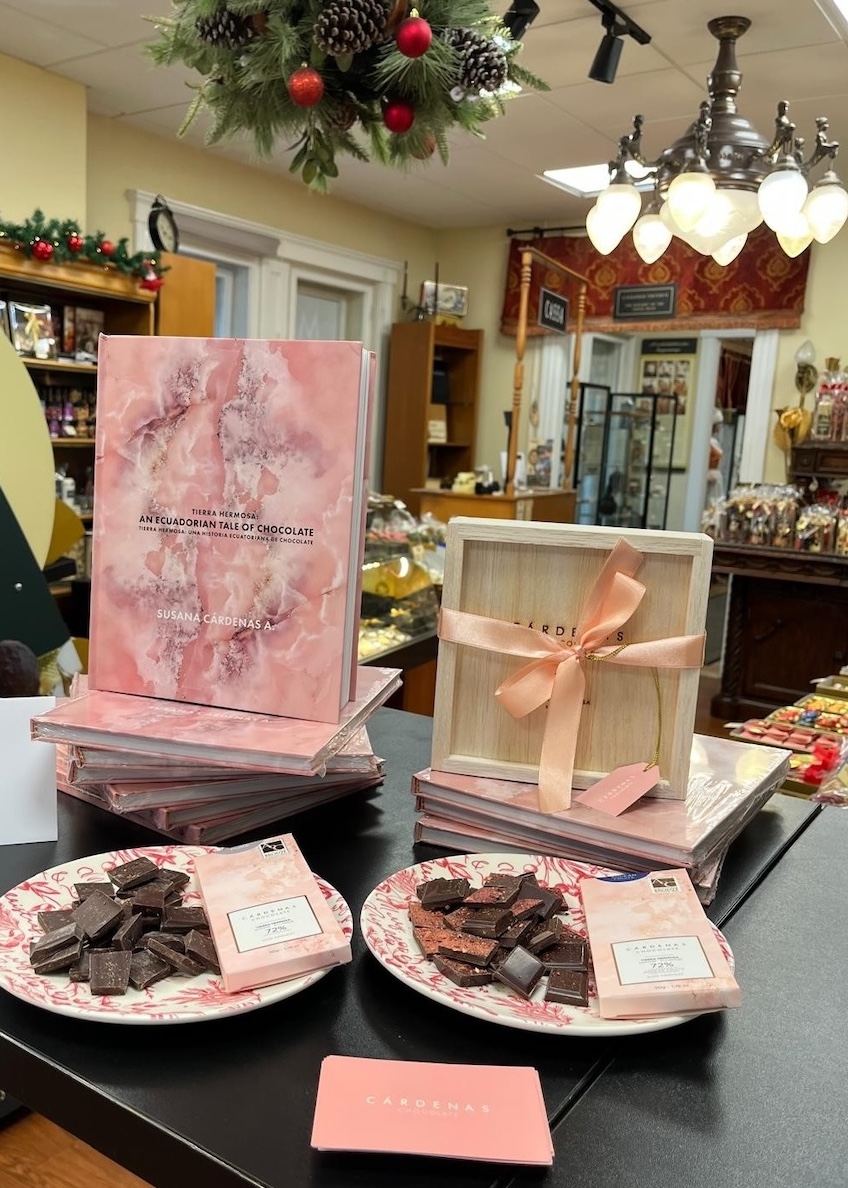
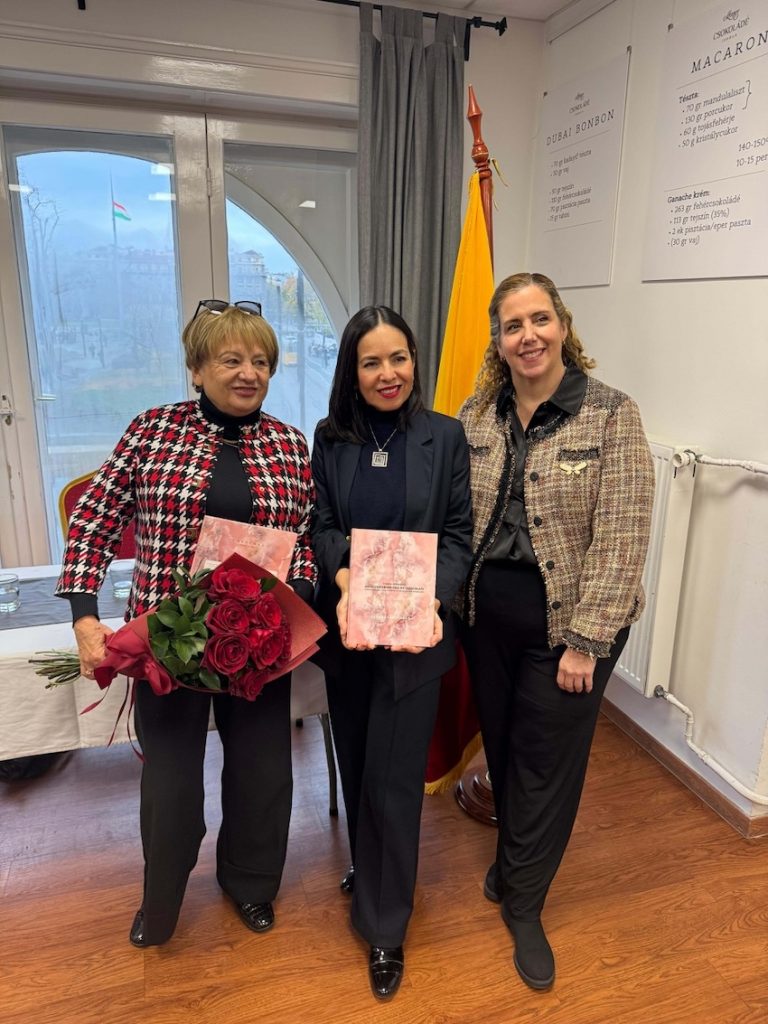
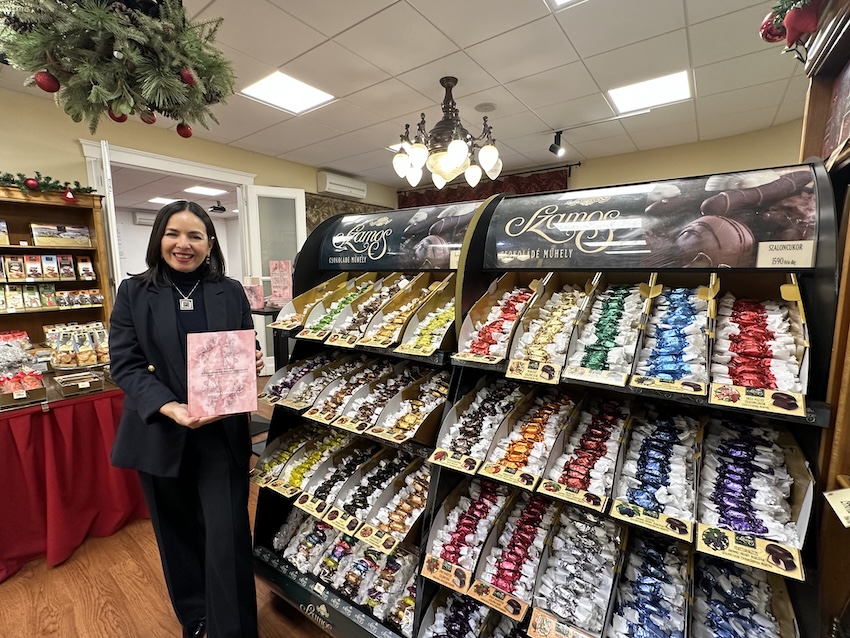
In collaboration with the Szamos Chocolate Museum in Budapest, the Embassy of Ecuador in Hungary, together with Ms. Susana Cárdenas, founder of Cárdenas Chocolate, presented the book “Beautiful Land: An Ecuadorian Chocolate Story”.
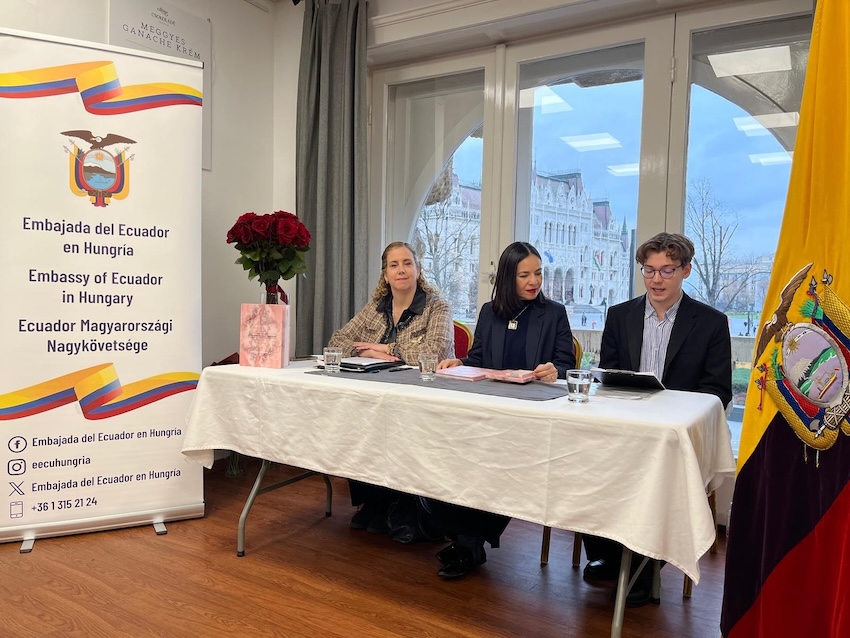
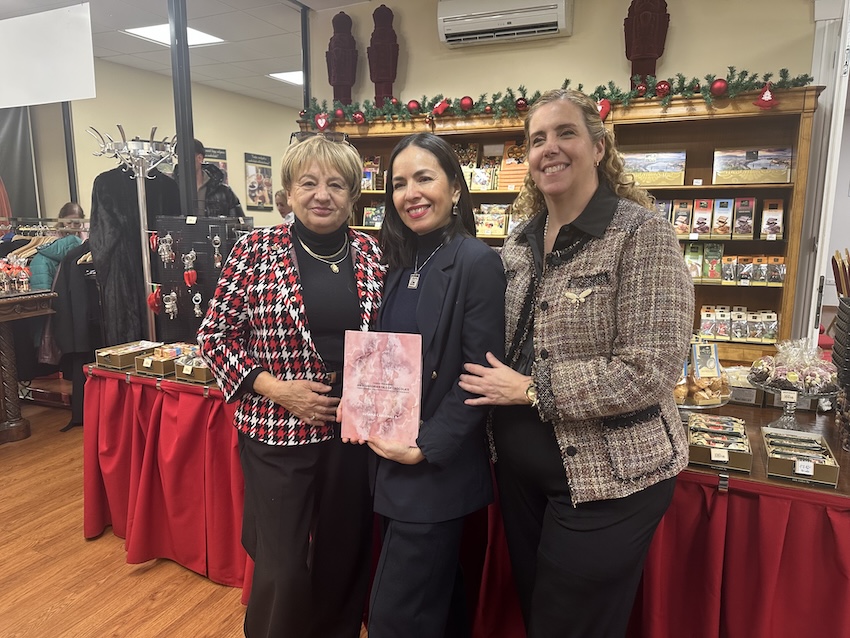
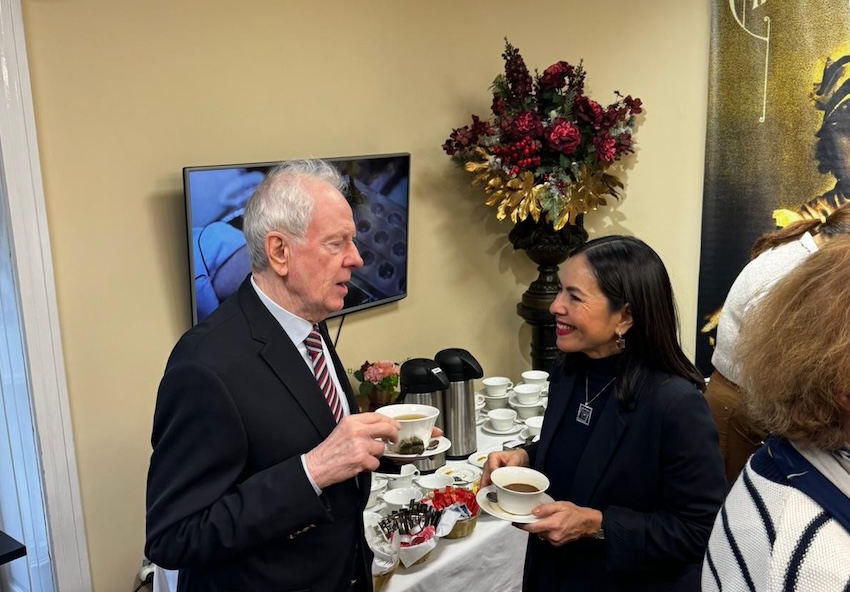
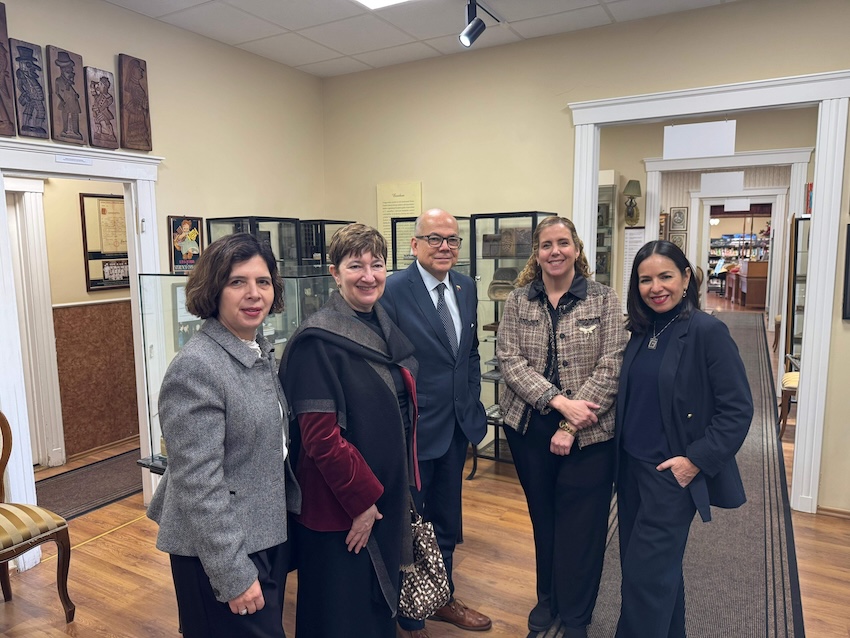
The event welcomed diplomats, government officials, cultural representatives, tourism and business professionals, academics, media, and chocolate enthusiasts for an event that linked Ecuador’s cacao heritage with Hungary’s confectionery traditions through storytelling, cultural exchange, and chocolate craft.
Welcome by the Ambassador
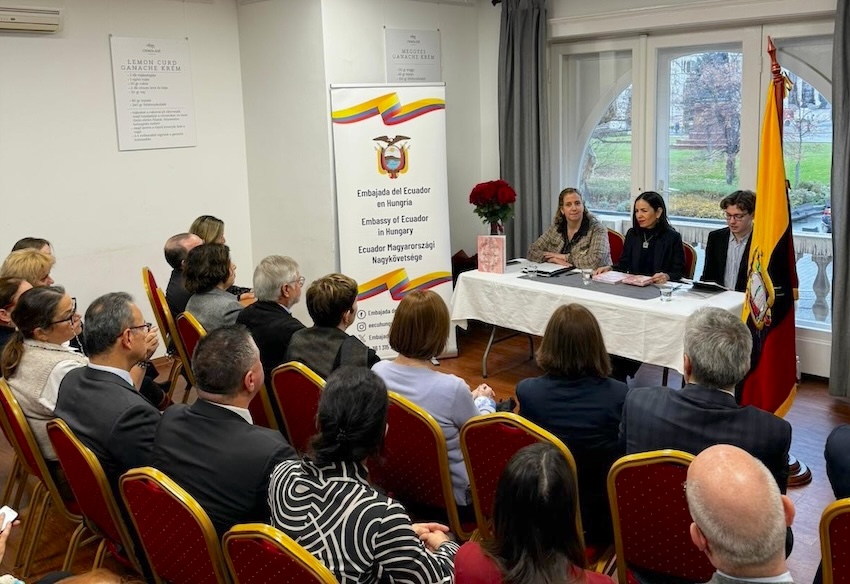
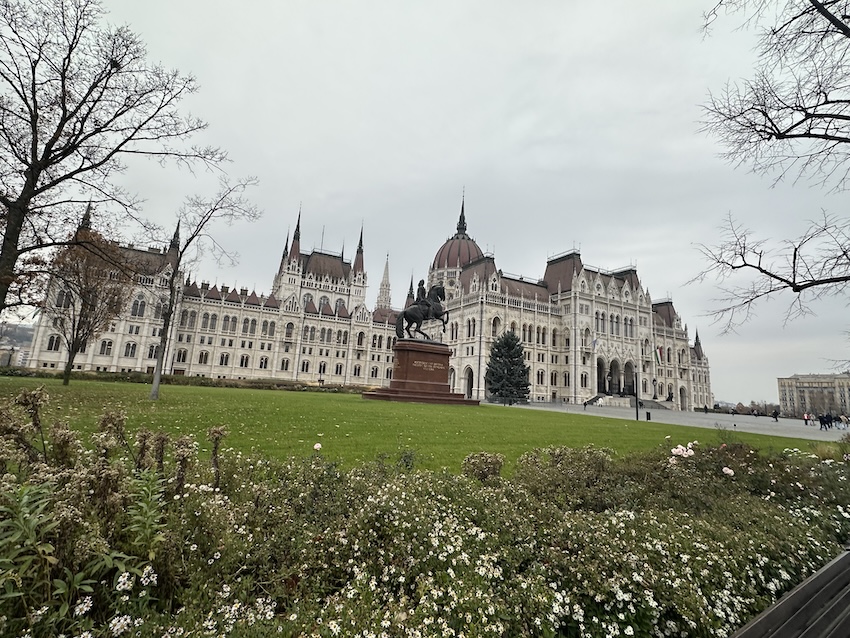
Opening the program, H.E. Cynthia Mayers, Ambassador of Ecuador to Hungary, welcomed guests to a celebration that went beyond a book launch, highlighting cacao as one of Ecuador’s most defining treasures and a form of “sweet art” that connects cultures. She thanked Susana Cárdenas for bringing her work to Budapest and noted the international recognition of Cárdenas Chocolate, including more than 16 awards. The Ambassador also expressed appreciation to Ms. Gabriella Szamos for her valuable cooperation and continued support and emphasized the symbolism of hosting the event at the Szamos Chocolate Museum on the upper floor of Szamos Café – an iconic venue overlooking the Hungarian Parliament. This reflects the cultural bridge between Ecuador and Hungary in the spirit of chocolate, literature, and friendship.
A closer look at Beautiful Land – by the author
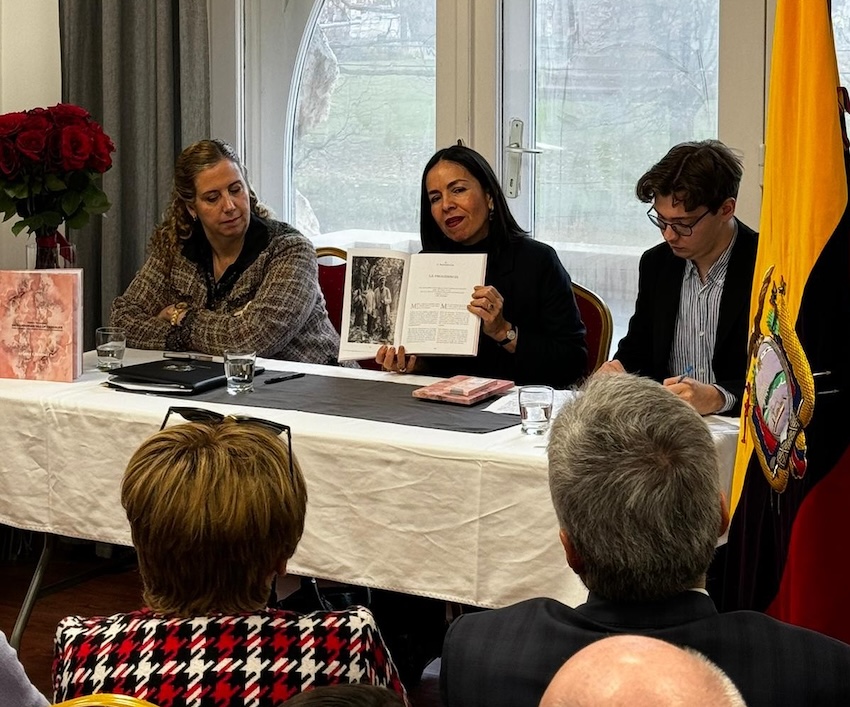
Author Susana Cárdenas introduced Beautiful Land as a Spanish–English volume that is both a chocolate history and a personal story. Rooted in her origins in Manabí on Ecuador’s Pacific coast – the home of the renowned “Nacional” cacao – she presented the book as a tribute to family legacy, perseverance, and identity, offering substance and heartfelt storytelling.
A key part of her remarks was the “La Providencia” estate in the Santa Elena area, south of Manta, where her family has been producing cacao since 1841. She explained that the estate represents a heritage she hopes to honour and, in a sense, restore. She recalled a period of hardship when a devastating plague destroyed crops, hitting families hard economically. In that difficult moment, she remembered her grandmother’s determination to carry the family forward. The book is also a tribute to her. Ms. Cárdenas emphasized that cacao is not only part of her family history, but also a force that shaped Ecuador’s national economy, noting how Guayaquil became the country’s “cacao capital”.
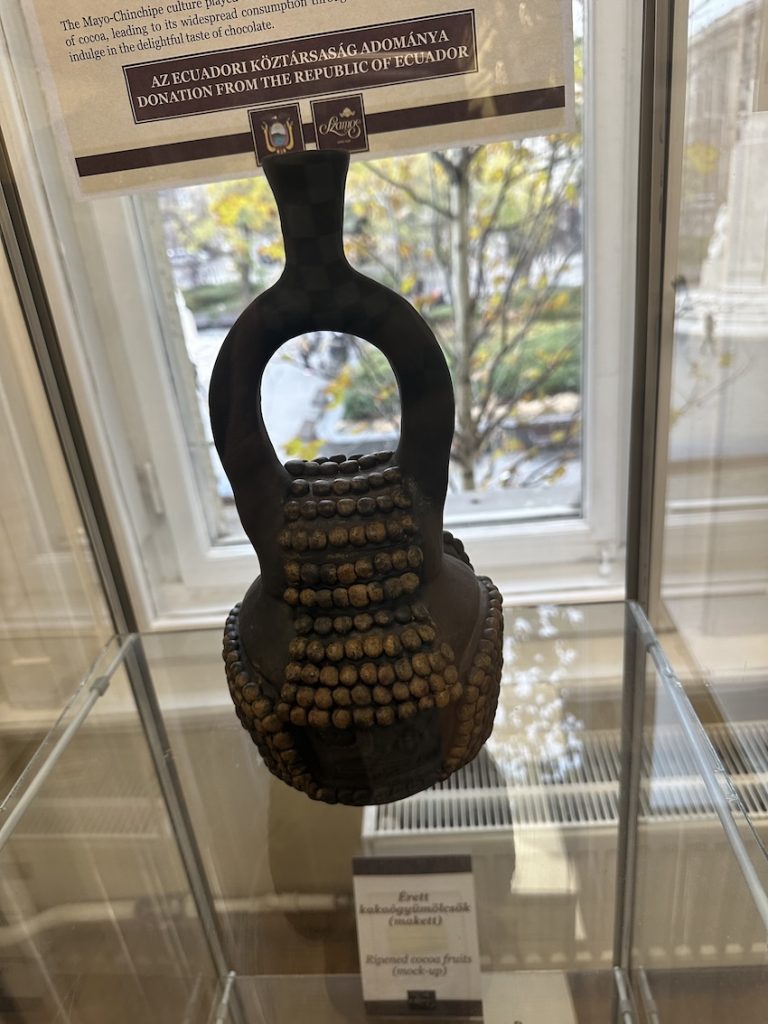
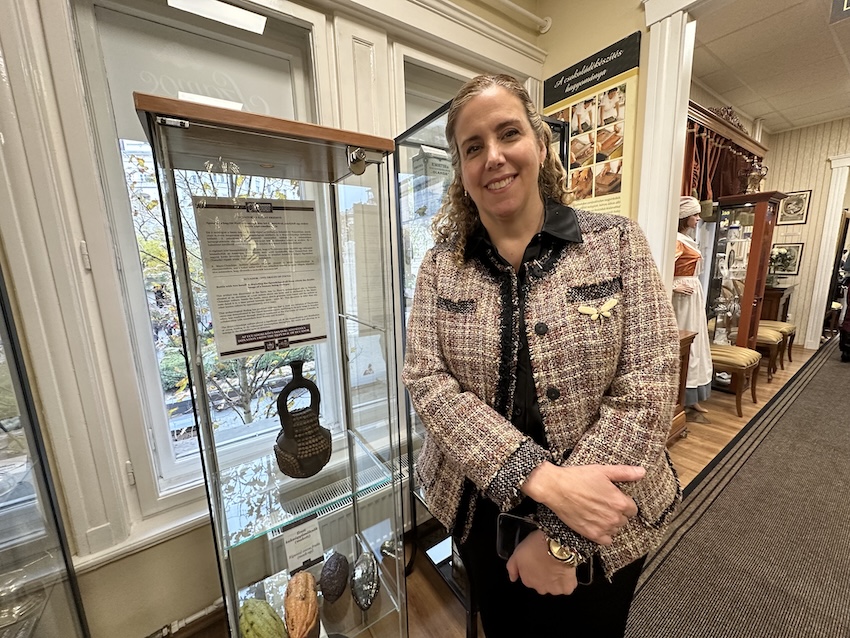
She also referenced archaeological research in southern Ecuador that has reshaped global understanding of cacao’s earliest story. She highlighted findings connected to the Mayo-Chinchipe culture in Palanda (Santa Ana), including the iconic Palanda vessel, a clay pot with two handles and an effigy. Carbon-14 testing dated the remains found inside to around 3,500 BC, challenging the long-held assumption that cacao originated in Mesoamerica (Mexico). As she emphasized: cacao is Amazonian.
Expanding on cultural exchange, she noted that the Mayo-Chinchipe traded cacao with the Valdivia – guardians of the Spondylus shell – helping spread cacao along the coast to the Manteño civilization of Manta, whose navigators further extended its reach beyond the Amazon.
Turning to the present, Ms. Cárdenas underlined Ecuador’s challenge – and opportunity – to move beyond exporting raw cacao toward producing high-quality chocolate made at origin. She explained the distinctions between artisanal chocolate and “tree-to-bar”, the integrated model her brand follows by cultivating cacao and producing chocolate within one connected chain.
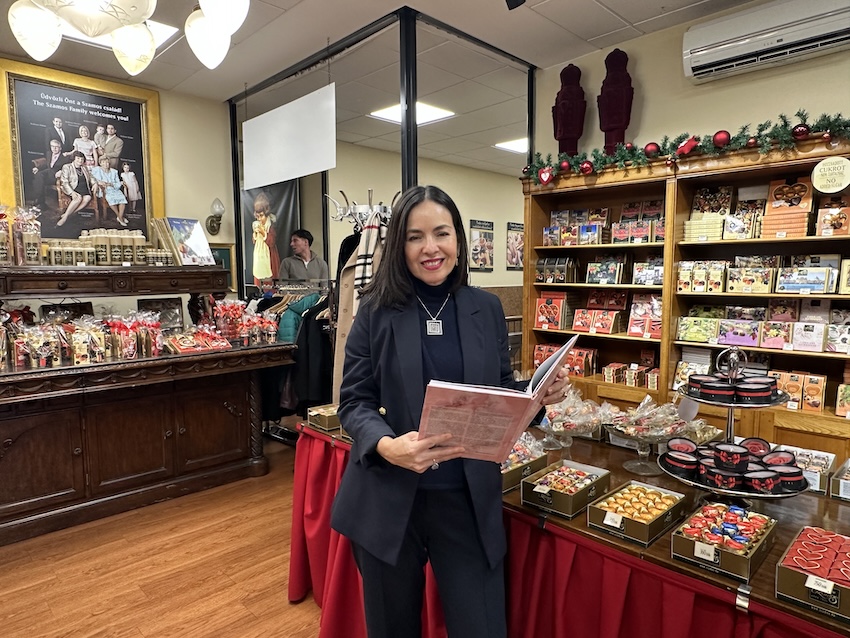
In closing, she highlighted the importance of a stronger female perspective in the sector, which she described as still largely male-dominated in Ecuador. Pointing to the book’s pink cover design with a marble texture, it reflects refinement, elegance, and endurance – qualities she associates with “Nacional” cacao and the chocolate produced at Cárdenas. As she put it, “We need to step forward with our own vision”.
The Szamos Museum’s Unique Collection
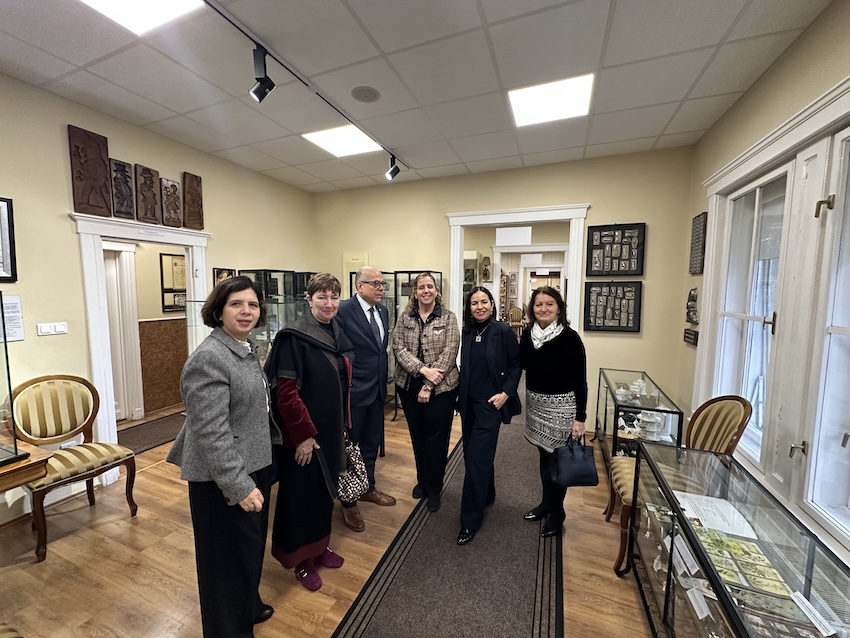
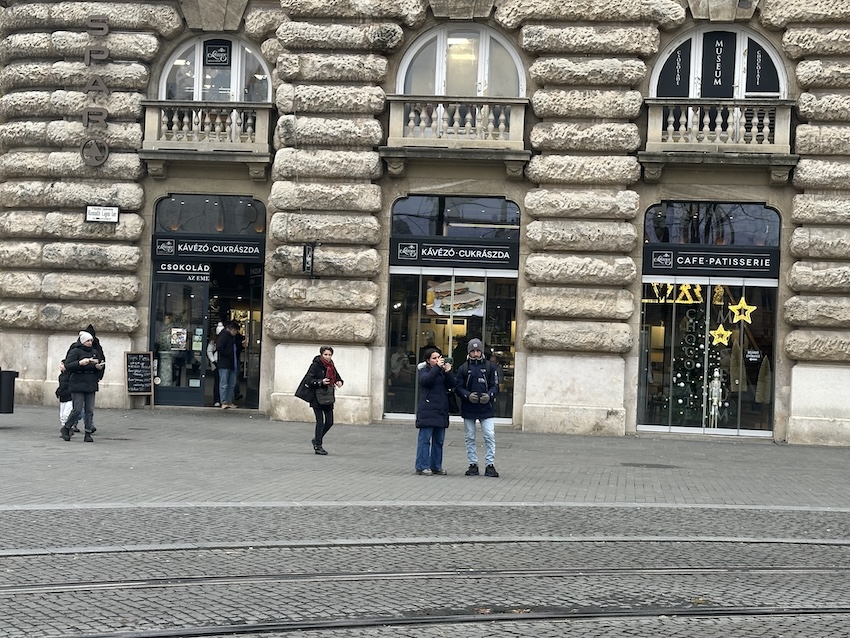
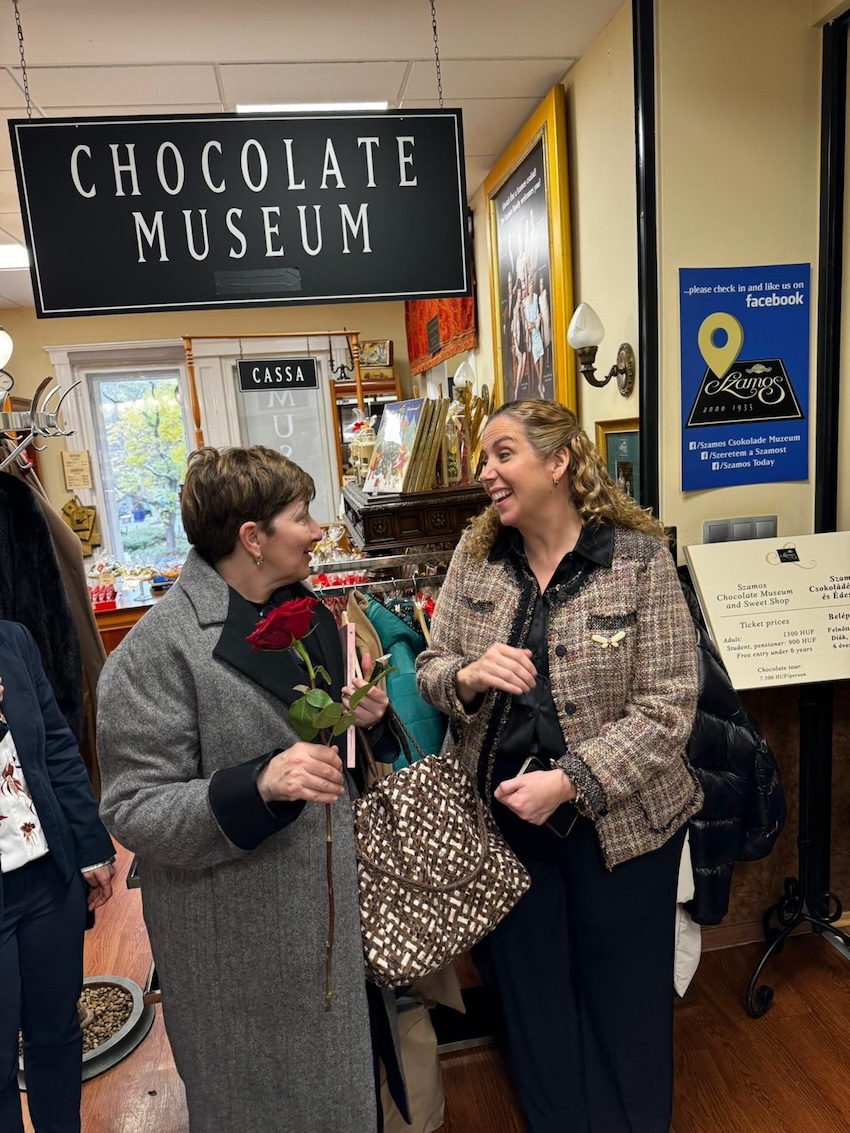
The Szamos Chocolate Museum – located in the Szamos Café on Kossuth Square – lent a Hungarian layer to the celebration. Guests learned about the Szamos family’s confectionery heritage and marzipan traditions, with emphasis on how recipes and techniques have been passed down through generations.
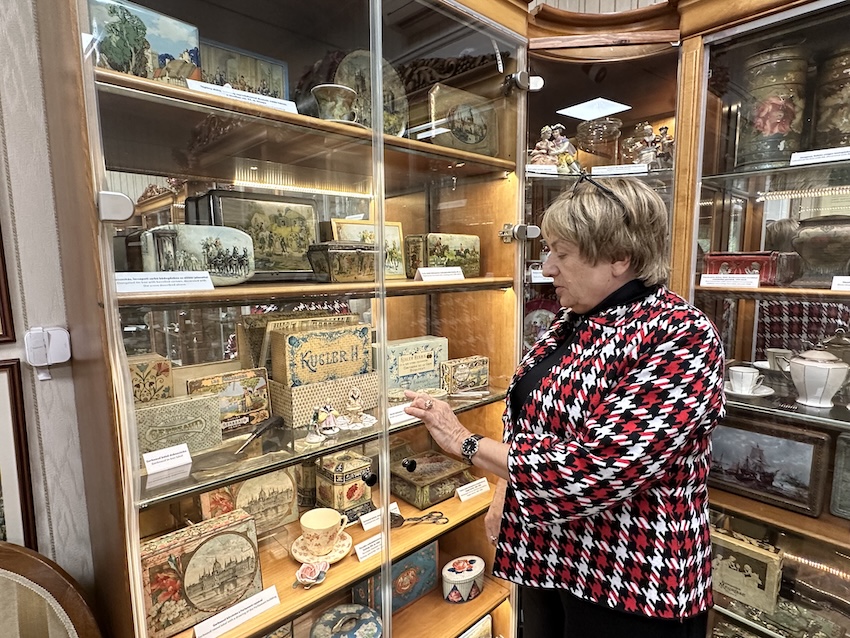
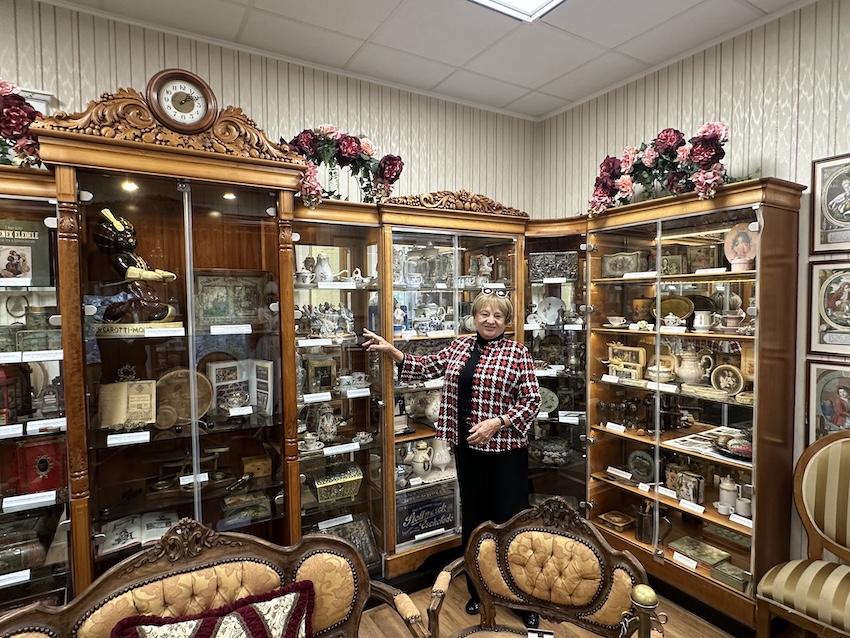
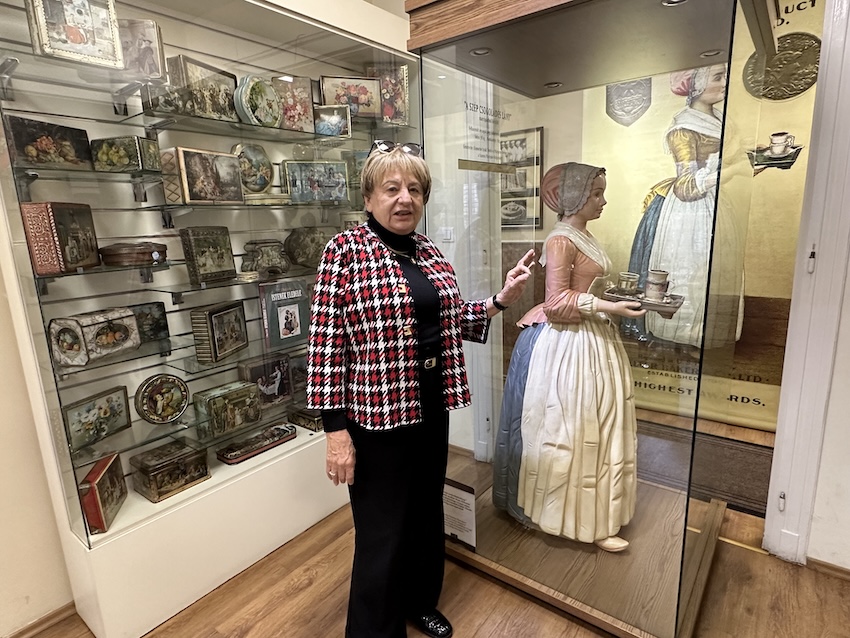
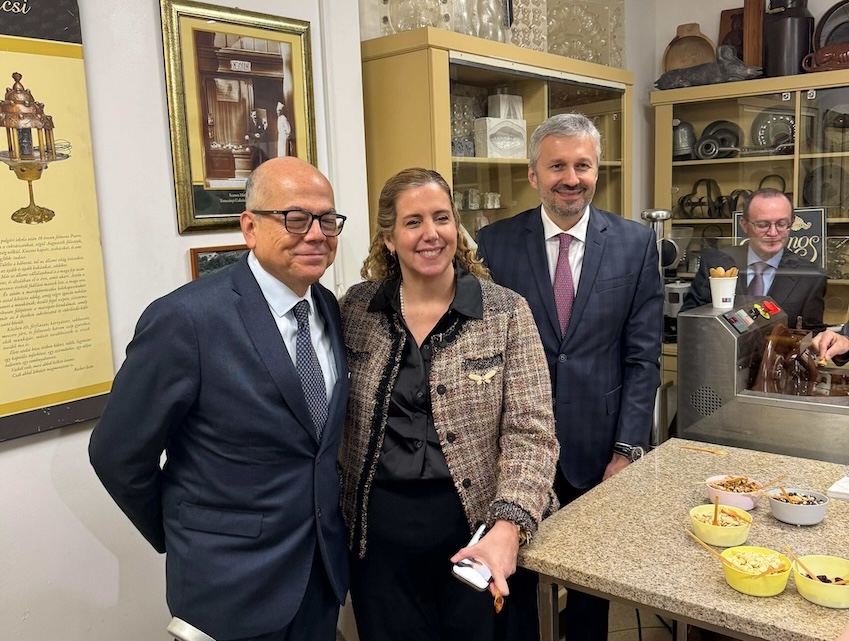
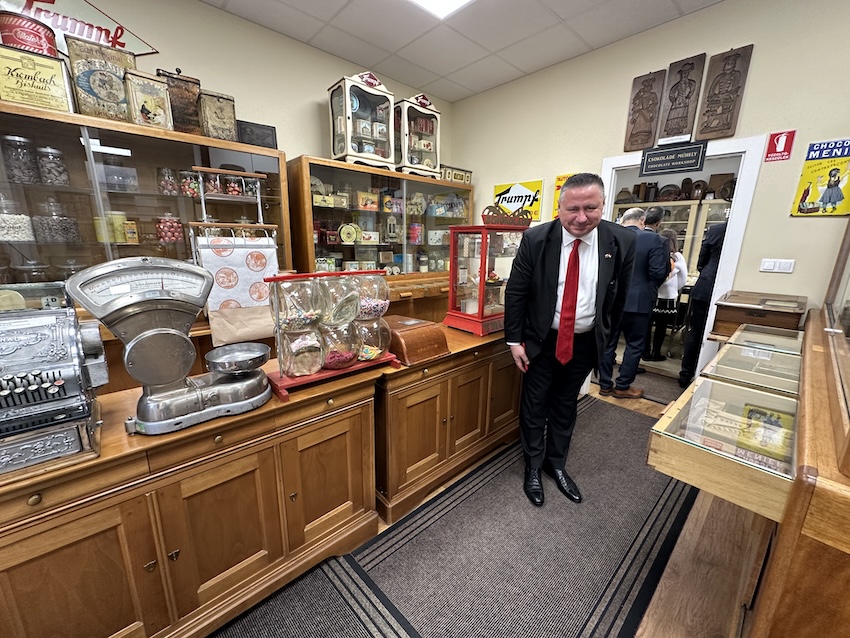
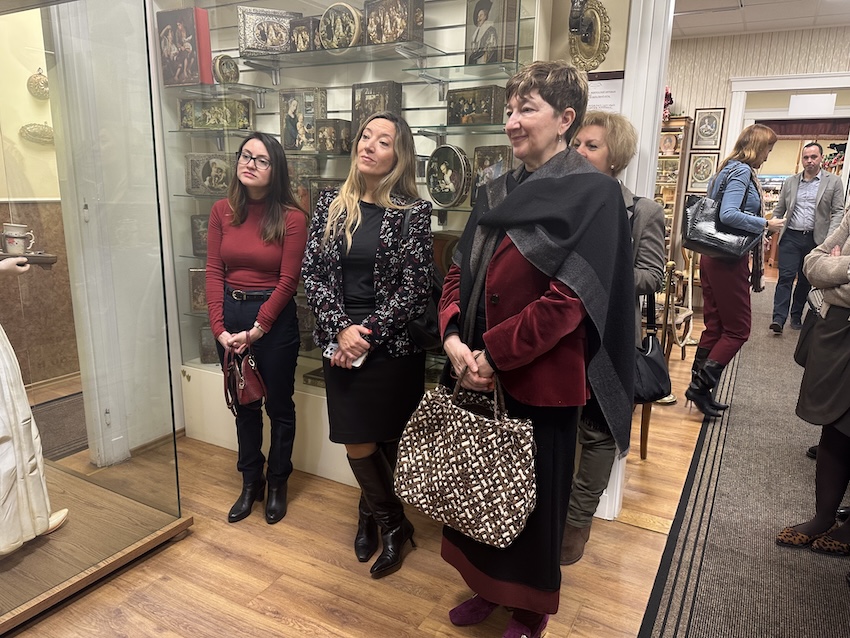
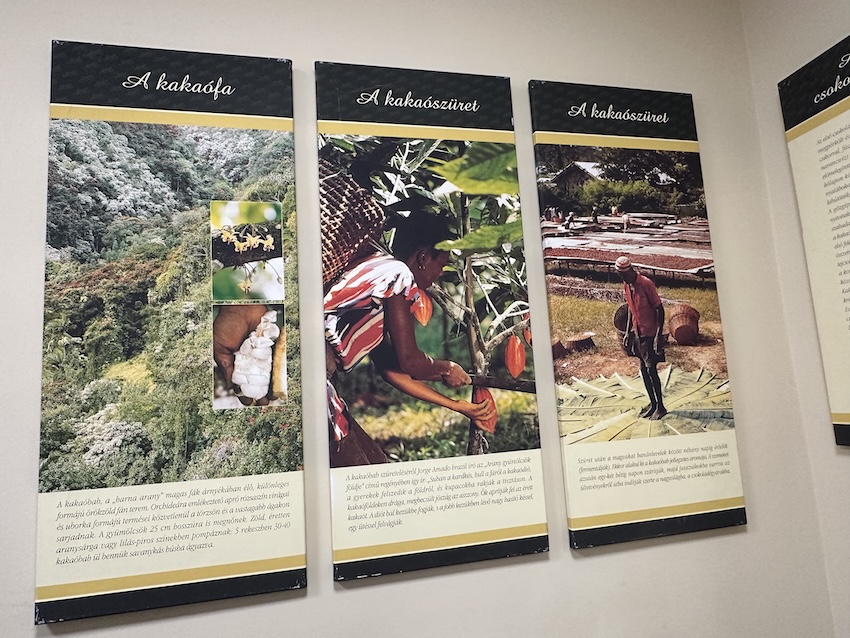
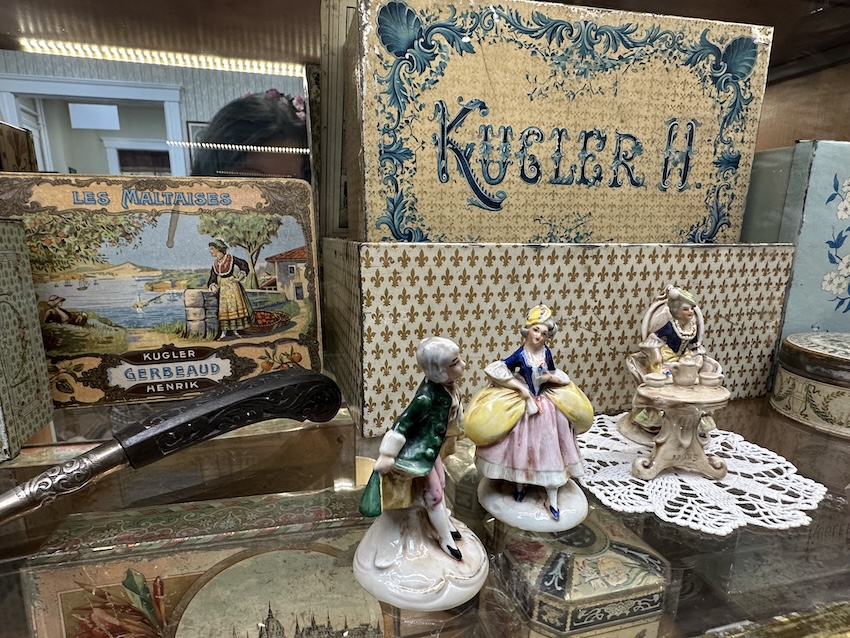
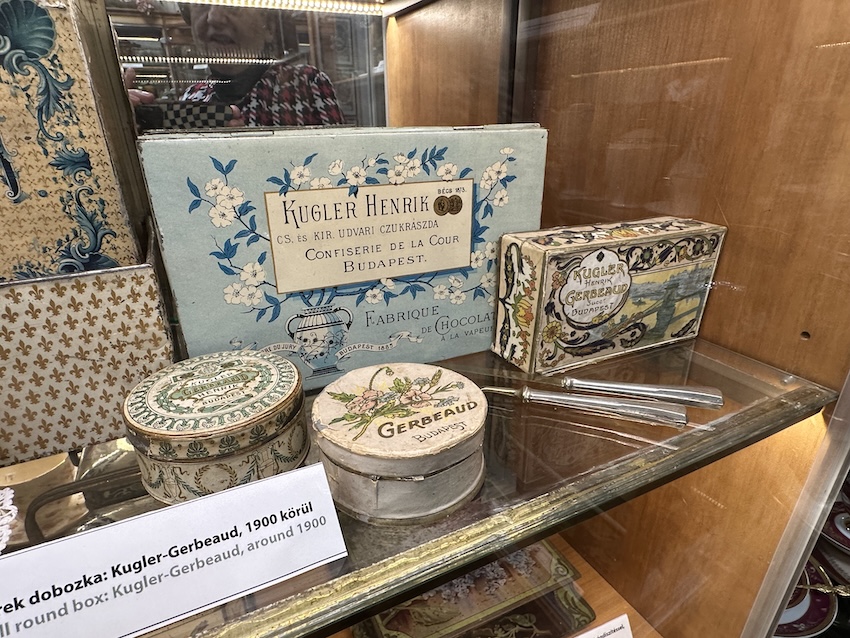
During the guided tour, participants explored the distinctive collection of historic chocolate boxes, tools, and exhibits recreating early 20th-century confectionery settings, including a candy shop and chocolate workshop from the 1920s. A standout feature of the museum was an exact replica of the 5,500-year-old Palanda vessel, a tangible link between Ecuador’s cacao history and Hungary.
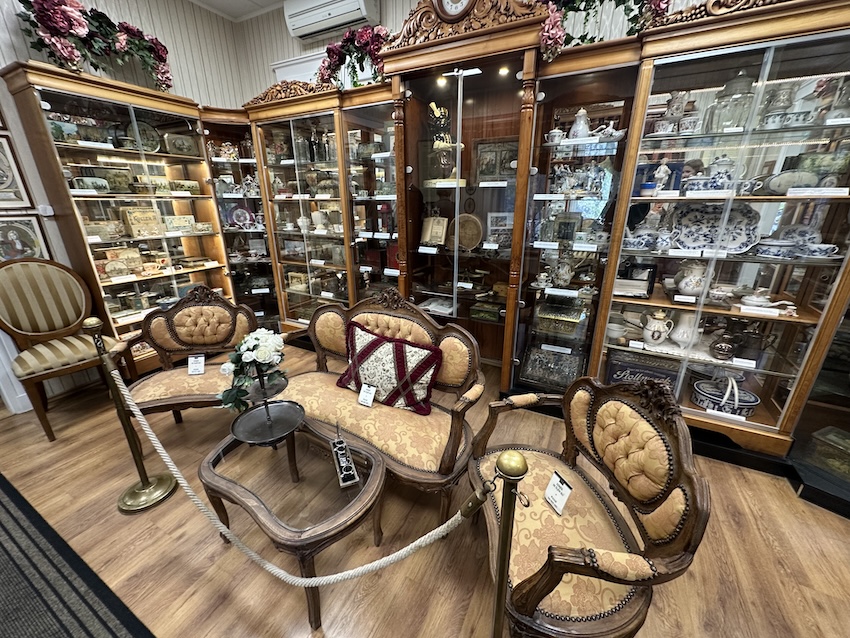
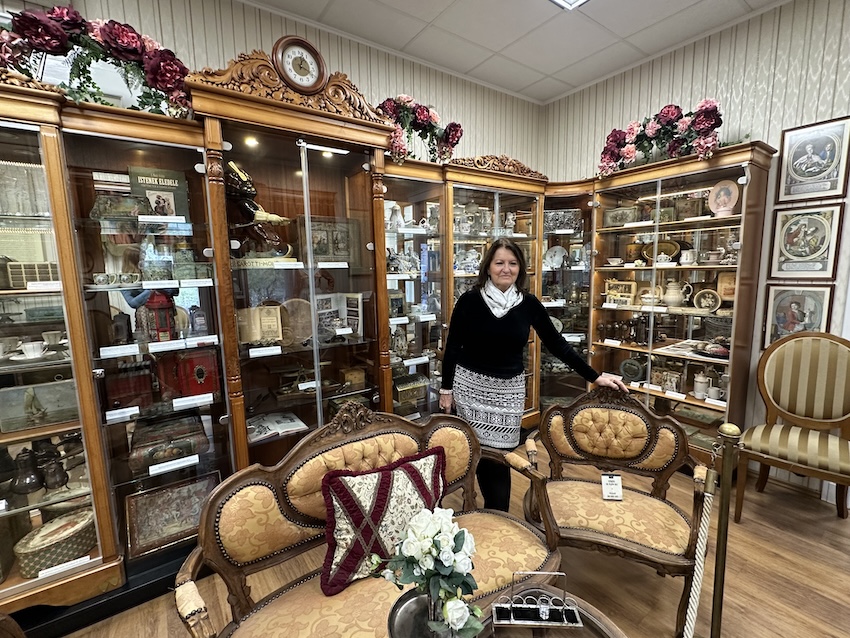
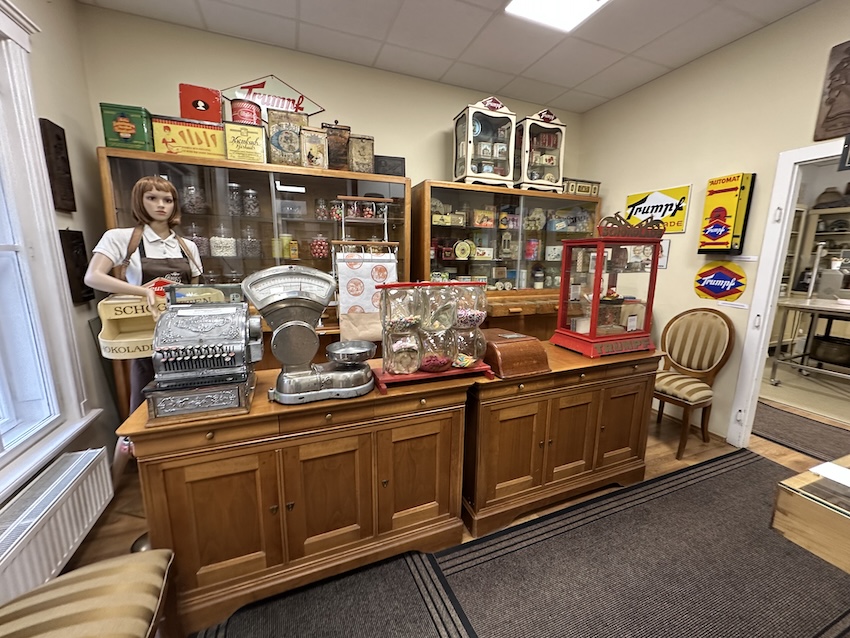
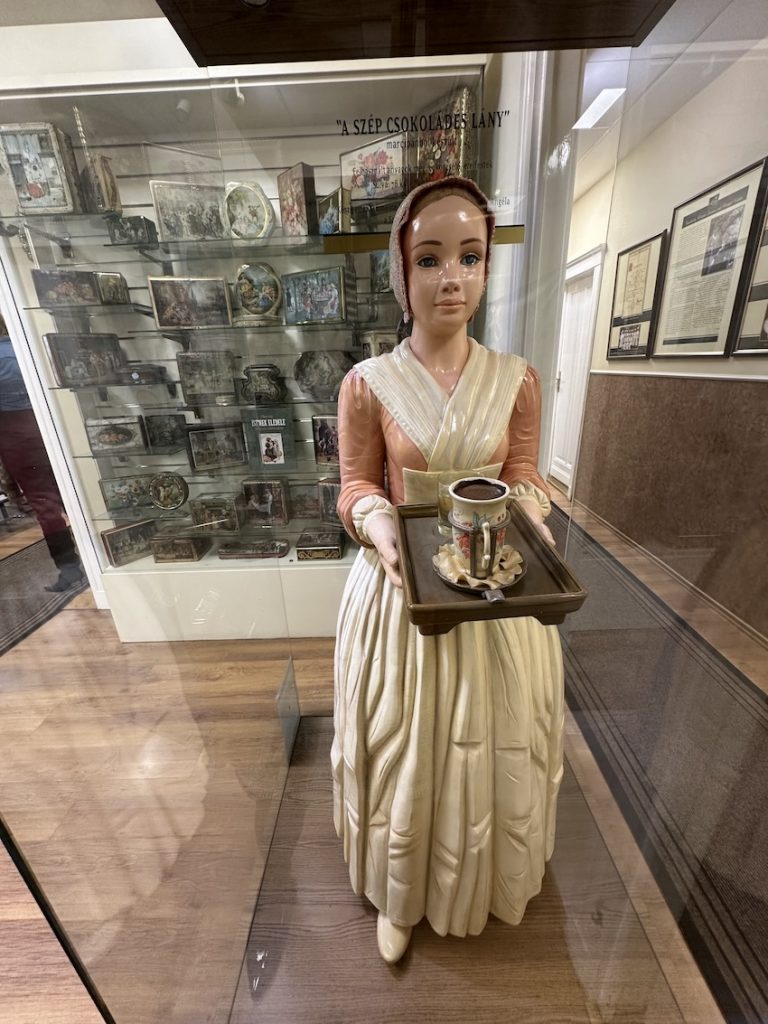
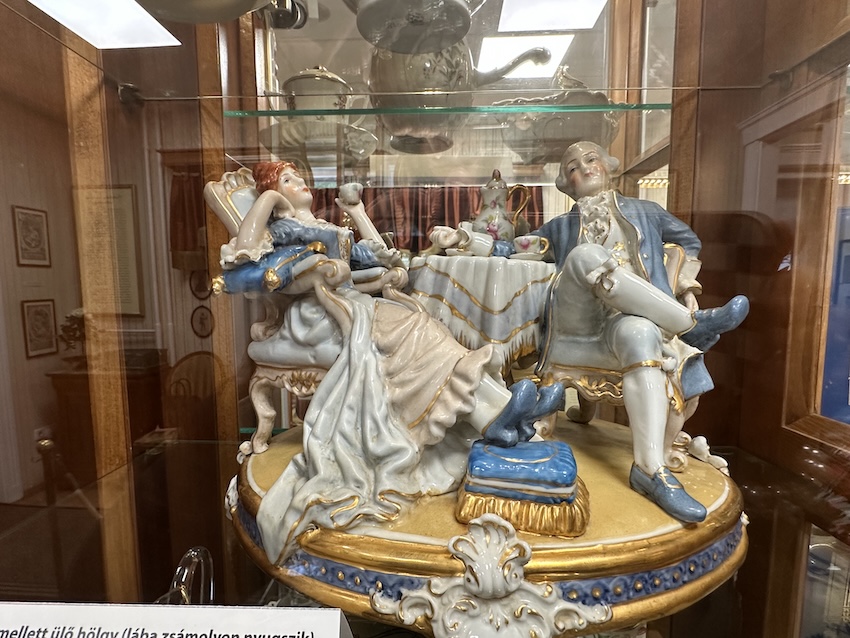
Among the museum’s main attractions is its marzipan artistry, including a miniature model of the Hungarian Parliament. Visitors can also admire dozens of marzipan sculptures, such as the chocolate-serving girl created from 70 kilos of marzipan (made of ground almonds and sugar). As Gabriella Szamos explained during the visit, chocolate was once considered a luxury and was initially served hot in silver and porcelain vessels at royal courts and in aristocratic circles. A large collection of these vessels is now on display in the museum vitrines, thanks to her professionalism and passion for preserving the historical objects of the past.
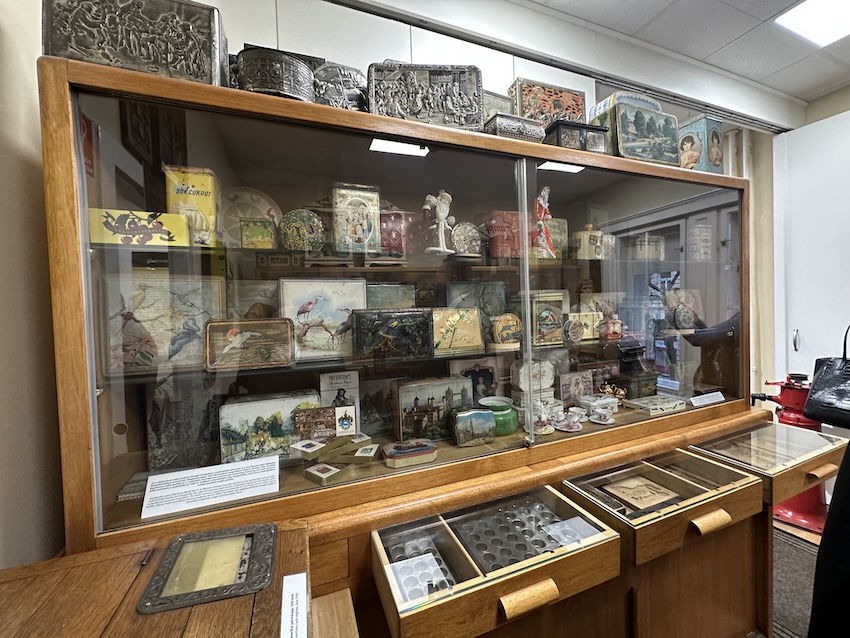
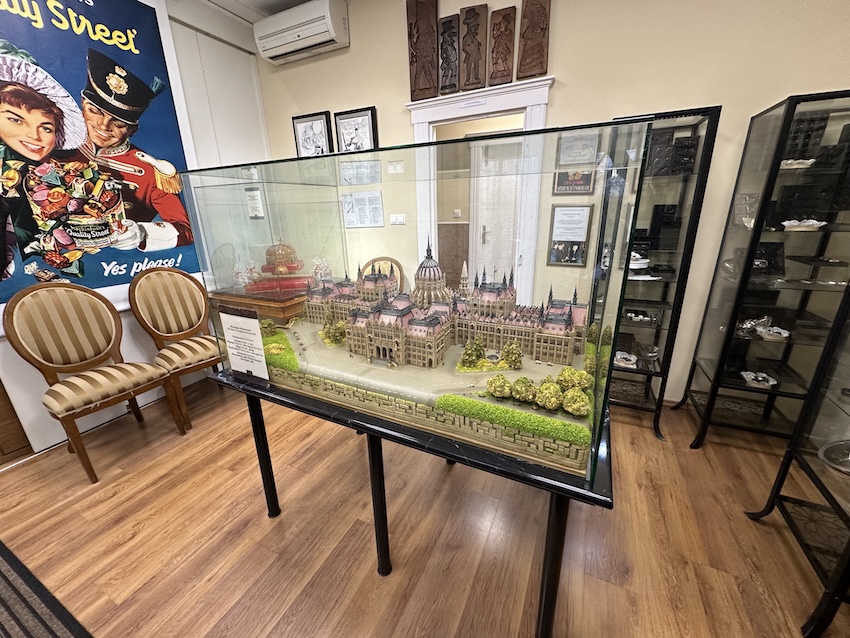
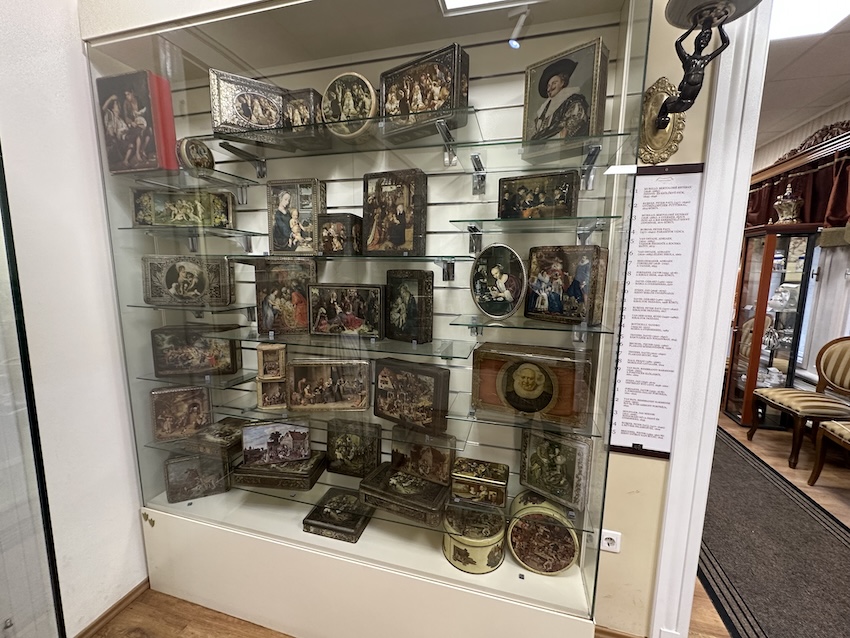
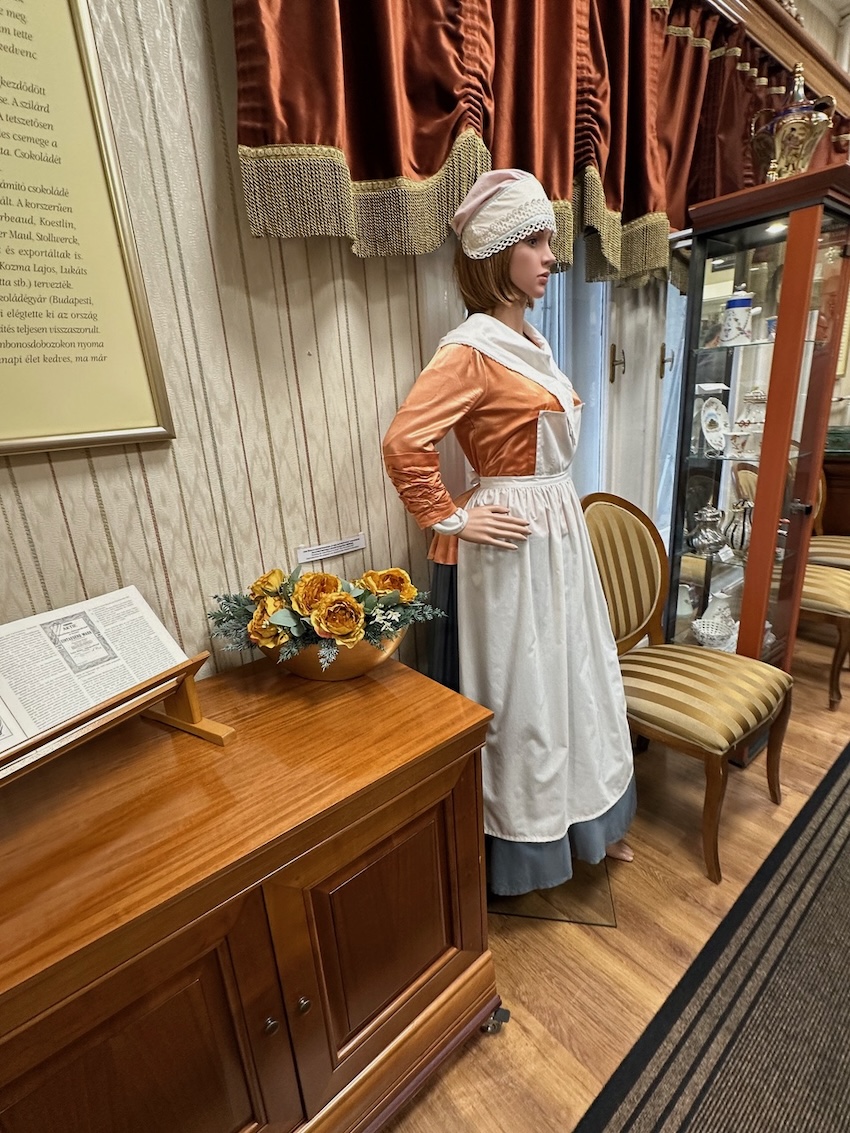
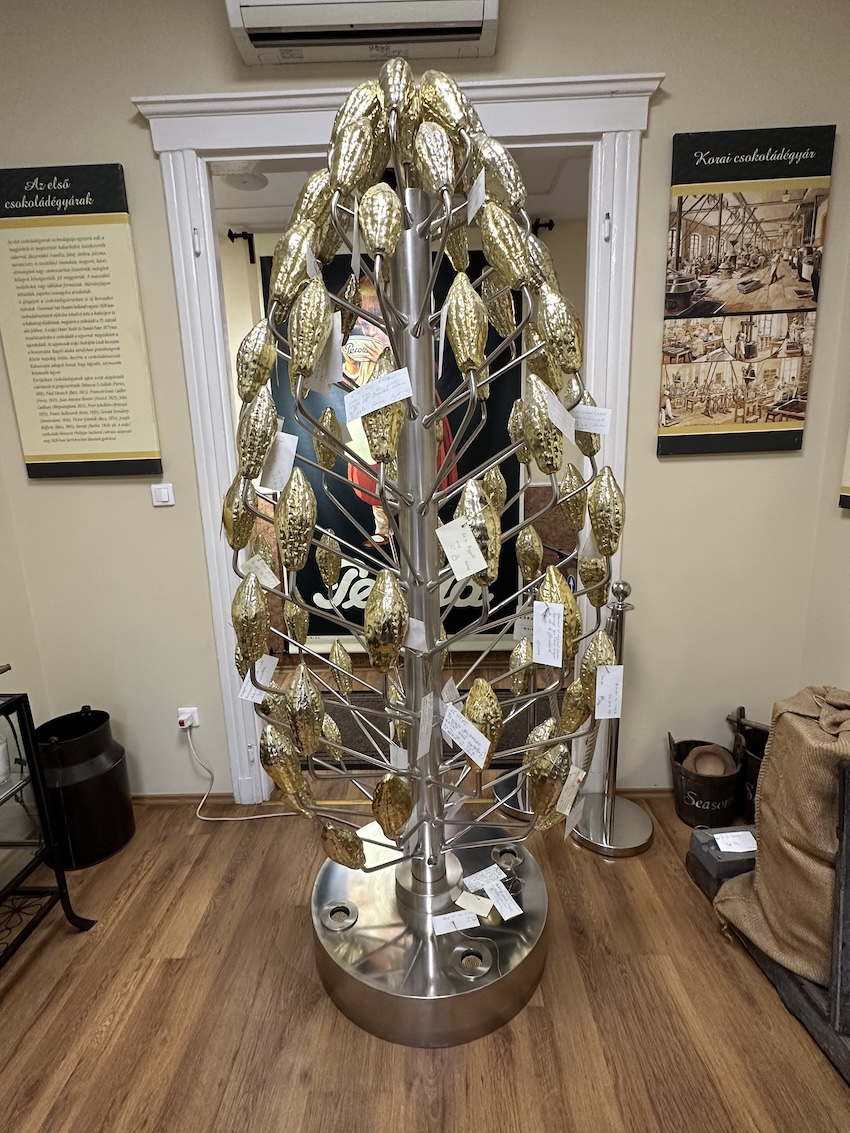
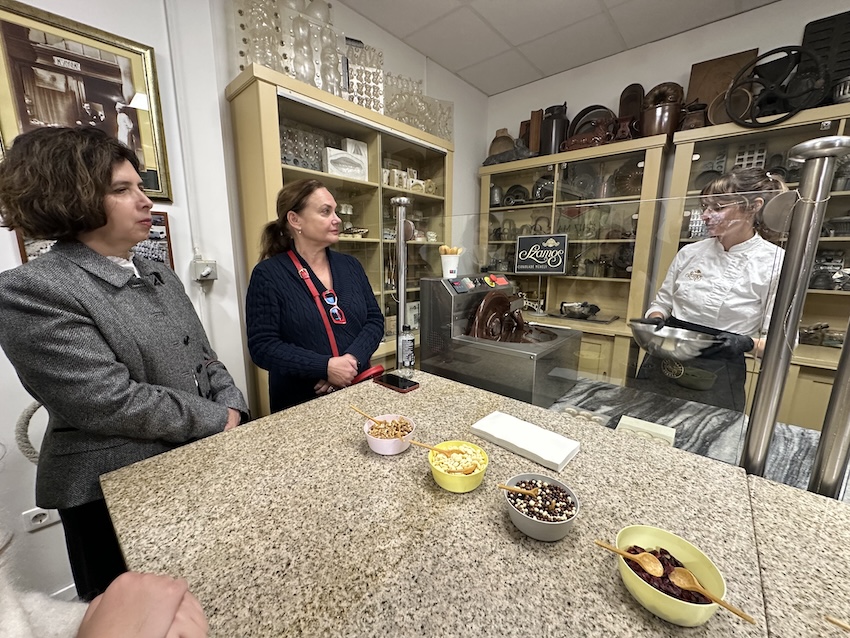
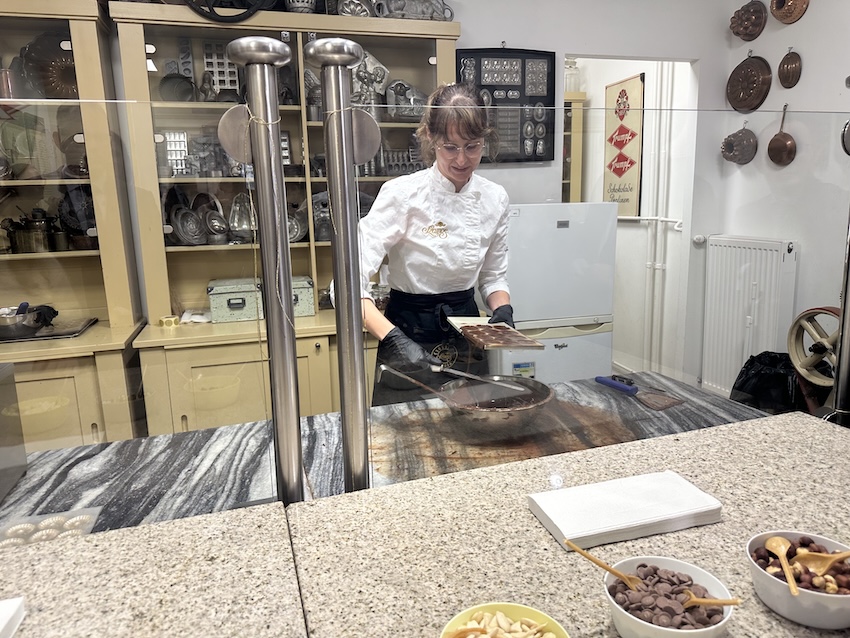
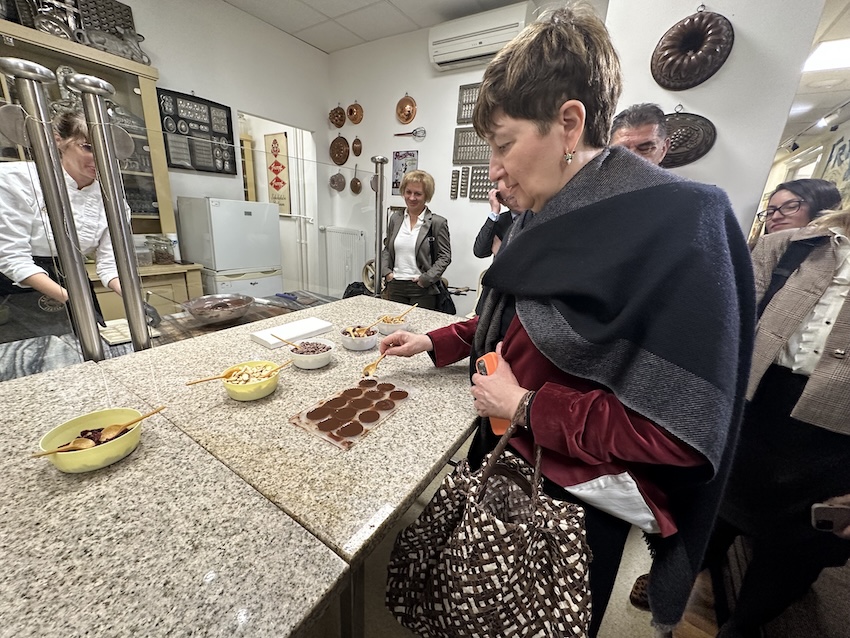
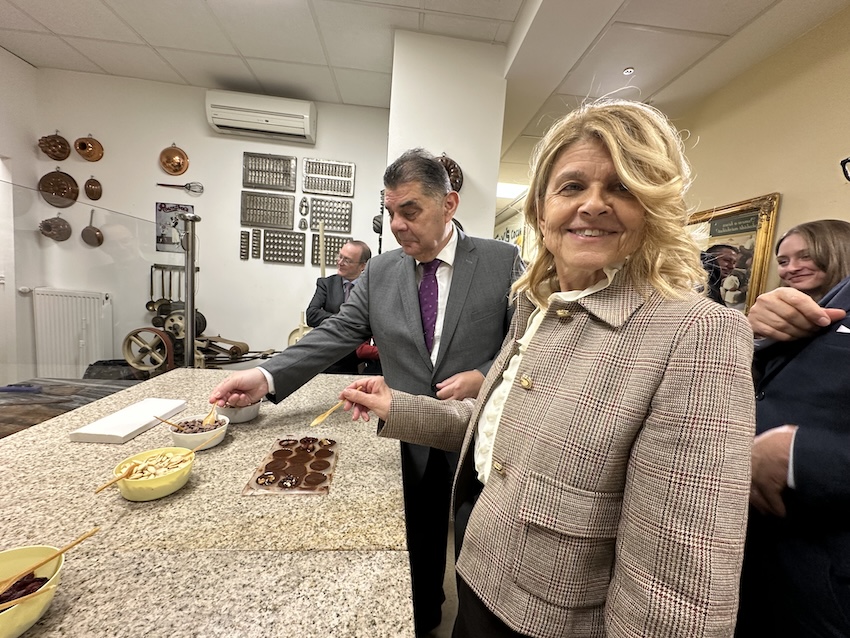
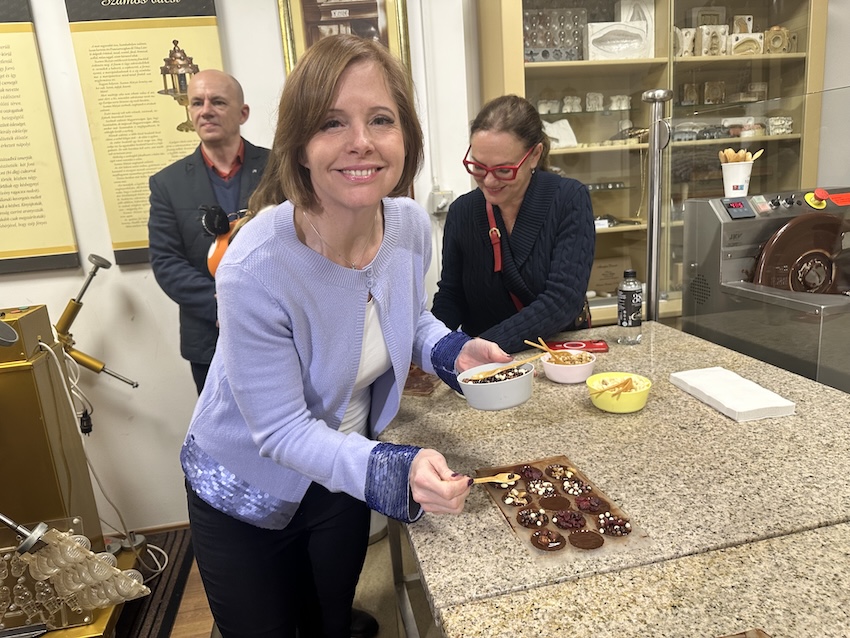
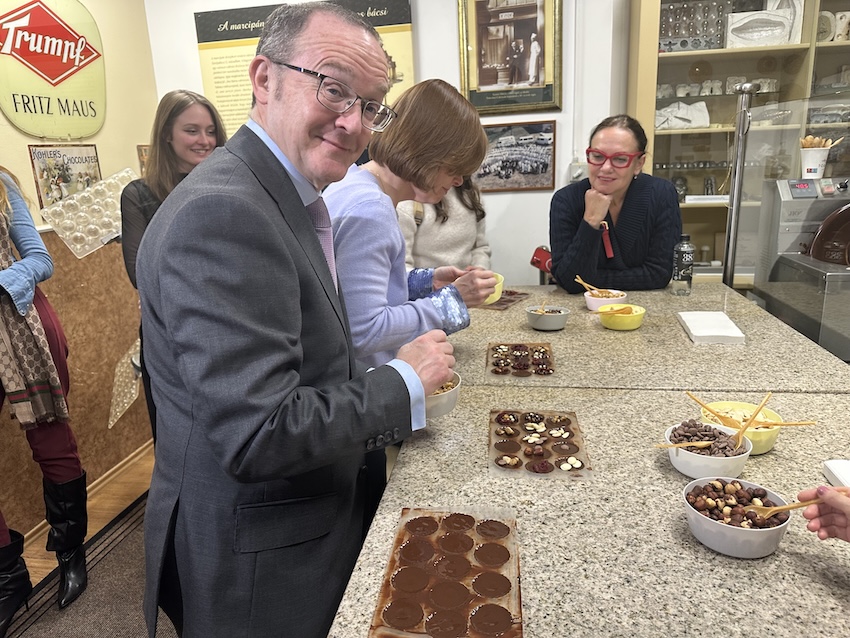
The program placed great emphasis on the experience. Guests enjoyed a tasting of the finest chocolate specialties and took part in a chocolate-pouring session led by a master chocolatier. Afterward, participants had the pleasure of decorating Szamos chocolates in their own style and ideas.
Szaloncukor: A Christmas Tradition with a Szamos Signature
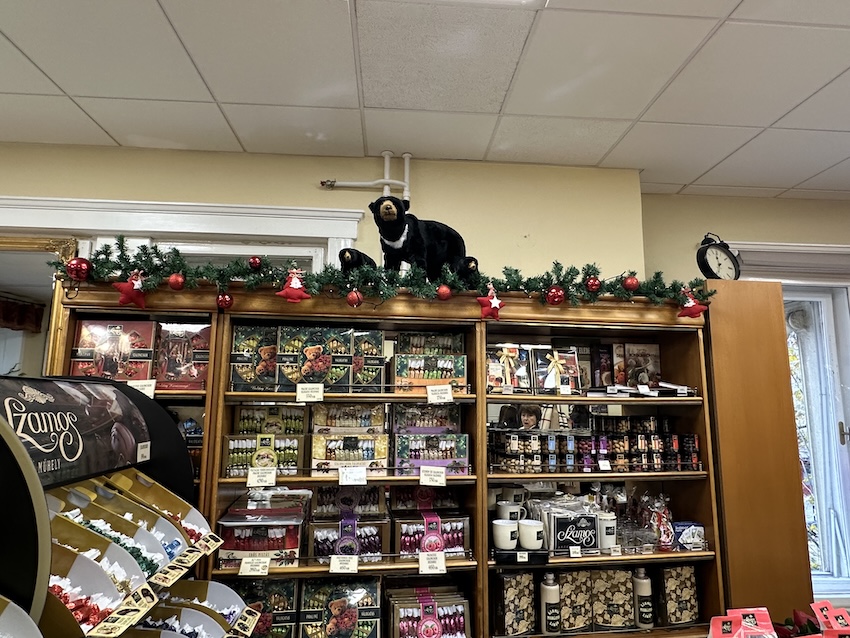
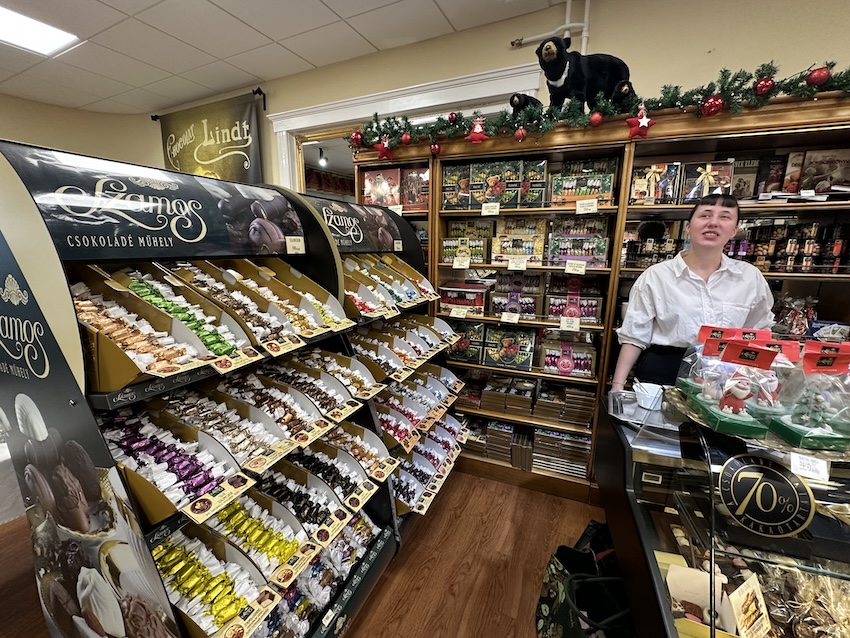
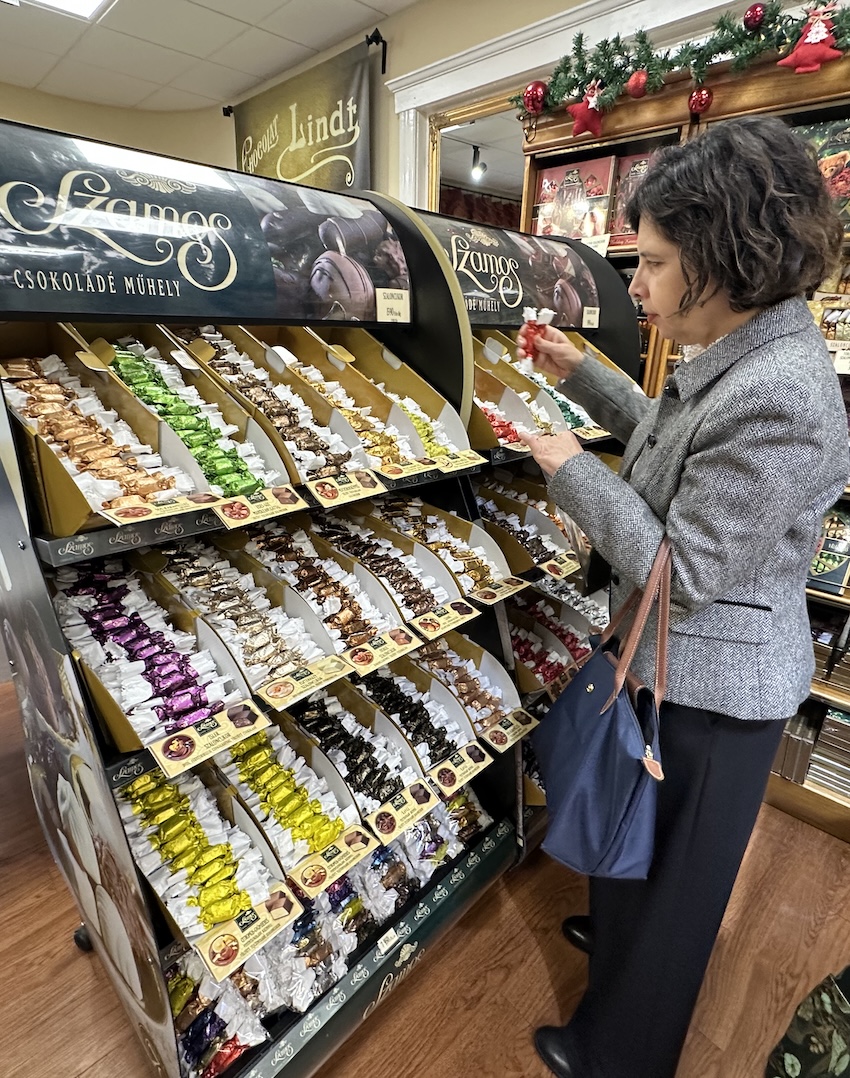
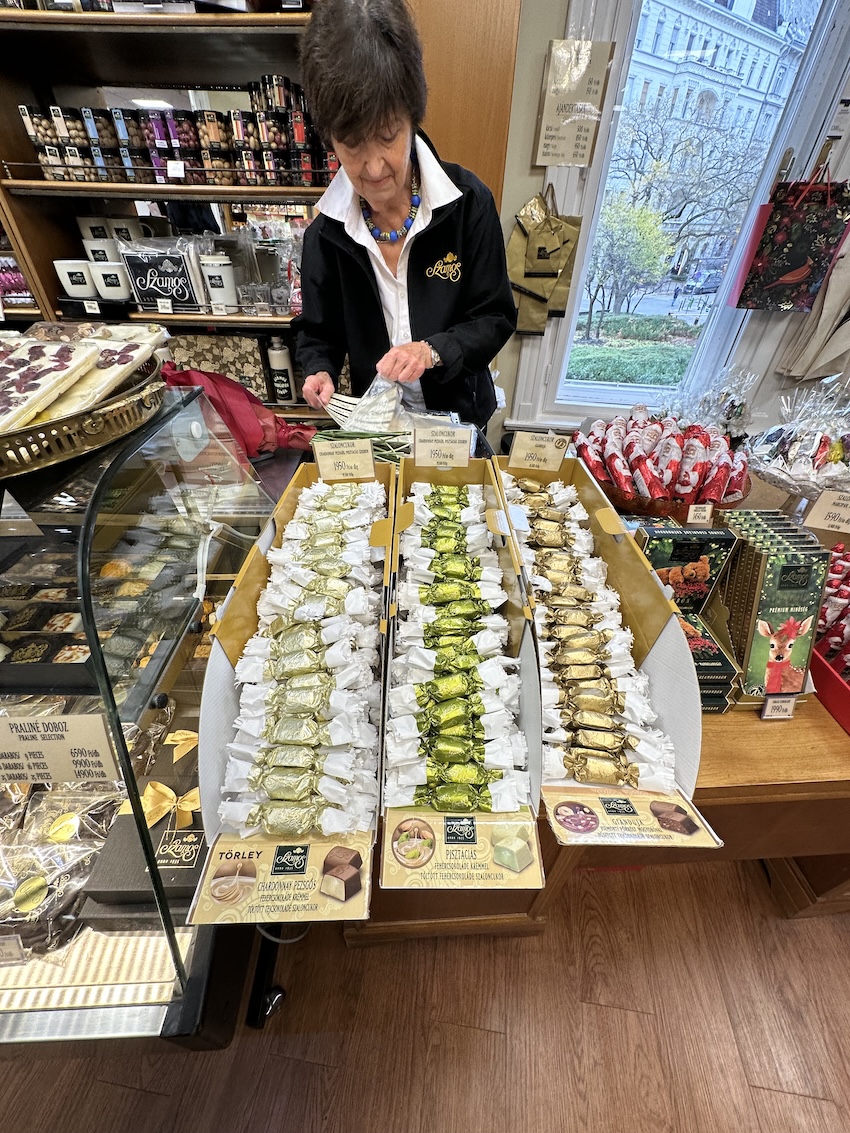
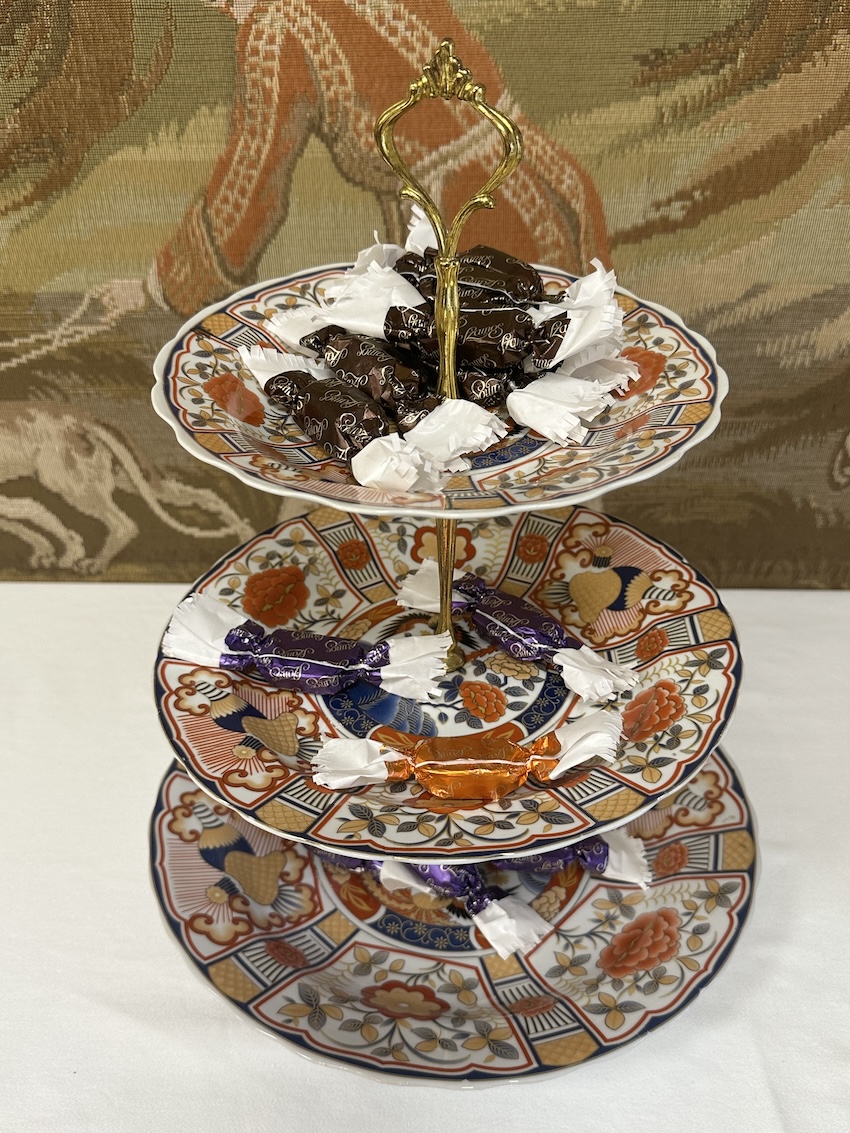
Since the event took place during the Advent season, a special focus was placed on szaloncukor, the uniquely Hungarian Christmas treat with roots in 19th century. This Hungarian candy, wrapped in shiny foil, is traditionally hung on Christmas trees, displayed in the family salons. It is typically made with flavoured fondant coated in chocolate, and marzipan-filled variations are strongly associated with Szamos.
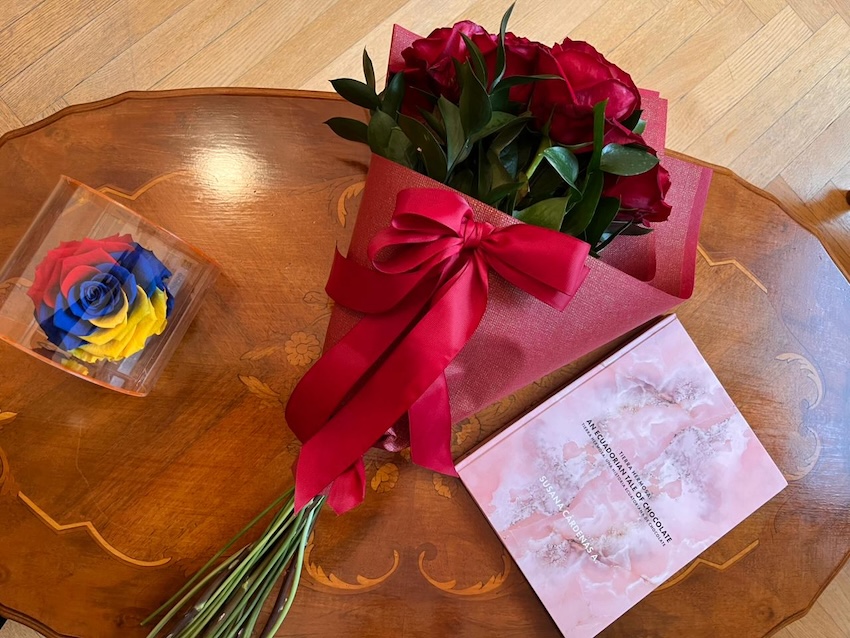
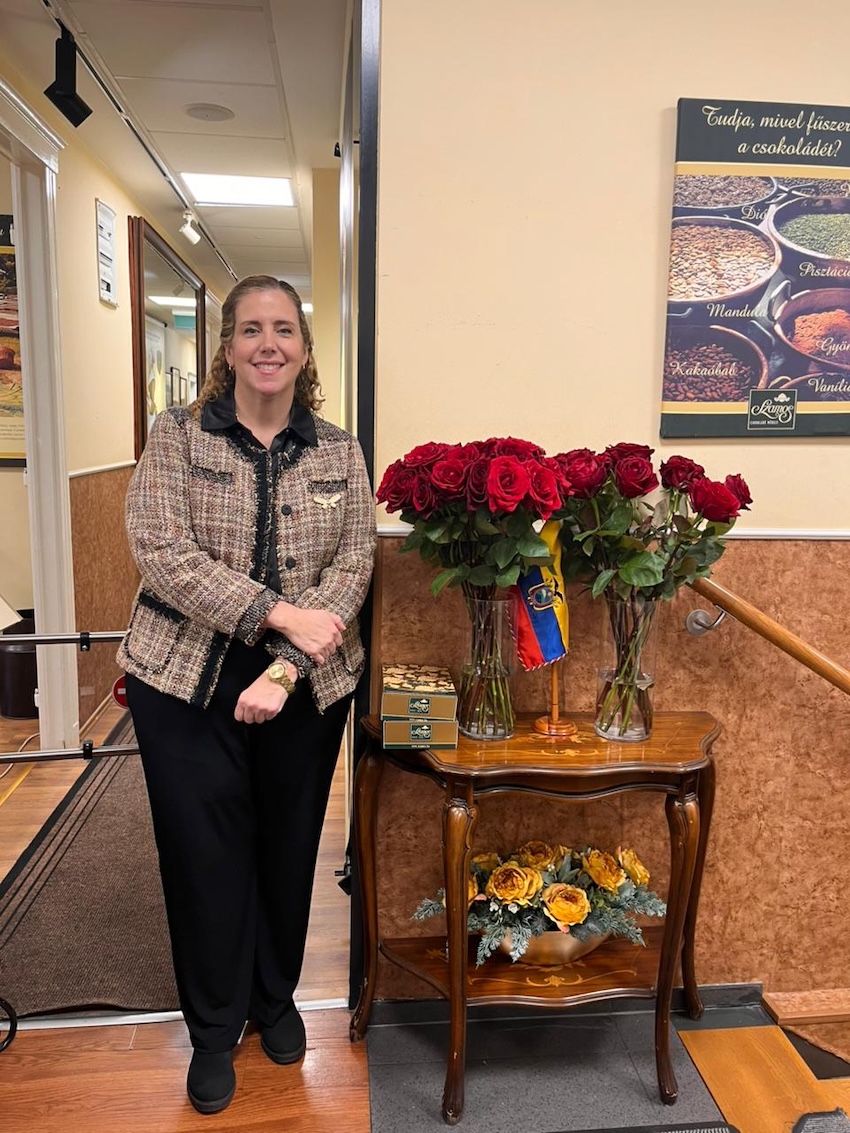
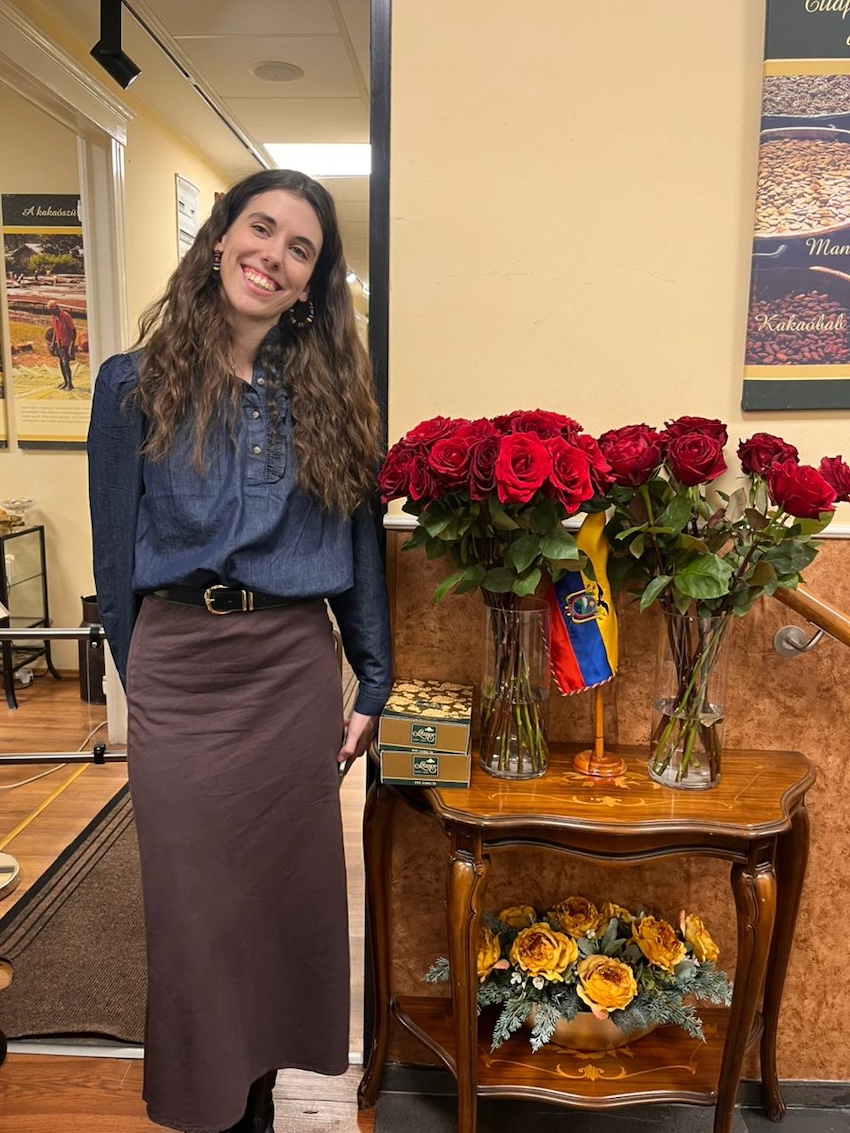
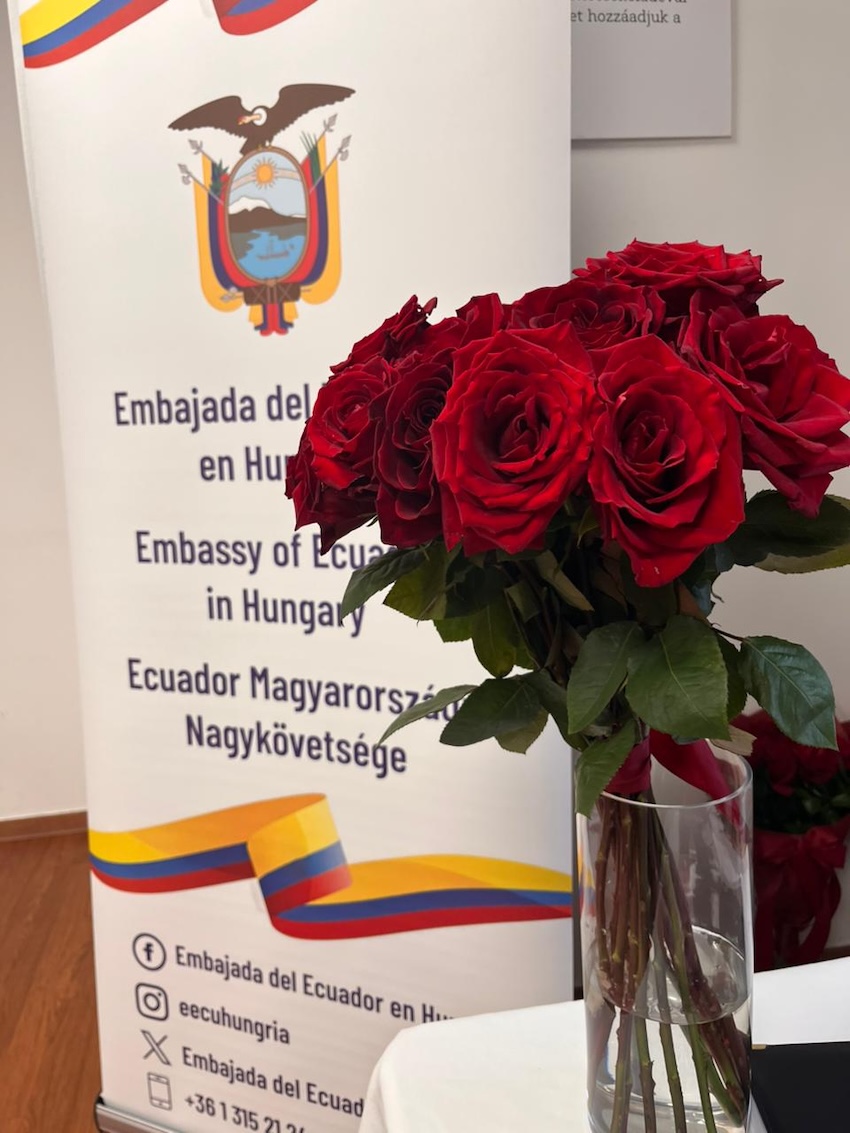
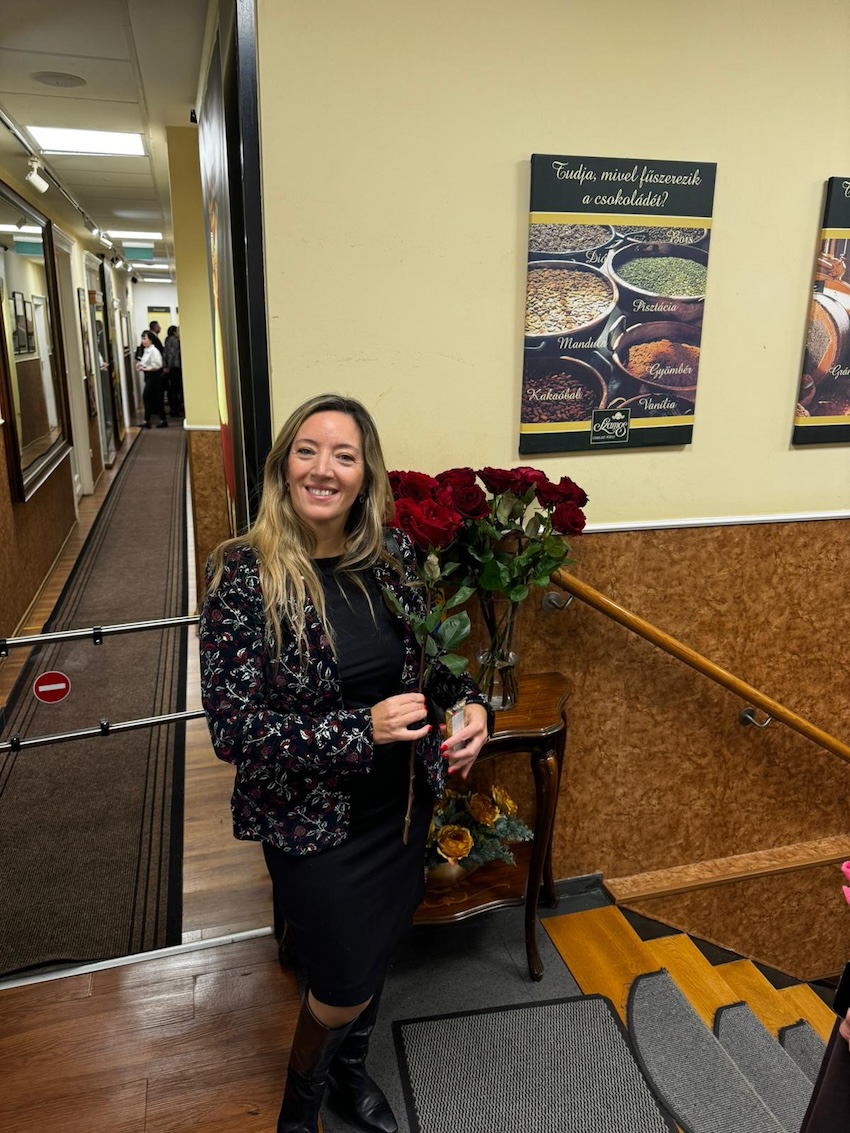
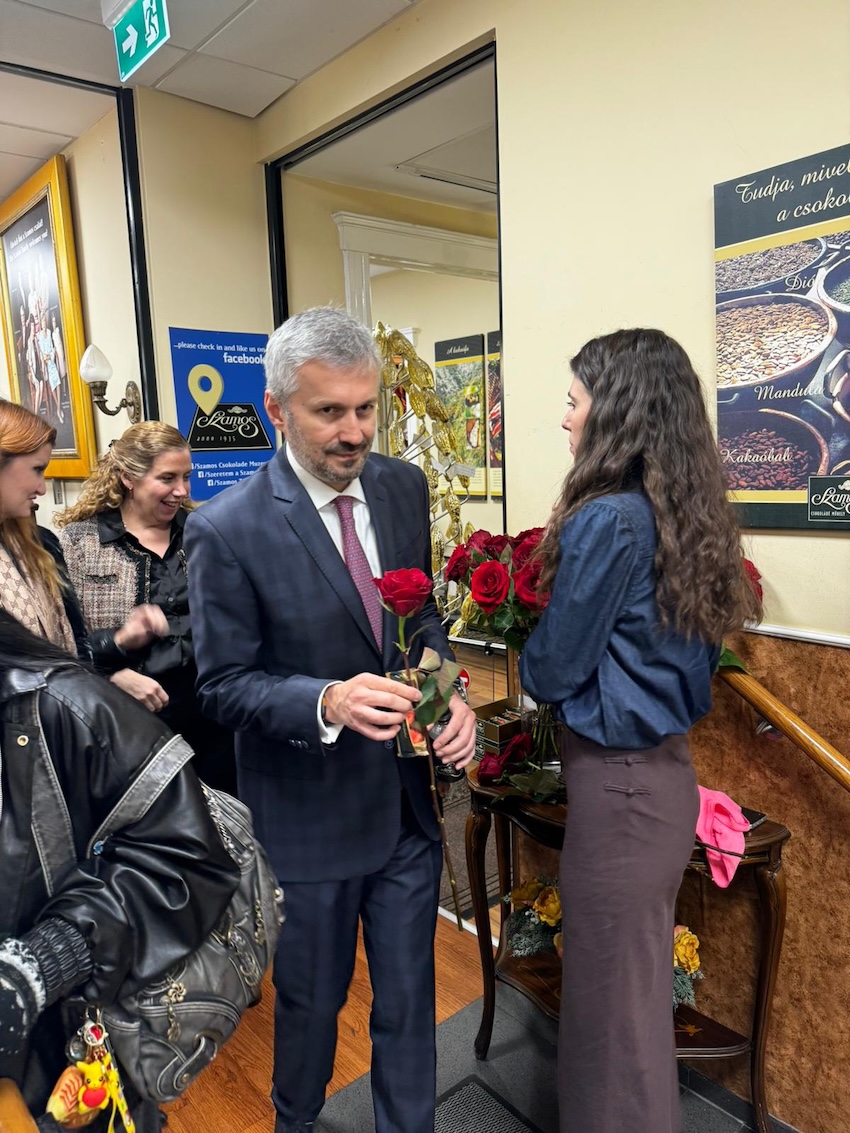
The Ecuadorian company Naranjo Roses featured an exhibition of roses to coincide with the book-launch of Susana Cárdenas. As a symbolic gesture of hospitality and national pride, attendees received an Ecuadorian rose as a gift.
Source: Embassy of Ecuador in Budapest
Photos from the Embassy of Ecuador in Budapest, and Diplomatic Press Agency