
A Tribute to Heritage, Friendship and a Glimpse to the Future
Edited by Anna Popper
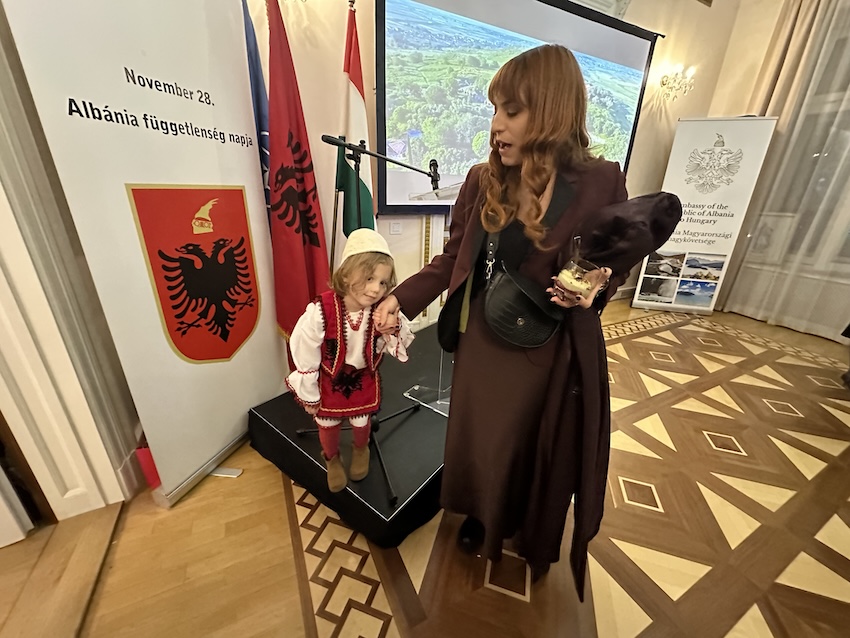
Albania’s National Day was celebrated in Budapest with an evening of remembrance and pride, honouring the moment when Albania declared its independence on 28 November 1912, in the coastal city of Vlorë, when Ismail Qemali and his fellow patriots raised the flag and proclaimed a sovereign Albanian state after more than four centuries of Ottoman rule.
The commemoration served as a vivid reminder of the enduring meaning of that day: resilience, unity, and a forward-looking confidence shared across generations. It also reflected Albania’s modern journey – from the long path of state-building to a future increasingly shaped by innovation, regional cooperation, and European integration – affirming Albania’s role as a committed European partner and candidate for European Union membership.
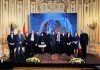
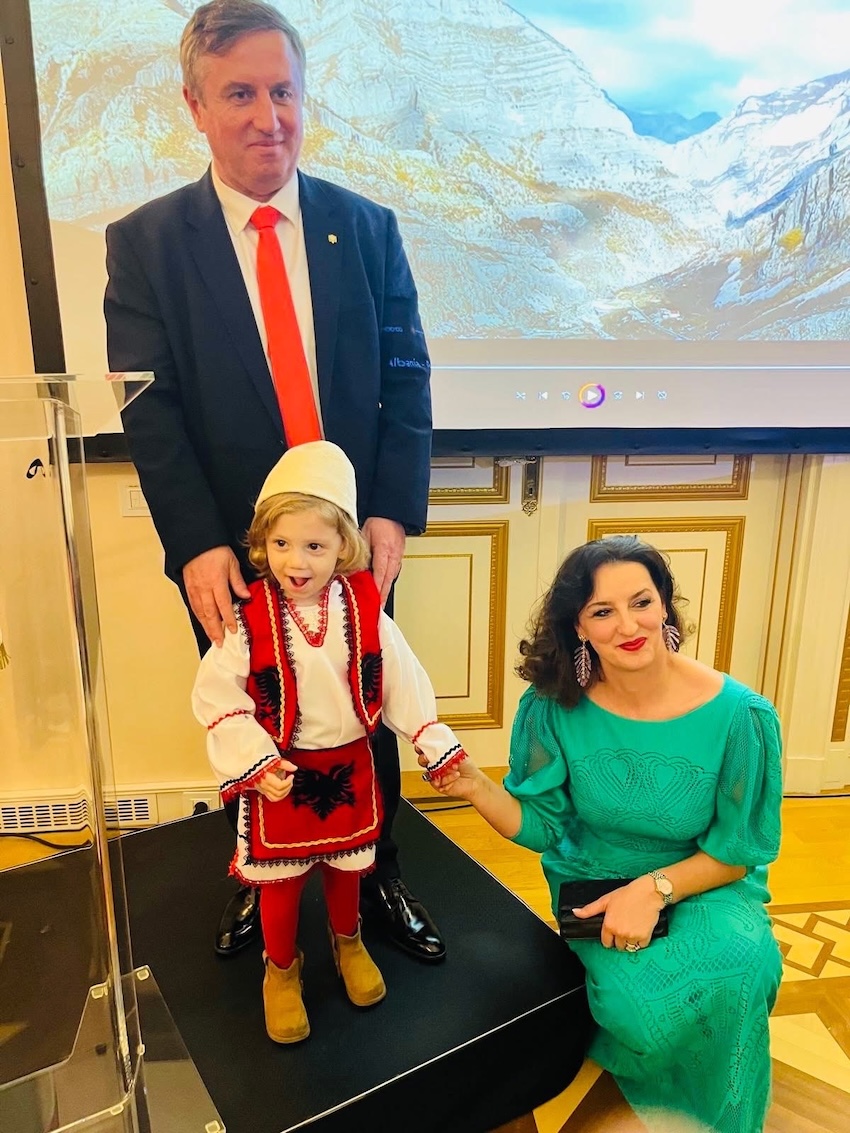
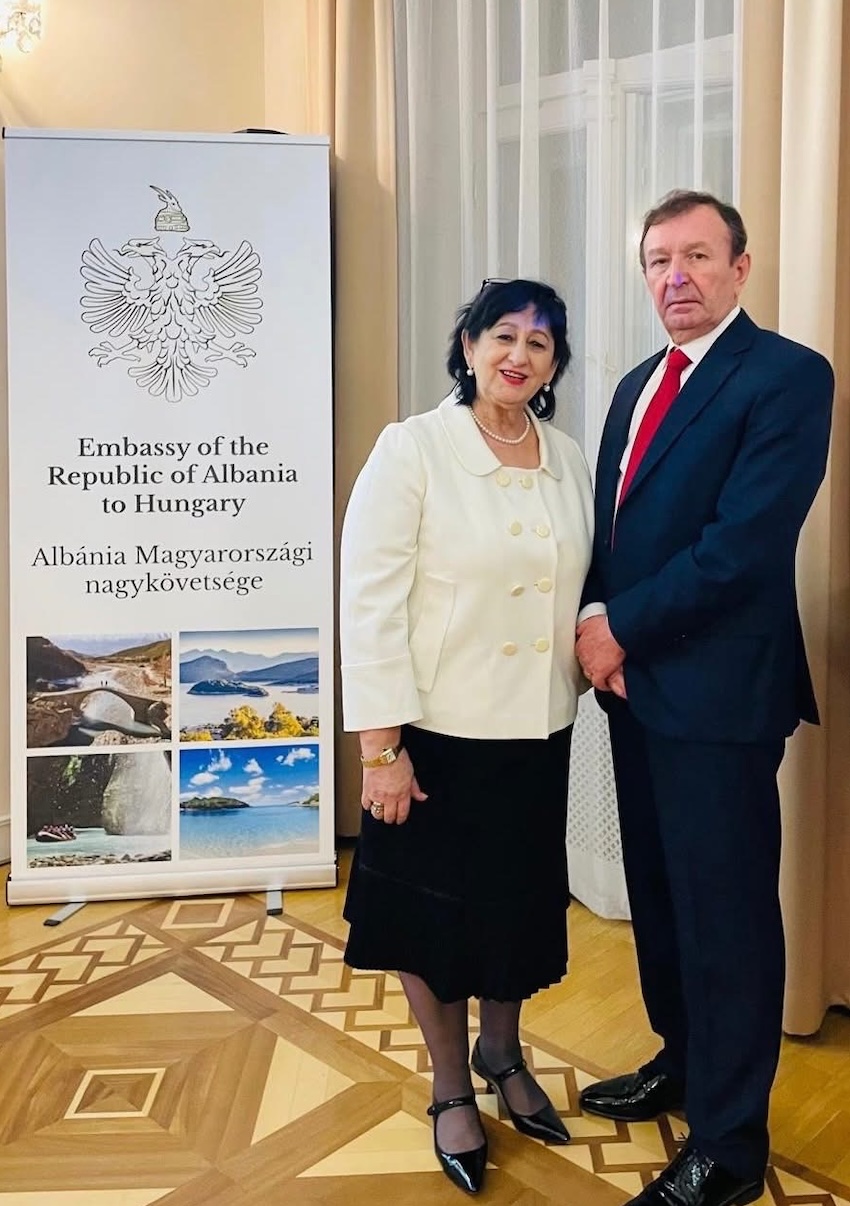
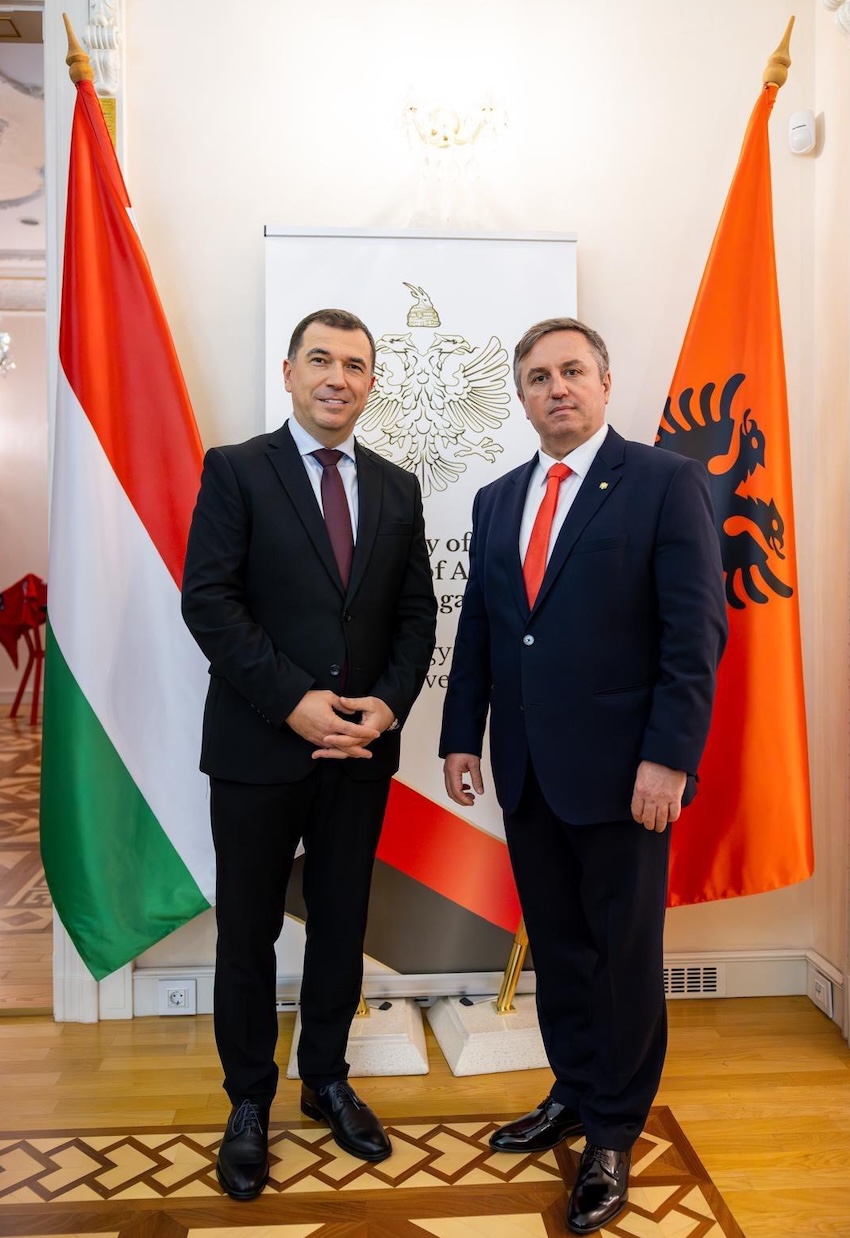
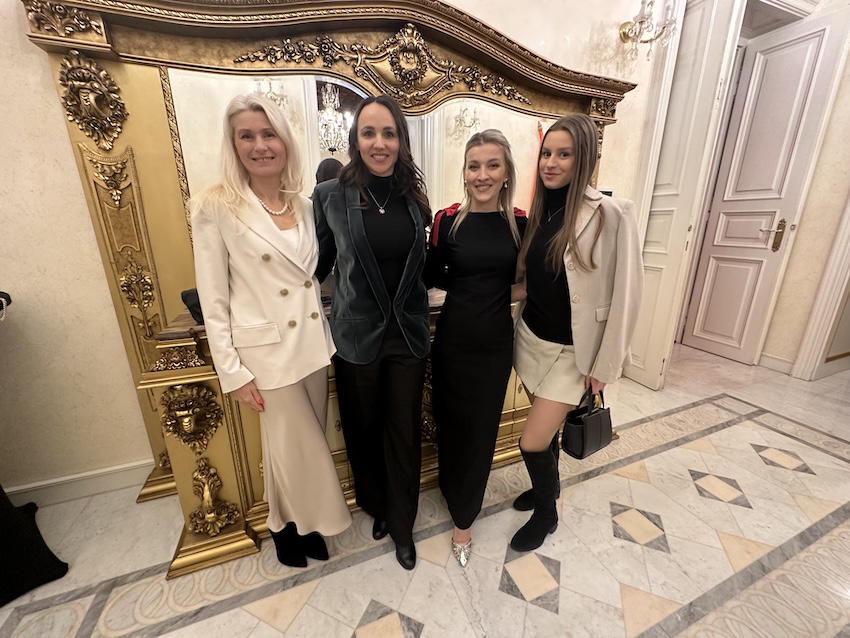
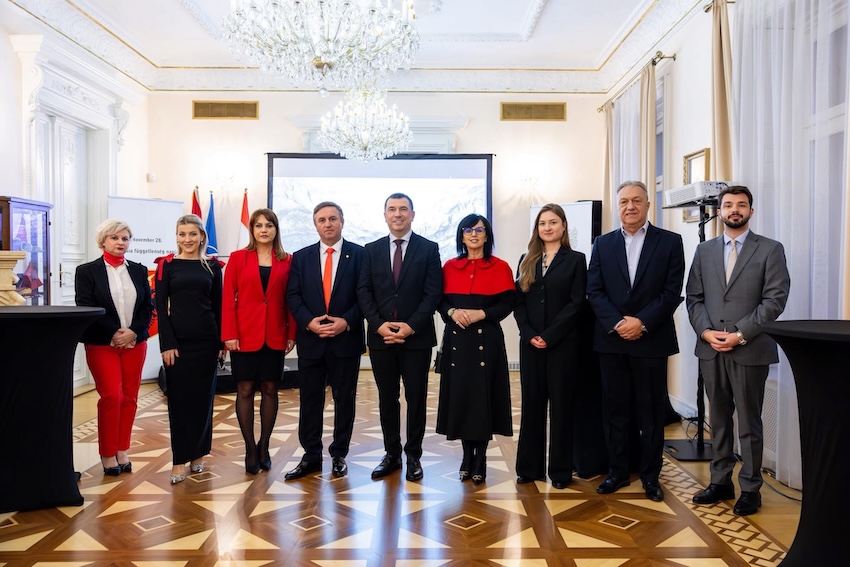
On the occasion, H.E. Mr. Ilirian Kuka, Ambassador of the Republic of Albania to Hungary, and Mrs. Nevila Kuka hosted a diplomatic reception in the new premises of the Albanian Embassy, located in one of the 19th-century palaces on Budapest’s renowned Andrássy Avenue, in the heart of the Hungarian capital.
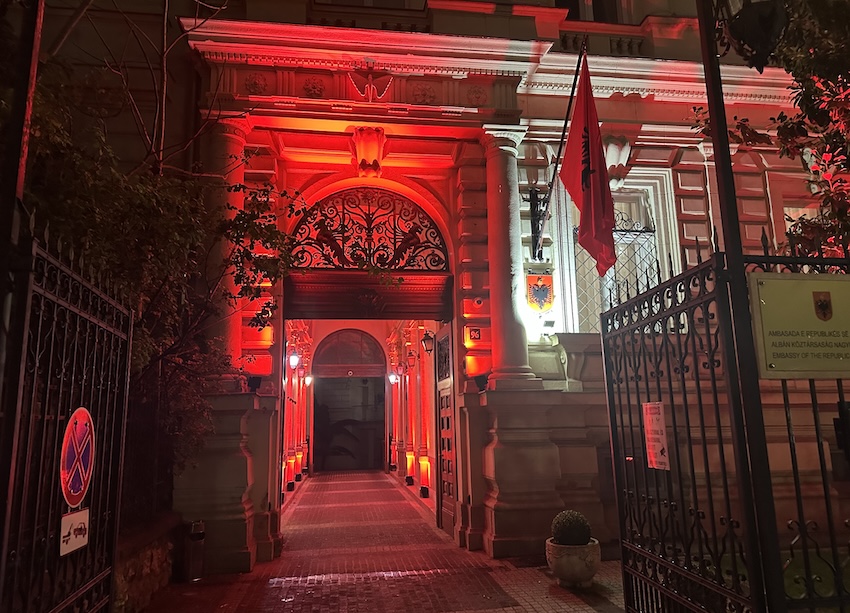
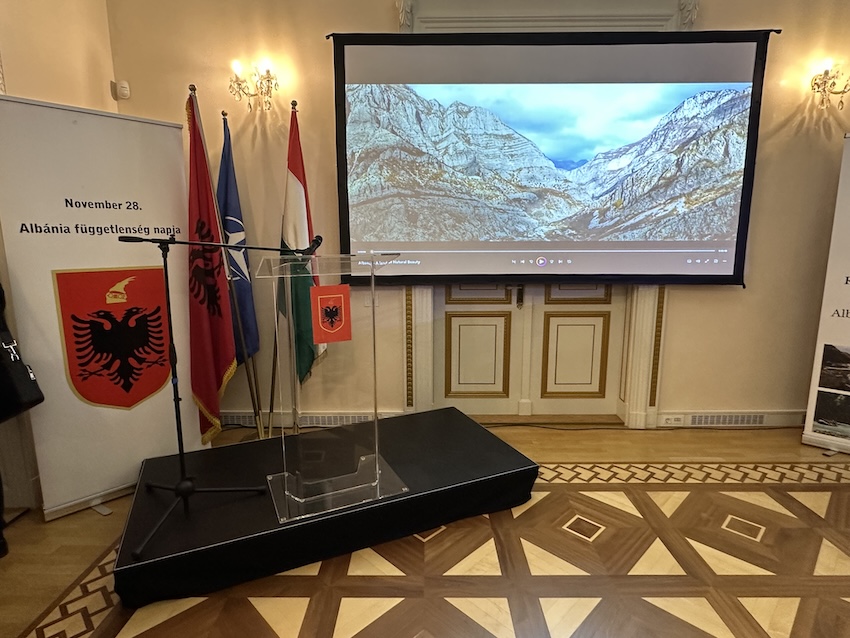
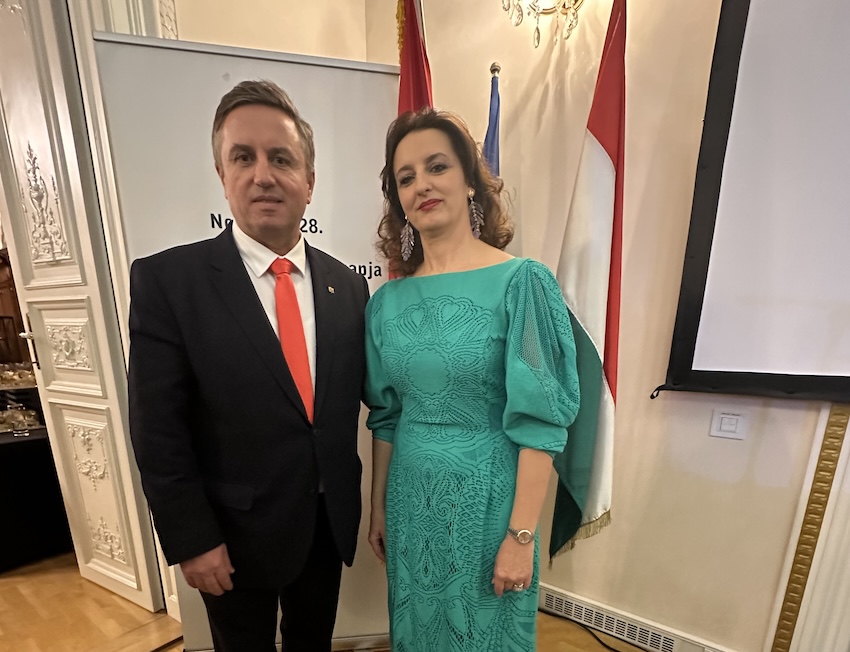
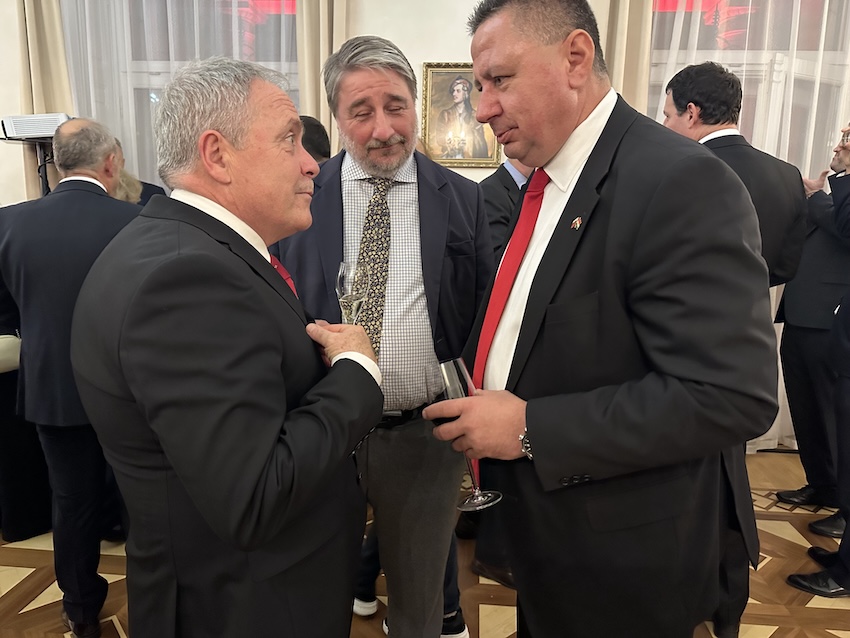
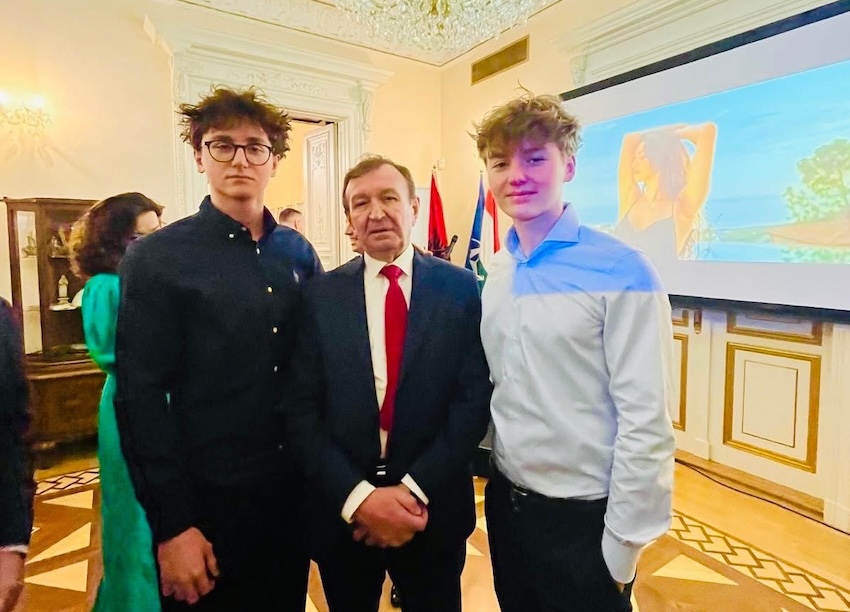
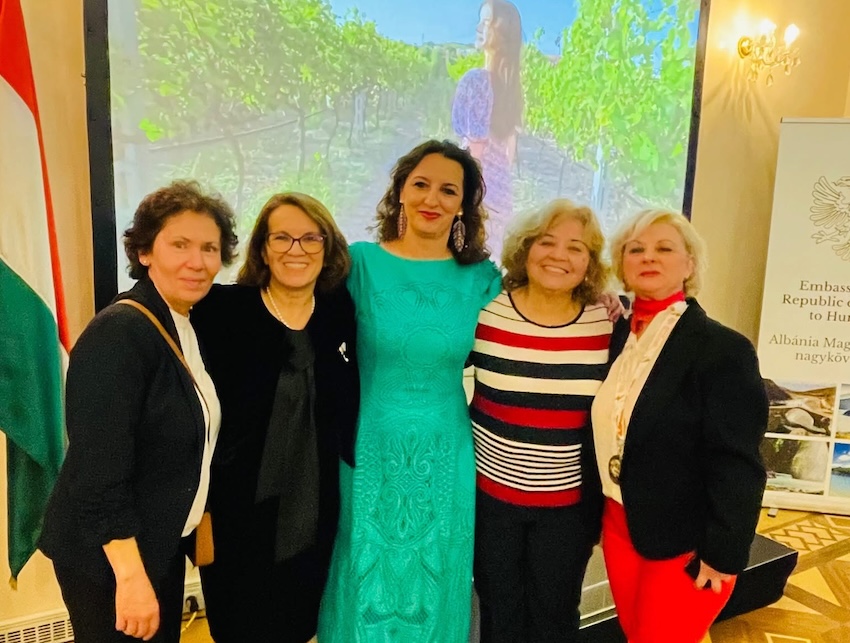
The event brought together Hungarian officials, members of the diplomatic corps, partners from business, culture, and academia, friends of Albania, and representatives of the Albanian community.
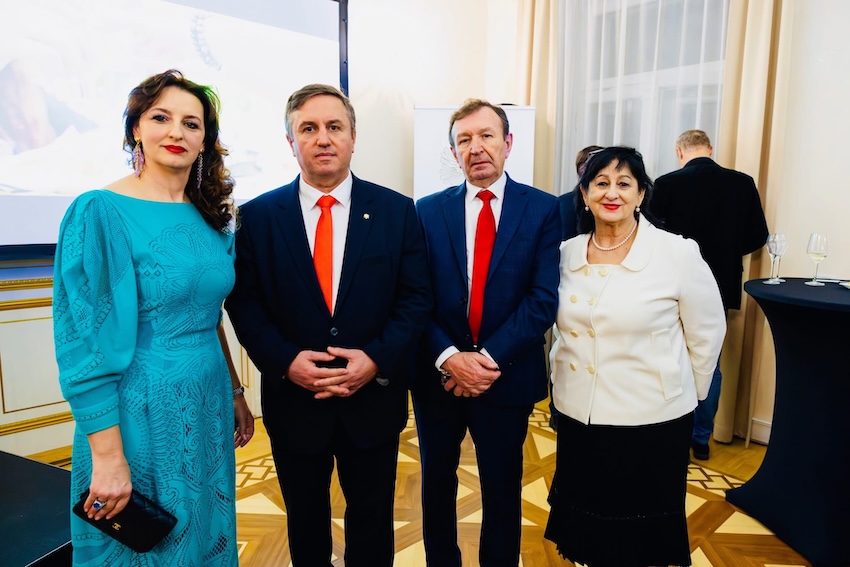
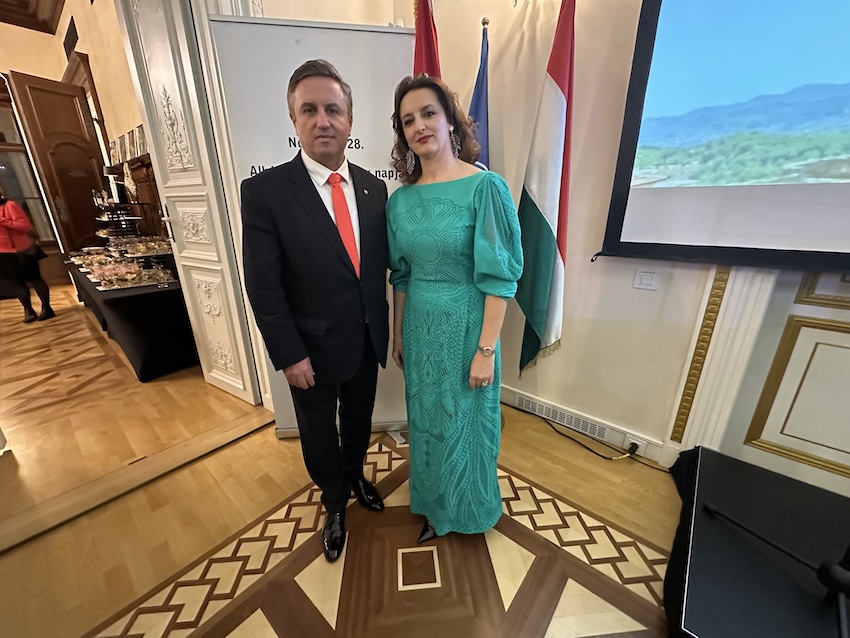
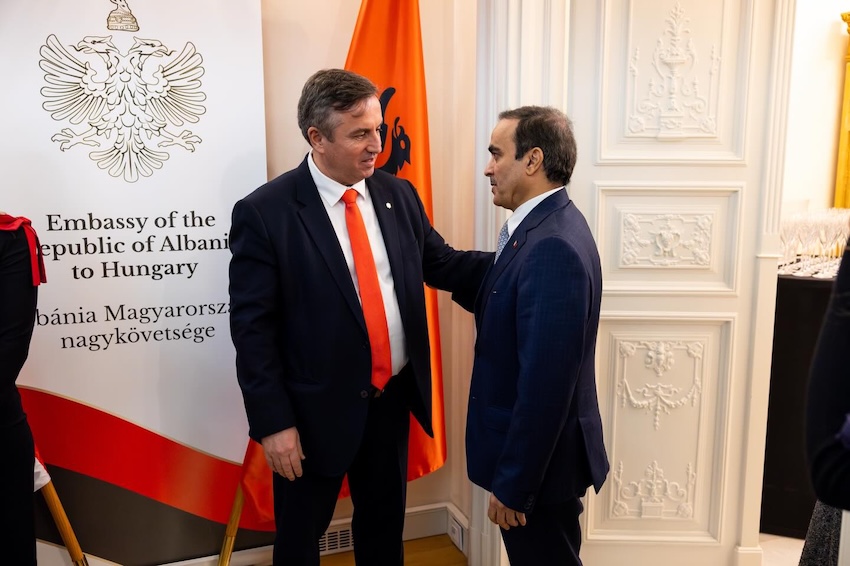
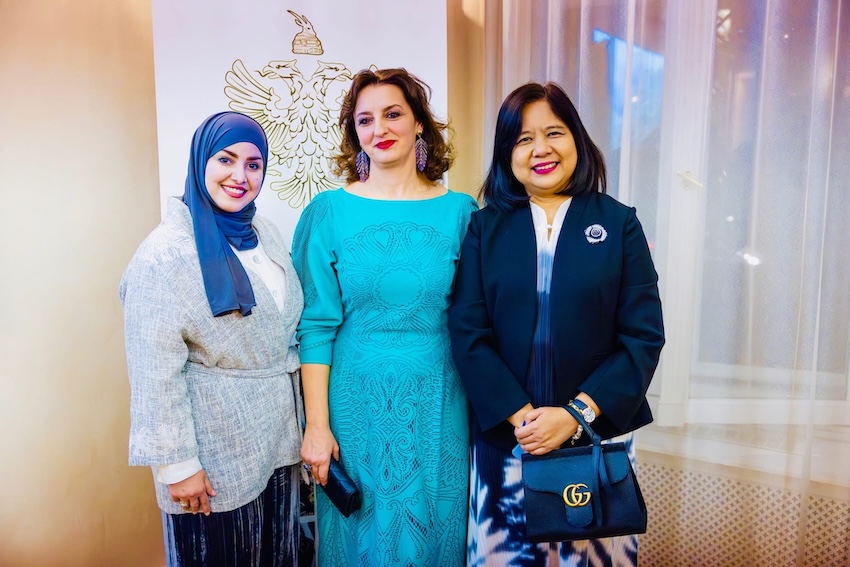
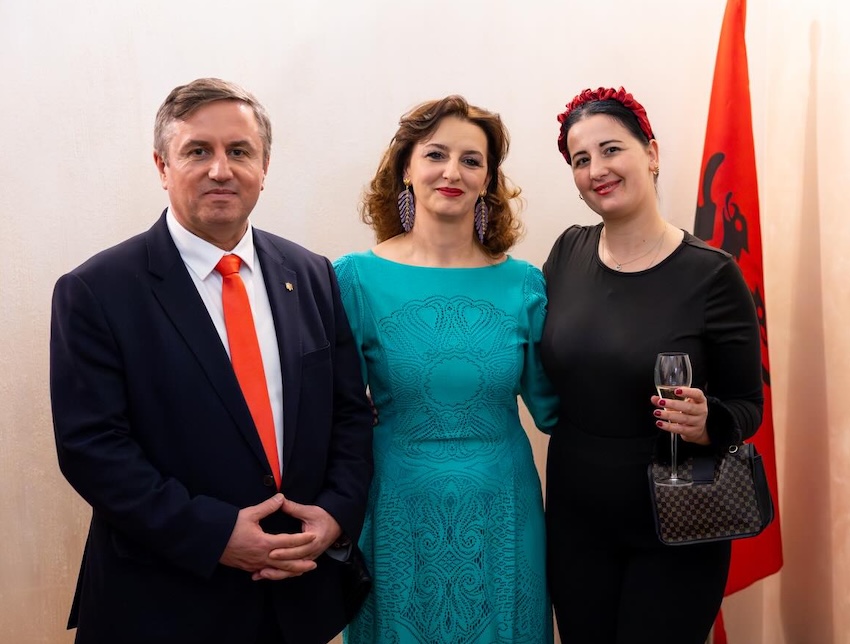
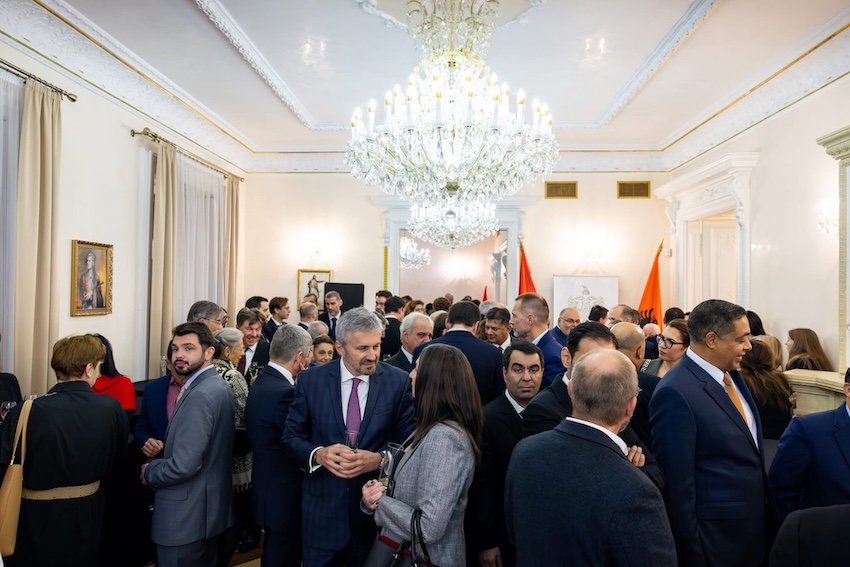
The celebration began with the resounding national anthems of Albania and Hungary.
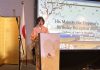
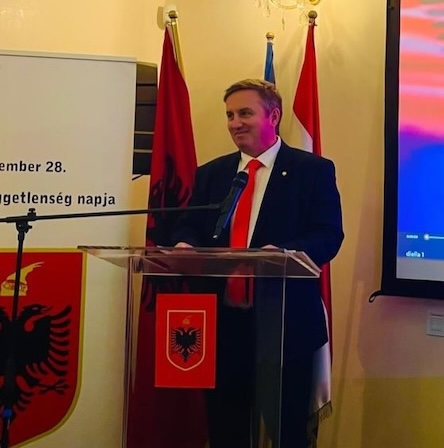
It was followed by the remarks from Ambassador Ilirian Kuka, marking the anniversary of a pivotal event 113 years ago that altered Albania’s historical trajectory.
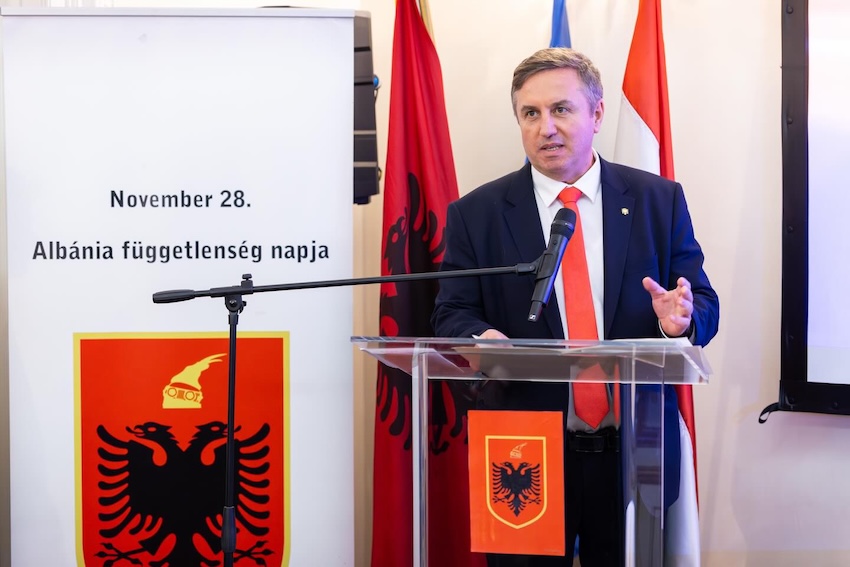
“I am very pleased to welcome you today to our new home here in Budapest as we come together to celebrate the 113th anniversary of Albanian Independence Day. Albania’s journey over the years has been one of resilience and progress. We are proud of our rich history, vibrant culture, and the enduring spirit of our people.
Today, Albania is a leader in women’s rights and representation in government. Thanks to our gender-balanced cabinet, in 2021 we had 12 women Ministers out of 17 – something unprecedented globally.
As we celebrate 113 years of independence, we also turn a page toward a new chapter in our history, where tradition meets technology.
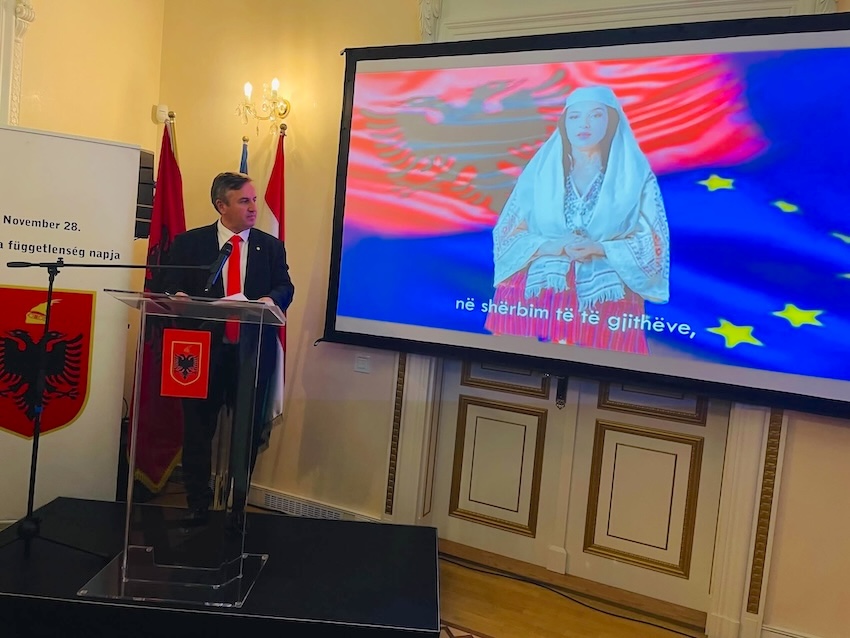
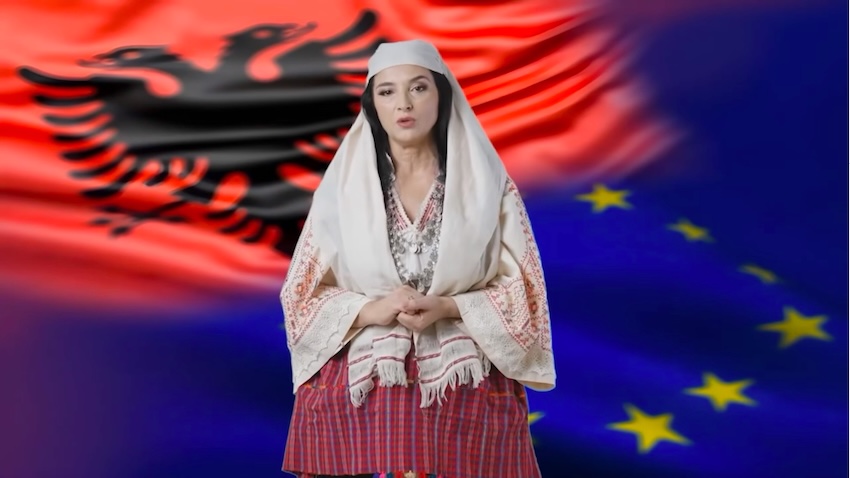
In 2025, Albania made history and drew international headlines by introducing Diella, becoming the first country to appoint an AI system to a government role. We are proud to lead the world. Developed by Albania’s National Agency for Information Society in partnership with Microsoft, Diella was formally named Minister of State for Artificial Intelligence in the government of Prime Minister Edi Rama. Designed to help steer the country toward a more transparent, efficient, and innovative future, Diella reflects Albania’s ambition to become a hub of technological progress in the Balkans and beyond. Diella – whose name means “sun” in Albanian – first appeared as a virtual assistant on e-Albania, our digital portal for government services, helping citizens navigate the platform, access documents, and complete transactions with public institutions. This initiative signals something important: Albania is not only embracing digital transformation – we are determined to shape it responsibly and creatively for the benefit of our people.
As we celebrate, we also reflect on the strong relations that bind Albania and Hungary. Our two nations share a deep friendship built on mutual respect, cooperation, and a common vision for peace and prosperity in Europe. Our ties run deep across the centuries: in the 15th century Hungarian national hero János Hunyadi and Albanian national hero Gjergj Kastrioti Skanderbeg formed an alliance to protect their peoples and become the shield of Europe against far larger empires. This cooperation symbolized a shared struggle for independence in defence of Europe.
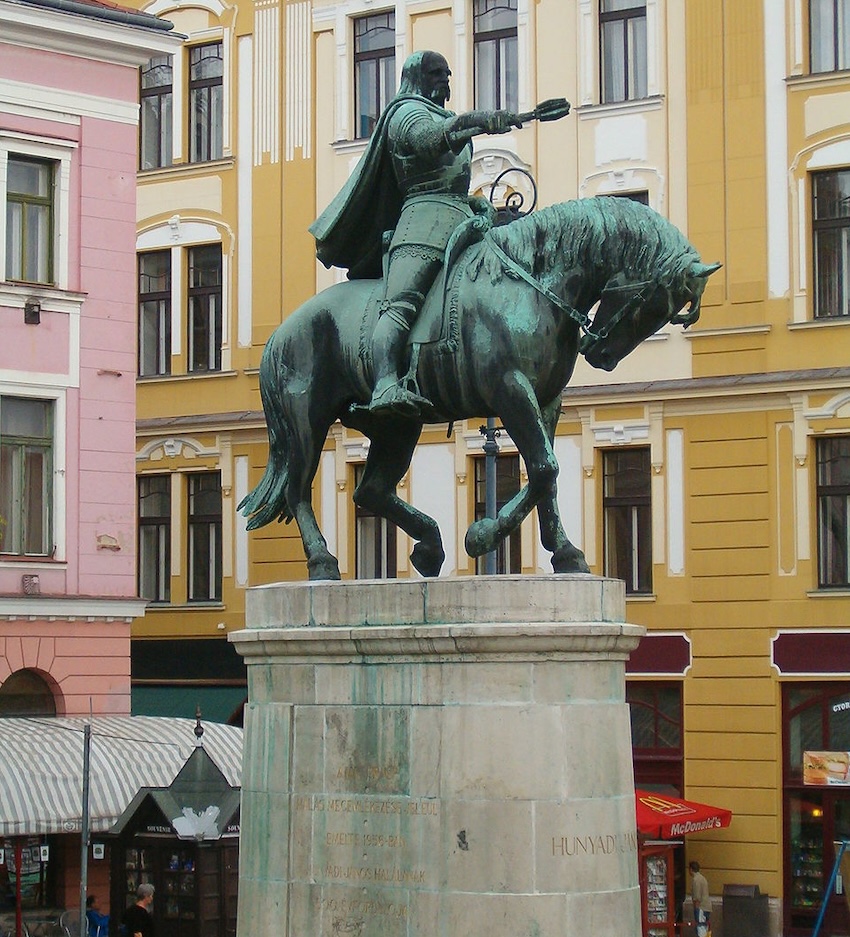
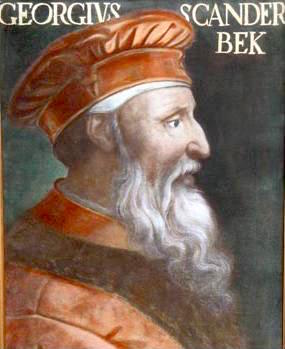
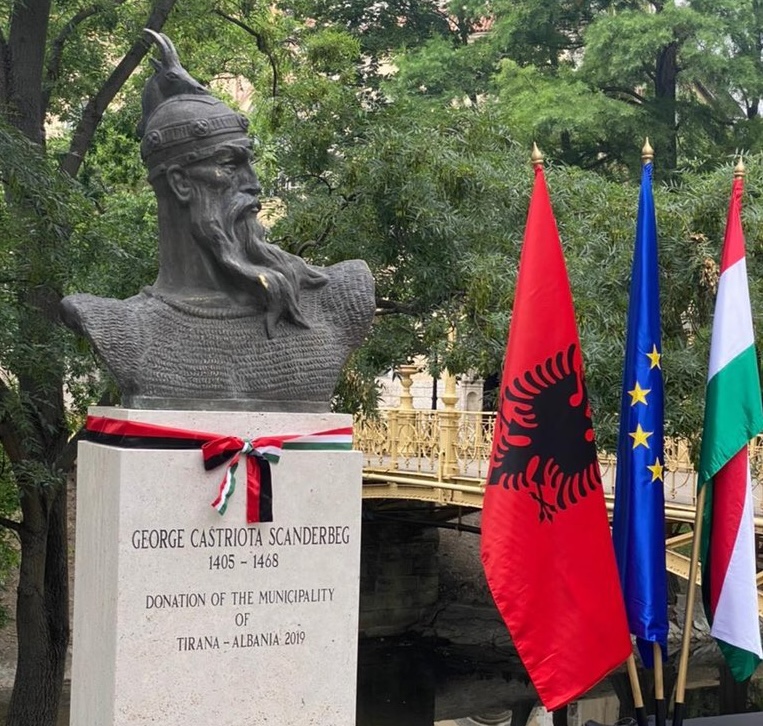
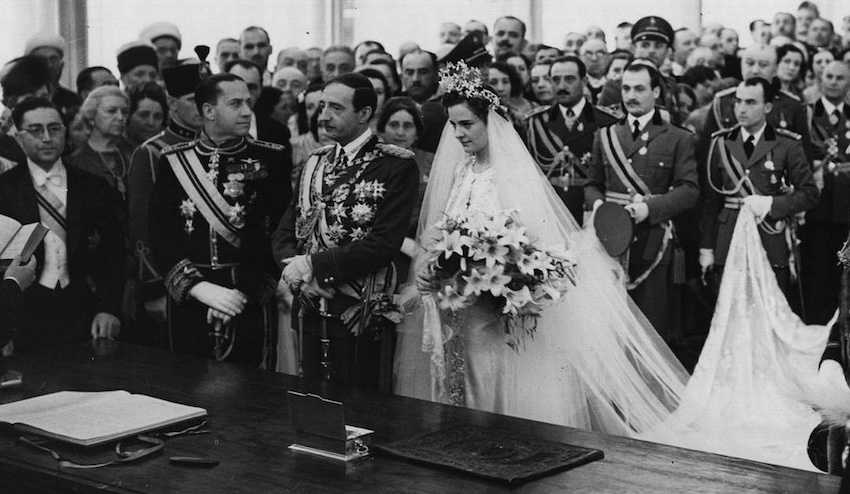
But our historical connections did not end there. Following Albania’s independence, another milestone strengthened our bonds: King Zog of Albania married the Hungarian Countess Géraldine Apponyi in 1938, bringing our nations even closer through cultural and aristocratic ties.
Today, Hungary remains one of the strongest advocates for Albania’s EU integration, using its EU Council Presidency to accelerate negotiations and deepen bilateral relations. Hungarian Foreign Minister Péter Szijjártó has consistently stated that enlargement is vital for EU stability and competitiveness, calling delays “disrespectful” to the Western Balkan countries. During its EU Presidency in 2024, Hungary worked to advance the opening of multiple chapters by organizing two EU Intergovernmental Conferences with Albania – opening new chapters and boosting momentum. We are now in the final stretch of negotiations.
This November, the EU opened the last remaining cluster of accession negotiations with Albania – Cluster 5: Resources, Agriculture, and Cohesion. This marks a major milestone, as all six thematic clusters are now open, signalling Albania’s advanced stage in the accession process, with a clear roadmap toward membership by 2030. Albania has been clear in its message: we have no plan B. The European Union might not be perfect, but it is the only community that Albania wants to join.
In addition, Hungary has not only provided political support but has also helped directly with training courses for Albanian public servants at its Diplomatic Academy, sharing experience from its own accession process.
We deeply appreciate Hungary’s commitment and collaboration in areas ranging from economic development to cultural exchanges. These bonds remind us that diplomacy is not just about agreements, but also about building bridges between peoples and fostering mutual understanding.
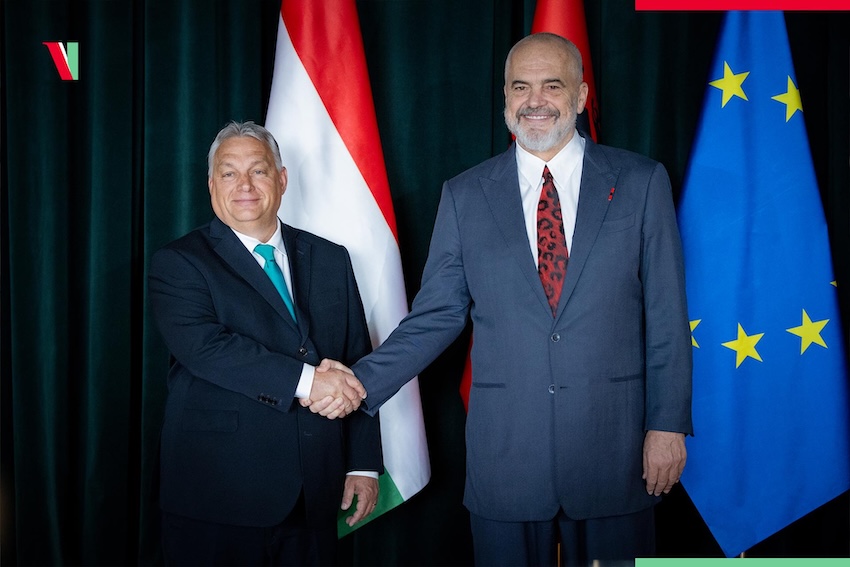
Prime Minister Viktor Orbán reaffirmed Hungary’s commitment to Albania’s EU path by highlighting bilateral cooperation in agriculture and public administration reforms, and by encouraging Hungarian investment in Albania. Hungary invests in sectors such as agriculture, tourism, and public administration. Hungarian investments in Albania have reached around €350 million, and tourism between the two countries is growing rapidly – by double digits year on year.
As we look to the future, Albania remains committed to strengthening these ties and working together on common challenges and opportunities. Let this occasion be a testament to our shared values and a celebration of the friendship that unites us.
Thank you all for joining us today. Enjoy the evening, Albanian hospitality, and the cultural heritage that we are proud to share. Happy National Day! Köszönöm szépen!”
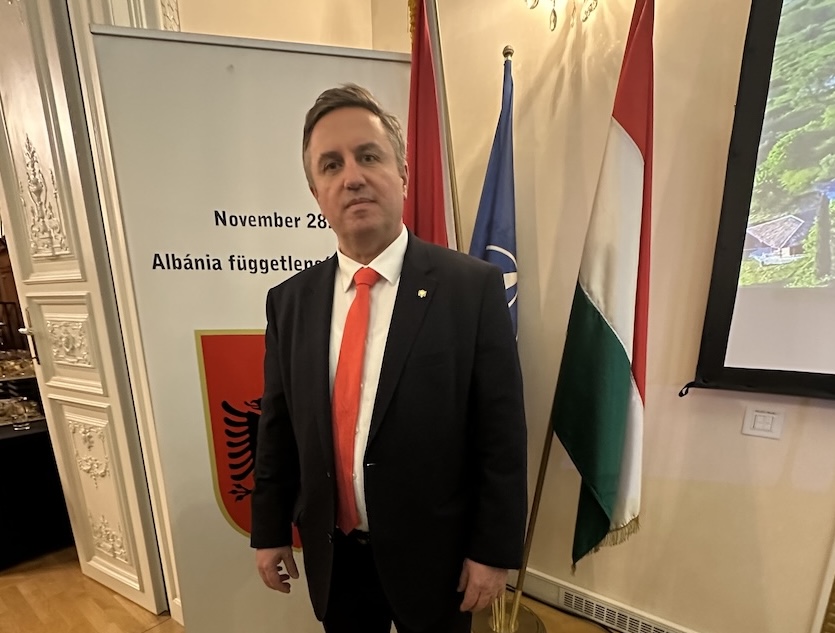
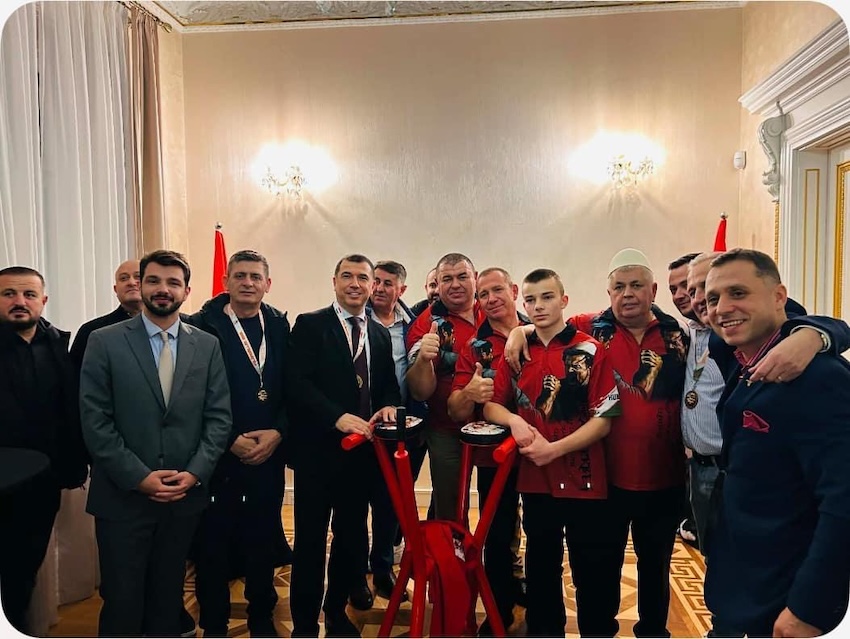
Mr. Avnija Hafuzi, Honorary Consul of Albania in Hungary, also attended the National Day celebration. A distinctive feature of the event was the presence of several world-class arm-wrestling champions, including Lajos Deák, Attila Jámbor, Deák “Lali”, and László Kelemen. Mr. Hafuzi and his team introduced arm-wrestling to the guests, who followed the presentation.
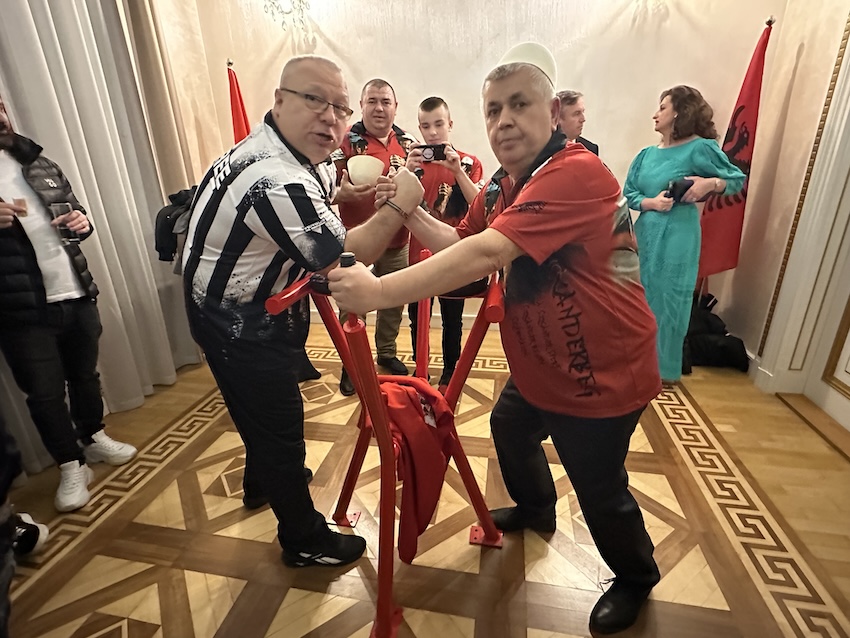
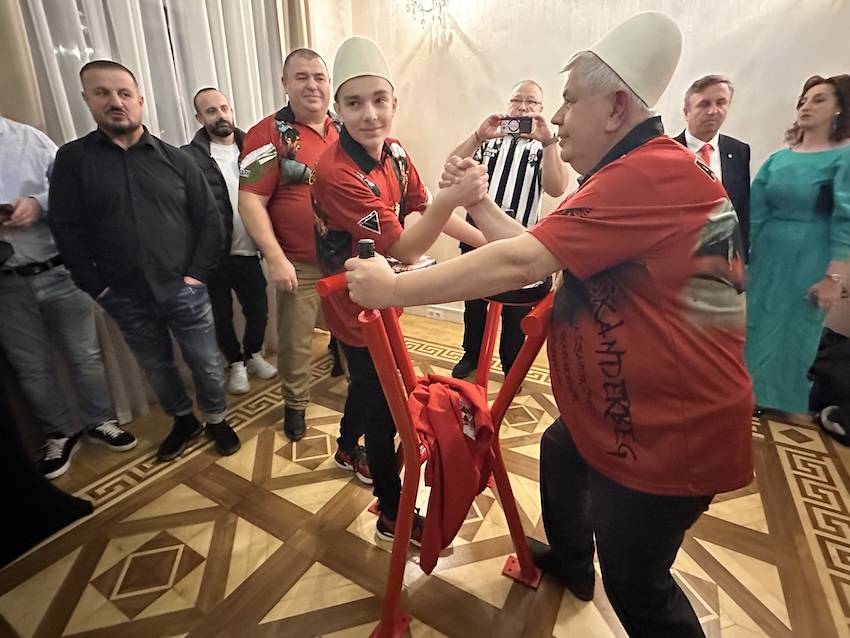
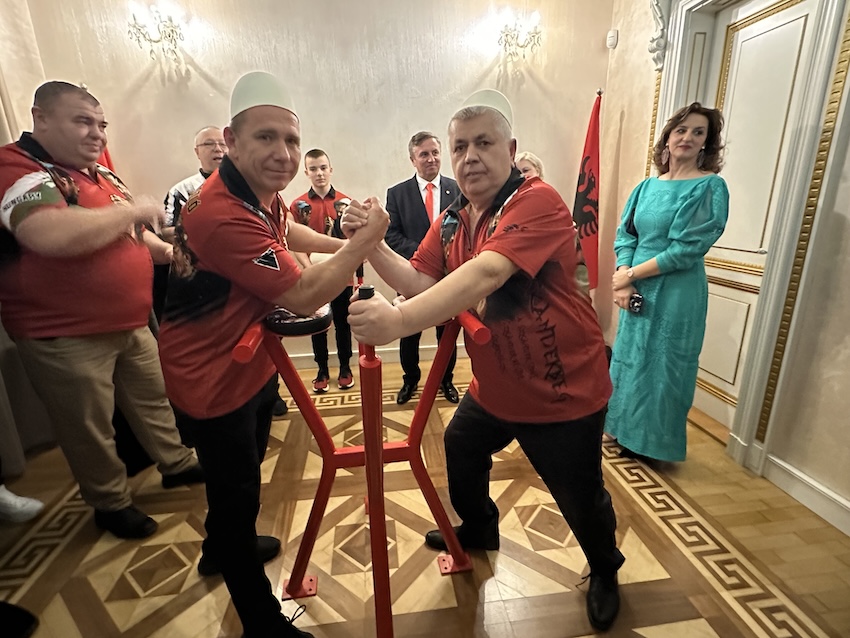
As an active promoter of this popular Albanian sport, Mr. Hafuzi has supported the installation of outdoor arm-wrestling tables in four Hungarian cities, making them accessible to the wider public and helping to popularize the sport within local communities.
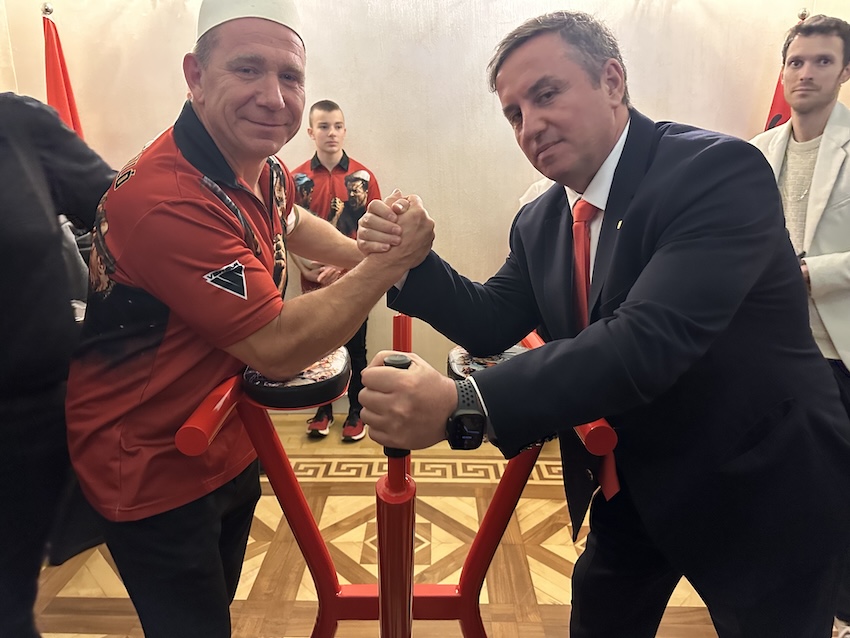
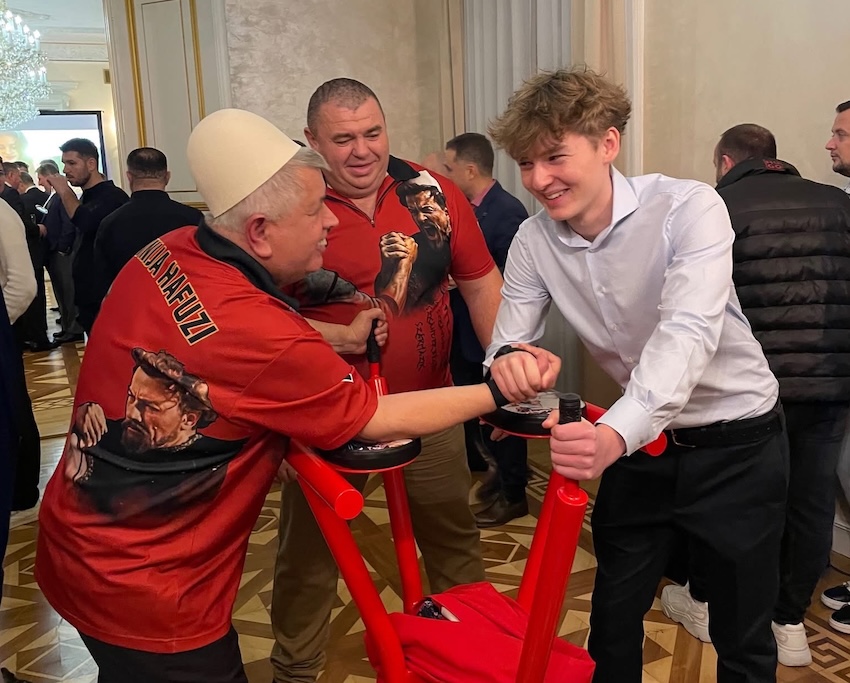
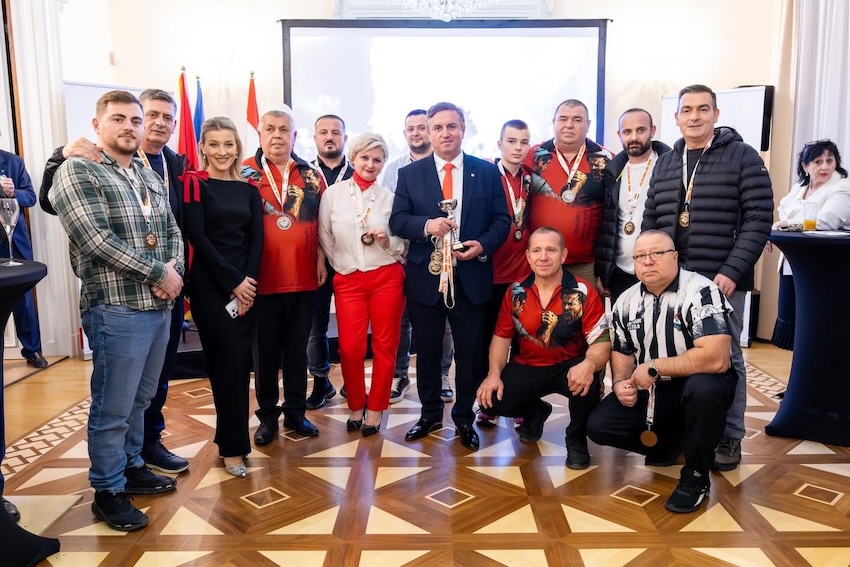
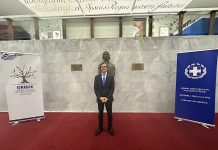
The guests at the National Day reception were also encouraged to test their strength in a sport with deep historical roots, dating back to the era of Skanderbeg’s court in the 15th century. Arm-wrestling enjoys great popularity in Albania and is even referred to as “Skanderbeg” in some countries in honour of the legendary national hero of Albania. Skanderbeg (1405–1468) is likewise deeply respected in Hungary, statues have been erected in his memory in Budapest and Eger.
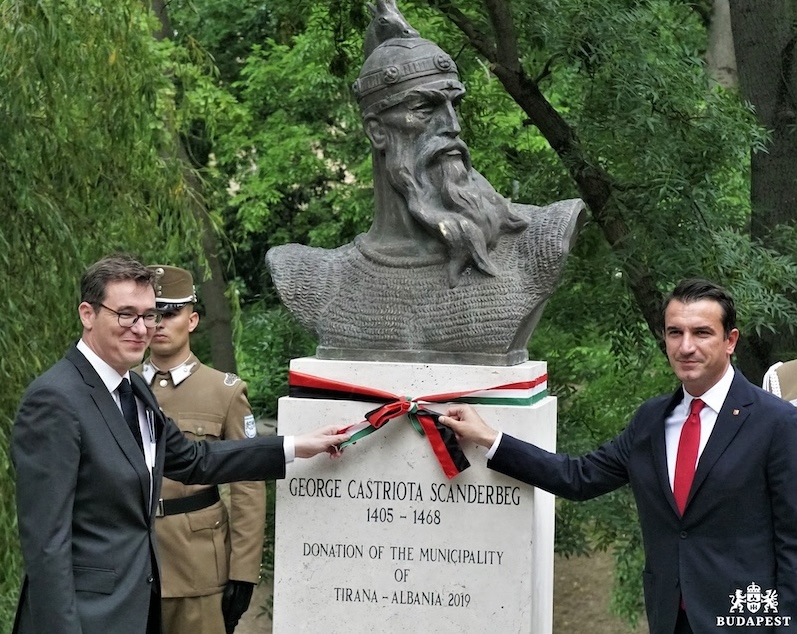
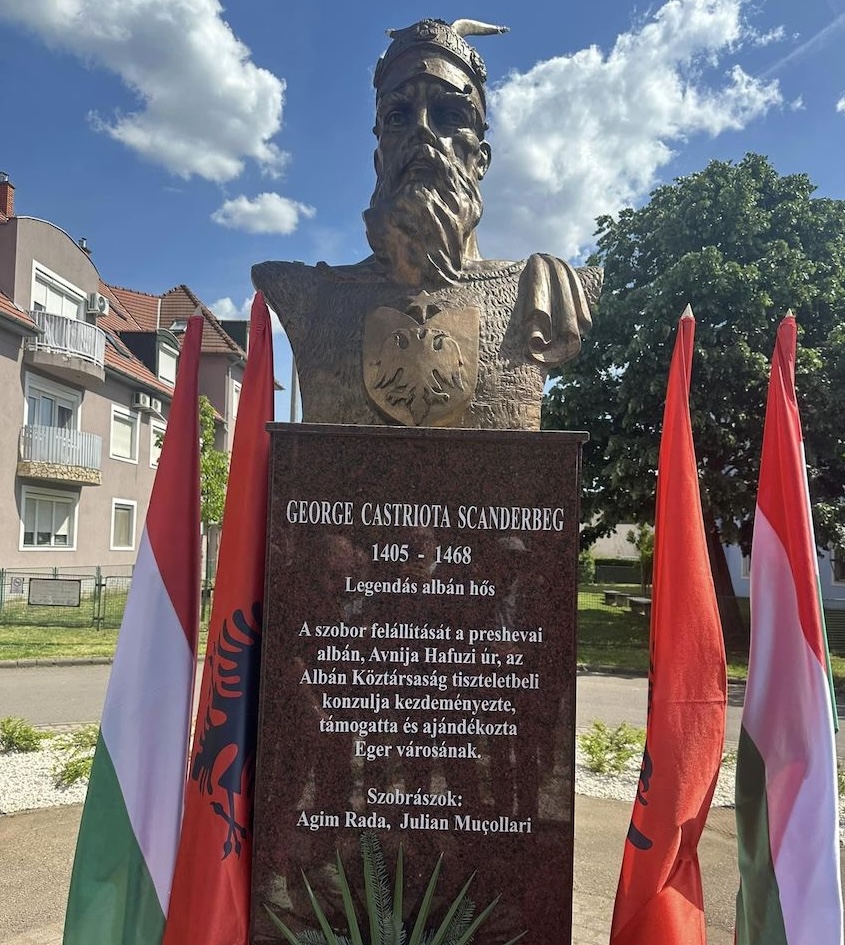
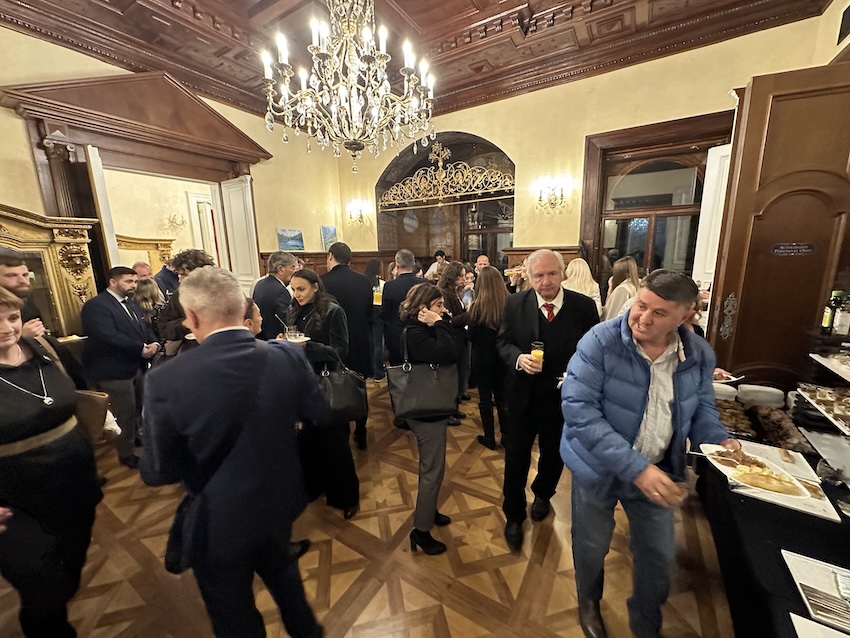
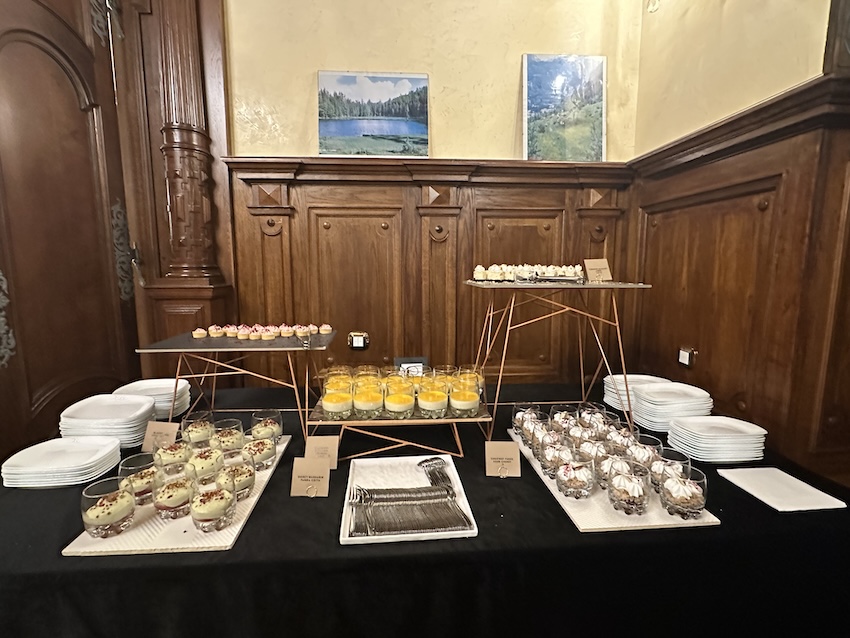
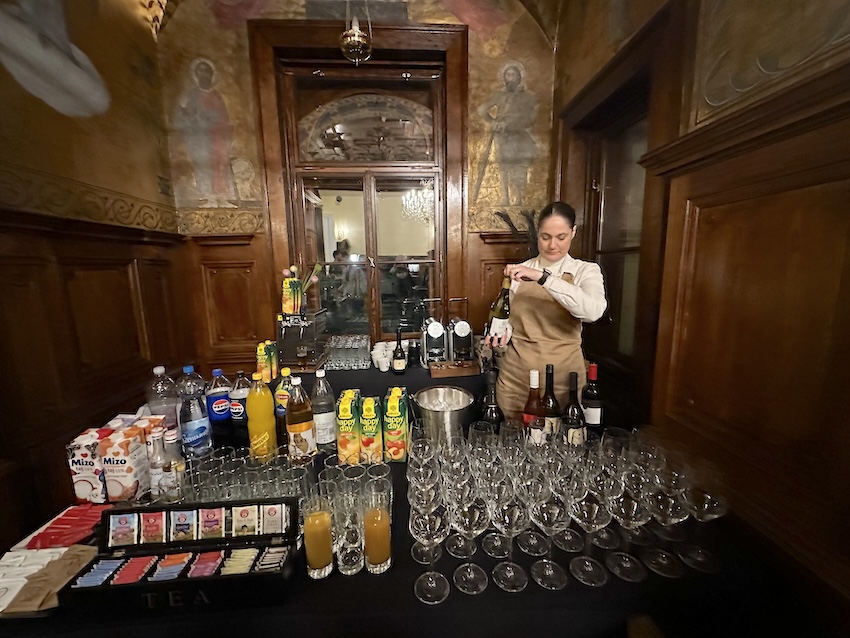
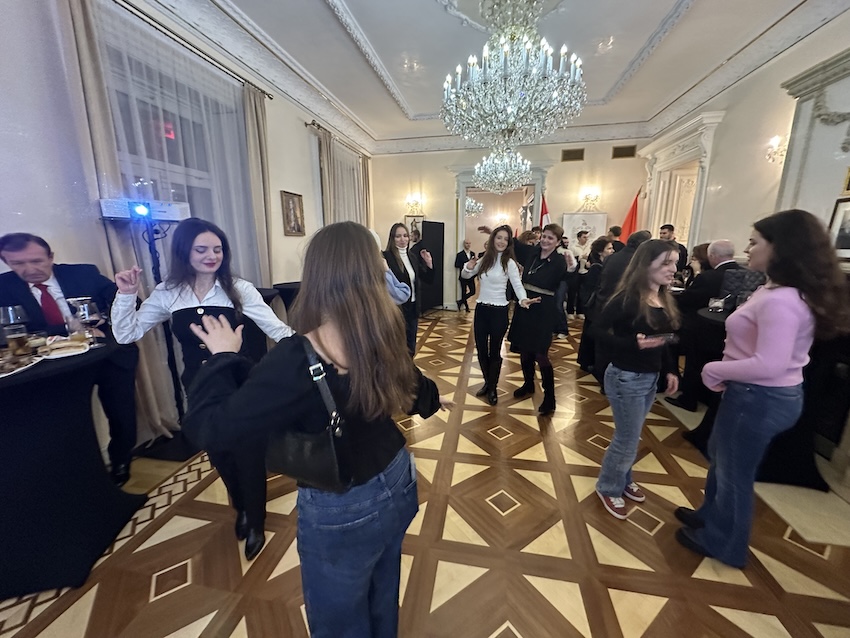
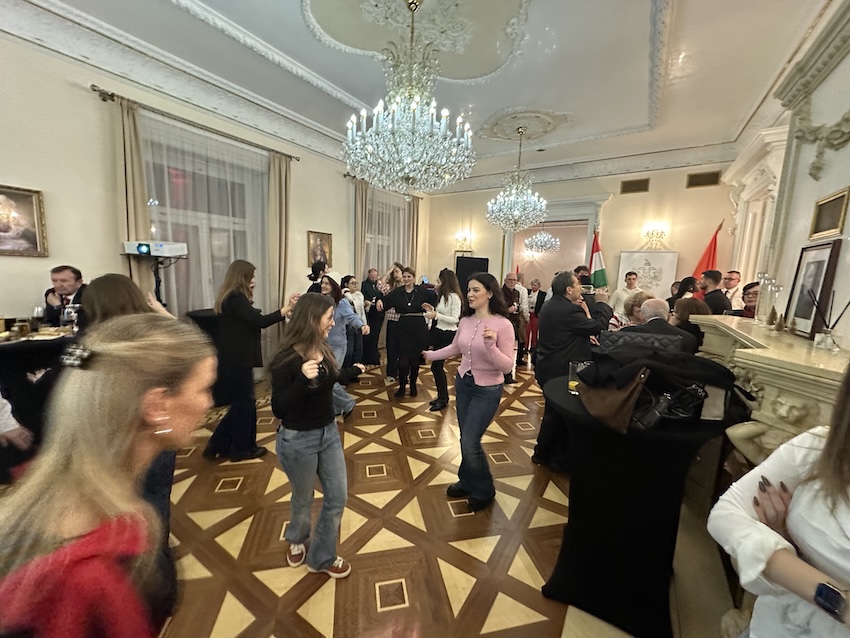
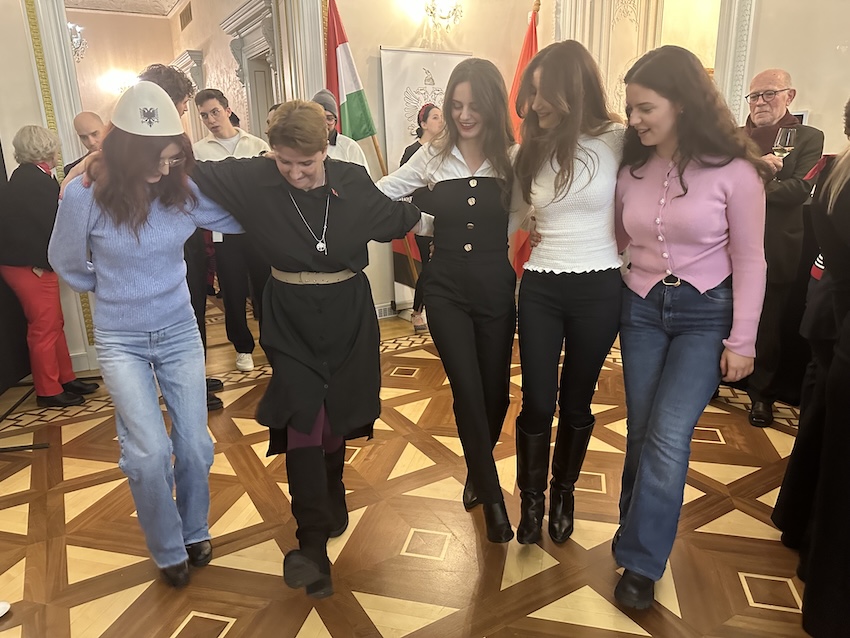
The evening concluded with a lavish reception, offering Albanian specialties in a joyful atmosphere, accompanied by singing and dancing in keeping with the traditions of this beautiful Balkan country, which preserves its natural treasures and cultural heritage, while being open to the world through new technologies and innovation.
Source: Embassy of Albania in Budapest
Photos from the Embassy of Albania in Budapest, and Diplomatic Press Agency