

Turkish Coffee recognized as a traditional product in the EU
Edited by Anna Popper

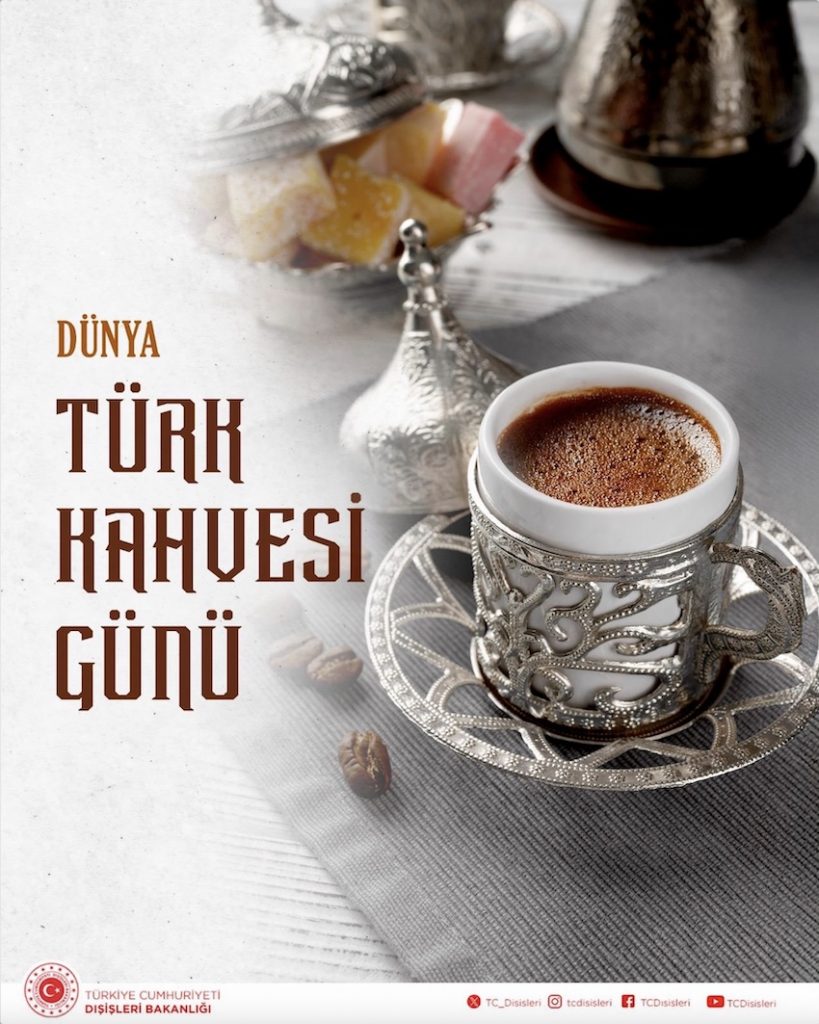
Renowned for its rich aroma and deep flavour, Turkish coffee is one of Türkiye’s most treasured traditions. In recognition of its cultural value and historical significance, Turkish coffee was inscribed on UNESCO’s Intangible Cultural Heritage of Humanity List in 2013. Since then, 5 December – the day of this recognition – has been officially celebrated as World Turkish Coffee Day.
On this day, a centuries-old coffee tradition and its associated cultural rituals are honoured – from the special brewing and serving methods to the hospitality and conversation it inspires. More than a beverage, Turkish coffee represents a shared social language: welcoming guests, strengthening friendships, and creating moments of connection.
A Coffee Tradition that shaped social life in Europe
Turkish coffee reached Central Europe during the Ottoman era and soon became woven into the everyday rhythm of urban life. Across the continent, coffee houses – called kahvehane in Turkish – developed into lively meeting points where ideas were exchanged and communities formed. Over time, these spaces became closely associated with public discourse, culture, and intellectual life – a legacy that continues to this day in many countries around the world.
A Celebration in a festive setting at Matild Café
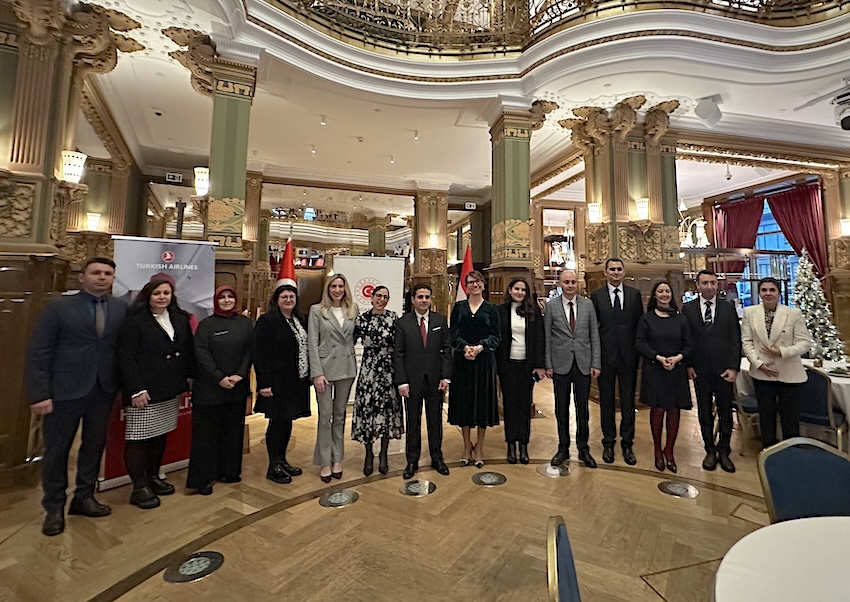
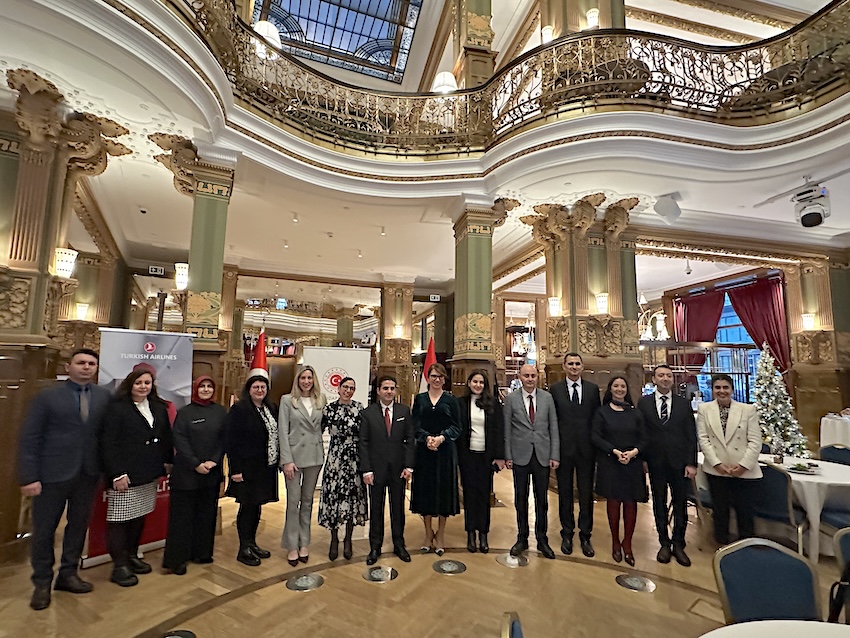
In the spirit of honouring Turkish traditions, Her Excellency Ms. Gülşen Karanis Ekşioğlu, Ambassador of the Republic of Türkiye to Hungary, hosted a special reception to mark the occasion – an event that also helped to introduce this still lesser-known day in Hungary.

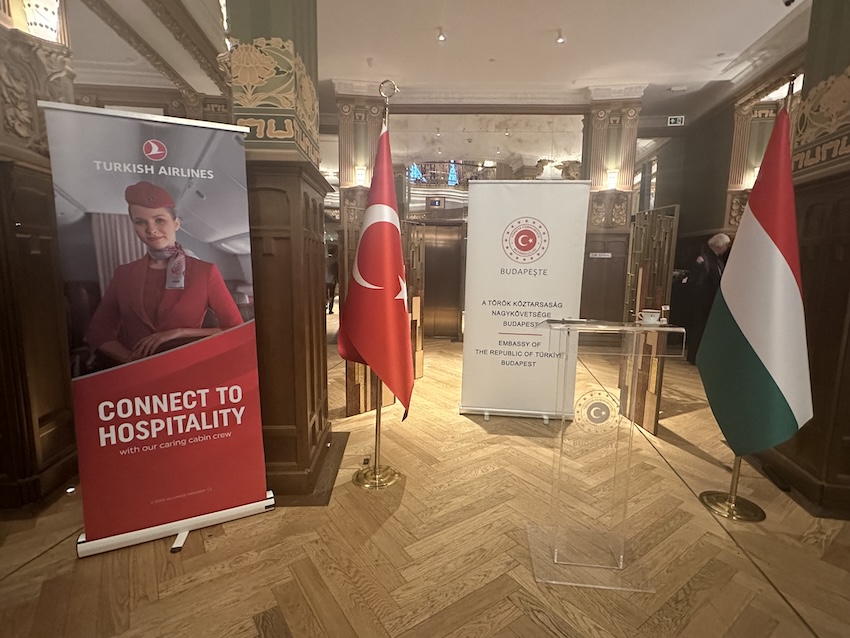
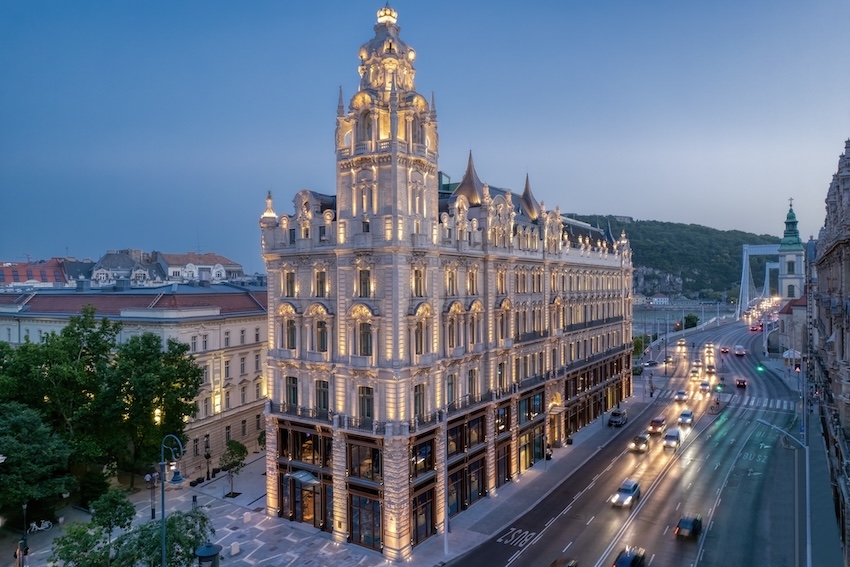
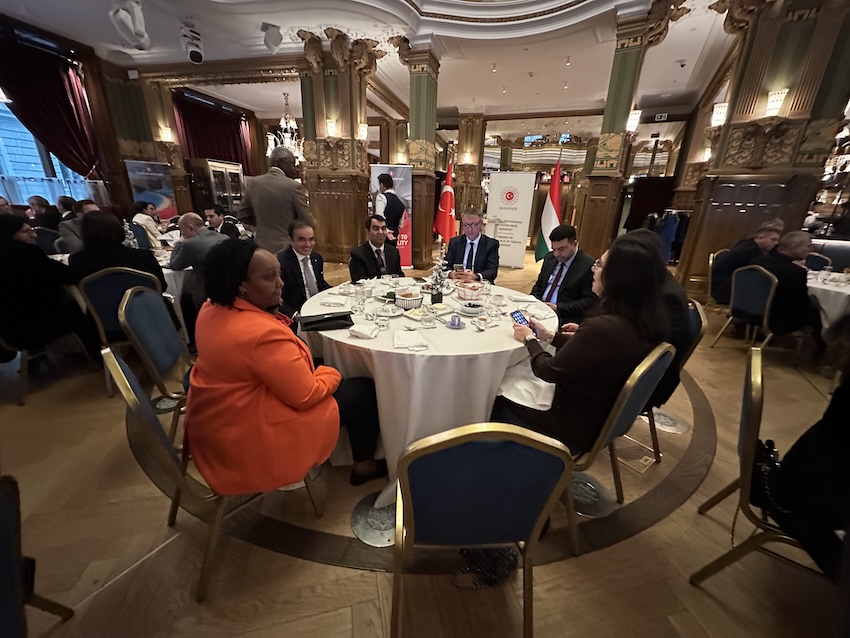
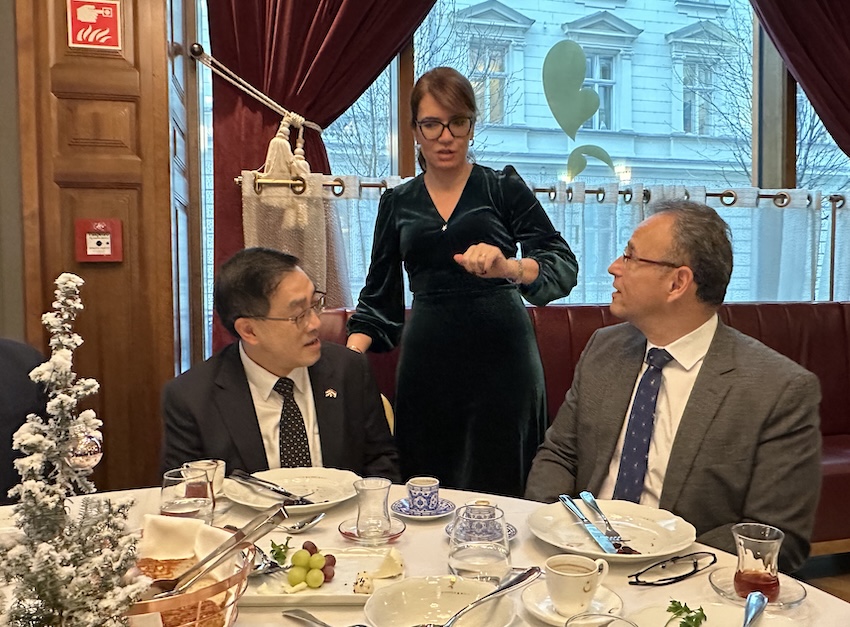
The celebration took place at Matild Café, admired for its elegant Art Nouveau atmosphere within the iconic Matild Palace Hotel, one of Budapest’s architectural landmarks, enchanting in its Christmas splendour. The morning brought together ambassadors and their spouses, dignitaries, and Hungarian guests from a range of professional fields, all curious to experience the stories and customs surrounding Turkish coffee.
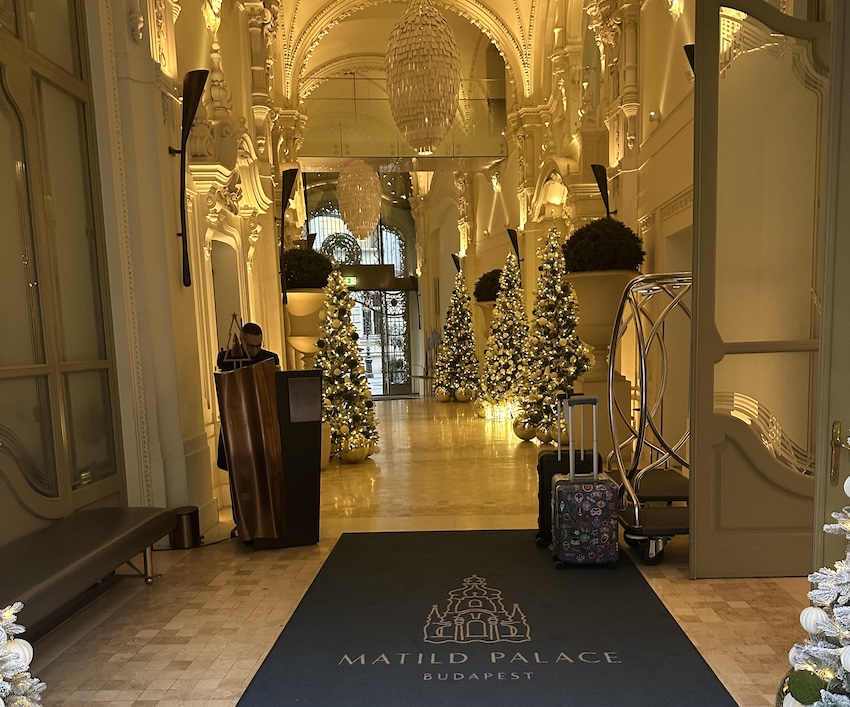
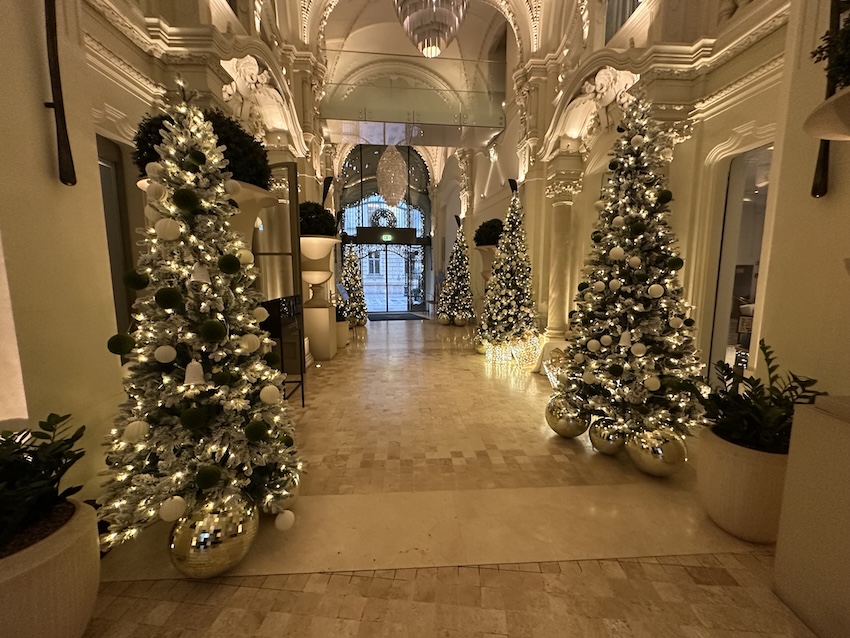
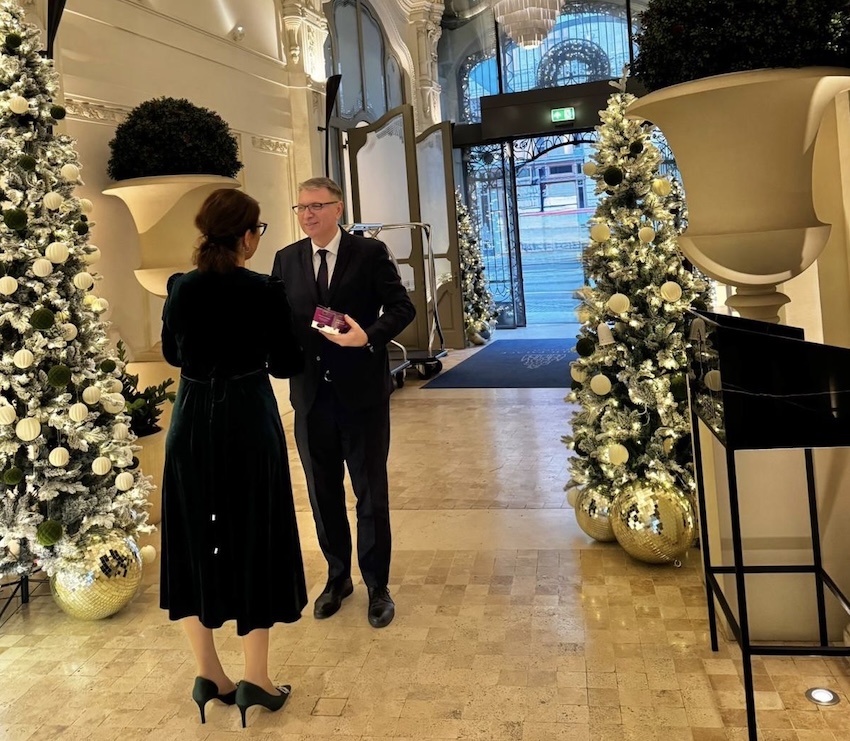
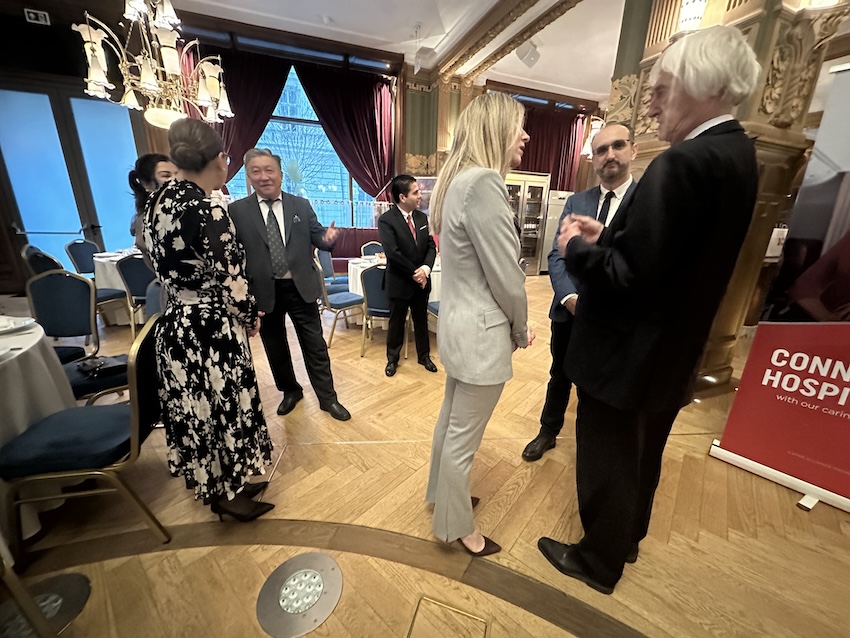


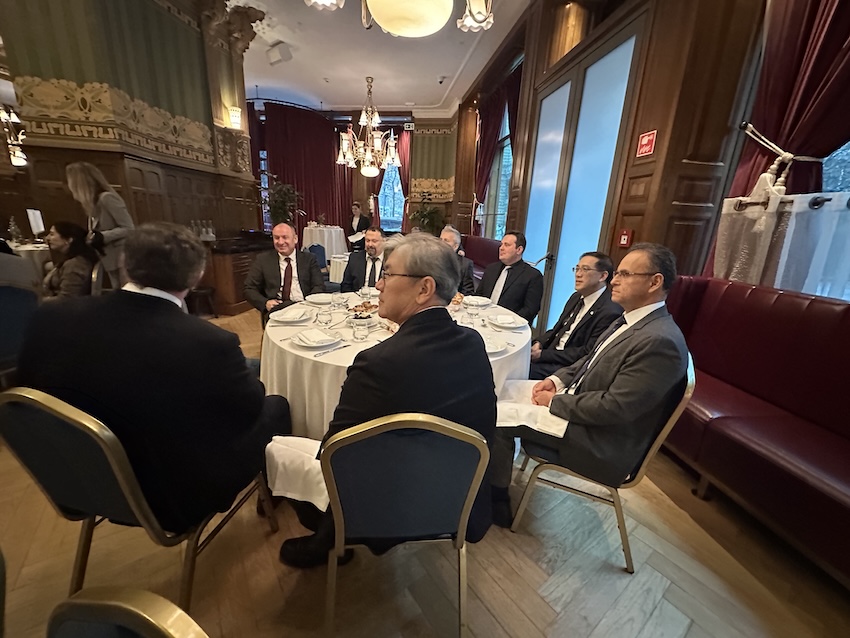
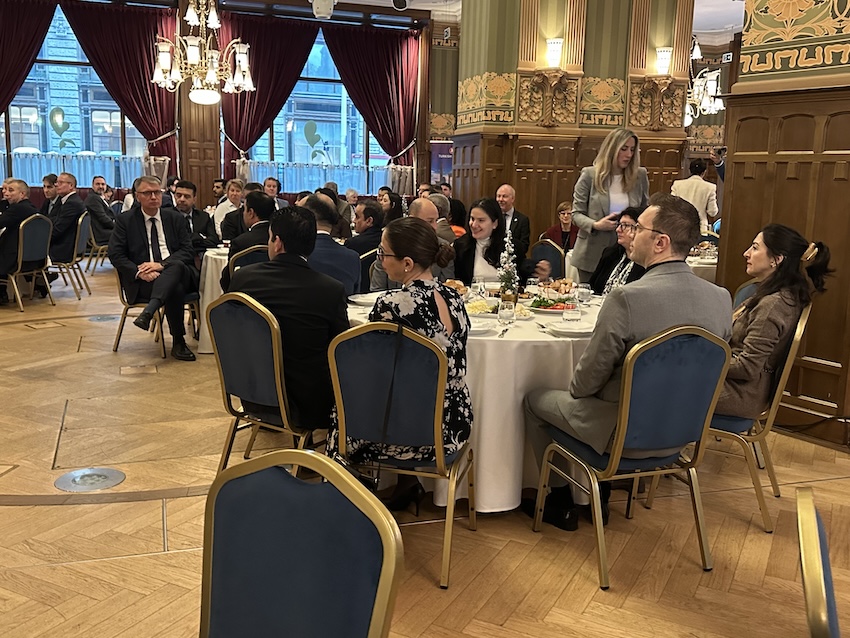

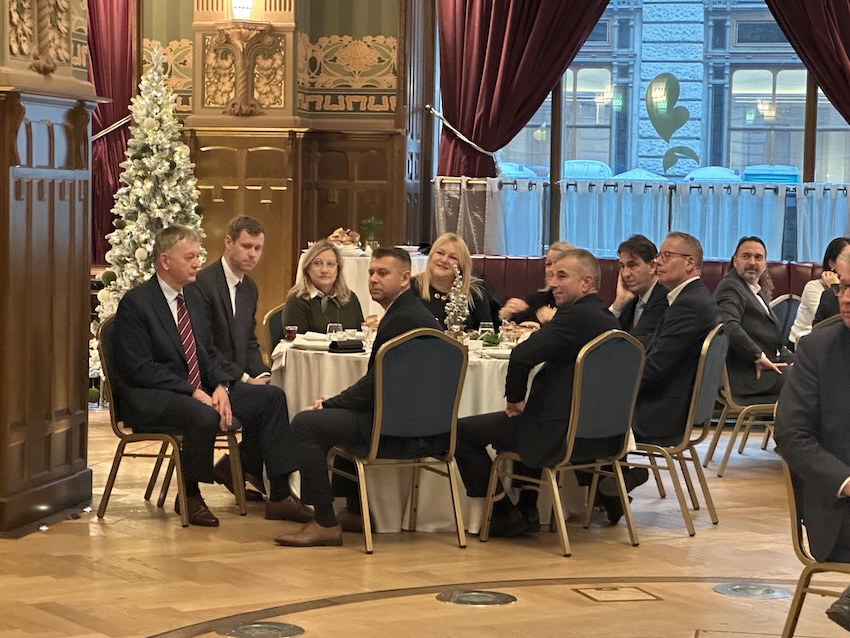
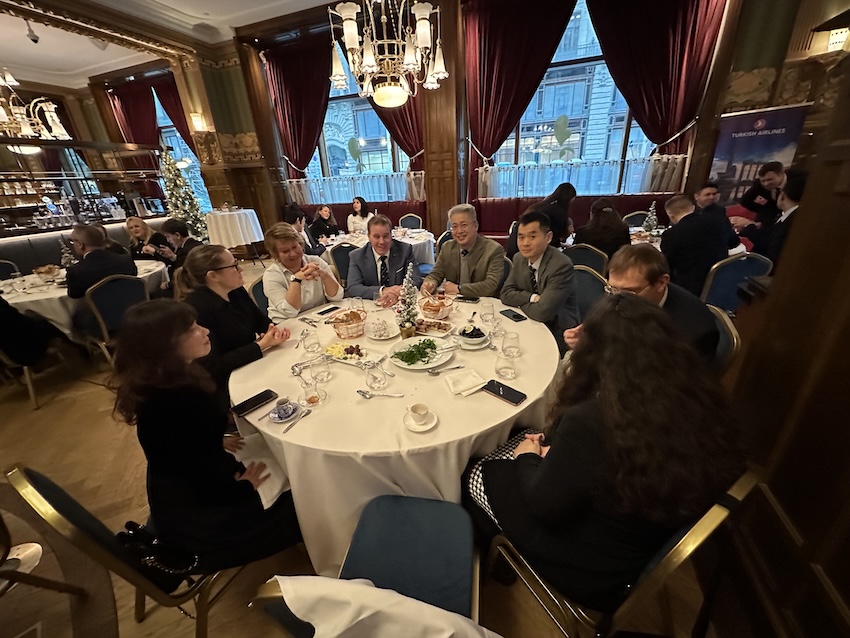
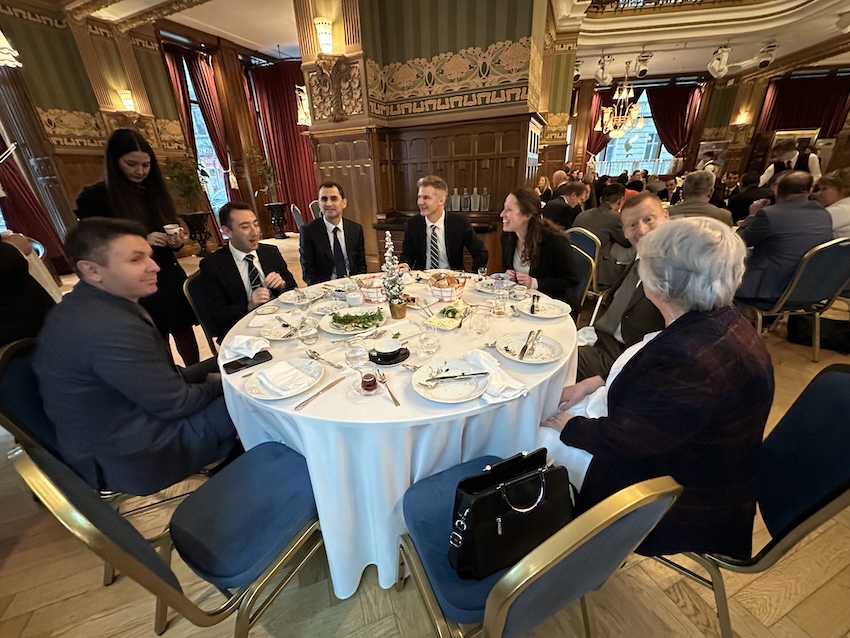
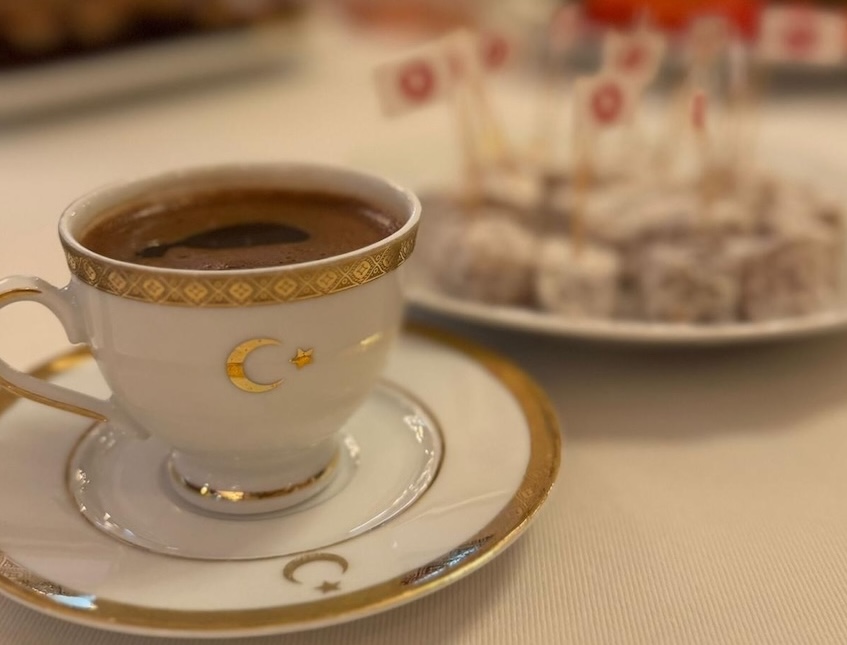
Guests were welcomed at beautifully set round tables, where a lavish Turkish breakfast was offered with all its finest elements – followed by the protagonist of the day: Turkish Coffee, served in fine white porcelain cups. The warm, festive ambience encouraged relaxed conversation and offered a glimpse into how Turkish coffee culture can turn even a short break into a meaningful and unmissable social moment.
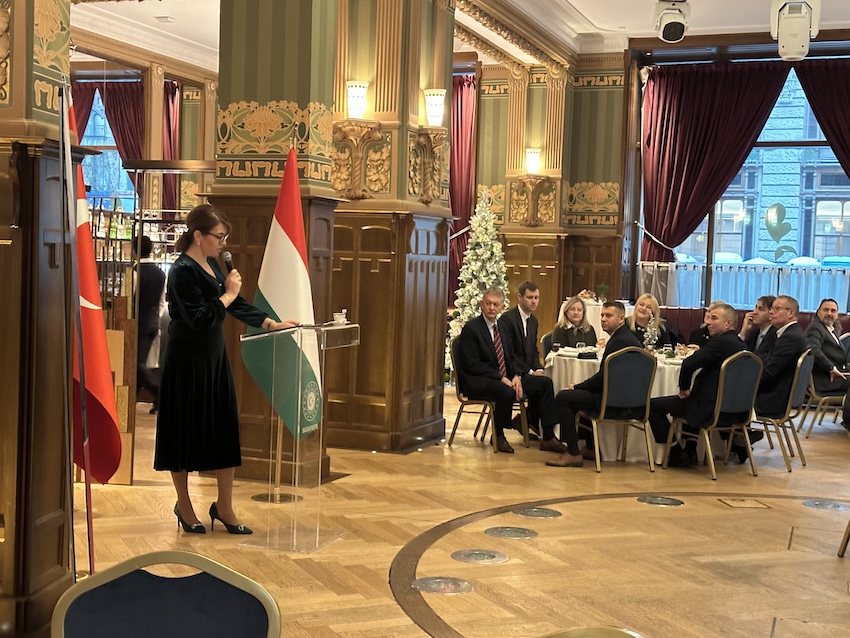
Ambassador Ekşioğlu then took the floor and addressed the audience:
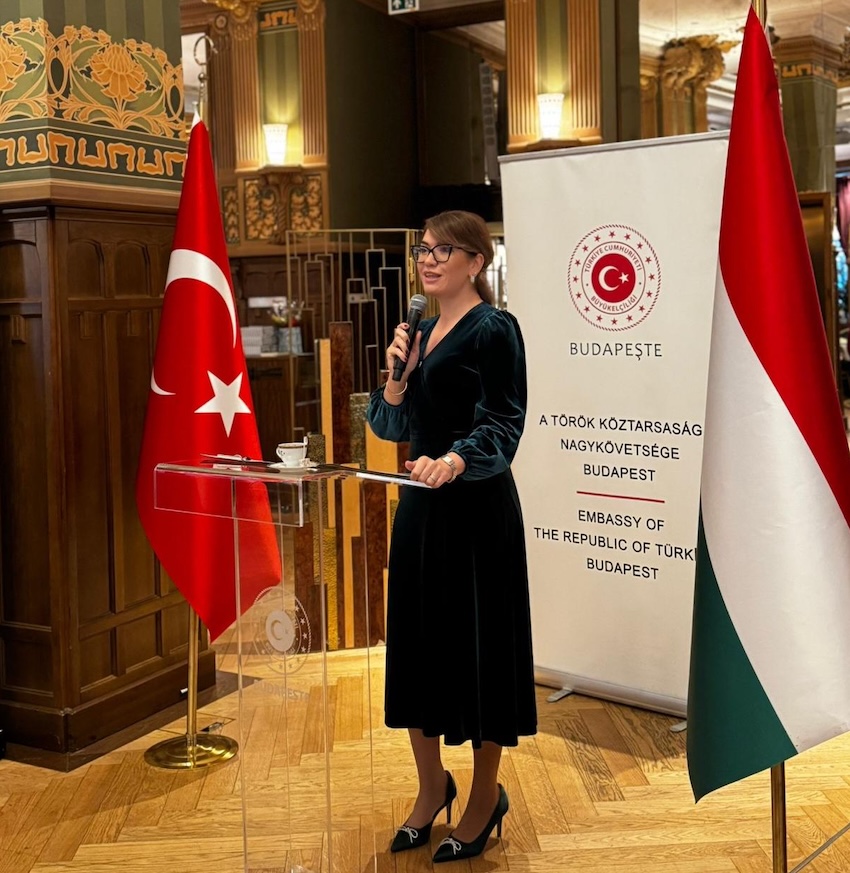
“Honourable Guests, Dear Friends, Good morning and a very warm welcome to our celebration of World Turkish Coffee Day. What a great way to start early in the morning – a real caffeine boost, especially on the last working day of a very busy week. This is particularly true for the Turkish Embassy and our Hungarian counterparts, as we gear up for our biennial Turkish–Hungarian High-Level Strategic Cooperation Council meeting on Monday, 8 December, in Istanbul. So, you will be hearing more from us next week.
We have worked hard over the last few weeks and took the opportunity on World Turkish Coffee Day to pause. Although I must admit that some of my colleagues did their best to dissuade me from scheduling this social event just before such a big political meeting. But I said, ‘Never mind – we work hard and we play hard!’
Dear Friends, we are gathered here in the beautiful Matild Palace not only to enjoy a cup of coffee, but to celebrate a tradition that has travelled through centuries, crossed continents, witnessed history, and – most impressively – managed to survive the invention of instant coffee.
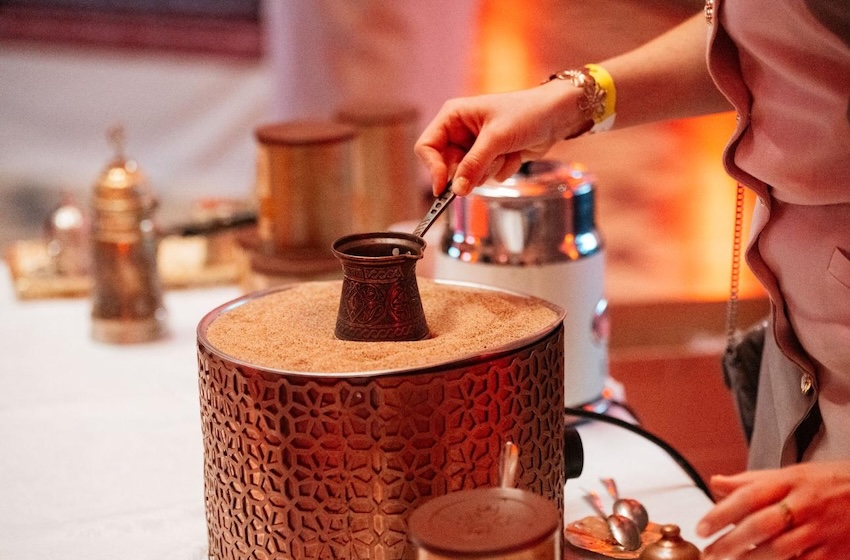
Turkish coffee is not just a drink. It is a culture, a ceremony, a small cup filled with a lot of meaning. This is why Turkish coffee is listed by UNESCO as an element of Intangible Cultural Heritage of Humanity. Most recently, in November, the EU also declared Turkish Coffee a “Traditional Specialty Guaranteed” (TSG) thanks to the application made by the Union of Chambers and Commodity Exchanges of Türkiye (TOBB).
As such, Turkish coffee became Türkiye’s first traditional product to be registered in the EU. So, you might as well say that our coffee made it into the EU before we join as a member country, despite waiting for a little more than 60 years. Given the legend about the Ottomans bringing coffee to Europe during the 1683 Siege of Vienna, who knows – maybe we will not have to wait another 300 years to join the EU!
Well, leaving aside controversial theories with contemporary political reflections, coffee has changed our social lives globally for centuries.
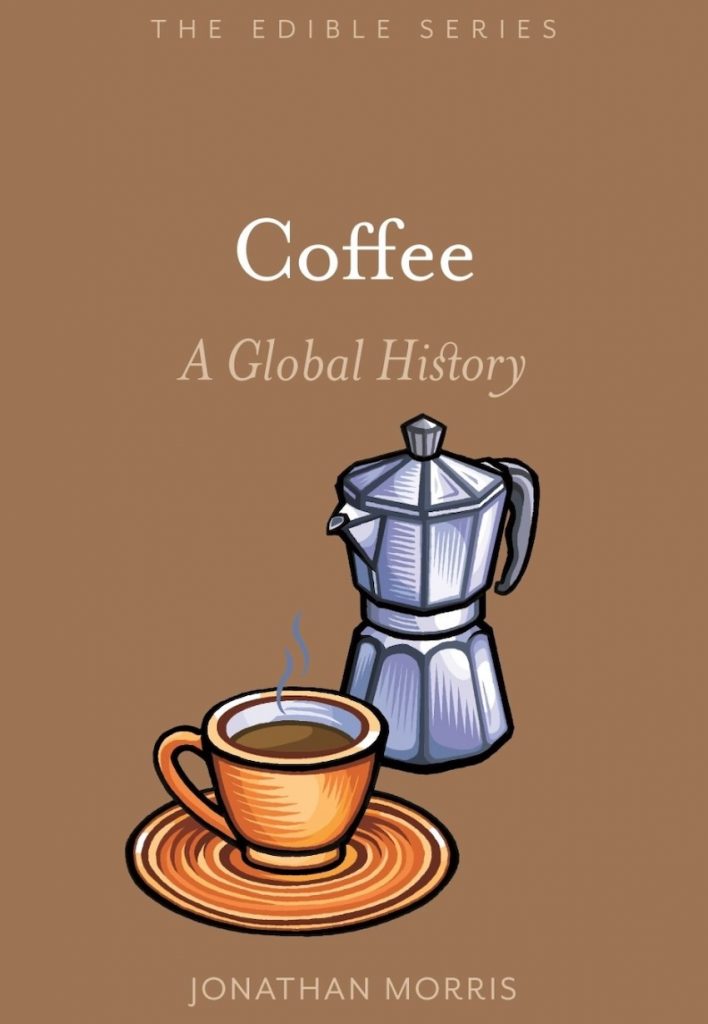
When coffee reached Europe, it was described – says Jonathan Morris – as a ‘Turkish-kind of drink…somewhat hot and unpleasant, but with a good after relish’. We can say that Turkish coffee has been bringing people together since the 17th century.
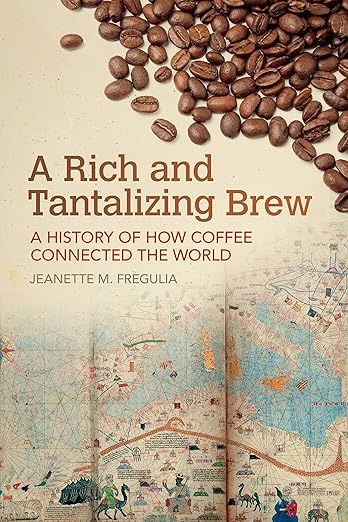
The title of Jeanette Fregulia’s book aptly describes it as ‘a rich and tantalizing brew that connected the world’.
When telling the story of the formation of the British Empire, renowned historian Niall Ferguson argues that coffee and sugar played a direct role, and that the insatiable appetite for these goods laid the foundations of globalization and even modernity.
Turkish coffee was probably one of the very few imperial signatures of the Ottoman Empire, too. Even today, when you travel to the former Ottoman territories, you would come across Turkish coffee in one form or another.
Since olden times, Turkish coffee has been shared generously with friends, guests, neighbours, and sometimes even strangers. In Turkish culture, offering coffee is a symbol of respect and hospitality.
The act of preparing, presenting, drinking, and of course closing the Turkish coffee for fortune-telling is full of symbolism. This beautiful ritual actually teaches patience, presence, and the appreciation of craftsmanship.
It takes time to prepare, and even more time to enjoy. It is a gentle reminder that some of the most meaningful things in life cannot be rushed. Like peace.
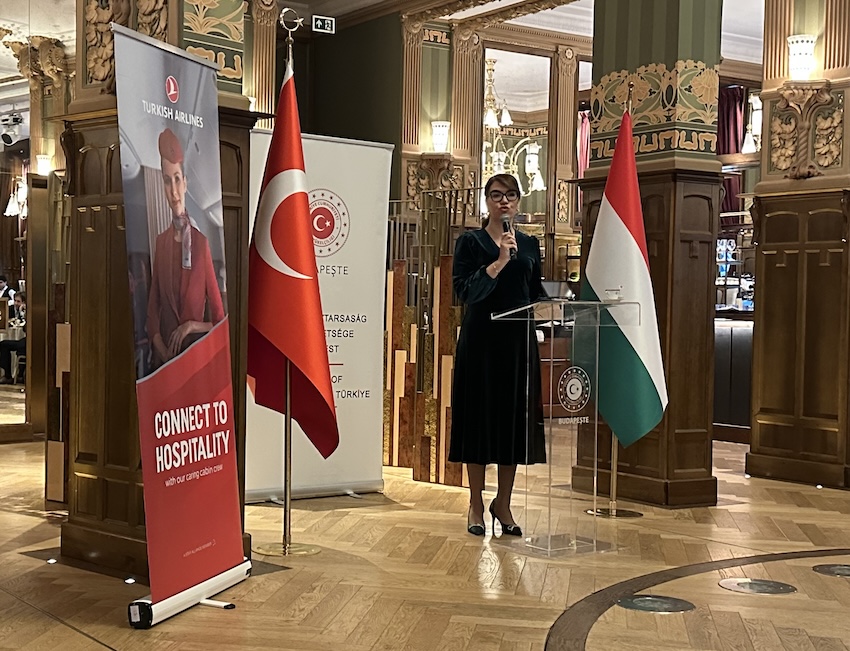
As we often say: ‘A single cup of coffee has forty years of memory’. It is indeed a beautiful saying to be recognized and practiced, to see how easy it is to reconcile with each other, especially during our turbulent times.
Ladies and Gentlemen, ever since I took the helm of the Turkish Embassy in Budapest, including the 2024 Turkish–Hungarian Cultural Year, gastro-diplomacy has been one of our trademarks with many events.
On this World Turkish Coffee Day, we specifically organized our gathering as a breakfast. Do you remember the fun fact in your invitations – the small print at the very bottom?

Coffee has such a central place in our culture that we even named one of the main meals of the day accordingly. In the Turkish language, breakfast means ‘kahvaltı’, which literally translates as ‘kahve-altı’, a ‘pre-coffee’ meal. So, enjoy your coffee and your breakfast!
And I know some of you will travel back home, or we won’t be able to see each other before the holidays, so I wish you all happy holidays and a wonderful New Year! Thank you for your friendship and support in 2025 as well! Afiyet olsun! Bon Appetit!”
The Art of Turkish coffee
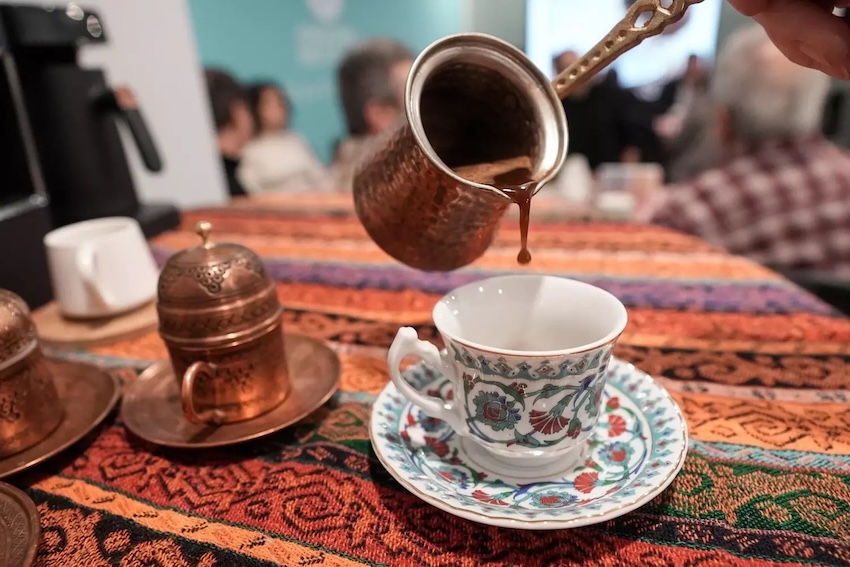
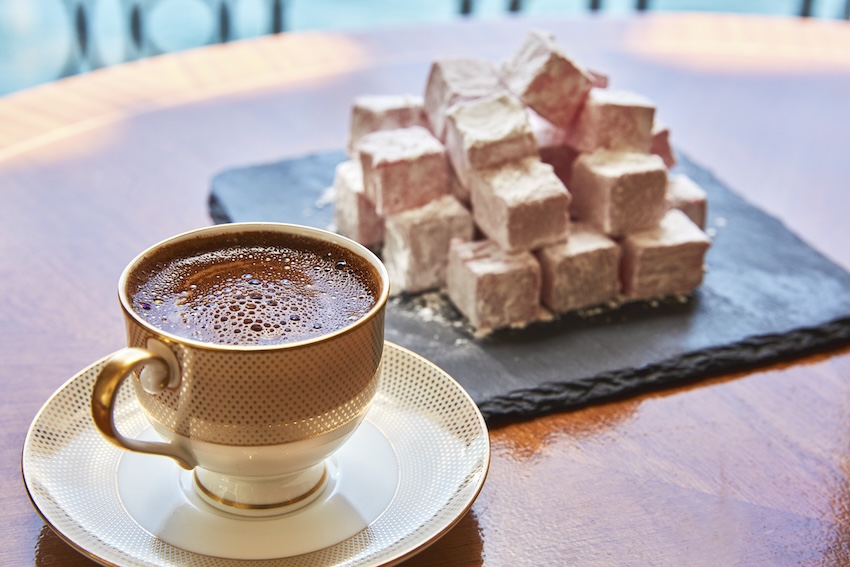
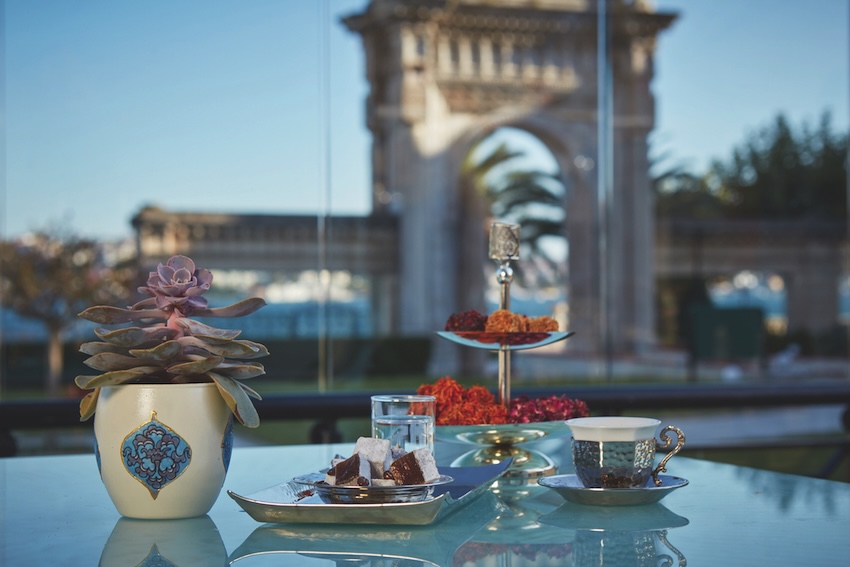
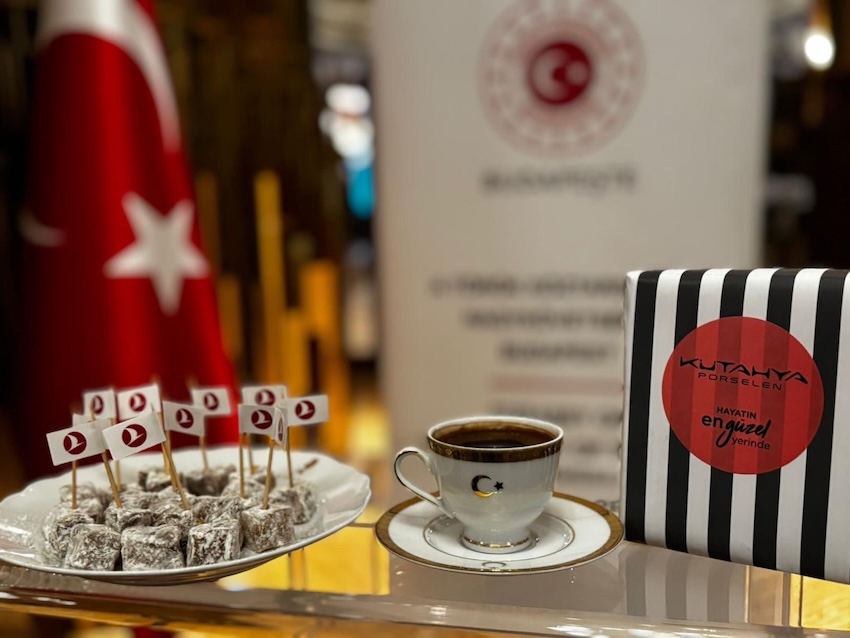
Turkish coffee is defined not only by its taste but also by the way it is prepared and served. Finely ground coffee is blended with cold water and, if preferred, sugar in a small pot called a cezve. Heated slowly, it produces its signature foam before being poured into small cups and traditionally paired with a glass of water. Often, Turkish delights such as baklava, lokum and other delicacies complete the ritual, balancing the coffee’s intensity with a soft, fragrant finish.
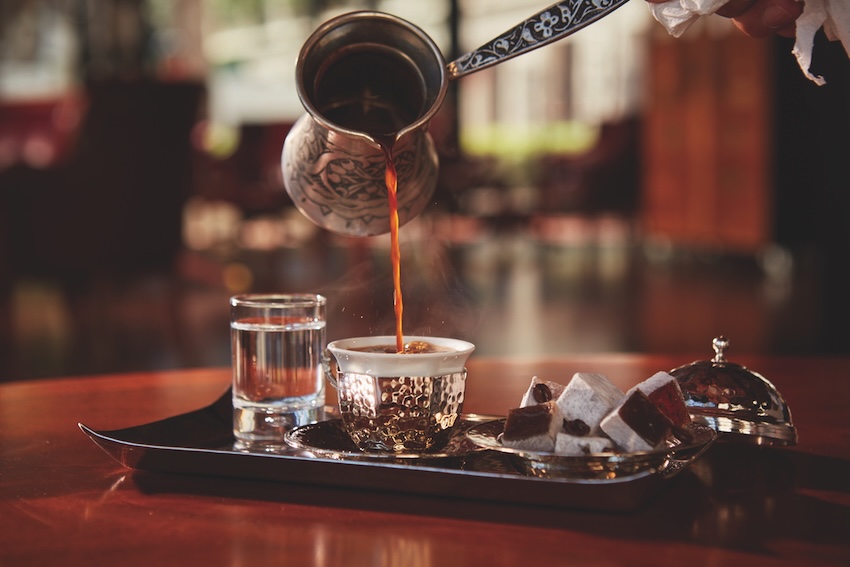
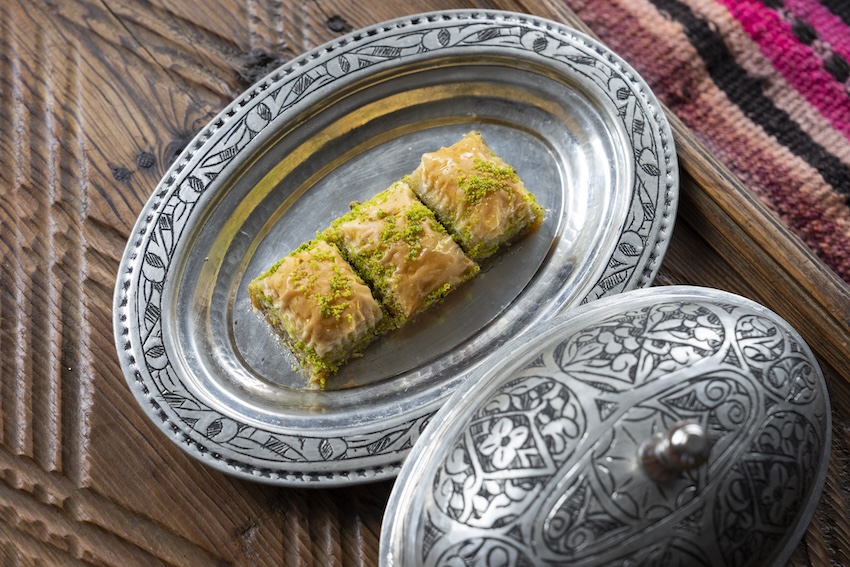
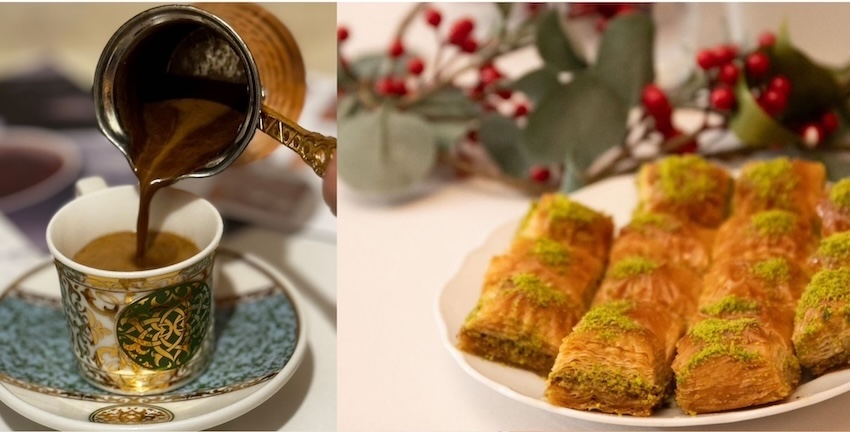
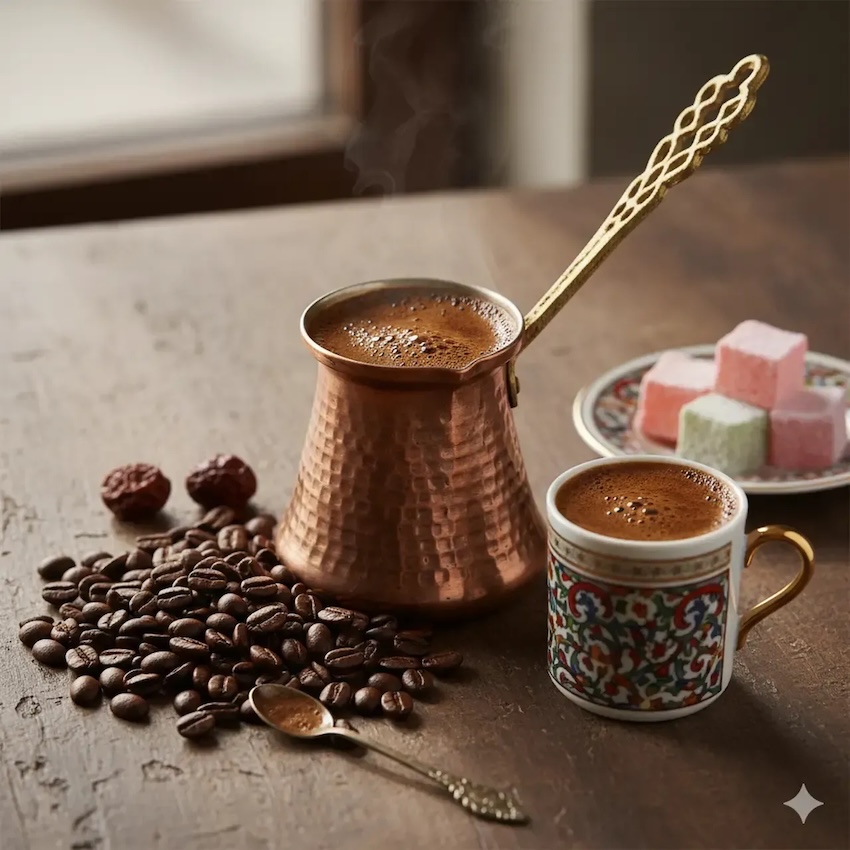
Although Türkiye is strongly associated with this tradition, the country does not grow coffee. Beans are imported from regions historically linked to coffee’s origins and trade routes such as Ethiopia, the home of Arabica coffee (region Kaffa), and Yemen, as well as from major modern producers like Brazil, alongside other Latin American and African sources.
While blends may vary, what makes Turkish coffee unmistakably “Turkish” is not the bean itself, but the method, etiquette, and meaning attached to the cup.
A surprise highlight: Coffee fortune telling
One of the most memorable moments came when Ambassador Ekşioğlu introduced guests to coffee-ground fortune reading, an old tradition that transforms the remains of a finished cup into a playful and symbolic reading.
After the guests had enjoyed their coffee, she demonstrated the practice: gently swirling the cup three times to guide the grounds, then turning it upside down onto the saucer, and letting the patterns settle. When the cup was lifted, the traces left behind revealed shapes and symbols – each with a traditional interpretation. The guests listened with curiosity as the Ambassador explained how images such as a heart, bridge, tree, bird, fish, key, or triangle could be read as signs of emotions, journeys, opportunities, or decisions ahead.
Her warm and engaging approach created an atmosphere of joyful laughter and fascination, and many guests left with the sense that they had experienced not only a cultural custom, but also a lively form of storytelling that brought the table together.

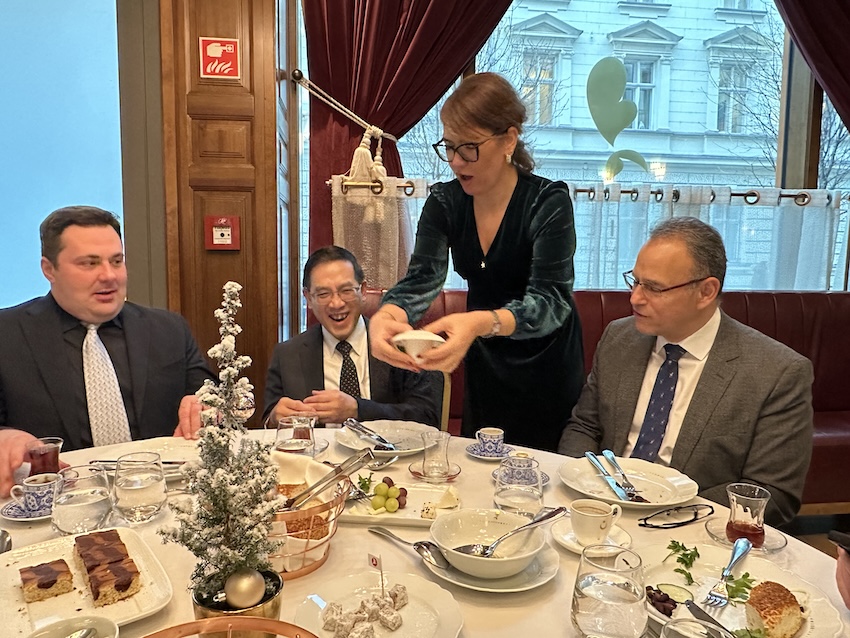
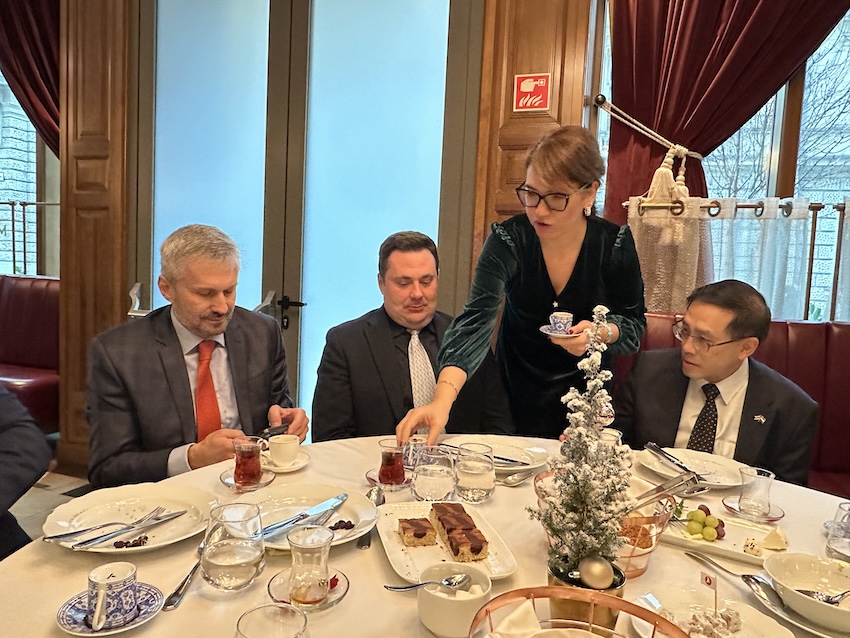
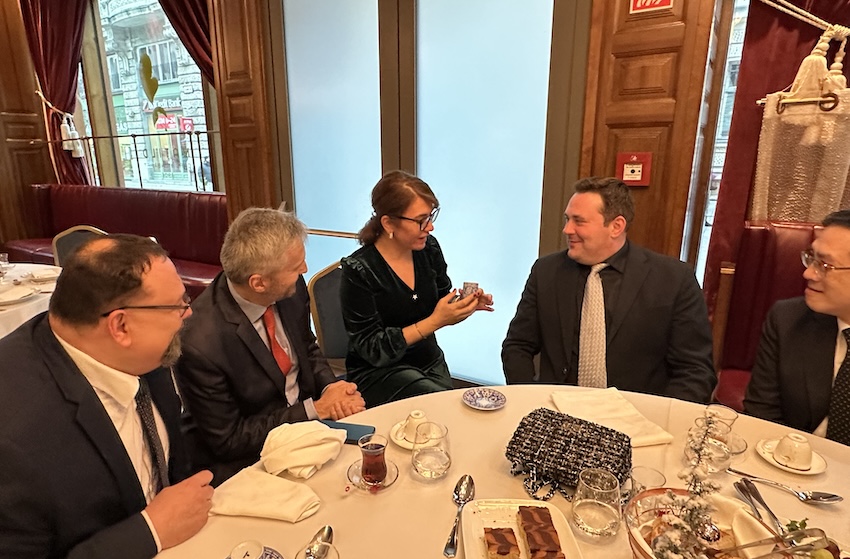
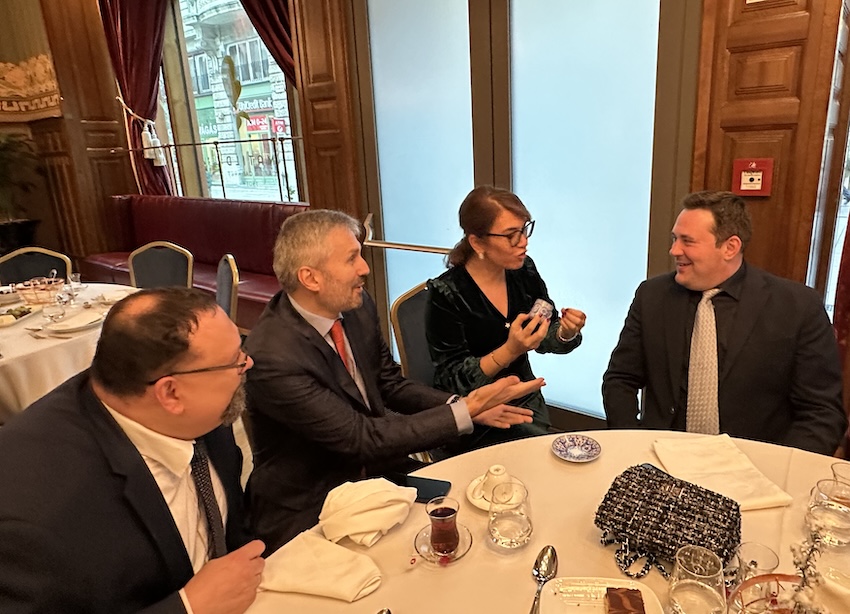
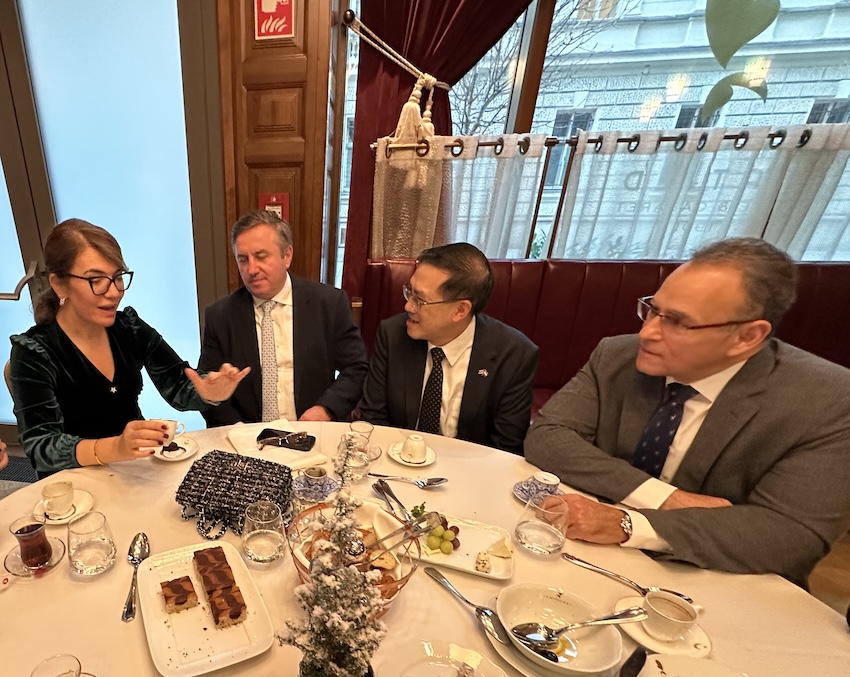
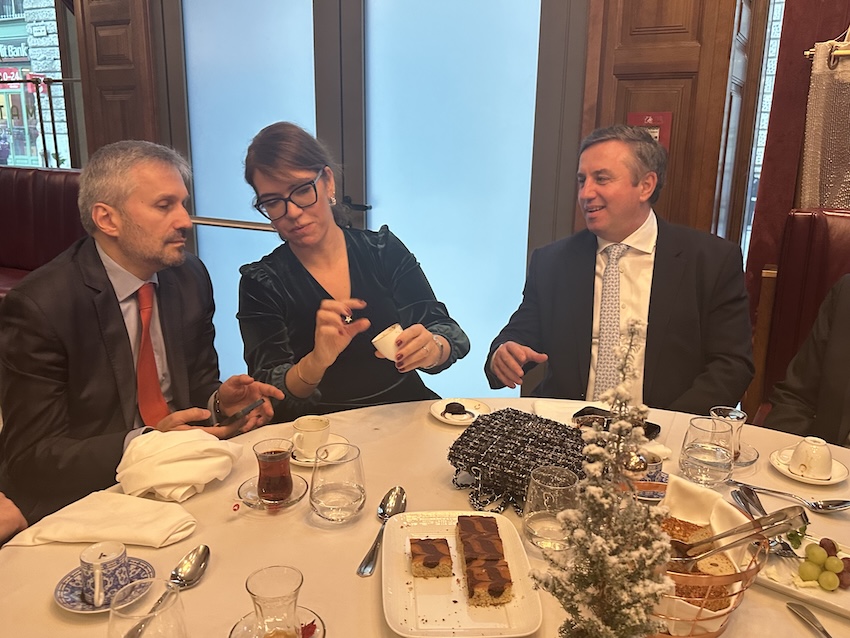
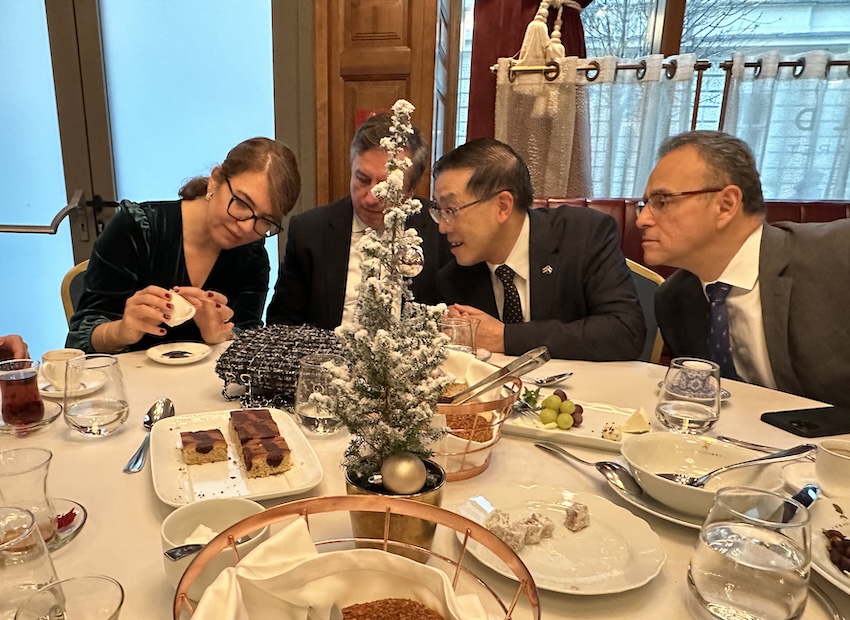
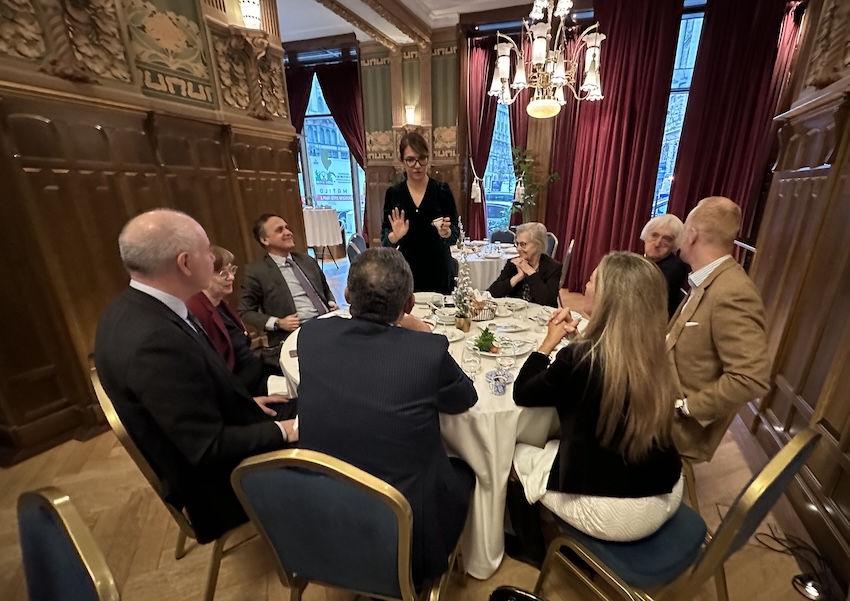
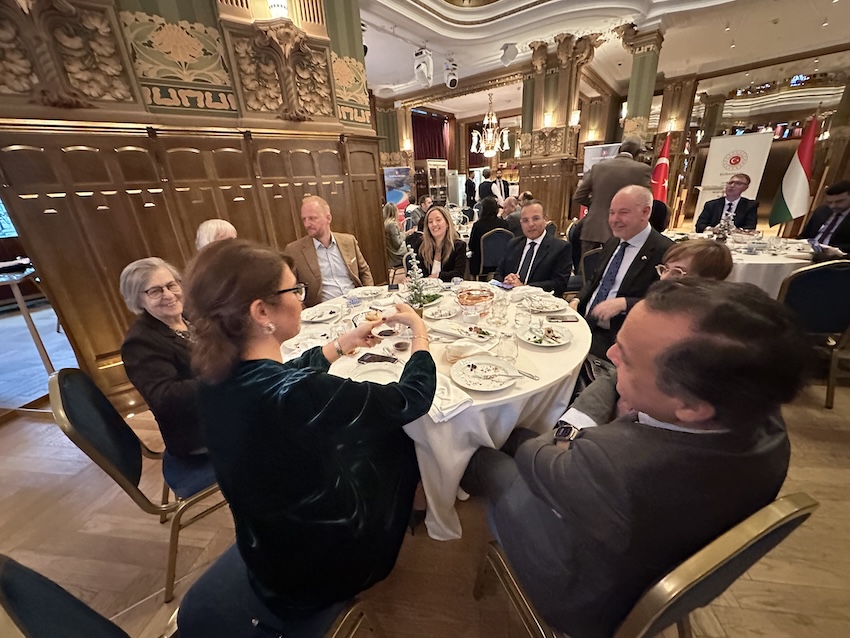
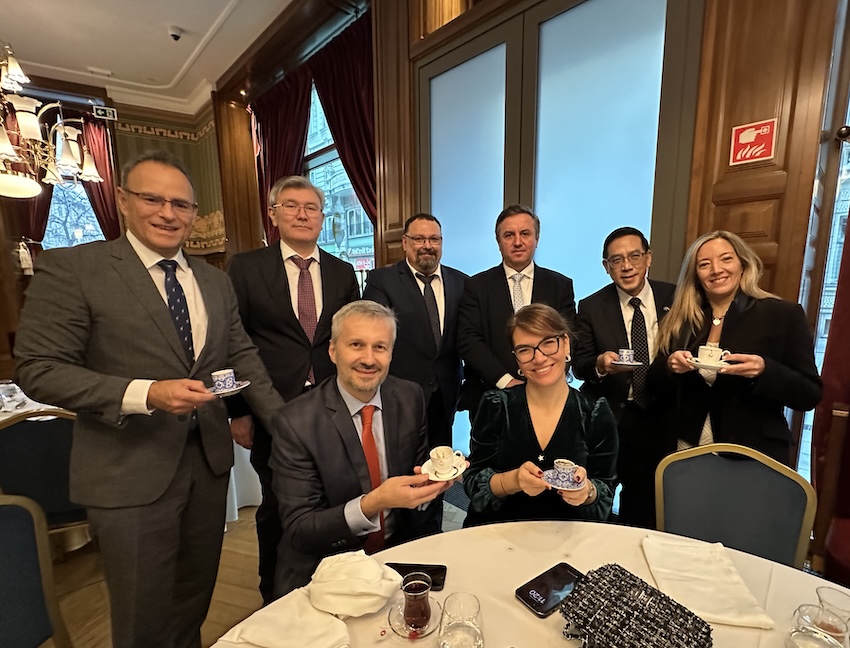
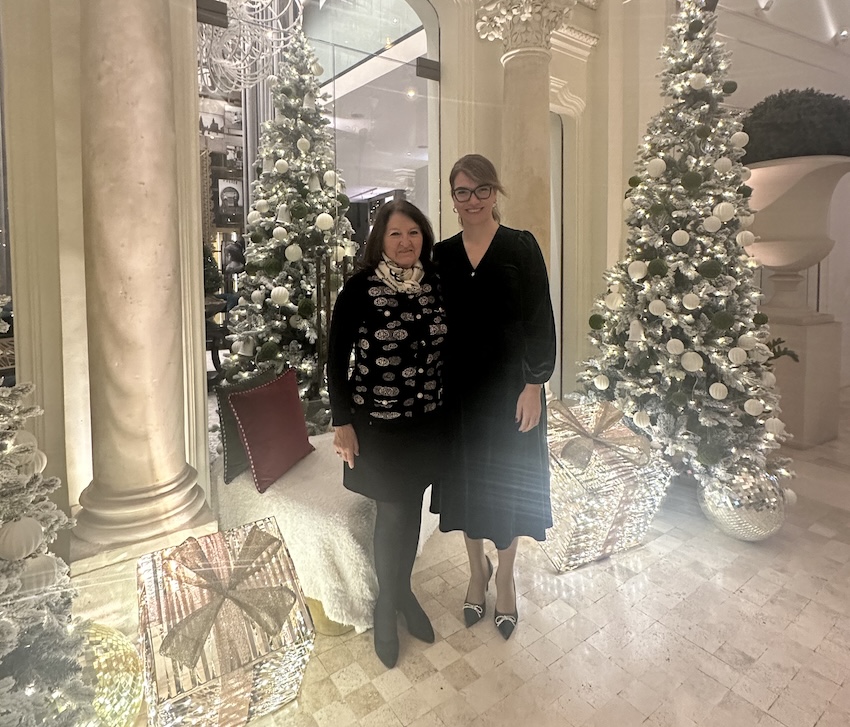
The gathering ended in the white winter glow of Matild Palace, surrounded by the hotel’s Christmas décor, towering trees, and seasonal atmosphere, which was around the corner. Guests received special presents, a generous close to an event that combined cultural heritage with genuine hospitality.
Your Excellency, thank you so much for giving me the opportunity to once again take part in this wonderful celebration of authentic Turkish coffee tradition.
Source: Embassy of Republic of Türkiye in Budapest
Photos from the Embassy of Republic of Türkiye in Budapest, and DPA