

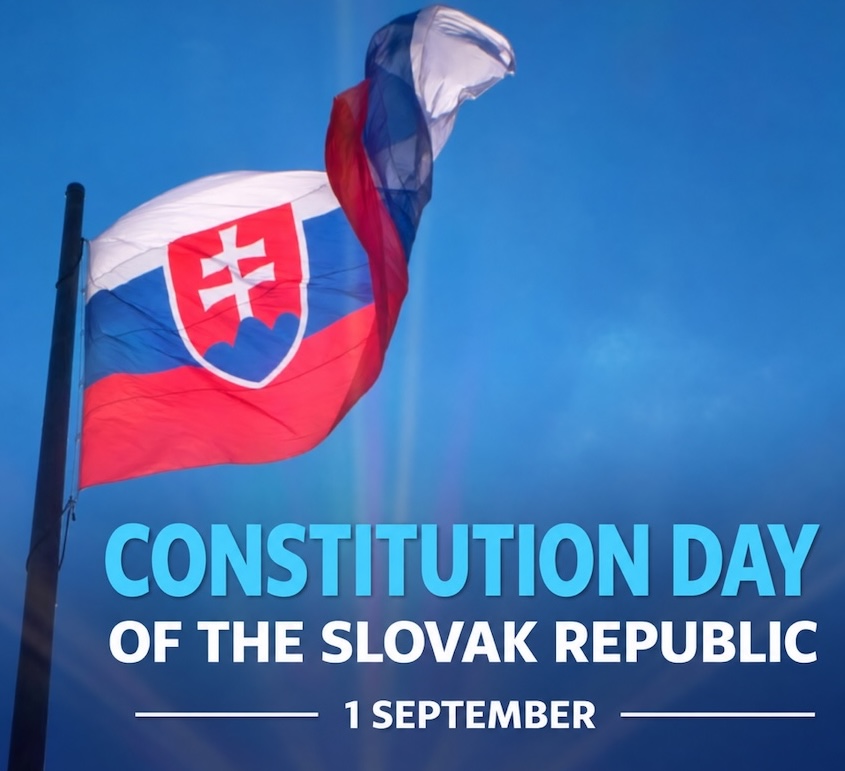
“Diplomacy is an art to create a space where differences do not prevent cooperation.”
Edited by Anna Popper
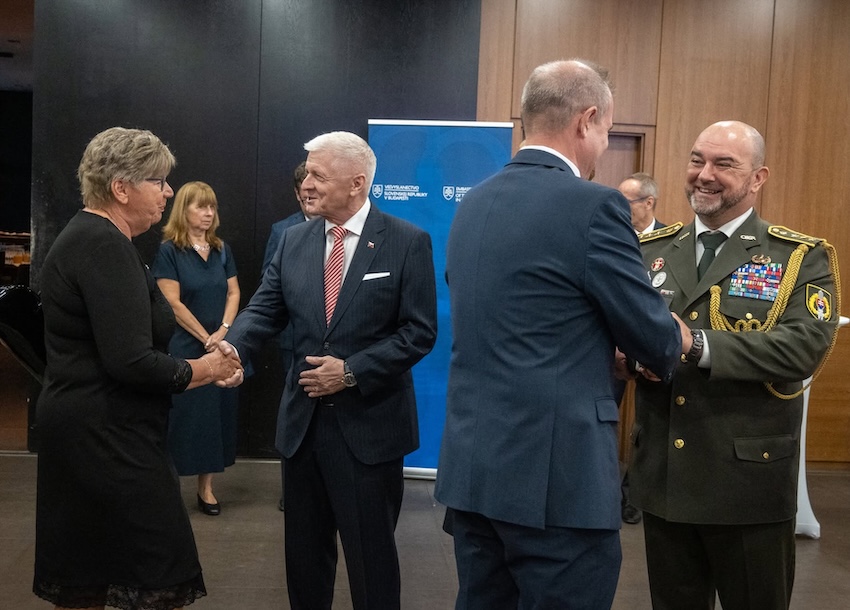
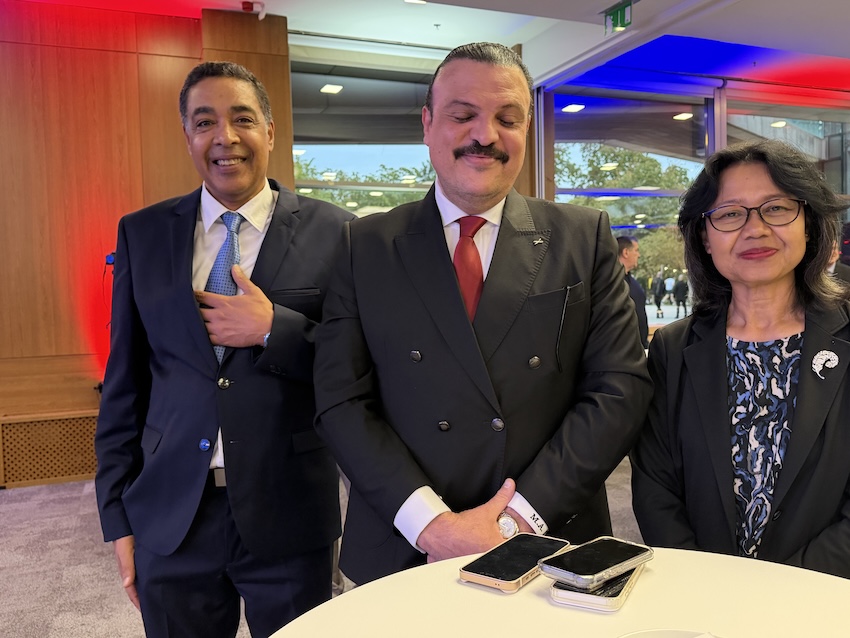
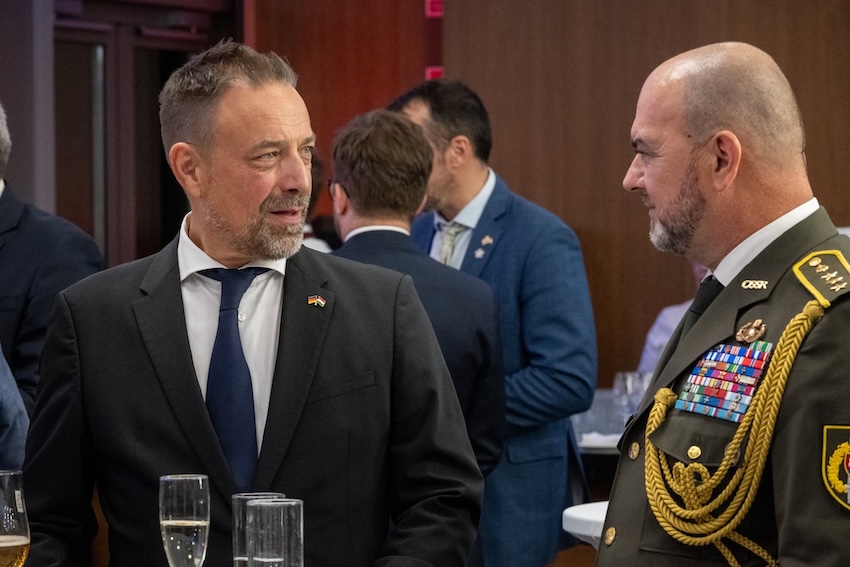
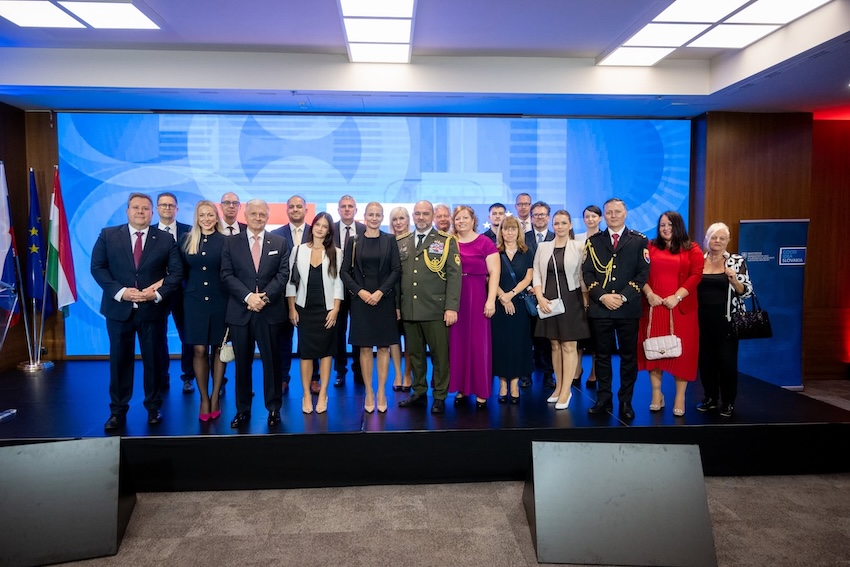
To mark the National Day of the Slovak Republic and Slovak Armed Forces Day, H.E. Pavol Pavlis, Ambassador of the Slovak Republic to Hungary, and Mrs. Barbara Pavlisová – together with Colonel GS Roland Bartakovics, Slovak Defence Attaché, and Mrs. Natália Bartakovics – hosted a grand reception on 17 September 2026 at the Larus Event Centre in Budapest.
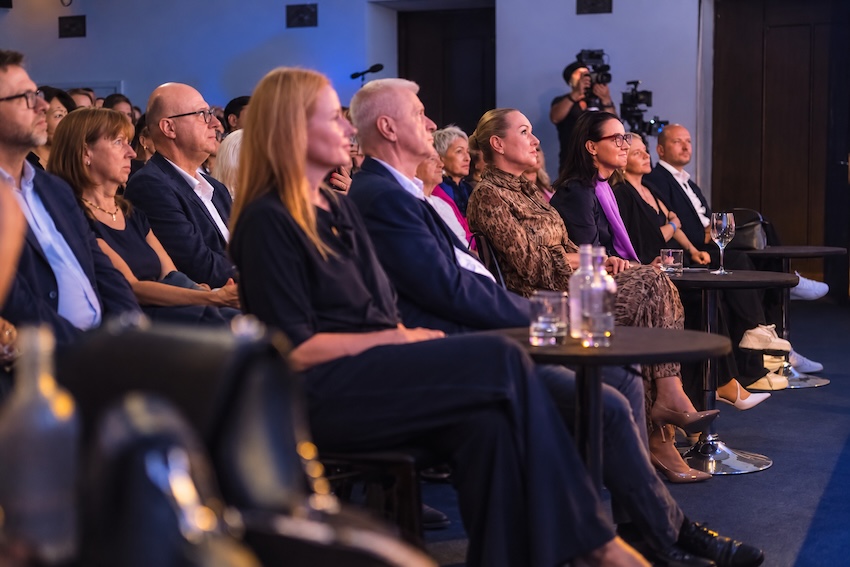
The event was attended by a large number of distinguished guests, including senior Hungarian officials, representatives of the Hungarian Armed Forces, members of the diplomatic corps, as well as prominent figures from the business and cultural communities, Slovak nationals living in Hungary, and friends of Slovakia.
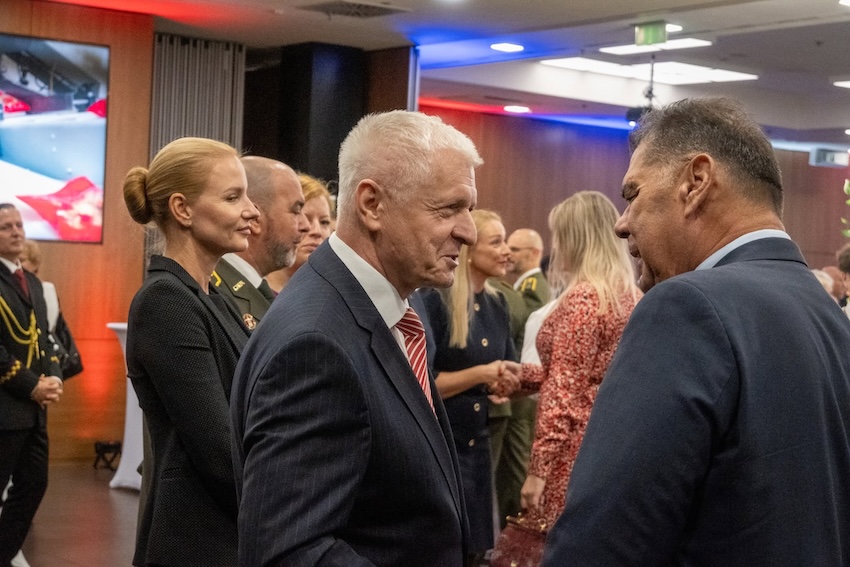
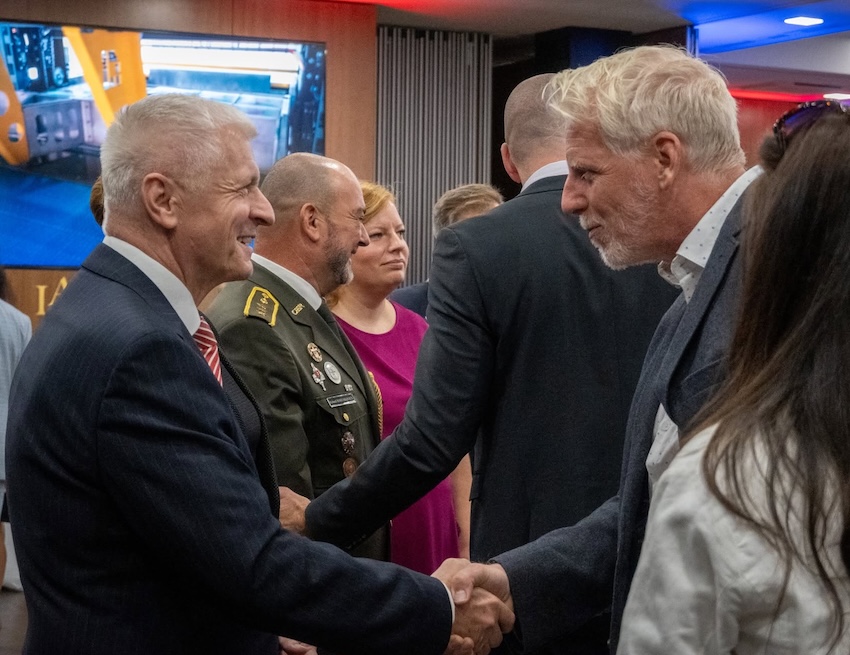
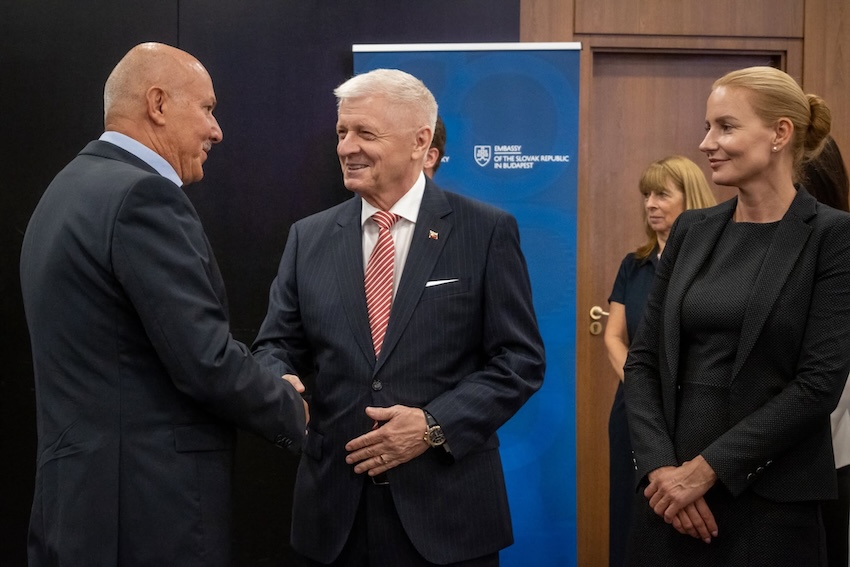
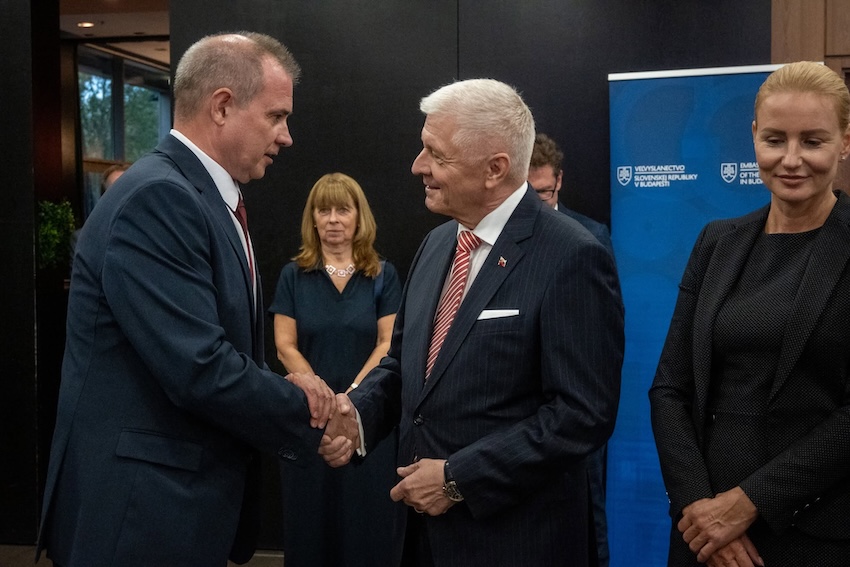
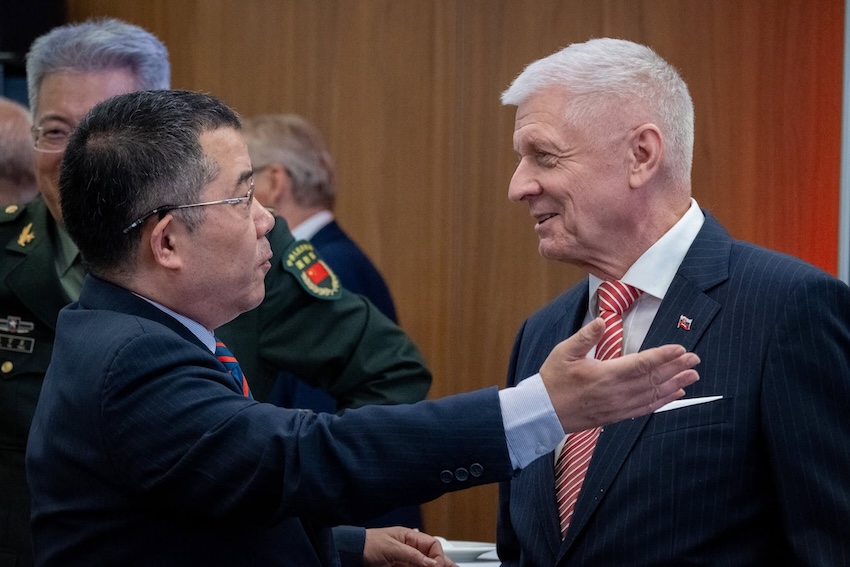
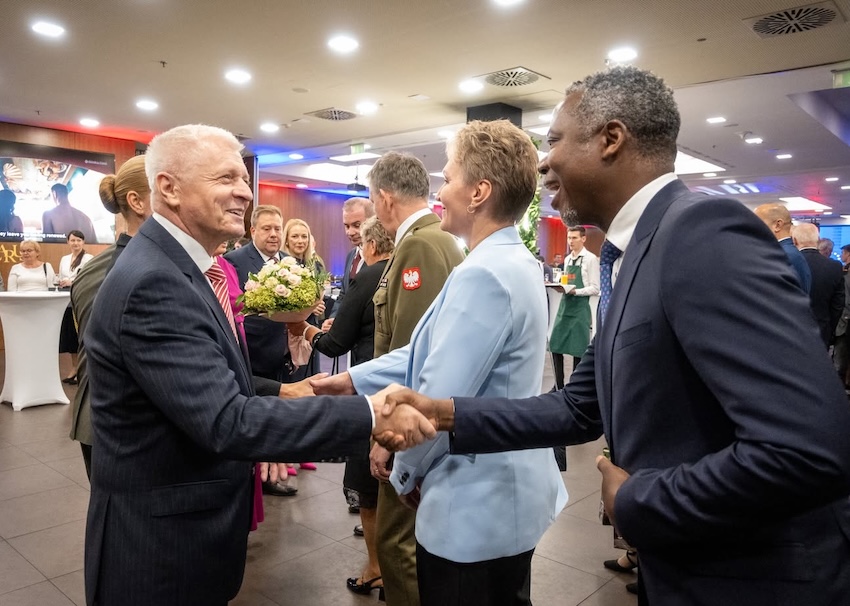
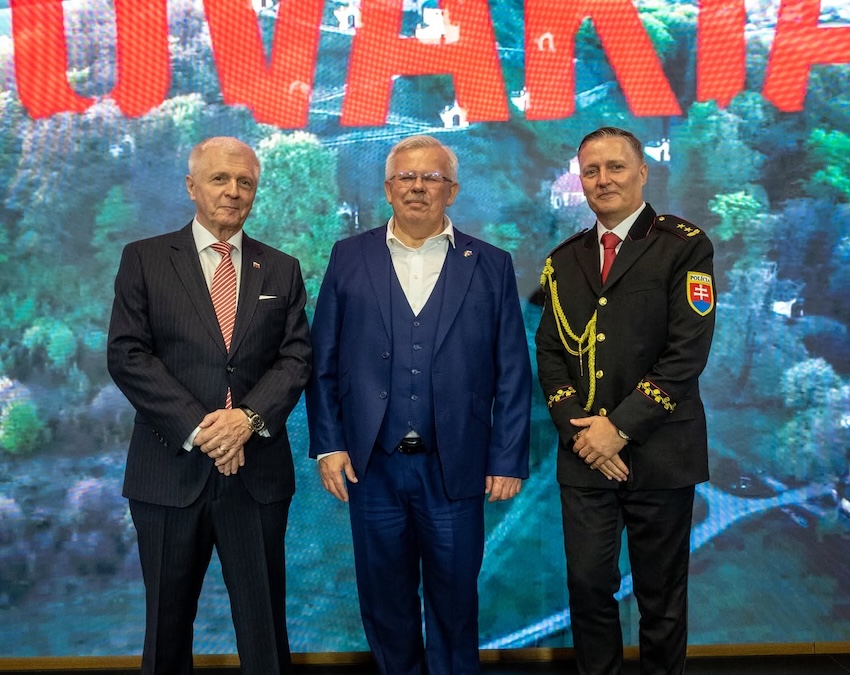
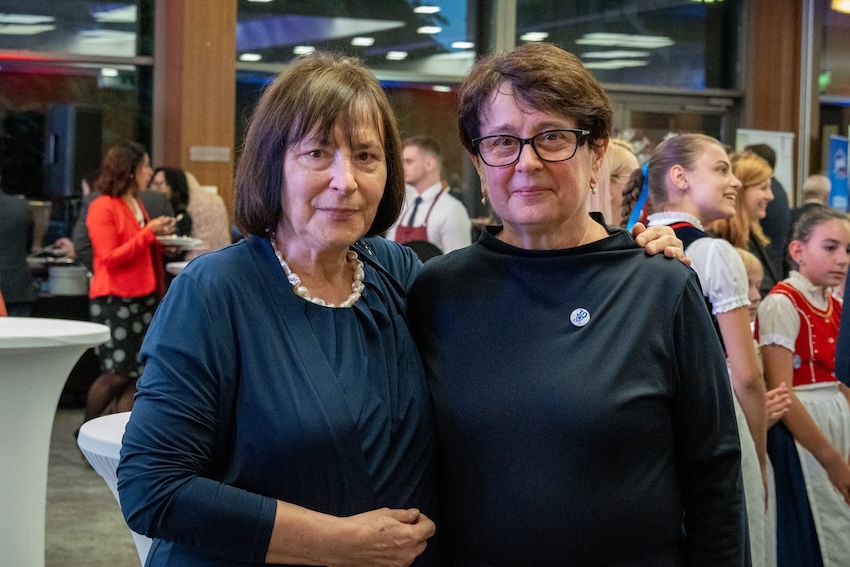
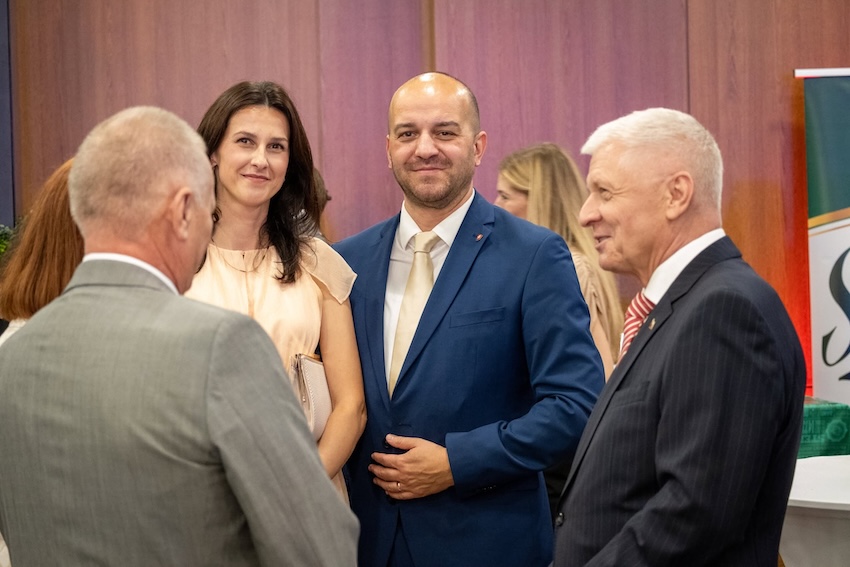
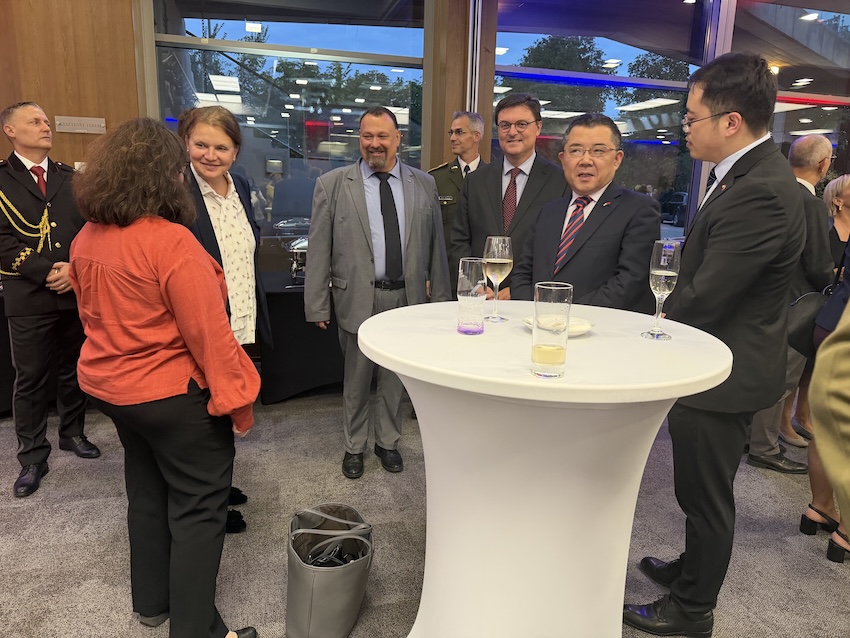
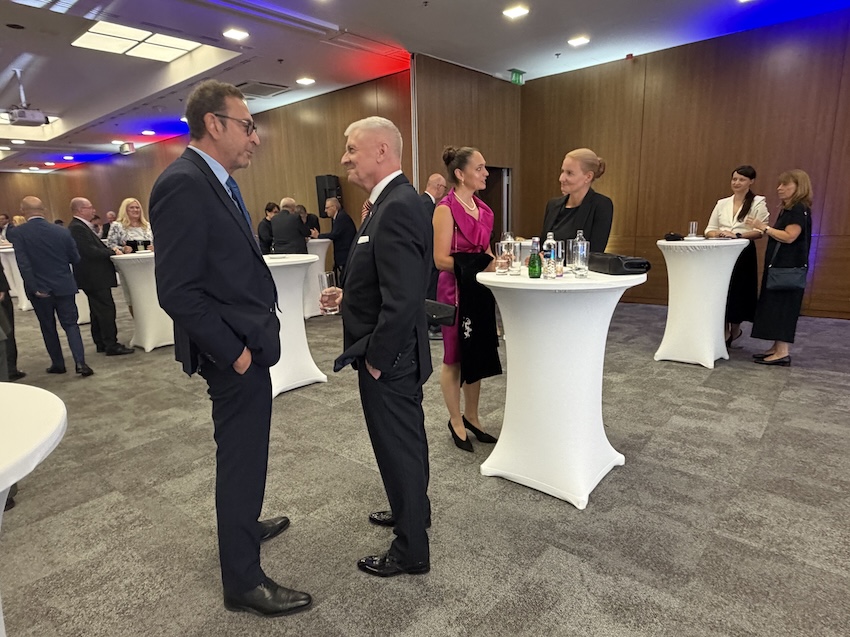
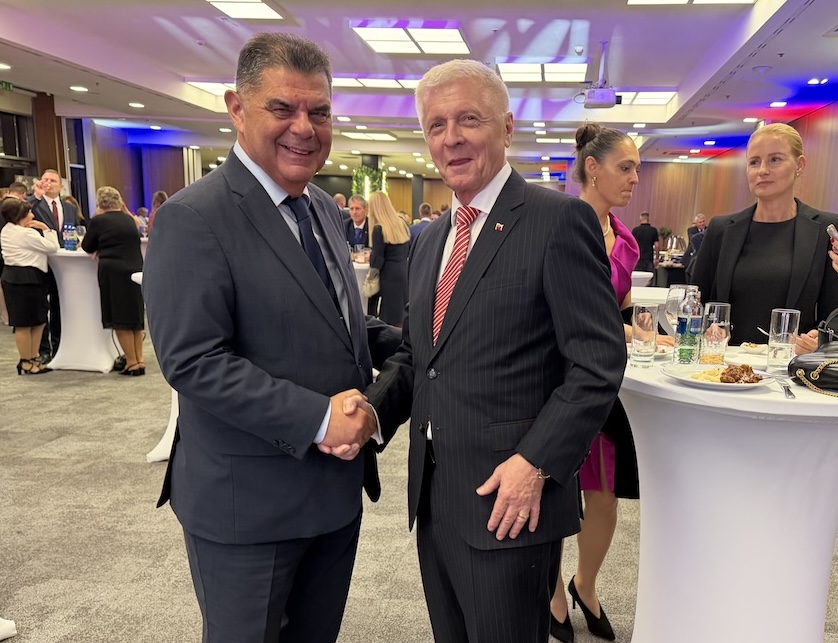
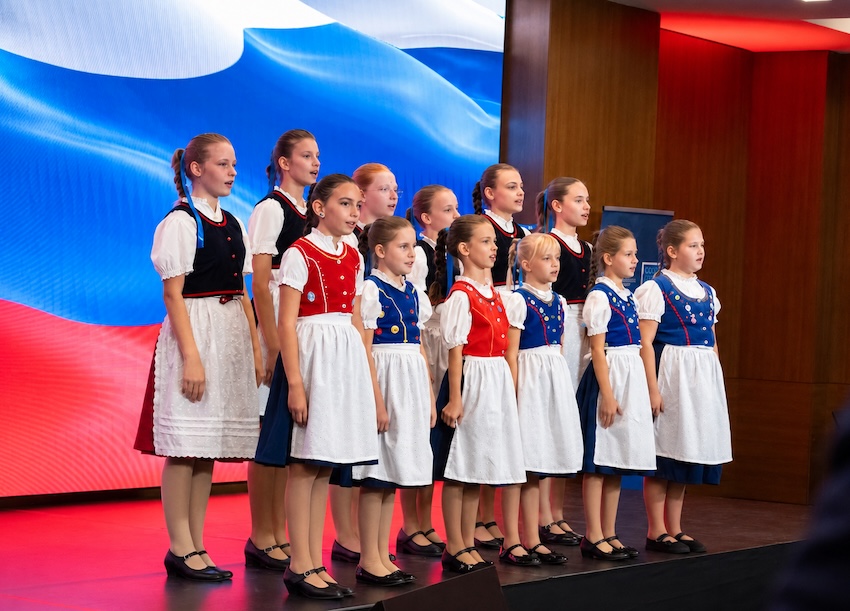
The celebration opened with the national anthems of Slovakia and Hungary, and the Anthem of the European Union, performed by students from the Slovak Nationality Primary School in Pilisszántó.
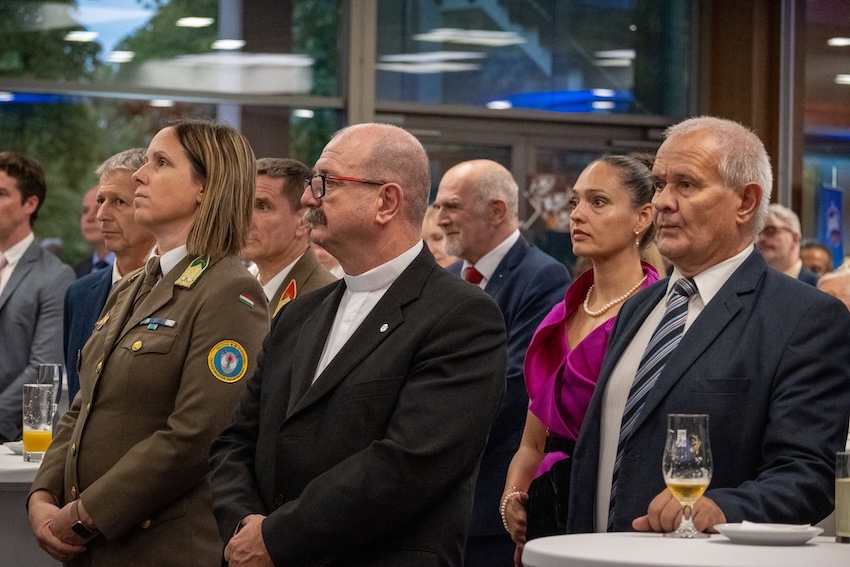
This was followed by a solemn address from H.E. Ambassador Pavol Pavlis:
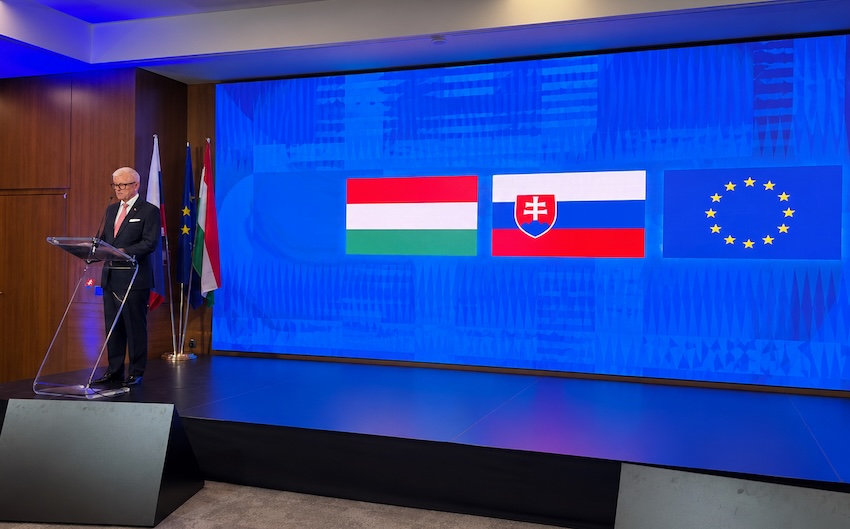
“Your Excellency Major General Zoltán Apáti, Deputy Chief of General Staff – Chief of Staff, Distinguished Ambassadors, Military Attachés, Ladies and Gentlemen, dear friends, fellow Slovaks – Good evening!
On behalf of the Slovak Republic and the Embassy of the Slovak Republic in Budapest, I would like to warmly welcome you at today’s reception on the occasion of the Constitution Day and Armed Forces Day of the Slovak Republic.
It is a special honour for me to welcome you, especially here, in Budapest. The presence of representatives from the diplomatic and military corps, our Hungarian partners, friends and colleagues is also a reminder for me of the importance of relations, which are built not only through official negotiations, but above all through personal contacts, mutual respect and trust.
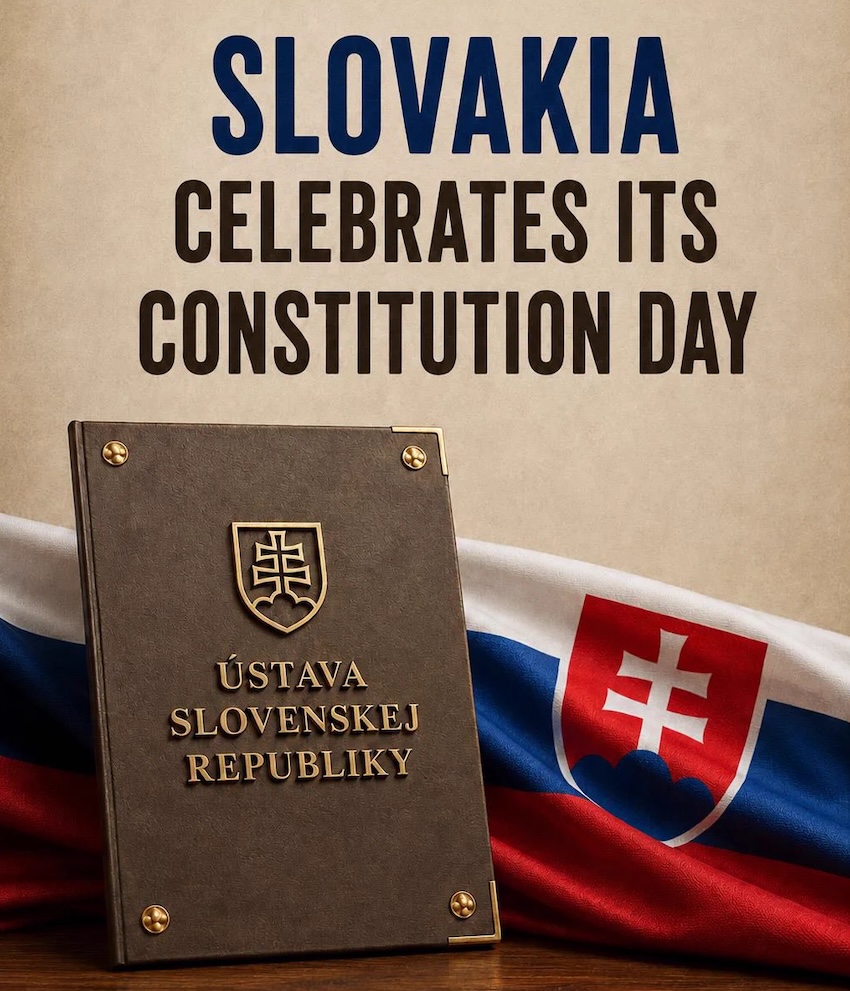
The 1st of September is an important day for us, Slovaks and our Republic. We commemorate the adoption of the Constitution of the Slovak Republic in 1992 – a document that became the basis of our modern state and one of the pillars of our statehood.
At the same time, the more than three decades of the independent Slovak Republic represent a journey during which we have become an integral part of the European and Transatlantic community. Today, Slovakia is a Member of the European Union and NATO, the Schengen Area, and the Eurozone. However, we do not perceive this position only as a privilege, but above all as an obligation and a responsibility – responsibility toward our citizens, our partners and our allies, as well as toward future generations. And responsibility, in my opinion, is one of the most important words defining not only statehood but also diplomacy and security policy.
Your Excellencies, dear Friends,
Hosting this reception here in Hungary is of particular importance for Slovakia. Our two countries are connected by geography, common history, economic and energy ties, membership in the European Union and NATO, but – above all – by people.
Our shared borders are not just a space separating two sovereign states today; they are also a space of intense cooperation – between regions, cities and municipalities, businesses, universities, and citizens. That is why I consider good and pragmatic Slovak-Hungarian relations to be one of the natural priorities of my mission in Budapest.
Our ambition should not be to pretend that there are no different views between neighbours. True partnership is shown when we can talk openly about differences, respect each other’s positions, and at the same time look for areas where we can work together.
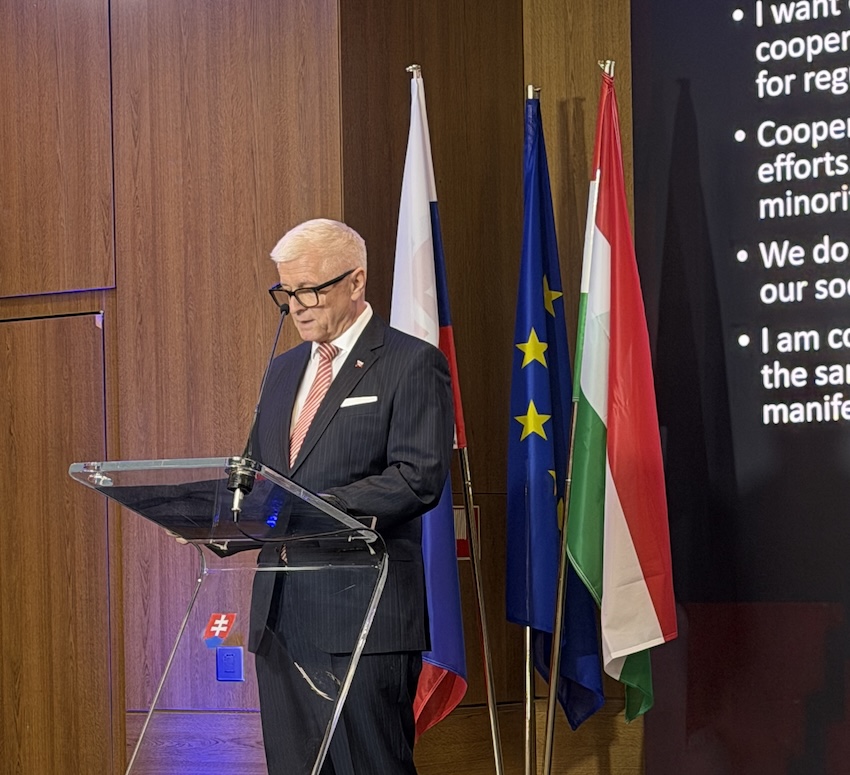
In my opinion, diplomacy is not an art to eliminate all differences; it is an art to create a space where differences do not prevent cooperation. This is precisely the approach I would like to bring to my position in Budapest. I want our Embassy to be an open space for political dialogue, economic cooperation, regional partnership, cultural and social contacts, as well as for regular communication between our institutions.
Cooperation in the field of national minorities has a special place in these efforts. The Slovak minority in Hungary and the Hungarian (Magyar) minority in Slovakia represent an important component of our relationship. We do not see their language, culture and traditions as borders between our societies, but as bridges that connect our countries. I am convinced that the ability to foster respect for national identity while simultaneously ensuring full participation in social life is a hallmark of modern European politics.
Ladies and Gentlemen,
At the same time, today’s international environment reminds us that security, stability and peace cannot be taken for granted.
The war in Ukraine has fundamentally altered the security landscape in Europe and highlighted the importance of the transatlantic bond, allied solidarity and preparedness. For the Slovak Republic, NATO Membership is one of the fundamental pillars of its security policy. A good example of such cooperation is the involvement of the Slovak Republic into NATO structures operating on the territory of Hungary – such as the MND-C Headquarters and the NFIU unit in Székesfehérvár – as well as our participation in the activities of the NATO Centre of Excellence for Military Medicine in Budapest.
This evening therefore offers a natural opportunity to express our appreciation to all the men and women serving in the Armed Forces of the Slovak Republic. We also value Hungary’s support in operating NATO structures within the territory of the Slovak Republic. Special appreciation goes to the Hungarian Army for guarding Slovak airspace.
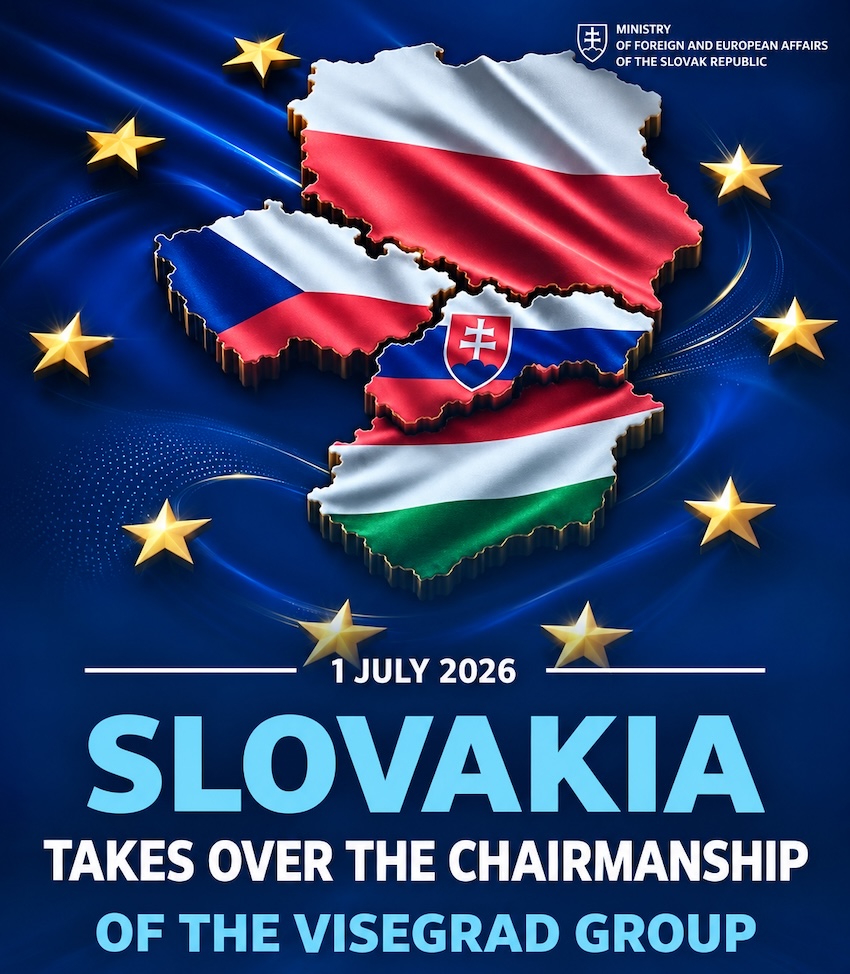
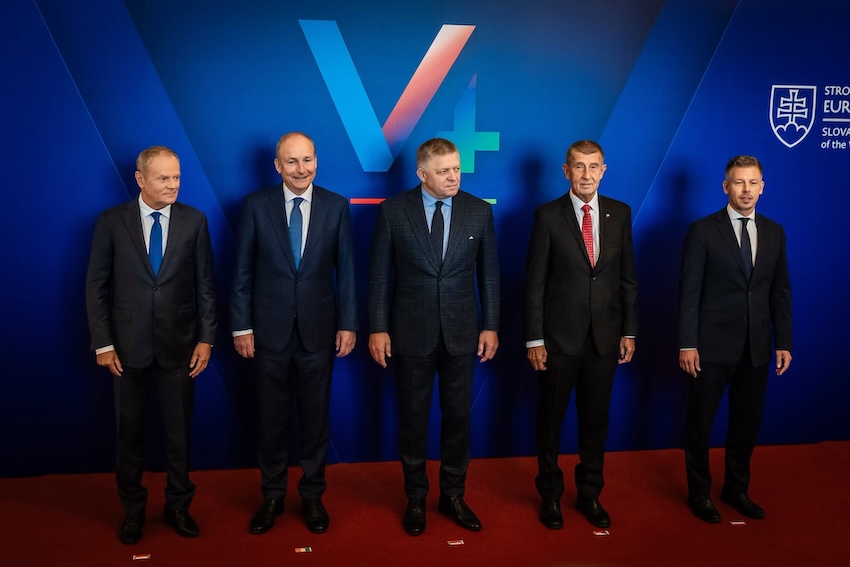
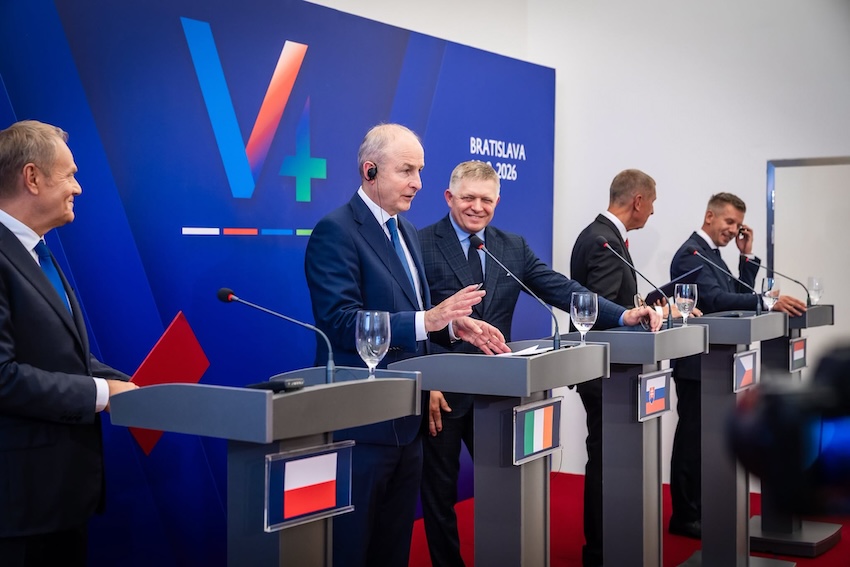
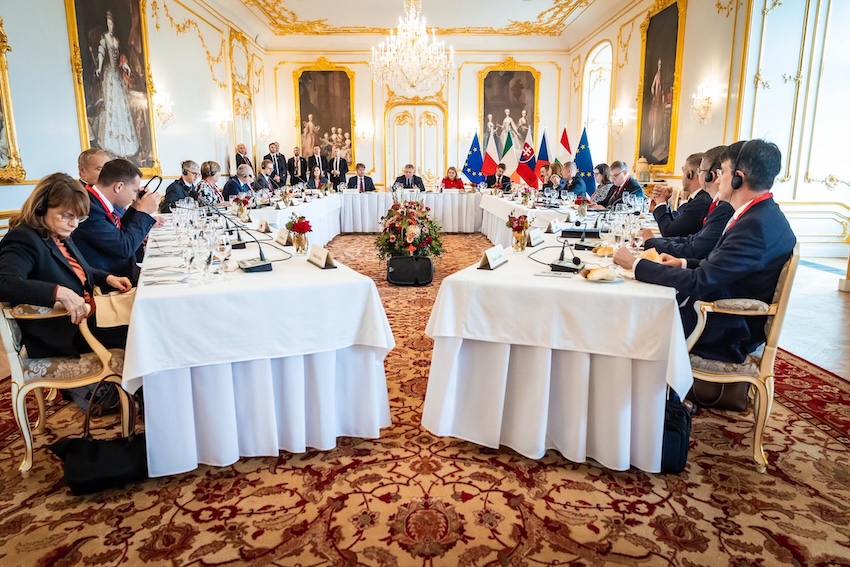
Allow me now to explicitly mention and highlight the Visegrad Group (V4). The Slovak Republic currently holds the presidency of V4, and we see this role as an opportunity to focus on practical issues that are important for all four member countries.
I am confident that the value of regional cooperation is best demonstrated when it can bring practical solutions and strengthen our ability to promote common interests in Europe.
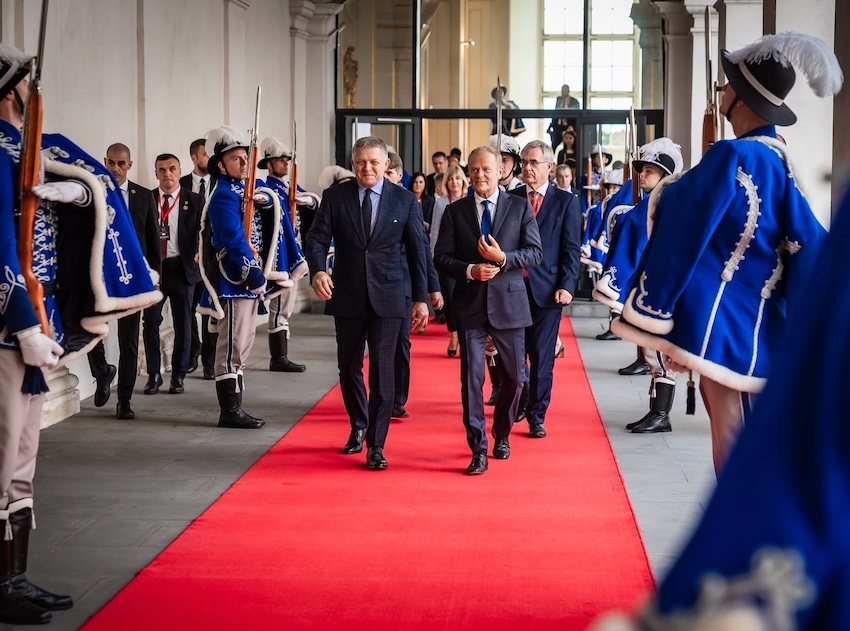
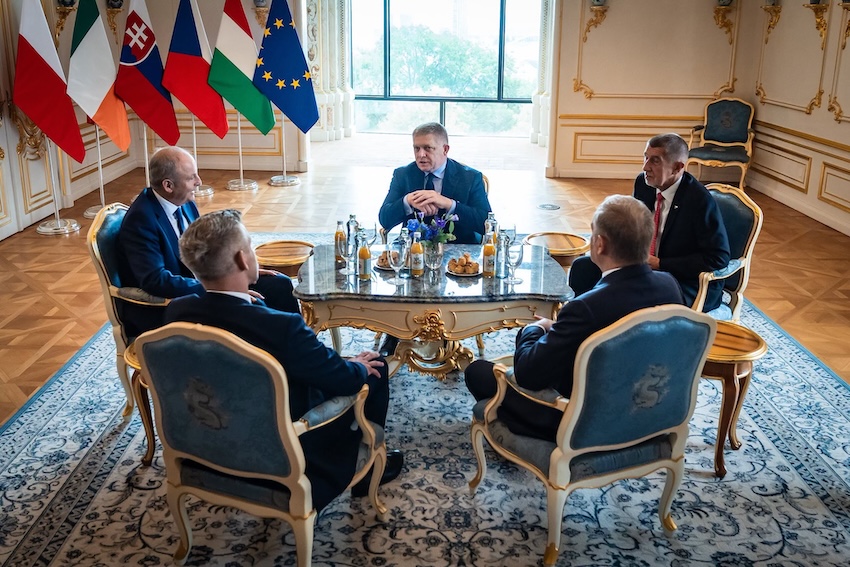
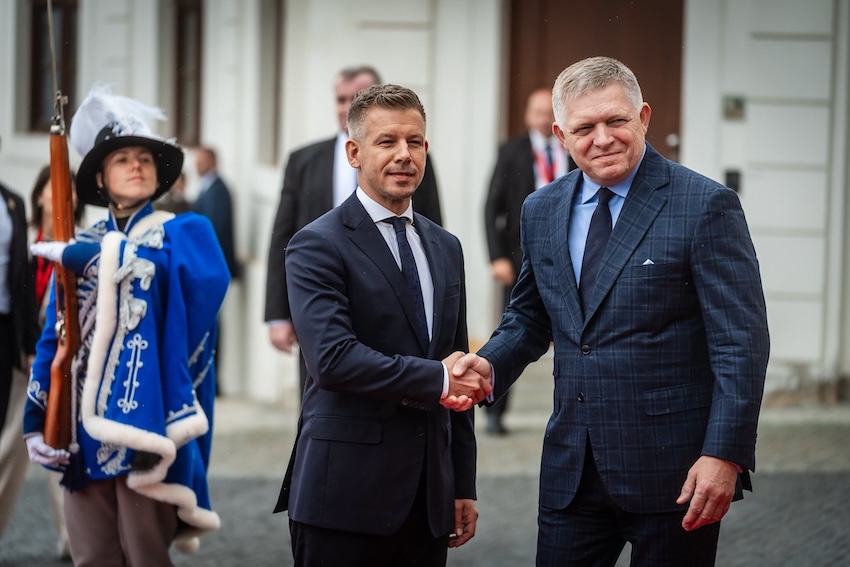
The meeting between V4 Prime Ministers and the Irish EU Council Presidency in Bratislava on 10 September was a very good example of this. And I am glad that Hungary is among our closest partners in this effort.
I would like to comment on economic and trade cooperation, because Hungary is the third most important destination for Slovak exporters. We are closely linked through industrial production, energy, transport infrastructure and, of course, cross-border cooperation. Slovak and Hungarian companies cooperate primarily in the automotive industry, mechanical engineering, electrical engineering, agriculture, and logistics. In 2025, our trade exchange reached 14 billion Euros.
Equally important, however, is the fact that Slovakia is a stable partner and a good neighbour of Hungary. During the extreme drought this summer and the impending shutdown of the Paks Nuclear Power Plant, Slovakia has offered a helping hand with emergency electricity supplies and increased water flow on the Danube.
Dear Excellencies,
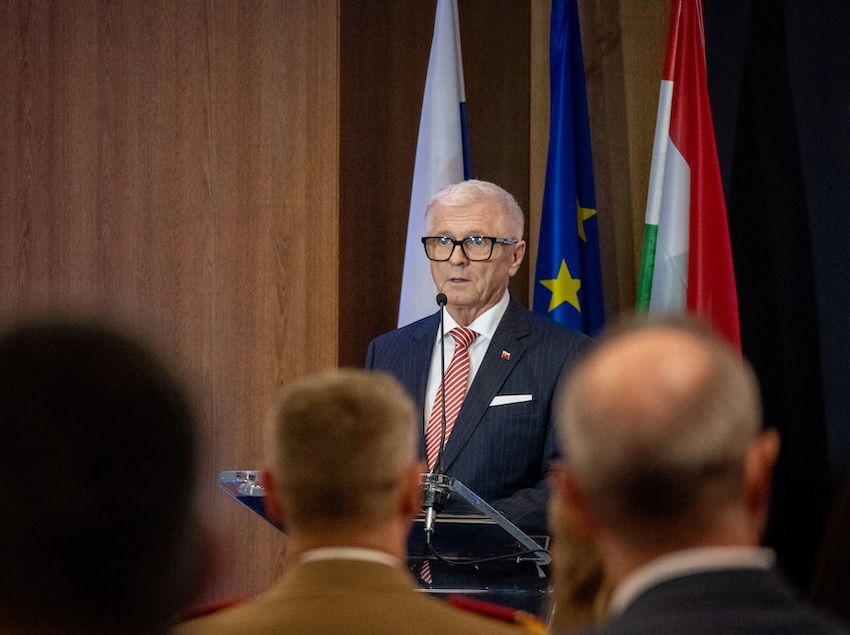
Let me now make a more personal remark. As the Ambassador of the Slovak Republic to Hungary, I would like my work to result in more than just negotiations, visits, or signed documents. Of course, these are also important. But even more significant, in my opinion, is whether we leave behind more mutual understanding and more trust.
After all, diplomacy is measured not only by the number of contacts but also by the quality of the relationships we build. And trust is something that does not arise by signing one document. It develops gradually – with every meeting, every open conversation, and, above all, through the ability to be a reliable partner, even when our opinions do not coincide. This is exactly the approach I would like to promote during my time in Budapest. I want Slovakia to be perceived in Hungary as a reliable neighbour, a predictable partner and a country ready to communicate openly and seek common solutions.
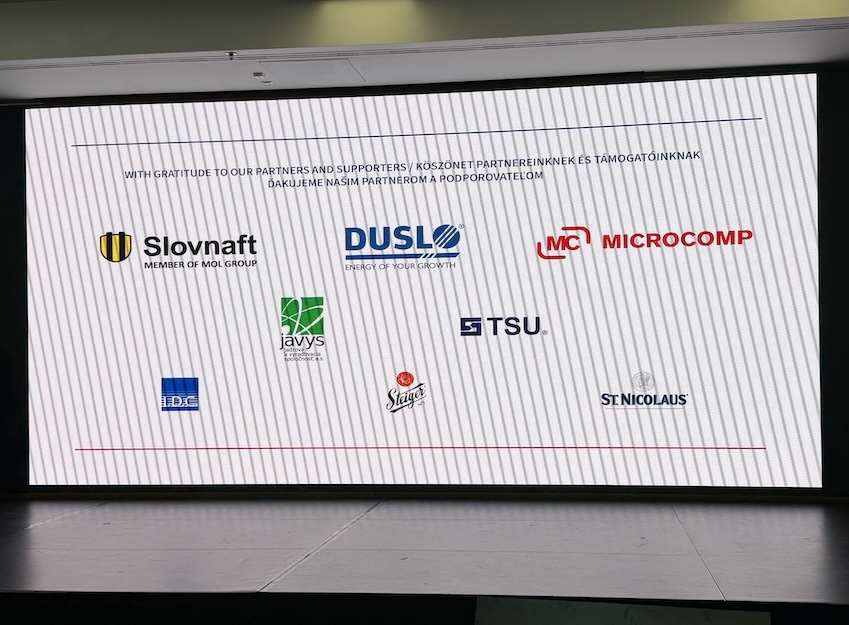
Ladies and Gentlemen, before wishing you a pleasant evening, let me express my sincere gratitude to our partners and supporters that you see on the screen behind me.
I also thank my family for their support, and I am very happy to thank my colleagues from the Embassy of the Slovak Republic in Budapest. Without their daily hard work, professionalism and commitment, this evening would not have been possible. Thank you all for having responded to our invitation today.
Dear Ladies and Gentlemen,
Today we celebrate Slovakia – a modern European republic that has its own interests and identity; yet at the same time realizes that in today’s world it can best promote them in cooperation with its partners and allies. And we also celebrate the people who represent this country – whether in diplomacy, the armed forces, the civil service, the economy, culture or everyday life.
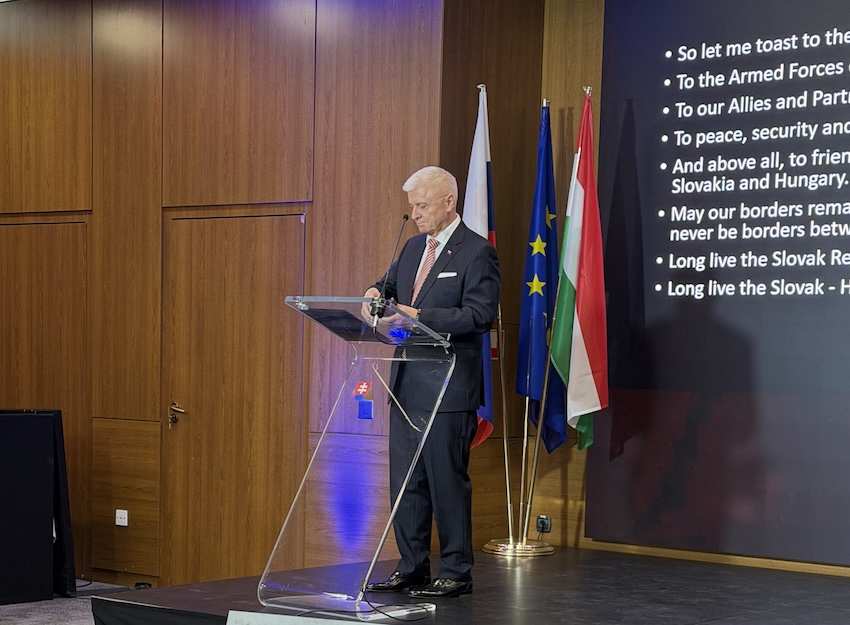
So let me toast to the Slovak Republic.
To the Armed Forces of the Slovak Republic.
To our Allies and Partners.
To peace, security and stability in Europe.
And above all, to friendship and good neighbourly relations between Slovakia and Hungary.
May our borders remain the borders of two sovereign states, but may they never be borders between people.”
“Long live the Slovak Republic! Long live the Slovak-Hungarian friendship!”
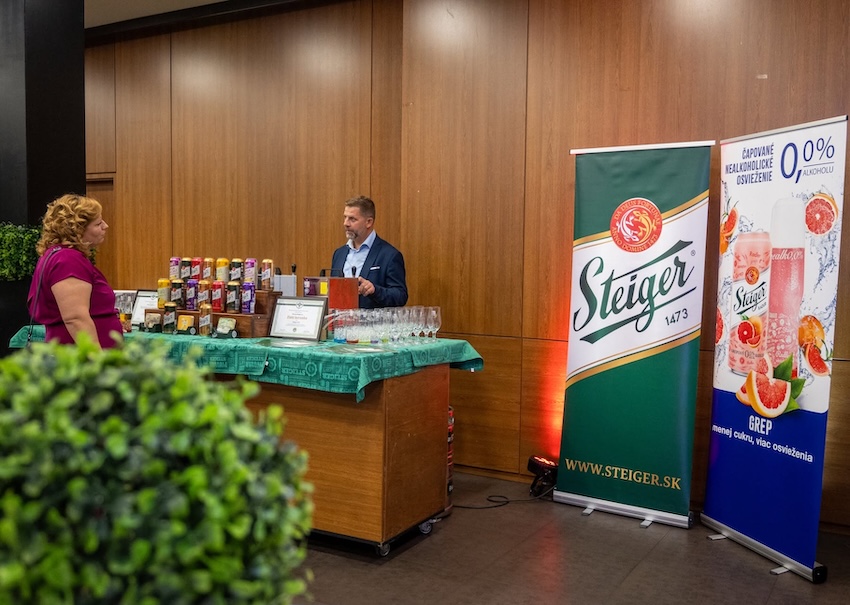
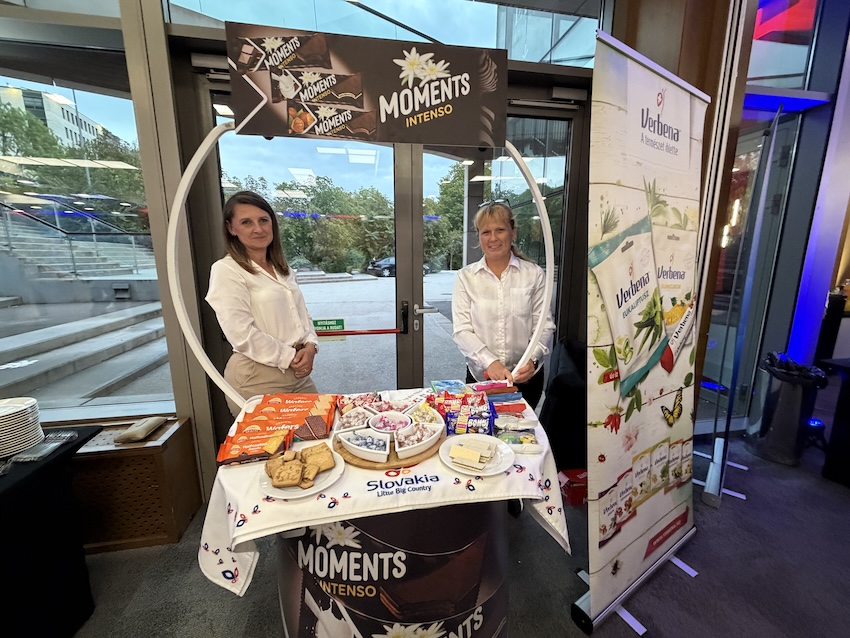
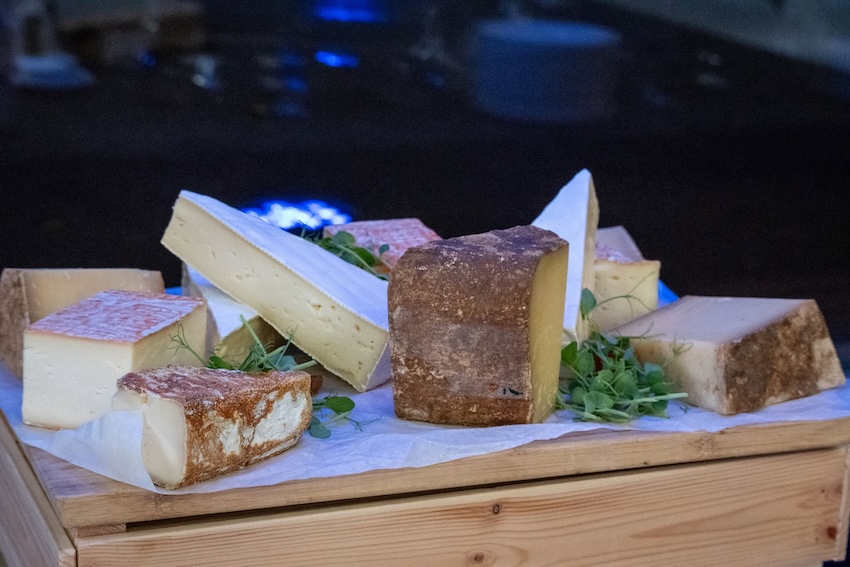
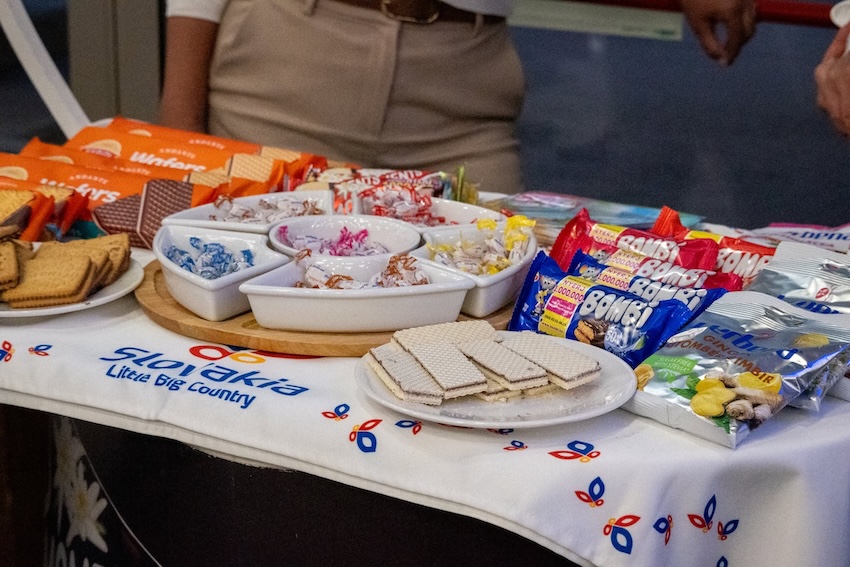
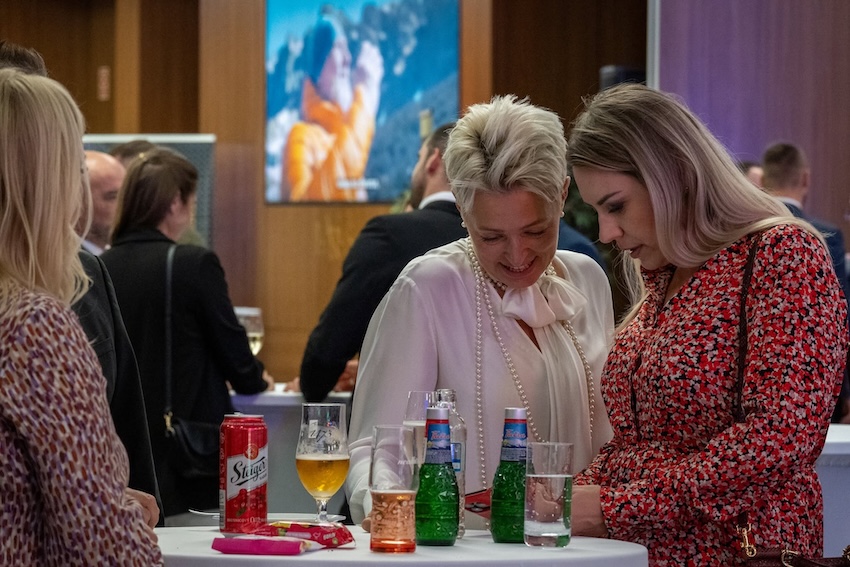
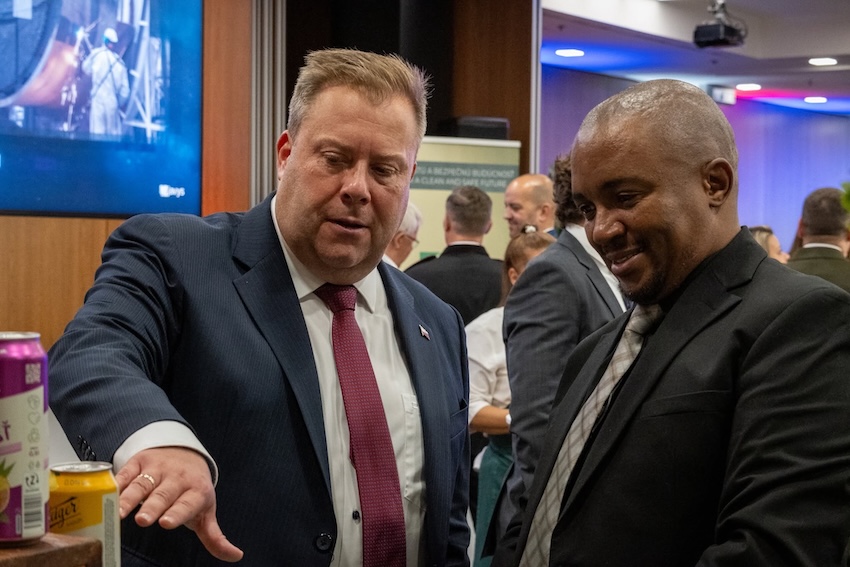
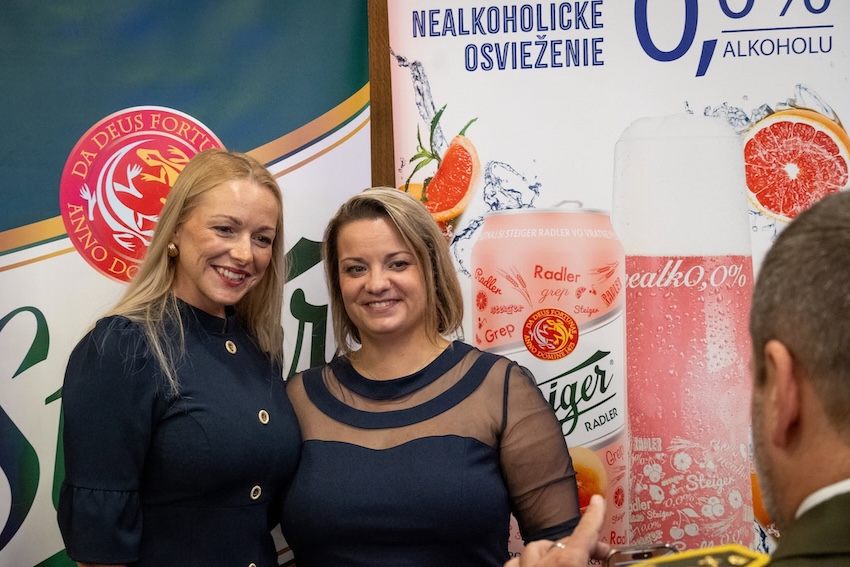
The official part of the evening was followed by a grand reception, offering invitees a rich selection of Slovak specialities alongside excellent Slovak wines and beers. The guests enjoyed the outstanding hospitality, culinary delicacies and convivial atmosphere, making the celebration a memorable occasion for all those present.
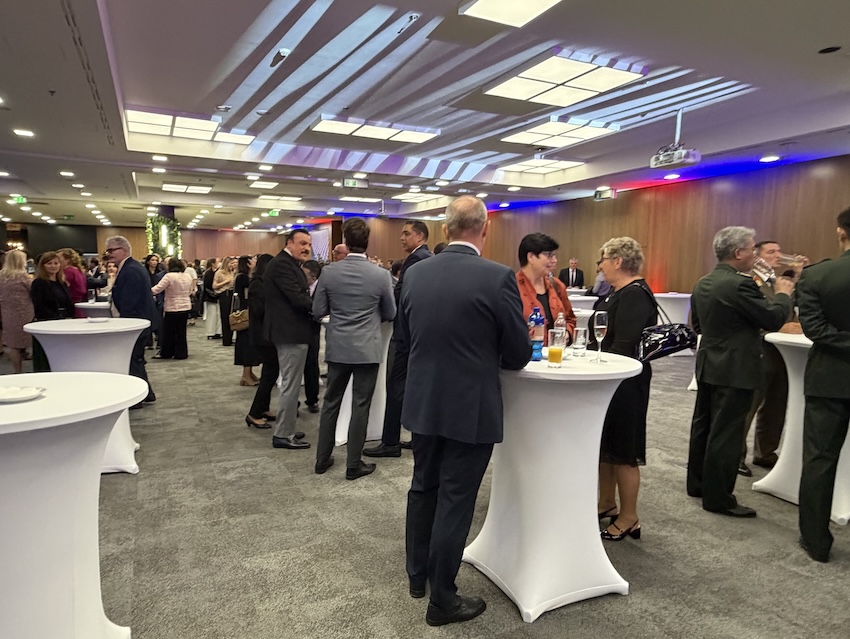
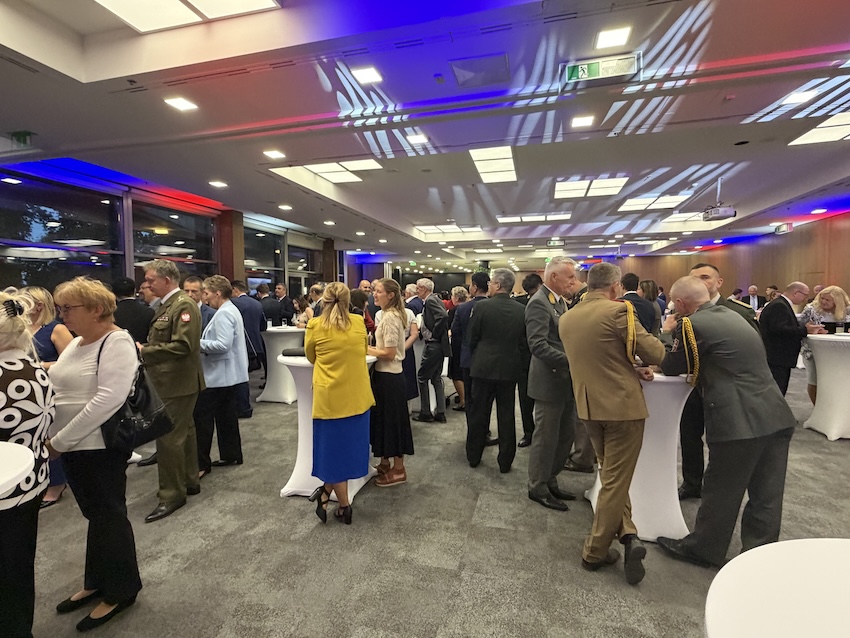
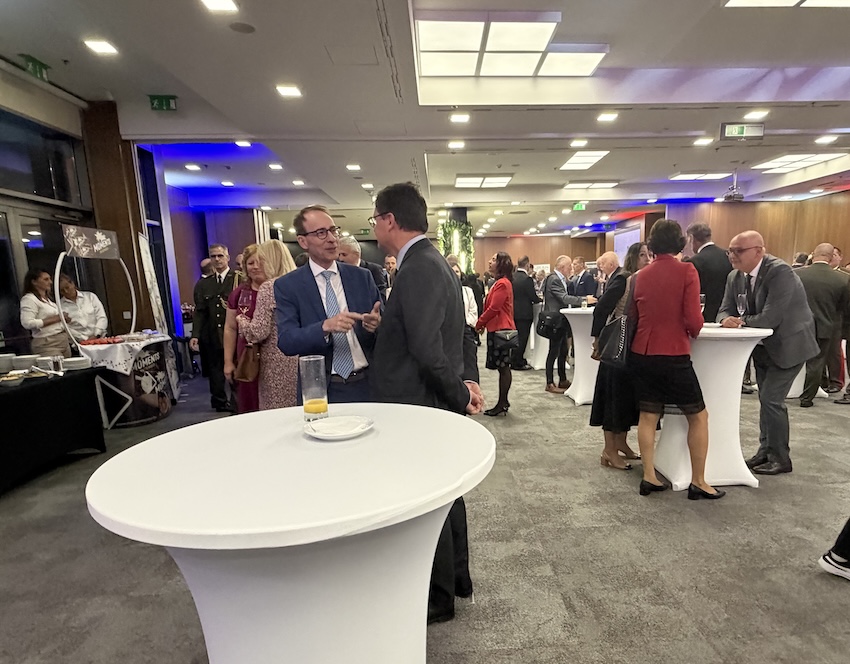
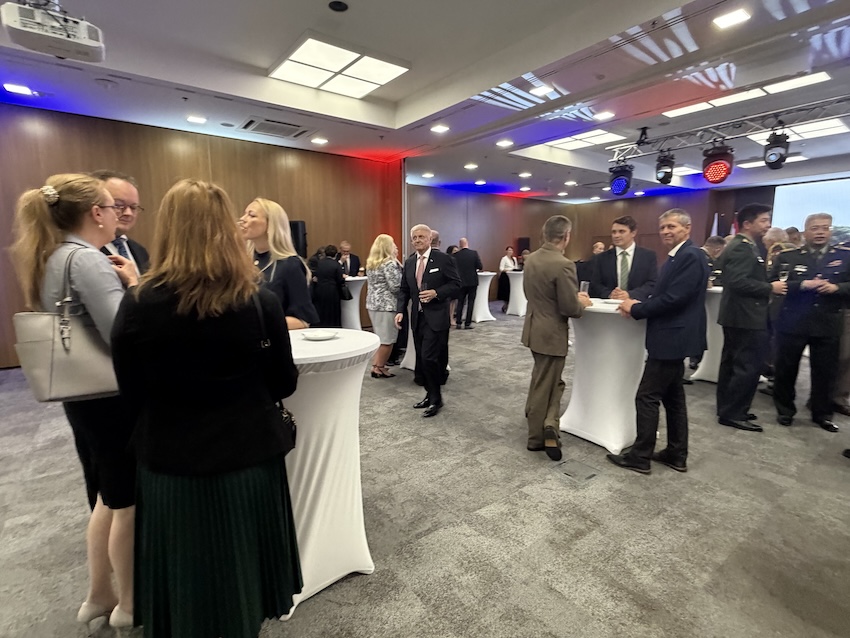
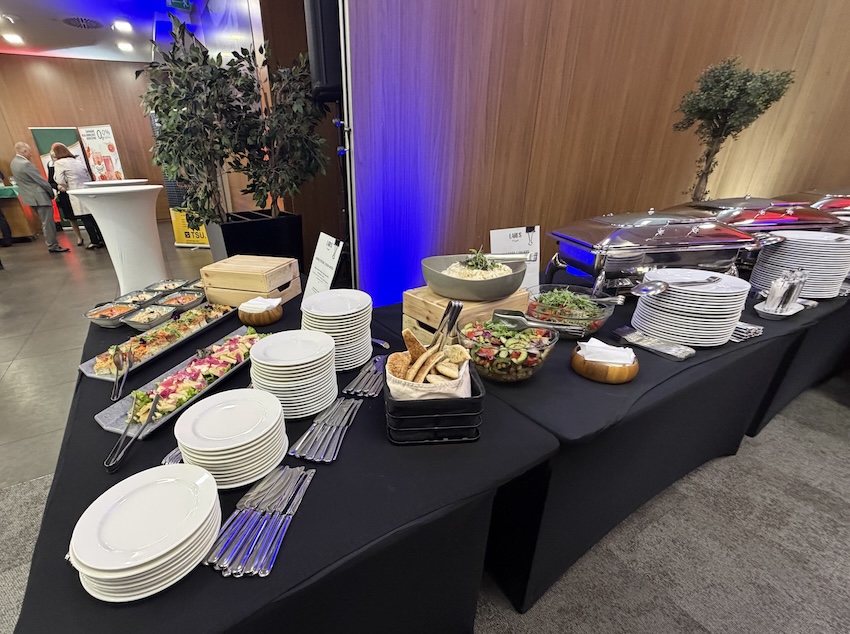
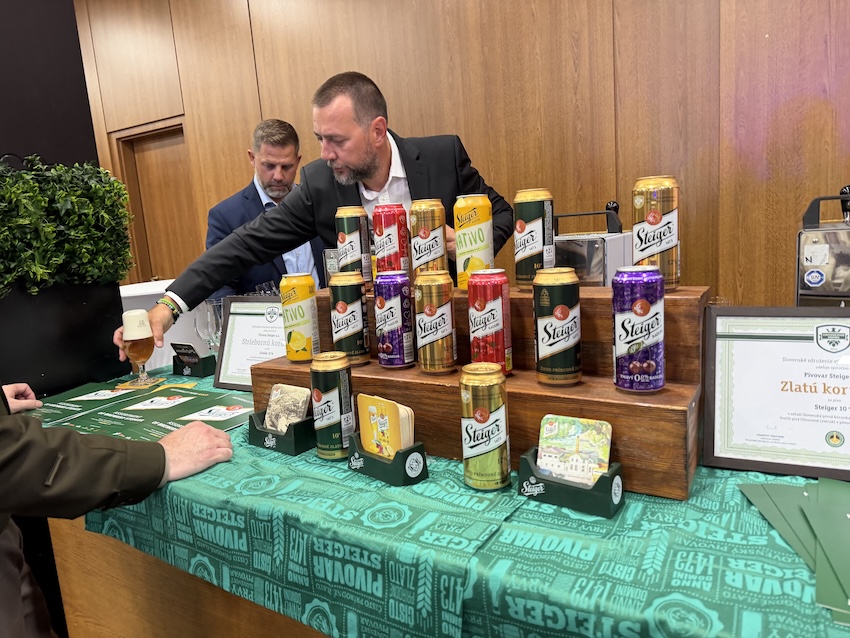
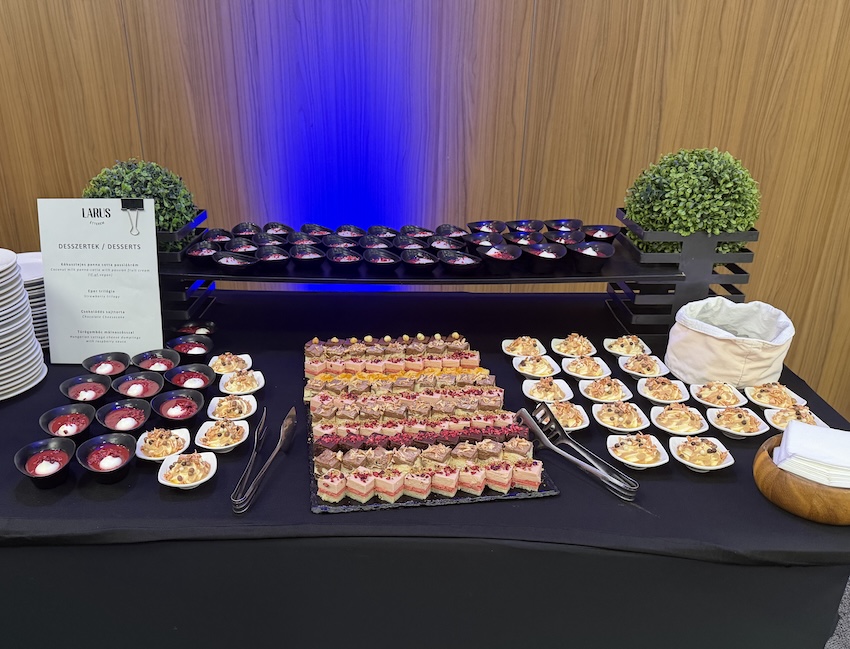
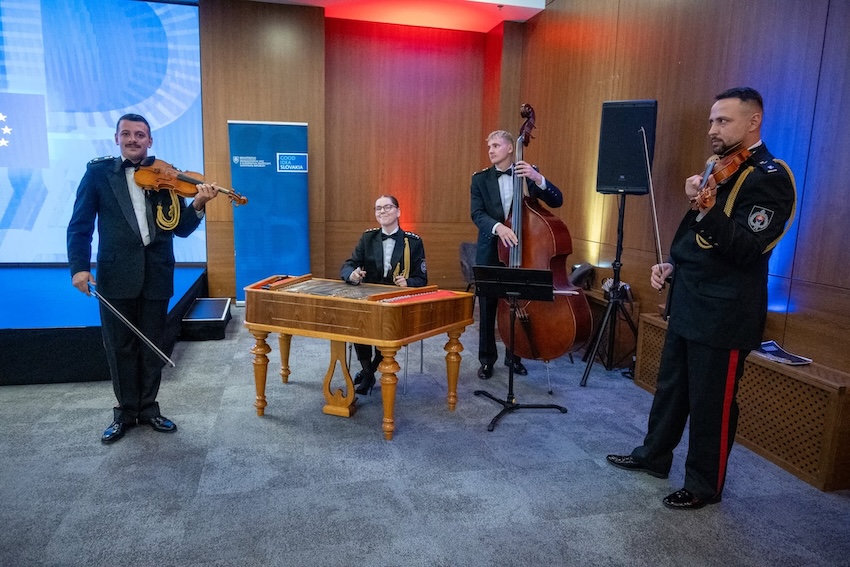
The lively atmosphere was further enhanced by the music of the Band of the Slovak Armed Forces, whose highly valued performance added a cheerful and festive touch to the evening.
Gypsy Devils from Slovakia Thrill the Audience at Budapest Jazz Club
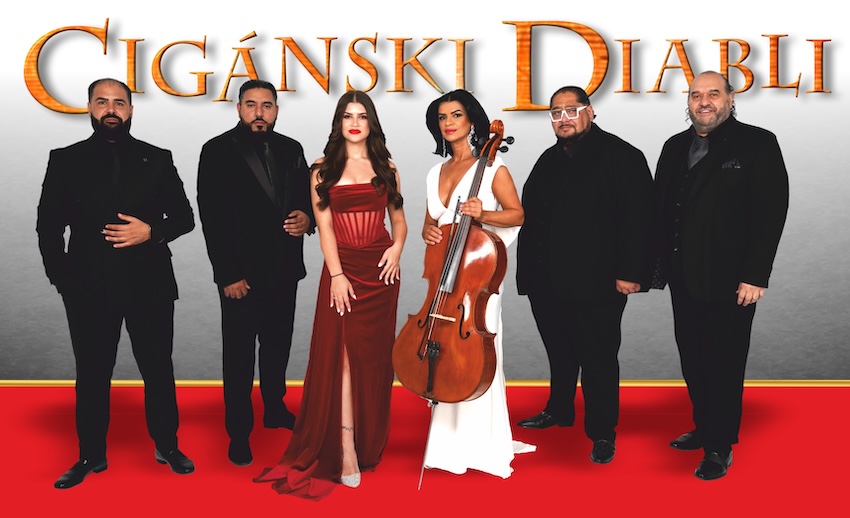
On 16 September 2026, the Budapest Jazz Club became the setting for an extraordinary musical evening: the internationally acclaimed Slovak ensemble The Gypsy Devils (Cigánski Diabli) performed a special concert to mark Slovakia’s Presidency of the Visegrad Group (V4).
The V4 Presidency rotates annually among the four member states – the Czech Republic, Hungary, Poland, and Slovakia. On 1 July 2026 Slovakia assumed the presidency, thereby beginning its one-year leadership of this regional cooperation framework.
On this occasion, the Slovak Institute in Budapest, together with the Embassy of the Slovak Republic in Budapest, organised the special concert by The Gypsy Devils. The event was part of the Institute’s rich programme of cultural activities, through which it has established itself as a highly active platform for presenting Slovak culture and artistic excellence in Hungary.

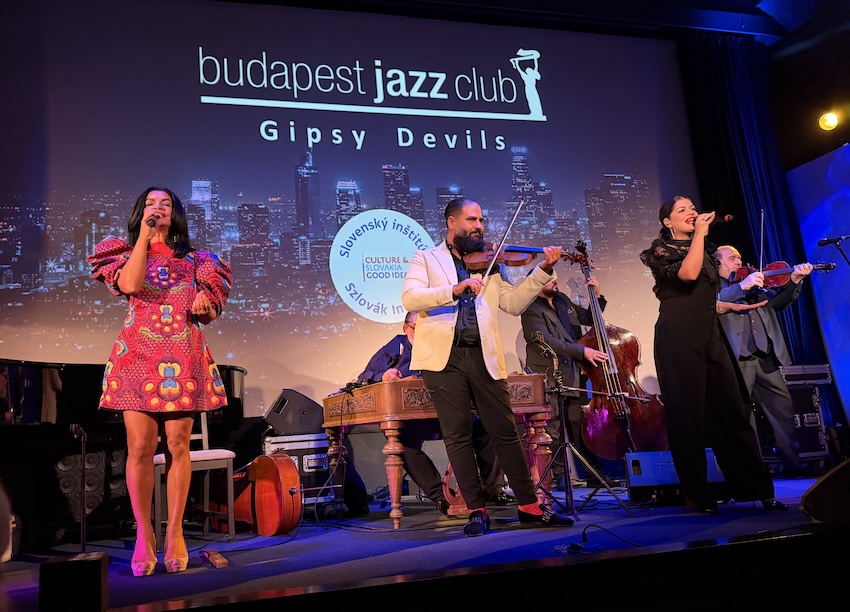
Under the leadership of its director, Eva Ivančová, the Slovak Institute has regularly organised high-level cultural programmes and events, bringing distinguished Slovak artists, musicians and cultural projects to Budapest and thereby strengthening cultural links between Slovakia and Hungary.
The Gypsy Devils – Ernest Šarközi, Silvia Šarközi, Štefan Banyák, Jozef Farkaš, Robert Fehér and Vanessa Šarközi – captivated the audience with their extraordinary virtuosity, energy and distinctive musical style. Their performance seamlessly blended classical music, traditional folk music, world music, and elements of other genres into a unique and exhilarating musical experience. Their remarkable ability to move effortlessly between different musical traditions bore witness to both their exceptional artistry and the richness and diversity of Slovak musical culture.
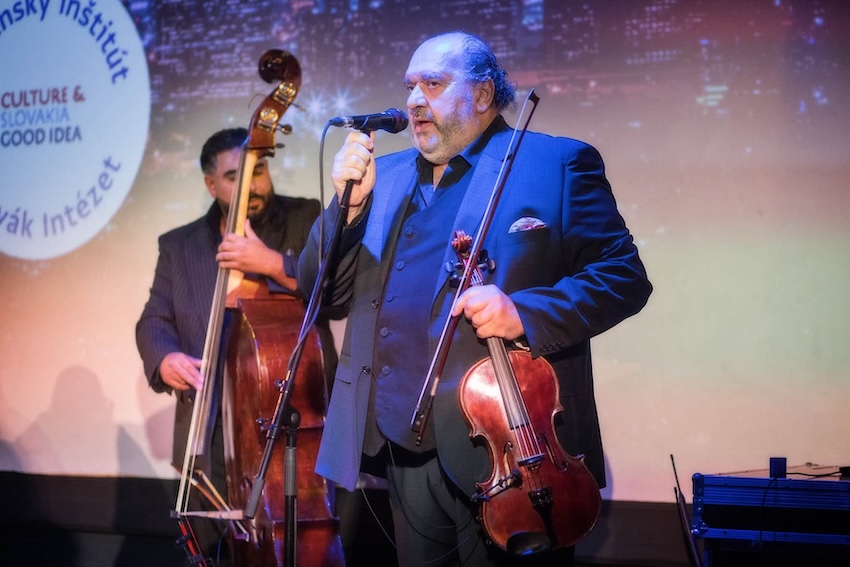
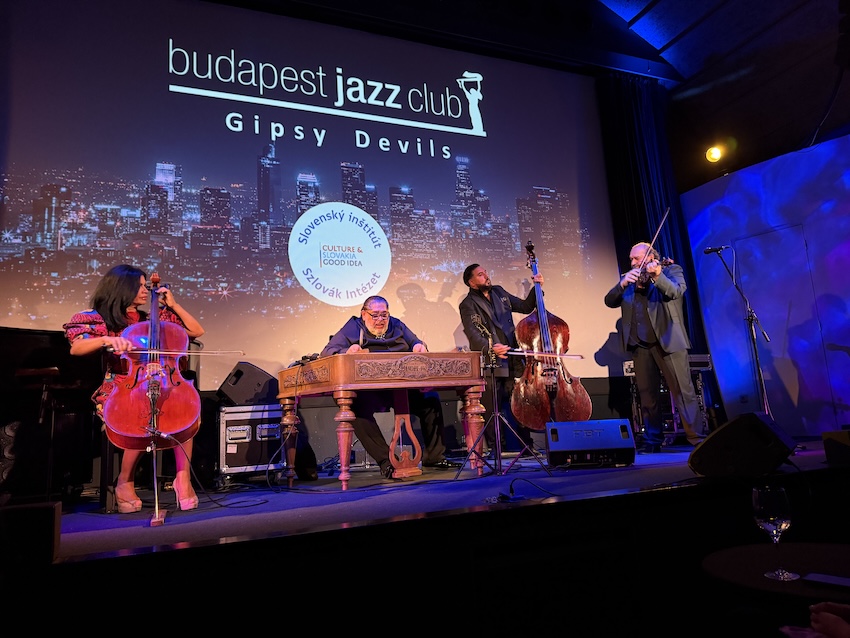
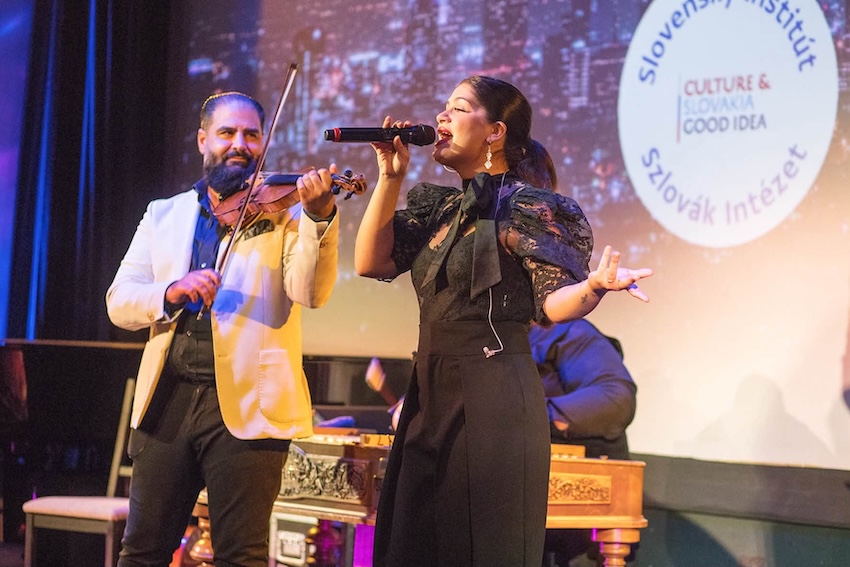
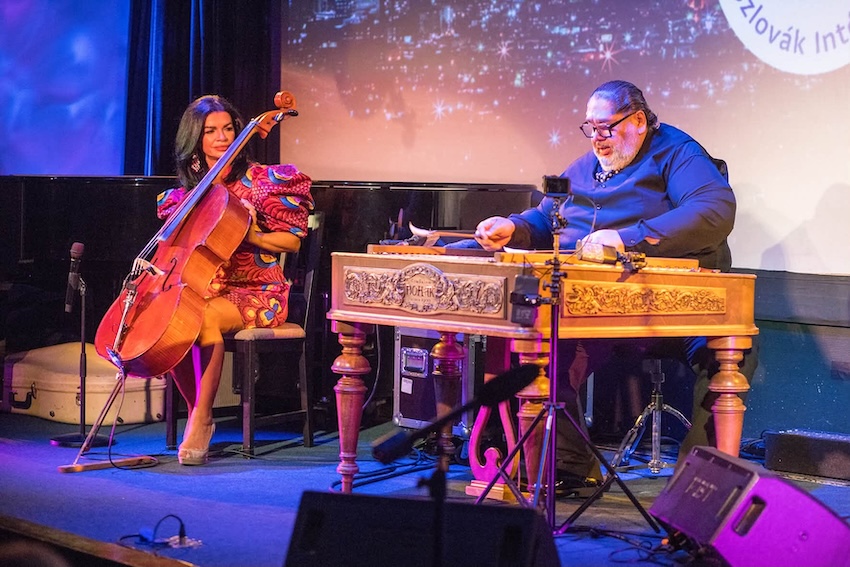
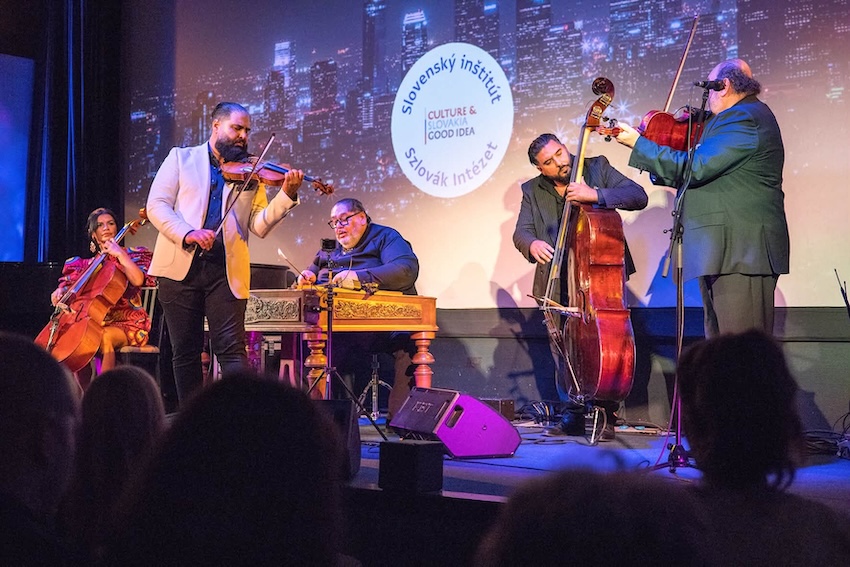
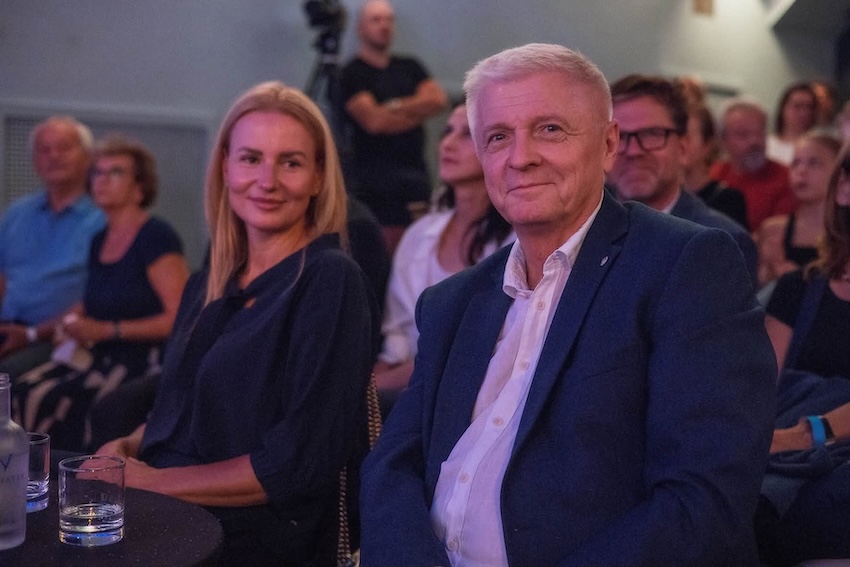

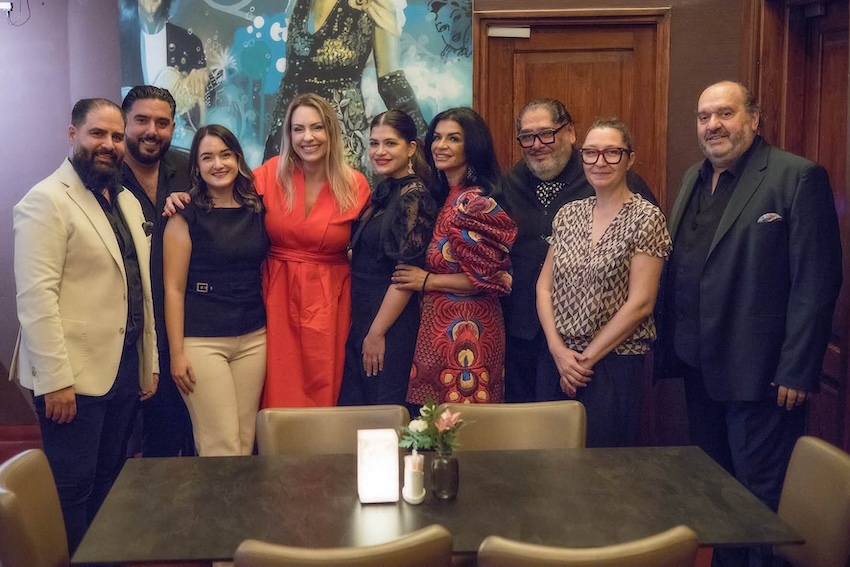
The enthusiastic audience responded warmly to the musicians, rewarding their outstanding performance with rounds of applause and creating a fantastic atmosphere at the Budapest Jazz Club. The concert provided an unforgettable highlight of Slovakia’s V4 Presidency, demonstrating once again how culture can serve as a powerful bridge between neighbouring countries and their peoples.
Source: Embassy of the Slovak Republic in Budapest
Photos from the Embassy of the Slovak Republic in Budapest, and Diplomatic Press Agency