

“Our idea of modernisation: not leaving history behind but making it a source of energy for what lies ahead.”- Ambassador Dr. Ahmed Fahmy Shahin
Edited by Anna Popper
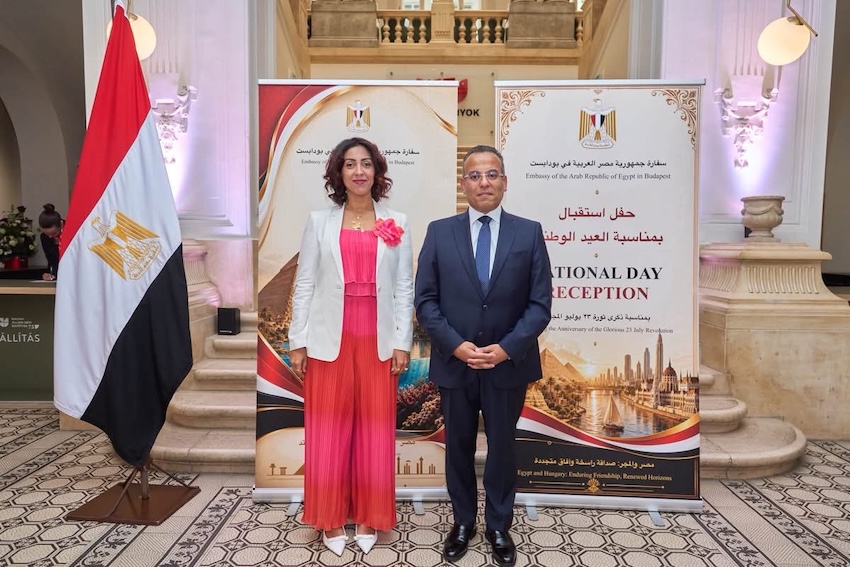
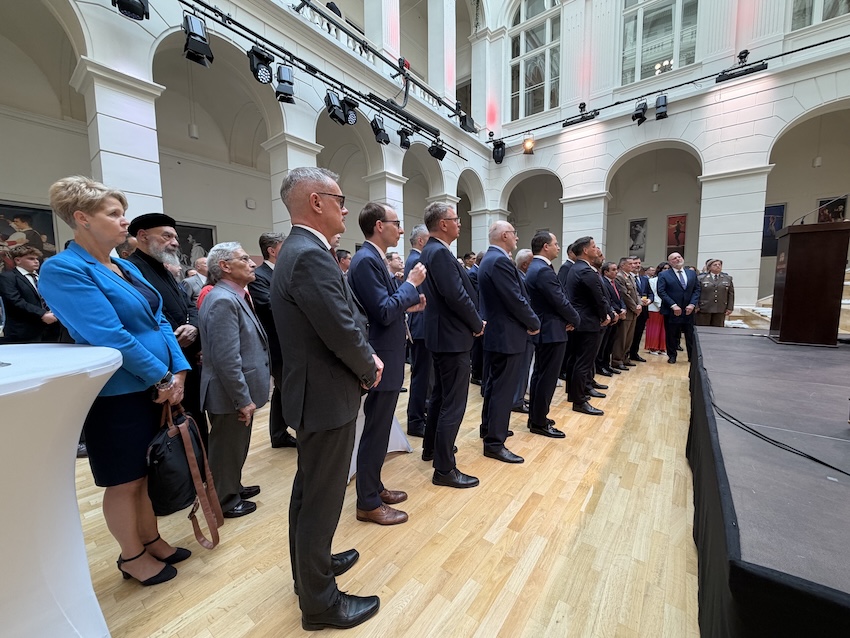
The Embassy of the Arab Republic of Egypt in Budapest marked the 74th National Day of Egypt with a diplomatic reception on 9 July 2026 at the House of Hungarian Heritage. Celebrated annually on 23 July, the National Day commemorates the 1952 Revolution – a defining moment in the nation’s modern history that led to the establishment of the Republic. It remains a symbol of Egypt’s national freedom, sovereignty, unity, and progress.
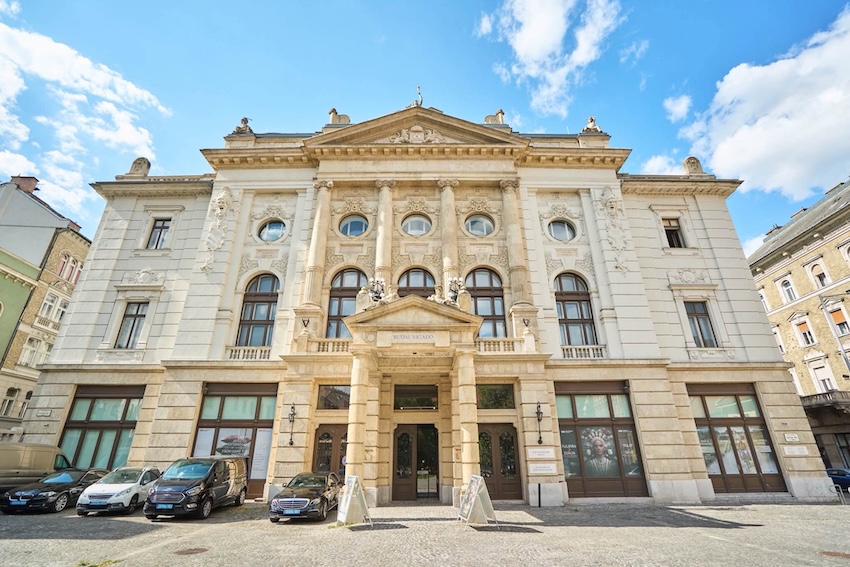
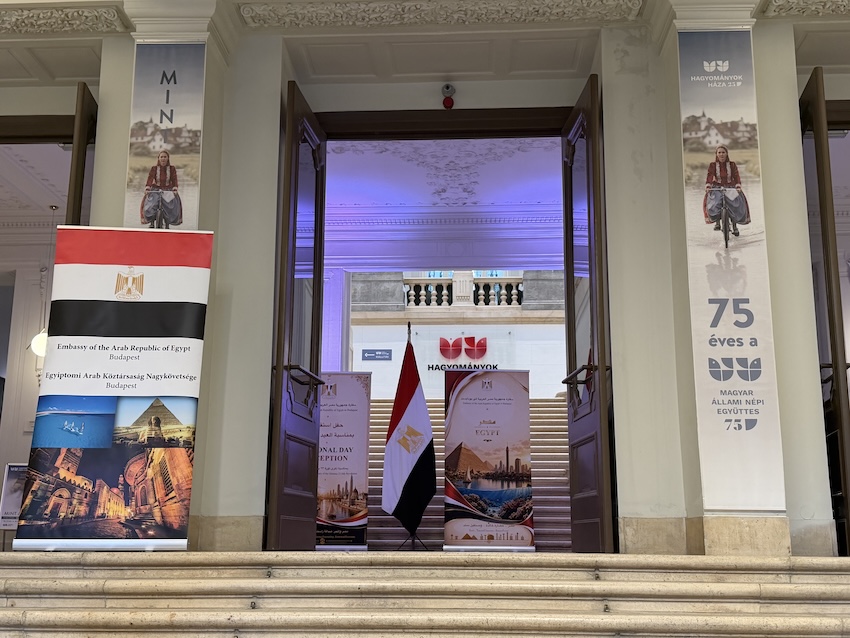
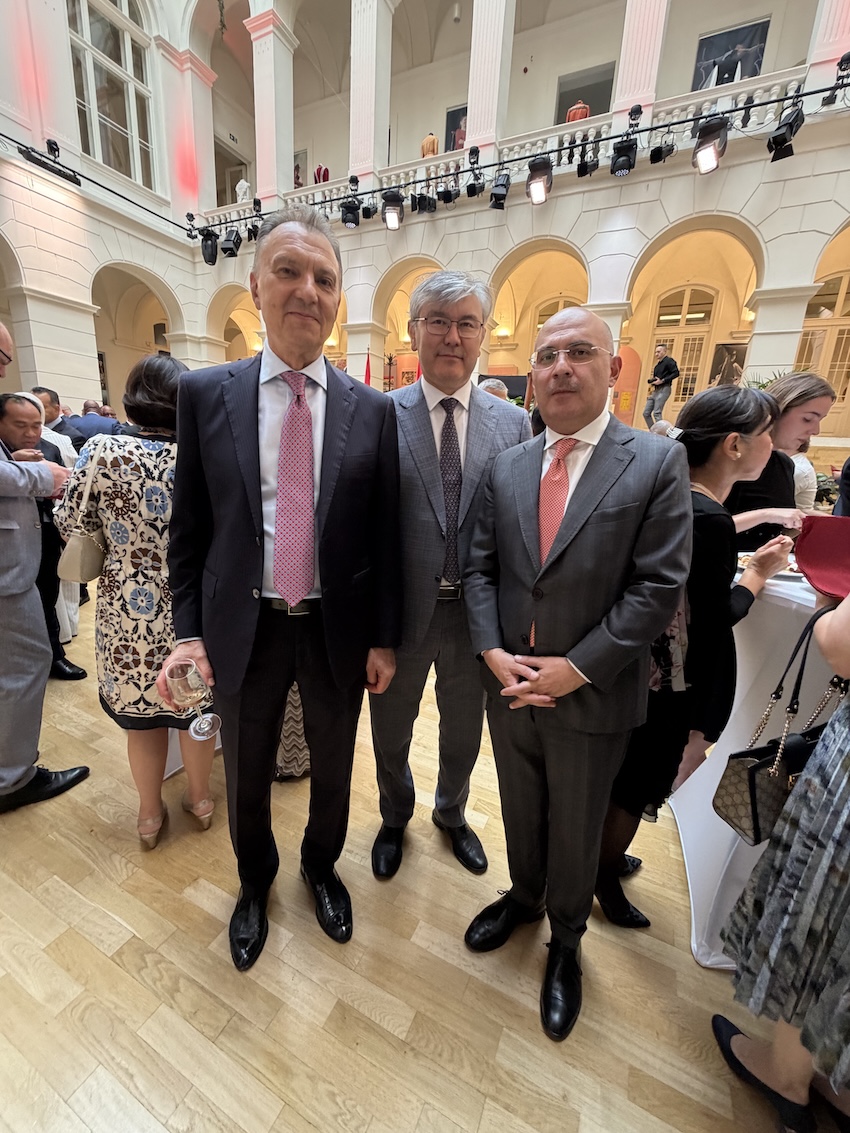
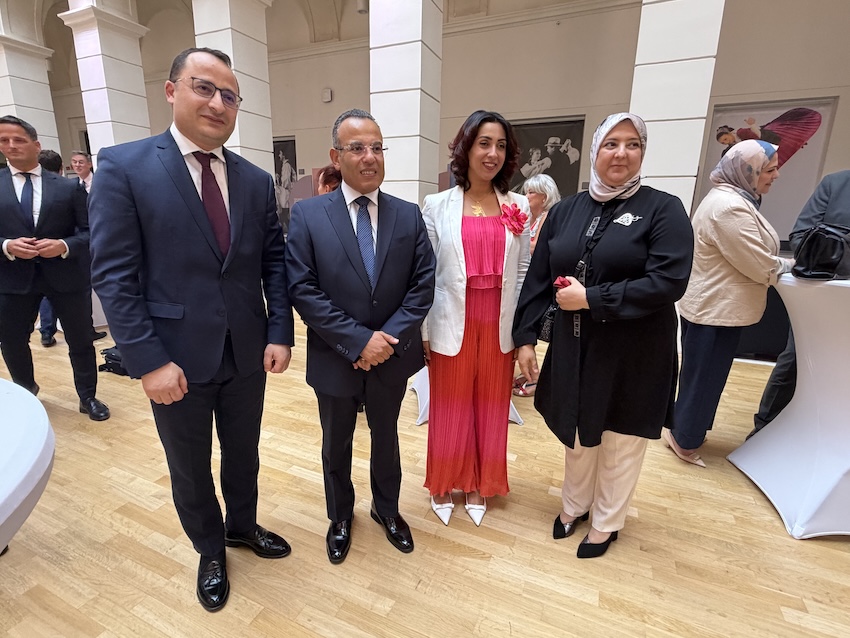
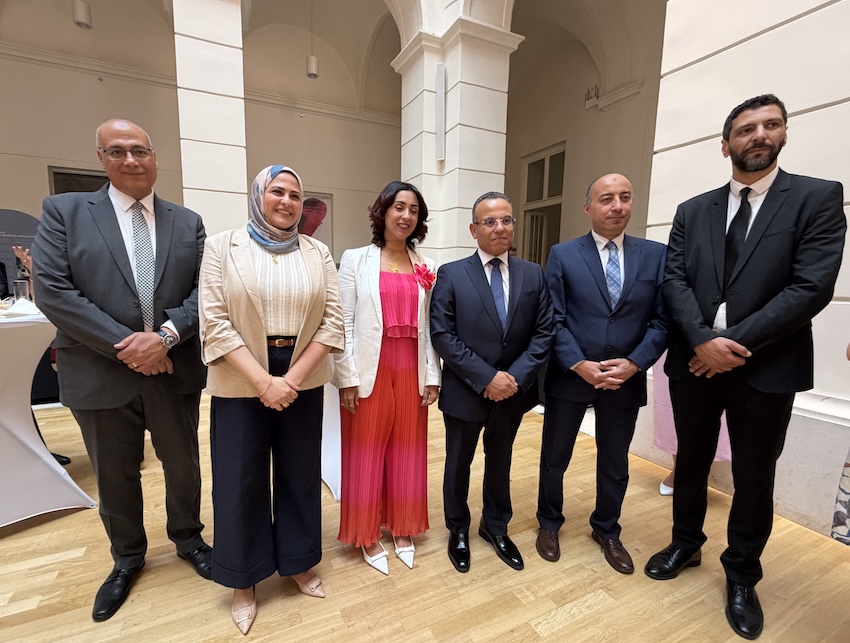
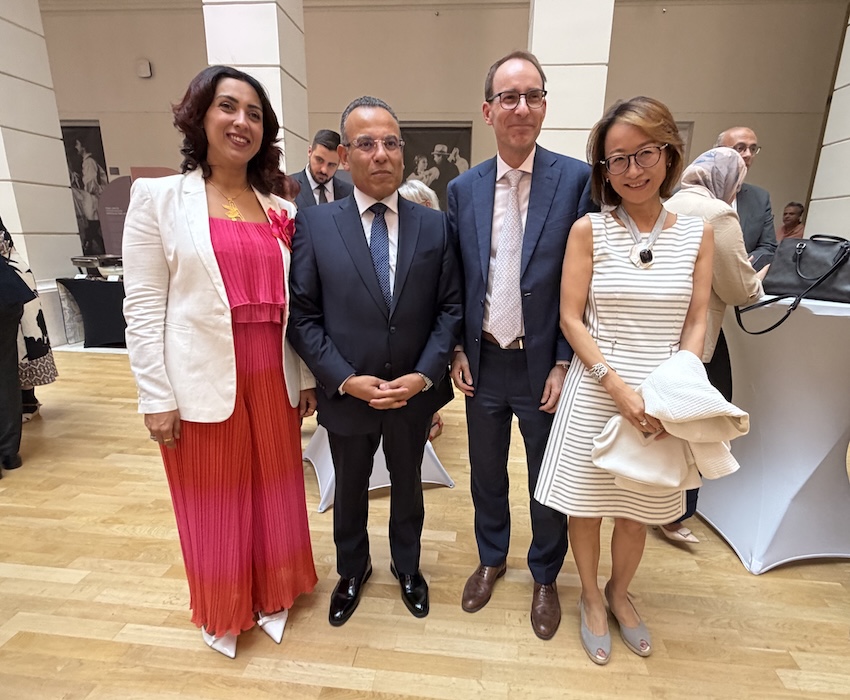
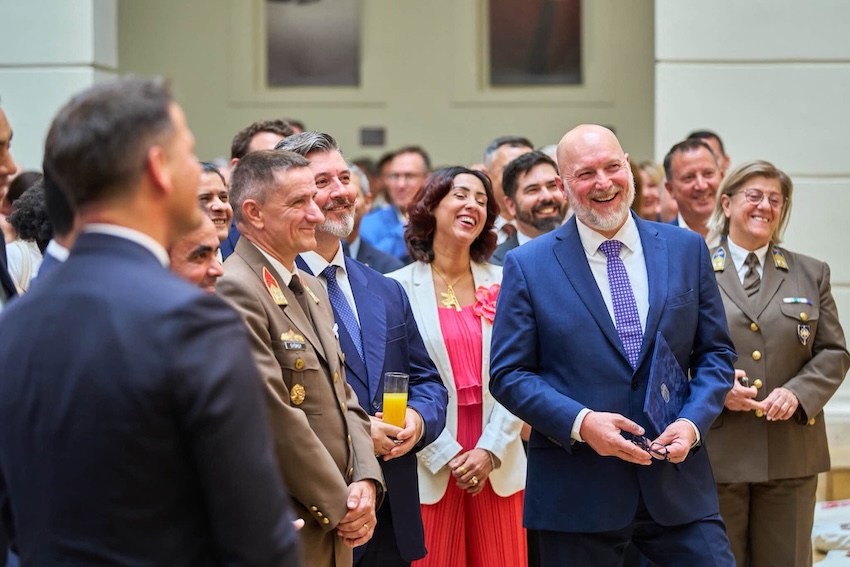
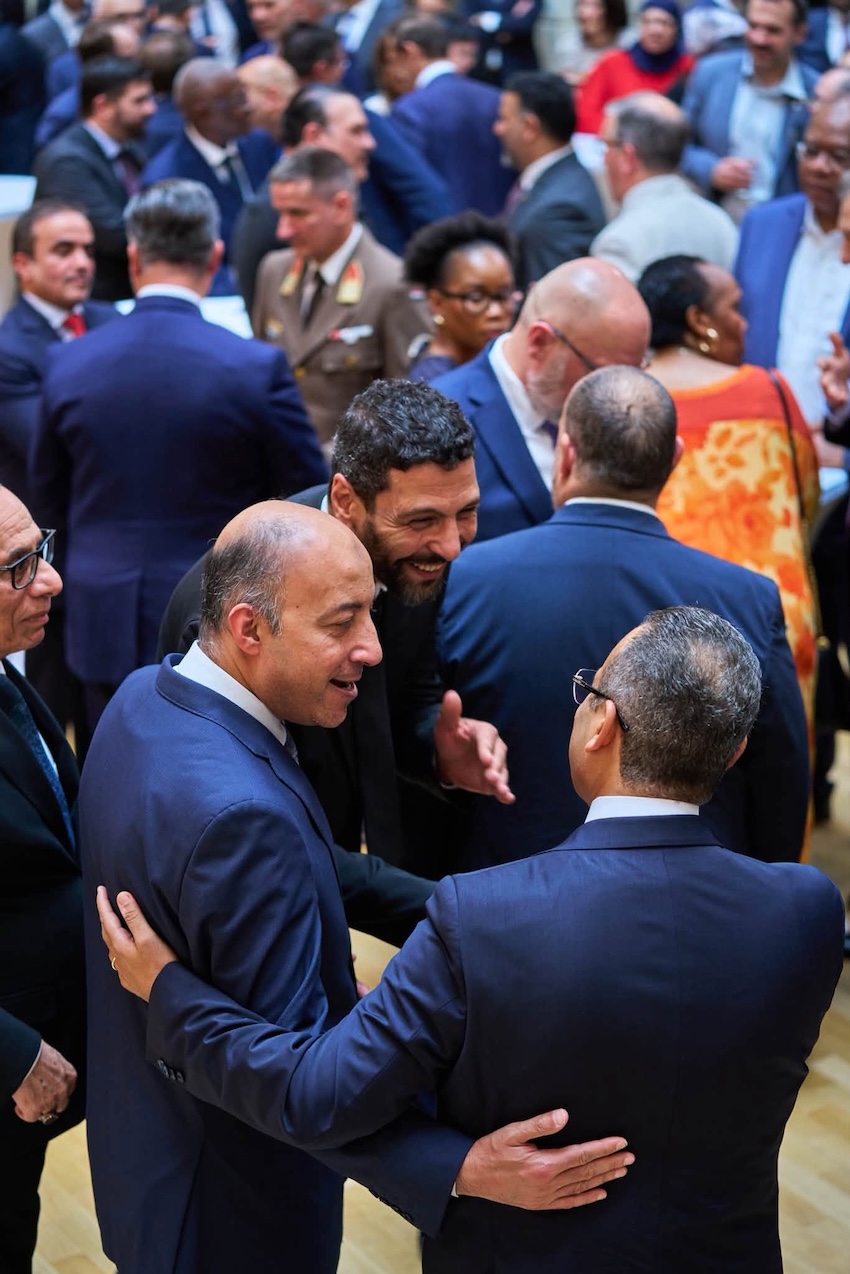
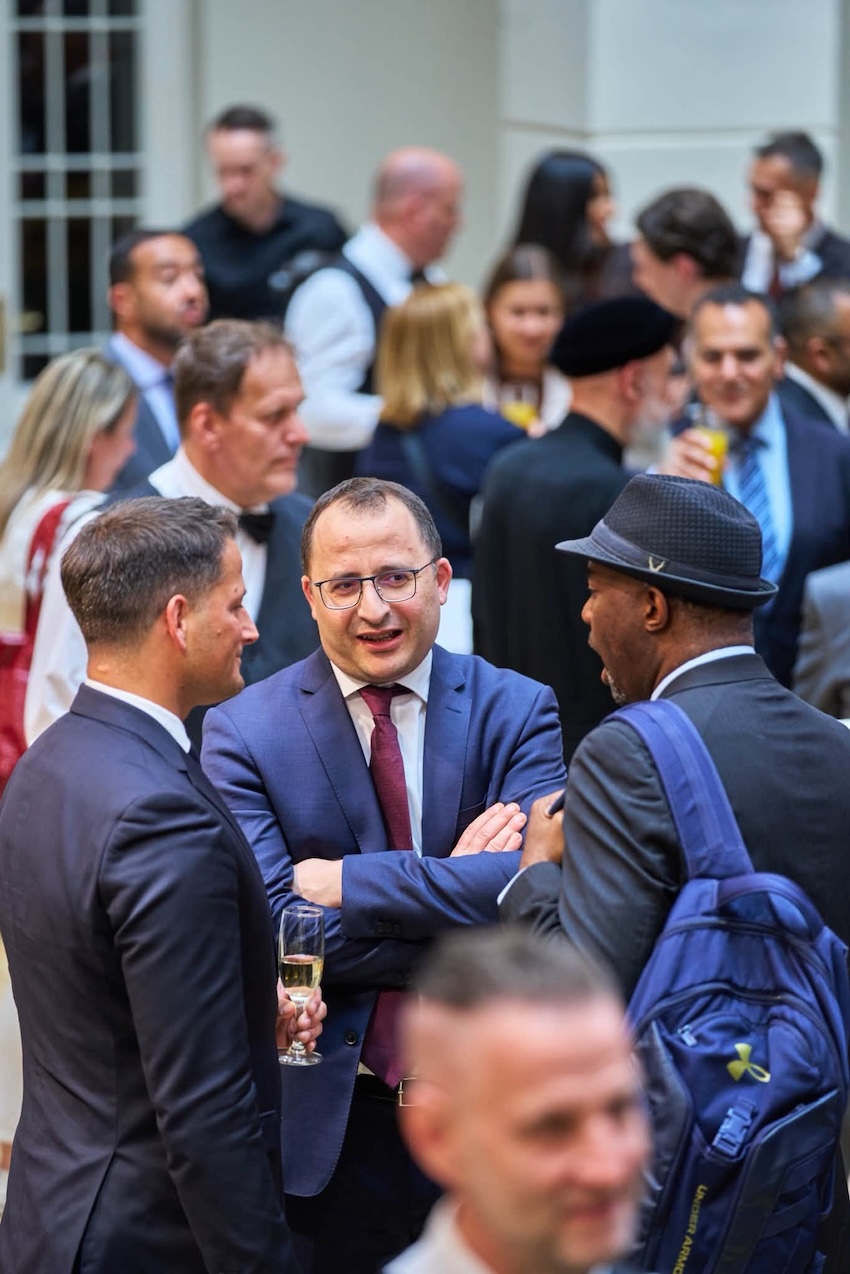
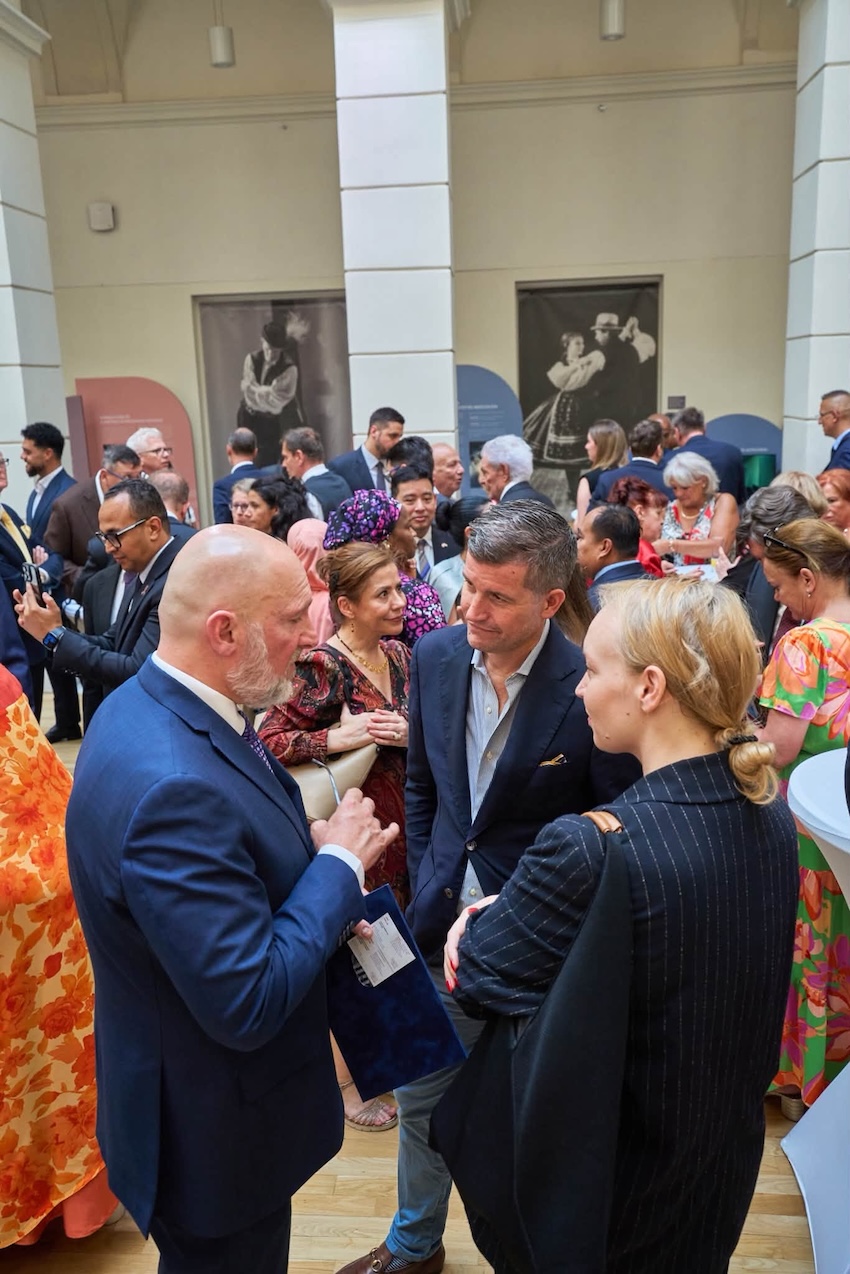
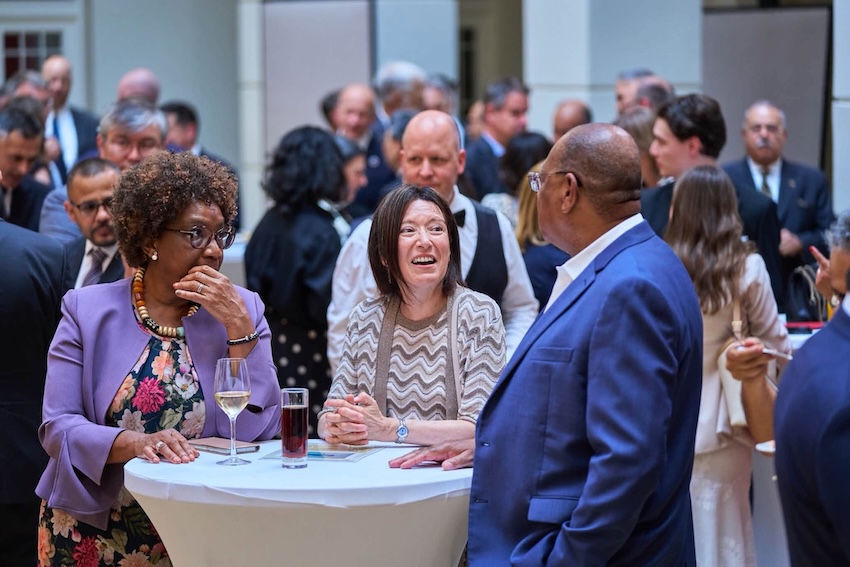
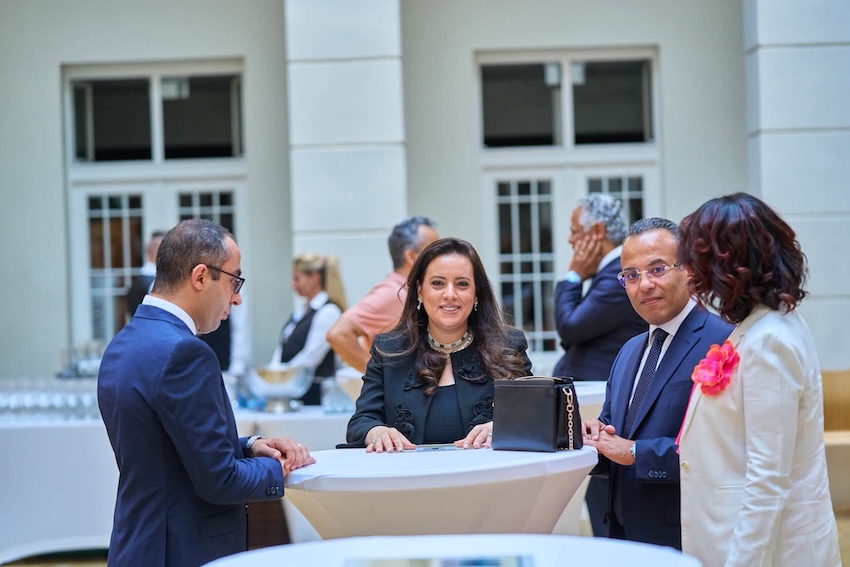
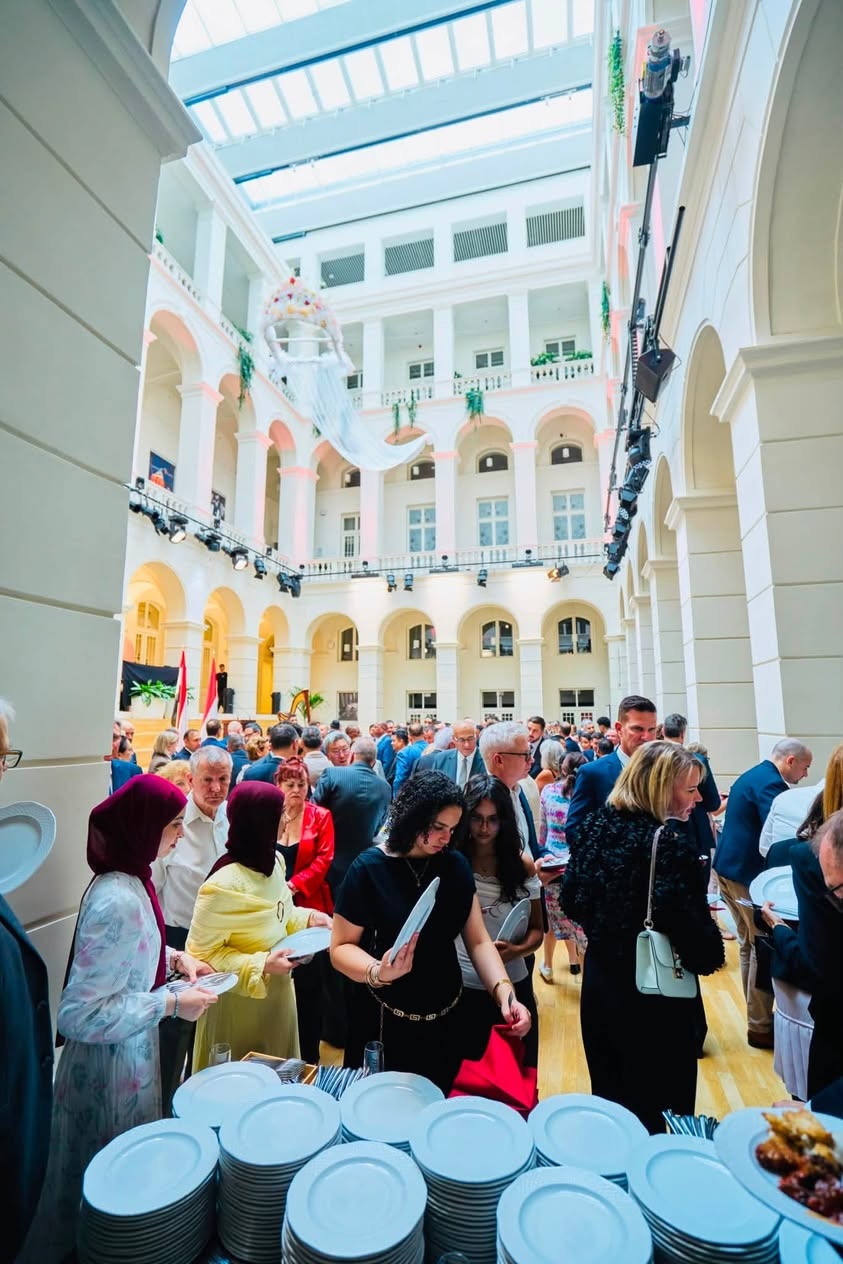
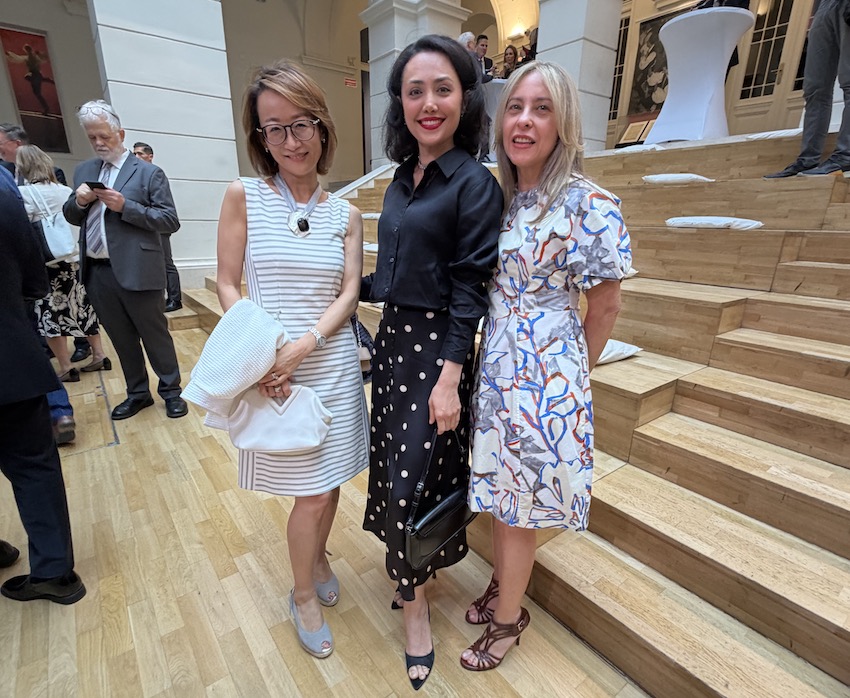
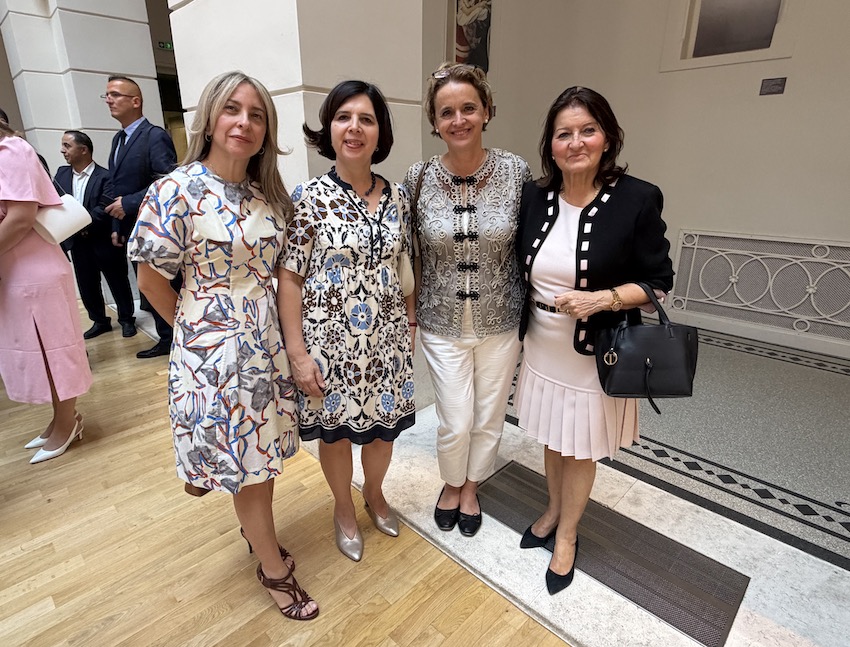
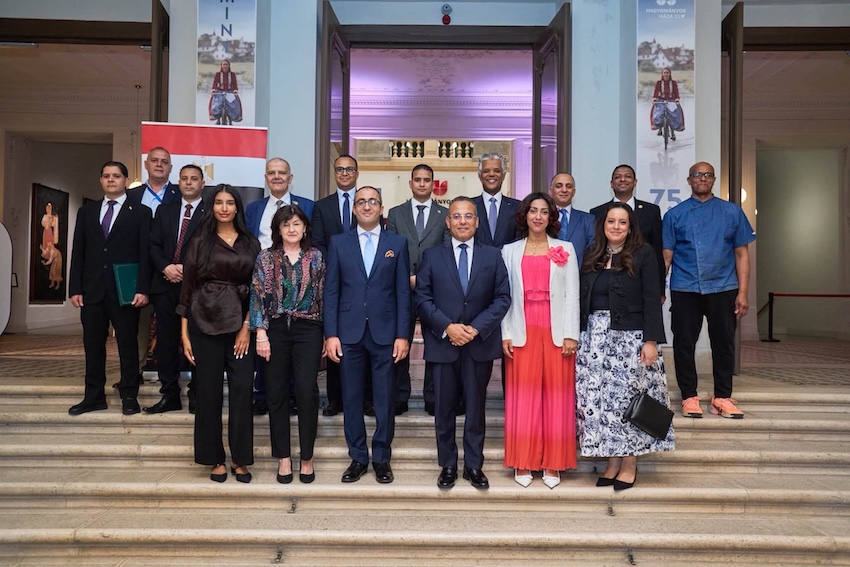
Hosted by H.E. Dr. Ahmed Fahmy Shahin, Ambassador of the Arab Republic of Egypt to Hungary, and Mrs. Noran Hassan, the celebration brought together senior representatives of the Hungarian government and parliament, members of the diplomatic corps, leaders from the business, cultural, and academic communities, media representatives, as well as members of the Egyptian community and friends of Egypt.
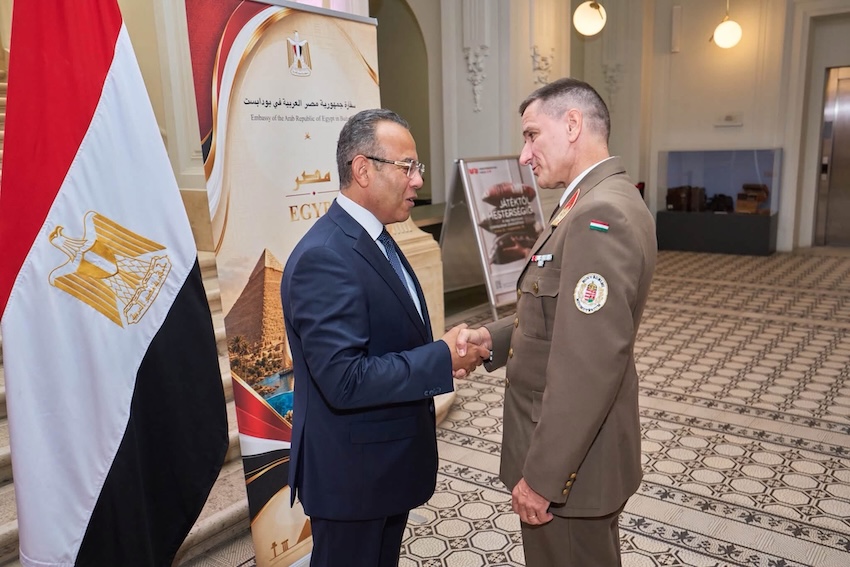
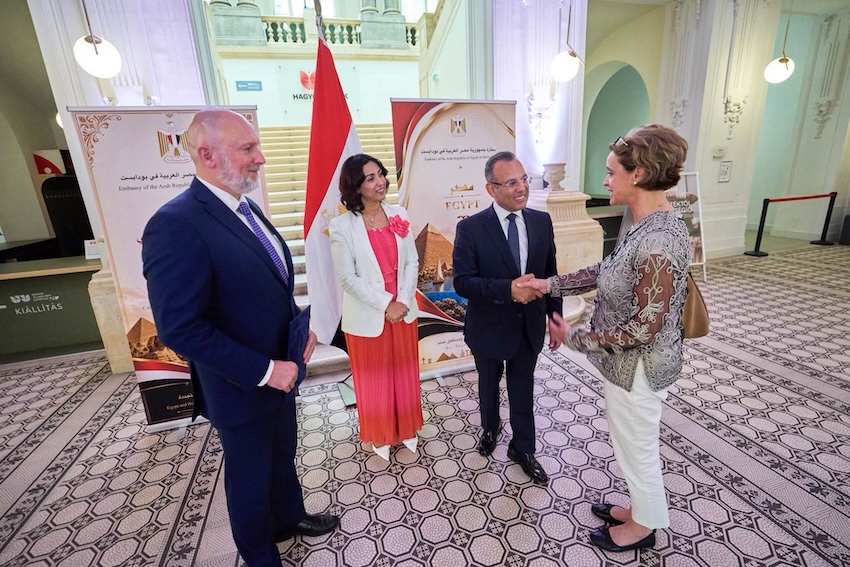
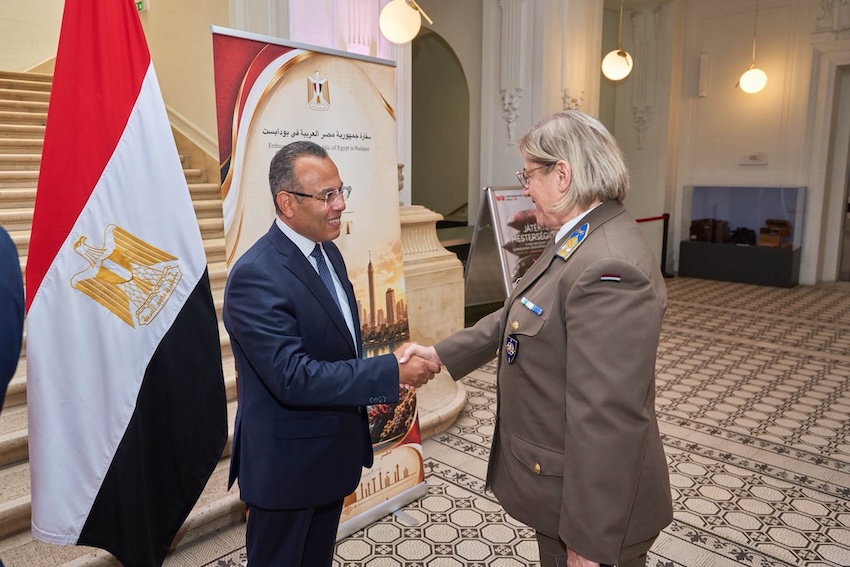
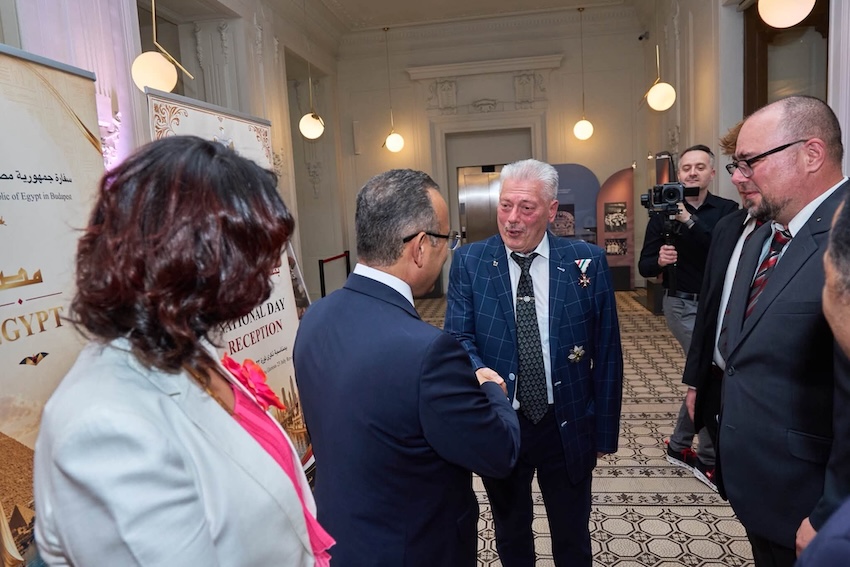
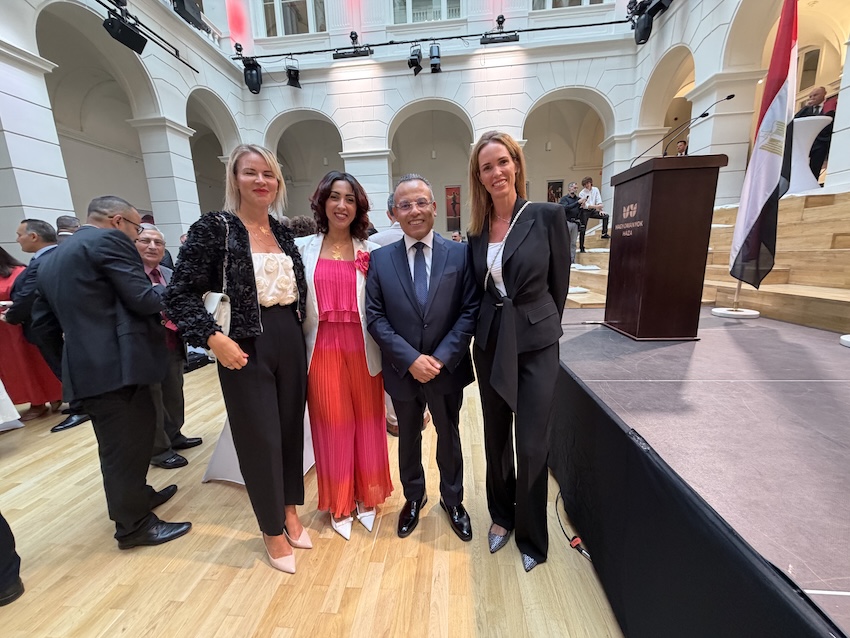
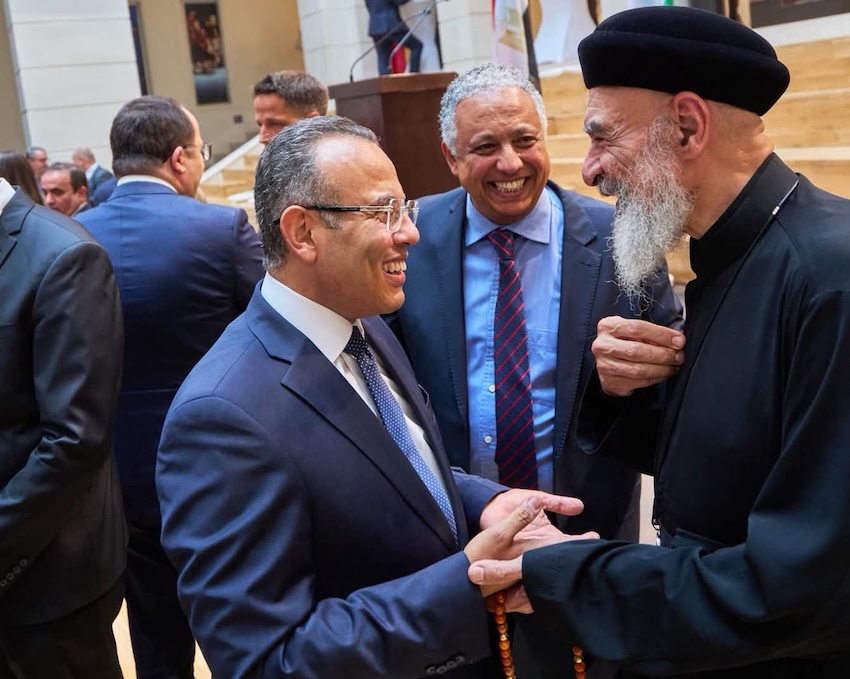
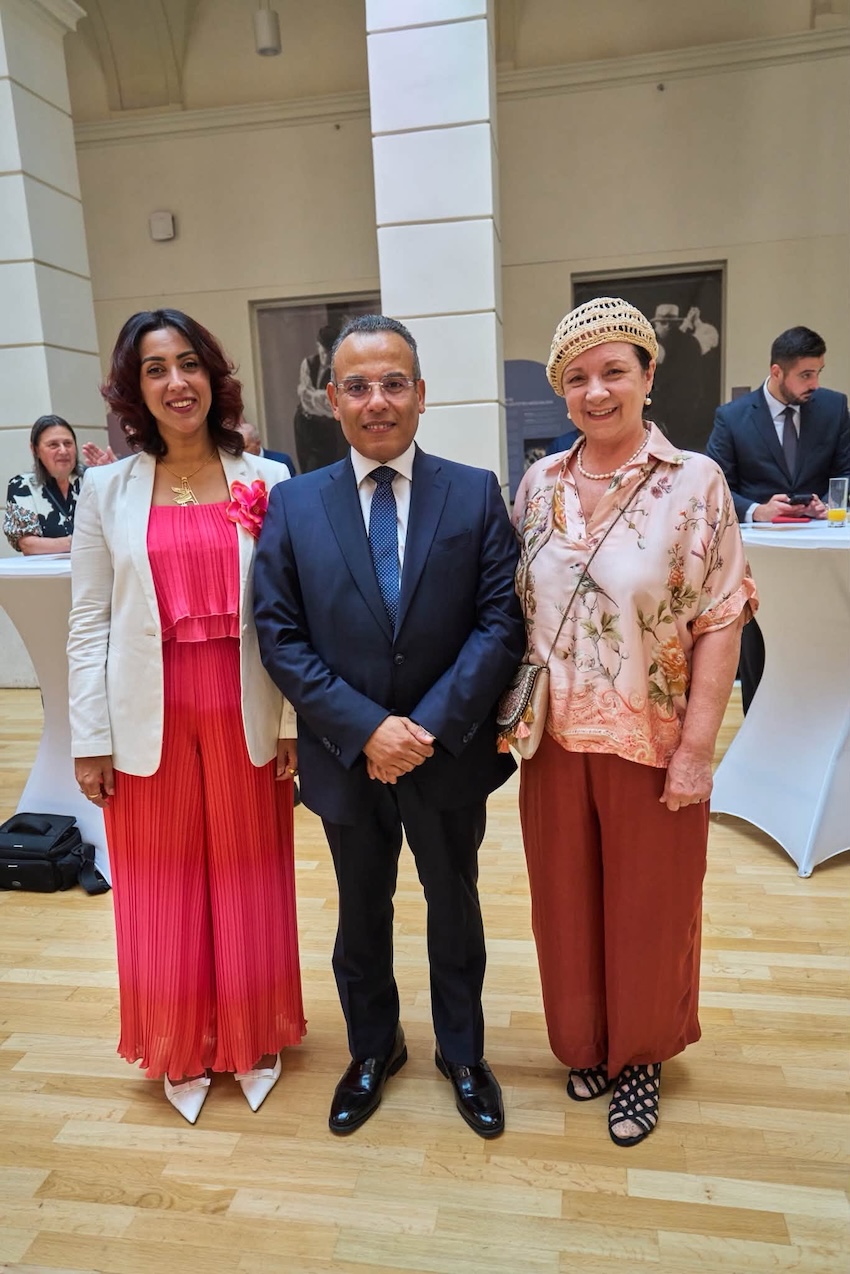
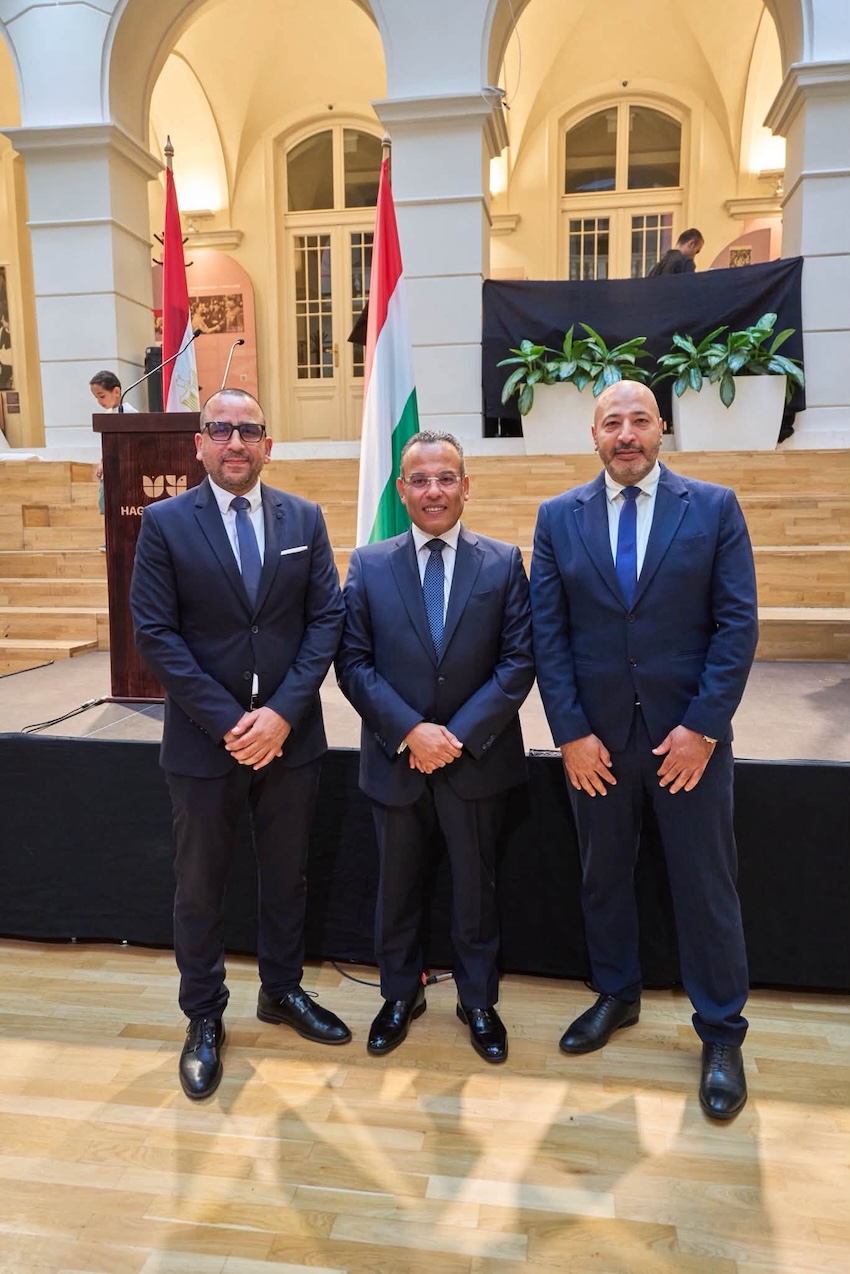
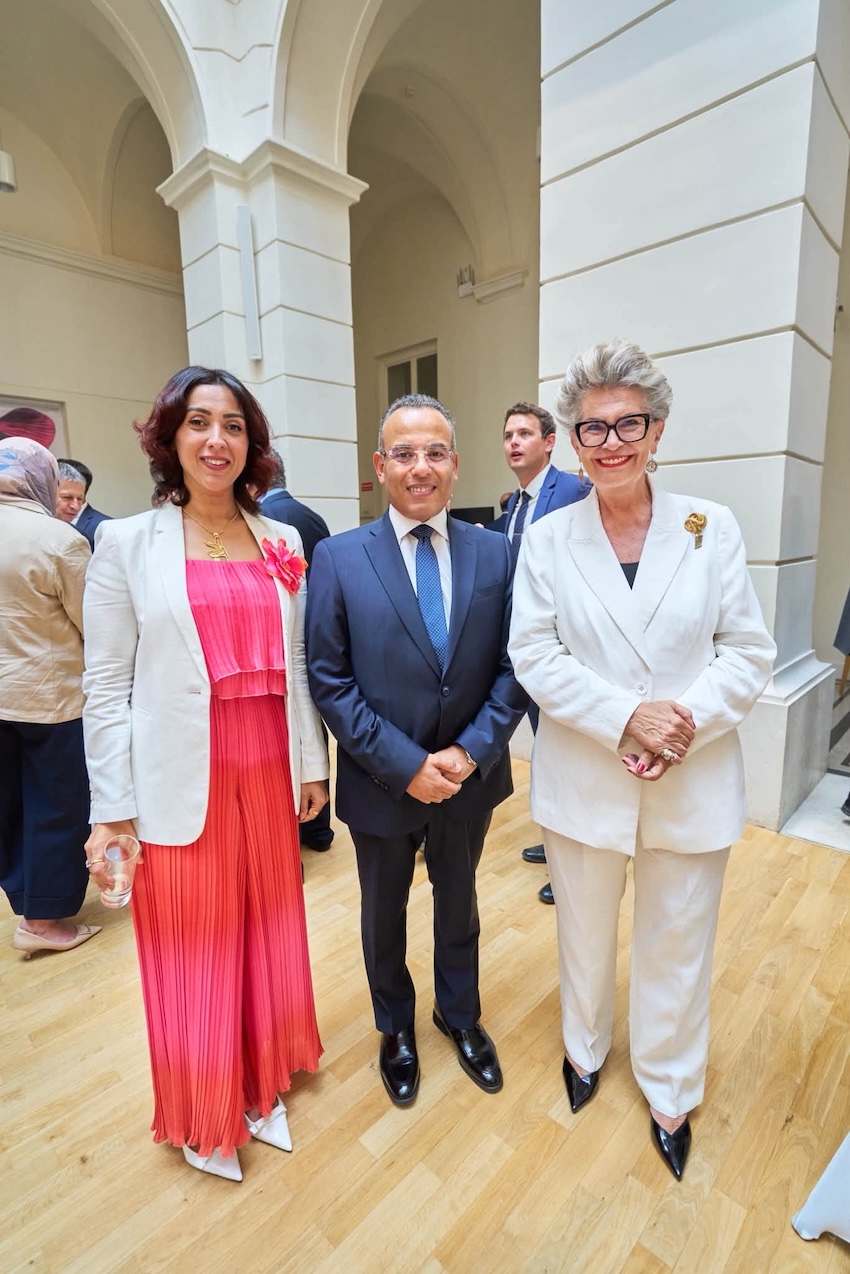
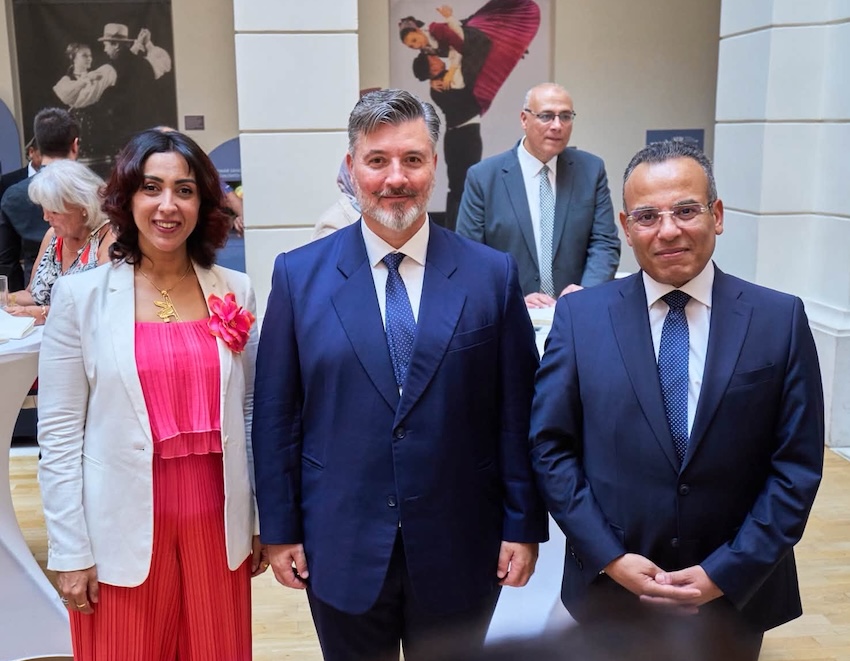
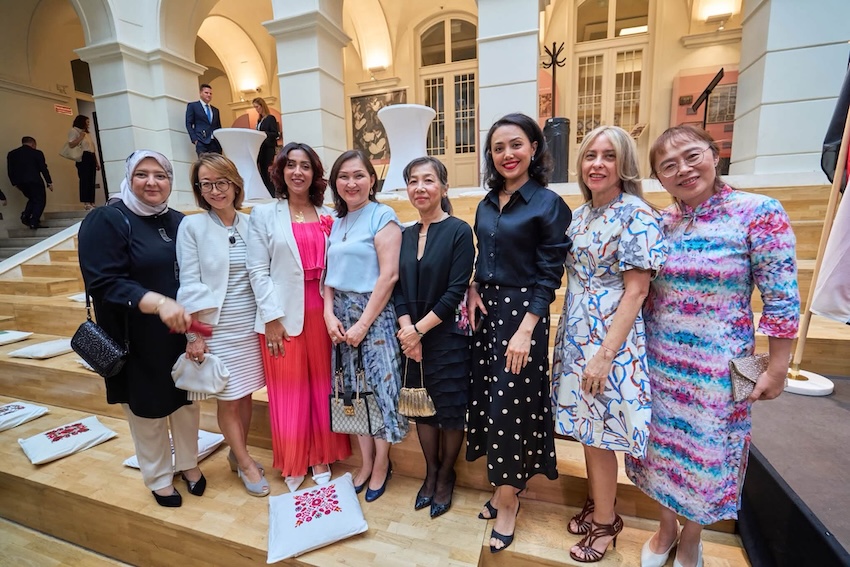
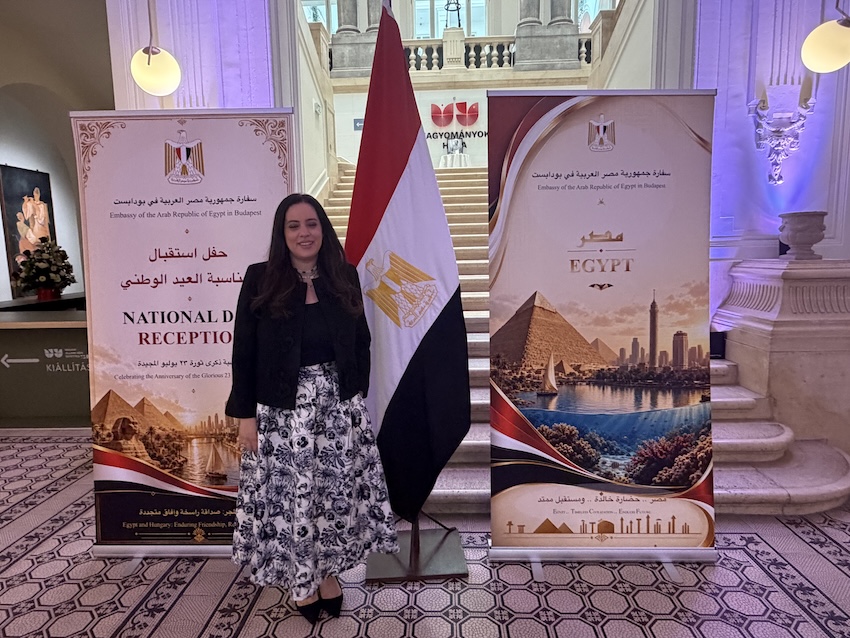
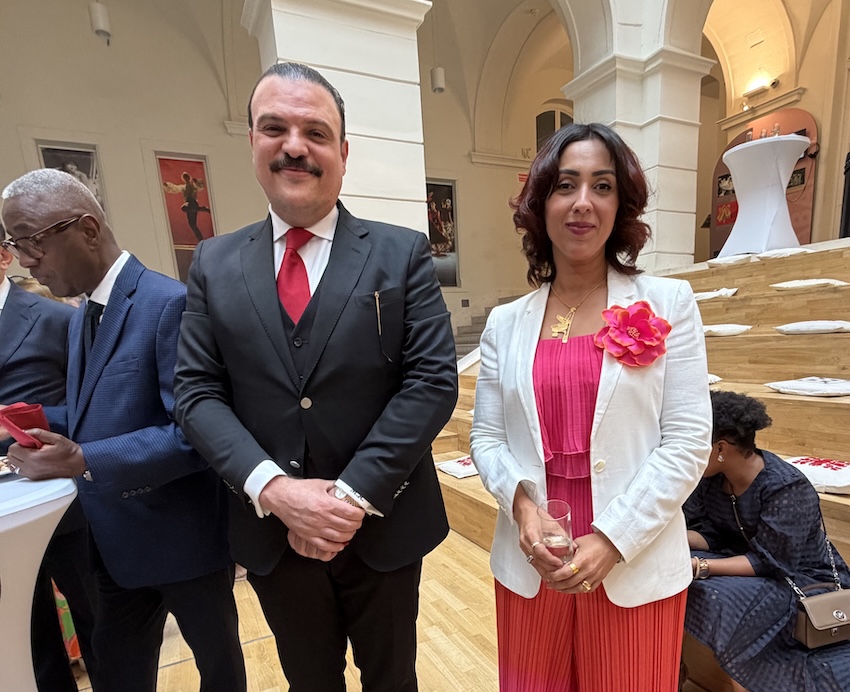
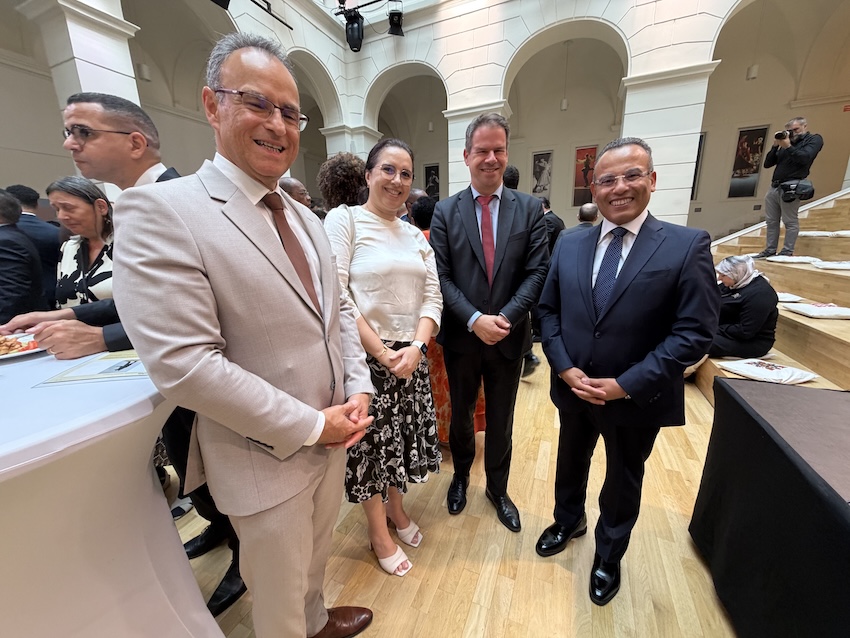
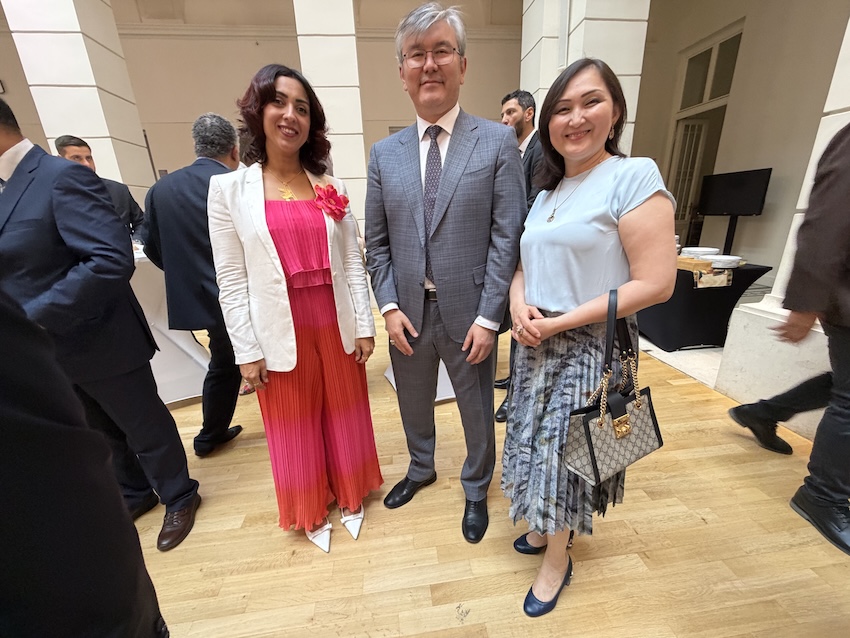
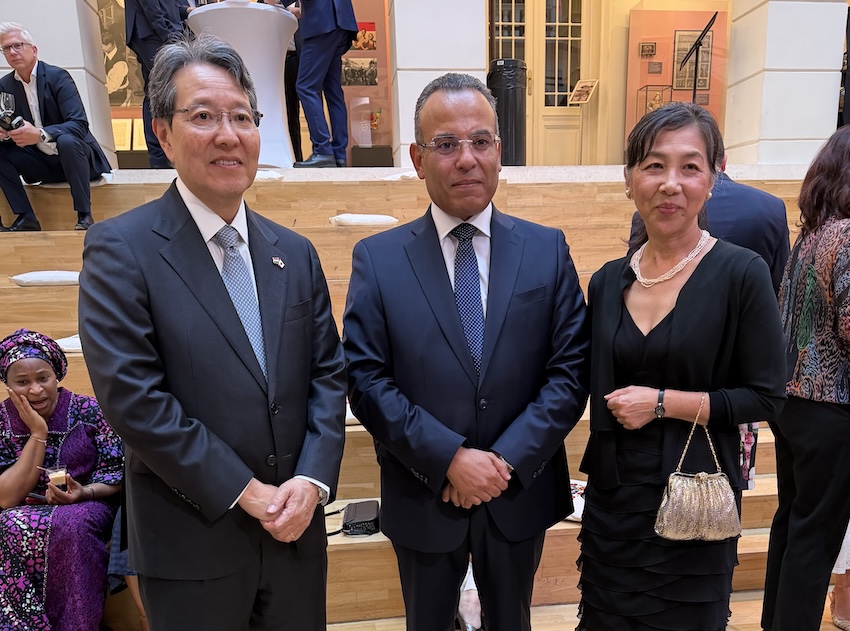
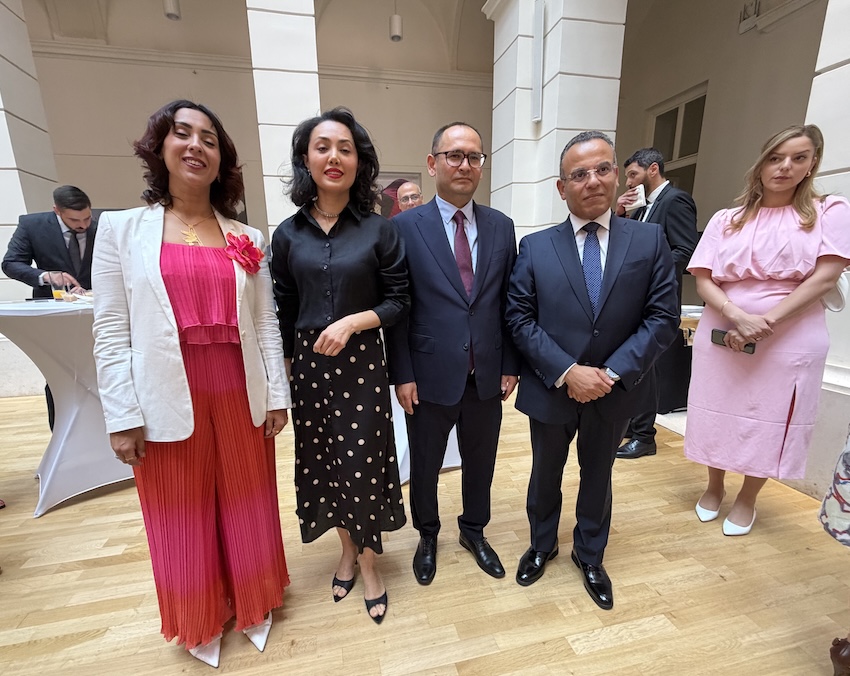
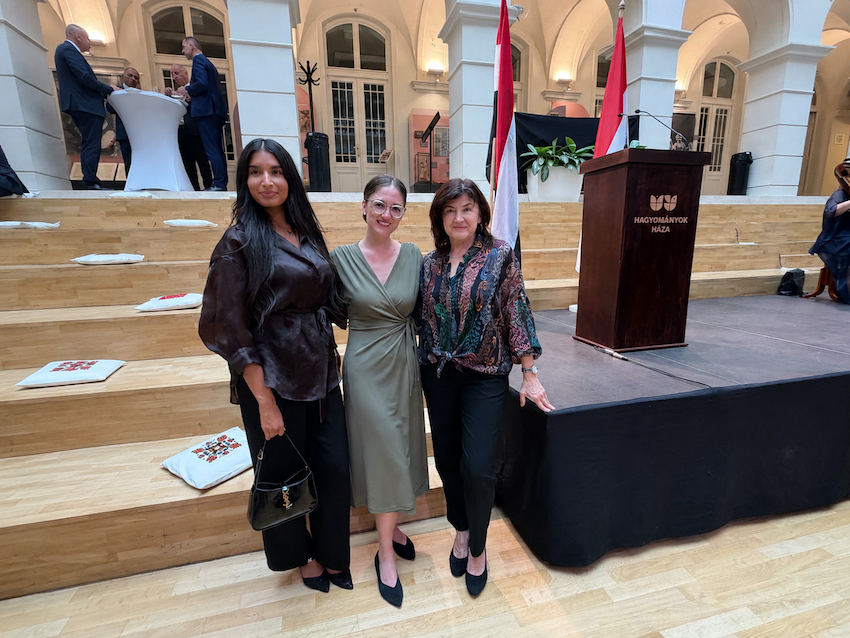
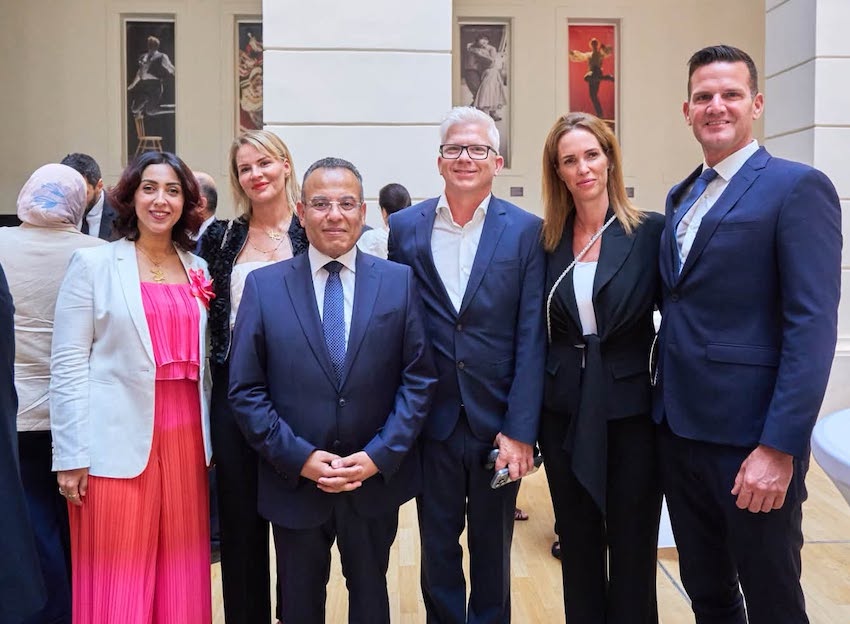
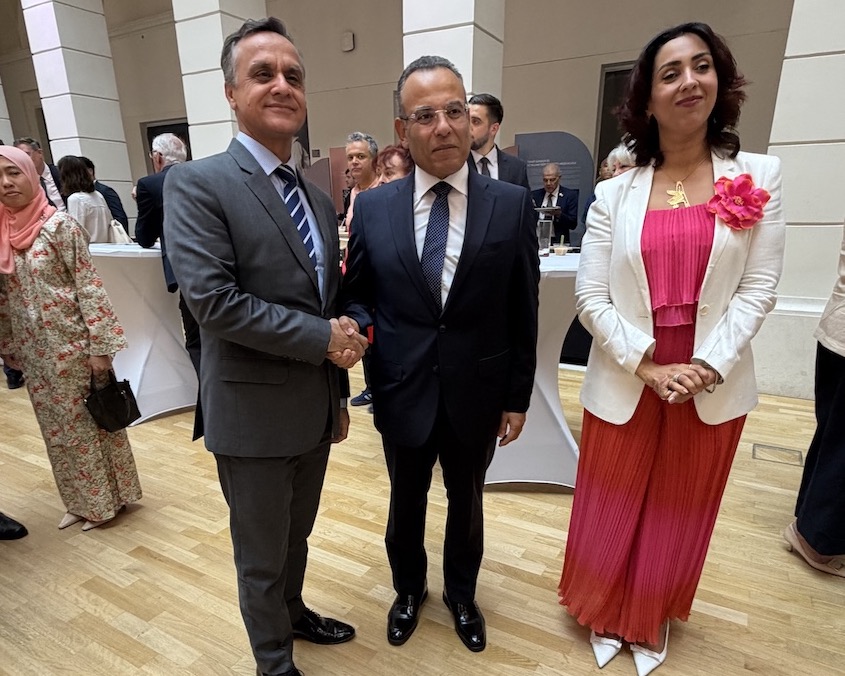
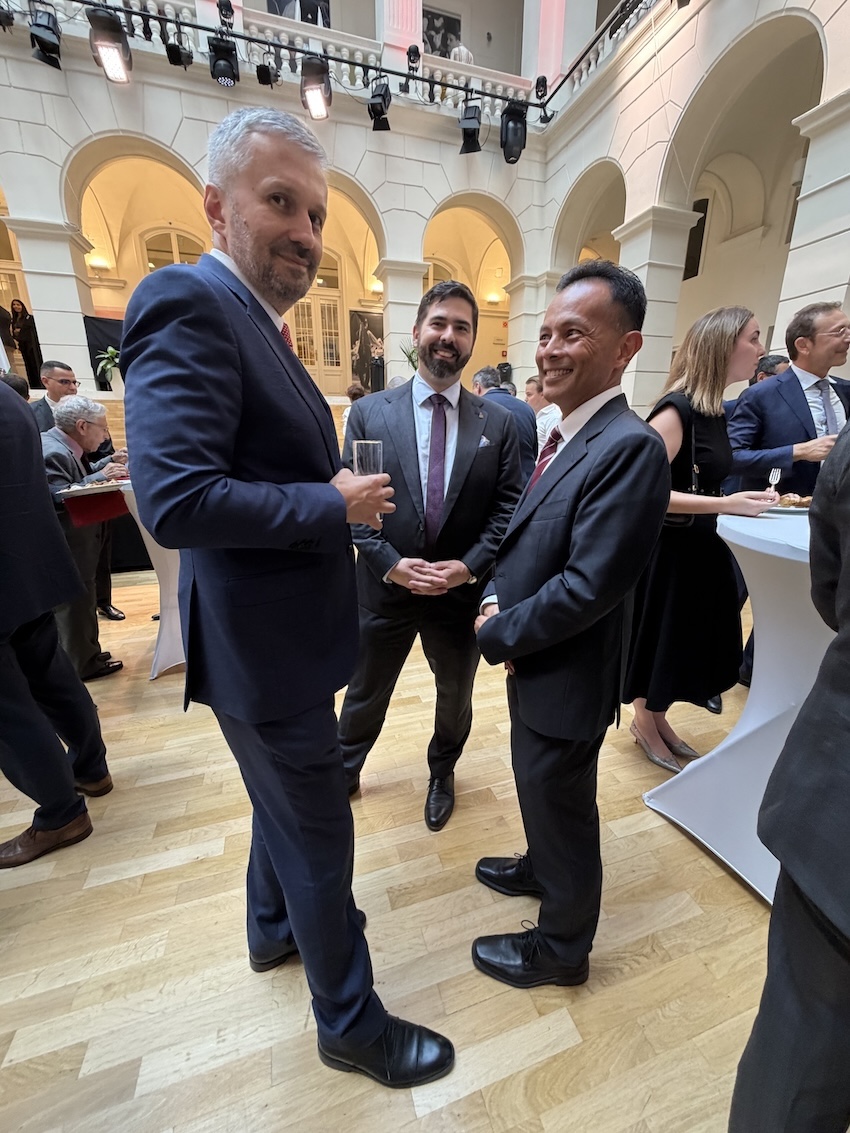
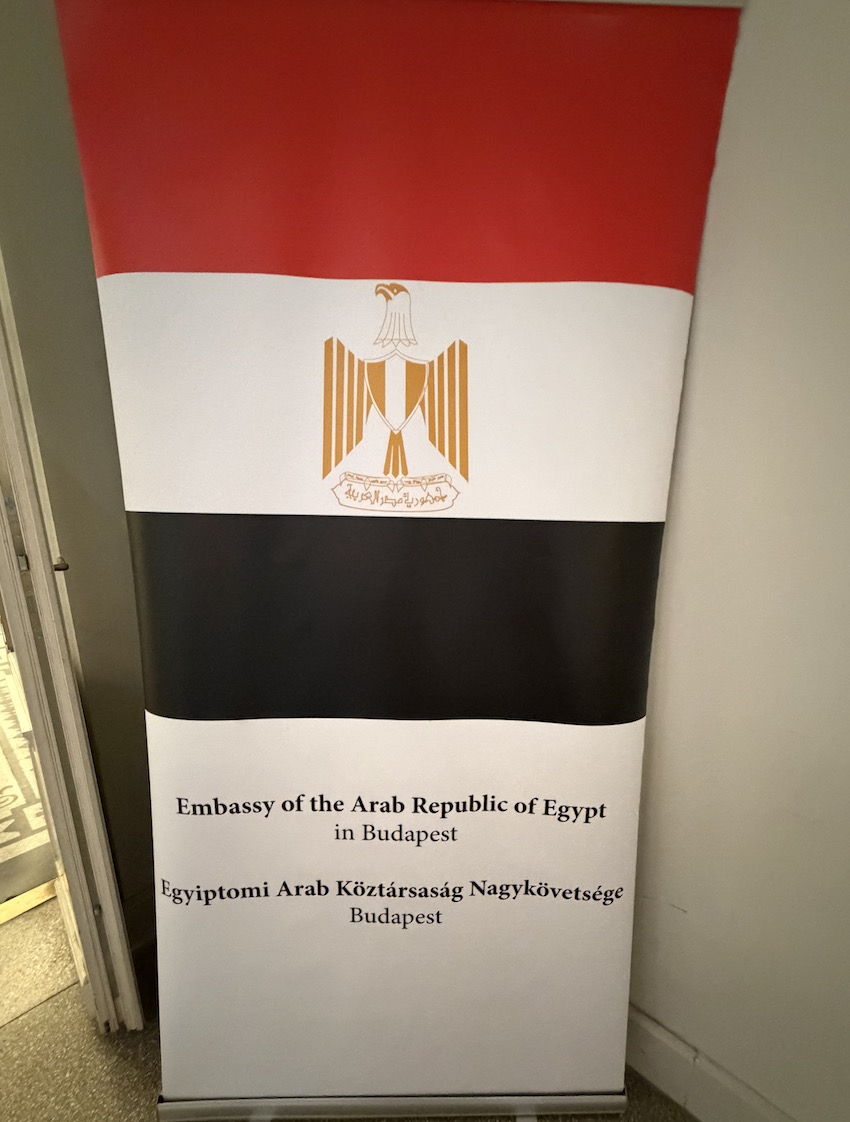
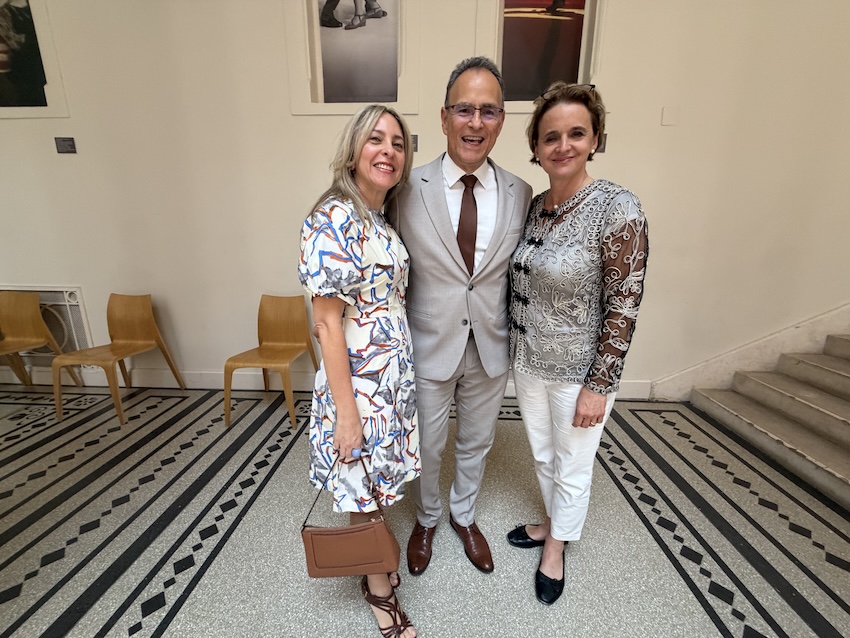
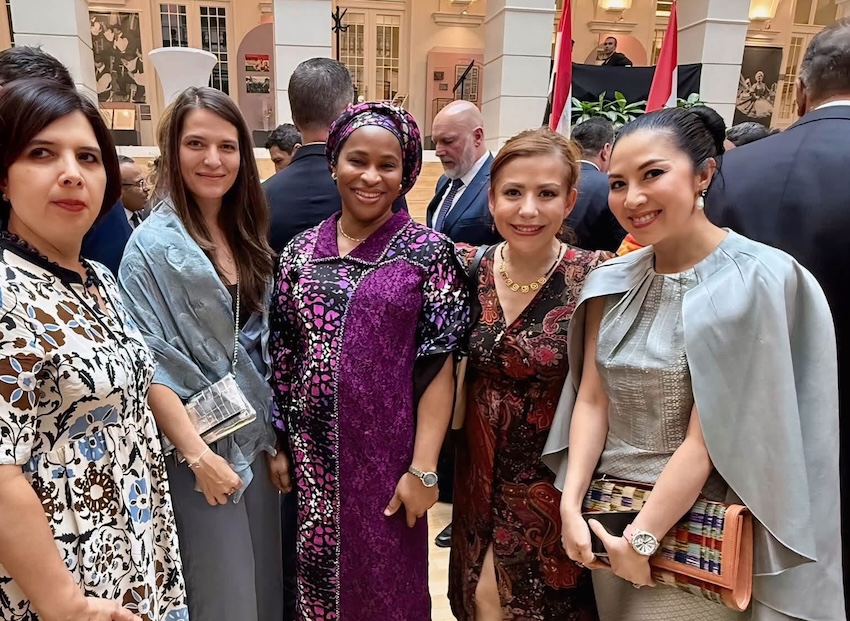
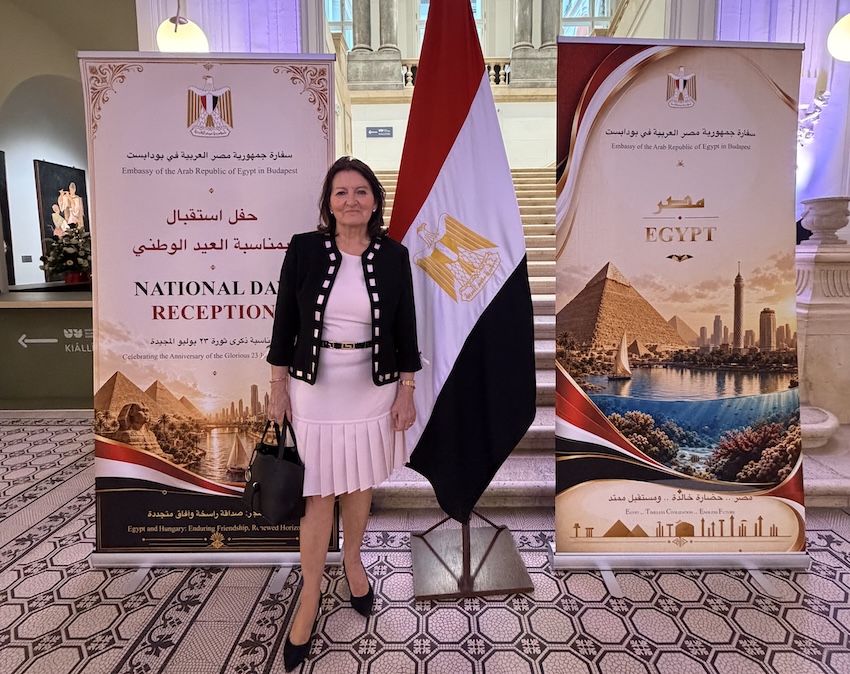
The evening commenced with the national anthems of Egypt and Hungary.
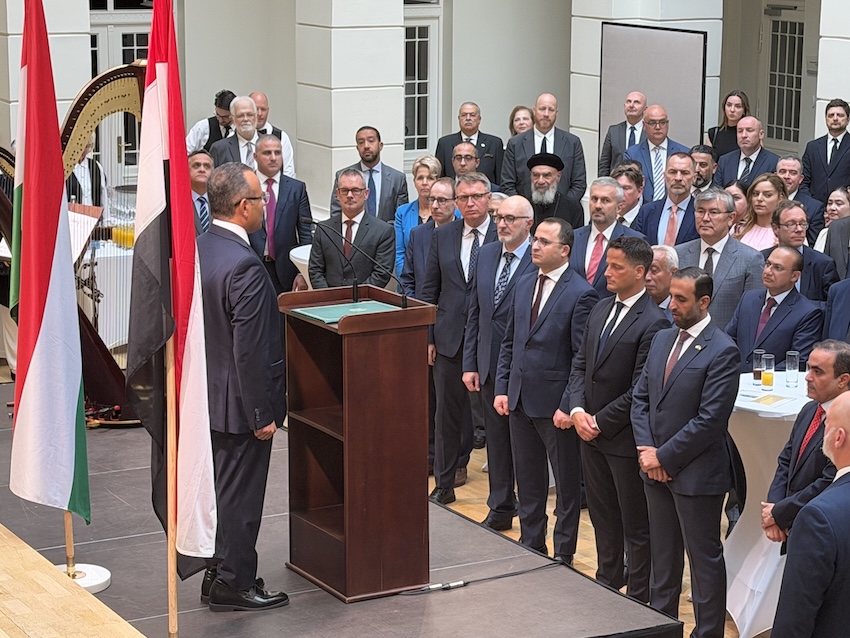
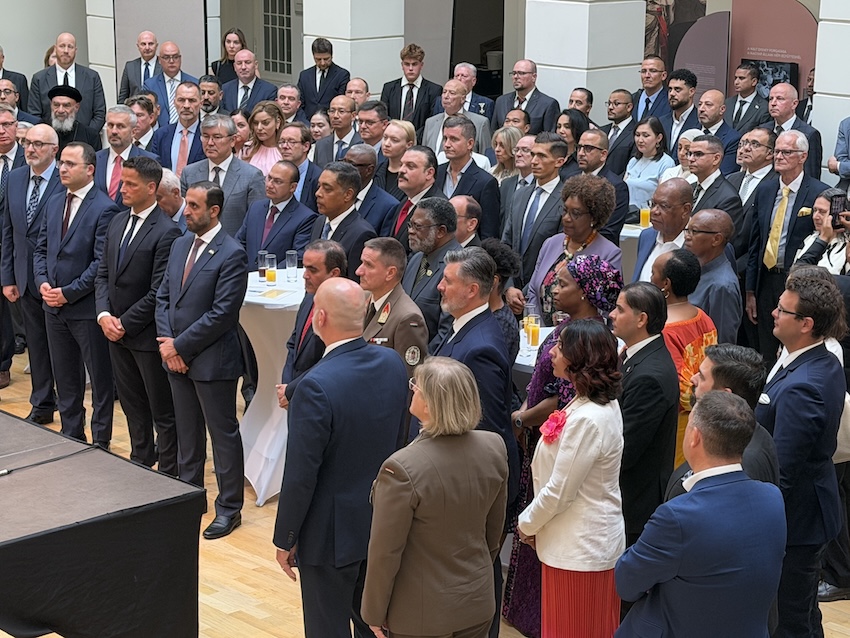
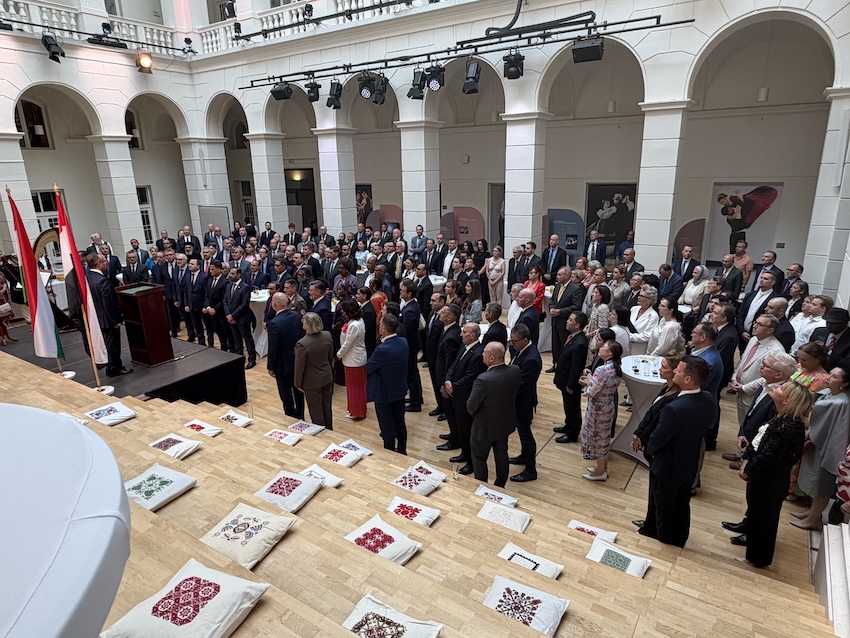
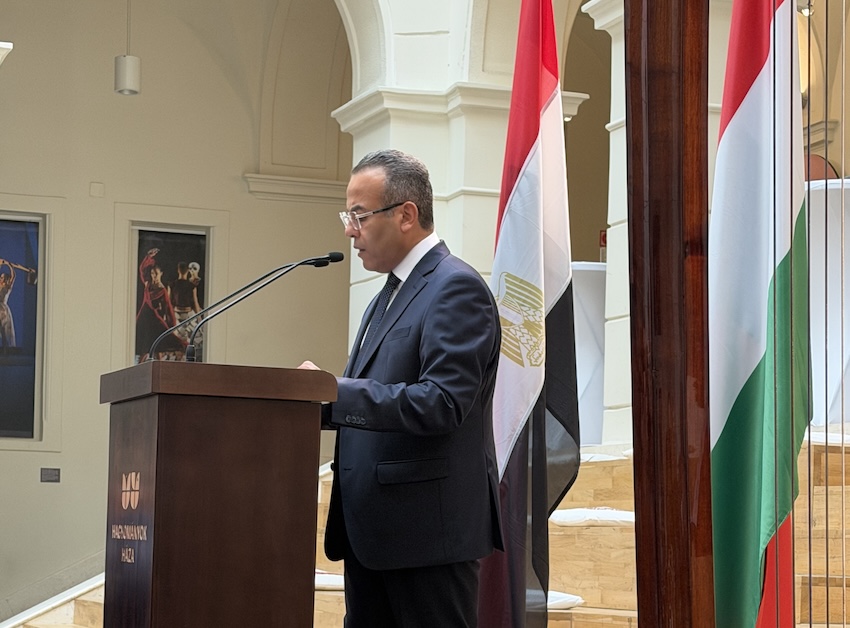
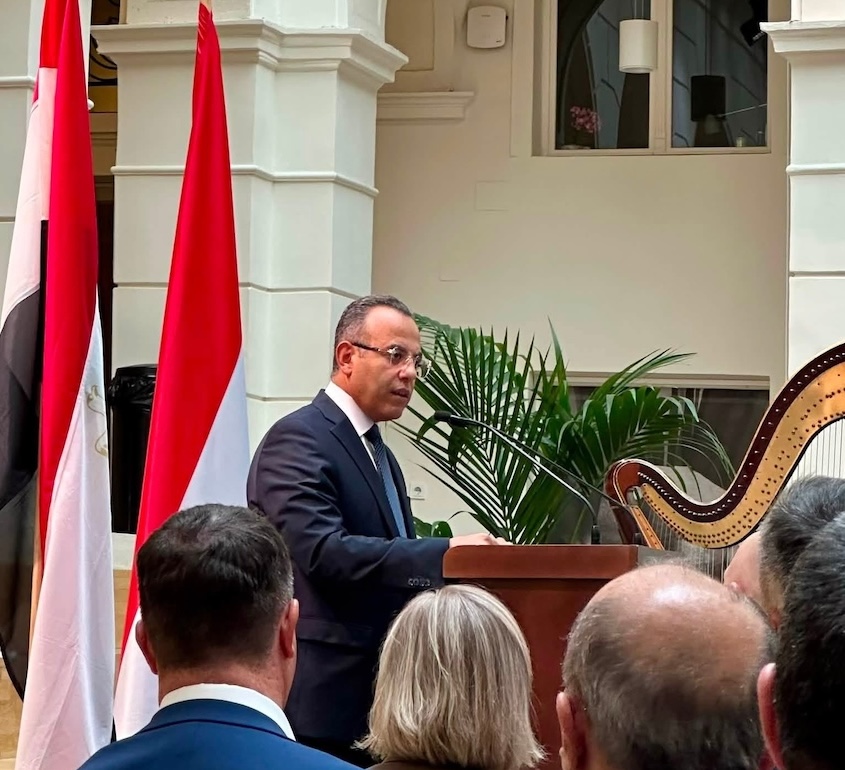
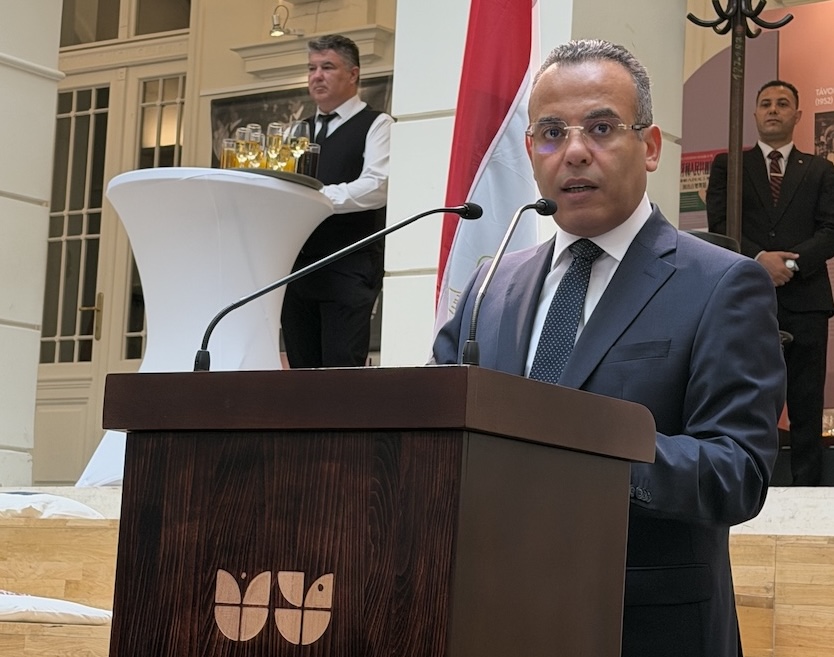
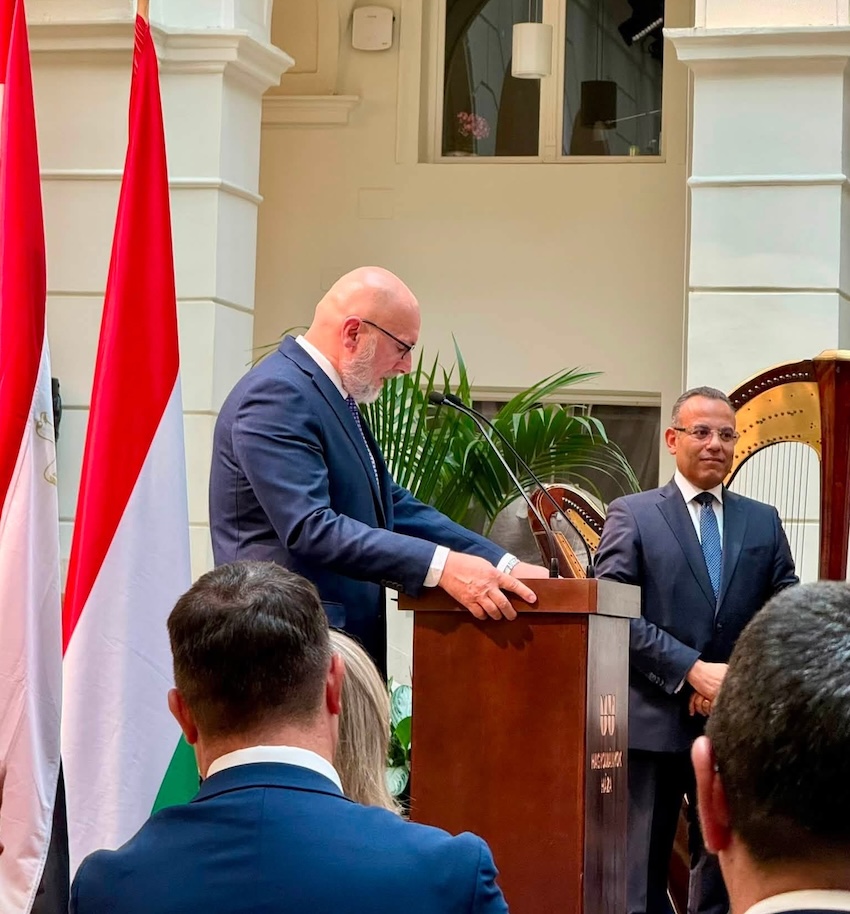
Following this, H.E. Dr. Ahmed Fahmy Shahin, Ambassador of the Arab Republic of Egypt to Hungary delivered a speech:
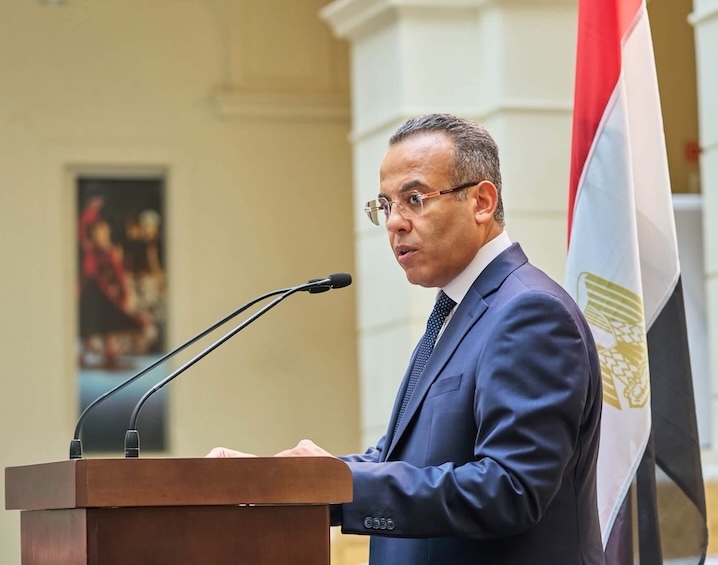
“Your Excellency Ambassador Iván Medveczky, Deputy State Secretary for Bilateral Relations with the South at the Ministry of Foreign Affairs of Hungary, our distinguished Guest of Honour this evening; Honourable Chairs of Committees of the Hungarian National Assembly; Your Excellencies, Ambassadors and Heads of Diplomatic Missions accredited to Hungary; Deputy State Secretaries and senior officials of the Ministry of Foreign Affairs, the Ministry of Defence, the Ministry of the Interior, and all Hungarian ministries and public institutions represented here today; Editors-in-Chief; distinguished members of the Hungarian media; business leaders; and representatives of the Hungarian private sector; Dear Friends, Ladies and Gentlemen, good evening and welcome as we mark the National Day of the Arab Republic of Egypt. 23rd of July is not only a date on the national calendar. It is a story – the story of people who held on to their identity, stood firm in difficult times, and turned every challenge into a step forward.
The Hungarian people know this feeling well. Your national memory speaks of dignity, self-determination, renewal, and the determination to remain true to who you are. This is one of the deepest meanings of Egypt’s Revolution of 23 July 1952.
July was not born in a vacuum. It was a decisive moment in a long national journey. It asked simple yet profound questions: How can a nation stand on its own feet? How can its sons and daughters be given a fair chance? How can its economy serve its people?
Today, independence means more than just a flag. It means food security, water security, and energy security. It means good schools, quality healthcare, decent work, and a digital economy that gives young people hope. This is Egypt’s mission today.
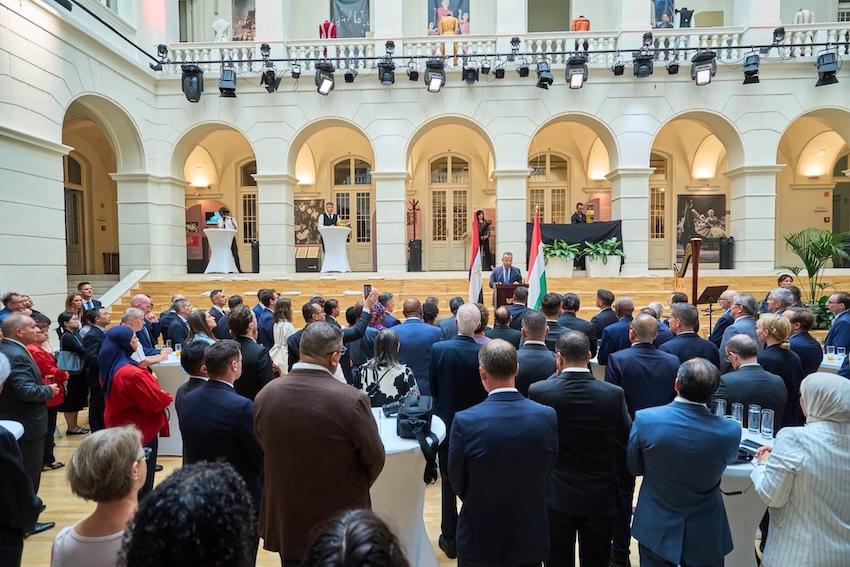
Egypt stands at the meeting point of Europe, Africa, and the Middle East. It lies alongside one of the world’s most vital maritime routes. In a region facing deep tensions and painful crises, Egypt carries a clear and consistent message: peace and security cannot be achieved by force alone. Lasting stability cannot be imposed through military means. The crises in our region require political solutions, just settlements, respect for international law, and sincere efforts to address the root causes of conflict.
This is the role Egypt seeks to play: reducing tensions, keeping channels of dialogue open, supporting peaceful and just settlements, and defending the right of all peoples to live in security, dignity, and hope.
This is the spirit in which Egypt works with its regional and international partners, including the European Union, for a safer Mediterranean and a more stable Middle East.
Our path of renewal is therefore not limited to new buildings. It involves strengthening national capacity: building an economy that can manufacture and export; constructing cities that serve the people who live in them; developing infrastructure that moves people and goods; and creating institutions capable of meeting the challenges of a changing world.
Across Egypt today, railways, ports, logistics hubs, new cities, clean-energy projects, and digital systems are taking shape. We are investing in industry, technology, sustainable water management, food security, and human capital.
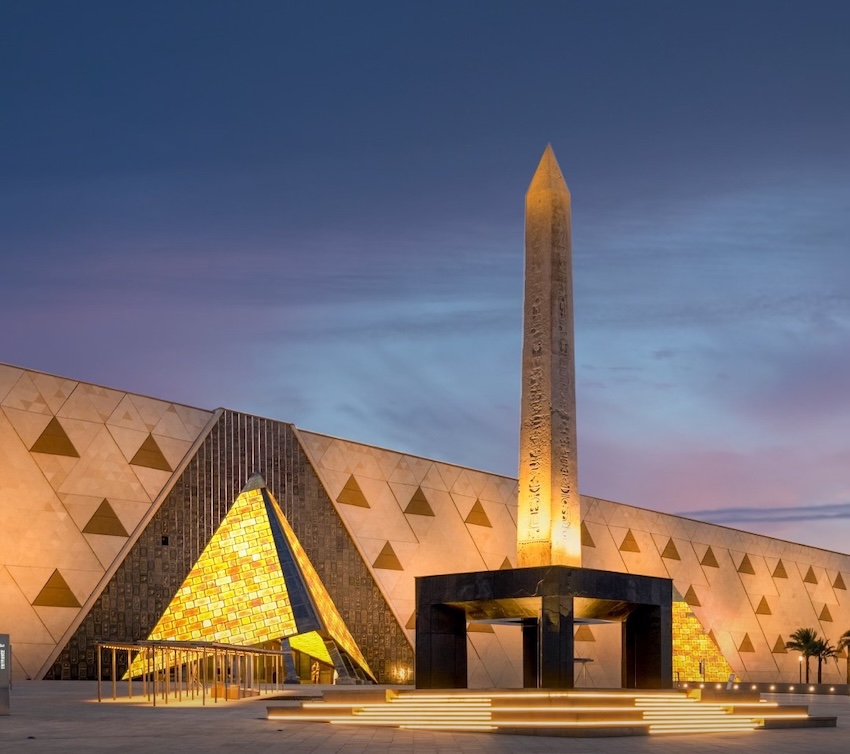
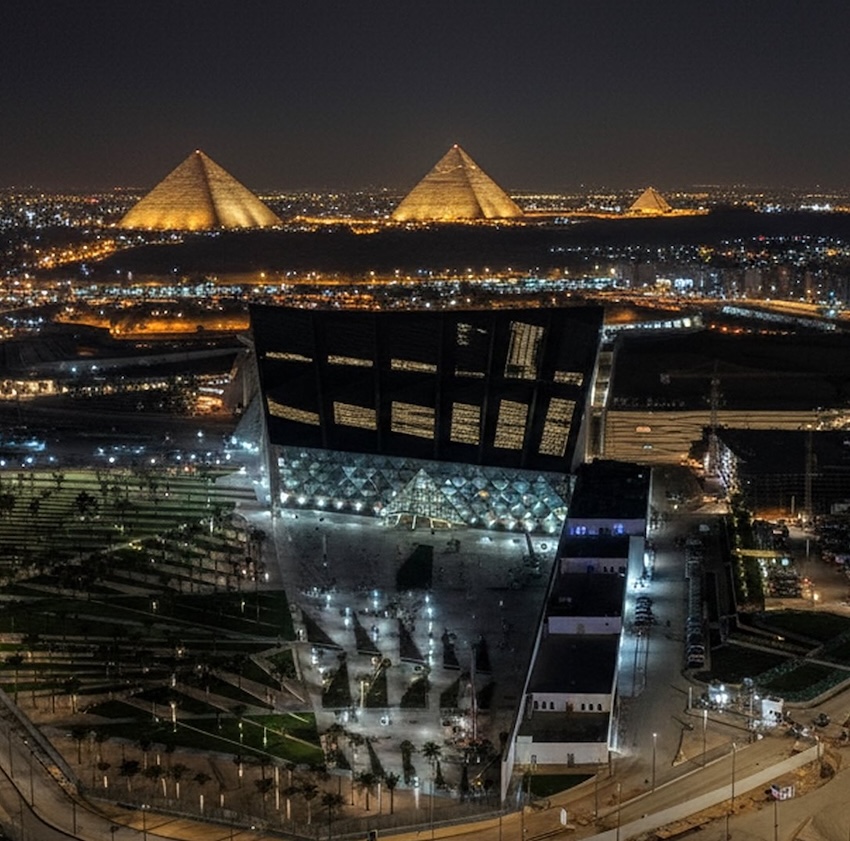
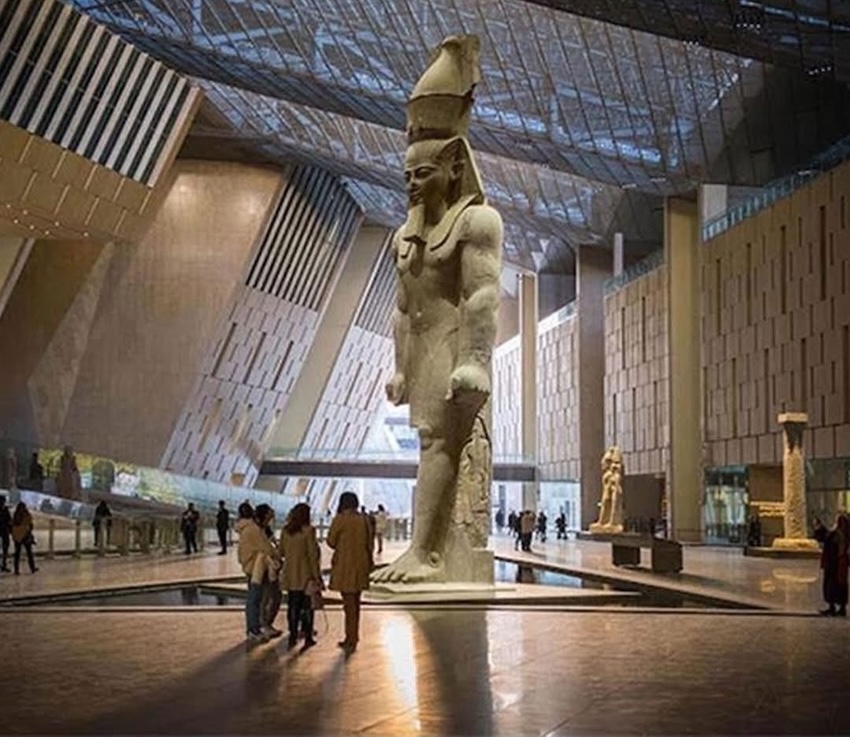
At the heart of this vision stands the Grand Egyptian Museum, beside the Pyramids of Giza. It conveys a simple message: Egypt does not keep its past behind glass. Egypt brings that past into the life of today – as a source of learning, culture, tourism, and as a bridge between peoples. This is our idea of modernisation: not leaving history behind but making it a source of energy for what lies ahead.
And this is why Egypt values its friendship with Hungary. Our official diplomatic relations began in 1928. They are founded on mutual respect, shared interests, and a genuine desire to know one another better.
That political bond remains strong today. President Abdel Fattah El-Sisi’s phone call to Prime Minister Péter Magyar following the 12 April election in Hungary, and Foreign Minister Dr. Badr Abdelatty’s call to Foreign Minister Dr. Anita Orbán sent a clear message: Egypt and Hungary are determined to further develop this partnership.
Our two nations have much to offer one another. Hungary possesses outstanding expertise in industry, agriculture, water management, pharmaceuticals, technology, and higher education. Egypt offers a growing industrial, energy, and services base, a large domestic market, and a strategic location linking Africa, Europe, and Asia.
Our shared agenda is therefore practical. We do not seek agreements that remain on paper. We seek projects, investments, and the exchange of knowledge that generate jobs, economic growth, and lasting benefits for both nations.
Yet the deepest ties are human. Egyptian students in Budapest, Debrecen, Szeged, and other Hungarian cities acquire more than academic degrees. They gain friendships, broader perspectives, and lasting bonds with Hungary. Likewise, Hungarian students and scholars continue to discover Egypt through Arabic studies, Egyptology, history, and travel.
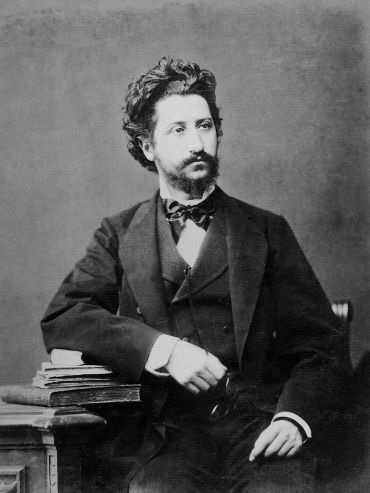
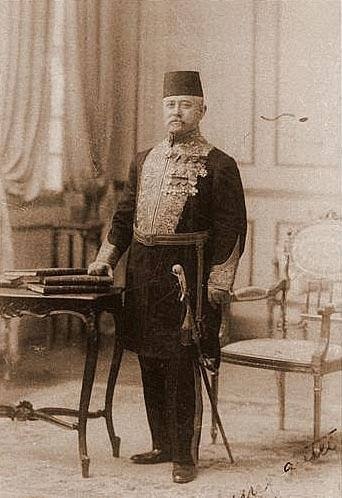
The connection between our two countries has a long and distinguished history. Ignaz Goldziher (1850–1921) studied at Al-Azhar in Cairo. Max Herz Pasha (1856–1919) devoted much of his life to preserving Cairo’s Islamic architectural heritage. Ede Mahler (1857–1945) helped lay the foundations of Egyptology in Hungary. Vilmos Wessetzky (1909–1997) and László Török (1941–2020) carried that work forward. They remind us that culture and knowledge give public relations their soul. Markets may shift. Agreements may change. But what peoples learn about one another endures.
As we follow the World Cup this summer, let me add one lighter note. Egypt’s first-ever World Cup match was against Hungary in 1934. Hungary won 4–2. After 92 years, I think we can now forgive our Hungarian friends that result. As for Argentina, forgiveness after the heartbreak of the past few days will likely take a little longer.
Ladies and Gentlemen, from the Nile to the Danube the map may show distance, but friendship, culture, knowledge, sport, and shared ambition continue to bring our two nations closer together.
Tonight, we celebrate Egypt – its ancient soul, its vibrant present, and its confident path towards the future. And we celebrate the friendship between Egypt and Hungary: rooted in mutual respect, enriched by people-to-people ties, and ready for a new chapter. May the bridges between the Nile and the Danube remain open, strong, and full of life. Thank you very much.”
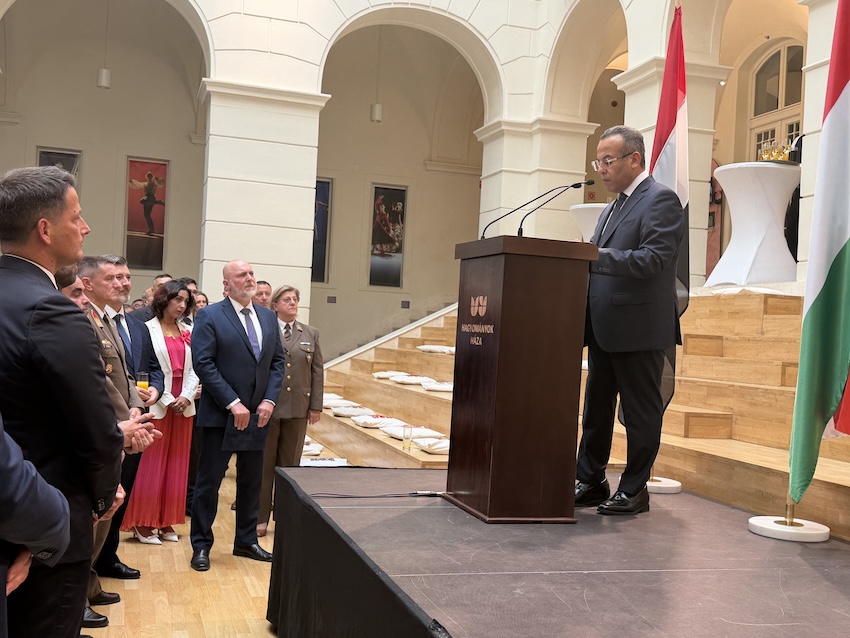
Following the Ambassador’s opening remarks, the Guest of Honour, H.E. Iván Medveczky, Deputy State Secretary for Bilateral Relations with the South at the Hungarian Ministry of Foreign Affairs addressed the audience:
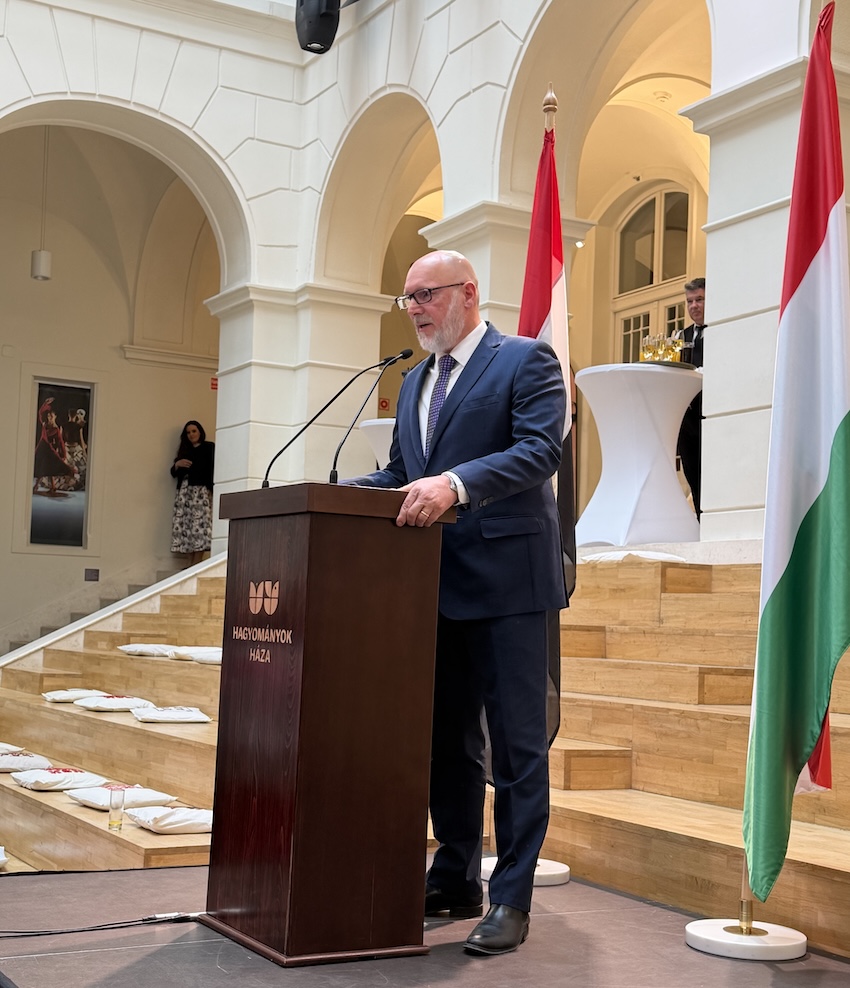
“Excellencies, Distinguished Guests, Ladies and Gentlemen, It is a great honour to have the opportunity to welcome you today as we celebrate the 74th anniversary of the Egyptian Revolution of 1952, which led to the proclamation of the modern Arab Republic of Egypt.
Egypt is the cradle of one of the world’s oldest and most influential civilisations, embodying thousands of years of rich history and culture. The recently opened Grand Egyptian Museum is a remarkable testament to this heritage. Egypt’s location at the crossroads of Africa and Asia, and its proximity to Europe, also give it unique geographical and geopolitical significance.
Hungary and Egypt established consular relations more than one hundred years ago, and we will soon celebrate the centenary of the establishment of our diplomatic relations as well. The close and friendly ties between our countries are reflected in the frequent high-level political visits and consultations.
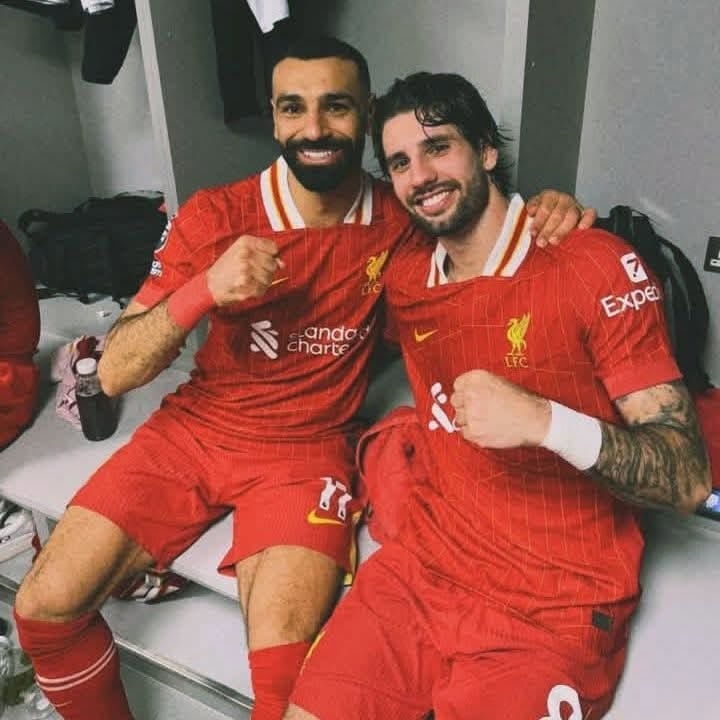
The excellent understanding between our two outstanding footballers, Mohamed Salah and Dominik Szoboszlai, on the pitch at Anfield also serves, in its own way, as a symbol of Egyptian-Hungarian cooperation.
Our bilateral relations have developed significantly in numerous fields in recent years. This progress was further reinforced by elevating our cooperation to the level of a Strategic Partnership in 2023. We are particularly pleased to see that our traditionally strong relationship now encompasses a wide range of sectors, from business and education to tourism.
We are convinced that the several hundred Egyptian scholarship recipients of the Stipendium Hungaricum program, currently studying in Hungary, are not only students but also cultural ambassadors of both their country and ours.
Last but not least, we believe that in today’s rapidly changing world, reliable and predictable partnerships are more important than ever. We highly value Egypt’s stabilising role in the regional security architecture, and its commitment to peace and economic development.
Cairo plays a vital role both in its immediate neighbourhood and in the wider region. As a country surrounded by numerous conflicts, Egypt has also proven to be an exemplary partner for Europe in addressing our common challenges. Egypt’s efforts to curb irregular migration towards Europe and combat extremism have strengthened the security of us all.
Its initiatives to advance negotiations aimed at bringing peace to the region have prevented escalation on many occasions and across multiple fronts. Egypt’s growing economic, energy, and defence ties with Europe further demonstrate the importance of strengthening the European Union’s engagement with – and support for – Egypt’s stability and prosperity.
Excellency Ambassador Dr. Ahmed Fahmy Shahin, Distinguished Guests, Ladies and Gentlemen, it is my pleasure to assure you that the Government of Hungary remains firmly committed to further strengthening its already excellent partnership with Egypt – a partnership founded on enduring shared values such as mutual respect and understanding. In this spirit, I would like to congratulate you once again on this festive occasion, and I thank you for your kind attention.”
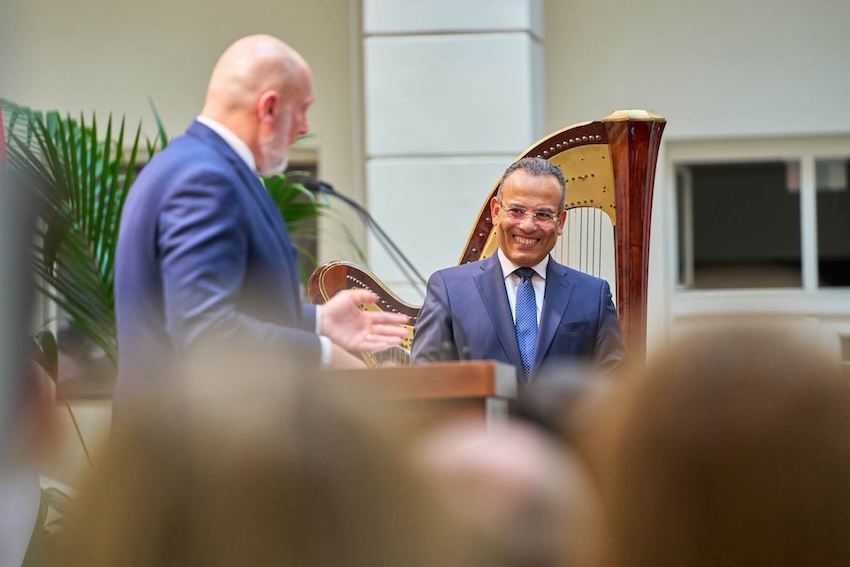
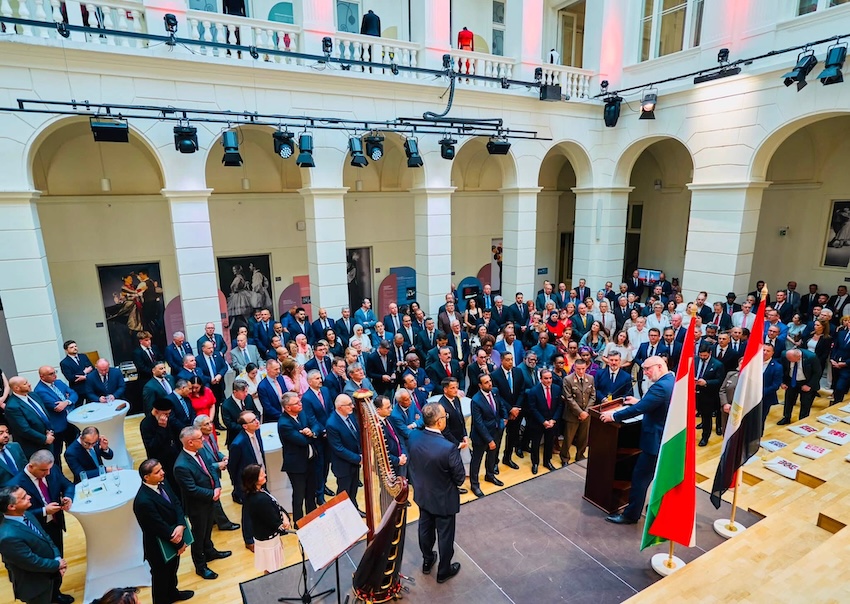
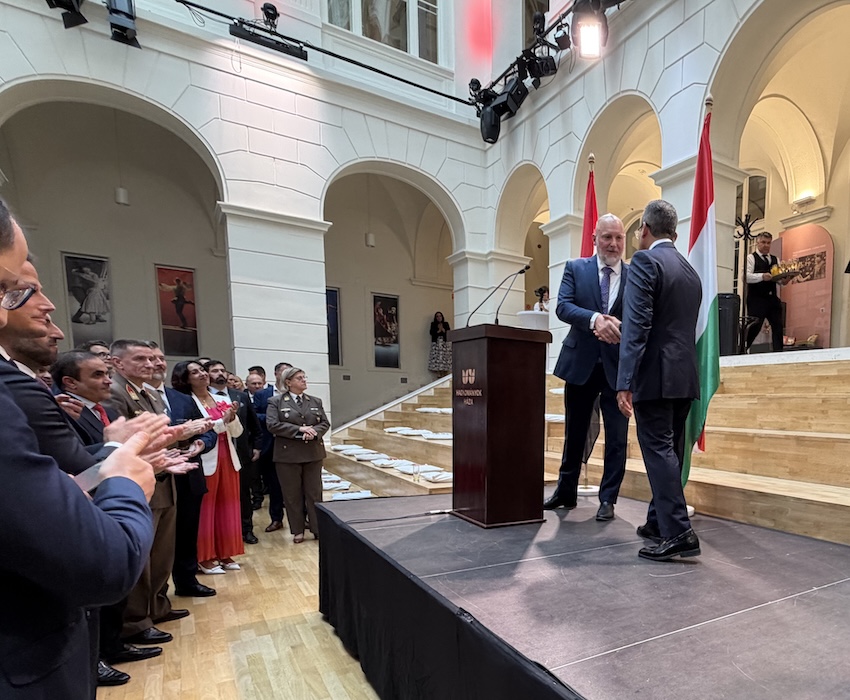
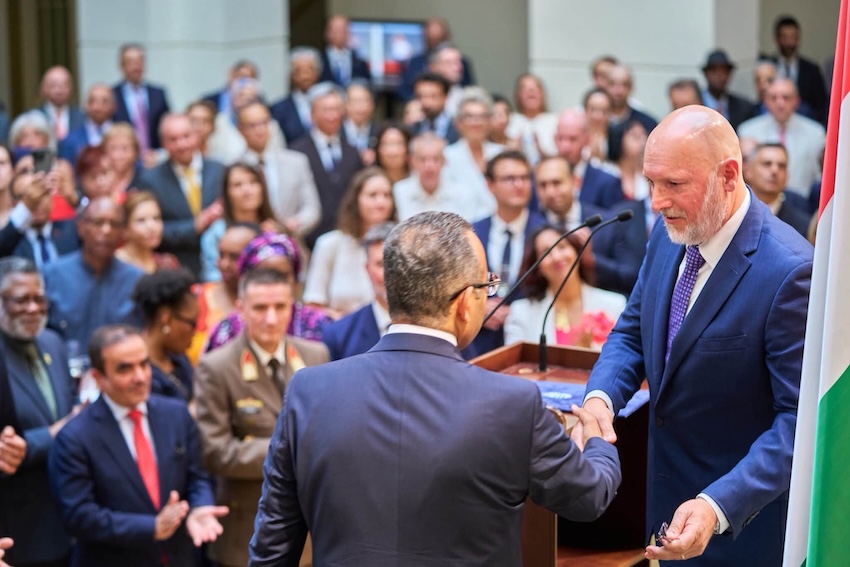
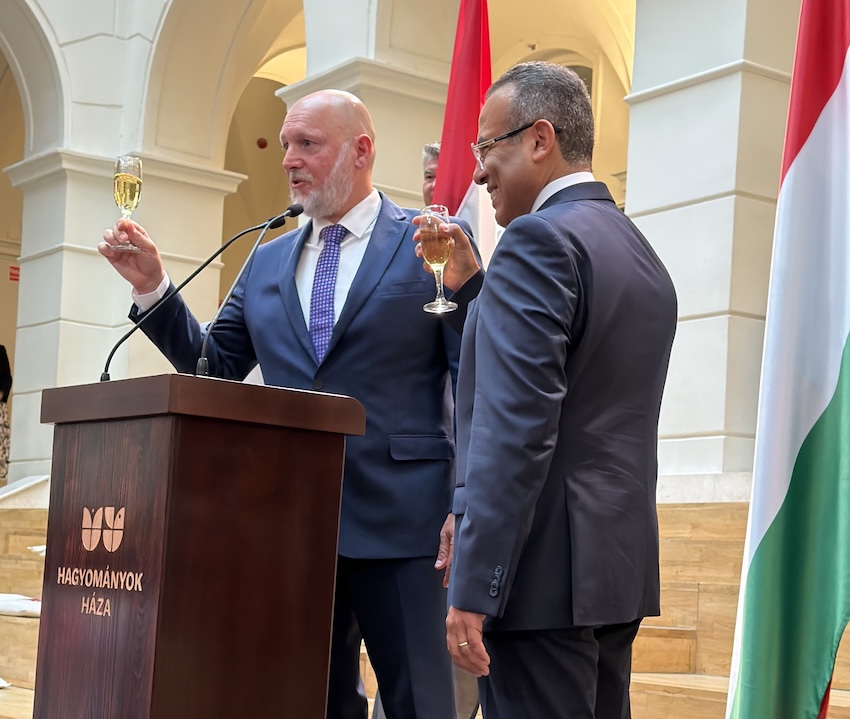
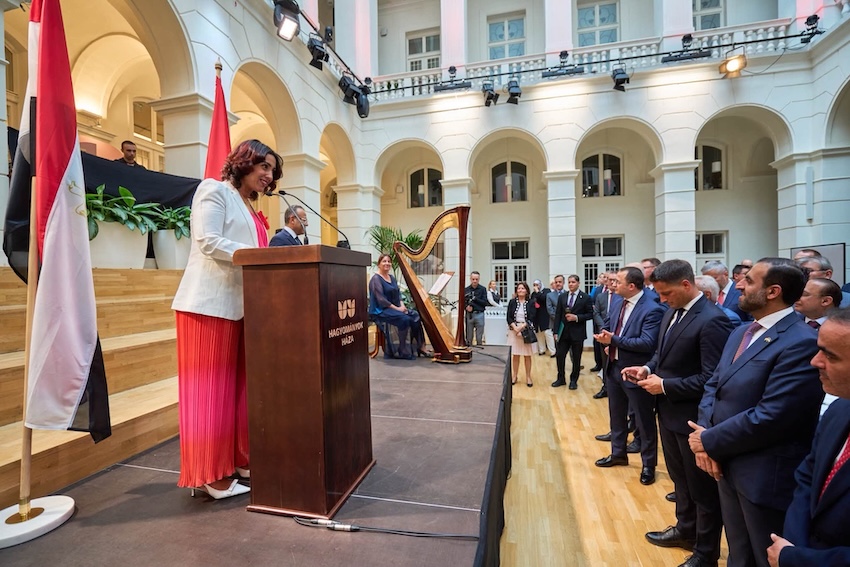
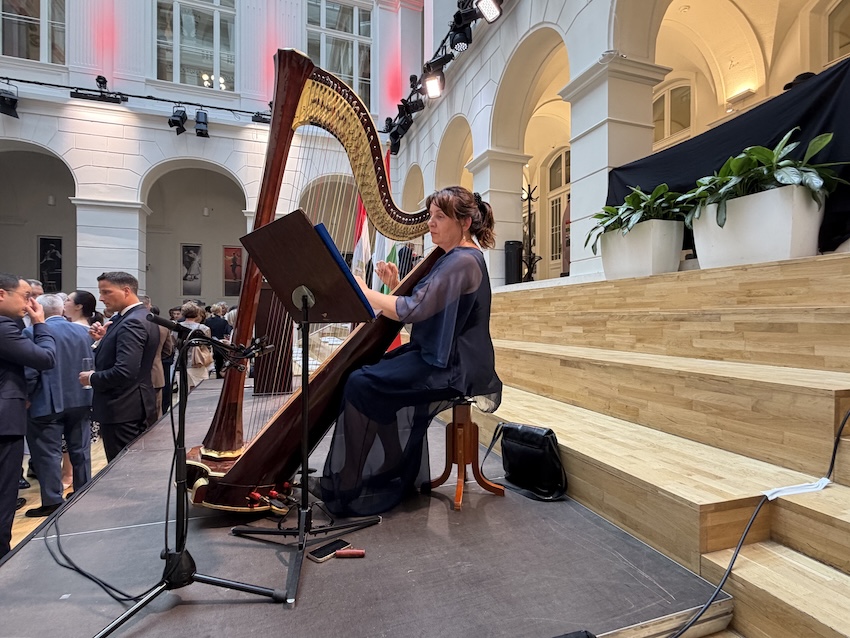
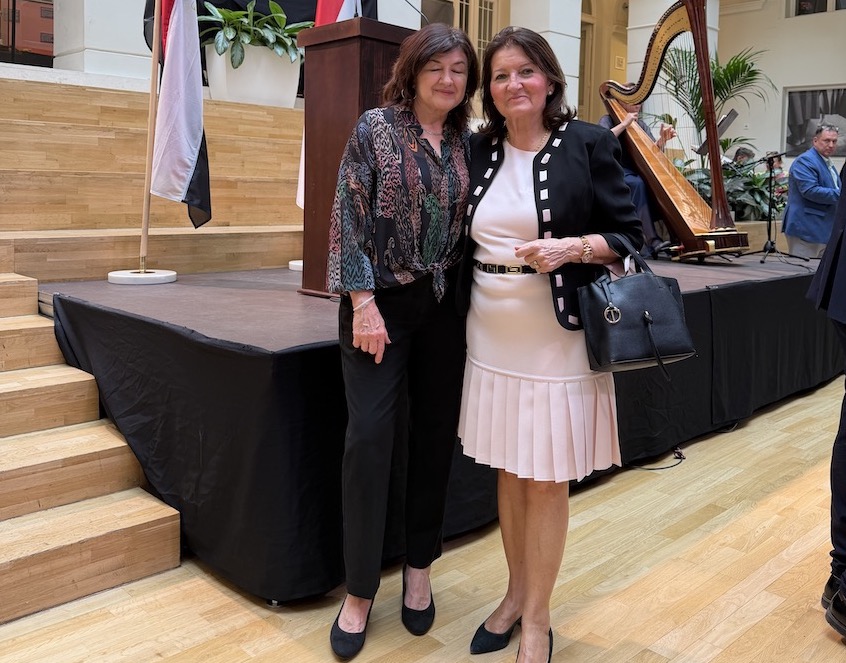
Following the official speeches, the spouse of Ambassador Dr. Ahmed Fahmy Shahin, Mrs. Noran Hassan, introduced the cultural programme of the evening. She spoke about the harp, one of the world’s oldest musical instruments, whose origins can be traced back to ancient Egypt, and which is regarded as a work of art in its own right, underscoring its enduring place in the country’s cultural heritage.
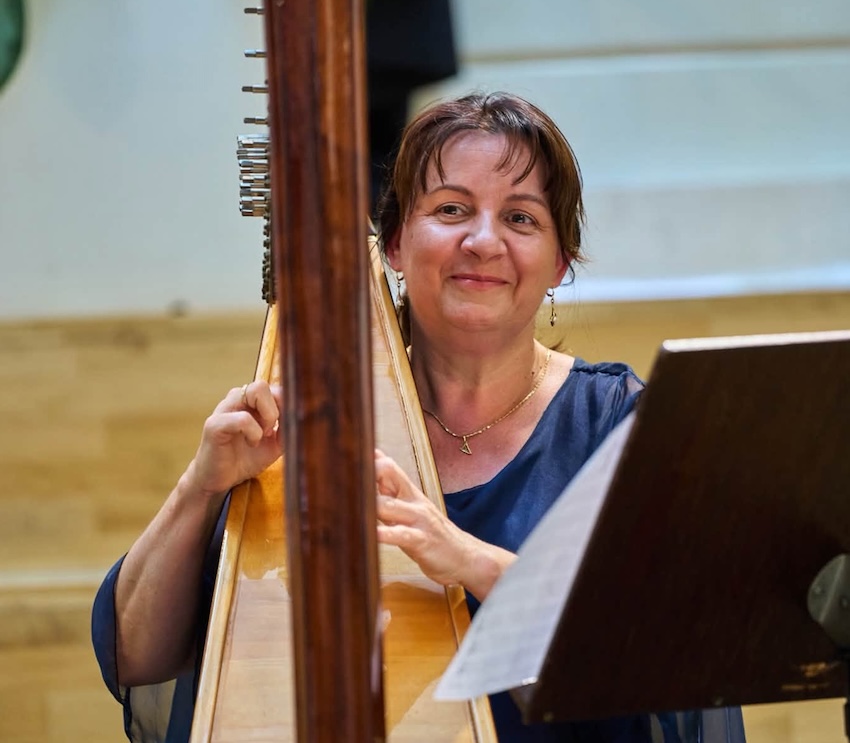
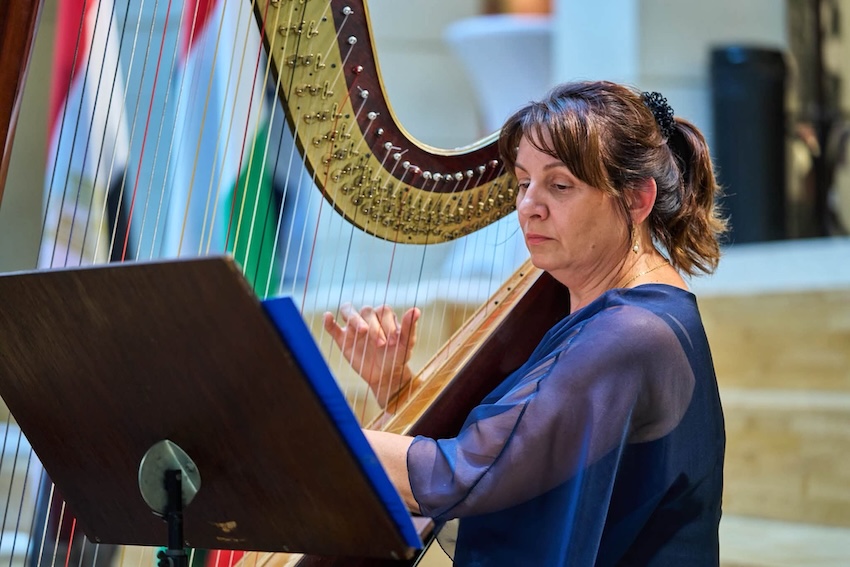
She then invited the audience to experience the evening’s cultural highlight: a captivating performance by the Hungarian harpist Emese Batali, who performed a selection of works inspired by Egyptian music. The performance paid tribute to the harp’s ancient legacy while serving as a beautiful symbol of the cultural dialogue and friendship between Egypt and Hungary.
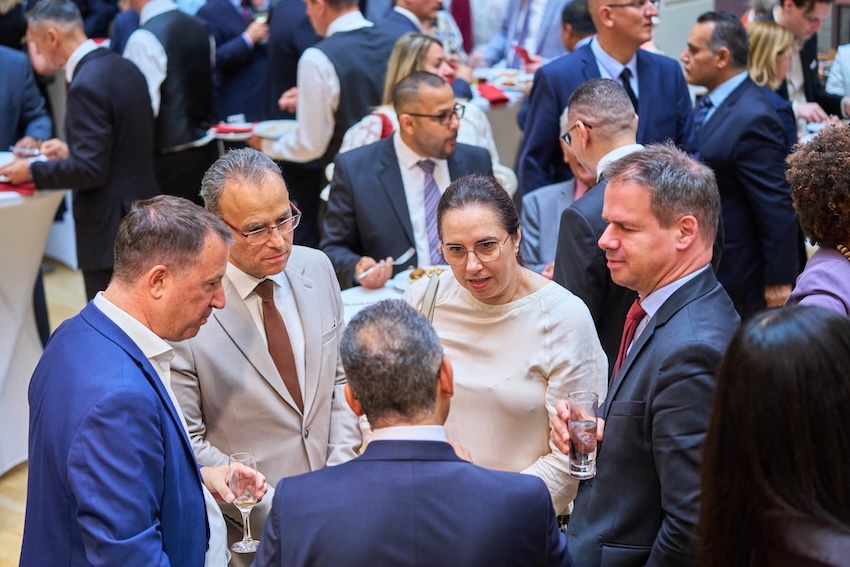
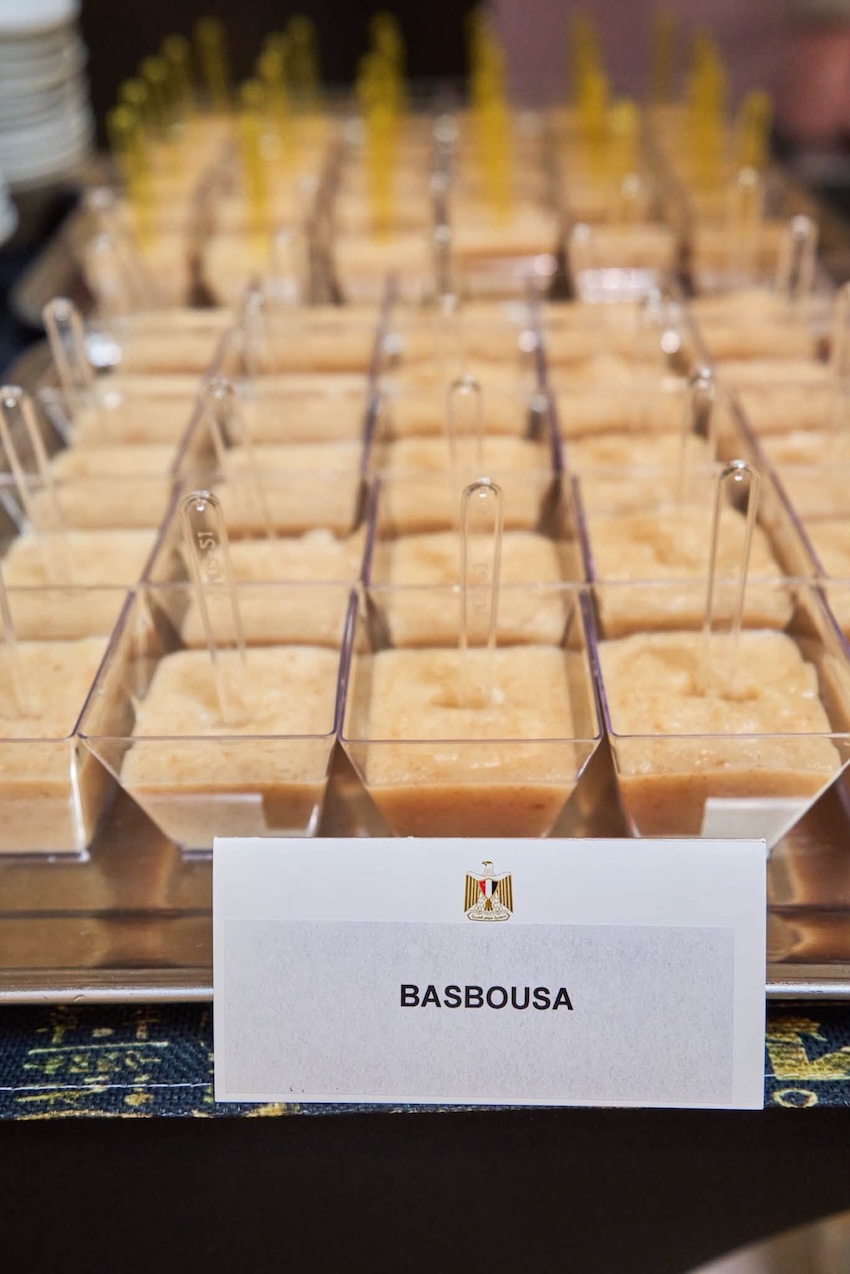
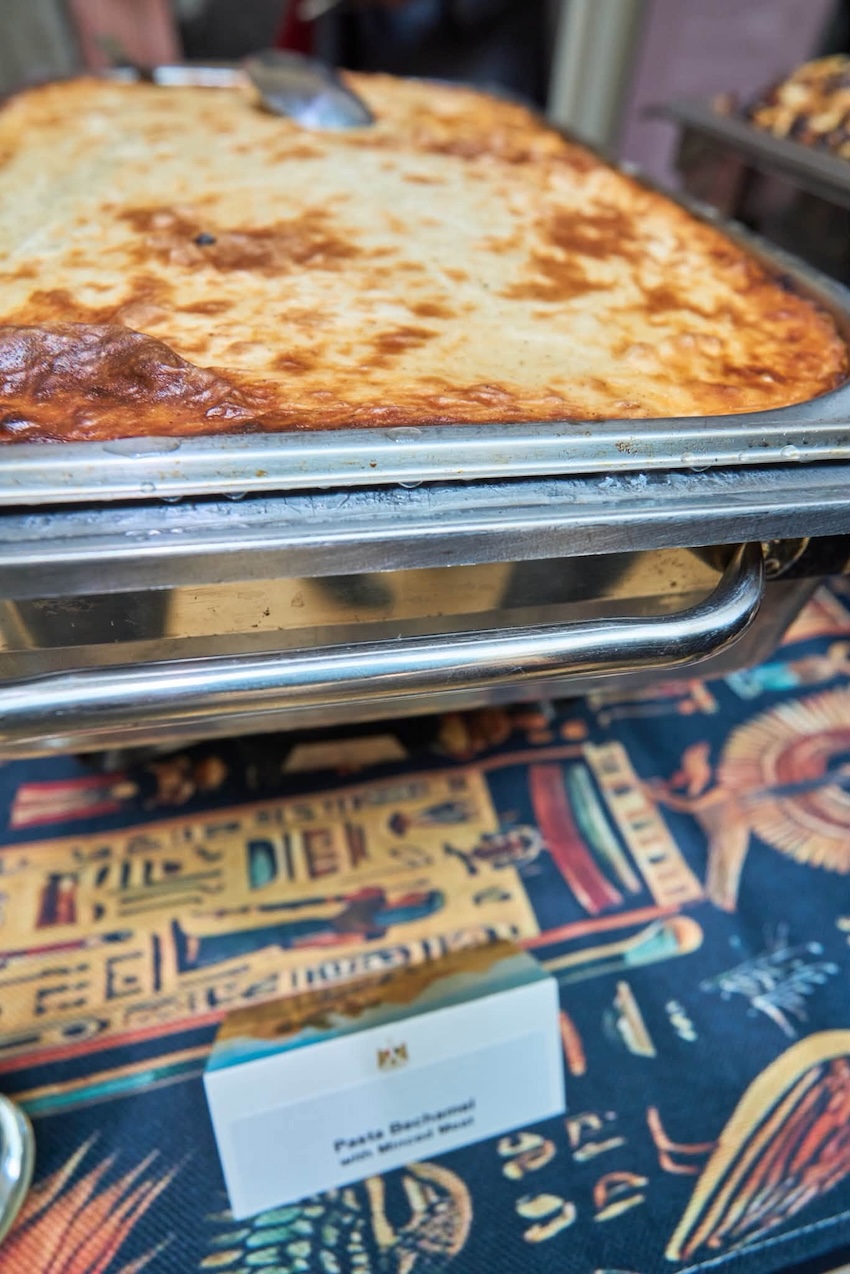
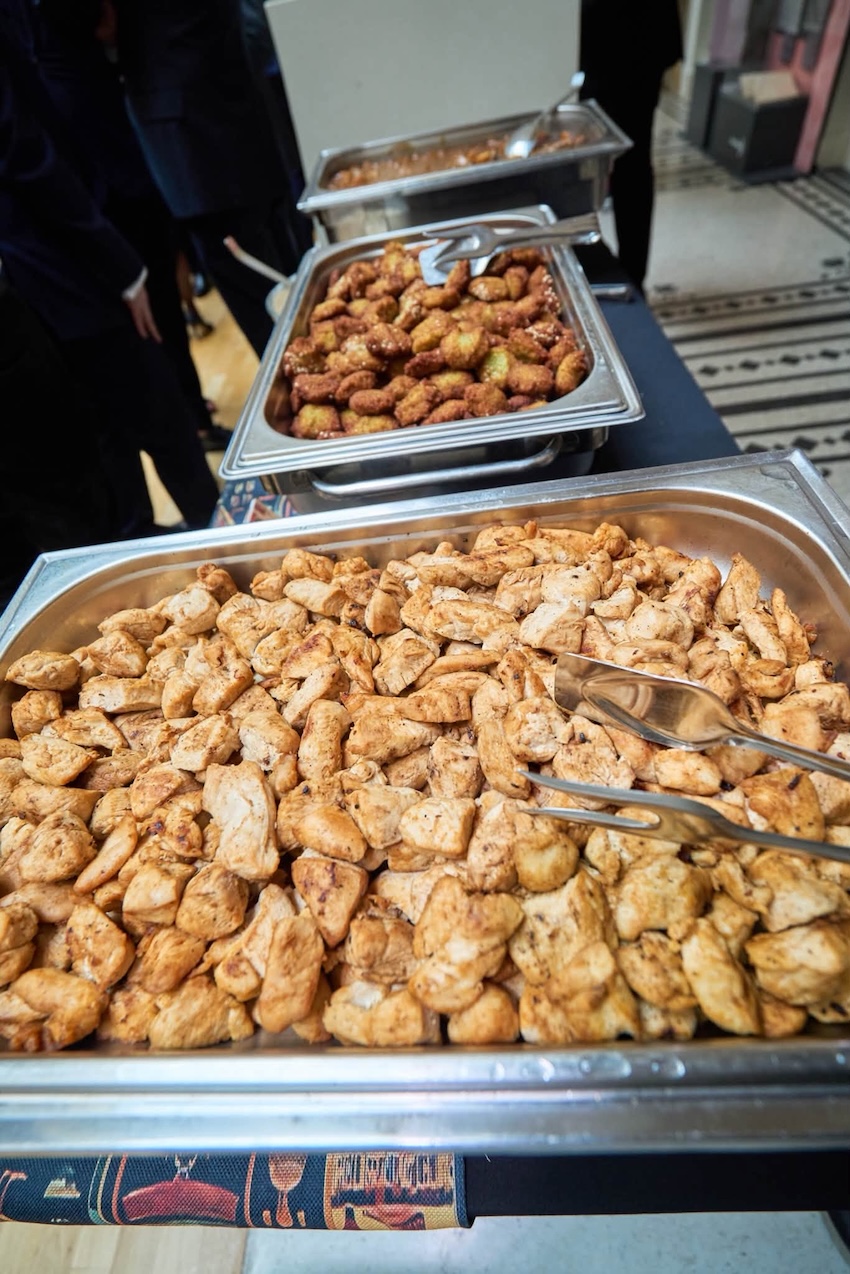
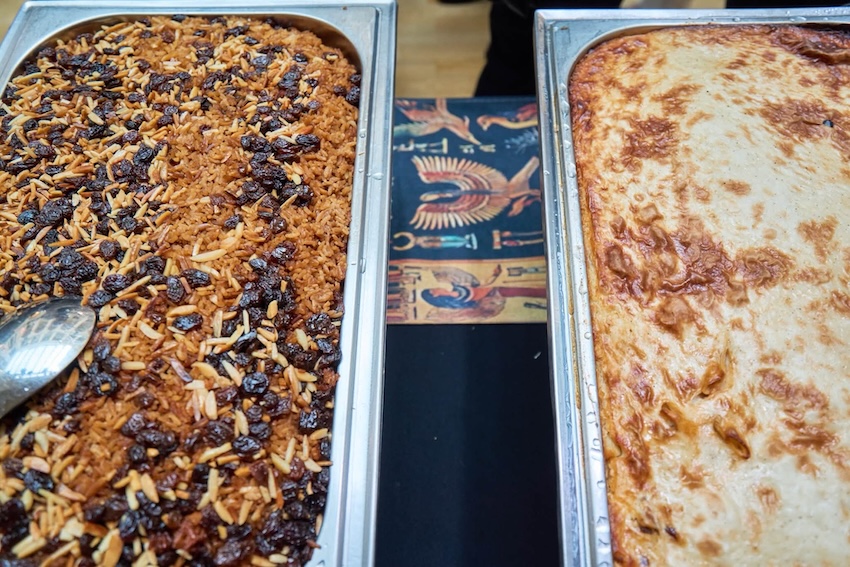
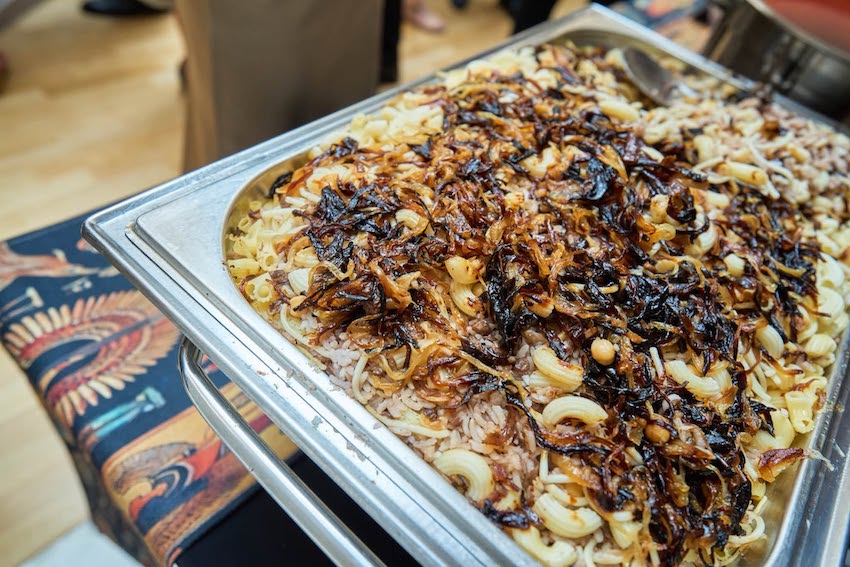
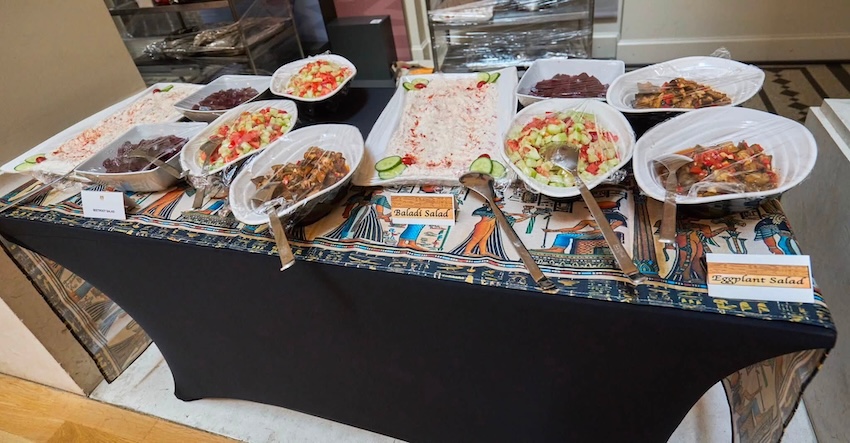
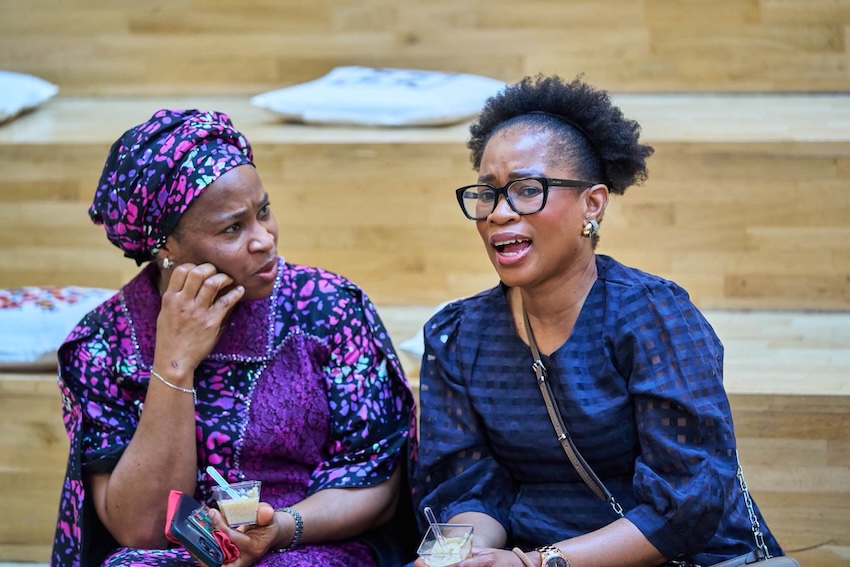
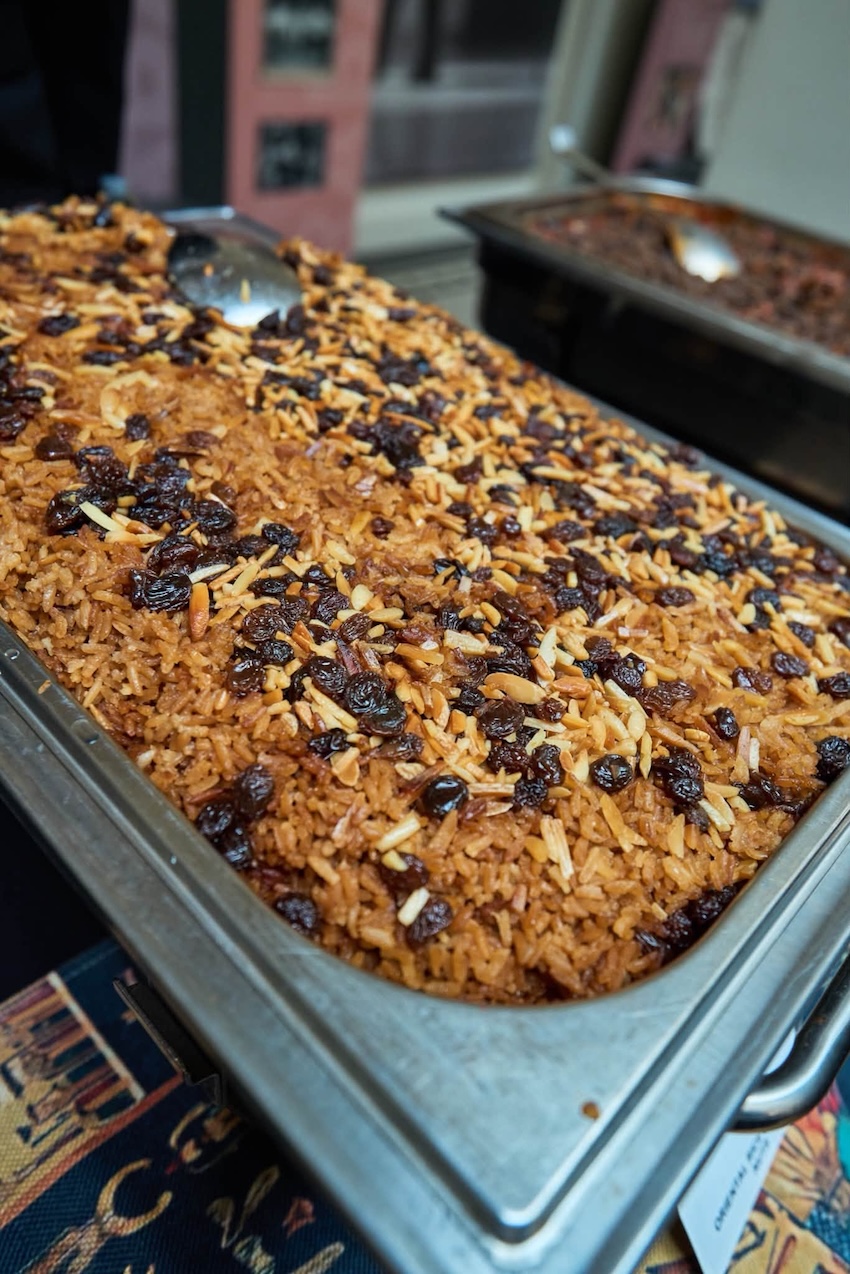
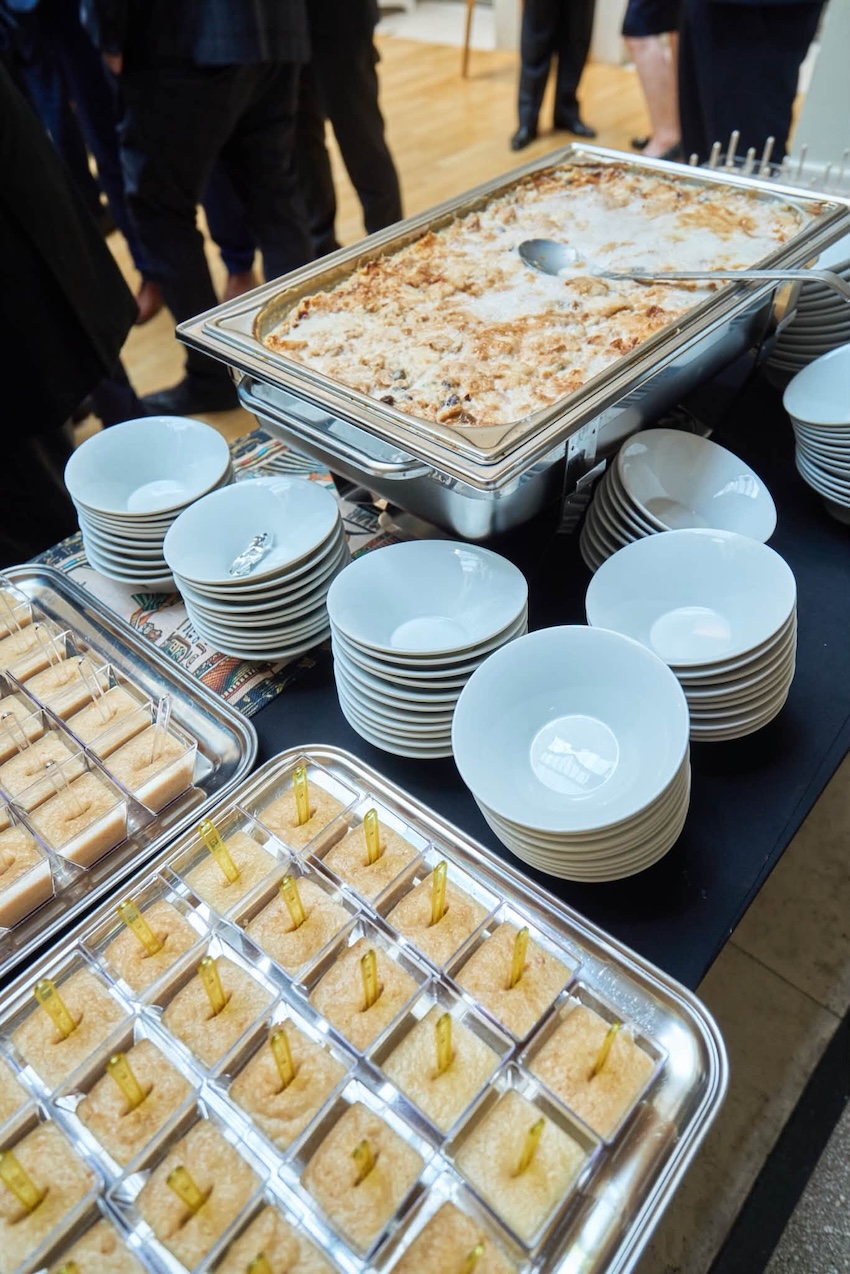
Guests were further immersed in an authentic Egyptian atmosphere while enjoying the generous reception with a wide array of traditional Egyptian cuisine, carefully prepared by the Chef of the Egyptian Embassy in Budapest. Showcasing Egypt’s rich culinary heritage and renowned hospitality, the reception provided an ideal setting for conversation, networking, and further strengthening professional, and personal ties among the guests.
Source: Embassy of Egypt in Budapest
Photos from the Embassy of Egypt in Budapest