


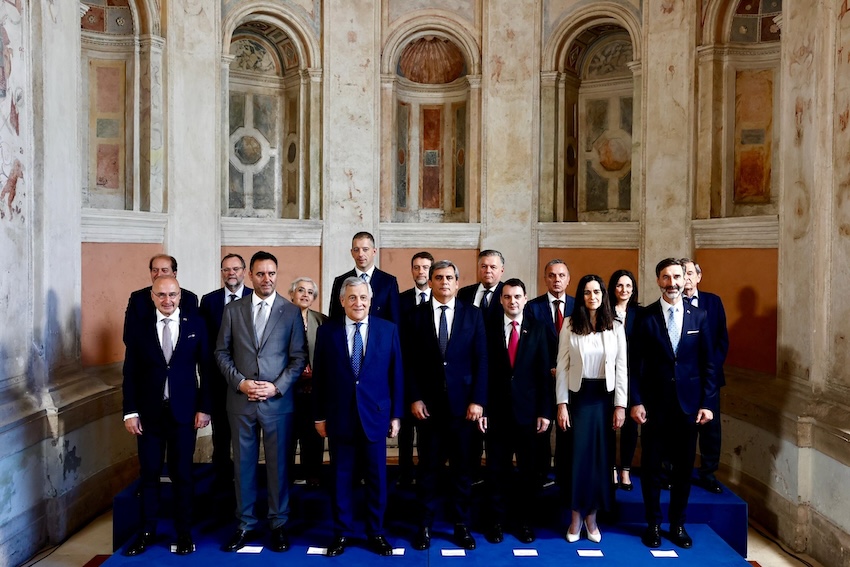
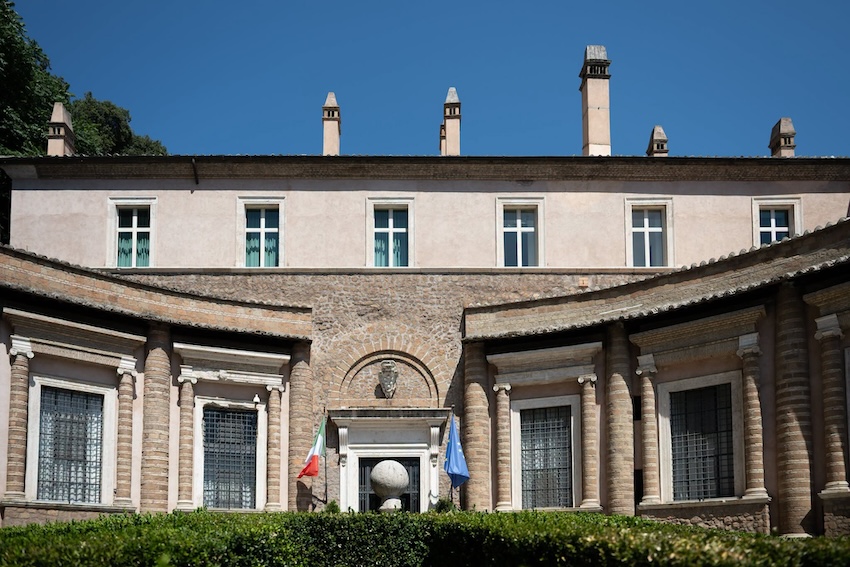
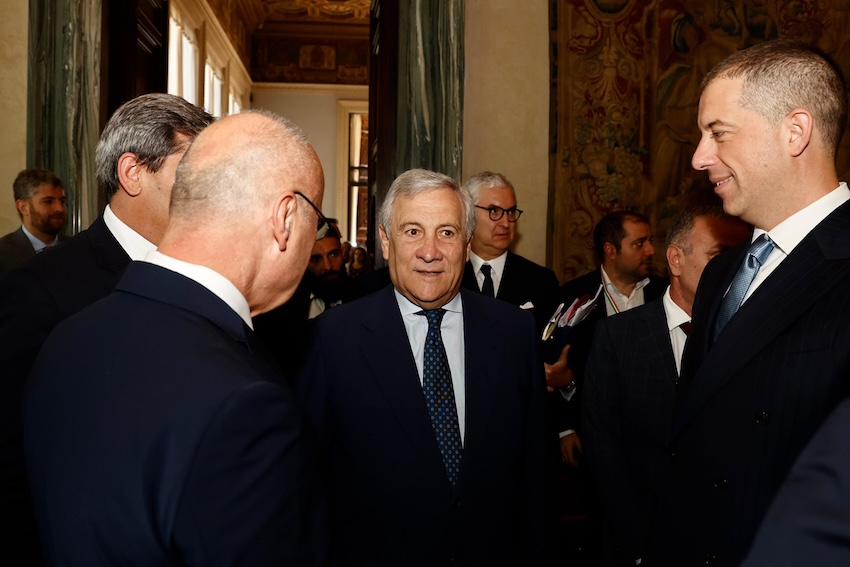
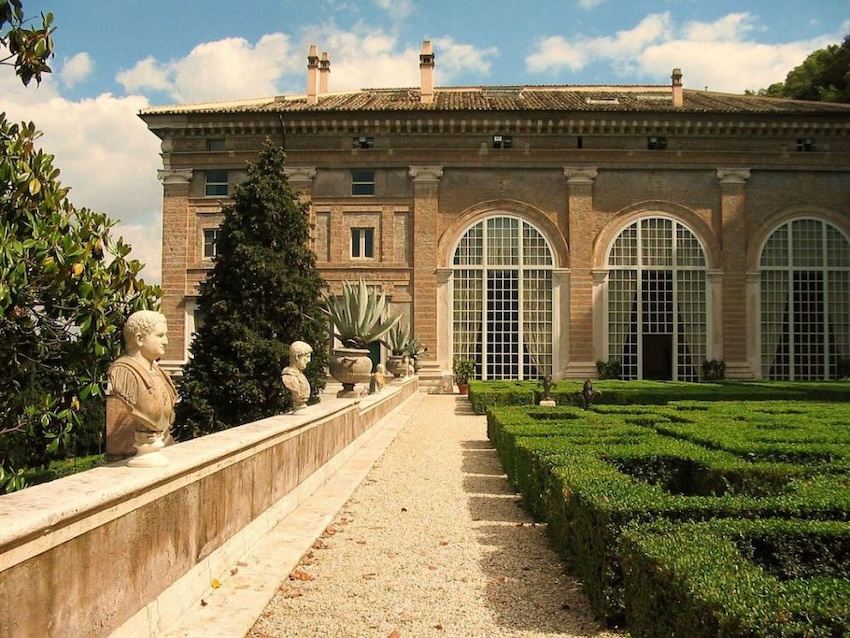
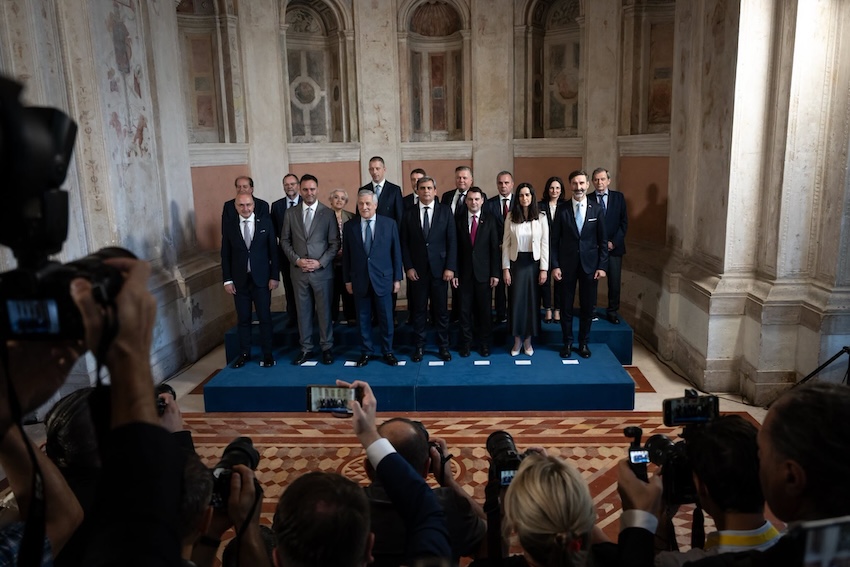
On 10 July 2026, the Friends of the Western Balkans group reaffirmed its shared commitment to advancing the European integration of the Western Balkans at a high-level ministerial meeting held in Rome with the foreign ministers of the six Western Balkan partners. The meeting, hosted by Italy and chaired by Italian Deputy Prime Minister and Minister of Foreign Affairs Antonio Tajani, took place at the historic Villa Madama.
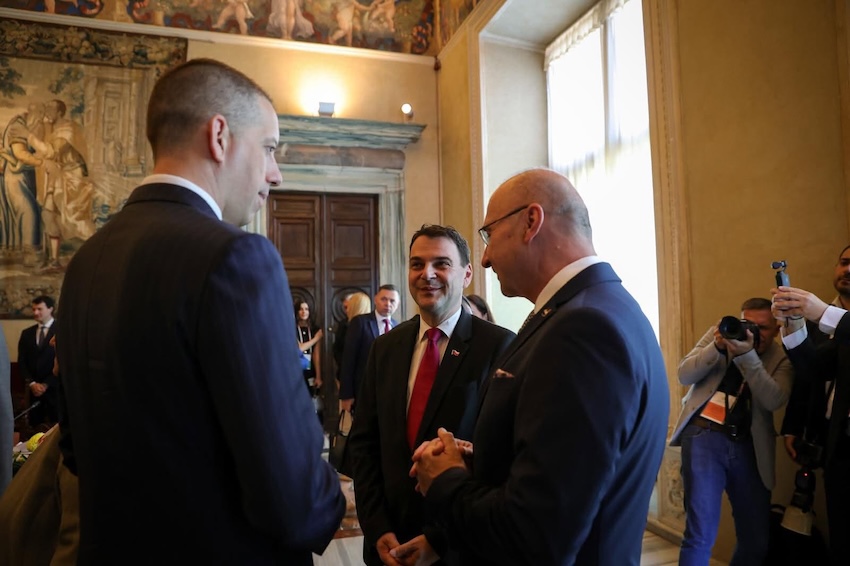
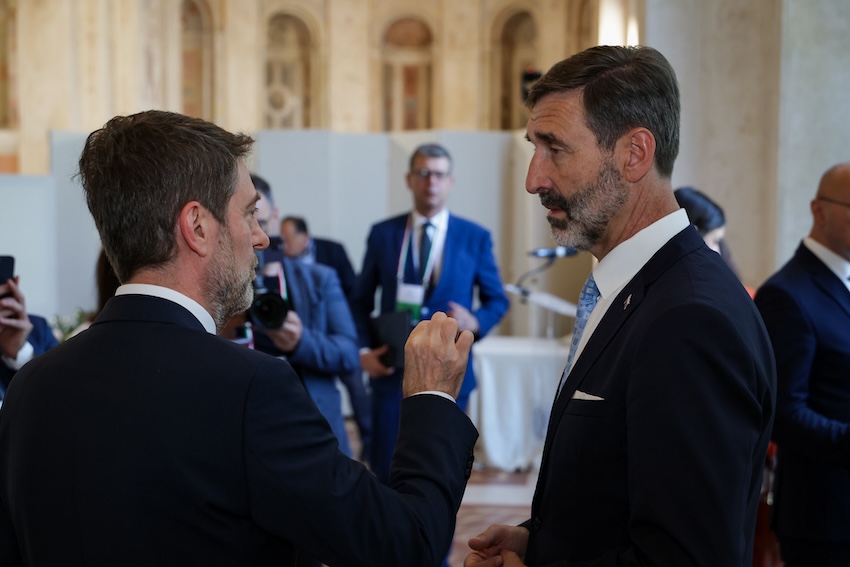
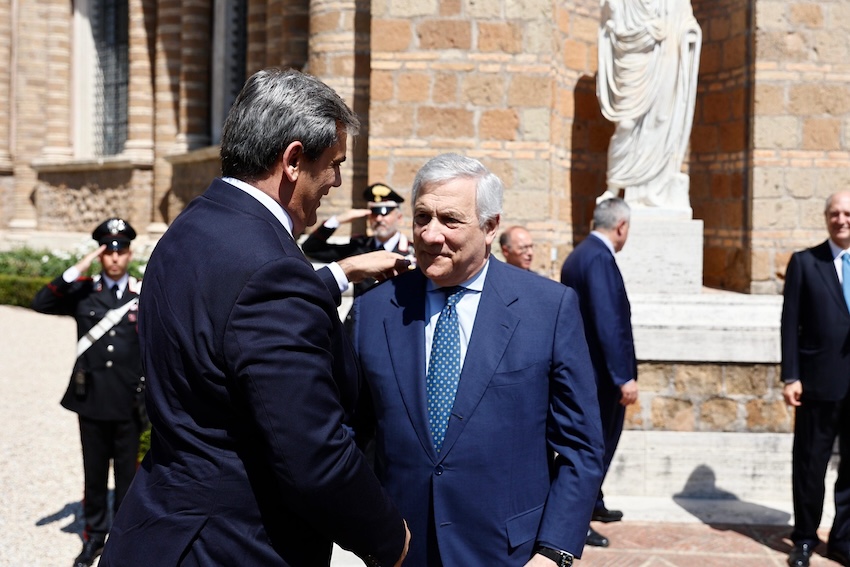
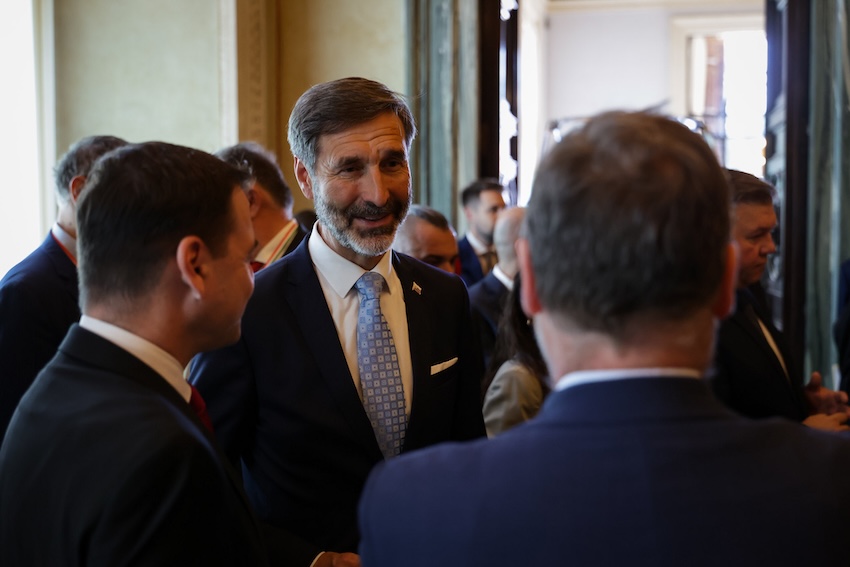
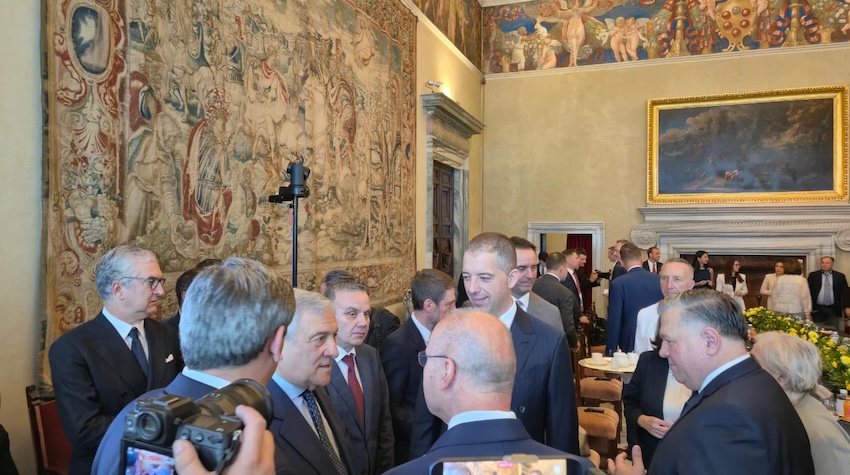
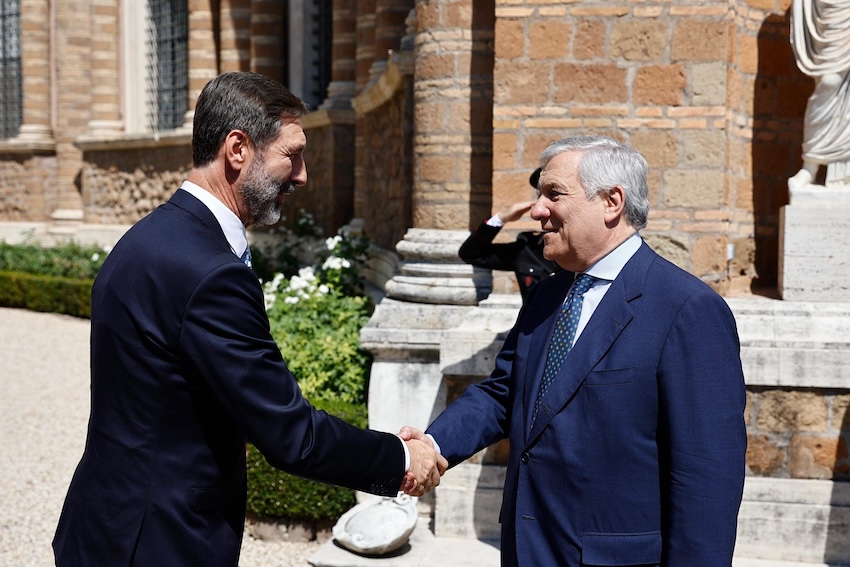

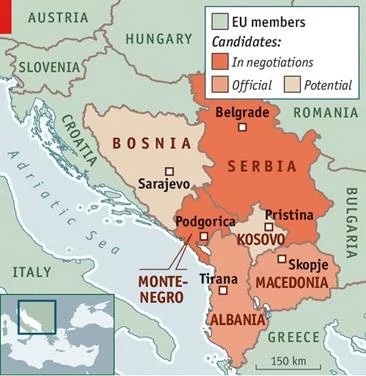
Established in 2023, the Friends of the Western Balkans group unites seven European Union Member States – Italy, Austria, Croatia, Greece, the Czech Republic, Slovakia, and Slovenia – which work closely together to support the accession of the six Western Balkan countries that are EU candidate countries or potential candidates: Albania, Bosnia and Herzegovina, Kosovo, Montenegro, North Macedonia, and Serbia.
In recognition of Hungary’s longstanding commitment to the Western Balkans enlargement process, Italy invited Hungary to participate in the ministerial meeting for the first time.
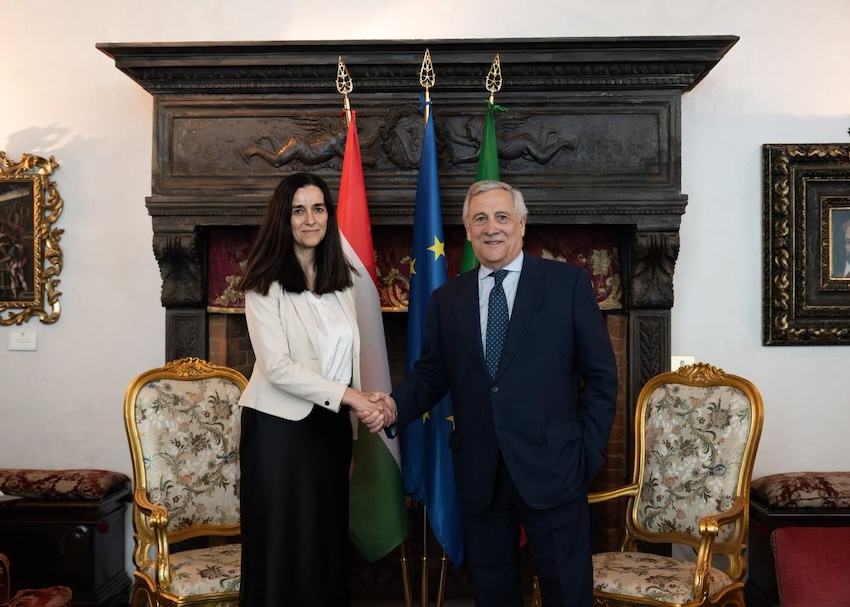
The Rome gathering aimed to inject fresh political momentum into the European Union’s enlargement process while strengthening the region’s contribution to Europe’s strategic autonomy. Discussions focused on several key areas essential to regional stability and prosperity, including food security, supply chain resilience, transport and energy infrastructure, and enhanced regional and European connectivity.
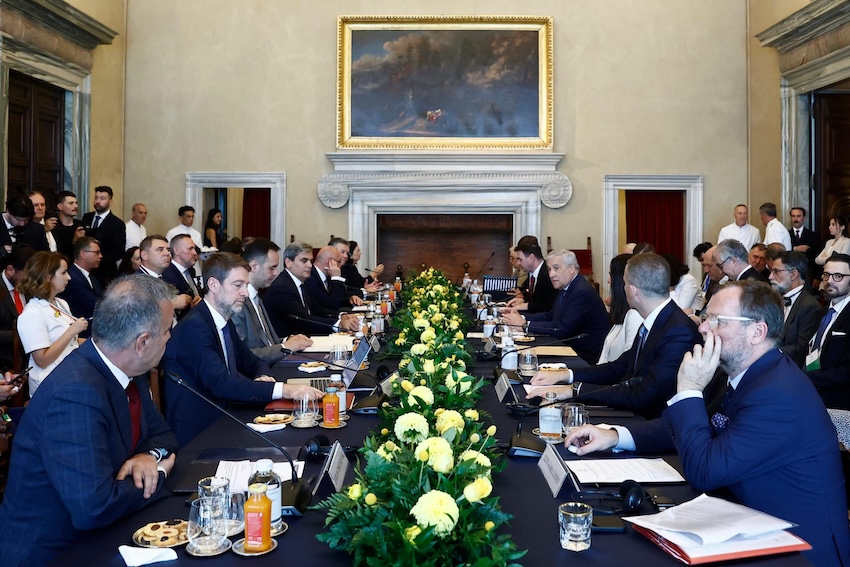
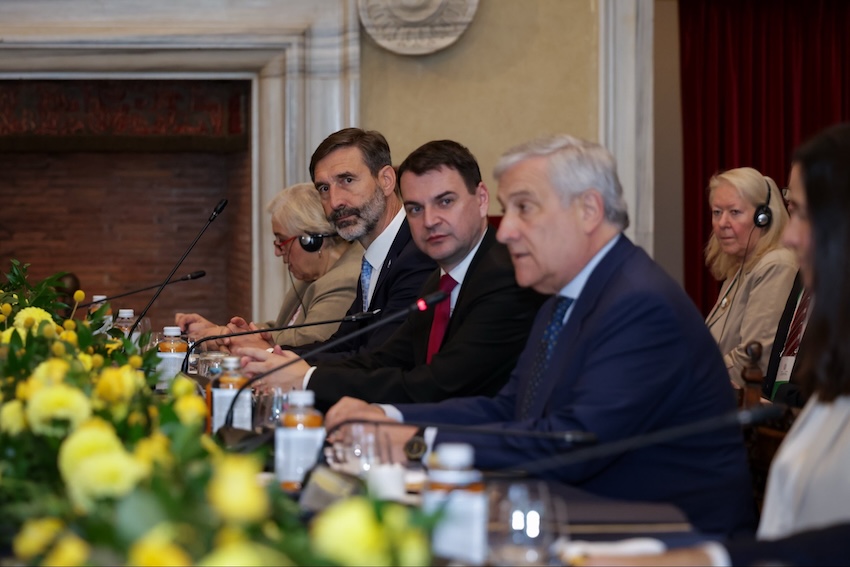
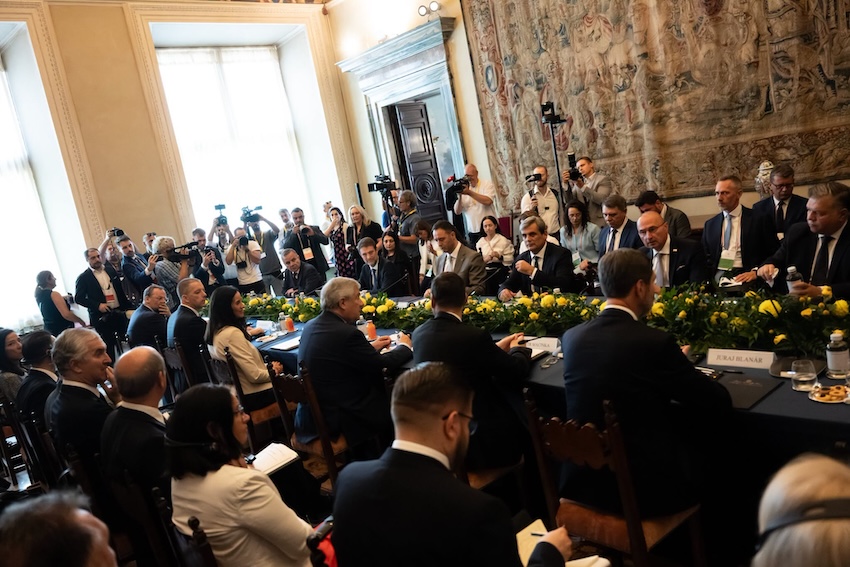
The meeting also benefited from the participation of Maurizio Martina, Deputy Director-General of the Food and Agriculture Organization (FAO), Marian-Jean Marinescu, European Coordinator of the Western Balkans–Eastern Mediterranean Transport Corridor, and Franco Dal Mas, Secretary-General of the Central European Initiative (CEI), underlining the importance of coordinated international cooperation in supporting the region’s development.
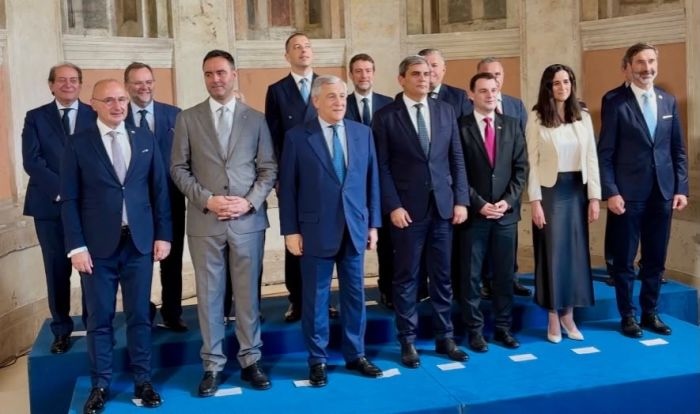
A significant outcome of the meeting was the adoption of the Rome Charter, a political document initiated by the Italian Government that will be presented to the European institutions in Brussels. The Charter outlines a common vision for accelerating the enlargement process and proposes several guiding principles, including equal treatment of all Member States after accession, avoiding additional political conditions beyond the established accession criteria, and establishing a common framework tailored to the specific circumstances of each candidate country.
Hungary Becomes the Eighth Member of the Friends of the Western Balkans Group
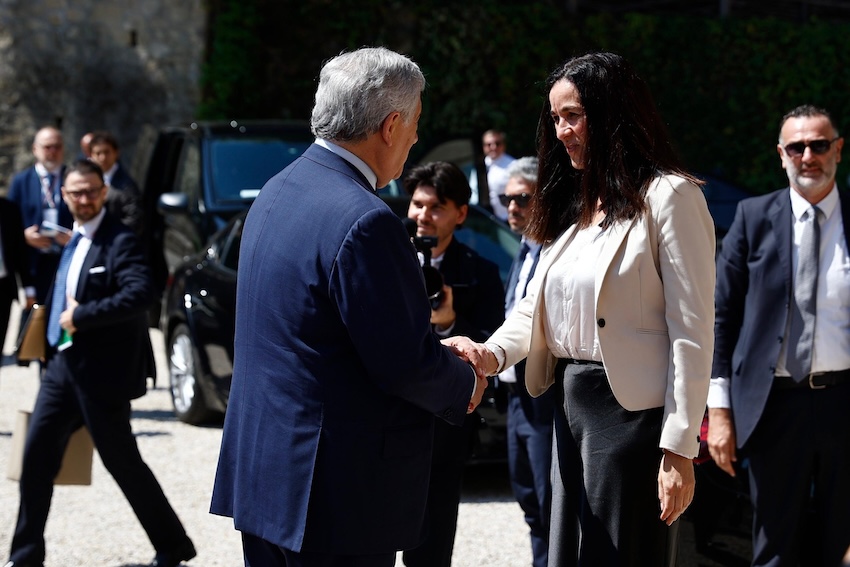
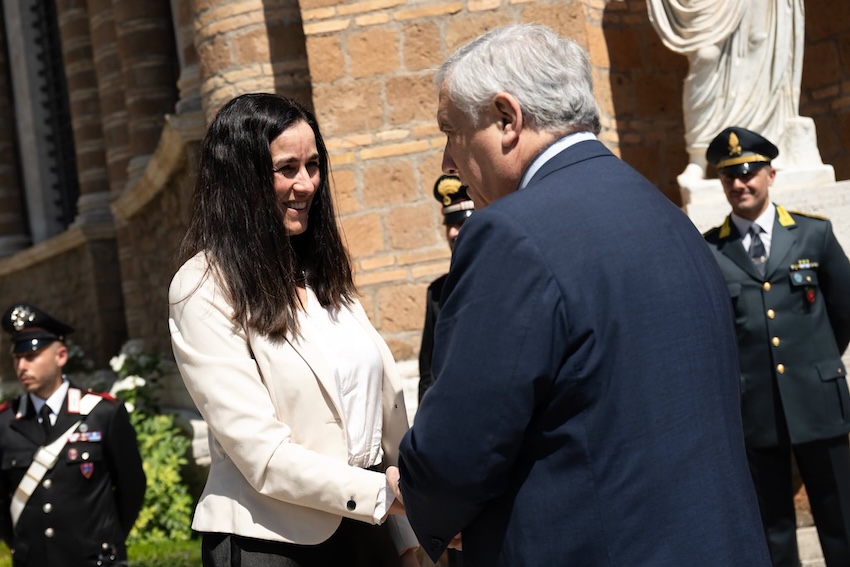
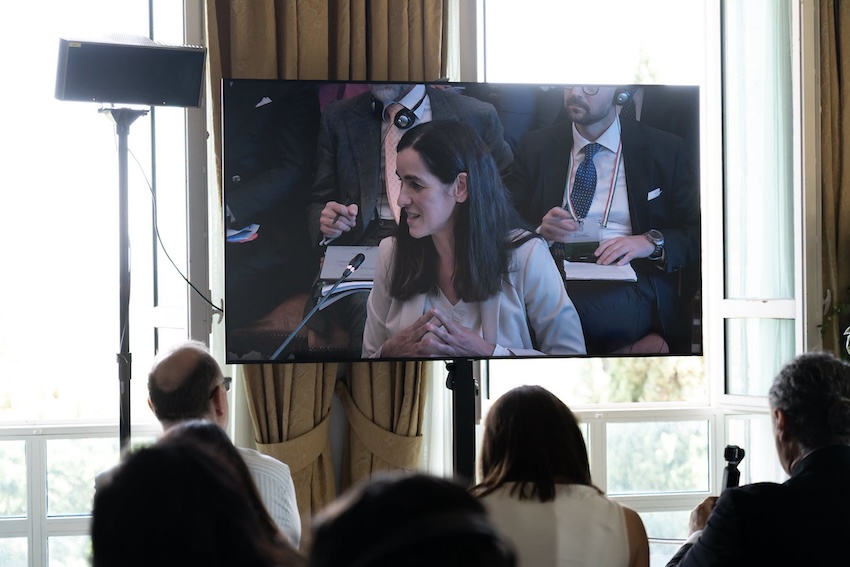
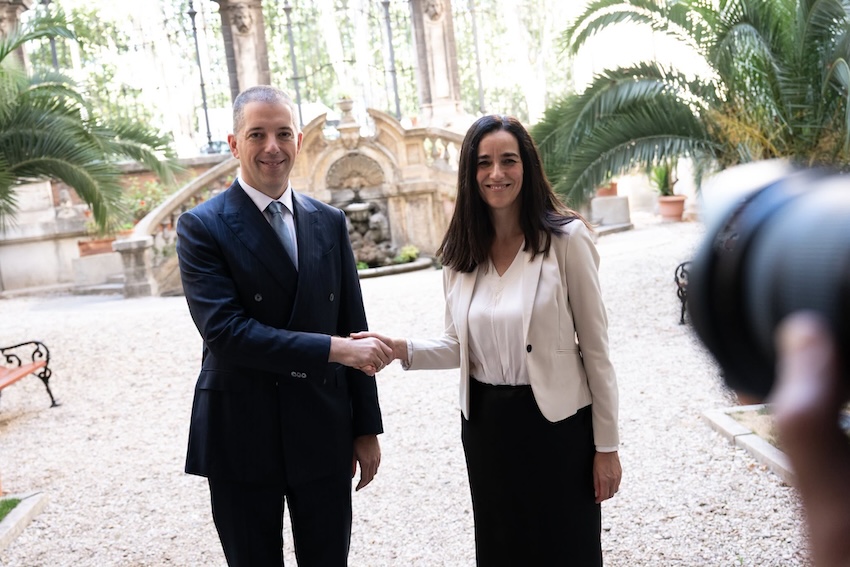
Hungary’s Deputy Prime Minister and Minister of Foreign Affairs, Anita Orbán, attended the ministerial meeting of the Friends of the Western Balkans group in Rome, marking the first time Hungary had been invited to attend.
During the meeting on 10 July 2026, the participating foreign ministers of the group’s member states unanimously agreed to admit Hungary as a full member. The decision was welcomed with applause, making Hungary the eighth member of the Friends of the Western Balkans group.
The meeting in Rome also provided an important opportunity for Hungary’s Foreign Minister, Anita Orbán, to meet many of her counterparts for the first time since taking office following the formation of Prime Minister Péter Magyar’s government on 9 May 2026, after the TISZA Party’s victory in the parliamentary elections held on 12 April 2026.
Why the Western Balkans Matter for Hungary
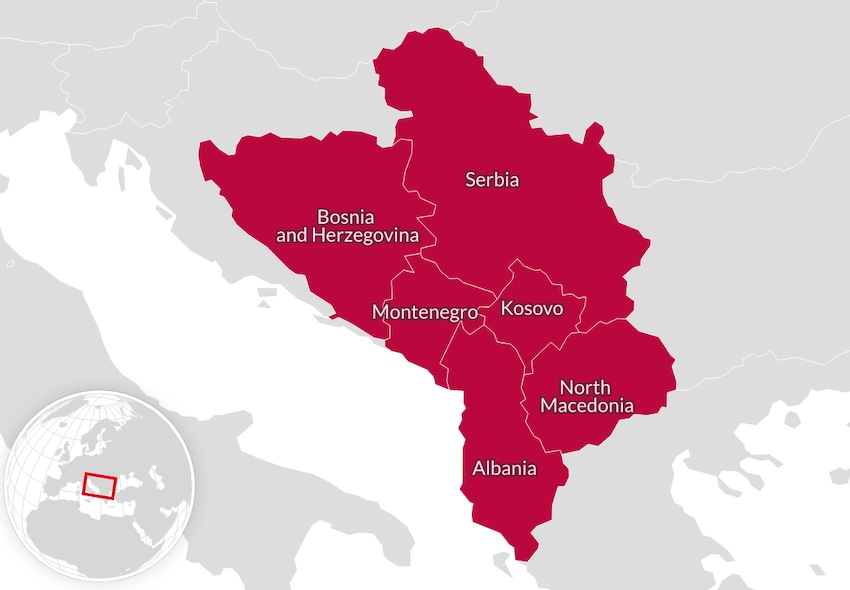
The Western Balkans is Hungary’s immediate southern neighbourhood. Travelling south from Hungary brings visitors directly into this region, which includes Serbia, Bosnia and Herzegovina, Montenegro, Albania, Kosovo, and North Macedonia. These countries are geographically close to Hungary and are connected through extensive economic, transport, energy, and people-to-people ties. The Hungarian community living in Vojvodina also makes the region particularly significant from the perspective of Hungary’s national policy.
The Western Balkans serves as an important gateway connecting Hungary with Southeast Europe and the Mediterranean region. Improved railway and road infrastructure, more secure energy supplies, and stronger economic cooperation are all in Hungary’s direct interest while creating new opportunities for Hungarian businesses.
The Friends of the Western Balkans group, now comprising eight countries, is committed to supporting the six candidate countries on their path to European Union membership. A stable and prosperous Western Balkans strengthens the security of Europe as a whole, while the region’s EU accession would also enhance the competitiveness of the European Union.
Sources: Italian Ministry of Foreign Affairs (esteri.it); Embassy of Italy in Budapest; Anita Orbán Facebook
Photos from esteri.it; Anita Orbán Facebook