

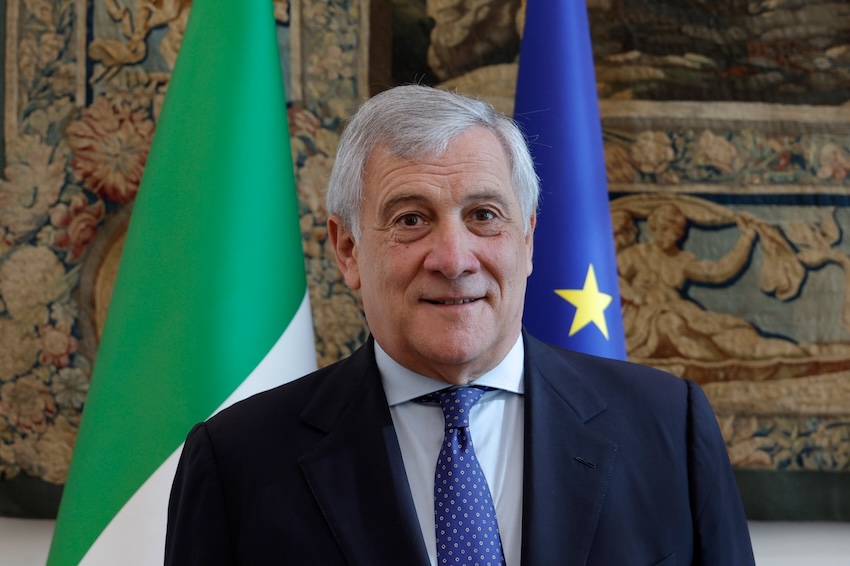
Statement by Antonio Tajani, Minister of Foreign Affairs and International Cooperation of the Italian Republic
Edited by Anna Popper
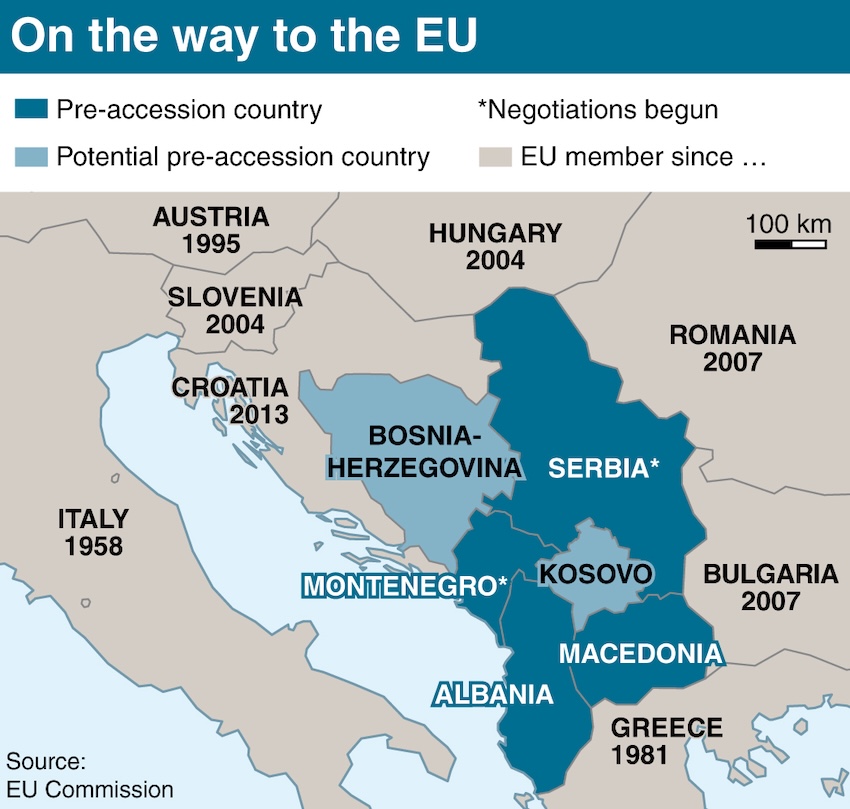
The accession of the Balkan countries to the European Union will determine the political strength of our continent in the coming decades. It is the most important geostrategic investment of our time, because security, competitiveness and enlargement are now inseparably linked. Without completing its reunification, the European Union will never achieve the scale it needs to compete in today’s world.
The Balkans belong to Europe’s history, geography and political future. Italy has made the region a cornerstone of its diplomatic action. As an Adriatic and Mediterranean nation, we know well that the security of our seas also depends on the stability of the region. This is why we firmly support accelerating the Western Balkans’ path towards EU membership, helping to reunite the European family and expand the area of peace and opportunity.
Italy’s commitment is reflected in an extensive diplomatic presence and continuous political dialogue. Since 2022, over one hundred high-level visits, bilateral meetings, and multilateral initiatives have supported the reform efforts of the candidate countries and advanced their path to the European Union.

Within this framework, Italy promotes the informal “Friends of the Western Balkans” Group, which brings together the EU Member States most committed to keeping the Western Balkans high on the European agenda. The meeting we are hosting on 10 July 2026 in Rome, with the region’s foreign ministers, demonstrates Italy’s strong political determination to inject new momentum into the European integration process of the Balkans.
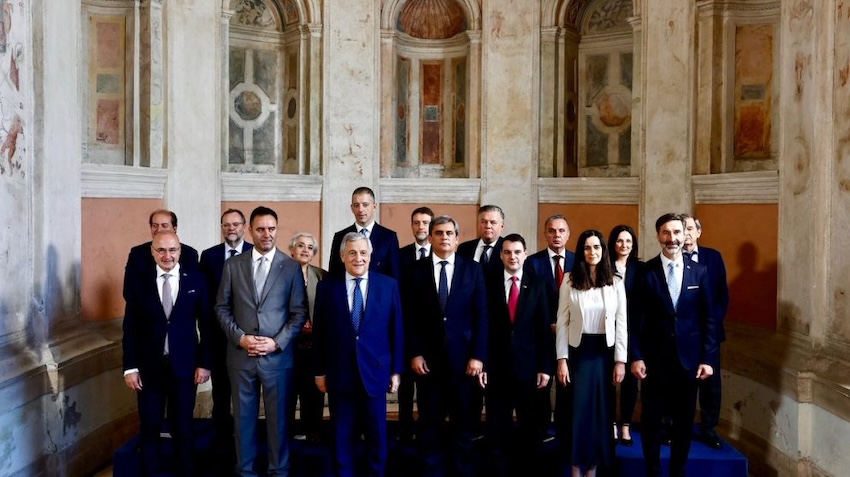
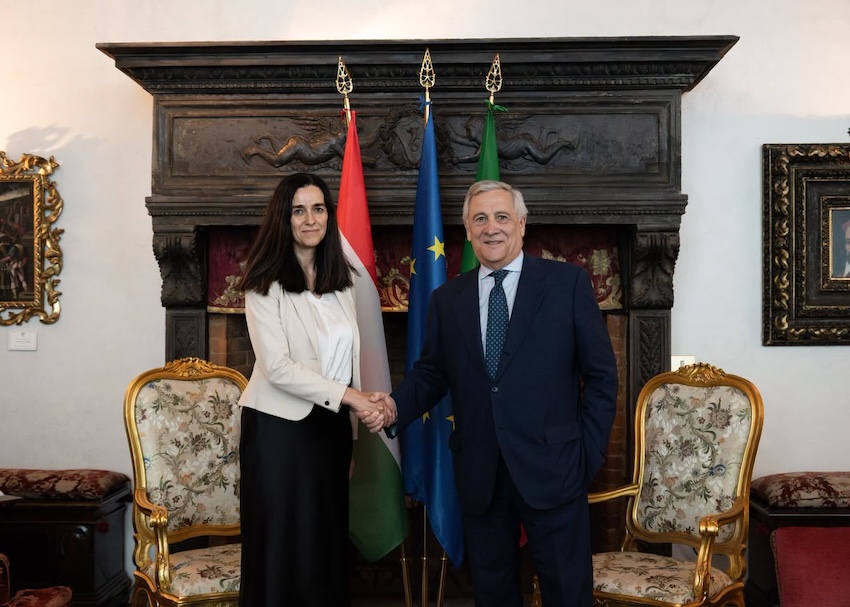
In this spirit, Italy has decided to invite Hungary to this meeting for the first time. Although Hungary is not a member of the informal group, it has shown a particularly strong commitment to the enlargement process in the Western Balkans. Accordingly, Hungary’s Deputy Prime Minister and Minister of Foreign Affairs, Anita Orbán, also participates in this meeting.
EU accession requires profound reforms: strengthening the rule of law, improving the efficiency of public administration, advancing digitalisation, and enhancing institutional quality. Italy supports these efforts with practical instruments. We are a leading contributor to Twinning and TAIEX programmes, which are at the heart of the accession process, as they transfer expertise, institutional experience and administrative capacity to candidate countries. In the Balkans, Italy is the Member State that has mobilised the largest number of experts through these programmes. We are convinced that integration must deliver tangible benefits for citizens and businesses even before accession, thereby strengthening confidence in the European project. For this reason, we believe it would be short-sighted to delay further progress in the accession process of countries such as Serbia, which has already made significant advances in many key areas.
Investing in the growth of the Balkans means investing in Europe’s strength. Through our many companies operating in the region, Italy is already one of its leading economic partners, boasting a trade volume over €10 billion and some 800 Italian companies active on the ground. These businesses contribute to local economic growth, skilled employment, industrial modernisation, and the green and digital transitions. Through our development cooperation programmes, we are also investing in strategic sectors ranging from healthcare and infrastructure to energy and education.
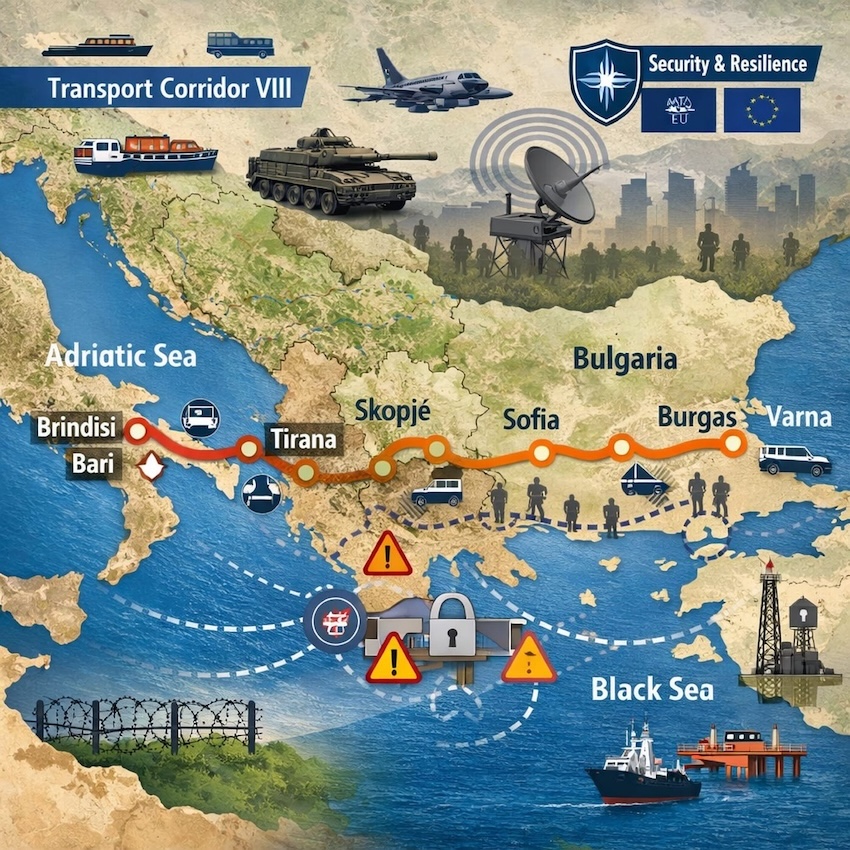
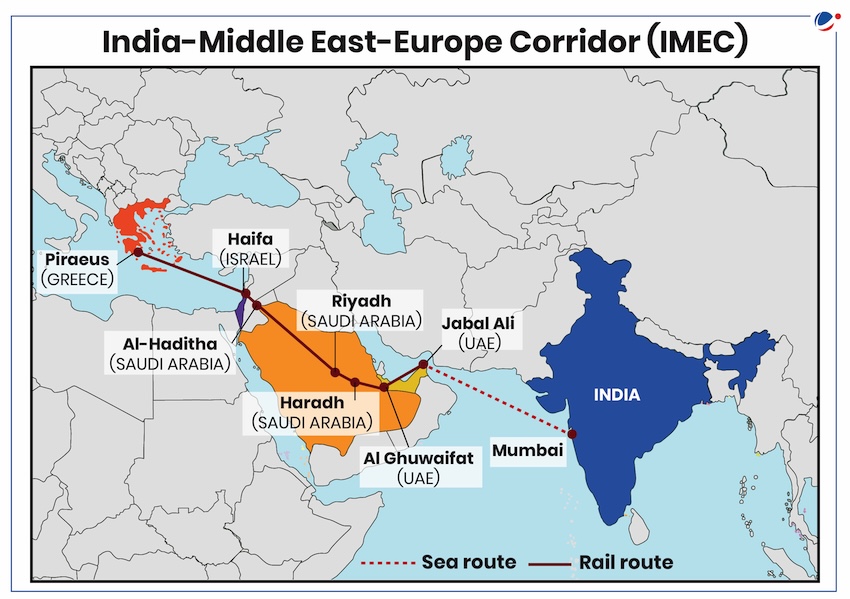
Connectivity represents another equally important chapter. The Balkans are a strategic bridge between the Adriatic, the Eastern Mediterranean and Central Europe. We therefore support the development of major infrastructure corridors, beginning with Corridor VIII, which will connect the Adriatic Sea and the Black Sea, as well as the strengthening of rail, port, energy and digital networks. Within this broader vision, we also focus on the India-Middle East-Europe Economic Corridor (IMEC), on which we are working together with partners such as India and the Gulf countries. Thanks to its geographical position, Italy aims to become the European gateway for these new trade routes, with the Balkans serving as a natural bridge to Central Europe and the wider Euro-Asian transport corridors.
Connectivity is closely linked to Europe’s strategic autonomy, supply chain resilience and food security. For this reason, we have also invited Maurizio Martina, Deputy Director-General of the FAO, to this meeting.
European integration, economic development and connectivity all require a solid security framework. Italy also plays a leading role in this field. We have commanded the NATO KFOR mission in Kosovo fourteen times, led the EULEX Kosovo mission twice, and commanded the European Union’s EUFOR Althea mission in Bosnia and Herzegovina three times, contributing through both civilian and military means to regional stability and the implementation of the Dayton Peace Agreement.
The integration of the Western Balkans is a geopolitical choice for Europe. Bringing the region fully into the European Union means strengthening its south-eastern flank, reinforcing stability and enhancing Europe’s ability to act on the global stage. Italy will continue to work to ensure that the region’s European path remains credible and merit-based, while becoming faster, more predictable and closer to the citizens and businesses it is intended to serve.
For our continent, this is first and foremost a matter of historical coherence, even before it is a strategic necessity.
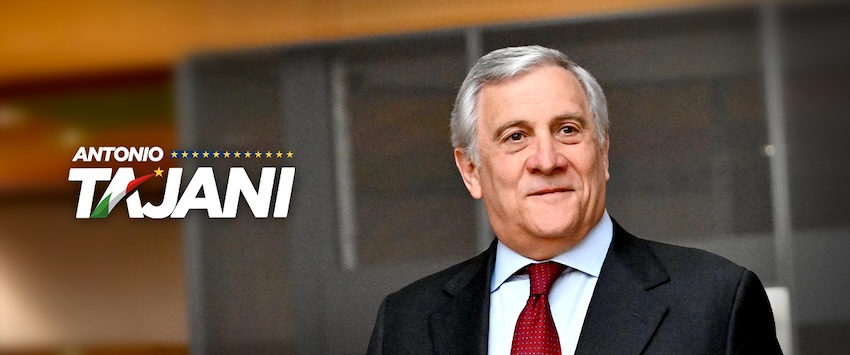
The author is Antonio Tajani, Deputy Prime Minister and Minister of Foreign Affairs and International Cooperation of the Republic of Italy.
Source: Embassy of Italy in Budapest