


The Exhibition at the House of Music Hungary Reveals the Personal Story of a Global Legend in Budapest
Edited by Anna Popper
Few artists embodied freedom, theatrical brilliance, and musical innovation as completely as Freddie Mercury (5 September 1946 – 24 November 1991). Almost 35 years after his death, the legendary Queen frontman continues to inspire audiences across generations. Budapest now hosts the most ambitious exhibition ever dedicated to his life and legacy.
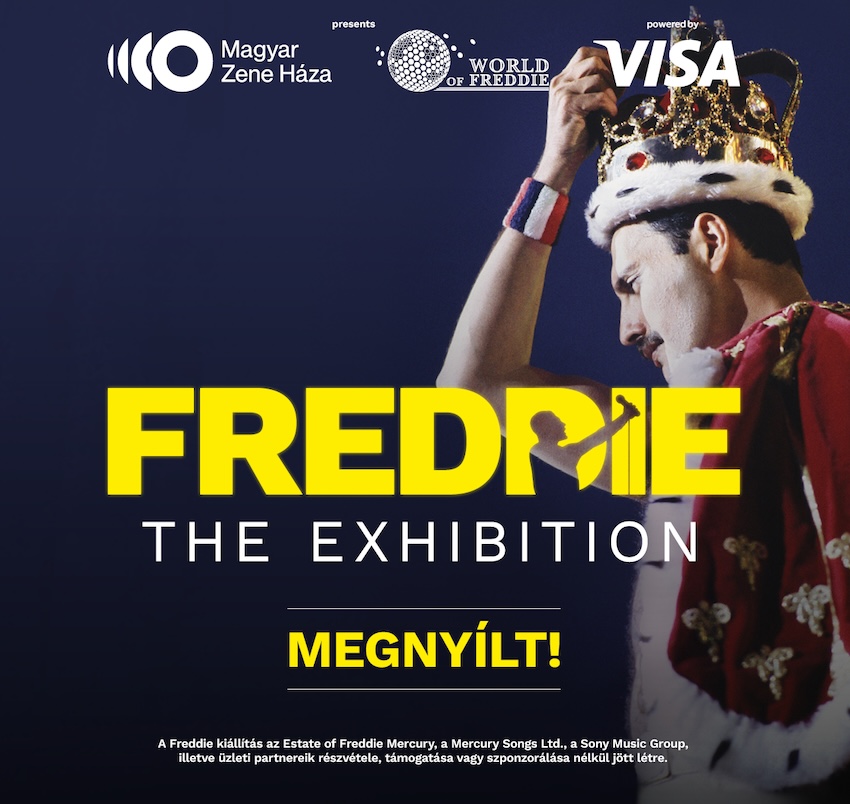
On 1 May 2026, the House of Music Hungary opened its major temporary exhibition Freddie – The Exhibition, created in close cooperation with the World of Freddie collection. The exhibition offers an intimate and previously unseen perspective on the life, personality and artistic legacy of Freddie Mercury – as you’ve never seen him before.
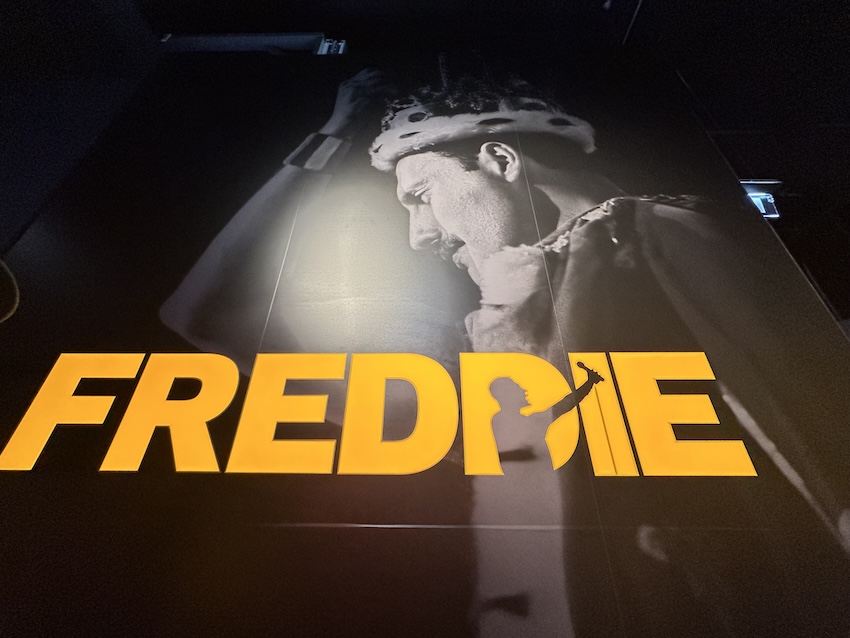
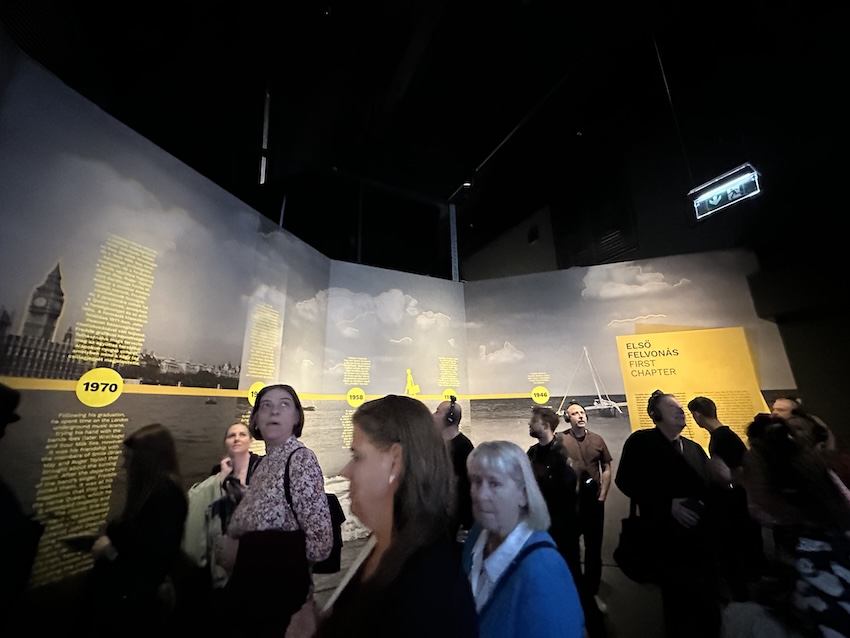
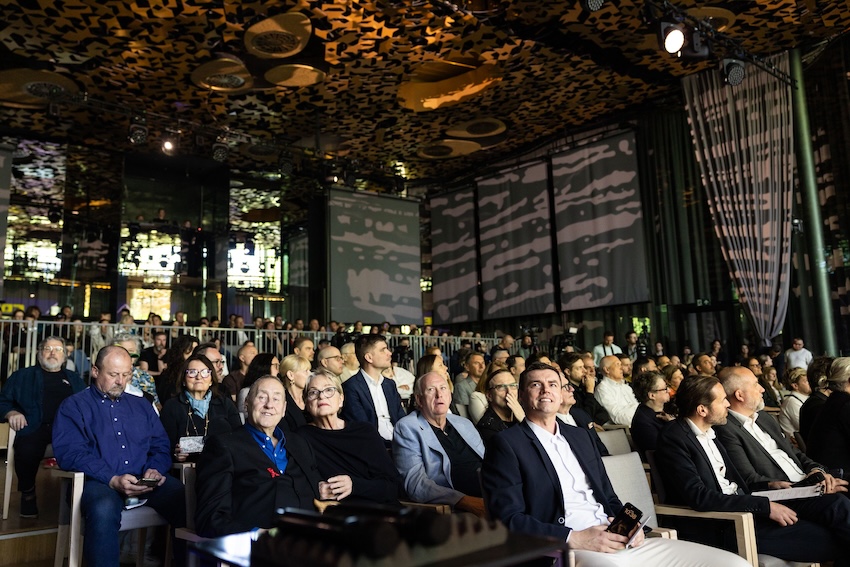
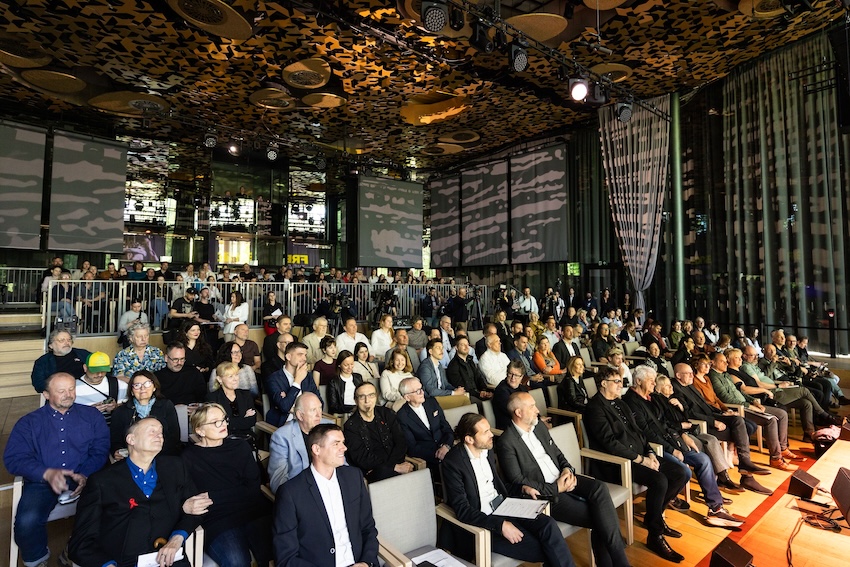
The exhibition coincides with two anniversaries: what would have been Freddie Mercury’s 80th birthday, and the 40th anniversary of Queen’s legendary 1986 Budapest concert – one of the first large-scale performances by a Western superstar band behind the Iron Curtain.
The exhibition is housed in one of Budapest’s most celebrated contemporary cultural landmarks. Opened in 2021 in the heart of City Park, the House of Music Hungary quickly became an architectural icon and a vibrant sanctuary of Budapest’s musical life. The spectacular building was designed by the internationally acclaimed Japanese architect Sou Fujimoto, whose visionary concept merges nature, light and sound into a fluid cultural space. Since its inauguration, the institution has received numerous prestigious international architectural and cultural awards, earning recognition as one of Europe’s most innovative museums and concert venues.
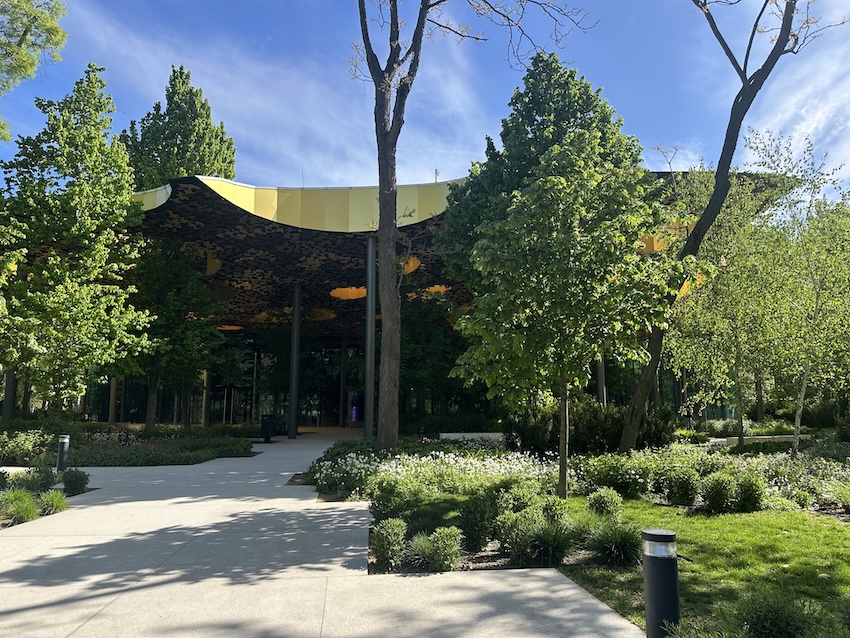
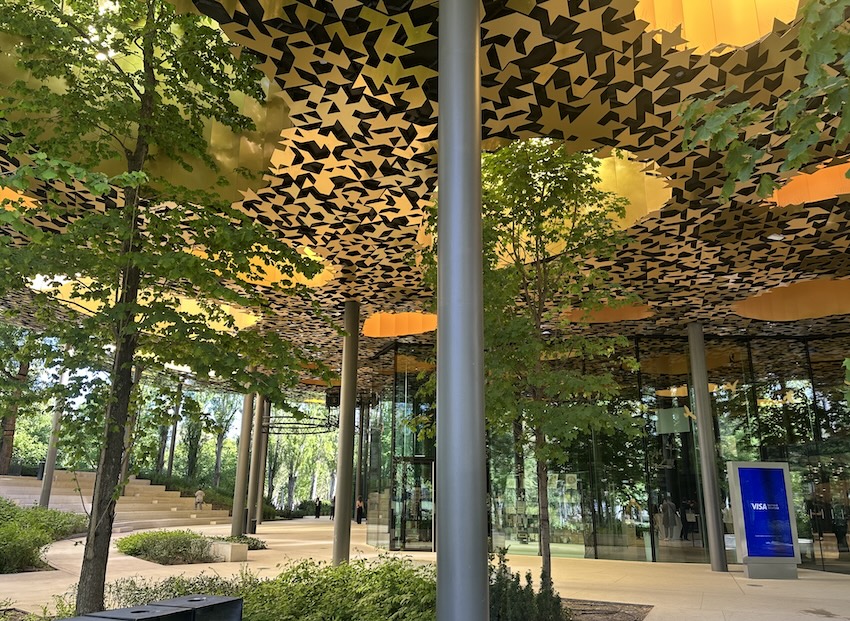
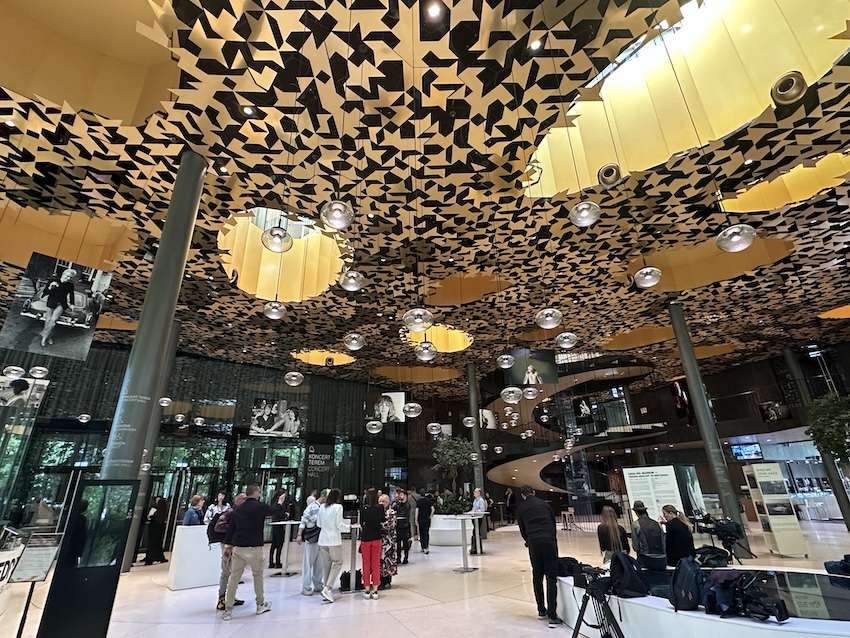
Through hundreds of original personal objects, immersive installations, rare archival materials and intimate recollections from the people who knew him best, the exhibition presents a deeply human portrait of Freddie Mercury beyond the world-renowned stage persona.
A Historic Bond Between Freddie Mercury and Hungary
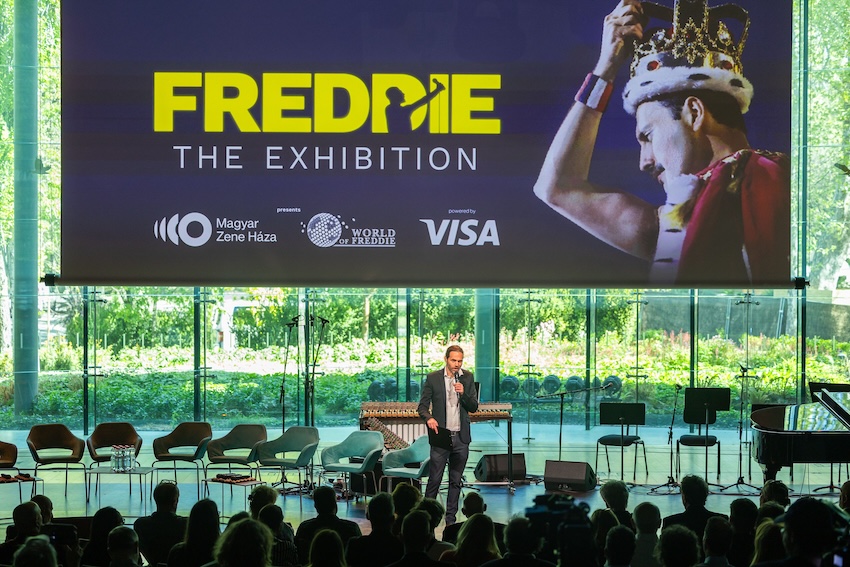
“Freddie Mercury’s global impact is undeniable, yet for Hungarian audiences his legacy also carries a deeply personal meaning,” said Márton Horn, director of the House of Music Hungary and co-curator of the exhibition. “The 1986 Budapest concert symbolically pushed further the crumbling walls of socialism, while his performance of the Hungarian folk song ‘Tavaszi szél vizet áraszt’ created a unique communal experience. This exhibition is not only about an international icon, but also about a part of our own story.”
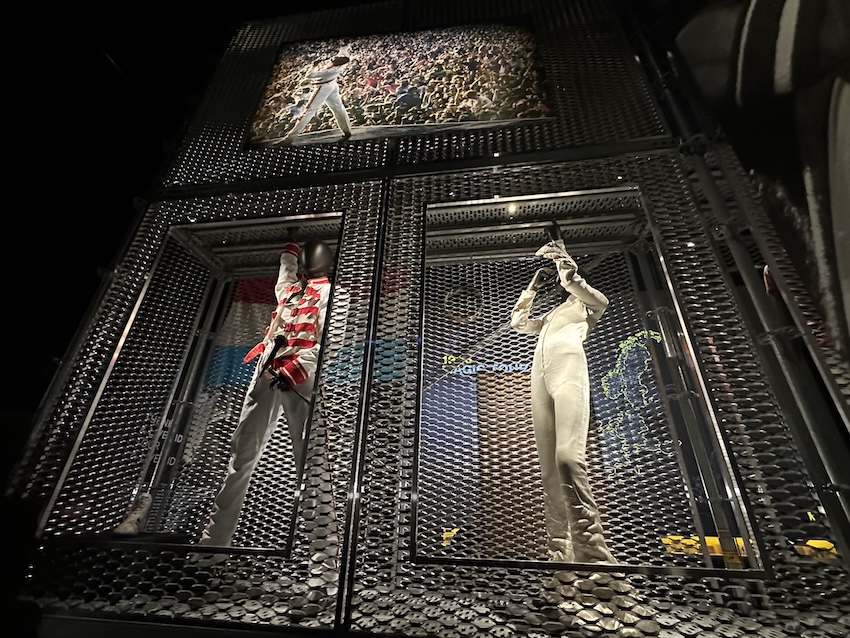
Queen’s legendary concert took place on 27 July 1986 at Budapest’s Népstadion (People’s Stadium) during the band’s iconic Magic Tour, spending five days in Hungary. More than 70,000 spectators attended the event, which soon became one of the defining cultural moments of the late socialist era. For many Hungarians, the concert represented far more than a musical performance – it symbolized openness, freedom and a rare encounter with Western popular culture behind the Iron Curtain.
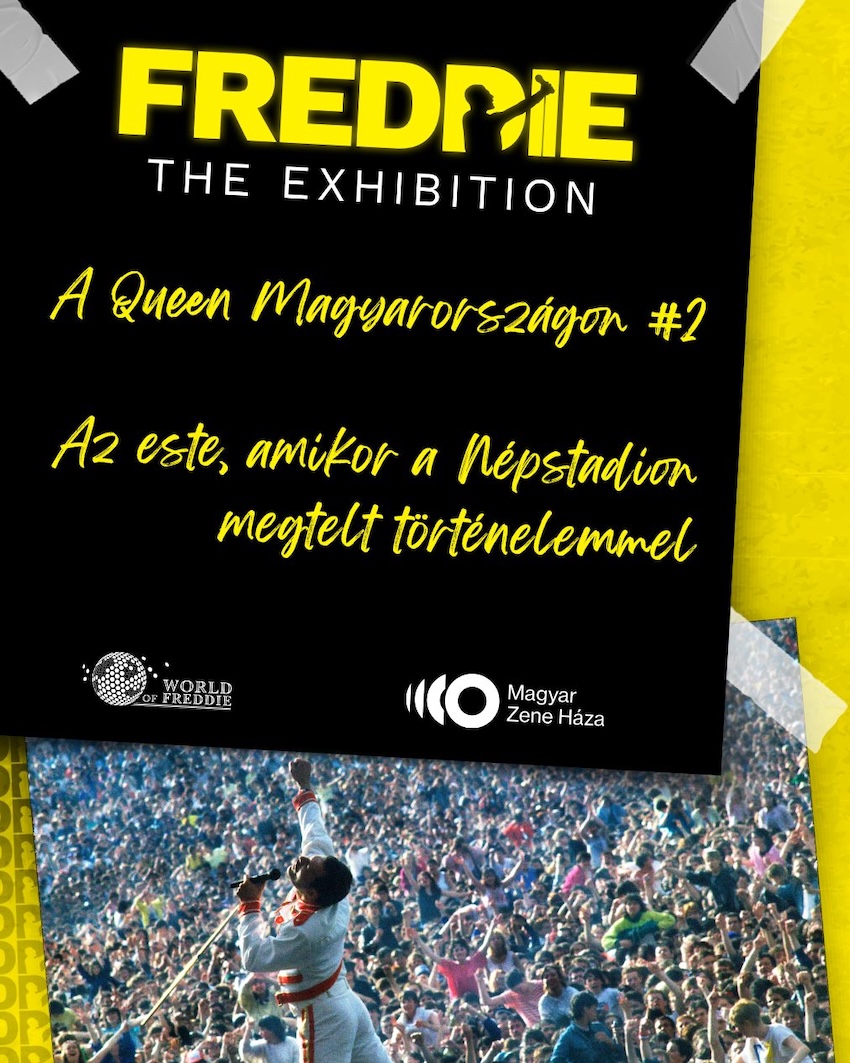
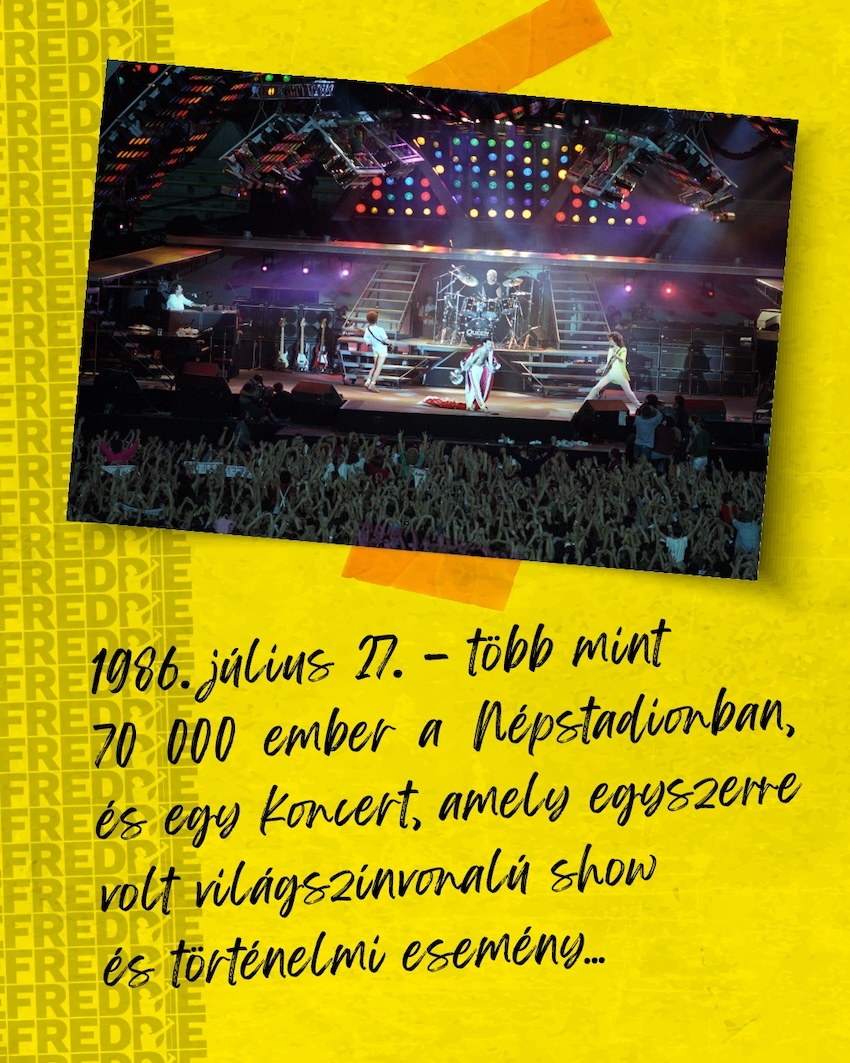
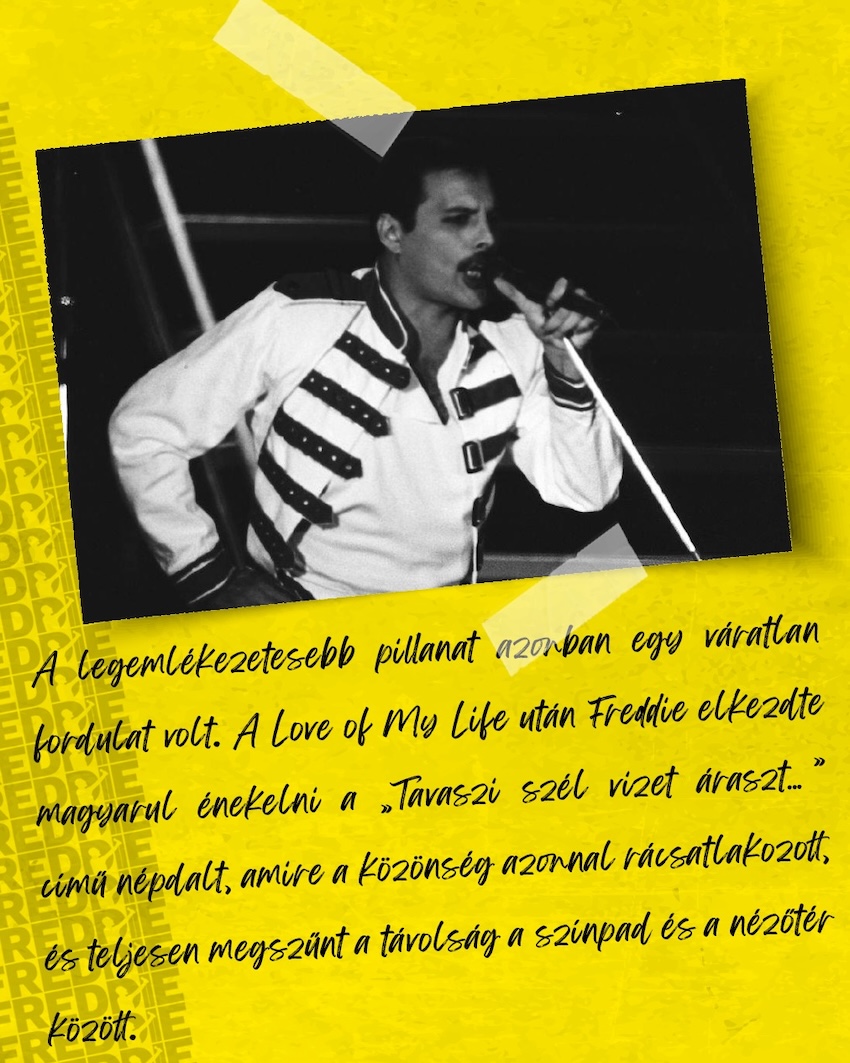
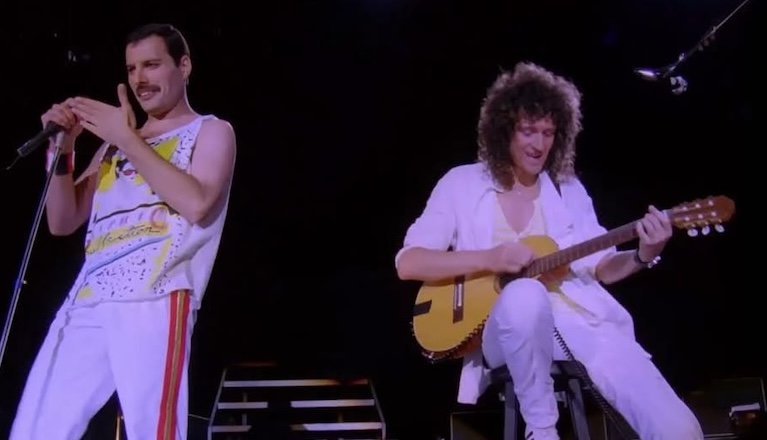
One of the evening’s most unforgettable moments came when Freddie Mercury performed the Hungarian folk song Tavaszi szél vizet áraszt in Hungarian. Determined to pronounce the lyrics correctly, Mercury reportedly wrote the phonetic text on his left palm before going on stage. He carefully rehearsed the melody and delivered it with remarkable sensitivity and respect, creating an emotional connection with the audience that remains legendary to this day. In that powerful moment, the distance between the international rock star and Hungarian fans vanished. The concert was later immortalized in the film Hungarian Rhapsody: Queen Live in Budapest and continues to occupy a unique place in Hungary’s collective cultural memory.
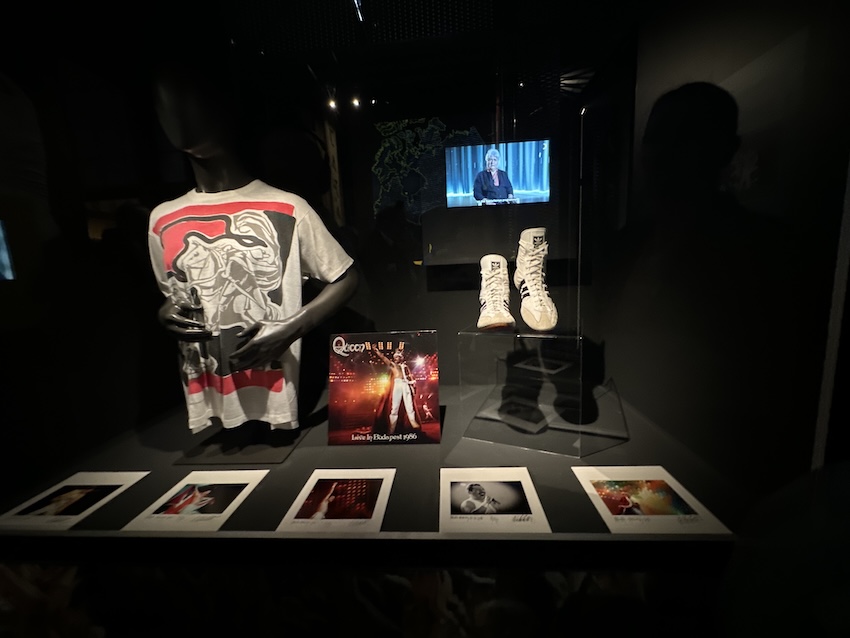
A dedicated section of the exhibition revisits this historic performance through archival footage, memorabilia and personal recollections from concert promoter László Hegedűs, producer György Mihály and musician István Janicsák.
Behind the Icon: Freddie’s Private World
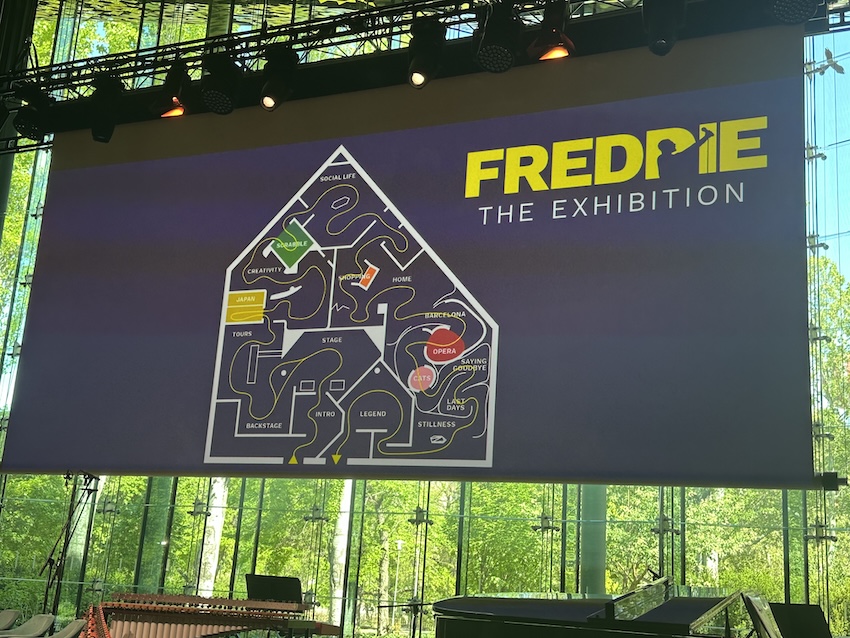
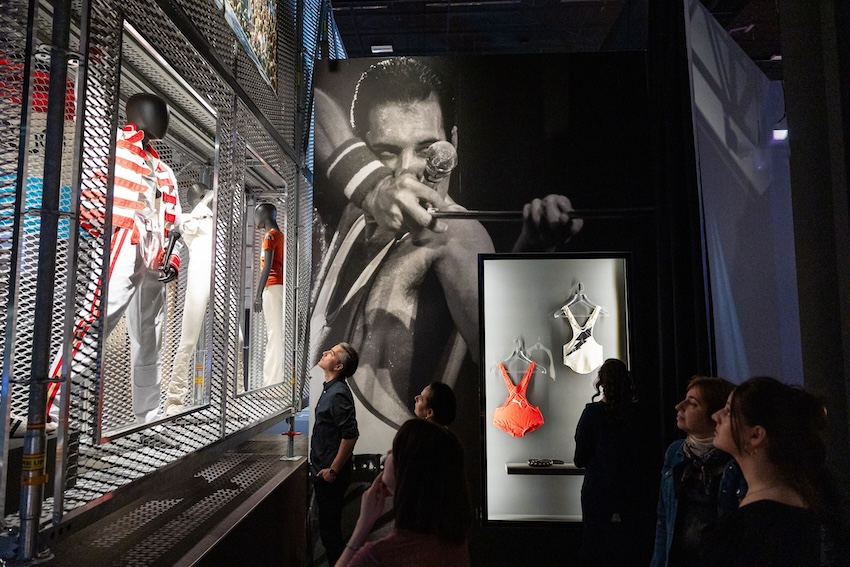
The exhibition unfolds across nine thematic spaces, gradually revealing layers of Freddie Mercury’s personality rarely seen by the public. Visitors gain insights into Mercury’s pre- and post-performance rituals, the realities of life on tour, and the extraordinary precision and creativity that shaped Queen’s spectacular live productions long before the digital era.
The journey also immerses audiences in Mercury’s most iconic performances, including the legendary Live Aid concert of 13 July 1985, which took place simultaneously at London’s Wembley Stadium and JFK Stadium in Philadelphia. Queen’s electrifying appearance is still widely regarded as one of the greatest live performances in rock history and was watched by over 1.5 billion viewers worldwide.
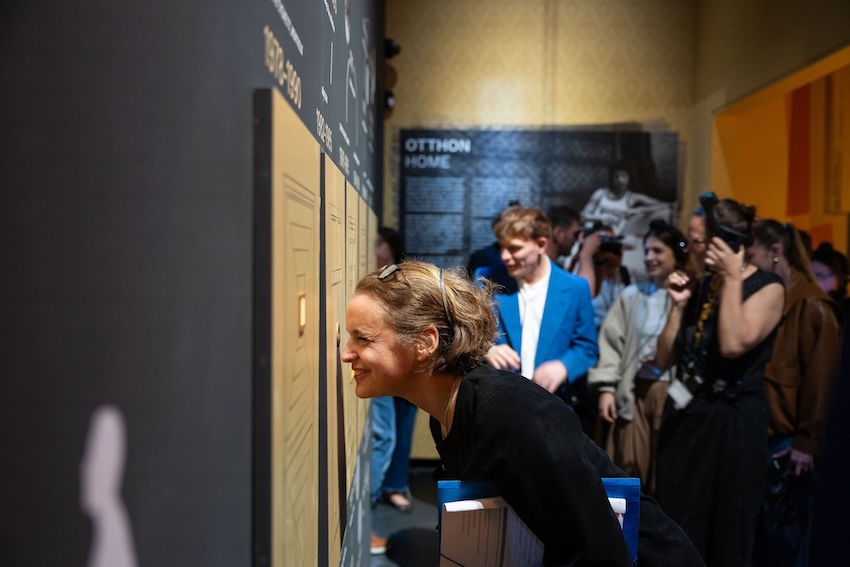
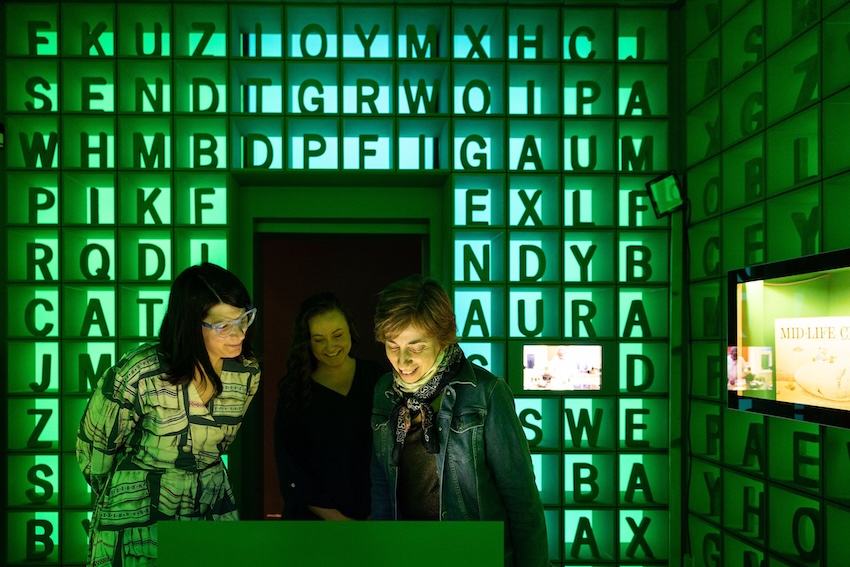
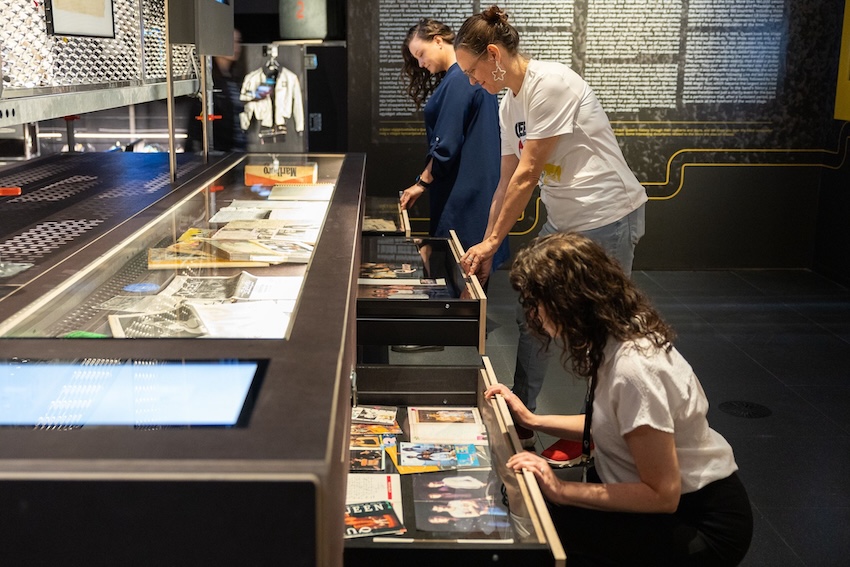
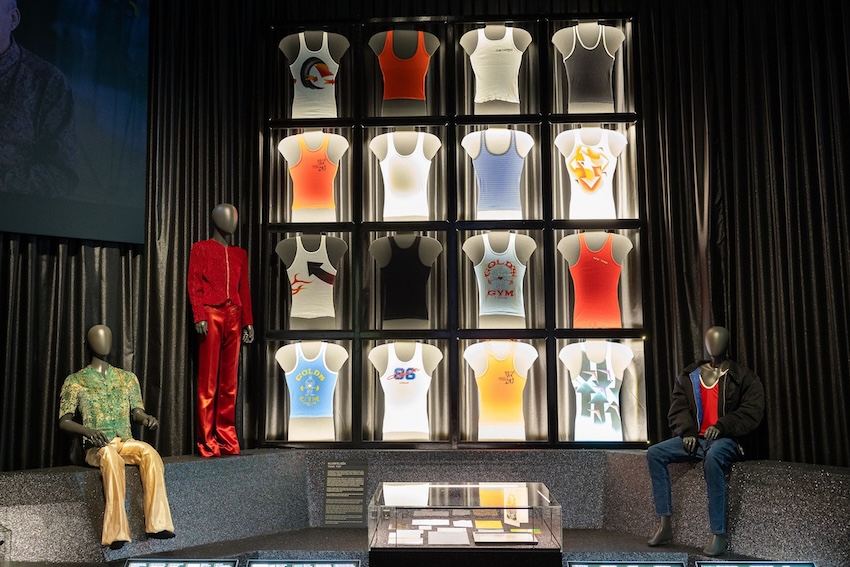
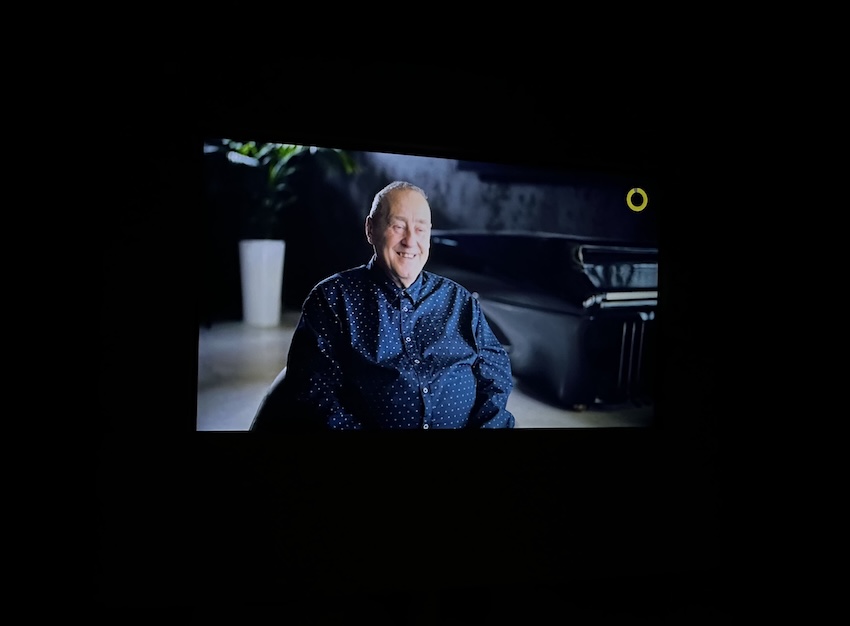
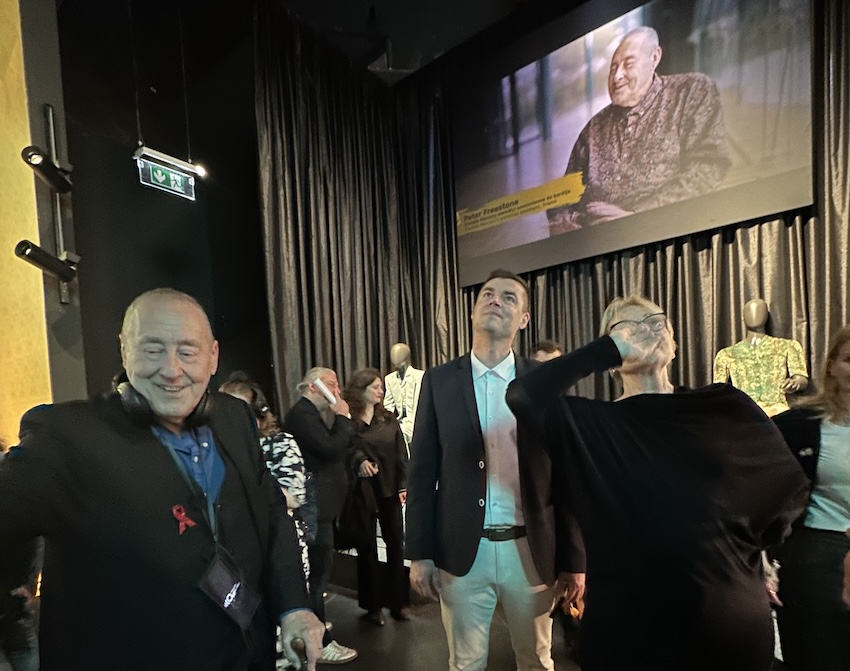
Yet the emotional core of the exhibition lies in the personal stories of Freddie’s closest friends and collaborators. The narrative voice guiding visitors throughout the exhibition belongs to Peter Freestone, Mercury’s longtime personal assistant and close friend, who lived with the singer for twelve years.
“Everything about him amazed me, both as a person and as an artist,” Freestone recalls. “As a singer-songwriter, you can clearly hear the evolution between the early 70ies and the late 80ies – how much he matured and diversified. There was immense power within him. He never had vocal training; it simply came naturally.”
Freestone also describes Mercury as an artist constantly pushing beyond limits – both his own and those of popular music itself. “For me, the crown of his life’s work was the Barcelona album in 1988.”
Voices from Freddie’s Inner Circle
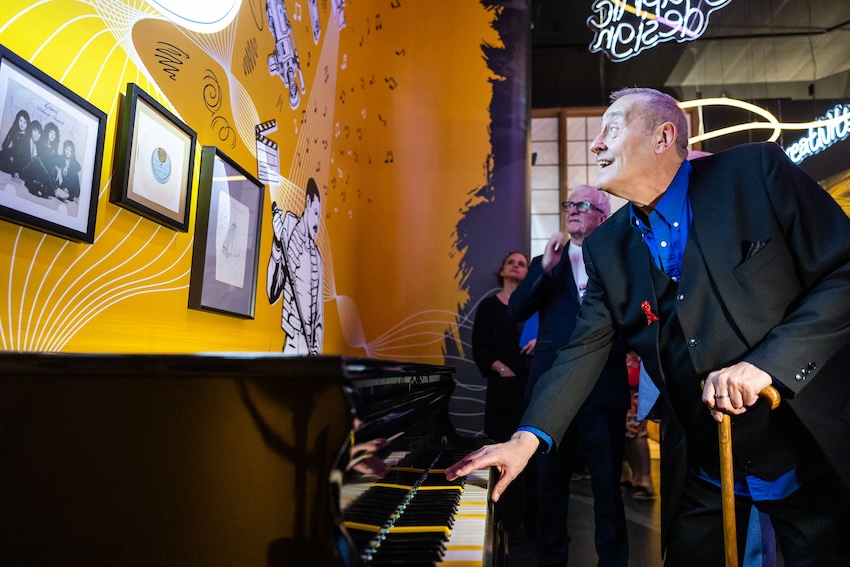
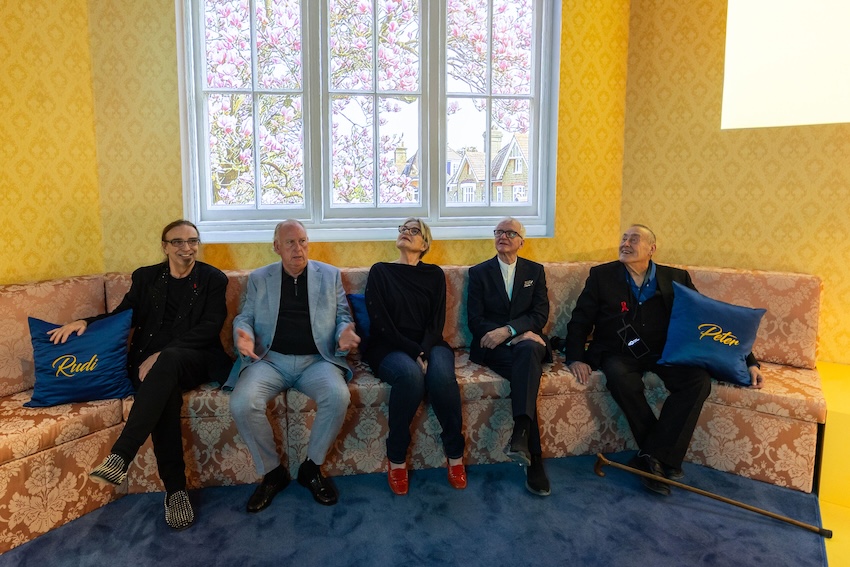
Alongside Peter Freestone, the exhibition features personal testimonies and memories from many of Mercury’s closest collaborators and friends, including photographers Richard Young and Denis O’Regan, producer Mike Moran, costume designer Diana Moseley, director Rudi Dolezal, bodyguard Terry Giddings, musicians Chris Chesney and Tim Staffell, and HIV specialist Dr. Graeme Moyle.
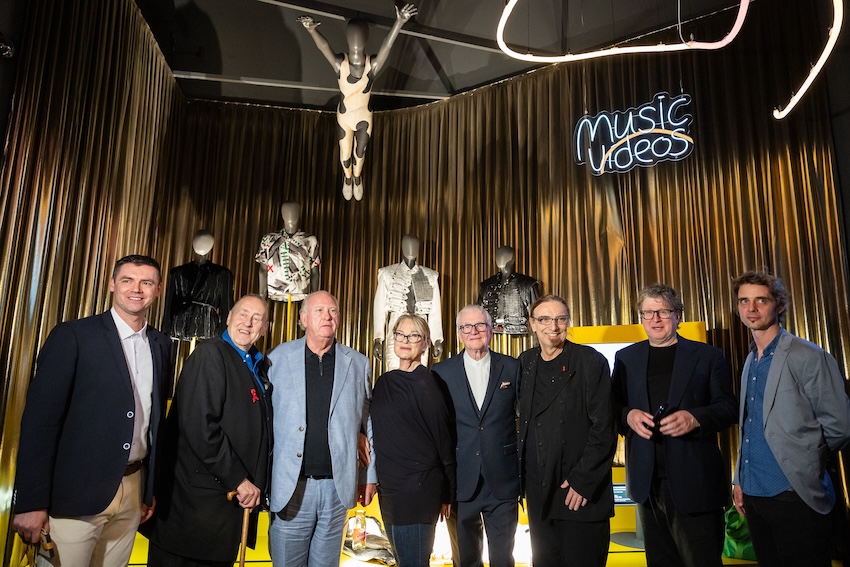
Several of them attended the Budapest press and opening events, sharing personal recollections that brought Freddie Mercury’s legacy even closer to the audience.
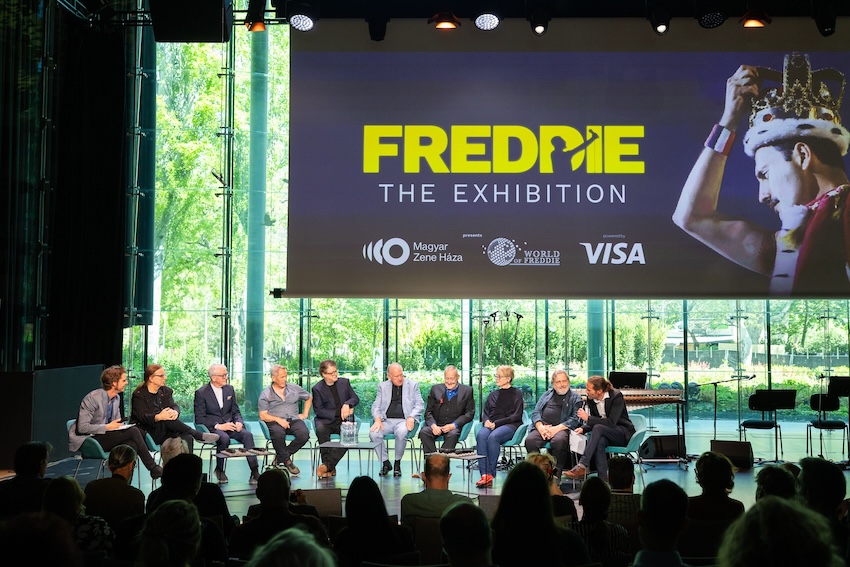
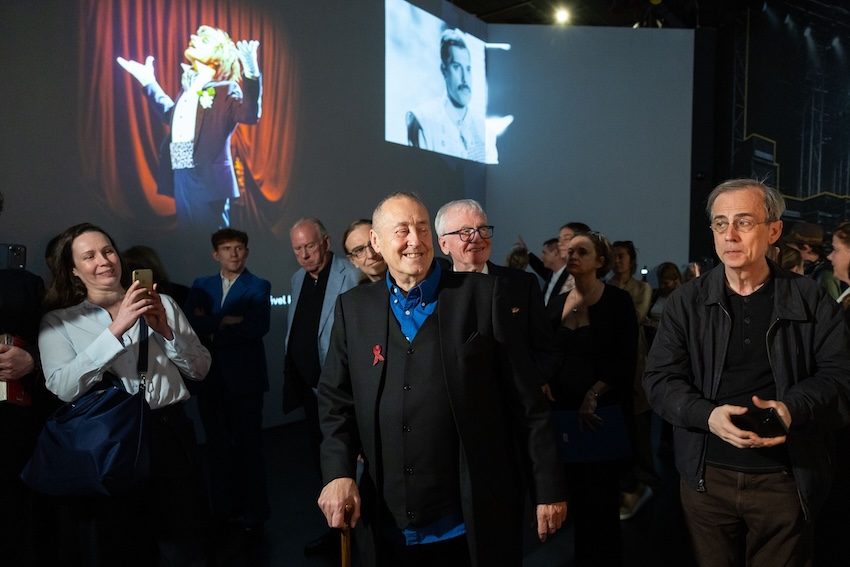
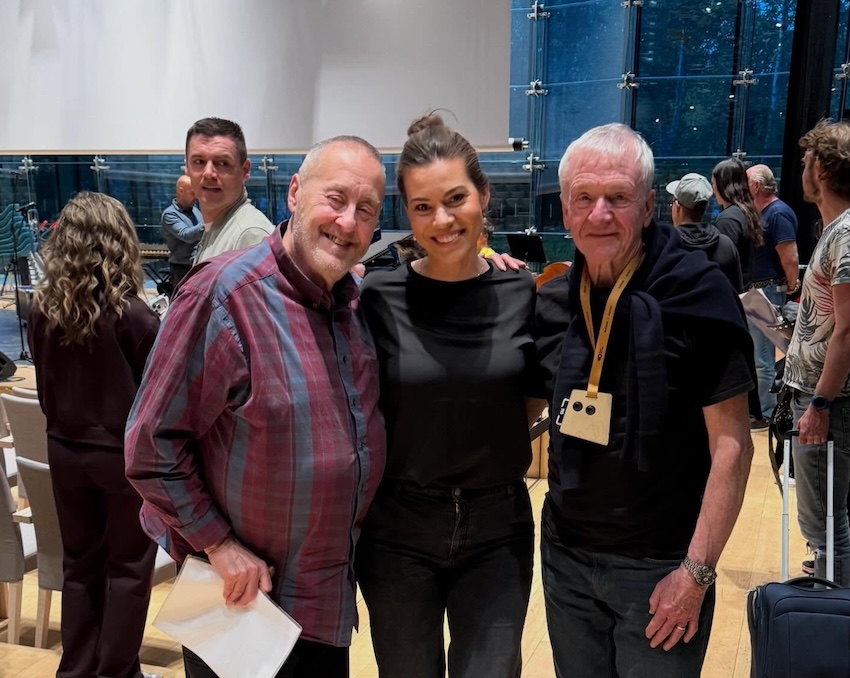
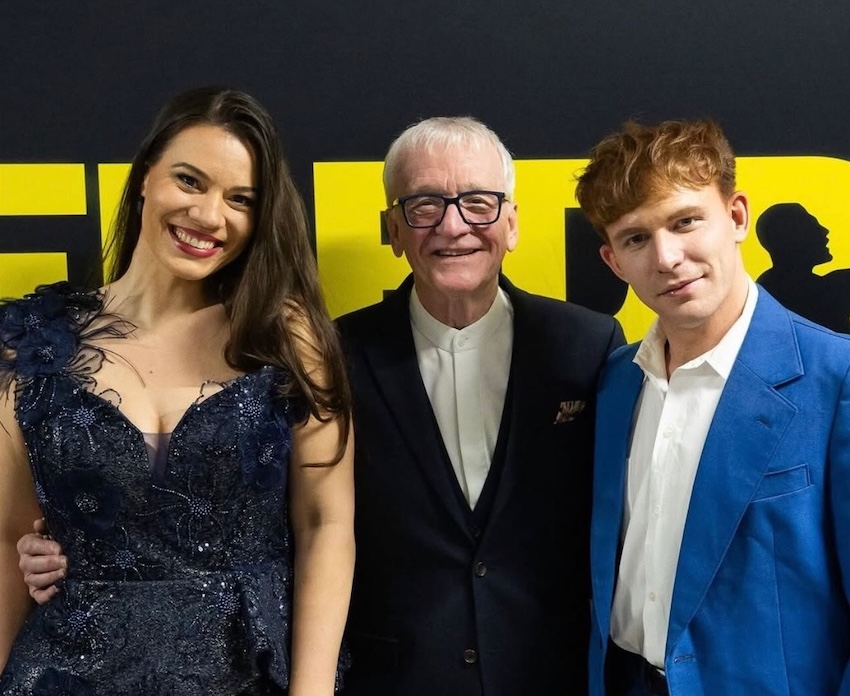
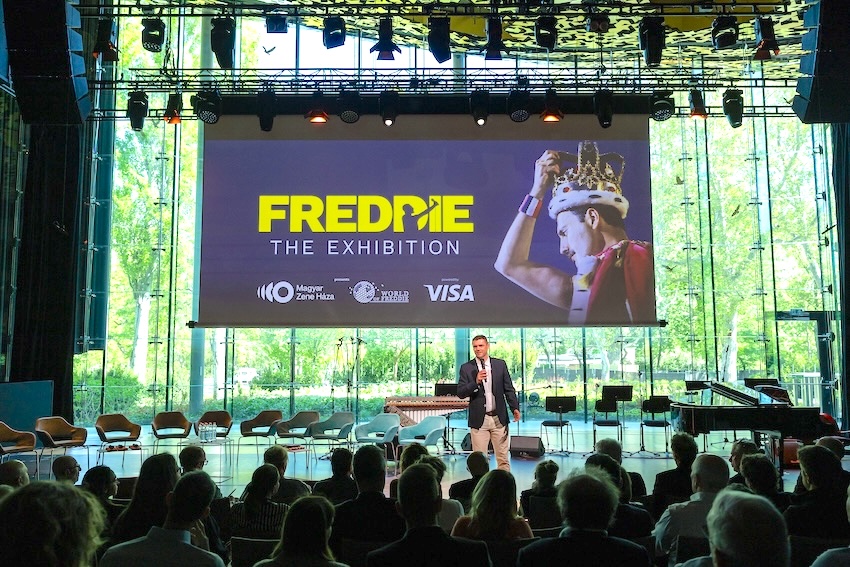
The project originated through the collaboration between the House of Music Hungary and collector Tomáš Hykel, founder of the World of Freddie project, who has spent more than twenty years collecting Freddie Mercury-related artefacts. Through Hykel, Peter Freestone also became actively involved in shaping the exhibition’s concept.
“When I first visited Budapest and saw the House of Music Hungary, I immediately felt that this exhibition had to be created here,” Hykel explained.
Hundreds of Original Objects on Display
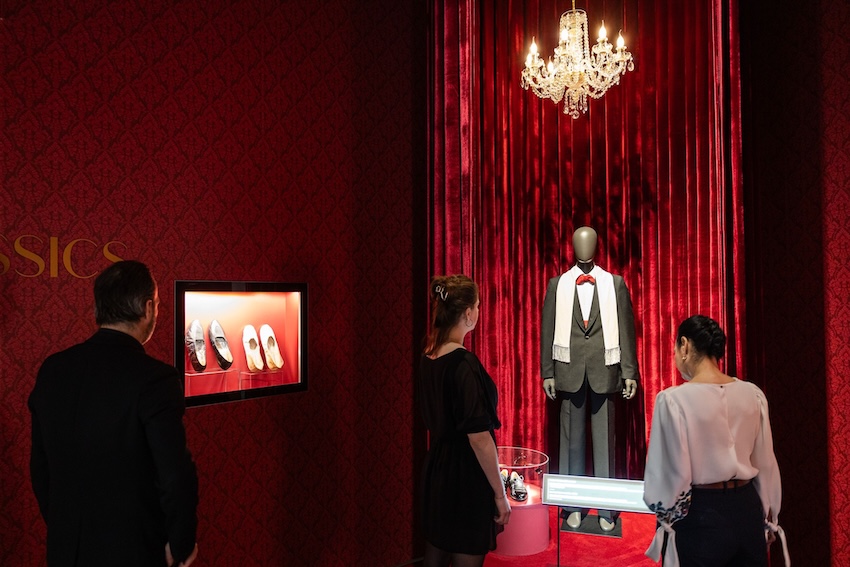
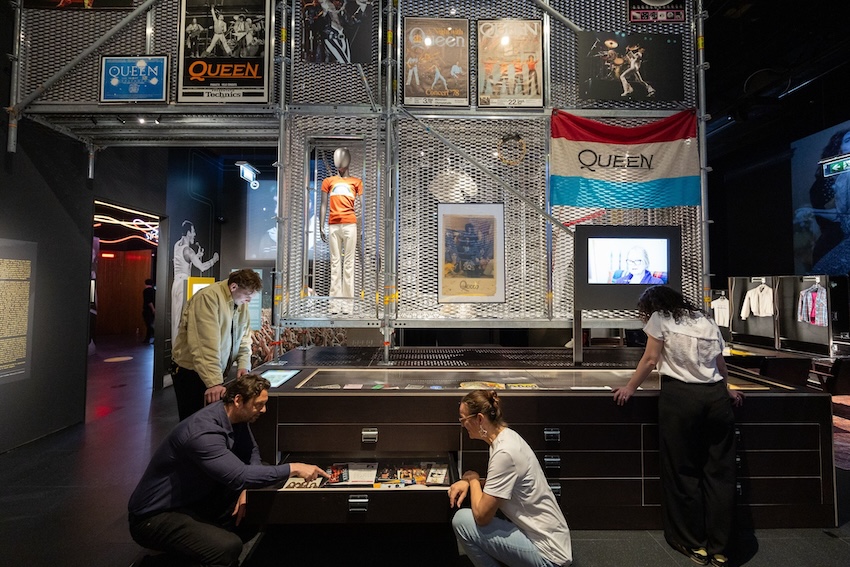
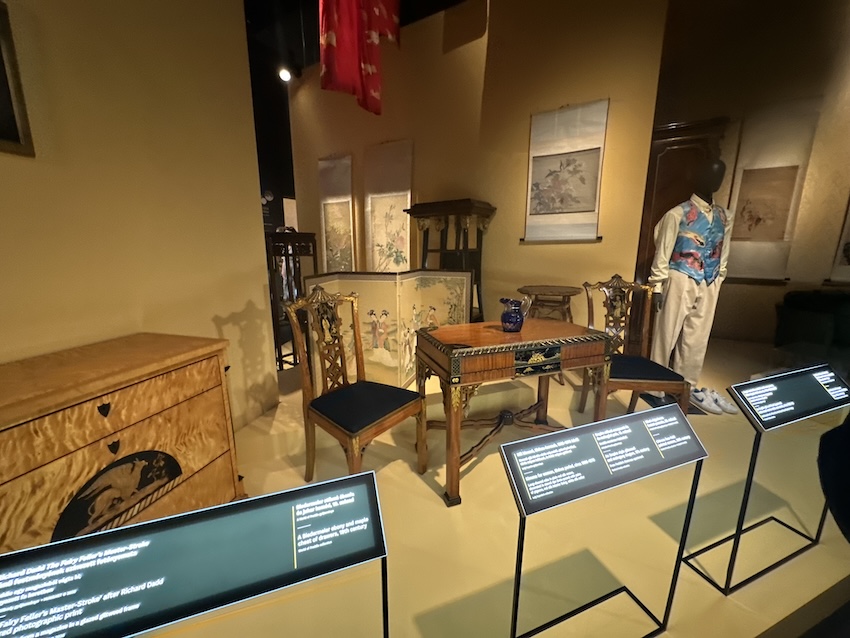
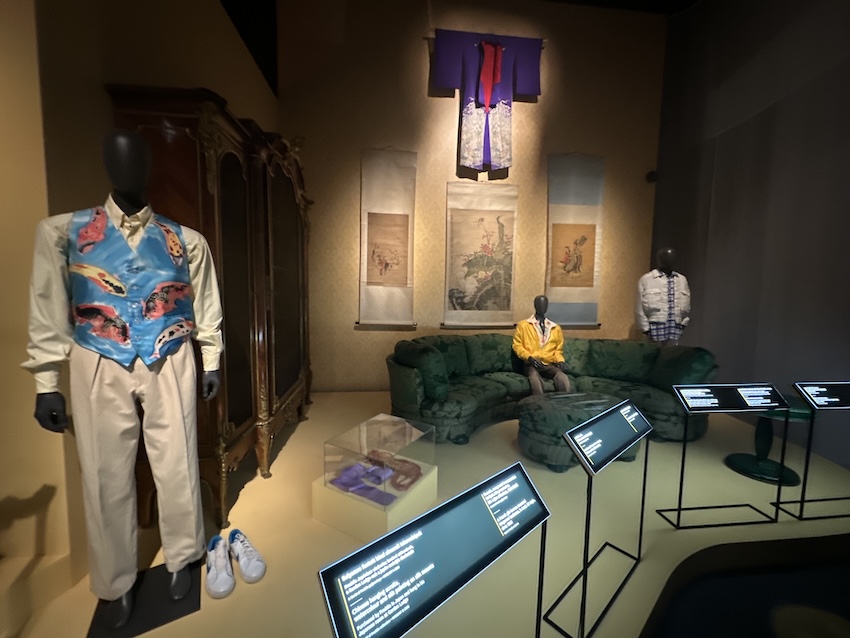
The exhibition presents around 500 original artefacts; many displayed publicly for the first time. Highlights include Freddie Mercury’s iconic jacket and shoes from the 1986 Budapest concert, the famous white vest from Live Aid, a robe from the Bohemian Rhapsody music video, Mercury’s signature microphone stand, a 1970s Martin guitar, handwritten song lyrics and personal sketches, gold and platinum records, antiques collected during his travels, his favourite Scrabble set, and furniture from his beloved London home, Garden Lodge, where he lived from 1985.
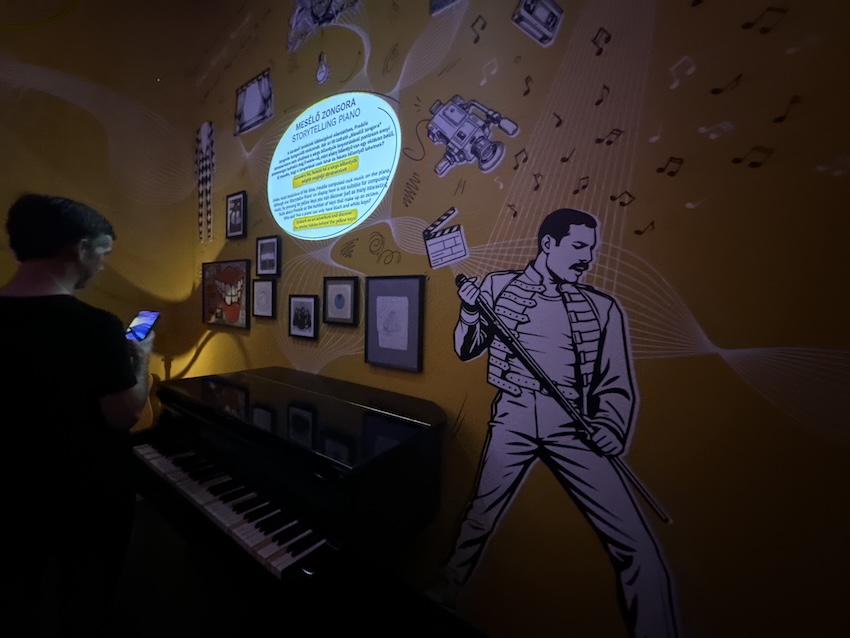
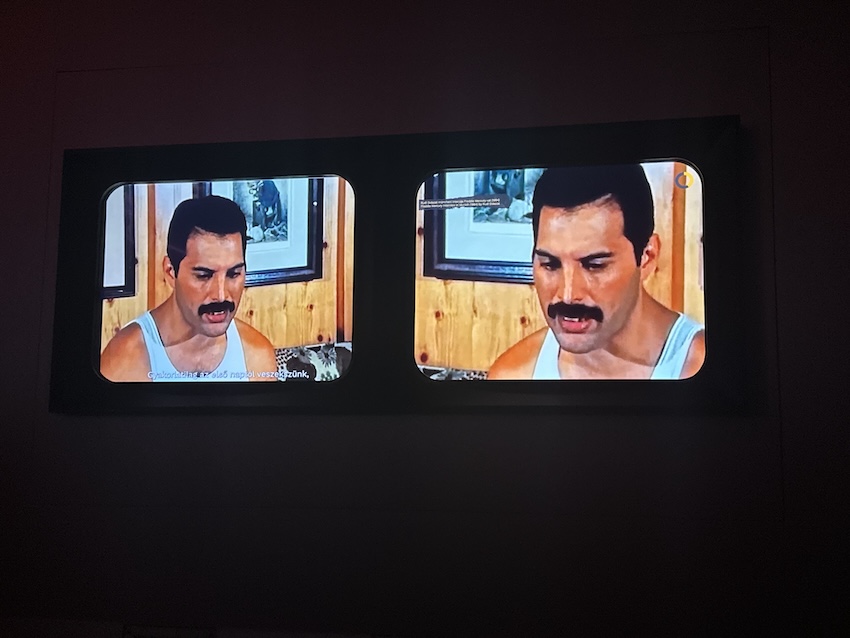
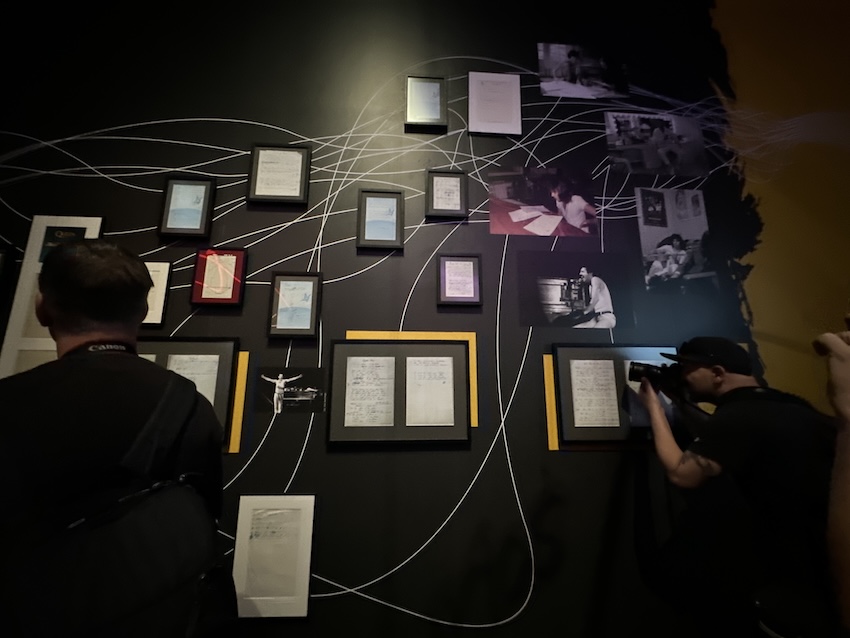
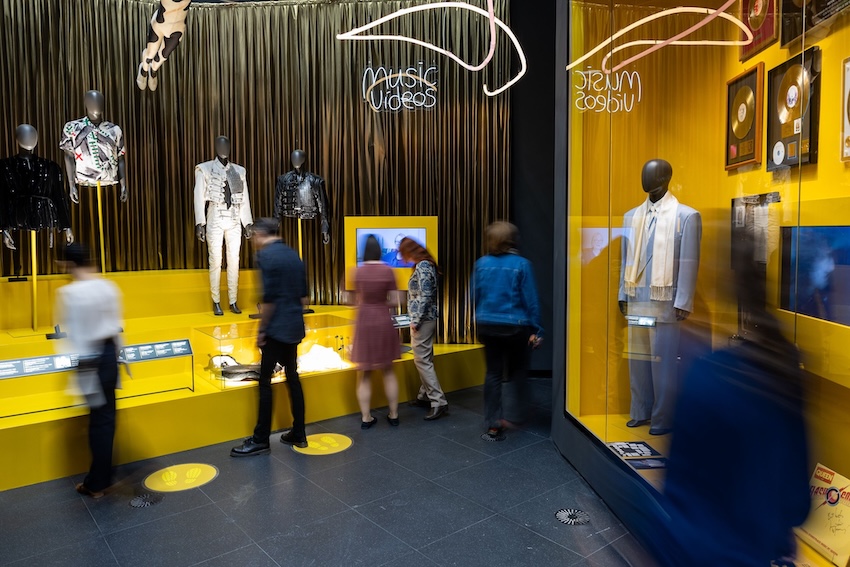
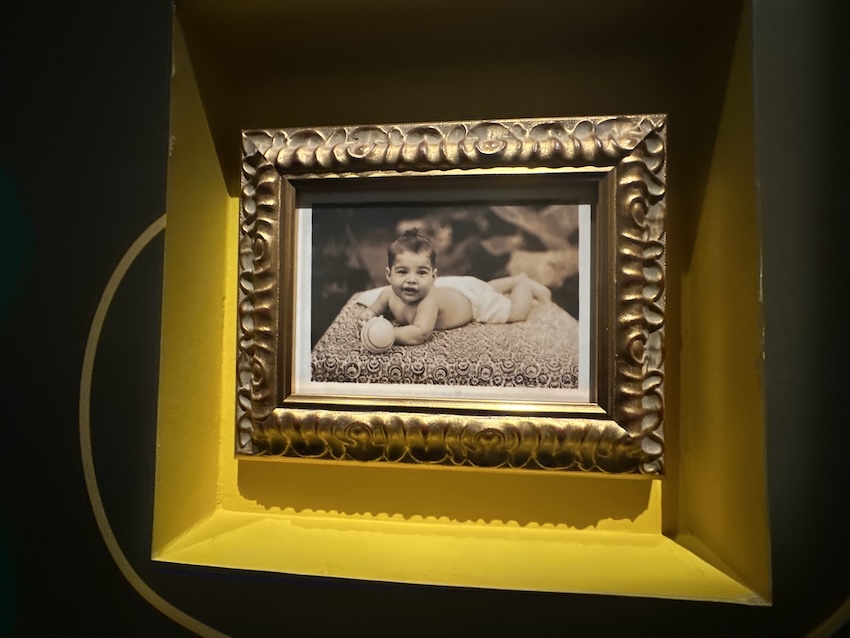
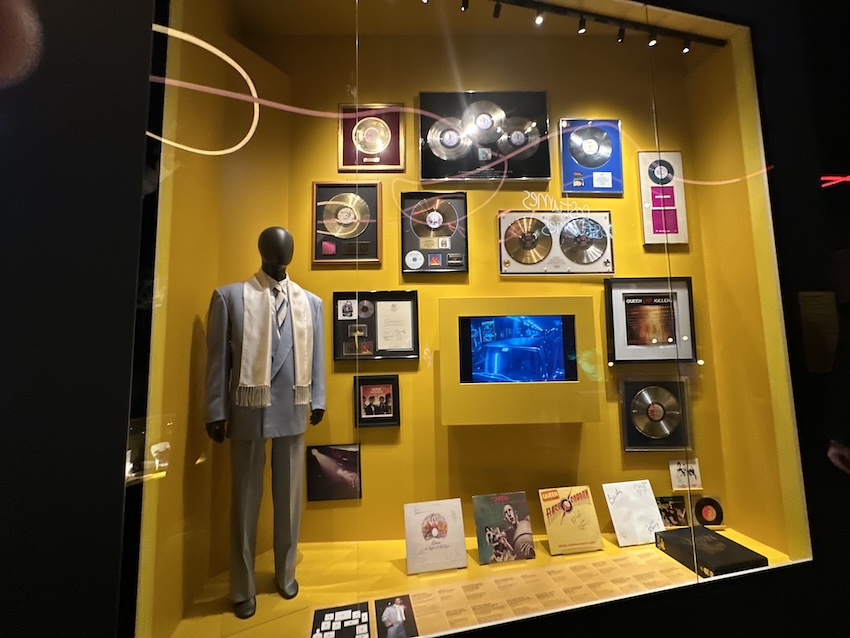
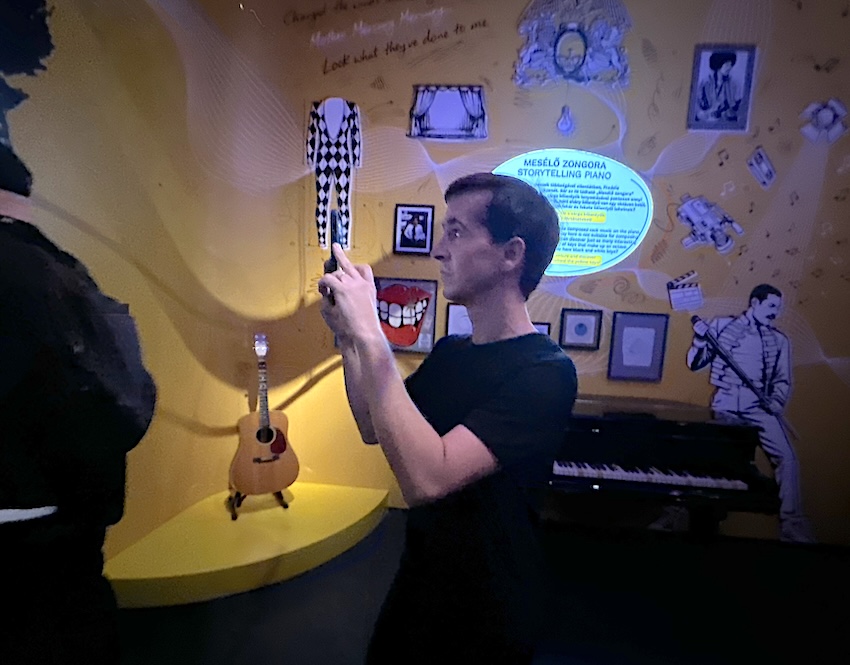
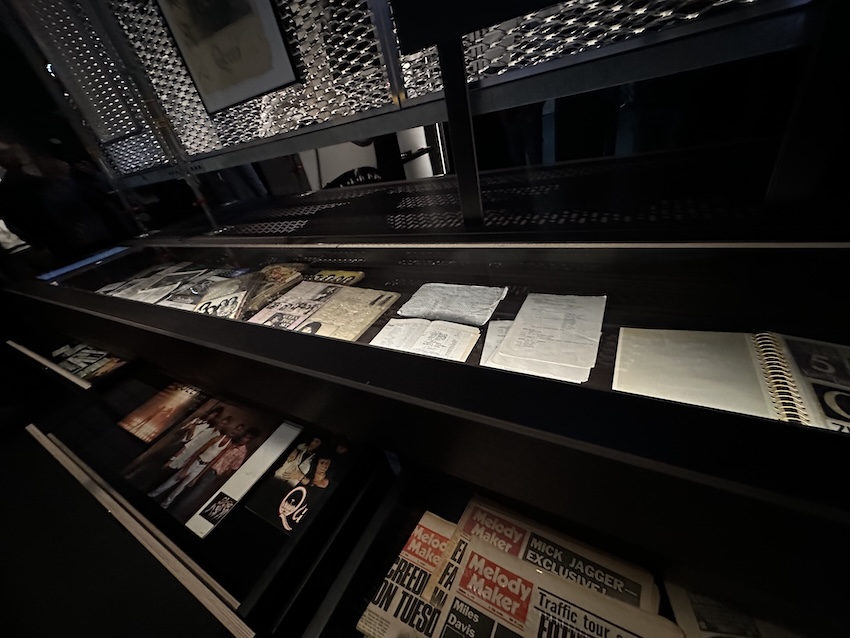
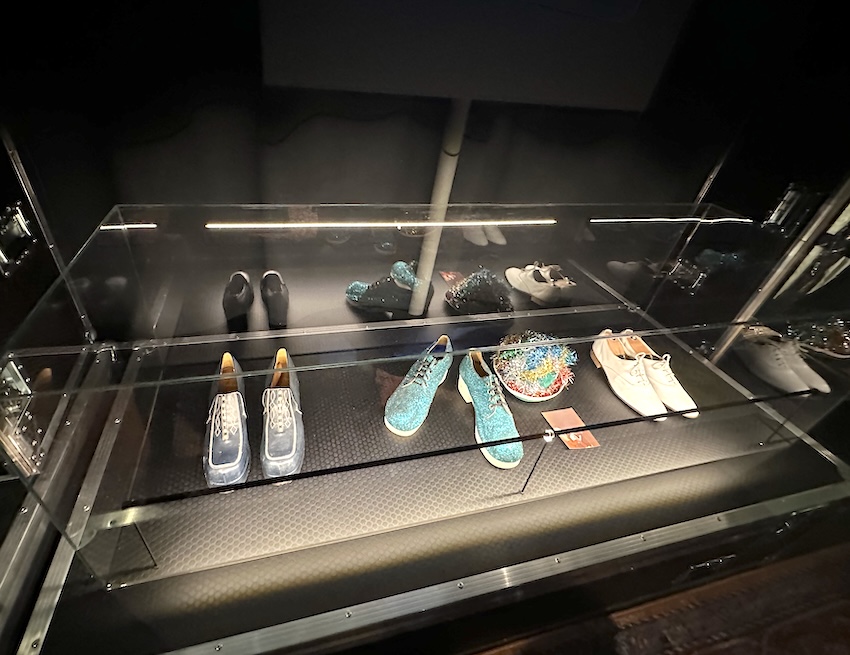
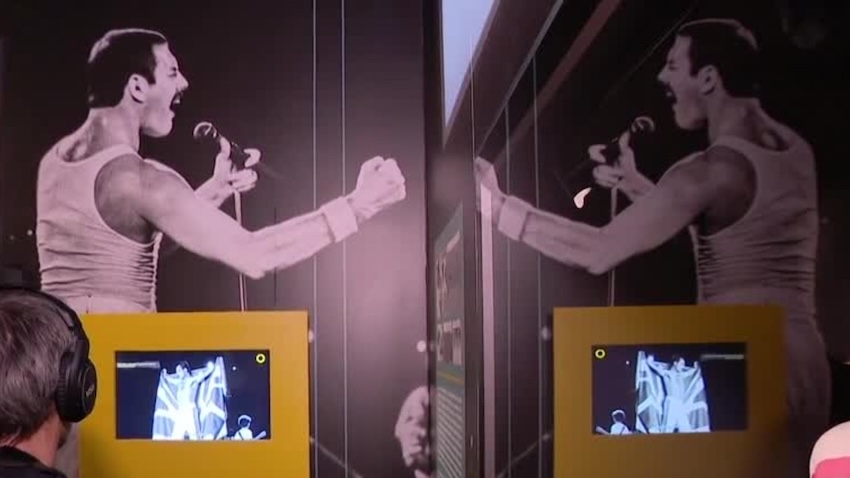
The objects are complemented by innovative interactive installations and audiovisual environments. Visitors are accompanied throughout the exhibition by Peter Freestone’s audio commentary, through an AI-assisted narration system developed with the support of Visa.
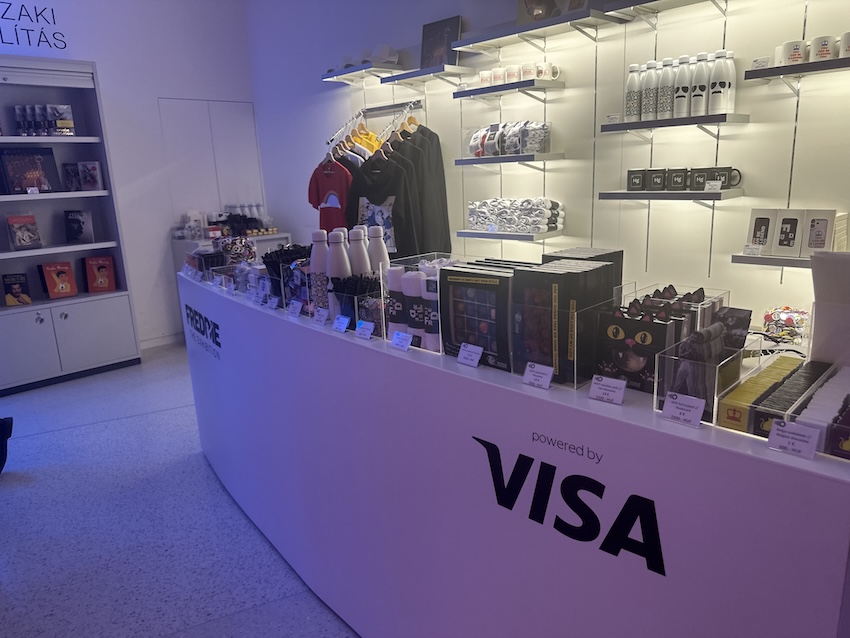
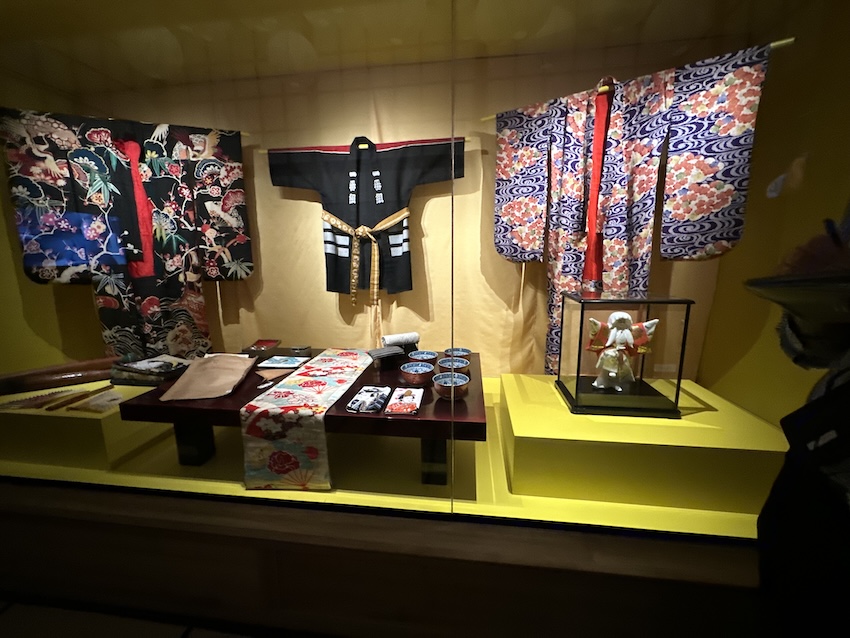
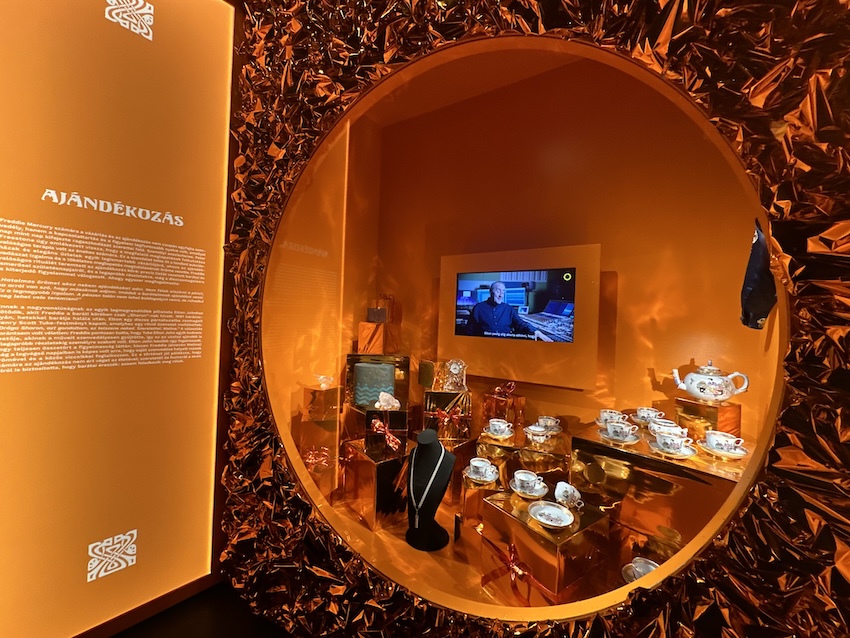
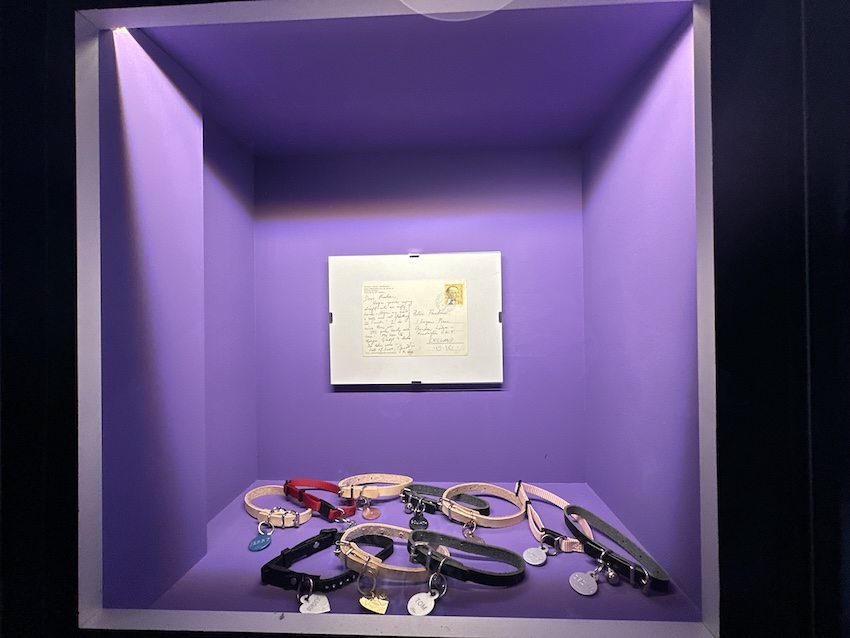
The exhibition also explores Freddie’s passions beyond music: his love for Japanese culture, fashion, shopping, gift-giving, board games, intimate tea gatherings and life with his ten beloved cats.
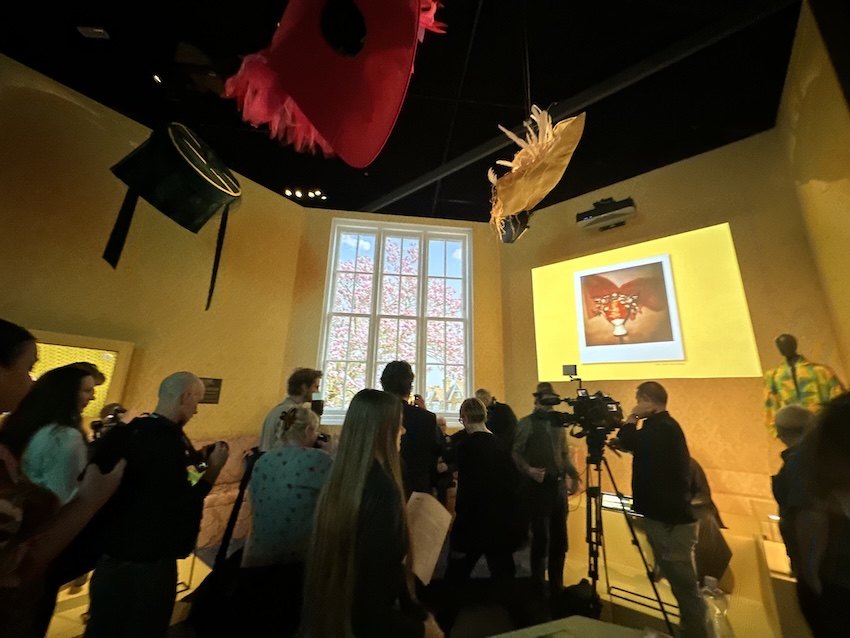
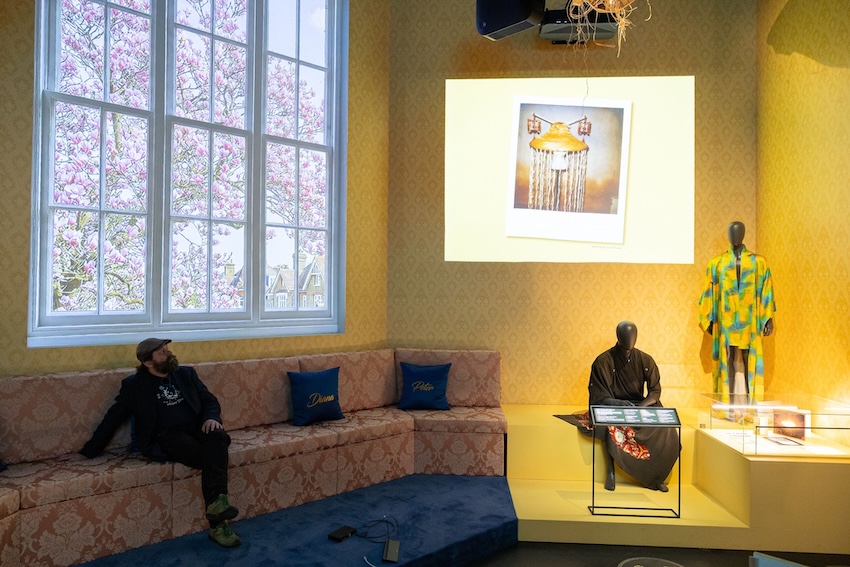
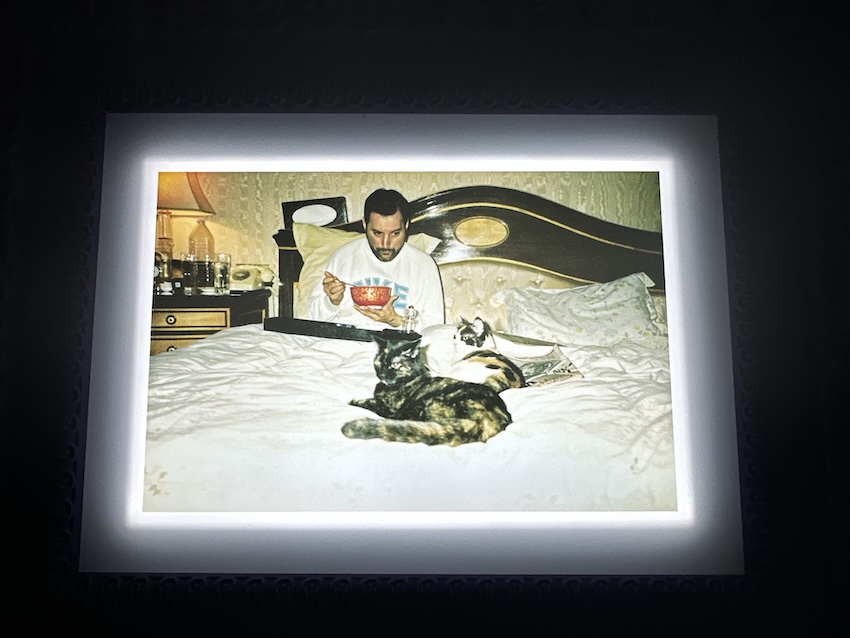
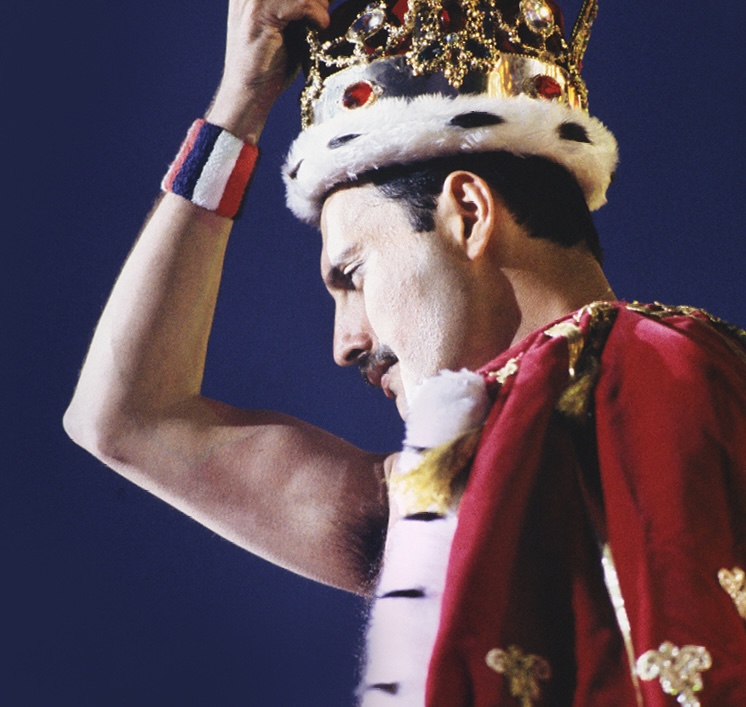
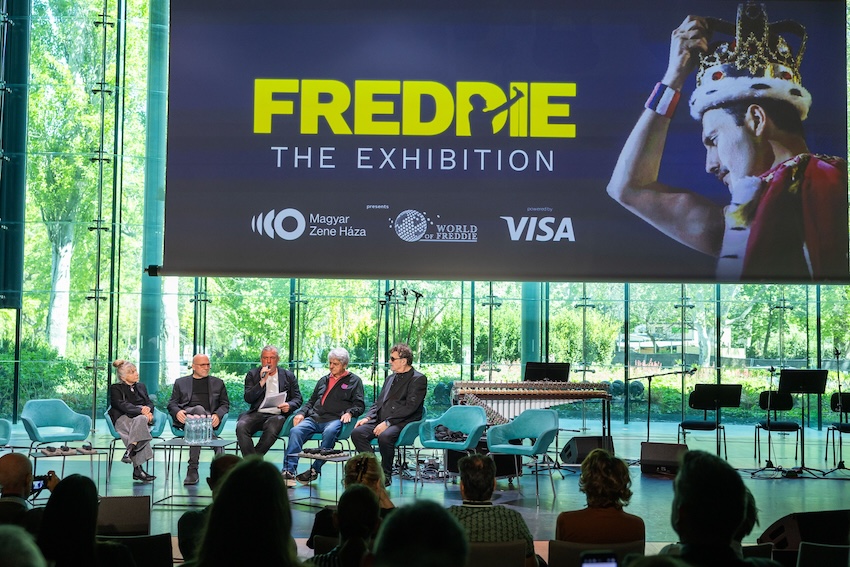
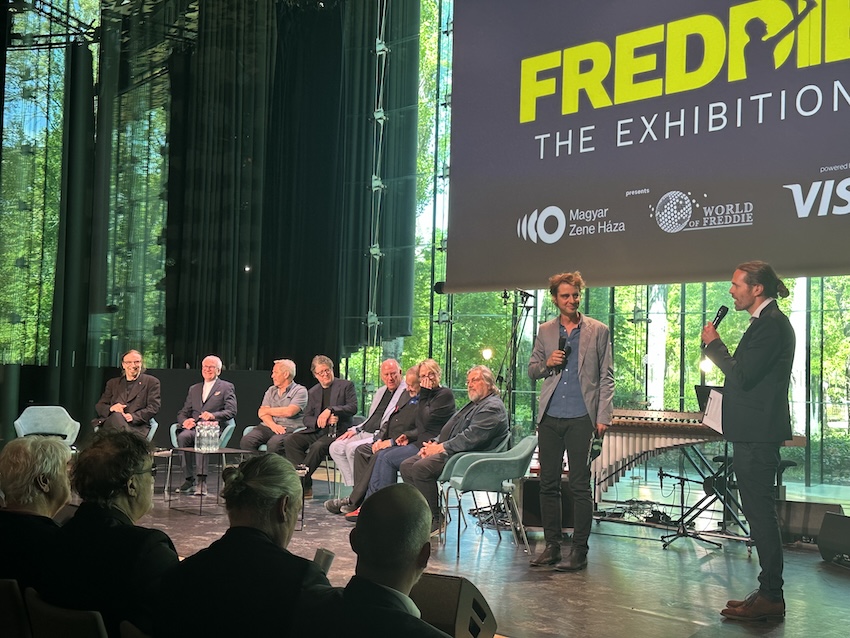
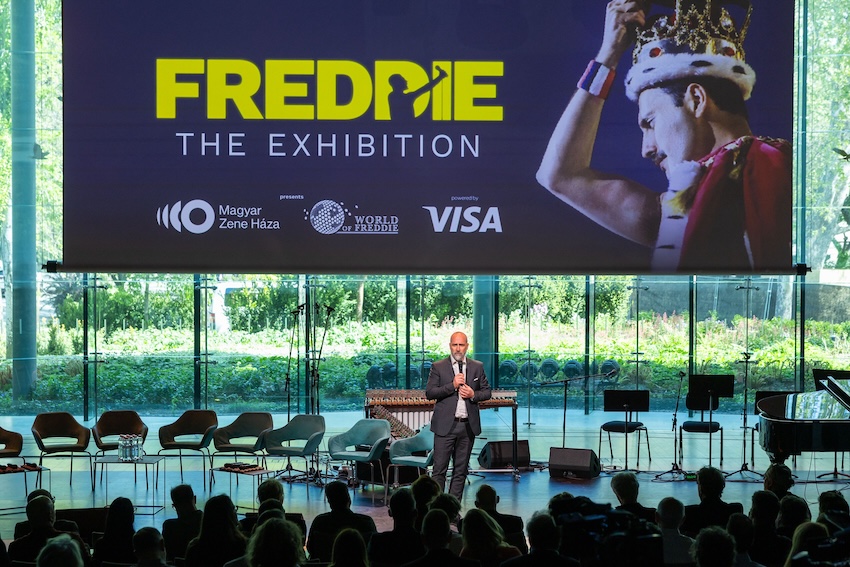
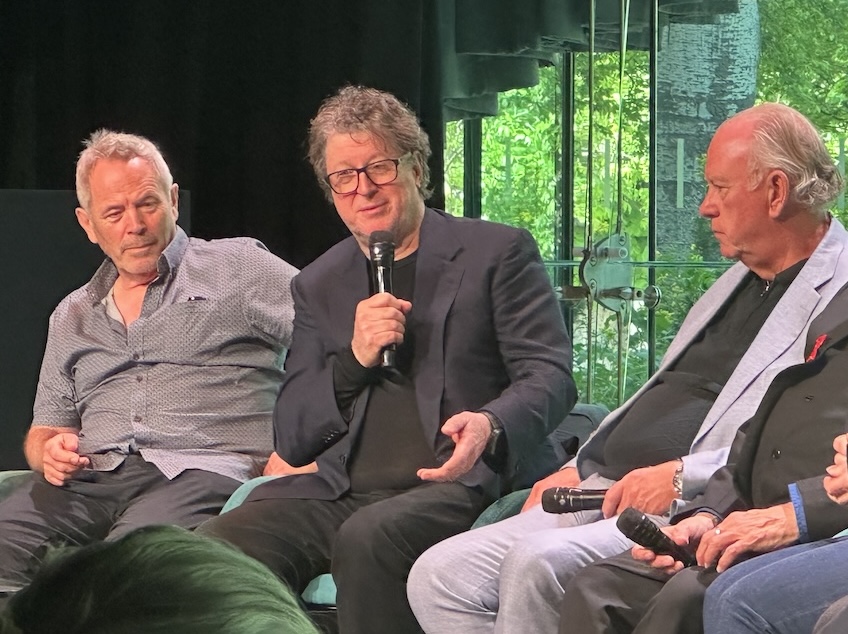
Stories from Mercury’s private world emerge throughout the conversation on the stage during the opening. Tim Staffell recalls meeting Freddie in 1967 at Ealing Art College, while Diana Moseley recounts the creation of Mercury’s famous crown-and-cape costume designed for Queen’s 1986 Paris concerts.
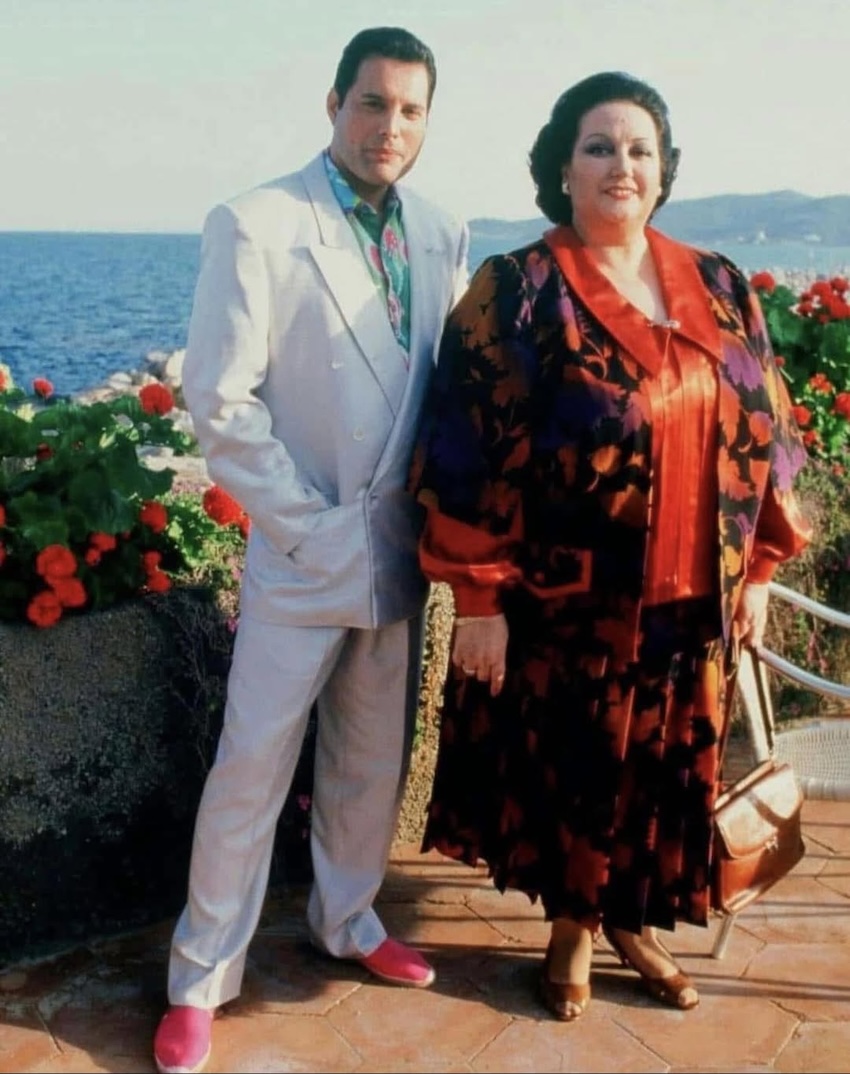
Mike Moran shares the story behind the creation of the Barcelona album with legendary Spanish soprano Montserrat Caballé – an extraordinary collaboration and friendship that Mercury himself considered among the greatest achievements of his career.
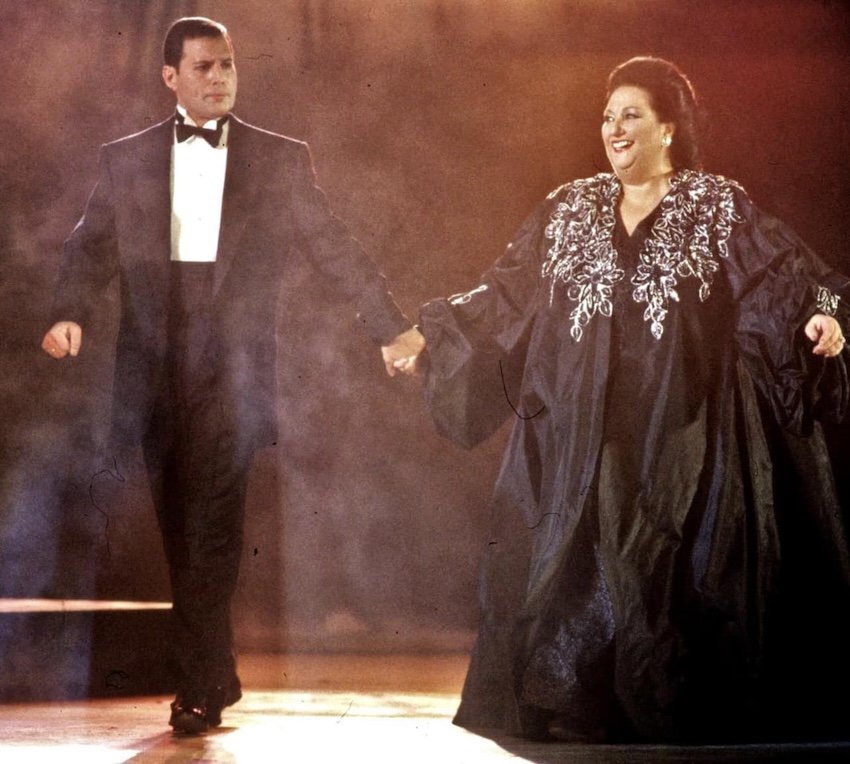
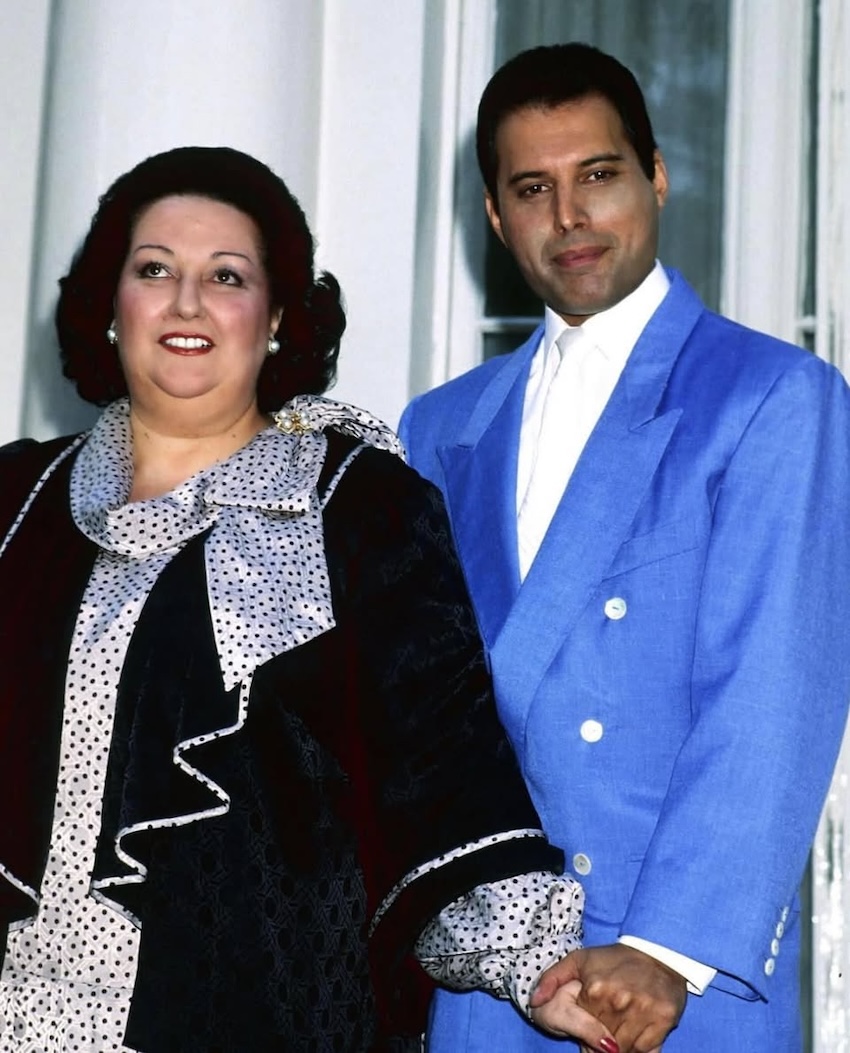
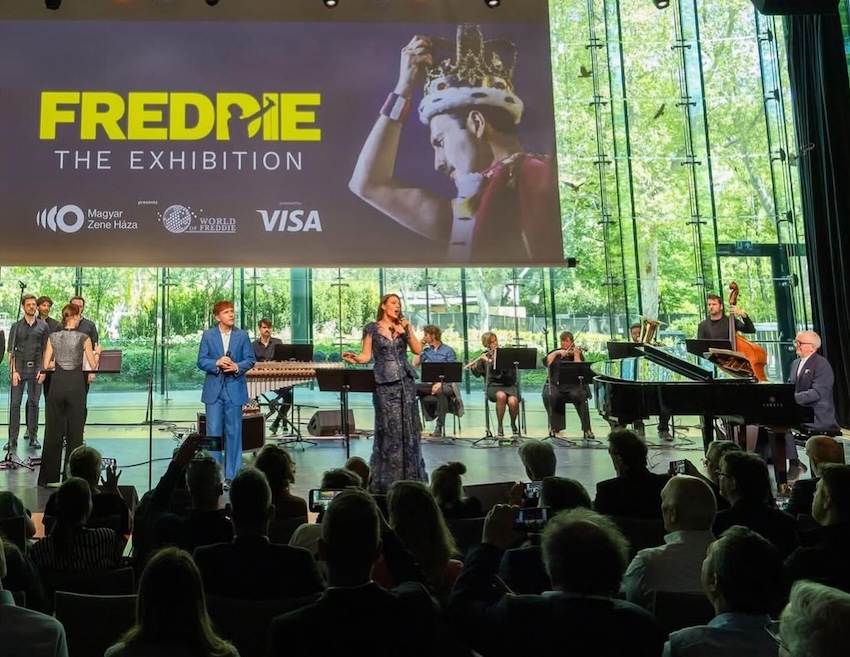
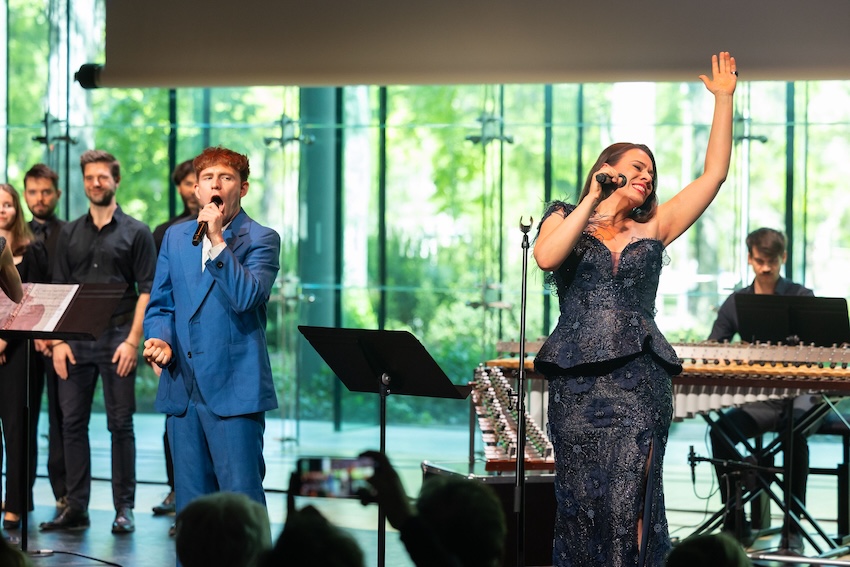
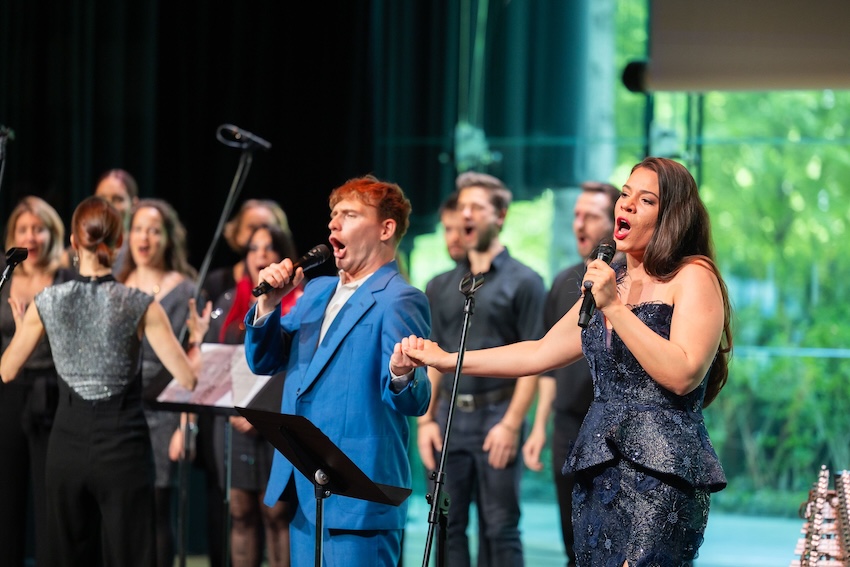
A truly unforgettable moment of this occasion was the joint performance by Hungarian soprano Lilla Horti from the Hungarian Opera with singer Mickey Callisto, accompanied on piano by Mike Moran, co-writer and producer of the Barcelona album. Their performance paid tribute to the groundbreaking fusion of opera and rock created by Freddie Mercury and Montserrat Caballé – a visionary artistic partnership that transformed both genres.
Technology, Photography and International Ambitions
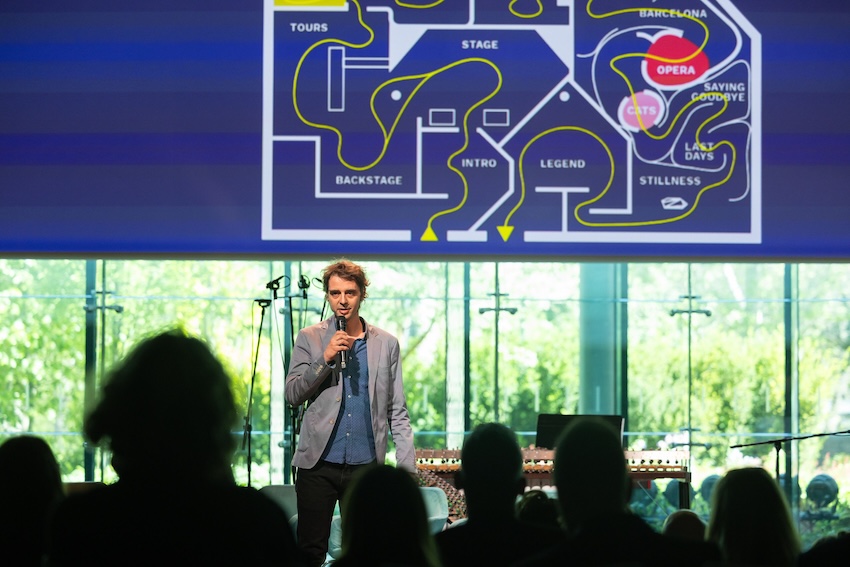
According to Endre Vazul Mándli, Head of Exhibitions at the House of Music Hungary and co-curator of the project, the curatorial team sought to uncover the deeper emotional and artistic roots of Mercury’s personality.
“By the end of the exhibition, a complex portrait emerges that unites artistic achievement with deeply human stories,” he explained. “The exhibition not only commemorates Freddie Mercury but also demonstrates how his experimentation and boundary-pushing innovations continue to inspire contemporary popular music.”
Photos by Denis O’Regan on Display
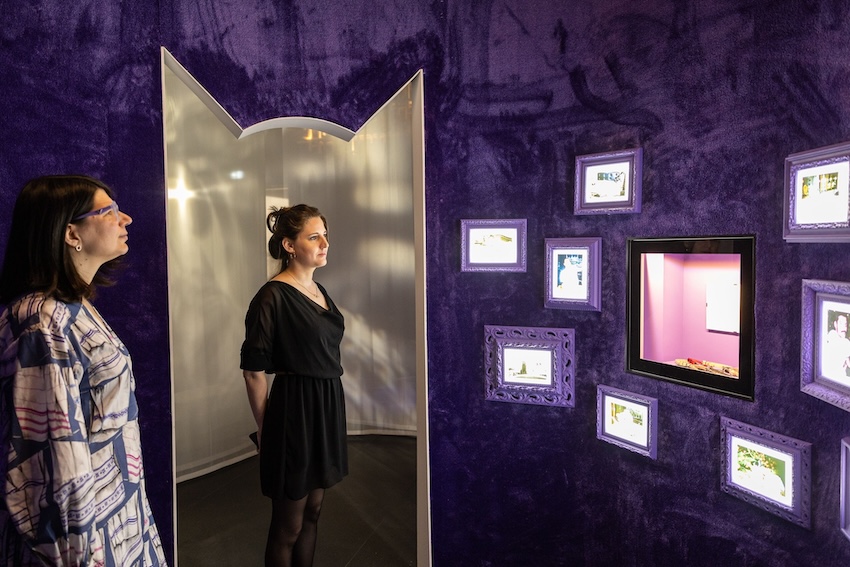
The exhibition is further enriched by a separate photography showcase by British photographer Denis O’Regan, one of the defining visual chroniclers of punk and rock culture, presented as a prelude to the main exhibition in the entrance hall features intimate and behind-the-scenes photographs of Freddie Mercury alongside iconic artists such as David Bowie, Patti Smith, The Rolling Stones, Pink Floyd and Duran Duran.
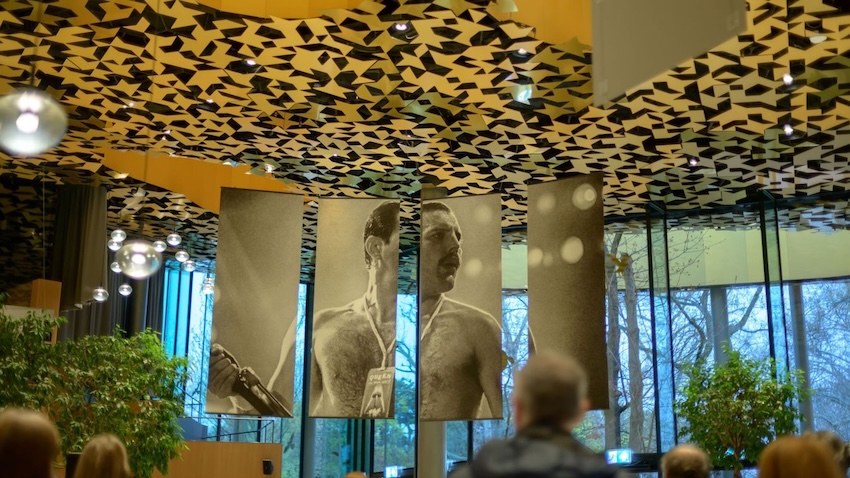
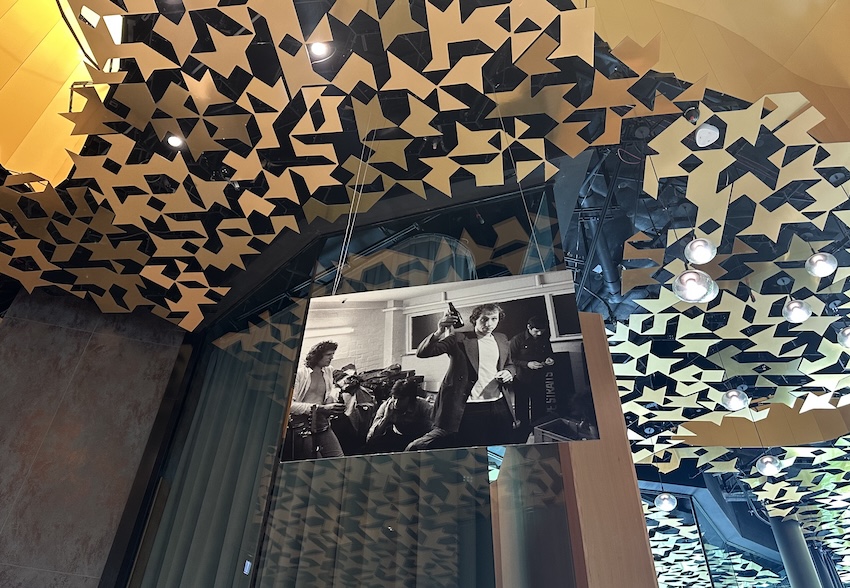
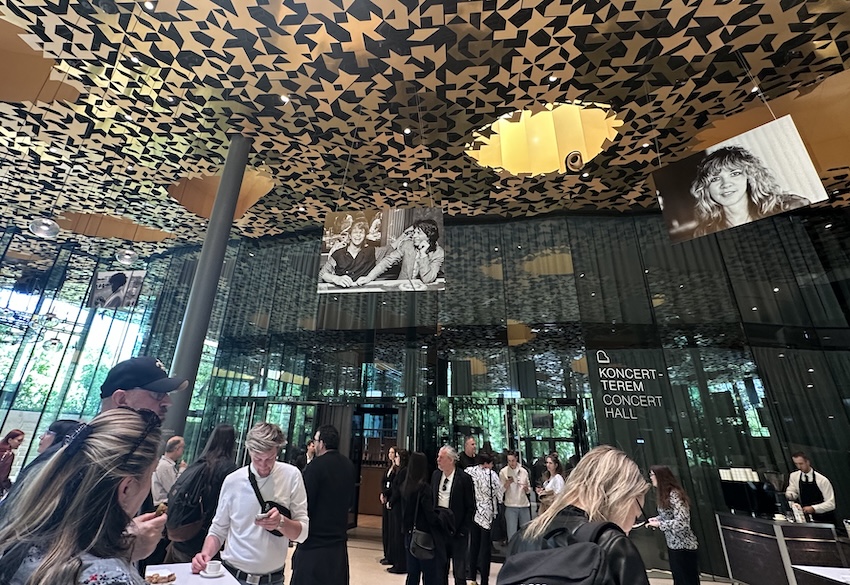
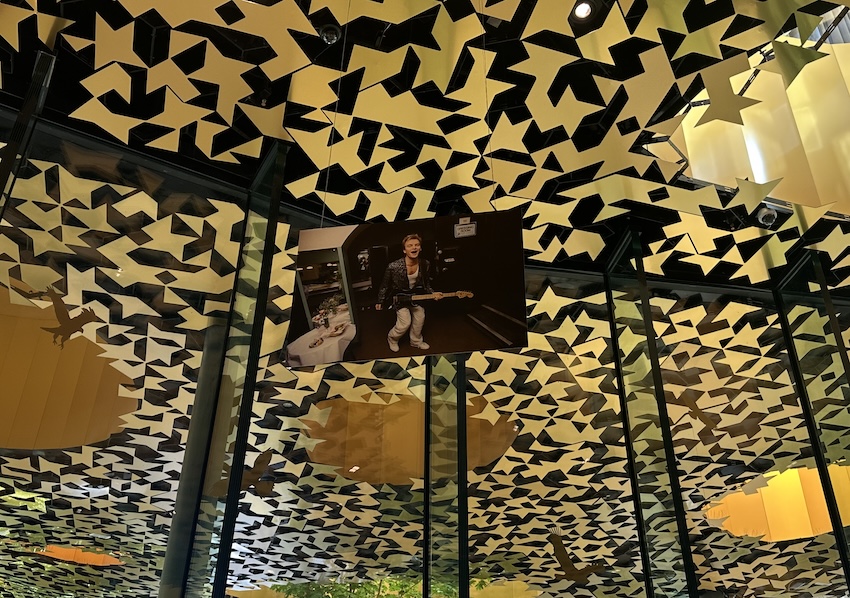
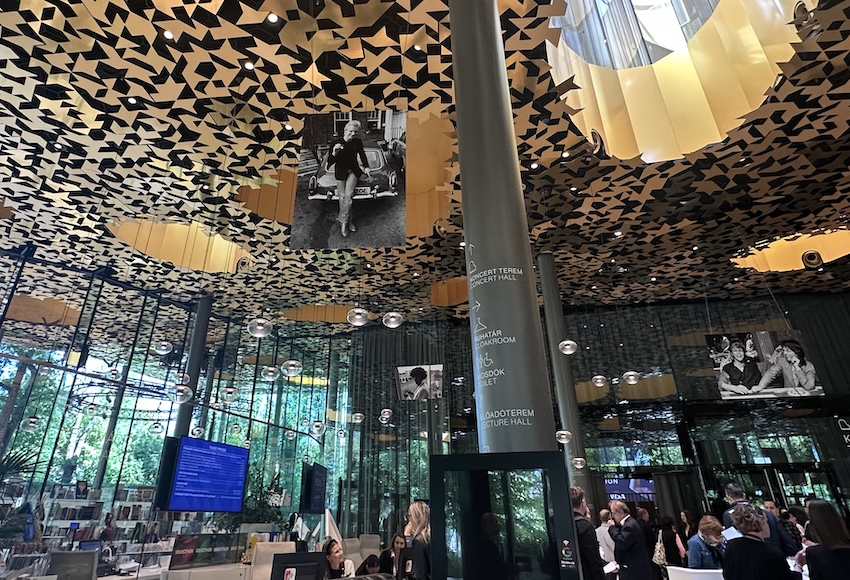
Although O’Regan became world famous as a concert photographer – notably capturing Freddie Mercury’s iconic fist-raised stage pose – this exhibition focuses instead on quieter moments: backstage scenes, personal spaces and the everyday humanity behind the global stardom.
Budapest Exhibition with Global Reach
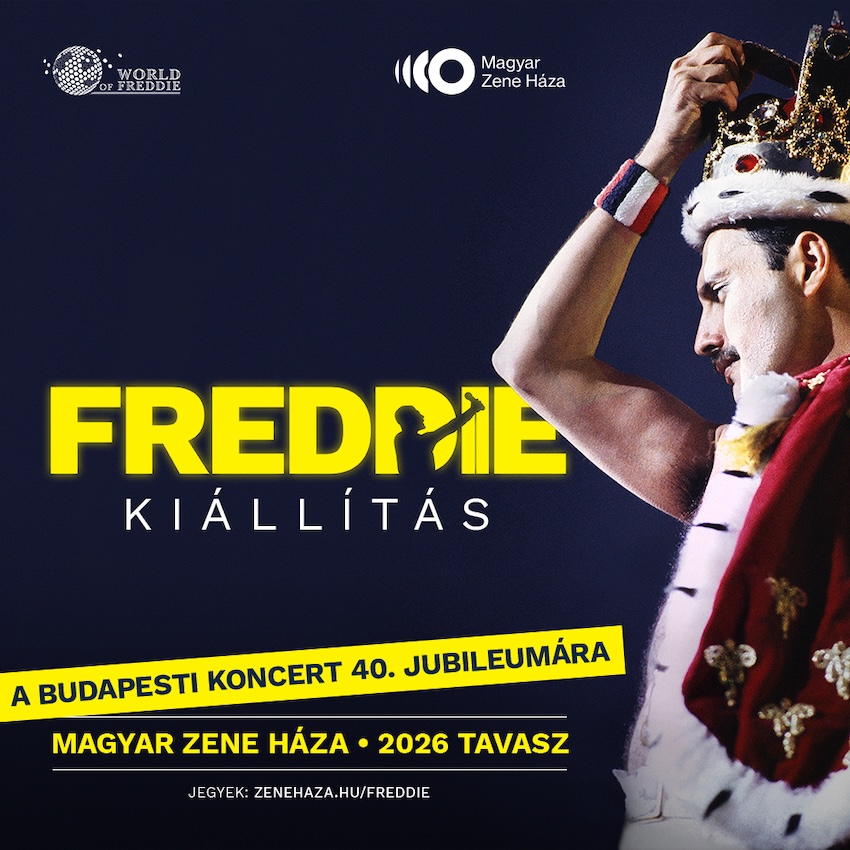
In recent years, the House of Music Hungary has steadily expanded the international scope of its temporary exhibitions – from the history of Hungarian popular music to exhibitions dedicated to international divas and world musical traditions.
Freddie – The Exhibition – As You’ve Never Seen Him Before marks the institution’s first major self-developed international exhibition project, conceived with the ambition of touring internationally in the coming years.
For longtime Queen fans and younger generations discovering Freddie Mercury for the first time, the exhibition offers something exceptionally rare: not simply the story of a superstar, but an intimate encounter with the sensitive, perfectionist and endlessly creative human being behind one of the greatest legends in music history.
Freddie – The Exhibition remains open until 28 February 2027, and is expected to become one of Hungary’s most visited cultural events of the year.
Source: House of Music Hungary
Photos from Balázs Mohai – House of Music Hungary, Facebook: Freddie Mercury & Queen Daily, Diplomatic Press Agency