“I have nothing better to be proud of than being proud of German unity.” – the late Chancellor Helmut Kohl (1930-2017), driving German reunification in 1990
Edited by Anna Popper
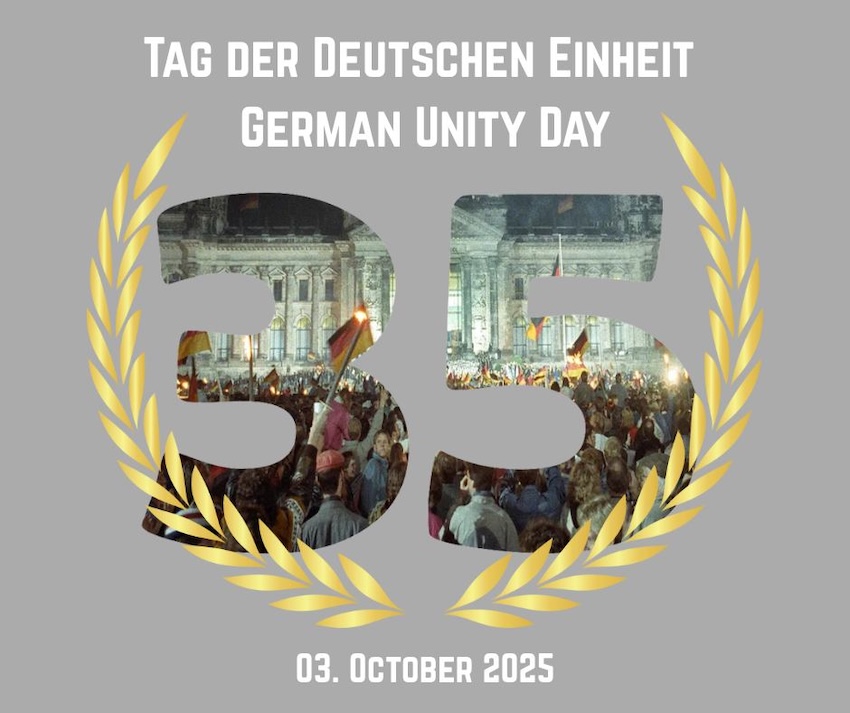
The 35th anniversary of the Day of German Unity celebrated on 3 October 2025, marks the end of the GDR and the beginning of a shared federal democracy. Each year, a different German state organizes the main celebrations for this national day.
The Berlin Wall, which had separated East and West Berlin for 28 years, fell on 9 November 1989, following months of peaceful protests by citizens of the former GDR. The fall of the Wall paved the way for German reunification less than a year later – some historians now consider it the outcome of a peaceful revolution.
In 2025, Saarland was the official host of the Unity Day festivities. From 2 to 4 October, the city centre of Saarbrücken transformed into a vibrant festival venue, a powerful symbol from a federal state bordering France and Luxembourg, which became part of Germany only in 1957. At the same time, celebrations, concerts, and exhibitions took place across the country – especially around the Brandenburg Gate in Berlin.
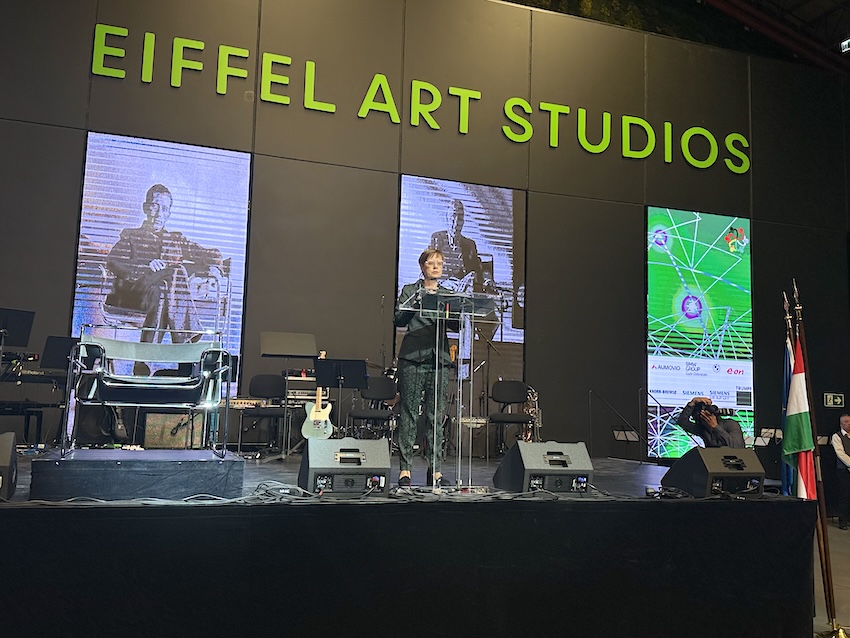
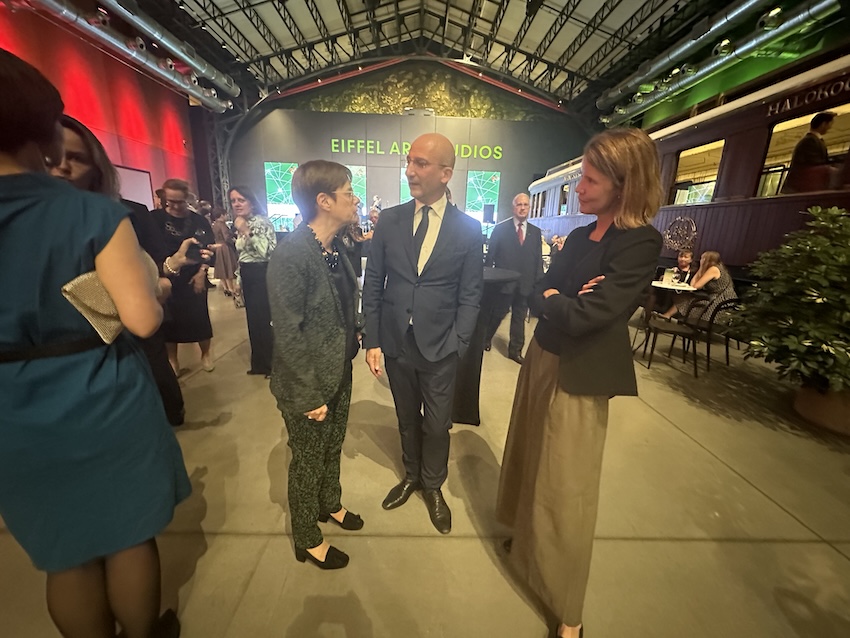
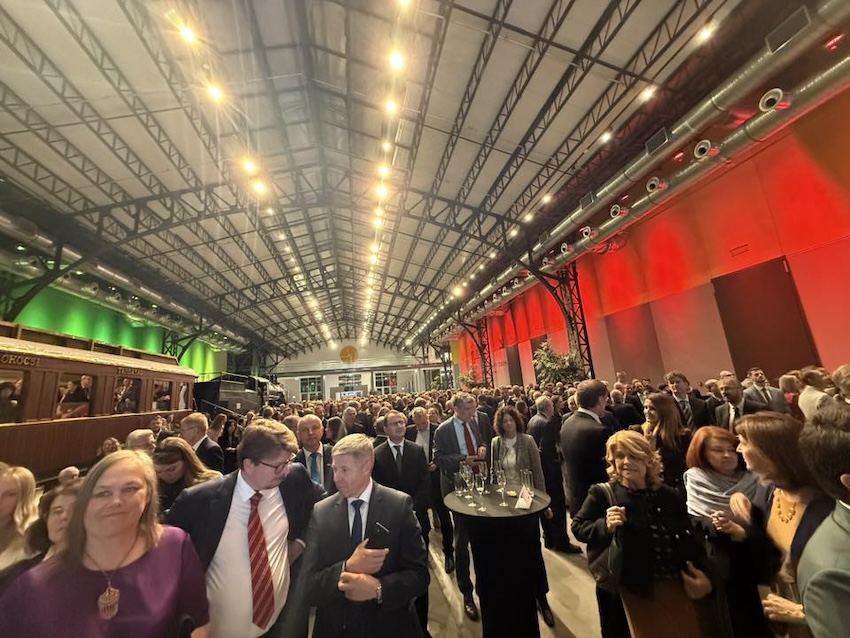
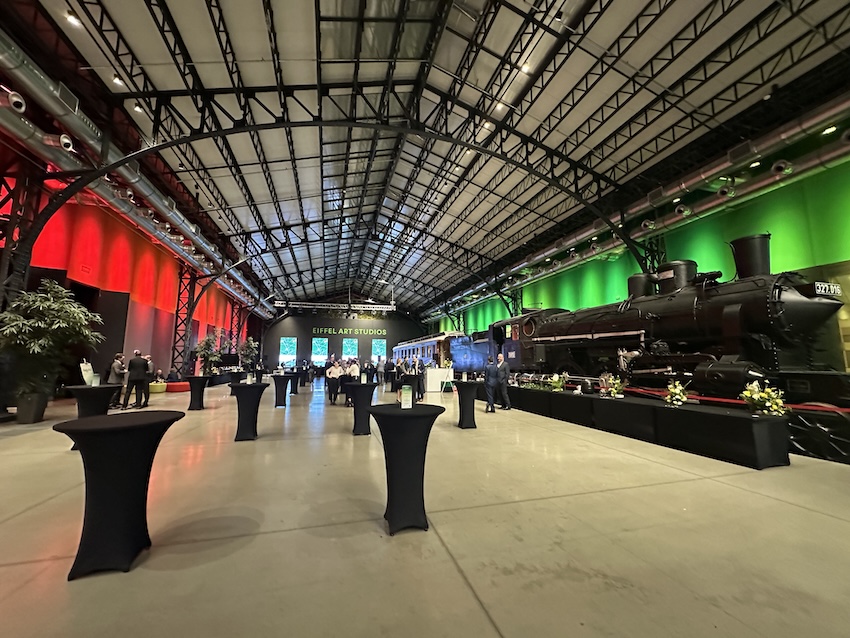
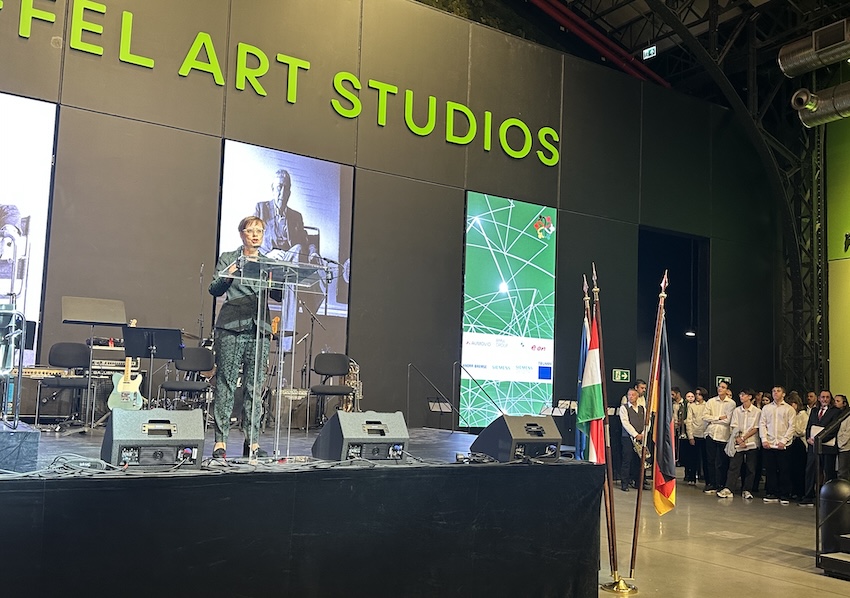
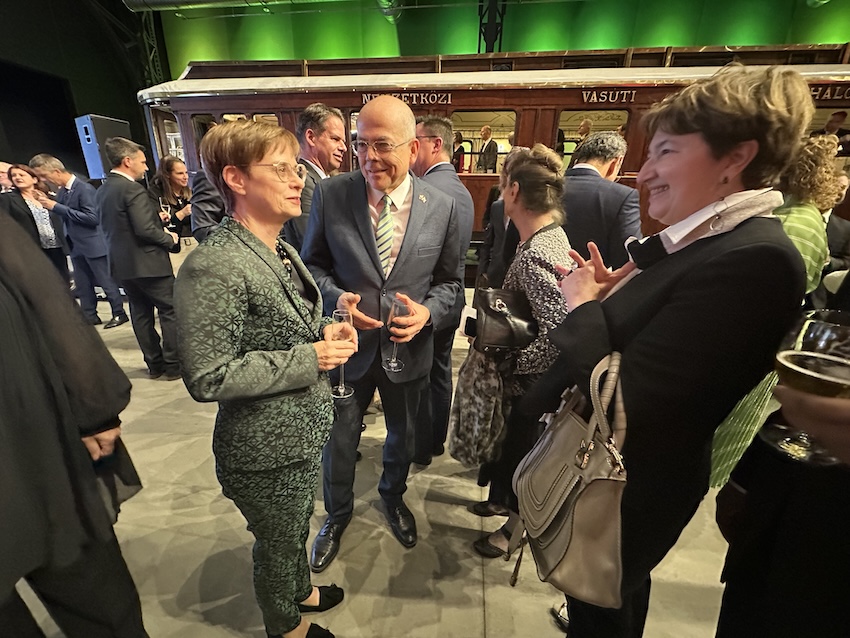
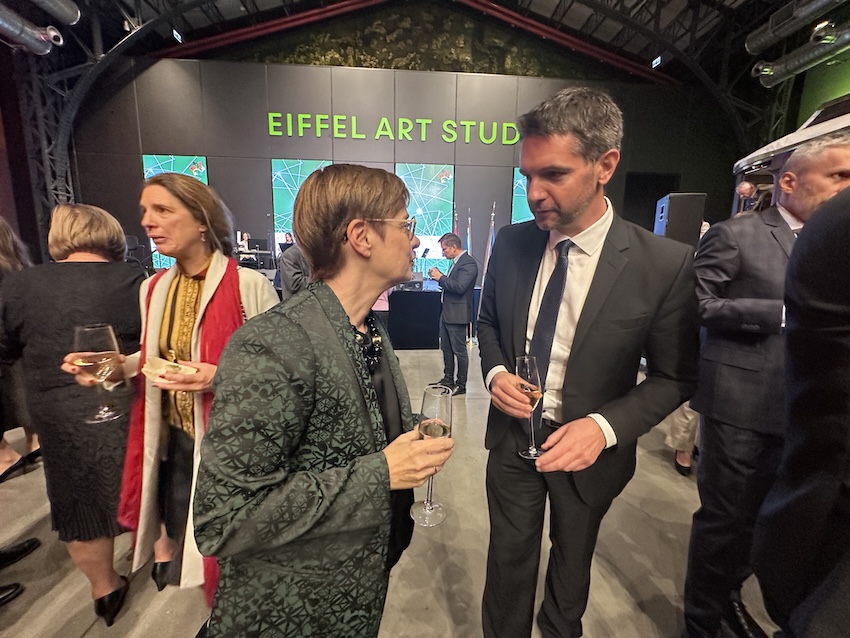
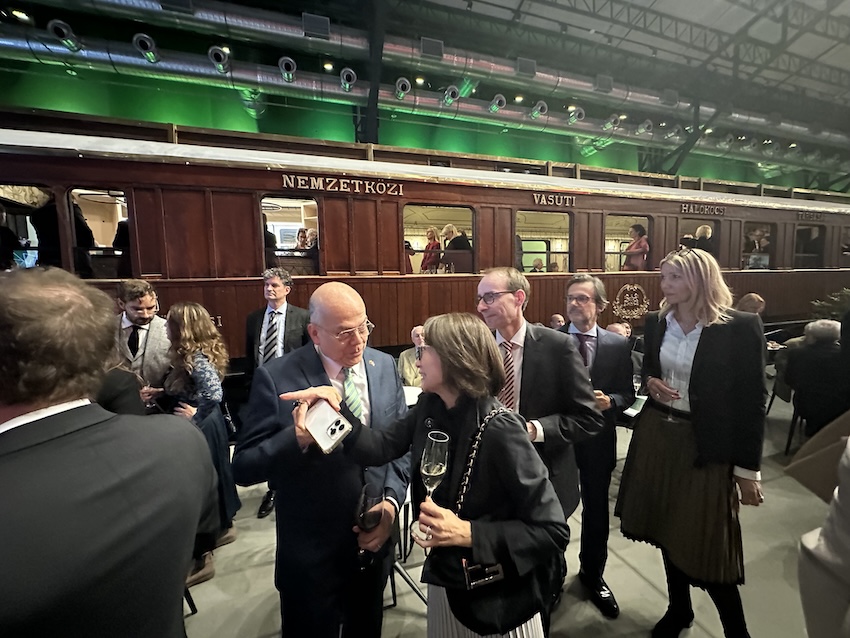
On this historic occasion, the Embassy of Germany in Budapest hosted a grand reception at the Eiffel Art Studios, a 19th-century former railway complex converted into the Hungarian State Opera’s rehearsal, production, and storage centre. The impressive facility also houses workshops, sets, and costumes, and serves as the Opera’s studio theatre, where high-quality performances take place.
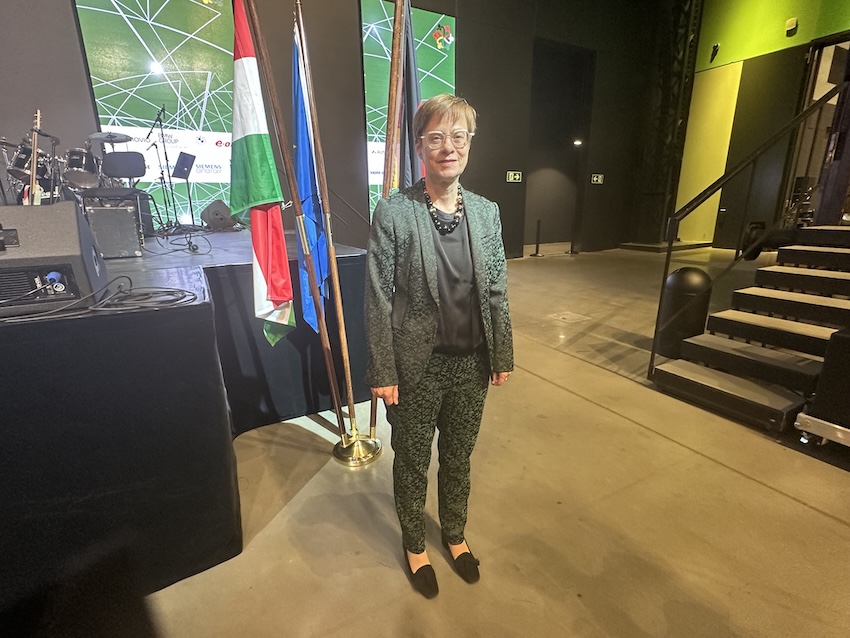
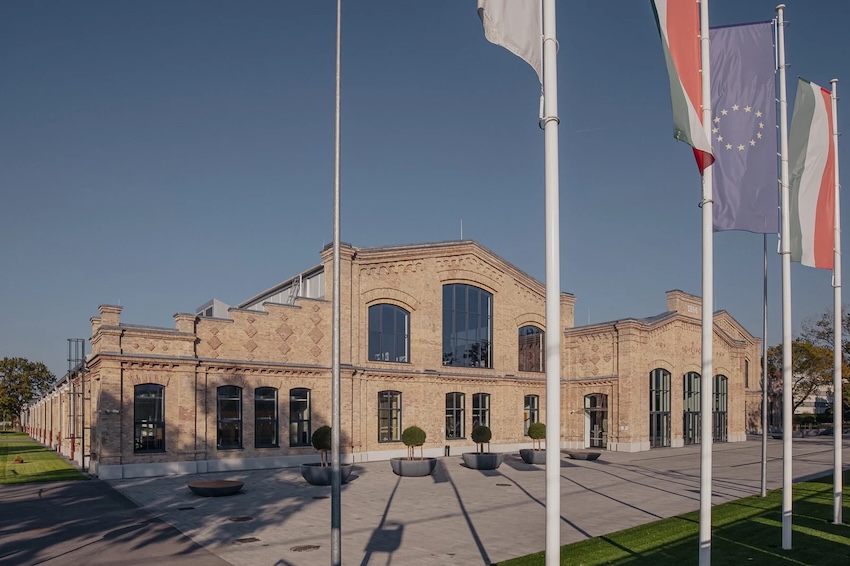
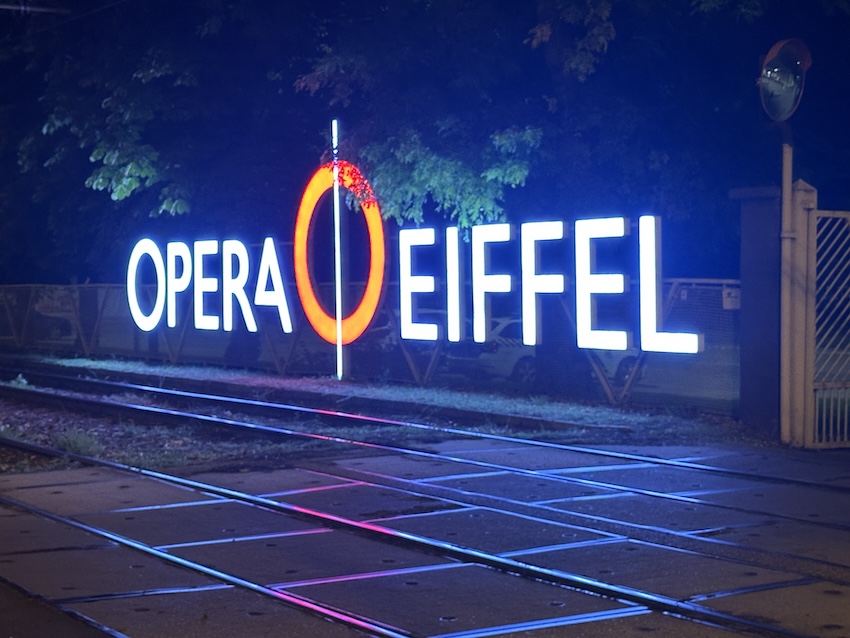
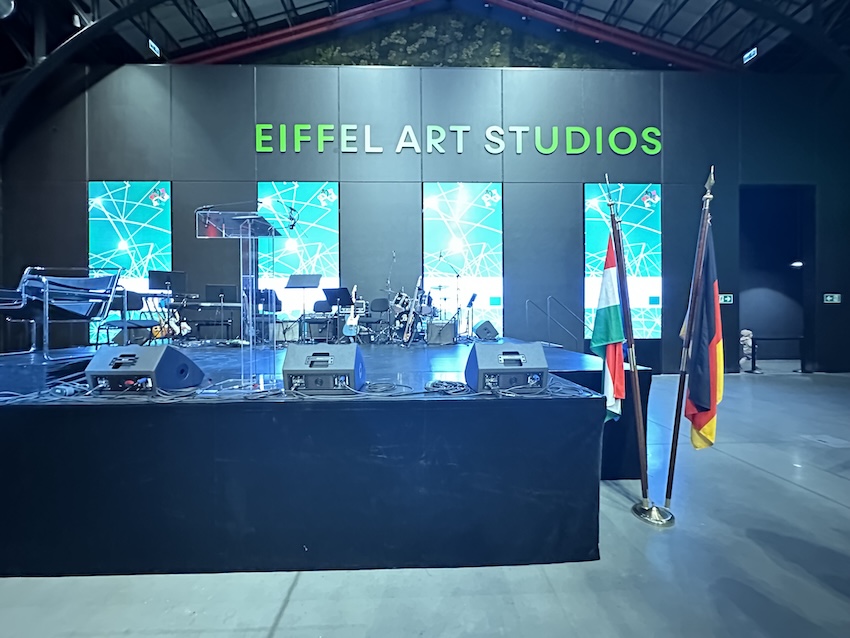
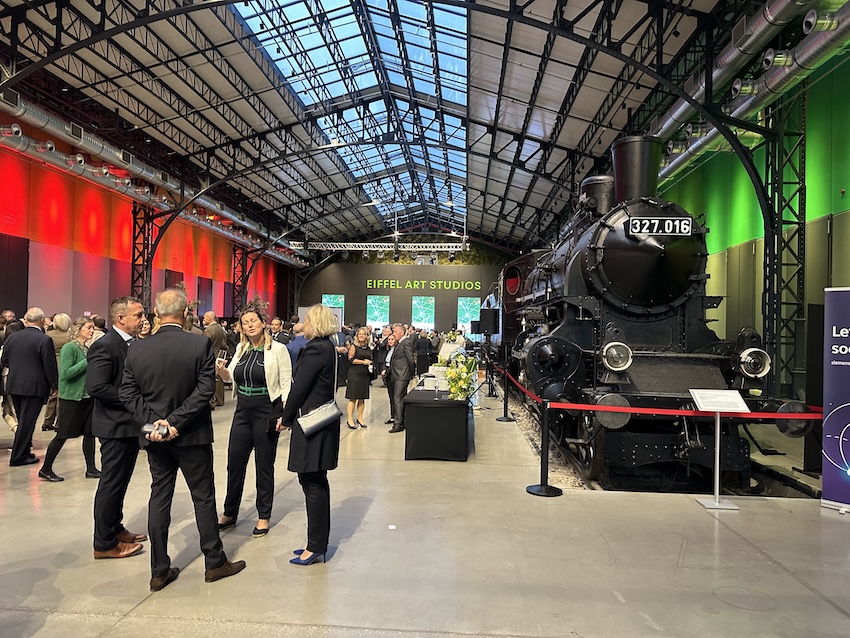
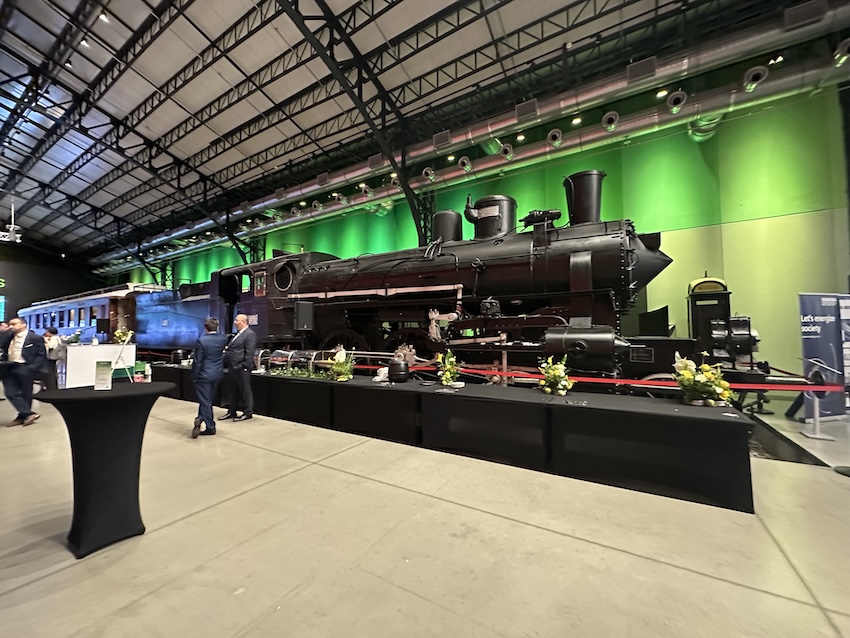
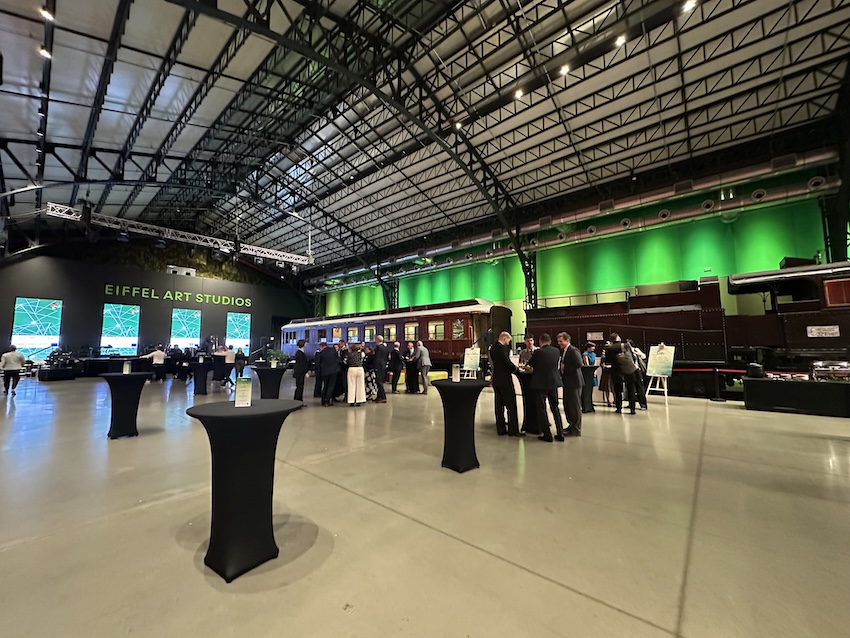
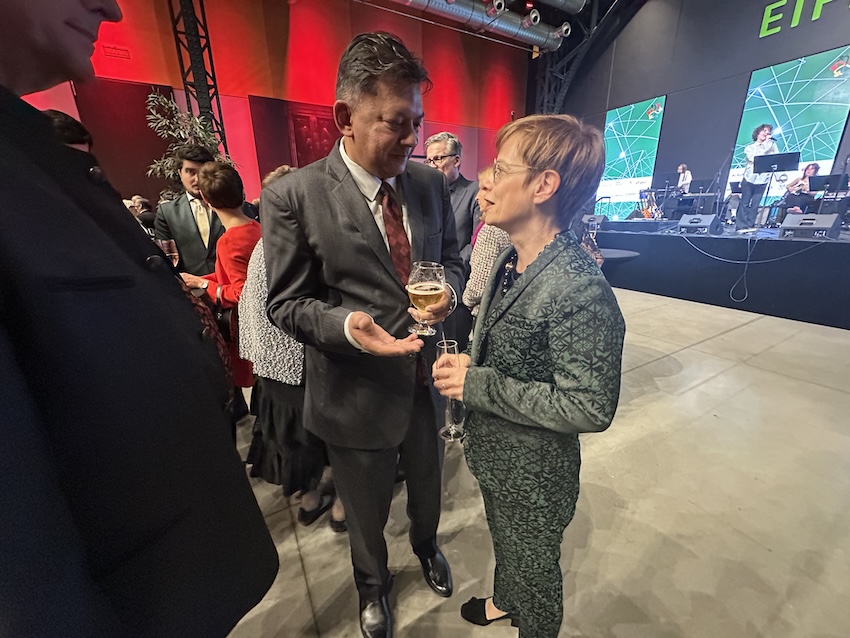
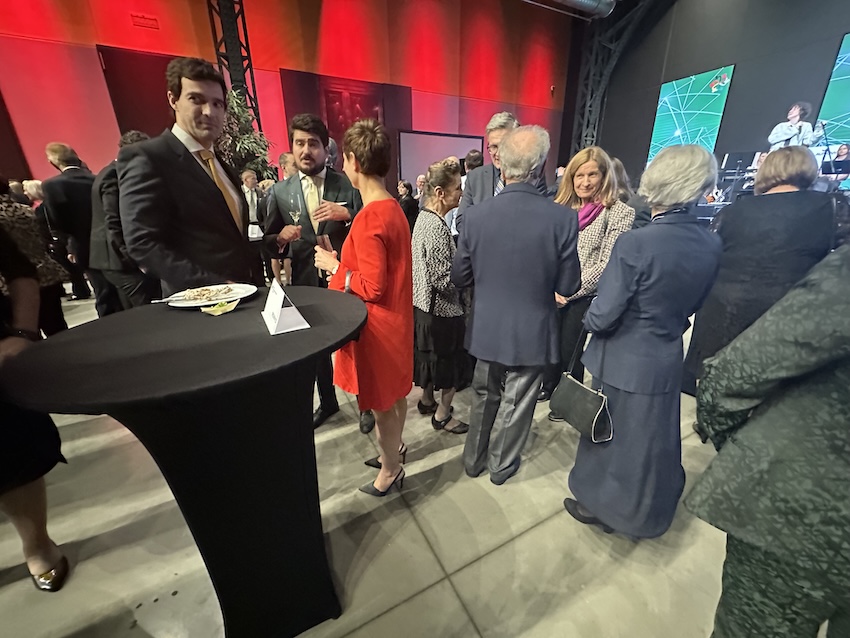
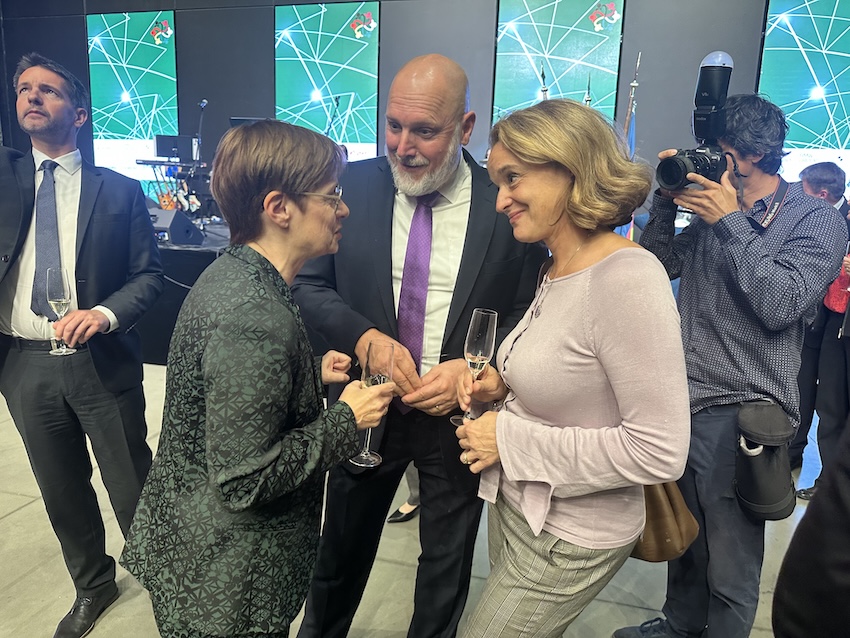
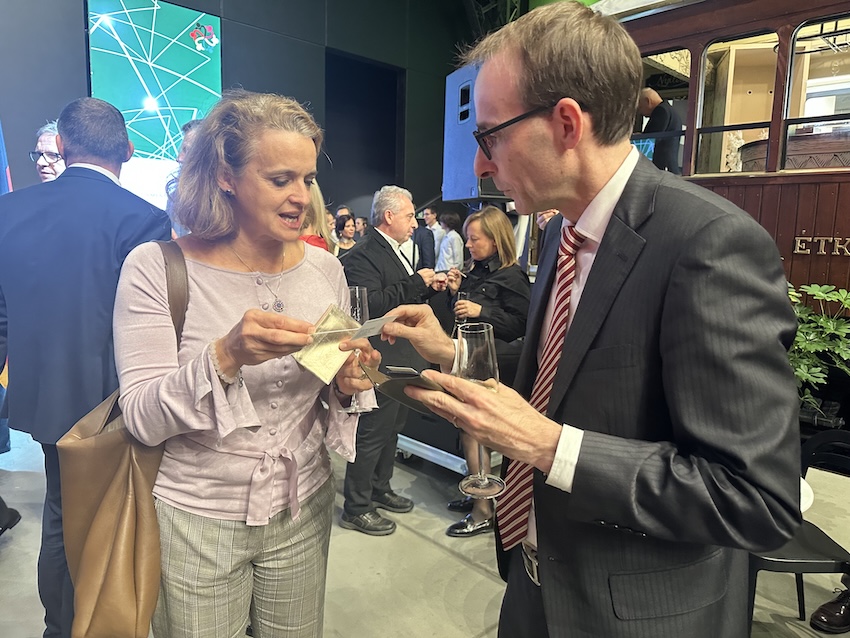
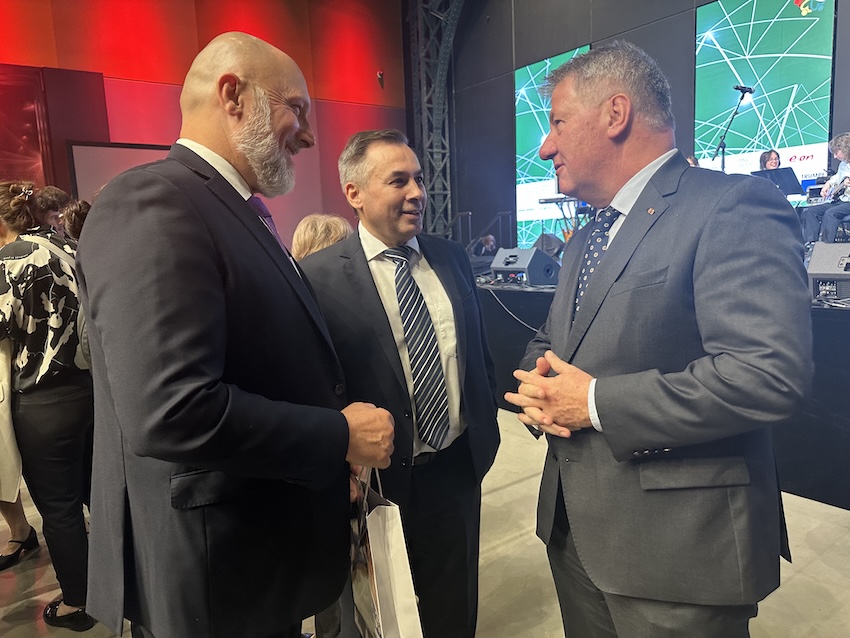
It was one of the most significant diplomatic events of the year in Hungary, attended by more than a thousand distinguished guests, including Hungarian officials, ambassadors and diplomats from the Diplomatic Corps and international organisations, as well as representatives from the cultural, academic community and business executives, and members of the rather large German community in Hungary.
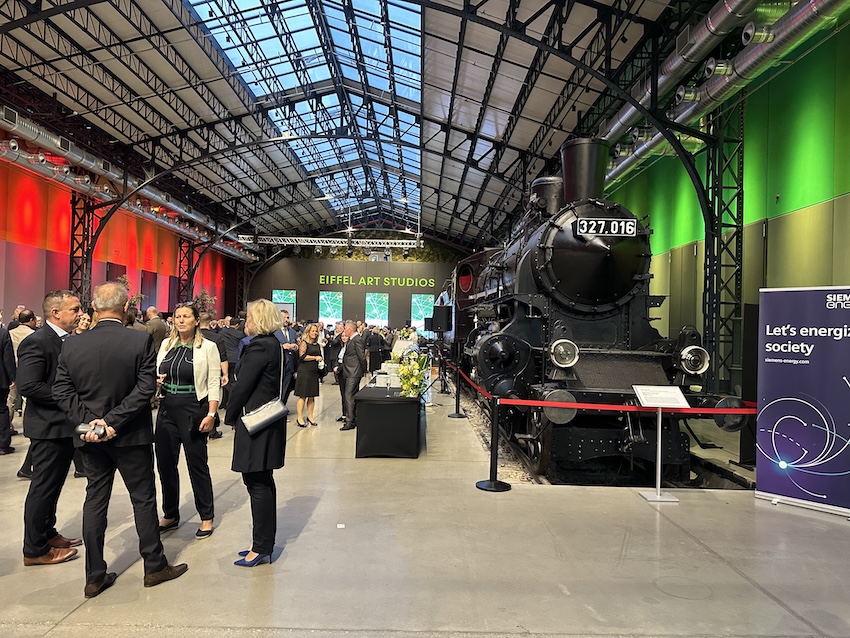
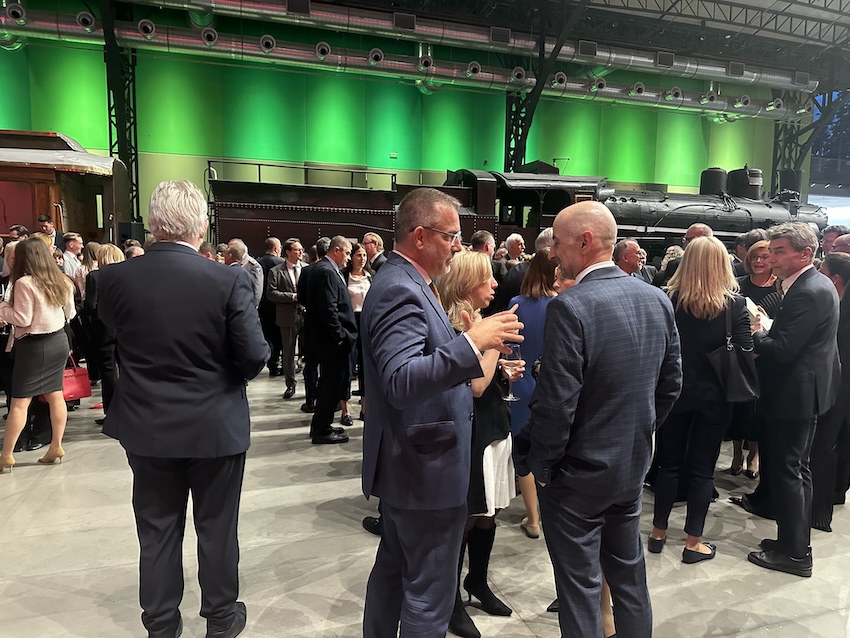
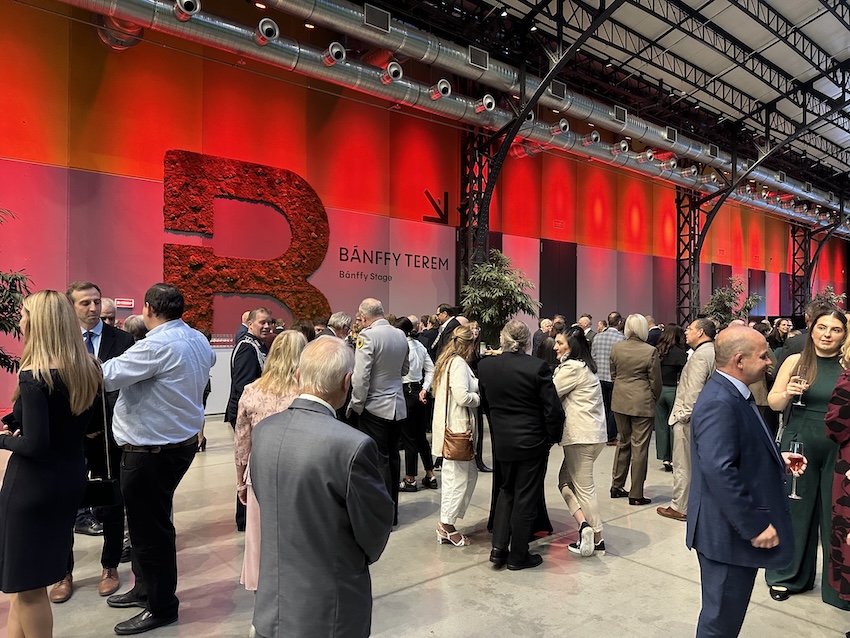
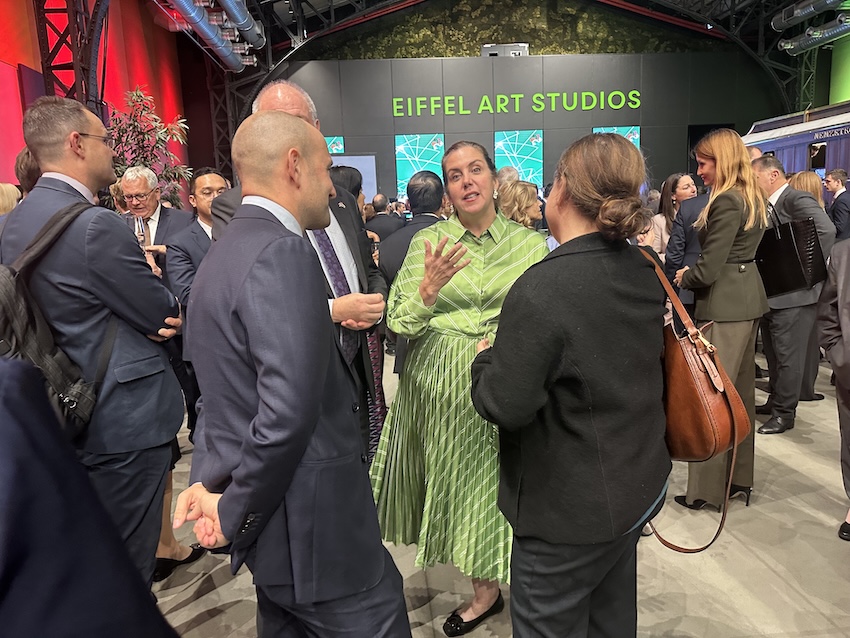
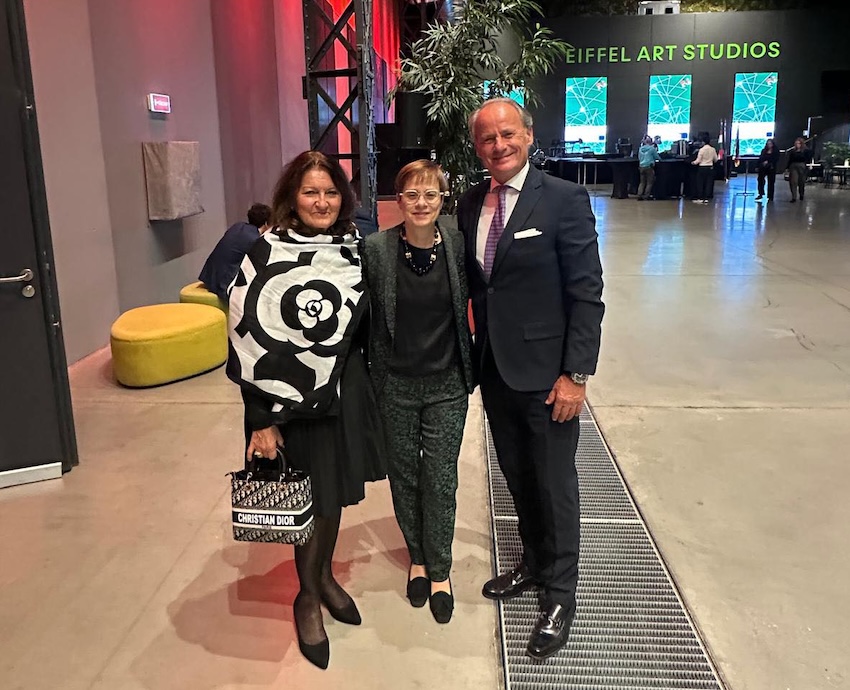
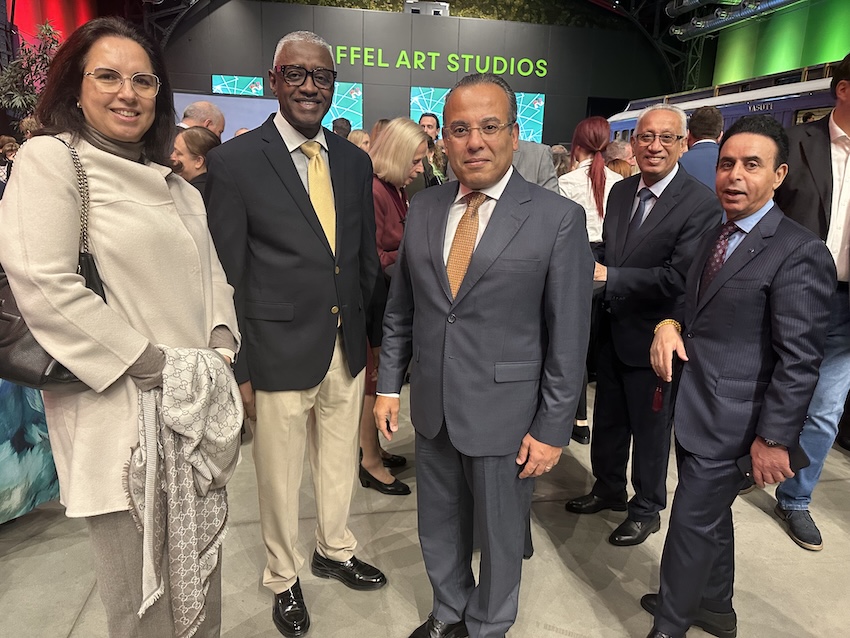
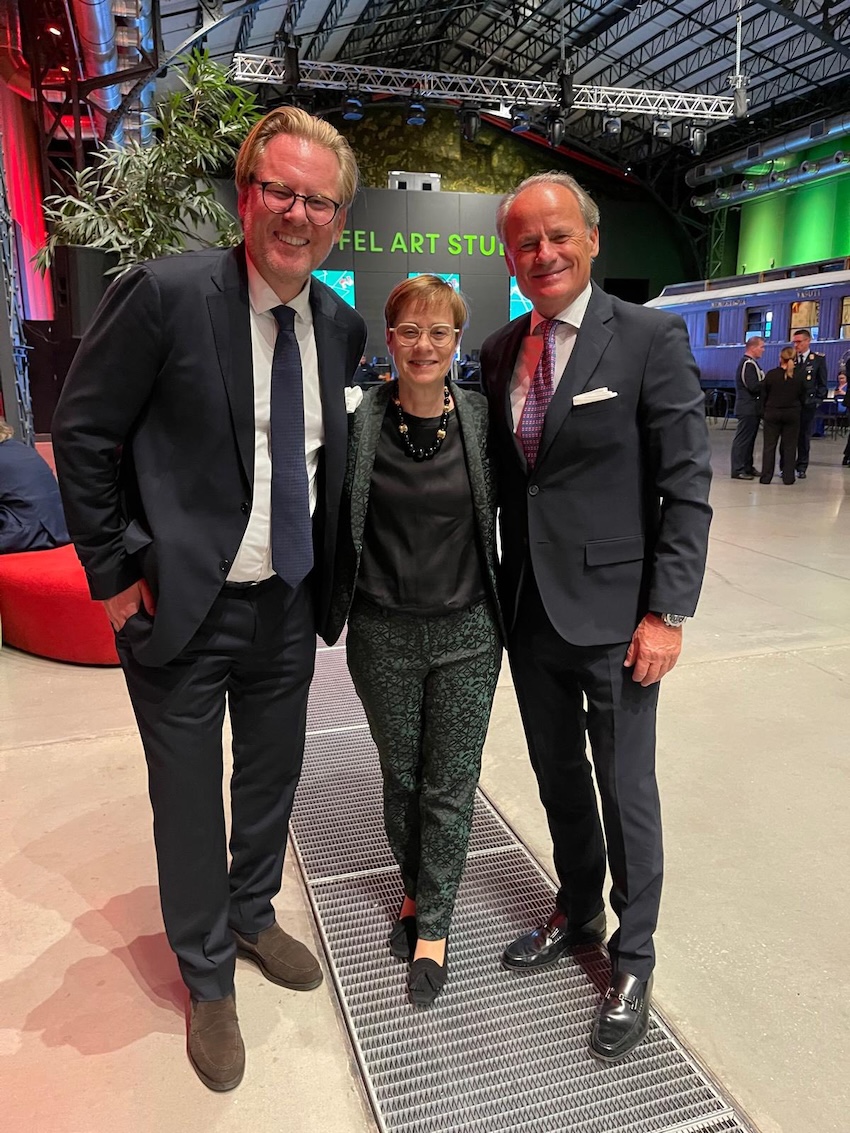
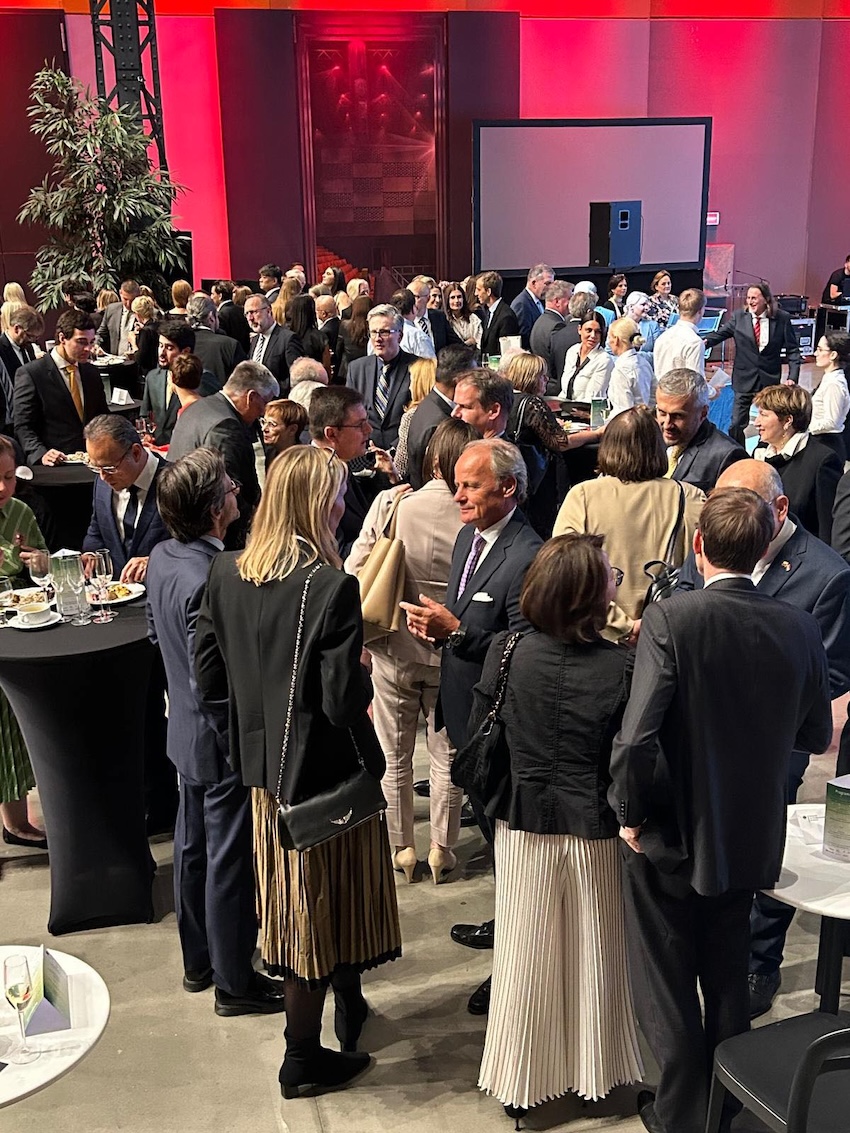
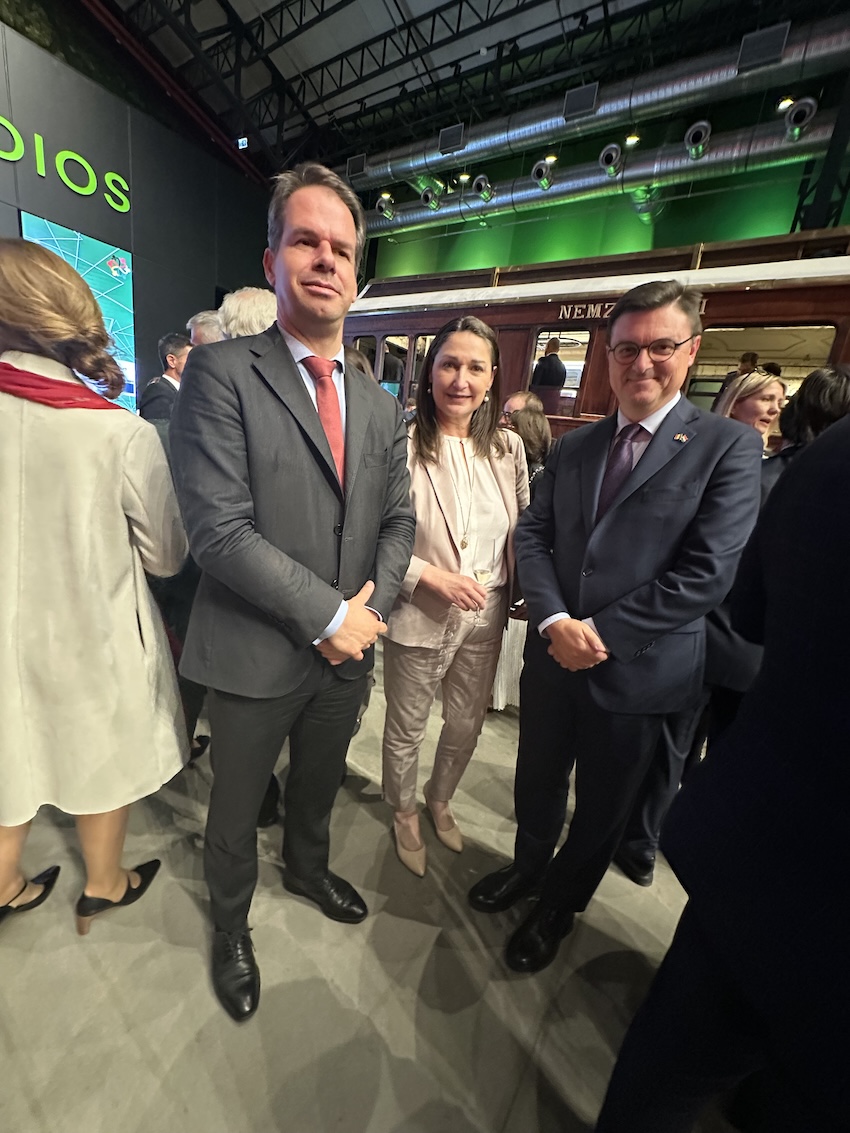
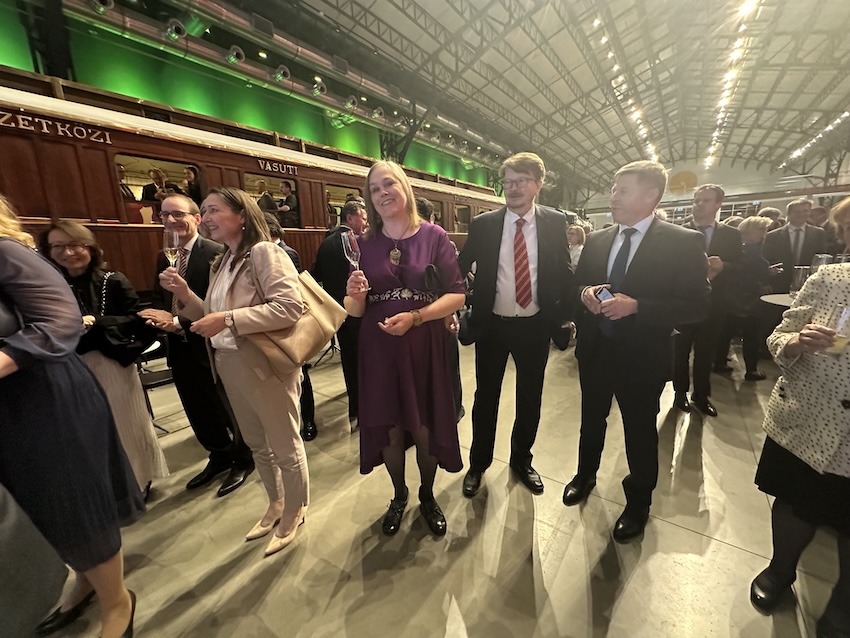
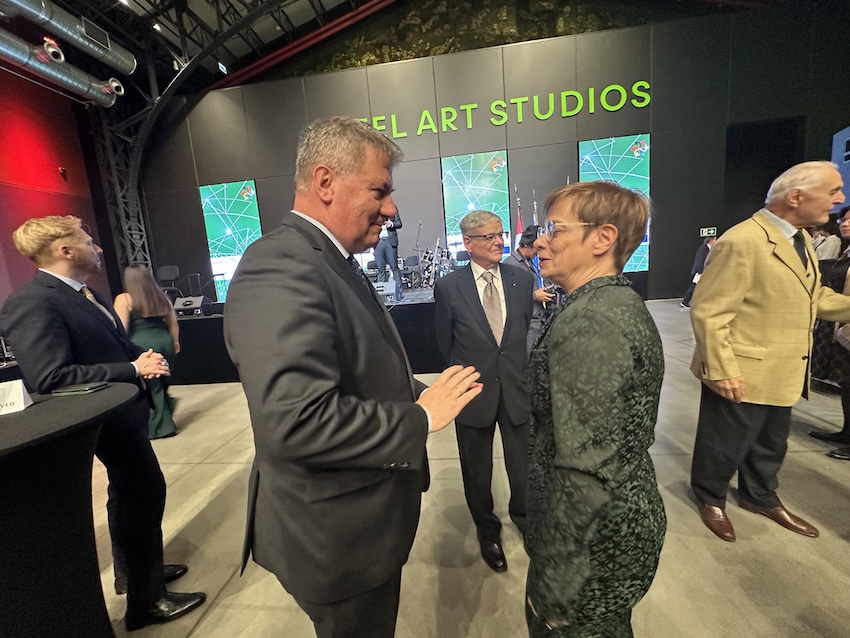
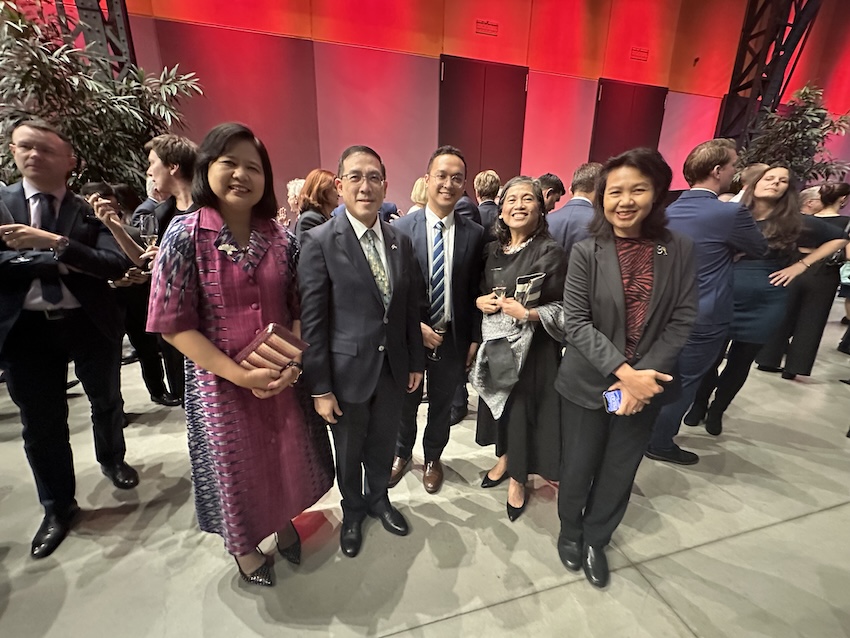
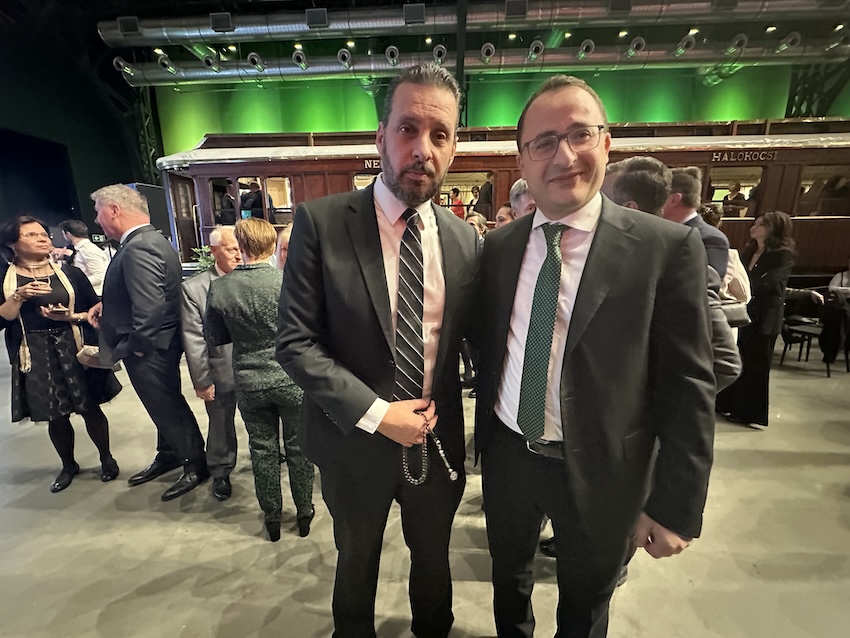
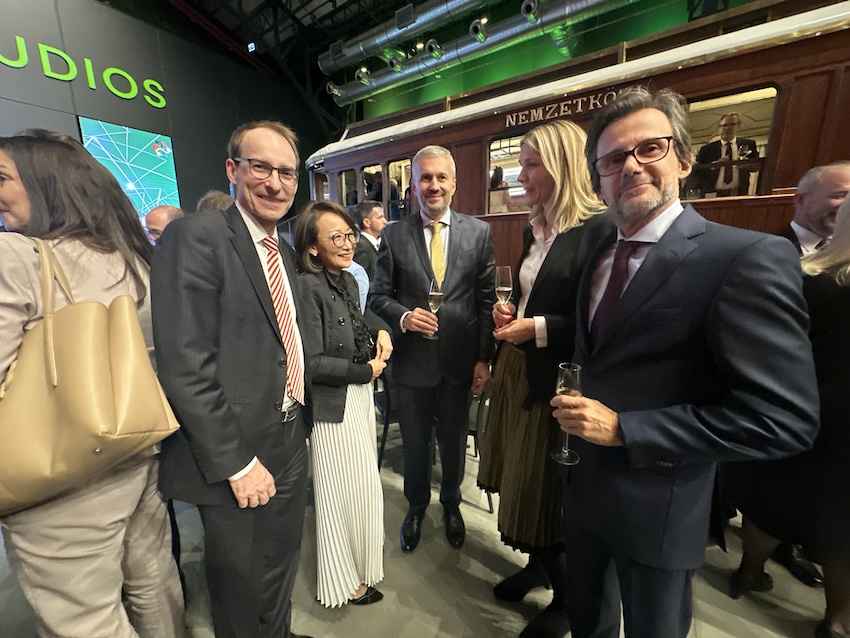
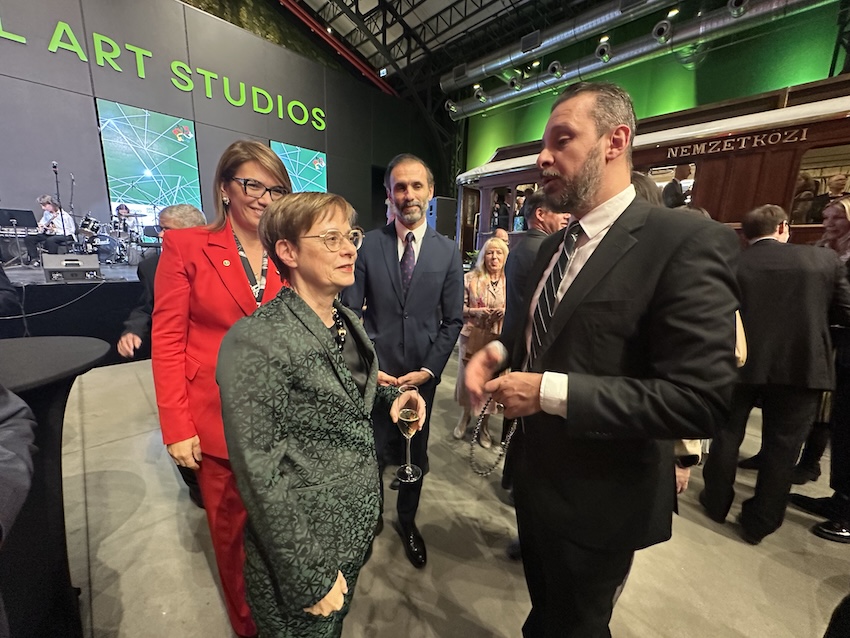
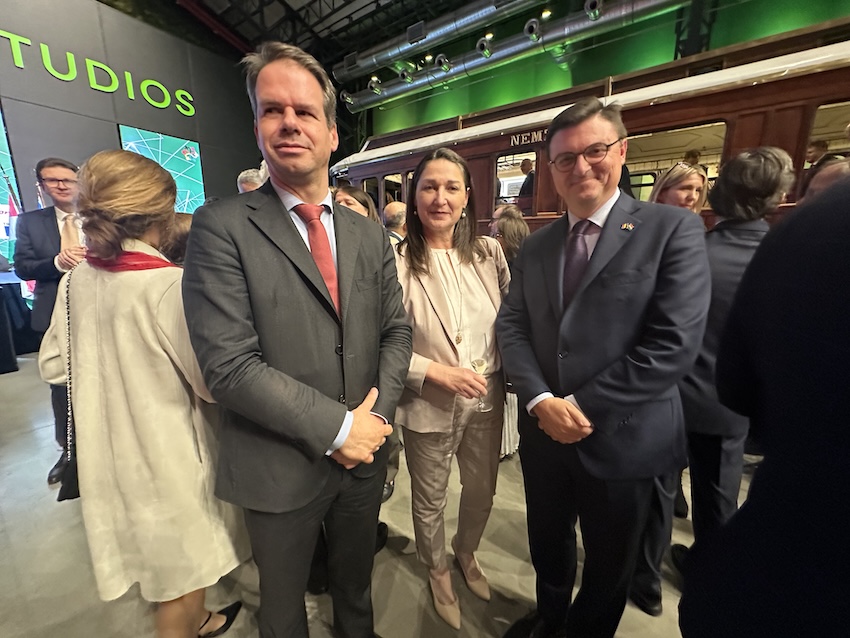
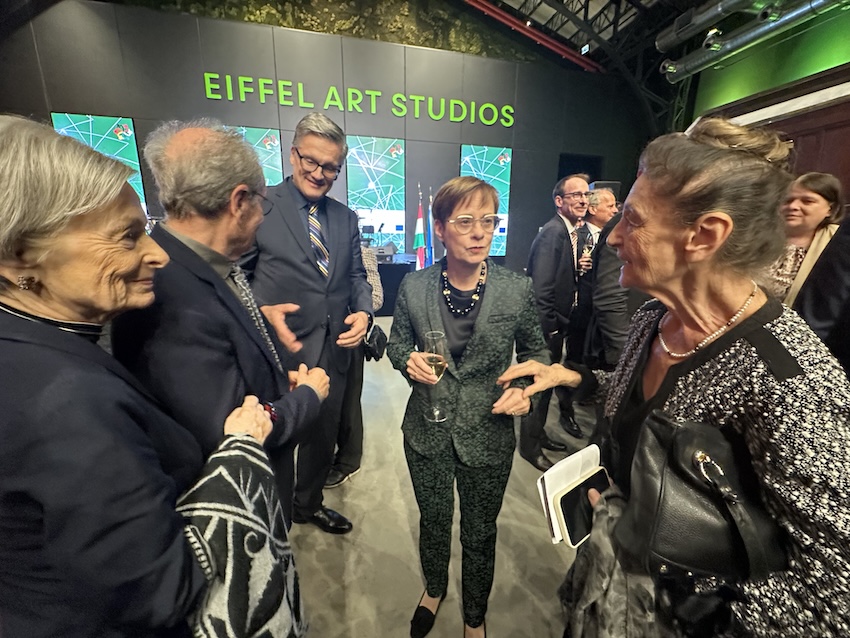
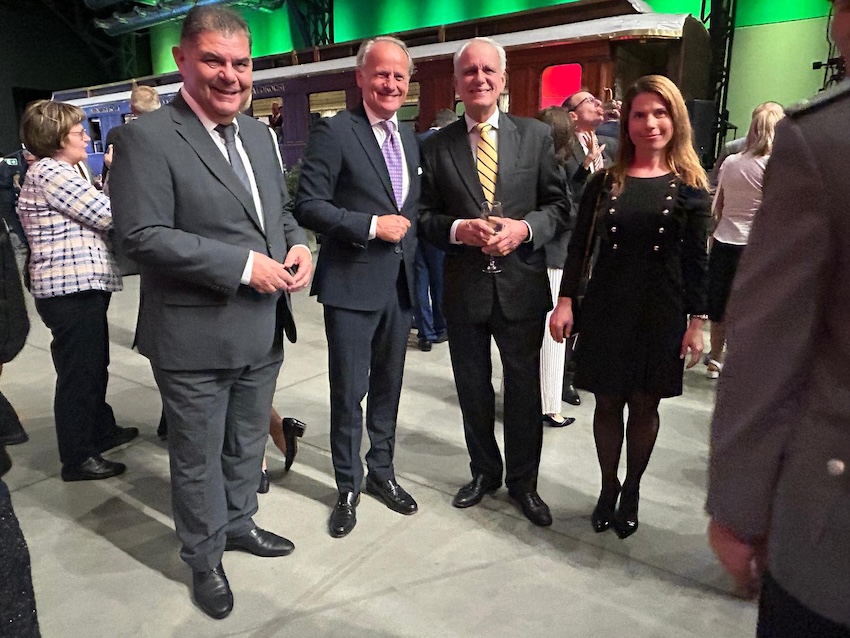
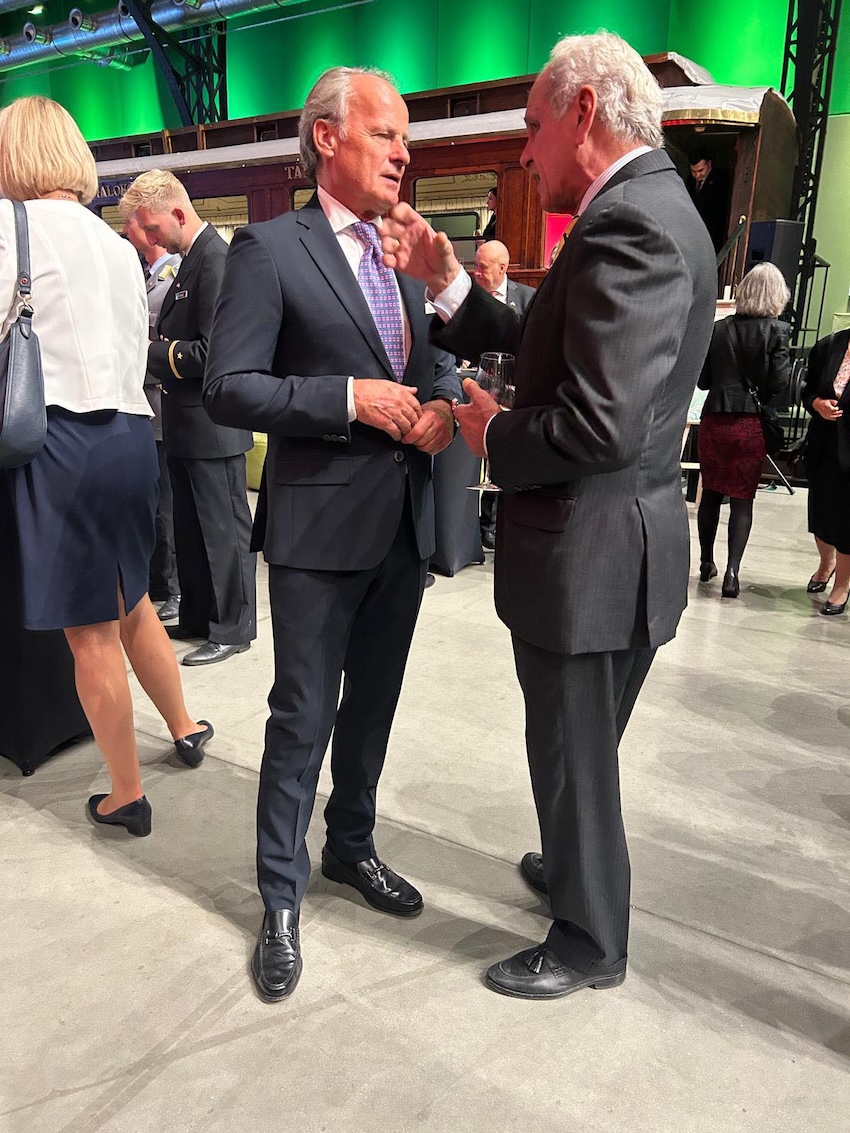
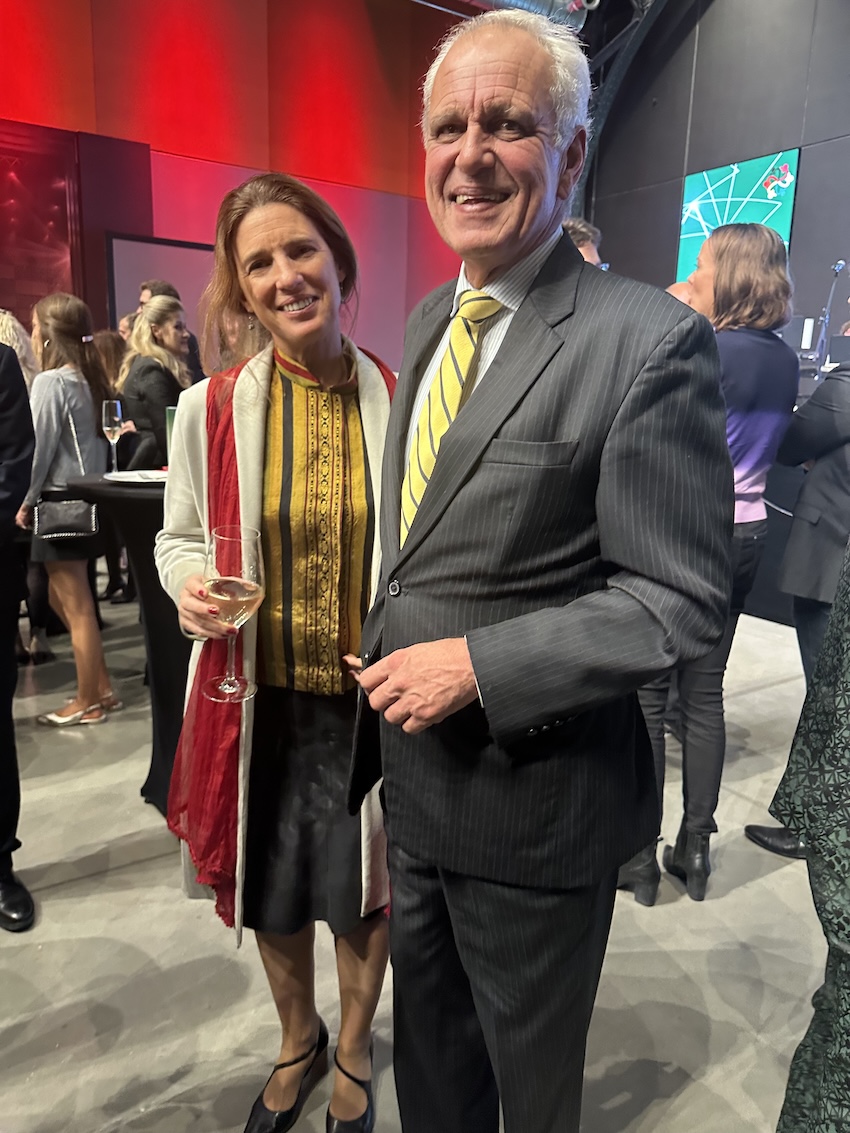
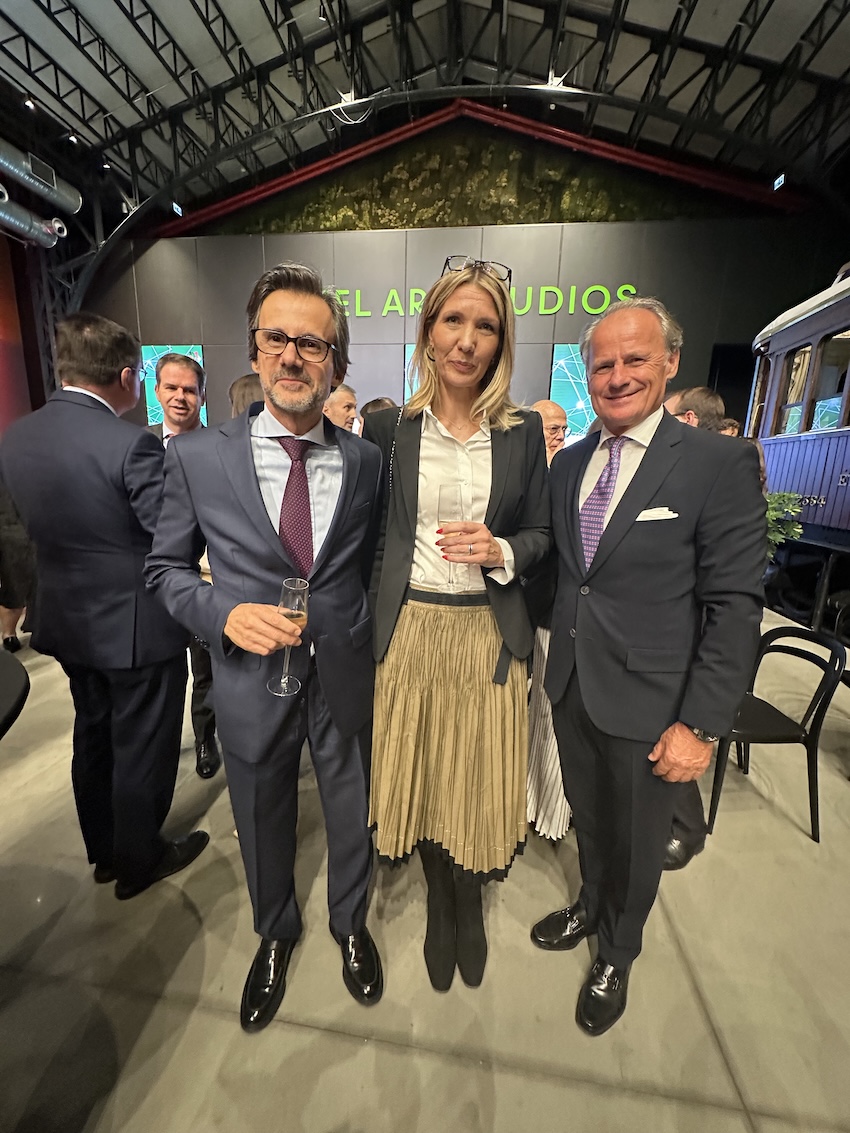
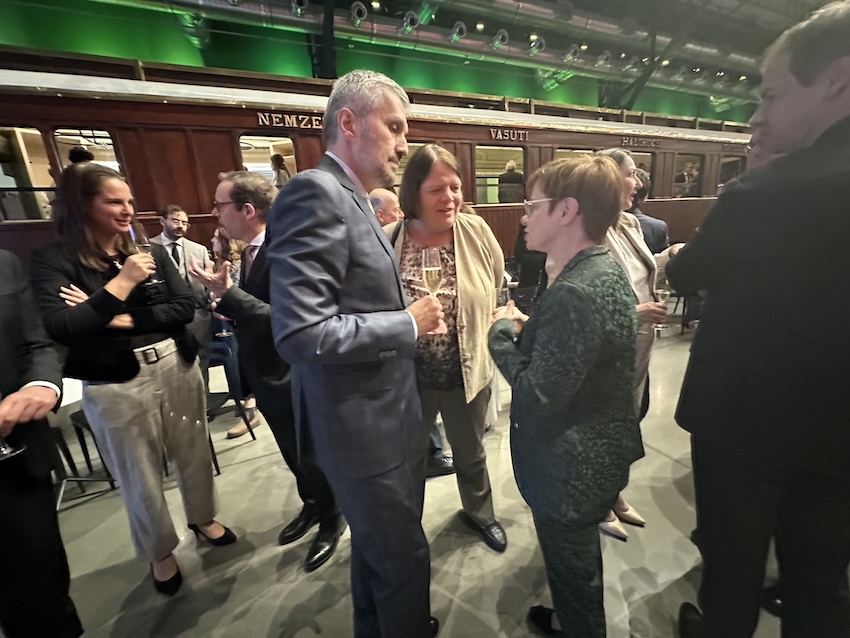
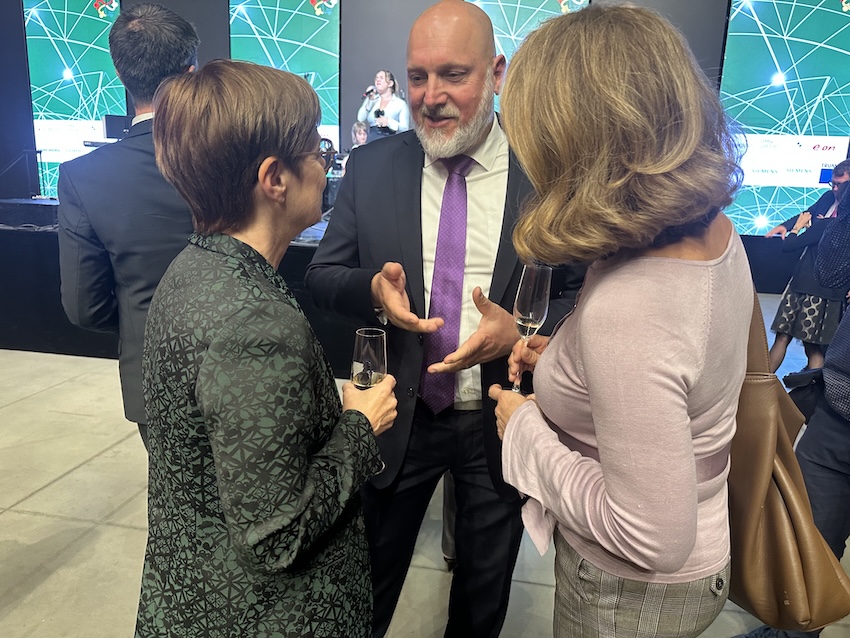
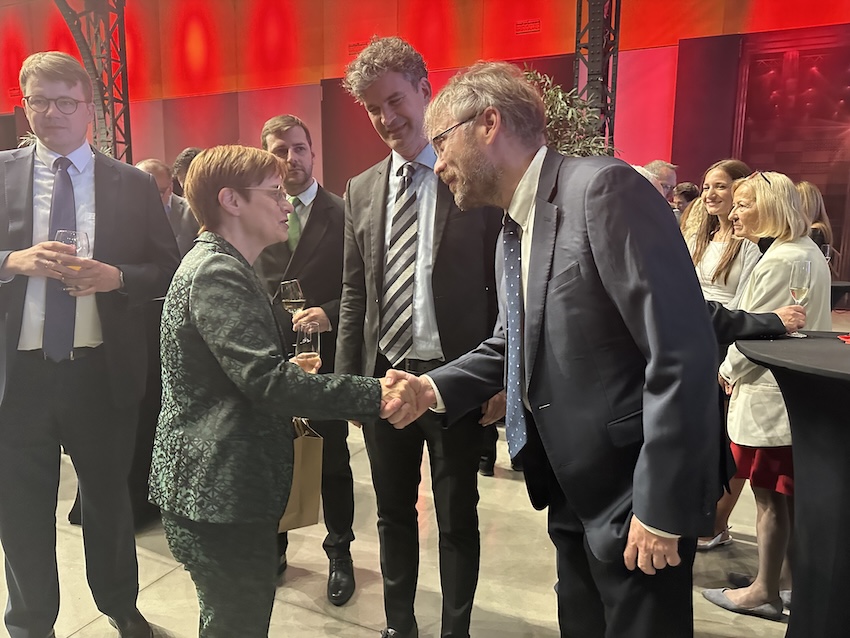
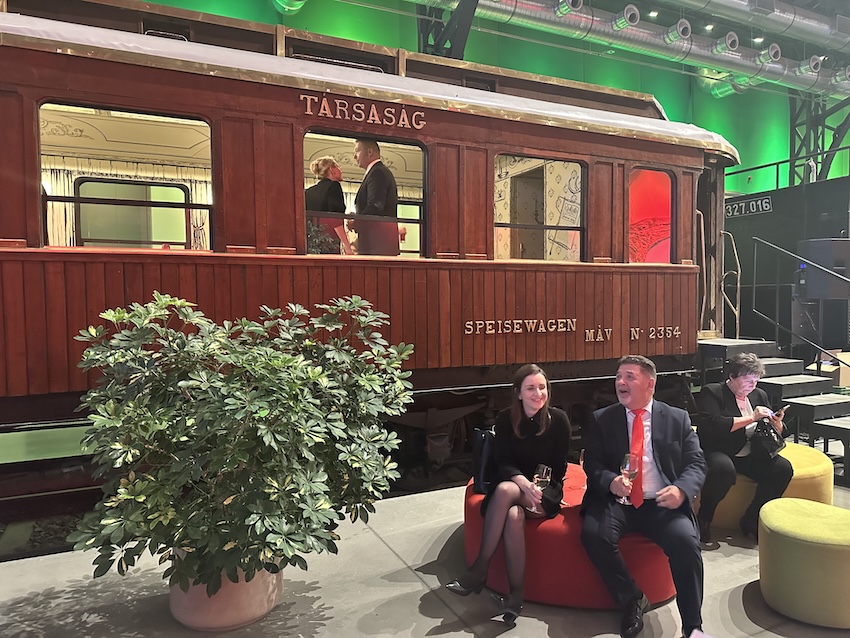
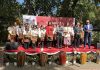
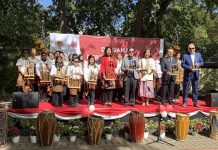
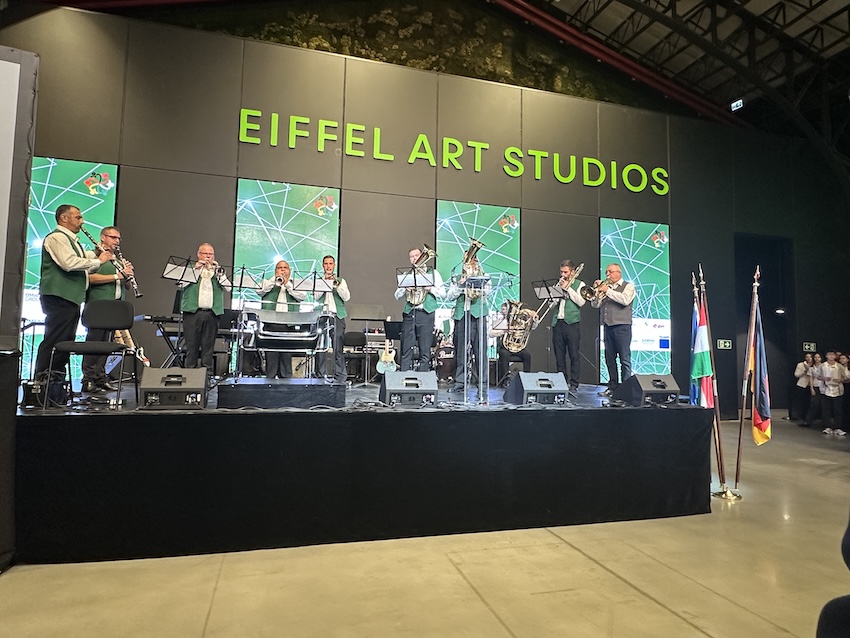
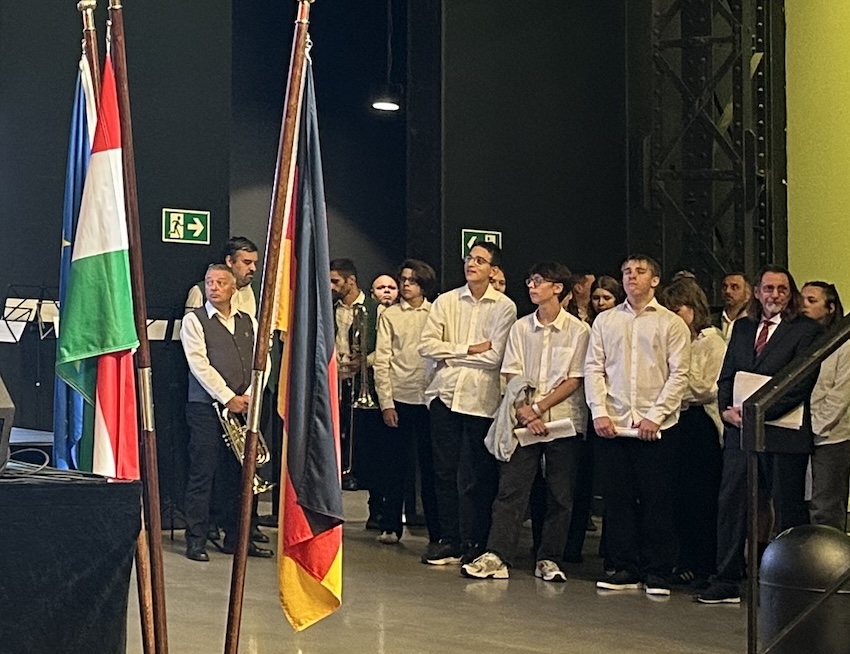
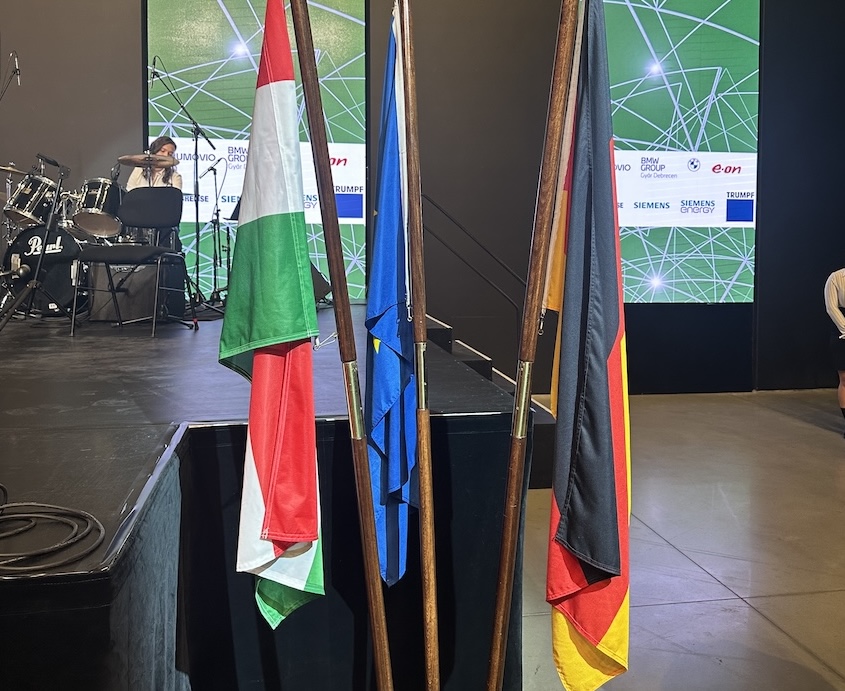
The celebration started with the Hungarian and German national anthems performed by the Sóskút Brass Band, setting a solemn yet festive tone for the evening at this very special venue.
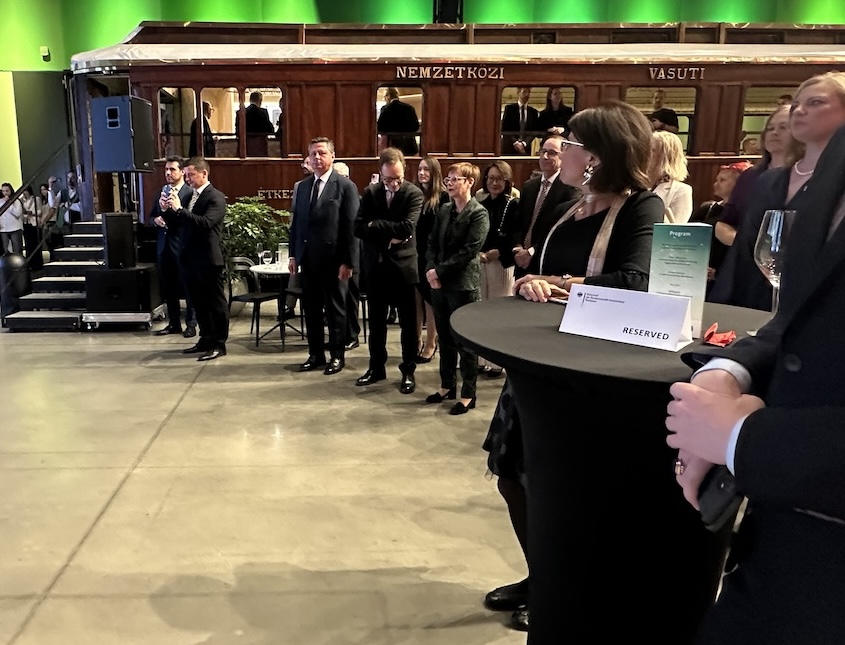
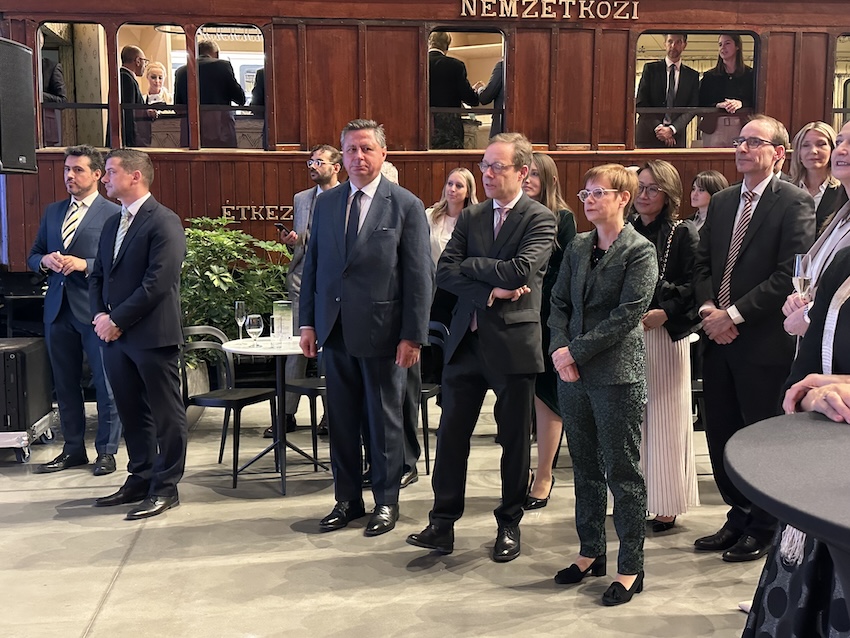
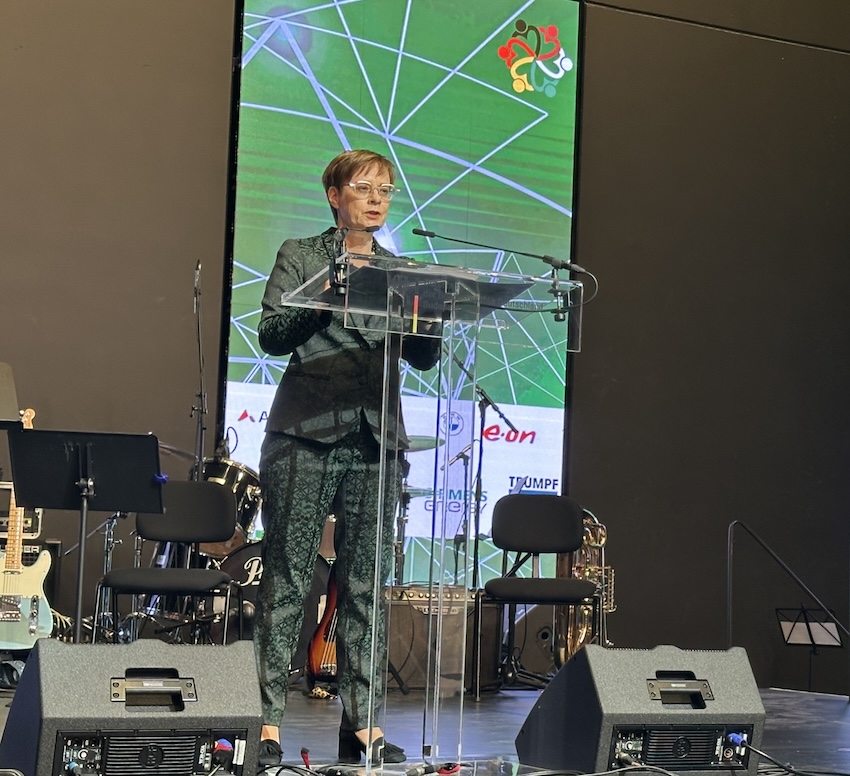
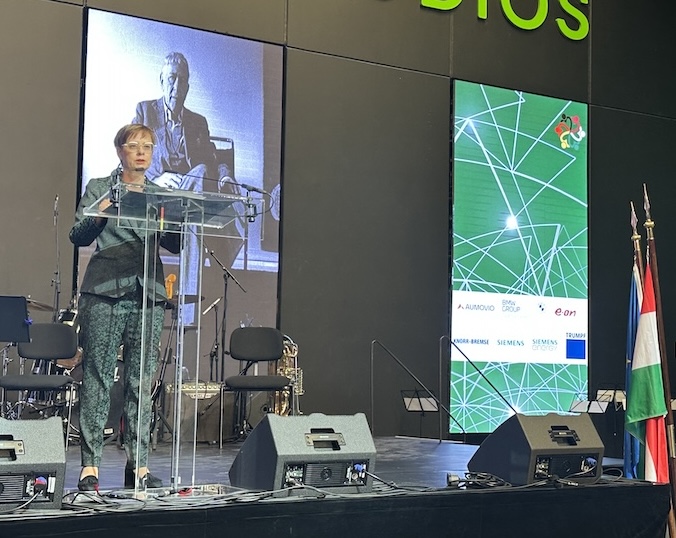
Her Excellency Julia Gross, Ambassador of the Federal Republic of Germany to Hungary was requested by the event’s Speaker to deliver her address:
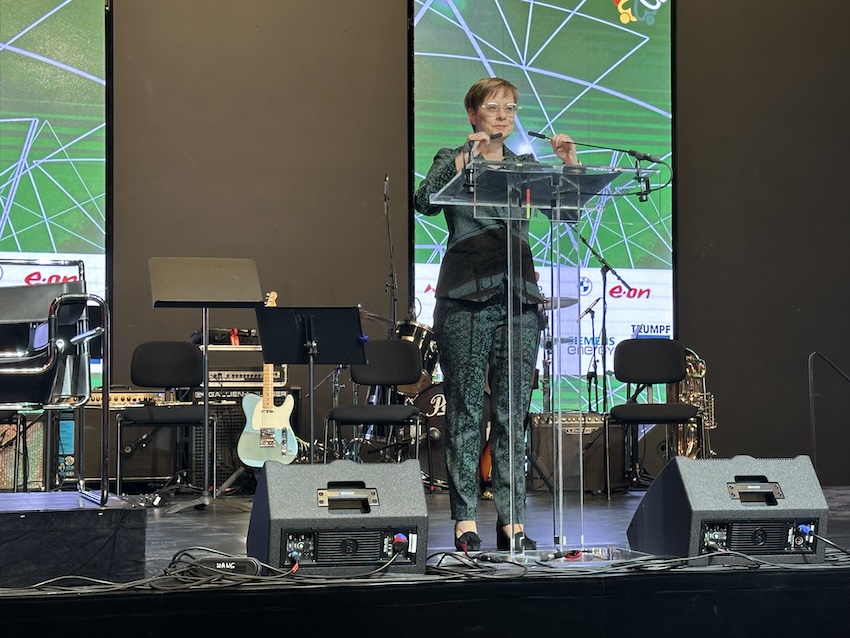
“Ladies and Gentlemen, Dear Guests,
Welcome to our reception marking 35 years of German unity. I am honoured to welcome you all to this former railway maintenance and engineering hall.
This hall – the Eiffel Studio Műhelyház – is an excellent example of how to not only preserve historical heritage but also transform it into a space for modern innovation. Real innovation often begins precisely with that: not with new constructions, but with the smart utilization of what already exists.
The Eiffel Art Studio is an example of Hungarian-French, then-groundbreaking architecture – and we also have a piece of cutting-edge German technology here: a Siemens railway carriage.
This clearly shows that innovation and progress have always been European and international. Which brings us to our topic tonight: European innovation, competitiveness, and sustainability.
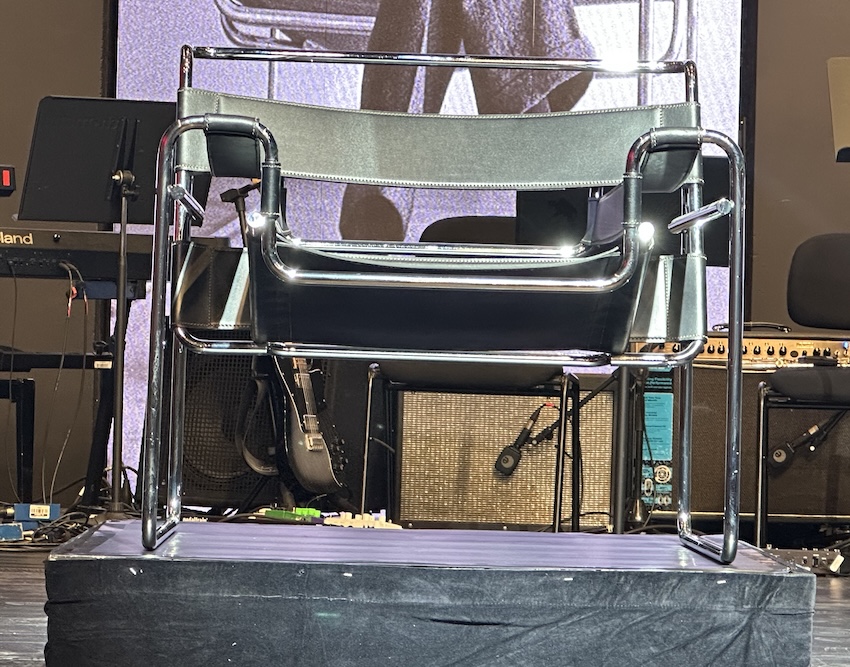
Further proof of this – a Hungarian-German one – stands right next to me: a chair. The legendary Wassily Chair. Named after the artist Wassily Kandinsky, who was an early admirer, it was created by the Hungarian designer Marcel Breuer in 1925. The chair turns 100 this year – together with the Dessau Chapter of the Bauhaus School.
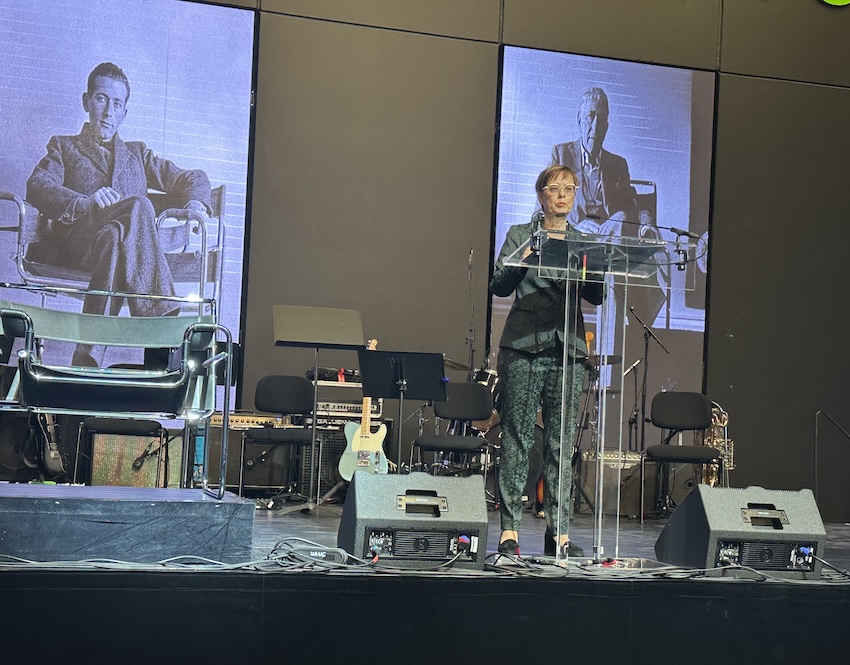
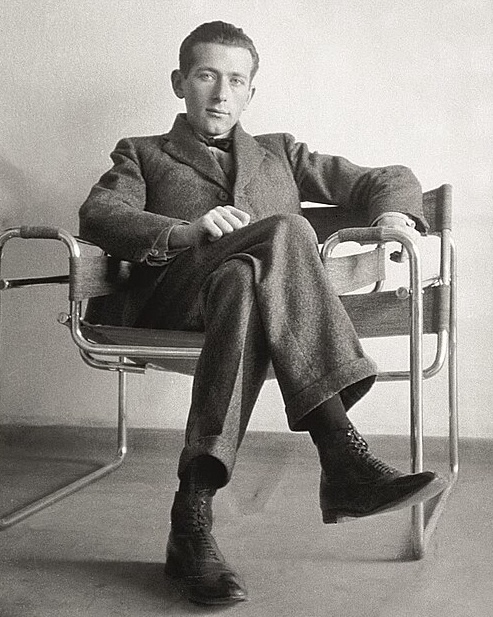
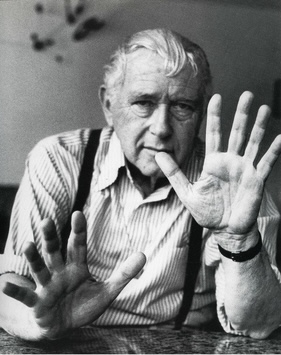
Breuer, born in Pécs in 1902, joined the newly founded Bauhaus (then located in Weimar) as a young man and quickly became one of its most influential figures. His work exemplifies Hungarian artists, intellectuals, engineers, and inventors who drove innovation and progress across Europe and the world – and who were among the most numerous nationality groups at the Bauhaus.
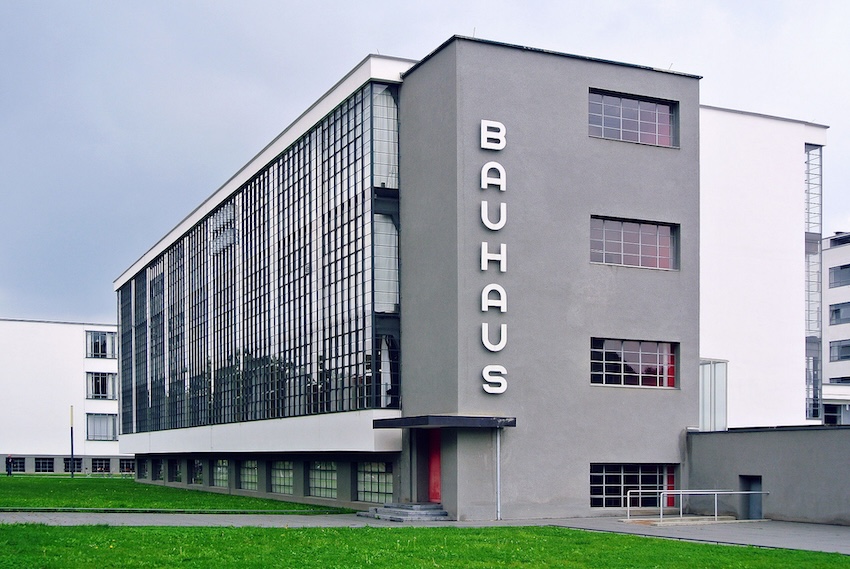
Do you know what inspired Breuer to create this concept? His bicycle. He wanted to design a piece of furniture that was light and transparent. In doing so, he created a masterpiece that united three key principles: Innovation – through transferring a technical solution from bicycle construction to furniture design, Competitiveness – through industrial serial production, and Sustainability – through a timeless and durable design that has survived many decades.
Breuer’s career was interrupted by Nazi terror. As a Jew, he had to flee Germany, taking his ideas to the United States in 1937, where the chair later achieved world fame.
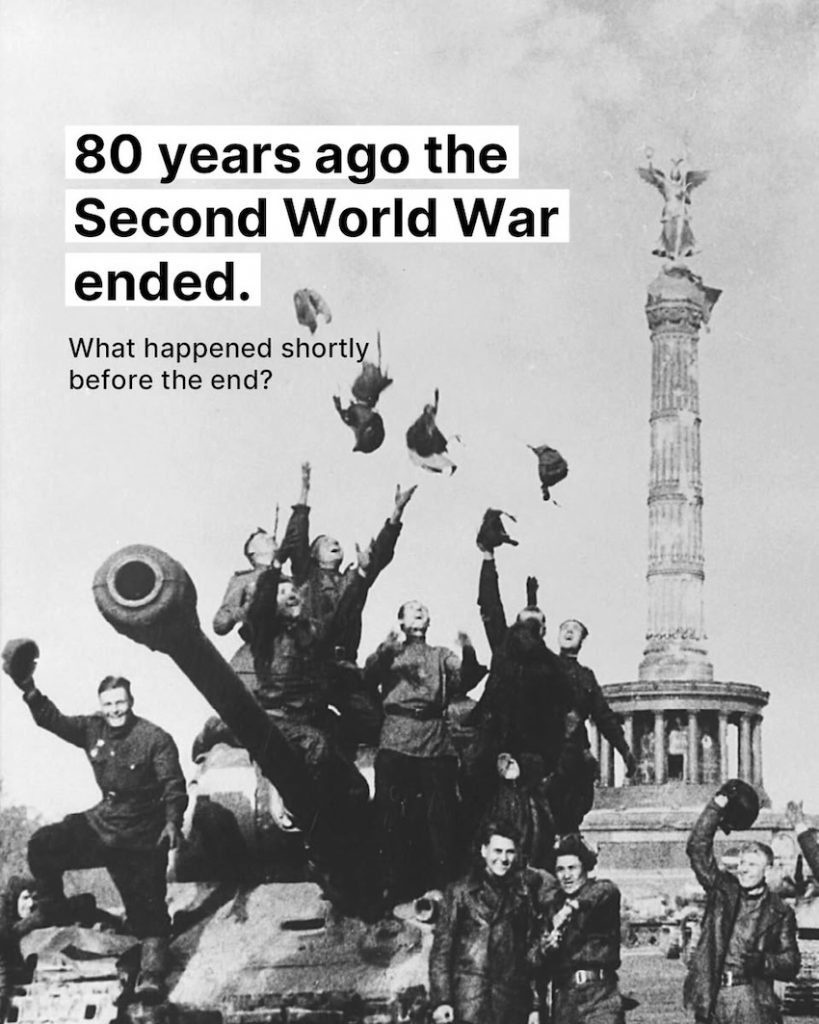
This year we also commemorate the 80th anniversary of the end of World War II – a painful reminder of how valuable freedom and an open society are, but also how fragile they can be. In Germany, both were lost overnight.
After the war, the Federal Republic of Germany, actively supported by the United States and our European partners, built a free, open, and democratic society – and through this, once again became a leading economic power.
With reunification 35 years ago, our international partners – both the western and eastern parts of Germany – offered us a shared future of freedom and prosperity within the framework of the EU and NATO.
We have learned that our country can flourish only if Europe prospers. Today, however, we see all of this coming under increasing pressure: through Russia’s war of aggression against Ukraine, and through a changing world and economic order.
Germany is ready to take a stronger and more visible role. This is why Germany is running for a seat on the United Nations Security Council for 2027/2028 – because the principles of the United Nations remain as valid as ever, even if they are often violated.
The spirit of the Bauhaus – the unity of art, craftsmanship, engineering, and open-mindedness – is very much alive in Germany. With more than 25,000 patents registered each year, Germany ranks first in Europe and second worldwide in innovation, just after the United States. It is also the most popular country for international students outside the English-speaking world.
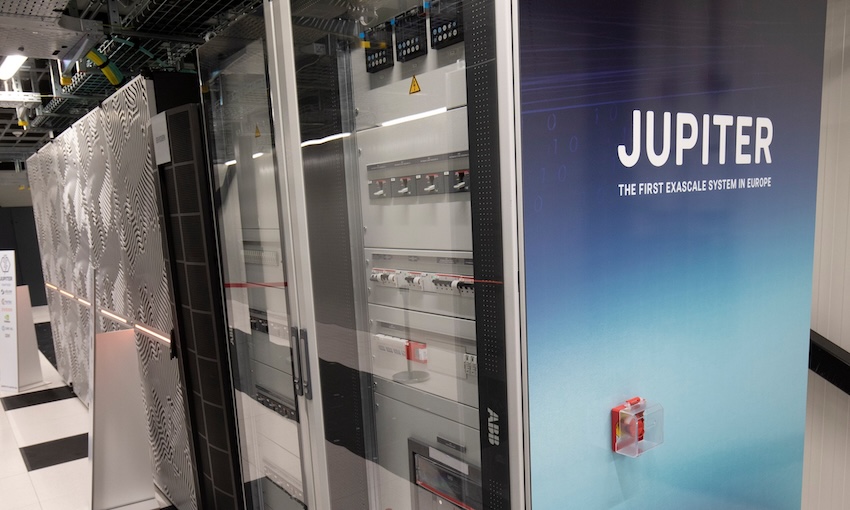
Germany was not only home to the first computer, but Jülich is now home to one of the fastest computers in the world – the Jupiter supercomputer, performing calculations for all of Europe.
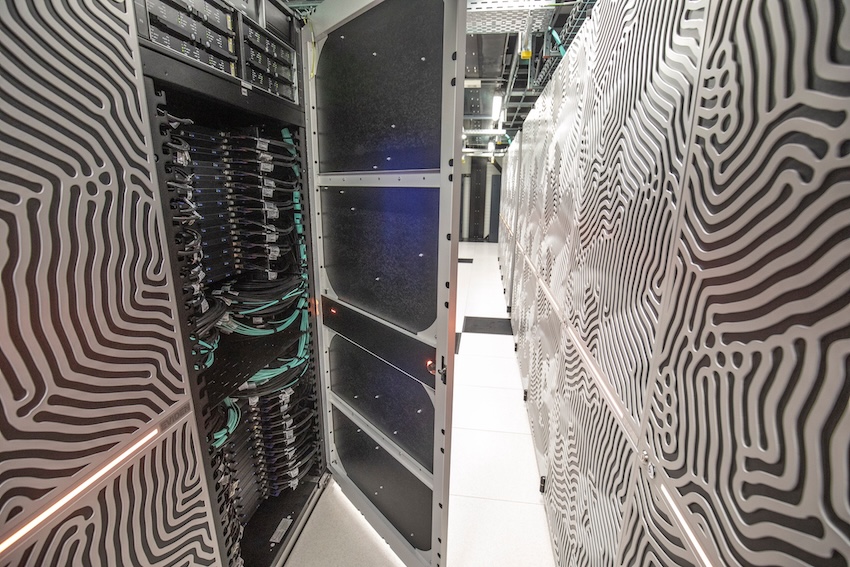
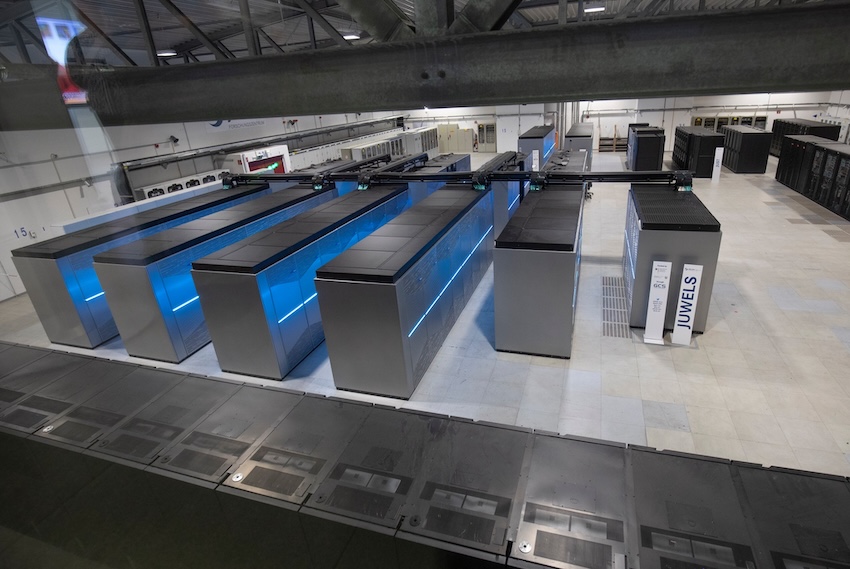
We indeed face enormous challenges: we aim to strengthen our economy and competitiveness, and together with our European partners, make the European Union more resilient and future-proof.
The Federal Government has introduced decisive measures: financial packages for infrastructure development and defence capabilities; a reform of the debt brake; and investments in education, digitalization, and modernization.
Paradoxically, in order to safeguard and further develop what is most precious to us, we must embrace change today. The government has defined clear priorities: freedom, security, and prosperity.
This means giving space to businesses – through cutting red tape and maintaining predictability and legal certainty, the most important parameters for the economy. It also means rethinking our approach to irregular migration, including implementing innovative solutions at our borders.
With the new European Entry/Exit System (EES), launching on October 12, we are taking an important step.
Together with our European partners, we seek long-term, sustainable solutions that are consistent with European and international law and that respect human dignity.
We continue to work on reducing dependencies and expanding our global network of partners – and we do not want to finance those who wish to harm us, our friends, or Europe.
This process is not always smooth or straightforward; it requires great effort. As polar explorer Ernest Shackleton once said: “Superhuman effort isn’t worth a damn unless it achieves results.”
There is indeed pressure on the German government, the economy, and all stakeholders to succeed. But we are convinced – and our European partners agree – that we are on the right path.
Dear Guests,
Today we celebrate 35 years of German unity – a miracle of history that would have been unthinkable without the support and trust of our partners. The gates to reunification were opened in the summer of 1989 in Hungary, as President Steinmeier reminded us in Sopron last year.
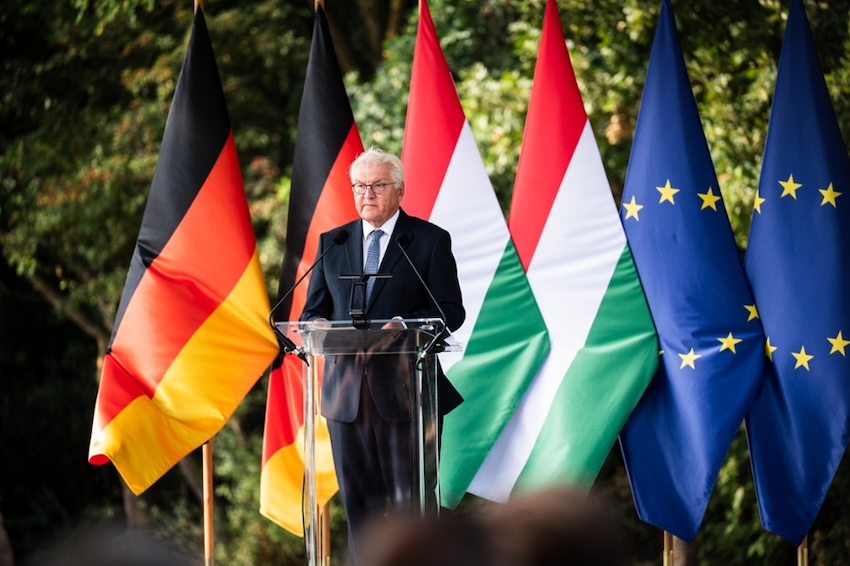
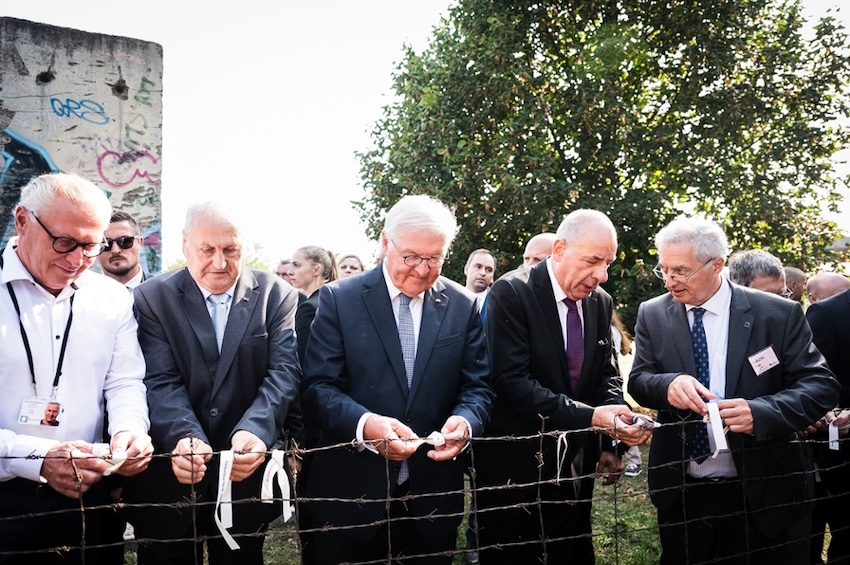
This historic moment shows the power of courage and solidarity – of people standing up for freedom and human dignity – and the importance of friendship and partnership between nations in times of profound change.
For a long time, we failed to fully tap into the experience and expertise of the new federal states – but this has gradually changed. Some regions in eastern Germany have now even surpassed certain western regions in prosperity and attractiveness.
The direction, however, was always clear: together, we embarked on the road to freedom and reform. And Germany stood by Hungary every step of the way.
Today, our fates are more intertwined than ever – through our shared membership in the EU and NATO, and through cooperation in science, education, and research, as well as through the 3,000 German enterprises operating in Hungary.
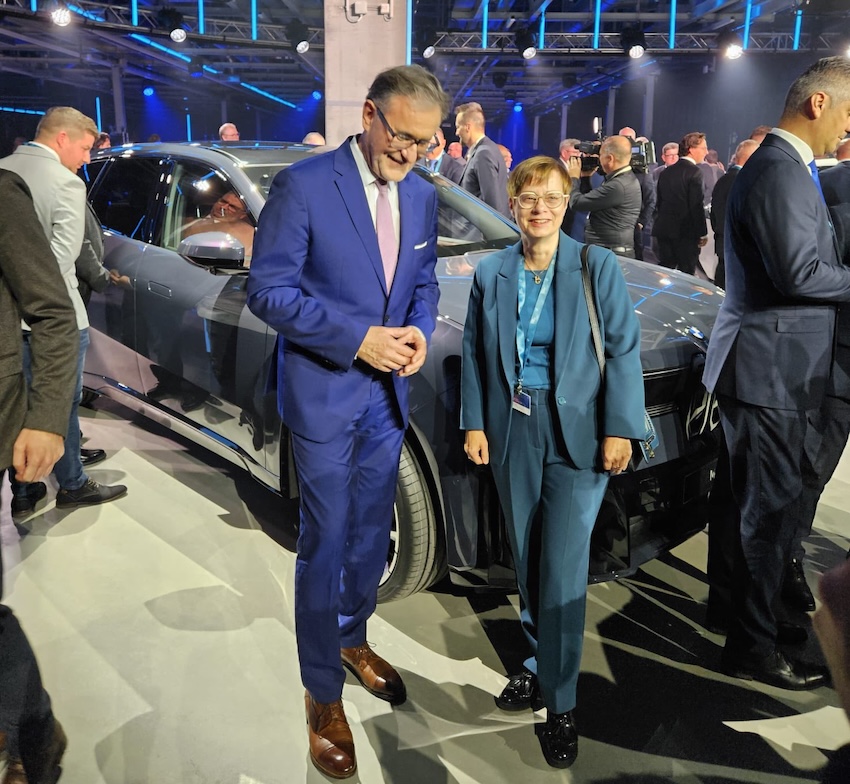
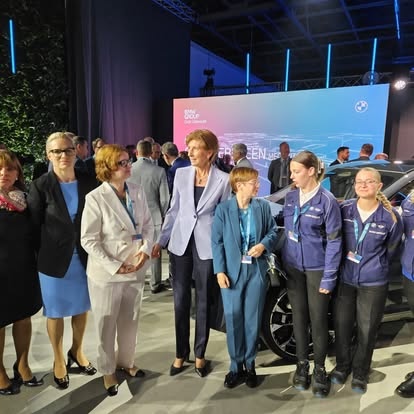
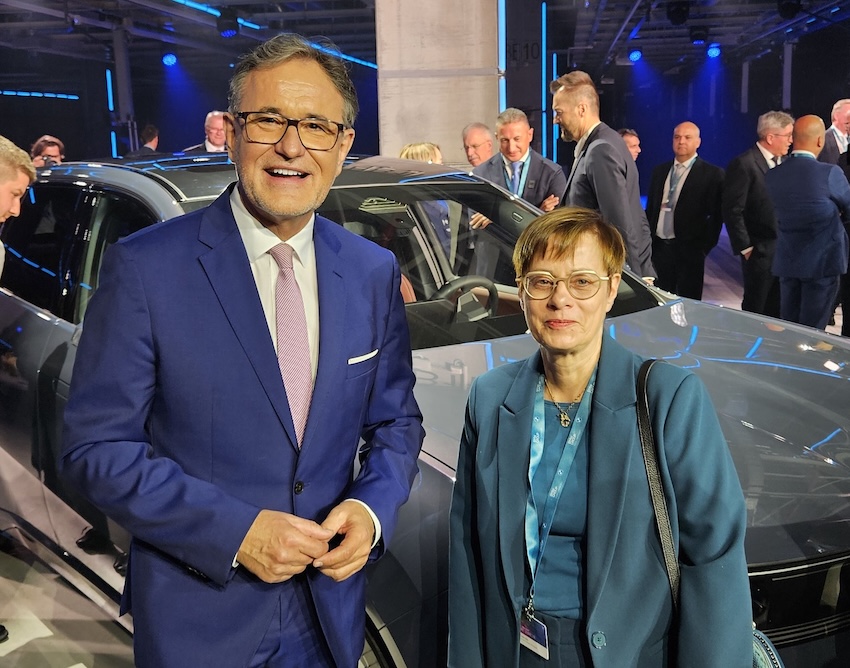
This partnership was clearly illustrated on September 26, at the opening ceremony of the BMW plant in Debrecen – a facility that embodies the future of the automotive industry: entirely climate-neutral and free of fossil energy.
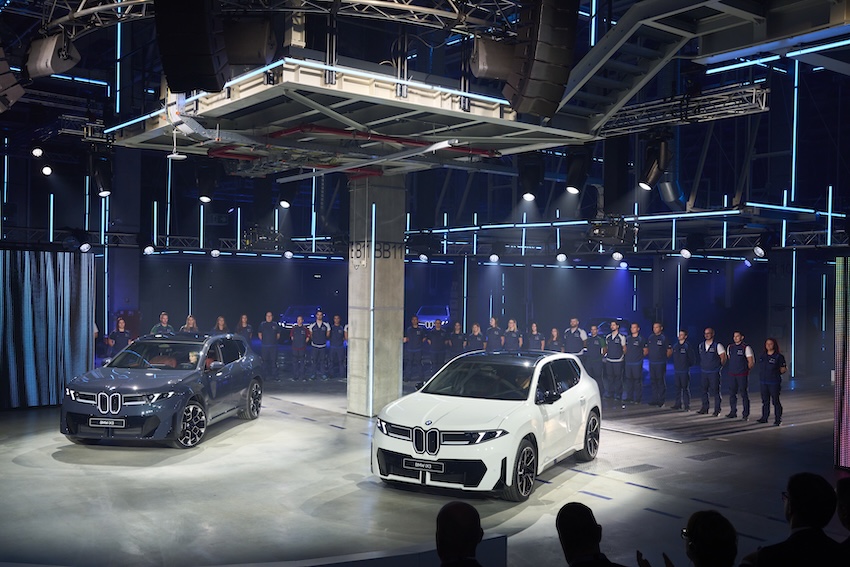
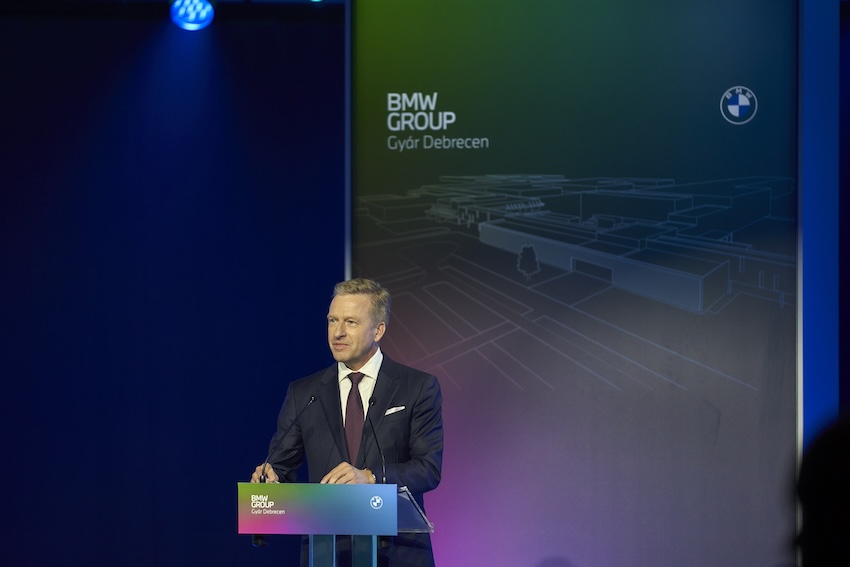
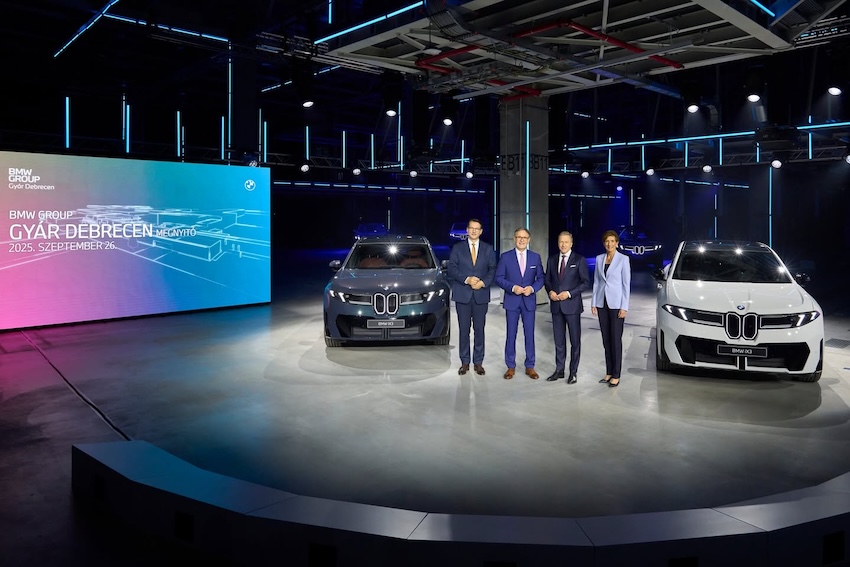
Breuer’s chair – a joint creation of Germans and Hungarians – has inspired countless followers ever since. There are thousands more examples of collaboration in innovation and technology, connecting European enterprises with partners worldwide.
Here lies Europe’s great strength: our ability to forge diversity into a tool for solidarity, creativity, and progress. The European Union and the Single Market are engines of prosperity and a superpower built on the rule of law – if we work together. And if we look within ourselves, we know: we will only be heard – whether in Washington, Delhi, or Beijing – if we speak with one voice on important issues, and if our seat at the table does not remain vacant.
As Chancellor Merz has stated: Germany is ready for even closer cooperation – but time is running out, and we cannot always wait for everyone to catch up. We will therefore make greater use of opportunities to move forward with like-minded partners and lead projects that others may later join.
We should all be guided by the Spirit of the Bauhaus – the courage to change and to remain open-minded. The Wassily Chair, designed by a Hungarian in Germany and manufactured by German and Italian companies, symbolizes this ideal.
I would like our House of Europe to be like that chair: its strong, individual components forming a coherent, powerful whole. The miracle of German unity and Hungary’s role in it are living proof of what is possible when we believe in a common future and act with courage. Let this spirit of innovation, sustainability, and cooperation guide us toward a Europe fit for the future, even in challenging times.
I would like to thank our sponsors, all of whom work actively from Hungary to promote Europe’s competitiveness: BMW, Siemens Energy, Siemens, Continental (to be represented in Hungary under its new automotive division name AUMOVIO), Trumpf, Knorr-Bremse, and E.ON Hungaria.
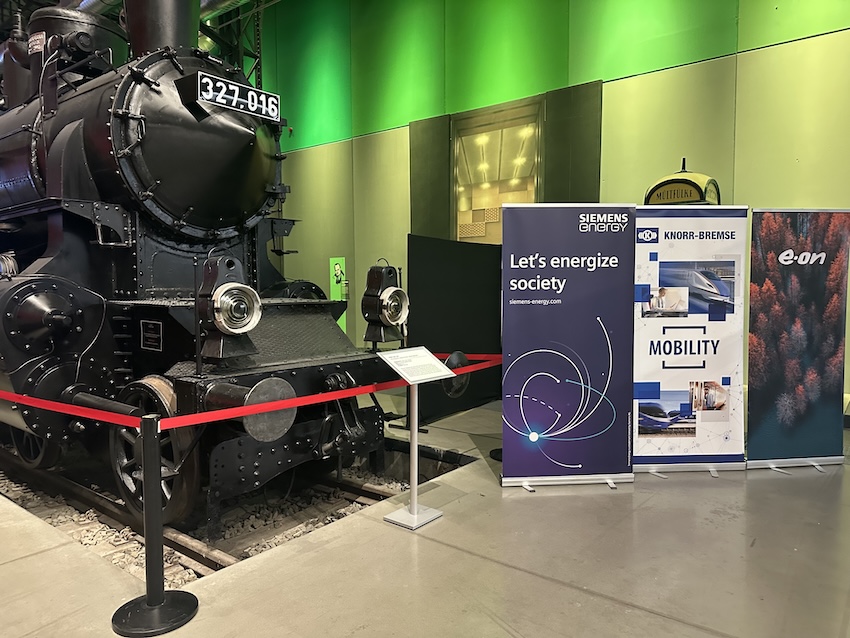
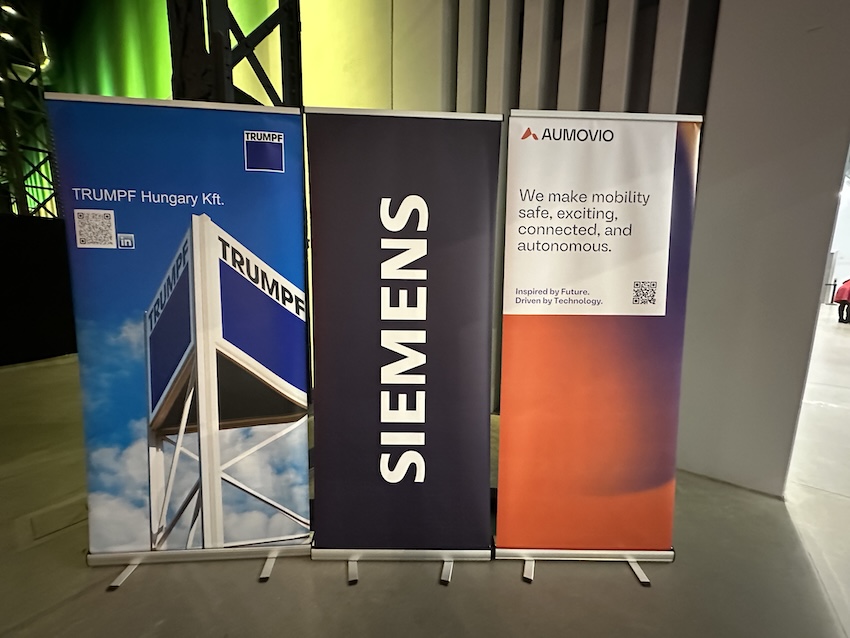
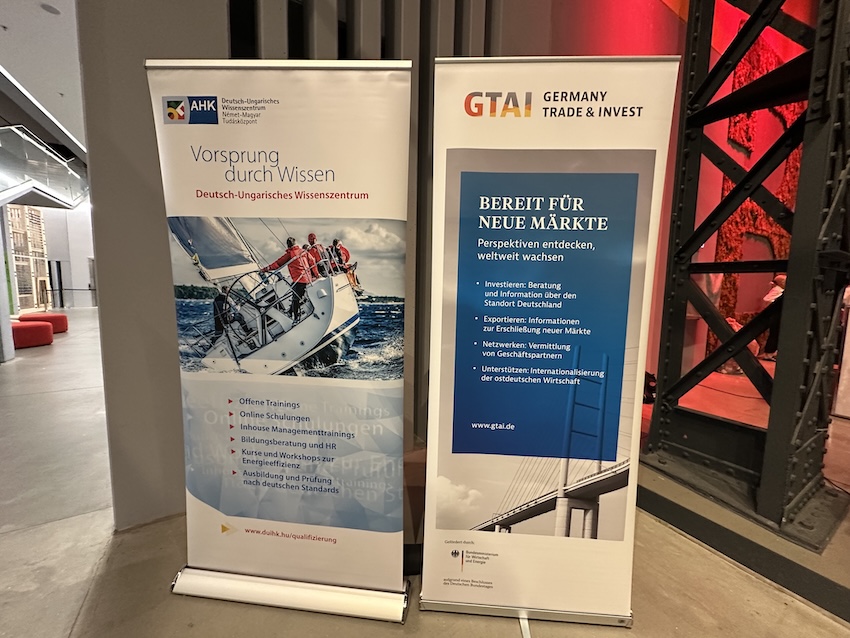
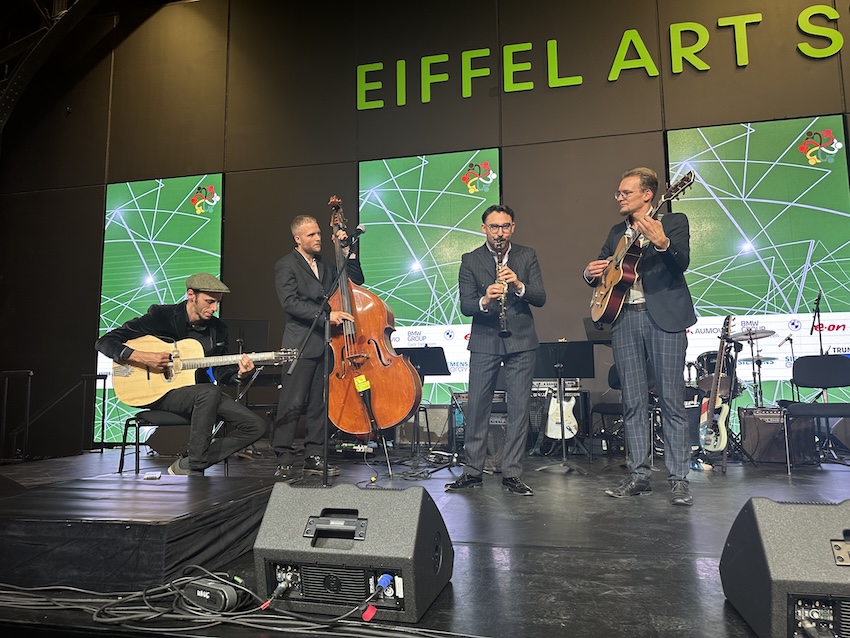
A heartfelt thank you to the Sóskút Brass Band, our long-time companion, for performing the anthems; to the students of the Band of the German School Budapest, and to the jazz quartet Valami Swing, who provided music throughout the evening.
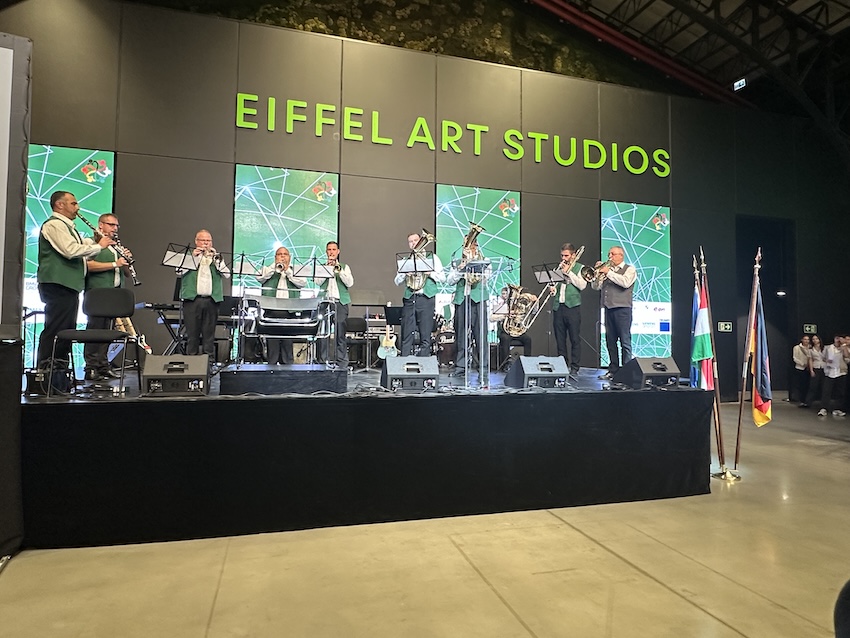
My sincere gratitude also goes to my amazing team at the embassy for their dedication, cooperation, and team spirit throughout the past year, and for their outstanding work in preparing this evening.
Finally, I would like to thank our caterer, OhMyGreen. And on that note if you would like to try some typical German cuisine, please take a look inside the railway carriage! Thank you very much and enjoy the evening!”
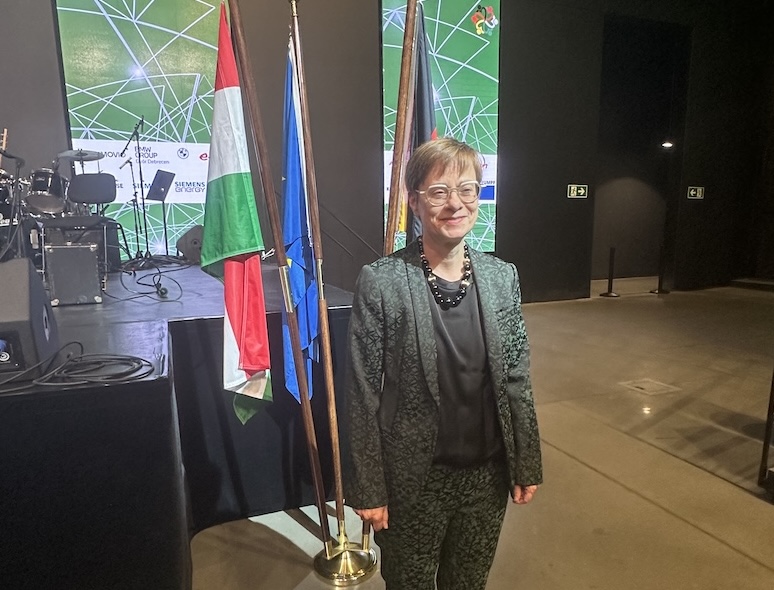
A Celebration of Unity and Friendship
Following the Ambassador’s speech, the EU anthem “Ode to Joy” was performed, symbolizing the shared European spirit of peace, cooperation, and solidarity. The evening continued in a warm and festive atmosphere with music from the jazz quartet Valami Swing.
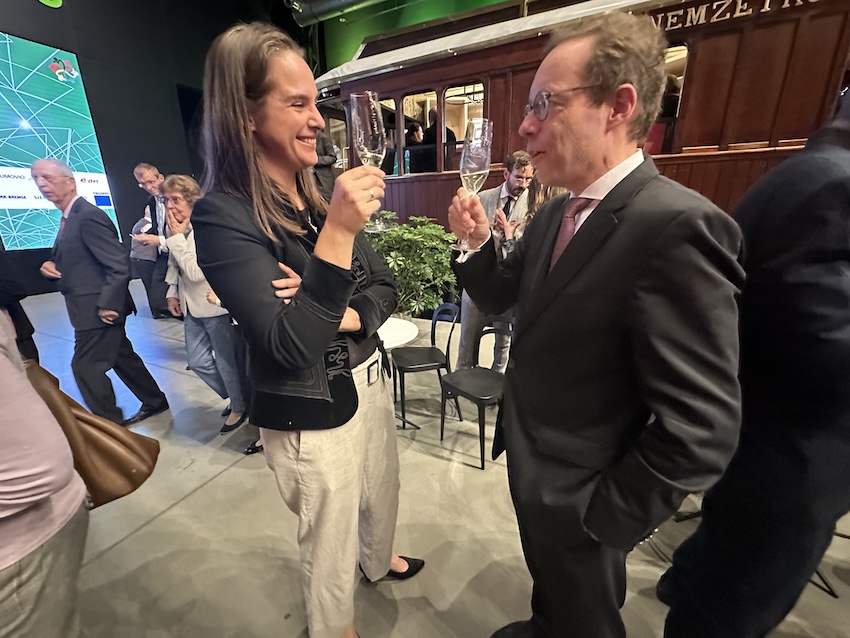
Guests enjoyed the lively reception, the German and Hungarian cuisine, and the friendly conversations – a true celebration of the German-Hungarian partnership, and of a united Europe founded on shared values, innovation, and hope for the future.
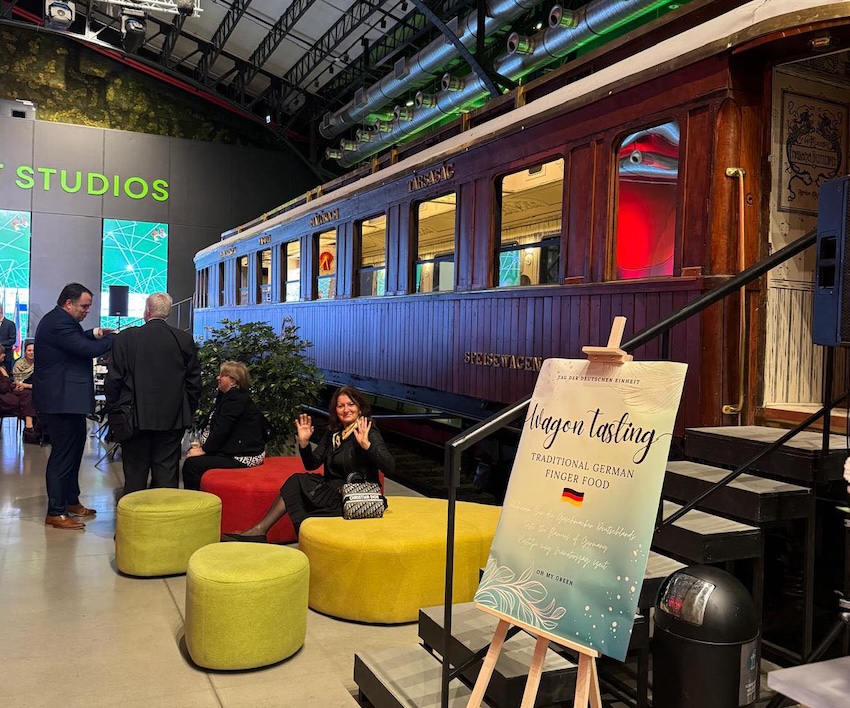
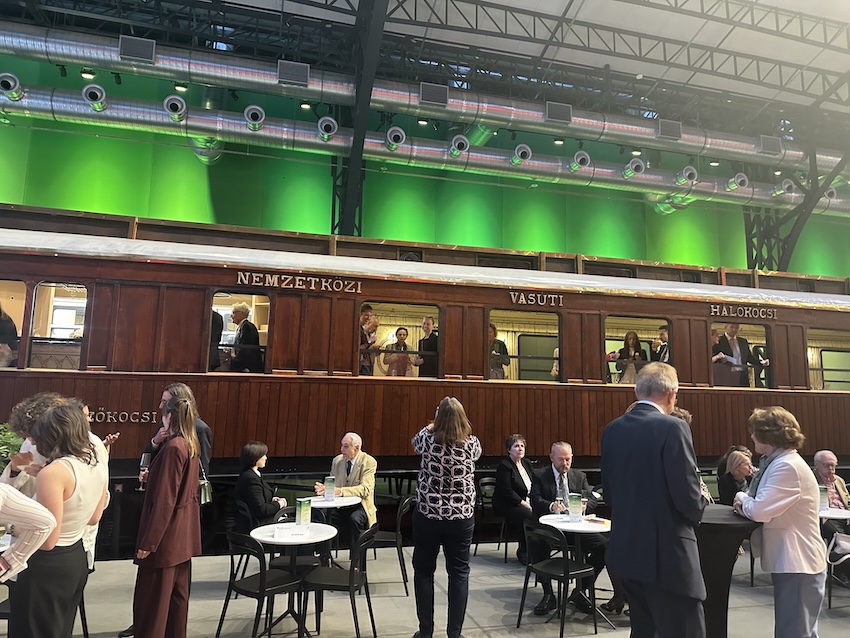
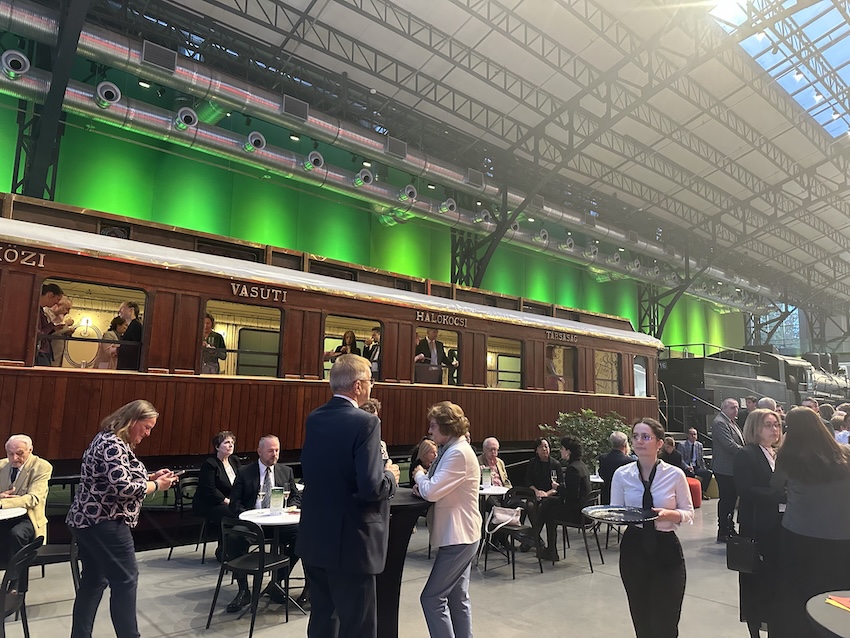
Source: German Embassy in Budapest
Photos by Diplomatic Press Agency