

Edited by Anna Popper
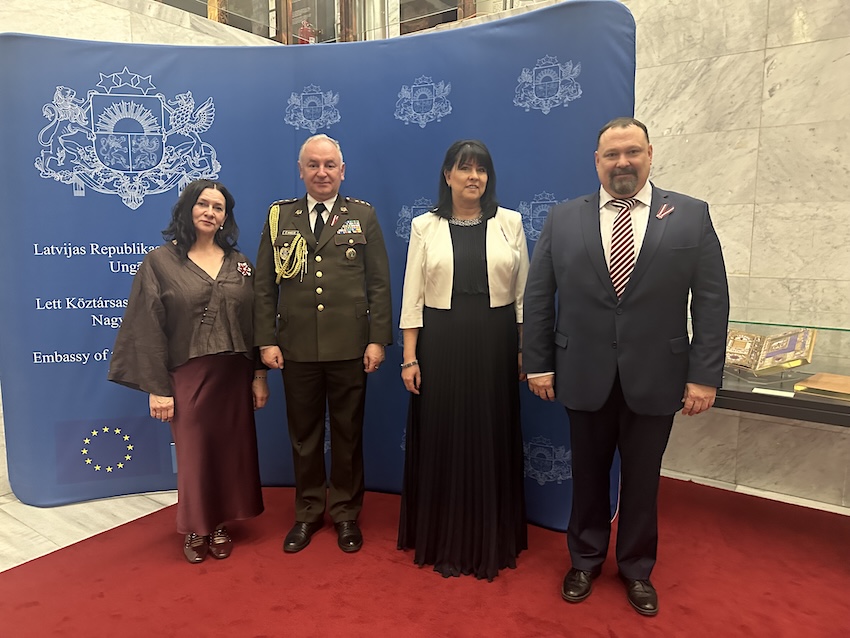
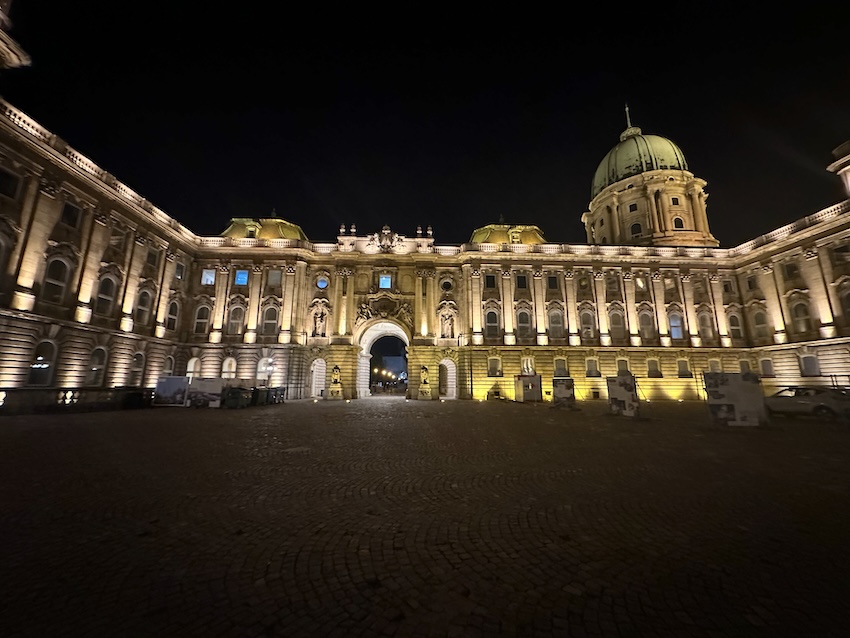
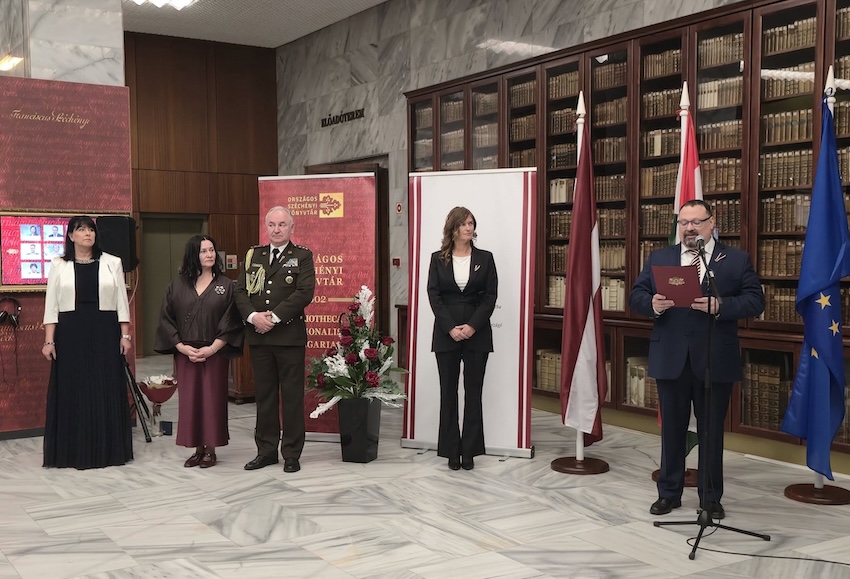
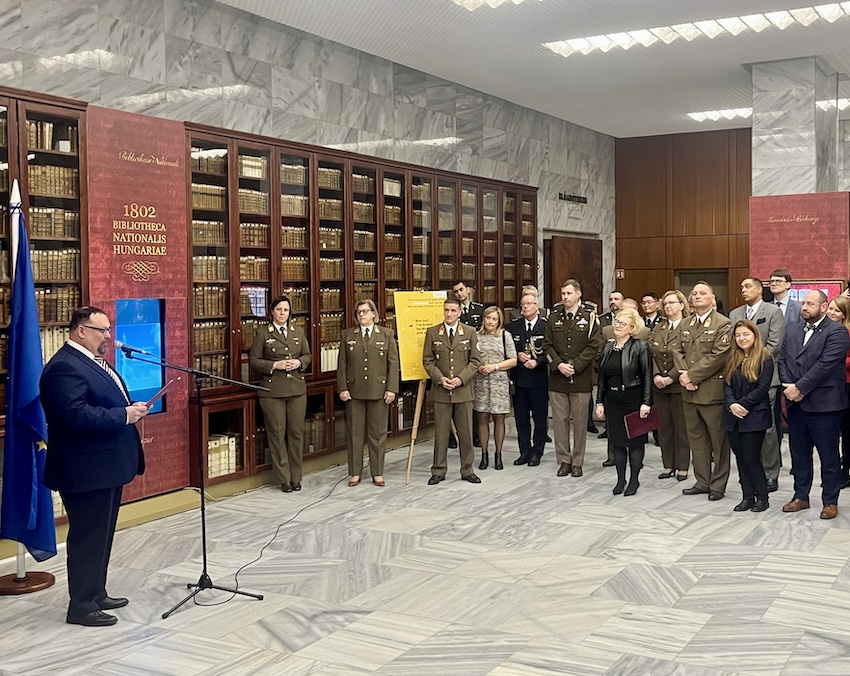
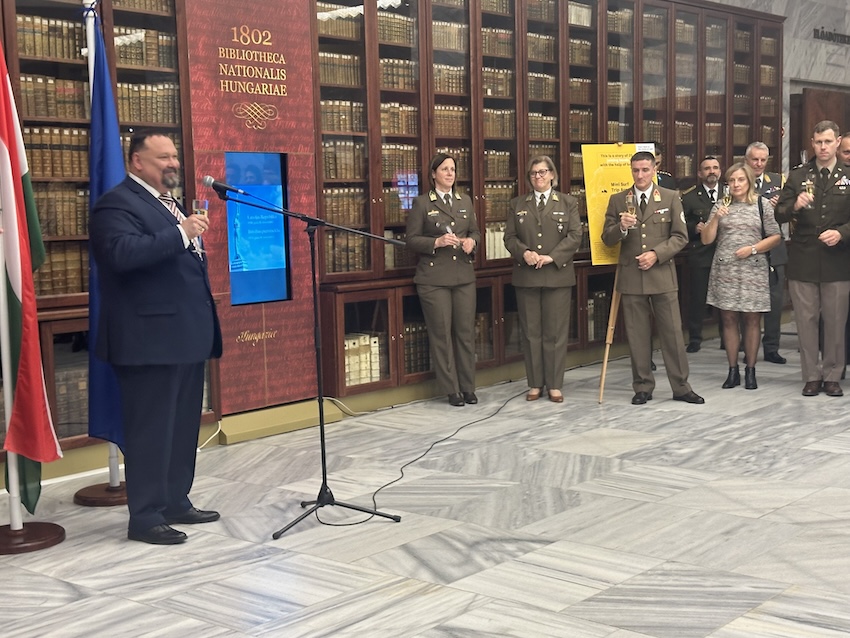
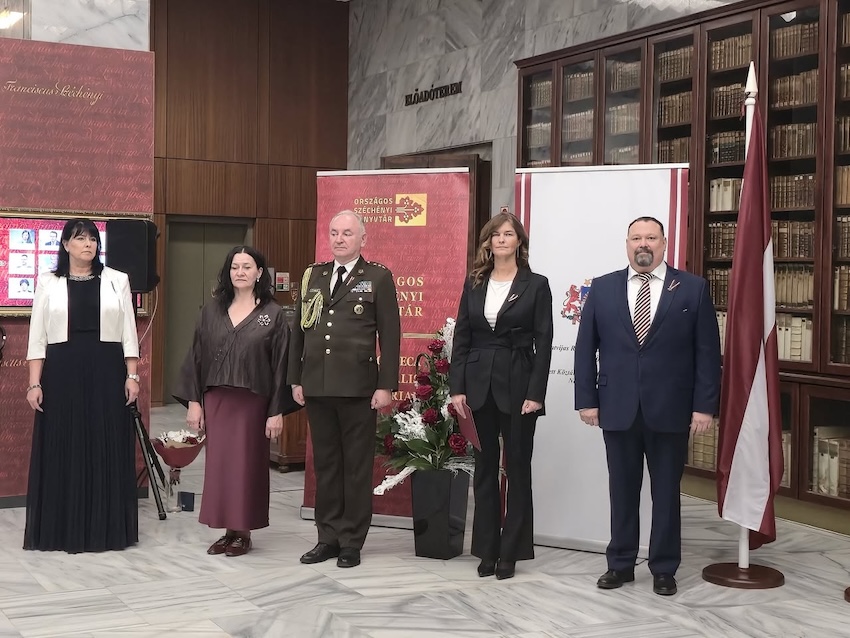
On the occasion of Latvia’s 107th Independence Day, observed every year on 18 November, and the National Armed Forces Day of the Republic of Latvia, H.E. Mr Jurijs Pogrebņaks, Ambassador of the Republic of Latvia to Hungary, and Mrs. Kristīne Krīgere, together with Defence Attaché Colonel Ēriks Naglis and Mrs. Ilona Nagle, hosted a diplomatic reception at the National Széchényi Library in Budapest.
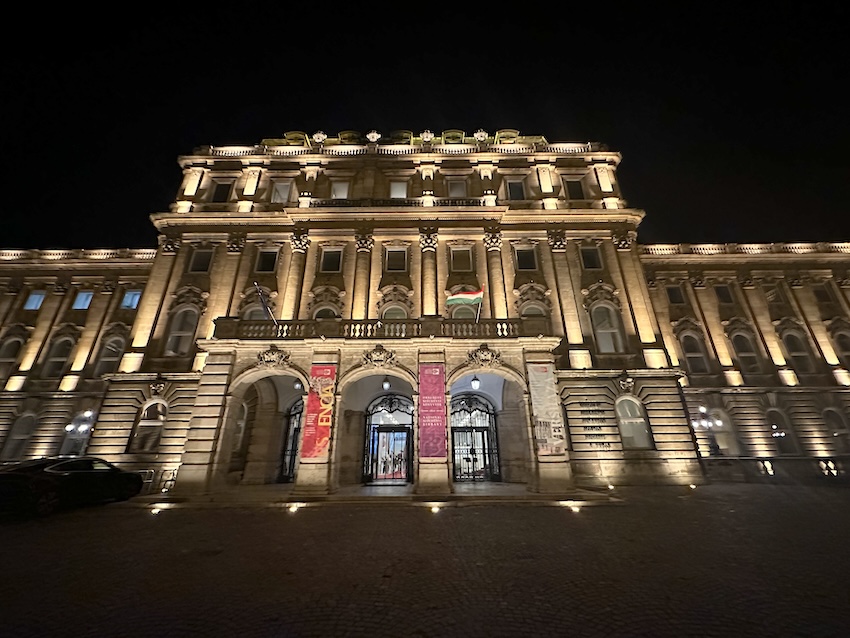
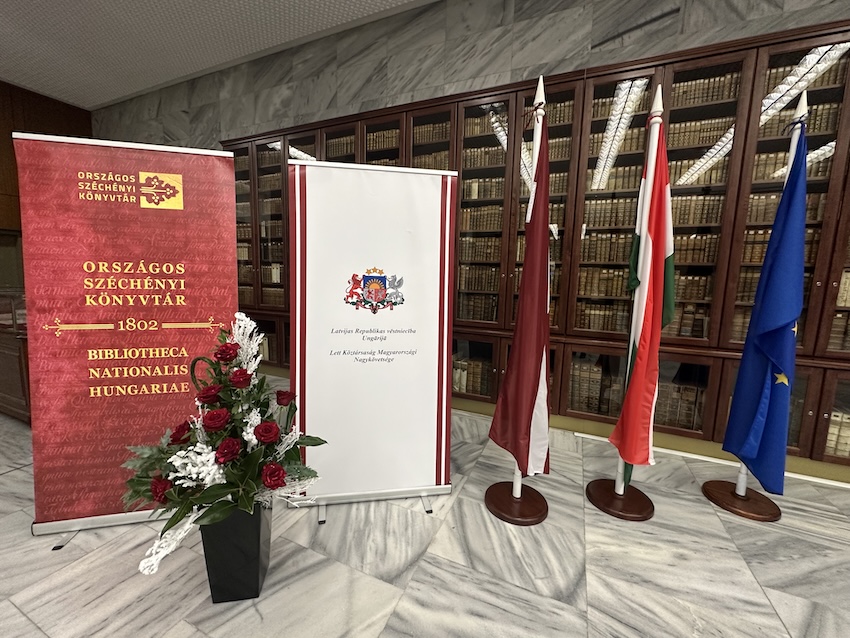
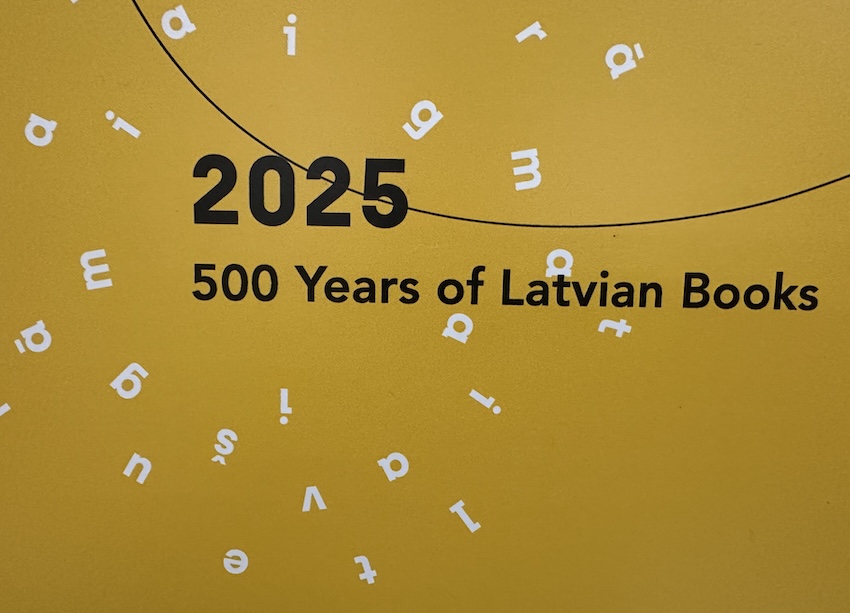
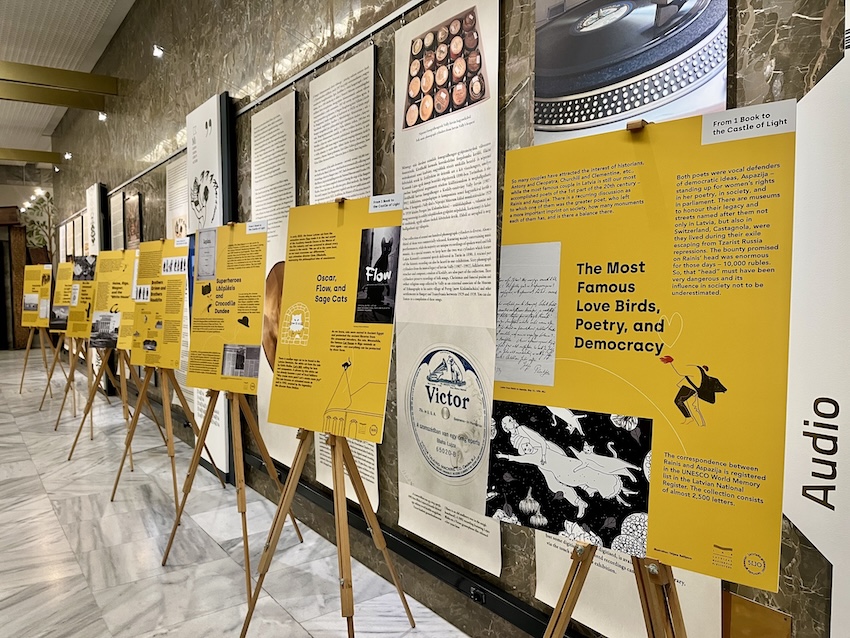
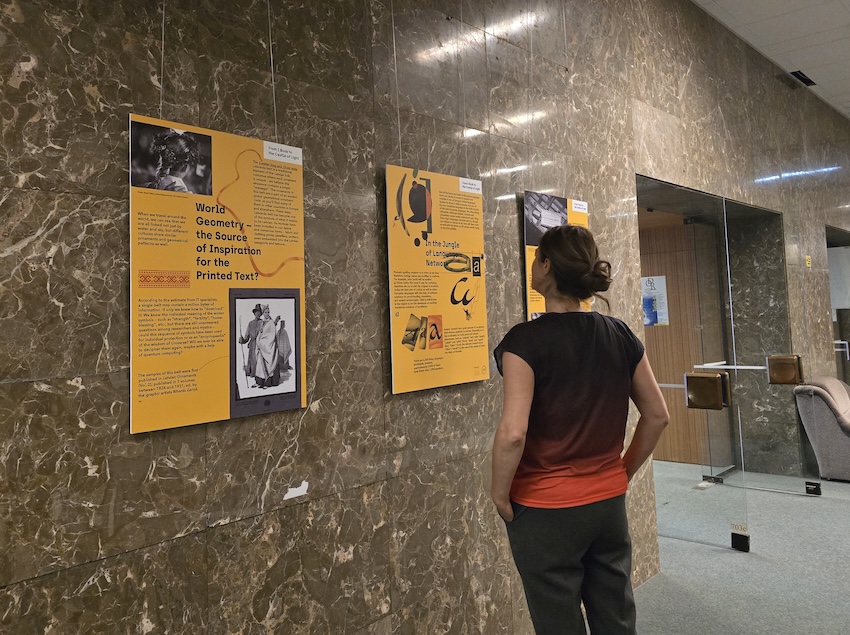
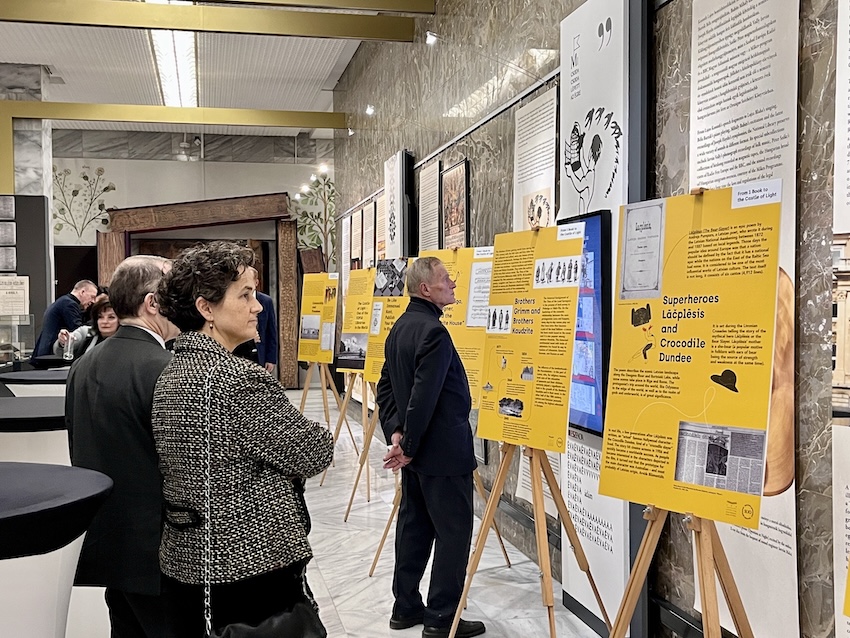
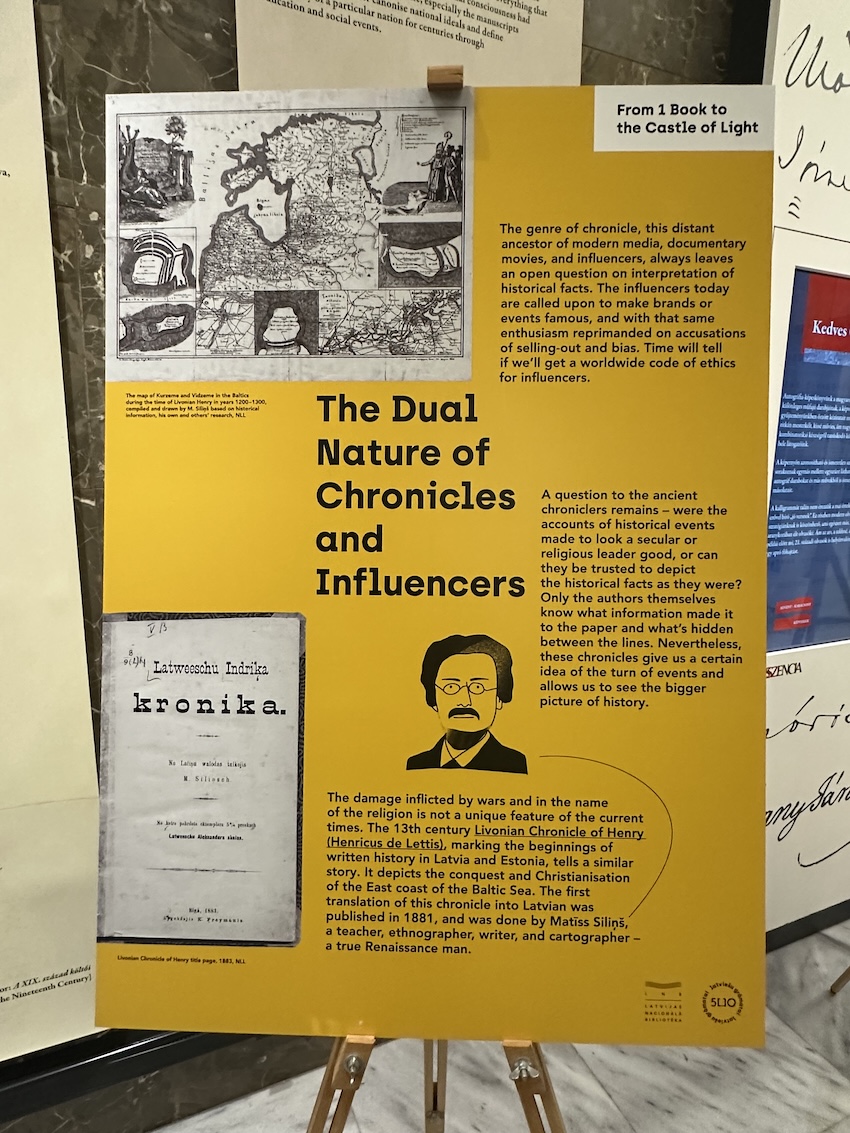
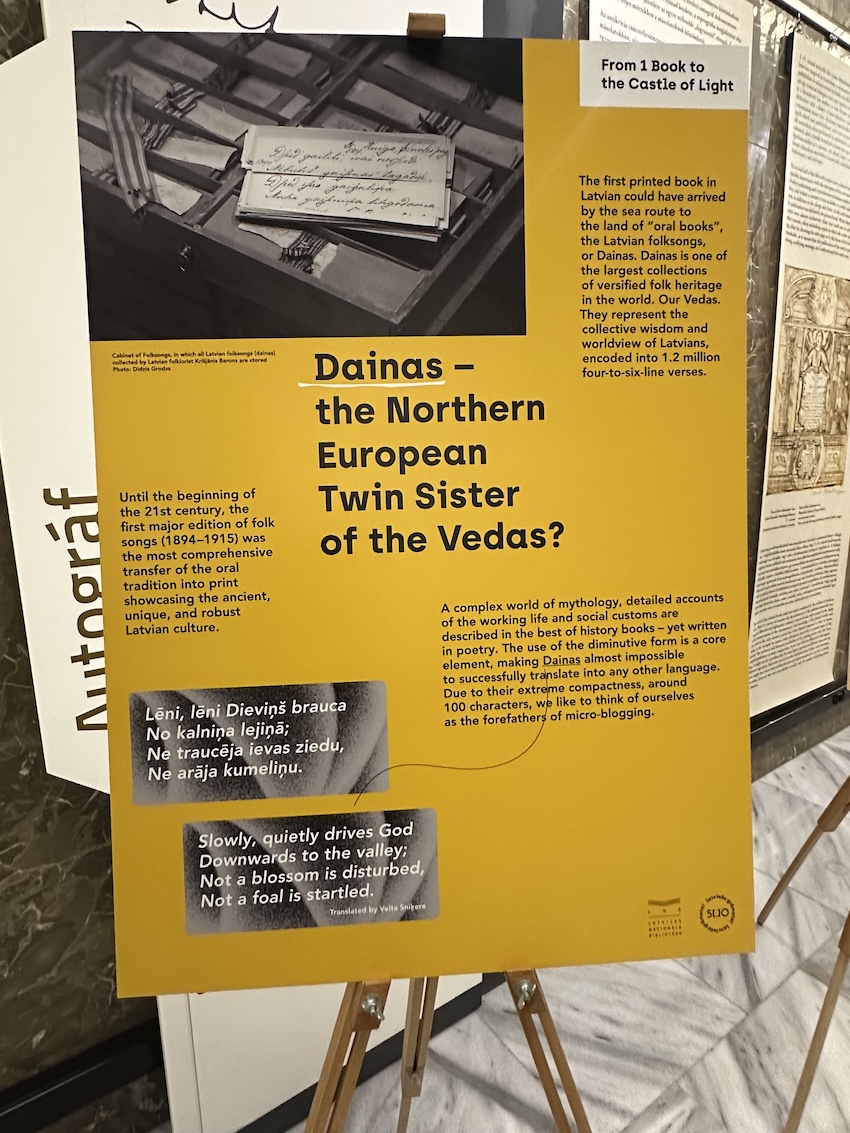
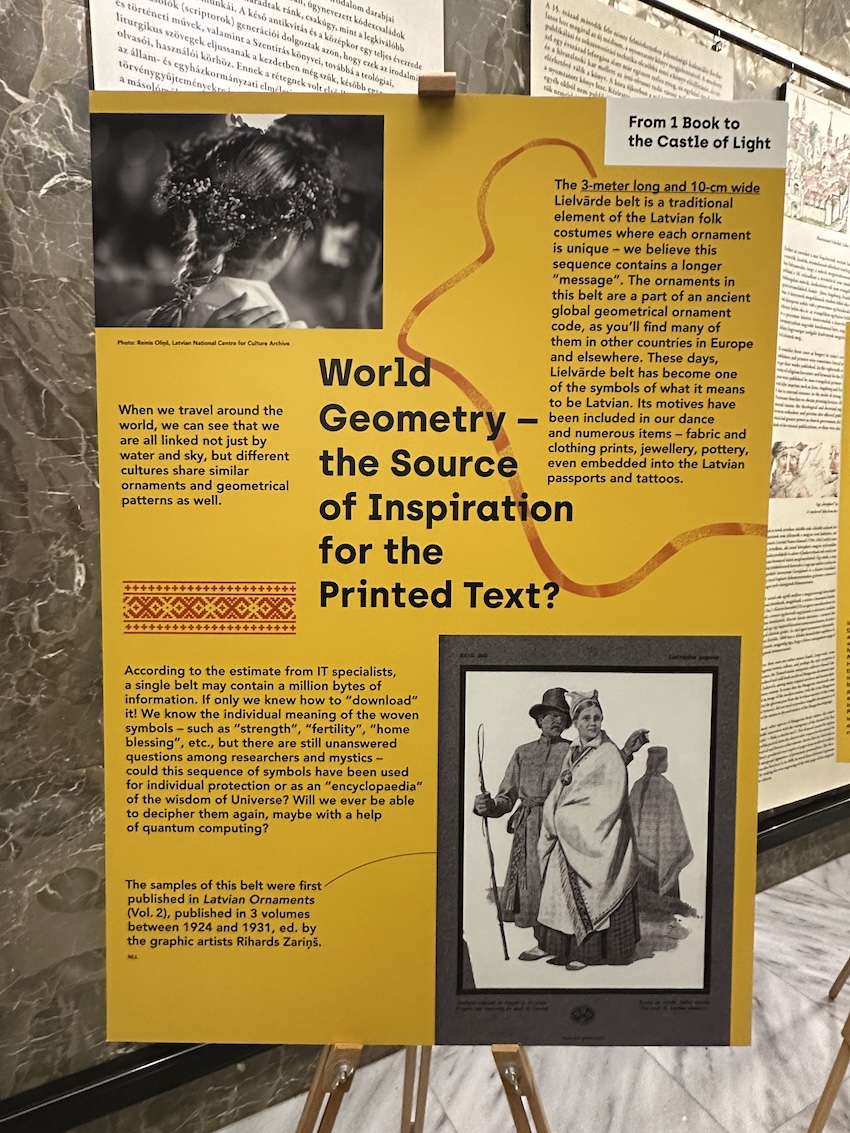
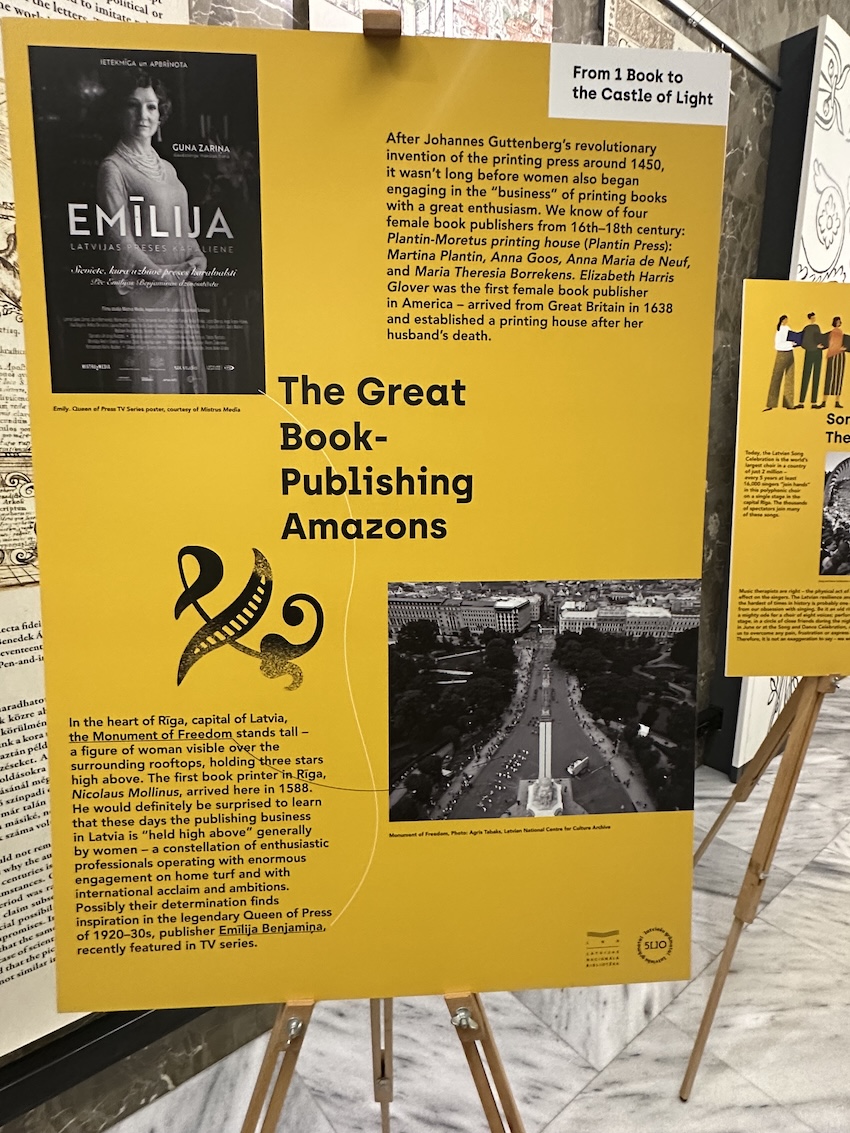
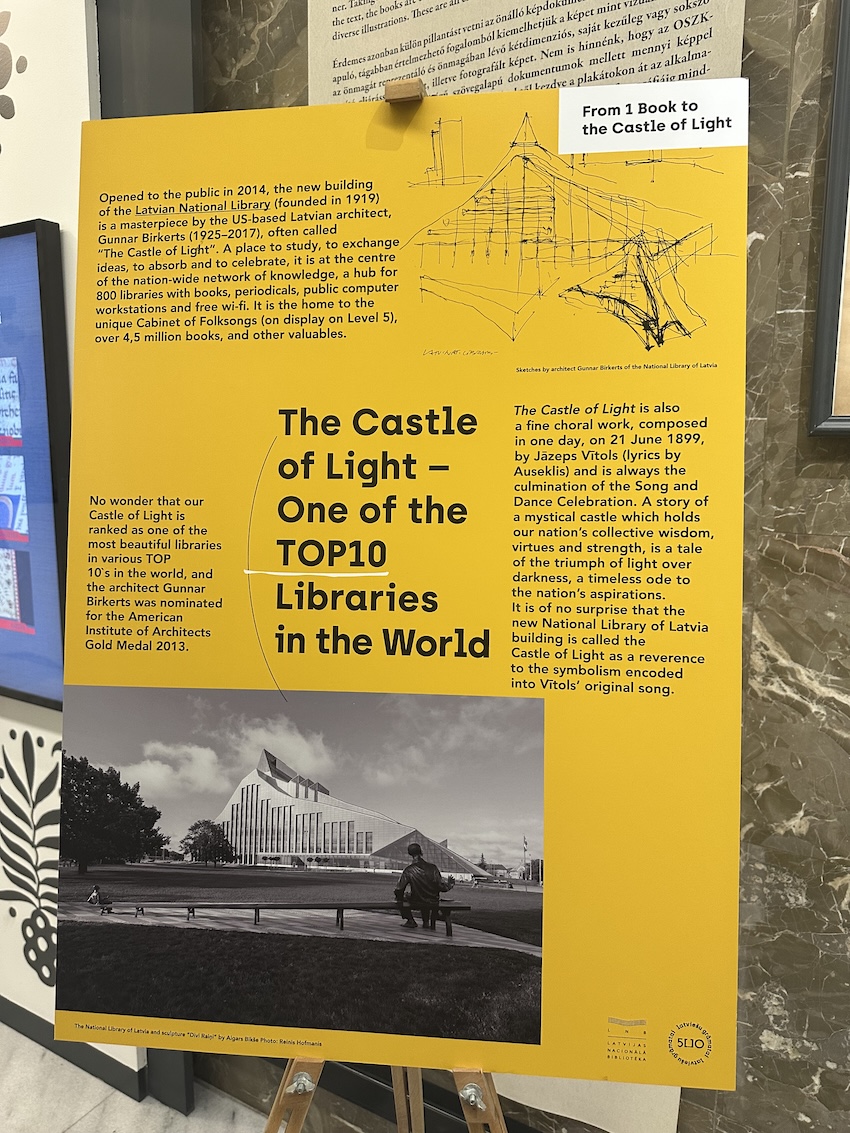
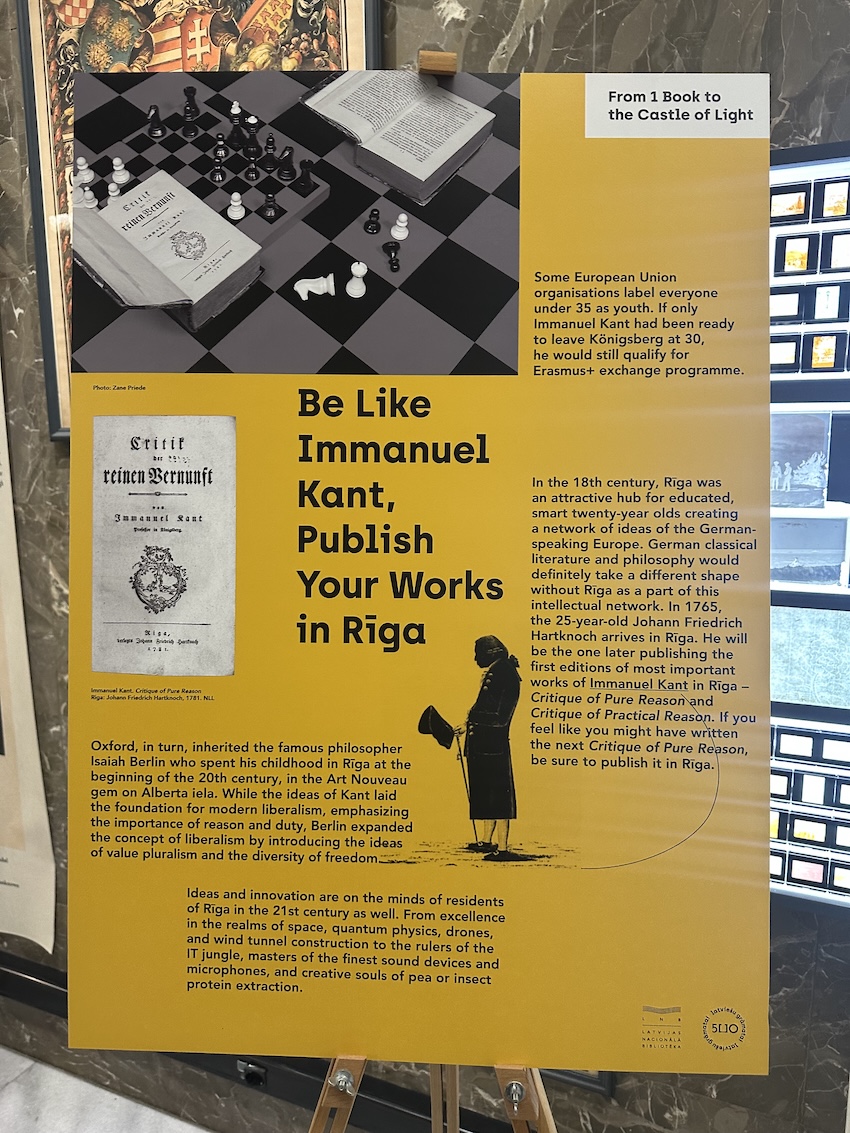
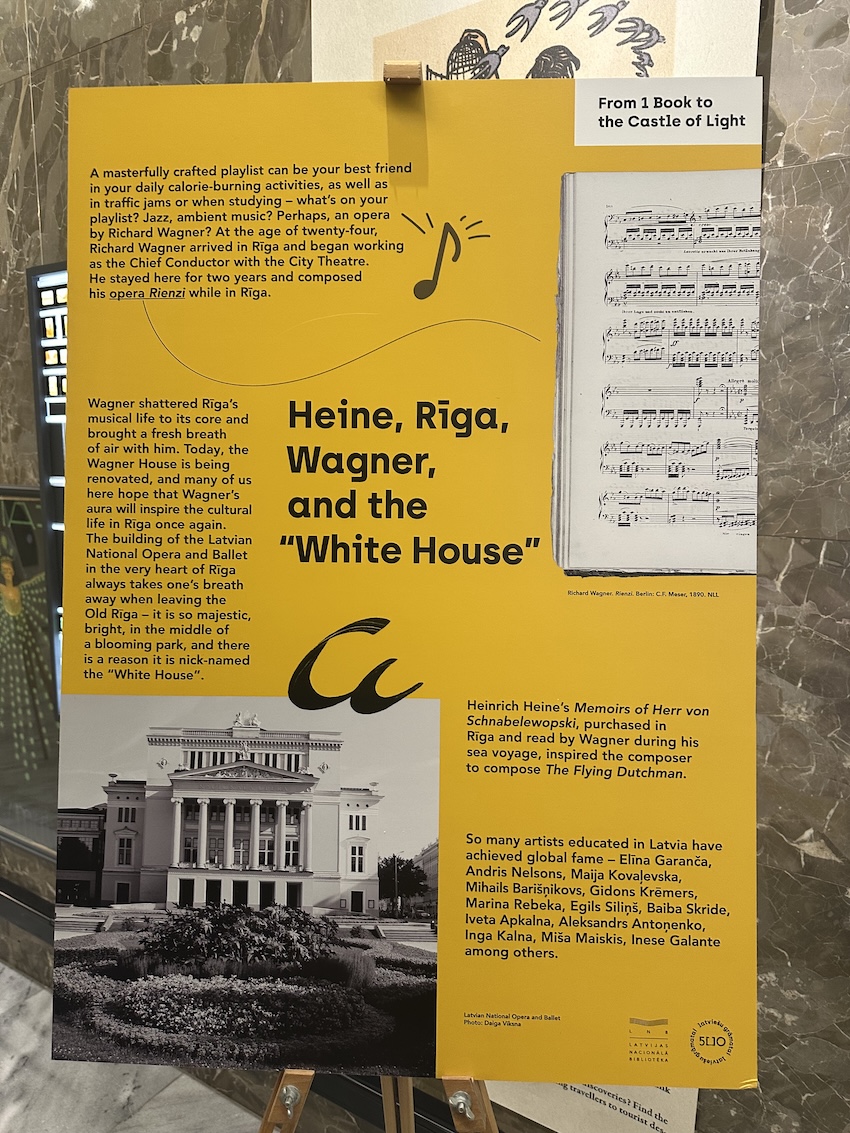
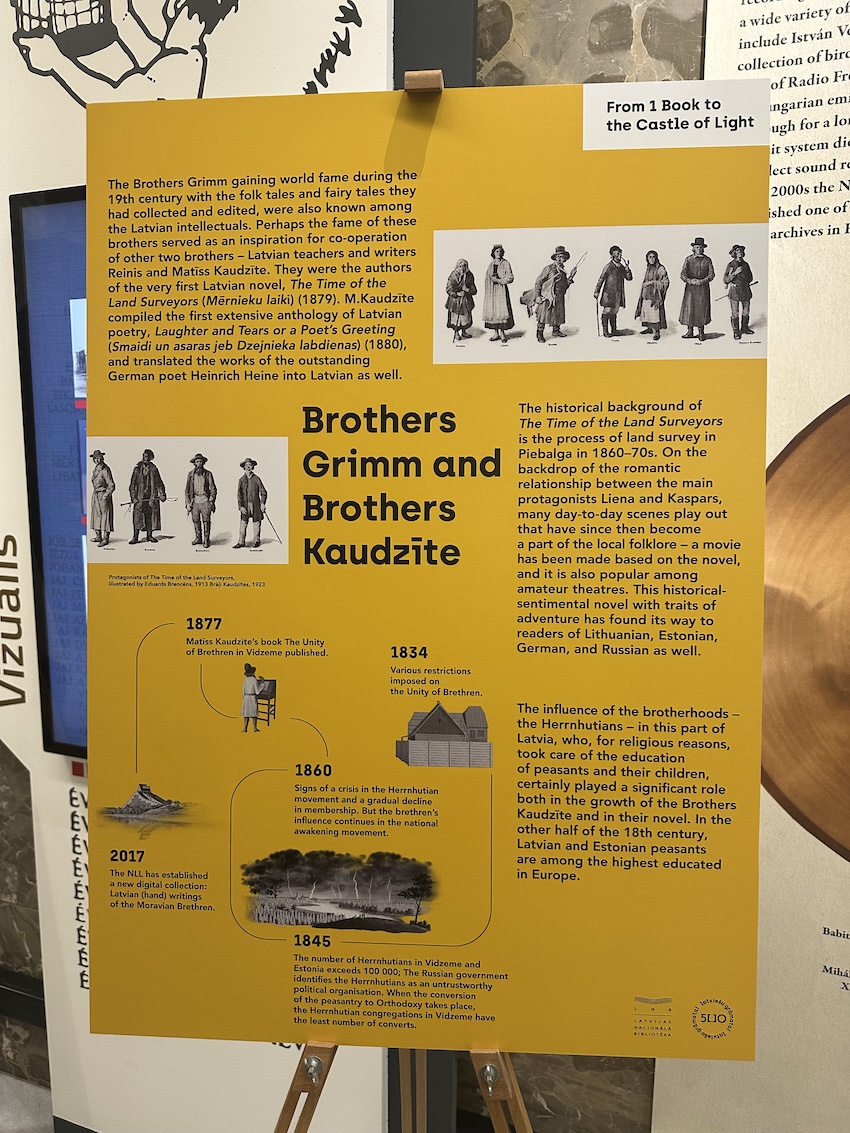
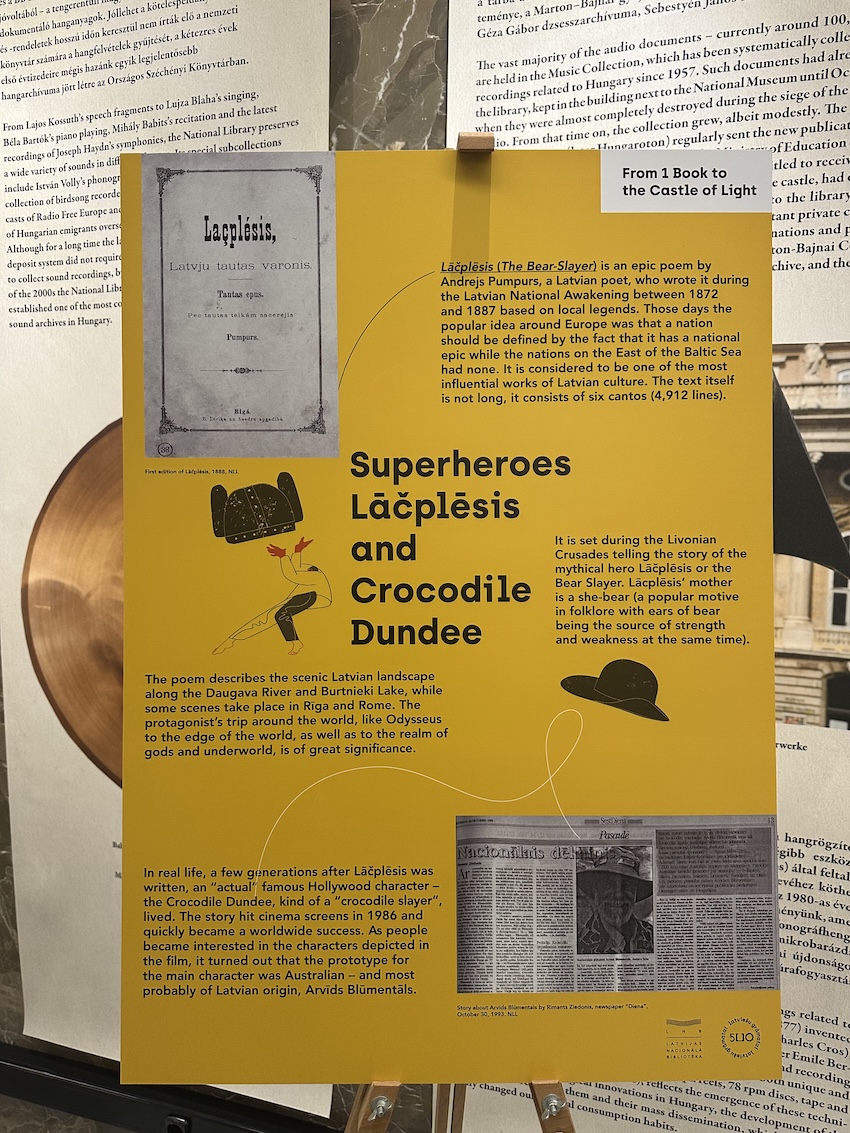
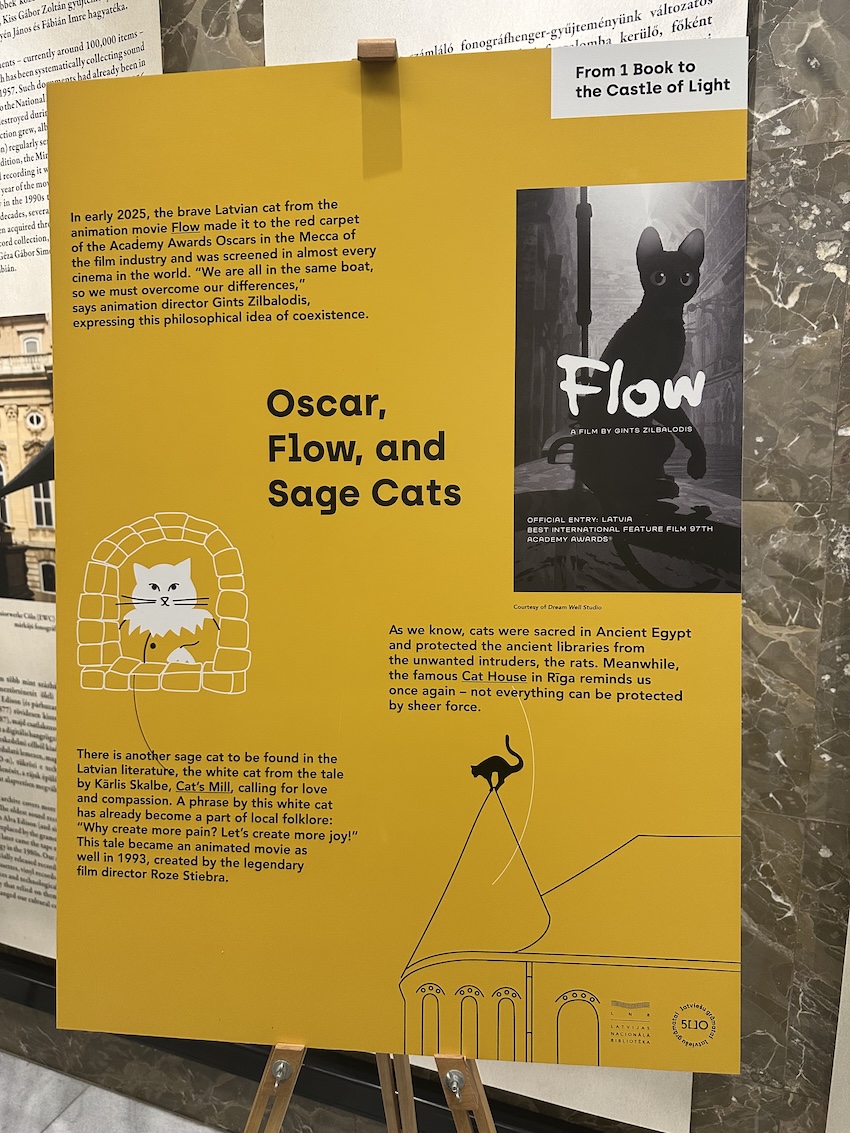
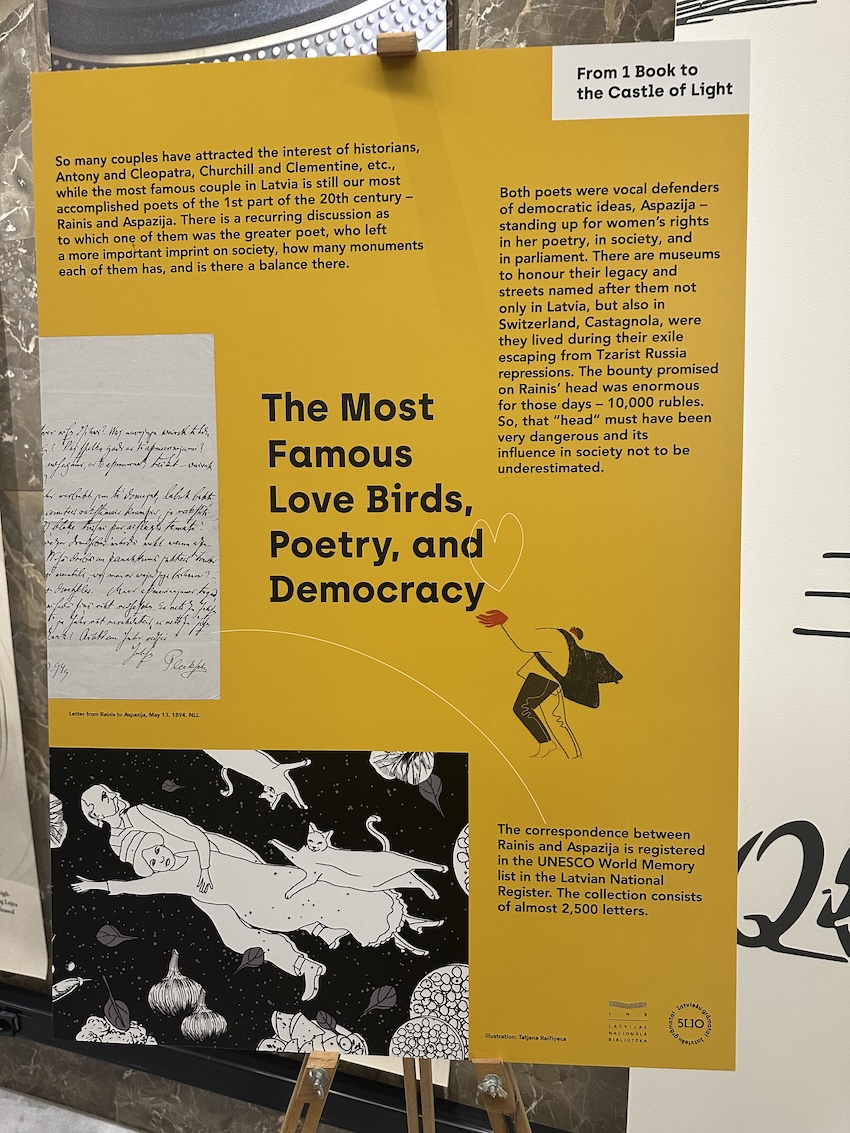
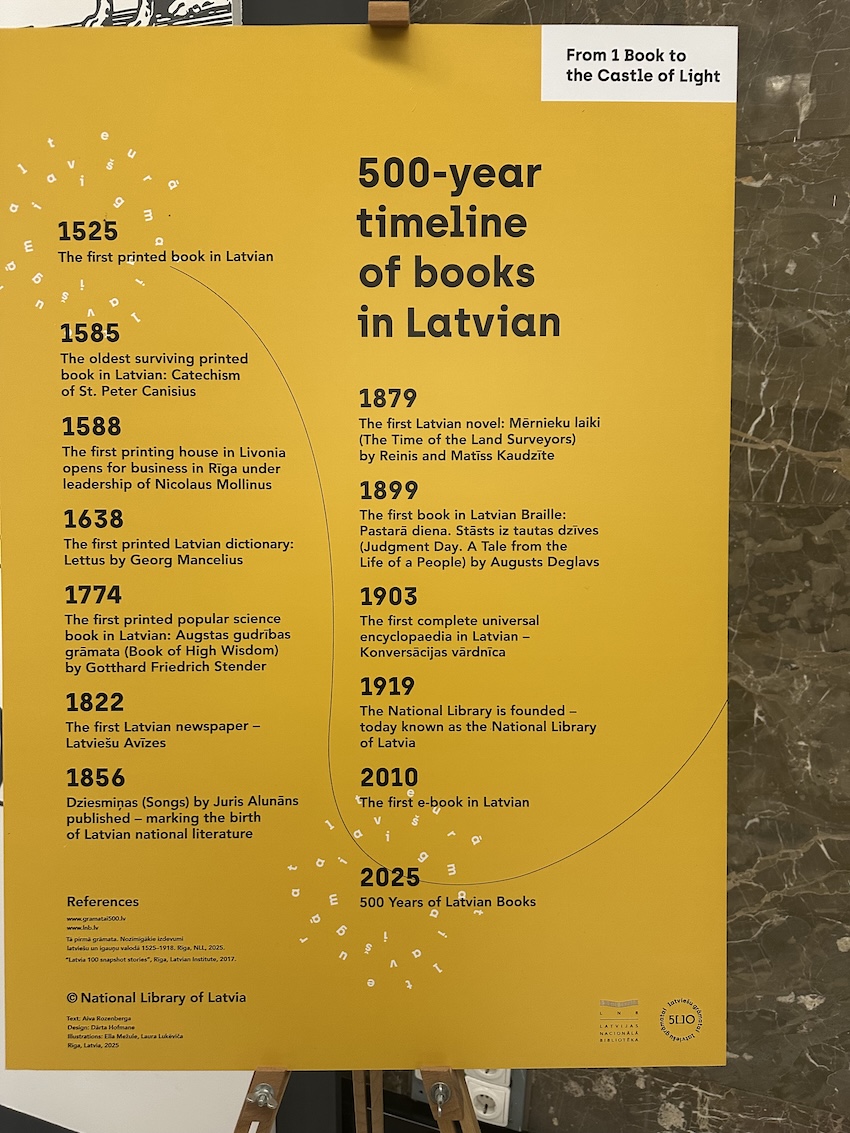
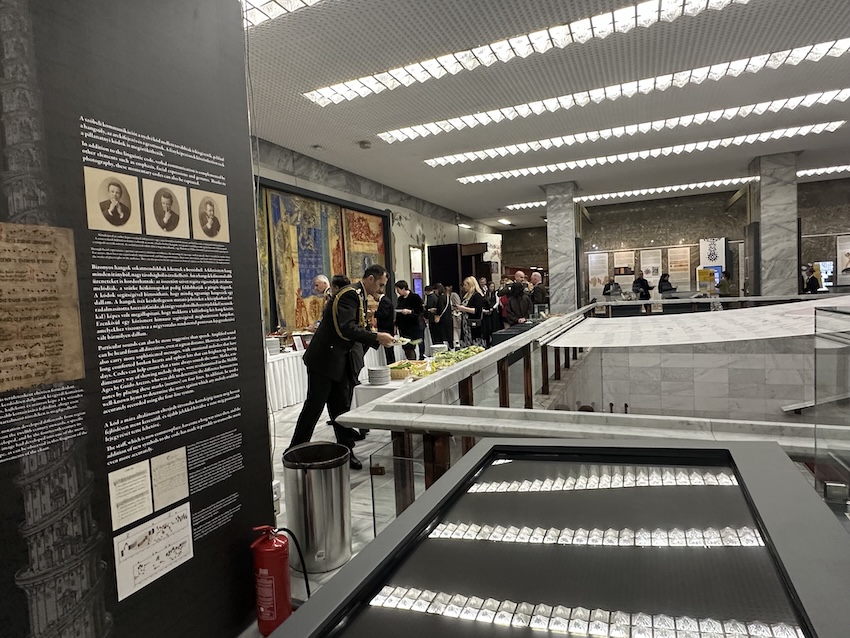
The celebration also marked the opening of the exhibition “500 Years of Latvian Books”, inaugurated jointly with Ms. Judit Gerencsér, Acting Director of the National Széchényi Library.
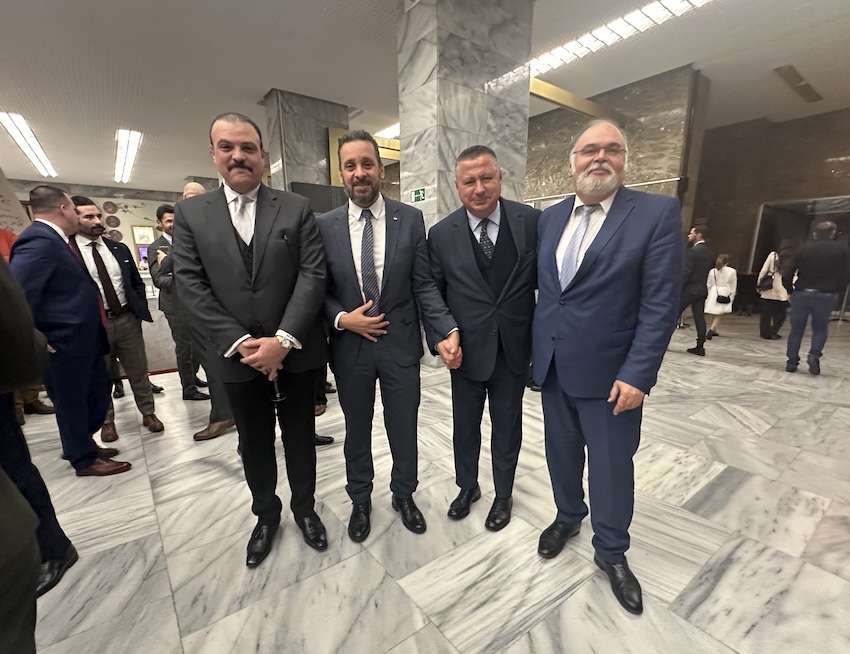
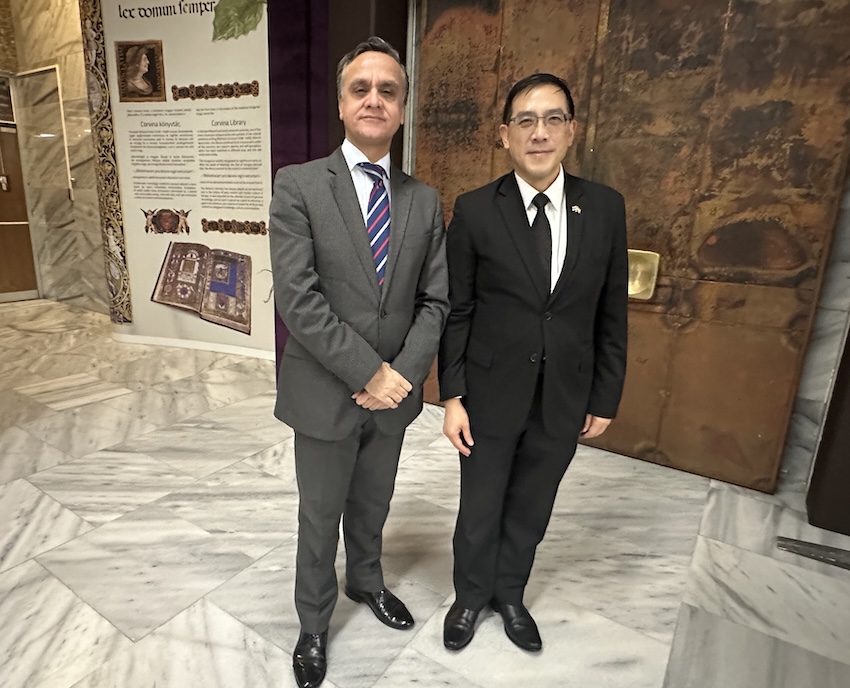
Over 100 guests attended the event, including public officials, representatives of the Hungarian National Assembly and the Hungarian Armed Forces, members of the diplomatic corps, embassy partners, and representatives of the Latvian diaspora.
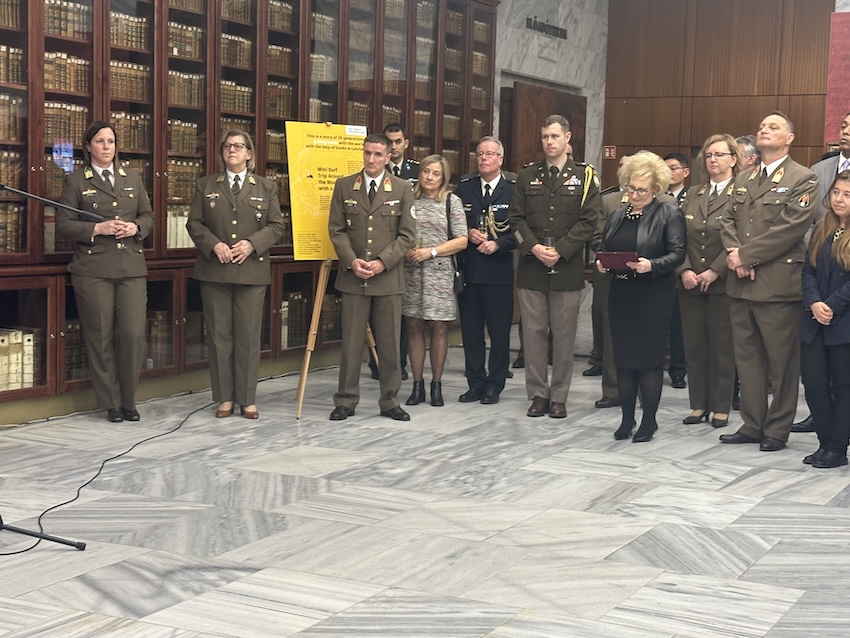
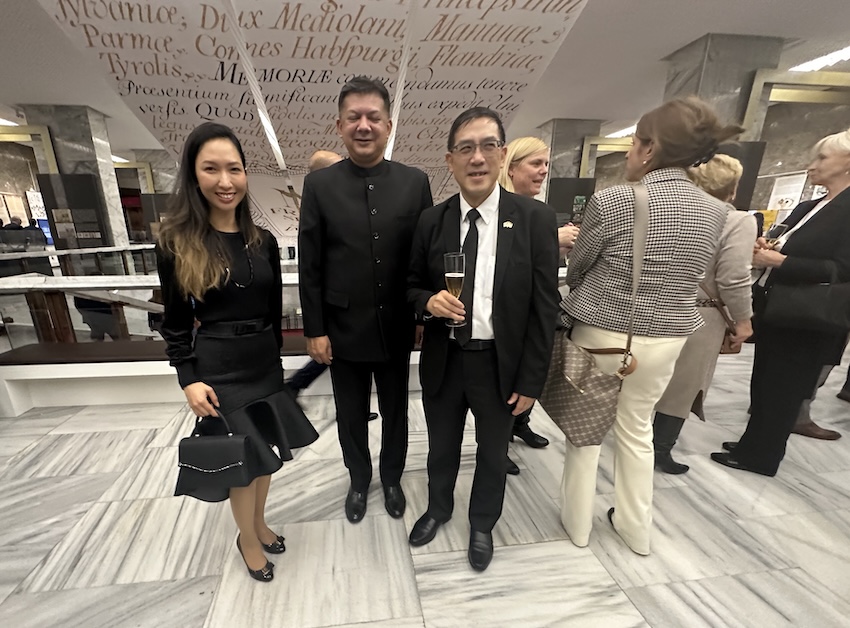
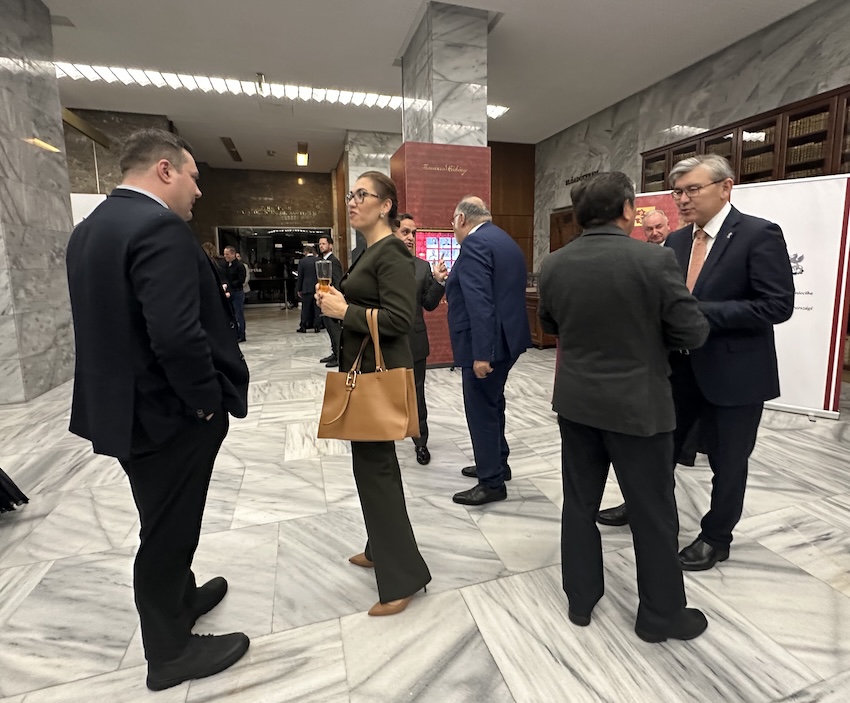
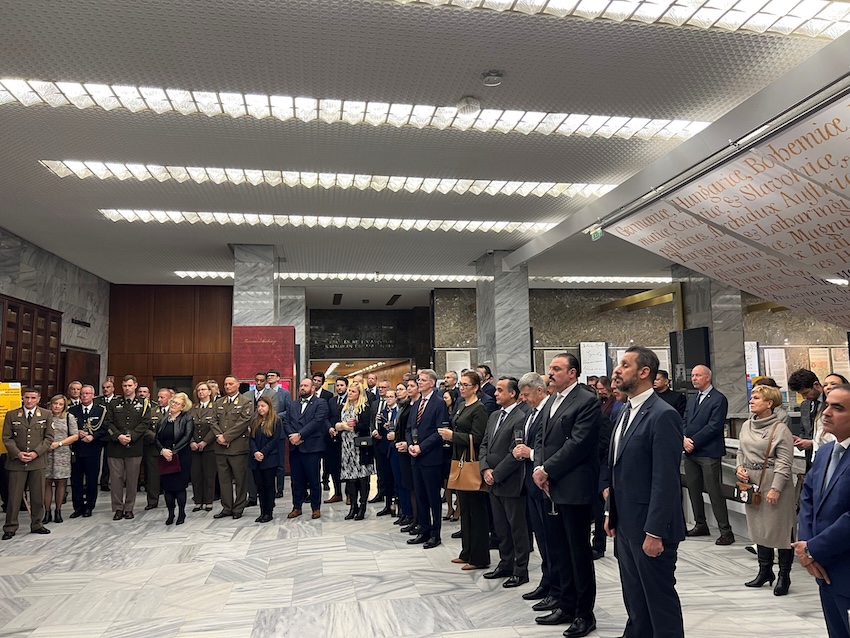
The evening began with the national anthems of Latvia, Hungary, and the European Union.
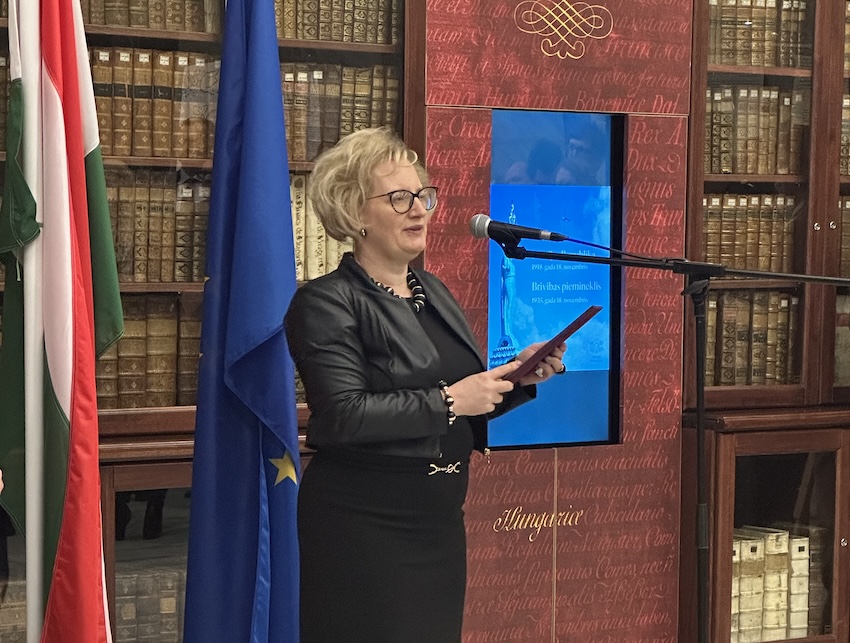
It was then followed by the address of H.E. Mr Jurijs Pogrebņaks, Ambassador of the Republic of Latvia to Hungary:
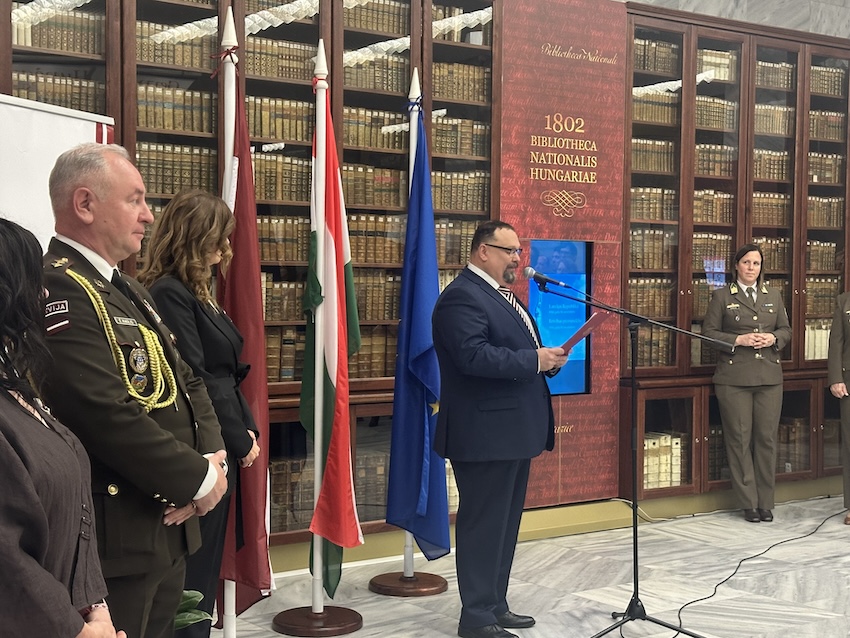
“Jó napot kívánok! Labdien! Good afternoon! Dear Excellencies, Ladies and Gentlemen, I am deeply honoured and truly pleased to welcome you today to the magnificent National Széchényi Library of Hungary.
Exactly 107 years ago, on this very date, the independent and sovereign Republic of Latvia was proclaimed by visionary Latvian politicians in the building of the National Theatre of Latvia.
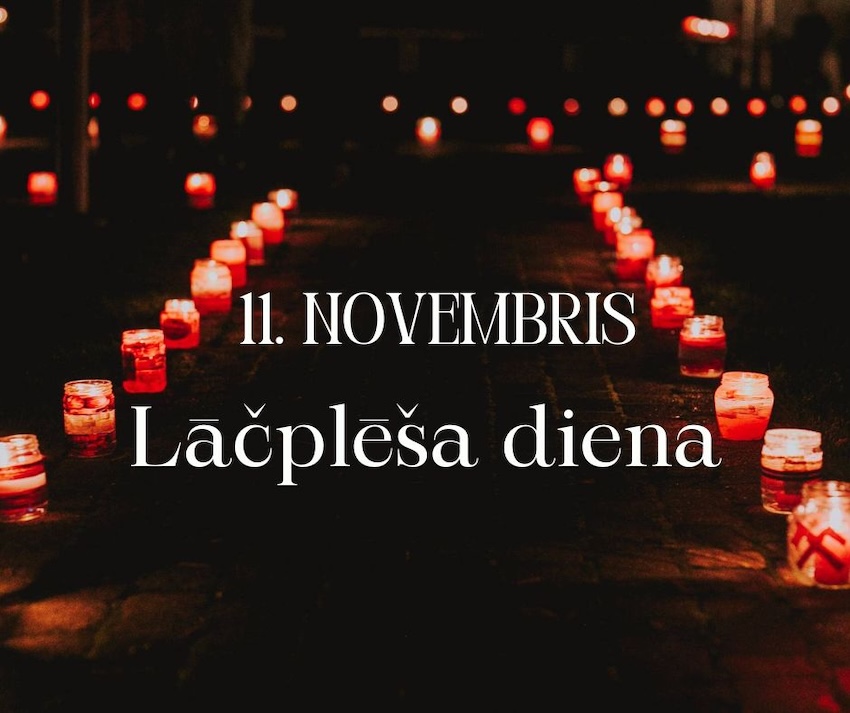
November is a patriotic month in Latvia. On 11 November 1919, the newly formed Latvian Army won a decisive victory in the Battle of Riga, thus securing our independence and sovereignty. On 11 November – known in Latvia as Lāčplēsis Day – we remember those who fell in defence of the Latvian nation and its hard-won freedoms.
Yet the history of the Latvian people and the Latvian language does not begin there. Our story reaches back for centuries. In 2025, we celebrate 500 years since the first book in the Latvian language was published.
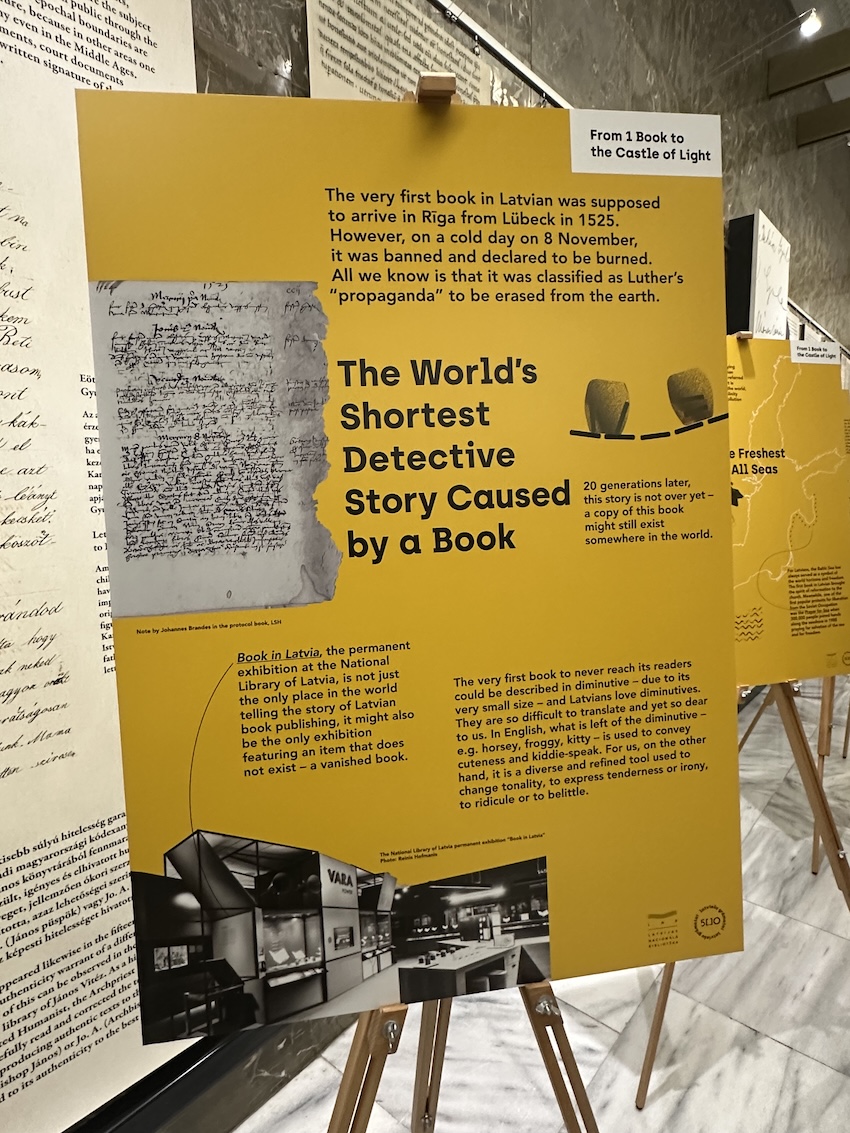
The beginning of this journey deserves the attention of detective writers. Five centuries ago, amidst Europe’s turning point brought about by the Reformation, the story of the Latvian book began. At that time, supporters of Luther’s teachings had already gained the upper hand in Riga, and in 1525 the first printed works in Latvian were transported to Riga – Lutheran texts intended for Livonia. Information about the fate of these publications is scarce. The shipment did not reach the city: the books were seized in Lübeck by the pro-Catholic city council. The Duke of Lübeck wrote in his diary that the council confiscated barrels of Lutheran books, among them printed texts in Estonian, Latvian, and the Livonian dialect. The council intended to burn the books in the market square. Although these Latvian texts never reached their readers (and listeners in churches), fire did not stop the spread of words. The written word in Latvian was born, grew, and spread further in many ways.
For over five centuries, the Latvian language and publishing have taken deep root and flourished widely. The “ashes” of the first Latvian book proved fertile – from listeners to the first printed books, from public readings and the singing of texts to individual reading experiences, from translation to the digitisation of texts. Books have been – and remain – a driving force of Latvia’s cultural space and national identity. The written word helped Latvians to recognise themselves among other nations and integrate confidently into the family of cultures with a rich contribution. This story demonstrates once again that Latvia has been part of Europe’s cultural and values space for centuries.
Turning to the present, a significant achievement of Latvian diplomacy this year deserves special mention. For the first time ever, Latvia was elected as a non-permanent member of the UN Security Council for the 2026–2027 term with a clear majority of 178 votes. Latvia will take on this responsibility with a strong sense of duty: to serve with integrity and transparency and to clearly commit to the principles of the United Nations. We will stand for peace and resilience.
Latvia’s three priorities in the Security Council are: First, to protect the rules-based international order. Second, to advance the Women, Peace and Security agenda and protect the most vulnerable among us. Third, to find solutions to emerging security threats, including climate change, hybrid threats, and challenges related to the safety of artificial intelligence.
It is our collective duty to uphold the principles of the UN Charter – especially when a permanent member of the UN Security Council openly violates them. Latvia stands with Ukraine and will advocate for its sovereignty and territorial integrity at the UN Security Council. Latvia will use its position to help achieve a just and lasting peace in Ukraine.
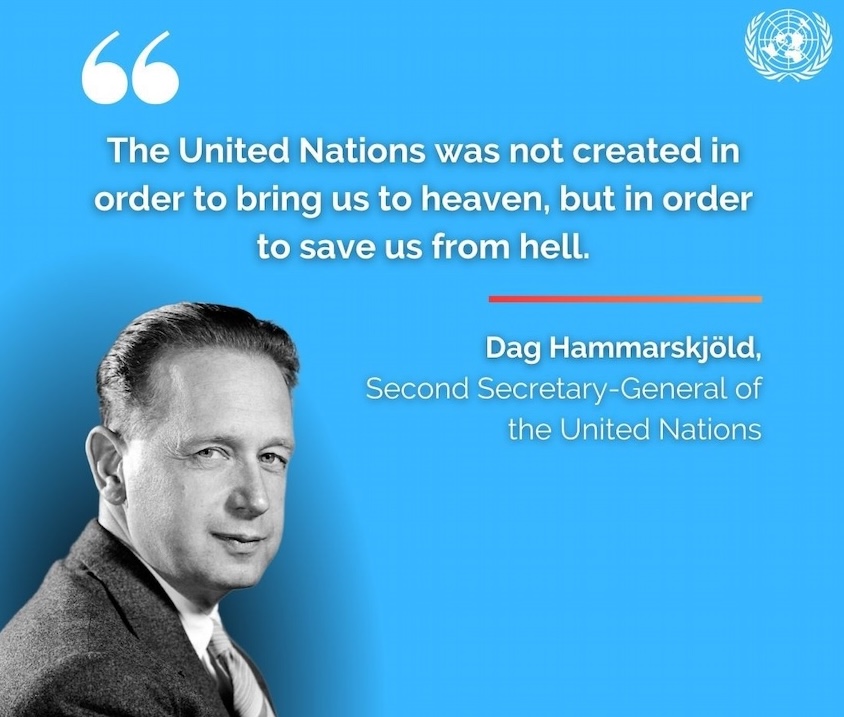
The United Nations has stood the test of time for 80 years. It is the primary architect of international law and the protector of the rules-based international order. The UN is not perfect, but it is the best we have – the only truly global organisation. As former UN Secretary-General Dag Hammarskjöld aptly said in 1954: ‘The United Nations was not created in order to bring us to heaven, but in order to save us from hell’.

After 80 years, however, it is time to adjust to new realities. The United Nations must evolve to remain relevant – to be effective and fit for the challenges ahead. We continue to face security challenges in Europe stemming from aggressor states. That is why Latvia has already begun implementing NATO decisions and has increased its defence and security spending to nearly 4% of GDP this year and 4.91% next year. NATO’s expanded military presence in Latvia – 13 nations led by Canada – continues to contribute to our shared security.
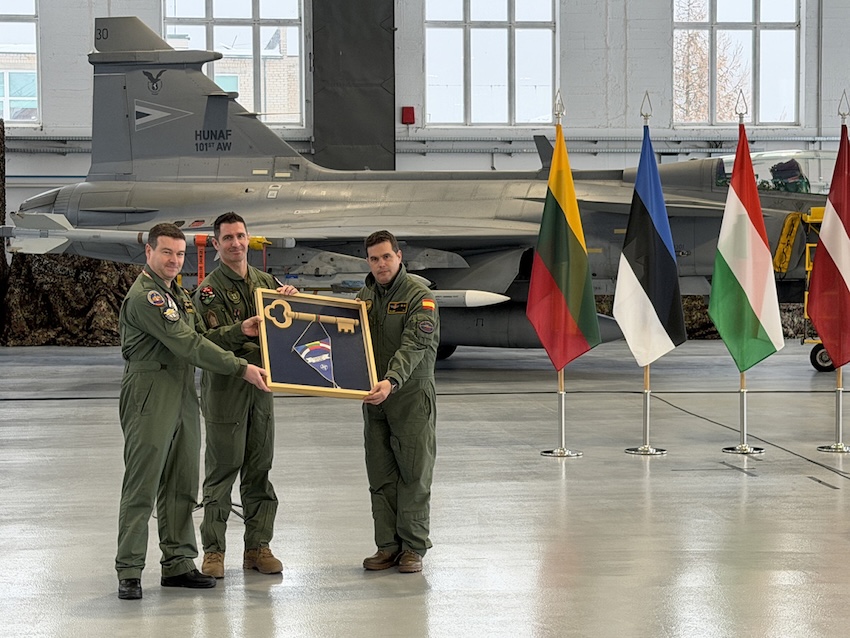
I would like to express our gratitude for Hungary’s contribution to security in the Baltic region, particularly for its leadership in the NATO Baltic Air Policing mission. It is in all our interests to safeguard our common security and to do everything possible to support Ukraine in its fight against aggression.

Ladies and Gentlemen,
I am very happy and proud to see you all here today, joining us in celebrating Latvia as an independent and sovereign nation within the EU and NATO family.
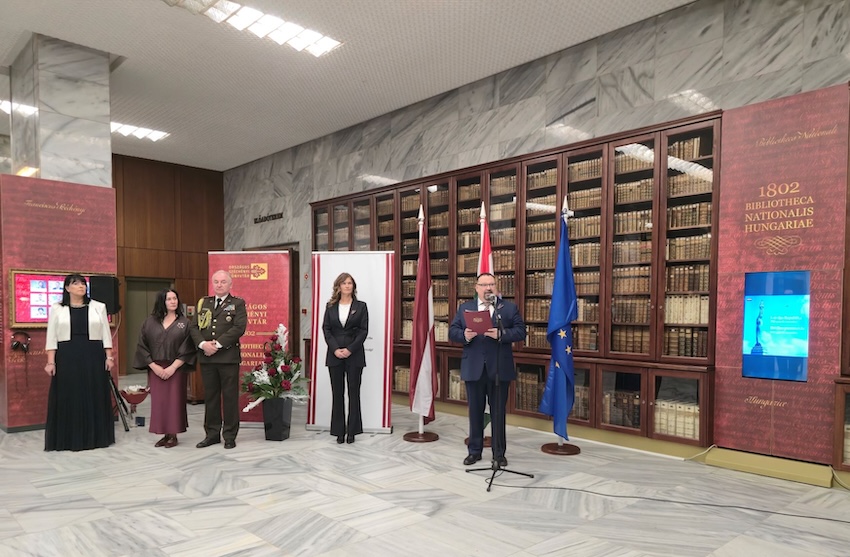
In closing, I would like to convey special words of appreciation to the Acting Director of the National Széchényi Library, Ms. Judit Gerencsér, and her team for their openness and support in organising this reception and the exhibition ‘500 Years of the Latvian Books’ on display here.
I am pleased to welcome Latvia’s Defence Attaché to Hungary, resident in Warsaw, Colonel Ēriks Naglis, and I thank him for his contribution to this event.
And finally, I would like to thank the hardworking staff of the Embassy of Latvia for organising this evening. Thank you! Köszönöm! Paldies!”
“God bless Latvia, God bless Hungary! Saules mūžu Latvijai!”
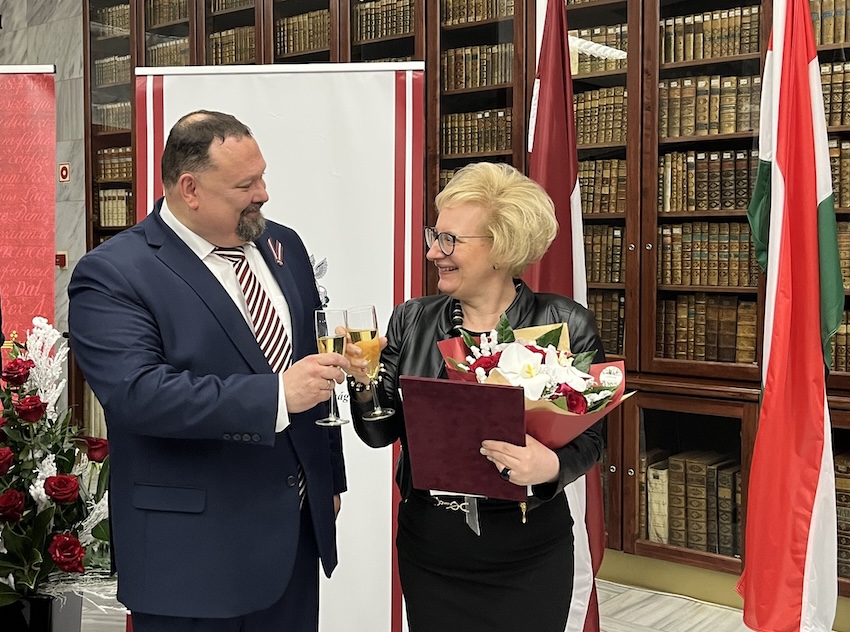
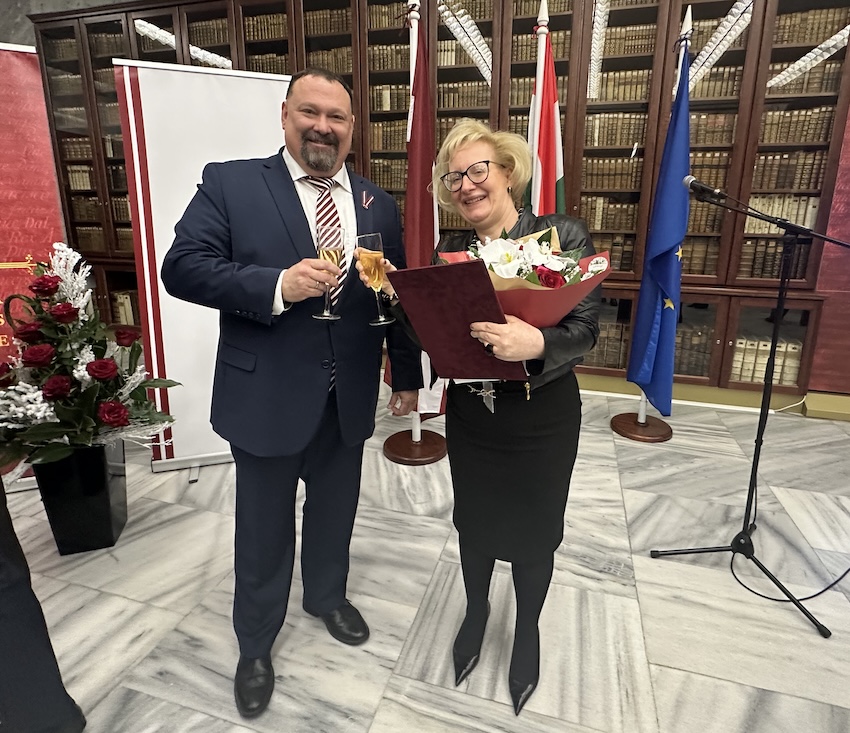
Ms. Judit Gerencsér, Acting Director of the National Széchényi Library addressed the audience with her welcome speech:
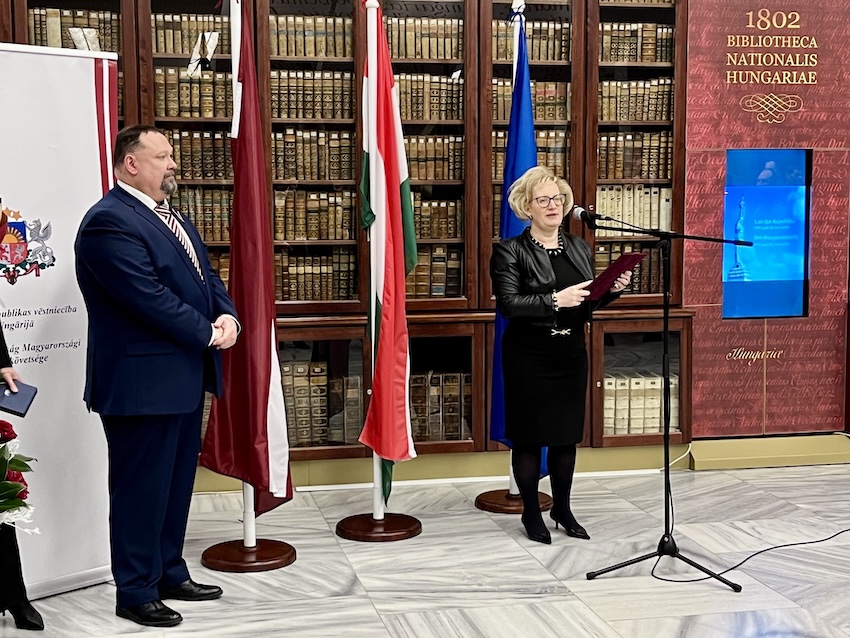
“Your Excellencies, Distinguished Guests, Ladies and Gentlemen, it is a profound honour to welcome you today on the occasion of the 107th National Day and National Armed Forces Day of the Republic of Latvia, as we gather to celebrate the Opening of the Exhibition ‘500 Years of Latvian Books’.
Allow me to express my deepest appreciation to H.E. Mr Jurijs Pogrebņaks, Ambassador of the Republic of Latvia to Hungary, for his gracious invitation and his commitment to strengthening the cultural ties between our nations.
It is a distinguished privilege for the National Library of Hungary to serve as the venue for this significant and symbolically rich event. Our institution is a guardian of cultural memory and a meeting place of European heritage, and we are honoured to host this celebration of Latvian written culture.
Today, as Latvia commemorates its National Day and pays tribute to the dedication and service of its armed forces, we also recognise a different – yet equally enduring – strength: the power of culture, literacy, and the written word to shape the identity and spirit of a nation.
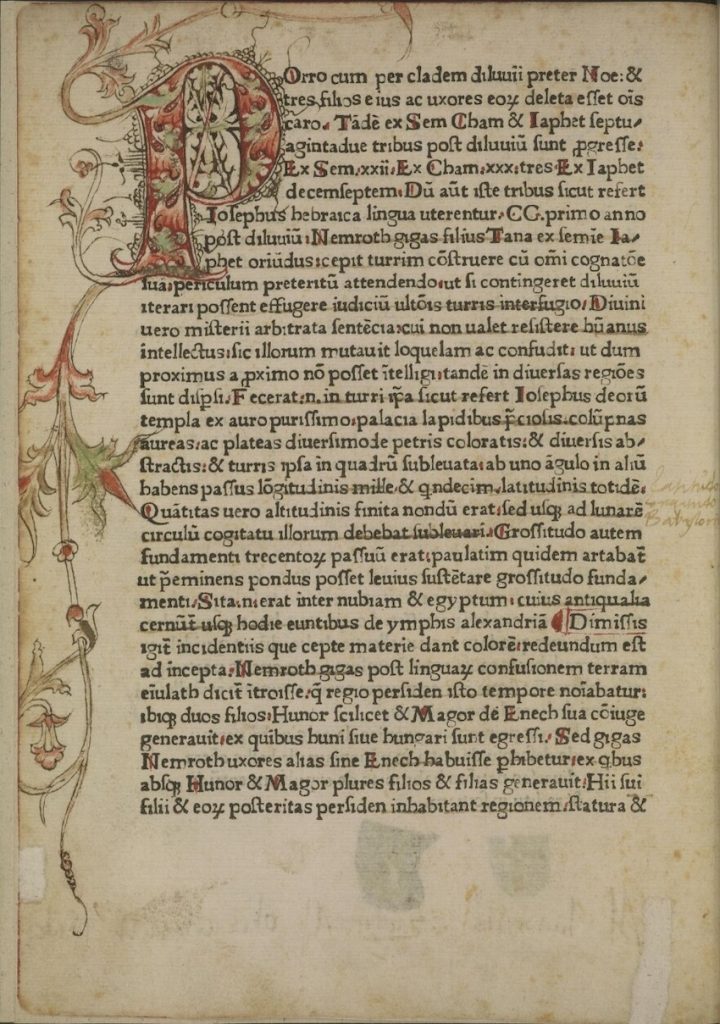
The exhibition illuminates half a millennium of Latvian book history – centuries in which ideas, beliefs, knowledge, and stories were safeguarded and passed from one generation to the next. This rich tradition resonates deeply with us here in Hungary. When we reflect on the Buda Chronicle (Chronica Hungarorum), printed in 1473 as Hungary’s first book, we recall the moment when our own national narrative entered the realm of printing and assumed lasting form.
Just as the earliest Latvian books marked the emergence of a literary heritage that would shape the Latvian nation, the Buda Chronicle is a cornerstone of Hungarian cultural identity.
These parallel histories remind us that the birth of printing – around the mid-15th century – was not merely a technological achievement, but a civilisational milestone: one that strengthens societies, preserves memory, and elevates the human spirit. In this sense, our two nations are united by a shared understanding that books are instruments of continuity, resilience, and enlightenment. As Daniel J. Boorstin wrote: ‘Libraries are not just places of books; they are the treasure houses of the human spirit’. Today, this library becomes precisely such a treasure house: a place where Latvian and Hungarian heritages are united in dignity, dialogue, and friendship.
May this exhibition inspire us to reaffirm our dedication to cultural cooperation, mutual understanding, and the shared European values that connect our nations. Let it remind us that through culture – perhaps more than through any other means – we build lasting bridges of respect and goodwill.
I wish you all a meaningful and uplifting experience as you explore this remarkable history, and I thank you for honouring us with your presence. Thank you very much for your attention and collaboration.”
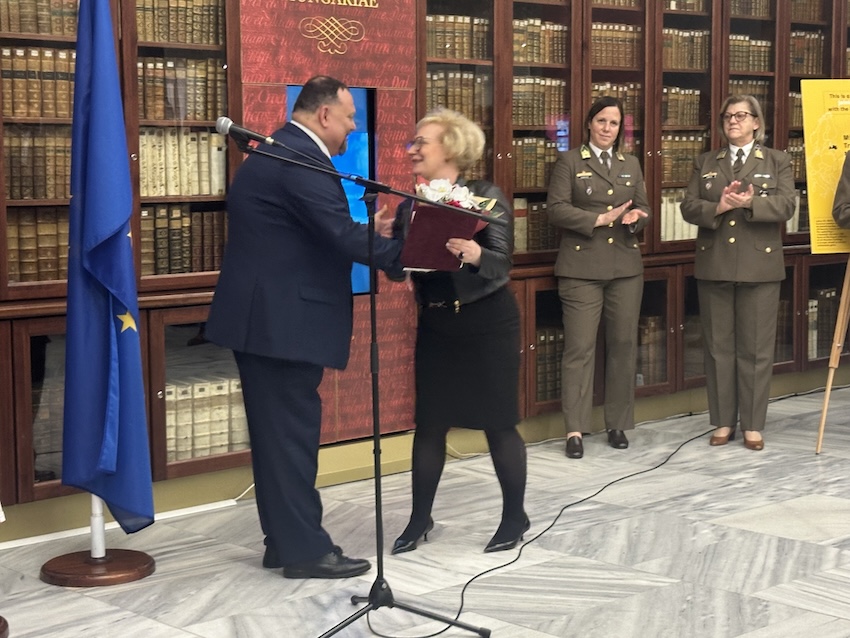
At the end of the official programme, Ambassador Pogrebņaks presented the National Széchényi Library with a symbolic gift: a 2025 Latvian Bank silver collector coin, “Latvian Book – 500” (Latviešu grāmatai 500), issued to commemorate the 500th anniversary of the first book printed in Latvian language.

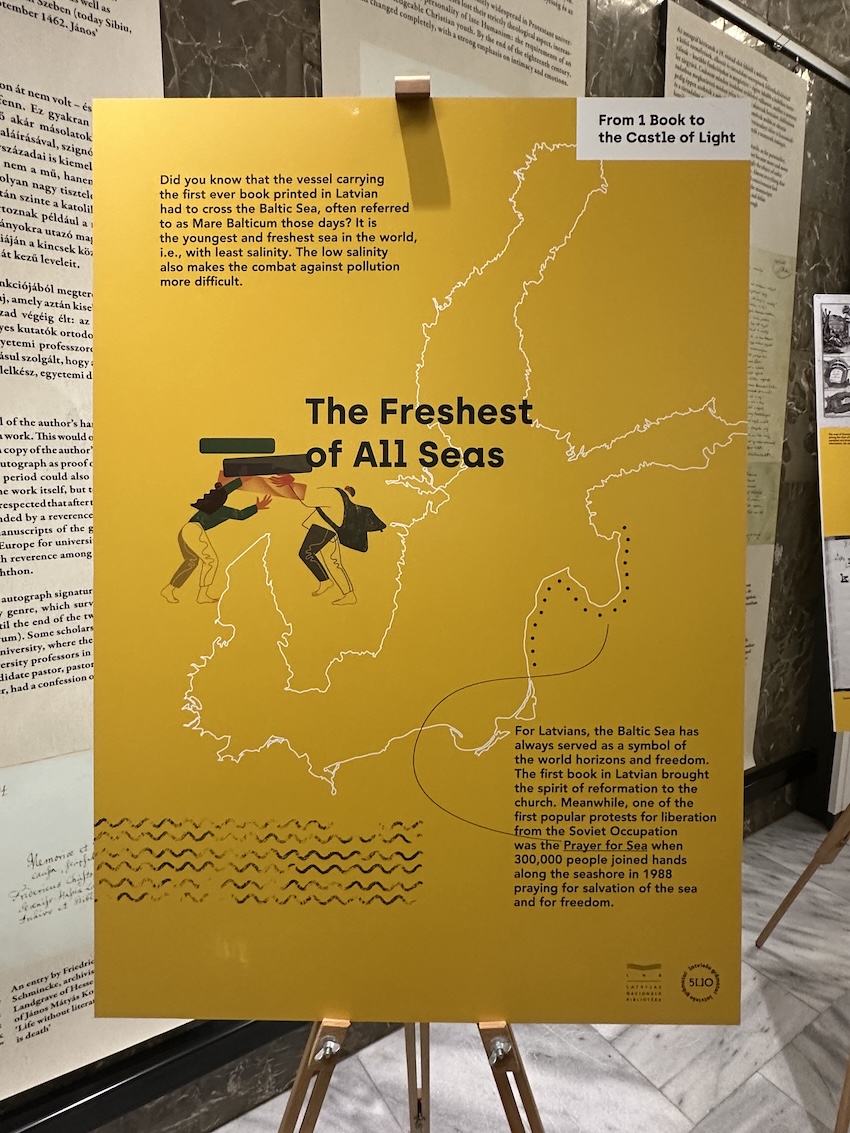
Afterward, guests were invited to visit the exhibition “500 Years of Latvian Books”.
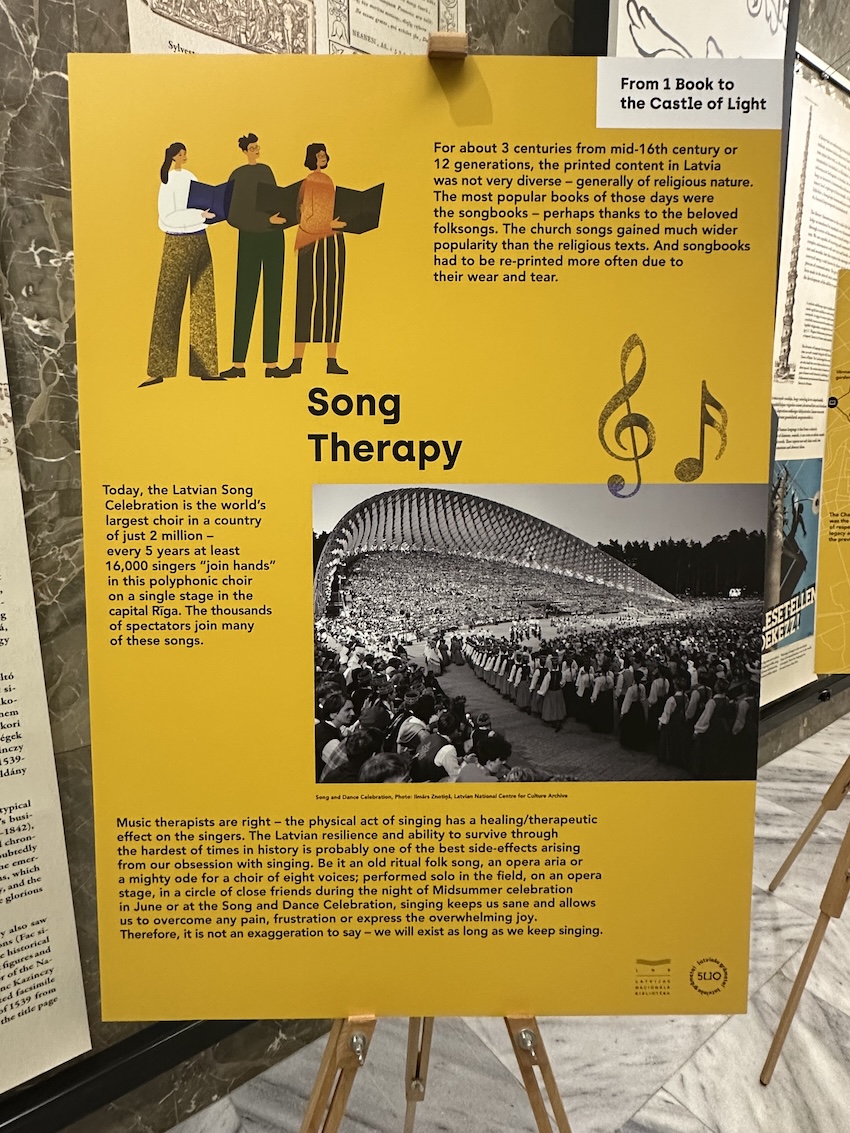
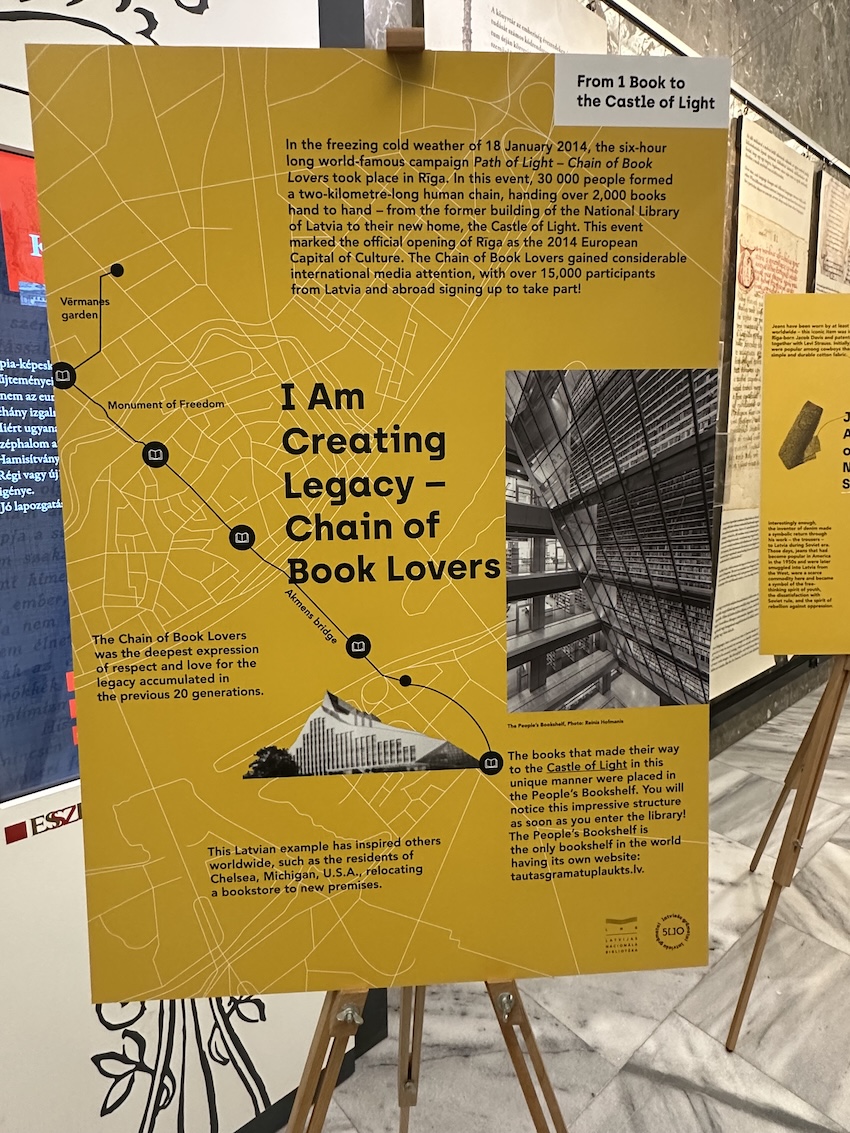
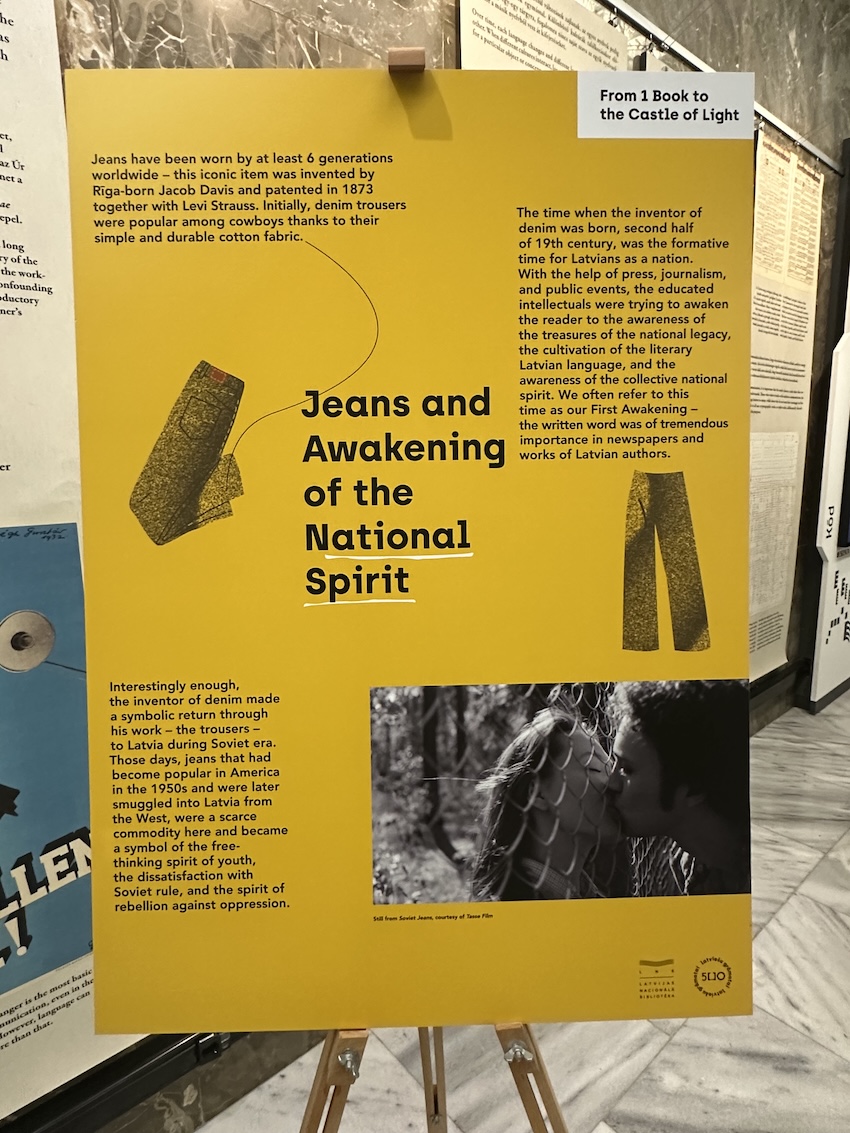
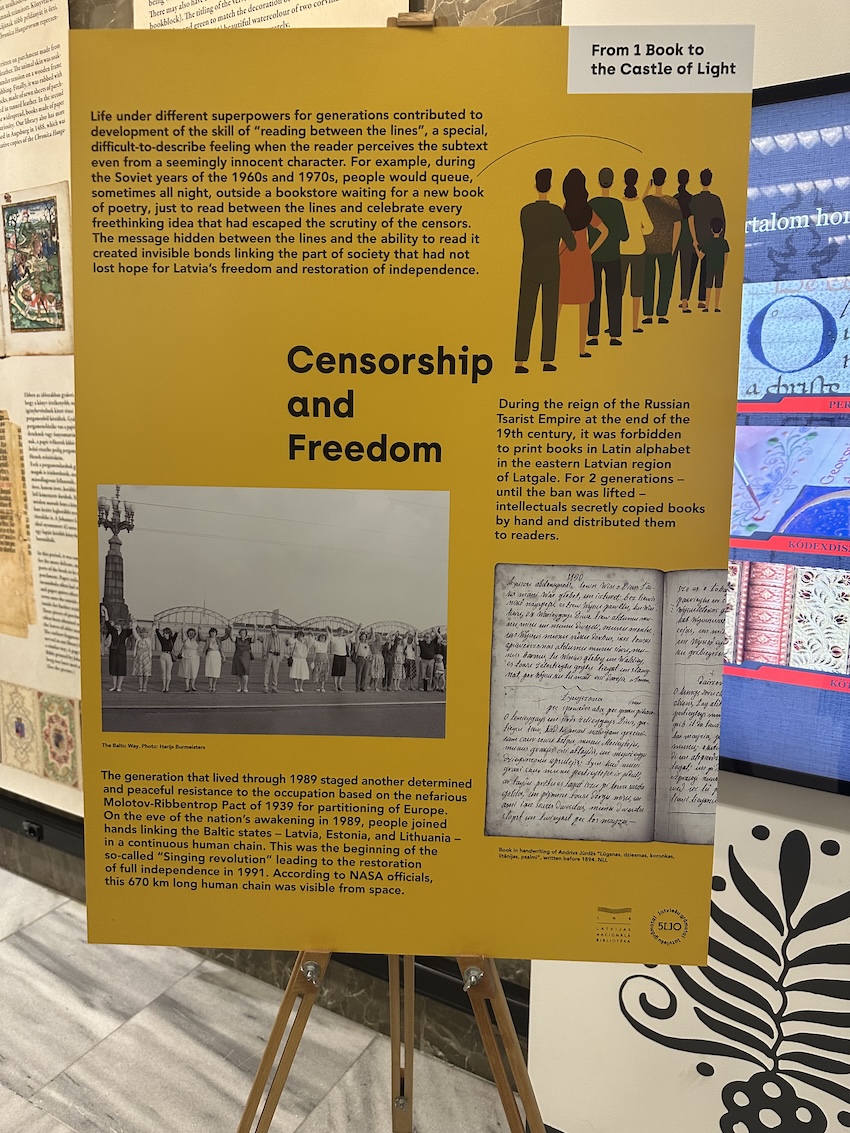
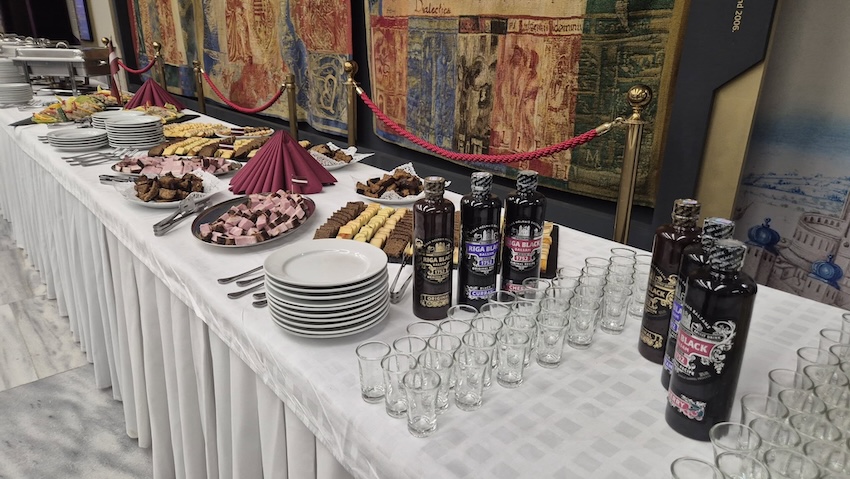
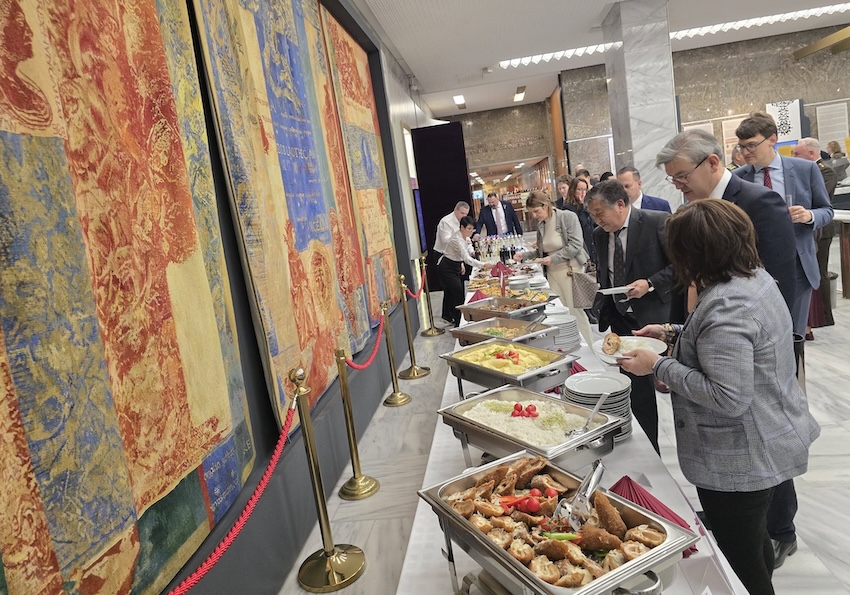
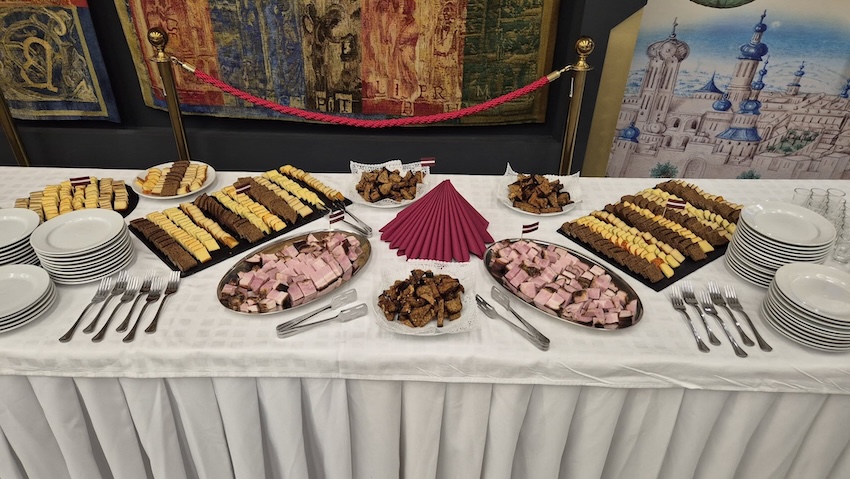
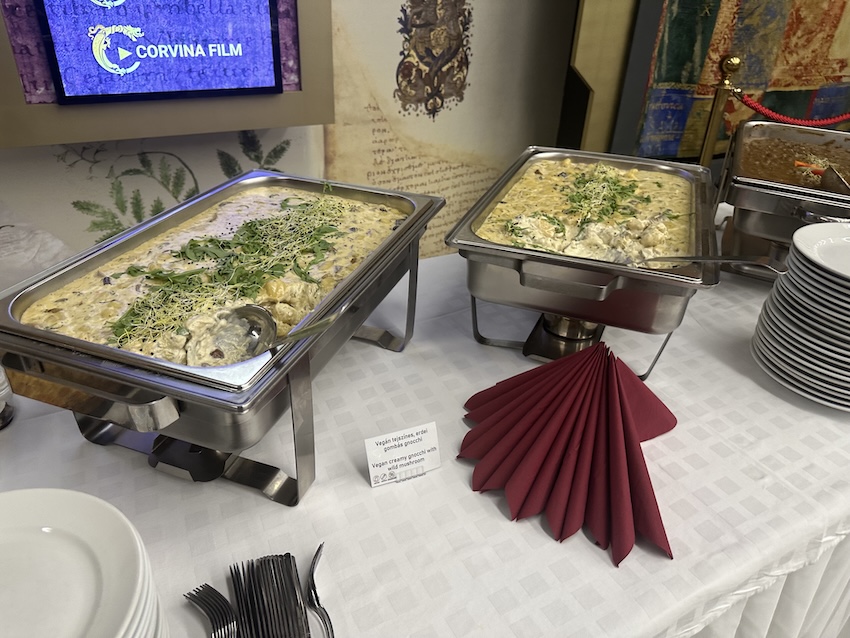
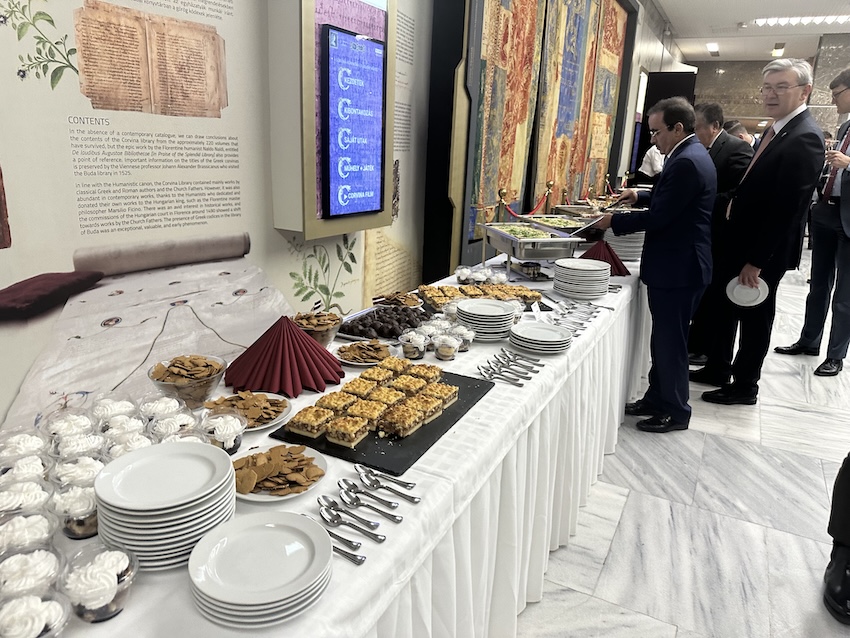
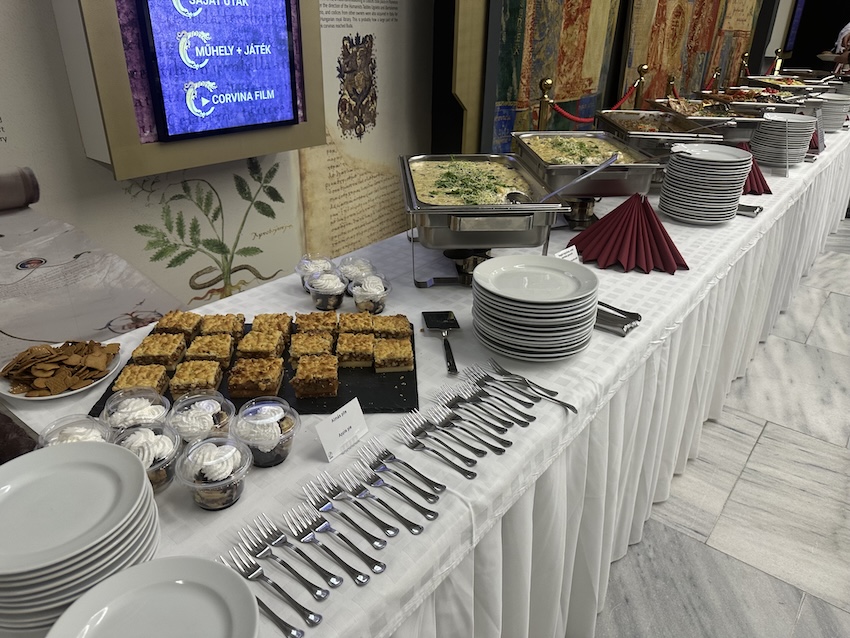
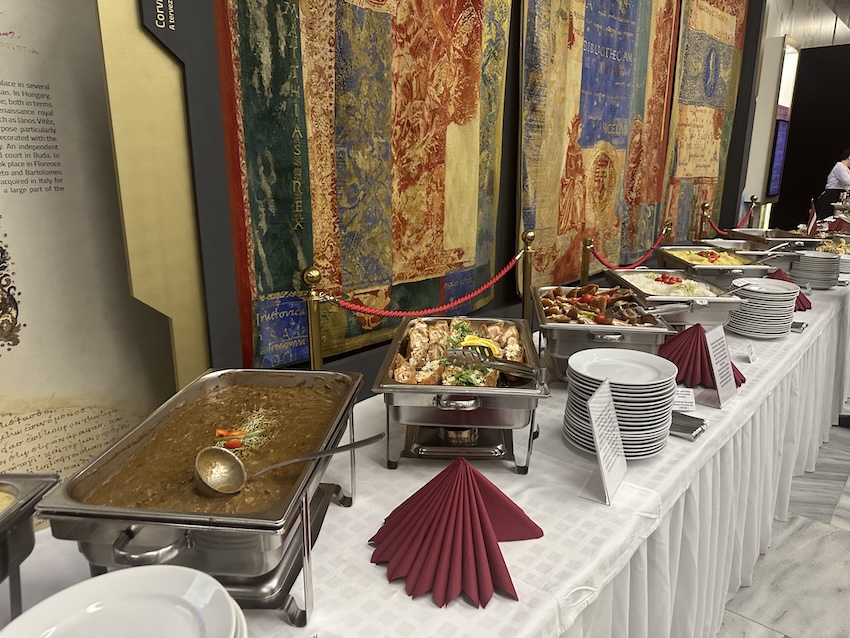
The reception offered a rich selection of Latvian specialities and beverages, including the renowned Riga Black Balsam (Rīgas melnais balzams) – Latvia’s iconic herbal liqueur, traditionally crafted from 24 natural ingredients according to a legendary secret recipe dating back to 1752.

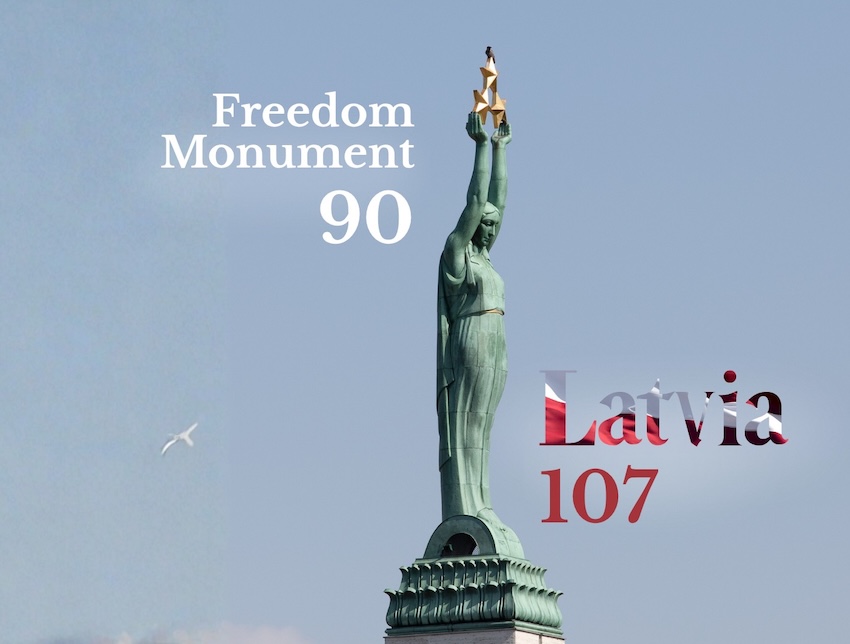
In 2025, Latvia also pays tribute to the Freedom Monument in Riga, marking its 90th anniversary – a powerful symbol of the nation’s freedom and independence.
The 19-meter-high female figure atop the monument is affectionately known as “Milda” by locals, she embodies Latvia’s ideals of liberty, unity and statehood.
Latvia’s spirit is rooted in its five historical lands – Kurzeme, Latgale, Zemgale, Vidzeme, and Sēlija – each with its own character and, together, forming one Latvia, a magical country, a hidden gem in the Baltics.
Long Live the Republic of Latvia! Lai dzīvo Latvijas Republika!
Source: Embassy of the Republic of Latvia in Budapest
Photos from the Embassy of the Republic of Latvia in Budapest; and Diplomatic Press Agency